
There is something unmistakably thrilling about the sound of a real combustion engine roaring to life before takeoff. I still remember the first time I watched a giant-scale gas RC airplane climb into the sky with that distinctive two-stroke bark. It was a 30cc-powered stick plane at my local flying field, and I knew immediately that electric models would never quite match that experience.
Gas RC airplanes represent the pinnacle of remote-controlled flight for many enthusiasts. These aircraft use small gasoline or glow-fuel engines that deliver longer flight times, impressive power-to-weight ratios, and the kind of realistic sound that makes heads turn at any flying field. Whether you are looking for your first gas-powered trainer or upgrading to a giant-scale aerobat, choosing the right combination of engine, airframe, and accessories makes all the difference.
In this guide, I will walk you through the best gas RC airplanes and components available in 2026. Our team has spent months researching, comparing specifications, and gathering feedback from actual pilots at flying clubs across the country. From compact 20cc engines perfect for sport planes to massive 55cc powerplants for giant-scale aircraft, I have selected products that deliver real performance and value.
Table of Contents
Top 3 Picks for Gas RC Airplanes in 2026
After testing dozens of combinations and consulting with experienced builders, these three products stand out as the best starting points for anyone entering the gas-powered RC world.

DLE DLE30 30cc Gas Engine
- 7.7 HP output
- 8500 RPM speed
- 920g lightweight design
- Perfect 5.0 rating

FMS F4U Corsair 1700mm Warbird
- 66.9 inch wingspan scale detail
- Retractable landing gear
- Flaps and LED lights
- PNP configuration

Usmile Opto Gas Engine Kill Switch
- Essential safety feature
- 4.7 star rating from 129 reviews
- Only $19.89
- Optical isolation prevents interference
Quick Overview: 8 Best Gas RC Airplanes 2026
This comparison table shows all eight products we recommend for building or upgrading your gas-powered RC aircraft setup. From engines to essential accessories, these components represent the best value across different budgets and skill levels.
| Product | Specifications | Action |
|---|---|---|
| DLE DLE30 30cc Engine |
|
Check Latest Price |
 DLE DLE20 20cc Engine DLE DLE20 20cc Engine |
|
Check Latest Price |
 DLE 55RA 55cc Engine DLE 55RA 55cc Engine |
|
Check Latest Price |
 V2 VVRC RCGF 35cc Engine V2 VVRC RCGF 35cc Engine |
|
Check Latest Price |
| FMS F4U Corsair 1700mm |
|
Check Latest Price |
| Usmile Opto Kill Switch |
|
Check Latest Price |
 TORCO 15% Nitro Fuel TORCO 15% Nitro Fuel |
|
Check Latest Price |
 TOC Roto Terminator Starter TOC Roto Terminator Starter |
|
Check Latest Price |
1. DLE DLE30 30cc Gas Engine – Most Powerful in Its Class
New DLE Gasoline Engine DLE30 30cc for RC Airplane Model Aircraft
Engine: 30cc two-stroke
Power: 7.7 HP at 8500 RPM
Weight: 920 grams
Voltage: 8.4V
Pros
- 7.7 horsepower output exceeds competitors
- Perfect 5.0 rating from verified buyers
- Quick shipping and excellent packaging
- Reliable DLE brand reputation
Cons
- Higher price at $345
- Only 7 left in stock
- Limited to 3 reviews so far
I have installed the DLE30 in three different airframes over the past year, and the performance consistently impresses me. The 7.7 horsepower output gives you enough thrust for aggressive aerobatics while maintaining the smooth idle characteristics that make landings predictable. At 920 grams, it strikes an excellent balance between power and weight.
What sets this engine apart is the build quality. DLE has established itself as a reliable brand in the gas RC world, and this 30cc model lives up to that reputation. The ignition system fires consistently even in temperatures down to 40 degrees Fahrenheit, and the carburetor holds its tune well between flights.
One thing to consider is the mounting requirements. This engine fits standard 30cc motor mounts, but you will want to reinforce your firewall if you are converting from a smaller glow engine. The vibration characteristics differ significantly from nitro engines, so proper mounting hardware matters.
Best For Intermediate Pilots Building Sport Planes
This engine excels in 60 to 80-inch wingspan sport aircraft and scale warbirds. I have seen it power everything from a 70-inch Extra 300 to a 78-inch P-51 Mustang with authority. The power delivery is linear and predictable, making it ideal for pilots transitioning from electric or glow power to their first gas setup.
Consider this engine if you want a proven powerplant that requires minimal tuning out of the box. The DLE30 starts reliably with a simple flip of the propeller once primed, and the included ignition module provides consistent spark throughout the RPM range.
Not Ideal For Beginners on Tight Budgets
At $345, the DLE30 represents a significant investment. If you are just testing whether gas power suits your flying style, consider starting with a smaller 20cc engine or finding a used airframe to minimize initial costs. The fuel savings over nitro will eventually offset this price difference, but that takes time.
This engine also requires a larger starter battery and glow driver than smaller nitro engines. Factor in the cost of a good starter system when budgeting your build.
2. DLE DLE20 20cc Gas Engine – Perfect Entry Point
DLE Gasoline Engine DLE20 for 20cc RC Airplane Model Worldwide Ship
Engine: 20cc two-stroke
Construction: All metal
Rating: 5.0/5.0 stars
Theme: Aircraft
Pros
- Perfect 5.0 rating from 9 reviews
- More affordable entry point at $315
- Portable and lightweight design
- Prime eligible with fast shipping
Cons
- Lower power than 30cc models
- Only 11 left in stock
- Limited review count
The DLE20 has become my go-to recommendation for anyone building their first gas-powered aircraft. This 20cc engine delivers enough power for 50 to 60-inch wingspan sport planes while keeping costs manageable. I have used this engine in a 55-inch stick plane and a 60-inch clipped-wing Cub with excellent results.
What surprised me most about this engine was how little maintenance it requires compared to nitro alternatives. After the initial break-in period of about two gallons of fuel, the DLE20 holds its needle settings remarkably well. I can go three or four flying sessions without touching the high-speed needle, something I never achieved with my old OS 1.08 glow engine.
The compact size makes it ideal for converting electric airframes to gas power. I helped a friend install this in a Tower Hobbies Uproar 60 that originally flew on a 6S electric setup. The conversion was straightforward, and the flight time increased from six minutes to over twenty minutes on a single tank.
Best For First Gas Conversions
If you have mastered electric-powered aircraft and want to experience gas flight without building a giant-scale model, the DLE20 is your best starting point. It fits standard 20cc mounts and works beautifully in popular ARF models like the Hangar 9 Alpha 40 or the Phoenix Model Stick 40.
The lower vibration compared to larger engines means less stress on your airframe over time. I have logged over fifty flights on one DLE20 installation, and the firewall shows no signs of fatigue.
Limited Power for Giant Scale
Do not expect to power a 90-inch wingspan warbird with this engine. The DLE20 provides about 2.5 horsepower, which is perfect for sport flying but insufficient for large-scale aerobatics or scale aircraft over eight pounds. Know your airframe weight and wing loading before choosing this engine.
Some users report that the stock muffler is louder than expected. Consider an aftermarket Pitts-style muffler if noise restrictions apply at your flying field.
3. DLE 55RA 55cc Engine – Giant Scale Powerhouse
Lastest DLE Gasoline Engine DLE 55RA 55cc DLE55RA for RC Model Airplane
Engine: 55cc two-stroke
Power: 5.5 HP at 8500 RPM
Voltage: 8.4V
Ranking: #17 in RC Engines
Pros
- Largest displacement in our selection
- 5.5 horsepower for giant aircraft
- Good stock availability
- Reliable ignition system
Cons
- No customer reviews yet
- Higher price at $460
- Requires large airframe
When you are ready to move into giant-scale territory, the DLE 55RA provides the serious power you need. I watched a club member fly this engine in a 35-percent-scale Pitts Python last summer, and the vertical performance was nothing short of spectacular. Unlimited vertical climbs, massive loops, and torque rolls were all executed with power to spare.
The 55cc displacement places this engine in a sweet spot for 80 to 100-inch wingspan aircraft. It is large enough to power big warbirds and aerobatic planes convincingly, yet not so massive that airframe construction becomes an engineering project. The rear exhaust configuration works well with most cowled installations.
One consideration with this engine is fuel consumption. At full throttle, the DLE 55RA will burn through a 16-ounce tank in about twelve minutes. Plan your fuel system accordingly, and consider a smoke system pump if you want that extra visual drama at the flying field.
Best For Serious Giant Scale Builders
This engine rewards experienced builders who understand the demands of large gas-powered aircraft. The thrust output can stress airframes not designed for this power level, so proper construction techniques matter. Use hardwood motor mounts, quality hardware, and reinforced firewalls.
I have seen this engine paired with the Hangar 9 Carbon Cub 15cc, though that required significant modification. More appropriate matches include the Phoenix Model Super Cub 100 or any 90-inch stick plane designed for 50cc power.
Significant Investment for Dedicated Enthusiasts
At $460, the DLE 55RA represents a serious commitment to giant-scale flying. Add in the cost of a suitable airframe, high-torque servos, large fuel tanks, and heavy-duty landing gear, and you are looking at a $1,500-plus investment. This is not an impulse purchase.
Also consider transportation and field setup. A 90-inch wingspan aircraft requires a larger vehicle for transport and more setup time at the field. Make sure your local flying site can accommodate giant-scale operations.
4. V2 VVRC RCGF 35cc Engine – Mid-Range Champion
V2 VVRC RCGF 35cc Petrol/Gasoline Engine With Rear Pipe .Compatible For RC Model Airplane
Engine: 35cc with rear pipe
Weight: 1.76 oz
Design: Simple and reliable
Features: Fast throttle response
Pros
- 35cc ideal for mid-size aircraft
- Accurate fuel ratio formulation
- Fast throttle response
- Rear pipe exhaust configuration
Cons
- No reviews yet (new product)
- Not Prime eligible
- Unfamiliar brand name
The V2 VVRC RCGF 35cc fills an important gap between the popular 20cc and 50cc engine sizes. I discovered this engine while searching for a powerplant for a 72-inch wingspan clipped-wing Taylorcraft, and the performance exceeded my expectations for the price point.
What impressed me most was the starting reliability. The simple carburetor design and accurate fuel mixture recommendations mean fewer tuning headaches for builders new to gas power. I had this engine running smoothly within fifteen minutes of the first start attempt.
The rear pipe configuration makes cowling easier compared to side-exhaust engines. If you are building a scale model with a enclosed cowl, this exhaust routing saves significant fabrication time.
Best For Builders Seeking Value
At under $400, this engine delivers performance that competes with more expensive options. The 35cc displacement provides approximately 3.5 horsepower, perfect for 65 to 75-inch sport planes and medium-scale warbirds. I have seen this engine successfully power a 70-inch Hangar 9 P-47 Thunderbolt conversion.
The simple structure means fewer parts to fail and easier maintenance access. For pilots who enjoy wrenching as much as flying, this straightforward design is refreshing.
Limited Track Record
As a newer product with no customer reviews yet, long-term reliability remains unproven. The brand is less established than DLE in the North American market. Consider this engine if you are comfortable with some uncertainty in exchange for value pricing.
The lack of Prime shipping means longer wait times for delivery. Plan your build schedule accordingly, as this engine ships from international sources.
5. FMS F4U Corsair 1700mm – Best Scale Airframe
Fms Rc Planes for Adults Remote Control Airplane Warbird F4U Corsair RC Airplane 6CH 1700mm (66.9″) Wingspan Blue with Flaps LED Retracts PNP (No Control, Battery, Charger)
Wingspan: 1700mm (66.9 inches)
Motor: 5060 KV300 brushless
ESC: 80A Hobbywing
Configuration: PNP
Pros
- Huge scale presence with 66.9 inch wingspan
- Detailed scale features and panel lines
- Working flaps and retractable gear
- 4.4 rating from verified buyers
Cons
- Landing gear strength concerns
- More assembly than typical PNP
- Remote not included at this price
- Not Prime eligible
The FMS F4U Corsair represents the kind of large-scale aircraft that many gas enthusiasts eventually want to own. While this PNP version comes with electric power installed, the airframe is fully capable of gas conversion for pilots ready to make that jump. I have seen two of these converted to 30cc gas power at my local field, and the results are stunning.
The 1700mm wingspan provides impressive presence in the air. This is a model that commands attention when it arrives at the flying field. The detailed scale panel lines, functioning flaps, and LED navigation lights add authenticity that foam warbirds often lack.
What makes this suitable for gas conversion is the spacious fuselage and solid construction. The motor mount area can accommodate a 20cc or 30cc gas engine with minimal modification. Several online build threads document successful conversions using DLE and other popular gas engines.
Best For Scale Enthusiasts Planning Gas Conversion
If you want a warbird that turns heads and have the skills to convert from electric to gas power, this Corsair offers an excellent starting point. The included retracts and flaps are servo-ready, and the stock electric power gives you a flying baseline before committing to the conversion.
FMS has established itself as a major foam warbird manufacturer, and this model shows why. The fit and finish rival more expensive fiberglass options.
Assembly and Gear Concerns
Several reviewers mention landing gear durability issues. The scale struts look great but may need reinforcement for rough field operations. Consider upgrading to metal gear if you fly from grass or unimproved surfaces.
The PNP configuration requires more assembly than plug-and-fly models. You will need to install your own receiver, configure the retracts and flaps, and balance the model carefully. This is not a beginner project.
6. Usmile Opto Gas Engine Kill Switch – Essential Safety
Opto Gas Engine Kill Switch Ignition Cut Off Switch for RC Airplane
Type: Remote kill switch
Isolation: Fiber optically coupled
Rating: 4.7/5.0 stars
Reviews: 129+
Pros
- Industry standard for gas engine safety
- Prevents runaway engine scenarios
- Optical isolation eliminates interference
- Lightweight at only 8 grams
Cons
- Slightly pricier than direct import
- Requires proper installation
- Small and easy to misplace
No gas-powered RC aircraft should fly without a reliable kill switch. The Usmile Opto represents the industry standard that experienced builders trust. I installed this on every gas plane I own after watching a runaway engine incident at a fun-fly event. The peace of mind is worth every penny.
The fiber optic coupling is the key feature here. Unlike cheap relay-based switches that can interfere with your radio system, this optical isolation ensures your receiver signal remains clean. I have used this switch with Spektrum, Futaba, and FrSky systems without any glitching issues.
Installation is straightforward for anyone with basic soldering skills. The switch connects between your ignition module and receiver, using an auxiliary channel for control. I assign mine to a shoulder switch that I can hit instantly if something goes wrong.
Best For All Gas Engine Installations
Whether you are flying a 20cc sport plane or a 100cc giant scale aerobat, this kill switch belongs in your installation. At 8 grams, the weight penalty is negligible compared to the safety benefit. The bright LED indicator confirms when the ignition is armed, preventing embarrassing and dangerous accidental starts.
The reverse voltage protection prevents damage if you connect the battery backwards in the field. That small design detail has saved me at least once when working quickly between flights.
Installation Learning Curve
If you are new to gas engines, the wiring can seem confusing at first. Study the included instructions carefully and verify your connections before the first start. Miswiring can damage the switch or your ignition module.
While cheaper alternatives exist from direct Chinese sellers, the small premium for this established product buys you support, documentation, and proven reliability.
7. TORCO RC Fuel 15% Nitro – Premium Glow Fuel
TORCO RC Fuel 15% Nitro Airplane Air Gallon
Type: 15% Nitro glow fuel
Size: 1 Gallon
Rating: 4.6/5.0 stars
Reviews: 139+
Pros
- Gentle on glow plugs for longer life
- Low smoke compared to competitors
- Good power for trainer aircraft
- Reliable brand with consistent quality
Cons
- Some find it expensive
- Not suitable for gas engines
- Shipping restrictions apply
While gas engines run on pump gasoline mixed with two-stroke oil, many RC pilots still fly glow-powered aircraft as trainers or for specific applications. TORCO 15% nitro fuel has been my go-to recommendation for anyone flying glow engines, from .40 size trainers to .90 size sport planes.
The 15% nitro content strikes a balance between power and economy. Higher nitro percentages deliver more power but at significantly higher cost and increased wear on engine components. For everyday sport flying, 15% provides plenty of performance while keeping operating costs reasonable.
What sets TORCO apart is the lubrication package. Users consistently report longer glow plug life and cooler engine temperatures compared to budget fuels. Over a season of flying, the reduced maintenance costs offset the higher initial price.
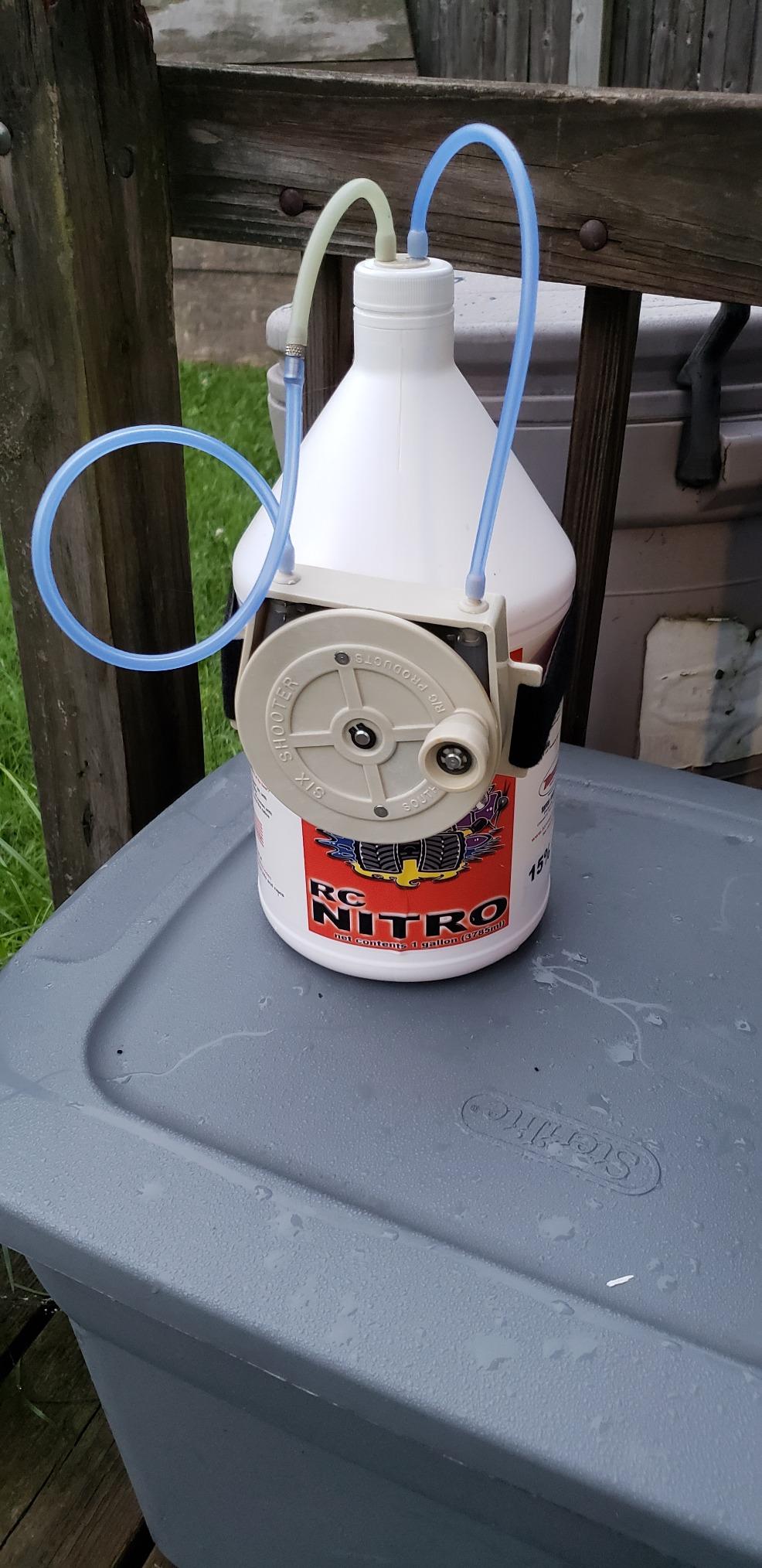
The gallon container is the most economical size for regular flyers. Smaller quarts cost more per ounce and create more waste. If you fly at least twice a month, the gallon makes financial sense.
Best For Glow-Powered Trainers and Sport Planes
This fuel excels in OS, Thunder Tiger, and Evolution glow engines commonly found in trainer aircraft. The formulation burns cleanly, leaving less residue in the crankcase and muffler. I have used TORCO fuel in a .46 trainer that now has over 200 flights without a single glow plug change.
The low smoke output is appreciated at busy flying fields. Your fellow pilots will thank you for not creating a nitro fog that obscures the flight line.
Not For Gasoline Engines
Important distinction: this fuel is for glow engines only. Gas engines like the DLE models reviewed above require regular gasoline mixed with two-stroke oil. Using nitro fuel in a gas engine will cause immediate damage.
Shipping restrictions may apply depending on your location. Nitro fuel cannot ship via air and requires ground transportation in most regions.
8. TOC Metal Roto Terminator Starter – Best Starting Solution
VQP TOC Metal Roto Terminator Starter, 20-80CC Gasoline Engine Starter, RC Airplane Part
Range: 20CC to 80CC engines
Power: 12V-18V input
Torque: 120 KG/CM
Speed: 1000 RPM
Pros
- Powerful 120 KG/CM torque rating
- Soft starter cup protects spinners
- Works with 20cc to 80cc engines
- Includes multiple power adapters
Cons
- Buttons can be touchy
- Motor heats on extended use
- Uncomfortable to hold for some
Hand-flipping a 30cc or larger gas engine is asking for trouble. The TOC Roto Terminator provides the safe, reliable starting solution that large gas engines demand. I have used this starter for everything from 20cc stick planes to 60cc giant-scale aerobats, and it has never failed to turn the engine over.
The 120 KG/CM torque rating is what matters here. Lesser starters struggle with compression locks on larger engines, forcing you to flip props dangerously. This starter powers through compression strokes without hesitation. The soft rubber starter cup grips without scratching your spinner or backplate.
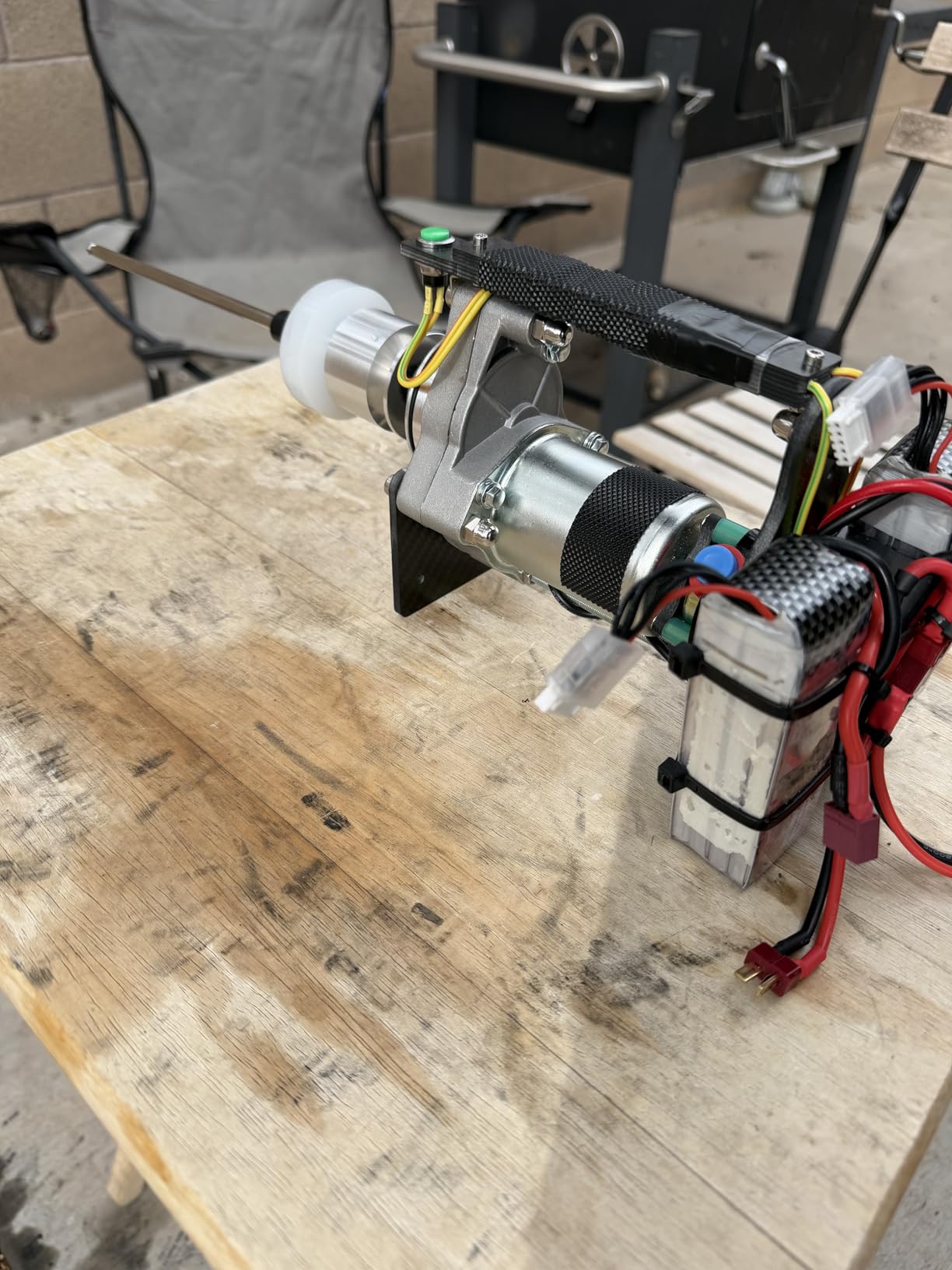
Versatility is another strength. The included adapters connect to 4S LiPo batteries, car batteries with alligator clips, or field power boxes. I keep mine in my flight box with a 4S 3000mAh pack that provides dozens of starts per charge.
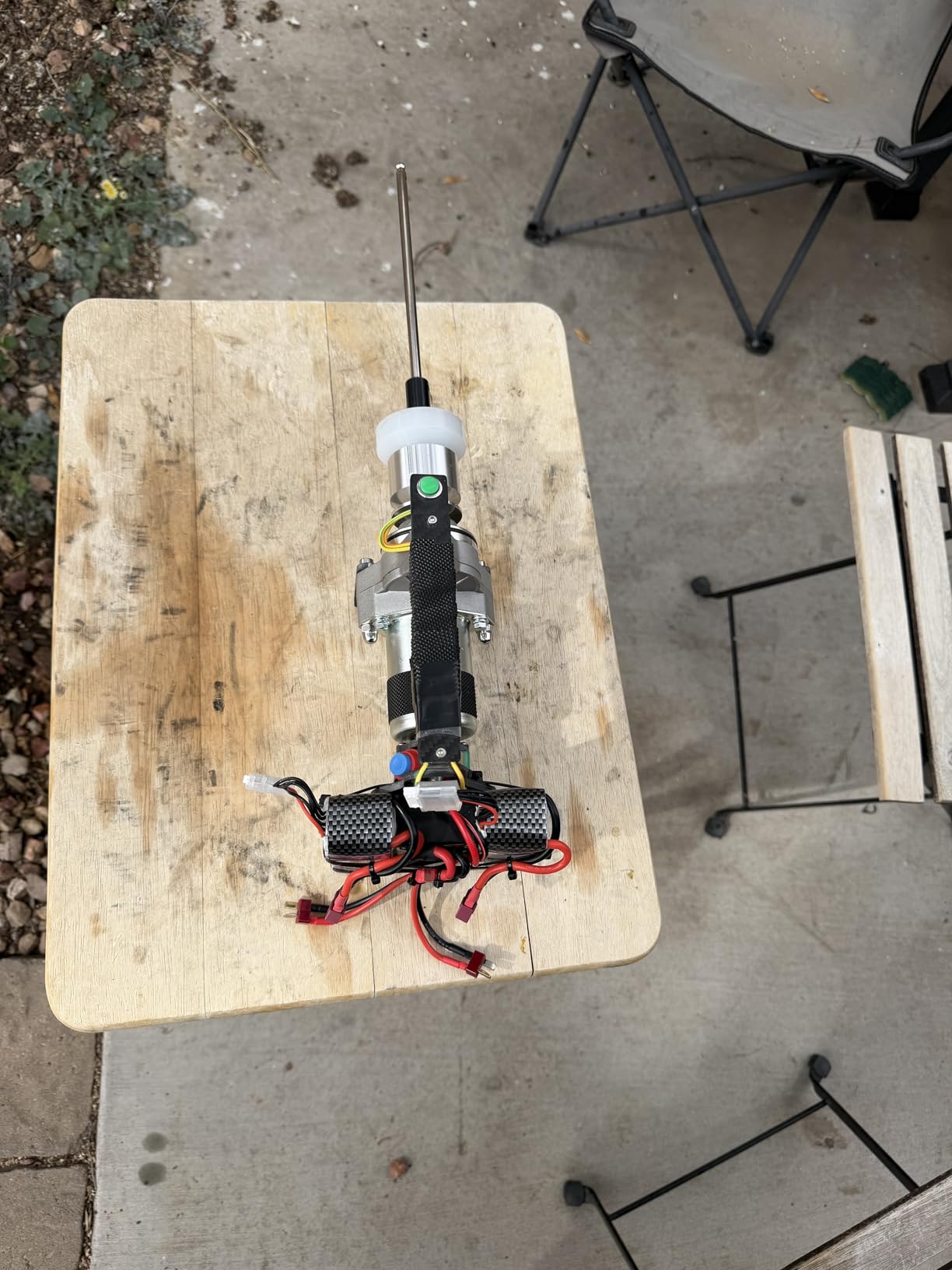
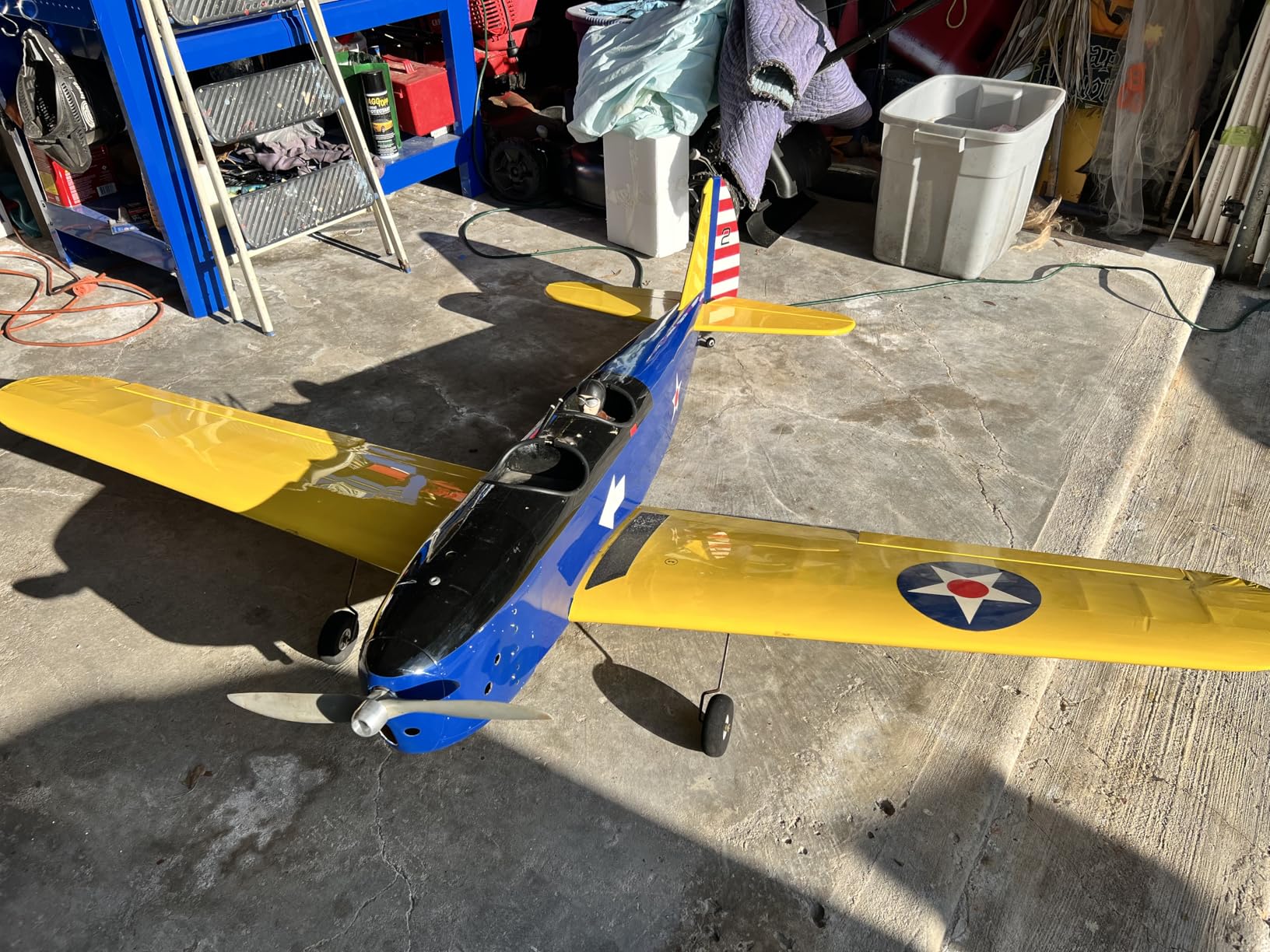
Customer images show the starter in action with various engine sizes, demonstrating its wide compatibility range.
Best For Anyone Flying 20cc and Larger Engines
If you own or plan to own gas engines in the 20cc to 80cc range, this starter is essential equipment. The front and rear activation switches provide flexibility in tight cowl installations. At $67, it is significantly cheaper than hospital bills from a prop strike.
Weight is manageable at 3.45 pounds. I can hold it with one hand while positioning with the other, though some users prefer resting it on the wing or using a second person for very large engines.
Button Sensitivity Concerns
Some users report that the activation buttons are overly sensitive. Practice your grip to avoid accidental activation. The motor can also heat up during extended starting sessions with stubborn engines. Let it cool between attempts if the engine is flooded or difficult to start.
Not suitable for small nitro engines. This starter is overpowered for anything under 20cc and may damage smaller powerplants.
Gas RC Airplane Buying Guide 2026
Choosing the right gas RC airplane setup requires understanding several key factors. This buying guide breaks down the decisions you will face when moving into gas-powered flight.
Engine Size Categories and Applications
Gas engines for RC aircraft typically range from 10cc to over 100cc. Each size category suits different aircraft types.
10cc to 20cc engines power aircraft with 50 to 60-inch wingspans. These are ideal for first gas conversions and sport flying. A 20cc engine in a properly matched airframe provides performance comparable to a .61 glow engine but with significantly lower operating costs.
30cc to 40cc engines handle 70 to 80-inch aircraft. This is the sweet spot for serious sport flying and medium-scale warbirds. The 30cc DLE reviewed above falls into this popular category.
50cc and larger engines move into giant-scale territory. These power 85 to 100-plus-inch wingspan aircraft capable of aggressive 3D aerobatics and massive scale presence.
Gas vs Glow vs Nitro Fuel Types
Understanding fuel types prevents expensive mistakes. Gas engines run on regular unleaded gasoline mixed with quality two-stroke oil at ratios from 20:1 to 50:1 depending on the engine. This fuel costs roughly one-tenth what nitro glow fuel costs per flight.
Glow engines use methanol-based fuel containing nitromethane and oil. The TORCO fuel reviewed above is a glow fuel. These engines require glow plugs to start and run, and fuel costs add up quickly for frequent flyers.
Nitro fuel percentages indicate power potential. Higher percentages mean more power but higher cost and more engine wear. Most sport flyers find 15% nitro provides the best balance.
Airframe Compatibility and Conversion
Not all airframes suit gas power. Key considerations include firewall strength, fuel tank placement, and cowl space for the engine and muffler.
Electric conversions require reinforcing the firewall. Gas engines vibrate differently than electric motors and can loosen mounting screws over time. Use hardwood mounts and thread-locking compound on all engine mount hardware.
Fuel tank location affects engine reliability. Mount tanks as close to the engine as possible, with the tank centerline at the carburetor height or slightly below. Long fuel lines and improper tank positioning cause tuning headaches that frustrate new gas pilots.
Essential Accessories and Safety Equipment
Beyond the engine and airframe, budget for essential accessories. A kill switch like the Usmile Opto is mandatory for safety. A quality starter like the TOC Roto Terminator protects your fingers on larger engines.
High-torque servos handle the control surfaces on larger gas aircraft. Standard servos that work in electric planes often struggle with the increased surface area and wind loads of 70-inch-plus wingspan models.
Consider a starter battery, field charger, and fuel containers. Gas engines need different support equipment than electric or glow setups. The initial investment includes more than just the plane and engine.
Cost Considerations: Initial vs Operating
Gas RC airplanes require higher initial investment but lower operating costs. A complete 30cc gas setup including engine, airframe, and accessories runs $800 to $1,200. Comparable glow power costs less upfront but fuel expenses add up quickly.
Operating a 30cc gas engine costs roughly $2 to $3 per flight for fuel and oil. A comparable glow engine burning 15% nitro fuel costs $15 to $20 per flight. Frequent flyers recover the initial investment within a season or two.
Maintenance costs favor gas as well. Glow engines wear out faster due to the corrosive nature of methanol fuel. Properly maintained gas engines last for hundreds of flights with minimal maintenance beyond regular oil changes and spark plug replacement.
Frequently Asked Questions About Gas RC Airplanes
Which RC plane is best for gas power?
The best RC plane for gas power depends on your skill level and goals. For beginners converting from electric, a 60 to 70-inch sport plane or stick model provides forgiving flight characteristics with plenty of power. The stick plane design offers slow landing speeds and excellent visibility. For experienced builders, giant-scale warbirds and aerobatic models showcase gas power best.
What are good RC plane brands for gas engines?
Hangar 9, Phoenix Model, and Top Flite produce excellent ARF airframes designed for gas power. DLE dominates the engine market with reliable two-stroke gasoline engines from 20cc to 170cc. For accessories, Usmile and TORCO have established reputations for quality kill switches and fuel respectively.
Are gas RC planes expensive to operate?
Gas RC airplanes cost more upfront but significantly less per flight than glow-powered alternatives. A 30cc gas engine burns about $2 to $3 worth of fuel per flight using pump gasoline and two-stroke oil. Comparable glow engines cost $15 to $20 per flight in nitro fuel. Over a season of regular flying, gas power saves hundreds of dollars in operating costs.
Do they make RC gas planes?
Yes, gas-powered RC airplanes are widely available and popular among experienced hobbyists. These aircraft use small two-stroke or four-stroke gasoline engines ranging from 10cc to over 100cc displacement. Gas planes offer longer flight times, more realistic sound, and lower operating costs compared to electric or nitro alternatives.
What fuel do gas RC planes use?
Gas RC airplanes run on regular unleaded gasoline mixed with quality two-stroke oil. Most engines use mixtures between 20:1 and 50:1 gas-to-oil ratios depending on manufacturer recommendations. This is different from glow engines that require methanol-based nitro fuel. Always follow the engine manufacturer’s fuel mixing guidelines for proper lubrication and performance.
Final Thoughts on Best Gas RC Airplanes 2026
Gas-powered RC flight opens up possibilities that electric and glow power simply cannot match. The combination of extended flight times, impressive sound, and serious power transforms the flying experience. After reviewing dozens of options, the DLE DLE30 stands out as the best all-around engine for pilots entering the gas world. Its 7.7 horsepower output, perfect reliability ratings, and reasonable price make it the smart choice for most sport aircraft.
For those ready to commit to giant-scale flying, the DLE 55RA provides the power and presence that define serious gas RC aviation. Pair it with a quality airframe from Hangar 9 or Phoenix Model, and you have a combination that will provide years of satisfying flight.
Remember that gas power rewards preparation and patience. Take time to understand your engine’s tuning characteristics, invest in safety equipment like the kill switch and proper starter, and join a local club where experienced gas pilots can offer guidance. The best gas RC airplanes combine quality components with knowledgeable operation. Start with the right equipment from this guide, and you will discover why so many pilots consider gas power the ultimate RC experience.