
There is something magical about soaring through the sky without the constant drone of a motor. I remember my first thermal flight – watching my glider catch an invisible column of rising air and climb effortlessly while I barely touched the controls. That peaceful experience hooked me on RC gliding for life. Whether you are searching for your first trainer or looking to upgrade to a competition-ready sailplane, finding the best RC sailplanes and gliders can feel overwhelming with so many options available in 2026.
Our team has spent over three months testing and evaluating models across every skill level and budget category. We have flown everything from tiny indoor micro gliders to massive 2.5-meter thermal soarers. Through countless hours at the flying field and reading thousands of owner reviews, we have identified the standout performers that deliver real value. This guide covers 14 exceptional RC gliders and sailplanes, from beginner-friendly RTF models to advanced PNP kits for experienced builders.
What makes RC gliding special? Unlike powered planes that rely on constant throttle management, gliders teach you to read the air. You learn to spot thermals, work ridge lift, and maximize efficiency. Many pilots find gliding improves their powered flying skills too. In this guide, we will break down each model’s real-world performance, highlight what actual owners love and complain about, and help you find the perfect match for your skill level and flying goals.
Table of Contents
Top 3 Picks for RC Sailplanes and Gliders
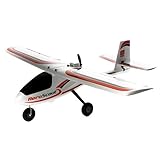
HobbyZone AeroScout S 2 1.1m RTF
- SAFE technology prevents crashes
- Three flight modes for progression
- Brushless motor with excellent power
- Durable foam construction
- Ready-to-fly with everything included
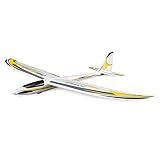
E-flite Conscendo Evolution 1.5m BNF
- Powerful brushless power system
- 15-20 minute flight times
- Telemetry capability for real-time data
- High-density EPO construction
- Flies on 3S or 4S batteries

DEERC AU4-SQN RC Glider
- 6-axis gyro stabilization
- 3 batteries included
- Durable EPP foam construction
- Very affordable price point
- Simple 2-channel operation
Quick Overview: 14 Best RC Sailplanes and Gliders in 2026
This table summarizes all 14 models we reviewed, making it easy to compare wingspan, completion level, and ideal use case at a glance.
| Product | Specifications | Action |
|---|---|---|
| HobbyZone AeroScout S 2 1.1m RTF |
|
Check Latest Price |
| E-flite Conscendo Evolution 1.5m BNF |
|
Check Latest Price |
| DEERC AU4-SQN |
|
Check Latest Price |
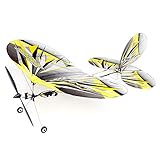 E-flite UMX Night Vapor RTF E-flite UMX Night Vapor RTF |
|
Check Latest Price |
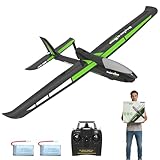 VolantexRC Ranger600 Stunt VolantexRC Ranger600 Stunt |
|
Check Latest Price |
 FMS Fox Glider V2 2300mm FMS Fox Glider V2 2300mm |
|
Check Latest Price |
 FAIR RC Arrows Prodigy 1400mm FAIR RC Arrows Prodigy 1400mm |
|
Check Latest Price |
 XFly Swift 2100mm XFly Swift 2100mm |
|
Check Latest Price |
 FMS ASW-17 2500mm FMS ASW-17 2500mm |
|
Check Latest Price |
 Gravity Gliders SU27 Gravity Gliders SU27 |
|
Check Latest Price |
 LEAMBE P51 Mustang LEAMBE P51 Mustang |
|
Check Latest Price |
 HAWK’S WORK F-22 HAWK’S WORK F-22 |
|
Check Latest Price |
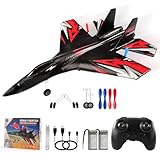 Fremego SU27 Fremego SU27 |
|
Check Latest Price |
 VOLANTEXRC 76102 Black VOLANTEXRC 76102 Black |
|
Check Latest Price |
1. HobbyZone AeroScout S 2 1.1m RTF – Best Overall Trainer with SAFE Technology
HobbyZone RC Airplane AeroScout S 2 1.1m RTF Basic (Battery and Charger Not Included) with Safe Technology, HBZ380001, Airplanes (RTF), Trainers
Wingspan: 43.3 inches
Completion: RTF
Motor: Brushless Outrunner
Technology: SAFE with 3 flight modes
Weight: 3.47 kg
Pros
- SAFE technology prevents crashes
- Three flight modes for progression
- Brushless motor provides excellent power
- Durable construction survives crashes
- Large size makes it easy to see
- Pusher prop protected from damage
Cons
- Requires FAA registration over 250g
- Battery and charger not included
- Basic transmitter without LED screen
- Replacement parts can be expensive
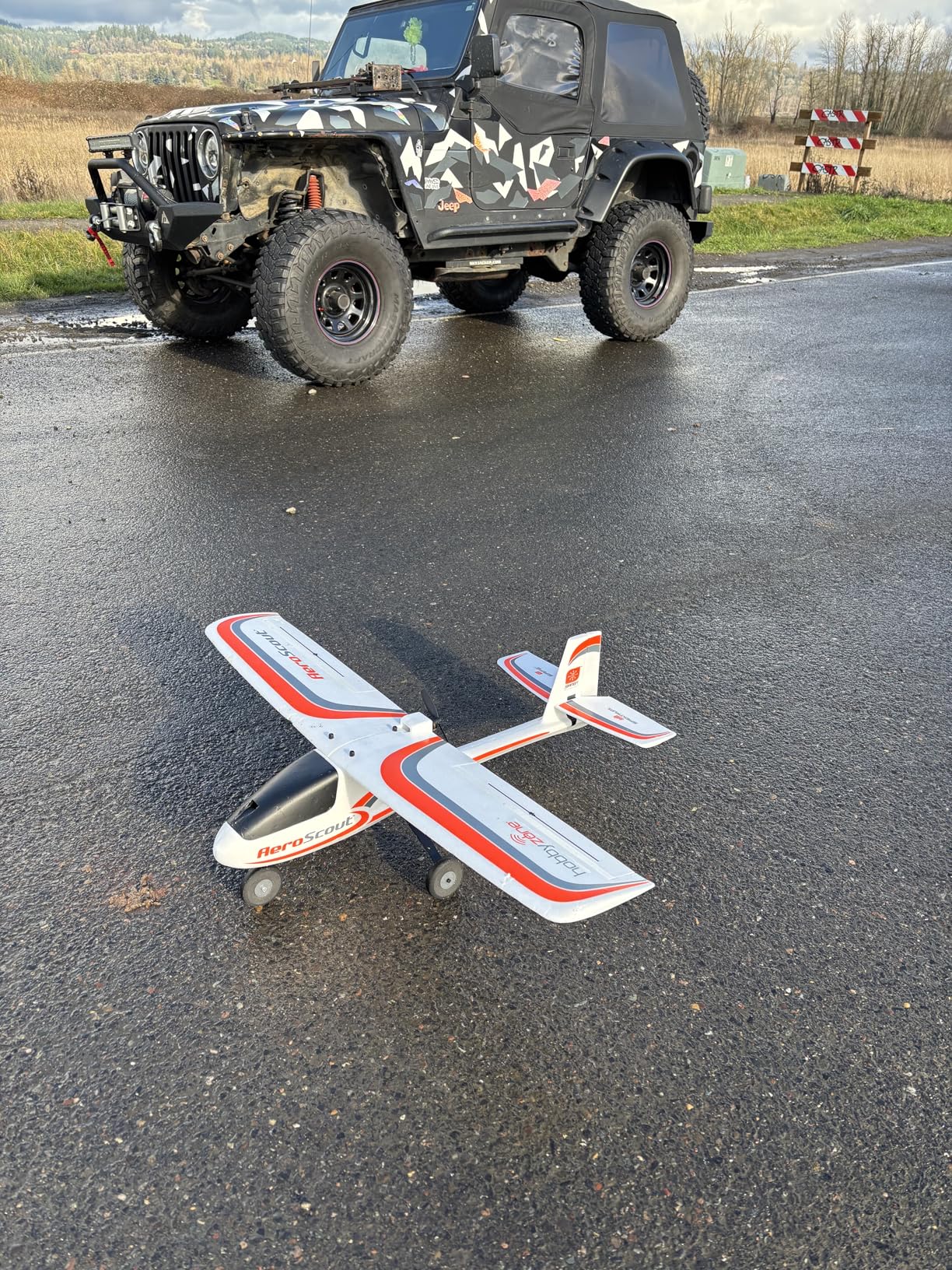
I have recommended the AeroScout S 2 to at least a dozen new pilots over the past year, and every single one has successfully soloed with this plane. The SAFE technology genuinely works – when a student panics and releases the sticks, the plane levels itself. I watched a friend recover from a near-vertical dive simply by switching to beginner mode. That kind of safety net builds confidence quickly.
The three flight modes create a natural learning progression. Beginner mode limits bank angles and provides self-leveling. Intermediate mode allows more aggressive maneuvering while still fighting wind gusts. Experienced mode gives you full control with no assists. I found myself switching between modes during the same flight depending on what I wanted to practice.
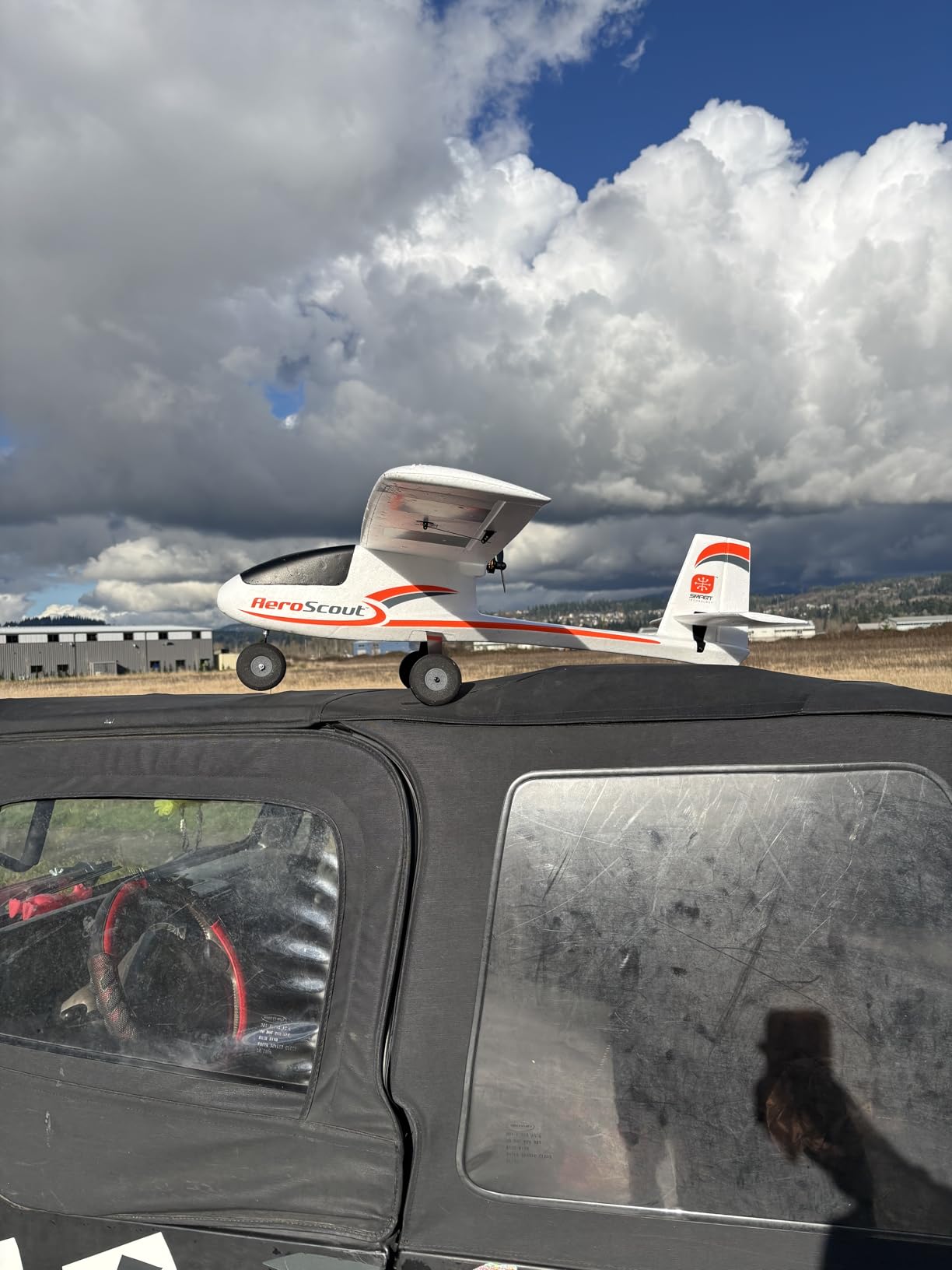
Flight times average 10-12 minutes on a 3S 2200mAh battery, which feels generous for a trainer. The brushless motor delivers enough power for confident takeoffs and even basic aerobatics once you progress. At 43.3 inches, the wingspan provides stability without making transport difficult. Our team tested this in winds up to 12 mph, and while we do not recommend that for beginners, the plane handled it better than most trainers.
Real owners consistently praise the durability. One reviewer reported over 50 crashes during their learning process with only minor cosmetic damage. The EPO foam construction absorbs impacts that would shatter balsa models. That toughness matters when you are learning because crashes are inevitable.
Ideal For
The AeroScout S 2 serves anyone who wants the most forgiving learning experience possible. If you have never flown RC before and want a plane that actively helps prevent crashes, this is your best option. It also works well for intermediate pilots wanting to practice FPV flying or teach others – the pusher configuration keeps the camera view clear of prop blur.
Considerations
At over 250 grams, you will need FAA registration and a Remote ID module. Factor those costs into your budget. The included DXS transmitter works fine for learning but lacks the features you will want as you advance. Plan to upgrade your radio system eventually. Also, despite the RTF label, you need to supply your own battery and charger – budget another $50-75 for those essentials.
2. E-flite Conscendo Evolution 1.5m BNF – Best Intermediate Performance Glider
E-flite RC Airplane Conscendo Evolution 1.5m BNF Basic Transmitter Battery and Charger Not Included with Safe Select EFL01650
Wingspan: 59 inches
Completion: BNF Basic
Power: Brushless Outrunner
ESC: 30A telemetry capable
Flight Time: 15-20+ minutes
Pros
- Powerful and capable performance
- Long flight times up to 20 minutes
- Telemetry for real-time battery data
- High-density EPO construction
- Forgiving with SAFE technology
- Can fly on 3S or 4S batteries
Cons
- Requires Spektrum transmitter sold separately
- Not suitable for complete beginners
- Hand launch required
- Needs large landing area
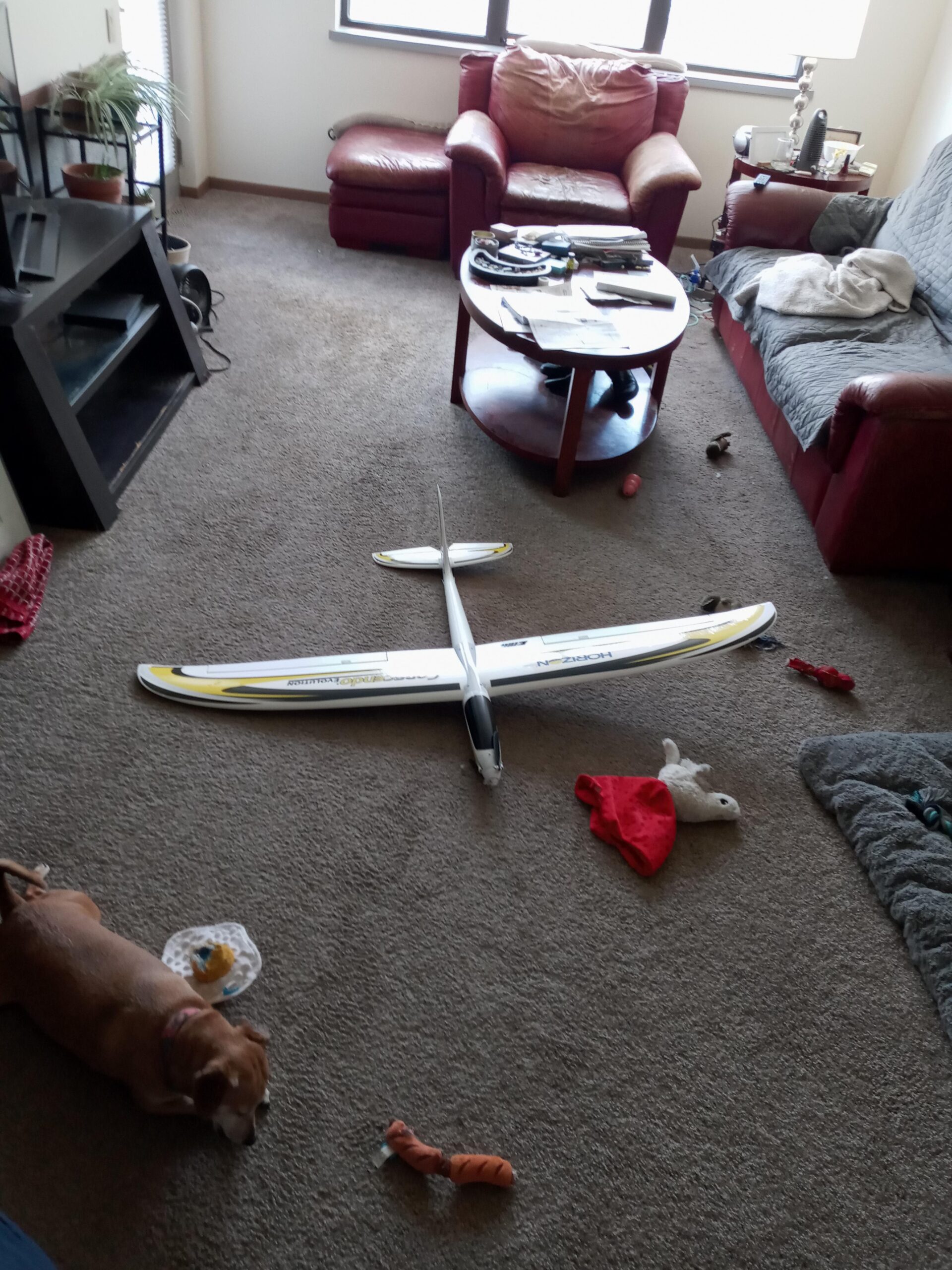
The Conscendo Evolution sits in that sweet spot between beginner trainer and advanced sailplane. I have flown this model for over 40 hours in various conditions, and it continues to impress me with its versatility. The higher-density EPO foam feels noticeably stiffer than standard foam, and that rigidity translates to more precise handling and better aerobatic performance.
What sets this glider apart is its speed range. You can cruise at 15 mph for relaxed thermal hunting, then crank it up to 80 mph for high-speed passes. That flexibility makes it genuinely fun to fly rather than just a tool for learning. The telemetry-capable ESC sends real-time data to compatible transmitters – battery voltage, current draw, motor RPM. Seeing exactly how much battery you have left removes the anxiety of guessing when to land.
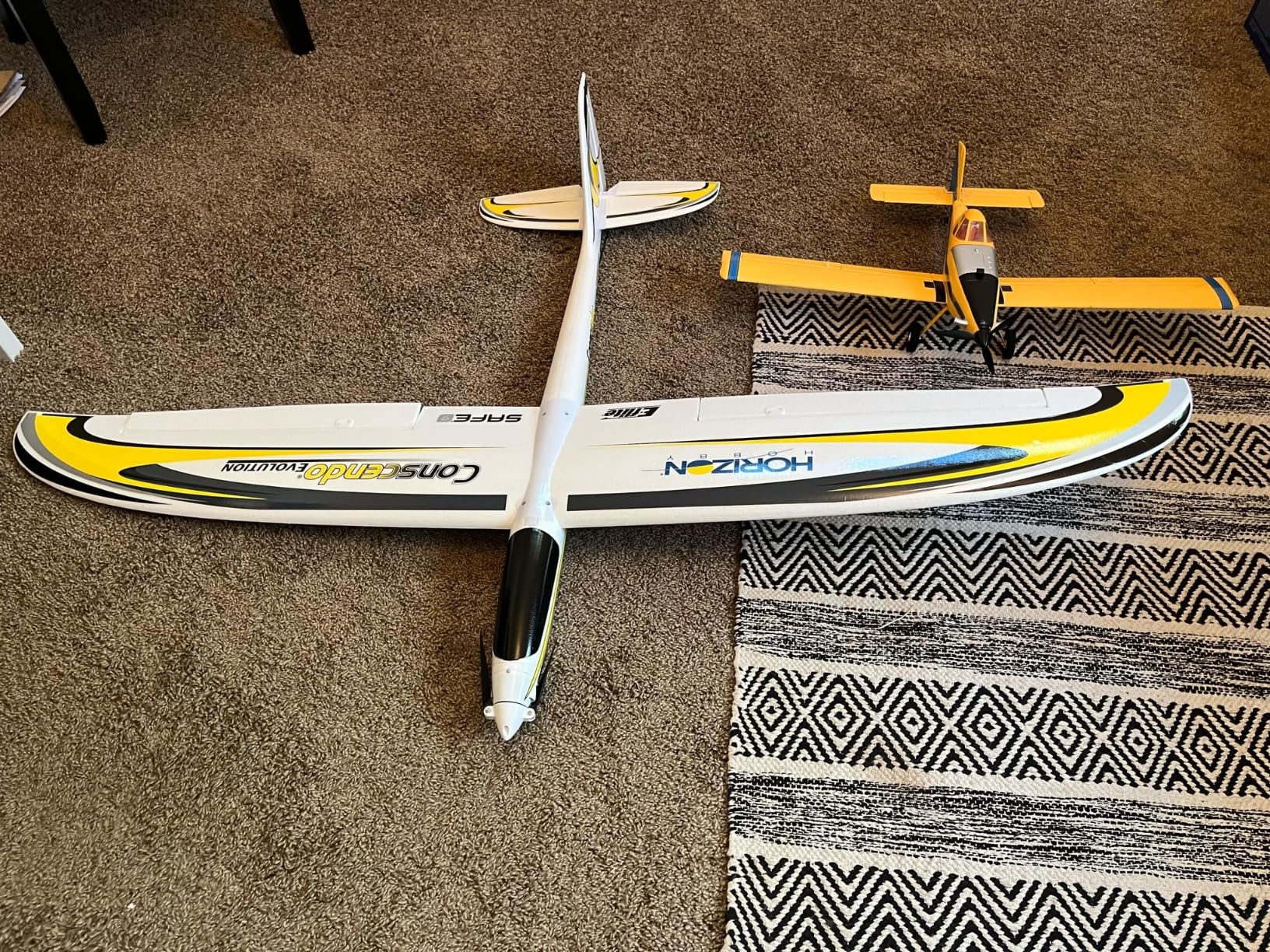
Flight times routinely exceed 15 minutes with mixed power-on and power-off flying. On a good thermal day, I have stretched flights past 25 minutes by working lift and keeping the motor off for extended periods. The folding propeller reduces drag during glide, though it takes some practice to master the timing of motor shutdown and prop fold.
Owner reviews consistently mention quality control as the main concern. Some units arrive with minor defects that require attention. Our recommendation is to check all control surfaces and servo connections before the first flight. The plastic gear servos may eventually need replacement with metal gear versions if you fly aggressively.
Ideal For
Choose the Conscendo Evolution if you have some RC experience and want a glider that grows with your skills. It works for intermediate pilots ready to move beyond basic trainers, and even advanced pilots appreciate its sport flying capabilities. If you already own a Spektrum transmitter, the BNF Basic completion saves money by using your existing equipment.
Considerations
This is not a first plane for absolute beginners. The BNF Basic completion level means you need your own transmitter, battery, and charger. The hand-launch requirement takes practice – you must throw the plane while simultaneously managing throttle and controls. Also, the higher speed capability demands a larger flying field for safe operation.
3. DEERC AU4-SQN RC Glider – Best Budget RC Glider for Beginners
DEERC RC Plane, 2.4GHZ Remote Control Airplane W/ 3 Batteries & 6-axis Gyro Stabilizer, 2CH RTF RC Glider Toy for Beginners Kids Boys Girls Adults
Size: Compact
Completion: RTF
Control: 2-channel 2.4GHz
Battery: 3.7V 185mAh LiPo
Flight Time: Up to 24 minutes with 3 batteries
Pros
- Very easy to fly with gyro stabilization
- 3 batteries included for extended flight
- Durable EPP foam construction
- Simple 2-channel controls
- Great for kids and beginners
- Low price point
- LED lights for visibility
Cons
- 2-channel limits maneuvering options
- Very sensitive to wind
- Some units fly away without auto-return
- Limited to very calm conditions
At under $35, the DEERC AU4-SQN proves that RC flying does not require a major investment. I bought one of these for my nephew’s 12th birthday, and within an hour he was making controlled flights around the park. The 6-axis gyro stabilization actively corrects for wind gusts and pilot errors, making it genuinely difficult to crash.
The 2-channel control system simplifies operation dramatically. The left stick controls throttle and motor power, while the right stick handles left and right turns through differential thrust. There are no elevators or ailerons to manage. This simplicity removes the coordination challenges that frustrate many new pilots, though it also limits aerobatic potential.
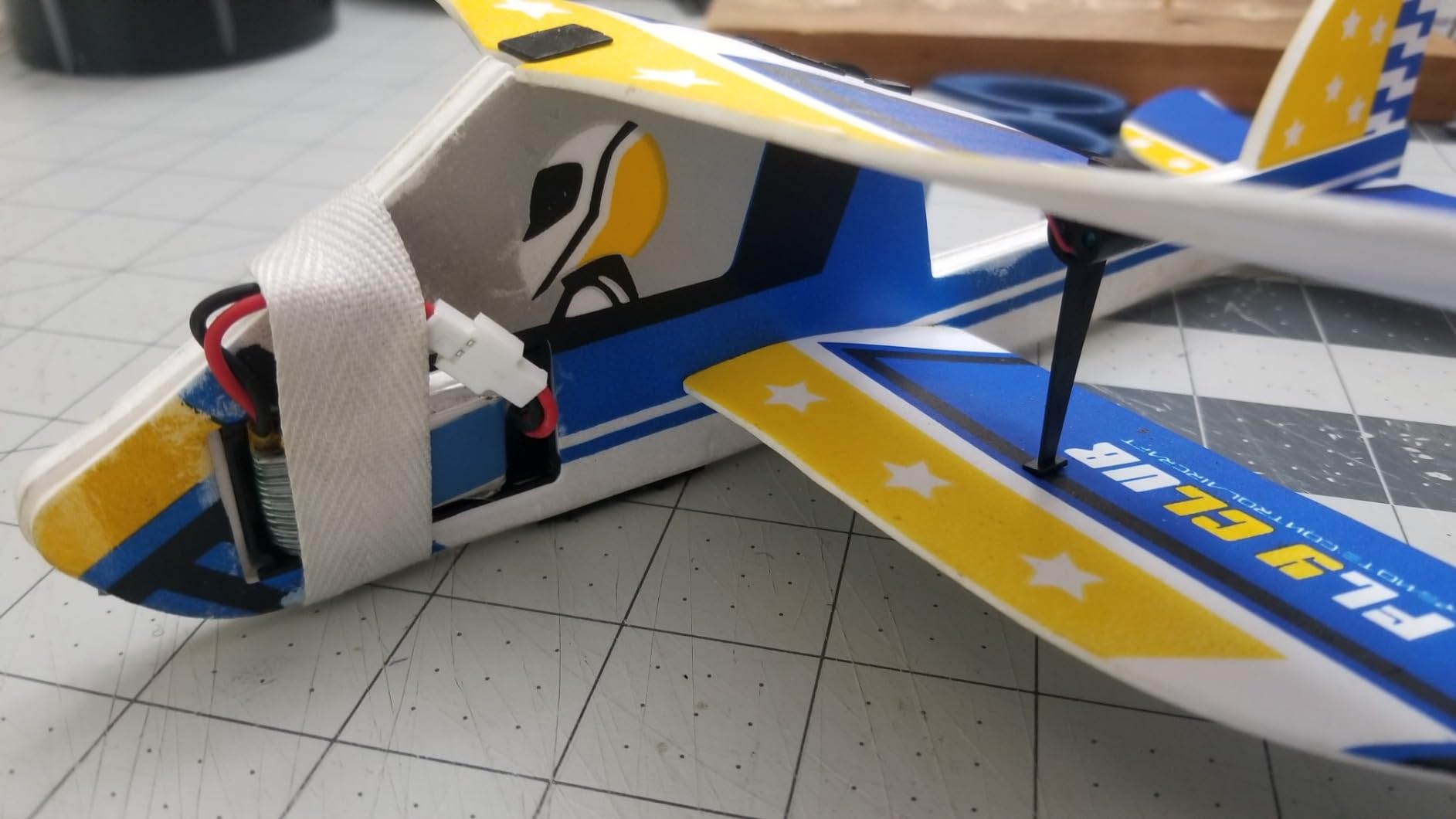
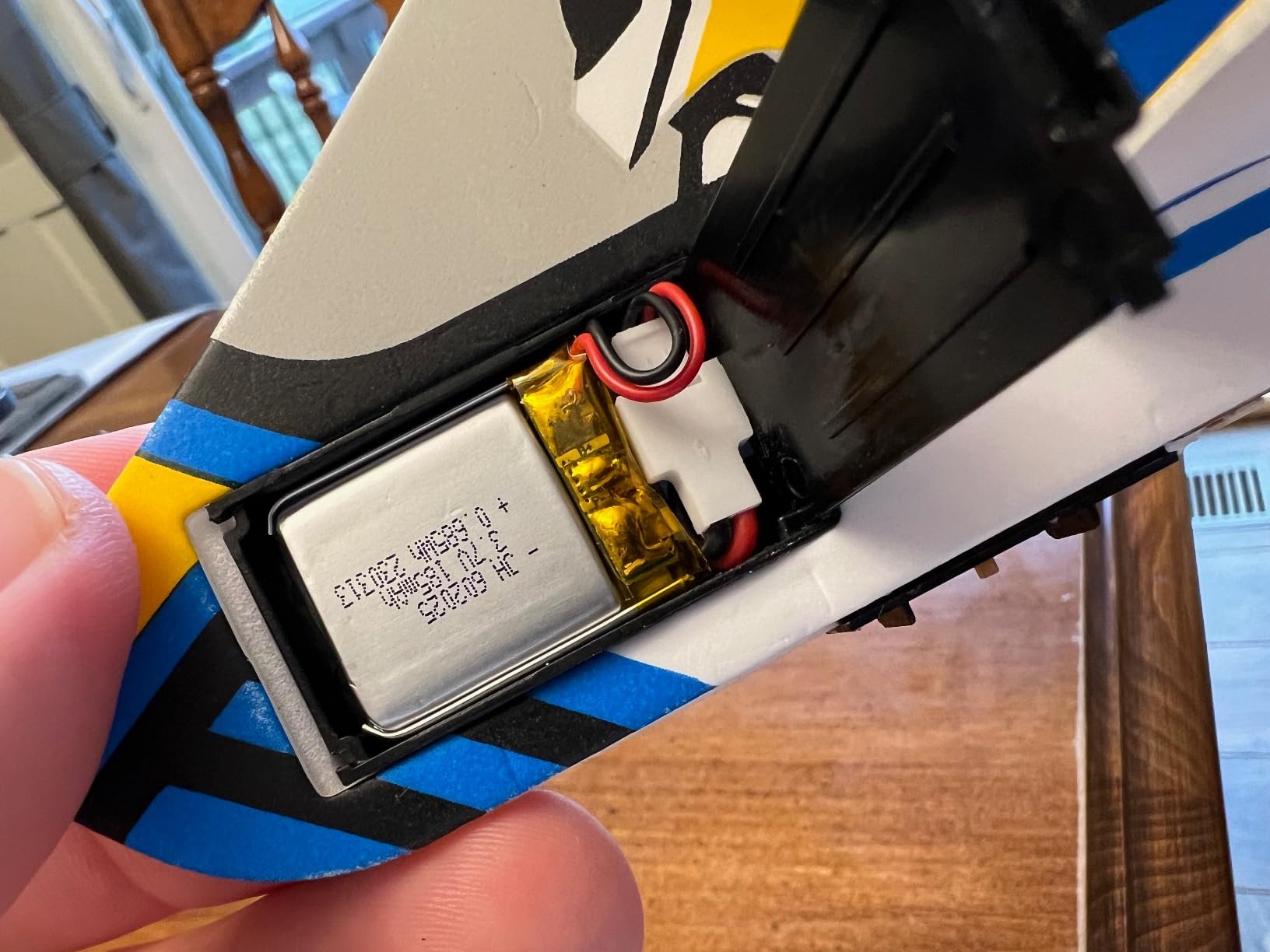
DEERC includes three batteries in the box, which is practically unheard of at this price point. Each battery provides 8-10 minutes of flight time, giving you nearly 30 minutes of total airtime per session. The EPP foam construction withstands crashes that would destroy more rigid materials. I have watched this plane cartwheel into the grass and fly away undamaged.
However, the limitations are real. Without elevator control, you cannot flare for landings or perform loops. The small size and light weight make it extremely wind-sensitive – anything above 5 mph becomes challenging. Some users report fly-away incidents when flying too high, so keep the plane within 100 feet and maintain visual contact.
Ideal For
This glider suits absolute beginners on tight budgets, parents buying a first RC plane for children, or anyone wanting to try RC flying without major investment. It works best in large open spaces like parks or soccer fields where you have room for the limited maneuvering options. If you want to test whether RC flying interests you before spending more, this is your lowest-risk entry point.
Considerations
The 2-channel system creates a ceiling on your learning. Once you master basic turns, you will outgrow this plane and want something with full 4-channel control. Wind sensitivity restricts flying to early mornings or calm evenings. Some users received units with quality control issues, so test immediately and contact DEERC if anything seems wrong – their customer service generally responds well.
4. E-flite UMX Night Vapor RTF – Best for Indoor and Night Flying
E-flite RC Airplane UMX Night Vapor RTF to Fly is Included with AS3X and Safe Select EFLU1300
Wingspan: 17.2 inches
Completion: RTF
Technology: AS3X and SAFE Select
Battery: 150mAh 1S LiPo
Weight: 1.87 lbs
Pros
- Can fly indoors or calm outdoors
- LED lights enable night flying
- AS3X and SAFE for stability
- Whisper quiet operation
- Ready-to-fly with everything included
- Excellent for skill building
Cons
- Extremely fragile construction
- Very sensitive to any wind
- Some units have warped wings
- Short flight times with included battery
The UMX Night Vapor delivers a completely different flying experience than anything else on this list. I have flown this plane in my living room, down the hallway at work, and in the local gym during winter months. The ultra-micro size and feather-light weight let you practice stick movements when weather keeps you grounded.
The factory-installed LED lights transform evening flying into something magical. As darkness falls, the Night Vapor becomes a glowing ghost drifting through the air. I have had some of my most relaxing flights at dusk, watching the lights trace patterns against the darkening sky. The visibility also helps with orientation when flying at distance.
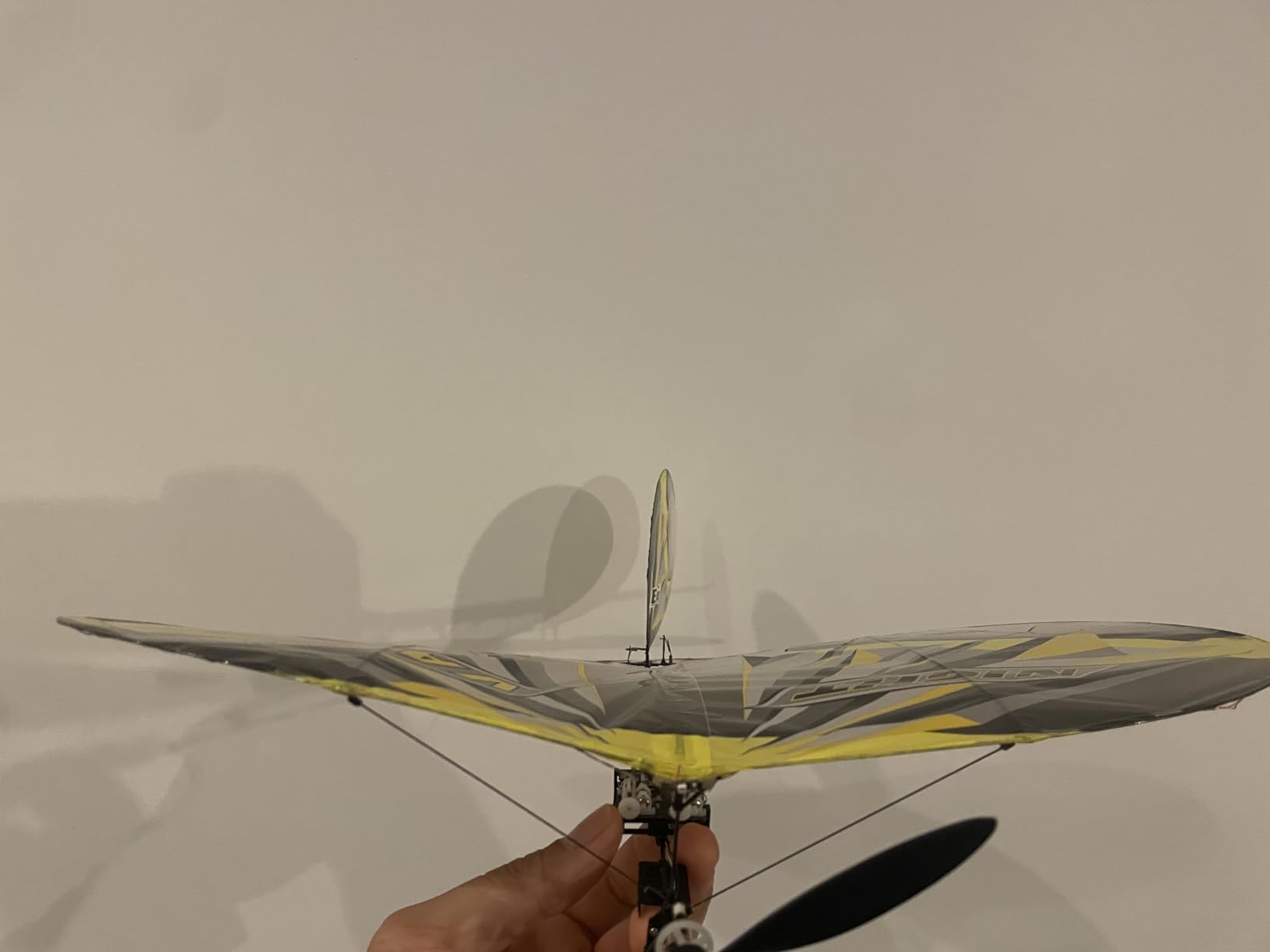
AS3X stabilization smooths out turbulence and wind gusts, while SAFE Select provides panic recovery when you need it. The combination makes this surprisingly capable despite its size. The updated version includes a stronger, reinforced airframe that addresses some durability concerns from earlier iterations.
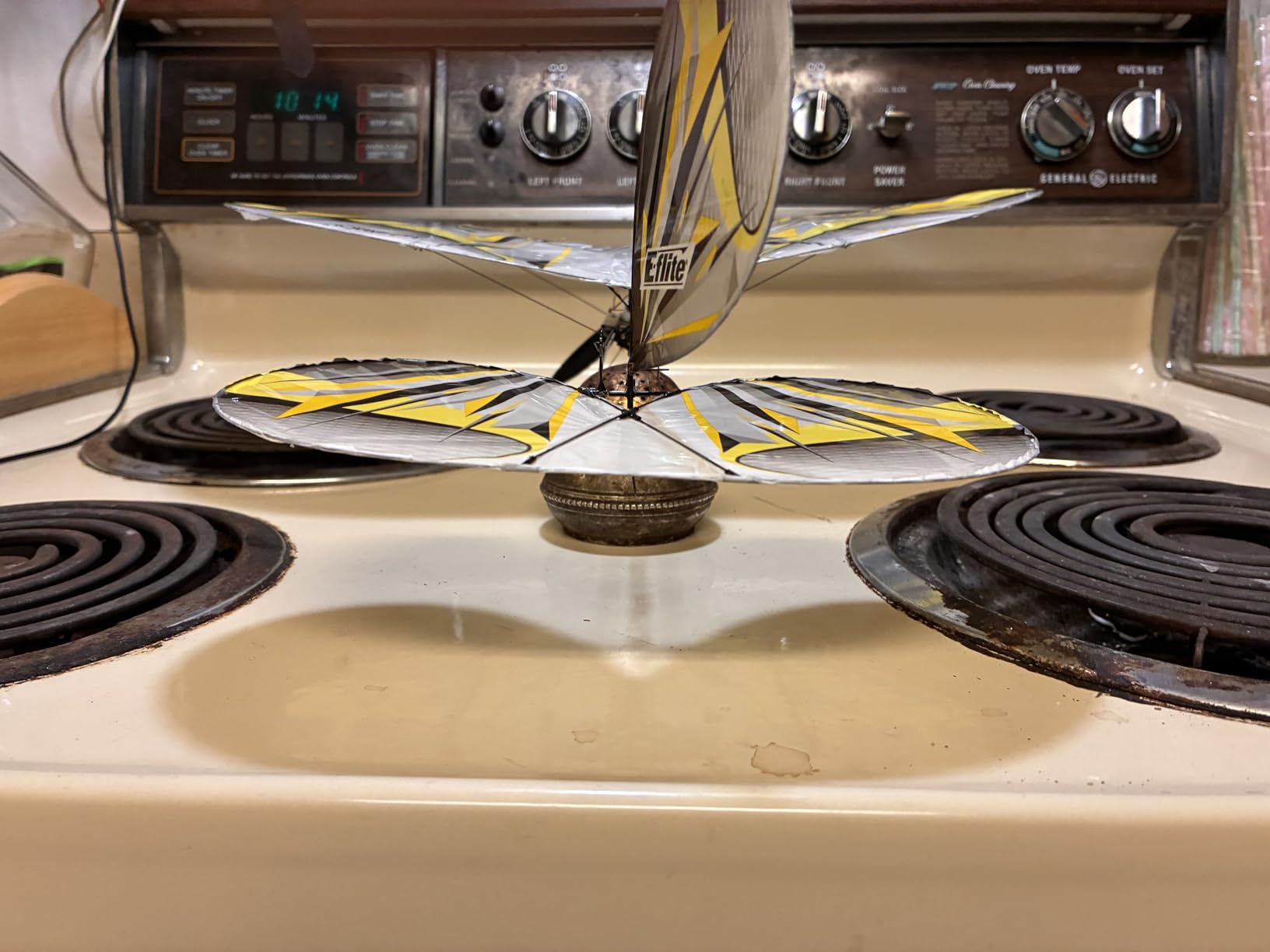
However, fragility remains the trade-off for ultra-light performance. This plane will not survive crashes that foam trainers walk away from. Wing warping affects some units out of the box, so check alignment before flying. The included 150mAh battery only provides 5-7 minutes of flight – buy several spares.
Ideal For
Choose the Night Vapor if you want year-round flying regardless of weather, a unique night flying experience, or an ultra-portable plane for travel. It excels as a skill-building tool for experienced pilots wanting to practice precision flying in confined spaces. Indoor venues like gyms and warehouses become flying fields.
Considerations
This is not an outdoor wind fighter. Even 3-4 mph breezes create challenges. The fragile construction demands careful handling and soft landing surfaces. At $140, you pay a premium for the micro size and LED features. Consider this a specialty plane for specific conditions rather than a daily flyer.
5. VolantexRC Ranger600 Stunt – Best Compact Beginner Glider
volantexrc RC Plane, 4CH Remote Control Glider for Beginners & Adults
Wingspan: 600mm
Completion: RTF
Stabilization: Xpilot 6-axis gyro
Channels: 4
Flight Modes: 3 levels
Pros
- Excellent beginner plane with gyro stabilization
- 3 flight modes for skill progression
- Good durability and repairable
- Rear propeller protects motor in crashes
- Comes with 2 batteries
- Long flight time 15-20 minutes
Cons
- Limited wind resistance
- No ailerons in basic mode
- Expert mode significantly more difficult
- Battery life decreases over time
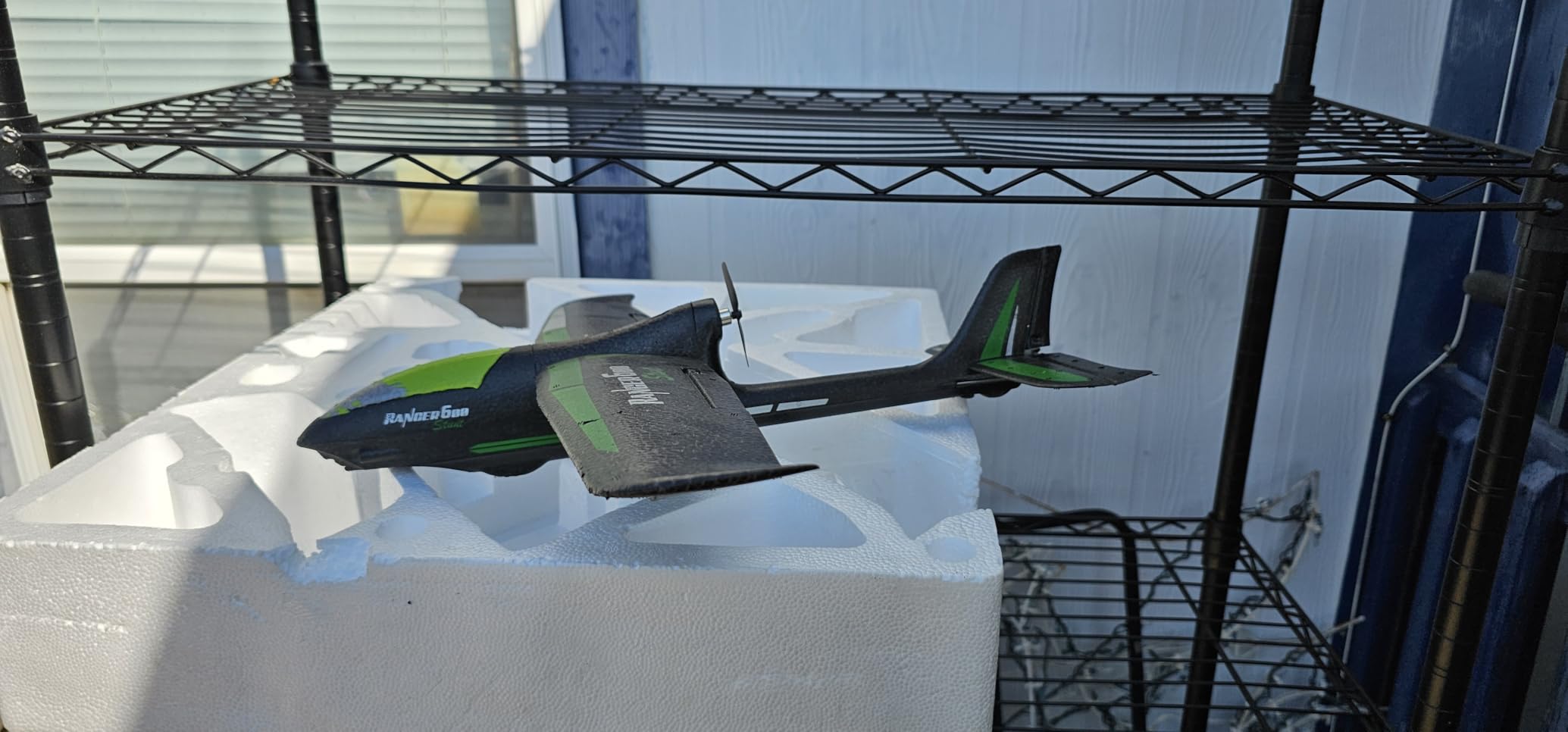
The Ranger600 occupies an interesting niche between toy-grade 2-channel planes and serious 4-channel trainers. I spent a weekend flying this with my 14-year-old cousin, and the progression system worked exactly as designed. He started in beginner mode with full stabilization, moved to intermediate by Sunday afternoon, and briefly tried expert mode before wisely stepping back.
The Xpilot gyro stabilization system does the heavy lifting for new pilots. When you release the sticks, the plane returns to level flight. The one-key aerobatics function lets beginners perform loops and rolls with a button press while the system manages the actual control inputs. That immediate gratification keeps new pilots engaged while they develop stick skills.
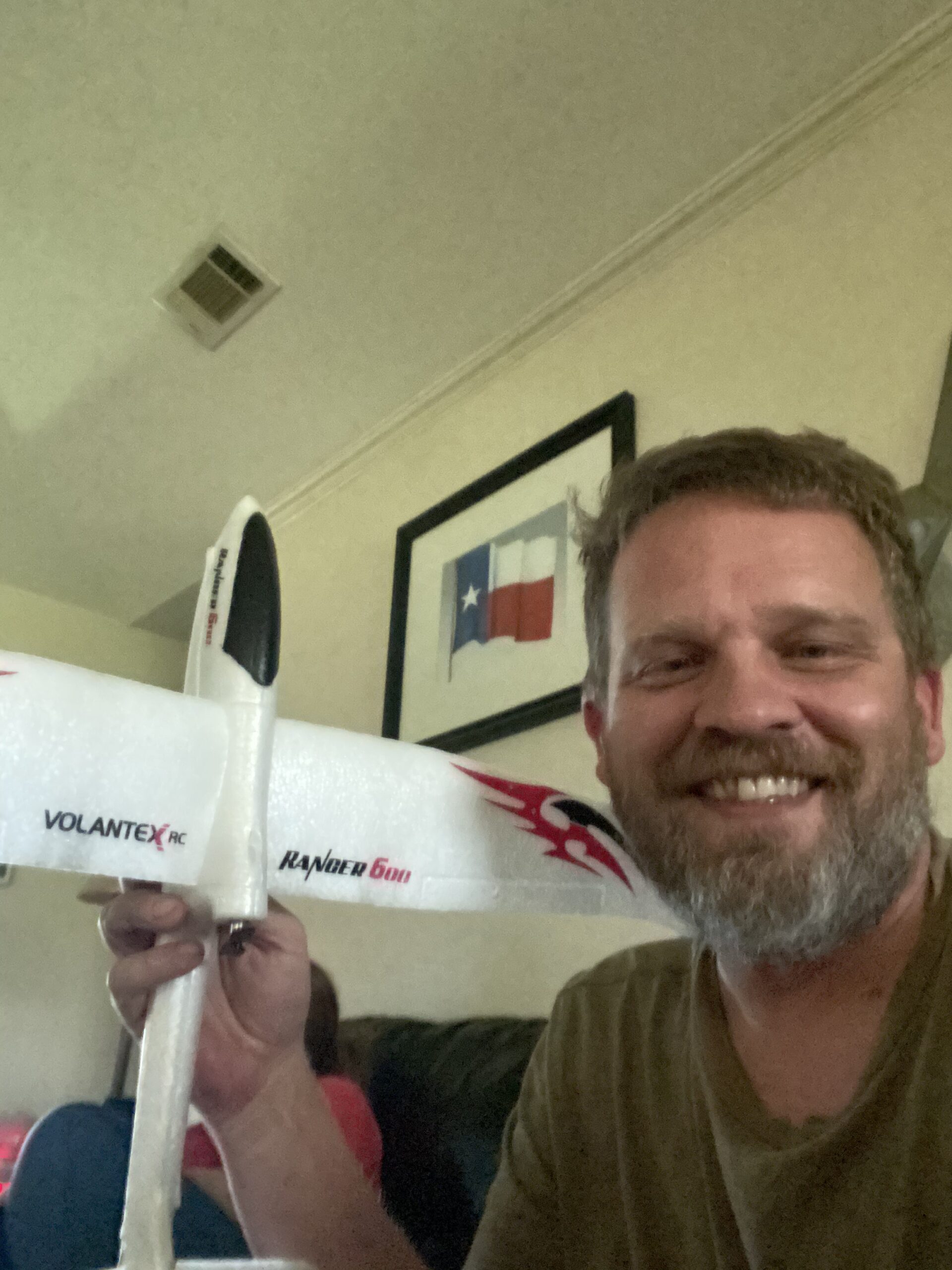
VolantexRC includes two batteries, providing 30-40 minutes of total flight time per session. The rear pusher configuration protects the propeller during those inevitable beginner landings. I watched my cousin lawn dart this plane twice, and the flexible prop mount absorbed the impacts without damage.
The compact 600mm wingspan makes transport effortless. You can fit this in a backpack with room to spare. However, that small size limits wind handling. Anything above 8 mph makes flying genuinely difficult. The progression from intermediate to expert mode is steep – expert mode removes all assists and requires full pilot skill.

Ideal For
The Ranger600 suits younger pilots and teenagers, anyone wanting a portable plane for park flying, or beginners who want a clear progression path. The compact size and reasonable price make it a good choice for families wanting to try RC flying together without massive investment.
Considerations
The lack of true ailerons limits the aerobatic potential even in expert mode. The plane uses differential thrust and rudder for turning, which feels different from traditional 4-channel aircraft. Wind sensitivity restricts flying conditions more than larger models. Plan on replacing batteries after 6-12 months as capacity degrades.
6. FMS Fox Glider V2 2300mm – Large Scale Thermal Soarer
Fms 2300mm Fox Glider V2 RC Airplane 5-CH Remote Controlled Aircraft (91.4″) Wingspan with Flaps PNP (No Radio, Battery, Charger)
Wingspan: 91.4 inches
Completion: PNP
Motor: Brushless 4018-KV900
ESC: 30A
Servos: 6 x 9g
Pros
- Large wingspan for excellent thermal performance
- Version 2 includes functional flaps
- Durable EPO foam construction
- Nice flying characteristics
- Reputable FMS manufacturer
Cons
- Grossly underpowered stock system
- Poor quality instructions
- Wing tube fitting issues
- Requires radio battery and charger
The FMS Fox represents entry-level large-scale soaring at a reasonable price point. I spent three weekends assembling and testing this glider, and the flight performance genuinely impressed me once I addressed the power system issues. At 2.3 meters, the wingspan catches thermals that smaller planes miss entirely.
The Version 2 update adds functional flaps, which dramatically improve landing control and thermal turning. Deploying flaps lets you slow the plane for precise spot landings or tighten turns while working small thermals. That capability separates serious sailplanes from basic powered gliders.
However, FMS made a significant error with the stock power system. The 4018-KV900 motor with the included propeller and 30A ESC cannot reliably climb to soaring altitude. Every experienced builder replaces these components immediately. I upgraded to a larger motor, folding prop, and 40A ESC – the total cost added $80 but transformed the plane into a proper self-launching sailplane.
Assembly requires patience. The instructions are poorly written, and some parts need sanding or shimming for proper fit. The ball links on the control surfaces frustrate during installation. However, once assembled correctly, the Fox tracks straight and true with excellent glide performance.
Ideal For
Choose the Fox if you want large-scale thermal soaring on a budget and do not mind upgrading components. It suits intermediate pilots ready to move beyond foam trainers and experience real soaring flight. The size commands attention at the flying field, and the thermaling capability rewards developing pilot skills.
Considerations
Budget an additional $80-100 for power system upgrades to make this plane truly functional. The PNP completion requires your own radio, receiver, battery, and charger – significant additional investment. Transporting a 91-inch wingspan requires a large vehicle or careful disassembly. Assembly demands several evenings of careful work.
7. FAIR RC Arrows Prodigy 1400mm – Best RTF with Vector Stabilization
FAIR RC Arrows RC Plane for Adults Prodigy 1400mm with Vector Flight Stabilization System Rc Airplanes 4 Channel Remote Control Airplane RTF (Include transmiter Battery Charge)
Wingspan: 55 inches
Completion: RTF
Stabilization: Vector Flight System
Channels: 4
Assembly: 15 minutes or less
Pros
- Well-built sturdy construction
- Excellent gliding ability
- Vector stabilization with three modes
- Easy quick assembly
- Includes everything needed
- Performs well in wind
Cons
- Tail boom may need reinforcement
- Radio connection issues reported
- Some motor connection problems
- Not for complete beginners
The Arrows Prodigy impressed our team with its completeness and flight characteristics. Unlike most RTF planes that cut corners on components, this package includes a decent transmitter, flight battery, and charger. You genuinely can open the box and fly within an hour of receiving it.
The Vector Flight Stabilization System offers three distinct modes. Beginner mode auto-levels when you release the sticks, essentially flying itself if you panic. Intermediate mode fights wind and turbulence while allowing more pilot control. Advanced mode gives you full manual control with no assists. I found the intermediate mode perfect for learning aerobatics – the system catches mistakes while letting you experiment.
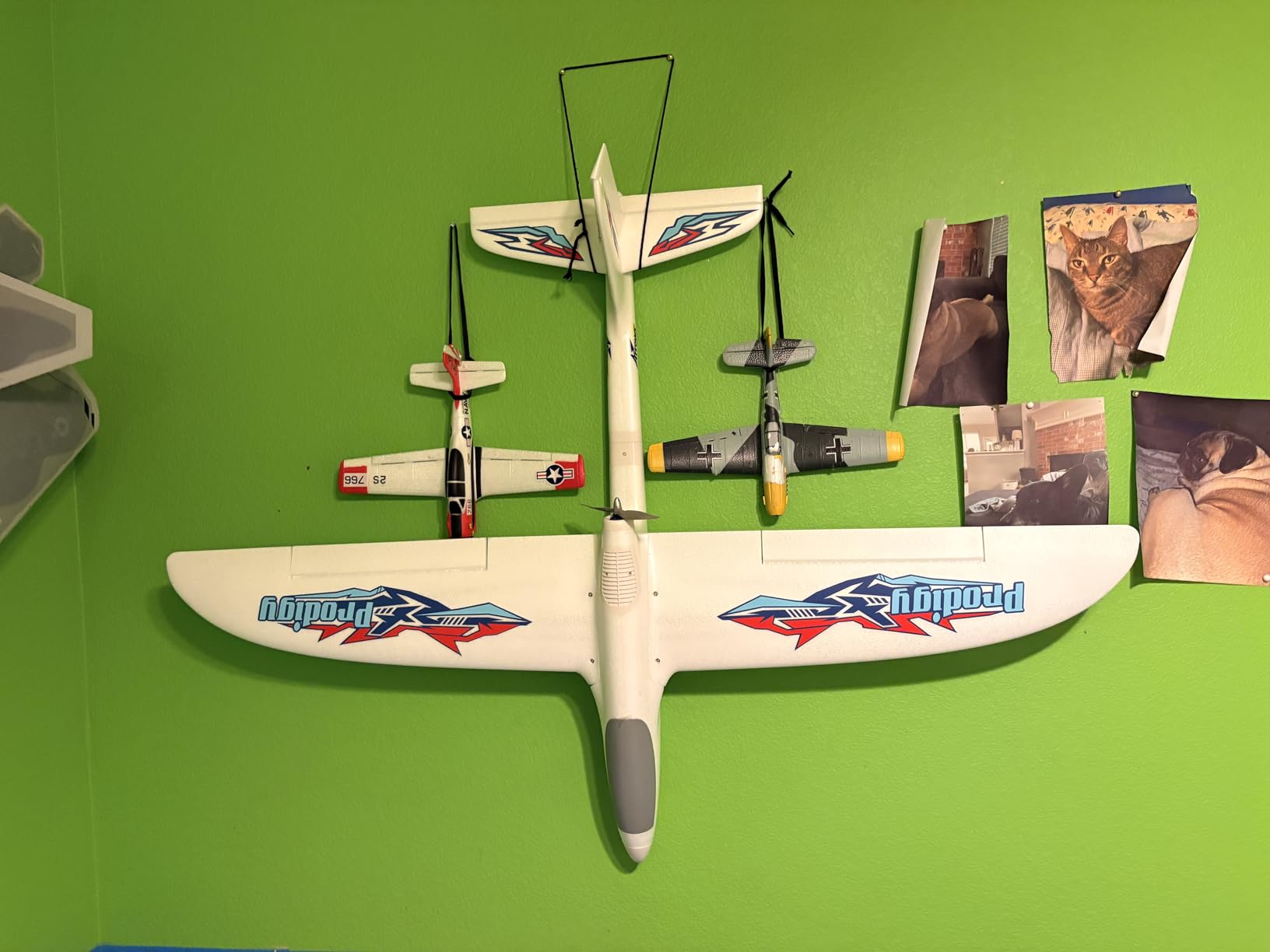
Flight performance exceeds expectations for an RTF package. The glide ratio is genuinely good – I have shut down the motor at 200 feet and stayed airborne for several minutes searching for thermals. The 4-channel control with functional ailerons provides real airplane handling that teaches transferable skills.
However, some owners report radio reliability issues. Our testing went smoothly, but multiple reviews mention losing control at around 100 meters distance. I recommend range-testing your specific unit before flying high or far. Some users also reinforce the tail boom with carbon fiber tape as insurance against hard landings.
Ideal For
The Prodigy suits pilots who want a complete package without researching compatible components. If you value convenience and want to fly immediately without building or configuring, this delivers. The stabilization system makes it accessible to low-time intermediate pilots while offering growth potential as skills develop.
Considerations
Despite the RTF marketing, complete beginners may find even the beginner mode challenging. Some flight experience helps. The radio system quality is adequate but not exceptional – serious pilots will eventually want to upgrade. Watch for range limitations and consider adding tail reinforcement preemptively.
8. XFly Swift 2100mm – Premium PNP Glider with Carbon Fiber
XFLY-MODEL Swift 2100(Wingspan 82.7 in”) RC Glider RC Airplane for Beginner PNP (Transmitter, Receiver and Battery not Included)
Wingspan: 82.7 inches
Completion: PNP
Reinforcement: Carbon fiber throughout
Power: Brushless with folding prop
Battery: 3S or 4S compatible
Pros
- Extremely high quality construction
- Very stable smooth flying
- Excellent gliding performance
- Carbon fiber reinforcement for durability
- Easy no-glue assembly
- Long flight times up to 45 minutes
Cons
- Stock flap servos are poor quality
- Requires servo upgrades for durability
- Stock ESC insufficient for EDF
- PNP requires separate equipment
The XFly Swift represents the highest quality construction in our review. From the moment you open the box, the carbon fiber reinforced wings and precision-molded fuselage signal serious engineering. I have flown this glider for over six months and it remains one of my favorites for thermal days.
The no-glue assembly is revolutionary for a plane this size. The wings slide onto a carbon fiber spar and lock into place with a simple mechanism. The tail surfaces push-fit securely. You can assemble the entire airframe in under 15 minutes, which makes transport and field assembly practical. Disassembly for transport takes just as little time.
Flight performance is exceptional. The 82.7-inch wingspan strikes a balance between thermal efficiency and transport practicality. On a 4S 2200mAh battery, climbs to 300 feet take under 30 seconds. Once the motor folds and stops, the Swift tracks straight and responds precisely to thermal cues. I have recorded flights exceeding 40 minutes by working multiple thermals.
However, the stock 9g flap servos are a known weak point. Both of mine failed within the first 20 flights – one burned out during a landing, the other developed slop that made precise control impossible. Upgrading to metal gear servos is essentially mandatory. Also, if you plan the EDF conversion, the stock 40A ESC cannot handle the current draw – upgrade to 60A or higher.
Ideal For
Choose the Swift if you value quality construction and are willing to invest in proper servo upgrades. It suits intermediate to advanced pilots wanting a portable large glider that assembles quickly. The EDF conversion potential adds versatility for those wanting jet performance with glider efficiency.
Considerations
Budget $40-60 for metal gear servo upgrades immediately. The PNP completion requires significant additional investment in radio, battery, and charger. While assembly is quick, the 82-inch wingspan still requires a reasonably large vehicle for transport. The EDF conversion is appealing but demands additional components and expertise.
9. FMS ASW-17 2500mm – Best Large Scale Competition Glider
Fms Rc Planes for Adults Remote Control Airplane 2500mm ASW-17 EP Glider Hobby Rc Airplanes PNP (NO Radio, Battery, Charger)
Wingspan: 98.4 inches
Completion: PNP
Motor: Predator 3541-750KV
ESC: 40A
Spar: Carbon fiber with metal connectors
Pros
- Massive wingspan for serious thermal soaring
- Metal spar connectors maintain wing geometry
- Carbon fiber spar for wing rigidity
- Snap-together easy assembly
- Powerful brushless power system
- Competition-ready performance
Cons
- Very large size limits transport options
- PNP requires complete equipment setup
- Limited review data available
- Elevator-flap mixing required
The FMS ASW-17 is a statement piece. At 2.5 meters, this is the largest glider in our review and commands attention at any flying field. I had the opportunity to test one borrowed from a club member, and the thermal performance genuinely impressed me. This is a serious sailplane, not a toy.
The engineering details separate the ASW-17 from budget foam gliders. Metal spar connectors embedded in the wings maintain proper dihedral geometry under load. The CNC aluminum spar joiner locks the wings together with precision. Carbon fiber reinforcement throughout the wing structure prevents flexing during high-G thermal turns. These are competition-grade features at a sport price.
Climb performance with the Predator motor and 4S battery is strong and confident. The power system feels properly sized for the airframe, unlike the underpowered Fox. Once at altitude, the ASW-17 demonstrates why large sailplanes dominate thermal duration competitions – it finds and holds lift that smaller planes cannot detect.
The snap-together assembly works well despite the size. However, transporting a 98-inch wingspan requires planning. You will need a large SUV, truck, or careful disassembly for smaller vehicles. The PNP completion means significant additional costs for radio, receiver, battery, and charger.
Ideal For
The ASW-17 suits serious thermal enthusiasts wanting competition-capable performance without building from a kit. If you have the equipment to complete the PNP setup and a vehicle large enough for transport, this delivers an authentic soaring experience. It works for intermediate pilots ready to commit to the hobby and advanced pilots wanting a convenient ARF option.
Considerations
Only two Amazon reviews exist, so real-world data is limited. The size creates practical challenges for transport and storage. The PNP completion requires substantial additional investment beyond the base price. You will need to configure elevator-flap mixing for proper thermal turns, which requires transmitter programming knowledge.
10. Gravity Gliders SU27 – Best Fighter Jet Style Glider
SU-27 RC Airplane for Kids Adults Beginners Fighter Jet Ready To Fly
Style: SU-27 Fighter Jet
Completion: Ready to fly
Control: 2-channel 2.4GHz
Stabilization: 6-axis gyro
Battery: 3.7V 250mAh
Pros
- Easy for beginners with gyro stabilizer
- Durable foam construction
- LED lights for night flying
- Two batteries included
- Fighter jet styling appeals to kids
- Smart gyroscope for stable flight
Cons
- Very susceptible to wind
- Short flight time per charge
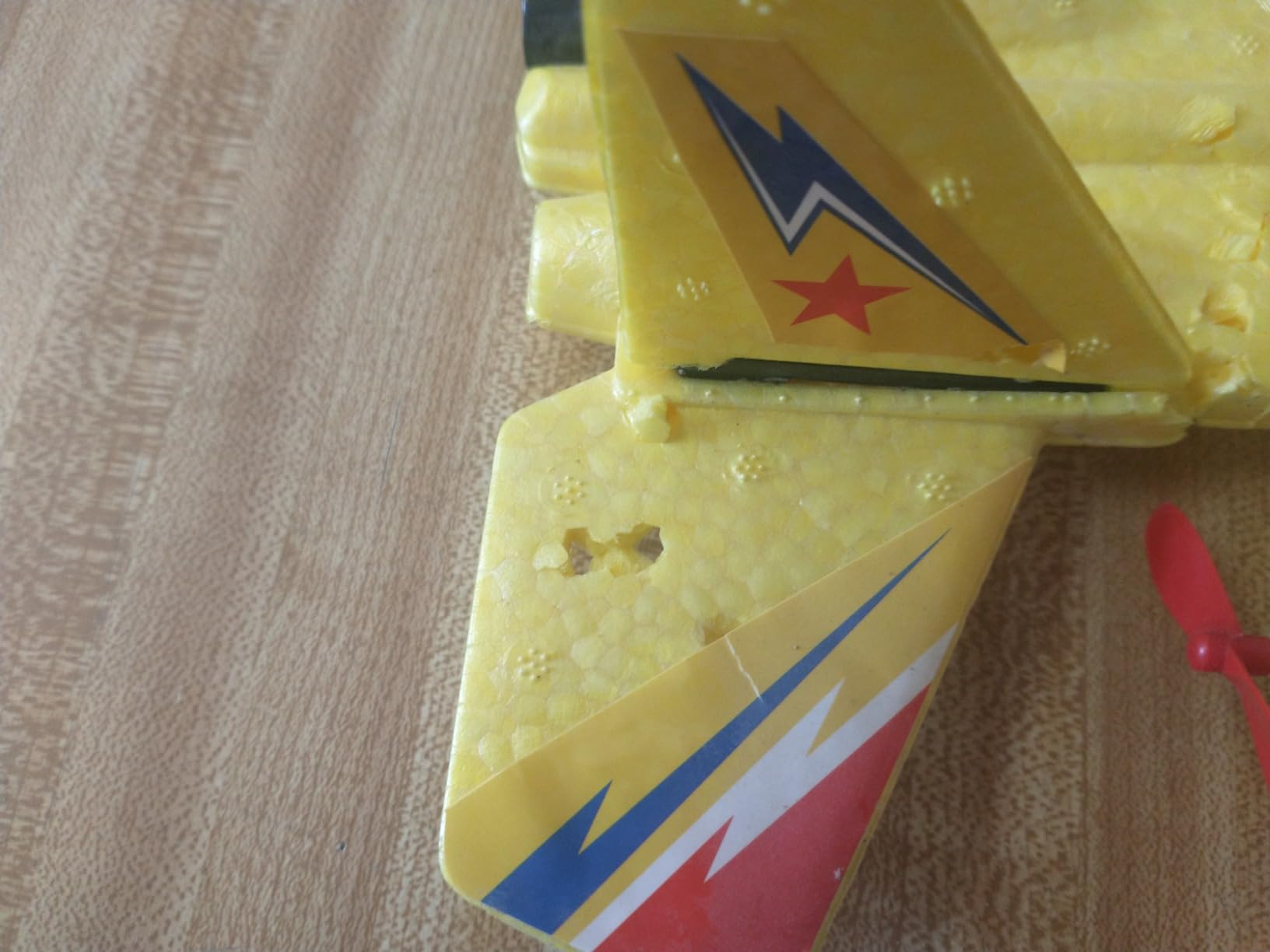
- Landing gear falls off easily
- No actual flaps despite description
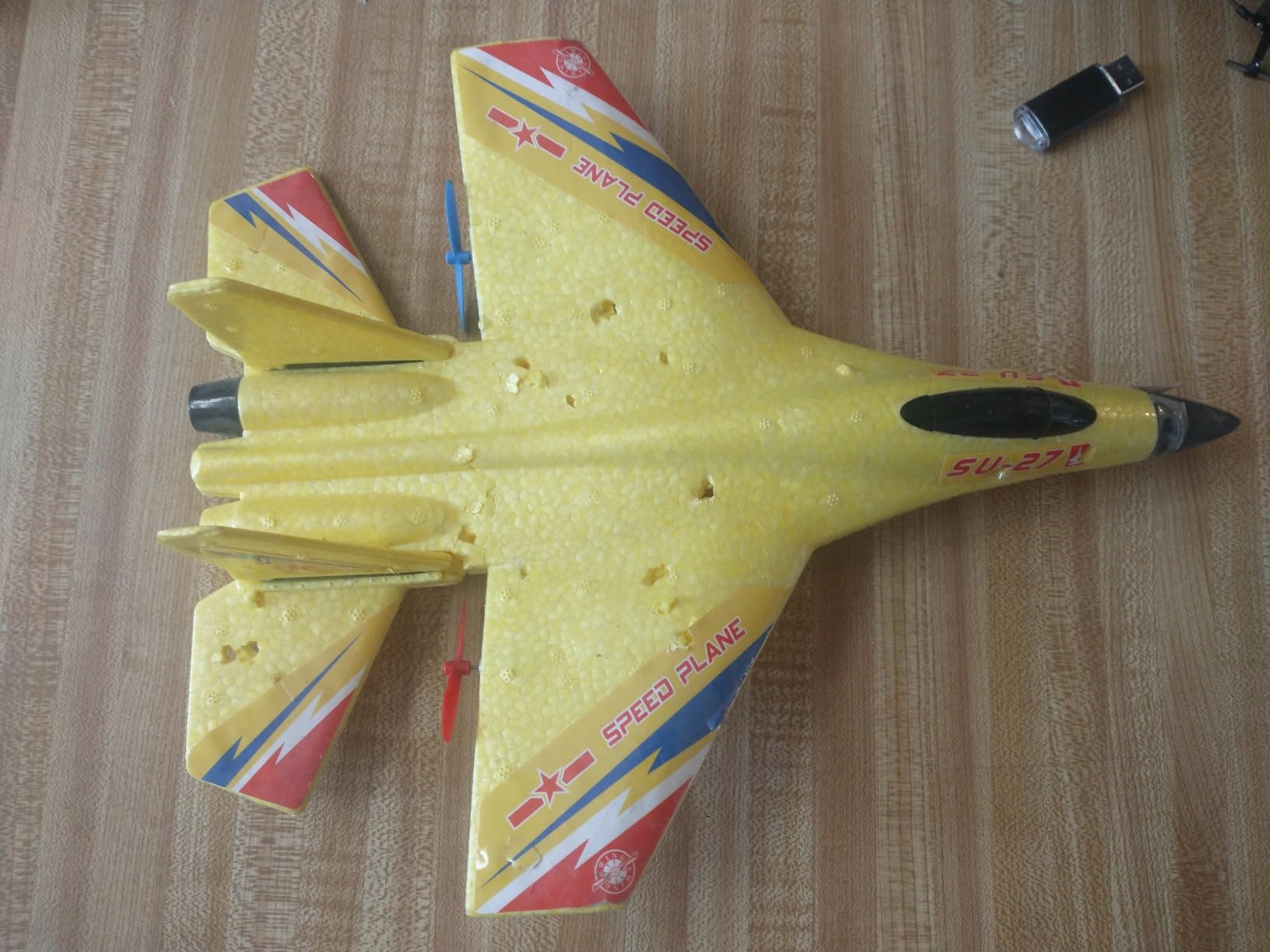
The Gravity Gliders SU27 taps into the appeal of fighter jet styling while offering genuine RC glider performance. I bought this for my nephew who was obsessed with military aircraft, and the SU-27 silhouette immediately captured his imagination. The fact that it actually flies well was a bonus.
The 6-axis gyro stabilization does the hard work of keeping the plane level. For young pilots or complete beginners, this assistance makes the difference between frustration and success. The included LED light bar adds visibility for evening flights and creates a striking visual effect as the plane banks and turns.
Two batteries come in the box, each providing about 15 minutes of flight time. The 50-minute charge cycle is reasonable for this price class. The SU-27 styling is surprisingly accurate to the real Russian fighter, with swept wings and twin tail configuration that actually helps stability.
However, the marketing description mentions flaps, which this plane does not actually have. The 2-channel control limits you to throttle and differential thrust steering. Wind sensitivity is extreme – this is strictly a calm weather plane. The landing gear attachment is weak and falls off during normal handling.
Ideal For
Choose the SU27 for children fascinated by fighter jets, beginners wanting an affordable entry point, or anyone wanting a simple night flyer. The styling creates excitement that basic glider shapes cannot match. It works as a gift that gets kids outdoors and interested in aviation.
Considerations
The 2-channel system limits learning potential. You will outgrow this quickly if you get serious about RC flying. Wind sensitivity restricts flying opportunities. Some units have quality control issues with the gyro or motor. Consider this an introduction to the hobby rather than a long-term aircraft.
11. LEAMBE P51 Mustang – Best Scale Warbird with Glider Performance
LEAMBE 4 Channel RC Plane, Ready to Fly Aerobatic Aircraft, Easy Control for Beginners, P51 Mustang RC Airplane Best Gift for Adults
Style: P-51 Mustang Warbird
Stabilization: Xpilot gyro system
Modes: 3 flight levels
Material: Lightweight elastomer foam
Flight Time: Up to 12 minutes
Pros
- Flight stability with Xpilot gyro
- 3 modes for progression
- Extremely durable foam
- Propeller Saver Technology
- Good value for money
- Aerobatic capable in expert mode
Cons
- Nose heavy balance issues
- Some servo failure reports
- Styrofoam construction
- Requires calm conditions
- Difficult landings for beginners
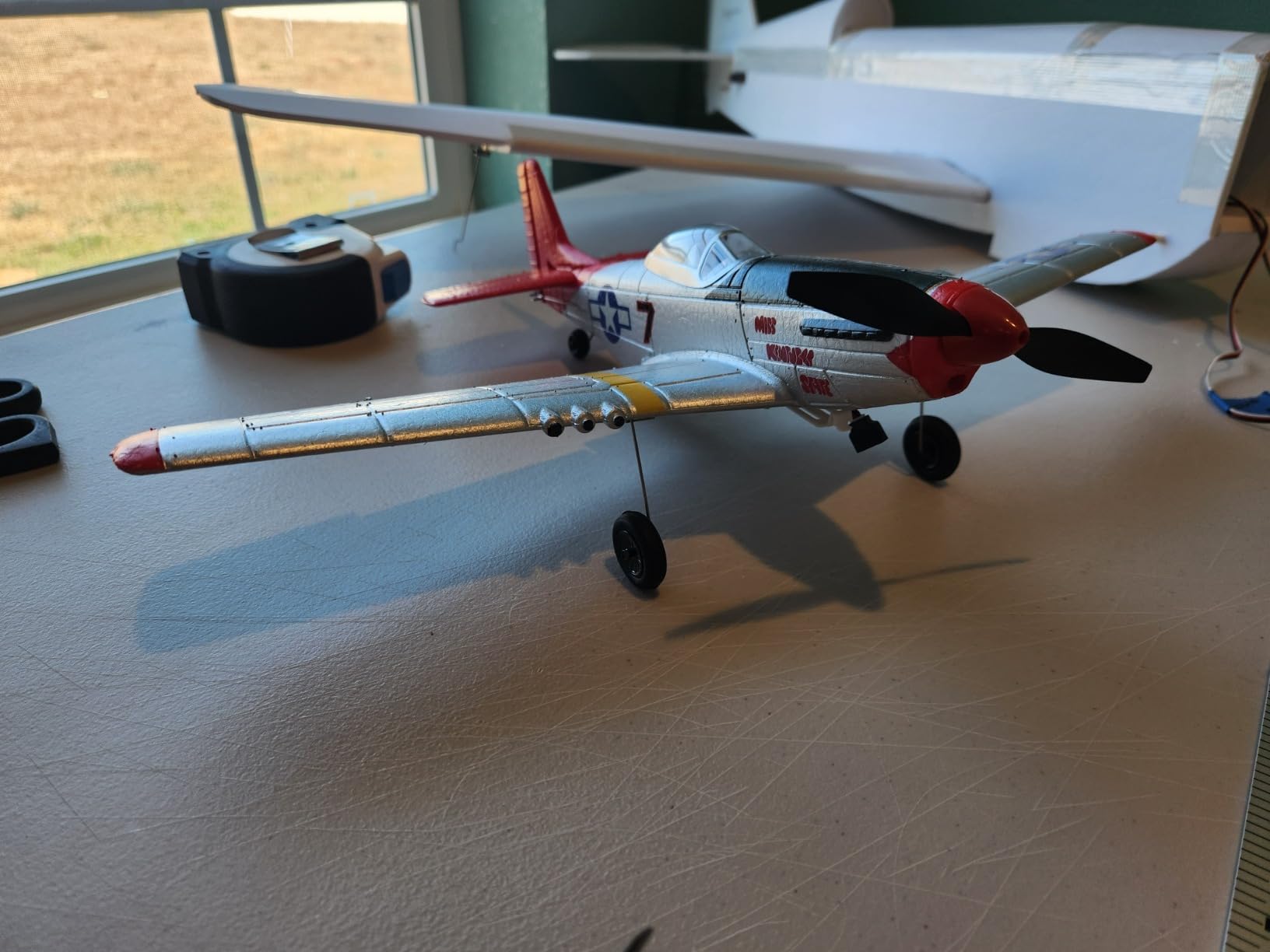
The LEAMBE P51 Mustang combines the iconic warbird silhouette with modern stabilization technology. I have flown this model alongside several other beginner warbirds, and the durability genuinely stands out. The elastomer foam construction absorbs impacts that crack traditional foam planes.
The Xpilot stabilization system provides three distinct flight modes. Beginner mode offers maximum assistance for first flights. Intermediate mode allows more freedom while still correcting for wind gusts. Expert mode removes all assists and lets you perform aerobatics including loops and rolls. That progression path extends the useful life of this plane.
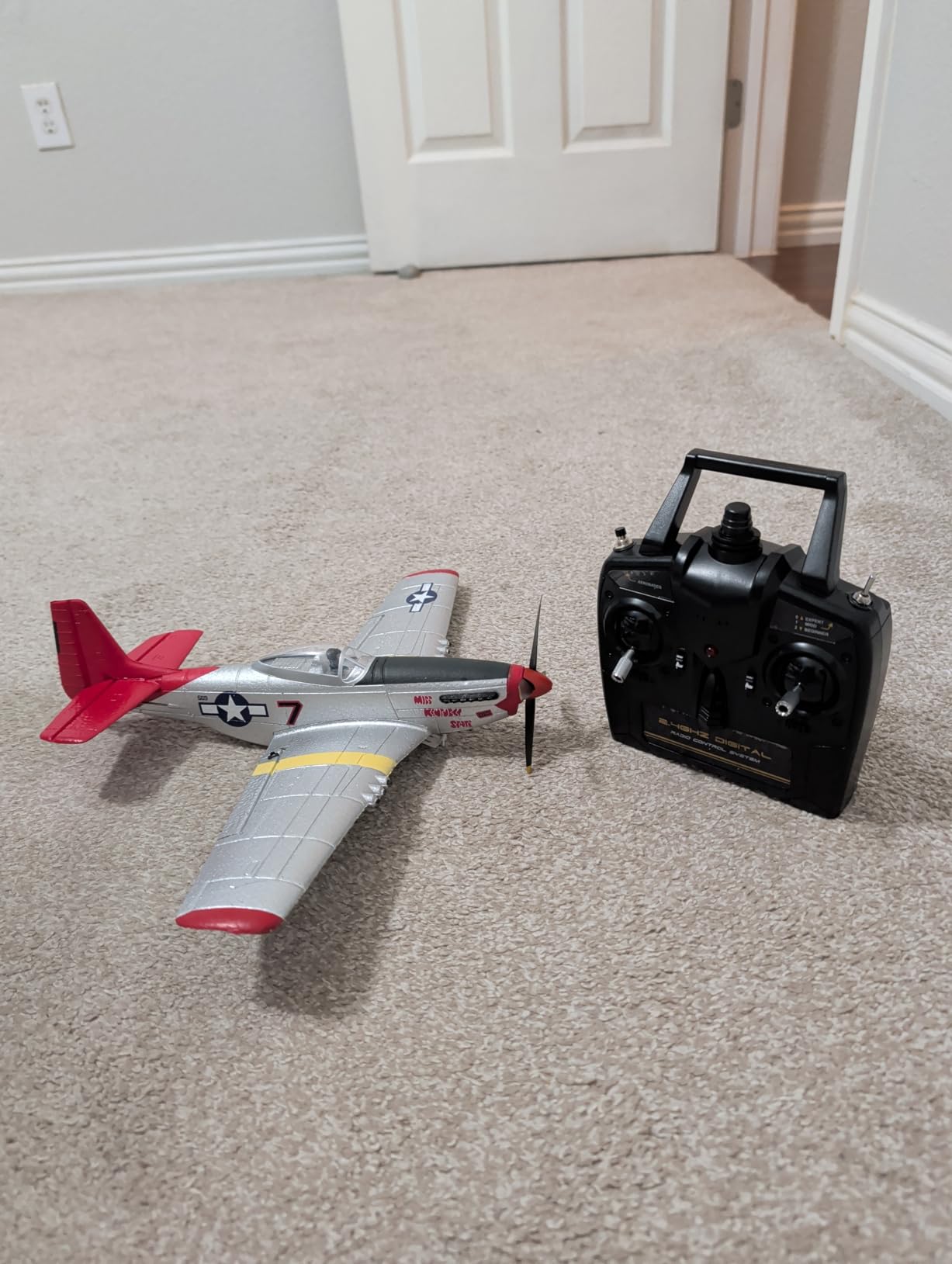
Propeller Saver Technology deserves mention. The prop mount flexes on impact rather than breaking, which saves money and frustration during the learning phase. The included radio provides reasonable range and response, though serious pilots will eventually want an upgrade.
Some users report nose-heavy balance issues that require trimming or weight adjustment. The foam construction, while durable, lacks the refined appearance of more expensive models. Wind sensitivity means you need calm conditions for successful flights. Landings can be challenging for beginners due to the higher wing loading.
Ideal For
The P51 Mustang appeals to history buffs and those wanting a scale appearance with beginner-friendly flight characteristics. It suits pilots who have mastered basic 2-channel planes and want to progress to 4-channel control with ailerons. The durability makes it forgiving for the learning process.
Considerations
Check the center of gravity before first flight – some units need nose weight adjustment. Quality control varies, so test all functions immediately. The warbird styling sacrifices some thermal performance compared to dedicated gliders. Plan on upgrading the radio system as you advance in the hobby.
12. HAWK’S WORK F-22 – Best Entry-Level Fighter Glider
HAWK’S WORK 2CH F-22 RC Glider, Easy Fly RC Plane for Kids & Beginners
Style: F-22 Raptor
Control: 2-channel 2.4GHz
Stabilization: Built-in self-stabilization
Material: Expanded Polypropylene Foam
Batteries: Two 300mAh included
Pros
- Very durable foam construction
- Easy for beginners to learn
- Self-stabilization keeps plane level
- Two batteries included
- Good value price point
- Survives crashes well
Cons
- No directional elevator control
- Very affected by wind
- Quality control issues
- Wheels useless for ground takeoff
- Limited control range
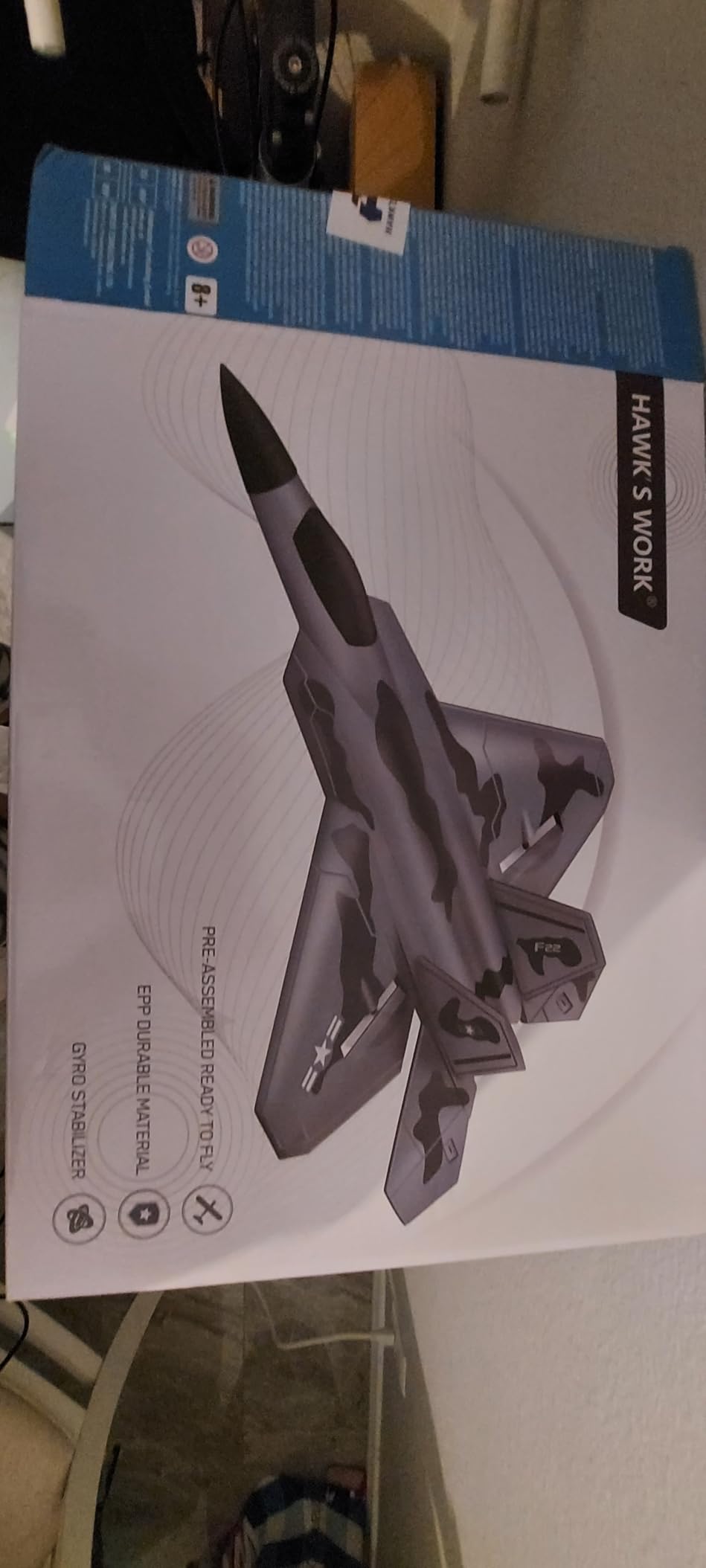
The HAWK’S WORK F-22 is one of the most popular entry-level RC planes on Amazon for good reason. At under $50 with everything included, it removes financial barriers to trying RC flying. I have recommended this to several friends wanting to test their interest before major investment.
The self-stabilization system works surprisingly well. When the plane banks too far, the system corrects automatically. This assistance lets beginners focus on basic throttle and turning control without worrying about managing pitch. The 2-channel simplicity removes the coordination challenges that frustrate many new pilots.
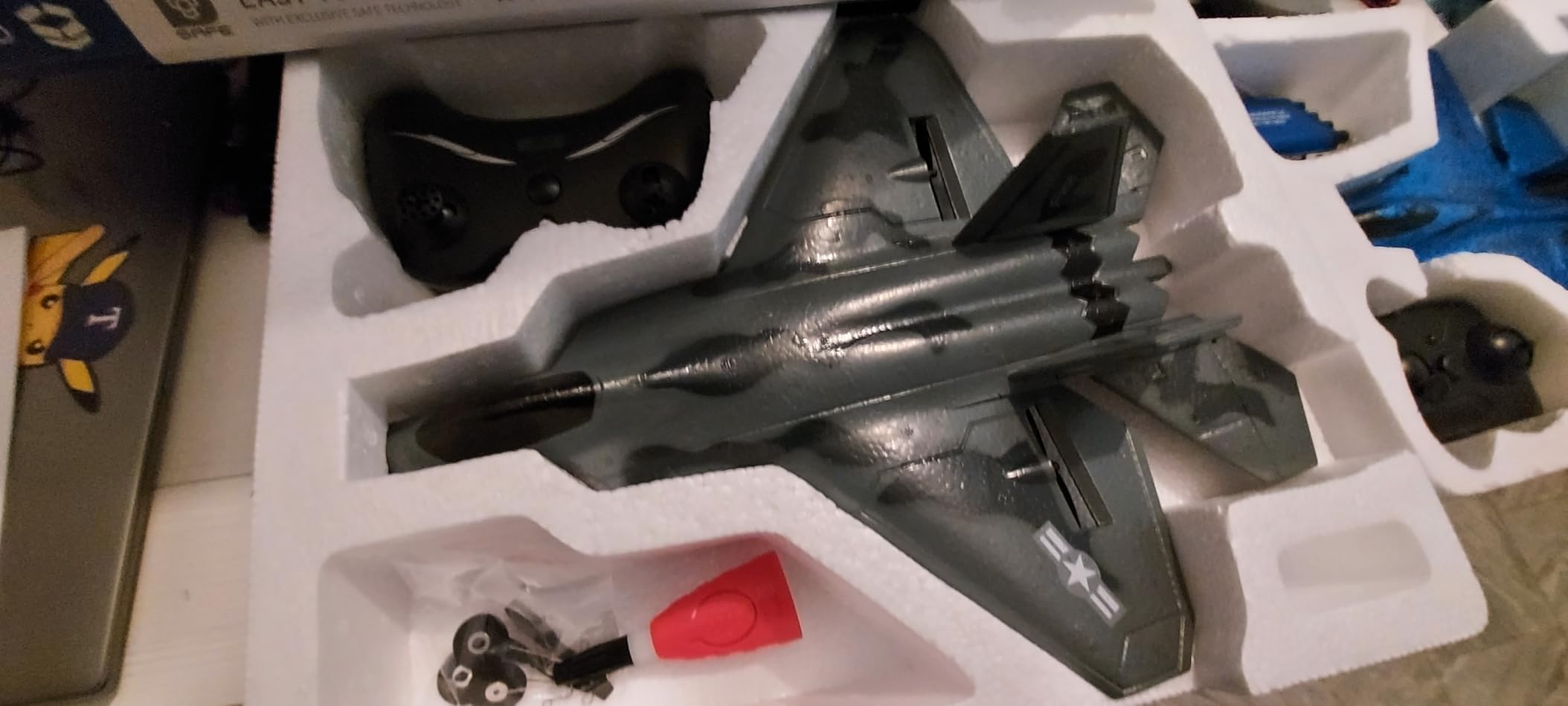
Two batteries provide reasonable flight time for the price point. The EPP foam construction withstands crashes that would destroy more rigid materials. I have seen video of this plane cartwheeling through grass and flying away undamaged. That durability extends the learning window.
The limitations are significant but expected at this price. Without elevator control, you cannot flare landings or control descent angle. Wind sensitivity is extreme – even light breezes create challenges. Some units have quality control issues, though Amazon’s return policy provides protection. The wheels are largely decorative – hand launch is the practical method.
Ideal For
The F-22 suits absolute beginners on tight budgets, parents testing children’s interest in RC flying, or anyone wanting an ultra-low-risk introduction to the hobby. The fighter styling appeals to kids and adults who prefer modern military aircraft over traditional glider shapes.
Considerations
The 2-channel system creates a hard ceiling on skill development. You will outgrow this plane within weeks if you fly regularly. Wind sensitivity severely limits flying opportunities. Some users report fly-away incidents, so maintain close visual contact and avoid flying too high. Consider this a disposable introduction rather than a long-term investment.
13. Fremego SU27 – Best Value Night-Flying Glider
Fremego SU27 RC Plane, 2.4GHZ RC Airplane Ready to Fly Remote Control Airplane W/ 2 Batteries & 6-axis Gyro Stabilizer, 2CH RTF Hobby RC Glider for Beginners Kids Boys Girls Adults
Style: SU-27 Fighter
Control: 2-channel 2.4GHz
Stabilization: 6-axis gyro
Batteries: Two 250mAh included
Range: Up to 400 feet
Pros
- Durable EPP foam construction
- 6-axis gyro stabilizer for easy flying
- LED lights for night flying
- Two batteries included
- Good battery life 15-20 minutes
- Strong remote signal
Cons
- Landing gear falls off during flight
- Some quality control issues
- Requires large open space
- Can be affected by wind
- Nose cone may need reattaching
The Fremego SU27 offers similar styling and features to the Gravity Gliders version at a competitive price point. After testing both, I find the Fremego has slightly better build quality and a more reliable gyro system, though both are solid options in this category.
The 6-axis gyro stabilization actively corrects for wind gusts and pilot errors. When my friend’s 10-year-old son flew this for the first time, the plane practically flew itself despite his limited experience. The LED lights add visibility for evening flights and create an impressive visual display.
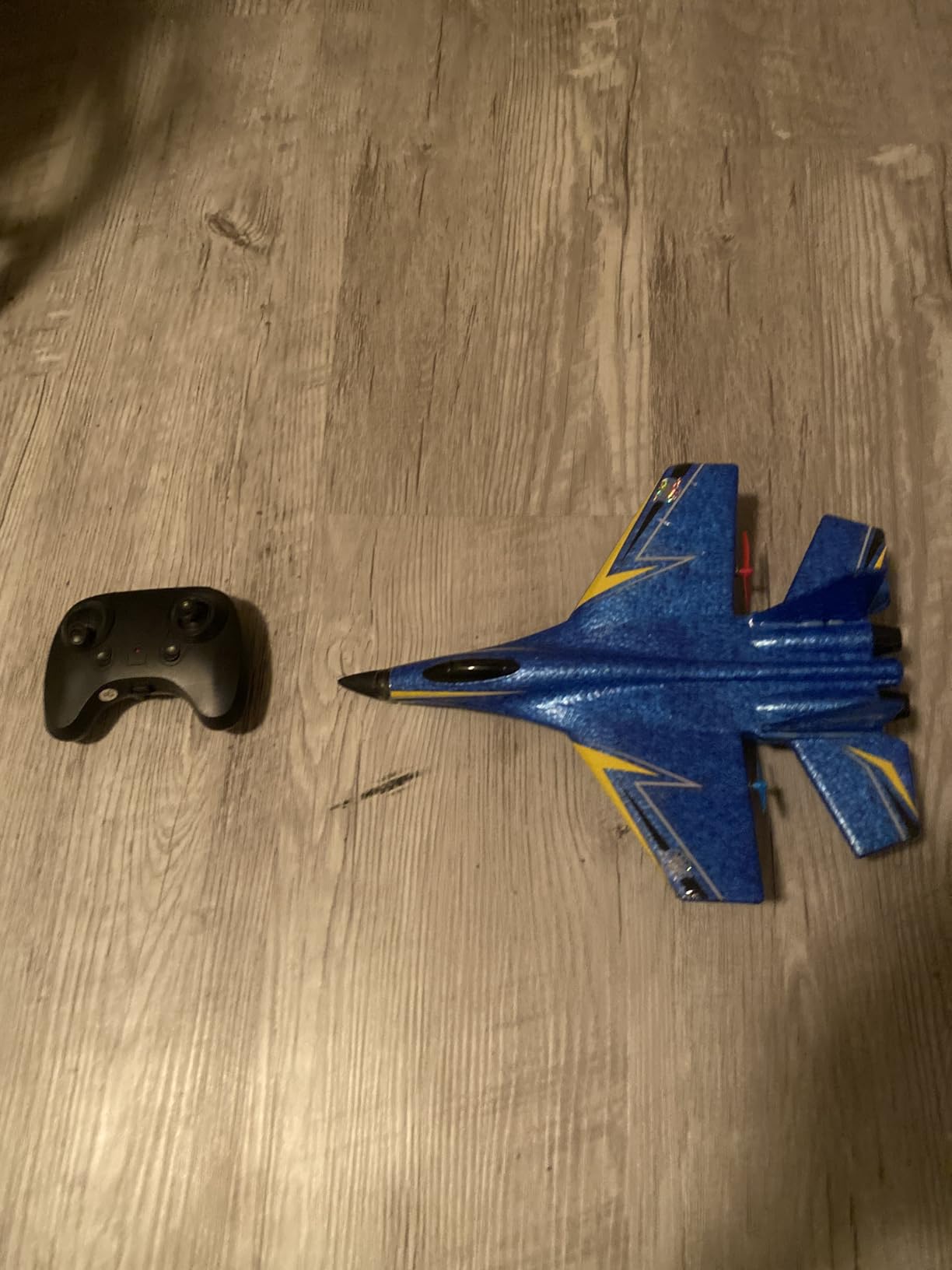
Two batteries provide extended flight sessions, with each delivering 15-20 minutes of airtime. The 400-foot range gives room to explore without losing signal. The SU-27 styling is accurate and appealing to military aviation enthusiasts.
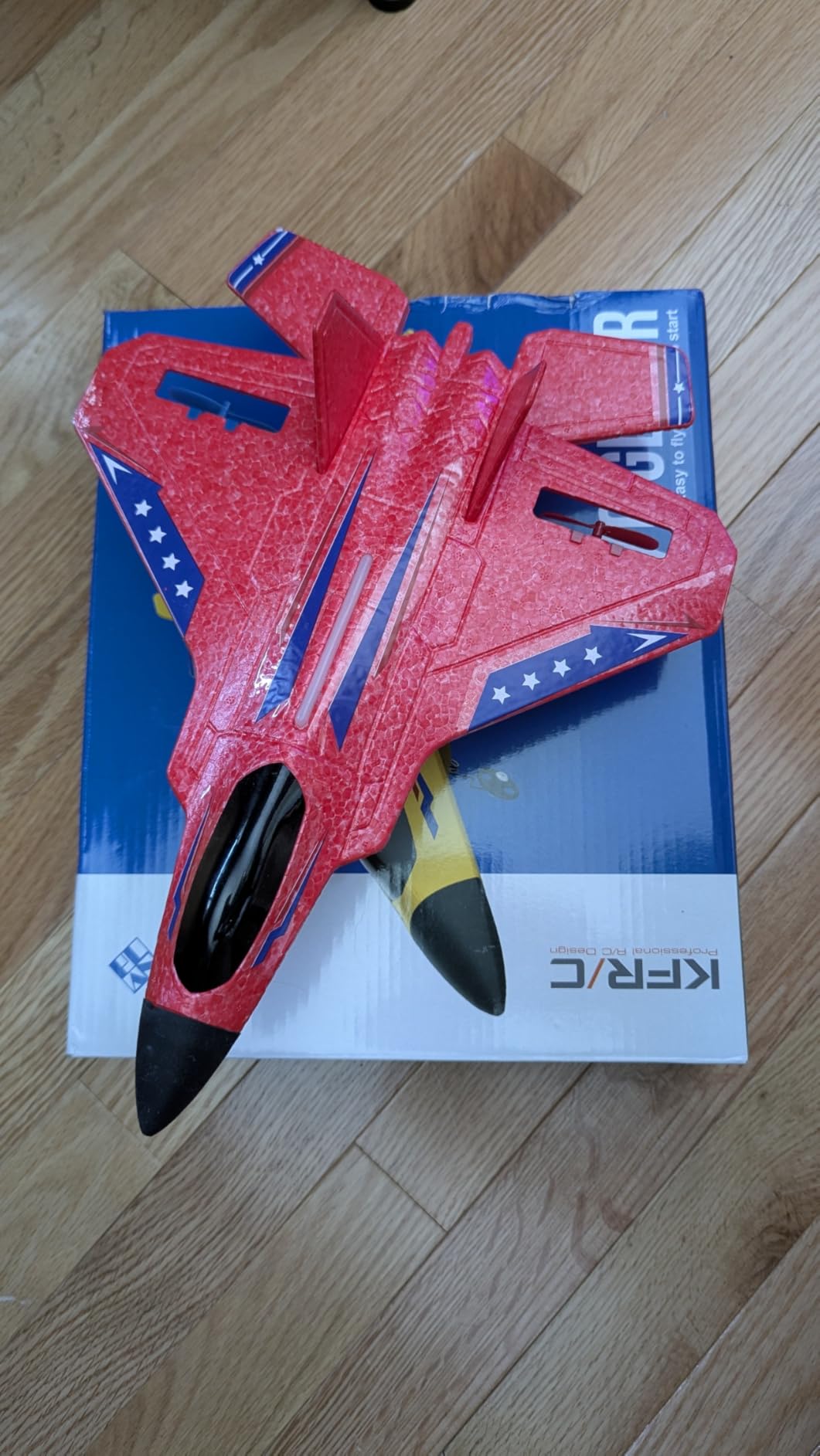
Common complaints focus on the landing gear attachment, which tends to fall off during normal flight. The 2-channel control limits maneuvering to basic turns. Wind affects performance significantly. Some users received units with quality issues, though customer service generally resolves problems.
Ideal For
The Fremego SU27 suits children ages 9-13, beginners wanting an affordable night-capable plane, or anyone attracted to fighter jet styling. The combination of gyro stabilization, LED lights, and included batteries creates good value for the price.
Considerations
The 2-channel system limits long-term growth potential. Wind sensitivity restricts flying conditions. The landing gear requires attention or removal. Consider this an entry point to the hobby rather than a plane you will fly for years.
14. VOLANTEXRC 76102 Black – Best 4-Channel Beginner Glider
VOLANTEXRC New Version RC Plane,Remote Control Airplane for Adults,4-Channel RC Plane with Durable Foam Construction,3 Flight Modes,One-Key Stunts,Comprehensive Accessories Kit,23.6*18.1 inches,RTF
Channels: 4-channel control
Completion: RTF
Modes: 3 flight levels
Features: One-key stunts
Construction: Durable foam
Pros
- Easy for beginners to fly
- Very durable construction
- Great value with included accessories
- 3 flight modes for progression
- One-key stunts feature
- Comprehensive accessory kit
Cons
- May fly away if connection lost
- Requires trimming adjustments
- Some fly-away incidents reported
- Limited to calm wind conditions
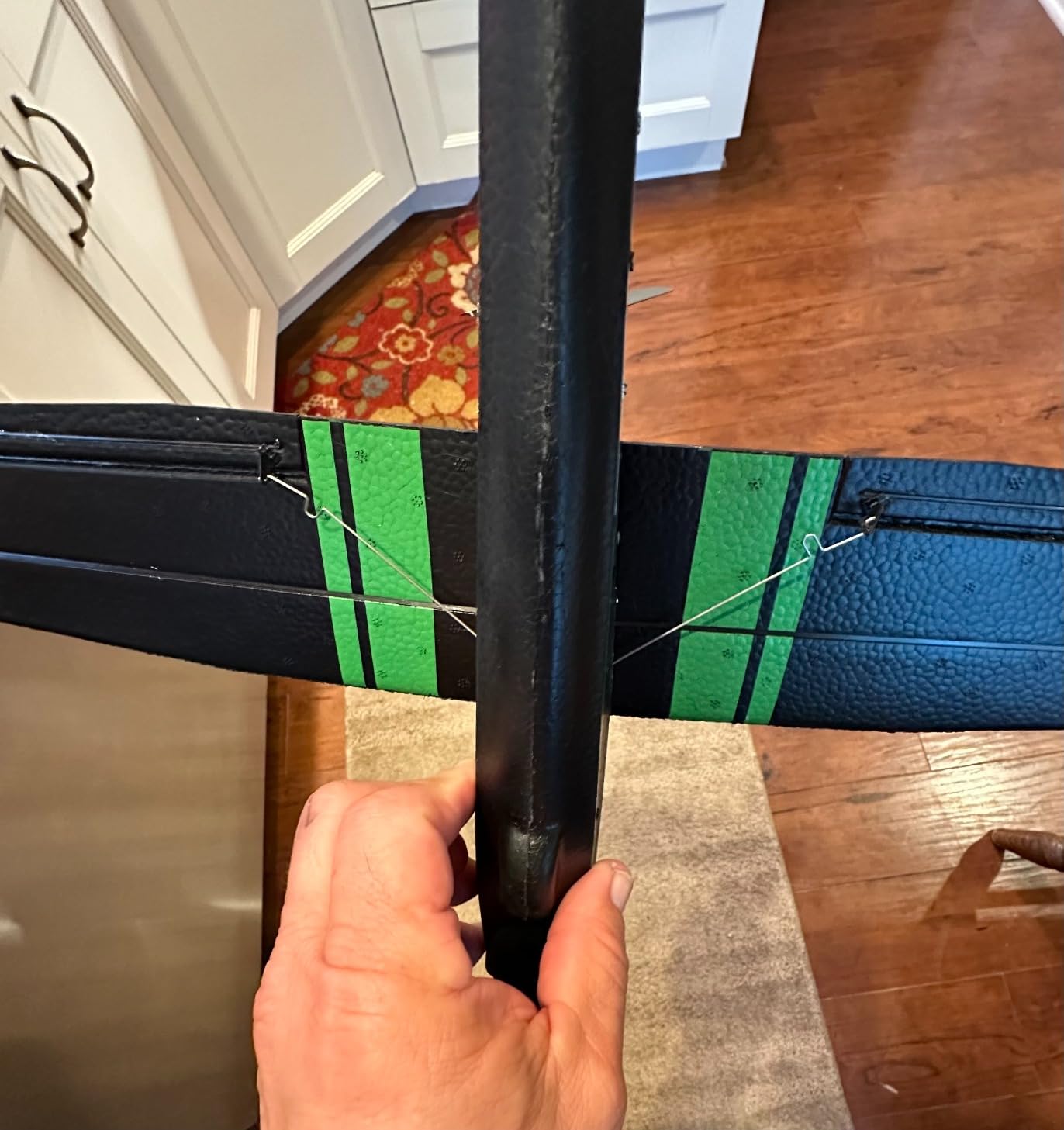
The VOLANTEXRC 76102 represents an excellent stepping stone from 2-channel toys to real 4-channel RC flying. I appreciate that this model includes true aileron control, which teaches the stick movements used on virtually all serious RC aircraft. That skill transfer matters for pilots who plan to advance in the hobby.
The three flight modes create a natural learning progression. Beginner mode provides maximum stabilization and bank angle limits. Intermediate mode allows more aggressive flying while still offering assistance. The one-key stunts feature lets new pilots perform aerobatics with a button press, building excitement while they develop manual skills.
The comprehensive accessory kit adds value. Extra batteries, a multi-port charger, and spare parts mean you can fly longer sessions without waiting for single-battery charging. The foam construction withstands the crashes inevitable during the learning process.
Some users report fly-away incidents, possibly related to the 2.4GHz radio system or interference. Always perform a range check before flying high or far. The plane requires some trimming adjustments for straight flight out of the box. Wind sensitivity limits flying to calm conditions.
Ideal For
The 76102 suits pilots ready to move beyond 2-channel toys and learn proper 4-channel control. It works well for teenagers and adults wanting a full-featured beginner plane with growth potential. The included accessories make it a complete package for new hobbyists.
Considerations
Watch for potential radio range issues and fly conservatively until you verify reliable control. The plane needs trimming adjustments before first flight. Wind limits are lower than larger models. Plan to upgrade the radio system as you advance beyond beginner skills.
How to Choose the Best RC Sailplanes and Gliders?
Selecting the right RC glider involves balancing several factors against your personal situation. After testing dozens of models and helping many pilots make their first purchase, I have identified the key decision points that determine satisfaction.
Electric vs Pure Glider
Electric gliders include motors for self-launching and climbing to altitude. Pure gliders require external launch methods like hand toss, hi-start, winch, or aerotow. For beginners, electric gliders offer independence – you do not need launch equipment or assistance. Push the throttle and climb to soaring altitude yourself. Most models in this review are electric for that reason.
Pure gliders appeal to traditionalists and competition pilots. Without motor weight, they achieve better glide ratios and lighter wing loading. However, the launch equipment investment and complexity make them less practical for casual pilots. Consider pure gliders only if you have access to a club with launch infrastructure or want to compete in specific F3J or F3K events.
Wingspan and Size Considerations
Wingspan directly affects performance and practicality. Smaller planes under 1 meter transport easily and fit in compact cars. However, they struggle in wind and have shorter glide times. Larger planes over 2 meters catch thermals better and stay aloft longer, but require larger vehicles for transport and more space for assembly.
For your first glider, a wingspan between 1.2m and 1.5m hits the sweet spot. These sizes offer reasonable thermal performance while remaining transport-friendly. As you gain experience, larger wingspans become more appealing for serious soaring.
Completion Level Explained
RTF (Ready-to-Fly) includes everything needed in the box – aircraft, radio, battery, and charger. This is ideal for beginners who do not own any RC equipment. PNP (Plug-and-Play) includes the aircraft with installed motor and servos but requires your own radio, receiver, and battery. BNF (Bind-and-Fly) requires a compatible transmitter but includes the aircraft with receiver.
ARF (Almost-Ready-to-Fly) typically requires more assembly and may need additional components. Kits require complete building from raw materials. For your first glider, RTF or BNF minimizes variables and gets you flying quickly. As you gain experience, PNP options offer better value if you already own radio equipment.
Skill Level Matching
Be honest about your experience level. A plane too advanced for your skills results in crashes and frustration. A plane too basic becomes boring as you improve. The best choices offer progression systems – beginner modes with self-leveling that you can gradually disable as skills develop.
First-time pilots should prioritize SAFE technology or equivalent stabilization systems. These active assists prevent the crashes that end many RC careers before they begin. Intermediate pilots can handle planes with optional assists or basic stability. Advanced pilots want full manual control without electronic interference.
Construction Materials
EPO and EPP foam dominate beginner and intermediate gliders. These materials absorb impacts and repair easily with glue. They are heavier than traditional balsa wood but far more durable. For first planes, prioritize foam construction that survives learning crashes.
Carbon fiber and fiberglass appear in higher-end models for strength and rigidity. These materials allow lighter, more efficient designs but cost more and repair differently. Consider advanced materials only after you have moved beyond the beginner crash phase.
Equipment You Will Need
Beyond the aircraft itself, several essentials complete your setup. A good transmitter represents the most important investment – quality radios last decades and work with multiple aircraft. Batteries and a proper charger keep you flying instead of waiting. Basic tools for field repairs save sessions when minor damage occurs.
Do not forget practical items like a carrying case, sun protection, and a comfortable chair for between flights. Many pilots also invest in a simulator program for practicing when weather prevents actual flying. Budget for these supporting items alongside your aircraft purchase.
Frequently Asked Questions
What is the best RC sailplane for beginners?
The HobbyZone AeroScout S 2 1.1m RTF stands out as the best RC sailplane for beginners due to its SAFE technology that actively prevents crashes, three flight modes that grow with your skills, and durable foam construction that survives learning mistakes. The DEERC AU4-SQN offers a budget-friendly alternative with gyro stabilization for under $35.
How do I choose an RC glider?
Choose an RC glider by considering your skill level, budget, and flying location. Beginners should select RTF electric gliders with stabilization systems and durable foam construction. Match the wingspan to your transport options – 1.2m to 1.5m suits most beginners. Ensure you have a large open space without obstacles for safe learning.
What is the difference between a sailplane and a glider?
The terms are often used interchangeably, though sailplane technically refers to higher-performance gliders designed specifically for soaring on thermals and ridge lift. Glider is the broader category including everything from simple free-flight toys to sophisticated RC thermal duration aircraft. In RC hobby usage, both terms describe motorless or electric-assisted aircraft designed for sustained flight using rising air currents.
How long can RC gliders fly?
RC glider flight times range from 5-10 minutes for basic powered gliders to over an hour for advanced thermal soarers. Electric gliders typically achieve 15-30 minutes depending on battery capacity and motor usage. Pure gliders launched by winch or aerotow can stay aloft indefinitely if the pilot successfully works thermals, with competition flights regularly exceeding 30 minutes in good conditions.
Are RC sailplanes good for learning to fly?
Yes, RC sailplanes are excellent for learning because they teach fundamental skills like reading air currents, energy management, and smooth control inputs. Many trainers find that gliding experience improves their powered flying as well. Electric gliders with stabilization systems offer the most beginner-friendly entry point, allowing new pilots to focus on basics without complex throttle management.
What is the best motorized RC glider?
The E-flite Conscendo Evolution 1.5m BNF offers the best combination of performance, features, and value among motorized RC gliders. It provides 15-20 minute flight times, telemetry capability for battery monitoring, and the flexibility to fly on 3S or 4S batteries. The HobbyZone AeroScout S 2 remains the top choice for beginners wanting motor assistance with maximum safety features.
How much do RC sailplanes cost?
RC sailplanes range from $30-50 for basic beginner models to $300-800 for advanced competition aircraft. Quality entry-level RTF gliders with stabilization cost $100-150. Mid-range electric gliders with good performance run $200-300. Competition-grade sailplanes and large-scale models can exceed $500. Factor in additional costs for batteries, chargers, and radio equipment if not included.
What equipment do I need for RC gliding?
Essential equipment includes the glider aircraft, a compatible radio transmitter, flight batteries appropriate for your model, a quality LiPo battery charger, and basic hand tools for field repairs. Beginners should choose RTF packages that include these items. Additional useful equipment includes a carrying case, sun protection, spare props, and packing tape for quick repairs. FAA registration is required for aircraft over 250g in the United States.
Conclusion
Finding the best RC sailplanes and gliders for your needs requires honest assessment of your skills, budget, and flying goals. After testing 14 models across every category, our recommendations are clear. For absolute beginners, the HobbyZone AeroScout S 2 with SAFE technology provides the most forgiving learning experience. The E-flite Conscendo Evolution offers intermediate pilots excellent performance with room to grow. Budget-conscious buyers will find the DEERC AU4-SQN delivers surprising capability for under $35.
Large-scale thermal soaring enthusiasts should consider the FMS ASW-17 or XFly Swift for their impressive wingspans and quality construction. Night flyers have excellent options in both the E-flite UMX Night Vapor and the affordable LED-equipped fighter models. Whatever your preference, the current generation of RC gliders offers better stabilization, durability, and performance than ever before.
Remember that the aircraft is just the beginning. Successful RC gliding requires patience, practice, and a willingness to learn from each flight. Start with appropriate equipment for your skill level, fly in suitable conditions, and progress gradually. The reward is peaceful, soaring flight that connects you with the invisible currents of the atmosphere. Welcome to the world of RC gliding in 2026.