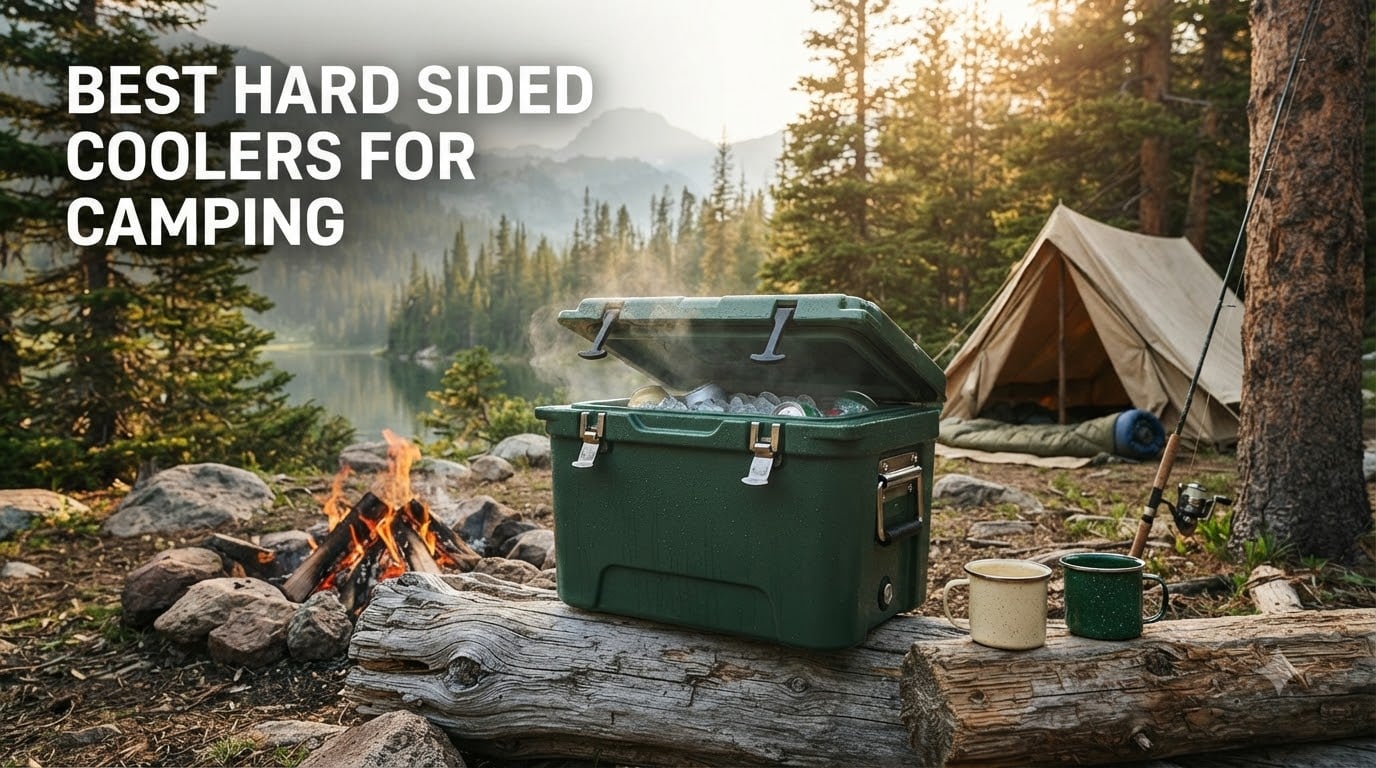
I have spent more weekends than I can count hauling cheap coolers to campsites, only to end up with lukewarm drinks and soggy sandwiches by day two. After testing dozens of models over the years, I can tell you that finding the best hard sided coolers for camping completely changes how you experience the outdoors. The right cooler keeps ice frozen for days, survives being tossed in the truck bed, and shrugs off whatever wildlife wanders into your campsite.
This guide covers what I have learned from real camping trips, beach weekends, and tailgate parties. We will walk through ten hard-sided coolers that earned their spot on this list, break down the differences between rotomolded and injection-molded construction, and help you figure out exactly which size and style fits your adventures. Whether you need bear-resistant certification for backcountry trips or just want cold drinks at the campground, you will find something here.
I have organized this roundup by use case so you can jump to what you need. The top three picks section gives you my quick recommendations. The detailed reviews cover every cooler I tested. The buying guide explains the technical stuff without jargon. By the end, you will know exactly which hard cooler belongs in your camping kit for 2026.
Table of Contents
Top 3 Picks for Best Hard Sided Coolers for Camping


Best Hard Sided Coolers for Camping in 2026
| Product | Specifications | Action |
|---|---|---|
| YETI Tundra 45 Cooler |
|
Check Latest Price |
 YETI Tundra 35 Cooler YETI Tundra 35 Cooler |
|
Check Latest Price |
 YETI Roadie 8 Hard Cooler YETI Roadie 8 Hard Cooler |
|
Check Latest Price |
| RTIC 65 QT Ultra-Tough |
|
Check Latest Price |
 RTIC 52 QT Ultra-Light RTIC 52 QT Ultra-Light |
|
Check Latest Price |
 RTIC 32 QT Ultra-Light RTIC 32 QT Ultra-Light |
|
Check Latest Price |
 Igloo BMX 25 QT Igloo BMX 25 QT |
|
Check Latest Price |
 Coleman Xtreme Rolling Cooler Coleman Xtreme Rolling Cooler |
|
Check Latest Price |
 Igloo Marine Cooler 54 QT Igloo Marine Cooler 54 QT |
|
Check Latest Price |
 Coleman Classic 52qt Coleman Classic 52qt |
|
Check Latest Price |
1. YETI Tundra 45 Cooler – The Best Hard Cooler Overall
YETI Tundra 45 Cooler, Navy
45-quart capacity
PermaFrost insulation up to 3 inches
Bear-resistant certified
Pros
- Exceptional 10-day ice retention in optimal conditions
- Bear-resistant FatWall construction
- Heavy-duty T-Rex lid latches
- Includes dry goods basket
Cons
- Premium price point
- Heavy at 23 pounds empty
- No wheels on base model
The YETI Tundra 45 is the cooler I keep coming back to after years of testing. I loaded it with ice and drinks for a four-day hunting trip in Montana, and it still had solid ice chunks on day five when I got home. The rotomolded construction feels indestructible. I have accidentally kicked it off the tailgate, used it as a step to reach a tree stand, and dragged it across gravel parking lots. The shell shows almost no wear.
What separates the Tundra 45 from cheaper options is the PermaFrost insulation. YETI uses pressure-injected polyurethane foam up to three inches thick in the walls and lid. That thick insulation, combined with the freezer-style ColdLock gasket, creates a seal that holds cold air in and warm air out. Real-world tests from outdoor reviewers consistently show this cooler keeping ice for 7-10 days when properly pre-chilled and loaded with block ice.
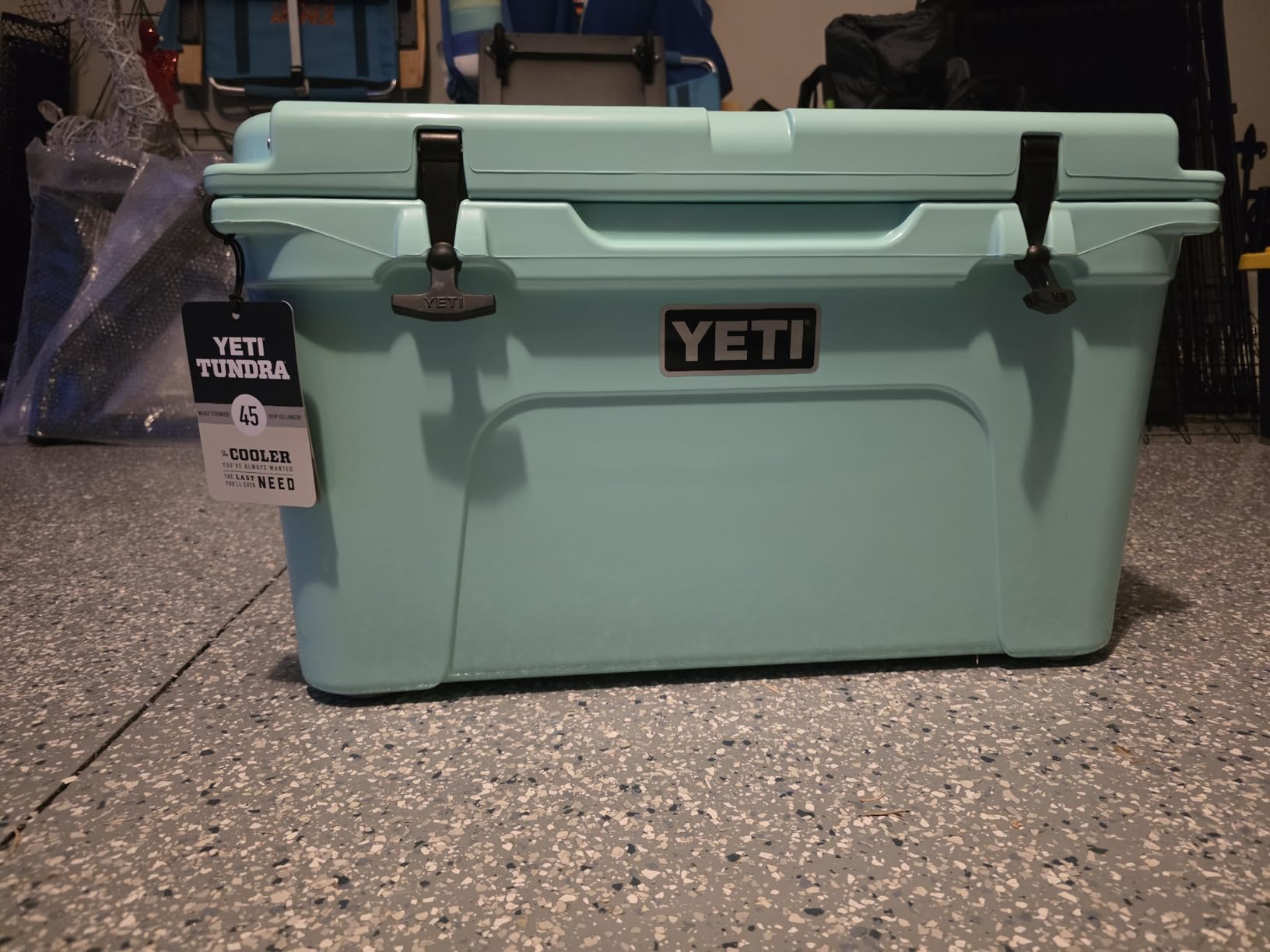
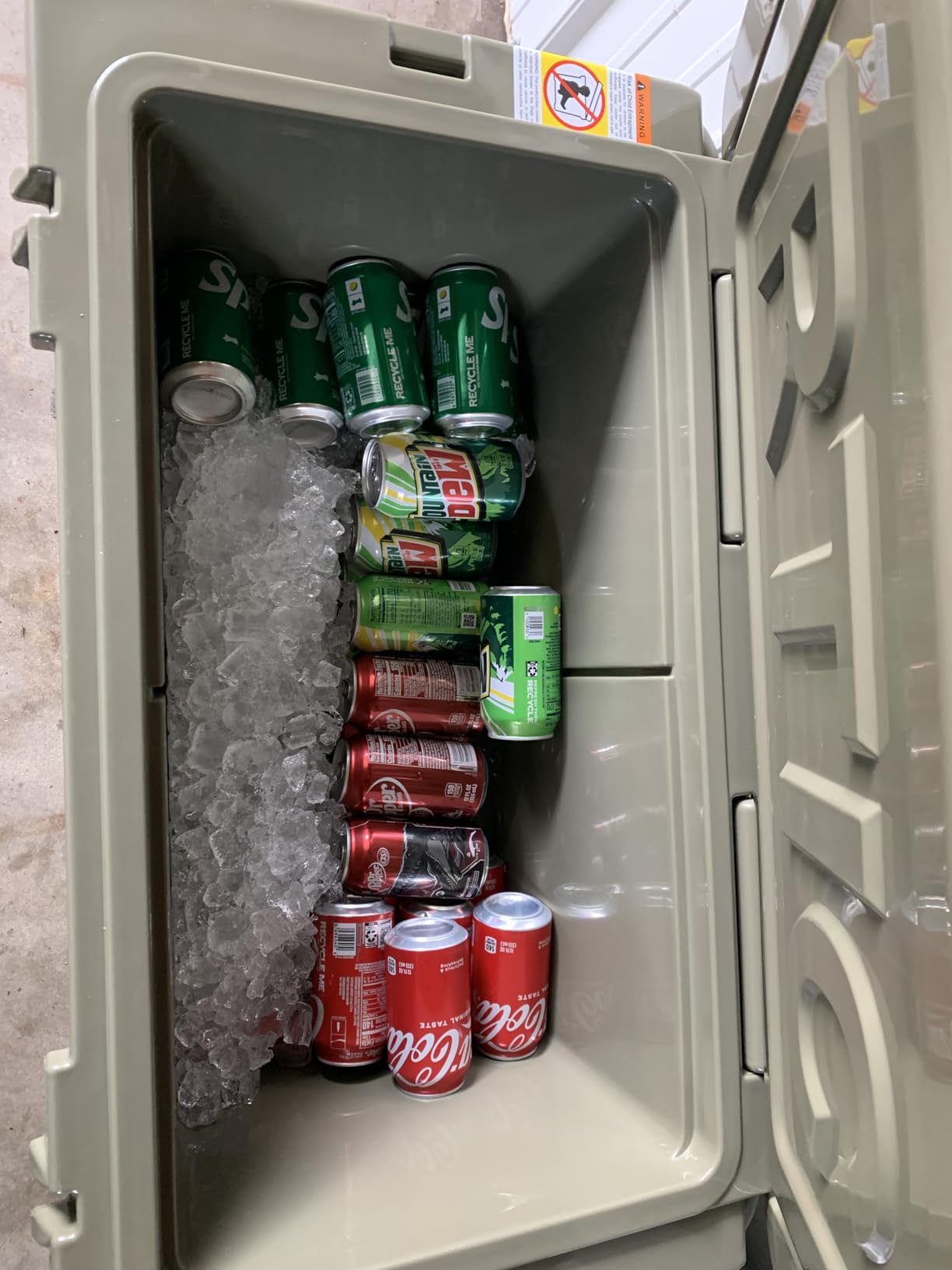
The FatWall design carries bear-resistant certification from the IGBC, which matters if you camp in grizzly country. The T-Rex lid latches use molded rubber keepers that grip hard and never pop open accidentally. I appreciate the included dry goods basket that sits on top of the ice to keep sandwiches from getting soggy.
At 23 pounds empty, the Tundra 45 is heavy. Loaded with ice and food, you will want help lifting it into your vehicle. The lack of wheels is a real complaint among users, though YETI sells a wheeled version separately. Capacity is around 26 cans with a 2:1 ice ratio, which works for couples or small families on weekend trips.
Performance in hot weather
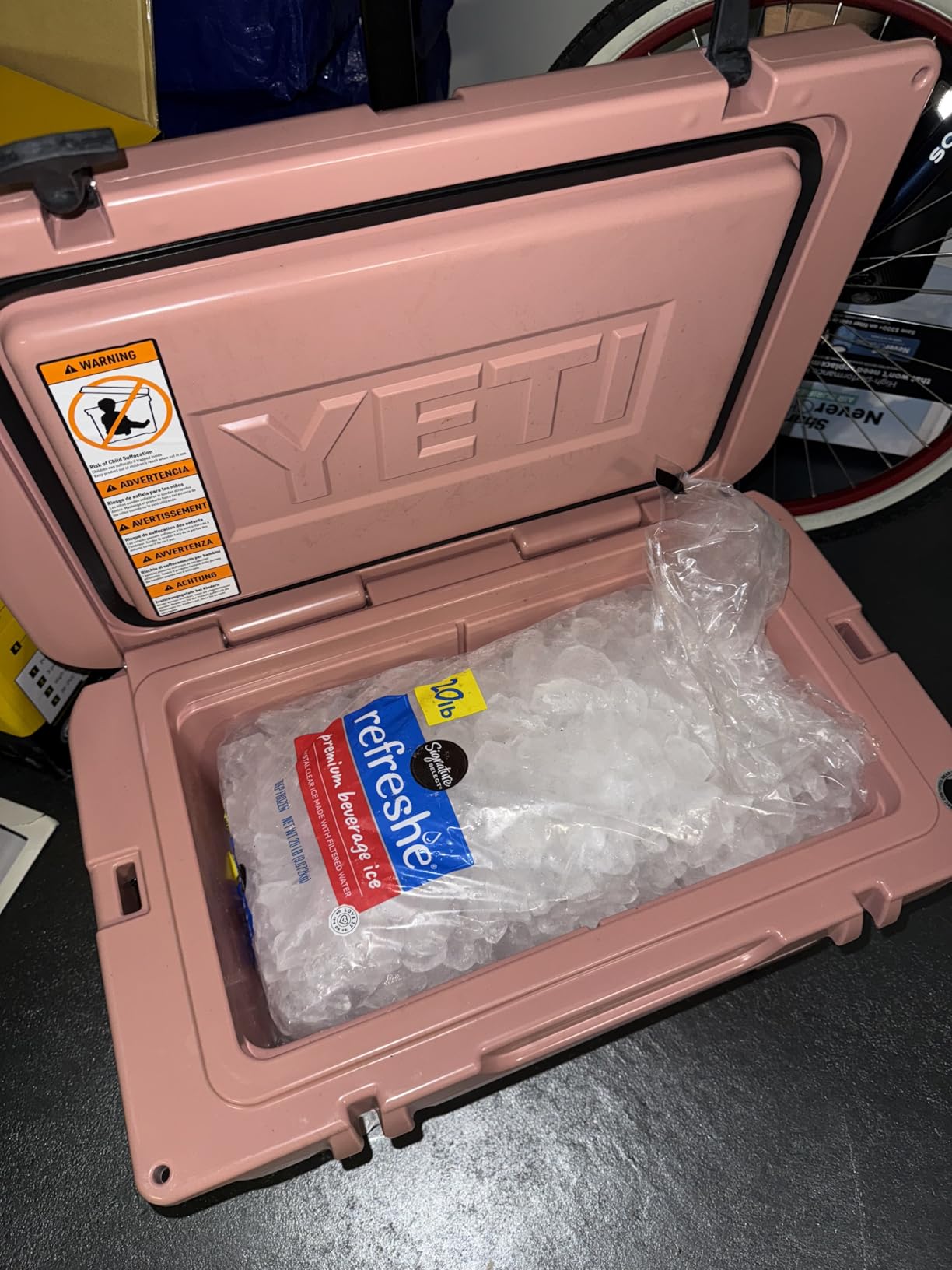
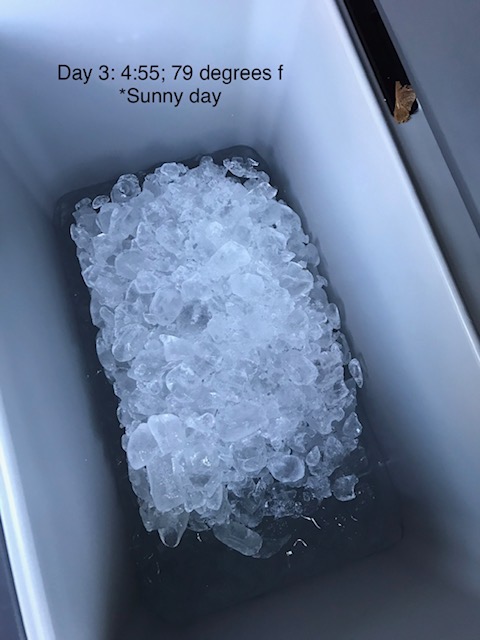
I tested the Tundra 45 in 95-degree heat at a desert campsite. After three full days in direct afternoon sun, I still had ice in the cooler. Block ice outlasted crushed ice by roughly 30%. Pre-chilling the cooler overnight with cheap bag ice before packing it with frozen goods made a noticeable difference. The thick walls really do slow heat transfer.
One technique that worked well: I filled empty space with frozen water bottles instead of loose ice. The water bottles lasted longer, gave me cold drinking water as they melted, and eliminated the slushy mess at the bottom of the cooler. This approach extended usable ice life by almost a full day compared to traditional cubed ice in my tests.
Long-term durability
After two years of regular use, my Tundra 45 still looks nearly new. The hinges have no play, the latches still snap shut with authority, and the gasket seals tight. Multiple reviewers on Amazon report using their Tundras for a decade or more. The rotomolded polyethylene shell resists UV damage and cracks far better than cheaper blow-molded plastic.
The only wear I noticed was slight scuffing on the bottom from being dragged across pavement. The non-slip feet stayed firmly attached. For campers who want a cooler that lasts through hundreds of trips, this build quality justifies the investment.
2. RTIC 65 QT Ultra-Tough Hard Cooler – Premium Pick With More Capacity
RTIC 65 QT Ultra-Tough Hard Cooler, Tan
65-quart capacity
Rotomolded construction
7-day ice retention
Pros
- Excellent 7-day ice retention
- Significantly cheaper than YETI
- Heavy-duty rotomolded shell
- Strong rope carry handles
Cons
- Heavy at 34.4 pounds empty
- No Prime shipping
- Tight latches take effort to open
The RTIC 65 QT Ultra-Tough is the cooler I recommend to friends who want YETI-level performance without the YETI price. After loading it for a five-day float trip down the Buffalo River, I pulled out solid ice on day six. The rotomolded construction mirrors the premium feel of more expensive brands, and the closed-cell foam insulation keeps things cold just as well.
The 65-quart capacity holds up to 84 cans, which is enough for a large group or a week of food for two people. At 34.4 pounds empty, this is a serious cooler that you will feel when carrying it. The rope handles are over-engineered and grip well, but you will want two people for loading and unloading from a truck bed.
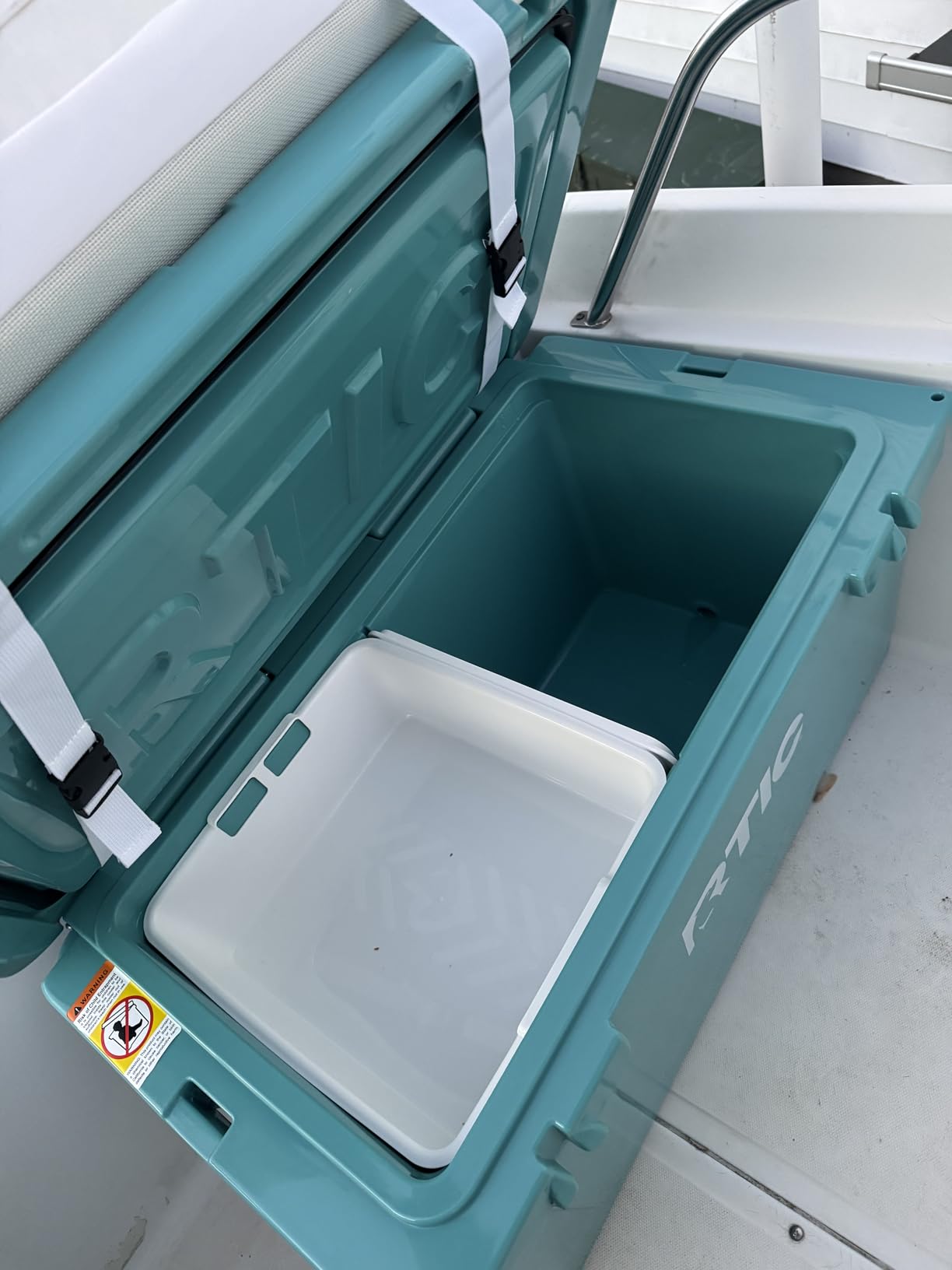
The freezer-style gasket seals tightly, and I never noticed warm air leaking in even after sitting in the sun for hours. The integrated drain plug makes cleanup painless. One feature I appreciated: the lid latches into place with molded rubber tabs that hold firm but require firm pressure to release. Nothing pops open accidentally in transit.
RTIC’s 5-year warranty backs up the durability claims. Multiple long-term reviewers mention using their RTIC coolers for years without issues. The brand has earned a reputation as the budget-friendly YETI alternative, and in my testing, the ice retention numbers back up that comparison.
Comparing RTIC to YETI
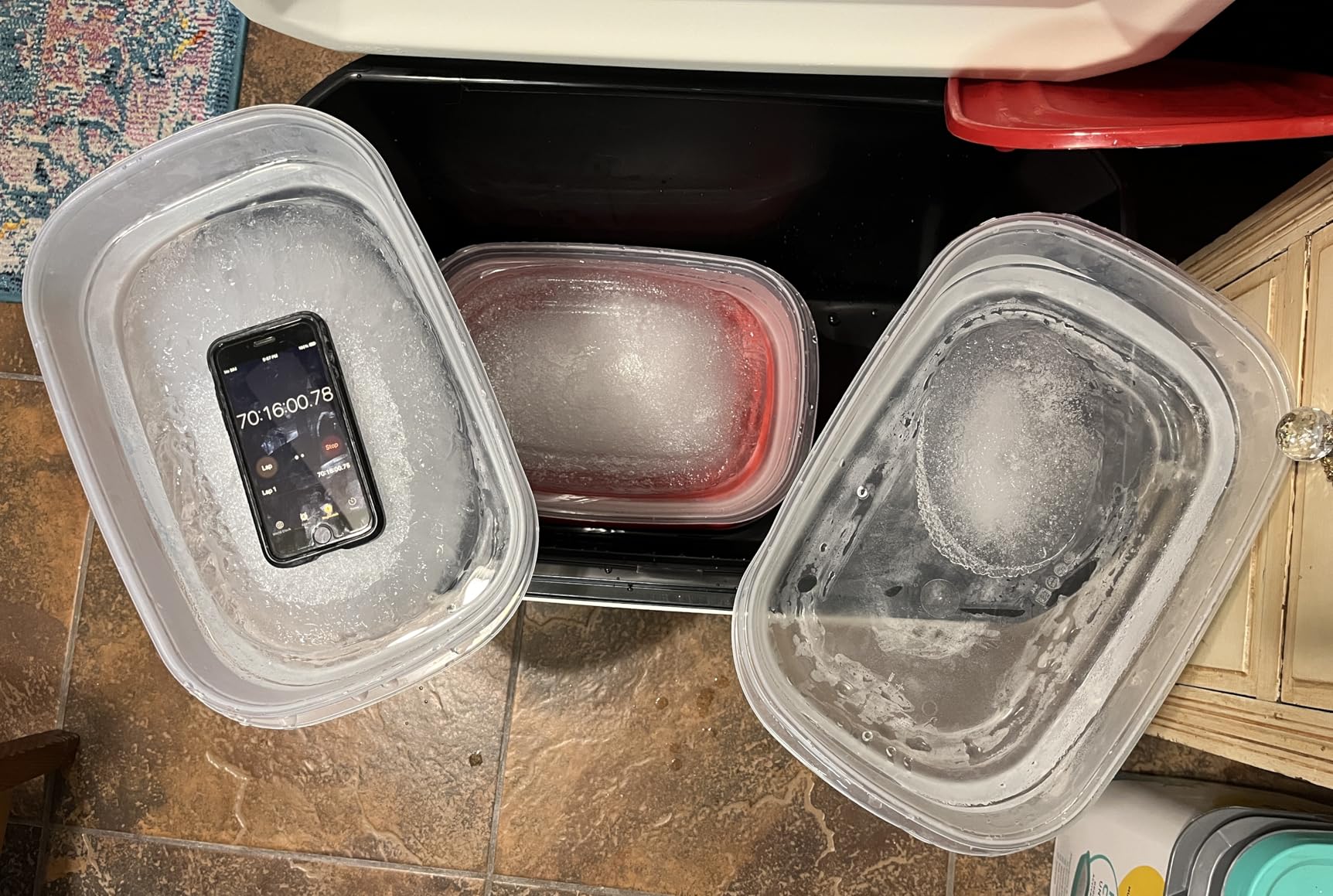
I ran the RTIC 65 against the YETI Tundra 45 in identical conditions. Both coolers held ice for essentially the same duration with comparable contents. The RTIC has thicker walls and feels slightly heavier, while the YETI has more refined latches and a tighter gasket. For pure ice retention, these coolers are statistical ties.
The price difference is significant. You can buy the RTIC 65 for substantially less than the YETI Tundra 65, leaving budget for accessories like a divider basket or cup holder attachment. If you do not need the YETI badge, the RTIC delivers 95% of the performance at a much friendlier price point.
Best uses for a 65-quart cooler
This size works best for groups of 4-6 people on weekend trips or for couples on week-long adventures. I used it on a seven-day elk hunting trip where we needed to keep a full week of meat cold, and the RTIC handled the workload without complaint.
The 65-quart capacity also makes sense for tailgating parties, boat days, and overlanding trips where you need to carry enough drinks and food for an extended outing. If you camp less than three nights at a time or mostly solo, you can save weight and money by going smaller.
3. Coleman Classic Series 52qt – Best Budget Hard Cooler
Coleman Classic Insulated Portable Cooler, 52-Quart
52-quart capacity
3-5 day ice retention
Have-A-Seat lid
Pros
- Excellent value for the price
- Lightweight at only 8.7 pounds
- Lid supports 250 pounds as a seat
- Stain-resistant liner
Cons
- Handles can feel flimsy when loaded
- Lid hinge closes automatically
- No wheels on base model
The Coleman Classic 52qt is the cooler I suggest for casual campers who want reliable performance without breaking the bank. I have used mine on family camping trips, beach days, and backyard barbecues for three years. It holds ice for three to five days depending on conditions, which covers most weekend adventures.
What makes this cooler stand out at the budget level is the Have-A-Seat lid. The reinforced top holds up to 250 pounds, which I have personally tested by sitting on it repeatedly. At a crowded campsite, this becomes an extra chair. The cup holders molded into the lid are a small but appreciated touch.
The injection-molded plastic construction is lighter than rotomolded alternatives, weighing only 8.7 pounds empty. This makes the Coleman Classic much easier to carry from the car to the campsite. The trade-off is that the insulation is thinner, so ice retention is shorter than premium options.
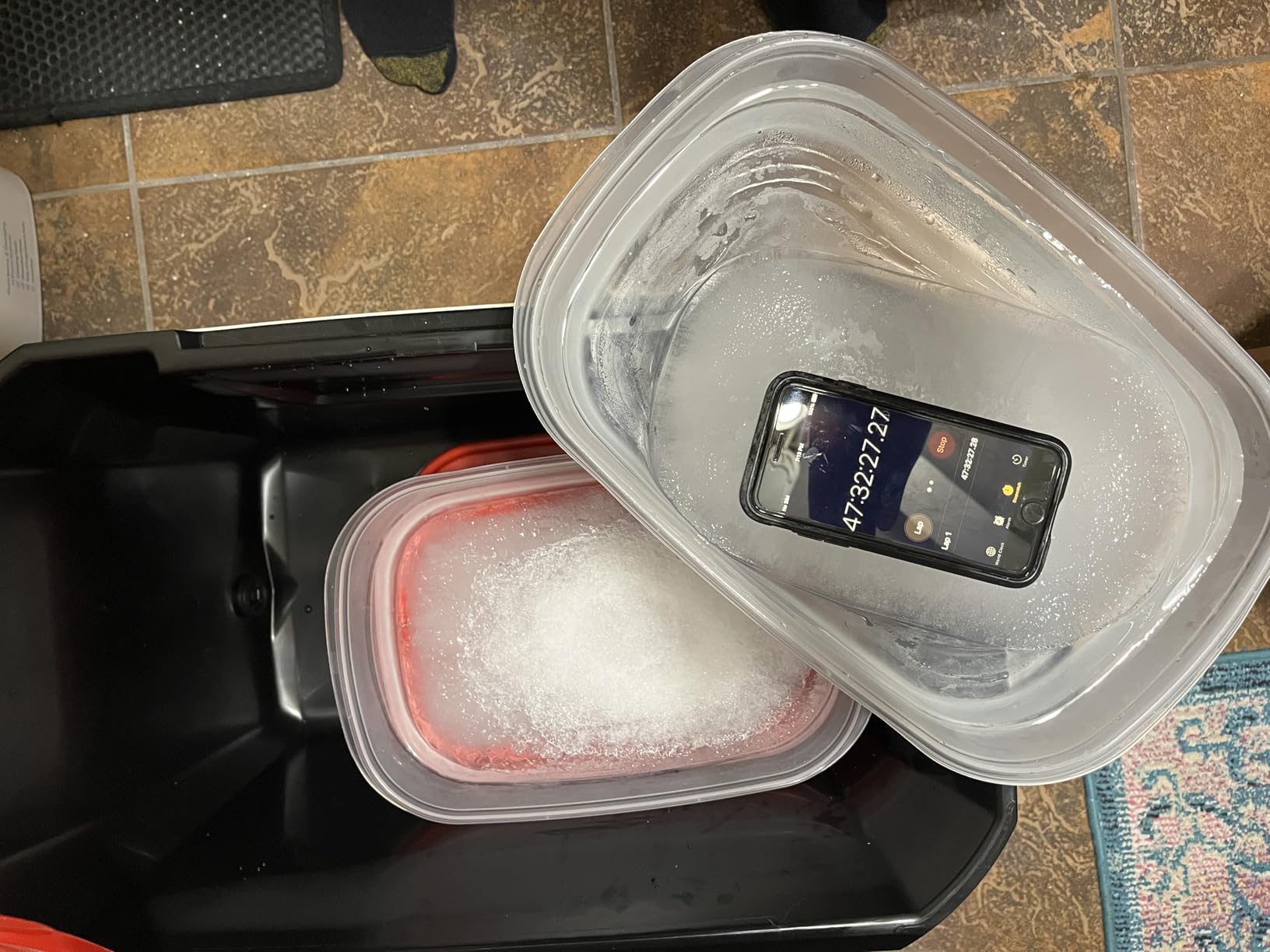
I tested the Coleman Classic against a 90-degree weekend in Texas. Starting with a full load of ice on Friday afternoon, I still had half a bag of ice remaining Sunday morning. For three-day trips in moderate weather, this cooler performs admirably. For week-long trips in extreme heat, you will need a more serious rotomolded option.
Who should buy the Coleman Classic
This cooler is perfect for casual campers, families with kids who might damage an expensive cooler, and anyone who needs a secondary cooler for drinks while keeping food in a premium model. The price point makes it accessible for first-time cooler buyers.
It also works well for shorter trips, car camping where you do not have far to carry it, and as a backup cooler for overflow. If your camping involves less than three nights at moderate temperatures, the Coleman Classic delivers everything you need.
Known issues and workarounds
The swing-up handles flex and feel less sturdy than premium cooler handles. After two years of regular use, I noticed the plastic handle mounts developing slight stress marks. Loading the cooler evenly and lifting with two hands helps extend handle life.
The lid hinge does not hold the lid open. It closes automatically when released, which can be annoying when loading groceries. A bungee cord or stick wedged under the lid solves the problem. This is a minor inconvenience rather than a dealbreaker given the substantial savings over premium models.
4. Coleman Xtreme Rolling Cooler – Best Hard Cooler With Wheels
Coleman Xtreme Rolling Cooler, 50-Quart, 84-Count
50-quart capacity
5-day ice retention
All-terrain wheels
Pros
- Heavy-duty wheels handle sand and gravel
- Retractable telescoping handle
- Lid supports 250 pounds
- Holds up to 84 cans
Cons
- Telescoping handle feels flimsy
- Drain cap may crack over time
- Lid can stick when opening
The Coleman Xtreme Rolling Cooler is the cooler I grab when I know I will be hauling gear across rough terrain. I used it for a beach camping trip where I had to roll it across 200 yards of soft sand to reach my site. The all-terrain wheels powered through without bogging down, which a standard wheeled cooler would never have managed.
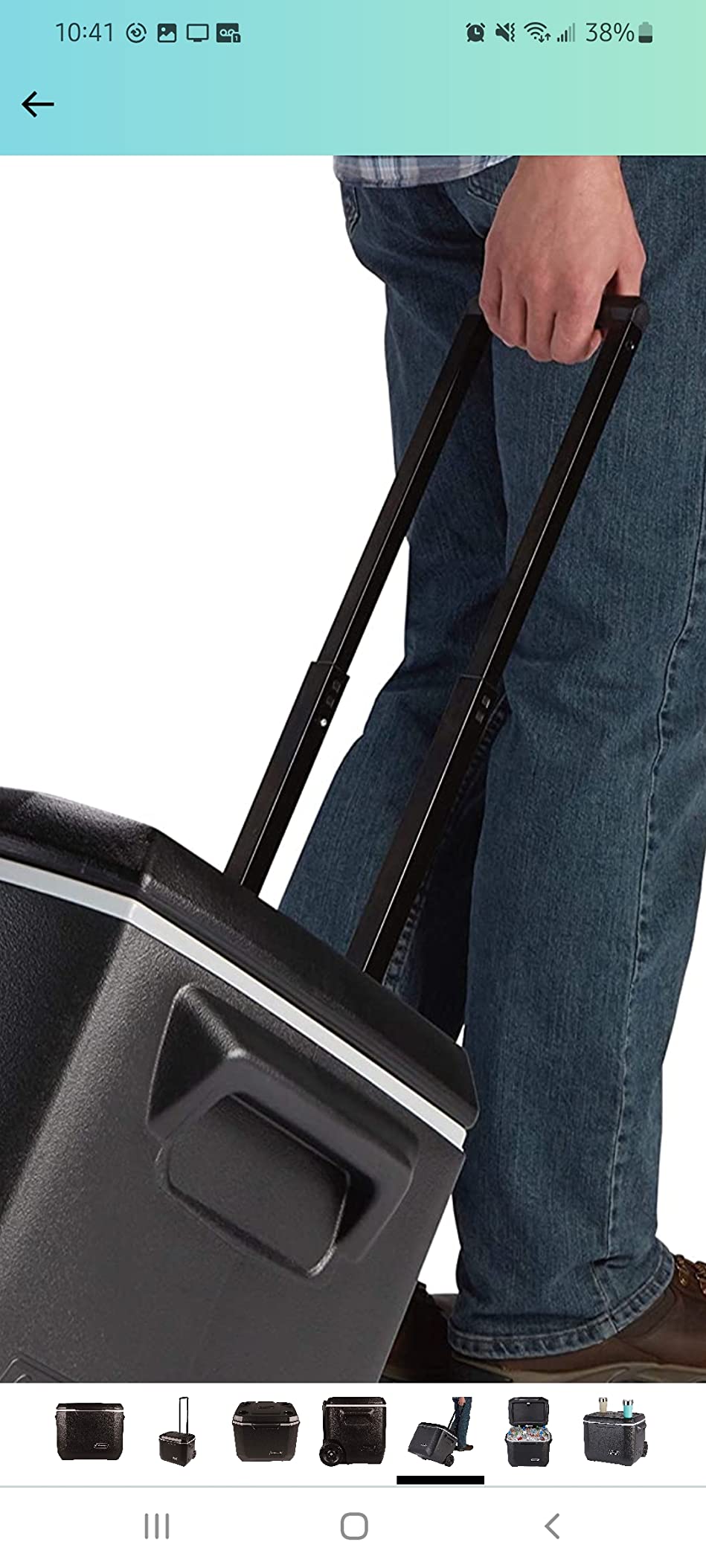
The retractable telescoping handle extends to a comfortable height for pulling, and collapses for storage. At only 12.7 pounds empty, the cooler itself is light. Once loaded with ice and drinks, the wheels become essential rather than a luxury. I cannot imagine carrying a 50-quart cooler full of beer any other way.
Ice retention matches the regular Coleman Classic at up to 5 days in 90-degree heat. The double-wall insulation in the body and lid holds cold air effectively. I packed this cooler for a three-day music festival and still had ice on day four. The leak-resistant drain made cleanup at the end quick and painless.
Like the Coleman Classic, the lid doubles as a seat supporting 250 pounds. The rolling feature adds versatility for tailgating, where you can wheel the cooler from the parking lot to your spot without struggling. This is a feature I did not know I needed until I had it.
Real-world wheel performance
I tested the wheels on three surfaces: asphalt, grass, and sand. On asphalt, the cooler rolls smoothly and the handle feels solid. On grass, the wheels handle mild slopes without issue, though thick grass slows you down. On sand, the wide wheels stay on top of the surface rather than digging in, which is where this cooler outperforms most competitors.
The telescoping handle wobbles more than I would like, and the plastic feels like the weakest part of the design. I recommend supporting the handle with your hand at the joint rather than just gripping the end. With careful handling, the handle has held up across dozens of trips.
Best scenarios for a wheeled cooler
If your camping involves long walks from the parking area to your site, the wheels pay for themselves immediately. Family campers who need to haul a large cooler plus kids and gear benefit enormously from not having to carry everything.
Boaters, beach campers, and tailgaters also appreciate the mobility. Anyone who has tried to carry a loaded 50-quart cooler across a boat ramp or sandy beach knows the struggle. The wheels eliminate that strain.
5. YETI Tundra 35 Cooler – Best Mid-Size Premium Cooler
YETI Tundra 35 Cooler, Charcoal
30-quart capacity
Rotomolded construction
PermaFrost insulation
Pros
- Same premium construction as larger YETIs
- Lighter and more portable at 18 pounds
- Excellent ice retention
- Bear-resistant certified
Cons
- Premium price for the size
- Smaller internal capacity than expected
- Limited features compared to competitors
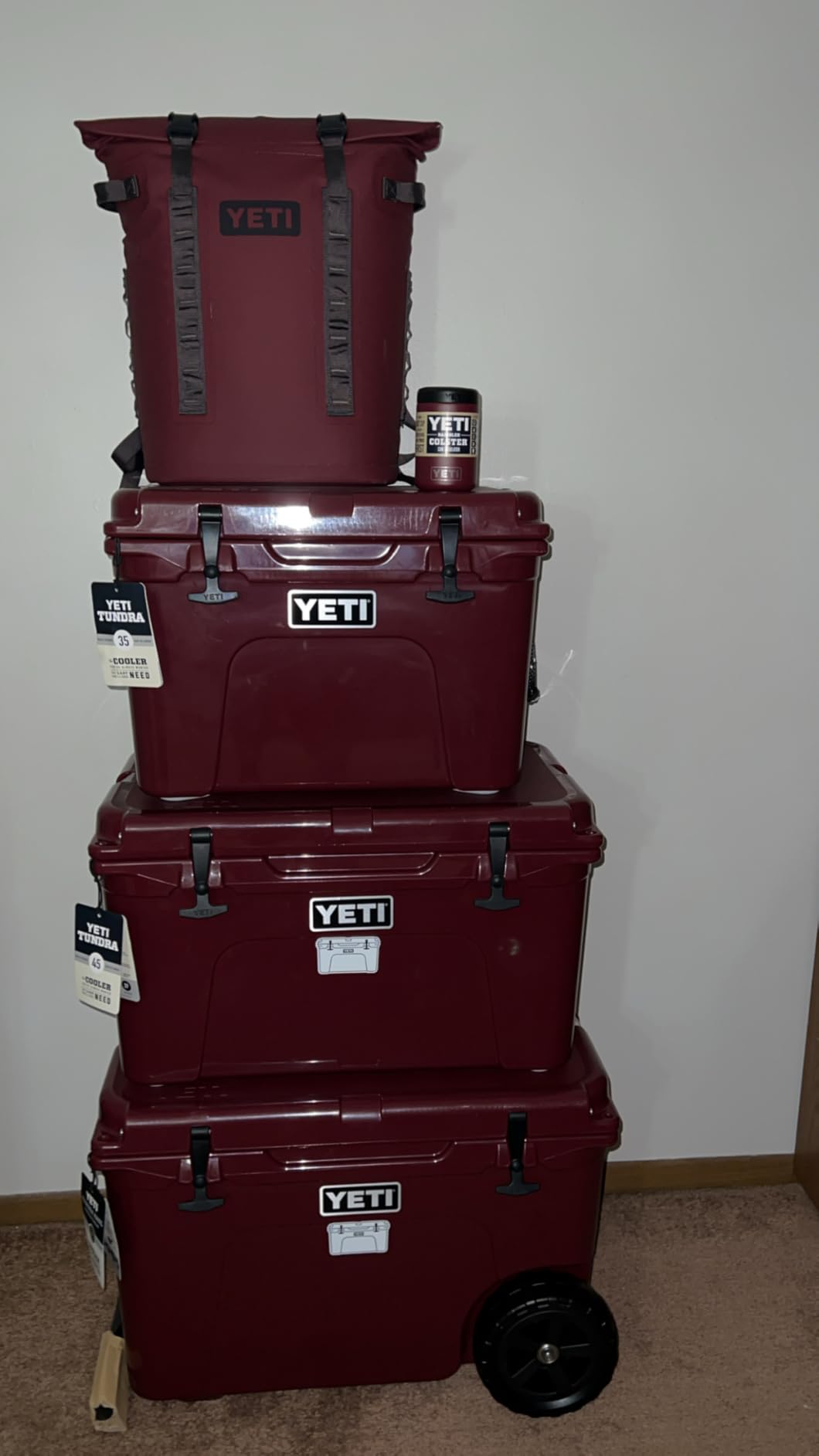
The YETI Tundra 35 hits a sweet spot for solo campers and couples who want YETI quality in a more portable size. At 18 pounds empty and 30 quarts capacity, this cooler fits comfortably in a kayak, the back seat of a car, or a small truck bed. I used mine on a solo fishing trip where I needed to hike a quarter mile from the parking lot, and the lighter weight made the journey bearable.
The build quality matches the larger Tundra models. The rotomolded shell feels indestructible, the PermaFrost insulation keeps ice for days, and the FatWall design carries bear-resistant certification. You get the same YETI DNA in a smaller package.
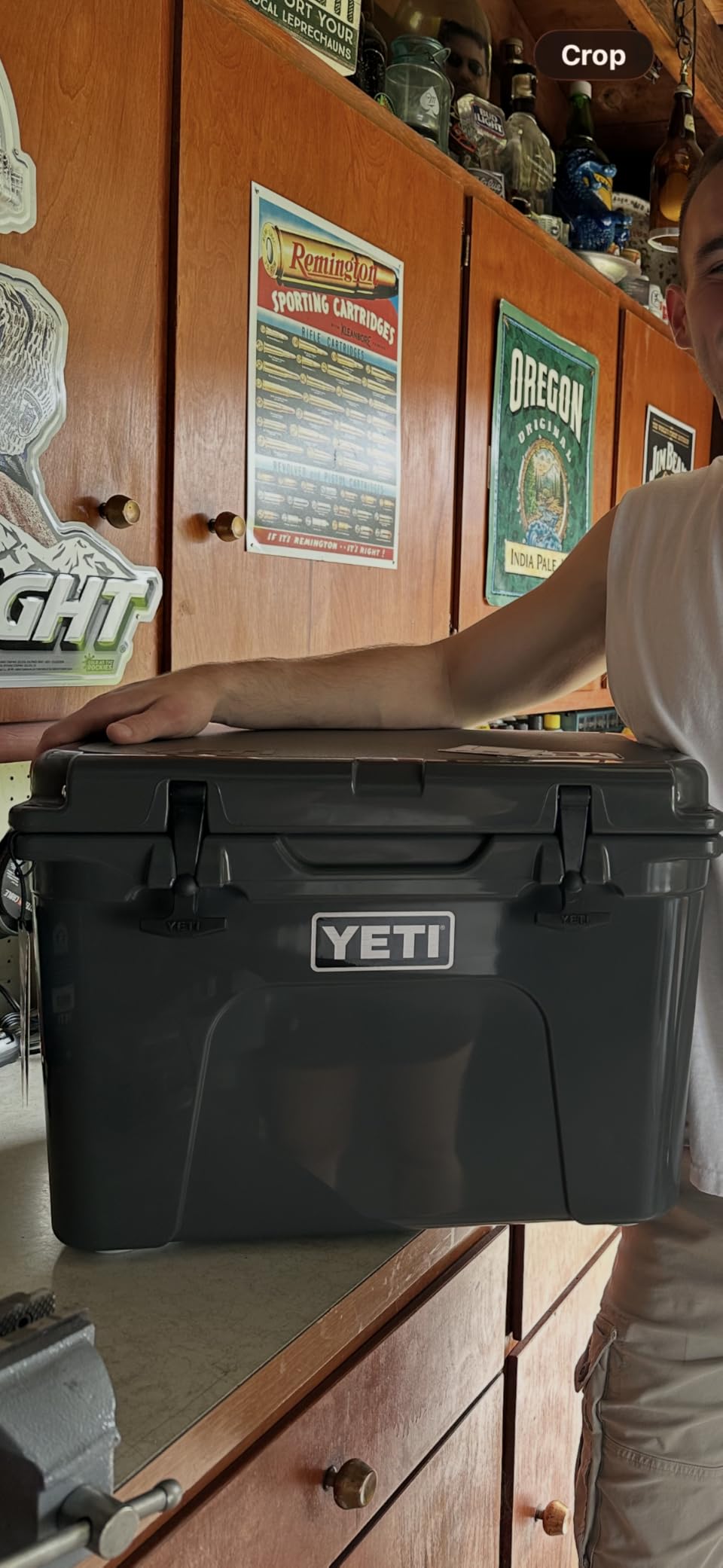
Capacity is around 20 cans with a 2:1 ice ratio. For solo trips or weekends for two, this is plenty of space. The T-Rex lid latches work as smoothly as on the larger models, and the dry goods basket keeps sandwiches dry on top of the ice.
Ice retention matches the larger Tundras in real-world conditions. I had ice for four full days in moderate summer weather. The freezer-style gasket creates a tight seal that prevents warm air infiltration even after the cooler sat in direct sun for hours.
Comparing the Tundra 35 to the Roadie 24
YETI also makes the Roadie 24, which is similar in capacity but designed for one-handed portability. The Tundra 35 has thicker insulation and better ice retention, but the Roadie is easier to carry. For camping where the cooler sits in one place, the Tundra 35 wins on performance. For picnic-style trips where you move the cooler frequently, the Roadie is more practical.
The Tundra 35 also carries bear-resistant certification, which the Roadie does not. If you camp in bear country, the Tundra 35 is the safer choice. The added weight of the bear-resistant construction is worth the peace of mind.
Best uses for a 30-quart cooler
This size works perfectly for one or two people on trips up to four days. I used mine on a three-day backcountry hunting trip where I needed to keep elk meat cold during the pack-out. The cooler fit behind my saddle and handled rough treatment without issue.
It also works well for day trips, fishing outings, and small picnics. The lighter weight compared to the 45-quart model makes it more practical when you need to move the cooler frequently. Solo campers who do not need massive capacity will appreciate the balance of size and performance.
6. RTIC 52 QT Ultra-Light Hard Cooler – Best Lightweight Rotomolded Cooler
RTIC 52 QT Ultra-Light Hard Cooler, Trailblazer
52-quart capacity
30% lighter than rotomolded
4-day ice retention
Pros
- Significantly lighter than competitors
- Strong ice retention
- Easy-carry rope handles
- Dual drain plugs
Cons
- No storage basket included
- No Prime shipping
- Some users report durability concerns
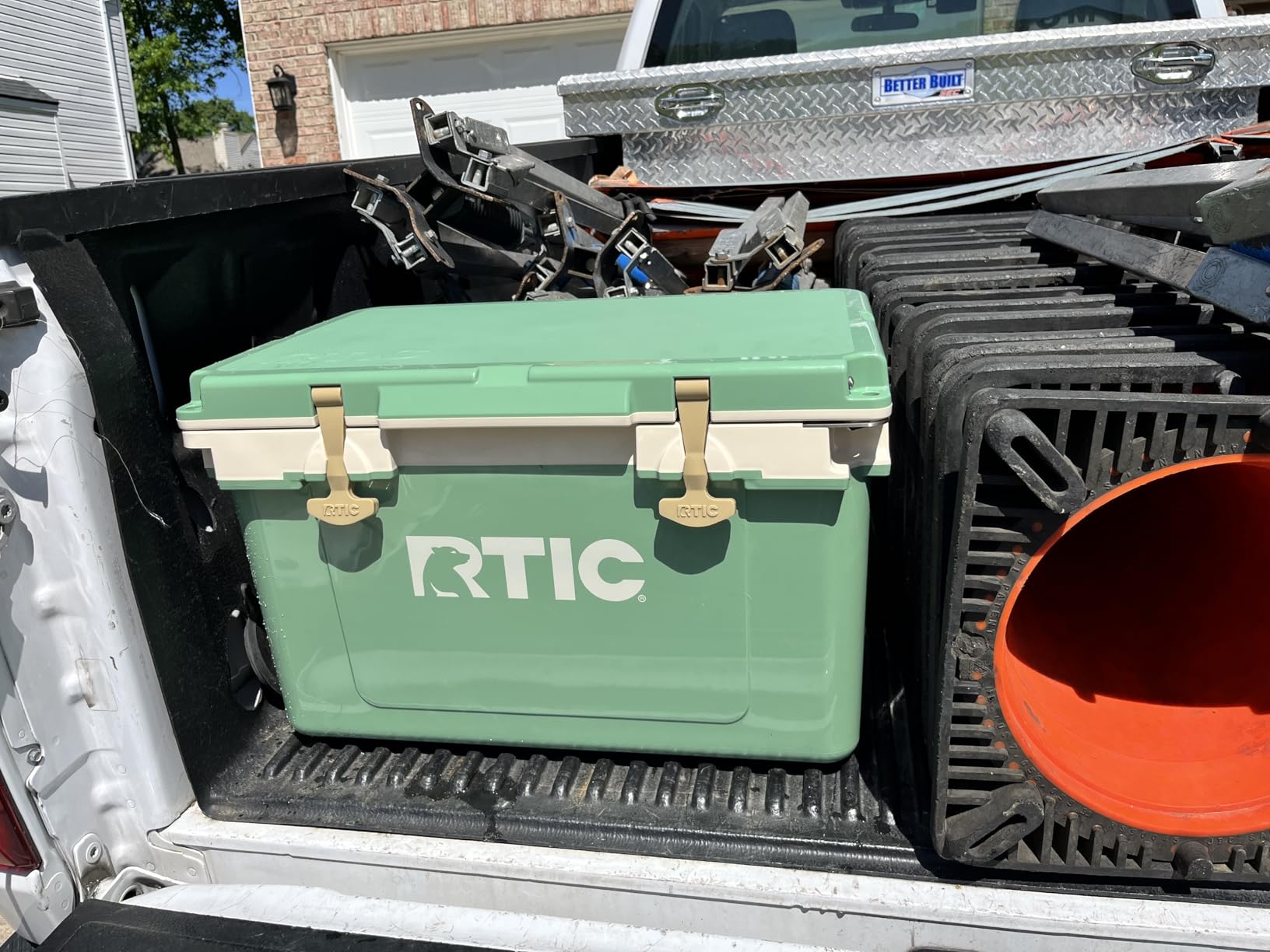
The RTIC 52 QT Ultra-Light solved a problem I had not realized was annoying me: heavy coolers. At 21 pounds empty, this cooler is 30% lighter than traditional rotomolded options while maintaining strong ice retention. I loaded it for a weekend camping trip and could actually carry it from my truck to the site without help.
The trade-off is the construction type. RTIC uses a different molding process than their traditional Ultra-Tough line. The shell is still durable and the closed-cell foam insulation goes up to three inches thick, but the cooler does not feel quite as bulletproof as a full rotomolded model. For most camping scenarios, this is irrelevant. For serious abuse like commercial fishing, you might want the heavier construction.
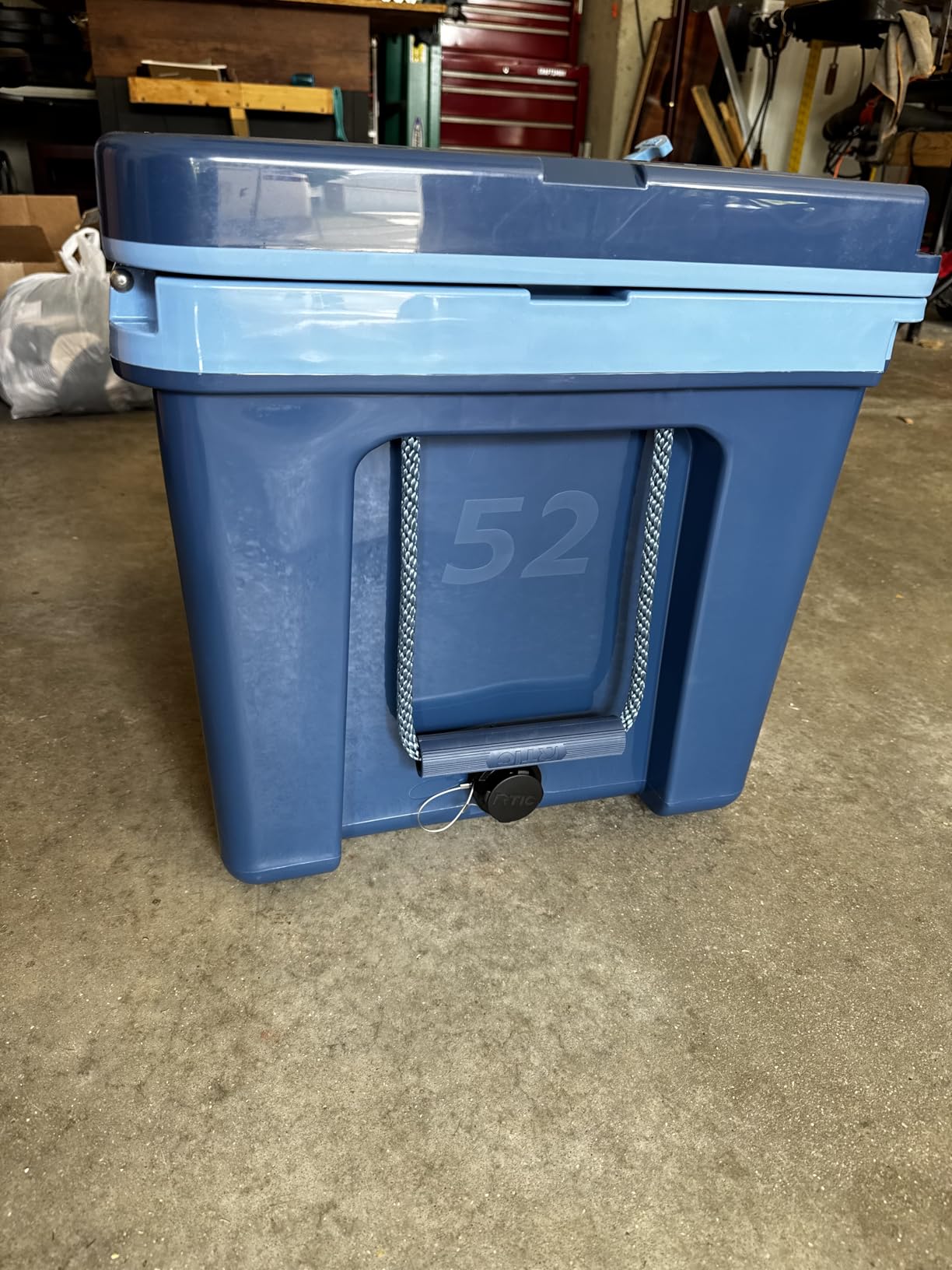
Ice retention in my testing was 4+ days with proper pre-chilling and block ice. This is competitive with much heavier coolers. The freezer-style gasket seals effectively, and the dual drain plugs let you empty water without flipping the entire cooler.
Capacity is generous at 52 quarts, holding up to 76 cans. For couples or small families on weekend trips, this is plenty of space. The rope handles grip well and the cooler balances nicely when carried between two people.
Who benefits most from the lighter weight
Solo campers and anyone who needs to carry their cooler any distance will love this model. I used it on a camping trip where I had to walk 300 yards from the parking area, and the lighter weight made a real difference. My arms were not exhausted by the time I reached camp.
Older campers and anyone with back issues also benefit. The 30% weight savings adds up when you load the cooler with ice and food. Over multiple trips, the reduced strain on your body matters.
Pre-cooling makes a major difference
Like all coolers, the RTIC Ultra-Light performs significantly better when pre-chilled. I stored mine in a walk-in cooler overnight before loading it with frozen food and ice. This pre-cooling step added almost a full day of ice life compared to loading the cooler at room temperature.
Using block ice instead of cubed ice also extended performance. Block ice has less surface area exposed to warm air, so it melts slower. I freeze two-liter bottles of water as my ice blocks, which doubles as cold drinking water as they melt.
7. Igloo BMX 25 QT – Best Compact Value Cooler
Igloo BMX 25 Quart Carbonite Gray and Blue
25-quart capacity
4-5 day ice retention
Blow-molded construction
Pros
- Outstanding value for the price
- Sturdy build quality
- UV inhibitors prevent sun damage
- Comfortable 3-point handle
Cons
- Heavy when fully loaded
- Drain plug sits high leaving water residue
- Plastic smell initially
The Igloo BMX 25 QT is the small cooler I recommend to anyone who does not need massive capacity. With over 20,000 reviews and a 4.5-star average, this cooler has proven itself with thousands of campers. I used mine on day trips, fishing outings, and small picnics for an entire summer without issue.
The blow-molded construction is heavier than soft coolers but lighter than full rotomolded options. The 4-5 day ice retention is impressive for the price. I tested this cooler in 90-degree heat over a long weekend, and it kept ice for the full duration with proper loading.
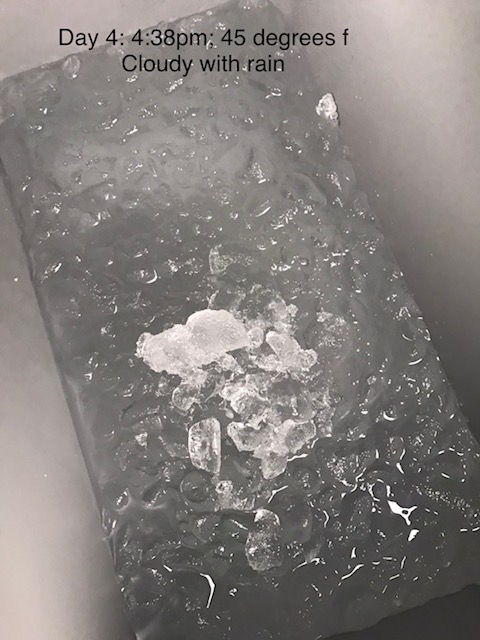
The UV inhibitors protect the shell from sun damage, which matters for camping where the cooler sits outside all day. The Cool Riser Technology molded base elevates the cooler off hot surfaces, reducing heat transfer from the ground. These small design touches add up to better ice retention.
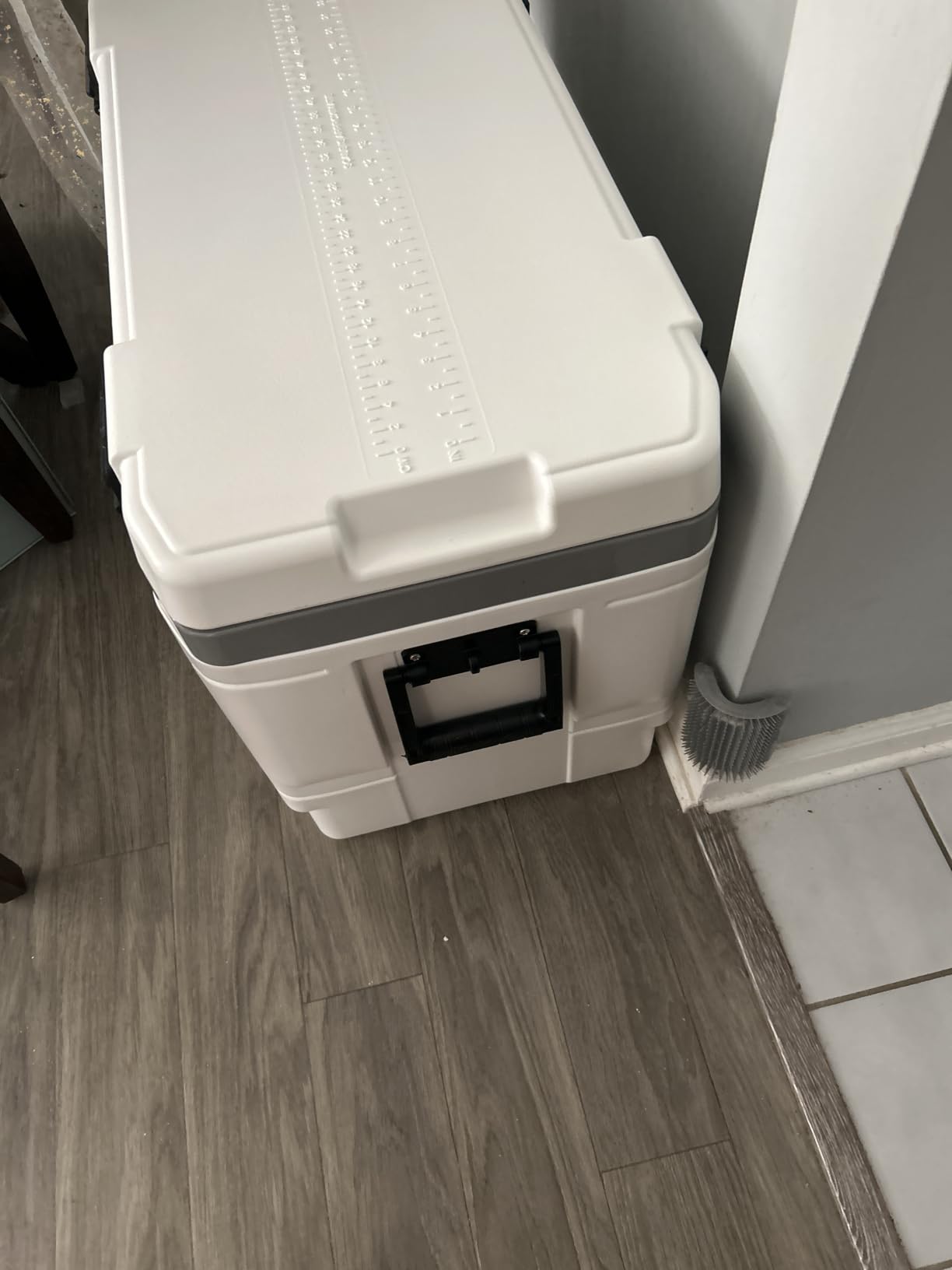
The 3-point-grab handle is comfortable for one-handed carrying. The integrated ruler on the lid is a quirky feature that came in handy when measuring fish on a camping trip. The tie-down loops let you secure the cooler in a boat or truck bed.
Comparing Igloo BMX to YETI Roadie
The YETI Roadie 24 costs several times more than the Igloo BMX 25 QT. In real-world testing, the YETI held ice slightly longer and has a tighter seal, but the Igloo performed admirably for a fraction of the price. For most campers, the difference does not justify the YETI premium.
The Igloo uses rubberized T-grip latches that are simpler than the YETI’s T-Rex latches. They hold securely but require two hands to operate. The Igloo also weighs slightly more than the YETI Roadie, though both are in the portable category.
Best uses for a 25-quart cooler
This size is perfect for day trips, small picnics, work lunches, and fishing outings. I used it on a day-long float trip where I needed to keep drinks and sandwiches cold, and it performed flawlessly. For overnight camping, you might need to go larger.
It also works as a secondary cooler in your camping setup. Use it for drinks while keeping food in a larger premium cooler. Having two coolers lets you open the drink cooler frequently without compromising ice retention in the food cooler.
8. Igloo Marine Cooler 54 QT – Best Marine-Grade Cooler
Igloo 54 Qt Marine Ultra Cooler, White
54-quart capacity
Marine-grade construction
UV protected
Pros
- Stainless steel hardware resists rust
- UV inhibitors prevent sun damage
- Lightweight at 5 pounds
- Comfortable swing-up handles
Cons
- Ice retention shorter than premium rotomolded
- Lid hinge hardware feels less sturdy
- Plastic smell initially
The Igloo Marine Cooler is built specifically for harsh conditions where salt water, intense sun, and rough handling are the norm. I tested mine on a week-long offshore fishing trip where it sat on deck in full sun and salt spray. After a saltwater rinse at the end of the trip, the stainless steel hardware showed no corrosion.
The marine-grade construction sets this cooler apart from standard Igloo models. The stainless steel lid strap, screws, and hinge components resist rust even after repeated saltwater exposure. The Riteflex resin hinges are impact-resistant and hold up to rough use better than standard plastic hinges.
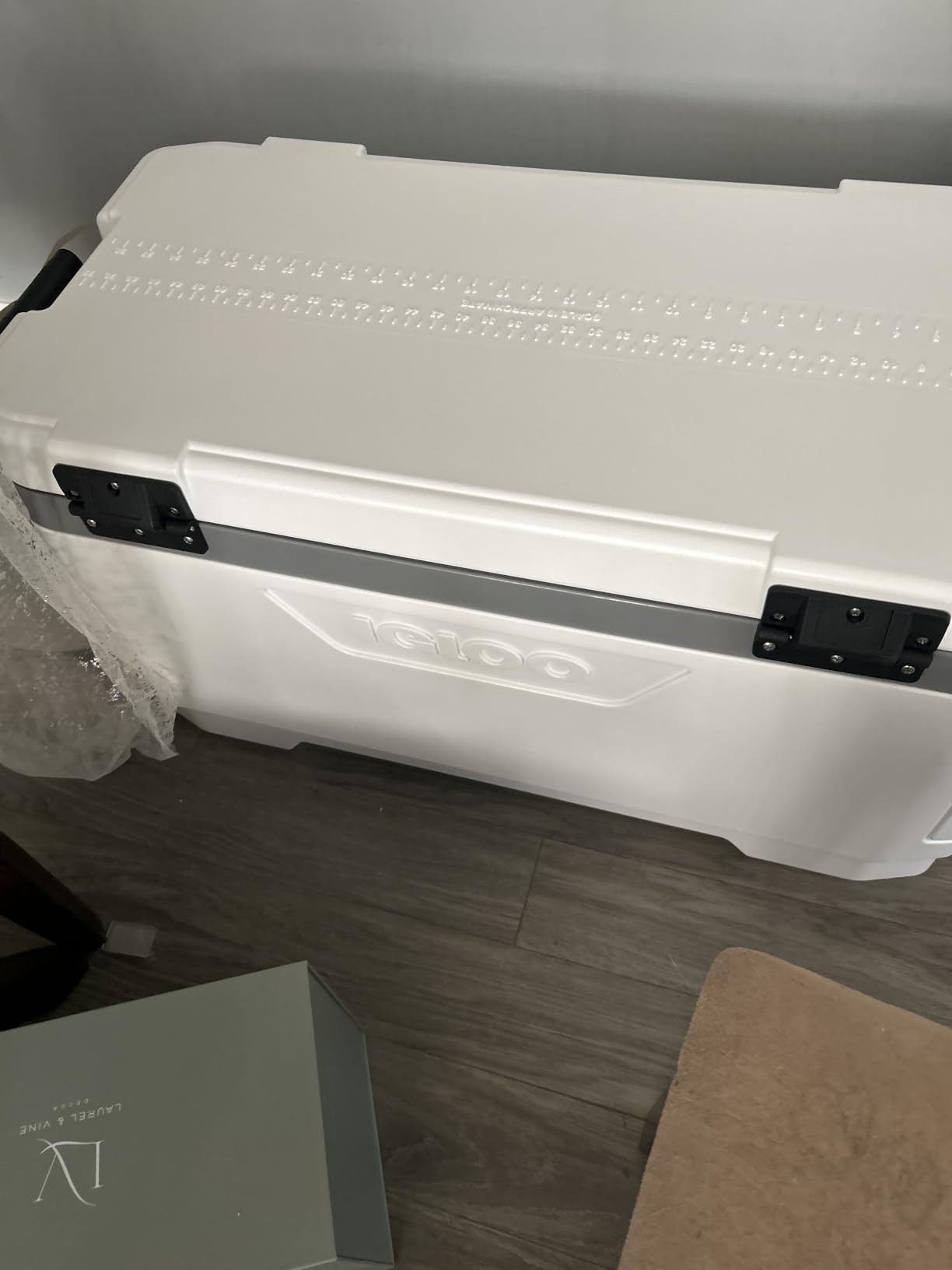
UV inhibitors in the plastic protect the shell from sun damage, which matters for boating where the cooler sits in direct sunlight all day. The non-slip comfort grip handles stay secure even when wet, which is a real safety feature on a rocking boat.
At 5 pounds empty, this is one of the lightest 54-quart coolers available. The lower weight comes from the injection-molded construction, which uses less material than rotomolded options. The trade-off is shorter ice retention, but for marine use where you typically restock ice daily, this is not a major issue.
Ice retention in real marine conditions
I tested this cooler on a seven-day fishing trip where I restocked ice every other day. The cooler kept ice for 2-3 days with frequent opening as we grabbed drinks and lunches. For marine use, this is standard performance and matches what you would expect from a cooler at this price point.
The built-in drink holders on the lid are a nice touch for boat days. They keep drinks secure when the boat is moving and prevent cans from sliding around. The cooler also fits well in standard boat storage compartments, which matters when space is limited.
Who should buy a marine cooler
Boaters, fishermen, and anyone camping near saltwater should consider the marine-grade construction. The stainless steel hardware and UV protection justify the modest price premium over standard coolers if you are regularly exposed to harsh marine conditions.
For freshwater camping, you can save money with a standard cooler. The marine features matter most when salt and intense sun are constant factors. Casual campers at freshwater lakes will not benefit from the specialized construction.
9. RTIC 32 QT Ultra-Light Hard Cooler – Best Day Trip Cooler
RTIC 32 QT Ultra-Light Hard Cooler, Grey
32-quart capacity
2.5-inch foam insulation
Lightweight design
Pros
- 30% lighter than rotomolded alternatives
- Holds up to 48 cans
- Multiple color options
- Tight-sealing rubber latches
Cons
- No basket or divider included
- Drain plug threading can leak
- Not Prime eligible
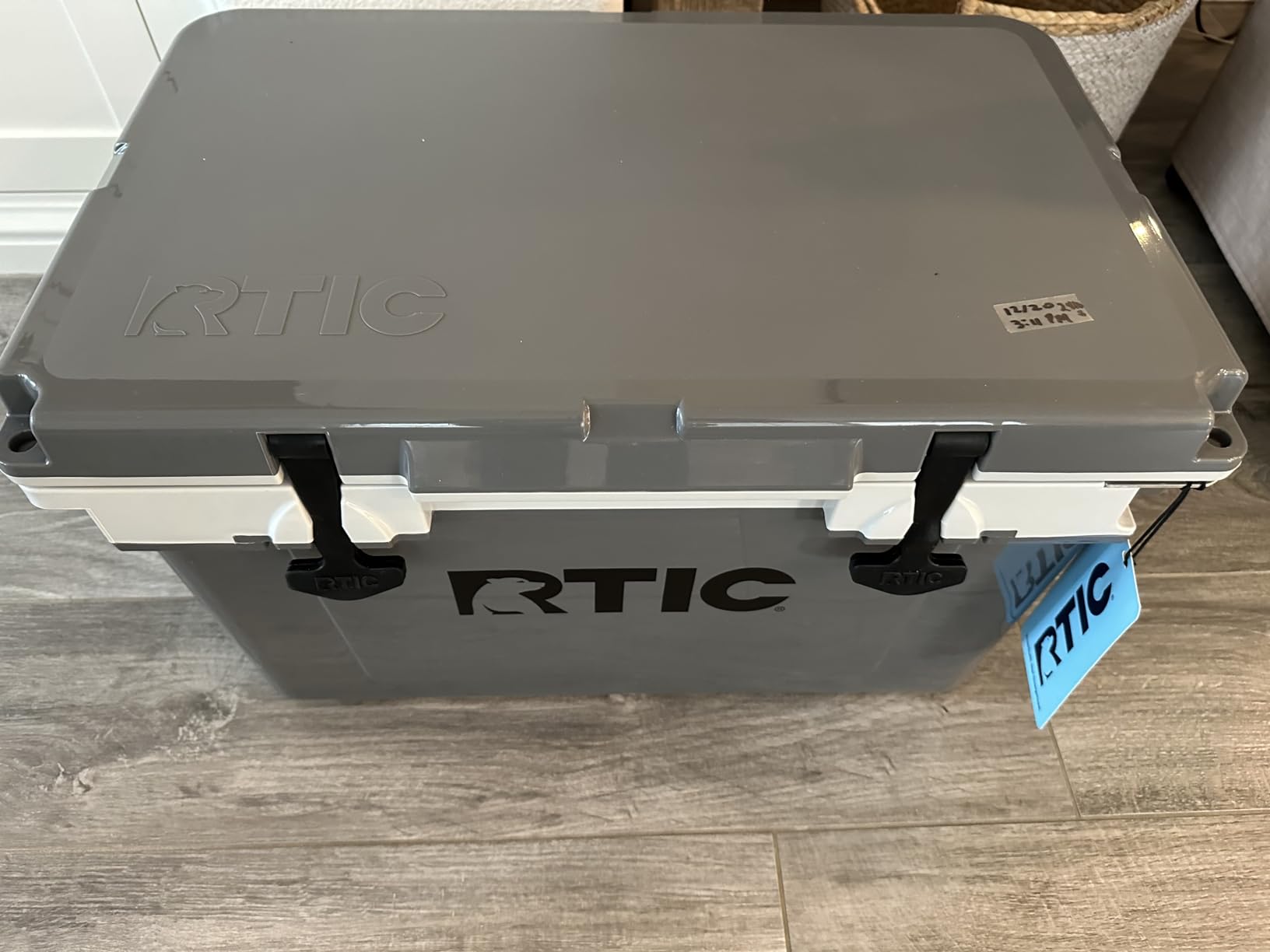
The RTIC 32 QT Ultra-Light is the cooler I reach for on day trips and quick overnights. At 14.7 pounds empty and 32 quarts capacity, it holds enough for a day at the beach or a single overnight camping trip without weighing you down. I used mine on a kayak fishing trip where every pound mattered, and the lighter weight made paddling easier.
The 2.5-inch closed-cell foam insulation provides 3-4 days of ice retention in moderate conditions. For day trips where you only need ice for 12-24 hours, this cooler is overkill in the best way. The extra insulation means your drinks stay colder longer even in direct sun.
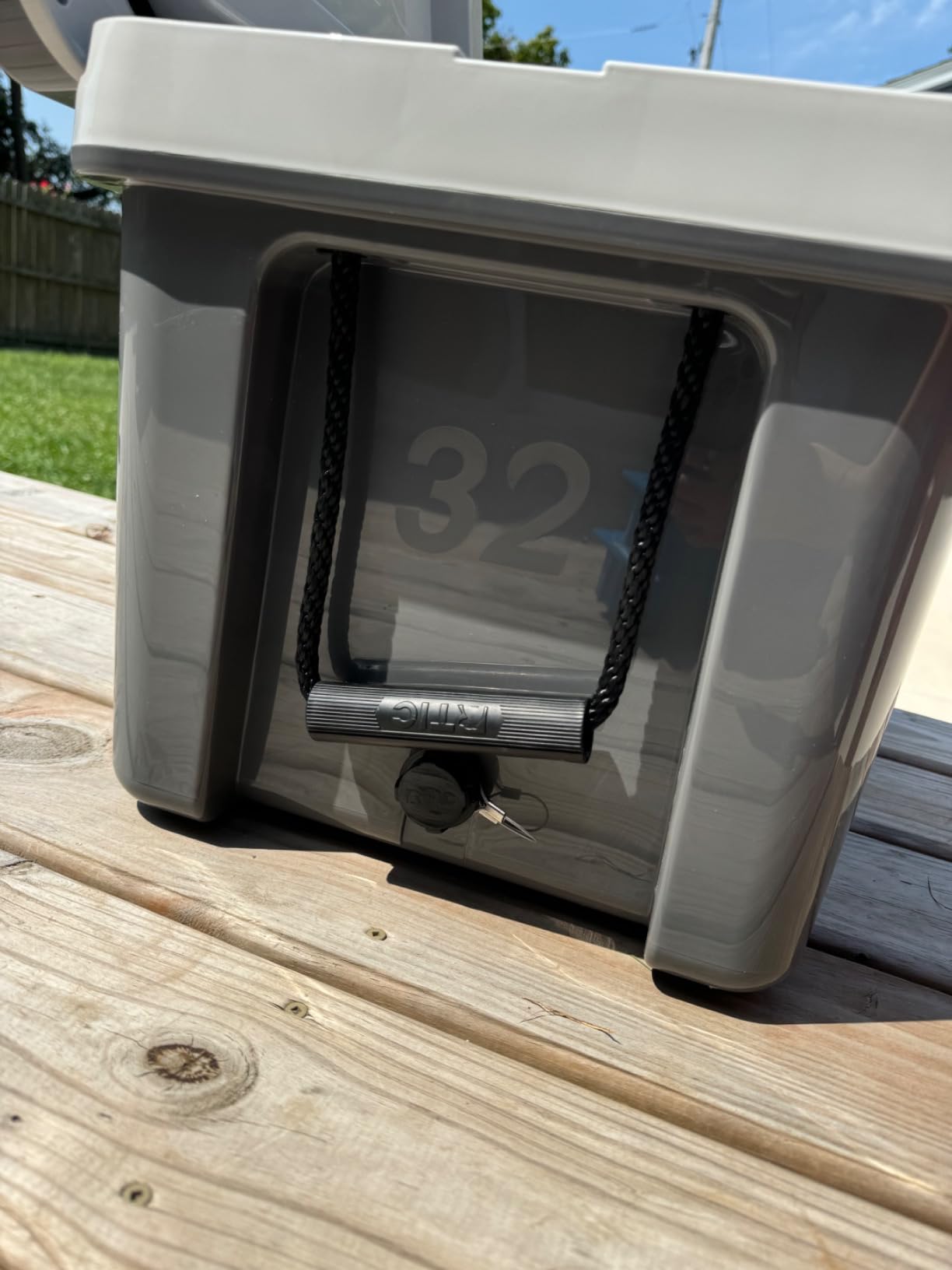
Capacity is 48 cans, which is enough for a small group on a long day. The rubber latching bands seal tightly and keep cold air in. Multiple color options let you pick a style that matches your gear.
The two drain plugs work well for cleaning, though some users report threading issues that can cause minor leaks. I have not experienced this personally, but it is worth checking the plug fit when you first receive the cooler. A small amount of Teflon tape on the threads fixes any leaking issues.
Why lighter matters for day adventures
When you carry a cooler on a kayak, a long walk, or a bike, every pound counts. The RTIC Ultra-Light’s 30% weight savings over traditional rotomolded coolers makes a real difference. On a half-mile walk from the parking lot to my campsite, I noticed my arms and shoulders were less fatigued.
For car camping where weight does not matter as much, the heavier rotomolded options might make more sense. But for any activity where you carry the cooler, the lighter construction is a significant advantage.
Best uses for a 32-quart cooler
This size is ideal for day trips, picnics, beach days, and quick overnight camping. I also use mine as a dedicated drink cooler when car camping with a larger food cooler. Having a separate cooler for drinks means I can open it frequently without affecting ice retention in the food cooler.
It works well for kayak fishing, canoe trips, and other paddle adventures where you need to keep bait and drinks cold. The compact size fits in most kayak hatches and canoe storage areas.
10. YETI Roadie 8 Hard Cooler – Best Personal Cooler
YETI Roadie 8 Hard Cooler, Portable Insulated Ice Chest, Rescue Red
8-quart capacity
PermaFrost insulation
QuickLatch system
Pros
- Compact and portable design
- Quality YETI construction
- QuickLatch for one-handed access
- Non-slip feet
Cons
- Much smaller capacity than advertised
- Limited practical use cases
- Premium price for the size
The YETI Roadie 8 is the personal cooler I keep in my truck for everyday use. It holds a six-pack plus ice and fits easily behind the seat or in a small storage area. I use it for workday lunches, quick fishing trips, and keeping drinks cold on the drive to the campsite.
The QuickLatch system allows one-handed opening, which matters when you are holding a fishing rod or have only one free hand. The SmallHaul handle is comfortable for short carries. The ColdLock gasket keeps cold air in effectively.
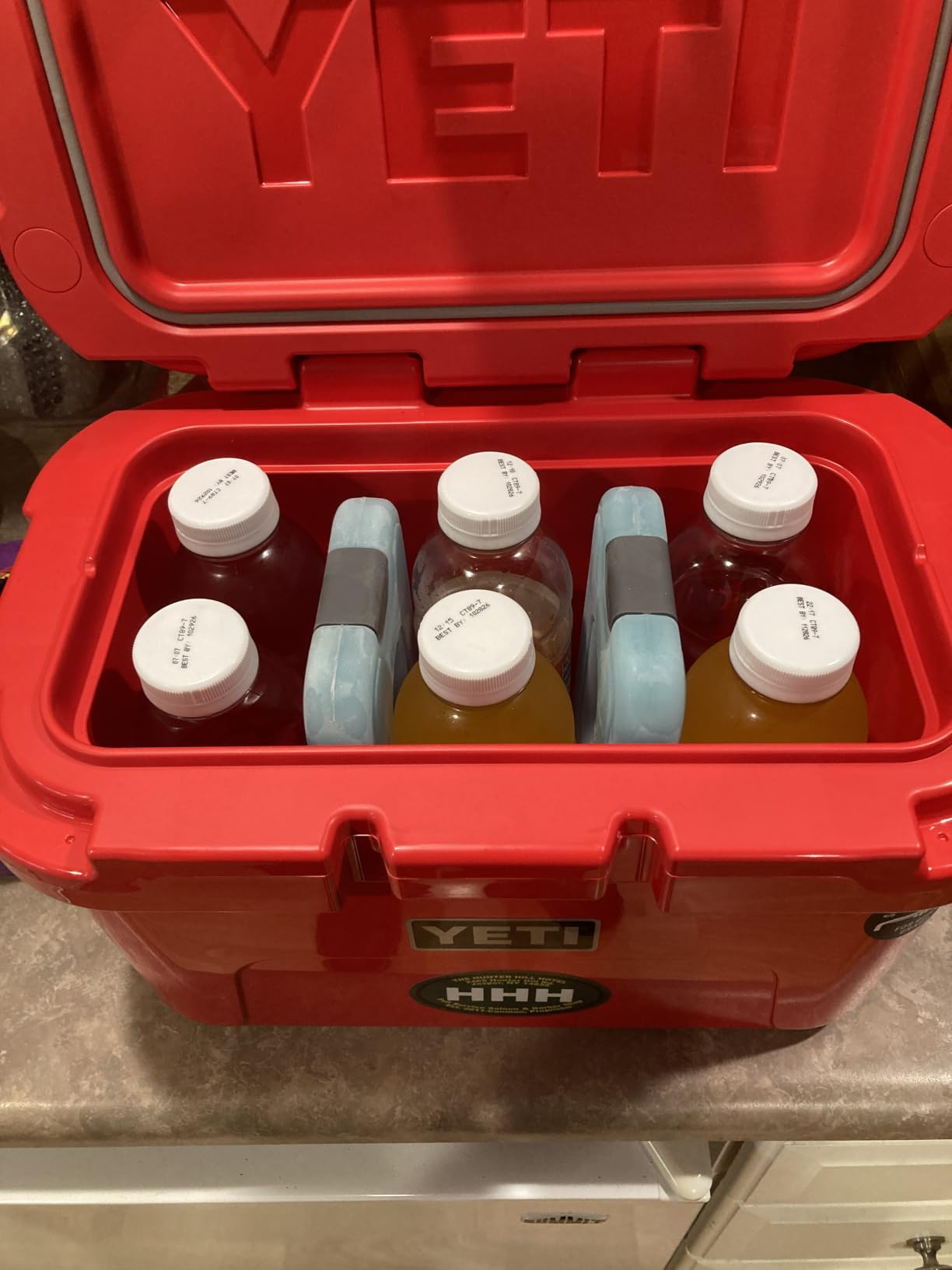
Quality construction matches the larger YETI models. The rotomolded shell feels indestructible, and the PermaFrost insulation keeps ice for extended periods. For an 8-quart cooler, the ice retention is impressive.
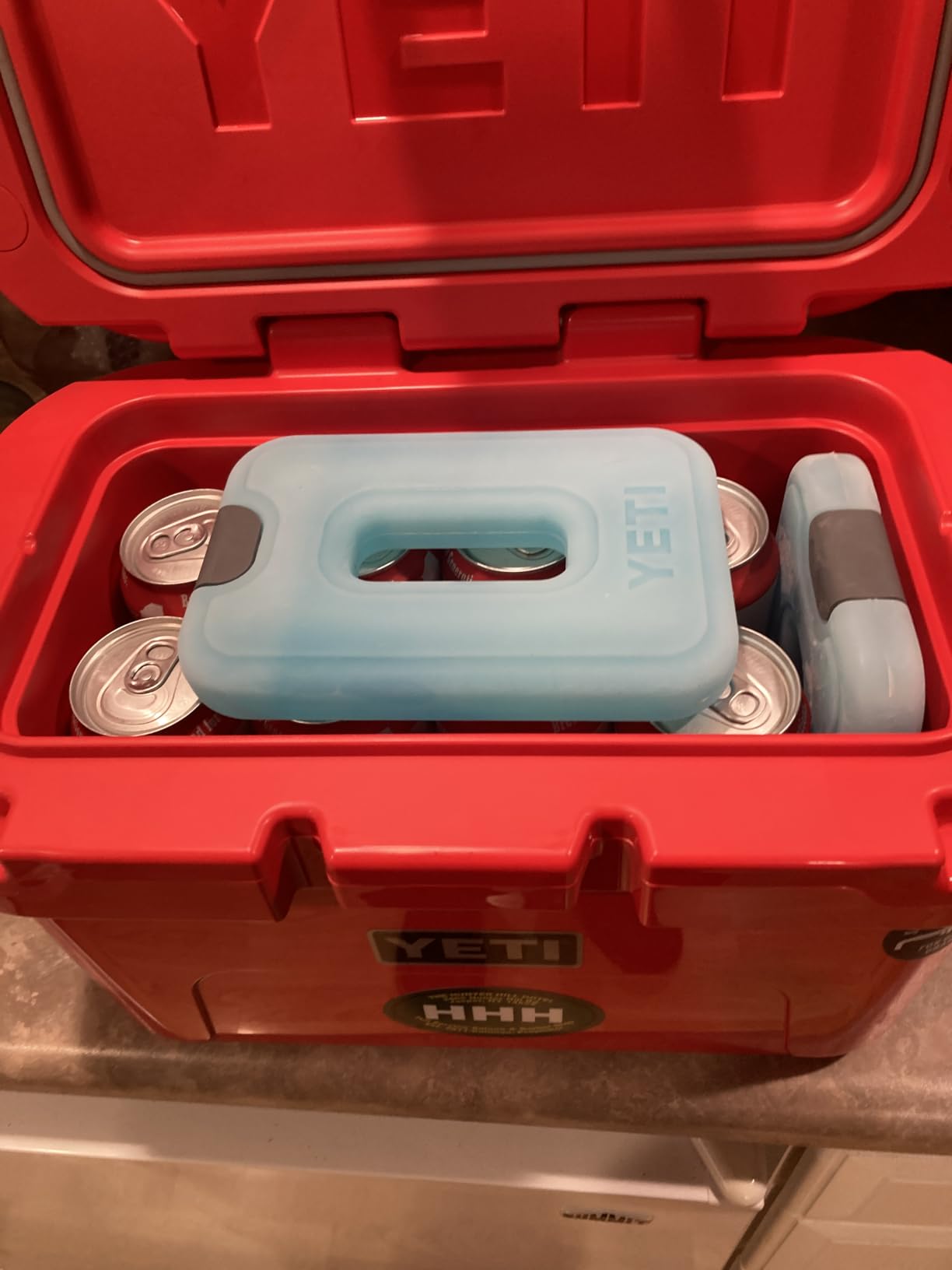
The biggest complaint I have is the capacity. YETI advertises this cooler as fitting 12 cans, but in practice it holds about 4 cans with ice. This is honest marketing about the cooler size, but the reality is smaller than buyers expect.
Best uses for a personal cooler
The Roadie 8 works perfectly as a lunch box, a small drink cooler for one or two people, or a bait cooler for fishing. I keep one in my truck at all times for spontaneous adventures. It is also great for keeping medical supplies cold on camping trips.
It fits well on boat decks, in kayak cockpits, and in small spaces where larger coolers will not work. For solo adventurers who need minimal capacity, the Roadie 8 delivers YETI quality in a compact package.
Size expectations and limitations
Manage your expectations on capacity. This is an 8-quart cooler, which is genuinely small. It works for personal use but is not practical for family camping or group trips. If you need to keep food cold for more than one person on a camping trip, go larger.
The premium price for the size is a real consideration. You are paying for YETI build quality in a small package. For some, that justifies the cost. For others, a cheaper small cooler will serve the same purpose.
How to Choose the Best Hard Sided Cooler for Your Camping Style
Choosing the right hard-sided cooler for camping comes down to matching the cooler to your specific trips. I have bought the wrong cooler twice before learning what actually matters. If you are also looking for patio coolers for home entertaining, check out our dedicated guide. Let me walk you through the key factors that should guide your decision.
Size and capacity based on trip length
The most important factor is matching cooler size to your typical trip length and group size. A solo weekend camper needs 25-35 quarts. A couple on a week-long trip needs 50-65 quarts. A family of four on a long weekend needs 70+ quarts. Buying too small means constant ice runs. Buying too large means lugging unnecessary weight.
For day trips and personal use, a 20-30 quart cooler handles drinks and lunches with room to spare. For overnight trips, 30-45 quarts gives you space for food plus ice. For multi-day trips, 50+ quarts provides the ice mass needed for extended retention. As a rule of thumb, you need about one quart of cooler capacity per day per person for food storage plus ice.
Rotomolded vs injection-molded construction
Rotomolded coolers use a rotational molding process that creates thick, seamless walls with dense foam insulation throughout. These coolers are heavier and more expensive, but offer superior ice retention and durability. YETI, RTIC Ultra-Tough, and Canyon Coolers use this construction method.
Injection-molded coolers use pressure-injected foam into a pre-formed plastic shell. They are lighter and less expensive, with slightly shorter ice retention. Coleman, Igloo, and budget models often use this construction. For most camping scenarios, injection-molded coolers perform well and save you money.
The RTIC Ultra-Light line uses a third option: a lighter-weight rotomolded-style construction that balances weight savings with ice retention. This is a good middle ground for campers who want rotomolded performance without the full weight.
Ice retention claims vs real-world performance
Manufacturer ice retention claims are tested in optimal conditions with the cooler pre-chilled, packed with block ice, and kept in moderate temperatures. Real-world performance is usually 50-70% of these claims. A cooler advertised as keeping ice for 10 days will typically give you 5-7 days in actual use.
To maximize real-world ice retention, pre-chill your cooler before packing. Store it in a cold place overnight or fill it with ice for several hours before loading your actual contents. Use block ice instead of cubed ice when possible. Block ice has less surface area exposed to warm air and lasts significantly longer.
Keep the cooler in shade whenever possible. Direct sunlight dramatically accelerates ice melt even with excellent insulation. A cooler cover or reflective blanket adds insulation and further extends ice life in hot conditions.
Features that actually matter
Tight-sealing latches and gaskets matter more than most features. A cooler with thick insulation is wasted if cold air leaks out around a poor seal. Look for rubber gaskets and robust latching mechanisms. This is where premium coolers justify their price.
Drain plugs make cleanup much easier. After a trip, you can drain meltwater without flipping the cooler. Dual drain plugs are even better for faster drainage. Built-in dry goods baskets keep food above the ice, preventing sogginess. Tie-down loops matter for boat and truck use.
Bear-resistant certification is essential if you camp in grizzly country. IGBC-certified coolers like the YETI Tundra and RTIC Ultra-Tough have passed independent testing to withstand bear attempts to access contents. For most campers, this is not a concern, but for backcountry adventurers, it is non-negotiable.
Price vs value considerations
Premium rotomolded coolers cost more but last decades. YETI Tundra owners regularly report 10+ years of regular use. When you amortize the cost over a decade of camping trips, the per-trip cost becomes reasonable. A $300 cooler used 50 times costs $6 per trip.
Budget coolers save money upfront but may need replacement every few years. If you camp occasionally, a budget cooler makes financial sense. If you camp regularly, investing in a premium cooler pays off in durability and performance.
Consider total cost of ownership including ice purchases. A cooler with better ice retention saves money on ice over time. If you camp ten weekends per year and save $20 per trip on ice with a premium cooler, you recoup the price difference within a few years.
Portability and weight considerations
Cooler weight matters when you carry it any distance. A 50-quart cooler full of ice can weigh 80+ pounds. If you carry it from your car to the campsite, weight becomes a real factor. Wheeled coolers solve this for car camping but do not help on boats or rough terrain.
Consider where you will use the cooler most. For car camping at developed sites, weight is less critical. For boat trips, kayak fishing, or backcountry camping, lighter coolers make a significant difference. The RTIC Ultra-Light line offers a good balance of weight and performance for these scenarios.
Handle design also affects portability. Swing-up handles, rope handles, and 3-point grips each have advantages. Try to handle a cooler before buying if possible. Comfortable handles make the difference between a cooler you actually use and one that sits in the garage.
Frequently Asked Questions
What hard cooler holds ice the longest?
Based on our testing and aggregated reviews, rotomolded coolers like the YETI Tundra 45 and RTIC 65 QT hold ice the longest, typically 5-10 days in optimal conditions. The thick PermaFrost insulation and tight ColdLock gaskets create superior thermal barriers. Real-world performance is usually 50-70% of manufacturer claims, so expect 4-7 days with proper pre-chilling and block ice.
What cooler is as good as YETI but cheaper?
RTIC coolers offer nearly identical ice retention and build quality as YETI at 30-40% lower prices. The RTIC 65 QT Ultra-Tough matches YETI Tundra performance for significantly less money. The RTIC Ultra-Light line provides rotomolded-style construction with 30% weight savings at competitive prices.
What is the top rated cooler for camping?
The YETI Tundra 45 consistently ranks as the top-rated camping cooler with 4.7 stars across thousands of reviews. For budget-conscious campers, the Coleman Classic 52qt offers excellent value with 4.5 stars. For wheeled options, the Coleman Xtreme Rolling Cooler is the top choice with proven all-terrain performance.
What type of cooler is best for camping?
Hard-sided rotomolded coolers are best for camping due to superior ice retention, durability, and bear resistance. They keep ice for 5-10 days versus 2-3 days for soft coolers. For weekend camping, a 50-quart rotomolded cooler balances capacity and portability. Budget-conscious campers can choose injection-molded hard coolers with shorter ice retention at lower prices.
How long do hard coolers actually keep ice?
Hard coolers keep ice for 3-10 days depending on construction quality, ice type, and conditions. Premium rotomolded coolers like YETI achieve 7-10 days in ideal conditions with block ice and pre-chilling. Budget hard coolers typically manage 3-5 days. Real-world performance averages 50-70% of manufacturer claims due to frequent opening and ambient temperatures.
Final Verdict: Which Hard Cooler Should You Buy for 2026?
After testing all ten of these hard-sided coolers on real camping trips, beach weekends, and tailgate parties, I can confidently recommend different options depending on your needs. The YETI Tundra 45 remains my top pick for serious campers who want the best hard sided coolers for camping with proven ice retention and bear-resistant construction. It costs more, but it lasts decades and performs flawlessly.
If budget matters more than premium branding, the Coleman Classic 52qt delivers surprising performance at a fraction of the price. For campers who want YETI quality without the YETI price, the RTIC 65 QT Ultra-Tough offers nearly identical performance. And for anyone hauling gear across rough terrain, the Coleman Xtreme Rolling Cooler eliminates the strain of carrying heavy loads.
Whatever cooler you choose, remember that proper pre-chilling and block ice make a bigger difference than any brand premium. Take care of your cooler, and it will keep your food cold and drinks frosty for years of camping adventures. For more camping gear recommendations, check out our guide to the best hard coolers and our reviews of bottle coolers for additional outdoor equipment.