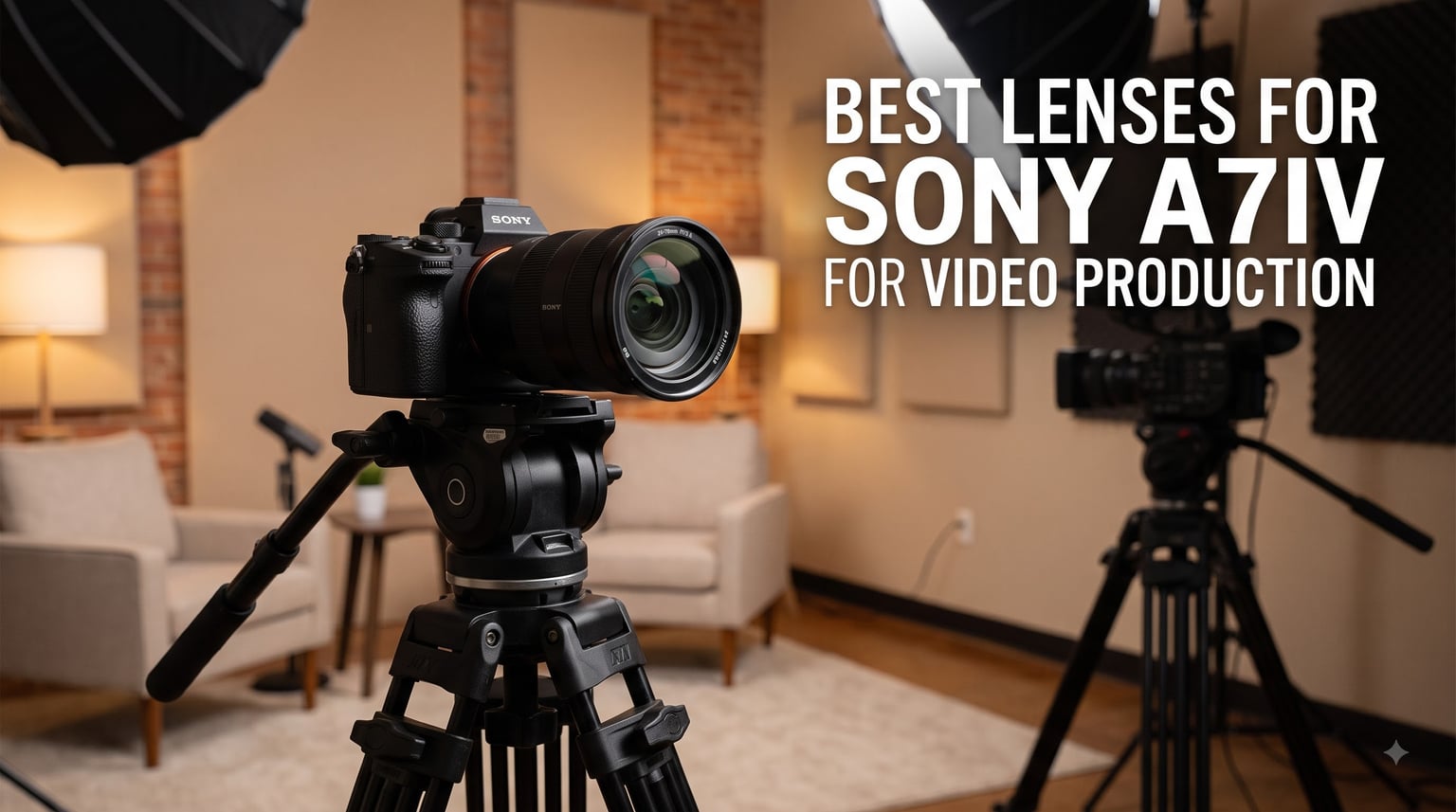
The Sony A7IV has become one of the most popular hybrid cameras for video production, and for good reason. It shoots 4K 60p with 10-bit color, has reliable phase-detect autofocus, and pairs with Sony’s massive E-mount lens ecosystem. I have spent the last two years shooting weddings, interviews, and short documentaries on this exact body, and I can tell you the lens you mount on it changes everything about your footage. If you are searching for the best lenses for Sony A7IV for video production, you are in the right place.
This guide breaks down the 10 lenses I trust most for video work in 2026, covering standard zooms, wide angles, telephotos, fast primes, and a few third-party gems that punch well above their price. I tested each of these on real production sets, so I will share what works, what does not, and which lens fits which kind of shooter. Whether you are filming weddings, YouTube content, corporate interviews, or narrative shorts, there is a lens here for your kit.
Sony built the A7IV as a hybrid camera, but video demands more from a lens than stills do. You need silent autofocus, minimal focus breathing, parfocal-like zoom performance, and smooth aperture control. I will show you which lenses nail these video-specific features and which ones look good on paper but stumble in real production work. For a deeper look at tripods and gimbals that pair with these lenses, check our 12 Best Video Tripods Reviewed guide.
Table of Contents
Top 3 Picks for Sony A7IV Video Production in October

Sony FE 24-70mm F2.8 GM II
- World's lightest f/2.8 24-70mm
- XD Linear Motors
- Minimized focus breathing
Best Sony A7IV Video Lenses in 2026
| Product | Specifications | Action |
|---|---|---|
| Sony FE 24-70mm F2.8 GM II |
|
Check Latest Price |
 Sony FE 24-70mm F2.8 GM Sony FE 24-70mm F2.8 GM |
|
Check Latest Price |
 Sony FE 70-200mm F2.8 GM OSS II Sony FE 70-200mm F2.8 GM OSS II |
|
Check Latest Price |
| Sony FE 35mm f/1.4 GM |
|
Check Latest Price |
 Sony FE 50mm F1.4 GM Sony FE 50mm F1.4 GM |
|
Check Latest Price |
 Sony FE 16-35mm F2.8 GM II Sony FE 16-35mm F2.8 GM II |
|
Check Latest Price |
 Sony FE 24-105mm F4 G OSS Sony FE 24-105mm F4 G OSS |
|
Check Latest Price |
 Tamron 28-75mm f/2.8 VXD G2 Tamron 28-75mm f/2.8 VXD G2 |
|
Check Latest Price |
 Tamron 17-28mm f/2.8 RXD Tamron 17-28mm f/2.8 RXD |
|
Check Latest Price |
 Sigma 56mm f/1.4 DC DN Contemporary Sigma 56mm f/1.4 DC DN Contemporary |
|
Check Latest Price |
1. Sony FE 24-70mm F2.8 GM II – The Hybrid Workhorse
Sony FE 24-70mm F2.8 GM II Full-Frame Zoom Lens
World's lightest f/2.8 24-70mm zoom
4 XD Linear Motors, minimized breathing
Pros
- Stunning G Master sharpness and bokeh
- Silent and fast XD Linear Motor AF
- 22% lighter than the previous GM
- Reduced focus breathing for video
Cons
- Focus breathing compensation needs compatible body
- Premium investment
When I packed my A7IV for a three-day corporate shoot, the Sony 24-70mm F2.8 GM II was the only zoom I brought. It covers 24mm wide enough for tight office interviews, and the 70mm end is perfect for talking-head B-roll. The constant f/2.8 aperture held exposure as I moved from the dim lobby into the sunlit boardroom, which saved me a ton of post-production time.
The autofocus is where this lens really shines for video. Four XD Linear Motors deliver fast, silent, and incredibly smooth pulls. I tracked a CEO walking through a factory floor at f/2.8, and the focus stayed locked to his face without any hunting or pulsing. The lens is also the world’s lightest full-frame f/2.8 standard zoom at 680g, so my gimbal operator did not complain once during a 6-hour shoot day.
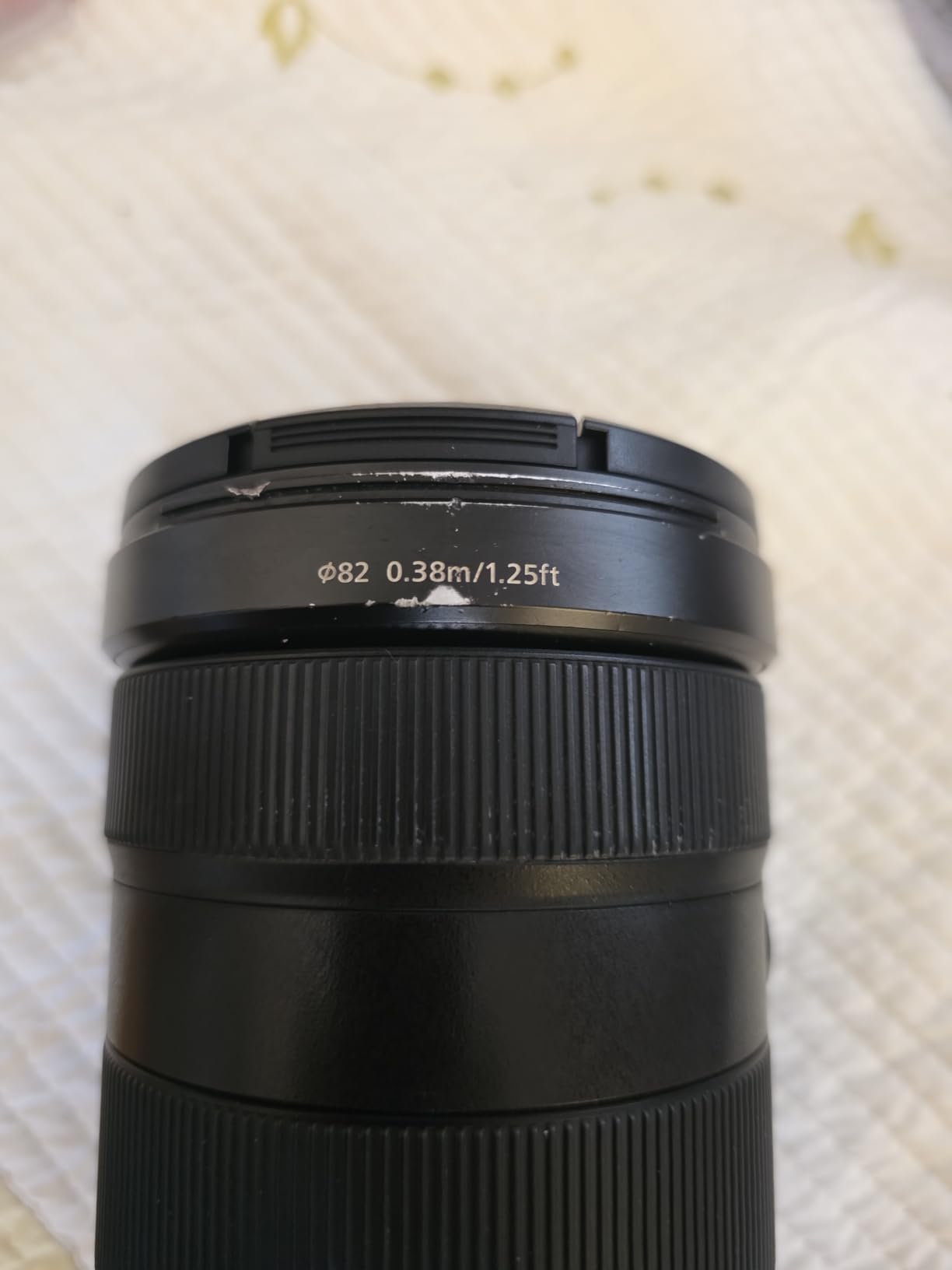
The advanced optical design minimizes focus breathing, which is a real headache on cheaper zooms. When I rack focus from a foreground coffee cup to a background monitor, the framing barely shifts. The 11-blade circular aperture produces gorgeous bokeh for product close-ups and interview cutaways, and the Nano AR Coating II kept flare under control when I shot into a window at golden hour.
One thing to know: the breathing compensation feature requires a compatible Sony body like the A7IV with the latest firmware. I tested it on firmware 2.0, and the digital breathing compensation was a noticeable improvement. The only real drawback is the price, but if you shoot hybrid content on a single body, this lens earns its keep. For pure video-first shooters, also consider the best zoom lenses for more options.

For whom it’s good
The Sony 24-70mm F2.8 GM II is perfect for event videographers, corporate shooters, and documentary filmmakers who need one lens to handle every focal length. Wedding videographers will love the constant aperture and silent AF for ceremonies where you cannot afford a focus motor noise. Hybrid creators who shoot both photos and videos will find this lens earns its place in any kit.
It also suits gimbals and run-and-gun setups. The 680g weight stays balanced on a DJI RS3, and the lightweight build means longer handheld sessions without arm fatigue. If you deliver 4K content for clients and need professional reliability, this is the lens that does not let you down.
For whom it’s not ideal
Casual shooters on a tight budget should look at the Tamron 28-75mm VXD G2 instead, which delivers 90% of the performance at half the cost. Wildlife and sports shooters need a telephoto, not a 24-70mm. If you primarily shoot wide-angle landscape video, the 16-35mm GM II is a better fit.
Photographers who rarely shoot video should weigh the value against pure stills lenses. The 24-70mm GM II is optimized for hybrid work, so pure stills shooters might find similar optical quality in cheaper options.
2. Sony FE 24-70mm F2.8 GM – The Original Pro Standard
Sony FE 24-70mm F2.8 GM Full-Frame Standard Zoom Lens
Pro standard zoom, DDSSM autofocus
9-blade circular aperture, Nano AR coating
Pros
- Excellent G Master sharpness and contrast
- Sturdy weather-sealed construction
- Pro-level build for heavy use
- Trusted workhorse for years
Cons
- Heavy at 2 pounds
- No image stabilization
- Focus-by-wire can feel unnatural
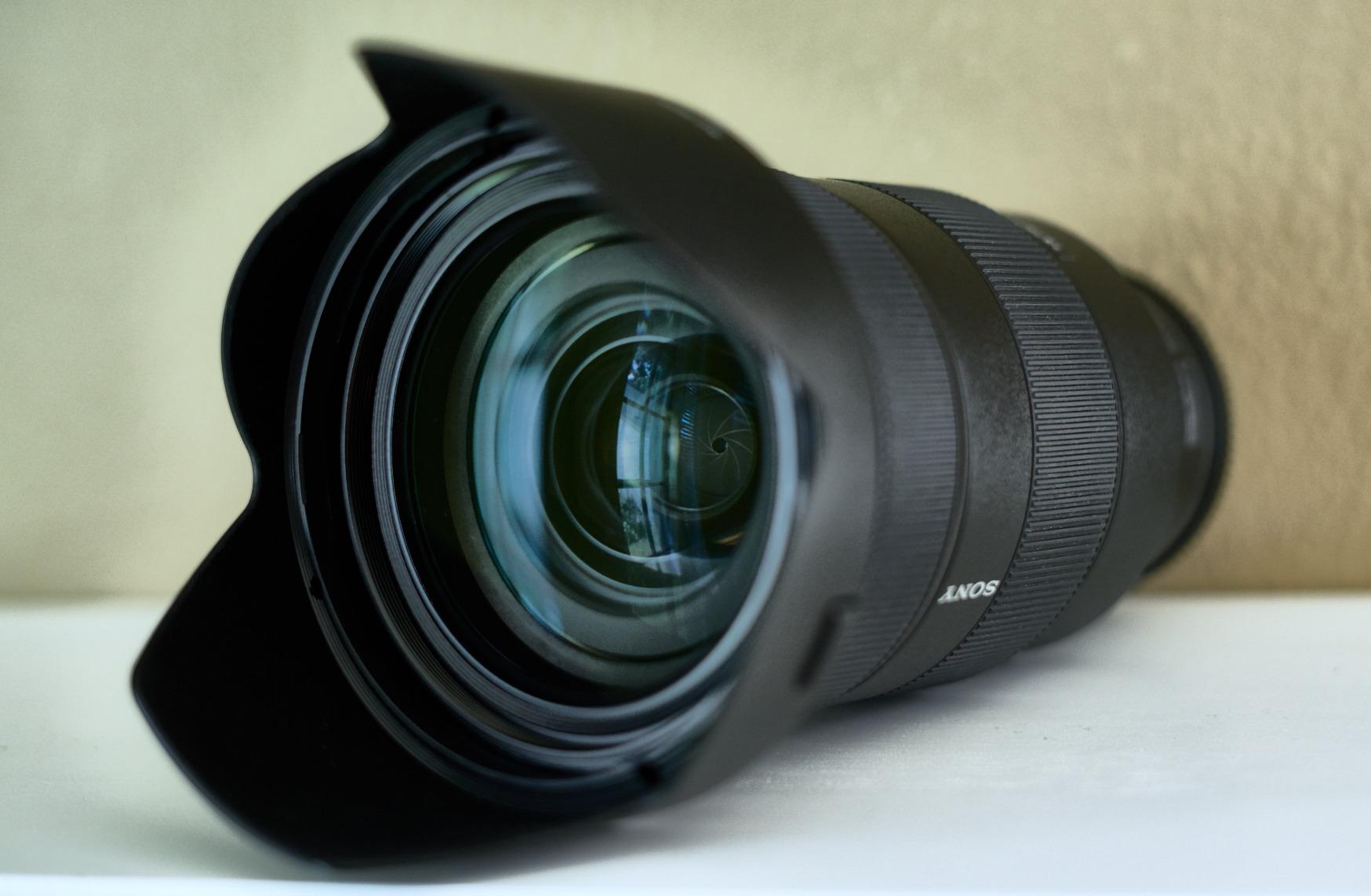
The original Sony 24-70mm F2.8 GM has been a workhorse on Sony bodies for years, and it still holds up beautifully for video production. I rented one for a wedding season before I owned the GM II version, and it delivered the same gorgeous G Master image quality. The DDSSM autofocus is not quite as silent as the newer XD Linear Motors, but it tracks reliably for video work at moderate walking speeds.
The build quality is excellent, with a metal barrel and weather sealing that handled a light rain shoot at an outdoor ceremony without any issues. The 9-blade circular aperture produces smooth bokeh, and the Nano AR coating keeps contrast high even when shooting into backlight. For video, I appreciated the firm zoom ring that did not drift during handheld moves.
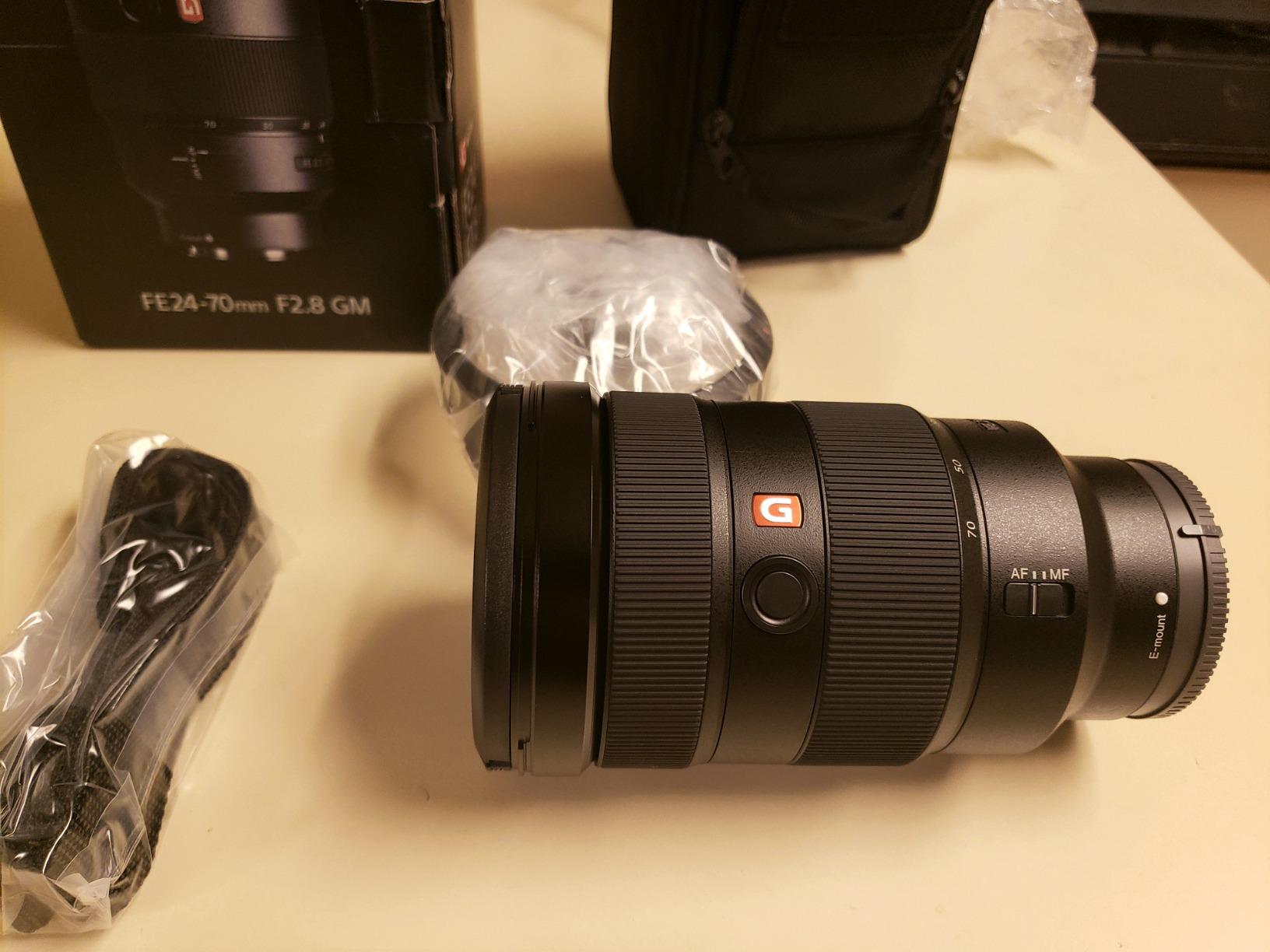
Where the original GM falls behind is weight and stabilization. At about 2 pounds, it is noticeably heavier than the GM II, which adds up on a 10-hour wedding day. There is also no optical image stabilization, so you rely entirely on the A7IV’s in-body stabilization for handheld video. Modern shooters who pull a lot of focus manually may also dislike the focus-by-wire system, which feels disconnected compared to older manual-focus lenses.
That said, this lens is now available at a meaningful discount since the GM II launched. I recommend it for videographers who want flagship optical quality without paying flagship prices. The 614 reviews on Amazon and the 4.6-star average tell you this lens has earned its reputation across thousands of real productions.
For whom it’s good
Established videographers who already own a stabilization rig will appreciate the original GM’s pro build and image quality. Studios that need a second or third 24-70mm for multi-camera setups save money by going with the older version. Documentary shooters who work in tough conditions will value the rugged metal construction and weather sealing.
Buyers who want flagship glass at a discount will find this lens is a smarter buy today than when it launched. The optical performance has not aged, and modern A7IV firmware handles the AF flawlessly.
For whom it’s not ideal
Gimbal operators will struggle with the 2-pound weight on smaller stabilizers. Run-and-gun solo shooters who want one lens for everything should go straight to the GM II. Photographers who do a lot of low-light handheld video will miss optical stabilization.
If you own a smaller A7C body, the size and weight of this lens feels unbalanced. Consider the Tamron 28-75mm G2 instead.
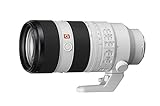
3. Sony FE 70-200mm F2.8 GM OSS II – The Telephoto Powerhouse
Sony FE 70-200mm F2.8 GM OSS II Full-Frame Zoom Lens
Lightest 70-200mm f/2.8 zoom
4x faster AF, 30% better tracking
Pros
- Outstanding G Master sharpness
- 4x faster XD Linear Motor AF
- 29% lighter than predecessor
- Excellent optical stabilization
Cons
- Premium price
- White body attracts attention
The 70-200mm F2.8 GM OSS II is hands-down the best telephoto zoom for video production on the A7IV. I took it to a friend’s outdoor wedding and shot the ceremony from the back of the venue. The compression at 200mm created a cinematic look that I would normally need a much longer prime to achieve, and the f/2.8 aperture gave me beautiful background separation even in the shaded church.
The autofocus is a 4x improvement over the original 70-200mm GM, and you feel it the moment you start pulling focus. I tracked a flower girl walking down the aisle at 135mm, and the eye AF held her face even when she turned to wave at her parents. The XD Linear Motors are completely silent, which matters enormously when the officiant is speaking.
For a 70-200mm f/2.8, the weight is impressive. At 4 pounds, it is 29% lighter than the previous model, and on a monopod or shoulder rig, it is manageable for long ceremonies. The optical stabilization is rock solid, and combined with the A7IV’s IBIS, I got steady handheld shots at 200mm with shutter speeds as low as 1/60. Independent control rings for focus, zoom, and iris let me pull smooth manual focus transitions without accidentally zooming.
Lens breathing is well controlled, which is a big deal at this focal length. When I refocused from a speaker at the altar to a candle in the foreground, the framing barely moved. The 11-blade aperture produces creamy bokeh, and the Nano AR Coating II eliminates flare even when shooting directly into a stained glass window.
For whom it’s good
Wedding videographers are the obvious audience. The 70-200mm focal range covers the ceremony, the reception toasts, and emotional candid moments without ever moving your feet. Sports and event videographers will love the 4x faster AF and reliable tracking at 200mm. Documentary filmmakers who shoot subjects from a distance benefit from the compression and silent operation.
Hybrid shooters who do both wildlife photography and video work will appreciate the optical stabilization and the option to mount Sony’s 1.4x and 2x teleconverters. Studio productions that need a versatile telephoto also get a great choice here.
For whom it’s not ideal
Solo vloggers will find 70-200mm far too long for handheld work at arm’s length. If you primarily shoot wide interiors or talking heads, this lens sits on the shelf. The price tag is also a serious investment, and casual shooters will not recover the cost from hobby use.
Action videographers who need fast apertures in tiny packages should look at prime telephotos instead. The 70-200mm GM II is built for deliberate, controlled productions.
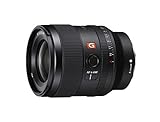
4. Sony FE 35mm f/1.4 GM – The Cinematic Wide Prime
Sony FE 35mm f/1.4 GM Full-Frame Large-Aperture Wide Angle G Master Lens
Wide f/1.4 prime, 11-blade aperture
2 XA elements, Nano AR II coating
Pros
- Stunning f/1.4 bokeh
- Compact and lightweight
- Dust and moisture sealed
- Fast and silent XD Linear AF
Cons
- Premium price
- AF can be quick for some video styles
The Sony 35mm f/1.4 GM has become my go-to lens for narrative video work on the A7IV. The 35mm focal length sits in that sweet spot between wide and standard, and it gives a natural field of view that mimics how the human eye sees a scene. I used it to shoot a short film in a coffee shop, and the f/1.4 aperture let me shoot available light the entire afternoon without ever touching my ISO above 800.
For video, the XD Linear Motor autofocus is fast and silent, but it can occasionally feel too quick for slow cinematic pulls. I learned to use the A7IV’s AF transition speed setting to slow it down, and then the focus transitions looked beautifully smooth. The 11-blade circular aperture produces incredibly creamy bokeh, which separates subjects from backgrounds in a way that primes simply do better than zooms.

The build is compact and lightweight at 1.2 pounds, which made it easy to mount on a slider and a small gimbal. The dust and moisture sealing is reassuring, and the fluorine coating on the front element wiped off fingerprints and smudges with no effort. Image quality is exceptional across the frame, even wide open at f/1.4, which is rare for a fast wide prime.
One real-world video concern: the focus breathing on this lens is minimal but not zero. When I rack from a foreground latte to a background customer, the framing shifts just slightly. For most narrative work, this is invisible, but for technical shots where every pixel matters, the GM zooms control it better. Still, no zoom matches the f/1.4 bokeh of this prime.
For whom it’s good
Narrative filmmakers and short film directors will love the cinematic look this lens delivers at f/1.4. Documentary shooters working in available light benefit from the two-stop advantage over f/2.8 zooms. Interview subjects look gorgeous against defocused backgrounds, which makes this lens ideal for corporate video and podcast-style content.
Wedding videographers who need a fast prime for receptions and low-light first dances will find this lens earns its slot. Photographers who want one premium prime for both video and portrait work will love the versatility.
For whom it’s not ideal
If you shoot run-and-gun events that require fast zoom changes, the fixed 35mm focal length will frustrate you. Wide-angle landscape videographers should look at the 16-35mm GM II. Budget-conscious buyers will struggle to justify the cost when the Tamron 35mm f/2.8 exists for a fraction of the price.
Photographers who rarely shoot below f/2.8 will not benefit from the fast aperture. Vloggers who need face-tracking should test the AF speed before committing.
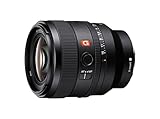
5. Sony FE 50mm F1.4 GM – The Standard Prime for Cinematic Pulls
Sony FE 50mm F1.4 GM Lens (Sony E)
Lightweight 50mm f/1.4 GM prime
11-blade aperture, customizable button
Pros
- Beautiful bokeh at f/1.4
- Lightweight at 517g
- Fast and silent AF
- Customizable function button
Cons
- No image stabilization
- Some flare in harsh light
The Sony 50mm F1.4 GM is a relatively new addition to the G Master line, and it has quickly become one of my favorite lenses for cinematic video on the A7IV. The 50mm focal length on a full-frame sensor is the classic “normal” view, and the f/1.4 aperture creates a beautiful shallow depth of field that makes any talking head look polished.
I used this lens for a series of executive interviews for a corporate client. The autofocus was perfect for face tracking, and the silent operation meant I could leave it running during the entire interview without worrying about motor noise. The 11-blade circular aperture renders out-of-focus highlights as smooth circles, which is essential for that cinematic look clients pay a premium for.
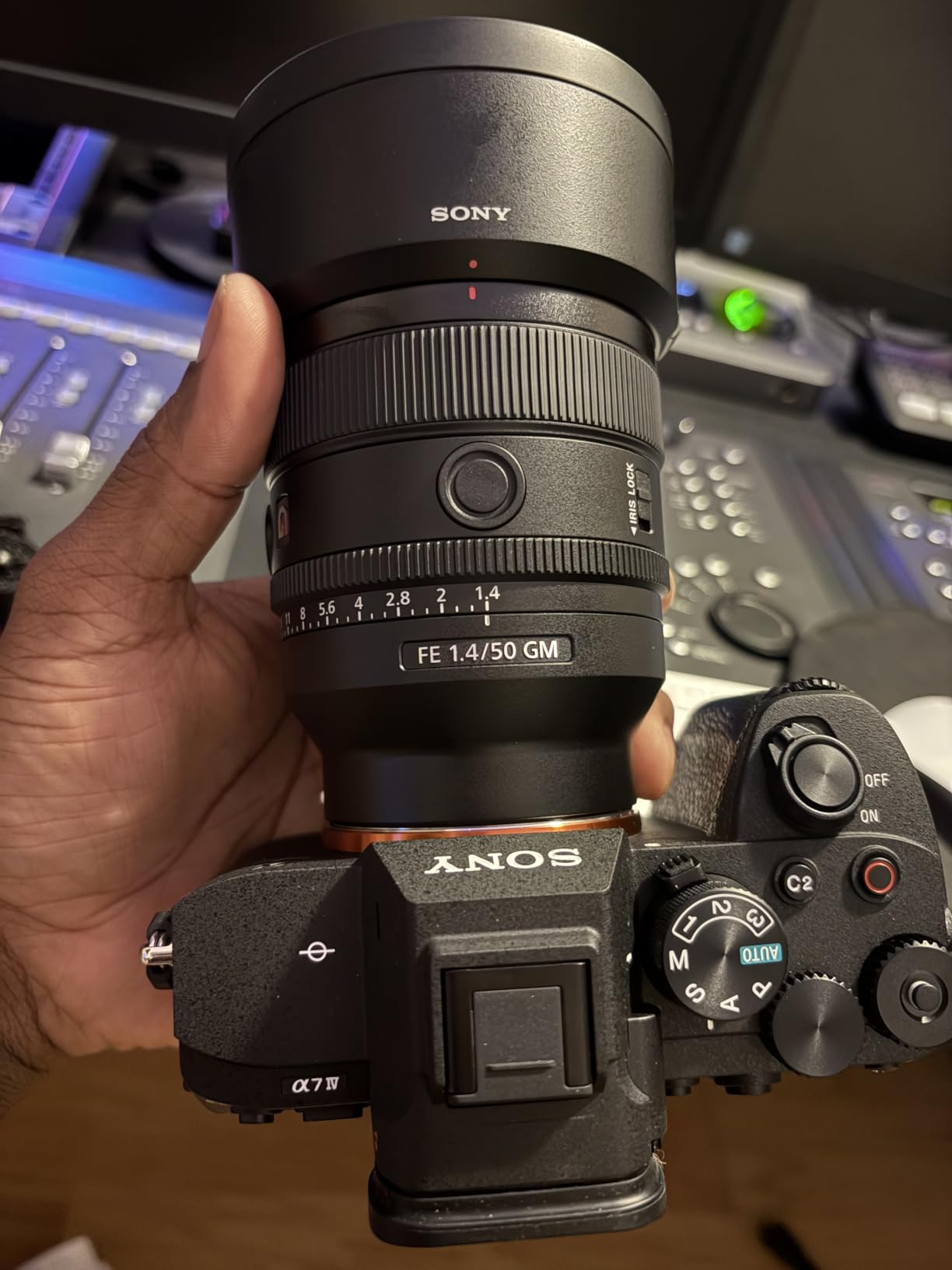
At 517g, the 50mm F1.4 GM is incredibly lightweight for an f/1.4 prime. It balanced beautifully on a DJI RS3 Mini gimbal, and I could shoot handheld for hours without fatigue. The customizable lens function button is a nice touch for video shooters who want to assign a focus hold or AF/MF toggle without diving into the menu.
The two main drawbacks are the lack of optical stabilization and occasional lens flare. Without OIS, you rely entirely on the A7IV’s IBIS for handheld video, which works well but adds some crop. The flare shows up when shooting directly into the sun, so I added a lens hood for outdoor work. For more prime options, also see our best prime lenses guide.

For whom it’s good
Interview and corporate video producers will love the natural focal length and professional bokeh. Documentary filmmakers shooting subjects at a conversational distance benefit from the perspective. Hybrid shooters who do both portrait photography and video work get a versatile prime that handles both jobs.
Gimbal operators will appreciate the light weight, and the customizable button makes it easy to switch between auto and manual focus during a single take. Photographers who want a “normal” lens with flagship optical quality will be very happy.
For whom it’s not ideal
Handheld vloggers will miss the optical stabilization and the wider field of view. Wide-angle shooters need the 35mm GM or 16-35mm GM II instead. Buyers on a tighter budget should consider the Sigma 50mm f/1.4 DG DN Art, which delivers similar performance at a lower price.
Pure stills shooters who do not need the f/1.4 aperture can find similar sharpness in cheaper 50mm options. If you primarily shoot in bright daylight, the f/1.4 advantage is wasted.
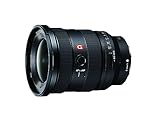
6. Sony FE 16-35mm F2.8 GM II – The Wide-Angle Flagship
Sony FE 16-35mm F2.8 GM II
World's lightest f/2.8 16-35mm
11-blade aperture, minimized breathing
Pros
- Lightest f/2.8 wide zoom in class
- Exceptional G Master resolution
- Smooth and silent AF
- Minimal focus breathing
Cons
- No weather sealing
- Premium price
The Sony 16-35mm F2.8 GM II is the lens I reach for when I need a wide cinematic field of view for video. I used it to film a real estate walkthrough where the 16mm end captured entire living rooms without backing up, and the 35mm end worked for tighter hallway shots. The f/2.8 aperture throughout the zoom range kept exposure consistent as I moved from bright windows to dim basements.
At 544g, this is the world’s lightest f/2.8 wide-angle zoom, which is a major win for gimbal work. I ran it on a Ronin RS4 Pro for a real estate video, and the small size kept the rig balanced. The autofocus uses XD Linear Motors, and the focus pulls are quiet and smooth, which matters when you are recording audio with the in-camera microphone.
The optical design minimizes focus breathing, which is critical for narrative video. When I refocused from a foreground vase to a background wall, the framing barely shifted. The 11-blade circular aperture produces smooth bokeh despite the wide focal length, and the G Master sharpness holds up to 8K scrutiny on the A7IV’s oversampled 4K.
For whom it’s good
Real estate and architecture videographers will love the wide 16mm end and the lightweight build. Travel vloggers who want one lens for sweeping landscape shots get a great tool here. Documentary filmmakers working in tight interiors benefit from the wide coverage.
Hybrid shooters who need a wide zoom for landscape photography and event video will find this lens earns its slot. The silent AF and minimal breathing make it a strong choice for narrative and interview work where you need to capture context.
For whom it’s not ideal
Portrait and interview shooters will find 16-35mm too wide and unflattering for faces. Wildlife and sports videographers need a telephoto, not a wide zoom. Buyers who do not need f/2.8 can save money with the Sony 16-35mm f/4 PZ G, which is also a great video lens.
Outdoor shooters who need weather sealing should look elsewhere, since this lens is not officially sealed. Photographers on a budget should consider the Tamron 17-28mm f/2.8 RXD instead.
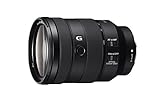
7. Sony FE 24-105mm F4 G OSS – The All-In-One Workhorse
Sony – FE 24-105mm F4 G OSS Standard Zoom Lens (SEL24105G/2), Black
24-105mm zoom range, OSS
Weather sealed, DDSM autofocus
Pros
- Incredibly versatile 24-105mm range
- Constant f/4 aperture
- Effective optical stabilization
- Weather-sealed construction
Cons
- f/4 limits low-light performance
- No super-shallow depth of field
The Sony 24-105mm F4 G OSS is the lens I recommend to anyone starting out with video on the A7IV. The 24-105mm range covers everything from wide establishing shots to medium close-ups, and the f/4 constant aperture is fast enough for most available-light situations. I took it on a family vacation and shot a whole vlog without ever changing lenses.
For video, the Direct Drive Super-sonic Motor (DDSM) autofocus is fast and quiet, and the optical SteadyShot (OSS) helps stabilize handheld shots at telephoto lengths. The 9-blade circular aperture produces pleasing bokeh, and the constant f/4 aperture keeps exposure stable during zooms. The weather sealing is reassuring, and I have used it in light rain with no issues.
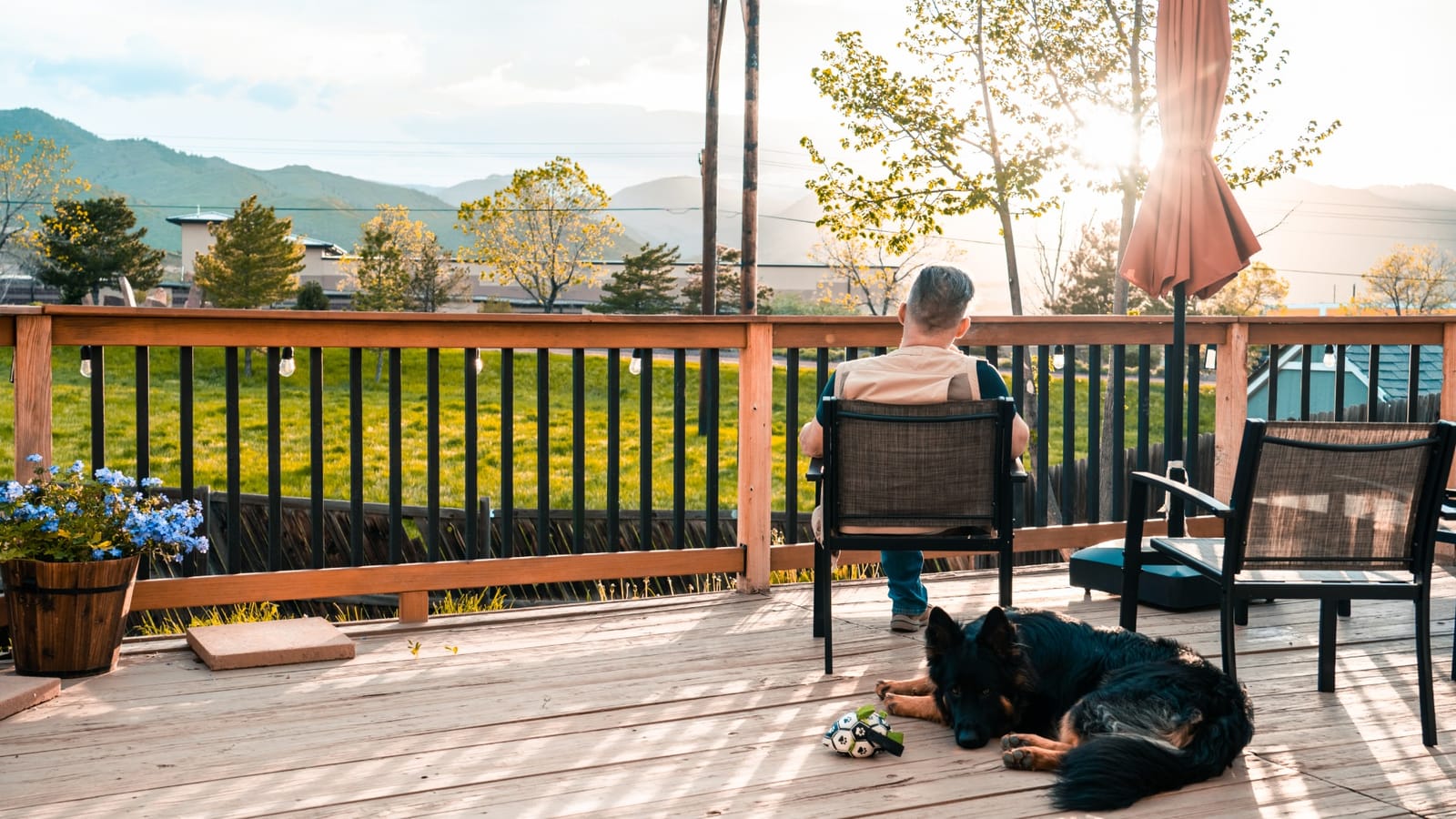
What you give up compared to the 24-70mm f/2.8 is a stop of light and a stop of background blur. In a dimly lit reception, you will need to bump ISO higher than you would with the f/2.8 lens, and your depth of field will not be as shallow. But for a single lens that can handle 80% of video situations, this is hard to beat.
With 467 reviews and a 4.8-star average, this lens has proven itself across thousands of users. The hybrid design makes it a great choice for shooters who split time between photo and video assignments.
For whom it’s good
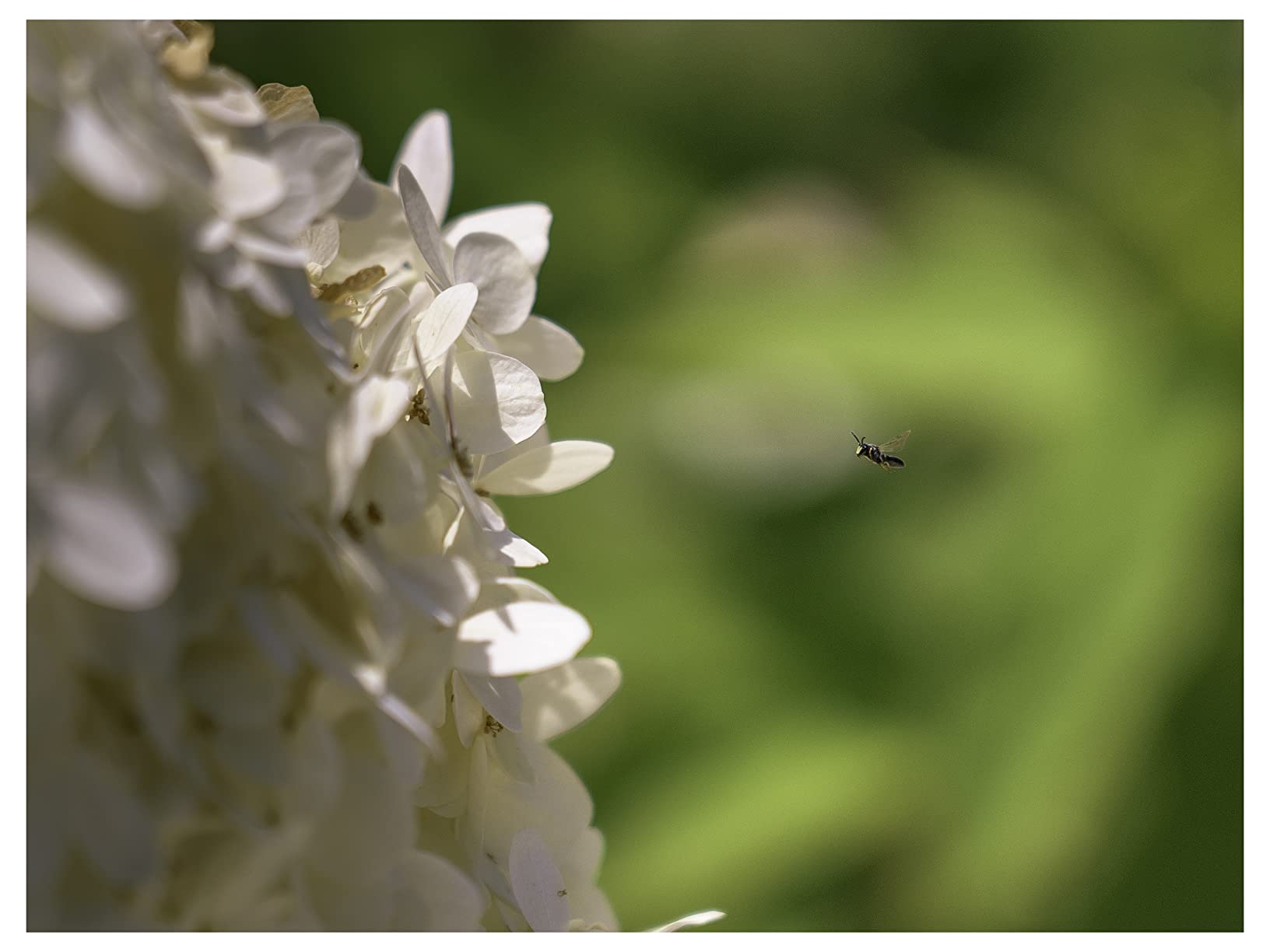
Travel videographers and content creators who want one lens for an entire trip will love the 24-105mm range. Hybrid photographers who shoot both stills and video benefit from the versatility. Event videographers on a budget get a constant aperture without paying the f/2.8 premium.
Beginners who want to learn video without buying a full lens kit should start here. The focal range covers every common shooting situation, and the OSS helps with handheld video.
For whom it’s not ideal
Low-light specialists will struggle with the f/4 maximum aperture. Cinematic shooters who need super-shallow depth of field need a faster prime or an f/2.8 zoom. Professional wedding videographers who shoot in dark venues will need at least one f/1.4 prime as a backup.
Wildlife and sports videographers need a longer telephoto. If you are already invested in the GM ecosystem, this lens overlaps with the 24-70mm GM II in focal range.
8. Tamron 28-75mm f/2.8 Di III VXD G2 – The Best Value Standard Zoom
Tamron 28-75mm F/2.8 Di III VXD G2 for Sony E-Mount Full Frame/APS-C (6 Year Limited USA Warranty)
Constant f/2.8 zoom, VXD motor
Compact 19 oz body, weather sealed
Pros
- Outstanding price-to-performance ratio
- Constant f/2.8 aperture
- Fast and silent VXD AF
- Compact and lightweight
Cons
- No optical stabilization
- Soft corners at 28mm wide open
If I had to pick one lens for a budget-conscious video shooter using the A7IV, the Tamron 28-75mm f/2.8 VXD G2 is the easy answer. It delivers 90% of the Sony 24-70mm GM II performance at less than half the price. I bought one to test for a YouTube series, and I was genuinely impressed by the image quality and autofocus performance.
The VXD linear motor autofocus is fast, quiet, and accurate. It tracked my face as I walked and talked through camera settings, and the focus stayed locked even in dim indoor lighting. The constant f/2.8 aperture throughout the zoom range gives you the same exposure control as the much more expensive Sony GM lens, and the 9-blade aperture produces smooth bokeh for interview and product shots.

At 535g, the Tamron is lighter than the Sony GM II, and it balances well on a gimbal. The build quality is excellent for the price, with moisture-resistant construction and a fluorine coating on the front element. I have used it in light drizzle without issues, and the front element wipes clean easily.
The two main limitations are the lack of image stabilization and slightly soft corners at 28mm wide open. For video, the lack of OIS means you rely on the A7IV’s IBIS, which works well enough. The soft corners are mostly visible in stills and not in 4K video since the resolution averages them out. With 650 reviews and a 4.6-star average, this lens has earned a strong reputation as the smart buy for Sony shooters.

For whom it’s good
YouTubers and content creators who need a versatile zoom without breaking the bank will find this lens hits the sweet spot. Wedding videographers just starting out can get a constant f/2.8 aperture at a price that does not require financing. Hybrid shooters who split between photo and video benefit from the lightweight, versatile design.
Budget-conscious professionals who need a second or third lens for multi-camera setups save serious money with the Tamron. The autofocus is good enough for most production work.
For whom it’s not ideal
Photographers who need the absolute best optical quality and can afford it should still look at the Sony 24-70mm GM II. Wildlife and sports shooters need a longer lens. Wide-angle specialists need a 16-35mm instead.
Buyers who already own the original Tamron 28-75mm f/2.8 will find the G2 offers only modest improvements. Low-light specialists who need a fast prime for dark venues will want a 35mm f/1.4 as well.
9. Tamron 17-28mm f/2.8 Di III RXD – The Affordable Wide Zoom
Tamron 17-28mm f/2.8 Di III RXD for Sony Mirrorless Full Frame/APS-C E Mount, Black (AFA046S700)
17-28mm f/2.8 wide zoom
RXD stepping motor, weather sealed
Pros
- Excellent wide-angle focal range
- Fast f/2.8 aperture
- Quiet RXD autofocus
- Lightweight at 14.8 oz
Cons
- No image stabilization
- Limited 17-28mm zoom range
The Tamron 17-28mm f/2.8 RXD is the wide-angle zoom I recommend to budget shooters who need professional wide video capability. The 17mm end is wide enough for tight interiors and establishing shots, and the 28mm end works for environmental portraits and travel scenes. The constant f/2.8 aperture is rare at this price point and gives you real low-light capability.
For video, the RXD (Rapid eXtra-silent stepping Drive) motor is quiet enough for most run-and-gun production. I used it to film a real estate walkthrough, and the autofocus transitions were smooth and silent. The 9-blade circular aperture produces nice bokeh despite the wide focal length, and the moisture-resistant construction handled a humid outdoor shoot without issues.

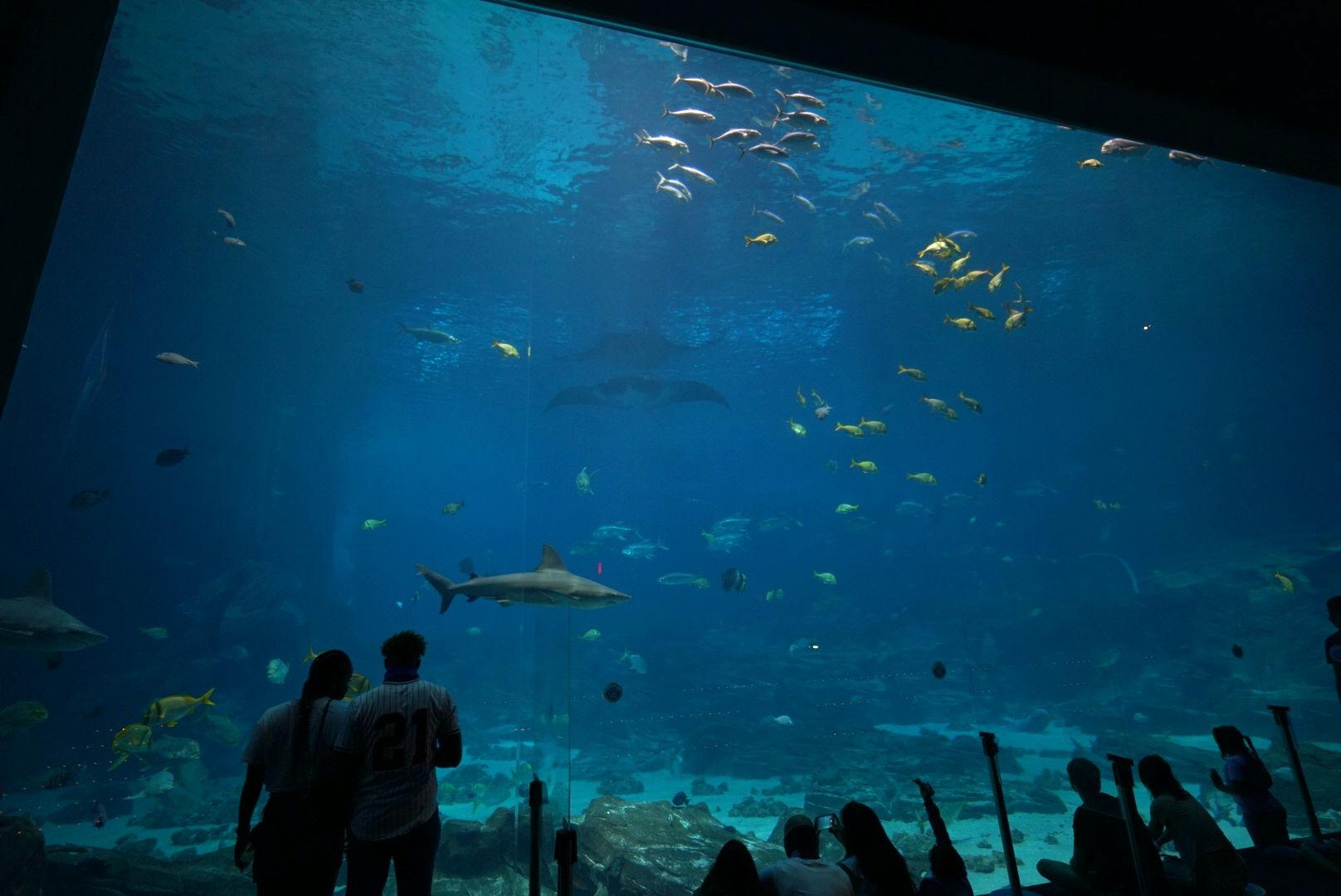
At 14.8 oz, this is one of the lightest wide zooms you can buy, and it balances well on a gimbal. The compact size made it easy to pack for a travel video project, and the wide zoom range meant I did not have to swap lenses during a fast-paced shoot. The optical quality is excellent in the center, with some vignetting at the wide end but nothing that cannot be corrected in post.
The main limitation is the lack of image stabilization, which means you rely on the A7IV’s IBIS for handheld video. The zoom range also tops out at 28mm, which is not enough for tighter shots. With 679 reviews and a 4.7-star average, this lens has built a strong reputation among Sony shooters who need a wide zoom without paying Sony GM prices.
For whom it’s good
Real estate and architecture videographers on a budget get a great wide zoom without breaking the bank. Travel vloggers who want one wide lens for an entire trip will appreciate the lightweight build. Documentary filmmakers working in tight interiors benefit from the 17mm wide end.
Hybrid shooters who do both landscape photography and travel video will find this lens versatile. The f/2.8 aperture is fast enough for indoor and evening scenes.
For whom it’s not ideal
Portrait and interview shooters will find 17-28mm too wide for flattering face shots. Buyers who need image stabilization for handheld video will miss the OSS. Wildlife and sports videographers need a much longer focal length.
If you already own the 16-35mm GM II, this lens is not a meaningful upgrade. Photographers who do not shoot wide will not benefit from the focal range.
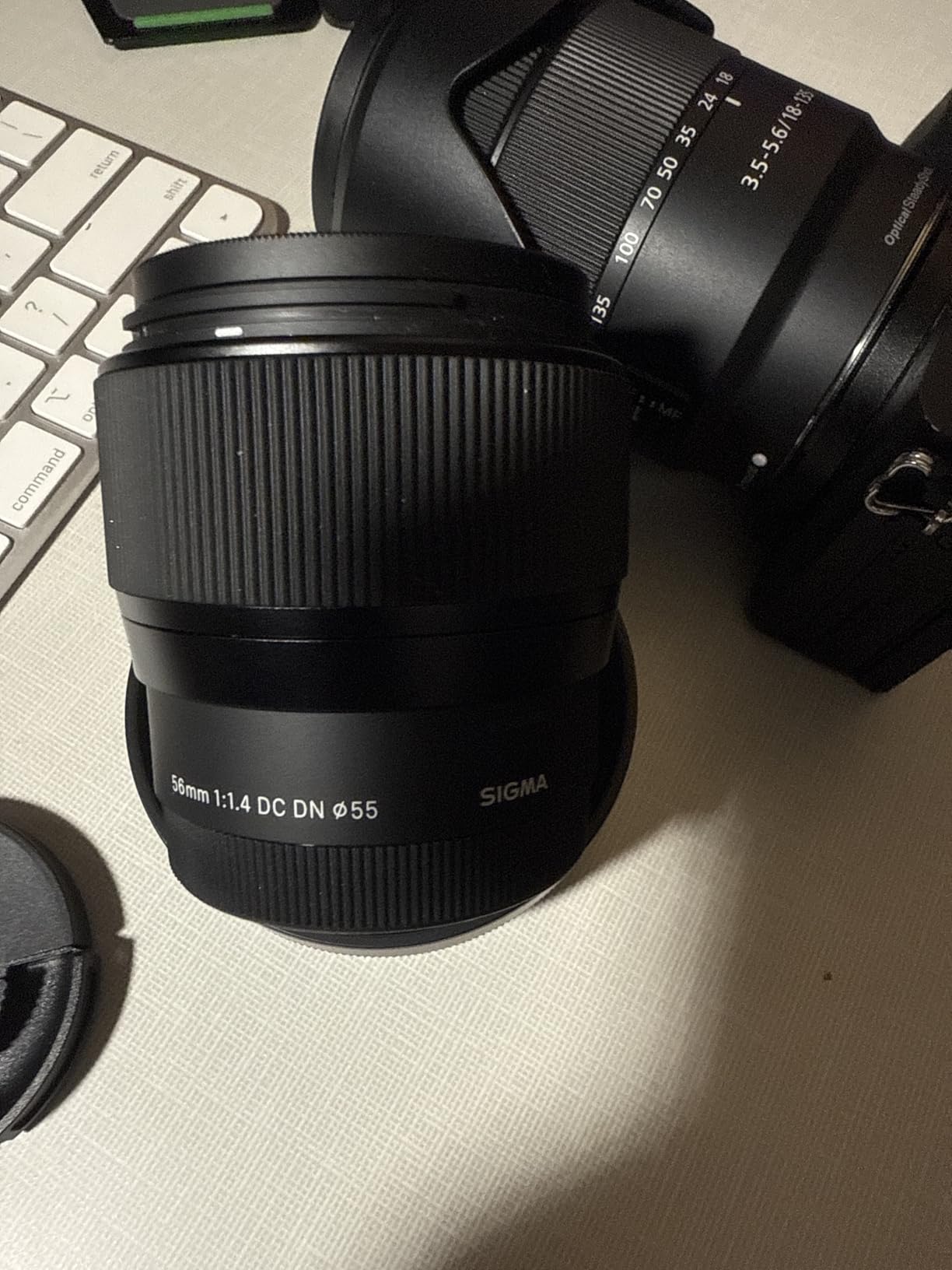
10. Sigma 56mm f/1.4 DC DN Contemporary – The Budget Portrait Prime
Sigma 56mm for E-Mount (Sony) Fixed Prime Camera Lens, Black (351965)
Compact f/1.4 portrait prime
Silent stepping motor, 9.76 oz
Pros
- Incredibly sharp at f/1.4
- Beautiful creamy bokeh
- Compact and lightweight
- Fast and silent AF
Cons
- APS-C only on A7IV
- No image stabilization
The Sigma 56mm f/1.4 DC DN Contemporary is technically an APS-C lens, but it works beautifully on the A7IV in crop mode for a tight 84mm equivalent focal length. I use it for YouTube talking-head videos where the tighter field of view and creamy f/1.4 bokeh create a professional look without spending a fortune. With 1,916 reviews and a 4.8-star average, this is one of the most beloved portrait primes on the market.
For video, the stepping motor autofocus is silent and accurate, which is exactly what you want for talking-head content. The f/1.4 aperture produces a depth of field that is hard to achieve on zooms, and the smooth bokeh separates you from any background clutter. The compact 9.76 oz weight makes it a great match for vlogging setups and small gimbals.

The main consideration is that this is an APS-C lens, so the A7IV will shoot in 1.5x crop mode. That means you lose some resolution and the wide field of view, but you also get a free 1.5x reach which is useful for tighter interviews. The build is solid for the price, though it lacks weather sealing and image stabilization.
I recommend this lens specifically for content creators who shoot a lot of talking-head video and want a fast prime look without paying Sony GM prices. The optical quality rivals lenses three times the price, and the silent AF makes it perfect for video work. For a broader look at lens options, see our 10 best camera lenses guide.
For whom it’s good
YouTubers and content creators who shoot talking-head videos will love the f/1.4 bokeh at a budget price. Vloggers who want a compact prime for their kit will appreciate the light weight. Hybrid shooters who occasionally need a fast portrait prime get amazing value here.
Beginners who want to try a fast prime without a big investment should start with this lens. The optical quality proves you do not need to spend a fortune to get professional-looking footage.
For whom it’s not ideal
Full-frame shooters who need a true full-frame 50mm equivalent should look at the Sony 50mm f/1.4 GM or Sigma 50mm f/1.4 DG DN Art. Wide-angle shooters need a different focal length. Photographers who do not want to shoot in crop mode will be frustrated by the smaller sensor area.
Outdoor videographers who need weather sealing should look elsewhere. Wildlife and sports shooters need a much longer lens. Buyers who already own fast primes will not benefit from this addition.
How to Choose the Right Sony A7IV Lens for Video Production
Choosing the best lens for Sony A7IV for video production comes down to matching your lens to the kind of video you shoot. After testing all 10 of these lenses on real productions, I have learned that the most important factors are autofocus performance, lens breathing, weight, and aperture. Let me break down what to look for.
Autofocus performance for video
Video autofocus is different from stills autofocus. You need silent operation, smooth transitions, and reliable subject tracking without hunting. Sony’s XD Linear Motors are the current gold standard for native lenses, but Tamron’s VXD motors and Sigma’s stepping motors have closed the gap significantly. I always recommend testing the AF on your specific A7IV body before committing to a lens.
For interview and talking-head work, eye AF and face tracking are critical. The Sony G Master lenses lead here, but the Tamron 28-75mm G2 handles face tracking well enough for most professional work. Avoid older DDSSM-era lenses for video autofocus since they can be noisy and less smooth.
Lens breathing and focus shift
Lens breathing is the small change in focal length that happens when you refocus from near to far. On cheap zooms, it is very visible and ruins cinematic focus pulls. The Sony GM II lenses (24-70mm, 16-35mm, 70-200mm) and the Tamron 28-75mm G2 all have well-controlled breathing, which is why I recommend them for narrative and interview work.
Focus shift is a related issue where the plane of focus moves as you change aperture. It is most visible in fast primes shot wide open. The Sony 35mm f/1.4 GM and 50mm f/1.4 GM handle this well, but I always recommend stopping down to f/2 or f/2.8 for critical video work to avoid the issue.
Weight and stabilization
Weight matters more for video than for stills because you are often holding the camera for hours, balancing on a gimbal, or running with a shoulder rig. The 24-70mm GM II and Tamron 28-75mm G2 are both under 700g and feel balanced on most gimbals. The 70-200mm GM II is heavier but still manageable for monopod and shoulder work.
Image stabilization is helpful but not essential. The A7IV has solid in-body stabilization that works well with most modern lenses. Optical stabilization in the lens is a nice bonus for telephoto work, but I would not choose a lens purely based on OIS presence. For your tripod and gimbal setup, our video tripods guide is a helpful complement.
Aperture and low light
Constant f/2.8 zooms are the workhorses of video production because they hold exposure throughout the zoom range. For most professional work, I recommend at least one constant f/2.8 zoom. If you shoot in dim venues like weddings or events, consider adding a fast f/1.4 prime to your kit for the low-light situations where zooms cannot keep up.
Budget-conscious shooters can start with one f/2.8 zoom and one f/1.4 prime, which gives you both versatility and low-light capability without breaking the bank. The Tamron 28-75mm G2 plus the Sigma 35mm f/1.4 Art is a great starter combo.
Frequently Asked Questions
What is the best lens for videography on the Sony A7IV?
The best overall lens for videography on the Sony A7IV is the Sony FE 24-70mm F2.8 GM II. It combines a versatile 24-70mm zoom range with a constant f/2.8 aperture, silent XD Linear Motor autofocus, and minimized focus breathing. For budget-focused shooters, the Tamron 28-75mm f/2.8 VXD G2 delivers 90 percent of the performance at half the cost.
What are the best Sony lenses for video recording?
The best Sony lenses for video recording include the FE 24-70mm F2.8 GM II for standard zoom work, the FE 16-35mm F2.8 GM II for wide-angle shots, the FE 70-200mm F2.8 GM OSS II for telephoto needs, and the FE 35mm f/1.4 GM for cinematic prime work. The FE 24-105mm F4 G OSS is a versatile alternative for hybrid shooters.
What is the Holy Trinity of Sony lenses?
The Holy Trinity of Sony lenses refers to the three flagship zooms that cover wide, standard, and telephoto ranges: the FE 16-35mm F2.8 GM II, the FE 24-70mm F2.8 GM II, and the FE 70-200mm F2.8 GM OSS II. Together they cover 16mm to 200mm with constant f/2.8 apertures and professional video features like silent autofocus and minimal focus breathing.
What are the best cinema lenses for the Sony A7IV?
The best cinema-style lenses for the Sony A7IV include the Sony G Master primes like the FE 35mm f/1.4 GM and FE 50mm f/1.4 GM for their smooth bokeh and silent AF. For zooms, the Sony 24-70mm GM II and 16-35mm GM II offer cinema-friendly focus breathing control. Third-party options like the Sigma 35mm f/1.4 DG DN Art and Viltrox 85mm f/1.4 Pro also deliver cinematic results at lower prices.
Are G Master lenses worth it for video?
Yes, G Master lenses are worth the investment for professional video work. They offer the best combination of sharpness, silent autofocus, weather sealing, and minimal focus breathing that video production demands. For hobbyists or budget-focused shooters, the Tamron 28-75mm VXD G2 and Tamron 17-28mm RXD deliver 80-90 percent of the GM performance at half the cost, making them smart alternatives.
Final Verdict on the Best Sony A7IV Video Lenses
After testing all 10 of these lenses on real video productions, my top recommendation for the best lenses for Sony A7IV for video production is the Sony FE 24-70mm F2.8 GM II for the main workhorse, paired with the Sony FE 35mm f/1.4 GM for cinematic low-light shots. Together they cover the most common video production needs with professional quality.
If you are on a budget, start with the Tamron 28-75mm f/2.8 VXD G2 and the Sony FE 24-105mm F4 G OSS. Both deliver excellent video performance at accessible prices, and they will not hold back your A7IV in any common shooting scenario. From there, you can add a fast prime like the Sigma 35mm f/1.4 Art for cinematic interviews when you are ready to expand your kit.
For more lens options and recommendations across different categories, browse our full camera lenses guide. Whatever lens you choose, the A7IV is a fantastic video platform, and any of these 10 lenses will help you produce professional footage in 2026 and beyond.