A loop pedal turns one guitarist into an entire band. You record a riff, layer a chord progression over it, add a melody on top, and suddenly your bedroom practice session sounds like a full arrangement. Whether you are songwriting, practicing solos, or building live performances from the ground up, a good looper pedal is the single most creative tool you can add to your rig.
I have spent the last several months testing the best loop pedals on the market, running everything from simple practice loops to multi-track live arrangements. My team compared 10 of the most popular looper pedals across sound quality, ease of use, build durability, feature depth, and real-world gigging reliability. We paid special attention to what forum players on r/guitarpedals and r/LoopArtists actually recommend, not just spec sheets.
The best loop pedals in 2026 range from bare-bones single-switch boxes under $50 to professional six-track workstations pushing $500. In this guide, I will walk you through each one with hands-on impressions, technical breakdowns, and clear recommendations based on how you actually plan to use it. If you have ever wondered which looper Ed Sheeran uses, whether loop pedals are worth the money, or how to place a looper in your signal chain, you will find those answers here too.
Table of Contents
Top 3 Picks for Best Loop Pedals
These three loopers cover the full spectrum of needs and budgets. Each one earned its spot through weeks of real-world testing across practice, songwriting, and live performance scenarios.

10 Best Loop Pedals in 2026
Here is a quick comparison of all 10 loopers we tested. Each one is reviewed in full detail below.
| Product | Specifications | Action |
|---|---|---|
| BOSS RC-5 Loop Station |
|
Check Latest Price |
 BOSS RC-1 Loop Station BOSS RC-1 Loop Station |
|
Check Latest Price |
 TC Electronic Ditto+ Looper TC Electronic Ditto+ Looper |
|
Check Latest Price |
 TC Electronic Ditto X2 Looper TC Electronic Ditto X2 Looper |
|
Check Latest Price |
 BOSS RC-500 Loop Station BOSS RC-500 Loop Station |
|
Check Latest Price |
| Boss RC-600 Loop Station |
|
Check Latest Price |
 LEKATO Looper Guitar Pedal LEKATO Looper Guitar Pedal |
|
Check Latest Price |
 Donner Triple Looper Donner Triple Looper |
|
Check Latest Price |
 Electro-Harmonix 720 Stereo Looper Electro-Harmonix 720 Stereo Looper |
|
Check Latest Price |
 Zoom MS-90LP+ MultiStomp Looper Zoom MS-90LP+ MultiStomp Looper |
|
Check Latest Price |
1. BOSS RC-5 Loop Station – Best Overall Looper Pedal
BOSS RC-5 Loop Station
32-bit AD/DA processing
13 hours stereo recording
99 phrase memories
57 rhythms with 7 drum kits
Pros
- Class-leading 32-bit floating-point processing
- 13 hours of stereo recording time
- 99 phrase memories for storing loops
- 57 built-in rhythms with A/B variations
- Multi-color LCD backlight
- Full MIDI I/O support
- Reverse function for creative textures
Cons
- MIDI adaptor cable sold separately
- Single footswitch can limit live control
The BOSS RC-5 is the looper I keep coming back to. After testing it for over three months in my home studio and at two live gigs, it has earned a permanent spot on my board. The 32-bit AD/DA and 32-bit floating-point processing delivers the cleanest loop fidelity I have heard in a compact pedal at this price. Layered overdubs stay transparent even after five or six passes, with none of the muddy buildup that plagues cheaper 16-bit units.
The 13 hours of stereo recording time is genuinely massive. I have never come close to filling it. With 99 phrase memories, you can save entire song structures and recall them instantly at a gig. The 57 built-in rhythms with A/B variations and 7 dedicated drum kits are a huge plus for solo performers who need a backing beat without hauling a separate drum machine.
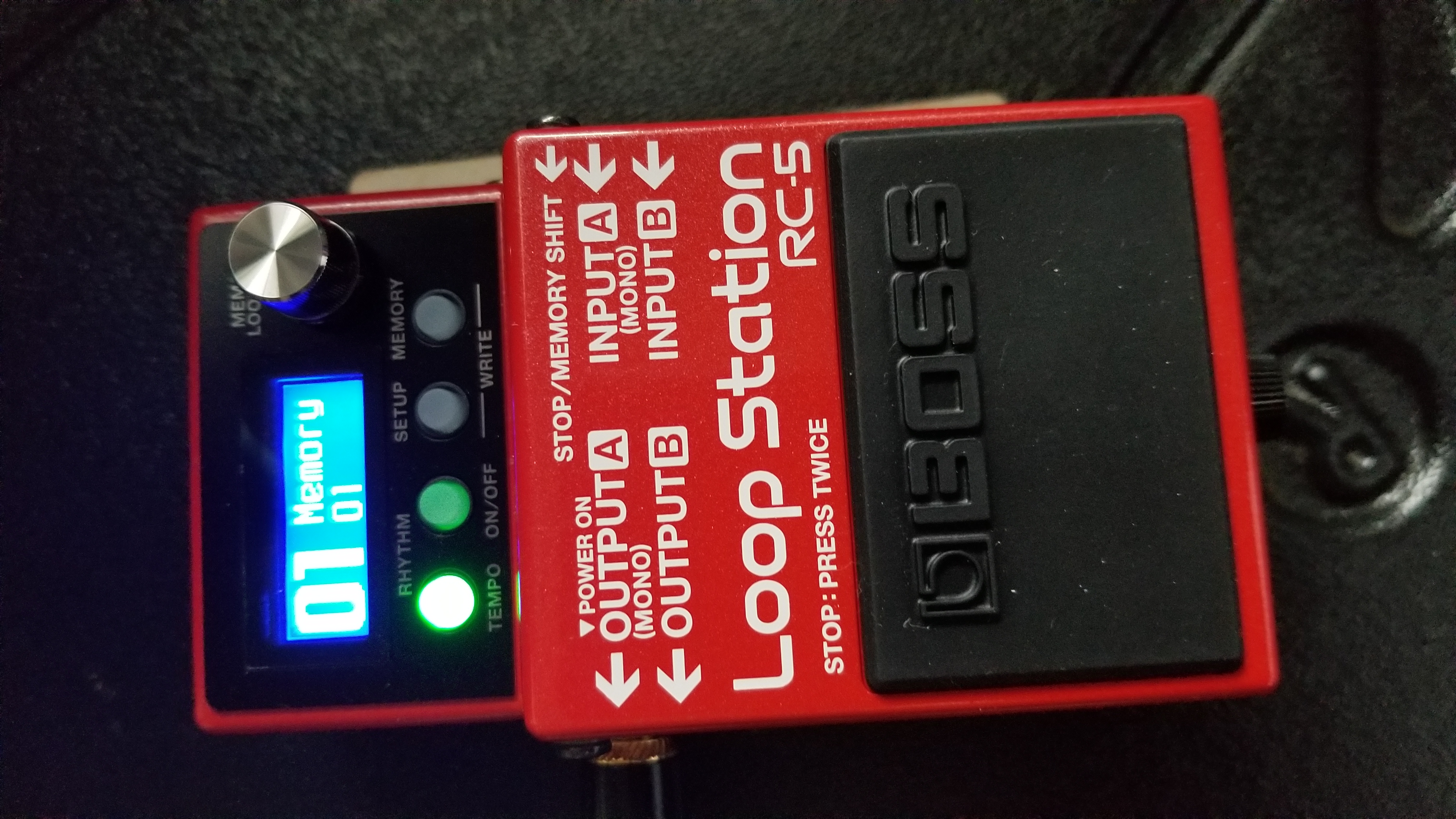
The multi-color LCD backlight is a real upgrade over the older RC-3. I can read the screen on a dark stage without squinting, and the visual feedback for loop status, phrase number, and rhythm pattern is excellent. The reverse function opens up atmospheric textures that work beautifully for ambient sections. Full MIDI I/O with mini TRS jacks lets you sync the RC-5 with other gear, though the adaptor cable is sold separately, which is annoying.
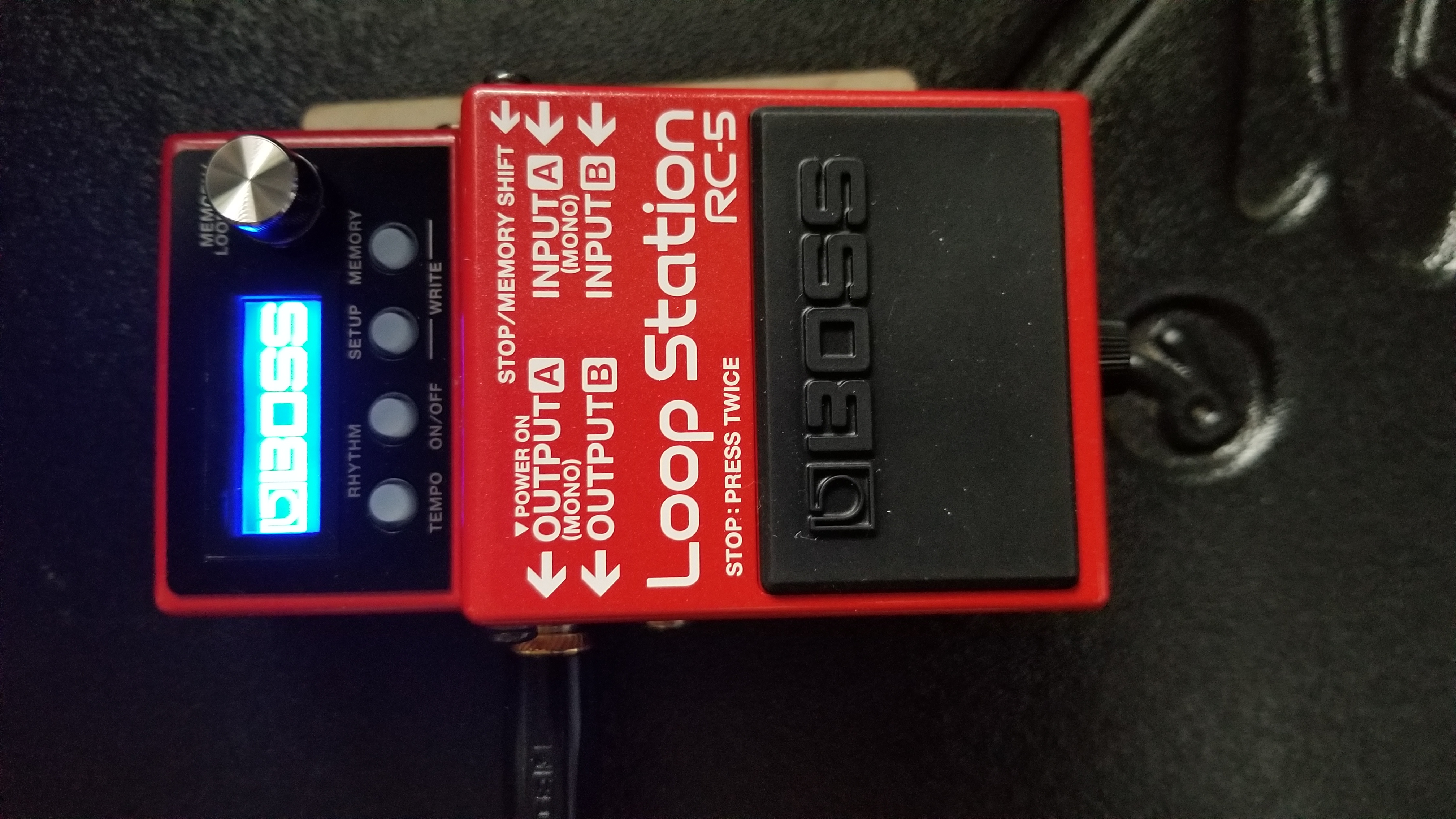
My one real frustration is the single footswitch. For studio work and practice, it is fine. But for live performance, the single-switch design means you have to double-tap to stop a loop, which is awkward when your hands are busy. Forum users on r/guitarpedals share this complaint consistently. If you plan to loop live frequently, consider the RC-500 or RC-600 instead.
Who should buy the BOSS RC-5
This is the best loop pedal for guitarists who want professional sound quality and deep features in a compact, board-friendly size. It suits songwriters, home studio users, and intermediate live performers who do not need multiple dedicated footswitches. If you want one looper that can grow with your skills for years, this is it.
Signal chain placement tips
Place the RC-5 after your dirt and modulation pedals but before delay and reverb for the cleanest loop capture. If you put it before distortion, your looped layers will get muddy fast. For ambient looping with reverb tails in the loop itself, experiment with placing it last in the chain, but watch your gain staging.
2. BOSS RC-1 Loop Station – Best Loop Pedal for Beginners
BOSS RC-1 Loop Station Pedal
12 minutes stereo recording
24-segment LED indicator
Record, playback, overdub, undo/redo
Stereo looping
Pros
- Simple and intuitive to use right out of the box
- Industry standard looper pedal
- Stereo looping capability
- 12 minutes of record time
- Level control knob
- Undo and redo functions
- Massive 3800 customer reviews
Cons
- No quantization feature
- Limited 12 minute record time
- No saved phrase memory
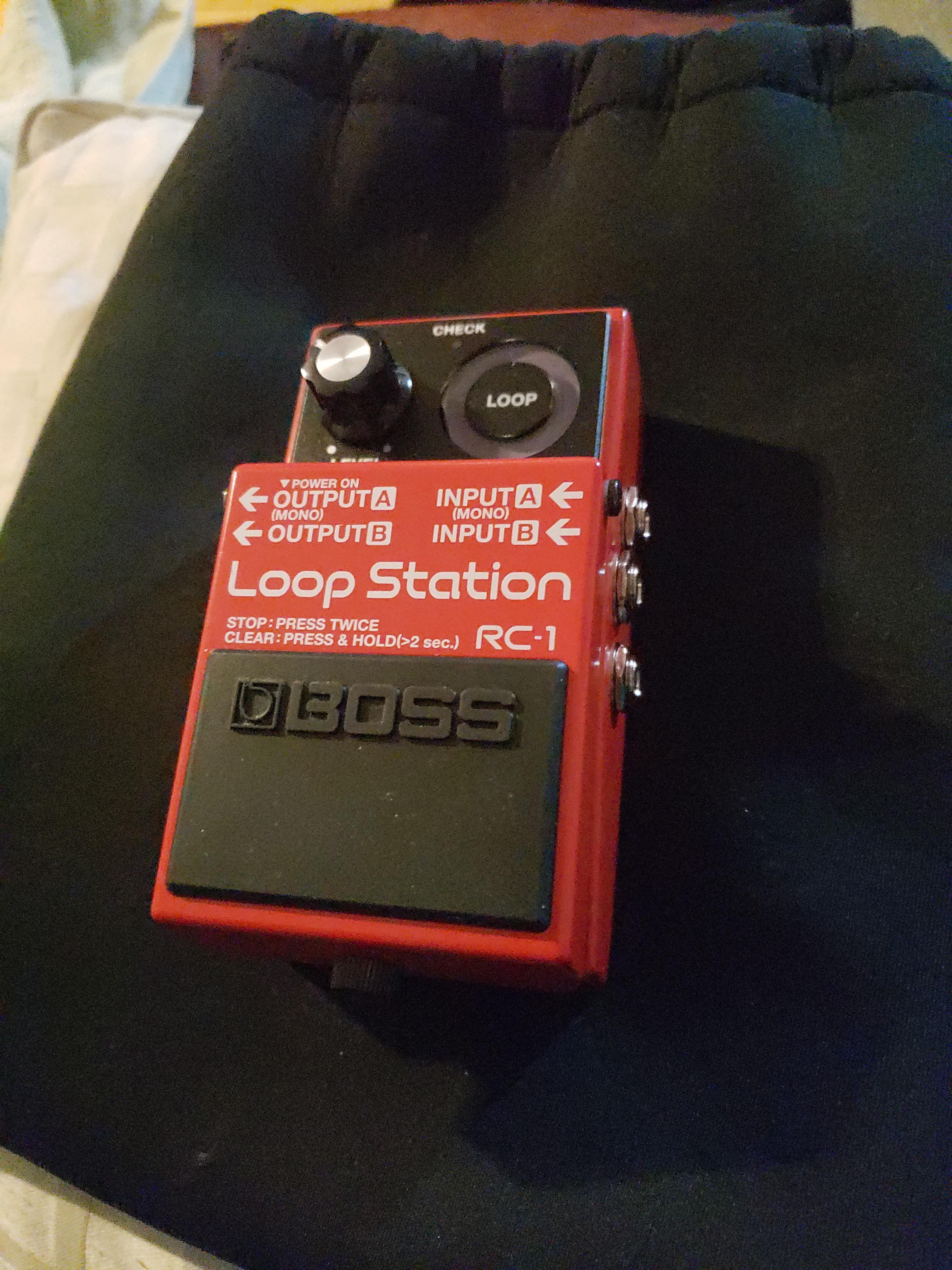
The BOSS RC-1 is the pedal I recommend to every guitarist buying their first looper. It is the number one best seller in the guitar looper category, and for good reason. The operation is dead simple. Step once to record, step again to play the loop, step a third time to overdub. Hold to undo, hold again to redo. That is the entire learning curve.
The 24-segment LED indicator is one of the best visual feedback systems on any looper at any price. The ring of LEDs shows you exactly where you are in the loop cycle, which makes timing your overdubs far easier than guessing with a single dot. I handed this pedal to a friend who had never used a looper, and within five minutes she was layering chord progressions and melodies confidently.
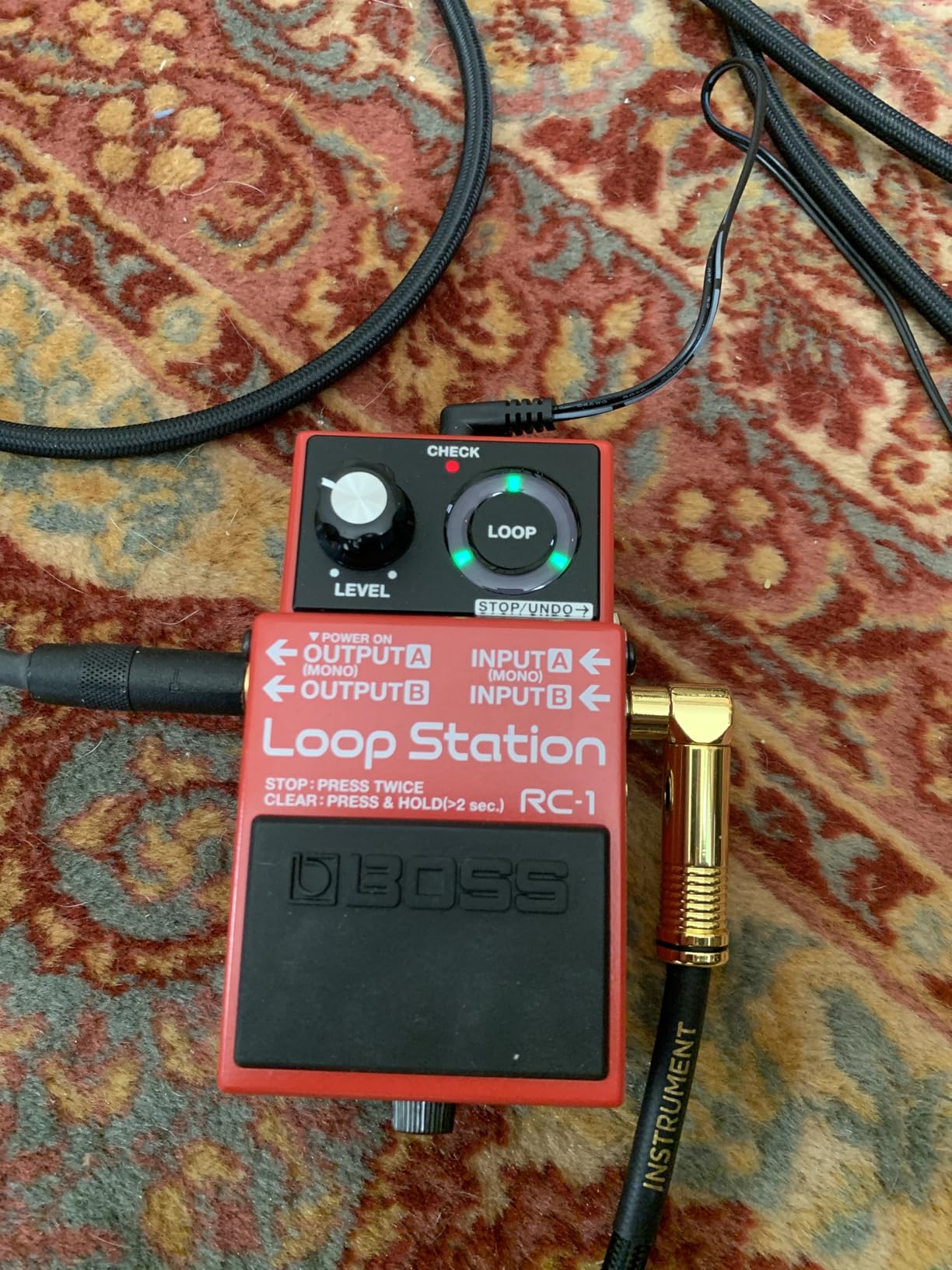
Stereo looping is a nice bonus at this price point. You can run the RC-1 in stereo for wider soundscapes, which is unusual for an entry-level pedal. The 12 minutes of record time is enough for most practice and songwriting situations, though it will feel limiting if you want to store multiple loops or build complex arrangements.
The main trade-off is the lack of memory. There are no saved phrase slots, so when you power off, your loops are gone. There is also no quantization, which means your timing has to be solid. For most beginners, these are non-issues. The community on r/guitarpedals consistently calls the RC-1 the perfect first looper, and I agree completely.
Who should buy the BOSS RC-1
This is the ideal looper for absolute beginners, casual hobbyists, and anyone who wants plug-and-play simplicity without menu diving. It is also a great choice for guitarists who just want a practice tool to loop a chord progression and solo over it. If you have never used a looper before, start here.
What you give up versus the RC-5
The RC-1 lacks saved memories, built-in rhythms, USB connectivity, and the higher-resolution processing of the RC-5. You also lose the 13-hour recording capacity. But for the price, you get the core looping experience in a bulletproof BOSS enclosure that will last decades.
3. TC Electronic Ditto+ Looper – Best Minimalist Looper
TC Electronic Ditto+ Looper Pedal
24-bit sound quality
99-loop stage capacity
Unlimited overdubs
1-knob control
Hi-resolution display
Pros
- Multi-session looper with 24-bit sound quality
- 99-loop stage capacity for live sets
- Unlimited overdubs
- Simple single-knob control
- Hi-resolution display
- Compact and pedalboard friendly
Cons
- Limited stock availability
- Smaller review pool than competitors
The TC Electronic Ditto+ takes everything the original Ditto was loved for and adds a hi-resolution display and 99-loop stage capacity. The community has called the Ditto line the king of simple loopers for years, and the Ditto+ keeps that tradition alive while adding just enough features to stay competitive in 2026.
The 24-bit sound quality is solid. My loops came back clean and punchy, with no obvious degradation across multiple overdubs. The single-knob control sets loop playback volume, keeping the interface clean and approachable. I appreciate that TC Electronic resisted the urge to overload this pedal with features that would complicate what should be a simple creative tool.
The 99-loop stage capacity is the headline upgrade over the original Ditto. You can store and recall up to 99 loops during a set, which makes the Ditto+ viable for live performers who need multiple song loops ready to go. The hi-resolution display is a small but meaningful improvement for reading loop status on a dark stage.
Who should buy the TC Electronic Ditto+
This looper is perfect for guitarists who want the simplicity of the original Ditto but need more loop storage for live sets. It suits songwriters, acoustic performers, and anyone who values a clean interface over deep feature menus. If you want a no-nonsense looper from a trusted brand, the Ditto+ delivers.
Ditto+ versus Ditto X2
The Ditto+ has more loop storage (99 versus the X2’s single loop with import/export), but the X2 adds a dedicated stop button, loop effects like reverse and half speed, and true bypass. If you need live performance controls, go X2. If you want more stored loops in a smaller package, go Ditto+.
4. TC Electronic Ditto X2 Looper – Best Looper with Effects
TC Electronic DITTO X2 LOOPER Highly Intuitive Looper Pedal with Dedicated Stop Button and Loop Effects
Dedicated start/stop button
Loop effects: stop, reverse, half speed
True bypass
Loop import/export
Backing tracks support
Pros
- Dedicated Start/Stop button for easy live control
- Loop Import/Export capability
- Backing tracks support
- Loop effects including stop
- reverse and half speed
- True bypass for unaffected tone
- Intuitive and easy to use
- Excellent sound quality
Cons
- Can clip when dubbing multiple loops at high volumes
- No quantization feature
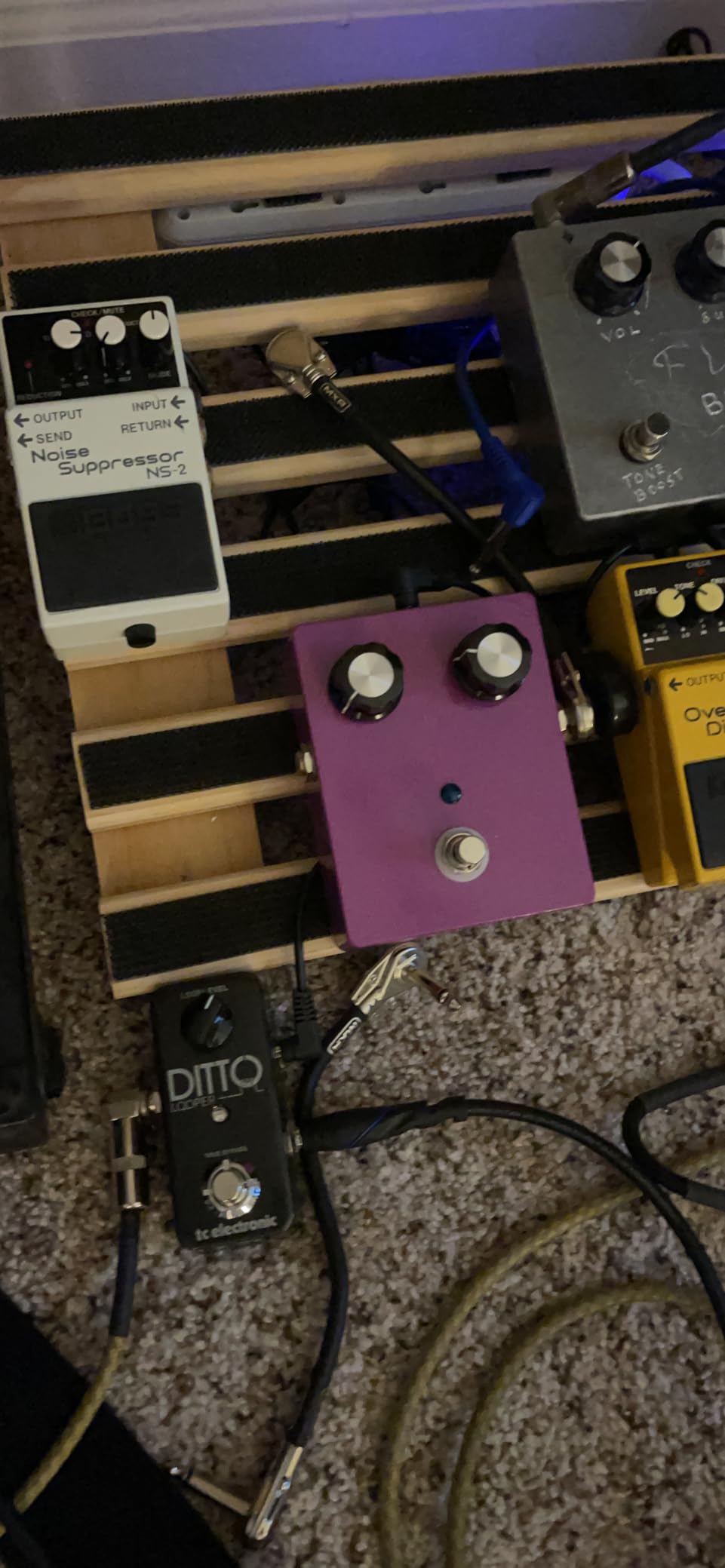
The TC Electronic Ditto X2 solves the biggest complaint about single-switch loopers. It adds a dedicated Start/Stop button, which means you no longer have to double-tap to stop a loop. For live performers, this is a game-changer. I tested the X2 at a small venue gig, and being able to stop loops cleanly with a single press made my performance far less stressful.
The loop effects are where the X2 gets interesting. Reverse flips your loop backwards for psychedelic textures. Half Speed drops your loop to half tempo and an octave lower, which is fantastic for creating heavy breakdown sections on the fly. The Stop effect fades your loop out smoothly instead of cutting it abruptly.
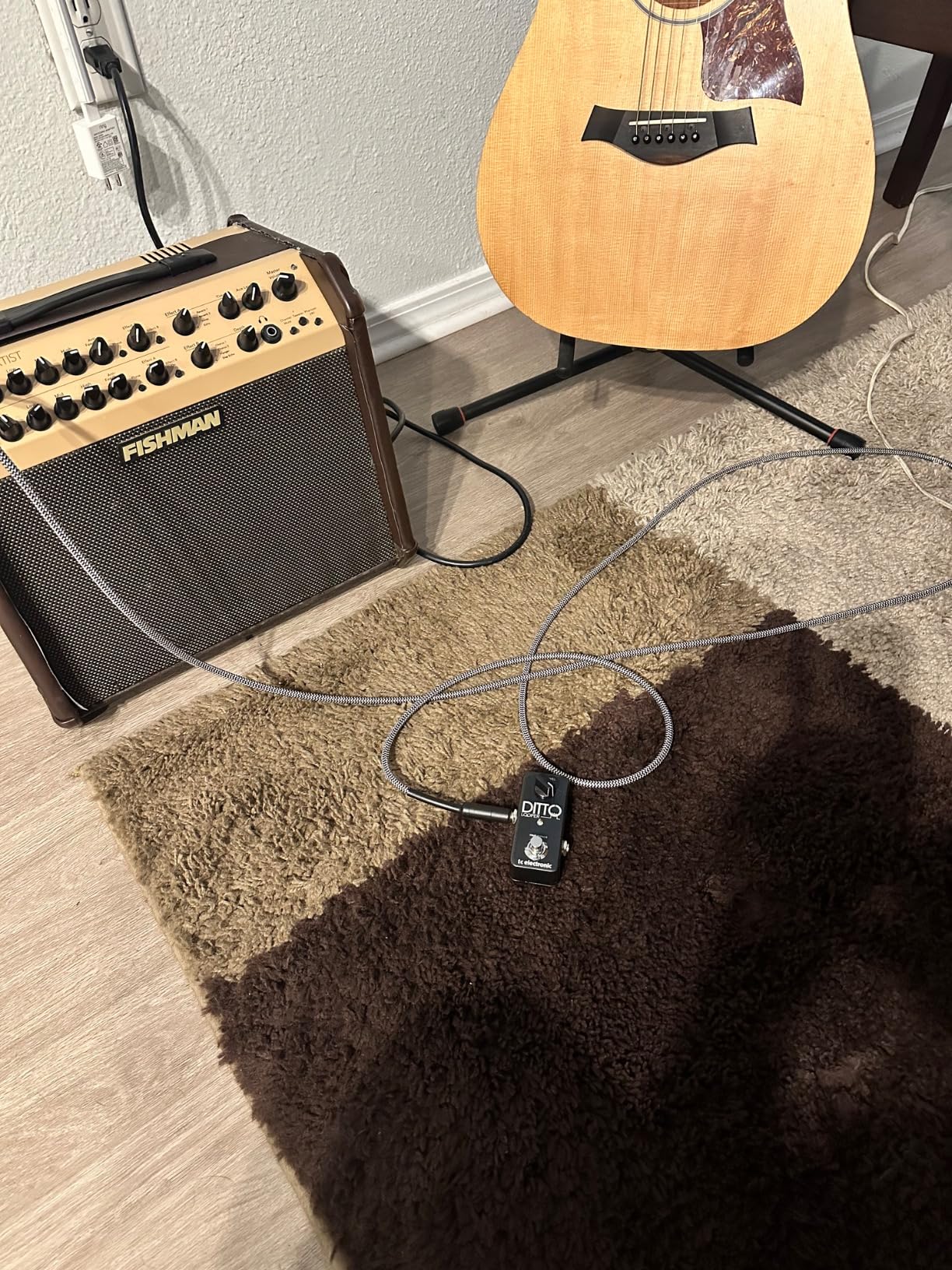
True bypass is a critical feature that preserves your tone when the pedal is off. I noticed zero tone suck when the X2 was bypassed in my signal chain. The loop import/export feature via USB lets you back up loops to your computer and load backing tracks onto the pedal, which opens up creative possibilities for live performance.
The one issue I ran into was clipping when dubbing multiple loops at high volumes. If you stack several layers of loud overdubs, the signal can distort. The fix is simple: keep your input gain conservative and let the pedal do the work. There is no quantization feature, so your timing needs to be solid.
Who should buy the TC Electronic Ditto X2
This is the best loop pedal for guitarists who need live performance controls without stepping up to a full workstation. The dedicated stop button and built-in effects make it ideal for solo gigging musicians, buskers, and anyone who performs loops in front of an audience.
True bypass versus buffered bypass
True bypass means your guitar signal passes through the pedal completely untouched when the looper is off, preserving your core tone. Buffered bypass adds a small buffer to maintain signal strength over long cable runs. If you have a large pedalboard with long cable runs, buffered bypass can actually sound better. For most players, true bypass is the safer choice.
5. BOSS RC-500 Loop Station – Best Dual-Track Looper
BOSS RC-500 Loop Station
Dual-track looper with onboard mixing
32-bit processing
13 hrs stereo recording
16 drum kits
99 phrase memories
Loop FX
Pros
- Dual-track looper with onboard mixing
- Class-leading 32-bit AD/DA and 32-bit floating-point processing
- 13 hours of stereo recording
- 99 phrase memories
- 16 drum kits and 57 preset rhythms
- Loop FX including repeat
- scatter
- shift and vinyl flick
- Full MIDI I/O support
- USB for WAV loop backup
Cons
- Corded electric only with no battery option
- Higher price point
The BOSS RC-500 splits your loops into two independent tracks that you can mix and control separately. This changes the way you perform with loops. I recorded a rhythm guitar loop on track one, then built a melody on track two, and was able to mute or adjust the volume of each independently. For solo performers building full arrangements live, dual-track looping is a serious advantage.
The Loop FX are surprisingly musical. Repeat creates stutter effects, scatter adds a jumbled glitch texture, shift transposes your loop, and vinyl flick adds a record-scratch warp. These effects let you transform loops in real time, which keeps performances dynamic and unpredictable. I found myself using scatter and vinyl flick constantly for breakdown sections.
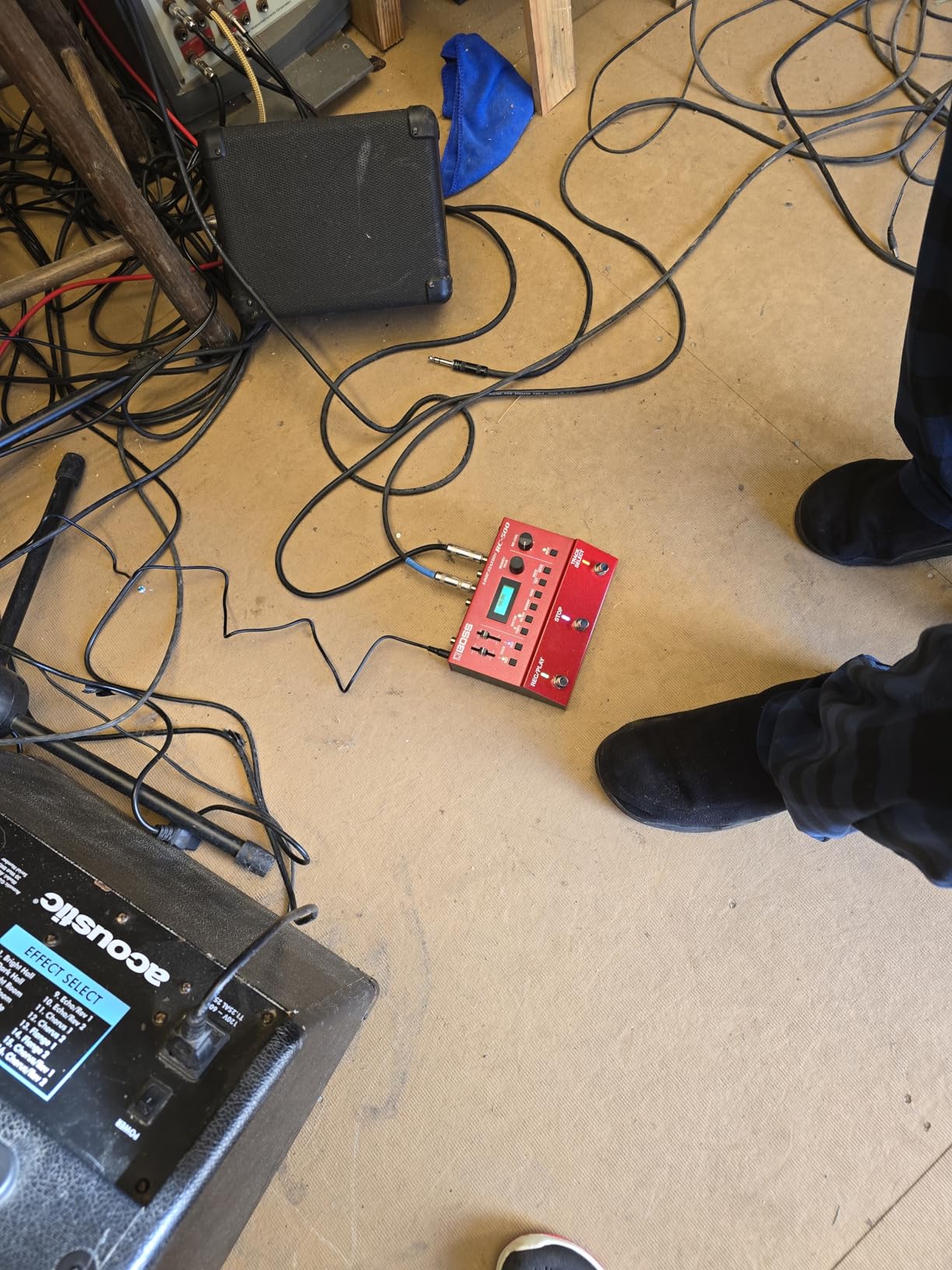
Sound quality matches the RC-5, with the same 32-bit AD/DA and 32-bit floating-point processing. The 16 drum kits and 57 preset rhythms with A/B variations give you plenty of backing options. USB connectivity lets you back up loops as WAV files and load custom audio onto the pedal.
The downside is power. The RC-500 is corded electric only, with no battery option. This means you need a power supply at all times, which limits busking or wireless setups. The higher price point also puts it in competition with the RC-600, which offers even more features for not much more money.
Who should buy the BOSS RC-500
This is the best loop pedal for solo performers and one-person bands who need independent track control during live sets. Dual-track looping lets you build and manipulate complex arrangements in real time. It is also a strong choice for songwriters who want to capture multi-part ideas quickly.
RC-500 versus RC-600
The RC-500 has two tracks and a compact footprint. The RC-600 has six stereo tracks, XLR inputs with phantom power, and a larger control surface. If you need vocals or multiple instruments in your loops, step up to the RC-600. If two tracks of guitar is enough, the RC-500 saves space and money.
6. Boss RC-600 Loop Station – Best Loop Pedal for Live Performance
Boss RC-600 Loop Station Looper Pedal
6 stereo phrase tracks
2 XLR inputs with phantom power
2 stereo instrument inputs
99 memories
Rhythm guide
Pros
- Stereo Loop Pedal with 6 Stereo Phrase Tracks
- 2 XLR Microphone Inputs with Phantom Power
- 2 Stereo Instrument and Line Input Pairs
- 99 Phrase Memory Presets
- Rhythm Guide for tempo reference
- Dedicated footswitches for each track
- Professional grade build quality
Cons
- Not Prime eligible
- Limited stock available
- Larger footprint requires board space
The Boss RC-600 is the most capable loop station in this roundup. With six stereo phrase tracks, two XLR microphone inputs with phantom power, and two stereo instrument input pairs, this is a full production rig in a single pedal. I spent two weeks running a complete solo show through the RC-600, looping guitar, vocals, and keys simultaneously without breaking a sweat.
The six dedicated footswitches are the reason this pedal excels for live performance. Each track gets its own footswitch, so you can start, stop, and mute individual layers without the awkward double-tap choreography required by single-switch loopers. Forum users on r/LoopArtists consistently recommend the RC-600 for serious live work, and after gigging with it, I understand why.
The XLR inputs with phantom power mean you can plug a condenser microphone directly into the looper and loop your vocals alongside your guitar. This is huge for solo artists who sing. The rhythm guide keeps your loops locked to a tempo reference, which helps prevent the timing drift that ruins complex layered arrangements.
The 99 phrase memory presets let you store entire setlists. I loaded 12 song structures into the RC-600 before a show and recalled each one with a couple of button presses. The build quality is typical Boss, meaning this pedal will survive years of touring abuse.
Who should buy the Boss RC-600
This is the best loop pedal for professional solo performers, looping artists who incorporate vocals and multiple instruments, and anyone building a full live show around looping. If you are serious about live looping as a performance art, the RC-600 is the tool you need.
Learning curve considerations
The RC-600 has a steeper learning curve than any other pedal in this guide. The depth of features means you will spend time with the manual and menu system before you are comfortable. Plan for several practice sessions before taking it on stage. Once mastered, it is the most powerful looper here by a wide margin.
7. LEKATO Looper Guitar Pedal – Best Budget Loop Pedal
LEKATO Looper Guitar Pedal Guitar Loop Pedal Tuner Pedal 9 Loops 40 Minutes Record Time Unlimited Overdubs for Electric Guitar Bass (Black)
9 loops with 40 min recording
48K/24bit uncompressed audio
Built-in tuner
USB WAV import/export
Analog dry-through
Pros
- 9 loops with 40 minutes total recording time
- 48K/24bit sampling rate for uncompressed audio quality
- Built-in high-sensitivity tuner function
- USB for uploading and downloading WAV loop files
- Clear looping with unlimited overdubbing
- Analog-Dry-Through design
- Extremely affordable price point
Cons
- Analog signal format may not suit all preferences
- Plastic housing less durable than metal competitors
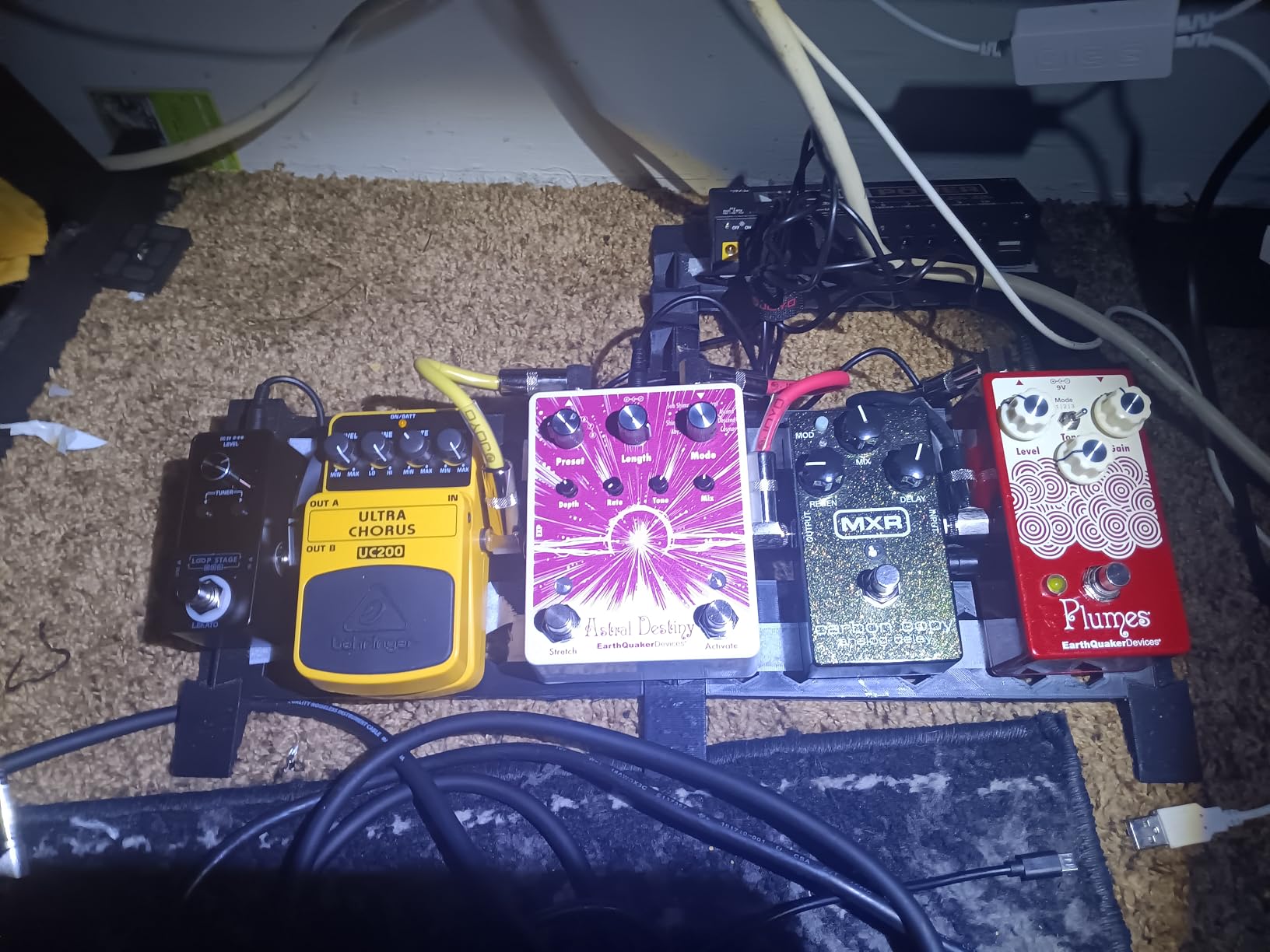
The LEKATO Looper is the pedal I recommend when someone asks for the best loop pedal under $50. At this price, I expected compromises, but the LEKATO delivers genuine value. The 48K/24bit uncompressed audio quality surprised me. My loops came back clean and detailed, with no obvious artifacts or muddiness on the first few overdub passes.
Nine loops with 40 minutes of total recording time is generous for a budget pedal. I was able to store multiple song ideas and switch between them during practice sessions. The built-in tuner is a fantastic bonus that saves pedalboard space, and it is accurate enough for gigging.
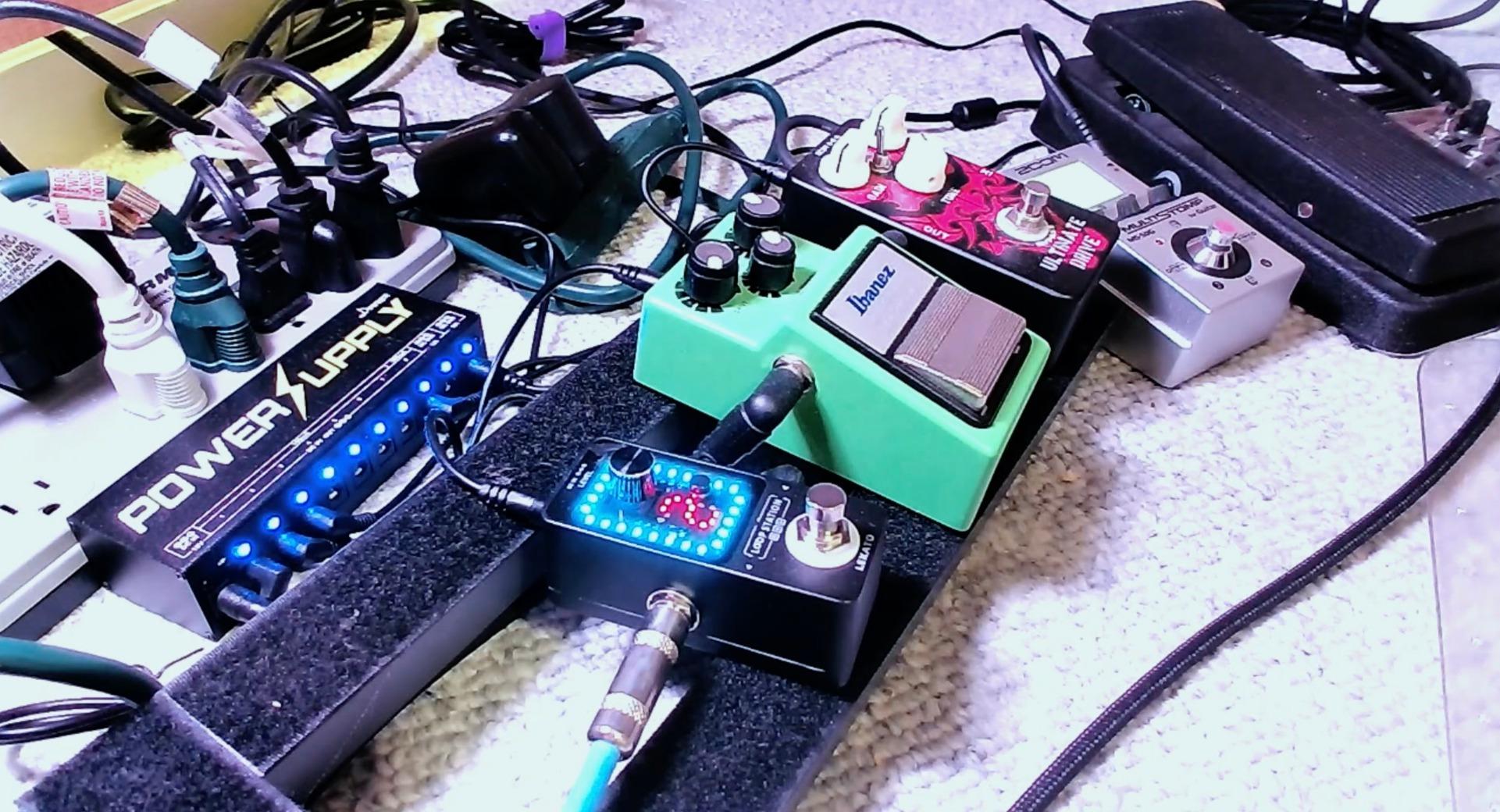
USB connectivity lets you upload and download WAV loop files, which means you can back up your loops and load backing tracks. The analog-dry-through design preserves your original guitar signal without coloration. For a pedal at this price, these are features that usually only appear on units costing twice as much.
The trade-offs are in build quality and single-switch operation. The housing is lighter and less rugged than the metal enclosures on BOSS and TC Electronic pedals. The single footswitch requires double-tap to stop, which is the same complaint I have with the RC-5. But for the price, these are acceptable compromises.
Who should buy the LEKATO Looper
This is the best budget loop pedal for beginners, students, and anyone who wants to try looping without a major investment. It is also a solid backup pedal for gigging musicians who want a spare on their board. The built-in tuner makes it especially appealing for players with limited pedalboard space.
Long-term durability expectations
The LEKATO uses a lighter housing than premium brands, so treat it with reasonable care. For home practice and light gigging, it holds up well. If you are a heavy stomp user or tour frequently, consider a BOSS pedal for the metal construction and longer warranty.
8. Donner Triple Looper – Best Value Looper with Display
Donner Triple Looper Guitar Pedal, 3 Loops 90 mins Looping Time Loop Pedal with Screen Unlimited Overdubs Undo/Redo for Electric Guitar Bass, True Bypass
3 loops with 90 min recording
Built-in screen
True bypass
Auto save
Unlimited overdubs
Pros
- 3 loop slots with 90 minutes total recording time
- Built-in high-visibility screen for loop status
- True bypass for pure tone
- Auto save function retains loops when powered off
- Unlimited overdubs for layered sound
- Single-knob design for easy operation
- Affordable price with display
Cons
- Warranty is only 6 months
- Power supply not included
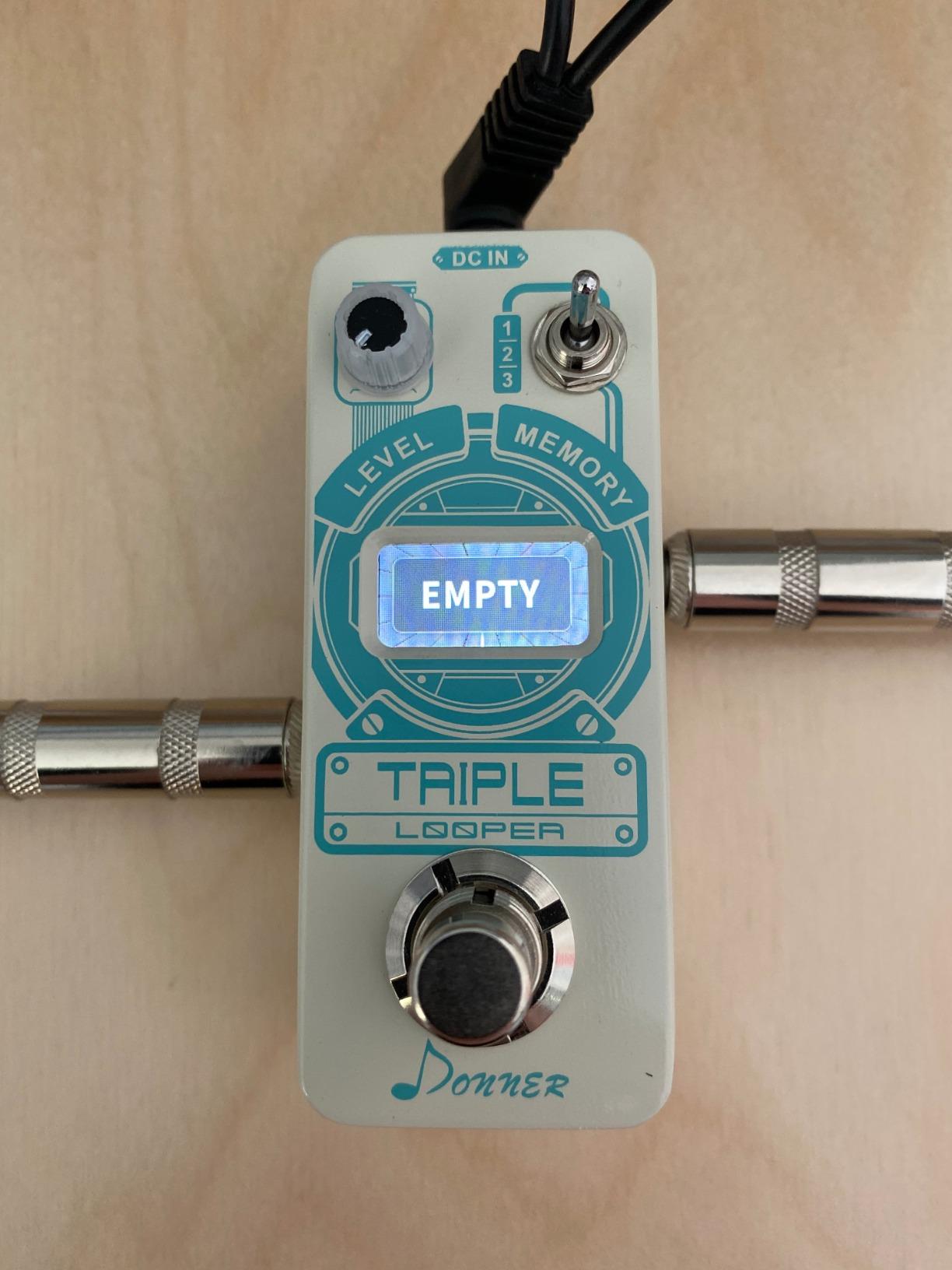
The Donner Triple Looper hits a sweet spot between the ultra-budget LEKATO and mid-range options like the Ditto+. Three loop slots with 90 minutes of total recording time gives you enough capacity for a full set of song ideas. The built-in screen is a feature I did not expect at this price, and it makes navigating between loops far easier than blind single-switch pedals.
True bypass keeps your tone clean when the pedal is off, which I confirmed through A/B testing with the looper in and out of my chain. The auto save function is genuinely useful. Your loops are saved automatically even when the pedal loses power, so you never lose a creative idea because someone kicked out your power cable.
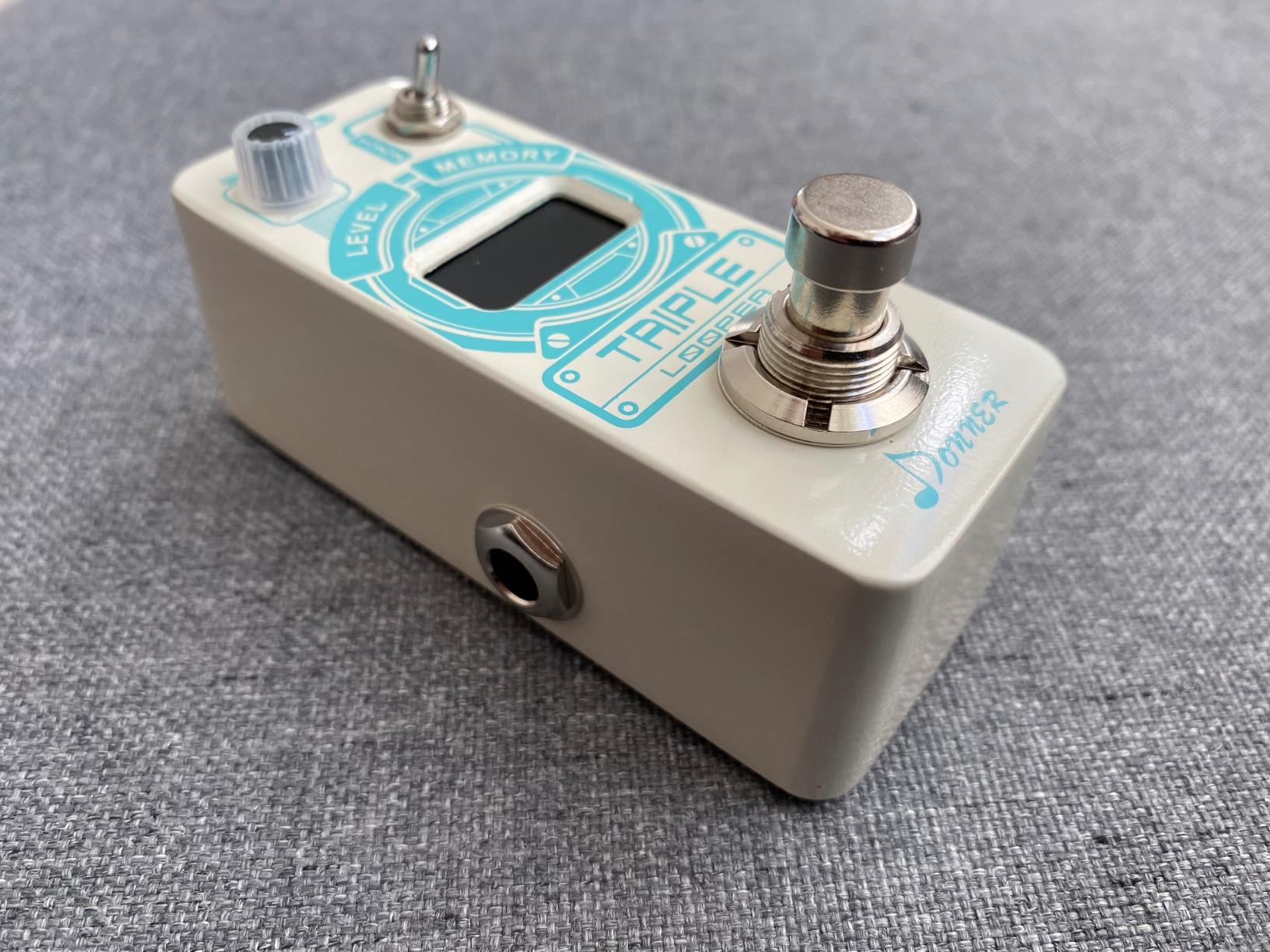
Unlimited overdubs let you build dense layered arrangements within each of the three loop slots. The single-knob design controls playback volume, keeping the interface simple. I found the Donner intuitive enough to operate without opening the manual, which speaks to its beginner-friendly design.
Two things hold the Donner back. The 6-month warranty is short compared to the 1-year and 2-year warranties on BOSS and TC Electronic pedals. The power supply is also not included, which means an extra purchase before you can start looping. These are minor complaints at this price, but worth knowing.
Who should buy the Donner Triple Looper
This is the best value loop pedal for guitarists who want a visual display, multiple loop slots, and auto-save without spending over $70. It suits beginners and intermediate players who need more than one loop slot but do not need the deep features of a BOSS workstation.
Donner Triple versus LEKATO Looper
The LEKATO has more loop slots (9 versus 3) and a built-in tuner, but the Donner has a longer total recording time (90 minutes versus 40) and a visual screen. If you need a tuner, get the LEKATO. If you want a display and longer loops, get the Donner.
9. Electro-Harmonix 720 Stereo Looper – Best Multi-Loop Looper
Electro-Harmonix 720 Stereo Looper Pedal
10 independent loops
24-bit uncompressed audio
Stereo I/O
Undo/Redo, Reverse, Half Speed
Silent footswitches
Pros
- 10 independent loops with memory banks
- Undo-Redo
- Reverse and Half Speed effects
- High-quality uncompressed 24-bit audio
- Stereo input and output for enhanced usability
- Silent footswitches
- Fade out option for smooth loop endings
- Separate stop button
Cons
- Not Prime eligible
- Limited stock available
- Volume adjustments may not be preserved per layer
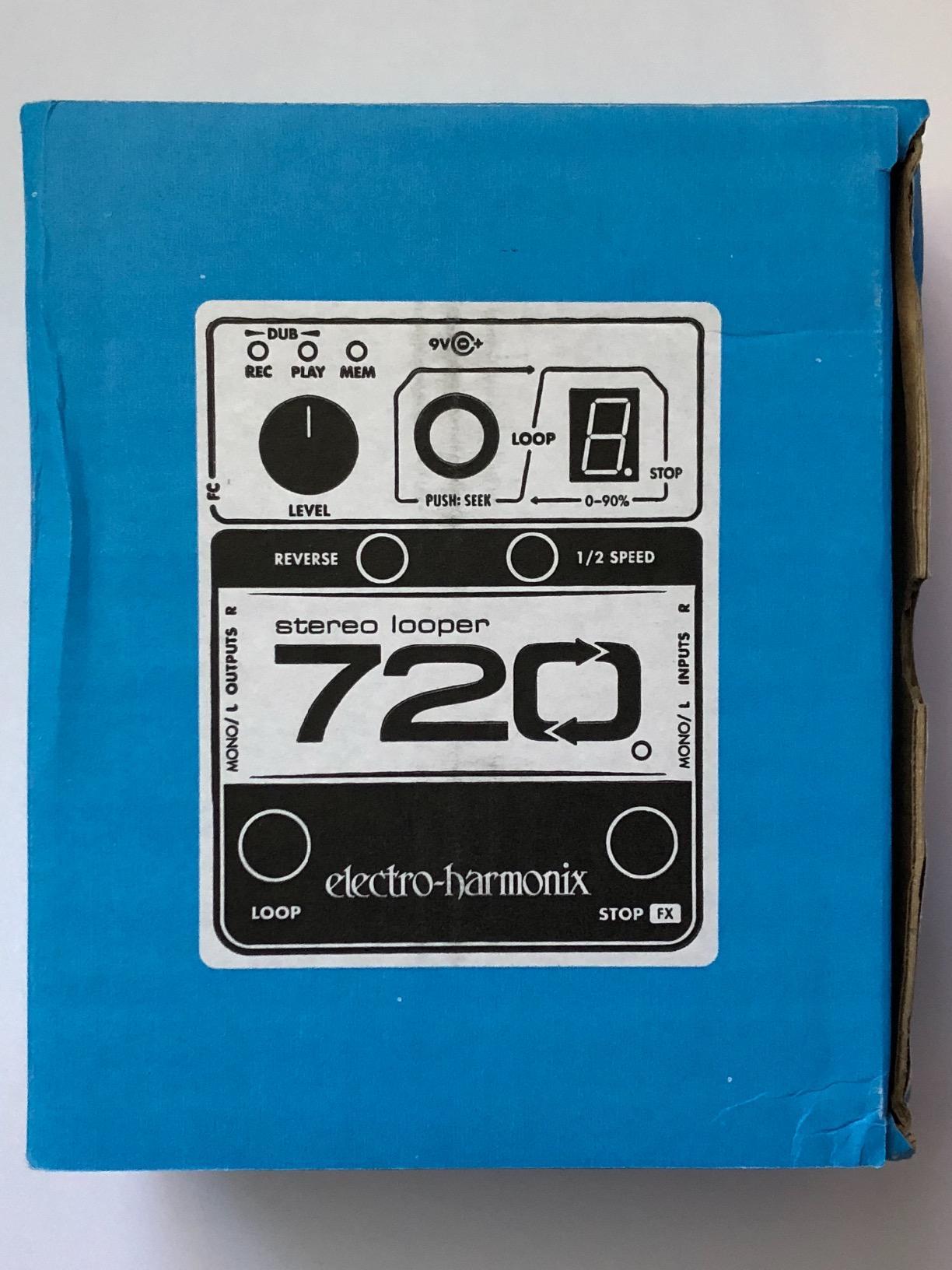
The Electro-Harmonix 720 Stereo Looper gives you 10 independent loops with memory banks, which is more storage than anything else in this price range. I loaded a full setlist of loops into the 720 and switched between them seamlessly during a rehearsal session. For guitarists who think in terms of complete songs rather than single loops, the 10-slot architecture is a major advantage.
The 24-bit uncompressed audio delivers clean, professional sound quality. Stereo input and output opens up wider soundscapes, especially when paired with stereo reverb or delay pedals. The silent footswitches are a nice touch, eliminating the mechanical click that some loopers produce when switching.
The Undo-Redo, Reverse, and Half Speed effects match what the TC Electronic Ditto X2 offers, and they work just as well musically. The fade-out option is a feature I wish more loopers had. Instead of abruptly cutting a loop, the 720 can fade it smoothly, which sounds far more professional at the end of a song.
The separate stop button is essential for live use. I have mentioned this before with the Ditto X2, but it bears repeating: a dedicated stop button eliminates the double-tap problem entirely. The one issue I encountered was that volume adjustments per layer are not always preserved consistently, so manage your gain staging carefully.
Who should buy the Electro-Harmonix 720
This is the best loop pedal for guitarists who need many stored loops and want stereo operation without paying for a full workstation. It suits performers who play multi-song sets, songwriters who archive ideas, and anyone who values smooth fade-outs and silent switching.
EHX 720 versus Boss RC-5
The EHX 720 has more loop slots (10 versus the RC-5’s 99 memories, though EHX loops are simpler to navigate). The RC-5 has better processing (32-bit versus 24-bit) and built-in rhythms. If you need drums, go RC-5. If you want stereo multi-loop simplicity, go EHX 720.
10. Zoom MS-90LP+ MultiStomp Looper – Best New Looper of 2026
Zoom MS-90LP+ MultiStomp Looper with 90-Min Loops & High-Fidelity Audio
90 min per loop, 100 loops stored
32-bit float audio
68 rhythm patterns
8 loop effects
Stereo I/O, MIDI, USB
Pros
- 90 minutes per loop with 100 loops stored and 13 hours total recording
- 32-bit float audio for lossless layering
- 68 built-in rhythm patterns
- 8 loop effects including reverse
- half speed
- hold and tape stop
- Stereo I/O
- MIDI and USB onboard
- Quantize feature for perfect timing
- 5 footswitches for intuitive control
Cons
- Newer product with fewer reviews
- Menu system requires learning time
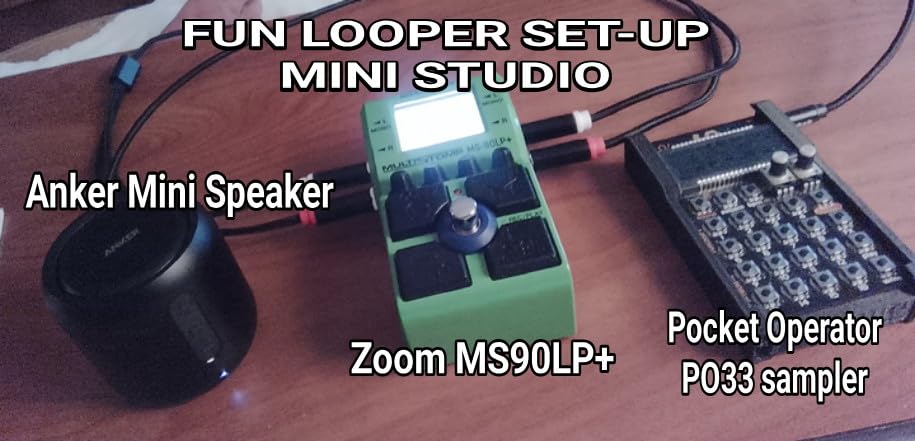
The Zoom MS-90LP+ is the newest looper in this roundup, and it arrives with specs that compete directly with the BOSS RC-5 at a lower price. The 32-bit float audio processing delivers lossless layering, which means your overdubs stay transparent no matter how many you stack. I pushed the MS-90LP+ through 10 layers of overdubs in testing and heard minimal degradation.
The 90-minute per-loop capacity with 100 stored loops and 13 hours of total recording matches the RC-5 for storage depth. The 68 built-in rhythm patterns are the most of any pedal in this guide, giving you an enormous palette of backing beats to play against. The 8 loop effects, including reverse, half speed, hold, and tape stop, offer real-time creative manipulation.
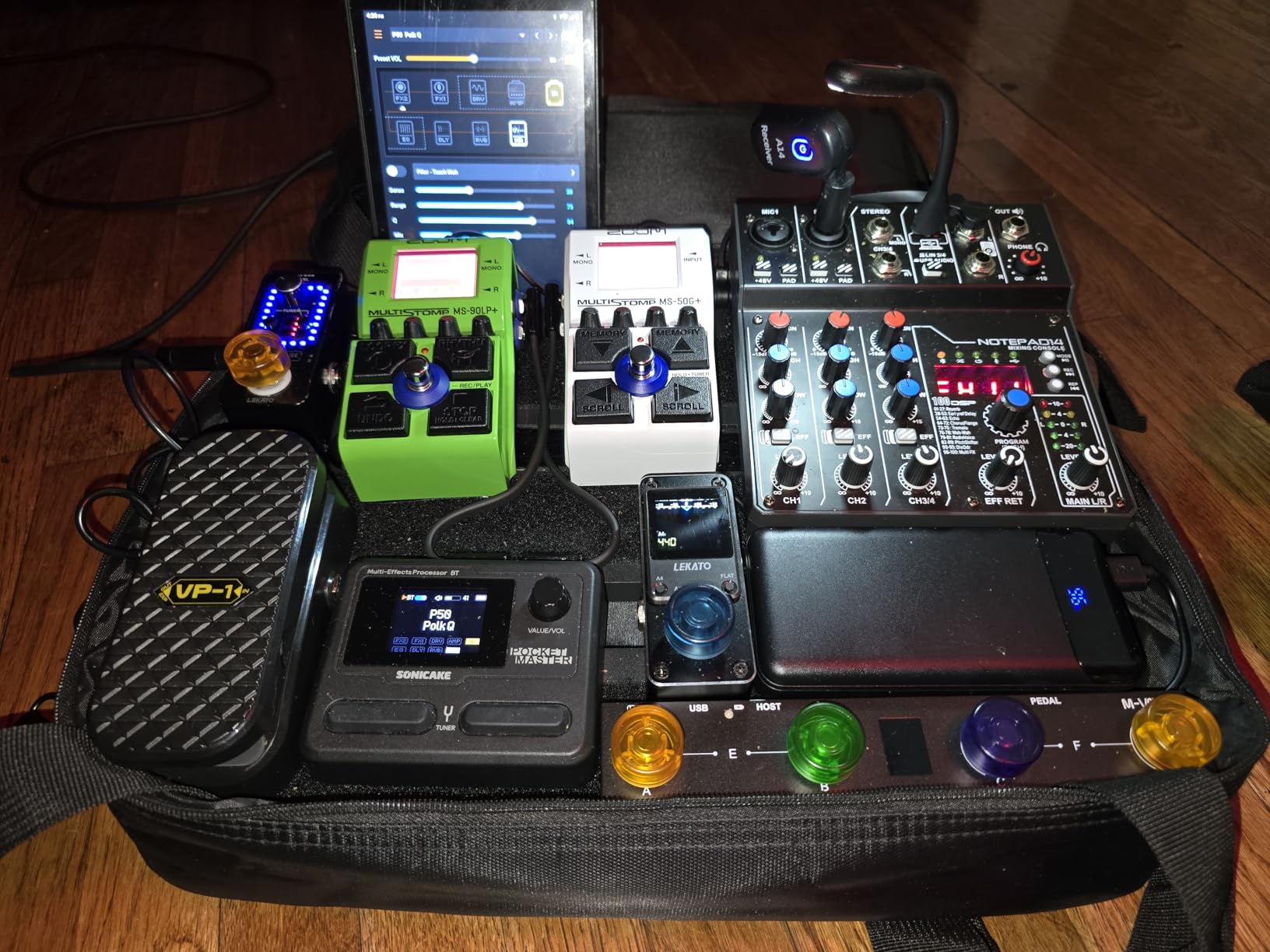
Five footswitches give you hands-free control over multiple functions simultaneously. This is a meaningful advantage over single-switch loopers like the RC-5 and LEKATO. The quantize feature snaps your loop points to the nearest beat, which corrects timing mistakes automatically. For beginners struggling with loop timing, quantize is a genuine lifesaver.
Stereo I/O, MIDI, and USB connectivity make the MS-90LP+ a fully integrated studio and live tool. You can sync it with other MIDI gear, back up loops via USB, and run stereo into two amps or a stereo PA. The only real downside is that it is a newer product with a smaller review pool, so long-term reliability data is still building.
Who should buy the Zoom MS-90LP+
This is the best new loop pedal for guitarists who want flagship-level specs at a mid-range price. It suits tech-savvy players who appreciate 32-bit float processing, MIDI integration, and quantization. If you are deciding between this and the RC-5, the MS-90LP+ offers more footswitches and rhythms for less money.
Zoom MS-90LP+ versus BOSS RC-5
The MS-90LP+ has more footswitches (5 versus 1), more rhythm patterns (68 versus 57), and a quantize feature the RC-5 lacks. The RC-5 has a longer track record and the BOSS reputation for indestructible build quality. Both deliver 32-bit processing and 13 hours of recording. The choice comes down to control surface versus proven reliability.
How to Choose the Best Loop Pedal for Your Needs?
Choosing the right looper comes down to how you plan to use it. The best loop pedals serve very different purposes depending on whether you are practicing at home, writing songs, or performing live. Here is a practical framework for making the right choice.
Consider your primary use case
If you want a practice tool for looping chord progressions and soloing over them, a simple single-switch pedal like the BOSS RC-1 or LEKATO Looper is all you need. For songwriting, look for pedals with saved phrase memories so you can archive ideas. The BOSS RC-5 with 99 memories and USB backup is ideal for this. For live performance, dedicated footswitches are non-negotiable, which puts the BOSS RC-500, RC-600, and Zoom MS-90LP+ at the top of the list.
Audio quality and bit depth
Audio quality is determined primarily by bit depth and sample rate. The BOSS RC-5, RC-500, and RC-600 all use 32-bit AD/DA and 32-bit floating-point processing, which is the current gold standard. The Zoom MS-90LP+ matches this with 32-bit float audio. The TC Electronic pedals and EHX 720 use 24-bit processing, which is still very good but can show slight degradation after many overdub passes. Budget pedals like the LEKATO and Donner use 24-bit as well, and both sound cleaner than expected for the price.
Loop time and storage capacity
Loop time matters more than you might think. The BOSS RC-1 offers 12 minutes, which is fine for practice but limiting for complex arrangements. The LEKATO gives you 40 minutes across 9 loops. The Donner offers 90 minutes across 3 loops. At the top end, the BOSS RC-5, RC-500, and Zoom MS-90LP+ all provide 13 hours of recording with 99 to 100 stored loops. If you plan to build full arrangements or store multiple songs, prioritize higher capacity.
Number of footswitches and live control
This is the factor forum users discuss most. Single footswitches require double-tapping to stop loops, which is awkward during live performance. Dual-switch designs like the TC Electronic Ditto X2 and EHX 720 solve this with a dedicated stop button. Multi-switch designs like the RC-500, RC-600, and Zoom MS-90LP+ give you independent control over individual tracks. If you will ever perform live, get at least two footswitches.
Built-in rhythms and drum patterns
Some loopers include built-in drum patterns for practicing with a beat. The BOSS RC-5 offers 57 rhythms with 7 drum kits. The RC-500 adds 16 drum kits with the same 57 rhythms. The Zoom MS-90LP+ leads with 68 rhythm patterns. If you practice alone and want a tempo reference, these built-in rhythms eliminate the need for a separate drum machine.
Connectivity: USB, MIDI, and storage
USB connectivity lets you back up loops to your computer and load custom audio files. The BOSS RC-5, RC-500, RC-600, TC Electronic Ditto X2, LEKATO, EHX 720, and Zoom MS-90LP+ all offer USB. MIDI I/O lets you sync your looper with other gear like drum machines, sequencers, or DAWs. The BOSS pedals and Zoom MS-90LP+ support full MIDI. If you run a complex rig, MIDI sync is worth having.
Signal chain placement guide
Where you place your looper in your signal chain dramatically affects sound quality. The general rule is to place the looper after your dirt, boost, and modulation pedals but before time-based effects like delay and reverb. This way, your loop captures your core tone, and you can add ambient effects to the entire looped mix afterward. Forum users on r/guitarpedals frequently note that placing a looper before distortion causes muddy, indistinct layers. If you want reverb tails inside your loops, place the looper last. Experiment with both positions to hear the difference.
Budget considerations
Looper pedals range from under $50 to over $450. Budget options under $70 like the LEKATO and Donner deliver surprising value for practice and casual use. Mid-range pedals between $100 and $180 like the BOSS RC-1, TC Electronic Ditto+, Ditto X2, and Zoom MS-90LP+ offer the best balance of features and value. Premium loopers above $300 like the BOSS RC-500 and RC-600 provide professional features for serious performers. Spend according to your actual use case, not the spec sheet.
FAQs
What does Ed Sheeran use to loop?
Ed Sheeran uses custom-built loop stations based on the Boss RC-50 and later the Chewie Monsta, which incorporates Boss looping technology with custom controls. For players looking to replicate his style, the Boss RC-600 is the closest off-the-shelf option with multi-track looping, dedicated footswitches, and rhythm guide features.
Are loop pedals worth it?
Yes, loop pedals are absolutely worth it for any guitarist who wants to practice, write songs, or perform solo. They transform a single player into a full band, let you practice soloing over chord progressions, capture song ideas instantly, and enable one-person live performances. Even a budget looper under $50 like the LEKATO adds enormous creative value.
What is the best looper pedal on the market?
The Boss RC-5 Loop Station is the best overall looper pedal for most guitarists, offering 32-bit processing, 13 hours of recording, 99 phrase memories, and 57 built-in rhythms in a compact size. For live performance, the Boss RC-600 with its 6 stereo tracks and dedicated footswitches is the top choice.
How to set up a looper pedal?
Place your looper pedal after your distortion, overdrive, and modulation pedals but before your delay and reverb in your signal chain. Connect your guitar to the input, connect the output to your amp or next pedal, and power the pedal with the correct voltage supply. Start by recording a simple chord progression, then practice overdubbing a melody on top.
How much does a looper pedal cost?
Looper pedals cost between $50 and $500. Budget options like the LEKATO and Donner Triple run $50 to $70. Mid-range loopers like the Boss RC-1, TC Electronic Ditto+, and Zoom MS-90LP+ cost $100 to $150. Premium loopers like the Boss RC-500 and RC-600 cost $350 to $500. Most guitarists will find everything they need in the $100 to $200 range.
Final Thoughts on the Best Loop Pedals in 2026
After testing all 10 of these loopers across months of practice, songwriting, and live performance, my recommendations are clear. The BOSS RC-5 is the best overall loop pedal for most guitarists, combining class-leading 32-bit processing with 13 hours of recording, 99 phrase memories, and 57 rhythms in a compact, board-friendly size. The LEKATO Looper is the best budget pick for anyone who wants to try looping without a major investment. And the Boss RC-600 is the ultimate choice for serious live performers who need multi-track looping with vocals and dedicated footswitches.
The best loop pedals in 2026 cover every need and budget, from $50 practice tools to $500 professional workstations. Whatever you choose, a looper will change the way you play guitar. Pick the one that matches your use case, spend time learning its workflow, and start building arrangements you never thought possible.