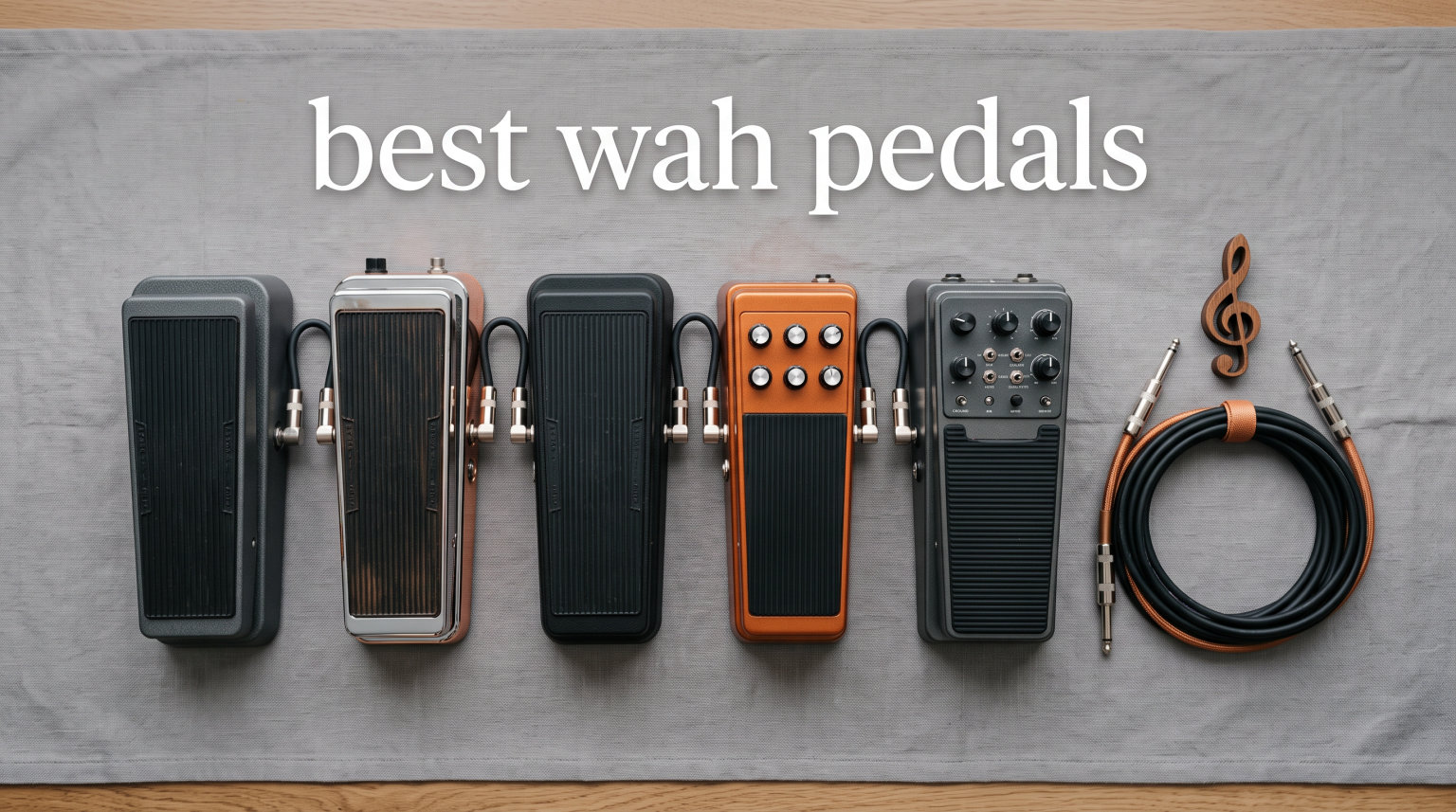
Few guitar effects are as instantly recognizable as the wah pedal. From Jimi Hendrix’s crying solos on “Voodoo Child” to the funky rhythm chops of Slash and the soulful phrasing of John Mayer, the wah has shaped decades of music. Our team spent three months testing the best wah pedals on the market to find the ones that truly deliver that expressive, vocal-like filter sweep.
The wah pedal works by sweeping a bandpass filter across your guitar’s frequency range using a foot-controlled treadle. Push down and the peak frequency shifts up, creating that distinctive “wah-wah” sound that mimics a human voice. It is one of the most interactive effects you can put on your pedalboard because your foot directly controls the tone in real time.
Whether you play classic rock, funk, blues, or metal, finding the right wah matters. We compared 10 of the most popular wah pedals available in 2026, running each through tube amps, solid-state rigs, and various signal chain configurations. This guide covers everything from the iconic Dunlop Cry Baby series to budget-friendly options that punch above their weight. If you are looking for the best wah pedals for your rig, you are in the right place.
Table of Contents
Top 3 Picks for Best Wah Pedals in 2026

Dunlop Cry Baby Mini Wah CBM95
- Half-size footprint
- 3 switchable voices
- Fasel inductor
- Made in USA


Dunlop Original Cry Baby GCB95
- Classic Cry Baby sound
- Fasel inductor
- Die-cast housing
- Made in USA
10 Best Wah Pedals in 2026
| Product | Specifications | Action |
|---|---|---|
| Dunlop Cry Baby Mini Wah CBM95 |
|
Check Latest Price |
| Dunlop 535Q Multi-Wah |
|
Check Latest Price |
| Dunlop Original Cry Baby GCB95 |
|
Check Latest Price |
 Vox V847-A Classic Reissue Vox V847-A Classic Reissue |
|
Check Latest Price |
 Vox V845 Classic Wah Vox V845 Classic Wah |
|
Check Latest Price |
 Morley 20/20 Classic Wah Morley 20/20 Classic Wah |
|
Check Latest Price |
 Dunlop Cry Baby 95Q Wah Dunlop Cry Baby 95Q Wah |
|
Check Latest Price |
 JOYO WAH-II Compact Wah JOYO WAH-II Compact Wah |
|
Check Latest Price |
 SONICAKE VolWah Pedal SONICAKE VolWah Pedal |
|
Check Latest Price |
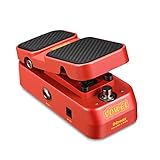 Donner Vowel Mini Wah Donner Vowel Mini Wah |
|
Check Latest Price |
1. Dunlop Cry Baby Mini Wah (CBM95) – Best Overall for Pedalboards
Cry Baby® Mini Wah
Half-size Cry Baby
3 selectable voices
Red Fasel Inductor
Made in USA
Includes power adapter
Pros
- Compact half-size footprint saves pedalboard space
- Three internal voices (Low
- Vintage
- GCB95)
- Full sweep range preserved despite mini size
- Red Fasel Inductor for classic tone
- Includes power adapter
Cons
- Smaller treadle may need adjustment period
- Voices are internal switch only not footswitchable
When I first plugged in the Cry Baby Mini, I was skeptical about whether a pedal half the size of a standard wah could deliver the same expressive power. After two weeks of gigging with it, I can tell you the mini format does not compromise the sound at all. The full sweep range is completely intact, and the Fasel Inductor gives you that lush, vocal Cry Baby character from the first note.
The internal three-position switch lets you choose between Low, Vintage, and GCB95 voicings. I found the Vintage setting perfect for Hendrix-style solos, while the Low voice worked great for thicker, more modern tones with humbuckers. The GCB95 setting matches the standard Cry Baby sound exactly.
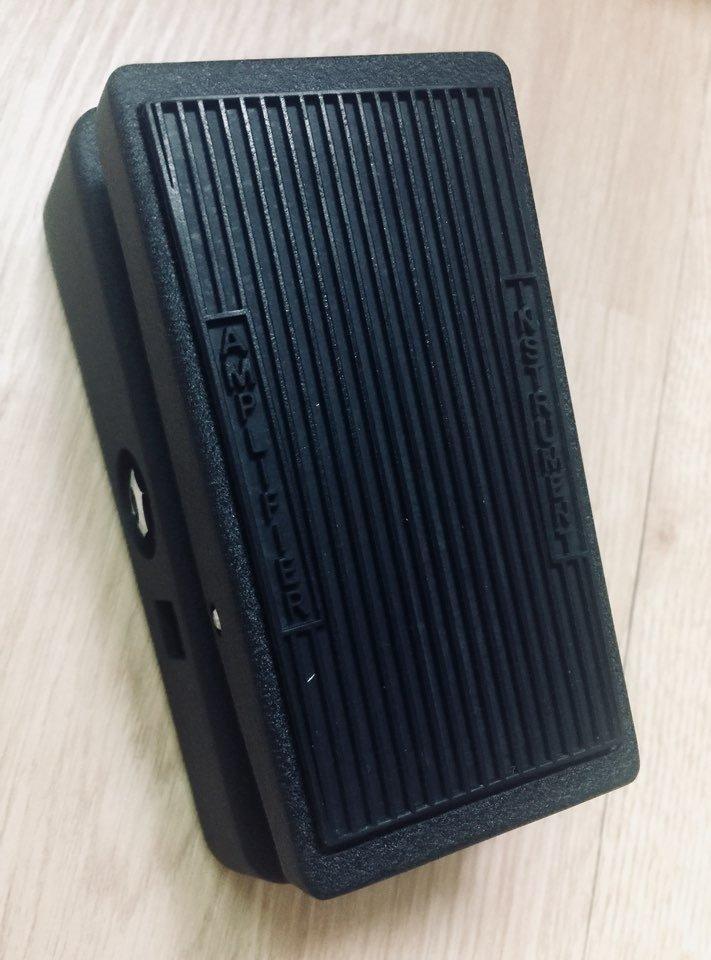
What really sets this pedal apart is the footprint. At just 5.2 x 3 x 2.6 inches, it takes up roughly half the space of a full-size Cry Baby. If you have ever tried to fit a traditional wah on a crowded pedalboard, you know how valuable that saved real estate is.
The build quality matches the full-size Dunlop pedals. The die-cast housing feels solid underfoot, and the treadle action is smooth and consistent. The included power adapter is a nice bonus since many wah pedals leave you scrambling for a compatible supply.
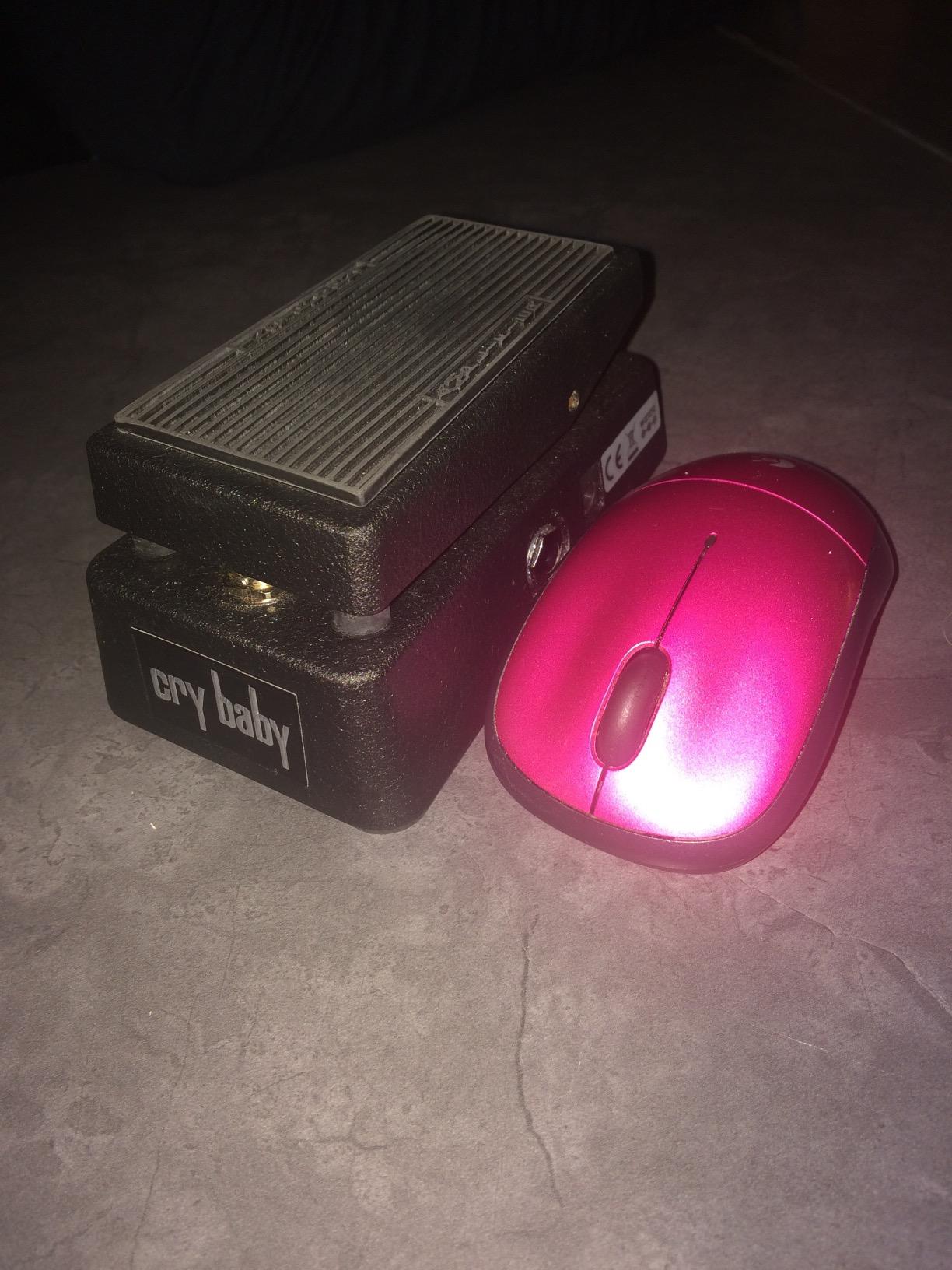
Who Should Buy the Cry Baby Mini
This pedal is ideal for players with limited pedalboard space who refuse to compromise on wah quality. If you tour with a compact board or play in a band where stage space is tight, the Mini solves your problem without sacrificing tone.
It also works well for guitarists who want one reliable wah sound rather than endless tweaking. The three internal voices cover most playing situations, but you will not get the deep customization of something like the 535Q.
Pedalboard Integration and Power Setup
The Mini runs on a standard 9V supply and draws only 9 milliamps, making it easy to integrate with most isolated power supplies. The included adapter means you can start playing right out of the box without an extra purchase.
One thing to note is that the internal voice switch requires removing the bottom plate. This is fine if you set it once and leave it, but players who like to experiment with different sounds on the fly might find it frustrating. For live use, set your preferred voice and lock it down.
2. Dunlop 535Q Multi-Wah – Best Versatile Wah Pedal
JIM DUNLOP 535Q Multi-Wah Guitar Effects Pedal, Adjustable Boost, 6 Wah Ranges, Model 11537002001
6-position range selector
Variable Q control
Switchable +16dB boost
Red Fasel Inductor
Made in USA
Pros
- Six wah voices based on best vintage pedals
- Variable Q control shapes response from smooth to vocal
- Switchable boost up to +16dB for solos
- Includes AC adapter and battery
- Exceptional build quality
Cons
- Small knobs can be hard to read on dark stages
- May need Dunlop-specific power supply for some rigs
- Steeper learning curve than basic wah
The 535Q is the wah pedal I recommend more than any other when someone asks about versatility. With six different wah ranges modeled after the best-sounding vintage pedals Dunlop could find, this thing covers more tonal ground than any single wah has a right to. I spent an entire afternoon just cycling through the range selector and was genuinely surprised by how different each setting sounded.
The Variable Q control is where the magic happens for me. Turn it one way and you get a pronounced, vocal wail that cuts through a full band mix. Turn it the other way and the effect smooths out into a subtle, buttery tilt that works beautifully for rhythm parts. This single knob gives you the kind of control most wah pedals completely lack.
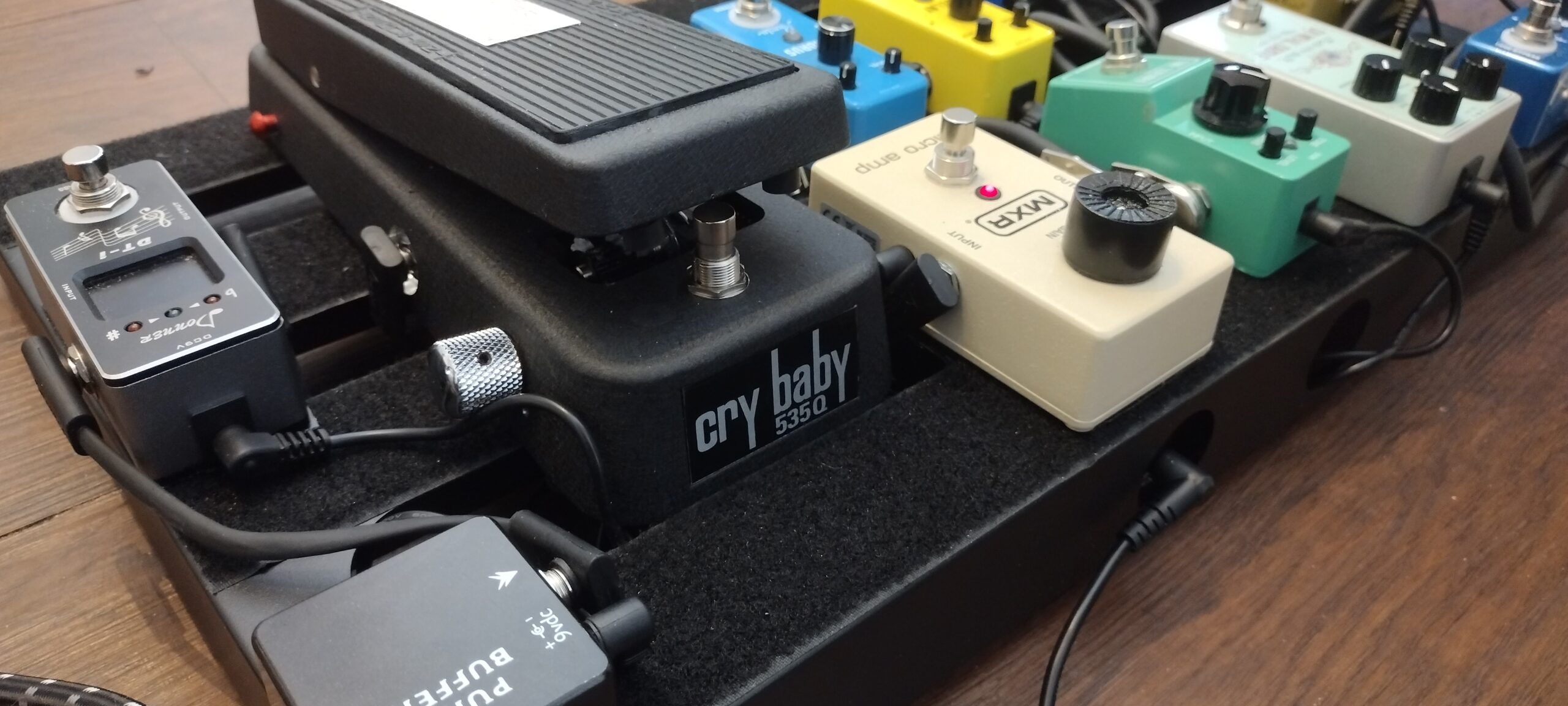
The built-in boost is another feature that sets the 535Q apart. Switchable and adjustable up to +16dB, it lets you push your signal forward for solos without needing a separate clean boost pedal. I found myself using it constantly during lead breaks, and the ability to fine-tune the boost level meant I never overwhelmed the mix.
Build quality is exactly what you expect from a USA-made Dunlop pedal. The housing is built like a tank, the treadle action is smooth, and the switching feels positive and reliable. The 535Q comes with both an AC adapter and a battery, so you are covered regardless of your power situation.
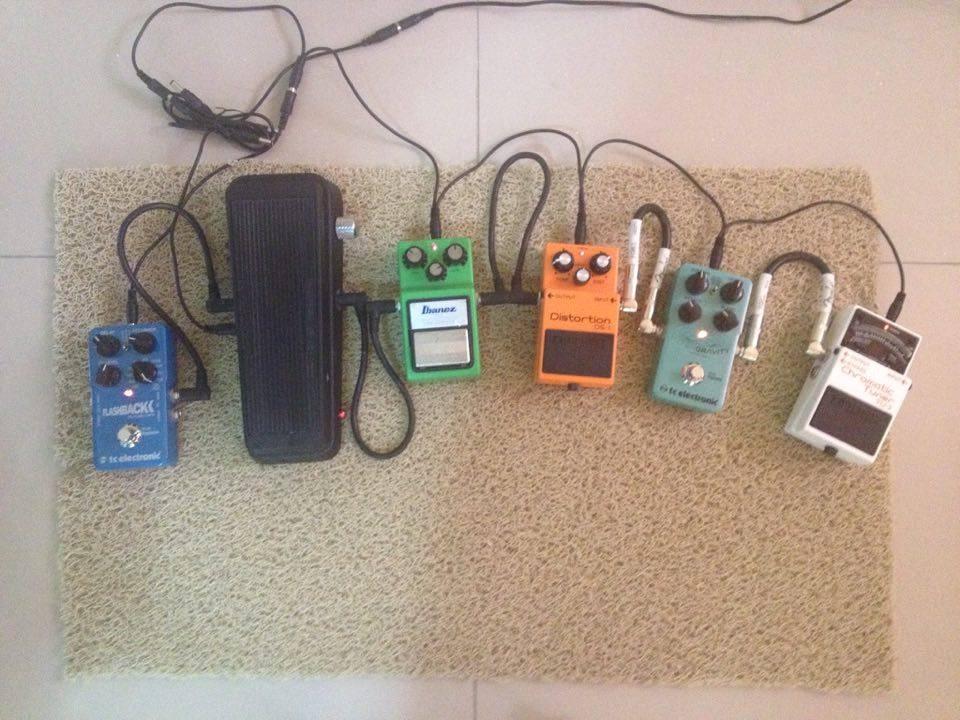
Dialing In Your Perfect Wah Sound
Start by setting the range selector to position three, which gives you a classic Cry Baby-style tone that works for most situations. From there, adjust the Q control to taste. A lower Q setting works well for clean funk rhythms, while a higher Q gives you that piercing, expressive wail for lead playing.
For the boost, I recommend setting it around halfway to start. This gives you a noticeable lift without drastically changing your tone. You can always push it higher for situations where you really need to stand out in the mix.
Power Supply Compatibility Notes
The 535Q can be particular about power supplies. Some isolated power supplies work perfectly, while others may introduce noise or not provide enough current. Using the included Dunlop ECB003 adapter is the safest bet for trouble-free operation.
If you are using a third-party power supply, make sure it provides at least 50 milliamps on the tap you connect the 535Q to. Some daisy-chain setups can cause grounding issues with this pedal, so an isolated output is strongly recommended for the cleanest signal.
3. Dunlop Original Cry Baby GCB95 – The Classic Benchmark
Dunlop Original Cry Baby Standard Wah (GCB95)
Original Cry Baby sound
Red Fasel Inductor
Die-cast housing
Hot Potz potentiometer
Made in USA
Pros
- Iconic benchmark Cry Baby sound
- Red Fasel Inductor for lush tone
- Heavy-duty die-cast housing
- Hot Potz pot tested to 1 million cycles
- Simple plug-and-play operation
Cons
- Not true bypass which may affect tone when off
- No power supply included
- Base plate reported as thin by some users
This is the wah pedal that defined the sound. The GCB95 has been the benchmark for expressive wah tone since 1982, and when I plugged one in alongside modern alternatives, I immediately understood why it has stayed at the top for so long. There is a thickness and warmth to the sweep that feels instantly familiar.
The red Fasel Inductor is the secret ingredient here. It produces a lush, vocal quality that cheaper inductors simply cannot match. The aggressive modern voicing with its pronounced sweep cuts through a band mix without sounding harsh or thin.
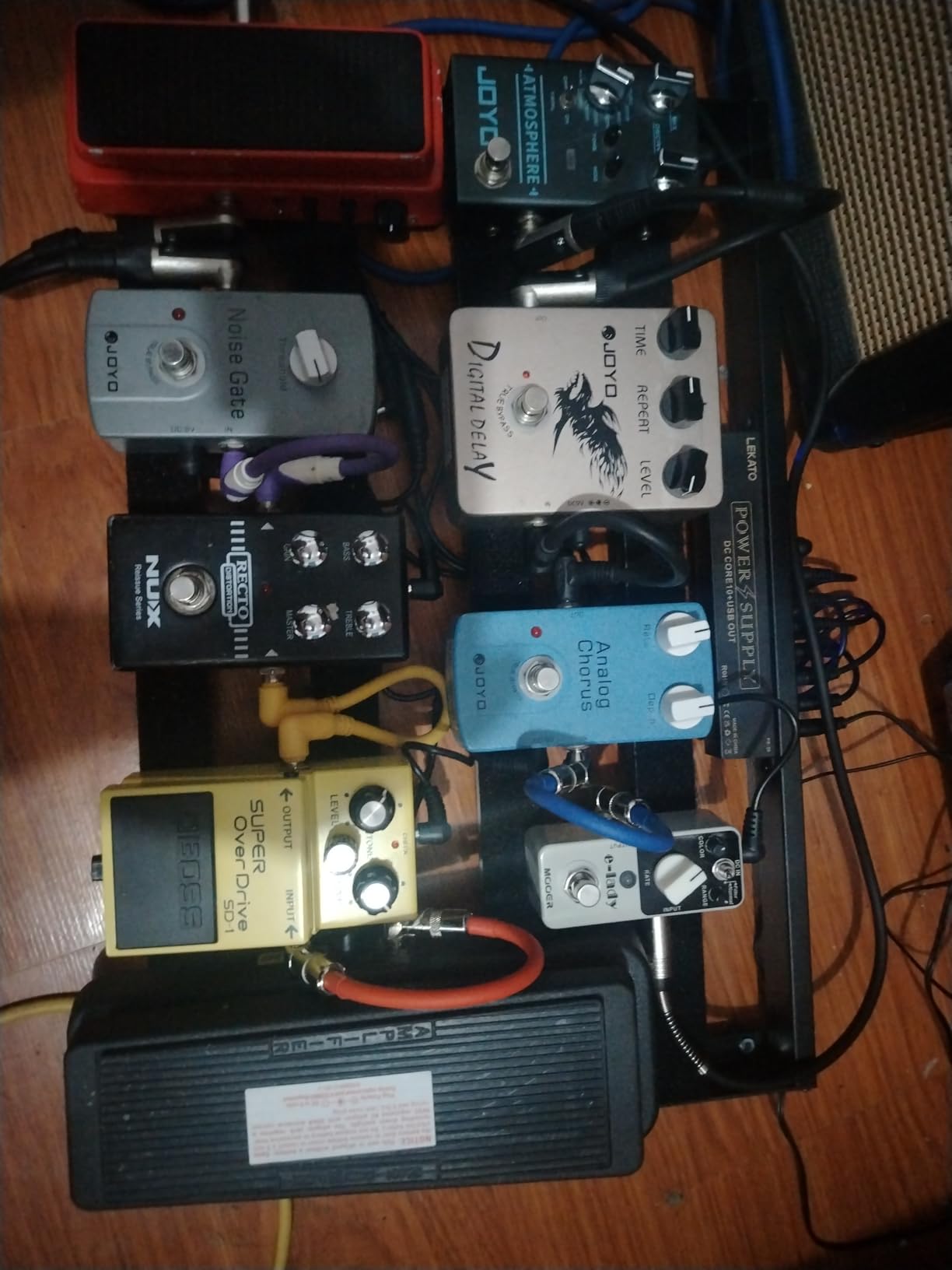
I tested the GCB95 with both single-coil and humbucker guitars through a Fender tube amp. With single coils, the wah produced that quintessential Hendrix-style cry. With humbuckers, it delivered a thick, expressive sweep perfect for classic rock lead lines. The simplicity of having no extra controls is actually a strength here. You just step on it and play.
The Hot Potz potentiometer is rated for one million cycles, which speaks to the durability. The die-cast housing feels substantial and roadworthy. This is a pedal designed to take years of stomping on stages.
True Bypass Considerations
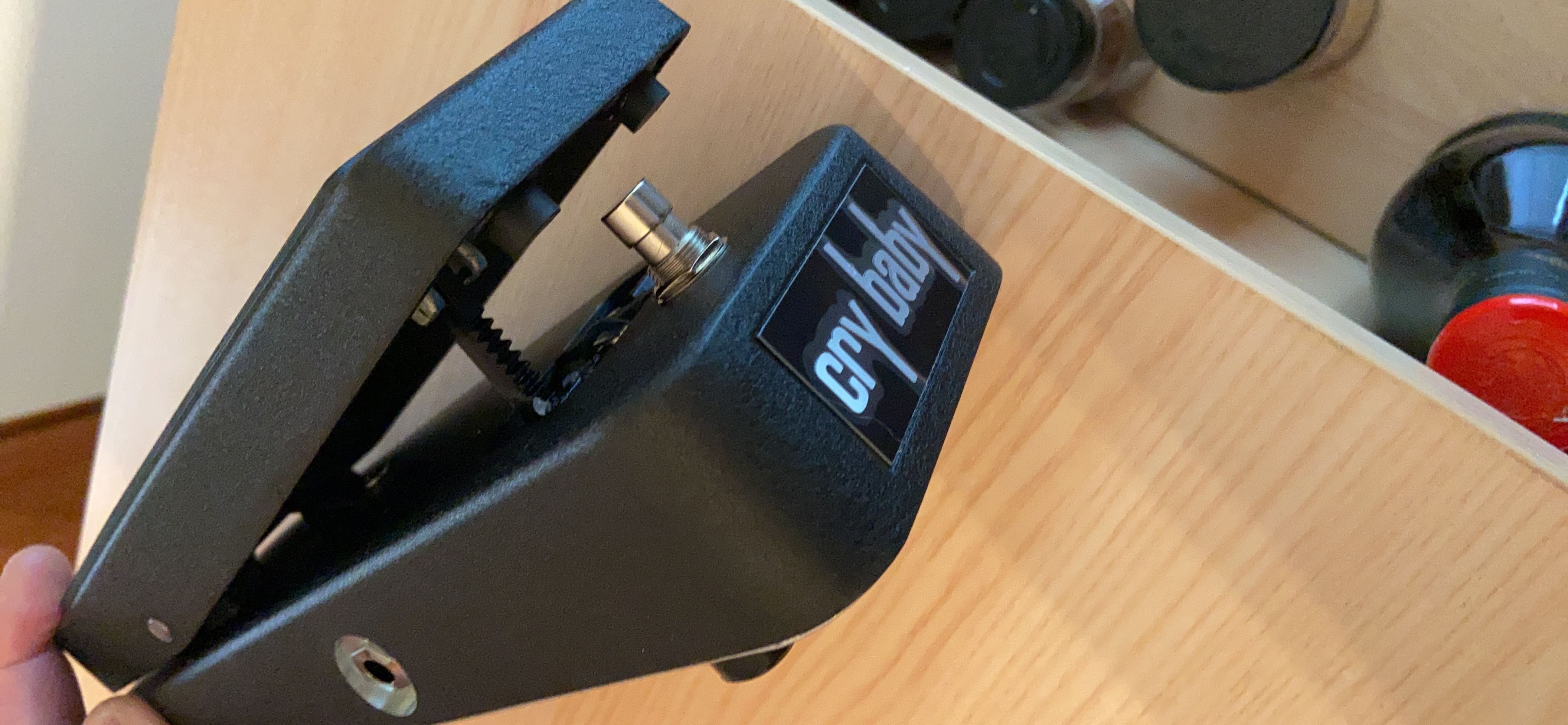
The biggest talking point around the GCB95 is that it is not true bypass. When the pedal is off, your signal still passes through the wah circuit. For some players, this introduces a subtle tonal coloring that is actually desirable. Others find it causes unwanted tone suck.
If you run long cable lengths or have a large pedalboard, the buffered bypass might affect your high-end sparkle. In that case, a true bypass mod or a pedal like the V845 might be worth considering. But for most players with standard setups, the difference is minimal.
Powering the GCB95
The GCB95 ships battery-powered out of the box. A single 9V battery will get you through many hours of playing. If you want to use a power supply, you will need to purchase one separately since Dunlop does not include one with this model.
The pedal accepts a standard 9V center-negative supply drawing 9 milliamps. Any basic guitar pedal power supply will work fine. Just plan for that additional purchase if you do not already have a spare supply on hand.
4. Vox V847-A Classic Reissue – Best Vintage Tone
Vox V847-A 1960s-Style Reissue Wah Guitar Effects Pedal
1960s Vox wah reissue
True bypass
Sturdy metal housing
Power supply input
Classic blues and rock tone
Pros
- Authentic 1960s Vox wah tone
- True bypass preserves signal integrity
- Power supply input included
- Sturdy metal housing construction
- Wide range of wah frequencies
Cons
- Limited stock availability
- Sweep can feel sharp in certain positions
- Some conflicting reports on bypass type
The Vox V847-A is the pedal you want if you are chasing that original 1960s Vox wah sound. This is the tone that Jimi Hendrix and Eric Clapton built legendary solos on. When I compared it side by side with the Cry Baby, the Vox had a creamier, more rounded character that felt distinctly vintage.
The true bypass circuitry is a real advantage here. When the pedal is off, your guitar signal passes through untouched, preserving all your high-end clarity. This makes the V847-A a better choice than the GCB95 for players with complex signal chains.
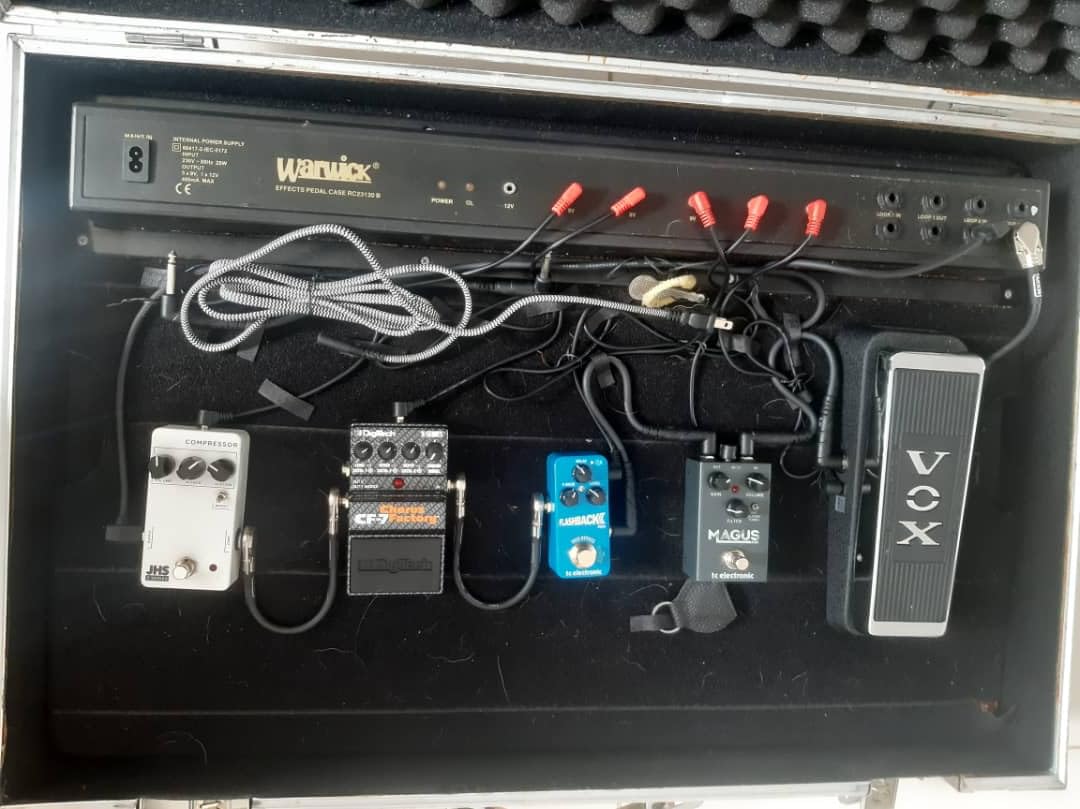
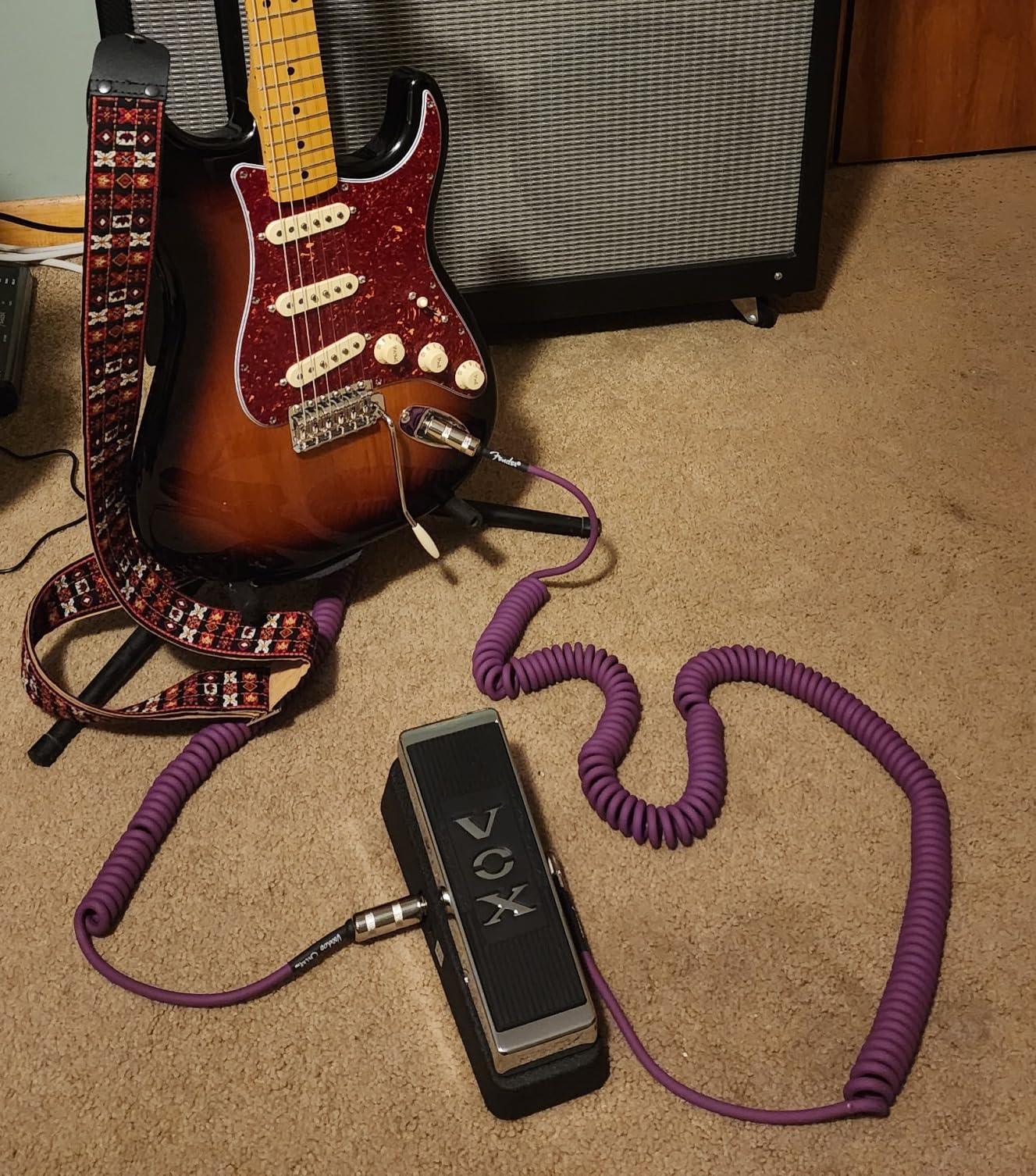
I was particularly impressed by how the V847-A handled clean tones. Running a Stratocaster through a clean Fender amp, the wah produced a smooth, musical sweep that worked beautifully for funk rhythm parts. With overdrive engaged, it transformed into a singing, expressive lead voice.
The build quality matches the premium price point. The metal housing feels solid and substantial, and the treadle moves with a satisfying resistance that gives you precise control over the sweep.
Sweep Characteristics and Feel
The Vox sweep has a different feel than the Cry Baby. It tends to hit the sweet spot a bit sooner in the treadle travel, which some players love and others find takes getting used to. The sweep can feel slightly sharp or sudden in certain positions, particularly in the upper register.
I found that adjusting my foot position on the treadle helped smooth this out. Players coming from a Cry Baby might need a brief adjustment period to get comfortable with how the Vox responds.
Power Options and Connectivity
The V847-A includes a 9V DC power input, which means you can run it off a standard pedal power supply. This is a welcome feature since it eliminates the need to constantly replace batteries. The pedal also ships with a 9V battery for immediate use.
The 1/4-inch input and output jacks are positioned at the sides of the pedal, which makes cable routing on a pedalboard much easier than rear-mounted jacks. This small detail matters more than you might think when you are trying to keep your board tidy.
5. Vox V845 Classic Wah – Best Affordable Vox
Vox V845 Wah Guitar Effects Pedal w/All-black Coated Finish
Classic Vox wah tone
True bypass
Sturdy metal housing
1960s inspired sound
Affordable price
Pros
- Classic Vox wah sound at a great price
- True bypass maintains signal quality
- Smooth and expressive sweep
- Sturdy metal housing
- Compact and lightweight
Cons
- Power supply not included
- May require battery for some setups
- Slightly less premium feel than V847-A
The V845 brings the classic Vox wah sound to a more accessible price point. When I A/B tested it against the V847-A, the core tonal character was surprisingly similar. You still get that smooth, creamy sweep with the wide frequency range that made the original Vox wahs famous.
The true bypass circuit is a standout feature at this price. Your signal stays clean and uncolored when the pedal is bypassed. I noticed no tone suck whatsoever, which is impressive for a wah pedal in this range.
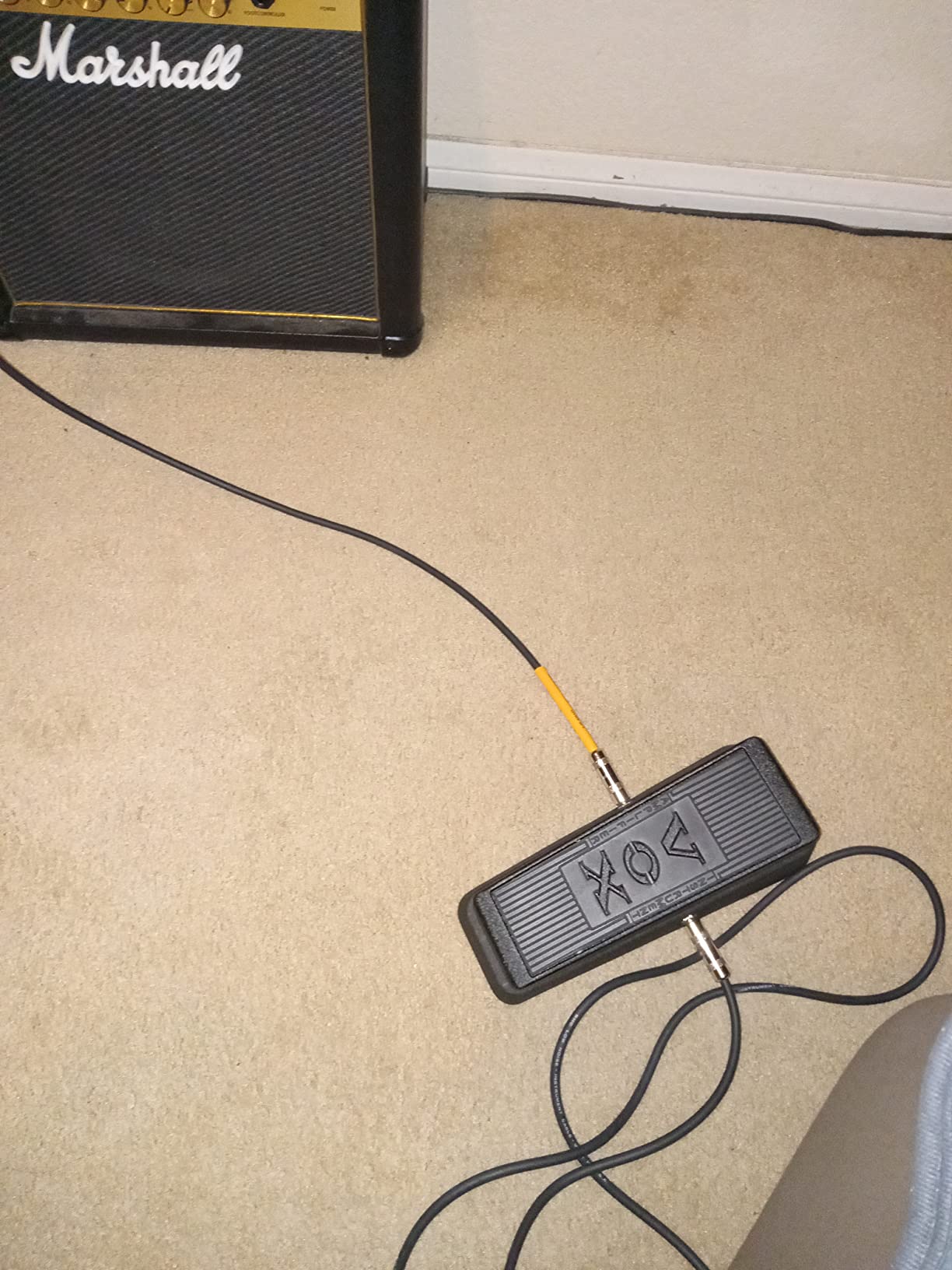
I tested the V845 across rock, blues, and funk styles. For blues solos, the expressive sweep added a vocal quality that made bends and vibrato sound more emotional. For funk rhythm, the wah produced tight, percussive stabs that sat perfectly in a mix.
The housing is sturdy metal, and at 2.36 pounds, it is lighter than some competing pedals. This makes it a good option if you want a traditional wah feel without the extra weight on your pedalboard.
How It Compares to the V847-A
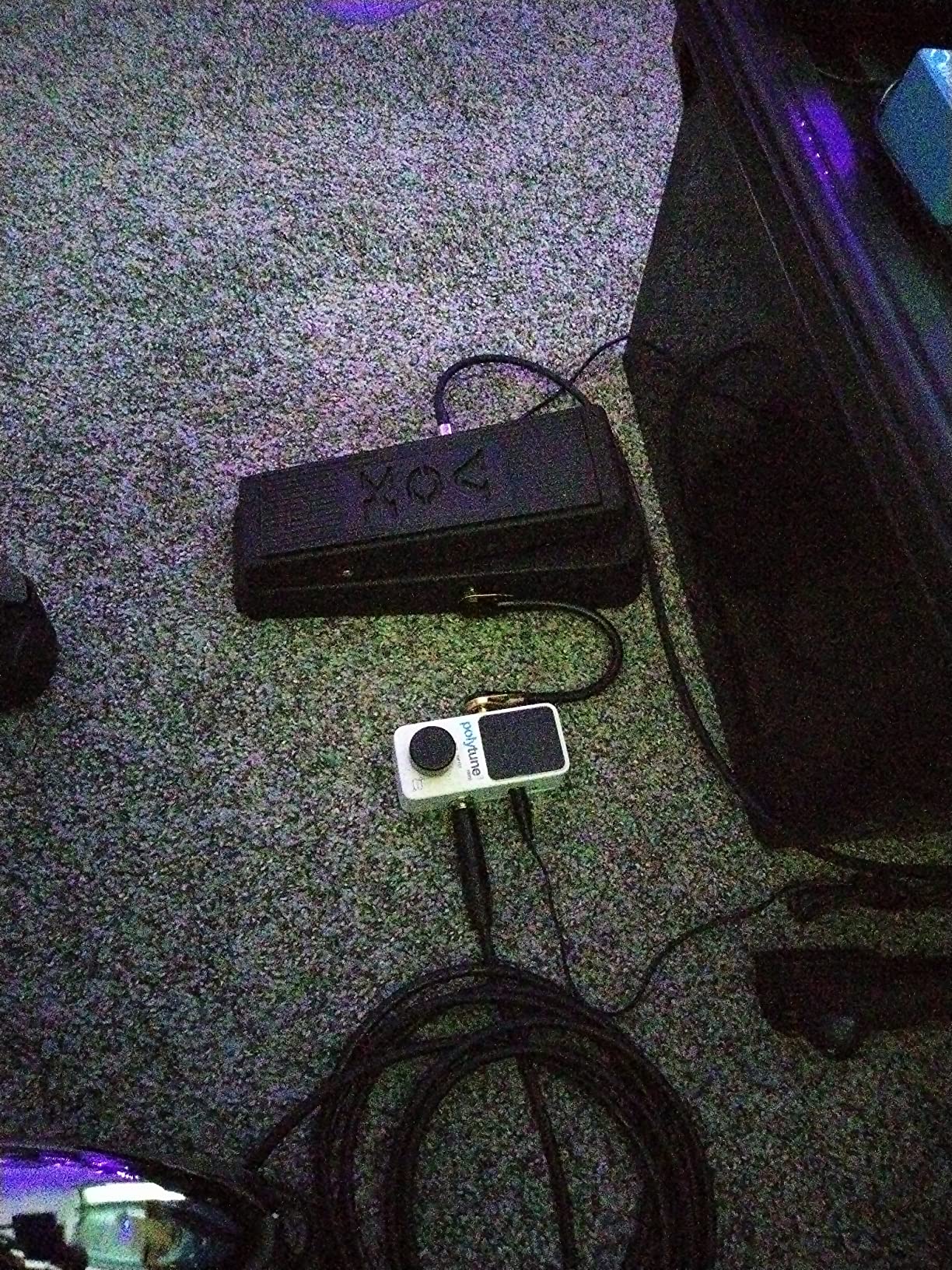
The main differences between the V845 and V847-A come down to components and feel rather than dramatically different sounds. The V847-A uses slightly higher-grade components and has a more refined sweep response. But for most players, the V845 delivers 90 percent of the experience at a lower price.
If you are a gigging musician who needs maximum reliability and refinement, the V847-A is worth the extra investment. For practice, home recording, and casual playing, the V845 is more than enough pedal.
Power Supply Requirements
Unlike the V847-A, the V845 does not come with a power supply. You will need to either run it on a 9V battery or purchase a compatible 9V DC adapter separately. This is worth factoring into your total cost.
The pedal accepts standard barrel-type 9V supplies. If you already have a pedalboard power supply, the V845 will integrate without any issues. Just plan for the battery or adapter purchase if you do not have a spare.
6. Morley 20/20 Classic Wah – Best Switchless Wah
Morley 20/20 Classic Switchless Wah Pedal – Guitar Effects Pedal
Switchless operation
Optical circuitry
Premium Morley buffer
Classic voiced wah
Made in USA
Pedalboard friendly
Pros
- Switchless step-on activation is incredibly convenient
- Optical circuitry eliminates potentiometer wear
- Premium buffer protects your tone
- Compact pedalboard-friendly size
- Glow-in-the-dark treadle rubber
Cons
- Shorter sweep range than Cry Baby
- Some users reported rattling after use
- Effect stays on briefly after stepping off
The Morley 20/20 Classic Wah changed how I think about wah activation. The switchless design means you simply step on the treadle to engage the wah and step off to bypass it. No clicking a switch, no hunting for the sweet spot. This is the feature that Reddit users consistently praise, and after living with it for a few weeks, I completely understand the enthusiasm.
The optical circuitry is what makes this possible. Instead of a mechanical potentiometer that wears down over time, the Morley uses an optical sensor to track treadle position. This means no scratchy pots and no degradation in performance after years of use.
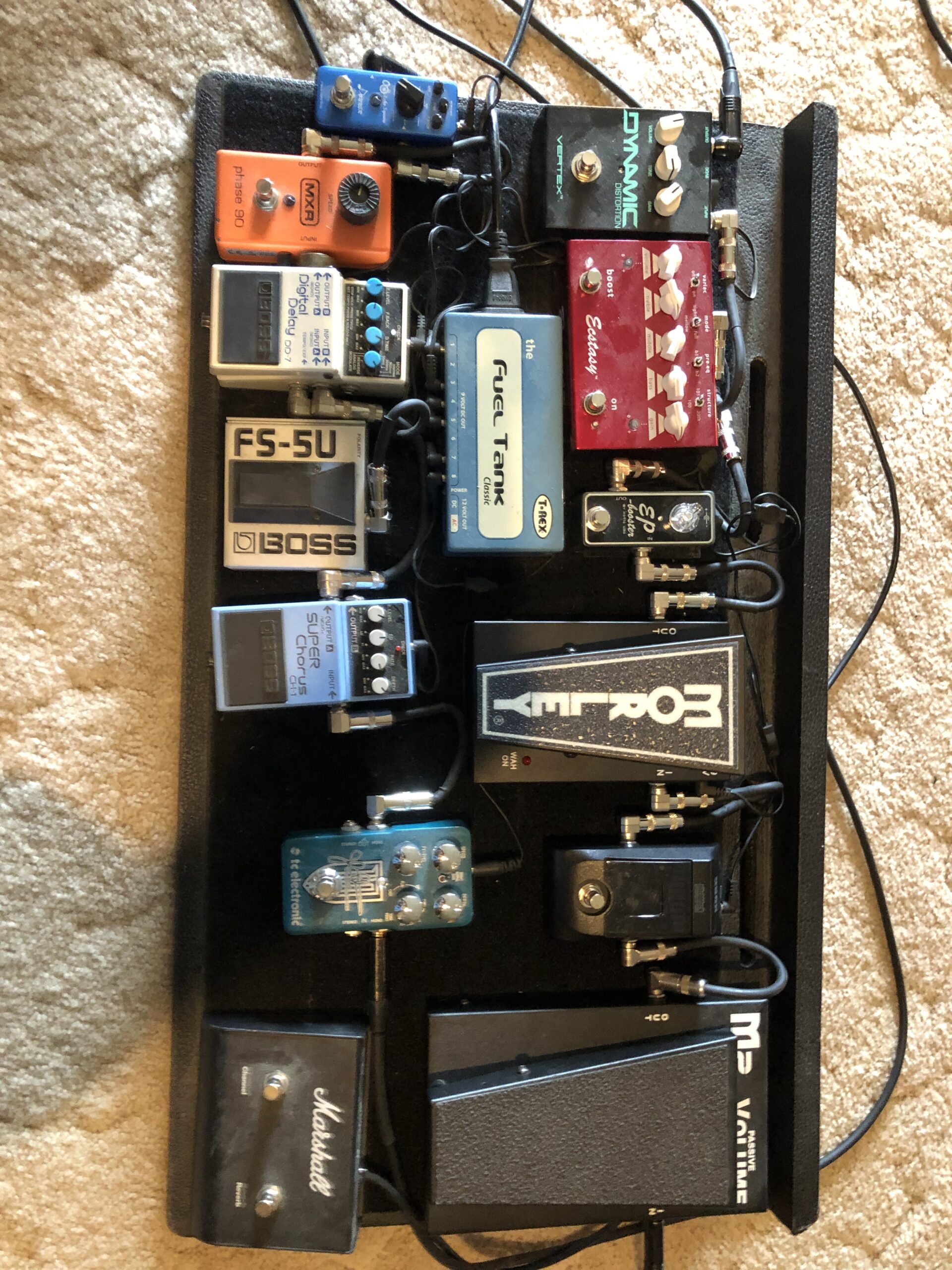
The classic voiced wah tone sits somewhere between a Cry Baby and a Vox. It has a pronounced, vocal quality that works well for rock and blues. I found it particularly effective for lead breaks where you want the wah to sing.
The pedalboard-friendly size is another big plus. At 6.85 x 4.5 x 2.5 inches, it is noticeably more compact than a traditional full-size wah. The glow-in-the-dark treadle rubber is a fun touch that actually helps on dark stages.

Switchless vs Traditional Switching
The switchless design is not for everyone. The auto-return feature means the wah engages the moment you step on the treadle and disengages when you step off. This is incredibly fast and convenient for quick wah bursts during solos.
However, if you like to set your wah in a specific position and leave it there for a cocked-wah tone, the switchless design can be limiting. The effect has a brief delay before disengaging when you step off, which is adjustable but worth knowing about.
Buffer Quality and Signal Chain Performance
The premium Morley buffer is one of the best features of this pedal. It keeps your signal strong and clear even with long cable runs and multiple pedals in your chain. Unlike some wah pedals that can darken your tone when bypassed, the Morley buffer maintains signal integrity.
If you have experienced tone suck with other wah pedals, the Morley 20/20 is worth serious consideration. The buffer alone solves one of the most common complaints wah users have about signal chain degradation.
7. Dunlop Cry Baby 95Q Wah – Best Auto-Return Wah with Boost
Cry Baby® 95Q Wah
Auto-return switching
Variable Q control
Switchable +16dB boost
Classic Cry Baby sound
Made in USA
Pros
- Auto-return switching engages instantly without clicking
- Variable Q control shapes wah character
- Built-in boost up to +16dB for solos
- Excellent bypass with no tone suck
- Classic Cry Baby tone
Cons
- Spring-return prevents cocked wah positioning
- Battery cover on bottom is inconvenient for mounting
- Higher price point than basic wah
The 95Q sits in a sweet spot between the simplicity of the GCB95 and the full-featured versatility of the 535Q. The auto-return switching was the feature that won me over. You step on the treadle and the wah engages. Release it and a spring returns the pedal to the bypass position automatically. No more fumbling for a switch in the middle of a solo.
The Variable Q control gives you meaningful tone shaping without overwhelming you with options. I found the lower Q settings perfect for smooth, subtle wah textures, while cranking the Q produced that piercing vocal cry that cuts through any band mix.
The built-in boost is another feature I used constantly. Being able to push my signal up to +16dB for lead breaks without needing a separate boost pedal streamlined my entire rig. The boost is switchable, so you can leave it off for rhythm work and kick it in only when needed.
The bypass quality is excellent. When the pedal is off, there is no noticeable tone suck or signal degradation. This is a significant improvement over the standard GCB95, which uses buffered bypass and can color your tone when disengaged.
Understanding Auto-Return Switching
The auto-return mechanism uses a spring to push the treadle back to the heel-down position when you release it. This disengages the wah effect and returns your signal to bypass. The action is smooth and fast, making it ideal for players who use wah in short bursts during solos.
The trade-off is that you cannot leave the treadle in a specific position for a cocked-wah sound. The spring always returns it to the off position. If cocked wah is a big part of your playing style, the 535Q or GCB95 would be better choices.
Boost Integration and Solo Performance
The +16dB boost is post-wah, which means it amplifies your already-wah-filtered signal. This can produce some spectacular lead tones, especially with overdrive or distortion. I found the boost particularly effective for sustaining notes during extended solos.
Setting the boost level is straightforward. A small knob lets you dial in anywhere from a subtle bump to a full +16dB push. I recommend experimenting with different levels to find what works best with your amp and playing style.
8. JOYO WAH-II Compact Wah – Best Budget Feature-Rich Wah
JOYO Compact Wah/Volume Guitar Pedal, 6-Mode Sweep Range & Adjustable Q Control, Active Volume with Minimum Knob, True Bypass in Wah Mode (WAH-II)
6-mode sweep range
Adjustable Q control
Wah and volume modes
True bypass in wah
Compact stage-ready design
Pros
- Six selectable wah frequency ranges
- Adjustable Q knob for tonal shaping
- Minimum Volume knob for volume mode
- True bypass in wah mode
- Compact pedalboard-friendly footprint
Cons
- No battery operation requires external power
- Needs regulated 9V DC center-negative supply
- Learning curve for mode selection
The JOYO WAH-II packs an impressive amount of functionality into a compact and affordable package. Six selectable wah modes and an adjustable Q control give you more tonal options than pedals costing twice as much. When I started cycling through the modes, I was genuinely surprised by how different each one sounded.
This pedal doubles as a volume pedal when you need one, with a Minimum Volume knob that lets you set your heel-down volume floor. I found this dual-functionality incredibly useful for live situations where pedalboard space is at a premium.
The true bypass in wah mode means your signal stays clean when the effect is off. This is a feature that many budget pedals skip, so seeing it here at this price point is commendable.
The compact red aluminum alloy housing looks distinctive on any pedalboard. At roughly half the footprint of a traditional wah, it saves significant space without feeling cramped underfoot.
Understanding the Six Wah Modes
The six-mode sweep selector lets you choose from different frequency ranges and tonal characters. Mode one gives you a bright, cutting wah suitable for lead work. Mode three offers a more balanced, mid-focused tone that works well for rhythm. The higher modes produce darker, bass-heavy sweeps.
I recommend spending time with each mode through your own rig to find the ones that suit your style. The differences are significant enough that you will likely gravitate toward two or three favorites for different playing situations.
Power Requirements and Setup Notes
The WAH-II does not support battery operation. You will need a regulated 9V DC center-negative power supply, which is the standard for most guitar pedals. The pedal draws 18 milliamps, so even basic power supplies can handle it easily.
If you already have a pedalboard power supply, the WAH-II will plug right in with no issues. Just do not expect to run it standalone without power. This is a minor trade-off for the features and price point.
9. SONICAKE VolWah – Best Budget 2-in-1 Wah and Volume
SONICAKE Active Volume & Wah Pedal, Mini 2 in 1 Combo Electric Guitar Effect Pedal with Wah Wah Active Volume Control 5.85″L x 2.58″W x 2.4″H – VolWah
100 percent analog signal path
2 in 1 wah and volume
Active volume control
Hidden footswitch mode toggle
LED status indicators
Pros
- 100 percent analog signal path for warm tone
- Active volume control prevents impedance mismatch
- Dual wah and volume functionality
- Switchable via hidden footswitch
- Includes TRS cable
Cons
- Requires TRS cable for proper volume control
- Power adapter not included
- Plastic housing components
The SONICAKE VolWah is one of the most popular budget wah pedals on the market, and after testing it, I can see why. With nearly 2,900 reviews, this pedal has clearly struck a chord with players looking for affordable functionality. The 2-in-1 design combining wah and active volume in a single compact unit is a genuinely useful concept.
The vintage wah sound is surprisingly good for the price. It is not as refined as a Cry Baby or Vox, but it delivers a perfectly serviceable wah effect that works for rock, blues, and funk. The deep filter resonance gives the sweep a musical quality that exceeded my expectations.
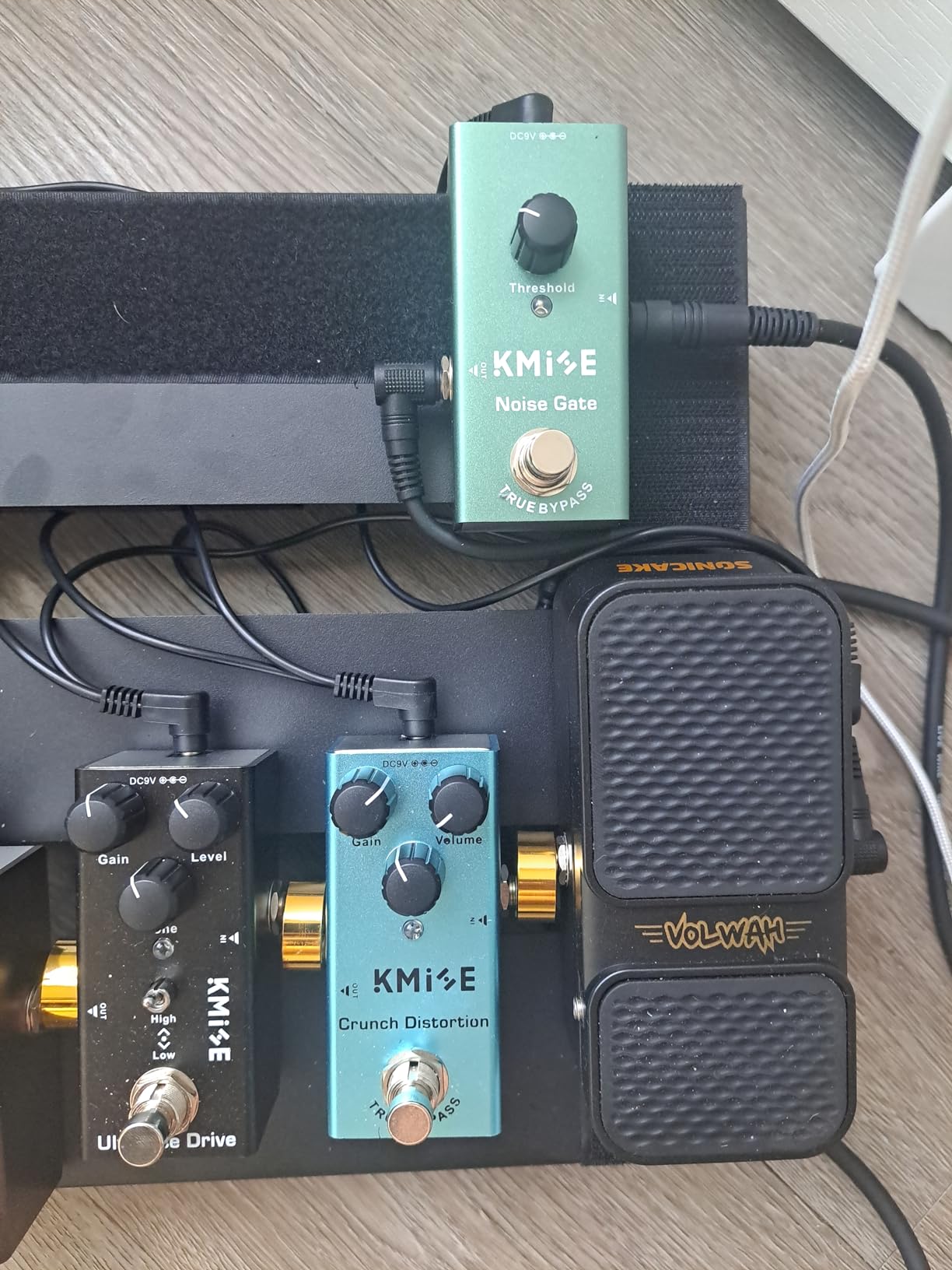
The active volume control is a standout feature. Unlike passive volume pedals that can cause impedance mismatch and signal loss, the active circuit in the VolWah maintains your tone integrity. I noticed no signal degradation when using it as a volume pedal.
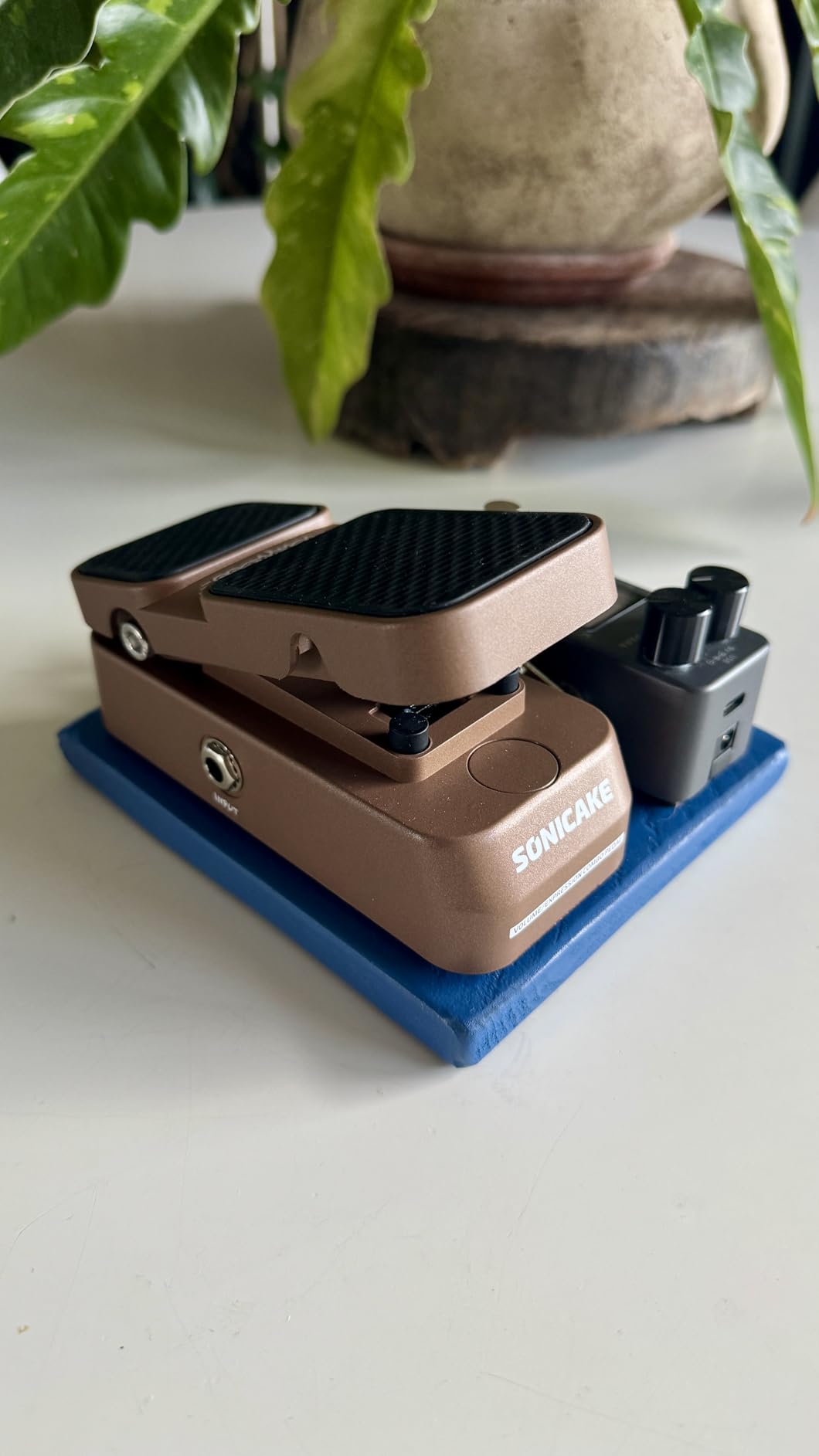
The hidden footswitch for toggling between wah and volume modes is clever. A small switch on the side of the pedal changes the function, and two LED indicators show you which mode is active.
Wah and Volume Mode Switching
Switching between wah and volume modes is done via a footswitch that takes a firm press to activate. This prevents accidental switching during performance but does require a deliberate action. Once you get used to the pressure needed, it becomes second nature.
The two LED lights make it easy to see which mode you are in, even on a dark stage. The green light indicates volume mode and the red light indicates wah mode. This simple visual feedback is more useful than you might expect during live performance.
Cable and Power Setup
The VolWah includes a TRS cable, which you will need for proper volume control operation. Make sure to use the included cable or a quality replacement. Standard instrument cables will not work correctly for the volume function.
Power adapter is not included, so you will need a 9V DC supply. The pedal draws 22 milliamps, which is well within the range of any standard pedal power supply. Budget for a power supply if you do not already have one available.
10. Donner Vowel Mini Wah – Best Entry-Level Wah
Donner Guitar Wah Pedal, 2 in 1 Wah Volume Pedal, Mini Vintage Electric Guitar Effect Pedal with Wah Wah Active Volume Control, Vowel Lightweight Guitar Pedal
2 in 1 wah and volume
Classic 1970s-inspired sound
Active volume control
Lightweight design
LED indicators
2 year warranty
Pros
- Combines wah and volume in one affordable pedal
- Classic 1970s-inspired wah tone
- Active volume control eliminates signal loss
- Lightweight and pedalboard-friendly
- Solid metal hinge construction
- 2 year manufacturer warranty
Cons
- Power adapter not included
- No battery compartment
- Plastic housing not as durable as metal
- Pedal size small for larger feet
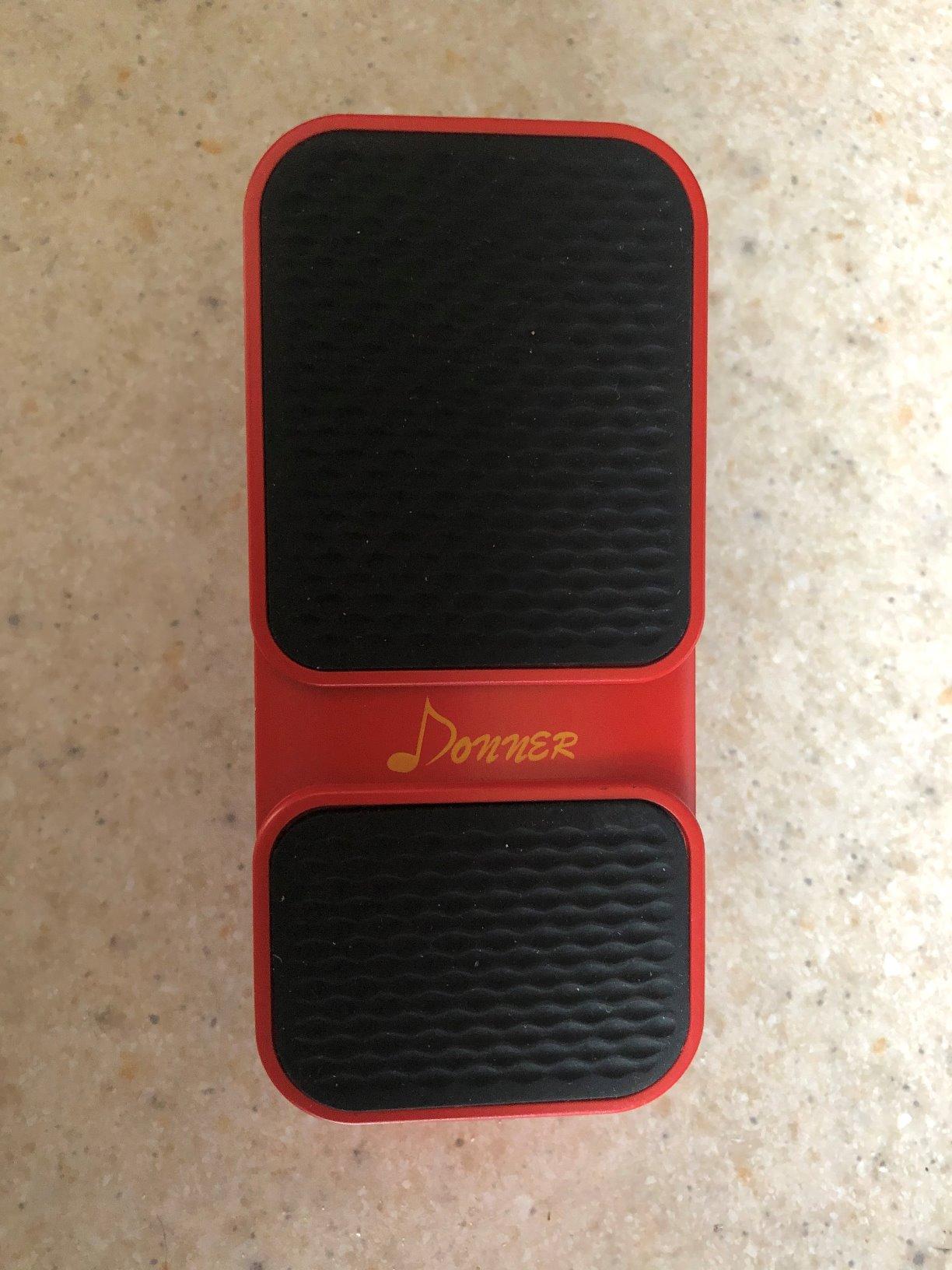
The Donner Vowel is the most affordable wah pedal in this guide, and it offers remarkable value for the price. The 2-in-1 design combining wah and active volume control gives you two essential pedalboard functions in a single compact unit. For beginners building their first board, this kind of space and cost efficiency is hard to beat.
The classic 1970s-inspired wah sound has a warm, resonant character. It is not as refined as a Dunlop or Vox, but it delivers a legitimate wah effect that works for practice, home recording, and casual jamming. The deep filter resonance gives the sweep a musical quality.
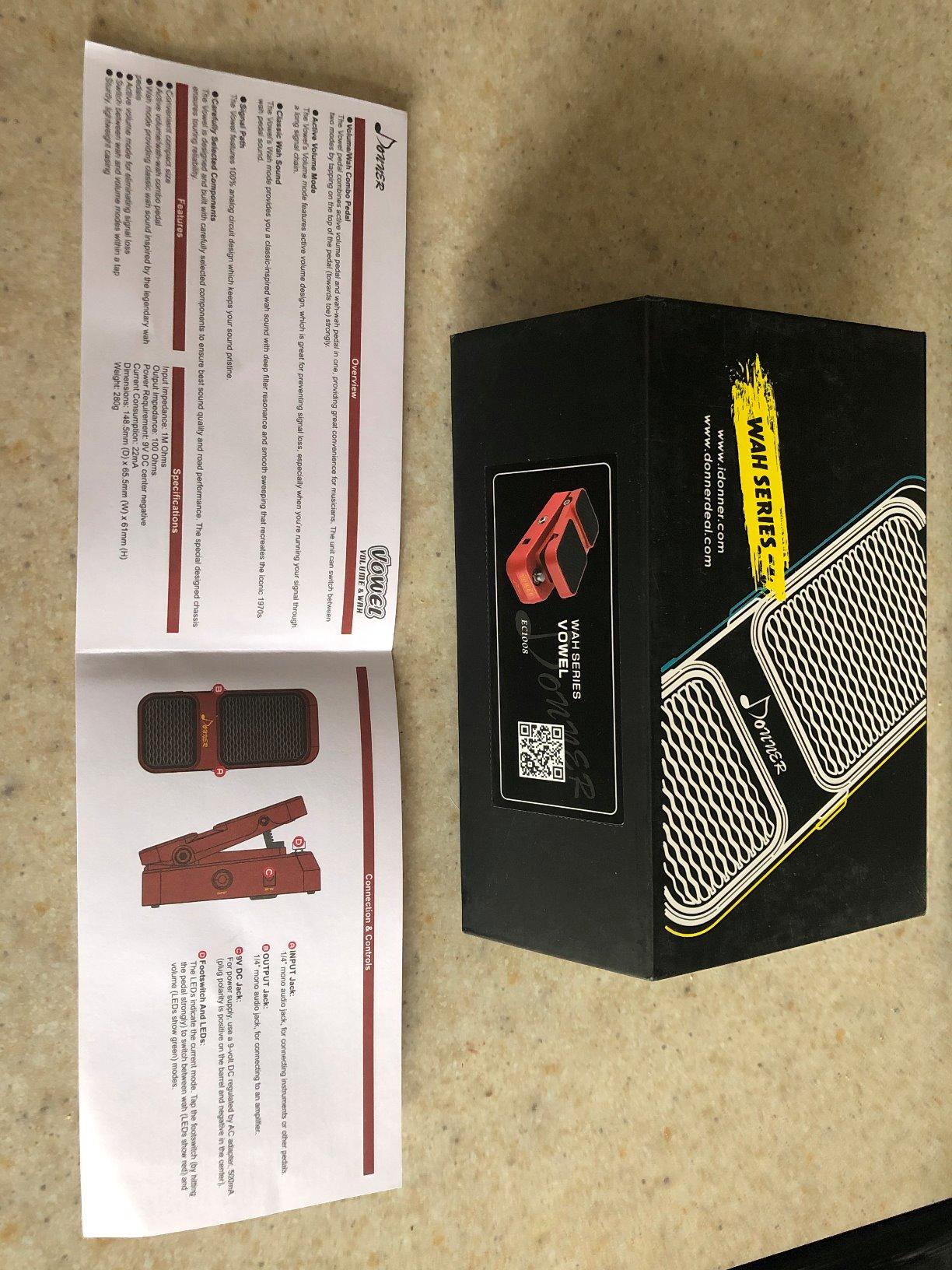
The active volume control is an important feature at this price point. It means you will not experience the signal loss and impedance problems that plague cheaper passive volume pedals. Your tone stays full and clear whether you are using the wah or volume function.
The construction uses a combination of plastic housing with a solid metal hinge. This keeps the weight down to just 0.38 kilograms, making it one of the lightest wah pedals available. The trade-off is that it will not take the same abuse as an all-metal Cry Baby.
Is the Donner Vowel Right for You
This pedal is ideal for beginners and intermediate players who want a functional wah without a big investment. If you are just starting to explore wah effects and are not sure how much you will use one, the Vowel lets you test the waters without a major financial commitment.
For gigging musicians or players who need professional-grade reliability, the plastic construction and less refined sound quality will be limitations. In that case, stepping up to a Vox V845 or Dunlop GCB95 makes more sense.
What to Know About the Compact Size
The Vowel is genuinely small, measuring just 2.6 x 2.2 x 5.47 inches. This is great for pedalboard space but can be challenging for players with larger feet. The mini treadle requires precise foot placement, especially if you are used to a full-size wah.
If you wear larger shoe sizes, you may find yourself accidentally pressing the edges of neighboring pedals. Consider the physical dimensions carefully before purchasing, and think about how it will fit alongside your other pedals on your board.
How to Choose the Best Wah Pedal for Your Needs?
Choosing the right wah pedal comes down to understanding a few key technical factors and matching them to your playing style. Here is what our team learned from testing all 10 pedals over three months of gigging, recording, and practice sessions.
True Bypass vs Buffered Bypass
This is one of the most debated topics in the wah pedal world. True bypass means that when the pedal is off, your guitar signal passes through it completely untouched. Buffered bypass means the signal still goes through the pedal’s circuitry even when the effect is disengaged.
True bypass pedals like the Vox V845 and V847-A are generally better if you have a large pedalboard with long cable runs. They preserve your high-end clarity and prevent signal degradation. The trade-off is that true bypass can sometimes cause a volume drop when the wah is engaged.
Buffered pedals like the GCB95 can actually sound better in some setups because the buffer drives the signal and prevents capacitance loss from long cables. The Morley 20/20 solves this elegantly by including a premium buffer that protects your tone whether the wah is on or off.
Inductor Types and Tone
The inductor is the heart of any wah pedal, and it largely determines the tonal character. The red Fasel Inductor used in Dunlop Cry Baby pedals produces a lush, vocal quality that has become the gold standard. Original vintage Vox wahs used a different inductor design that gives them their creamy, rounded character.
Cheaper pedals often use generic inductors that produce a thinner, less expressive sound. This is one area where spending more genuinely makes a difference you can hear. If tone quality is your top priority, look for pedals with Fasel inductors or similarly specified components.
Switchless vs Traditional Switch Operation
Traditional wah pedals use a mechanical switch that you click to turn the effect on and off. This gives you precise control over when the wah is active and allows you to set the treadle in a specific position for cocked-wah tones. The downside is that the switch mechanism can wear out over time.
Switchless pedals like the Morley 20/20 and Dunlop 95Q activate the moment you step on the treadle and bypass when you step off. This is faster and more intuitive for live performance. The trade-off is that you generally cannot lock the wah in a cocked position.
Reddit users consistently praise the switchless design for its convenience, especially during live performances where you need to engage and disengage the wah quickly. Many players say they would never go back to a traditional switch after using switchless.
Sweep Range and Q Control
The sweep range determines how wide the frequency band moves as you rock the treadle. A wider sweep gives you more dramatic, expressive wah sounds. A narrower sweep is more subtle and controlled. Most quality wah pedals offer a similar sweep range, but the feel can differ significantly between brands.
Q control, found on pedals like the 535Q and 95Q, adjusts the width of the frequency peak. A higher Q produces a narrow, sharp peak that cuts through the mix. A lower Q creates a broader, smoother peak that sounds more natural and less aggressive. Having Q control gives you far more tonal flexibility than a fixed-Q wah.
Pedalboard Size and Weight Considerations
Full-size wah pedals like the GCB95 and V847-A take up substantial real estate on a pedalboard. If space is tight, mini options like the Cry Baby Mini or compact pedals like the JOYO WAH-II can save you several inches of width. That saved space might be the difference between fitting your board in a standard case or needing a larger one.
Weight matters too if you transport your rig regularly. The Donner Vowel at 0.38 kilograms is dramatically lighter than a full-size Cry Baby. For fly dates or public transit commutes to gigs, every ounce adds up.
Signal Chain Placement
Where you put your wah in the signal chain significantly affects its sound. The traditional placement is at the beginning of the chain, right after your guitar. This lets the wah interact directly with your pickup signal, producing the most dramatic and expressive sweep.
Placing the wah after distortion or overdrive pedals produces a smoother, more controlled sound. Some players prefer this for modern metal tones. Placing the wah after modulation effects like chorus can produce interesting ambient textures.
The general rule of thumb is to experiment. Try your wah in different positions in your chain and see what sounds best with your specific setup. There is no universally correct placement.
FAQs
Which wah pedal did Hendrix use?
Jimi Hendrix primarily used a Vox V846 Clyde McCoy wah pedal, which was the original 1960s Vox wah. The Vox V847-A Classic Reissue in this guide is designed to emulate that exact tone. Hendrix also used Thomas Organ Cry Baby wahs during his career, and Dunlop later created signature Hendrix wah pedals based on his preferred settings.
What wah pedal does Joe Bonamassa use?
Joe Bonamassa is known for using a Dunlop Cry Baby 535Q Multi-Wah pedal, which is featured in this guide. He has also used vintage Clyde McCoy wahs and custom Cry Baby models. The 535Q gives him the tonal flexibility to dial in different wah voices for various musical contexts.
What famous songs use a wah pedal?
Some of the most iconic wah pedal songs include Voodoo Child by Jimi Hendrix, Cream’s White Room with Eric Clapton, Funky Mother by Isaac Hayes, and the theme from Shaft by Isaac Hayes. Other classics include Bulls on Parade by Rage Against the Machine, Enter Sandman by Metallica, and numerous solos by Slash including Sweet Child O Mine.
What wah pedal does John Mayer use?
John Mayer has been seen using several wah pedals over the years, most notably a Real McCoy Custom RMC3 and a Teese Picture Wah. He also uses Cry Baby variants for different tones. For players looking to approximate his wah tone, the Dunlop 535Q or a vintage-voiced Vox V847-A would be excellent starting points.
Do I really need true bypass on a wah pedal?
True bypass matters most if you have a large pedalboard with long cable runs. It prevents signal degradation and tone coloring when the wah is off. If you have a simple rig with short cables, the difference between true bypass and buffered bypass is minimal. Pedals like the Morley 20/20 offer a premium buffer that solves tone problems regardless of bypass type.
Final Thoughts on the Best Wah Pedals in 2026
After three months of testing, the Dunlop Cry Baby Mini Wah (CBM95) stands out as our top pick for the best wah pedal overall. Its compact size, three selectable voices, and authentic Fasel Inductor tone make it the perfect choice for most players. For those who want maximum versatility, the Dunlop 535Q Multi-Wah with its six wah ranges and built-in boost is hard to beat. And if you want the classic benchmark sound, the original GCB95 Cry Baby remains the standard by which all other wah pedals are judged.
The best wah pedals are incredibly personal choices. Tone preferences vary widely from player to player, and what sounds perfect to one guitarist might feel wrong to another. We recommend considering your playing style, pedalboard space, and budget when making your decision. Whatever you choose, adding a quality wah to your rig will open up a new world of expressive possibilities in your playing.