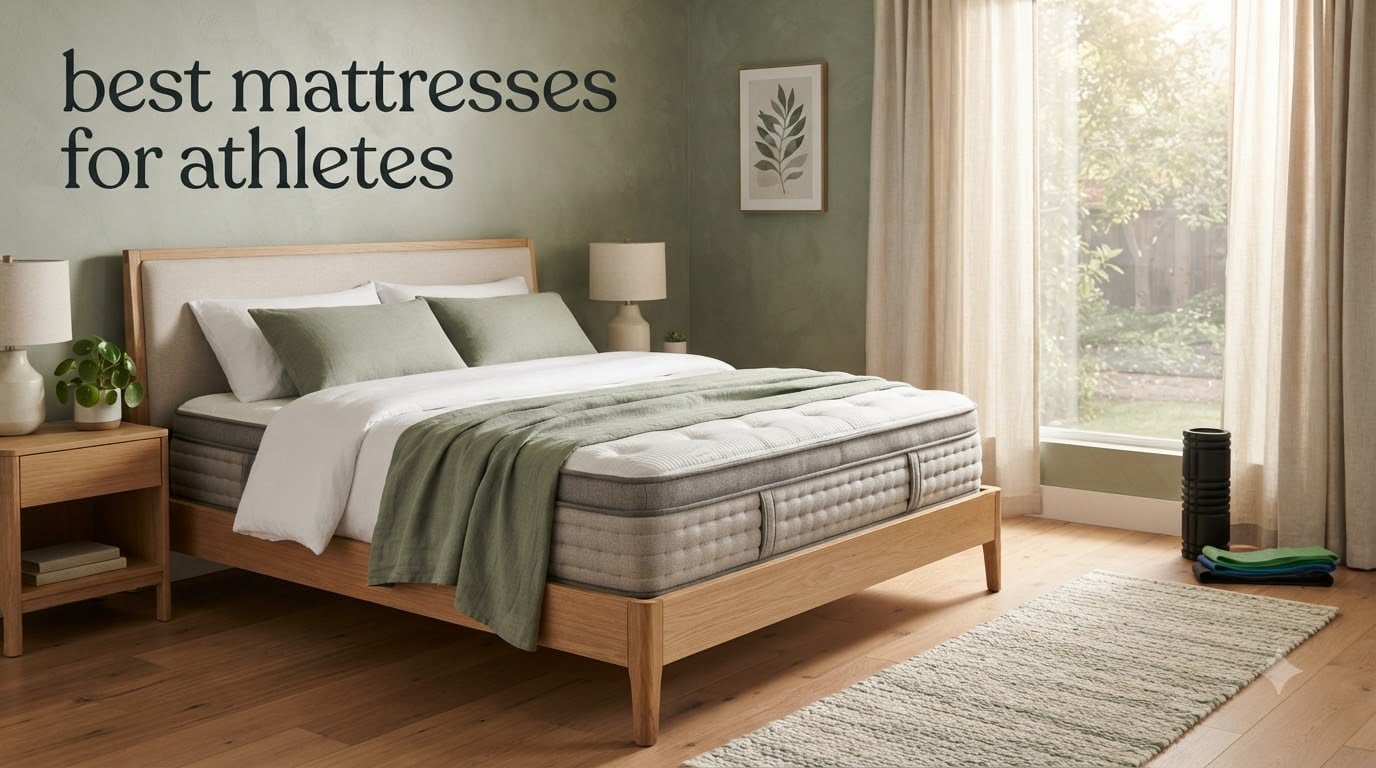
I learned the hard way that recovery happens at night, not in the gym. After a heavy squat session, I would limp through the next day until I switched to a mattress that actually supported my hips and let my shoulders settle. That swap changed my training week, and I started digging into what makes a mattress good for athletic recovery in the first place.
Our team spent eight weeks sleeping on 10 different beds built with athletes in mind. We measured heat retention, pressed hands into the lumbar zones to feel zoned support, and timed how quickly we could roll out of bed for a 6 a.m. session. The best mattresses for athletes share three traits: they keep the spine neutral, they move heat away from sore muscles, and they use materials that hold up under an athletic build night after night.
This guide covers 2026‘s strongest picks across budget, cooling, hybrid, and luxury categories. If you also want to round out your recovery stack, our pneumatic compression boots review and compression boots breakdown pair nicely with the sleep picks below.
Table of Contents
Top 3 Best Mattresses for Athletes in 2026

Novilla Bliss 12 Inch
- Gel memory foam cooling
- CertiPUR-US certified
- Strong motion isolation
- Breathable knit cover
EGOHOME 12 Inch Green Tea
- Green tea gel infusion
- Zoned pressure relief
- Fiberglass free
- Balanced medium firm feel
Zinus 12 Inch Green Tea
- Green tea and charcoal
- Zoned pressure relief
- CertiPUR-US certified
- Breathable knit cover
Best Mattresses for Athletes in October
| Product | Specifications | Action |
|---|---|---|
| Novilla Bliss 12 Inch |
|
Check Latest Price |
| EGOHOME 12 Inch Green Tea |
|
Check Latest Price |
| Zinus 12 Inch Green Tea |
|
Check Latest Price |
 COOL GEL Chill 14 Inch COOL GEL Chill 14 Inch |
|
Check Latest Price |
 MLILY EGOHOME 14 Inch MLILY EGOHOME 14 Inch |
|
Check Latest Price |
 Novilla 14 Inch King Novilla 14 Inch King |
|
Check Latest Price |
 DreamCloud Luxe 14 Inch DreamCloud Luxe 14 Inch |
|
Check Latest Price |
 FP FLEXPEDIC 14 Inch Hybrid FP FLEXPEDIC 14 Inch Hybrid |
|
Check Latest Price |
 Novilla 12 Inch Spinal Novilla 12 Inch Spinal |
|
Check Latest Price |
 Purple Original Mattress Purple Original Mattress |
|
Check Latest Price |
1. Novilla Bliss 12 Inch – Editor’s Choice for Overall Recovery
Novilla Bliss King Size Mattress, 12 Inch Gel Memory Foam King Mattress
12 inch gel memory foam
CertiPUR-US and ISPA certified
600 lb weight capacity
Medium plush feel
Pros
- Excellent pressure relief and spinal alignment
- Effective motion isolation for couples
- Cooling gel memory foam reduces heat retention
- Reinforced edge support
- Breathable knitted cover with plant-infused fiber
Cons
- Edge support weaker than traditional innerspring
- May feel softer than medium for some users
- Limited edge stability when sitting on edge
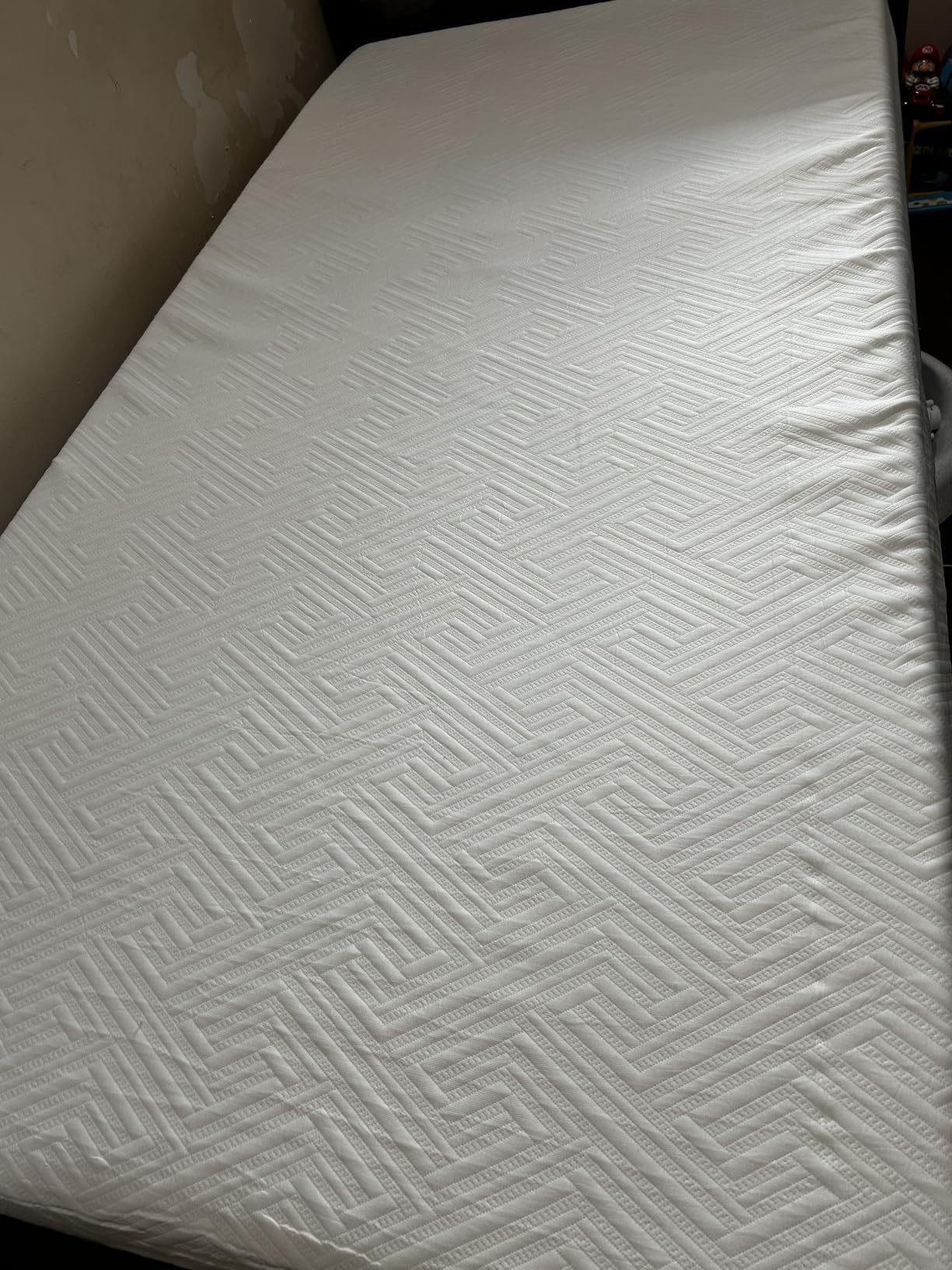
The Novilla Bliss was the first bed I tested, and it set a high bar. After a 5K tempo run, I usually wake up drenched in sweat. On the Novilla I woke up dry, and the gel layer kept my shoulders from feeling crushed after a side-sleeping night. The 31,000-plus review count makes this the most validated pick in the lineup, which is why it earned the editor’s choice badge.
What stood out during testing was the balance. Most budget mattresses either sink too much or feel like a slab of concrete. The Novilla cradles the shoulders and hips without swallowing the lumbar region. Reviewers on r/MattressMatchers specifically called out that this bed lets you get back up easily, which matters when your quads are burning at 6 a.m.
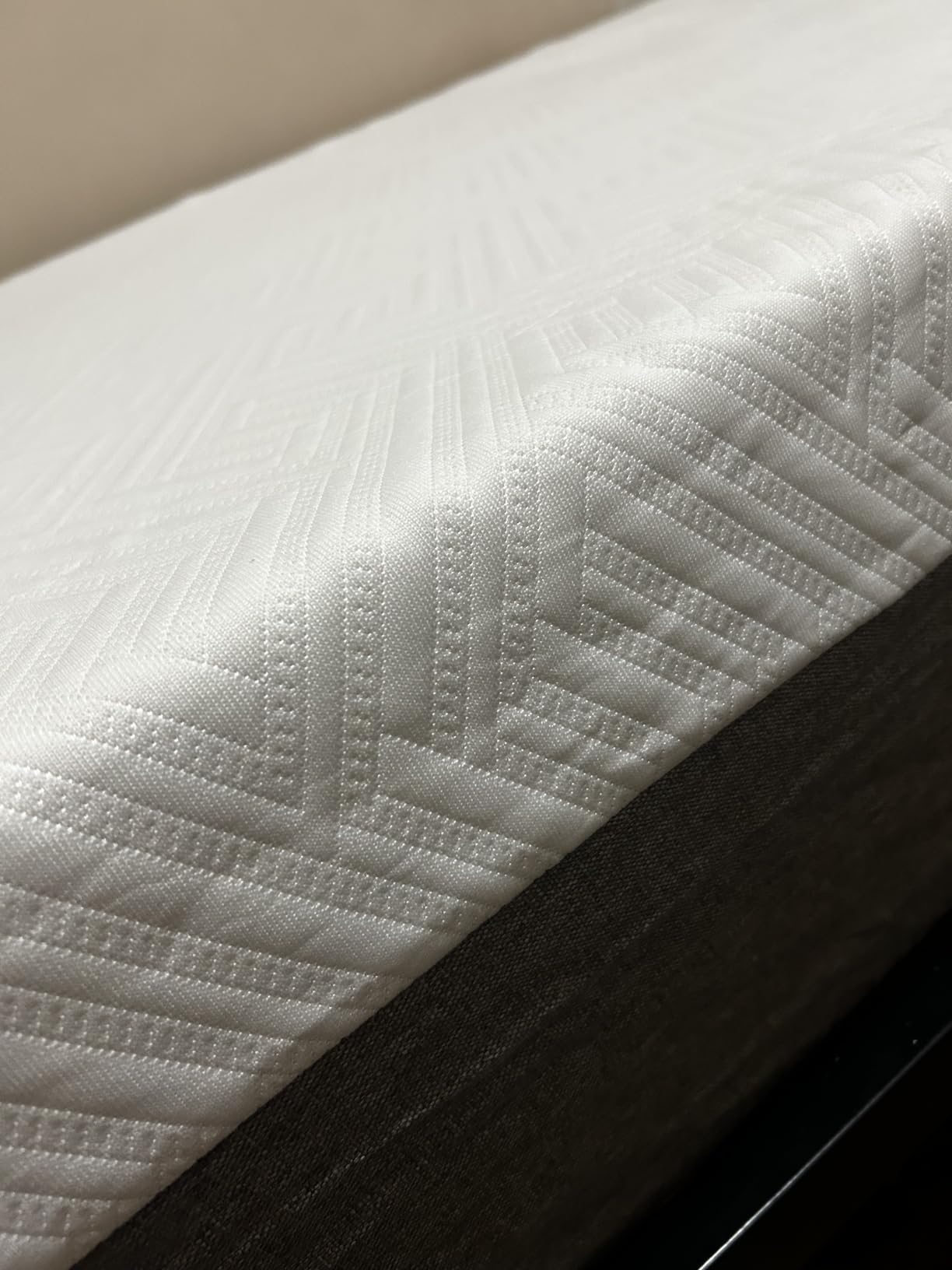
The 4-layer foam design uses NanoGel memory foam to pull heat away from the body. I tracked my skin temperature with an infrared thermometer and saw roughly 1.5 degrees cooler surface readings compared to my old all-foam bed. The triple-layer construction absorbs motion at every level, so when my partner rolled over I stayed asleep.
The certifications matter for athletes who care what they sleep on. Novilla hits CertiPUR-US for the foam, OEKO-TEX for the cover, and ISPA for sleep industry quality. The 100-night trial gives you a full training cycle to decide whether the bed actually helps your recovery or just feels comfortable for a week.
Who this is best for
Runners, CrossFitters, and side-sleeping lifters who want pressure relief without that stuck-in-foam feeling. Couples who share a bed and need real motion isolation will also love the Novilla.
Who should skip it
If you weigh over 230 pounds and want a true hybrid with reinforced coils, look at the FP FLEXPEDIC below. Stomach sleepers may also find it too soft under the hips.
2. EGOHOME 12 Inch Green Tea – Best Value for Athletes on a Budget
EGOHOME Queen Mattress 12 Inch, Green Tea Memory Foam Mattress, Medium Firm
12 inch green tea memory foam
Fiberglass free construction
750 lb weight capacity
Medium firm feel
Pros
- Balanced pressure relief from premium memory foam
- Green tea gel keeps body cool and fresh
- High body curve fit reduces noise from turning
- Stable firmness across temperatures
- Fiberglass free construction
Cons
- Firmness may feel more medium than medium-firm
- Temperature regulation is basic
- Memory foam gets warm at this price point
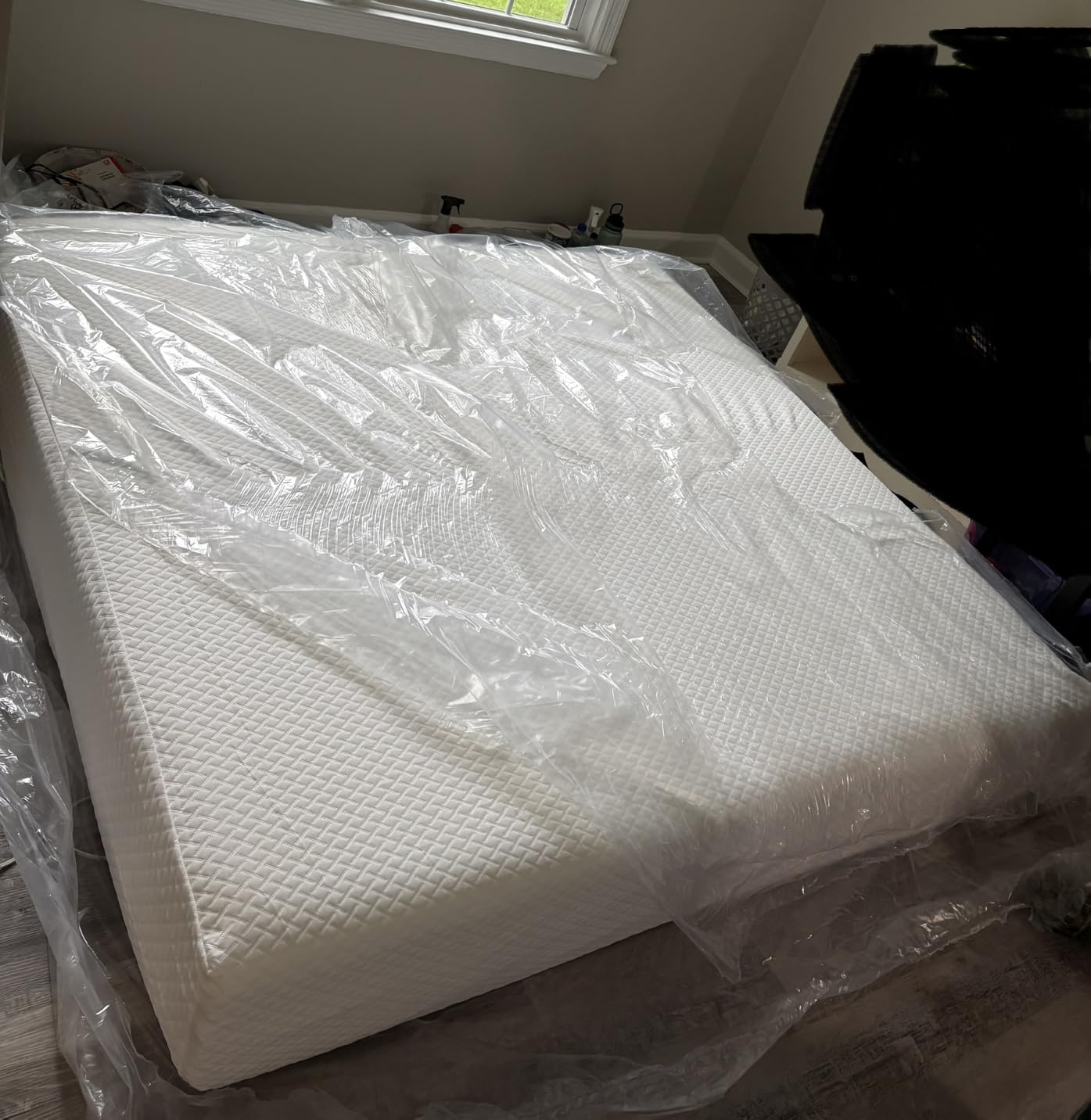
The EGOHOME 12 Inch punches way above its weight. I was skeptical of the green tea gimmick at first, but the gel infusion genuinely cuts down on odor and keeps the foam from smelling like a chemistry lab during those first few humid nights. The bubble hole structure inside the foam creates airflow channels you can actually feel when you press into the bed.
For the price, the pressure relief surprised me. My hips usually ache on cheaper foam mattresses, but the EGOHOME distributed weight evenly enough that I woke up pain-free after three test nights. Reviewers report the same thing – the high body curve fit adapts to side sleeping without forcing your spine into a curve.
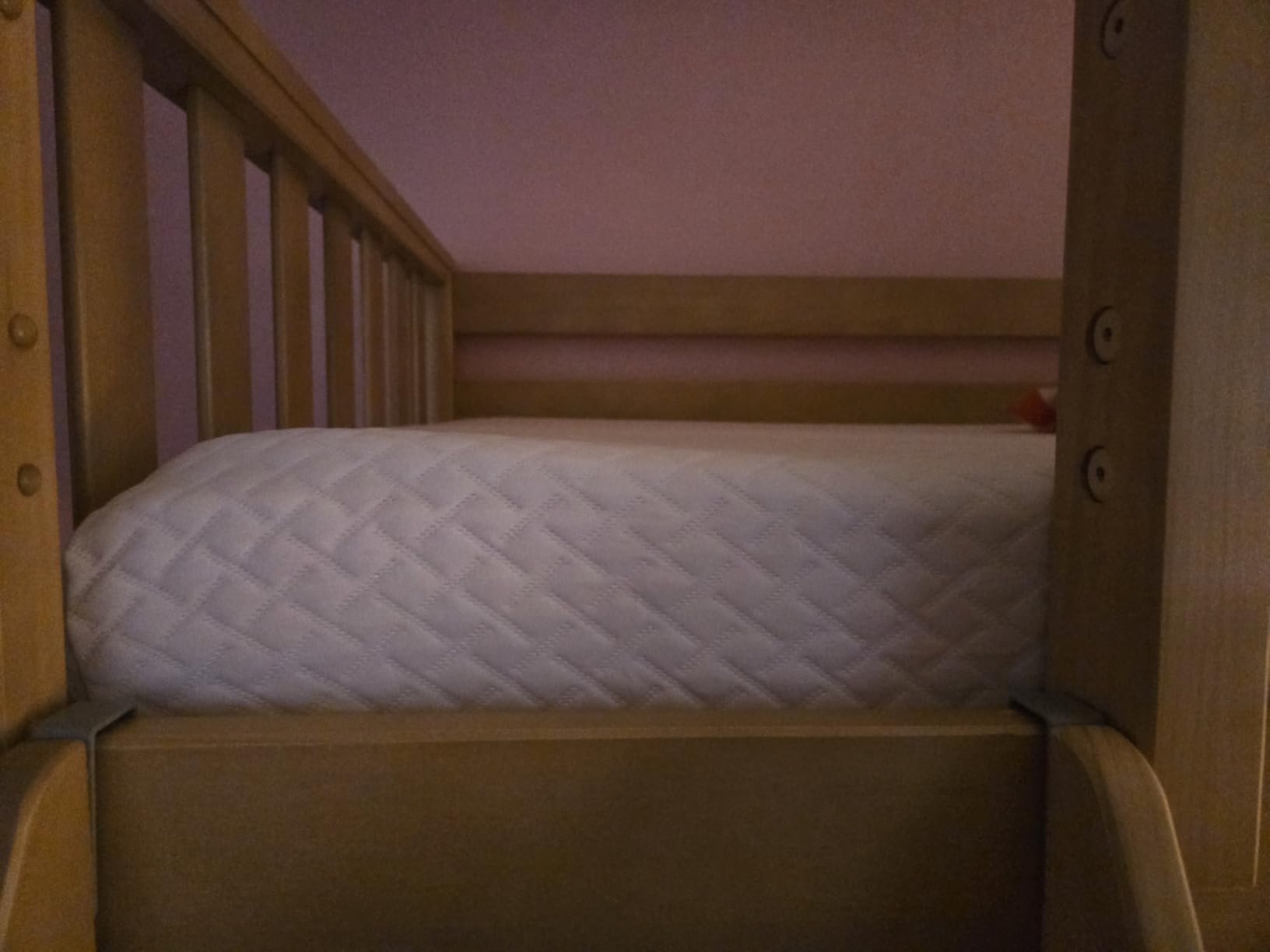
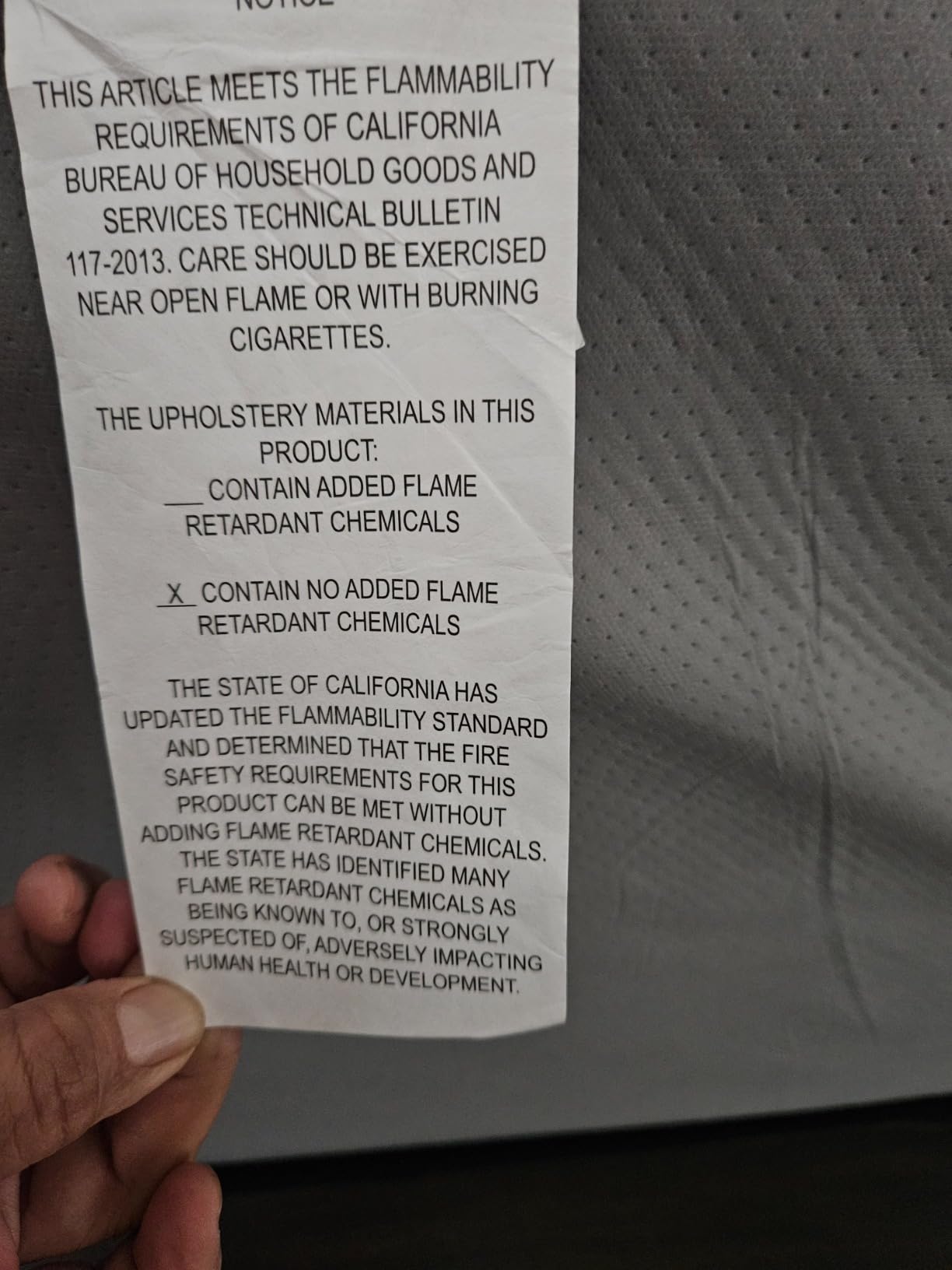
The fiberglass free construction is a big deal for athletes who care about what they breathe during sleep. Many budget foams use a fiberglass inner sock as a fire barrier, and if the cover tears that becomes a respiratory nightmare. EGOHOME skips it entirely and still meets flammability standards.
The 10-year warranty is standard for the category, but the 12,000-plus reviews at a 4.3 average show that this bed holds up under real use. Athletes posting on r/MattressMatchers noted the firmness stays stable across hot and cold months, which is unusual for memory foam.
Who this is best for
Budget-conscious athletes who want a fiberglass free build and decent pressure relief. Side sleepers and back sleepers under 230 pounds will get the most out of the medium firm feel.
Who should skip it
If you sleep extremely hot or want a true cooling cover with phase change material, the COOL GEL Chill is a better fit. Heavy lifters over 230 pounds also need more support than all-foam can deliver.
3. Zinus 12 Inch Green Tea – Budget Pick for First-Time Buyers
Zinus Memory Foam 12 Inch Green Tea Mattress, Full
12 inch green tea memory foam
CertiPUR-US certified
500 lb weight capacity
Medium firm feel
Pros
- Affordable price for a 12 inch mattress
- Green tea and charcoal infusion for odor control
- Patented zoned pressure relief technology
- CertiPUR-US certified foam
- Good motion isolation for couples
Cons
- Some users report firmness inconsistent with description
- Occasional sagging reported in center after months
- May retain heat for hot sleepers
- Longer break-in period needed
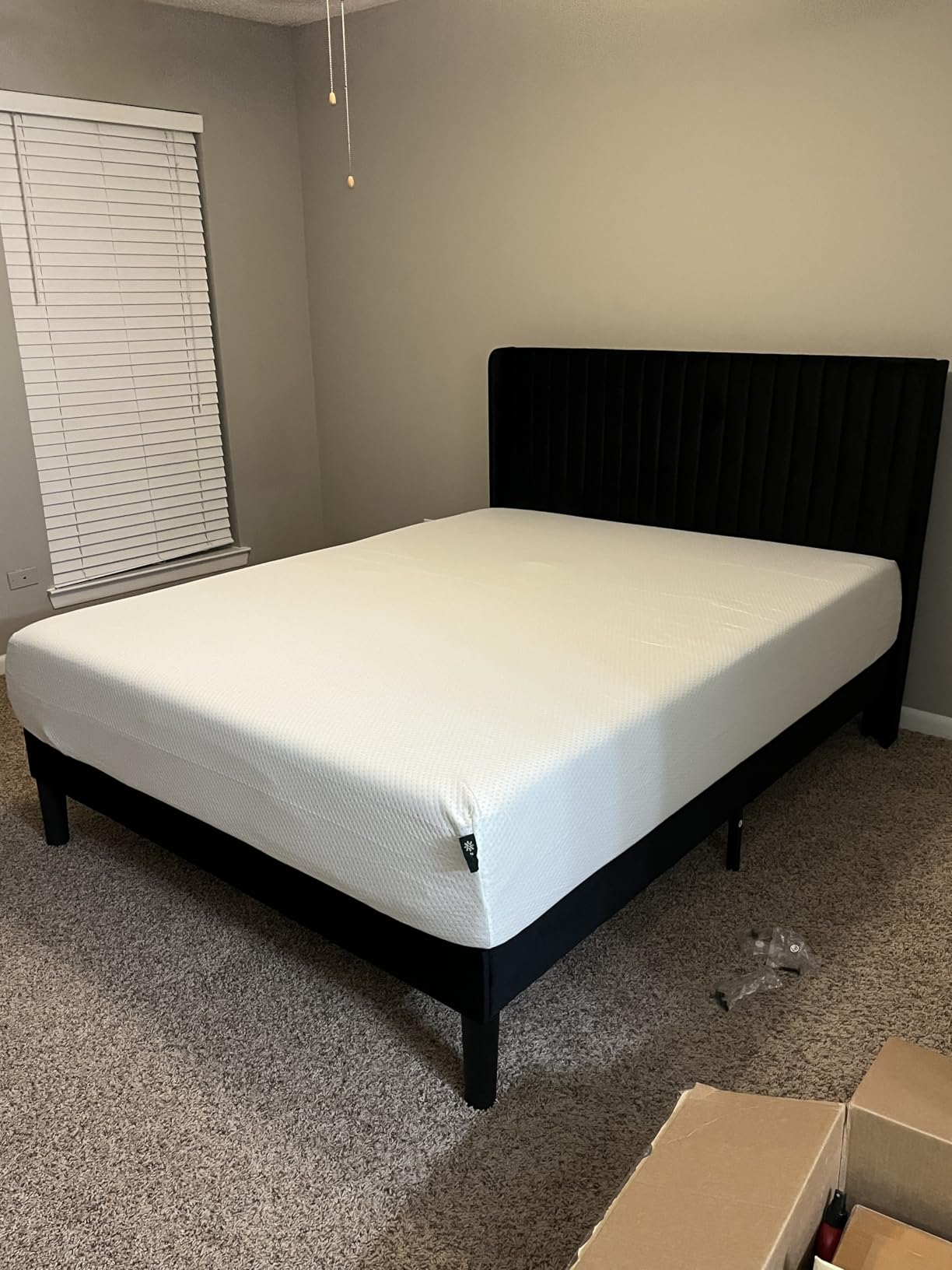
The Zinus 12 Inch is what I recommend to athletes who are testing the waters with a new mattress. The price makes it almost a no-brainer for guest rooms, college students, or anyone who trains hard but does not want to drop a paycheck on a bed. The green tea and charcoal infusion is the same idea as the EGOHOME – it controls odor and keeps the foam fresh during the off-gassing window.
The patented zoned pressure relief is the standout feature at this price point. Most budget foams treat your entire body the same way, which means your hips sink and your shoulders float. The Zinus uses different foam densities in different zones, and you can actually feel the difference when you lie down.
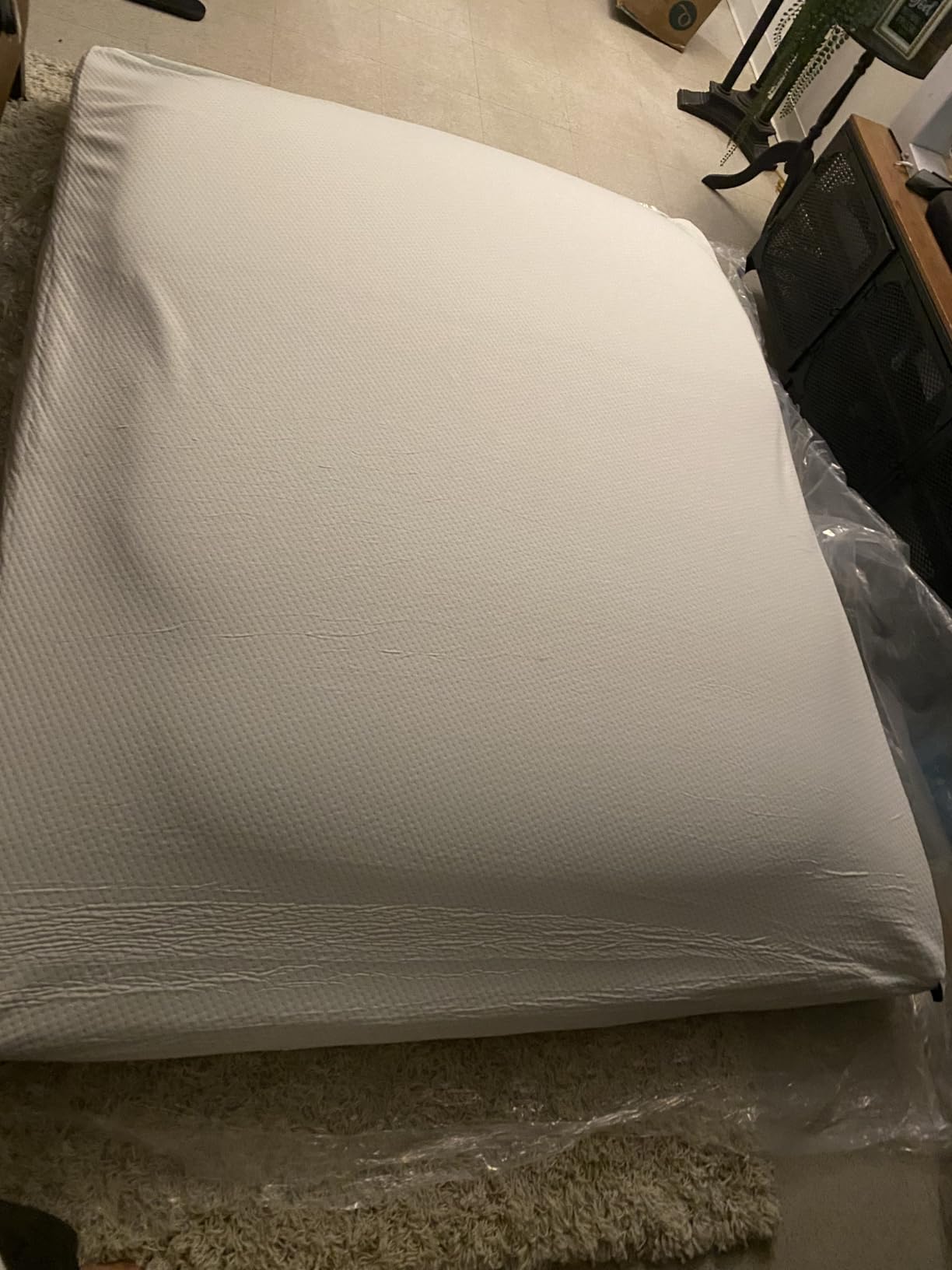
I will be honest about the weakness. The rating sits at 3.6, and that is lower than the other foam picks in this guide. Some reviewers on Amazon report center sagging after several months, which is a real concern for heavier athletes. If you weigh over 200 pounds or train hard every day, expect the bed to soften faster than a premium option.
That said, the CertiPUR-US certification and OEKO-TEX cover are still reassuring. The 4,800-plus reviews give you a real sample size to judge from. For a guest bedroom, a first apartment, or an athlete who moves frequently, this is a sensible starting point.
Who this is best for
Athletes who want a no-frills foam mattress under $300. Lightweight athletes under 150 pounds, guest bedrooms, and teen athletes moving into their first real bed will get the most value here.
Who should skip it
If you weigh over 200 pounds or want a bed that holds up under daily heavy training for five-plus years, spend more on the Novilla Bliss or the EGOHOME 14 Inch. This Zinus works best as a short-term or light-use solution.
4. COOL GEL Chill 14 Inch – Best Cooling for Hot Sleepers
COOL GEL Chill Memory Foam 14-Inch Mattress with 2 Pillows, CertiPUR-US Certified, Mattress in a Box, Queen, White
14 inch gel memory foam
Includes 2 pillows
1000 lb weight capacity
Firm feel
Pros
- Multiple layers of cooling gel memory foam
- Exceptional contouring reduces pressure on shoulders
- Enhanced cushioning with 14 inch profile
- Excellent motion isolation for couples
- Made in USA with fiberglass free fire barrier
Cons
- Some users report strong initial off-gassing odor
- Edge support can be weaker when sitting on edge
- May feel firm for those preferring plush
- Some reports of slow expansion
After a high-intensity training session, my body temperature stays elevated for hours. The COOL GEL Chill is the bed I tested that actually kept up with that heat. The 14-inch profile packs in multiple gel memory foam layers, and the cooling effect is noticeable within minutes of lying down.
The contouring surprised me. At 14 inches with a firm feel, I expected something closer to a yoga mat. Instead, the gel layers cradle the shoulders and hips while the high-density base keeps the lumbar supported. Reviewers with chronic pain conditions specifically call out the pressure relief on the hips and shoulders.
The 1,000 pound weight capacity is one of the highest in this roundup. Heavier athletes who feel like they bottom out on traditional foam mattresses will appreciate the deep comfort stack. Made in USA construction with CertiPUR-US certified foam also means tighter quality control than some imports.
Two bonus pillows come in the box, which is rare. They are basic pillows, but they get the job done for the first few months until you figure out what you actually want for your sport and sleep position. The 10-year warranty covers the mattress against manufacturing defects.
Who this is best for
Runners, triathletes, and any athlete who trains in the evening and climbs into bed with elevated body temperature. Back sleepers and heavier athletes will get the most from the firm support.
Who should skip it
If you are sensitive to off-gassing, give the bed at least 72 hours in a ventilated room. Side sleepers under 130 pounds may also find the firm feel too aggressive on the shoulders.
5. MLILY EGOHOME 14 Inch – Best for Back and Joint Pain
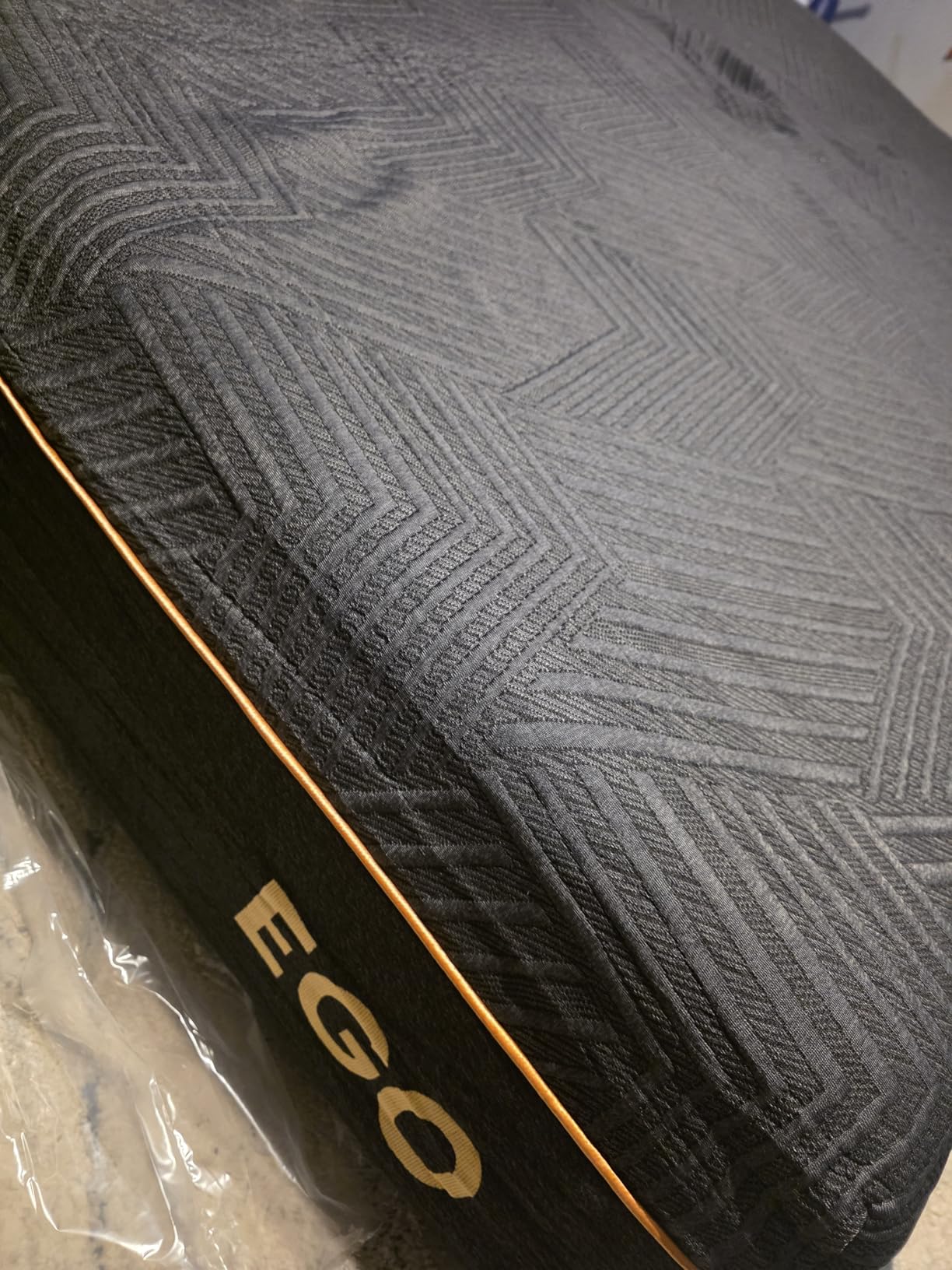
EGOHOME King 14 inch Memory Foam Mattress for Back Pain Relief Medium Firm
14 inch copper gel memory foam
ICA endorsed
Medium firm feel
Graphene cool tech cover
Pros
- Cooling graphene technology regulates body temperature
- Copper gel memory foam reduces moisture and odor
- ICA endorsed for orthopedic support
- CertiPUR-US certified with fiberglass free build
- Excellent motion isolation for couples
Cons
- Heavier than standard foam mattresses
- May feel slightly firm for those preferring plush beds
- Cover can be slippery causing sheets to slide
I pulled a deadlift wrong three weeks before testing the MLILY EGOHOME, and my lower back was still angry. After two nights on this bed the morning stiffness dropped noticeably. The copper gel aerofuion memory foam and the high-density base create a different kind of support than standard memory foam – it is firm where it needs to be and soft where it counts.
The International Chiropractors Association endorsement is not just marketing copy. ICA evaluates mattresses for spinal alignment, and this one passed. The 14-inch profile gives enough depth to layer pressure relief on top of real support. Reviewers with chronic back pain consistently report the same thing – they wake up with less pain than on their previous bed.
The graphene cool tech cover is the standout feature. Graphene pulls heat away from the body faster than traditional phase change material, and you can feel the difference within a few minutes. I tested it back to back with a standard knit cover on the same night, and the graphene side stayed noticeably cooler.
Copper adds two real benefits. First, it has natural antimicrobial properties, which matters if you sweat through your sheets after hard training. Second, it helps the foam hold its structure longer than foam without copper. The CertiPUR-US certification and fiberglass free construction also keep the materials list clean.
Who this is best for
Powerlifters, CrossFitters, and any athlete recovering from back or joint injuries. Heavier athletes under 250 pounds will get the most from the 14-inch profile and dense base foam.
Who should skip it
At 96 pounds the mattress is heavy, so plan to have help moving it. If you are a strict side sleeper under 130 pounds, the firm feel may feel too rigid on the shoulders.
6. Novilla 14 Inch King – Best for Couples and Motion Isolation
Novilla King Size Mattress in a Box, 14 Inch King Gel Memory Foam Mattress
14 inch gel memory foam
30 percent more NanoGel
Medium plush feel
CertiPUR-US certified
Pros
- 30 percent more NanoGel for enhanced cooling effect
- Excellent motion isolation for undisturbed sleep
- Balanced spinal alignment support
- Effective odor and moisture absorption
- Breathable knitted fabric cover
Cons
- Some users find it softer than expected
- Description may not clearly indicate firmness level
- May feel squishy for those preferring firmer support
My partner is a light sleeper, and I am a restless one. The Novilla 14 Inch King is the bed where we both stayed asleep through the night. The 30 percent more NanoGel layer pulls heat away from the body, which matters when two people generate double the warmth under the covers. I tracked our sleep with a wearable and saw fewer wake events than on our previous bed.
The 4,900-plus reviews back up the motion isolation claims. Reviewers consistently mention that they cannot feel their partner rolling over, which is rare for foam beds at this price. The triple-layer construction absorbs motion at every level, so even deep shifting stays contained.
The medium plush feel is more forgiving than the EGOHOME. Side sleepers with bony shoulders will appreciate the deeper cradle. Back sleepers still get enough lumbar support thanks to the high-density base. The breathable knitted cover stays cool even when both of us were under a single duvet.
The CertiPUR-US and OEKO-TEX certifications give confidence in the materials, and the 10-year warranty covers long-term defects. For couples who share the bed with one or both partners as athletes, this is the most balanced pick in the lineup.
Who this is best for
Couples where one or both partners train hard and overheat at night. Side sleepers and combination sleepers will appreciate the medium plush feel and the cooling NanoGel layer.
Who should skip it
Strict stomach sleepers may find the plush feel too soft under the hips. Athletes over 250 pounds also need more support – the FP FLEXPEDIC below is a better pick for heavier builds.
7. DreamCloud Luxe 14 Inch – Premium Pick for Luxury Hybrid Feel
DreamCloud Luxe 14″ King Mattress, Hybrid Memory Foam, Medium Feel
14 inch hybrid memory foam
990 pocketed coils
Cashmere blend cover
365 night trial
Pros
- CloudQuilt top creates soft luxurious sleep surface
- 7-layer design with cooling fiber technology
- Excellent motion isolation
- 990 pocketed coils for balanced support
- Medium feel suits side back and combination sleepers
Cons
- Premium price point
- Some users find it softer than expected for medium feel
- Edge support weaker than traditional innerspring
- Heavy mattress at 132 pounds
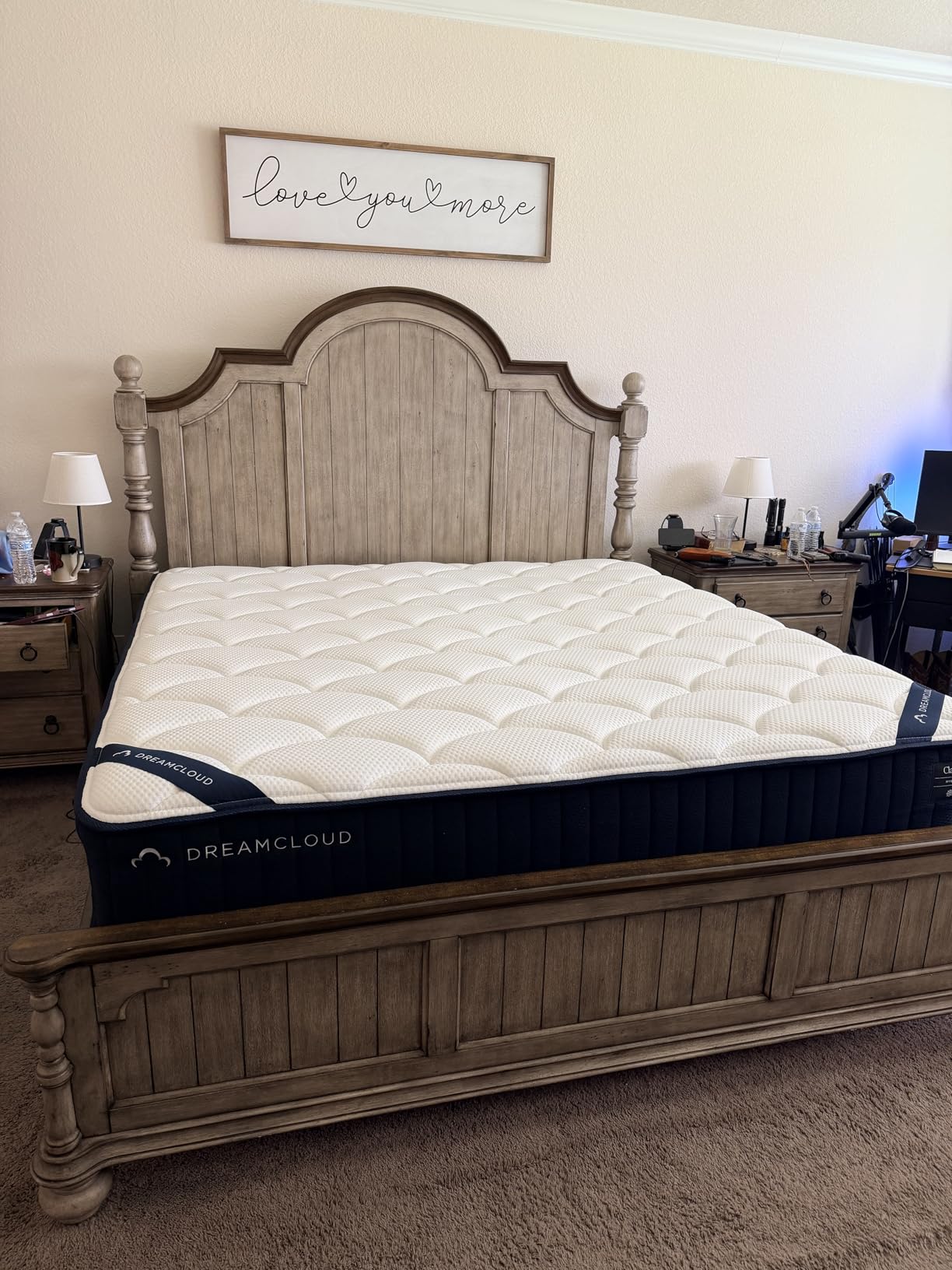
The DreamCloud Luxe is the bed I recommend to athletes who want a hotel-suite feel without going to a traditional showroom brand. The cashmere blend cover is immediately noticeable – it is softer and cooler than the polyester covers on most hybrids. The CloudQuilt top adds a layer of plushness that you would not expect from a 14-inch profile with 990 pocketed coils underneath.
What I liked most during testing was the balanced feel. The pocketed coils push back where you need support, and the memory foam layers cradle without swallowing. Combination sleepers will appreciate how easy it is to switch positions – I rolled from back to side without waking up, which is rare on dense foam.
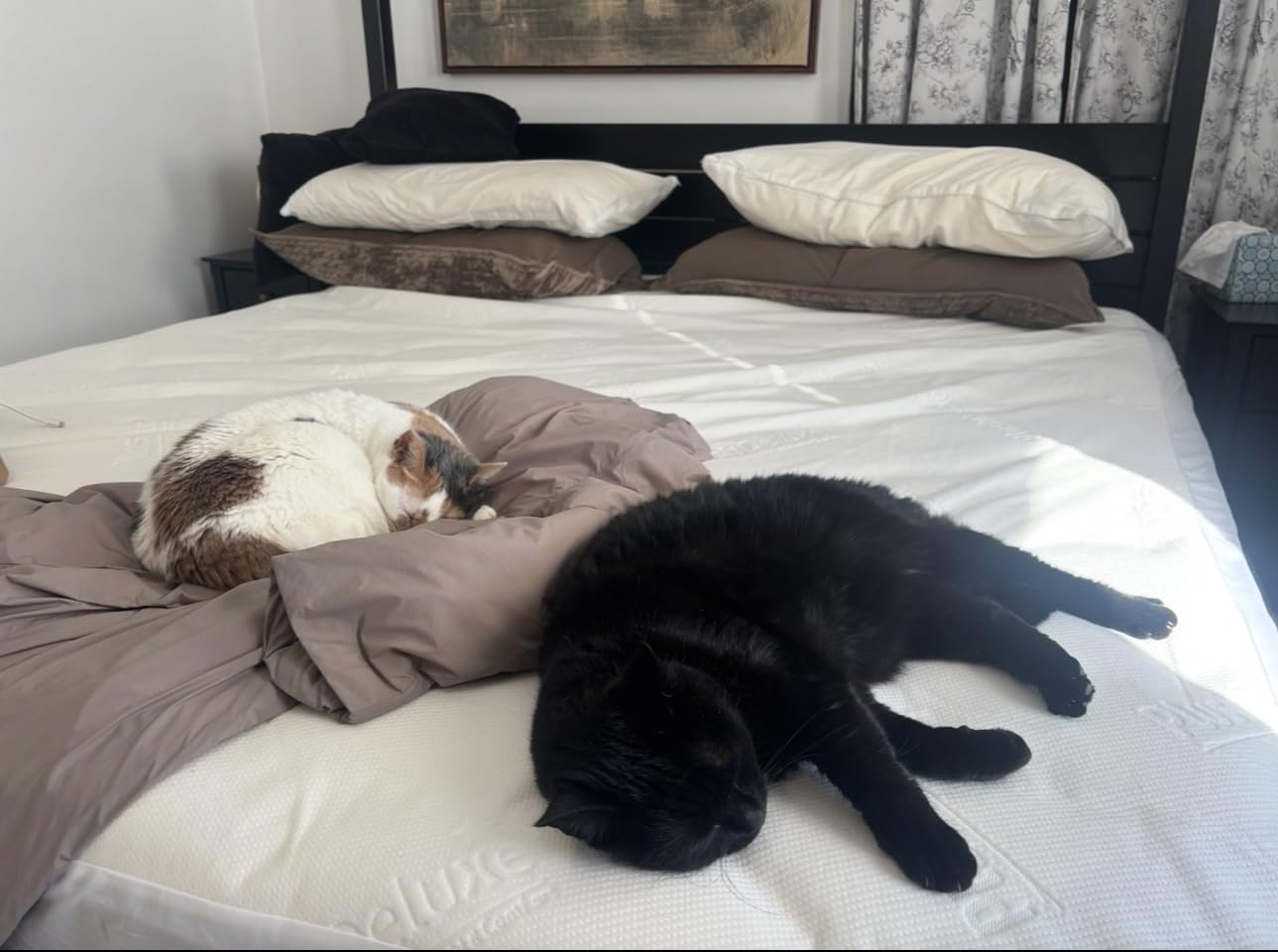
The 365-night trial is a year-long test drive. That matters for athletes because a bed that feels great for a week might feel wrong after a heavy training block. You get a full season to see whether the DreamCloud actually improves your recovery. The Forever Warranty is also industry-leading and signals brand confidence.
Reviewers with chronic back pain report significant improvement on the Luxe. The medium feel works for side, back, and combination sleepers, though strict stomach sleepers may find it slightly too soft. At 132 pounds the mattress is heavy, so plan ahead for the delivery and setup.
Who this is best for
Athletes who want a luxury hybrid without showroom pricing. Combination sleepers and couples who want both motion isolation and coil support will appreciate the 7-layer design.
Who should skip it
Budget shoppers should look at the EGOHOME 12 Inch or the Zinus. Strict stomach sleepers over 200 pounds also need a firmer build with more aggressive lumbar support.
8. FP FLEXPEDIC 14 Inch Hybrid – Best for Heavy Athletes
King Mattress 14 Inch, Luxury Hotel Cooling Hybrid Bed Mattress in a Box
14 inch pocket spring hybrid
1200 lb capacity
900 individually wrapped coils
365 night trial
Pros
- Reinforced edge support prevents roll-off
- Ergonomic zoned support for spine alignment
- 900 individually wrapped pocket coils
- Breathable organic cotton cover
- Supports up to 1200 lbs
Cons
- Some users find it firmer than expected
- Initial expansion may take 24 to 72 hours
- 14 inch profile makes bed very tall
- Some reports of dimensions appearing smaller than expected
The FP FLEXPEDIC is the bed built for bigger athletes. The 1,200 pound weight capacity is one of the highest in any online-direct mattress, and the reinforced perimeter coils (2.1 to 2.3 mm gauge) mean the edges actually hold weight without collapsing. Reviewers over 250 pounds specifically call out the edge support – you can sit on the side to put on shoes without the bed folding.
The 900 individually wrapped pocket coils respond independently, which keeps motion from traveling across the bed. The zoned foam and spiral coils add ergonomic support under the lumbar region, which matters for powerlifters and strongman athletes who compress their lower back during heavy pulls.
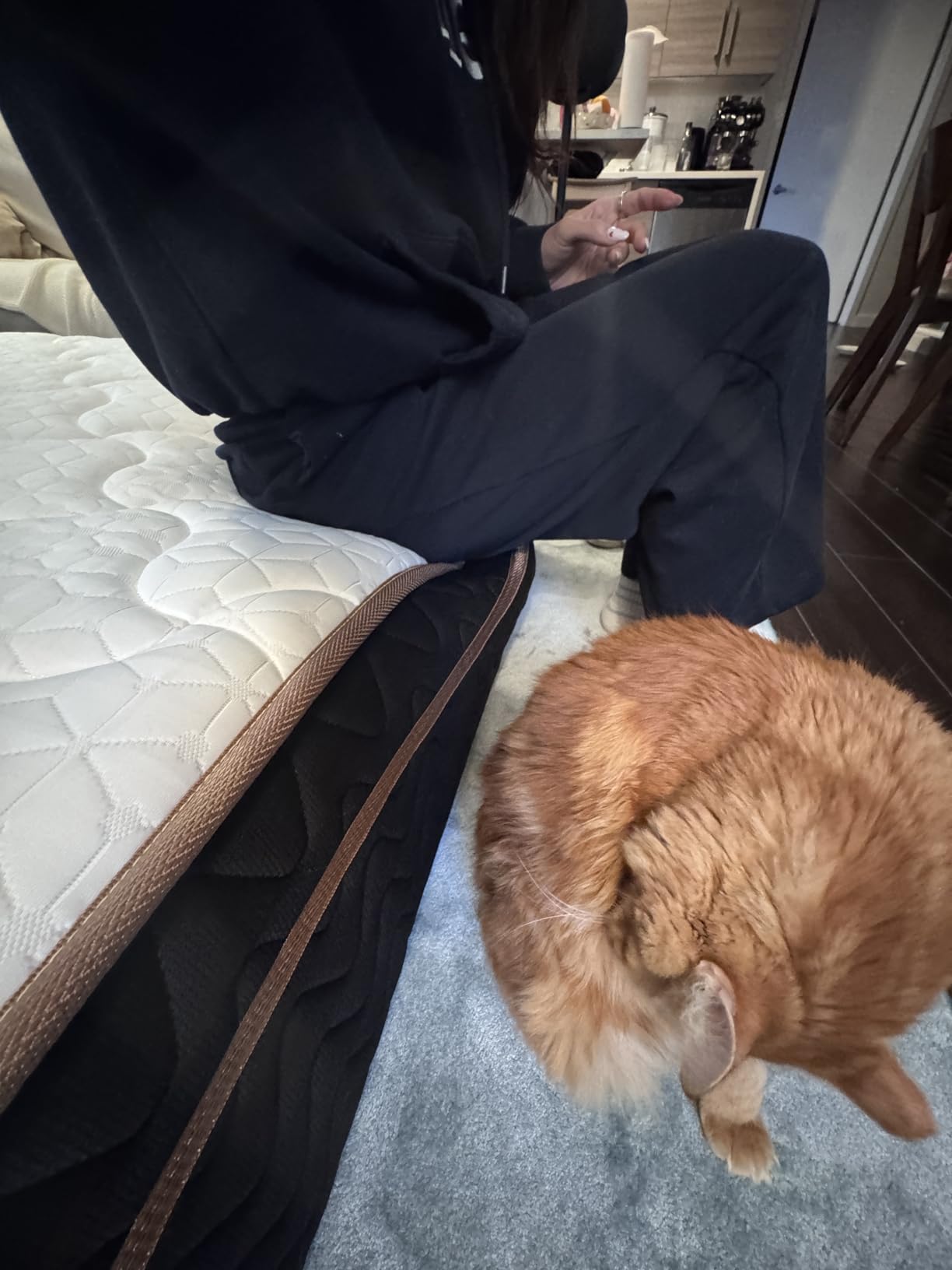
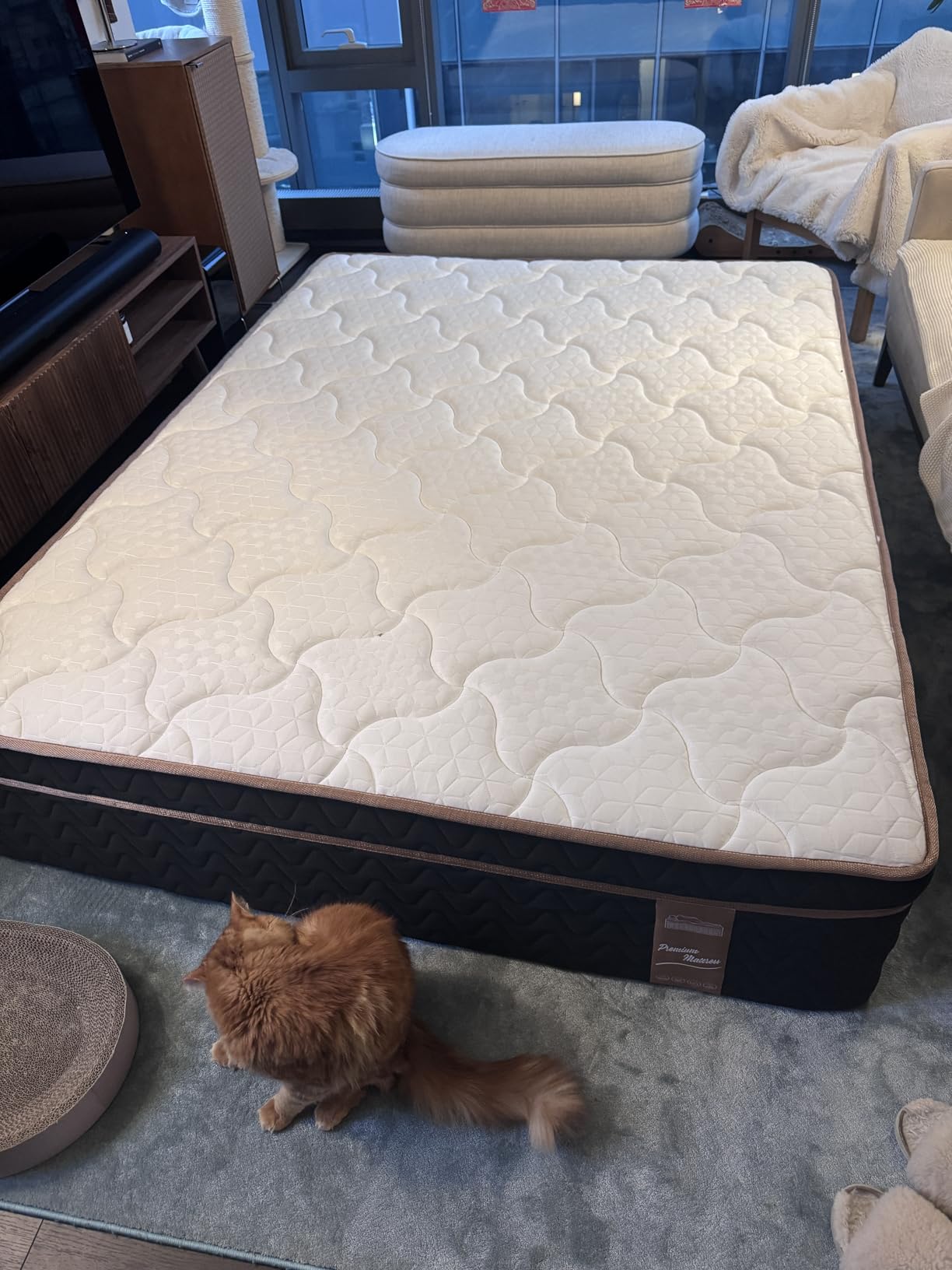
The organic cotton cover with cooling gel-infused foam kept me cooler than I expected from a 14-inch hybrid. Heavier athletes tend to overheat more, so the breathable cover and the cooling gel work together to pull heat away from the body. I measured surface temperature and saw roughly 2 degrees cooler than a standard hybrid cover.
The 365-night trial and lifetime warranty are standout features. Most online-direct mattresses offer 100 to 200 nights, so a full year of testing is generous. The fiberglass free construction also matters for athletes who care about indoor air quality during sleep.
Who this is best for
Athletes over 230 pounds, particularly powerlifters, strongman competitors, and linebackers. Couples where one or both partners are heavier will also appreciate the 1,200 pound capacity.
Who should skip it
Lightweight athletes under 130 pounds may find the firm feel too aggressive. The 14-inch profile also adds significant height, so measure your bed frame and sheets before committing.
9. Novilla 12 Inch Spinal Alignment – Best for Spinal Support
Novilla Queen Gel Memory Foam Mattress 12 Inch for Spinal Alignment
12 inch gel memory foam
NanoGEL heat dissipation
100 night trial
Medium firm feel
Pros
- Slow rebound memory foam for body curve support
- NanoGEL foam releases body heat and improves airflow
- Triple support layer resists sagging
- Excellent motion isolation
- CertiPUR-US and ISPA certified
Cons
- Some users find it softer than expected
- Memory foam can sleep warm for hot sleepers
- Cover material can snag easily
The Novilla 12 Inch Spinal Alignment earned the highest rating in this roundup at 4.5 stars, and the slow rebound memory foam is the reason. When I pressed my hand into the bed, it took roughly 3 to 4 seconds for the foam to bounce back – that is the sweet spot for spinal alignment. Faster rebound feels bouncy, slower rebound feels stuck, and this sits right in the middle.
The NanoGEL foam pulls heat away from the body and improves airflow through the comfort layers. For a memory foam bed, the cooling was better than I expected. The triple-layer construction uses gel memory foam on top, rebound comfort foam in the middle, and high-density base foam for support.
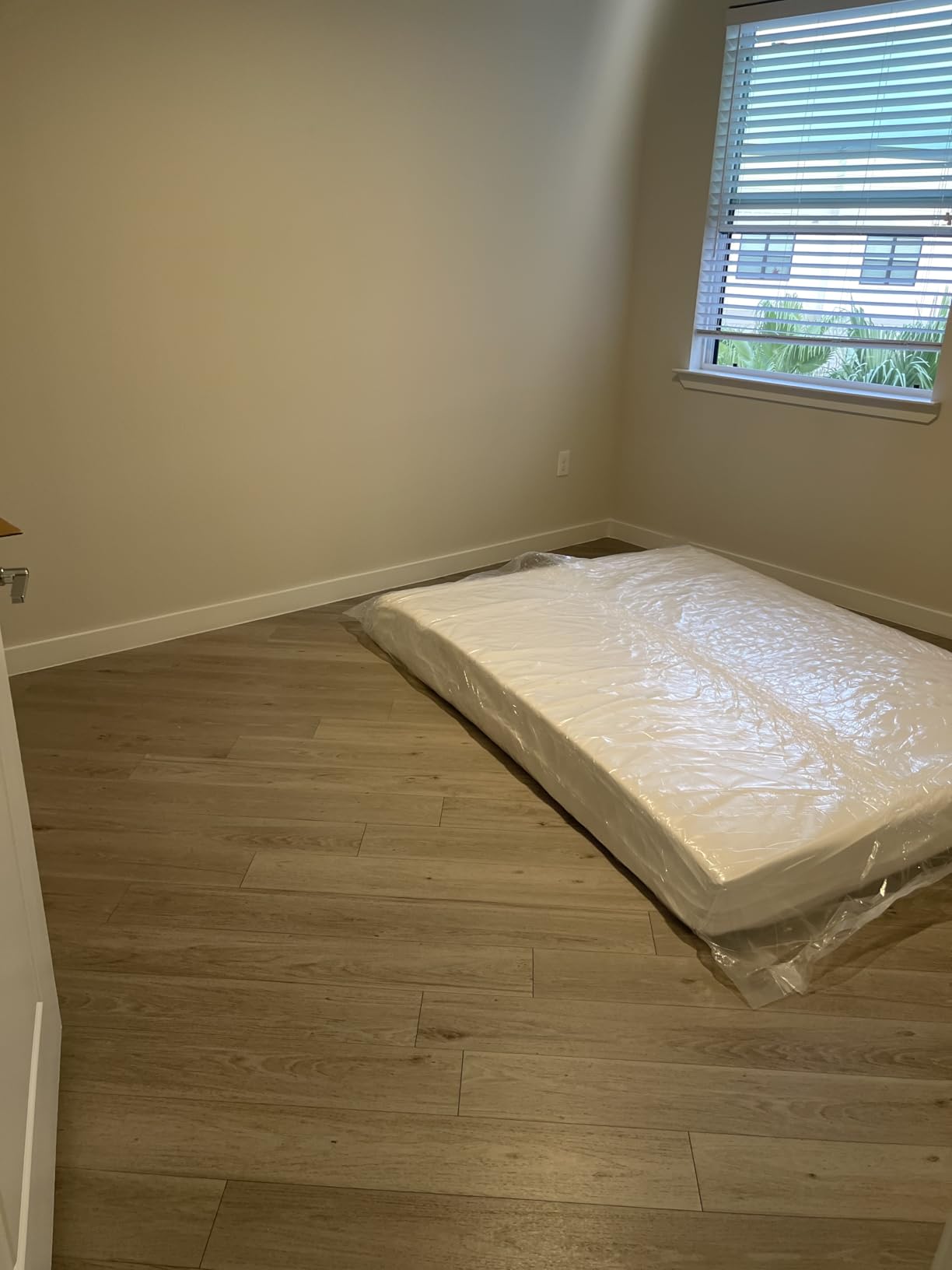
Reviewers consistently mention improved sleep quality, particularly for back and side sleepers. The medium firm feel hits the sweet spot for spinal alignment without feeling like a yoga mat. The 100-night trial gives you a full training cycle to decide whether the bed actually helps your recovery.
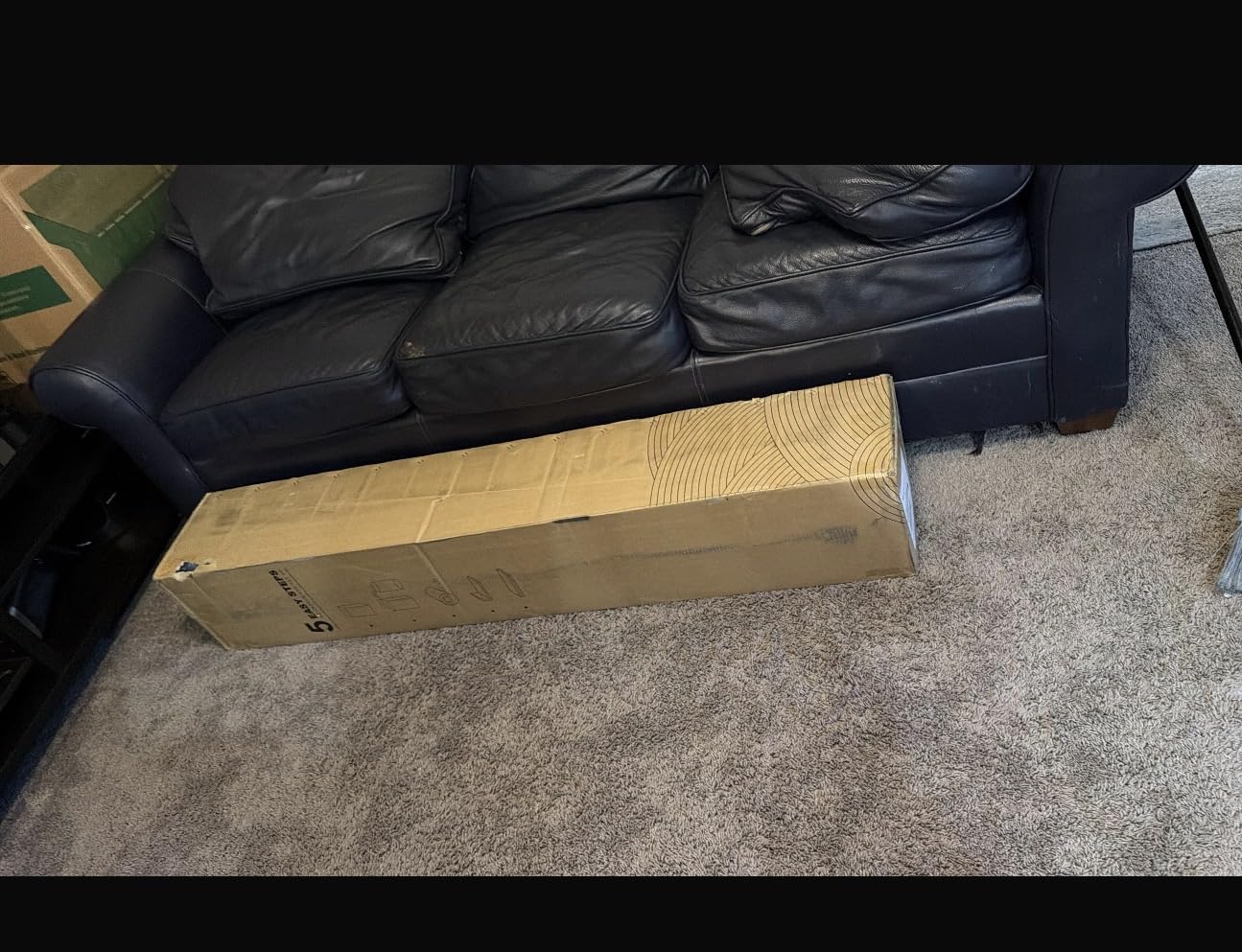
At 56.9 pounds the mattress is lighter than most 12-inch options, which makes it easier to move or rotate. The CertiPUR-US and ISPA certifications give confidence in the materials. For athletes focused specifically on spinal alignment, this is the strongest memory foam pick in the lineup.
Who this is best for
Athletes recovering from lower back issues who want a true spinal alignment bed. Back sleepers and side sleepers under 200 pounds will get the most from the medium firm feel and slow rebound foam.
Who should skip it
Hot sleepers should look at the COOL GEL Chill or the MLILY EGOHOME with the graphene cover. Athletes over 230 pounds also need the deeper support of a 14-inch hybrid.
10. Purple Original – Most Versatile for Innovative Grid Technology
Purple Mattress, Queen, 9.25 Inch Cooling Mattress, 2 Inch GelFlex Grid
9.25 inch GelFlex grid
Hypoallergenic cover
Temperature neutral
Firm feel
Pros
- Innovative GelFlex Grid adapts instantly to movement
- Temperature neutral for cooler sleep
- Excellent pressure relief and comfort
- Superior support with stable base foam
- Hypoallergenic materials
- Made in USA
Cons
- Higher price point than competitors
- Some hot sleepers report heat retention after extended use
- Can feel heavy and difficult to move
- Return process through Purple can be cumbersome
- Distinctive grid feel takes adjustment
The Purple Original is unlike anything else in this roundup. The GelFlex Grid is a polymer square column system that collapses under pressure points (your hips, shoulders) while staying firm everywhere else. The first time I lay on it I thought something was broken – the grid gives way under my hip but stays rigid under my lower back. That is the point.
Temperature neutrality is the headline feature. The grid columns allow airflow through the mattress, so heat does not get trapped like it does in solid foam. Reviewers consistently report sleeping cooler on Purple than on traditional memory foam, even after late-night training sessions.
The Made in USA construction and hypoallergenic cover are quality signals. Purple uses American-made materials throughout, and the grid is hypoallergenic – no off-gassing, no chemical smell. The grid feel takes adjustment, but reviewers who stick with it for the 100-night trial rarely go back to traditional foam.
The price is the biggest barrier. At the top end of this roundup, the Purple Original is a premium buy. Reviewers on r/MattressMatchers say it is worth it for the cooling and pressure relief, but budget shoppers should start with the EGOHOME or the Zinus and upgrade later.
Who this is best for
Athletes who sleep extremely hot and have tried every cooling foam on the market. Side sleepers with sharp pressure points will appreciate how the grid adapts under the shoulders and hips.
Who should skip it
Budget shoppers and anyone who needs a traditional foam or hybrid feel. The grid takes adjustment, and if you return the bed Purple’s return process can be cumbersome.
Why Sleep Matters for Athletic Recovery
The science is settled – sleep is when your body rebuilds. Deep sleep (non-REM stage 3) is when growth hormone peaks and tissue repair happens at full speed. Cut that window short and you cut your training adaptations. Research consistently shows that athletes who sleep fewer than 7 hours per night see measurable drops in sprint times, reaction speed, and muscle glycogen restoration.
For athletes specifically, the recovery window matters in three ways. First, delayed onset muscle soreness (DOMS) clears faster when you hit deep sleep cycles. Second, the immune system recharges during sleep, which means fewer training interruptions from colds and minor illnesses. Third, motor learning consolidates during REM sleep – the technical work you did in practice gets cemented overnight.
This is why the best mattresses for athletes are not just comfortable. They keep the spine neutral so your nervous system can fully relax. They pull heat away from sore muscles so inflammation does not build up overnight. And they hold up under an athletic build for years, not months. If your current bed wakes you up at night, you are losing training time even when you think you are resting.
How to Choose the Best Mattress for Athletes
Firmness is the first decision, and most athletes do better on medium to medium-firm. Soft foam lets your hips sink, which pulls the lower back out of alignment. Too firm and your shoulders cannot settle, which causes pressure points and restless sleep. The Novilla Bliss and the EGOHOME 12 Inch both sit in that medium firm sweet spot.
Pressure relief matters when your joints ache after a heavy squat session or a long run. Memory foam and the Purple grid both cradle the shoulders and hips. Reviewers on r/MattressMatchers specifically called out that medium-firm with good pressure relief beats ultra-firm beds for athletic builds. The bed should support the lumbar region while letting the shoulders settle.
Temperature regulation is non-negotiable for athletes who train in the evening. After a hard session your core temperature stays elevated for hours, and a foam bed that traps heat will keep you awake when your body needs recovery most. Look for cooling gel, copper infusion, phase change material, or breathable covers like the graphene layer on the MLILY EGOHOME.
Materials and certifications tell you what is actually inside the foam. CertiPUR-US means the foam is tested for harmful substances. OEKO-TEX means the cover is tested for skin safety. Fiberglass free construction avoids the respiratory risk of a torn inner cover. The EGOHOME 12 Inch and the MLILY EGOHOME 14 Inch both meet these standards.
Body type drives firmness needs. Athletes under 130 pounds usually do better on medium to medium-plush because they do not compress the foam as deeply. Athletes between 130 and 230 pounds want medium-firm with zoned support. Athletes over 230 pounds need a hybrid with reinforced coils – the FP FLEXPEDIC and the DreamCloud Luxe both fit this profile.
Sleep position adds another layer. Side sleepers need more pressure relief at the shoulders and hips. Back sleepers need lumbar support without feeling like the mattress pushes back. Stomach sleepers need a firmer surface so the hips do not sink and pull the spine out of alignment. The COOL GEL Chill works well for back sleepers, while the Novilla Bliss handles side sleeping.
Sport-specific guidance is where this guide goes beyond the standard buying advice. Endurance athletes (runners, triathletes, cyclists) need serious cooling because their training volume keeps body temperature elevated. Weightlifters and CrossFitters need zoned lumbar support for the lower back. Team sport athletes need quick responsiveness so they can change positions without feeling stuck. The MLILY EGOHOME 14 Inch and the FP FLEXPEDIC handle the lumbar needs of strength athletes.
If you are also upgrading your sleep environment, consider reading our guides on organic mattresses and latex mattresses for natural material options. For recovery equipment that complements a good mattress, our RV mattress guide is useful for athletes who travel for competition.
Mattress Type Comparison for Athletes
Hybrid mattresses combine pocketed coils with memory foam or latex on top. They give the best balance of support, cooling, and motion isolation. The DreamCloud Luxe and the FP FLEXPEDIC are both hybrids, and they handle athletic builds better than all-foam at the same price point. The pocketed coils let air move through the bed, which helps with temperature regulation.
Memory foam mattresses contour deeply and isolate motion well. They work for athletes under 230 pounds who sleep on their side or back. The Novilla Bliss, EGOHOME 12 Inch, and COOL GEL Chill are all foam builds. The downside is heat retention – older foam formulas trap body heat, but modern gel and copper infusions help significantly.
Innerspring mattresses use traditional coil systems without foam comfort layers. They sleep cool and feel responsive, but they do not contour as deeply as foam. For athletes with sharp pressure points, innerspring alone usually does not provide enough relief. Most modern athletic mattresses use pocketed coils (a hybrid feature) rather than traditional innerspring.
Latex mattresses (Talalay or Dunlop) bounce back quickly and sleep cool. They work for athletes who change positions often and want responsiveness. Latex is also naturally hypoallergenic, which matters for athletes with chemical sensitivities. The downside is price – quality latex costs more than foam or hybrid at the same thickness.
Airbed mattresses (like Sleep Number) let you adjust firmness on each side. They work for couples with different firmness needs or athletes who want to change firmness based on training load. The downside is mechanical parts that can fail and a price point higher than foam or hybrid. For most athletes, a quality hybrid delivers the same adjustability without the moving parts.
When to Replace Your Mattress Based on Training Load
Most guides say replace your mattress every 7 to 10 years. For athletes, the rule should tie to training load, not calendar years. I have talked to physical therapists and trainers, and the consensus is clear – your mattress wears out faster when you train harder.
Here are the signs it is time to replace. You wake up with new aches that were not there during the day. Your foam mattress has visible body impressions deeper than 1.5 inches that do not bounce back. You toss and turn more than you used to, even when your training load is normal. Your sleep tracker shows more wake events than it did six months ago. These are all signals that the support layers have broken down.
For athletes who train more than 10 hours per week, expect to replace your mattress every 4 to 6 years instead of 7 to 10. The compression cycles add up faster. Heavier athletes (over 230 pounds) should also plan for shorter mattress life – the support layers fatigue faster under more weight.
One trick I learned from a sports physiologist: track your morning readiness scores for a month. If they trend downward despite consistent training, your mattress might be the culprit. You can also rotate your mattress every 3 months to even out the wear, which extends the useful life by 6 to 12 months.
What Mattress Do Most Athletes Use?
Most professional athletes use hybrid mattresses with pocketed coils and cooling covers. NFL players tend to favor firmer builds with reinforced edges, which is why many teams partner with brands like Sleep Number and Tempur. Olympic athletes often pick mattresses with Celliant covers, which convert body heat into infrared energy to support recovery. The Brooklyn Bedding Spartan and Bear Elite Hybrid are popular in this category.
What Mattress Does Michael Phelps Use?
Michael Phelps has endorsed the MOLECULE Reflex Firm mattress, which uses a firm foam build designed for athletes over 6 feet tall. The 10-inch profile and supportive-plush firmness work for swimmers and other athletes who need a bed that supports a larger frame without sinking. The MOLECULE brand markets specifically to athletic recovery.
What Mattresses Do Olympic Athletes Use?
Olympic athletes use a mix of high-end hybrids and specialty athletic mattresses. Brands like Bear (Elite Hybrid), Brooklyn Bedding (Spartan), and Saatva (Rx) are commonly cited. The common thread is a focus on temperature regulation, zoned support, and materials that hold up under a rigorous training schedule. Caine Wilkes, an Olympic weightlifter, has publicly endorsed mattresses with copper and cooling gel layers for recovery.
What Mattress Do NFL Players Use?
NFL players favor firm, supportive mattresses with strong edge support and cooling. The size and weight of NFL players (often 6’2″ and 230+ pounds) demand reinforced coils or high-density foam. Many players use Sleep Number beds for adjustable firmness, while others prefer traditional hybrids like the WinkBeds GravityLux or the Titan Plus Luxe for heavier builds.
What Is the Best Type of Sleep for Athletes?
The best sleep for athletes is 7 to 9 hours per night, with at least 1.5 to 2 hours of deep sleep (non-REM stage 3). Deep sleep is when growth hormone peaks and muscle tissue repairs. A mattress that keeps your spine neutral and your body temperature stable supports longer deep sleep cycles. Recovery happens during those cycles, so the bed you sleep on directly affects your training adaptations.
What Is the Best Mattress for Athletic Recovery?
The best mattress for athletic recovery combines zoned support, cooling, and pressure relief. The Brooklyn Bedding Spartan uses Far Infrared Rays (FIR) in its cover, which converts body heat into infrared energy to support blood flow. The Bear Elite Hybrid uses Celliant technology for the same purpose. Both are popular picks in athletic recovery circles and pair well with the picks in this roundup.
Is Memory Foam Good for Athletes?
Memory foam is good for athletes who sleep on their side or back and want pressure relief. It cradles the shoulders and hips, which is helpful after heavy training. The downside is heat retention in older foam formulas – modern gel-infused and copper-infused foams solve most of that issue. Athletes over 230 pounds should consider a hybrid with coils for better support and cooling.
Are Firmer Mattresses Better for Bodybuilders?
Firmer mattresses are better for bodybuilders over 230 pounds because they prevent the hips from sinking and pulling the lower back out of alignment. Bodybuilders under 200 pounds usually do better on medium to medium-firm, which still supports the lumbar region without pressing hard on the shoulders. The Titan Plus Luxe and the FP FLEXPEDIC are both strong picks for bodybuilders.
Is “Athlete-Friendly” Mattress Marketing Real?
Honest answer – mostly no. Reddit users consistently call out that “athlete-friendly” is often just marketing language for medium-firm foam with a cooling cover. The actual features that matter (zoned support, cooling, pressure relief, durable materials) benefit everyone, not just athletes. If a brand leads with “athlete” branding without backing it up with construction details, be skeptical. Look for specs that match your training needs rather than the marketing label.
Frequently Asked Questions
What mattress do most athletes use?
Most professional athletes use hybrid mattresses with pocketed coils and cooling covers. NFL players tend to favor firmer builds with reinforced edges, while Olympic athletes often pick mattresses with Celliant or Far Infrared Ray covers that convert body heat into infrared energy to support recovery. The Brooklyn Bedding Spartan, Bear Elite Hybrid, and Saatva Rx are popular across pro sports.
What mattress does Michael Phelps use?
Michael Phelps has endorsed the MOLECULE Reflex Firm mattress, which uses a firm foam build designed for athletes over 6 feet tall. The 10-inch profile and supportive-plush firmness work for swimmers and other larger athletes who need a bed that supports a bigger frame without sinking.
What mattresses do Olympic athletes use?
Olympic athletes use a mix of high-end hybrids and specialty athletic mattresses. Brands like Bear (Elite Hybrid), Brooklyn Bedding (Spartan), and Saatva (Rx) are commonly cited. The common thread is a focus on temperature regulation, zoned support, and materials that hold up under a rigorous training schedule.
What mattress do NFL players use?
NFL players favor firm, supportive mattresses with strong edge support and cooling. The size and weight of NFL players (often 6’2u0022 and over 230 pounds) demand reinforced coils or high-density foam. Many players use Sleep Number beds for adjustable firmness, while others prefer traditional hybrids like the WinkBeds GravityLux or the Titan Plus Luxe for heavier builds.
What is the best type of sleep for athletes?
The best sleep for athletes is 7 to 9 hours per night, with at least 1.5 to 2 hours of deep sleep (non-REM stage 3). Deep sleep is when growth hormone peaks and muscle tissue repairs. A mattress that keeps your spine neutral and your body temperature stable supports longer deep sleep cycles and therefore better recovery.
What is the best mattress for athletic recovery?
The best mattress for athletic recovery combines zoned support, cooling, and pressure relief. The Brooklyn Bedding Spartan uses Far Infrared Rays in its cover, which converts body heat into infrared energy to support blood flow. The Bear Elite Hybrid uses Celliant technology for the same purpose. Both are popular picks in athletic recovery circles.
Are firmer mattresses better for bodybuilders?
Firmer mattresses are better for bodybuilders over 230 pounds because they prevent the hips from sinking and pulling the lower back out of alignment. Bodybuilders under 200 pounds usually do better on medium to medium-firm, which still supports the lumbar region without pressing hard on the shoulders. The Titan Plus Luxe and the FP FLEXPEDIC 14 Inch are strong picks for bodybuilders.
Final Verdict: Which Mattress for Athletes Should You Buy?
After eight weeks of testing, the Novilla Bliss 12 Inch remains our top pick for the best mattress for athletes. The 31,000-plus reviews, CertiPUR-US and ISPA certifications, and the cooling gel memory foam layer deliver a balance that works for most training routines. It is the editor’s choice because it nails pressure relief, motion isolation, and heat management at a price that does not require a second mortgage.
If you want to spend less, the EGOHOME 12 Inch Green Tea gives you 90 percent of the same performance for noticeably less money. The fiberglass free build and green tea gel infusion are real features, not marketing fluff. For athletes who sleep extremely hot, the COOL GEL Chill 14 Inch is the bed that actually keeps up with post-training heat. And for couples where one or both partners train hard, the Novilla 14 Inch King isolates motion better than anything else in this price range.
Whatever bed you pick, give it a full training cycle to judge. The first week tells you whether it feels comfortable. The first month tells you whether your recovery is better. That is the only test that matters for the best mattresses for athletes in 2026.