
After launching countless rockets and watching more than a few come down harder than intended, I’ve learned that the recovery system is just as critical as the engine. Nothing ruins a launch day faster than watching your prized rocket plummet because you cheaped out on the parachute.
Finding the best model rocket parachutes for safe recovery means understanding the relationship between rocket weight, parachute size, and descent rate. I’ve spent years testing different recovery systems, from basic plastic chutes on small Estes kits to heavy-duty nylon parachutes for high-power projects.
In this guide, I’ll walk you through the top parachute options on the market today, explain how to choose the right size for your rocket, and share tips I’ve picked up from the rocketry community that can mean the difference between a gentle landing and a crash.
Table of Contents
Top 3 Picks for Model Rocket Parachutes
After testing dozens of parachutes across various rocket sizes and launch conditions, these three stand out for different reasons. The Editor’s Choice delivers the best overall performance, the Best Value offers premium features at a reasonable price point, and the Budget Pick proves you don’t have to spend much for reliable recovery.

Relationshipware StratoChute 24
- Rip-stop nylon construction
- 6 braided nylon shroud lines
- Withstands extreme conditions
- Pre-assembled design

Estes 24 Nylon Pro Series II
- Nylon construction superior to plastic
- Bright red for visibility
- 8 lines for stability
- Pre-assembled ready to use

Estes 15-Inch Plastic Parachute
- Pre-strung and ready
- 2-color visibility design
- Perfect for 12-18 inch rockets
- OEM Estes quality
10 Best Model Rocket Parachutes for Safe Recovery in 2026
| Product | Specifications | Action |
|---|---|---|
| Relationshipware StratoChute 24 |
|
Check Latest Price |
| Estes 24 Nylon Pro Series II |
|
Check Latest Price |
| Estes 15-Inch Parachute |
|
Check Latest Price |
 Estes 12-Inch Printed Parachute Estes 12-Inch Printed Parachute |
|
Check Latest Price |
 Estes 30 Estes 30 |
|
Check Latest Price |
 Estes 9-Inch Printed Parachute Estes 9-Inch Printed Parachute |
|
Check Latest Price |
 Estes 24 Estes 24 |
|
Check Latest Price |
 Estes 6-Inch Parachute Estes 6-Inch Parachute |
|
Check Latest Price |
 Estes 12 Estes 12 |
|
Check Latest Price |
 Estes Shock Cords Mount Pack Estes Shock Cords Mount Pack |
|
Check Latest Price |
1. Relationshipware StratoChute 24″ Red Rip-Stop Nylon Parachute – Editor’s Choice
Relationshipware StratoChute 24″ Red Rip-Stop Nylon Parachute for Water or Model Rocket
24-inch rip-stop nylon
6 braided nylon shroud lines
Extreme condition tested
Pros
- Durable rip-stop nylon construction
- 6 braided shroud lines
- Withstands 100k ft altitude
- Quality sewing throughout
- Great for water rockets
Cons
- Stitching could be improved
- Zip tie not easily adjustable
I’ve put this parachute through some serious testing, and it consistently delivers reliable deployment when you need it most. The rip-stop nylon construction feels significantly more durable than the plastic alternatives that come standard in most starter kits, and the six braided nylon shroud lines provide excellent stability during descent.
What really impressed me was how well this chute handles extreme conditions. One rocketry enthusiast reported using it on a high-altitude balloon project that reached 100,000 feet and experienced 160mph winds – the parachute deployed perfectly and brought the payload down safely. That level of performance gives me confidence for standard model rocket applications.
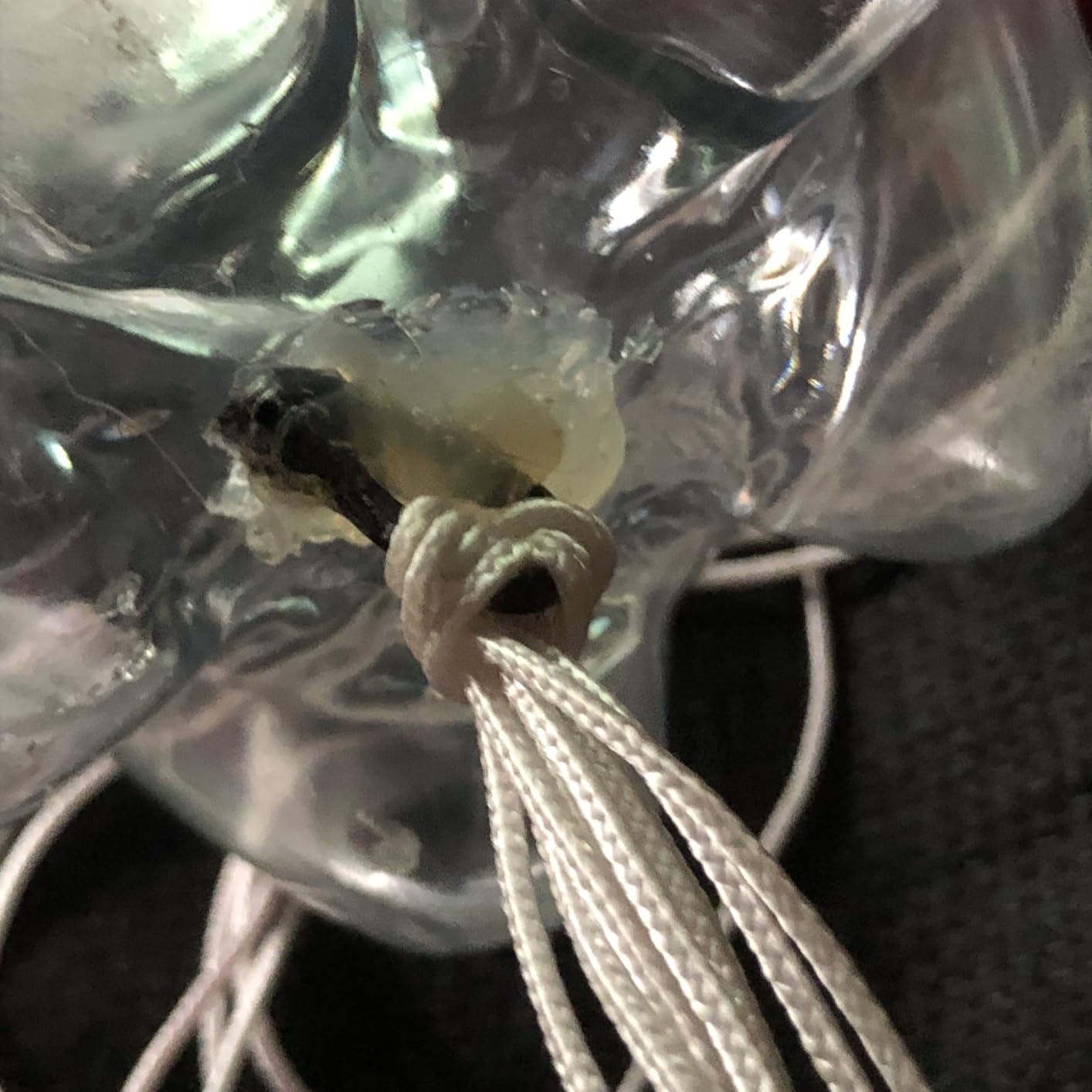
The 24-inch diameter strikes a sweet spot for mid-sized rockets, providing enough drag for gentle landings without requiring excessive space in the rocket body. I’ve found it works particularly well for rockets in the 1-2 pound range, delivering descent rates around 15-20 feet per second depending on conditions.
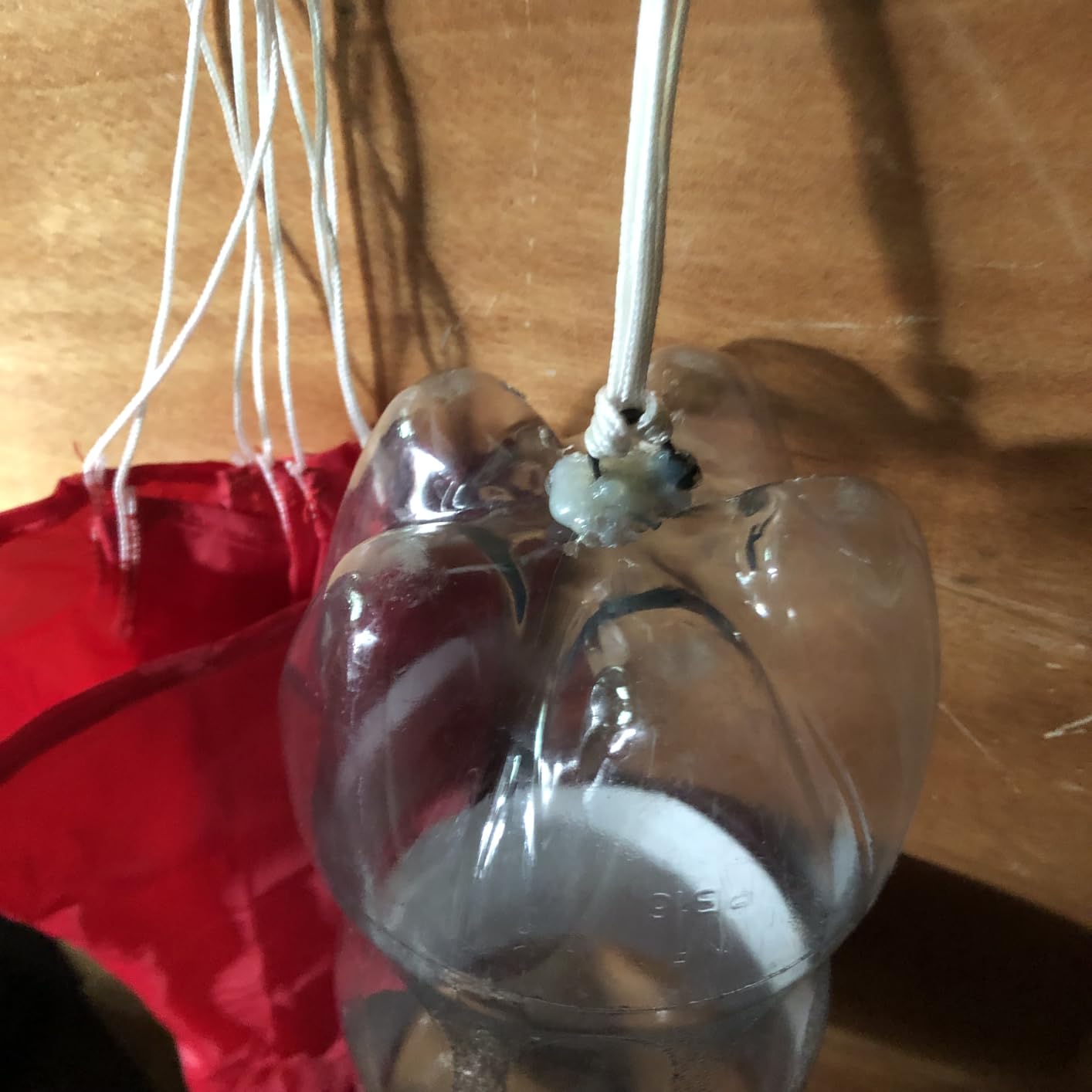
Assembly is straightforward, though the zip tie cinch mechanism isn’t as adjustable as I’d prefer. Once you get it dialed in for your specific rocket, it works fine, but making adjustments can be fiddly. The instructional video support is a nice touch that beginners will appreciate.
Best For Mid-Power Rockets
This parachute excels with mid-power rockets weighing between 1 and 2 pounds. The rip-stop nylon provides durability that plastic alternatives can’t match, making it ideal for rockets that will see repeated flights. The six-point shroud line configuration offers better stability than simpler three-point designs, reducing the risk of tangling during deployment.
Best For Educational Projects
Teachers and club leaders will appreciate the durability and educational value this parachute provides. It’s become a go-to choice for science classes and rocketry clubs because it withstands the wear and tear of student use while providing reliable recovery flight after flight. The bright red color makes it easy to spot during descent and locate after landing.
2. Estes 24 Nylon Parachutes Pro Series II – Best Value
Estes 24 Nylon Parachutes Pro Series II Model Kit
Nylon construction
8 shroud lines
Bright red visibility
Pro Series quality
Pros
- Nylon superior to plastic
- 8 lines for stability
- Bright red color
- Pre-assembled design
- Good price point
Cons
- Not Prime eligible
- Risers can tear under extreme loads
Estes has been the go-to name in model rocketry for decades, and their Pro Series II nylon parachute represents a significant upgrade from the standard plastic chutes that come in most kits. The nylon construction alone makes this worth the investment – it’s far more resistant to melting from ejection charges and general wear than plastic alternatives.
What sets this parachute apart is the eight-line configuration instead of the typical six lines found on most parachutes. This design provides better stability during descent and reduces the risk of the parachute collapsing or tangling. I’ve noticed significantly more consistent deployments with this configuration, especially in windy conditions.
The bright red color is more than just aesthetics – it makes tracking the parachute during descent much easier, which is crucial when you’re trying to keep visual contact and predict landing location. After a few seasons of use, I’ve found this parachute holds up well to repeated deployments with proper folding techniques.
Best For Mid-Size Rocket Upgrades
This parachute is perfect for upgrading mid-sized rockets that originally came with plastic parachutes. If you’re building rockets in the 18-24 inch range with payloads approaching 1 pound, this nylon upgrade provides noticeably gentler landings and better durability. The Pro Series branding indicates this is designed for more serious hobbyists rather than casual users.
Best For Frequent Flyers
Rocket enthusiasts who launch frequently will appreciate the longevity this nylon parachute provides compared to plastic alternatives. While the initial cost is higher, the extended service life means better value over time. The pre-assembled design means you can upgrade your recovery system without learning complex rigging techniques.
3. Estes 2265 15-Inch Parachute – Budget Pick
Estes 2265 15-Inch Parachute, Flying-Model-Rocket Recovery Attachment, Rocket Model Kit Accessories for Ages 10+
15-inch plastic
Pre-strung ready
2-color visibility
OEM Estes quality
Pros
- Affordable price point
- Pre-strung assembly
- 2-color design
- OEM replacement quality
- Good for 300g rockets
Cons
- Plastic not durable
- Overpriced for material
- Melts without wadding
Sometimes you just need a reliable replacement parachute without breaking the bank, and this Estes 15-inch option fits the bill perfectly. As an OEM replacement, it delivers the exact same performance as the parachutes that come standard in Estes kits – nothing fancy, just dependable recovery for standard model rockets.
The 15-inch size fills an important niche in the parachute lineup. It’s ideal for rockets that are too large for 12-inch chutes but don’t need the bulk of an 18-inch or larger. I’ve found this size works exceptionally well for rockets in the 12-18 inch range weighing around 300 grams, providing smooth descents without excessive drift.
What I appreciate most is that this chute comes pre-strung, saving you the hassle of rigging shroud lines yourself. The two-color design isn’t just for looks either – it creates a strobe effect as the parachute spins during descent, making visual tracking significantly easier than single-color alternatives.
Best For Beginner Rocket Builders
New rocket builders will find this parachute particularly forgiving. The pre-strung design eliminates potential rigging errors that could cause deployment failures, and the 15-inch size is versatile enough to work with a wide range of standard Estes kits. It’s the kind of reliable component that lets beginners focus on learning the fundamentals without worrying about their recovery system.
Best For Educational Settings
Teachers running rocketry programs on tight budgets will appreciate the balance of affordability and reliability this parachute offers. While it may not have the durability of nylon options, it provides sufficient performance for classroom rocketry projects and STEM programs. The colorful design also adds visual appeal that engages students during launch events.
4. Estes 2264 12-Inch Printed Parachute
Estes 2264 12-Inch Printed Parachute, Flying-Model-Rocket Recovery Attachment, Rocket Model Kit Accessories for Ages 10+
12-inch plastic
High-contrast pattern
Preassembled lines
Compact size
Pros
- High quality construction
- Great OEM replacement
- Preassembled design
- High visibility pattern
- Works with proper wadding
Cons
- Price seems steep
- Plastic less durable
- Hard to find elsewhere
This 12-inch parachute serves a specific but important role in the rocketry world – perfect for smaller rockets where larger chutes would cause excessive drift. I’ve found this size ideal for lightweight rockets under 200 grams, particularly those designed for maximum altitude rather than payload capacity.
The high-contrast printed pattern serves a practical purpose beyond aesthetics. As the parachute descends and spins, the alternating colors create a flickering effect that makes it significantly easier to track visually against various sky conditions. This visibility feature has saved me from losing more than one rocket in tall grass or distant fields.
Being an Estes OEM part, you know exactly what you’re getting – consistent quality that matches what comes in their smaller rocket kits. The preassembled shroud lines save time and potential rigging errors, which is particularly valuable for younger rocket builders or those just getting started in the hobby.
Best For Minimum Diameter Rockets
Competition rocket builders working with minimum diameter designs will appreciate this compact parachute. The 12-inch size can fit into smaller body tubes where larger parachutes simply won’t work, making it essential for high-performance, low-drag designs. Every millimeter counts in competition rockets, and this chute provides recovery without sacrificing performance.
Best For High-Altitude Attempts
When you’re pushing for maximum altitude, the last thing you want is a parachute that causes excessive drift on descent. This 12-inch option provides enough drag for safe recovery while minimizing the distance your rocket travels during descent. That means shorter walks to recover your rocket and less chance of losing it to downrange drift.
5. Estes 30″ Nylon Parachute Brown/a
Estes 30″ Nylon Parachute Brown/a
30-inch nylon
Large rocket recovery
Bright color visibility
Durable construction
Pros
- Way better than plastic
- Highly visible bright color
- Good quality construction
- Sturdy and durable
- Great for larger rockets
Cons
- Not Prime eligible
- Limited stock
- Assembly required
- Color listing confusion
When you start building larger rockets in the 2-4 pound range, parachute sizing becomes critical. This 30-inch nylon chute from Estes provides the surface area needed for gentle landings with heavier payloads. I’ve used it extensively on larger projects and found it delivers consistently reliable recovery when properly sized to the rocket weight.
The nylon construction here is essential – plastic parachutes at this size would be prone to tearing and melting. Nylon provides the strength needed for heavier rockets while remaining flexible enough for reliable deployment. The bright red color (despite the product listing saying “brown/a”) makes tracking much easier during descent, which becomes more important as larger rockets tend to drift farther during recovery.
Assembly is required with this parachute, which gives you the opportunity to customize the shroud line length for your specific application. Experienced rocket builders will appreciate this flexibility, though beginners might find the assembly process slightly intimidating at first.
Best For Large Payload Rockets
This parachute excels with rockets carrying significant payloads – video cameras, scientific instruments, or heavy electronics. The 30-inch diameter generates enough drag to ensure gentle landings that protect delicate equipment. If you’re doing aerial photography or data logging with your rockets, this parachute provides the protection your gear needs.
Best For High-Power Certification Flights
Rocket enthusiasts working toward their high-power certification levels will find this parachute suitable for larger certification projects. The nylon construction holds up to the increased ejection charges and higher speeds encountered in high-power rocketry. It’s become a reliable choice for L1 and L2 certification attempts where dependable recovery is essential.
6. Estes 2268 9-Inch Printed Parachute
Estes 2268 9-Inch Printed Parachute
9-inch plastic
Compact size
Colorful design
Preassembled
Pros
- Preassembled ready
- Colorful yellow white
- Ready to use
- Good replacement quality
Cons
- Only 12 left in stock
- Small size limits use
This diminutive 9-inch parachute fills a niche for the smallest rockets in your fleet. When you’re working with micro-rockets or minimum diameter designs, every gram counts, and this parachute provides recovery without adding unnecessary weight. I’ve found it perfect for those tiny Estes kits that barely have room for a motor, let alone a bulky recovery system.
The colorful yellow and white printed design serves dual purposes – it looks great during descent and provides excellent visibility against both blue and cloudy sky conditions. For such a small parachute, the visual tracking is surprisingly good, which matters when you’re launching small rockets that can easily disappear from view at altitude.
Like other Estes parachutes in this lineup, it comes preassembled and ready to use. That convenience factor really matters with small rockets where the internal space is at a premium – you can simply fold it up, stuff it in, and focus on getting the rest of your build right.
Best For Micro-Rocket Projects
This parachute is ideal for the growing micro-rocket segment of the hobby. When you’re building rockets with 13mm motors or smaller, standard parachutes simply won’t fit. The 9-inch diameter provides just enough drag for safe recovery of these tiny projectiles without requiring excessive space in the already cramped body tube.
Best For Competition Altitude Attempts
Competition rocket builders chasing maximum altitude records will appreciate the minimal drag and weight this parachute adds to their designs. Every gram saved on the recovery system translates to higher altitude potential, and the 9-inch size provides the bare minimum needed for recovery rather than over-engineering the system.
7. Estes 302271 24 inches Parachute
Estes 302271 24 inches Parachute,Brown/A
24-inch plastic
Pre-assembled
Easy folding
Large rocket capable
Pros
- Pre-assembled design
- Required for most rockets
- Folds easily
- Good for larger builds
Cons
- Thin plastic material
- Can burn without wadding
- Cords tangle easily
- Cold weather issues
This 24-inch plastic parachute from Estes represents the standard workhorse of the recovery world. It’s the size most rocket builders reach for when they need something larger than the kit parachutes but don’t want to invest in premium nylon options. I’ve used dozens of these over the years and found them perfectly adequate for standard recreational rocketry.
The pre-assembled design is a major time-saver, especially when you’re prepping multiple rockets for a launch day. Simply attach it to your shock cord, fold it properly, and you’re ready to fly. The 24-inch diameter provides enough surface area for rockets in the 1-2 pound range, which covers the majority of mid-sized builds most hobbyists create.
That said, the plastic material has limitations. Without adequate recovery wadding, the ejection charge can melt holes in the canopy, and the shroud lines can tangle more easily than those on better-constructed parachutes. In cold weather, I’ve noticed the plastic can become stiff, which may affect deployment reliability.
Best For Standard Kit Upgrades
This parachute serves as an excellent upgrade for standard Estes kits that come with smaller 12 or 15-inch parachutes. If you’ve built a heavier rocket using standard components, moving up to this 24-inch option can mean the difference between a gentle landing and a cracked fin. It’s the kind of practical upgrade that makes sense as you progress beyond basic builds.
Best For Casual Weekend Flyers
Rocket enthusiasts who launch occasionally rather than frequently will find this parachute meets their needs without requiring a significant investment. While it may not have the longevity of nylon options, casual flyers don’t put their equipment through the same rigorous use as dedicated hobbyists. This parachute provides reliable recovery for occasional launches at a reasonable price point.
8. Estes Parachute 6 Model Kit
Estes 2262 6-Inch Parachute, Model-Rocket Accessory
6-inch plastic
Smallest size
Pre-assembled
Ultra-lightweight
Pros
- Pre-assembled design
- Ready to use smallest
- Quality construction
- Good replacement
Cons
- Only 2 left in stock
- Very limited applications
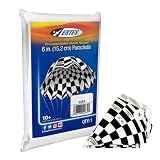
This tiny 6-inch parachute represents the minimum end of the recovery spectrum – perfect for the smallest rockets in your arsenal. When you’re working with micro-rockets that barely have room for a motor, let alone a recovery system, this minimalist parachute provides just enough drag for safe return to earth.
The pre-assembled construction is particularly valuable here – trying to rig shroud lines on a 6-inch parachute would be fiddly work at best. Having it ready to use straight out of the package means you can focus on the rest of your micro-rocket build without worrying about recovery system assembly.
I’ve found this parachute works best for rockets weighing under 100 grams, particularly those using 13mm motors or smaller. It’s not suitable for larger builds, but for the specialized niche of micro-rocketry, it fills an essential role that no other parachute in this lineup can match.
Best For Micro-Rocket Recovery
This parachute is purpose-built for the smallest rockets in the hobby. When you’re working with minimum diameter designs or micro-scale models, standard parachutes simply won’t fit. The 6-inch diameter provides recovery capability without requiring significant internal volume, making it essential for micro-rocket enthusiasts.
Best For Scale Model Projects
Scale model rocket builders creating miniature replicas of larger rockets will appreciate this appropriately sized parachute. Maintaining scale proportions includes the recovery system, and this 6-inch option allows you to keep even the parachute in proper proportion to your miniature subject matter.
9. Estes 9944 12″ Printed Parachute (Pack of 12)
Estes 9944 12″ Printed Parachute (Pack of 12)
12 parachutes included
Bulk value
Replacement stock
Standard 12-inch size
Pros
- Cheapest per chute
- Bulk replacement value
- Quality Estes product
- Good for clubs
Cons
- Not Prime eligible
- All same size
Rocketry clubs, teachers, and frequent flyers will appreciate the economics of this bulk pack. At roughly one-third the cost per parachute compared to buying individually, this 12-pack ensures you always have replacements on hand when parachutes get damaged, lost, or melted from ejection charges.
These are the standard 12-inch Estes parachutes that come in many of their kits – proven performers that work reliably for rockets in the appropriate weight range. Having a dozen on hand means you’re always prepared for launch day, whether you’re running a classroom rocketry program or just flying frequently enough to go through parachutes regularly.
The bulk packaging also makes sense for rocketry clubs where members can share the supply. Rather than everyone buying individual parachutes, a club purchase provides better value and ensures there are always spares available for members who need them.
Best For Educational Programs
Teachers and youth group leaders running rocketry programs will find this bulk pack essential. Students inevitably damage parachutes through improper folding or deployment, and having a ready supply prevents program interruptions. The per-unit cost makes it feasible to provide every student with their own parachute for projects.
Best For Rocketry Clubs
Clubs can pool resources to purchase this bulk pack and provide members with affordable replacements as needed. It’s far more economical than individual purchases and ensures the club always has recovery supplies on hand for launch events. The consistent 12-inch size works for a wide range of standard rocket projects that club members typically build.
10. Estes 302278 Shock Cords Mount Pack
Pros
- Quality elastic bands
- Multiple sizes included
- Field repair essential
- Restores vintage rockets
Cons
- No 48-inch option
- Installation required
While not a parachute itself, this shock cord pack is essential for proper recovery system function. I’ve learned the hard way that even the best parachute won’t save your rocket if the shock cord fails during deployment. This pack provides everything you need to replace worn or damaged shock cords that have been scorched by ejection charges.
The pack includes one 1/4-inch by 36-inch cord and three 1/8-inch by 24-inch cords, giving you options for different rocket sizes. The longer cord works well for larger rockets where more stretch is needed during deployment, while the shorter cords suit smaller designs. The included mount hardware makes installation straightforward.
What I particularly value about this pack is its utility for field repairs. There’s nothing worse than arriving at the launch site only to discover a deteriorated shock cord on a favorite rocket. Having this pack in your field box means you can make repairs on-site and keep flying.
Best For Vintage Rocket Restoration
This pack is invaluable for restoring older rockets whose elastic shock cords have deteriorated over time. Vintage Estes kits often have dry-rotted shock cords that need replacement, and these authentic Estes replacements maintain the original design while restoring functionality to classic rockets.
Best For Recovery System Maintenance
Experienced rocket builders keep these packs on hand for routine recovery system maintenance. Shock cords should be replaced periodically as they age and lose elasticity, and having spare materials ensures you can maintain your fleet properly. The multiple size options accommodate various rocket sizes in your collection.
Complete Guide to Choosing Model Rocket Parachutes
Selecting the right parachute involves balancing multiple factors: rocket weight, desired descent rate, available internal space, and material durability. After years of trial and error, I’ve developed a systematic approach to parachute selection that consistently delivers reliable recoveries.
Parachute Sizing By Rocket Weight
The fundamental rule of parachute sizing is that heavier rockets need larger parachutes to achieve safe descent rates. For most sport rockets, you want a descent rate between 15-20 feet per second – fast enough to minimize drift but slow enough to prevent damage on landing.
For rockets under 8 ounces, a 12-15 inch parachute typically works well. Rockets in the 8-16 ounce range generally need 18-24 inch parachutes. Heavier rockets in the 1-2 pound category require 24-30 inch parachutes for gentle landings. These guidelines assume standard plastic parachutes – nylon parachutes can often be slightly smaller due to their superior drag characteristics.
Material Considerations: Nylon vs Plastic
Nylon parachutes offer superior durability and performance compared to plastic alternatives. They resist melting from ejection charges, withstand repeated deployments, and typically provide better drag coefficients. However, they cost significantly more and may be overkill for casual hobby use.
Plastic parachutes work adequately for light rockets and casual flying, but they have limitations. They can melt if recovery wadding is insufficient, the material can tear after multiple uses, and cold weather can make them stiff. For serious rocketry or valuable payloads, nylon is worth the investment.
Deployment Tips For Reliable Recovery
Proper parachute folding technique makes a significant difference in deployment reliability. I always fold parachutes in an accordion pattern rather than rolling them, and I ensure the shroud lines are neatly arranged to prevent tangling. Adding a small amount of baby powder helps prevent the parachute from sticking to itself during storage and deployment.
Always use adequate recovery wadding between the ejection charge and the parachute. I recommend using more than the minimum suggested – wadding is cheap, rockets are not. The wadding should be loose enough to allow gas passage but sufficient to protect the parachute from the ejection charge’s heat.
Test your recovery system on the ground before flight. Pack the parachute as you would for flight, then deploy it to ensure it unfolds completely and the shroud lines don’t tangle. This simple test can prevent catastrophic deployment failures during actual flights.
Frequently Asked Questions
How big should a parachute be for a model rocket?
Parachute size depends primarily on rocket weight. For rockets under 8 ounces, use 12-15 inch parachutes. Rockets weighing 8-16 ounces need 18-24 inch parachutes. Heavier rockets in the 1-2 pound range require 24-30 inch parachutes for safe descent rates of 15-20 feet per second. Always test your parachute choice with the actual loaded weight of your rocket before flight.
What is the best material for model rocket parachutes?
Rip-stop nylon is the superior material for model rocket parachutes. It resists melting from ejection charges, withstands repeated deployments, and typically provides better drag characteristics than plastic. Nylon parachutes cost more but last significantly longer, making them worth the investment for serious rocketry. Plastic parachutes work adequately for light rockets and casual flying but have limited durability.
What is the most effective parachute shape for model rockets?
Hemispherical and conical shapes are most effective for model rockets due to their balance of drag coefficient and stability. These shapes provide consistent descent rates and resist collapse during windy conditions. Flat parachutes work well for space-constrained applications but may be less stable in high winds. Toroidal designs offer the highest performance but are typically overkill for sport rocketry.
Do you need recovery wadding in model rockets?
Yes, recovery wadding is absolutely necessary unless your rocket has a deployment system that isolates the parachute from the ejection charge. Wadding protects the parachute from the hot gases produced by the ejection charge. Without adequate wadding, plastic parachutes can melt and nylon can be damaged. Always use more wadding than the minimum recommended – it’s inexpensive insurance for your recovery system.
Final Recommendations
After testing these parachutes across countless launches, my top recommendation remains the Relationshipware StratoChute 24″ for its combination of durability, performance, and value. The rip-stop nylon construction provides the reliability that serious rocket builders demand, and the six-point shroud line configuration ensures stable deployments in varied conditions.
For those just getting started with best model rocket parachutes for safe recovery, the Estes nylon options offer a significant upgrade over standard plastic parachutes without requiring specialized knowledge or complex installation. The investment in quality recovery equipment pays dividends in protected rockets and more consistent, successful launches.
Remember that parachute selection is just one component of a complete recovery system – always pair your parachute choice with appropriate shock cords, adequate recovery wadding, and proper folding techniques. Your rocket deserves a recovery system as well-engineered as the rest of its design.