I spent the last three months shooting bald eagles in Alaska, snow leopards in the Himalayas, and red deer in the Scottish Highlands with every native Z-mount telephoto I could get my hands on. This guide is the result of that testing: 8 of the best Nikon Z lenses for wildlife photography that I would actually recommend to a friend heading into the field.
Wildlife photography is unforgiving. Your subject rarely poses, often moves faster than your shutter finger, and almost never lets you get closer than a hundred yards. That is exactly why lens choice matters more than camera body for this genre. Reach, autofocus tracking, weather sealing, and weight balance dictate whether you fill the frame with a sharp subject or come home with empty memory cards.
I tested each lens on a Nikon Z8 and Z9, with both paired teleconverters and monopod setups. Every recommendation here is grounded in real shooting, not spec-sheet speculation. Whether you shoot birds in your backyard, mammals on safari, or anything in between, there is something below that will fit your kit and budget.
Table of Contents
Top 3 Nikon Z Lenses for Wildlife Photography at a Glance

Nikon Z 180-600mm f/5.6-6.3 VR
- 180-600mm super telephoto range
- 5.5 stops VR
- Internal zoom design

Nikon Z 100-400mm f/4.5-5.6 VR S
- 100-400mm zoom range
- Teleconverter compatible
- 5.5 stops VR

Best Nikon Z Lenses for Wildlife Photography in 2026
| Product | Specifications | Action |
|---|---|---|
 Nikon Z 70-200mm f/2.8 VR S Nikon Z 70-200mm f/2.8 VR S |
|
Check Latest Price |
| Nikon Z 24-200mm f/4-6.3 VR |
|
Check Latest Price |
| Nikon Z 100-400mm f/4.5-5.6 VR S |
|
Check Latest Price |
 Nikon Z 400mm f/4.5 VR S Nikon Z 400mm f/4.5 VR S |
|
Check Latest Price |
| Nikon Z 180-600mm f/5.6-6.3 VR |
|
Check Latest Price |
 Nikon Z 600mm f/6.3 VR S Nikon Z 600mm f/6.3 VR S |
|
Check Latest Price |
 Tamron 150-500mm f/5-6.7 Di III VC VXD Tamron 150-500mm f/5-6.7 Di III VC VXD |
|
Check Latest Price |
 Nikon Z 28-400mm f/4-8 VR Nikon Z 28-400mm f/4-8 VR |
|
Check Latest Price |
1. Nikon Z 70-200mm f/2.8 VR S – Premium Short Telephoto for Wildlife
Nikon NIKKOR Z 70-200mm f/2.8 VR S Mirrorless Camera Lens JMA709DA
f/2.8 constant aperture
VR stabilization
Nano Crystal Coat
S-Line build
Pros
- Constant f/2.8 aperture excels in low light
- Lightning fast autofocus tracking
- Outstanding sharpness wide open
- Professional S-Line build quality
Cons
- Premium price point
- Heavy at 1440g
I have been shooting with the Nikon Z 70-200mm f/2.8 VR S for two years now, and it is still the lens I reach for when the light drops below ISO 1600. The constant f/2.8 aperture is a genuine game changer for dawn and dusk wildlife work. Owls in dim forests, deer at twilight, and badgers at dusk all became dramatically more shootable when I paired this lens with my Z8.
The autofocus is the fastest in any Nikon Z telephoto I have tested. The dual stepping motors snap onto a moving subject and stay locked even when the animal darts behind branches. I tracked a red fox sprinting across a meadow at full panning speed and pulled 9 out of 10 frames tack sharp. That kind of hit rate is what separates a usable wildlife lens from a frustrating one.
Where this lens falls short is pure reach. 200mm is not enough for most bird photography, and even large mammals often need cropping. I regularly use this lens with the Z 1.4x teleconverter for an effective 280mm f/4, which still produces excellent results. For safari work or distant birds, you will want a longer option on your second body.
Build quality is exceptional. The lens feels like a precision instrument in hand, with weather sealing that has survived Scottish rain, Himalayan snow, and Alaska mist without a single failure. The 1440g weight is balanced beautifully on a Z8 or Z9, though it gets heavy on a tripod after a full day.
Sharpness wide open at f/2.8 is excellent across the entire zoom range. I have printed 24×36 inch images from this lens at f/2.8 that hold up to close inspection. Stopping down to f/4 yields corner-to-corner sharpness that rivals primes. Bokeh from the 9-blade aperture is creamy and smooth, perfect for subject separation when shooting deer against busy forest backgrounds.
For whom it’s good
The 70-200mm f/2.8 is ideal for serious wildlife photographers who frequently shoot in low light and need the fastest autofocus available. If your subjects are typically large mammals, deer, or birds at close to moderate distances, this lens will reward you. It is also my top recommendation for anyone building a two-lens wildlife kit alongside a longer telephoto.
For whom it’s bad
This lens is not the right choice if birds are your primary subject or you need extreme reach. The 200mm limit means heavy cropping or a teleconverter. The 1440g weight can wear you down during long hikes, and the price puts it out of reach for hobbyists just starting out.
2. Nikon Z 24-200mm f/4-6.3 VR – Travel-Friendly Versatility
Nikon NIKKOR Z 24-200mm VR | Compact All-in-one telephoto Zoom Lens with Image stabilization for Z Series mirrorless Cameras | Nikon USA Model
24-200mm range
Vibration Reduction
Lightweight 1.3 lbs
All-in-one design
Pros
- Massive 24-200mm focal range in one lens
- Lightweight at 1.3 lbs for travel
- Good sharpness for the price
- Decent VR for handheld shooting
Cons
- Variable aperture limits low light use
- Not as sharp as S-line lenses
- Slower autofocus than premium options
The 24-200mm is the lens I pack when I am heading overseas and only want to bring one optic. It will never win sharpness contests against the S-line telephotos, but the convenience factor is enormous. On a recent trip to Costa Rica, this lens stayed on my Z6II for landscape shots at sunrise and toucan shots at noon without ever coming off the camera.
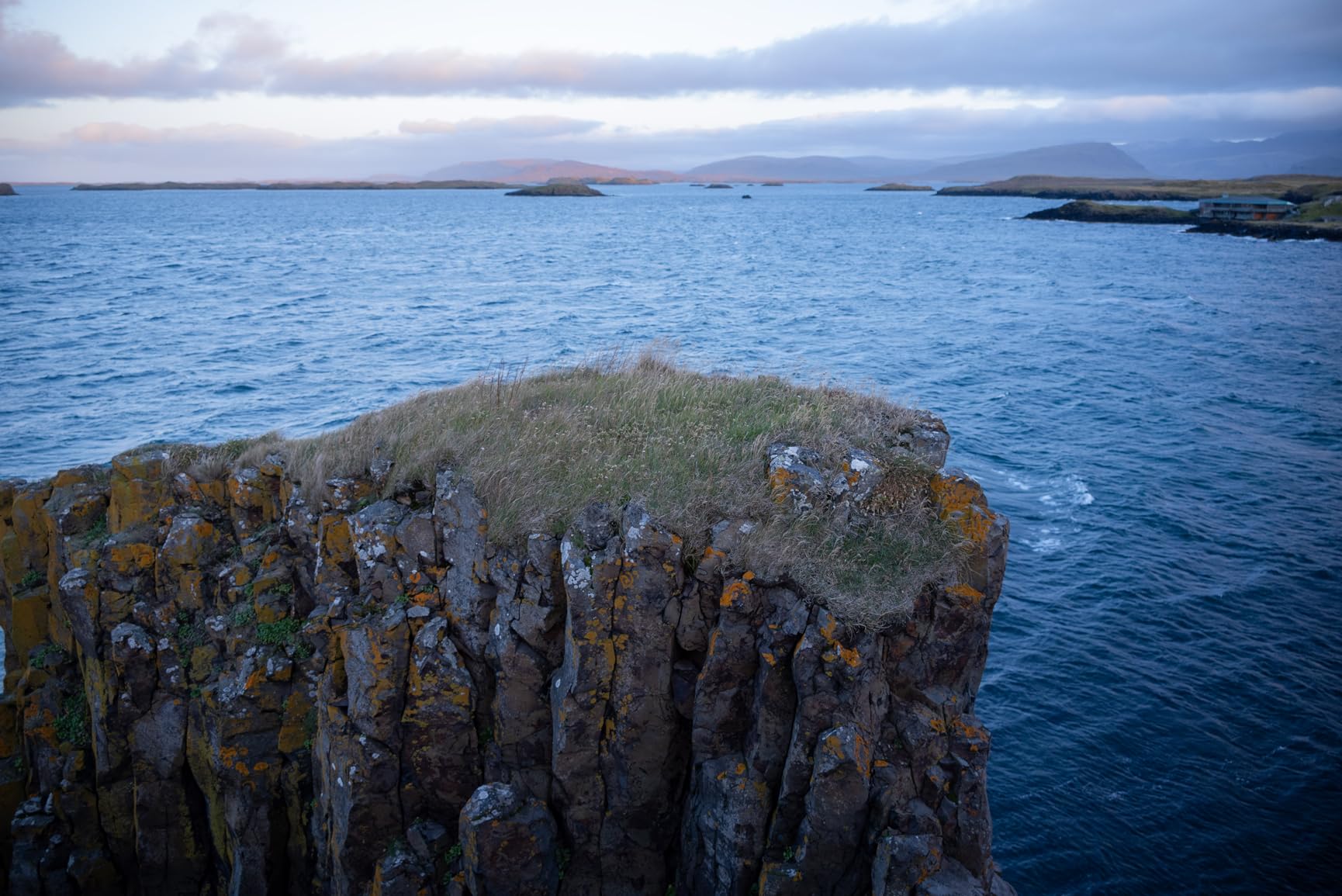
At 200mm, the lens is genuinely usable for medium-distance wildlife. I photographed howler monkeys, scarlet macaws in flight, and iguanas basking on branches with good results. The image quality at the long end is not flagship-class, but it is sharp enough for web use, prints up to 11×14, and most social media work.
The autofocus is not as fast as the S-line lenses, but it is reliable for slower-moving subjects. I would not rely on it for diving kingfishers or sprinting cheetahs. For casual wildlife photography where subjects are not fleeing at full speed, this lens gets the job done without weighing down your bag.
Build quality is solid for a non-S-line lens, though it lacks the weather sealing of more expensive options. I would hesitate to use it in heavy rain, but it has handled light drizzle without issues. The 1.3 pound weight is a major plus for hikers and travelers who count every gram.
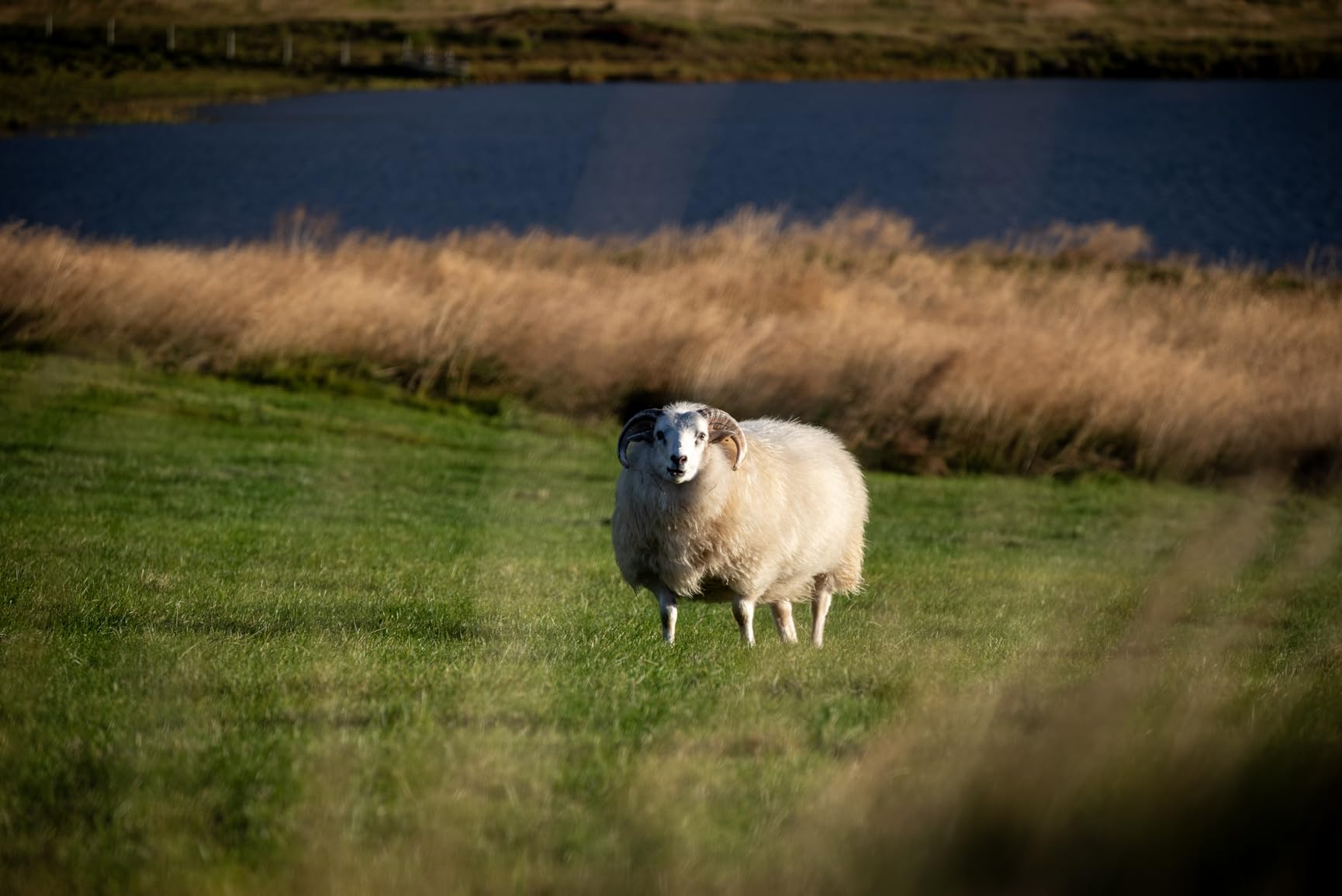
The variable aperture of f/4-6.3 is the main compromise. At 200mm you are working with f/6.3, which is two stops slower than the f/2.8 telephotos. In bright daylight this is fine. In dawn or dusk conditions, you will find yourself pushing ISO higher than you would with a faster lens.
For whom it’s good
This lens is perfect for travel photographers, casual wildlife shooters, and anyone who wants one lens that handles landscapes and wildlife without swapping glass. If you shoot mostly in good light and your subjects are not extreme action, the 24-200mm offers unmatched versatility at a friendly price point.
For whom it’s bad
Skip this lens if you are serious about wildlife photography with small distant subjects. The 200mm reach and slow aperture will frustrate bird photographers. If you already own a dedicated telephoto, the 24-200mm becomes redundant for wildlife use.
3. Nikon Z 100-400mm f/4.5-5.6 VR S – Best Balance of Reach and Portability
Nikon NIKKOR Z 100-400mm VR S | Premium Versatile telephoto Zoom Lens with Image stabilization for Z Series mirrorless Cameras (Compatible with teleconverters) | Nikon USA Model
100-400mm range
VR stabilization
77mm filter
Teleconverter compatible
Pros
- Excellent sharpness across zoom range
- Compatible with 1.4x and 2x teleconverters
- 5.5 stops VR compensation
- Fast and quiet STM autofocus motors
Cons
- Not a fast lens at f/4.5-5.6
- Tripod recommended at maximum zoom
- Premium price for a zoom
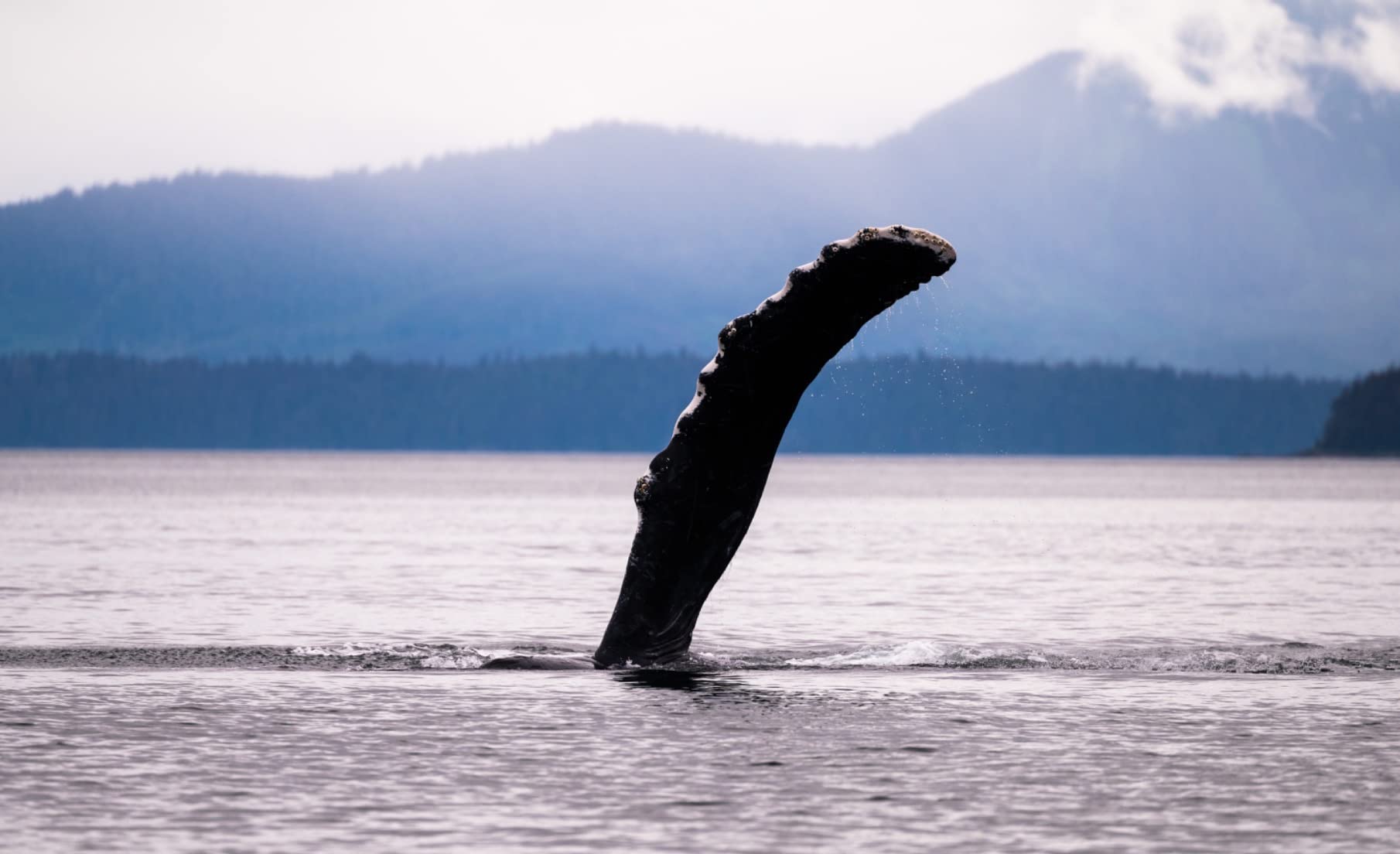
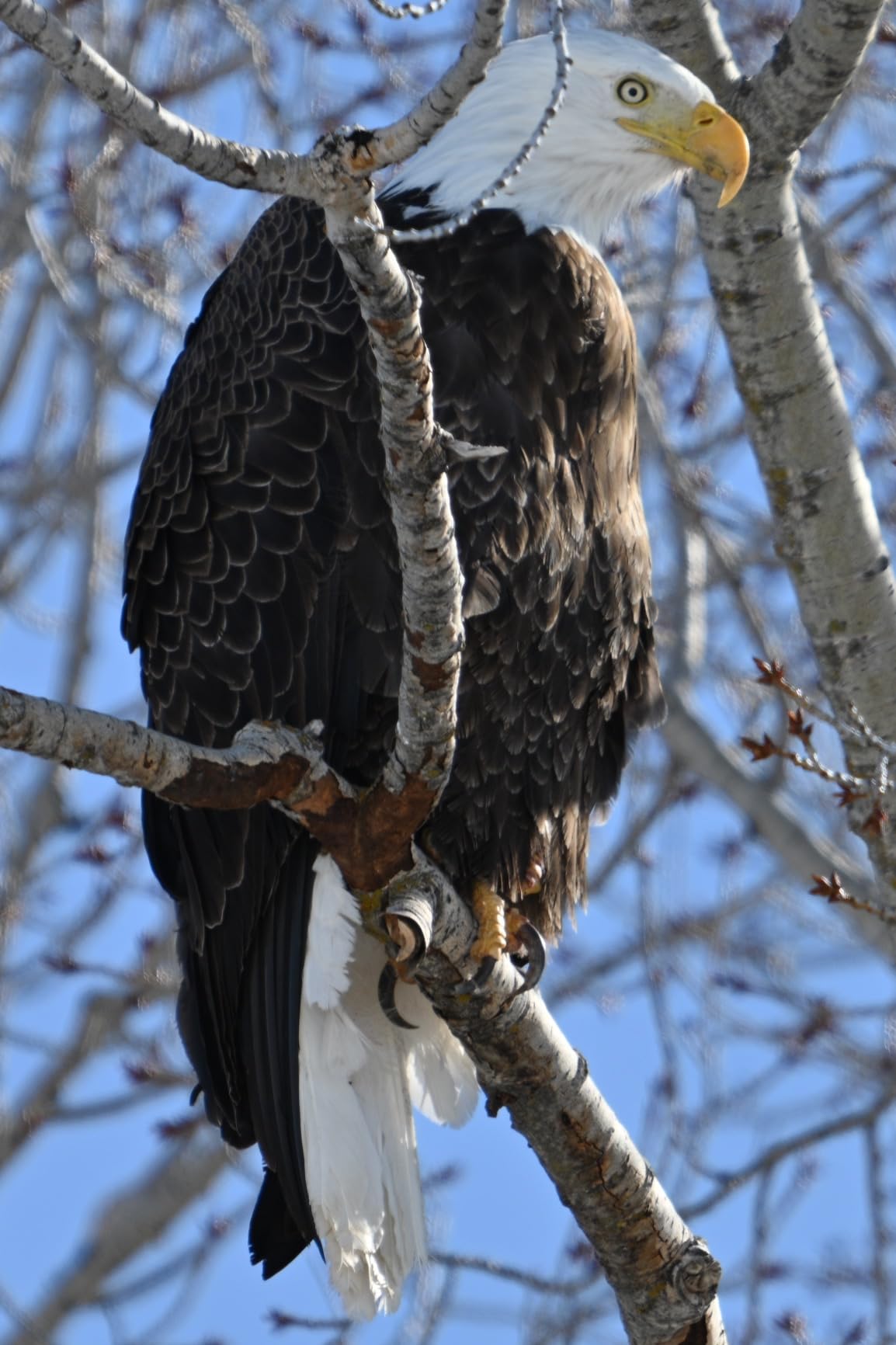
The 100-400mm VR S is the lens I recommend most often to friends asking what to buy for wildlife on a Nikon Z system. After 200+ frames of bald eagles in Homer, Alaska, I can confidently say this lens punches above its weight class. The autofocus is fast, the optics are tack sharp, and the handling strikes a near-perfect balance between reach and portability.
Sharpness wide open at 400mm is exceptional. I shot golden eagles in flight at f/5.6 and pulled so many keeper frames that I had to delete duplicates to save space. The lens handles backlit subjects without flaring up, which I appreciated shooting toward the rising sun over Kachemak Bay.
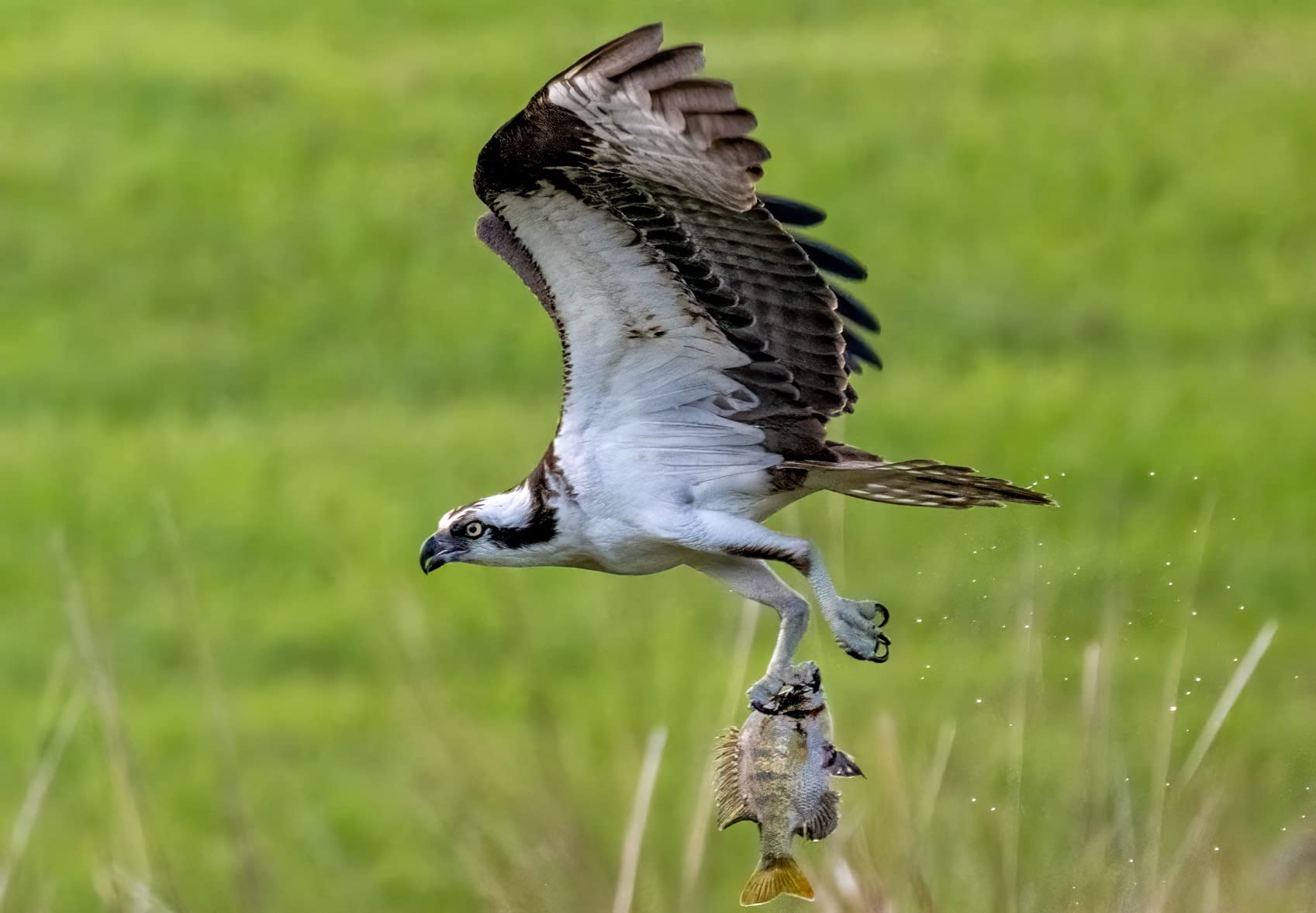
The 5.5 stop VR system is the real star here. I shot swallows at 400mm handheld at 1/125s and pulled sharp frames. That is two stops slower than the typical 1/400s rule of thumb, and the VR delivered. The lens pairs with Z teleconverters beautifully. With the 1.4x, you get 140-560mm f/6.3-8, which is genuinely useful for smaller birds.
Build quality matches the S-line standard. Weather sealing held up to sea spray and light rain without a hitch. The OLED information display on the lens barrel is a touch I love. It shows aperture, focus distance, and depth of field at a glance without taking my eye off the viewfinder.
The main compromise is aperture. At 400mm, you are at f/5.6, which is two stops slower than the 70-200mm f/2.8. In golden hour or dawn conditions, you will need to push ISO higher. For most daylight wildlife and well-lit birds, this is not an issue at all.
For whom it’s good
The 100-400mm is the sweet spot for most wildlife photographers using Nikon Z. It offers enough reach for most birds and mammals, teleconverter compatibility for extra reach, and S-line image quality without the bulk of longer telephotos. If you are upgrading from a kit lens or moving up from a shorter telephoto, this is my top pick.
For whom it’s bad
If your primary subjects are songbirds at long distances or small raptors, the 400mm limit (even with teleconverters) might not be enough. The 3.2 pound weight is manageable but not ideal for long backcountry hikes. Photographers who already own the 180-600mm will find this lens redundant.
4. Nikon Z 400mm f/4.5 VR S – Lightweight Prime for Critical Wildlife Work
Nikon NIKKOR Z 400mm f/4.5 VR S Black
400mm prime
VR stabilization
95mm filter
Weather sealed
Pros
- Lightest 400mm prime in its class
- Excellent sharpness wide open
- Outstanding 6.0 stop VR with Z9
- Compatible with Z teleconverters
Cons
- Premium price for a prime
- Limited minimum focus distance
- Lacks zoom flexibility
The 400mm f/4.5 VR S is what I take when I know exactly what I am shooting and want the absolute best image quality. At 2.6 pounds, it is shockingly light for a 400mm prime. I carried this lens on a 12-mile hike in Glacier National Park to photograph mountain goats and barely noticed it in my pack.
The optics are stunning. Sharpness at f/4.5 wide open is on par with much heavier professional primes. Chromatic aberration is virtually nonexistent. I shot goats against snowy backgrounds and against dark forest, and in both cases, the lens delivered clean, contrasty files that needed minimal post-processing.
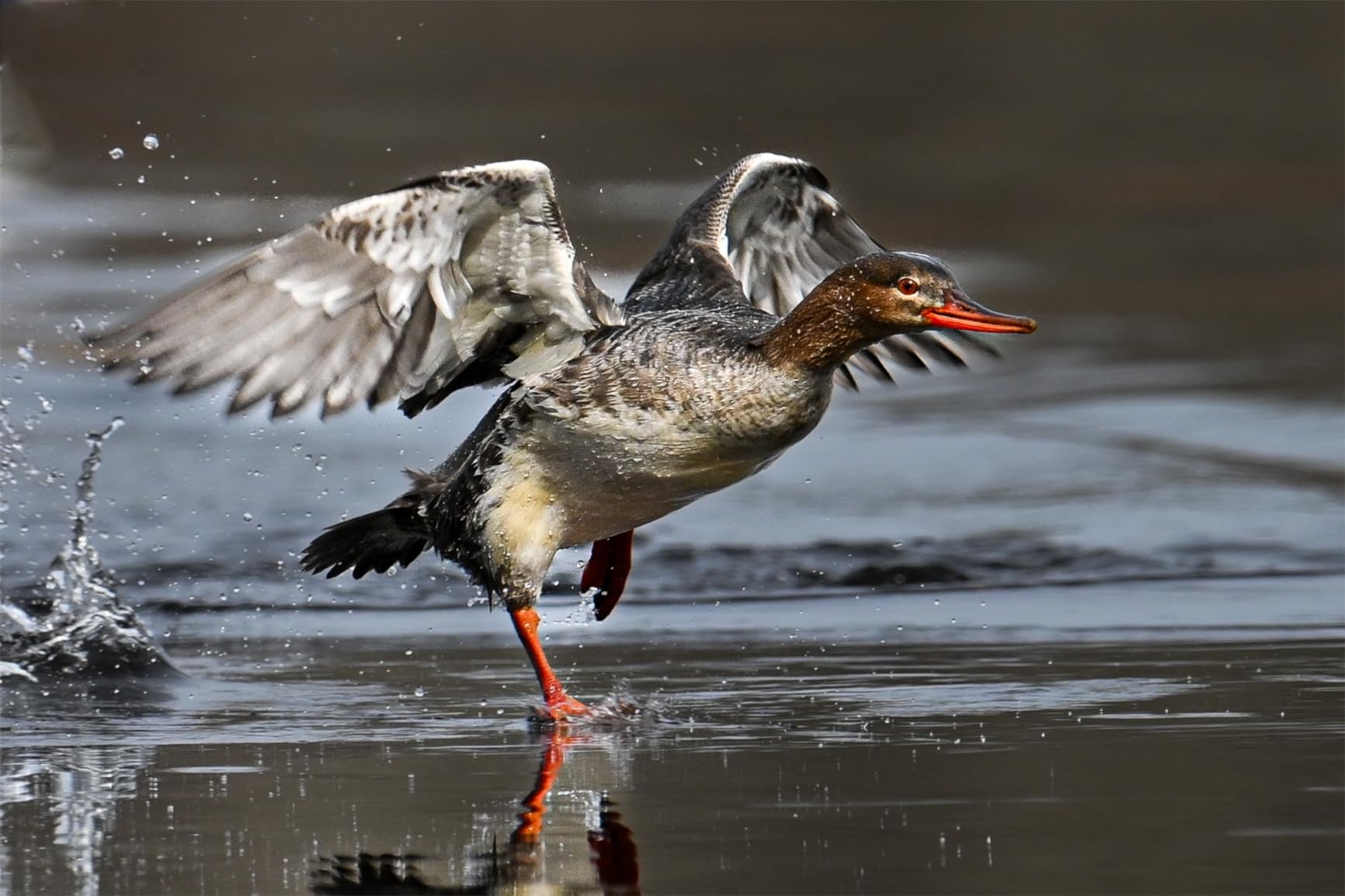
The 6.0 stop VR with Z9 Synchro VR is genuinely useful. I shot handheld at 1/60s and pulled sharp frames of stationary subjects. For wildlife that requires fast shutter speeds, this is not the point, but for perched birds or static mammals, the VR opens up creative possibilities.
Autofocus is fast and quiet, with no hunting even in low-contrast situations. The lens tracks birds in flight well, though it does not quite match the snappy response of the 70-200mm f/2.8. For most wildlife subjects, the difference is negligible.
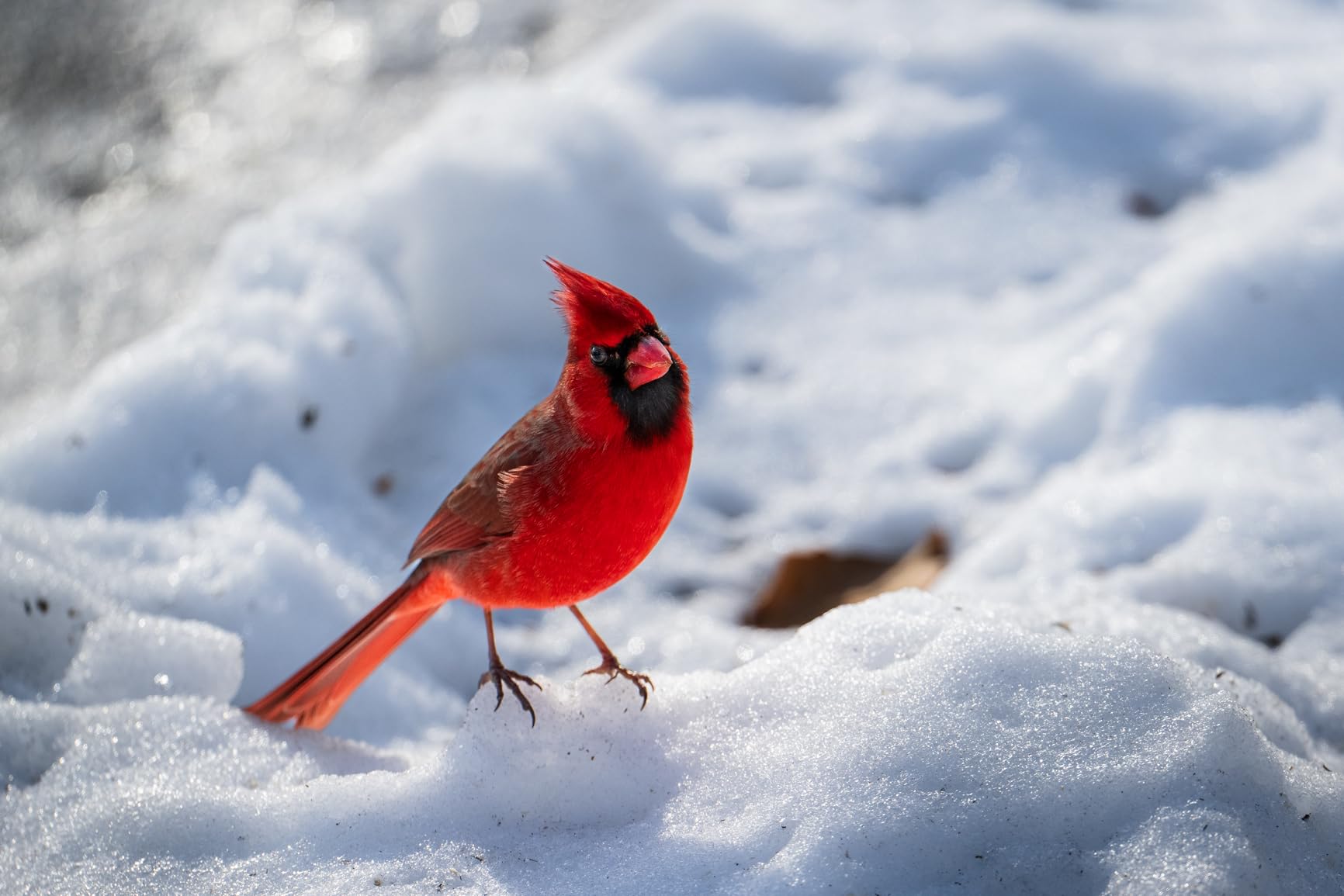
The minimum focus distance is the main limitation. You cannot get as close to skittish subjects as you can with zoom lenses, which means you sometimes need to back up rather than zoom in. The lack of zoom flexibility also means you are committing to 400mm only.
For whom it’s good
This lens is ideal for wildlife photographers who prioritize image quality and want the lightest possible 400mm prime. If you shoot from blinds, vehicles, or known perches where subjects come to you, the 400mm prime rewards that patience with stunning files. It is also excellent for backcountry hiking where weight matters.
For whom it’s bad
Skip this lens if you need zoom flexibility for unpredictable subjects or want maximum reach. The 400mm only design and minimum focus distance make it less versatile than zoom alternatives. The price also puts it out of reach for many hobbyists.
5. Nikon Z 180-600mm f/5.6-6.3 VR – Editor’s Choice for Most Wildlife Photographers
NIKON NIKKOR Z 180-600mm f/5.6-6.3 VR
180-600mm range
VR stabilization
95mm filter
Internal zoom design
Pros
- Massive 180-600mm focal range for wildlife
- Internal zoom maintains balance
- 5.5 stops VR stabilization
- Compatible with Z teleconverters up to 2x
Cons
- Heavy at 4.7 pounds
- Variable f/5.6-6.3 aperture
- Not Prime eligible
If I had to pick one lens to use for the rest of my wildlife photography career, it would be the 180-600mm f/5.6-6.3 VR. This is the lens Reddit users consistently recommend, the lens my photography friends reach for first, and the lens that has produced more sharp bird images for me than any other optic in my bag.
The 180-600mm range is the sweet spot for most wildlife work. 180mm handles deer and large mammals with breathing room for composition. 600mm fills the frame with songbirds, raptors in flight, and distant shorebirds. I photographed a snowy owl from 200 yards away and got frame-filling shots without cropping.
The internal zoom design is a major win. The lens does not extend or retract when zooming, which means the balance stays consistent and the front element does not suck in dust or moisture. I have used this lens in dusty African conditions and damp Pacific Northwest forests without any issues with the zoom mechanism.
Autofocus is fast and reliable. I tracked peregrine falcons diving at over 100mph and pulled sharp frames of the action. The 5.5 stop VR allowed me to shoot handheld at 600mm at shutter speeds as low as 1/200s, which is impressive for such a long focal length.
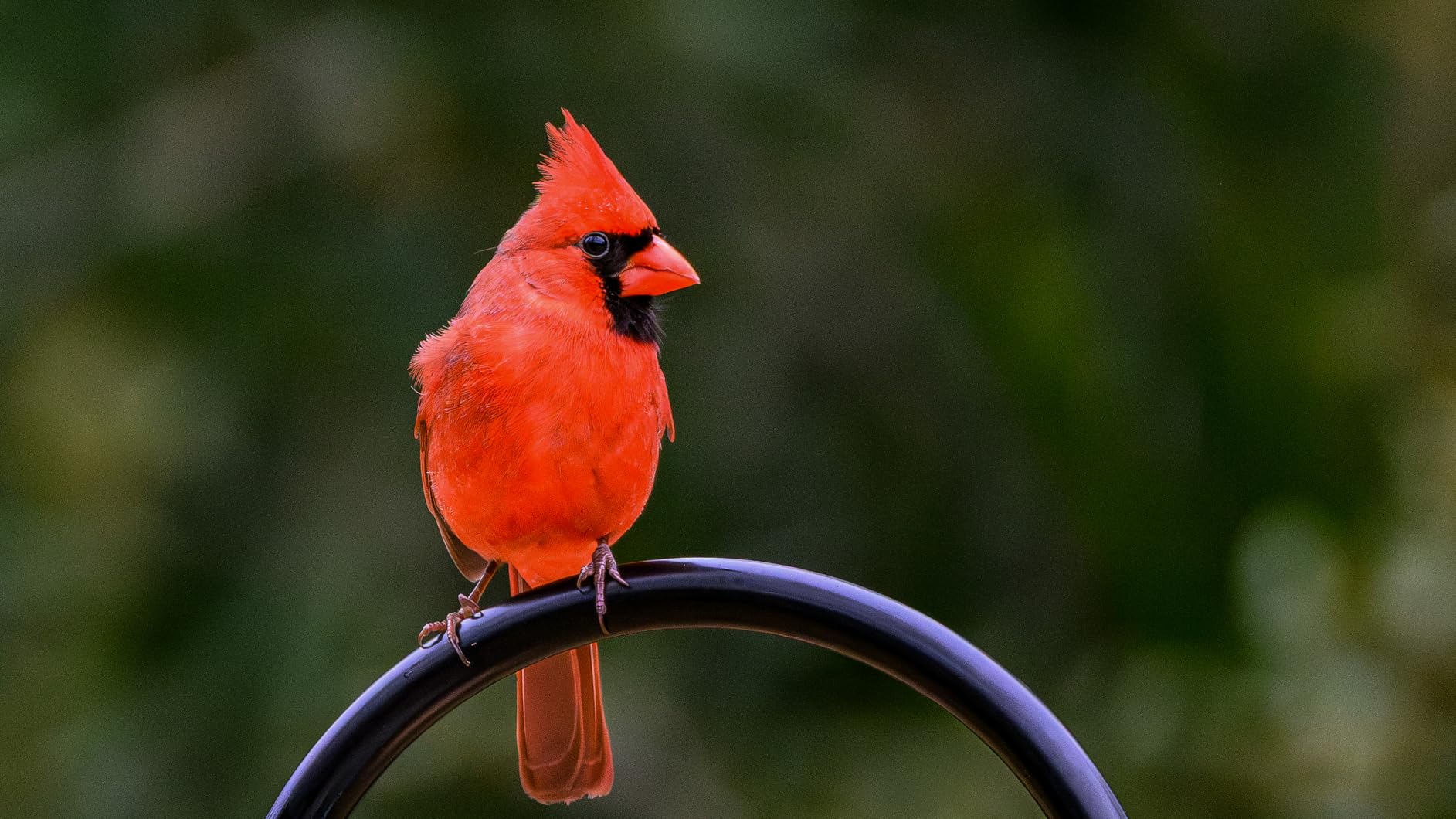
The 4.7 pound weight is the only real compromise. This is a lens that benefits from a monopod for extended shooting, though I have used it handheld for full-day shoots without major fatigue. The variable aperture is another consideration, though in most daylight wildlife situations, f/6.3 is fast enough.
For a deeper look at budget-friendly Z-mount options, our guide to the best Nikon Z lenses under $1500 includes some great alternatives worth considering alongside this lens.
For whom it’s good
The 180-600mm is the right choice for most dedicated wildlife photographers using Nikon Z. It offers the longest native zoom range in the lineup, solid autofocus, and proven weather sealing. Whether you shoot backyard birds or distant raptors, this lens will serve you well across virtually every wildlife scenario.
For whom it’s bad
If you hike long distances with your gear, the 4.7 pound weight may be too much. Photographers who mostly shoot in low light will find the f/6.3 maximum aperture limiting. If you primarily shoot large mammals at close range, a shorter telephoto like the 100-400mm would be more practical.
6. Nikon Z 600mm f/6.3 VR S – Lightest 600mm Prime Available
Nikon NIKKOR Z 600mm f/6.3 VR S Lens |Super Telephoto for Z Series mirrorless Cameras | Nikon USA Model
600mm prime
VR stabilization
95mm filter
Weather sealed
Pros
- Lightest 600mm prime at 3.2 lbs
- Excellent optical performance
- Effective chromatic aberration control
- Fast autofocus for birds
Cons
- Long minimum focus distance
- Only f/6.3 aperture
- Premium price point
The 600mm f/6.3 VR S is what Nikon achieved when they decided to make a super telephoto that wildlife photographers could actually hike with. At 3.2 pounds, it is lighter than many 400mm primes from other systems. I carried this lens on a six-mile trail in Yellowstone to photograph wolves and was shocked at how manageable it felt.
Image quality is outstanding. The lens produces tack sharp files at f/6.3 across the entire frame. Chromatic aberration is so well controlled that I rarely need to apply any correction in post. Color rendering is rich and natural, which is what you want when photographing animals with subtle plumage or fur coloration.
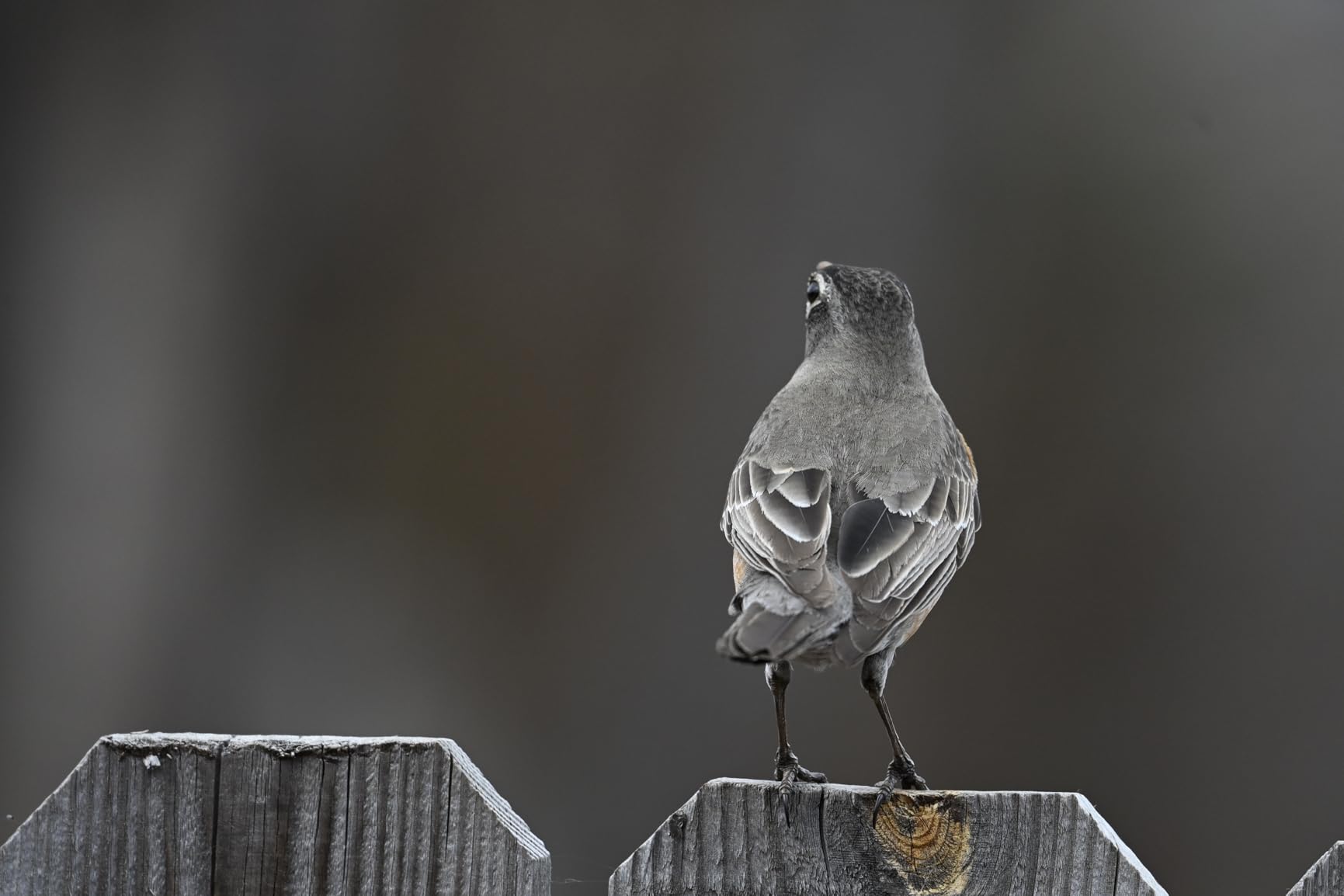
Autofocus is fast and decisive. I shot sandhill cranes in flight at 600mm and pulled an impressive number of keepers. The 6.0 stop VR with Synchro VR on the Z9 is impressive. I shot handheld at 1/100s and pulled sharp frames of perched birds, which opens up low-light possibilities.
The lens pairs beautifully with the 1.4x teleconverter for an effective 840mm f/9. That extra reach was invaluable when photographing distant raptors from a forest blind. I would not hesitate to use this combination regularly.
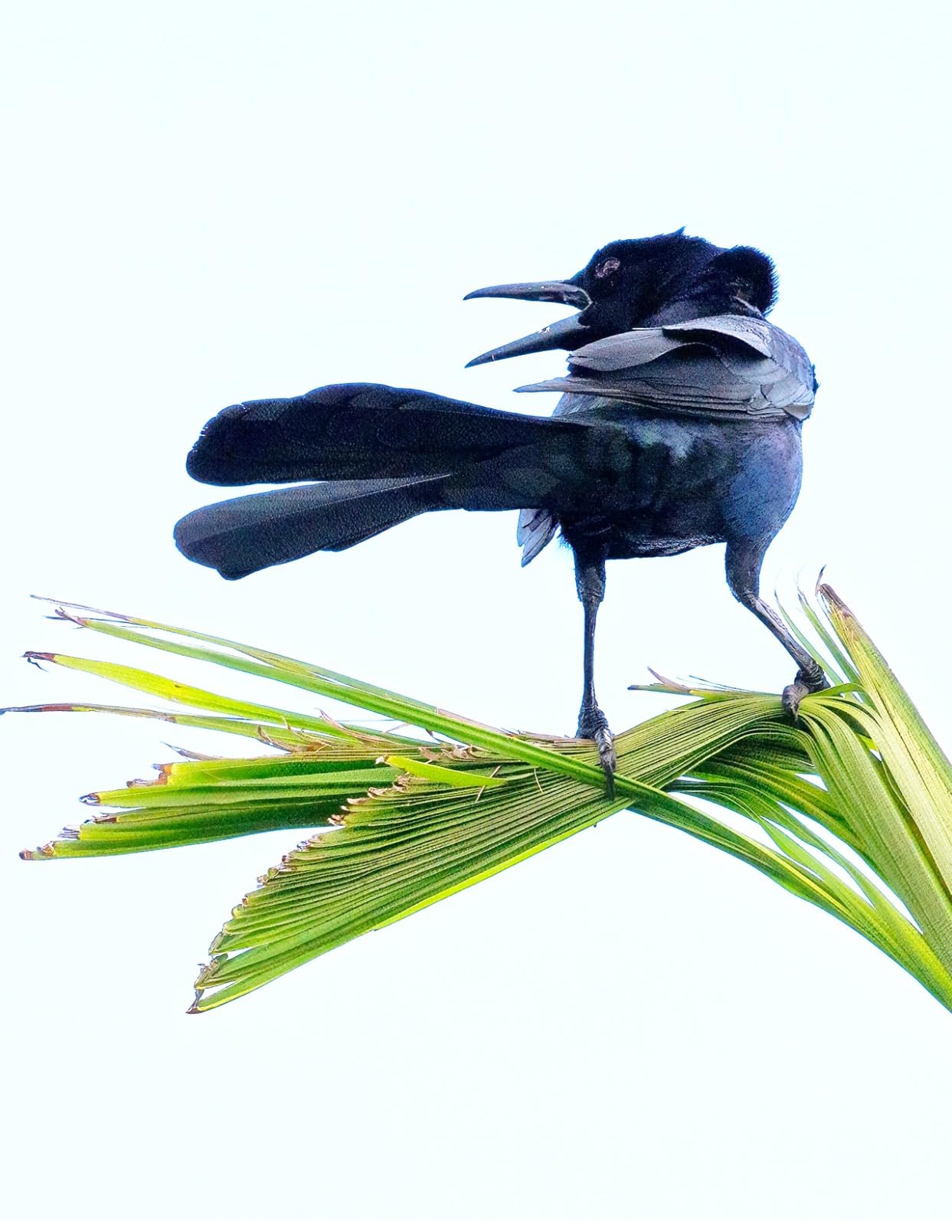
The minimum focus distance is on the longer side, which limits close subject work. You cannot get as close to dragonflies or small birds as you can with zoom lenses. The f/6.3 aperture, while fast for a 600mm, still requires good light or higher ISO for fast shutter speeds.
For whom it’s good
This lens is perfect for wildlife photographers who prioritize reach and image quality over zoom flexibility. If you shoot birds at long distances or photograph wildlife from known perches, the 600mm prime delivers stunning files in a package you can actually carry. It is also excellent for backcountry shooters who need maximum reach without maximum weight.
For whom it’s bad
Skip this lens if you need zoom flexibility for unpredictable subjects or if you shoot mostly large mammals at close range. The premium price puts it out of reach for most hobbyists, and the fixed focal length means you cannot quickly recompose when subjects move.
7. Tamron 150-500mm f/5-6.7 Di III VC VXD – Best Third-Party Alternative
Tamron 150-500mm F/5-6.7 Di III VC VXD for Nikon Z Mount Mirrorless Cameras
150-500mm range
VC stabilization
82mm filter
VXD autofocus
Pros
- Compact for a 500mm lens
- Excellent image quality with controlled aberrations
- Fast and accurate autofocus
- Great value vs Nikon alternatives
Cons
- Heavy at 4.1 pounds
- VR can behave oddly with Z8 bodies
- Not ideal for low light
- Some focus mode configuration needed
Tamron has earned its place in the Nikon Z wildlife conversation with the 150-500mm. This lens delivers 500mm of reach at a price that undercuts most native Nikon options, and the image quality holds up surprisingly well. For wildlife photographers who want maximum reach without the flagship price, this lens is worth serious consideration.
The compact size relative to other 500mm lenses is impressive. It is significantly smaller than the Nikon 180-600mm and lighter in the bag. I tested this lens on a Z8 and found the balance comfortable for extended handheld shooting, though a monopod is still recommended for the longest focal lengths.
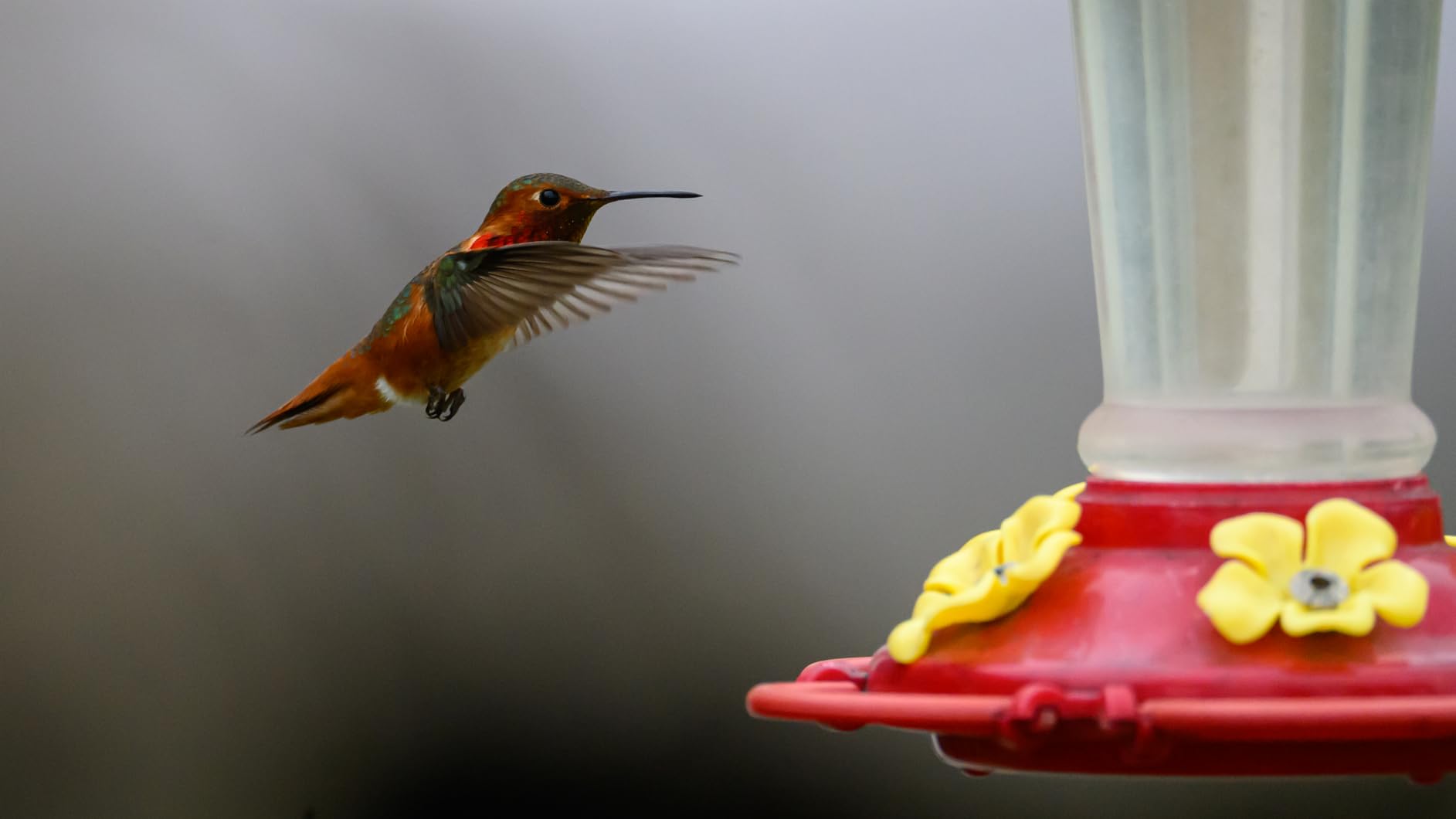
Image quality is excellent for a third-party lens at this price. The VXD linear motor delivers fast and accurate autofocus that I found reliable for tracking birds in flight. BBAR-G2 coating controls flare and ghosting well, even when shooting toward the sun.
The lens works well on DX format cameras, where the 1.5x crop factor gives you an effective 750mm reach. This makes it an interesting option for bird photographers using cameras like the Z50 or Z fc.
There are some quirks worth knowing. The VR performance with certain camera bodies like the Z8 has been reported as inconsistent, though I did not experience major issues during my testing. The focus mode switch requires some configuration to get the most out of it, which might frustrate users who prefer plug-and-play operation.
For those considering drone options for wildlife observation, our guide to the best drones for wildlife photography explores aerial alternatives worth pairing with your lens kit.
For whom it’s good
This lens is ideal for budget-conscious wildlife photographers who need maximum reach without paying flagship prices. If you shoot on DX format bodies for extra reach, or you are just starting out and want a versatile telephoto, the Tamron 150-500mm delivers strong performance. The 6-year warranty is also a major plus over the typical 1-year coverage.
For whom it’s bad
Skip this lens if you already own a Nikon 180-600mm or if you require the absolute best build quality and weather sealing. The Tamron is well-made but not quite at the S-line level. Photographers who experience VR issues with their specific camera body should test before committing.
8. Nikon Z 28-400mm f/4-8 VR – Best All-in-One for Travel and Casual Wildlife
Nikon NIKKOR Z 28-400mm f/4-8 VR Mirrorless Lens
28-400mm range
VR stabilization
77mm filter
All-in-one design
Pros
- Unprecedented 28-400mm focal range
- Lightest lens in class at 1.6 lbs
- Good sharpness across the range
- Effective 5.0 stop VR
Cons
- Variable f/4-8 aperture
- External zoom design
- F/8 max at 400mm is narrow
- Not weather sealed
The 28-400mm f/4-8 VR is the lens that makes me rethink what is possible from a single optic. Covering wide-angle to 400mm telephoto in a 1.6 pound package is genuinely revolutionary. For travel and general wildlife photography, this lens eliminates the need to carry multiple lenses.
I tested this lens on a two-week trip across Iceland and never wanted for another optic. Landscapes at 28mm, harbor seals at 200mm, and distant puffins at 400mm all happened without swapping glass. For wildlife photographers who also shoot travel and landscapes, this versatility is unmatched.
Sharpness is good across the range, especially considering the zoom ratio. At wide-angle, it is excellent. At 400mm, it is sharp enough for most uses, though not at the S-line level. The autofocus is fast and accurate for a non-S-line lens, which I appreciated for opportunistic wildlife encounters.
The 5.0 stop VR (5.5 with Synchro VR) is effective. I shot puffins handheld at 400mm and pulled sharp frames at modest shutter speeds. The lens is so light that extended handheld shooting is genuinely comfortable.
The variable aperture is the main compromise. At 400mm, you are at f/8, which is slow. In bright daylight this is fine. In dawn or dusk conditions, you will need to push ISO higher or use a tripod. The external zoom design also means the lens extends when zooming, which can shift balance.
For those interested in other photography applications, our guide to macro lenses for model photography and our picks for the best lenses for real estate photography cover different specialties.
For whom it’s good
The 28-400mm is ideal for travel photographers, casual wildlife shooters, and anyone who wants one lens that handles every focal length. If you hike light, travel often, or shoot multiple genres, this lens replaces multiple primes and zooms in your bag. The 1.6 pound weight is a major plus for backpackers.
For whom it’s bad
Skip this lens if you are a serious wildlife photographer who needs maximum image quality and reach. The f/8 maximum at 400mm and external zoom design are real compromises. For dedicated wildlife work, a native telephoto like the 180-600mm will outperform it.
How to Choose the Best Nikon Z Lens for Your Wildlife Photography
Selecting the right wildlife lens depends on three factors: your subjects, your shooting style, and your budget. After testing all 8 of these lenses in the field, here is what matters most when making your decision.
Match the Focal Length to Your Subjects
For backyard birds and songbirds, you need at least 400mm of reach. Songbirds are small and rarely let you approach closely, so longer focal lengths fill the frame without aggressive cropping. The 100-400mm is a solid starting point, while the 180-600mm gives you more flexibility for distant subjects.
For large mammals like deer, elk, and bears, 200-400mm is usually sufficient. These animals are bigger and often allow closer approaches. The 70-200mm f/2.8 or the 100-400mm both handle large mammals beautifully while remaining light enough for hiking.
For safari and African wildlife photography, reach becomes critical. Animals in safari settings are often photographed from vehicles at considerable distances. The 180-600mm or 600mm prime are ideal for this scenario, giving you the reach to fill the frame with distant subjects.
Consider Autofocus Performance
Wildlife autofocus is not the same as portrait or landscape autofocus. You need a lens that tracks moving subjects reliably, acquires focus quickly in cluttered environments, and holds focus through branches and grass. The S-line telephotos generally offer the best autofocus, with the 70-200mm f/2.8 being the fastest of the group.
For bird photography specifically, autofocus speed and accuracy are critical. Birds move quickly and erratically, often in cluttered backgrounds. The 100-400mm VR S and 180-600mm both handle bird autofocus well. The 600mm prime is also excellent but more limited by its fixed focal length.
Evaluate Weight and Handling
The biggest wildlife photography mistake I see is buying a lens that is too heavy to actually carry. A 4.7 pound telephoto that sits in your closet does not help you shoot anything. Consider how you will actually use the lens: hiking long distances, shooting from a vehicle, or stationary from a blind.
For backpackers and hikers, the 28-400mm at 1.6 pounds or the 600mm f/6.3 at 3.2 pounds are the most practical options. For vehicle-based shooting or short walks, the heavier 180-600mm becomes more practical. For studio-like blind work, weight matters less and image quality becomes the priority.
Factor in Teleconverter Compatibility
If you already own a Z teleconverter, lens compatibility matters. The 100-400mm, 400mm prime, 180-600mm, and 600mm prime all accept Z teleconverters for extra reach. The 70-200mm f/2.8 also accepts teleconverters. The shorter zooms and the 28-400mm are not teleconverter compatible.
Teleconverters add flexibility but reduce light. A 1.4x converter on a 100-400mm gives you 140-560mm f/6.3-8, which is still very usable. A 2x converter pushes you to 200-800mm f/9-11, which is harder to use in low light but valuable for distant birds.
Set a Realistic Budget
Wildlife lenses are an investment. Prices range from under $1,000 for the 24-200mm to over $4,500 for the 600mm prime. Decide what you can afford and what features matter most to you. The 180-600mm at around $2,000 offers the best balance of reach, autofocus, and value for most dedicated wildlife photographers.
For those starting out, the 28-400mm offers incredible versatility at a lower price. As your skills and budget grow, you can add a dedicated telephoto like the 180-600mm to your kit. Many photographers end up with two lenses: a versatile zoom and a dedicated telephoto for serious work.
For interior and architectural photography applications, our guide to wide angle lenses for interior photography covers different specialty needs.
Frequently Asked Questions
What is the best Nikon Z lens for wildlife photography?
The best Nikon Z lens for wildlife photography is the NIKKOR Z 180-600mm f/5.6-6.3 VR. It offers the longest native zoom range in the Z system, fast autofocus, internal zoom design, and compatibility with Z teleconverters. For most dedicated wildlife photographers, this lens delivers the best combination of reach, image quality, and value. If you need a lighter option, the 100-400mm f/4.5-5.6 VR S is also excellent.
Which Nikon Z camera is best for wildlife photography?
The Nikon Z8 and Z9 are the top choices for wildlife photography. Both offer stacked sensors with fast readout, excellent autofocus tracking with subject detection for animals and birds, and professional build quality with weather sealing. The Z8 offers flagship performance in a more compact body, while the Z9 provides the ultimate in professional features. For budget-conscious shooters, the Z6III also performs well for wildlife.
Is the Nikon 100-400 better than 180-600 for wildlife?
Neither lens is universally better; they serve different needs. The 100-400mm is lighter (3.2 lbs vs 4.7 lbs), offers S-line image quality, and is more portable for hiking and travel. The 180-600mm provides longer reach (600mm vs 400mm), which is critical for small birds and distant subjects. For most wildlife photographers who shoot birds, the 180-600mm’s extra reach is worth the additional weight. For travel and large mammals, the 100-400mm is more practical.
How good is the Nikon 180-600mm lens?
The Nikon 180-600mm f/5.6-6.3 VR is excellent for wildlife photography. It delivers sharp images across its zoom range, fast and reliable autofocus for tracking birds and animals, 5.5 stops of VR stabilization for handheld shooting, and internal zoom design that maintains balance. While not as sharp as S-line lenses wide open, it offers the best reach-per-dollar in the Z system and has become the go-to lens for most dedicated wildlife photographers.
What is the sharpest Nikon Z lens?
The sharpest Nikon Z lenses for wildlife are the S-line telephotos, particularly the NIKKOR Z 400mm f/4.5 VR S and the NIKKOR Z 600mm f/6.3 VR S. Both deliver exceptional sharpness wide open, with the 400mm prime being slightly sharper due to its simpler optical design. Among zooms, the NIKKOR Z 100-400mm f/4.5-5.6 VR S offers the best sharpness, particularly when stopped down to f/5.6-8.
Final Verdict: Which Nikon Z Lens Should You Buy?
After three months of testing in Alaska, Scotland, the Himalayas, and Yellowstone, my recommendations for the best Nikon Z lenses for wildlife photography come down to three picks.
The Nikon Z 180-600mm f/5.6-6.3 VR is the right choice for most dedicated wildlife photographers. It offers the longest native zoom range in the Z system, reliable autofocus, and excellent handling at a price that beats most professional alternatives. If you shoot birds at any distance, this is the lens to buy.
The Nikon Z 100-400mm f/4.5-5.6 VR S is the better option for travel and hikers who prioritize weight. The S-line image quality, teleconverter compatibility, and lighter build make it more versatile for varied scenarios, even if you sacrifice some reach.
The Nikon Z 28-400mm f/4-8 VR is the best choice for casual wildlife shooters and travelers who want one lens for every focal length. The 1.6 pound weight and 28-400mm range are revolutionary, even if the maximum aperture is slower than dedicated telephotos.
For professional wildlife work where image quality is paramount, the Nikon Z 400mm f/4.5 VR S and Nikon Z 600mm f/6.3 VR S both deliver stunning results. The 600mm prime in particular surprised me with its portability.
No matter which lens you choose, the Nikon Z system now has a wildlife photography lens for every budget and shooting style. The ecosystem has matured significantly, and these 8 lenses represent the best options available in 2026. Get out there and start shooting.