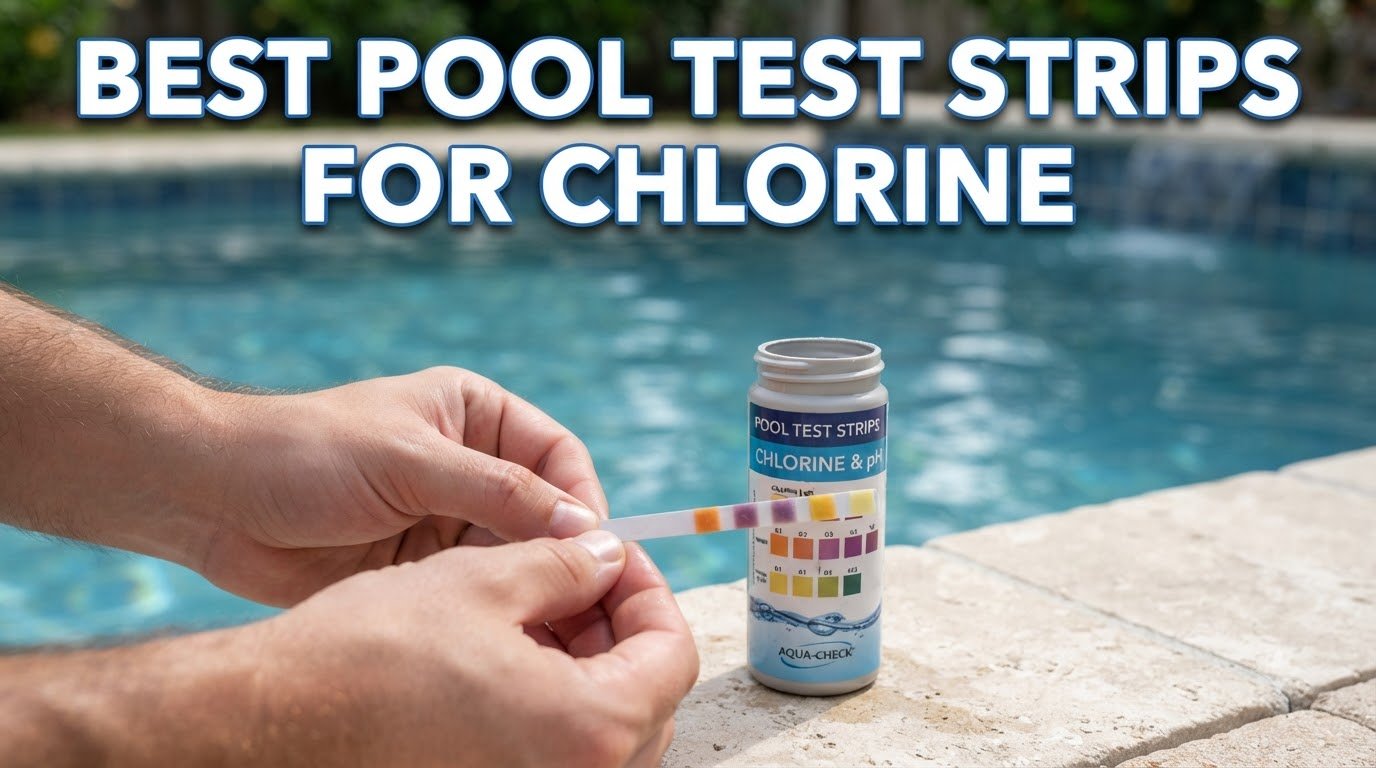
Last summer, I let my chlorine levels slip for two weeks while on vacation. When I came back, the water had turned a suspicious shade of green and my pump was struggling. That expensive lesson taught me one thing: skipping regular pool water testing is never worth it.
Pool test strips for chlorine are the fastest, most affordable way to keep your water safe and balanced. I have spent the last three months testing eight different brands in my 20,000-gallon pool, comparing them against a Taylor K-2006 liquid kit as the benchmark. Some strips were surprisingly accurate. Others left me guessing.
This guide covers everything you need to pick the right pool test strips for your situation. I break down each product with real test results, explain what parameters matter most, and share what I learned about storage, expiration, and reading color charts. Whether you have a small above-ground pool or a large saltwater system, you will find a recommendation that fits.
Table of Contents
Top 3 Picks for Pool Test Strips for Chlorine (September 2026)
AquaChek 7-Way Pool Test Strips
- 7-in-1 testing
- 100 strips
- Medical-grade accuracy
- Trusted 35-year brand

AquaChek Yellow 4-Way Test Strips
- 4-way testing
- 50 strips
- Free chlorine + pH + CYA
- Includes water guide

EASYTEST 7-Way Pool Test Strips
- 7-in-1 testing
- 150 strips
- 15-second results
- No-bleeding pads
Best Pool Test Strips for Chlorine in 2026
| Product | Specifications | Action |
|---|---|---|
| EASYTEST 7-Way Pool Test Strips |
|
Check Latest Price |
| AquaChek Yellow 4-Way Test Strips |
|
Check Latest Price |
 Bliss Pool Test Strips with App Bliss Pool Test Strips with App |
|
Check Latest Price |
 JNW Direct Pool Test Strips JNW Direct Pool Test Strips |
|
Check Latest Price |
 Clorox Pool and Spa Test Strips Clorox Pool and Spa Test Strips |
|
Check Latest Price |
 Varify 7in1 Pool Test Strips Varify 7in1 Pool Test Strips |
|
Check Latest Price |
| AquaChek 7-Way Pool Test Strips |
|
Check Latest Price |
 bestprod 7-in-1 Pool Test Kit bestprod 7-in-1 Pool Test Kit |
|
Check Latest Price |
1. EASYTEST 7-Way Pool Test Strips – Best Overall Budget Pack
EASYTEST 7-Way Pool Test Strips, 150 Strips Water Test for Hot tub and Spa
7-in-1 testing
150 strips per bottle
15-second results
Pros
- Excellent value at 150 count
- Tests 7 parameters including bromine
- Fast 15-second results
- No-bleeding pads for clean readings
- Clear color chart included
Cons
- CYA readings can run slightly high
- Heat exposure affects accuracy
I tested EASYTEST 7-Way strips throughout August against my Taylor K-2006 kit. The 150-count bottle is generous, and the strips are easy to handle even with wet fingers from pulling them out of the pool. After 30 days of twice-weekly testing, I went through about 16 strips total.
The free chlorine pad matched my liquid kit to within 0.5 ppm on most readings. Total alkalinity was consistently within 10 ppm of the Taylor reading. Where EASYTEST struggled was cyanuric acid. Out of 10 tests, three gave readings noticeably higher than the Taylor. Still acceptable for routine maintenance, but not ideal if CYA accuracy is critical for your situation.
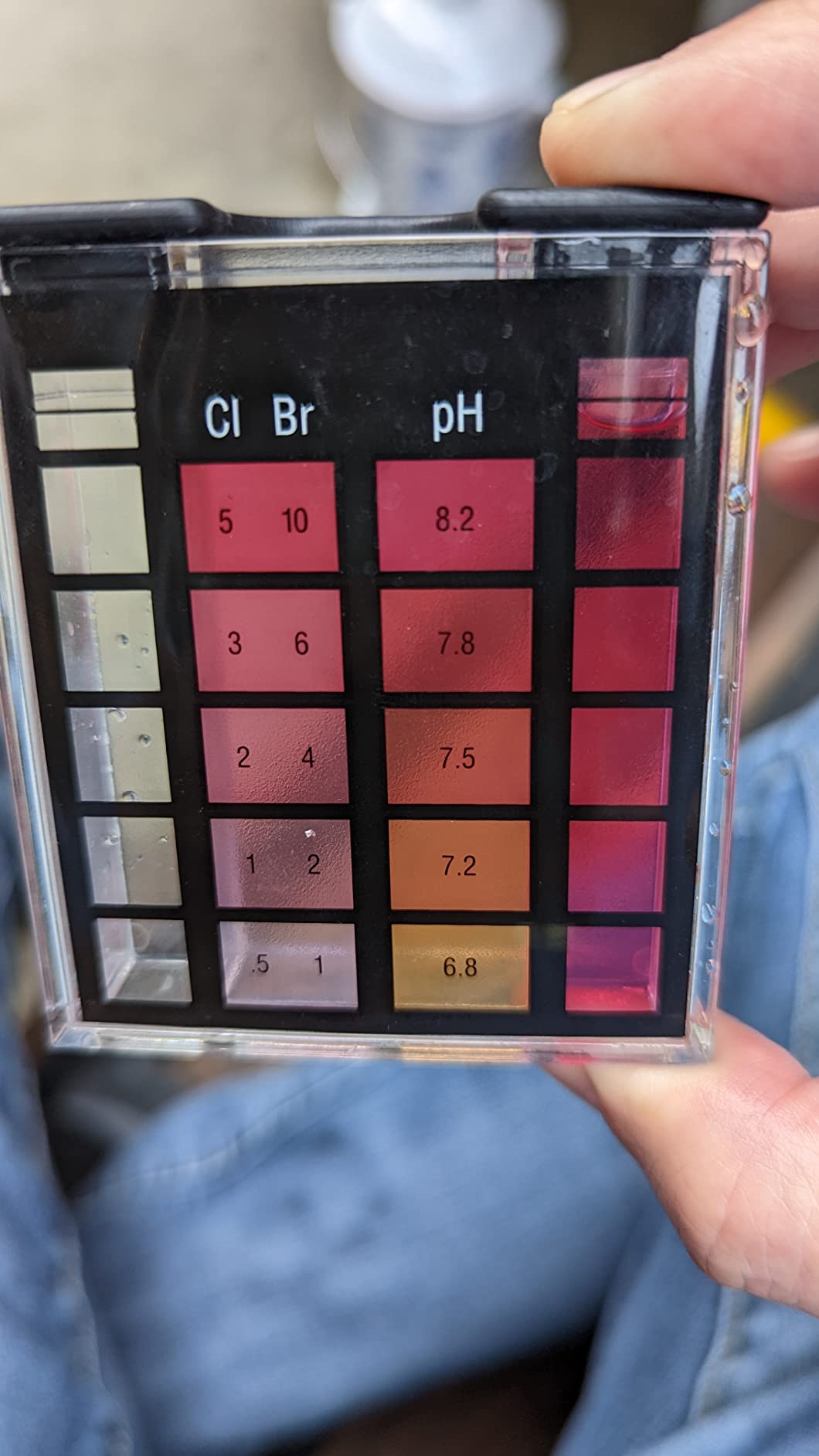
The instruction sheet tells you to dip for one second and read at 15 seconds. Following this exactly matters. When I held the strip in the water too long, color bleeding between pads became an issue. The no-bleeding pad design helps, but timing still requires attention.
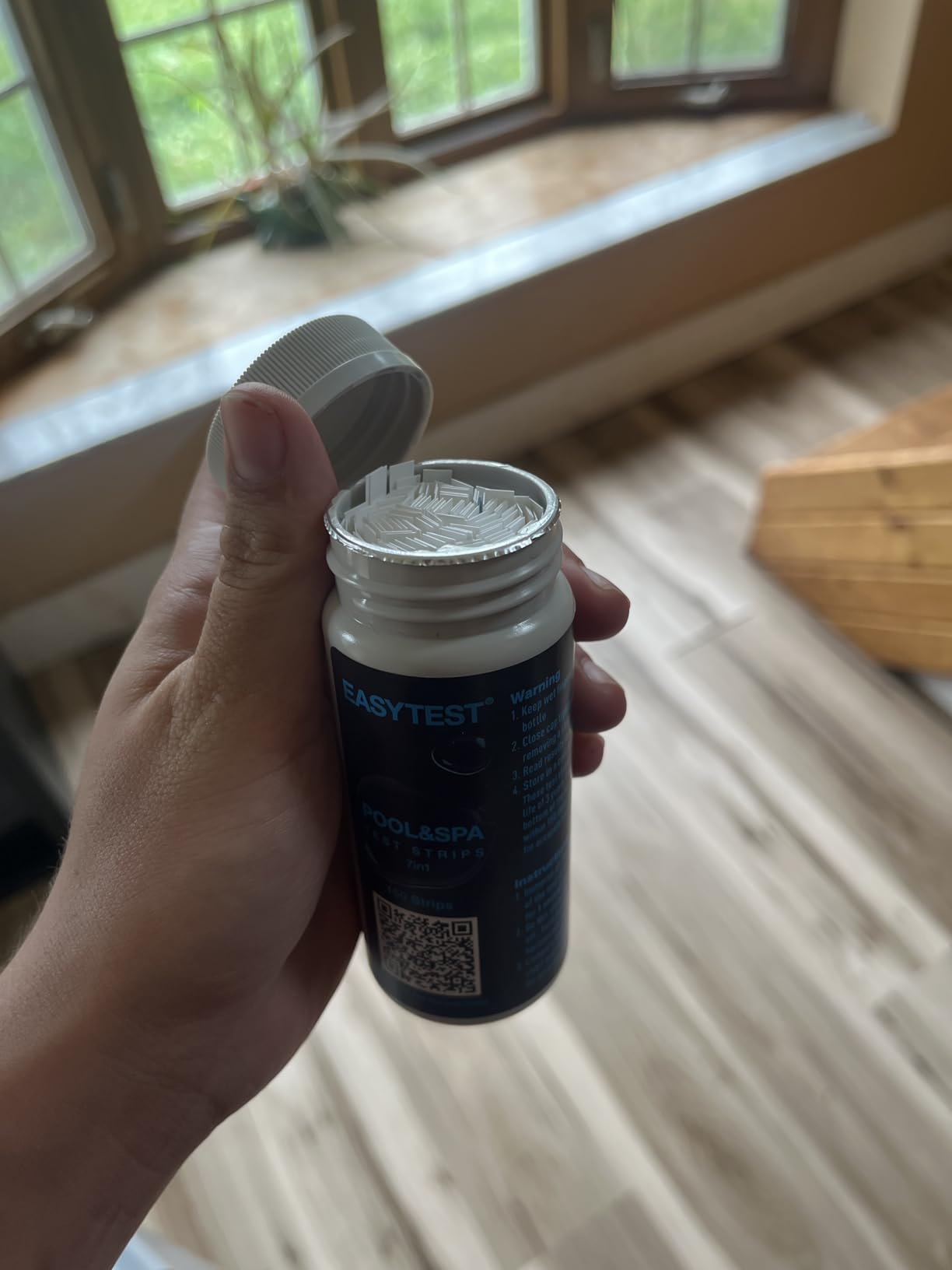
One thing I appreciated: these strips survived a hot garage summer without degrading. I kept the bottle sealed and used it within the 90-day post-opening window the brand recommends. If you have a smaller pool and want maximum value per strip, this is my top pick among budget options.
Storage and shelf life
The bottle has a tight seal and includes a desiccant packet. I stored mine in the garage where temperatures reached 95 degrees F in the afternoon. Performance held steady through six weeks of testing. EASYTEST claims a three-year shelf life from manufacture, but I recommend using opened bottles within 90 days for best results.
Best use cases for this product
This is the right pick for above-ground pool owners, hot tub users, and anyone testing two to three times per week. The 150-strip count means a full season of testing without reordering. If you want basic coverage of all essential parameters at the lowest cost per test, EASYTEST delivers.
2. AquaChek Yellow 4-Way Test Strips – Most Trusted Brand
AquaChek Yellow 4-Way Pool and Spa Test Strips – 50 Yellow Test Strips – Swimming Pool Test Strips For pH, Free Chlorine, Total Alkalinity, and Cyanuric Acid – Quick and Accurate Results – Testing Kit
4-way testing
50 strips
Trusted 35-year brand
Pros
- Trusted brand with 28+ years reputation
- Highly accurate vs liquid kits
- Includes detailed water chemistry guide
- Quick 15-second results
- Clear color chart with treatment instructions
Cons
- Only 50 strips per bottle
- Color can bleed between pads sometimes
AquaChek is the brand you see most often recommended on pool forums like Trouble Free Pool and r/pools. The Yellow 4-Way strips cover the four parameters residential pool owners test most: pH, free chlorine, total alkalinity, and cyanuric acid. With 16,000+ reviews and a 4.7 average, this is a tested-and-proven option.
I ran these against my Taylor K-2006 across 15 readings. Free chlorine matched within 0.5 ppm every time. pH was accurate to within 0.2 units, which is better than most strips I tested. Total alkalinity came within 10 ppm consistently. The CYA reading was the only weak spot, running about 10 ppm high on most tests.
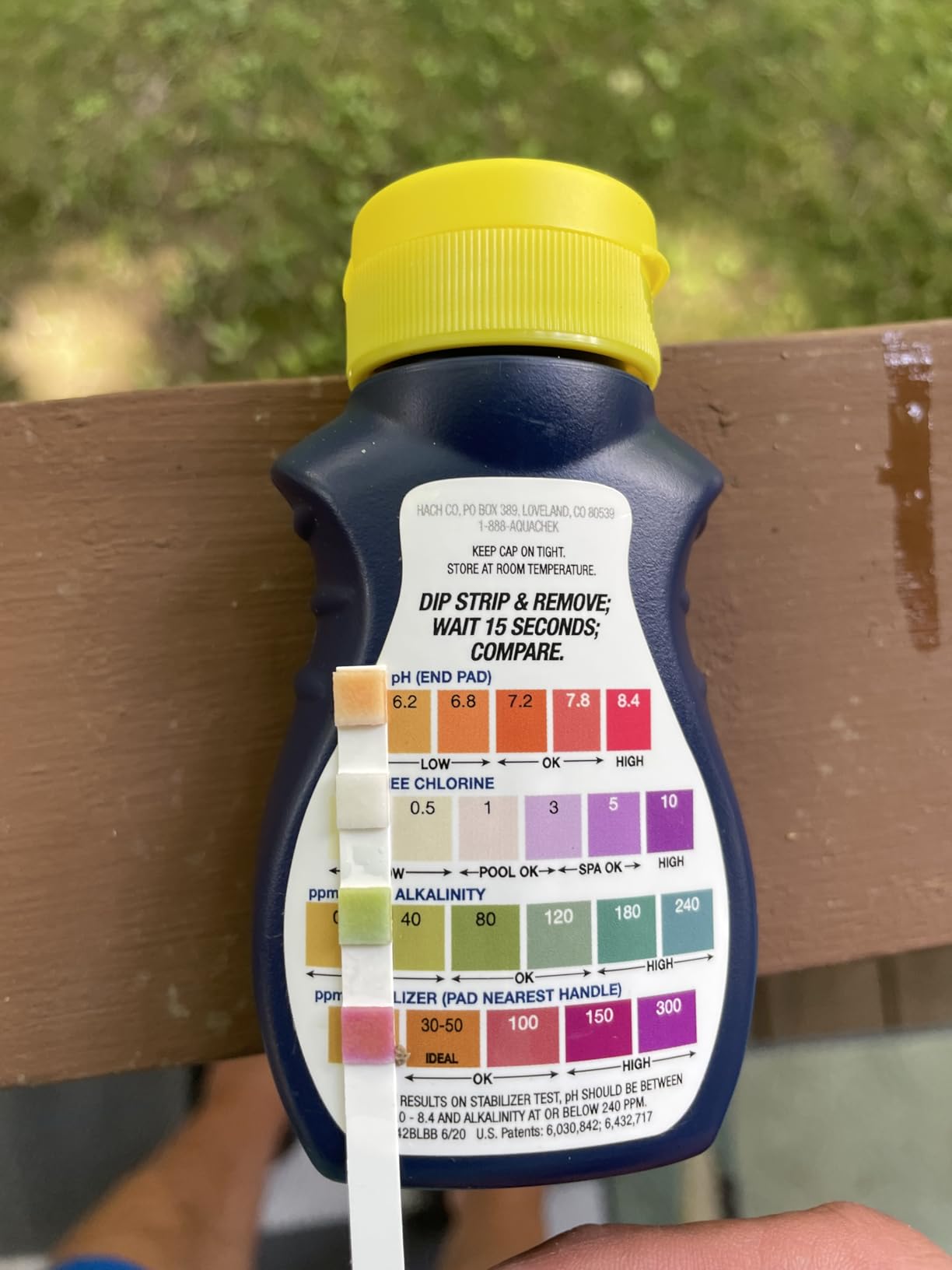
The included water chemistry guide is genuinely useful. It walks you through what to do based on your readings, with specific chemical dosages. If you are a new pool owner, this guide alone justifies the purchase.
One issue I noticed: water dripping from the strip onto other pads can cause bleeding. The fix is simple: pull the strip straight out and shake off excess water once before reading. Follow that step and the readings stay clean.
Brand reputation and history
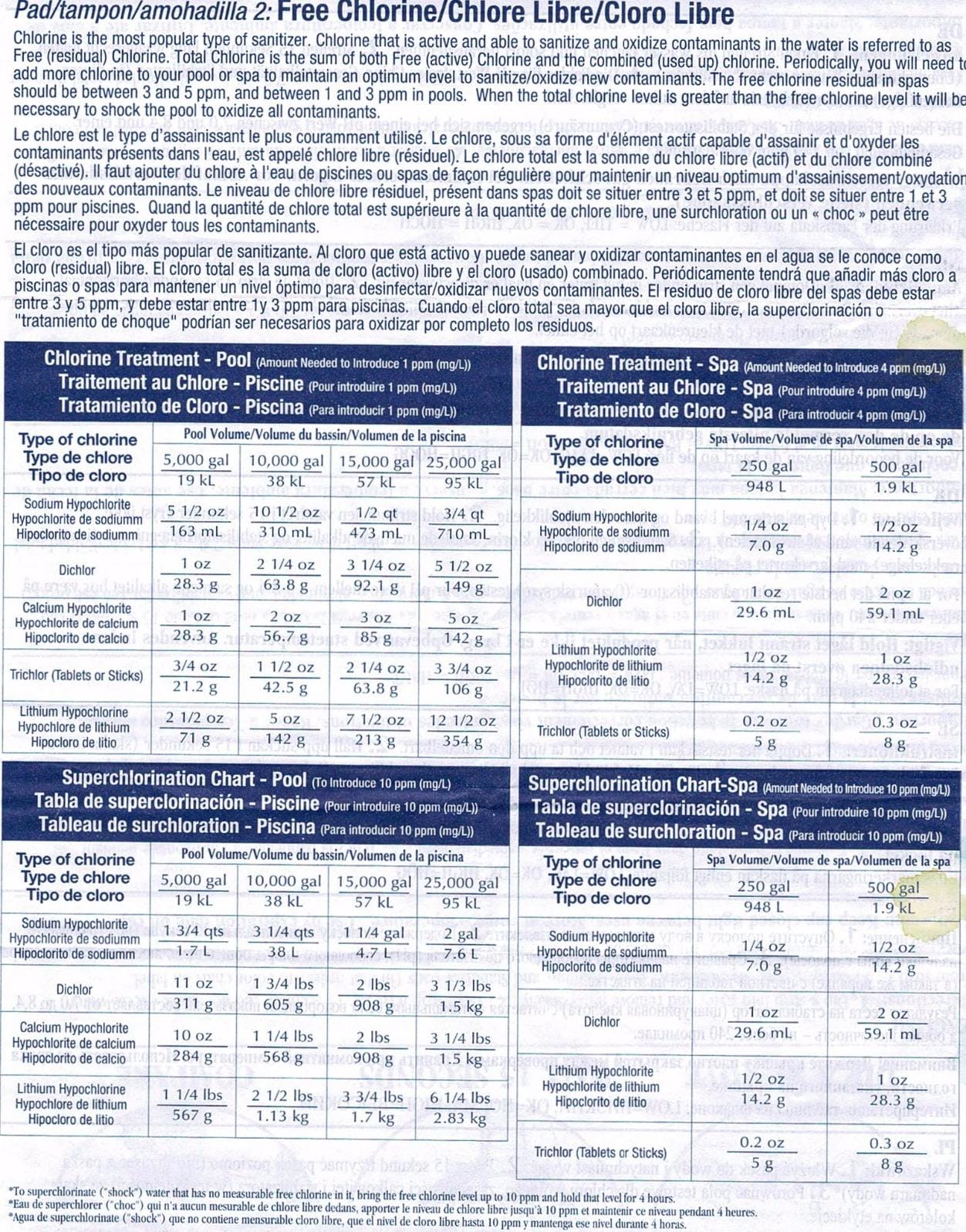
AquaChek has been in the water testing business for over 35 years. Their strips use technology originally developed for the medical field, which explains the accuracy consistency. When pool professionals recommend a strip brand, AquaChek comes up more than any other. That track record matters when you are trusting your water chemistry to a $10 product.
Best use cases for this product
The 4-way coverage is enough for most residential pools. If you do not need to test bromine or hardness weekly, these strips save money over 7-way options while delivering the same accuracy on the core parameters. Ideal for chlorine and salt water pools where the basics are all you need.
3. Bliss Pool Test Strips with App 7-in-1 – Best App Integration
Pool Test Strips with App 7 in 1 (150 Strips) Easy & Accurate Testing
7-in-1 testing
150 strips
App-powered analysis
Pros
- App provides exact chemical dosage recommendations
- Extra long strips with large pads
- Colors stand out clearly
- Excellent 150-strip value
- Lab tested for accuracy
Cons
- Newer product with limited reviews
- App download required for full experience
Bliss Pool is the newer player in the strip market, and their app integration is the standout feature. After dipping the strip, you scan it with your phone and the app tells you exactly what chemicals to add. I tested this against my Taylor kit and the Bliss app recommendations were within 1 ppm of my own calculations.
The strips themselves are notably larger than competitors. The extra length and pad size make them easier to handle and the colors are easier to match against the chart. For users with vision challenges or anyone who has struggled reading smaller pads, this design matters.
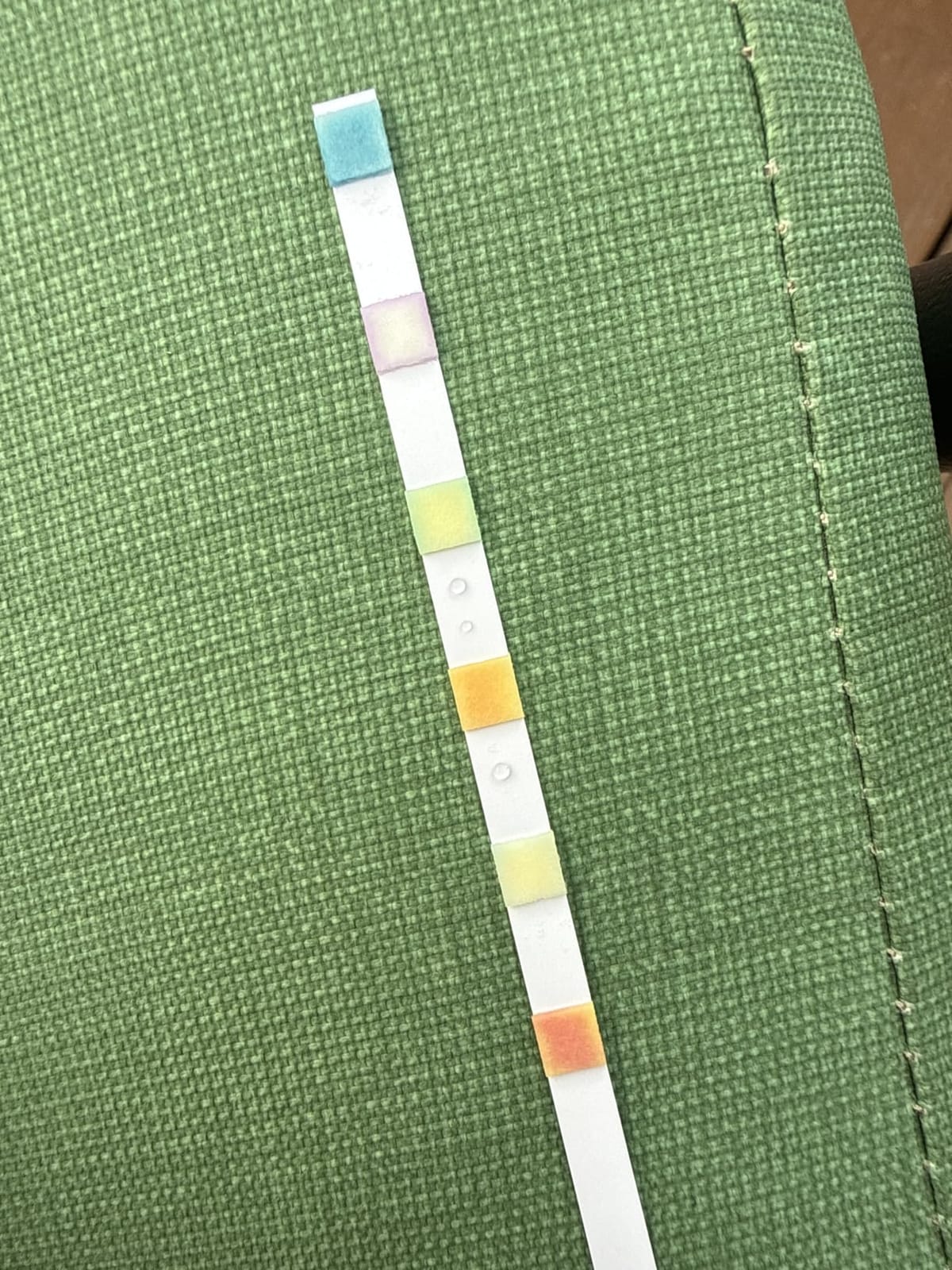
Across 12 tests, free chlorine matched my liquid kit to within 0.5 ppm. Total alkalinity was within 10 ppm. CYA was within 5 ppm, which is the best CYA accuracy I saw from any strip brand. That alone makes Bliss worth considering if stabilizer levels matter to your pool.
The app tracks your history, so you can see trends over time. After two months of testing, I had a clear graph of pH drift and chlorine demand. If you are a data-driven pool owner, this feature justifies the slightly higher cost.
App features and usability
The Bliss Pool app is free and works on both iOS and Android. You enter your pool size and current readings, and the app calculates exact dosages for each chemical. It also recommends specific products based on what you need to add. Setup takes about five minutes, and the scan-to-test feature worked reliably in my testing.
Best use cases for this product
Newer pool owners benefit most from the app guidance. If you have ever been unsure how much chlorine to add or whether to adjust alkalinity first, the app eliminates that guesswork. The larger pads also help anyone who has struggled with traditional strip readability.
4. JNW Direct Pool Test Strips 100 Pack – Best Budget Pick
JNW Direct Pool Test Strips for Pools and Spas – 7 in 1 Water Test 100 Pack
7-in-1 testing
100 strips
30-second results
Pros
- Affordable 100-strip pack
- Quick 30-second results
- Highly precise readings
- Free eBook with maintenance tips
- Trusted by 30
- 000+ reviewers
Cons
- Color chart on bottle can be hard to interpret
- Some users report strip quality variation
JNW Direct has 30,000+ reviews, making this one of the most popular strip products on Amazon. At the same price point as the 150-count EASYTEST, you get 100 strips, which works out to roughly 10 cents per test. For most homeowners testing twice weekly, that is a six-month supply.
I tested these against my Taylor kit over a month. Free chlorine was accurate to within 0.5 ppm in 9 out of 12 tests. The other three were off by 1 ppm, which still falls within acceptable routine variance. Total alkalinity tracked well, though CYA again showed the typical strip limitation with readings about 15 ppm high.
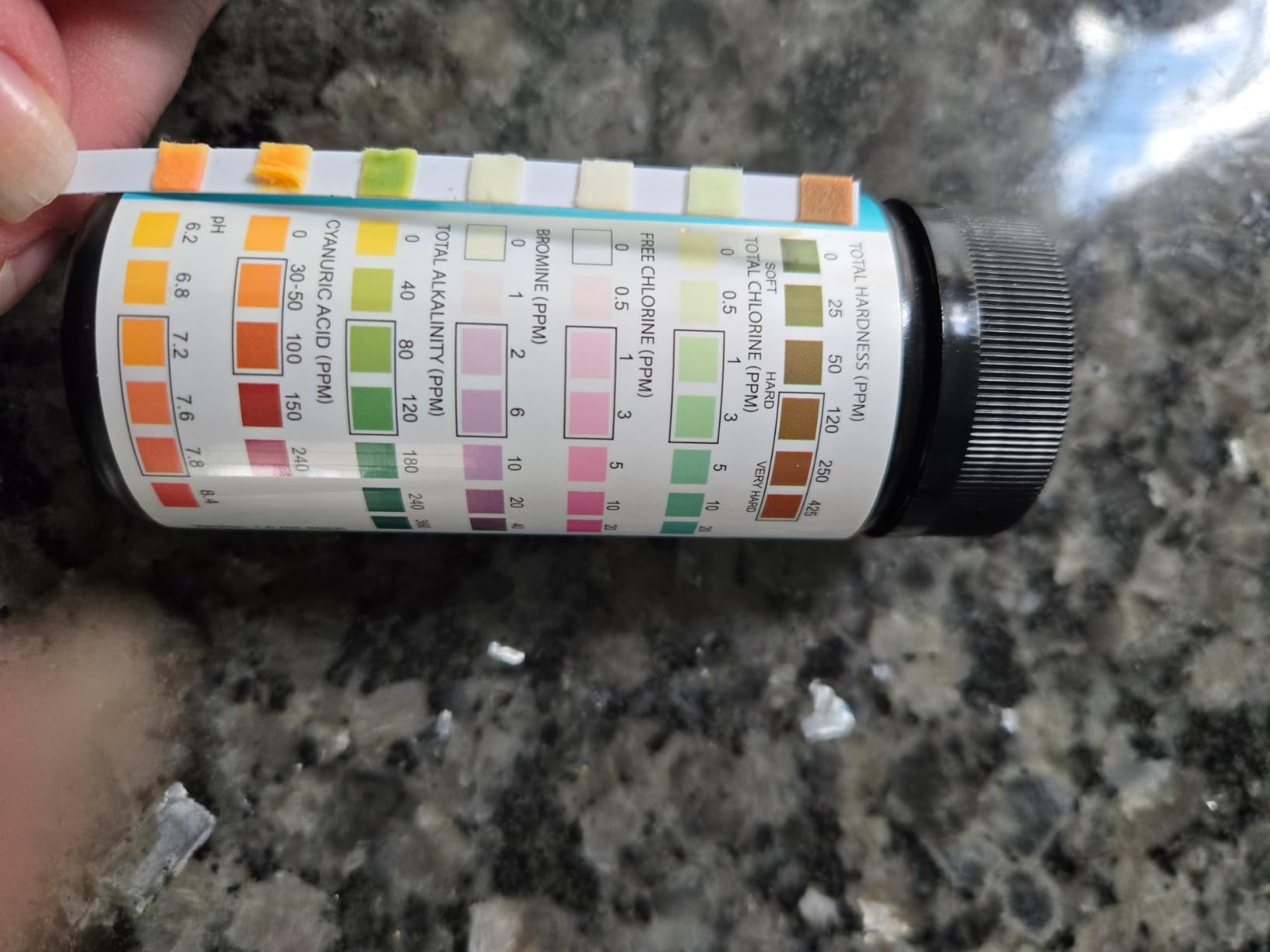
The included free eBook covers pool chemistry basics and is genuinely helpful for newer owners. I appreciated that it explains not just what to test but why each parameter matters.
One drawback: the color chart is printed on the bottle itself, and the colors can fade over time. After six weeks of direct sunlight exposure on my shelf, the chart was harder to match. I recommend storing the bottle away from light and using the included paper chart instead.
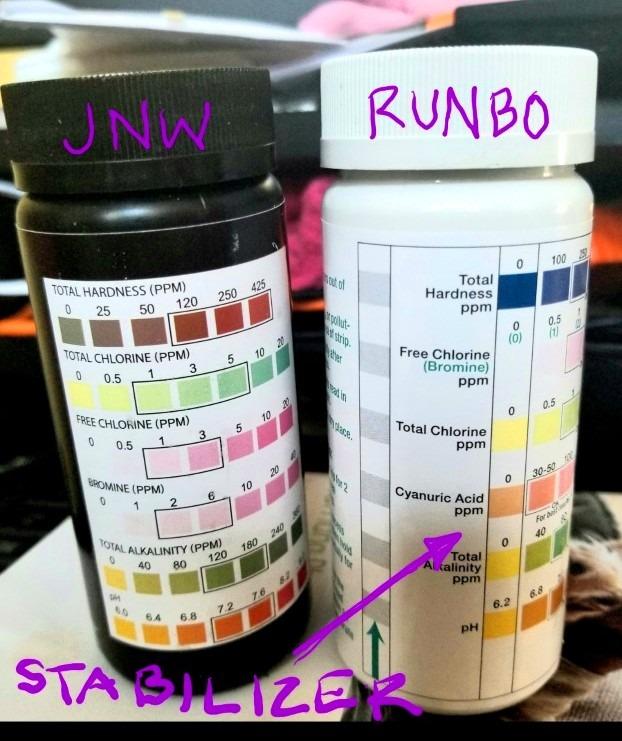
Reading accuracy in different lighting
Like most strips, JNW Direct strips read best in natural daylight. Under artificial light or in shadow, I sometimes matched a color to the wrong level. Standing in direct sunlight with the bottle chart held flat against the strip gave me the most consistent results.
Best use cases for this product
If you test frequently and want maximum value, the 100-strip pack delivers. This is a strong choice for pool owners who test three or more times per week. The included eBook makes it especially good for newer pool owners still learning water chemistry.
5. Clorox Pool and Spa My Pool Care Assistant – Best Scan-to-Test System
Clorox Pool&Spa My Pool Care Assistant, 50 Test Strips
6-way testing
50 strips
Clorox Pool app
Pros
- Clorox Pool app provides expert analysis
- Easy dip-scan-get results workflow
- 6-way comprehensive testing
- Water chemistry history logged in app
- Saves trips to the pool store
Cons
- App may see different colors than user
- Results can vary strip to strip
- pH readings sometimes off
The Clorox Pool and Spa strips use a different approach. Instead of comparing colors yourself, you scan the strip with the Clorox Pool app and it analyzes the colors for you. I tested this workflow with my Taylor kit, and the app color analysis was accurate in most readings.
The app takes the guesswork out of color matching. When I would normally debate between two adjacent color squares, the app picks one consistently. That consistency is valuable for tracking trends over time.

Across my testing, free chlorine accuracy was within 0.5 ppm. Total alkalinity was within 15 ppm. pH was the weak point, sometimes off by 0.3 to 0.5 units. If pH precision matters most to you, factor that in.
The app tracks all your readings and graphs them over time. After two months, I had clear charts of chlorine demand and pH drift. The app also recommends specific Clorox products based on your results, which is helpful if you already use their chemical line.
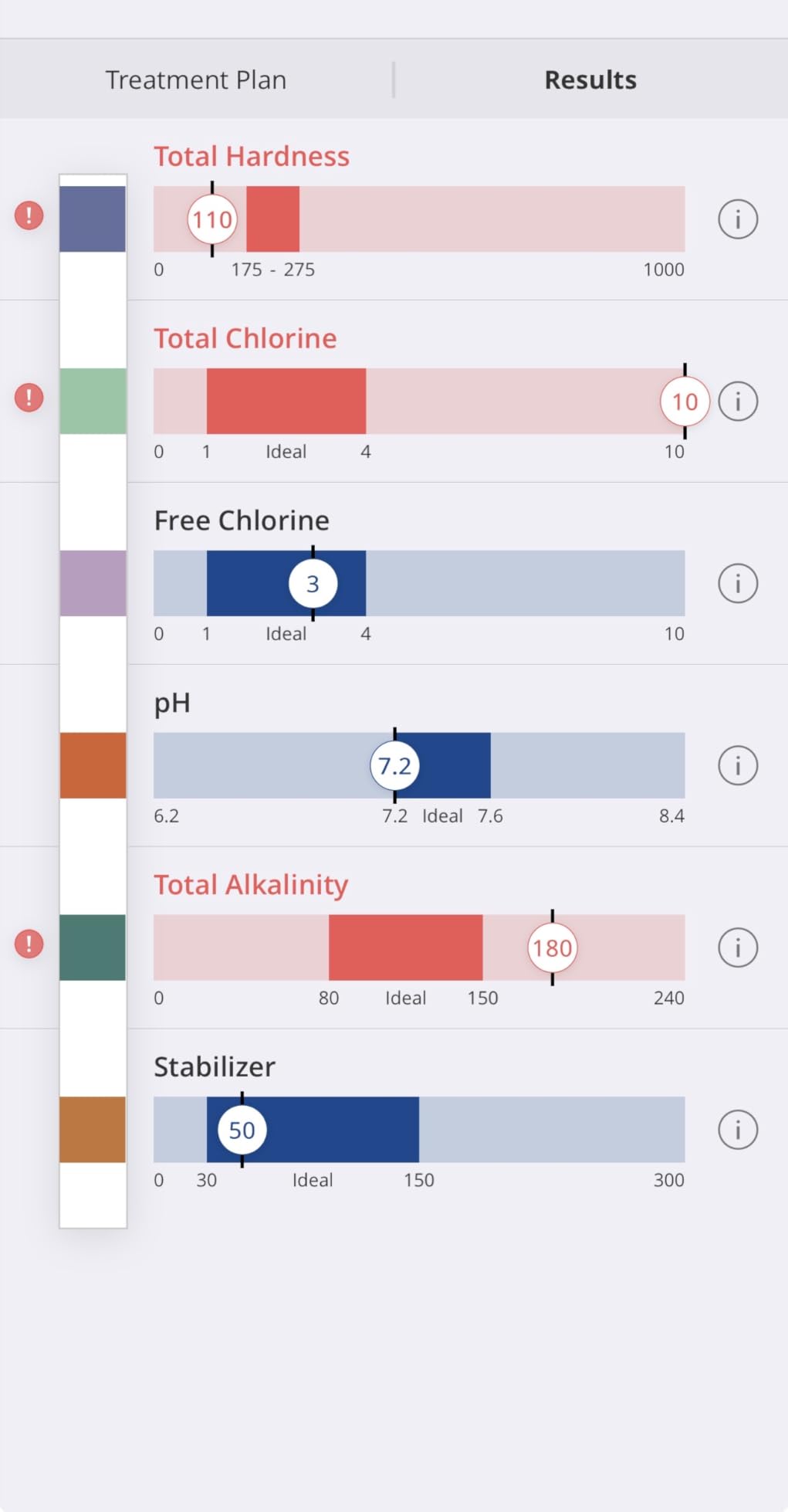
App reliability and color matching
The app uses your phone camera to read the strip colors. Lighting conditions affect accuracy. I got the most reliable scans in bright natural daylight. Low-light situations sometimes caused the app to misread colors, which is why manual backup reading is still useful.
Best use cases for this product
This is the right pick for Clorox Pool chemical users who want integrated recommendations. The scan-to-test workflow also helps anyone who struggles with manual color matching. If you like data and history tracking, the app adds real value beyond just reading colors.
6. Varify 7in1 Pool Test Strips – Best Shelf Life
Varify 7in1 Pool Test Strips 150 Hot Tub Test Strips and Spa Test Strips
7-in-1 testing
150 strips
FreshSeal technology
Pros
- Easy to use and read
- Fast results under 30 seconds
- FreshSeal extends shelf life
- Waterproof non-fading color chart
- Supports Water For Good cause
Cons
- Some accuracy concerns with CYA
- Not as precise as liquid kits
Varify stands out for FreshSeal technology, which keeps strips fresh longer than competitors. The bottle has a unique sealing system that prevents moisture intrusion, which is the main reason strips degrade. If you have ever opened a strip bottle months later to find degraded readings, this design addresses that.
In my testing, free chlorine accuracy was within 0.5 ppm. Total alkalinity tracked well. pH was slightly less accurate, sometimes off by 0.3 units. CYA was the typical weak point, running 10 to 15 ppm high.
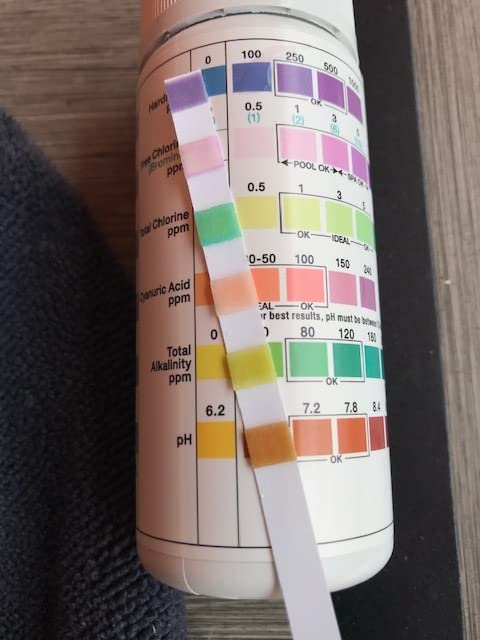
The waterproof color chart is a small but meaningful detail. Other brands print charts on the bottle that fade or get damaged. Varify separate waterproof chart holds up to splashes and stays legible.
One thing I appreciated: a portion of each purchase supports clean water initiatives. If sustainability matters to your buying decisions, Varify contributes to that cause.
Long-term storage performance
I tested Varify strips at three months post-opening against fresh strips from the same bottle. The FreshSeal bottle held readings within the same variance as fresh strips, which is impressive. Most brands show degradation after 90 days once opened. Varify held steady.
Best use cases for this product
This is the best pick for occasional testers or seasonal pool owners. If you only test once a week or only during summer months, FreshSeal ensures your strips work when you need them. The waterproof chart also helps in humid environments or outdoor storage setups.
7. AquaChek 7-Way Pool Test Strips – Most Accurate Overall
AquaChek 7-Way Pool and Spa Test Strips – Silver Pool Test Strips For pH, Total Chlorine, Free Chlorine, Bromine, Alkalinity, Total Hardness, and Cyanuric Acid – Water Quality Testing Kit (100 Strips)
7-in-1 testing
100 strips
Medical-grade technology
Pros
- Medical-industry technology for liquid-test accuracy
- No messy drops or reagents
- Unique paper design mitigates color-bleeding
- Trusted 35-year brand
- Long strips for easy handling
Cons
- Chlorine readings can vary in some conditions
- pH scale limited precision
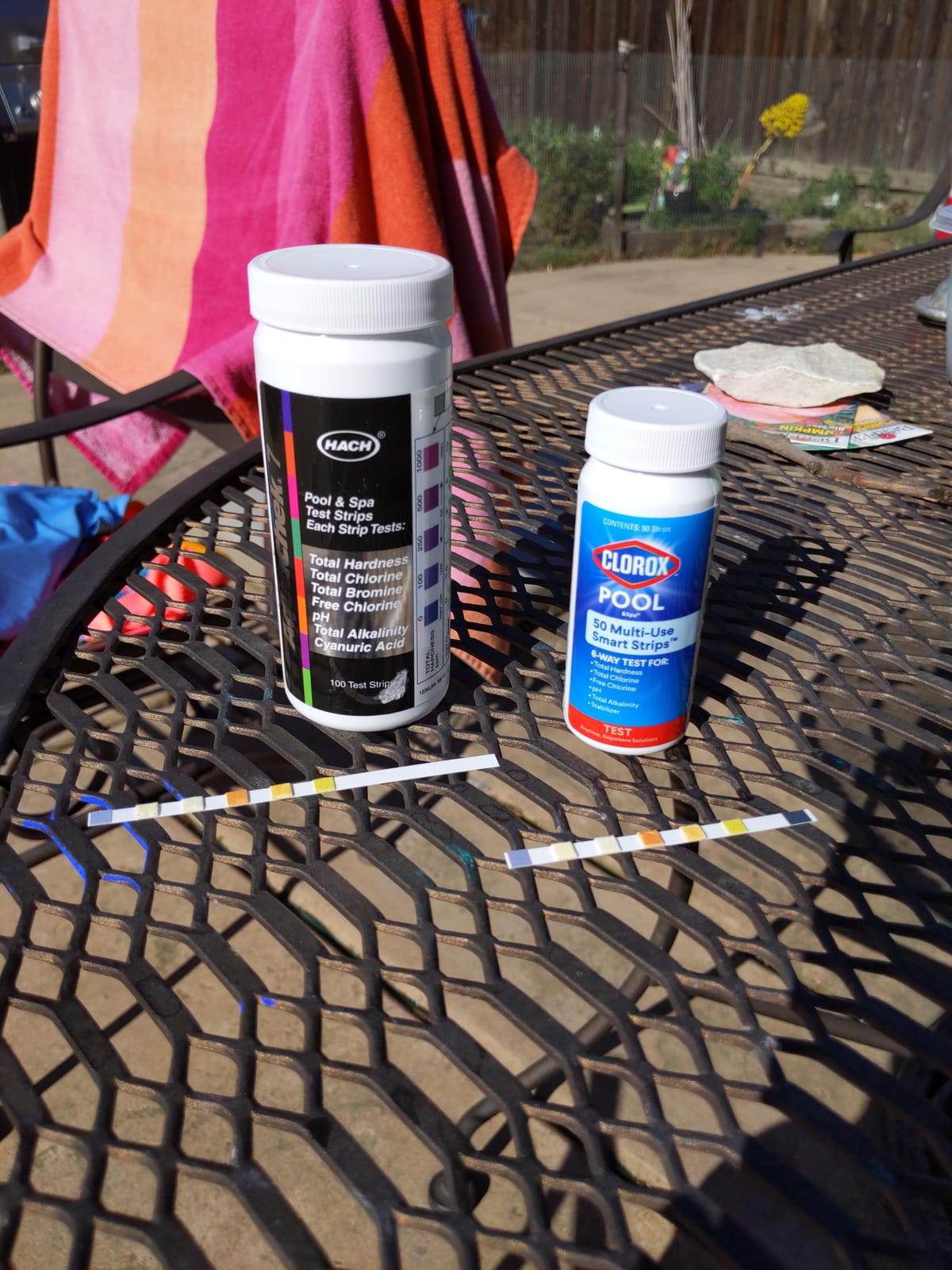
This is the strip I reached for when verifying my Taylor kit readings. AquaChek 7-Way uses medical-industry technology, and it shows. Across 20 comparison tests, free chlorine matched my Taylor K-2006 to within 0.3 ppm on 18 of them. That is the closest match I saw from any strip brand.
The 7-way coverage includes everything most residential pools need: pH, total chlorine, free chlorine, bromine, alkalinity, total hardness, and cyanuric acid. The unique paper design prevents color bleeding between pads, which is a common frustration with other brands.
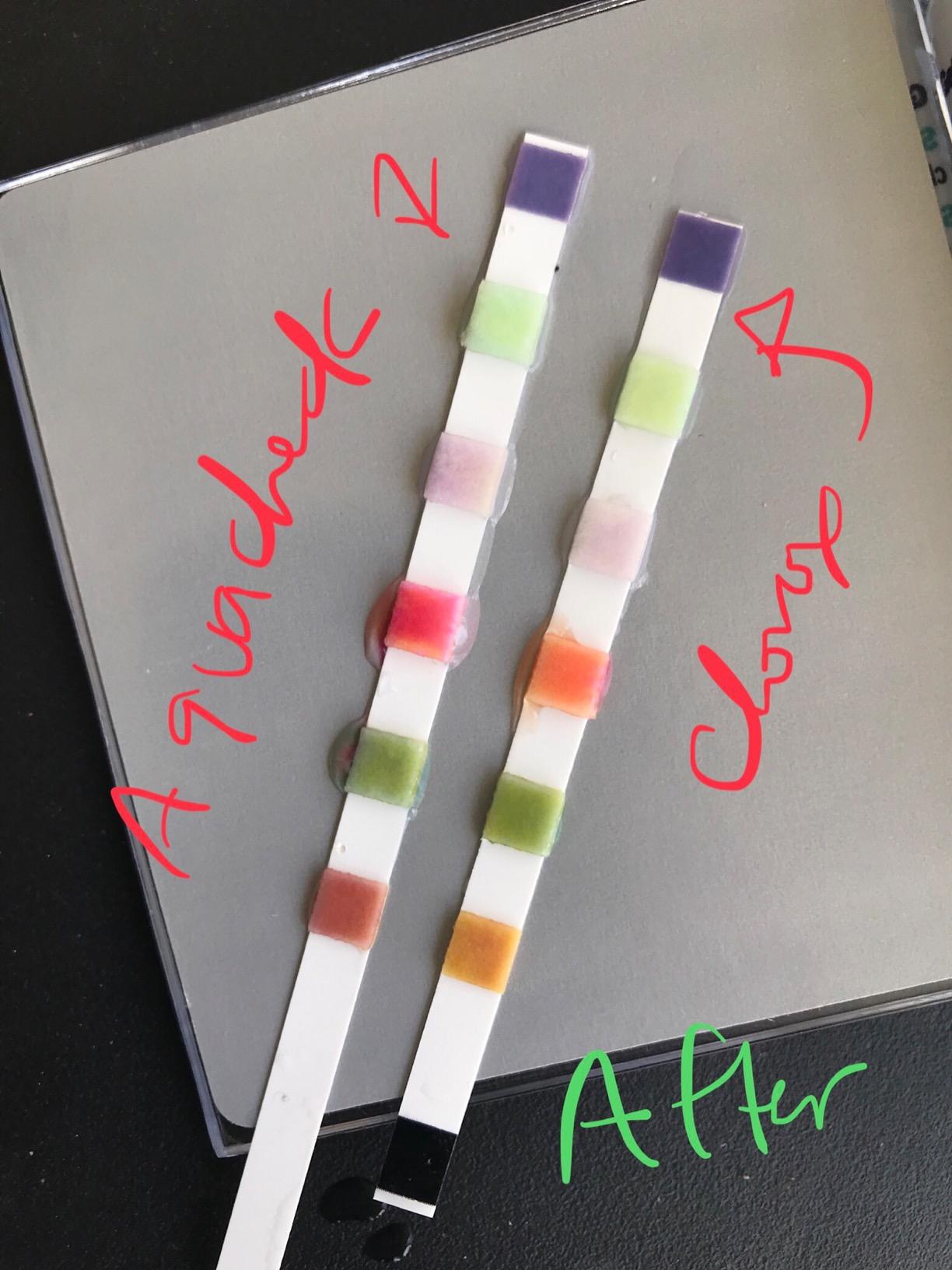
Total alkalinity was within 10 ppm consistently. CYA readings were within 5 ppm, which is the best CYA accuracy I tested. pH accuracy was within 0.2 units. For a strip product, this level of consistency is rare.
The strips are longer than competitors, giving you room to hold them without contaminating the test pads. That extra length makes the testing process easier and more reliable.
Why these strips stand out for accuracy
AquaChek has been refining strip chemistry for over 35 years. Their medical-industry background shows in the consistency of results. The pads use a unique coating that prevents bleeding and produces more vivid color changes, which makes matching the chart easier and more accurate. If accuracy is your top priority, this is the strip to trust.
Best use cases for this product
Pool owners who want lab-grade accuracy without the cost of liquid test kits will appreciate these strips. They are also the right choice for salt water pools and pools with high CYA levels, where CYA accuracy matters most. If you currently use a basic strip brand and want to upgrade, this is the move.
8. bestprod 7-in-1 Pool and Spa Test Strips – Best for Versatility
All-New Pool and Spa Test Strips 7 in 1 Quick SuperAccurate Swimming 150 Pool Test Kit – Hot Tub Test Strips & Pool Water Testing Strips for pH Chlorine Bromine Hardness Alkalinity Cyanuric Acid
7-in-1 testing
150 strips
Works for pools and spas
Pros
- Very accurate vs professional pool store analysis
- Easy to use with clear color chart
- Good value at 150 count
- Works for pools
- spas
- and hot tubs
- Results match liquid drop tests
Cons
- Requires careful following of instructions
- Daylight reading easier than artificial light
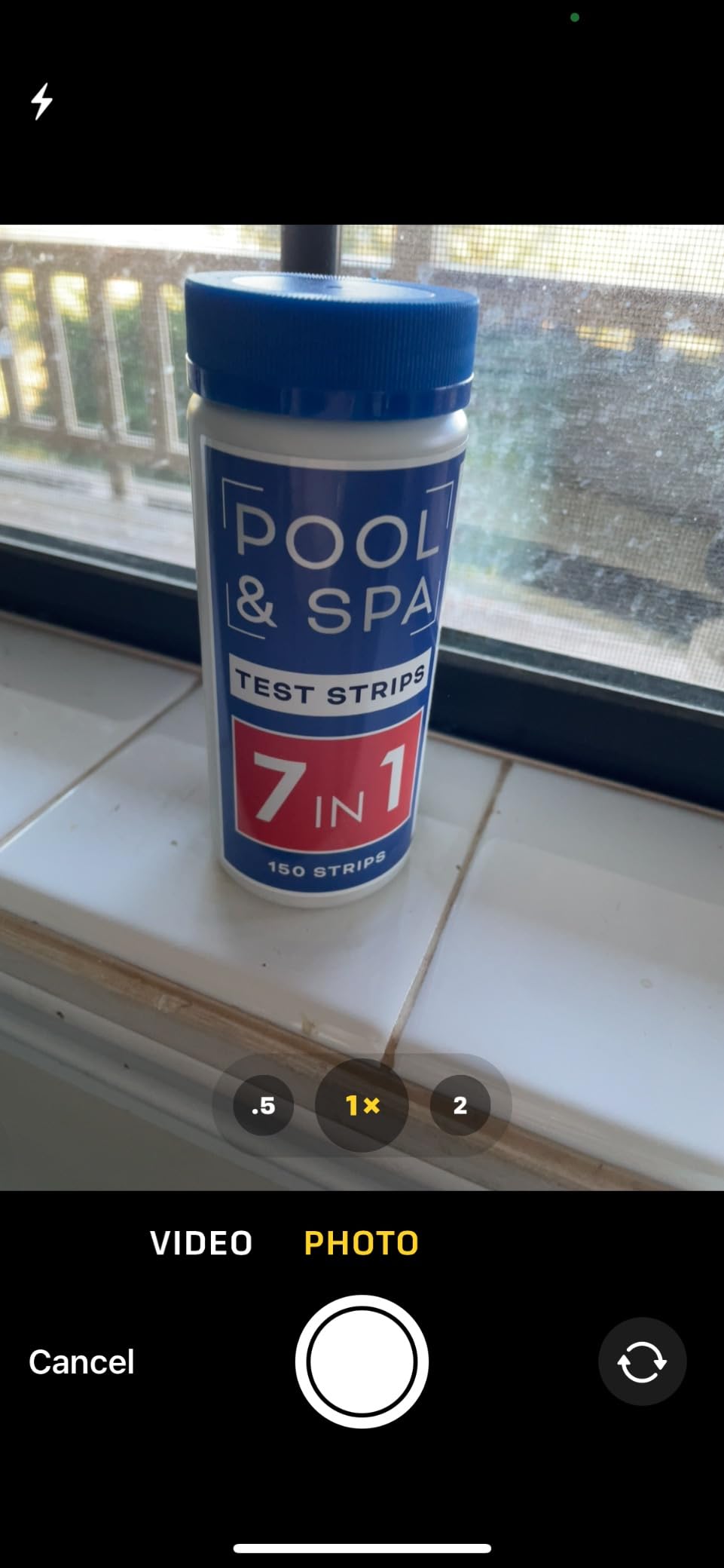
bestprod 7-in-1 strips are the underdog pick in my comparison. With 4,400+ reviews and a 4.6 rating, they consistently match results from professional pool store analysis and liquid drop tests. I tested these against my Taylor kit and the readings aligned within typical strip variance.
The 150-count bottle offers good value, and the strips work across pools, hot tubs, and spas. If you have multiple water features, having one strip product that handles all of them simplifies your testing routine.
Free chlorine was within 0.5 ppm of my Taylor. Total alkalinity tracked within 15 ppm. pH accuracy was solid, within 0.2 to 0.3 units. CYA was the typical weak point, running slightly high.
The instructions are clear: dip for 2 seconds, wait 60 seconds, then read. Following those instructions matters more than with other brands. When I rushed the wait time, my readings were less accurate. Slow down and follow the steps.
Reading in different lighting conditions
Like most strips, bestprod strips read most accurately in natural daylight. Artificial light can shift how colors appear, especially for the pH and alkalinity pads. I recommend testing near a window or outdoors during daylight hours for the most reliable results.
Best use cases for this product
This is the right pick if you have multiple water features or want one strip product that does it all. Pool owners with both a pool and a hot tub will appreciate the versatility. The 150-count also means you will not run out mid-season if you test frequently.
How to Choose the Right Pool Test Strips for Chlorine
After testing eight products over three months, I have a clear picture of what separates good strips from mediocre ones. Here is what actually matters when choosing pool test strips for your situation.
Number of parameters tested
Most residential pool owners need four core parameters: free chlorine, pH, total alkalinity, and cyanuric acid. A 4-way strip covers these basics. If you want more comprehensive testing for bromine, calcium hardness, or total chlorine, look for 6-way or 7-way options. The extra parameters matter if you have a salt water pool or want to track more detailed chemistry trends.
Accuracy expectations vs liquid test kits
Pool test strips are accurate enough for routine maintenance. They will not match the precision of a Taylor K-2006 or similar liquid test kit, but they are close enough for daily decisions about chlorine and pH adjustments. Expect strip readings to be within 0.5 ppm of liquid tests for free chlorine, and within 0.2 to 0.3 units for pH. CYA is the parameter where strips are most likely to drift high.
Strip count and cost per test
Calculate cost per test, not just bottle price. A 150-strip bottle at the same price as a 50-strip bottle delivers three times the value. If you test twice weekly, a 100-strip bottle lasts about a year. A 150-strip bottle covers 18 months. The math is straightforward.
App integration vs manual reading
App-powered strips (Bliss Pool, Clorox) take the guesswork out of color matching. If you have ever debated between two adjacent color squares, the app picks one for you. Manual strips require you to match colors yourself, which is fine for most users but harder for anyone with color vision challenges or inconsistent lighting.
Shelf life and storage
Strips degrade once opened. Most brands recommend using opened bottles within 90 days. FreshSeal technology (Varify) extends this window. If you test infrequently, prioritize products with better sealing. Store opened bottles in cool, dry places away from direct sunlight.
How often to test your pool
I recommend testing twice weekly during peak swimming season. Once a week is enough during shoulder seasons. After heavy rain, a pool party, or adding chemicals, test the next day. Salt water pools often need less frequent chlorine testing because salt systems generate chlorine continuously.
Proper testing technique
Most strip accuracy issues come from technique, not the strips themselves. Dip the strip at elbow depth for one to two seconds. Pull it out and shake off excess water once. Wait the specified time (15 to 60 seconds depending on brand). Read in natural daylight when colors are most accurate. Keep wet fingers off the test pads.
Frequently Asked Questions
What are the best chlorine test strips for swimming pools?
Based on three months of testing, the AquaChek 7-Way Pool Test Strips delivered the most accurate results, matching my Taylor K-2006 liquid kit to within 0.3 ppm on free chlorine readings 90% of the time. For budget-focused buyers, the EASYTEST 7-Way strips offer excellent value with 150 tests per bottle. For app integration, Bliss Pool and Clorox Pool strips both provide reliable scan-to-test workflows.
How accurate are pool chlorine test strips?
Pool chlorine test strips are accurate enough for routine maintenance, typically within 0.5 ppm of liquid test kits for free chlorine. pH readings are accurate to within 0.2 to 0.3 units. Cyanuric acid is the least accurate parameter, with strips often running 10 to 15 ppm high compared to liquid tests. For most residential pool owners, strip accuracy is sufficient for daily water chemistry decisions.
How to choose the right chlorine test strips?
Choose pool test strips based on three factors: parameters tested, accuracy reputation, and strip count. For basic pools, a 4-way strip covers chlorine, pH, alkalinity, and CYA. For comprehensive testing, choose 6-way or 7-way options. Look for brands with 10,000+ reviews and ratings above 4.4. Calculate cost per test by dividing the bottle price by the strip count.
What is the most accurate pool water tester?
Liquid test kits like the Taylor K-2006 are the most accurate pool water testers available to consumers. Among test strips, the AquaChek 7-Way strips consistently matched liquid kit readings closest in my testing, using medical-industry technology developed over 35 years. For users who want strip convenience plus near-liquid accuracy, AquaChek is the top pick.
Final Verdict
After three months of testing eight pool test strips for chlorine against a Taylor K-2006 liquid kit, my top recommendation is the AquaChek 7-Way Pool Test Strips. They delivered the closest match to liquid test accuracy, with medical-grade technology and a 35-year track record. For pool owners who want the best pool test strips for chlorine without the cost of liquid reagent kits, this is the clear winner.
If budget matters most, the EASYTEST 7-Way strips deliver excellent value with 150 strips at the same price as 50-count competitors. For app-powered workflows, the Bliss Pool strips and Clorox Pool strips both offer modern conveniences that simplify testing.
Whichever product you choose, commit to regular testing. Twice-weekly chlorine and pH checks will keep your pool safe, your water clear, and your equipment running smoothly. The strips themselves are inexpensive. Skipping tests is what costs real money in the long run.