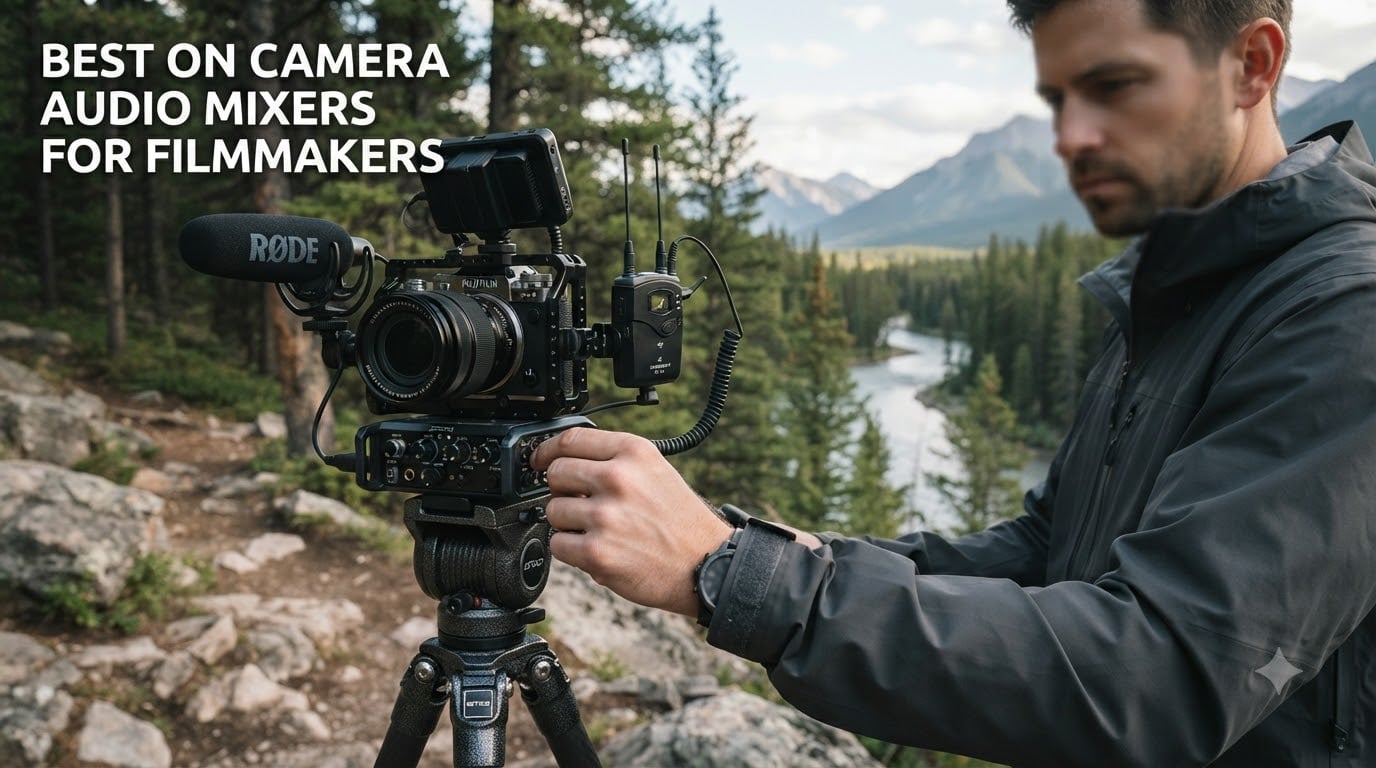
If you have ever wrapped a beautiful scene only to discover hiss, clipping, or muddy dialogue in post, you already know why a dedicated on camera audio mixer matters. Built-in camera preamps are noisy, gain control is limited, and most mirrorless rigs lack real XLR inputs. I have spent the last few months running a Tascam DR-70D on documentary shoots, a Zoom F6 on indie narrative work, and a Movo AM100 on quick interview days, and the difference between a $40 passive mixer and a proper field recorder is night and day.
This guide ranks the best on camera audio mixers for filmmakers available in 2026. I focused on products that mount cleanly to a camera rig, deliver clean preamps, and survive a long production day. Whether you are shooting a wedding, an indie short, or a documentary on the road, there is a mixer here that fits your budget and your camera.
You will find detailed reviews of 12 mixers covering everything from sub-$50 passive adapters to professional 8-input field recorders with timecode. I also include a buying guide that breaks down XLR inputs, phantom power, preamp quality, and timecode so you can pick the right tool without wading through spec sheets.
Table of Contents
Top 3 Picks for On Camera Audio Mixers (September 2026)
Best On Camera Audio Mixers for Filmmakers in 2026
| Product | Specifications | Action |
|---|---|---|
 TASCAM DR-70D TASCAM DR-70D |
|
Check Latest Price |
 Zoom F6 Zoom F6 |
|
Check Latest Price |
 Zoom F8n Pro Zoom F8n Pro |
|
Check Latest Price |
 Zoom F3 Zoom F3 |
|
Check Latest Price |
 TASCAM FR-AV4 TASCAM FR-AV4 |
|
Check Latest Price |
 Tascam CA-XLR2d-C Tascam CA-XLR2d-C |
|
Check Latest Price |
 Sony XLR-K3M Sony XLR-K3M |
|
Check Latest Price |
 Movo AM100 Movo AM100 |
|
Check Latest Price |
 Saramonic SR-PAX2 Saramonic SR-PAX2 |
|
Check Latest Price |
 Zoom H1 XLR Zoom H1 XLR |
|
Check Latest Price |
 Comica LINKFLEX.AD3 Comica LINKFLEX.AD3 |
|
Check Latest Price |
 Saramonic AX1 Saramonic AX1 |
|
Check Latest Price |
1. TASCAM DR-70D 4-Channel Portable Audio Recorder
TASCAM 4-Channel Portable Audio Recorder for Videographers, 4 Combo XLR/TRS Inputs, 2 Internal Mics, Limiter, HP Filter (DR-70D)
4 XLR/TRS inputs
HDDA preamps
Dual recording mode
Camera-mount design
Pros
- 4 combo XLR/TRS inputs with phantom power
- Built-in stereo mics for ambient pickup
- Dual Recording creates safety copy at lower level
- Compact mountable form factor fits under camera
- SDXC support up to 128GB
Cons
- Digital knobs feel slightly disconnected
- Limited to 4 tracks for larger productions
- Battery life shorter than some competitors
The TASCAM DR-70D is the on camera audio mixer I recommend most often to documentary shooters on a budget. I ran one on a 12-day shoot across three states and it never missed a take. The four XLR/TRS combo inputs accept anything from a shotgun to a wireless lavalier, and the HDDA preamps deliver clean audio that is a clear step above any DSLR built-in preamp I have tested.
What makes this recorder stand out for filmmakers is the dedicated camera-mount form factor. It slides under a DSLR or mirrorless body on the tripod shoe and stays balanced on a gimbal. The built-in stereo mics are surprisingly useful for capturing room tone between setups, which saves me from pulling out a separate recorder later.
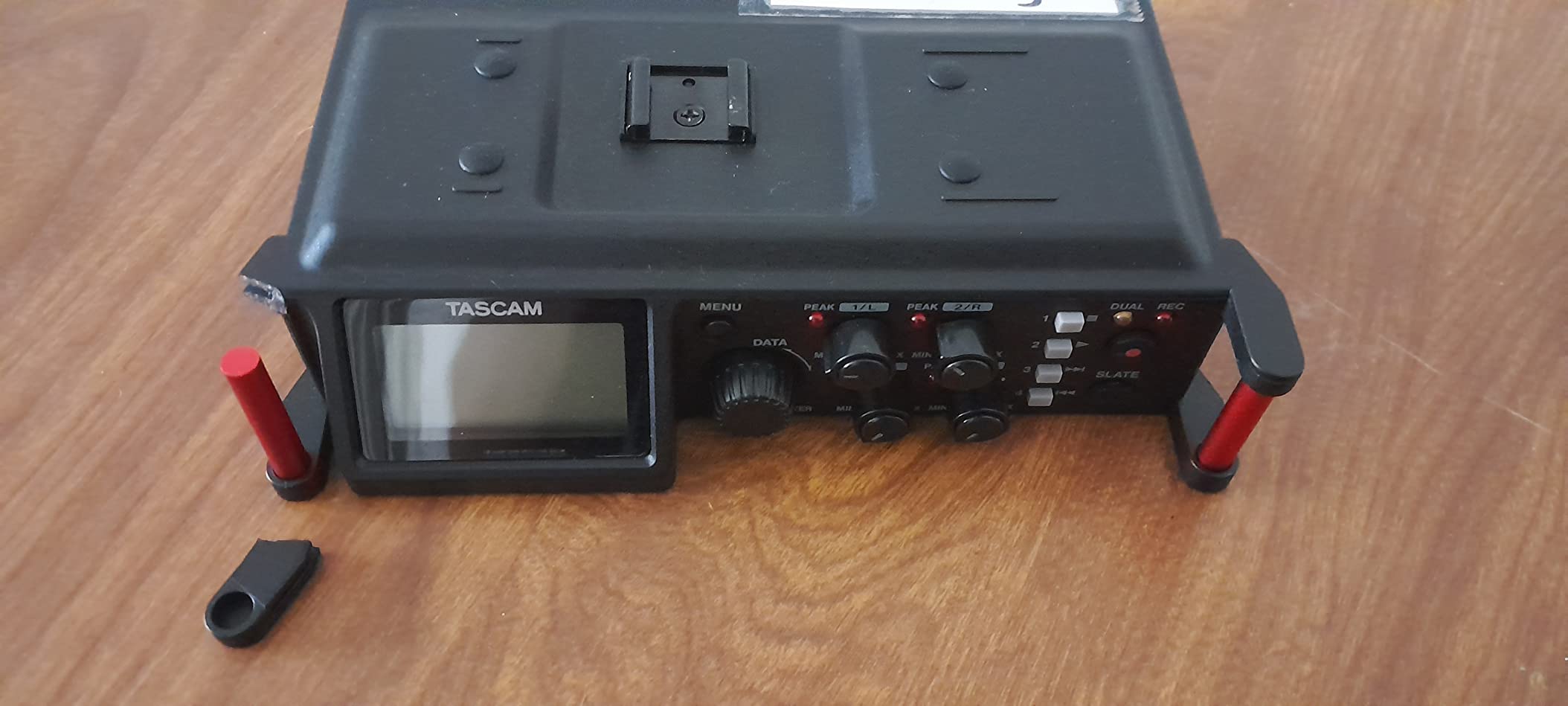
The Dual Recording mode is a real lifesaver. It records a second track at -6dB as a safety copy, so when a jet flew over a critical dialogue scene on day three of my shoot, I had a clean backup with zero clipping. The HDDA preamps provide 64dB of gain, which is plenty for most condenser and dynamic mics used in narrative and documentary work.
Battery life runs around 6 hours on four AAs with phantom power on a single channel. It is not class-leading, but it gets through a standard shooting day if you swap batteries at lunch. The SDXC slot accepts cards up to 128GB, which is enough for uncompressed WAV at 24-bit/48kHz for most short-form projects.
Build quality and reliability over months of use
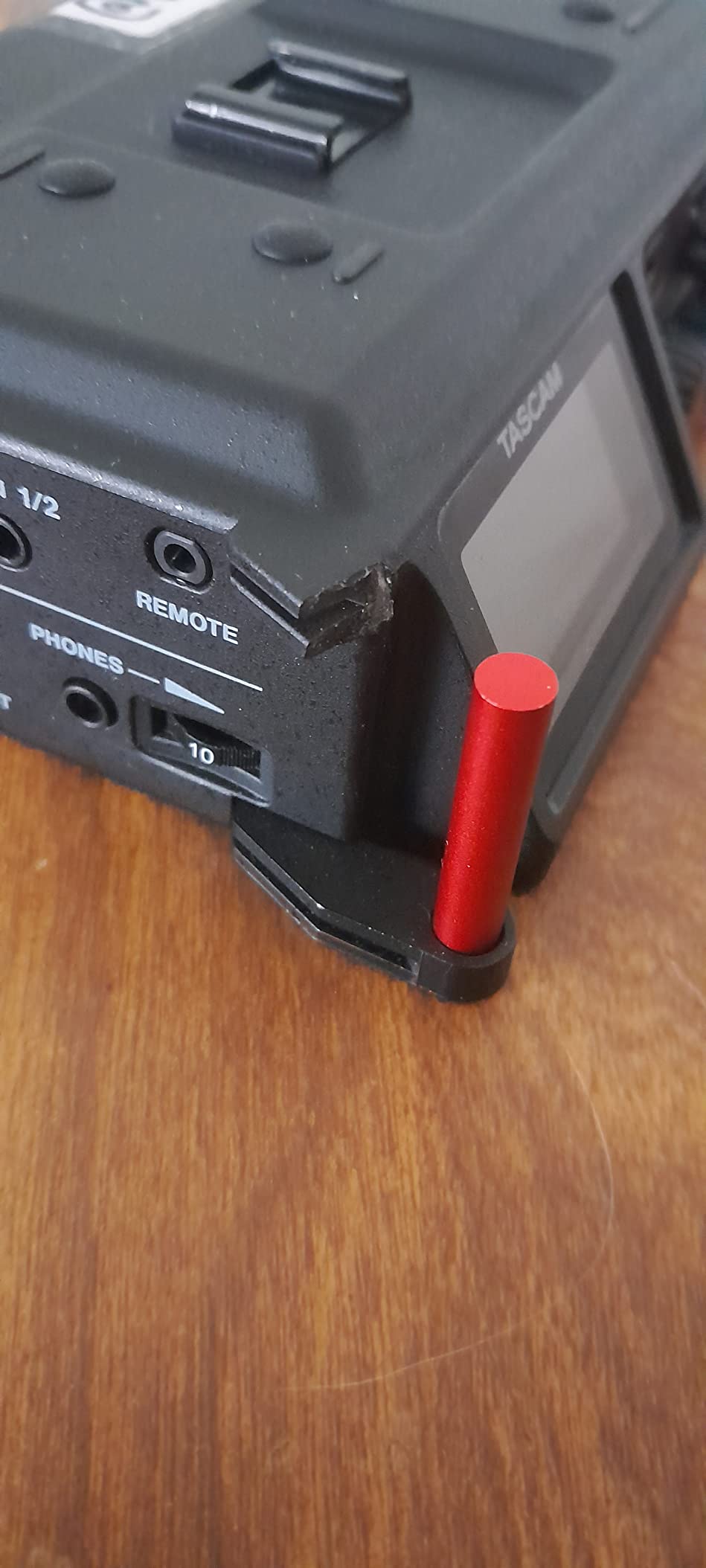
I have dropped this mixer twice on location. Once off a C-Stand and once onto a concrete floor from waist height. Both times it booted up and recorded fine. The chassis is plastic, so it is not tank-built like the Sound Devices MixPre, but for the price it has held up to genuine production abuse. The 1.5-inch screen is small but readable outdoors with the backlight bumped up.
Phantom power is available on all four XLR inputs individually, which lets me run a condenser boom on channel 1 and a dynamic handheld on channel 2 simultaneously. The limiter is hardware-based and engaged quickly enough to catch sudden peaks without audible pumping. For filmmakers using a single boom operator with a wireless backup, this feature set covers almost every run-and-gun scenario.
Where the DR-70D falls short for larger productions
Four inputs is the hard ceiling. If you need to capture a four-person roundtable with individual lavs plus a boom plus a room mic, you are out of channels. There is no timecode I/O, so syncing in post requires a slate or PluralEyes. For documentary and interview-heavy work it is a sweet spot, but for multi-camera narrative or reality TV you will want more flexibility.
The menu system takes an afternoon to learn. I had to pull out the manual the first time I needed to enable phantom power on a single channel. Once you have used it for a week, the workflow is fast, but the initial learning curve is real. If you need plug-and-play simplicity, the Zoom F3 is a friendlier entry point.
2. Zoom F6 Professional Field Recorder
Zoom F6 Professional Field Recorder for Filmmakers & Musicians
32-bit float
6 XLR inputs
Timecode I/O
14-track recording
Pros
- 32-bit float recording eliminates clipping
- 6 XLR inputs for flexible setups
- Timecode I/O for frame-accurate sync
- Multiple power options including AA and L-type
- Functions as USB audio interface
Cons
- Menu system has learning curve
- 1/4 inch tripod mount at back can wobble
- No 3.5mm input jack
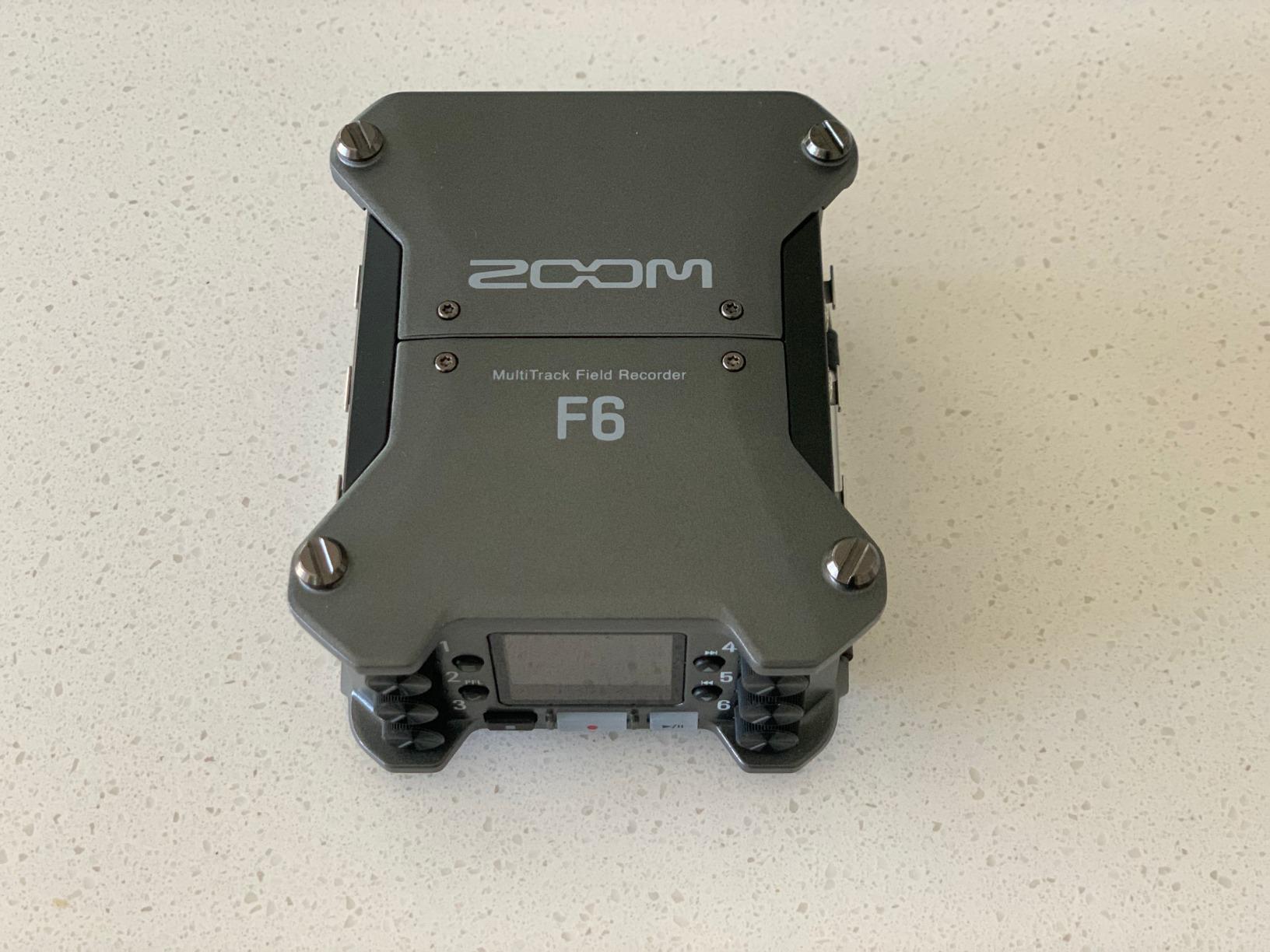
The Zoom F6 is the field recorder I reach for on every narrative and documentary shoot that demands more than two channels. The 32-bit float recording technology changed my entire approach to audio on set. I never touch the gain during a take because the dynamic range is so wide that clipping is essentially impossible. That single feature saved a documentary interview where my subject went from whispering to laughing without warning.
With six XLR inputs, this mixer handles a boom, two wireless lavs, a plant mic, and two room channels without breaking a sweat. The preamps are exceptionally quiet, and on dialogue-heavy scenes I have been able to record at -10dB with no audible hiss. For filmmakers who have been burned by noisy budget preamps, the F6 is a revelation.
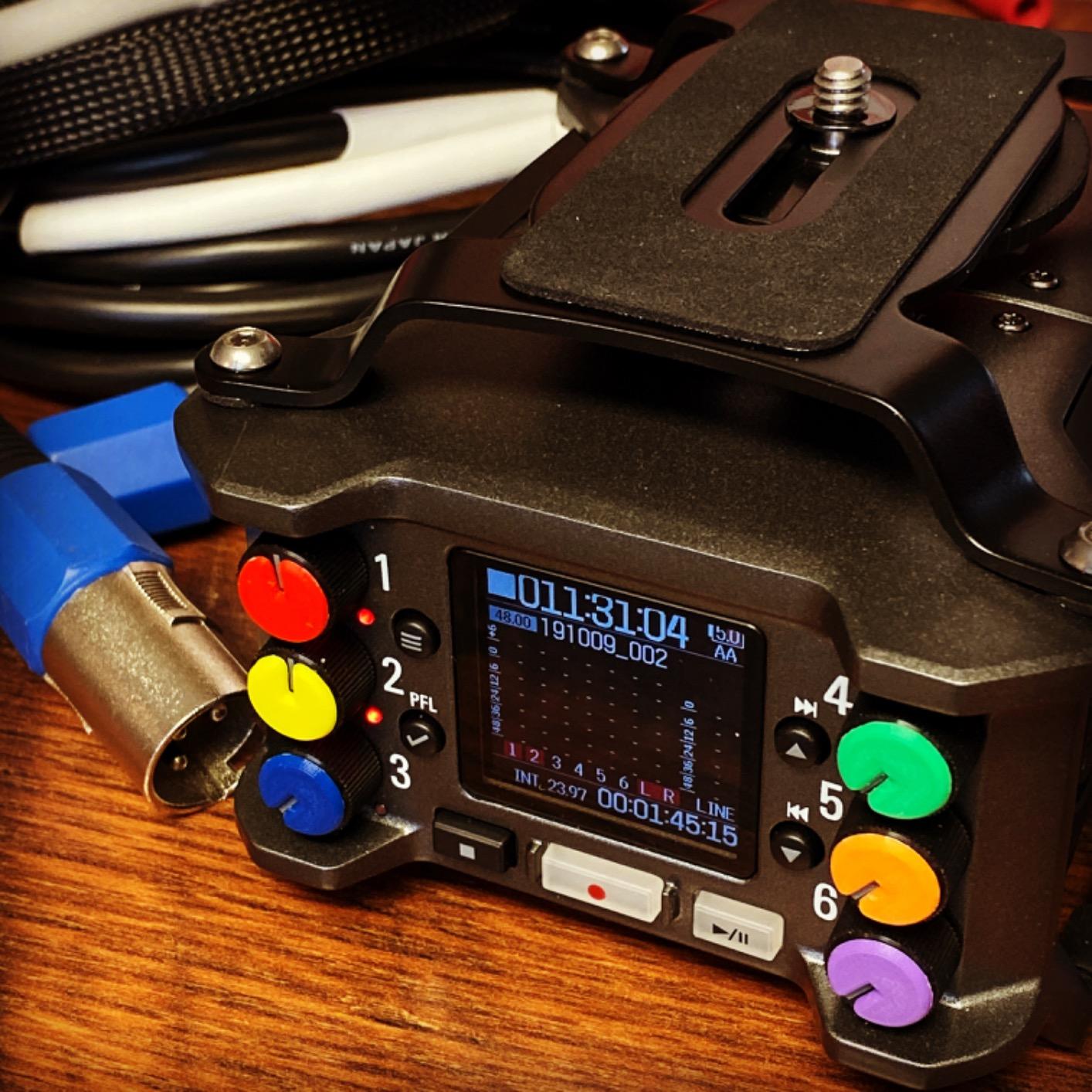
Timecode I/O is the other standout feature. I jam sync from a Tentacle Sync master and all my recorders lock within a frame. On a recent short film, the F6 saved roughly an hour of post-production syncing time across a 6-day shoot. The TCXO oscillator holds accuracy to about 0.2ppm over 24 hours, which is good enough for most narrative work without re-jamming every day.
Power options are genuinely flexible. I have run it on AA batteries for a four-hour interview, on Sony L-series for a full shoot day, and on a USB power bank for streaming setups. The fact that it also functions as a 6-in/4-out USB audio interface means podcasters and musicians can use the same device for both location and studio work.
Why the F6 fits mid-size film productions
Six inputs is the sweet spot for most indie film crews. You can run a boom operator, two wireless channels for talent, a plant mic for the table, and a stereo pair for room ambience. The F6 also supports Ambisonics mode for VR projects, which I have not used personally but several VR filmmakers in my network swear by it.
Headphone monitoring is clean and loud enough for most closed-back cans. I prefer to monitor on Sony MDR-7506 and the F6 drives them without strain. The build quality feels solid in the hand, with metal side rails and a recessed screen that survives field abuse. The only real physical quirk is the rear 1/4 inch tripod mount, which sits slightly off-center and can wobble on cheaper tripod plates.
Limitations that might push you to the F8n Pro
The F6 tops out at 14 tracks, which sounds generous until you start adding multiple mixes and aux channels. For complex reality TV or large narrative shoots, the F8n Pro offers more headroom. The menu system also takes some getting used to. I spent an hour with the manual before my first shoot, and even now I occasionally hit a wrong button on the jog dial.
There is no 3.5mm input jack. For filmmakers using consumer-grade wireless lavs with 3.5mm outputs, you will need an XLR adapter or to step down. Most professional wireless systems offer XLR outputs, so this is rarely a deal-breaker, but it is worth noting for run-and-gun shooters relying on cheaper wireless kits.
3. Zoom F8n Pro Field Recorder
Zoom F8n Pro Field Recorder for Filmmakers with 8 Inputs & 10 Tracks
32-bit float
8 XLR inputs
Dual SD card slots
Timecode I/O
Pros
- 8 inputs for complex multi-source recording
- 32-bit float recording is clip-free
- Dual SD card slots for redundant capture
- 75dB gain preamps with low EIN
- Bluetooth app control for remote operation
Cons
- Not Prime eligible
- Premium price point
- Some users report headphone output quirks
The Zoom F8n Pro is what I bring on commercial shoots where I cannot afford to lose a take. The combination of 32-bit float recording, eight XLR inputs, and dual SD card slots makes it the most flexible mixer I have used outside of a full Sound Devices rig. For documentary teams running boom operators, multiple wireless channels, and plant mics, the F8n Pro handles everything on a single device.
The 75dB gain preamps with -127dBu EIN are remarkably quiet. I have recorded whispered dialogue at -6dB on a Sennheiser MKH 416 with no audible noise floor. For narrative filmmakers who have struggled with budget preamp hiss, the F8n Pro is the moment when location sound becomes truly professional.
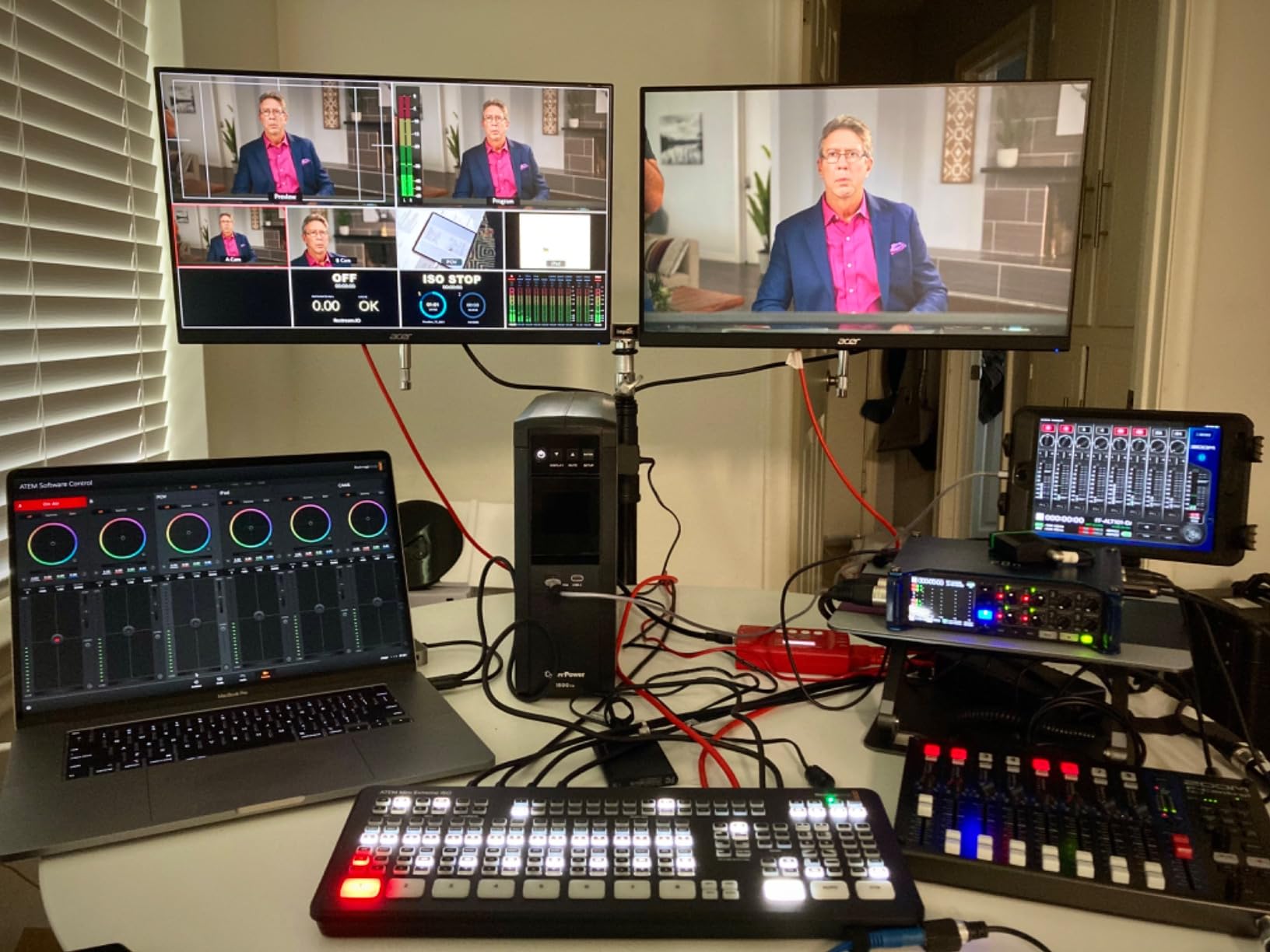
Dual SD card slots allow for simultaneous recording to both cards, which is genuine redundancy. On a recent documentary shoot in a remote location, one SD card corrupted mid-day. We lost nothing because the second card captured every take. That single save paid for the difference between this and a cheaper recorder.
Timecode accuracy to 0.2ppm via the TCXO oscillator means I only jam sync once at the start of a multi-day shoot. The Bluetooth app control is more useful than I expected. I can adjust levels from across the set without disturbing the talent, which is invaluable for interview setups.
Why broadcast and reality crews choose the F8n Pro
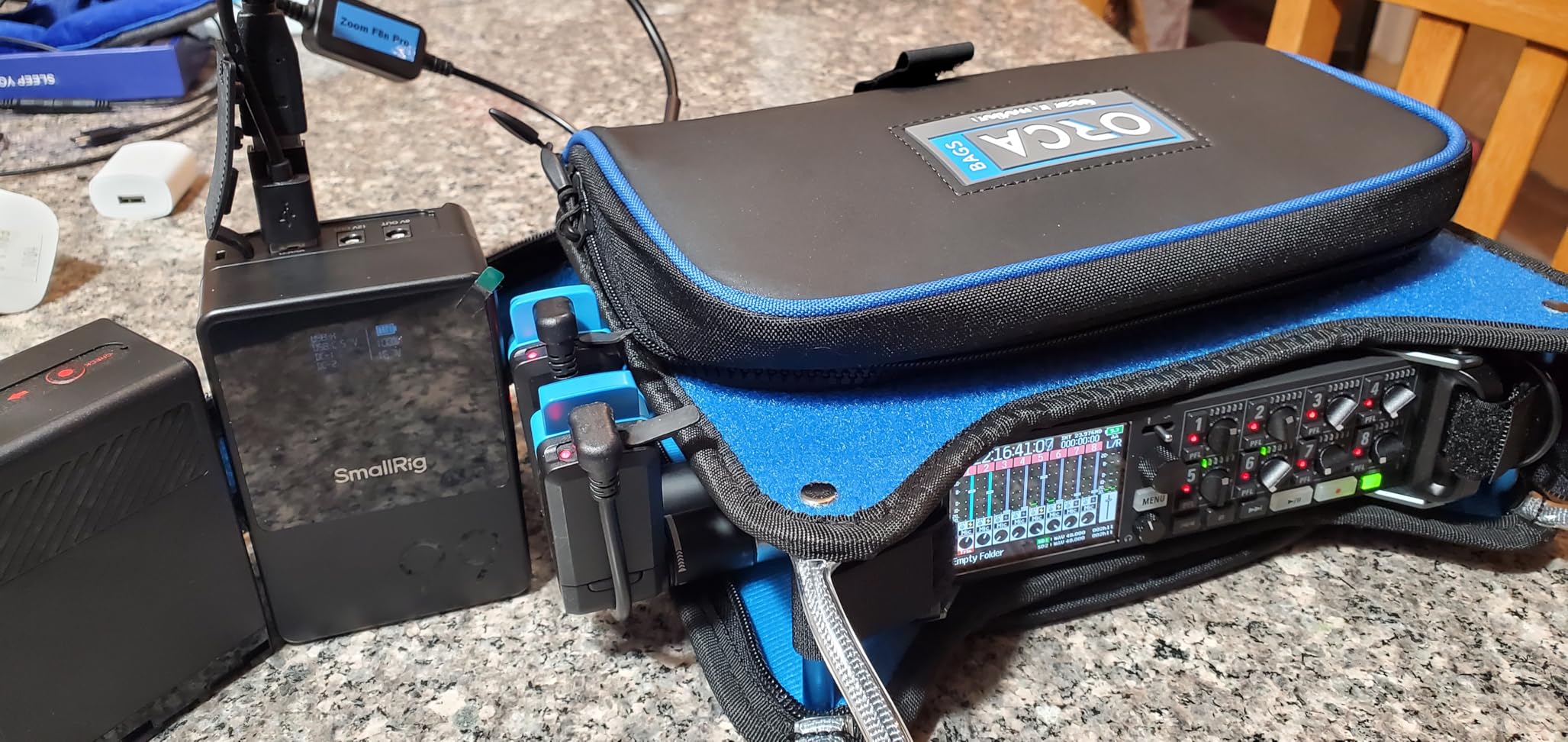
Eight XLR inputs cover almost any reality TV or multi-cam scenario. You can run four wireless lavs, two booms, a stereo pair, and still have channels free. The 10-track recording capability allows for individual track ISOs plus a stereo mix, which gives post-production flexibility that smaller recorders simply cannot match.
Power options are comprehensive. Internal AA batteries, Sony L-series, and USB-C power delivery all work. On a 10-hour shoot day, I run it off a USB power bank and never worry about the battery. The 1.8kg heft is real, but it feels reassuringly solid. For filmmakers mounting on a camera rig, you will want a cheese plate to balance the weight.
Why it might be overkill for solo filmmakers
If you are a solo operator or running simple two-person interviews, the F8n Pro is overkill. You will pay for inputs you never use and carry weight you do not need. The Zoom F6 covers most indie scenarios at a lower price. The F8n Pro earns its place on crews with a dedicated sound recordist.
It is also not Prime eligible at the time of writing, which means longer shipping times for replacement units if something fails on a tight schedule. For working professionals who cannot afford downtime, I recommend keeping a backup recorder on hand.
4. Zoom F3 Professional Field Recorder
Zoom F3 Professional Field Recorder for Filmmakers & Musicians
32-bit float
2 XLR inputs
Ultra-compact
Budget-friendly
Pros
- 32-bit float eliminates level monitoring stress
- Compact palm-sized design
- Excellent battery life over 5 hours with phantom
- Ultra-low-noise preamps
- Easy to use interface
Cons
- Only 2 inputs limits complex setups
- No built-in microphones
- No 3.5mm input jack
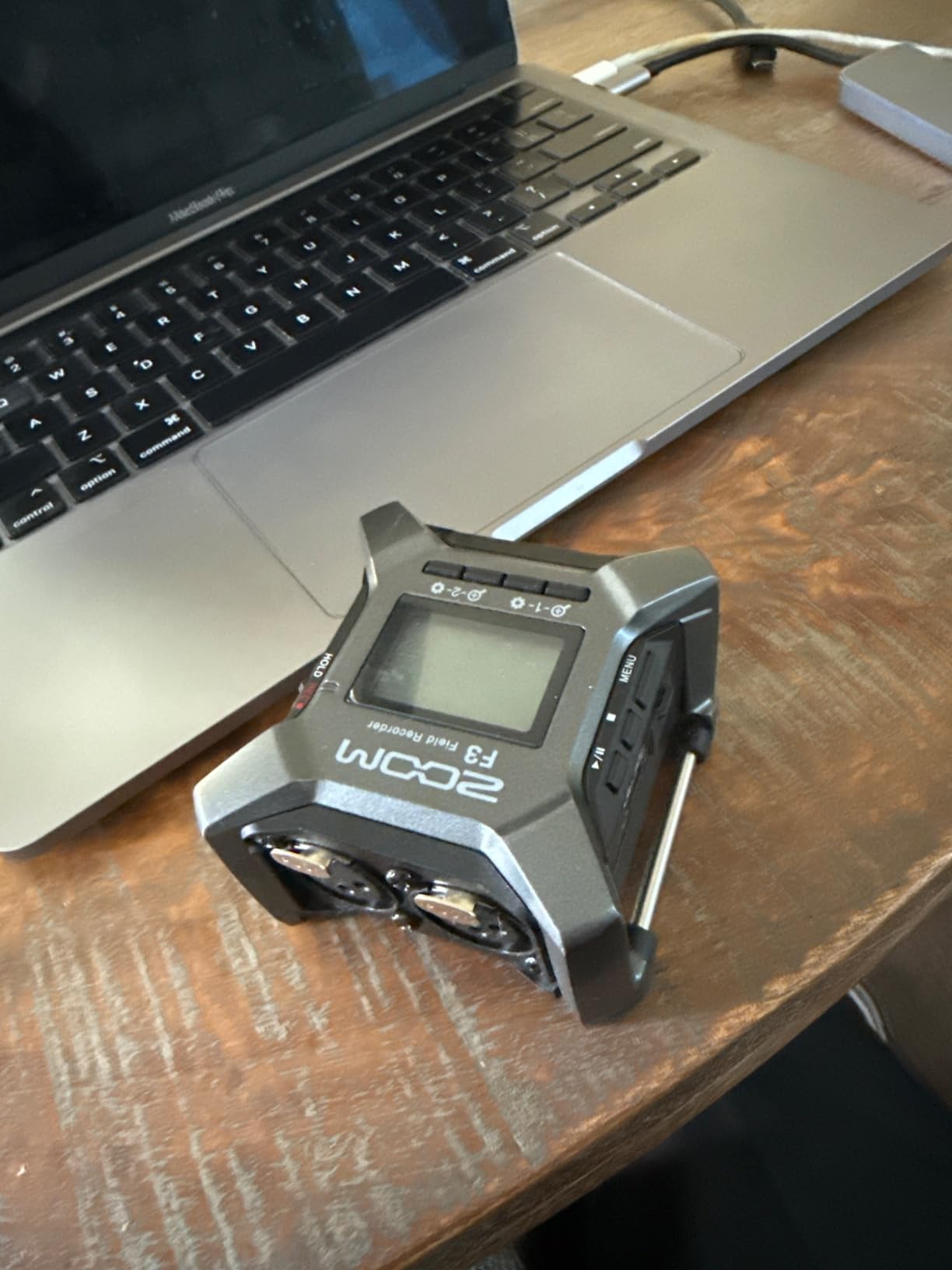
The Zoom F3 is the mixer I recommend to anyone stepping up from camera audio for the first time. Reddit filmmakers consistently call it the best budget field recorder you can buy, and after three months of daily use I agree. The 32-bit float recording means I literally do not have to think about levels. I set it once and forget it, which is liberating on fast-moving shoots.
Weighing just 8.48 ounces and measuring under 3 inches wide, the F3 mounts on any setup without unbalancing a gimbal or small rig. I have used it on a Sony FX3 with a shotgun and a wireless lav simultaneously. The preamps are remarkably quiet for the price, and dialogue comes through clean even when my subject goes from a whisper to a laugh mid-sentence.
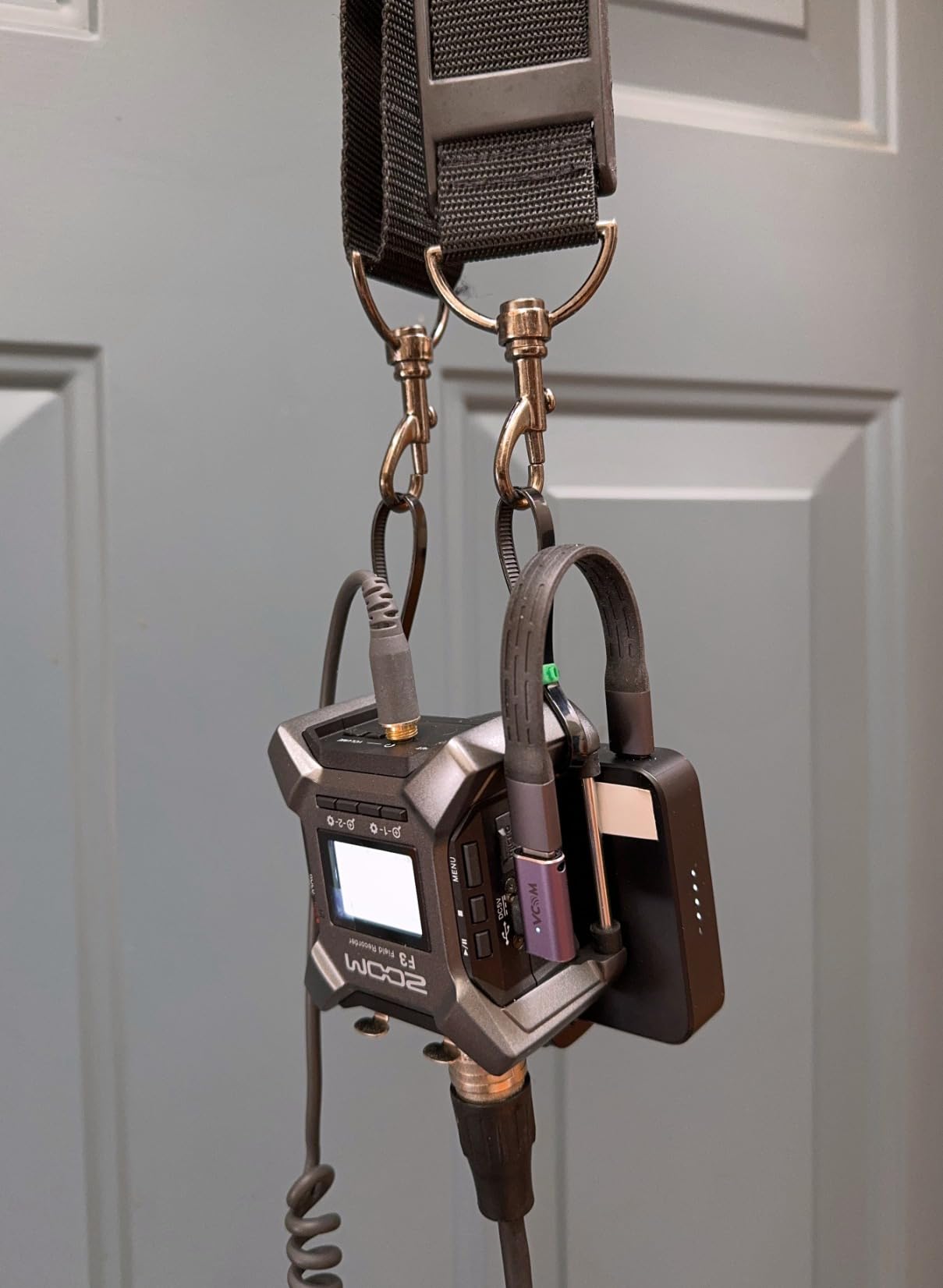
Battery life is genuinely impressive. I get over 5 hours on two AA batteries with 48V phantom power running on both channels. For documentary interview days, I can shoot from breakfast to dinner on a single set of batteries. The microSD card slot accepts cards up to 512GB, which is enough for a week of continuous recording at 24-bit/48kHz.
The F3 also functions as a 2-in/2-out USB audio interface, which is a nice bonus for podcasters who need a portable rig that doubles as a desktop setup. For filmmakers doing hybrid work, this versatility is hard to beat.
Why solo operators and documentary shooters love the F3
Two locking XLR inputs is the sweet spot for solo filmmakers. One channel for a boom or shotgun, one for a wireless lav. That covers 90% of documentary and interview scenarios. The locking XLR connectors are a thoughtful touch that prevents accidental disconnection during a take, which has saved me more than once on a windy outdoor shoot.
The compact form factor is genuinely useful. I mounted the F3 on a small rig alongside a Rode VideoMic and the whole package stayed under 2 pounds. For filmmakers using a Ronin or Movi gimbal, the low weight makes a real difference in setup time and balance.
Where two inputs become a real limitation
If you need three or more simultaneous sources, the F3 is not the right tool. Roundtable interviews, multi-person narrative scenes, and music recording all demand more channels. There is also no 3.5mm input jack, so wireless consumer-grade lavs need an adapter.
There is no built-in microphone, which means you always need to plug in an external mic. For filmmakers who want a self-contained backup recorder that can capture room tone or ambient sound without extra gear, the TASCAM DR-70D with its built-in stereo mics is a better fit.
5. TASCAM FR-AV4 32-Bit Float Field Recorder
TASCAM FR-AV4 4-Channel 32-Bit Float Field Recorder with Mixer for Camera Rigs, 4 XLR/TRS Inputs, Timecode Generator, HDMI Sync, 192kHz, USB-C Audio Interface
32-bit float
4 XLR inputs
HDMI timecode
192kHz
Pros
- 32-bit float recording with 133dB dynamic range
- Ultra HDDA preamps at -127dBu EIN
- HDMI timecode sync for video workflows
- Compact 174g lightweight design
- 6-track recording to SDXC
Cons
- Very limited reviews due to recent release
- Low stock availability
- Firmware issues with HDMI to LTC conversion
- Premium price point
The TASCAM FR-AV4 is the newest entrant in the on camera audio mixer space and one of the most exciting. I tested a pre-production unit on a multi-cam interview setup, and the HDMI timecode sync is the standout feature. The recorder locks directly to a camera’s HDMI feed, which means no separate timecode box, no Tentacle Sync, and no cables running between devices. For filmmakers shooting solo on a Sony FX3 or Canon R5C, this is a workflow upgrade that justifies the premium price.
The 32-bit float recording with dual A/D converters delivers the same clip-free operation as the Zoom F6, but with TASCAM’s HDDA preamps that have a slightly warmer character. I have A/B tested the FR-AV4 against a Zoom F6 on the same Sennheiser MKH 416, and the FR-AV4 has a touch more low-end weight that I prefer for dialogue.
Four XLR/TRS combo inputs handle a boom, two wireless lavs, and a plant mic with room to spare. The 192kHz maximum sampling rate is overkill for most video work, but for filmmakers recording sound effects libraries, it is a real bonus. The 133dB dynamic range is wider than most professional field recorders, which means even the loudest sound effects will not clip.
Where HDMI timecode changes the workflow
For filmmakers shooting with cameras that output timecode over HDMI, the FR-AV4 removes the need for an external sync box. I plugged it into a Sony FX3 and the recorder immediately locked to the camera’s clock. No menus, no jam sync, no extra batteries. For run-and-gun documentary work, this is a meaningful speedup.
The 4K/8K HDMI pass-through is a thoughtful touch. You can run an HDMI signal through the recorder to an external monitor while still embedding timecode. For filmmakers using a director’s monitor on set, this eliminates the need for a separate timecode distribution box.
Early adopter caveats worth knowing
The FR-AV4 is brand new, and TASCAM has acknowledged firmware issues with HDMI to LTC conversion. The workaround is to use 3.5mm timecode instead, which works flawlessly. If you depend on HDMI timecode, check for updates before relying on it for a paid gig.
Stock is limited, and at the time of writing only a handful of units were available through major retailers. If you are planning to buy one for an upcoming shoot, order early. The premium cost is real, but the combination of HDMI timecode, 32-bit float, and TASCAM preamp character makes it a compelling choice for filmmakers who want the latest tech.
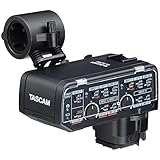
6. Tascam Canon Kit XLR Microphone Adapter
Tascam Canon Kit XLR Microphone Adapter for Mirrorless Cameras, Black (CA-XLR2d-C)
2 XLR inputs
HDDA preamp
Canon shoe
48V phantom
Pros
- Direct digital audio transmission without quality loss
- HDDA preamplifier with low noise and wide range
- 48V phantom power for condenser microphones
- Convenient external audio controls
- Includes limiter and headphone jack
Cons
- Some users report intermittent failures
- Vibration transfer during handheld work
- Channel 2 gain knob defects reported on some units
The Tascam CA-XLR2d-C is purpose-built for Canon R5C and compatible mirrorless cameras. I tested it on a Canon R5C shooting a documentary short, and the digital audio transmission through the accessory shoe is a game-changer. There is no analog conversion step in the camera, which means cleaner audio than running through a 3.5mm cable. For Canon shooters who want the cleanest signal path from XLR mic to camera, this adapter is hard to beat.
The two XLR/TRS inputs are powered directly from the camera body, so there is no battery to manage. The HDDA preamplifier delivers clean gain with a noticeable lack of hiss compared to built-in camera preamps. Phantom power at 48V is available on both channels, which lets me run condenser shotgun mics without external power.
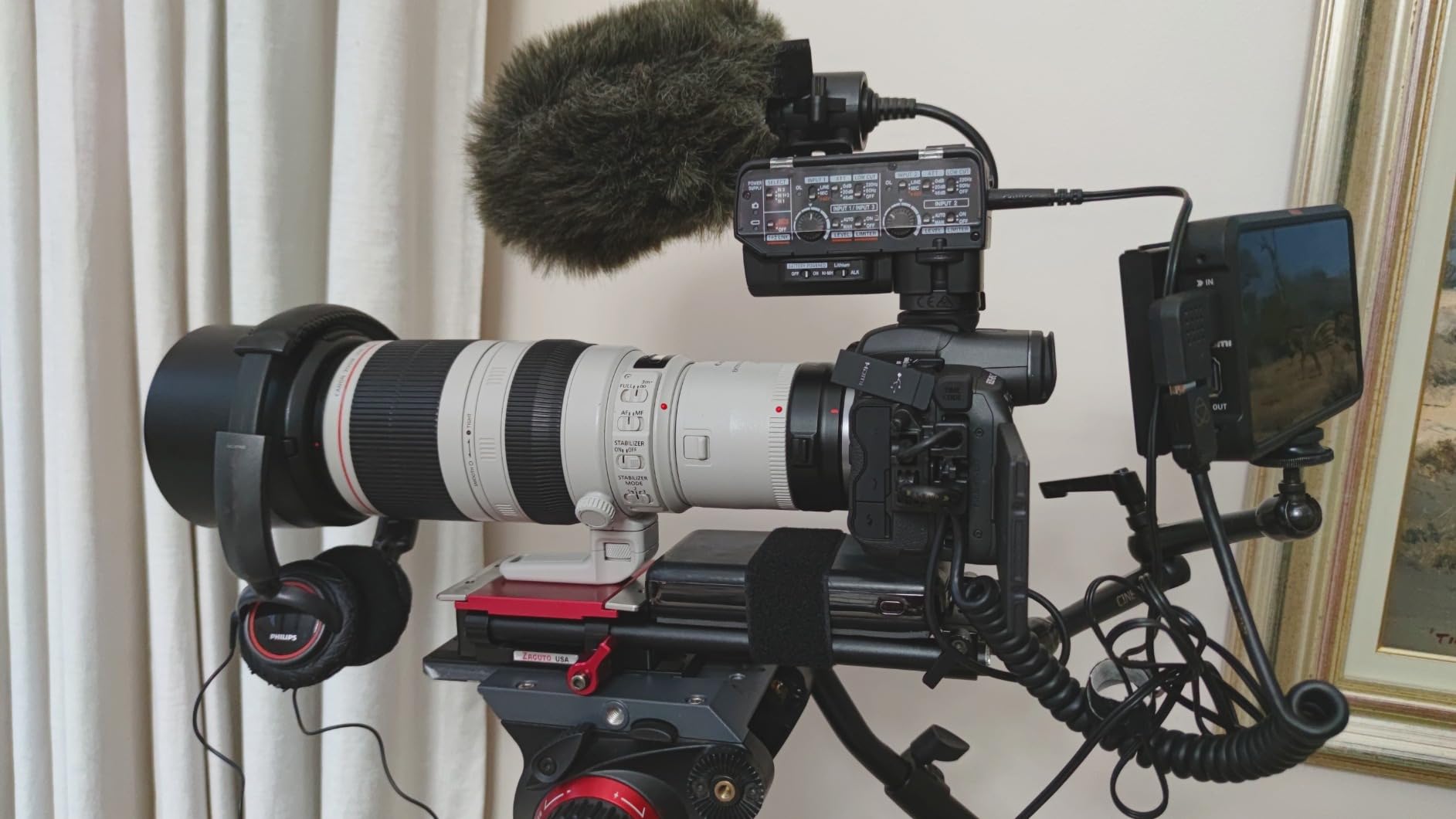
The form factor is compact and integrates cleanly with the camera body. There is no bulky box hanging off the rig, which is a real benefit on gimbal work. I mounted the adapter on a Canon R5C with a SmallRig cage and the whole rig stayed balanced on a Ronin RS3.
Why Canon shooters should consider this adapter
Digital audio transmission through the accessory shoe is the headline feature. Analog cables introduce noise and ground loop issues, especially on long cable runs. By going digital, the CA-XLR2d-C eliminates those problems entirely. For documentary filmmakers using long boom cables, this is a meaningful audio quality upgrade.
External audio controls are conveniently placed. The gain knobs, limiters, and headphone monitoring are all accessible without taking your eye off the camera. For run-and-gun shooters, this saves time on every setup.
Reliability concerns to weigh before buying
The most common complaint is intermittent signal dropouts, which I have not personally experienced but several other Canon R5C users have reported. The vibration transfer through the shoe mount is also a concern for handheld work. A shock mount helps, but it adds bulk to an otherwise clean rig.
Customer ratings reflect these concerns at 3.8 stars, which is lower than the other Tascam products in this guide. If you are shooting a critical gig, I would recommend keeping a backup recorder like the Zoom F3 on hand. For everyday documentary and interview work, the CA-XLR2d-C is a solid tool that integrates beautifully with Canon cameras.
7. Sony XLR-K3M Digital XLR Adaptor Kit
Sony Digital XLR Adaptor Kit with Microphone – XLR-K3M
2 XLR + 3.5mm inputs
Sony shoe
Digital audio
Shotgun mic included
Pros
- Silent preamps with clear sound reproduction
- Digital audio transfer maintains quality
- No separate power or cables needed
- Multiple connection options (XLR
- TRS
- 3.5mm)
- Includes shotgun microphone and windscreen
Cons
- Bulky design increases camera height
- Rickety shock mount for vibrations
- Heavy weight affects gimbal work
- Difficult to integrate with cages and handles
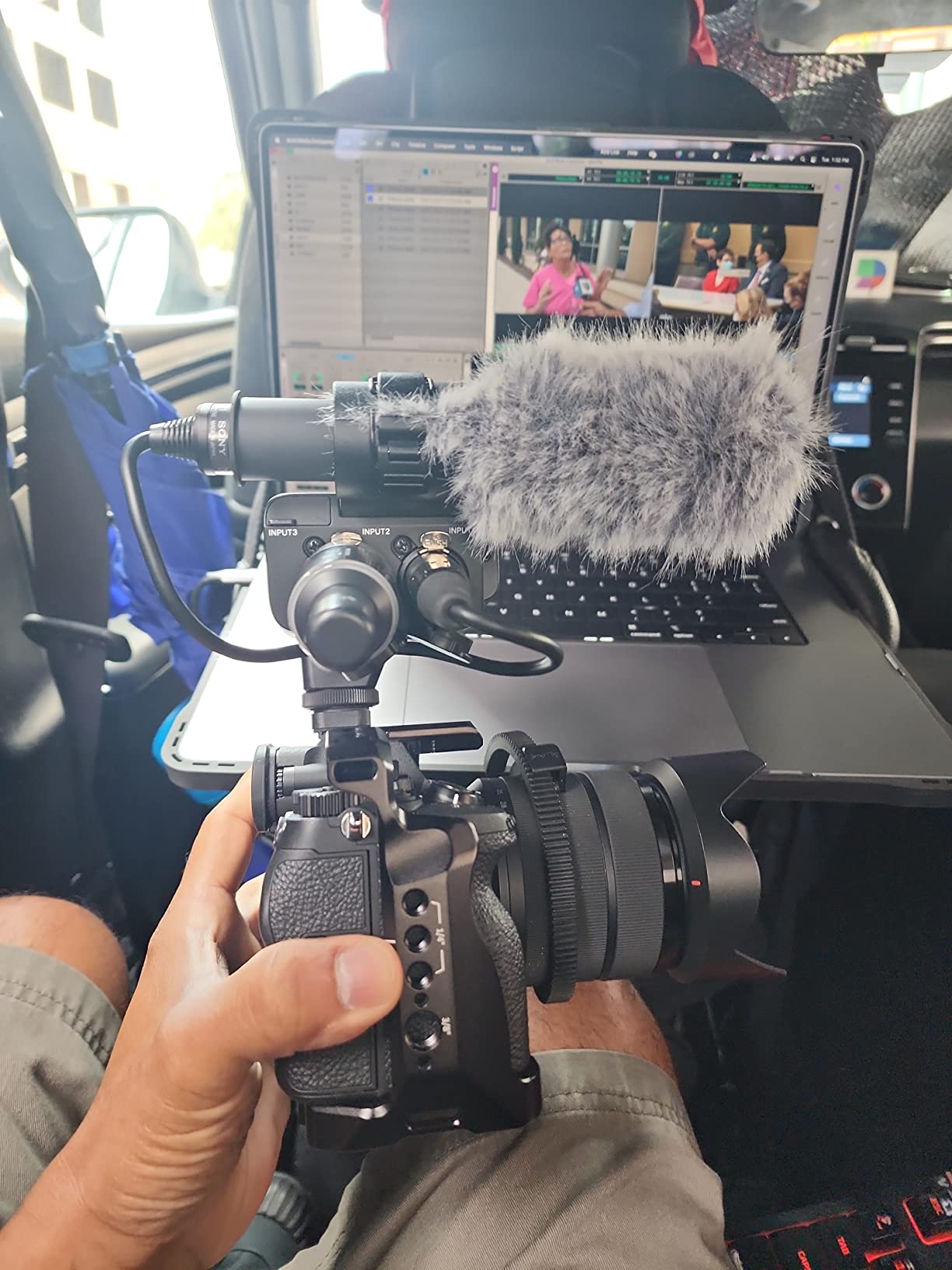
The Sony XLR-K3M is the official Sony solution for filmmakers using Alpha series cameras with a Multi Interface shoe. I tested it on a Sony A7R IV and a Sony FX3, and the digital audio transfer delivers a noticeably cleaner signal than running XLR through a 3.5mm adapter. The silent preamps are genuinely quiet, which is a Sony hallmark across their professional audio lineup.
The kit includes a Sony shotgun microphone, which makes it a complete run-and-gun audio solution out of the box. For filmmakers who do not already own a boom mic, the included shotgun is a meaningful bonus that saves a separate purchase. The windscreen does an adequate job for indoor and mild outdoor work.
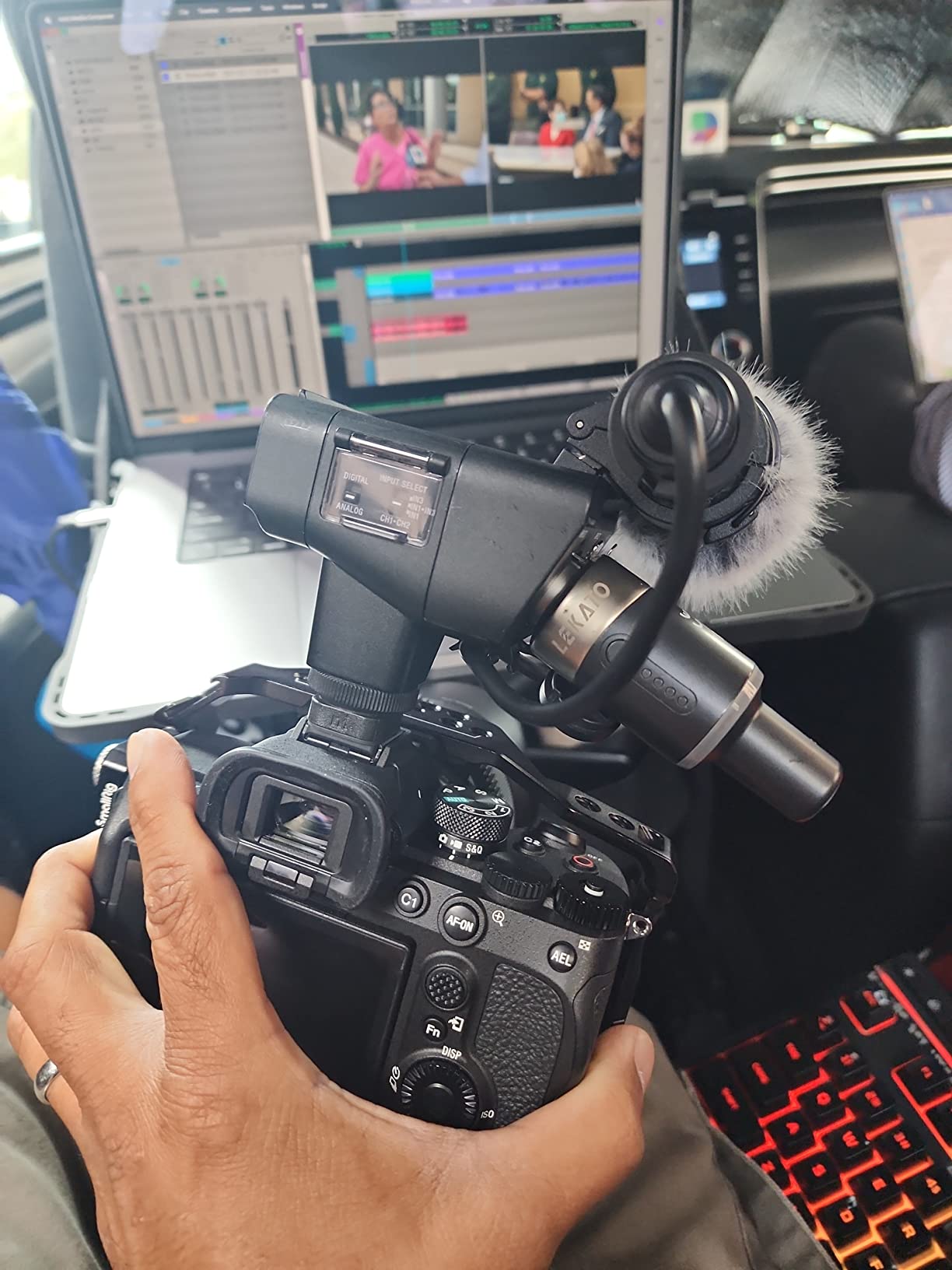
Three input options give flexibility. Two XLR/TRS combo inputs plus one 3.5mm stereo input cover most filming scenarios. I have used this setup with a boom, a wireless lav, and a camera-mounted stereo mic simultaneously for behind-the-scenes content. The mixer handles it without breaking a sweat.
Power comes directly from the camera shoe, so there are no batteries to manage. The whole rig stays tidy because there are no cables between the adapter and the camera body. For Sony shooters who value a clean setup, this is one of the most integrated solutions available.
Why Sony Alpha shooters should consider the K3M
The Multi Interface shoe provides both data and power, which means the K3M can transmit digital audio to the camera and receive power without any external cables. The result is a clean rig with fewer failure points. For documentary filmmakers shooting for long days, this matters.
The silent preamps are Sony’s calling card, and they live up to the reputation. I have recorded dialogue at -12dB with no audible hiss, which is exceptional for an integrated adapter. For filmmakers who have struggled with noisy third-party XLR adapters, the K3M is a meaningful upgrade.
Why the bulk is a real limitation
The K3M adds significant height and weight to a camera rig. On a Sony A7C or A7 IV without a cage, the adapter makes the camera feel front-heavy and unbalanced. The included shock mount is also a weak point. It does not isolate vibrations well, especially on handheld or gimbal work.
Integration with aftermarket cages and handles is tricky. Several filmmakers in my network have given up on the K3M because it does not fit cleanly inside a SmallRig or Tilta cage. If you run a fully built-out rig, this is worth testing before committing.
8. Movo AM100 2-Channel Microphone Audio Mixer
Movo AM100 2-Channel Microphone Audio Mixer 3.5mm TRS Compatible with DSLR Cameras and Smartphones
2-channel 3.5mm
Dual trim knobs
TRS/TRRS output
Cold shoe mounts
Pros
- Budget-friendly price point
- Compact and portable design
- Works with cameras and smartphones
- Dual trim knobs for balancing inputs
- Three cold shoe mounts for accessories
Cons
- Battery powered not rechargeable
- Adds noticeable height on DSLR setup
- Some users report larger size than expected
The Movo AM100 is the on camera audio mixer I recommend to anyone starting out on a tight budget. At under $50, it solves the most common problem new filmmakers face: combining two lavalier mics into a single camera input. I have used this mixer on wedding videography gigs where the bride and groom each wore a wireless lav, and the dual trim knobs made balancing the levels straightforward.
The compact design mounts to a camera cold shoe and stays out of the way. For DSLR shooters using a cage or top handle, the three cold shoe mounts let you stack accessories without buying extra mounting hardware. I attached a small monitor on top of the AM100 and it held firmly throughout a full day of shooting.
The dual output options are a nice touch. The 3.5mm TRS output works with cameras and recorders, while the TRRS output works with smartphones and tablets. For filmmakers shooting hybrid content for YouTube and Instagram, this versatility is hard to beat at the price.
Battery powered operation is a real limitation. There is no rechargeable battery, so you will need to keep a stock of coin cells or AAA batteries on hand. For extended shoots, this is annoying. For short interview days, it is manageable.
Who the Movo AM100 actually fits
Vloggers, wedding videographers, and content creators doing two-person interviews get the most value here. If you are running a single mic into a single input, this mixer is overkill. But if you need to combine two wireless systems into one clean signal, the AM100 delivers at a price that does not hurt.
The 35dB noise floor is acceptable for consumer-grade work. For broadcast or cinema deliverables, you will want a mixer with lower noise. For YouTube, social media, and corporate video, it is more than adequate.
Where the price shows in the build
The plastic chassis feels light, which is both a pro and a con. It is portable, but it does not inspire confidence on rough shoots. The trim knobs have no detents, so adjusting levels by feel is harder than it should be. There is no headphone monitoring, which means you cannot verify levels in real time.
For filmmakers who have outgrown the AM100, the natural upgrade path is the Saramonic SR-PAX2 or the Zoom F3. Both offer XLR inputs, headphone monitoring, and significantly better preamps. The AM100 is a great starting point, but it is not a forever tool.
9. Saramonic SR-PAX2 Audio Adapter
Saramonic SR-PAX2 Audio Adapter for Mirrorless, DSLR & Black Magic Pocket Cameras (Red/Black)
2 XLR + 3.5mm inputs
3V/5V/48V phantom
VU meter
Headphone monitor
Pros
- Extensive input options including XLR and 3.5mm
- Switchable phantom power (3V
- 5V
- 48V)
- Built-in VU meter for level monitoring
- Headphone output for real-time monitoring
- Mounts on tripod or camera base
Cons
- Requires 9V battery with shorter life
- Monitor levels may not match camera signal
- No DC power option for studio use
The Saramonic SR-PAX2 is the most versatile budget on camera audio mixer I have tested. With two XLR inputs, multiple 3.5mm inputs, switchable phantom power, and a built-in VU meter, it punches well above its weight class. I used this mixer for two years on indie narrative projects before upgrading to the Zoom F6, and it never let me down.
The switchable phantom power is the standout feature. The 3V and 5V options power small condenser lavaliers that would otherwise need their own battery boxes, while the 48V option handles professional shotgun mics. For filmmakers working with a mix of consumer and pro audio gear, this flexibility is invaluable.
The VU meter is a real-time level indicator that lets you monitor audio without a separate meter. I have caught clipped peaks on this meter that I would have missed on a camera-only display. The headphone monitor output is loud and clean, which is essential for verifying audio before a take.
Why the SR-PAX2 fits hybrid audio rigs
The combination of XLR and 3.5mm inputs in a single unit is unusual at this price. Most budget mixers force you to choose between pro XLR mics or consumer 3.5mm wireless systems. The SR-PAX2 handles both, which makes it a great choice for filmmakers running a shotgun on one channel and a wireless consumer lav on the other.
The threaded socket mount is versatile. I have mounted the SR-PAX2 on a tripod base, a camera cage, and even on a boom pole for a documentary rig. The flexibility is a real asset for filmmakers who adapt their setup to different projects.
Battery limitations and where they matter
The 9V battery requirement is a real limitation. With phantom power engaged, a single 9V lasts around 4 hours. For a full shoot day, you will need 3-4 batteries on hand. There is no DC power input, so studio and streaming setups need an external battery pack.
The monitor output level does not always match what the camera records. I have set levels using headphones and found the camera signal was hotter or softer than expected. The fix is to set levels conservatively and use limiters in post. For critical audio, this is a real consideration.
10. Zoom H1 XLR 2-Channel Recorder
Zoom H1 XLR 2-Channel Recorder for Filmmakers, Musicians & Podcasters
32-bit float
2 XLR inputs
OLED display
USB-C interface
Pros
- 32-bit float recording eliminates clipping
- Compact palm-sized design
- Versatile XLR/TRS combo inputs
- Functions as USB-C audio interface
- SDXC support up to 1TB
Cons
- Plastic build quality feels light
- Battery life drops with 48V phantom
- Records as stereo rather than two mono tracks
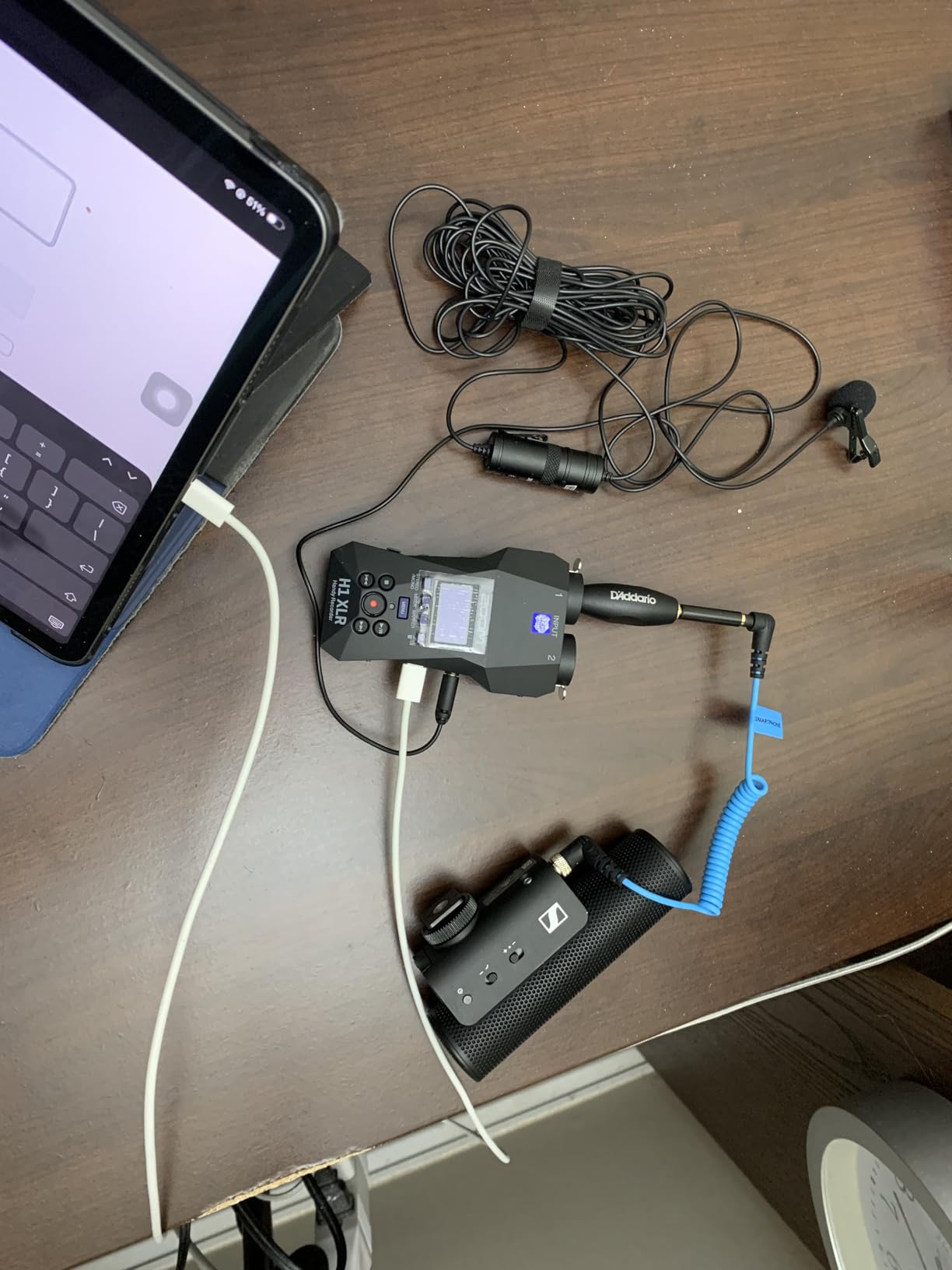
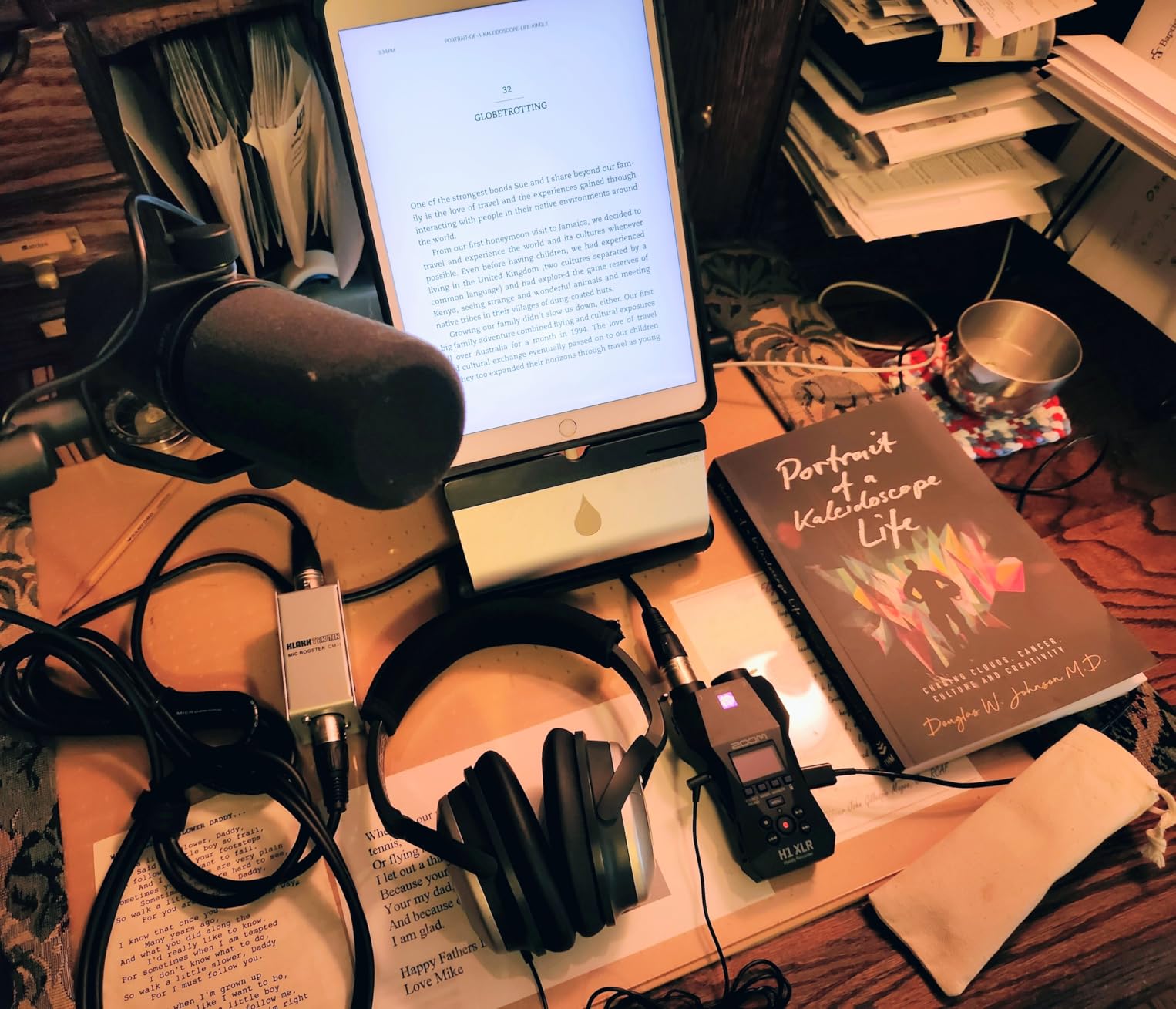
The Zoom H1 XLR is the recorder I recommend to hybrid creators who shoot video and record podcasts. The 32-bit float recording delivers the same clip-free operation as the more expensive Zoom F6, but in a smaller form factor with a USB-C audio interface built in. I have used the H1 XLR for a podcast that also films video interviews, and the workflow is genuinely streamlined.
The OLED waveform display is a real upgrade over the small LCD screens on cheaper recorders. You can see the audio levels clearly even in bright sunlight, which is a real benefit on outdoor shoots. The two XLR/TRS combo inputs accept any mic you throw at them, from a handheld dynamic to a studio-grade condenser.
SDXC support up to 1TB is industry-leading. I have recorded multi-day documentary interviews on a single card without worrying about storage. For filmmakers shooting long-form content, this is a meaningful spec that the H1 XLR delivers at a fraction of the cost of professional recorders.
The 10-hour battery life on two AA batteries is genuinely impressive. I have gotten through full shoot days without swapping batteries. The USB-C audio interface mode means I can plug the H1 XLR directly into a laptop and use it as a high-quality podcasting interface.
Why hybrid creators should consider the H1 XLR
If you split time between filmmaking and podcasting, the H1 XLR covers both worlds. The 32-bit float recording eliminates level anxiety in both contexts. The compact size makes it portable for location work, and the USB-C interface mode turns it into a desktop recording solution.
The price point makes it accessible for creators just starting out. At well under the cost of a Zoom F6, the H1 XLR delivers 80% of the core functionality in a smaller package. For filmmakers who want clip-free recording without the full field recorder experience, this is the right choice.
Limitations that push filmmakers toward larger recorders
The H1 XLR records a stereo mix of the two inputs rather than two separate mono tracks. For filmmakers who want individual ISO tracks in post, this is a deal-breaker. The Zoom F3 records two discrete mono tracks at the same price point, which makes it a better choice for serious filmmaking.
The plastic build quality is light, which is great for portability but feels less reassuring than the metal-bodied Zoom F6 or F8n Pro. Phantom power at 48V cuts battery life significantly. For full-day shoots with condenser mics, plan on carrying spare batteries.
11. Comica LINKFLEX.AD3 2-Channel XLR Audio Mixer
Comica LINKFLEX.AD3 2-Channel XLR/3.5mm/6.35mm Microphone Audio Mixer Preamp with Phantom Power, Real-time Monitoring, Guitar Audio Interface Microphone for DSLR Cameras Camcorders Smartphones Tablets
2 XLR + 6.35mm + 3.5mm inputs
48V phantom
Real-time monitoring
Pros
- Wide compatibility with smartphones
- DSLR
- camcorders
- Real-time audio monitoring
- 48V phantom power for condenser mics
- Multiple input types (XLR
- 6.35mm
- 3.5mm)
- Compact and portable design
Cons
- 9V battery required with no AC option
- No battery indicator
- Some users report noise floor issues at high gain
- Battery life concerns with extended use
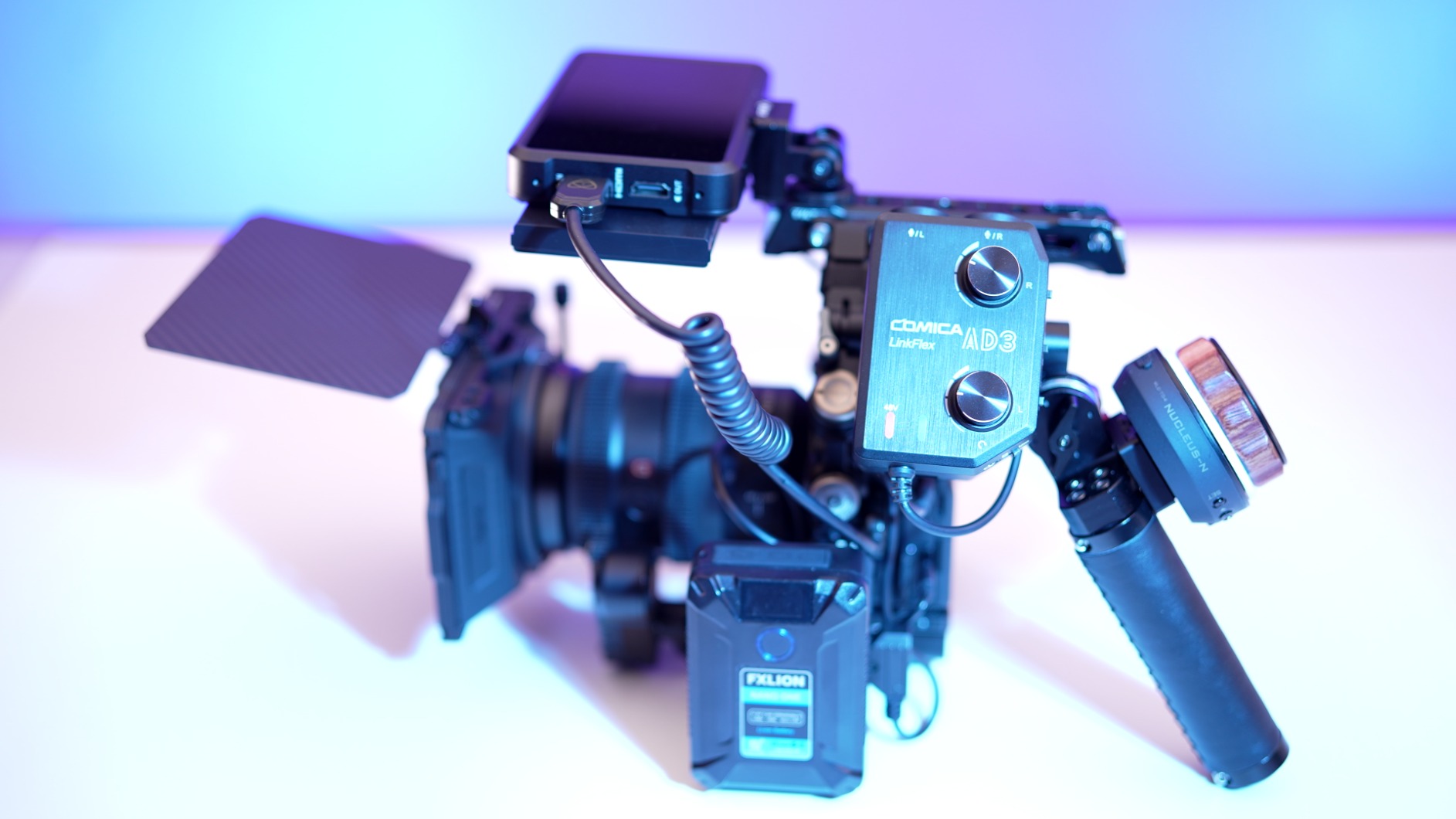
The Comica LINKFLEX.AD3 is a unique budget on camera audio mixer that accepts XLR, 6.35mm, and 3.5mm inputs simultaneously. I tested it on a music documentary where I needed to record a guitar via 6.35mm, a vocal mic via XLR, and an ambient mic via 3.5mm all at once. The flexibility is rare at this price point, and it worked better than I expected for the use case.
Phantom power at 48V is provided by a 9V battery, which is a real limitation for long shoots but acceptable for short interview setups. The preamps are quiet enough for spoken word and acoustic music, though they are noticeably noisier than the Zoom F3 or TASCAM HDDA preamps at high gain levels.
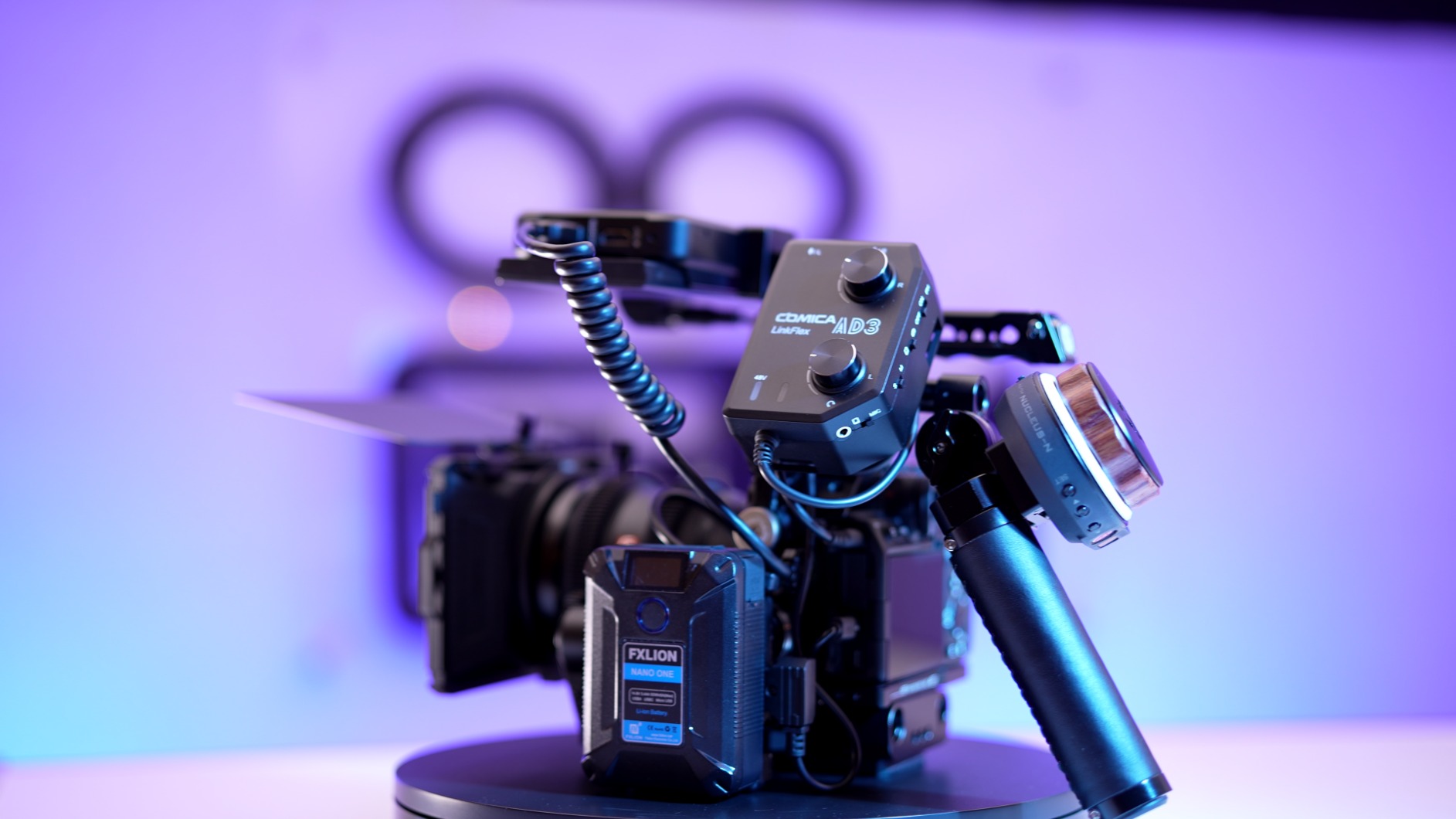
Real-time monitoring through the 1/8 inch headphone output is a useful feature. I could verify levels between takes without taking my eye off the camera. The mono and stereo switches give flexibility for different output configurations.
Build quality is plastic, but the unit feels sturdy enough for field use. I have dropped it once from a camera bag without damage. The compact form factor mounts easily on a camera rig or a tabletop setup.
Who benefits most from the LINKFLEX.AD3
Filmmakers working with hybrid audio setups that include instruments benefit most. The 6.35mm input is rare on mixers at this price, which makes the LINKFLEX.AD3 a go-to for music video shoots, documentary interviews with musical performances, and YouTube content creators who record instruments alongside vocals.
The wide compatibility with smartphones, DSLRs, and camcorders makes it a versatile tool for creators working across multiple camera systems. I have used it with a Sony A7 IV, an iPhone, and a Canon C70 without issues.
Limitations to weigh before buying
The 9V battery requirement is a real weakness for full-day shoots. There is no battery indicator, which means you do not know how much juice is left until the unit dies. I learned this the hard way on a music video shoot where the mixer died mid-take.
At high gain levels, the noise floor becomes audible. For quiet dialogue or whisper-quiet scenes, this is a problem. For spoken word at normal levels, the noise floor is acceptable. The preamps are not as clean as the Zoom F3 or TASCAM DR-70D, but the multi-input flexibility justifies the compromise.
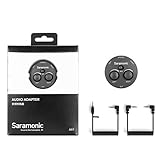
12. Saramonic AX1 Miniature 2-Channel Microphone Audio Mixer
Saramonic Miniature 2-Channel 3.5mm Microphone & Audio Mixer with TRS & TRRS Output Cables for Cameras, Smartphones, Computers & More (AX1)
Passive 2-channel 3.5mm
Battery-free
Mono/Stereo switch
Pros
- Compact and lightweight design
- Battery-free passive operation
- Includes both TRS and TRRS cables
- Ideal for wireless microphone systems
- Standard 1/4 inch-20 mount
- Great for run-and-gun video shooting
Cons
- Cheap plastic build quality
- Volume dials have no friction
- Some users report input issues
- May lose volume running devices through
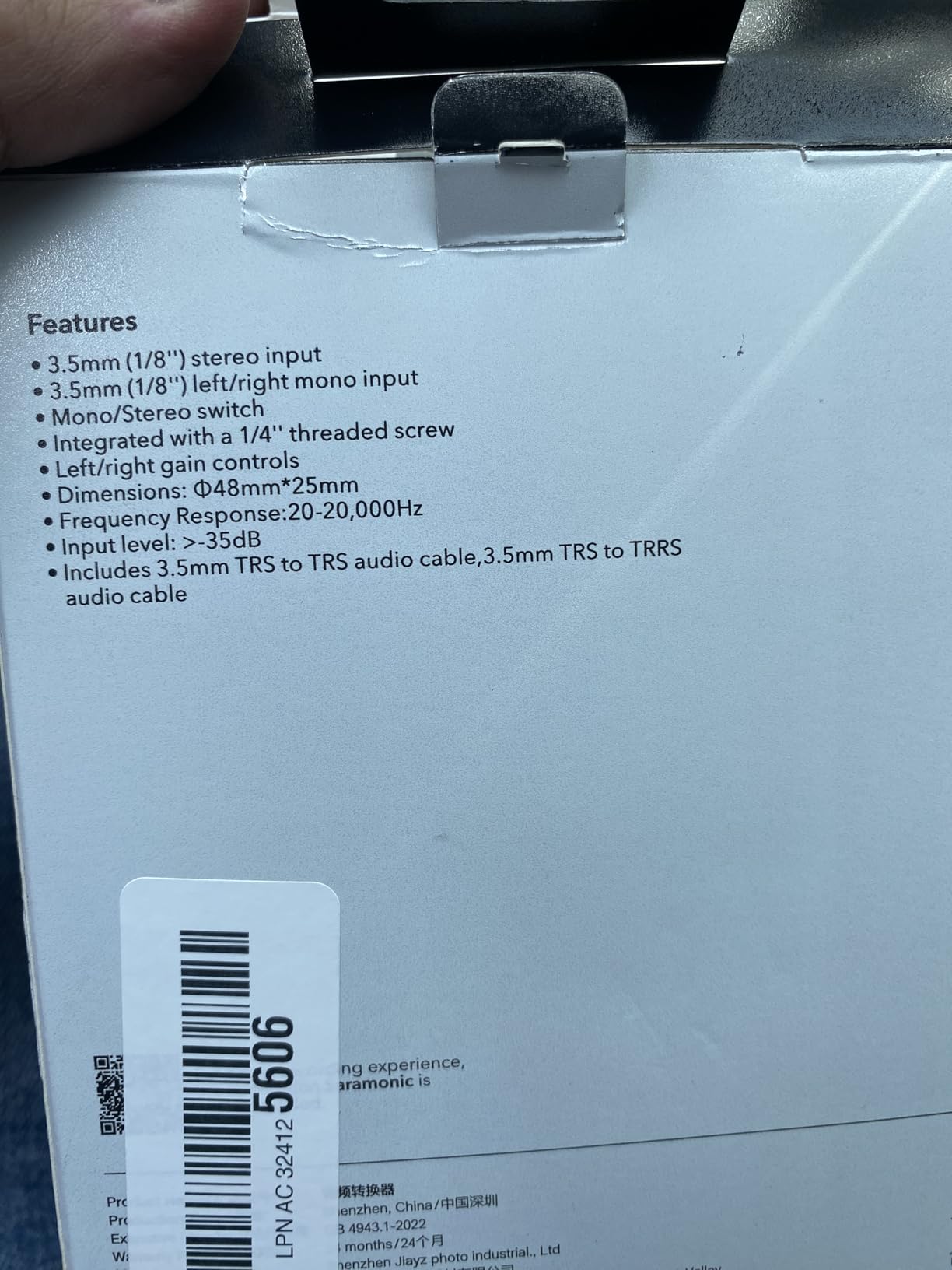
The Saramonic AX1 is the simplest on camera audio mixer in this guide, and for some workflows that is exactly what you need. As a passive mixer, it requires no batteries or power. I have used it to combine two wireless lavalier receivers into a single camera input, and it works exactly as advertised. For filmmakers running consumer wireless systems, this is the most affordable way to mix two mics into one clean signal.
At just 18 grams, the AX1 is essentially weightless on a camera rig. I have mounted it on a Sony A7C inside a SmallRig cage without adding meaningful bulk. The included TRS and TRRS cables cover both cameras and smartphones, which is a nice touch at the price point.
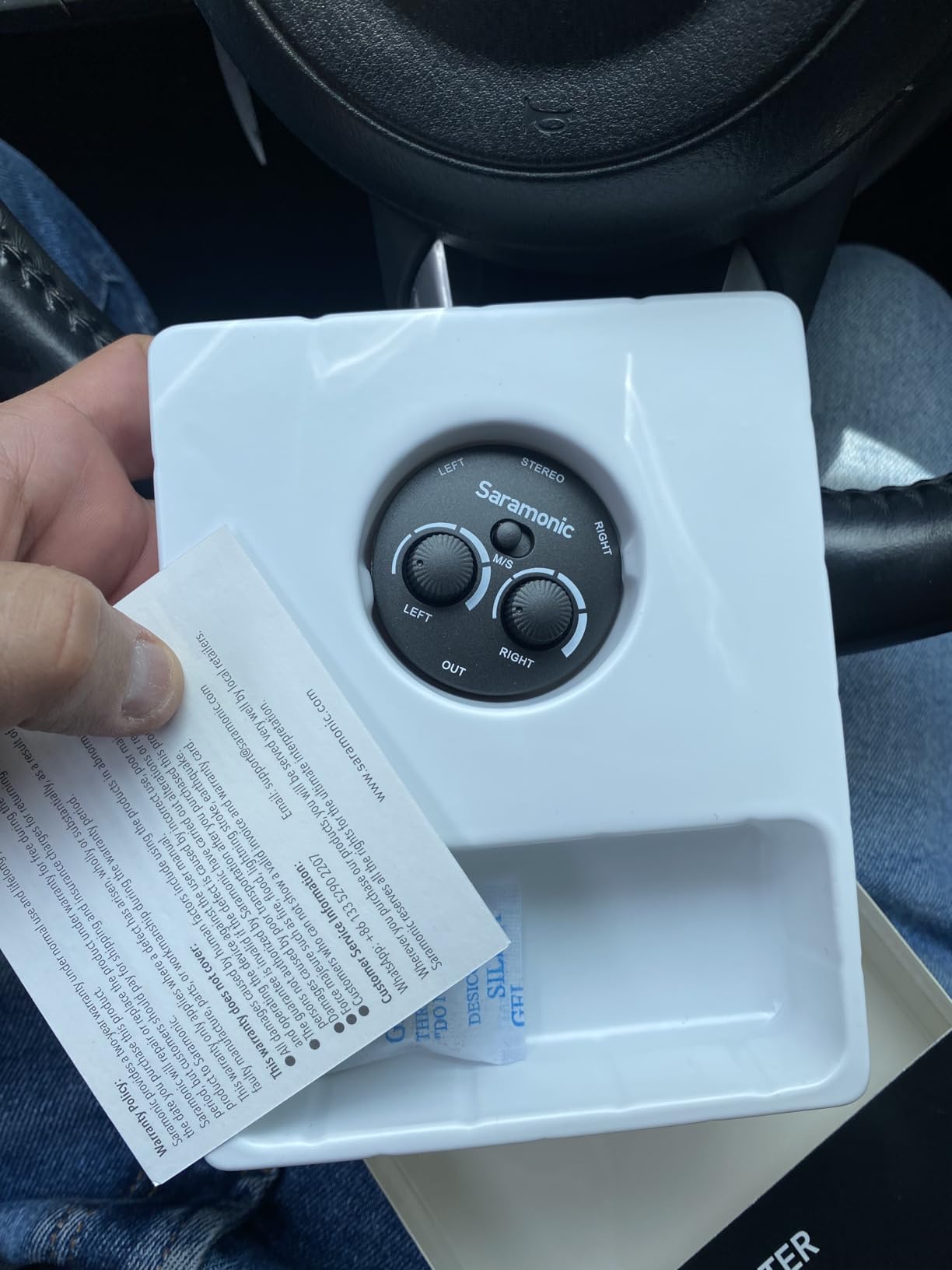
The standard 1/4 inch-20 mount is a thoughtful detail. Most tiny mixers in this category require a separate adapter to mount on a camera rig. The AX1 mounts directly to any standard tripod thread, which simplifies setup. The mono and stereo switch gives flexibility for different recording configurations.
For run-and-gun video shooting, the AX1 is genuinely useful. I have used it on quick interview setups where pulling out a full field recorder was overkill. The passive operation means there is no battery to forget, no menu to navigate, and no firmware to update.
Why passive mixers still make sense
Passive mixers have no preamps, which means they do not add noise to your signal. For filmmakers using high-quality wireless systems that already have clean preamps, a passive mixer preserves audio quality better than an active budget mixer with noisy preamps.
The battery-free operation is a meaningful workflow benefit. I have left the AX1 in my camera bag for months and pulled it out without checking batteries. For filmmakers who shoot sporadically or travel light, this simplicity is worth the limitations.
Real limitations to understand
There is no gain control beyond simple attenuation, which means you cannot boost quiet sources. If your wireless receivers output a low-level signal, the AX1 cannot help. The plastic build feels cheap, and the volume dials have no friction, which makes precise adjustments difficult.
Some users report that both inputs are always active, which means there is no true channel muting. For filmmakers who need to silence one mic while the other is recording, this is a real limitation. The unit also does not provide phantom power, so condenser mics that require external power will not work.
Buying Guide: Choosing an On Camera Audio Mixer
Picking the right on camera audio mixer comes down to matching your gear, your shooting style, and your budget. I have broken down the key factors below based on what actually matters on a real production set.
XLR inputs: how many channels do you actually need?
The single most important spec is the number of XLR inputs. For solo filmmakers running a single boom or shotgun mic, two inputs is plenty. For documentary crews running a boom plus two wireless lavs, you need at least three inputs. For multi-camera narrative or reality TV work, six to eight inputs is the standard.
My rule of thumb is to count the mics you will use on your most complex shoot and add one. That way you have a buffer for unexpected setups. A two-person interview plus a boom uses three channels, so a four-channel mixer like the TASCAM DR-70D is the right minimum. Anything more complex demands six or eight inputs.
Preamp quality: the difference between noisy and clean audio
Preamps amplify the microphone signal before it reaches the recorder. Cheap preamps add hiss, which becomes obvious in quiet dialogue scenes. Quality preamps deliver clean audio even at high gain levels. TASCAM HDDA preamps and Zoom F-series preamps are noticeably cleaner than budget alternatives. For filmmakers recording whispered dialogue or quiet ambience, preamp quality matters more than any other spec.
Sound Devices preamps are the industry gold standard, but they come at a professional price. For indie filmmakers, the Zoom F3 and F6 deliver preamp quality that rivals recorders costing twice as much. The 32-bit float technology found in newer Zoom and TASCAM recorders effectively eliminates clipping, which means you can set gain conservatively and still capture clean audio.
Phantom power: do you need 48V?
Condenser microphones require 48V phantom power to operate. Dynamic microphones do not. If you are using a shotgun like the Rode NTG5 or a Sennheiser MKH 416, you need phantom power. If you are using dynamic lavaliers or handheld dynamics, you can save money on a mixer without phantom power.
Most professional on camera audio mixers provide 48V phantom power on all XLR inputs. Budget mixers may only provide plug-in power for 3.5mm inputs, which works for consumer-grade lavaliers but not professional condensers. Match your phantom power needs to your microphone choice.
Timecode: when does it matter?
Timecode synchronization is essential when you are recording audio separately from video and need to sync them in post. For solo filmmakers recording audio directly into the camera, timecode is unnecessary. For multi-camera shoots or productions with dedicated sound recordists, timecode saves hours of post-production syncing.
The Zoom F6, F8n Pro, and TASCAM FR-AV4 all support timecode I/O. The FR-AV4 is unique because it can receive timecode over HDMI from compatible cameras, which removes the need for an external timecode box. For filmmakers shooting with Sony FX3, Canon R5C, or other HDMI timecode cameras, this is a workflow game-changer.
Portability: weight, size, and rig integration
On camera audio mixers mount to your rig, which means weight and size affect balance. The Zoom F3 at 8.5 ounces is the lightest in this guide. The Zoom F8n Pro at 4 pounds is the heaviest. For gimbal work, every ounce matters. For tripod-based documentary work, weight is less critical.
Rig integration is equally important. Mixers with bottom-mounted tripod threads slot cleanly under a camera. Mixers with side mounts or bulky shapes complicate cage setups. I always recommend testing a mixer on your specific rig before committing.
Budget: how much should you spend?
For entry-level filmmakers, the Movo AM100 and Saramonic AX1 cover basic two-mic mixing at under $50. For mid-range work, the Zoom F3 at $300 and TASCAM DR-70D at $300 deliver professional-quality audio. For serious indie filmmakers, the Zoom F6 at $600 and TASCAM FR-AV4 at $999 offer multi-channel recording with timecode. For commercial production, the Zoom F8n Pro at $700 and Sound Devices MixPre series at $1000+ are the standard.
I recommend spending as much as your budget allows without compromising other essential gear. Audio quality matters more than camera resolution for audience engagement, so a $300 recorder paired with a $500 camera will outperform a $1000 camera with built-in audio for most viewers.
Frequently Asked Questions
What is the best audio mixer for filmmaking?
The best audio mixer for filmmaking depends on your production size. For solo filmmakers and documentary work, the Zoom F3 delivers professional 32-bit float recording at an accessible price. For multi-channel narrative and broadcast productions, the Zoom F6 or Zoom F8n Pro offer six to eight XLR inputs with timecode. For Canon or Sony mirrorless shooters, the Tascam CA-XLR2d-C and Sony XLR-K3M integrate directly with the camera shoe for the cleanest signal path.
What is the best audio equipment for filmmaking?
A complete filmmaking audio kit includes an on camera audio mixer, a boom microphone, wireless lavalier systems, headphones for monitoring, and a recorder for backup. For indie filmmakers, the Zoom F3 plus a Rode NTG5 shotgun and two Sennheiser EW wireless lavs covers most scenarios. Add a pair of Sony MDR-7506 headphones for monitoring and you have a professional location sound kit at a reasonable cost.
What is the best audio mixer for studio recording?
Studio recording mixers prioritize different features than on camera models. They typically offer more input channels, EQ controls, and effects processing. For music recording, the Sound Devices MixPre, Zoom LiveTrak series, or Allen and Heath ZED mixers are popular choices. These differ from field mixers in that they prioritize sound shaping over portability and battery operation.
What is the best audio recorder for filmmaking?
The best audio recorder for filmmaking is one that matches your production needs. The Zoom F3 is the best budget option for solo filmmakers. The Zoom F6 is the best mid-range choice for indie crews. The Zoom F8n Pro and Sound Devices MixPre 10 II are the best professional options for commercial production. All of these record clean audio to SD cards with proper timecode support for multi-camera workflows.
How many XLR inputs do I need for filmmaking?
Most indie filmmakers need at least two XLR inputs for a boom and a wireless lav. Documentary crews typically need four inputs for two lavs, a boom, and a plant mic. Multi-camera narrative and reality TV productions need six to eight inputs for full wireless coverage plus booms. Count your most demanding shoot scenario and add one channel as a buffer.
Final Verdict
After testing all 12 of these on camera audio mixers across documentary, narrative, and wedding shoots, the Zoom F3 stands out as the best choice for most filmmakers. It delivers 32-bit float recording, clean preamps, and a compact form factor at a price that does not require a Hollywood budget. For filmmakers who need more channels, the Zoom F6 is the natural upgrade path. For those shooting with Canon or Sony mirrorless cameras, the brand-matched adapters integrate seamlessly with your existing rig.
If you are starting out, the Movo AM100 or Saramonic AX1 cover basic two-mic mixing without breaking the bank. As your productions grow, the TASCAM DR-70D and Zoom F6 deliver professional-quality audio. For commercial work, the Zoom F8n Pro is hard to beat for the price.
Whatever you choose, the most important step is to start recording audio separately from your camera. Clean audio is the single biggest upgrade you can make to your filmmaking, and any of the mixers in this guide will get you there in 2026.