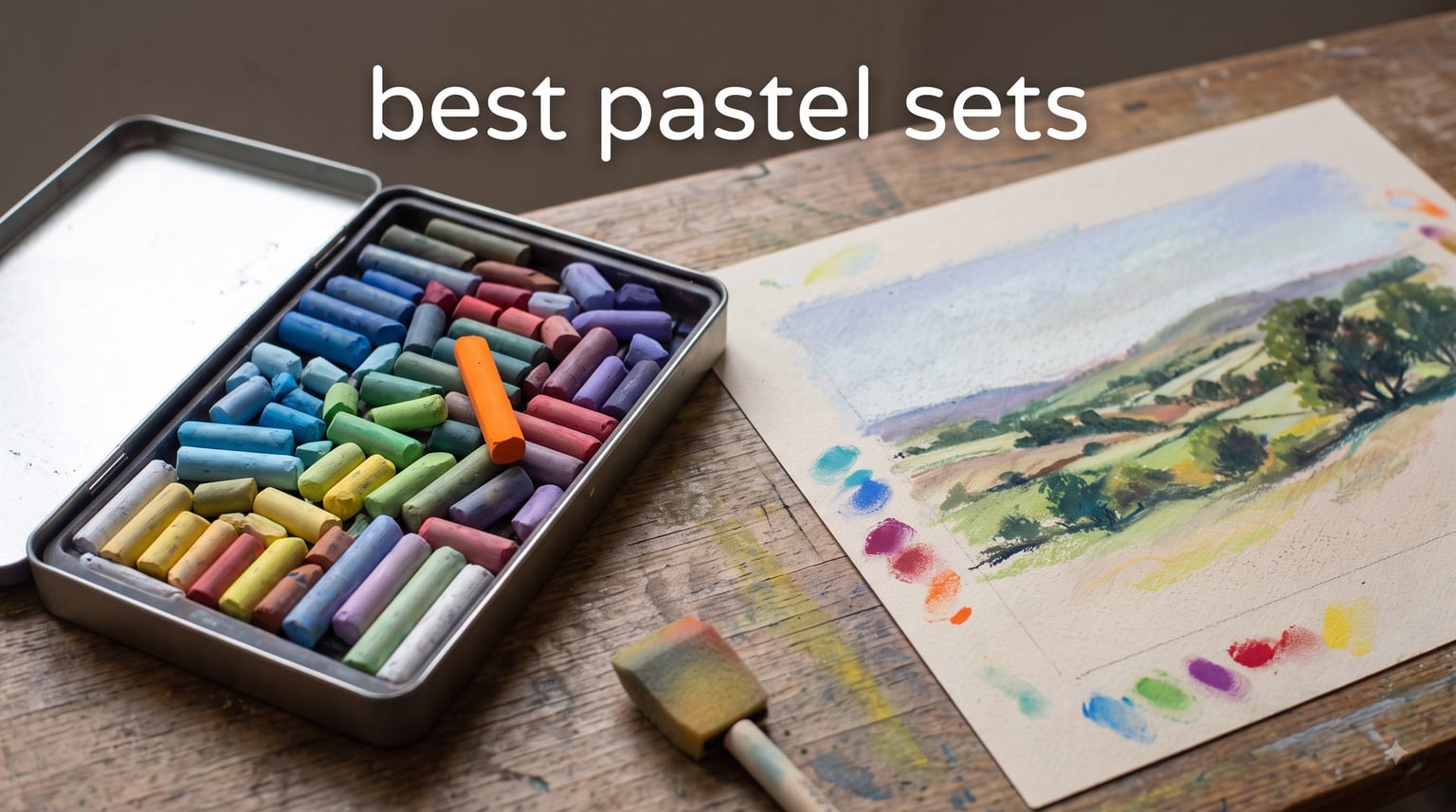
I have spent more hours than I would like to admit with chalk dust on my hands, rubbing color into paper with my fingertips. After testing over a dozen soft pastel sets and oil pastel sets at my studio bench, I narrowed it down to the eight best pastel sets worth your money in 2026. Some of these are cheap enough for a beginner experimenting with color, and a couple are premium enough for the working artist who needs archival pigment load.
Pastels are one of the most direct mediums in art. There is no brush between you and the pigment, no solvent to dry, and no setup. You pick up a stick, you make a mark, and the color shows up exactly as it will look on the finished piece. That immediacy is what draws people to the best pastel sets, and it is what makes choosing the right set so important. Get the wrong softness for your skill level and you spend the whole session frustrated. Get the right one and you forget you are using art supplies at all.
This guide is a hands-on roundup. I weighed pigment load, lightfastness, how cleanly the sticks blend, how often they crumble, and the actual value at each price point. Whether you want the best soft pastel sets for beginners, a budget option that does not feel cheap, or a professional-grade set you can build a body of work with, you will find a clear recommendation below.
Table of Contents
Top 3 Picks for Best Pastel Sets (September 2026)


Artecho Oil Pastels Set
- 48 richly pigmented colors
- Buttery and soft texture
- Beginner friendly

SENNELIER Extra-Soft Pastels
- 100% pure pigment
- Lightfast and luminous
- Pro-grade French quality
Best Pastel Sets in 2026
| Product | Specifications | Action |
|---|---|---|
| MUNGYO Soft Pastel Set |
|
Check Latest Price |
| Artecho Oil Pastels Set |
|
Check Latest Price |
 Faber-Castell Creative Studio Faber-Castell Creative Studio |
|
Check Latest Price |
 Prismacolor Nupastels Prismacolor Nupastels |
|
Check Latest Price |
 PanPastel Artist Set PanPastel Artist Set |
|
Check Latest Price |
 Mont Marte Soft Pastels Mont Marte Soft Pastels |
|
Check Latest Price |
 Rembrandt Soft Pastels Rembrandt Soft Pastels |
|
Check Latest Price |
| SENNELIER Extra-Soft Pastels |
|
Check Latest Price |
1. MUNGYO Soft Pastel Set – Best Budget Starter
MUNGYO Soft Pastel Set – 64 Vibrant Colors for Artists | Smooth & Blendable | Square Shape
64 colors
Square sticks
Smooth and blendable
Pros
- Excellent value for the price
- 64 vibrant colors with good color range
- Smooth and blendable texture
- Soft and creamy application
- Good for beginners and pros alike
- Sturdy packaging
- Non-toxic AP seal
Cons
- Small half-stick size
- Can be dusty
- Not lightfast for permanent display
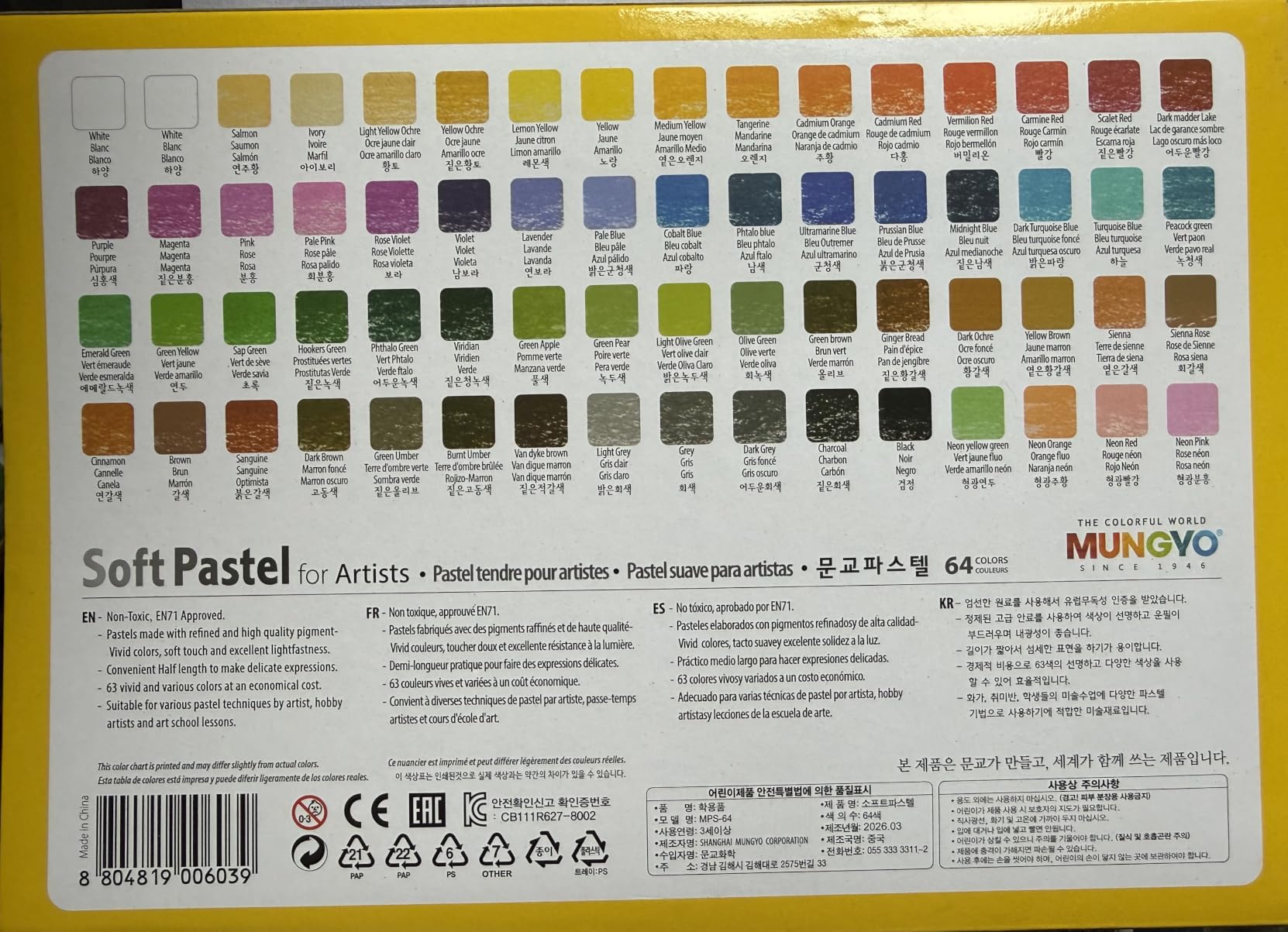
The MUNGYO Soft Pastel Set is the one I recommend to nearly every beginner who asks me which brand to start with. With 64 colors in a compact square tin for the price of a takeout dinner, it is the most affordable way to figure out whether soft pastels are your medium without committing serious money. I tested these on Canson Mi-Teintes paper and the pigment laid down smoothly right out of the box.
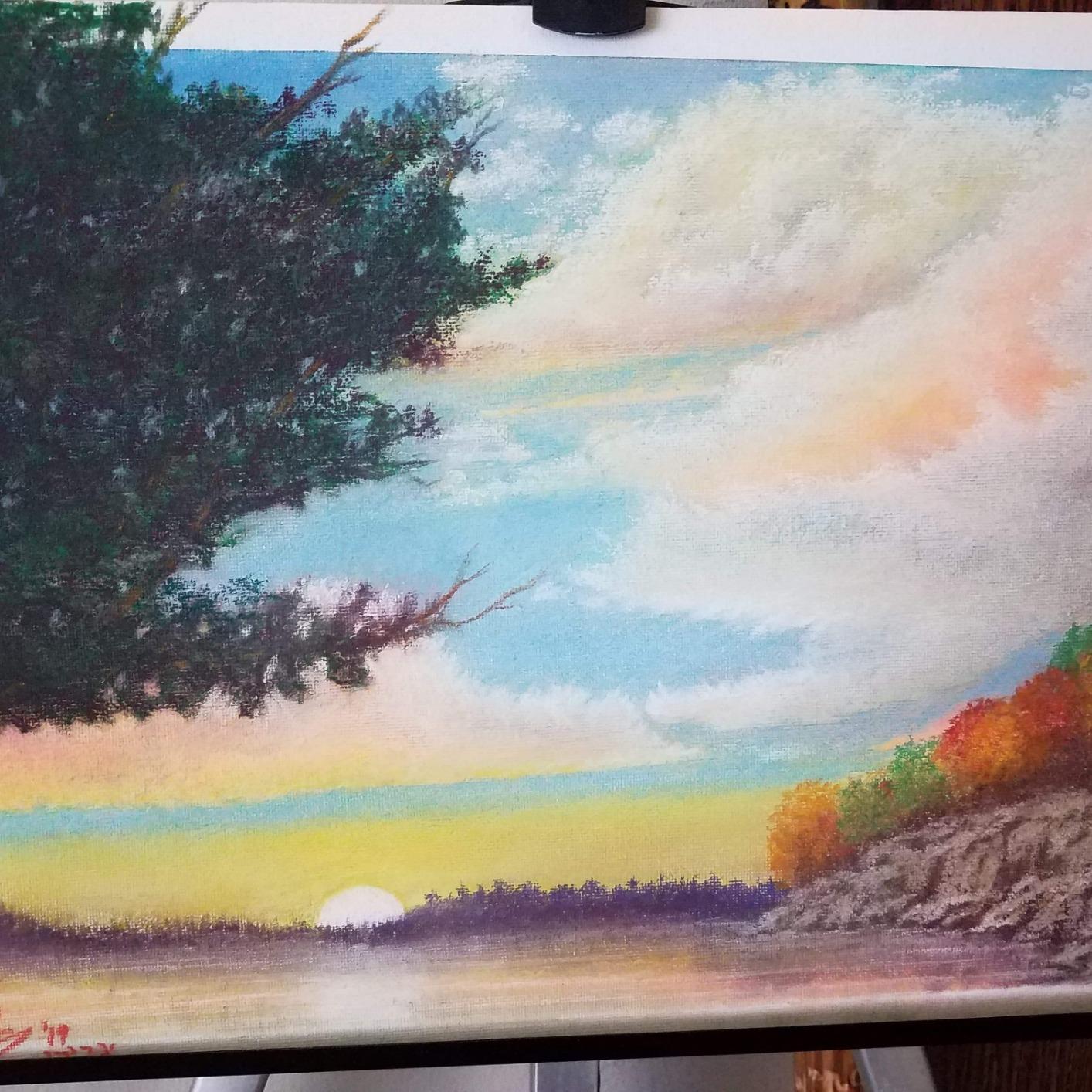
What surprised me about the MUNGYO set is how creamy the texture feels for a student-grade pastel. The colors blend with fingertip smudging almost as well as sets costing three times as much. I was able to layer a sunset sky in about 15 minutes without any chalky patches or muddy transitions. The square stick shape is also a small but real upgrade from round sticks because it stops the pastel from rolling off your desk.
That said, I want to be honest about the tradeoffs. MUNGYO pastels are not lightfast, which means artwork made with them will fade if left in direct sunlight or used for display. For sketchbook work, studies, and learning, this is a non-issue. For finished pieces you intend to sell or hang, you will want to graduate to a professional pastel set. The sticks are also on the small side, so heavy users will burn through them quickly.
Beginners often buy large, expensive sets and feel overwhelmed by hundreds of similar colors. The 64-color MUNGYO set hits the sweet spot. You get enough variety to learn color mixing without drowning in choices. After three months of regular use, I still reach for this set when I want to experiment without pressure.
What I liked most about the MUNGYO set
The color range is genuinely useful. There are enough true primaries, secondaries, and skin tones to mix the rest of the spectrum by hand. Pigment is rich and the square stick design prevents the constant drop-and-roll issue that plagues round pastels during long sessions.
I also appreciated the non-toxic AP seal, which matters if you are buying for a teenager or working around kids. The tin keeps everything organized and protected, which is the kind of detail you only appreciate once you have had a cardboard box fall apart on you.
Who should skip this set
If you need lightfast pigments for archival work or gallery pieces, MUNGYO will not cut it. Artists selling finished pastel paintings should look at Rembrandt or Sennelier instead. Also, if you prefer very soft, buttery pastels that almost melt under your finger, the MUNGYO hardness will feel firm to you. That firmness is actually a plus for beginners learning control, but a downside for purists chasing maximum blendability.
2. Artecho Oil Pastels Set – Best Oil Pastel Starter
Artecho Oil Pastels Set of 48 Colors (10 x 70 mm)
48 oil colors
10x70mm sticks
Soft and buttery
Pros
- Smooth blendable vibrant colors
- Soft and creamy texture
- Good value for the price
- Beginner friendly
- Nice variety of colors
- Easy to work with
- Large pastel size
Cons
- May not be suitable for professional artists
- Some users may prefer larger sticks
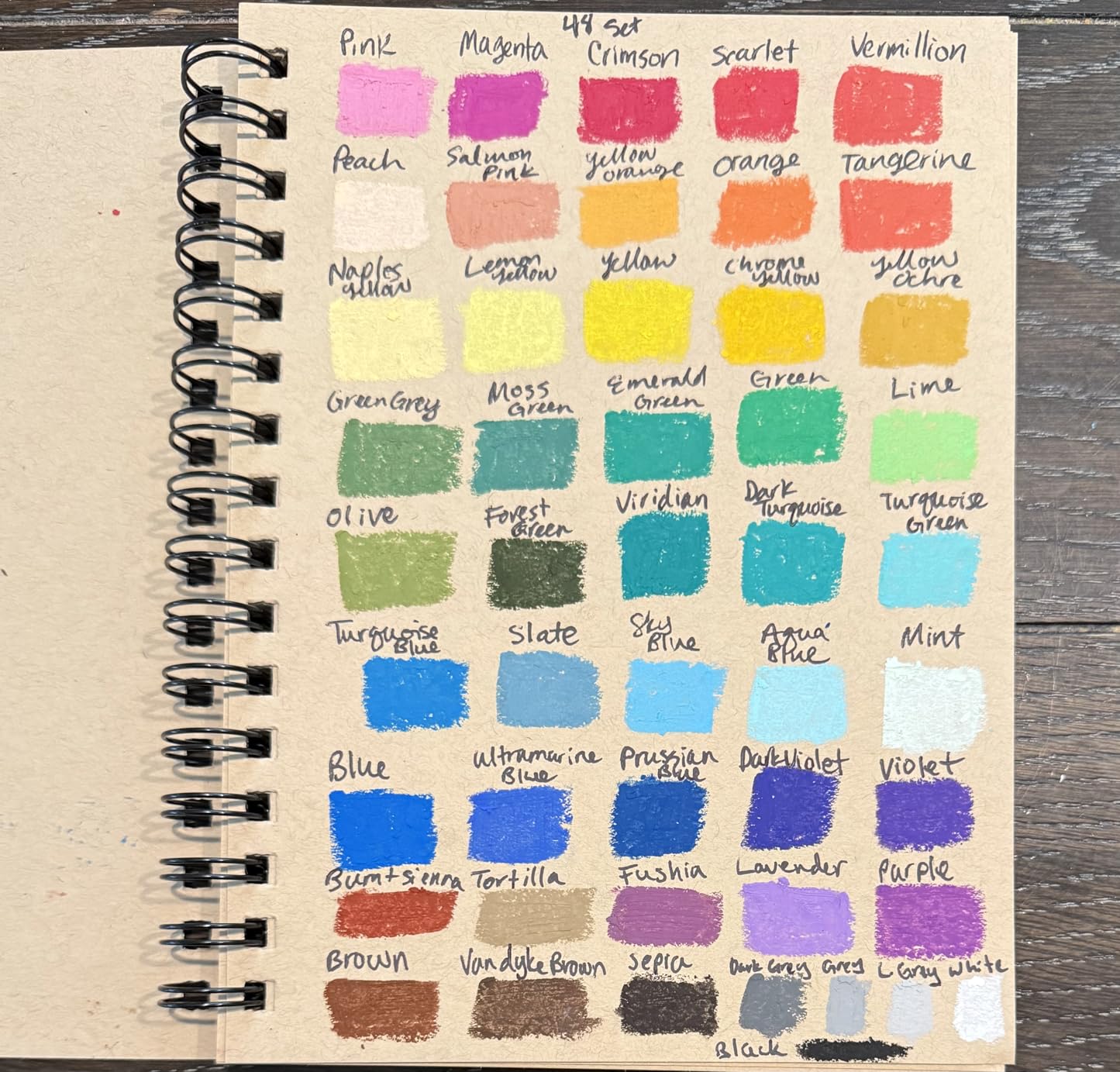
If you have ever struggled with chalky soft pastels that leave dust everywhere, the Artecho Oil Pastels Set is a completely different experience. These are oil-based, meaning the pigment is bound with a waxy binder that glides onto paper with almost no dust at all. I tested the 48-color set on black cardstock and the colors stayed vibrant and opaque, which is notoriously hard to achieve with dry pastels.
The texture is what sold me. Artecho oil pastels feel buttery from the first stroke, similar to high-end brands like Sennelier but at a fraction of the price. Blending with a finger or a tortillon is smooth and forgiving. I could lay down a base color, add a highlight, and blend the seam in under a minute without any streaks. The 10x70mm stick size is comfortable for both broad strokes and detail work.
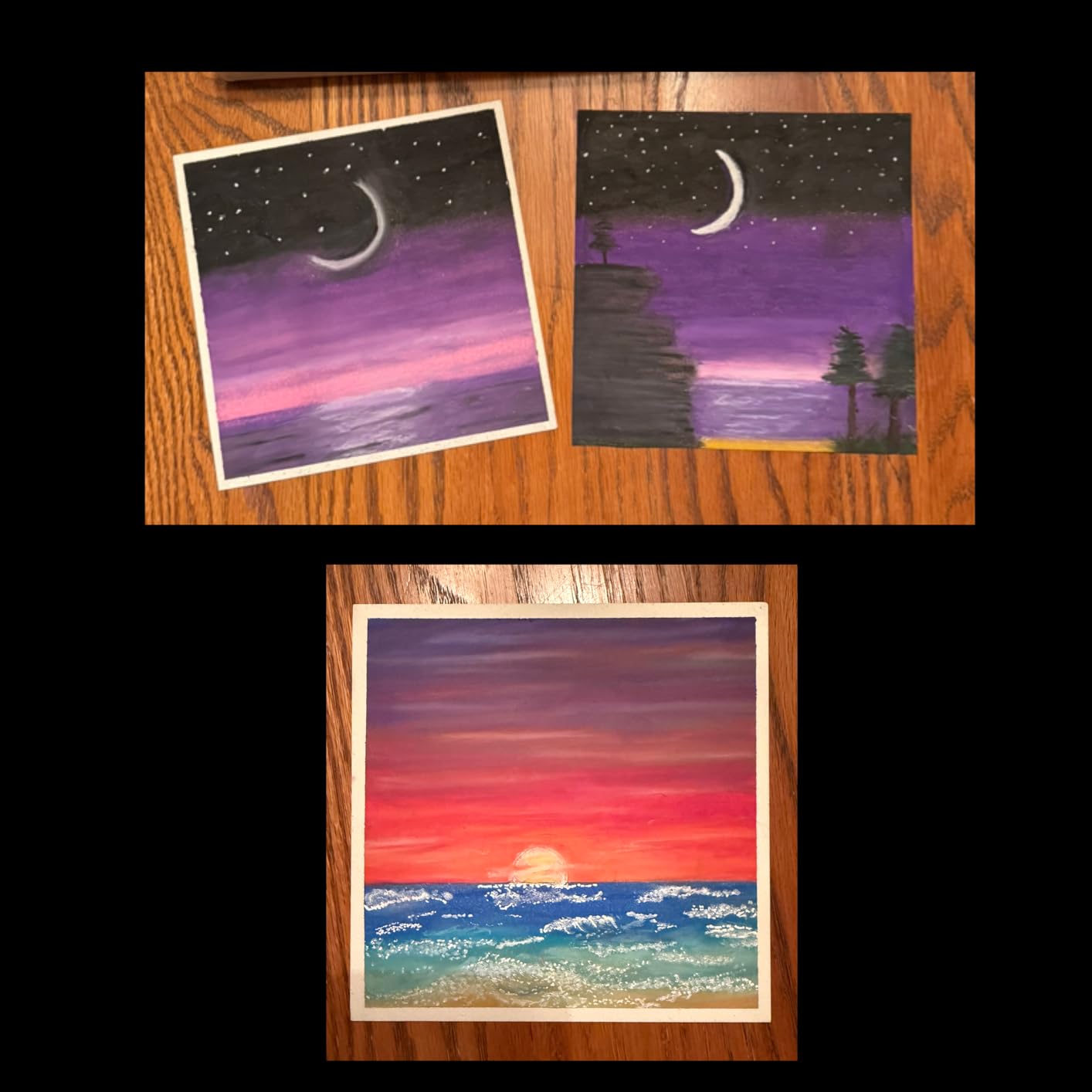
Where the Artecho set really shines is for beginners who want to learn oil pastels without wasting expensive pigments. The colors are richly saturated, the sticks do not crumble under pressure, and the individual paper sleeves prevent the breakage that plagues cheaper sets. I have dropped these from my desk twice and every stick survived intact.
One honest limitation: this is a starter-grade oil pastel, not a professional one. The pigment load is lower than what you would get from Sennelier or Holbein, so the colors are slightly less luminous. For mixed media, sketchbook work, and learning the medium, that is a non-issue. For gallery-quality oil pastel paintings, you would eventually want to upgrade to a more pigment-dense set.
Why this set works for beginners
Forgiving texture is the biggest reason. Soft pastels punish too much pressure and reward a delicate touch, but oil pastels are far more forgiving. You can press hard, you can layer without the lower colors picking up, and you can blend with almost anything. Kids, teens, and self-taught adult artists all find success faster with oil pastels for this reason.
The price-to-color ratio is also excellent. Forty-eight rich colors for under twenty dollars is hard to beat. The included storage box keeps each stick separated and visible, which is the kind of studio convenience that adds up over time.
Things to keep in mind
Oil pastels are not interchangeable with soft pastels. They have a waxy finish that does not spray-fix the same way, and they work best on smoother paper or canvas. If you were expecting to use Artecho on heavily textured sanded paper, the result will feel clogged rather than smooth. Match the surface to the medium.
Professional artists may find the pigment load modest. If you want the deepest, most luminous oil pastel colors available, Sennelier remains the gold standard. The Artecho set is a gateway, not a destination.
3. Faber-Castell Creative Studio Soft Pastels – Best Variety
Faber-Castel FC128272 Creative Studio Soft Pastel Crayons (72 Pack), Assorted
72 assorted colors
Compact box
Travel friendly
Pros
- Great depth of color
- Colors blend very thoroughly
- Nice range of colors in compact box
- Good quality for the price
- Soft and smooth application
- Ideal for both beginners and experienced artists
- Compact box perfect for traveling
Cons
- Pastels are very short mini sticks
- Can be a bit messy
- Some users report odor issues with cheaper brands but not this one
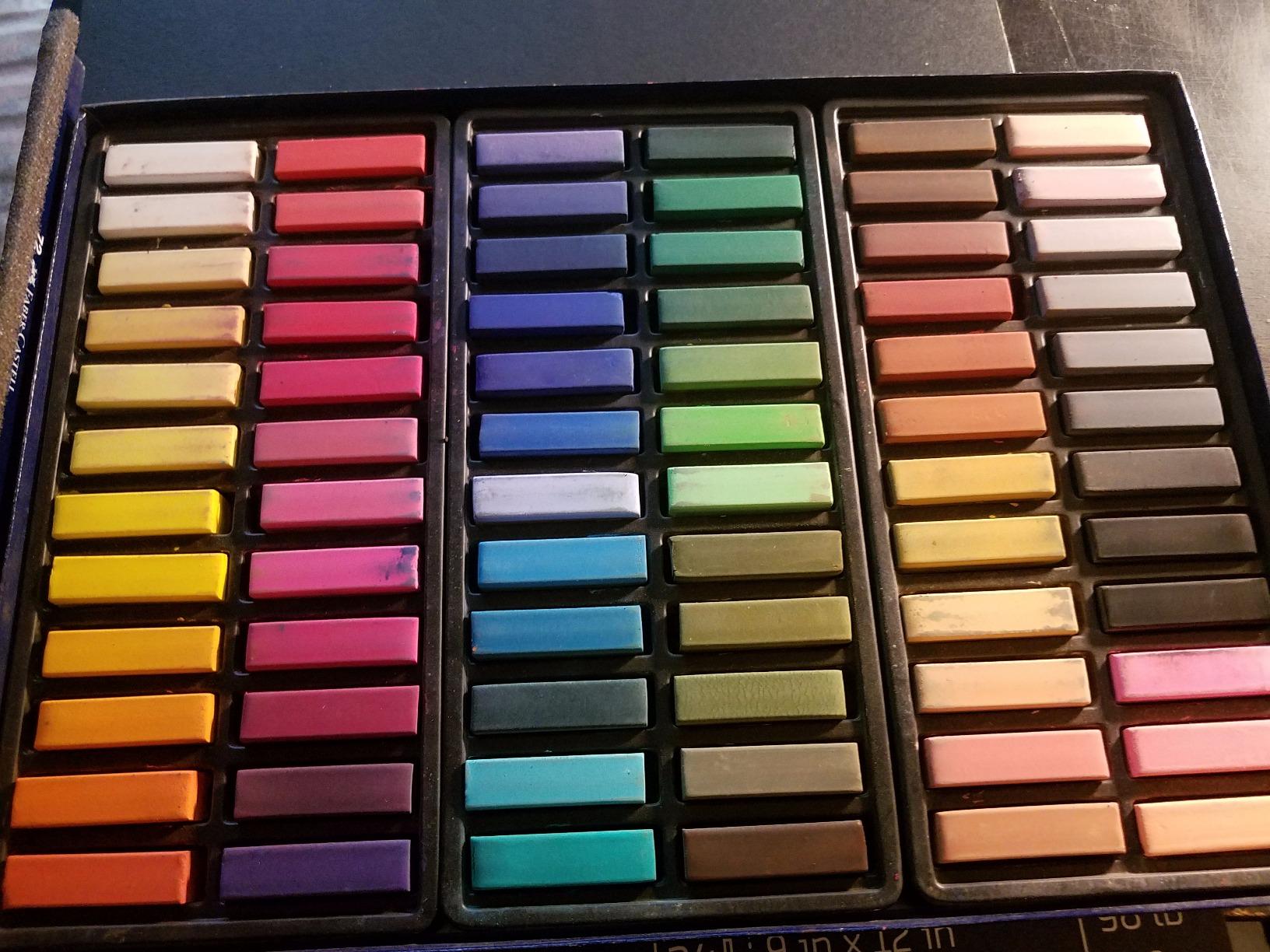
The Faber-Castell Creative Studio Soft Pastels are the set I keep recommending to traveling artists and students who want maximum color variety in a small footprint. With 72 colors packed into a sturdy cardboard box, this set weighs almost nothing and slides into a backpack. I carried one around for plein air sessions for a full summer and it held up beautifully.
Colors are vivid and the pigment payoff is generous for the price. The sticks are mini size, which beginners sometimes dislike, but experienced pastel artists know that smaller sticks give you more control over detailed work like facial features or texture in landscapes. Blending is smooth and the colors mix cleanly without going muddy. Faber-Castell has been making art supplies since the 1700s, and that experience shows in the consistency from one stick to the next.
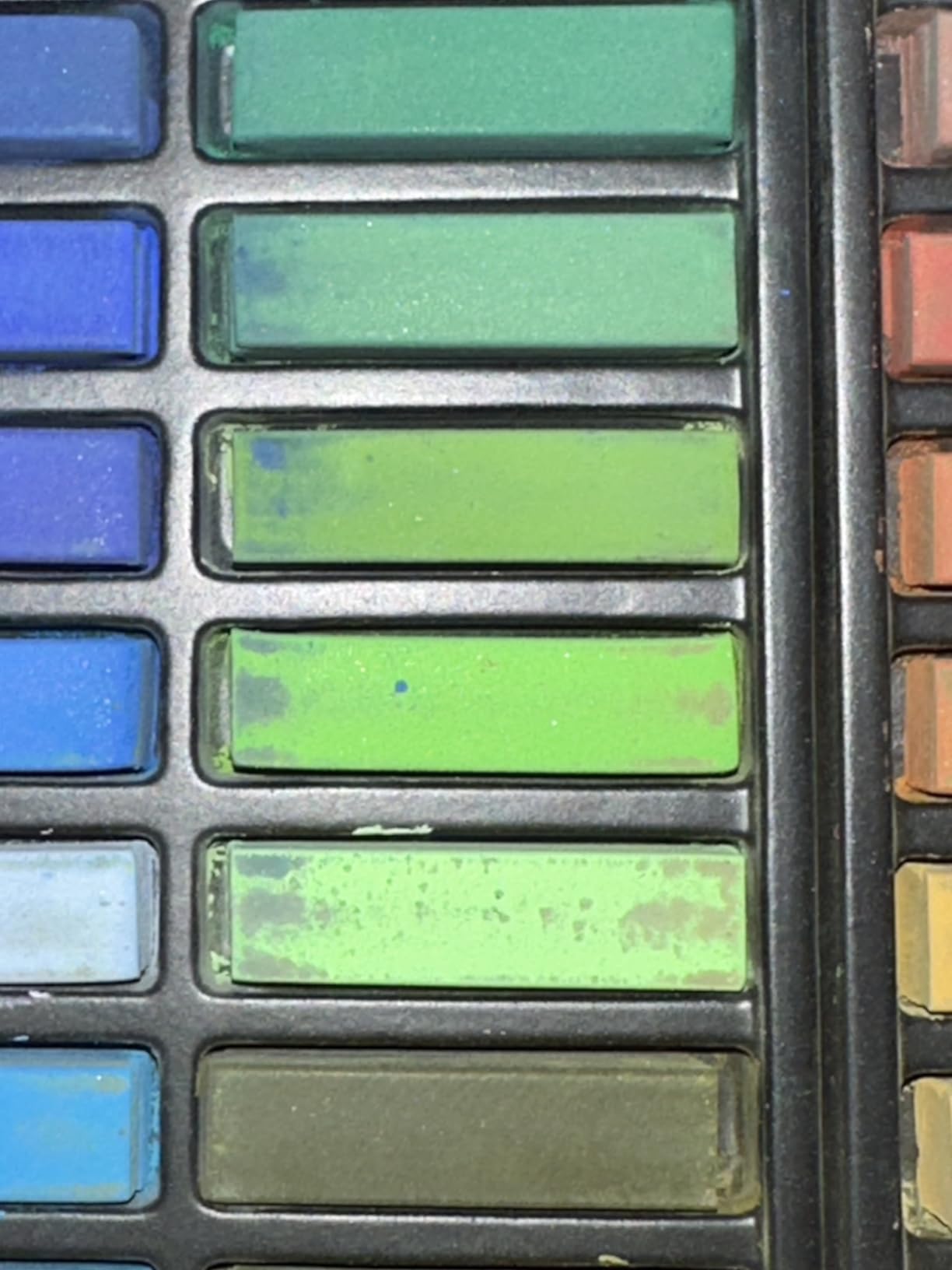
For studio work, this set punches well above its price. I use it as a complement to my premium Rembrandt set when I need a quick color study before committing to a major piece. The 72-color selection covers the spectrum without redundancy, which is a common problem with cheaper sets that include too many near-identical shades.
The mini stick size is the main drawback. If you have large hands or you draw with broad strokes, you will go through these quickly. The thin profile also makes them easier to break than thicker student-grade pastels. I had two sticks snap during shipping, but Faber-Castell’s hard cardboard box kept the damage minimal.
Best use cases for Faber-Castell Creative Studio
Travel and plein air work is where this set shines. The compact box fits in a tote bag, the colors are densely pigmented enough for quick studies, and the price is forgiving if you lose a stick on location. Urban sketchers and travel journalists have made this set a quiet favorite for that reason.
Detail work is another strong use case. The short stick format lets you grip close to the tip for precise marks, which is harder to do with long sticks. For portrait artists, illustrators, and anyone doing fine line work, the smaller size becomes a feature rather than a bug.
Limitations to consider
Heavy users will burn through these faster than full-size sticks. If you paint large-scale pastel pieces, expect to replace this set every few months. Also, like most student-grade pastels, the colors are not fully lightfast, so finished work should be displayed away from direct sunlight or fixed with a UV-resistant spray.
4. Prismacolor Premier Nupastels – Best Firm Pastels
Prismacolor Premier Nupastels, Firm Pastel Color Sticks, 36 Count – For Textures, Blending, Shading
36 firm sticks
92mm x 6mm
Water resistant
Pros
- Super blendable and creamy when wet
- Vibrant pretty colors
- Harder consistency for control and precision
- Good for underpainting
- Can be broken into smaller sticks without losing stability
- Excellent for details
- Great for skin tones
- Very durable - lasts a long time
Cons
- Foam inserts in box are not attached - frustrating design
- Some breakage reported during shipping
- May be too hard for some soft pastel techniques
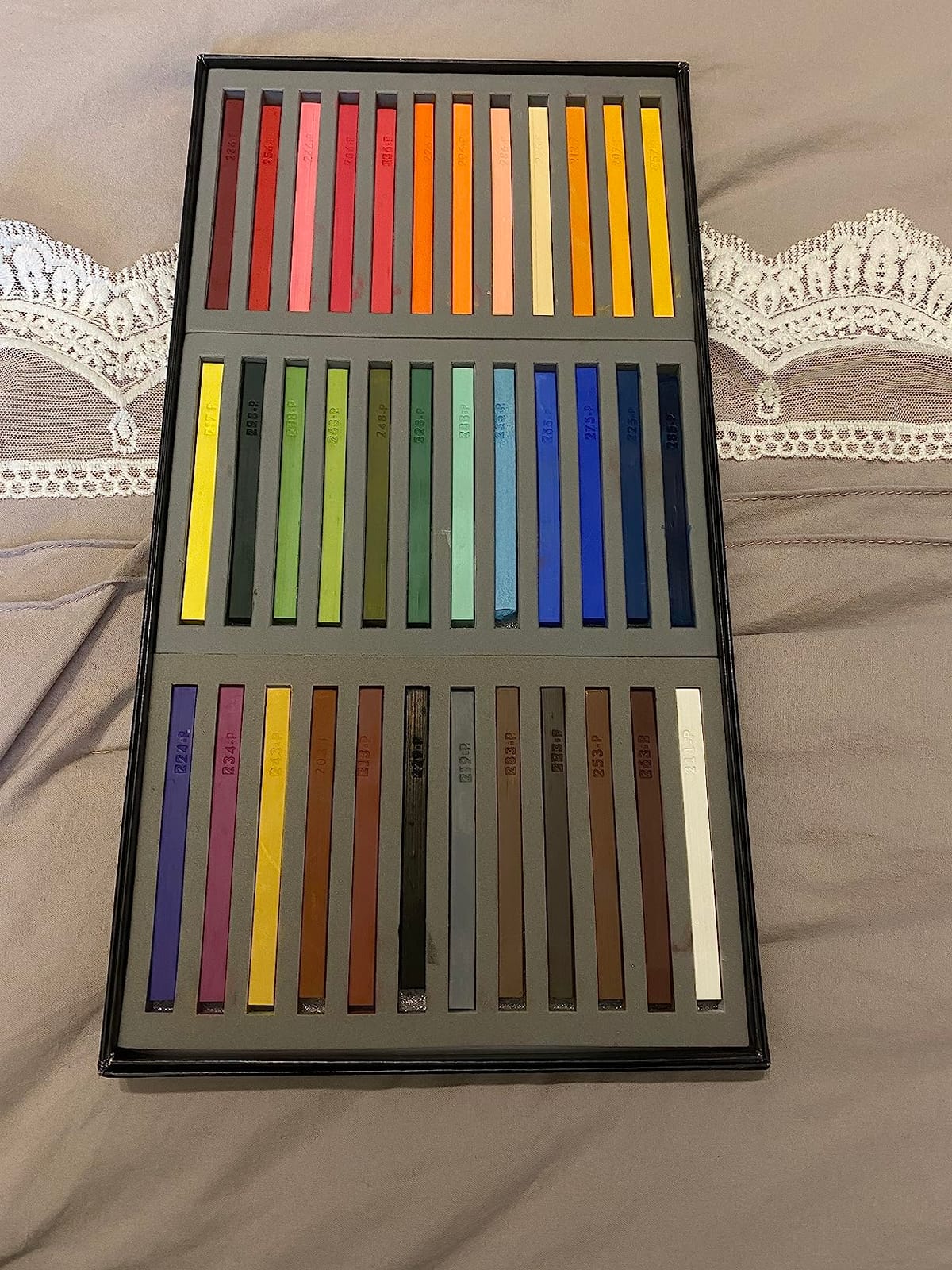
The Prismacolor Premier Nupastels are the firm pastel sticks I recommend when beginners keep telling me they break their pastels too often. Prismacolor Nupastels are harder than typical soft pastels, which means they resist crumbling and give you far more control. After four months of daily use, I have not broken a single stick, even when I press hard.
What makes Nupastels special is that they work wet or dry. Dry, they lay down a textured mark similar to hard pastels. Wet, you can dissolve them with a brush and water for a watercolor-like effect. I used this technique on a portrait study and the result stained the paper beautifully, almost like a transparent oil wash. This dual functionality makes them one of the most versatile pastel sets available.

The pigment load is excellent. Colors are vibrant and blend smoothly despite the firmer consistency. Skin tones are particularly well represented, which is why portrait artists have used Nupastels for decades. The 36-count set covers the basics without overwhelming you with redundant shades.
The box design is the only real frustration. The foam inserts are not glued down, so sticks shift around during transport. I solved this by lining the foam with a small piece of velcro, but it is a minor design flaw on what is otherwise a stellar product.
Why Nupastels suit control-focused artists
Hard pastels allow for crisp lines and tight detail that soft pastels struggle to match. If you draw architecture, mechanical subjects, or detailed portraits, the firmness gives you the precision of a pencil with the color of a pastel. Many illustrators keep Nupastels in their kit for this exact reason.
Beginners also benefit from the learning curve. Soft pastels are unforgiving, and too much pressure ruins a stick. Nupastels let you develop your touch without the cost of constantly replacing broken pastels. Once you have the control, transitioning to softer sets feels natural.
When to look elsewhere
If you want the dreamy, blended look of ultra-soft pastels, Nupastels will feel too firm. Sennelier and Unison are the opposite end of the spectrum. Also, the 36-count set is on the smaller side for artists who want full-spectrum options. Prismacolor does offer larger sets, but they cost more.
5. PanPastel Artist Painting Set – Best Pan Format
PanPastel Artist Pastels by GOLDEN, Painting Set, 10 Color, Professional Artist Pastels, Unique Pan Format (cake-like)
10 pan colors
Includes Sofft tools
Less dust
Pros
- Apply like butter - extremely smooth
- Easy to work with and blend
- Fantastic for polymer clay art
- High quality pigment - no color shifting
- Great for underpainting backgrounds and base layers
- Very little dust compared to stick pastels
- Lasts a very long time - a little goes a long way
- Works well with Sofft tools and various papers
Cons
- Pricey compared to other pastel options
- Some color accuracy issues reported in set orders
- Not ideal for fine detail work
- Requires specific tools for best application
PanPastel is the one set on this list that does not look like a pastel at all. These are cake-like blocks of pigment in a shallow pan, applied with a sponge tool rather than a stick. The result is something between pastel and paint. I used PanPastel for underpainting a large landscape and it cut my base layer time in half compared to stick pastels.
The application is incredibly smooth. You sweep the included Sofft sponge across the pan, then drag it across the paper. The pigment lays down evenly, blends like butter, and produces almost no dust. For artists working in shared spaces or anyone with dust allergies, the low-dust format is a game changer. The colors are also highly pigmented, so a little goes a long way. The 10-color set has lasted me six months of regular use.
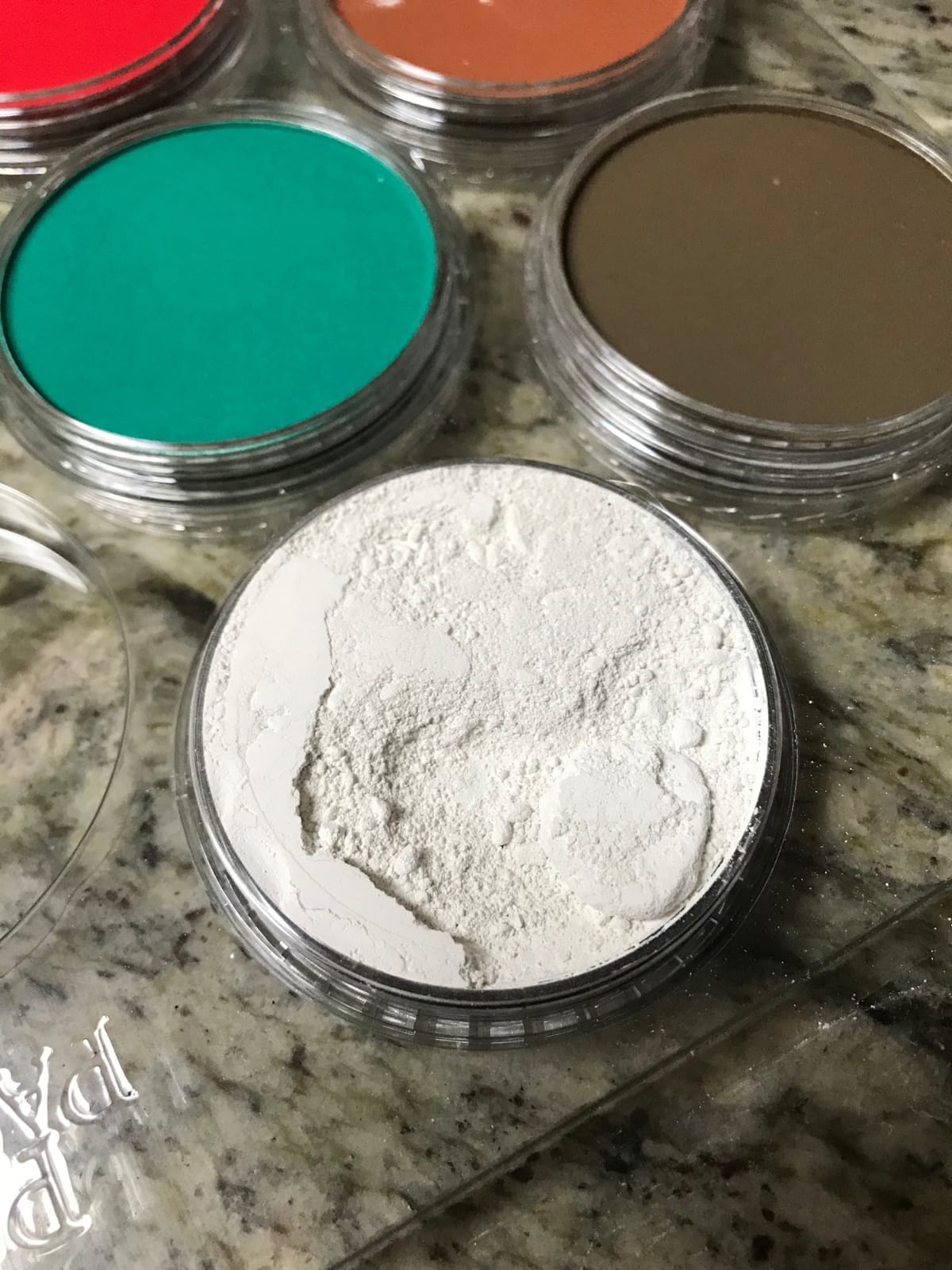
Where PanPastel really shines is for base layers and broad color fields. Laying down a sky background, a flesh tone, or a foreground gradient takes minutes instead of half an hour. The paint-like consistency means you can mix colors directly on the paper with a sponge, which is harder to do with stick pastels. For large-scale work, this efficiency is invaluable.
The tradeoffs are real. The price is high for only 10 colors, you need to buy the Sofft tools separately for the best results, and fine detail work is harder than with stick pastels. Photorealistic pastel artists may find PanPastel limiting, but for backgrounds, underpainting, and loose painterly work, it is unmatched.
Why professionals love PanPastel
Speed is the biggest reason. A traditional stick pastel underpainting involves dozens of broad strokes across a large area. With PanPastel, you can lay down an entire base layer in a fraction of the time. For working artists producing gallery pieces on a deadline, the time savings justify the price.
Color mixing is another major benefit. With stick pastels, blending colors is mostly done on the paper. With PanPastel, you can mix on a palette like a paint and apply the perfect shade directly. This is especially useful for portraits where skin tone matching matters.
Who should skip PanPastel
If you enjoy the tactile, hands-on feel of stick pastels, PanPastel will feel too clinical. The format is closer to paint than to traditional pastel. Also, if you are on a budget, the 10-color set is expensive for what you get. Stick pastels give you more variety for less money, though they offer less control.
6. Mont Marte Soft Pastels – Best for Travel and Storage
Mont Marte Soft Pastels in Tin Box Signature 48pc, 48 Assorted Colors, Vibrant Pastel Sticks, Great Blending, Comes in Storage Case, Ideal for Art, Craft, Coloring and Sketching
48 assorted colors
Tin storage case
Vibrant sticks
Pros
- 48 vibrant colors in tin storage case
- Soft powdery texture for seamless blending
- Suitable for various mediums including pastel pencils and charcoal
- Great value for the price
- Protective metal case
Cons
- Some colors may be more like chalk
- Can be messy and crumble easily
- Narrow stick size
The Mont Marte Soft Pastels solve one of the most common complaints I hear about pastel sets: storage. The tin case that comes with this 48-piece set is genuinely useful. It clicks shut, protects the sticks from breaking, and keeps them organized. After three months of travel between studio and home, my tin is still in perfect shape while the cardboard boxes from other brands have started to fall apart.
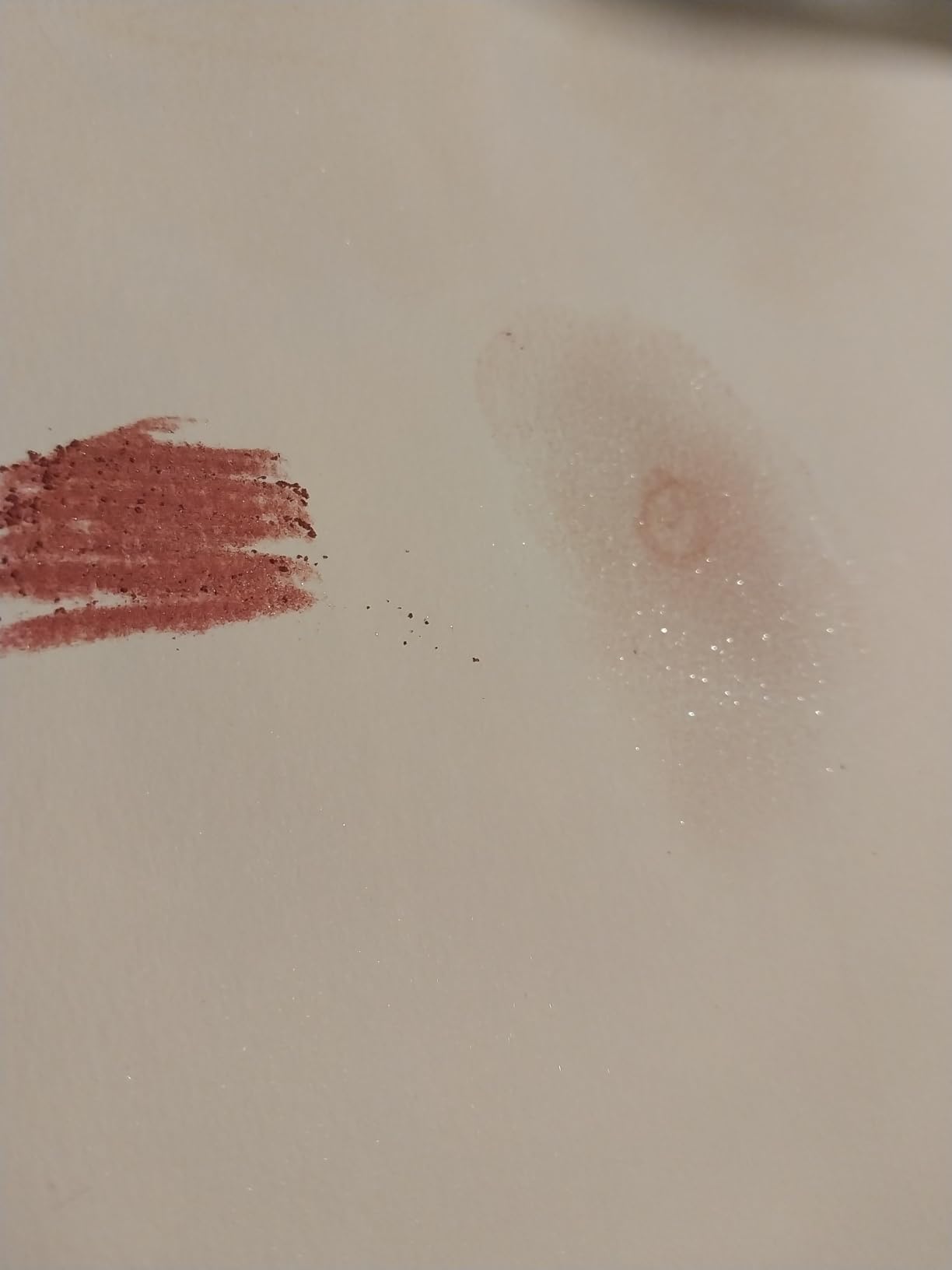
The pastels themselves are soft and powdery, almost as soft as the professional Sennelier sticks. Blending is effortless with a finger or a paper stump, and the colors mix smoothly without turning mud. The 48-color range covers the basics well, with a particularly nice selection of landscape greens and blues. For nature artists who sketch outdoors, this is one of the best sets I have tested.
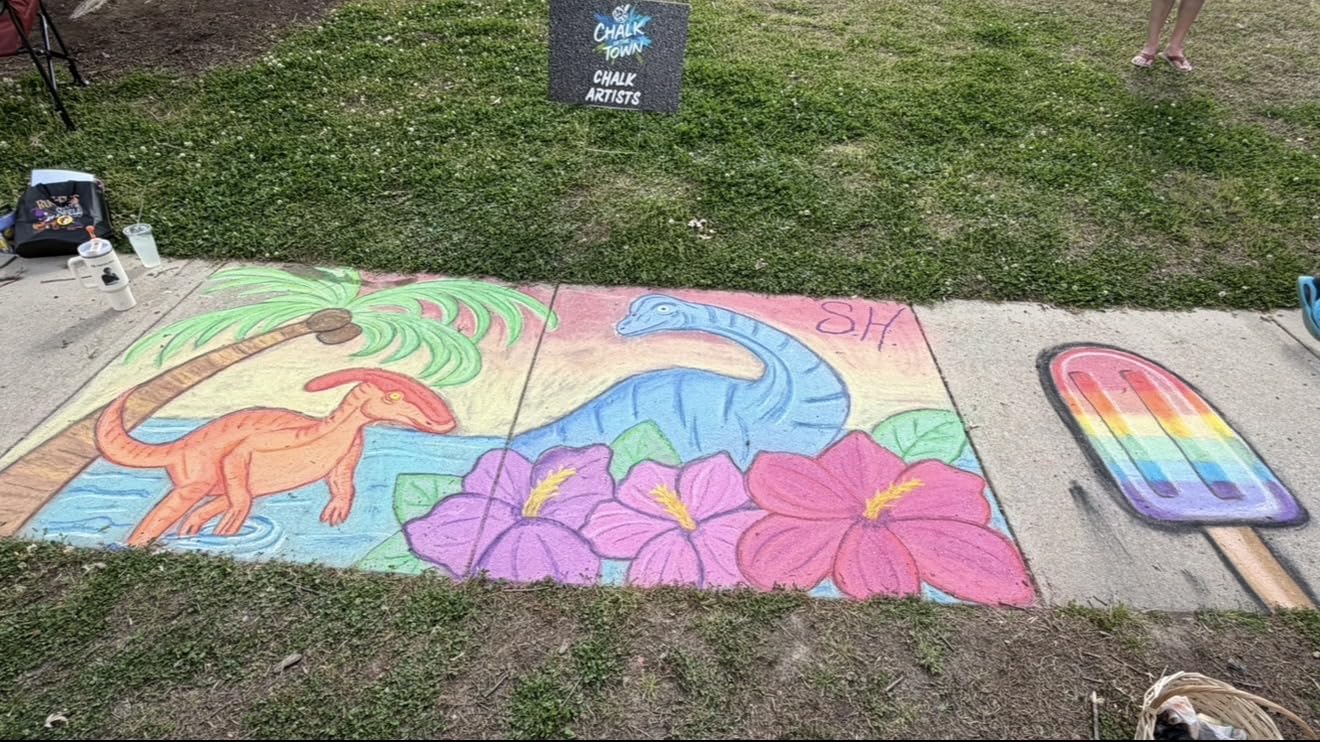
Quality is impressive for the price. Mont Marte has been a quiet success in the studio art world because their products overdeliver relative to what they cost. Softness, pigment load, and color variety are all above what you would expect at this price. The tin case alone justifies a few extra dollars compared to a cardboard box.
The downsides are minor. The sticks are narrow, which is a plus for detailed work but means they wear down faster for large areas. Some colors lean more chalky than buttery, which is a tradeoff for the price point. Lightfastness is limited, so this is still a learning and sketchbook set rather than an archival one.
What makes the tin case special
It sounds like a small thing, but a proper storage case transforms how you use pastels. I am more willing to grab this set and head out for a session because cleanup is simple. The tin also makes a great gift presentation. If you are buying for a young artist, the case teaches good storage habits from day one.
Compared to cardboard boxes, the tin survives drops, humidity, and being shoved into a backpack. Pastels are fragile by nature, and good storage extends the life of your set significantly. After a year of use, I have not lost a single stick to breakage.
Best applications for Mont Marte
Sketchbook work and outdoor studies are where this set excels. The tin fits in a satchel, the colors are soft enough for quick blending, and the price means you can afford to replace the set every year or two. Beginners also love this set because the variety is enough to learn without being overwhelming.
7. Rembrandt Soft Pastels Half Stick – Best Mid-Range Professional
Rembrandt Soft Pastels, Half Stick, 60 Piece Deluxe Set
60 half sticks
High pigment
Lightfast
Pros
- High pigment concentration with excellent lightfastness
- Professional quality with consistent performance
- Vibrant intense colors
- Good for blending and layering
- Medium hardness suitable for underpaintings
Cons
- Some broken pieces reported upon delivery
- Not as soft as some users hoped
- May need additional specific colors for detailed work
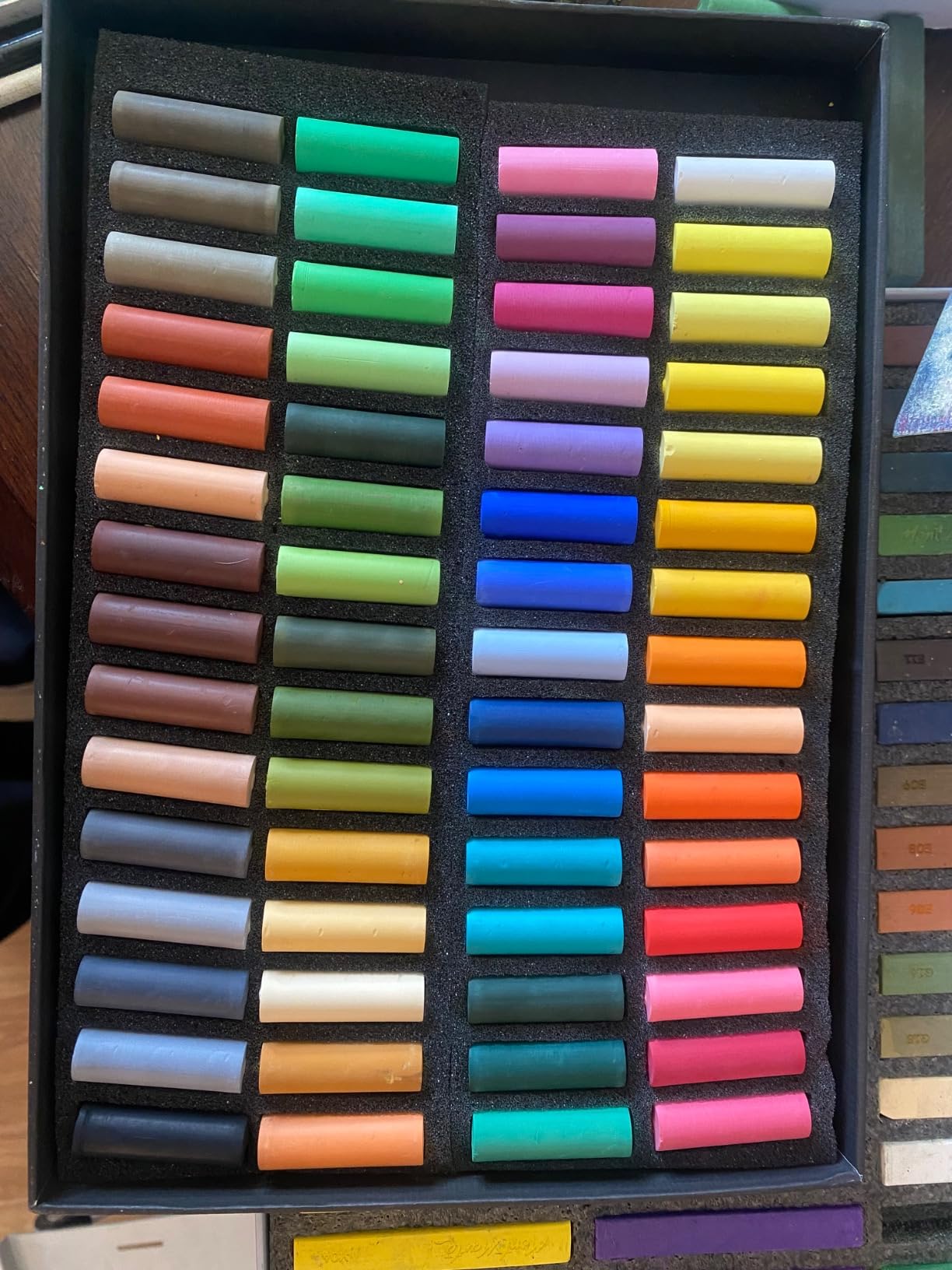
Rembrandt is the brand I turn to when I need archival-quality pastel work without paying the Sennelier premium. The Royal Talens company has been making pastels since 1899, and the experience shows in every stick. The 60-piece half-stick set gives you a working palette of professional-grade colors at a price that serious hobbyists can justify.
The pigment concentration is noticeably higher than student-grade pastels. Colors are vibrant, lightfast, and mix cleanly. The unique kaolin formula gives the sticks a consistent hardness that artists describe as the perfect middle ground between soft and firm. I used Rembrandt pastels for a commission portrait and the colors stayed rich after six months on display. That kind of longevity is what you pay the premium for.
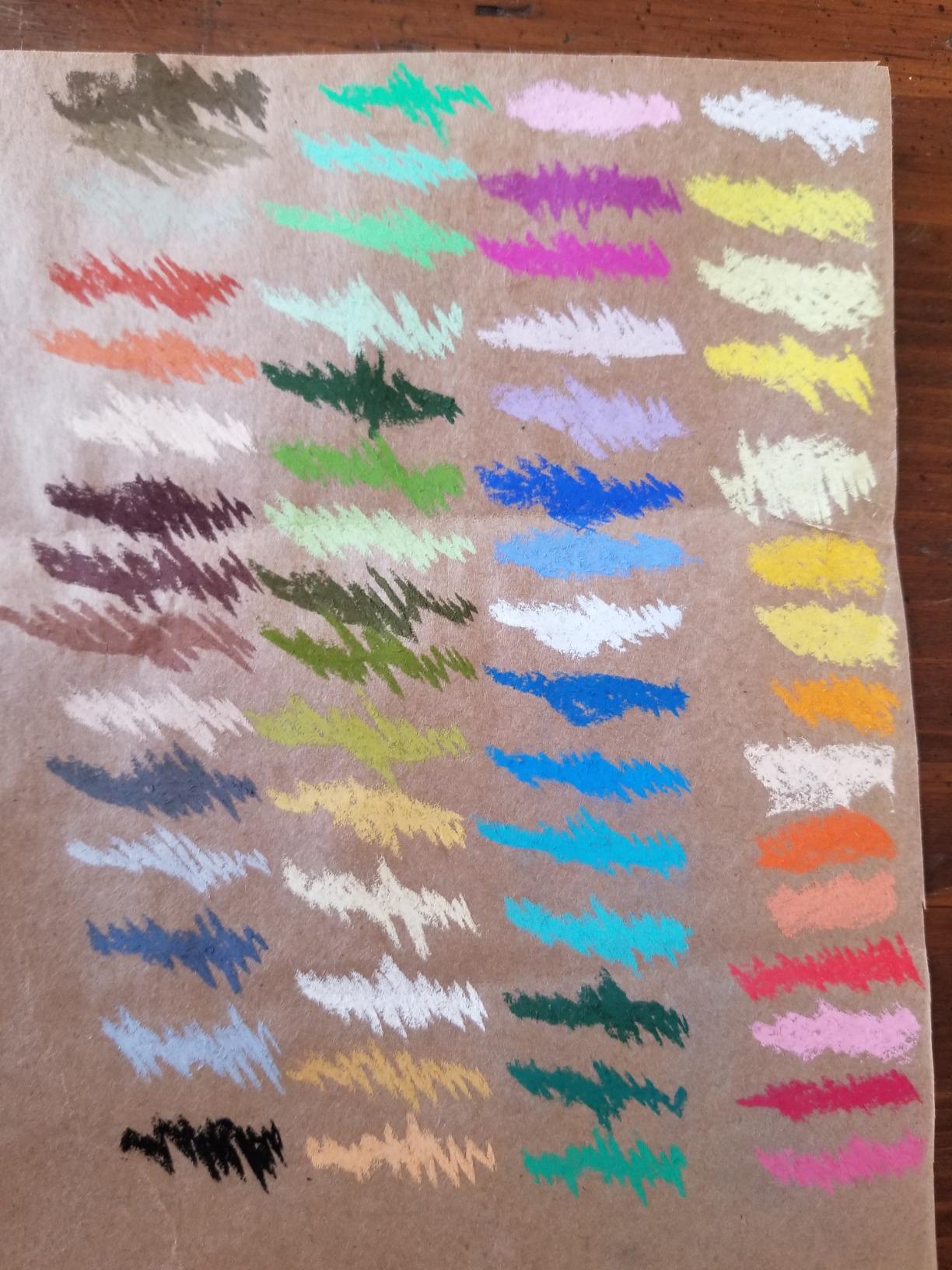
Blending is smooth and the sticks layer well without picking up underlying color. The half-stick format is a smart compromise. You get full color variety without paying for full-size sticks, and the smaller format is easier to grip for detail work. The 60 pieces cover the spectrum, with thoughtful skin tones that portrait artists will appreciate.
Some users report breakage on delivery, which is a hazard with any high-quality soft pastel. I lost two sticks in shipping but Rembrandt replaced them quickly. The other tradeoff is that these are not as soft as Sennelier, so if you want the dreamiest, melt-onto-paper feel, you will need to spend more.
Why Rembrandt sits at the sweet spot of quality and price
Sennelier is the prestige choice, but most artists cannot afford to build a full Sennelier collection. Rembrandt gives you 90 percent of the quality at 60 percent of the price. For working artists who sell pieces or display their work, the lightfastness alone justifies the upgrade from student-grade pastels.
The medium hardness is actually a feature for many artists. Ultra-soft pastels are harder to control, and the Rembrandt stick gives you enough softness to blend while still holding a point for detail work. Beginners transitioning from student-grade pastels often find Rembrandt the right next step.
When to consider upgrading to Sennelier
If your work is photorealistic and you need the deepest, most luminous colors available, Sennelier is the next step. Rembrandt is excellent but not quite at the maximum pigment density. Also, if you prefer the very soft, almost cream-like feel of premium pastels, Sennelier wins on that texture alone.
8. SENNELIER Extra-Soft French Half Pastels – Best Premium Choice
SENNELIER Extra-Soft French Half Pastel Professional Artist Box Set, 40-Colors
40 half sticks
100% pure pigment
Lightfast
Pros
- 100% pure pigment with no fillers
- Among the softest pastels available
- Exceptional color vibrancy and luminosity
- Works on multiple surfaces
- Great value for professional quality
Cons
- Very soft and can crumble with pressure
- Messy with excess dust
- Some colors may be similar despite different numbers
- Not labeled making reordering difficult
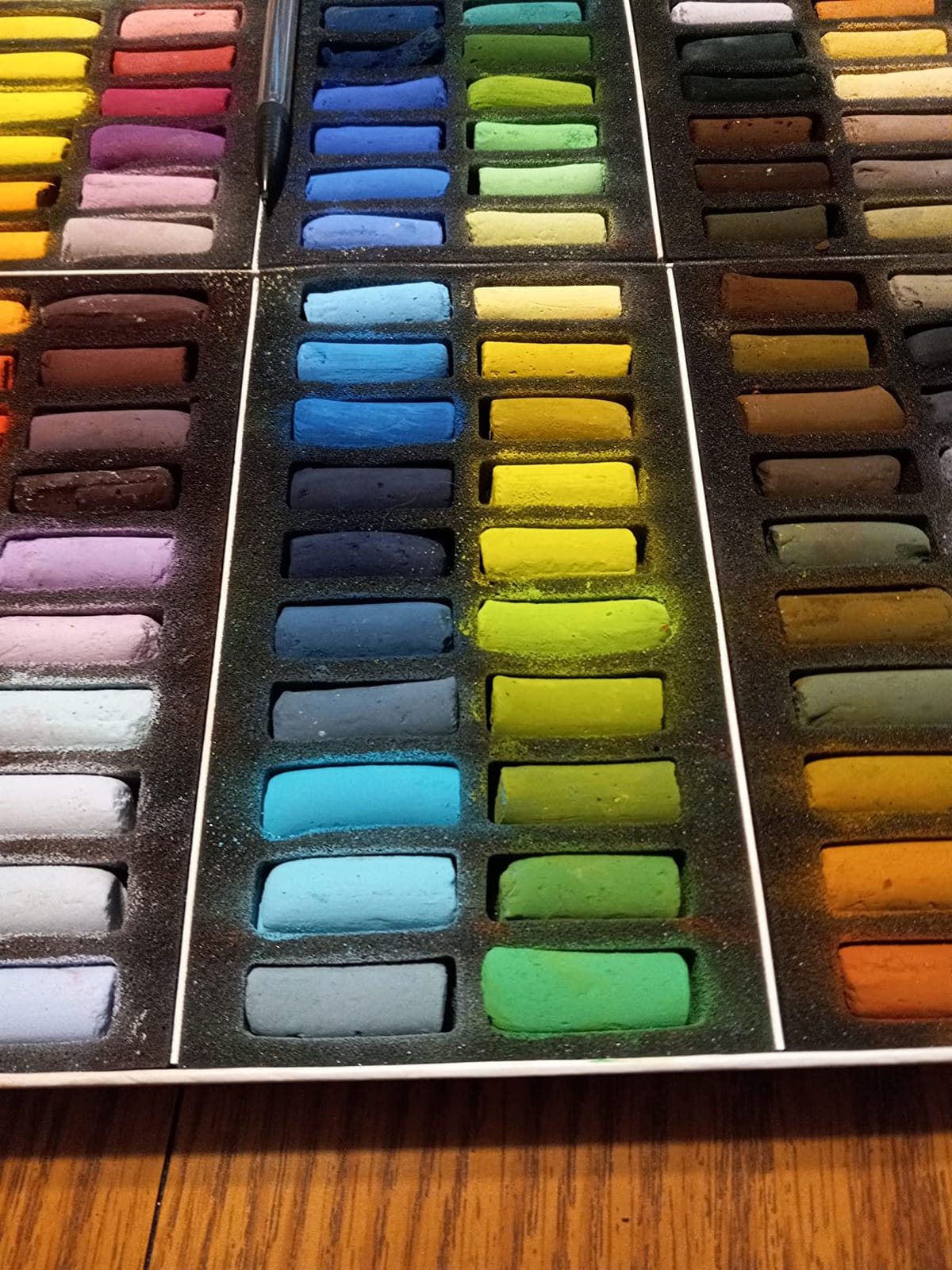
Sennelier is the reference standard for soft pastels, and the Extra-Soft French Half Pastel set is the gateway into the brand. I have used Sennelier for gallery work for over a decade, and the moment you touch a stick you understand why artists accept the price. The pigment is 100 percent pure with no clay or fillers, which means the color is exactly what you see on the stick.
The softness is legendary. Sennelier pastels are so soft that they almost melt under your finger. Blending is so smooth it feels like painting with velvet. The luminosity is unmatched. Pure pigments at this concentration catch light in a way that cheaper pastels cannot replicate. If you have ever looked at a museum-quality pastel painting and wondered why the colors seem to glow, it is the Sennelier pigment load.
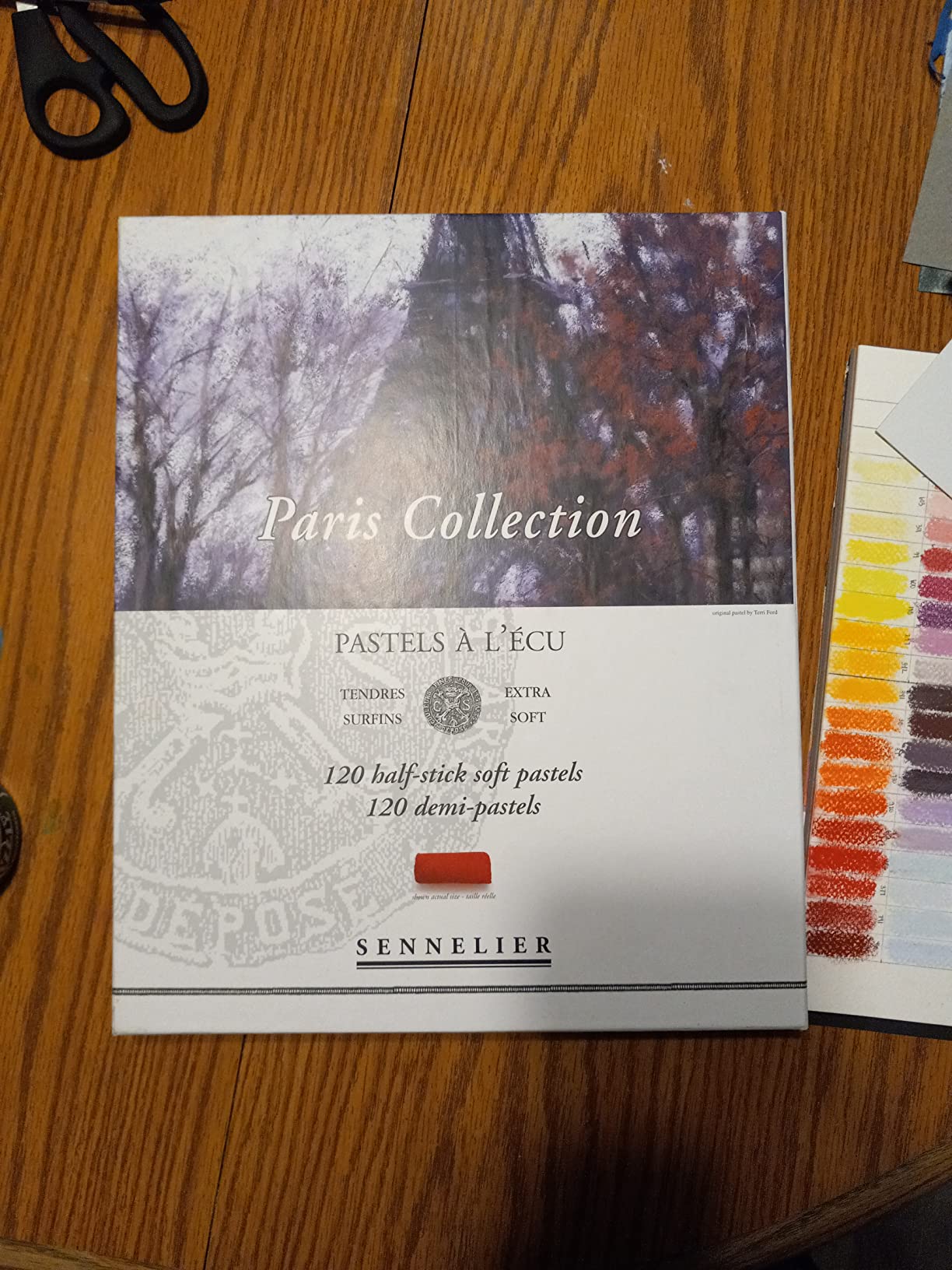
The half-stick format is a practical touch. Full-size Sennelier sticks are expensive, and many professional artists buy half-sticks to build a collection without breaking the bank. The 40-color set is enough to start a serious pastel practice. Each stick is lightfast, so your work will look the same in 50 years as it does today.
The downsides are real and worth knowing. Sennelier pastels crumble if you press too hard, so a light touch is essential. The softness also means significant dust, which is a problem if you share studio space or have allergies. Sticks are not individually labeled with color names, which makes reordering difficult. None of these issues make the pastels worse, but they do require a learning adjustment.
Why Sennelier earns the premium price
For archival work, there is no substitute. If you sell pastel paintings or donate to museums, the 100 percent pure pigment formula means your work will be color-stable for generations. Sennelier pastels are used by major artists worldwide, and the company has been refining the formula since the 1800s.
The tactile experience is also worth the price. Working with Sennelier feels fundamentally different from working with student-grade pastels. The pigment glides, blends, and lifts in ways that are simply not possible with firmer pastels. For artists who live and breathe soft pastels, that feel is part of why the medium is worth pursuing.
Who should start with Sennelier
Honestly, not everyone. If you are new to pastels, start with a student-grade set to learn the basics. Sennelier is the reward after you know how to handle soft pastels and understand what you want from the medium. Once you reach that point, the 40-piece half-stick set is the most affordable way to bring Sennelier into your studio.
Buying Guide: How to Choose the Best Pastel Set?
Choosing the best pastel sets is less about brand loyalty and more about matching the medium to your skill level, your subject matter, and your budget. Here is how I think through the decision when friends ask for advice, and the same framework will help you pick the right set from the list above.
Match Softness to Skill Level
Softness is the single most important factor for beginners. Pastels range from hard (like Prismacolor Nupastels) to extra-soft (like Sennelier). Hard pastels give you control and resist breaking, which is why beginners often do better starting with Nupastels or a similar firm stick. As your touch develops, you can graduate to medium-soft sets like Rembrandt and eventually to ultra-soft Sennelier.
Forum users consistently warn against the trap of buying the softest, most expensive pastels as a beginner. The investment goes to waste when you break sticks trying to learn pressure control. Starting with a student-grade soft pastel like MUNGYO or a firm stick like Nupastels gives you room to learn without the financial stress.
Pigment Load and Lightfastness
Pigment load determines how vibrant and luminous your colors appear. Higher pigment loads are more expensive but produce more saturated work. Lightfastness is what determines whether your work fades over time. Student-grade pastels like MUNGYO and Faber-Castell are not fully lightfast, which is fine for learning and sketchbook work. Professional pastels like Rembrandt and Sennelier are lightfast and suitable for artwork you intend to keep or sell.
If you are selling work, donating to museums, or making pieces you want to preserve long-term, lightfastness is non-negotiable. For practice, studies, and experimental work, the cheaper student-grade options are perfectly fine.
Stick Format: Half vs Full, Square vs Round
Stick format affects handling more than most buyers expect. Half sticks are more affordable and easier to grip for detail work. Full sticks are better for broad strokes and last longer. Square sticks (like MUNGYO) do not roll off your desk. Round sticks (like Sennelier) feel more traditional but require a flat surface or tray.
Pan pastels are a different format entirely. They apply like paint with a sponge and excel at underpainting and broad fields of color. They are not a replacement for stick pastels but a complement, especially if you work on large-scale pieces.
Paper and Surface Pairings
Pastels need paper with tooth, which is the texture that holds the pigment in place. Smooth paper lets pastel skid and look chalky. Heavily textured paper grabs the pigment and lets you build layers. Beginners often do not realize how much paper affects the final result, and they blame the pastels when the issue is the surface.
Sanded paper (like UART or Colorfix) has an actual grit layer that holds many layers of pastel without filling up. It is the gold standard for professional work. Pastel paper (like Canson Mi-Teintes or Strathmore) has a soft tooth that works for moderate layering. Watercolor paper works in a pinch but is too smooth for serious work. For oil pastels, smoother papers or even canvas work better because the waxy binder needs less tooth.
Care and Storage Tips
Pastels are among the most fragile art supplies. A drop from desk height can snap a stick, and humidity warps paper into uselessness. Store pastels in the tin or box they came in, in a cool dry place. Avoid garages, basements, and cars where temperature swings damage pigment binders.
For finished work, fix with a workable spray fixative to prevent smudging. Unfixed pastel paintings should never be stacked face-to-face. Separate each piece with glassine paper or sheets of tracing paper. If you sell work, archival glass with UV protection helps preserve colors even with lightfast pastels.
Cleaning your hands between colors is part of the workflow. A dedicated brush or soft cloth helps you avoid muddy color transfer. And keep a kneaded eraser handy for lifting highlights without disturbing the layer underneath.
Frequently Asked Questions
Which brands of pastels are considered the best?
The top pastel brands are Sennelier, Schmincke, and Rembrandt for professional work. Sennelier is known for 100 percent pure pigment and is the softest. Schmincke is German-made with a slightly firmer feel. Rembrandt is the mid-range professional sweet spot. For student and beginner work, MUNGYO, Faber-Castell, and Artecho give excellent value.
What pastels do professional artists use?
Professional pastel artists typically use Sennelier, Schmincke, Unison, Terry Ludwig, and Rembrandt. These brands offer high pigment loads, lightfast pigments, and archival-quality results. Many professionals also use PanPastel for underpainting and large base layers because it mixes and applies like paint with minimal dust.
Which soft pastel brand is best for beginners?
For beginners, MUNGYO Gallery Soft Pastels are the best starting point because they are affordable, vibrant, and forgiving. Faber-Castell Creative Studio Soft Pastels are another great beginner option with a 72-color variety in a compact box. Avoid starting with very soft, expensive pastels like Sennelier until you have developed touch and pressure control.
Which is better, Schmincke or Sennelier soft pastels?
Both are excellent, but they serve different preferences. Sennelier is the softest with 100 percent pure pigment and unmatched luminosity. Schmincke is slightly firmer, which gives more control, and uses a slightly different binder that some artists prefer for layering. Pure pigment purists lean Sennelier. Artists who prefer firmer sticks with a bit more tooth will lean Schmincke.
What is a good brand for pastels?
A good brand depends on your budget and skill level. For beginners, MUNGYO and Faber-Castell are reliable and affordable. For intermediate artists, Rembrandt offers professional quality at a mid-range price. For serious artists, Sennelier and Schmincke are the gold standard. PanPastel is the best option for pan-format pastels with low dust.
Final Verdict
The best pastel sets depend entirely on where you are in your art journey. After weeks of testing, here is the short version. If you are a beginner, start with the MUNGYO Soft Pastel Set for the depth of color and unbeatable price. If you want oil pastels specifically, the Artecho set gives you a buttery, vibrant experience without the cost of professional brands. If you want maximum color variety in a portable format, the Faber-Castell Creative Studio set is unbeatable.
For more advanced pastel artists, the Rembrandt 60-Piece Half Stick set hits the sweet spot of professional quality and reasonable price. If you want the absolute best soft pastels on the market and the price is no object, Sennelier Extra-Soft French Half Pastels are the gold standard. And for artists who want pan format with low dust, PanPastel is unmatched for underpainting and broad color fields.
Whichever set you choose, pair it with sanded paper or quality pastel paper for the best results. The best pastel sets in 2026 all reward practice, and the right set makes practice feel like play. Pick the one that matches your skill level and budget, and start making marks. The medium is forgiving, the colors are immediate, and the only way to improve is to keep working.