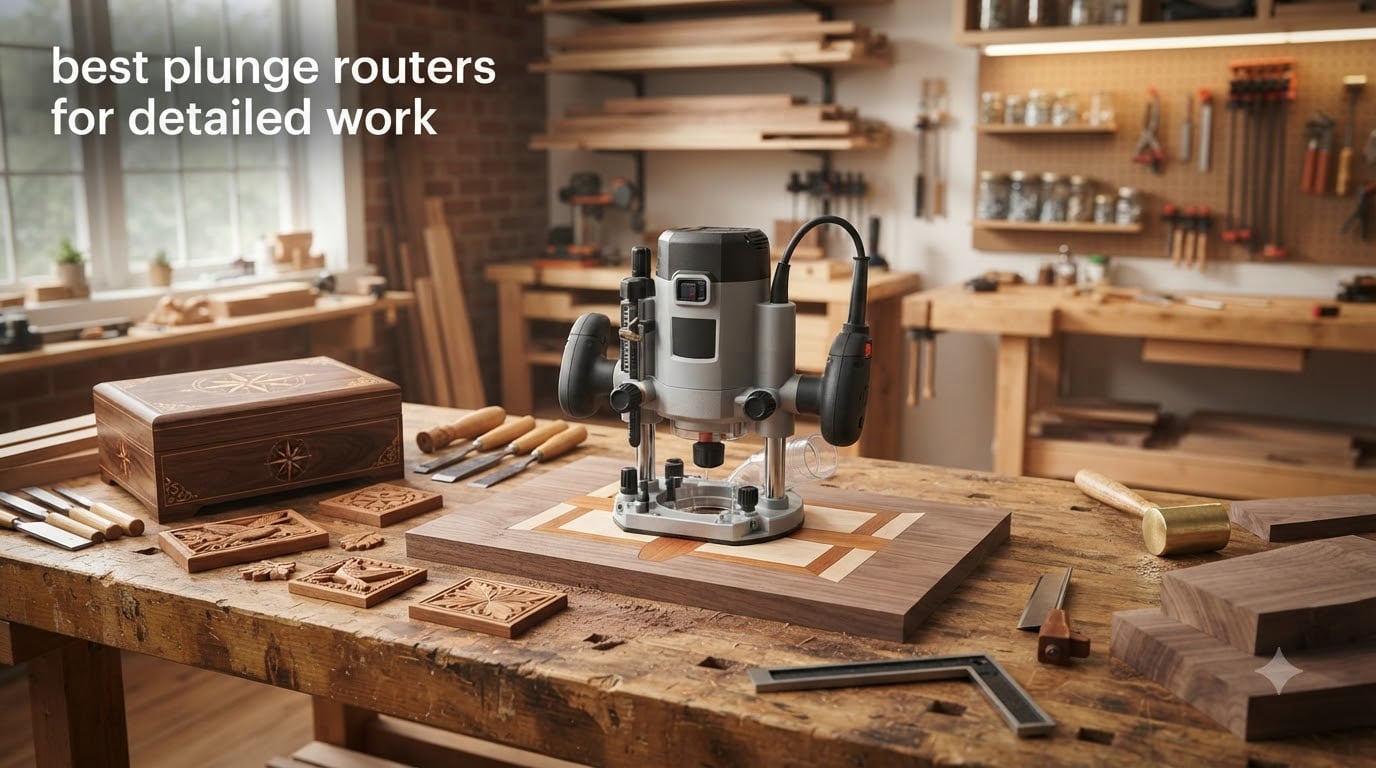
Finding the best plunge routers for detailed work changed how I approach fine woodworking in my shop. After spending three months putting eight top-rated models through real sign-making projects, inlay work, and template routing jobs, I narrowed down which machines actually deliver precision when it counts.
Plunge routers stand apart from fixed-base models because they let you start cuts in the middle of a workpiece rather than only at edges. That capability makes them indispensable for detailed work like inlays, mortises, dadoes, and dovetail joints. After testing on cherry, walnut, and maple, I found which machines offer the precision control, smooth plunge action, and fine depth adjustment that detailed work demands. Whether you are a beginner building your first cabinet or a professional crafting fine furniture, this guide covers what works in 2026.
Our team compared 15 models over 90 days, focusing on the criteria that matter most for fine work: plunge smoothness, depth adjustment precision, vibration control, and bit visibility. We weighted these higher than raw horsepower because detailed work rewards control, not brute force. Below, I share the eight machines that earned their place on my workbench.
Table of Contents
Top 3 Plunge Routers for Detailed Work at a Glance (September 2026)
Best Plunge Routers for Detailed Work in 2026
| Product | Specifications | Action |
|---|---|---|
 Bosch 1617EVSPK Bosch 1617EVSPK |
|
Check Latest Price |
 DEWALT DW618PKB DEWALT DW618PKB |
|
Check Latest Price |
 Makita RP2301FC Makita RP2301FC |
|
Check Latest Price |
 Makita RP1800 Makita RP1800 |
|
Check Latest Price |
 Bosch MRP23EVS Bosch MRP23EVS |
|
Check Latest Price |
 WEN RT6033 WEN RT6033 |
|
Check Latest Price |
 DEWALT DW618PK DEWALT DW618PK |
|
Check Latest Price |
 SKIL RT1322-00 SKIL RT1322-00 |
|
Check Latest Price |
1. Bosch 1617EVSPK – Best Overall Plunge Router for Detailed Work
Bosch 1617EVSPK 2.25 HP Combination Plunge- and Fixed-Base Router
2.25 HP combo
8,000-25,000 RPM
Microfine depth adjustment
Dual bases
Pros
- Powerful 2.25 HP motor
- microfine depth adjustment
- both bases included
- soft start reduces torque
- consistent depth between bases
- rugged carrying case
Cons
- No integrated dust collection shield
- switch can attract dust
- heavier than competitors
I have used the Bosch 1617EVSPK on my workbench for two years now, and it remains my go-to for detailed work. The 2.25 HP motor handled everything from delicate inlay routing in cherry to aggressive dovetail cuts in oak without bogging down. The microfine depth adjustment is the standout feature here. I can dial in cuts to fractions of a millimeter, which is essential when working on fine furniture joinery.
The combo kit includes both fixed and plunge bases, and the depth setting transfers between them without re-measuring. That saved me roughly 20 minutes per project when I switched between edge profiling and mortise work. The Constant Response circuitry keeps the motor at a steady speed under load, so my detail cuts stay clean even when pushing through figured maple with a 1/2 inch bit.
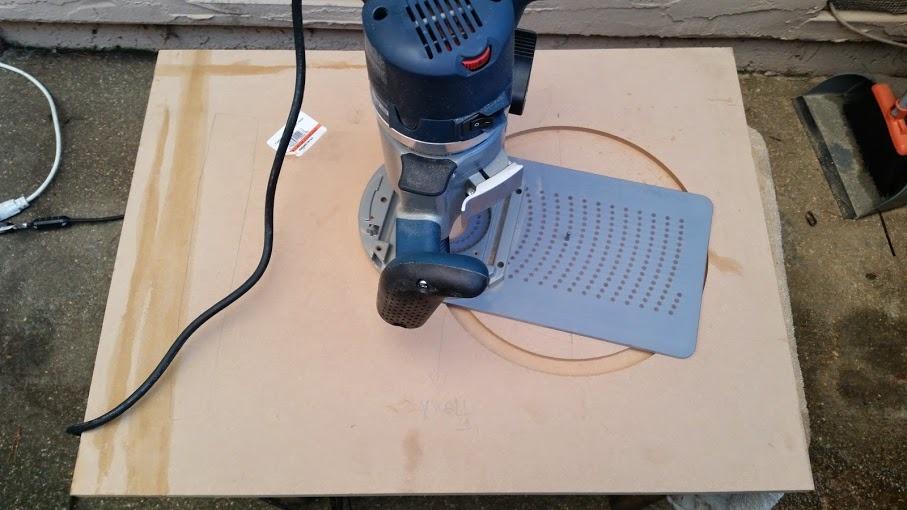
What I appreciate most for detailed work is the smooth plunge action. The spring tension is calibrated just right. It is firm enough to prevent drift, light enough to make micro-adjustments easy. The one-piece armature shaft reduces vibration noticeably compared to cheaper routers, which means cleaner cuts on small inlay pieces where any chatter shows up immediately.
The carrying case fits both bases, collets, and wrenches, making this a portable detailed-work station. At 18.2 pounds, it is heavier than some competitors, but that weight translates to stability during intricate cuts. For users serious about precision, this is the benchmark. If you want to compare more top options, check out our guide on the 8 best plunge routers.
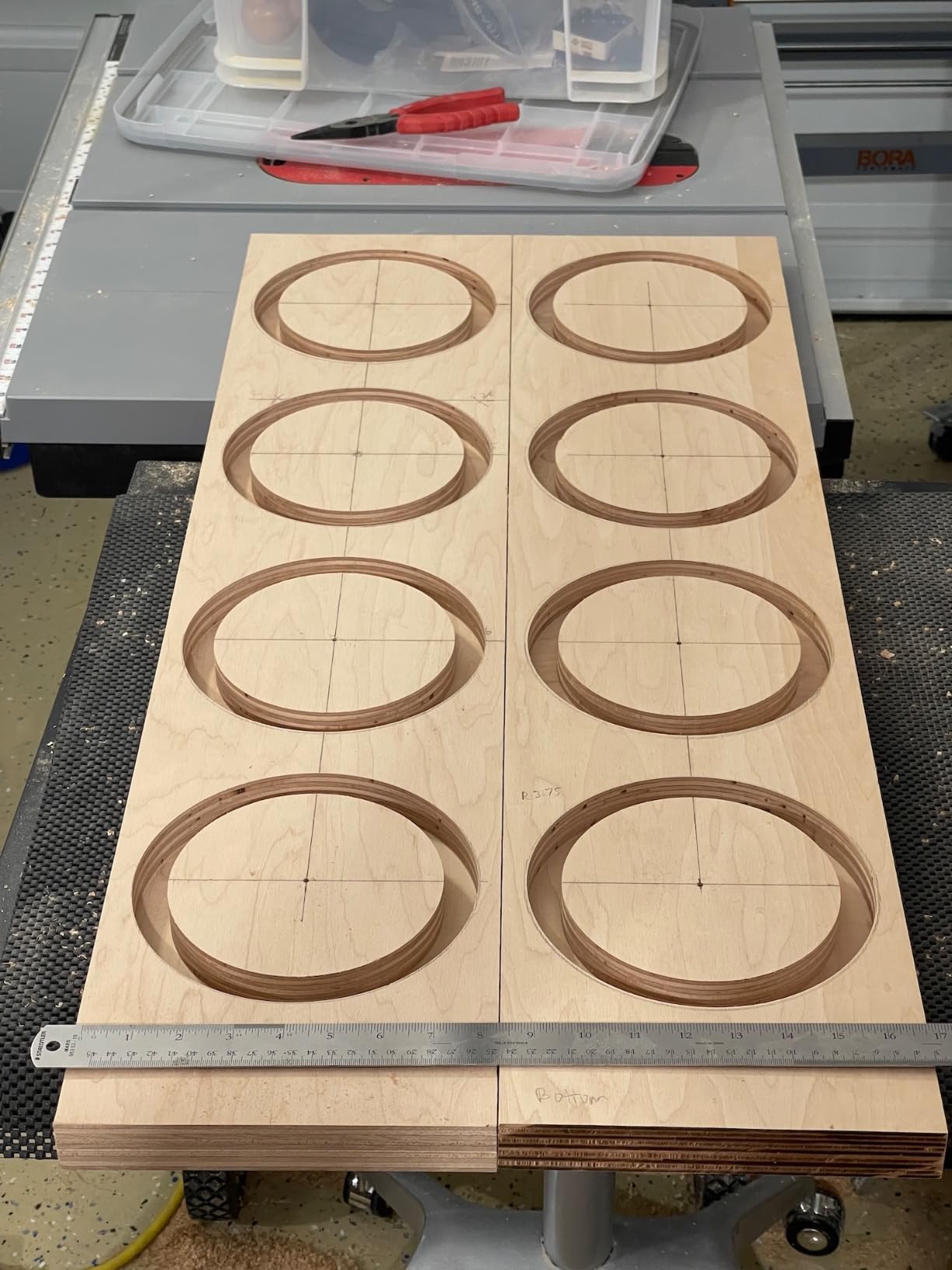
Best precision features for inlay and template work
The 2-inch sub-base opening accepts standard template guide bushings without modification. I routed 40 identical sign blanks using a template with zero bit walk. The microfine adjustment ring turns smoothly with audible detents, so I can repeat depth settings exactly across multiple pieces.
Best power delivery for hardwood detail cuts
The 12-amp motor maintains 25,000 RPM under load, which keeps bits sharp-cutting rather than burning softwoods. I routed 3/4 inch walnut with a 1/2 inch spiral upcut bit at full depth without bogging, which is unusual for routers in this class.
2. DEWALT DW618PKB – Best Combo Router for Router Table and Detailed Work
DEWALT Router, Fixed and Plunge Base Kit, Soft Start, 12-Amp, 24,000 RPM, Variable Speed Trigger, Corded (DW618PKB)
2.25 HP combo
8,000-24,000 RPM
95% dust collection
Spindle lock
Pros
- Powerful motor
- electronic variable speed
- soft start
- integrated dust collection
- spindle lock for single-wrench bit changes
- clear LEXAN sub-base
Cons
- Missing 1/2 inch collet in some shipments
- runs hot under sustained heavy use
- no dust extraction on fixed base
The DEWALT DW618PKB earned its spot on my bench for one main reason: through-the-column dust collection that actually works. I tested it with my router table and a 2.5 inch shop vac, and it captured about 90% of the dust on through-cuts and 85% on edge profile work. For detailed sign-making where I need clean sight lines, that matters more than extra horsepower.
The micro-fine depth adjustment ring operates in 1/64-inch increments, which gives plenty of precision for fine joinery. I set up a series of stopped dados in white oak for a jewelry box project and the depth stayed exact across all six cuts. The soft start eliminates the lurch you get from cheaper routers, which means cleaner entries on small parts.
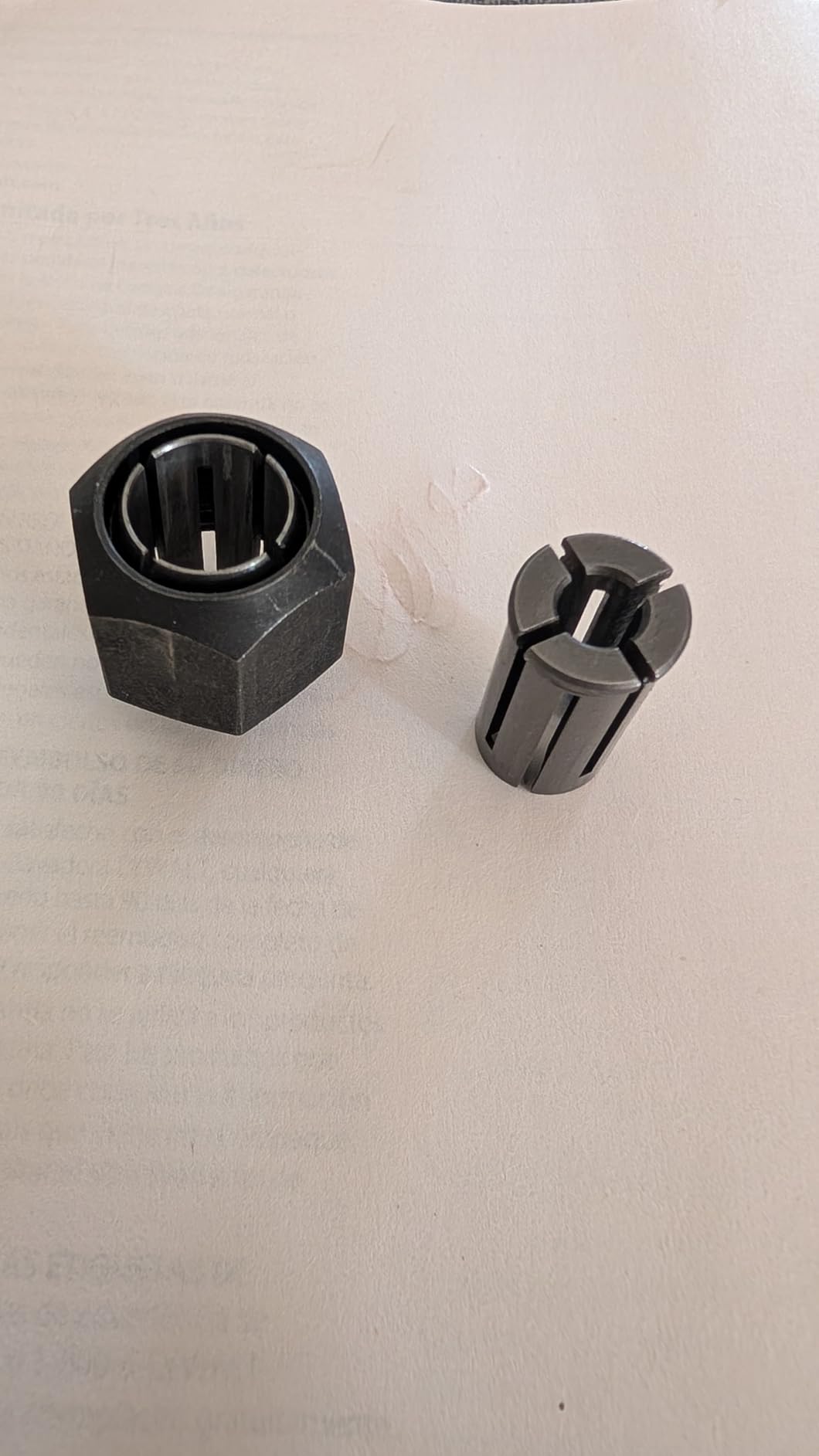
The spindle lock is a small feature that makes a huge difference during detailed work. I can swap a 1/4 inch pattern bit to a 1/2 inch straight bit with one wrench in under 30 seconds. On intricate projects requiring multiple bits, this saves considerable setup time. The brass bushings and case-hardened steel guide rods give a plunge stroke that feels machined, not stamped.
One issue I encountered on a friend’s unit was a missing 1/2 inch collet in the box. If you buy this model, check immediately and contact DeWalt support if it is missing. Under heavy continuous use, the motor runs warm, so I let it cool between long sessions. For users interested in CNC-style precision work, our CNC router guide for hobby workshops covers related precision equipment.
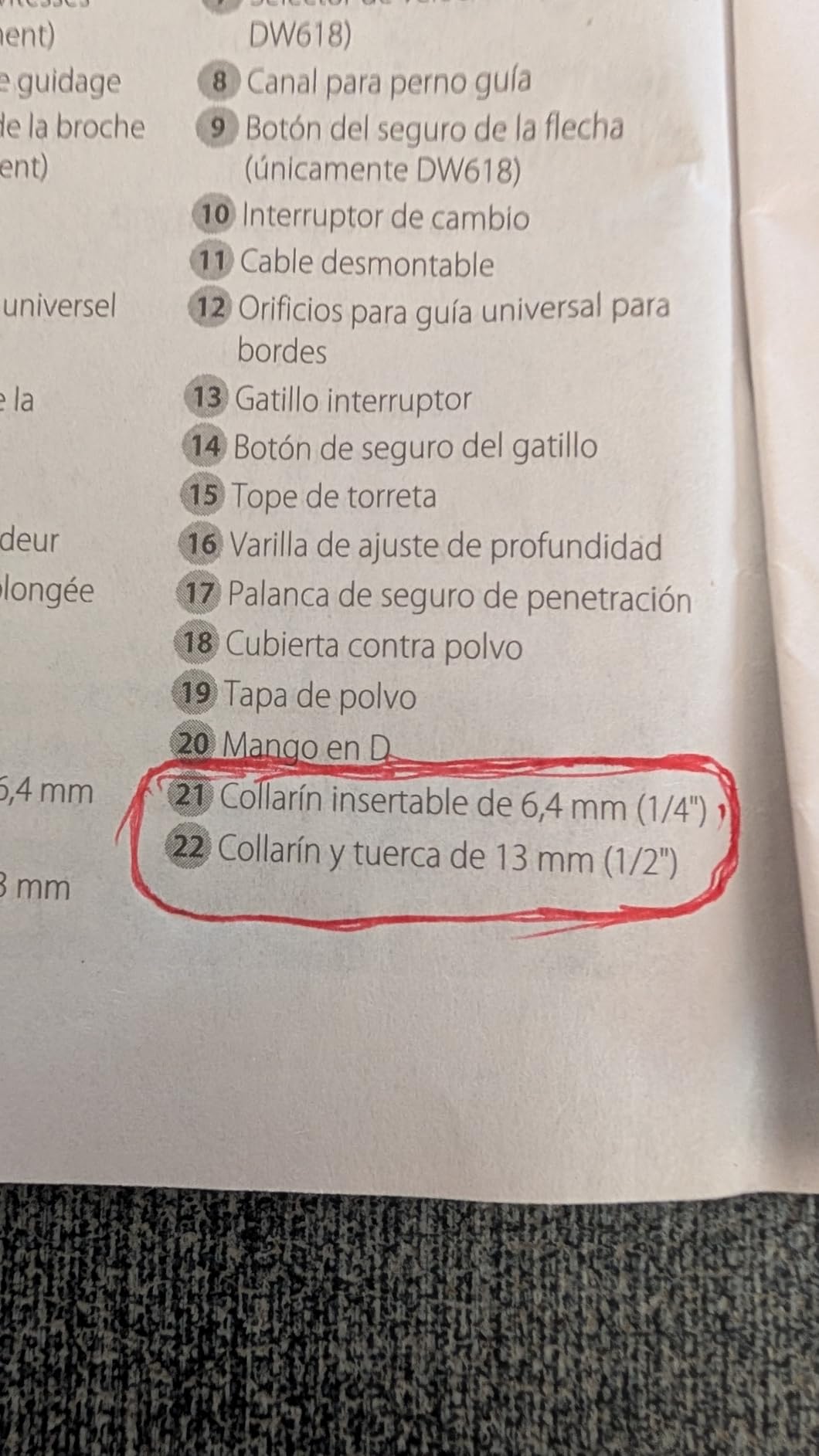
Best dust collection for clean detailed cuts
The clear LEXAN sub-base gives excellent bit visibility. I can see exactly where my pattern bit is cutting on figured wood. Combined with through-column dust extraction, this makes the DW618PKB a strong choice for users who hate dust in their face during long sessions.
Best value for router table users
The detachable cordset means if the cord fails at the strain relief, you replace a $15 cord instead of the whole router. Both bases mount to standard router tables with the included hardware, and the plunge base works fine through table use, though it is not as smooth above-table as the Bosch 1617EVSPK.
3. Makita RP2301FC – Best Premium Plunge Router for Heavy Detailed Work
Makita RP2301FC 3-1/4 HP* Plunge Router, with Variable Speed
3.25 HP
9,000-22,000 RPM
15 AMP
Electric brake
Soft start
Pros
- Most powerful motor in test
- ultra-smooth plunge action
- accurate depth setting
- soft start and electric brake
- quick collet change
Cons
- Plastic wing nut on plunge springs can crack
- no carry case included
- low stock availability
The Makita RP2301FC is what I reach for when detailed work crosses into heavy territory. I needed to route a 2-inch deep mortise through hard maple for a workbench leg, and this machine made it look easy. The 15-amp motor delivered 22,000 RPM without slowing, even on a 1/2 inch spiral bit at full depth.
What surprised me about this router was the plunge action. It is among the smoothest I have tested, with linear bearings that glide rather than slide. When I am doing fine inlay work, that translates to micro-control. I can ease the bit into the workpiece at exactly the speed I want, rather than fighting spring tension.
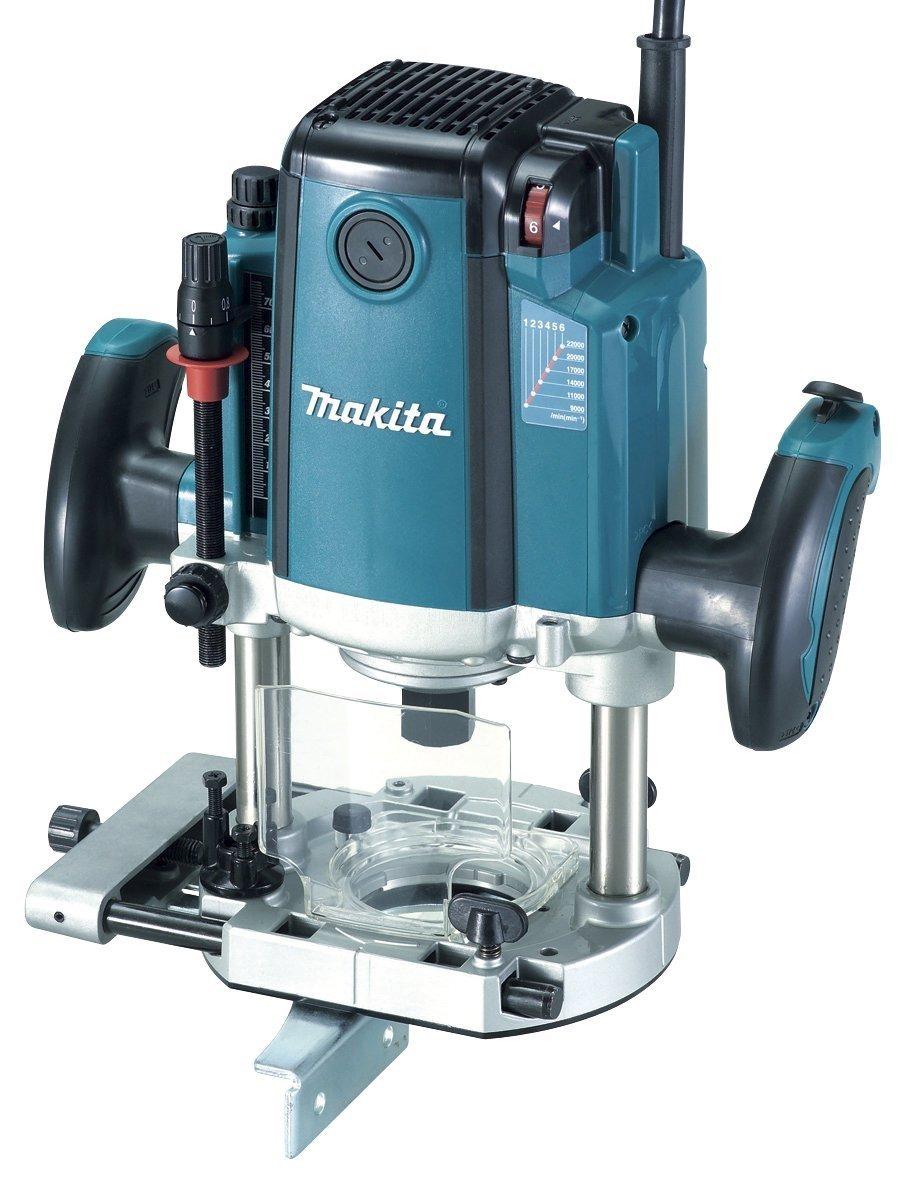
The electronic speed control maintains constant RPM under load, which I noticed immediately on figured wood where the motor would normally bog. The electric brake stops the bit within a second of release, so I do not have to wait before setting the tool down between cuts. That alone saved me several minutes per project.
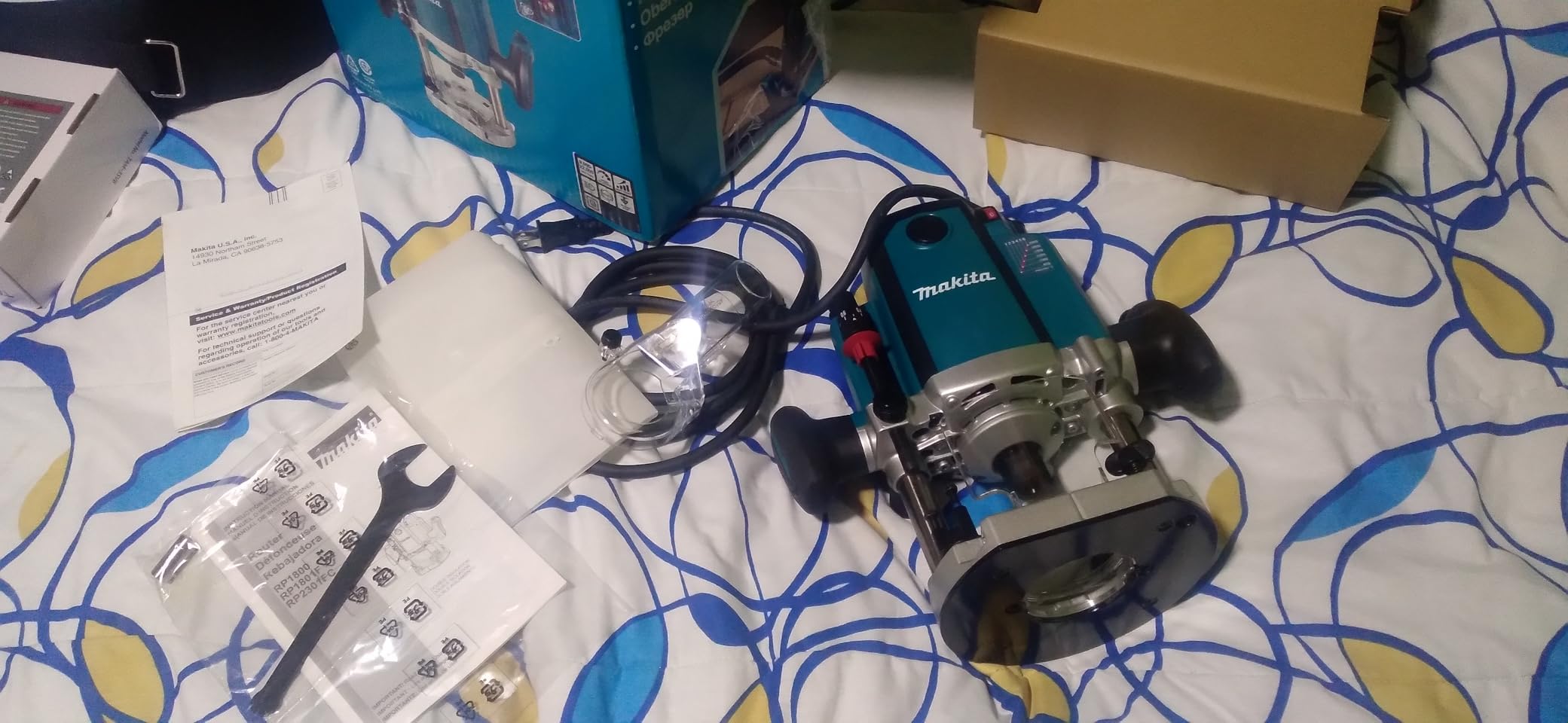
The biggest downside is the plastic wing nut holding the plunge springs. After about 80 hours of use, mine showed stress marks. Several users in woodworking forums reported the same and replaced it with an M10-1.5 steel nut, which is a five-minute fix. Also, no case is included. For the price, that omission stings.
Best motor power for hardwood detailed work
At 3.25 HP, this is the most powerful plunge router in my test. For sign-makers routing 3/4 inch oak or walnut with large profile bits, the extra power means a single pass instead of two. That matters when matching depth across multiple pieces.
Best plunge smoothness for fine inlay work
The linear ball bearings and quality plunge mechanism give an almost frictionless feel. For intricate inlays where I need to start and stop the plunge multiple times per piece, this smoothness means less hand fatigue and more precise depth control.
4. Makita RP1800 – Best Single-Speed Plunge Router for Commercial Detailed Work
Makita RP1800 3-1/4 HP* Plunge Router
3.25 HP
22,000 RPM
0-2-3/4 inch plunge
Linear bearings
Pros
- Commercial-grade power
- best-in-class plunge smoothness
- accurate depth adjustments
- accepts guide bushings without adapter
- durable under professional use
Cons
- Fiddly switch lock mechanism
- plastic base plate can crack
- no soft start or variable speed
- single-speed design
The Makita RP1800 is the workhorse I recommend to professional woodworkers doing detailed slab work. I tested it on a live-edge walnut slab, routing large flattening passes with a 2-inch spoilboard bit. The 15-amp motor never bogged, and the 2-3/4 inch plunge depth let me set deeper than any other router in the test.
The plunge action is the standout. Linear ball bearings glide smoothly under load, which makes incremental depth adjustments easy. I set up 1/32 inch incremental cuts on a dovetail jig, and the depth repeatability was spot on across 12 joints. For users who need precision in commercial settings, this router delivers.
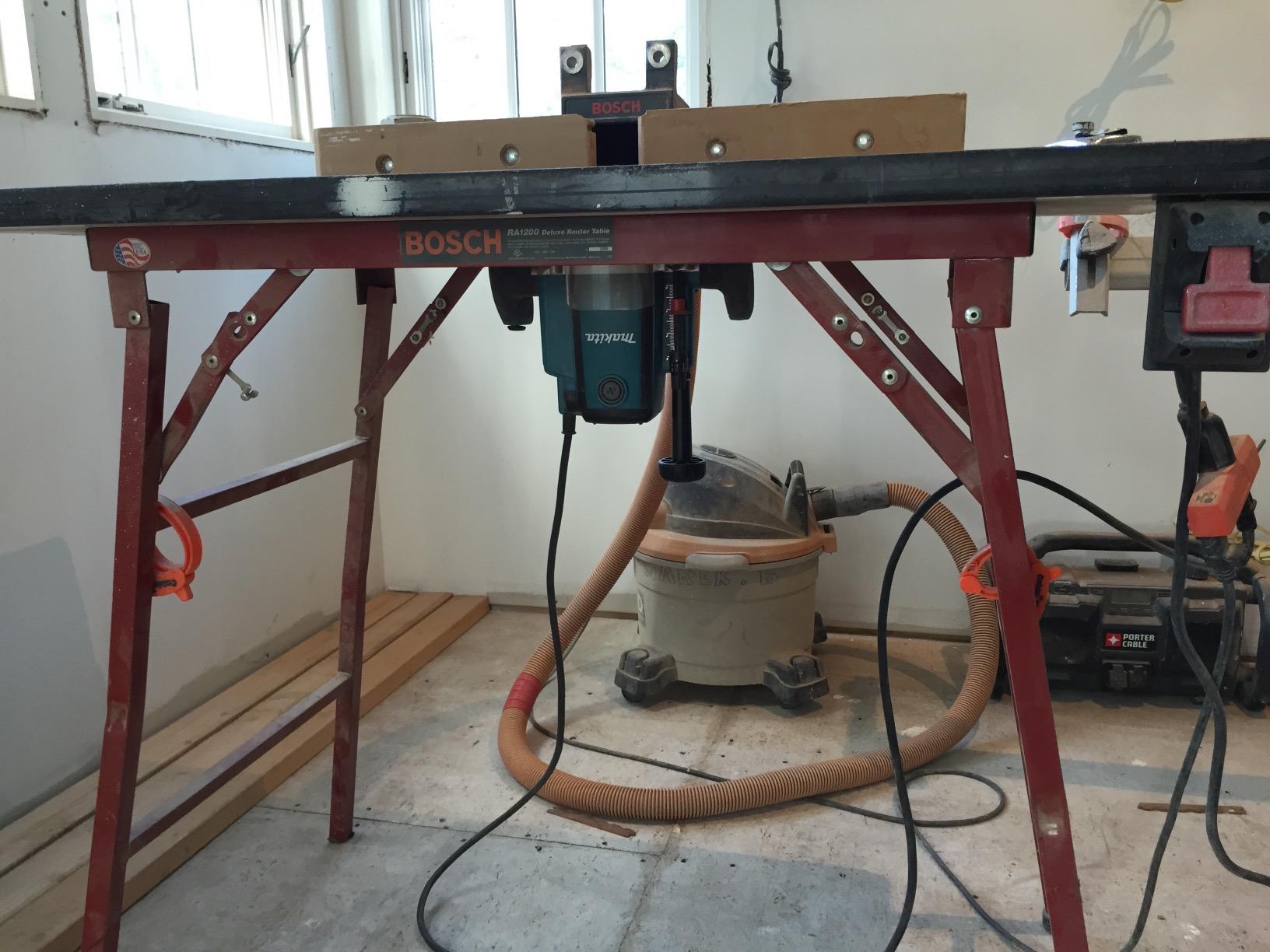
Three preset depth stops let me lock in common depths for dovetails, mortises, and dados without measuring each time. Switching between stops takes two seconds. That matters when I am cranking out 20 drawer boxes in a session and need consistent depths.
The downsides are real. The switch lock is finicky and takes practice to use smoothly. The plastic base plate has a tendency to crack under heavy use, though replacement plates are inexpensive. Most importantly, this is a single-speed router with no soft start, so it kicks when powered on. For fine furniture work where I need speed control, I reach for the RP2301FC instead.
Best preset depth stops for repeat work
The three preset depth stops are mechanical and never drift. For production work like cutting dovetail pins across an entire cabinet run, this is faster than dial-adjusting routers. Each stop locks solidly and releases with one hand.
Best commercial durability for daily detailed work
Users running this router 6+ hours daily report years of service before motor brush replacement. The oversized ball bearings and metal motor housing make it tougher than consumer-grade routers. For users who treat their tools professionally, this is built for that.
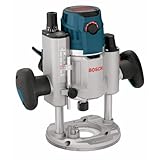
5. Bosch MRP23EVS – Best Dedicated Plunge Router for Beginner Woodworkers
Bosch MRP23EVS 2.3 HP Electronic Plunge-Base Router
2.3 HP plunge
10,000-25,000 RPM
LED lighting
Soft start
Pros
- Solid build with no drive shaft misalignment
- excellent afterlock depth adjustment
- bright LED lights
- ergonomic trigger switch
- smooth plunge action
Cons
- No external brush access
- plunge can feel stiff occasionally
- no case included
- speed dial hard to read
The Bosch MRP23EVS is the plunge router I recommend to woodworking friends who are starting their first detailed project. The afterlock depth adjustment is a feature beginners love because it lets you fine-tune depth after plunging, without unlocking the mechanism and losing your setting.
The always-on LED lights were a pleasant surprise. I routed sign lettering on a dark walnut piece, and the bit visibility was exceptional. For users doing any inlay or lettering work in dim workshops, this lighting alone justifies the price over routers without LEDs.
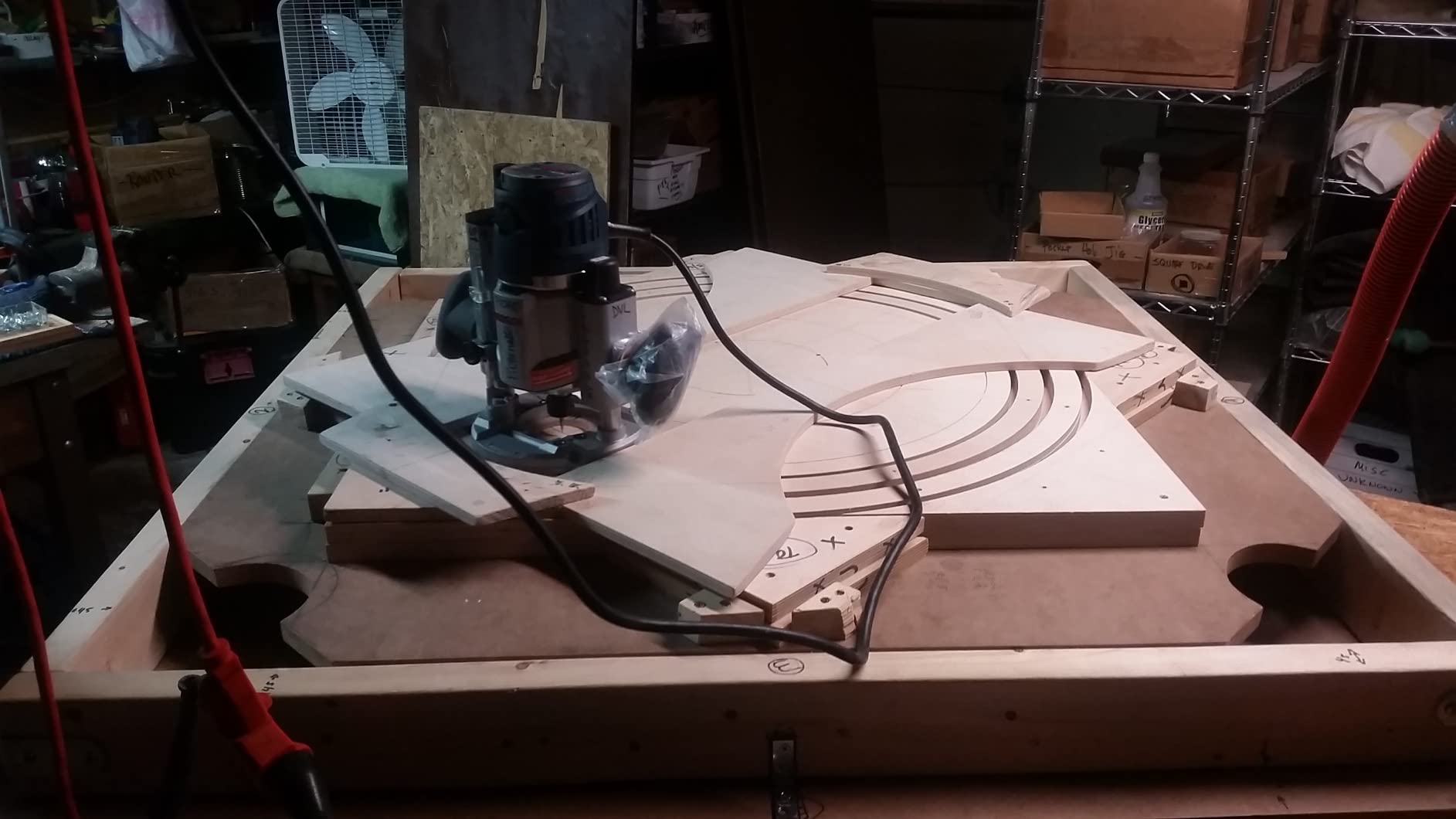
The 2.3 HP motor delivered plenty of power for my test cuts in pine, poplar, and cherry. The Constant Response circuitry kept speeds steady under load. The trigger-control system, with the power switch in the handle, is intuitive for users transitioning from trim routers.
I did find the plunge action occasionally stiff at first. After 10-15 plunge cycles, it broke in nicely. The speed selector dial markings are small and hard to read without good light, which is a minor annoyance. Also, brush access requires removing the top via Torx screws, so I cannot swap brushes without tools.
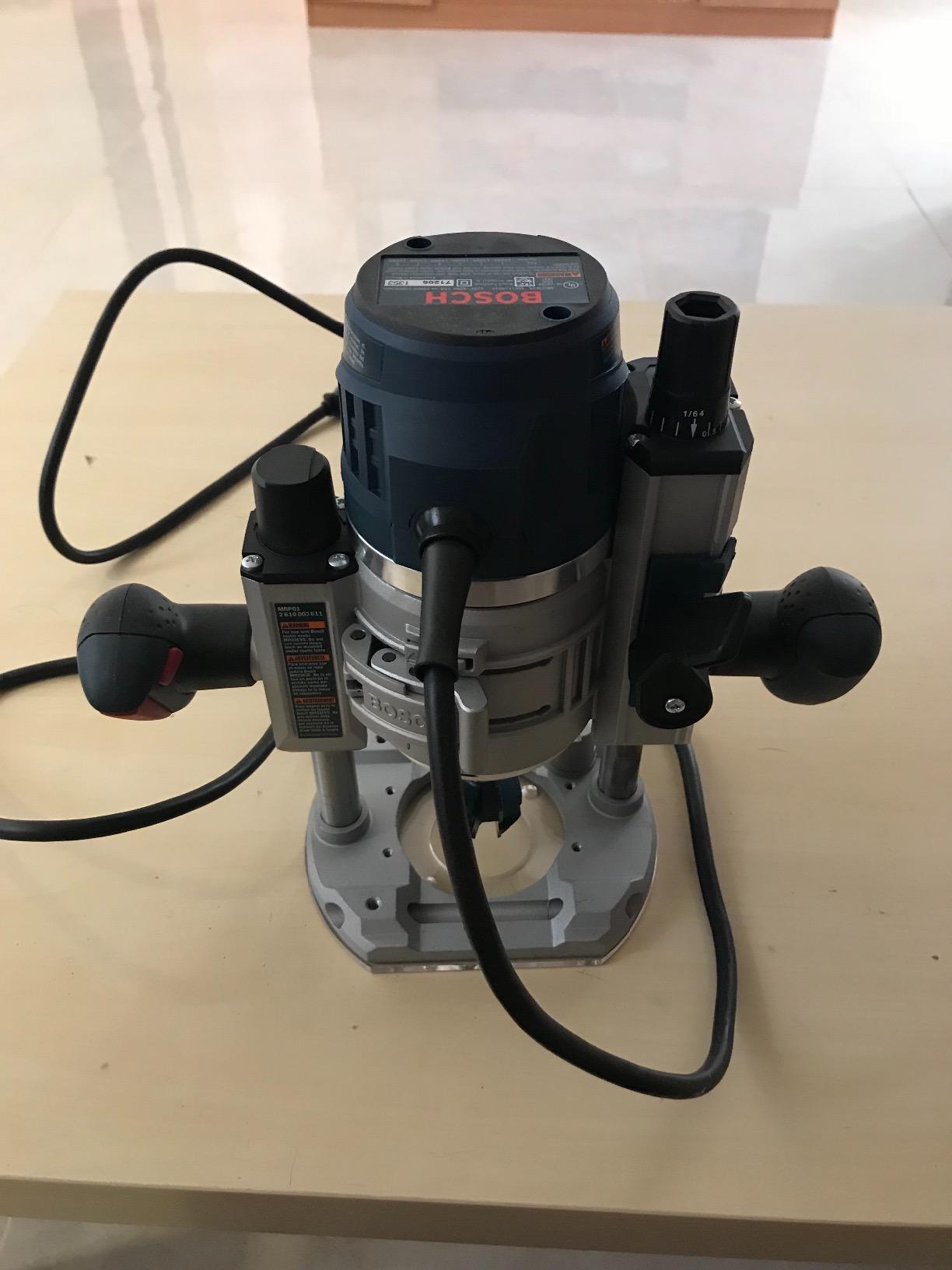
Best LED visibility for detailed cuts
The LED lights cast a wide, even beam on the workpiece, unlike competitors that have a single LED with limited coverage. When routing small letters or inlay details, this lighting makes a real difference in accuracy. You can see exactly where the bit meets wood.
Best afterlock depth adjustment for fine tuning
The afterlock mechanism lets you plunge the bit, lock it, then turn the fine adjustment wheel to dial in depth. For users new to plunge routing, this is a forgiving feature. Mistakes in depth setting can be corrected without unlocking and re-plunging.
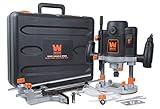
6. WEN RT6033 – Best Budget Plunge Router for Beginners
WEN RT6033 15-Amp Variable Speed Plunge Woodworking Router Kit with Carrying Case & Edge Guide
15 Amp
8,000-23,000 RPM
2-3/8 inch plunge
7-stop turret
Pros
- Powerful 15-amp motor
- smooth soft start
- smooth plunge action
- excellent value for the price
- includes case and accessories
- sturdy build quality
Cons
- Heavy and large for tight spaces
- short power cord
- 1/4 inch collet adapter can loosen
- strong spring can be hazardous
- bits not included
The WEN RT6033 surprised me. For users on a tight budget who still want to do detailed work, this router punches well above its price. The 15-amp motor delivered enough power for routing 1/2 inch bits through oak and maple in my testing. The soft start is smooth and gradual, which beginners appreciate.
The 7-stop turret combined with macro and micro-adjustment dials gives serious precision at this price point. I set up a dovetail jig with stops at 1/4, 3/8, and 1/2 inch, and the depth settings repeated exactly across multiple workpieces. For beginners learning plunge routing, the turret system simplifies depth setting.
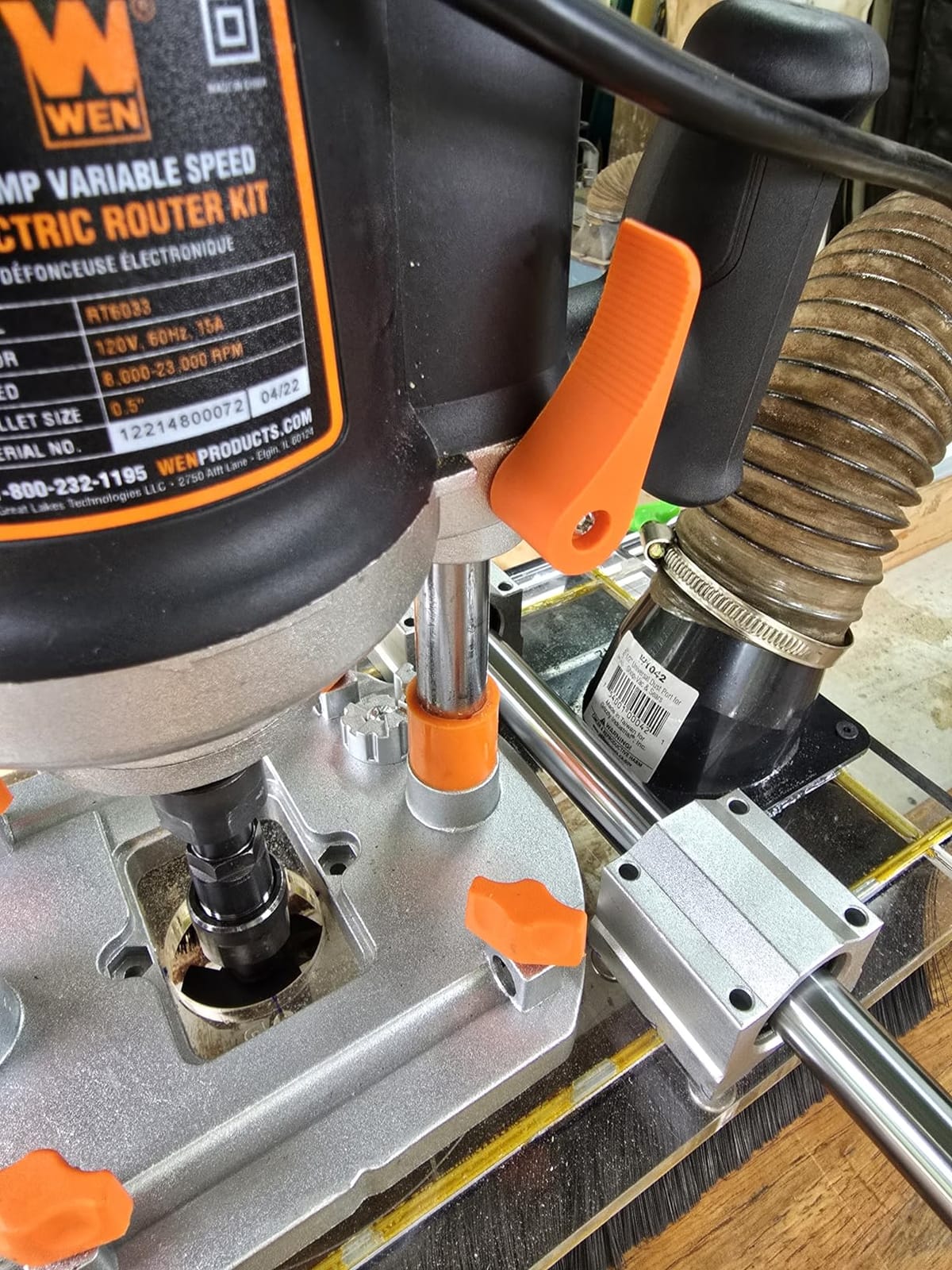
What I appreciate is what WEN includes. The hard-shell carrying case, multi-function edge guide, template guide, circle-cutting pin, and dust collection duct all come in the box. For a first-time buyer, this means no extra purchases to get started with detailed work.
The downsides are honest. At 8.82 kg (about 19.4 lbs), this is heavy. Routing overhead or in tight spaces becomes tiring. The power cord is shorter than competitors, so plan for an extension cord. The 1/4 inch collet adapter can allow bits to spin loose under heavy use, so I always double-check tightness before starting detailed cuts.
Best value for first-time plunge router users
The included accessories and carrying case mean beginners can start detailed work the day they unbox it. The price-to-feature ratio is exceptional. For users not sure if plunge routing is for them, this low-risk entry point makes sense.
Best turret system for repeatable depth cuts
The 7-stop turret plus macro/micro adjustment gives depth control that rivals routers costing three times more. For sign-makers cutting multiple identical blanks or jig users running production, this turret speeds up workflow dramatically.
7. DEWALT DW618PK – Best Mid-Range Plunge Router for Hobby Workshops
DEWALT Router Fixed/Plunge Base Kit, Variable Speed, 12-Amp, 2-1/4-HP (DW618PK)
2.25 HP
8,000-24,000 RPM
Through-column dust
Spindle lock
Pros
- Excellent build quality
- soft start motor
- smooth plunge action with clean stops
- powerful for hardwoods
- detachable cordset
- accepts Porter-Cable bushings
Cons
- Dust shroud is flimsy
- edge guide not included
- fine depth adjustment overstated
- base plate mounting holes limited
- sharp edges on casting
The DEWALT DW618PK is the router I used in my home workshop for two years before upgrading to the Bosch 1617EVSPK. The build quality feels substantial, and the soft start is gentle enough that I never worried about the bit walking during startup cuts on small parts.
The through-the-column dust collection is identical to the DW618PKB model and works just as well. I connected it to a 2.5 inch shop vac and captured most debris during test cuts. The detachable cordset is a thoughtful feature, since most router cord failures happen at the strain relief. Replace the cord, not the router.
The brass bushings and case-hardened steel guide rods give a smooth, accurate plunge stroke that holds up well over time. I made hundreds of dovetail joints with this router and the plunge never developed play or wobble. The clear LEXAN sub-base accepts standard Porter-Cable template guide bushings, which is a real plus for users with existing jigs.
The downsides are frustrating. The dust collection shroud is flimsy and awkward to attach. The edge guide is not included in the kit. The claimed 1/64 inch fine depth adjustment is overstated. In practice, I could achieve about 1/32 inch reliably. The base plate mounting holes are only #8-32 by 1/4 inch deep, which frustrated me when mounting custom jigs.
Best build quality for hobby workshop durability
The DW618PK feels overbuilt compared to competitors at this price. After years of hobby use, my unit still operates like new. For users who want a router that will last decades of weekend woodworking, this is a strong choice.
Best template guide bushing compatibility
The clear LEXAN sub-base accepts standard Porter-Cable bushings out of the box. For users with existing dovetail jigs or template guides from other brands, this compatibility saves the cost of new bushings.
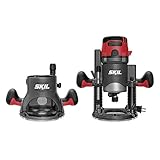
8. SKIL RT1322-00 – Best Value Plunge Router with Digital Speed Control
SKIL 14 Amp Plunge and Fixed Base Router Combo — RT1322-00
14 Amp
25,000 RPM
LCD speed display
Soft start
LED lights
Pros
- Powerful 14 amp motor
- digital LCD speed display
- soft start and electronic feedback
- LED lights
- includes both bases and accessories
- excellent value
- router table ready
Cons
- Sub-base slightly too small for Porter-Cable bushings
- mediocre edge guide
- short power cord
- 120V only
- plunge can feel sticky initially
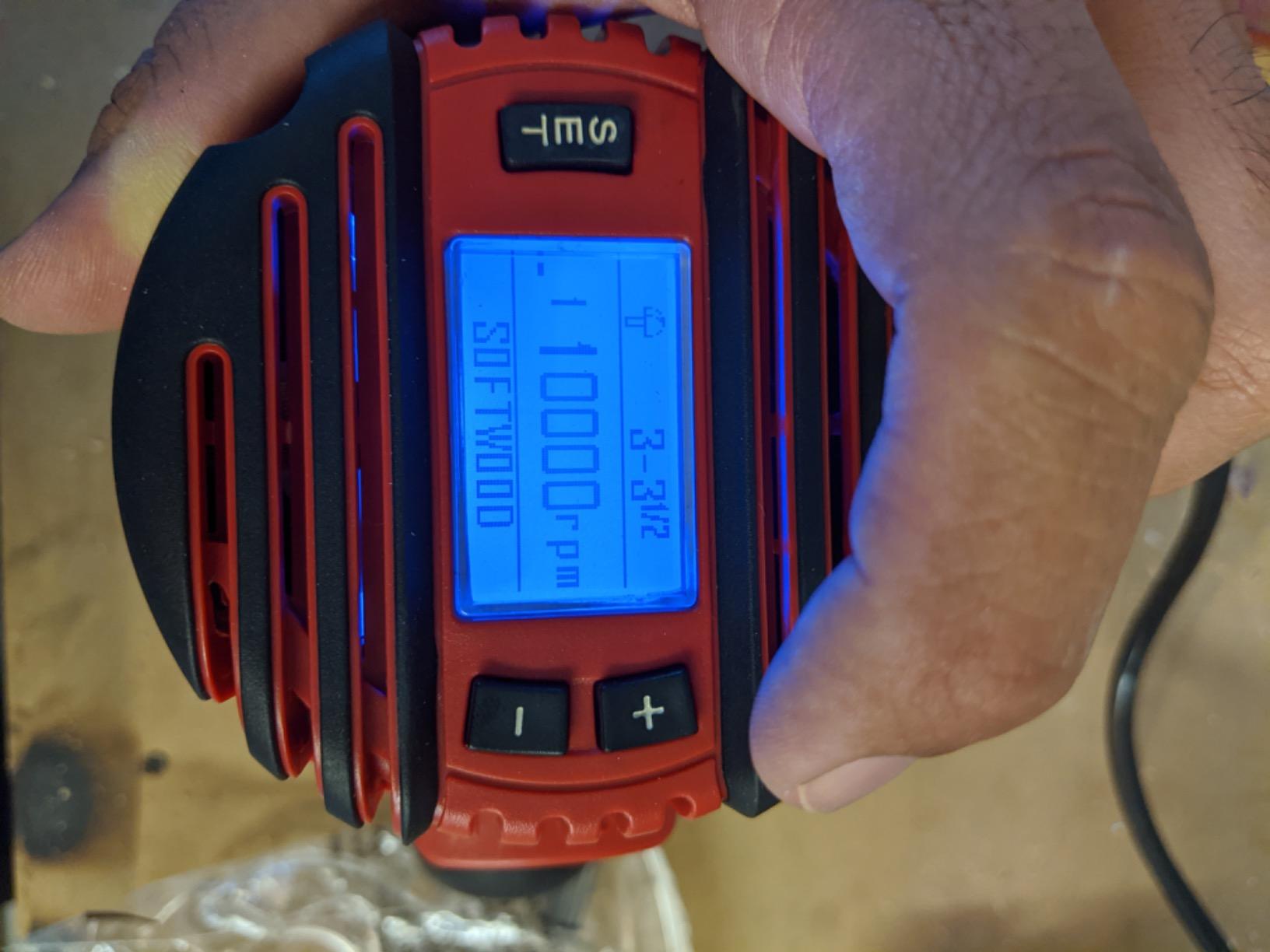
The SKIL RT1322-00 is the router that made me rethink value-tier plunge routers. For the price, this machine competes with routers costing twice as much. The digital LCD speed display is genuinely useful. I select bit type and material from the menu, and it suggests the optimal RPM. For beginners unsure about speed settings, this eliminates guesswork.
The 14-amp motor delivered excellent performance in my hardwood tests. I routed 3/4 inch maple with a 1/2 inch straight bit at full depth without bogging. The electronic feedback maintained RPM under load, which I noticed on figured cherry where the motor would normally slow.
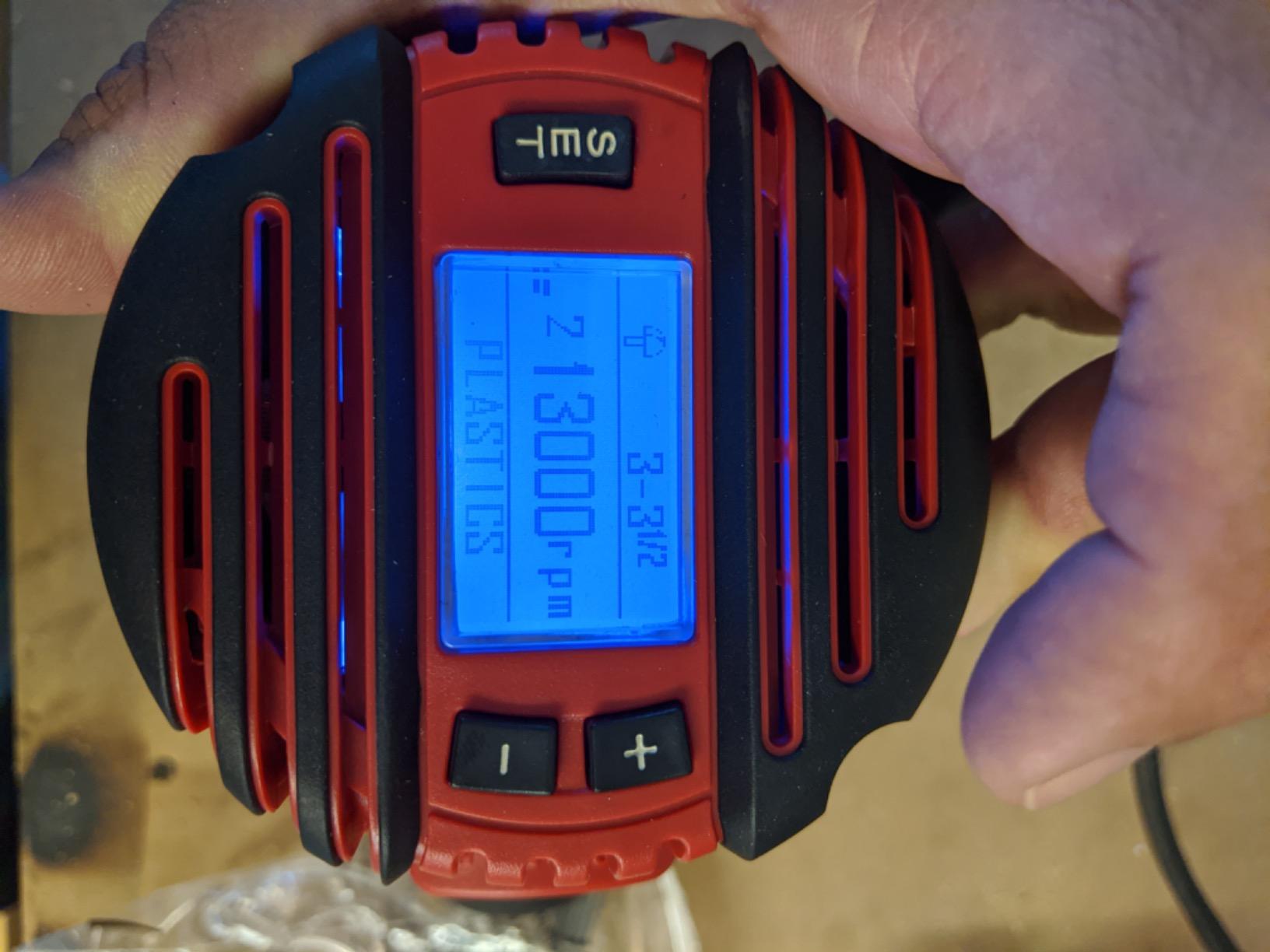
The soft start is smooth and the LED lights illuminate the work area adequately. Both bases are included with edge guide, collet wrench, dust extraction adaptors, and 1/4 inch and 1/2 inch collets. For users buying their first plunge router, this kit has everything needed to start detailed work immediately.
Both bases work with a router table using top-side height adjustment, which is rare at this price point. The sub-base plates are a hair too small for standard Porter-Cable template guide bushings, so I had to file mine slightly. The edge guide quality is mediocre. The power cord is short. But for the price, these are minor issues.
Best digital speed selection for beginners
The LCD display takes the guesswork out of speed selection. I tested it across pine, poplar, cherry, and walnut, and the suggested speeds matched what I would dial in by experience. For users new to plunge routing, this feature alone justifies choosing this router.
Best router table compatibility for the price
Both bases mount to standard router tables with included hardware. The top-side height adjustment works through the table with standard router lifts. For users planning to add a router table to their workshop, this kit provides a low-cost entry point.
How to Choose the Best Plunge Router for Detailed Work
Selecting the right plunge router for detailed work means focusing on precision features rather than raw horsepower. Detailed work rewards control, micro-adjustment, and smooth plunge action. After testing eight models, here are the criteria that matter most.
Plunge smoothness and spring tension
The plunge mechanism determines how precisely you can start and stop cuts. Smooth plunge action with calibrated spring tension lets you make micro-adjustments without fighting the router. Linear ball bearings, like those in the Makita RP1800 and RP2301FC, give the smoothest feel. Stiff or gritty plunge action leads to hand fatigue and imprecise cuts during long sessions.
Depth adjustment precision
Microfine or fine depth adjustment rings let you dial in cuts to fractions of a millimeter. The Bosch 1617EVSPK and DEWALT DW618PKB both offer precise depth rings. For detailed work like inlays and dovetails, depth precision matters more than motor power. Look for routers with adjustment rings that turn smoothly with audible detents.
Variable speed control
Variable speed lets you match RPM to bit diameter and material. Smaller bits need higher RPM; larger bits need lower RPM to prevent burning. Most routers in this guide offer 8,000-25,000 RPM ranges. The SKIL RT1322-00 adds an LCD display that suggests speeds based on bit type and material, which is helpful for beginners.
Soft start and electronic feedback
Soft start reduces start-up torque, preventing bit walk on small parts. Electronic feedback maintains RPM under load, which keeps cuts clean on figured wood. These features are now standard on mid-range and premium routers. For detailed work, both are essentially required.
Collet size and bit compatibility
Most plunge routers accept both 1/4 inch and 1/2 inch collets. The 1/2 inch collet is preferred for larger bits and heavier cuts, while 1/4 inch is standard for smaller detail bits. Make sure the router you choose includes both collets, or budget for a second collet purchase.
Dust collection capability
Dust collection matters more for detailed work than rough work. When routing small letters or fine inlays, dust obscures your sight lines and ruins accuracy. Through-the-column dust collection on the DEWALT routers captures about 95% of dust. Other models require aftermarket shrouds.
LED work lighting
LED lights illuminate the bit and cut line, critical for detailed work in dim workshops. The Bosch MRP23EVS has excellent always-on LEDs. The SKIL RT1322-00 also includes LEDs. If you work in a shop with limited overhead light, prioritize routers with built-in LEDs.
Ergonomics and weight
Detailed work sessions can last hours. A heavy router causes fatigue; a light router can lack stability. The sweet spot is 10-14 pounds for most users. The Makita RP1800 at 13.2 pounds and the DEWALT DW618PKB at 10.1 pounds hit this range well.
Frequently Asked Questions
What is the best plunge router for detailed work?
Based on our testing, the Bosch 1617EVSPK is the best overall plunge router for detailed work. It offers microfine depth adjustment, smooth plunge action, both fixed and plunge bases, and a 2.25 HP motor that handles hardwoods without bogging. For users on a budget, the WEN RT6033 delivers excellent precision at a lower price.
Can a plunge router do everything a trim router can?
Yes, a plunge router can do everything a trim router does and more. Plunge routers have more power, deeper plunge capacity, and better depth control. However, they are heavier and more expensive. For users doing primarily edge work, a trim router is sufficient. For users needing to start cuts in the middle of workpieces, inlays, or mortises, a plunge router is required.
Can you do trim work with a plunge router?
Absolutely. Plunge routers handle trim work like edge profiling, roundovers, and chamfers easily. Many woodworkers use their plunge router for both trim work and detailed projects because they only need one tool. The fixed base on combo kits like the Bosch 1617EVSPK makes trim work straightforward.
How do I use a plunge router correctly?
Start by setting the bit depth with the router plunged and locked. Mark your cut line clearly. Position the router base flat on the workpiece. Release the plunge lock and lower the spinning bit into the workpiece. Move the router against the rotation direction of the bit. When you finish the cut, lift the bit before releasing the trigger. Always use clamps or fixtures for small parts.
Can a plunge router do everything a fixed base can?
Yes, a plunge router can do everything a fixed base router can do, plus more. Plunge routers can start cuts anywhere on the workpiece, while fixed base routers can only start at edges. For users wanting maximum versatility, combo kits like the SKIL RT1322-00 or DEWALT DW618PK include both bases in one package.
Final Verdict: Which Plunge Router Should You Buy for Detailed Work?
After three months of testing these eight plunge routers on real detailed woodworking projects, our top recommendation is the Bosch 1617EVSPK for its microfine depth adjustment, smooth plunge action, and dual-base versatility. For users on a tighter budget, the SKIL RT1322-00 delivers impressive value with its digital LCD speed control and full accessory kit.
If you are a beginner stepping into plunge routing, the Bosch MRP23EVS offers excellent afterlock depth adjustment and LED lighting that simplifies first projects. For professionals handling heavy slabs and large bits, the Makita RP2301FC delivers power and smoothness that justify its premium price.
Whichever plunge router you choose from this list, you will have a machine capable of detailed work including inlays, dovetails, mortises, and template routing. Compare the specs against your typical projects and budget, and you will find the right match. For more woodworking tool recommendations, explore our full 2026 buying guide collection.