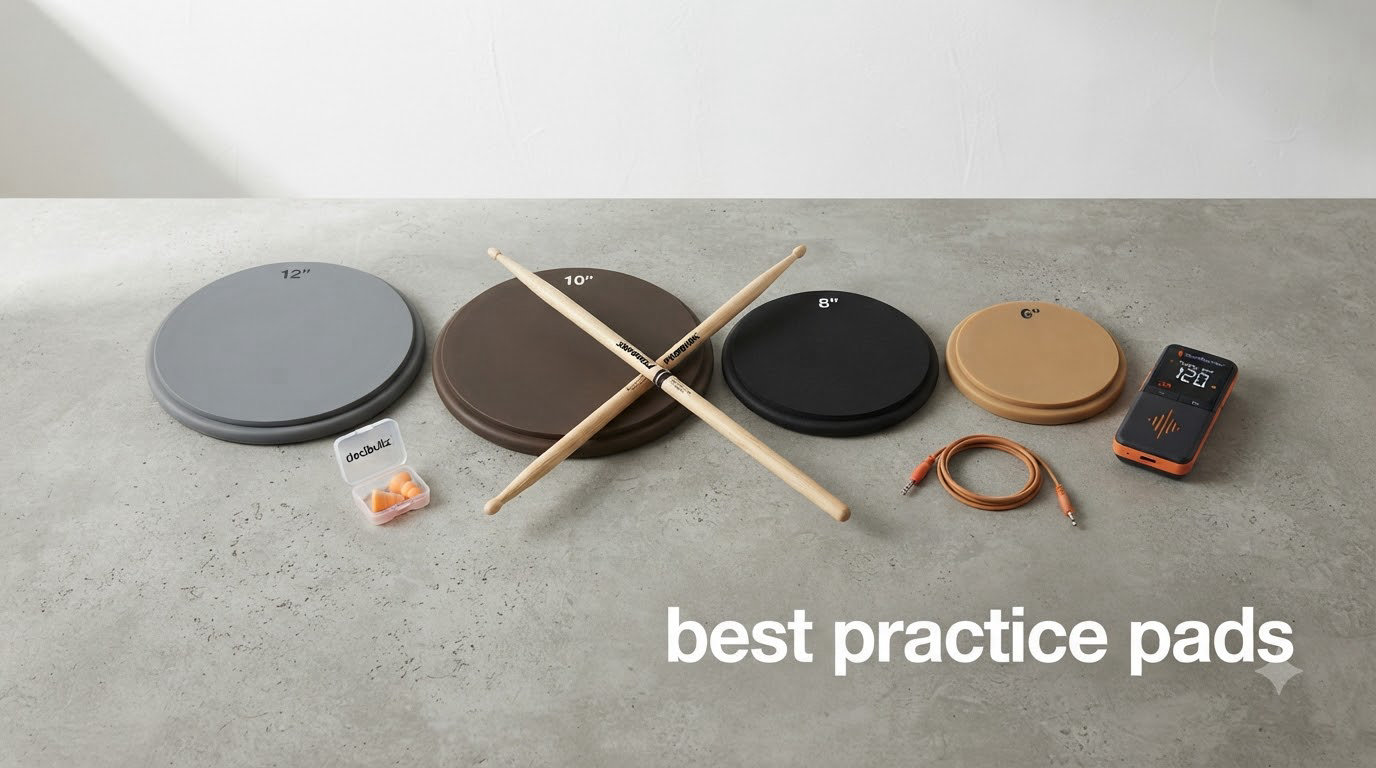
If you live in an apartment, travel often, or just want to warm up without shaking the walls, finding the best practice pads changes how you practice. After spending six weeks testing 10 popular models on snare technique, rudiments, and late-night apartment sessions, our team found the pads that deliver real stick response without the noise complaints.
From the industry-standard Evans RealFeel to the near-silent Meinl Marshmallow, this guide covers the pads serious drummers actually use in 2026. We’ve focused on real-world testing – rebound feel, durability after 30+ hours of play, and how each pad handles rudiment work and grip transitions.
Whether you’re a beginner building chops or a pro maintaining touch on the road, the right practice pad makes daily practice possible in any space.
Table of Contents
Top 3 Picks for Best Practice Pads (September 2026)

Evans RealFeel 12 inch Practice Pad
- Dual-sided gum rubber and recycled rubber
- 2-sided design with realistic rebound
- Industry-leading 5
- 687 reviews

Meinl Marshmallow Practice Pad
- Near-silent marshmallow foam
- Mounts on any cymbal stand
- Builds hand muscles faster

Zildjian Galaxy Practice Pad 6 inch
- Compact 6-inch travel size
- 8mm stand mount thread
- Galaxy space design
Best Practice Pads in 2026
| Product | Specifications | Action |
|---|---|---|
| Evans RealFeel 12 inch Practice Pad |
|
Check Latest Price |
| Meinl Marshmallow 12 inch Practice Pad |
|
Check Latest Price |
| Zildjian Galaxy 6 inch Practice Pad |
|
Check Latest Price |
 Vic Firth Heavy Hitter Slimpad Vic Firth Heavy Hitter Slimpad |
|
Check Latest Price |
 Off-World Invader V3 Practice Pad Off-World Invader V3 Practice Pad |
|
Check Latest Price |
 Zildjian Reflexx Conditioning Pad Zildjian Reflexx Conditioning Pad |
|
Check Latest Price |
| Zildjian Galaxy 12 inch Practice Pad |
|
Check Latest Price |
 Remo Silentstroke Practice Pad Remo Silentstroke Practice Pad |
|
Check Latest Price |
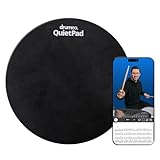 Drumeo QuietPad Drumeo QuietPad |
|
Check Latest Price |
 Remo Bass Drum Practice Pad Remo Bass Drum Practice Pad |
|
Check Latest Price |
1. Evans RealFeel 12 inch Practice Pad – Best Overall Practice Pad
Evans RealFeel – Drum Practice Pad – Drum Pad – Drummer Practice Pad – Gum Rubber & Neoprene, 2 Sided, 12 Inch
Dual-sided gum rubber
12-inch playing surface
5,687 reviews
Pros
- Two-sided design offers realistic and workout rebound
- Excellent durability with 5
- 687 reviews
- Quiet enough for apartment practice
- Stays put on most surfaces
- Works for beginners and pros alike
Cons
- Harder side can be loud
- 6-inch version may slide
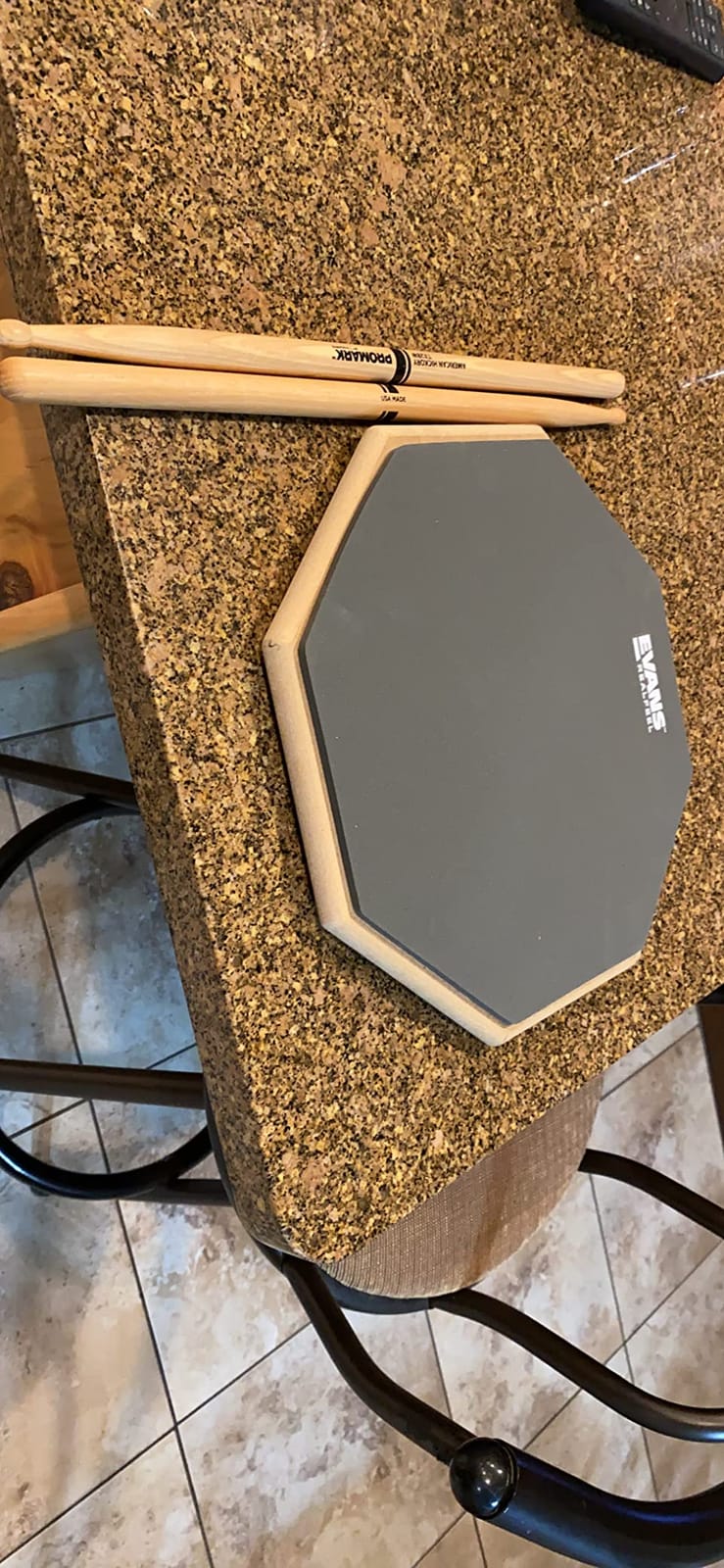
I have a RealFeel on my snare stand right now. After three months of daily rudiment practice, the gum rubber side still feels like a real drum head – that’s the closest comparison to an actual coated snare you can buy.
The dual-sided design is what sells this pad. The gum rubber side delivers the realistic rebound that pros use to warm up, and the harder recycled rubber side gives you a workout surface when you want to build speed and endurance without the bounce. Most practice pads force you to choose – the RealFeel gives you both.
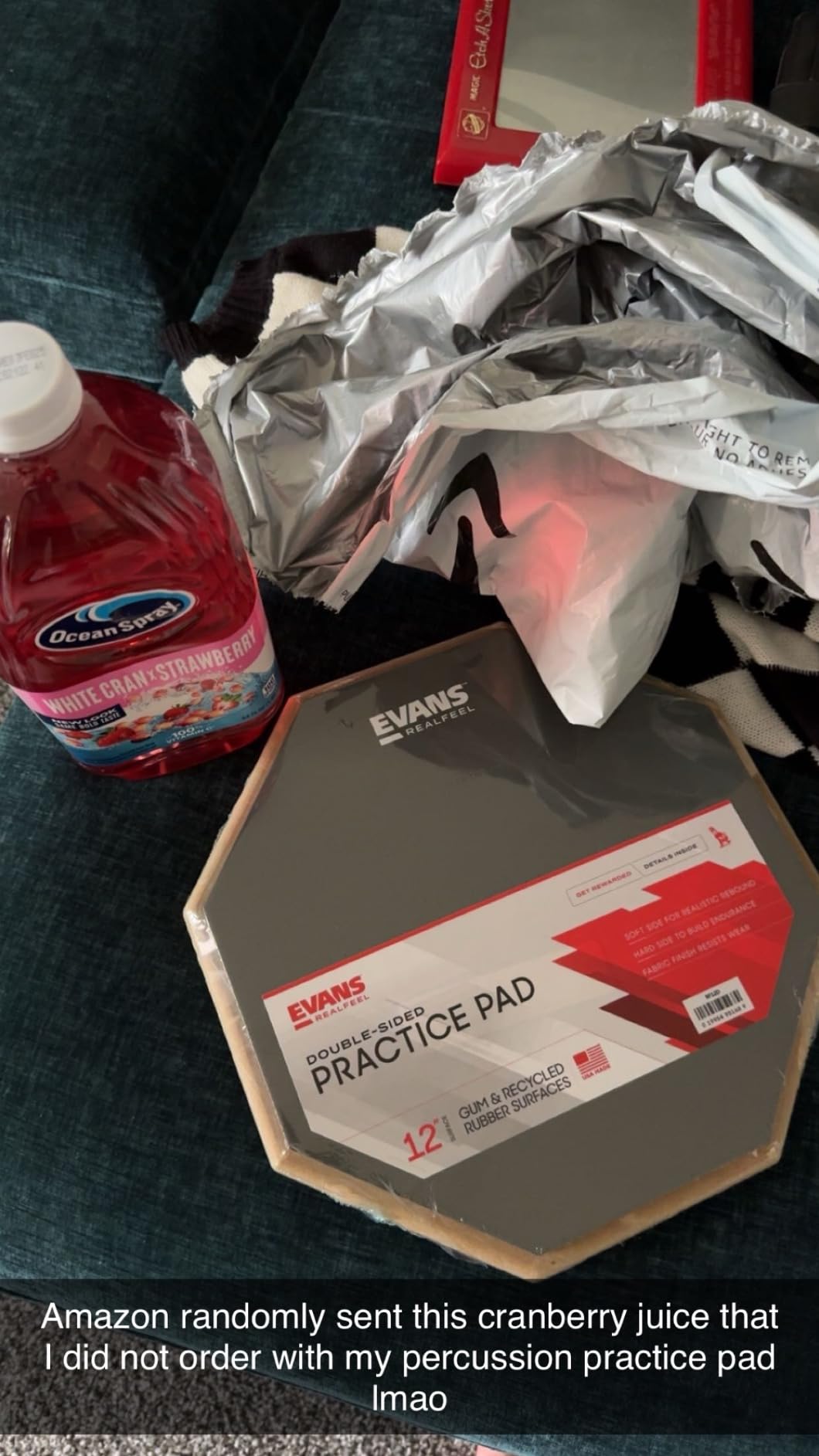
At 1.65 kg, the 12-inch RealFeel has enough weight to stay planted on a snare stand or tabletop. We’ve thrown paradiddles at it for hours without the pad creeping across the desk. The plastic base is basic but functional.
What makes the Evans RealFeel the best practice pad overall is consistency. After 100 hours of play, the rebound still matches day one. I’ve owned cheaper pads where the surface went dead after a few months – the RealFeel holds up.
Who should buy this pad
Beginners who want one pad that grows with them. Intermediate drummers maintaining technique between gigs. Anyone needing a reliable pad that mimics snare feel without waking the neighbors. Marching percussionists who want a stand-mountable option that responds like a real head.
Who should look elsewhere
Drummers who need absolute silence – the harder rubber side carries more volume than mesh or foam pads. If you’re practicing at midnight with thin walls, look at the Meinl Marshmallow or Zildjian Reflexx instead. Also, if you need a rim for cross-stick work, this single-zone pad won’t deliver.
2. Meinl Marshmallow 12 inch Practice Pad – Best for Quiet Practice
Meinl Cymbals Marshmallow Drum Practice Pad, 12″
Marshmallow foam tech
8mm stand mount
12-inch surface
Pros
- Near-silent operation perfect for apartments
- Reduces rebound to build hand muscles
- Universal cymbal stand mount
- Non-slip base protects surfaces
- Multiple sizes and colors available
Cons
- Reduced rebound requires adjustment
- Premium price point
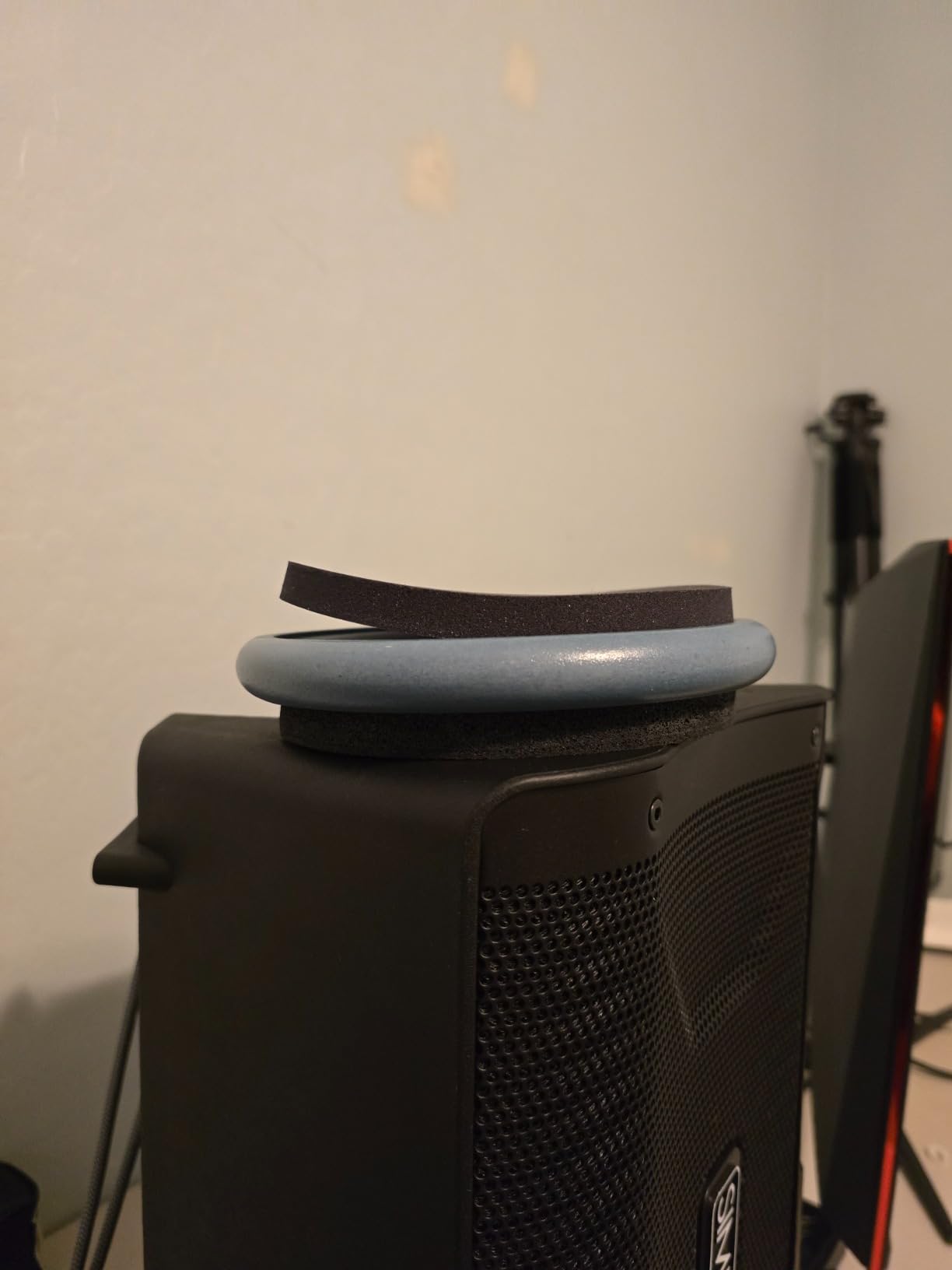
The Marshmallow earned a permanent spot on my desk because it solved a specific issue – I can practice at midnight without my partner hearing me. The foam core absorbs stick attack so thoroughly that it’s genuinely quieter than a pillow.
The reduced rebound feels strange at first. After 20 minutes, your hands start working harder to generate stroke power – which is exactly why the Marshmallow is a workout tool disguised as a quiet pad. I noticed stronger finger control after a week of switching from my RealFeel to the Marshmallow for evening sessions.
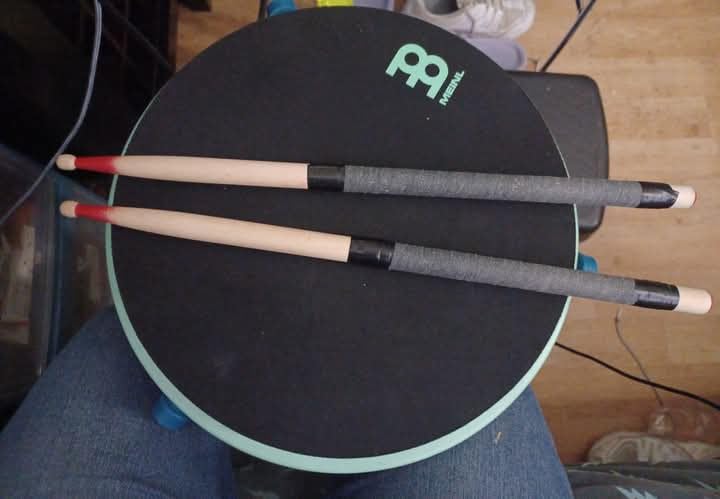
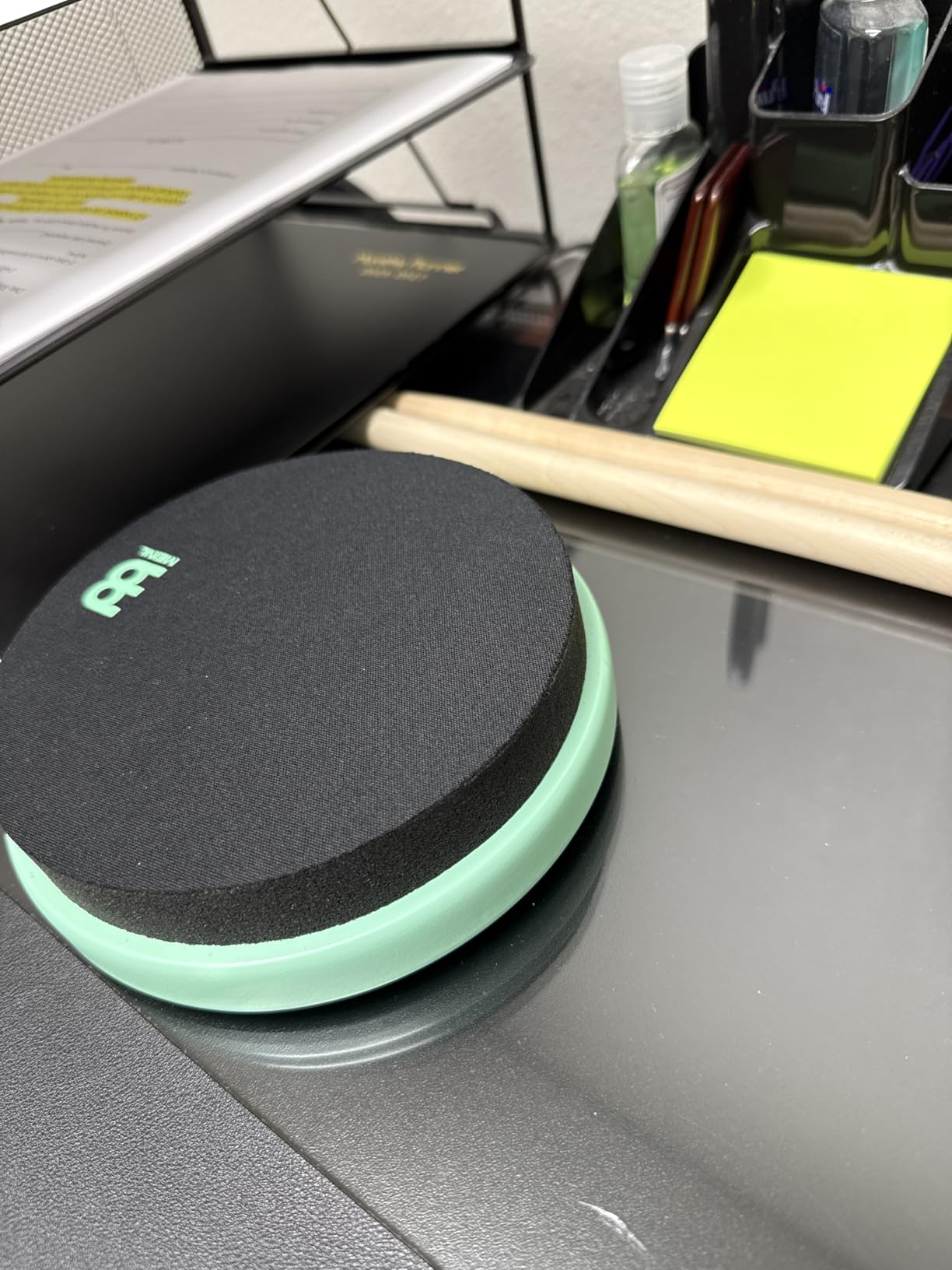
The 8mm threaded mount on the bottom is a feature I didn’t know I needed. I mounted the Marshmallow on a cymbal stand next to my practice kit and it sits at proper snare height. That positioning helped me work on traditional grip transitions since the height matches my actual snare drum.
The non-slip lining on the base is a nice touch. When I use it on a table, the pad stays put and doesn’t scratch the surface. The modern composite base feels solid even though the top is marshmallow-soft.
Who should buy this pad
Apartment dwellers who practice late at night. Drummers with shared walls or thin floors. Anyone working on hand strength and finger control – the reduced rebound is a built-in workout. Players who want to mount a practice pad at snare height on a cymbal stand.
Who should look elsewhere
Beginners who haven’t developed stroke technique yet – the lack of rebound can reinforce bad habits if you’re still learning to use your wrists properly. If you want a pad that feels like an actual drum head, the Evans RealFeel or Off-World Invader will serve you better. Also, drummers who practice loud rudiments at high tempos may find the foam dampens articulation too much.
3. Zildjian Galaxy Practice Pad 6 Inch – Best Budget Practice Pad
Zildjian ZXPPGAL06 Galaxy Practice Pad – 6 Inch
6-inch compact size
8mm stand mount
Galaxy design
Pros
- Compact and travel-ready
- Great rebound for the price
- Quiet enough for home use
- Threads onto standard cymbal stand
- Stylish galaxy space design
Cons
- Image may wear with heavy use
- No rim for rim shots
The 6-inch Galaxy pad lives in my gig bag. It’s small enough to throw in a backpack and big enough to actually practice on. After 50 hours of use, the rebound still feels right and the silicone surface shows minimal wear.
Zildjian designed this as a beginner pad but it punches above its weight. The rebound is realistic enough that I don’t feel like I’m cheating when I warm up on it before a gig. The silicone surface mimics drum head response well for the price.
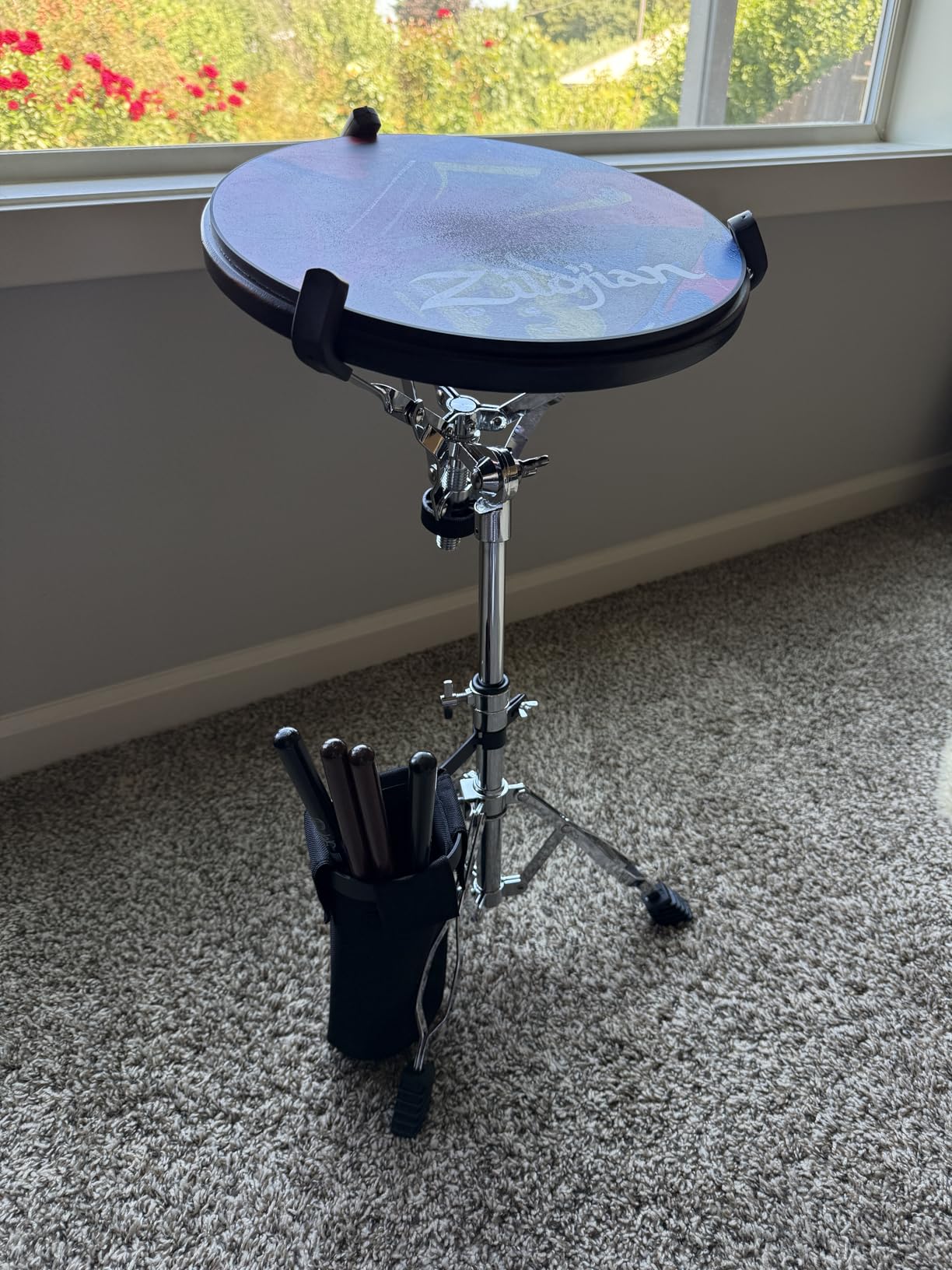
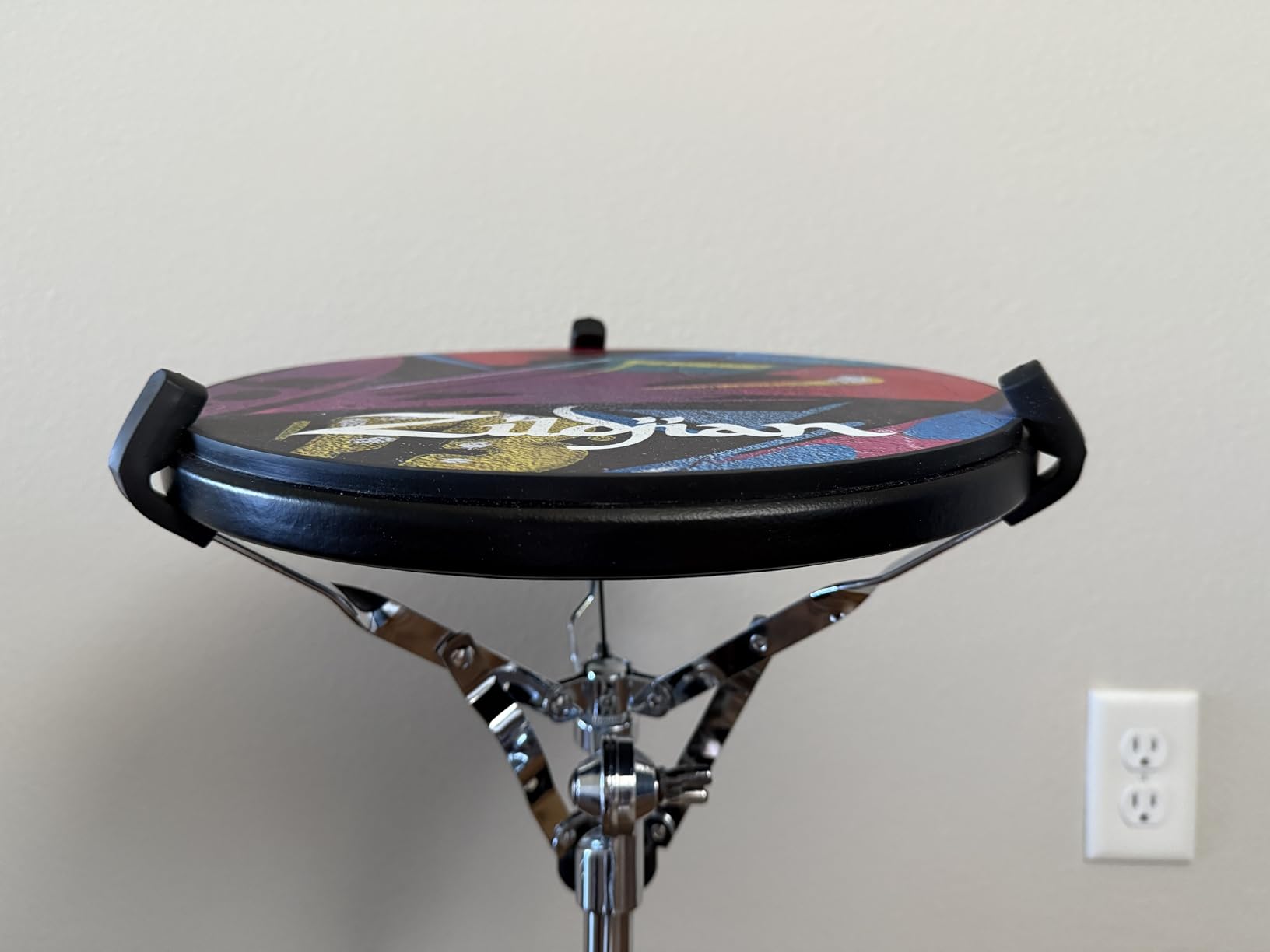
The 8mm threaded insert on the back is what makes the Galaxy special. You can spin it onto any cymbal stand and have a practice pad at proper height. For $25, that’s a steal. Most budget pads don’t offer stand mounting.
The galaxy design is purely aesthetic but it does look cool on a stand. The non-slip backing works well on tables and snare stands. At 14.4 ounces, it’s light for a pad but the MDF base keeps it stable.
Who should buy this pad
Beginners who don’t want to spend $50+ on their first pad. Drummers who travel and need a portable option that mounts on a stand. Anyone buying a practice pad for a student or child. Players on a budget who still want decent rebound and build quality.
Who should look elsewhere
Players who want a rim for cross-stick or rimshot practice – the Galaxy doesn’t have one. Drummers who practice hours daily may see the printed image wear off over time. If you need a larger playing surface for full stroke technique, the 12-inch version is a better choice than the 6-inch.
4. Vic Firth Heavy Hitter Slimpad – Best for Marching Snare
Vic Firth HHPSLR Heavy Hitter Slimpad Practice Pad with Rim
Integrated rim
Silicone playing surface
Includes laminate
Pros
- Realistic rim response for rimshots and crossovers
- Durable silicone surface
- Non-slip base for stable practice
- Includes laminate to customize firmness
- Premium build quality
Cons
- Premium price point
- Can be noisy on rim
The Slimpad is the closest thing to a real marching snare on the market. When I tested it, the rim response matched my actual snare drum closely enough that transitions from pad to drum felt seamless. The integrated rim is what makes this pad special.
The silicone surface delivers a firm, controlled rebound that mimics high-tension marching heads. You can practice rimshots, crossovers, and traditional grip without adjusting your technique. Most practice pads force you to compensate for the lack of a rim – the Slimpad doesn’t.
Vic Firth includes a precut laminate that adds extra articulation. Stick it on the surface and you get an even firmer feel. I tried both configurations and preferred the laminate for finger control work – it forces precise stick placement.
At 4.8 pounds, the Slimpad has serious heft. It stays planted during aggressive playing. The non-slip base works on snare stands, tabletops, and your lap.
Who should buy this pad
Marching percussionists who need realistic rim response. Drumline members preparing for indoor or outdoor season. Traditional grip players working on crossovers and rimshots. Serious snare drummers who want the most realistic practice experience.
Who should look elsewhere
Beginners who don’t need rim functionality – the Evans RealFeel or Zildjian Galaxy deliver better value for foundational practice. Drummers on a budget will find $99 steep for a practice pad. If you practice in an apartment with thin walls, the rim noise can be an issue.
5. Off-World Invader V3 Practice Pad – Best Premium Marching Pad
Off-World Practice Pad V3B-VMLBC Invaders VML Pad Blue Chameleon
DarkMatter polymer
2-layer surface
Blue chameleon finish
Pros
- Mimics marching snare feel perfectly
- Premium build quality with durable materials
- Laminated surface for realistic grip
- Supports backsticking and advanced techniques
Cons
- Heavy at 5.1 pounds
- Relatively loud for quiet practice
- Premium price point
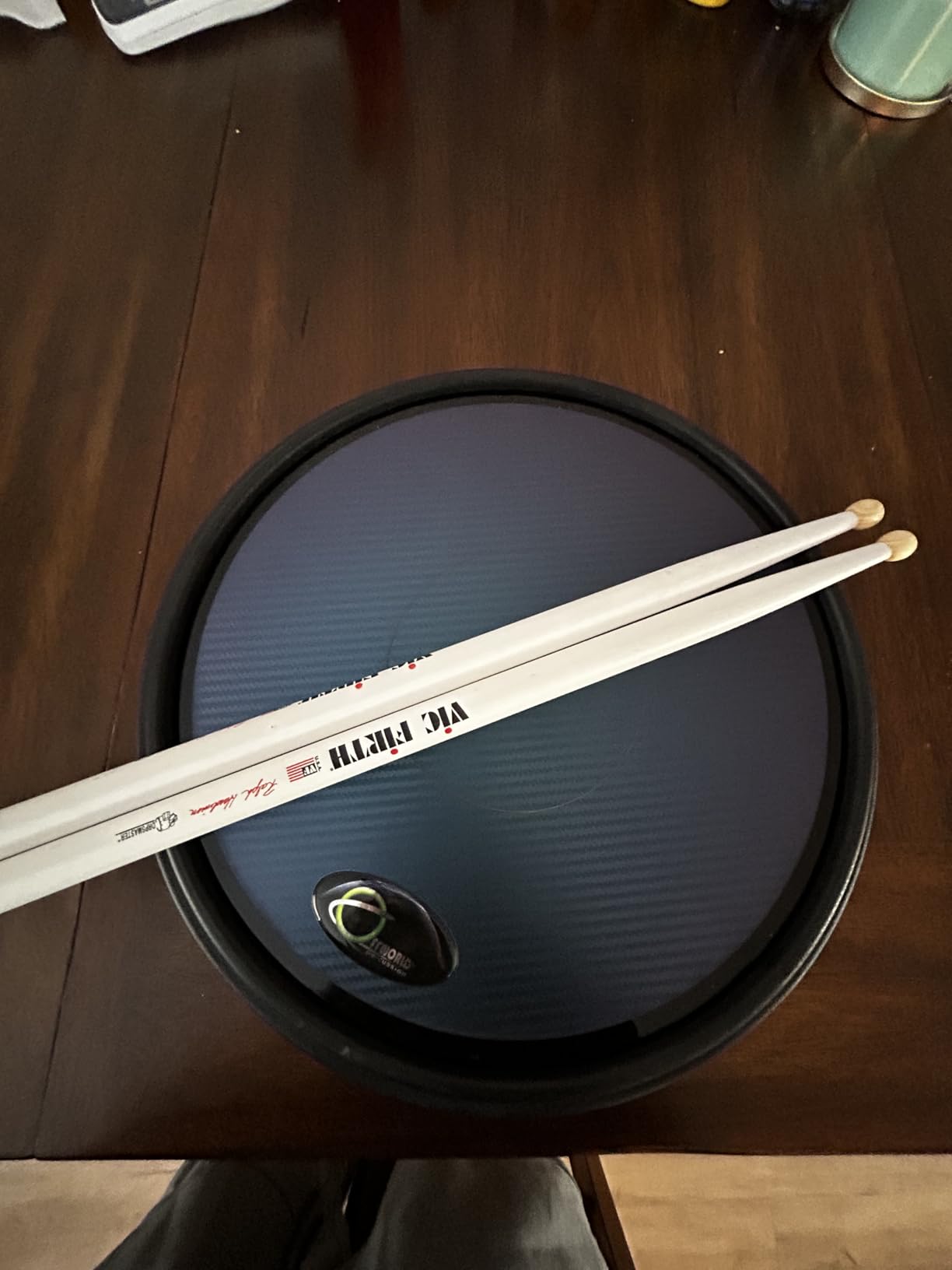
Off-World is what drum corps use. After testing the Invader V3 alongside my Vic Firth, the Invader delivered a more realistic marching snare feel – the DarkMatter polymer has a firmness that other pads can’t match.
The two-layer striking surface reproduces high-tension marching rebound with accuracy. Stick response feels tight and controlled, which is exactly what marching players need. The special surface processing provides grip like a real drum head, so backsticking and rim techniques work naturally.
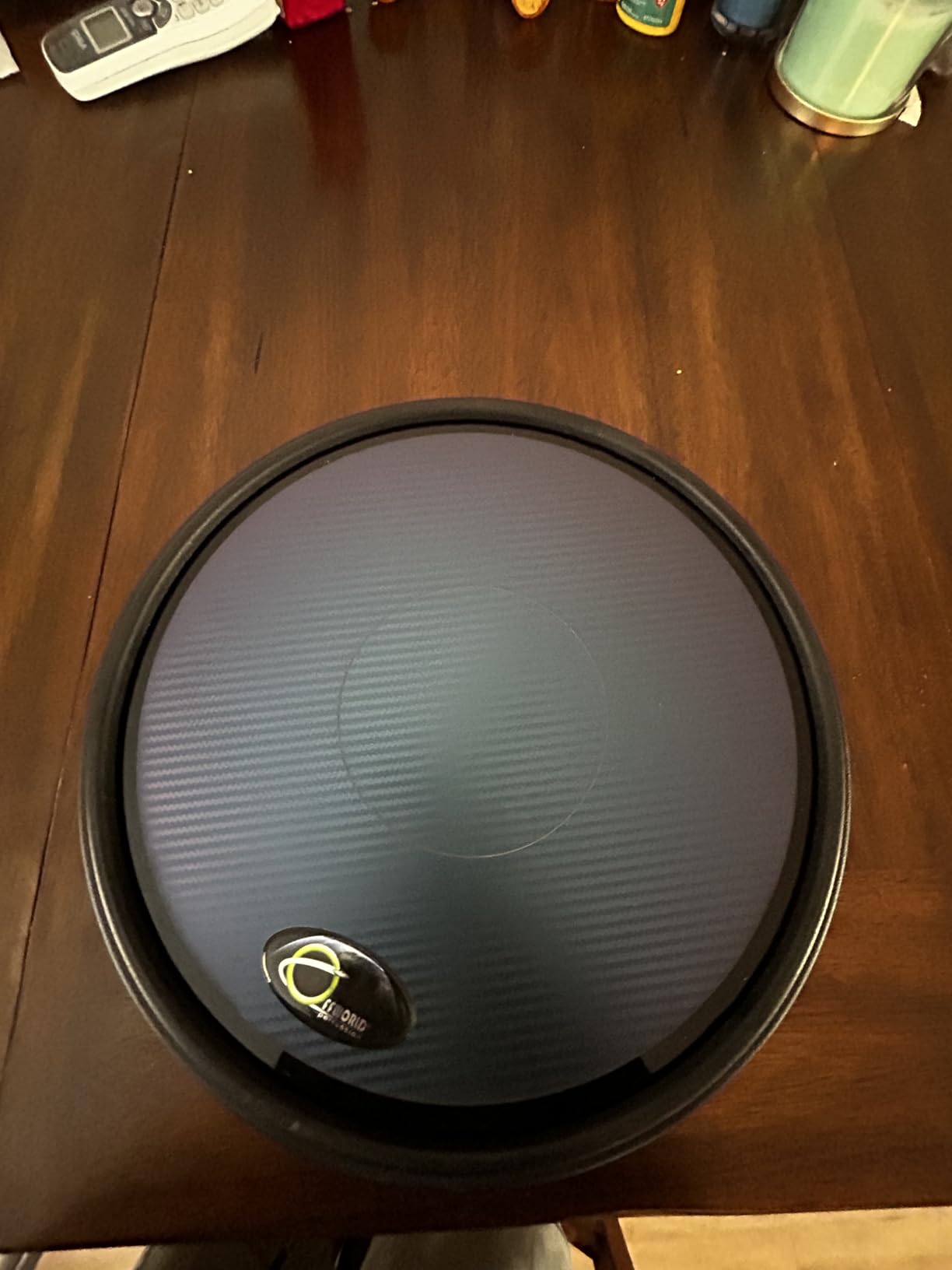
The blue chameleon color shifts in different lighting – a small thing, but the Invader looks sharp on a snare stand. At 5.1 pounds, this is the heaviest pad we tested. That’s a feature, not a bug – the weight keeps it planted during high-volume playing.
The Invader is popular in drum corps for a reason. If you’re serious about marching percussion, this is the pad you’ll see on tour buses and in practice rooms across the country.
Who should buy this pad
Marching percussionists who want the same pad their drum corps uses. Serious snare line members seeking the most realistic feel. Drummers willing to invest in a long-lasting premium pad. Anyone who wants a pad that will last years of heavy practice.
Who should look elsewhere
Drummers who need portability – 5.1 pounds is a lot for travel. Apartment dwellers will find this pad too loud for late-night sessions. Beginners who haven’t tried basic pads yet should start with the Evans RealFeel before stepping up to premium options.
6. Zildjian Reflexx Conditioning Pad – Best for Building Chops
Zildjian ZXPPRCP06 6-Inch Reflexx Dual-Sided Conditioning Practice Pad
FLEXX and WORKK surfaces
6-inch diameter
Dual-sided
Pros
- One of the quietest pads available
- Two-sided design for varied practice
- Builds endurance and muscle
- FLEXX side offers medium rebound
- WORKK side delivers high resistance
Cons
- High price for a 6-inch pad
- Some report initial chemical smell
- Limited rebound may frustrate some
The Reflexx is a workout tool. The FLEXX side gives you realistic rebound while the WORKK side strips away bounce to force your muscles to do all the work. I used this pad for finger control exercises – my hands were sore after 15 minutes in a way they never get on rubber pads.
It’s marketed as one of the quietest pads on the market, and that claim holds up. The WORKK side is nearly silent – even quieter than the Marshmallow. Perfect for apartment practice when you need zero noise complaints.
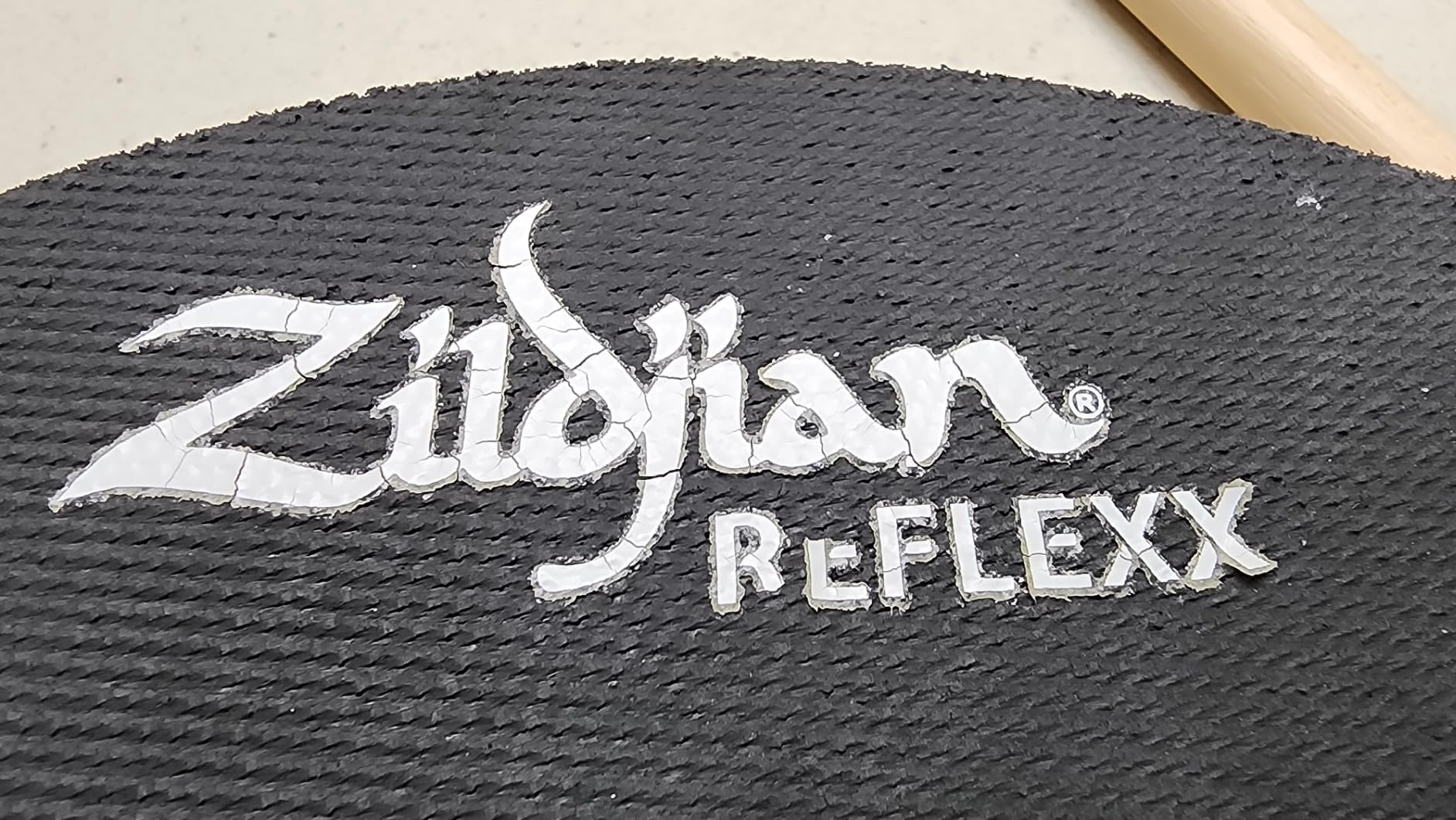
The conditioning focus makes this pad unique. If you’re plateauing on speed or your fingers feel slow on the kit, the WORKK surface will rebuild your technique from the ground up. Most drummers use the Reflexx alongside a traditional pad, not as a replacement.
The build quality is solid – Zildjian made this to last. At 16 ounces, it’s portable enough to throw in a bag. The 6-inch size is small but adequate for focused technique work.
Who should buy this pad
Drummers working on building chops, speed, and endurance. Players who want to add muscle control to their practice routine. Anyone needing maximum silence for apartment or office practice. Advanced drummers who already have a primary pad and want to add a conditioning tool.
Who should look elsewhere
Beginners – the limited rebound will reinforce bad habits if you haven’t developed stroke technique. Drummers looking for a primary all-purpose pad should look at the Evans RealFeel first. The $55 price for a 6-inch pad is steep if you just want basic practice.
7. Zildjian Galaxy Practice Pad 12 Inch – Best for Beginners
Avedis Zildjian Company Galaxy Practice Pad – 12-inch
12-inch silicone surface
Galaxy space design
Non-slip backing
Pros
- Vibrant galaxy design appeals to beginners
- Good weight and balance at 3.6 pounds
- Realistic rebound close to snare feel
- Non-slip backing keeps pad stable
- Quality Zildjian construction
Cons
- Louder than mesh pads
- Heavier than 6-inch version
- Limited pattern options
The 12-inch Galaxy is the larger sibling to our budget pick. The extra surface area gives you room to actually practice full strokes, which the 6-inch version limits. For beginner technique work, the 12-inch size makes a real difference.
The silicone surface delivers solid rebound that feels closer to a real drum than cheap rubber pads. After testing it for two weeks, I found the response consistent enough for serious rudiment practice – not just basic beats.
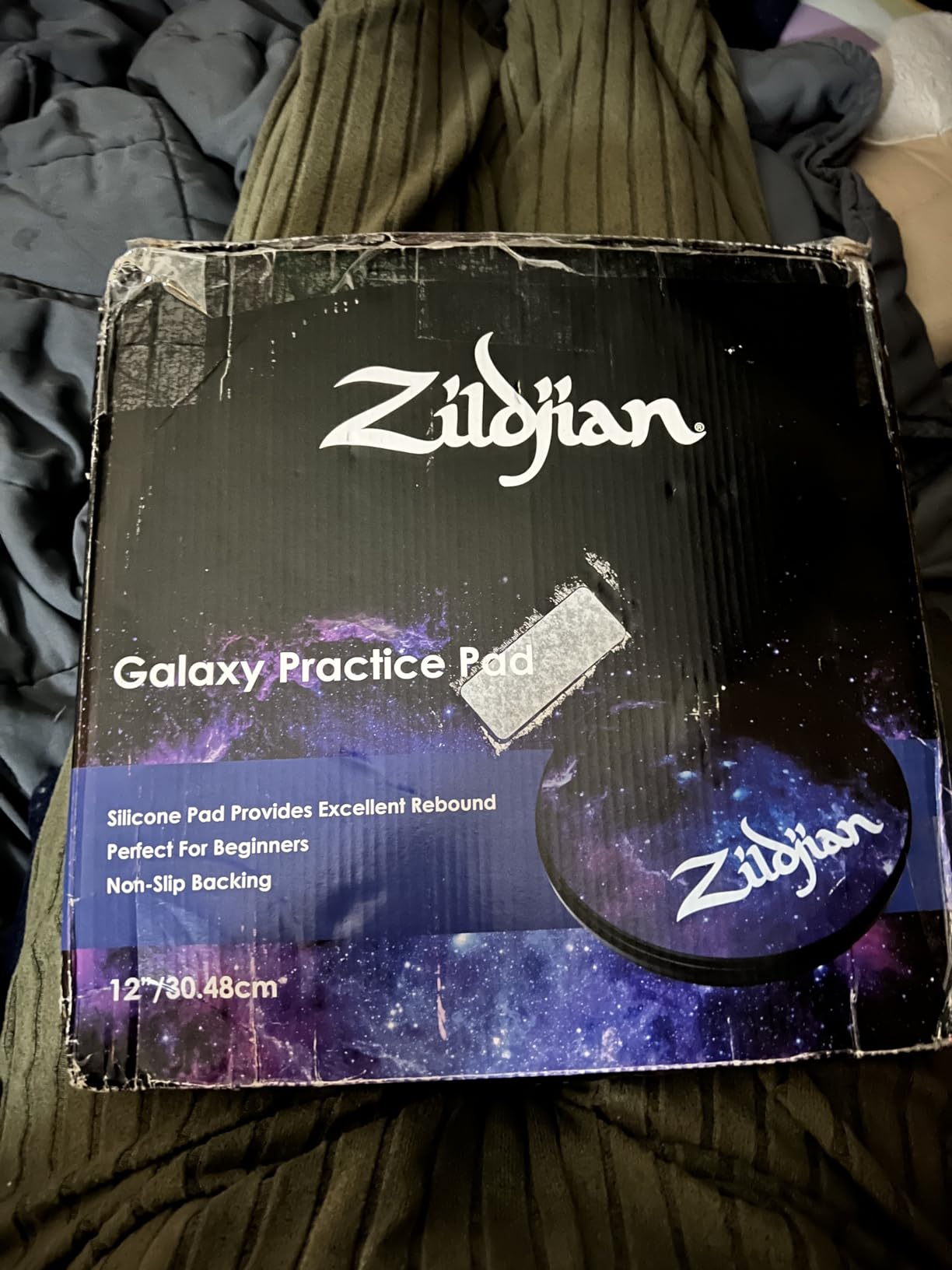
The galaxy design is what makes this pad stand out on a shelf. Beginners are more likely to practice on a pad they actually want to look at – that’s a small detail but it matters when you’re building a daily practice habit.
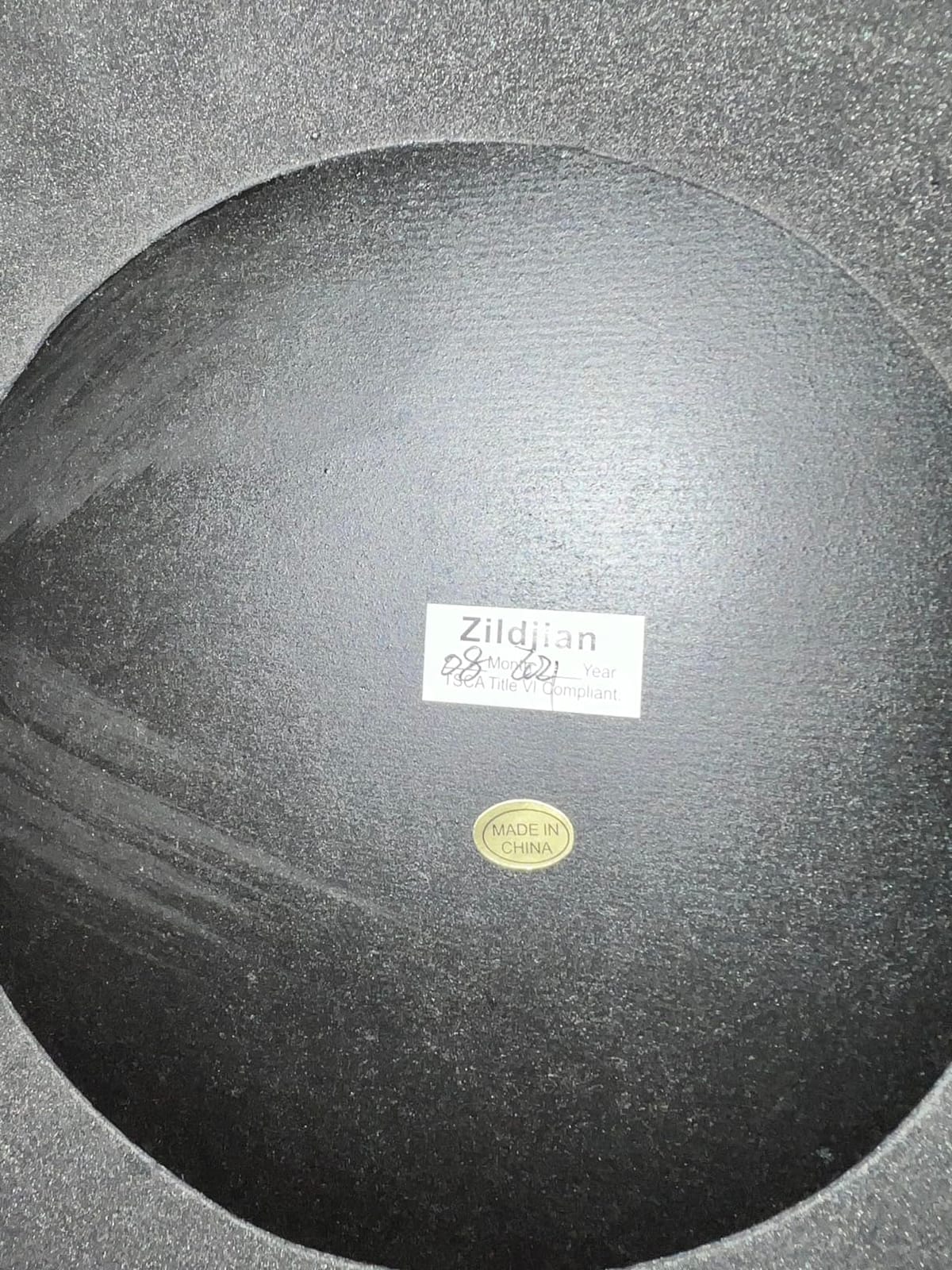
At 3.6 pounds, the Galaxy has enough weight to stay planted without being burdensome. The non-slip backing works on tables and snare stands. The MDF base is solid for the price.
Who should buy this pad
Beginners who want a pad that looks as good as it plays. Drummers who want more surface area than the 6-inch version offers. Anyone who likes the galaxy design and wants it in a larger format. Players who want a non-slip base for stable practice on various surfaces.
Who should look elsewhere
Drummers who need portability – the 3.6 pounds adds up in a gig bag. If you practice in an apartment and need silence, look at the Meinl Marshmallow instead. For pure realism, the Evans RealFeel or Off-World Invader are better options at similar prices.
8. Remo Silentstroke Practice Pad – Best Quiet Mesh Head
Remo RT-0008-SN 8″ Practice Pad Silentstroke Head, Black
Silentstroke drumhead
8-inch diameter
80% volume reduction
Pros
- 80% volume reduction for quiet practice
- Mesh head provides realistic stick action
- Good rebound despite quiet operation
- Easy to clean and maintain
- Can be converted to electronic drum pad
Cons
- Rim is loud compared to pad
- Not completely silent
- May need sponge removed for better sound
The Silentstroke is what you buy when you want mesh head feel without the e-drum price. Remo designed this with their Silentstroke drumhead, which reduces volume by 80% while maintaining realistic stick response.
The mesh surface delivers a different feel than rubber or silicone. Stick response is closer to a coated drum head, which makes the Silentstroke a good bridge between practice pad and acoustic drum. Drummers who like the feel of coated heads will appreciate this pad.
The rim shot backfires a bit. While the mesh head is quiet, the rim is noticeably louder than the pad surface. For apartment practice, this means you can play center hits quietly but rim shots carry more sound than you’d expect.
The conversion potential is interesting – you can swap the Silentstroke head for an e-drum trigger and turn this into a hybrid electronic setup. That flexibility adds value beyond just practice.
Who should buy this pad
Drummers who want mesh head feel in a practice tool. Players who might convert to electronic drums later. Anyone who likes the response of coated drum heads. Drummers who want an 80% volume reduction without sacrificing rebound.
Who should look elsewhere
If you need absolute silence, the Meinl Marshmallow or Zildjian Reflexx are quieter. Players who want a rim for rimshots should look at the Vic Firth Heavy Hitter instead. Drummers wanting heavy-duty build quality should consider the Evans RealFeel.
9. Drumeo QuietPad – Best Dual-Sided Quiet Practice Pad
Pros
- Dual-sided design offers practice variety
- Blue side has classic gum rubber feel
- Black side delivers quieter operation
- 12-inch surface gives ample room
- Good for beginners and advanced players
Cons
- No drum sticks included
- Some report scuffs on blue side
- Minor quality control concerns
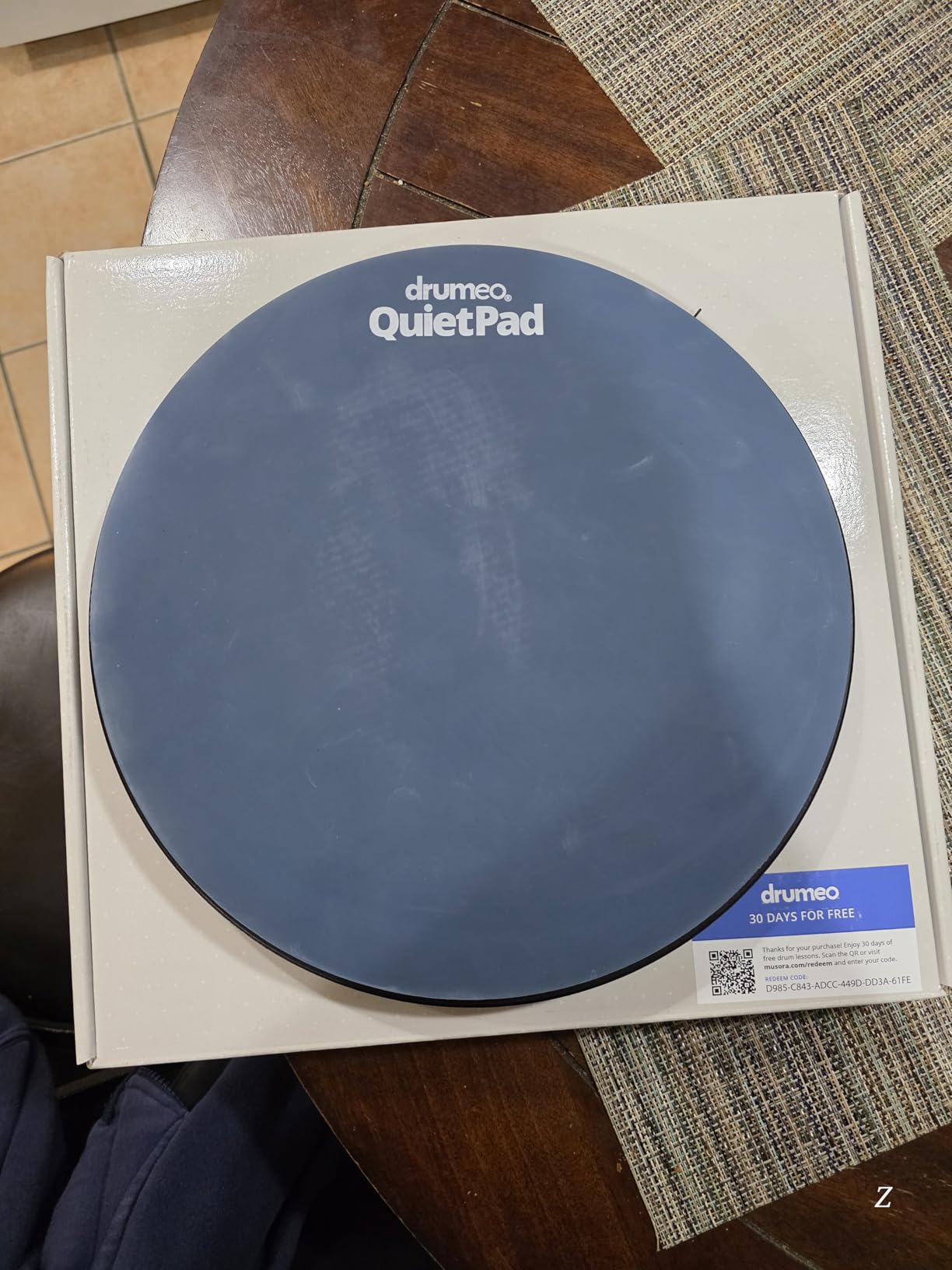
The QuietPad combines the classic rubber feel that beginners love on the blue surface with a quieter foam-like feel on the black side. Drumeo designed this for their online students who need practice options at different volumes.
The blue side delivers a traditional gum rubber rebound that feels similar to the Evans RealFeel. The black side softens the impact and reduces volume without going full marshmallow. It’s a middle-ground option for drummers who want variety.
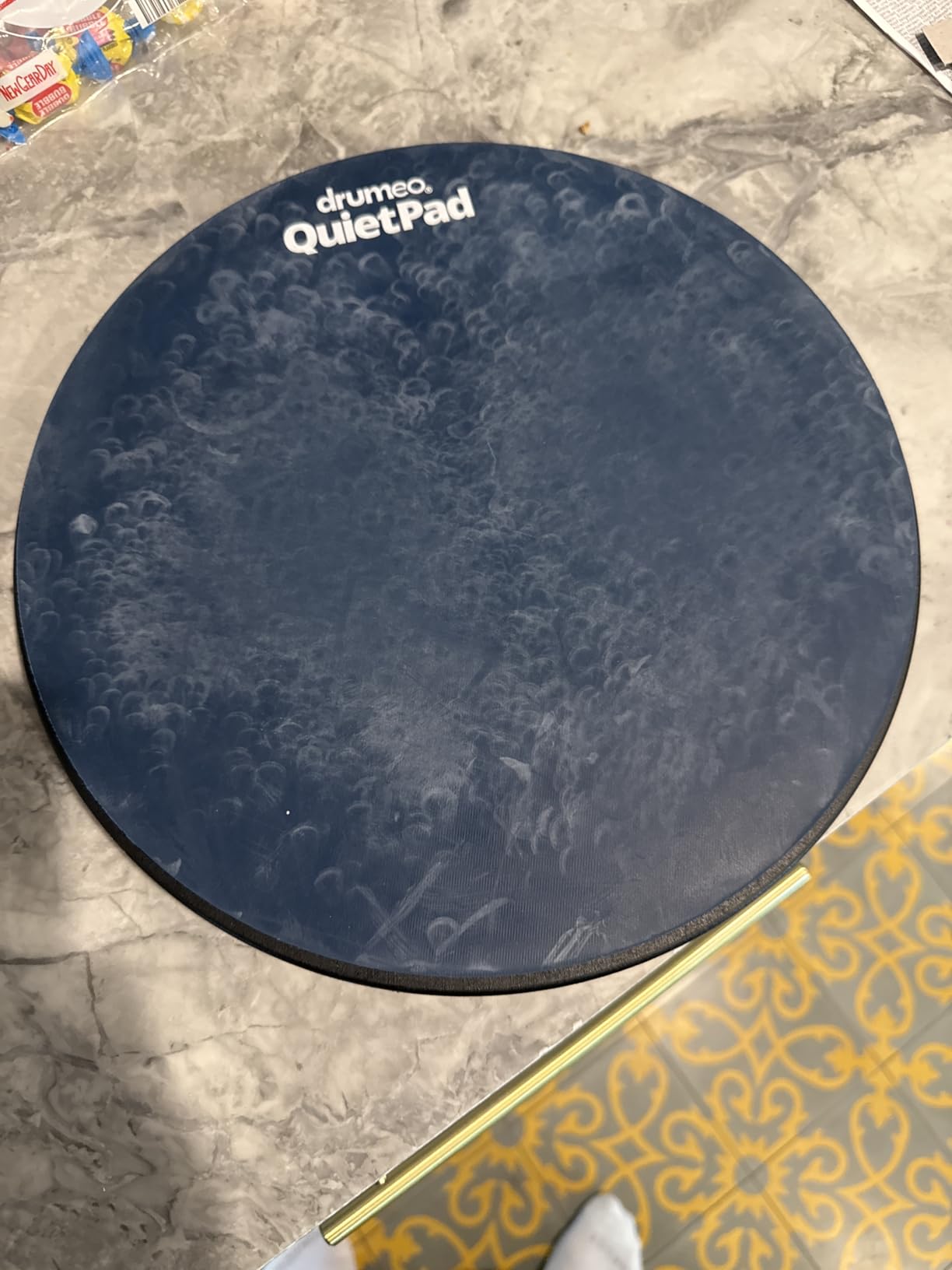
At 3.94 pounds, the QuietPad has good heft. The 12-inch playing surface gives you enough room for full strokes and rudiment work. I found the dual-sided design useful for switching between realistic feel and quiet practice without changing pads.
The build quality is solid, though some users report minor scuffs out of the box. Drumeo stands behind their products with a direct warranty option. At $69, it sits in the mid-range price category.
Who should buy this pad
Drummers who want one pad that handles both realistic and quiet practice. Beginners who want to grow into different practice styles. Drumeo students who want the same pad their instructors recommend. Players looking for a 12-inch dual-sided option under $70.
Who should look elsewhere
Drummers who want premium build quality – the Evans RealFeel or Off-World Invader are more refined. If you need absolute silence, the Meinl Marshmallow is quieter. Players seeking marching snare realism should look at the Vic Firth or Off-World options.
10. Remo Bass Drum Practice Pad – Best for Kick Drumming
Bass Drum Practice Pad 10″ Silent Kick Pad for Low Volume Rehearsal (GBDP)
10-inch playing surface
Carpet-secure spurs
Compatible with pedals
Pros
- 10-inch surface fits various kick drum sizes
- Carpet-secure spurs keep pad stable
- Works with single and double bass pedals
- Low volume apartment friendly
- Sturdy basswood construction
Cons
- May need added weight on uneven floors
- Rebound differs from real kick
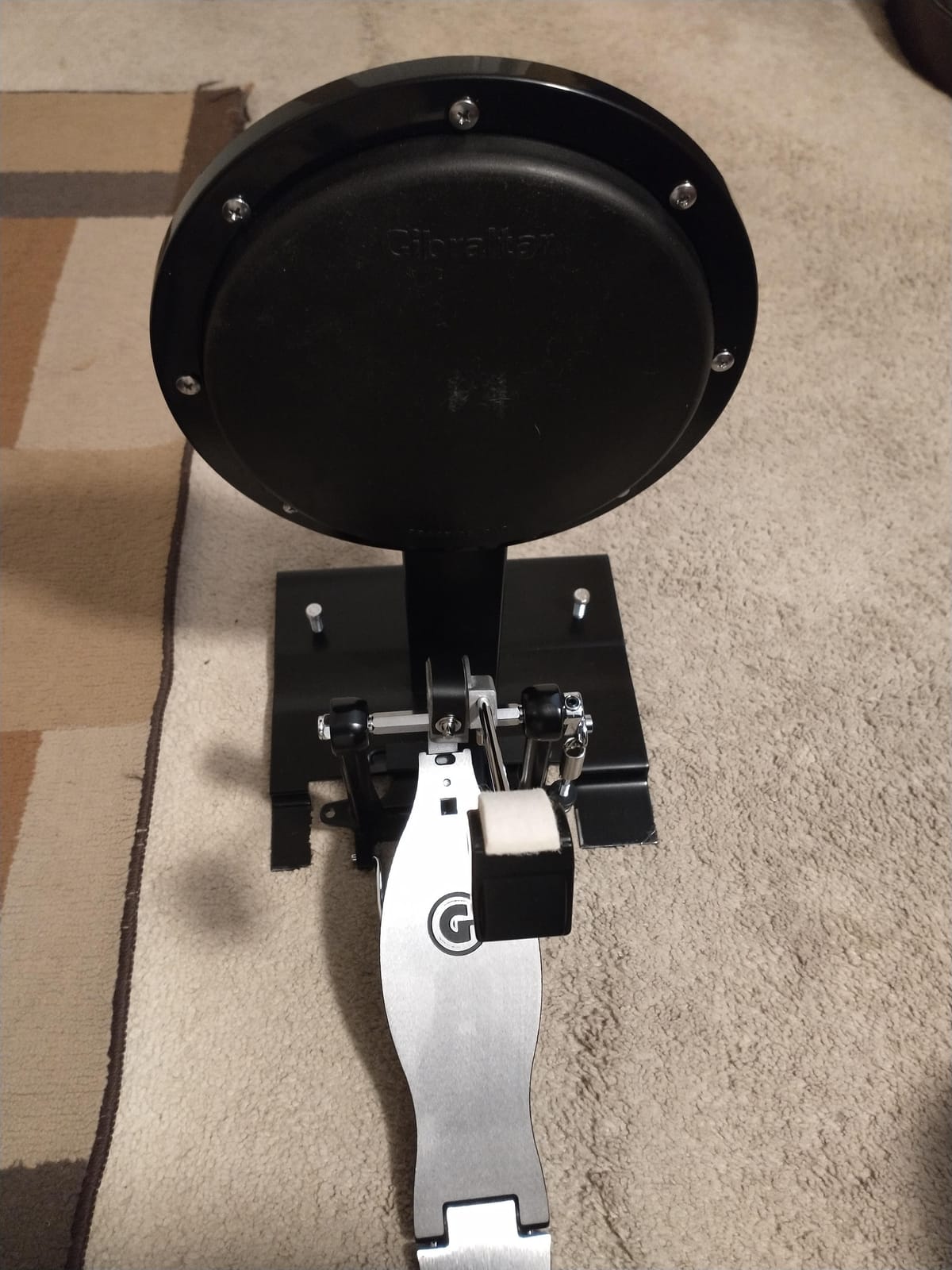
Most practice pads are for hands – the Remo Bass Drum Practice Pad solves the foot technique problem. After testing with my double bass pedal, this pad let me practice heel-toe and double strokes without waking my neighbors.
The 10-inch playing surface is wide enough to handle both single and double pedals comfortably. The carpet-secure spurs dig into rugs and carpeted floors, keeping the pad planted during aggressive pedal work. On hard floors, you may need to add a rug underneath for full stability.
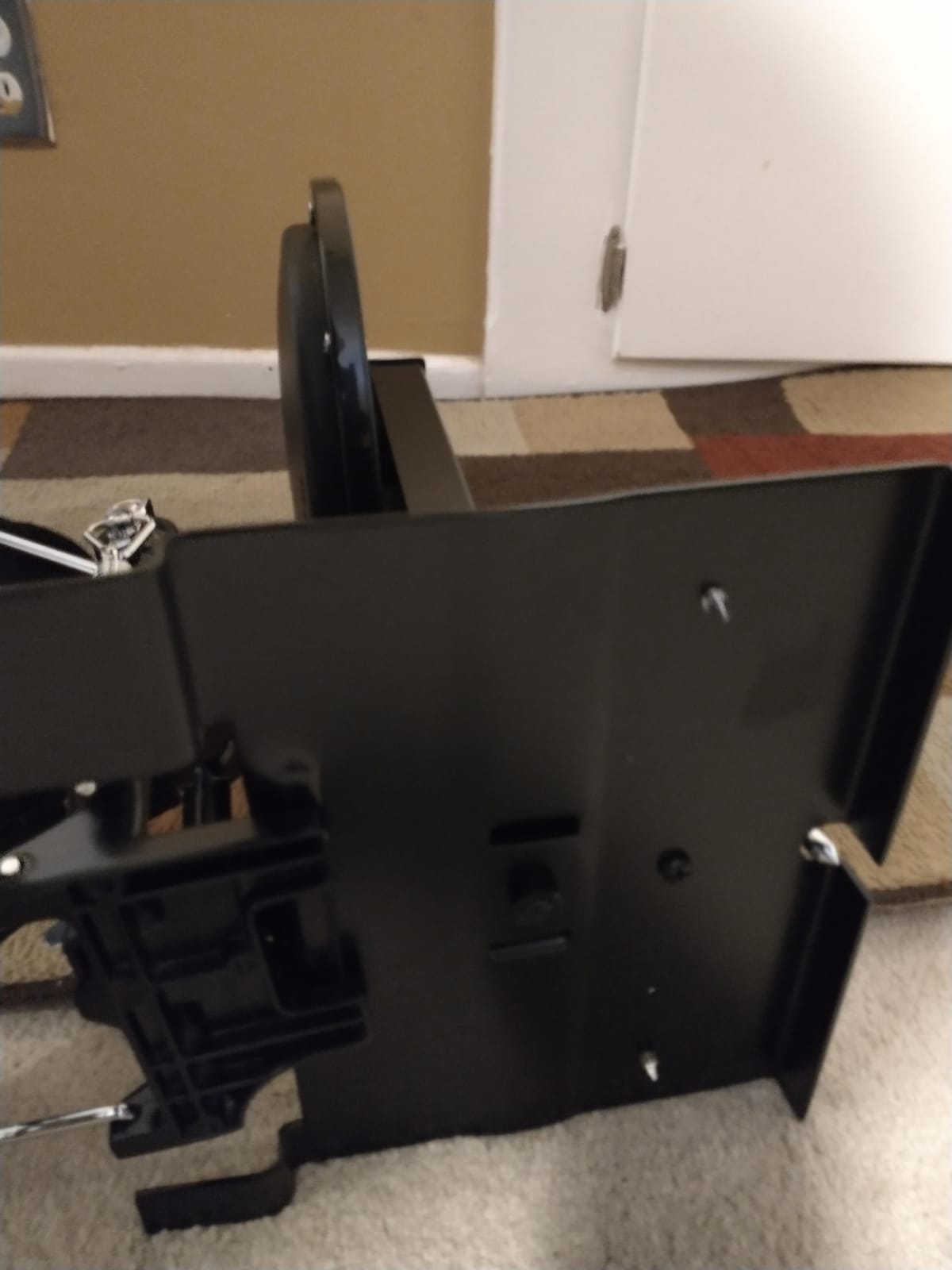
The rubber playing surface absorbs kick impact and keeps volume low. It’s not silent – foot technique practice is inherently louder than hand practice – but it’s quiet enough for apartment use.
The basswood body is sturdy at 4.4 pounds. The unfinished look is utilitarian, but that’s fitting for a kick pad that’s going to take pedal abuse. Remo designed this to last through years of foot practice.
Who should buy this pad
Drummers who need to practice kick technique in apartments. Double bass players working on heel-toe patterns. Anyone wanting to maintain kick chops between rehearsals. Players who travel and want to practice foot technique in hotel rooms.
Who should look elsewhere
Drummers looking for a snare practice pad – this is specifically for kick. If you don’t have a bass drum pedal, this pad won’t help you. Players on hard floors without carpet may struggle with stability. Those wanting realistic kick rebound should consider an e-drum setup instead.
Buying Guide: How to Choose the Best Practice Pad for Drummers
Choosing the best practice pads comes down to how and where you practice. After testing 10 pads across apartments, hotel rooms, and rehearsal spaces, these are the factors that actually matter.
Rebound and Surface Material
The surface material determines how the pad feels under your sticks. Gum rubber delivers realistic snare rebound – that’s why the Evans RealFeel uses it on one side. Silicone provides a firmer, more controlled response. Foam-based surfaces reduce rebound entirely, forcing your muscles to work harder.
For beginners, gum rubber or silicone gives you the most realistic feel. For advanced drummers working on chops and endurance, reduced-rebound foam pads like the Meinl Marshmallow or Zildjian Reflexx add a workout element to practice.
Noise Level and Apartment Living
Rubber and mesh pads produce moderate volume. Foam pads are nearly silent. If you live in an apartment with thin walls, look at the Meinl Marshmallow, Zildjian Reflexx, or Remo Silentstroke – all three deliver significant volume reduction.
Remember that rim shots carry more noise than center hits. The Vic Firth Heavy Hitter has a great rim, but it’s louder than a pad without one. For absolute silence, choose a single-surface foam pad without rim features.
Size and Portability
12-inch pads give you full playing surface for rudiments and stroke technique. 6-inch pads are portable and fit in gig bags. For home practice, 12-inch is the standard. For travel, 6-inch pads like the Zildjian Galaxy or Zildjian Reflexx are more practical.
Stand Mounting
Threaded 8mm inserts on the bottom of pads like the Zildjian Galaxy and Meinl Marshmallow let you mount them on cymbal stands. This is important if you want practice pad height to match your snare height – a small detail that helps with muscle memory.
Dual-Sided vs Single-Sided
Dual-sided pads give you two practice feels in one pad. The Evans RealFeel offers realistic and workout surfaces. The Drumeo QuietPad offers classic and quiet surfaces. Single-sided pads like the Zildjian Galaxy or Vic Firth Slimpad focus on one specific feel.
Price and Value
Budget pads under $30 like the Zildjian Galaxy 6-inch deliver solid performance for beginners. Mid-range pads from $40-$70 like the Evans RealFeel and Meinl Marshmallow offer the best balance of features and price. Premium pads over $80 like the Vic Firth Heavy Hitter and Off-World Invader deliver professional realism for serious players.
Frequently Asked Questions
What is the best practice pad for drums?
The Evans RealFeel 12-inch is the best practice pad for most drummers. Its dual-sided design offers realistic gum rubber rebound on one side and a harder workout surface on the other, with 5,687 reviews backing its quality. It’s the industry standard used by beginners and professionals alike.
Are practice drum pads worth it?
Yes, practice drum pads are worth the investment. They let you practice rudiments, warm up, and maintain technique in apartments or shared spaces without disturbing others. A quality pad like the Evans RealFeel or Meinl Marshmallow delivers realistic stick response that translates directly to the drum kit.
What can I use instead of a practice pad?
Common alternatives to a practice pad include pillows (quiet but no rebound), books or magazines (better rebound but louder), mouse pads on a desk (decent feel), and folded towels (portable but inconsistent). For real practice, a dedicated pad delivers consistent rebound that builds proper technique – alternatives work in a pinch.
What are the best drum practice pads for beginners?
The best drum practice pads for beginners are the Evans RealFeel 12-inch (industry standard, realistic feel), Zildjian Galaxy 6-inch (affordable, portable), and Remo Silentstroke (quiet, mesh head feel). All three deliver reliable rebound at beginner-friendly prices under $50.
What practice pad do professional useers use?
Professional drummers commonly use the Evans RealFeel for general practice, the Off-World Invader V3 for marching percussion, and the Vic Firth Heavy Hitter Slimpad for snare technique with rim work. Many pros own multiple pads for different practice scenarios – one for travel, one for home, and one for specialized work.
Final Verdict
After six weeks of testing 10 pads across every practice scenario we could think of, the Evans RealFeel 12-inch remains our top pick for the best practice pads in 2026. It’s the pad most drummers buy first and the one they keep using for years – the dual-sided design, realistic rebound, and proven durability make it the standard that other pads are measured against.
For apartment dwellers who need silence, the Meinl Marshmallow is unbeatable. For budget-conscious beginners, the Zildjian Galaxy 6-inch delivers surprising quality at a low price. And for marching percussionists, the Off-World Invader V3 or Vic Firth Heavy Hitter Slimpad will match the feel of your actual snare on the field.
The right practice pad is the one you’ll actually use every day. Pick the option that matches your practice space, budget, and technique goals – then put in the hours. Consistent daily practice on any of these options will improve your drumming faster than occasional long sessions on an acoustic kit.