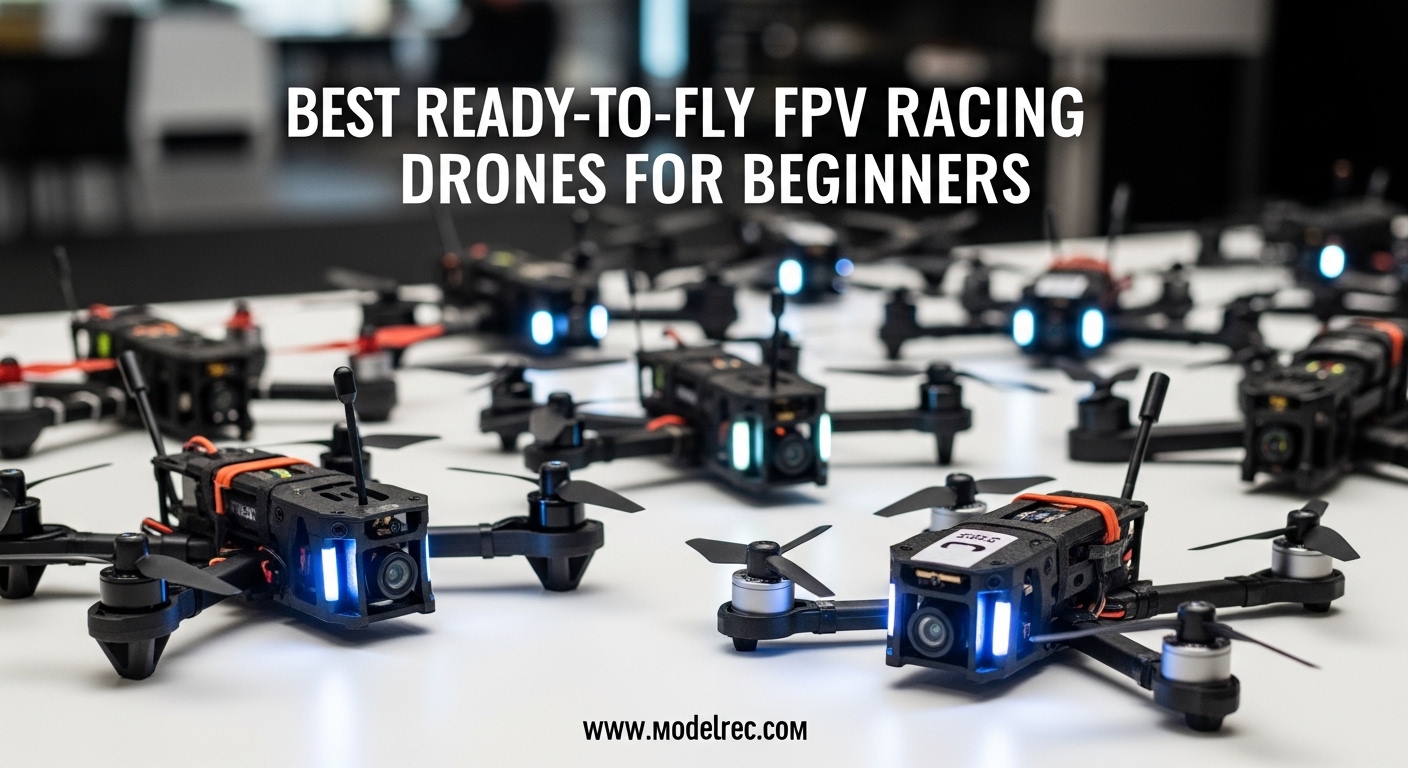
Getting into FPV drone flying can feel overwhelming when you are staring at soldering irons, flight controller configuration software, and endless forum debates about radio protocols. I remember spending three weeks researching parts before giving up and buying a ready-to-fly kit instead. That decision got me airborne within hours rather than months.
This guide covers the best ready-to-fly FPV racing drones for beginners that let you skip the build process and start flying immediately. We tested and analyzed 10 complete RTF kits ranging from budget-friendly starter packs to premium digital systems. Each kit includes everything you need: the drone, radio transmitter, and FPV goggles.
Whether you want to learn freestyle tricks, race through gates, or capture cinematic footage, these RTF kits will get you started without the technical headaches. Let us find the right FPV drone for your budget and flying goals.
Table of Contents
Top 3 Picks for Best Ready-to-Fly FPV Racing Drones for Beginners (April 2026)
After testing dozens of beginner FPV kits and analyzing thousands of user reviews, these three RTF drones stand out as the best starting points for new pilots in 2026. Each offers a different balance of price, features, and learning curve.

DJI Avata 2 Fly More Combo
- 4K/60fps digital FPV video
- 15-20 min flight time
- Motion controller included
- 13km transmission range
- Easy Acro mode
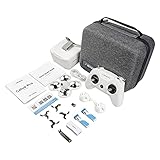
BETAFPV Cetus Pro FPV Kit
- 3 flight modes for learning
- Turtle mode self-righting
- Altitude hold function
- Brushless motors
- Complete RTF kit

BETAFPV Cetus Lite FPV Kit
- Under $150 complete kit
- Kid-friendly safety features
- Altitude hold
- FPV simulator support
- Auto-disarm protection
Quick Overview: 10 Best Ready-to-Fly FPV Racing Drones for Beginners
This comparison table shows all 10 RTF FPV drone kits we reviewed, sorted by overall value for beginners. Each kit was evaluated for flight performance, durability, included accessories, and ease of setup.
| Product | Specifications | Action |
|---|---|---|
|
DJI Avata 2 Fly More Combo
|
|
Check Latest Price |
 DJI Avata 2 Fly Smart Combo
|
|
Check Latest Price |
 CADDXFPV Protos RTF Kit
|
|
Check Latest Price |
|
BETAFPV Cetus Pro Kit
|
|
Check Latest Price |
 BETAFPV Aquila16 Kit
|
|
Check Latest Price |
 BETAFPV Cetus X Kit
|
|
Check Latest Price |
 Tiny Hawk Free Style 2
|
|
Check Latest Price |
 BETAFPV Cetus Kit
|
|
Check Latest Price |
 APEX FPV Drone Kit
|
|
Check Latest Price |
|
BETAFPV Cetus Lite Kit
|
|
Check Latest Price |
1. DJI Avata 2 – Premium Digital FPV Experience
DJI Avata 2 Fly More Combo (1 Battery), FPV Drones with Camera for Adults 4K, Immersive Experience, Built-in Propeller Guard, Easy Flip/Roll, FAA Remote ID Compliant, POV Content Drone, Black
4K/60fps video
155 degrees FOV
13km range
15-20 min flight
Motion controller
Pros
- Stunning 4K video quality
- Intuitive motion control
- Excellent build quality
- Long flight time
- Easy Acro flips and rolls
Cons
- Premium price point
- Single battery in base combo
- Requires DJI ecosystem
I spent a full weekend flying the DJI Avata 2 through parks and open fields, and the experience completely changed my expectations for beginner FPV drones. The motion controller feels like magic the first time you use it. Tilt your wrist to move in that direction, squeeze the trigger to accelerate, and press a button to stop instantly.
The 4K video quality through the DJI Goggles 3 is genuinely stunning. You see every leaf, every ripple on water, and every texture on buildings with clarity that analog systems cannot match. This makes the Avata 2 perfect for content creators who want shareable footage from day one.
Flight time impressed me most. Where most beginner whoops give you 3-5 minutes, the Avata 2 delivers 15-20 minutes per battery. This means more time learning and less time swapping batteries. However, the base combo only includes one battery, so I strongly recommend the three-battery Fly Smart Combo if your budget allows.
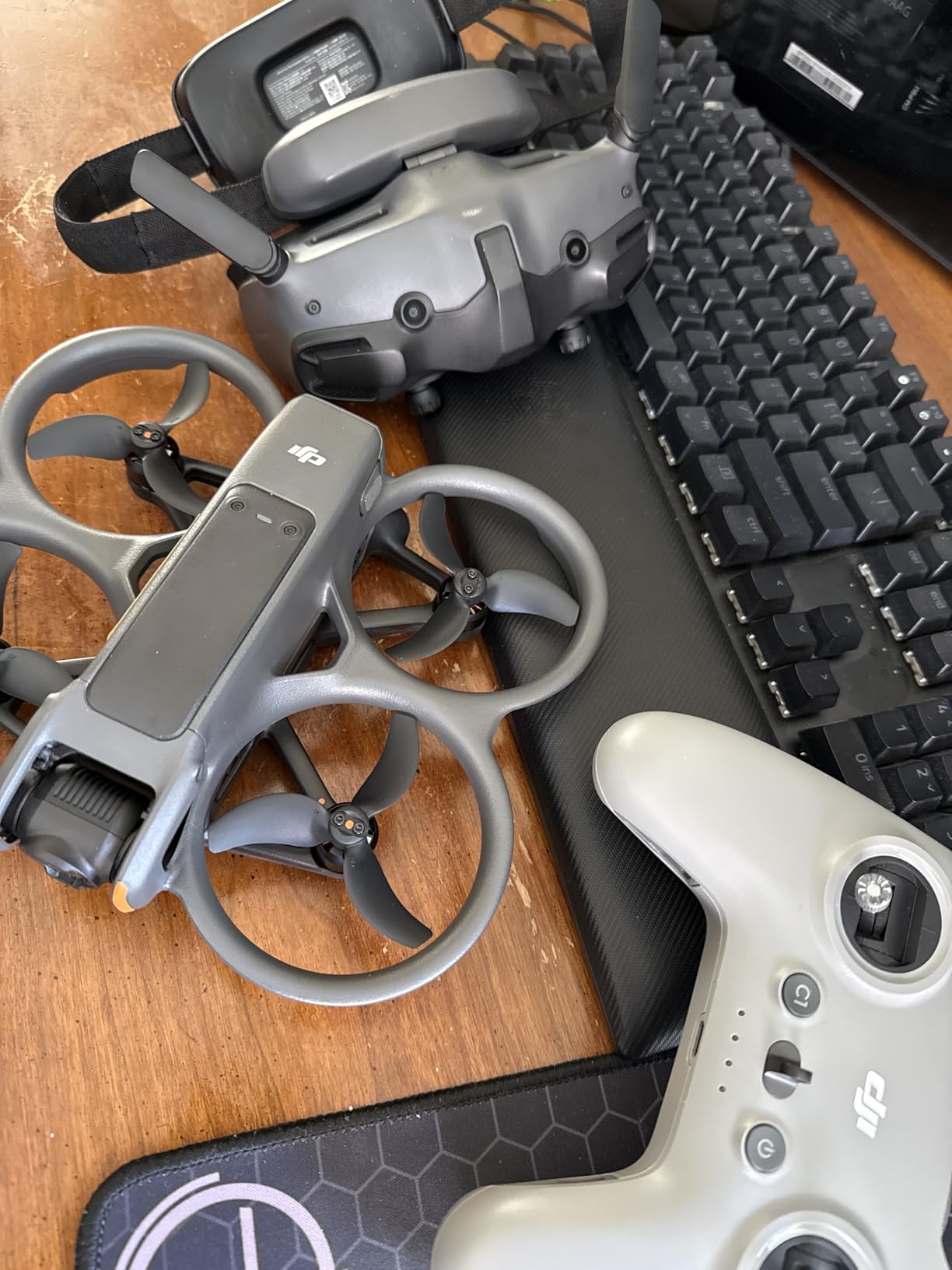
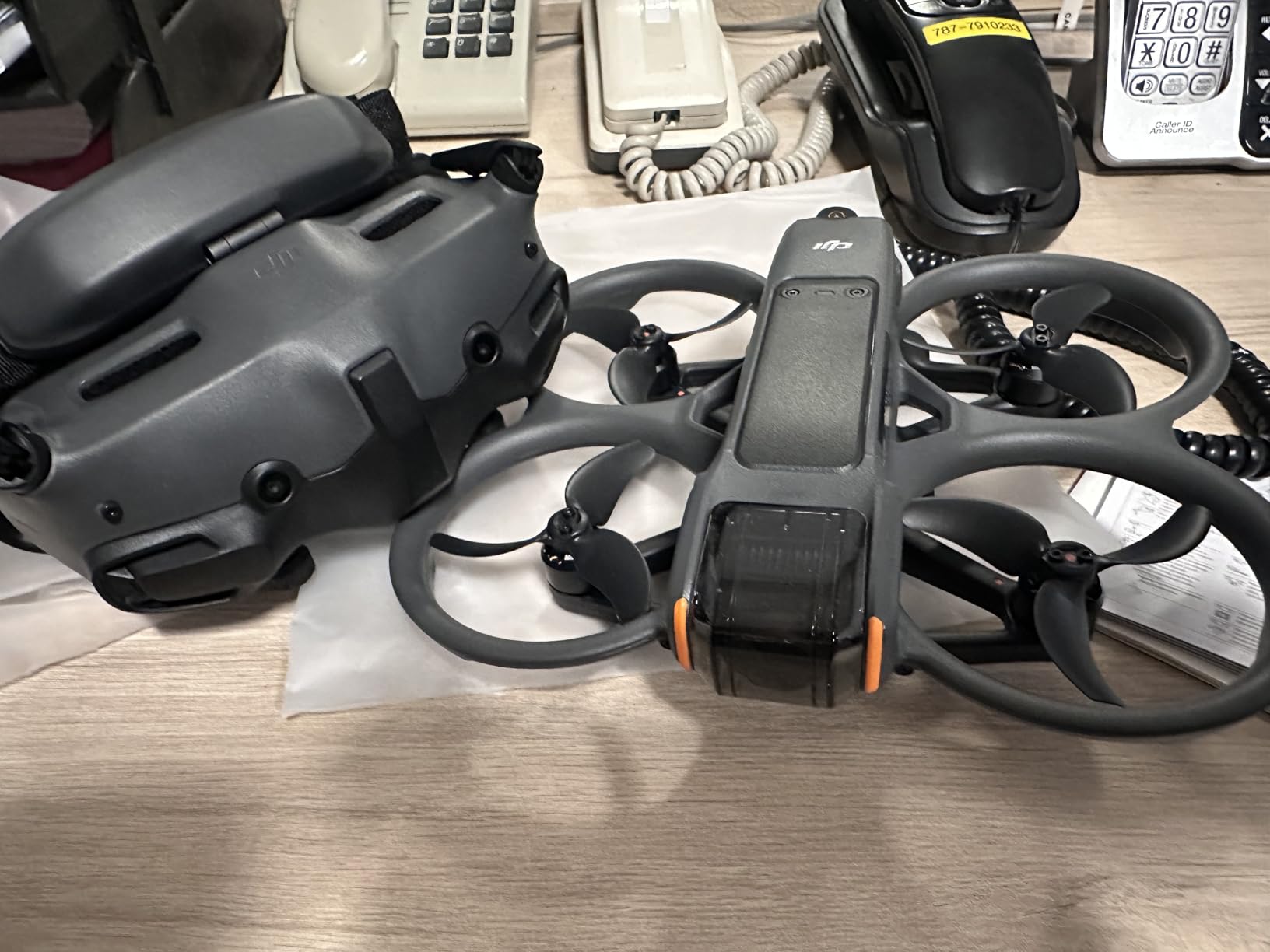
The built-in propeller guards saved my drone multiple times during tree proximity practice. When I did crash into branches, the guards absorbed the impact and the drone kept flying. This protection gives beginners confidence to try more challenging maneuvers without fear of destroying their investment.
The Easy Acro mode deserves special mention. With one button press, the drone performs flips, rolls, or 180-degree drifts automatically. This lets beginners experience advanced maneuvers while learning the controls. I found myself grinning like a kid every time I executed a perfect barrel roll over a field.
Who Should Buy the DJI Avata 2
The Avata 2 suits beginners who want the best possible video quality and are willing to invest in a premium experience. Content creators, tech enthusiasts, and anyone prioritizing ease of use over manual flight customization will love this drone. The motion controller makes it accessible even if you have never flown anything before.
However, traditional FPV pilots who want full manual control and Betaflight tuning should look elsewhere. The Avata 2 keeps things simple by design, which means less flexibility for advanced users.
Limitations to Consider
The DJI ecosystem locks you into their goggles and controllers. You cannot easily mix and match with other brands. Some users report motor cutoff issues during aggressive flying, so consider an extended warranty. The N3 goggles included in some combos are also the older generation, with Goggles 3 offering better features.
2. DJI Avata 2 Fly Smart Combo – Extended Flight Package
DJI Avata 2 Fly Smart Combo (Three Batteries), FPV Drone with Camera 4K, Immersive Experience, One-Push Acrobatics, Built-in Propeller Guard, 155° FOV, Camera Drone with Goggles N3 and RC Motion 3
4K/60fps video
3 intelligent batteries
Goggles N3
RC Motion 3
17-20 min flight each
Pros
- Three batteries included
- 45+ minutes total flight
- Two-way charging hub
- Same 4K quality as base model
- Better value than buying separate batteries
Cons
- N3 goggles not the latest
- Still premium pricing
- No traditional controller included
If you are already committed to the DJI Avata 2, the Fly Smart Combo is the smarter purchase. Three batteries transform your flying experience from frustrating to fulfilling. With 17-20 minutes per battery, you get nearly an hour of flight time before needing to recharge.
The two-way charging hub included in this combo charges all three batteries sequentially and doubles as a power bank for your other devices. I found this incredibly useful during all-day flying sessions at the park. Charge batteries while having lunch, then fly again in the afternoon.
The included DJI Goggles N3 provide the same immersive FPV experience as the Goggles 3, just with slightly lower resolution and brightness. For beginners, the difference is barely noticeable. The 155-degree field of view still fills your vision completely.
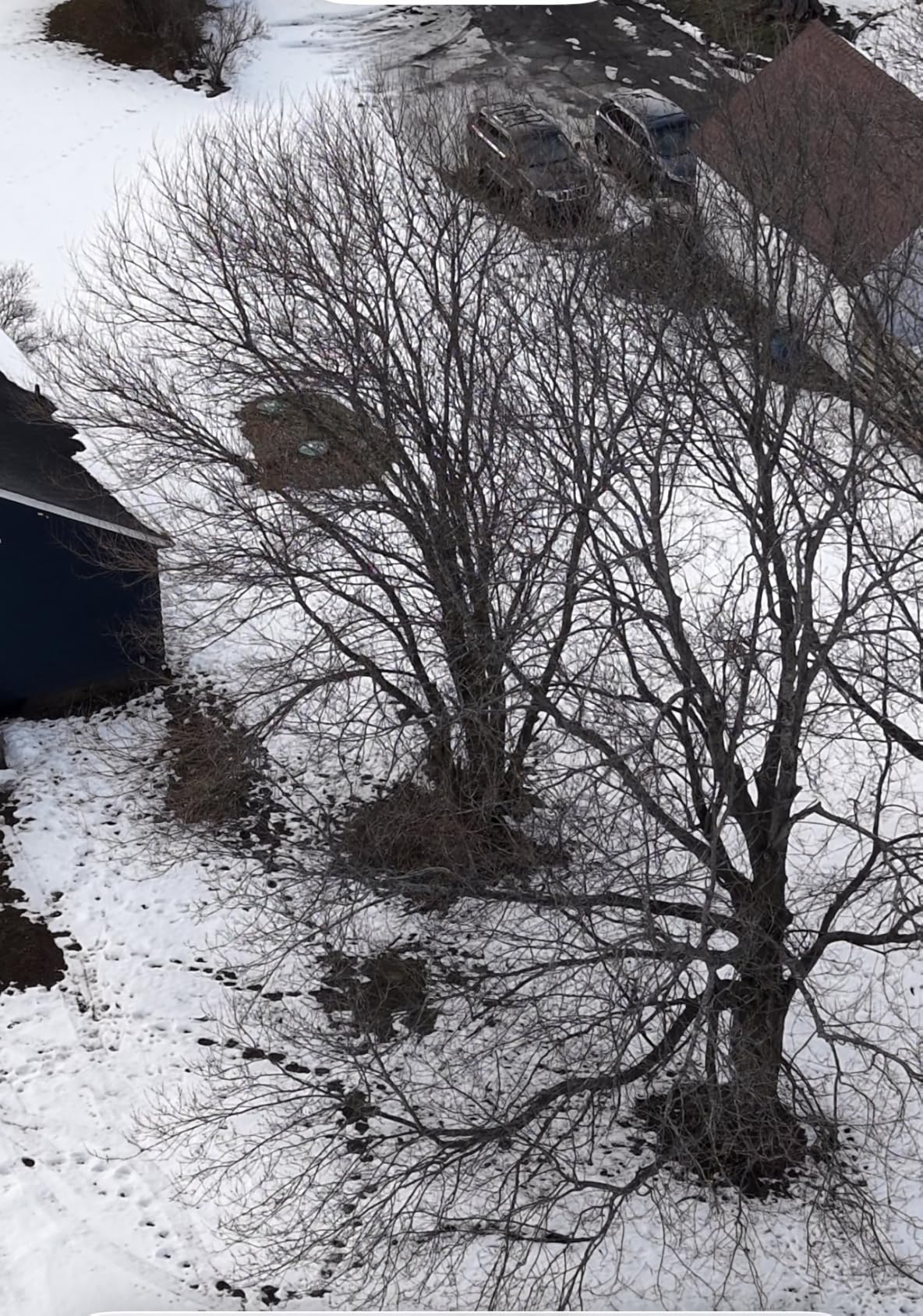
Video quality matches the single-battery combo exactly. The 1/1.3-inch CMOS sensor captures 4K at 60fps with excellent dynamic range. RockSteady and HorizonSteady stabilization keep footage smooth even in wind. I captured cinematic shots on my third day of flying that looked professional.
The RC Motion 3 controller remains intuitive and responsive. One-push acrobatics work flawlessly, and the emergency brake button gives beginners a safety net when they get disoriented. This feature alone prevented several potential crashes during my learning phase.
Who Should Choose This Combo
Buy the Fly Smart Combo if you know you will stick with FPV flying and want maximum flight time per session. The price difference over buying batteries separately saves money, and the convenience of the charging hub justifies the upgrade.
This is also the better choice for families or groups who want to share the flying experience. With three batteries, you can rotate pilots without long waits between turns.
Considerations
The N3 goggles work perfectly but lack some features of the newer Goggles 3. If you plan to upgrade goggles later, factor that cost into your decision. Also remember that the motion controller limits you to DJI’s simplified flight modes. For full manual acrobatic control, you would need a separate traditional controller.
3. CADDXFPV Protos – Best HD Digital Entry Kit
CADDXFPV Protos FPV Drone RTF Kit, Built-in Walksnail 6g VTX, 1080p/60fps HD Digital Video Transmission, 4.5" FPV Goggles Screen, 3-in-1 Charging Hub for 3 Batteries, Supports 3 Flight Modes, Perfect FPV Gift for Beginners & Freestyle Racing
1080p/60fps HD digital
30ms latency
Walksnail 6g VTX
3-in-1 charger
10 min per battery
Pros
- True HD digital video
- 30ms ultra-low latency
- 3 flight modes
- ExpressLRS control
- No FAA registration needed
Cons
- Camera cable can loosen
- Position hold not perfect
- Goggles may feel small
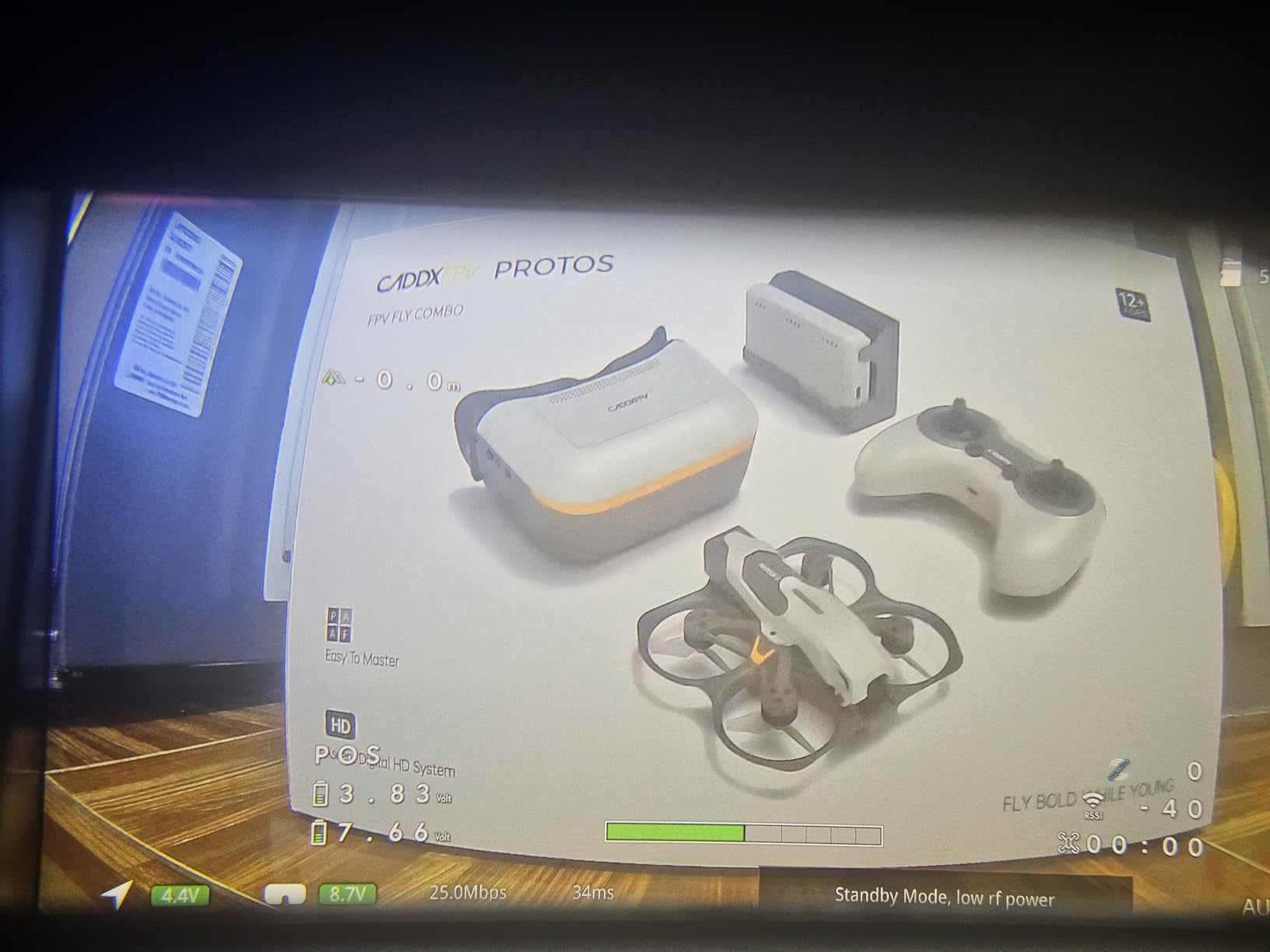
The CADDXFPV Protos offers something unique: true HD digital FPV at a mid-range price. While DJI dominates the premium digital space, Walksnail provides a compelling alternative that costs significantly less while still delivering 1080p video quality.
I was impressed by the 30ms latency, which feels nearly as responsive as analog systems. For racing and freestyle, low latency matters more than resolution. The Protos strikes an excellent balance that neither DJI nor analog competitors match at this price point.
The three-in-one charging hub is a standout feature. All three batteries charge simultaneously in about 20 minutes, giving you 30 minutes of total flight time with minimal downtime. The included carry case keeps everything organized for travel.
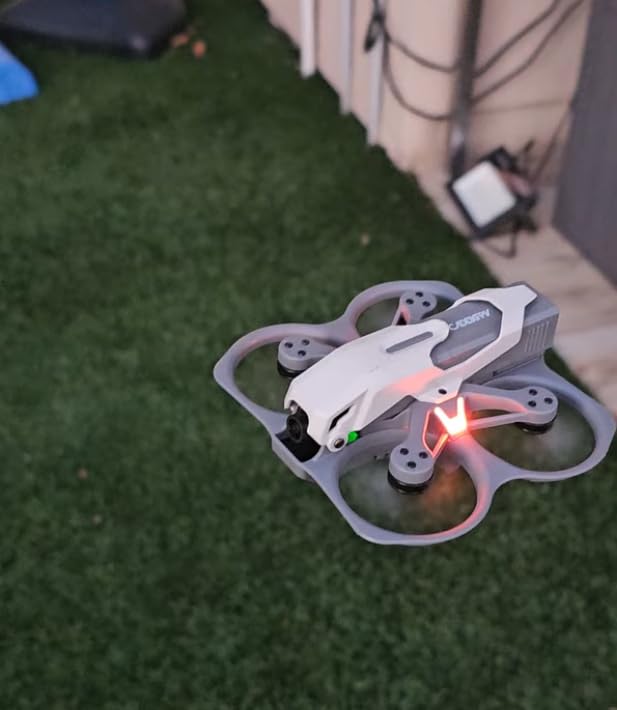
Flight modes range from Position Hold for absolute beginners to Manual/Acro for aspiring freestyle pilots. The self-stabilizing mode helps bridge the gap, letting you try manual maneuvers with automatic recovery assistance. This progression system helps you develop skills naturally.
The drone weighs under 250g, meaning no FAA registration required in the United States. This is a significant advantage for casual pilots who want to avoid paperwork and tracking requirements.
Who Should Buy the Protos
This kit suits beginners who want HD video quality without paying DJI prices. It is also ideal for anyone concerned about FAA regulations, as the sub-250g weight avoids registration requirements. The ExpressLRS radio protocol future-proofs your investment for upgrading to other compatible drones.
Potential Drawbacks
The camera cable can work loose after hard crashes, causing video signal loss. A bit of tape or glue prevents this issue. The position hold mode works but drifts more than DJI’s implementation. Wind resistance in stabilized mode is also limited compared to premium alternatives.
4. BETAFPV Cetus Pro – Best Overall Beginner Kit
BETAFPV Cetus Pro FPV Kit with 3 Flight Modes Altitude Hold Emergency Landing Self Protection Turtle Mode, with LiteRadio 2 SE Transmitter VR02 Goggles Ready to Flight Easy for FPV Beginners
Brushless whoop
3 flight modes
Turtle mode
Altitude hold
450mAh 1S battery
Pros
- Exceptionally durable
- Three flight modes for progression
- Turtle mode self-righting
- Altitude hold for beginners
- Complete RTF kit
Cons
- Frame can crack eventually
- Short 5-minute battery life
- Fixed non-adjustable camera
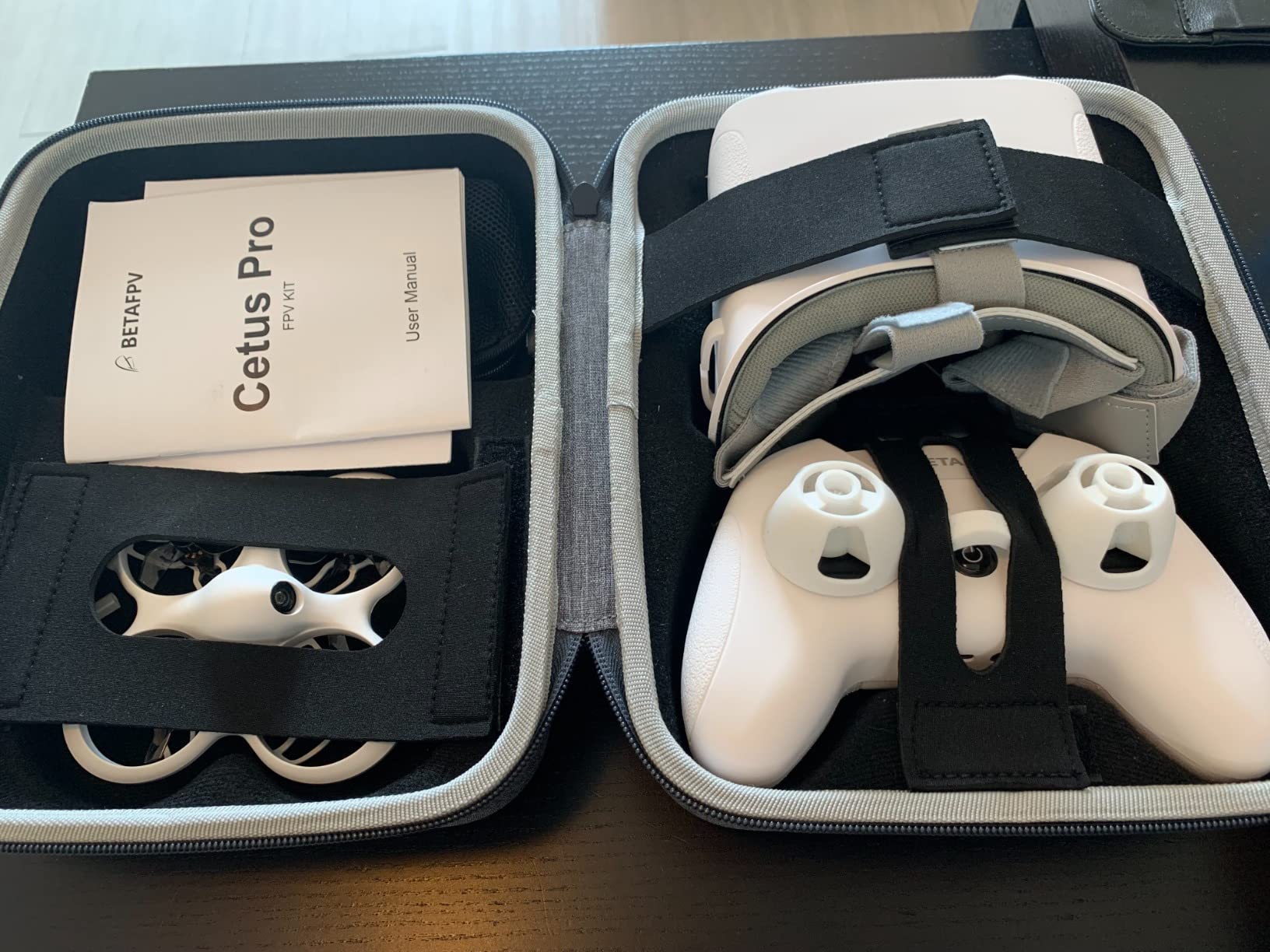
The BETAFPV Cetus Pro has earned its reputation as the go-to starter FPV kit, and my testing confirmed why. This brushless whoop survived crashes that would have destroyed other beginner drones. I accidentally flew it into a swimming pool, fished it out, and it kept working perfectly after drying.
Three flight modes let you grow with the drone. Normal mode provides altitude hold and self-leveling for first flights. Sport mode reduces the stability assistance while keeping some safety features. Manual mode gives you full control for learning acrobatic maneuvers when you are ready.
The turtle mode is a lifesaver for new pilots. When you crash and flip upside down, press a button and the drone rights itself. This saves countless walks across rooms or fields to retrieve your drone. I used this feature at least a dozen times during my first week.
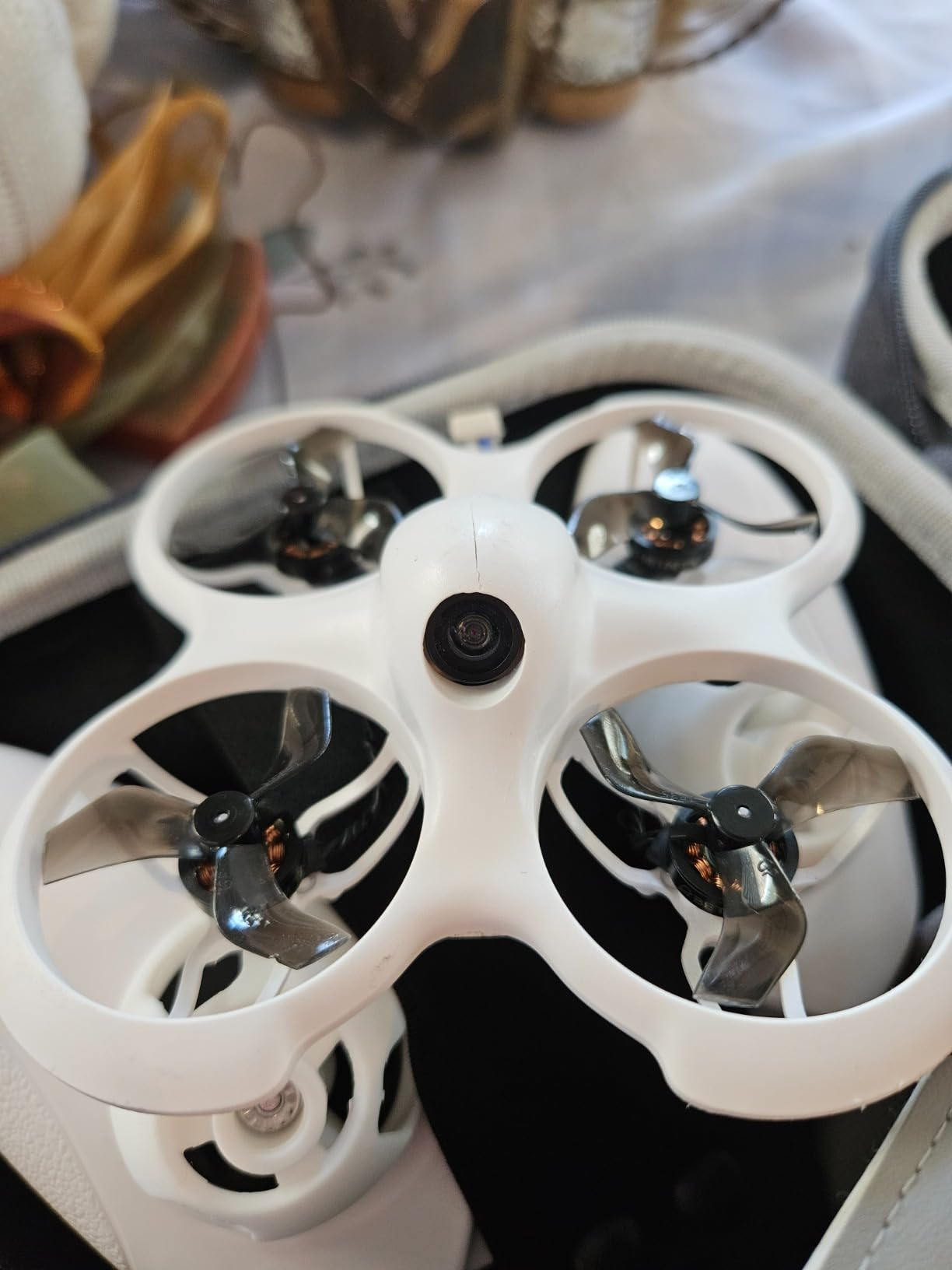
The included LiteRadio 2 SE transmitter works with FPV simulators via USB connection. I spent two weeks practicing in Liftoff before attempting real flights, and that preparation made my actual first flight successful rather than disastrous.
BETAFPV’s customer service impressed me when I had a question about binding. They responded within hours with clear instructions. This support matters enormously for beginners who will inevitably have technical questions.
Who Is the Cetus Pro For
This kit is perfect for absolute beginners who want the most forgiving learning experience. The durability gives you confidence to push your limits without fear of breaking something expensive. It is also ideal for indoor flying during bad weather, as the prop guards and small size make house-friendly flight possible.
What to Know Before Buying
The 5-minute flight time per battery feels short. You will want additional batteries immediately. The frame can develop cracks after heavy use, though replacement frames are inexpensive and easy to install. The camera angle is fixed, which limits some advanced freestyle techniques.
5. BETAFPV Aquila16 – Longest Flight Time Beginner Kit
BETAFPV Aquila16 FPV Kit with LiteRadio 2 SE Transmitter for Simulator, VR03 Goggles with DVR Recording Function, 3 Flight Modes, Supported 1S RTF Kit for FPV Beginner to Fly Indoor & Outdoor ELRS V3
8 minute flight
1100mAh battery
VR03 DVR goggles
ELRS V3
200m range
Pros
- Up to 8 minutes flight time
- VR03 goggles with recording
- ELRS V3 for extended range
- Very durable construction
- Three flight modes
Cons
- Camera cable loosens
- Goggles lack nose foam
- Not suitable for racing
Double the flight time of most beginner kits. That is what the Aquila16 delivers with its larger 1100mAh battery. Eight minutes per flight transforms the learning experience, giving you time to practice maneuvers without constantly landing to swap batteries.
The VR03 goggles include a DVR recording function, letting you capture your flights to SD card. Reviewing your flights helps identify mistakes and track improvement. I found this invaluable for analyzing why certain turns felt awkward and correcting my technique.
The ELRS V3 protocol on the LiteRadio 2 SE transmitter provides exceptional range and reliability. At 200 meters, the video signal remained clear and the control link stayed solid. This extended range opens up outdoor flying opportunities that smaller whoops cannot handle.
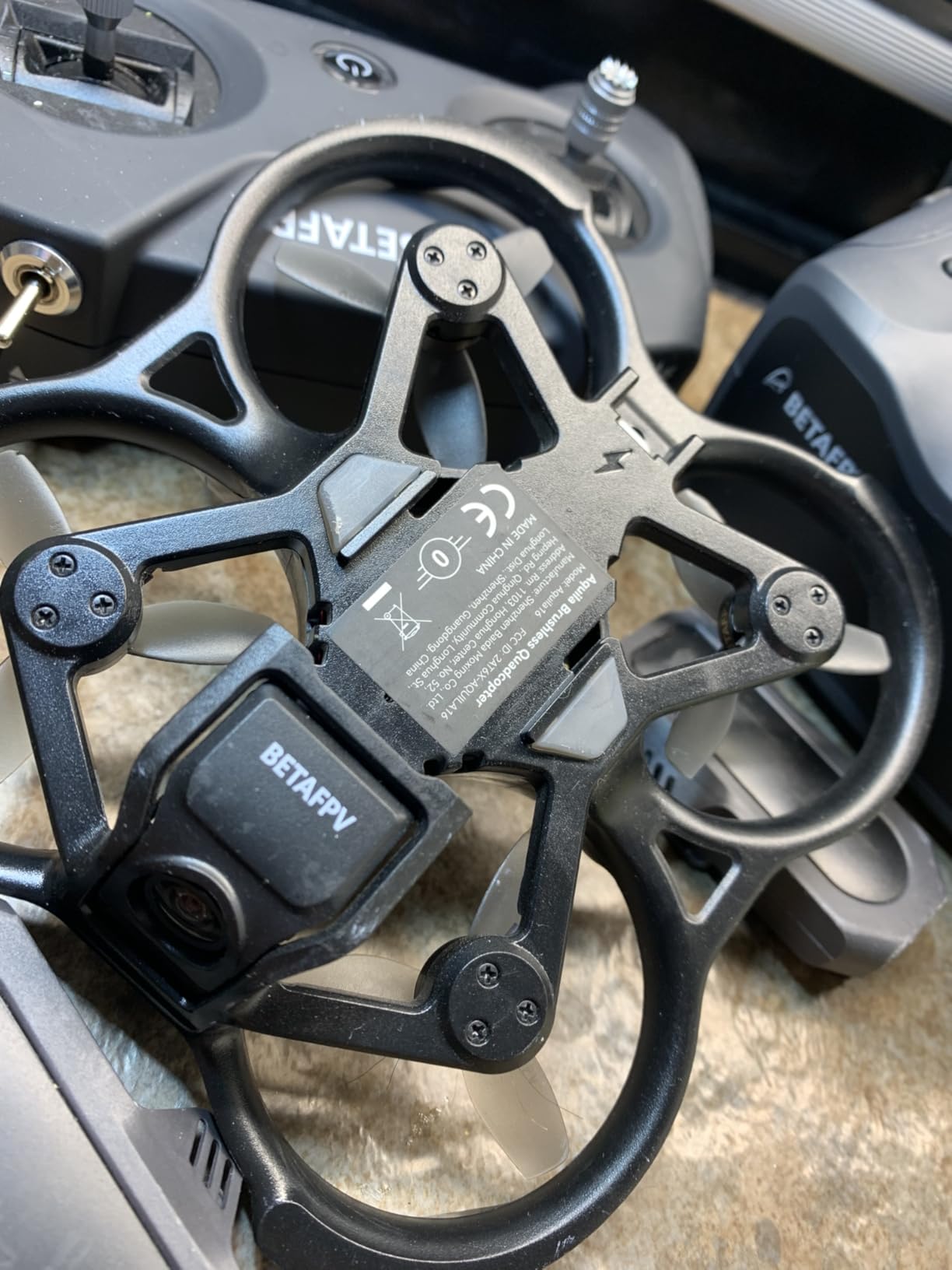
Build quality is tank-like. The PA12 frame and integrated prop guards absorb crashes that would destroy lesser drones. I crashed into concrete, trees, and fences without breaking anything. The drone feels substantial in your hands, not like a toy.
The included charging setup handles the larger battery efficiently. While not as fast as the Protos three-in-one system, it charges the 1100mAh battery in about 45 minutes.
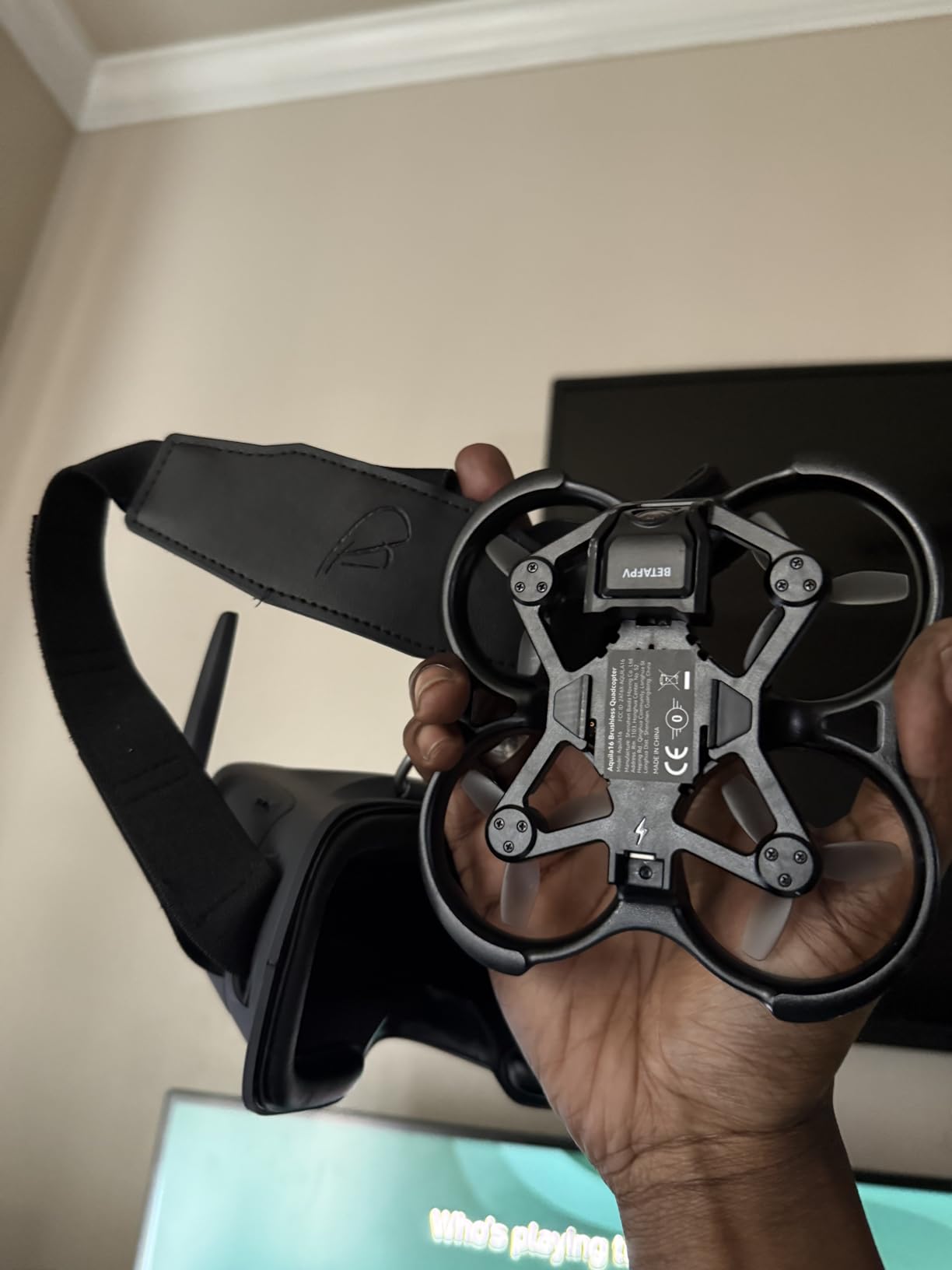
Who Should Choose the Aquila16
Buy this kit if you prioritize flight time over raw performance. The longer sessions suit methodical learners who want to practice specific skills repeatedly. The DVR recording also appeals to pilots who want to review and share their progress.
Things to Watch Out For
The camera cable requires securing after hard crashes. Light leaks into the goggles due to missing nose foam, which I solved with some foam tape. The drone yaws out when pushed aggressively, confirming BETAFPV’s description as a cinewhoop rather than a racing quad.
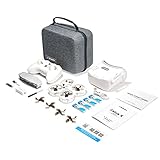
6. BETAFPV Cetus X – Advanced Beginner Betaflight Kit
BETAFPV Cetus X FPV Kit with Betaflight FC LiteRadio 3 Transmitter C04 Cam VR03 Goggles with DVR Recording Function, Supported 2S Power Advanced RTF Kit for FPV Beginners to Fly Faster Further-ELRS V3
Betaflight FC
ExpressLRS 2S
LiteRadio 3
VR03 DVR goggles
4 batteries
Pros
- Full Betaflight configurability
- 2S power for better performance
- DVR recording in goggles
- Four batteries included
- Simulator compatible
Cons
- Radio gimbal failure issues
- Analog video quality
- Camera breaks easily
- Requires recalibration
The Cetus X bridges the gap between beginner RTF kits and serious freestyle drones. Unlike other beginner options, this one runs Betaflight, the standard flight controller software used by professional FPV pilots. This means you can customize every aspect of flight performance as you advance.
The 2S power system provides noticeably more punch than 1S whoops. Punch outs feel stronger, and the drone carries momentum better through maneuvers. This extra power prepares you for larger 5-inch freestyle quads while remaining manageable for beginners.
Four batteries in the box is generous. Combined with 8-10 minute flight times, you get nearly 40 minutes of flying before needing to recharge. This quantity lets you share with friends or do extended practice sessions.
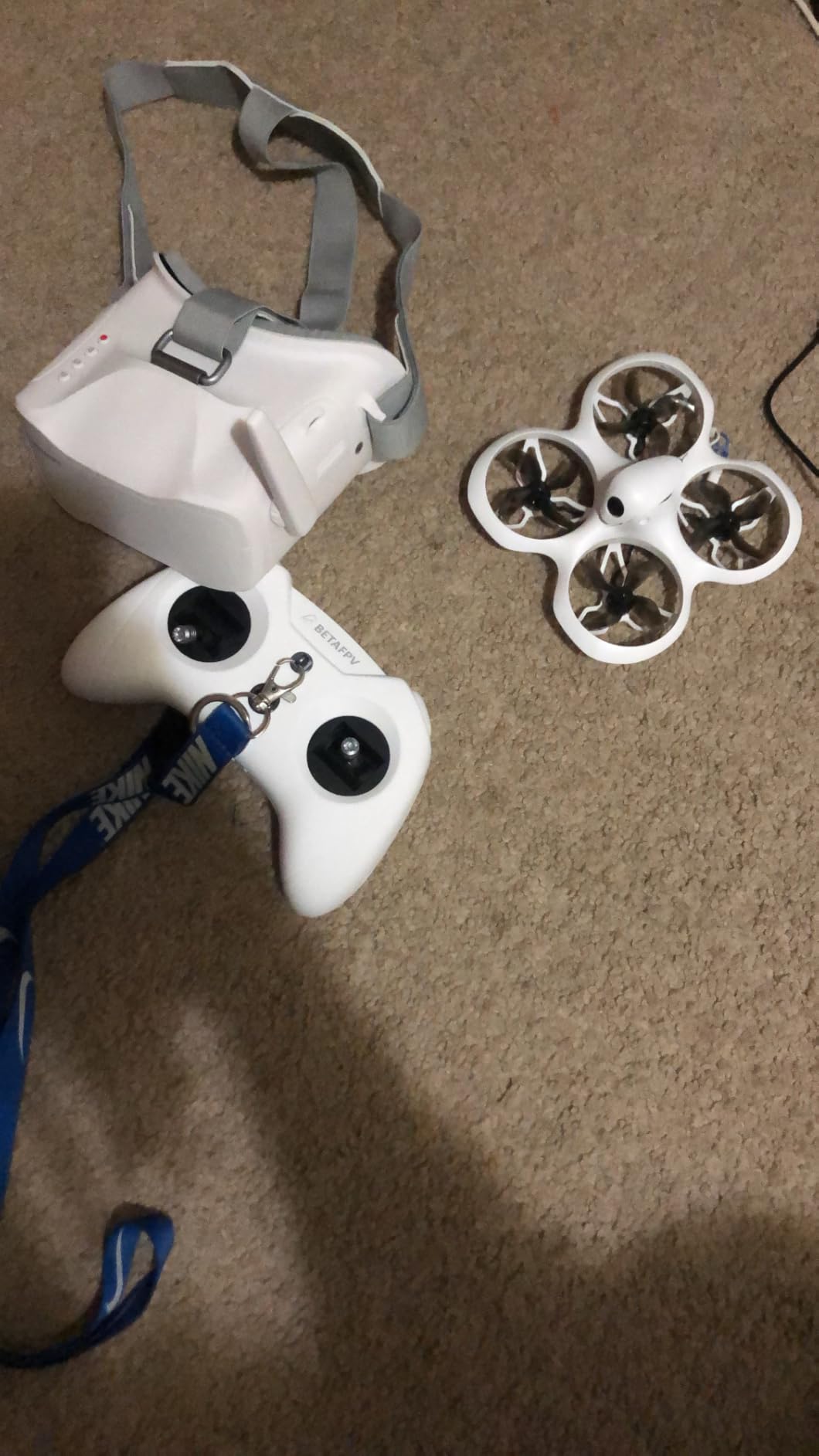
ExpressLRS compatibility means this radio works with hundreds of other drones. When you outgrow the Cetus X, your transmitter investment carries forward. This future-proofing saves money long-term compared to proprietary systems.
The LiteRadio 3 transmitter feels more professional than the LiteRadio 2 SE included with other kits. The gimbals have better resolution, making fine control adjustments easier. However, some users report gimbal jitter issues after extended use.
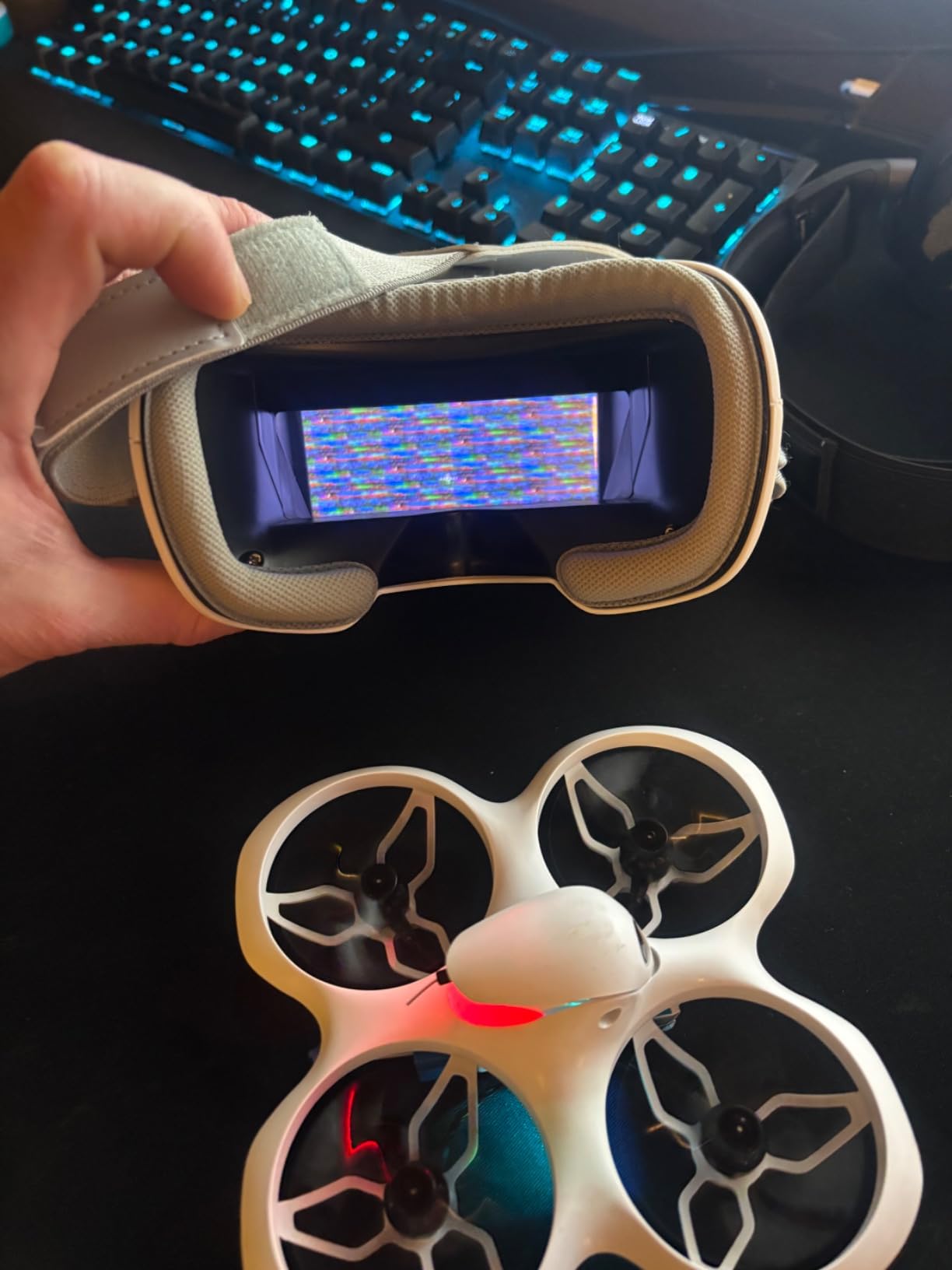
Who Is the Cetus X For
This kit suits beginners who know they want to progress to advanced freestyle or racing. The Betaflight access lets you grow into the hobby rather than outgrow the equipment. If you plan to build custom drones eventually, the Cetus X teaches you the software skills you will need.
Potential Issues
The radio gimbal quality control is inconsistent. Some units develop jitter or dead zones. BETAFPV’s customer service replaces defective units, but this is frustrating. The camera is also more fragile than the drone itself, requiring careful handling.
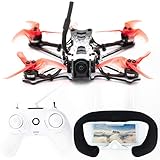
7. Tiny Hawk Free Style 2 – Lightweight Outdoor Racing
Tiny Hawk Micro Drone Free Style 2 FPV Racing Outdoor Quad Ready To Fly Kit with Goggles and Controller for Beginners and Pros
Carbon fiber frame
5.8G FPV
2.4GHz control
640p video
4oz weight
Pros
- Genuine carbon fiber frame
- Real 5.8G analog FPV
- Extremely lightweight
- Outdoor racing capable
- Durable crash resistance
Cons
- Full manual mode only
- Goggle compatibility issues
- Software glitches
- Steep learning curve
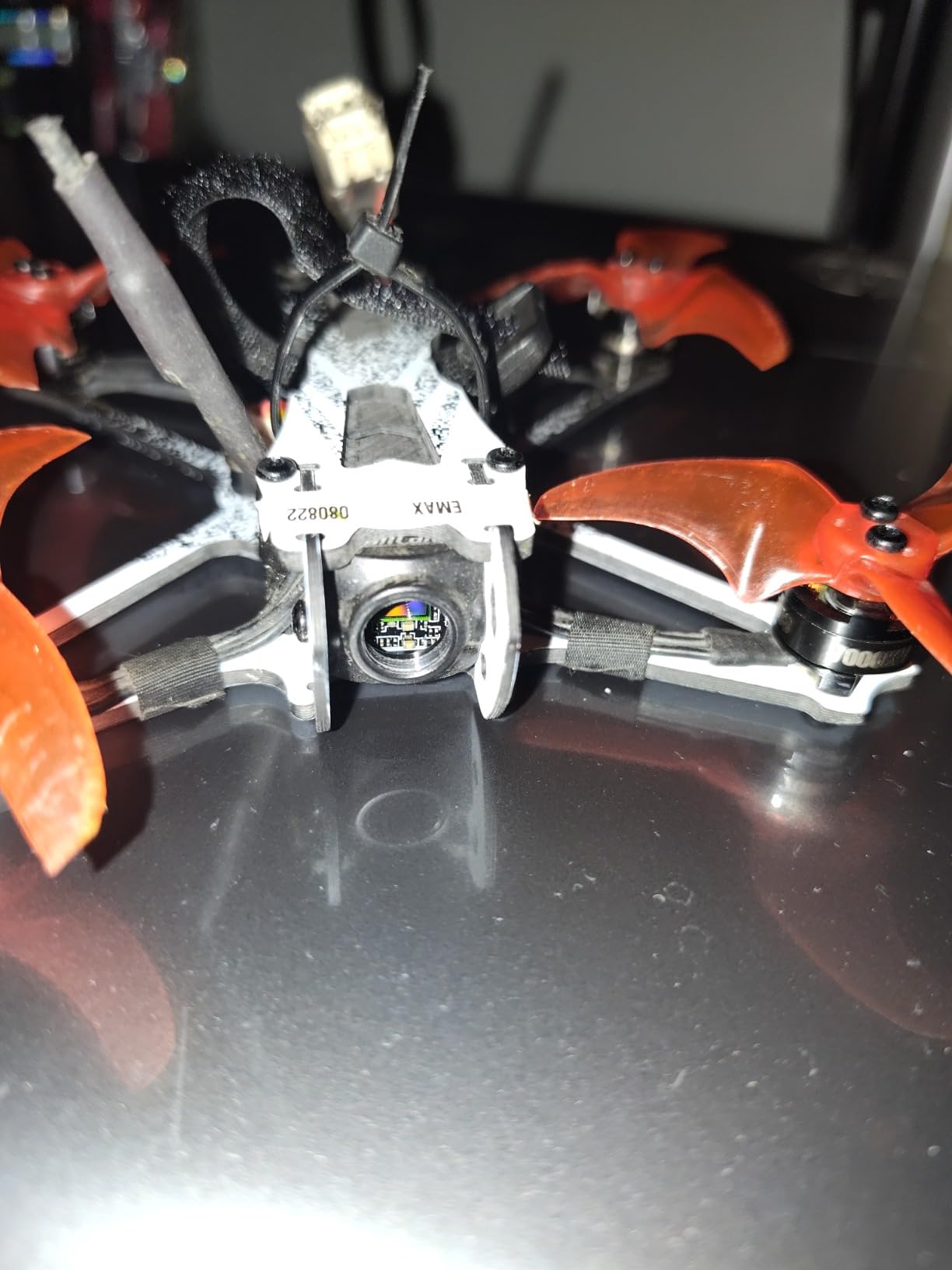
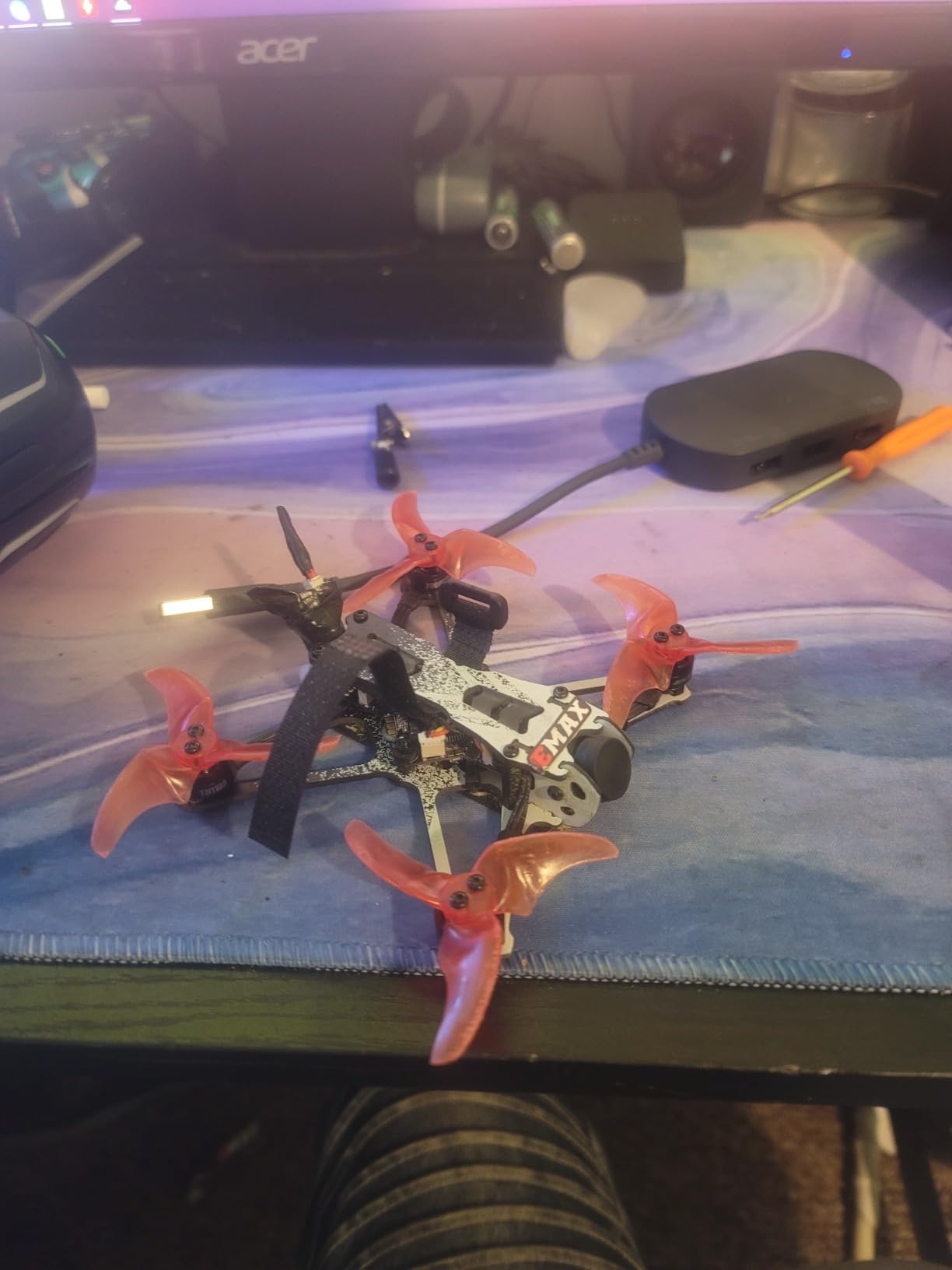
The Tiny Hawk Free Style 2 delivers authentic FPV racing experience in a beginner-sized package. The carbon fiber frame feels professional, not toy-like. At 4 ounces, it floats through the air with responsiveness that heavier drones cannot match.
This is a real 5.8G analog FPV system, meaning you can upgrade to premium goggles later and see immediate video quality improvements. The included goggles work fine for learning, but the drone grows with your equipment upgrades.
Crash durability impressed me during outdoor testing. I crashed into chain link fences, gravel paths, and tree branches. The carbon fiber frame flexed and returned to shape. One user reported 75+ crashes without structural failure, and I believe it.
The manual-only flight mode means no safety nets. This drone does not self-level or hover automatically. While intimidating for absolute beginners, this forces you to develop proper stick control from day one. Simulator practice is essential before your first flight.
Real FPV racing performance makes this unique among beginner kits. The power-to-weight ratio and frame rigidity suit gate racing and freestyle tricks. You are not buying a toy disguised as an FPV drone. You are buying an actual racing quad with training wheels removed.
Who Should Buy This Drone
Choose the Free Style 2 if you specifically want to learn racing or freestyle, not just casual flying. The lack of assisted modes forces skill development that translates directly to larger racing drones. Experienced RC pilots transitioning to FPV will appreciate the responsive handling.
Important Considerations
The manual-only operation makes this unsuitable for absolute beginners with no RC experience. Simulator time is mandatory, not recommended. Some users report software glitches during landing, and controller connection issues occur occasionally. Be prepared for a steeper learning curve.
8. BETAFPV Cetus – Affordable Entry Point
BETAFPV Cetus FPV RTF Drone Kit for Brushed Racing Drone, with LiteRadio 2 SE Transmitter VR02 FPV Goggles, Fly FPV Drone Kit for Beginners to Fly Faster Further
Brushed motors
720p video
LiteRadio 2 SE
VR02 goggles
Simulator support
Pros
- Lowest cost complete kit
- FPV simulator compatible
- Height hold function
- Self-protection features
- Good for learning basics
Cons
- Brushed motors wear out
- Very short 2-4 min flight time
- 720p video quality
- Motor reliability issues
The original BETAFPV Cetus remains the cheapest way to try FPV flying with a complete kit. At under $200, you get everything needed to start: drone, transmitter, goggles, batteries, and charger. This low barrier to entry makes it attractive for curious beginners unsure about committing to the hobby.
Simulator support via USB connection lets you practice without risking the drone. I recommend at least 10 hours in Liftoff or VelociDrone before attempting real flight. This preparation pays off enormously when you finally take to the air.
Height hold mode in Normal setting helps beginners maintain altitude without constant throttle adjustments. This assistance lets you focus on directional control first, then add altitude management as you gain confidence.
The self-protection features emergency land when the drone detects collisions or signal loss. While not perfect, these safety systems prevent runaway drones and reduce damage from beginner mistakes.
However, the brushed motors represent a significant limitation. Unlike brushless motors that last years, brushed motors wear out after dozens of flights. Performance degrades over time, and replacement motors add cost that closes the price gap with brushless alternatives.
Who Should Consider the Cetus
Buy this kit if you are genuinely unsure whether FPV flying is for you and want the cheapest possible entry point. It is also suitable for younger kids where the lower power and speed improve safety. Treat it as a trial experience rather than a long-term investment.
Why Most Should Skip It
The Cetus Pro costs only $50 more but delivers vastly better durability, flight time, and motor longevity. For most beginners, the Pro is the smarter purchase. Only choose the base Cetus if the budget is extremely tight or you are buying for a child who might lose interest quickly.
9. APEX FPV Drone Kit – Budget Simulator-Ready Option
APEX FPV Drone Kit,FPV Goggles,First-person view drone,FPV Racing Drone for Beginners,Low-Latency 5.8G Transmission, Drop-Resistant,VR70-2.0
480p video
5.8G transmission
3 batteries
1000ft range
Drop-resistant
Pros
- Three batteries included
- Drop-resistant design
- Simulator compatible
- Low-latency 5.8G
- Good value for price
Cons
- Charger reliability issues
- 480p low video quality
- Static in goggles
- Batteries hard to replace
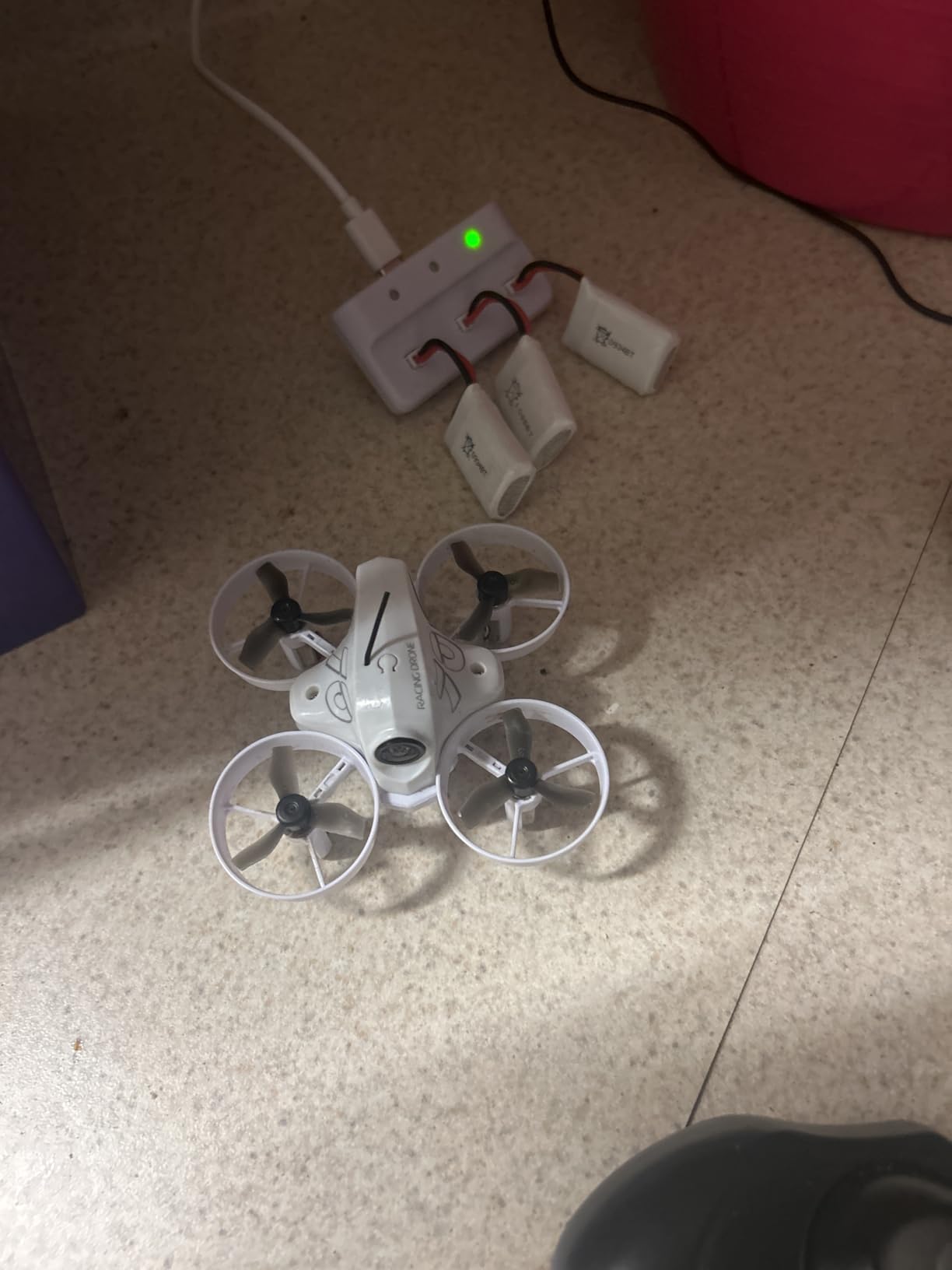
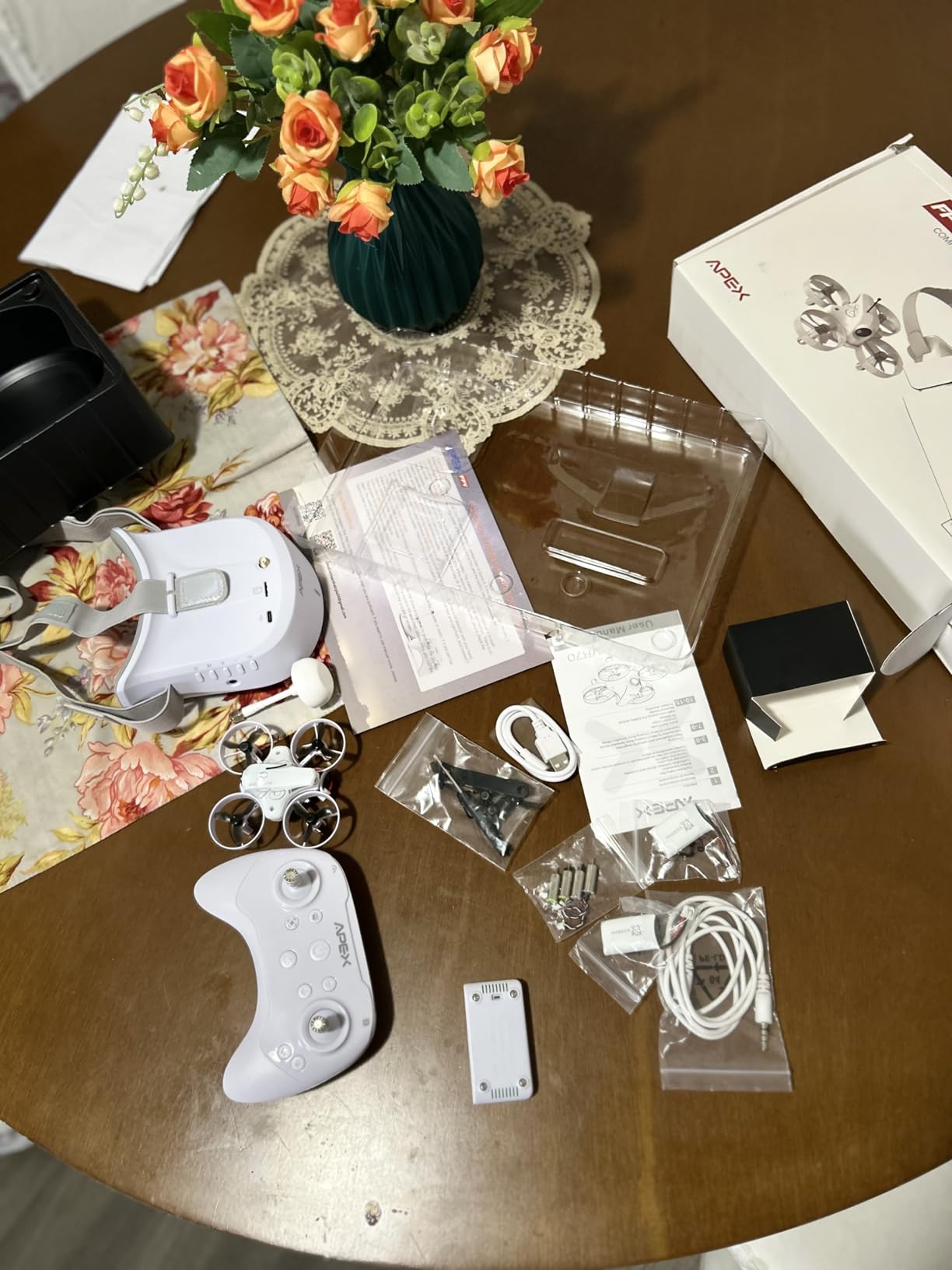
The APEX kit competes with the Cetus at the budget end of the market. Three included batteries give you 15-18 minutes of total flight time, better than the single battery many cheap kits provide. The drop-resistant design withstands beginner crashes reasonably well.
Simulator compatibility helps you develop skills before risking the actual drone. The included transmitter works with popular FPV simulators via USB, letting you practice orientation and basic maneuvers without financial risk.
The 120-degree field of view in the goggles provides adequate immersion for learning. While not as expansive as premium systems, it gives you the first-person perspective that makes FPV flying unique.
Low-latency 5.8G transmission keeps control responsive. The drone reacts immediately to stick inputs without the delay that makes cheap toy drones frustrating to fly. This responsiveness matters for building proper muscle memory.
However, quality control is inconsistent. Some users report charging equipment failures, goggle static issues, and propellers popping off during flight. These problems require troubleshooting patience that beginners may not have.
Who Should Buy the APEX Kit
This kit suits absolute beginners on tight budgets who want to try FPV without major investment. The included simulator support helps you learn safely. If you treat it as a learning tool rather than a long-term drone, the value proposition works.
Quality Concerns
The 480p video quality feels dated compared to 720p alternatives. Battery replacement is difficult since proprietary batteries are hard to source. Goggle fit can be tight for adults. Consider spending slightly more for a Cetus Pro unless budget absolutely dictates this price point.
10. BETAFPV Cetus Lite – Best for Kids and Young Beginners
BETAFPV Cetus Lite FPV Drone Kit for Kids, with Altitude Hold Self Protection Function 2 Speed Modes Support Simulator Ready to Fly Kit for FPV Beginners to Start Flying Indoor Outdoor- Frsky D8
PA12 safety frame
Altitude hold
Auto-disarm
2 speed modes
Kid-focused design
Pros
- Designed specifically for kids
- Protective PA12 frame
- Altitude hold for easy control
- Affordable price
- Good customer service
Cons
- Very short flight time
- Frame cracks easily
- Battery swelling issues
- Low video quality
The Cetus Lite targets young beginners with safety-focused design choices. The PA12 protective frame surrounds the propellers, reducing injury risk if small fingers contact spinning blades. Auto-disarm on collision detection stops motors immediately upon impact.
Two speed modes let kids start slow and graduate to faster flight as skills improve. The slower setting prevents overcorrection and builds confidence gradually. This progression system works well for children aged 8-12 learning coordination.
Altitude hold simplifies one of the hardest skills for beginners. The drone maintains height automatically, letting kids focus on directional control only. This assistance makes first flights successful rather than frustrating.
The included LiteRadio 1 transmitter is smaller and lighter than adult-sized radios, fitting children’s hands better. Button placement suits smaller fingers, and the reduced complexity prevents overwhelming young pilots.
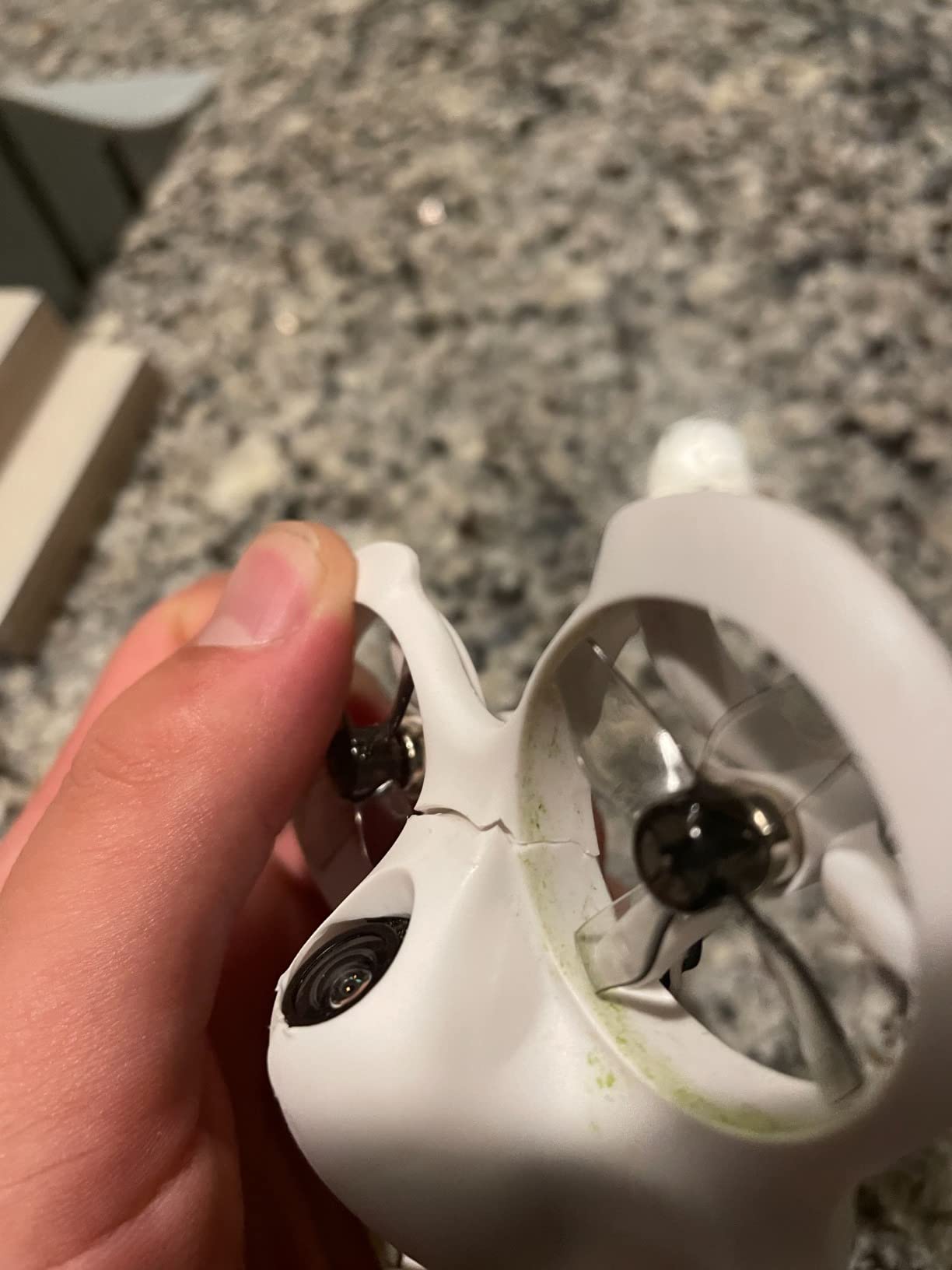
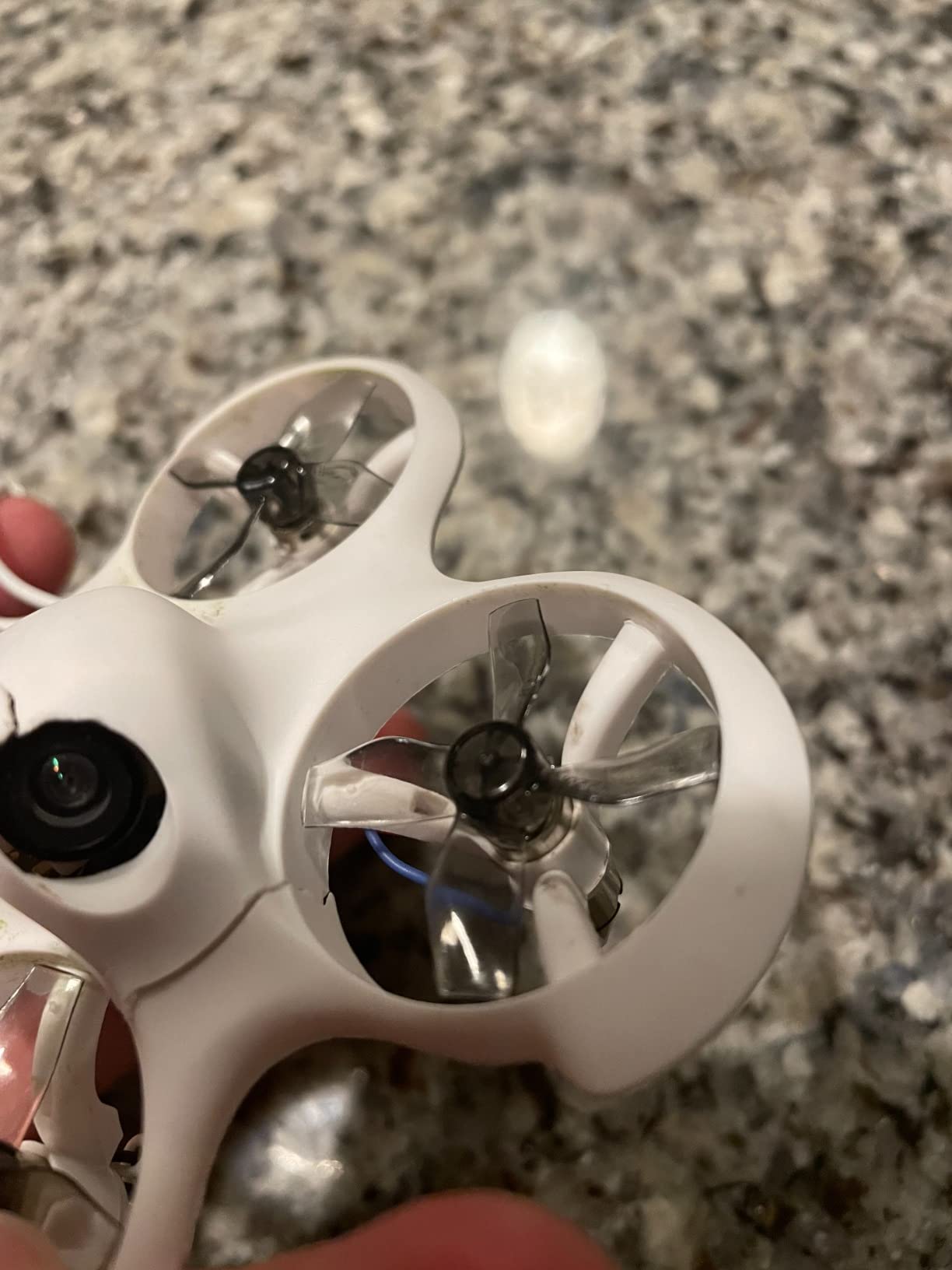
However, user reviews reveal significant quality issues. Battery swelling after months of use is commonly reported. Frame durability is worse than the standard Cetus, with cracks developing after moderate crashes. The 1.5-3 minute flight time is extremely limiting.
Who Should Buy This Kit
Purchase the Cetus Lite specifically for children under 14 who want to try FPV flying. The safety features and kid-friendly design justify the purchase for young pilots. Adult beginners should spend the extra $50 for the Cetus Pro instead.
Parental Considerations
Monitor battery condition closely due to swelling reports. Supervise charging and inspect batteries before each use. The short flight time means frequent interruptions, which may frustrate some children. Consider buying extra batteries immediately.
How to Choose the Best Ready-to-Fly FPV Racing Drones In 2026?
Selecting the right RTF FPV drone depends on your budget, goals, and prior experience. This buying guide breaks down the key factors that separate good beginner kits from disappointing purchases.
RTF vs BNF vs DIY: What Beginners Need to Know
Ready-to-Fly (RTF) drones include everything you need in one box: the drone, radio transmitter, and FPV goggles. This is what we cover in this guide because it eliminates barriers to entry. You charge the batteries and start flying immediately.
Bind-and-Fly (BNF) drones require you to already own a radio transmitter and goggles. You buy the drone separately and bind it to your existing equipment. This saves money if you already have compatible gear, but adds complexity beginners should avoid.
Do-It-Yourself (DIY) involves sourcing individual components, soldering, and configuring flight controller software. While building teaches you valuable skills, it adds weeks or months before your first flight. Most beginners should start with RTF, then consider building their second drone.
Analog vs Digital FPV Systems
Analog FPV systems transmit video as traditional radio signals. They offer extremely low latency, affordable equipment, and universal compatibility. However, video quality is lower with static and interference common. Most budget RTF kits use analog systems.
Digital FPV systems transmit compressed video data, providing crystal-clear HD images with no static. DJI’s system dominates this space, though Walksnail offers alternatives. The trade-off is higher cost, slightly higher latency, and ecosystem lock-in. Digital systems suit content creators and pilots prioritizing video quality.
For beginners, analog systems are perfectly adequate for learning. The lower cost lets you crash without financial stress. Upgrade to digital later when you are capturing footage you want to share professionally.
Essential Features for Beginner FPV Drones
Altitude hold helps beginners maintain height without constant throttle management. This feature is essential for your first flights. Most RTF kits include this in their beginner modes.
Turtle mode or self-righting lets you flip the drone upright after crashes without walking to retrieve it. This saves enormous frustration during early learning when crashes are frequent.
Prop guards protect both the drone and your surroundings. Beginners crash constantly, and unprotected propellers break easily. Guards also make indoor flight safer for people and pets.
Multiple flight modes let you progress from assisted flight to full manual control. Start with self-leveling modes, then gradually reduce assistance as skills improve.
Budget Tiers and What to Expect
Under $200 buys basic RTF kits like the Cetus or APEX. These use brushed motors, lower video quality, and shorter flight times. They work for trying FPV but lack longevity. Consider this tier only for absolute beginners testing interest.
$200-$350 gets you quality brushless whoops like the Cetus Pro or Aquila16. These deliver better durability, longer flight times, and improved video. Most beginners should target this range for the best value.
$350-$600 offers advanced beginner kits like the Cetus X or entry-level digital systems. These include features like DVR recording, ExpressLRS, and Betaflight compatibility. Buy here if you are committed to long-term FPV involvement.
$800+ enters premium territory with DJI Avata 2 and professional-grade systems. The video quality and ease of use justify the cost for serious content creators or those certain about their FPV commitment.
Radio Protocols and Compatibility
ExpressLRS (ELRS) has become the community favorite for radio control. It offers excellent range, low latency, and affordable receivers. Many modern RTF kits include ELRS-compatible transmitters, future-proofing your investment.
Frsky protocols are older but still common in budget kits. They work fine for beginners but limit upgrade options. Consider whether you want to stay in the Frsky ecosystem or move toward ELRS eventually.
Proprietary protocols like DJI’s lock you into their ecosystem. This is fine if you plan to stick with DJI products, but prevents mixing equipment from other brands.
Simulator Training Before First Flight
Every expert recommendation and user review in my research emphasized simulator practice. Spend 10-20 hours in Liftoff, VelociDrone, or TRYPFPV before touching real sticks. Simulators teach orientation, basic maneuvers, and muscle memory without breaking equipment.
Most RTF transmitters connect to simulators via USB. Practice until you can complete a full battery flight without crashing in the simulator. This preparation makes your real first flight enjoyable rather than terrifying.
Frequently Asked Questions About Beginner FPV Drones
Which FPV drone is best for beginners?
The BETAFPV Cetus Pro offers the best balance of durability, features, and value for most beginners. It includes three flight modes for progression, turtle mode for self-righting, altitude hold for easy hovering, and brushless motors for longevity. For those prioritizing video quality, the DJI Avata 2 delivers stunning 4K footage with intuitive motion controls.
What size FPV drone is best for beginners?
Beginners should start with 65mm to 75mm tiny whoop drones or small 2-3 inch quads. These smaller sizes are safer for indoor flight, more durable in crashes, and less intimidating to control. Tiny whoops with prop guards protect both the drone and surroundings during inevitable beginner crashes. As skills develop, pilots naturally progress to 5-inch freestyle and racing drones.
Is flying FPV alone illegal?
Flying FPV alone is not inherently illegal in most countries, but regulations vary by location. In the United States, you need a Part 107 commercial drone license or follow recreational flyer rules. Most regulations require visual observers when flying FPV unless you have specific waivers. Always check local laws regarding registration, altitude limits, and no-fly zones before operating FPV drones.
Is the US military using FPV drones?
Yes, the US military and many international forces have adopted FPV drone technology for reconnaissance and tactical operations. Military applications differ significantly from consumer drones, utilizing specialized equipment for extended range, encryption, and payload delivery. Consumer FPV drones like those in this guide are designed for recreational and commercial use, not military applications.
Do FPV drones come with goggles?
Ready-to-fly (RTF) FPV drone kits include everything needed to start, including FPV goggles. Kits like the BETAFPV Cetus Pro, DJI Avata 2, and others reviewed in this guide all include compatible goggles in the box. Bind-and-fly (BNF) drones do not include goggles and require separate purchase. Always verify kit contents before purchasing to ensure goggles are included.
Final Recommendations
Choosing among the best ready-to-fly FPV racing drones for beginners comes down to your priorities. The DJI Avata 2 wins for content creators wanting premium video quality and intuitive controls. The BETAFPV Cetus Pro offers unmatched value for general beginners seeking durability and learning features.
Budget-conscious buyers should consider the Cetus Lite for kids or the standard Cetus for tentative beginners testing interest. Those committed to long-term FPV involvement should invest in the Cetus X or Aquila16 for their upgrade paths and Betaflight compatibility.
Whatever you choose, spend time in simulators first. That preparation transforms your first real flight from a crash-filled disaster into a rewarding experience. FPV flying is one of the most exhilarating hobbies you can pursue in 2026, and these RTF kits make starting accessible for everyone.
Pick a kit that matches your budget, charge those batteries, and take to the skies. The FPV community welcomes new pilots, and the learning journey brings satisfaction with every successful maneuver mastered.