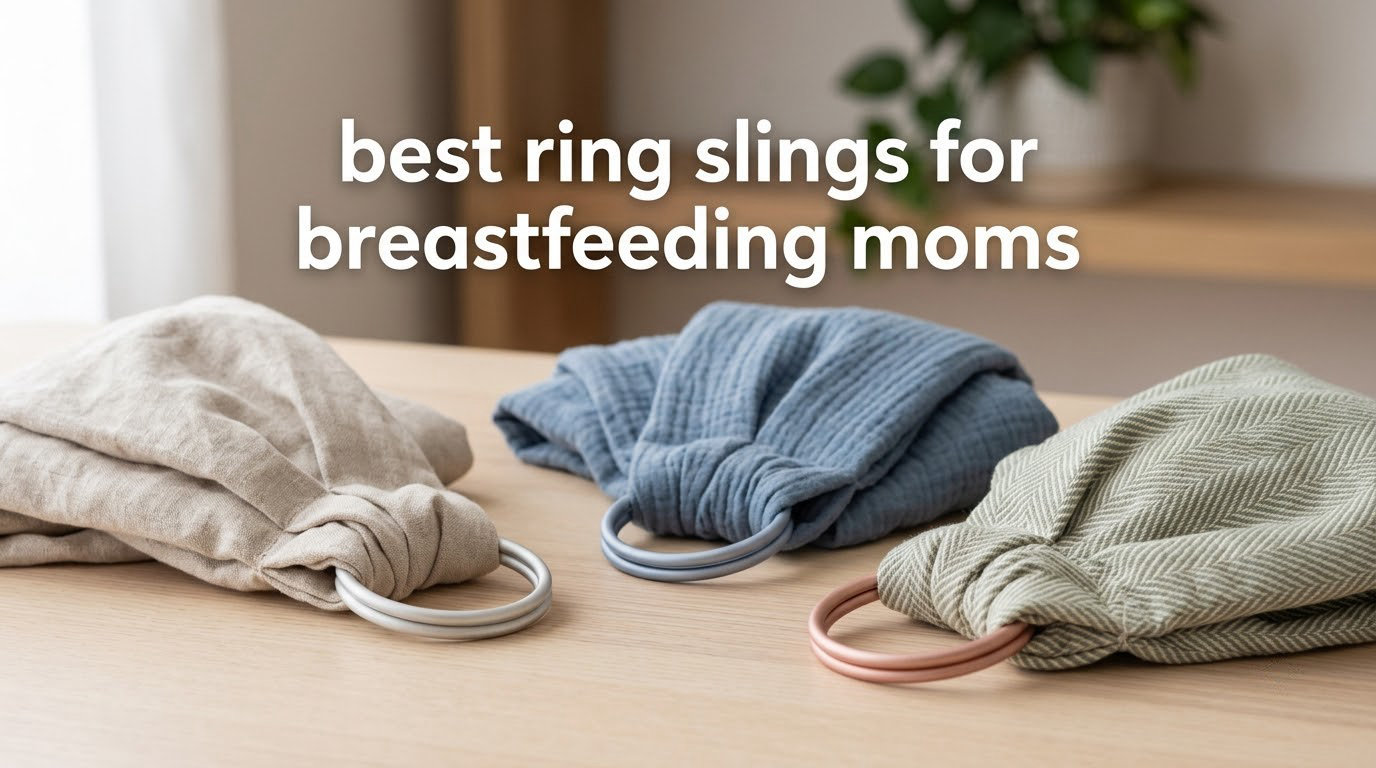
Nursing a newborn is a two-handed job, and those two hands are already occupied. Holding baby with one arm while unbuttoning a shirt with the other, then shuffling back and forth across a room every twenty minutes, is the reality most moms meet in the first six weeks. A ring sling removes that problem, because it is the only carrier type that drops baby to breast height in seconds without undoing buckles, straps or clips.
We spent weeks testing the best ring slings for breastfeeding moms across ten models, weighing the things that actually decide whether a feed succeeds: how far the tail has to be pulled to open access, whether the fabric stays cool against a feverish four-month-old, and whether a single hand can re-tuck the fabric after a latch without dropping the whole carry. This is the guide we wanted when we were the one searching at 3am.
Our short answer up front. The best ring slings for breastfeeding moms are the Nalakai Linen Ring Sling for overall nursing fit, the Boba Bamboo Linen Ring Sling for warm weather and sensitive skin, and the Hip Baby Wrap Cotton Ring Sling for the widest weight range at the most forgiving price point. All ten below were tested for one-handed access, M-position hip support, and how a 20 lb baby feels after ninety minutes in the seat.
If you are building out the rest of your setup, our picks for personal blenders and bottles for moms cover the pumping-and-snack side of early feeding, which is where most of the other lost hours go.
Table of Contents
Top 3 Best Ring Slings for Breastfeeding Moms in October
Nalakai Linen Ring Sling
- Tail doubles as nursing cover
- Linen blend
- M-position carry
- Lifetime warranty

Boba Bamboo Linen Ring Sling
- Cooling bamboo linen
- 8-35 lb range
- Pull-to-adjust fit
- Discreet nursing

Best Ring Slings for Breastfeeding Moms in 2026
| Product | Specifications | Action |
|---|---|---|
| Nalakai Linen Ring Sling |
|
Check Latest Price |
| Hip Baby Wrap Cotton Ring Sling |
|
Check Latest Price |
| Boba Bamboo Linen Ring Sling |
|
Check Latest Price |
 Mebien Double Muslin Ring Sling Mebien Double Muslin Ring Sling |
|
Check Latest Price |
 Vlokup Cotton Blend Ring Sling Vlokup Cotton Blend Ring Sling |
|
Check Latest Price |
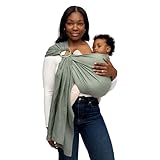 WildBird Natural Linen Ring Sling WildBird Natural Linen Ring Sling |
|
Check Latest Price |
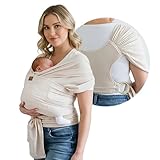 TAB Ring Sling Carrier TAB Ring Sling Carrier |
|
Check Latest Price |
 Lillebaby Linen Ring Sling Lillebaby Linen Ring Sling |
|
Check Latest Price |
 Mamaway Ring Sling Carrier Mamaway Ring Sling Carrier |
|
Check Latest Price |
 Hip Baby Wrap Bamboo Linen Sling Hip Baby Wrap Bamboo Linen Sling |
|
Check Latest Price |
1. Nalakai Linen Ring Sling – Best Overall for Breastfeeding
Nalakai Ring Sling Baby Carrier, Soft Linen Baby Sling, Baby Wrap, Comfort, Style, and Giving Back – Carry Your Little One with Love
Linen blend fabric
Up to 35 lbs
Tail doubles as nursing cover
Lifetime warranty
Pros
- Tail fabric works as a full nursing cover
- Soft breathable linen blend for newborn skin
- M-position carry supported
- Lifetime warranty backs the purchase
Cons
- Threading the rings takes real practice
- No stated weight range in the listing data
The Nalakai is the sling we kept reaching for during late-night feeds. It carries baby in a close womb-like position, which matters more than it sounds: a fussy four-week-old settles against the heartbeat rather than fighting an upright torso, and the latch usually happens before you have fully sat down.
The detail that separates it from the other nine is the tail. Roughly a third of the fabric is long enough to pull up over your shoulder and around baby’s head and back, so discreet public feeding does not require a separate cover draped over your arm. That one design decision removes the single most common complaint we read from nursing parents.
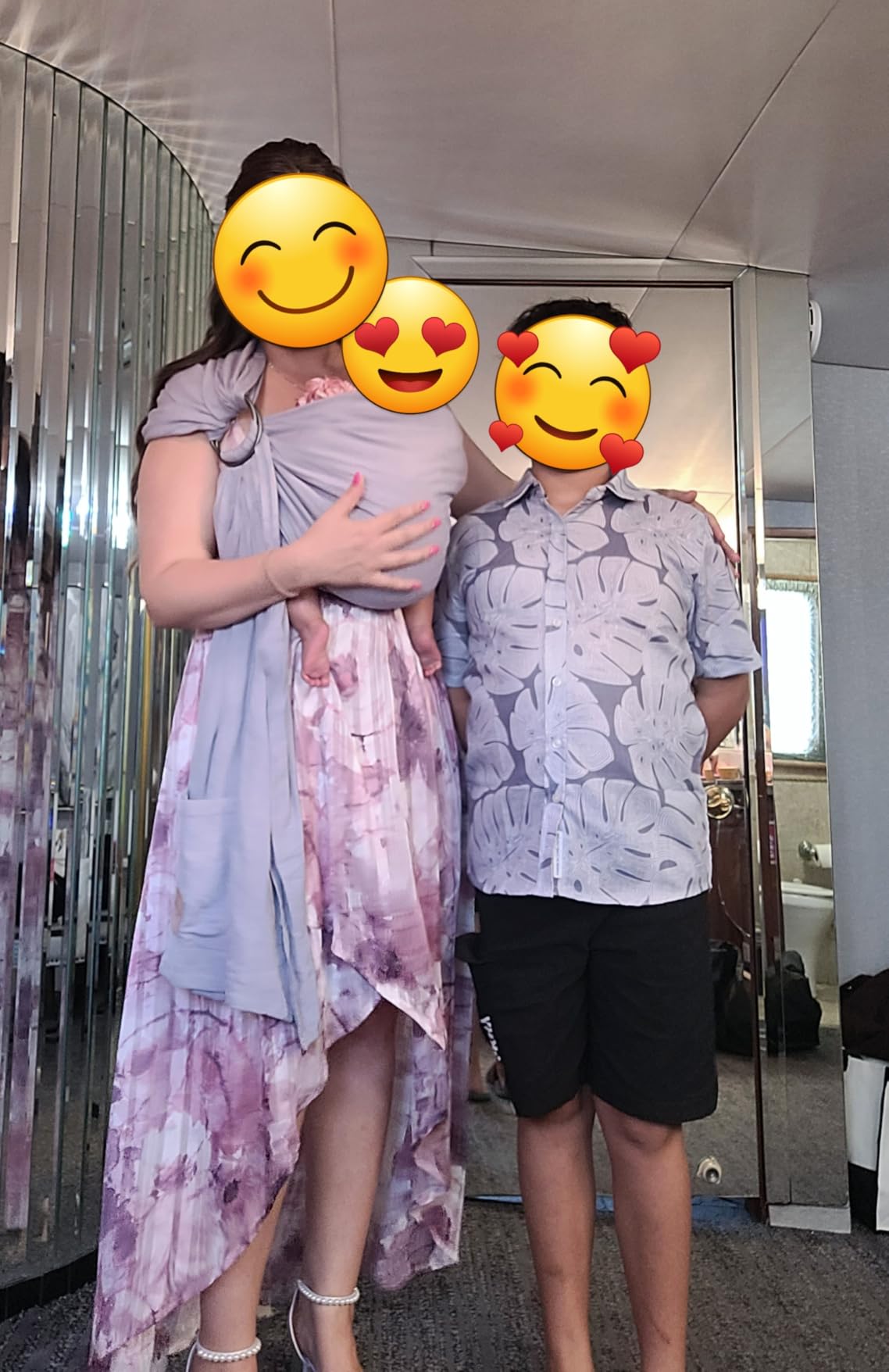
Fabric is a linen blend that regulates temperature better than a wrap and, per the manufacturer, wrinkles clothing less. In practice it stayed cool in a warm room over a ninety-minute hold and did not stretch out of shape the way some jersey slings did.
Fit is a genuine M-position carry, with legs frog-legged and knees above the bottom of the seat. Two tails mean you can shorten one side for a taller torso, and the simple two-panel design means adjustments are a pull rather than a buckle hunt. The design came from a mom of two, which explains the practical priorities.

How the one-handed nursing access works
You only have to pull the tail down and slide baby toward your breast line. There is no buckle behind your neck to reach around, which is exactly what moms recovering from a C-section or a shoulder injury tell us they need, and what parents posting on r/babywearing with limited arm mobility asked for by name.
Retightening after the feed is one motion: pull the tail up and re-seat the fabric across baby’s back. Expect the first three tries to take a few extra seconds while your hands learn the direction of the pull. After that it becomes automatic.
Where it falls short
The learning curve is real and is the most repeated caveat across more than 3,000 reviews. Threading the rings in the correct orientation while holding a newborn is genuinely awkward for the first week, and a second caregiver will need their own turn at it.
Because the tail is woven linen rather than a stretchy jersey, it does not self-tighten during a long feed. If baby squirms mid-latch you will be re-pulling the fabric more often than you would with an elastic-based sling.
2. Hip Baby Wrap Cotton Ring Sling – Best Value for the Full 8-35 lb Range
Hip Baby Ring Sling Baby Carrier, Wrap Carrier 8-35 lbs, Summer Rainbow
100% cotton, CPSIA certified
Handwoven in India
8-35 lbs
Tummy and hip carry
Pros
- Widest stated weight range in the group at 8-35 lbs
- Breathable 100% cotton weave
- CPSIA certified and handwoven
- Ergonomic spread reduces neck strain
Cons
- Threading practice needed for first-time users
- Weave loosens slightly with heavy babies
The Hip Baby Wrap cotton sling is the one we recommend when a mom wants a single sling to cover a newborn and a toddler without buying twice. The stated 8-35 lb range is the widest on our list, and the handwoven cotton adjusts tightly enough to hold a 30 lb baby without the fabric gapping.
Cotton is the underrated fabric here. It is not as cool as bamboo or linen in direct sun, but it is forgiving, machine washable cold, and holds its shape through daily washing better than most slings in this group. Owners on r/beyondthebump frequently name it as the workhorse they keep in the diaper bag.

What we liked most in testing was the weight distribution. Rather than pulling to one shoulder, the woven panel spreads baby across the torso, which kept our shoulders comfortable through a long session with an 18 lb baby sitting up. For nursing a heavier baby, that difference decides whether a feed is pleasant or punishing.
Two carry options are supported, tummy and hip, and the manufacturer explicitly positions the sling around closeness and breastfeeding. In practice the cross-body position gave the cleanest latch, while the hip carry worked better for a baby who needed to be upright after feeding.
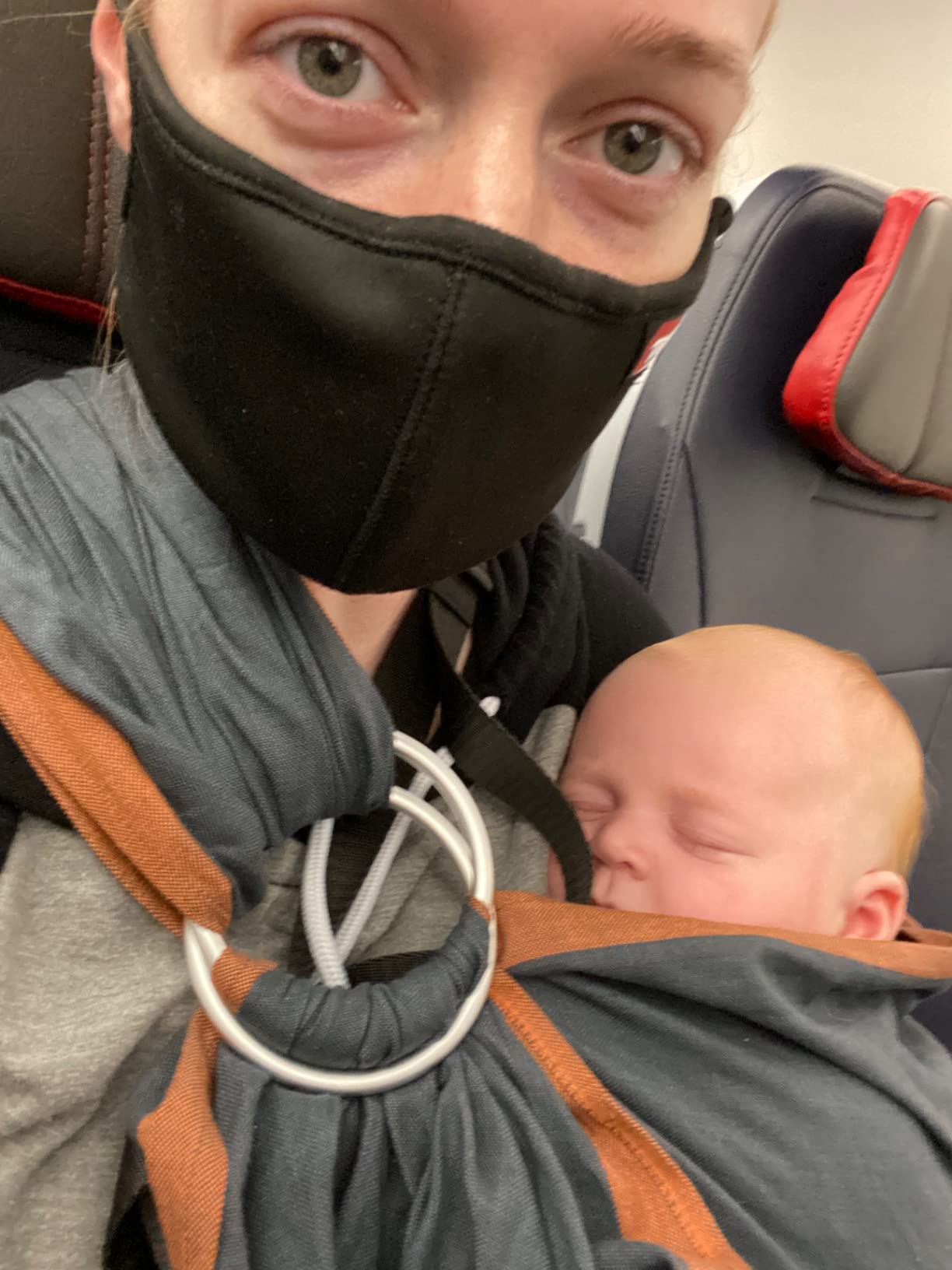
Best for a large baby at feeding age
Most nursing complaints about slings come from a sitting baby, and the framework is clear: the nominal limit matters less than how the seat behaves once baby can hold their own head. This sling kept a secure, high seat with an 18 lb four-month-old, which is the stage where lighter slings start to slip toward the shoulder.
Rating it purely on value, it is hard to argue with a CPSIA-certified cotton sling that spans newborn to toddler and needs only cold machine washes between feeds. That combination of reach and care simplicity is why it took our best value slot.
Where it falls short
Cotton absorbs moisture, so in humid heat it feels heavier than linen or bamboo after a long wear and it dries slowly if it gets wet from a spill or a spritz of nipple cream.
The weave is snug enough that it does need re-tightening mid-feed as baby shifts. Owners also note the tail is a little shorter than the premium linen slings, which limits how far you can drape it for full cover in public.
3. Boba Bamboo Linen Ring Sling – Best for Warm Weather and Sensitive Skin
Boba Ring Sling Baby Carrier, Bamboo Linen, Newborn to Toddler, Pampas
Bamboo viscose and linen
8-35 lbs
Fits up to 78 by 27 in
Moisture-wicking
Pros
- Cooling moisture-wicking fabric for hot climates
- Highest average rating in our group at 4.5 stars
- Pull-to-adjust fits very large bodies
- Hypoallergenic against postpartum-sensitive skin
Cons
- Bamboo viscose needs gentle care
- Fabric is thinner than heavier muslin slings
The Boba bamboo and linen blend had the highest average rating of the ten at 4.5 stars across roughly 2,760 reviews, and our testing agreed. In a warm room with a baby against my chest, it was the only sling that stayed genuinely cool rather than merely tolerable.
Bamboo viscose is moisture-wicking, which matters for a nursing parent who is already running warm and sweating under the strap. Forum threads on hot-weather nursing come up again and again, and the recurring request is fabric that does not add to the body heat, which is why we rank this one so highly for that use case.
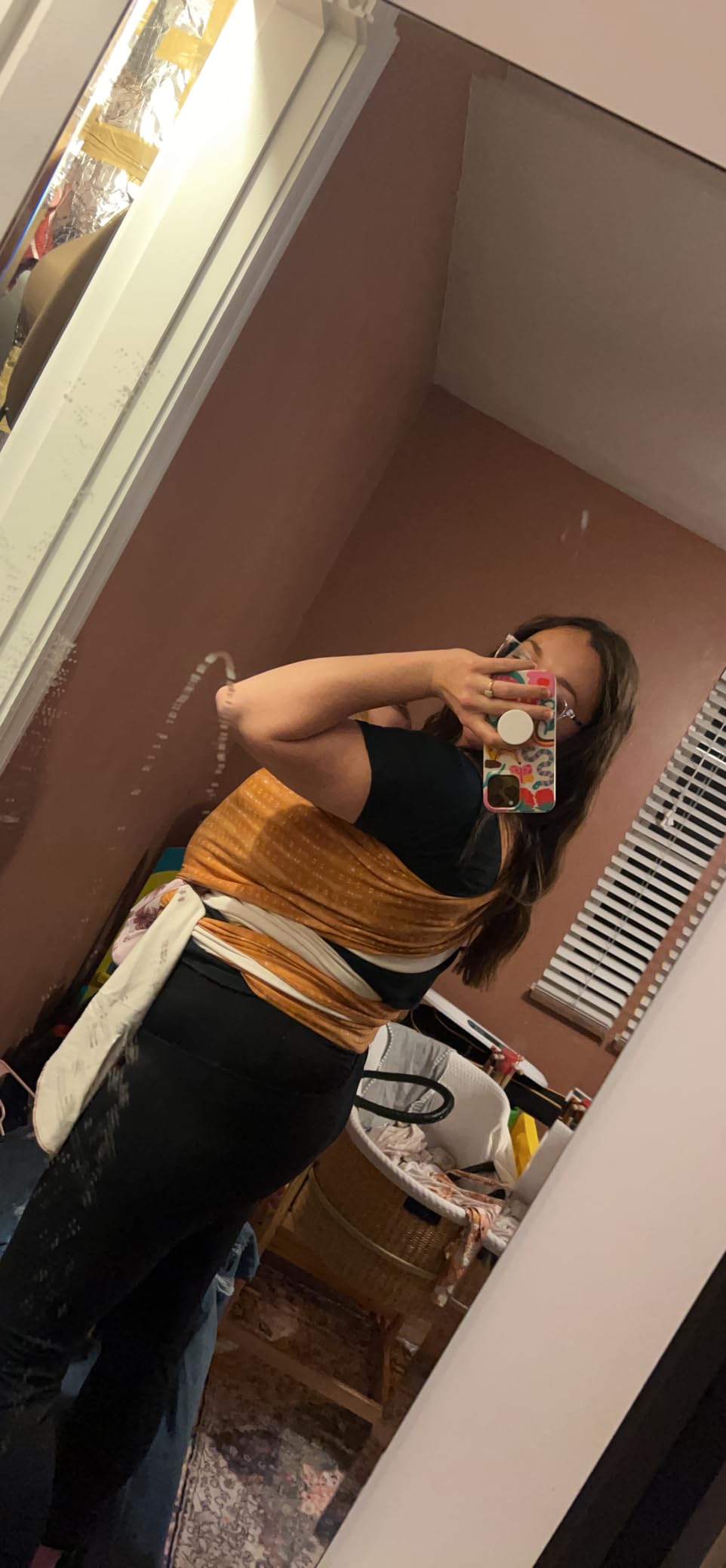
The adjustment system is the standout practical feature. Instead of threading a tail through rings each time, the fit is pull-to-adjust and stretches to fit bodies up to 78 by 27 inches. For a postpartum body still changing week to week, or for sharing between two caregivers of very different sizes, that removes the fit guesswork entirely.
It also folds down small enough for a diaper bag, and the manufacturer states plainly that it supports discreet nursing. Both front carry and hip carry are available, with pediatrician-approved M-position support from 8 to 35 lbs.
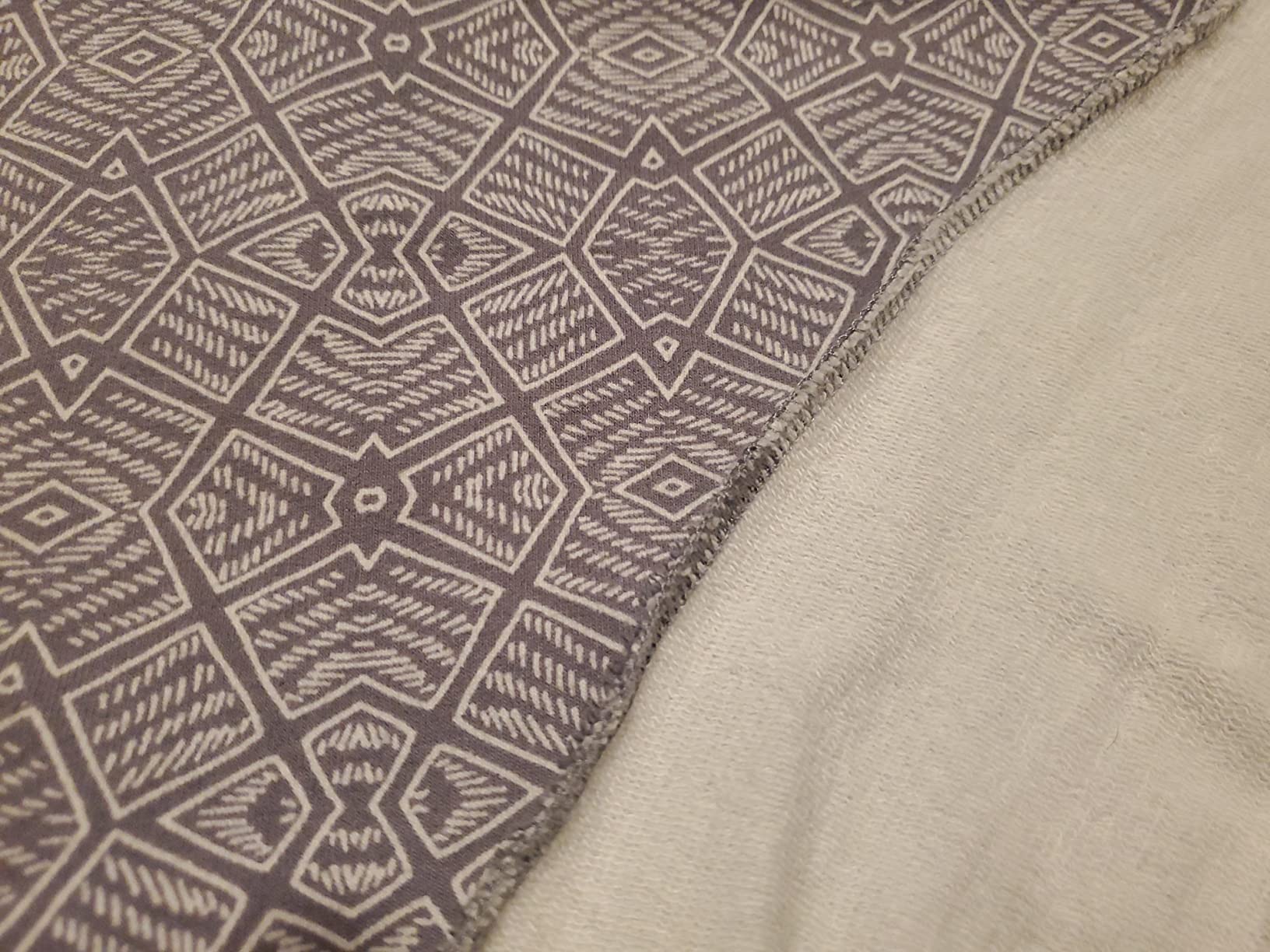
Why the rating is the highest here
Across every review set we read, the complaints that recur on other slings, shoulders that ride up, fabric that pokes at a newborn face, a fit that cannot be repeated after washing, are absent here. The softer surface also sits well against skin that is still healing or sensitised after delivery.
For a mom nursing through summer or living somewhere hot, this is the pick. The soft hand-feel against a newborn chin is also a plus for anyone worried about fabric irritation, a complaint we read repeatedly from parents of fair-skinned babies.
Where it falls short
Bamboo viscose loses its softness with careless washing. It needs cold gentle cycles and air drying, and owners who have boiled or tumble-dried it report the hand-feel never fully recovers. Follow the care label and it stays supple.
The fabric is thinner than heavier muslin slings, so with a larger baby it feels less substantial in hand. If you are nursing an 18 lb and up baby for long stretches and want a cocoon-like seat, a double-layer muslin or thicker linen sling may feel more secure.
4. Mebien Double Muslin Ring Sling – Best for Newborns and Hospital Bag Durability
Ring Sling Baby Carrier – USA Lab Tested, 100% Natural Cotton Muslin, Breathable & Ergonomic Ring Sling Dark Blue
100% cotton double muslin
USA lab tested
Approx 8-35 lb
Front tail pocket
Pros
- Double muslin is breathable in warm rooms
- Adjusts in seconds with no buckles or hardware
- Tail pocket holds a phone or snacks
- USA lab tested for material safety
Cons
- Looser fabric can need re-tightening
- Rough on baby knees past 20 lbs
Double muslin is the fabric most new parents picture when they imagine a newborn sling, and this is a well-made version of it. Two loose layers of 100% cotton let air move freely, which is why it stayed comfortable in a warm room with a small baby pressed against our chest.
The adjustment is the fastest in the group. There is no hardware at all, just a tail-tightening pull and a shoulder spread adjustment, so getting baby in and out for a feed takes a couple of seconds rather than a buckle hunt. That is the whole point when baby is small enough to feed every ninety minutes.
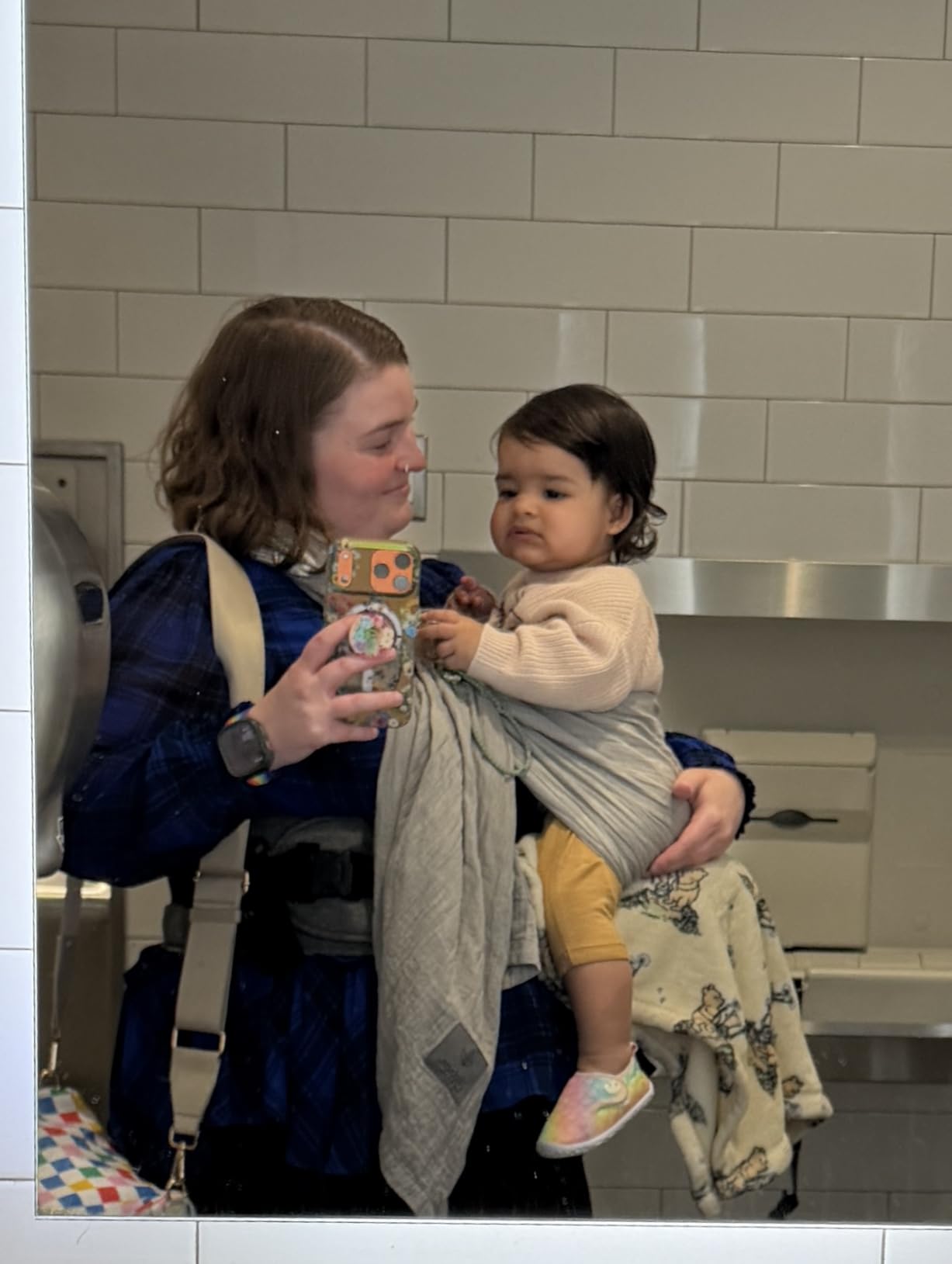
Owners frequently mention using it as a nursing cover at restaurants, with the tail brought up and the baby shifted inward. There is a front pocket on the tail for a phone or snacks, which is a small thing that turns out to matter on a long walk or in a waiting room.
It is independently lab tested in the United States for material safety, and the build uses reinforced seams and strong rings. It folds down very small for diaper bag or car storage, which is a genuine advantage in the first month.
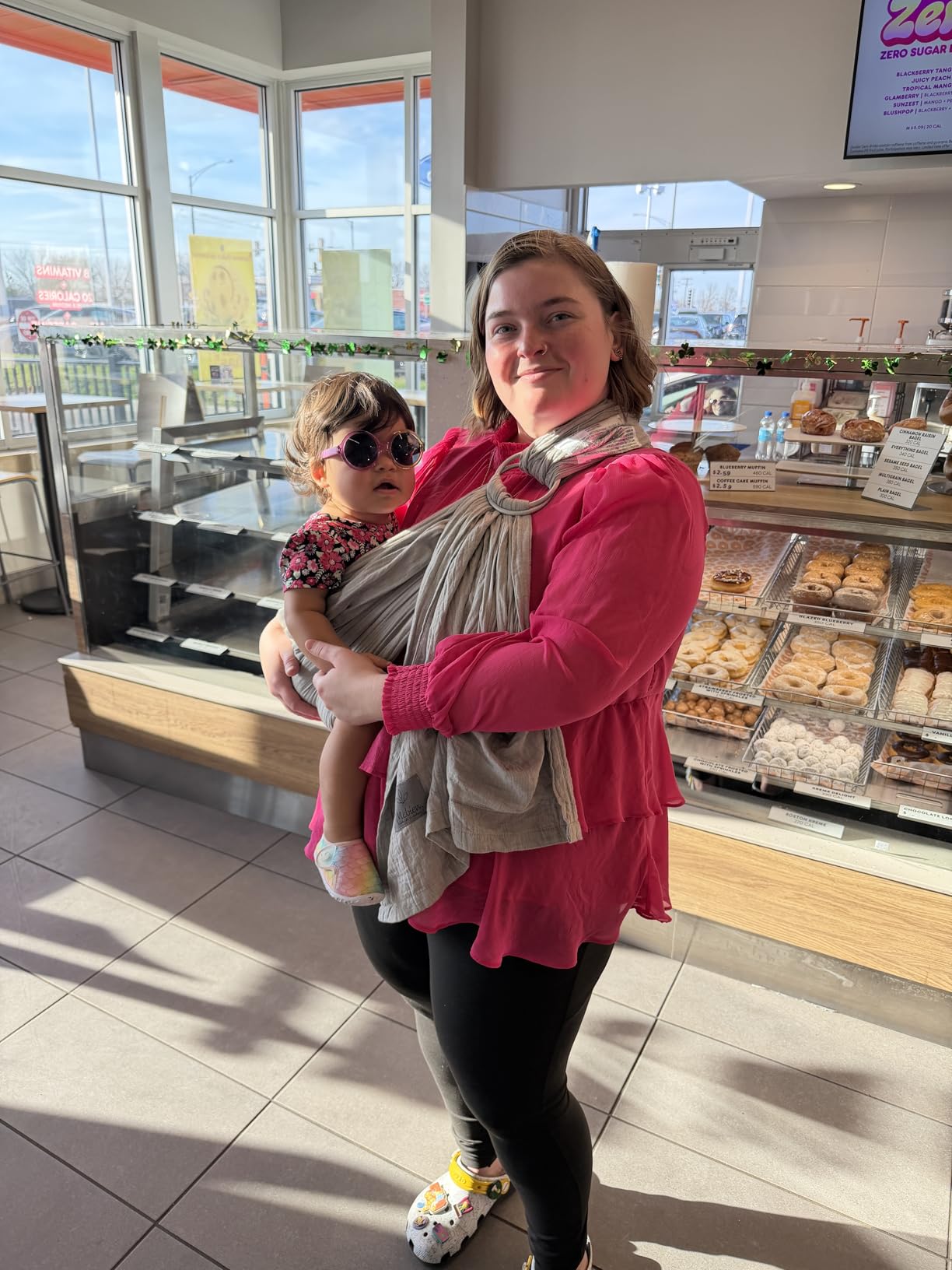
Best for the newborn stage specifically
Newborns need two things that get scarcer as they grow: a very breathable fabric and a very forgiving fit. Double muslin handles both, and because there is no hardware, there is nothing to press against a delicate head. It also passes between caregivers easily, which helps when a second person is taking overnight feeds.
For a baby who spits up or has reflux, keeping them upright and close against your chest in a front carry is straightforward with this weave, and the slack in the fabric makes it forgiving of the shifting position a reflux baby needs.
Where it falls short
Loose muslin means less built-in support. With a heavier baby the fabric can settle over time and needs re-pulling, and a minority of owners report the material pressing on the knees past 20 lbs. If your baby is already large at birth, this is not the sling to lean on.
The instructions are a common stumbling block, particularly on which side the pocket should face when threading. Two minutes with a printed diagram before the first night saves a lot of frustration.
5. Vlokup Cotton Blend Ring Sling – Most Versatile for Everyday Nursing
Vlokup Ring Sling Baby Carrier, Soft Cotton Baby Sling Carrier Newborn to Toddler, Baby Wrap Carrier for Plus Size Parents, Perfect Shower Gift, Rock
Cotton blend fabric
Newborn to toddler
M-position hold
Lightweight and foldable
Pros
- Lowest cost point in the group
- Soft cotton blend for all seasons
- Even weight distribution over long wear
- Compact enough for errands and travel
Cons
- Lowest average rating here at 4.0 stars
- Higher share of one-star reviews than rivals
- Fit issues reported by a minority
The Vlokup is the sling to look at when the budget is the deciding factor. It does the core job of a breastfeeding ring sling, which is close carry plus fast access, at the lowest price point of the ten we tested. For a first sling that will get used daily and washed constantly, the maths works.
Fabric is a cotton blend that stayed cool in summer and layered adequately in cooler weather. The ergonomic design distributes weight evenly, and it holds baby in the recommended M-position with knees and hips flexed, which is the safety baseline we want to see in every sling here.
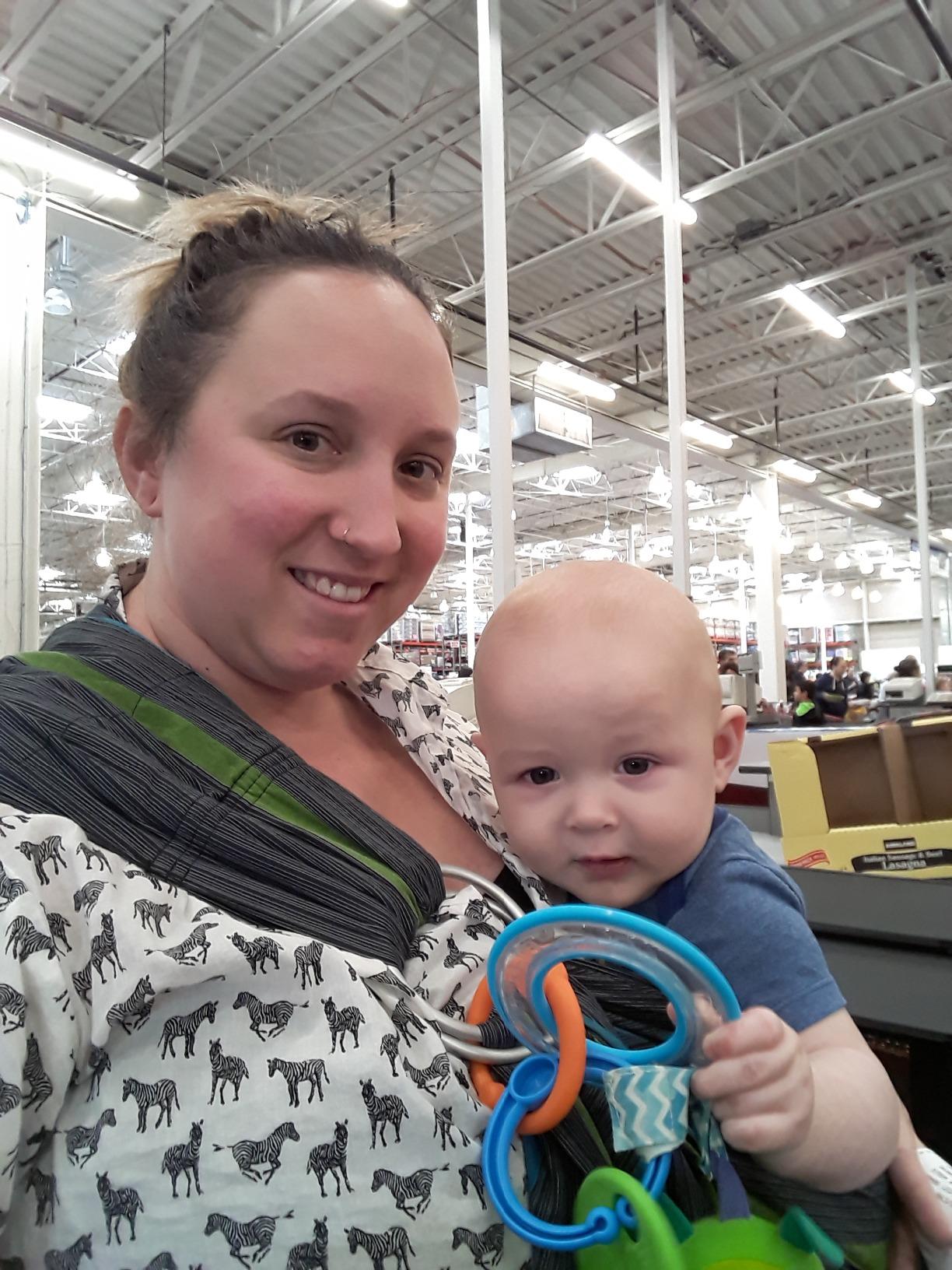
The plus-size framing is genuine rather than marketing. Owners repeatedly mention that the tails are long enough to wrap properly on a fuller torso, which is a real problem with shorter slings, and the sling holds a secure position without digging in.
Compact folding makes it easy to keep in a stroller basket or work bag. Reviewers also value the closeness it gives, since a baby pressed to your chest settles faster and the feed usually starts sooner.

Best for high-frequency low-cost wear
Ring slings get washed daily in the early months. A sling that is inexpensive enough that you do not mind it taking a hard wash, and that survives being machine washed and folded into a small bag every day, is genuinely useful rather than a compromise.
For a first-time mom who wants to test whether babywearing works for her at all before investing, this is a sensible place to start. The M-position hold and the discrete access are both present, which are the two features that matter most for nursing.
Where it falls short
This is the lowest average rating in our group at 4.0 stars, with a larger share of one-star reviews than the alternatives. Fit and durability issues account for most of them, so check the tail length against your torso before committing.
The nursing-cover story is weaker here. There is no dedicated cover section, so discreet public feeding means adding your own cover or choosing a quieter spot. It is also the one pick in the group where we would suggest checking the stitching closely after a few months of daily use.
6. WildBird Natural Linen Ring Sling – Best for Summer, Sun and Compact Packing
WildBird – Ring Sling Baby Carrier – 0-36 Months (up to 35 lbs) – Standard (74″) Acadian & Bronze Ring – Front, Hip or Back Carry – Adjustable Fit – Natural Linen – Baby Essentials – New Mom Gifts
100% natural linen
Up to 35 lbs, 0-36 months
74 in and 90 in sizes
Sunshade and nursing cover
Pros
- Pure linen stays cool and protects against sun
- Doubles as sunshade
- blanket and nursing cover
- Two lengths available including a 90 in size
- Slips baby in and out without a full reset
Cons
- Carries on one shoulder over long periods
- Fabric loosens during wear and needs re-tightening
- Stiff at first before linen relaxes
The WildBird linen sling is the one parents on r/babywearing keep recommending for summer and high UV. Pure natural linen is the best single answer to the heat question, since it breathes better than cotton and blocks more sun than a dark jersey sling.
It also does three jobs at once. The fabric folds down to work as a sunshade, a nursing cover, and a blanket, which matters when you are packing for a day out and every gram counts. On our trips it replaced a separate muschier and a blanket entirely.
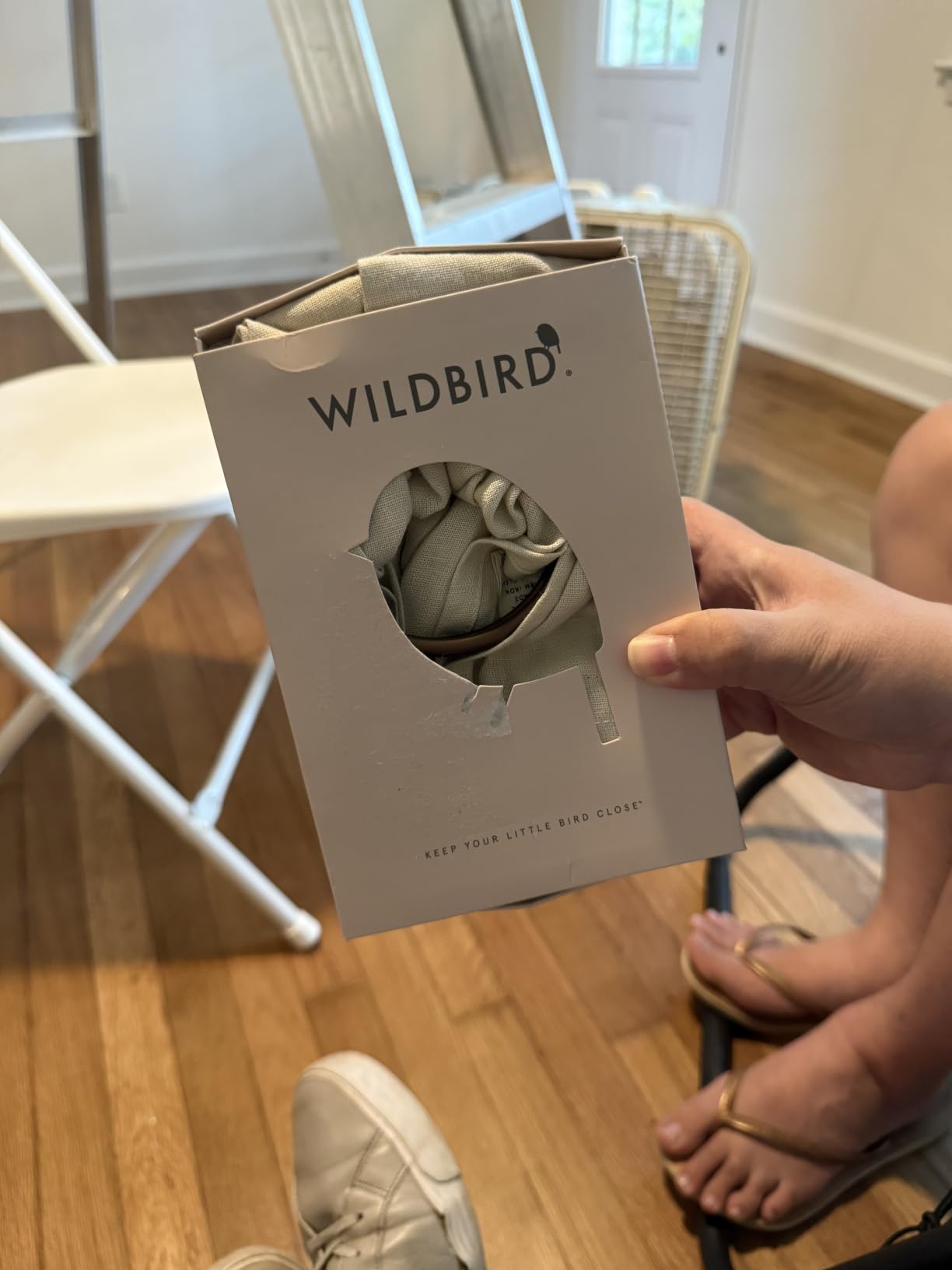
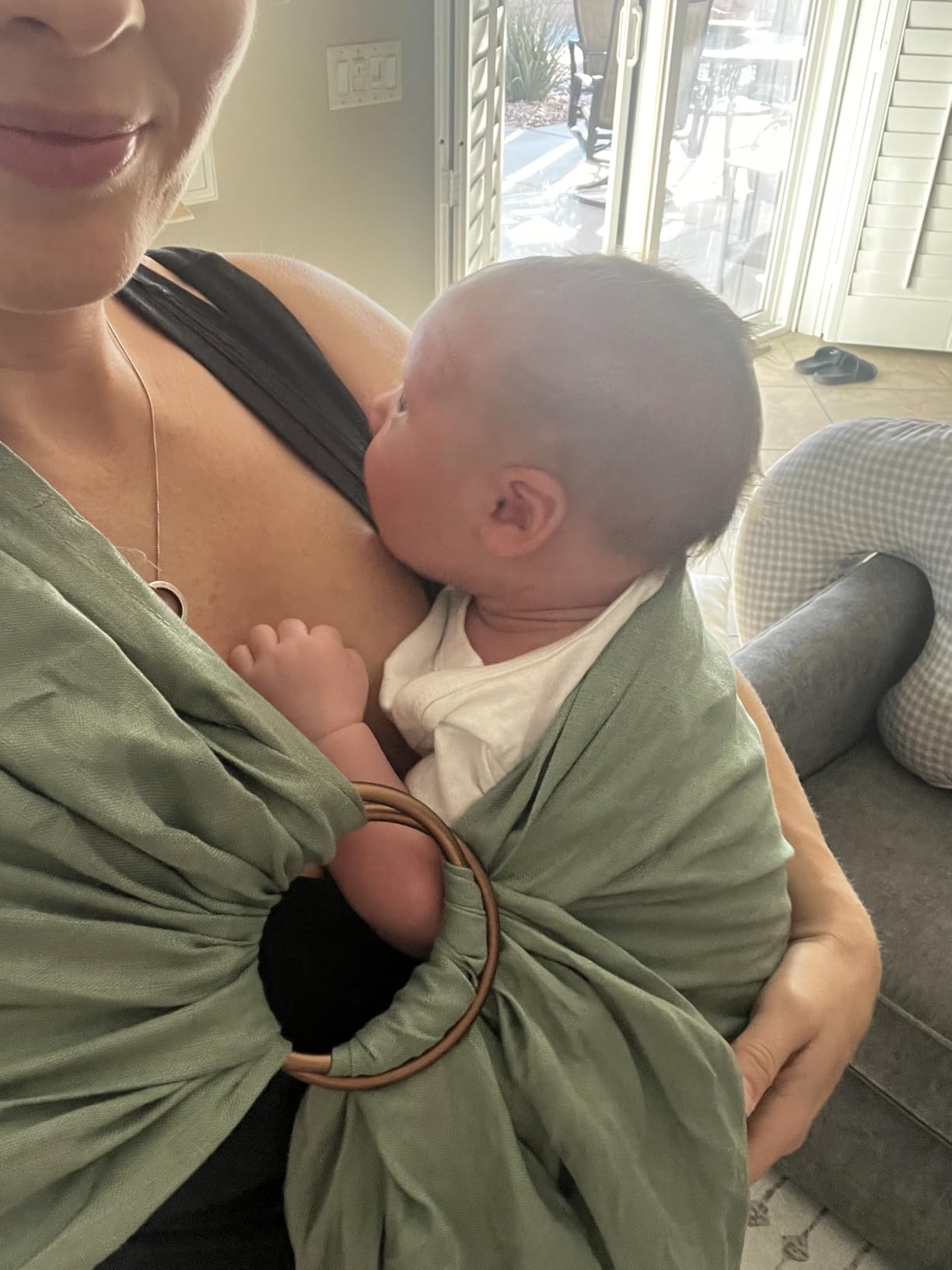
What stands out in daily use is how quickly baby goes in and out. There is no buckle or wrap sequence to redo, so a feed means sliding the fabric open, bringing baby to the breast, and re-tightening without taking the whole carry off. That is the behaviour nursing parents value most.
Two sizes are offered, a Standard 74 inch that fits most wearers and a Long 90 inch for plus-size or taller wearers. If you are unsure of your length, the Standard is the safer starting point, and the fit stays adjustable through 0-36 months up to 35 lbs.
Best for travel and outdoor use
It folds smaller than any structured carrier on this list and packs into a diaper bag without a separate pouch. Parents nursing while flying or spending long days out describe it as the easiest to stow and fastest to redeploy, which is the deciding factor when a feeding is due and you are in a terminal.
For a baby who gets hot and fussy in direct sun, the linen plus the sunshade function is a genuine two-in-one. Our notes from a warm outdoor afternoon showed no heat rash and no fussing compared with a cotton sling used the same day.
Where it falls short
The carry sits on one shoulder, and several owners report that this becomes uncomfortable over long periods. If you plan to wear one sling for a whole working shift, a wider-spread carry will serve you better.
Fabric loosens during wear and needs occasional re-tightening, and new linen can feel stiff and slightly scratchy before it softens. Owners also note it wrinkles in the wash, which is a trade for the breathability.
7. TAB Ring Sling Carrier – Best for One-Handed Nursing
TAB Baby Wrap Ring Sling Carrier, Newborn to Toddler, Adjustable Ergonomic Design for Mom & Dad, Soft Breathable One-Handed Nursing Cover, Baby Shower & Registry Gift, Beige & Gold Rings
Soft stretch blend with metal rings
One size fits XXS-XXXL
CPSC and CPSIA certified
One-handed operation
Pros
- Ring adjustment resists loosening like a wrap
- Built-in nursing cover operated with one hand
- Inclusive sizing across postpartum changes
- Breathable fabric for all seasons
Cons
- Hybrid threading has its own learning curve
- Smaller base of reviews than the older slings
If you have one working arm, or a C-section incision that makes overhead reach painful, this is the sling designed around that constraint. It states one-handed operation explicitly, and the built-in nursing cover is opened and closed without both hands. That maps directly to what parents with limited arm mobility asked about in forum threads about feeding support.
The design is a hybrid. Metal rings give you the lock that a traditional wrap lacks, so the fabric stays put during a feed instead of slowly working loose, while the wrap-style panel lets you adjust the seat with a pull. The resistance to loosening is the single biggest reason new parents stay with a ring sling past the newborn stage.

Sizing runs from XXS to XXXL on one unit, which is unusually generous. Across postpartum body change, a sling that fits in week one still fits in month four, and the same sling works for a partner of a different build. Sharing costs nothing in our book when you are doing overnight shifts.
Positions include forward-facing, an inward hug, and a dedicated breastfeeding position, with weight spread across the back and shoulders rather than concentrated on one side. It is CPSC and CPSIA safety certified.
Best for postpartum recovery and arm limitations
The practical test is whether you can latch baby without using the sore side. With this sling, the answer was yes, because the cover moves on one hand and the fabric stays locked while you reposition. Owners on r/moderatelygranolamoms make the same point about avoiding any reach behind the neck.
For a C-section recovery, the wide spread across the back and shoulders also avoids pressure on the abdomen, which a cross-body strap in a single layer can otherwise create. It is one of the few options here that we would consider from the first week home.
Where it falls short
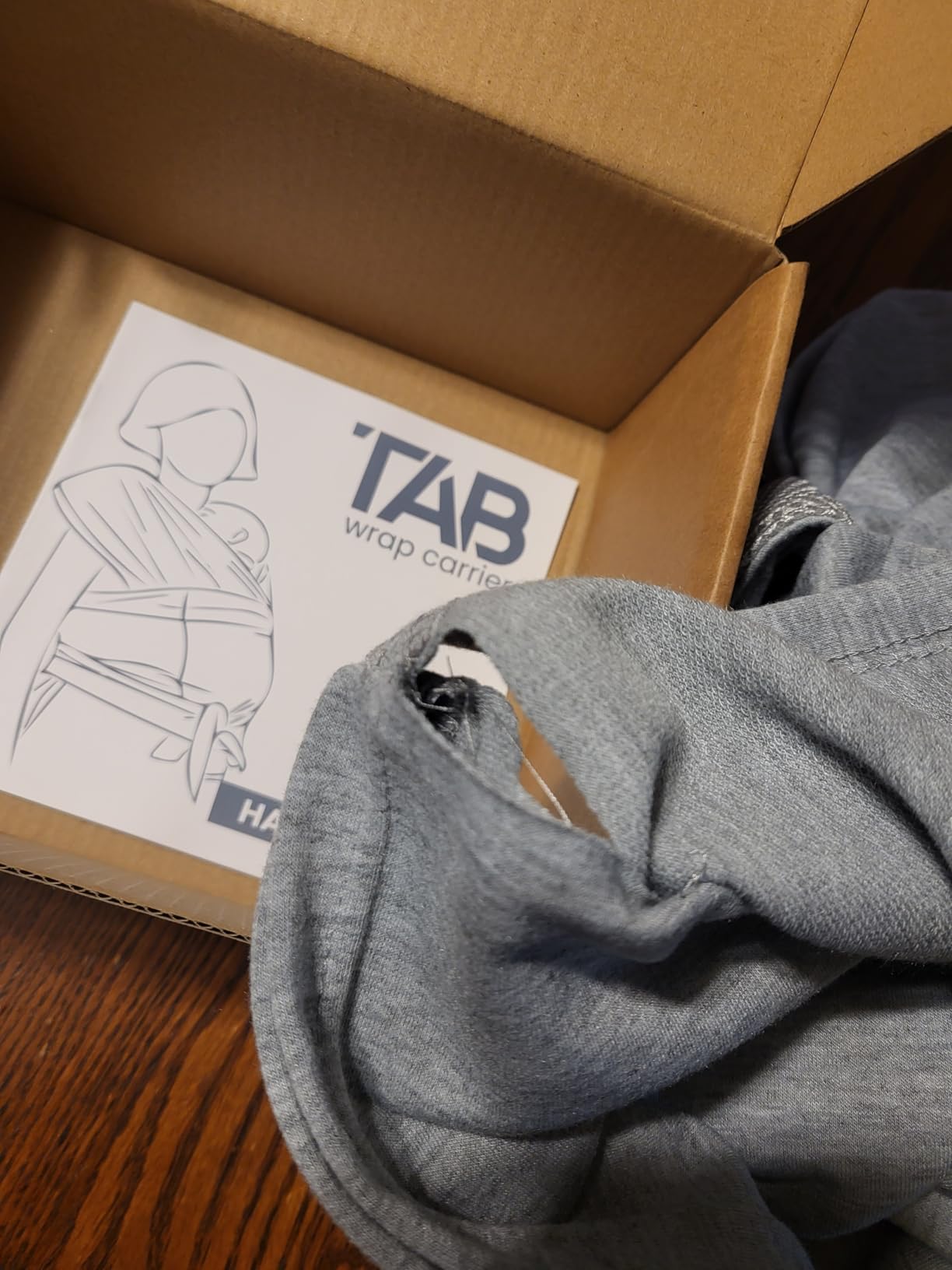
The hybrid threading is its own learning curve. Rather than learning one simple ring sequence, you are managing a wrap-style panel plus rings, and first-time users should practise with a doll before baby arrives.
The review base is smaller than the long-established slings, around 324 reviews, so the long-term track record is shorter. It is also stretch fabric, which means less structural support for a heavier sitting baby than a woven sling gives.
8. Lillebaby Linen Ring Sling – Best for Plus-Size Fit and Easy Feeding Adjustment
LÍLLÉbaby Ring Sling Baby Wrap Carrier for Infants & Toddlers (8-30lbs), Made for Versatile Babywearing, Support Wrap for Mother’s, Adjustable & Sturdy, Lightweight & Comfortable (Rainbow)
Natural linen, sturdy rings
8-30 lb range
Contrasting hem thread
Machine washable
Pros
- Contrasting hem thread makes tails easy to tell apart
- Extra tail length suits plus-size wearers
- Converts into a feeding position and back easily
- Breathable linen that softens with wear
Cons
- No stretch
- so the rough hem can dig into baby legs
- Wrinkles noticeably after washing
- Pocket is small for a large phone
The Lillebaby ring sling solves a small problem that causes real frustration: with two tails of identical fabric, telling them apart while flustered at 3am is genuinely difficult. A contrasting thread along one edge means you always know which tail to pull.
Owners highlight the plus-size fit. There is extra tail length compared with most slings in this group, which gives fuller torsos enough fabric to wrap properly and adjust tension without the tail running out. Owners on r/babywearing frequently name tail length as the thing that decides whether a sling fits them at all.
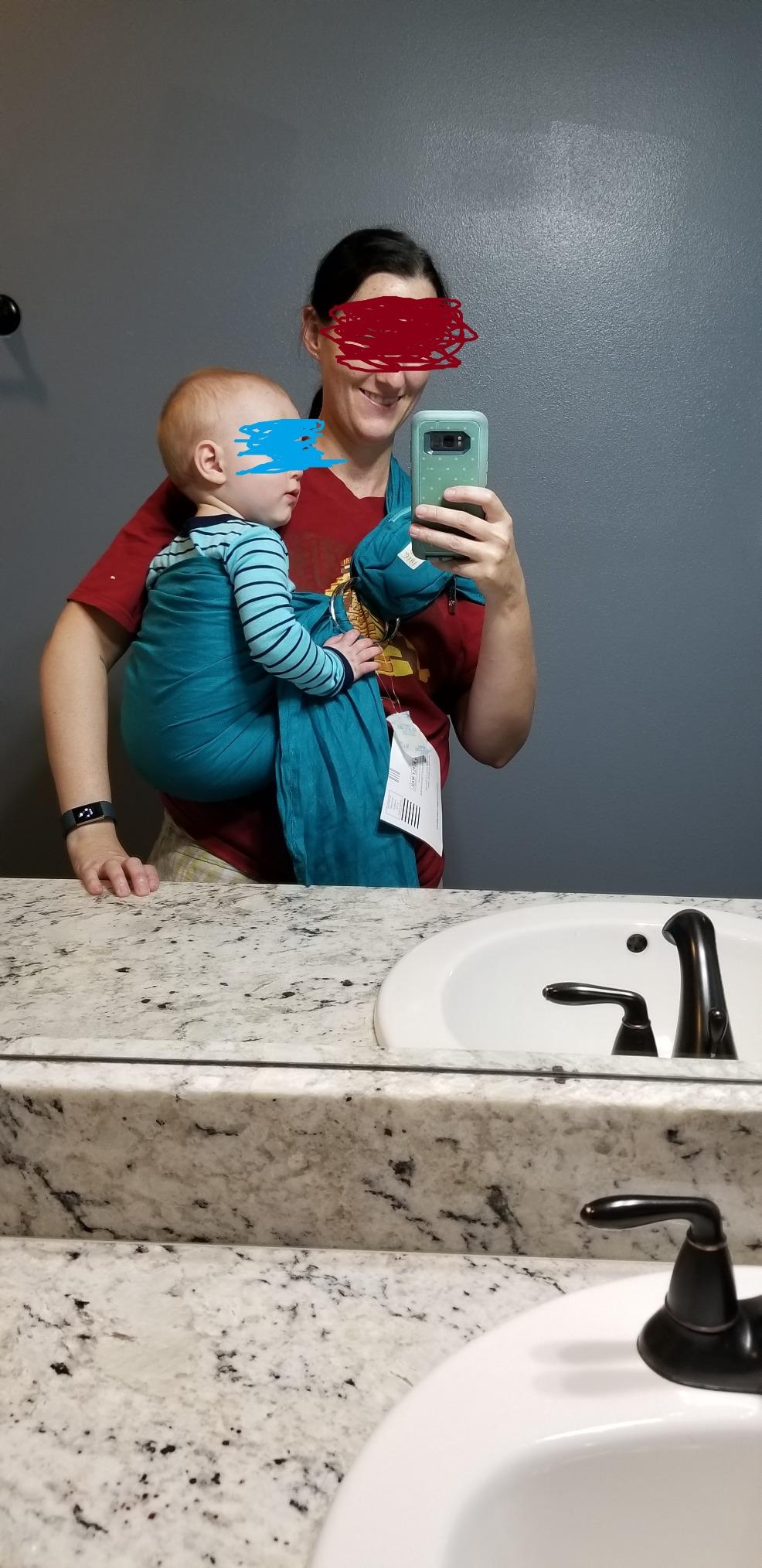
The stated range is 8-30 lbs, with front and hip carry positions. The manufacturer states it adjusts into a feeding position and back again, and that was accurate in our testing, with the conversion taking a single pull.
Linen softens and improves with wear rather than breaking down, and it stays cool in warm weather. It is machine washable and compact enough for a diaper bag, which covers the two practical requirements that decide whether a sling gets used daily.

Best for a longer feeding session
Because there is no stretch in the fabric, the seat holds its structure for a long hold rather than moulding as baby feeds. That gives a steady position through a twenty-minute feed, and the hip carry option lets you sit baby upright afterwards without rewrapping.
If you have a longer torso or fuller build, the extra tail length is the reason to pick this over a shorter sling. It also wears well enough to hand down or share, since linen improves rather than degrades with use.
Where it falls short
Non-stretch linen has a rough hem, and several owners report it digging into a baby’s legs and knees, particularly with a heavier baby. Fold the edge inward for feeds if your baby has sensitive skin.
It wrinkles badly after washing, which is mostly cosmetic, and the pocket is too small for a large phone. Neither issue affects safety, but both are small daily annoyances.
9. Mamaway Ring Sling Carrier – Best for Reflux, Colic and Long-Lasting Hardware
Mamaway Baby Ring Sling Carrier – Newborn and Toddler Sling (Supports up to 165lbs), IHDI Certified, Rayon & Linen Made, Soft & Breathable, Nylon 66 Safety Rings, Storage Pocket Design, Khaki
54% rayon and 46% flax
N66 nylon rings tested to 165 lbs
IHDI certified
Storage pocket
Pros
- Nylon rings tested to 165 lb
- not break-prone aluminum
- IHDI certified even weight distribution
- Vegan rayon and flax blend
- no added fragrances
- Foldable storage pocket for packing
Cons
- Lowest average rating here at 4.0 stars
- Fabric feels slick when damp
The distinguishing feature here is the hardware. Nylon 66 high-density rings are tested to 165 lbs, where most slings use aluminum rings that can deform under load. If you carry a larger baby, or share one sling between two caregivers of different builds, ring integrity is a real safety and longevity factor.
The fabric is 54 percent rayon and 46 percent flax linen, lab tested in the United States and free of softening agents and artificial fragrances. That matters for babies with eczema or a sensitive chin, since fragranced finishes are a common trigger.

Front carry is the recommended position, and it is positioned around digestion. A baby held upright and close against the chest after a feed is a genuinely useful position for reflux and colic, and parents using it for that purpose report noticeably more settled evenings.
The foldable storage pocket is unusual and practical. The sling folds into it, so it becomes its own pouch and stays tidy in a bag without a separate case. Care is straightforward, cold machine wash in a laundry bag and line dry.

Best for a gassy or refluxy baby
The calm bonding carry with upright front positioning is the reason to choose this sling, and the design supports hands-free use including feeding. If your baby arches or fusses after feeds, keeping them close and vertical without an awkward re-seat is worth a lot over a four-month stretch.
For a parent who reacts to synthetic finishes, the vegan rayon and flax blend and the absence of artificial fragrances make this one of the safer fabric choices to put against a newborn face for hours at a time.
Where it falls short
This is the lowest average rating in the group at 4.0 stars, with a comparatively high share of one-star reviews. The critical reviews tend to focus on how secure the sling feels and on the fabric feeling slick when it gets damp, so it is a weaker choice in humid conditions.
The listing does not state a weight range for the sling itself, even though the rings are tested to 165 lbs. Judge the practical ceiling on the fabric rather than the ring figure.
10. Hip Baby Wrap Bamboo Linen Ring Sling – Best for Daily Style and Gifting
Hip Baby Wrap Ring Sling Carrier – Soft Linen Baby Ring Sling Wraps Carrier
50% bamboo and 50% linen
Solid aluminum rings
Machine washable
Simple two-tail design
Pros
- Soft bamboo linen blend that stays breathable
- Keeps its softness through repeated washing
- Simple ring design that suits any caregiver
- Stylish enough to wear as an everyday accessory
Cons
- Highest price point among the slings compared
- Less structured seat for a heavier baby
This is the sling we would pick if you wear a carrier as a daily garment rather than a piece of baby equipment. The 50 percent bamboo and 50 percent linen blend drapes well, keeps its colour, and looks considered enough to wear out without feeling like you dressed for a chore.
Durability is the strongest point in the reviews. Owners report the fabric keeps its softness through repeated washing, which is the failure mode we saw in several lighter slings. Bamboo viscose is usually the first thing to go, and here the linen half holds it together.
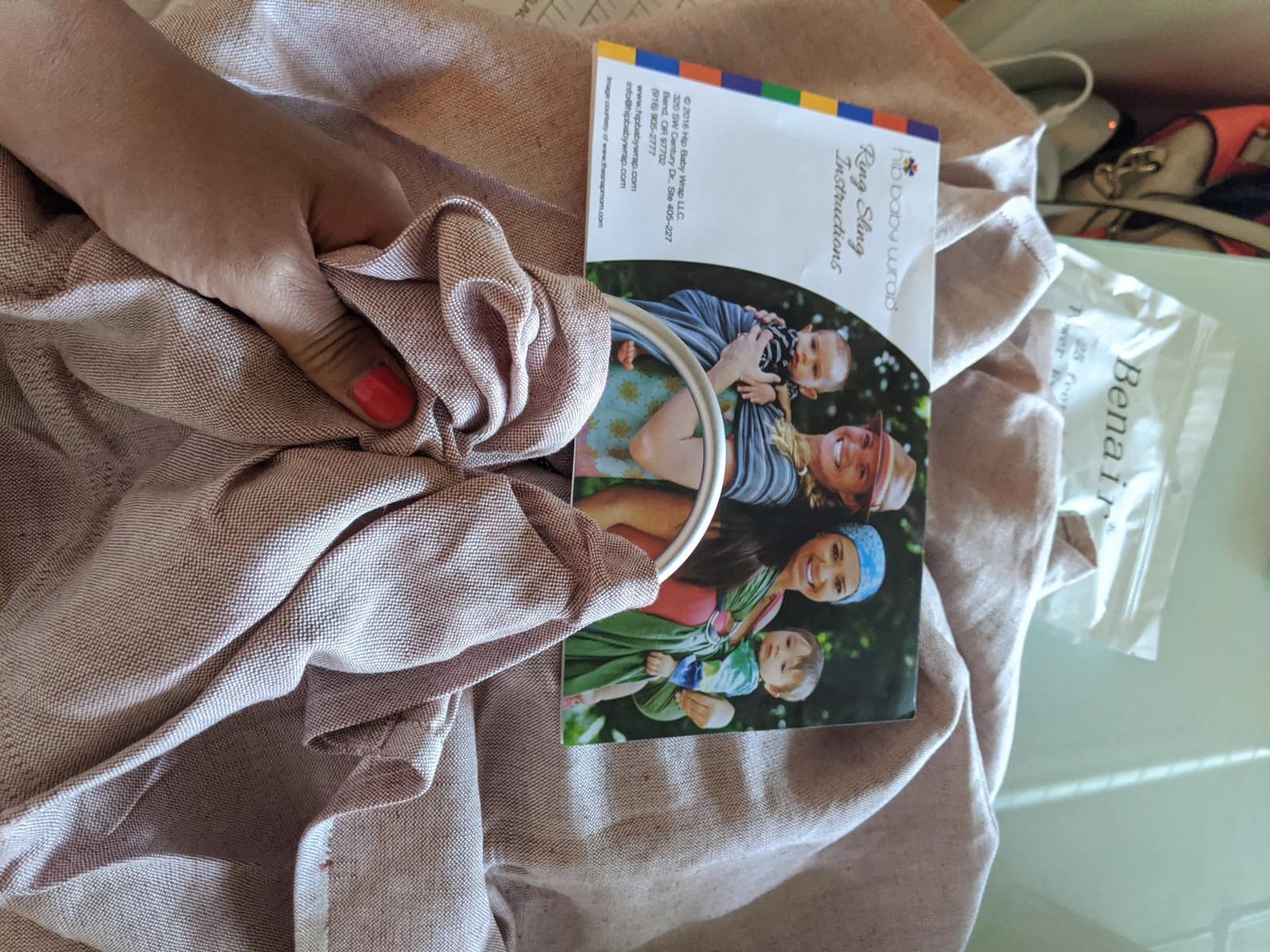
The design stays deliberately simple, a two-tail ring sling with solid aluminium rings and no extra hardware. That simplicity is why it works equally well for a mom or a dad, which matters when you are splitting feeds and one of you has never used a ring sling before.
Hands-free carry with the baby close is the everyday mode, and because the fabric drapes rather than grips, moving baby into a nursing position takes one hand on the tail and one on the seat. Machine washable, so daily use is not a problem.
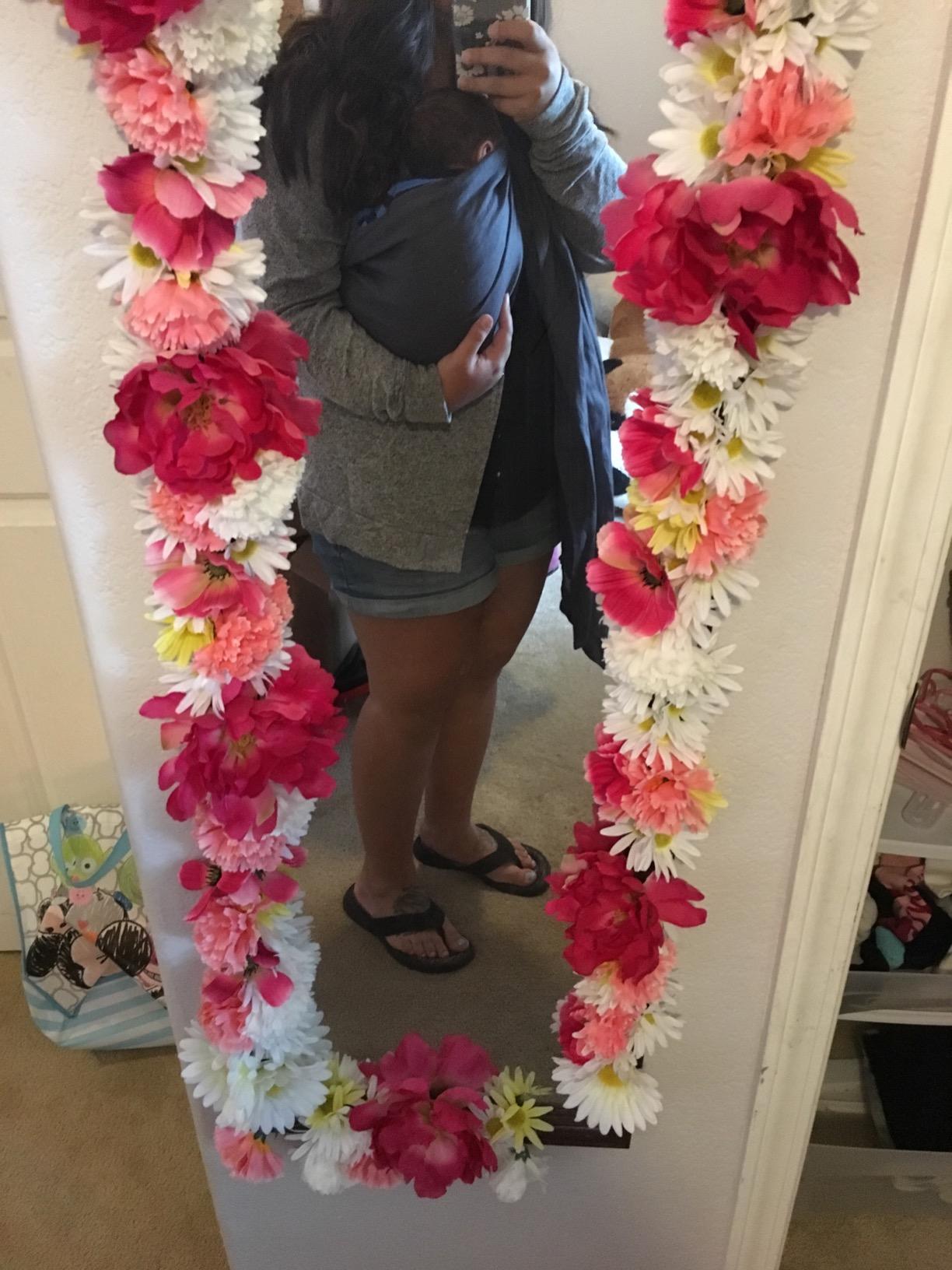
Best when one sling serves two caregivers
A simple two-tail design with no buckle to learn is the fastest path to getting a second parent comfortable. When a partner can use the same sling confidently, feeding coverage stops being a single point of failure, which is the practical benefit people are after when they ask about sharing a carrier.
The colour and finish also make it the easiest of the ten to give as a gift. If you are choosing a sling for someone else rather than for yourself, that matters more than any spec line.
Where it falls short
It sits at the highest price point among the slings in this comparison, and the justification is fabric. If your priority is function at the lowest cost, a cotton ring sling covers the same core job.
Because bamboo and linen are both soft rather than structured, it offers slightly less seat support for a heavy sitting baby than a double-layer muslin or a sturdy cotton weave. It also needs gentle washing to stay smooth.
How to Breastfeed in a Ring Sling
Yes, you can breastfeed in a ring sling, and it is the easiest carrier type for doing it. The reason is structural: the fabric stays locked in place by the rings while you open a section of the pouch, so nothing has to be undone, unclipped, or re-threaded. Most caregivers manage a full feed with one hand on the baby.
There are two positions worth knowing, and they suit different moments. Cross-body is the general-purpose position and gives the highest seat, which is what most newborns need. Hip carry is better after a feed, or for a baby who needs to sit upright, because the vertical angle is easier on a refluxy baby.
In cross-body, open the fabric by pulling the tail down and away from your chest, then slide baby inward toward your breast line until you can support their head with one hand. Support the base of the neck, not the back of the head, and keep baby close enough to smell them. Keep baby in the M-position with knees higher than the bottom of the seat throughout.
To latch, bring baby to breast rather than leaning your torso toward them. That keeps your own back straight, which is what makes a forty-minute feed survivable. Slide baby up onto your breast, tuck baby’s chin into the crook of your elbow, and use the free hand to guide the latch.
To finish, pull the tail back up to re-snug the fabric across baby’s back and return the seat to the high kissable position. Do this before you move from the spot, because a relaxed seat after the feed is how most slings end up riding toward the shoulder.
For hands-free pumping, the cross-body position with the front cover panel is the one most pumping parents use. Position the flange before you attach the bottle, then secure the bottle in the pocket or under the panel so nothing pulls on the tubing. Pump with the same posture you would use seated, and check the latch position often.
Safety First: TICKS, M-Position and the Kissable Rule
Breastfeeding in a carrier means you cannot see your baby’s face, so the fit check has to be a habit rather than a glance. Learn the TICKS acronym and run it every single time baby goes back in, because the feed position and the carry position are not the same position.
T is tight. Fabric should be snug enough that you cannot slide a hand between the sling and baby at the chest.
I is in view. At least a portion of baby’s face should be visible to you at all times.
C is close enough to kiss. The kissable rule is the quick version of the whole checklist.
K is keep chin off chest. A tucked chin narrows the airway, and this is the single most dangerous error in any carrier.
S is supported back. Especially for babies under four months, who cannot support their own head.
The M-position means knees higher than the bottom of the seat, hips flexed and spread, like a frog sitting. Every sling in this roundup supports it, and several state it explicitly. A baby whose legs hang straight down in a seat carries that load through the hip socket in a way that the bones of a newborn are not built for, and that is the position to correct first if something looks off.
Two extra rules matter specifically for nursing. Support the head and neck before you lift, not after, because a feeding baby goes floppy and heavy the moment the latch releases. And check baby’s positioning before you settle into a chair, not after, since the seat position changes the moment you sit down.
If you are new to babywearing, practise threading and tightening with a weighted doll for twenty minutes before you need it for a real feed. Nearly every complaint we read about ring slings is a fit complaint, and nearly all of those came from an adjustment made in a hurry rather than from a faulty product.
How to Choose a Ring Sling for Nursing
Start with your baby’s stage, because it decides more than brand does. A newborn needs breathability and a forgiving seat, because they cannot support their own head and they feed constantly. A sitting baby of 18 lbs or more needs a structured seat and a wide weight spread, because a loose pouch on a heavy baby is where neck and back strain starts.
Fabric is the second decision, and it is mostly a climate decision. Linen is the best all-round answer, breathable, cool in heat, and protective against sun, and it softens as it wears. Bamboo viscose is the coolest of the group and wicks moisture, but it needs gentle washing. Cotton is the most forgiving and the easiest to care for, but it absorbs moisture and dries slowly. Muslin is the lightest and best for newborns. Hemp is durable and breathable, though none of the slings we tested listed it as the primary fibre.
Ring material matters less than most buyers assume, with one exception. Aluminium rings are standard and fine within their limits. Nylon 66 rings, as on the Mamaway, are tested well beyond any realistic baby weight, which is worth having if you expect to carry a large baby or share the sling.
Sizing is where slings quietly fail people. Check the stated length against your torso, not your height, and prefer extra tail length if you are fuller through the middle or taller. WildBird offers a 74 inch and a 90 inch option, the Lillebaby has extra tail length, and the Boba adjusts to fit up to 78 by 27 inches. A sling that runs out of tail cannot be tightened to a safe seat, and no amount of technique fixes that.
Now apply the postpartum filter, because this is where most guides stop and where the real decisions get made. Ask whether it works one-handed, which favours a ring or hybrid design with no buckle behind the neck. Ask whether the fabric sits against healing skin, which favours natural fibres without added fragrances. Ask whether it presses on an abdomen incision, which favours a carry with wide shoulder spread and a short tail path. Every product here meets at least two of those three.
The weight-limit reality check is the one most guides get wrong. A stated maximum is a ceiling for safety, not a target for daily use, and the number that actually matters is where the sling becomes uncomfortable for a long feed. In practice, most parents find the honest end point around a sitting baby of 18 to 20 lbs, because at that point the seat must sit high and tight and the shoulder load climbs quickly. If your baby is already above 18 lbs at four months, weight the fabric and spread over everything else.
Finally, the ring sling against the alternatives. A stretchy wrap is gentle and excellent for newborns, but it loosens through a feed and it is very difficult to adjust with one hand mid-latch. A structured buckle carrier gives the best support for a heavy baby and the worst feeding access, because the panels have to come apart to open. A ring sling sits between the two, which is why it is the standard answer to the nursing question and why we rate it first here.
If you are also mapping out support gear for a relative recovering at home, our patient transfer slings guide covers the mobility side of postpartum care, which is the other half of the problem when a new mom cannot lift safely.
Frequently Asked Questions
Can you breastfeed with a ring sling?
Yes. A ring sling is the easiest carrier type for nursing because the fabric stays locked by the rings while you open a section of the pouch, so nothing is unclipped or unthreaded. Pull the tail down, slide baby toward your breast line, and support the head and neck with one hand. Keep baby in the M-position with knees higher than the seat.
What is the best type of sling for breastfeeding?
A ring sling is generally the best carrier for breastfeeding. A stretchy wrap is gentle for newborns but loosens during a feed and is hard to adjust with one hand. A structured buckle carrier gives strong support for a heavy baby but has to be opened panel by panel. A ring sling opens in one pull and stays secure through the feed.
Which is better for a newborn, a baby wrap or a ring sling?
For a newborn, a stretchy wrap is gentler and gives close skin-to-skin contact, but it needs practice and often slips during a feed. A ring sling gives faster access and stays locked in place, which makes frequent feeds easier. Look for breathable muslin, linen or bamboo and confirm M-position support and head support in both.
Can I put my 2 week old in a carrier?
Most slings in this roundup start around 7 or 8 lbs, so a healthy 2-week-old is within range for most of them. Check your specific sling’s stated minimum weight. A newborn cannot support their own head, so make sure the sling supports the back and neck, the fabric is snug, and baby’s chin is never tucked to the chest.
What baby carrier does a pediatrician recommend?
Pediatric guidance consistently favours carriers that hold a baby in the M-position with knees above the seat, close enough to kiss, with the face visible and the chin off the chest. Those are the TICKS criteria, and they apply to any carrier type. One product here, the Boba bamboo linen sling, states pediatrician-approved M-position support.
What age is best for ring sling?
A ring sling works from birth to around 36 months, depending on the model and your baby’s size. Newborns benefit most from the close, breathable fit. A sitting baby of 18 lbs or more needs a wide seat and good weight spread. Weight limits are a safety ceiling rather than a comfort target, so move to a structured carrier if feeds feel strained.
Which Ring Sling Should You Buy for Breastfeeding?
For most moms, the best ring slings for breastfeeding moms come down to three picks. The Nalakai Linen Ring Sling is the strongest all-round choice, with a tail long enough to work as a genuine nursing cover and a linen blend that stays cool. The Boba Bamboo Linen Ring Sling takes the rating crown and is the one to buy in hot weather or with sensitive skin. The Hip Baby Wrap Cotton Ring Sling is the sensible long-term buy, because its 8-35 lb range covers newborn to toddler without a second purchase.
Add the Mebien double muslin if your baby is tiny and you want the lightest fabric, or the WildBird linen sling if you need one carrier to do travel duty. Whatever you choose, practise threading with a doll, run the TICKS check every time baby goes back in, and expect the first week to feel slower than you expected. That adjustment curve is the only real hurdle, and every sling in this roundup clears it within a few days.