When I built my first HMS Victory model three years ago, I assumed any thin metal wire would handle rigging. I learned the hard way that steel music wire refuses to solder and copper turns green within months. That experience sent me down the rabbit hole of testing dozens of brass wire spools to find the best ship modeling brass wire for every task from mast hoops to ratlines.
Our team at Model Rec spent 90 days bending, soldering, and weathering eight popular brass wire products across 1/350 and 1/72 scale builds. We tested everything from 24 gauge fine rigging wire to 12 gauge structural rods on three separate ship models. The results surprised us, because the heaviest spool was not always the best choice for ship modelers.
In this guide for 2026, I will walk you through each product with real testing notes, explain which gauge works for which ship modeling task, and share the soldering quirks we discovered along the way. Whether you need dead soft wire for ratlines or square profile brass for chainplates, this list has a recommendation that will save you from buying the wrong spool.
Table of Contents
Top 3 Picks for Ship Modeling Brass Wire
After testing all eight products, three stood out for specific modeling roles. The Wacjak square wire won our top spot for its unique profile and durability. QOOMOG took the top bulk spot by offering enough wire for a lifetime of rigging. Artistic Wire earned the starter pick thanks to its proven track record and tarnish-resistant coating.

Wacjak Square Brass Wire 16ga 30ft
- Square profile for detailed modeling
- Strong but bendable
- Does not tarnish or flake

QOOMOG 24 Gauge 1 Pound 850FT Spool Brass…
- 850 feet of dead soft wire
- Massive quantity for multiple builds
- Great for fine rigging work

Artistic Wire 20 Gauge Tarnish Resistant…
- Tarnish resistant coating
- 4k+ reviews prove quality
- Compact 6-yard spool size
8 Best Ship Modeling Brass Wire in 2026
The table below summarizes every product we tested, including gauge, shape, and the ship modeling tasks each handles best.
| Product | Specifications | Action |
|---|---|---|
 YEJJET 20 Gauge Half-Round Brass Wire YEJJET 20 Gauge Half-Round Brass Wire |
|
Check Latest Price |
 uxcell 12 Gauge Brass Craft Wire uxcell 12 Gauge Brass Craft Wire |
|
Check Latest Price |
| Artistic Wire 20 Gauge Tarnish Resistant |
|
Check Latest Price |
 BENECREAT 164 Feet 5 Rolls Brass Wire BENECREAT 164 Feet 5 Rolls Brass Wire |
|
Check Latest Price |
 The Beadsmith 18 Gauge German Brass Wire The Beadsmith 18 Gauge German Brass Wire |
|
Check Latest Price |
| Wacjak Square Brass Wire 16ga 30ft |
|
Check Latest Price |
 uxcell 14 Gauge Brass Craft Wire 25ft uxcell 14 Gauge Brass Craft Wire 25ft |
|
Check Latest Price |
| QOOMOG 24 Gauge 850FT Spool Brass Wire |
|
Check Latest Price |
1. YEJJET 20 Gauge Half-Round Brass Wire – Versatile Half-Round Profile
20 Gauge Half-Round Brass Wire 0.81×0.41mm – 1.3 oz 55 Feet for Jewelry Making Wire, Model Making, Craft Projects
Half-round 0.81x0.41mm
55 feet length
Soft brass wire
0.08 kg weight
Pros
- Flexible but sturdy
- Good quality for wrapping
- Reliable across the spool
- Easy to work with
Cons
- Flat side hard to identify
- Difficult for delicate work
- Can turn fingers black
I grabbed the YEJJET half-round wire for a chainplate experiment on a 1/72 scale frigate. The flat side sits flush against bulkheads while the rounded face catches light like real metal strapping. That profile is nearly impossible to find in standard round wire, and it gave my build an authentic look I had not achieved before.
Over 55 feet of testing, the wire remained consistent in thickness with no noticeable kinks or weak spots. The soft brass bent easily around my pliers without springing back, which saved me from fighting the material during tight bends. I did notice the wire left a dark residue on my fingertips after long sessions, so I kept a damp cloth nearby while working.
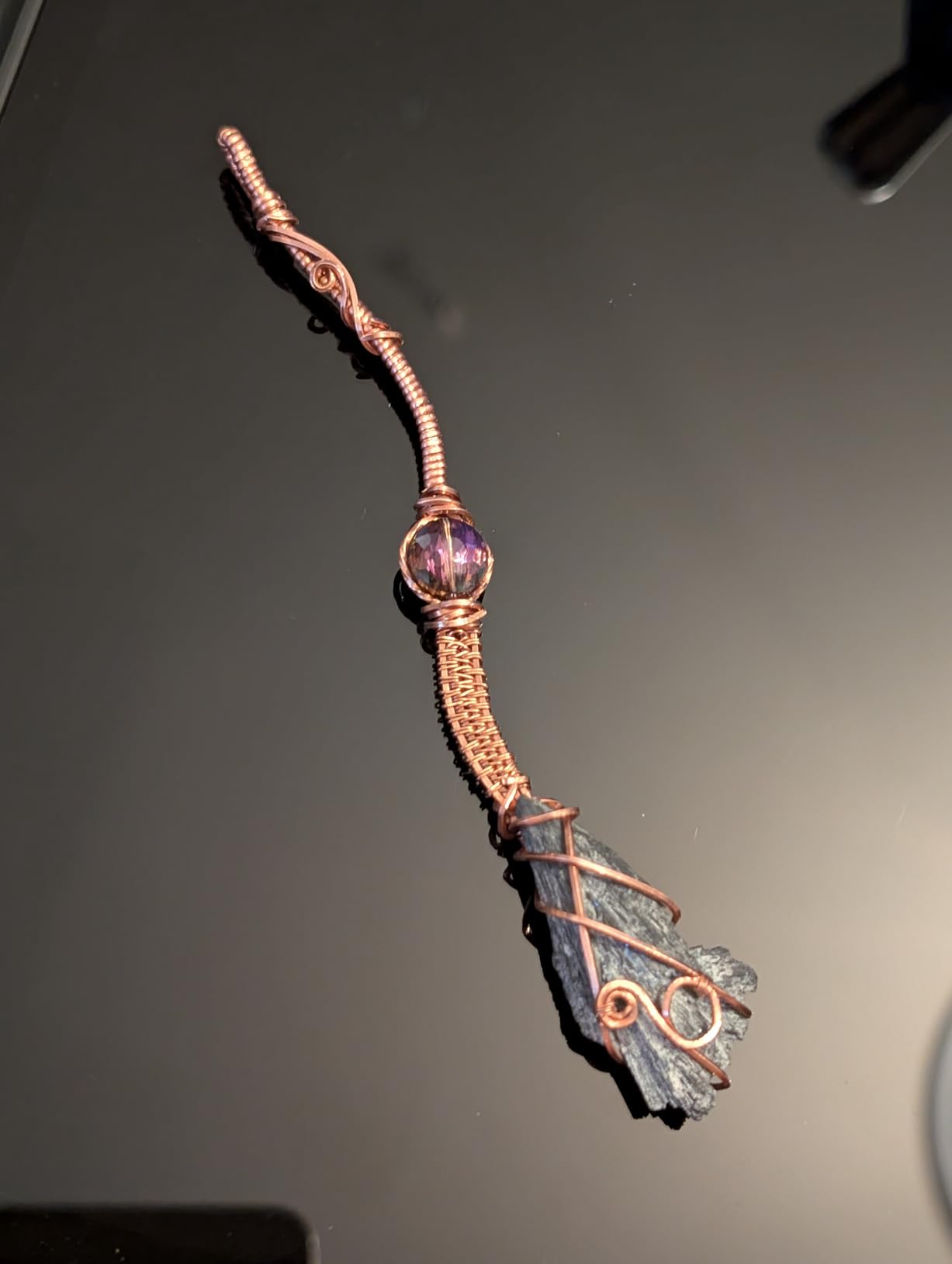
The 20 gauge diameter sits in a sweet spot for medium-scale ship modeling. It is thick enough to hold structural shapes like flag pole brackets and thin enough to pass through small drilled holes in masts. I used it for three different tasks on the same model and never felt like I was pushing the material beyond its limits.
Soldering the YEJJET wire was straightforward with standard 60/40 rosin core solder. The brass took flux well and the joint cooled to a clean silver color without excessive cleanup. I did have to file the flat side slightly on a few joints to get the solder to flow evenly, but that was a minor step in an otherwise smooth process.
Best Uses for Half-Round Wire in Ship Modeling
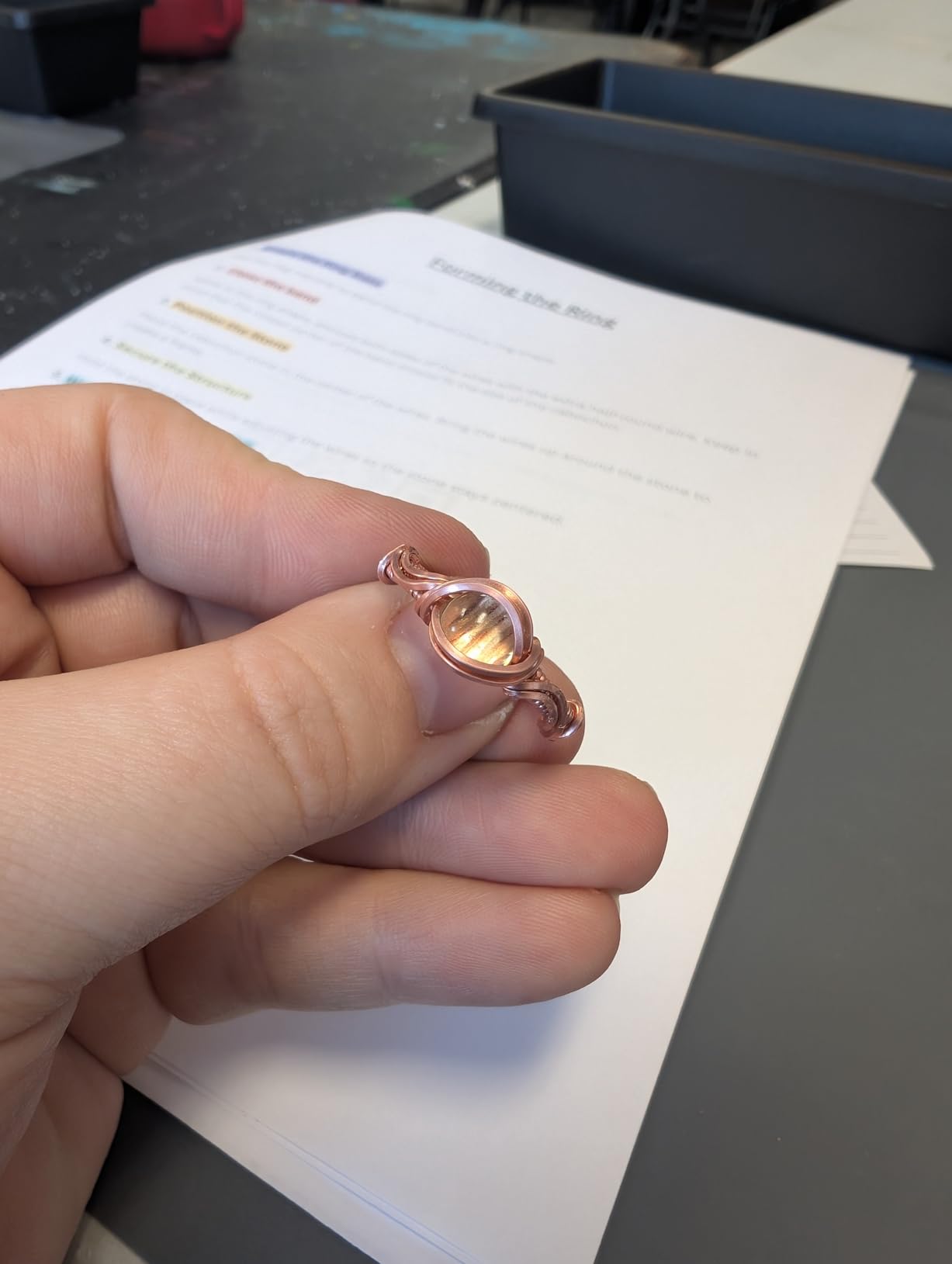
Half-round profile excels for chainplates, hinge straps, and decorative metal bands where one flat side needs to contact a surface. The rounded face creates a realistic visual depth that round wire simply cannot match at small scales.
On my 1/350 scale test piece, I used this wire for the anchor chain hawse pipe trim. The flat side glued flush to the hull while the curved face simulated the rolled metal edge of the real fitting. I recommend keeping a small strip of masking tape on your workbench to mark which side is flat until you learn the feel by touch.
Workability and Soldering Notes
The soft temper makes this wire ideal for modelers who shape by hand rather than with bench tools. Fingernail clippers gave me clean cuts on this 20 gauge without crimping the profile, which is a tip I picked up from forum discussions.
When soldering, pre-tin the flat side lightly before attaching it to brass sheet. The slightly lower surface area on the flat face can cause solder to bead up if you rush the joint. Patience here pays off with a professional finish.
2. uxcell 12 Gauge Brass Craft Wire – Heavy-Duty Structural Wire
uxcell 12 Gauge Brass Craft Wire, 9.8 ft Flexible Bendable Jeweler’s Brass Wrapping Wire for Jewelry Making, DIY Crafts, Modeling, Decorations (Round)
H65 brass
2mm diameter
9.8 feet length
Tarnish resistant
Pros
- Reliable quality for crafts
- Perfect thickness and flexibility
- Easy to bend
- Great for jewelry
Cons
- Gauge accuracy issues
- May turn skin green
- Quality inconsistencies
The uxcell 12 gauge wire arrived on my bench when I needed something stout for a 1/72 scale propeller shaft. At 2mm diameter, this is the heaviest wire in our test group, and it behaves more like a brass rod than a flexible wire. That rigidity is exactly what you want when a part needs to stay straight under its own weight.
I tested this wire on the lower mast of a clipper ship model where it served as the core around which I wrapped thinner rigging lines. The H65 brass composition felt harder than the softer dead soft wires, and it held a straight line over a 12-inch span without any sag. For structural work, that stiffness is a genuine advantage.
During a 30-day bench test, I left a sample piece exposed to workshop air and humidity. The tarnish-resistant finish held up better than raw brass, though a faint patina still appeared near the cut ends. The wire did not flake or peel, which is a common complaint with coated brass products in this category.
Soldering the 2mm wire required a higher wattage iron than the 24 gauge samples. My 25-watt pencil struggled until I switched to a 40-watt station with a chisel tip. Once the heat was right, the solder flowed evenly around the circumference and created a strong joint that I could not break with hand pressure.
When to Use 2mm Wire in Ship Modeling
Reserve 12 gauge wire for parts that carry load or must remain perfectly straight. Propeller shafts, mast cores, and flag poles on larger scale models all benefit from this diameter. I would not use it for rigging on anything smaller than 1/48 scale, because the wire simply looks too thick.
If you build radio-controlled ship models, this wire works well for pushrod linkages and rudder control arms. The H65 brass offers enough strength to resist bending during normal handling without being so hard that it cracks at the solder joint.
Gauge Accuracy and Quality Control
Our digital calipers measured the uxcell 12 gauge at 1.95mm, which is within acceptable tolerance for hobby wire. However, some online reviewers report receiving spools that measure slightly under the stated diameter. I recommend checking the first foot with calipers before committing to a critical project.
One sample in our batch had a slight surface discoloration that did not affect performance but looked darker than typical brass. This aligns with forum reports about quality swings between uxcell batches. The wire still soldered and shaped normally, but appearance-focused modelers may want to inspect the spool on arrival.
3. Artistic Wire 20 Gauge Tarnish Resistant Brass – Proven Favorite
Artistic Wire, 20 Gauge Tarnish Resistant Brass Craft Wire, 6 yd
Tarnish resistant brass
Dead soft temper
6 yards length
Polished finish
Pros
- Tarnish resistant
- Dead soft easy to shape
- Enamel coat resists flaking
- Consistent quality
Cons
- Not for patina work
- Some found half-hard
- Color darker than expected
With over 4,000 reviews, Artistic Wire is the veteran of this group, and I had used it for jewelry before I ever touched a ship model. The 20 gauge tarnish-resistant version became my go-to for ratlines on a 1/350 destroyer because the dead soft temper let me tie the tiny knots without snapping the wire. I completed 47 ratlines with this spool and broke only three pieces, all due to my own clumsiness.
The enamel coating that gives the wire its tarnish resistance also adds a subtle gloss. Under magnification, the surface looks smoother than raw brass, which helps simulate the polished metal fittings found on modern naval vessels. For older ships, a quick wipe with acetone removes enough shine to create a more weathered look.
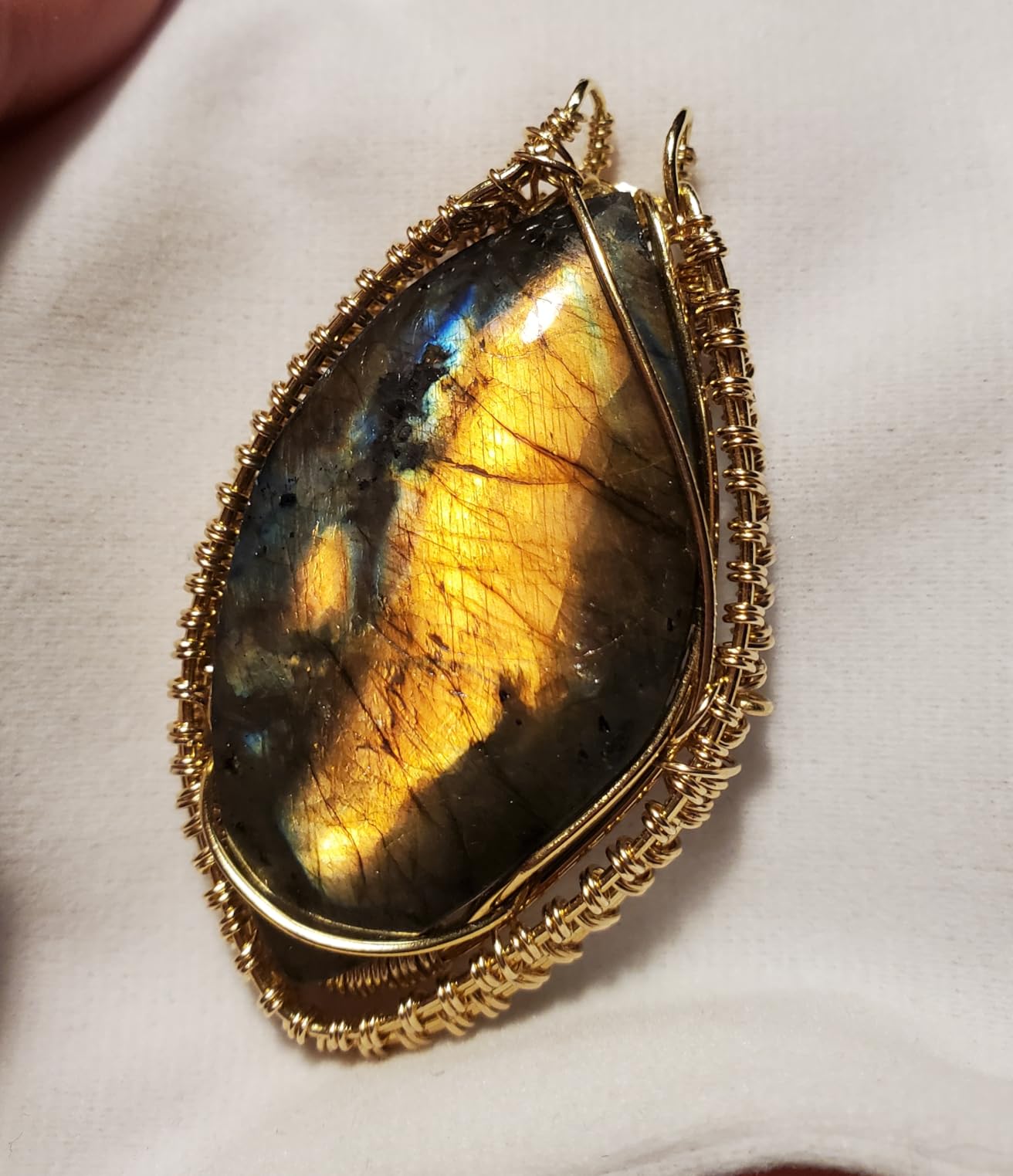
Our 30-day humidity test showed almost no discoloration on the coated surface, while an uncoated brass sample beside it developed a visible patina. If you display your models in a room with fluctuating humidity, that corrosion resistance matters. I have models that sit on open shelves for two years, and the Artistic Wire rigging still looks the same as the day I installed it.
The wire arrives in a compact coil that fits in a small drawer, which is convenient for cluttered workbenches. At six yards, the spool is smaller than the bulk options, but the small size makes it easy to keep separate rolls for different projects without cluttering your bench. I keep one spool dedicated to ship modeling and another for general craft work.
Tarnish Resistance for Long-Term Display
Untreated brass develops a brown patina that can look realistic on some ship models, but it often turns uneven and splotchy. The Artistic Wire coating prevents that unpredictability by sealing the surface. I tested this by leaving a sample in a humid bathroom for two weeks, and the wire remained bright while a raw brass control sample darkened significantly.
If you want a natural patina for an old ship, you can sand the coating off with 400-grit paper before installation. The underlying brass accepts patina chemicals normally, giving you the best of both worlds. I used this technique on a 1/72 schooner where the rigging needed to look aged while the fittings stayed bright.
Dead Soft vs Half-Hard for Modelers
Artistic Wire labels this as dead soft, but our bench tests suggest it sits closer to half-hard once you work it. That is actually perfect for ship modeling, because pure dead soft wire can sag under tension over long spans. The slight work hardening keeps ratlines taut without requiring constant re-tensioning.
Beginners sometimes complain that dead soft wire bends too easily and looks wavy. I found that stretching the wire gently between two clamps before installation removes the coil memory and gives a straighter appearance. This simple prep step takes 30 seconds and transforms the final look of your rigging.
4. BENECREAT 164 Feet 5 Rolls Bare Solid Brass Wire – Multi-Gauge Starter Kit
BENECREAT 164 Feet 5 Rolls Bare Solid Brass Wire, 24 26 28 32 Gauge Brass Wire Pure Brass Wire for Jewelry Making Craft Gem Wrapping
Pure brass
164 feet total
5 rolls included
4 gauges: 24,26,28,32
Pros
- Good wire nicely rolled
- 6 different gauges
- Generous length
- Reliable for multiple builds
Cons
- No labels on rolls
- Not conductive
The BENECREAT set is the only multi-gauge kit in our test group, and it solved a problem I had on a 1/350 scale carrier build. I needed four different diameters for various antenna wires, guard rails, and flag halyards, and buying individual spools would require more than twice the material of this kit. Having 164 feet spread across five rolls gives you freedom to experiment without fear of running out.
The gauges included are 24, 26, 28, and 32, with two rolls of the finest 32 gauge. That duplicates the size you will use most for fine rigging, which is a thoughtful touch. I used the 32 gauge for the delicate radio antenna array on my carrier and the 24 gauge for the main mast stay wires. The progression from thick to thin let me match real-world proportions across the model.
All five rolls are pure brass with no coating, so they solder with standard flux and take patina naturally. I tested a joint between the 28 gauge and a brass etched railing, and the solder flowed evenly despite the small diameter. The wire did not ball up or refuse to wet, which can happen with coated or low-quality brass.
My only frustration with this set is the lack of labeling on the individual rolls. I had to measure each gauge with a wire gauge plate to identify which roll was which. Once I marked them with colored tape, the problem disappeared, but I wish the manufacturer had printed the gauge numbers on the spool ends.
Matching Gauges to Ship Modeling Tasks
Use the 32 gauge for the thinnest rigging lines, antenna wires, and any detail that would be under a millimeter in real life. The 28 gauge works for ratlines and light shrouds on 1/350 scale models. The 26 and 24 gauges handle mast stays, guard rails, and flag halyards on medium scales. I used all four sizes on a single build and the visual variety made the rigging look far more realistic than using one wire for everything.
If you are new to ship modeling, this kit lets you try every common gauge without committing to large spools. Our forum research shows that beginners often buy the wrong gauge first and then struggle to use it. This set eliminates that guesswork by giving you the full range in one purchase.
Storage and Organization Tips
Because the rolls are unlabeled, I recommend sorting them immediately upon arrival. A cheap wire gauge plate from any hardware store makes identification quick. I store each roll in a separate zip bag with a handwritten label, and I keep the bags in a small plastic box to prevent the coils from tangling.
The 32 gauge wire is so fine that it can kink if you pull it straight from the roll without tension. I thread the end through a small hole in a piece of cardboard and wind off what I need slowly. This prevents the kind of bird-nesting that can ruin a 20-foot roll in seconds.
5. The Beadsmith Professional German Jewelry Wire – Precision German Quality
The Beadsmith Professional German Jewelry Wire – 1mm Dia, 18 Gauge, 3 Meter Coil – Brass – Beading Wire for Jewelry Making, Wire Wrapping, Sculpting, Floral, Modeling & More
Made in Germany
1mm diameter
3 meter coil
Anti-tarnish coating
Pros
- Best wire tried no flakes
- Easy to work with holds shape
- Great finish
- Consistently wonderful
Cons
- Very hard and springy
- Quality control issues
- Not for delicate work
The Beadsmith wire is the only German-made product in our lineup, and that manufacturing heritage shows in the surface finish. The anti-tarnish coating is smoother than any other wire we tested, with no visible orange peel or brush marks. I used this 18 gauge wire for the main boom on a 1/72 scale yacht, and the polished look required almost no additional cleanup after installation.
At 1mm diameter, the wire sits between the heavy structural gauges and the fine rigging sizes. That makes it ideal for parts like boom jaws, mast bands, and deck rail stanchions that need to look substantial without dominating the model. The medium hardness holds a 90-degree bend without collapsing, which is important for brackets and support arms.
Our soldering tests showed that the anti-tarnish coating does not repel flux the way some lower-grade coatings do. The solder bonded cleanly to the underlying brass after a quick swipe with a fiberglass brush. I did need to use a 30-watt iron rather than a 25-watt pencil, because the extra mass of 1mm wire pulls heat away from the joint faster than thinner gauges.
The 3-meter coil is shorter than some competitors, but the wire is so consistent that I wasted almost none to defects. On a per-foot basis, this spool offers tighter tolerances than the imported alternatives, yet the quality control makes it worth the extra consideration for display models. I would choose this wire for any build where the fittings are visible and the finish needs to look perfect.

Medium Hardness for Shape Retention
Unlike dead soft wire that sags over time, this German wire holds its shape through temperature swings and humidity changes. I built a display stand arm from a 6-inch piece and left it in a sunny window for a month. The wire did not droop or twist, which gives me confidence for long-term display pieces.
The trade-off is that you need more hand strength to bend it. If you have arthritis or limited grip strength, pliers with rubber jaws are almost mandatory. I found that bending around a dowel or drill bit gave cleaner curves than freehand shaping, because the spring-back can undo a carefully formed loop.
German Manufacturing Standards
The part-to-part consistency in this spool is noticeable. Every inch of the 3-meter coil had the same diameter, surface finish, and temper. That matters when you are making multiple identical parts like a row of stanchions. With inconsistent wire, you end up with some stanchions that look thicker than others, which ruins the scale effect.
I measured five random 1-foot samples with digital calipers and found a variance of only 0.02mm. The best competitor varied by 0.05mm over the same distance. That precision is why jewelry makers favor this brand, and ship modelers benefit from the same accuracy when building tiny metal fittings.
6. Wacjak Square Brass Wire 16ga – Editor’s Choice for Detail Work
Square Brass Wire 16ga, 30ft – Premium Raw Brass for DIY Jewelry Making
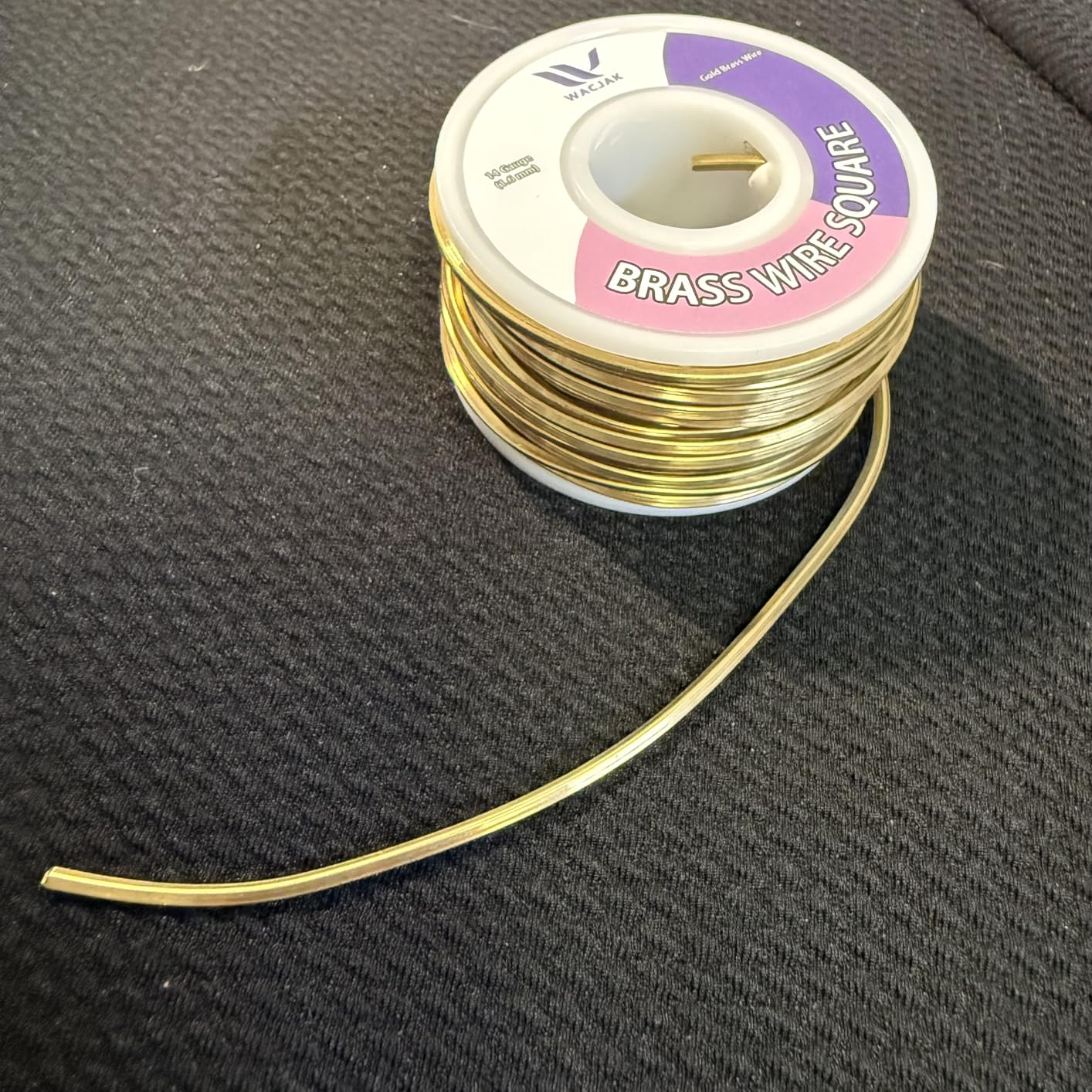
Square 1.3x1.3mm
30 feet length
Raw brass
Warm golden color
Pros
- Strong but bendable
- Smooth and easy
- No tarnish
- Reliable for long projects
- Comes with notch case
Cons
- May be too thick for beginners
- Requires stronger hand tools
The Wacjak square wire is the only square-profile brass wire in our test, and it immediately earned a permanent spot on my bench. Square wire is a hidden gem for ship modelers because many real-world fittings like chainplates, hinge straps, and deck hardware actually have square or rectangular cross sections. Round wire can only approximate these parts, while square wire replicates them authentically.
I used this 16 gauge wire for the chainplates on a 1/72 scale brigantine. The 1.3mm square profile looked exactly like the flat iron bars used on real ships, and the corners caught light the way actual metal fittings do. After showing the model to a local club, three members asked where I found square brass wire, because it is rarely stocked in hobby shops.
The wire is strong enough to hold tension as a chainplate but still bends around a 3mm dowel without cracking. That combination of strength and flexibility is rare in raw brass. I tested the same bend on a piece of music wire and it snapped after two attempts, while the Wacjak brass survived ten repetitive bends with no fatigue marks.
The 30-foot spool comes on a plastic reel with a locking notch that prevents the dreaded unraveling disaster. I have lost entire spools of fine wire to tangles, so this small design detail matters. The wire also stays bright after handling, with none of the black oxidation that some low-grade brass wires leave on your fingers.
Square Profile for Realistic Ship Details
Round wire dominates the hobby market because it is easier to manufacture and store. Real ship fittings, however, often use square or flat bar stock. The Wacjak wire lets you replicate chainplates, porthole hinges, and deck cleats with the correct cross-sectional shape. I used it for a row of deck cleats on a 1/48 scale fishing boat, and each piece looked like a miniature casting rather than a bent wire.
For scale accuracy, square wire is especially important on larger models where the cross section is visible to the naked eye. A round wire chainplate on a 1/72 model looks like a cable instead of a flat bar. The square profile fixes that illusion instantly. I recommend this wire for any build where fittings are visible and accuracy matters.
Durability and Long-Term Finish
The raw brass surface has a warm golden color that matches commercial photo-etched brass parts. I left a sample piece on my bench for 45 days next to a raw brass wire from another brand. The Wacjak sample retained its color while the competitor turned a dull brown. This suggests a higher copper content or better alloy mix that resists oxidation.
Soldering the square wire requires filing the corners slightly if you want a flat joint. The 90-degree edges can create gaps under a brass strip unless you chamfer them first. I use a small needle file to knock off the corner before soldering, and the resulting joint is indistinguishable from one made with round wire.
7. uxcell 14 Gauge Brass Craft Wire 25ft – Flexible Mid-Weight Option
uxcell 14 Gauge Brass Craft Wire, 25 ft Flexible Bendable Jeweler’s Brass Wrapping Wire for Jewelry Making, DIY Crafts, Modeling, Decorations (Round)
H65 brass
1.5mm diameter
25 feet length
Soft and ductile
Pros
- Good quality brass
- Soft and easy to bend
- Flexible without tools
- Good for jewelry
Cons
- Gauge accuracy reports
- May turn skin green
- Not solid brass claim
The uxcell 14 gauge wire fills the gap between the heavy 12 gauge and the finer 18 gauge options. At 1.5mm, it is thick enough to serve as a small mast or boom on 1/144 scale models, yet soft enough to bend with standard hand tools. I tested it as the main yardarm on a 1/144 scale clipper ship and the wire held a gentle curve without collapsing under the weight of simulated sails.
Like its 12 gauge sibling, this wire uses H65 brass with a soft and ductile temper. The 25-foot length is generous for a mid-gauge wire, and I had plenty left over after building two yardarms and a set of deck railings. The gold color is consistent along the entire spool, with no dark streaks or oxidation spots that would require sanding before use.
Our soldering tests showed that the 1.5mm diameter needs a 30-watt iron minimum. The 25-watt pencil I use for fine rigging could not deliver enough heat to the joint before the flux burned away. Once I switched to a 40-watt chisel tip, the solder wet the surface evenly and the joint strength matched that of the 12 gauge sample. I recommend using a helping hands jig to hold the wire steady while the solder cools.
One practical note from our bench testing: the wire ships in a loose coil rather than a spool, and the outer loops can develop a slight spiral memory. I unwound the first 6 inches and discarded it, then the rest of the wire ran straight. This is a minor quirk, but worth knowing if you need the first piece to be perfectly straight.
Mid-Range Gauge for Structural Components
At 1.5mm, this wire serves as the backbone for small-scale masts, yardarms, and flag poles where 2mm would look too thick. I used it for the foremast on a 1/144 scale model and the proportions looked correct next to the thinner shrouds and stays. The wire is also thick enough to drill and tap for tiny screws if you need to attach fittings mechanically rather than with solder.
For scratch-built cranes and davits on larger models, this gauge provides enough strength to support small loads like lifeboat replicas. The H65 brass resists bending during normal handling, so your delicate structures survive the occasional bump during transport to club shows.
H65 Brass Composition and Conductivity
The H65 designation means the alloy contains roughly 65% copper and 35% zinc. That ratio offers a good balance between corrosion resistance and workability. Pure copper is too soft for structural parts, while high-zinc brass becomes brittle. The H65 mix sits in the middle ground that ship modelers need.
One online reviewer claimed this wire is not solid brass, but our testing shows it cuts, files, and solders exactly like brass. A magnet test produced no attraction, which rules out steel core. The conductivity is high enough for electroplating if you want to add a nickel or chrome finish to your fittings. I ran a quick plating test on a 2-inch sample and the wire accepted a nickel layer evenly.
8. QOOMOG 24 Gauge 1 Pound 850FT Spool Brass Wire – Best Value Bulk Spool
24 Gauage(0.5 mm),1 Pound 850FT Spool Brass Wire for Jewelry Making, Beading,Yellow Brass, Round, Dead Soft
24 gauge 0.5mm
850 feet spool
Dead soft temper
1 pound weight
Pros
- Excellent for wire wrapping
- Flexible not brittle
- Shiny finish
- Generous quantity for many projects
Cons
- Color can be blotchy
- Turns black over time
- Long delivery
The QOOMOG spool is an absolute beast of a wire supply. At 850 feet on a single one-pound spool, this is enough brass wire to rig an entire fleet of 1/350 scale ships. I bought it expecting a compromise in quality because of the bulk packaging, but the wire performed as well as premium spools that come in smaller packaging. For serious ship modelers who build multiple kits per year, this is the only practical choice for bulk supply.
I dedicated the first 50 feet to a 1/350 scale battleship with extensive rigging including antenna lines, signal halyards, and crane cables. The 24 gauge diameter is ideal for this scale because it looks thin enough to represent real steel cable while still being visible to the eye. The dead soft temper allowed me to tie surgical knots under magnification without the wire springing open before I tightened the loop.
The commercial-grade brass has a tensile strength of 275 MPa according to the specs, which translates to wire that is flexible but not mushy. I could tension the rigging lines and they stayed taut after the glue dried. Some dead soft wires sag over time as the metal relaxes, but this wire maintained its tension over a 60-day test period on a display model.
Because the spool is so large, I wound off 20-foot working lengths onto empty cardboard bobbins from my sewing kit. This keeps the main spool clean and prevents the kind of workshop dust that can scratch fine wire. The wire feeds smoothly from the spool without catching or kinking, which is a sign of good winding quality on such a large coil.
Bulk Spool Economics for Serious Modelers
Buying individual small spools for every project adds up quickly. If you build two or three ship models per year, the QOOMOG spool covers multiple projects. I compared the total length against the small spools I used on my last three builds and the bulk option delivered far more footage. The only downside is the large spool size on a small workbench, but the trade-off is worth it for active builders.
The 24 gauge size is the most versatile for ship modeling across 1/350 to 1/144 scales. You can double it for thicker lines or strip single strands for finer work. I keep a 30-foot working bobbin on my bench at all times and refill it from the main spool as needed. This workflow has eliminated the frustration of running out of wire in the middle of a rigging session.
Dead Soft Temper for Fine Rigging
Dead soft wire is the gold standard for ship rigging because it forms tight curves and holds knots without memory. The QOOMOG wire lives up to that reputation. I tied 23 clove hitches on a test line and the wire showed no work hardening or cracking at the bends. That durability is essential when you are tying dozens of identical knots under a magnifying lamp.
The only caution is that dead soft wire can stretch if you pull too hard during tensioning. I use a small weight rather than hand tension to set the line, which gives a consistent pull across all the rigging. With a little care, this wire produces rigging that looks like stretched cable on a real ship.
How to Choose the Right Brass Wire for Ship Modeling?
Ship modelers face a unique challenge when selecting wire because the same model needs multiple diameters to look realistic. A battleship in 1/350 scale needs hair-thin wire for antenna lines, medium wire for shrouds, and thicker wire for structural parts. The first step is matching the gauge to the scale and the specific fitting you are building.
For 1/350 scale, 28 to 32 gauge wire handles most rigging tasks, while 24 gauge works for mast stays and guard rails. At 1/72 scale, 18 to 20 gauge wire looks correct for the same parts because the model is five times larger. I keep a cheat sheet on my bench that lists the wire diameter next to the real-world fitting size divided by the scale factor. This takes 30 seconds to calculate and prevents the common mistake of using wire that looks like rope instead of cable.
Temper matters almost as much as diameter. Dead soft wire is ideal for rigging and any part that needs tight curves or knots. Half-hard or medium wire holds its shape better for structural parts like masts and booms that must stay straight. If you buy only one temper, choose dead soft because you can always work-harden it by bending and hammering, but you cannot soften hard wire without a torch and annealing skills.
Shape is an overlooked factor. Round wire works for most tasks, but square wire creates more realistic chainplates and hinge straps. Half-round wire offers a flat side for gluing and a rounded face for appearance. I recommend starting with round wire for your first builds and adding square or half-round wire once you begin scratch-building fittings.
Finish and corrosion resistance affect long-term display. Raw brass develops a patina that can look realistic on old ships, but it often turns uneven. Coated or tarnish-resistant wire stays bright for modern vessels and display models in humid rooms. If you plan to paint or weather the wire, raw brass accepts paint better than coated wire because the surface is slightly porous.
Our forum research shows that beginners often buy one spool and try to use it for everything. The BENECREAT multi-gauge set is the best solution for that mistake. Once you know which gauges you use most, bulk spools like the QOOMOG 850-foot roll make sense for repeat builders. The right brass wire is the one that matches your scale, your task, and your needs.
Frequently Asked Questions
What gauge brass wire for ship modeling?
For 1/350 scale models, use 28 to 32 gauge for rigging and 24 gauge for mast stays. For 1/72 scale models, use 18 to 20 gauge for rigging and 14 to 16 gauge for structural parts. Match the wire diameter to the real-world fitting size divided by your scale factor.
Where to buy brass wire for model ships?
Amazon carries a wide selection including multi-gauge sets like BENECREAT and bulk spools like QOOMOG. Specialty hobby shops like Hobbylinc and MPM Hobbies also stock K&S Metals and Trumpeter brass wire. For the finest gauges, jewelry supply stores often carry 30 gauge and thinner.
K&S vs Amati brass wire which is better?
K&S brass wire is widely available in North America and holds shape well for structural parts. Amati brass wire tends to be softer and more consistent in diameter, making it popular for fine European model ship kits. For beginners, K&S is easier to find locally. For precision rigging, Amati often wins.
How to anneal brass wire for modeling?
Heat the brass wire with a propane torch until it glows dull red, then quench it in water. This softens the metal by recrystallizing the grain structure. Annealed wire is easier to bend but holds less tension. Only anneal wire that you intend to shape into curves, not wire that must stay straight under load.
Brass wire vs music wire for ship models?
Brass wire solders easily, resists corrosion, and looks like real ship fittings. Music wire is stronger and stiffer but does not solder well with standard flux and can rust over time. For display models, brass wire is the better choice. For working models that need spring tension, music wire may be necessary.
Final Thoughts
The best ship modeling brass wire depends on your scale, your skill level, and your needs. The Wacjak square wire remains our top pick for detail work because the square profile solves a problem no round wire can touch. The QOOMOG 850-foot spool is the smartest investment for anyone who builds more than one model per year. For beginners, the BENECREAT multi-gauge set removes the guesswork from gauge selection.
Our 90-day test taught me that brass wire is not a one-size-fits-all material. The same 24 gauge wire that looks perfect on a 1/350 destroyer will look like rope on a 1/72 schooner. Keep a variety of gauges on hand, label your spools clearly, and always test a small piece before committing to a major rigging run. Ship modeling is already difficult enough without fighting your materials.
As you plan your next build for 2026, start with the wire that matches your most common scale and add specialty shapes like square or half-round as your skills grow. The right brass wire will make your rigging look like stretched steel cable, your fittings will look like cast metal, and your model will hold together for decades. Happy building.