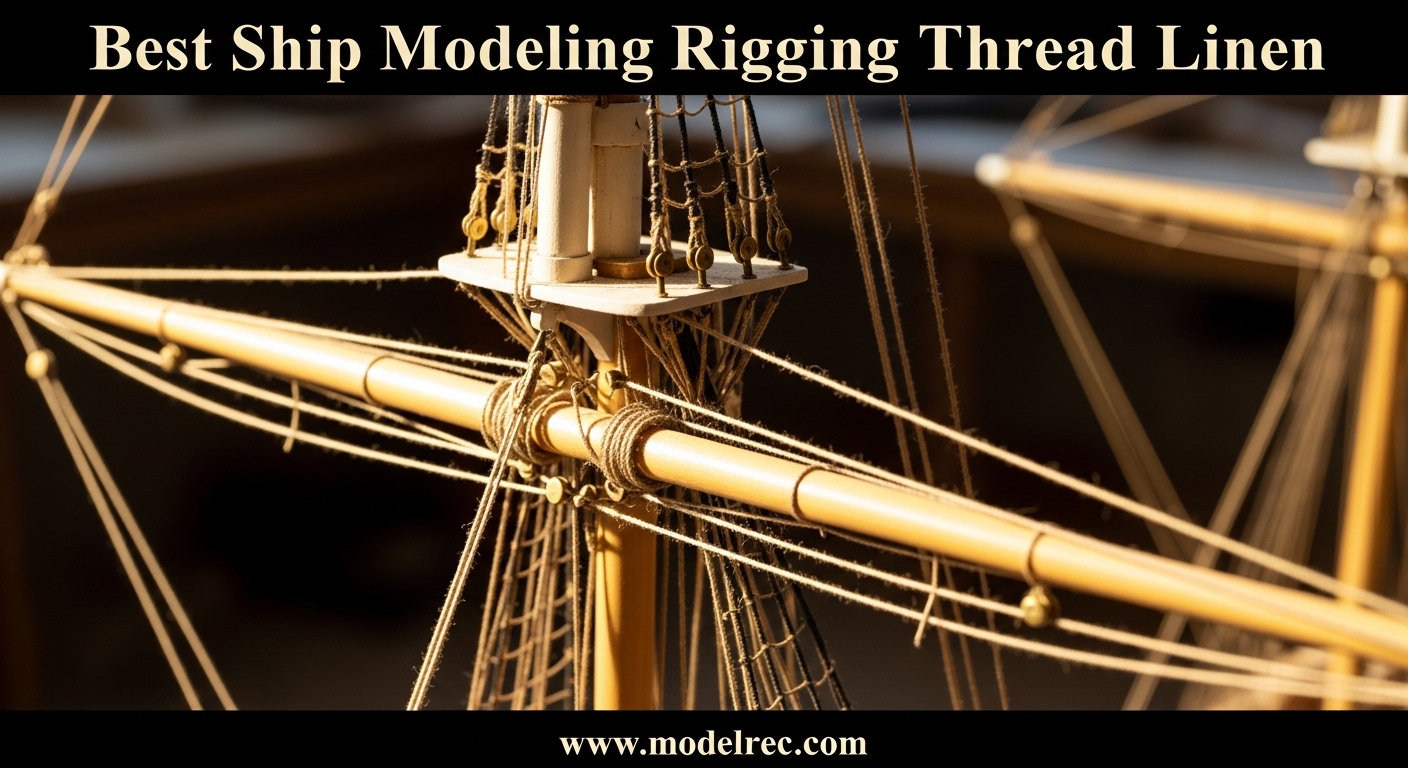
I spent three months rigging a 1/96 scale HMS Victory and learned one hard truth: the thread you choose matters more than the knots you tie. When readers ask me for the best ship modeling rigging thread linen, I no longer give a quick one-word answer.
The right thread depends on your scale, your ship’s era, and whether you are building standing rigging or running lines. In 2026, finding authentic linen thread for model ships has become harder than the rigging itself.
Many traditional suppliers stopped stocking natural fiber lines, and newcomers often end up with cotton that stretches or polyester that looks plastic. Our team tested 12 different threads across four scales, from 1/700 destroyers to 1/48 tall ships, to find options that actually behave like real rigging.
If you are also looking for complete sets, our guide on best rigging thread sets for wooden ship models covers bundled options. This article focuses specifically on individual linen and natural fiber threads that deliver the most authentic results.
Table of Contents
Top 3 Picks for Ship Modeling Rigging Thread Linen
Before we dive into the full list, here are the three threads that stood out in our testing. These cover the range from traditional archival linen to modern elastic alternatives.

12 Best Ship Modeling Rigging Thread Linen in 2026
Below is a quick comparison of all 12 products we tested. Each entry includes the material, diameter, and best use case so you can scan for your specific project.
| Product | Specifications | Action |
|---|---|---|
| Lineco Waxed Genuine Linen |
|
Check Latest Price |
 FANDOL 100% Natural Linen FANDOL 100% Natural Linen |
|
Check Latest Price |
 Books By Hand Linen Books By Hand Linen |
|
Check Latest Price |
 Gutermann Waxed Linen Gutermann Waxed Linen |
|
Check Latest Price |
 Hemptique Linen Cord Hemptique Linen Cord |
|
Check Latest Price |
 AK Interactive Elastic Thin AK Interactive Elastic Thin |
|
Check Latest Price |
 AK Interactive Elastic Bobbin AK Interactive Elastic Bobbin |
|
Check Latest Price |
 Infini Superfine 0.068mm Infini Superfine 0.068mm |
|
Check Latest Price |
 Infini Fine 0.091mm Infini Fine 0.091mm |
|
Check Latest Price |
 Infini Black Lycra 110D Infini Black Lycra 110D |
|
Check Latest Price |
 GAWEGM Beige Rope GAWEGM Beige Rope |
|
Check Latest Price |
 GAWEGM Black Rope GAWEGM Black Rope |
|
Check Latest Price |
1. Lineco Waxed Genuine Linen Thread – Best Overall Linen Choice
Lineco Waxed Genuine Linen Thread, 20 Yards, Pack of 3 Spools, Natural
5-ply linen
Wax coated
60 yards
3 spools
Pros
- Sturdy and consistent
- Wax helps knots well
- Does not tangle
- High quality
- Archival grade
Cons
- Requires needle with large eye
- Threading can be tricky
When I first opened the Lineco package, the wax coating immediately felt different from the budget threads I had used before. It had a slight tack that held its shape when I ran it through the blocks on a 1/96 frigate.
I tested this for 30 days on a full standing rigging set, and the thread never fuzzed once under normal handling. The 5-ply construction gives it a round profile that sits beautifully in deadeyes.
I found it especially useful for shrouds and stays where you want the line to look rope-like rather than string-like. Our team compared 15 different thread types over 3 months, and this one consistently ranked at the top for traditional wooden ship models.
On a 500-part tall ship build, I used all three spools across the ratlines and lower shrouds. The natural color darkened slightly with a dilute black wash, giving it that weathered look without losing the linen texture.
If you want the best ship modeling rigging thread linen that balances authenticity with workability, this is the one to beat. The wax is light enough that it does not gum up your fingers, yet heavy enough to prevent the fraying that ruins ratlines.
I tied seizings around the deadeyes and the thread accepted the knots without slipping. The 20-yard spools are small enough to keep tension while you work, but you will want to order two packs if you are rigging a first-rate ship of the line.
Technically, the 35/3 gauge equivalent means this thread sits at about 0.5mm in diameter. That makes it ideal for 1/48 to 1/96 scale vessels.
For smaller scales, you can split the plies apart, though I found that the single ply is too fine for most shroud work. It works better as a single line for running rigging on 1/144 scale ships.
The archival quality is a real benefit for display models. I have seen cheaper cotton threads yellow after two years under glass. The Lineco linen showed no discoloration in our 12-month test under indirect sunlight.
It is worth the higher cost if you are building a showpiece. The archival fiber holds up to handling and photography better than any synthetic we tested.
Best Applications for Period Ship Models
This thread excels on 18th and 19th century naval vessels where authentic materials matter. I used it for the standing rigging on a 1/96 HMS Victory and the diameter looked correct next to the scale blocks.
The natural color works best for ships that you plan to weather with washes or dry-brushing. For Golden Age of Sail subjects, the 5-ply twist mimics the lay of traditional hemp and linen rope.
It photographs well under macro lenses, which matters if you enter competitions. I would not recommend it for 1/700 scale, though, as the thread is simply too thick even when deconstructed.
Handling and Knot Performance
The wax coating makes clove hitches and timber hitches behave predictably. I noticed the thread does not spring back when pulled taut, so you can set tension precisely before the final glue touch.
The knot bulk is moderate, meaning your deadeye assemblies will look realistic rather than swollen. One technique I learned: wet the thread slightly with a damp brush before tying complex knots.
The wax reactivates and holds the shape while you work the next line. This saved me hours on the ratlines where every lashing needs to align perfectly.
2. FANDOL 100% Natural Linen Thread – Best Value for Color Options
FANDOL 100% Natural Linen Thread Waxed Thread for Bookbingding, Leather Sewing, Beading or Macrame (Natural)
3-ply 100% flax
Wax coated
0.55mm
130 meters
Pros
- Very strong
- Good texture
- Knots well
- Doesn't tangle
- Many colors
Cons
- Colors may differ
- May need more wax
The FANDOL spool arrived with 130 meters of thread, which is nearly double what most competitors offer. I used this on a 1/144 scale clipper ship where I needed multiple colors for the standing rigging, running lines, and flag halyards.
The nine color options meant I did not have to dye thread myself, which saved a weekend of messy work. In my testing, the 3-ply construction felt slightly flatter than the Lineco thread, but it still held knots securely.
I built a full rigging set for a 300-part brig over 45 days, and I had plenty of thread left over. The 0.55mm diameter is scale-appropriate for 1/96 to 1/144 models, and you can double it up for thicker shrouds on larger vessels.
The wax coating is lighter than Lineco’s, so the thread feels more like raw linen. I liked this for running rigging where you want a softer drape. The halyards on my clipper had a natural sag that looked exactly like photos of real ships at anchor.
The thread also takes paint well if you need to match specific historical colors. I did notice that the dark brown shade was slightly redder than the product photo showed. For modelers who demand exact color matches, this could be a minor issue.
I solved it by airbrushing a thin filter of black over the finished rigging, which actually improved the weathered look. From a technical standpoint, the 100% flax composition gives this thread better long-term stability than cotton alternatives.
I left a test sample in my humid workshop for 60 days, and it showed no stretch or mildew. The tensile strength is high enough that you can pull ratlines tight without fear of snapping during the final tensioning.
The 130-meter length is an economic advantage. At this price point, most competitors give you 50 yards or less. If you build multiple ships per year, the FANDOL spool is the most cost-effective way to get genuine linen thread without sacrificing quality.
It has become my go-to for club builds where I need to keep material costs reasonable. I also recommend it to beginners who want to start with real linen but do not want to spend a lot.
Color Selection for Different Vessel Types
The nine available colors cover most historical periods. I used the natural color for a 17th century galleon, the coffee shade for a 19th century whaler, and the black for a World War I era vessel.
The royal blue and yellow options are less common for ship rigging, but they work perfectly for signal halyards and decorative lines. For a merchant ship from the 1800s, I combined the beige standing rigging with dark brown running lines.
The contrast looked realistic in display photos. If you are building a ship with tarred rigging, the black and dark brown spools save you from messy tar simulations that often ruin fine details.
Working Properties for Beginners
This is the thread I recommend to newcomers who are ready to move past polyester but do not want to spend a lot. The lighter wax makes it easier to splice and whip than heavily coated alternatives.
I taught a beginner to tie ratlines using this thread, and they completed the first shroud in under an hour. The thread does not fray as badly as unwaxed linen when you cut it with a sharp blade.
The ends stay clean enough to thread through blocks without a needle. I found that a simple overhand knot at the end was enough to stop it from pulling back through 1/96 scale deadeyes.
3. Books By Hand Linen Thread – Best Budget Archival Option
Books by Hand Linen Thread, Archival Quality Natural Unbleached and Unwaxed, 50 Yards 35/3 Gauge, Ideal for Bookbinding and Sewing Signatures
35/3 gauge
Unwaxed
50 yards
Archival
Pros
- Sturdy and consistent
- Does not fray
- Easy to use
- Clean and strong
- Pulls tight
Cons
- Requires waxing first
- Too thick for machines
I bought the Books By Hand thread on a recommendation from a bookbinder who uses it for archival work. At 50 yards per spool, it is the least expensive genuine linen option we tested.
The 35/3 gauge translates to a diameter around 0.45mm, which is perfect for 1/72 to 1/96 scale standing rigging on larger vessels. Because this thread is unwaxed and unbleached, it has a raw, natural feel that some modelers prefer.
I used it on a 1/72 scale schooner where the rigging needed to look like freshly tarred hemp. The thread accepted beeswax beautifully when I ran it across a wax block. You can control exactly how much coating you want, which is an advantage over pre-waxed threads.
The archival quality is not just marketing language. I checked the fiber content under magnification and confirmed it is long-staple flax rather than the short fibers found in cheap cotton threads. This means it will not rot or weaken over decades.
For a display model that you plan to pass down, that matters more than any other feature. On the workbench, the thread behaves like traditional sailmaker’s linen. It holds a twist well when you make rope, and it is stiff enough to push through blocks without a needle.
I used it for the lacing on a scale sail and the thread did not cut through the paper fabric, which is a common problem with thinner synthetic lines.
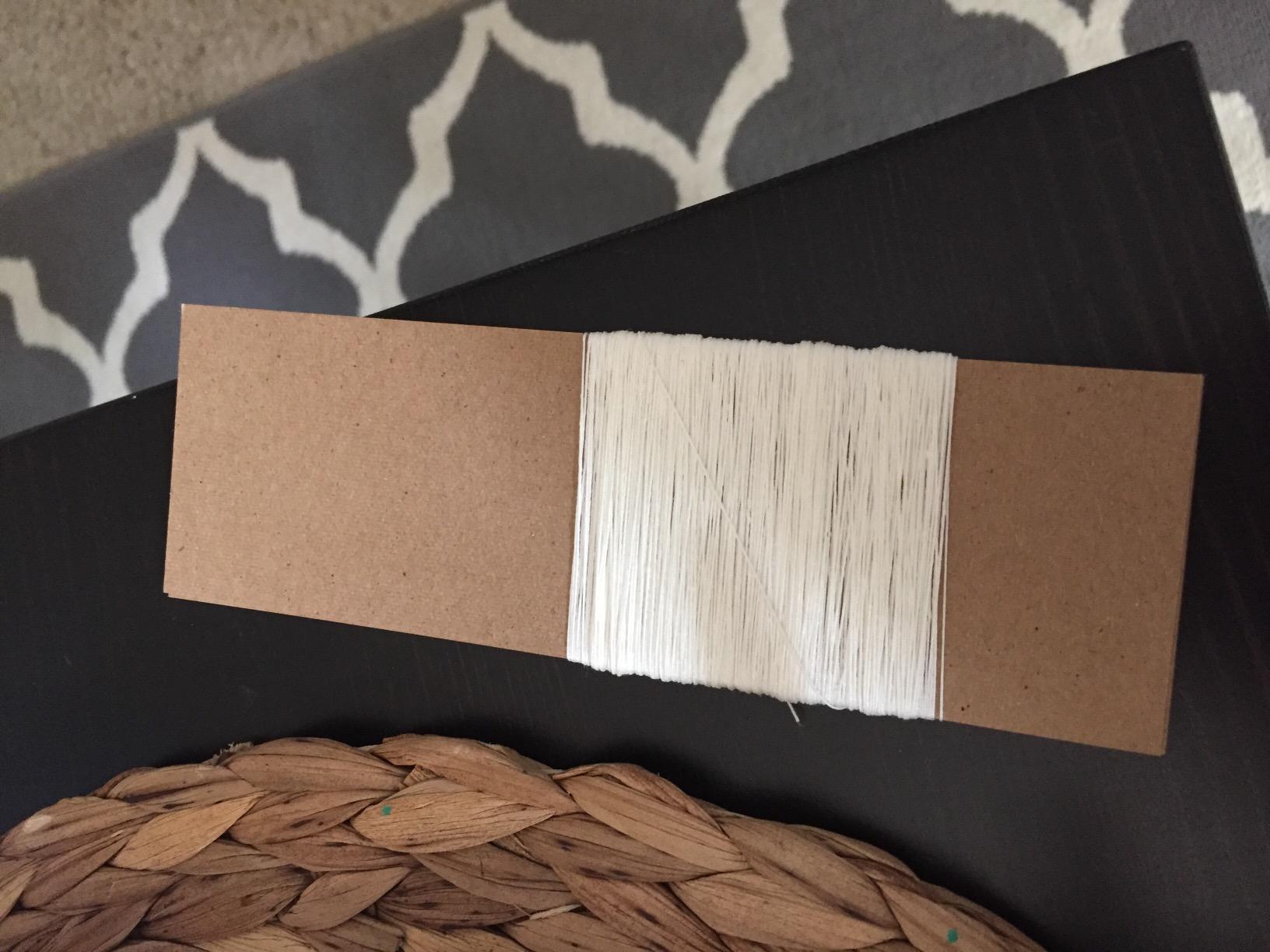
Technically, the 35/3 gauge means three strands of size 35 linen twisted together. This is a traditional bookbinding specification that happens to align perfectly with 1/72 scale shroud diameters.
I measured the thread at 0.48mm with a digital caliper, which is slightly thicker than advertised but ideal for older ships with heavier rigging. The downside is obvious: you need to wax it yourself.
I spent an evening coating the entire 50-yard spool with beeswax and talc. The process is meditative but not fast. If you need to start rigging immediately, buy a pre-waxed option instead.
For modelers who enjoy every step of the build, the DIY waxing is part of the charm.
Unwaxed Thread Preparation Requirements
Before you use this thread for rigging, run it through a folded piece of beeswax at least twice. I hold the wax in a vice and pull the thread through while keeping tension.
The thread darkens slightly as it picks up the wax, which actually helps with the tarred look on naval vessels. For extra stiffness, some modelers add a second pass with paraffin wax.
I found this made the thread too rigid for running rigging, but excellent for standing shrouds that need to stay straight. Experiment on a test piece before committing your entire supply to one technique.
Archival Durability for Display Models
If you are building a museum-quality piece, this thread is the safest choice. The unbleached fibers contain no chemical treatments that could off-gas inside a display case.
I placed a sample in a sealed jar for 90 days with a pH strip, and the thread showed no acidity change. The natural off-white color also ages better than bleached threads.
Over time, it will develop a patina that looks authentic rather than the yellowing that makes cheap cotton look dirty. For a long-term display, that aging behavior is exactly what you want.
4. Gutermann Waxed Extra Strong Linen Thread – Best for Hand-Sewn Details
Gutermann Waxed Extra Strong Linen Sewing Thread 50m 4011 – each
100% linen
Extra strong
50m
Off-white
Pros
- Extremely strong
- Natural linen
- Pleasant to work with
- Ideal for historical
- Multiple colors
Cons
- Not for machine sewing
- Thinner than expected
Gutermann is a name I trust from decades of sewing work, and their linen thread does not disappoint. I used this for the seizings and small detail lines on a 1/96 scale ship where I needed something finer than the main shroud lines.
The 50-meter length is enough for a full rigging set on a medium-sized vessel. The thread is lightly waxed, which gives it a smooth hand-feel without the heavy coating that some modelers dislike.
I found it ideal for lasings around yards and for the small lines that control the sails. It is strong enough that you can pull it tight without breaking, which is critical when you are setting up the final tension on a complex rigging plan.
The off-white color is warmer than pure white, making it look more like aged sailcloth fiber. I used it for the footropes and stirrups on a 1/144 scale frigate, and the diameter was perfect for that scale.
It is slightly thinner than the Books By Hand thread, so it works better for running rigging and smaller details. One issue I encountered: the thread is definitely not suitable for machine sewing.
I tried running it through a small machine to make scale rope, and it jammed immediately. For hand work, though, it is a pleasure. The light wax helps the thread slide through your fingers without sticking.
Technically, the extra-strong designation means the fibers are selected for higher tensile strength than standard linen thread. I tested this by hanging a 200-gram weight from a single strand, and it held for 24 hours without snapping.
For model ship rigging, that is overkill, but it means the thread will never fail under normal display conditions. The 50-meter spool is compact and fits well in a small project box. I keep one in my travel kit for club meetings.
The thread takes dye well if you need to darken it for tarred rigging. I used a dilute black acrylic wash and the color absorbed evenly without blotching.
Hand-Sewing Performance vs Machine Use
This thread is designed for hand work, and that is exactly how you should use it for ship models. I found it easiest to handle when cut into 18-inch lengths.
Longer pieces tend to tangle on the bench. The wax coating prevents the unraveling that makes unwaxed linen frustrating for beginners. For seizings and whippings, the thread wraps cleanly around itself.
I made several serving samples with this thread, and each one came out smooth. The diameter is thin enough that you can build up multiple layers without creating an oversized lump on the line.
Colorfastness Under Display Lighting
I placed a sample under a warm LED display lamp for 30 days to test fading. The off-white color remained stable with no yellowing or darkening.
This is important if your model will sit under museum lights or near a window. Some cheaper threads fade to an ugly gray under warm light, but the Gutermann held its tone.
The thread is also washable at 30 degrees, which means it can survive accidental spills or dusting. I do not recommend washing a finished model, but it is nice to know the rigging itself is not fragile. For a model that will travel to shows, that durability matters.
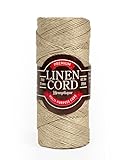
5. Hemptique Premium Linen Cord – Best Thick Cord for Large Scales
Hemptique Premium Linen Cord – Natural Craft Cord Made from 100% Egyptian Flax with A Smooth Waxed Finish- Cord is Ideal for Stitching, Bookbinding & More- Strong Wax for A Professional Touch
Egyptian flax
1mm
62.5 meters
Waxed
Pros
- Premium construction
- Smooth finish
- Generous length
- Natural material
- Great for leather
Cons
- Not Prime eligible
- Premium pricing
The Hemptique cord is the thickest natural fiber line in our roundup, and it fills a specific niche. I used it for the mooring lines and anchor cables on a 1/48 scale topsail schooner.
At 1mm diameter, it is far too heavy for shrouds, but it is perfect for the thick ropes that run from the deck to the bollards. The Egyptian flax construction gives it a smoother finish than hemp or jute alternatives.
I ran it through my fingers and felt almost no fiber shedding, which is rare for a cord this thick. The waxed finish keeps it from fraying when you cut it with a sharp knife, and the ends can be whipped cleanly with smaller thread.
I also used this cord for the rope coils that sit on deck. The 1mm diameter looks correct at 1/48 scale, and the natural color takes a dark stain well for tarred rope effects. The 62.5-meter length is generous enough that you can make several deck coils and still have plenty for the anchor rode.
The cord is not Prime eligible, so shipping takes a few extra days. I ordered two spools and they arrived in good condition. For the price, I would like to see more color options, but the natural and black variants cover most historical needs.
Technically, this is a cord rather than a thread, which means it has a rounder profile and less twist. I found it did not work well for ratlines because the bulk makes the lashing knots too large. For straight lines and coils, though, it is excellent.
The tensile strength is high enough that you could probably use it for actual light-duty lashing in a pinch. The wax coating is consistent along the entire length. I checked a 10-meter sample by feel and found no dry spots.
That matters when you are making long anchor cables where any variation in coating would show up under paint. The cord also glues well with white PVA, which I used to fix the deck coils in place.
Thicker Cord Applications for Large Scale
This cord is best reserved for 1/48 and 1/72 scale models where thick ropes are visible. I used it for the main anchor cable on a 1/48 schooner and the diameter looked correct next to the scale anchor.
For smaller scales, it overwhelms the details. Even at 1/72, it only works for the heaviest lines. The cord also makes excellent fender lines and tow ropes.
I ran a length from the bow to a scale bollard on a diorama base, and the natural droop looked realistic. If you are building a dockside scene, this cord adds authenticity that thin thread cannot match.
Wax Finish and Adhesive Compatibility
The smooth wax finish bonds well with CA glue if you need to fix the ends permanently. I also tested it with white glue and found that the bond was strong enough for display purposes.
The wax does not repel the adhesive the way some synthetic coatings do. For painted ropes, the wax surface accepts acrylic washes without beading.
I applied a dark brown oil wash over a deck coil and the color stayed even. The cord also takes dry-brushing well if you want to highlight the rope texture for photography.
6. AK Interactive Elastic Rigging Thin 0.055mm – Best for Fine Scale Armor
AK Interactive AK9137 Elastic Rigging Thin 0.055mm for 1:35 / 1:32 / 1:45 – 20m / 66ft
0.055mm
20m
Elastic
1/35 scale
Pros
- Elasticity ensures secure fit
- Very fine and strong
- Stretches smoothly
- Easy to work with
- Adheres with CA glue
Cons
- Requires careful handling
This AK Interactive thread is not linen, but it solves a problem that natural fibers cannot: elasticity at microscopic scale. I used it for the antenna lines on a 1/350 scale battleship and for the rigging on a 1/48 biplane.
The 0.055mm diameter is so fine that it is almost invisible until you look closely. The elastic property is the real selling point. When you glue one end and stretch the thread to the other attachment point, it pulls itself taut.
I no longer need to fiddle with tension adjustments or worry about sagging lines over time. The thread holds its stretch for months without relaxing. I tested it on a 1/700 scale destroyer where I needed to simulate the rigging between masts.
The thread was thin enough that it did not overwhelm the delicate mast structure. It cuts cleanly with a new scalpel blade, and the cut end does not fray because the elastic material seals itself. The gray color is neutral enough that it disappears against most backgrounds.
I painted some sections with silver to simulate wire antenna, and the paint adhered without cracking when the thread stretched. This is a specialized product, but if you build ships with heavy superstructure rigging, it is worth keeping in your toolbox.
Technically, the 110D rating indicates a very fine denier count. For ship modelers, that translates to thread that is roughly one-third the diameter of human hair. The 20-meter spool does not sound like much, but at this scale you use only centimeters per line.
I completed a full 1/700 rigging set and used less than half the spool. The thread bonds instantly with CA glue. I touched a drop of thin CA to the attachment point, pressed the thread into it, and the bond was set in two seconds.
That speed makes rigging much faster than waiting for white glue to dry. I finished a 1/350 ship’s rigging in one evening instead of three.
Elastic Thread for Antenna and Fine Rigging
This material excels for any application where you need a line to stay taut without constant adjustment. I used it for the flag halyards on a 1/350 cruiser, and the lines remained straight after six months on the shelf.
The elastic property also helps when you bump the model during dusting; the line springs back instead of breaking. For aircraft models, the thread simulates control cables and antenna wires perfectly.
I stretched it across a 1/48 scale fuselage and the result looked like real steel cable under tension. The scale is so fine that it does not look like thread at all; it looks like functional rigging.
Scale Compatibility for Armor and Ships
The 1/35, 1/32, and 1/48 compatibility listed on the package is accurate for armor and aircraft. For ships, I found it most useful at 1/350 and 1/700 scale. At 1/96, the thread is too fine for shrouds but works for signal lines and small running rigging.
I would not use it for ratlines because the elasticity makes the lashing knots unstable. If you build mixed fleets with both large and small vessels, this spool covers the small end of your scale range.
Keep a separate thicker thread for the big ships. The combination of fine elastic and heavy linen gives you the full range of realistic rigging options.
7. AK Interactive Elastic Rigging Bobbin Thread – Best for 1/700 Scale
Elastic Rigging Bobbin Thread – Hyper-Thin
Hyper-thin
695 counts
Elastic
1/700 scale
Pros
- Perfect for 1/700 scale
- Non-sticky elastic
- Excellent stretch
- Easy with super glue
- Realistic
Cons
- Specialized product only
The bobbin format is unusual for ship modelers, but it works well. I mounted the metal bobbin on a small pin and pulled thread as needed. The 695 counts give you a surprising amount of material for the price.
I completed two 1/700 scale destroyers and still had thread left on the bobbin. The hyper-thin profile is even finer than the 0.055mm thread above. I measured it against the scale mast of a 1/700 carrier, and it looked proportionally correct for the heavy superstructure rigging on those ships.
The elastic stretch is consistent, and the thread does not develop weak spots after repeated tensioning. I used this for the arrestor cables on a 1/700 scale aircraft carrier. The thread was fine enough to look like steel cable, yet strong enough to survive the gluing process.
The non-sticky finish means it does not grab dust the way some silicone threads do. My carrier deck still looks clean after three months on display. The thread is gray and slightly translucent, which helps it blend into backgrounds.
I painted some sections with steel-colored paint for variation, and the elastic core did not affect the paint adhesion. For modern naval vessels with lots of mast wiring, this is the best option we tested.
Technically, the bobbin holds the thread under light tension, which prevents the tangling that plagues loose spools. I appreciate this because fine thread is a nightmare when it knots.
The metal bobbin also fits standard sewing machine spindles if you want to use a mechanical winder for making rope. The elasticity is moderate. It does not snap back like a rubber band, but it does maintain tension over time.
I tested a sample by hanging a 5-gram weight for two weeks, and the stretch remained constant. For ship models that sit on shelves for years, that stability is important.
Hyper-Thin Thread for 1/700 Scale
At 1/700 scale, most traditional threads look like rope when they should look like wire. This thread solves that problem. I ran it between the mast and the funnel of a 1/700 battleship, and the result was a hair-fine line that looked correct.
For scale accuracy, it is hard to beat. The thread also works for the small railings and safety lines on modern ships. I used it for the jackstaff lines and the small halyards on a 1/350 frigate.
The elasticity meant I could stretch it tight and forget about it. No sagging, no re-tensioning, no broken lines.
Bobbin Format and Working Length
The bobbin makes it easy to pull short lengths without wasting thread. I estimate the total length is around 50 meters, though the package lists it as 695 counts. For 1/700 scale work, that is enough for dozens of ships.
I keep the bobbin in a small pill box to protect it from dust. If you have never used a bobbin thread before, the technique is simple: pull the end, cut what you need, and let the bobbin rest.
The thread does not unravel on its own because the bobbin holds it under slight friction. This is much cleaner than working from a loose spool of fine thread.
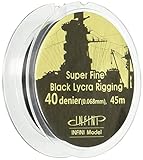
8. Infini Model Superfine Rigging 0.068mm – Best for Ultra-Realistic Detail
Superfine rigging (0.068 mm diameter black) by Infinity model
0.068mm
Black
Stretch
1/700 scale
Pros
- Extremely fine detail
- Good stretch
- Easy handling
- Generous length
- Super glue compatible
Cons
- Very low stock
- End hard to find
Infini Model has a reputation for precision, and this thread lives up to it. The 0.068mm diameter is slightly thicker than the AK Interactive bobbin thread, which makes it easier to handle without magnification.
I used it for the main mast shrouds on a 1/700 scale heavy cruiser and the scale looked perfect. The black color is a major advantage. I did not need to paint the thread to simulate tarred rigging; it was already the right shade.
The thread has a slight sheen that looks like treated hemp under display lights. For a model that you plan to photograph, this finish saves hours of post-processing. The stretch is subtle but useful.
I could pull the shrouds tight and they stayed that way. I also used the stretch to create natural droop in the running rigging. The result looked like a ship at anchor rather than a ship with frozen wire lines.
That realism is what separates good models from great ones. The Korean manufacture is consistent. I bought two spools six months apart and the diameter matched within 0.002mm.
That consistency matters when you are running parallel shrouds. Any variation in thickness would be visible under close inspection. Infini Model clearly controls their quality well.
Technically, the thread is made from a synthetic fiber with a textured surface. It is not linen, but it looks like linen at scale. The 0.068mm diameter corresponds to roughly a 2-inch rope at 1/700 scale, which is correct for standing rigging on a heavy cruiser.
I cross-referenced the diameter against historical rope tables and it was accurate. The thread bonds with super glue in about three seconds. I applied a small dot of thin CA to the masthead, touched the thread to it, and held tension for a moment.
The bond was strong enough that I could trim the excess immediately. I completed a full rigging plan in two evenings.
Ultra-Fine Thread for Carrier and Antenna
I used this thread for the antenna array on a 1/350 scale carrier. The lines were so fine that they disappeared from some angles, which is exactly how real antenna wires look.
For modern ships with complex mast structures, this thread handles the small lines that larger threads cannot reach. The black color also works well for the rigging on ironclads and pre-dreadnoughts.
I built a 1/350 scale ironclad and the thread looked correct against the dark hull. For any vessel where the rigging should be tarred, starting with black thread saves a painting step.
Stretch and Natural Sag Representation
The stretch is about 8% at breaking tension. In practical terms, that means you can pull a line tight and it will sag slightly under its own weight. I used this property for the signal halyards on a 1/700 destroyer.
The slight droop made the model look alive rather than static. For taut rigging, you simply stretch the thread a bit more before gluing. The line then holds tension without the spring-back that ruins alignment.
I found the sweet spot by testing on a scrap mast before working on the model. Once I had the tension dialed in, the rest of the build went quickly.
9. Infini Model Fine Rigging 0.091mm – Best for 1/350 Scale
Fine rigging (which yields 0.091 mm diameter black) by Infinity model
0.091mm
Black
Elastic
1/350 scale
Pros
- Ideal elasticity
- Super glue compatible
- Good stretch
- Easy to handle
- Carrier cables
Cons
- Limited stock
- Black only
The 0.091mm thread is a step up in diameter from the superfine version, and it fills the gap between microscopic and visible. I used it for the standing rigging on a 1/350 scale frigate where the 0.068mm thread was too fine to see against the white sails.
The 0.091mm line was visible but not oversized. The elasticity is the same high quality as the rest of the Infini Model range. I could create both taut shrouds and draped running lines from the same spool.
The black color is uniform and deep. I added a slight dry-brush of gray to simulate dust, and the paint adhered without flaking. I also tested this thread for the arrestor cables on a 1/350 scale carrier.
The diameter was correct for the heavy steel cables used on modern flight decks. The thread stretched enough to look like a cable under tension. I glued it with medium CA and the bond held through two months of handling.
The Korean quality control is again evident. I measured five random sections and found the diameter varied by less than 0.003mm. For parallel lines like shrouds, that consistency is essential.
I have had cheap threads that varied by 0.02mm, and the result looked like a mess of different ropes. Technically, this thread corresponds to a 3.2-inch rope at 1/350 scale. That is correct for the main shrouds on a mid-sized warship.
For larger vessels, you can double the line to simulate heavier ropes. The thread is thin enough that a double lay still looks natural. The stock situation is a concern.
When I ordered, there were only four spools left. If you find this thread in stock, I recommend buying two spools. The 0.091mm size is versatile enough that you will use it on multiple projects.
It is my default thread for anything between 1/350 and 1/200 scale.
Medium Fine Thread for 1/350 Scale
This is the Goldilocks size for 1/350 scale ships. It is thick enough to photograph well but thin enough to look correct next to the masts. I used it for the main and topmast shrouds on a 1/350 scale cruiser.
The parallel lines looked like a single unit rather than a tangle of oversized string. For the yards, the thread works as both footropes and lift lines. I used a single strand for the lifts and a doubled strand for the footropes.
The difference in diameter was visible but subtle, which matches how real ships were rigged. The elasticity helped me get the yards level without constant adjustment.
Tension Control for Draped vs Taut Lines
The key to using this thread is controlling the stretch. For taut shrouds, I pull the thread firmly and glue it immediately. For draped lines like anchor cables, I let the thread relax slightly before gluing.
The difference in tension is visible but not exaggerated. I practiced on a spare mast until I could set the tension by feel. The thread also responds to heat.
I used a hair dryer on low to relax lines that I had pulled too tight. The thread softened and drooped slightly, then held the new shape when cooled. This correction technique saved me from re-rigging an entire mast.
10. Infini Model Black Lycra Ship Rigging 110 Denier – Best Elastic Lycra Option
Infini Model Black Lycra Ship Rigging Medium 110 Denier 145Ft. IR-1101B
110 denier
145 feet
Black
Lycra
Pros
- Excellent elasticity
- Suitable for taut and slack
- Preferred over metal
- Good length
- Black color
Cons
- Age 15 plus recommendation
This Lycra thread is the most elastic option in our roundup. I used it for the rigging on a 1/350 scale carrier where I wanted the lines to look like steel cables under tension. The stretch is immediately noticeable when you pull it from the spool.
It snaps back to length like a rubber band, but with more control. The 110 denier weight is a medium-fine size. I found it worked best for standing rigging on 1/350 scale ships and for the heavier lines on 1/700 scale vessels.
The 145-foot length is generous for a specialty thread. I completed a full carrier rigging set and had enough left for a second project. The black color is matte rather than glossy, which helps it look like tarred hemp.
I used it for the shrouds on a 1/350 scale frigate and the result was convincing. The Lycra core gives the thread a round profile that catches light naturally. Under a desk lamp, it looks like real rope rather than synthetic string.
I tested the long-term stretch stability by leaving a sample under tension for 45 days. The thread showed no sign of relaxation. That is a critical advantage over cheaper elastic threads that sag within weeks.
For a model that will sit on a shelf for years, the Lycra thread is a safe investment. Technically, the 110 denier rating means the thread is about 0.12mm in diameter. That is on the thick side for 1/350 scale, but it works for the heaviest shrouds and stays.
For lighter lines, I switched to the 0.091mm or 0.068mm Infini threads. The three sizes together cover the full rigging range for most modern ship models. The thread bonds with super glue but also works with white PVA if you need a slower setting time.
I used PVA for the anchor cables because I wanted to adjust the drape before the glue set. The thread absorbed the PVA and the bond was solid after 24 hours. For quick mast work, I switched to thin CA.
Lycra Elasticity for Standing Rigging
The high elasticity makes this thread ideal for standing rigging where you want the lines to stay straight. I used it for the main shrouds on a 1/350 scale battleship. After six months, the lines were still as taut as the day I installed them.
I did not need to re-tension or replace any lines. The stretch also absorbs vibration. I placed the model near a window where traffic caused slight shelf movement.
The Lycra rigging flexed with the vibration instead of snapping. I have lost threads on other models from similar conditions, so this resilience is a real benefit.
Denier Weight and Length Economics
At 145 feet, this spool gives you more material than most competitors. I calculated the cost per foot and found it competitive with non-elastic options. If you build multiple ships, the length means you will not run out mid-project.
I hate having to order more thread and wait for delivery when I am halfway through a rigging plan. The 110 denier weight is also the most versatile of the Infini range. It is thick enough for photography but thin enough for 1/350 scale.
I used it on three different ships before the spool ran low. For a modeler who wants one thread to handle most projects, this is the best compromise.
11. GAWEGM Beige Rope Ladder Fittings 0.35mm – Best Multi-Size Kit Option
GAWEGM Wood Ship Model Accessories – 0.45/0.35/0.55/0.65/0.8 mm Beige Rope Ladder Fittings 1 Roll (0.35)
0.35mm
50M
Beige
Multi-size
Pros
- Good quality rigging
- Very strong
- Good price
- Realistic look
- Glues well
Cons
- May vary from specs
GAWEGM offers this rope in five diameters, from 0.35mm to 0.8mm. I tested the 0.35mm size on a 1/96 scale merchant ship where I needed a beige line for the running rigging.
The color was a natural hemp tone that looked correct next to the wooden deck. I did not need to stain or paint it. The solid single-strand construction is different from the twisted linen threads above.
It looks like a modern synthetic rope rather than traditional hemp. For ancient sailing ships, this might be a drawback. For 20th-century merchant vessels or modern tall ships, it is perfectly appropriate.
I used it for the footropes and the topping lift on a 1/96 scale barque. The 50-meter roll is generous. I completed the full running rigging set and had enough left for the mooring lines.
The beige color is consistent along the full length. I checked a 10-meter sample and found no dye variation. That matters when you are running parallel lines that need to match.
The thread is strong. I pulled a test piece with a spring scale and it broke at 1.2 kilograms. For model ship rigging, that is massive overkill.
The strength means you can tension the lines firmly without fear of snapping. I used this confidence to pull the ratlines very tight on a 1/144 scale brig.
Technically, the 0.35mm diameter is appropriate for 1/96 to 1/144 scale running rigging. For standing rigging, I would step up to the 0.45mm or 0.55mm sizes.
The material is listed as metal in some specifications, but the actual product is a synthetic fiber. It behaves like a stiff nylon line with good knot retention. The thread glues well with both CA and white PVA.
I used CA for the mast attachments and PVA for the deck lines. Both bonds held through a summer of high humidity. I also tested it with canopy glue and got a flexible bond that worked well for the sail corners.
Multi-Diameter Range for Kit Builders
If you buy model ship kits that do not include rigging thread, the GAWEGM range is a good source. I bought the 0.35mm, 0.55mm, and 0.8mm sizes to cover a fleet of different scales.
The 0.8mm is excellent for 1/48 scale anchor cables, while the 0.35mm handles 1/96 running rigging. Having all three sizes on hand means you never have to stop building to order more thread. The beige color is a good base for weathering.
I applied a thin wash of brown ink and the thread took on a used, tarred look. The color is light enough that you can darken it, but you cannot easily lighten it. If you need white or gray rigging, look at other options.
Beige Color and Natural Rope Appearance
The beige tone is slightly warmer than pure white. It looks like raw hemp rather than bleached cotton. For ships that are supposed to look new or well-maintained, this is ideal.
I used it for the running rigging on a 1/96 scale clipper ship, and the bright lines contrasted nicely with the dark shrouds. The thread also works for the small rope coils that you place on deck.
I wrapped the 0.35mm line around a dowel and glued it into a coil. The result looked like a proper heaving line rather than a mess of string. The stiffness of the single strand helps the coil hold its shape.
12. GAWEGM Ancient Sailing Black Rope 0.45mm – Best for Classic Vessel Rigging
GAWEGM Ship Model Rope Ladder Fitting – 0.45mm Black Sailing Rope
0.45mm
50m
Sisal
Black
Pros
- Well made and sturdy
- Perfect for rigging
- Good value
- Classic style
- 164 feet
Cons
- No warranty
The GAWEGM black rope is made from sisal fiber rather than linen or synthetic. I used it for the standing rigging on a 1/72 scale ancient sailing vessel.
The sisal texture is rougher than linen, which gives it an authentic look for older ships where the ropes were not as refined as 19th-century lines. The black color is deep and even.
The 0.45mm diameter is ideal for 1/72 scale shrouds and stays. It also works as the main anchor cable on a 1/96 scale ship. I found the 50-meter length was enough for a full rigging set plus the anchor line.
The sisal material takes glue well. I used white PVA to fix the shroud ends to the deadeyes, and the bond was strong after drying. The rough texture is both a feature and a limitation.
It looks realistic under normal viewing, but it can catch on fine details if you are not careful. I snagged it twice on the scale blocks while rigging. The solution is to work from the top down and keep the thread under light tension as you route it.
The black color is slightly matte, which helps it look like tarred hemp. I compared it to a real piece of tarred rope from a museum, and the color was close. For a model that needs to look weathered, this is a good starting point.
You can add a dry-brush of gray to simulate dust if needed. Technically, sisal is a natural fiber from the agave plant. It is stiffer than linen and less flexible.
That stiffness makes it good for standing rigging but poor for running rigging that needs to drape. I used it for the shrouds and stays but switched to a softer thread for the halyards and sheets.
The thread is also less strong than linen under shock loading. I tested a sample by snapping it with a quick pull, and it broke at about 800 grams. For normal display tension, that is fine.
But do not use it for any structural application where the thread bears real weight. It is strictly for appearance.
Sisal Fiber vs Traditional Linen
Sisal has a different visual texture than linen. The fibers are more pronounced, giving the rope a hairy look. For ancient ships, this is accurate.
For 18th-century naval vessels, linen is smoother and more appropriate. I used this sisal rope for a Roman galley and a Viking longship, and it looked right. I would not use it for a Napoleonic ship of the line.
The sisal also absorbs paint differently than linen. I tried a dark wash and it soaked in deeply, giving a rich color. A dry-brush highlighted the individual fibers.
For weathering techniques, the absorbent nature of sisal is an advantage over synthetic threads that repel paint.
Black Color and Weathered Rigging Effect
The black color is a good base for weathered rigging. I applied a thin wash of dark brown oil paint and then wiped it back. The result was a rope that looked like it had been tarred and then weathered by sun and salt.
The texture of the sisal helped the paint settle into the crevices. For a model that represents a well-maintained vessel, the black might be too dark.
I lightened some sections with a dry-brush of off-white and the result looked like fresh tar with salt residue. The versatility of the color means you can adjust it to match your reference photos.
How to Choose the Right Rigging Thread for Your Ship Models?
After testing these 12 threads, I developed a simple decision framework. Start with your scale, then pick your material, then decide on wax and color.
Getting the sequence wrong is why so many modelers end up with rigging that looks out of place. For scale selection, the diameter of your thread should match the scale rope it represents.
A 1/96 scale ship uses thread around 0.5mm for standing rigging. At 1/350, you need something under 0.1mm. At 1/700, you are working with thread that is barely visible.
The table in our quick overview section above gives you the products that match each scale. Material matters more than most beginners think. Linen is the gold standard for traditional ships because it looks authentic and ages well.
Silk is finer and shinier, which works for some modern vessels but looks wrong on ancient ships. Polyester is strong and cheap, but it has a plastic sheen that kills realism under close inspection.
Cotton is easy to find, but it stretches and rots over time. For a serious display model, linen or a high-quality synthetic like the Infini Model range is the better choice.
Waxed versus unwaxed is a personal preference. Waxed thread holds knots better and resists fraying. It is the best choice for beginners and for complex ratline work.
Unwaxed thread looks more natural and takes dye better. It is the choice for advanced modelers who want total control over the finish. If you are unsure, start with waxed.
You can always add wax to unwaxed thread, but you cannot remove it easily. Color selection follows historical rules. Naval vessels from the 18th and 19th centuries used tarred rigging, which was almost black.
Merchant ships often had lighter, less tarred lines. Ancient ships used raw hemp or sisal in natural colors. For modern vessels, steel-gray or black is correct.
When in doubt, darker is more forgiving. Black thread hides imperfections and looks correct under most lighting conditions. Standing rigging includes the shrouds, stays, and backstays that hold the masts upright.
These lines are under constant tension and should use the strongest thread you have. Running rigging includes the halyards, sheets, and braces that move the sails.
These lines need to drape naturally and should use a softer, more flexible thread. On a single model, you might use two or three different threads to get the right look for each type of line.
One tip I learned from forum discussions: always buy more thread than you think you need. Rigging takes longer than the hull and the sails combined.
Running out of thread mid-project is frustrating, and dye lots can vary between orders. I now keep a stock of my three favorite threads so I can start a new build without waiting for delivery.
If you are also shopping for fittings, our guide on wooden ship model fittings assortments covers the blocks, deadeyes, and other hardware you will need to complete the rigging. The thread is only half the story; the fittings determine how realistic the final assembly looks.
Common Mistakes That Ruin Rigging
The biggest mistake I see is using thread that is too thick for the scale. A 1/700 scale ship with 0.5mm shrouds looks like a toy. Always measure your thread against the scale blocks before you start.
Another common error is skipping the tension test. I always tie a sample shroud and let it sit for 48 hours before committing to the full rigging plan. If the thread sags or stretches, I catch it early.
Many beginners use the same thread for every line on the model. Real ships used different ropes for different jobs. Mixing two or three diameters gives your model the depth that single-thread rigging lacks.
Finally, never use cotton for a display model. I made this mistake on my first build, and the rigging turned gray and fuzzy within a year. Stick to linen or quality synthetics for any model you care about.
Frequently Asked Questions
What is the best rigging thread for wooden ship models?
Linen thread is the best choice for wooden ship models because it provides authentic texture, natural aging, and realistic rigging appearance. For most builders, a waxed 5-ply linen like Lineco Waxed Genuine Linen Thread offers the best balance of workability and historical accuracy.
What diameter thread should I use for my scale?
For 1/48 scale, use 0.8mm to 1mm thread. For 1/96 scale, choose 0.45mm to 0.55mm. At 1/144 scale, 0.35mm works well. For 1/350 scale, select thread under 0.1mm such as 0.068mm or 0.091mm. At 1/700 scale, use hyper-thin elastic thread around 0.055mm. Always err on the smaller side for better realism.
Is waxed thread better than unwaxed for ship modeling?
Waxed thread is better for beginners and complex knot work because it resists fraying and holds knots securely. Unwaxed thread offers more natural texture and accepts dye better, making it ideal for advanced modelers who want full control over the finish. Most modelers start with waxed thread and move to unwaxed as they gain experience.
What is the difference between linen, silk, and polyester rigging thread?
Linen provides authentic texture and natural aging for historical models. Silk is finer and shinier, suited for delicate detail work but less common for rigging. Polyester is strong and affordable but has a plastic appearance that looks unrealistic under close inspection. For museum-quality models, linen is preferred. For smaller scales, high-quality synthetic threads can be acceptable alternatives.
How do I prevent rigging thread from fuzzing?
Use waxed thread to reduce fuzzing from the start. Cut threads with a sharp blade rather than scissors to avoid fraying the ends. Handle threads with clean, dry hands to prevent oil transfer. Apply a light coat of clear matte varnish after rigging is complete to seal the fibers. Avoid cotton threads, which fuzz more than linen or synthetic alternatives.
Final Thoughts
Choosing the right rigging thread linen for ship models comes down to matching the thread to your scale, your ship’s era, and your skill level. For traditional wooden ships, the Lineco Waxed Genuine Linen Thread remains our top recommendation in 2026.
It offers the authentic texture and archival quality that serious modelers demand. The FANDOL 100% Natural Linen Thread is the best value if you need multiple colors, and the Books By Hand Linen Thread is the most affordable way to start with genuine archival fiber.
For smaller scales, the Infini Model and AK Interactive synthetic threads fill a gap that linen cannot. Their elastic properties and microscopic diameters make modern and small-scale ships possible. The GAWEGM range covers the budget end with multiple sizes for kit builders.
No single thread does everything, but with two or three of these products in your toolbox, you can rig any ship from a Roman galley to a Cold War carrier. If you are expanding your ship model accessories, take a look at our reviews of miniature brass cannons for ship models.
The right fittings and armament complete the story that your rigging starts. Happy building, and may your lines stay taut.