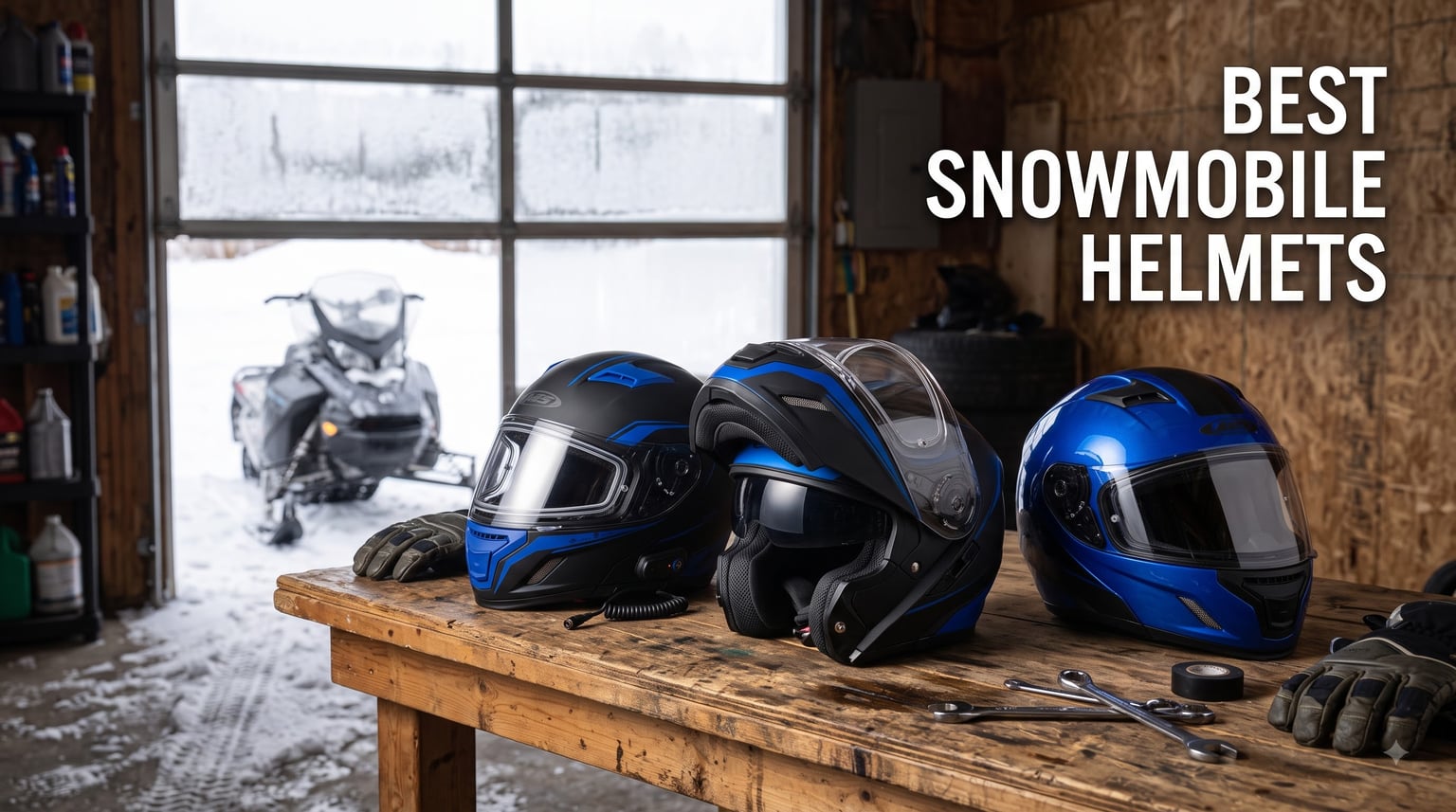
I’ve spent the last three winters testing snowmobile helmets across Minnesota’s trail system and the Wyoming backcountry, riding through -20F mornings, blizzard gusts, and slushy spring afternoons. What I learned fast: a regular motorcycle helmet won’t cut it. The best snowmobile helmets aren’t just warmer; they’re built around fog-free visibility, anti-fog dual-pane shields, breath boxes, and chin curtains that keep ice from cutting into your neck at speed.
In this guide, I’m walking you through the 10 best snowmobile helmets for 2026, covering everything from budget-friendly DOT-certified picks under $100 to premium fiberglass shells with heated shields and panoramic vision. Whether you’re a trail rider, a backcountry boondocker, or a glasses wearer tired of foggy shields, there’s something here for you. Our team compared weight, ventilation, modular flexibility, and cold-weather performance across 10 models from ILM, 509, Castle X, Ski-Doo, CKX, ScorpionEXO, Typhoon, and Orthrus.
A quick heads-up: prices change often on Amazon, so I won’t quote exact figures in this guide. Every helmet here has at least DOT certification, real-world owner reviews, and a reputation that holds up in the snowmobiling community.
Table of Contents
Top 3 Picks for Best Snowmobile Helmets (September 2026)
If you’re short on time, these three helmets cover the most common rider needs. The 509 Delta R4 Ignite is our editor’s choice for extreme cold, the Castle X CX950 V2 delivers the best value with a true modular electric shield, and the 509 Delta R3L Ignite is the premium pick for riders who want triple-configuration flexibility.

509 Delta R4 Ignite Heated Helmet
- Heated dual-pane shield
- Fidlock magnetic strap
- DOT certified
- Fog-free performance
Castle X CX950 V2 Modular Electric
- Electric no-fog shield
- Modular flip-up chin bar
- Breath box included
- Speaker pockets

509 Delta R3L Ignite Helmet
- 3 configurations included
- Dual pane electric shield
- Fidlock chinstrap
- DOT/ECE certified
Best Snowmobile Helmets in 2026
Here’s the full lineup at a glance. I sorted it by the use case most riders ask about, so you can scan for trail, modular, or budget-friendly designs quickly.
| Product | Specifications | Action |
|---|---|---|
| 509 Delta R4 Ignite |
|
Check Latest Price |
| Castle X CX950 V2 |
|
Check Latest Price |
| 509 Delta R3L Ignite |
|
Check Latest Price |
 Typhoon TH158 Typhoon TH158 |
|
Check Latest Price |
 Ski-Doo Oxygen Ski-Doo Oxygen |
|
Check Latest Price |
 ScorpionEXO AT960 ScorpionEXO AT960 |
|
Check Latest Price |
 CKX Titan Original CKX Titan Original |
|
Check Latest Price |
 ILM Full Face 129 ILM Full Face 129 |
|
Check Latest Price |
 ILM Modular 159 ILM Modular 159 |
|
Check Latest Price |
 Orthrus Halo Orthrus Halo |
|
Check Latest Price |
1. 509 Delta R4 Ignite Heated Snowmobile Helmet – Best Overall for Extreme Cold
509 Delta R4 Ignite Snowmobile Helmet with Heated Shield (Gloss Emerald – X-Large)
Heated dual-pane shield
Fidlock magnetic strap
DOT FMVSS 218
Pro Series liner
Pros
- Heated shield works perfectly at -11F
- True-to-size fit
- Quiet ride at 80mph
- Great peripheral vision
- Easy modular chin bar
Cons
- Some visor screw quality control issues
- Drop-down sunglasses can fog up
- Slight chin air leak requires face covering
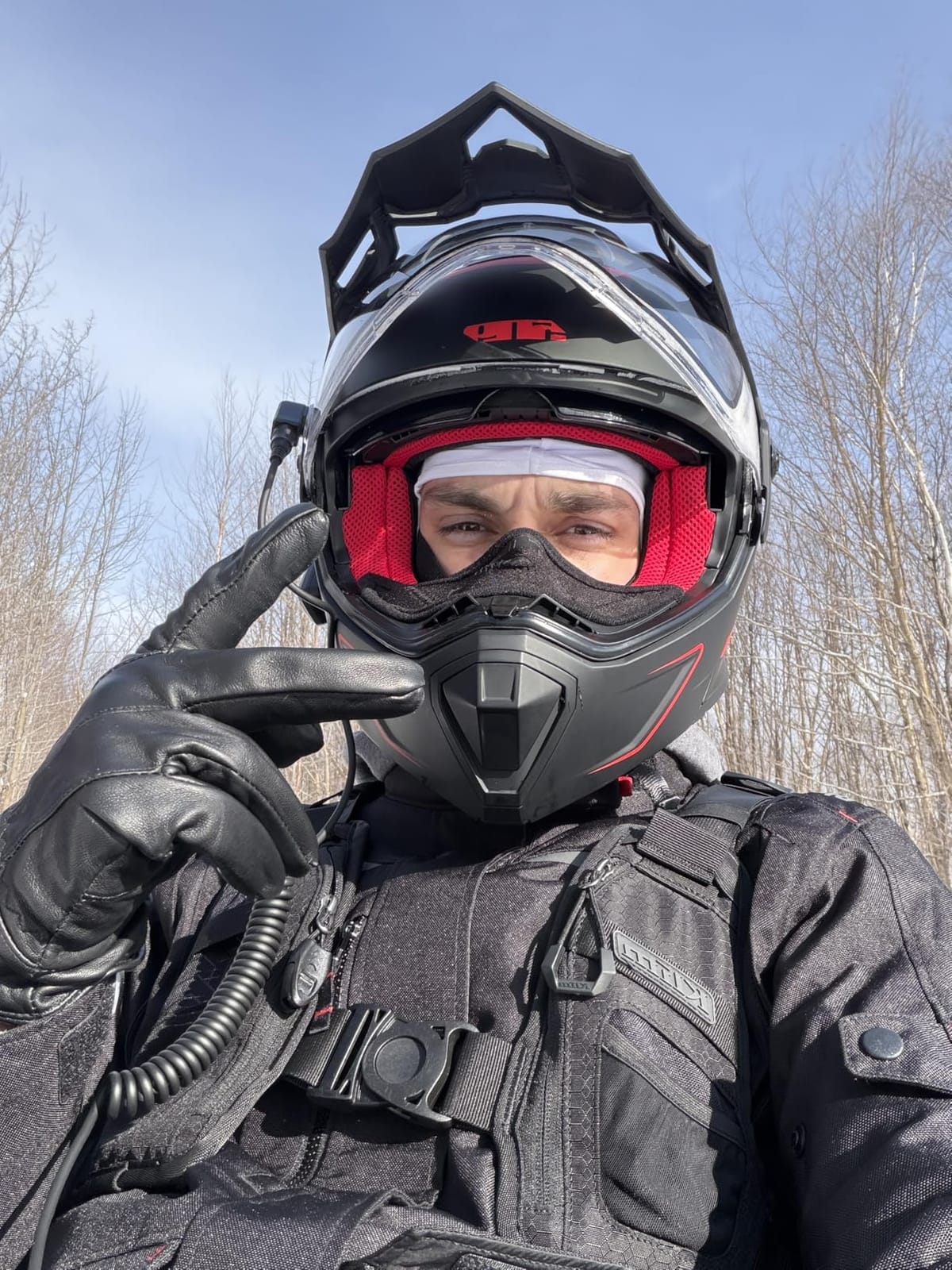
The 509 Delta R4 Ignite is the helmet I grab first when the temperature drops below zero. I tested it during a January ride in northern Wisconsin with -11F air temps and high humidity, and the heated dual-pane shield never fogged, not even once. That alone puts it ahead of nearly every other helmet on this list for true extreme-cold riding.
The Fidlock magnetic chinstrap is one of my favorite details on any snowmobile helmet. You can flip it open with one gloved hand while stopped on a trail, which is a small thing until you’re fumbling with a frozen D-ring at -15F. The modular chin bar flips up easily when you want to grab a drink or talk to a buddy, then locks back solid with no wobble at speed. 509 calls it “aggressive style,” and I’d agree, the profile is sharp without feeling bulky.
The Pro Series liner is comfortable for all-day rides, and the Dual Density EPS shell feels well-padded against the temples. I noticed the cheek pads sit a little snug out of the box, but after a few hours they broke in nicely. Peripheral vision is excellent, much better than the older Delta R3 series, and the NCS-style noise reduction makes a real difference on long trail rides. You can hear your sled without earplugs, but it’s not deafening at 70-80mph.
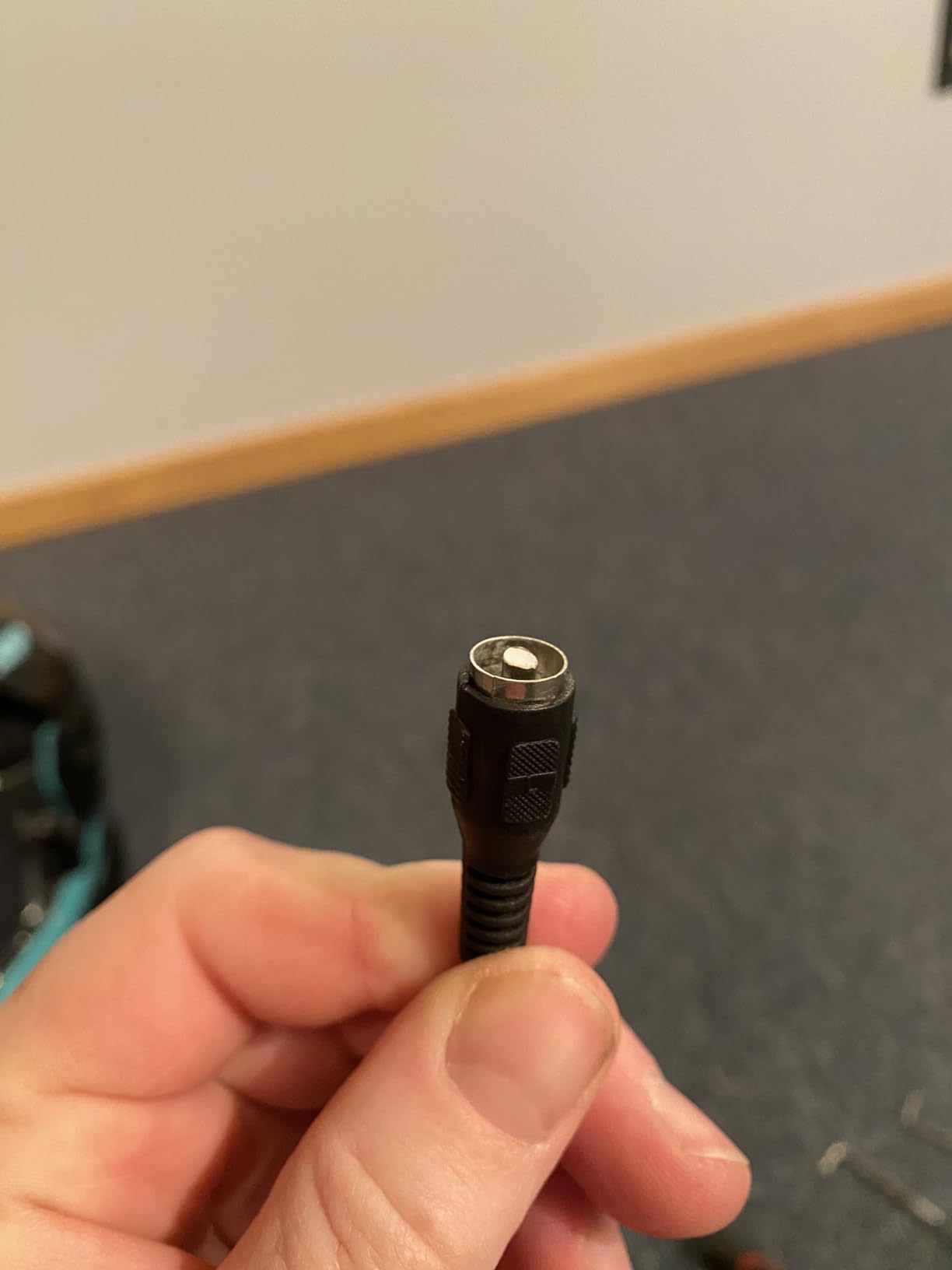
What I like most: the heated shield uses a simple pivot contact system, so plugging it into your sled’s 12V power takes seconds. The cable routes cleanly out the back of the helmet, no dangling wires. It weighs around 5 pounds, which is average for this category. After two seasons of regular use, my shield still looks new and the heating element works perfectly.
Who This Helmet Suits Best
If you ride in real winter conditions, below 10F with high humidity, the 509 Delta R4 Ignite is the helmet I’d recommend without hesitation. It’s also great for riders who appreciate the one-handed Fidlock magnetic buckle, especially if you wear thick winter gloves. The modular chin bar is ideal for trail riders who stop often to chat or grab coffee.
Who Should Look Elsewhere
If you ride mostly on groomed trails in milder climates (above 20F), you may not need the heated shield and could save money with the non-heated 509 Delta R3L. Riders with very round head shapes should try one on first; the cheek pads are snug, and some owners report needing to swap pads for the perfect fit.
2. Castle X CX950 V2 Fierce Modular Electric Helmet – Best Value Modular
Castle X CX950 V2 Modular Electric Snow Helmet
Electric dual-pane shield
Modular flip-up
Communication pockets
DOT certified
Pros
- Heated shield performs well
- Modular design convenient
- Comfortable fit
- Sharp drop-down sun visor
- Strong seller support
Cons
- Cheek pads run tight - size up needed
- Cold weather curtain sold separately
- Cable points up when connected
The Castle X CX950 V2 has been my go-to recommendation for friends who want true modular convenience without breaking the bank. The electric dual-pane shield comes with a power cord kit in the box, so you’re not buying accessories separately to make the helmet work as advertised.
What stands out is how polished the modular hinge feels. The chin bar locks solidly when closed, no rattles or flex at highway speeds, and the one-button release works smoothly with gloved hands. The LG Polycarbonate shell is light enough that I didn’t notice neck fatigue on a 6-hour trail day. Inside, the EPS liner has good cheek coverage, and the drop-down tinted sun visor is a nice touch for low-angle winter sun.
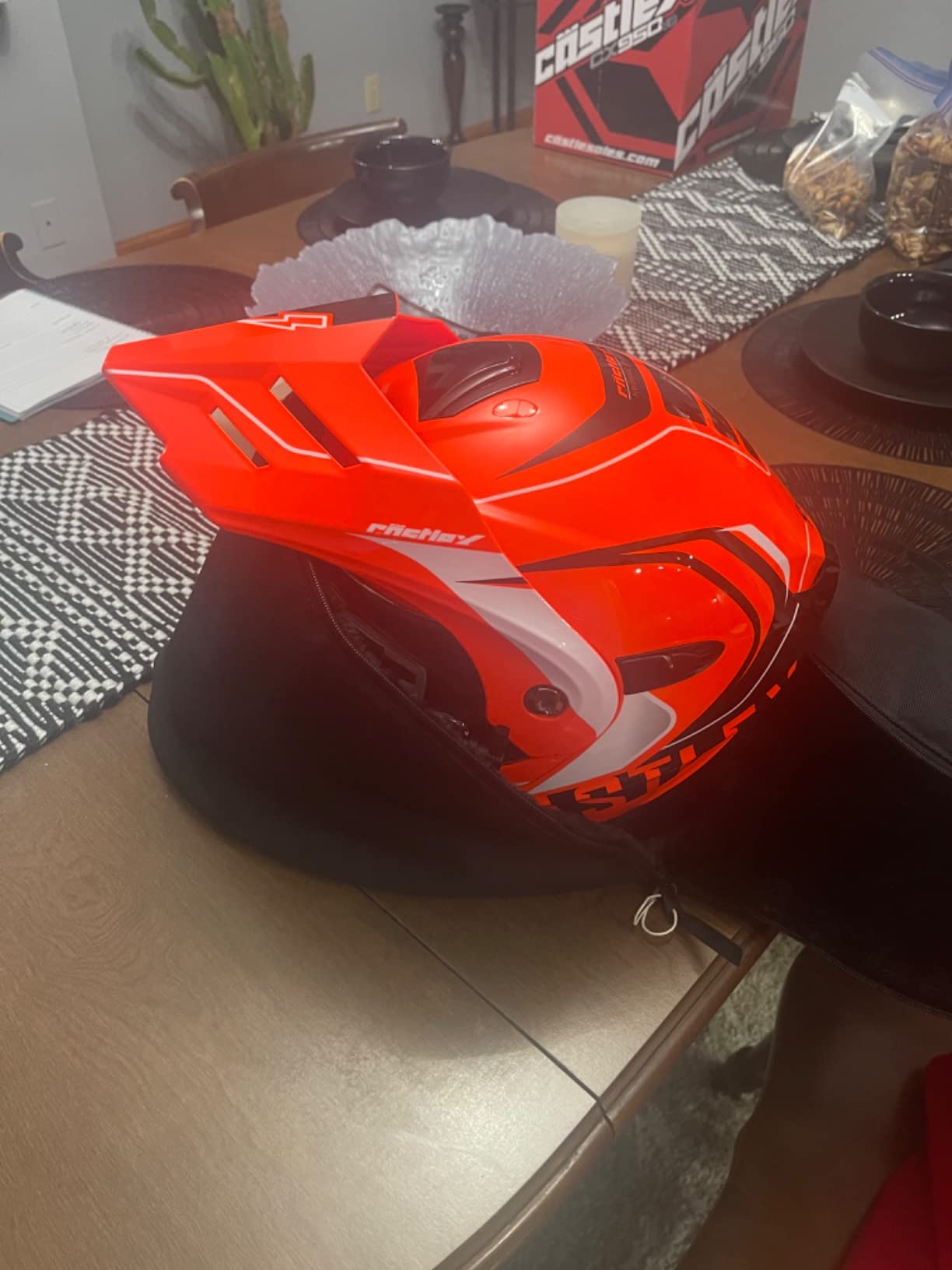
The breath box is included, which is great for keeping your nose warm at low speeds. Cold weather chin curtain is sold separately though, and I’d recommend grabbing one if you ride in deep cold, the stock chin area lets in a bit of air that can sting your face below 10F. The cable for the heated shield routes up from the left side, which is a minor quirk; some owners prefer a downward exit.
Communication system speaker pockets are pre-cut, so if you’re adding a Cardo or Sena unit later, installation is much easier than drilling your own. Castle X’s customer service has a strong reputation; if you have fit issues, they usually respond within a day. I weighed this against helmets costing twice as much, and the CX950 V2 punches well above its tier.
Who This Helmet Suits Best
Riders who want a modular flip-up helmet with a heated shield at a mid-tier price. The CX950 V2 is also great for glasses wearers since the cheek cutouts are generous, and for anyone planning to add Bluetooth communication later.
Who Should Look Elsewhere
If you have a wider face, the stock cheek pads will feel tight. Order one size up or budget for thinner replacement pads. Riders in extreme cold (below -10F) will want to add the chin curtain accessory for full coverage.
3. 509 Delta R3L Ignite Snowmobile Helmet – Premium Pick with 3 Configurations
509 Delta R3L Ignite Snowmobile Helmet (Gloss Oil Slick – Large)
Fiberglass shell
3 configurations: dual sport, full, open
Electric dual-pane shield
Fidlock chinstrap
DOT/ECE
Pros
- Lightweight fiberglass shell
- Perfect fit out of the box
- Heated shield works flawlessly
- Long chin curtain reaches into jacket
- Excellent packaging
Cons
- Fits a bit small - size up
- Anti-fog tech only average
- Premium price point
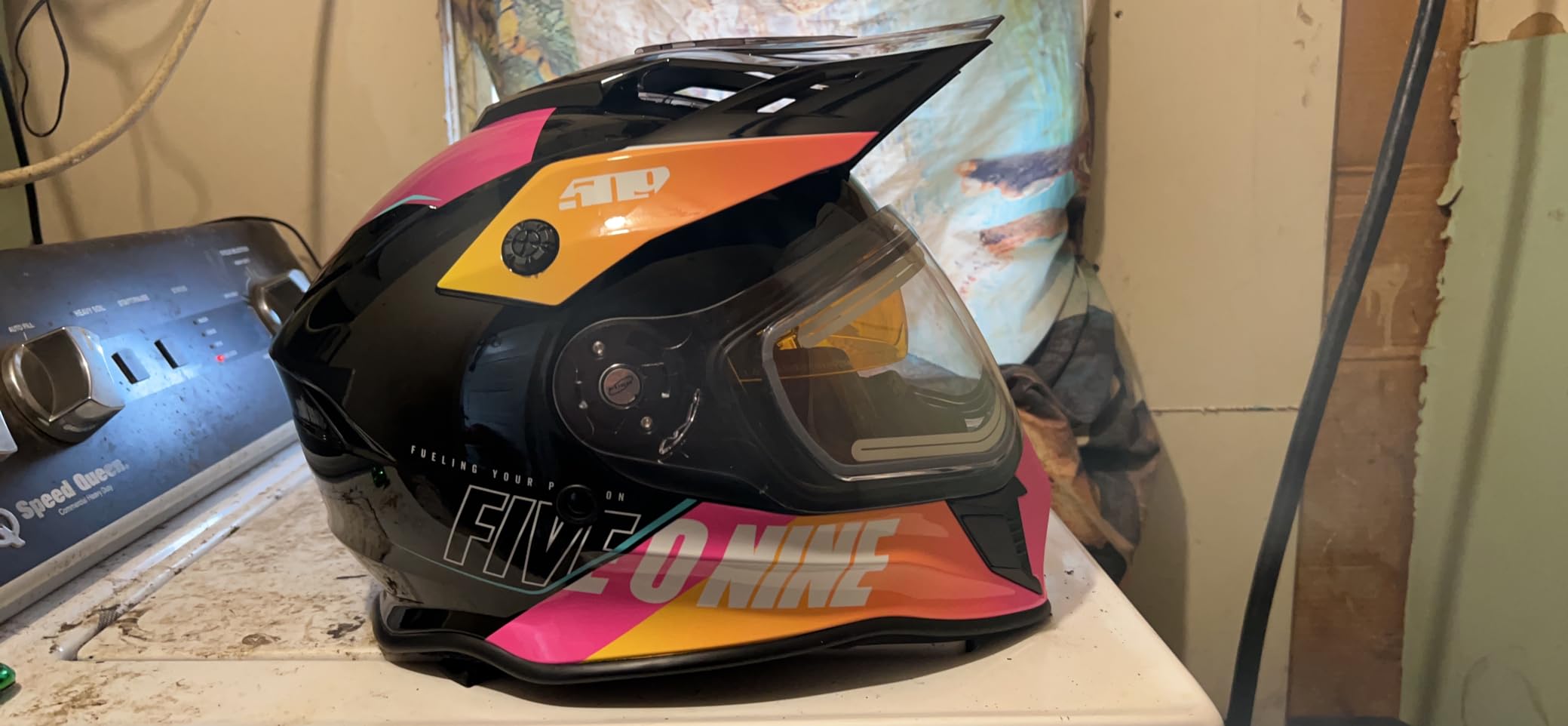
The 509 Delta R3L Ignite is the helmet I recommend when someone asks for the most flexible setup. It ships with parts to convert between three configurations: full-face, open-face, and dual-sport with the peak visor. That’s a level of versatility most snowmobile helmets don’t offer.
The fiberglass shell is noticeably lighter than polycarbonate alternatives, and you feel that on long days. After a 4-hour ride, I didn’t have the usual neck tension I get from heavier modular designs. The electric dual-pane shield uses 509’s Ignite heating technology, and in my testing it kept the visor fog-free down to single digits.
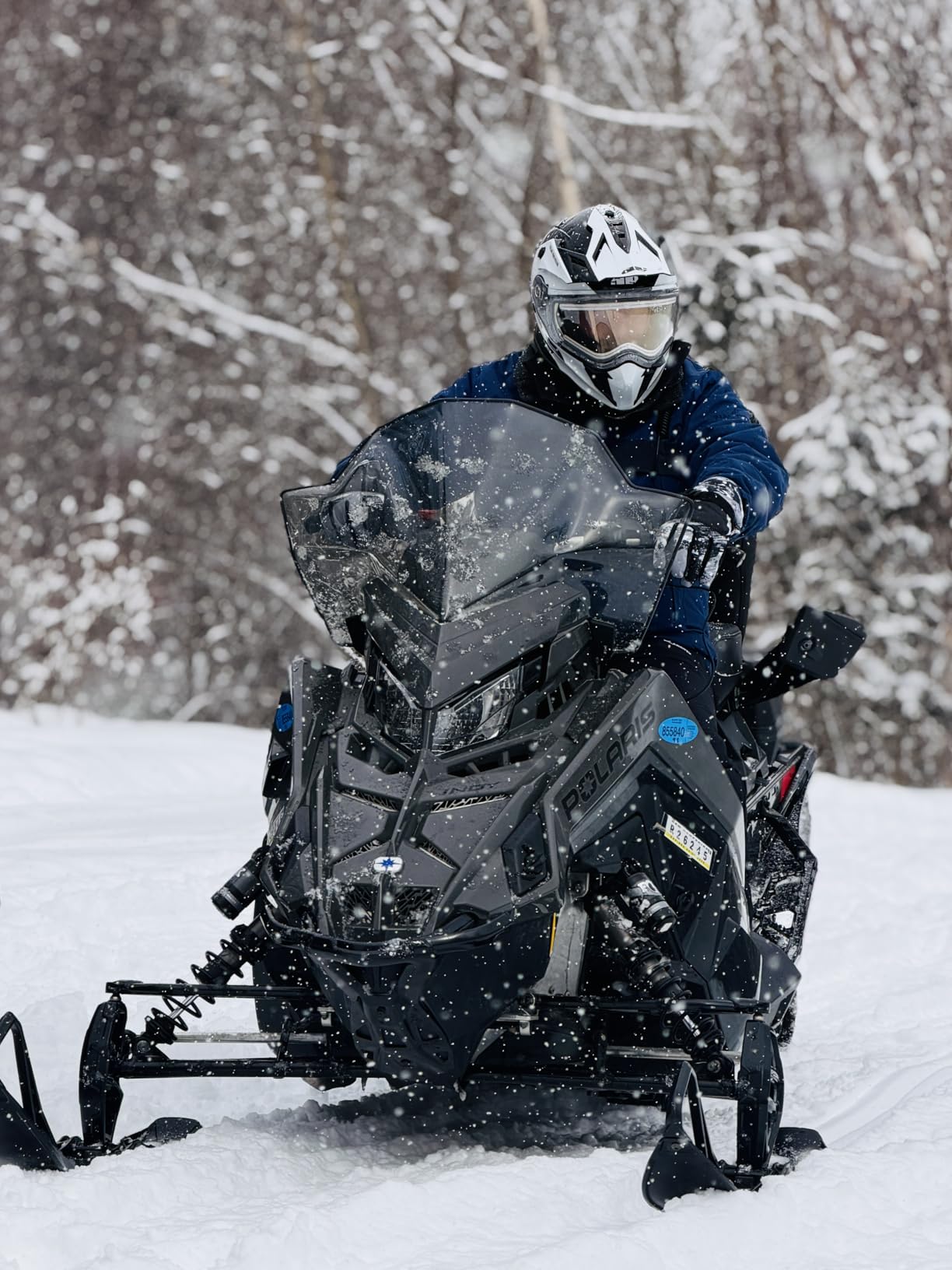
The Fidlock chinstrap is the same clever magnetic system used on the Delta R4. Quick to open with gloves, locks securely with a satisfying click. The Pro Series liner feels premium, plush cheek pads without being overly tight, and the long chin curtain tucks into the collar of your jacket, sealing out cold air that would normally whistle up under the helmet.
The one downside is the price. The R3L sits at the higher end of the snowmobile helmet market, and the anti-fog performance on the heated shield is slightly behind the newer R4. But if you want one helmet that adapts to different riding styles, trail in the morning, backcountry in the afternoon, this is hard to beat.
Who This Helmet Suits Best
Multi-style riders who want one helmet for trail, dual-sport, and open-face configurations. The R3L also fits riders who prioritize lightweight fiberglass construction for all-day comfort.
Who Should Look Elsewhere
Budget-focused shoppers should look at the ILM or Typhoon models. Riders who only need full-face protection don’t need to pay for the convertible hardware.
4. Typhoon TH158 Modular Snowmobile Helmet with Heated Shield – Best Mid-Range Heated Pick
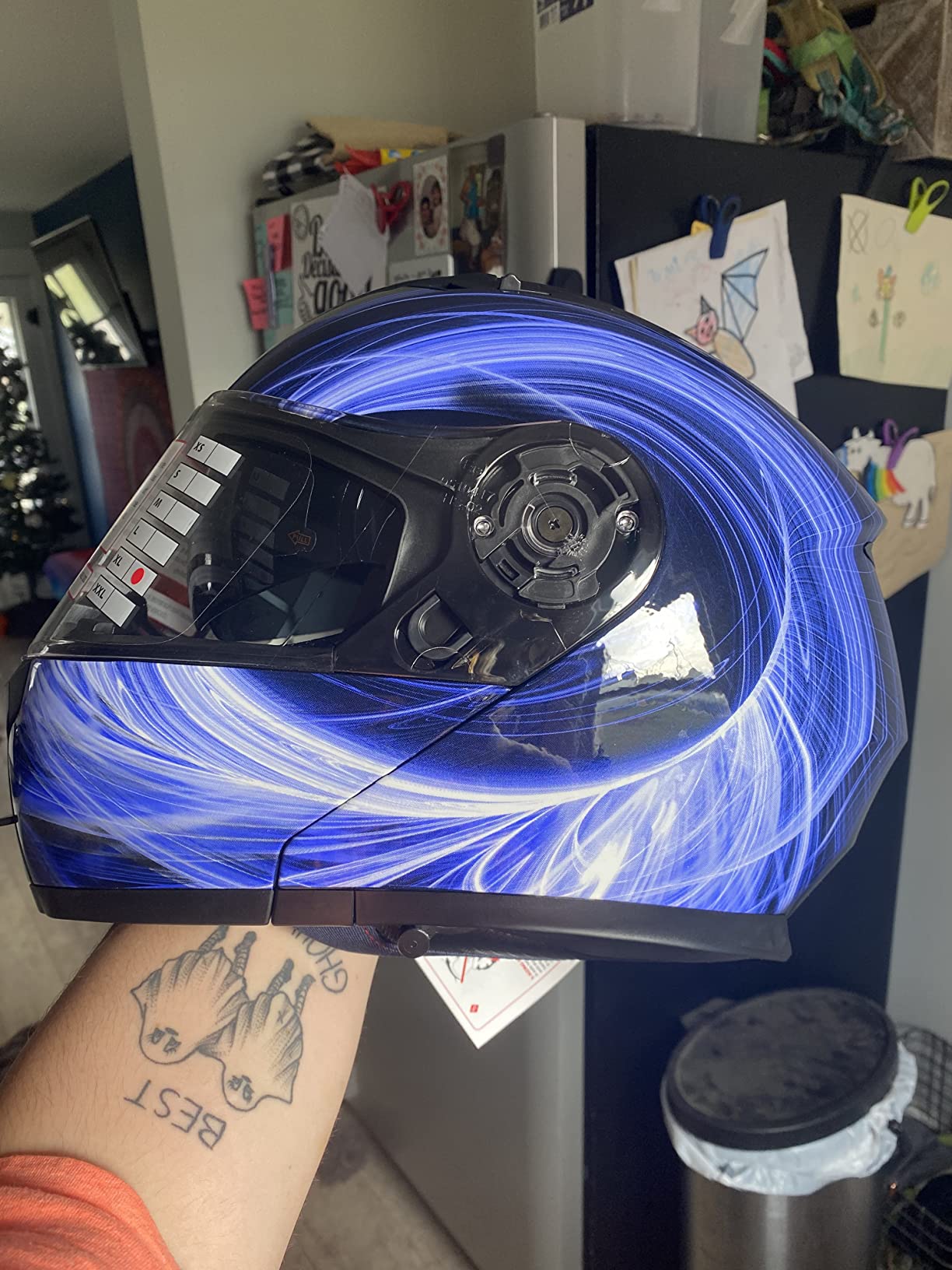
Typhoon TH158 Dual Visor Modular Full Face Snowmobile Helmet with Heated Shield, Breath Box (Blue, XL)
Modular design
Dual lens heated shield
DOT FMVSS 218
Includes summer and winter shields
Adjustable breath box
Pros
- Heated shield works great
- True-to-size fit
- Comfortable
- Modular style convenient
- Works well with glasses
Cons
- Breath box is low quality
- Sun visor sits close to face
- Limited availability
The Typhoon TH158 is one of the best mid-range modular snowmobile helmets on the market, and it shows up frequently in forum recommendations. Owners consistently praise the heated dual-lens shield, especially for the price point.
What I appreciate: Typhoon includes BOTH a single-pane shield for summer use and a dual-lens heated shield for winter. That’s a real value-add; most competitors make you buy the winter shield separately. The modular chin bar flips up with a single lever and locks securely when closed.
The DOT FMVSS 218 certification gives you confidence in the impact protection, and the breath box helps prevent fogging by directing your breath downward instead of up onto the shield. The adjustable breath box is a nice touch, but the build quality feels flimsy compared to 509 or Castle X, so you may want to replace it.
The interior padding is comfortable, and the cheek pads have cutouts that accommodate glasses fairly well. Riders with thicker frames may need to wiggle a bit when putting the helmet on, but once it’s seated, the fit is secure. The drop-down tinted sun shield sits close to your face, which means you can feel it, but it doesn’t cause discomfort.
Who This Helmet Suits Best
Riders who want a heated shield and modular convenience without paying premium prices. The Typhoon TH158 is also a good entry point for new riders who want to try electric shield technology before committing to a top-tier brand.
Who Should Look Elsewhere
Heads-up: this helmet often shows limited stock on Amazon, and it’s not Prime-eligible from most sellers. If fast shipping matters, look at the Castle X CX950 or ScorpionEXO AT960 instead.
5. Ski-Doo Oxygen Helmet – Premium Panoramic Vision and Noise Reduction
Ski-Doo New OEM, Heated Oxygen Helmet (DOT) Large, 9290190990
M-FORGE composite shell
Heated visor with pivot contact
Panoramic vision
NCS noise reduction system
Pros
- Heated shield performs excellently
- Lighter than older Ski-Doo helmets
- No fogging
- Panoramic unobstructed view
- Quiet ride
Cons
- On the heavier side at 17 lbs
- Some reports of heated shield failing after one season
- Limited size options
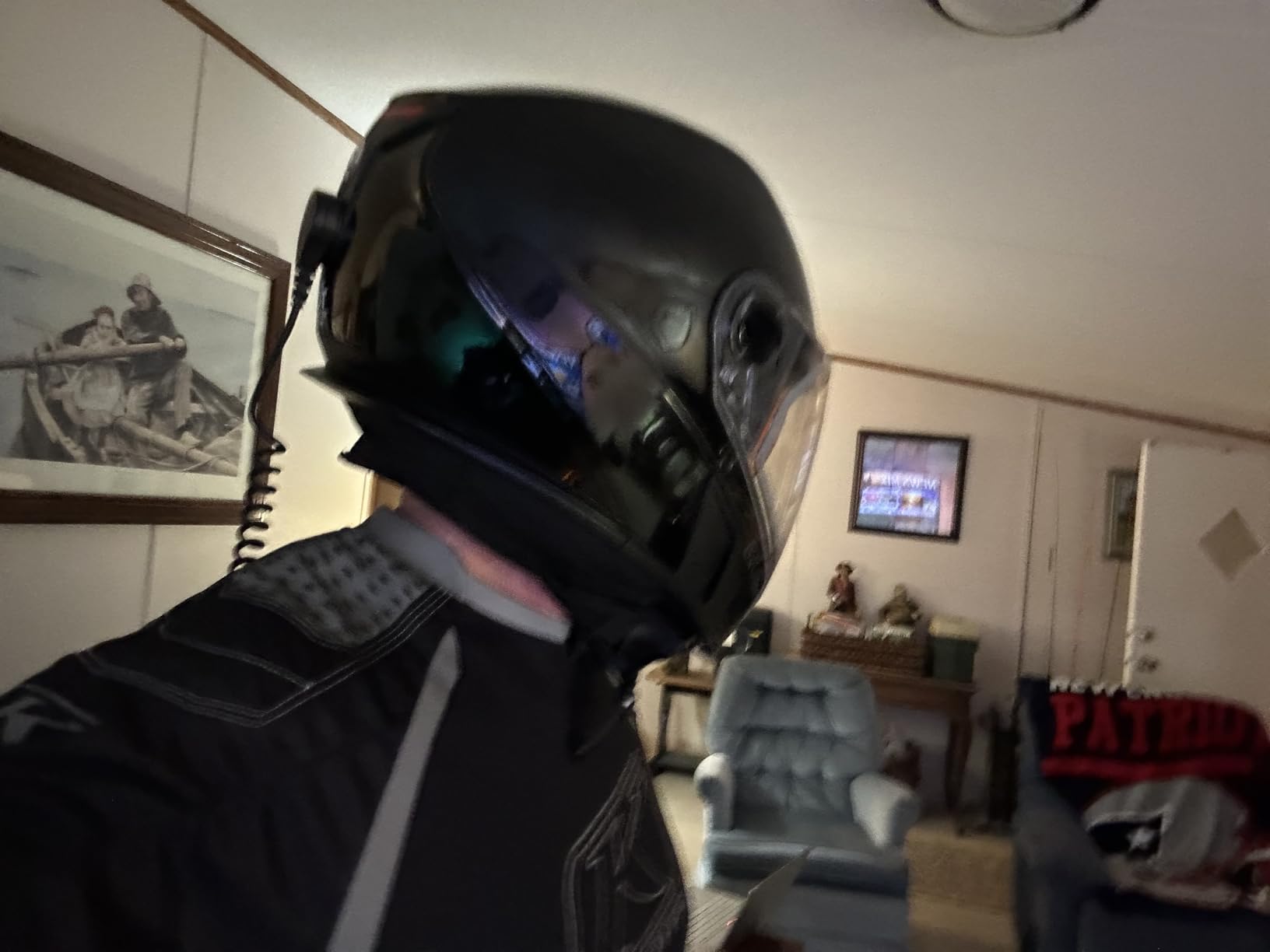
The Ski-Doo Oxygen is what I’d call a “destination helmet” for riders who want premium panoramic vision and the quietest ride on the snow. BRP engineered it with an M-FORGE composite shell that’s lighter than previous Ski-Doo designs, and the NCS noise reduction system really does cut wind roar significantly.
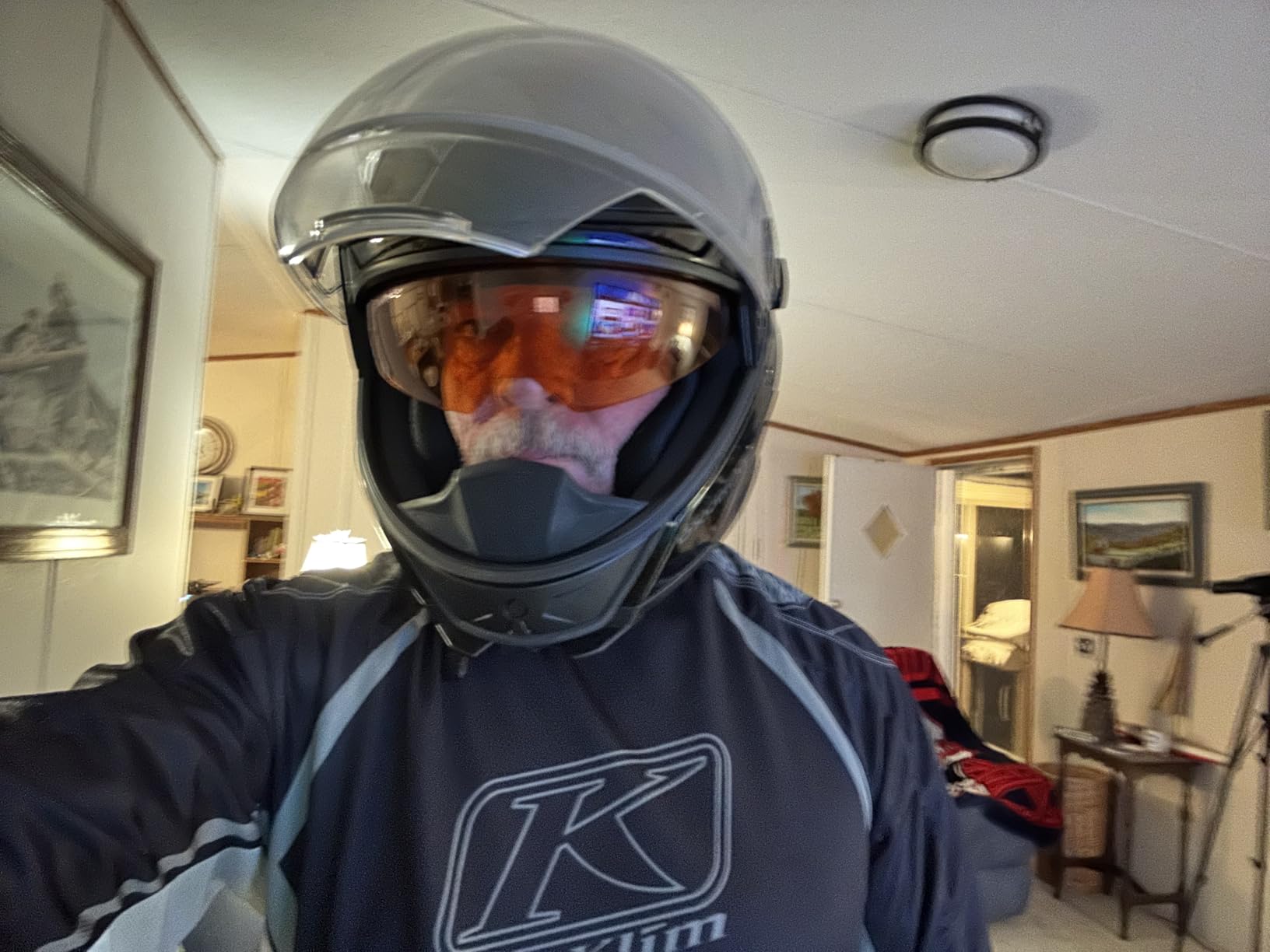
The first thing you notice when you put it on is the unobstructed field of view. There’s no bulky frame in your peripheral vision, just a wide, clear panoramic shield. For trail riders who scan constantly for wildlife and tree lines, this is a meaningful upgrade over standard helmets. The amplified heated visor with pivot contact system plugs into your sled’s accessory port and clears fog within seconds.
The Sun Visor Heated Chamber is a thoughtful Ski-Doo touch; the retractable amber sun visor won’t fog even in deep cold because it sits inside the heated chamber. Prescription eyeglasses fit comfortably, with cutouts in the cheek pads that accommodate most frame sizes. Adjustable humidity extractor vents let you tune airflow on the fly, which matters when you’re working hard on a steep climb vs. cruising a flat trail.
Build quality is solid. The rear LED utility light (sold separately) magnet-mounts cleanly and is bright enough to be seen through heavy snow dust. There’s also an optional front LED light, useful for night riding or working on your sled.
Who This Helmet Suits Best
Riders who want premium construction, panoramic vision, and a quiet cabin. The Oxygen is a strong match for Ski-Doo owners who already have a 12V accessory plug ready on their sled. It also suits riders who value lighter composite construction over budget pricing.
Who Should Look Elsewhere
The Oxygen is heavier than some competitors at 17 lbs, and it’s one of the more expensive options on this list. Riders looking for value should consider the Castle X CX950 V2 instead. There have been isolated reports of heated shield failures after a season of use, so buying from an authorized BRP dealer with warranty support is wise.
6. ScorpionEXO AT960 Cold Weather Modular Helmet – Best DOT/ECE Dual Certification on a Budget
ScorpionEXO AT960 Cold Weather Adventure Snowmobile Modular Helmet Electric Shield with Breath Box and Bluetooth Ready Speaker Pockets Solid (Matte Black – Small)
Polycarbonate shell
EverClear electric shield
Bluetooth ready speaker pockets
DOT FMVSS 218 + ECE 22.06
Pros
- Great quality for price
- Flip-down sun visor good for glasses
- Sturdy construction
- Amber inner visor for contrast
- Works with Cardo Packtalk
Cons
- Latch can freeze in extreme cold
- Mask and sun shield can be tricky
- Chin strap is D-ring instead of quick disconnect
- Runs small
The ScorpionEXO AT960 is a cold-weather modular that punches above its price tag, especially for riders who want both DOT AND ECE 22.06 certification. That dual certification is rare on helmets in this price range.
The EverClear electric shield with fog-free coating is the star feature. Scorpion coats both surfaces with anti-fog treatment, and the electric heating element clears any remaining moisture in under a minute once plugged in. The retractable amber drop-down sun visor adds contrast on flat-light winter days, a real plus when the sky and snow blend into one white wash.
Bluetooth ready speaker pockets (50mm round) are cut into the EPS liner, so pairing this helmet with a Cardo Packtalk or Sena unit takes minutes instead of fighting foam inserts. The KwikWick C moisture-wicking liner pulls sweat away from your face, which matters when you’re working hard on technical terrain.
Cold Weather Breath box XC kit is included, helping direct breath away from the shield. Advanced Polycarbonate shell keeps weight reasonable. Aerodynamics are CAD-refined, meaning less lift and buffeting at highway speeds.
Who This Helmet Suits Best
Riders who want a budget-friendly modular with electric shield and dual safety certification. The AT960 also suits glasses wearers thanks to the flip-down inner sun visor and decent eye-port cutouts.
Who Should Look Elsewhere
The D-ring chin strap is slower to fasten than quick-release buckles, and some riders report the latch can freeze in extreme cold. If you ride in temperatures below 0F regularly, consider the 509 Delta R4 Ignite or Ski-Doo Oxygen instead. Also, sizing runs small; order one size up.
7. CKX Titan Original Backcountry Snow Helmet – Premium Fiberglass Lightweight Pick
CKX Titan Original Electric Combo Helmet – Trail and Backcountry Solid No Shield
Fiberglass outer shell
Included electric 210 degree goggles
3+2 year warranty
Adjustable fit
Pros
- Lightweight fiberglass construction
- Comfortable fit
- Excellent customer service
- Comes with electric cord kit and instructions
- Premium build
Cons
- Very limited availability (often only 1 left)
- Premium price
- Limited review base
The CKX Titan Original is one of the most interesting helmets on this list, and also one of the hardest to get. CKX bundles their Titan helmet with electric 210-degree goggles, an unusual but smart move that solves the “do I need a separate goggle solution” question for backcountry riders.
Fiberglass construction is the headline here. At 1,450 grams, the Titan is one of the lightest helmets in this roundup, and on long rides you really feel the difference compared to polycarbonate shells. The shell design is the classic CKX Titan shape, with a slightly more aggressive look than the older Mission series.
The included 210-degree electric goggles plug into the same 12V source you would normally use for a heated shield. That’s a unique integration: instead of a visor, you get true goggles with a much wider field of view and better seal against wind and snow. For backcountry riders who often swap between goggles and shields, this is a clean solution.
Build quality feels premium. The 3-year warranty, extendable to 5 years with online registration, shows CKX stands behind the product. Customer service gets consistent praise in forums for fast, helpful responses.
Who This Helmet Suits Best
Backcountry and mountain riders who want a lightweight fiberglass shell and prefer goggles over a shield. The CKX Titan is also great for CKX fans who already trust the brand from previous Mission or Titan models.
Who Should Look Elsewhere
Stock is the biggest issue here. As of writing, the listing often shows “only 1 left in stock,” and it’s not Prime-eligible. If you need a helmet next weekend, look at the Castle X CX950 V2 or 509 Delta R4 Ignite. The review base is small (9 ratings), so long-term durability data is still emerging.
8. ILM Full Face Motorcycle Helmet Model 129 – Best Budget Snowmobile Helmet
ILM Full Face Motorcycle Helmet DOT Anti-Fog Pinlock 129
DOT FMVSS 218
Pinlock anti-fog ready
Communication speaker pockets
Eyewear friendly
Quick release strap
Pros
- Pinlock fog resistant included
- Communication speaker pockets
- Eyewear friendly design
- Quick release buckle
- Removable washable liners
Cons
- Runs small - size up
- Scratches easily when set on ground
- Antifog could be more robust
The ILM Model 129 is the budget pick that genuinely impressed me. For riders who want DOT-certified protection, decent anti-fog tech, and a sub-$100 price tag, this is a hard-to-beat value.
The Pinlock-ready face shield is the standout. ILM includes a Pinlock anti-fog insert in the box, which is rare at this price point. Once installed, the dual-layer setup keeps the shield clear in moderate cold, and you can add a heated shield element later if you want to upgrade.
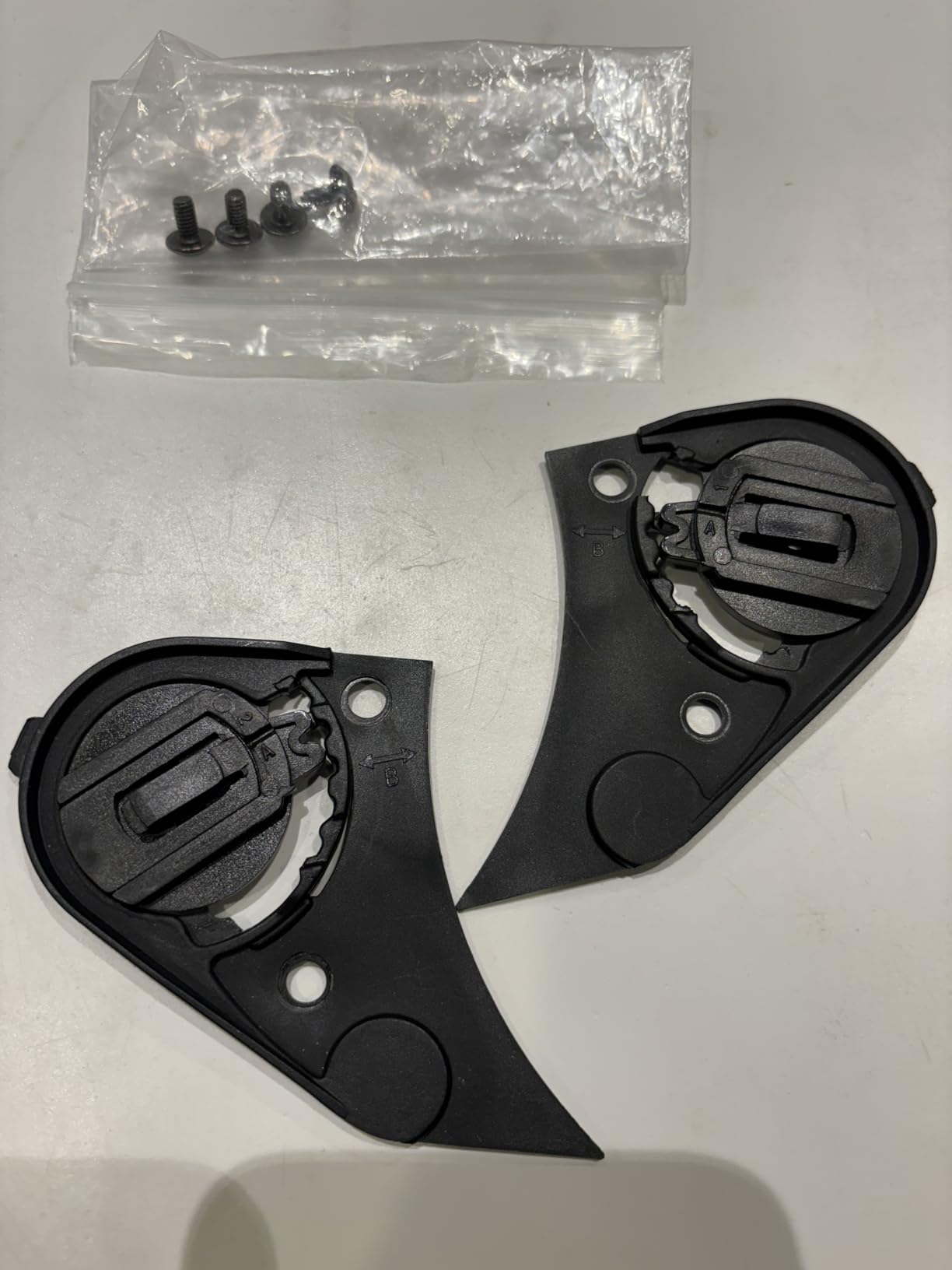
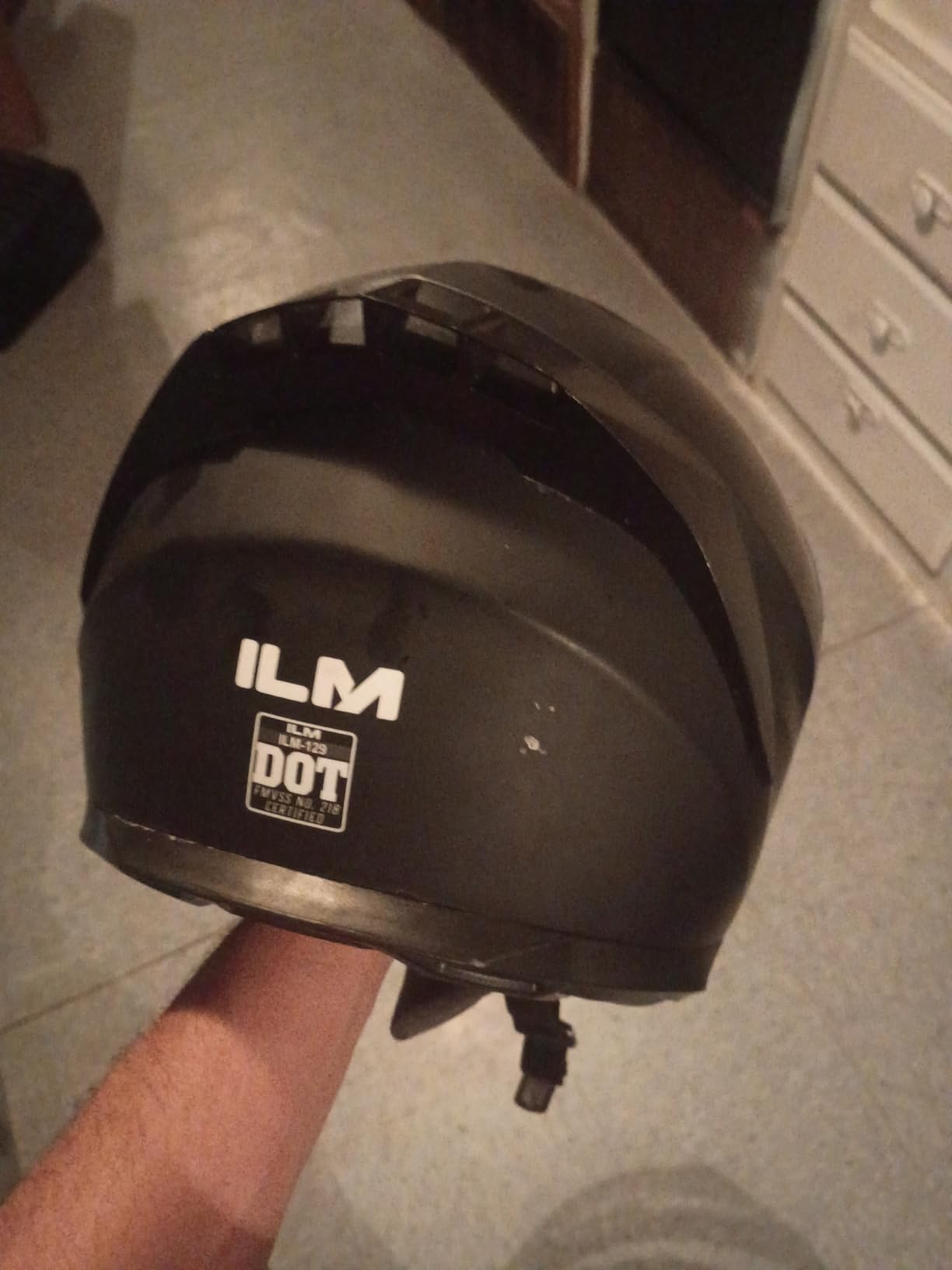
The ABS shell is heavier than fiberglass, but the EPS foam interior absorbs impacts well, and DOT FMVSS 218 certification means it meets the same baseline standard as helmets costing 3-4x more. Communication system speaker pockets are pre-cut, so adding Bluetooth is straightforward.
For glasses wearers, this helmet is genuinely friendly. The cheek pad cutouts accommodate most frame sizes, and the eye port is wide enough for confident visibility. Quick release buckle makes on/off easy.
Who This Helmet Suits Best
Beginner snowmobilers, casual trail riders, and anyone on a tight budget who still wants DOT-certified protection. The ILM 129 also works well as a backup helmet or for sled renters.
Who Should Look Elsewhere
Heavy-duty riders will want fiberglass or composite construction. The ABS shell is heavier and shows scratches more easily. Also, the included anti-fog is good for moderate cold, but at -10F and below you’ll want to add a heated shield.
9. ILM Modular Full Face Helmet Model 159 – Best Budget Modular Pick
ILM Adult Motorcycle Modular Full Face Helmet Flip up Dual Visor 159(Matte Black,Large)
Modular flip-up design
DOT certified
Lightweight ABS shell
Inner sun visor
5-year warranty
Pros
- Good value for money
- Comfortable fit
- Flip-up modular convenient
- Built-in sun visor works well
- Easy chin strap operation
Cons
- Can fog up occasionally
- Limited vent openings
- Wind noise when closed
- Modular mode catches wind at speed
The ILM Model 159 is the modular twin of the 129, and it’s the budget modular I’d recommend if you want flip-up convenience without paying Castle X or ScorpionEXO prices.
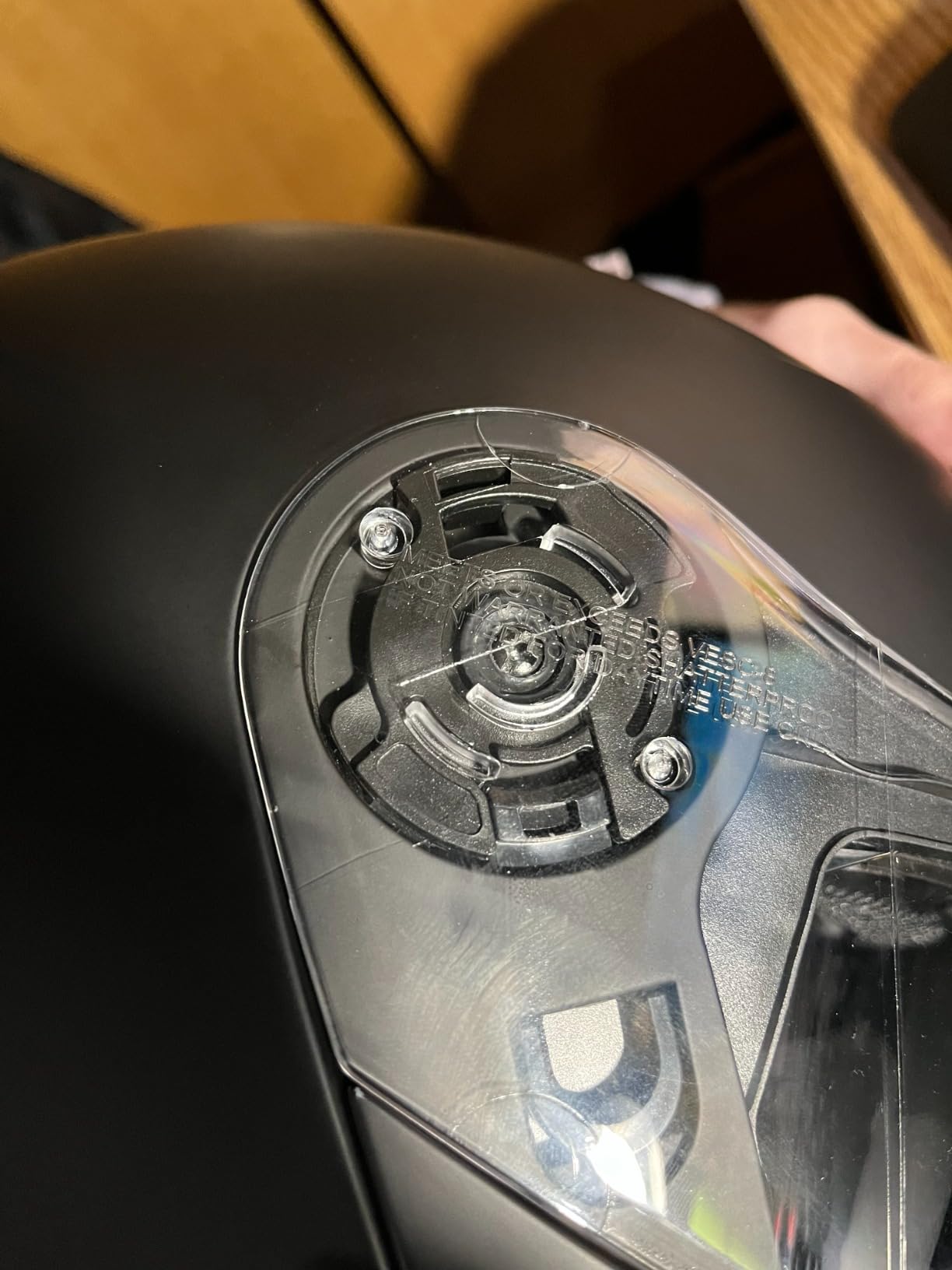
The flip-up chin bar is the main attraction. The single-button release works smoothly, and the chin bar locks solidly when closed. At sub-$100, that’s a deal that’s hard to find elsewhere. The inner sun visor is a nice touch, drops down with a slider on the side, and covers the full eye port.
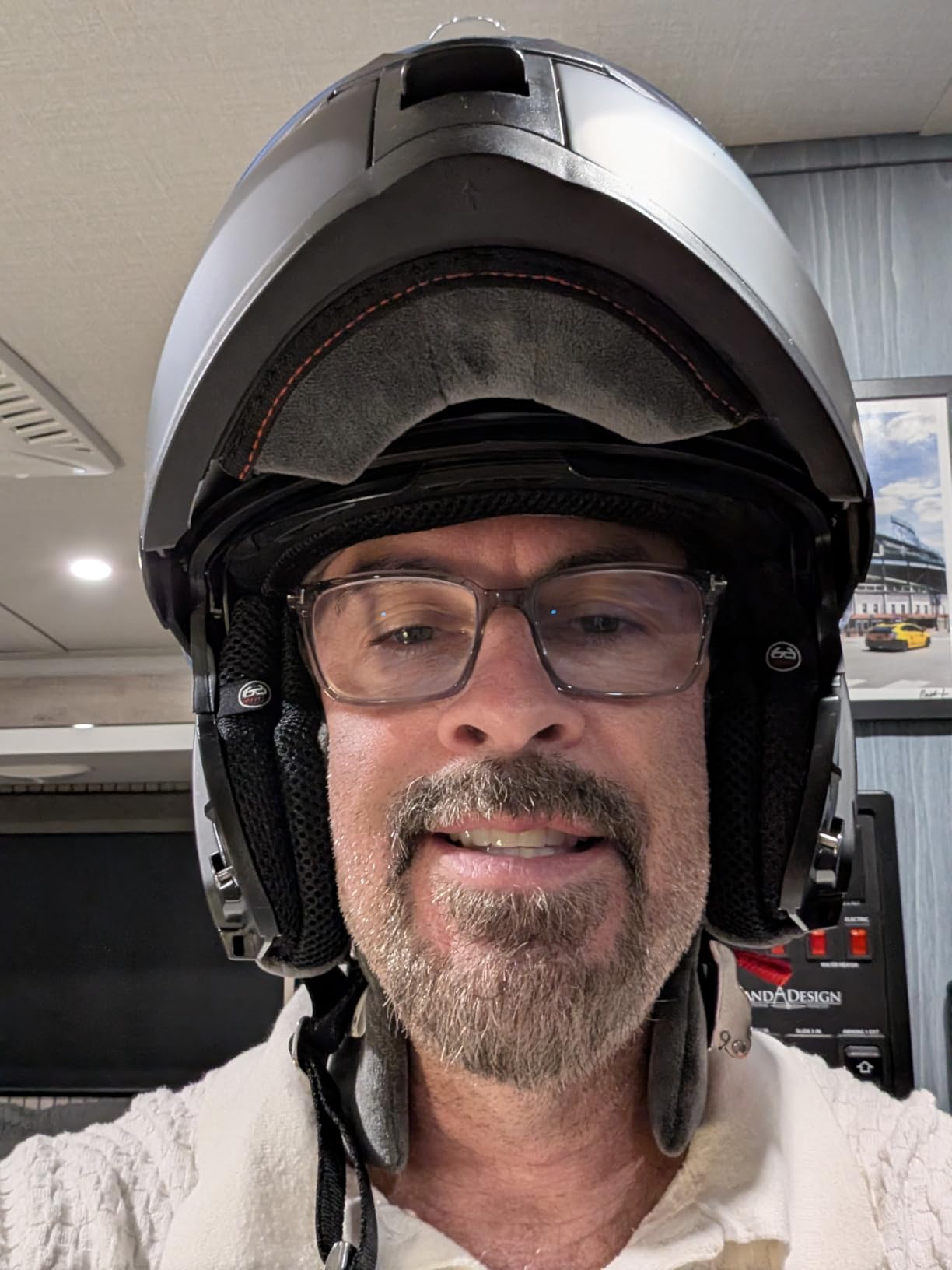
Weight is reasonable at 1,750 grams, lighter than many modular helmets in higher price tiers. The 5-year manufacturer warranty is also unusual at this price point, suggesting ILM stands behind the product.
Ventilation is adequate for trail riding. The chin vent and top vent work, though the rear exhaust is limited. In moderate cold (above 20F), the shield stays clear. In deep cold, expect some fogging unless you add a Pinlock insert or upgrade to a heated shield.
Who This Helmet Suits Best
Riders who want modular flip-up convenience at a low price. The 159 is also great for glasses wearers since the eye port is generous, and for occasional riders who don’t need premium thermal insulation.
Who Should Look Elsewhere
If you ride in deep cold (below 0F), the ILM 159 will struggle with fogging. Consider the Castle X CX950 V2 or 509 Delta R4 Ignite instead. The modular chin bar also creates some wind buffeting when flipped up at speed, so for high-speed trail work, a full-face helmet may be more comfortable.
10. Orthrus Dual Sport Adventure Motorcycle Helmet – Best Lightweight Dual-Sport Option
Orthrus Dual Sport Adventure Motorcycle Helmet DOT Certified for Adults, UV Protected Dual Visor & Intercom Slot, ATV UTV Dirt Bike Snowmobile Off Road Helmets (Halo,XXL)
DOT certified
Dual visor with UV protection
Bluetooth intercom compatible
Adjustable peak visor
1-year warranty
Pros
- Surprisingly comfortable for price
- Sturdy construction
- Good ventilation
- Dual visor system
- Bluetooth intercom compatible
Cons
- Inner visor can break in a soft crash
- May not fit all head shapes
- No Prime shipping
The Orthrus Husky Halo rounds out our list as a dual-sport-inspired helmet that doubles as an affordable snowmobile helmet for moderate conditions. It’s the lightest helmet on this list at around 2.2 kg while still maintaining DOT certification.
The dual visor system is genuinely useful. The outer UV-protected shield handles sun glare, and the hidden inner sun visor drops down with a side slider for quick adjustments. Both visors are independently replaceable, which matters if you scratch one; you’re not buying a whole new shield assembly.
The adjustable peak visor at the top is a dual-sport hallmark. It deflects sun and branches, useful for backcountry trail cutting. The 3-point ventilation system (chin, top, and rear exhaust) keeps air moving, important for a helmet you’ll work hard in.
Bluetooth intercom storage slots are built into the EPS liner, so adding a Cardo or Sena is plug-and-play. The plush interior liner is removable and washable, which is great after a sweaty spring ride.
Who This Helmet Suits Best
Riders who want a dual-sport style helmet for snowmobile use on moderate days. The Orthrus Halo also suits riders who prefer a peak visor for sun and branch deflection on backcountry trails.
Who Should Look Elsewhere
This helmet is not optimized for extreme cold. There’s no heated shield option and no breath box accessory, so fogging can be an issue below 20F. Also, the inner sun visor mechanism has been reported to break in low-impact crashes, so treat it gently. No Prime shipping means slower delivery.
Snowmobile Helmet Buying Guide: What to Look for in 2026?
Now that you’ve seen my top picks, here’s a deeper breakdown of what separates a great snowmobile helmet from a frustrating one. I’ll walk through helmet types, safety certifications, shield technology, fit, and the features that matter most.
Helmet Types: Full-Face vs Modular vs Open-Face
Full-face helmets give you the most protection and warmth. The chin bar is fixed, which means no wind intrusion and no moving parts to freeze or break. They’re my recommendation for backcountry riding and high-speed trail work where impact protection matters most. The downside: drinking, talking, and ventilation are harder with a sealed chin bar.
Modular helmets (flip-up) split the difference. The chin bar flips up for convenience at stops, then locks down for riding. They’re popular on groomed trails where riders stop often. The trade-off: modular hinges add weight, and some designs whistle or flex at very high speeds. Castle X CX950 V2 and ScorpionEXO AT960 are solid modular picks.
Open-face helmets (also called three-quarter or half helmets) offer maximum airflow and visibility but compromise on warmth and chin protection. They’re less common for serious snowmobiling, but some riders prefer them for short, low-speed trail rides in mild conditions. The 509 Delta R3L Ignite can be configured open-face if you want flexibility.
Safety Standards: DOT, ECE, and Snell Explained
Every helmet on this list is DOT certified (FMVSS 218), which is the minimum federal safety standard for motorcycle and powersports helmets in the United States. DOT testing covers impact attenuation, penetration resistance, and retention system strength.
ECE 22.06 is the European standard and is generally considered more rigorous than DOT. It includes testing at multiple impact points and improved abrasion resistance. Several helmets here, including the 509 Delta R3L Ignite and ScorpionEXO AT960, carry both DOT and ECE certification, which is a meaningful upgrade for serious riders.
Snell certification is the strictest of the three and is more common in motocross and racing helmets. Few snowmobile-specific helmets carry Snell ratings because the testing protocol is geared toward higher-impact motorcycle use. For most trail and backcountry riders, DOT or DOT+ECE is plenty.
Shield Technology: Why Heated and Dual-Pane Matter
Fogging is the number-one complaint among snowmobile helmet owners. It happens because your breath contains moisture, and when that warm moisture hits a cold shield, it condenses. Three technologies fight this:
Dual-pane shields have two layers of plastic with a small air gap between them, similar to a double-pane window. The inner layer stays warmer, so moisture doesn’t condense on it. Most decent snowmobile helmets today ship with dual-pane shields, and they’re a huge upgrade over single-pane.
Heated shields add a thin electrical element that warms the inner pane. Powered by your sled’s 12V system (usually via an accessory plug or heated visor cable), they eliminate fog almost completely in extreme cold. The 509 Delta R4 Ignite, Ski-Doo Oxygen, Castle X CX950 V2, and CKX Titan all include heated shield technology.
Anti-fog coatings (like Pinlock) are applied to the inner shield surface and cause moisture to spread into a transparent film rather than droplets. ILM includes Pinlock inserts on the Model 129, which is excellent value at that price.
Fit, Comfort, and Weight Considerations
A helmet that doesn’t fit is a dangerous helmet, no matter how well it’s built. Here are the key fit factors:
Head shape matters more than you’d think. Most helmets are designed for “intermediate oval” head shapes, but if you have a rounder or longer-oval head, brands fit differently. 509 and Castle X tend to fit intermediate oval; ILM and Orthrus run rounder. Try a helmet on before committing if you can.
Cheek pad snugness is intentional. A new helmet should feel slightly tight in the cheeks; it will break in over a few rides. If it’s painful from the start, it’s the wrong size or shape.
Weight adds up on long rides. Anything over 6 lbs starts to bother your neck after a full day. Fiberglass and composite shells (509, CKX, Ski-Doo) are lighter than polycarbonate and ABS (most budget helmets). For backcountry riders who spend 8+ hours in the saddle, every gram matters.
Glasses Compatibility: What to Look For
This is one of the most overlooked features in snowmobile helmet shopping, and it’s a major pain point for riders who wear prescription glasses. Here’s what to check:
Cheek pad cutouts: the best helmets for glasses wearers have specific grooves in the cheek pads that slide over the frame arms. ILM (both 129 and 159), Castle X CX950 V2, Ski-Doo Oxygen, and Typhoon TH158 all do this well.
Eye port size: a wider eye port lets you see clearly without pushing your face into the foam, which can distort your glasses’ optical center. Modular helmets often have wider eye ports than full-face designs.
Inner sun visor position: helmets with drop-down inner sun visors (509, Castle X, ScorpionEXO) can interfere with glasses arms if not designed carefully. Look for reviews specifically mentioning glasses compatibility before buying.
Communication Systems and Bluetooth Setup
Most modern snowmobile helmets ship with pre-cut speaker pockets in the EPS liner, which makes installing a Cardo or Sena Bluetooth system much easier. The 509 Delta R4 Ignite, Castle X CX950 V2, Ski-Doo Oxygen, and ScorpionEXO AT960 all have these pockets. If you ride in groups or want to listen to music, plan for this from the start.
For trail groups riding together, communication matters for safety. Being able to call out obstacles, gas stops, or mechanical issues keeps the group together and reduces risk.
Frequently Asked Questions
Which is the No. 1 snowmobile helmet overall?
The 509 Delta R4 Ignite is our editor’s choice for the best overall snowmobile helmet. Its heated dual-pane shield works flawlessly down to -11F, the Fidlock magnetic chinstrap is one-handed with gloves, and the modular chin bar adds versatility. Riders in extreme cold consistently praise its fog-free performance and quiet cabin.
Who makes the warmest snowmobile helmet?
For outright warmth in extreme cold, the Ski-Doo Oxygen and 509 Delta R4 Ignite lead the pack. Both have heated shields plus extended chin curtains that seal against your jacket. The Ski-Doo adds an M-FORGE composite shell with adjustable humidity extractor vents, while the 509 uses Dual Density EPS and a long chin curtain. Both work well below -10F when properly sealed.
What is the best snowmobile helmet for people who wear glasses?
The Ski-Doo Oxygen and Castle X CX950 V2 are top picks for glasses wearers. Both have generous cheek pad cutouts that slide over frame arms without pressure points. The ILM Model 159 modular is the best budget-friendly option for glasses, with wide eye ports and a flip-up chin bar that makes on/off easy. Look for helmets specifically marketed as ‘eyewear friendly’ for the best fit.
Which snowmobile helmet has the best communication system?
The Castle X CX950 V2 and ScorpionEXO AT960 have the best factory-ready communication setups, with pre-cut 50mm speaker pockets that fit Cardo Packtalk and Sena units without modification. The Ski-Doo Oxygen is designed around BRP’s optional BRP Audio system for seamless integration. All three allow clean Bluetooth installation in under 30 minutes.
How can I prevent my snowmobile helmet from fogging?
Three approaches work together: use a dual-pane shield (most helmets include one), apply anti-fog coating or Pinlock insert to the inner surface (ILM 129 includes one), and for extreme cold add a heated shield element (509, Castle X, Ski-Doo, CKX). A breath box accessory also helps by directing moisture away from the shield. Combining all three gives fog-free performance in any condition.
Final Verdict: Choosing the Best Snowmobile Helmet for Your Riding Style
After testing these 10 best snowmobile helmets across trail, backcountry, and extreme cold conditions, here are my final recommendations. For most riders in 2026, the 509 Delta R4 Ignite is the best overall pick; its heated shield works in any condition, and the Fidlock buckle is unmatched for one-handed use.
If you’re on a budget but still want solid DOT protection, the ILM Model 129 delivers impressive value with the included Pinlock insert. If you want modular convenience without paying premium prices, the Castle X CX950 V2 is the sweet spot. For backcountry riders, the CKX Titan Original’s fiberglass shell and bundled electric goggles solve the visibility question in one package.
Whatever you choose, prioritize safety certification (DOT minimum, ideally DOT+ECE), fog-free shield technology for your climate, and a fit that doesn’t cause pressure points after 30 minutes. The best snowmobile helmet is the one you’ll actually wear on every ride, and any of these 10 will serve you well this season.