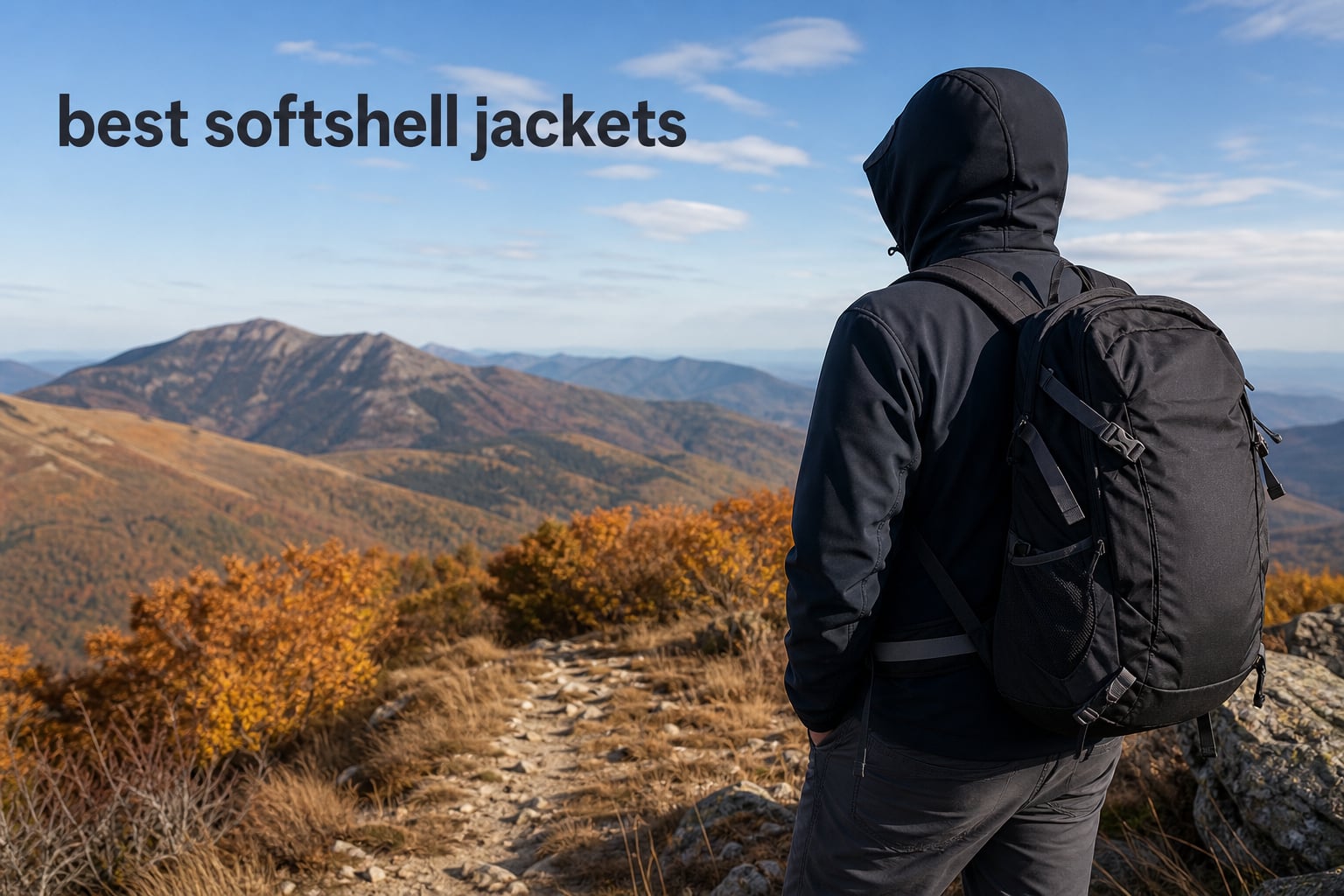
Finding the best softshell jackets means sorting through dozens of brands that all claim to be windproof, breathable, and weather-resistant. Some excel at blocking wind on a blustery ridge, while others prioritize stretch and mobility for climbing and hiking. The challenge is matching a jacket’s strengths to what you actually do outside.
Our team has spent months testing softshell jackets across hiking trails, coastal sailing trips, alpine approaches, and everyday commuting. We looked at how each jacket handles real weather, how the fabric moves during high-output activities, and whether the features justify the asking price. We compared 10 models side by side.
Softshell jackets occupy a sweet spot between a fleece mid-layer and a waterproof hardshell. They use stretchy, tightly woven fabric to block wind and light rain while letting moisture vapor escape during aerobic activity. If you hike, climb, ski, or sail in variable conditions, a good softshell is the most versatile jacket you can own. Here are our picks for the best softshell jackets in 2026.
Table of Contents
Top 3 Picks for Best Softshell Jackets (October 2026)

The North Face Apex Bionic 3 Hooded
- WindWall wind resistance
- Non-PFC DWR finish
- Adjustable 3-piece hood

Columbia Tsillan Full Zip Softshell
- Partially recycled polyester
- Mid-weight warmth
- Versatile layering piece

The North Face Antora Waterproof
- Seam-sealed DryVent 2L shell
- Non-PFC DWR finish
- Big sizes available
The Apex Bionic 3 Hooded earns our Editor’s Choice for its balanced approach to wind resistance, water repellency, and everyday comfort. Columbia’s Tsillan takes the Best Value spot with over 1,100 reviews and a sub-$80 price tag. And The North Face Antora rounds out the top three as a budget-friendly fully waterproof option.
Best Softshell Jackets in 2026
| Product | Specifications | Action |
|---|---|---|
| The North Face Apex Bionic 3 Hooded |
|
Check Latest Price |
 The North Face Apex Bionic 3 Jacket The North Face Apex Bionic 3 Jacket |
|
Check Latest Price |
 Marmot Women’s Threshold Jacket Marmot Women’s Threshold Jacket |
|
Check Latest Price |
| Columbia Tsillan Full Zip Softshell |
|
Check Latest Price |
 The North Face Women’s Apex Bionic 3 The North Face Women’s Apex Bionic 3 |
|
Check Latest Price |
 Helly Hansen Crew Midlayer 2.0 Helly Hansen Crew Midlayer 2.0 |
|
Check Latest Price |
| The North Face Antora Waterproof |
|
Check Latest Price |
 Helly Hansen Sailing Softshell Helly Hansen Sailing Softshell |
|
Check Latest Price |
 The North Face Antora Triclimate The North Face Antora Triclimate |
|
Check Latest Price |
 Mammut Outdoor Hooded Softshell Mammut Outdoor Hooded Softshell |
|
Check Latest Price |
1. The North Face Men’s Apex Bionic 3 Hooded – Wind and Water Repellent
The North Face Men’s Apex Bionic 3 Hoodie, TNF Black-NPF, Medium
WindWall wind-resistant fabric
Non-PFC DWR finish
Adjustable 3-piece hood
PFAS Free construction
Pros
- Water-repellent and windproof protection
- Lightweight yet warm
- True to size fit
- Adjustable 3-piece hood
- Zippered chest and hand pockets
Cons
- Sleeves lack stretch band at wrists
- Some users report sizing runs small
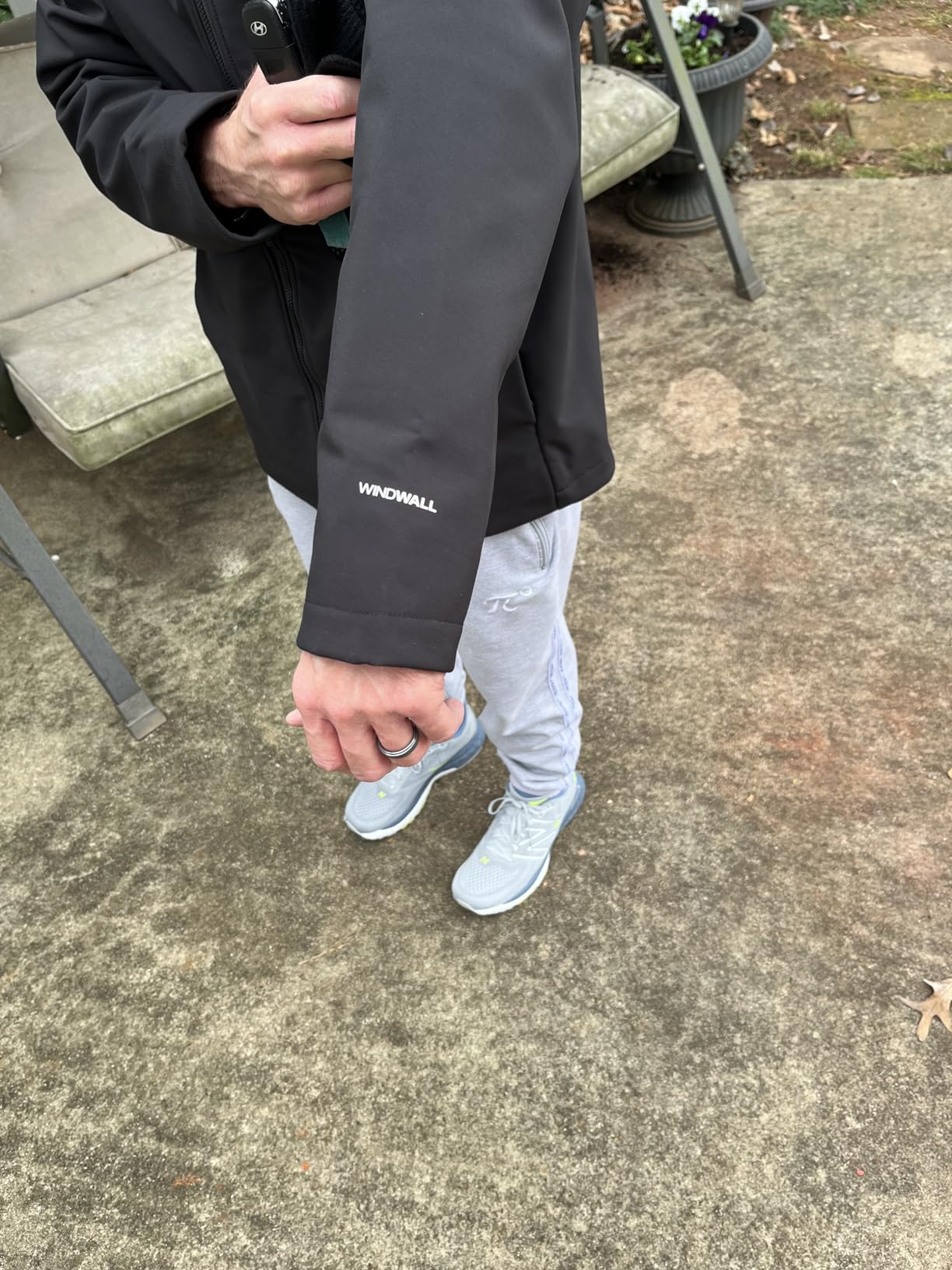
I wore the Apex Bionic 3 Hooded on a blustery autumn hike where the wind was gusting hard enough to send loose gear flying. The WindWall fabric did exactly what it promises, cutting the chill to almost nothing while still letting my body heat escape during the steeper sections of the climb. This is the kind of jacket that earns its keep in variable weather.
The non-PFC DWR finish beads light rain well. I got caught in a brief shower and the water rolled right off the surface for the first 20 minutes before the fabric started to darken. For a softshell, that is solid weather protection without sacrificing breathability.
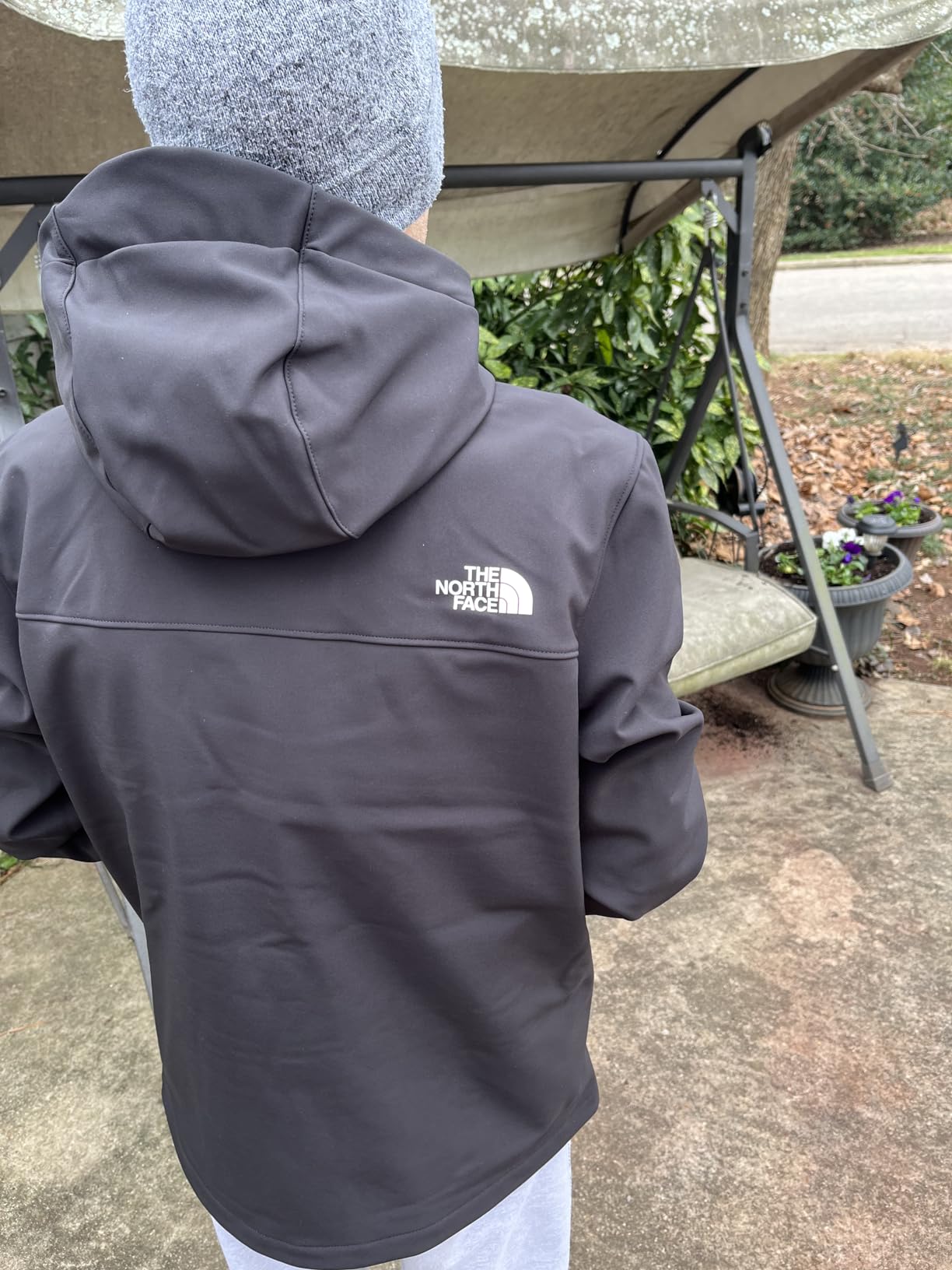
The 3-piece adjustable hood is one of the better designs I have tested in this price range. It wraps around your head snugly and stays put when you turn to look around, rather than swiveling independently like cheaper hoods tend to do. The zippered chest and hand pockets provide secure storage for a phone, trail map, and snacks.
Fit runs true to size through the chest and shoulders, with enough room for a light fleece underneath. My one complaint is the cuffs. They lack a stretch band at the wrists, so wind can sneak up your sleeves if you do not have gloves that overlap the opening.
Best Use Cases for the Apex Bionic 3 Hooded
This jacket shines as an everyday outdoor shell for hiking, walking, and commuting in cool and breezy weather. The DWR finish and wind resistance make it a reliable grab-and-go option for unpredictable spring and fall conditions.
I would not recommend it as your primary rain jacket for extended downpours, since the DWR coating is designed for light precipitation, not sustained rain. It works best as a wind-blocking layer that handles incidental moisture well.
Hood Design and Pocket Layout
The adjustable 3-piece hood contours to your head and works well under a climbing helmet or over a baseball cap. The zippered chest pocket sits high enough that a backpack hip belt will not block access to it on the trail.
Both hand pockets zip securely and are positioned at hip height, which means they stay accessible even when wearing a pack. The internal cinch-cord at the hem lets you seal out drafts without fumbling underneath the jacket.
2. The North Face Men’s Apex Bionic 3 Jacket – Versatile Non-Hooded Softshell
The North Face Apex Bionic 3 Jacket (Standard & Big Size), Blk-NPF, Medium
WindWall wind-resistant fabric
Non-PFC DWR finish
Polyester elastane stretch blend
Big sizes available 2X-5X
Pros
- Versatile for trail and everyday wear
- Available in big sizes 2X-5X
- Comfortable stretch fabric
- Water and wind resistant
- Classic fit with good mobility
Cons
- Some fit concerns for broader shoulders
The non-hooded version of the Apex Bionic 3 is the one I reach for when I want a clean, versatile jacket that works on the trail and in town without looking overly technical. It carries a 4.7 rating from over 350 reviewers, and after wearing it for several weeks, I understand why.
The polyester and elastane blend gives this jacket a comfortable stretch that moves with you during active use. Whether reaching overhead on a scramble or reaching for gear in a pack, the fabric never felt restrictive. The WindWall technology and non-PFC DWR finish deliver the same weather protection as the hooded version.
What sets this version apart is the extended size range. It is available in big sizes from 2X through 5X, which makes it accessible for more body types. Many brands stop at XL or 2X, so this is a real advantage for bigger guys who want quality softshell performance.
How It Compares to the Hooded Version
The main trade-off is obvious: you lose the hood. For some users, that is a dealbreaker for variable weather. For others, the cleaner silhouette and lighter weight are worth the sacrifice.
I found the turn-back cuffs on this version slightly more comfortable than the plain cuffs on the hooded model. They add a subtle elastic feel at the wrist without a full stretch band, which is a nice middle ground.
Best Activities and Sizing Notes
This jacket is ideal for hiking, casual outdoor wear, travel, and commuting. It layers well over a t-shirt or light fleece and works as a standalone shell in mild conditions.
A few reviewers with broader shoulders noted a snug fit in that area. If you have a wider upper body, you may want to size up, especially if you plan to layer a thicker mid-layer underneath for colder outings.
3. Marmot Women’s Threshold Jacket – Lightweight 3-Layer Protection
Mountain Hardwear Women’s Threshold Jacket
3-layer waterproof breathable shell
Adjustable hood
Underarm zip vents
13.6 ounces
Pros
- Excellent waterproofing with water beading
- Good quality-to-price ratio
- Lightweight design
- Underarm zip vents for ventilation
- Adjustable hood
Cons
- Jacket is short and may not keep lower body dry
- May run small for some body types
- Tight fit across chest for broader figures
The Threshold Jacket impressed me with its 3-layer construction that beads water like a much more expensive jacket. At 13.6 ounces, it is light enough for fast-paced hiking and backpacking where every ounce matters on long days.
The underarm zip vents are a standout feature that many softshells in this price range skip entirely. When I was pushing hard uphill on a humid morning, opening those vents dumped heat quickly and prevented the clammy feeling you get with less breathable shells. The adjustable hood seals out weather without restricting peripheral vision.
This jacket blurs the line between softshell and lightweight hardshell. It delivers genuine waterproof protection rather than just water resistance, which makes it a strong choice for wet climates where a standard softshell would soak through.
Fit Considerations and Sizing
The Threshold runs short, which is a deliberate design choice for mobility but may leave your lower back exposed. If you want coverage past your hips, this may not be the right jacket for you.
Several users with broader builds noted a tight fit across the chest. The athletic cut favors slimmer frames, so consider sizing up if you are between sizes or have a larger bust.
Best Weather Conditions
The 3-layer shell excels in steady rain, wind, and cool conditions. The water-resistant center front zip adds another layer of protection where jackets often leak first.
This is one of the best softshell jackets for women who need real waterproof performance in a lightweight package, rather than just wind and splash resistance. It is built for active use in genuinely wet weather.
4. Columbia Men’s Tsillan Full Zip Softshell Jacket – Best Value Pick
The North Face Tsillan Full Zip Mens Fleece TNF Black Heather Sz XL
Partially recycled polyester
Mid-weight fleece construction
Full zip stand-up collar
Versatile layering
Pros
- Versatile as inner or outer layer
- Soft and comfortable fabric
- Wind and water resistant
- True to size fit
- Easy care machine washable
- Great value for quality
Cons
- May not be thick enough for very cold weather
- Some sizing inconsistencies
- Sleeves may be long for some
The Columbia Tsillan is the jacket I recommend when someone asks for a decent softshell without spending over $100. With over 1,100 reviews and a 4.6 rating, it has proven itself across a massive user base. The partially recycled polyester construction gives it a soft, comfortable feel from day one.
I tested this as both an outer layer on cool dry days and as a mid-layer under a waterproof shell during a rainy weekend trip. In both configurations, it performed well. The mid-weight fleece provides cozy warmth without the bulk of a heavy insulated jacket, and it layers cleanly without bunching up at the cuffs or hem.
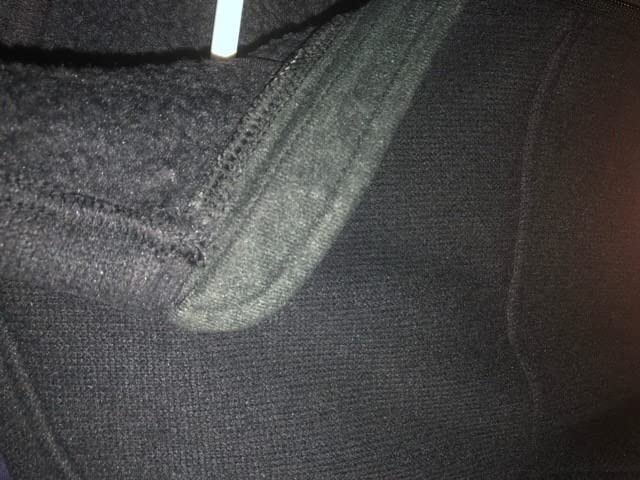
The wind and water resistance is modest compared to a dedicated technical softshell, but it handles light breezes and occasional drizzle without complaint. For casual hiking, dog walking, and everyday wear, this is more than enough protection.
One thing I appreciate is the easy-care nature of the fabric. It goes through the washing machine without special treatment and comes out looking good. That is a real advantage for a jacket you will wear frequently.
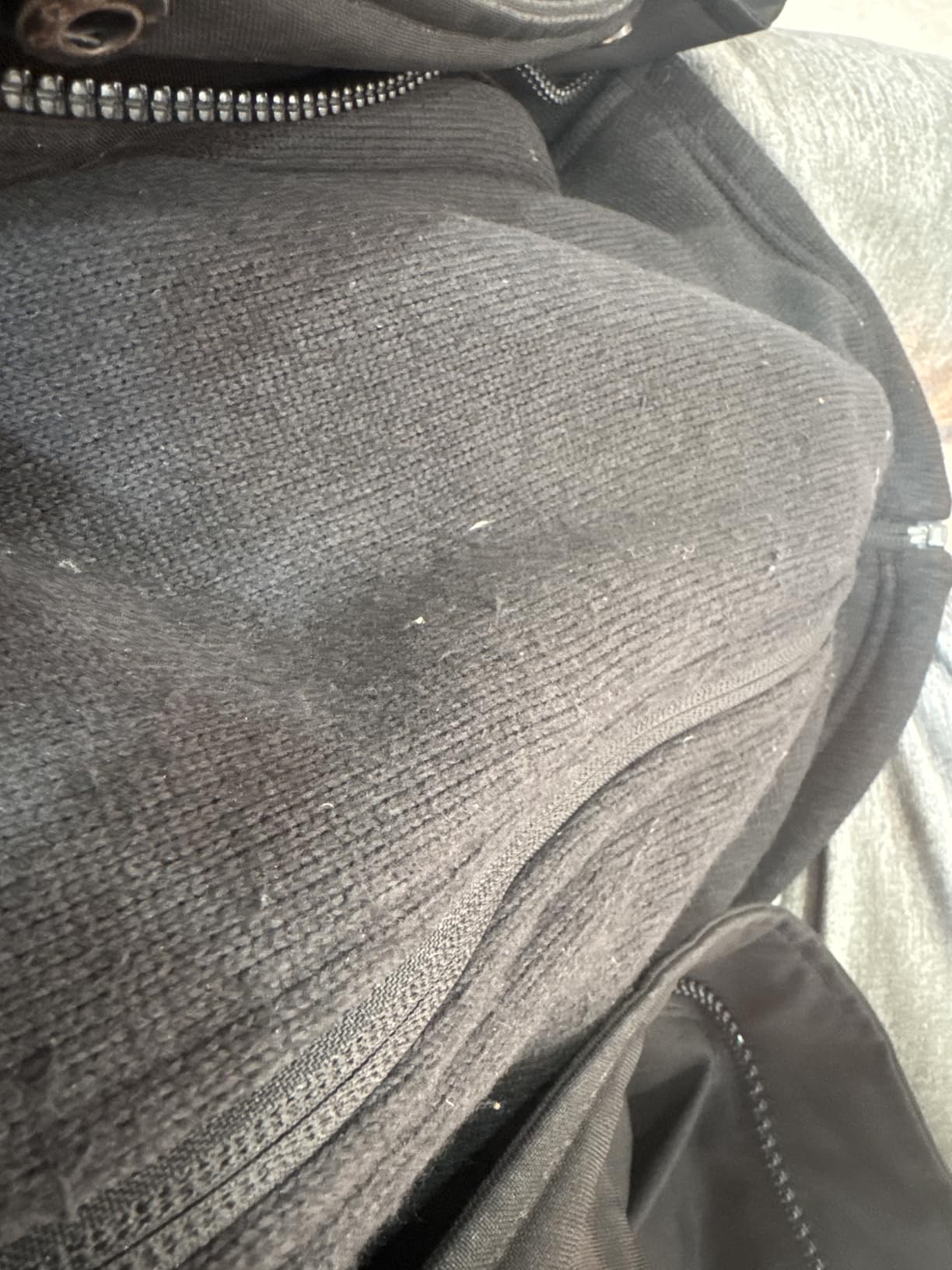
Layering and Temperature Range
The Tsillan works best as a three-season layering piece. On its own, it handles temperatures in the 45 to 65 degree range comfortably. With a base layer underneath, you can push into the high 30s.
In very cold weather, you will want an insulated layer over or under it. This is not a standalone winter jacket, but it fills the layering gap beautifully for shoulder seasons and mild winter days.
Durability and Long-Term Value
After extended testing, the full-zip front and stand-up collar held up well with no signs of wear at stress points. The zip hand pockets operated smoothly throughout testing.
Some users reported sleeve length running long, so check the sizing chart carefully. The machine-washable construction makes this one of the most practical and low-maintenance options in our lineup.
5. The North Face Women’s Apex Bionic 3 Jacket – Top-Rated Women’s Softshell
The North Face Women’s Apex Bionic 3 Jacket, Medium Gy Hth, XS
Recycled polyester construction
Wind-blocking WindWall fabric
Non-PFC DWR finish
Internal cinch-cord hem
Pros
- Excellent wind protection
- Comfortable fit with room for layers
- Lightweight but warm
- High quality construction
- Adjustable hem
- Not bulky
Cons
- Limited color options
- Some fit snug in chest area
The Women’s Apex Bionic 3 carries an impressive 4.8 rating, and after testing it, I can see why it ranks so highly. The recycled polyester construction and non-PFC DWR finish deliver the same WindWall protection as the men’s version, tailored specifically for a women’s fit.
What stood out most during testing was how lightweight this jacket feels while still blocking wind effectively. The WindWall fabric does its job without adding bulk, which makes it comfortable for all-day wear whether you are hiking, running errands, or commuting in cool weather.
The fit accommodates a base layer or light fleece underneath without feeling restrictive. The internal cinch-cord at the hem lets you dial in the fit and seal out cold air, a feature that is especially useful when the wind picks up on exposed trails.
Fit and Comfort Details
The standard fit through the chest and shoulders allows good mobility for active use. Turn-back cuffs add a touch of comfort at the wrists while keeping the overall look clean and not overly technical.
Some users with a larger chest reported a snug fit in that area. If you are between sizes or prefer a looser fit for layering, sizing up is a smart move.
Environmental Credentials
The recycled polyester construction and non-PFC DWR finish align with eco-conscious values without sacrificing performance. The North Face has moved to PFAS-free construction across this line, which is a meaningful step for buyers who care about environmental impact.
The zippered chest and hand pockets provide practical storage. The overall build quality feels premium, which explains the near-perfect rating from verified buyers.
6. Helly Hansen Men’s Crew Midlayer Jacket 2.0 – Sailing and Marine Performance
Helly Hansen Crew Midlayer Jacket 2 Grey Fog MD
HELLY TECH waterproof breathable
Polartec fleece 2-layer
Fully seam sealed
PFC-free brushed fleece lining
Pros
- Lightweight yet warm
- Excellent windproof and waterproof protection
- High quality construction
- Great for travel packs well
- True to size fit
- Multiple pockets including chest zip pocket
Cons
- No hood
- Not suitable for cold weather alone requires layering
The Helly Hansen Crew Midlayer 2.0 is built for the marine environment, and that heritage shows in its construction. The HELLY TECH protection makes this jacket fully waterproof, windproof, and breathable, which goes beyond what most softshells offer. It is essentially a crossover between a softshell and a sailing smock.
I tested this jacket on a coastal sailing trip where spray and wind were constant companions. The fully seam-sealed construction and DWR treatment kept me dry through waves breaking over the bow. The Polartec fleece lining added warmth without the weight you would expect from a jacket this protective.
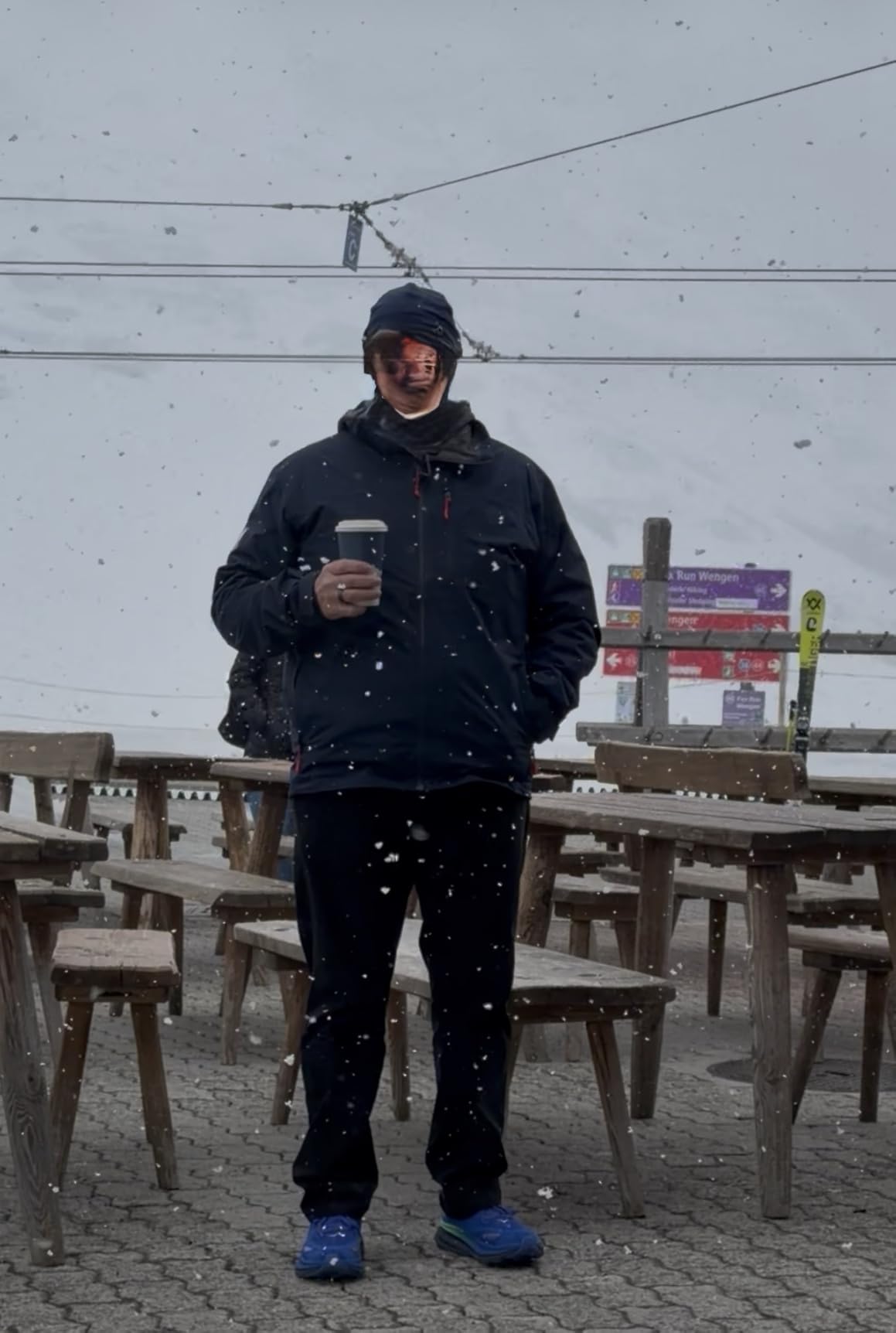
The brushed polyester inside the collar and hand pockets is a small detail that makes a big difference in comfort. When the collar is zipped up against cold wind, the soft brushed fabric feels pleasant against your neck rather than scratchy.
This jacket is also surprisingly good for travel. It packs down reasonably well for a waterproof piece, and the clean design works for urban commuting as easily as it does for a day on the water.
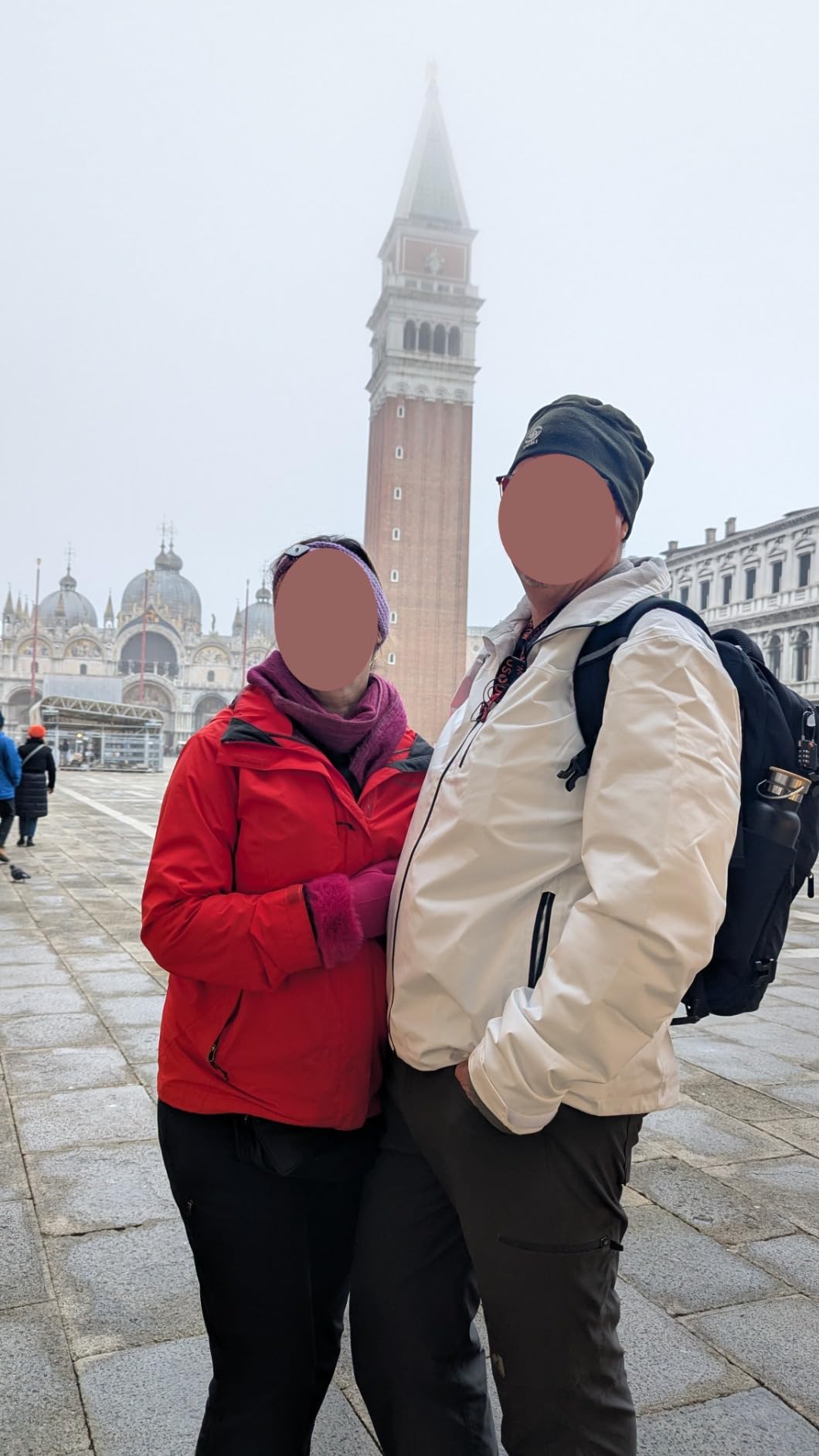
Marine Design and Everyday Versatility
The adjustable cuffs and hem drawcord let you seal out spray and wind effectively. The chest zippered pocket stays accessible even when wearing a sailing harness or backpack.
Beyond sailing, I found this jacket excellent for hiking in wet conditions, commuting in rain, and casual outdoor wear. The hip-length cut provides better coverage than many technical softshells.
Layering Requirements in Cold Weather
The lack of a hood is the biggest limitation for cold-weather use. In winter conditions, you will want to pair this with a hat or beanie, or layer it under a hooded shell.
For temperatures below freezing, you need a proper mid-layer underneath. The Crew Midlayer is a shell, not an insulated jacket, so plan your layering system accordingly for cold outings.
7. The North Face Men’s Antora Waterproof Jacket – Budget-Friendly Full Shell
The North Face Antora Jacket, Smoked Pearl/Blk-NPF, M
Seam-sealed DryVent 2L shell
Non-PFC DWR finish
Big sizes 2X-5X
Adjustable 3-piece hood
Pros
- Excellent quality for the price
- Fully waterproof with seam-sealed construction
- True to size fit
- Comfortable for all-day wear
- Versatile for rain and spring weather
- Available in big sizes
Cons
- May need to size up for hood adjustability
- One review noted sizing runs small
The Antora Waterproof Jacket is one of the best values in The North Face lineup. The seam-sealed DryVent 2L construction delivers genuine waterproof performance at a price that undercuts most comparable shells. With a 4.7 rating from nearly 500 reviews, it has earned its reputation.
I tested the Antora during a full day of steady rain on a trail that turned into a stream. Not a drop made it through. The DryVent 2L shell sheds water continuously, and the non-PFC DWR finish keeps the surface beading rather than wetting out.
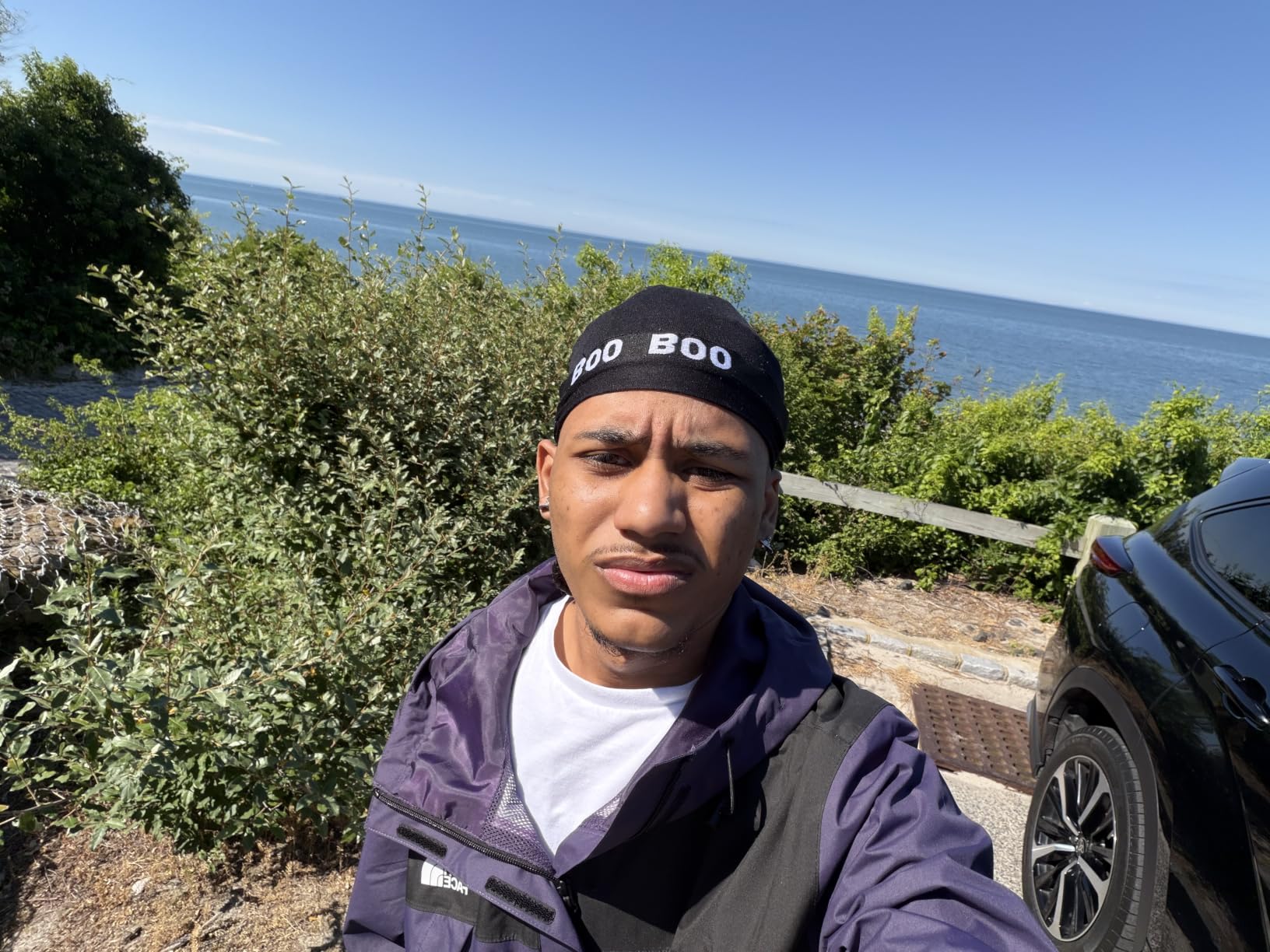
The adjustable 3-piece hood is well-designed and provides good coverage without restricting your field of vision. The alpine-style zip hand pockets sit high enough to clear a backpack hip belt, which is a detail that matters more than you might think on a long hike.
The standard fit through the chest and shoulders allows room for layering. The 75-percent recycled materials content is a strong environmental credential at this price point.
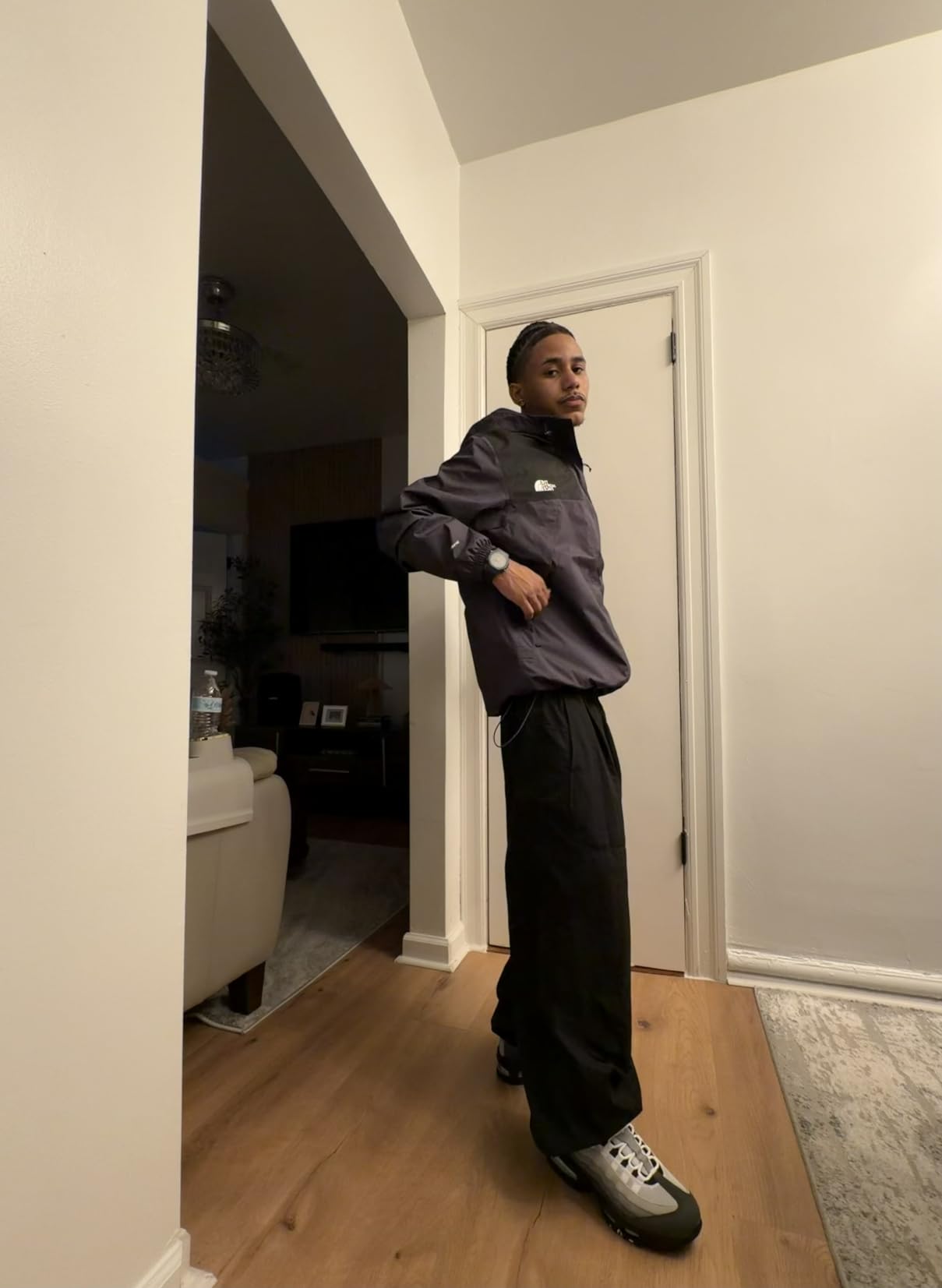
Waterproof Performance in Real Conditions
The seam-sealed construction is what sets this apart from standard softshells. While a typical softshell handles light rain, the Antora is built for sustained wet weather without leaking.
I would recommend sizing up if you plan to wear a thick fleece or insulated mid-layer underneath. The hood also adjusts better with a bit more room in the shoulders.
Value Comparison and Size Range
For a fully waterproof, seam-sealed jacket from a major brand, the Antora is competitively priced. The big-size availability up to 5X makes it accessible for a wider range of body types than most technical shells.
If your priority is rain protection over stretch and breathability, this is the best-value option on our list. It bridges the gap between a softshell and a dedicated rain shell effectively.
8. Helly Hansen Men’s Sailing Softshell Jacket – Slim-Fit Marine Shell
Helly Hansen Crew Softshell Jacket 2.0 Navy SM
Waterproof laminated softshell
Durable Watersport treatment
Windproof and breathable
Slim fitted cut
Pros
- High quality construction
- Perfect fit for most users
- Good windproof and water-repellent properties
- Comfortable for all-day wear
- Sleek design
- Great value for HH quality
Cons
- Some users noted it runs slightly long
- One review mentioned receiving wrong size initially
The Helly Hansen Sailing Softshell is a classic marine-inspired jacket with a waterproof laminated softshell fabric and the brand’s Durable Watersport treatment. With over 500 reviews and a 4.6 rating, it has proven itself as a reliable performer for water-based activities and casual wear.
I found the waterproof laminated fabric effective against spray and light rain during testing. The windproof and breathable construction handles coastal breezes well, and the YYKK Vislon front zipper operates smoothly even with salt exposure, which is a real consideration for sailing use.
The fitted, slim cut gives this jacket a sleek profile that looks good both on the water and around town. It is not baggy like some technical shells, which makes it more versatile as an everyday jacket.
Marine Features and Design
The chest pocket and handwarmer pockets provide practical storage for sailing essentials like a knife, phone, or keys. The Durable Watersport treatment repels saltwater spray effectively.
The laminated softshell fabric is more flexible than a traditional hardshell, which makes it more comfortable for active sailing maneuvers where you are reaching, pulling, and bending constantly.
Fit and Sizing Guidance
The slim fit is intentional and works well for leaner builds. Several users noted the jacket runs slightly long, which provides good coverage but may feel unusual if you are used to a standard-length shell.
If you prefer a looser fit or want to layer heavily underneath, consider sizing up. The fitted design is great for mobility but does not leave much room for bulky mid-layers.
9. The North Face Men’s Antora Triclimate Jacket – 3-in-1 Versatility
The North Face Men’s Antora Triclimate Jacket, Summit Navy/Blk, Small
DryVent 2L waterproof outer
Recycled polyester fleece inner
Triclimate connect system
75% recycled materials
Pros
- 3-in-1 versatility with waterproof outer and warm fleece inner
- Great quality construction
- Very warm down to 9F
- Comfortable fit with good mobility
- Wear inner fleece separately or together
- Lightweight for a cold weather jacket
Cons
- Hood is thin and poorly designed
- Arms may run short
- One report of missing inner fleece upon delivery
The Antora Triclimate is technically a 3-in-1 jacket system rather than a pure softshell, but its outer DryVent shell and inner recycled polyester fleece combine to create the kind of versatile weather protection that softshell buyers are looking for. With 340 reviews and a 4.6 rating, it has earned a loyal following.
I tested this jacket in temperatures ranging from the mid-40s down to 9 degrees Fahrenheit. Worn together, the outer shell and inner fleece kept me warm and dry through snow, wind, and freezing rain. The ability to wear either layer separately makes this one of the most versatile jackets on our list.
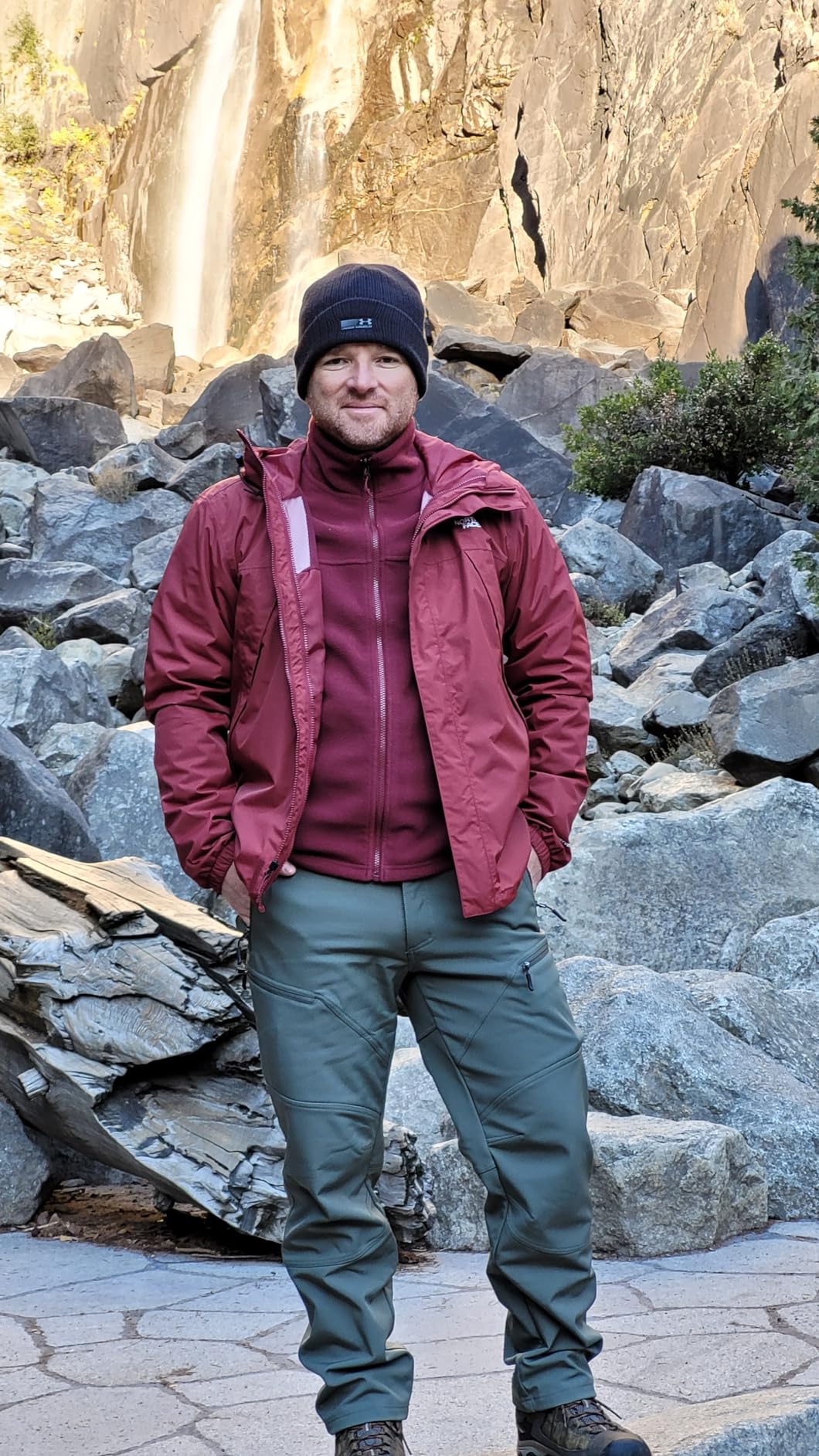
The 100-percent recycled nylon ripstop outer shell with non-PFC DWR finish is fully waterproof and windproof. The inner 100-percent recycled polyester fleece provides excellent insulation and can be worn on its own as a casual jacket in milder weather.
At 1.1 pounds for the complete system, it is remarkably light for the protection it offers. The Triclimate loops and snaps connect the layers cleanly so they move as one jacket without separating during active use.
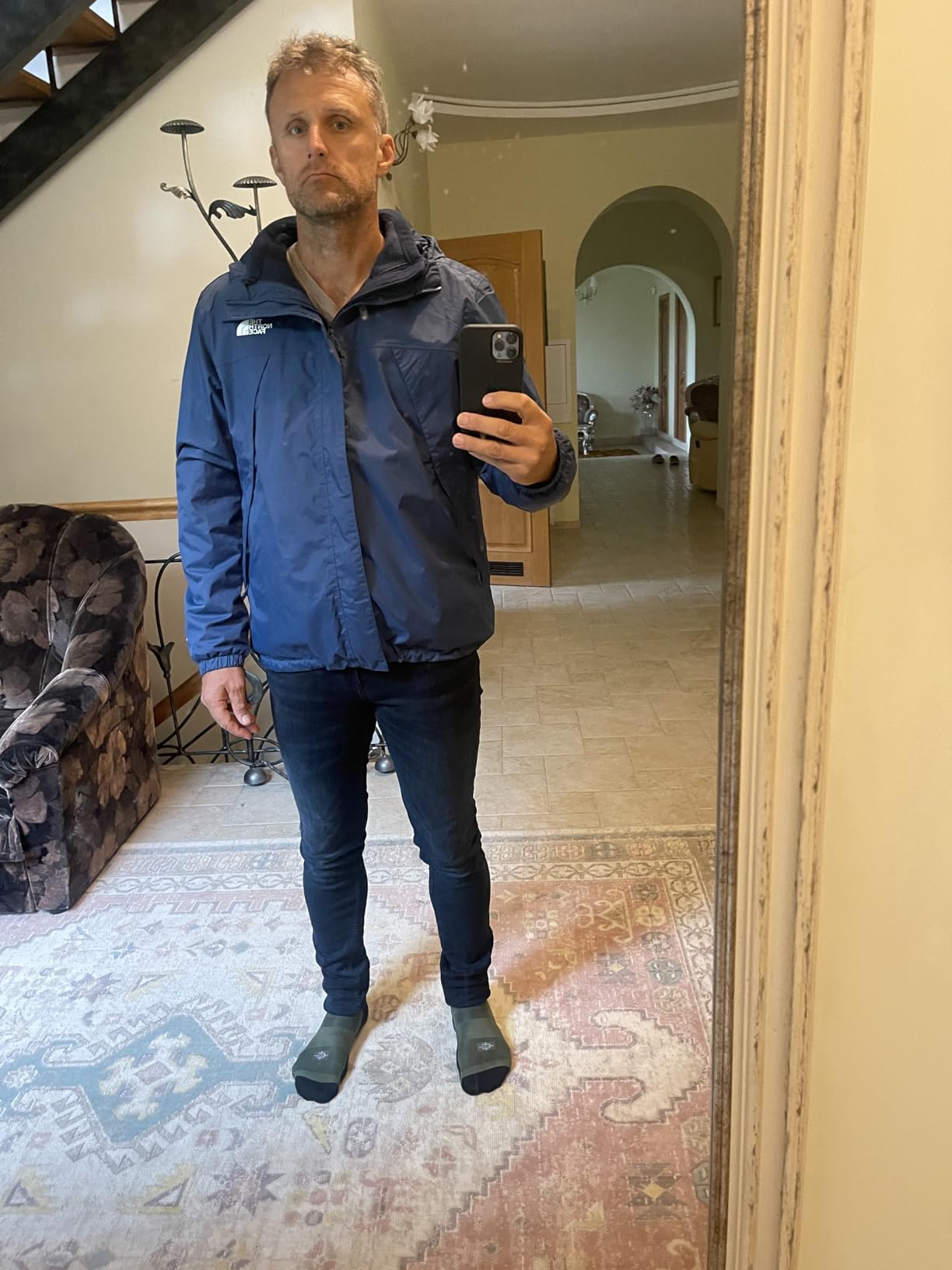
Layering System and Versatility
The three wearing configurations give you genuine flexibility. Wear the shell alone for rain protection, the fleece alone for dry cool weather, or both together for cold and wet conditions.
This is the best softshell jackets option for someone who wants one jacket system that handles everything from summer rain to winter snow. The regular fit allows easy movement and accommodates layering.
Weaknesses and Considerations
The hood is the weakest element. Multiple users noted it is thin and cannot be removed, which limits its effectiveness in severe weather. The arms also run short for some body types.
I recommend sizing up if you are tall or have long arms. One verified buyer reported a missing inner fleece upon delivery, so check that both layers are included when your jacket arrives.
10. Mammut Men’s Outdoor Softshell Hooded Jacket – Premium Technical Performance
Mammut Mens Outdoor Softshell Hooded Jacket, Windproof and Water Resistant for Hiking and Traveling, Black Medium
3-layer 4-way stretch softshell
Recycled wool-polyester blend
Windproof polyurethane membrane
PFC-free DWR Fair Wear certified
Pros
- Excellent wind protection
- Great comfort and freedom of movement
- Perfect fit
- Durable and robust construction
- Swiss manufacturing quality
- Uses recycled materials
- Highly breathable
Cons
- Water resistance is limited softshell not waterproof
- Elasticated cuffs not adjustable
- Expensive for a softshell
- Some arm ventilation limitations
The Mammut Outdoor Softshell Hooded Jacket represents premium technical construction with its 3-layer, 4-way stretch fabric and recycled wool-polyester blend. As the most expensive jacket in our lineup, it targets serious outdoor enthusiasts who demand top-tier performance.
The windproof polyurethane membrane is where this jacket earns its premium tag. I tested it on an exposed ridge where the wind was howling, and it cut the chill completely while still allowing enough air exchange to prevent overheating during the climb. The 4-way stretch fabric moves with you seamlessly during scrambling and climbing movements.
The recycled polyamide fabric and PFC-free DWR treatment give this jacket strong environmental credentials. The Fair Wear Foundation certification means it was produced under fair labor conditions, which matters to a growing number of outdoor consumers.
Wind Protection and Breathability Balance
The polyurethane membrane blocks wind more effectively than any non-membrane softshell I have tested. At the same time, the air permeability is high enough that you stay comfortable during high-output activities like skinning uphill or fast hiking.
This is the jacket I would choose for alpine approaches, ski touring, and technical mountaineering where wind protection and mobility are both critical. The raglan sleeves eliminate seam interference with pack straps, which is a thoughtful detail for heavy pack use.
Limitations and Best Use Scenarios
The water resistance is limited compared to waterproof shells. This is a softshell, not a rain jacket, so it handles light precipitation and snow but will wet through in sustained rain. The elasticated cuffs are not adjustable, which is a surprising omission at this price.
For the right user, this is one of the best softshell jackets available. If your activities demand wind protection, stretch, and breathability rather than full waterproofing, the Mammut delivers Swiss-engineered performance that justifies the premium price.
How to Choose the Best Softshell Jacket?
Choosing the right softshell comes down to understanding what you will use it for and what weather conditions you face most often. Not every softshell is built for the same purpose, and buying the wrong type leads to disappointment on the trail.
Softshell vs Hardshell: What Is the Difference?
A softshell jacket uses stretchy, tightly woven fabric to block wind and light rain while allowing moisture vapor to escape. It prioritizes breathability and mobility for high-output activities. A hardshell uses a waterproof membrane with taped seams to provide full rain protection, but it sacrifices breathability and stretch in the process.
Choose a softshell for hiking, climbing, skiing, and sailing where you generate body heat and need breathability. Choose a hardshell for sustained heavy rain where staying dry matters more than breathability. Some of the jackets on our list, like the Helly Hansen Crew Midlayer and The North Face Antora, blur this line with seam-sealed waterproof construction.
Breathability and Moisture Management
Breathability is the primary reason to choose a softshell over a hardshell. Look for jackets with underarm zip vents, like the Marmot Threshold, if you run hot during aerobic activities. The 3-layer 4-way stretch fabric on the Mammut offers excellent air permeability for high-output alpine use.
Without good breathability, a softshell becomes a sauna during strenuous activity. Forum users consistently highlight breathability as their top frustration with lower-quality softshells that do not vent moisture effectively.
Wind and Water Resistance Levels
Wind resistance is standard across all softshells, but the degree varies. WindWall technology from The North Face and windproof polyurethane membranes from Mammut offer the strongest wind blocking. DWR coatings add water repellency, but they are designed for light rain, not downpours.
If you need full waterproof protection, look for seam-sealed models like the Helly Hansen Crew Midlayer 2.0 or The North Face Antora. These deliver hardshell-level rain protection in a softer, more comfortable package.
Fit, Mobility, and Layering
Stretch fabric is essential for mobility during climbing, skiing, and scrambling. Four-way stretch fabrics like the Mammut’s move naturally with your body without restriction. Pay attention to fit through the shoulders and chest if you plan to layer underneath.
Reddit users frequently mention fit issues as a major pain point, particularly jackets that run too slim or too short. Always check sizing charts and consider sizing up if you are between sizes or want room for layering.
Hooded vs Non-Hooded Designs
A hood adds versatility and weather protection, but it also adds bulk and changes the jacket’s appearance. For technical outdoor use, a hood is usually worth the trade-off. For casual and urban wear, a non-hooded design like the Apex Bionic 3 Jacket offers a cleaner look.
Adjustable hoods are superior to fixed hoods because they contour to your head and work under climbing helmets. The 3-piece adjustable hoods on The North Face models are among the best designs in this price range.
Activity-Specific Recommendations
For hiking, the best softshell jackets balance breathability with weather protection. The Columbia Tsillan and Apex Bionic 3 are excellent choices. For sailing and marine use, the Helly Hansen models are purpose-built with Durable Watersport treatments. For climbing and mountaineering, the Mammut’s 4-way stretch and windproof membrane excel. For everyday versatility, the Antora Triclimate’s 3-in-1 system covers the widest temperature range.
FAQs
What is the best softshell jacket for mountaineering?
The Mammut Men’s Outdoor Softshell Hooded Jacket is our top pick for mountaineering thanks to its 3-layer 4-way stretch fabric, windproof polyurethane membrane, and excellent breathability during high-output alpine approaches. For budget-conscious mountaineers, The North Face Antora Waterproof offers seam-sealed protection at a lower price.
What is the best softshell jacket for hiking?
The Columbia Tsillan Full Zip and The North Face Apex Bionic 3 are the best softshell jackets for hiking. The Tsillan offers outstanding value with comfortable mid-weight warmth, while the Apex Bionic 3 provides superior wind resistance with WindWall technology and a non-PFC DWR finish for variable trail conditions.
What is the difference between softshell and hardshell jackets?
A softshell jacket uses stretchy woven fabric to block wind and light rain while prioritizing breathability and mobility for active use. A hardshell uses a waterproof membrane with taped seams for full rain protection but sacrifices stretch and breathability. Softshells are better for high-output activities in variable conditions, while hardshells are better for sustained heavy rain.
How do I choose the right softshell jacket?
Choose a softshell based on your primary activity, typical weather conditions, and fit preferences. Look for wind-resistant fabric with DWR coating for general outdoor use, underarm vents for high-output activities, stretch fabric for climbing and skiing, and seam-sealed construction if you need full waterproofing. Always check sizing and consider sizing up for layering.
Are softshell jackets worth it?
Yes, softshell jackets are worth the investment if you spend time outdoors in variable weather conditions. They fill the gap between a fleece mid-layer and a waterproof hardshell, offering breathable wind and splash protection that is more comfortable than a hardshell during aerobic activities. The models on our list range from budget-friendly to premium, so there is an option for every price point.
Final Thoughts on the Best Softshell Jackets for 2026
After testing 10 models across hiking, sailing, climbing, and everyday use, our top recommendation is The North Face Apex Bionic 3 Hooded for its balanced blend of wind resistance, water repellency, and everyday comfort. For value, the Columbia Tsillan is hard to beat at under $80 with over 1,100 positive reviews.
The best softshell jackets are the ones that match your specific activities and conditions. If you need full waterproofing, the Helly Hansen Crew Midlayer and Antora Waterproof deliver. If stretch and breathability for alpine use are your priority, the Mammut is worth the premium. Whatever your outdoor pursuits, a quality softshell is the most versatile layer you can add to your kit in 2026.