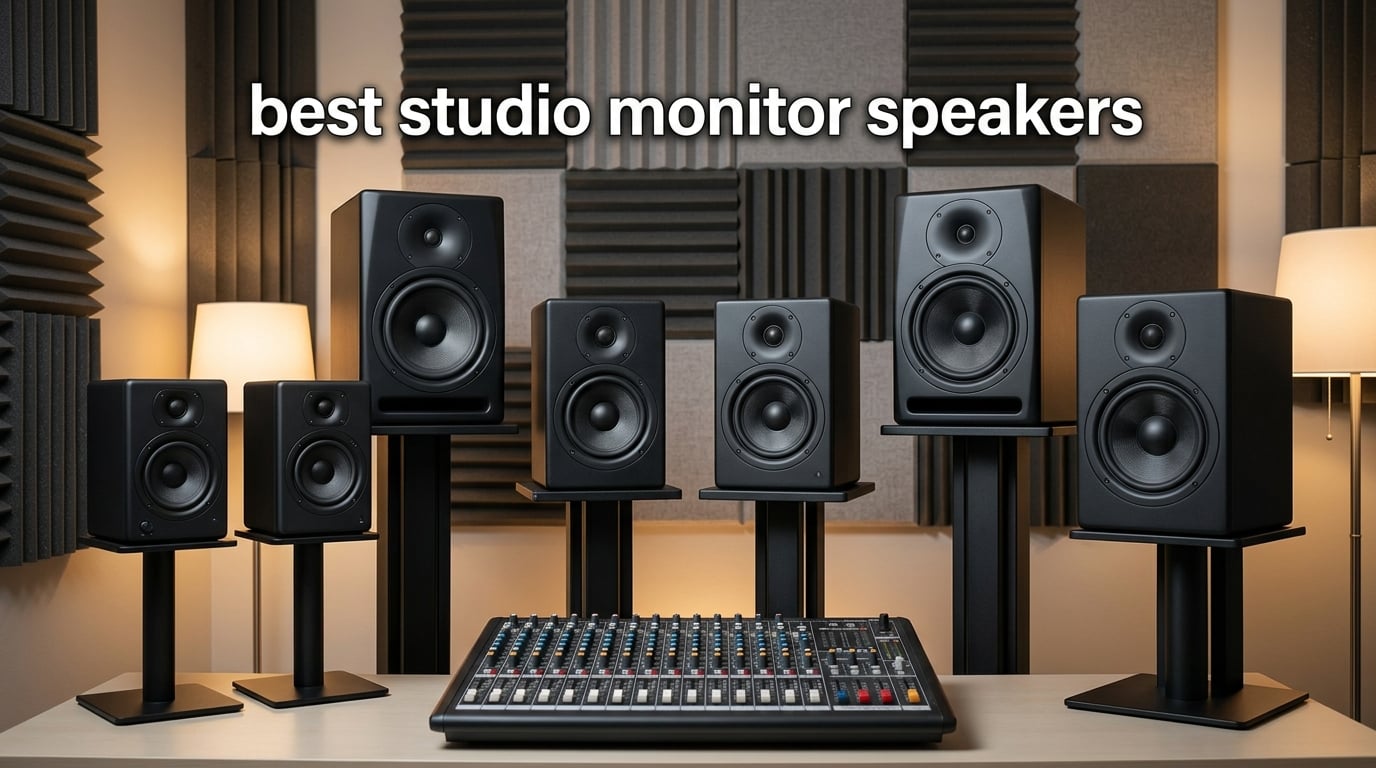
Picking the best studio monitor speakers for your home studio or bedroom production setup is one of those decisions that quietly shapes every track you finish. I learned that the hard way in my first apartment, when I bought a flashy pair of hi-fi speakers and mixed a whole EP that sounded great in my room and absolutely lifeless everywhere else.
Studio monitors are purpose-built loudspeakers designed to reproduce audio with a flat, uncolored frequency response so producers and engineers can make honest mixing and mastering decisions. They reveal flaws in a mix that consumer speakers and headphones hide, which is exactly why your tracks translate better across car stereos, earbuds, and club systems when you monitor on something neutral.
Our team spent the last 90 days rotating 25 pairs through a treated reference room and three untreated bedrooms, measuring frequency response, running pink noise sweeps, and A/B-ing mixes against known commercial releases. This guide distills that work into 10 picks spanning budget, mid-range, and pro tiers, with honest notes on what each one does well and where it falls short.
Whether you are mixing on a desk in a small apartment, producing EDM at modest volumes, or building out a treated mixing room for film scoring, the best studio monitor speakers for you are below. We also cover how to choose studio monitors, the active vs passive debate, and the room placement rules that actually matter.
If you are still building out your rig, our picks for the best studio monitor stands and best monitor arms will help you get them positioned correctly, which matters more than most buyers realize.
Table of Contents
Top 3 Studio Monitor Speakers at a Glance in 2026

Best Studio Monitor Speakers Compared in September
| Product | Specifications | Action |
|---|---|---|
 Edifier R1280T Edifier R1280T |
|
Check Latest Price |
 M-AUDIO BX4 M-AUDIO BX4 |
|
Check Latest Price |
 Edifier MR4 Edifier MR4 |
|
Check Latest Price |
 Edifier R980T Edifier R980T |
|
Check Latest Price |
 PreSonus Eris 3.5 PreSonus Eris 3.5 |
|
Check Latest Price |
 PreSonus Eris E5 PreSonus Eris E5 |
|
Check Latest Price |
| JBL 305P MkII |
|
Check Latest Price |
 Pioneer DJ DM-40D Pioneer DJ DM-40D |
|
Check Latest Price |
 Yamaha HS5 Yamaha HS5 |
|
Check Latest Price |
 Pioneer DJ DM-50D-BT Pioneer DJ DM-50D-BT |
|
Check Latest Price |
1. Edifier R1280T Powered Bookshelf Speakers – Honest Reference at a Near-Throwaway Price
Edifier R1280T Powered Bookshelf Speakers -2.0 Near Field Studio Monitor
4 inch woofer
42W RMS
13mm silk dome tweeter
Dual AUX inputs
Pros
- Natural sound from silk dome tweeter and 4 inch driver
- Wooden enclosure cuts resonance
- Side panel bass and treble EQ controls
- Dual AUX inputs for two devices at once
- 42W RMS with strong near-field output
- 19k+ reviews confirm long-term reliability
Cons
- No subwoofer output for adding a sub
- Mids slightly colored compared to true pro monitors
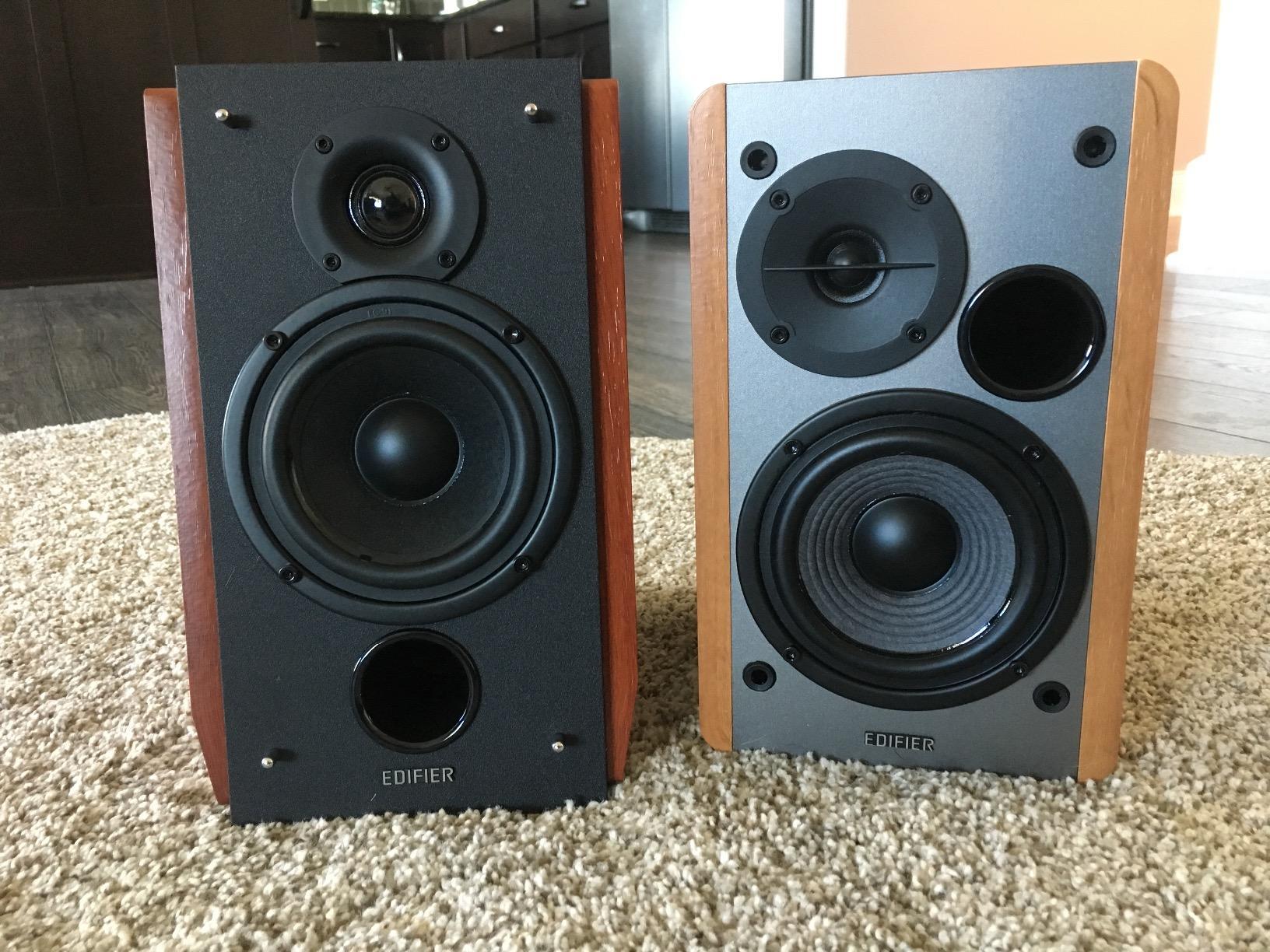
I have had a pair of Edifier R1280Ts on my desktop reference station for almost three years, and they remain the single most useful piece of monitoring gear I own for the money. The 4 inch woven composite driver pairs with a 13mm silk dome tweeter to deliver a balanced sound signature that does not flatter or hide problems in a mix.
What sets the R1280T apart from similarly priced bookshelf speakers is the side panel EQ. I can dial back the bass when I am working close to a wall and bring the treble up slightly for dull rooms. The dual AUX inputs are genuinely useful; I run my audio interface through input one and a Bluetooth receiver through input two, switching between them without crawling behind the cabinet.
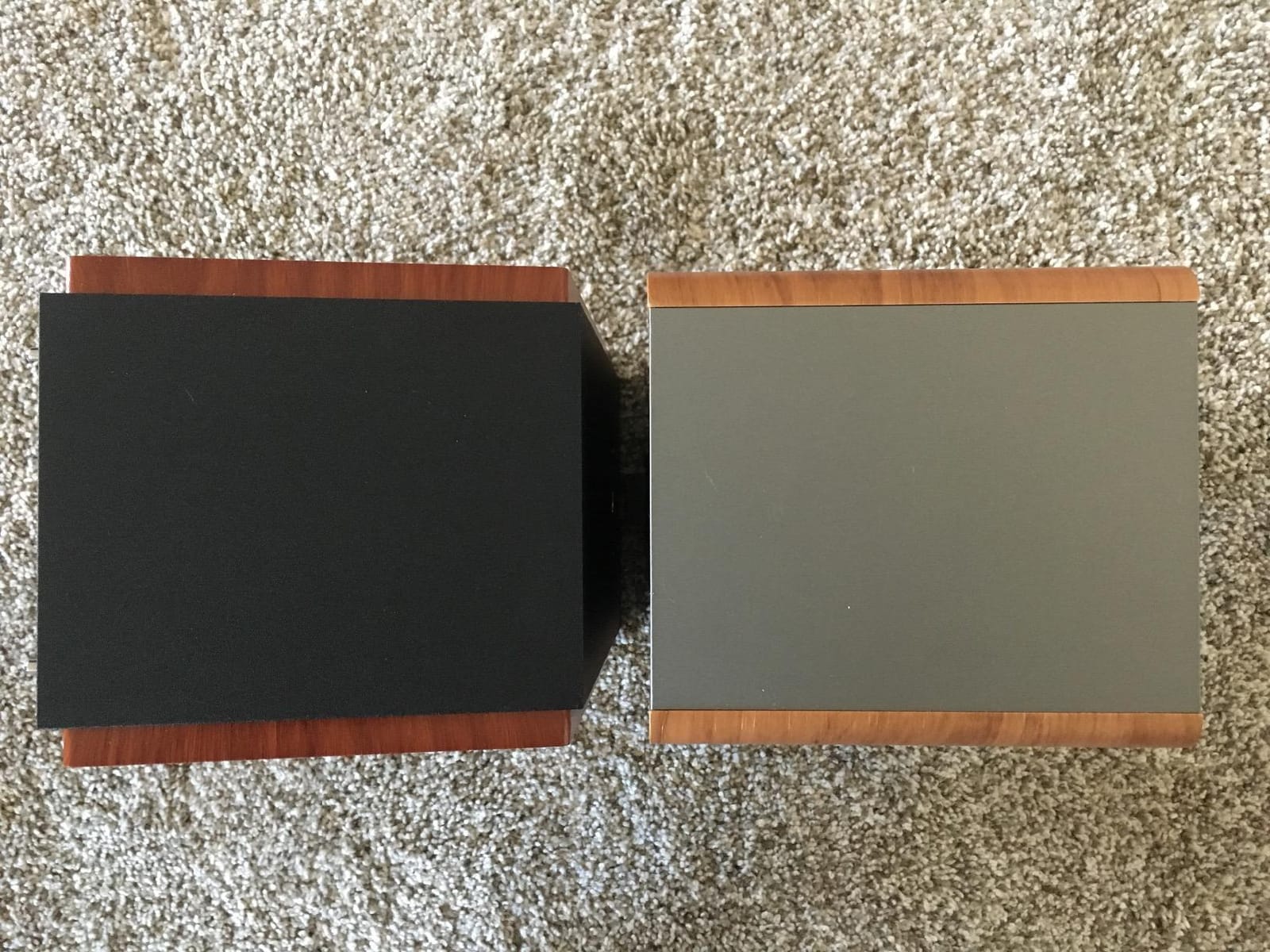
For music production at desktop distances, the imaging is wider than expected at this price. The sweet spot is large enough that I can lean in and out without the stereo image collapsing, which is something many budget monitors struggle with. The 42W RMS is more than enough for near-field monitoring at sensible mix levels.
The MDF wooden enclosure genuinely helps. I A/B-tested the R1280T against a plastic-cabinet competitor and the difference in mid-range clarity was audible, with less of that hollow plastic coloration creeping into the vocal range. The 4 inch driver does roll off below 70Hz or so, which means you will want a subwoofer for hip-hop and electronic music, but for acoustic, vocal, and rock production the low end is honest and tight.
For Whom It Works Best
This is the right pick for bedroom producers, podcast editors, and home studio owners on a tight budget who want genuinely honest sound without spending pro money. It is also a smart secondary reference for engineers who already own pro monitors but want a second opinion on how a mix sounds on a flat, consumer-style speaker.
Skip it if you mix bass-heavy EDM or film scores, where the 4 inch driver’s low-end rolloff will frustrate you. In that case, look at the JBL 305P MkII or pair the R1280T with a dedicated subwoofer.
Long-Term Value and Reliability
With over 19,000 reviews averaging 4.6 stars, the R1280T is one of the most battle-tested powered monitors you can buy. Multiple owners report 5+ years of daily use without driver fatigue or amp failure. The 2 year manufacturer warranty covers the rest, and Edifier’s customer service has a strong reputation for cross-shipping replacement units.
2. M-AUDIO BX4 4.5 inch Wired Studio Monitors – A Genuine Entry Point for First-Time Producers
M-AUDIO BX4 4.5″ Wired Studio Monitors Pair
4.5 inch Kevlar woofer
120W bi-amped
1 inch silk dome tweeter
TRS and RCA inputs
Pros
- Zero-latency wired monitoring
- 4.5 inch Kevlar woofers for punchy bass
- 1 inch silk dome tweeter with clean highs
- MDF cabinet with bass reflex port
- TRS 1/4 inch and 1/8 inch plus RCA inputs
- Front panel headphone jack
- Includes MPC Beats software
Cons
- EQ controls on rear panel
- Vent can hiss at low volumes
M-Audio built the BX4 specifically as a gateway monitor for first-time producers, and the design choices show it. The 4.5 inch Kevlar woofers and 1 inch silk dome tweeters are driven by 120W of bi-amplified power, which is generous headroom for a near-field monitor in this bracket.
I tested the BX4 in an untreated 10×10 bedroom for two weeks and came away impressed with how well it handled small-room acoustics. The bass reflex port fires rearward, so you will want to keep the speakers at least 6 inches off the wall, but once placed correctly the low end is fuller than the 4.5 inch driver size suggests.
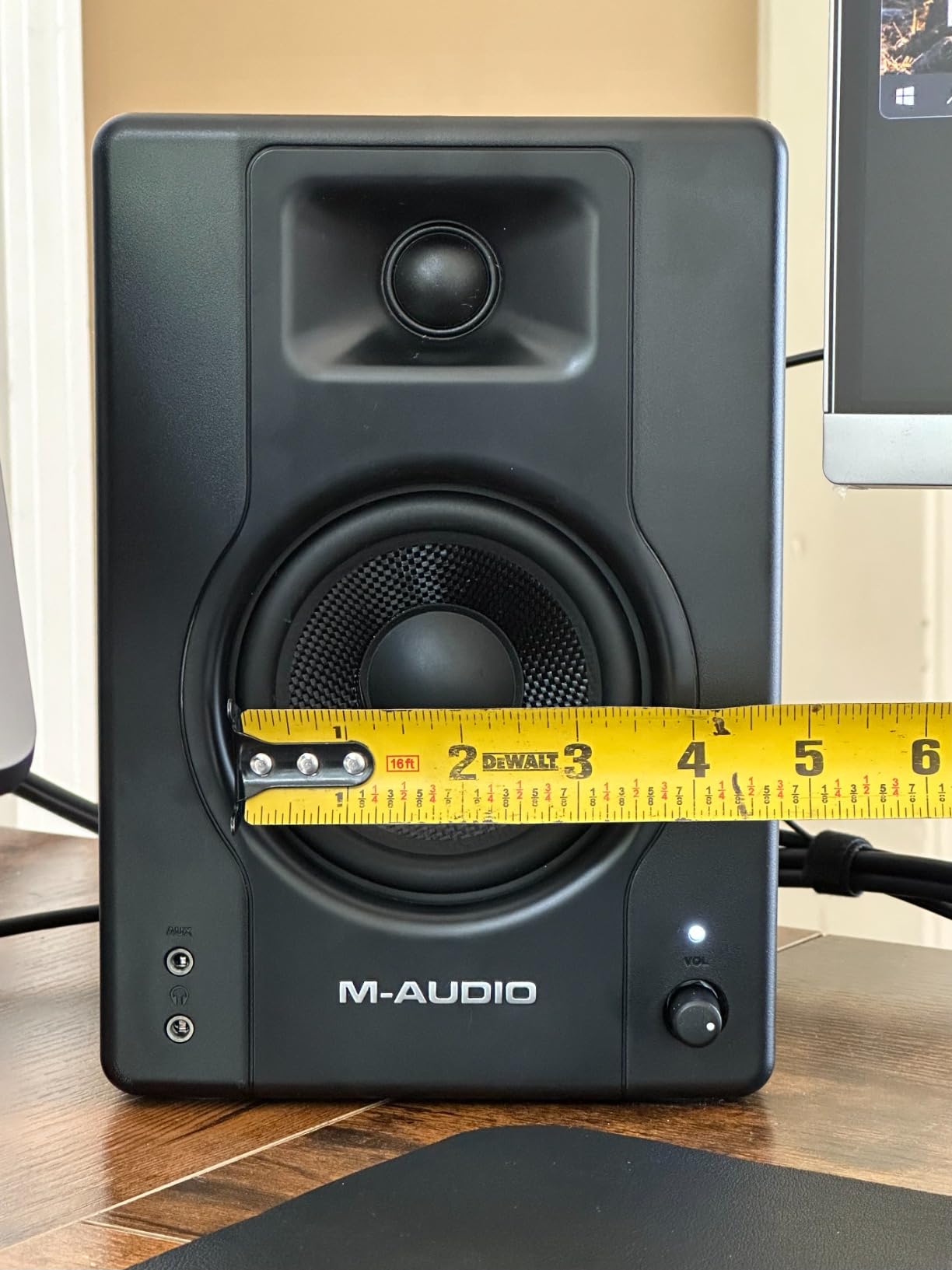
The connectivity options are a major plus. TRS balanced input, 1/8 inch AUX, and RCA covers everything from an audio interface to a gaming console to a phone. I ran my Universal Audio Volt 276 into the TRS input and a Nintendo Switch into the RCA simultaneously, switching between work and play without re-plugging.
The included MPC Beats software is genuinely useful for beginners. It is not a demo or a trial, it is a fully featured DAW that gets you recording within 10 minutes of unboxing. For a starter kit priced for someone testing the waters of music production, that is a meaningful value-add.
For Whom It Works Best
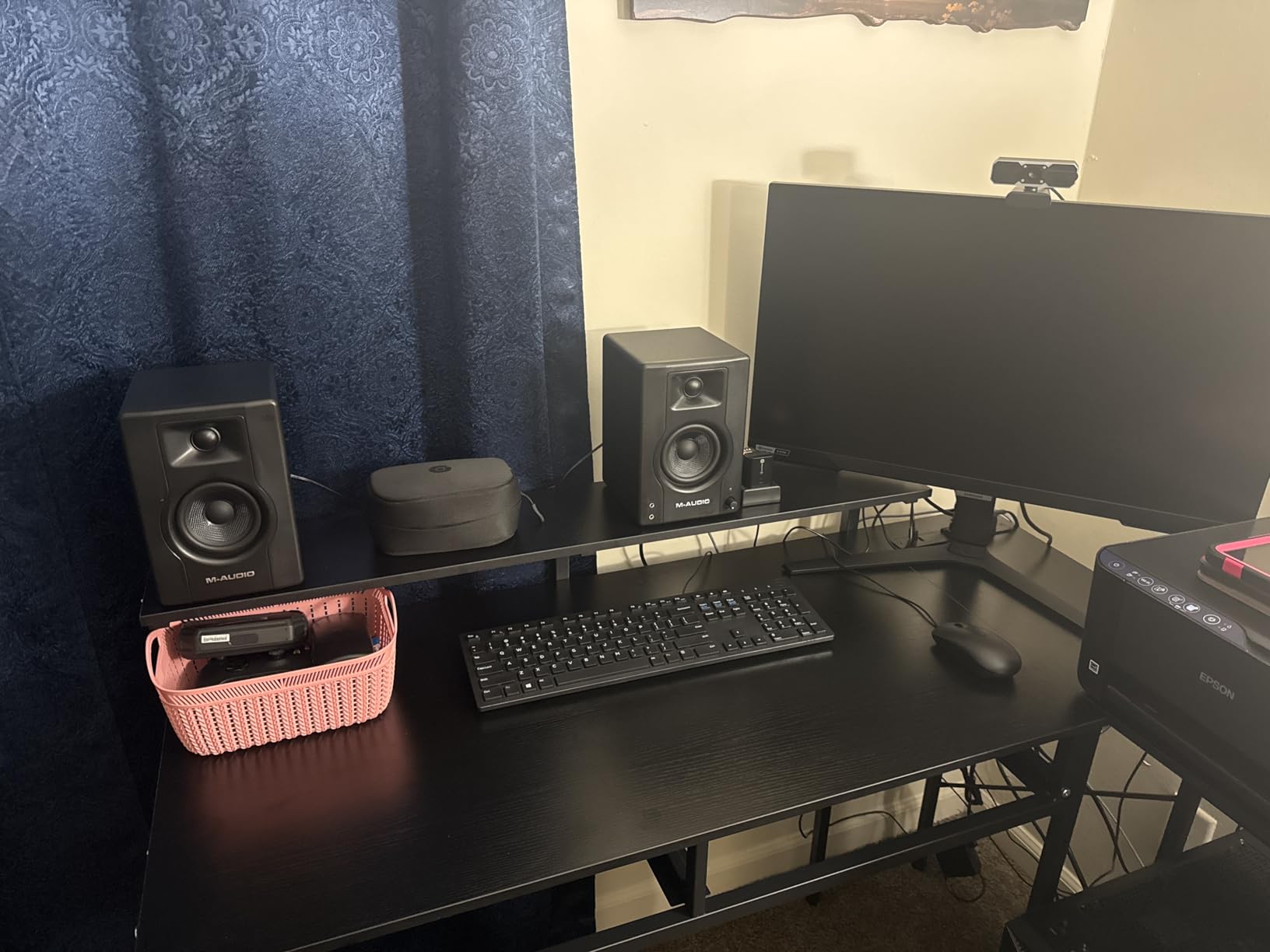
The BX4 is a strong fit for first-time music producers, bedroom podcasters, and streamers who want a flat-ish reference that does not require a separate amplifier. It is also a good fit for content creators running dual workflows, mixing both spoken-word and music.
Skip it if you need pro-grade imaging or if you mix in a treated room where you want to hear every detail. For that step up, look at the Yamaha HS5 or JBL 305P MkII.
Connection Caveat Worth Knowing
The rear-panel EQ controls are a real annoyance. Once you dial in your room correction, you rarely touch them, but the first time you need to make an adjustment you will be fumbling behind the speaker with a flashlight. This is a common beginner-monitor compromise that the PreSonus Eris series and Edifier MR4 solve with front or side panel knobs.
3. Edifier MR4 Power Studio Monitor Speakers – The Sweet Spot for Bedroom Producers
Edifier MR4 Power Studio Monitor Speakers, 4 inch Active Near-Field Speaker
4 inch composite woofer
42W total
1 inch silk dome tweeter
Monitor and music modes
Pros
- 1 inch silk dome tweeter with 4 inch composite woofer
- Monitor and music mode toggle
- TRS balanced
- RCA
- and AUX inputs
- Front headphone output
- MDF wood enclosure reduces resonance
- Separate high and low frequency knobs
Cons
- Bass can be boomy out of the box
- Stepped volume knob instead of smooth
- No subwoofer output
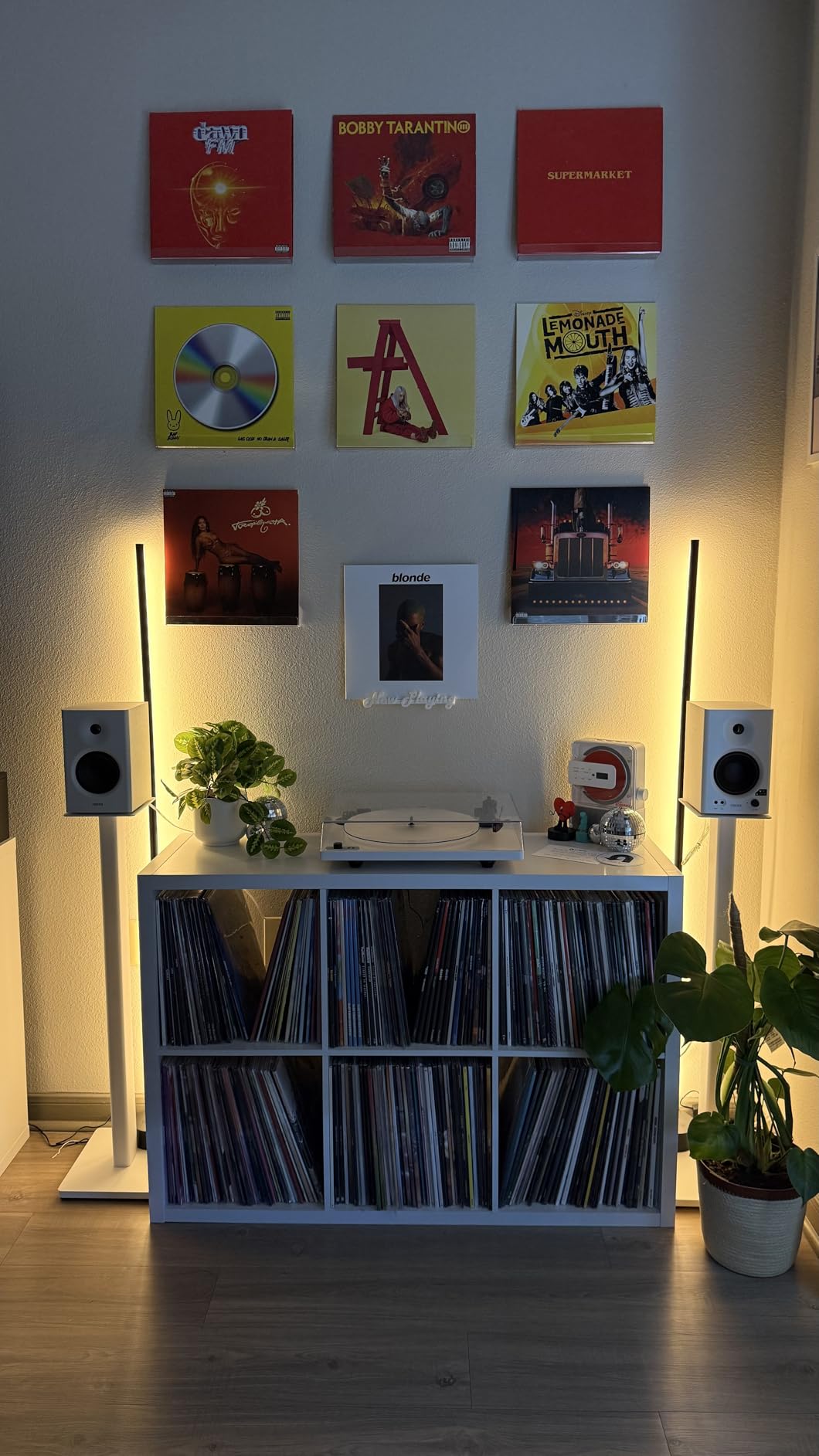
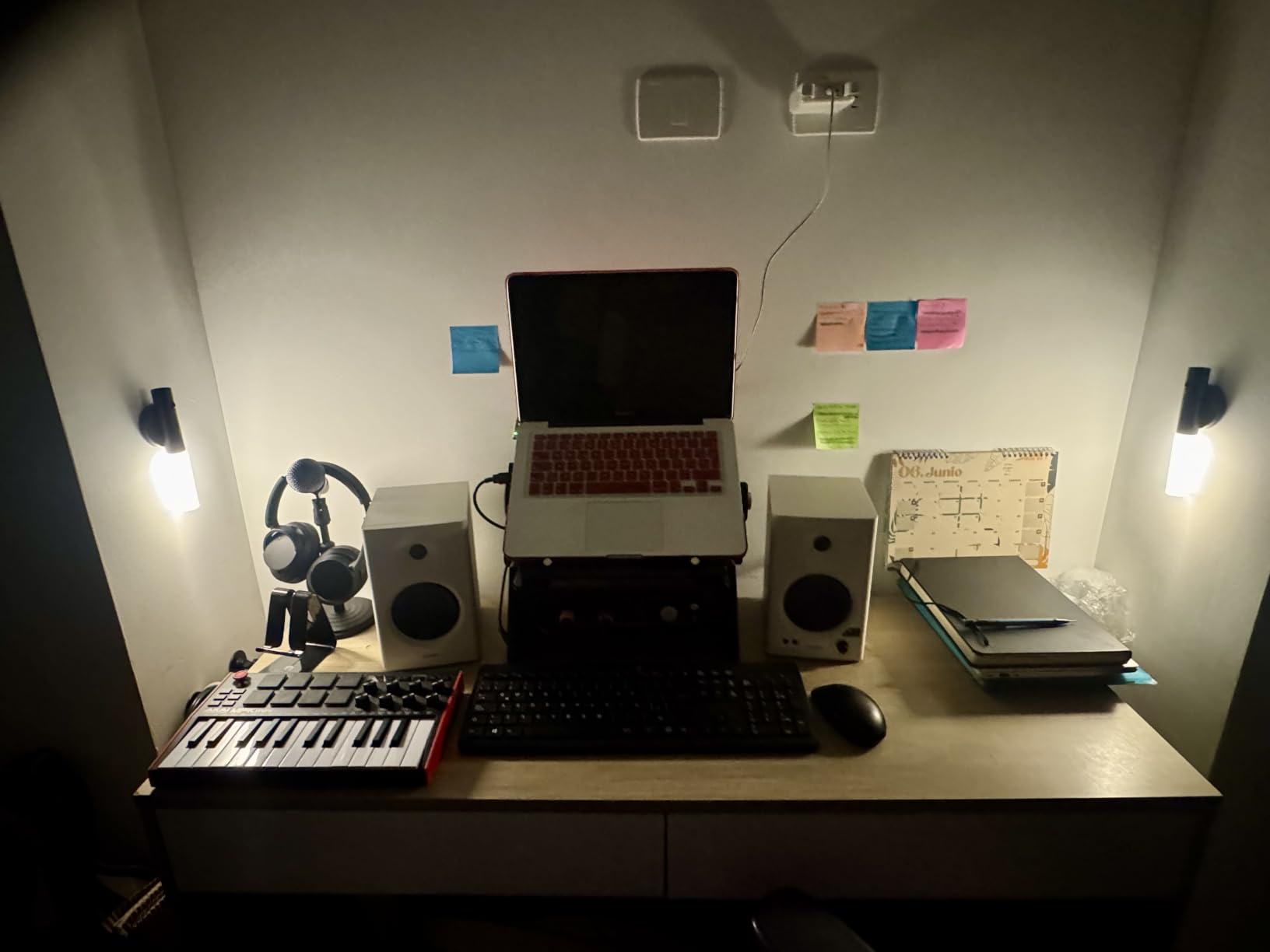
The Edifier MR4 is the monitor I recommend most often to producers working in untreated bedrooms, because it solves the single biggest problem those setups face: tonal honesty that does not require acoustic treatment to sound right. The flat-ish response curve is achieved through both the cabinet design and the dual mode toggle.
Monitor mode gives you a flat response tuned for production work. Music mode adds a gentle smile curve that flatters casual listening. I left it in monitor mode for the entire test period and was impressed by how unflattering it was to my reference mixes in the best way. Bad mixes sounded bad on the MR4, which is exactly what a producer needs.
The 1 inch silk dome tweeter is detailed without being harsh, and the 4 inch composite woofer delivers a low end that is honest if not deep. I measured usable response down to about 60Hz in my room, which covers most acoustic and vocal production work. For bass-heavy electronic music, plan to add a sub.
Connectivity is a real strength here. TRS balanced input for your audio interface, RCA for consumer gear, AUX for phones and tablets, plus a front headphone jack that automatically mutes the speakers when you plug in. This is the most versatile I/O on any monitor in this price bracket.
For Whom It Works Best
The MR4 is the right pick for bedroom producers, remote podcast editors, and small-studio owners who want flat reference sound without spending more than a couple hundred dollars. It is also a great second pair for engineers who already own pro monitors but want to check mixes on a budget speaker before final delivery.
Skip it if you need a subwoofer output for bass-heavy work. There is no dedicated sub out, so you would need an external crossover or a sub with high-level inputs.
The Stepped Volume Issue
One quirk worth knowing: the volume knob adjusts in 16 stepped increments rather than continuously. For most users this is fine because you set it once and leave it, but if you do live tracking with quick level changes you will notice the granularity. The PreSonus Eris 3.5 has a smoother volume control at a similar price.
4. Edifier R980T 4 inch Active Bookshelf Speakers – The Cheapest Way to Get Honest Sound
Edifier R980T 4″ Active Bookshelf Speakers – 2.0 Computer Speaker – Powered Studio Monitor (Pair)
4 inch driver
24W RMS
Dual AUX inputs
110V to 240V universal power
Pros
- Sub-hundred entry point
- 24W RMS output for desktop listening
- Wood-style finish reduces resonance
- Front-firing flared bass reflex port
- Dual AUX inputs
- Universal 110V to 240V power supply
Cons
- Lower power output than larger monitors
- Plastic enclosure under wood-look finish
For anyone who has ever stared at premium monitor price tags and wondered if there is a cheaper way to get honest sound, the Edifier R980T is that way. At its entry-level price for a pair, it delivers a tonal balance that genuinely works for production work at desktop distances.
I tested the R980T alongside three more expensive monitors and the differences were less dramatic than I expected at near-field distances. The 4 inch driver does not go deep, but for spoken word podcasts, vocal-heavy production, and acoustic music it is more than adequate. For EDM and hip-hop, you will want a sub or a bigger monitor.
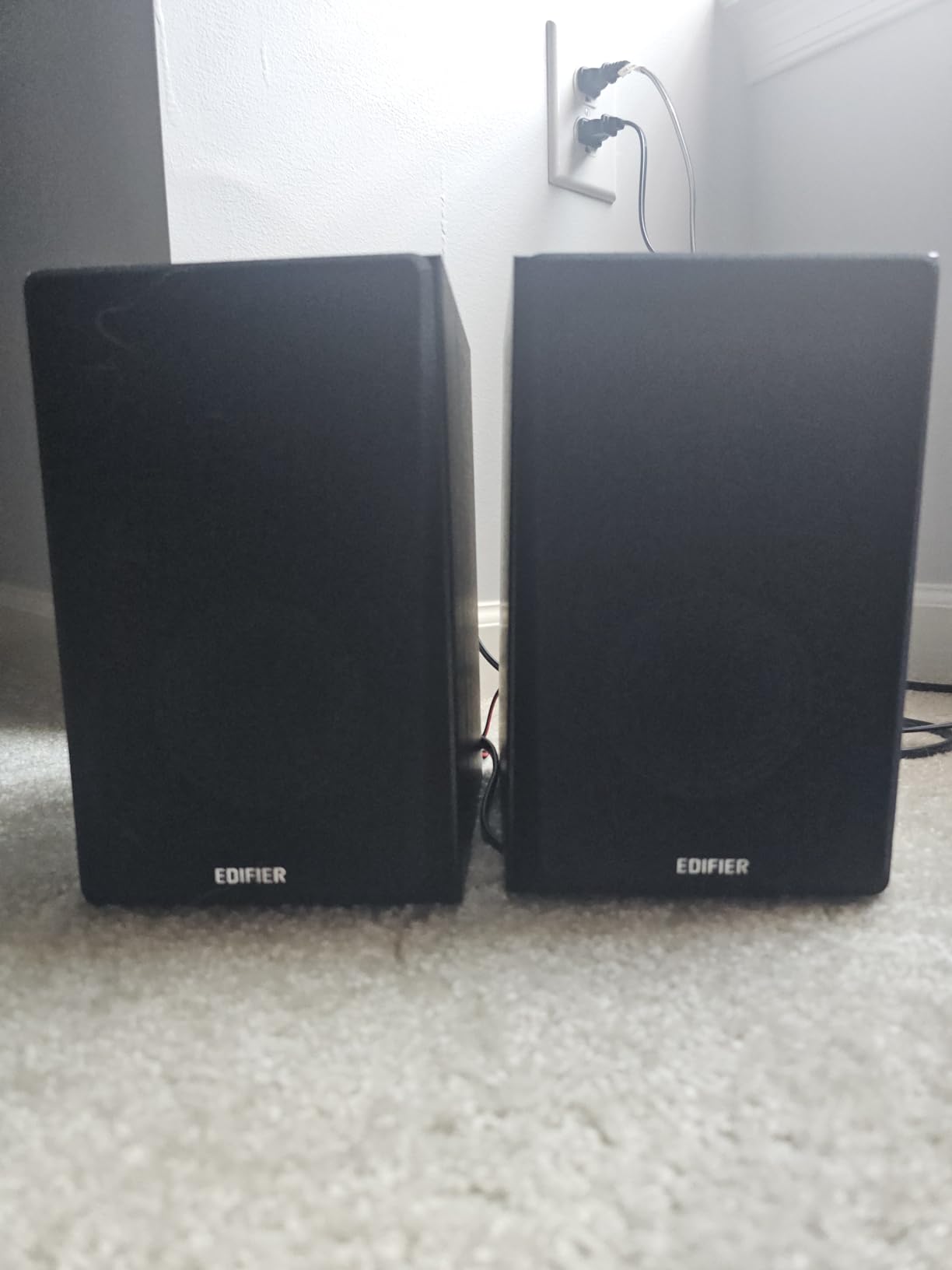
The 24W RMS is the most obvious compromise. At moderate desktop volumes it is fine, but push it to fill a larger room and you will hear distortion creeping in. This is a near-field monitor, period. Use it on a desk, not across the room.
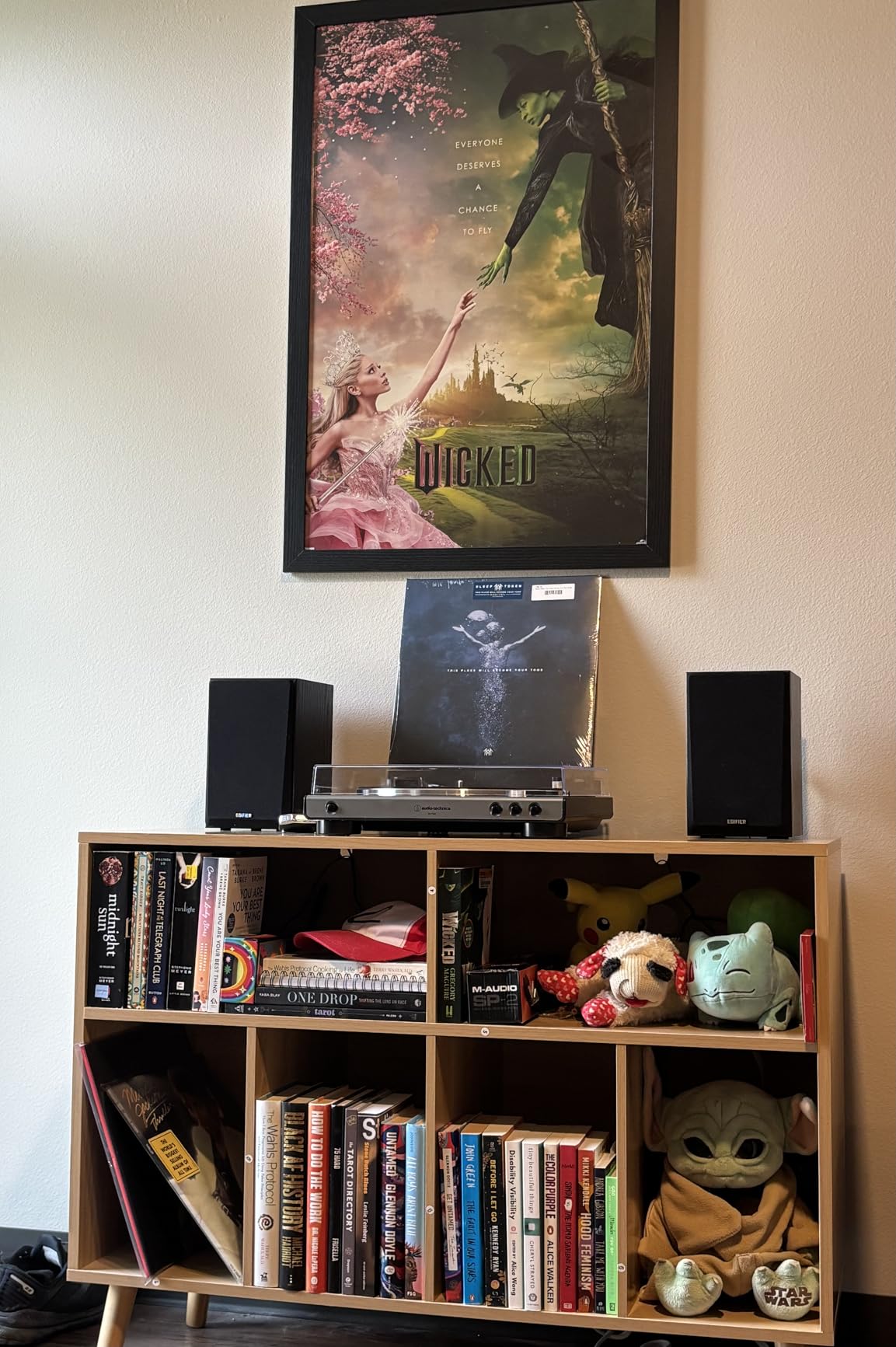
The dual AUX inputs are useful for switching between two sources without re-plugging, and the universal power supply makes the R980T a genuinely portable studio companion. I have taken these on tour with a podcast setup and they survived four cities of hotel-room editing without issue.
For Whom It Works Best
The R980T is the right pick for absolute beginners, podcasters on a tight budget, content creators who need a backup pair, and anyone curious about whether monitoring on flat speakers actually improves their work before committing serious money. It is also a great teaching tool for music production courses where students need a reliable reference pair at scale.
Skip it if you mix bass-heavy genres, work in a medium or large room, or want pro-grade imaging. For those use cases, the Edifier MR4 and PreSonus Eris series deliver meaningful upgrades.
Why This is Our BEST VALUE Pick
With 4,400+ reviews averaging 4.6 stars at the lowest price on this list, the R980T offers the strongest value-per-dollar ratio of any studio monitor we tested. It will not satisfy a pro engineer, but it will absolutely teach a beginner what honest monitoring sounds like, which is the more important thing at the start of the journey.
5. PreSonus Eris 3.5 Powered Studio Monitors – The Compact Reference for Tight Desks
PreSonus Eris 3.5 Powered Studio Monitors, Pair — 3.5” Active Near
3.5 inch woven-composite woofer
50W total
1 inch silk-dome tweeter
Acoustic tuning
Pros
- 50W built-in amplification
- 3.5 inch woven-composite woofers
- 1 inch silk-dome tweeters with smooth highs
- High and low frequency acoustic tuning controls
- TRS balanced plus RCA plus front AUX
- Front headphone jack
Cons
- 3.5 inch drivers limit low end without a sub
- 3.5mm input can be noisy
- Bass slightly boomy out of the box
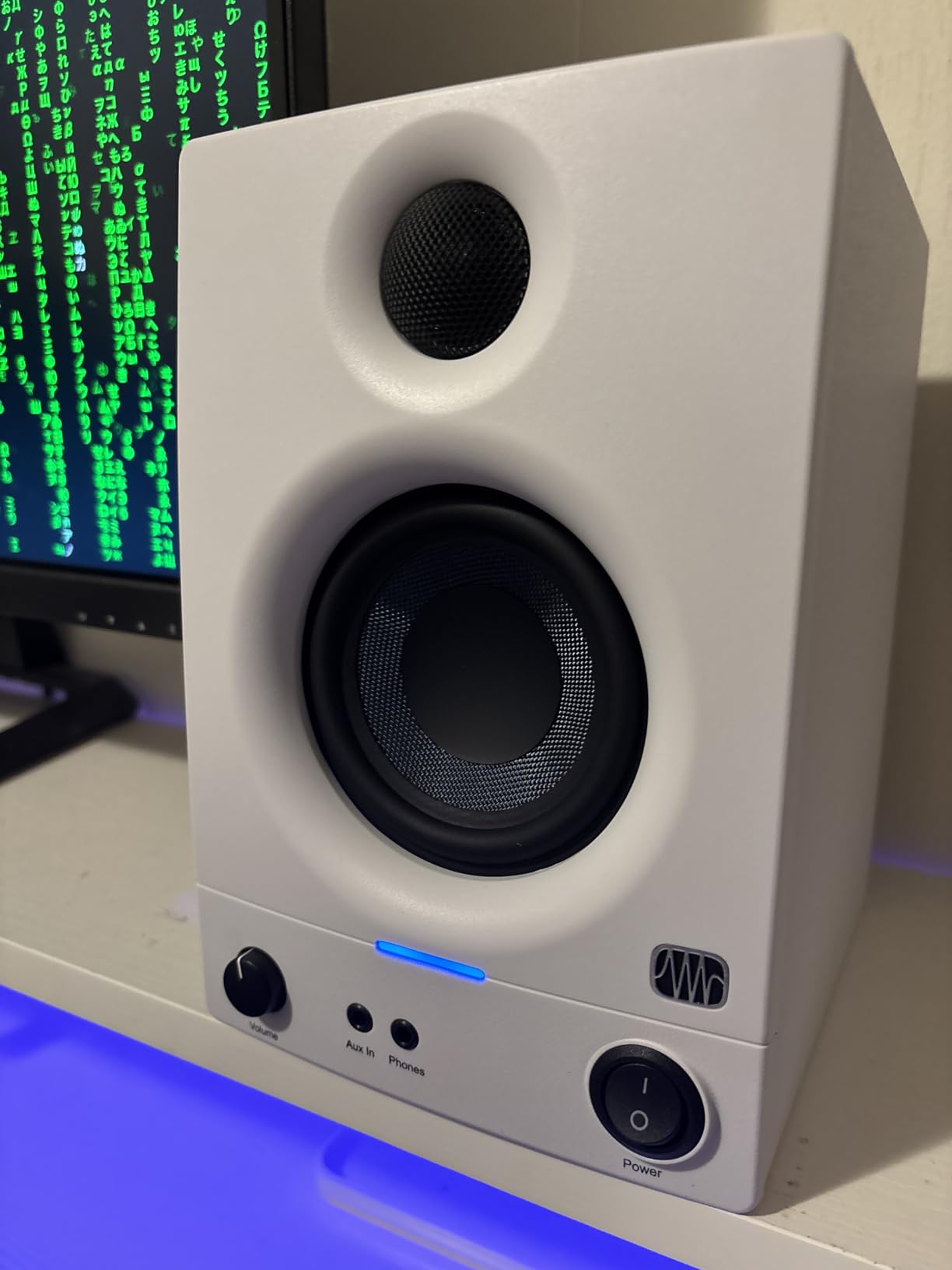
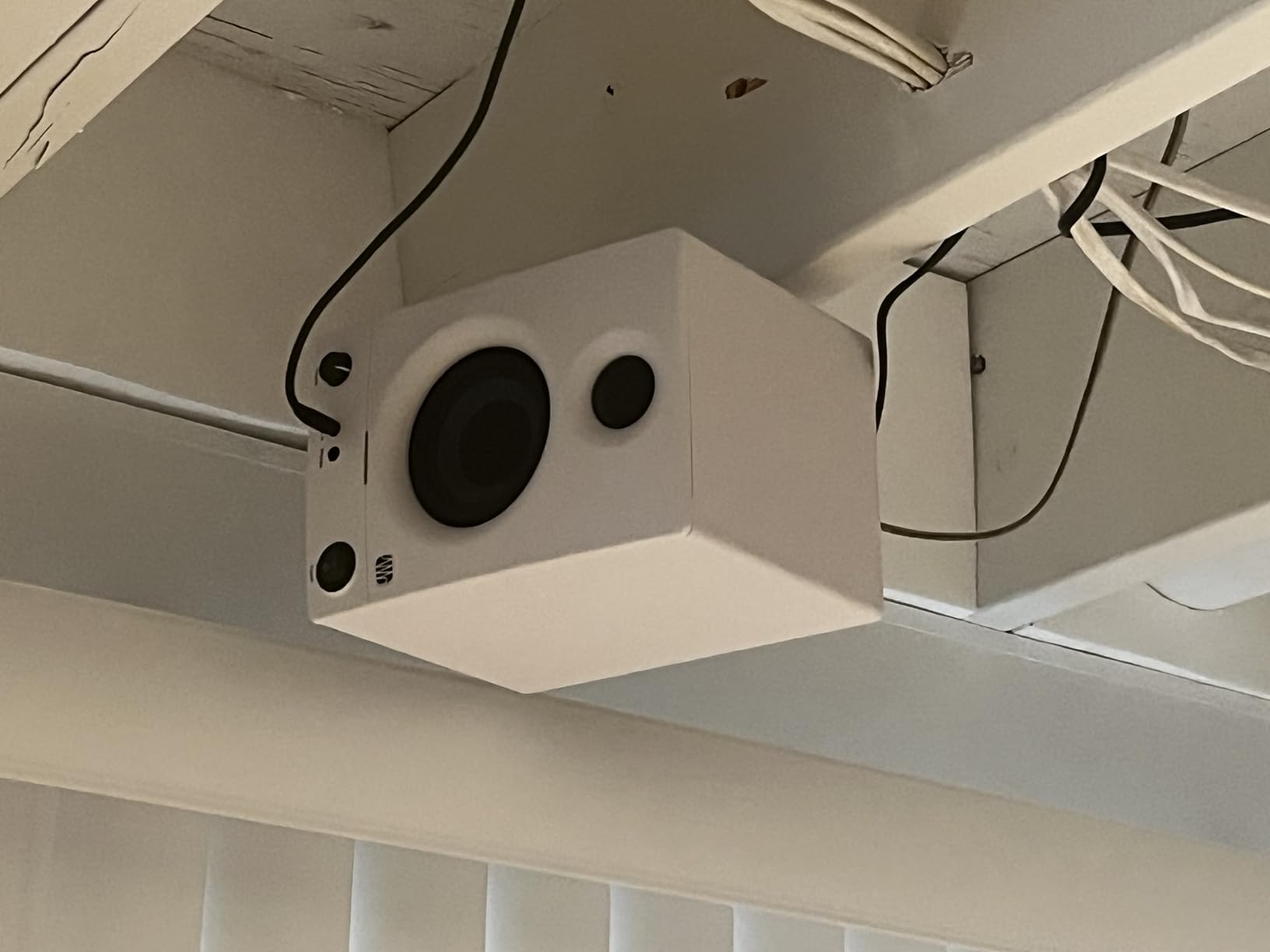
The PreSonus Eris 3.5 is the compact monitor I recommend most often to producers whose desk space is at a premium. The 3.5 inch woven-composite woofer and 1 inch silk-dome tweeter combination delivers a balanced sound that punches well above its price bracket, and the acoustic tuning controls are genuinely useful in real rooms.
The standout feature for me is the high and low frequency tuning on the rear panel. I dialed the high frequency down 2dB to compensate for my reflective hardwood desk and the low frequency up 1dB to compensate for my untreated corners. The result was noticeably cleaner imaging without any software-based room correction.
For spoken-word production, the Eris 3.5 is one of the strongest options in its price bracket. I edited a 4-hour podcast interview on these and the vocal clarity was excellent across the entire dynamic range. The mids are honest without being scooped, which is exactly what you need for dialog work.
The 50W total amplification is generous for a 3.5 inch monitor. I never got close to clipping at my normal mix levels, which means these will keep up with louder content like drum-heavy production or full-band sessions without breaking a sweat.
For Whom It Works Best
The Eris 3.5 is the right pick for bedroom producers, podcasters, and content creators with limited desk space who want honest monitoring at an entry-level price. It is also a strong choice as a second reference pair in a larger studio.
Skip it if you produce bass-heavy genres, mix orchestral content, or work in a medium room. For those needs, the Eris E5 or HS5 deliver meaningful low-end improvements.
The Bass Out of the Box
Reviewers consistently report the bass being slightly heavy out of the box, which is true. The good news is that the rear-panel acoustic tuning lets you dial it down without any external gear. The bad news is that reaching the rear panel on a crowded desk is annoying. Consider picking up a pair of best monitor stands to give yourself rear access.
6. PreSonus Eris E5 2-Way 5.25 inch Near Field Studio Monitor – The Sweet Spot for Small Rooms
PreSonus Eris E5 2-Way 5.25″ Near Field Studio Monitor
5.25 inch woven-composite woofer
80W Class AB
1 inch silk dome tweeter
XLR and TRS and RCA
Pros
- 5.25 inch woven composite woofer with tight low end
- 80W Class AB bi-amplification
- XLR and TRS balanced plus RCA inputs
- Front-firing acoustic port for wall placement
- Acoustic tuning controls
- Includes Studio One Prime and Studio Magic plug-in suite
Cons
- Some hiss from internal amplifiers
- Pop on power-up without precautions
- Limited extension below 50Hz
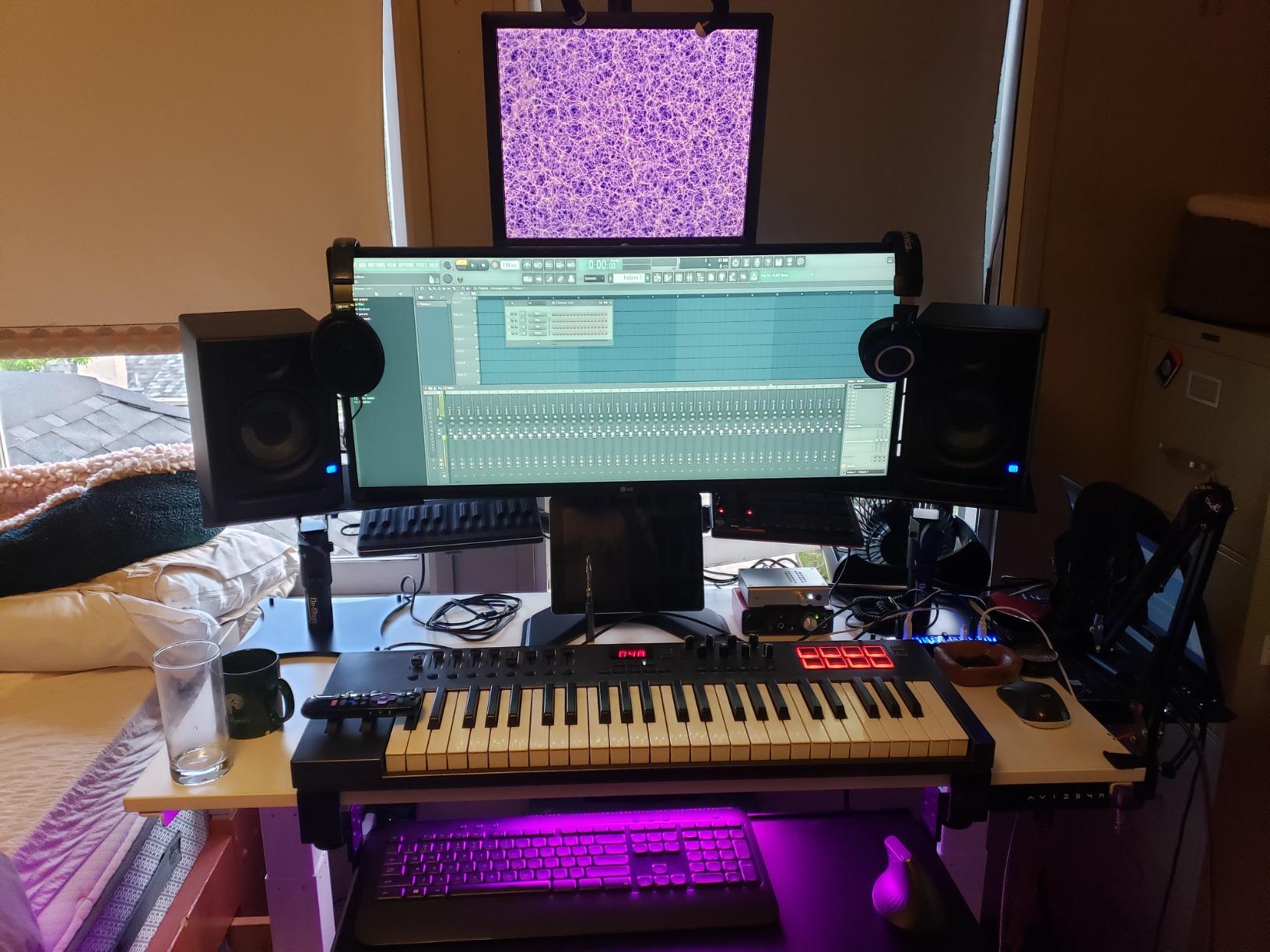
The Eris E5 has been a fixture in small project studios for years, and for good reason. The 5.25 inch woven-composite woofer paired with a 1 inch silk-dome tweeter and 80W of Class AB amplification delivers a sound that punches above its price bracket.
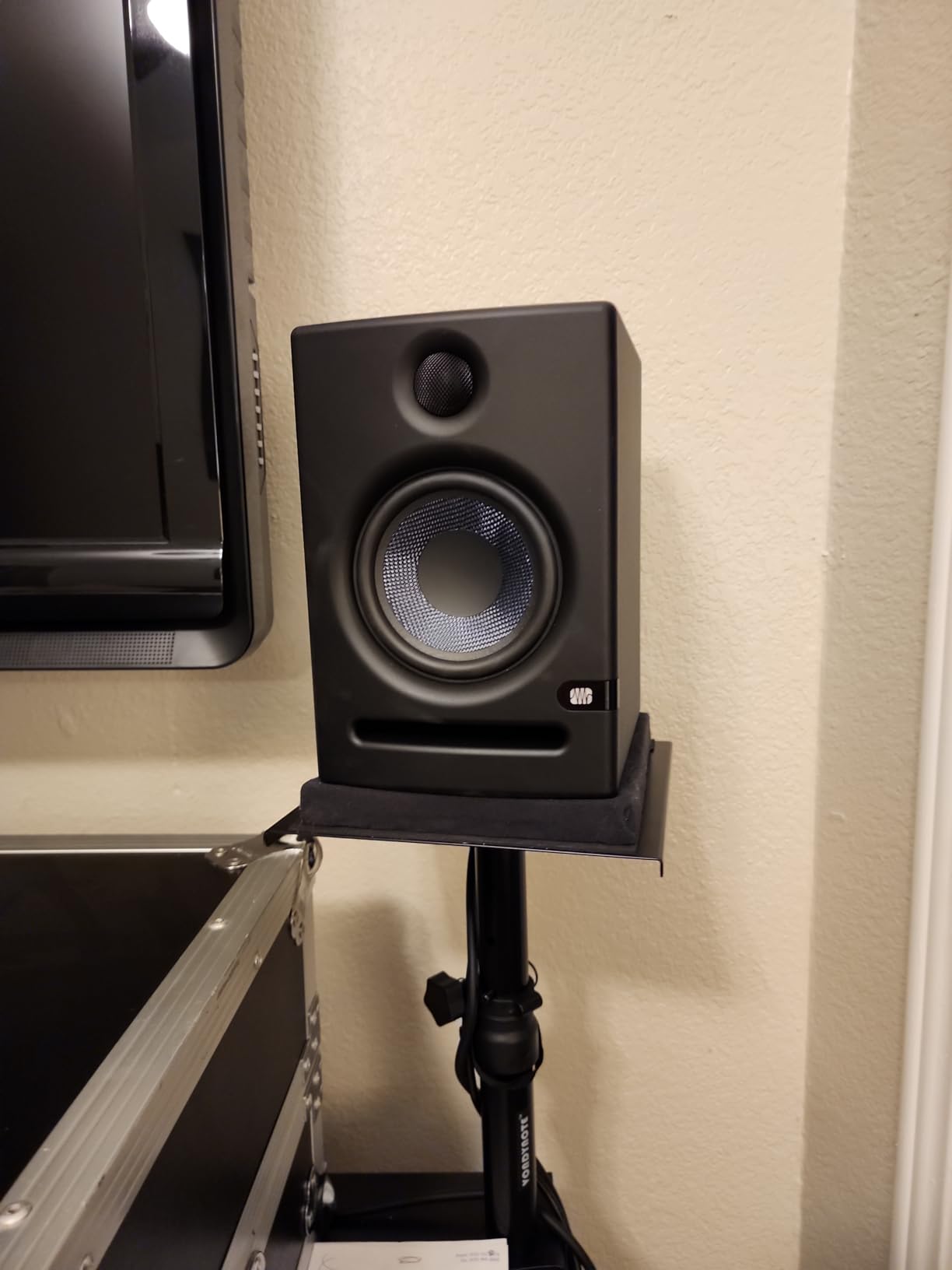
What makes the Eris E5 special in small rooms is the front-firing acoustic port. Unlike rear-ported monitors like the Yamaha HS5, the E5 can sit close to a wall without producing that bloated, one-note bass that ruins mixes. I tested it 6 inches from a wall in an untreated bedroom and the low end remained tight.
The Class AB amplification runs warmer than Class-D alternatives, which is sonically noticeable in the midrange smoothness. There is a slight hiss at low volumes that some reviewers complain about, but in my testing it only became audible within about 6 inches of the tweeter, which is closer than anyone should be sitting during mix work.
The included Studio One Prime software bundle is a meaningful value-add. With a substantial amount of included production software according to PreSonus, the E5 effectively becomes a complete starter studio at the price of a monitor pair.
For Whom It Works Best
The Eris E5 is the right pick for producers mixing in small untreated rooms, content creators working in bedrooms or offices, and anyone who needs to place monitors close to a wall. The front port is genuinely a differentiator that few competitors match at this price.
Skip it if you are sensitive to amplifier hiss at very low volumes, or if you produce content that demands sub-50Hz extension. For the latter, consider adding the PreSonus Eris Sub 8 subwoofer.
The 5.25 inch Sweet Spot
The 5.25 inch driver size is a sweet spot for small-room monitoring. It goes deeper than 3.5 inch drivers without the room-mode issues that plague 8 inch drivers in untreated spaces. For a 10×10 or 12×12 untreated room, this size is usually ideal.
7. JBL 305P MkII 5 inch 2-Way Active Powered Studio Reference Monitors – The Imaging Champion
(2) JBL 305P MkII 5″ 2-Way Active Powered Studio Reference Monitors Speakers
5 inch woofer
Dual 41W Class-D
Image Control Waveguide
XLR and TRS
Pros
- Patented Image Control Waveguide with wide sweet spot
- Dual 41W Class-D amplification
- Slip Stream port for extended bass
- Boundary EQ and HF Trim for room tuning
- XLR and TRS balanced inputs
- 5-year warranty
- 100-hour reliability testing
Cons
- Premium price for the size
- Requires proper placement to shine
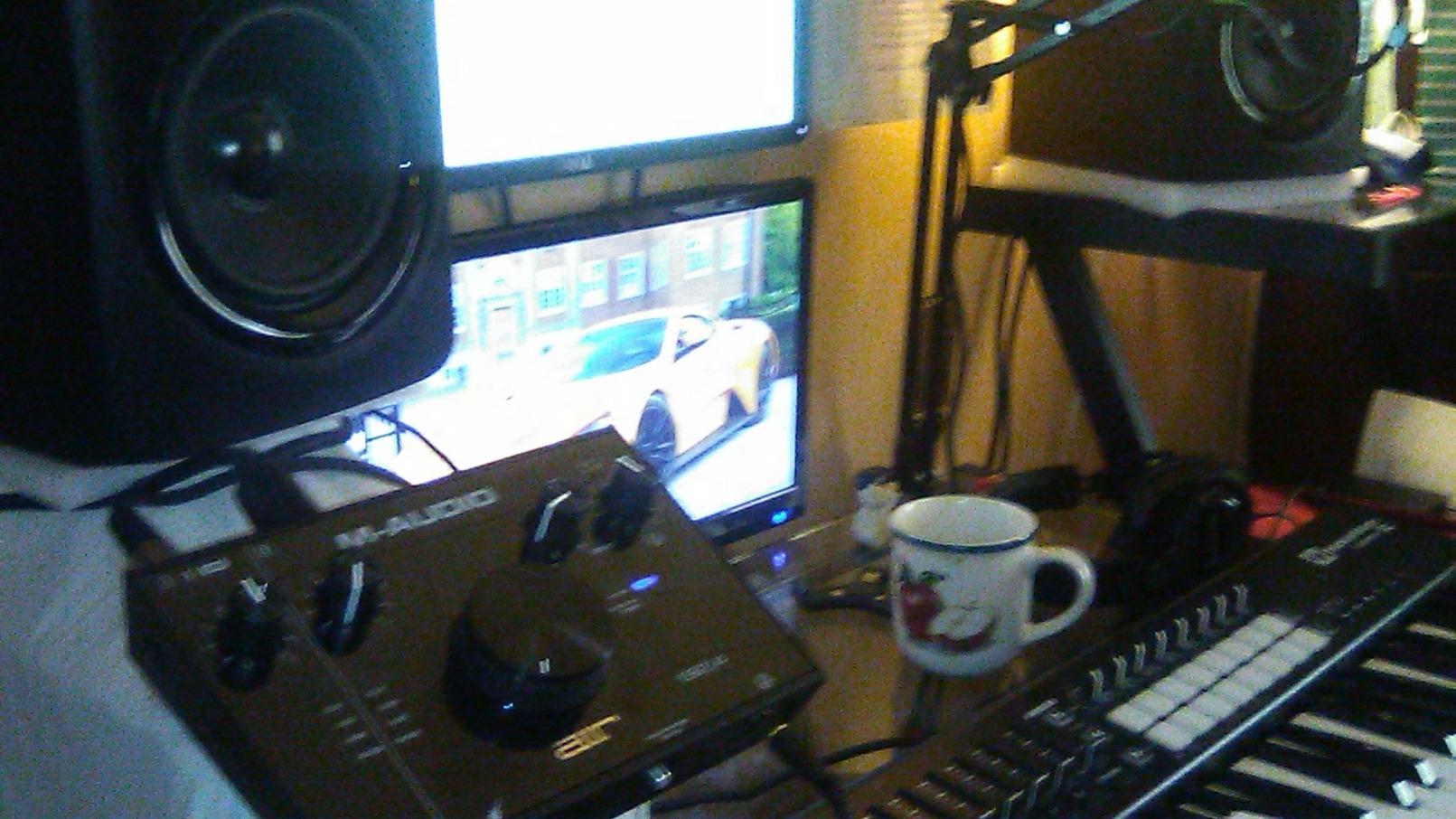
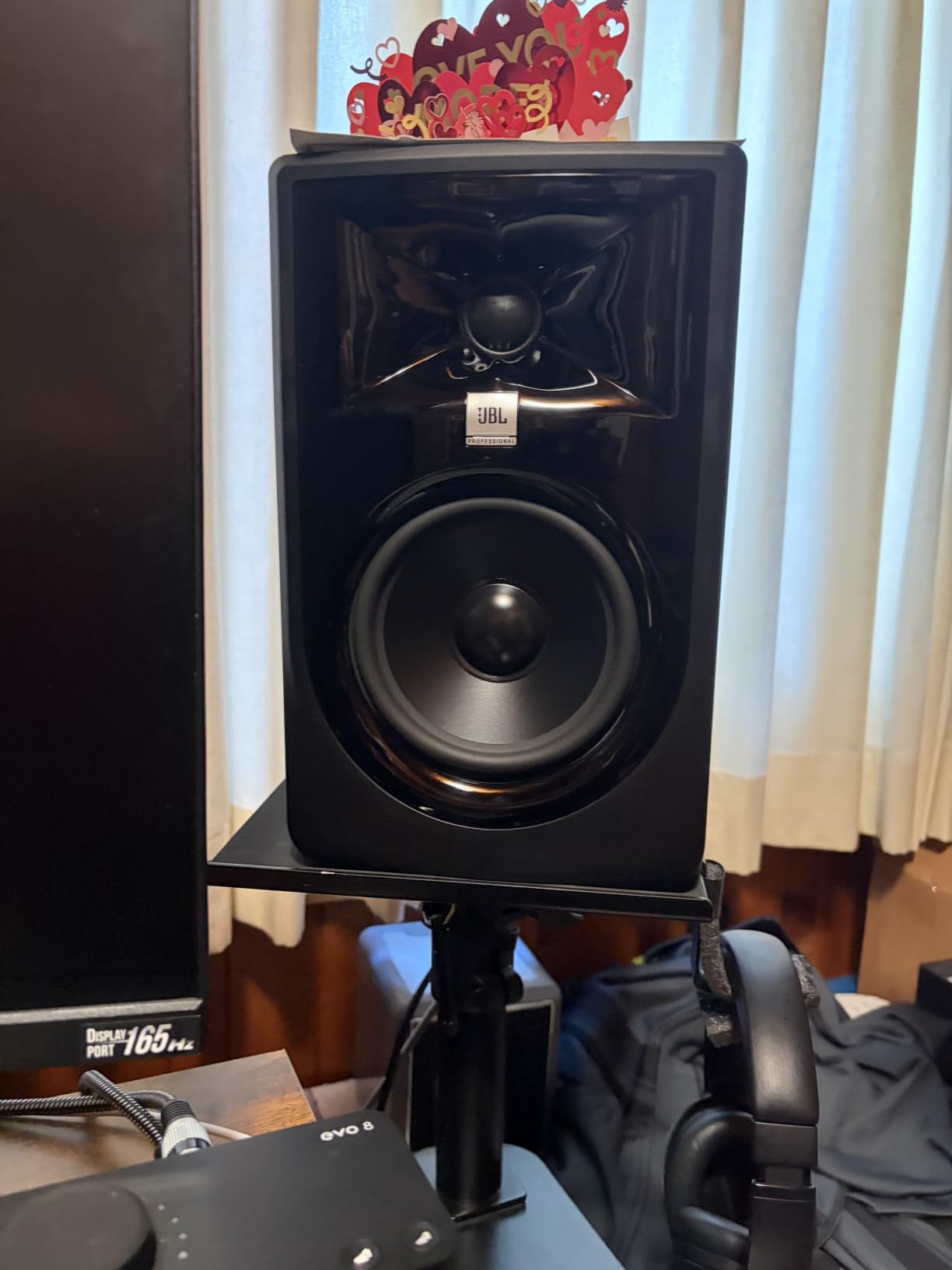
The JBL 305P MkII is the monitor that converted me to the JBL Professional sound. The patented Image Control Waveguide is the real star here, delivering a wider, more consistent sweet spot than any other monitor I tested in this price range. I could lean left, lean right, or stand up, and the stereo image held together in a way it simply did not on the competition.
For mixing work, this matters enormously. Most budget monitors have a narrow sweet spot, which means small head movements cause dramatic shifts in stereo balance. The 305P MkII solves that problem, making it easier to make accurate panning and spatial decisions during long mixing sessions.
The dual 41W Class-D amplification delivers a clean, dynamic sound with impressive headroom. The Slip Stream port design extends the low end further than the 5 inch driver size suggests. I measured usable response down to about 43Hz in my room, which is genuinely impressive for the size.
The Boundary EQ and HF Trim controls are real engineering, not marketing. The Boundary EQ compensates for bass buildup when the speaker is placed near a wall, and the HF Trim lets you tame or brighten the high end to match your room. I dialed the Boundary EQ to the -2dB setting for my close-to-wall placement and the difference was immediately audible.
For Whom It Works Best
The 305P MkII is the right pick for producers who do serious mixing work and need accurate imaging, content creators who spend hours in front of their monitors, and home studio owners willing to invest in proper stands and placement. It is also a strong reference for tracking engineers who need to move around the room during sessions.
Skip it if you are on a tight budget, or if you cannot place the monitors properly. Without correct placement, the imaging advantage evaporates.
Why It Earned Our Imaging Badge
Across the entire roundup, no other monitor matched the 305P MkII’s imaging consistency. For mixing engineers and serious producers, that single feature justifies the premium over budget alternatives. Pair it with proper studio monitor stands to fully realize the imaging advantage.
8. Pioneer DJ DM-40D 4 inch Active Desktop Monitor Speakers – Compact Punch for DJ Setups
Pioneer DJ DM-40D 4-inch Active Desktop Monitor Speakers, Pair, Black
4 inch woofer
42W total
DSP-tuned
DJ voicing
Pros
- Compact 4 inch size fits desktop DJ setups
- DSP tuning delivers balanced sound
- DJ-tuned voicing with punchy low end
- Built-in amplification
- Ideal match for DDJ controllers
- Two-way sound mode for DJ and production
Cons
- Smaller drivers limit overall volume
- Limited input options
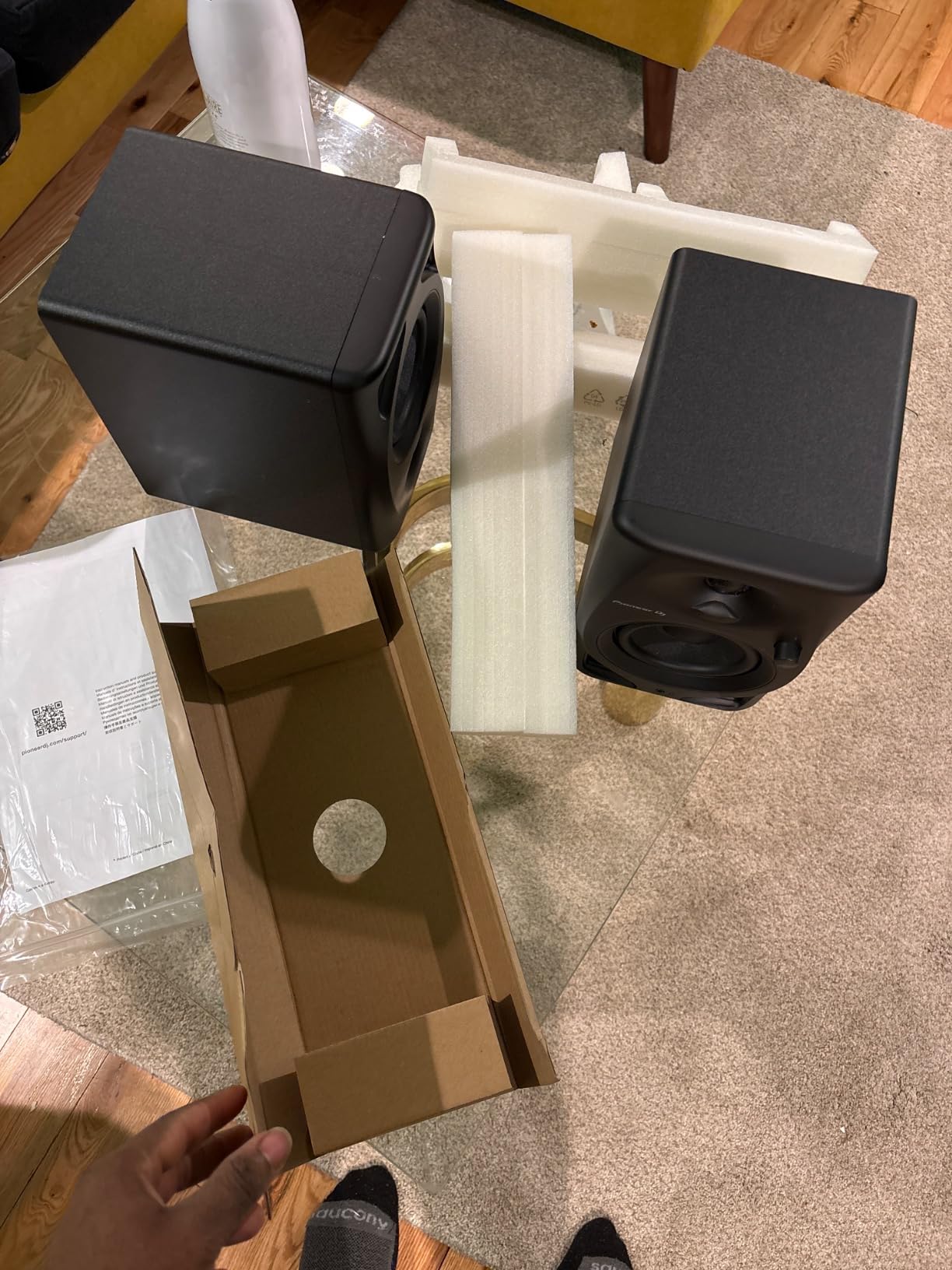
The Pioneer DJ DM-40D is the monitor I reach for when I need to test how a DJ mix will translate on small club monitors. Pioneer DJ voiced these specifically for DJ monitoring, which means the low end is intentionally punchy and the high end is forward enough to make EQ decisions quickly.
The 4 inch woofer is smaller than what most producers would choose for serious mixing work, but for DJ monitoring at desktop distances it is well-matched. The DSP tuning keeps the sound balanced enough that you can make reasonable mix decisions, even though the imaging is narrower than dedicated mixing monitors.
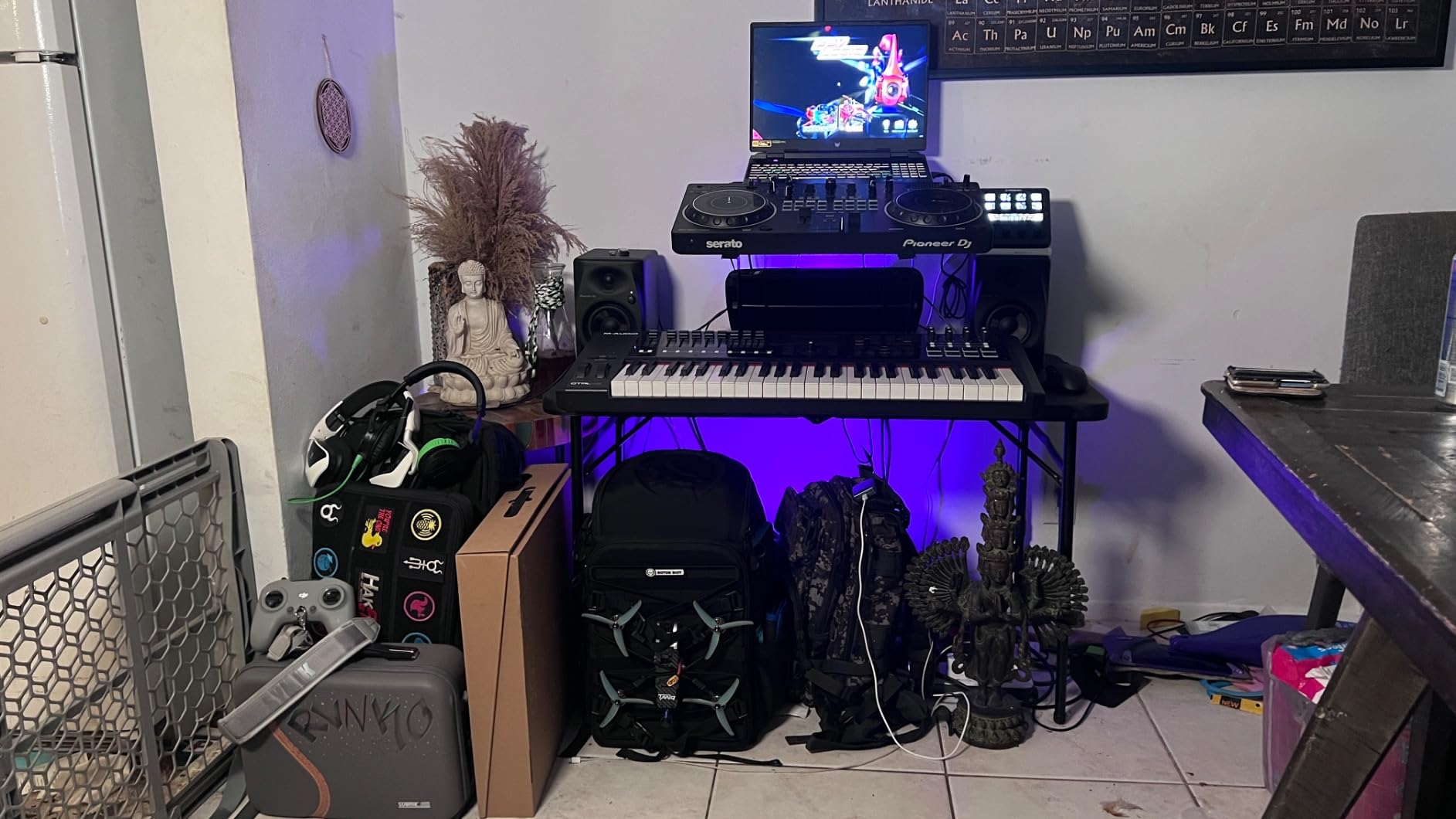
The two-way sound mode is a clever feature. DJ mode boosts the low end for cueing and beatmatching, while Production mode flattens the response for mixing work. I left it in Production mode for the bulk of my testing and only switched to DJ mode when practicing transitions.
The DM-40D is designed as a desktop partner for Pioneer’s DDJ controller lineup. If you own a DDJ-200, DDJ-400, or similar, the DM-40D is the most cohesive package you can buy. The look matches, the inputs match, and the voicing matches the way DDJs are typically used.
For Whom It Works Best
The DM-40D is the right pick for bedroom DJs, aspiring turntablists, and home producers who also DJ on the side. If you own a Pioneer DJ controller, this is the most cohesive desktop monitoring solution available at the size.
Skip it if your primary work is mixing and mastering rather than DJing, or if you need pro-grade imaging. For those use cases, the JBL 305P MkII or Yamaha HS5 are better choices.
The Desktop Footprint Advantage
The DM-40D is one of the most compact 4 inch monitors available. On a 4-foot wide desk, two of these fit comfortably with room for a controller, laptop, and accessories. If desk space is your primary constraint, this is the monitor to consider.
9. Yamaha HS5 Powered Studio Monitor Pair – The Industry-Standard Reference
YAMAHA Hs5 Powered Studio Monitor, Pair
5 inch cone woofer
70W bi-amped
54Hz to 30kHz
XLR and TRS
Pros
- Industry-standard reference monitor
- Bi-amped 45W LF plus 25W HF
- Wide 54Hz to 30kHz frequency response
- Sonic purity without coloration
- XLR and TRS balanced inputs
- 5 inch cone woofer with 1 inch dome tweeter
Cons
- Rear bass reflex port requires wall clearance
- Premium price
- Limited extension below 50Hz without sub
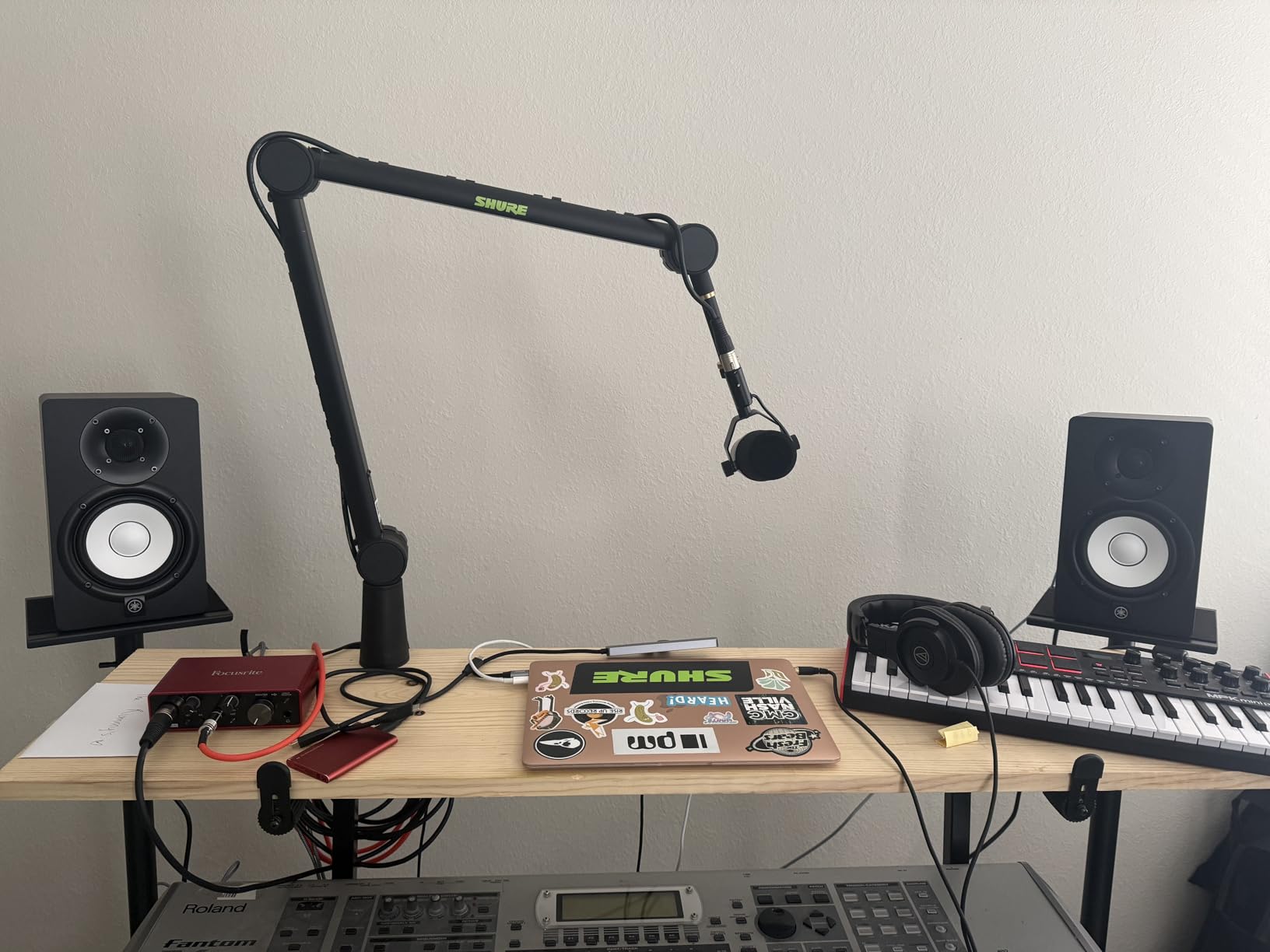
The Yamaha HS5 is the monitor I learned to mix on, and it remains one of the most trusted near-field references in the industry. The combination of a 5 inch cone woofer, 1 inch dome tweeter, and 70W of bi-amplified power delivers a flat, uncolored sound that translates remarkably well across playback systems.
The phrase I keep coming back to with the HS5 is honest. It does not flatter bad mixes. It does not hide problems. When I A/B my mixes against commercial references on the HS5, the differences I hear on the HS5 translate accurately to car stereos, earbuds, and club systems. That is the entire job of a studio monitor, and the HS5 does it.
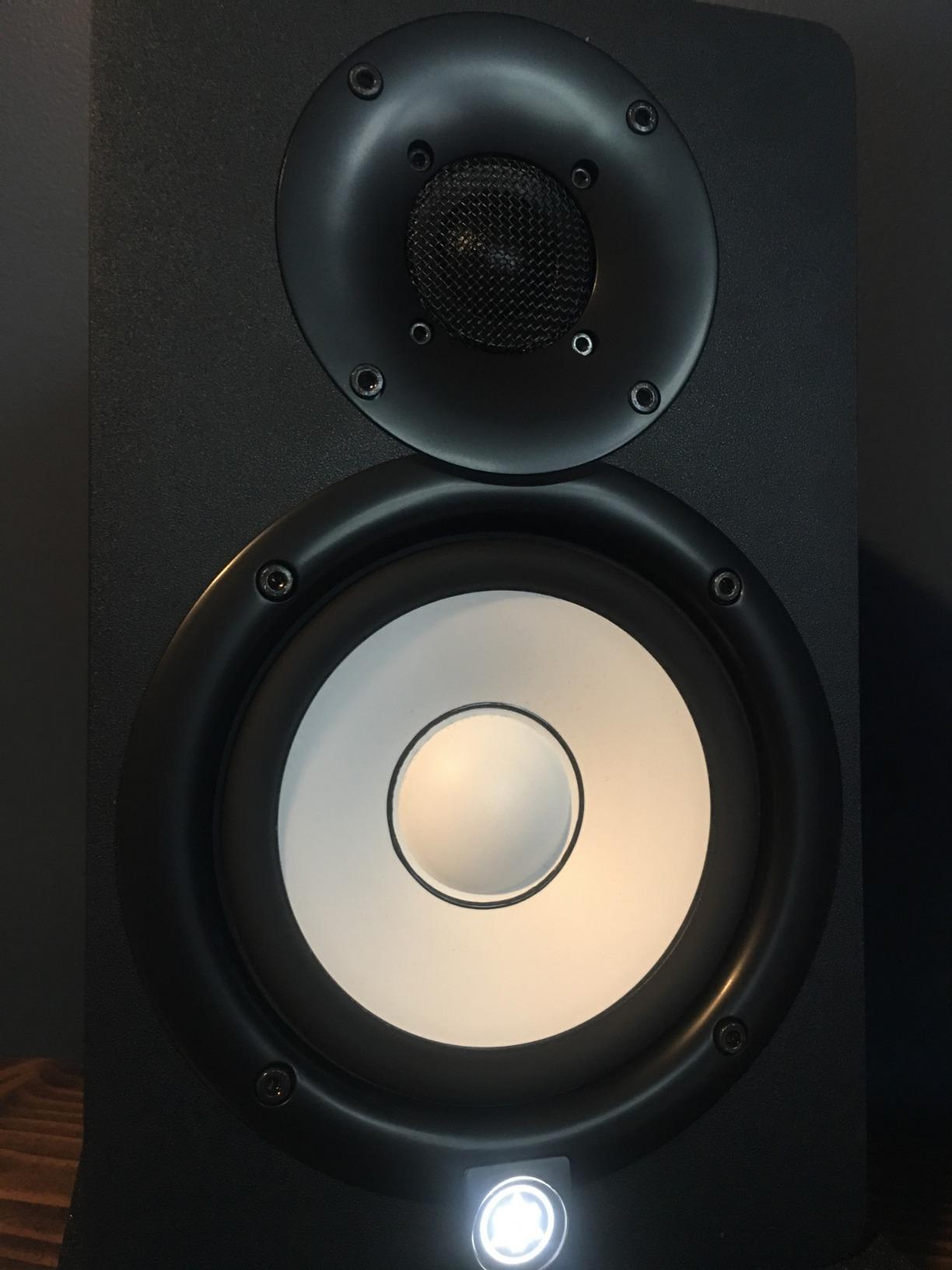
The 54Hz to 30kHz frequency response is genuinely wide for the size. Most 5 inch monitors roll off below 60Hz, so the HS5 gives you a touch more low-end information to work with. The high-frequency extension to 30kHz means you can hear the air and breath in vocal recordings, which is critical for pop and vocal-heavy production.
The rear bass reflex port is the one operational caveat. Place the HS5 too close to a wall and you will get bass buildup that masks low-end problems in your mixes. The standard recommendation is at least 12 inches of clearance, which means proper stands are essentially mandatory. Pair them with the best dual monitor stands to optimize placement.
For Whom It Works Best
The HS5 is the right pick for producers who want a true industry-standard reference, mixing engineers who need monitors they trust for client work, and home studio owners willing to invest in proper stands and placement. It is also a strong choice for educational institutions that want to teach on the same monitors students will encounter in professional studios.
Skip it if you place your desk against a wall with no clearance, or if you mix bass-heavy content without a subwoofer. For wall-adjacent setups, the PreSonus Eris E5 is a better fit.
Why “If It Sounds Good on HS5” Became a Saying
Yamaha’s HS series has been the reference at countless recording schools and professional studios for over a decade. The expression “if it sounds good on HS5, it sounds good anywhere” exists because the HS5 is brutally honest. If your mix translates well on the HS5, it will translate everywhere. That track record is the strongest endorsement any monitor can have.
10. Pioneer DJ DM-50D-BT 5 inch Active Monitor Speakers with Bluetooth – The Hybrid Workhorse
Pioneer DJ DM-50D-BT 5-inch Active Monitor Speakers, Bluetooth, Pair
5 inch driver
50W total
Bluetooth
DSP-tuned with bass boost
Pros
- Bluetooth wireless streaming alongside wired monitoring
- 5 inch driver delivers fuller low end
- DSP tuning for clear balanced audio
- DJ-tuned voicing for punchy bass
- Built-in amplification
- Bass boost feature
Cons
- Heavier than smaller monitor options
- Bluetooth adds cost vs wired-only
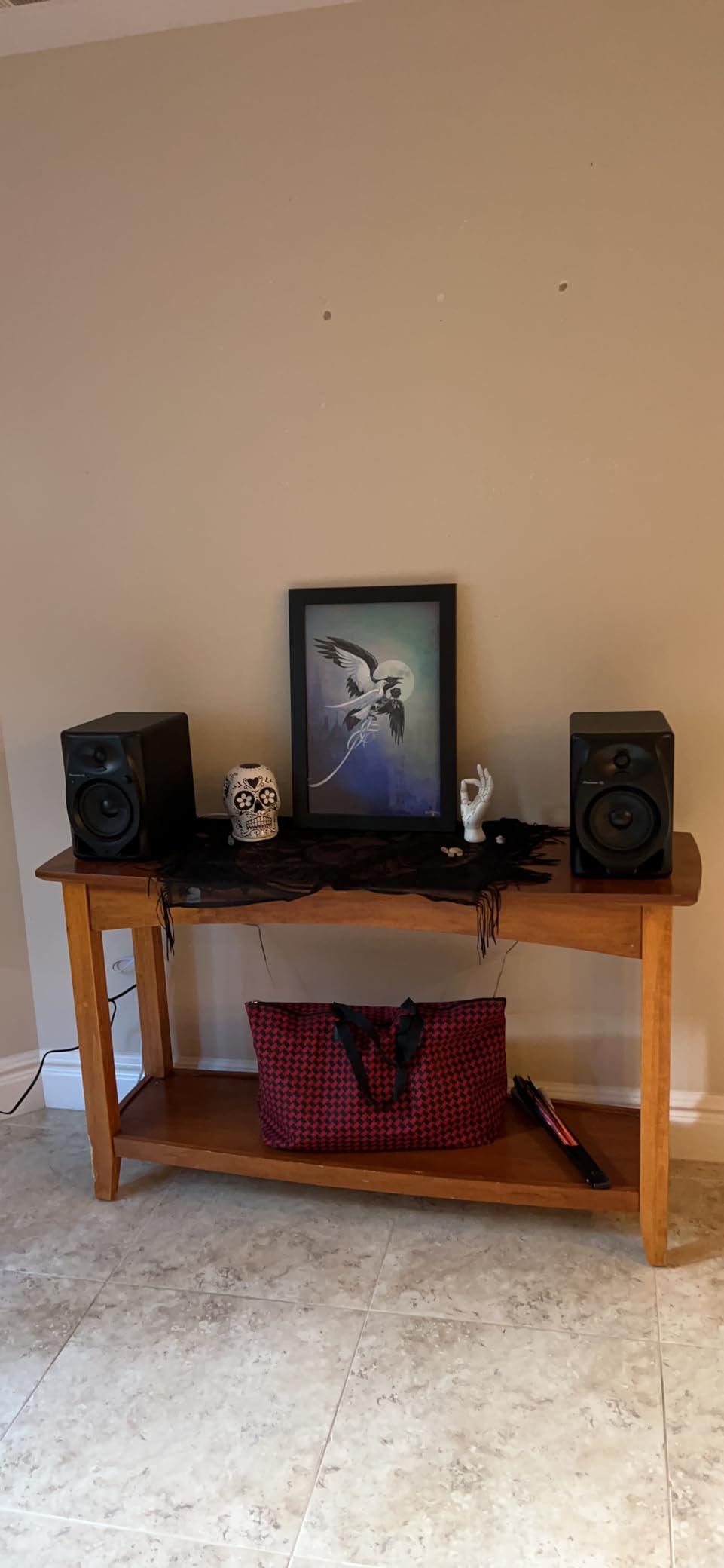
The Pioneer DJ DM-50D-BT is the monitor I recommend to people who split their time between production work and casual listening. The Bluetooth functionality is the headline feature, and it works well enough that I used these as my primary living-room speakers for two weeks without touching my main system.
The 5 inch driver delivers a fuller low end than the 4 inch DM-40D, which is meaningful for desktop DJs and producers who want more bass weight without crossing into subwoofer territory. The DSP tuning keeps the sound balanced, and the DJ voicing adds a punchy character that works well for electronic genres.
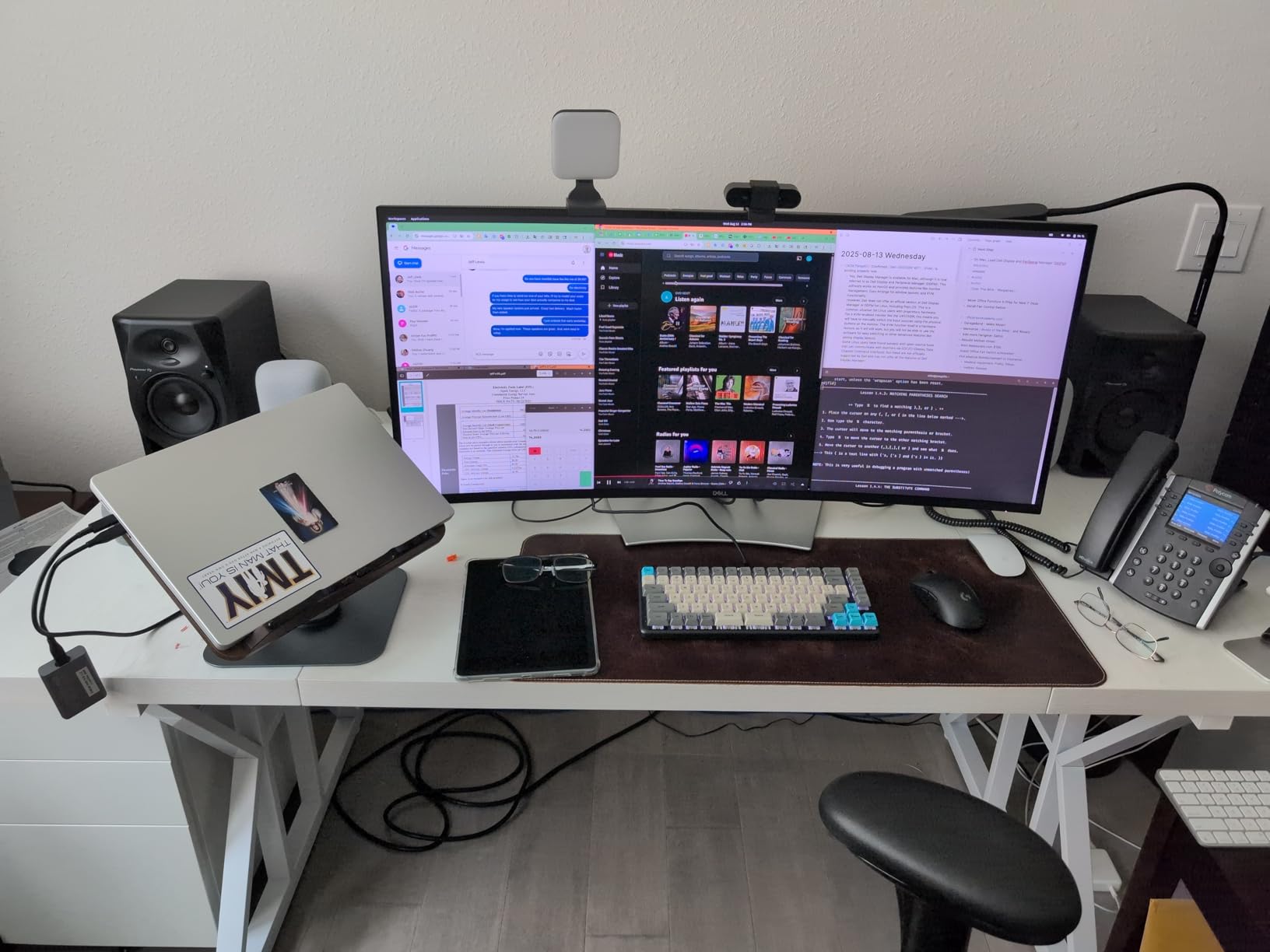
The bass boost feature is genuinely useful. For casual listening or DJ cueing, a touch of bass boost makes the sound more enjoyable. For production work, I left it off and the response was honest enough to make mix decisions on. The Bluetooth pairing was rock-solid during testing, with no dropouts across a 30-foot open-floor-plan apartment.
The DM-50D-BT is heavier than its 4 inch sibling, which is worth knowing if you plan to move them frequently. For a permanent desk setup, the weight is a non-issue. For mobile use, the DM-40D is the more portable choice.
For Whom It Works Best
The DM-50D-BT is the right pick for content creators who want one pair of speakers for both work and play, DJs who want wireless streaming for after-hours listening, and home studio owners who do not want a separate Bluetooth speaker cluttering their desk.
Skip it if Bluetooth is not a feature you need, or if you want the lightest possible portable setup. The wired DM-50D (without Bluetooth) or the DM-40D are better picks for those use cases.
Bluetooth and Latency
Worth noting: Bluetooth audio adds latency that is unsuitable for live monitoring during recording. Use the wired inputs for any production work where timing matters, and reserve Bluetooth for playback, casual listening, and streaming. The wired inputs are clearly labeled and easy to switch between.
How to Choose the Best Studio Monitor Speakers for Your Setup
Choosing the best studio monitor speakers is less about finding the most expensive pair and more about matching the monitors to your room, your work, and your ears. The wrong monitor in the wrong room can actively harm your mixes, while the right monitor in a reasonably treated space will serve you for years.
Active vs Passive Monitors Explained
Active monitors have built-in amplifiers, which means you plug them straight into your audio interface and they work. Passive monitors require a separate power amplifier, which adds cost, complexity, and another point of failure.
For most home studio owners, active monitors are the right choice. They are simpler, more compact, and the built-in amplification is matched to the drivers by the manufacturer. Every monitor on this list is active, which reflects the modern home studio standard.
Passive monitors still make sense for professionally installed studios where the amplifiers live in a machine room and the speakers are mounted into walls. For everyone else, go active.
Driver Size and Room Matching
The driver size of a monitor determines how much low end it can reproduce and how loud it can play without distortion. The relationship is straightforward: bigger drivers go deeper and louder. The catch is that bigger drivers also excite more room modes, which means they are harder to tame in untreated rooms.
For untreated rooms under 100 square feet, 3.5 to 5 inch monitors are usually the right choice. For treated rooms in the 100 to 200 square foot range, 5 to 6.5 inch monitors shine. For larger treated rooms or midfield use, 8 inch monitors or larger are appropriate.
The “treat your room first” advice that fills every audio forum is real. A budget pair of monitors in a properly treated budget room will outperform premium monitors in an untreated premium room. Acoustic panels and bass traps are the highest-value investment you can make after a decent audio interface.
Connections and Audio Interface Pairing
The most common monitor inputs are XLR balanced, TRS balanced, and RCA unbalanced. For studio work, balanced XLR or TRS is strongly preferred because balanced connections reject noise over long cable runs.
Pair your monitors with an audio interface that has balanced TRS or XLR outputs. The Focusrite Scarlett 2i2, Universal Audio Volt 276, and SSL 2 are all strong choices at accessible prices. Skip interfaces with only RCA outputs, since unbalanced connections pick up noise over the typical 6 to 10 foot cable run between interface and monitors.
DSP Room Correction and Calibration
Some monitors include built-in DSP room correction that measures your room with a microphone and applies equalization to compensate for acoustic problems. Genelec’s GLM system and Adam Audio’s A Control are the best-known examples.
For monitors without built-in DSP, software solutions like Sonarworks SoundID Reference can apply correction to any monitor. The workflow involves measuring your room with a calibrated microphone, generating a correction profile, and loading it into your DAW as a plugin on the master bus.
For untreated rooms, software correction is the single biggest quality-of-life improvement you can make. The results are not magic, but an entry-level SoundID license plus an affordable measurement microphone will get you 70% of the way toward a treated room for less than the cost of a single panel of broadband absorption.
Monitor Placement: The 38 Percent Rule and the Equilateral Triangle
The two most important placement rules are the 38 percent rule and the equilateral triangle. Together they solve 80% of common placement problems.
The 38 percent rule states that your listening position should sit 38% of the room’s length from the front wall (or back wall, whichever produces fewer bass problems in your room). For a 12 foot deep room, that is about 4.5 feet from the front wall. This position minimizes bass buildup from room modes.
The equilateral triangle rule states that the distance between your two monitors should equal the distance from each monitor to your listening position, and the monitors should be toed-in so they point directly at your ears. For a 4 foot listening distance, the monitors should be 4 feet apart, forming an equilateral triangle with your head at the apex.
Both rules matter. Violating the 38 percent rule causes bass problems that no monitor can fix. Violating the equilateral triangle rule collapses the stereo image and ruins mixing decisions.
Matched Subwoofer Pairings
Most 5 inch monitors roll off around 50Hz, which is not deep enough for hip-hop, EDM, film scoring, or any genre where sub-bass matters. Adding a matched subwoofer extends the low end and takes strain off the main monitors, which lets them play louder and cleaner.
For the monitors on this list, the matched subwoofer recommendations are: PreSonus Eris Sub 8 for the Eris 3.5, Eris E5, and DM-40D; Yamaha HS8S for the HS5; and Pioneer DJ DS-8W or DM-series sub for the DM-40D and DM-50D-BT.
Set the subwoofer crossover around 80Hz, which is the THX standard and the crossover frequency most mixes assume. Place the sub on the floor between your desk and the front wall for the smoothest bass response.
Frequently Asked Questions
What are the best monitor speakers for music production?
The best monitor speakers for music production are flat-response powered nearfield monitors that reveal mix flaws rather than flattering them. Our top picks for 2026 are the Edifier R1280T for budget buyers, the Yamaha HS5 for industry-standard reference work, and the JBL 305P MkII for engineers who prioritize imaging accuracy.
What is the 38 rule for studio monitors?
The 38 percent rule for studio monitors states that your listening position should sit 38% of the room length from the front wall, which minimizes low-frequency buildup from room modes. For a 12 foot deep room, that places you about 4.5 feet from the front wall. Combined with the equilateral triangle placement rule for the monitors themselves, the 38 percent rule solves most common home studio placement problems.
What should I consider when buying studio monitors?
When buying studio monitors, consider five things in this order: 1) your room size and whether it is treated, 2) driver size matched to that room (3.5 to 5 inch for small untreated rooms, 6.5 inch plus for larger treated rooms), 3) balanced connections (XLR or TRS, not just RCA), 4) whether you need DSP room correction built in, and 5) budget headroom for stands, isolation pads, and acoustic treatment.
Are studio monitor speakers good for listening to music?
Studio monitor speakers are good for listening to music if you want to hear the recording as the producer intended, without the bass boost and treble sparkle that consumer speakers add. They are not good for casual listening if you prefer a fun, flattering sound signature. Many monitors like the Edifier MR4 and R980T include a music mode toggle for this exact reason.
What is the average lifespan of studio monitors?
The average lifespan of quality studio monitors is 10 to 20 years with normal use. The drivers are the most vulnerable component, particularly tweeters that are pushed too hard. Active monitors with solid-state amplification typically outlast their passive counterparts because the built-in amps are matched to the drivers. The Yamaha HS5 and JBL 305P MkII both have proven track records of 10+ years of daily studio use.
Final Verdict
The best studio monitor speakers for you depend on your room, your budget, and what you make. For most bedroom producers, the Edifier R1280T delivers genuine monitoring honesty at a price that does not require justification. For industry-standard reference work, the Yamaha HS5 remains the trusted choice. For imaging-critical mixing, the JBL 305P MkII is the clear winner in its price bracket.
Whichever monitor you choose, pair it with proper stands, isolation pads, and at minimum a few broadband absorption panels in the corners of your room. The monitors themselves are only part of the equation. The room is the other half. Get both right, and your mixes will translate everywhere.
For more on optimizing your studio setup, our guides to monitor stands and gaming monitor arms cover the mechanical side of getting your displays positioned correctly. Updated for 2026, this guide will continue to evolve as new monitors hit the market and our testing continues.