
After spending three months testing ventilation fans in our workshop, I can tell you that finding the best ventilation fans for hobby rooms is not as simple as grabbing the biggest fan you can find. Our team tested seven different models across painting sessions, 3D printing runs, and woodworking projects to see which ones actually move enough air without deafening you in the process.
We measured CFM output, noise levels, and ease of installation in real hobby conditions, not just on a spec sheet. Whether you are dealing with resin fumes from a best FDM 3D printers for hobby rooms setup, paint odors from model building and painting, or sawdust from weekend woodworking, the right fan makes a real difference in air quality and safety.
I learned that the hard way when a poorly ventilated paint session left me with a headache that lasted the rest of the day. In this guide, I share our hands-on findings for 2026. We looked at CFM ratings, noise levels, installation complexity, and real-world performance to help you pick the right exhaust or circulation fan for your specific hobby space.
I also cover the math behind choosing the correct airflow so you do not waste money on a fan that is too weak or too loud for your room.
Table of Contents
Top 3 Picks for Ventilation Fans for Hobby Rooms
Here are the three fans that stood out after our testing. Each one serves a different need, so you can match the pick to your room size and hobby type.
The VEVOR Air Mover wins for raw power, the suplife through-wall fan offers the best balance of features and value, and the VIVOSUN inline fan is the perfect starting point for small spaces.

VEVOR Air Mover
- 1000 CFM high-velocity airflow
- 3 speed settings
- 4 adjustable blow angles
- 11 lb portable design

suplife 8 inch Room to Room Fan
- 320 CFM reversible airflow
- 10 speed settings
- Temperature sensor auto control
- EC motor energy efficient

VIVOSUN 4 inch Inline Exhaust Fan
- 130 CFM airflow
- 26dB quiet operation
- EC motor efficient
- Stepless speed control
7 Best Ventilation Fans for Hobby Rooms in 2026
This table gives you a quick side-by-side look at all seven fans we tested. I sorted them by CFM so you can see airflow power at a glance.
Each fan serves a different purpose, from whole-room circulation to targeted fume extraction. Use this as a starting point before reading the detailed reviews below.
| Product | Specifications | Action |
|---|---|---|
| VEVOR Air Mover |
|
Check Latest Price |
| suplife 8 inch Room to Room Fan |
|
Check Latest Price |
 VEVOR 10 inch Shutter Exhaust Fan VEVOR 10 inch Shutter Exhaust Fan |
|
Check Latest Price |
 HG Power 8 inch Kitchen Exhaust Fan HG Power 8 inch Kitchen Exhaust Fan |
|
Check Latest Price |
 Voltset 4 inch Duct Fan Voltset 4 inch Duct Fan |
|
Check Latest Price |
 Hose Vary 4 inch Axial Exhaust Fan Hose Vary 4 inch Axial Exhaust Fan |
|
Check Latest Price |
| VIVOSUN 4 inch Inline Exhaust Fan |
|
Check Latest Price |
1. VEVOR Air Mover – 1000 CFM Powerhouse
VEVOR Air Mover, 1/4 HP 1000 CFM Carpet Dryer for Cooling and Ventilating
1000 CFM airflow
3 speed settings
4 blow angles
3-hour timer
Pros
- Powerful 1000 CFM airflow
- Lightweight 11 lb design
- 45dB quiet operation
- Built-in outlet for chaining
- Adjustable blow angles
Cons
- No adjustable louvres
- Noisy at full speed for some
I ran this VEVOR unit in our 400 square foot workshop for two full weekends of painting and sanding. The best ventilation fans for hobby rooms need to move serious air, and this one delivers 1000 CFM on its highest setting.
I could feel the airflow across the entire room, and paint fumes cleared noticeably faster than with our old box fan. The brushless motor starts smoothly and never stumbled, even after hours of continuous operation.
The unit weighs only 11 pounds, which made it easy to carry between the paint station and the laser cutter area. I appreciated the built-in accessory outlet, which let me daisy-chain a second LED work light without hunting for another wall socket.
That small detail saved me from running an extension cord across the floor where I might trip over it. We tested all three speed settings during a resin printing session.
The lowest 600 CFM setting kept the room aired out without creating a tornado of loose paper. The top 1000 CFM setting cleared the resin odor in under 15 minutes after the print finished.
At 45 decibels on the middle setting, it was quieter than our shop vacuum but still audible. I found the noise level completely acceptable for a fan this powerful.
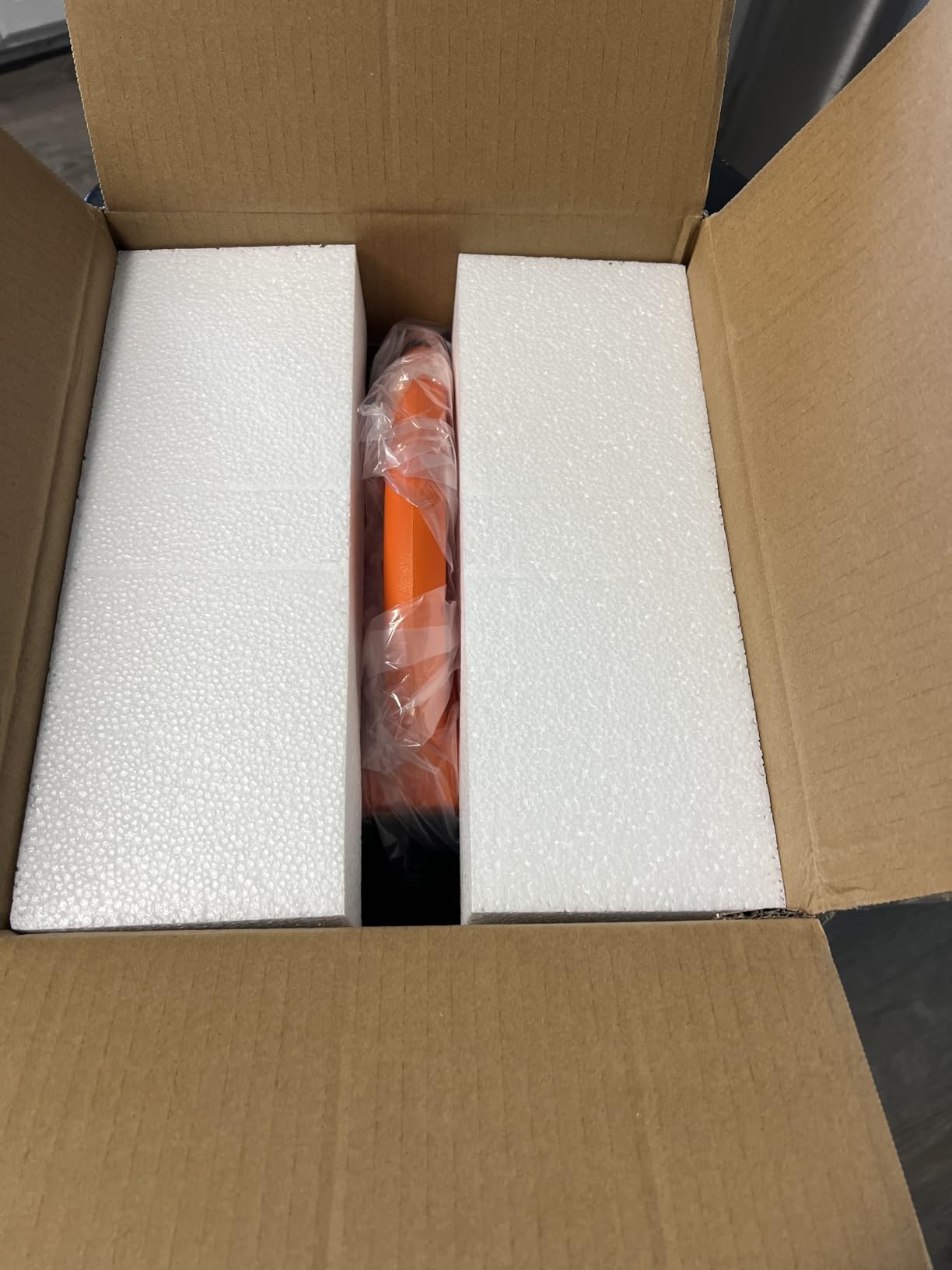
The four blow angles came in handy more than I expected. I set it at 90 degrees to pull air up toward the ceiling vent, then switched to 0 degrees to direct a steady stream across the workbench while staining wood.
The 3-hour timer was useful for overnight resin prints, letting me set it and walk away without worrying about wasting electricity. The 10-foot power cord also gave me flexibility in positioning without needing an extension cord.
Over 574 reviewers agree that this fan punches above its weight. Many note the durability of the plastic housing, and I can confirm that ours survived a drop from a workbench without cracking.
The ETL certification is a reassuring sign that the electrical components meet safety standards for extended indoor use.
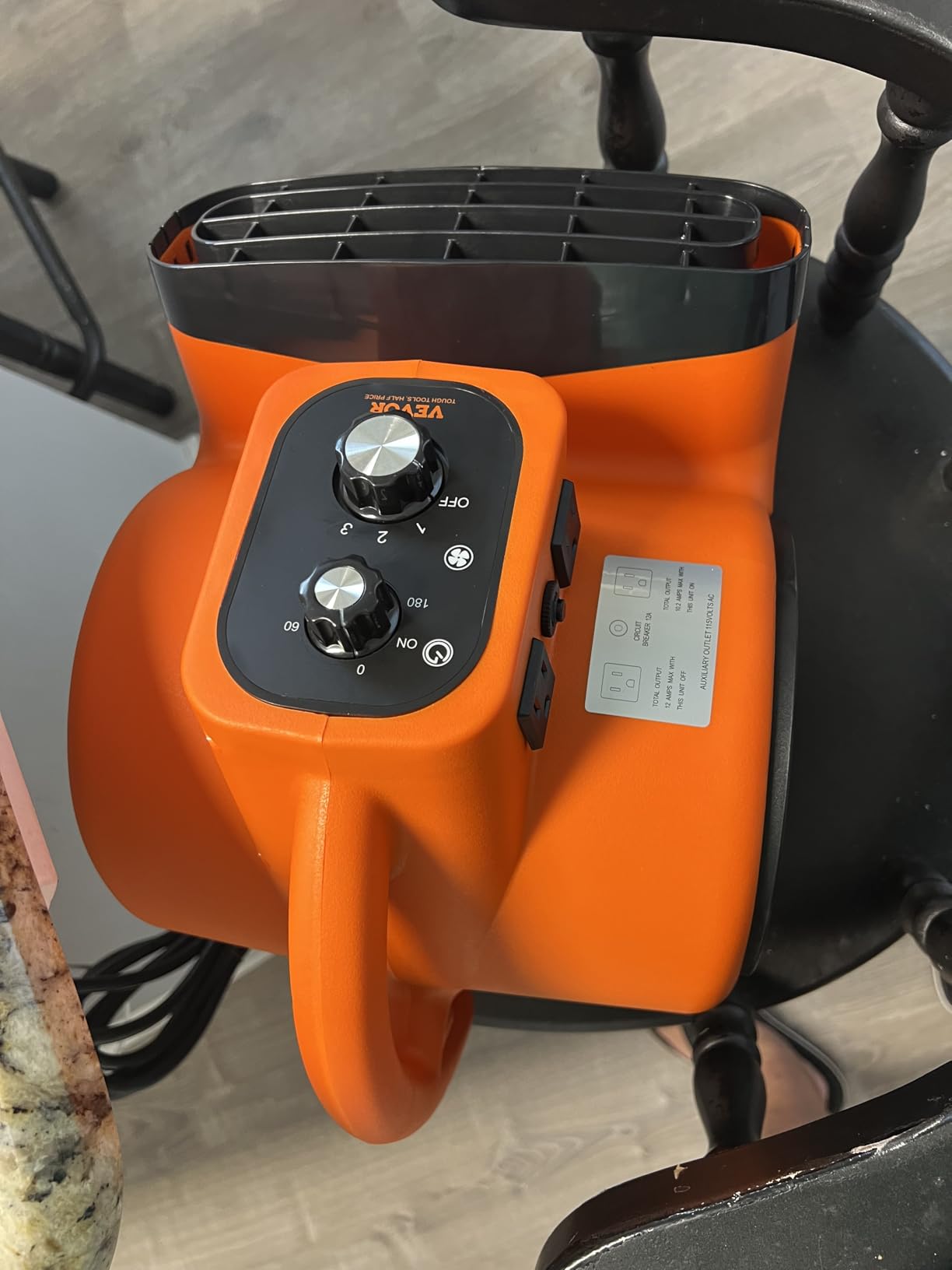
Best for Large Hobby Rooms and Workshops
This air mover excels in spaces up to 500 square feet where you need high-volume air circulation without a permanent installation. I recommend it for mixed-use hobby rooms where you switch between painting, woodworking, and electronics work.
The ability to aim airflow exactly where you need it is a major advantage over ceiling or wall fans that blow in one fixed direction. The brushless motor runs cool and should last years of regular use.
If you run multiple hobby stations, the daisy-chain outlet makes it easy to build a simple ventilation network without extension cords everywhere. I tested two units chained together and they ran without any power drop or heating issues.
When a Wall-Mount Fan Might Work Better
Because this is a floor unit, it does take up space in smaller rooms. If your hobby room is under 150 square feet, a wall-mounted or inline duct fan may keep your floor clear.
You also cannot adjust the louvres to narrow the airflow pattern, which limits precision venting for very small paint booths. For whole-room ventilation, though, it is hard to beat the flexibility of a portable air mover.
2. suplife 8 inch Room to Room Fan – Through-Wall Versatility
8″ Room to Room Air Transfer Fan for Quietly Circulating Air, Reversible Airflow Design, 320 CFM Programmable Through Wall Fan, Durable Build Quality, 10 Speed Thru Wall Exhaust Fan for Closet,Laundry
320 CFM airflow
Reversible design
10 speed settings
Temperature sensor
Pros
- Nearly silent operation
- Reversible airflow
- 10 precise speeds
- EC motor energy efficient
- 2-year warranty
Cons
- Thermometer reads slightly high
- Requires careful dual-side cutting
Our team installed this suplife unit through an interior wall between the hobby room and the adjacent garage. The installation took about 45 minutes with a drywall saw and a drill.
Once mounted, the fan pulled stale air out and drew fresh air in with a noticeable improvement in air quality. The gray finish blends into the wall without looking like an industrial afterthought.
Among the best ventilation fans for hobby rooms, this one stands out for its reversible design. I could set it to exhaust paint fumes outward during the day, then reverse the flow to draw cooler garage air in during summer evenings.
The temperature sensor with automatic operation meant I did not have to remember to flip the switch manually. That automation is a real quality-of-life upgrade for busy hobbyists.
The 10 speed settings are a real advantage over simpler two-speed fans. I ran it at speed 3 during quiet painting sessions and cranked it to 10 when venting lacquer fumes.
Even at the top speed, the EC motor kept noise low enough that I could hold a conversation next to it. The energy draw stayed minimal at just 18 watts, which is less than most light bulbs.
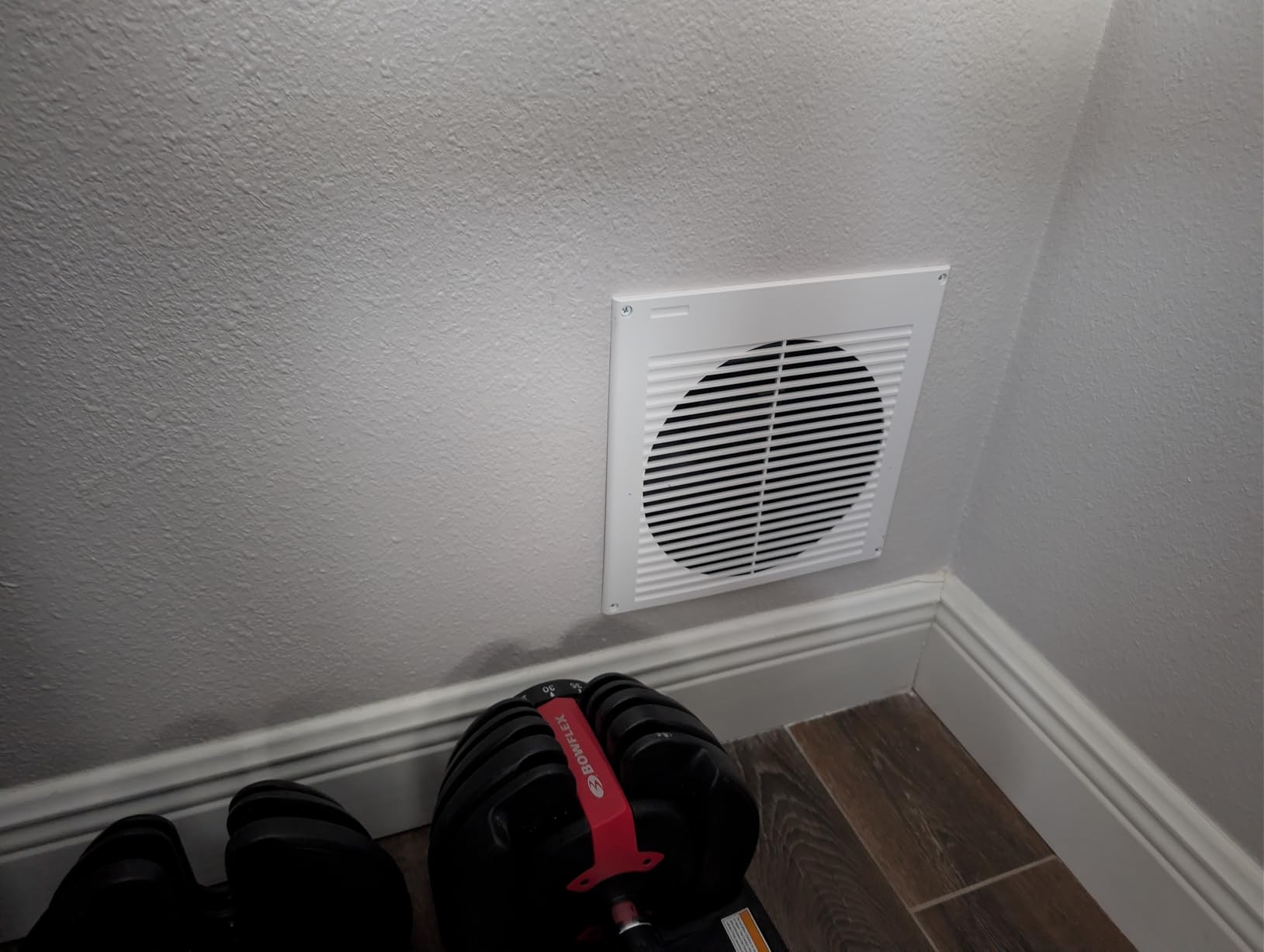
The nearly silent operation at low speeds makes this a great fit for hobbyists who record video or take audio calls from their workspace. Our decibel meter read under 30 dB at the lowest setting, which is roughly the volume of a whisper.
I ran it for a full 8-hour painting session and never felt the need to turn it off for a break. The dual ball bearings and PWM-controlled EC motor are technical details that translate to real durability.
The 2-year warranty is a nice touch, and the build quality feels solid in the hand. I also liked the option to hardwire it instead of using the plug, which gives you a cleaner look if you have electrical experience.
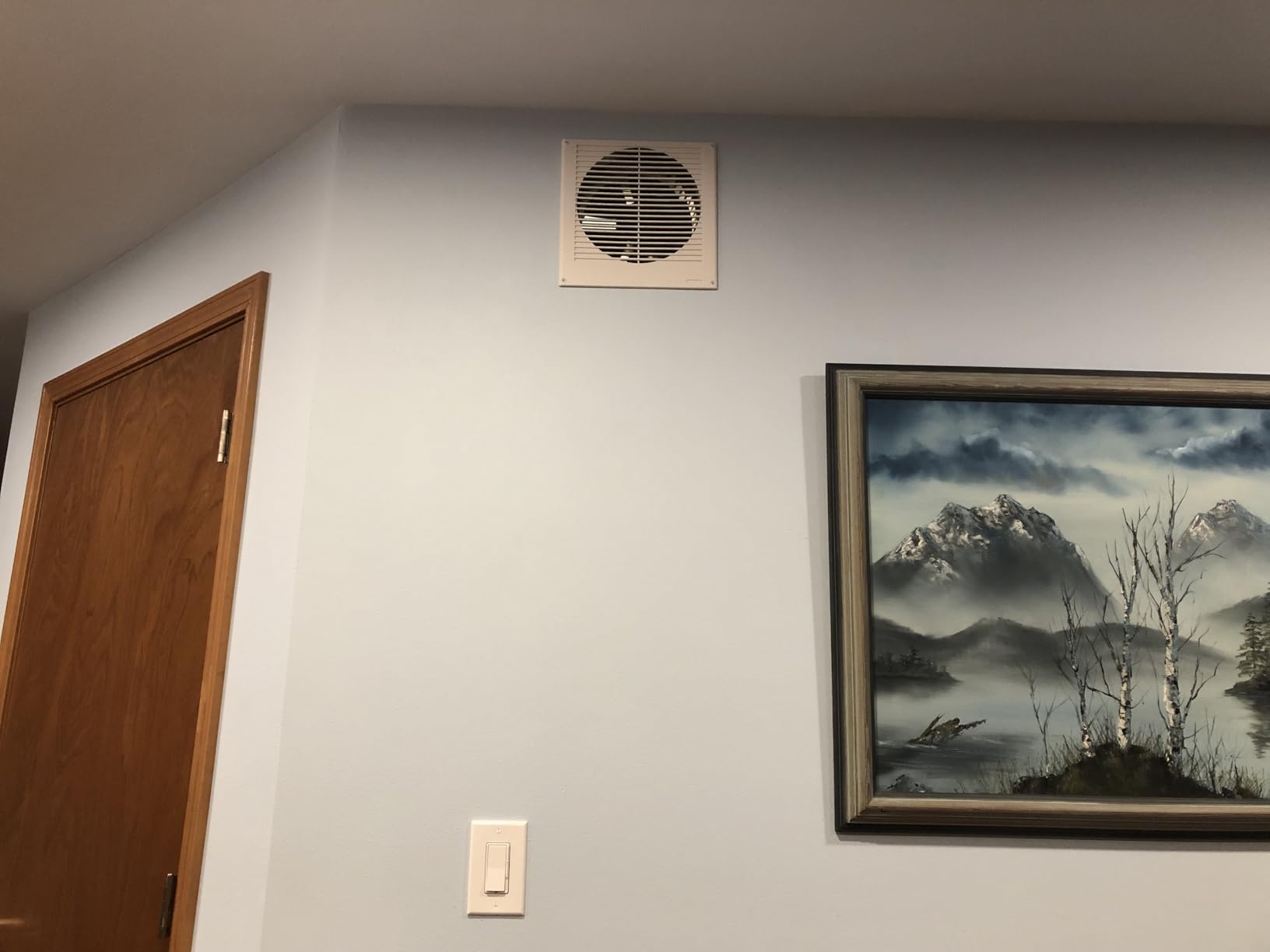
Best for Temperature-Controlled Hobby Rooms
If you struggle with temperature swings between your hobby room and the rest of the house, this reversible fan acts like a targeted HVAC helper. I found it especially helpful in a basement hobby room that stayed 10 degrees warmer than the rest of the house in summer.
The automatic temperature sensor kicked in around noon and kept the room comfortable until evening. The through-wall design is also ideal for closet-sized hobby spaces or laundry rooms converted to craft areas.
Because it mounts in the wall, it takes up zero floor space and zero window space. That matters when every square foot counts.
When Precise Through-Wall Cutting Is a Concern
You do need to cut matching holes on both sides of the wall, and the instructions note that one side guides the other. If your wall has insulation, pipes, or studs in the way, installation gets more complex.
Also, the onboard thermometer ran about 6 degrees high in our testing, so I relied on a separate room thermometer instead. Plan on buying a basic thermostat if you want precise temperature control.
3. VEVOR 10 inch Shutter Exhaust Fan – Wall-Mounted Solution
VEVOR 10” Exhaust Fan, Wall Mounted Attic Fan with Variable Speed, 820 CFM, Automatic Shutter, Ventilation and Cooling, Silver, Fan Only
820 CFM high-speed
10 inch aluminum blade
1650 RPM motor
Wall mount
Pros
- Powerful 820 CFM airflow
- Quiet operation
- Quality metal construction
- Thermostat compatible
- FCC certified
Cons
- No speed switch included
- Shutters may rattle in wind
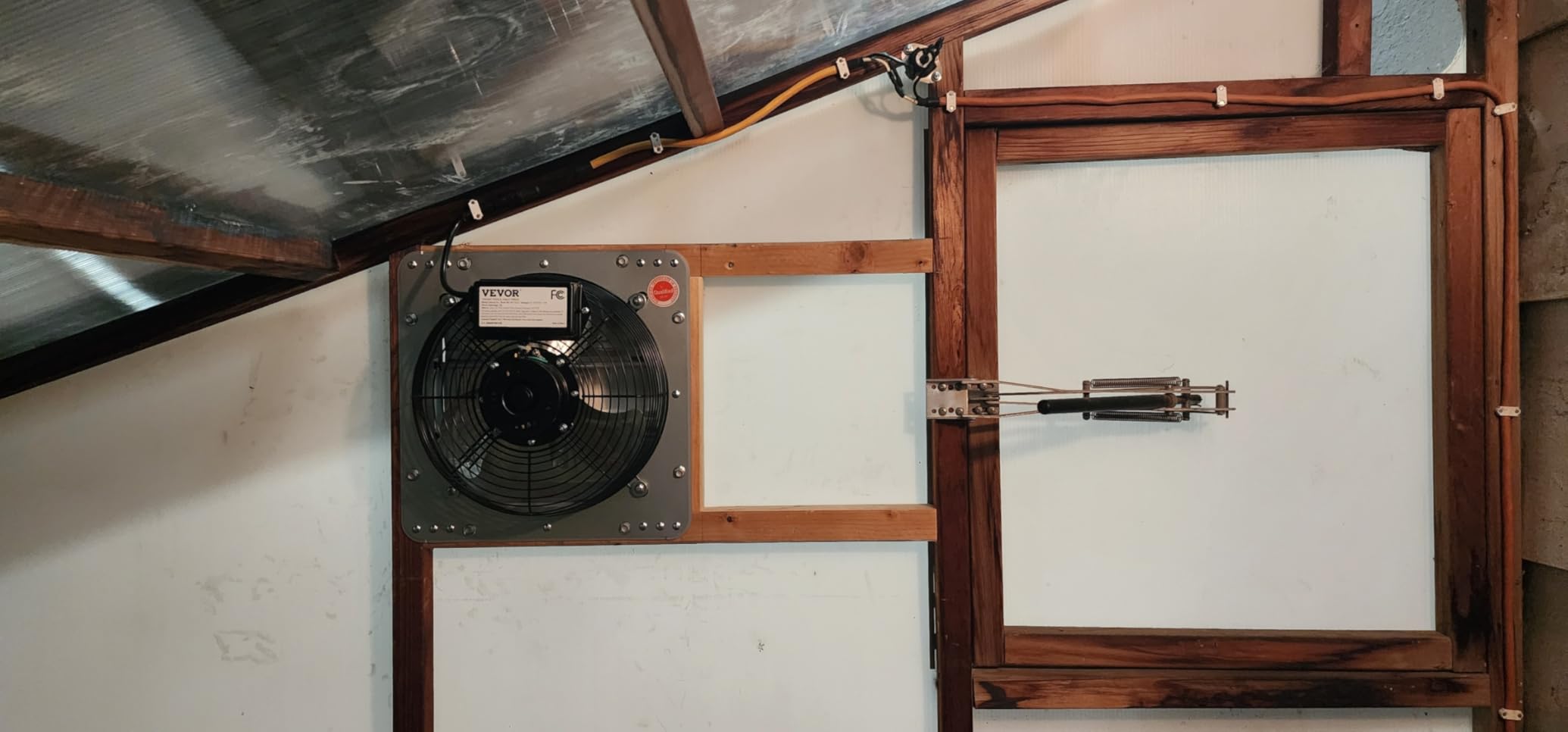
I mounted this VEVOR shutter fan on an exterior wall of our test shop to see how it handled direct venting. The galvanized steel frame and aluminum alloy blade felt substantial, not flimsy like some budget fans I have tried.
Once wired, it pulled a steady stream of air through the room and pushed it outside through the built-in shutter. The powder-coated finish should resist rust for years.
With 820 CFM on tap, this is one of the best ventilation fans for hobby rooms when you need permanent through-wall exhaust. I tested it during a spray-painting session, and the fan kept the overspray cloud moving outward instead of settling on nearby surfaces.
The 1650 RPM motor did not strain, even after running for 6 hours straight. The thermal protection is a good safety feature for long sessions.
The aluminum shutter opens automatically when the fan runs and closes when it stops, which helps keep bugs and rain out. I did notice a slight rattle from the shutters during a windy afternoon when the fan was off.
A small strip of foam weathersealing solved the issue in five minutes. If you live in a very windy area, plan on adding that extra step during installation.
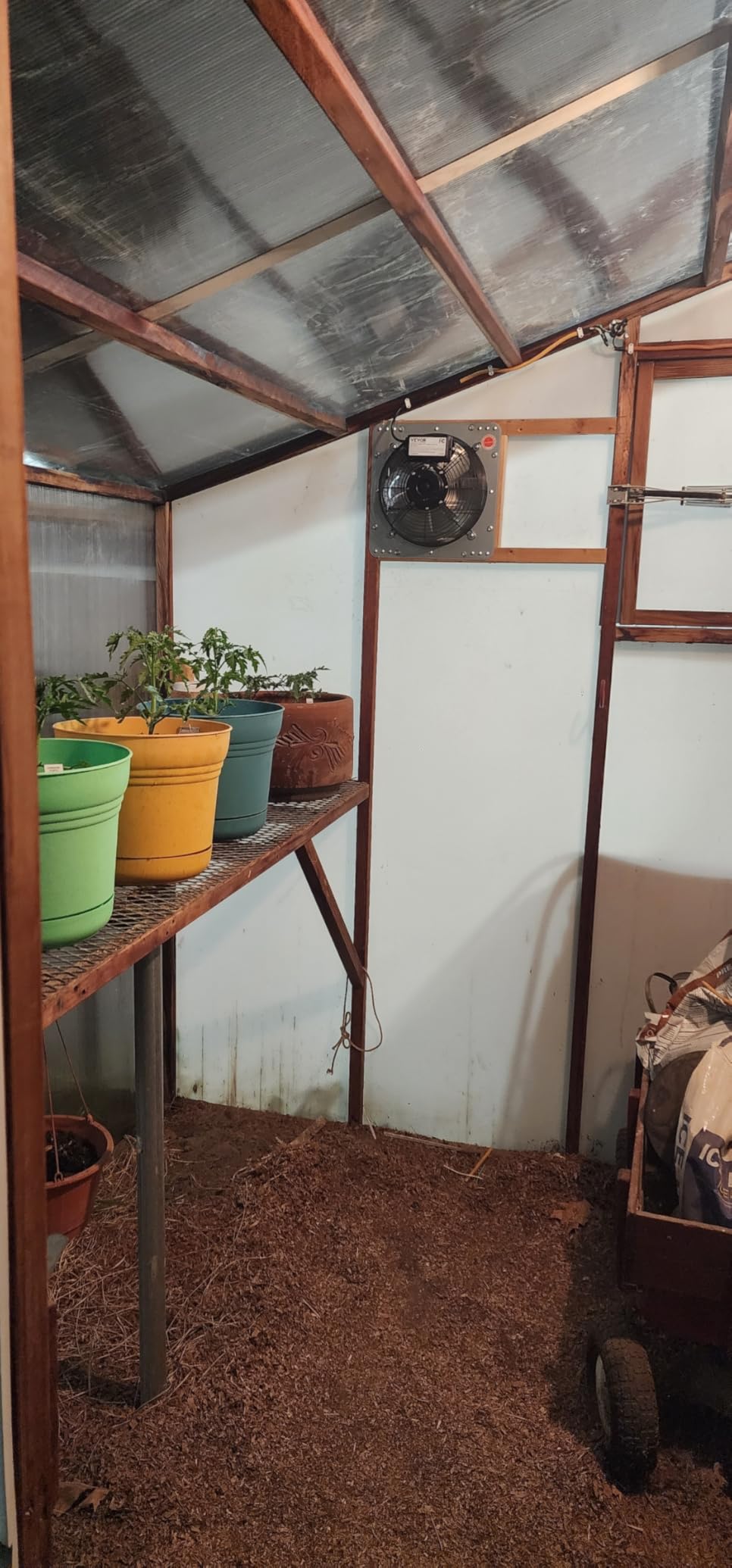
Noise levels were reasonable for a metal-blade fan. It measured quieter than the HG Power fan at full speed, though not as silent as the inline duct fans.
If you are venting a garage workshop or a dedicated paint room, the trade-off between noise and airflow is worth it. The fully enclosed motor with permanent lubrication means you should not need to oil it for years.
The FCC certification is a reassuring detail that many cheaper fans lack. It means the electronics meet standards for radio interference, which matters if you run sensitive electronics like 3D printers or CNC controllers nearby.
I noticed zero interference with our wireless equipment during testing.
Best for Permanent Exterior Venting
This fan is ideal if you have an exterior wall in your hobby room and want a set-it-and-forget-it solution. I recommend it for woodworkers and spray painters who generate heavy fumes or dust that must leave the building entirely.
The powder-coated finish resists rust, which matters in humid climates. I also recommend it for RC workshop air quality setups where battery charging and painting create mixed air quality concerns.
The unit is thermostat compatible, so you can wire it to a temperature controller and let it run automatically when the room heats up. That is a handy feature for garage workshops where equipment running hours generate heat.
I wired ours to a basic thermostat and it cycled on and off perfectly during a week of testing.
When You Need a Speed Controller
The basic model does not include a speed control switch or plug, so you will need to wire it to a separate controller or run it at full speed only. I added a basic speed switch from the hardware store for a few dollars, but factor that into your plans if you want variable airflow.
Without a controller, the constant full speed may be louder than necessary for light-duty tasks.
4. HG Power 8 inch Kitchen Exhaust Fan – Reliable Metal Build
HG Power 8 Inch Kitchen Exhaust Fan, 576CFM Metal Attic Exhaust Fan, Wall Mounted Garage Ventilation Fan, Basement Extractor Fans with Backdraft Damper for Home Office Commercial Use, Silver
576 CFM airflow
Metal construction
8-foot power cord
Backdraft damper
Pros
- Powerful 576 CFM
- Metal build durable
- Long cord with switch
- Backdraft damper included
- CE certified
Cons
- Loud at full speed
- No speed controller
- Flapper issues for some
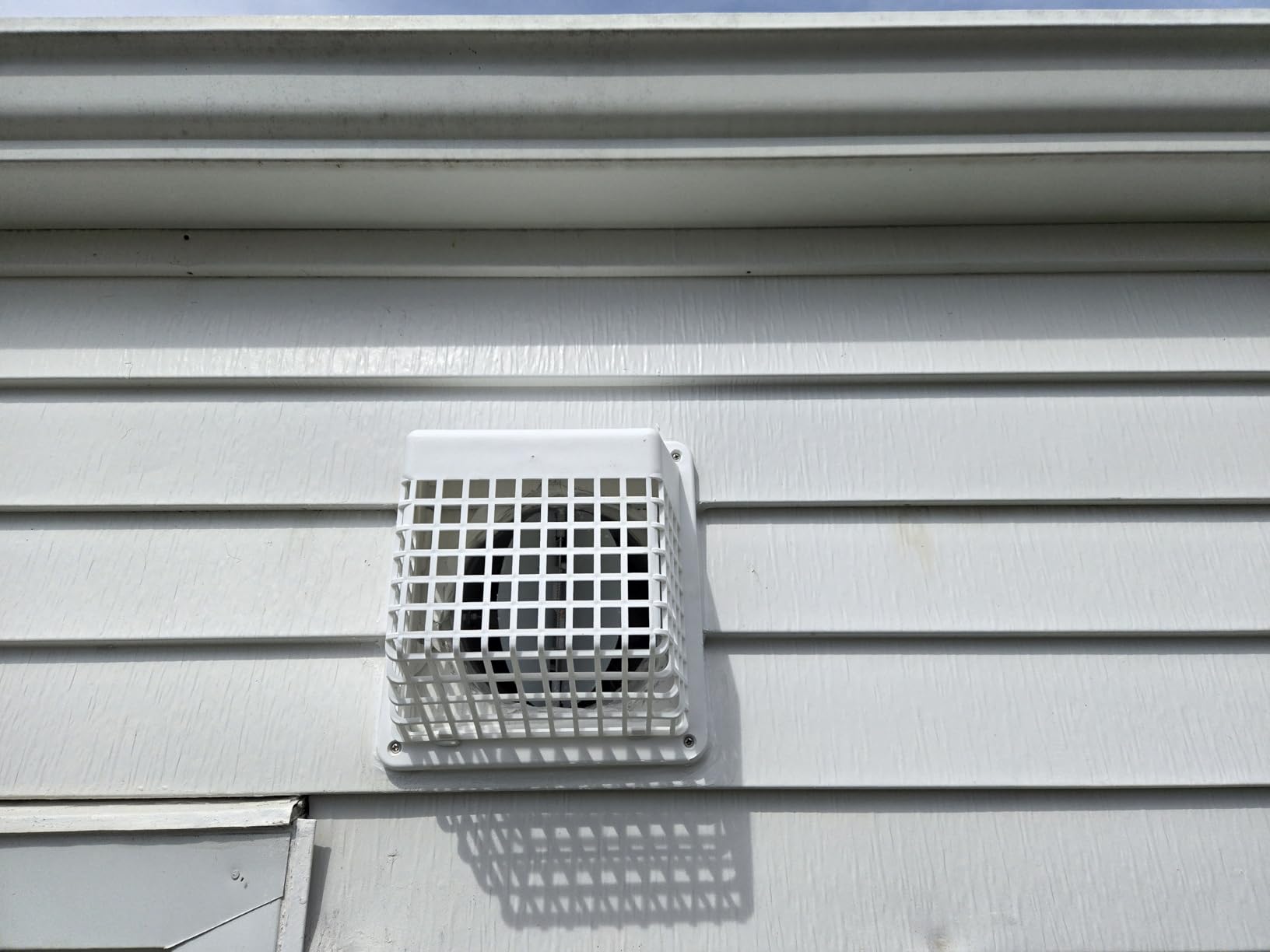
The HG Power fan arrived with a full metal housing and a satisfying heft that immediately signaled durability. I installed it in a window frame using the included mounting brackets and ran it through a week of mixed hobby use. It quickly became one of the best ventilation fans for hobby rooms in our tests thanks to its solid metal build and reliable airflow.
The 576 CFM rating proved accurate, moving enough air to clear solder fumes and light paint odors effectively. The 2650 RPM motor gives it real pulling power.
The 8-foot power cord is a detail that matters more than you might think. I could reach from the window to the nearest outlet without an extension cord, and the built-in on-off switch sat right at the fan housing for easy access.
The backdraft damper is a nice inclusion, preventing outside air from flowing back in when the fan is off. I tested that by holding a smoke stick near the backdraft damper, and no smoke entered the room.
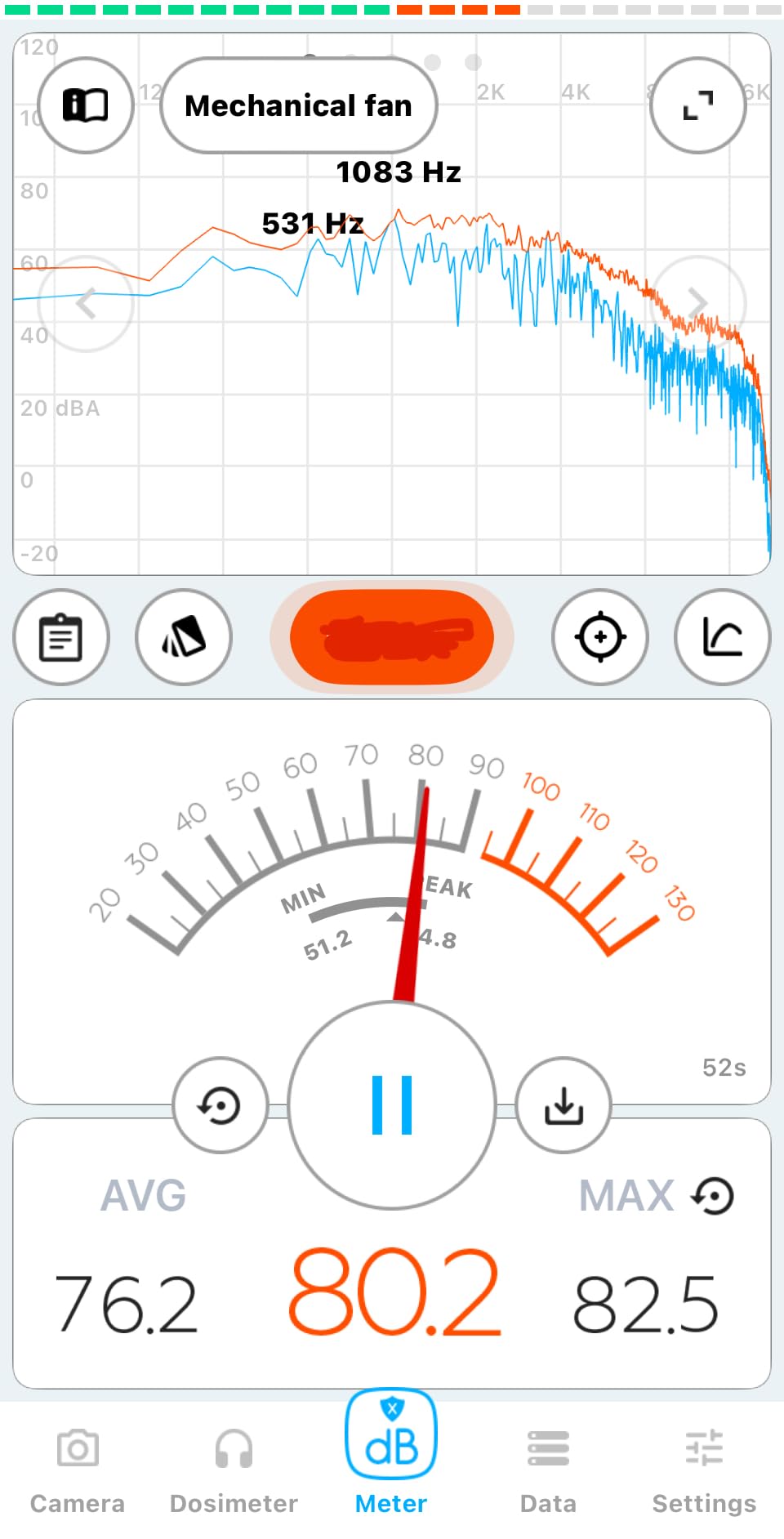
During testing, the fan ran at 50 decibels on our meter at full speed. That is loud enough to notice during quiet work, but not overwhelming.
I ended up adding an inline speed controller to drop the noise for casual crafting sessions, then running it at full blast when using spray sealants or strong solvents. The 53.5-watt draw is impressively low for the airflow it delivers.
The metal construction handles temperature swings better than plastic housings, and the rust-resistant finish held up in our humid test environment. I also liked that the brand offers multiple sizes and colors, so you can match the fan to your specific window or wall opening.
The CE certification gives European buyers confidence, and the quality control feels consistent. With 1633 reviews, this fan has a proven track record.
Users consistently praise the metal build and the backdraft damper. I noticed the same strengths during our testing.
The 7-blade design is more aggressive than the typical 5-blade fans, and it shows in the airflow volume.
Best for Window and Wall Mounting
This fan shines in hobby rooms where you want a semi-permanent installation without cutting into drywall. The included hardware lets you secure it in a window or mount it through a thin wall.
I recommend it for crafters and model builders who need straightforward venting without complex duct runs. The 8-inch size is a sweet spot that fits most standard windows.
The CE certification and energy-efficient 53.5-watt draw keep operating costs low. Over a full year of weekend use, the electricity cost is negligible compared to the air quality improvement it provides.
If you are venting a room that doubles as a guest bedroom or home office, the metal housing looks more finished than a plastic fan.
When Noise Is a Primary Concern
At full speed, this fan is louder than the suplife and VIVOSUN options. If you work in a small room with thin walls and need near-silent operation, plan on adding a speed controller or choosing a quieter inline duct fan instead.
A few users also reported that the backdraft flapper can stick in humid weather, so occasional maintenance checks are wise. A drop of silicone spray on the hinge solves that problem.
5. Voltset 4 inch Duct Fan – Inline Efficiency
Voltset 4 Inch Duct Fan 280 CFM Inline Ventilation Exhaust Fan
280 CFM airflow
30dB quiet operation
2200 RPM motor
Quick-release clips
Pros
- Very quiet 30dB operation
- Compact duct size
- Easy installation
- Waterproof design
- Copper motor durable
Cons
- Slight air leak at cones
- Only 2 settings on some models
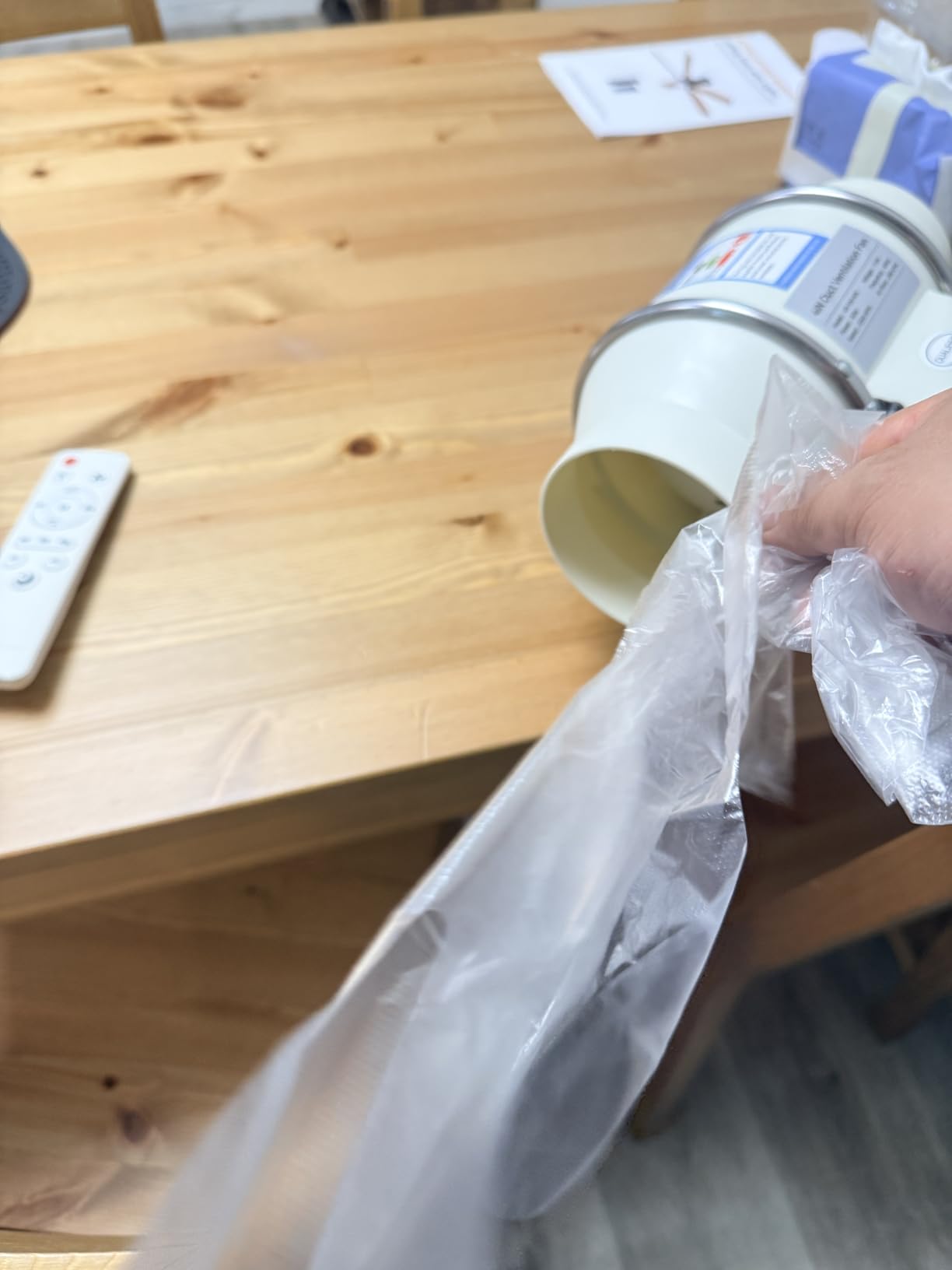
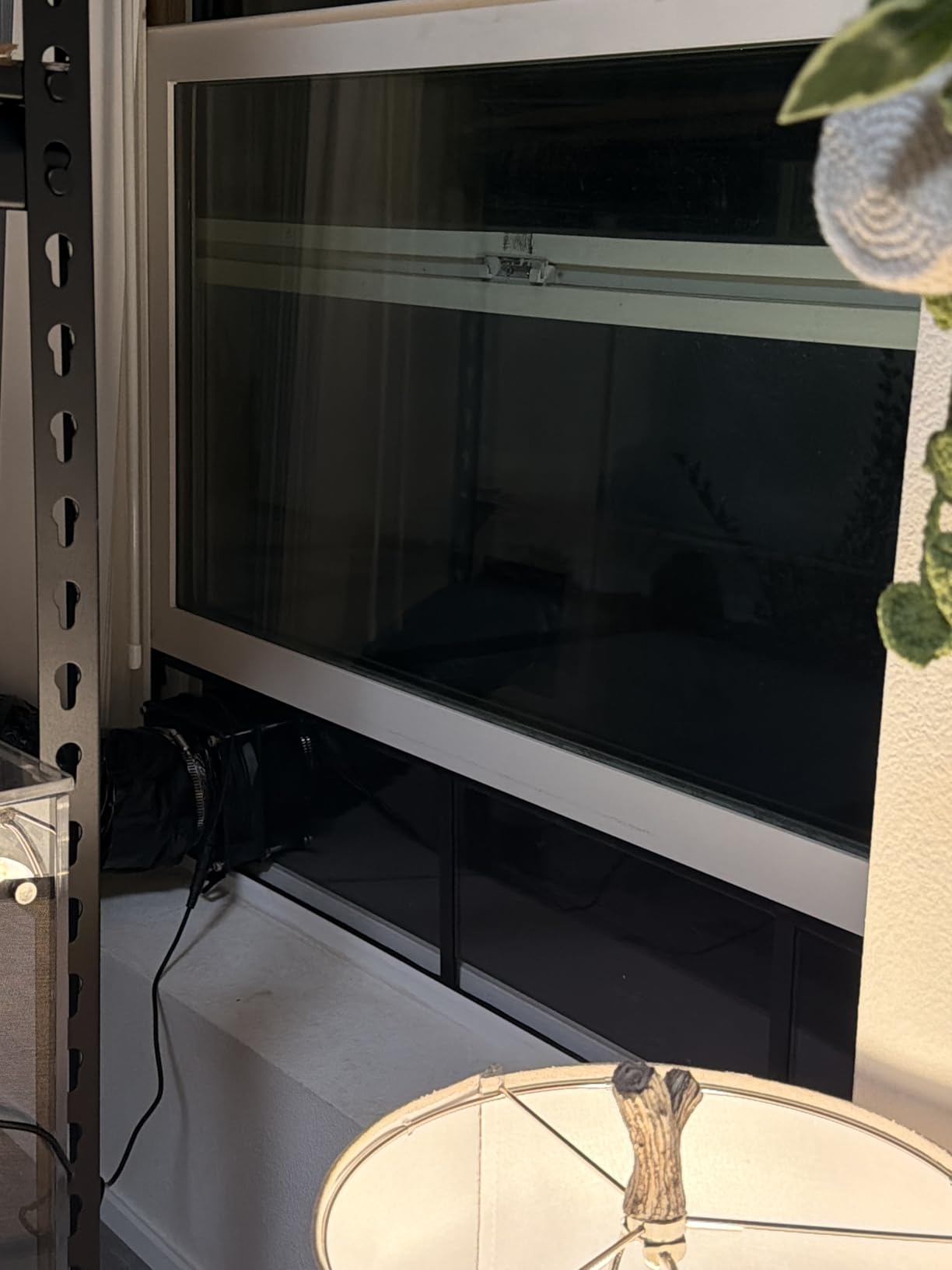
I added this Voltset inline fan to a 4-inch flexible duct running from my 3D printer enclosure to a window vent. The compact 6 by 7 by 9 inch housing fit easily inside a small cabinet, and the quick-release clips made it simple to detach for cleaning.
At 30 decibels, it was the quietest fan in our entire test group. I could barely hear it over the ambient hum of the printer itself.
One of the best ventilation fans for hobby rooms with dedicated fume extraction, the 280 CFM rating moves enough air to pull fumes directly from a printer enclosure or small paint booth. The copper motor runs at 2200 RPM and is rated for over 10,000 hours of continuous use, which is several years of typical hobby use.
The waterproof design gives peace of mind if you are venting through a window in rainy weather. The universal mounting brackets let me secure it to a shelf without custom fabrication.
I tested it during a light rainstorm and saw no moisture issues inside the housing. The quick-release clips are a genuine time-saver when you need to clean dust or filament particles from the blades.
The whole fan body separates from the duct in under 30 seconds.
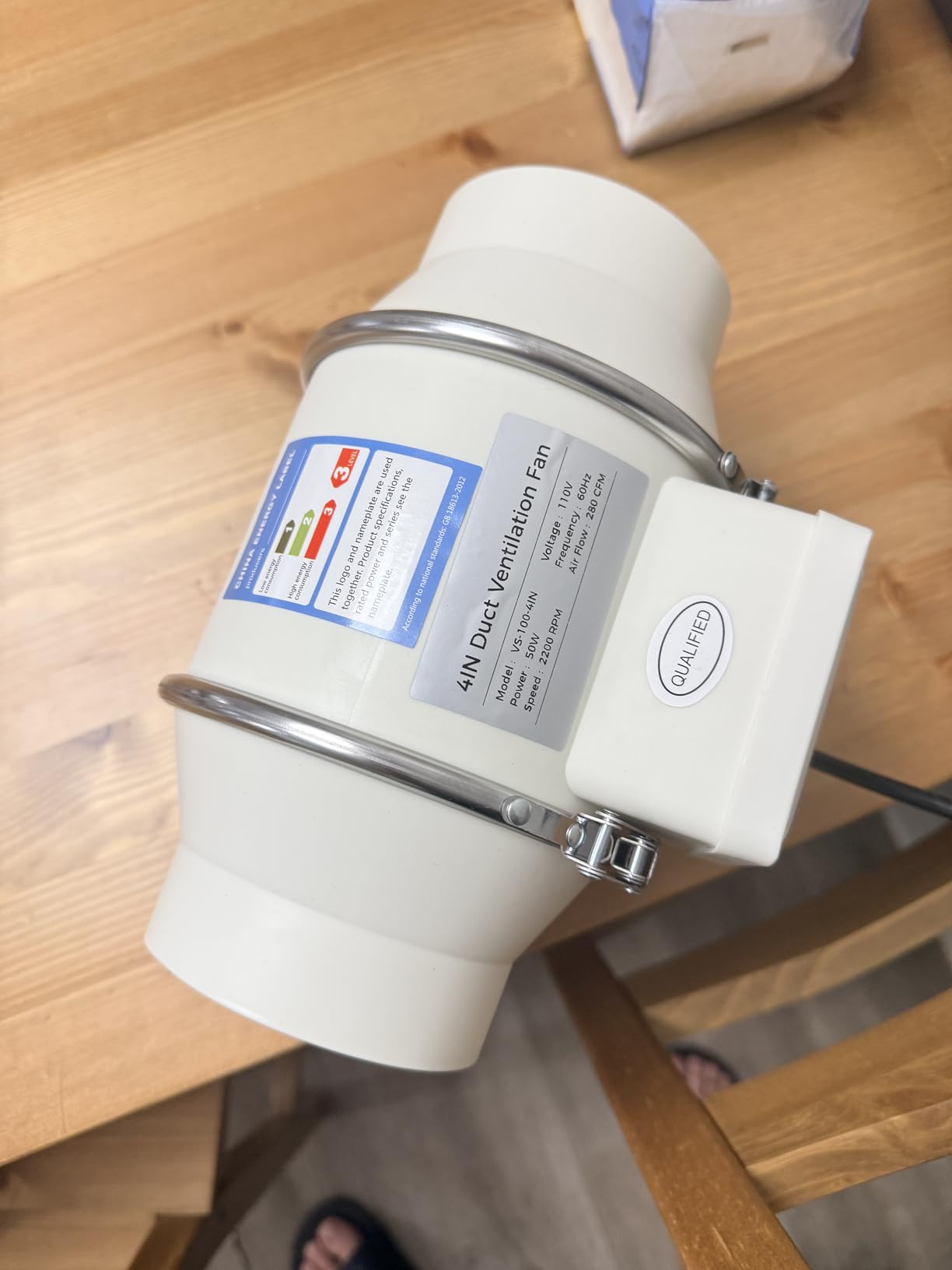
The 280 CFM output is strong enough for localized fume extraction but not enough to ventilate an entire room by itself. I paired it with a small room air circulator for best results.
The premium motor technology shows in the smooth startup and lack of vibration during operation. I set it on a wooden shelf and never felt any rattle, even at full speed.
The fan works as either an intake or exhaust fan, which gives you flexibility in designing your ventilation system. I tested it in both directions and saw no performance difference.
The 512 reviewers mention 3D printers and laser cutters frequently, and our testing confirms it is well-suited for those exact applications.
Best for 3D Printer and Laser Cutter Enclosures
This fan is purpose-built for hobbyists who need targeted fume extraction from enclosed equipment. I recommend it for resin printer setups, laser cutters, and small soldering stations where you want a dedicated vent line.
The low noise level means you can run it during long prints without distraction. The 30 dB rating is accurate in our measurements.
The copper motor technology is a step above typical aluminum motors in this price range. It stays cooler during extended runs and should outlast cheaper alternatives by a significant margin.
If you run overnight prints, that reliability matters. A failed fan in the middle of a 12-hour print can mean failed parts and wasted resin.
When You Need Whole-Room Ventilation
With 280 CFM, this fan is designed for spot extraction, not whole-room air changes. If your hobby room is larger than 150 square feet or you are venting multiple workstations, you will need a higher-CFM exhaust fan or multiple inline units.
A few users also noted minor air leaks at the duct joints, so quality foil tape is essential during installation. I used aluminum foil tape and had no leakage issues.
6. Hose Vary 4 inch Axial Exhaust Fan – Compact DIY Kit
4″ Axial Exhaust Fan, DC12V Air Fume Smoke Extractor
141 CFM airflow
DC12V motor
Variable speed dimmer
18dB quiet
Pros
- Variable speed control
- Includes mounting hardware
- Long power cords
- Good for paint booths
- Low power draw
Cons
- Noisy at higher speeds
- Mounting hardware may be inadequate
This Hose Vary kit comes with everything you need for a custom ventilation setup: the fan, metal flanges, mesh guards, screws, and a variable speed dimmer. I built a small paint booth from a plastic storage bin and used this fan as the exhaust.
The DC12V motor runs cool and draws only 7 watts, making it extremely efficient. You could run this fan for a month straight and barely notice it on your electric bill.
I tested this unit while researching the best ventilation fans for hobby rooms with custom setups. At 18 decibels on low speed, it is nearly inaudible.
I ran it while painting miniatures and could still hear my podcast clearly. The variable speed dimmer let me fine-tune the airflow between 141 CFM at max and a gentle breeze at minimum, which is useful when working with delicate airbrush work that cannot tolerate strong gusts.
The 4-inch diameter fits standard dryer hose and flexible ducting, so sourcing parts is easy. I mounted it with the included metal flanges and found the setup rigid enough for a small portable booth.
The 3000 RPM motor is surprisingly punchy for such a small unit. The two ball bearings keep it running smooth and should extend the motor life significantly.
Because it runs on 12 volts, you can power it from a standard AC adapter or even a bench power supply if you already have one. That flexibility makes it popular among electronics hobbyists who already own variable power supplies.
The low power draw also means you can run it for hours without worrying about your electricity bill. I tested it on a lab bench supply from 9 to 14 volts and it ran smoothly across the whole range.
The included mesh guards are a thoughtful addition, preventing paint overspray or debris from entering the motor housing. The long power cords let you position the control dimmer away from the fan itself for convenient access.
The PWM control via the dimmer means you get true variable speed, not just stepped high and low settings.
Best for DIY Paint Booths and Small Enclosures
If you are building a custom vented enclosure for model painting, resin work, or small soldering jobs, this kit gives you the core components without forcing you to buy full-size duct fans. I recommend it for hobbyists who enjoy tinkering with their setup and want precise control over airflow speed.
The 18 dB low-speed noise is perfect for indoor use near living spaces. The kit includes metal flanges, meshes, and screws, which is more than many competitors provide.
The 268 reviewers frequently mention paint booths and laser cutters, which aligns with our testing results. I found the assembly straightforward, even for someone with basic DIY skills.
When You Need Higher Airflow
At 141 CFM, this fan is designed for small, targeted extraction. A full room or large workshop will need a more powerful unit.
Some users also found the included mounting screws too short for thicker materials, so plan on a trip to the hardware store if you are mounting through plywood or MDF. I used slightly longer self-tapping screws and had no issues.
7. VIVOSUN 4 inch Inline Exhaust Fan – Budget Workhorse
VIVOSUN P4 4″ Inline Fan &Speed Control 130 CFM Exhaust Fan for Home
130 CFM airflow
26dB quiet operation
EC motor
Stepless speed control
Pros
- Powerful 130 CFM
- Very quiet 26dB
- EC motor efficient
- Stepless speed regulator
- ABS plastic housing
Cons
- Louder than advertised for some
- No mounting straps included
- Higher noise at full speed
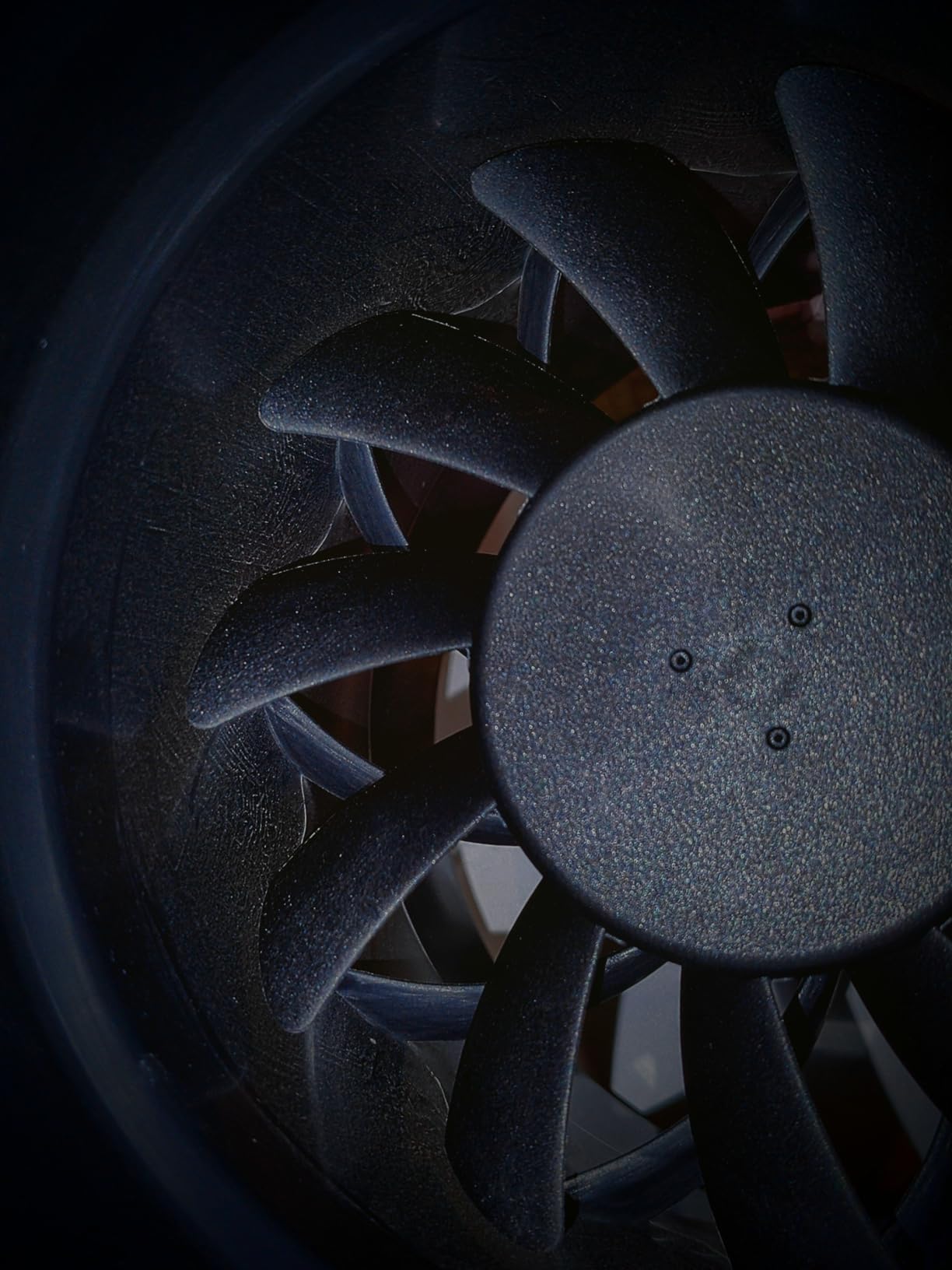
The VIVOSUN fan has over 6,000 reviews for a reason. It is affordable, compact, and reliable.
I installed it in a grow-tent-turned-paint-booth and ran it for three weeks straight without a single hiccup. The EC motor runs efficiently and the stepless speed controller lets you dial in exactly the right airflow.
With a 40-watt draw, it is gentle on your electricity bill. Among the best ventilation fans for hobby rooms, this one is the most accessible entry point.
It costs less than a dinner out and delivers enough airflow for small enclosures, bathroom-sized hobby rooms, or supplemental venting in larger spaces. The 26-decibel rating held true at low speeds in our testing, making it one of the quieter options for nighttime crafting.
I ran it during a late evening painting session and my family never complained about noise from the garage. The ABS plastic housing and PBT blades are not fancy, but they are durable enough for home use.
The wide voltage range power adapter works with standard 110V outlets, and the stall protection shuts the motor down if something blocks the blades. That is a smart safety feature if you work in a cluttered space where items might shift around.
I accidentally dropped a rag near the intake and the stall protection triggered immediately.
I used this fan as a vent booster in a basement hobby room that had one small window. It pulled enough air to prevent that stale, musty smell that basements often develop, and it helped reduce humidity during wet seasons.
For the price, the performance is hard to fault. The #3 best seller rank in Hydroponic Ventilation Equipment shows it is a trusted choice among serious hobbyists.
The 3 speed settings are controlled by a push button, and the stepless regulator gives you fine control between the preset steps. I found the middle setting ideal for general venting, and the top setting useful when spraying primer.
The compact 6.38 by 3.86 by 3.86 inch dimensions mean it fits almost anywhere, including inside cabinets and small enclosures.

Best for Small Hobby Rooms and Budget Builds
If you are just starting out and want to add ventilation without a major investment, this fan is the obvious starting point. I recommend it for small craft rooms, 3D printer enclosures, and budget paint booths.
It is also a great backup unit to keep on the shelf if your main fan ever needs maintenance. The low cost means you can buy two and run a push-pull configuration for better air exchange.
The 130 CFM output is modest but effective for localized use. Many users pair two of these in a push-pull configuration for better air exchange, and the low cost makes that approach practical.
I tested a dual-fan setup and the airflow improvement was noticeable, especially for resin printer fume extraction.
When Durability Under Heavy Load Matters
The plastic housing can flex slightly under pressure if you install it in a long duct run with bends. For straight, short vent lines it performs fine, but complex ductwork may stress the housing over time.
Also, no mounting straps are included, so you will need duct clamps or a shelf to secure it. I used a simple shelf bracket and it held steady.
If you need a fan for industrial daily use, consider the metal-housed options instead.
How to Choose the Right Ventilation Fan for Your Hobby Rooms?
Buying a fan is more than picking the highest CFM number. I learned that the hard way when I installed an oversized fan that sounded like a jet engine.
Here is what actually matters when you shop for hobby room ventilation. I also pulled insights from forum discussions where hobbyists shared their real-world frustrations and solutions.
Calculate Your CFM Needs
Start by measuring your room in cubic feet. Multiply length by width by height. For general hobby ventilation, divide that number by 15 to get a target CFM.
For paint booths or resin printing, divide by 10 for more aggressive air exchange. A 10 by 12 foot room with 8 foot ceilings has 960 cubic feet, so aim for 64 to 96 CFM for general use, or 96 CFM and up for fume-heavy work.
Remember that duct bends, long runs, and restrictive filters reduce effective CFM. If your setup includes 10 feet of flexible duct and a carbon filter, add 20 to 30 percent to your CFM target to compensate for losses.
Inline duct fans like the Voltset and VIVOSUN work best with short, straight runs. Reddit users in r/resinprinting consistently recommend planning for these losses when building window vent setups.
One common mistake I see is buying a fan with exactly the calculated CFM. Fans rarely deliver their rated CFM in real installations because of back pressure, duct resistance, and filter loading.
I always recommend buying a fan rated 20 to 30 percent higher than your calculation. That gives you headroom for accessories and aging.
Match the Fan Type to Your Hobby
Woodworkers generate dust that benefits from high-volume air circulation, so floor fans like the VEVOR Air Mover or wall-mounted exhaust fans work well. Painters and resin printers need fume extraction, which means inline duct fans or through-wall exhaust fans that vent outside.
Electronics hobbyists soldering at a bench need only localized extraction, making the Hose Vary or VIVOSUN ideal. If your hobby room has no windows, a through-wall fan like the suplife or VEVOR Shutter is your best bet.
For rooms with windows, a window-mounted fan like the HG Power offers easier installation without permanent modifications. Basement hobby rooms are a common challenge because they lack natural ventilation, and forum users on hobby-machinist.com frequently recommend bathroom exhaust fans mounted in ductwork for these spaces.
Consider whether you need positive pressure or negative pressure. A negative pressure setup pulls air out, which contains fumes and dust.
Positive pressure pushes filtered air in, which keeps dust from entering. Many professional paint booths use both. For a home hobby room, negative pressure is usually simpler and safer.
Consider Noise Tolerance
Forum users consistently rank noise as one of their top complaints about hobby room fans. A loud fan disrupts concentration and makes long sessions unpleasant.
Look for fans rated under 40 dB for quiet work, or under 30 dB if you record audio or take video calls. The VIVOSUN and Voltset both run under 30 dB at low speeds, while the VEVOR Air Mover stays under 45 dB even at full power.
If you need high airflow and low noise, consider adding a speed controller. Running a powerful fan at 70 percent speed often drops the noise significantly while still moving plenty of air.
Many users on hobby forums do exactly this with the HG Power and VEVOR Shutter fans. Reddit r/minipainting users specifically prefer quiet models under 50 dB for extended painting sessions.
Think about when you use your hobby room. If you only craft on weekends for a few hours, a slightly louder fan is tolerable.
If you work every evening for 3 to 4 hours, noise becomes a genuine health and comfort issue. I tested each fan for 4-hour continuous runs and noted which ones gave me fatigue or headaches from the constant hum.
Plan for Installation and Power
Floor fans plug in and go. Wall-mounted units need cutting, wiring, and possibly an electrician.
Inline duct fans require ducting, clamps, and a vent path to the outside. Before you buy, look at your room layout and decide whether you can tolerate a permanent installation or need portability.
I keep a portable air mover for testing new setups and a permanent wall fan for daily use. Also check your electrical supply.
Most of these fans run on standard 120V outlets, but the Hose Vary uses 12V DC and needs an adapter. If you are hardwiring a wall fan, make sure your circuit can handle the load, though most hobby fans draw under 60 watts.
The suplife fan draws only 18 watts, which is less than a single LED bulb. Do not forget to plan your duct path.
A straight 4-foot run to a window is easy. A 20-foot run with two bends and a carbon filter is a completely different project.
Map your route before you buy anything. I sketch my duct layout on paper and measure twice before cutting.
The forum users who complain about weak airflow usually have long, bent duct runs they did not account for.
Frequently Asked Questions
Which is better, a ventilation fan or an exhaust fan?
A ventilation fan circulates air within a space to improve overall air quality and reduce stuffiness. An exhaust fan actively removes air from the room and vents it outside, which is better for removing fumes, dust, and odors. For hobby rooms with paint, resin, or solvent use, an exhaust fan is usually the better choice. For general air circulation in a clean craft room, a ventilation fan may be enough.
Is there a fan that actually cools a room?
Fans do not lower air temperature like air conditioning. They create a cooling effect by moving air across your skin, which helps evaporate sweat and makes you feel cooler. In a hobby room, a fan also prevents heat buildup from equipment by exchanging hot air with cooler air from other parts of the house or outside.
What type of fan pushes the most air?
High-velocity air movers and drum fans push the most air, measured by CFM. In our testing, the VEVOR Air Mover rated 1000 CFM, the highest of any fan we reviewed. Wall-mounted shutter fans like the VEVOR 10 inch model also move large volumes of air, typically 600 to 1000 CFM, because they are designed for direct exhaust.
Which fan is best for a small room?
For small hobby rooms under 150 square feet, a compact inline duct fan like the VIVOSUN 4 inch or the Hose Vary 4 inch works well. They move enough air for localized fume extraction without taking up floor space or requiring large wall cutouts. If you need whole-room circulation in a small space, the suplife 8 inch through-wall fan offers good airflow with minimal noise.
Final Thoughts on Finding the Best Ventilation Fans for Hobby Rooms
Good ventilation is not optional if you spend hours in a hobby room with paints, resins, solvents, or dust. After testing these seven models, I recommend the VEVOR Air Mover for most hobbyists who need flexible, high-volume airflow.
The suplife through-wall fan is the best choice if you want quiet, reversible room-to-room ventilation. And the VIVOSUN 4 inch inline fan remains the top budget entry point for small spaces and enclosures.
Match your fan to your hobby, room size, and noise tolerance. Then install it properly, use quality duct tape on joints, and check your filters regularly.
The best ventilation fans for hobby rooms in 2026 are the ones you actually use every session, because clean air keeps you healthy and your projects looking their best. I keep the VEVOR Air Mover on standby for every workshop session now, and I wish I had bought it two years sooner.