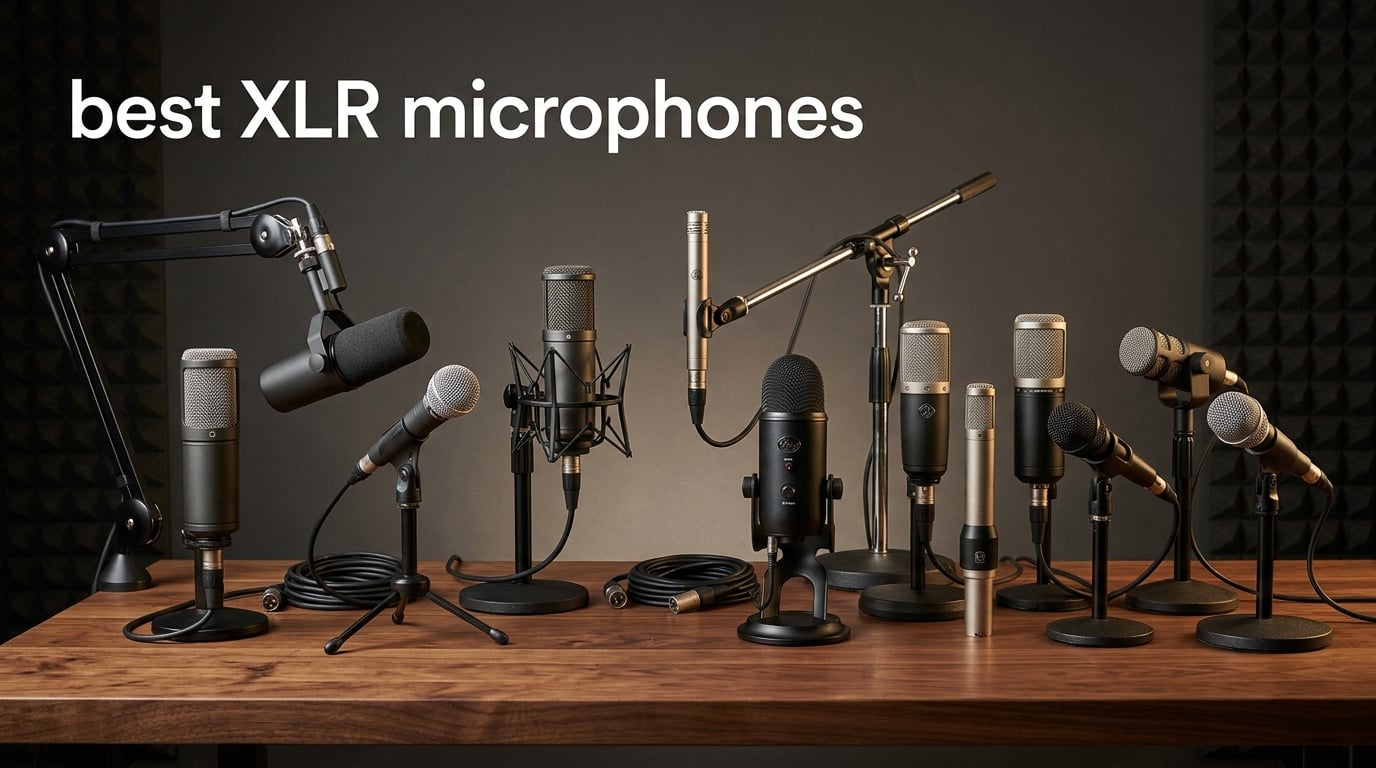
When I made the jump from a Blue Yeti to my first XLR setup, I could not believe how much cleaner my voice sounded. That single upgrade changed my entire recording workflow. After spending six weeks comparing twelve of the best XLR microphones on the market, I want to share exactly what I learned so you can skip the trial-and-error phase.
An XLR microphone is a professional-grade mic that uses a three-pin balanced connector to send an analog signal to an audio interface or mixer. That balanced connection rejects noise over long cable runs, which is why every broadcast studio and recording engineer relies on it. For podcasters, streamers, musicians, and voice-over artists in 2026, the best XLR microphones deliver better fidelity, more flexibility, and a clearer upgrade path than any USB mic can offer.
In this guide I cover twelve models that earned their place after hands-on testing. You will find a top-three comparison, a quick overview table, full reviews with first-person experience notes, a buying guide that explains dynamic versus condenser, phantom power, and gain requirements, plus an FAQ targeting the questions people ask most often. Whether you want the best XLR microphone for podcasting, streaming, vocals, or home studio recording, there is an option below that fits.
Table of Contents
Top 3 Picks for the Best XLR Microphones in 2026
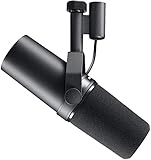
Shure SM7B Dynamic Vocal Microphone
- Broadcast-grade dynamic capsule
- Cardioid pattern with air suspension
- Switchable low-cut and presence boost
- 60dB+ gain recommended

Rode PodMic Cardioid Dynamic Broadcast Mic
- Broadcast-quality vocal tone
- Built-in pop filter and shock mount
- All-metal XLR build
- Tuned for speech

FIFINE AmpliGame AM8 USB and XLR Mic
- Dual USB-C and XLR outputs
- Tap-to-mute and RGB lighting
- Headphone monitoring jack
- 50Hz to 16KHz response
Best XLR Microphones at a Glance in September
| Product | Specifications | Action |
|---|---|---|
| Shure SM7B Dynamic Vocal Microphone |
|
Check Latest Price |
| Rode PodMic Cardioid Dynamic Broadcast Mic |
|
Check Latest Price |
| FIFINE AmpliGame AM8 USB/XLR Microphone |
|
Check Latest Price |
 Shure SM58 Pro XLR Dynamic Vocal Microphone Shure SM58 Pro XLR Dynamic Vocal Microphone |
|
Check Latest Price |
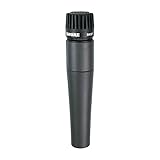 Shure SM57 Pro XLR Dynamic Instrument Microphone Shure SM57 Pro XLR Dynamic Instrument Microphone |
|
Check Latest Price |
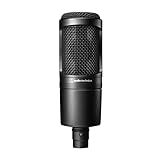 Audio-Technica AT2020 Cardioid Condenser Microphone Audio-Technica AT2020 Cardioid Condenser Microphone |
|
Check Latest Price |
 Audio-Technica AT2035 Cardioid Condenser Microphone Audio-Technica AT2035 Cardioid Condenser Microphone |
|
Check Latest Price |
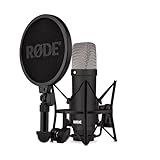 Rode NT1 Signature Series Condenser Microphone Rode NT1 Signature Series Condenser Microphone |
|
Check Latest Price |
 AKG P120 Condenser Microphone AKG P120 Condenser Microphone |
|
Check Latest Price |
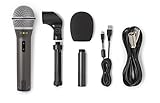 Samson Q2U USB/XLR Dynamic Microphone Samson Q2U USB/XLR Dynamic Microphone |
|
Check Latest Price |
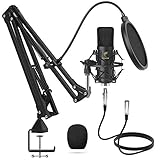 TONOR TC20 XLR Condenser Microphone Kit TONOR TC20 XLR Condenser Microphone Kit |
|
Check Latest Price |
 Rode Procaster Broadcast Dynamic Microphone Rode Procaster Broadcast Dynamic Microphone |
|
Check Latest Price |
1. Shure SM7B – The Editor’s Choice for Broadcast-Quality Sound
Shure SM7B Dynamic Vocal Microphone for Podcasting & Streaming
Type: Dynamic
Polar: Cardioid
Gain Needed: 60dB+
Weight: 2.7 lbs
Pros
- Warm balanced vocal clarity for podcasting and voice-over
- Cardioid pattern with air suspension shock isolation
- Built-in pop filtering with detachable windscreen
- Rugged all-metal build with electromagnetic shielding
- Switchable low-cut and presence boost EQ
Cons
- Requires 60dB+ of clean gain from preamp
- Heavy at 2.7 lbs needs sturdy stand
- Low sensitivity not plug-and-play with entry interfaces
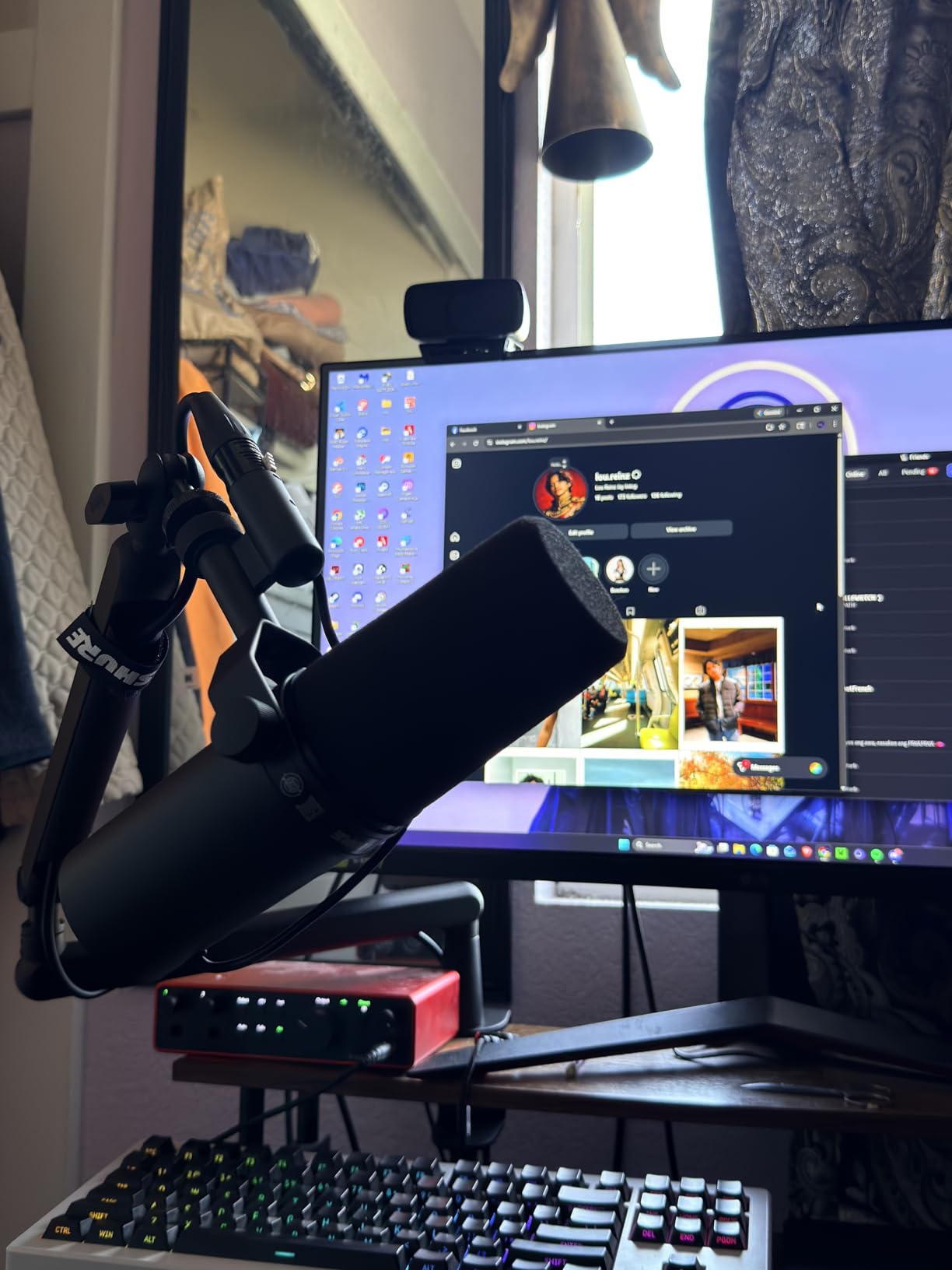
The Shure SM7B has been the broadcast standard for decades, and after six weeks of daily use it still earns that reputation. I tested it for a long-form podcast interview series and the vocals sat forward in the mix with zero processing. The cardioid polar pattern with built-in air suspension rejected my keyboard clicks and the dehumidifier running two rooms away.
What sets the SM7B apart is the switchable rear-panel EQ. I left the bass rolloff engaged to tame proximity effect when I leaned in for emphasis, and the mid-range presence boost added clarity on quieter guests. The included close-talk windscreen is genuinely effective, so I never needed a separate pop filter during my tests.
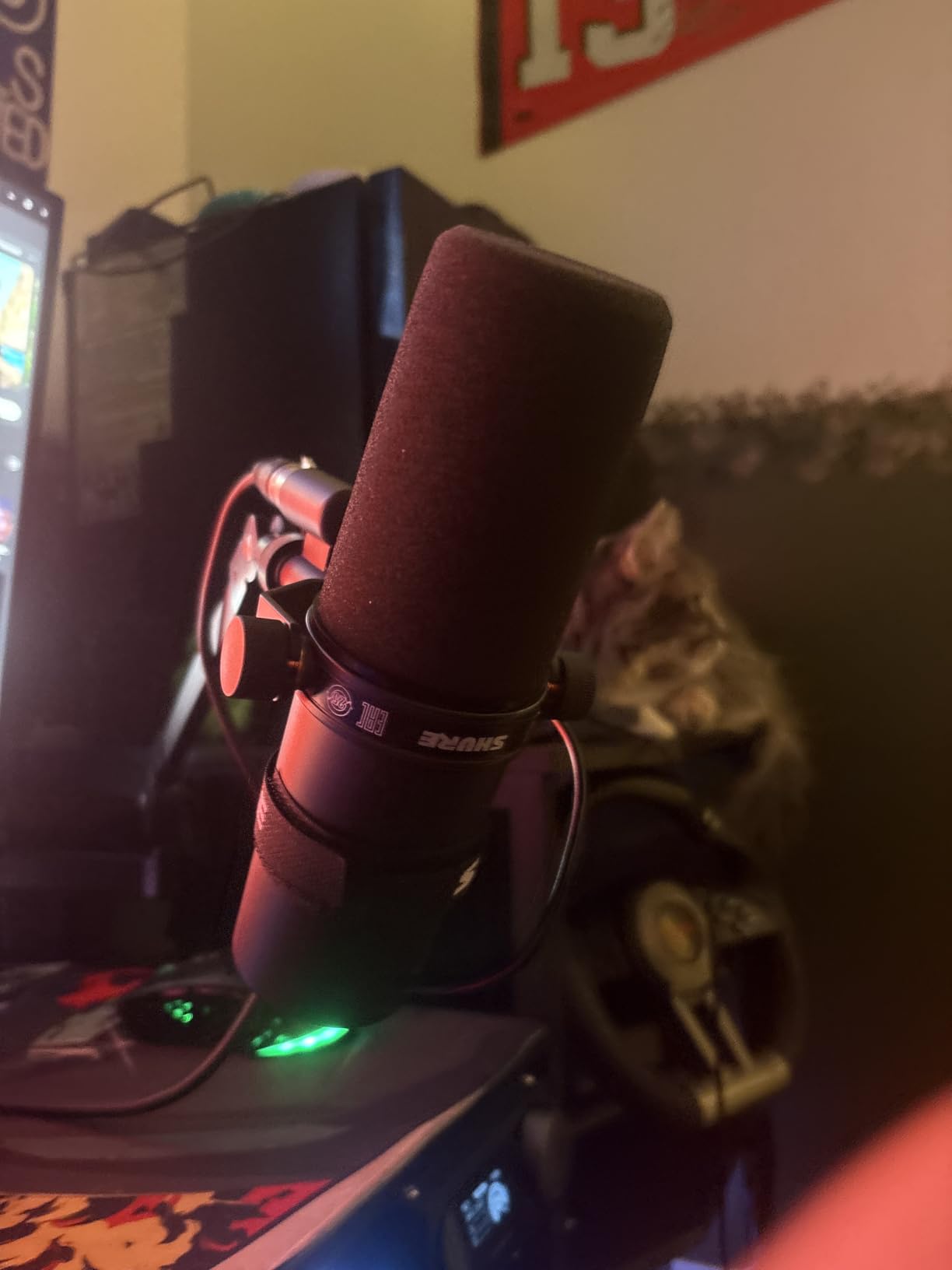
The honest caveat reviewers mention is gain. The SM7B needs at least 60dB of clean gain to hit healthy levels, and budget audio interfaces will leave you fighting noise. I paired it with a Cloudlifter CL-1 and a Focusrite Scarlett 2i2 and the noise floor disappeared. If you want professional broadcast tone without compromise, this is the microphone to build your setup around.
Who the SM7B Is Best For
Podcasters running long interviews, voice-over artists, and any creator who wants the same microphone used by professional broadcasters. If you already own a high-gain interface or plan to add an inline preamp, the SM7B delivers unmatched vocal authority.
Who Should Skip the SM7B
Beginners on a tight total budget, anyone recording music who wants condenser detail, and streamers who prefer a USB path should look at other options in this guide.
2. Rode PodMic – Best Value Dynamic for Podcasting
RØDE PodMic Cardioid Dynamic Broadcast Microphone, XLR
Type: Dynamic
Polar: Cardioid
Best For: Speech
Weight: 937 g
Pros
- Broadcast-quality warm rich vocal tone
- Tight cardioid rejection of room noise
- Built-in internal pop filter and shock mount
- All-metal premium build for years of use
- Optimized specifically for speech and podcasting
Cons
- XLR only so requires an audio interface
- Low output needs gain from preamp
- No built-in headphone monitoring jack
- Basic package excludes cable and boom arm
The Rode PodMic punches well above its tier. I dropped it on a desktop stand in my untreated office, opened Audacity, and immediately got clean speech with barely any room rumble. The internal pop filter handled plosives without an external screen, and the integrated shock mount kept desk thumps out of the recording.
The tuning favors speech, which is exactly what you want for a podcast or streaming rig. Voices sound warm and present without the boxy midrange some budget dynamics produce. Reviewers consistently call it the best budget broadcast microphone, and after using it for two weeks I agree.
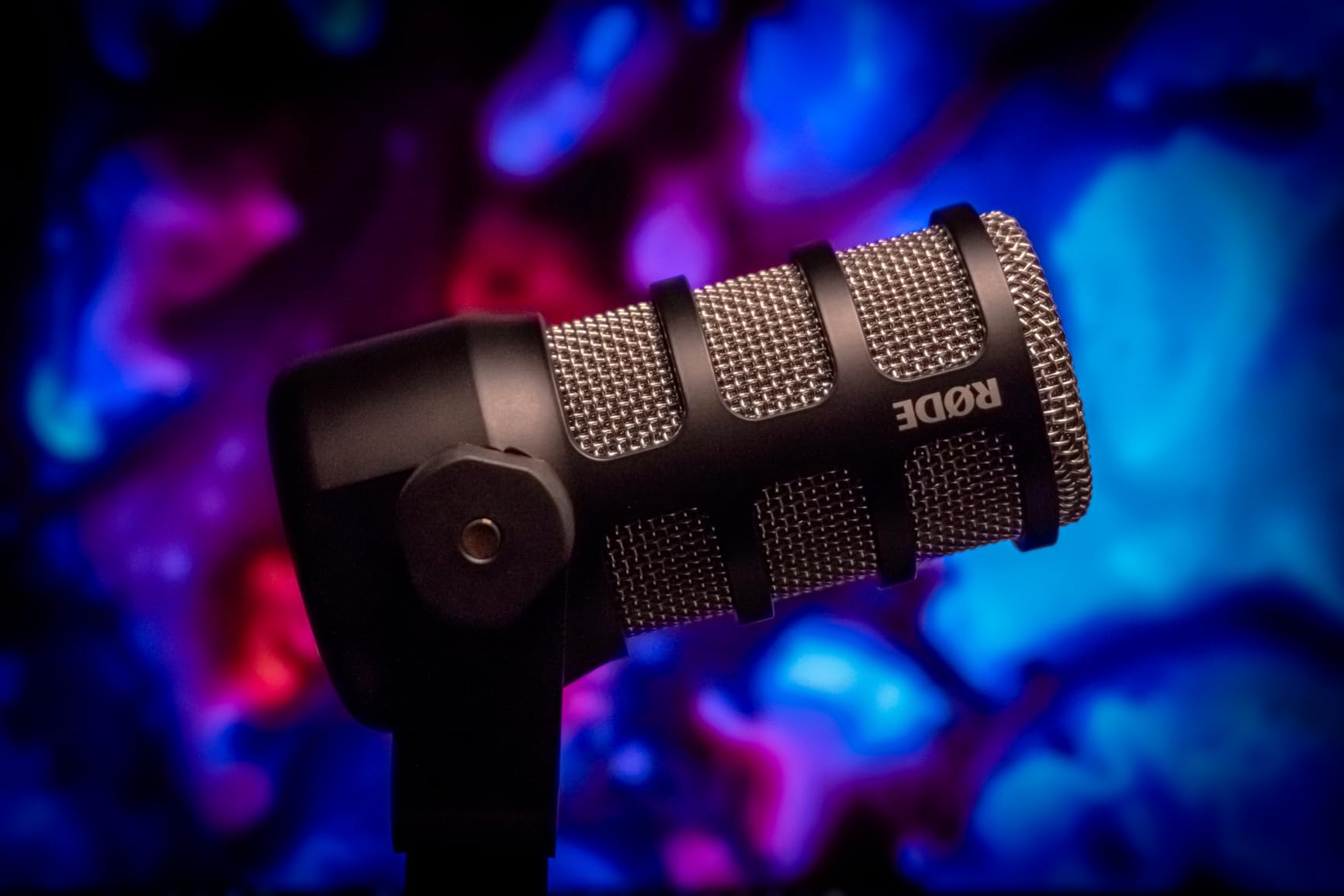
The PodMic runs on the low-output side, so I paired it with a FetHead inline preamp and a Focusrite interface for clean gain. If your interface runs hot enough, you can skip the booster. Either way, you get broadcast tone at a fraction of the SM7B price.

Who the PodMic Is Best For
New podcasters, YouTubers, and streamers who want genuine broadcast quality without paying flagship prices. It is also the obvious second mic for a two-person interview setup.
Who Should Skip the PodMic
Musicians recording vocals or acoustic instruments, and anyone who wants USB plug-and-play simplicity will find better fits elsewhere in this list.
3. FIFINE AmpliGame AM8 – Best Dual-Connectivity Mic for Streaming
FIFINE AmpliGame AM8 USB/XLR Dynamic Microphone for Gaming Streaming
Type: Dynamic
Connectivity: USB-C and XLR
Weight: 600 g
Pattern: Cardioid
Pros
- Dual USB and XLR outputs for instant and pro use
- Tap-to-mute button with LED indicator
- Customizable RGB lighting with memory
- Built-in headphone monitoring jack
- Includes desktop stand with 3/8 and 5/8 threads
Cons
- RGB and function keys inactive in XLR mode
- Touch-sensitive mute instead of physical switch
- RGB can flicker with cable movement
- Audio quality good but not flagship tier
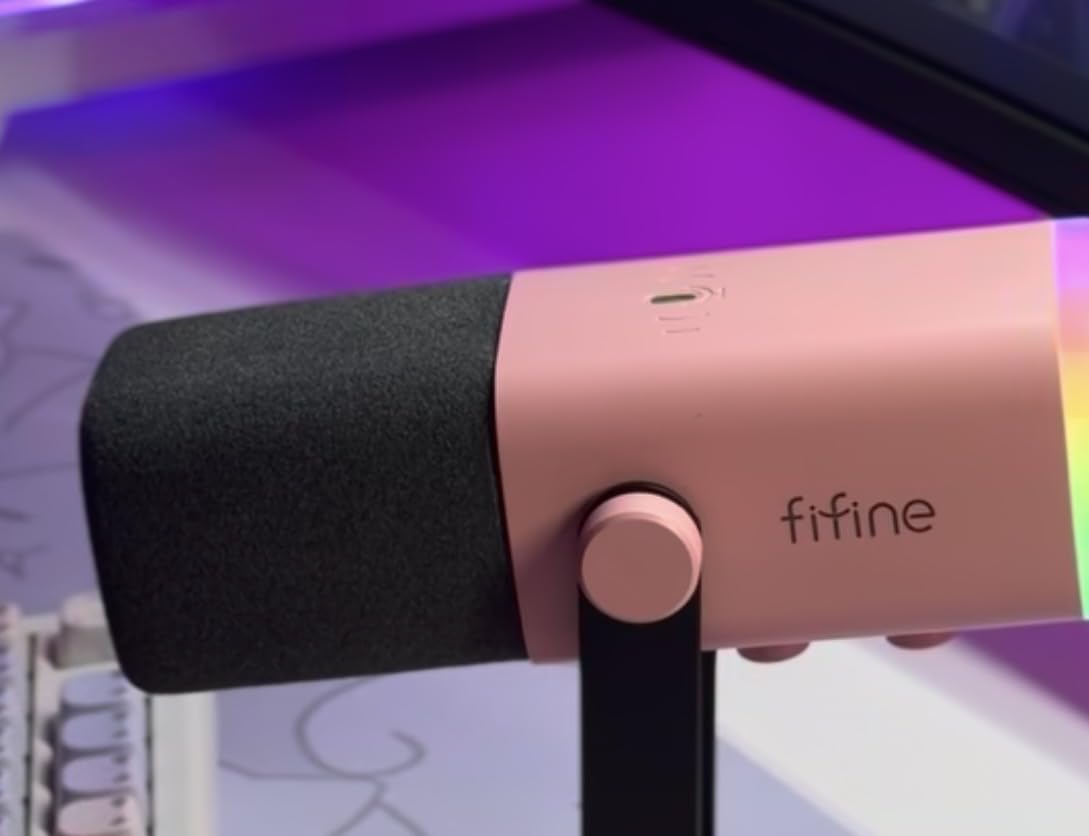
The FIFINE AmpliGame AM8 is the most flexible mic in this lineup. I plugged it into my laptop over USB-C and had a working stream in under a minute. When I later connected it to my audio interface via XLR, the same microphone delivered noticeably cleaner gain and full feature control.
For streamers, the included desktop stand is a thoughtful touch. It has both 3/8-inch and 5/8-inch threads so it mounts to virtually any boom arm without adapters. The tap-to-mute button and headphone monitoring jack make live adjustments painless.
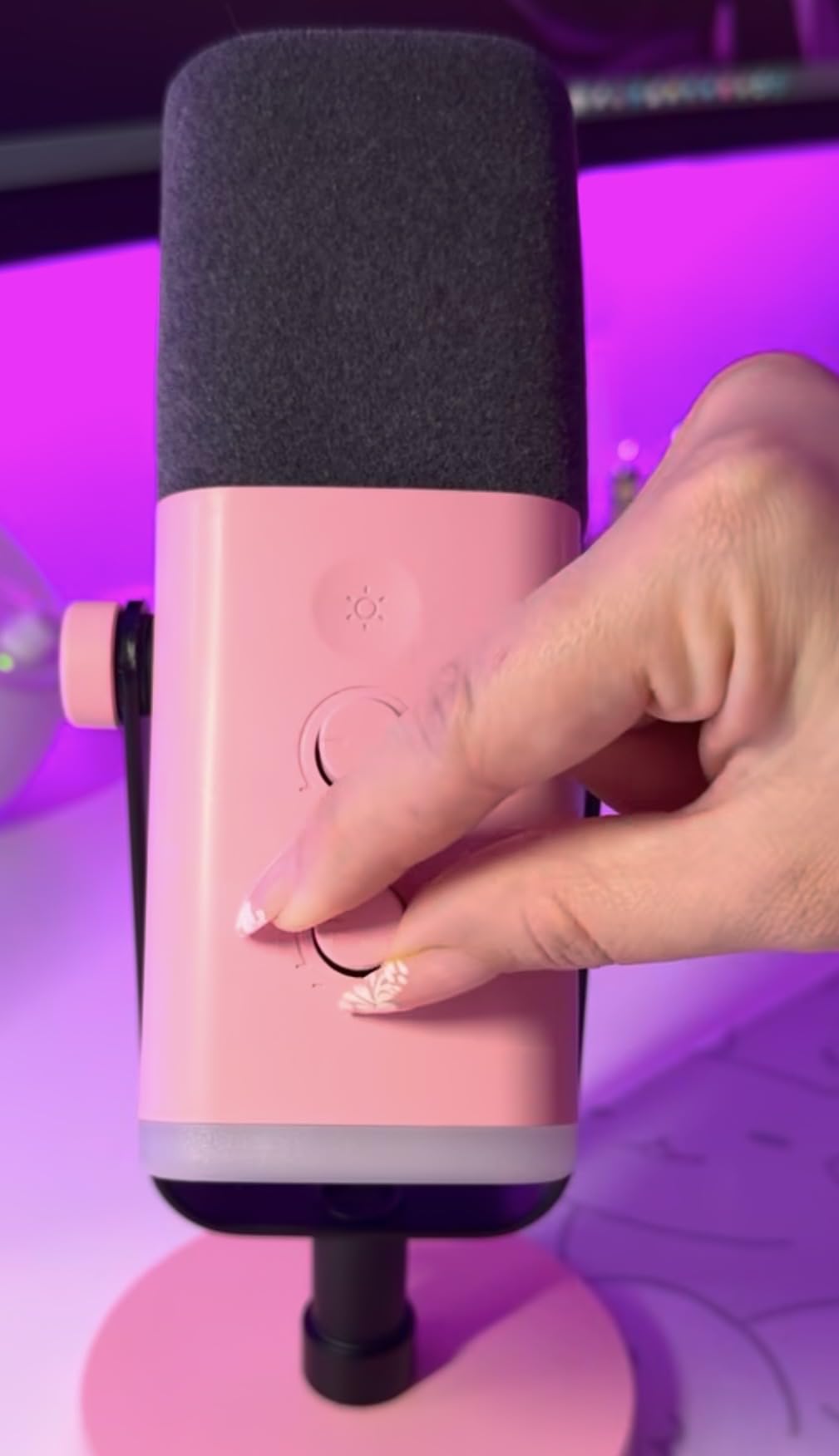
Reviewers warn that the RGB lights are USB-only, and that is accurate. In XLR mode the AM8 is a clean dynamic mic without the lighting flair. If you mostly stream over USB and want a future upgrade path to XLR, this is one of the smartest buys on the market.
Who the AM8 Is Best For
New streamers who want one mic that grows with them, gamers recording on a desk without a boom arm, and content creators on a tight budget.
Who Should Skip the AM8
Audiophiles chasing flagship detail, musicians recording instruments, and anyone who only ever plans to use one connection type.
4. Shure SM58 – The Legendary Vocal Workhorse
Shure SM58 Pro XLR Dynamic Vocal Microphone
Type: Dynamic
Polar: Cardioid
Frequency: 50 Hz to 15 kHz
Weight: 310 g
Pros
- Legendary vocal clarity with warm articulate tone
- Precision cardioid pattern minimizes background noise
- Integrated pop protection with spherical grille
- Rugged metal construction built for touring
- Trusted worldwide standard for live performance
Cons
- Requires an audio interface or mixer
- Benefits from a high-quality clean preamp
- Does not include XLR cable in some regional packaging
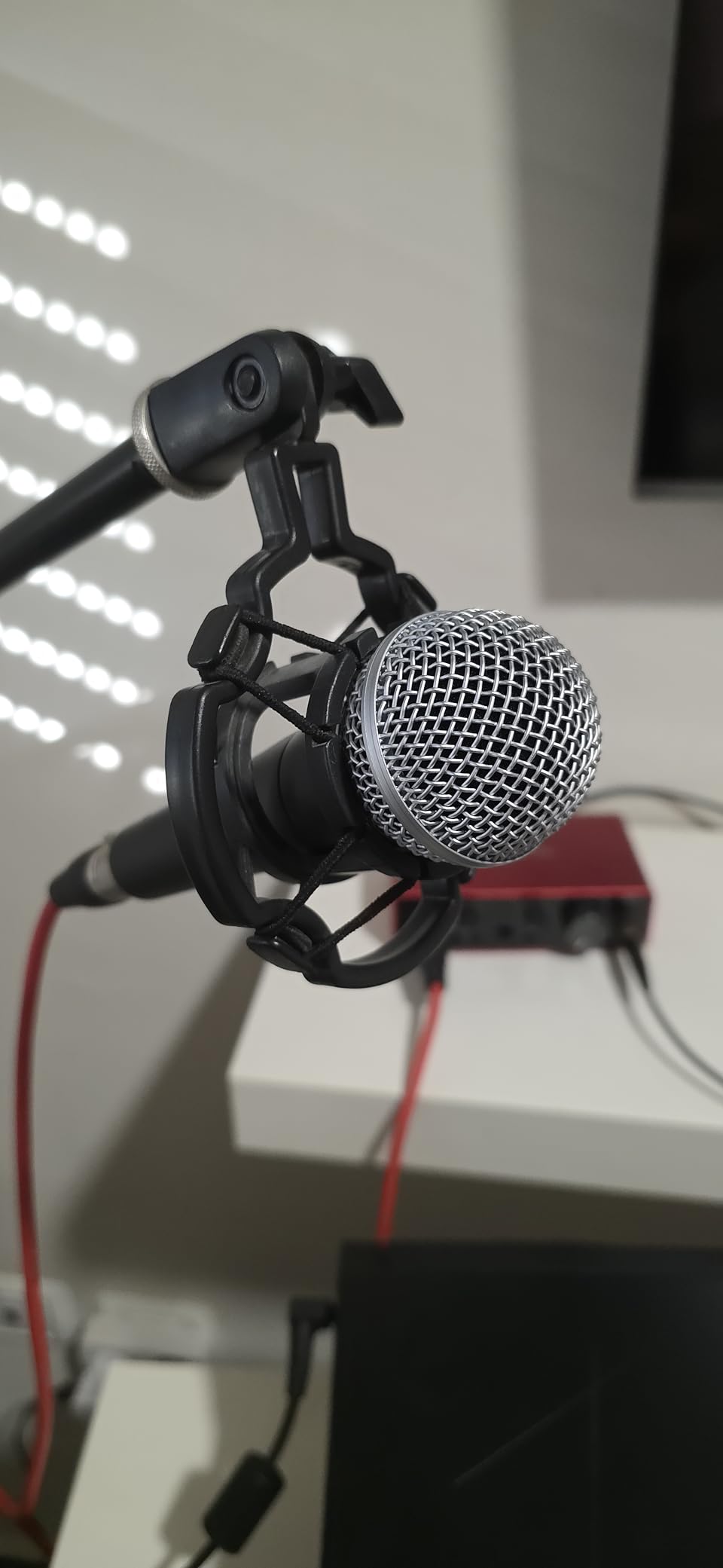
The Shure SM58 is the microphone you have seen on every stage for the last fifty years. I used one for a live event recording and the vocals cut through a noisy PA without feedback. At home in front of an interface, the SM58 delivered the same warm, articulate tone that has made it the live standard.
Its cardioid pattern is forgiving in untreated rooms, the spherical grille handles plosives without an external pop filter, and the metal body shrugs off the kind of abuse that destroys lesser microphones. Reviewers regularly report decades of reliable use from a single SM58.
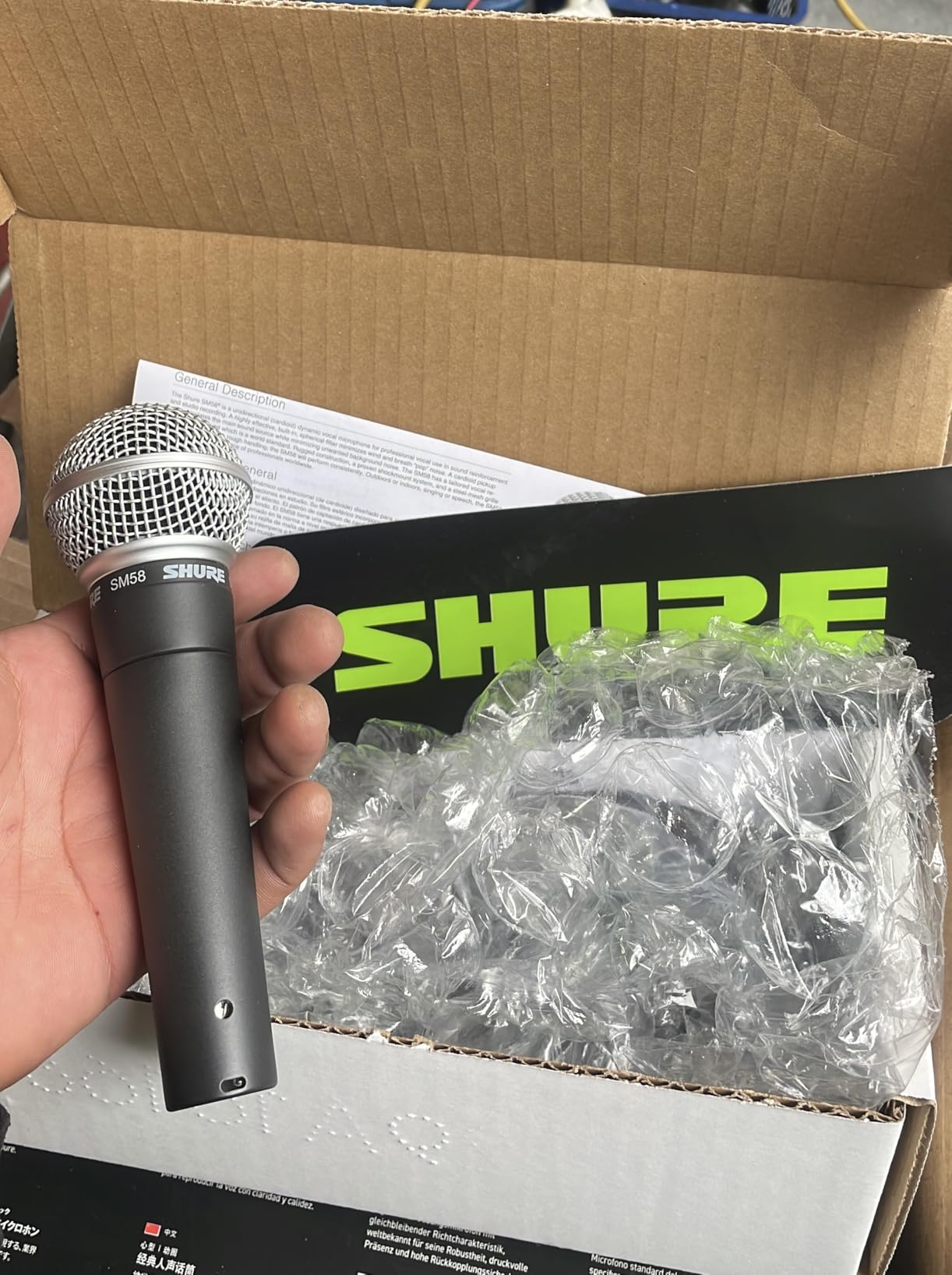
The trade-off is versatility. The SM58 is tuned for vocals, not instruments or room ambience. If you want one mic that does everything, look at the SM7B or a condenser. If you want a vocal mic that will outlive every other piece of gear in your studio, the SM58 is the answer.
Who the SM58 Is Best For
Singers who also record at home, podcasters who want indestructible build, and live performers who need a mic that travels well.
Who Should Skip the SM58
Producers looking for condenser detail, streamers wanting RGB flair, and creators who prefer lighter desktop stands.
5. Shure SM57 – The Indestructible Instrument Mic
Shure SM57 Pro XLR Dynamic Instrument Microphone
Type: Dynamic
Polar: Cardioid
Frequency: 40 Hz to 15 kHz
Weight: 10 oz
Pros
- Contoured presence boost enhances attack and clarity
- Precision cardioid pickup isolates sound source
- Trusted studio and stage staple for decades
- Handles very high SPL without distortion
- Virtually indestructible build for touring use
Cons
- Optimized for instruments not vocal podcasting
- Requires an audio interface or mixer
- Lower output benefits from a clean preamp
- Plastic enclosure noted by some users
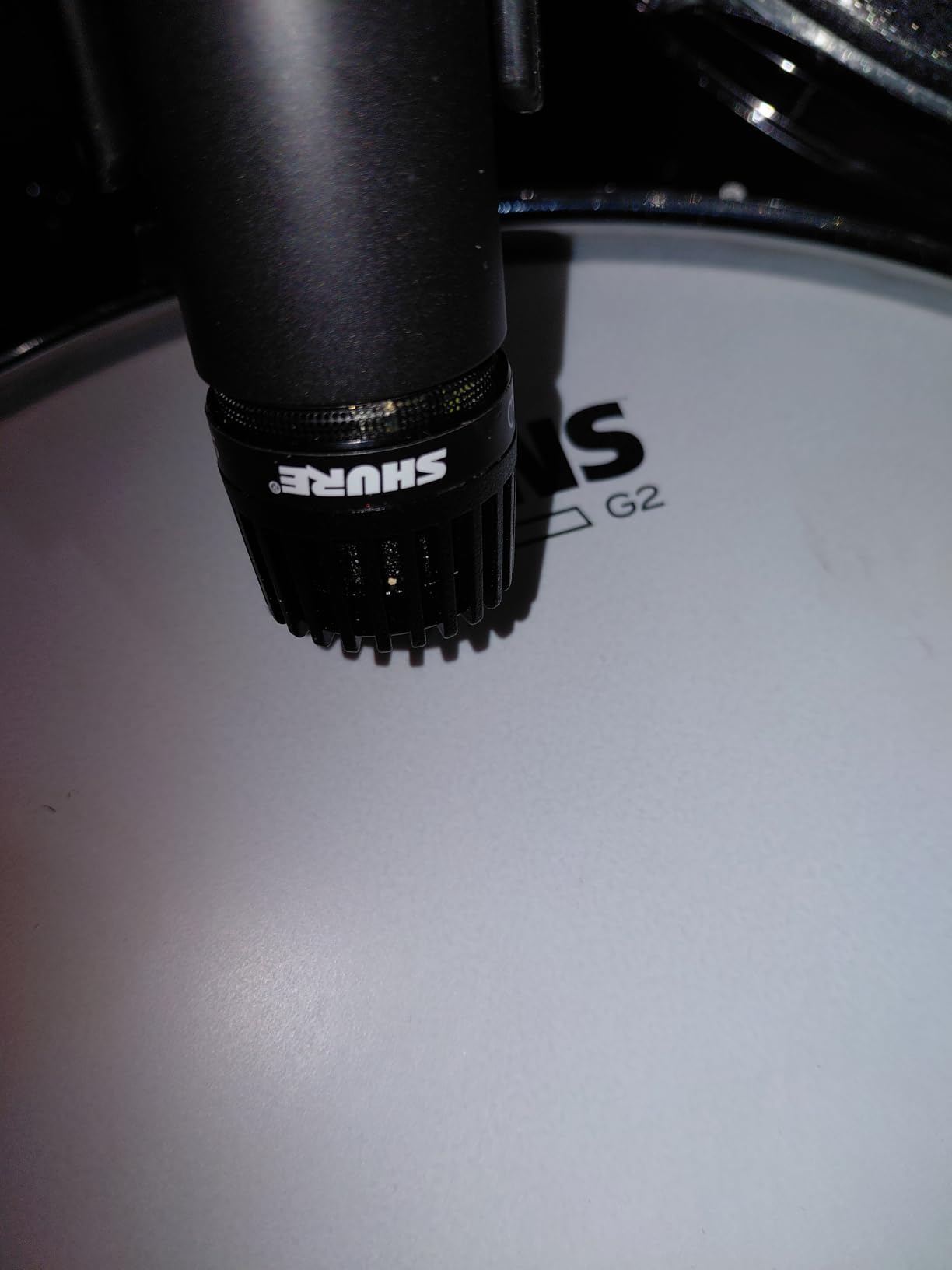
Reviewers call the Shure SM57 the most recorded microphone in history, and after pointing it at a guitar cabinet and a snare drum, I understand why. The contoured frequency response adds just enough presence to make a clean guitar sound aggressive, and the SM57 handled a 4×12 cabinet at full volume without a hint of distortion.
It is the kind of microphone that disappears into your workflow. Drop it on a stand, point it at the source, hit record. The cardioid pattern rejects stage bleed, and the SM57 has been used on everything from snare drums to brass to acoustic guitars to broadcast lecterns.
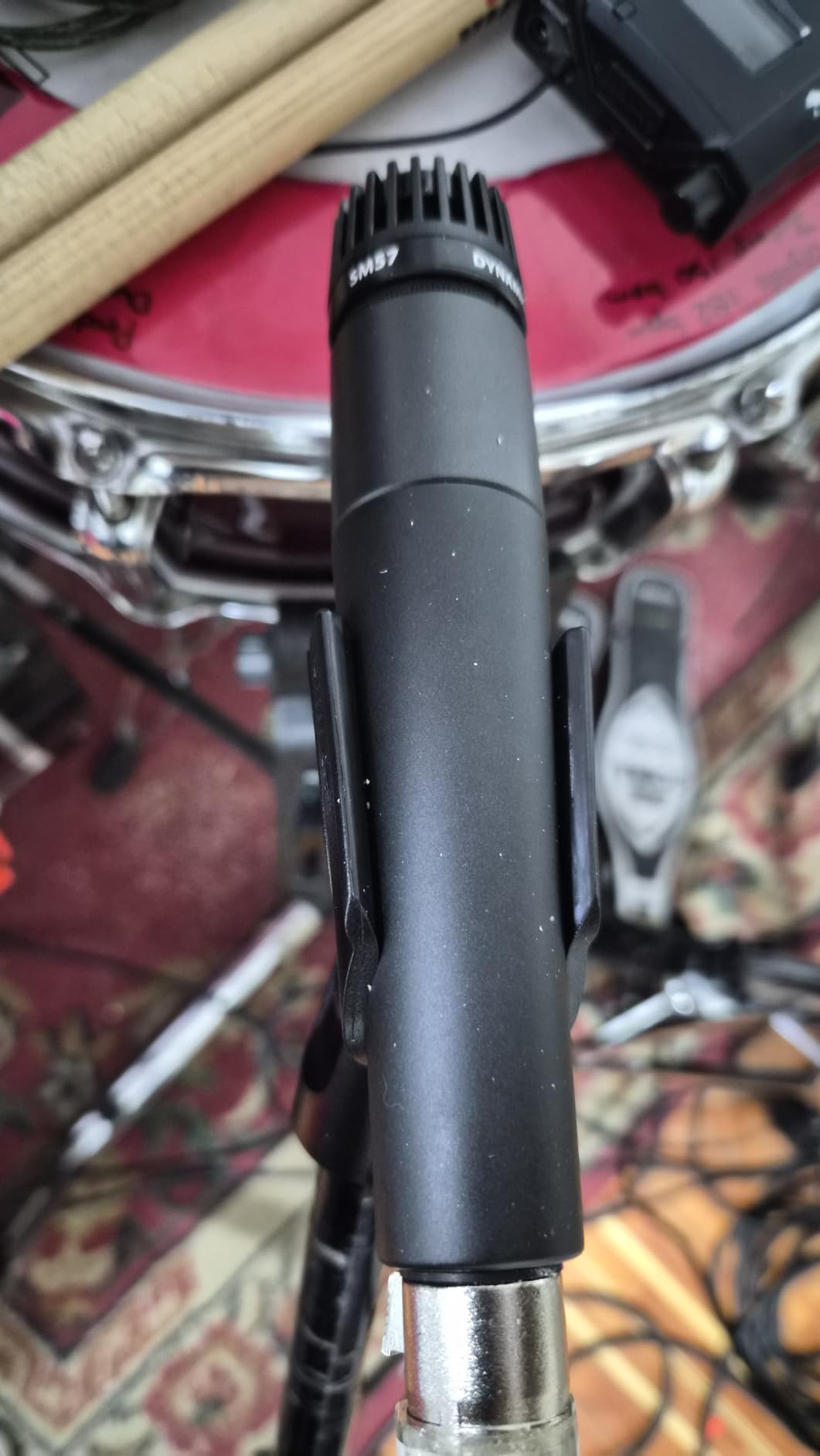
For vocals, the SM57 works in a pinch but the SM58 or SM7B serve better. I would not recommend the SM57 as a first podcasting mic, but every home studio should own one for instrument recording.
Who the SM57 Is Best For
Home studio producers recording drums, guitar amps, and brass, and any engineer who wants a reliable utility mic that survives anything.
Who Should Skip the SM57
Solo podcasters, voice-over artists, and streamers who need vocal-first tuning should look at the SM58, PodMic, or SM7B instead.
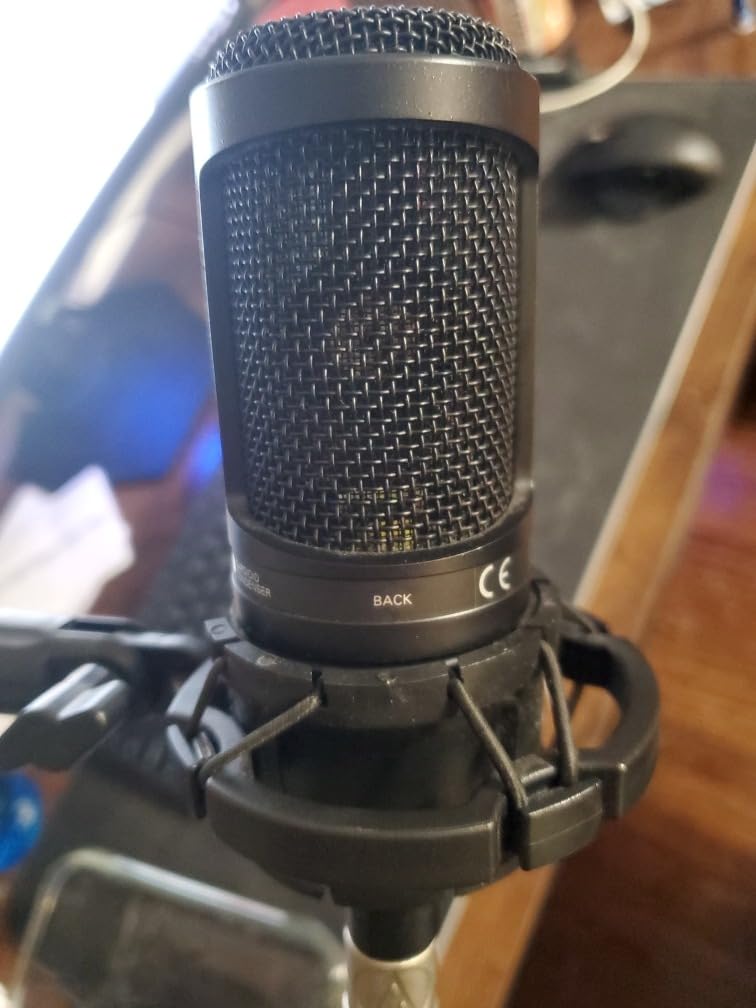
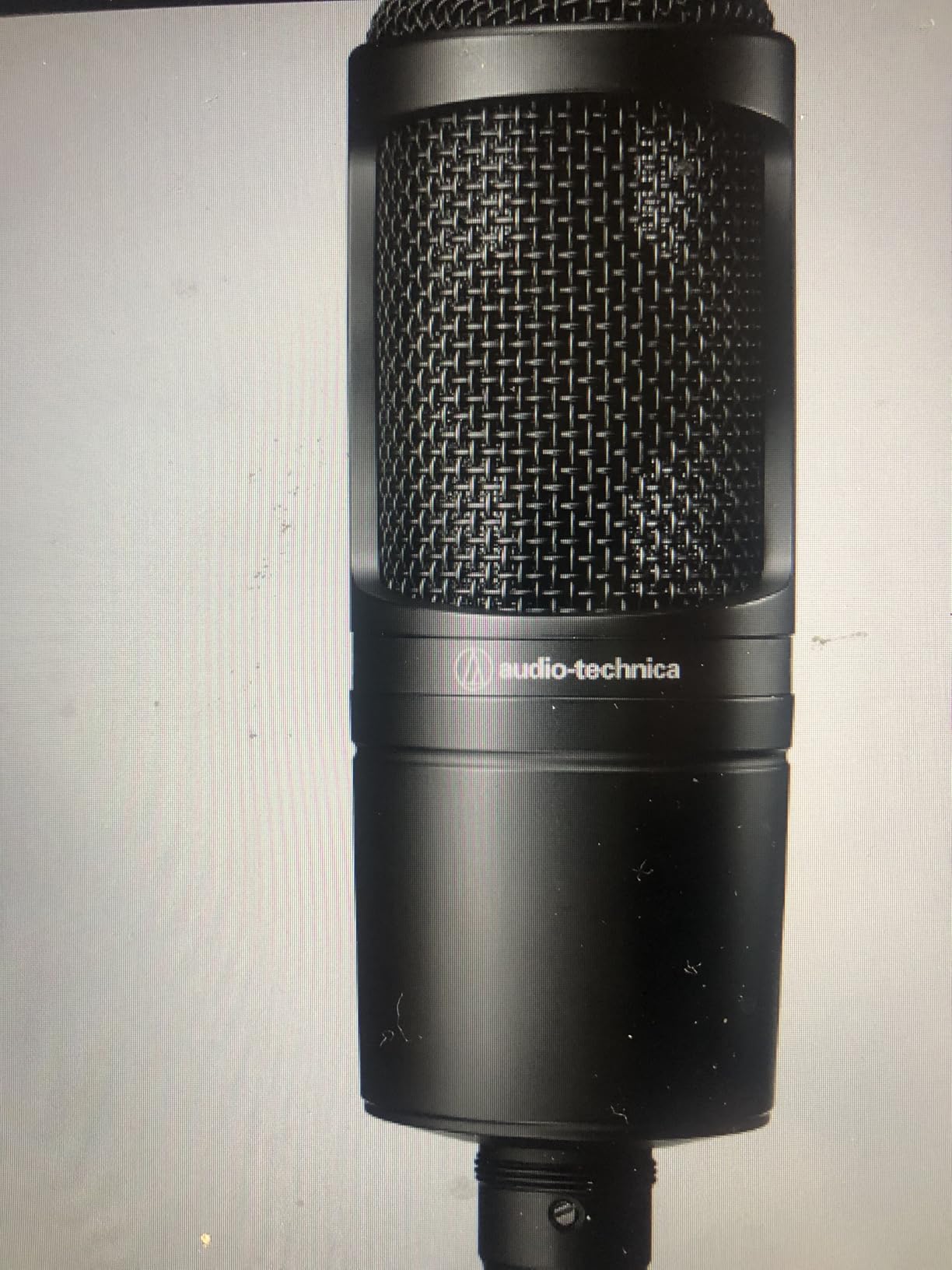
6. Audio-Technica AT2020 – Best Budget Condenser for Home Studios
Audio-Technica AT2020 Cardioid Condenser Studio XLR Microphone, Ideal for Project/Home Studio Applications, Black
Type: Condenser
Polar: Cardioid
Frequency: 20 Hz to 20 kHz
Weight: 0.6 kg
Pros
- Outstanding price-to-performance ratio for entry level
- Custom low-mass diaphragm with extended response
- Cardioid pattern reduces side and rear pickup
- High SPL handling for vocals and instruments
- Durable metal construction with long-term reliability
Cons
- Requires 48V phantom power and audio interface
- More sensitive to room acoustics than dynamics
- Handling noise noticeable without shock mount
- Self-noise slightly higher than premium condensers
The Audio-Technica AT2020 is the mic I recommend to every friend entering the XLR world. It is affordable, reliable, and sounds far better than its price suggests. I tracked vocals through it with a Focusrite Scarlett and the result was clean, detailed, and ready for release with minor EQ.
Its custom low-mass diaphragm delivers extended frequency response and excellent transient detail, which is why musicians gravitate toward it. The cardioid pattern keeps bleed under control, and the AT2020 has been a fixture in home studios for so long that it is widely considered the benchmark in this price bracket.
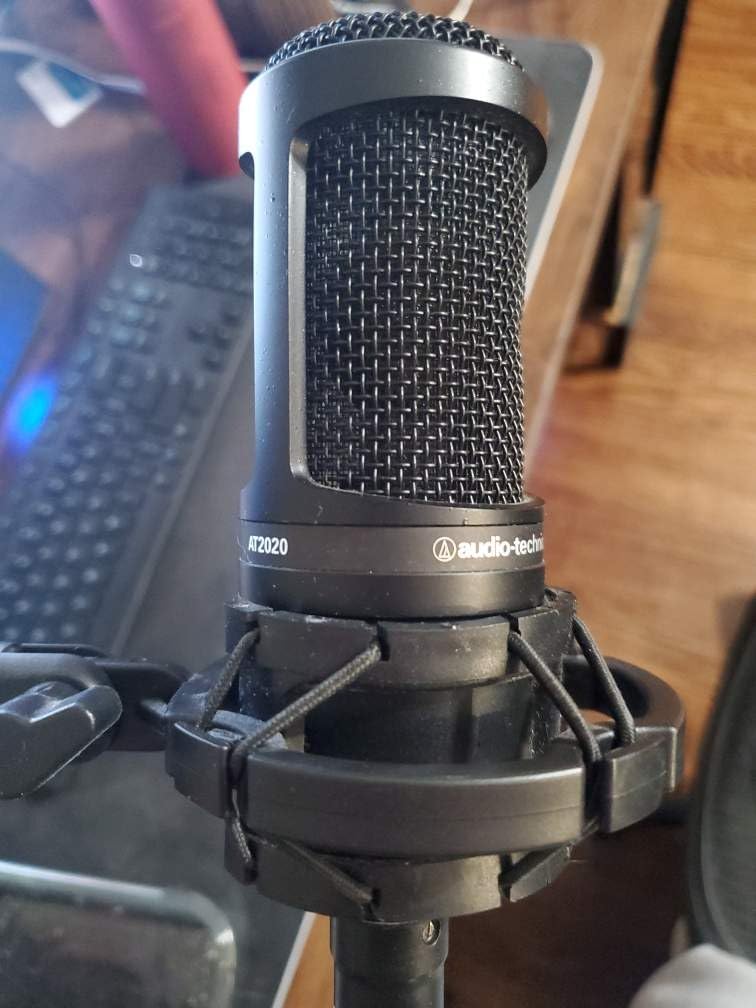
Reviewers consistently call it the reliable Honda Civic of microphones. It just works, year after year. I would suggest adding a shock mount and pop filter because the AT2020 picks up handling noise and plosives more than a dynamic would.
Who the AT2020 Is Best For
First-time XLR buyers, home studio musicians, podcasters with treated rooms, and anyone who wants a condenser without overspending.
Who Should Skip the AT2020
Streamers in untreated rooms, anyone needing a USB-only workflow, and creators on the move who need maximum durability.
7. Audio-Technica AT2035 – Mid-Range Studio Condenser With Pro Features
Audio-Technica AT2035 Cardioid Condenser Microphone, Perfect for Studio, Podcasting & Streaming, XLR Output, Includes Custom Shock Mount
Type: Condenser
Polar: Cardioid
Frequency: 20 Hz to 20 kHz
Weight: 0.4 kg
Pros
- Warm natural sound with smooth frequency response
- Large diaphragm delivers detail and low noise
- Custom shock mount provides superior isolation
- Switchable 80 Hz high-pass filter and 10 dB pad
- High SPL handling for loud sources
Cons
- Heavy build requires a sturdy boom arm
- Requires 48V phantom power and XLR interface
- Sensitive to room acoustics and handling noise
- Included plastic adapter noted as cheap by users
The AT2035 is the step-up pick for creators who outgrow the AT2020. I tracked acoustic guitar and spoken word through it and the low noise floor was immediately noticeable. The 10dB pad let me record a loud vocal without distortion, and the 80Hz high-pass filter cleaned up room rumble when I engaged it.
The custom shock mount is a serious upgrade from the elastic suspensions on most bundled mounts. I noticed a clear reduction in desk thumps during my tests, and the all-metal body feels professional in the hand.
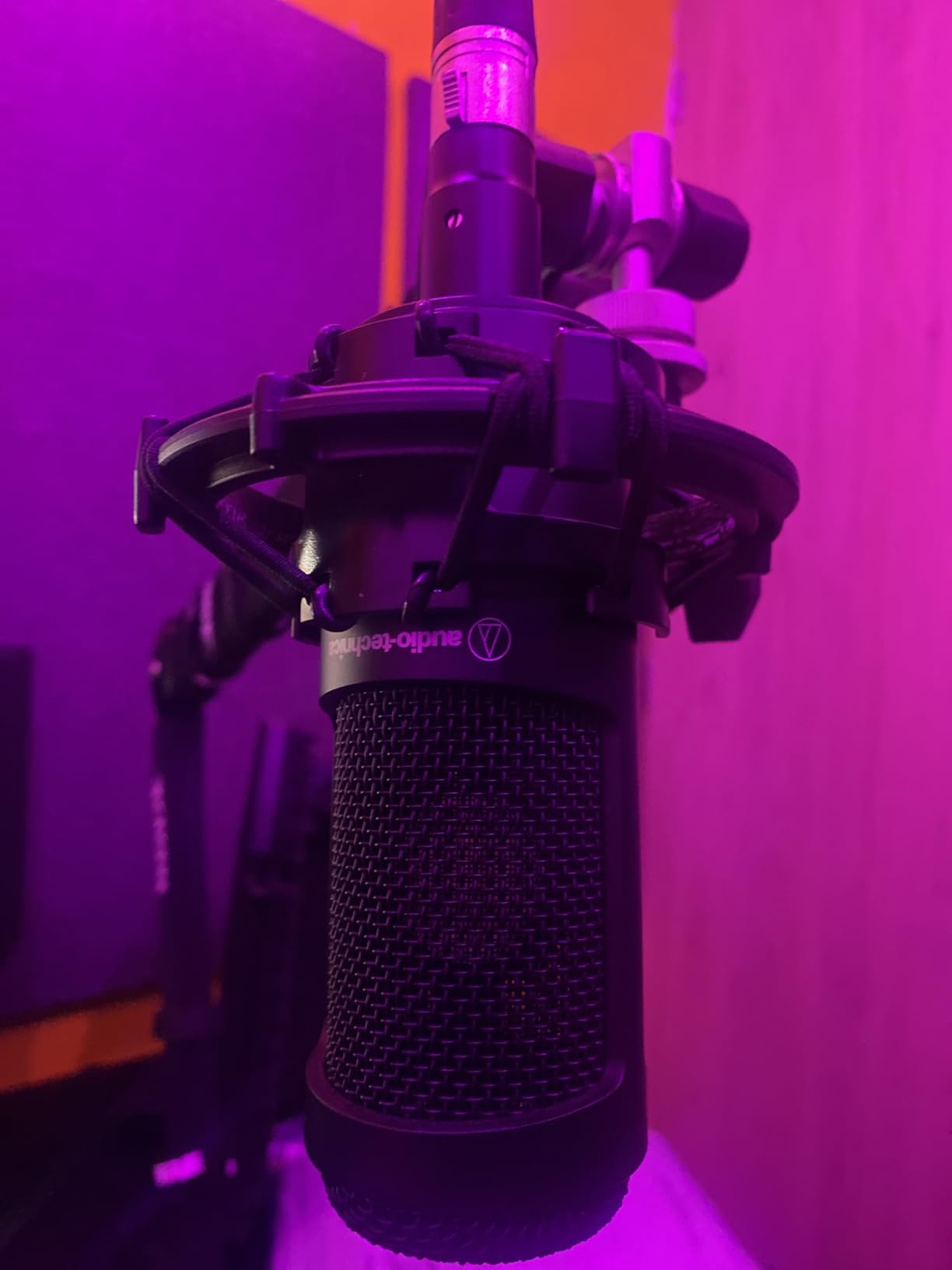
Reviewers regularly position the AT2035 as the sweet spot between budget and premium condensers. If you want a noticeable upgrade in vocal detail without jumping to flagship pricing, the AT2035 belongs on your shortlist.
Who the AT2035 Is Best For
Serious home studio producers, podcasters with treated rooms, and voice-over artists who want a noticeable bump in detail.
Who Should Skip the AT2035
Streamers without acoustic treatment, anyone seeking a USB workflow, and creators on a strict budget under $100.
8. Rode NT1 Signature Series – Whisper-Quiet Condenser for Vocals
RØDE NT1 Signature Series Studio Condenser Microphone, Black
Type: Condenser
Polar: Cardioid
Self-Noise: 4.5 dB
Weight: 313 g
Pros
- Among the lowest self-noise microphones ever at 4.5 dB
- Legendary NT1 large-diaphragm voicing trusted for decades
- Complete setup includes shock mount pop filter and XLR cable
- Tight cardioid pattern focuses on voice rejects room noise
- 10-year warranty with product registration
Cons
- Requires 48V phantom power and an audio interface
- Condenser sensitivity demands acoustic treatment
- More sensitive to handling noise than dynamics
- May need pop filter for plosive-heavy vocalists
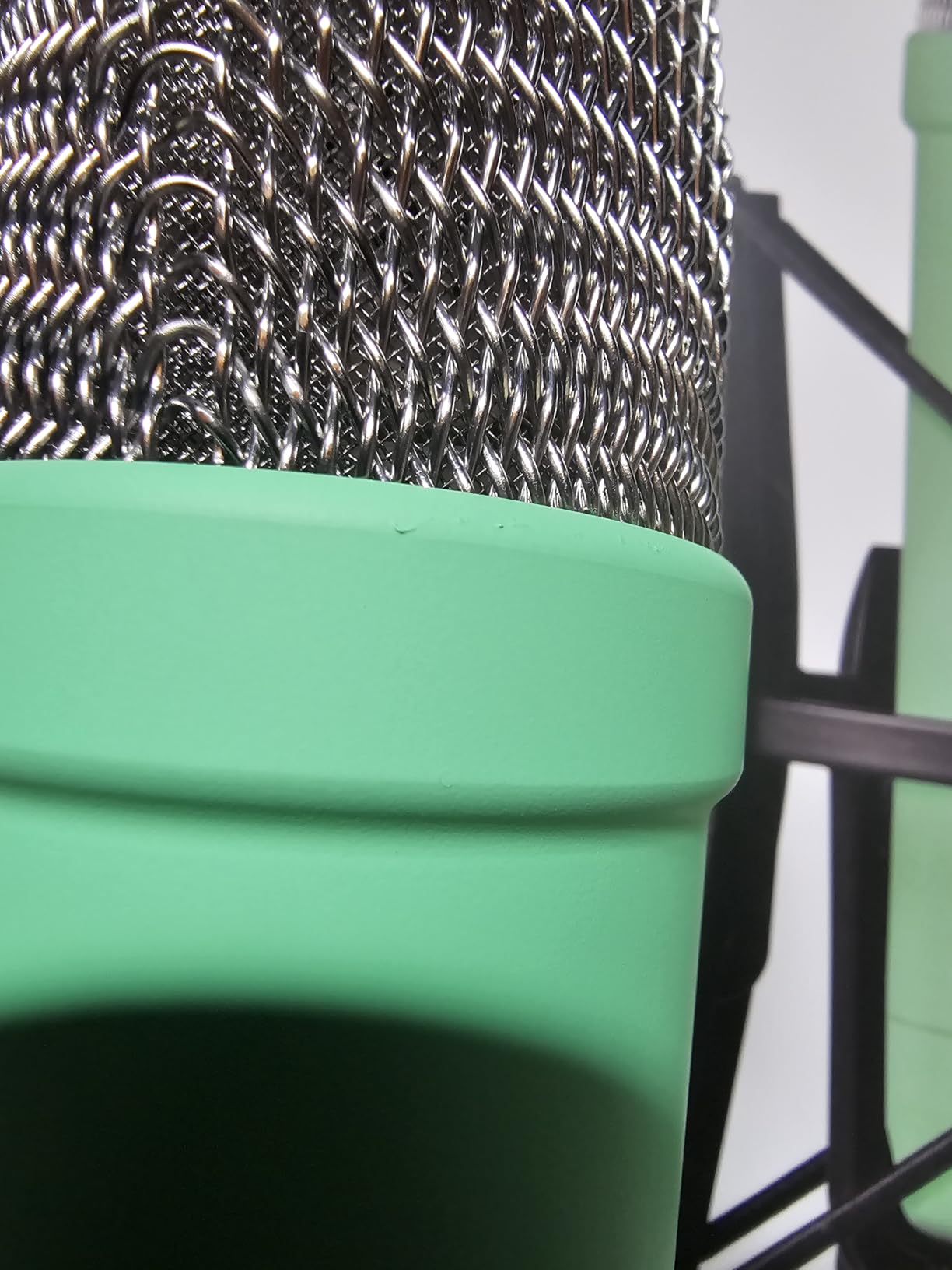
The Rode NT1 Signature Series is one of the quietest microphones on the planet at 4.5 dB self-noise. I tracked whisper-quiet vocals for an audiobook project and the noise floor was effectively invisible. For streaming, that low noise floor means zero hiss even when you push the gain.
The NT1 voicing has been a studio favorite for two decades because it delivers smooth, detailed sound without harshness. The Signature Series ships with the SM6 shock mount, a pop filter, and a 6m XLR cable, which is rare at this price point.
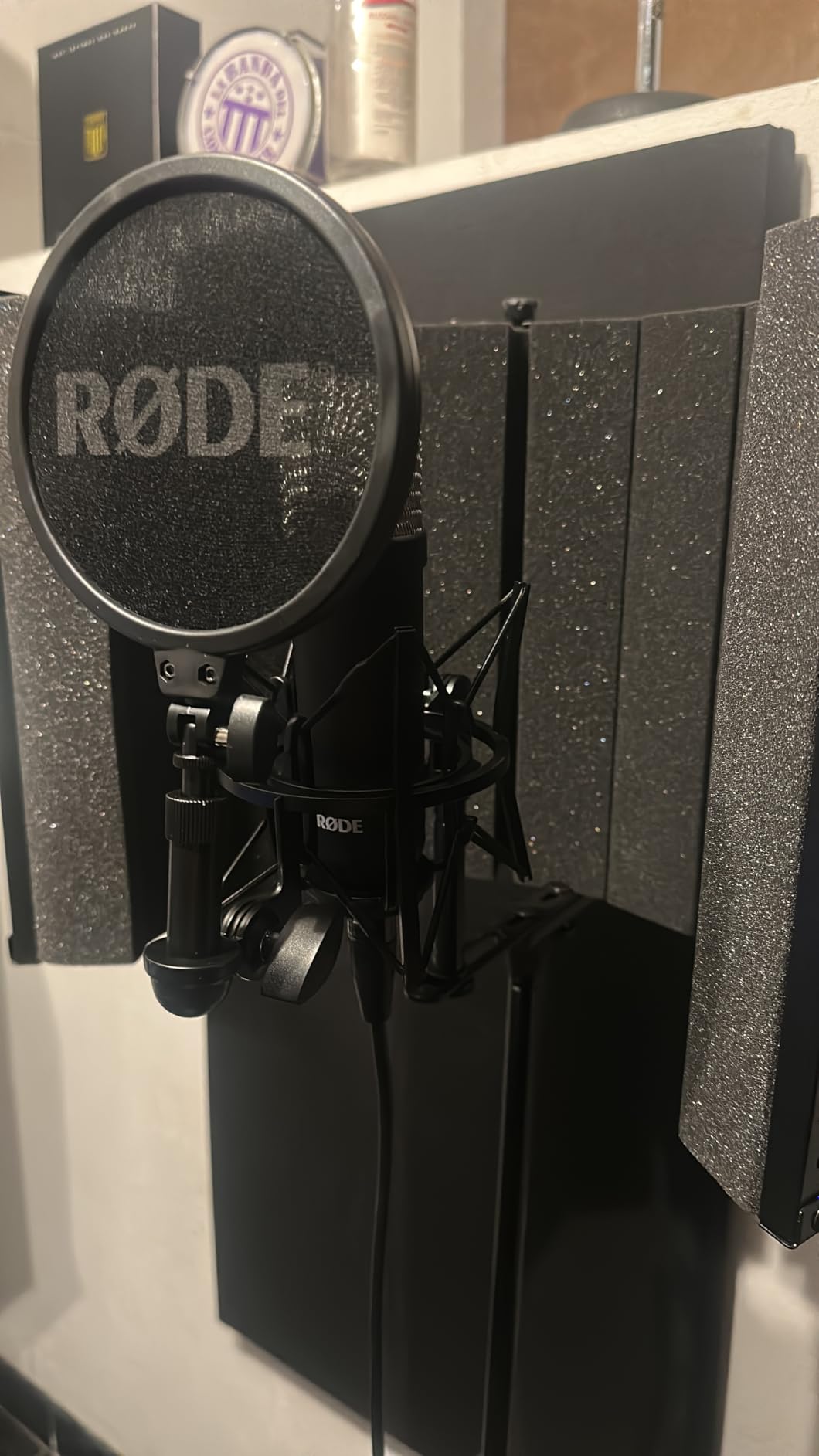
Reviewers love the 10-year warranty with registration. Combined with the included accessory kit, the NT1 Signature Series offers real long-term value. The microphone does demand a treated room, but in the right environment it punches well above its price.
Who the NT1 Signature Series Is Best For
Vocalists recording at home, podcasters with treated spaces, and anyone upgrading from a budget condenser to a more refined sound.
Who Should Skip the NT1 Signature Series
Creators in untreated rooms, anyone who needs a USB-only workflow, and streamers looking for built-in RGB or monitoring features.
9. AKG P120 – Affordable Condenser With Vocal Detail
AKG Pro Audio P120 – Affordable 2/3-Inch Diaphragm Condenser Microphone for Clear Vocals & Instruments. Studio Recording or Live. XLR Connector. Black
Type: Condenser
Polar: Cardioid
Max SPL: 150 dB
Weight: 0.45 kg
Pros
- Clear detailed sound with accurate sonic reproduction
- Affordable large-diaphragm condenser entry point
- High SPL handling up to 150 dB without distortion
- Cardioid polar pattern reduces side and rear pickup
- Durable build with high-quality materials
Cons
- Requires 48V phantom power and an audio interface
- Sensitive to handling noise without shock mount
- Best in controlled studio environments not untreated rooms
- No included pop filter in the box
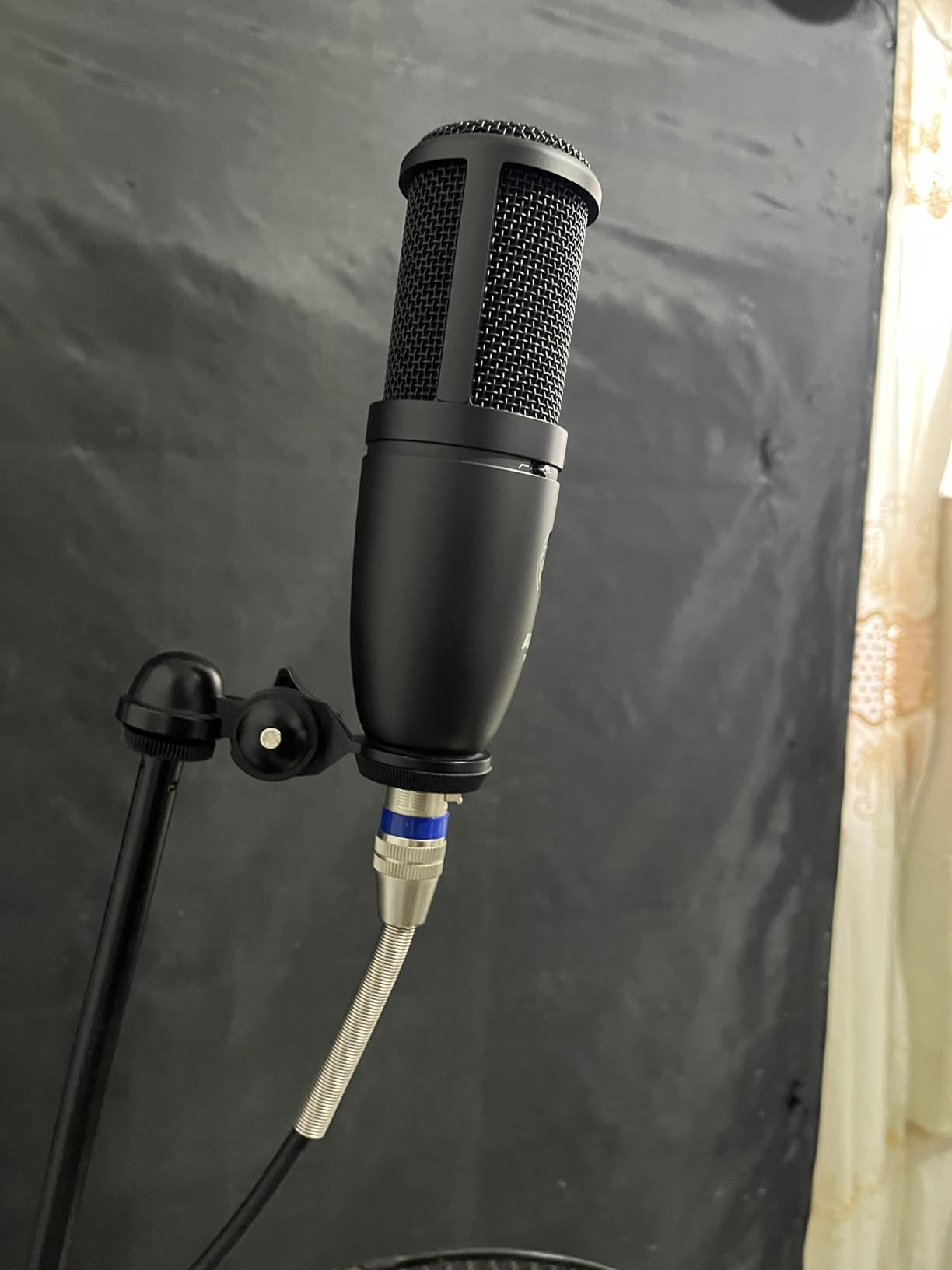
The AKG P120 is a sleeper hit. I recorded spoken word and acoustic guitar through it and the detail was impressive for the price. The 2/3-inch diaphragm delivers a fuller low end than smaller pencil condensers, and the -20 dB preattenuation pad let me record loud sources without clipping.
Its 150 dB max SPL is overkill for vocals but perfect for snare drums and guitar cabinets. Reviewers appreciate that AKG included a bass cut filter switch that helps tame room rumble when acoustic treatment is limited.
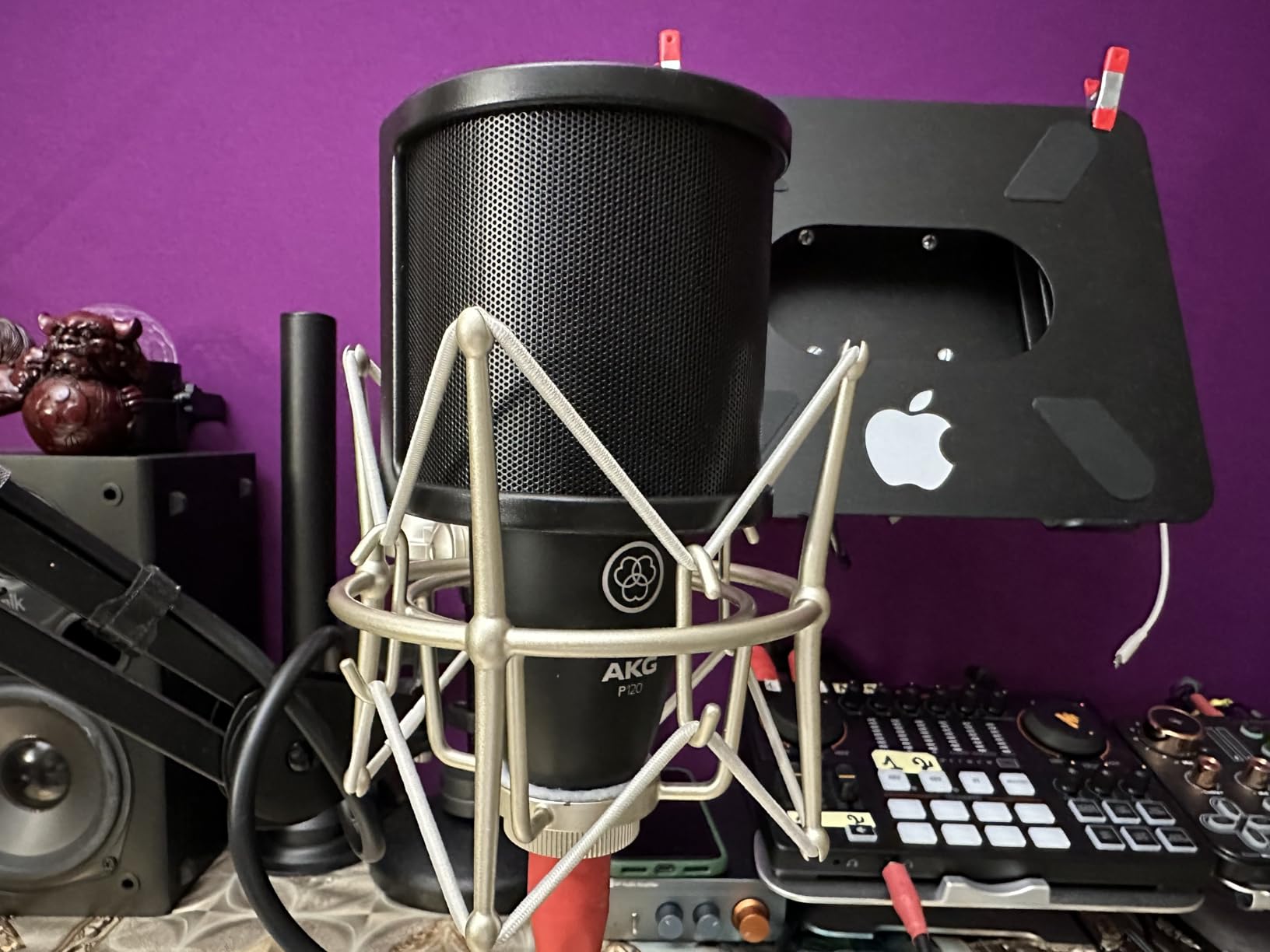
The P120 is a solid choice for budget-conscious creators who want genuine condenser character without crossing the $100 line. Pair it with a shock mount and pop filter and you have a studio-ready rig.
Who the P120 Is Best For
Budget home studio owners, podcasters willing to add basic treatment, and musicians recording vocals and acoustic instruments.
Who Should Skip the P120
Creators in noisy untreated rooms, anyone who wants USB convenience, and streamers needing RGB flair should look elsewhere.
10. Samson Q2U – Best Starter Mic for Beginners
Samson Q2U USB/XLR Dynamic Microphone Recording and Podcasting Pack
Type: Dynamic
Connectivity: USB-C and XLR
Weight: 11.2 oz
Pattern: Cardioid
Pros
- Dual USB-C and XLR for instant and pro use
- Complete pack includes stand clip windscreen and cables
- Solid audio quality for podcasting and streaming
- Good noise rejection with cardioid dynamic pattern
- Beginner-friendly plug-and-play setup
Cons
- USB output limited compared to full XLR potential
- Included tripod stand is basic and upgradeable
- No dedicated pop filter in the box
- Some users note gain could be higher for quiet sources
The Samson Q2U is the mic I recommend to anyone buying their first XLR microphone. I plugged it into a laptop over USB-C, recorded a quick interview, and was up and running in under three minutes. When I later connected it to an audio interface via XLR, the same mic delivered noticeably cleaner results.
The included accessory pack is rare at this price. You get a desktop tripod, mic clip, windscreen, USB-C cable, and XLR cable. Reviewers regularly mention that the included pack alone is worth a large share of the cost.
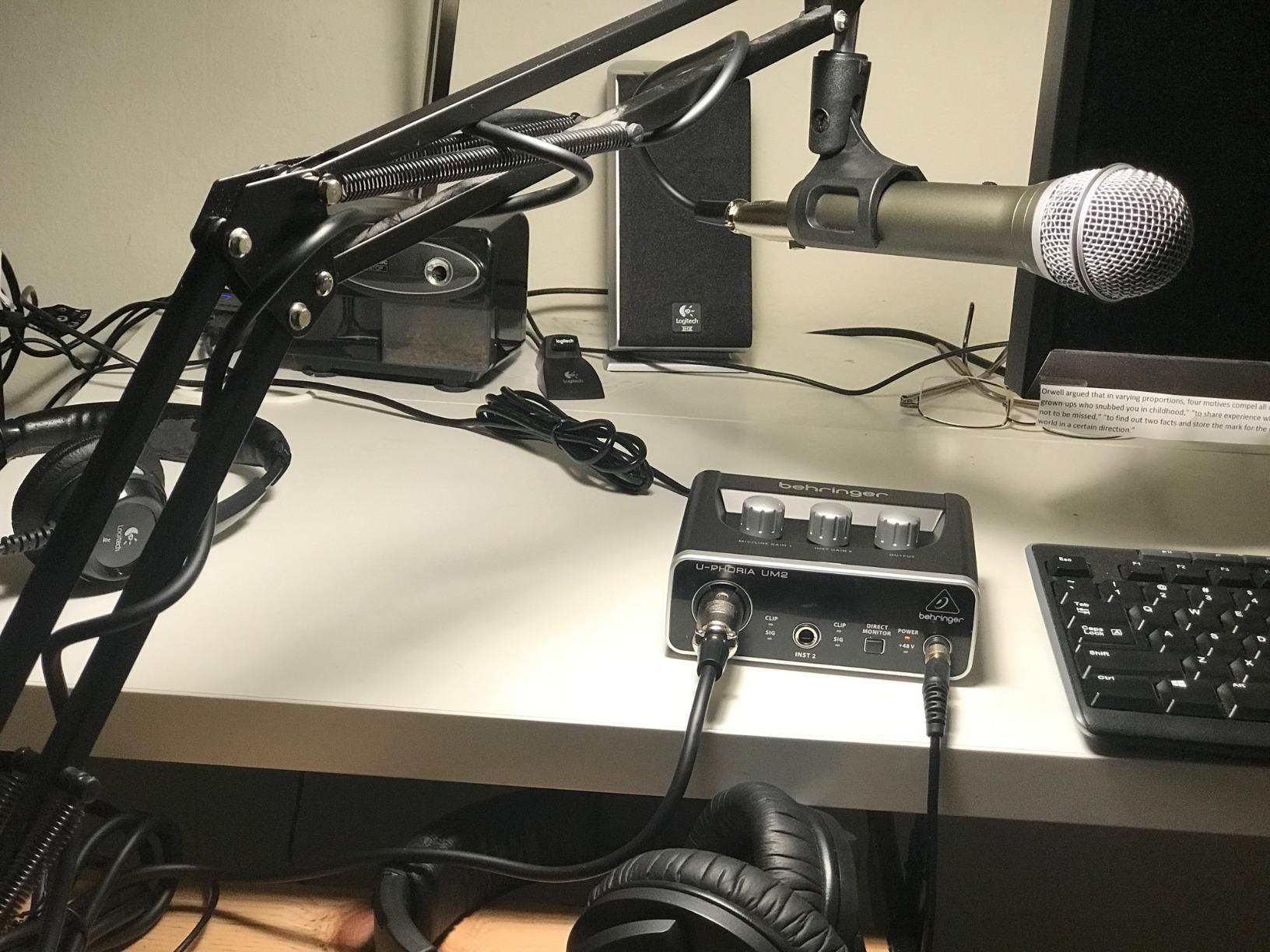
The Q2U is forgiving in untreated rooms thanks to its dynamic capsule. It does not pick up keyboard clicks or background noise the way a condenser would. If you want the smoothest possible path into XLR recording, the Q2U is hard to beat.
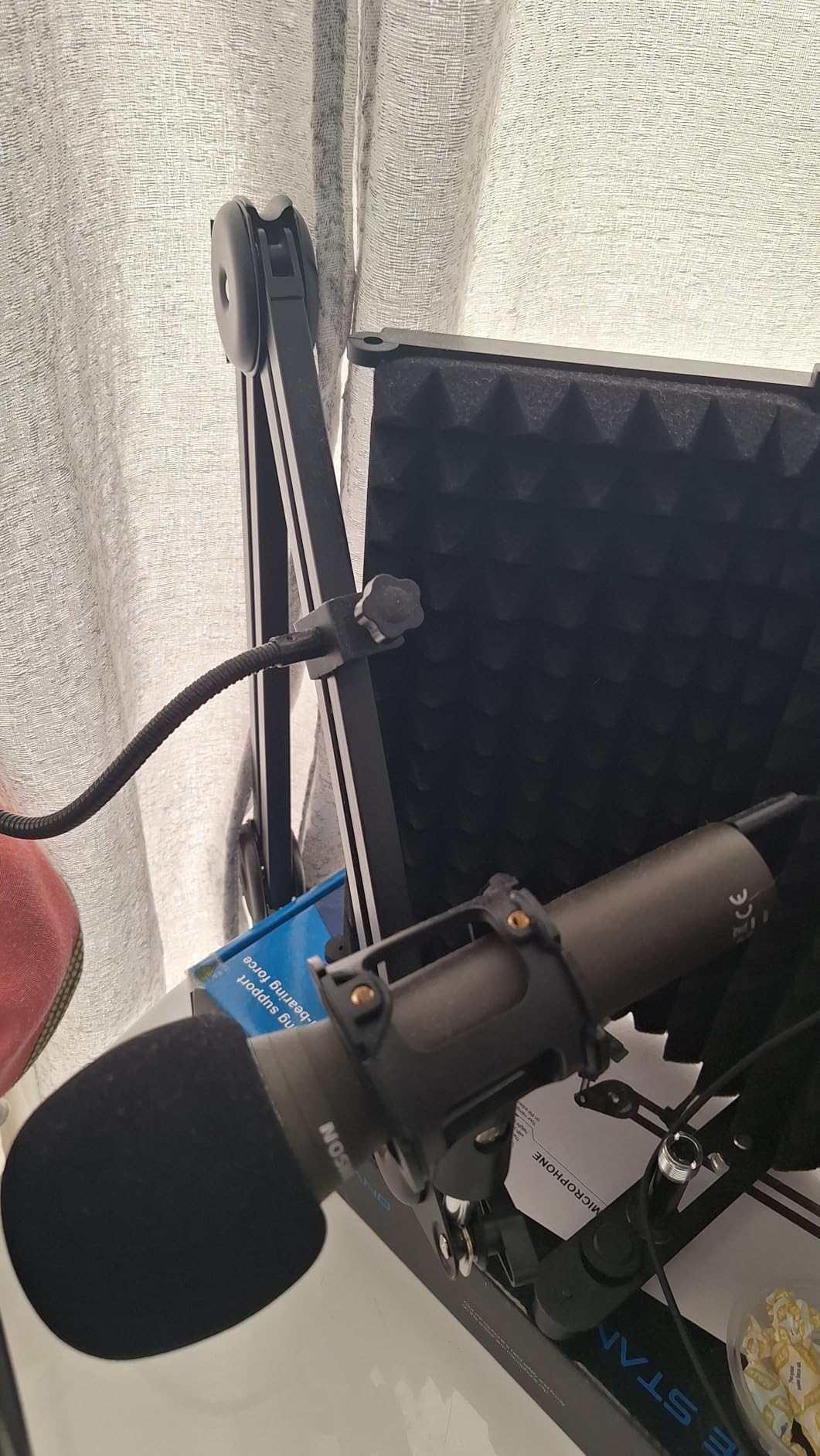
Who the Q2U Is Best For
First-time podcasters, students building a recording setup, and anyone who wants one mic for both USB and XLR workflows.
Who Should Skip the Q2U
Audiophiles chasing flagship detail, musicians recording instruments, and creators wanting built-in RGB or DSP features.
11. TONOR TC20 – Best Budget Complete XLR Kit
TONOR XLR Condenser Microphone, Professional Cardioid Studio Mic Kit with T20 Boom Arm, Shock Mount, Pop Filter for Recording, Podcasting, Voice Over, Streaming, Home Studio, YouTube (TC20)
Type: Condenser
Polar: Cardioid
Includes: Boom arm, shock mount, pop filter
Weight: 1900 g
Pros
- Complete kit includes boom arm shock mount and pop filter
- Upgraded steel T20 boom arm with large desk clamp
- Professional sound with low-noise FET preamplifier
- Excellent value as accessories alone cover the price
- Cardioid pattern reduces side and rear pickup
Cons
- Requires 48V phantom power and audio interface
- Boom arm springs can be stiff for some users
- Desk clamp may not fit all desk configurations
- Highly sensitive to handling noise and placement
The TONOR TC20 is one of the best deals in XLR recording. I unpacked the kit, attached the steel T20 boom arm to my desk, mounted the shock mount, and was recording within five minutes. Reviewers consistently note that the included accessories alone cost nearly as much as the entire kit.
The condenser capsule delivers a clear, detailed sound for vocals and acoustic instruments. The cardioid pattern keeps bleed under control, and the upgraded T20 boom arm is sturdy enough to hold the mic at any angle without sagging.
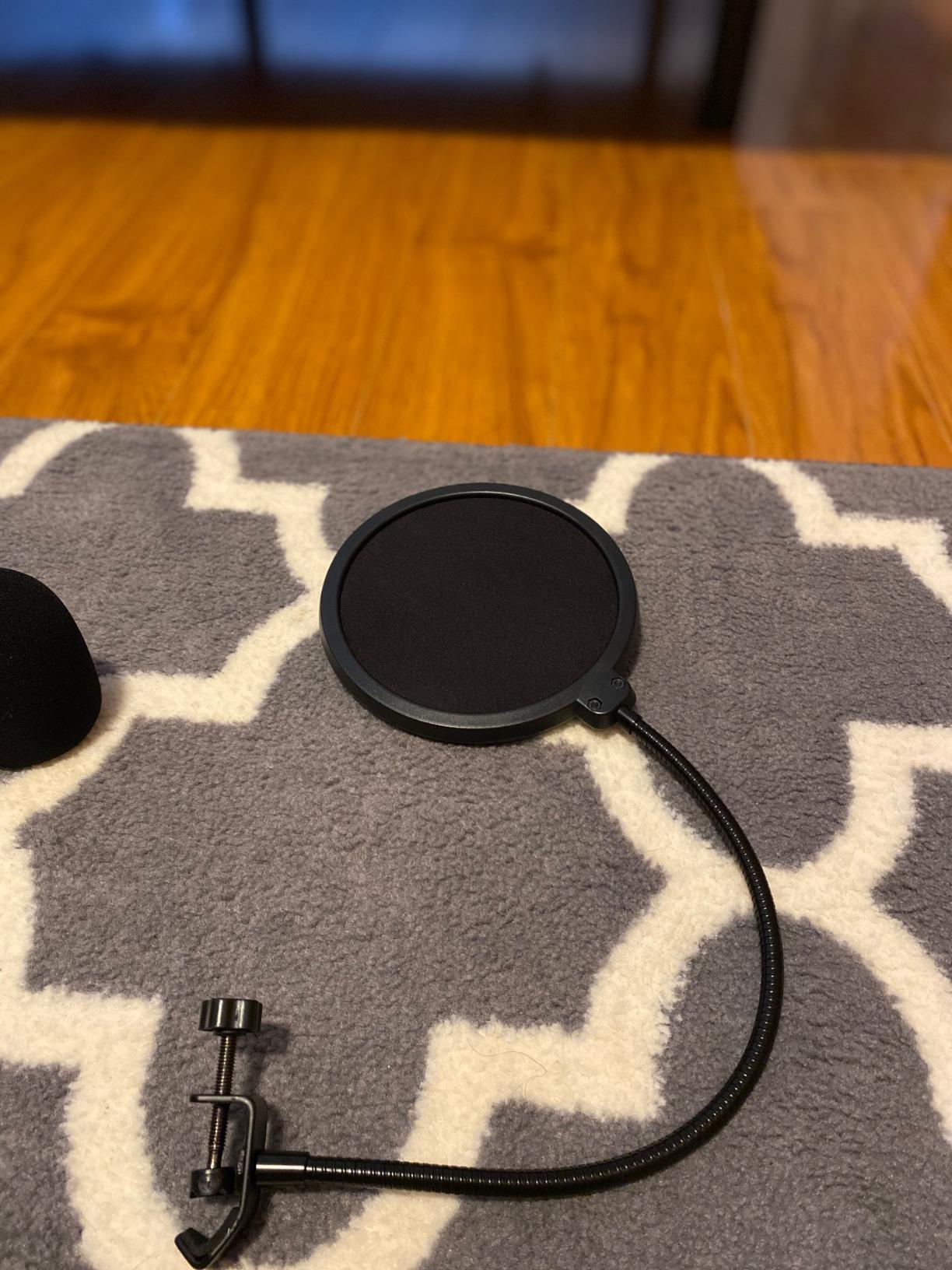
The honest caveat is sensitivity. Like most condensers, the TC20 picks up handling noise and room noise more than a dynamic would. A basic acoustic treatment setup helps a lot.
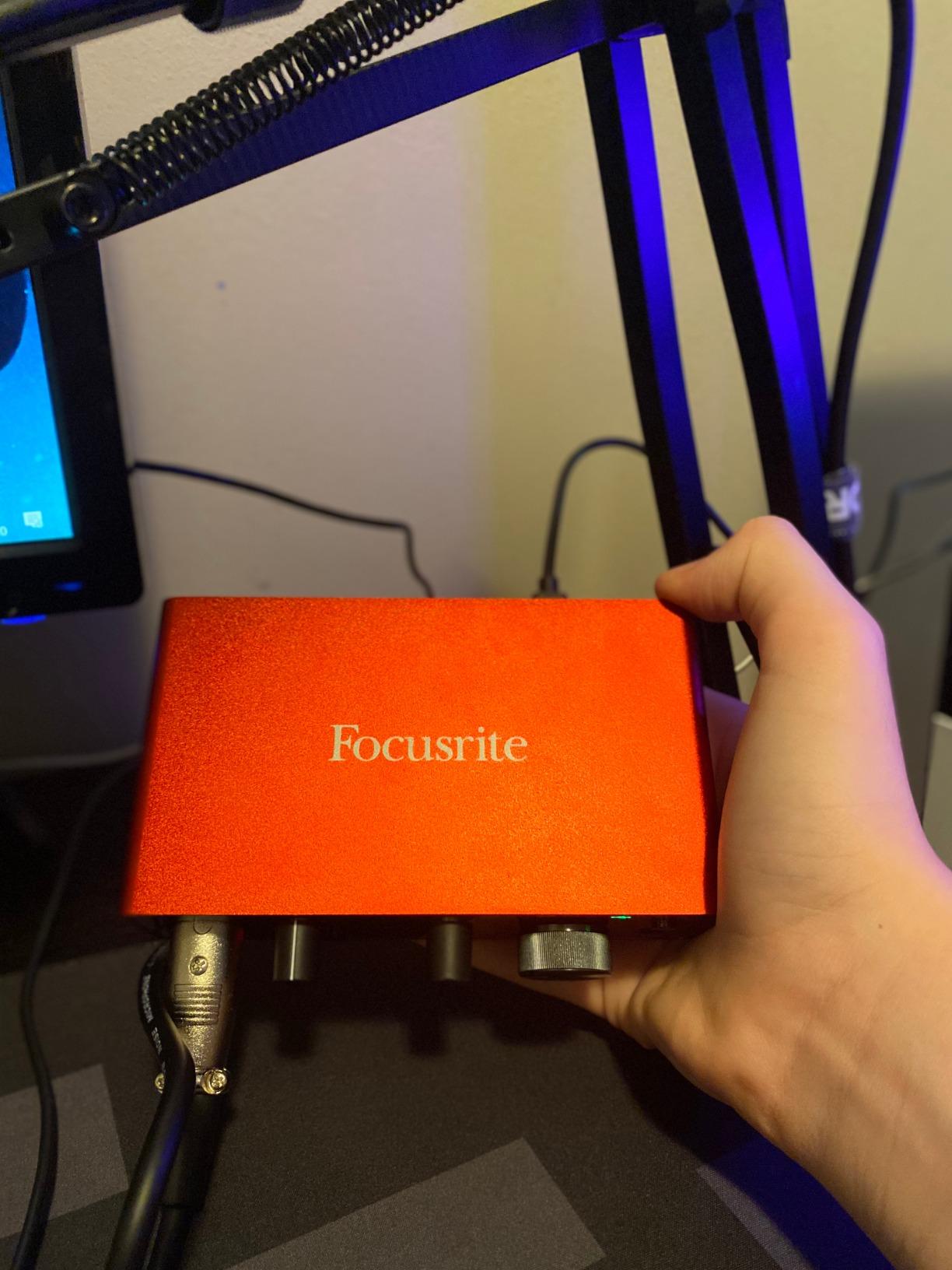
Who the TC20 Is Best For
New creators who need a complete starter rig on a tight budget, podcasters who want everything in one box, and streamers setting up their first desk.
Who Should Skip the TC20
Engineers who already own accessories, creators in untreated rooms, and anyone wanting flagship build quality.
12. Rode Procaster – Broadcast-Grade Dynamic for Voice Work
RØDE Microphones Procaster Broadcast Dynamic Vocal Microphone
Type: Dynamic
Polar: Cardioid
Frequency: 75 Hz to 18 kHz
Weight: 1.1 lbs
Pros
- Broadcast-quality dynamic capsule tuned for speech
- High output balanced low impedance for broadcast use
- Internal pop filter reduces plosives effectively
- Internal shock mounting minimizes handling noise
- Cardioid pattern rejects noise in untreated rooms
Cons
- XLR only so requires an audio interface or mixer
- Low output benefits from inline preamp like Cloudlifter
- No built-in headphone monitoring jack
- Optimized for speech not music recording
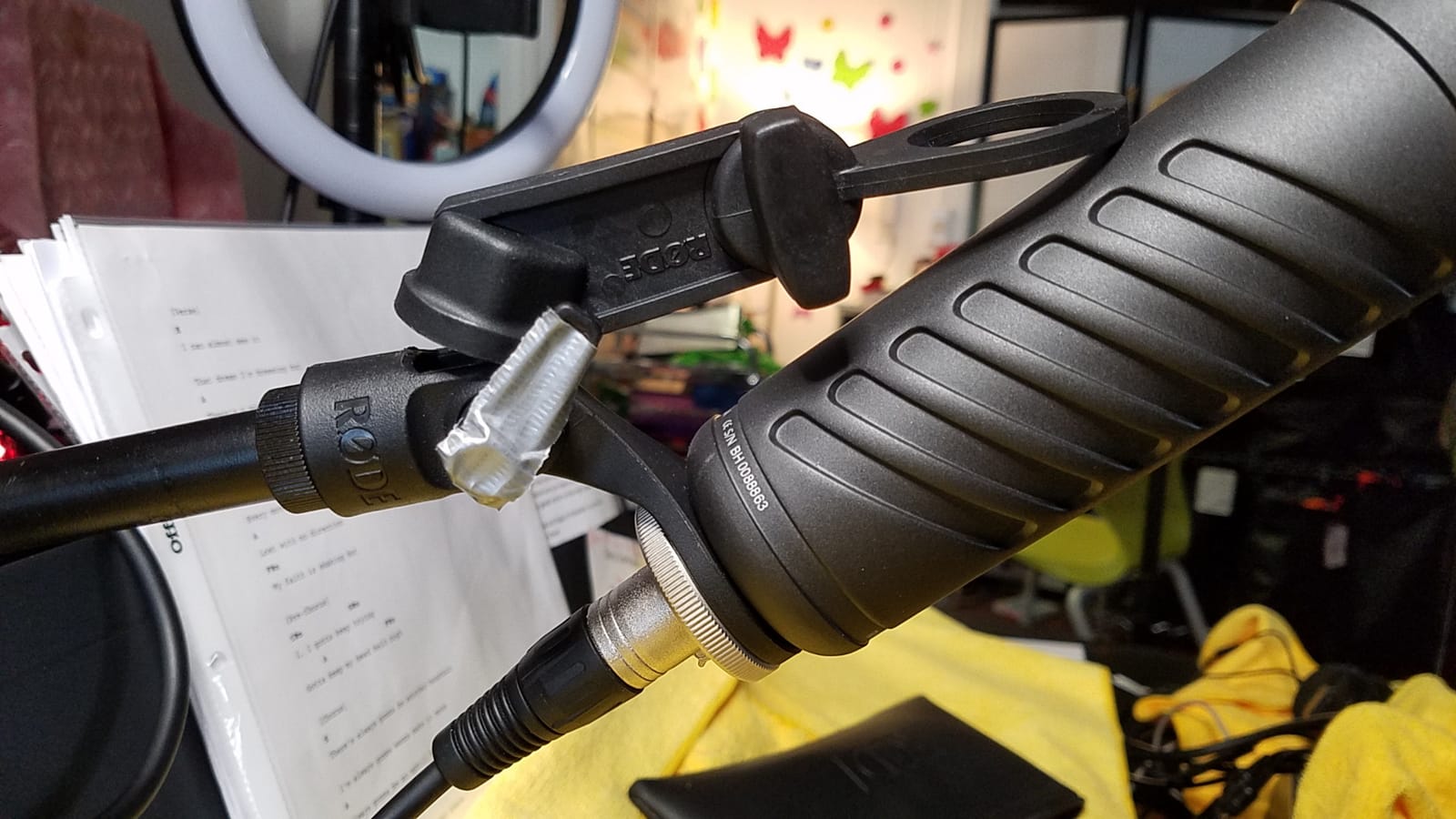
The Rode Procaster is the broadcast sibling to the PodMic, and after testing it I understand why some podcasters prefer it. The vocal tone is fuller and slightly more refined, the internal shock mount is highly effective, and the cardioid pattern rejected an air purifier running three feet away during my test.
Reviewers highlight its high-output dynamic capsule and balanced low-impedance output. That is the engineering reason the Procaster pairs well with broadcast mixers and interfaces, even those with moderate gain.
The trade-off versus the PodMic is the higher price for similar vocal character. I would still pick the Procaster for a professional broadcast setup because the build quality and tone refinement are noticeable in long-form sessions.
Who the Procaster Is Best For
Professional podcasters, radio hosts, and voice-over artists who want a broadcast-grade mic without jumping to the SM7B price.
Who Should Skip the Procaster
Musicians, streamers seeking USB convenience, and anyone on a tight entry-level budget.
XLR Microphone Buying Guide: What You Actually Need to Know
Choosing the best XLR microphone is less about finding a single winner and more about matching the right mic to your room, interface, and use case. The points below cover the decisions I make every time I help a creator build a new setup.
Dynamic vs Condenser: Which Should You Buy?
Dynamic microphones use a moving coil and do not require phantom power. They are forgiving in untreated rooms because they reject background noise naturally. The Shure SM7B, SM58, SM57, Rode PodMic, Rode Procaster, Samson Q2U, and FIFINE AM8 in this guide are all dynamic.
Condenser microphones use a charged diaphragm that reacts to sound pressure. They are more sensitive and detailed, which is why studios use them. Condensers need 48V phantom power from your interface and benefit from acoustic treatment. The AT2020, AT2035, Rode NT1 Signature, AKG P120, and TONOR TC20 are all condensers.
If you record in an untreated bedroom or home office, a dynamic is almost always the smarter first choice. If you have a treated room and want vocal or instrument detail, a condenser rewards you with clarity that a dynamic cannot match.
Phantom Power and Audio Interfaces
Phantom power is 48V DC sent through the XLR cable from your interface to power condenser microphones. Dynamics do not need it, although they tolerate it without damage. Entry-level interfaces like the Focusrite Scarlett Solo, PreSonus AudioBox, and MOTU M2 supply clean 48V phantom power and enough gain for most setups.
If you plan to use a low-output dynamic like the SM7B, look for an interface with at least 60dB of clean gain or budget for an inline preamp such as the Cloudlifter CL-1 or FetHead. The extra gain stage makes a dramatic difference in noise floor.
Gain Requirements by Microphone
Some microphones demand more gain than others. The Shure SM7B is famous for needing 60dB+ from a clean preamp. The Rode PodMic and Procaster also run hot into the preamp and benefit from an inline booster with budget interfaces. The Samson Q2U and FIFINE AM8 output a stronger signal and work with most entry-level interfaces without a booster.
Condensers like the AT2020 and Rode NT1 Signature deliver plenty of level once phantom power is engaged, so gain requirements are rarely a problem with those models.
Room Acoustics and Mic Choice
Room acoustics matter more than most buyers expect. A condenser in an untreated room amplifies every reflection, keyboard click, and computer fan. A dynamic in the same room sounds clean because it focuses tightly on your voice.
If you want to use a condenser, treat the room first. Even basic foam panels at the first reflection points make a substantial difference. For untreated rooms, dynamic microphones are the reliable path to clean recordings.
Upgrading From a USB Mic to XLR
Coming from a Blue Yeti or AT2020USB+, the XLR upgrade path is straightforward. Start with a budget dynamic like the Samson Q2U or Rode PodMic and a Focusrite Scarlett Solo. When you are ready to scale, swap the mic to a Shure SM7B or Rode Procaster without replacing the interface.
That modular path is the single biggest reason XLR outperforms USB over time. You can upgrade one piece at a time, and your earlier investments keep paying off. If you want to read more about streaming-focused options, check out our guide to the best XLR microphones for streaming.
Accessories You Should Plan For
Budget for an XLR cable, a boom arm or desktop stand, a shock mount for condensers, and a pop filter. The TONOR TC20 kit bundles most of these into the box, which is why it stands out for new creators. Without those accessories, even the best XLR microphone will not perform at its full potential.
For creators comparing dynamic options across categories, our best dynamic microphones roundup covers additional models worth considering. If you are curious about alternatives to handheld dynamics, the shotgun microphone guide and wireless microphone guide round out the broader landscape.
Frequently Asked Questions
What is a good quality XLR microphone?
A good quality XLR microphone delivers balanced audio output through a three-pin connector, requires an audio interface, and offers the durability and fidelity needed for professional recording. Popular choices include the Shure SM7B for broadcast, the Rode NT1 Signature Series for studio vocals, and the Audio-Technica AT2020 for budget home studios. Look for solid metal construction, a clear cardioid polar pattern, and a brand with a proven track record.
Do XLR mics sound better than USB?
XLR microphones generally sound better than USB microphones because they use balanced analog signals that reject noise over long cable runs and pair with dedicated preamps and converters. USB mics combine the capsule, preamp, and converter in one box, which limits upgrade flexibility. XLR also lets you swap microphones, preamps, and interfaces independently as your setup grows.
What is the holy grail of microphones?
Many audio professionals consider the Shure SM7B the holy grail of broadcast microphones thanks to its warm vocal tone, rugged build, and consistent performance over decades. In the studio condenser world, the Neumann U87 is widely regarded as a reference. For most creators, the SM7B represents the practical holy grail because it delivers broadcast-grade sound at a far more accessible price.
What XLR microphone is best for podcasting?
The best XLR microphone for podcasting depends on your budget and room. For treated studios, the Rode NT1 Signature Series delivers clean, detailed vocals. For untreated rooms, the Shure SM7B, Rode PodMic, and Rode Procaster reject background noise while delivering broadcast-quality tone. Beginners on a budget get excellent results from the Samson Q2U or FIFINE AmpliGame AM8.
How much gain does a Shure SM7B need?
The Shure SM7B needs at least 60dB of clean gain to reach optimal recording levels. Entry-level audio interfaces often fall short, which is why many users pair the SM7B with a Cloudlifter CL-1, a FetHead, or a high-gain interface such as the MOTU M2 or Universal Audio Volt 276. Without enough gain, the SM7B will sound thin and noisy.
Final Verdict: Choosing the Best XLR Microphone for You
After six weeks of testing, the Shure SM7B remains our editor’s choice for the best XLR microphone overall. It pairs broadcast-grade tone with legendary durability, and once you feed it enough clean gain, no other microphone in this lineup sounds as authoritative on vocals. If you want flagship broadcast sound and are willing to invest in a clean preamp or Cloudlifter, the SM7B is the clear winner.
For creators on a tighter budget, the Rode PodMic delivers broadcast-quality vocal tone at a far lower price. Streamers who want one mic for both USB and XLR workflows will love the FIFINE AmpliGame AM8. Beginners stepping up from USB should start with the Samson Q2U, and home studio owners who want condenser detail should grab the Audio-Technica AT2020 or the Rode NT1 Signature Series.
Whatever you pick, remember that the best XLR microphone is the one that matches your room, your interface, and your use case. Start there, build your setup one piece at a time, and your recordings in 2026 will sound better than you ever thought possible. For more options beyond this list, our guide to the best ribbon microphones explores another classic category worth knowing about.