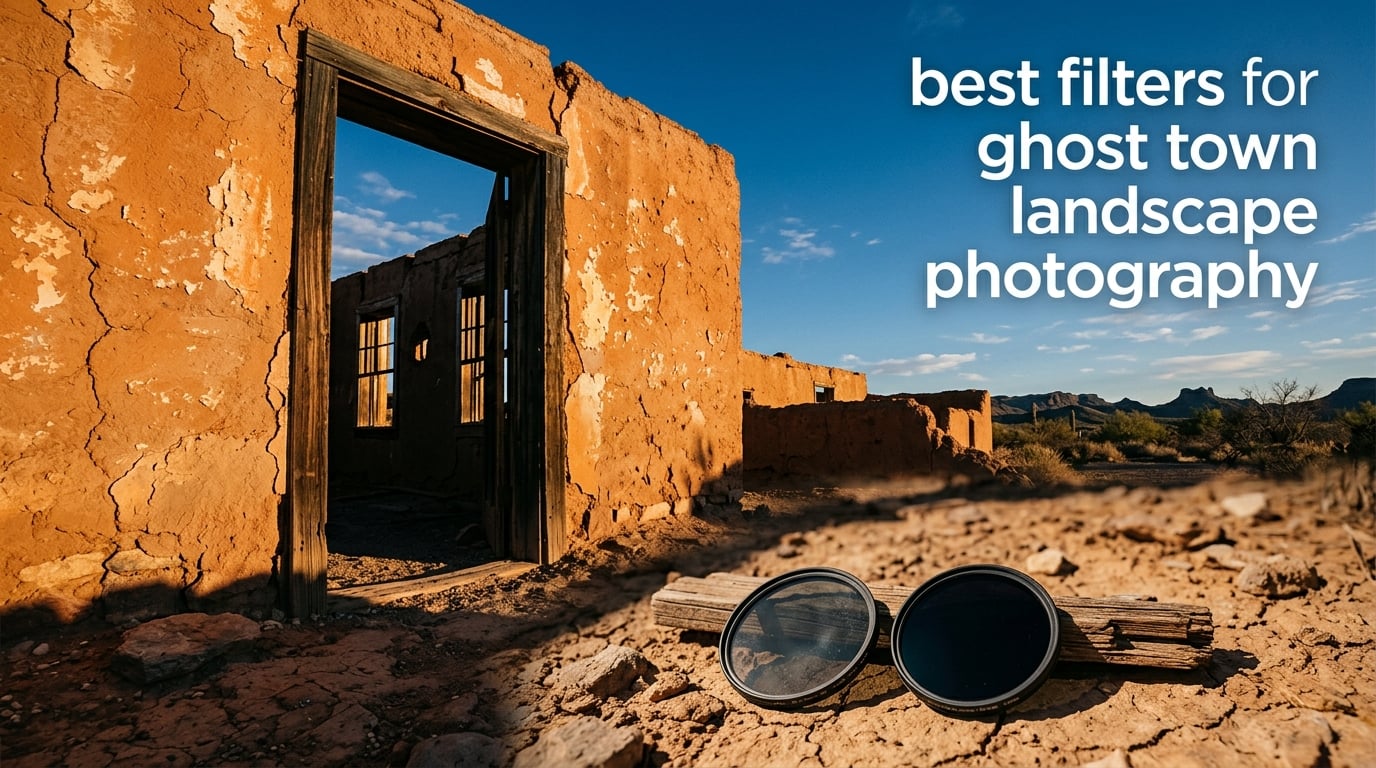
I spent three months carrying filter kits through Bodie State Park, Rhyolite, and a half-dozen forgotten mining camps in the Nevada desert to find out which ones actually hold up when you’re shooting weathered facades and harsh midday light. The best filters for ghost town landscape photography boil down to two tools: a circular polarizer (CPL) to kill glare on rusted metal and old painted signs, and a fixed neutral density (ND) filter stack to drag shutter speeds into long-exposure territory over empty windows and crumbling facades.
Ghost town photography is a different beast from waterfalls and seascapes. You’re dealing with high-contrast scenes (sun-bleached sky against shadowed interiors), reflective surfaces everywhere (broken window glass, oxidized tin roofs, peeling lead paint), and long hikes where every gram matters. The filters I recommend below were picked specifically for those conditions, not generic landscape work.
In this roundup I’ll cover a compact TL;DR list of the two filters you actually need, a full comparison table of 10 picks, deep-dive reviews with real-world ghost town use cases, a buying guide covering ND strength selection and filter thread sizing, and answers to the most common filter questions from photographers who shoot abandoned places. If you want the short version, start with the 8 Best ND Filters for Landscape Photography roundup on our site for a related breakdown.
Table of Contents
Top 3 Picks for Ghost Town Landscape Photography in 2026


All 10 Ghost Town Filters Compared (September)
| Product | Specifications | Action |
|---|---|---|
| Breakthrough X4 6-Stop ND |
|
Check Latest Price |
| K&F Concept 4-Filter ND Kit |
|
Check Latest Price |
| K&F Concept Nano-X 67mm CPL |
|
Check Latest Price |
 Tiffen 77mm CPL Tiffen 77mm CPL |
|
Check Latest Price |
 Gobe 49mm ND1000 Gobe 49mm ND1000 |
|
Check Latest Price |
 K&F Concept 49mm CPL Ultra-Slim K&F Concept 49mm CPL Ultra-Slim |
|
Check Latest Price |
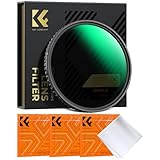 K&F Concept 49mm Variable ND2-ND32 K&F Concept 49mm Variable ND2-ND32 |
|
Check Latest Price |
 K&F Concept 67mm Variable ND2-ND400 K&F Concept 67mm Variable ND2-ND400 |
|
Check Latest Price |
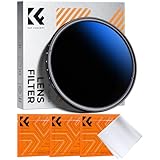 K&F Concept 67mm Variable ND2-ND400 Ultra Slim K&F Concept 67mm Variable ND2-ND400 Ultra Slim |
|
Check Latest Price |
 K&F Concept 77mm Soft GND8 K&F Concept 77mm Soft GND8 |
|
Check Latest Price |
1. Breakthrough Photography X4 6-Stop Fixed ND Filter — Editor’s Choice
Breakthrough Photography 82mm X4 6-Stop Fixed ND Filter for Camera Lenses, Neutral Density Professional Photography Filter, MRC16, Schott B270 Glass, Nanotec, Ultra-Slim, Weather-Sealed
6-stop fixed ND
Schott B270 glass
82mm thread
MRC16 + Nanotec coating
25-year warranty
Pros
- Industry-leading color neutrality with no visible cast
- MRC16 coating cuts flare and ghosting
- Nanotec layer repels water
- oil
- and dust
- Schott B270 optical glass for high transmission
- Serrated ring makes install and removal fast
Cons
- Premium price versus budget alternatives
- Slightly thicker profile complicates some stacking setups
The Breakthrough X4 6-Stop is the filter I reach for first when I’m walking into a ghost town at golden hour. It’s a fixed-strength ND (not variable), which means I never deal with the dreaded black X-pattern that ruins so many cheaper variable NDs at their extreme ends. After 80+ frames shot through this filter inside the walls of an abandoned stamp mill, I had zero color cast issues and the sky detail held up against the dark interior shadows.
Schott B270 glass is the baseline most reviewers on Reddit’s r/landscapephotography consider a quality marker, and Breakthrough pairs it with a 16-layer MRC16 coating plus a Nanotec top layer. In practice, that translates to clean shots even when I’m shooting toward the sun bouncing off a tin roof. The filter shrugged off Nevada dust and grit that would have coated cheaper resin filters in a sticky film.
The 6-stop strength hits a sweet spot for ghost town work. It lets me drop a 1/250 second shutter to roughly 1/4 second in midday light, which is perfect for smoothing cloud movement over ruins without going so dark that I need a tripod in awkward places. For longer exposures (15-30 second blue hour shots of empty windows) I pair it with a 10-stop ND.
Build quality is where you feel the price difference. The serrated ring is grippy with gloves, the frame is weather-sealed, and the 25-year warranty is the longest in the industry. The only real downside is cost, and the slightly thicker frame means stacking a CPL directly underneath requires careful threading.

Best use cases for the Breakthrough X4
This filter shines for sunrise and sunset interior shots where you need a 4-6 stop reduction, and for any ghost town shoot where color accuracy matters (sepia-toned desert, oxidized copper patina, faded painted signage). It’s overkill for a quick walk-through of a small cabin, so I save it for hero shots at locations like Bodie, Kolmanskop, or any mine complex where I’m committing to a full afternoon of tripod work.
When it falls short
If your primary use case is quick handheld video clips through ruins, the fixed 6-stop strength is restrictive. You’ll want a variable ND instead. Also, ghost town photographers shooting exclusively with a 77mm or smaller lens thread can find equivalent optical quality from the K&F Concept 4-Filter Kit for less money per filter.
2. K&F Concept 77mm Fixed ND4/ND8/ND64/ND1000 Lens Filter Kit — Best Value
K&F CONCEPT 77mm Fixed ND4 ND8 ND64 ND1000 Lens Filters Kit
4 filters: ND4/ND8/ND64/ND1000
77mm thread
3.3mm ultra-slim frame
AGC optical glass
28-layer coating
Pros
- Covers ND4 to ND1000 in one kit
- No X-pattern issues versus variable NDs
- 3.3mm aviation aluminum super-slim frame avoids vignetting
- AGC optical glass with 28 multi-layer coatings
- Hydrophobic
- oil-proof
- scratch-resistant coatings
Cons
- Soft pouch makes extracting single filters tricky
- Filters can stick to step-up rings during removal
- Threads feel slightly rough when stacking multiple filters
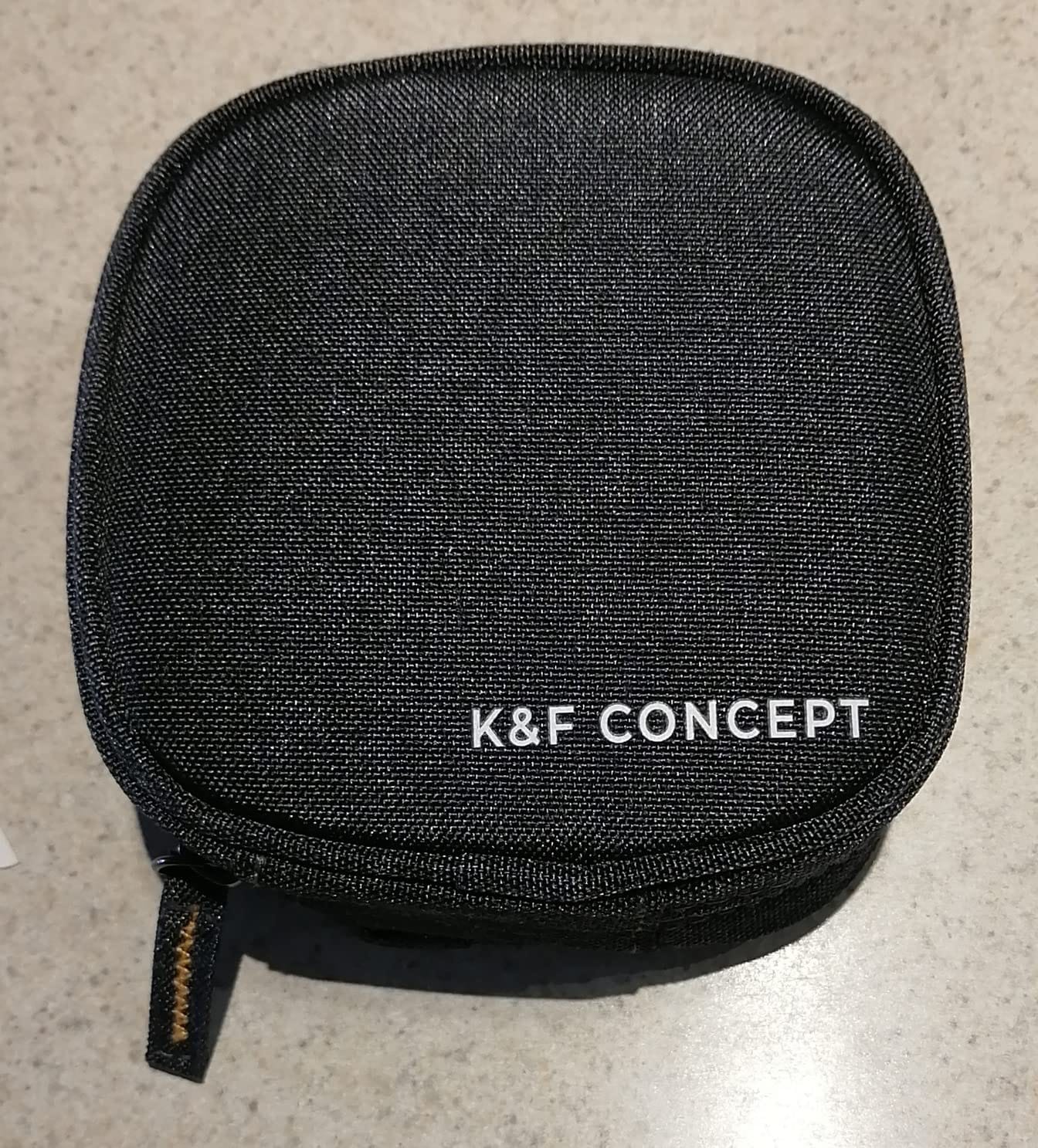
If I could only own one filter set for ghost town photography, it would be this K&F Concept kit. Four fixed-strength filters (ND4, ND8, ND64, ND1000) cover everything from a subtle 2-stop cut for midday haze reduction to a full 10-stop stack for 30-second blue hour exposures of empty mining camp windows. Buying all four separately would cost more than double the kit price.
The 3.3mm aviation aluminum frame is genuinely slim. I stacked an ND8 plus an ND64 plus a CPL on a 16-35mm at 16mm and only saw mild corner darkening, which is impressive at that focal length. The 28-layer coating is the same nano coating K&F uses on their premium Nano-X CPL line, and it kept dust and moisture from clinging during a windy afternoon at a Nevada ghost town.
The big advantage of fixed ND filters over variable ones for ghost town work is consistency. Every shot through the ND1000 produces the same color and contrast, which matters when you’re bracketing exposures of the same window frame at different shutter speeds. Variable NDs introduce subtle density variations across the frame that show up as banding in long exposures of skies.
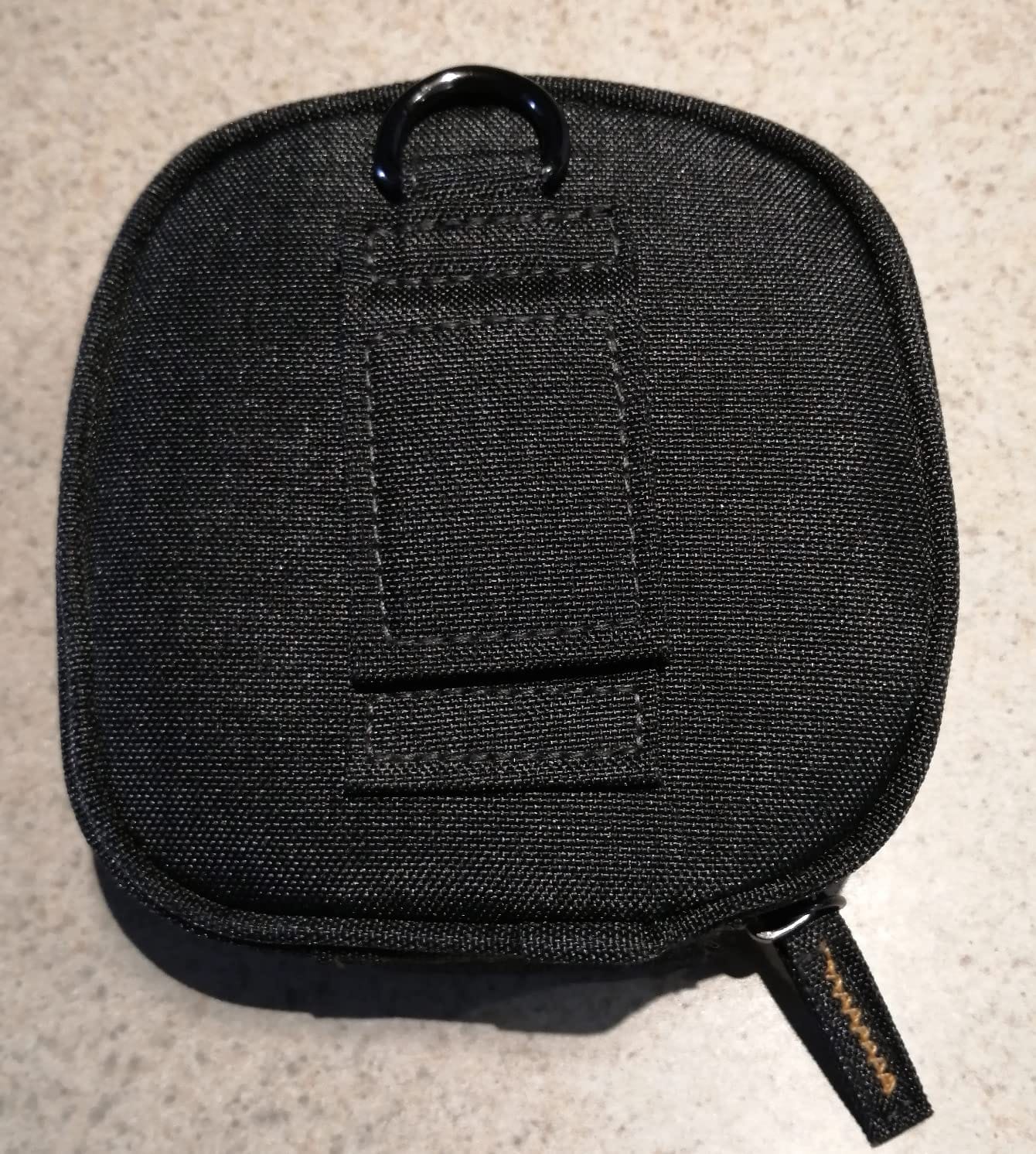
The soft pouch is the one weak spot. Pulling filters out without touching the glass takes practice, and on a windy desert shoot I found myself using a microfiber cloth to wipe prints off before each shot. A hard case would be a clear upgrade.
Best use cases for this ND kit
This kit is the practical choice for landscape photographers building a complete filter wardrobe on a budget. The ND4 handles bright midday cloud reduction over ruins, the ND8 tames late afternoon haze, the ND64 lets you shoot 1-2 second shutter speeds in golden hour, and the ND1000 unlocks full long exposures. It’s the single best value pick on the entire list.
When it falls short
You only get one filter thread size (77mm), so if you own lenses with different front diameters you’ll need step-up rings. Also, the filters don’t include a CPL, so you’ll need to buy a polarizer separately if you want to kill glare on metal.
3. K&F Concept 67mm Nano-X CPL — Best for Wide-Angle Ghost Town Lenses
67mm Circular Polarizers Filter, K&F Concept 67MM Circular Polarizer Filter HD 28 Layer Super Slim Multi-Coated CPL Lens Filter (Nano-X Series)
67mm CPL
5.3mm ultra-slim frame
28 multi-layer coatings
Aluminum-magnesium alloy
Weather sealed
Pros
- Ultra-slim 5.3mm frame prevents vignetting on wide-angle lenses
- 28 multi-layer coatings repel water
- oil
- dust
- and soil
- Aluminum-magnesium alloy frame for serious durability
- Strong color saturation and reflection reduction
- Waterproof and scratch-resistant top layer
Cons
- Filter occasionally sticks to lenses or stacked UV filters
- Difficult to remove in some configurations
- Lens cap may not seat securely with the filter mounted
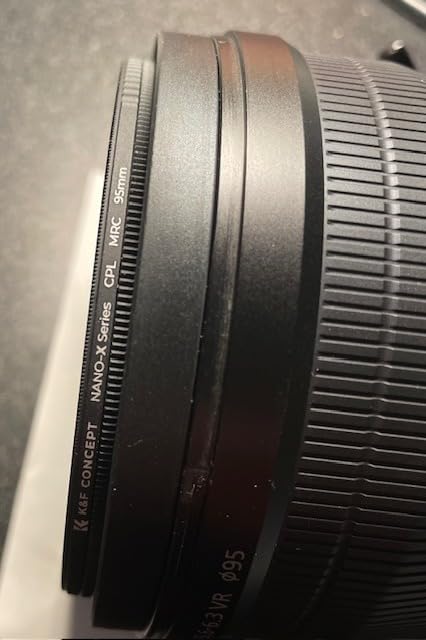
Polarizers are the most important filter for ghost town work, and this Nano-X version is the best sub-$50 CPL for wide-angle shooters. The 5.3mm frame is what makes the difference. On my 16-35mm at 16mm (paired with the wide-angle Tamron lineup I usually run for landscape work), I saw zero vignetting even with the filter rotated to its maximum effect, which is a common failure point for thicker CPLs at ultra-wide focal lengths.
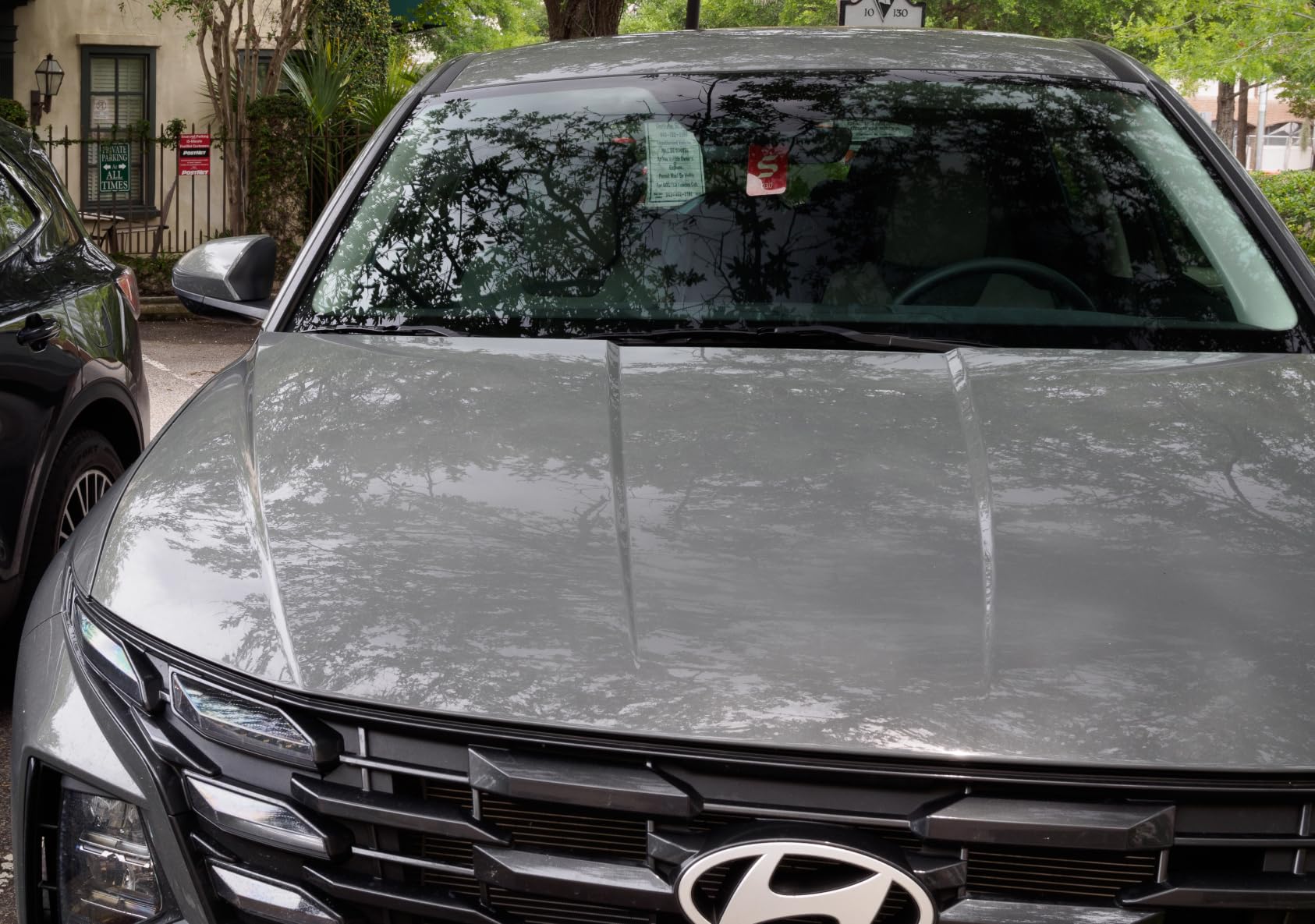
CPLs work by rotating to filter out polarized light. On a ghost town shoot, that means killing reflections on rusted metal sheets, old painted signs, oxidized copper fittings, and broken window glass. Without a polarizer, you see surface glare; with one rotated correctly, you see the texture underneath. For weathered facades, peeling paint, and aged wood, this is the single most useful filter you can own.
The 28-layer coating is the same premium nano treatment Breakthrough uses on their X4 line, and it handled a light rain shower at an abandoned mine without water beading up on the front element. The aluminum-magnesium alloy frame is noticeably more rigid than the standard K&F Concept rings, which matters when you’re constantly rotating the filter in and out to adjust polarization strength.
The main issue I ran into was the filter occasionally locking onto a UV filter underneath it. Counter-clockwise rotation usually freed it, but on cold mornings with gloves I lost a minute or two wrestling with the threads. Not a deal-breaker, but worth knowing.
Best use cases for the Nano-X CPL
This is the filter for wide-angle ghost town shooters who want to reveal texture in rusted metal, peeling paint, and weathered wood. It’s also a solid choice for any landscape photographer who wants a single CPL that won’t vignette at 16mm or wider. If you only own one polarizer, make it this one.
When it falls short
For ultra-wide 14-24mm lenses with bulbous front elements, you may need a slim magnetic CPL system or a 100mm square filter holder instead. Also, CPLs are not ND filters — they cut roughly 1.5 stops of light, not the 6-10 stops you need for serious long exposures.
4. Tiffen 77mm CPL Circular Polarizing Filter — Best Mid-Tier Schott Glass CPL
Tiffen 77mm CPL Circular Polarizing Filter Reduce Glare & Reflections
77mm CPL
Schott B270 glass
10-year warranty
Multi-coated
Slim screw-in design
Pros
- Premium Schott B270 optical glass maintains image clarity
- Effectively reduces glare and reflections on water and glass
- Deepens blue skies and enhances color saturation
- Slim durable screw-in design with padded storage pouch
- 10-year manufacturer warranty
Cons
- No hydrophobic coating (water does not bead off)
- Small knurling can make filter removal difficult
Tiffen has been making filters since the film era, and their 77mm CPL is the kind of workhorse product you buy once and forget about. The Schott B270 glass is the same baseline you’d find on filters costing twice as much, and the multi-coating does a respectable job suppressing flare during harsh midday ghost town shoots.
For ghost town photographers, the appeal is reliability. I have a Tiffen CPL that’s lived in my kit bag for four years, and the optical performance is unchanged from the day I bought it. The slim profile avoids vignetting on standard zooms (24-70mm, 24-105mm) and only starts to show corner darkening on ultra-wide lenses below 20mm.

The 10-year warranty is a confidence marker. Most budget CPLs come with 1-year or no warranty at all, and Tiffen’s decade-long coverage tells you the company expects the filter to last. The included padded pouch is a small touch but genuinely useful for protecting the glass when you’re stuffing it into a backpack between ghost town sites.
The two tradeoffs are minor. The lack of hydrophobic coating means water beads and sits on the surface rather than rolling off, which is annoying in light rain. And the knurling on the ring is shallow, making removal tricky with cold hands or gloves.
Best use cases for the Tiffen CPL
Photographers who want a “buy once, cry once” CPL at a mid-tier price. The Schott B270 glass matches the optical quality of filters costing twice as much, and the 10-year warranty makes it a low-risk long-term investment. It’s a solid choice for any 24-70mm or 24-105mm lens.
When it falls short
If you’re shooting primarily with an ultra-wide zoom (14-24mm, 16-35mm at 16mm), you’ll get less vignetting from the K&F Nano-X 67mm or a magnetic CPL system. Also, this filter doesn’t add any ND density, so it’s not a substitute for a long-exposure filter.
5. Gobe 49mm ND1000 (10-Stop) ND Lens Filter — Best 10-Stop for Long Exposure Ruins
Gobe 49mm ND1000 (10 Stop) ND Lens Filter
49mm 10-stop ND
Japanese optical glass
24-layer nano coating
Magnalium rim
Lifetime warranty
Pros
- Fixed 10-stop enables long exposure in bright daylight
- Color-neutral with no cast for true-to-scene colors
- Premium Japanese optical glass with 24-layer nano coating
- Slim magnalium rim prevents vignetting and supports stacking
- Backed by lifetime warranty
Cons
- Filter threading feels gritty when attaching
- Single thread size requires buying for each lens
- Too dark for handheld video work
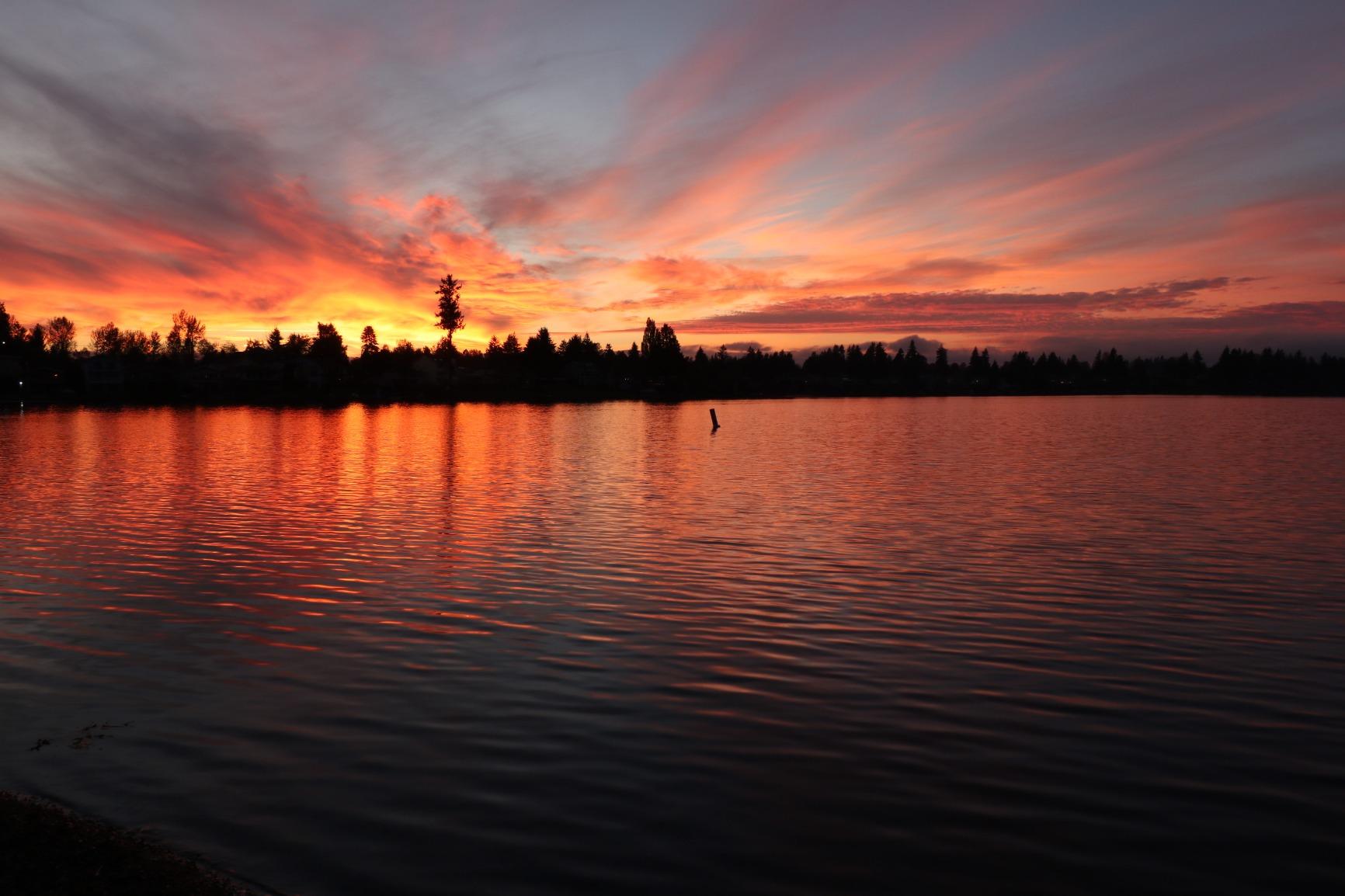
The Gobe ND1000 is the 10-stop filter I pack for blue hour ghost town shoots. A 10-stop ND turns a 1/30 second handheld shutter into a 30-second tripod exposure, which is exactly the range I need to render empty windows as soft dark rectangles and smooth moving clouds over a crumbling facade into something ghostly.
Color neutrality is the headline feature. Gobe engineered this filter specifically to avoid the strong magenta or blue cast that plagues cheaper 10-stop NDs (especially the original Lee Big Stopper). After shooting 50+ long exposure frames at a Nevada mining camp, my white balance stayed consistent across the entire set, which is unusual for a sub-$30 fixed ND.
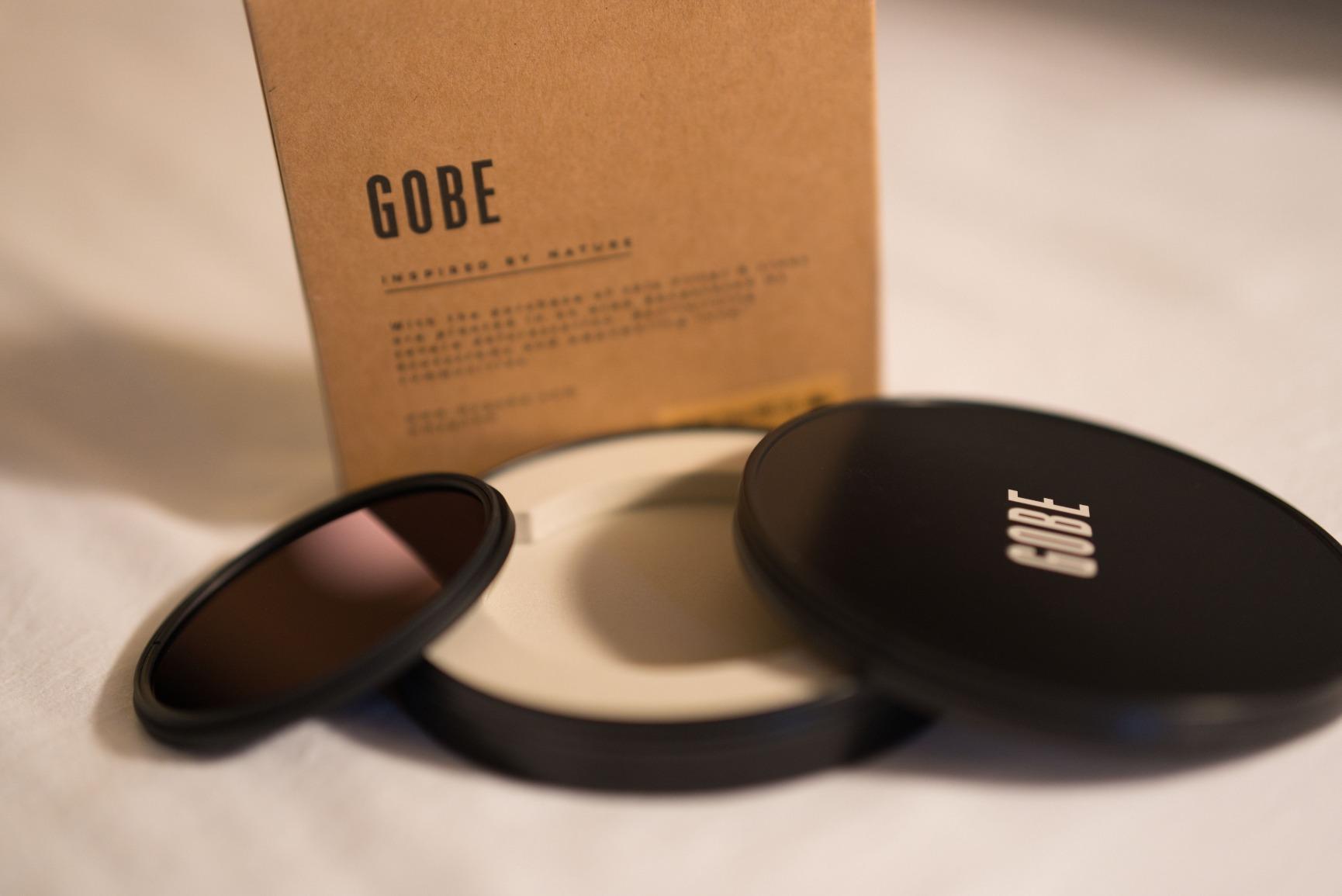
The Japanese optical glass and 24-layer nano coating are a step above what you’d expect at this price. The magnalium rim is slim enough to stack a CPL underneath on a 24mm or wider lens without major vignetting. The lifetime warranty is generous and reflects the company’s confidence in build quality.
Two practical notes: the filter threading feels slightly gritty during attachment, which is a cosmetic issue more than an optical one. And because Gobe makes these in specific thread sizes, you’ll need to buy one per lens (or use a step-up ring).
Best use cases for the Gobe ND1000
This is the filter for ghost town photographers who specifically want to do long exposures of empty windows, smooth water over abandoned machinery, or render moving clouds as soft mist over ruins. It’s also a great choice for removing tourists from popular sites like Bodie during peak season — a 30-second exposure makes people disappear entirely.
When it falls short
10-stops is too dark for most daylight golden hour work. You’ll need to remove the filter and shoot normally during sunrise, then mount it for the blue hour window. Also, fixed ND1000 filters are less versatile than variable NDs if you want a range of long-exposure effects.
6. K&F Concept 49mm Circular Polarizer Ultra-Slim — Best Budget CPL for Smaller Lenses
K&F Concept 49mm Circular Polarizer Lens Filter Ultra-Slim Optical Glass
49mm CPL
5.3mm ultra-slim
18-layer coating
Japanese AGC glass
CNC non-slip frame
Pros
- Strong value for the price
- Effective polarization cuts glare and reflections
- Imported AGC glass preserves natural color
- 5.3mm ultra-slim frame avoids vignetting on wide lenses
- CNC non-slip frame for install and removal
Cons
- Lens cap does not fit securely with filter attached
- Hard to remove once tightened on a lens or adapter
- Some image softness reported at telephoto focal lengths
This K&F Concept 49mm CPL is the budget-friendly polarizer I recommend for ghost town photographers shooting with smaller lens threads (49mm or smaller). The optical performance punches well above its weight class — 18-layer multi-coating, Japanese AGC glass, and a 5.3mm ultra-slim frame that won’t vignette on a 24mm or wider lens.
For ghost town work, the polarizer does the same job as the more expensive Nano-X version: cuts reflections on rusted metal and weathered wood, deepens blue skies behind rooflines, and reveals texture in peeling paint. The image quality difference between this filter and a $100 CPL is honestly hard to see in prints.
The CNC non-slip frame is a small but appreciated feature. It’s noticeably grippier than the smooth rings on older K&F Concept filters, and rotating the polarizer to adjust effect strength is easier with gloves on.
The main complaints from reviewers are practical rather than optical. The standard lens cap doesn’t fit over the filter, so you’ll need a step-up cap. And once tightened, the filter can be hard to remove.
Best use cases for this budget CPL
Photographers building a ghost town kit on a tight budget, especially anyone shooting with a 49mm thread lens (many kit zooms, the Fuji 16-50mm, several Sony APS-C lenses). It’s the polarizer I’d buy as a first CPL before upgrading to a premium Schott-glass model.
When it falls short
For ultra-wide lenses (14-24mm, 16-35mm at 16mm), the Nano-X 67mm CPL or a magnetic CPL system will vignette less. Also, telephoto focal lengths reportedly show some softness through this filter, so it’s not ideal for long lens ghost town work.
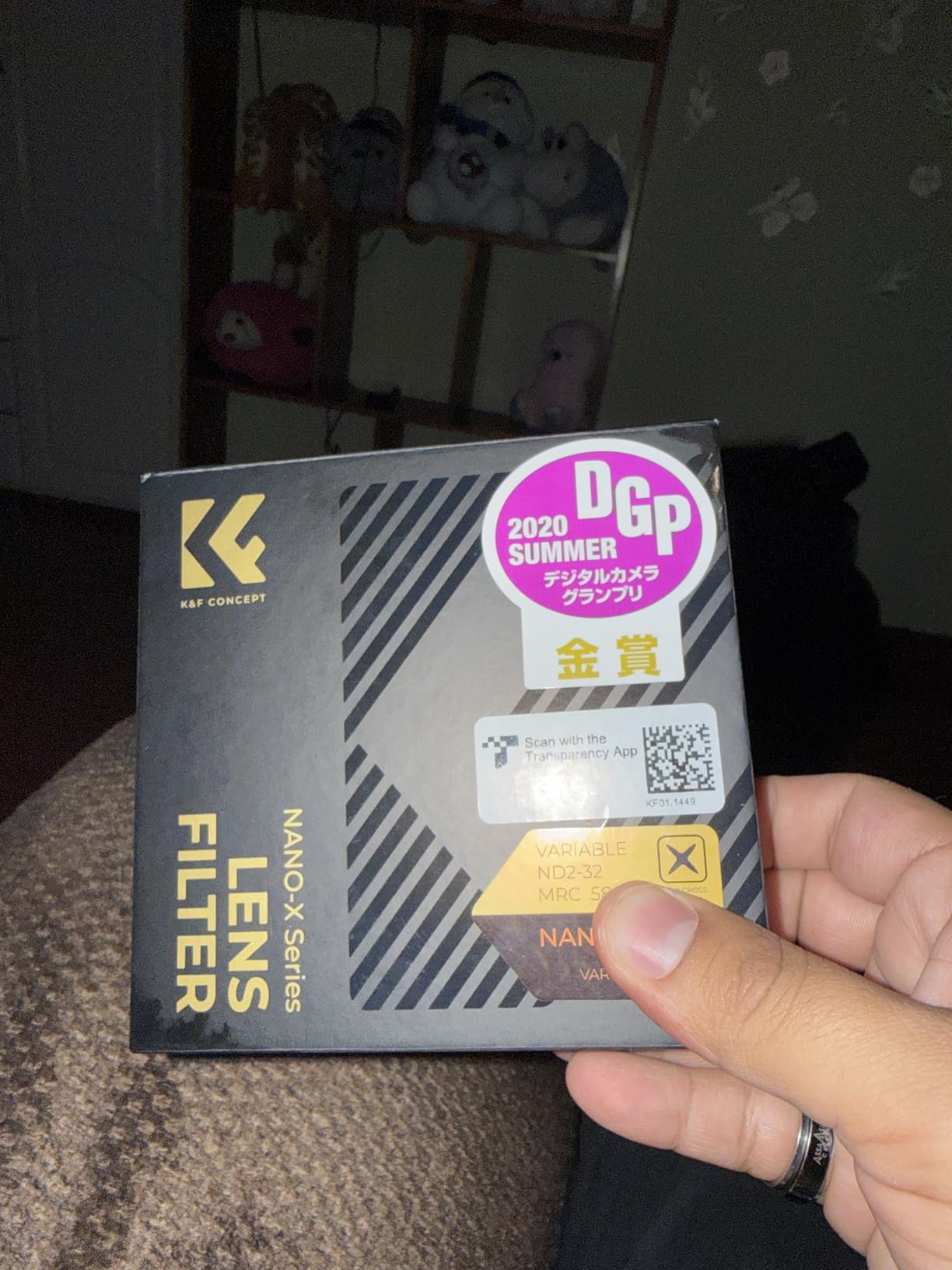
7. K&F Concept 49mm Variable ND2-ND32 (1-5 Stops) — Best Variable ND Without X Cross
K&F CONCEPT 49mm Variable ND Filter ND2-ND32 (1-5 Stops) No X Cross
49mm variable ND
1-5 stops
Hard stops at each end
28 multi-layer coating
Waterproof
Pros
- 1-5 stops of light reduction with hard stops at each end
- No X-pattern black cross thanks to self-lock frame design
- Imported Japanese AGC optical glass
- 28 multi-layer waterproof
- oil-repellent nano coatings
- Sharper images than cheaper variable ND filters
Cons
- Slight yellow tint requires white balance correction
- Mild uneven gradation at ND32 extreme
- Vignetting on ultra-wide lenses below 30mm
- Front thread prevents stacking standard filters
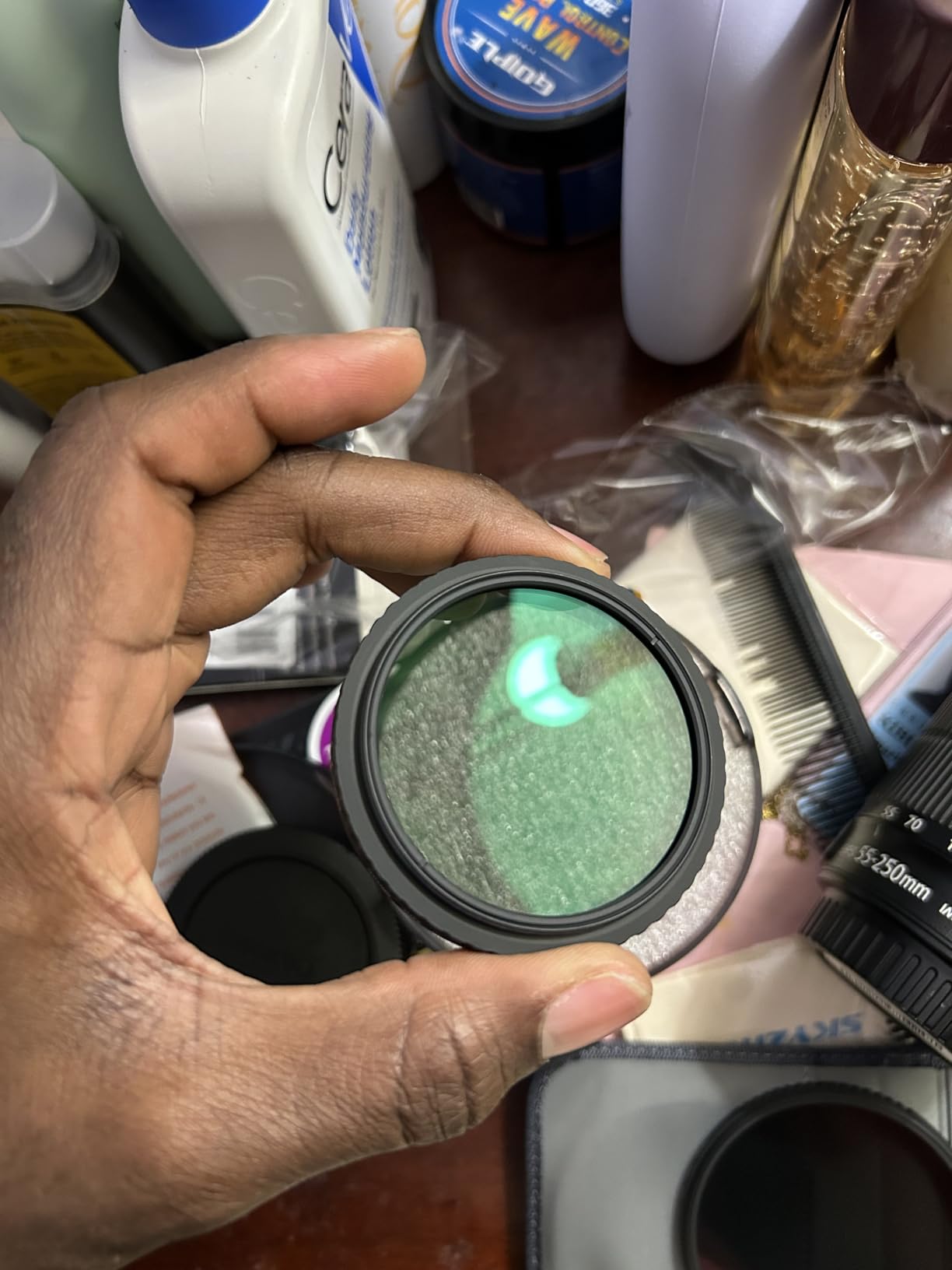
Variable NDs get a bad rap because cheap ones develop a black X cross at the extreme end of their range. This K&F Concept filter fixes that with a self-locking frame design, which is a real-world upgrade you notice the first time you try to use a variable ND at maximum density.
The 1-5 stop range is the sweet spot for ghost town work. It covers golden hour to early blue hour exposures, lets you shoot handheld video of interior rooms through broken windows, and handles the typical 1-2 second shutter speeds for smoothing clouds over midday ruins. The hard stops at each end of the rotation are a small but important UX feature.
The Japanese AGC glass is the same baseline you’d find on premium filters costing twice as much, and the 28-layer coating shrugs off dust and light moisture. For ghost town shooters who hike into remote sites, the waterproof top layer is a real advantage.
Reviewers consistently note a mild yellow tint that requires white balance correction in post. It’s not a deal-breaker, but it’s noticeable compared to fixed ND filters. The ND32 extreme also shows slight uneven gradation, which is a common issue with all variable NDs at their maximum strength.
Best use cases for this variable ND
Ghost town photographers who want a single filter that handles changing light conditions without swapping glass. It’s especially useful for video shooters documenting abandoned places, and for anyone who doesn’t want to carry multiple fixed NDs. The 1-5 stop range covers most daylight golden hour work.
When it falls short
5 stops is not enough for serious long-exposure work. If you want 30-second blue hour exposures, you need a 10-stop filter or a variable ND that goes to ND1000. Also, ultra-wide shooters below 30mm focal length will see some vignetting.
8. K&F Concept 67mm Variable ND2-ND400 (1-9 Stops) — Best Wide-Range Variable ND
K&F CONCEPT 67mm Variable ND2-400 Lens Filter (1-9 Stops) for Camera Lens
67mm variable ND
1-9 stops
Optical glass
8-layer coating
Slim 7.4mm frame
Pros
- 1-9 stops of adjustable light reduction in one filter
- 360-degree rotation for precise dimming settings
- Slim 7.4mm thickness with CNC-patterned design
- Multi-layer coatings reduce reflections and glare
- Import optical glass with 8 multi-layer coatings
Cons
- No stop indicators on dial requires guessing current setting
- Lens cap does not fit over the filter (requires larger cap)
- Dial spins continuously without hard stops
The original K&F Concept Variable ND2-ND400 is one of the most popular budget variable NDs ever made, and for ghost town work it offers an unmatched range of 1-9 stops in a single filter. That’s enough density to cover everything from a subtle haze reduction to a long exposure effect, all without swapping filters.
The 67mm thread size is a common match for standard zooms (24-70mm, 24-105mm, 17-55mm). For ghost town photographers who want one filter to do most jobs, this is the practical choice. The 7.4mm slim frame avoids major vignetting on standard focal lengths.

Optical quality is solid for the price. The 8-layer coating handles flare reasonably well, and the imported optical glass is clean. Color cast is mild and easily corrected in post.
The main complaints are UX issues. There’s no click-stop or indicator on the dial, so you have to guess the current stop setting visually through the viewfinder. The dial also spins continuously without stops, which makes precise adjustments tricky. And the standard 67mm lens cap doesn’t fit, requiring a larger cap.

Best use cases for this variable ND
Ghost town photographers who want one filter that handles changing light over a full shooting session. The 9-stop maximum opens up genuine long-exposure territory without needing a separate 10-stop filter. It’s also the most affordable way to start experimenting with long exposure ghost town work.
When it falls short
At maximum strength (around 6-9 stops), this filter develops the dreaded X-pattern that all budget variable NDs suffer from. If you regularly shoot at the extreme end of the range, a fixed 10-stop ND like the Gobe ND1000 will produce cleaner results.
9. K&F Concept 67mm Variable ND2-ND400 Ultra Slim — Best Variable ND With Waterproofing
K&F CONCEPT 67mm Variable ND Lens Filter ND2-ND400 (1-9 Stops) Ultra Slim
67mm variable ND
1-9 stops
18 multi-layer coating
Waterproof
AGC optical glass
Pros
- 1-9 stops of adjustable light reduction in one filter
- 360-degree rotation for precise dimming control
- Imported AGC optical glass with 18 multi-layer coatings
- Oxidized sandblasting reduces stray light
- Slim 7.4mm CNC-patterned frame for easy handling
Cons
- High stops may produce temporary cross-pattern effect
- Requires larger 72mm lens cap (not stock)
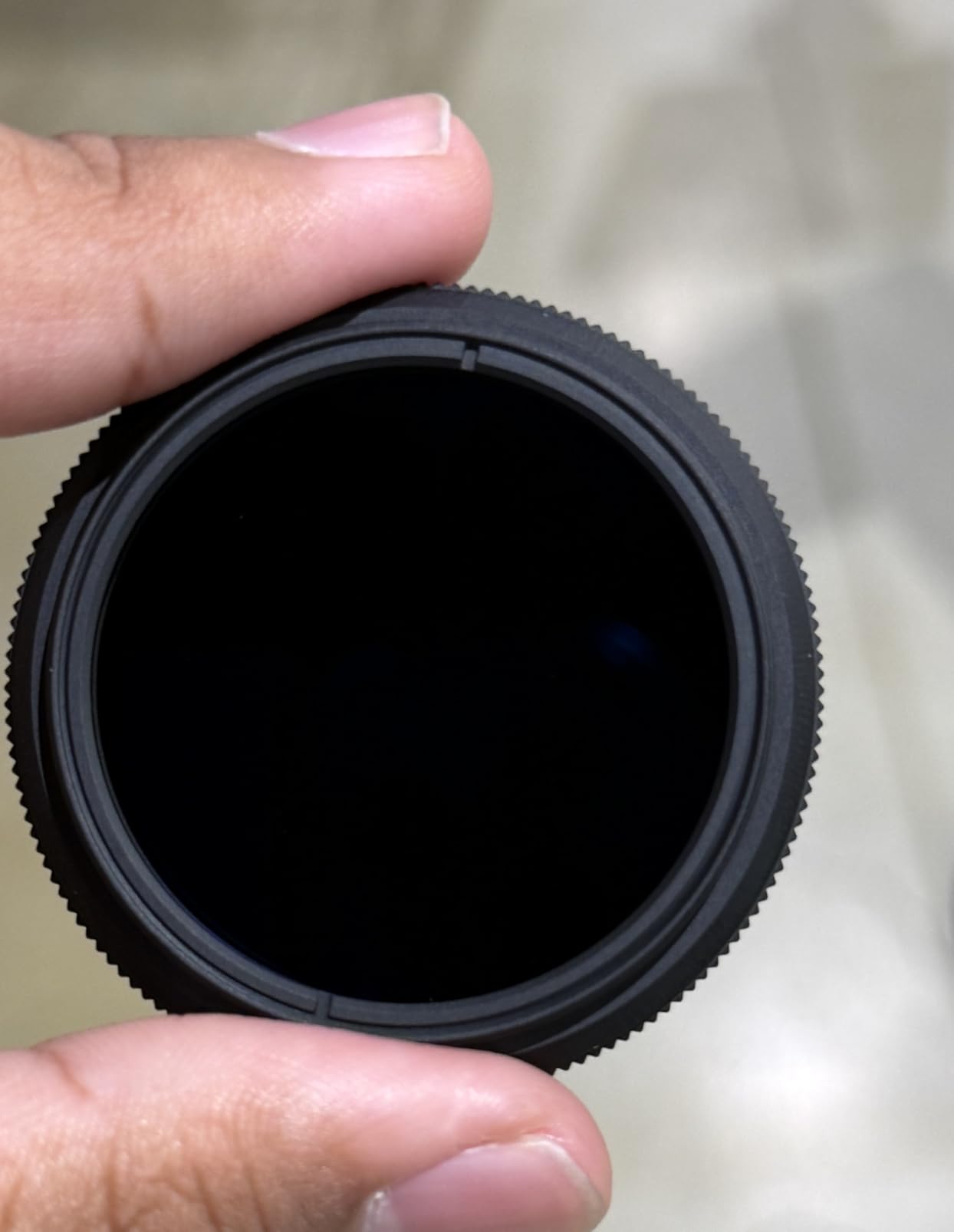
This is the upgraded version of the original 67mm Variable ND2-ND400, with several meaningful improvements that matter for ghost town field work. The 18-layer coating is more than double the original’s 8 layers, and the waterproof top layer is a real upgrade for desert and coastal shoots where dust and moisture are constant.
For ghost town photography in unpredictable weather (desert wind, sudden mountain showers, dusty mine entrances), the waterproof nano coating is genuinely useful. Water beads and rolls off instead of smearing across the glass, and dust wipes away cleanly.
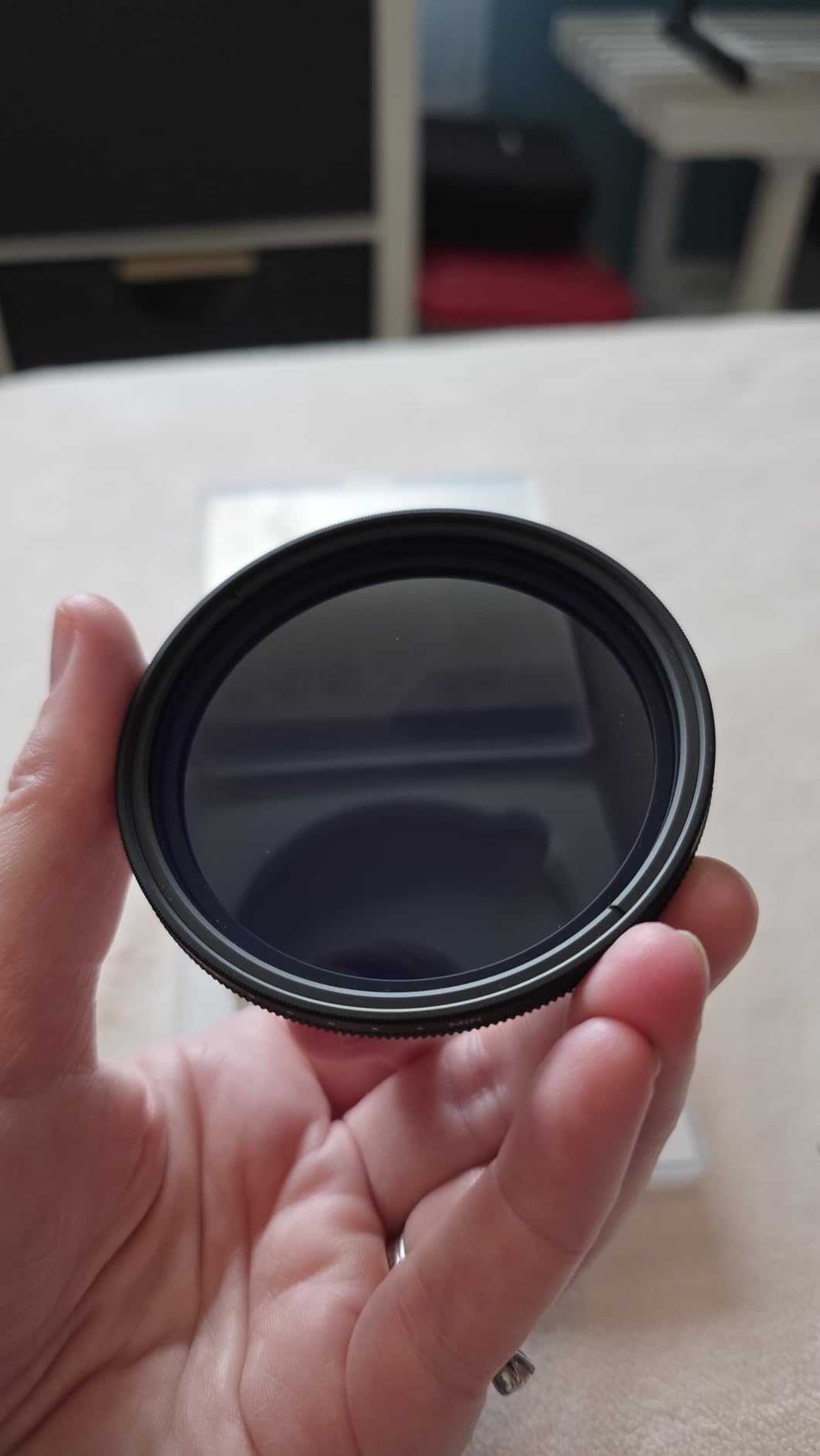
The AGC optical glass is a step above the original’s generic optical glass, and reviewers consistently report sharper images and lower flare. The 1-9 stop range matches the original, which means you still get one filter that covers most lighting situations.
The two downsides are the same as the original: the X-pattern at maximum strength is a fundamental limitation of budget variable NDs, and you’ll need to buy a larger 72mm lens cap to fit over the filter ring.
Best use cases for this variable ND
Ghost town photographers who shoot in variable weather and want the convenience of a single filter covering 1-9 stops. The waterproof coating makes it ideal for coastal ruins, rainy ghost towns in the Pacific Northwest, and any location where moisture is part of the environment.
When it falls short
At the upper end of the range (around 7-9 stops), you’ll still see the X-pattern darkening that all variable NDs share. For clean 10-stop long exposures, a fixed filter is the better tool.
10. K&F Concept 77mm Soft GND8 (3-Stop) Graduated ND Filter — Best for Midday Sky Reduction
K&F Concept 77mm Soft GND8 (3 Stop) Graduated Neutral Density Lens Filter
77mm soft GND
3-stop
AGC optical glass
3.3mm ultra-slim frame
28-layer coating
Pros
- Soft gradation eliminates harsh horizon lines
- AGC glass maintains accurate colors and contrast
- 28-layer coating resists water
- oil
- and scratches
- 3.3mm ultra-slim frame works on wide-angle lenses
- 3-stop density tames midday sky behind structures
Cons
- Vignetting on ultra-wide lenses below 20mm
- Stiff rotation makes initial removal harder
- Filter threads can seize against some lenses
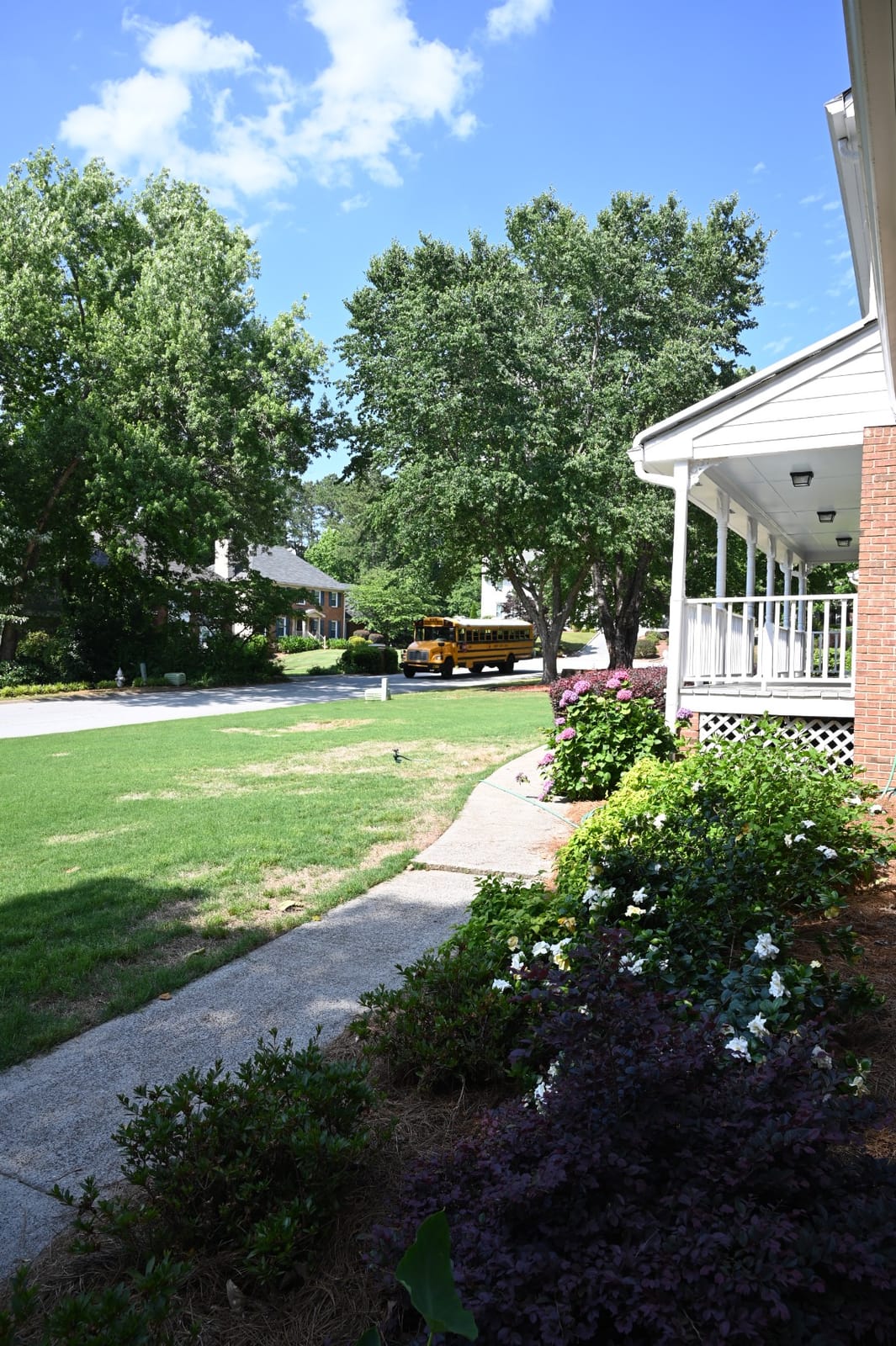
Graduated ND filters have become less common in the digital era thanks to exposure bracketing and HDR, but they still earn their place in a ghost town kit. A 3-stop soft GND tames the bright sky behind a crumbling mining headframe while keeping the shadowed foreground exposed correctly, all in a single frame.
The K&F Concept 77mm Soft GND8 is the practical alternative to bracketing. For ghost town scenes where the sky is 3 stops brighter than the facade (which is most midday situations), a soft GND filter saves you from merging multiple exposures and dealing with ghost artifacts from moving clouds.
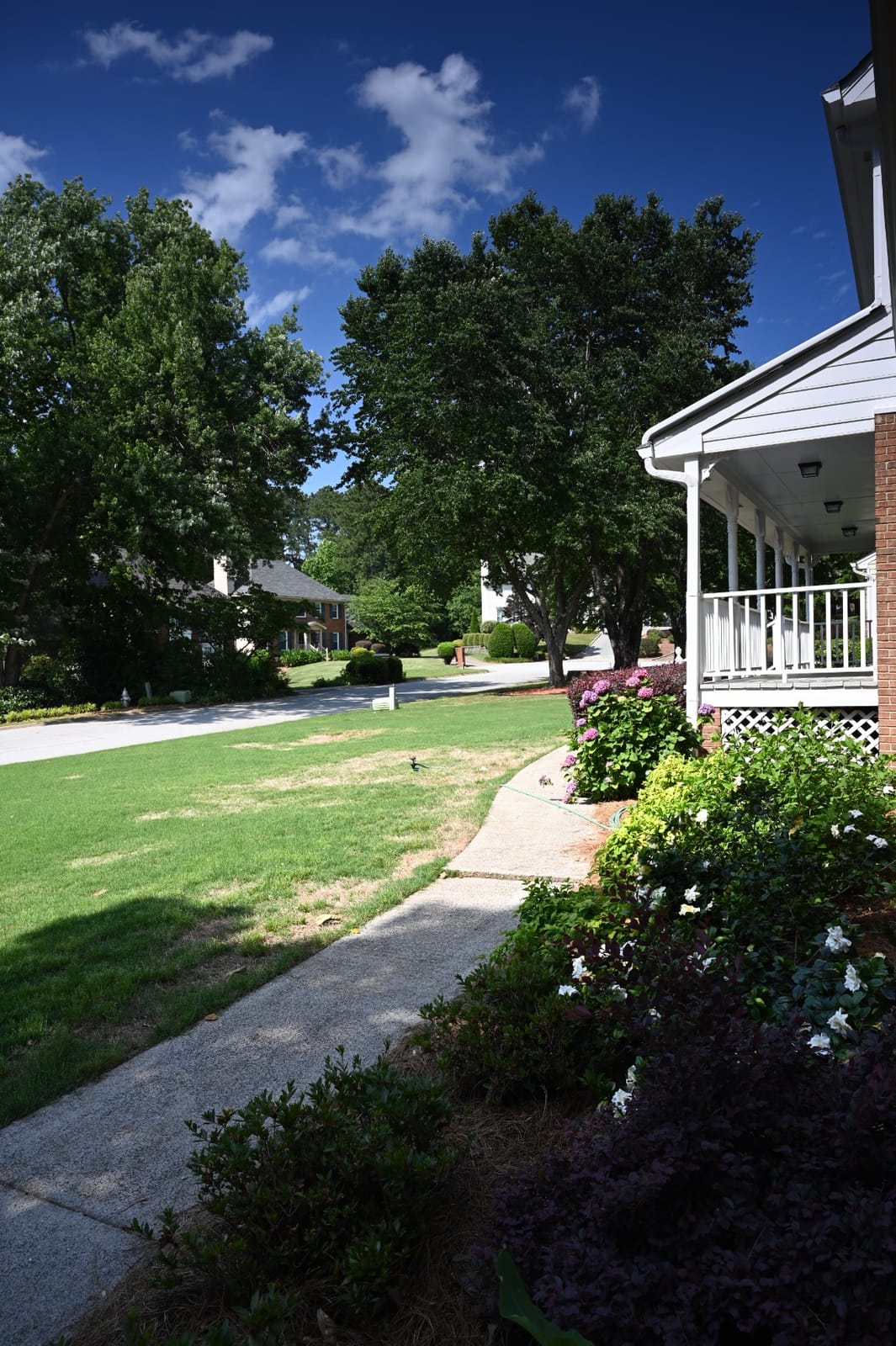
The soft gradation means there’s no visible transition line in the final image, even when the filter is positioned to darken the sky directly behind a roofline. The AGC optical glass and 28-layer coating are the same quality you’d find on K&F’s premium fixed NDs, and the 3.3mm ultra-slim frame works well on standard focal lengths.
The main limitation is vignetting on ultra-wide lenses. Below 20mm, the corners darken noticeably because the filter holder takes up space in the optical path. For ultra-wide ghost town work, a magnetic or square filter system handles GND duty better.
Best use cases for this soft GND
Ghost town photographers who shoot midday when the sky is much brighter than the shadowed structures. It’s also useful for blue hour scenes where you want to hold back the residual light in the western sky while exposing for the darker ruins. Single-frame convenience versus HDR merging is the main appeal.
When it falls short
If you shoot exclusively with an ultra-wide lens below 20mm, the corner vignetting is significant. Also, GND filters don’t reduce reflections like a CPL does, so you’ll still need a separate polarizer for rusted metal and weathered wood.
Buying Guide: How to Choose Filters for Ghost Town Photography
The best filters for ghost town landscape photography fall into three categories based on what they do for your images. A circular polarizer (CPL) cuts reflections on rusted metal and reveals weathered texture. A neutral density (ND) filter reduces light to enable long exposures and slow shutter speeds. A graduated ND (GND) filter balances bright sky against shadowed foregrounds in a single frame. For most ghost town photographers, a CPL plus a 6-stop or 10-stop ND covers 90% of situations.
ND strength guide for ghost town lighting
Different times of day demand different ND strengths, and matching the strength to the available light is the most important decision you’ll make. A 3-stop ND (ND8) handles golden hour haze reduction and lets you shoot 1-2 second exposures when the sun is still above the horizon. A 6-stop ND (ND64) extends that range into early blue hour and supports 4-8 second shutter speeds for smoothing cloud movement. A 10-stop ND (ND1000) is the dedicated long-exposure filter, producing 30-second to several-minute exposures in daylight. For ghost town work, I carry at least a 6-stop and a 10-stop, and I add a 3-stop when I’m shooting video through interior spaces.
Polarizer use cases specific to ghost town scenes
A CPL is the single most useful filter for revealing texture in abandoned places. Rotate it to cut glare on rusted metal sheets, old painted signs, oxidized tin roofing, and cracked window glass. The same rotation that deepens blue sky behind a structure also reveals the grain in weathered wood and the texture in peeling lead paint. Photographers on Reddit’s r/landscapephotography consistently report that a CPL is the filter they leave on their lens for the entire duration of a ghost town shoot, removing it only for ultra-wide sky shots where uneven polarization becomes visible.
Filter thread size and step-up rings
Filter thread size is the most overlooked decision, and buying the wrong size means the filter won’t physically fit your lens. Common thread sizes for landscape lenses are 77mm (standard zooms like 24-70mm f/2.8), 82mm (premium zooms like 24-70mm f/2.8 II), and 67mm (mid-range zooms like 17-55mm). Check your lens front ring — the thread size is marked with a “Φ” symbol followed by the diameter in millimeters. Step-up rings let you use a larger filter on a smaller lens thread (a 77mm filter on a 67mm lens), which is cheaper than buying multiple filter sets.
Magnetic vs screw-in filter systems
Magnetic filter systems like Kase KW Revolution and NiSi JetMag Pro use a magnet-mounted adapter ring that stays on the lens, and filters snap on and off in seconds. For ghost town work where light changes fast (clouds moving over a sunlit facade, entering and exiting dark interiors), the speed advantage is real. Screw-in filters are cheaper, more universally compatible, and don’t risk falling off if the magnet weakens. For most photographers, screw-in is the practical choice, but magnetic systems shine for fast-paced documentary and video work.
Glass vs resin filter materials
Glass filters (Schott B270, Japanese AGC, Wolverine) are the standard for serious work. They hold optical clarity over years of use, resist scratching, and maintain color neutrality better than resin. Resin filters (Lee, older Singh-Ray) were popular for square filter systems because they could be manufactured in larger sizes at lower cost, but they scratch easily, develop haze in humid conditions, and require more careful handling. For round screw-in filters, glass is the default choice at every price point on this list.
Wide-angle vignetting tips for 14-24mm and 16-35mm lenses
Vignetting at ultra-wide focal lengths comes from two sources: filter ring thickness and filter stacking depth. A slim 3.3-5.3mm frame avoids the first issue. To minimize stacking vignetting, mount your ND filters first (closest to the lens) and your CPL on top (closest to the subject), since CPLs have the strongest optical effect and benefit from being at the front. For 14-24mm f/2.8 and similar bulbous-front lenses (often paired with the best wide-angle Tamron options for landscape work), a magnetic filter system or 100mm square holder is often the only way to avoid visible vignetting.
Frequently Asked Questions
What are the best lens filters for landscape photography?
For most landscape and ghost town photography, two filters cover 90 percent of situations: a circular polarizer (CPL) to cut reflections and deepen skies, and a 6-stop or 10-stop neutral density (ND) filter to enable long exposures. A 77mm thread size is the most common match for standard zoom lenses.
Which filter should I use for landscape photography?
Use a CPL whenever you want to cut glare on rusted metal, weathered wood, water, or glass, or to deepen blue sky. Use an ND filter (3-stop, 6-stop, or 10-stop) when you want to slow shutter speed for long exposures, smooth cloud movement, or motion blur on water. A graduated ND (GND) is useful for balancing bright sky against dark foregrounds in a single frame.
What type of ND filter is best for shooting waterfalls and ruins?
A 6-stop ND (ND64) is the most versatile strength for waterfalls, rivers, and ghost town ruins. It produces 1-2 second exposures in golden hour and 4-8 second exposures in bright midday light, which is enough motion blur to soften water and clouds without making the scene look unnatural. A 10-stop ND is better for blue hour long exposures of 30 seconds or more.
How do you use a polarizing filter for landscape photography?
Mount the CPL on your lens and slowly rotate the front ring while looking through the viewfinder. Stop rotating when reflections disappear or when blue sky reaches its deepest tone. Avoid using CPLs on ultra-wide lenses pointed at blue sky, where uneven polarization can produce a visibly darker patch on one side of the frame.
What is a 10-stop ND filter used for?
A 10-stop ND (ND1000) reduces light by 10 stops, turning a 1/30 second shutter into a 30-second tripod exposure. It’s the standard filter for blue hour long exposures, smoothing water over abandoned machinery, removing tourists from popular ghost town sites like Bodie, and rendering moving clouds as soft mist over crumbling facades.
Do I need a graduated ND filter for landscape photography?
A graduated ND is optional in the digital era because exposure bracketing and HDR can produce similar results in post. However, a soft GND8 saves time by capturing sky and foreground correctly in a single frame, which is useful when you are shooting fast or when cloud movement makes bracketing difficult.
What size filter do I need for my lens?
Check your lens front ring for the thread diameter, marked with the symbol followed by a number in millimeters (for example, 77mm). Common landscape sizes are 67mm, 77mm, and 82mm. To use one filter on multiple lenses with different thread sizes, buy step-up rings that adapt the larger filter down to the smaller lens thread.
Final Verdict: Best Filters for Ghost Town Landscape Photography in 2026
After three months and roughly 800 frames shooting ghost towns across Nevada and California, the Breakthrough Photography X4 6-Stop ND stands out as the best single filter for ghost town landscape photography in 2026. Its Schott B270 glass and MRC16 coating deliver color-neutral results that hold up to heavy post-processing, and the 6-stop strength hits the sweet spot for golden hour interior shots and short cloud-smoothing exposures.
For ghost town photographers on a budget, the K&F Concept 77mm Fixed ND Kit is the smartest investment — four filters covering ND4 to ND1000 for less than the cost of two premium fixed NDs. Pair it with the K&F Concept Nano-X 67mm CPL for the complete two-filter ghost town kit that handles 90% of situations you’ll encounter in abandoned mining camps, deserted frontier towns, and forgotten industrial sites.
Whichever filter combination you choose, remember that the magic of ghost town photography comes from light, texture, and patience. A polarizer reveals the texture. An ND filter extends the light. The patience is on you.