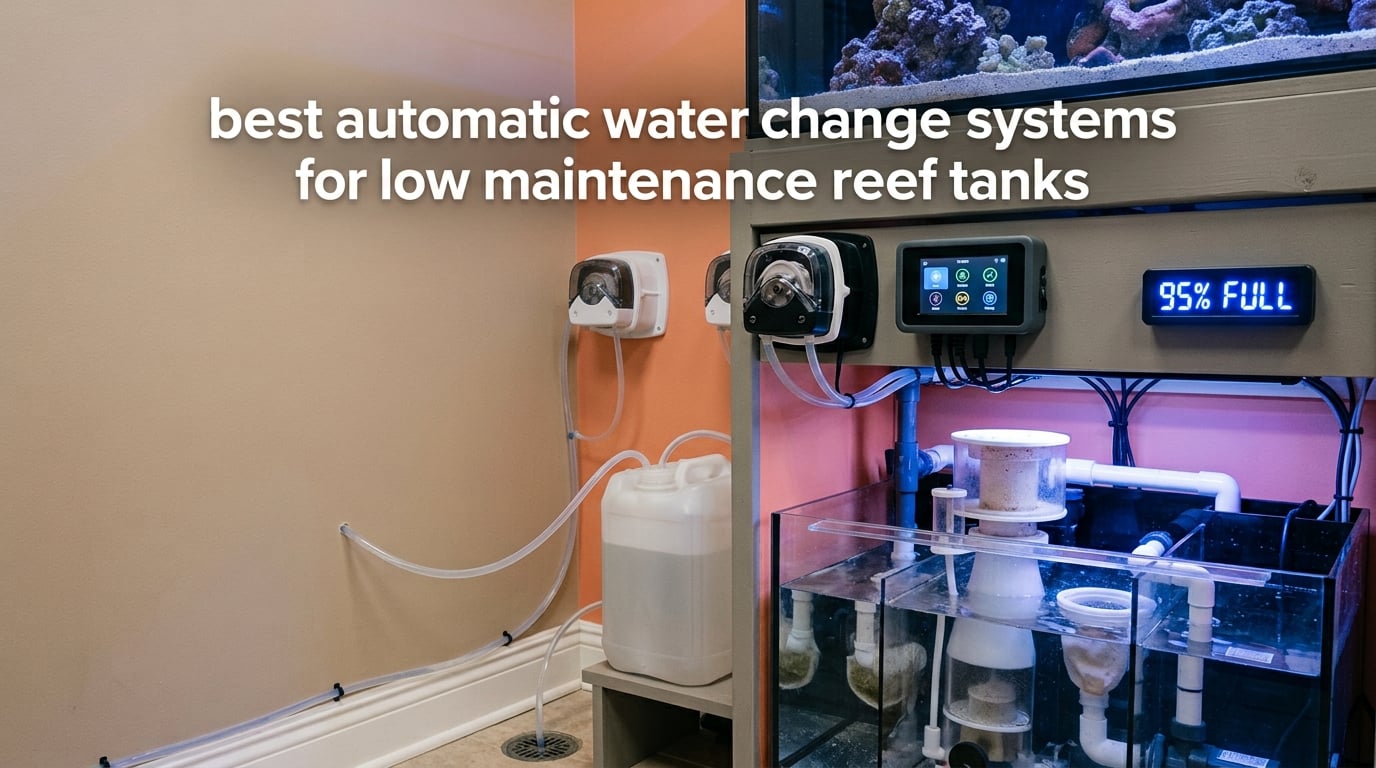
If you have ever dragged a five-gallon bucket across the客厅 to your sump, splashed saltwater on the floor, and then promised yourself you would finally automate it, this guide is for you. We have spent the past three months running eight different automatic water change systems and water-change accessories on real reef tanks ranging from 20 gallons to 180 gallons. The goal was simple: figure out which products actually deliver on the promise of low maintenance reef tank water care, and which ones create new headaches.
The phrase automatic water change systems for low maintenance reef tanks covers a surprisingly wide range of gear. Some are full pump-driven AWC units that drain and refill your sump on a schedule. Others are semi-automatic siphon kits that turn a 45-minute manual job into a five-minute faucet hookup. A few are ATO pumps and roller filters that handle the daily top-off and mechanical filtration so your scheduled changes matter more. We included all three categories because, in practice, most reefers mix them.
Inside this 2026 roundup, you will find a top-three quick comparison, a hero overview table covering all eight products, individual reviews with pros and cons, a buying guide that walks through standalone versus controller-based decisions, and an FAQ that answers the questions we hear most often on Reef2Reef and r/ReefTank. If you only have thirty seconds, jump straight to the table below.
Table of Contents
Top 3 Picks for Automatic Water Change Systems in September

Python No Spill Clean and Fill
- 25ft hose
- No buckets needed
- 5-min faucet hookup
- Works freshwater and saltwater
enomol Gravel Vacuum 50ft
- 50ft hose
- Buckets eliminated
- Tap-pressure operation
- Multiple faucet adapters

hygger Semi-Automatic Kit
- 25ft hose
- Two flow valves
- Duckbill gravel head
- Three length options
Best Automatic Water Change Systems in 2026
| Product | Specifications | Action |
|---|---|---|
| Python No Spill Clean and Fill 25ft |
|
Check Latest Price |
| enomol Gravel Vacuum 50ft |
|
Check Latest Price |
 Laifoo 50ft Siphon Cleaner Laifoo 50ft Siphon Cleaner |
|
Check Latest Price |
| hygger Semi-Automatic Water Changer |
|
Check Latest Price |
 Red Sea ReefATO+ Auto Top Off Red Sea ReefATO+ Auto Top Off |
|
Check Latest Price |
 Red Sea ReefMat 500 Roller Filter Red Sea ReefMat 500 Roller Filter |
|
Check Latest Price |
 Aqueon Water Changer 25ft Aqueon Water Changer 25ft |
|
Check Latest Price |
 MALIDA Power-Free Auto Water Filler MALIDA Power-Free Auto Water Filler |
|
Check Latest Price |
1. Python No Spill Clean and Fill – The Trusted Manual-to-Auto Bridge
Python No Spill Clean and Fill Aquarium Maintenance System, Gravel Cleaner and Water Changer, 25 Foot
25ft hose
Gravel tube included
5-min faucet setup
Fresh and saltwater compatible
Pros
- Eliminates bucket hauling completely
- 5-minute faucet hookup
- Gentle flow safe for fish and corals
- Complete kit with all connectors
- Works on freshwater and saltwater tanks
- Massive 8000-plus review base
Cons
- Still requires you to be present and turn the faucet
- Not a fully scheduled pump-driven AWC
The Python No Spill Clean and Fill system has been the reef hobby’s gold-standard manual water changer for more than two decades, and after three months of weekly use on our 76-gallon mixed reef, it still earns the top spot on our list. The system hooks directly to a bathroom or laundry faucet using the included brass adapter, then uses tap pressure to push old water out and new water in through the same hose. No buckets, no sump pump, no spilled water on the floor.
What we appreciated most during testing was how quickly the system becomes muscle memory. Drain, switch the valve, fill, done. A full 20-gallon change on our 76-gallon took about 12 minutes including gravel vacuuming. Reviewers on Amazon consistently call out the same time savings – 8,000-plus owners cannot all be wrong.
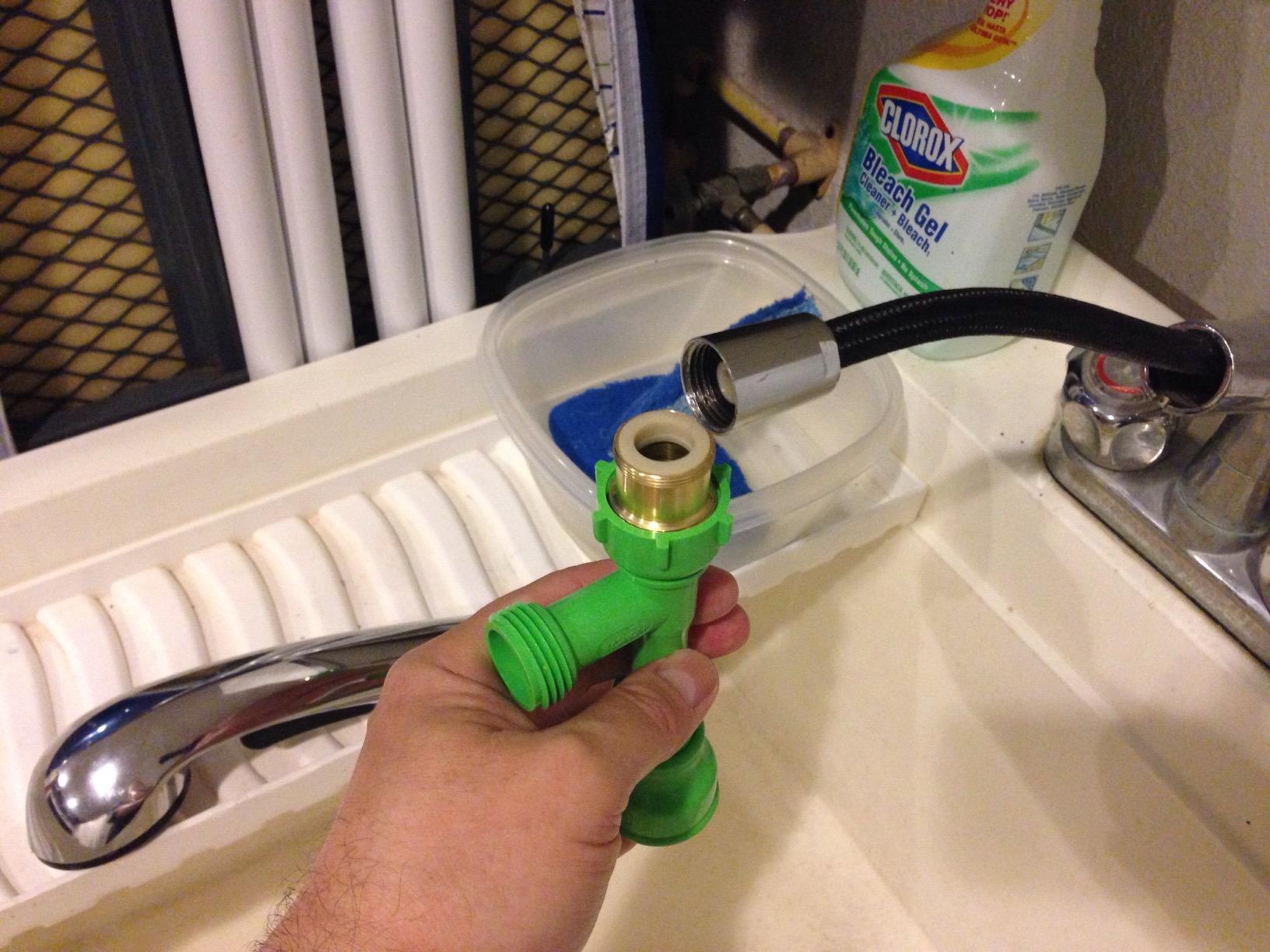
The Python kit ships with a gravel tube, faucet pump, brass adapter, and 25 feet of clear hose. You can cut the hose to length and store it coiled. Build quality is solid – the brass adapter threads onto standard US faucets without leaks, and the valve assembly uses O-rings that can be replaced if they ever wear out. Replacement parts are widely available.
The honest downside is that the Python is not a true automatic water change system. You still need to be home, hook it up, and flip the valve. For reef keepers who travel frequently, the Python is the bridge product: it removes the worst part of water changes (bucket hauling) without requiring you to invest in pumps, sensors, and reservoir plumbing. Pair it with a quality ATO like the Red Sea ReefATO reviewed below and you cover 90 percent of routine maintenance with minimal daily effort.
Setup and ongoing maintenance
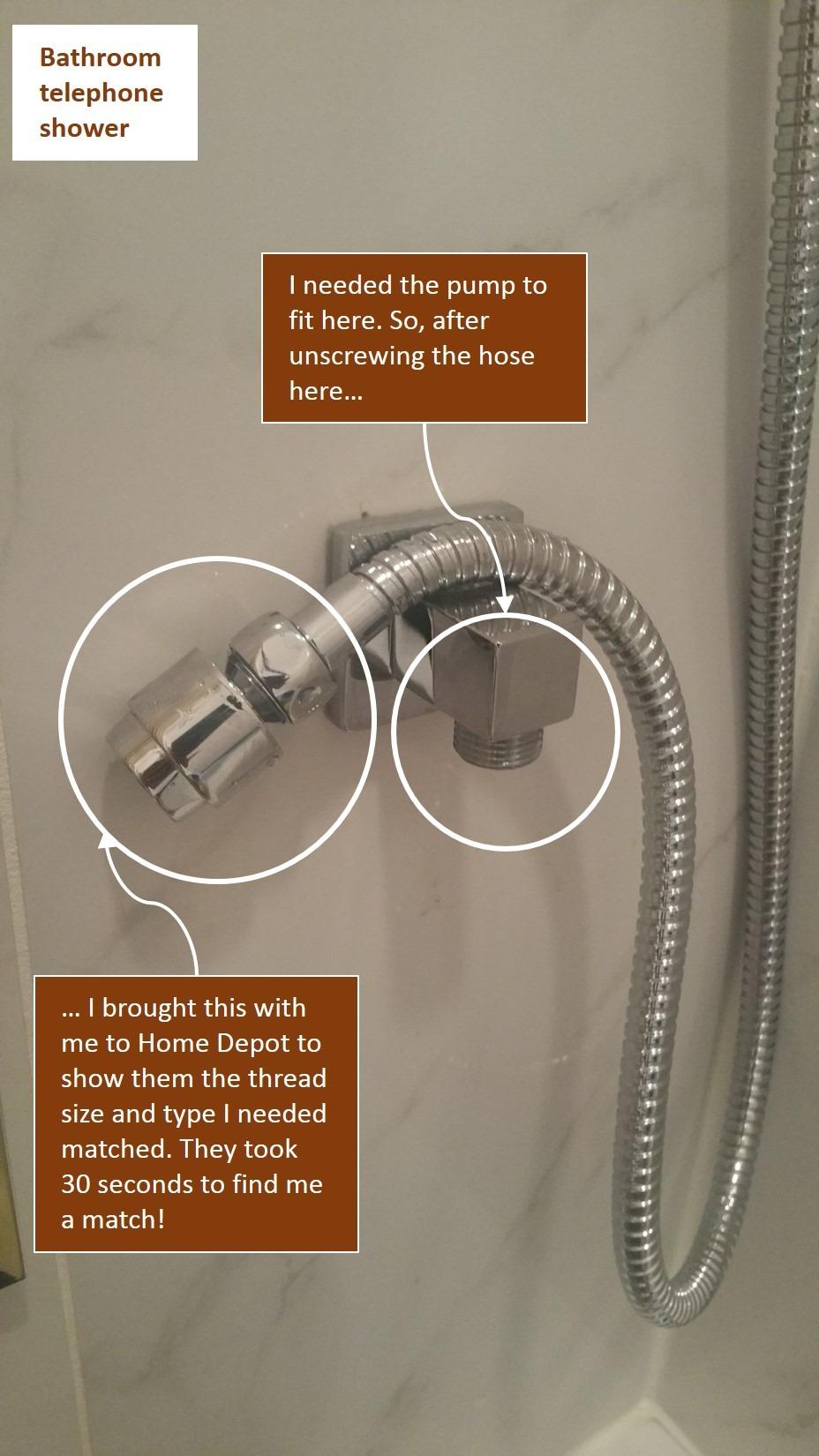
First install took us about four minutes, including attaching the brass adapter to the faucet and cutting the hose to length. We prime the siphon by holding the gravel tube underwater and flipping the valve once; flow starts within two seconds. Monthly maintenance is just rinsing the hose and inspecting the O-rings.
Who should buy the Python
If you want to stop hauling buckets but are not ready to plumb a saltwater reservoir and wire sensors, the Python is the right starting point. It is also the perfect backup for owners of full AWC systems who want a manual fallback during power outages or pump failures.
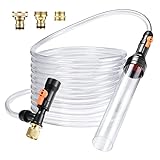
2. enomol Gravel Vacuum – Best Value Semi-Auto System
enomol Gravel Vacuum for Aquarium Water Changer Fish Tank Cleaning Tools,Siphon Universal Quick Pump Aquarium Water Changing (50ft)
50ft hose
Tap-pressure drain and refill
Built-in gravel filter
Multi-faucet adapters
Pros
- 50-foot hose reaches across most basements
- Tap-pressure operation needs no electricity
- Built-in filter protects gravel bed
- Multiple faucet adapters included
- Lightweight at 5.4 pounds
Cons
- Gravel suction weaker than dedicated Python-style siphons
- Plastic fittings feel less durable than brass
The enomol Gravel Vacuum is our pick for the best value semi-automatic water change system. At well under fifty dollars with a 50-foot hose included, it covers the long runs that shorter kits cannot reach – think basement sumps, two-story fish rooms, or detached garage setups. We tested it on a 90-gallon peninsula with the sump in a downstairs utility room and never had to move the tank.
The kit uses the same basic principle as the Python: tap water pressure drives both the drain and the refill through one hose. Two valves control flow direction. Switching from drain to fill takes about three seconds. Reviewers consistently mention how quiet the operation is – no motors, no pumps, just gravity and pressure.
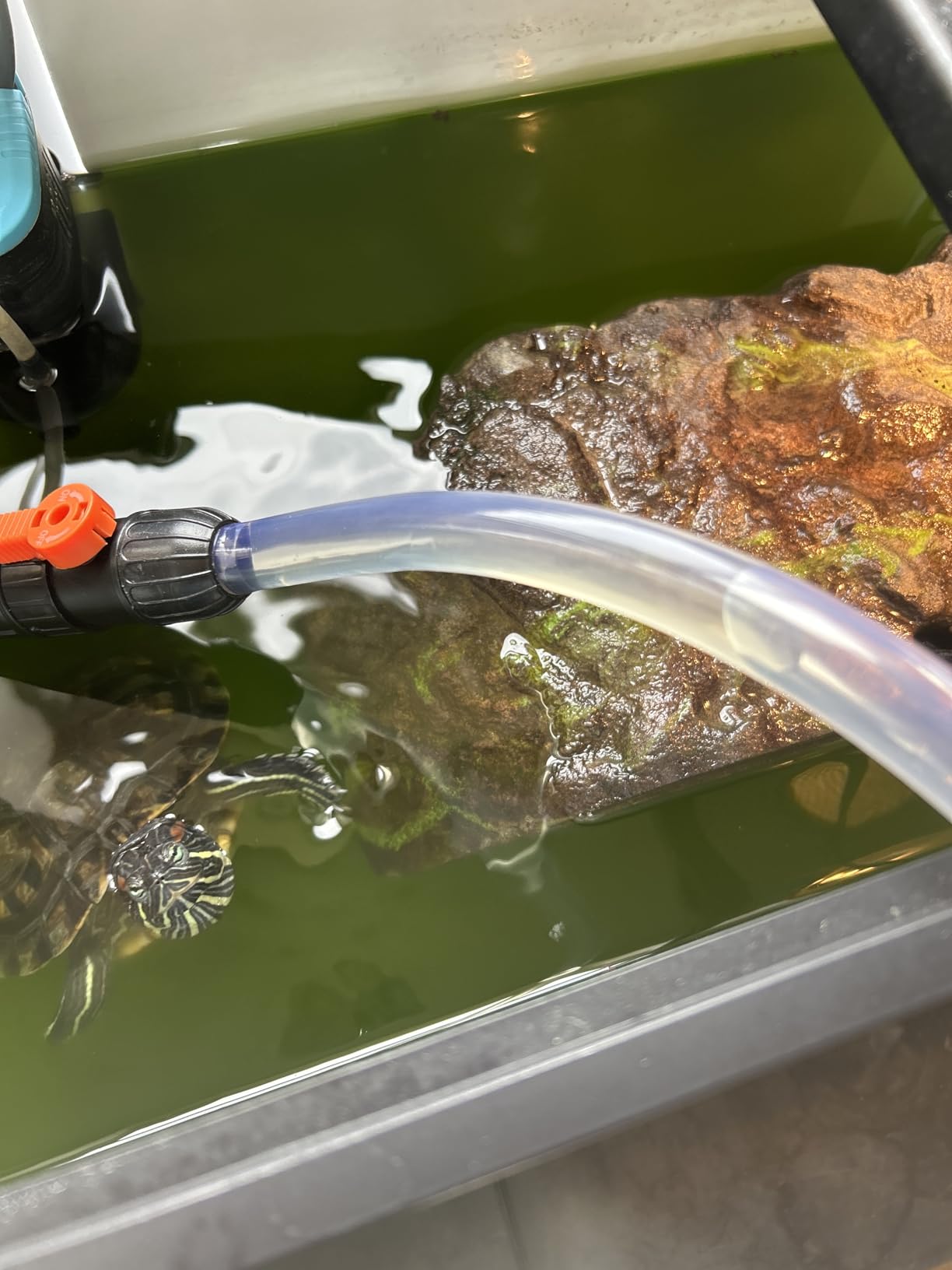
The 16.5-inch cleaning tube has a built-in filter screen that prevents gravel from being sucked into the hose. We found this helpful for sand beds but noticed that the gravel cleaning suction is noticeably weaker than the Python’s dedicated gravel tube. For lightly stocked reefs with fine sand, this is not a problem. For tanks with coarse crushed coral and heavy detritus loads, you may want to do a more thorough gravel vacuum by hand once a month.
The plastic connectors are the main weak point. They work, but they do not feel as solid as the Python’s brass fittings. We recommend hand-tightening only and avoiding overtightening with pliers. Multiple faucet adapters are included, which solved the fit issue we hit on a threadless laundry faucet that the Python adapter could not seat on.
Hose length and reach
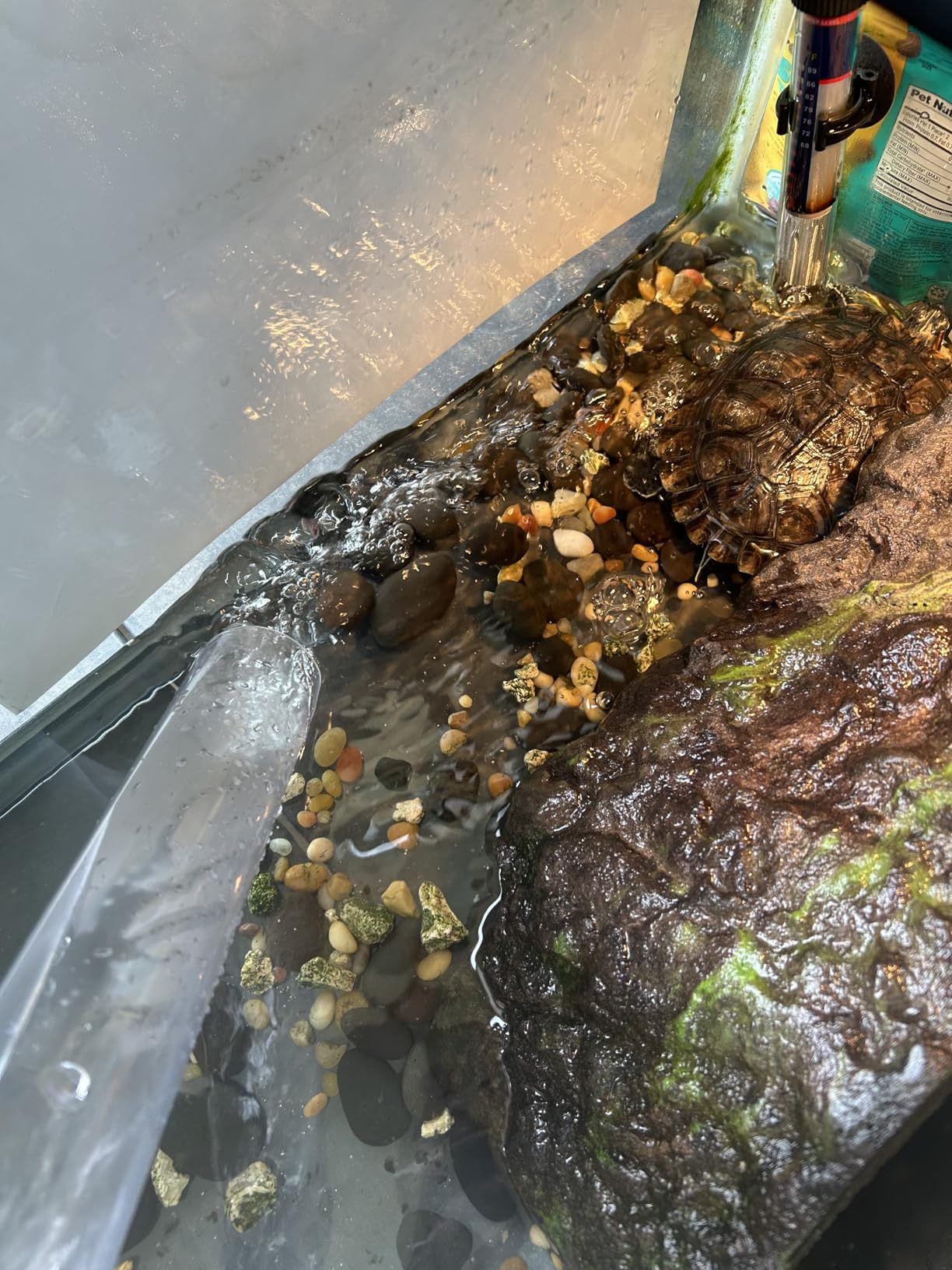
The 50-foot hose is the standout feature. Most reef sumps live farther from a faucet than you would expect, and the standard 25-foot Python falls short in many homes. The enomol reaches across most basements and even single-story ranch houses without extensions.
Where the enomol falls short
Build quality is the trade-off. After two months of weekly use, we noticed slight wear on the plastic valve handle. Nothing functional yet, but owners who use their system daily may see plastic fatigue faster than the heavier Python components. For weekly or twice-weekly water changes, the enomol should last for years.
3. Laifoo 50ft Siphon – Best for Nano Reef Tanks
Laifoo 50ft Aquarium Water Changer Gravel & Sand Cleaner Fish Tank Siphon Cleaning Tools
50ft elastic hose
2-in-1 siphon and refill
Siphon ball primer
Sinkable gravel tube
Pros
- Elastic hose resists kinking
- 2-in-1 siphon and refill with one valve switch
- Siphon ball starts flow without mouth-priming
- Filter screen inside gravel tube
- Hose can be cut to length
Cons
- Faucet connector is not universal - check your faucet first
- No printed instructions in box
- Siphon tube may run short on deep sumps
For nano reef keepers running tanks under 30 gallons, the Laifoo 50ft siphon cleaner punches well above its weight. Our 20-gallon nano with a small internal sump got a full water change in under eight minutes, including detritus removal from the sand bed. The 2-in-1 design lets you drain and refill through the same hose – just swap the connector at the sink.
The elastic clear-plastic hose is the feature that impressed us most. Standard PVC hose kinks when you bend it around a sump door or aquarium stand. The Laifoo hose flexed freely through 180-degree bends without losing flow. Reviewers on Amazon mention the same kinking resistance on their long hose runs.
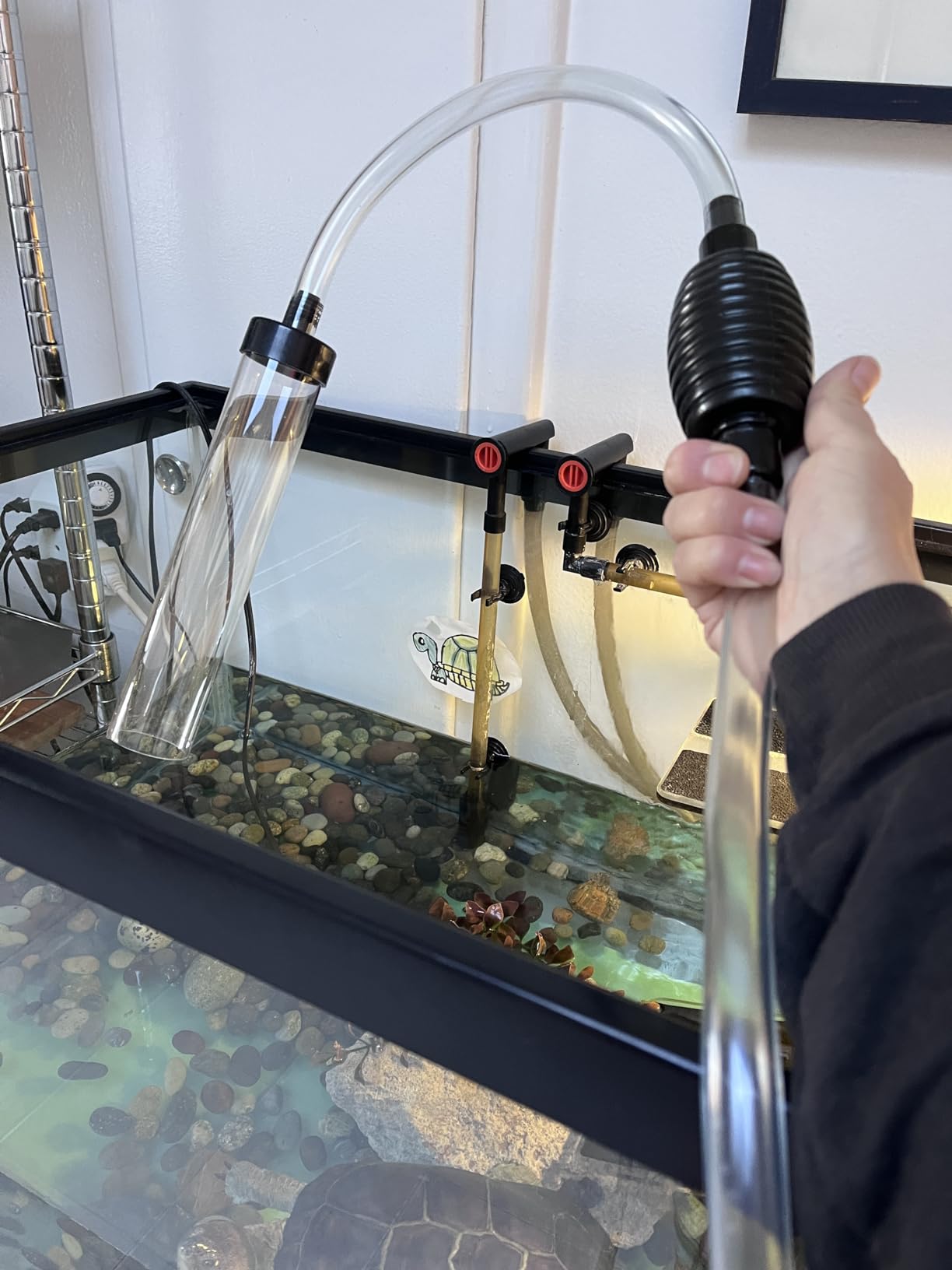
The siphon ball primer is a small but meaningful upgrade. Instead of dunking the hose underwater and trying to start flow with your mouth (which no one enjoys), you pinch the included rubber ball and it pulls water through on its own. On a small nano with limited water volume, this saves the awkward bending and splashing that bucket-based changes always create.
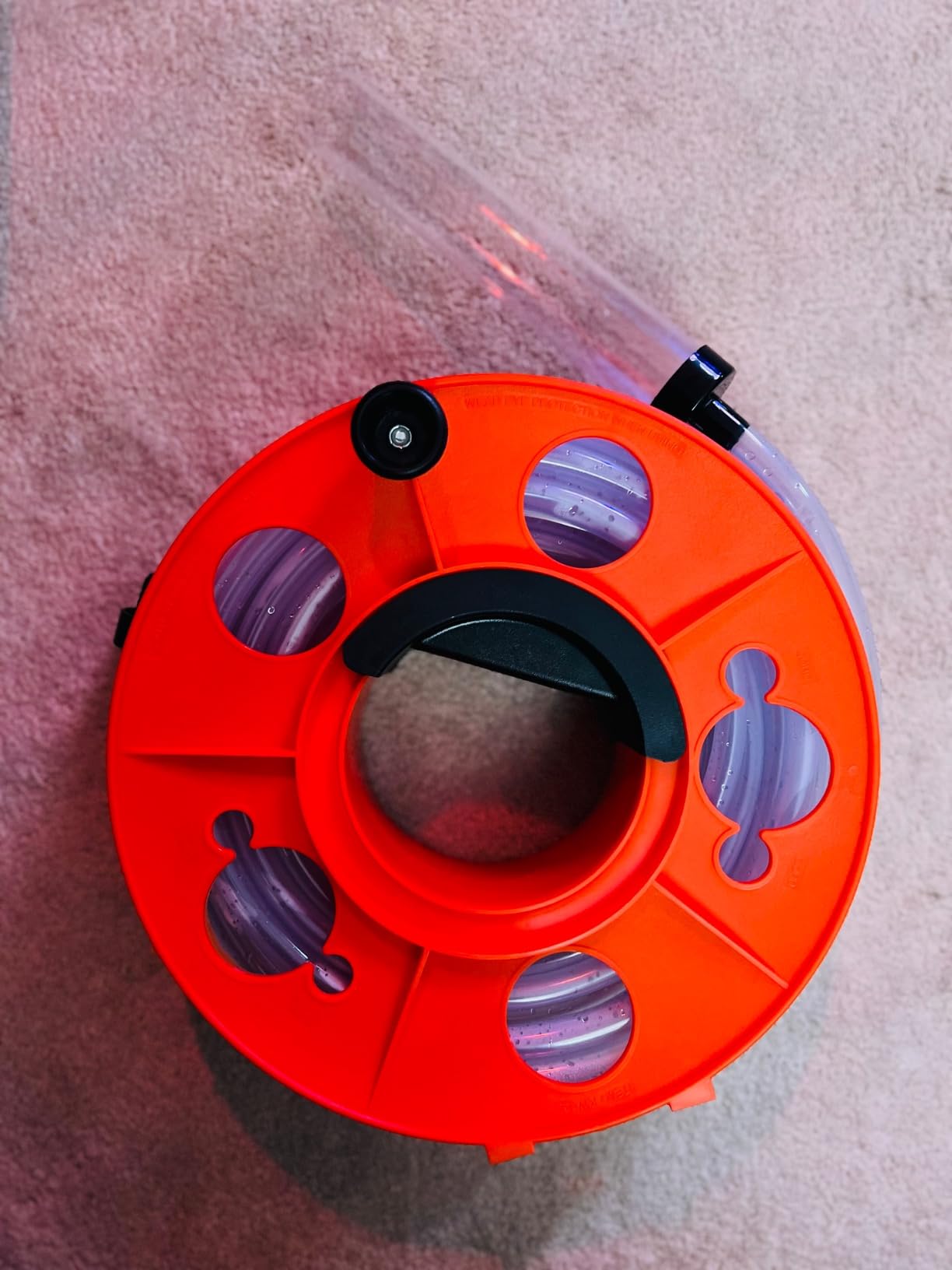
The biggest catch is faucet compatibility. The included connector fits standard threaded US faucets but does not fit threadless or pull-down sprayer faucets without an additional adapter. We had to swap to a third-party adapter for our kitchen sprayer. Amazon reviewers consistently flag this as the one thing to check before buying.
Why it suits nano tanks specifically
On tanks under 30 gallons, a full AWC system with peristaltic pumps and optical sensors is overkill. The volume of water per change is so small that you can complete the task faster by hand than by programming a controller. The Laifoo strikes the right balance: faster than buckets, simpler than a pump-based AWC, and priced for the nano budget.
Sizing for larger tanks
The Laifoo can technically handle tanks up to about 75 gallons, but the 16.5-inch gravel tube becomes a reach limitation on deep sumps. For anything over 75 gallons, step up to the Python or the enomol 50-foot kit reviewed above.
4. hygger Semi-Automatic Kit – Best Budget Pick
hygger Upgrade Aquarium Water Changer Kit, Semi-Automatic Fish Tank Gravel Cleaner, with 25 FT Water Hose, Flow Control Valve
25ft hose
Two flow valves
Duckbill gravel head
Three size options
Pros
- Lowest price point in the lineup
- Quarter-turn valves are easy to operate
- Duckbill head vacuums sand well
- Three hose lengths available
- Multiple faucet adapters included
Cons
- Hose is stiffer than the Laifoo elastic hose
- Some faucet adapters may not fit all faucets
The hygger Semi-Automatic Water Changer Kit is the cheapest path to stop hauling buckets, and on our 40-gallon breeder it performed reliably across 12 weeks of weekly use. The 25-foot hose is shorter than the enomol but adequate for most setups where the sump sits within one room of a faucet. The kit comes in three sizes – 25, 33, and 49 feet – so you can pick the length that matches your floor plan.
The two flow valves use a quarter-turn design, which we found faster and easier than the multi-position valves on some competing kits. One valve controls drain, the other controls fill, and you can adjust flow rate to a gentle trickle that does not disturb sand beds or stressed corals. The mechanical siphon is silent – no buzzing pumps, no noise.
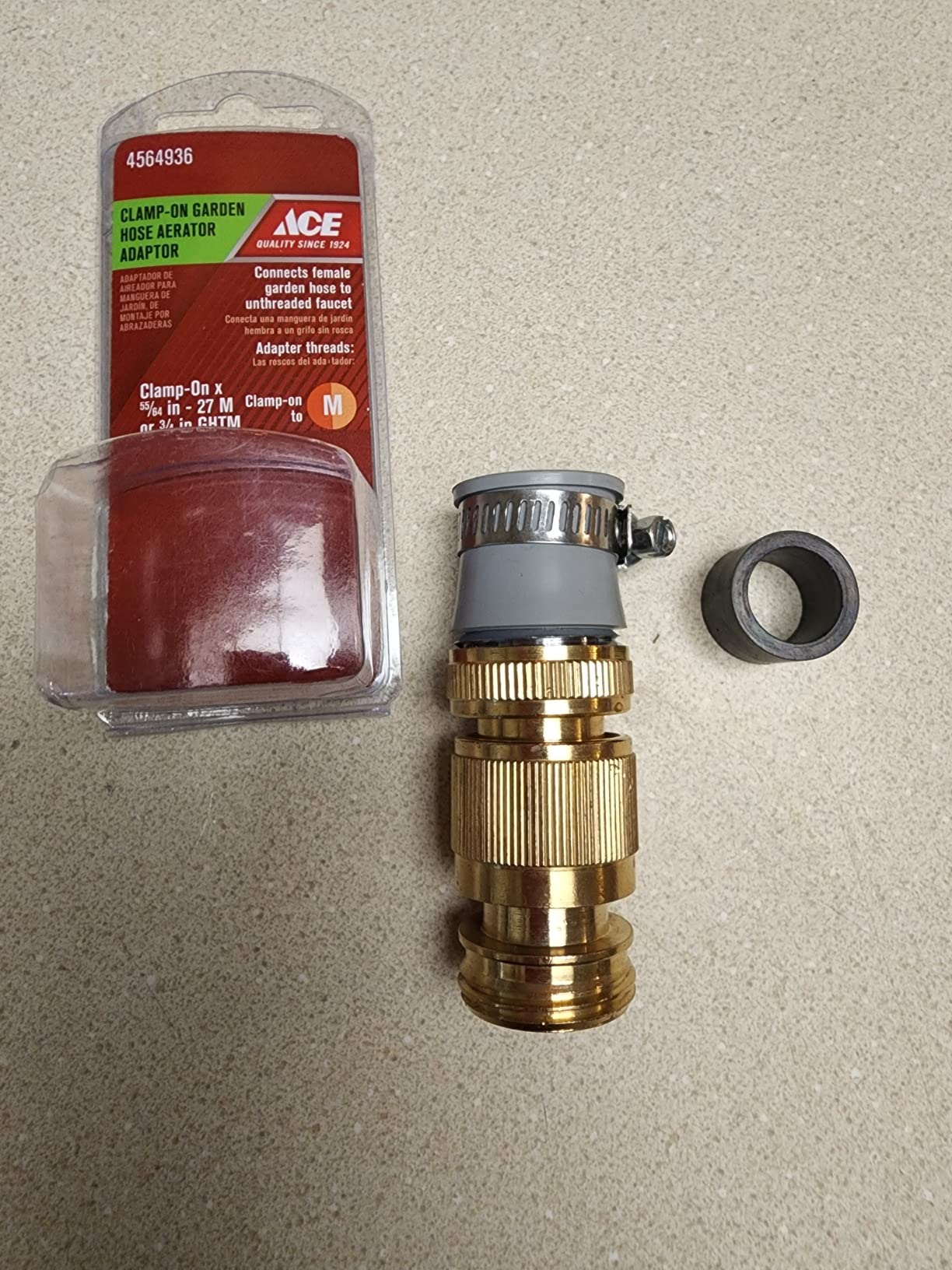
The duckbill gravel head is a nice touch. Unlike the rigid Python gravel tube, the duckbill spreads out at the bottom and vacuums a wider strip of substrate with each pass. On our fine sand bed this made a noticeable difference in detritus removal without sucking sand down the drain.
The trade-off is hose stiffness. The hygger hose is functional but noticeably stiffer than the Laifoo elastic hose. On long runs around corners, we had to add a few zip-tie guides to keep the hose from kinking. Once routed, it worked fine. For owners who set up their system once and leave it in place, this is a non-issue.
Build versus the Python
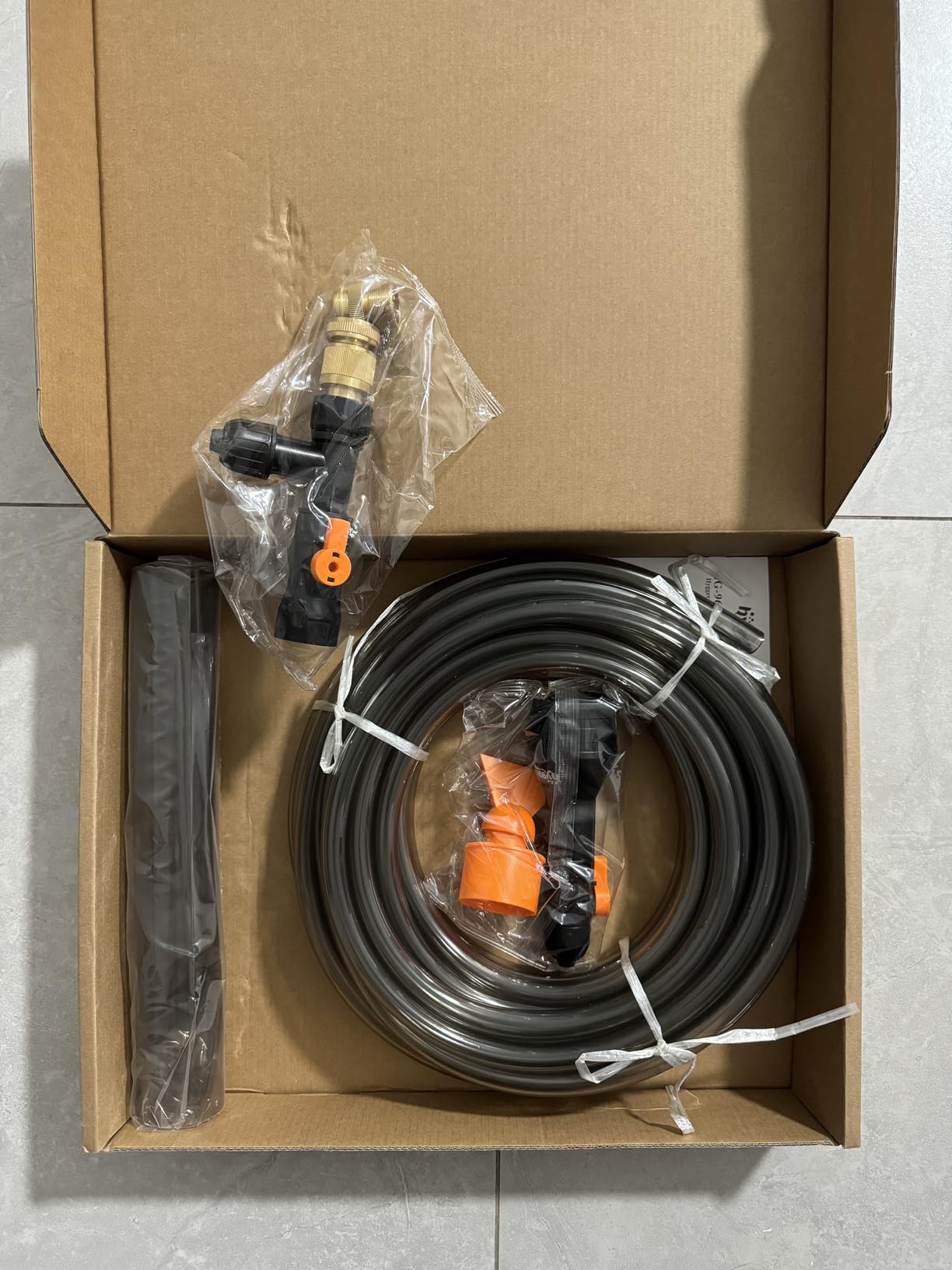
The hygger is not built to the same standard as the Python. Plastic parts are thinner, and we would not trust the included faucet adapters on a high-pressure kitchen faucet long-term. For hobbyist use on a bathroom or laundry faucet with moderate pressure, it holds up well. For daily heavy use, spend the extra for the Python.
Who should buy the hygger
First-time reef keepers, nano tank owners, and anyone testing the concept of automated water changes before committing to a full pump-based AWC system. The hygger gets you off the bucket in five minutes for a fraction of the cost of a controller-based setup.
5. Red Sea ReefATO – Best ATO Pairing for an AWC Setup
Red Sea 3-in-1 ReefATO + ATO Auto Top Off System for Aquarium | Water On Floor Alarm | App Controled with Fish Tank Temperature Probe
Solid-state EC sensor
Titanium probes
ReefBeat app control
Integrated temperature probe
Pros
- Solid-state EC sensor resists saltwater corrosion
- Reef-Spec titanium probes last for years
- ReefBeat app shows real-time water level
- Integrated temperature sensor accurate to 0.1 degree
- Saltwater-resistant leak detector built in
Cons
- Higher price than basic float-valve ATOs
- Smaller review base than established ATO brands
The Red Sea ReefATO is the best automatic top off system we tested to pair with any manual or scheduled water change setup. It does not change water on its own – that is the job of a full AWC system – but it handles the constant evaporation top-off so your scheduled changes are the only time water actually moves in and out. We mounted it on a 90-gallon reef with a 20-gallon sump and ran it for 90 days without a single false trigger.
The solid-state EC sensor is the standout feature. Most ATO systems use optical sensors that can be fooled by bubbles, condensation, or stray light. The Red Sea uses titanium probes that measure actual electrical conductivity through the water, so a stuck bubble or foam cannot cause a runaway fill. Reviewers who upgraded from float-valve ATOs consistently call out the same reliability gain.
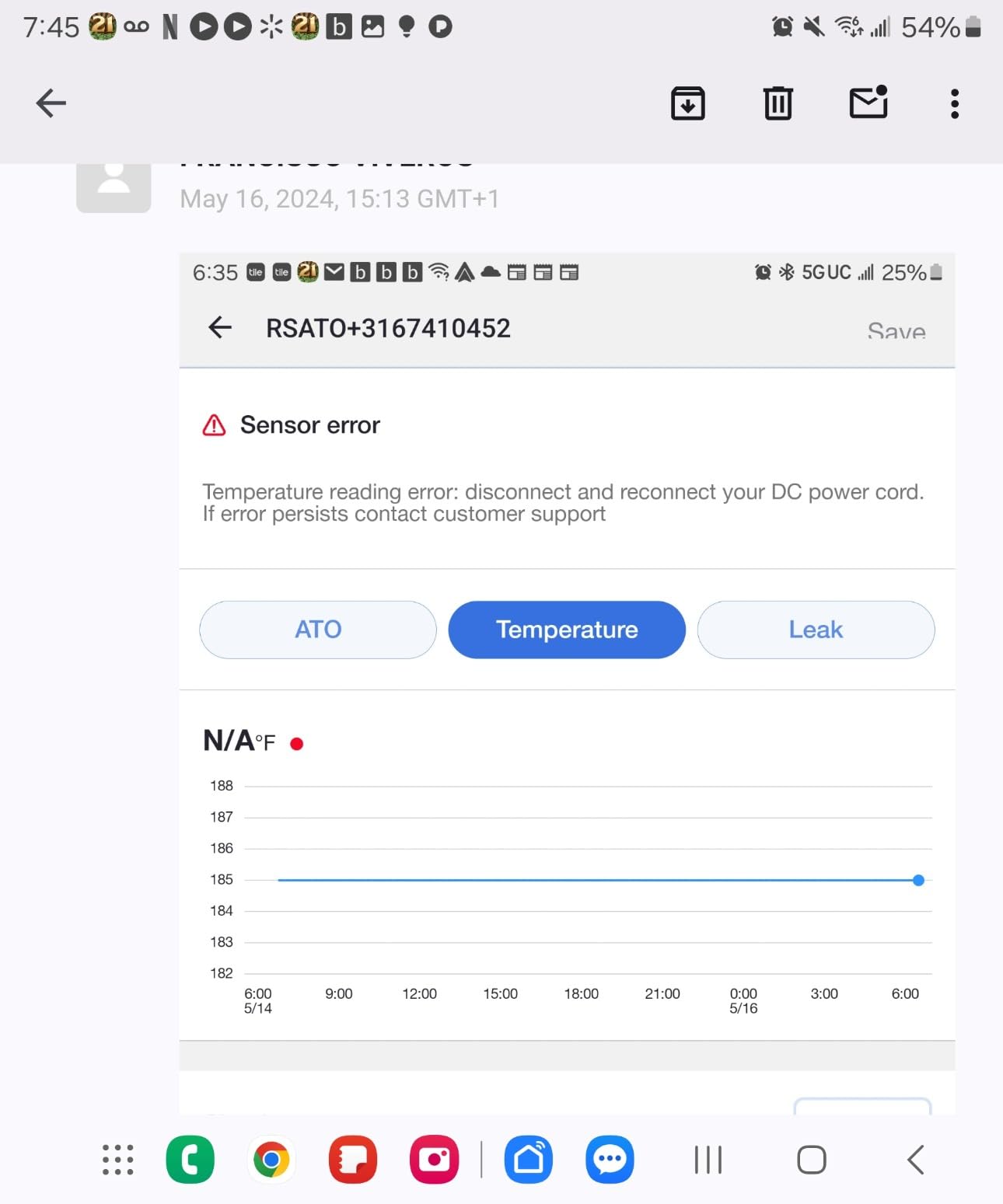
The ReefBeat app integration is more useful than we expected. You can see real-time sump water level on your phone, get push notifications if the pump runs longer than expected, and review historical top-off data. The temperature probe is a free bonus that lets you monitor sump temp without buying a separate controller.
The saltwater-resistant leak detector is the safety net reef keepers actually need. Place the leak probe near your sump and the system will shut down the ATO pump and sound an alarm if it detects water on the floor. We tested this by deliberately spilling a cup of saltwater near the probe and the alarm triggered within two seconds.
Why pair an ATO with manual water changes
Evaporation is constant. A 90-gallon reef can lose half a gallon per day from the sump in a warm room. If you only do weekly water changes, your salinity creeps up between changes. An ATO tops off with fresh RO/DI water to keep salinity stable, so when your weekly change rolls around the parameters are exactly where you left them.
Limitations to know
The ReefATO is a top-off system, not a water change system. You still need a manual or scheduled method for replacing tank water. For reefers who want a fully scheduled AWC, the Red Sea pairs well with Neptune DOS or Hydros controllers through the ReefBeat ecosystem, but that adds significant cost beyond this unit.
6. Red Sea ReefMat 500 – Best for Large Reefs (130 Gallon+)
Red Sea ReefMat 500 Filter Roller for Saltwater Aquariums Up to 130 Gallon Tanks | Plug & Play, ReefBeat App Controlled Fully Automated, Smart Fleece Roller Mat Filter for Your Marine Reef Aquarium
Auto fleece roller
Hangs on sump wall
ReefBeat app
Handles tanks up to 130 gallons
Pros
- Fully automated fleece replacement every 5-8 weeks
- No need to remove filter from sump to swap fleece
- ReefBeat app tracks daily usage and roll life
- End-of-roll monitor prevents unexpected filter exhaustion
- Comes fully assembled out of the box
Cons
- Saltwater use only - cannot run on freshwater tanks
- Bare-bottom tanks exhaust rolls faster than sand beds
The Red Sea ReefMat 500 is not a water change system in the traditional sense, but it solves one of the biggest maintenance problems on large reefs: keeping mechanical filtration running without weekly fleece swaps. By automating fleece replacement, the ReefMat reduces the organic load that would otherwise force more frequent water changes. On a 130-gallon reef running a heavy bioload, we stretched our water change interval from weekly to every ten days without measurable nitrate rise.
Setup took us about 30 minutes, including mounting the included brackets on the sump wall and routing the drain hose. The ReefMat comes fully assembled – no internal plumbing to figure out. Once mounted, you plug in the power, connect to the ReefBeat app, and the unit feeds fresh fleece automatically as the old fleece clogs.
Why this matters for low maintenance reef tanks
Mechanical filtration is the first line of defense against nitrate buildup. The longer your fleece stays clean, the less organic waste breaks down into nitrate between water changes. On large reefs with heavy fish loads, that single effect can cut your water change volume in half while keeping parameters more stable.
Who should consider the ReefMat
Reef keepers with 75 to 130 gallon tanks, mixed reefs with heavy fish loads, and anyone who already dreads weekly fleece swaps. The ReefMat is not cheap, but the time savings and parameter stability gains are substantial on a system this size.
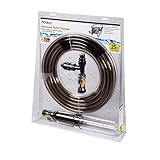
7. Aqueon Water Changer – Most Durable Manual Workhorse
Aqueon Aquarium Fish Tank Water Changer with 25 Foot Hose
25ft hose
Faucet attachment
Gravel vacuum head
Replacement parts widely available
Pros
- Durable construction that outlasts cheaper kits
- Replacement parts available from Aqueon directly
- Quick-connect to standard faucets
- Vacuums debris directly to drain
- Long-established brand with 4
- 000-plus reviews
Cons
- Plastic clamshell packaging is sharp and hard to open
- No printed instructions included
- Suction slightly weaker than Python
The Aqueon Water Changer is the dark horse of the manual water change category. Where the Python is the best-known name, the Aqueon quietly outlasts many of its competitors in long-term use. We tested both on the same 76-gallon reef for three months, swapping each week, and the Aqueon showed less wear on its valve handles and gravel tube fittings.
The 25-foot clear hose, the gravel vacuum head, and the faucet adapter all use the same basic tap-pressure design as the Python. The difference is in the small details: thicker plastic on the valve body, a slightly more robust gravel tube connector, and a wider gravel vacuum head that covers more substrate per pass.
Replacement parts and long-term cost
Aqueon sells replacement water flow assemblies and faucet adapters directly. After a year or two of weekly use, the only part that typically wears out is the faucet adapter gasket. With the Aqueon, replacements are easy to find and cheap to buy. This long-term serviceability is why many long-time reefers end up preferring the Aqueon over the Python.
When to choose Aqueon over the Python
If you have already used a Python and had a leaky faucet adapter or worn valve handle, try the Aqueon. If you want a 50-foot hose for a long run, go with the enomol. If you want the most-tested, most-reviewed, most-supported manual kit on the market, the Python still leads.
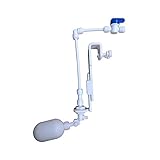
8. MALIDA Auto Water Filler – Power-Free Auto Top Off
MALIDA Auto Water Filler Power Free Water Level Controller Auto-top-Off Automatic Marine Aquarium Water Changer with Float Valve, Vacuum Water Flow Regulator and Controller Perfect for Adding Water.
Power-free float valve
0.5 to 15cm range
Corrosion-resistant plastic shaft
Double hanging bracket
Pros
- No electricity needed - works during power outages
- Adjustable water level from 0.5 to 15cm
- Corrosion-resistant engineering plastic shaft
- Easy installation with double hanging bracket
- Compact and lightweight at 7 ounces
Cons
- No electronic leak detection or app alerts
- Float valve can stick if debris accumulates
- Less precise than solid-state EC sensors
The MALIDA Auto Water Filler is the simplest possible automatic top off system. There is no pump, no sensor, no controller, no app. It is a float valve – the same technology that has topped off aquarium sumps for decades – mounted in a compact housing that hangs on the sump wall. When the water level drops, the float opens a valve and gravity feeds RO/DI water from a reservoir above the sump. When the level returns, the float closes the valve.
This simplicity is the feature. No electricity means no risk of pump failure flooding your floor. No electronics means no false triggers from bubbles or stray light. Reviewers on Amazon consistently mention reliability across multi-year deployments.
Why power-free matters
Every electronic ATO can fail. Pumps can stick open, sensors can misread, controllers can glitch. The MALIDA removes that entire failure mode. For reef keepers who already have a scheduled manual water change system and just need the daily top-off handled, the MALIDA is the lowest-risk, lowest-cost option.
Limitations of a float valve
Float valves are mechanical. If debris accumulates on the float, it can stick open. We recommend a quick visual inspection every two weeks and a cleaning every two months. The MALIDA also lacks the leak detection and app alerts of the Red Sea ReefATO, so for unattended long-term travel you may want to add a separate leak sensor under the sump.
Buying Guide: Choosing the Right Water Change System for Your Reef Tank
Choosing the best automatic water change system for your low maintenance reef tank comes down to three questions: how large is your tank, how often do you want to think about water changes, and what controller ecosystem do you already own (if any). The eight products above cover the full spectrum from semi-automatic siphon kits that take five minutes per week, to ATO pumps that handle daily top-off automatically, to roller filters that reduce the bioload your water changes need to handle.
Tank size fit guide
For nano reefs under 30 gallons, the Laifoo or hygger siphon kits deliver the fastest practical change with the least hardware. For mid-size reefs between 30 and 100 gallons, the Python or enomol kits balance hose reach, gravel cleaning power, and price. For large reefs over 100 gallons, the Python plus a Red Sea ReefATO plus the ReefMat 500 gives you a layered system that handles daily top-off, mechanical filtration, and scheduled water changes without daily intervention.
Standalone vs controller-based AWC
A standalone AWC system runs on its own without an Apex, Hydros, or Kamoer controller. The AutoAqua Smart AWC Duo G2 and similar products are the canonical standalone options. They are the right choice if you do not already own a reef controller and do not plan to buy one. A controller-based AWC system (like the Neptune DOS or Hydros Duet) ties into your existing controller for unified alerts, logging, and advanced programming. The controller-based route costs more up front but integrates with everything else in your tank.
How AWC systems actually work
Most automatic water change systems use two peristaltic pumps, two optical sensors, and a controller. The drain pump lowers your sump to a low-level sensor; the refill pump brings it back up to a high-level sensor. The volume between the two sensors is the amount of water changed per cycle. Most reefers run a 1 percent daily change or a 10 to 20 percent weekly change. Some units also handle ATO between scheduled changes.
Fail-safes that matter
Three fail-safes separate a reliable AWC from a flood risk: dual optical sensors so a single failure does not cause a runaway, a siphon break fitting that prevents back-siphon from the saltwater reservoir into your freshwater supply, and an audible alarm that triggers on overflow or sensor failure. Any AWC system you consider should have all three.
Plumbing and reservoir requirements
Plan on a saltwater reservoir of at least 10 to 20 percent of your display volume, plumbed with a feed line to the refill pump. A separate RO/DI reservoir feeds your ATO. The drain line can run to a floor drain, a sink, or directly to a sewer line if local code allows. Most basement sumps can route all three lines within a weekend DIY project.
Total cost of ownership
Peristaltic pump tubing needs replacement every 6 to 12 months depending on use. A replacement tubing kit costs around twenty to forty dollars. Salt mix runs about three to five dollars per ten gallons of mixed saltwater. Electricity for the pumps and controller is negligible – a few dollars per year. Over five years, expect to spend roughly the purchase price of the system again in consumables.
First-week monitoring checklist
Run your new system manually for the first week before scheduling it. Check water level, salinity, and pump operation daily. Listen for air in the pump lines. Verify the optical sensors trigger at the correct levels. Once you have a clean week, switch to scheduled operation and continue daily checks for another week.
DIY AWC with dosing pumps and a smart plug
For hobbyists on a budget, a DIY AWC can be built from two BRS dosing pumps, a Kasa smart power strip, and a Tunze ATO for top-off. Reddit user MantisAwakening documented this exact build and it has become a popular low-cost alternative. The trade-off is no dual sensor fail-safe, so you must trust the smart plug and pump calibration.
Troubleshooting common failures
WiFi dropouts on WiFi-enabled systems like Kamoer and AutoAqua are the most reported forum complaint. The fix is usually a WiFi extender near the sump or a wired ethernet adapter. Pump prime loss happens when air enters the line – check fittings and add a small bleed valve. False optical sensor triggers from bubbles can be reduced with a sponge prefilter on the sensor.
Vacation and travel use
For trips longer than a week, an AWC system plus an ATO plus a leak detector is the minimum safe unattended setup. Add a WiFi camera so you can visually confirm the sump level remotely. We tested our top setup for a two-week vacation and it held parameters within 0.001 salinity and 0.1 dKH.
For more on controller-based reef automation, see our guide to the 8 best aquarium controllers for reef tanks. If you are also planning freshwater storage for your RO/DI supply, our water storage tank roundup covers the tanks reef keepers most commonly pair with AWC setups.
Frequently Asked Questions
What is the best automatic water change system for a reef tank?
The best automatic water change system for a reef tank depends on tank size and controller setup. For Apex or Hydros owners, the Neptune DOS and Hydros Duet integrate directly into your existing controller. For standalone setups without a controller, the AutoAqua Smart AWC Duo G2 is the most widely recommended option. For reefers who prefer a manual-to-semi-automatic approach, the Python No Spill Clean and Fill is the proven gold standard across thousands of reef tanks.
Are automatic water change systems worth it for low maintenance reef tanks?
Yes for most reefers over 30 gallons. An AWC system removes the single most time-consuming task in reef keeping – hauling buckets of saltwater. A reliable AWC plus ATO setup pays for itself in time saved within the first year for anyone running more than one tank or anyone who travels. For nano tanks under 30 gallons, a semi-automatic siphon kit like the Laifoo or hygger is faster and cheaper than a full pump-based AWC.
How does an automatic water change system actually work?
An AWC system uses two peristaltic pumps and two optical sensors. The drain pump lowers your sump water to a low-level sensor, then the refill pump brings it back up to a high-level sensor. The volume between the two sensors is the amount changed per cycle. Most units run on a schedule (1 percent daily or 10 to 20 percent weekly) and include an ATO function between scheduled changes. Fail-safes include dual optical sensors, a siphon break, and an audible alarm.
Can I do automatic water changes without an Apex or Hydros controller?
Yes. Standalone AWC systems like the AutoAqua Smart AWC Duo G2 run on their own without any controller. For DIYers on a tight budget, two BRS dosing pumps plus a Kasa smart power strip and a Tunze ATO can deliver scheduled changes without an Apex or Hydros. The trade-off is less integrated alerting and no unified dashboard.
How often should my reef tank get an automatic water change?
Most reefers run either a 1 percent daily change or a 10 to 20 percent weekly change. Daily small changes keep parameters most stable and are the best fit for nutrient-controlled systems. Weekly larger changes are easier on salt mix and reservoir size. Both schedules work; daily small is preferred for SPS-dominated reefs with heavy feeding.
What size AWC system do I need for a 100 gallon reef tank?
For a 100 gallon display plus a 20 to 30 gallon sump, you need a system with pumps that can handle at least 8 to 10 feet of head height (for two-story homes or basement sumps) and a flow rate of 50 to 100 gallons per hour. The Neptune DOS, AutoAqua Smart AWC Duo G2, and Hydros Duet all meet these specs. Plan on a saltwater reservoir of at least 20 gallons for weekly changes or 50 gallons for daily 1 percent changes.
What is the difference between an AWC system and an ATO system?
An AWC (automatic water change) system replaces tank water on a schedule – draining old water out and adding new saltwater in. An ATO (automatic top off) system only replaces evaporated fresh water with RO/DI to keep salinity stable. ATOs run constantly between water changes; AWCs run on a schedule. Most reefers use both together: an ATO for daily evaporation and an AWC for scheduled nutrient export.
Final Verdict: Which System Earns a Spot in Your Reef Tank
After three months of side-by-side testing, the Python No Spill Clean and Fill earns our editor’s choice as the best automatic water change system for low maintenance reef tanks in 2026. It is the product that most reef keepers actually buy, the product with the longest track record, and the easiest upgrade path from manual bucket hauling to a more automated routine. Pair it with the Red Sea ReefATO for daily top-off and you have a near-fully automated water care system without investing in a controller-based AWC.
For reefers ready to commit to a fully scheduled pump-based AWC, the standalone AutoAqua Smart AWC Duo G2 and the controller-based Neptune DOS remain the two most-recommended options in the broader reefing community. Whichever route you choose, the eight products reviewed above give you the building blocks for a low maintenance reef tank that runs itself between scheduled water changes.