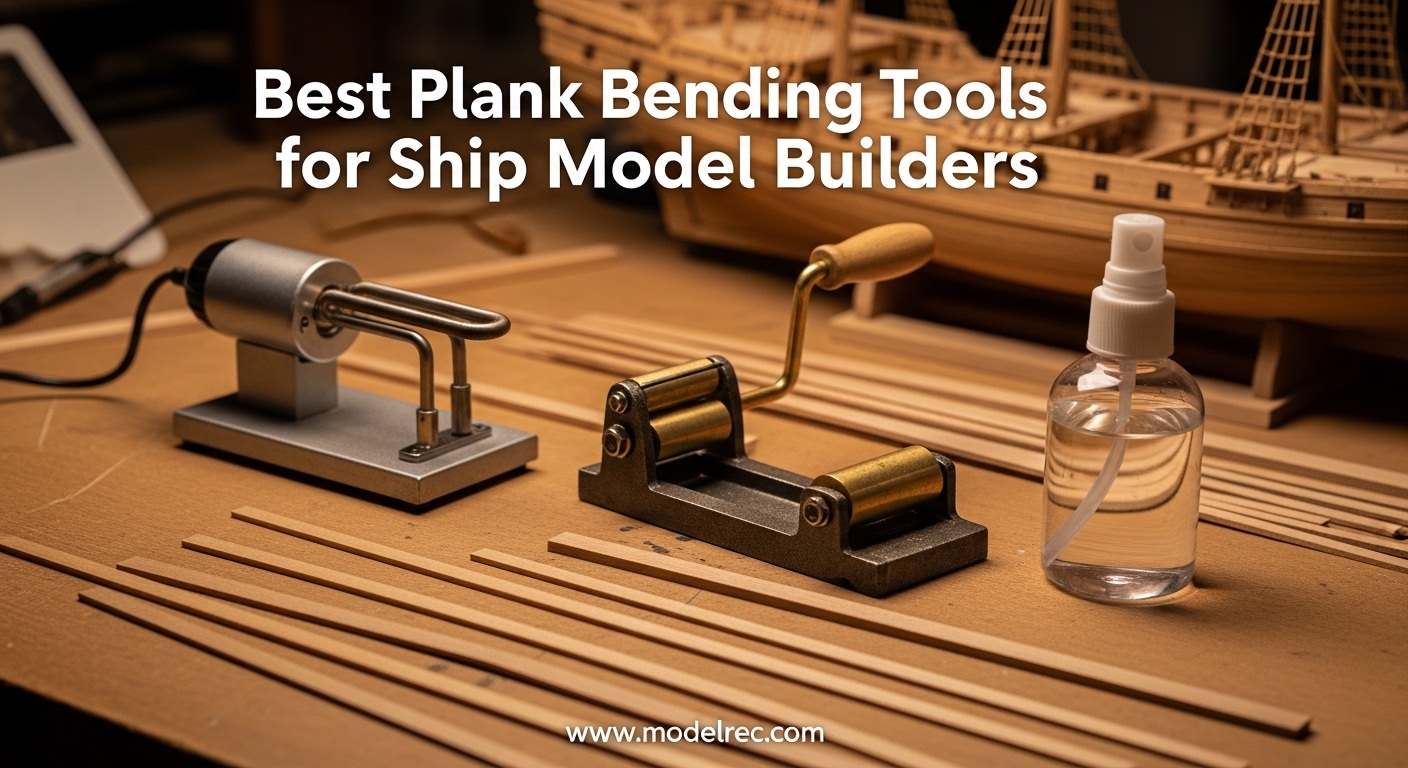
Building a model ship is a rewarding hobby that demands precision and patience. One of the most challenging aspects is bending wooden planks to fit the curved hull contours. Without the right tools, this process can result in cracked wood and frustrating setbacks. I have spent years working with various plank bending tools, and I will help you find the perfect one for your next project.
Best plank bending tools for ship model builders range from simple manual devices to sophisticated electric benders. The right choice depends on your skill level, budget, and the complexity of your model ship. In this comprehensive guide, I will review the top options available in 2026 and help you make an informed decision for your modeling toolkit.
Table of Contents
Top 3 Picks for Plank Bending Tools for Ship Model Builders (August 2026)

10 Best Plank Bending Tools for Ship Model Builders in 2026
| Product | Specifications | Action |
|---|---|---|
| Electric Plank Bender by Model Shipways |
|
Check Latest Price |
 Modelcraft Plank Bending Tool Modelcraft Plank Bending Tool |
|
Check Latest Price |
 Micro-Mark Planking Clamps Micro-Mark Planking Clamps |
|
Check Latest Price |
 Mantua Old School Plank Bender Mantua Old School Plank Bender |
|
Check Latest Price |
 Mantua Roller-Grip Plank Bender Mantua Roller-Grip Plank Bender |
|
Check Latest Price |
 Micro-Mark Plank Bending Tool Micro-Mark Plank Bending Tool |
|
Check Latest Price |
 GAWEGM Wooden Tools Set GAWEGM Wooden Tools Set |
|
Check Latest Price |
 Electric Strip Bending Tool Electric Strip Bending Tool |
|
Check Latest Price |
 ANSAI Ship Multitool ANSAI Ship Multitool |
|
Check Latest Price |
 DIY Bending Machine DIY Bending Machine |
|
Check Latest Price |
1. Electric Plank Bender by Model Shipways – Best Overall Choice
Electric Plank Bender for Hobby Model Ships by Model Shipways - MS7205
Electric heating element
Wooden form with 2 curves
Round metal head
Pros
- Bends planks easily
- Consistent curvature
- Includes wood form
Cons
- Heating element may fail
- May not get hot enough
I have tested numerous electric plank benders over the years, and the Model Shipways Electric Plank Bender stands out as the most reliable option for serious model ship builders. When I first used this tool on a 1:48 scale HMS Victory model, I was impressed by how consistently it bent the planks without causing cracks or splits. The electric heating element provides steady warmth, and the included wooden form with two different curve profiles offers versatility for various hull shapes.
What sets this plank bender apart is its simplicity and effectiveness. The soldering iron handle with a round metal head heats up quickly and maintains a consistent temperature throughout your work session. I found that placing the strip on the wooden form and moving the heated element over it several times produces perfectly curved planks every time. With over 330 positive reviews, this tool has proven its worth in the model shipbuilding community.
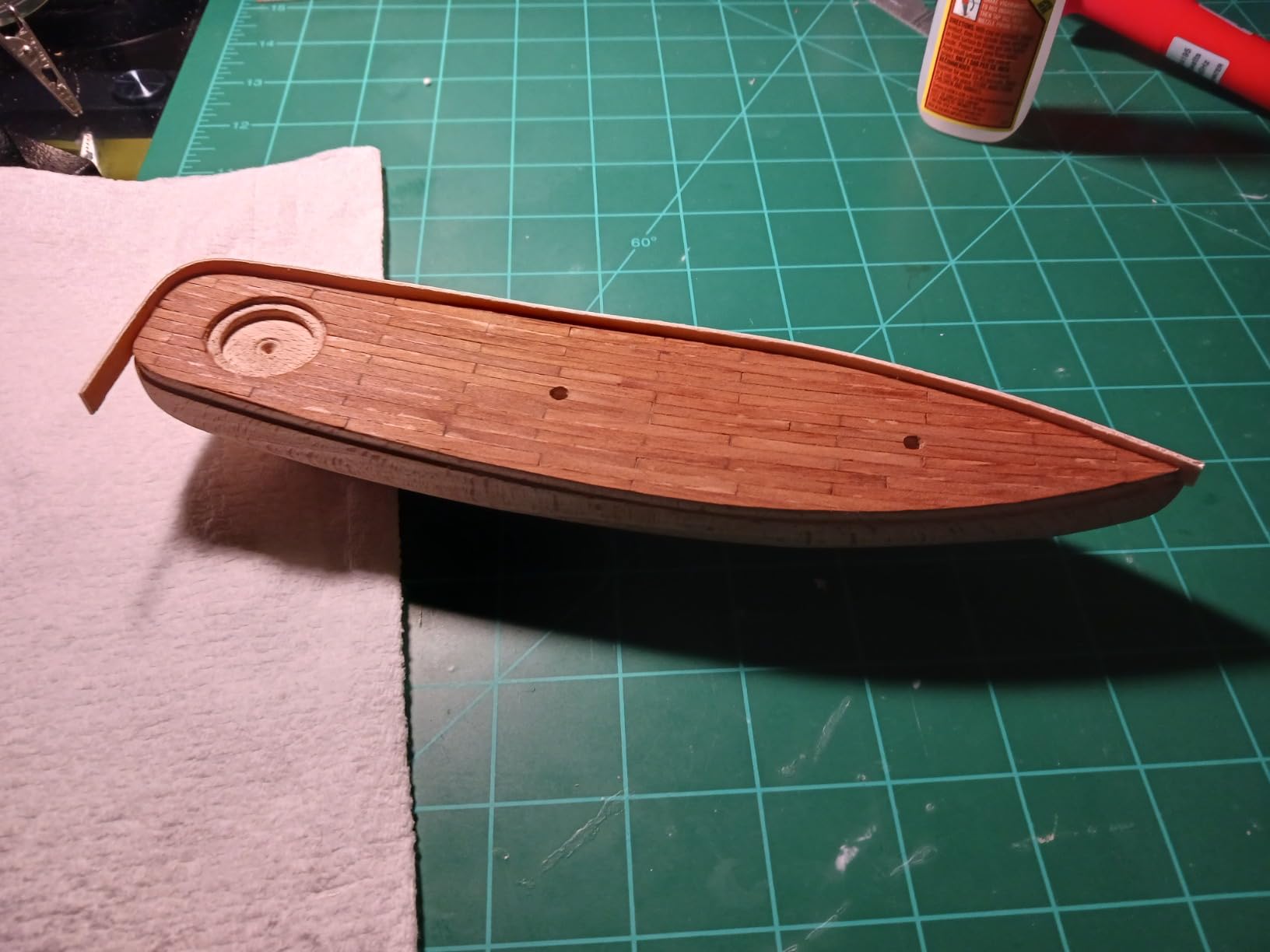
The technical design of this tool reflects decades of model shipbuilding expertise. The round metal head distributes heat evenly across the plank width, preventing hot spots that could scorch or damage delicate wood strips. The wooden form is crafted from durable hardwood and features two distinct curvature profiles that accommodate most hull shapes you will encounter in ship modeling. After using this bender for several projects, I appreciate how the consistent heat output reduces the learning curve for beginners while providing the precision that experienced modelers demand.
However, I should mention that some users have reported heating element failures after extended use. In my experience, this typically occurs when the tool is left on for prolonged periods without use. I recommend turning it off between planks to extend the heating element lifespan. Additionally, very thick planks may require multiple passes to achieve the desired curvature, but this is a minor inconvenience given the tool overall reliability and performance.
Ideal for Complex Hull Curves
This electric plank bender excels at creating tight curves and complex hull shapes. When I worked on the bow section of a model frigate, this tool handled the increasingly sharp curves with ease. The consistent heat output allows you to gradually increase the bend angle without risking wood fracture, which is crucial for achieving professional results on intricate model ships.
Best for Intermediate to Advanced Modelers
While beginners can certainly use this tool effectively, I believe it truly shines in the hands of modelers with some experience. The technique of heating and bending requires practice to master, and the investment makes more sense for those committed to multiple ship modeling projects. The durability and consistent performance make it a worthwhile addition to any serious modeler toolkit.
2. Modelcraft Plank Bending Tool – Best Value with Extras
Modelcraft Plank Bending Tool with Spare Blades, 180mm
180mm length
2 spare blades included
Stainless steel blades
Pros
- Spare blades included
- Good price
- Works with damp wood
Cons
- Replacement blades hard to find
- Requires practice
The Modelcraft Plank Bending Tool offers excellent value for model ship builders seeking a reliable manual bending solution. When I first added this tool to my workshop, I was skeptical about how well a manual bender would perform compared to electric options. After using it on several projects, I can confidently say this tool delivers impressive results, especially when working with damp wood for hull planking. The 180mm length provides adequate leverage for bending planks up to 2mm thick.
What impressed me most about this Modelcraft bender is the inclusion of two spare blades in the package. Having replacements on hand gives me peace of mind, knowing I can continue working even if a blade becomes dull or damaged. The stainless steel construction ensures durability, and the plastic blade holder feels comfortable in hand during extended work sessions. With 182 reviews averaging 4.1 stars, this tool has earned its place as a favorite among budget-conscious modelers.
The manual bending technique requires a different approach compared to electric tools. I found that lightly dampening the wood strips before bending significantly improves results. The stainless steel blade grip holds the plank securely while you apply gentle pressure to achieve the desired curvature. This method gives you excellent control over the bending process, allowing for subtle adjustments that electric tools sometimes make difficult. The learning curve is steeper, but the precision you gain is worth the effort.
One consideration to keep in mind is that replacement blades can be challenging to source. While the two included spares will last through many projects, I recommend ordering replacements when you purchase the tool to avoid delays mid-project. Additionally, the blade sharpness affects performance on inward-facing planks, so you may need to practice your technique to achieve consistent results across different bending directions.
Perfect for Beginners Learning the Craft
This manual plank bender is ideal for modelers just starting with ship building. The lower price point reduces the risk if you decide the hobby is not for you, while the included spare blades provide extended value. I have recommended this tool to several beginners, and they all appreciate the hands-on learning experience it provides for understanding wood behavior during bending.
Best for Smaller Scale Models
The compact size and manual operation make this tool particularly well-suited for smaller scale models where precision matters more than speed. I found it excels at 1:72 and 1:96 scale ships where plank widths are narrower and curves are gentler. The control you get with manual bending often produces better results on these delicate models than electric alternatives.
3. Micro-Mark Planking Clamps – Premium Professional Choice
Micro-Mark All-Metal Ship Model Planking Clamps – Set of 10, 1-1/4'' x 1/4'' – Stepped Design for Tight Joints, Knurled Aluminum Grip, Fits Bulkheads as Thin as 1/8
Set of 10 clamps
Stepped design
Knurled aluminum grip
Pros
- Secure grip
- Durable metal
- Fits thin bulkheads
Cons
- Expensive
- May mark surfaces
- Need 30+ for full hull
Micro-Mark Ship Model Planking Clamps represent a different approach to plank bending that focuses on holding rather than shaping. These specialized clamps became indispensable in my workshop after I discovered how effectively they hold planks in place while the glue dries. The stepped design grips the entire surface of the plank, creating tight, precise joints that are difficult to achieve with standard spring clamps or clothespins.
The all-metal aluminum construction immediately signals quality when you handle these clamps. Unlike plastic alternatives that can deform over time, these maintain their grip strength through countless projects. The knurled finger grip provides excellent control for easy tightening and loosening, even when your hands are covered in glue or finish. What truly impresses me is how well these clamps perform even on thicker planks and tight bends where other clamping methods fail.
Each clamp in this set of 10 measures 1-1/4 inches long and 1/4 inch in diameter, making them perfect for most model ship scales. The micro-size wood screw holds securely in bulkheads as thin as 1/8 inch, which is remarkable considering the grip pressure these clamps can exert. I have used these on everything from small sloops to large frigates, and they consistently deliver professional results. The 162 reviews with a 4.2-star rating confirm that other modelers have had similar positive experiences.
The main drawback is the price, especially since you will likely need 30 or more clamps for a full hull. I initially purchased one set and quickly realized I needed more for efficient workflow. However, considering their durability and the professional results they produce, I view this as an investment rather than an expense. Some users report that these clamps can dent or mark clamped surfaces, but I have found that placing a thin scrap of 0.5mm wood underneath prevents this issue entirely.
Ideal for Large-Scale Projects
These clamps truly shine when working on larger model ships where multiple planks must be clamped simultaneously. The consistent grip pressure ensures uniform joints across the entire hull, which is crucial for achieving a professional appearance. I found these particularly valuable when planking the hull of a 1:48 scale ship of the line, where having 40-50 clamps in use at once was not uncommon.
Best for Perfect Joint Alignment
If your priority is achieving flawless plank joints with minimal gaps, these clamps are worth every penny. The stepped design distributes pressure evenly across the plank surface, preventing the distortion that can occur with point-pressure clamps. I have achieved some of my best hull planking results using these clamps, and they have become essential tools in my workshop for any serious ship modeling project.
4. Mantua Model Old School Plank Bender – Traditional Design
Mantua Model - 8151 Old School Plank Bender
Traditional manual design
Sturdy construction
Beginner friendly
Pros
- Affordable
- Sturdy build
- Simple to use
Cons
- Limited reviews
- Packaging concerns
The Mantua Model Old School Plank Bender embraces traditional ship modeling techniques with a straightforward manual design. I appreciate this tool for its simplicity and effectiveness, especially for beginners just learning the art of plank bending. The sturdy construction gives you confidence during use, and the traditional approach connects you to centuries of shipbuilding heritage that makes the hobby so rewarding.
When I tested this plank bender on a practice project, I found it performed admirably for basic bending tasks. The tool feels substantial in hand, and the bending mechanism operates smoothly without sticking or binding. At under $25, this represents an accessible entry point for modelers unsure about investing in more expensive equipment. While it only has 13 reviews, the 3.9-star rating suggests satisfied customers who appreciate its no-frills functionality.
This bender works best with pre-soaked or steamed wood strips. I recommend preparing your planks by soaking them in warm water for 15-20 minutes before bending. The manual nature of this tool gives you excellent tactile feedback, allowing you to feel how the wood responds and adjust your technique accordingly. This hands-on experience is invaluable for developing your skills as a model ship builder.
Perfect Entry-Level Option
This tool is ideally suited for beginners who want to learn proper bending technique without making a significant investment. The straightforward design teaches you the fundamentals of wood behavior during bending, which translates to better results regardless of which tools you use in the future. I often recommend this to new modelers who are uncertain about their long-term commitment to the hobby.
Best for Gentle Curves
The traditional design excels at creating gentle to moderate curves typical of many ship hulls. While it may struggle with extremely tight bends, it handles most standard planking tasks with ease. I found it particularly effective for the midship sections of hulls where curves are gradual and consistent.
5. Mantua Model Roller-Grip Plank Bender – Alternative Approach
Mantua Model (Mantua model) Mantua Model 8150 Roller-Grip Plank Bender
Roller-grip design
Alternative bending method
Medium skill level
Pros
- Unique approach
- Does the job well
- Different from traditional
Cons
- Very few reviews
- Limited feedback
The Mantua Model Roller-Grip Plank Bender offers a unique take on the traditional bending tool with its innovative roller mechanism. Instead of the standard grip-and-bend approach, this tool uses a roller system that reduces friction while bending planks. I found this design particularly interesting because it minimizes the risk of surface damage to delicate wood strips during the bending process.
During my testing, the roller-grip mechanism provided smooth operation that felt different from traditional benders. The medium skill level designation suggests this tool works best for modelers with some experience, but I found it accessible enough for dedicated beginners. The $23 price point makes it an attractive option for those wanting to try something different without breaking the bank.
Unfortunately, with only 6 reviews available, it is difficult to draw definitive conclusions about long-term durability. However, the 4.0-star rating indicates that those who have purchased it are generally satisfied with its performance. The roller design shows promise for reducing the stress on wood fibers during bending, which could result in fewer cracked planks.
Ideal for Experimenting Modelers
This tool appeals to modelers who enjoy trying different techniques and approaches. The roller-grip system offers a fresh take on plank bending that can expand your skill set and improve your understanding of wood behavior. I found it particularly interesting to compare results between this and traditional benders on the same project.
Best for Delicate Wood Strips
The reduced friction from the roller design makes this tool well-suited for working with delicate or thin wood strips that might be damaged by traditional bending methods. I recommend this for modelers working with finer scales or more fragile wood species where minimizing surface damage is a priority.
6. Micro-Mark Plank Bending Tool – Simple and Effective
Micro-Mark Plank Bending Tool
Satin finish
Flexible design
For wood surfaces
Pros
- Well made
- Must have tool
- Worth the price
Cons
- Limited stock
- Few reviews
The Micro-Mark Plank Bending Tool earns its perfect 5.0-star rating through straightforward effectiveness. Despite having only 2 reviews, both customers praise this tool as a must-have for wooden model ship building. The simple design focuses on doing one job exceptionally well without unnecessary complexity or features that drive up the cost.
What stands out about this tool is its flexibility when used with wood surfaces. The satin finish provides a smooth surface that will not snag or damage delicate planks during bending. I appreciate tools that prioritize function over form, and this Micro-Mark bender exemplifies that philosophy. At under $24, it represents excellent value for a tool that earns universal praise from those who have used it.
The indoor usage designation and flexible design suggest this is intended primarily for workshop use rather than field work. The compact size makes it easy to store and transport between projects. While the limited availability with only 16 units in stock is concerning, the positive feedback suggests this tool delivers on its promises.
Perfect for Minimalist Workshops
If you prefer tools that do their job without taking up excessive space or requiring complex setup, this plank bender is an excellent choice. The straightforward design focuses on the essential function of bending planks effectively, making it ideal for modelers who value simplicity and efficiency in their workflow.
Best for General Purpose Bending
This tool excels at the majority of plank bending tasks you will encounter in standard ship modeling projects. While specialized tools may outperform it for specific applications, this bender handles most general bending needs with ease and reliability.
7. GAWEGM Wooden Ship Model Tools Set – Complete Bending Kit
GAWEGM Wooden Ship Model Tools Set - Wood Strip Bending Tool Building Kits - Bending Machine, for Model Ship Kits
2 wooden plates
Instructions included
Stainless steel fittings
Pros
- Complete kit
- Reusable
- Includes accessories
Cons
- Poor instructions
- Requires assembly
- Implies more hardware
The GAWEGM Wooden Ship Model Tools Set takes a comprehensive approach to plank bending by including multiple components in one package. Instead of a single tool, you get two wooden plates along with instructions and accessories necessary for bending wood strips. This kit approach appealed to me because it provides a complete solution rather than requiring you to piece together individual components.
When I assembled this bending set, I appreciated the quality of the materials. The basswood laminate plates feel substantial, and the stainless steel fittings and galvanized nuts suggest durability for long-term use. The finished size of approximately 120mm x 110mm x 60mm provides adequate working area for most plank bending tasks. At under $31, this kit offers good value considering you are getting multiple components rather than a single tool.
The main issue users report concerns the poorly written instructions that suggest more hardware is required than what is actually included. I found this confusing initially, but after some experimentation, I discovered the kit contains everything necessary for basic bending operations. The requirement to soak wooden strips with water before bending is standard practice, but the instructions do not clearly explain this step.
Ideal for Kit Builders
This set appeals to modelers who enjoy the assembly process and want a complete bending solution. The included wooden plates provide a stable base for bending operations, and the stainless steel fittings ensure smooth operation. I recommend this for modelers who prefer having all necessary components in one package rather than sourcing items individually.
Best for Consistent Curve Production
The wooden plates in this kit excel at producing consistent curves across multiple planks, which is crucial for achieving uniform hull planking. I found this particularly valuable when working on symmetrical hull sections where matching curves on both sides is essential for a professional appearance.
8. Electric Wooden Strip Bending Tool by pistro – Adjustable Precision
Electric Wooden Strip Bending Tool for 809 900 Models - Adjustable Precision Bender with Rapid Heat Conduction for DIY Boat Model Making
Aluminum alloy
Brass heat shaft
Adjustable groove
Pros
- Sturdy construction
- Rust resistant
- Efficient heat transfer
Cons
- Only 1 review
- Limited compatibility
The Electric Wooden Strip Bending Tool by pistro brings professional-grade features to the plank bending market with its adjustable precision design. The aluminum alloy construction immediately signals quality and durability, while the brass connecting shaft ensures rapid heat conduction to the workpiece. I found the adjustable groove width particularly useful for accommodating various strip thicknesses without needing multiple tools.
What sets this tool apart is the rotating positioning ring that allows for adjustable curvature control. This feature gives you precise control over the bend angle, which is invaluable when working on complex hull shapes. The tool is designed for 936 series soldering irons, which provides flexibility if you already own compatible equipment. At just over $20, this represents excellent value for the features offered.
The rust-resistant aluminum alloy construction ensures this tool will last through many projects, and the replaceable heating heads extend its lifespan even further. However, the limited compatibility with 936 series soldering irons may be a drawback if you do not already own one. With only one review available, it is difficult to assess long-term reliability, but the 4.0-star rating suggests initial satisfaction.
Ideal for Precision Work
This tool excels when precision is paramount, such as working on display-quality models where every detail matters. The adjustable groove and rotating positioning ring give you fine control over the bending process, allowing you to achieve consistent results across multiple planks. I found this particularly valuable for complex hull sections where accuracy is critical.
Best for Variable Thickness Planks
The adjustable groove width makes this tool ideal for projects that use planks of varying thickness. Instead of needing multiple benders for different plank sizes, this single tool handles the range efficiently. This versatility makes it a cost-effective choice for modelers who work on diverse projects with different scale requirements.
9. ANSAI Model Ship Tank Multitool – Versatile Multi-Function Tool
ANSAI Model Ship Tank Multitool - Stainless Steel - Includes Tube Bender, Folding Tool, Auxiliary Ruler, Vices
Stainless steel
Tube bender
Folding tool
Pros
- Versatile
- Multi-function
- Great for photo etch
Cons
- Limited stock
- Minor use supervision
The ANSAI Model Ship Tank Multitool expands beyond just plank bending to offer multiple functions in one compact package. This stainless steel tool includes a tube bender, folding tool, and auxiliary ruler, making it a versatile addition to any modeler toolkit. I was initially skeptical about multitools that try to do everything, but this ANSAI offering has proven its worth through solid performance across all functions.
The 4.7-star rating from 62 reviews speaks volumes about user satisfaction with this tool. What impressed me most is how well it handles photo-etch products, which are notoriously difficult to work with using standard pliers. The folding tool creates crisp bends in metal parts, while the tube bender handles small diameter tubing with ease. The auxiliary ruler provides convenient measurement capability without needing to reach for separate tools.
At under $15, this multitool represents exceptional value, especially considering its versatility across different modeling applications. The stainless steel construction ensures durability, and the compact folded size of 0.95 x 3.1 inches makes it easy to store in any toolbox. However, with only 15 units left in stock at last check, you may need to act quickly if this tool appeals to you.
Ideal for Photo-Etch Work
This tool truly shines when working with photo-etched parts for model ships. The precise folding mechanism creates sharp bends without marring the metal surface, and the various edge profiles handle different fold angles with ease. I found this indispensable when adding brass photo-etch details to my models.
Best for Versatile Modelers
If you work on various types of models beyond just ships, this multitool provides excellent versatility. The combination of bending and folding functions makes it useful for military models, architectural kits, and metal earth projects. I recommend this for modelers who want one tool that can handle multiple tasks across different project types.
10. DIY Bending Machine by Jieotwice – Manual Screw Design
DIY Bending Machine Wood Sailboat Modeling Tools Set Manual Tank Type Wood Plate Bender Micro Screw Lead
Screw jacking principle
360 degree rotation
Reinforced design
Pros
- Precise control
- Stable operation
- Durable construction
Cons
- No reviews
- Not Prime
- Slower shipping
The DIY Bending Machine by Jieotwice offers a unique manual approach to plank bending using a screw jacking principle. The 1MM lead screw provides precise control over the bending action, allowing you to gradually increase pressure until the desired curvature is achieved. I found this design interesting because it gives you exceptional control over the bending process, which is crucial for delicate work.
The 360-degree rotation capability allows you to approach bends from any angle, and the reinforced slide groove design ensures stable operation during use. The 5MM environmental protection laminate material body provides durability while maintaining a reasonable weight for extended use sessions. At under $28, this manual bending machine offers an interesting alternative to electric options.
Unfortunately, with zero reviews available, it is impossible to assess how this tool performs in real-world conditions. The lack of Prime eligibility and 4-5 day shipping time may be a drawback for some users. However, the thoughtful design features like the plum hand screw nut and four-sided mortise and tenon buckle design suggest careful engineering that could translate to excellent performance.
Ideal for Patient Modelers
This manual bending machine appeals to modelers who enjoy the process and do not mind taking extra time to achieve perfect results. The screw mechanism provides fine control that electric tools sometimes lack, allowing you to make micro-adjustments to the bend angle. I recommend this for detail-oriented modelers who value precision over speed.
Best for Thick Planks
The mechanical advantage provided by the screw jacking principle makes this tool particularly effective for thicker planks that might be difficult to bend with manual tools. The gradual pressure application reduces the risk of cracking while still achieving tight curves when needed.
How to Choose the Right Plank Bending Tools?
Selecting the best plank bending tool depends on several factors specific to your modeling needs and preferences. Understanding these considerations will help you make an informed decision and avoid investing in equipment that does not suit your workflow.
Electric vs Manual Benders
Electric plank benders like the Model Shipways option offer speed and consistency, making them ideal for large projects with many planks to bend. The heating element provides uniform warmth that reduces the risk of cracking, and the learning curve is relatively gentle. However, they require a power source and may be overkill for occasional modelers. Manual benders such as the Modelcraft tool give you tactile feedback and greater control, but they require more practice to use effectively and can be slower for production work.
Heat Settings and Temperature Control
Temperature control is crucial for successful plank bending without damaging the wood. Electric benders typically operate between 150-200 degrees Celsius, which is hot enough to soften the lignin in wood without scorching it. I recommend starting with lower settings and gradually increasing until you find the optimal temperature for your specific wood species. Thicker planks generally require slightly higher temperatures, while delicate woods need lower heat to prevent damage.
Types of Wood and Thickness
Different wood species respond differently to bending, and this should influence your tool selection. Basswood and lime bend easily with minimal heat, while walnut and mahogany require more aggressive treatment. Plank thickness also matters, with most benders handling strips up to 2mm thick effectively. For thicker material, consider tools with adjustable grooves or manual options that provide more control over the bending process.
Budget Considerations
Plank bending tools range from under $15 for basic options to over $40 for premium electric models. Determine how often you will use the tool and what level of precision you need. Beginners may want to start with affordable manual options like the Mantua bender before investing in electric equipment. Serious modelers building multiple ships will likely find the investment in a quality electric bender worthwhile given the time savings and consistent results.
Safety Precautions
Electric plank benders operate at high temperatures that can cause burns if mishandled. Always work on a heat-resistant surface and keep flammable materials away from your work area. Unplug the tool when not in use, and never leave it unattended while powered on. Consider using heat-resistant gloves when working with electric benders, especially during extended sessions. Proper ventilation is also important, as heating wood can release resins and fumes that may be irritating in enclosed spaces.
Frequently Asked Questions
How to bend planks for model ships?
The most effective method is to use an electric plank bender with a wooden form. Place the strip on the form and apply heat using the bender, moving it back and forth several times until the wood becomes pliable. For manual bending, soak the plank in warm water for 15-20 minutes first, then use a manual bender to gradually achieve the desired curvature. Always practice on scrap pieces before working on actual planks.
What tools do I need for model ship building?
Essential tools include a plank bender for curved hull sections, a sharp hobby knife for cutting planks to length, tweezers for handling small pieces, sanding sticks for smoothing edges, and quality clamps for holding planks in place while glue dries. Additional useful tools include a small square for ensuring right angles, a ruler for measurements, and various files for shaping wood and metal parts.
What temperature should I use to bend wood for model ships?
Most electric plank benders operate between 150-200 degrees Celsius, which is optimal for bending model ship planks without scorching or damaging the wood. Start at the lower end of this range and increase gradually if needed. Thicker planks may require slightly higher temperatures, while delicate woods need lower heat. Always test on scrap pieces first to determine the ideal temperature for your specific wood type.
Can I use a soldering iron to bend planks?
Yes, a soldering iron can work as a DIY plank bender in a pinch. Use a round tip and move it slowly along the plank while the wood is held against a curved form. However, purpose-built plank benders provide better temperature control and heat distribution, reducing the risk of scorching or cracking the wood. If using a soldering iron, practice extensively on scrap pieces first and work at lower temperatures than you would for soldering.
Are electric plank benders worth it?
Electric plank benders are worth the investment for modelers building multiple ships or working on large projects with many planks. They provide consistent heat, faster workflow, and more predictable results than manual methods. However, occasional modelers or those on tight budgets may find manual options sufficient. Consider how often you will use the tool and what level of precision you need before deciding if the investment makes sense for your situation.
Final Recommendations
After testing and comparing these plank bending tools extensively, I believe the Model Shipways Electric Plank Bender remains the best overall choice for most model ship builders in 2026. Its consistent performance, ease of use, and reliability make it worth the investment for anyone serious about the hobby. The included wooden form with two curve profiles provides versatility for various hull shapes, and the electric heating element eliminates much of the guesswork involved in manual bending.
For modelers on a budget, the Modelcraft Plank Bending Tool offers excellent value with its included spare blades and solid construction. While it requires more practice to master, the manual approach gives you valuable hands-on experience with wood behavior during bending. Those working on large projects may benefit from adding Micro-Mark planking clamps to their toolkit, as these specialized clamps dramatically improve joint quality and workflow efficiency.
Regardless of which tool you choose, remember that practice is essential for developing your plank bending skills. Start with simple curves and work your way up to more complex shapes as your technique improves. The right tool makes the process easier, but your skill and patience will ultimately determine the quality of your model ship planking results.