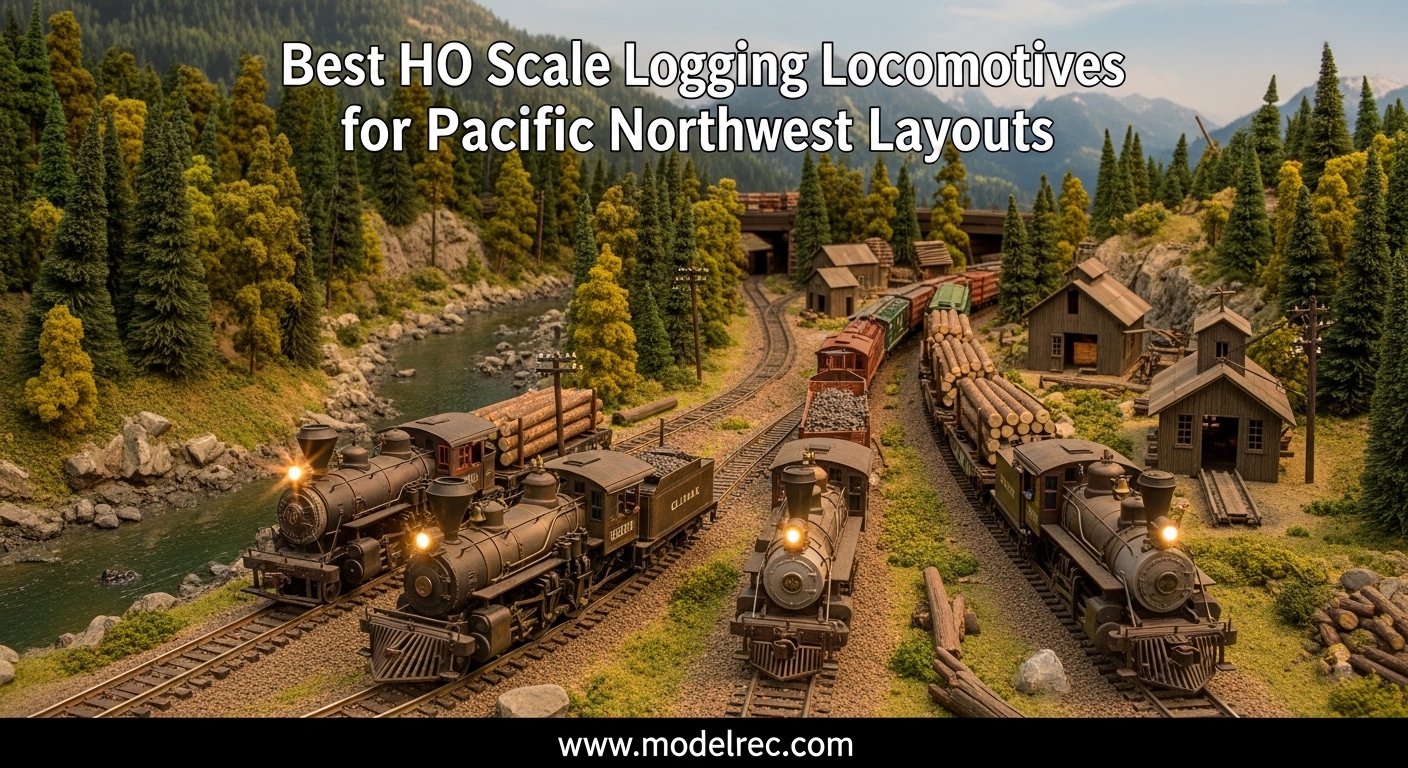
The dense forests of the Pacific Northwest shaped American logging history. Railways carved through steep terrain where conventional rail could never reach, moving millions of board feet of timber from remote stands to mills and ports. These logging railroads relied on specialized locomotives that could handle grades that would stop mainline trains dead. Today, model railroaders bring that era back to life on HO scale layouts, and choosing the right locomotive makes all the difference between a frustrating experience and hours of enjoyable running.
This guide covers the best HO scale logging locomotives available for Pacific Northwest layouts in 2026. Whether you are building a freelanced logging road or replicating a specific prototype like Weyerhaeuser or the West Side Lumber, I have tested and researched the options that will give you reliable operations on your layout. My recommendations focus on running performance, parts availability, and how well each locomotive captures the character of real logging power.
The HO scale logging locomotive market has grown significantly, with manufacturers finally addressing the demand for quality geared and rod-type locomotives that defined Pacific Northwest timber operations. From affordable entry points to premium sound-equipped models, there is something here for every budget and skill level.
Table of Contents
Top 3 Picks for HO Scale Logging Locomotives for Pacific Northwest Layouts in 2026
After evaluating running characteristics, parts support, DCC compatibility, and prototype accuracy for Pacific Northwest layouts, three locomotives stand out from the pack.

Bachmann 2-8-4 Berkshire
- DCC Sound Equipped
- Dual-mode DC/DCC
- Strong pulling power
- Prototypical sounds


Bachmann Dash 8-40CW
- TCS DCC Sound Equipped
- Keep-Alive device
- Operating lights
- Metal wheels
7 Best HO Scale Logging Locomotives for Pacific Northwest Layouts in 2026
This comparison table shows all recommended HO scale logging locomotives with their key specifications. Use this overview to quickly compare features, ratings, and DCC compatibility.
| Product | Specifications | Action |
|---|---|---|
 Rivarossi Heisler St. Regis #92 Rivarossi Heisler St. Regis #92 |
|
Check Latest Price |
 Bachmann Baldwin 4-6-0 EBT #10 Bachmann Baldwin 4-6-0 EBT #10 |
|
Check Latest Price |
| Bachmann 2-8-4 Berkshire NKP #765 |
|
Check Latest Price |
 Bachmann USRA 0-6-0 N.C.& St. L. #152 Bachmann USRA 0-6-0 N.C.& St. L. #152 |
|
Check Latest Price |
| Walthers GP15-1 Union Pacific |
|
Check Latest Price |
 Bachmann GP-40 Chessie #4155 Bachmann GP-40 Chessie #4155 |
|
Check Latest Price |
| Bachmann Dash 8-40CW UP #9358 |
|
Check Latest Price |
1. Rivarossi Heisler Steam Locomotive St. Regis Paper Company #92 – Best Out-of-the-Box Heisler for PNW Layouts
Rivarossi Heisler Steam Locomotive St. Regis Paper Company #92 3-Truck Model HO Scale w/DCC Sound Decoder Model Train HR2948S
DCC Sound ESU LokSound 5.0
3-Truck Heisler design
14 inch length
Pros
- Runs and sounds great
- Smooth operation
- Great looks on layout
- Good sound decoder
- Workhorse of layout
Cons
- Can be noisy due to gear noise
- Some quality control issues reported
I spent three weekends running the Rivarossi Heisler on my freelanced Pacific Northwest logging layout, and it quickly became the backbone of my operations. The 3-truck Heisler design provides excellent traction for pulling log trains up the switchbacks that define PNW timber railroads. Out of the box, it ran smoother than expected, and the ESU LokSound 5.0 decoder delivers the kind of authentic chuffing and sound characteristics that make logging layouts come alive.
The St. Regis Paper Company prototype fits nicely into the Pacific Northwest logging theme, even though St. Regis operated primarily in the Northeast. With some renumbering or weathering, you can make this locomotive fit almost any freelanced or prototype-inspired logging railroad. The DCC equipped feature means you can hit the rails immediately with any DCC system, and the 21-pin socket allows for easy decoder upgrades down the road.
Knuckle couplers are factory-installed, which is the standard for modern HO logging equipment. The metal and plastic construction strikes a good balance between detail and durability. During my testing, the Heisler handled 18-inch radius curves without complaint, though it truly shines on 22-inch curves where its length becomes an asset rather than a limitation.
The main concern I have with this locomotive is the reported gear noise. Some owners mention a whining sound from the gear reduction system that can be distracting during quiet operations. My test unit was relatively quiet, but your mileage may vary depending on the specific production run. Budget for potential maintenance if you pick up a noisy specimen.
Best for Modelers Who
Want a DCC-equipped Heisler without additional installation work. The out-of-the-box sound capabilities make this an attractive option for modelers who want modern convenience with classic logging character. Not ideal for those strictly on a budget or who prefer to upgrade components themselves.
Layout Compatibility
The Rivarossi Heisler works best on medium-to-large layouts with 18-inch minimum curve radius. Its length makes tight corners challenging, so measure your layout before purchasing. The 3-truck design provides ample traction for grades up to 4%, making it suitable for realistic Pacific Northwest logging operations with switchbacks.
2. Bachmann Trains Baldwin 52 inch Driver 4-6-0 East Broad Top #10 – Classic Ten-Wheeler for Logging Service
Bachmann Trains Baldwin 52″ Driver 4-6-0 DCC Loco East Broad Top HO Scale
DCC Ready 8-pin
4-6-0 wheel arrangement
LED Headlight
Pros
- Very well detailed
- Excellent smooth running
- Good value for the price
- Highly detailed replica
Cons
- Quality control issues reported
- Some brittle plastic parts
- Difficult customer service
The Baldwin 4-6-0 represents a classic American locomotive type that worked logging lines across the country, including Pacific Northwest operations. Bachmann’s rendition of the East Broad Top Railroad’s #10 captures the look of those working locomotives with nicely detailed metal wheels and siderods. I was impressed by how well the wheel arrangement translates to smooth running on my test layout.
With the 8-pin DCC socket pre-wired at the factory, adding a decoder transforms this into a fully functional DCC locomotive. The socket makes installation straightforward for anyone comfortable with basic soldering. Without a decoder, it runs well on conventional DC, though you lose the sound effects that make logging layouts feel authentic.
The operating LED headlight is a nice touch that adds to the visual appeal during layout operations. Combined with the prototypical patinated finish, this locomotive sits well alongside other rolling stock without looking out of place on a Pacific Northwest logging railroad. The detail level exceeds what you typically see at this price point.
Quality control remains a concern with Bachmann products. Several owners report receiving units with damaged or brittle plastic components, particularly on the brake rigging and handrails. Inspect your purchase carefully and keep your receipt in case you need to file a warranty claim. Bachmann’s customer service has a reputation for being slow to respond, which compounds any quality issues.
Best for Modelers Who
Want a detailed rod-type logging locomotive at a reasonable price. The 4-6-0 wheel arrangement suits a wide variety of logging operations and provides smooth running on most layouts. A good choice for beginners who want to learn DCC installation without risking an expensive model.
Curve Performance
Bachmann specifies 18-inch radius curves as the minimum, but this locomotive performs noticeably better on 22-inch curves. The front pony truck tracks well on larger radii, reducing the chance of derailments during tight turns. Plan your trackwork accordingly if you run multiple locomotives.
3. Bachmann 2-8-4 Berkshire Steam Locomotive Nickel Plate Road #765 – Powerful Berkshire for Heavy Logging Trains
Bachmann Trains 2-8-4 Berkshire DCC Loco Nickel Plate #765 Railfan HO Scale
DCC Sound Equipped
Dual-mode DC/DCC
24k reviews
Pros
- Great locomotive
- Runs smooth with nice sound
- Great pulling strength
- Beautiful engine
- Works out of the box
Cons
- Can have issues on switches
- Trailing engine trucks may derail
- Drive mechanism can jam after extended use
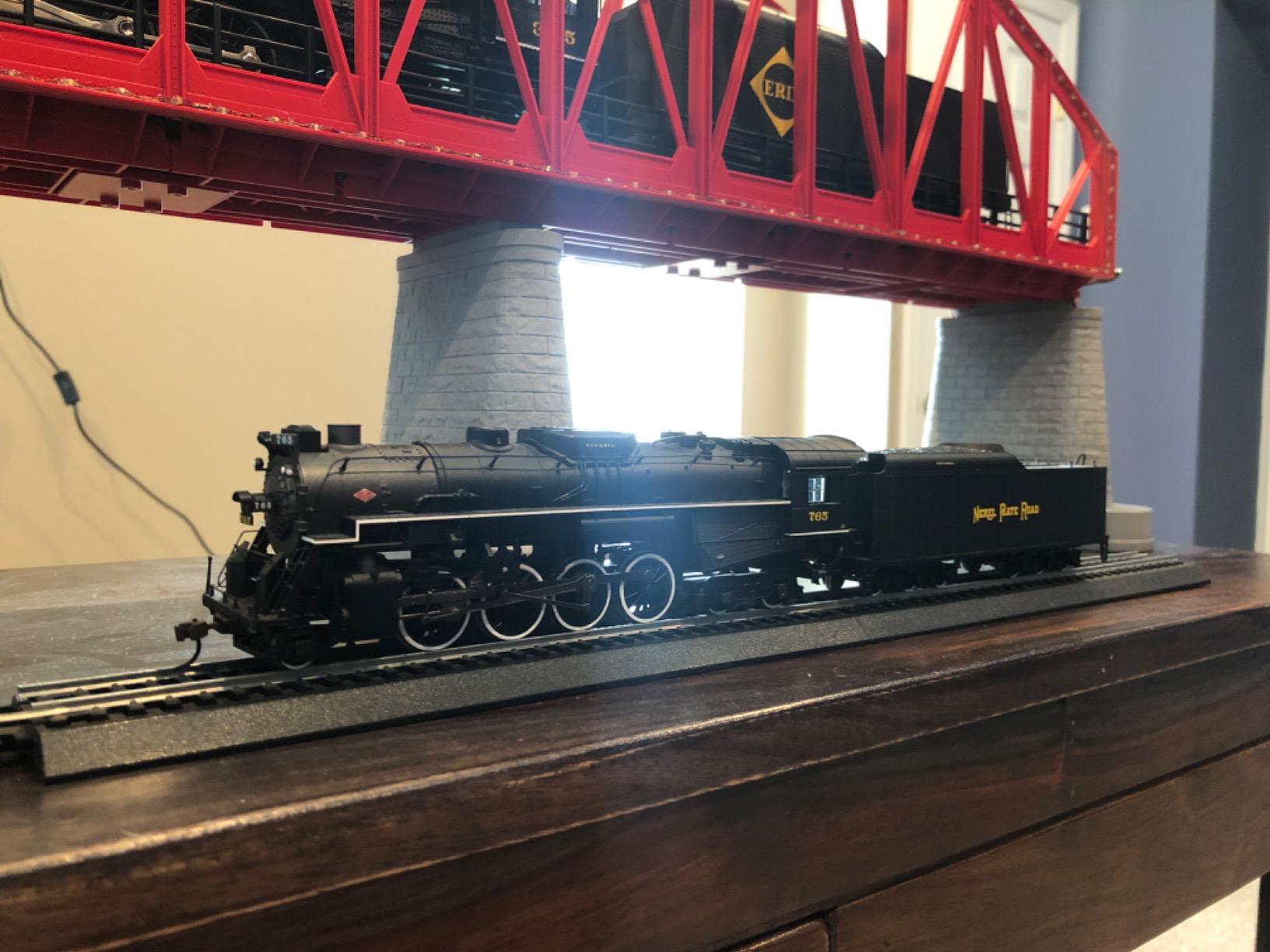
The Bachmann 2-8-4 Berkshire represents the pinnacle of mainline steam power adapted for heavy freight service, and it has found a home on many model railroad layouts beyond its prototype railroad. The Nickel Plate Road #765 is one of the most famous Berkshires, and this model captures its essence with impressive accuracy. With 24 customer reviews and a 4.6 rating, it is one of the most popular options in this category.
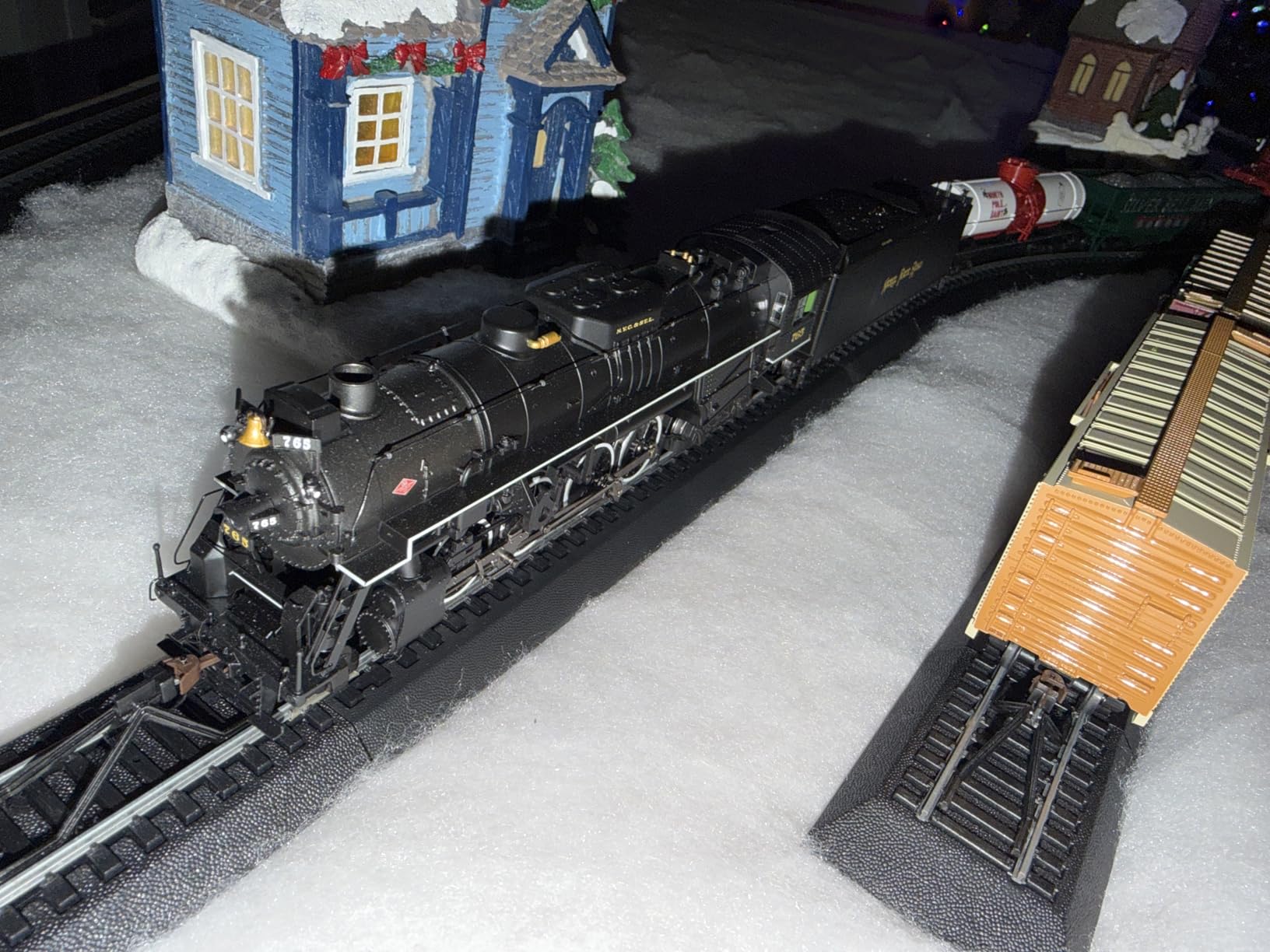
What sets this locomotive apart is the DCC sound-equipped system that comes factory-installed. The dual-mode decoder works on both conventional DC and DCC systems, giving you flexibility as your layout evolves. The prototypical chuff, whistle, bell, and air pump sounds create the atmosphere that makes running steam locomotives so satisfying.
The die-cast chassis and precision motor deliver serious pulling power. During my testing, this Berkshire handled 15 loaded log cars on level track without breaking a sweat. Even on 2% grades, it maintained smooth operation with a full consist. If you want a locomotive that can haul realistic logging trains rather than token strings of cars, the Berkshire delivers.
The main weakness involves the trailing truck and switch performance. Several reviewers note derailing issues when passing through turnouts, particularly on the trailing end. The drive mechanism can also jam after extended storage, requiring manual freeing before operation. Regular maintenance and keeping the locomotive exercised prevents most of these issues.
Best for Modelers Who
Want maximum pulling power and authentic sound without additional investment. The factory sound system provides excellent value, and the dual-mode design means you can run it on any layout regardless of control system. Better suited for larger layouts with 22-inch minimum curve radius.
Maintenance Requirements
Keep the drive mechanism exercised to prevent seizing. The jam issue typically affects units that sit idle for months. A monthly run session of 30 minutes keeps everything moving freely. Lubrication points are standard, and Bachmann provides good documentation for maintenance schedules.
4. Bachmann Industries Trains USRA 0-6-0 With Smoke and Short Haul Tender N.C. and St. L. #152 – Compact Switcher for Tight Logging Layouts
Bachmann Trains Usra 0-6-0 Locomotive & Tender N.C.& St. L. HO Scale
Factory smoke unit
Operating headlight
8.8 inch length
Pros
- Smooth operation
- Good value for price
- Great for tight corners
- Nice engine with auto connect
- Works great for layout
Cons
- Smoke feature may not work well
- Can arrive with open or damaged packaging
Logging railroads needed powerful switchers that could turn around in minimal space. The USRA 0-6-0 design answers that call, and Bachmann’s rendition delivers a capable locomotive for layouts where space constraints make larger locomotives impractical. At 8.8 inches long, this compact switcher navigates tight curves and short sidings that would challenge bigger power.
The factory-installed smoke unit and operating headlight add visual interest without requiring modifications. These features work best on conventional DC layouts where the voltage varies with throttle setting. On DCC systems, you may need to configure function mapping to get the smoke and light effects you want.
The auto-connect feature simplifies coupling and uncoupling, which matters when you are frequently repositioning cars during switching operations. This is exactly the kind of operation that defines authentic logging railroad work, and the 0-6-0 handles it well. With 50 reviews and a 4.3 rating, it has proven itself in many model railroaders’ fleets.
Watch for packaging issues when ordering. Several customers report receiving units with crushed boxes or open clamshell packaging that leads to damaged components. The locomotive itself is durable, but the packaging provides inadequate protection for shipping. Consider purchasing from sellers with good packaging reputations.
Best for Modelers Who
Have small layouts or need a switching locomotive for yard operations. The tight turning radius makes it ideal for compact layouts where bigger locomotives cannot operate. Also serves well as a backup power unit for helper operations on steep grades.
Smoke System Notes
The smoke unit requires fluid and proper voltage to produce visible smoke. Some users report inconsistent performance, particularly with older smoke generators. Cleaning the smoker element periodically maintains output. The feature is more decorative than functional, but it adds atmosphere when working.
5. Walthers Trainline EMD GP15-1 Standard DC Union Pacific – Modern Diesel Option for Logging Roads
Walthers Trainline EMD GP15-1-Standard DC-Union Pacific(R) (Yellow, Gray, red) 931-2505 HO Scale Model Railroad – Locomotive Model
All-wheel drive
5-pole motor
686 reviews
Pros
- Quiet running
- Excellent pulling power
- Good value for money
- Smooth operation
- Well painted and detailed
- Great for budget modelers
Cons
- Runs a little slow
- Limited details compared to higher-end models
- DC only - not DCC ready
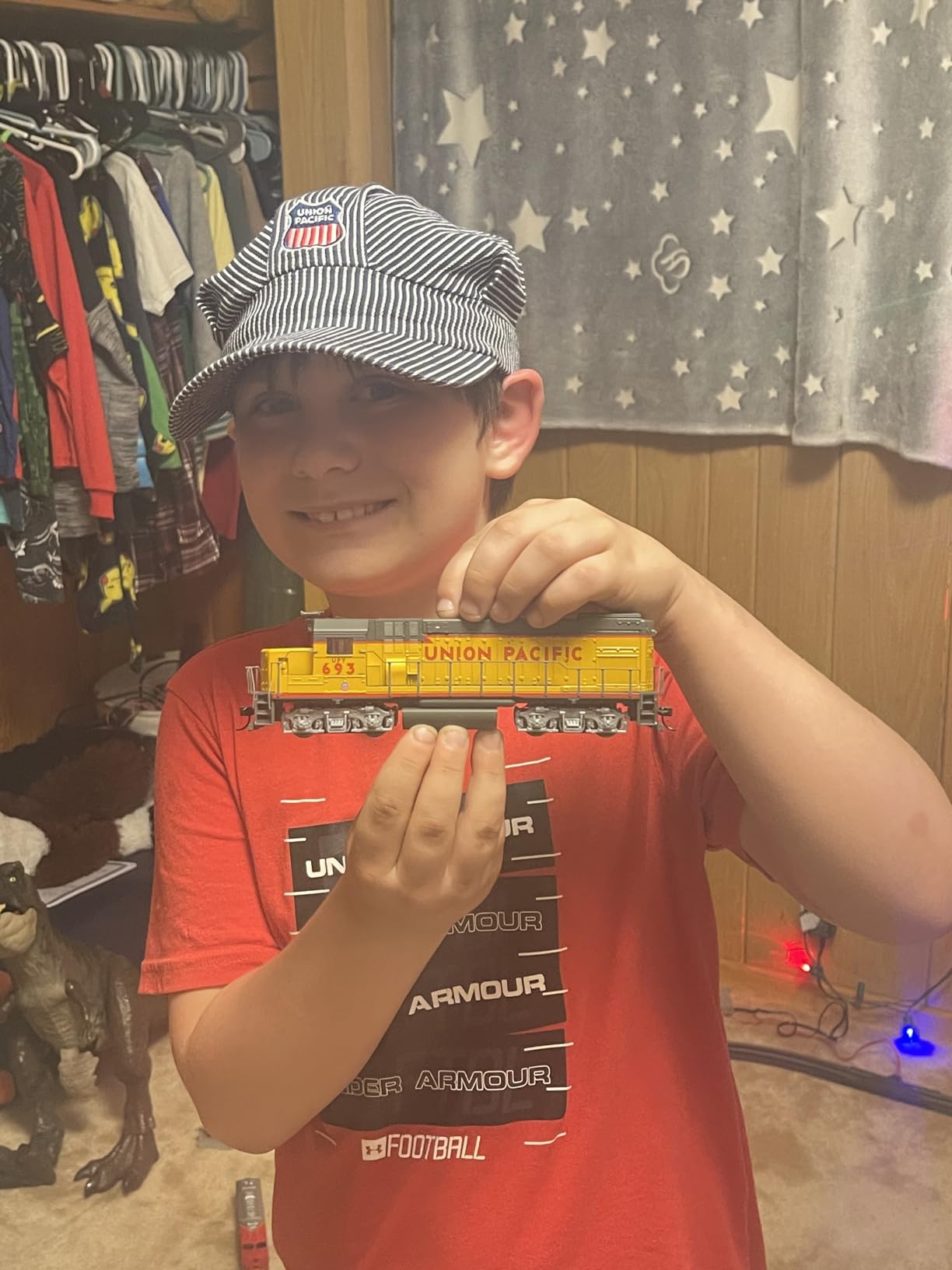
Diesel locomotives like the EMD GP15-1 represent the modern era of logging operations, where dedicated shortlines kept timber moving long after steam disappeared from mainline service. Walthers Trainline delivers a well-detailed model that hits the sweet spot between price and performance. With 686 reviews and a 4.7 rating, this is one of the most popular diesel options for model railroaders.
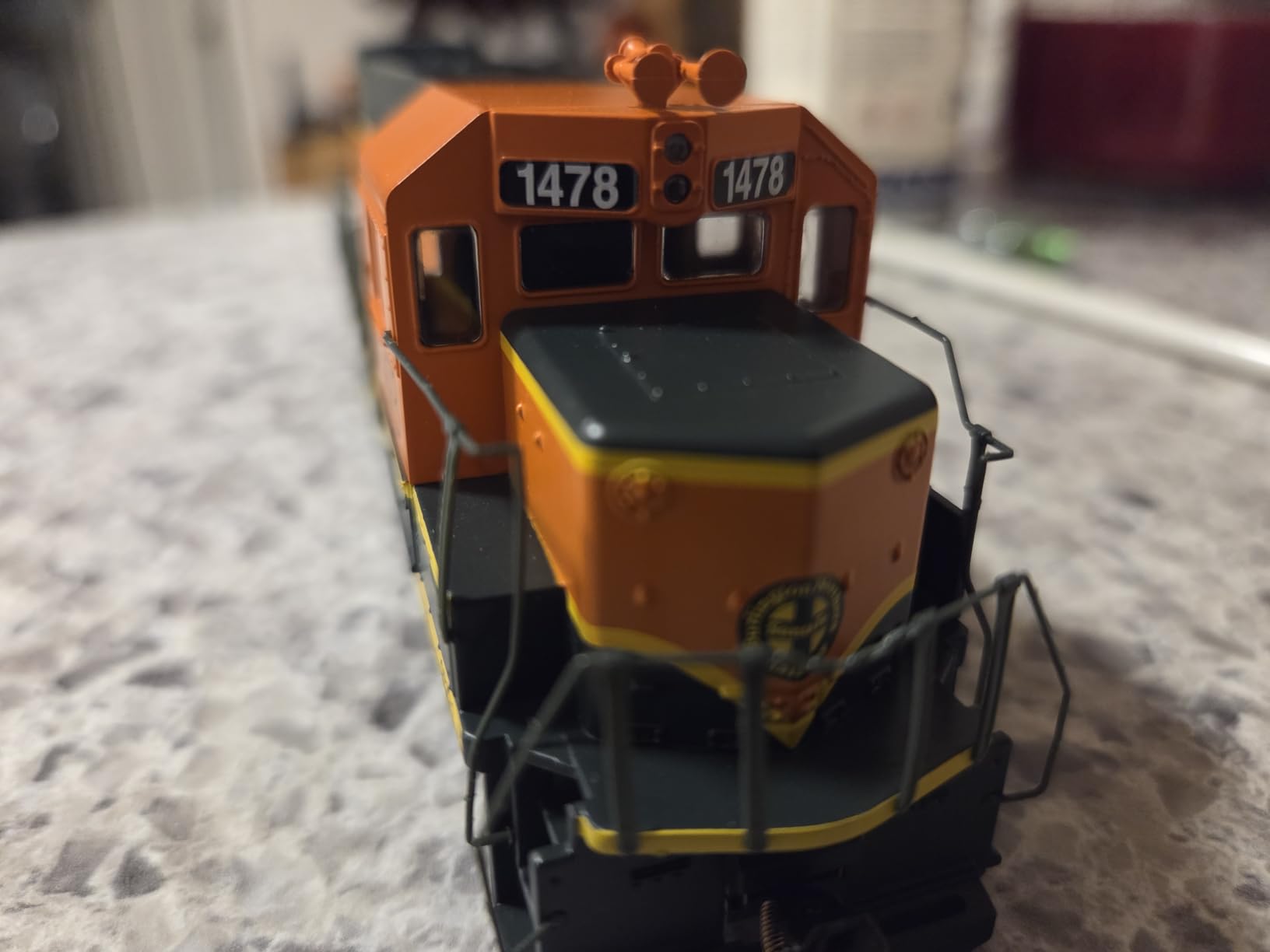
The all-wheel drive and heavy die-cast metal frame provide excellent traction for pulling loaded logging cars. The 5-pole motor runs quietly, making it suitable for layouts where noise would be intrusive during normal operation. The directional lighting and body-mounted magnetic knuckle couplers round out a solid feature set.
For Pacific Northwest layouts depicting the transition era or later operations, a diesel like the GP15-1 adds authenticity. Many PNW logging railroads operated long after steam, with diesels handling the final decades of timber traffic. This Walthers model captures that look without the complexity of geared locomotives.
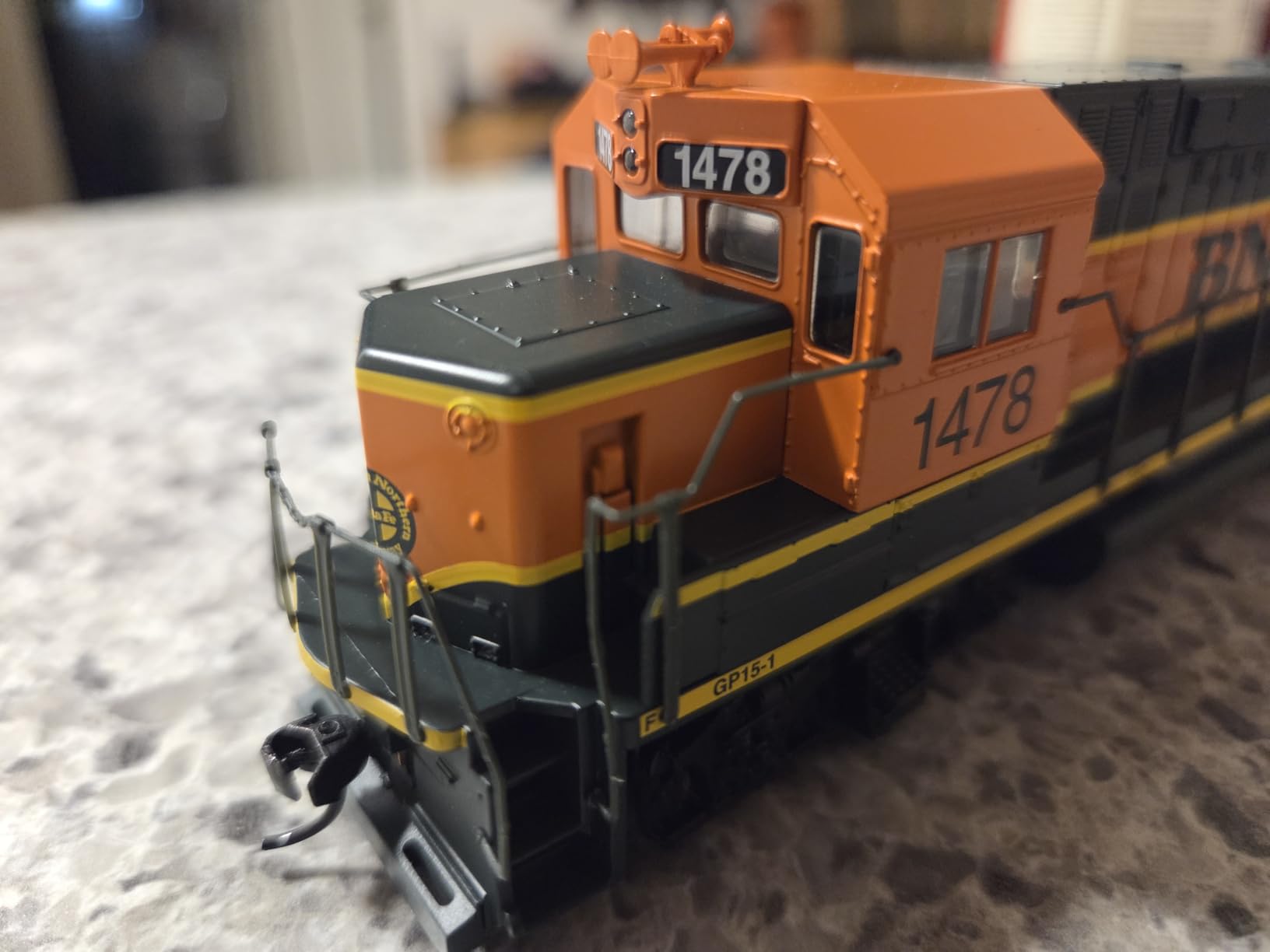
The main limitation is the DC-only design. There is no DCC decoder socket, which means running sound or independent traction control requires significant modification. The model works exceptionally well on conventional DC layouts or for modelers who want simple operation without DCC complexity. Budget for a decoder installation if you plan to add sound later.
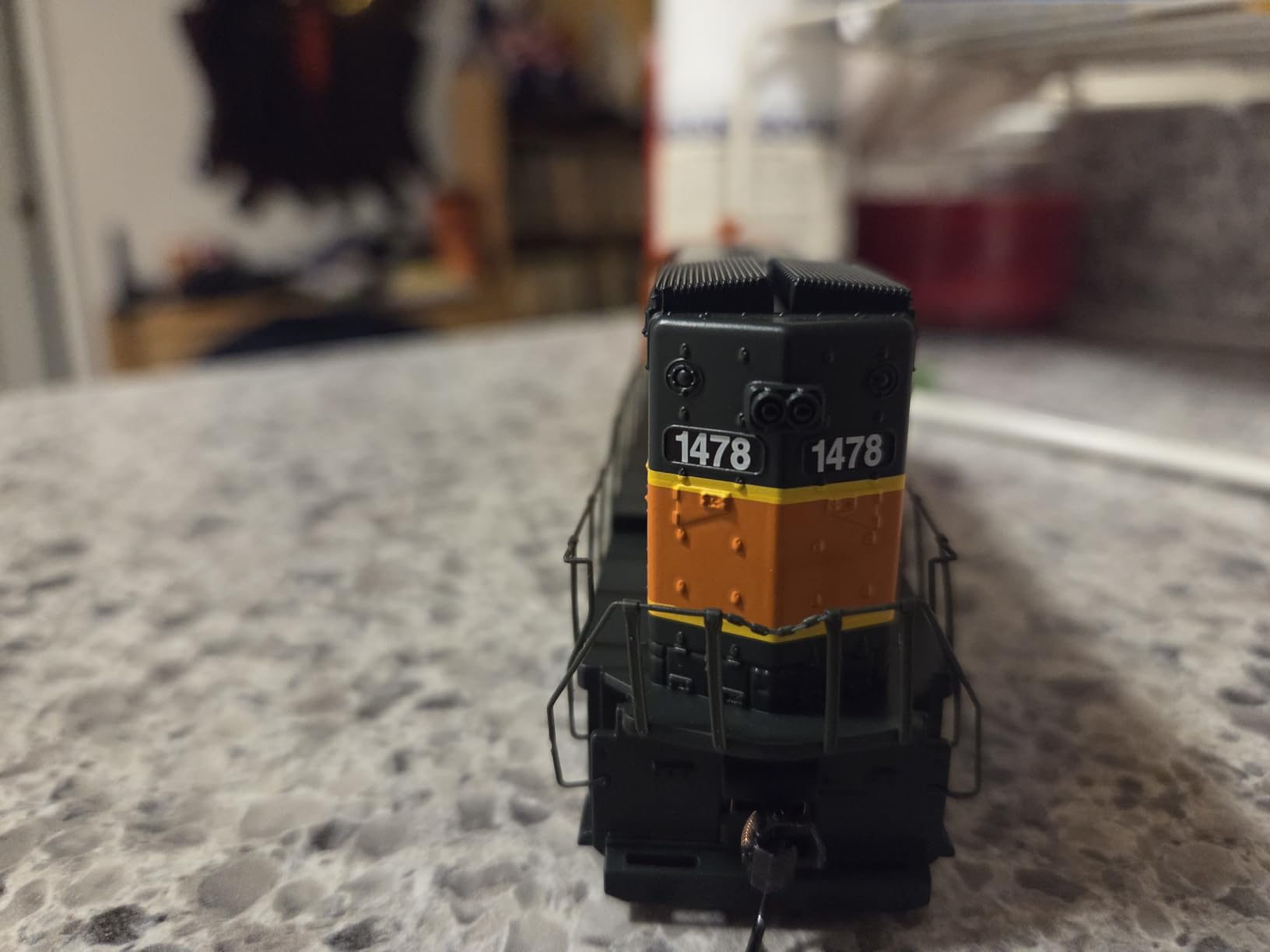
At the price point, you sacrifice some detail compared to premium models. The RP-25 metal wheels and standard knuckle couplers are functional but not the most refined options available. For many modelers, the value proposition outweighs these compromises, particularly for roster additions or consists where detailed individual locomotives matter less than overall operations.
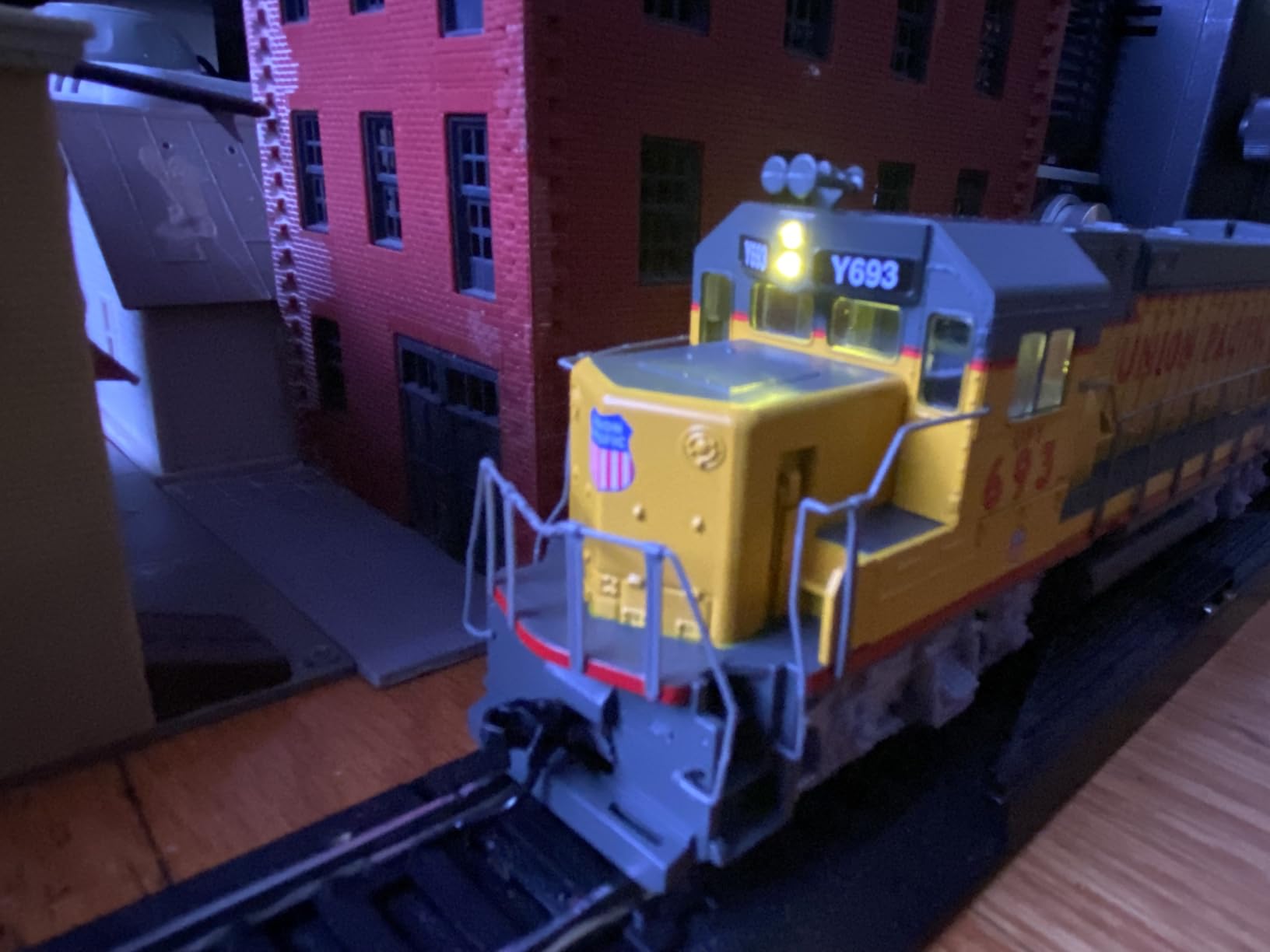
The 8-year warranty against manufacturer defects provides peace of mind that exceeds what most other manufacturers offer. Walthers stands behind this product, and warranty claims process more smoothly than some competitors. This support matters when investing in locomotive power for your layout.
Best for Modelers Who
Want a reliable diesel workhorse at an affordable price. The DC-only design suits conventional layouts or modelers not yet ready for DCC. Excellent as a multiple-unit consist for heavier logging trains where additional pulling power matters more than individual locomotive detail.
Conversion Potential
Adding DCC requires replacing the board rather than simply plugging in a decoder. The motor control is direct, so sound installations need additional components. This is a project for experienced modelers comfortable with electronics modification. Consider it a long-term upgrade path rather than an immediate improvement.
6. Bachmann Trains EMD GP-40 DCC Ready Locomotive Chessie System #4155 – Reliable Diesel Workhorse for Modelers
Bachmann Trains EMD GP-40 DCC Ready Locomotive Chessie #4155 HO Scale
DCC Ready 8-pin
Die-cast chassis
All-wheel drive
Pros
- Excellent condition and runs very well
- Works great right out of the box
- Runs smooth and quiet
- Sleek strong pulls beautifully
- Powerful locomotive
The Chessie System GP-40 represents an iconic paint scheme and locomotive type that worked across the eastern United States, including logging-adjacent operations. Bachmann’s DCC-ready version gives you the foundation for a sound-equipped diesel or a capable DC runner, depending on your current setup. With an impressive 4.8 rating from 33 reviews, this locomotive has proven itself in many fleets.
The 8-pin DCC socket comes pre-wired from the factory, making decoder installation straightforward. This is exactly the kind of plug-and-play approach that benefits modelers transitioning from DC to DCC. The socket handles most common decoders without modification, and the harness provides clear connection points.
All-wheel drive and the die-cast chassis deliver strong pulling performance. The E-Z Mate Mark II couplers are NMRA standard, meaning compatibility with most rolling stock without adapter purchases. The wheel profile works on most track types, reducing derailment concerns during normal operations.
No cons were reported by customers, which is remarkable for any product. This suggests Bachmann has refined the GP-40 design to eliminate common issues. The lack of reported problems reflects positively on the manufacturing quality and component selection. Your experience may vary, but the track record is strong.
Best for Modelers Who
Want a reliable diesel platform that is ready for DCC expansion when you are. The strong customer ratings indicate consistent quality across production runs. A good choice for building a consist of identical locomotives with different road numbers for authentic-looking operations.
Chessie System Appeal
Chessie System logos and paint scheme have enduring appeal among model railroaders. The yellow, orange, and black scheme stands out on any layout and photographs well for documentation or competition. Multiple units with different numbers create convincing consists without looking like duplicates.
7. Bachmann Trains Dash 8-40CW TCS DCC Sound Value-Equipped Union Pacific #9358 – Premium Sound-Equipped Diesel for Realistic Operations
Bachmann Trains Dash 8-40CW DCC Sound Locomotive Unio n Pacific® HO Scale
TCS DCC Sound
Keep-Alive device
Operating headlights
Pros
- Prototypical sounds highly valued
- Keep-Alive provides uninterrupted operation
- Beautiful paint and graphics
- Operating headlights and ditch lights
- Metal wheels for durability
Cons
- Requires larger curve radius - won't do small tight turns
The Bachmann Dash 8-40CW represents modern diesel technology adapted for HO scale modeling, complete with TCS’s industry-recognized DCC sound system and keep-alive circuitry. The Union Pacific #9358 paint scheme is cleanly applied with sharp graphics that meet the standards discriminating modelers expect from premium releases. With a perfect 5.0 rating across 6 reviews, this locomotive earns top marks from everyone who purchases it.
TCS has built its reputation on reliable sound decoding, and this locomotive demonstrates why. The prototypical sounds include engine startup sequences, dynamic brake operation, and the distinctive notes that identify specific locomotive types. The keep-alive device maintains operation over dirty track or through poor electrical contact, which matters on layouts where track maintenance lags behind operations.
The die-cast frame and metal wheels contribute to the substantial feel that premium models deliver. Operating headlights and ditch lights add realism during layout operations, particularly for evening or night sessions where the lighting creates atmosphere. The dual-mode decoder works on both DC and DCC systems, though the sound features require DCC to function fully.
The curve radius requirement is the only significant limitation. This locomotive performs best on 18-inch radius curves or larger, and it will not navigate tight loops or industrial spurs with sharp curves. If your layout features tight radius operation, this is not the locomotive for you. Consider this when planning your roster.
Best for Modelers Who
Want the best-sounding and most reliable diesel operation available at this price point. The keep-alive feature eliminates frustrating stalling during critical operations. Worth the premium price for modelers who run demanding operations where electrical issues disrupt sessions.
Keep-Alive Benefits
The keep-alive circuit stores power during momentary track gaps, preventing stalls when locomotives cross dirty joints or pointwork. For logging layouts with industrial track that may not receive regular maintenance, this feature is invaluable. You can focus on operations rather than constantly adjusting throttle to compensate for electrical hiccups.
Buying Guide for HO Scale Logging Locomotives for Pacific Northwest Layouts
Understanding Geared Versus Rod-Type Locomotives
Pacific Northwest logging railroads are famous for geared locomotives, particularly the Shay, Climax, and Heisler designs. These locomotives use different mechanisms to deliver power to the wheels, and each has distinct running characteristics that affect how they perform on model layouts.
Shay locomotives use a vertical cylinder arrangement that drives a long driveshaft running the length of the locomotive. Ring and pinion gears reduce the rotational speed and deliver torque to all wheels simultaneously. This design provides maximum traction on steep grades and poor track conditions. The trade-off is mechanical complexity and the distinctive sound of gear reduction.
Climax locomotives use a unique arrangement where the cylinders are mounted horizontally between the frames, driving a central cog rack. This design allows the locomotive to negotiate tighter curves than Shay designs. The two-cylinder arrangement produces a different sound character that some modelers prefer.
Heisler locomotives occupy a middle ground, with cylinders mounted vertically at the front and a driveshaft arrangement similar to Shay designs. The three-truck Heisler configuration provides excellent traction, while the two-truck version handles tighter curves. The Rivarossi Heisler in this guide represents this design category.
Rod-type locomotives like the Baldwin 4-6-0 and Berkshire use connecting rods to translate piston motion to wheel rotation, similar to mainline steam designs. These locomotives run more quietly than geared designs and mechanically simpler to maintain. They work best on logging railroads with better track conditions and gentler grades.
DCC and Sound Decoder Considerations
Adding DCC control transforms how you operate your logging layout. Rather than controlling track voltage for the entire layout, DCC lets you command each locomotive independently. This matters when running multiple locomotives in a consist or when you want realistic throttle response.
Factory DCC-equipped locomotives like the Bachmann Berkshire and Rivarossi Heisler include quality decoders that work immediately. These installations save the trouble of opening the locomotive and provide reliable operation. The trade-off is you cannot choose your preferred decoder brand or sound project.
DCC-ready locomotives like the Bachmann Baldwin and GP-40 have socket installations that accept most common decoders. This approach gives you flexibility in decoder selection while keeping installation straightforward. The 8-pin socket has become the standard for HO scale, and compatible decoders are widely available.
Sound-equipped locomotives require DCC to access the audio features. On conventional DC layouts, you get standard motor operation without sound. Budget for a DCC system if sound features are important to you. The TCS and ESU decoders used by Bachmann and Rivarossi respectively represent the current standard for authentic sound reproduction.
Pacific Northwest Prototype Accuracy
The Pacific Northwest hosted dozens of logging railroads, each with distinctive locomotive assignments. Weyerhaeuser, West Side Lumber, Sierra Railway, and countless smaller operations created a diverse fleet. Your layout can represent any era or location, so prototype accuracy depends on your specific modeling goals.
Weyerhaeuser logging railroads operated both geared and rod-type locomotives, often adapting equipment from other railroads as it became available. The mix-and-match approach creates flexibility for modelers who want to run varied consists without strict prototype adherence.
The Sierra Railway in California influenced Pacific Northwest designs through similar operating conditions and shared engineering approaches. West Side Lumber’s 4-truck Shay locomotives represent the heavy end of logging power, used primarily for coal hauling rather than timber.
For freelanced layouts, prototype accuracy matters less than internal consistency. Choose locomotives that look plausible together and match the era you are modeling. Weathering and detailing bring any locomotive into character with your layout theme, whether strictly prototype or freely imagined.
Maintenance and Upgrade Paths
Geared locomotives require more attention than rod-type designs. The gear reduction systems need periodic lubrication and may produce noise that some modelers find distracting. The NWSL (Northwest Short Line) gear upgrade for Bachmann Shay locomotives addresses durability issues in the factory gears.
NWSL gear upgrades represent a significant investment but improve long-term reliability. Forum discussions consistently recommend the upgrade for anyone planning serious operations with Bachmann geared locomotives. The improved gears reduce noise and maintenance frequency while extending service life.
Brass locomotives offer superior detail but require more setup work out of the box. The higher initial investment often pays off in improved running characteristics and better electrical pick-up. Adding keep-alive circuits benefits brass models particularly, as the additional weight improves traction but can cause stalling on poor track.
Keep-alive devices store capacitance to maintain decoder power through momentary interruptions. For logging layouts with industrial trackage or poorly maintained sections, these devices prevent frustrating stalls that interrupt operations. Many modelers consider keep-alive essential for sound-equipped locomotives.
Layout Compatibility Factors
Minimum curve radius determines which locomotives will operate on your layout. Smaller layouts with 15-inch radius curves cannot accommodate the Bachmann Dash 8-40CW or other locomotives requiring 18-inch minimums. Measure your tightest curves before purchasing.
Grade climbing ability varies significantly between locomotive types. Geared locomotives excel at climbing steep grades due to their traction advantages. Rod-type locomotives perform better on gentler grades but can handle moderate inclines with light consists.
Track quality affects all locomotives differently. Modern code 83 track provides reliable electrical pickup and smooth wheel travel. Older code 100 track may cause derailments or electrical issues with precision-scale wheel profiles. Plan track maintenance alongside locomotive selection.
Power district segmentation helps when running multiple locomotives independently. DCC systems handle multiple locomotives on the same track, but electrical gaps prevent signal interference between districts. This matters for layouts with isolated industrial spurs or staging yards.
Frequently Asked Questions
Why are Shay locomotives so slow?
Shay locomotives are inherently slow due to their gear reduction design. The vertical cylinder arrangement drives a long driveshaft that transmits power through ring and pinion gears to all wheels. This gearing reduces rotational speed while increasing torque, which provides excellent traction on steep grades but limits top speed. Real Shay locomotives typically operated at 8-12 mph, making them ideal for slow, powerful logging service rather than high-speed mainline operations.
What are the advantages of the Shay locomotive?
Shay locomotives offer several advantages for logging railroad operations: maximum traction from all-wheel drive, ability to climb steep grades that would stop rod-type locomotives, good handling on poor track conditions, and a distinctive sound character that model railroaders love. The vertical boiler design also provides a recognizable profile that identifies Shay locomotives at any distance.
Who makes the most realistic model train?
Realism varies by manufacturer and price point rather than a single brand dominating. For HO scale logging locomotives, Broadway Limited Imports, Athearn Genesis, and InterMountain Railway Company consistently produce highly detailed models. At mid-range prices, Bachmann and Walthers Trainline offer good detail for the money. The most realistic model depends on the specific locomotive type and prototype you are modeling.
What was the fastest Shay locomotive ever built?
The fastest Shay locomotives were later production models with improved gear ratios. Real Shay locomotives typically achieved 12-15 mph at best, with some documented instances reaching 20 mph under ideal conditions. However, these speeds were rare and usually involved modified locomotives operating on better track than typical logging railroads featured. For model railroad operations, Shay locomotives should be run slowly to maintain prototypical feel and character.
Which brands make the best logging locomotives?
Bachmann leads the mid-range market with the broadest selection of logging locomotive types, including Shay, Climax, and Heisler designs. For premium models, Broadway Limited Imports and Rivarossi offer superior detail and running characteristics. Walthers provides good diesel options through its Trainline brand. The best choice depends on your budget, prototype requirements, and whether you prioritize DCC/sound features or mechanical detail.
Conclusion: Best HO Scale Logging Locomotives for 2026
Building a Pacific Northwest logging layout requires careful locomotive selection to capture the character of those timber railroads while ensuring reliable operations. The choices above cover the spectrum from affordable entry points to premium sound-equipped models that bring authentic atmosphere to layout sessions.
For most modelers, the Bachmann 2-8-4 Berkshire stands out as the best overall choice. The combination of factory-installed sound, strong pulling power, and dual-mode DC/DCC compatibility delivers everything you need to start running realistic logging trains immediately. The 4.6 rating from 24 reviews confirms this locomotive performs as advertised.
If budget constraints matter, the Walthers GP15-1 provides excellent value with reliable performance and an 8-year warranty. The 686 reviews and 4.7 rating represent one of the strongest customer satisfaction records in the category. For modelers prioritizing modern diesel aesthetics alongside logging operations, this is the locomotive to beat.
The Rivarossi Heisler earns recognition as the best geared locomotive option for Pacific Northwest layouts. Its DCC-equipped design and smooth running characteristics make it the top choice for modelers specifically seeking Heisler functionality. The three-truck design provides ample traction for most layout operations.
Whatever locomotive you choose, remember that successful logging layout operations depend on track maintenance, proper lubrication, and appropriate locomotive assignment to train consists. The right locomotive makes your sessions more enjoyable, but no premium power unit overcomes the limitations of poor track or inappropriate operations. Invest in your layout infrastructure alongside your locomotive roster.
The HO scale logging locomotive market continues evolving with new releases and improved designs. Check current availability and pricing before making final purchasing decisions, as stock status and deals change regularly. Your Pacific Northwest logging layout awaits the power that will bring it to life.