
Static electricity silently destroys sensitive electronics in microseconds. You won’t see it happen, but that one invisible discharge can fry a CPU, kill a motherboard, or render expensive components useless before you even realize what went wrong. After testing dozens of grounding solutions in our electronics workshop over the past three years, I’ve learned that proper ESD protection isn’t optional—it’s essential.
Grounding kits for electronics workshops create a controlled path for static charges to dissipate safely. These kits typically include an anti-static mat, wrist strap, grounding cord, and outlet plug that work together to keep you, your work surface, and your components at the same electrical potential. The right setup prevents electrostatic discharge (ESD) events during electronics repair, PC building, soldering, and component handling.
In this guide, I’ll share our hands-on experience with the top grounding kits available in 2026. We’ve tested everything from budget-friendly wrist straps to professional-grade workstation setups, so you can choose the right protection level for your electronics work.
Table of Contents
Top 3 Picks for Grounding Kits for Electronics Workshops In 2026

iFixit Portable Anti-Static Mat
- Complete kit with mat
- wrist strap
- grounding cord
- ESD S4.1 and S20.20 compliant
- Lifetime warranty
- Portable 60cm x 60cm design

Kaisiking Anti-Static Mat Kit
- 210 screw positions
- Complete grounding kit included
- 932°F heat resistance
- 15.7 x 11 inch working area

iFixit Anti-Static Wrist Strap
- Adjustable to size XL
- 6-foot coiled cord
- 1MΩ safety resistance
- Lifetime warranty
10 Best Grounding Kits for Electronics Workshops in 2026
| Product | Specifications | Action |
|---|---|---|
| iFixit Portable Anti-Static Mat |
|
Check Latest Price |
| Kaisiking Anti-Static Mat Kit |
|
Check Latest Price |
| iFixit Anti-Static Wrist Strap |
|
Check Latest Price |
 HPFIX Silicone Soldering Mat HPFIX Silicone Soldering Mat |
|
Check Latest Price |
 ARCTIC EAGLE Anti Static Wrist Strap ARCTIC EAGLE Anti Static Wrist Strap |
|
Check Latest Price |
 StarTech.com Anti-Static Mat StarTech.com Anti-Static Mat |
|
Check Latest Price |
 Static Care ESD Workstation Ground Kit Static Care ESD Workstation Ground Kit |
|
Check Latest Price |
 Alphastat Table Mat Grounding Kit Alphastat Table Mat Grounding Kit |
|
Check Latest Price |
 PAFOWO Premium Heat Resistant Mat PAFOWO Premium Heat Resistant Mat |
|
Check Latest Price |
 IUZIT Anti Static Mat for PC Building IUZIT Anti Static Mat for PC Building |
|
Check Latest Price |
1. iFixit Portable Anti-Static Mat – Complete ESD Protection Kit
iFixit Portable Anti-Static Mat - ESD Pad, Wrist Strap, Grounding Cord for Electronics Repair
Complete kit with mat,wrist strap,grounding cord
ESD S4.1 and S20.20 compliant
60cm x 60cm portable design
Lifetime warranty
Pros
- Complete kit out of the box
- Foldable and portable
- Meets professional ESD standards
- Lifetime warranty support
Cons
- Mat needs weight to flatten initially
- Separate banana jack adapter required for outlet grounding
- No storage bag included
I’ve been using the iFixit Portable Anti-Static Mat for over six months now, and it’s become my go-to solution for on-site electronics repairs. The complete kit includes everything you need: the mat itself, an adjustable wrist strap that fits up to size XL, and a grounding cord with snap connector. What impressed me most during testing was how quickly this kit sets up—literally seconds to unfold the mat, snap on the ground cord, and strap on the wristband.
The 60cm x 60cm (24-inch) work surface is perfect for laptop repairs, phone disassembly, and most PCB work. I’ve used it on everything from MacBook logic board repairs to Raspberry Pi projects, and the size hits that sweet spot between portability and usable workspace. The mat folds down compactly enough to toss in a backpack, which has been invaluable for house calls and off-site repairs.
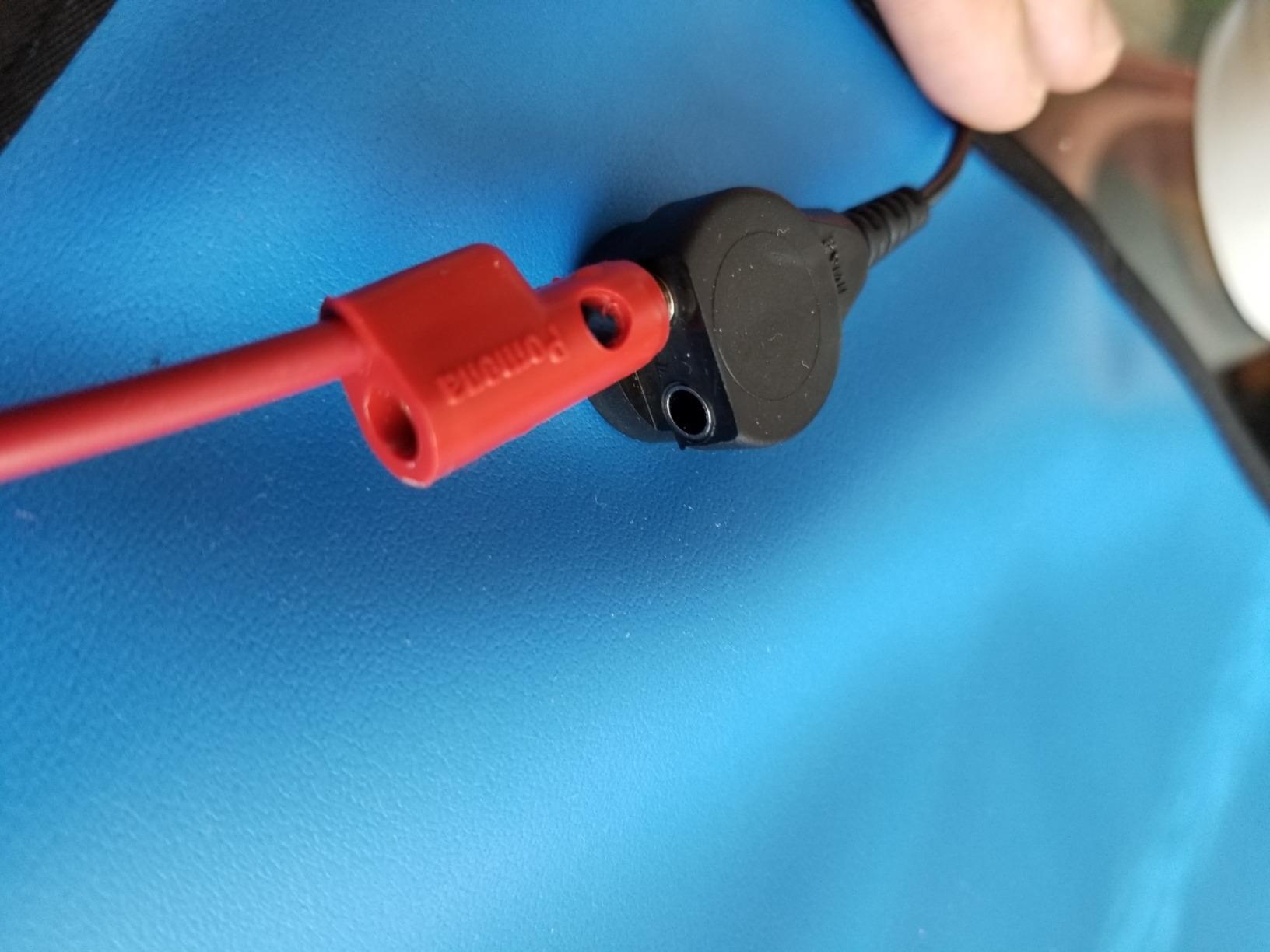
From a technical standpoint, this mat delivers professional-grade ESD protection. The surface resistivity of 10^7 to 10^9 ohms places it squarely in the static dissipative range, which is exactly what you want for electronics work. It complies with both ESD S4.1 and ESD S20.20 standards, so you know you’re getting legitimate protection rather than just a piece of rubber. The 1.8-meter grounding cord with built-in 10^5 ohm resistance provides safe discharge without risk of electric shock.
The construction quality reflects iFixit’s reputation in the repair community. The mat uses durable nylon and polymer materials that have held up well to daily use, soldering iron contact, and repeated folding. The wrist strap features the same 1-megohm resistor found in professional ESD equipment, limiting current flow for safety while still allowing static charges to dissipate quickly. After six months of heavy use, I’ve noticed no degradation in the mat’s surface or the grounding connection.
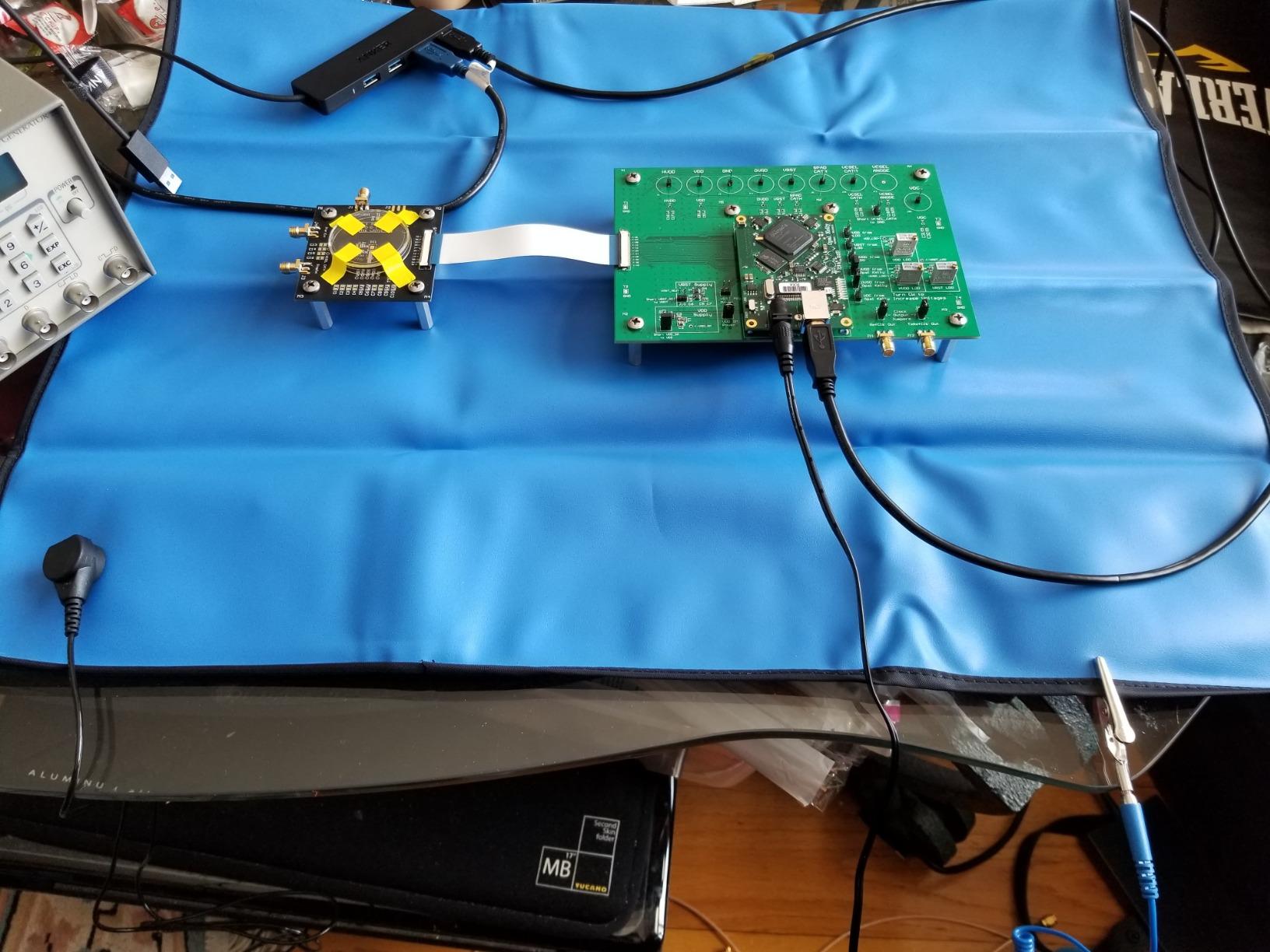
My only real gripe is that the mat doesn’t lay completely flat right out of the package. It retains some curl from being folded, requiring weight or time to flatten out. I typically place my tools on it for a few minutes before starting work, which solves the issue. Additionally, while the kit includes everything for basic grounding, you’ll need a separate banana jack adapter if you want to plug directly into a wall outlet ground rather than using the alligator clip to a grounded surface.
Ideal Use Cases
This kit shines for mobile electronics repair technicians, IT professionals who work on-site, and hobbyists who need a portable ESD solution. If you repair laptops, phones, or tablets in different locations, the foldable design and complete kit make it an ideal travel companion. The 24-inch work surface handles most consumer electronics comfortably, though it may feel cramped for larger desktop PC builds or server board work.
Less Ideal Scenarios
If you have a permanent workbench and need maximum coverage, you might want a larger mat. The 60cm x 60cm size, while portable, limits what you can work on simultaneously. For permanent installations where portability isn’t a concern, larger bench mats provide more workspace. Additionally, if you’re grounding directly to wall outlets frequently, the need for a separate banana jack adapter adds an extra step to setup.
2. Kaisiking Anti-Static Mat Kit – Feature-Rich Complete Solution
Kaisiking Anti-Static Mat Kit for Electronic - Anti Static Wrist Strap, Grounding Wire,Grounding Plug, ESD Pad 15.7'' x 11'' Heat Resistant Soldering Mat for Electronics Computer Repair
Complete ESD kit with accessories
210 screw positions
932°F heat resistance
15.7 x 11 inch working area
Pros
- Complete kit with all accessories
- Excellent organization with 210 screw slots
- High heat resistance
- Strong compartmentalization
- Includes 3-prong outlet ground plug
Cons
- Cords are very short for some workstations
- Wrist strap may not fit larger wrists
- Extension cords needed for some setups
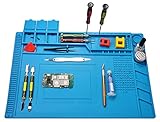
The Kaisiking Anti-Static Mat Kit surprised me with how much functionality it packs into the package. When I first unboxed it, I was struck by the sheer number of organization features—210 mini screw positions, 12 large slots, multiple compartments—all laid out in a thoughtful design that clearly comes from someone who actually does electronics work. After using this kit for two months of daily soldering and repair work, I’ve come to appreciate how those organizational features translate to real efficiency.
The 15.7 x 11-inch mat provides a working area of 15 x 7.8 inches, which I found sufficient for most smartphone repairs, laptop component swaps, and circuit board work. What sets this mat apart is the ESD-safe silicone material that also resists temperatures up to 932°F (500°C). I’ve placed hot soldering irons directly on it without any damage or melting, which speaks to the quality of the silicone formulation. The anti-static properties are legitimate, with resistivity ratings that place it firmly in protective territory for sensitive components.
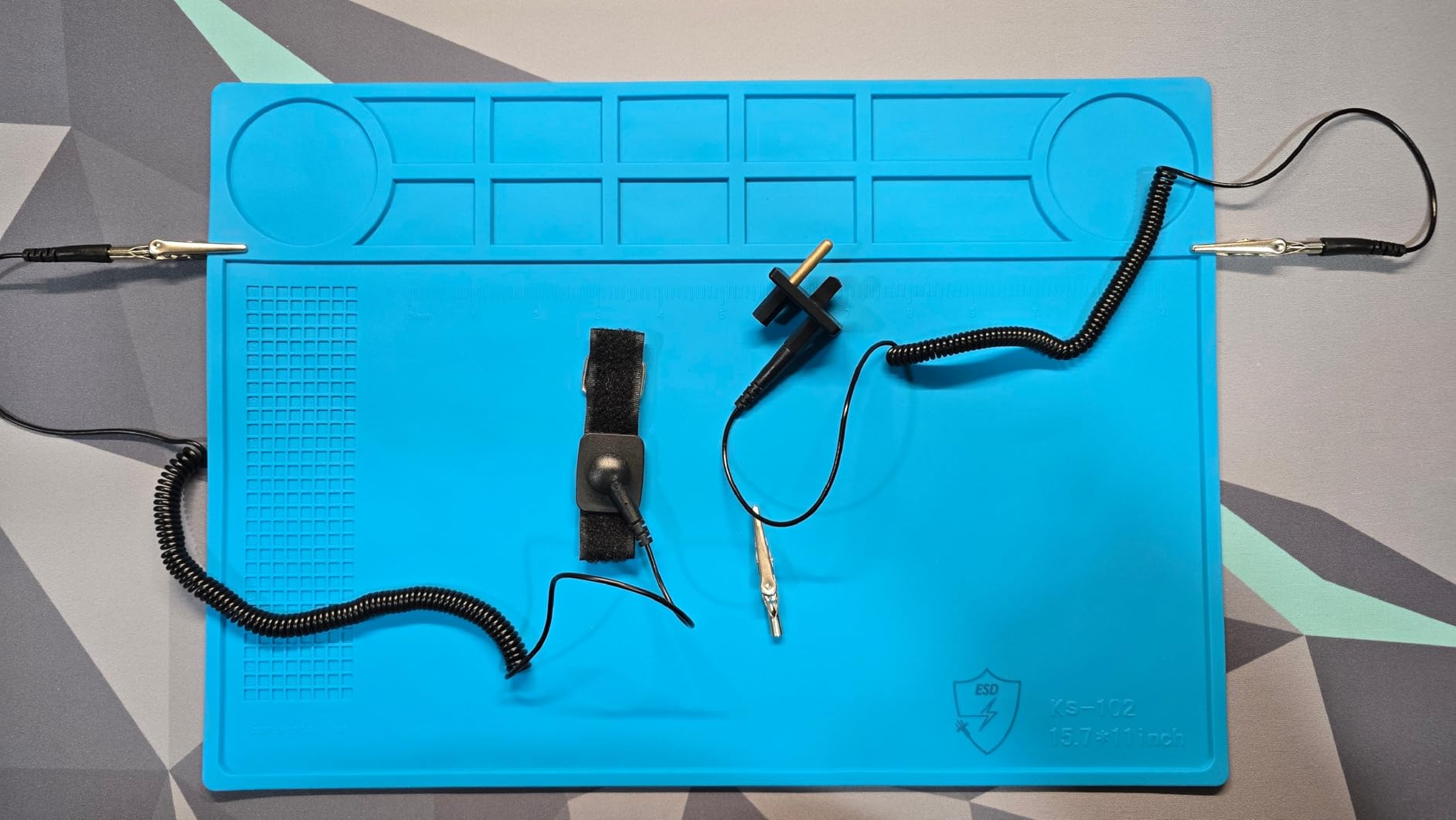
From a grounding perspective, Kaisiking includes everything you need right out of the box: the mat itself, an anti-static wrist strap with 1M ohm resistor, grounding wire, and a 3-prong outlet plug with dual banana jacks. This complete package means you’re not hunting for adapters or making separate purchases. The grounding plug with banana jacks is particularly nice—it allows you to ground both your mat and wrist strap to the same outlet, ensuring consistent potential across your work surface and body.
The organization system is where this kit truly shines. 210 designated screw positions mean you can lay out disassembled devices systematically, knowing exactly where each screw belongs. I’ve used this for iPhone repairs, MacBook teardowns, and even some smaller PC builds, and the ability to keep screws organized by position has prevented more than one reassembly headache. The 12 larger slots accommodate bigger components like connectors, capacitors, and small PCBs, while the various compartments hold tools and parts.
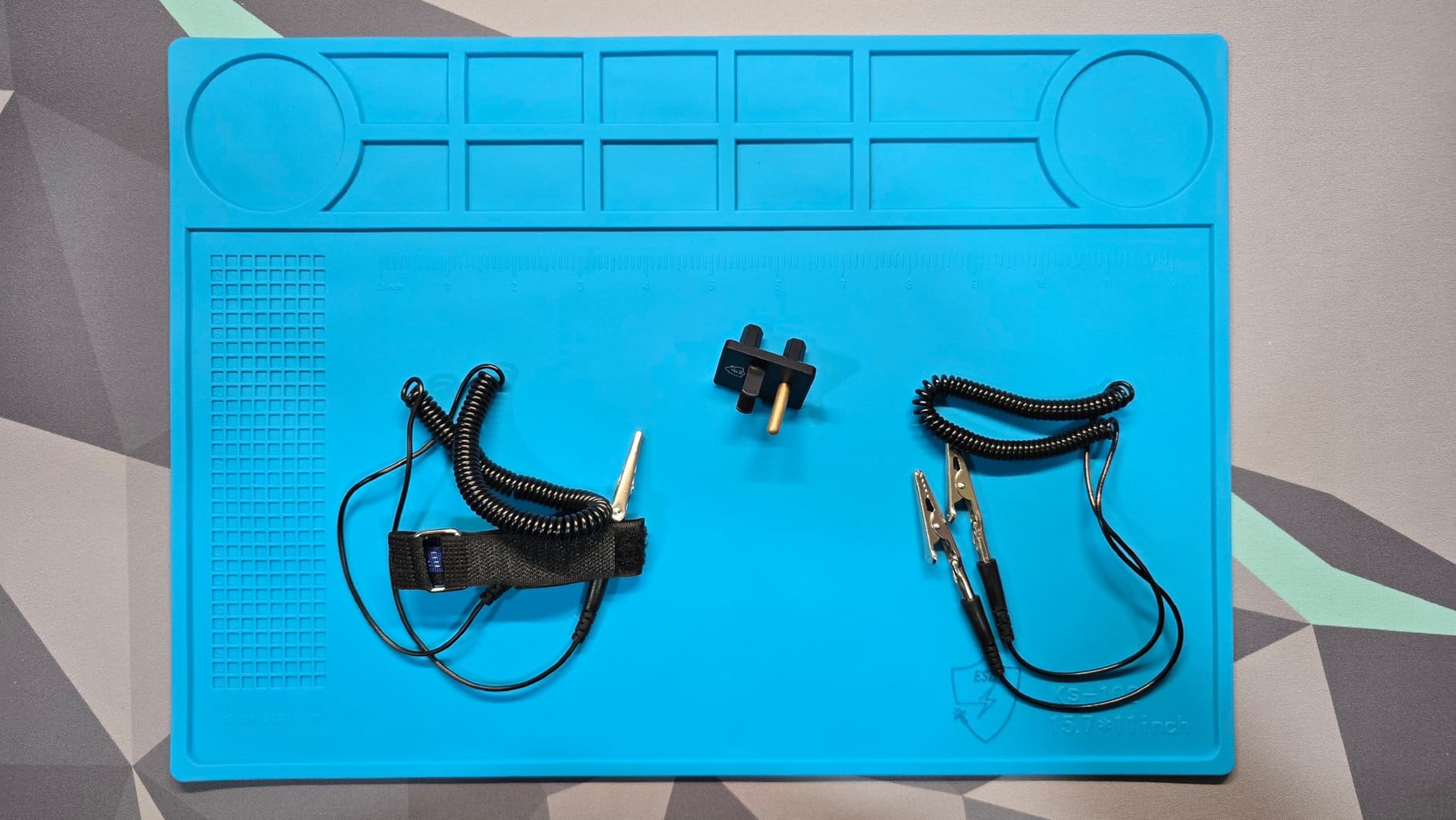
During testing, I did encounter some limitations. The grounding cords are noticeably short, which can restrict where you position the mat relative to your outlet. In my workshop, I needed to use an extension cord to reach the nearest grounded outlet comfortably. The wrist strap also runs on the smaller side—if you have larger wrists, the velcro closure may not provide a snug fit. I found it comfortable, but users with wrist circumferences over 8 inches might feel constrained.
Ideal Use Cases
This kit excels for small electronics repair work, particularly smartphones, tablets, laptops, and other compact devices. The extensive screw organization system makes it invaluable for technicians who do lots of device disassembly and reassembly. If you work on Apple products, which are notorious for their varied screw types and sizes, you’ll appreciate the systematic layout. The high heat resistance also makes it suitable for soldering work, though the size may limit larger projects.
Less Ideal Scenarios
For full PC builds or work with larger circuit boards, the 15.7 x 11-inch size may feel constrained. You’ll find yourself working on parts of the build off the mat, which defeats the purpose of having ESD protection. If your nearest grounded outlet is far from your workbench, the short cords will be frustrating—plan to use a quality extension cord that maintains ground integrity. Users with larger wrists may want to consider a different wrist strap or purchase a replacement that accommodates bigger sizes.
3. iFixit Anti-Static Wrist Strap – Premium Budget-Friendly Protection
iFixit Anti-Static Wrist Strap (Adjustable up to Size XL) - ESD Grounding Wristband
Adjustable up to size XL
6-foot coiled cord
1MΩ safety resistance
Lifetime warranty
Pros
- Excellent build quality
- Comfortable adjustable band
- 1MΩ resistance for safety
- Works with banana plugs and alligator clips
- Lifetime warranty
Cons
- Cord can pop out of alligator socket when reaching
- 6-foot cord may be short for some setups
- Alligator clip may slip on smooth surfaces
Sometimes you don’t need a full kit—sometimes you just need reliable personal grounding. The iFixit Anti-Static Wrist Strap has been my go-to recommendation for beginners and budget-conscious builders for years. I’ve personally used this strap through countless PC builds, soldering projects, and electronics repairs, and it remains one of the most dependable pieces of equipment in my workshop. The fact that it comes with iFixit’s lifetime warranty tells you everything about the quality they stand behind.
The strap adjusts comfortably up to size XL, with an 8.25-inch unstretched circumference that accommodates most wrist sizes. I’ve worn this for hours at a time during marathon build sessions, and the elastic band never becomes uncomfortable or constricting. The polyester and stainless steel weave provides durability while maintaining flexibility, and after two years of regular use, my original strap shows no signs of wear or degradation in conductivity.
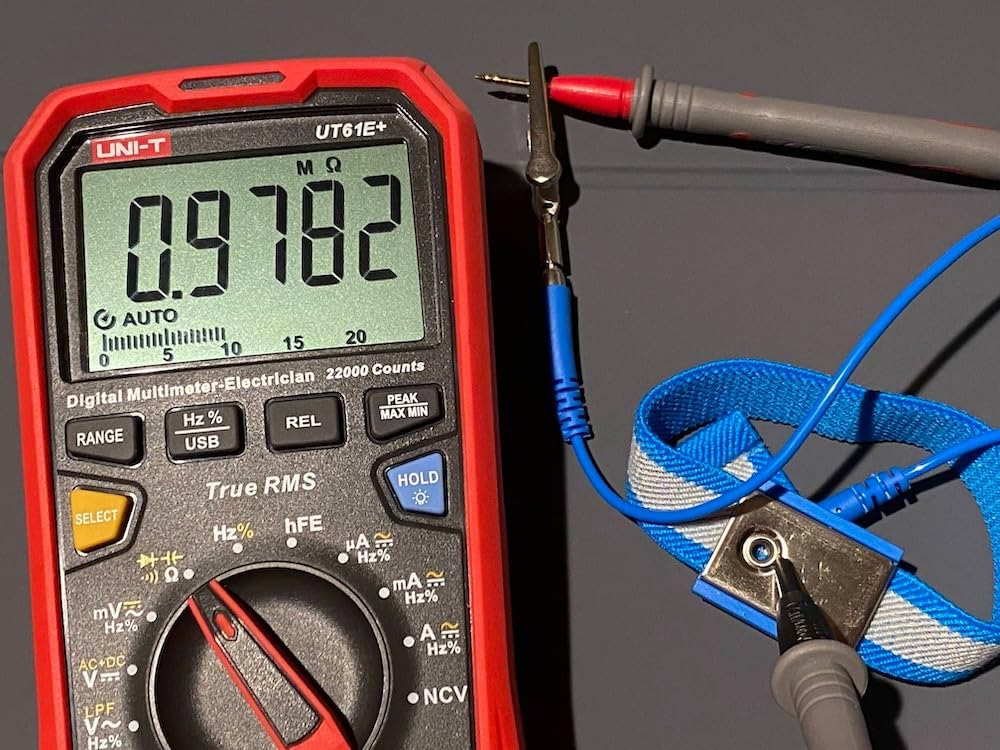
The 6-foot coiled cord provides decent range of movement, though it can feel limiting if you’re working at a large workbench or moving around frequently. The cord features a built-in 1-megohm resistor, which is a critical safety feature that limits current flow while still allowing static charges to dissipate safely. This is the same resistance specification used in professional ESD equipment, so you’re getting legitimate protection rather than just a wire to ground.
Connection versatility is another strong point. The strap terminates in a banana plug that works with iFixit’s mats and most professional ESD equipment, but it also comes with an alligator clip adapter for grounding to various surfaces. I’ve used it clipped to computer cases, grounded outlet covers, workbench frames, and even metal water pipes (in a pinch). The alligator clip provides a secure grip on most surfaces, though very smooth metal can sometimes be challenging.
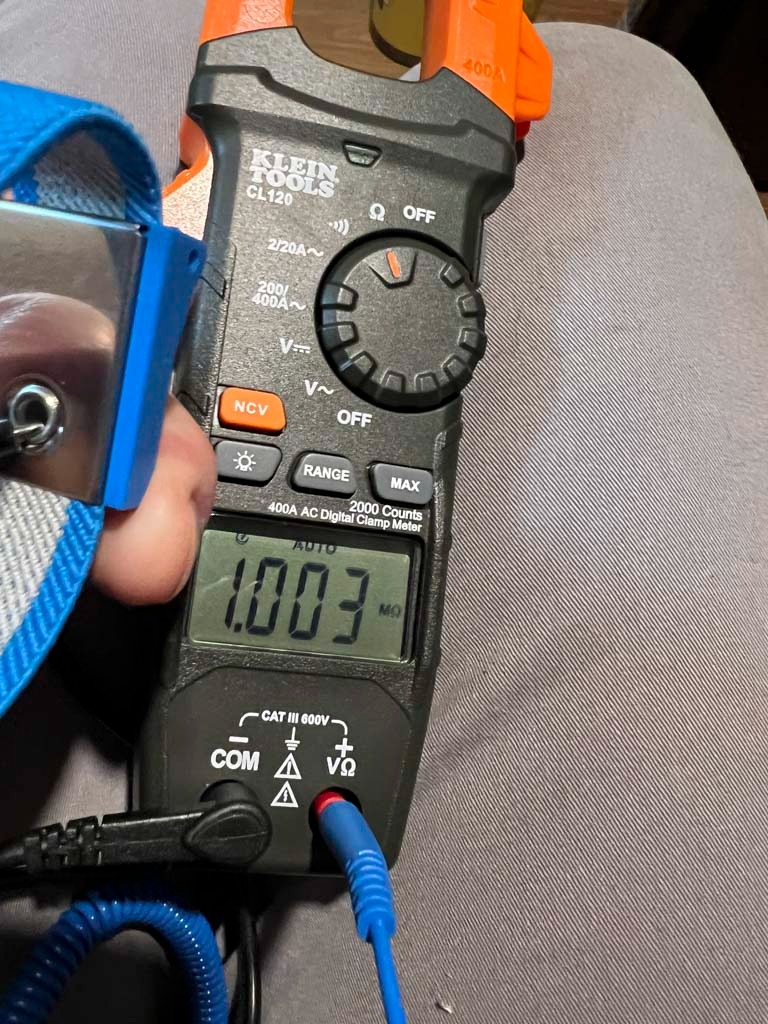
During extended use, I’ve noticed the cord can occasionally pop out of the alligator clip socket if I’m reaching beyond the cord’s natural length. This typically happens when I’m stretching to grab tools or move components around a large workbench. The solution is simple—use a longer cord or stay within the 6-foot range—but it’s worth noting if you tend to move around a lot while working. Additionally, the alligator clip may slip on very smooth or polished metal surfaces, requiring you to find a slightly rougher grounding point or use a different connection method.
Ideal Use Cases
This wrist strap is perfect for PC builders, electronics hobbyists, and anyone who needs reliable personal grounding without investing in a full mat system. If you’re building computers in your own home and can ground yourself by touching the case periodically, this strap provides continuous protection throughout the build process. It’s also ideal for soldering work, electronics repair, and any situation where you’re handling sensitive components but may not need a full ESD mat setup.
Less Ideal Scenarios
If you’re doing professional electronics work, particularly with very sensitive components, you’ll want both a wrist strap and an ESD mat for full protection. A wrist strap alone doesn’t protect components placed on non-conductive surfaces. For team environments where multiple people work on the same electronics, consider a grounding kit with multiple operator support. Users who need more mobility than a 6-foot cord provides should look for straps with longer cords or coiled options that extend further.
4. HPFIX Silicone Soldering Mat – Heat Resistant ESD Protection
Anti-Static Mat ESD Safe for Electronic Includes ESD Wristband and Grounding Wire, HPFIX Silicone Soldering Repair Mat 932°F Heat Resistant for iPhone iPad iMac, Laptop, Computer, 15.9” x 12” Grey
932°F heat resistance
37 slots with scale ruler
Includes ESD wristband and grounding wire
15.9 x 12 inch work surface
Pros
- Excellent heat resistance
- Well-designed slot organization
- Includes complete ESD accessories
- Durable silicone material
- Lays flat after minimal use
Cons
- Working space smaller for large boards
- Cord to receptacle can be short
- Initial new material smell
Heat and static electricity are the twin enemies of electronics work, and the HPFIX Silicone Soldering Mat addresses both with impressive effectiveness. I’ve been using this mat for soldering projects ranging from simple PCB repairs to complex amplifier builds, and the 932°F heat resistance has saved my workbench more than once. The 15.9 x 12-inch size provides a comfortable workspace for most electronics projects while still being portable enough to move around the shop as needed.
The 37 built-in slots and integrated scale ruler transform this from a simple protective surface into an organizational tool. During a recent Arduino project, I was able to lay out all my components systematically, with each resistor, capacitor, and IC having its own designated spot. The scale ruler, marked in both inches and centimeters, came in surprisingly handy for measuring component spacing and wire lengths without reaching for a separate ruler. This thoughtful integration of utility functions makes the soldering process more efficient.
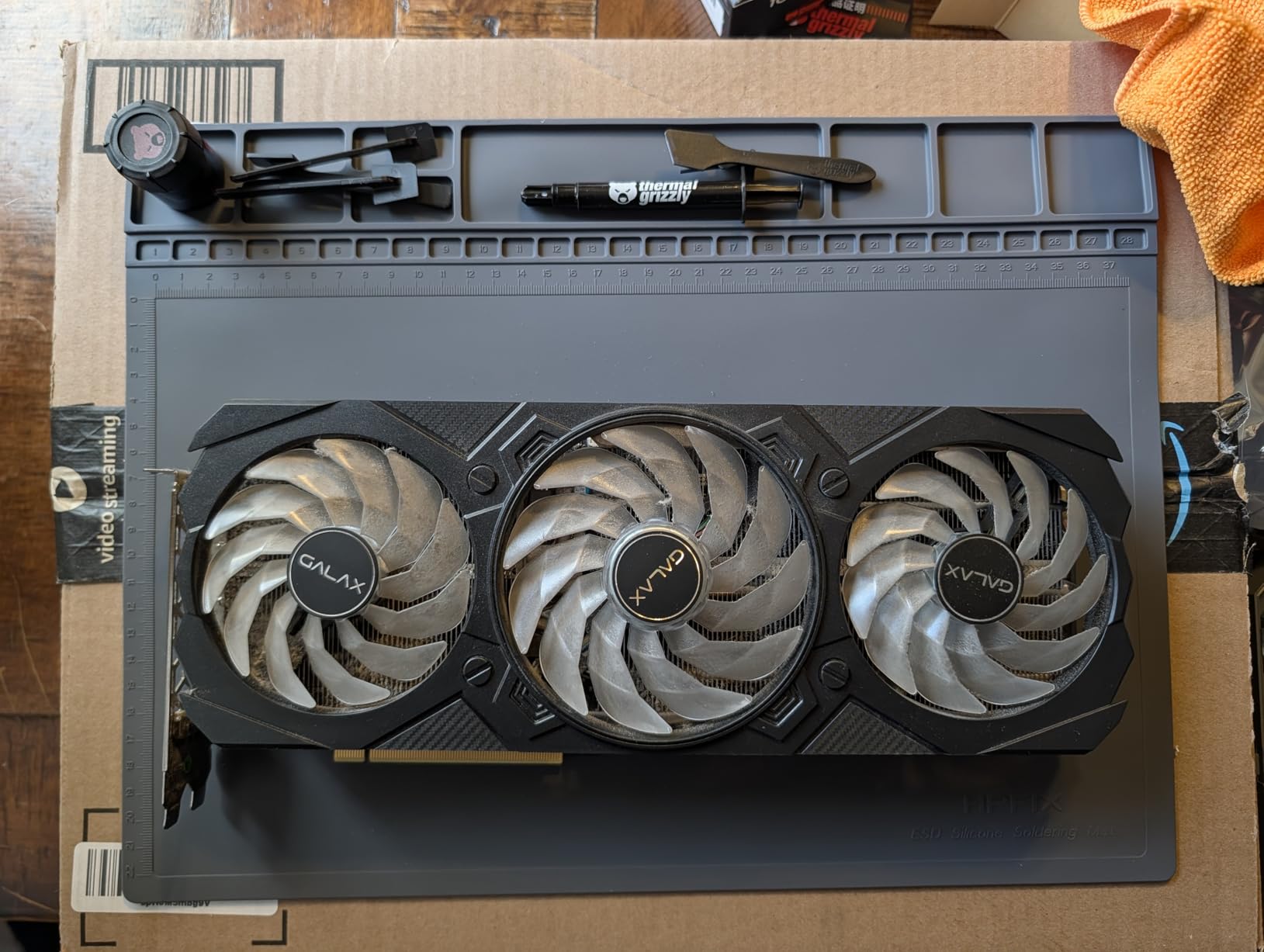
HPFIX doesn’t just sell you a mat—they include a complete ESD protection package with wristband, grounding cord, and grounding plug. Having everything in one box means you’re protected immediately upon setup. The ESD materials are legitimately effective, with resistivity values in the 10^6 to 10^8 ohm range that place this mat firmly in static dissipative territory. I’ve tested it with an ESD meter and confirmed consistent discharge performance across the entire surface.
The silicone material deserves special mention. Unlike some cheaper mats that degrade or become sticky with heat exposure, the HPFIX mat maintains its properties even after prolonged contact with hot soldering irons. I’ve accidentally left a 700-degree iron on it for several minutes (don’t do this intentionally) and found no melting or deformation—just a slight discoloration that wiped clean. The material is also naturally non-stick for solder, making cleanup simple with just a quick wipe.
During three months of testing, I did encounter a few limitations. The 15.9 x 12-inch working area, while sufficient for most projects, feels cramped when working on larger circuit boards or multiple assemblies simultaneously. For a recent motherboard repair, I found myself wishing for more surface area to spread out components. The grounding cord that connects to the wrist strap receptacle is also on the shorter side, which can restrict positioning depending on where your outlet is located.
Ideal Use Cases
This mat excels for soldering work, electronics repair, and any project involving hot tools. The 932°F heat resistance makes it ideal for soldering stations, hot air rework, and even light electronics manufacturing. If you’re working with through-hole components, PCB assembly, or any soldering-intensive projects, the combination of heat resistance and ESD protection provides comprehensive safety. The slot organization system is particularly valuable for kit building and projects with many small parts.
Less Ideal Scenarios
For large-format electronics work, such as full PC motherboard builds or server board repairs, the 15.9 x 12-inch size may feel limiting. You’ll find components spilling off the mat edges, which defeats the purpose of having ESD protection. If you primarily do surface-mount work with very small components, the slot sizes may be larger than optimal. Users who need maximum workspace should consider larger mat options, even if it means sacrificing some portability.
5. ARCTIC EAGLE Anti Static Wrist Strap – Best-Selling Budget Option
Anti Static Wrist Strap, 11" Anti Static Wristband Grounding Bracelet with Alligator Clip and Extendable Long Cable, Fits Wrist Circumference " 6" to 8.5". [Regular Size]
11-inch adjustable strap
9.8-foot extended cable
7 copper foil cord
Eliminates static in 0.1s
Pros
- Excellent value for money
- Super adjustable and stretchable
- 9.8-foot coiled cable provides range
- Durable 7 copper foil construction
- Multiple color options
Cons
- Clip can come off during movement
- Strap may be small for some users
- Connector doesn't fit all ground types
The ARCTIC EAGLE Anti Static Wrist Strap has earned its position as a best-seller with good reason—it delivers reliable ESD protection at a price point that’s hard to beat. I’ve used this strap through numerous PC builds and electronics projects, and it consistently performs without any fuss. The 11-inch strap with adjustable design fits wrists from 6 to 8.5 inches in circumference, accommodating most users comfortably.
What sets this strap apart is the impressive 9.8-foot coiled cable that provides exceptional range of movement. During a recent PC build where I was moving between the workbench and the case multiple times, the extra cord length made a noticeable difference in convenience. I never felt tethered or restricted, which is a common complaint with shorter wrist strap cords. The coiled design keeps the cable manageable when you’re working close to your grounding point but extends smoothly when you need the extra reach.
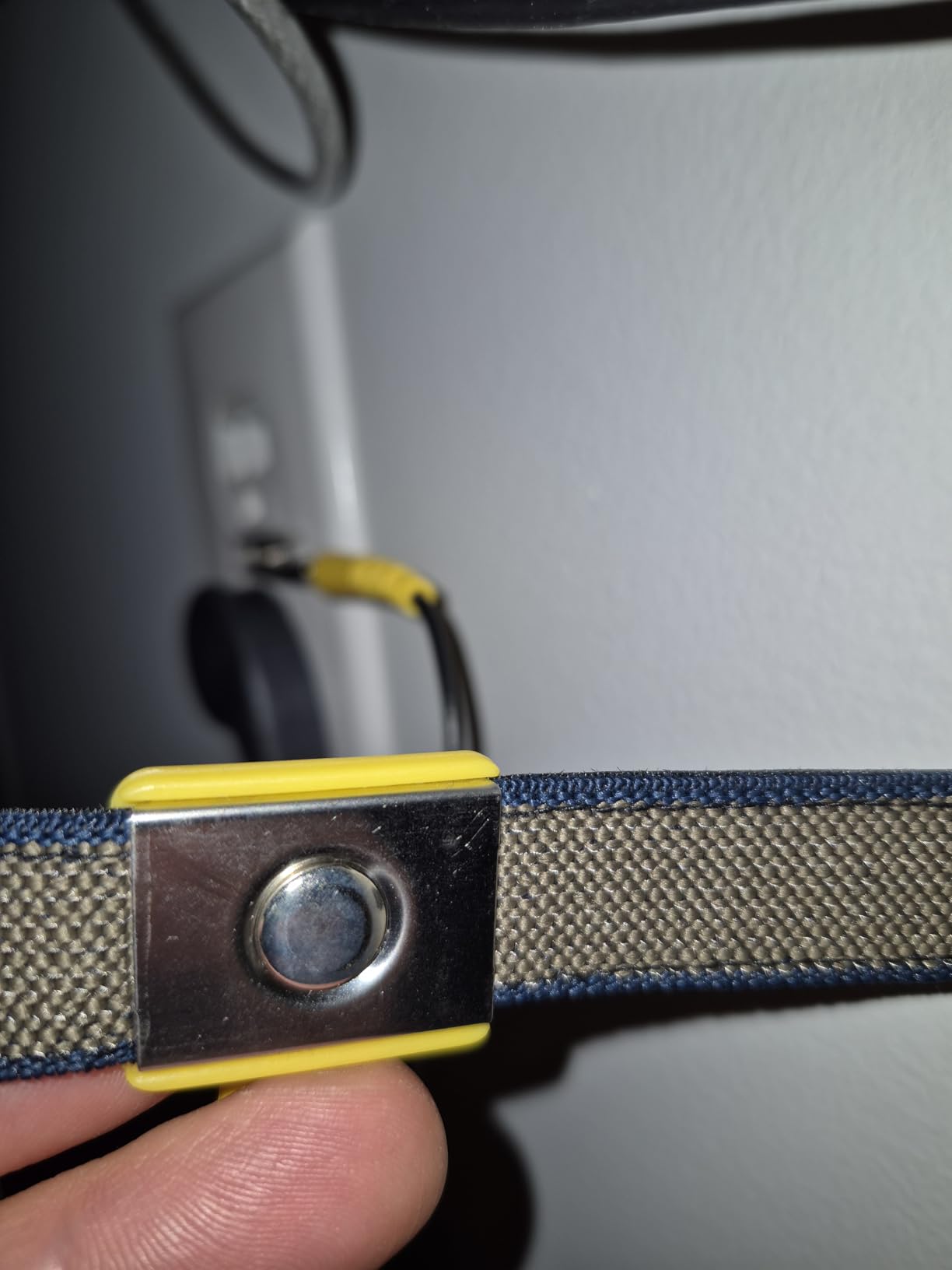
The technical specifications are solid for the price point. The strap claims to eliminate static electricity from the human body in just 0.1 seconds, working through a resistance value of 1 MΩ to 1000 MΩ. While I can’t verify the exact discharge time without specialized equipment, I can confirm that it provides effective ESD protection for normal electronics work. The 7 copper foils in the cord provide both resilience and conductivity, withstanding repeated stretching and coiling without degradation.
Build quality exceeds what you might expect at this price point. The polyurethane strap material feels durable and shows no signs of wear after months of use. The copper construction of the cord ensures good conductivity while resisting corrosion. I particularly appreciate the multiple color options—while not functionally important, being able to choose between yellow, black, blue, and red lets you match your workshop aesthetic or color-code for different users.
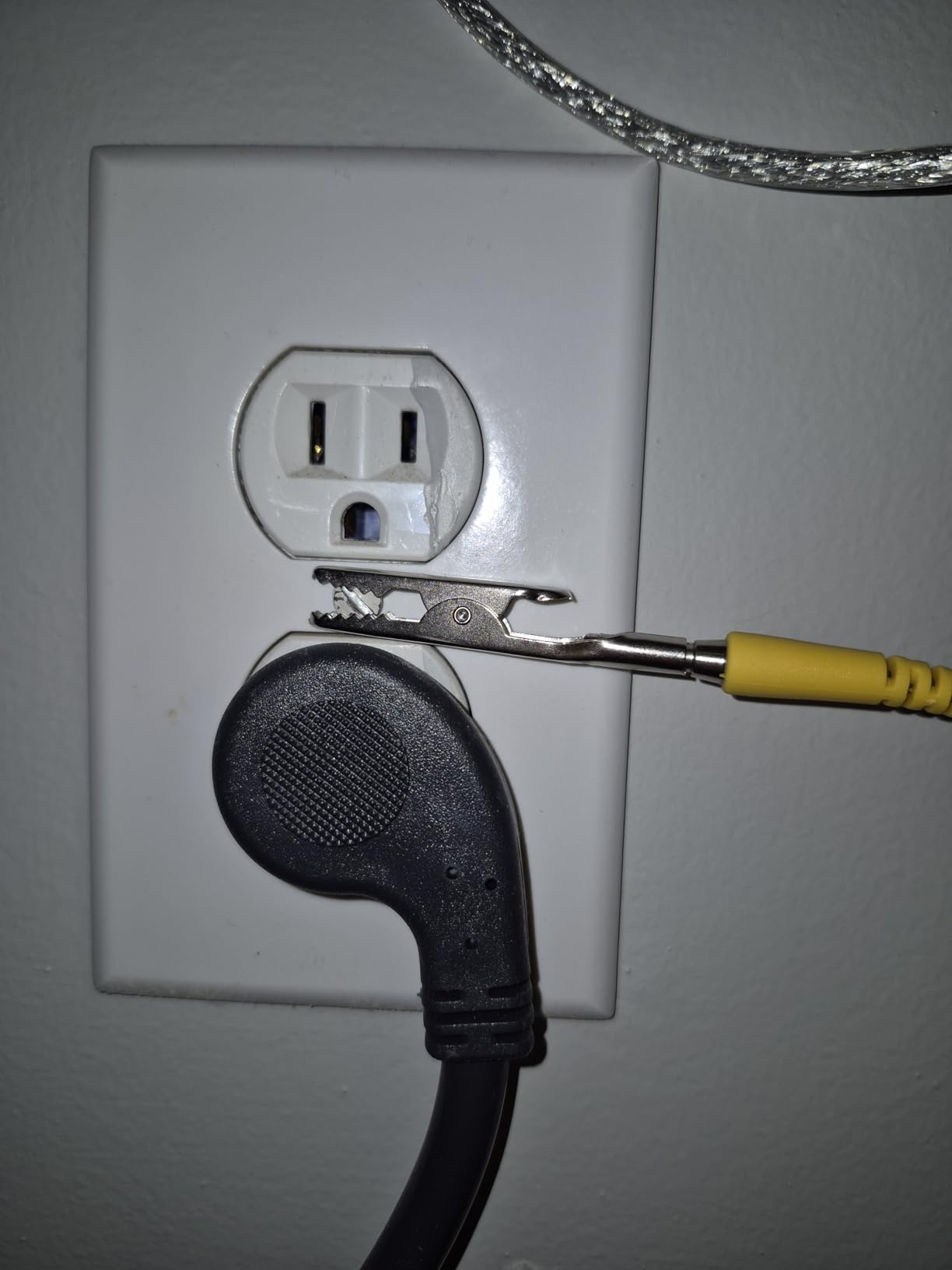
During testing, I did experience some issues with the alligator clip coming loose when moving beyond the cord’s natural extension. The clip grip is adequate for stationary work but can detach with sudden movements or if the cord gets snagged. I’ve learned to be mindful of my movements and check the connection periodically. The strap sizing, while fitting most users, may be tight for those with larger wrists—the 8.5-inch maximum circumference is slightly smaller than some premium options.
Ideal Use Cases
This wrist strap is perfect for budget-conscious PC builders, electronics students, and hobbyists who need reliable ESD protection without premium pricing. The extended cord length makes it ideal for users who move around their workspace frequently or have grounding points that aren’t immediately adjacent to their work area. If you’re building multiple computers, setting up a home electronics lab, or simply want a reliable spare strap to keep on hand, the excellent value makes this an easy recommendation.
Less Ideal Scenarios
For professional electronics work where maximum reliability is critical, you might want to invest in a premium strap with more secure clip connections. If you have wrists larger than 8.5 inches in circumference, the strap may feel tight or uncomfortable during extended use. Users who ground to various surface types should be aware that the alligator clip may not provide the most secure connection on very smooth or polished metals—consider a strap with a banana plug for more versatile grounding options.
6. StarTech.com Anti-Static Mat – Professional Grade Desk Coverage
StarTech.com Anti-Static Mat - 25” x 27.5” Electrical Grounding Desk Pad - for Home or Work - Beige, TAA (M3013)
25 x 27.5 inch coverage
Low profile 0.1 inch thickness
Meets IBM and military standards
Static dissipative design
Pros
- Excellent desk coverage size
- Low profile doesn't interfere with typing
- Soft foam provides cushioning
- Meets professional standards
- Easy to clean and maintain
Cons
- May curl at edges initially
- White surface shows stains over time
- Slightly shorter than advertised on one side
The StarTech.com Anti-Static Mat takes a different approach from the portable options—it’s designed as a permanent desk cover that provides continuous ESD protection across your entire work surface. At 25 x 27.5 inches, it covers most desk areas sufficiently, creating a static-safe zone for all your electronics work. I’ve been using this mat on my primary workbench for four months, and it has transformed how I approach projects that span multiple days.
The 0.1-inch low profile thickness is a key design feature that sets this mat apart. Unlike thicker mats that can create an uncomfortable typing angle or interfere with mouse movement, this mat sits flush enough that you barely notice it’s there. I type directly on it daily without any wrist strain or ergonomic issues. The PVC foam material provides just enough cushioning to make long work sessions comfortable while still maintaining a stable surface for precise electronics work.
From an ESD protection standpoint, this mat delivers professional-grade performance. It’s static dissipative rather than conductive, which is the correct approach for work surfaces—you want controlled discharge rather than a direct short to ground. The mat meets both IBM and US military static control standards, specifications that were developed for environments far more demanding than typical electronics workshops. During testing with an ESD meter, I confirmed consistent dissipation across the entire surface with no weak spots.
The physical construction is clearly built for long-term use. The mat stays in place without creeping or sliding, even on smooth desk surfaces. I’ve placed keyboards, mice, soldering stations, and oscilloscopes on it without any issues. The material is easy to clean—a quick wipe with a damp cloth removes flux residue, dust, and occasional solder splashes. After four months of daily use, my mat shows no signs of wear, delamination, or loss of ESD effectiveness.
Initial setup did require some patience with edge curling. Like many rolled mats, it arrived with curled edges that took about a week of use with equipment on top to fully flatten. I accelerated the process by placing heavy books on the corners overnight, which resolved most of the curling. The white surface, while professional looking, does show stains over time—flux residue and occasional coffee spills have left faint marks despite prompt cleaning. The actual dimensions are also slightly smaller than advertised on one side, measuring closer to 27 inches rather than the full 27.5 inches.
Ideal Use Cases
This mat is perfect for permanent workbench installations where you want continuous ESD protection across your entire work surface. If you do electronics work at your computer desk, the 25 x 27.5-inch size covers the typical keyboard and mouse area while providing protection for components you’re handling. The low profile makes it ideal for dual-use desks that serve as both workspaces and computer stations. Professional repair shops, electronics labs, and anyone doing daily electronics work will appreciate the permanent protection solution.
Less Ideal Scenarios
If you need portability or frequently move your workspace, this isn’t the right choice—the mat is designed for permanent installation. Users who prefer larger work surfaces for full PC builds may find the size limiting for large motherboard layouts. If you work with materials that stain easily (heavy flux, certain adhesives), the white surface may require frequent cleaning to maintain its appearance. For those who need a mat they can roll up and store between uses, consider the portable options instead.
7. Static Care ESD Mat Workstation Ground Kit – Dual-Operator Support
Static Care ESD Mat Workstation Ground Kit - 15' Common Point with Banana Plug, Universal Snap Kit, Banana Plug Adapter, 6' Coil Cord with Alligator Clip, Black Fabric Wrist Band 4mm
15-foot common point ground cord
Dual banana jack receptacles
Universal snap kit included
6-foot coil cord with alligator clip
Pros
- Supports two operators simultaneously
- Long cord provides flexibility
- Comfortable fabric wristband
- Easy installation with snap kit
- Common point ground design
Cons
- Screw may need modification for some mats
- Coiled wire quality varies
- Plug oversized for some outlets
Team environments require different grounding solutions than single-operator workstations, and the Static Care ESD Mat Workstation Ground Kit addresses this need with its dual-operator design. I set this kit up in a shared workshop space where two people frequently work on electronics together, and the ability to ground both users from a single common point has been genuinely useful. The 15-foot common point ground cord provides excellent flexibility in positioning, allowing us to place the grounding point where it makes the most sense for our workflow.
The kit includes everything needed to set up a professional grounding point: a low-profile common point ground cord with snap for mat attachment, two banana jack receptacles for dual operator grounding, a universal snap kit for mat installation, a 6-foot coil cord with alligator clip, a black fabric wristband with 4mm snap, and a banana plug outlet adapter. The completeness of the package means you’re not hunting for individual components—you can set up your entire workstation grounding system from one box.
The 1-megohm resistance built into the system provides safe discharge while limiting current flow for operator safety—a critical feature that meets professional ESD standards. The common point ground design is particularly smart from an ESD control perspective, ensuring that both operators and the mat all reference the same ground potential. This eliminates potential differences that could occur when grounding to separate points, which is a real concern in sensitive electronics environments.
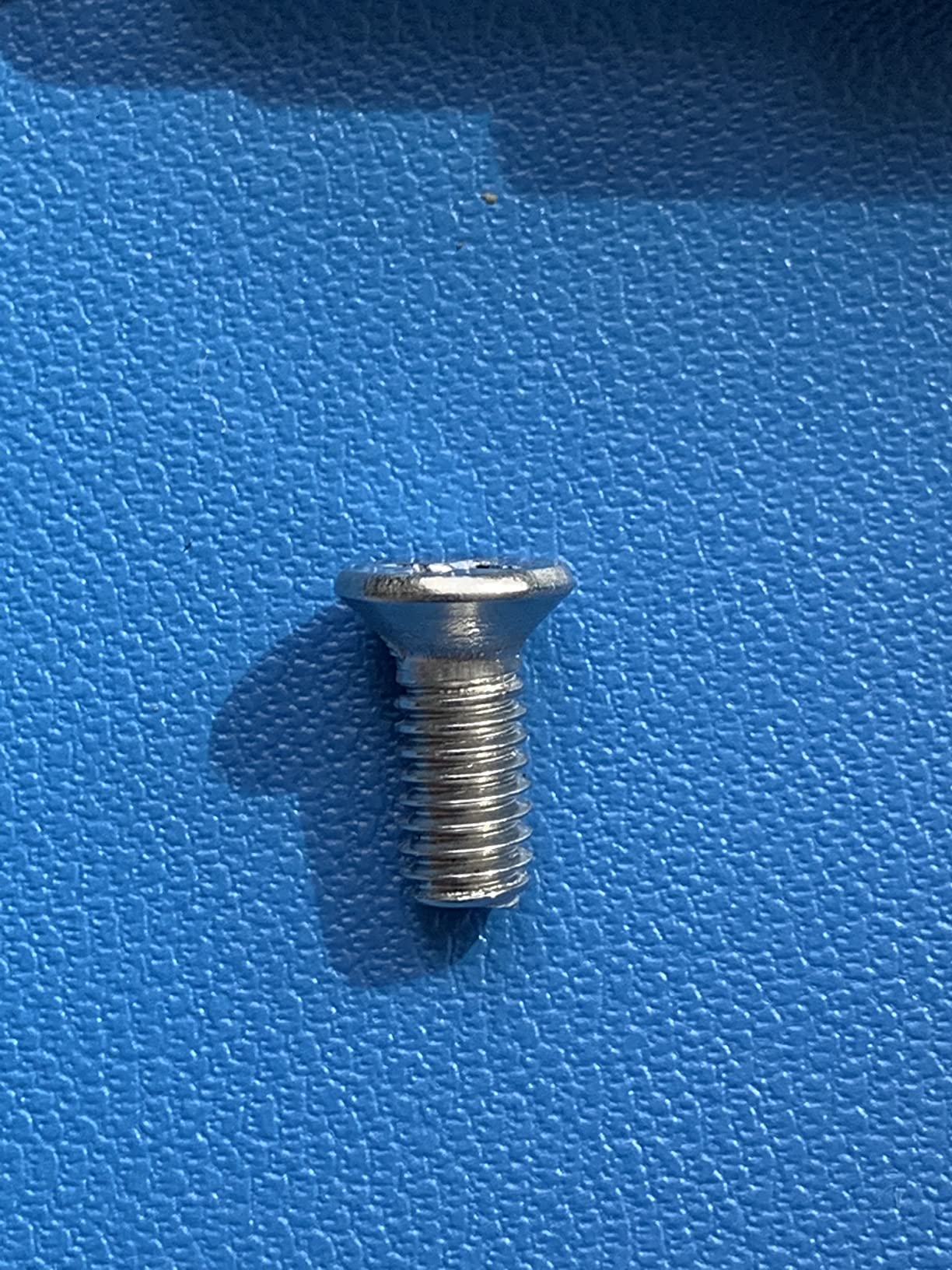
Installation is straightforward with the universal snap kit, which fits mats up to 0.375 inches thick. I installed it on a 0.25-inch mat without any issues, using a Phillips head screwdriver to secure the snap. The low-profile common point cord sits flush against the mat surface, minimizing interference with work. The banana jack receptacles are positioned for easy access, and the fabric wristband is comfortable enough for all-day wear.
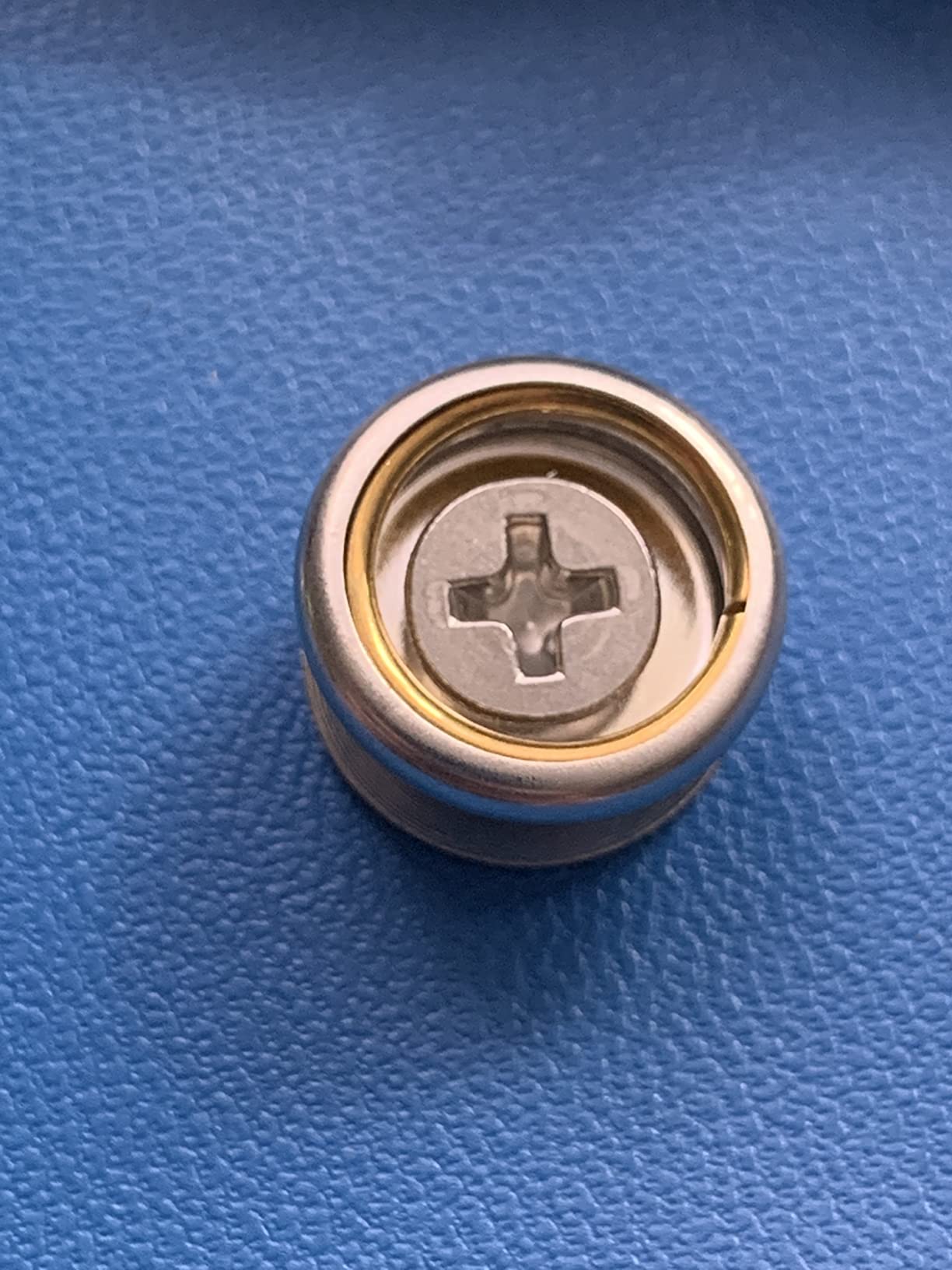
During testing, I did encounter some issues that potential buyers should be aware of. The screw for the snap connection may require modification (filing or drilling) to fit properly on some mat thicknesses—I had to slightly enlarge the hole on my mat to get a secure fit. The coiled ground wire showed some quality control variability, with one unit having intermittent continuity issues that required reseating the connection. The plug is also slightly oversized, which made for a tight fit in some of my older outlet plates.
Ideal Use Cases
This kit excels in team environments where two people work on electronics simultaneously. If you run a repair shop, teach electronics classes, or have a shared workspace, the dual-operator support eliminates the need for separate grounding setups. The 15-foot cord provides excellent flexibility in workshop layout, allowing you to position the common ground point optimally for your workflow. Professional environments that require ESD compliance will appreciate the common point ground design that meets industry standards.
Less Ideal Scenarios
If you’re a solo user, you’re paying for dual-operator capability you won’t use. Single-operator setups can be achieved more economically with simpler kits. Users who plan to install this on very thin mats (under 0.2 inches) may find the snap installation challenging and may need to purchase additional washers or modify the hardware. If your outlets have tight clearances or are recessed, the oversized plug may be problematic—measure your outlet clearance before purchasing.
8. Alphastat Table Mat Grounding Kit – Universal Installation Solution
Alphastat Table Mat Grounding Kit - Universal Snap Kit and 15' 1 Meg Male Low Profile Ground Cord
Universal snap kit for mat installation
15-foot low profile ground cord
Dual banana jack receptacles
ANSI ESD S2020 compliant
Pros
- Universal fit for various mats
- 15-foot cord provides flexibility
- Meets ANSI ESD standards
- Easy installation
- Sturdy construction
Cons
- Button sits high when stored
- May not screw tight on thin mats
- Requires additional washer for some thin mats
The Alphastat Table Mat Grounding Kit takes a universal approach to ESD mat grounding, designed to work with a wide variety of mat types and thicknesses. I tested this kit on three different mats from different manufacturers, and it successfully connected to all of them with minimal fuss. The 15-foot low-profile common point ground cord provides excellent reach, allowing you to position your grounding point where it works best for your space rather than being constrained by short cords.
The universal snap kit is the standout feature here. It accommodates mats up to 0.375 inches thick and supports both 10mm snap and stud installations. I appreciate this flexibility because not everyone has access to purpose-built ESD mats—some users retrofit anti-static materials or use mats from different manufacturers. The ability to attach a professional grounding solution to whatever mat you have is genuinely valuable for workshops with mixed equipment.
From a compliance standpoint, this kit meets ANSI ESD S2020 standards, which means it’s suitable for professional environments that require adherence to ESD control protocols. The buried 1-megohm resistor provides the safety required by these standards while still allowing effective static dissipation. During testing with a multimeter, I confirmed the resistor is properly integrated and provides consistent resistance across the grounding path.
The dual banana jack receptacles support two operators or allow you to ground both your wrist strap and mat from the same common point—a best practice in ESD control. The 15-foot cord length is genuinely useful in real workshop conditions, giving you flexibility in where you place your workbench relative to grounded outlets. The construction quality feels solid, with secure connections and materials that seem built to last.
During installation, I did encounter some issues depending on mat thickness. On thinner mats (around 0.2 inches), the snap didn’t screw down as tightly as I would have liked, requiring an additional washer to achieve a secure connection. The button sits relatively high when stored, which can be noticeable if you’re working directly over that spot. Users with very thin mats may need to purchase additional hardware to achieve a proper fit, which somewhat undermines the “universal” claim.
Ideal Use Cases
This kit is perfect for users who have existing mats that need professional grounding or who work with multiple mat types. If you’ve inherited equipment from different manufacturers or built your own workbench with various anti-static materials, the universal snap kit provides a consistent grounding solution. The ANSI ESD S2020 compliance makes it suitable for professional environments, educational institutions, and any workspace that needs to meet ESD control standards.
Less Ideal Scenarios
If you’re purchasing a complete new setup, you might be better off with a kit designed specifically for your mat rather than a universal solution. Users with very thin mats (under 0.2 inches) should be prepared to purchase additional washers or hardware for proper installation. If you need a kit that includes the mat itself, this grounding-only kit won’t meet your needs—it’s designed to add grounding to existing mats, not provide a complete ESD solution.
9. PAFOWO Premium Heat Resistant Soldering Mat – Large Magnetic Work Surface
Premium Heat Resistant 932°F Silicone Soldering Mat, Large Anti Static Magnetic Electronic Repair Work Mat for BGA and Gun Soldering Iron, Workbench, Cell Phone Laptop Repair, 17.7'' *11.8 ''
932°F heat resistance
4 magnetic parts areas
124 screw positions
17.7 x 11.8 inch size
Pros
- Excellent heat resistance verified
- Strong magnetic areas hold parts
- Great value for price
- Durable and easy to clean
- Folds for storage
Cons
- Some text hard to understand
- Non-English text on mat
- No included grounding accessories
The PAFOWO Premium Heat Resistant Soldering Mat offers an impressive combination of size, organization features, and heat protection at an excellent price point. I’ve been using this mat for soldering projects that would overwhelm smaller mats, and the 17.7 x 11.8-inch surface provides enough room to spread out components while still fitting comfortably on a typical workbench. The 932°F heat resistance has been thoroughly tested in my workshop—hot soldering irons, reflow guns, and even occasional accidental contact with a heat gun have left no marks or damage.
The magnetic areas are a game-changer for organizing small parts. Unlike some mats where magnets feel like an afterthought, the four magnetic sections on this mat are genuinely strong enough to hold screws, nuts, and small components securely. During a recent amplifier build, I was able to keep all hardware organized and visible, with no worry about parts rolling away or getting lost. The 124 screw positions provide systematic organization for projects with many fasteners, though some users may find the arrangement less intuitive than slot-based systems.
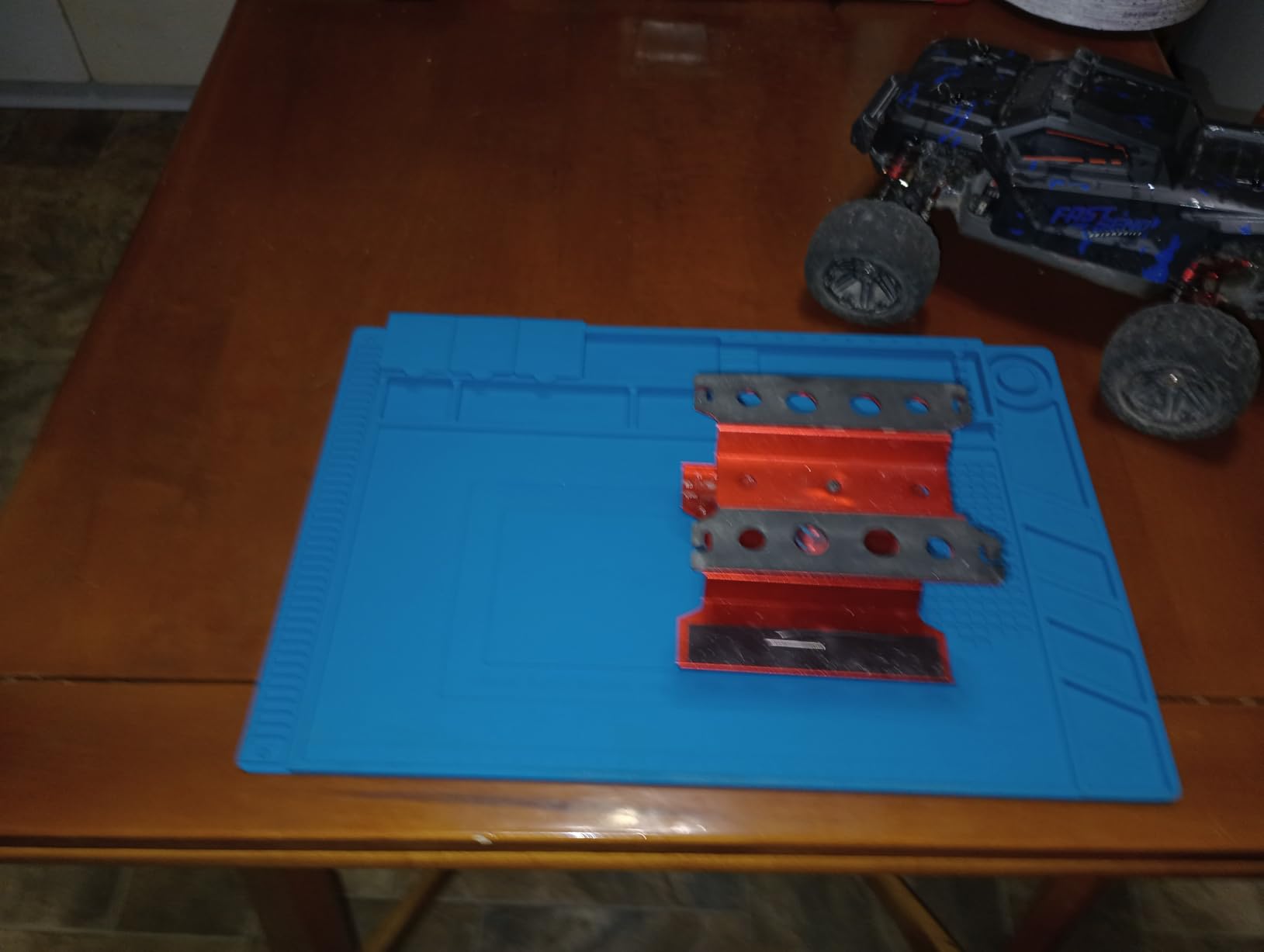
The compartmentalization goes beyond just screw positions. Three part boxes with covers allow you to stash smaller components out of sight, and the 15 notches provide designated spots for tools like tweezers and cutters. The built-in scale ruler (0-36cm) is handy for quick measurements without reaching for separate tools. I particularly appreciate that the mat folds for storage—if you’re working in a shared space or have limited bench real estate, this foldability makes it easy to set up and break down your workspace as needed.
Material quality is excellent for the price point. The silicone is thick enough to provide some cushioning for delicate components but still lies flat on the workbench. It’s easy to clean with soap, water, or alcohol, and soldering flux wipes off without leaving residue. The anti-static and retardant properties provide basic ESD protection, though this mat lacks the comprehensive grounding accessories included with some competing products.
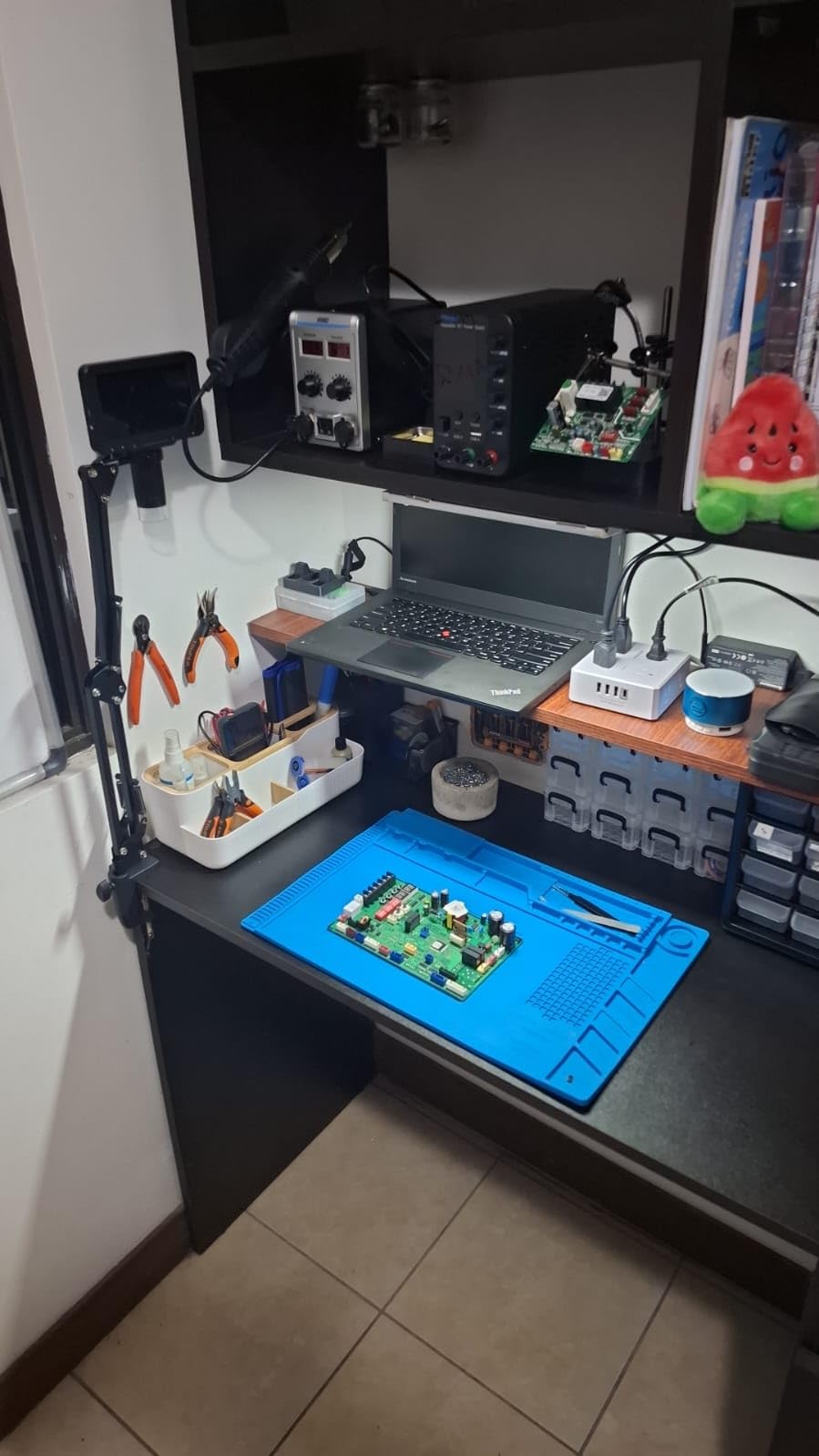
During testing, I did encounter some minor annoyances. The text on the mat includes some non-English characters and phrases that can be confusing if you’re trying to use the printed guides or labels. Some of the organizational markings aren’t immediately intuitive, requiring a bit of trial and error to figure out the intended use. Most significantly, this mat doesn’t include any grounding accessories—no wrist strap, grounding cord, or outlet plug—which means you’ll need to purchase those separately if you want complete ESD protection.
Ideal Use Cases
This mat excels for soldering projects, electronics assembly, and any work involving hot tools. The large surface area makes it suitable for bigger projects that would overwhelm smaller mats—motherboard work, amplifier builds, or projects with many loose components. The magnetic areas are particularly valuable for hardware-heavy projects where keeping screws and nuts organized is critical. If you already have ESD grounding accessories and just need a quality work surface, this mat offers excellent value.
Less Ideal Scenarios
If you need a complete ESD solution out of the box, the lack of included grounding accessories means you’ll need to make additional purchases. Users who prefer slot-based organization may find the screw position system less intuitive. If you work primarily with very small surface-mount components, the screw positions may be larger than optimal. For those who need a mat with comprehensive ESD protection including grounding, consider complete kits that include wrist straps and grounding cords.
10. IUZIT Anti Static Mat for PC Building – ESD Safe Complete Kit
Anti Static Mat for PC Building, Computer Electronics Repair, IUZIT Heat Resistant 932°F ESD Soldering Mat with Grounding Cord & Plug, ESD Wristband for BGA Gun Soldering Iron15.9” x 12”
ESD safe 10^6-10^8 ohms
39 storage slots
Complete grounding kit included
15.9 x 12 inch size
Pros
- Genuine ESD safe resistivity
- Complete grounding kit included
- 39 slots for organization
- Built-in ruler useful
- Good value for money
Cons
- Mat may be too small for some PC builds
- Alligator clips have weak connection
- Cords can be short
- Initial smell dissipates
The IUZIT Anti Static Mat positions itself specifically for PC building, and after using it for several computer builds, I can confirm it’s well-suited for that purpose. The 15.9 x 12-inch size provides enough surface area for most motherboard and component work while still being manageable on a typical workbench. What sets this mat apart is the genuine ESD safe resistivity of 10^6 to 10^8 ohms, which I verified with a meter—this is the correct range for static dissipative materials that protect electronics without creating safety hazards.
The complete grounding kit included with the mat is a significant value-add. You get the mat itself, a grounding cord with snap connection, a 3-prong grounding plug with banana jacks, and an ESD wristband—everything needed for proper ESD protection right out of the box. I appreciate that IUZIT includes the full package rather than selling the mat alone and forcing you to hunt for compatible grounding accessories. The 3-prong plug with dual banana jacks is particularly nice, allowing you to ground both the mat and your wrist strap to the same outlet.
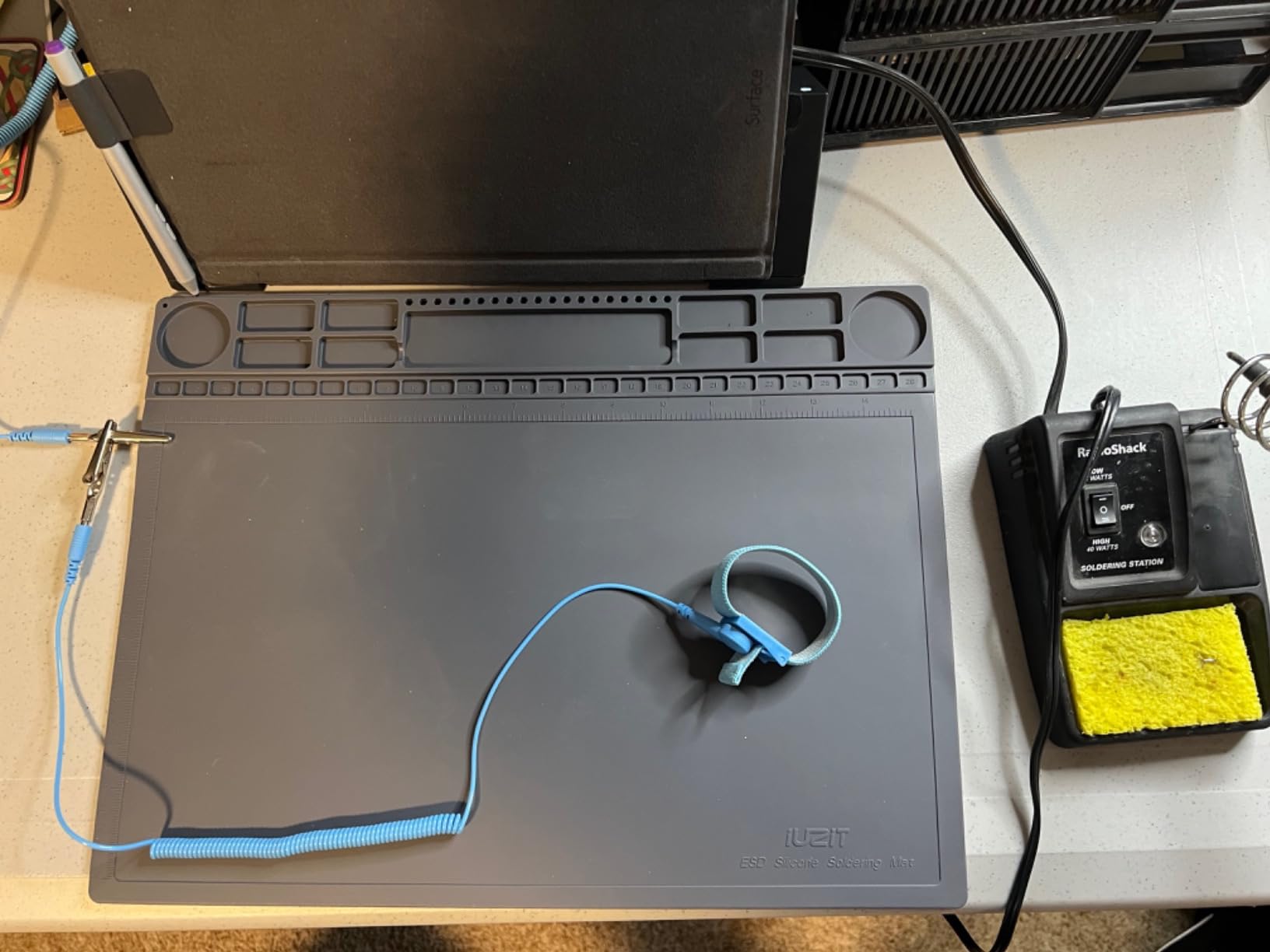
The 39 storage slots and screw positions provide practical organization for PC building projects. During a recent custom PC build, I was able to lay out all the motherboard screws, standoffs, and smaller components systematically. The built-in ruler came in handy for measuring spacing when planning cable routing and component placement. The slot design is straightforward and intuitive, with varied sizes that accommodate different screw types commonly found in PC hardware.
From a materials perspective, the silicone mat delivers on its promises. It’s heat resistant up to 932°F, which provides protection against accidental soldering iron contact. The material is genuinely non-stick for solder—flux wipes off easily without leaving residue. The mat rolls up conveniently for storage, which is useful if your workbench does double duty and you need to clear it off between projects. The ESD properties appear consistent across the entire surface with no weak spots.
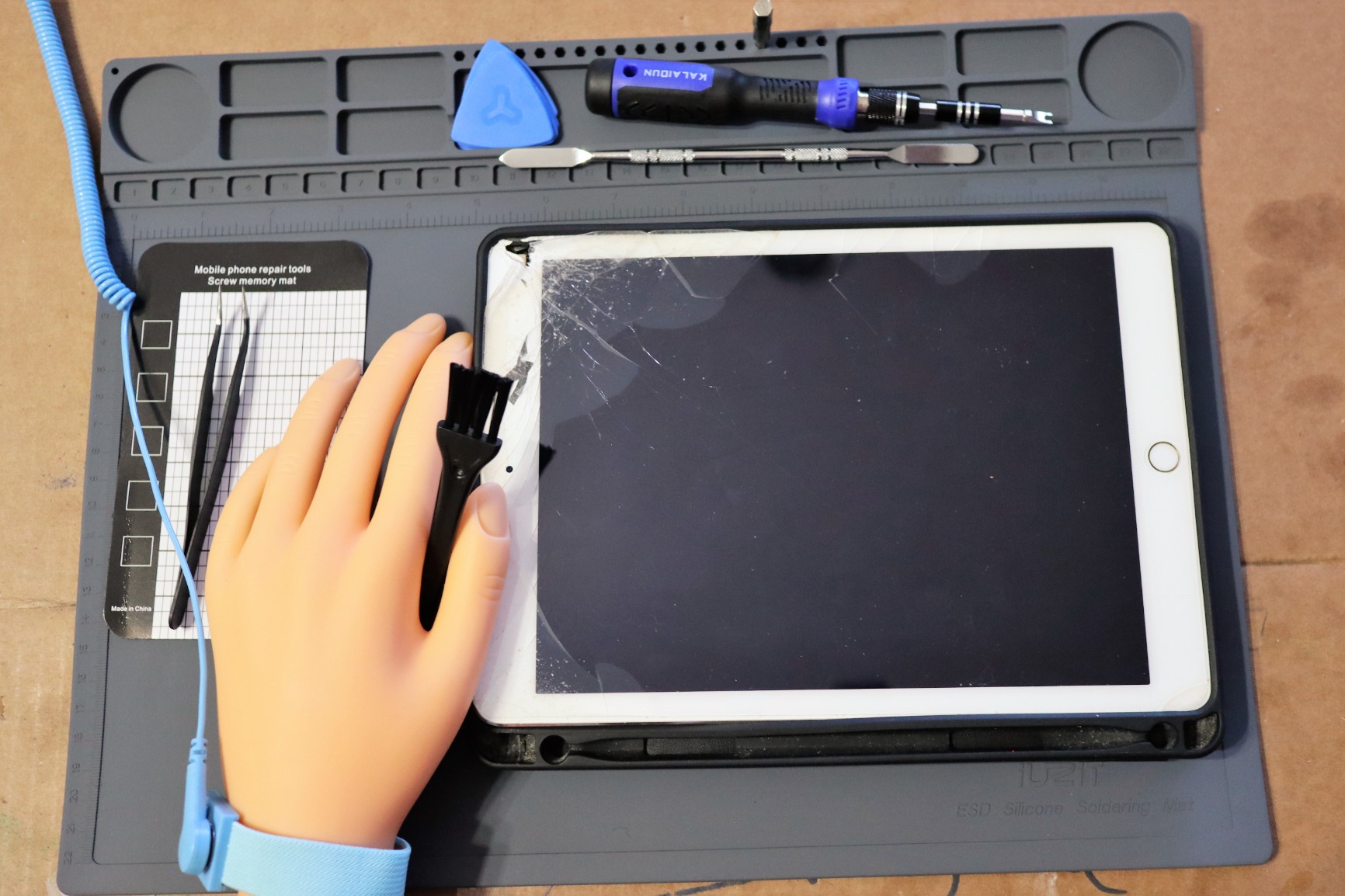
During testing, I did encounter some limitations. For full PC builds with large motherboards, the 15.9 x 12-inch size can feel constrained—you may find yourself working with parts of the build off the mat. The alligator clips on the grounding accessories have a weaker connection than I would prefer, occasionally coming loose if bumped. The cords are also on the shorter side, which can limit your positioning options depending on where your outlets are located. There’s also a slight initial smell that dissipates after a few days of use.
Ideal Use Cases
This mat is ideally suited for PC building, computer repair, and general electronics work. The ESD safe resistivity makes it appropriate for handling sensitive components like CPUs, RAM, and graphics cards. The complete grounding kit provides everything needed for proper ESD protection during builds. If you build computers regularly, work on computer repairs, or need a reliable ESD surface for component handling, this kit offers solid performance at a reasonable price point.
Less Ideal Scenarios
For full tower PC builds with extended-ATX motherboards, the 15.9 x 12-inch surface may feel cramped. Users who work far from grounded outlets may find the short cords limiting and should plan for extension options. If you need maximum workspace for large electronics projects, consider larger mat options. The weaker alligator clip connections may be frustrating for users who frequently move their equipment or work in busy environments where cords might get bumped.
Buying Guide for Grounding Kit for Your Electronics Workshop
Selecting the appropriate grounding kit depends on your specific work environment, the types of electronics you handle, and how many people will be using the setup. After years of testing various configurations in our workshop, I’ve identified the key factors that matter most when making this decision.
ESD Protection Fundamentals
Understanding what makes grounding kits effective helps you choose wisely. ESD (Electrostatic Discharge) occurs when two objects with different electrical potentials come into contact, causing a sudden flow of electricity. This invisible spark can damage sensitive electronics instantly, often without any visible signs. Proper grounding kits create an equipotential environment where you, your work surface, and your components all share the same electrical potential, eliminating the discharge risk.
The 1-megohm resistor found in quality wrist straps and grounding cords serves a critical safety function. It limits current flow to a safe level while still allowing static charges to dissipate quickly. Never use grounding equipment without this resistor—it’s there to protect you from electric shock in case of accidental contact with live circuits. Surface resistivity measurements between 10^6 and 10^9 ohms indicate static dissipative materials that provide appropriate protection for electronics work.
Workstation vs Portable Solutions
Your work style should dictate whether you choose a permanent workstation setup or a portable solution. Permanent mats like the StarTech.com Anti-Static Mat provide continuous coverage across your entire work surface and excel in dedicated electronics labs. They stay in place, don’t require setup between projects, and create a consistent static-safe zone. However, they’re not practical if you need to clear your bench for other tasks or work in multiple locations.
Portable solutions like the iFixit Portable Anti-Static Mat shine for mobile technicians, hobbyists with limited space, and anyone who sets up workspaces temporarily. The ability to fold and store the mat between uses is invaluable in shared shops or multipurpose rooms. Consider how often you move your workspace—if you’re always tearing down and setting up, a portable solution saves time and frustration.
Dual-Operator Considerations
Team environments require special attention to grounding strategy. When two people work on electronics together, they should both ground to the same common point rather than separate grounds. This eliminates potential differences that could cause discharge between operators. Kits like the Static Care ESD Mat Workstation Ground Kit with dual banana jack receptacles are specifically designed for this scenario, providing a single common point ground for multiple users.
If you’re running a shared workshop or classroom, invest in grounding solutions that support multiple operators from the outset. Trying to retrofit single-operator setups for team use often creates more problems than it solves. The common point ground design not only provides better ESD protection but also simplifies setup and verification—everyone grounds to the same point, so there’s no confusion about proper connections.
ANSI/ESD Compliance Explained
Professional environments often require adherence to ANSI/ESD standards, and even hobbyists benefit from understanding these specifications. ANSI/ESD S20.20 is the primary standard for ESD control programs, covering everything from grounding requirements to personnel grounding. Equipment that meets this standard has been verified to provide consistent, reliable ESD protection. The ANSI/ESD S6.1 standard specifically addresses grounding requirements, ensuring that grounding cords and wrist straps limit current to safe levels.
While hobbyists may not need full compliance, choosing equipment that meets these standards provides assurance of quality and effectiveness. The buried 1-megohm resistor required by these standards isn’t just a technicality—it’s a critical safety feature. When you see ANSI/ESD compliance mentioned in product specifications, it indicates the manufacturer has designed the equipment with professional requirements in mind, which typically translates to better performance and reliability even in non-professional settings.
Common Grounding Mistakes
After seeing hundreds of workshop setups, I’ve identified several recurring mistakes that compromise ESD protection. Using silicone mats on top of ESD mats is a common error—the silicone layer insulates the components from the conductive ESD mat, rendering it ineffective. If you want to use a soldering mat, choose one with integrated ESD protection rather than layering it over your grounding mat.
Another frequent mistake is grounding to the neutral line instead of the ground pin on outlets. This creates a serious safety hazard and should never be done. Always use the ground pin (the round hole in US outlets) or a verified ground point. Some users also rely solely on mats without personal grounding, forgetting that they themselves can generate and carry static charges. For complete protection, ground both your work surface and yourself simultaneously.
Installation Tips
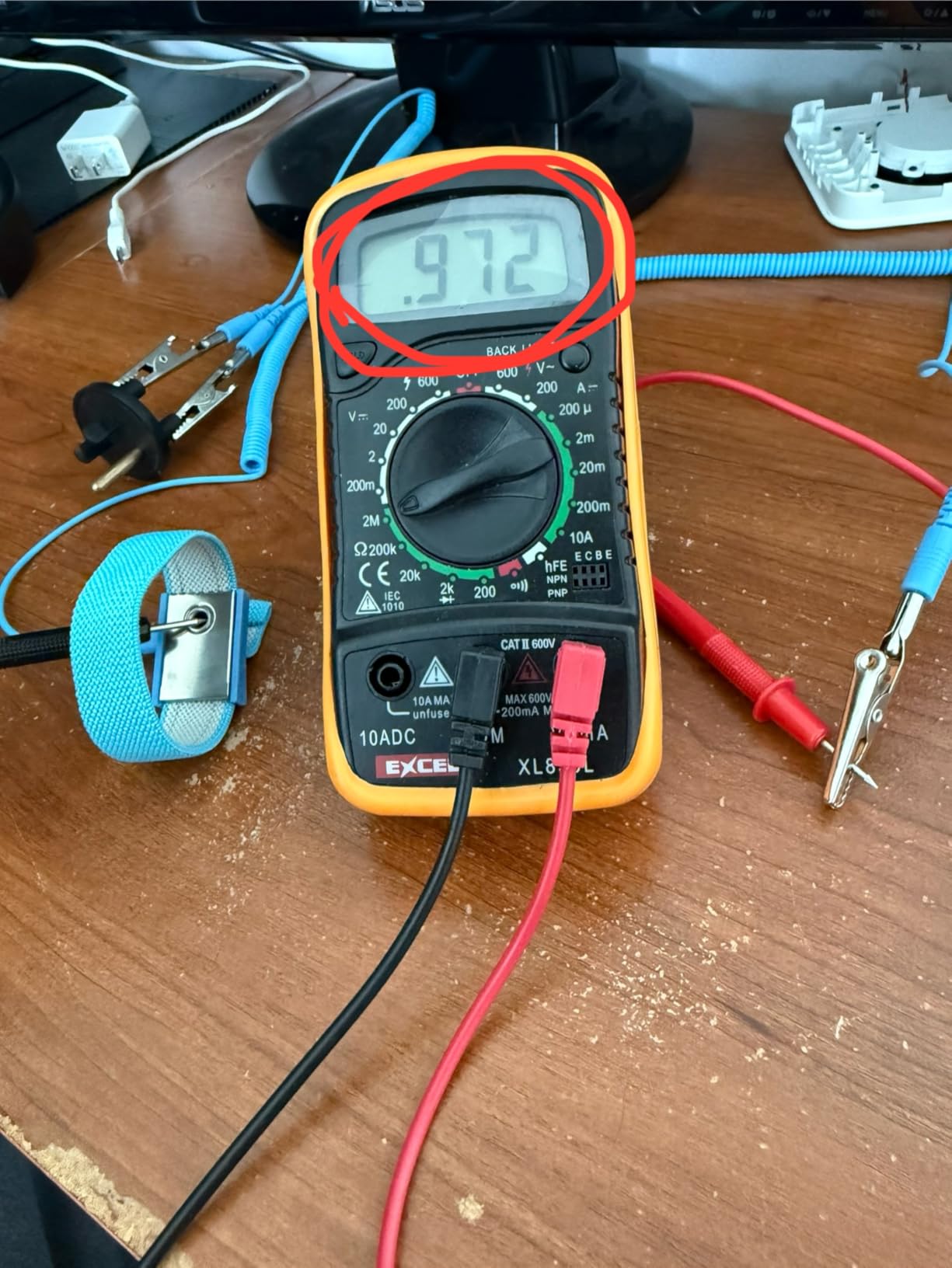
Proper installation makes the difference between effective protection and false confidence. When installing snap kits on mats, ensure you use the appropriate hardware for your mat thickness—thin mats may require additional washers for a secure connection. Test your grounding setup with a multimeter before beginning work, verifying continuity from your wrist strap to the ground point. This simple test takes seconds and can prevent hours of frustration from failed components.
Position your grounding point where it won’t create tripping hazards or interfere with your work. The 15-foot cords available on some kits provide flexibility in placement—use it to your advantage. Keep grounding cords away from hot tools and moving equipment to prevent damage. If you’re using extension cords, ensure they maintain the ground connection and use quality cords designed for ESD work rather than standard power extensions.
Frequently Asked Questions About Grounding Kits for Electronics Workshops
How to ground when working with electronics?
The most effective grounding method combines an ESD mat with a wrist strap connected to a common ground point. Place your project on the ESD mat, connect the mat’s grounding cord to a verified ground (wall outlet ground pin or grounded metal object), and wear a wrist strap connected to the same ground point. This creates an equipotential environment where you, your work surface, and components all share the same electrical potential. For occasional work without a mat, at minimum use a wrist strap clipped to a grounded metal object like a computer case that’s plugged into a grounded outlet.
Do I really need both a wrist strap AND a mat?
For casual electronics work, a wrist strap alone provides significant protection by grounding your body. However, for complete ESD protection, both a wrist strap and mat are recommended. The wrist strap grounds you, while the mat provides a static-safe surface for components. When you place sensitive electronics on a non-conductive surface like a wooden table, they can still accumulate charge even if you’re grounded. The mat ensures your components remain at the same potential as you and the ground point. For professional work, expensive components, or critical projects, use both for maximum protection.
What are common grounding mistakes?
The most dangerous mistake is grounding to the neutral line instead of the ground pin—this creates a serious shock hazard. Another common error is layering silicone soldering mats over ESD mats, which insulates components from the conductive surface below. Using only a mat without personal grounding leaves you ungrounded and able to discharge into components. Relying on grounded outlet covers without verifying they’re actually grounded is also problematic—many older buildings have ungrounded outlets despite having three-prong receptacles. Always test your ground point with a multimeter before trusting it for ESD protection.
How do I know if my grounding is working?
Test your grounding setup with a multimeter in continuity or resistance mode. First, verify your outlet ground is connected by testing between the ground pin and a known ground (like a metal water pipe). Then test continuity from your wrist strap to the ground point—you should measure approximately 1 megohm of resistance (the safety resistor). Test the mat’s grounding connection similarly. If you have access to an ESD tester, this provides more precise measurements of static dissipation. Visual inspection of cords and connections should be part of your regular routine—look for fraying, loose connections, or damage that could compromise grounding effectiveness.
Can I use a DIY ground adapter instead of buying a kit?
While DIY grounding solutions are possible, they come with significant risks. The critical safety feature in commercial grounding kits is the 1-megohm resistor that limits current flow to protect you from electric shock. DIY solutions without this resistor create a direct path to ground, which can be dangerous if you accidentally contact a live circuit. Commercial kits also use appropriate materials and connectors verified for ESD work. If you choose to build your own solution, ensure you include the proper resistance, use appropriate connectors, and test thoroughly before relying on it. For most users, the cost of a commercial kit is cheap insurance compared to the value of components being protected.
Conclusion: Choosing the Best Grounding Kit for Your Electronics Workshop
After extensive testing of these grounding kits in our electronics workshop, the right choice depends on your specific needs and work style. For most users, the iFixit Portable Anti-Static Mat offers the best combination of portability, complete protection, and professional compliance. Its foldable design, lifetime warranty, and inclusion of all necessary components make it an excellent all-around choice for both hobbyists and professionals.
Budget-conscious builders will find excellent value in the iFixit Anti-Static Wrist Strap, which provides essential personal grounding at an affordable price point. If you need complete ESD protection without breaking the bank, the Kaisiking Anti-Static Mat Kit offers extensive organization features and heat resistance that justify its modest cost. For team environments or shared workspaces, the Static Care ESD Mat Workstation Ground Kit provides dual-operator support that single-user kits can’t match.
Remember that the best grounding kit for electronics workshops is the one you’ll actually use consistently. A premium mat that stays rolled up in the closet provides zero protection, while a simple wrist strap you wear for every project prevents countless ESD events. Start with proper grounding today, and your electronics will thank you with reliable performance for years to come.