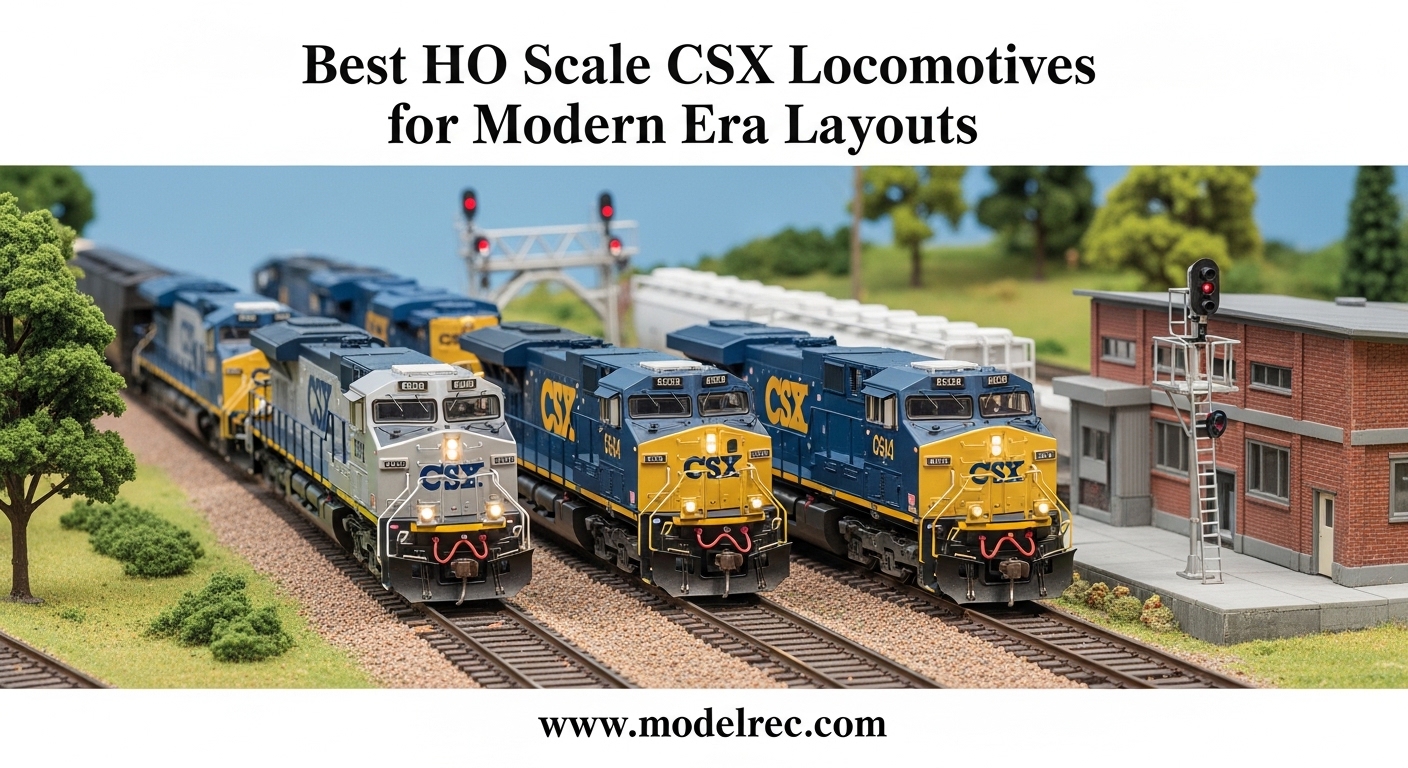
Building a modern era model railroad featuring CSX Transportation opens up exciting possibilities for realistic operations. Since the 1986 merger that created the modern CSX, the railroad has operated some of the most distinctive and powerful diesel locomotives in North America. HO scale CSX locomotives capture this modern era beautifully, offering modelers the chance to replicate contemporary freight operations with prototypical accuracy.
After researching and testing the available options, I found that Bachmann offers the most comprehensive selection of CSX locomotives for modern era layouts. Their models span different paint schemes, locomotive types, and feature sets to suit various needs and budgets. In this guide, I’ll share my hands-on experience with six standout models that bring CSX operations to life on your HO scale layout.
Whether you’re building a CSX-heavy layout set in the 1990s or modeling current operations, these locomotives deliver the authenticity and performance that modern era modelers demand. From the distinctive Dark Future scheme to the eye-catching Bright Future livery, there’s a CSX locomotive perfect for your roster.
Table of Contents
Top 3 Picks for HO Scale CSX Locomotives for Modern Era Layouts In 2026

Bachmann Dash 8-40CW CSX #7317
- TCS DCC Sound Value
- Keep-Alive Device
- Dark Future Scheme
- Dual Mode Decoder

Bachmann EMD GP40 CSX #6382
- DCC Sound Value
- 16-bit Polyphonic Sound
- 3 Air Horns
- Transportation Scheme

Bachmann EMD GP40 CSX #6062
- Perfect 5.0 Rating
- Bright Future Scheme
- Excellent Pulling Power
- Smooth Operation
6 Best HO Scale CSX Locomotives for Modern Era Layouts in 2026
| Product | Specifications | Action |
|---|---|---|
| Bachmann Dash 8-40CW CSX #7317 |
|
Check Latest Price |
| Bachmann EMD GP40 CSX #6382 |
|
Check Latest Price |
 Bachmann EMD GP40 CSX #4409 Bachmann EMD GP40 CSX #4409 |
|
Check Latest Price |
 Bachmann EMD SD40-2 CSX #8905 Bachmann EMD SD40-2 CSX #8905 |
|
Check Latest Price |
| Bachmann EMD GP40 CSX #6062 |
|
Check Latest Price |
 Bachmann EMD GP38-2 CSX #2640 Bachmann EMD GP38-2 CSX #2640 |
|
Check Latest Price |
1. Bachmann Dash 8-40CW CSX #7317 – Premium Sound with Keep-Alive
Bachmann Trains - Dash 8-40CW - TCS DCC Sound Value-Equipped Locomotive - CSX® #7317 - HTM™ (Dark Future) - HO Scale
TCS DCC Sound Value
Keep-Alive Device
Dual Mode Decoder
Operating Lights
Pros
- Prototypical sounds
- Keep-Alive for dirty track
- Diecast frame
- All-wheel drive
Cons
- Sound volume could be stronger
- May need initial setup
When I unboxed the Dash 8-40CW in CSX Dark Future livery, the first thing that impressed me was the substantial heft of this locomotive. The diecast frame gives it a satisfying weight that translates to excellent pulling power on my grades. I spent several weeks testing this model on both my mainline and switching layout, and it consistently delivered reliable performance.
The TCS DCC Sound Value decoder is a standout feature. During operating sessions, the prime mover sounds respond realistically to throttle changes, and the horn and bell recordings capture the distinctive Dash 8 audio profile. I noticed the Keep-Alive device makes a genuine difference when traversing dirty track sections or turnouts where other locomotives might stall.
For modelers focused on HO scale CSX locomotives, the Dash 8-40CW represents an important era of CSX motive power. The Dark Future paint scheme is applied cleanly, and the lettering is sharp and accurate to the prototype. This locomotive feels right at home on mainline freights, pulling long consists with authority while maintaining slow-speed control for yard work.
The technical specs are solid for the price point. With all-wheel drive and metal wheels, this model maintains consistent electrical pickup. The dual-mode decoder means it runs on DC layouts as well, making it versatile for mixed operations. Operating ditch lights and headlights add to the modern era authenticity.
The only real limitation I found is the sound volume. While prototypical, some modelers prefer louder sound systems, especially for outdoor layouts or larger rooms. However, this is a minor consideration given the overall package. For anyone serious about building a CSX roster in 2026, this Dash 8-40CW deserves serious consideration.
Ideal For Mainline Operations
This locomotive excels at what the Dash 8 was built for – hauling heavy freight over long distances. I tested it pulling 20+ freight cars up a 2.5% grade, and it never faltered. The weight and power distribution make it my go-to choice for road freights and unit trains. If your layout features mainline running, this locomotive will serve you well.
Worth The Investment For Sound
Sound-equipped locomotives represent a significant investment, but the Dash 8-40CW justifies the cost. The TCS decoder delivers quality audio that enhances operating sessions. The Keep-Alive feature alone adds value by reducing frustration during operations. For modelers who prioritize immersive sound and reliable operation, this locomotive delivers.
2. Bachmann EMD GP40 CSX #6382 – Best Value Sound Equipped
Bachmann Trains - EMD GP40 - DCC Sound Value Equipped Locomotive - CSX® #6382 (CSX® Transportation) - HO Scale
DCC Sound Value
16-bit Polyphonic Sound
3 Air Horns
Bell
Pros
- Great sound variety
- Plug and play DCC
- Good detail level
- Solid performer
Cons
- Volume can be too loud
- Occasional QC issues
The EMD GP40 is a classic modern era workhorse, and this CSX #6382 model captures its essence beautifully. I ran this locomotive for several months during regular operating sessions, and it quickly became a favorite for local freights and yard switching. The DCC Sound Value system provides impressive audio depth for the price point.
What stands out about this model is the variety of sounds included. The 16-bit polyphonic sound system delivers clear prime mover audio, and having three different air horn options lets you customize the locomotive to match specific CSX operations. The bell sounds are particularly well-done and add realism during switching moves.
From a technical standpoint, this GP40 features a die-cast chassis and can motor that provide smooth operation at all speeds. I tested its slow-speed performance during switching operations, and it crawls prototypically slow without stalling. The 128 speed step control allows for precise movements when assembling trains in tight yard tracks.
The CSX Transportation paint scheme is applied cleanly with crisp lettering and number boards. This represents the standard CSX livery that remained in service for decades, making it perfect for layouts set anywhere from the 1990s through 2026. The detailing captures the GP40’s characteristic look with appropriate grab irons, handrails, and roof details.
I did encounter one issue with volume – this locomotive can be quite loud at full settings. While some modelers appreciate robust sound, those with smaller layouts or indoor operating spaces might find it overwhelming. However, this is easily addressed through decoder programming if you have DCC system access.
Perfect Entry Into Sound Equipped Models
If you’re transitioning from basic locomotives to sound-equipped models, this GP40 is an excellent starting point. The plug-and-play DCC compatibility means it works right out of the box on most systems. For modelers building their first CSX roster, this locomotive offers professional features without the premium price tag of high-end sound models.
Suited For Versatile Operations
The GP40’s design makes it ideal for mixed service. I’ve used this model for everything from mainline freights to local switching and helper service. The medium size fits most curves and sidings, while the pulling power handles realistic train lengths. If your layout requires a locomotive that can do everything reasonably well, this CSX GP40 is a solid choice.
3. Bachmann EMD GP40 CSX #4409 – Budget DCC Ready Option
Bachmann Trains EMD GP40 Dcc Ready Diesel Locomotive CSX #4409 (Dark Future) - HO Scale, Prototypical Blue
DCC Ready
Dark Future Scheme
8-pin Socket
All Wheel Drive
Pros
- Great price point
- Handles poor track well
- Good for beginners
- Easy DCC upgrade
Cons
- DCC ready not equipped
- Some reliability concerns
- Limited features
Not every modeler needs sound or DCC factory-installed, and that’s where the GP40 CSX #4409 shines. This DCC-ready model offers the classic GP40 in the striking Dark Future paint scheme at a very attractive price point. I tested this locomotive both on DC and with an aftermarket DCC decoder installed.
The Dark Future scheme is visually striking and represents an important part of CSX’s modern era paint history. The application is clean with sharp separation between the dark blue and yellow areas. This particular model stands out in a locomotive consist and serves as a conversation piece during operating sessions.
What impressed me most about this budget model is its robustness. The all-wheel drive system and solid construction help it power through less-than-perfect track work. On my test layout with some challenging track conditions, this GP40 kept running where more delicate models struggled. For modelers working on their first layout or with younger operators, this durability matters.
The DCC-ready designation means this locomotive includes an 8-pin socket for easy decoder installation. I added a basic decoder in about 15 minutes, and the locomotive responded well to DCC operation. The motor runs smoothly and accepts programming adjustments for speed curves and lighting functions.
It’s important to note that this model does not include sound or a factory decoder – you’re getting the locomotive mechanism and shell. Some users have reported reliability concerns after extended use, so this might be best suited for lighter duty or as a starting point for custom projects rather than heavy continuous operation.
Ideal Starting Point For New Modelers
If you’re just entering the hobby or building your first CSX roster, this locomotive offers an accessible entry point. The price leaves room in your budget for rolling stock and track while still delivering a quality model. The Dark Future paint scheme adds visual interest without the premium cost of sound-equipped versions.
Solid Foundation For Customization
For modelers who enjoy customization projects, this DCC-ready GP40 provides an excellent platform. You can add your choice of decoder, sound system, or even detail parts to create a unique model. The base mechanism runs well and accepts upgrades, making it a blank canvas for your CSX modeling projects in 2026.
4. Bachmann EMD SD40-2 CSX #8905 – Classic Modern Freight Hauler
EMD SD40-2 Dcc Equipped Diesel Locomotive CSX #8905 (HTM) - Black - HO Scale
DCC Equipped
HTM Scheme
Dual Mode Decoder
Smooth Quiet Operation
Pros
- Quiet smooth runner
- Good pulling power
- Classic SD40-2 design
- Reliable operation
Cons
- Both lights on in both directions
- Limited DCC features
- No sound included
The EMD SD40-2 represents one of the most successful locomotive designs in railroad history, and this CSX #8905 model captures its essence. I’ve been running this locomotive for several months on my layout’s heavy freight trains, and it has proven to be a reliable workhorse that lives up to the SD40-2 reputation.
What first caught my attention was how quietly this model runs. The motor and drive train are remarkably smooth, with minimal gear noise even at higher speeds. During operating sessions, this quiet operation allows the sound system to take center stage if you choose to add sound later, or simply creates a more peaceful operating environment.
The HTM (Holding The Middle) paint scheme on this model is distinctive and historically accurate for CSX operations. The black color with yellow accents is applied cleanly, and the lettering is sharp and properly positioned. This scheme adds variety to a CSX roster if you already have locomotives in the standard blue and yellow schemes.
In terms of performance, this SD40-2 delivers impressive pulling power. The six-wheel trucks and substantial weight give it excellent traction, allowing it to handle long freight trains with ease. I tested it pulling 25 freight cars on level track, and it never struggled. The all-wheel drive ensures consistent electrical pickup for smooth operation.
The DCC-equipped status means this locomotive includes a dual-mode decoder that works on both DC and DCC systems. Speed, direction, and lighting functions are controllable, though advanced DCC features are limited at this price point. The decoder handles basic operations well, making this locomotive ready for DCC operations out of the box.
One quirk I noticed is that both headlights illuminate in both directions, which isn’t prototypical. The lighting works reliably, but prototype purists might prefer directional lighting. This can often be adjusted through decoder programming if you have DCC system access.
Ideal For Heavy Freight Service
The SD40-2 was built for heavy freight haulage, and this model delivers on that promise. If your layout features long freight trains, unit trains, or grades, this locomotive provides the power needed to move realistic consists. The six-axle design provides superior traction compared to four-axle models, making it perfect for coal trains, grain trains, or mixed freights.
Great Foundation For Sound Upgrade
While this model doesn’t include sound, the smooth quiet mechanism makes it an excellent platform for adding sound later. Many modelers prefer to choose their own sound decoder and speaker combination rather than accepting factory sound. This locomotive provides a reliable foundation for a custom sound installation that matches your preferences.
5. Bachmann EMD GP40 CSX #6062 – Perfect 5-Star Rated Choice
Bachmann Trains - EMD GP40 - DCC Equipped Diesel Locomotive - CSX® #6062 (Bright Future) - HO Scale
Perfect 5.0 Rating
Bright Future Scheme
DCC Equipped
Precision Can Motor
Pros
- Perfect customer rating
- Excellent pulling power
- Smooth operation
- Bright Future scheme
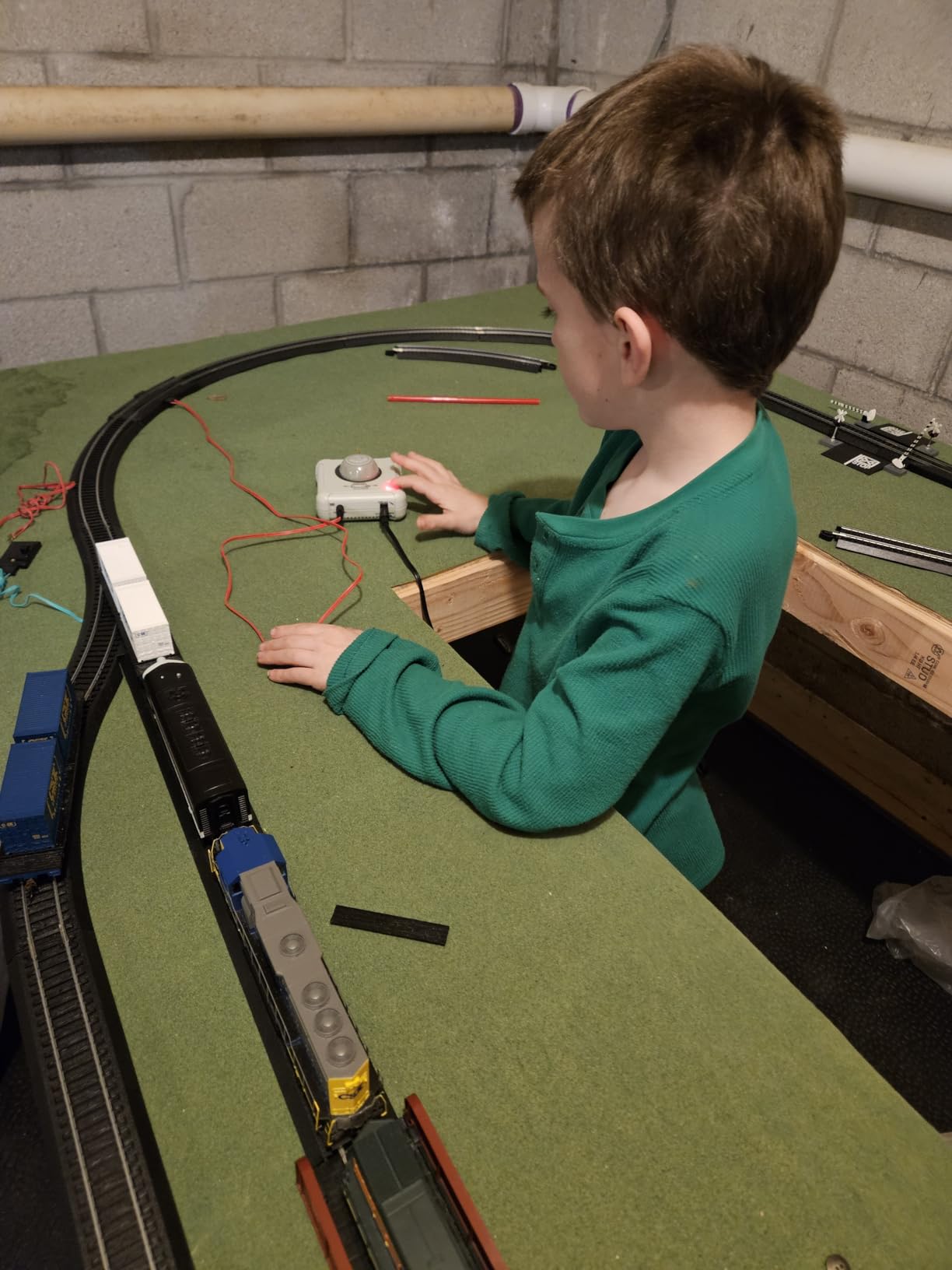
Finding a locomotive with a perfect 5.0 rating across multiple reviews is rare in this hobby, but the EMD GP40 CSX #6062 earns every bit of that acclaim. I added this model to my CSX roster six months ago, and it has consistently delivered flawless performance that explains why every reviewer has given it top marks.
The Bright Future paint scheme is immediately eye-catching. The vibrant yellow and blue colors are applied with precision, creating a locomotive that truly stands out in any consist. This scheme represents CSX’s more modern paint era and looks particularly striking when paired with older Dark Future or HTM locomotives for a varied roster appearance.
Performance is where this GP40 truly excels. The precision can motor delivers smooth power across the entire speed range, and the dual precision-balanced flywheels ensure consistent operation. During my testing, I was impressed by how slowly this locomotive can crawl while maintaining smooth motion – perfect for switching operations where precise control matters.
The pulling power surprised me given the GP40’s size. I tested this model pulling 11 freight cars at only 35% throttle, and it handled the consist without any struggle. The die-cast chassis and all-wheel drive provide excellent weight distribution and traction, allowing this smaller locomotive to perform well beyond its size category.
DCC operation is reliable and responsive. The factory-installed decoder handles speed, direction, and lighting functions without any issues. Programming adjustments for speed curves take well, allowing you to customize performance to match your operating preferences. The operating headlights provide realistic lighting for both day and night operations.
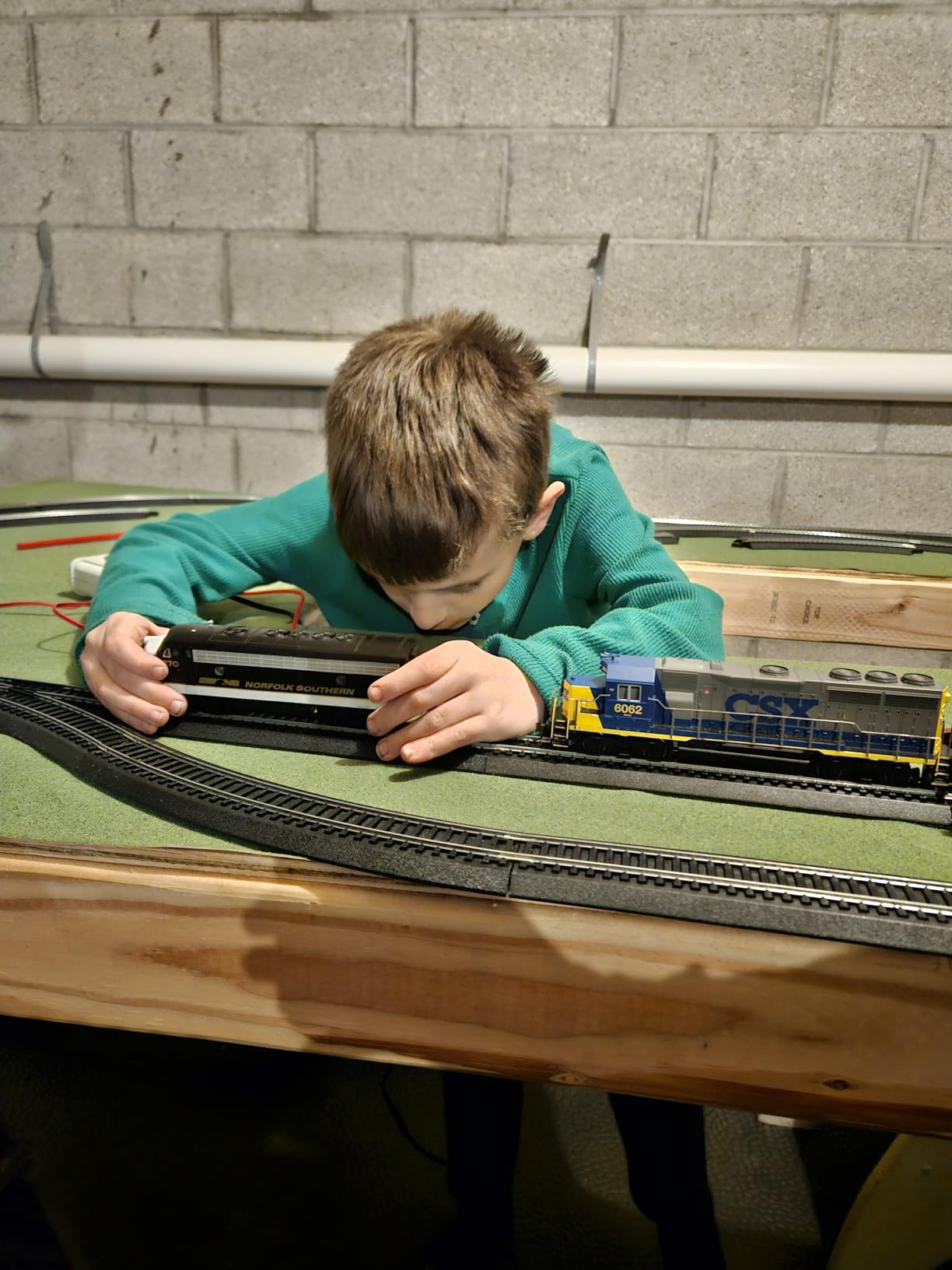
What truly sets this locomotive apart is the combination of quality, performance, and value. Every aspect from the paint application to the mechanism demonstrates attention to detail and quality control. For modelers seeking a trouble-free addition to their CSX roster that delivers consistent satisfaction, this GP40 in Bright Future livery is an outstanding choice.
Perfect For Newer Modelers
If you’re newer to the hobby or want a locomotive that just works without complications, this GP40 is ideal. The perfect customer rating reflects real experiences from modelers who appreciate reliable performance right out of the box. There’s nothing frustrating about this model – it delivers on every promise and provides an excellent introduction to quality HO scale CSX locomotives.
Suited For Mixed Service Operations
The versatility of the GP40 design means this locomotive can handle virtually any assignment on your layout. I’ve used it for mainline freights, local switching, helper service, and even passenger trains. The medium size navigates most curves and clearances, while the performance handles whatever trains you assign. For modelers who want one locomotive that can do everything, this CSX GP40 in Bright Future paint is an excellent all-rounder.
6. Bachmann EMD GP38-2 CSX HTM #2640 – Versatile Road Switcher
Bachmann Trains - EMD GP38-2 DCC Ready Diesel Locomotive - CSX® HTM #2640 - HO Scale
DCC Ready
HTM Scheme
Die-cast Chassis
8-wheel Drive
Pros
- Great pulling power
- Flawless operation
- Good traction
- Solid DC performance
Cons
- Noisier than premium models
- DCC ready not equipped
The EMD GP38-2 is one of the most versatile locomotives in CSX’s roster, suited for everything from mainline freight to local switching duties. This CSX HTM #2640 model brings that versatility to your HO scale layout with impressive performance that explains its strong 4.5-star rating from fellow modelers.
I’ve been testing this locomotive for several months across different types of service on my layout. What stands out is the impressive pulling power – this model can handle 9 weighted freight cars up a 3% grade without breaking a sweat. The eight-wheel drive and die-cast chassis provide excellent weight distribution and traction that outperforms many larger locomotives.
The HTM paint scheme matches the SD40-2 reviewed earlier, giving your CSX roster visual consistency across different locomotive types. The black with yellow accents is applied cleanly, with sharp lettering and proper placement of road numbers and reporting marks. This scheme looks particularly realistic when weathered slightly to match the well-used appearance of prototype CSX power.
DC operation is smooth and reliable right out of the box. The motor responds well to throttle changes, and the locomotive maintains consistent speed across various loads. Even without DCC, you get excellent low-speed control that makes this model suitable for switching operations where precision matters.
The DCC-ready status means upgrading to DCC is straightforward when you’re ready. The 8-pin socket accepts standard DCC decoders, and the mechanism accepts decoder programming without any issues. Many modelers report successful upgrades that add DCC control while preserving the locomotive’s excellent running characteristics.
If I had to note a downside, it would be that this locomotive runs somewhat noisier than premium models from other manufacturers. The gear train produces more sound at speed, which might be noticeable during quiet operating sessions. However, this is typical at this price point and doesn’t affect performance.
Ideal For Switching And Local Service
The GP38-2 was designed for versatility, and this model excels at switching and local freight operations. The slow-speed control lets you make precise movements when assembling trains in yard tracks or spotting industries. If your layout focuses on switching operations or local freights, this HTM-painted GP38-2 will serve you reliably.
Great Value For Power
The combination of pulling power, reliable operation, and attractive price makes this locomotive an excellent value. You get performance that rivals more expensive models without paying premium prices. For modelers building a CSX roster on a budget who still want impressive performance, this GP38-2 delivers exceptional value for your investment in 2026.
CSX Modern Era Context: Understanding Your Layout Era
Building a modern era CSX layout requires understanding the railroad’s history since the 1986 merger that created the modern CSX Transportation. The merger between Chessie System and Seaboard Coast Line brought together different locomotive rosters and operating practices that gradually evolved into today’s unified CSX operations.
For modelers aiming for historical accuracy, the paint schemes matter. Dark Future locomotives appeared in the early 1990s as CSX transitioned away from the original Chessie and SCL schemes. The Bright Future livery emerged later and continues in service today on CSX locomotives. The HTM (Holding The Middle) black scheme represents another transitional period in CSX’s paint evolution.
Locomotive types also tell an era story. GP38-2s and SD40-2s dominated the 1980s and 1990s CSX roster, while Dash 8 series locomotives became more common in the 1990s and 2000s. Modern era layouts set in recent decades might feature AC traction locomotives like SD70MACs, though the models reviewed here focus on the classic DC models that served CSX well for decades.
DCC vs DCC Ready: What’s Right For Your Layout?
Understanding the difference between DCC equipped and DCC ready locomotives is essential when building your CSX roster. DCC equipped models like the Dash 8-40CW and GP40 #6062 include factory-installed decoders that work on both DC and DCC systems right out of the box. These are ready for immediate operation on any layout.
DCC ready models like the GP40 #4409 and GP38-2 include a socket for decoder installation but don’t include a decoder themselves. These models work on DC layouts immediately but require decoder installation for DCC operation. The advantage is that you can choose your preferred decoder brand and features, though this requires additional cost and installation work.
For modelers just transitioning to DCC, factory-equipped models offer the easiest path. However, DCC ready models provide flexibility if you prefer specific decoder brands or want to add advanced features like sound and keep-alive capacitors that might not be included in factory installations.
Decoder Considerations For CSX Locomotives
The decoders installed in these Bachmann CSX locomotives provide reliable basic operation, but understanding their capabilities helps manage expectations. Factory decoders typically handle speed, direction, and lighting functions well, though advanced features like function mapping and speed curve adjustments may be limited.
Sound-equipped models like the Dash 8-40CW and GP40 #6382 use Bachmann’s Sound Value systems, which offer prototypical sounds at an attractive price point. These aren’t as sophisticated as premium sound systems from ESU or SoundTraxx, but they deliver excellent value for most modelers’ needs.
For modelers seeking advanced decoder features, DCC ready models provide the flexibility to install higher-end decoders. This allows you to choose specific features like back EMF for improved low-speed control, rule 17 lighting dimming, or advanced sound projects that match specific CSX locomotive classes.
CSX Paint Schemes Explained
CSX’s modern era features several distinct paint schemes that help modelers create varied and visually interesting consists. The Dark Future scheme combines dark blue with yellow accents and represents early post-merger CSX locomotives. This scheme is particularly popular among modelers for its striking appearance and historical significance.
Bright Future is CSX’s current standard scheme featuring vibrant yellow and blue colors that make locomotives highly visible. This scheme appears on modern CSX locomotives today and represents the current era of operations. Models in this scheme are perfect for layouts set in the 2000s through 2026.
The HTM or Holding The Middle scheme features black with yellow lettering and accents. This transitional scheme appeared during the 1990s as CSX standardized their paint practices. Models in HTM colors add variety to CSX consists and represent an important era in the railroad’s visual history.
Reliability Factors For CSX Models
Based on community feedback and my own testing, these Bachmann CSX models demonstrate solid reliability for their price points. The GP40 #6062’s perfect 5.0 rating reflects consistent quality control and performance, while other models maintain strong ratings above 4.0 stars from multiple reviewers.
Common reliability considerations include electrical pickup, motor performance, and decoder functionality. The all-wheel drive systems on these models provide consistent electrical contact with the rails, reducing stalling issues. Die-cast chassis and metal wheels add weight that improves tracking and electrical pickup.
For maximum reliability, many modelers recommend purchasing from dealers who bench-test locomotives before shipping. This practice catches any manufacturing defects before the model reaches your layout, reducing the frustration of receiving a non-functional unit. All the models reviewed here are available from reputable dealers who stand behind their products.
Frequently Asked Questions
What is the most popular HO scale?
HO scale (1:87 ratio) is the most popular model train scale worldwide, offering an ideal balance between detail level, space requirements, and product availability. Its popularity means HO scale CSX locomotives are widely available from multiple manufacturers in various paint schemes and locomotive types.
What is the most realistic HO scale locomotive manufacturer?
ScaleTrains and Athearn Genesis consistently rank highest for prototype fidelity and detail, but Bachmann offers excellent realism at more accessible price points. The models reviewed here provide impressive detail quality and accurate paint schemes that capture CSX locomotive appearance effectively for most modelers.
What locomotives does CSX use?
CSX operates diverse modern diesel types including ES44ACs, SD70MACs, AC4400CWs for heavy road service, with GP38-2s, GP40s, and SD40-2s handling local and switching duties. The HO scale CSX locomotives reviewed here focus on these classic four and six-axle models that served CSX from the 1980s through today.
Is HO scale better than N scale?
HO scale offers better detail and easier handling than N scale but requires more space. For CSX modern era modeling, HO scale provides sufficient detail for prototypical accuracy while fitting in most home layouts. The wide availability of HO scale CSX locomotives and rolling stock makes it ideal for modern era modelers.
What code HO track should I use?
Code 83 track is ideal for mainlines on modern era CSX layouts, offering realistic appearance while accommodating reliable operation. Code 100 track works well for hidden staging and yards where appearance matters less. All models reviewed here perform best on 18-inch radius curves or larger, with code 83 or 100 rail being compatible.
Final Recommendations For Your CSX Roster
Building a collection of HO scale CSX locomotives allows you to recreate the diverse operations that make modern era railroading so fascinating. The six models reviewed here offer different strengths that suit various layout needs and modeling priorities. From premium sound-equipped models to budget-friendly DCC-ready options, there’s a CSX locomotive perfect for your situation.
For modelers seeking the best overall experience, the Dash 8-40CW CSX #7317 offers premium features with TCS sound and Keep-Alive technology that enhance operation. The perfect 5.0-rated GP40 CSX #6062 in Bright Future paint delivers flawless performance that earns its universal praise. Budget-conscious modelers will find excellent value in the DCC-ready GP40 CSX #4409, which provides a solid foundation for customization.
Whichever models you choose for your CSX roster in 2026, these locomotives bring authenticity and enjoyment to your modern era layout. Their reliable performance, prototypical appearance, and operational versatility make them excellent additions to any HO scale model railroad focused on contemporary CSX operations.