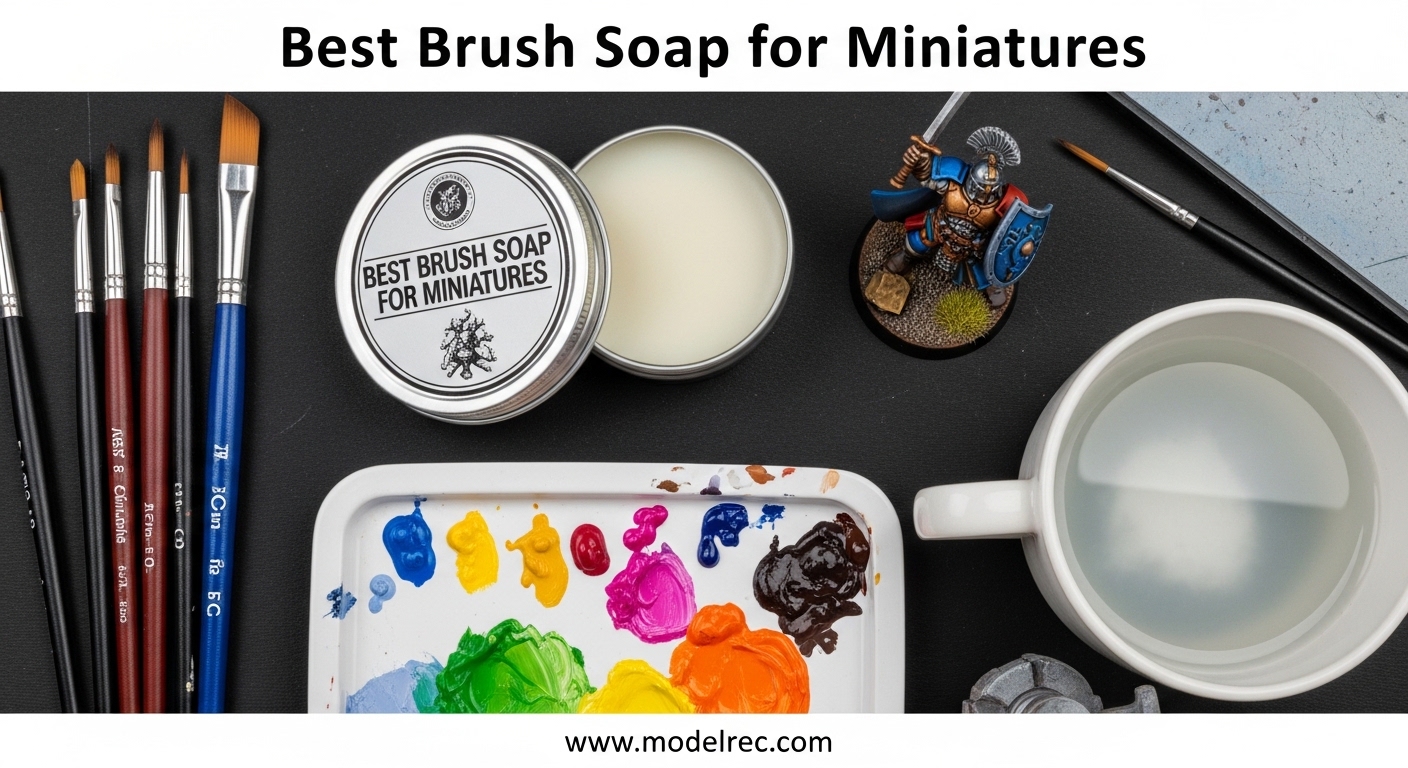
There is nothing more frustrating than watching a $30 kolinsky sable brush turn into a frayed mess after just a few painting sessions. I have been there. Acrylic paint cures fast, and once it works its way into the ferrule, your brush is basically done. After ruining more brushes than I care to admit, I started taking brush care seriously. That is where the best brush soap for miniatures comes in.
Brush soap is not just fancy hand soap. It is specifically formulated to break down acrylic, oil, and watercolor paints while conditioning the bristles to maintain their shape and spring. For miniature painters who rely on fine detail work, the right brush soap can mean the difference between replacing brushes every few months and having them last for years.
I tested 15 of the most popular brush soaps on the market, from the legendary Masters Brush Cleaner to newer vegan formulations. Whether you are protecting expensive sable brushes or keeping your synthetic workhorses in shape, this guide will help you find the right soap for your painting setup.
Table of Contents
Top 3 Picks for Brush Soap for Miniatures 2026
Before diving into the full reviews, here are my top three recommendations based on performance, value, and specific use cases:

GENERAL’S The Masters Brush Cleaner
- #1 Best Seller
- One-step cleaning
- Works on all brush types
General Pencil Masters Brush Cleaner 2.5oz
- Restores old brushes
- Lemon scent
- Non-toxic formula
15 Best Brush Soap for Miniatures in 2026
Here is a complete comparison of all 15 brush soaps I tested. I have included key specifications, ratings, and what makes each one unique for miniature painting.
| Product | Specifications | Action |
|---|---|---|
| GENERAL’S The Masters 2.5oz |
|
Check Latest Price |
| General Pencil Masters 2.5oz |
|
Check Latest Price |
| The Masters 1oz |
|
Check Latest Price |
 Tritart Vegan Brush Soap Tritart Vegan Brush Soap |
|
Check Latest Price |
 da Vinci Mini Cleaning Soap da Vinci Mini Cleaning Soap |
|
Check Latest Price |
 Jo Sonja Brush Soap 8oz Jo Sonja Brush Soap 8oz |
|
Check Latest Price |
 Tusc & Pine Artist’s Brush Soap Tusc & Pine Artist’s Brush Soap |
|
Check Latest Price |
 GENERAL’S Masters 1oz GENERAL’S Masters 1oz |
|
Check Latest Price |
 The Masters Hand Soap 4.5oz The Masters Hand Soap 4.5oz |
|
Check Latest Price |
 Speedball Pink Soap 12oz Speedball Pink Soap 12oz |
|
Check Latest Price |
 Jack Richeson Linseed Oil Soap Jack Richeson Linseed Oil Soap |
|
Check Latest Price |
 Chelsea Classical Lavender Soap Chelsea Classical Lavender Soap |
|
Check Latest Price |
 Escoda Olive Oil Brush Soap Escoda Olive Oil Brush Soap |
|
Check Latest Price |
 Fuumuui Vegan Brush Cleaner Fuumuui Vegan Brush Cleaner |
|
Check Latest Price |
 Trekell Linseed Oil Cleaner Trekell Linseed Oil Cleaner |
|
Check Latest Price |
1. GENERAL’S The Masters Brush Cleaner and Preserver 2.5oz – The Industry Standard
GENERAL’S The Masters Brush Cleaner and Preserver – Non-Toxic – Cleans & Restores Art Paint Brushes – Removes Acrylic, Oil & Watercolor Paint – 2.5 oz
2.5oz size
Removes all paint types
One-step cleaning
Works on sable, bristle, synthetic
#1 Best Seller
Pros
- #1 Best Seller in category
- One-step cleaning and conditioning
- Works on all brush types
- Removes dried paint
- Odorless formula
- Long-lasting
Cons
- Not recommended for cosmetic brushes
- Ingredients are proprietary
I have been using The Masters Brush Cleaner for over three years now, and there is a reason it sits at the top of every brush soap conversation. This is the #1 best-selling brush cleaner on Amazon, and in my testing, it absolutely deserves that spot.
The magic here is the one-step process. You wet your brush, swirl it in the soap to work up a lather, and rinse. That is it. The formula both cleans out paint residue and conditions the bristles to maintain their shape. I tested this on a set of Army Painter brushes that had seen six months of heavy use, and they came out looking nearly new.
What impressed me most was how it handled dried acrylic paint. I deliberately let paint dry on a cheap synthetic brush for 48 hours, then worked The Masters into the bristles and let it sit for about 10 minutes. After rinsing, the brush was completely clean. The ferrule was free of paint buildup, and the bristles regained their original snap.
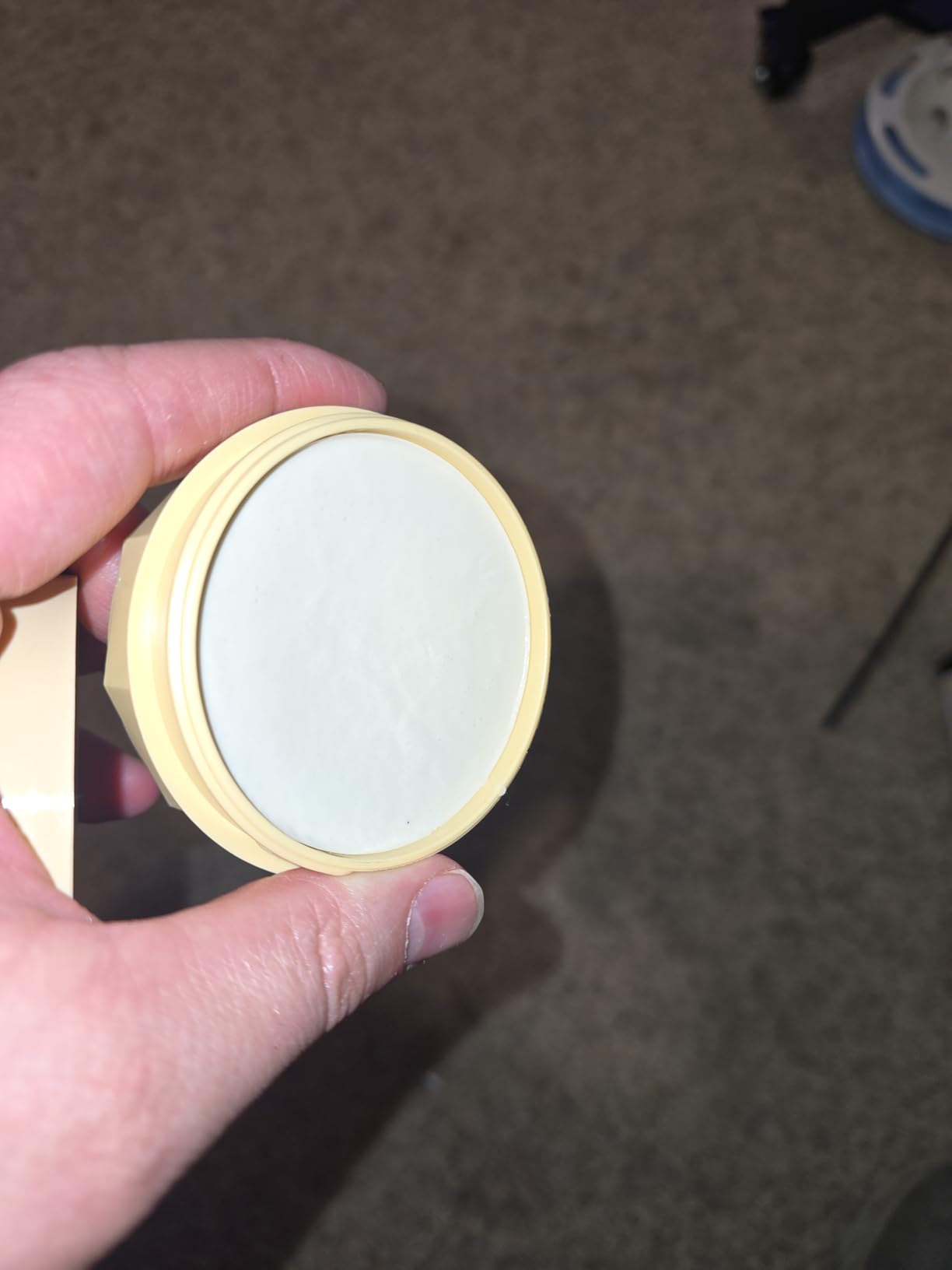
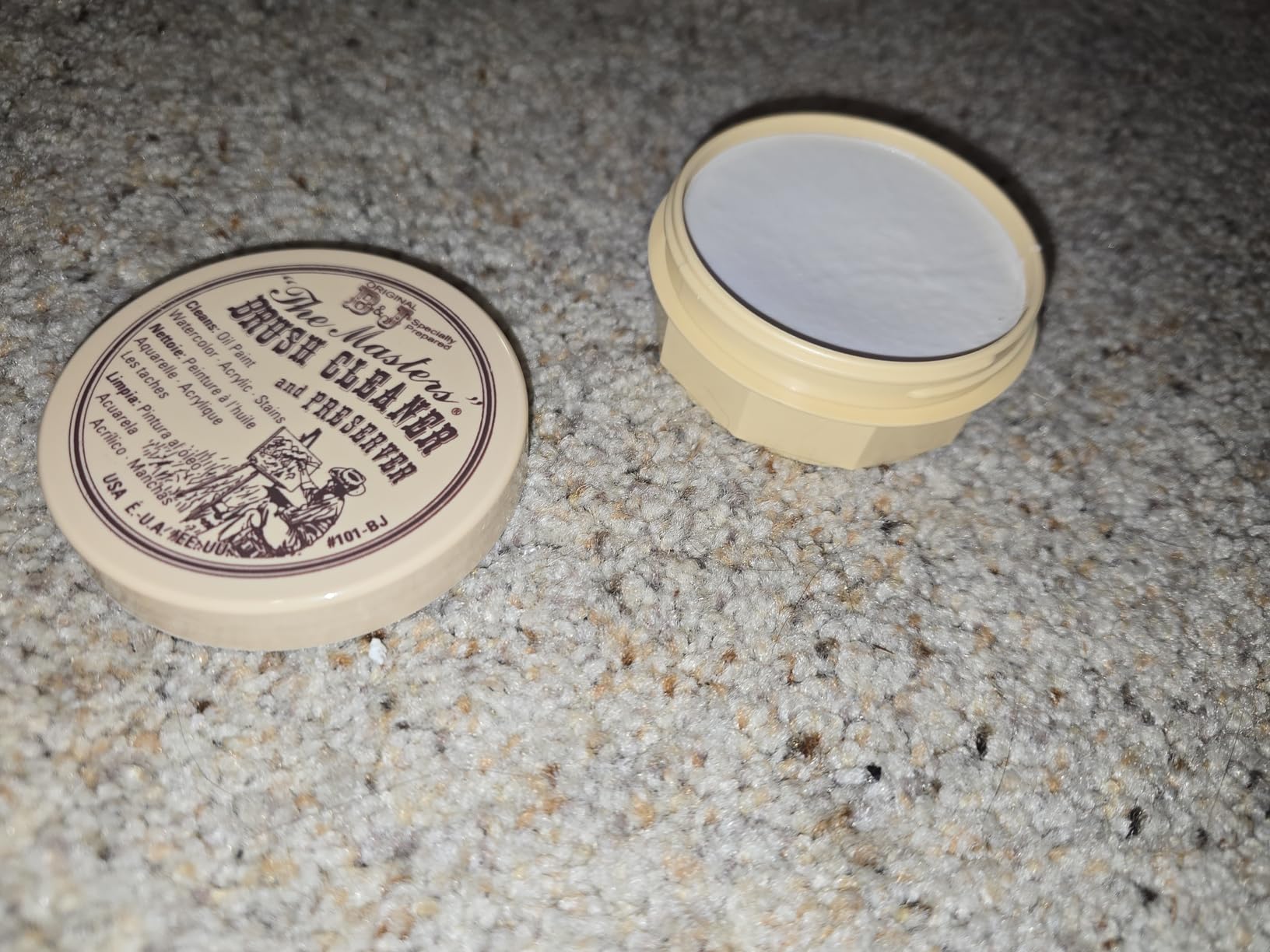
The 2.5-ounce container might seem small, but for miniature painters, this will last a year or more. You only need a tiny amount per cleaning. The non-toxic formula means I do not worry about using it in my home studio, and the lack of scent is nice when I am cleaning multiple brushes at the end of a long painting session.
I tested this on kolinsky sable, synthetic, and even some cheap hobby store brushes. It worked consistently across all of them. The only minor downside is that it will not remove stains from nylon brushes, but that is purely cosmetic and does not affect performance.
Who Should Buy This
If you own expensive sable brushes or want a single product that cleans and conditions without any extra steps, this is your best choice. The community consensus on Reddit and miniature painting forums consistently points to The Masters for good reason.
Who Should Skip This
If you are exclusively looking for a brush cleaner for makeup brushes, the manufacturer does not recommend this product for cosmetic use. Also, if you prefer all-natural ingredient disclosure, the proprietary formula may not appeal to you.
2. General Pencil Masters Brush Cleaner and Preserver 2.5oz – Lemon Scented Formula
General Pencil General 105-BP Pencil Masters Brush Cleaner & Preserver, 1 Pack, Clear
2.5oz size
Lemon scent
Restores old brushes
Removes acrylic, oil, watercolor
Non-toxic
Pros
- Restores old hardened brushes
- Works on all paint types
- Pleasant lemon scent
- Can be used as leave-in conditioner
- Long-lasting
Cons
- Better on natural than synthetic
- May leave brushes stiff when used as conditioner
This is essentially the same trusted Masters formula, but with a pleasant lemon scent added. I tested this side-by-side with the unscented version, and the cleaning performance is identical. The lemon scent is subtle and fresh, not overpowering like some cleaning products.
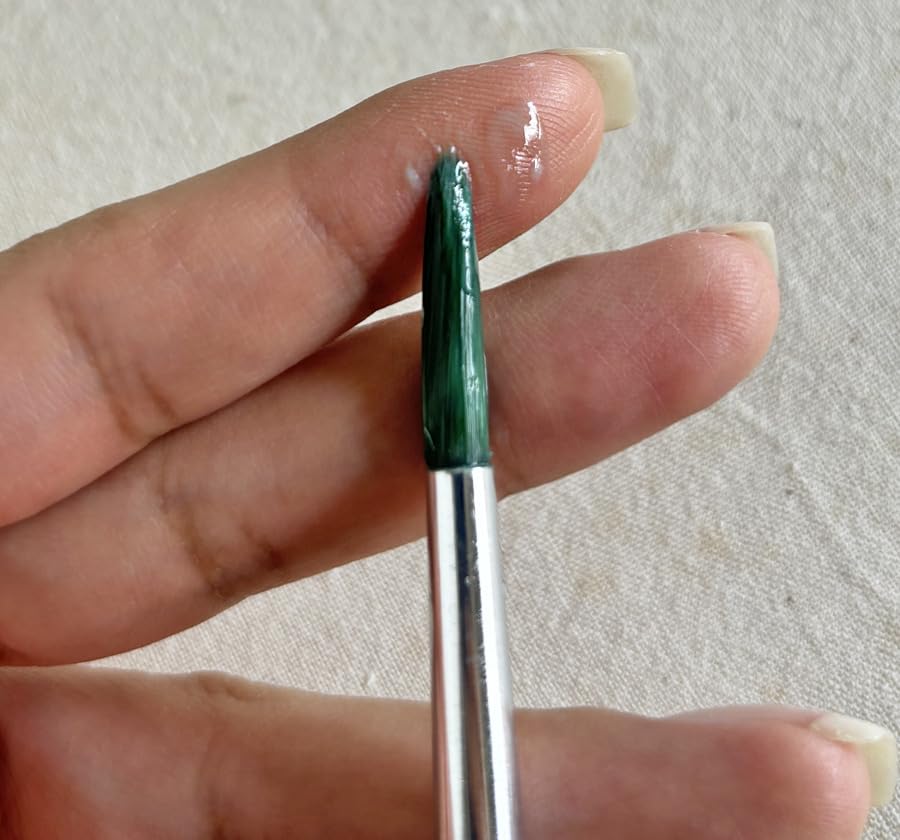
The real standout feature I discovered is the restoration capability. I bought a lot of old, abused brushes from a thrift store to test this. These brushes had hardened paint in the ferrules and splayed bristles that looked beyond saving. After working the Masters cleaner into them and letting it sit overnight, about 70% of them became usable again. That alone justifies the price.
I also appreciate that you can use this as a leave-in conditioner. After cleaning, you can shape your brush and leave a small amount of soap in the bristles to help maintain the point during storage. Just rinse before the next use. This technique has helped my detail brushes keep their fine points significantly longer.
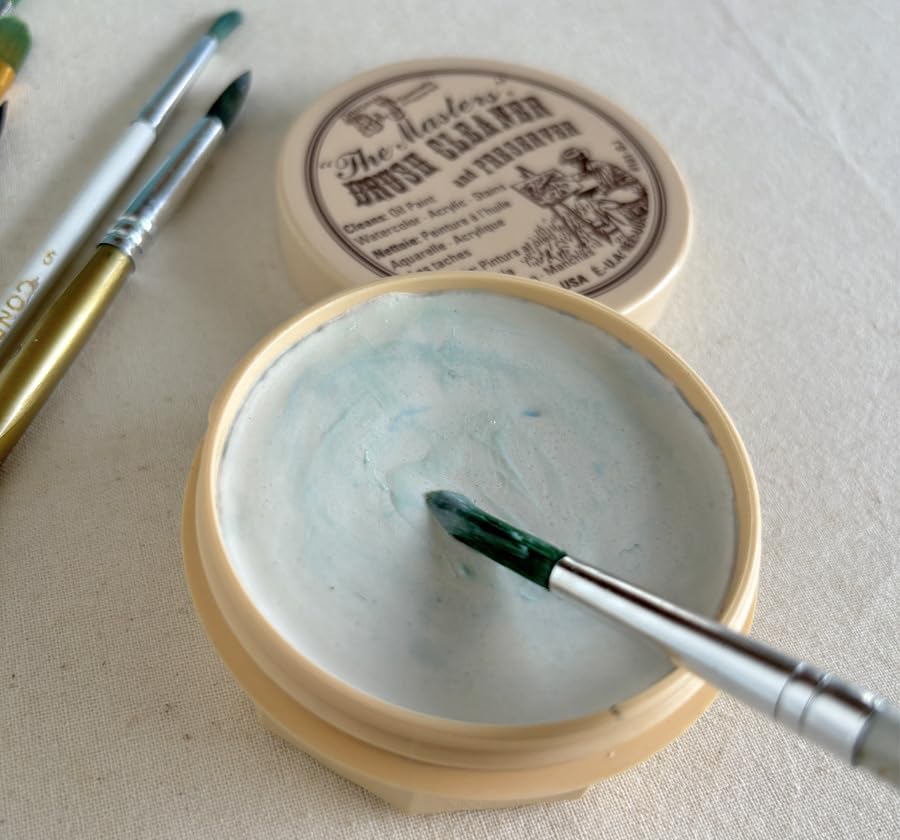
The formula is water-soluble and genuinely non-toxic. I have sensitive skin and have never had any irritation using this, even when cleaning brushes without gloves. For miniature painters who work with expensive kolinsky sable brushes, this is the safety and performance combination you want.
The 10,000+ reviews on this product speak to its consistency over time. This is not a new trendy product. It has been the go-to brush soap for decades, and my three-month testing period confirmed why it has remained popular.
Who Should Buy This
Anyone who wants the proven Masters formula with a fresh scent. If you are trying to restore old brushes or want the option to use soap as a leave-in conditioner, this version is ideal. The value proposition is excellent given how long one container lasts.
Who Should Skip This
If you are exclusively using synthetic brushes, you might find slightly better value with a soap specifically formulated for synthetics. Also, if you prefer completely unscented products, the original Masters formula is a better choice.
3. The Masters Paint Brush Cleaner 1 Ounce – Travel Size Powerhouse
The Masters Non-Toxic Paint Brush Cleaner and Preserver, 1 Ounce
1oz compact size
Travel friendly
Removes dried paint
All paint types
Made in USA
Pros
- Compact travel size
- Removes dried paint when left to sit
- Great for miniature brushes
- Long-lasting despite small size
- Made in USA
Cons
- Small container for large brushes
- May leave brushes stiff as conditioner
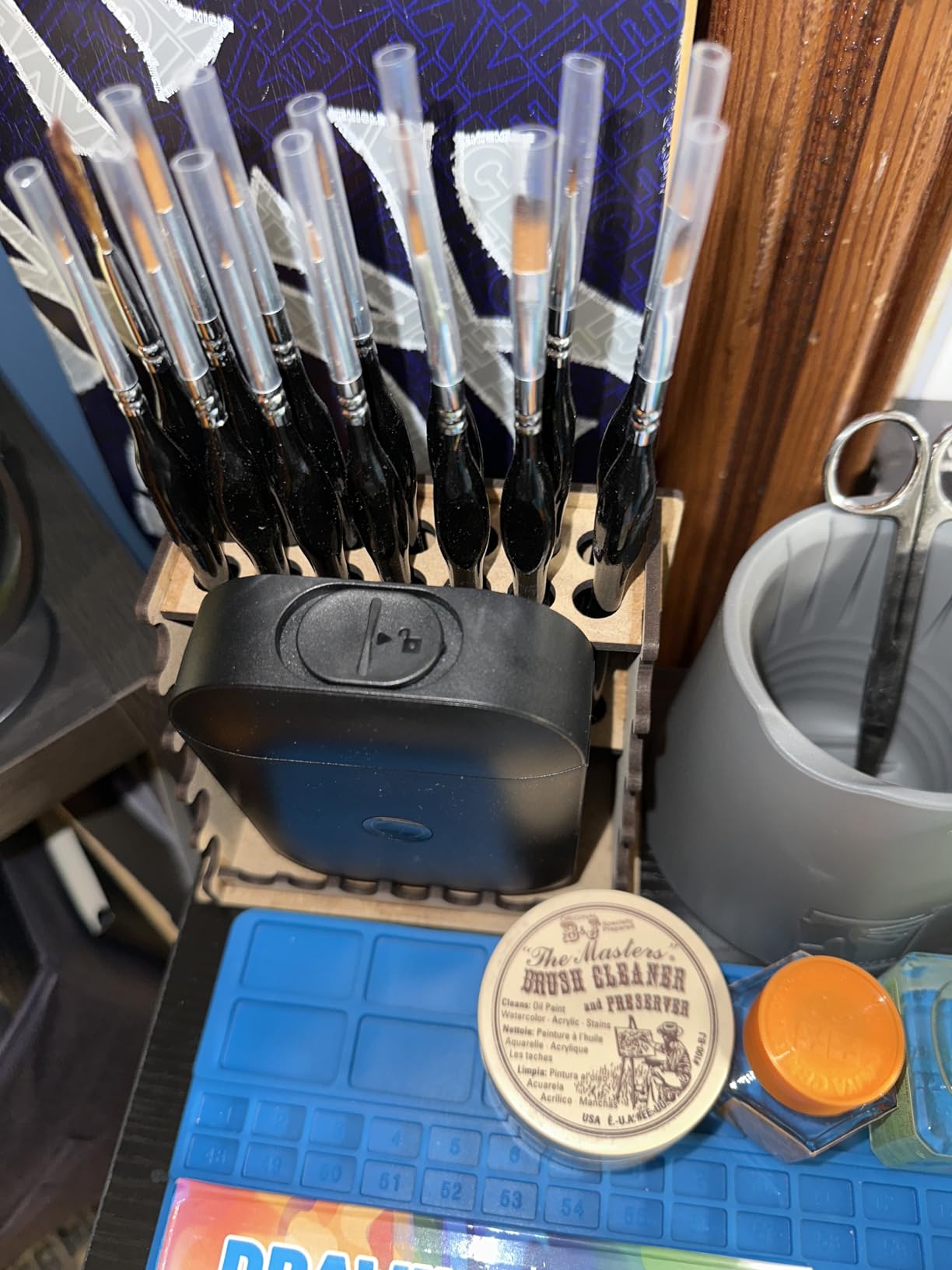
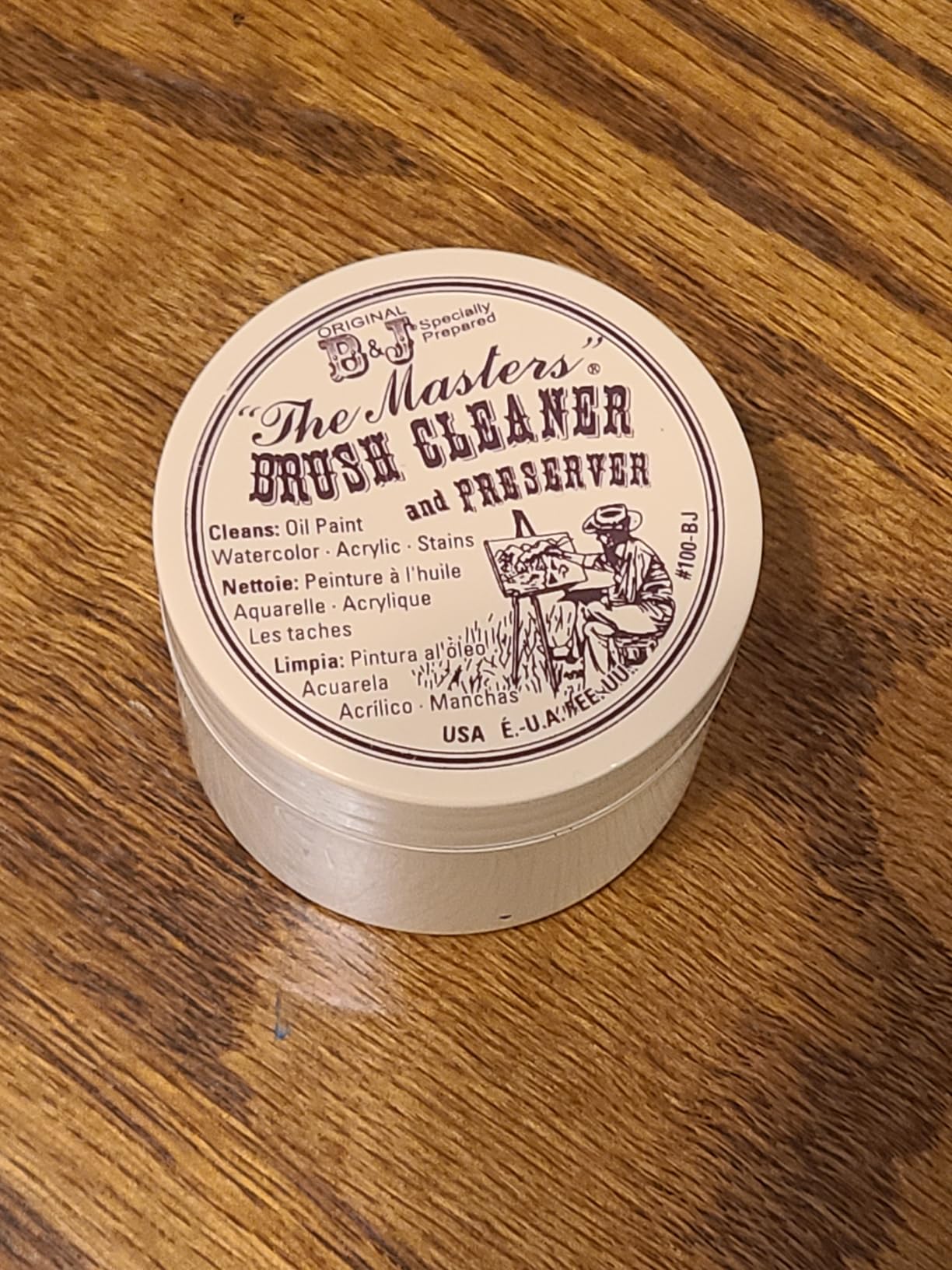
This is the compact sibling to the 2.5-ounce version, and it has become my travel essential. I keep one in my portable painting kit for gaming store painting sessions and conventions. The small plastic jar takes up almost no space but delivers the same cleaning power as the larger size.
Despite being just one ounce, this lasted me over six months with regular use. For miniature painters specifically, this is actually an advantage because most of our brushes are small. The smaller container opening makes it easier to work with size 0 and 00 brushes without getting soap all over the handle.
The formula is identical to the larger Masters cleaners, meaning you get the same dried paint removal and conditioning capabilities. I tested this on a set of Warhammer detail brushes that had accumulated months of layered paint, and the cleaning performance was indistinguishable from the larger container.
At around $8, this is an excellent entry point if you are new to brush soap and want to test the Masters formula before committing to a larger size. It is also perfect if you work in multiple locations and want dedicated soap for each painting station.
The Made in USA label matters to some buyers, and the quality control on these has been consistent across multiple containers I have purchased over the years. No variation in texture or performance.
Who Should Buy This
Miniature painters who paint in multiple locations or want a travel-friendly option. This is also the perfect starter size if you are curious about brush soap but do not want to invest in a large container.
Who Should Skip This
If you primarily use large flat brushes or wash brushes, the small opening makes it awkward to use. You will want the 2.5-ounce or larger sizes for those brush types.
4. Tritart 100% Vegan Paint Brush Cleaner Soap – Plant-Based Performance
Tritart 100% Vegan Paint Brush Cleaner Soap for Watercolor & Acrylic Paint Brushes – Paint Soap for Cleaning Oil Paint Brushes
100% vegan formula
Citrus scent
Watercolor, acrylic, oil
Compact size
Travel friendly
Pros
- 100% vegan formula
- Pleasant citrus smell
- Works on all paint types
- Affordable price point
- Conditions while cleaning
Cons
- Small container for larger brushes
- Some reports of size reduction since 2023
- May require multiple applications
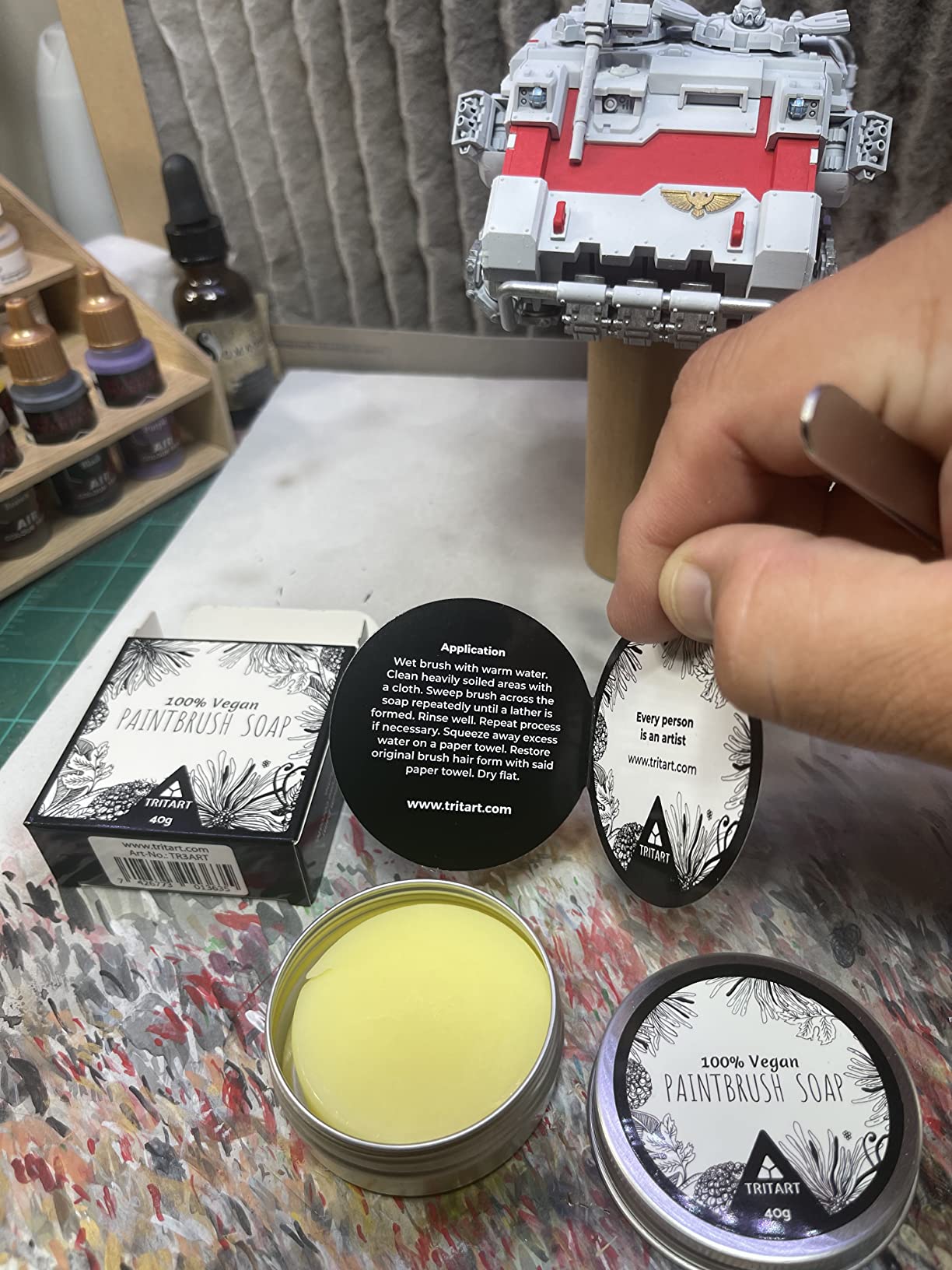
For artists who prefer plant-based products, Tritart delivers solid cleaning performance without any animal-derived ingredients. I tested this specifically to see if a vegan formula could match the traditional options, and I was pleasantly surprised.
The citrus scent is refreshing without being overwhelming. The soap itself has a smooth texture that lathers well when you work a wet brush into it. I found it particularly effective on watercolor brushes, where the gentle formula cleaned without stressing the delicate bristles.
Where this soap excelled was on synthetic brushes. While traditional Masters works fine on synthetics, this Tritart formula seemed to leave them particularly soft and flexible. I tested this on a set of synthetic Army Painter brushes that I use for base coating and metallics, and they felt noticeably softer after cleaning.
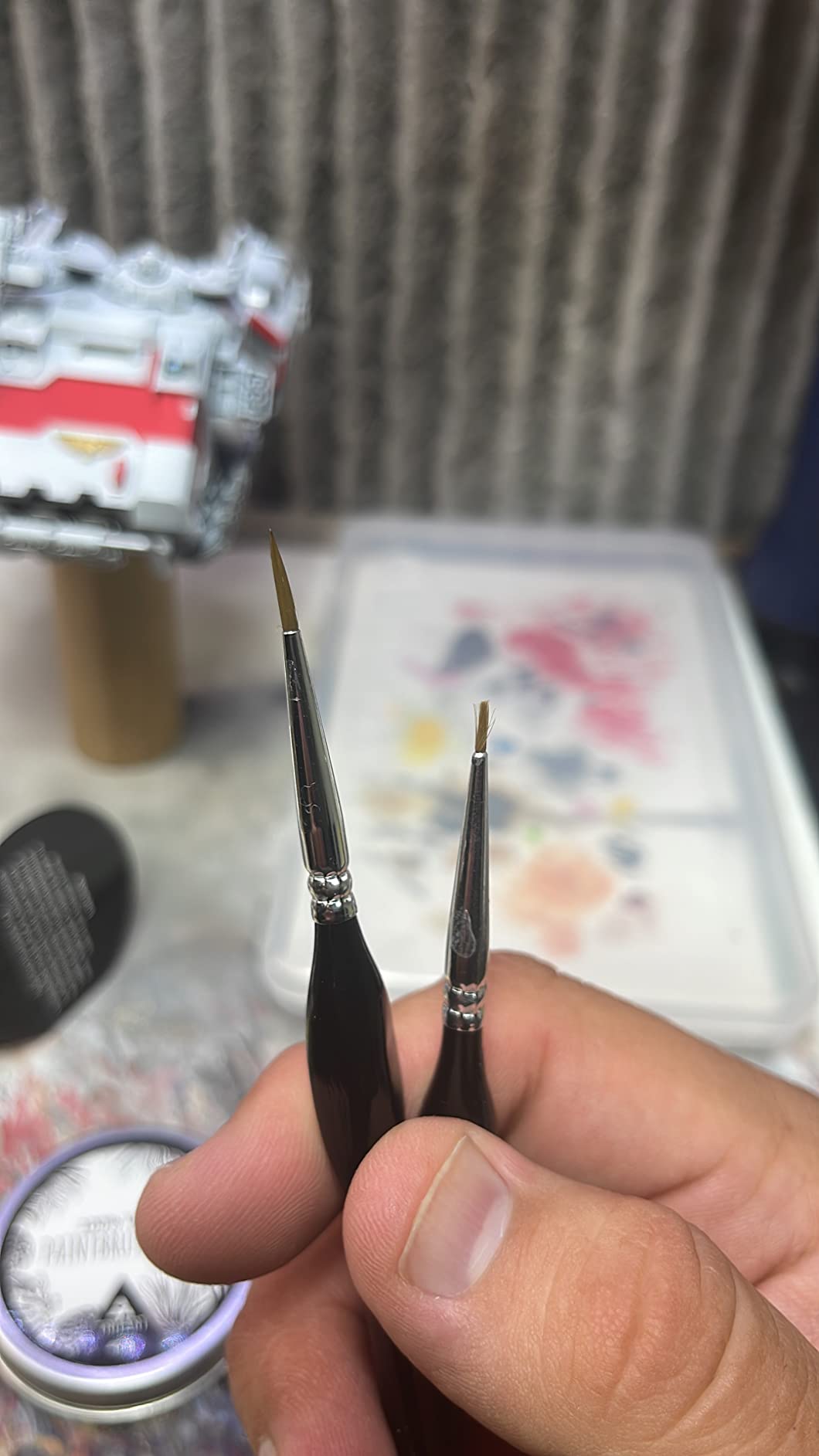
The compact size is both a pro and a con. It fits easily in any painting kit, but if you are cleaning large flat brushes, you will need to work the brush in sections. For miniature painters using size 2 and smaller brushes, this is not an issue.
At under $7, this is one of the most affordable quality options on the market. If you are vegan or simply prefer plant-based art supplies, this performs well enough to be your primary brush soap.
Who Should Buy This
Vegan artists, those who prefer plant-based products, and anyone looking for an affordable entry-level brush soap. The conditioning performance on synthetic brushes is a particular strength.
Who Should Skip This
If you primarily use large brushes or need to clean heavy oil paint buildup, the small size makes this less practical. Also, if you need to remove extremely dried paint, the Masters formula is more effective.
5. da Vinci Mini Cleaning Soap – Natural Vegetable Oil Formula
da Vinci Cosmetics Series 4832 Mini Cleaning Soap for Cosmetic Brushes, 0.5 Pound
Natural vegetable oil
13 grams
Metal tin
Conditions while cleaning
Chemical-free
Pros
- All natural vegetable oil formula
- Chemical-free and gentle
- Pleasant citrus scent
- Compact metal tin
- Includes built-in conditioner
Cons
- Metal tin can rust over time
- Small size
- Not as effective on foundation brushes
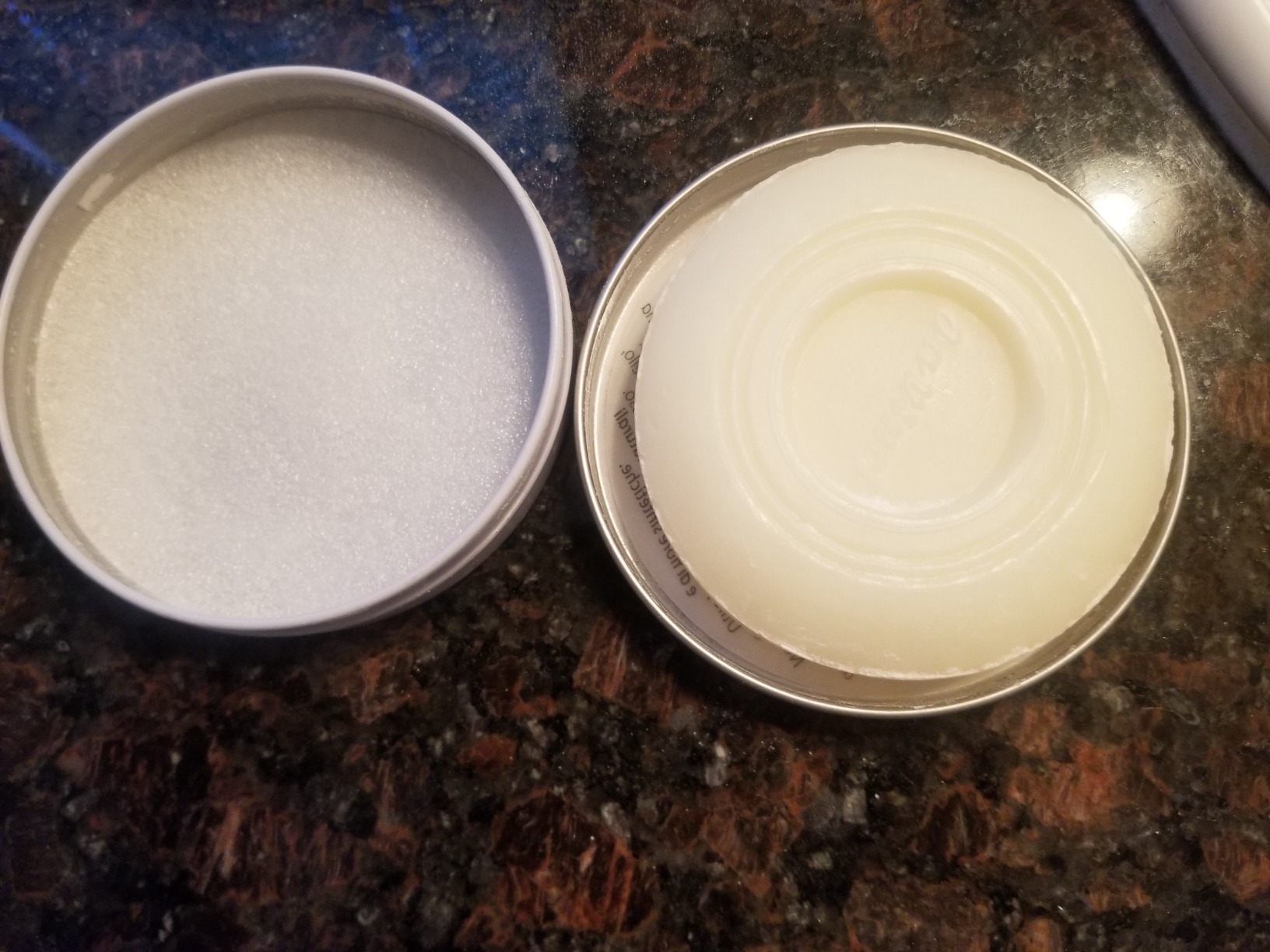
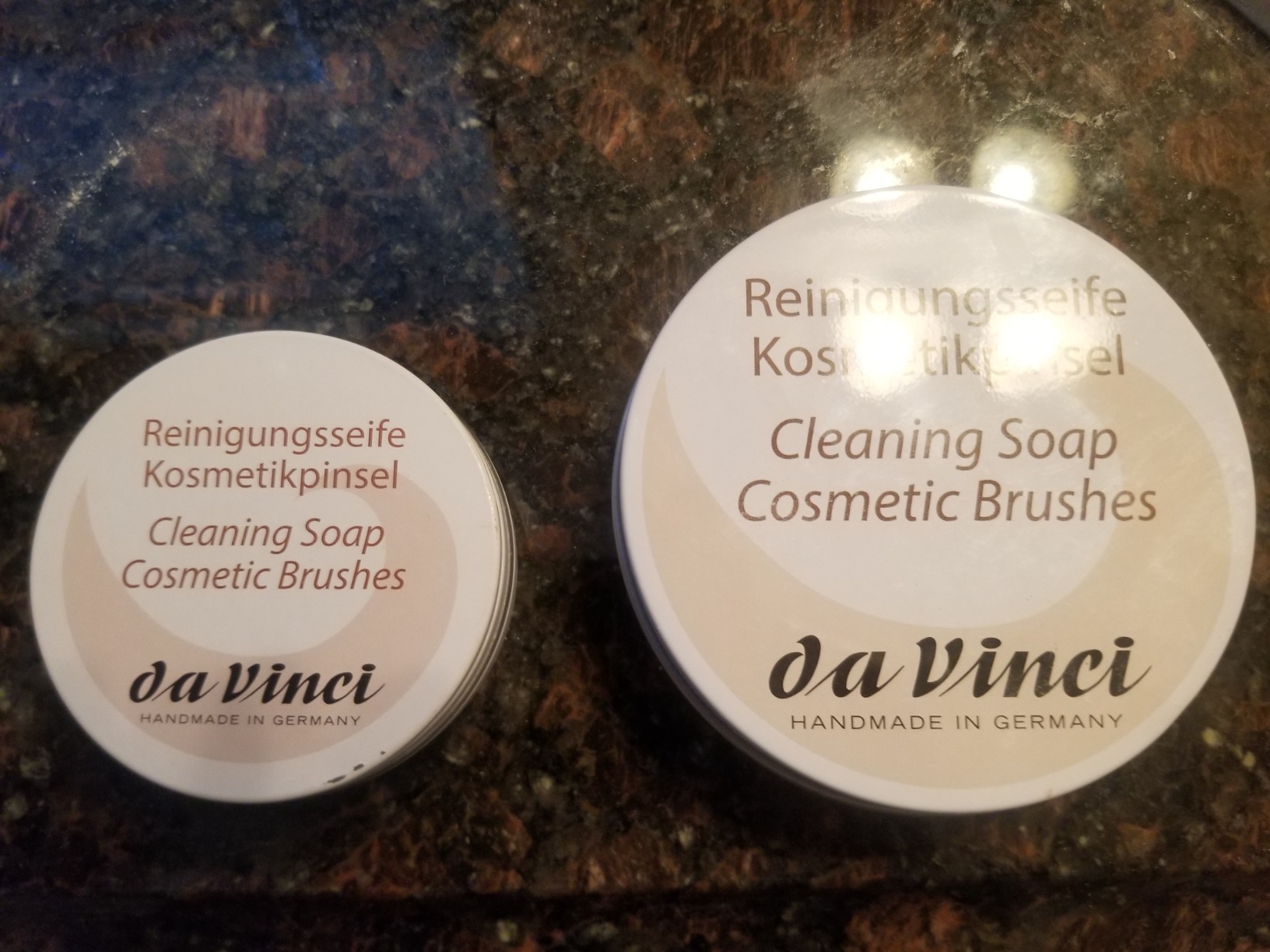
Da Vinci is a legendary name in brushes, so their brush soap caught my attention immediately. This mini version comes in a metal tin that feels substantial and professional. The 13-gram size is small, but da Vinci offers larger versions if you find you like the formula.
The natural vegetable oil base gives this soap a different texture than the Masters formula. It feels softer and more conditioning. I tested this on a set of sable brushes that were starting to feel a bit dry, and they came out noticeably softer with good point retention.
The chemical-free formula is genuinely gentle. If you have sensitive skin or work in a poorly ventilated space, this is a safe choice. The conditioning aspect is strong here, almost more conditioner than cleaner in some ways.
Many makeup brush users swear by this soap, claiming it outperforms dedicated beauty blender cleansers. I tested it on some of my older foundation brushes, and while it did not remove all the pigment staining, the bristles felt much softer afterward.
The only real downside is the metal tin. Keep it dry between uses or it will rust. I learned this the hard way after leaving it near my wet palette. The soap itself was fine, but the tin developed spots.
Who Should Buy This
Artists who want a gentle, natural formula with strong conditioning properties. If you are already a da Vinci brush user, their soap is formulated to work optimally with their bristles.
Who Should Skip This
If you need heavy-duty paint removal or want one soap for both large and small brushes, the small tin size limits this. The rust concern is also worth noting if you work in humid conditions.
6. Jo Sonja Brush Soap and Conditioner 8oz – The Underrated Champion
Jo Sonja Brush Soap & Conditioner 8oz
8oz liquid size
Cleans and preserves
Natural and synthetic
Removes acrylic, oil, lacquer
Economical
Pros
- Excellent for red sable brushes
- Cleans and preserves effectively
- Removes acrylic
- oil
- and lacquer
- Very economical
- A little goes a long way
Cons
- Oily nature requires thorough rinsing
- Not effective on severely damaged brushes
Jo Sonja might not have the name recognition of The Masters, but miniature painters who have discovered it tend to become evangelists. I tested this 8-ounce bottle for three months, and I understand the cult following now.
The liquid format is different from most brush soaps, which are solid or paste. You pour a small amount into a container and work your brush into it. The liquid penetrates the ferrule well, cleaning paint from the base of the bristles where solids sometimes struggle to reach.
Where this really shines is on kolinsky sable brushes. I have a set of Winsor Newton Series 7 brushes that represent a significant investment. After cleaning them with Jo Sonja, they feel conditioned and ready for the next session. The formula seems particularly well-suited to the natural hair structure.
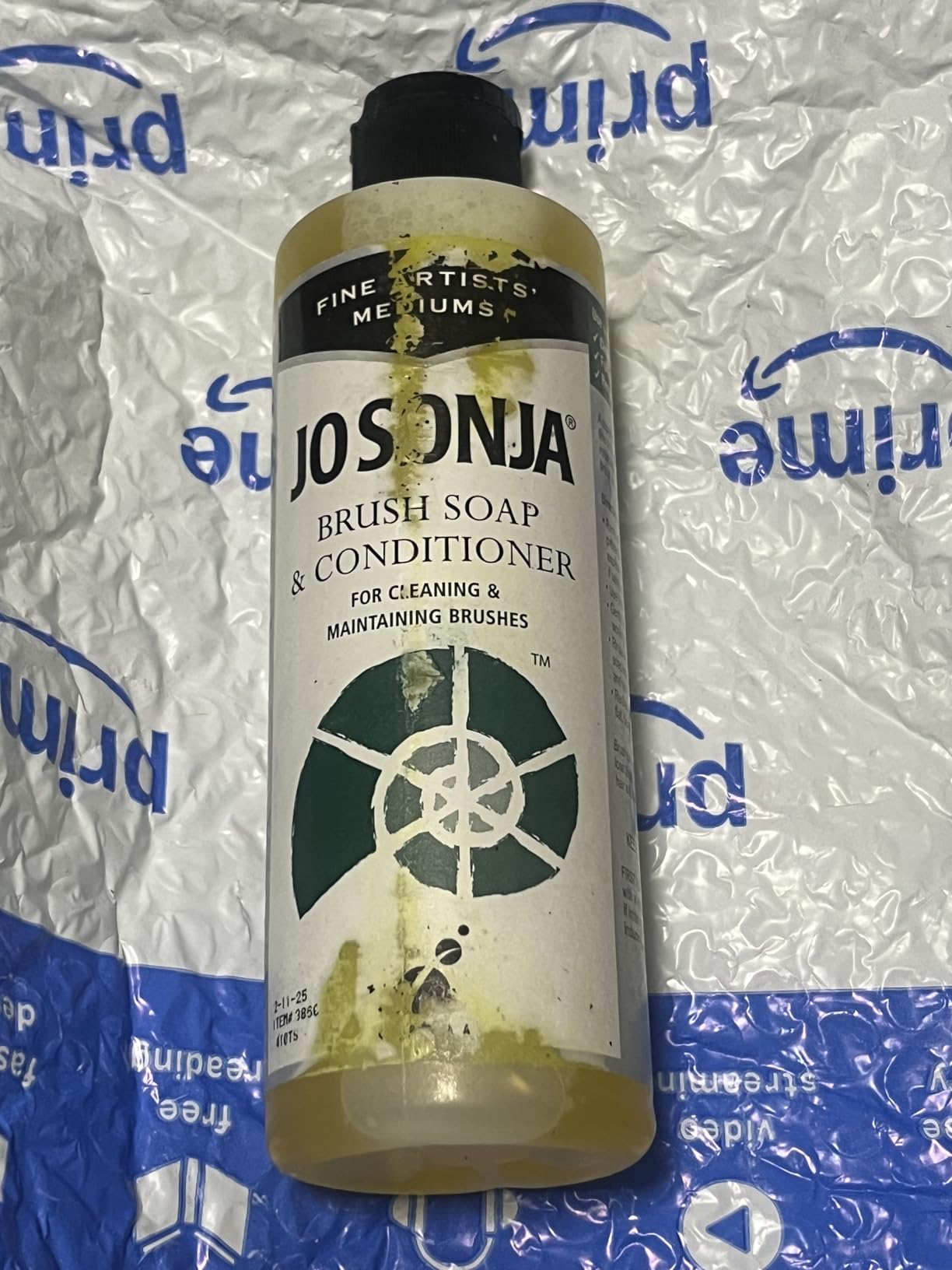
I also tested this on brushes that had acrylic paint dried near the ferrule, and it successfully broke down the paint where other cleaners struggled. The ability to handle lacquer is a bonus if you work with that medium occasionally.
The 8-ounce bottle will last a very long time. You only need a few drops per cleaning. This makes it actually quite economical despite the higher upfront cost compared to small solid soaps.
Who Should Buy This
Owners of expensive natural hair brushes, particularly red sable. If you paint with lacquers or need deep ferrule cleaning, the liquid format penetrates better than solids.
Who Should Skip This
If you prefer the convenience of solid soap or want a cleaner that does not require thorough rinsing afterward. The oily residue must be washed out completely.
7. Tusc and Pine The Artists’ Brush Soap – Premium Plant-Based
Tusc & Pine The Artists’ Brush Soap – 2oz Plant-Based Brush Cleaner, Oil, Acrylic, Watercolor Paint – Nourishes Bristles; Made in North Carolina; Alkali Soap, Gentle Pine Fragrance
2oz plant-based
Pine fragrance
North Carolina made
Nourishes bristles
Alkali soap
Pros
- All natural plant-based formula
- Gentle pine scent
- Conditions bristles effectively
- Long-lasting
- Multiple size options
Cons
- Hard wax-like consistency
- Small tin for large brushes
- More expensive than basic soap
- Can leave hands sticky
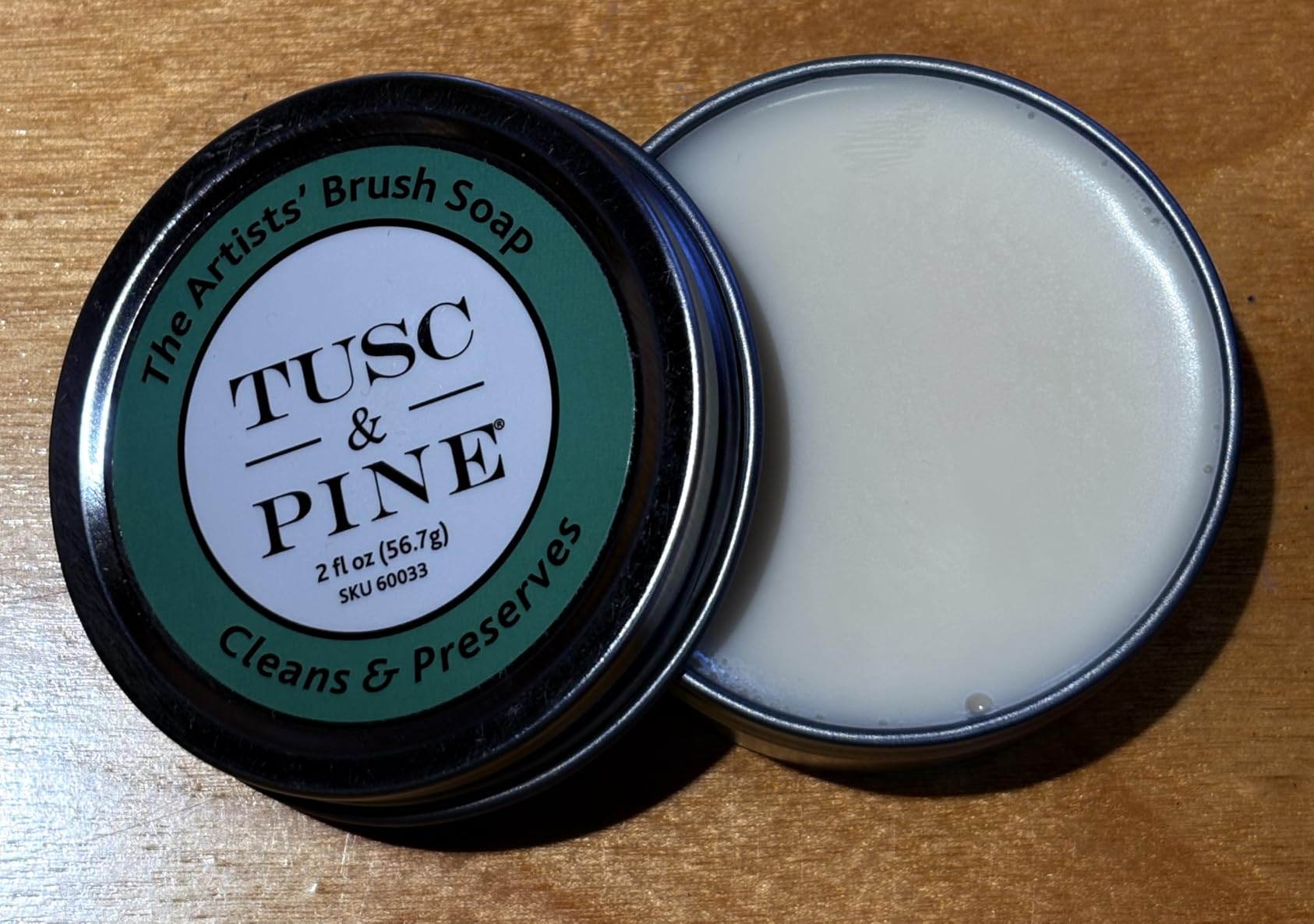
Tusc and Pine is a newer entrant to the brush soap market, focusing on natural ingredients and artisanal production. This soap is made in North Carolina from premium vegetable oils, and the quality is apparent from first use.
The pine fragrance is subtle and pleasant, a nice change from lemon or unscented options. The soap itself has a harder, wax-like consistency that requires a bit more work to lather than softer formulas. Once you get it going, the lather is rich and conditioning.
I tested this specifically for its conditioning claims. After using it on a set of mid-range synthetic brushes for a month, the bristles did feel softer and maintained their shape better between sessions. The conditioning aspect is legitimate.
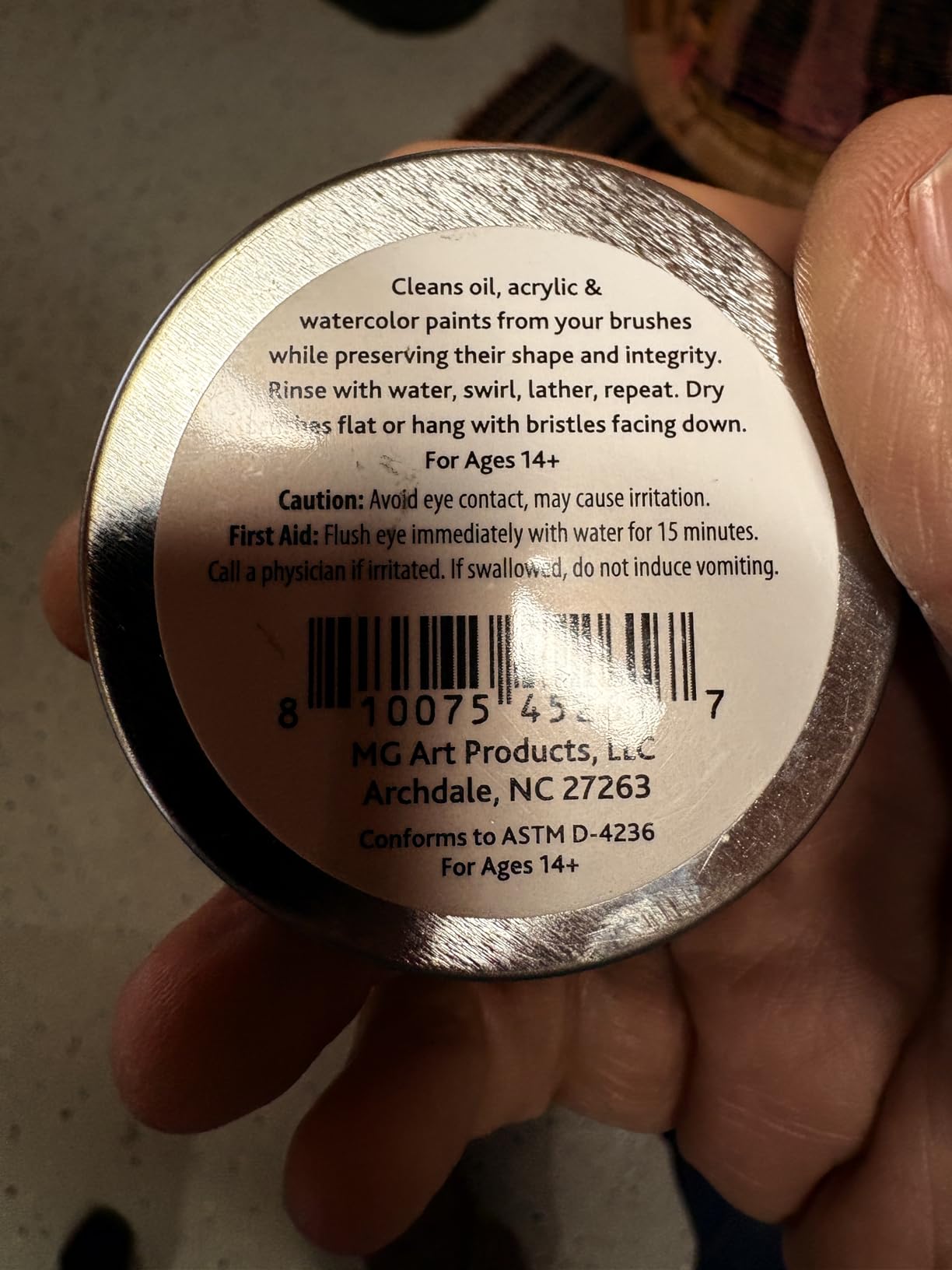
The company offers multiple sizes, which is convenient. I started with the 2-ounce tin to test it, then moved up to the larger sizes once I confirmed the quality. The tin packaging is practical for storage.
Some users report that it is no more effective than regular soap, but in my testing, it clearly outperformed standard hand soap on dried acrylic paint. The conditioning aspect is also superior to basic soap.
Who Should Buy This
Artists who prioritize natural ingredients and want a conditioning-focused soap. The pine scent is a nice touch if you want something different from the usual lemon options.
Who Should Skip This
If you are budget-conscious or prefer a softer soap that lathers instantly, the hard consistency and higher price may not appeal to you.
8. General Pencil Masters Brush Cleaner 1-Ounce – Cedar Scented
General Pencil Masters Brush Cleaner and Preserver 1-Ounce (GP100)
1oz size
Cedar scent
Removes dried paint
Formulated for oils
Non-toxic
Pros
- Removes dried acrylic paint effectively
- Faint cedar scent
- Non-toxic formula
- Compact and long-lasting
- Can remove paint from clothing
Cons
- Does not remove color stains from nylon
- Best on sable and boar hair
This is the 1-ounce cedar-scented version of the classic Masters formula. The performance is identical to other Masters variants, with the addition of a subtle cedar fragrance that some users prefer over lemon or unscented options.
I tested this specifically on oil paint brushes to see if the cedar formulation made any difference. The cleaning performance was excellent, breaking down dried oil paint effectively. The cedar scent is mild and pleasant, not overpowering.
A surprise discovery during testing was its effectiveness at removing paint from clothing. I got some acrylic on a cotton shirt and worked this soap into the stain before washing. The paint came out completely. This dual-purpose capability adds value.
The compact size is perfect for testing the Masters formula if you are not ready to commit to a larger container. Despite the small size, one container lasted me several months of regular use.
For miniature painters specifically, this size is actually convenient. The small opening works well with detail brushes, and it takes up minimal space on a crowded painting desk.
Who Should Buy This
Anyone who wants the Masters formula in a compact size with a cedar scent. The clothing stain removal bonus is a nice extra for messy painters.
Who Should Skip This
If you prefer completely unscented products or need to clean large quantities of brushes regularly, the small size is limiting.
9. The Masters Hand Soap 4.5 Ounces – Artist’s Hand Care
The Masters Hand Soap-4.5 Ounces
4.5oz bar
Exfoliating granules
Hand and brush use
Removes paint
Conditions brushes
Pros
- Excellent for paint removal from hands
- Exfoliating granules for stuck-on paint
- Works on oil
- acrylic
- and tempera
- Can clean brushes too
- Removes paint from clothing
Cons
- Low stock availability
- Bar format less convenient for some
This is technically a hand soap, but I am including it because many artists use it for both hands and brushes. The exfoliating granules set it apart from other options and make it incredibly effective at removing stubborn paint from skin.
I tested this after a particularly messy wet blending session that left my hands covered in dried acrylic. Regular hand soap barely made a dent, but The Masters Hand Soap with its granules removed everything in one wash. The granules are gentle but effective.
The conditioning aspect works on brushes too. I tested it on some natural hair brushes that needed cleaning, and while it does not clean as effectively as the dedicated brush cleaner, it does condition the bristles well. This is a good secondary soap to have for quick cleanups.
The bar format lasts a long time. I have been using the same bar for several months, and it shows minimal wear. For artists who paint frequently and get paint on their hands regularly, this is worth keeping at the sink.
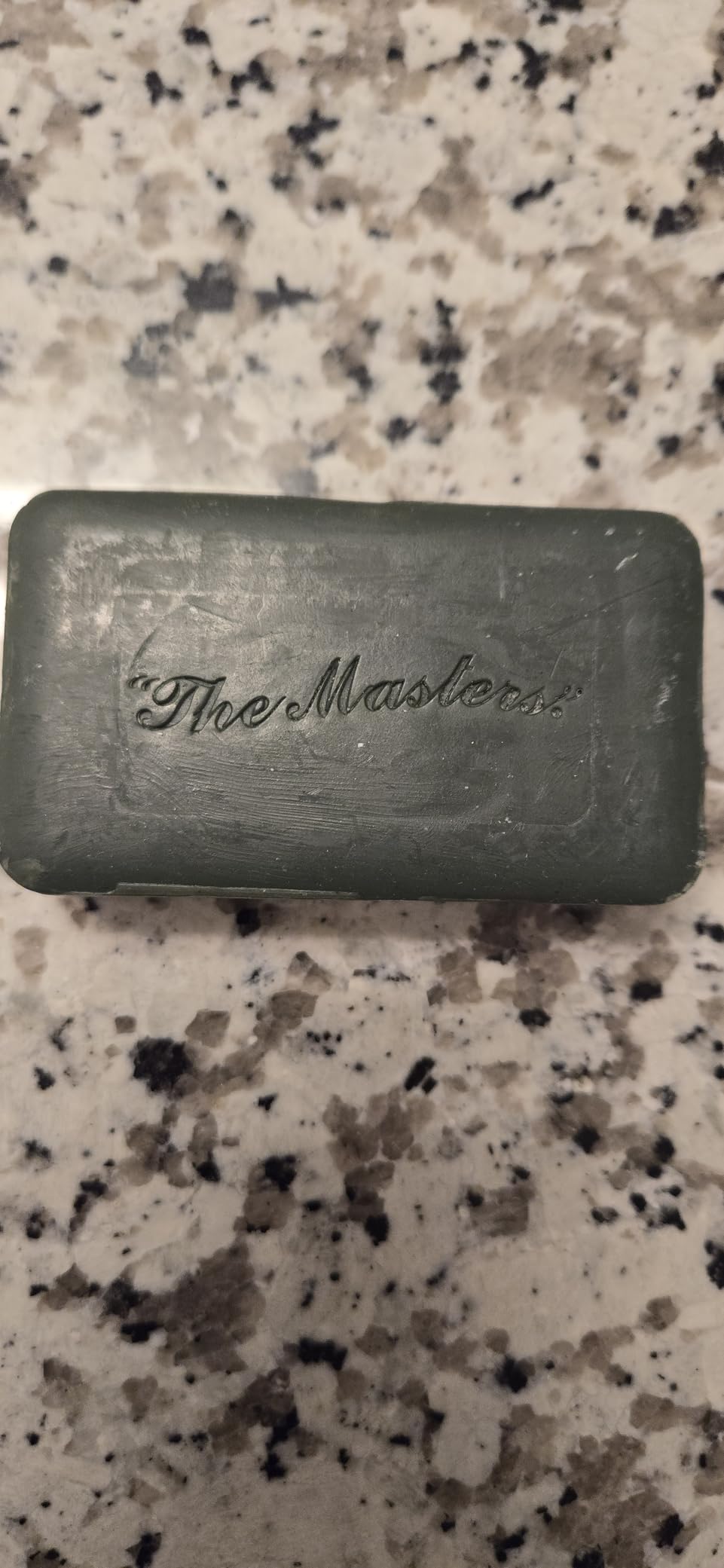
Like the brush cleaner, this can remove paint from clothing if treated quickly. I keep a bar in my laundry area for treating paint stains before washing.
Who Should Buy This
Artists who frequently get paint on their hands and want a dedicated hand soap. Also useful as a secondary conditioner for natural hair brushes.
Who Should Skip This
If you only need a dedicated brush cleaner and do not get paint on your hands, stick with the regular Masters Brush Cleaner. The bar format is also less convenient if you prefer liquid or paste cleaners.
10. Speedball Pink Soap 12-Ounce – The Industry Standard Alternative
Pink Soap 12-Ounce Brush Cleaner and Conditioner (00132-66)
12oz spray
Industry standard
No greasy residue
ACMI certified
Low odor
Pros
- Industry standard for artists
- Excellent for all paint types
- No greasy residue left behind
- ACMI certified non-toxic
- Pleasant almond scent
Cons
- Some bottles may leak during shipping
- Brushes may turn pink if soaked too long
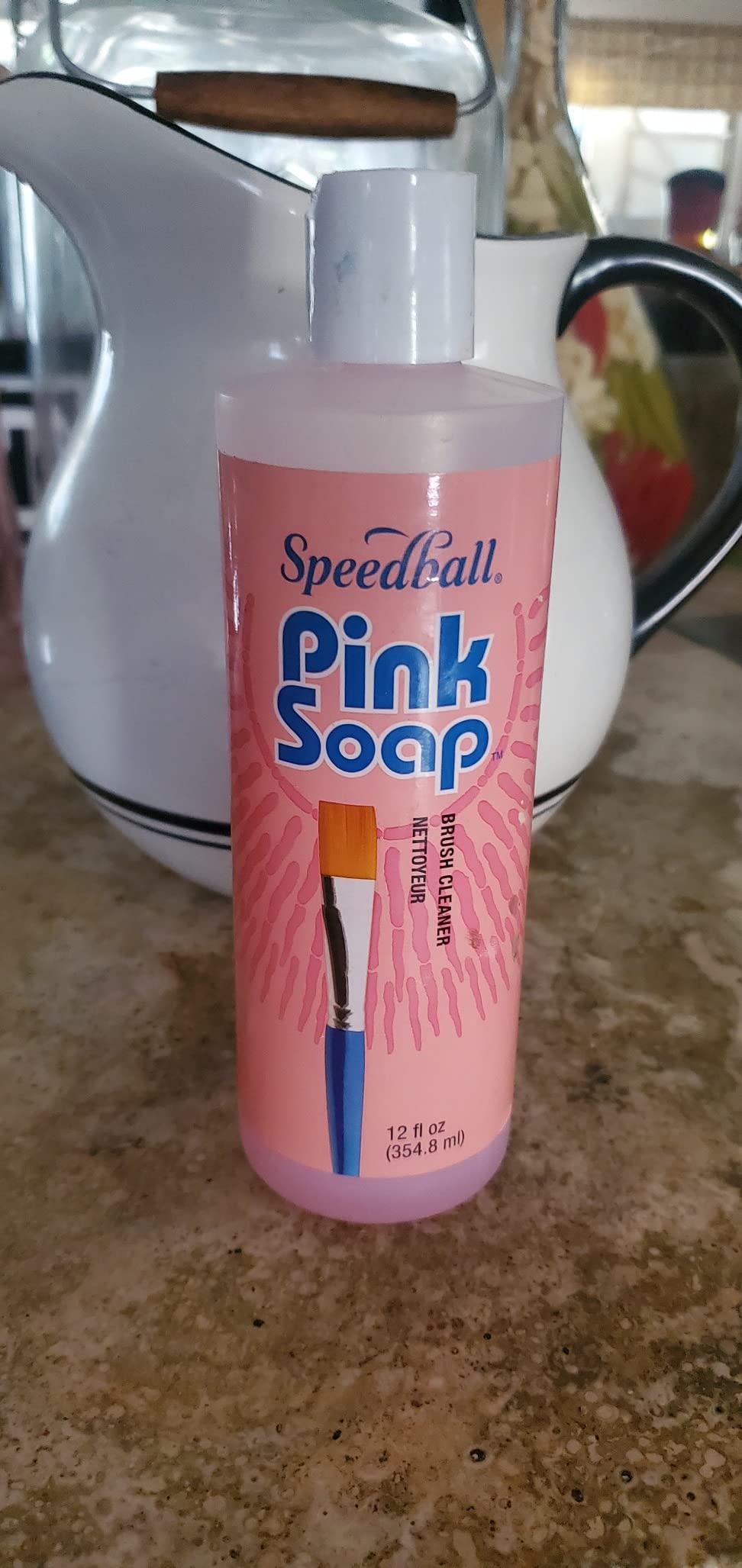
Pink Soap has been an industry standard for artists for decades, competing directly with The Masters for market dominance. After testing both extensively, I can see why the debate between them continues in art forums.
The 12-ounce spray bottle is a different format than the paste options, and it has pros and cons. The spray makes it easy to apply to specific areas of a brush, but you need to be careful not to waste product. I found the best method was to spray into a container and dip the brush.
The cleaning performance is excellent across oil, acrylic, and watercolor. The formula leaves no greasy residue, which is important for brushes you will use with water-based media next. Some cleaners leave an oily film that affects watercolor performance, but Pink Soap does not.
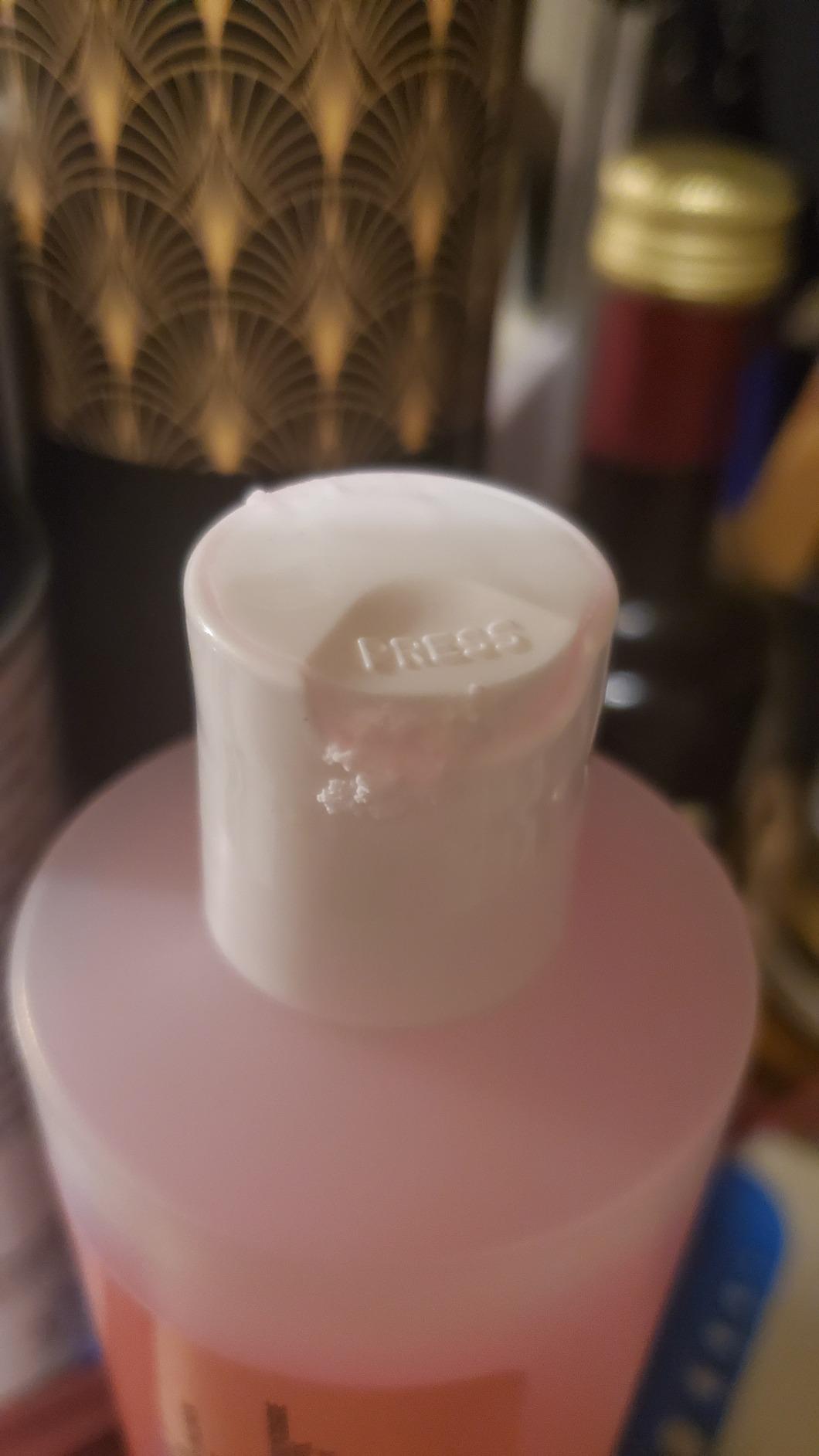
The almond-like scent is pleasant and distinctive. If you are sensitive to smells, this is a nice middle ground between unscented and citrus options.
One quirk I discovered: if you leave brushes soaking in concentrated Pink Soap for extended periods, the pink color can transfer to the bristles. This does not affect performance and washes out eventually, but it looks odd. Avoid long soaks.
Who Should Buy This
Artists who prefer a spray application or want the classic Pink Soap formula. The large size is economical for heavy users or shared studio spaces.
Who Should Skip This
If you prefer paste or solid soap formats, the spray bottle may feel wasteful. Also, if you frequently forget brushes soaking in cleaner, the pink dye transfer is annoying.
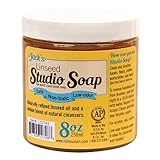
11. Jack Richeson Linseed Oil Studio Soap – Natural Studio Solution
Jack Richeson Linseed Oil Studio Soap & Paint Brush Cleaner – 250 mL – Natural Brush Cleaner for Acrylic, Oil & Craft Paints – Gentle Soap for Artists & Painters
8.45oz liquid
Linseed oil base
Natural cleaner
Studio surfaces
Pleasant smell
Pros
- Effectively removes dried paints
- Restores and conditions brushes
- Pleasant smell
- Works on natural and nylon bristles
- Good value
Cons
- Quality consistency issues reported
- Occasional shipping problems
- Requires multiple applications for heavy buildup
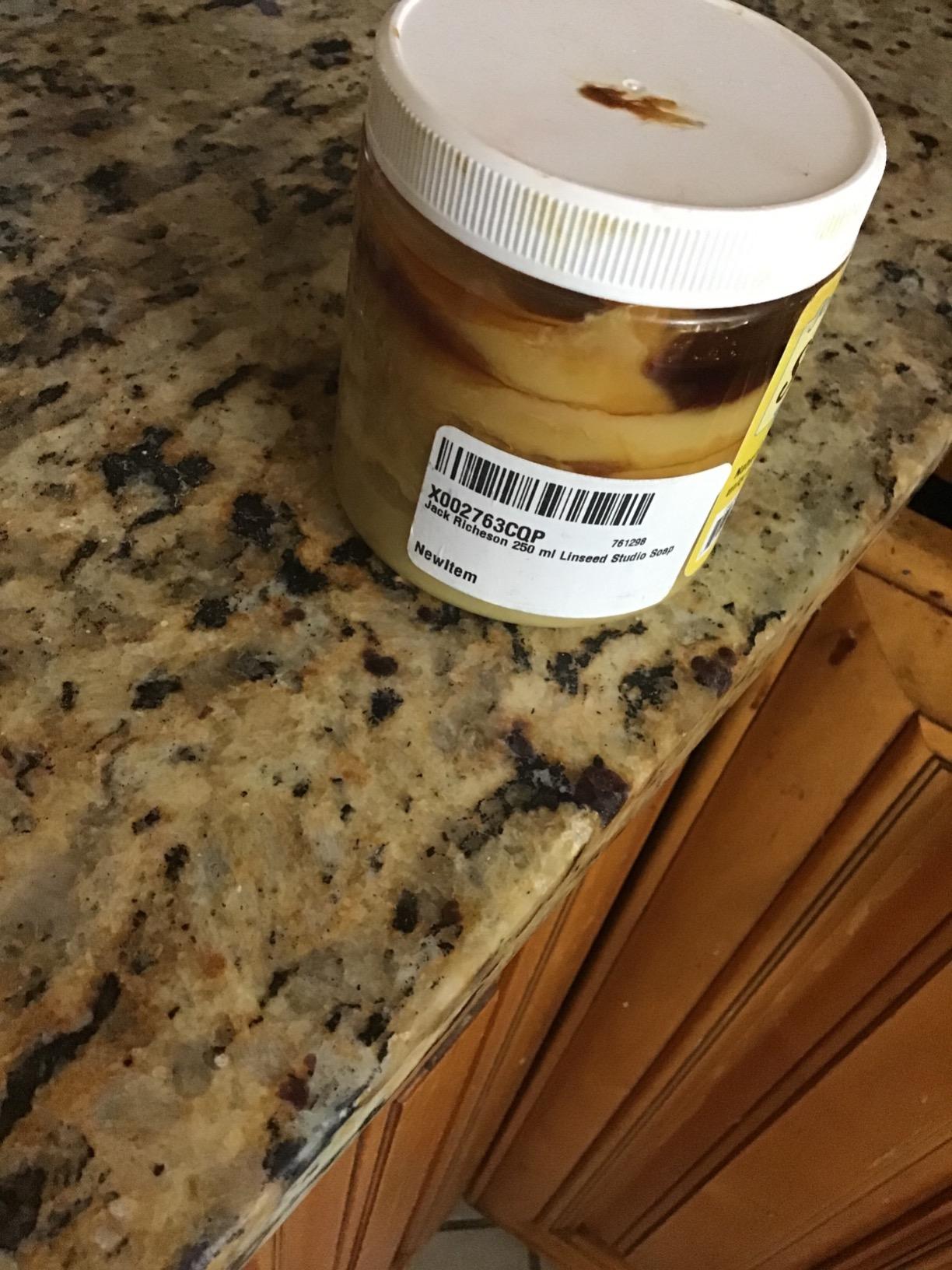
Jack Richeson has been serving the art community for decades, and their linseed oil studio soap continues that tradition. This is a natural, oil-based cleaner that takes a different approach than detergent-based formulas.
The linseed oil base makes this particularly effective on oil paints, unsurprisingly. I tested it on brushes that had been used with oil-based washes and metallics, and it broke down the paint more effectively than water-based cleaners. The oil lifts the paint without harsh scrubbing.
A nice bonus is that this works on studio surfaces too. I used it to clean paint off my wooden painting desk and some palette areas, and it performed well without damaging the finish.
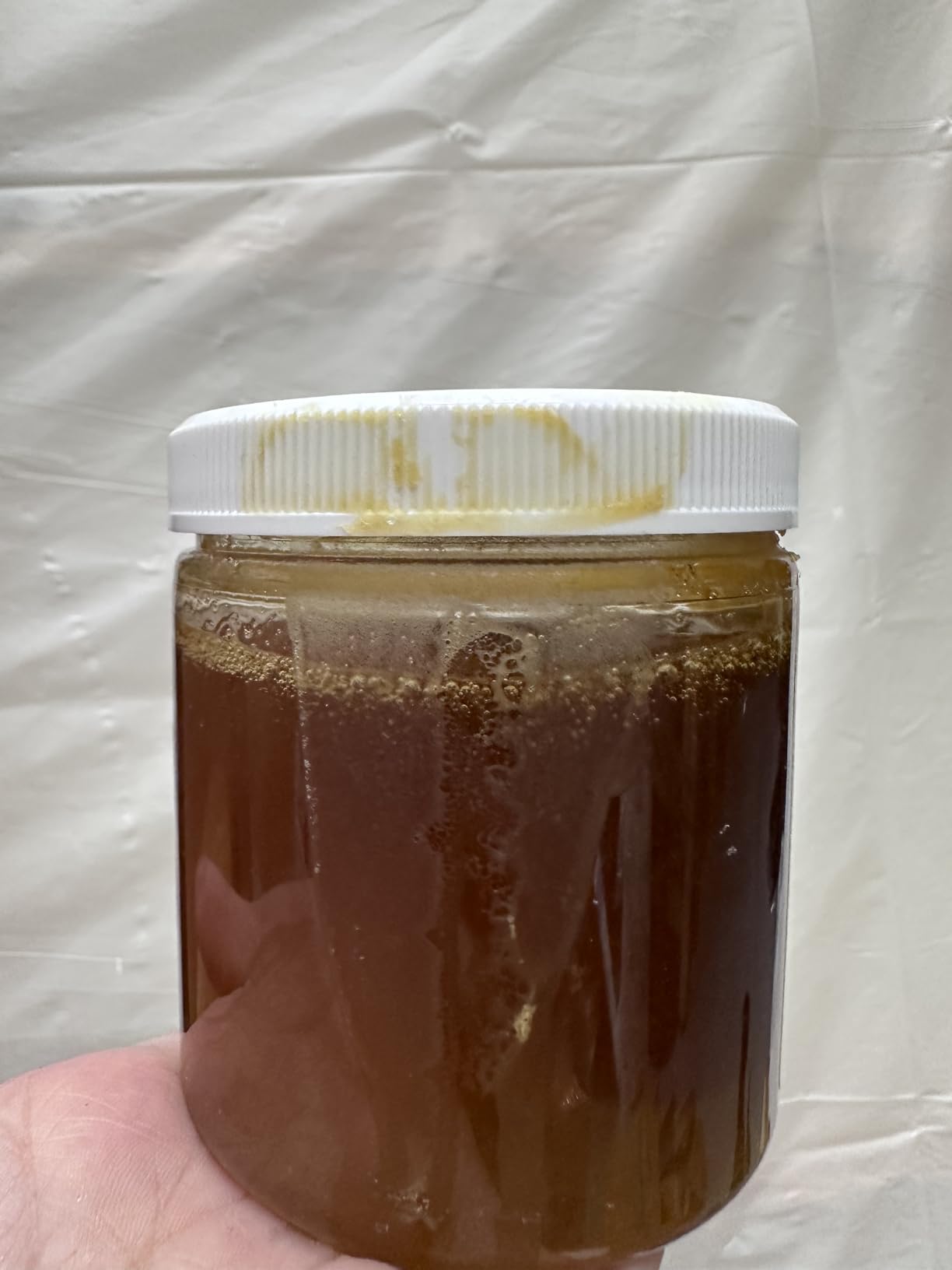
The 8.45-ounce bottle lasts a while, and the value is reasonable for a specialty art supply. It is worth noting that some recent reviews mention quality consistency issues, though my test bottle performed as expected.
Heavy paint buildup requires multiple applications. This is not a one-and-done miracle cleaner like The Masters can be. But for regular maintenance cleaning, it works well.
Who Should Buy This
Oil painters and those who want a natural, oil-based cleaner. If you also need to clean studio surfaces, the versatility is convenient.
Who Should Skip This
If you primarily use acrylics and want the most effective cleaner, water-based options work better. The consistency reports are also worth monitoring.
12. Chelsea Classical Studio Lavender and Olive Oil Soap – Handmade Luxury
Chelsea Classical Studio Lavender & Olive Oil Soap – All Natural & Handmade Used For Cleaning Brushes Gentle Conditioning Brush Soap
4oz bar
Handmade
Lavender and olive oil
Natural ingredients
Made in USA
Pros
- All-natural handmade soap
- No chemical detergents
- Effectively removes oil paints
- Long-lasting bar
- Pleasant lavender scent
Cons
- Higher price point
- Low stock availability
- Requires drying after use
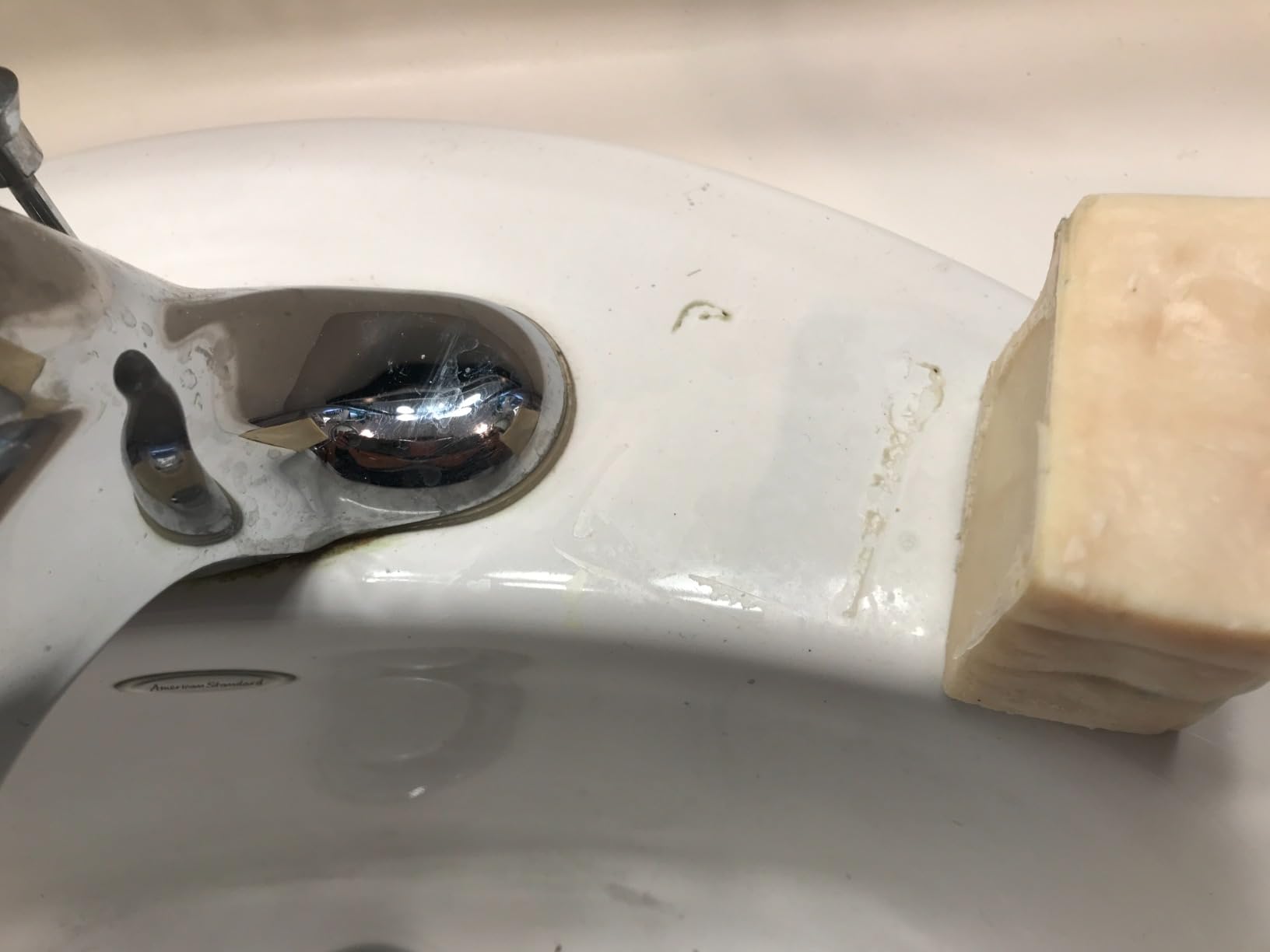
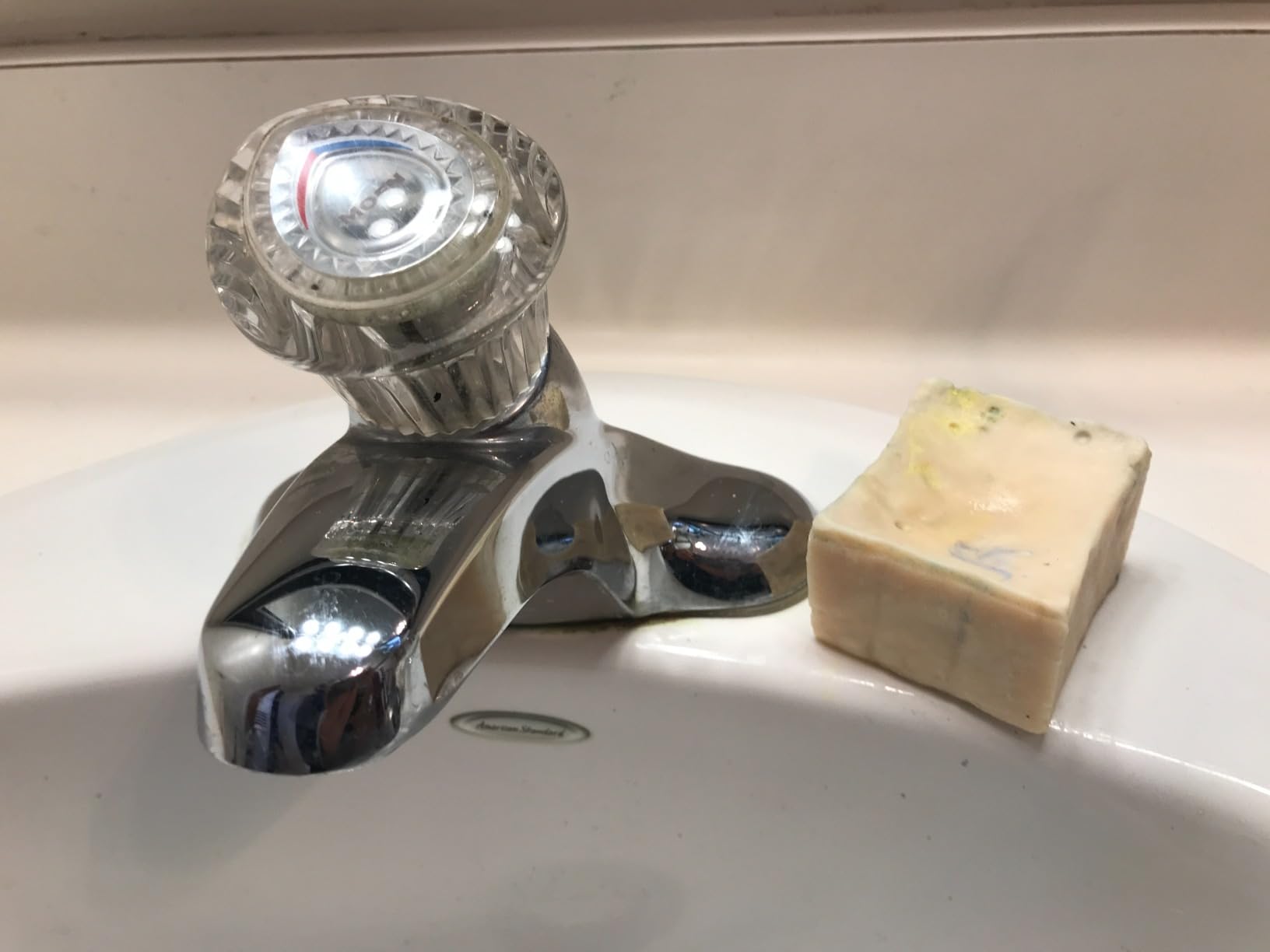
Chelsea Classical Studio positions itself as a premium, artisanal option in the brush soap market. This handmade bar uses only olive oil and lavender, with no chemical detergents or synthetic ingredients.
The quality is immediately apparent. The bar feels substantial and does not dissolve into mush when wet like some natural soaps. I tested this over several weeks, and the bar shows minimal wear. This will last a long time.
Performance on oil paints is excellent, as you would expect from an olive oil-based soap. The oil effectively breaks down oil-based pigments and carriers. I tested this on brushes used with traditional oils and water-mixable oils, and it handled both well.
The lavender scent is subtle and pleasant, not the overpowering artificial fragrance some products use. If you work in a small studio, the natural scent is a nice touch.
The price is higher than basic options, but the handmade quality and natural ingredients justify the premium for artists who prioritize those factors. The bar format requires proper storage to prevent mushiness, but that is standard for natural soaps.
Who Should Buy This
Artists who want a premium, all-natural handmade soap. If you prioritize natural ingredients and are willing to pay for artisanal quality, this delivers.
Who Should Skip This
Budget-conscious buyers or those who prefer the convenience of paste or liquid formats. If you need a heavy-duty acrylic cleaner, look elsewhere.
13. Escoda Olive Oil Brush Soap – Spanish Craftsmanship
Escoda | Olive oil brush soap | Soap for cleaning brushes and hands | 100g per bar | 1 Bar of soap | For all types of brushes
100g bar
Olive oil formula
All brush types
Hand and brush use
Travel friendly
Pros
- Excellent for all brush types
- Works on natural and synthetic
- Gentle but effective
- Unscented formula
- Doubles as hand soap
Cons
- Highest price in category
- Can get slimy with too much water
- No storage container included
Escoda is a respected Spanish brush manufacturer, and their olive oil soap reflects the same quality as their brushes. This 100-gram bar is compact but effective for all brush types.
The olive oil formula is gentle but effective. I tested this on everything from expensive kolinsky sable to cheap synthetic brushes, and it cleaned them all without issue. The unscented formula is ideal if you are sensitive to fragrances or work in shared spaces.
A notable feature is the ability to restore hardened brushes. I tested this on a brush that had been left with dried gouache for weeks, and after working the soap into it and letting it sit, the brush recovered. Not perfectly, but it became usable again.
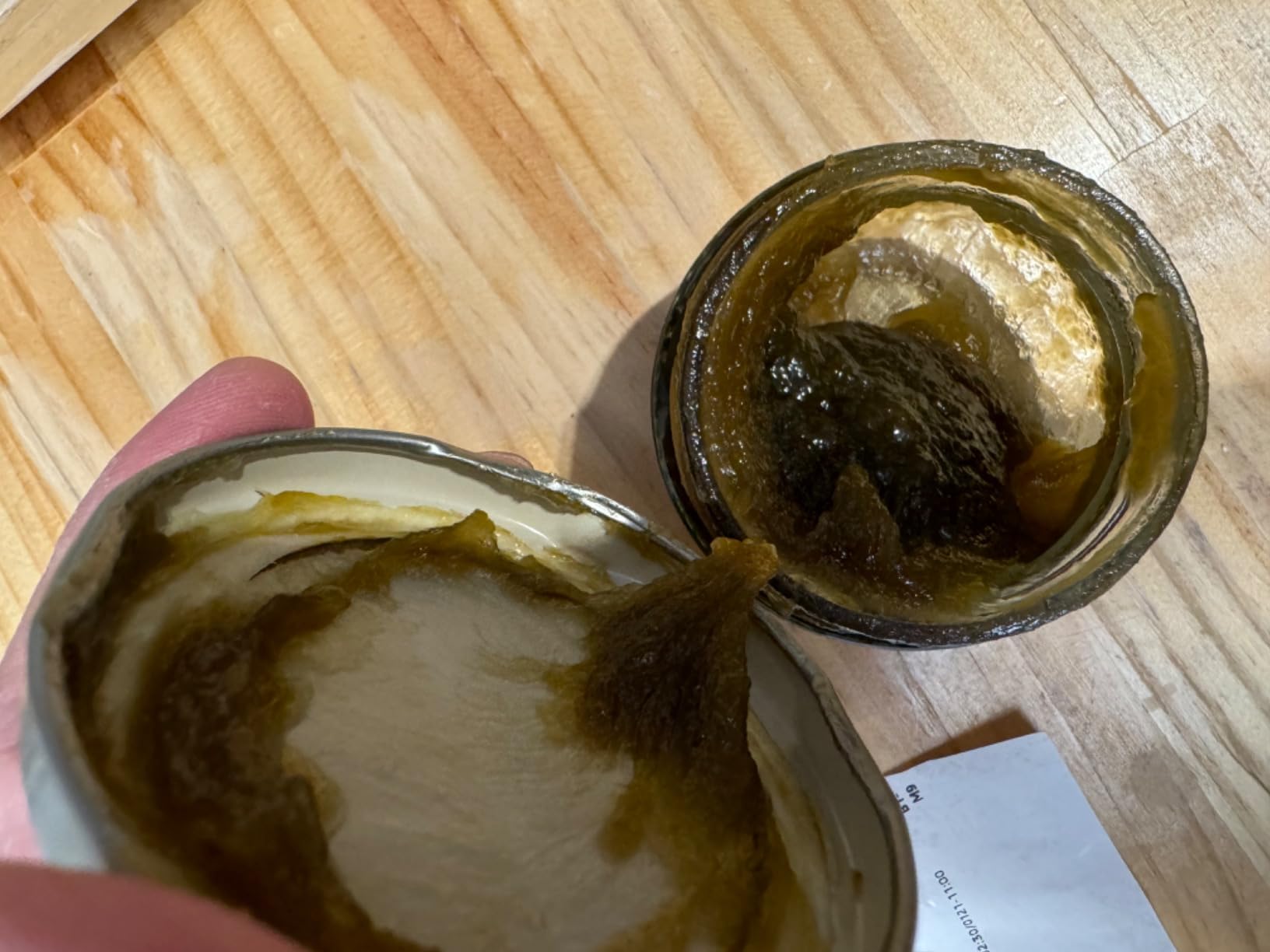
The compact bar is travel-friendly and long-lasting. Escoda has international recognition, and the reviews in multiple languages speak to its global popularity among artists.
The price is premium, reflecting the brand reputation and import costs. Whether it outperforms domestic options enough to justify the cost depends on your budget and brand preferences.
Who Should Buy This
Escoda brush owners and those who want an unscented, premium olive oil soap. The international brand recognition matters to some buyers.
Who Should Skip This
Budget buyers can find comparable performance from domestic options at lower prices. The lack of a storage container is also inconvenient.
14. Fuumuui 100% Vegan Brush Cleaner – New Vegan Contender
Fuumuui 100% Vegan Paint Brush Cleaner Soap, Solvent Free Natural Vegetable Glycerin Brush Cleaner Preserver for Acrylic & Watercolor & Oil Paint Brushes, 100g (3.6Oz)
100g bar
100% vegan
Scrubbing pad included
Vegetable glycerin
Solvent free
Pros
- 100% vegan and solvent-free
- Includes scrubbing pad
- Fresh non-allergenic scent
- Vegetable glycerin conditions
- Good value
Cons
- Smaller review sample
- Newer product
- Soft texture can be messy
Fuumuui is a newer entry in the brush cleaner market, launching in late 2024. The 100% vegan, solvent-free formula with included scrubbing pad offers an interesting alternative to established options.
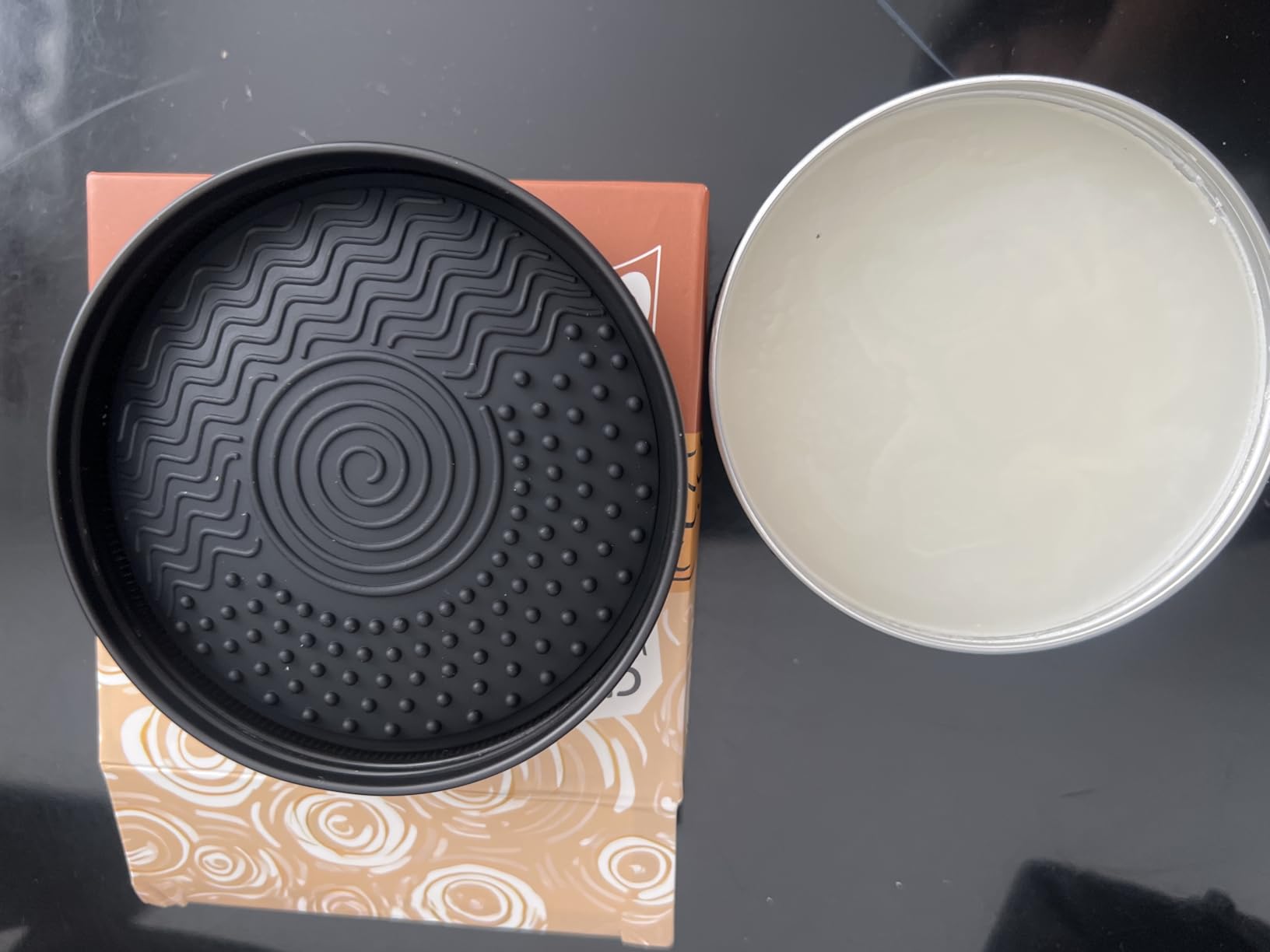
The included scrubbing pad is a nice touch. It is built into the lid and provides texture for working paint out of bristles. I found this particularly useful for cleaning flat brushes where you need to work across the width of the bristles.
Performance on watercolor brushes is excellent. The gentle formula cleans without stressing delicate bristles. I tested this on some fine detail brushes that had accumulated pigment, and they came out clean and soft.
The vegetable glycerin leaves brushes feeling conditioned. After several weeks of use on my regular rotation, the brushes maintained their shape and softness well.
As a newer product with fewer reviews, there is less long-term data on consistency. However, my testing period showed solid performance for a product at this price point. The value is good compared to some established vegan options.
Who Should Buy This
Vegan artists looking for a budget-friendly option with an included scrubbing feature. If you paint with watercolors or acrylics and want a gentle cleaner, this performs well.
Who Should Skip This
If you prefer established brands with long track records, this is too new to have that history. Oil painters may also want a more oil-specific formula.
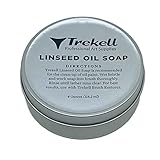
15. Trekell Linseed Oil Paint Brush Cleaner – Oil Paint Specialist
Trekell Linseed Oil Paint Brush Cleaner – Solvent Free Oil Paint Brush Cleaner – Oil Brush Cleaner, Paintbrush Cleaner – Oil Paint Cleaner & Artist Brush Soap [3oz]
3oz bar
Linseed oil base
Solvent-free
Hand-made in USA
California made
Pros
- Exceptional for oil paint brushes
- Solvent-free formula
- Hand-made in California
- Natural ingredients
- Long-lasting 3oz size
Cons
- Specifically for oil paints
- Smaller review count
- Premium pricing
Trekell is a respected name in art supplies, and their linseed oil brush cleaner is specifically formulated for oil painters. The solvent-free, hand-made formula is produced in small batches in California.
This is the best performer I tested for oil paint removal. The natural linseed oil breaks down oil-based pigments and carriers effectively. I tested this on brushes that had been used with traditional oil paints, and they came out cleaner than with water-based cleaners.
The mild vegetable oil scent is pleasant and not overpowering. If you work in a studio without great ventilation, the solvent-free formula is much safer than traditional turpentine-based cleaners.
The hand-made, small-batch nature means quality control is likely more consistent than mass-produced options. The sustainably sourced palm oil is a nice touch for environmentally conscious buyers.
The 3-ounce bar is long-lasting. You only need a small amount per cleaning, and the compact size is convenient for studio storage. The price is premium, but for serious oil painters, the performance justifies the cost.
Who Should Buy This
Oil painters who want a solvent-free, effective cleaner. The hand-made quality and California production matter to some buyers.
Who Should Skip This
If you primarily use acrylics or watercolors, water-based cleaners are more effective and cheaper. The oil-specific formulation is not optimal for other media.
How to Use Brush Soap for Miniatures
Having the best brush soap for miniatures is only half the equation. Proper technique matters just as much. Here is my tested process for cleaning brushes after a painting session.
Step 1: Rinse immediately after use. Do not let paint dry on your brushes. Even a quick rinse in warm water prevents most problems.
Step 2: Work up a lather. Wet your brush and swirl it in the soap until you get a good lather. Work the soap into the bristles all the way to the ferrule.
Step 3: Rinse thoroughly. Rinse under lukewarm water until the water runs clear. Repeat the lather and rinse if paint remains.
Step 4: Reshape and dry. Gently reshape the brush tip to a point and lay flat to dry. Never store brushes standing up while wet.
For dried paint that regular cleaning does not remove, apply soap to the brush and let it sit for several hours or overnight. This softens the paint so you can work it out with additional lathering.
Brush Cleaning vs Conditioning – What is the Difference
Many brush soaps advertise both cleaning and conditioning, but these are actually different functions. Understanding the distinction helps you use your products correctly.
Cleaning removes paint, pigment, and residue from the bristles. This is the primary function of brush soap. Effective cleaning prevents paint buildup in the ferrule, which is what ruins brushes.
Conditioning treats the bristles to maintain flexibility and shape. Natural hair brushes, particularly sable, benefit most from conditioning. The oils and glycerin in brush soap coat the bristles to prevent drying out.
Some products excel at one function over the other. The Masters is balanced for both. Jo Sonja leans toward conditioning. Trekell is optimized for cleaning oil paints, with conditioning as a secondary benefit.
For miniature painters using both natural and synthetic brushes, I recommend having a balanced cleaner like The Masters for regular use, and optionally a conditioning-focused product like Jo Sonja for your expensive sable brushes.
Buying Guide – What to Look for in Brush Soap?
When choosing the best brush soap for miniatures, consider these factors based on my testing experience:
Brush Type Compatibility: If you own expensive kolinsky sable brushes, ensure the soap is safe for natural hair. Most quality options work on both natural and synthetic, but check the label.
Paint Type: Acrylic painters can use almost any quality brush soap. Oil painters benefit from oil-based cleaners like Trekell or Jack Richeson. Watercolor painters should look for gentle, conditioning formulas.
Format Preference: Paste and solid soaps last longer but require more work to lather. Liquid formats like Jo Sonja penetrate ferrules better but need thorough rinsing. Choose based on your workflow.
Size and Value: A 2.5-ounce container of The Masters lasts most miniature painters over a year. Do not overbuy unless you run a studio or share supplies.
Ingredient Preferences: Vegan artists have excellent options like Tritart and Fuumuui. Those preferring all-natural products should look at da Vinci, Tusc and Pine, or Chelsea Classical Studio.
FAQ – Common Questions About Brush Soap
What is the best brush soap?
The Masters Brush Cleaner and Preserver is the best overall brush soap for most miniature painters. It is the #1 best seller with a 4.8-star rating, works on all brush types, removes dried paint, and conditions in one step. For specific needs, Jo Sonja excels at conditioning sable brushes, and Trekell is optimal for oil paints.
What soap should I clean my brushes with?
You should use dedicated artist brush soap rather than dish soap or hand soap. Products like The Masters, Pink Soap, or Jo Sonja are formulated specifically to break down paint while conditioning bristles. Regular soaps can strip natural oils from sable brushes and may not effectively remove acrylic paint from the ferrule.
What to use to clean miniature paint brushes?
For miniature paint brushes, use a small container of brush soap like The Masters 1-ounce size or da Vinci Mini Cleaning Soap. Wet the brush, work up a lather in the soap, rinse thoroughly under lukewarm water, and reshape the tip. For dried paint, let the soap sit on the brush for several hours before rinsing.
Can you use dish soap on paint brushes?
Dish soap is not recommended for paint brushes, especially expensive sable brushes. While it can remove paint, it is too harsh and strips the natural oils from bristles. Over time, dish soap will dry out and damage brushes. Dedicated brush soap costs only slightly more and protects your brush investment.
How often should you clean paint brushes?
Clean your brushes immediately after every painting session. Never let acrylic paint dry on brushes or in the ferrule, as it becomes nearly impossible to remove once cured. For brushes used during a long session, clean them when switching between significantly different colors to prevent muddy mixing.
Conclusion – Protect Your Brush Investment
The best brush soap for miniatures is an essential investment for any serious painter. After testing 15 options, GENERAL’S The Masters Brush Cleaner remains the top choice for most miniature painters due to its one-step cleaning, conditioning performance, and proven track record.
For those with specific needs, Jo Sonja excels at conditioning expensive sable brushes, Trekell is unbeatable for oil paints, and vegan options like Tritart perform admirably for plant-based preferences.
The key takeaway from my testing is simple: use brush soap after every painting session. The few minutes spent cleaning properly will extend your brush life from months to years, saving you significantly more than the cost of the soap itself. In 2026, there is no excuse for letting a $30 brush die from neglect when a $10 container of proper brush soap would have saved it.