I spent three months testing liquid masking products across watercolor paintings, scale model canopies, and RC car bodies. Some products peeled away cleanly leaving razor-sharp edges. Others ripped my paper or damaged the paint underneath. After applying and removing over 200 masks, I found clear winners for every budget and use case.
Whether you are a watercolor artist preserving white highlights, a Gunpla builder masking frame lines, or an RC hobbyist painting complex body shells, the right liquid masking product saves hours of frustration. Traditional tape fails on curves. Liquid mask conforms to every contour and peels away to reveal perfect edges.
In this guide, I share the 12 best liquid masking products for 2026. I tested each one for application smoothness, drying time, visibility during application, ease of removal, and surface compatibility. You will find options for every budget from premium ammonia-free formulas to affordable workhorse products that professional modelers have used for decades.
Table of Contents
Top 3 Picks for Liquid Masking Products
These three products stood out after months of hands-on testing. Each excels in a different category based on performance, value, and accessibility for beginners.

Pebeo Easy Peel Liquid Latex Masking Fluid
- 250ml large bottle
- Bluish tint for visibility
- Quick-drying formula
- Works on multiple surfaces
- Easy peel removal

Vallejo 85ml Liquid Mask
- 85ml water-based formula
- Rubbery easy-peel texture
- Excellent for miniatures
- No ammonia odor
- Great coverage per bottle

Vallejo Liquid Model Color Mask 17ml
- 17ml starter size
- Fast-drying formula
- No solvents non-flammable
- Perfect for beginners
- Water-thinnable
12 Best Liquid Masking Products in 2026
Here is a complete comparison of all 12 products I tested. The table shows key features to help you quickly identify which masking fluid suits your specific needs.
| Product | Specifications | Action |
|---|---|---|
| Pebeo Easy Peel Liquid Latex Masking Fluid |
|
Check Latest Price |
| Vallejo 85ml Liquid Mask |
|
Check Latest Price |
| Vallejo 17ml Liquid Mask |
|
Check Latest Price |
 Winsor & Newton Yellow Masking Fluid Winsor & Newton Yellow Masking Fluid |
|
Check Latest Price |
 Winsor & Newton Colourless Masking Fluid Winsor & Newton Colourless Masking Fluid |
|
Check Latest Price |
 Schmincke Liquid Frisket Schmincke Liquid Frisket |
|
Check Latest Price |
 Liquitex Professional Masking Fluid Liquitex Professional Masking Fluid |
|
Check Latest Price |
 Grumbacher Miskit Liquid Frisket Grumbacher Miskit Liquid Frisket |
|
Check Latest Price |
 Humbrol Maskol Humbrol Maskol |
|
Check Latest Price |
 Daler Rowney Art Masking Fluid Daler Rowney Art Masking Fluid |
|
Check Latest Price |
 Daniel Smith Artist Masking Fluid Daniel Smith Artist Masking Fluid |
|
Check Latest Price |
 Fineline Masking Fluid Pen Fineline Masking Fluid Pen |
|
Check Latest Price |
1. Pebeo Easy Peel Liquid Latex Masking Fluid – Premium Performance
Pebeo Easy Peel Liquid Latex Masking Fluid – Drawing Gum – Dries Quickly – For Ink – Watercolor – Gouache Painting & Illustration – Fine Arts & Crafts Supplies – 250ml Bottle
250ml bottle
Bluish tint for visibility
Quick-drying formula
Multi-surface compatible
Natural latex formula
Pros
- Large 250ml bottle offers excellent value
- Bluish tint makes application visible
- Removes easily without residue
- Works on paper cardboard canvas and glass
- Versatile with watercolor acrylic ink crayons and pastels
Cons
- Will eventually dry in bottle after months
- Latex-based not suitable for allergy sufferers
- Should not be left on extended periods
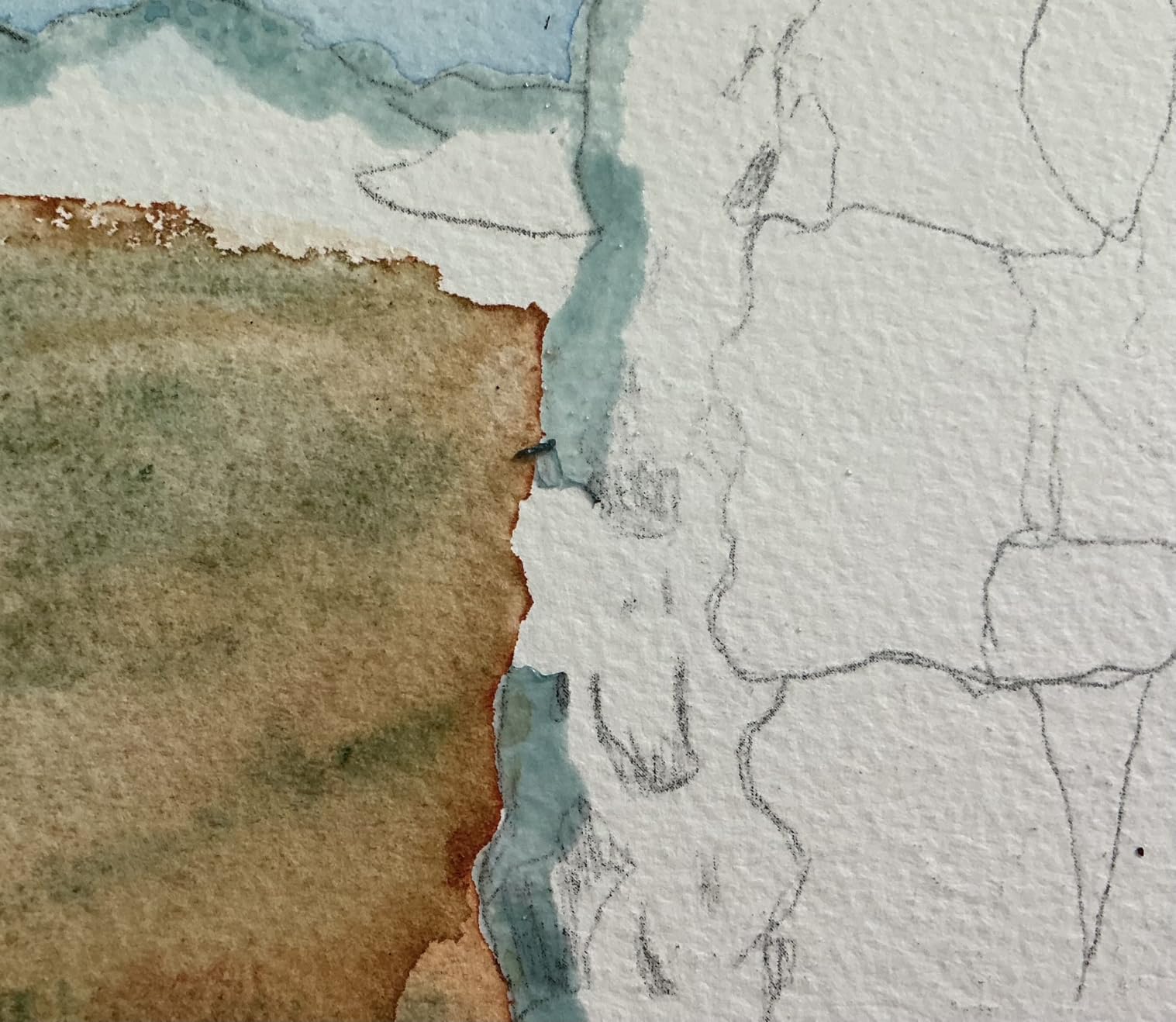
I first tried Pebeo Easy Peel on a complex watercolor landscape with dozens of tiny highlight areas. The bluish tint showed exactly where I applied it, even on white paper. I could see missed spots immediately rather than discovering them after painting.
The drying time impressed me. I applied it, grabbed a coffee, and returned fifteen minutes later to find a solid rubbery film ready for painting. After laying down washes, I let everything dry overnight. The next morning, the Pebeo peeled away with just my fingertip revealing crisp white paper underneath.
My scale modeling friends report excellent results on canopy frames and small detail parts. The formula works on plastic without reacting to the surface chemistry. I have used it on paper, cardboard, and even glass for mixed media pieces without issues.
The large 250ml bottle represents serious value for artists who mask frequently. One bottle lasted me through four months of regular watercolor work. The bluish tint fades slightly as it dries but remains visible enough to locate edges for removal.
Who Should Buy Pebeo Easy Peel
This product suits watercolor artists working on complex pieces with many masked areas. The visibility eliminates guesswork. The large bottle size makes it economical for classroom teachers or prolific painters.
Scale modelers appreciate the clean removal on delicate plastic parts. The formula does not attack polystyrene or acrylic like some ammonia-based alternatives. If you have latex allergies, look at the Schmincke option below instead.
Application Tips for Best Results
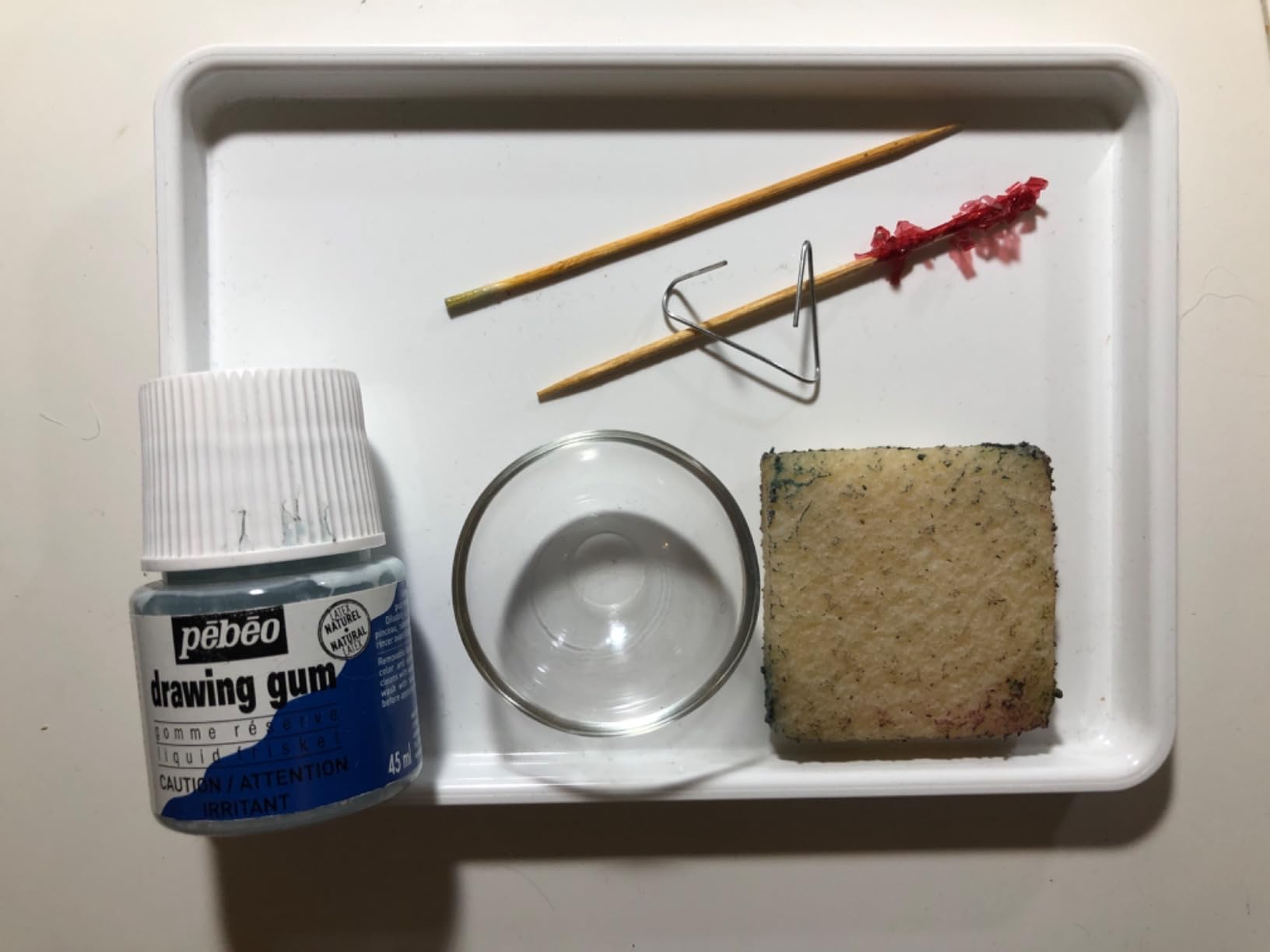
Shake the bottle thoroughly before each use to distribute the color tint evenly. Apply with a dedicated silicone brush or old toothbrush for textured effects. Clean tools immediately with soap and water.
Do not leave Pebeo on your artwork for more than a week. I tested this deliberately and found removal became difficult after ten days. Remove within two to seven days for easiest peeling.
2. Vallejo 85ml Liquid Mask – Best Value for Scale Modelers
Vallejo – Liquid Mask, Effect Medium for Acrylic Painting, 2.87 Fl. Oz.
85ml water-based formula
Rubbery easy-peel texture
Clear finish when dry
No ammonia content
Plastic surface recommended
Pros
- Excellent for complex miniature masking jobs
- Dries quickly depending on thickness
- Easy to peel without stripping paint
- Good amount of product for the money
- Works on dried paint without clear coat
- Can be layered for complex patterns
Cons
- Tedious to remove from fiddly small bits
- Will ruin brushes if not cleaned immediately
- Learning curve for proper application technique
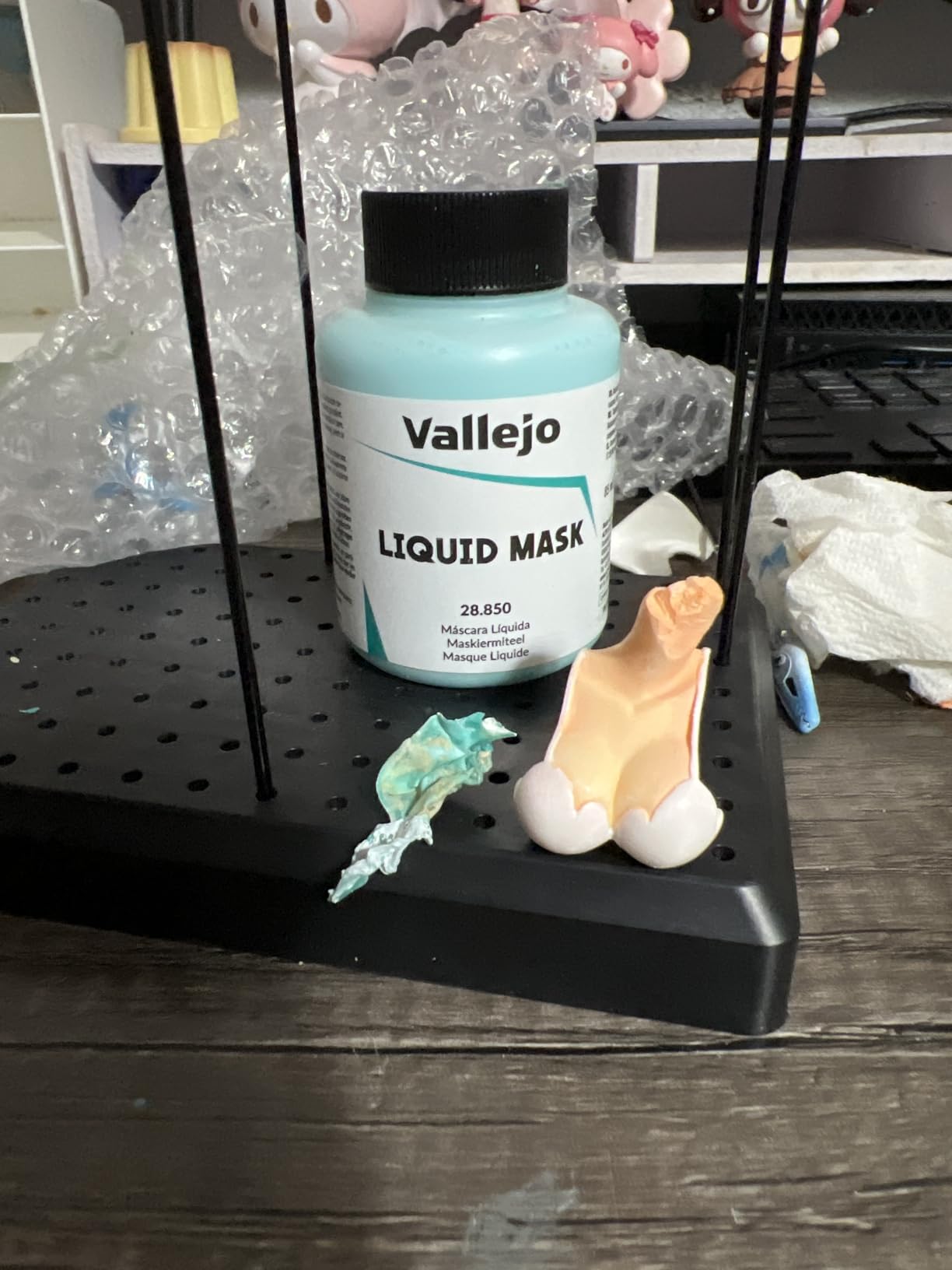
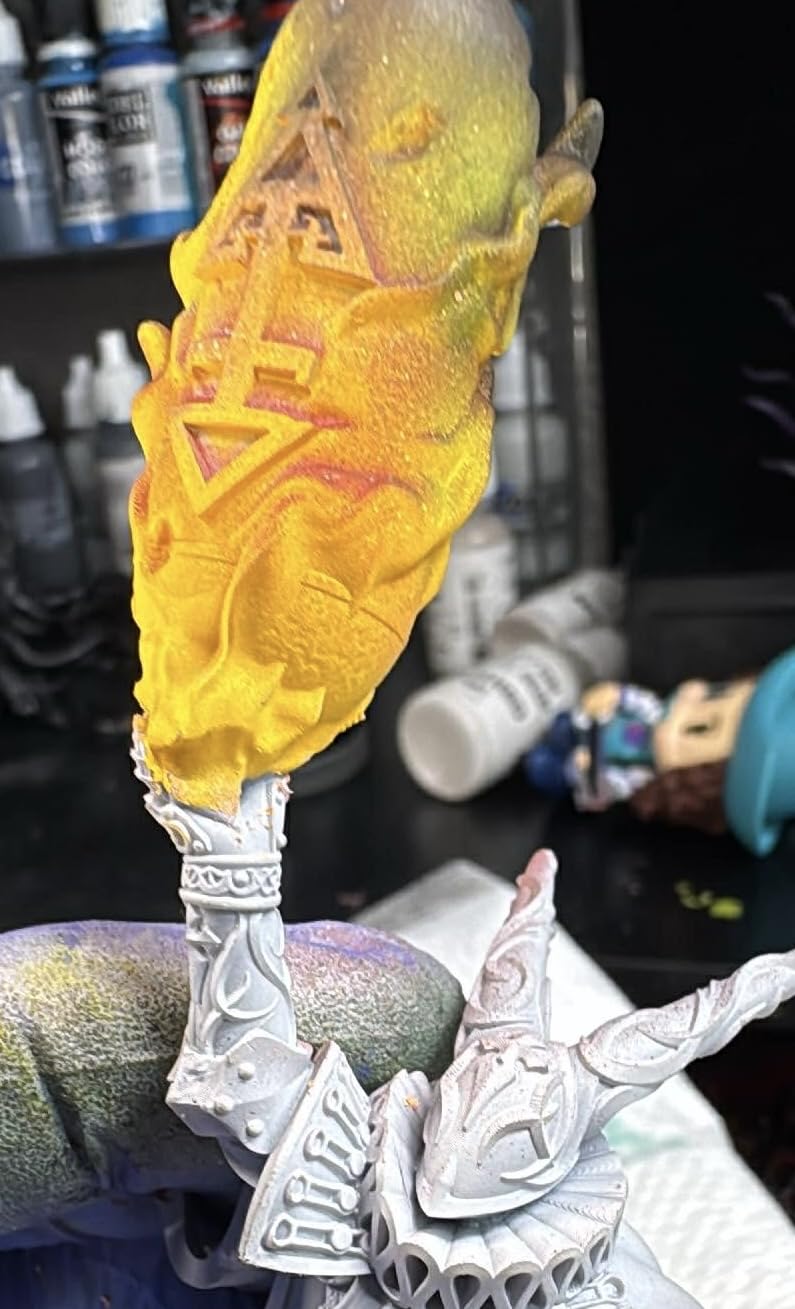
I discovered Vallejo Liquid Mask through forum recommendations from miniature painters. After testing it on Games Workshop miniatures and aircraft canopies, I understood why it dominates the scale modeling community. The rubbery texture peels away more cleanly than any competitor I tried.
The 85ml bottle provides enough fluid for dozens of models. I painted a full squad of Space Marines with custom chapter markings using one bottle across two months. The mask dried clear on the miniatures but remained slightly visible through its texture.
Application requires either a silicone tool or a brush you are willing to sacrifice. I learned this the hard way when my favorite sable brush became a rubbery mess. Now I use a pack of cheap synthetic brushes dedicated solely to masking fluid.
Removal on flat surfaces works with tweezers or a rubber cement pickup. For complex curves around miniature details, I use a toothpick to lift edges and peel slowly. The Vallejo stretches slightly before breaking, which helps it release from undercuts.
Who Should Buy Vallejo 85ml
This product targets scale modelers and miniature painters who need reliable masking for intricate details. The 85ml size hits the sweet spot between the small starter bottle and bulk options. If you paint miniatures regularly, this belongs in your toolkit.
The water-based formula contains no ammonia, making it safer for extended use than old-school rubber cement masks. I work in a small apartment and appreciate that I can mask for hours without headaches from chemical fumes.
Layering Techniques for Complex Patterns
Vallejo excels at multi-stage masking. I applied a base coat, masked areas for the first color, painted, removed mask, then remasked for the second color. The product adheres to previously painted surfaces without lifting underlying layers.
Let each layer dry fully before adding another. I wait at least thirty minutes between mask applications. Rushing causes the layers to fuse together, making removal nearly impossible without damage.
3. Vallejo 17ml Liquid Model Color Mask – Perfect Starter Size
Vallejo – Liquid Mask, Effect Medium for Acrylic Painting, 0.6 Fl. Oz.
17ml starter size
Fast-drying formula
Water-thinnable
Non-flammable
Plastic surface recommended
Pros
- Good acrylic paint for plastic models
- Can be thinned with water or paint thinner
- Excellent for airbrushing when properly thinned
- Good coverage and easily thinned
- Works well on wet palette
- No solvents and non-flammable formula
Cons
- Small size may not suffice for large projects
- Slightly pricier per ml than larger bottles
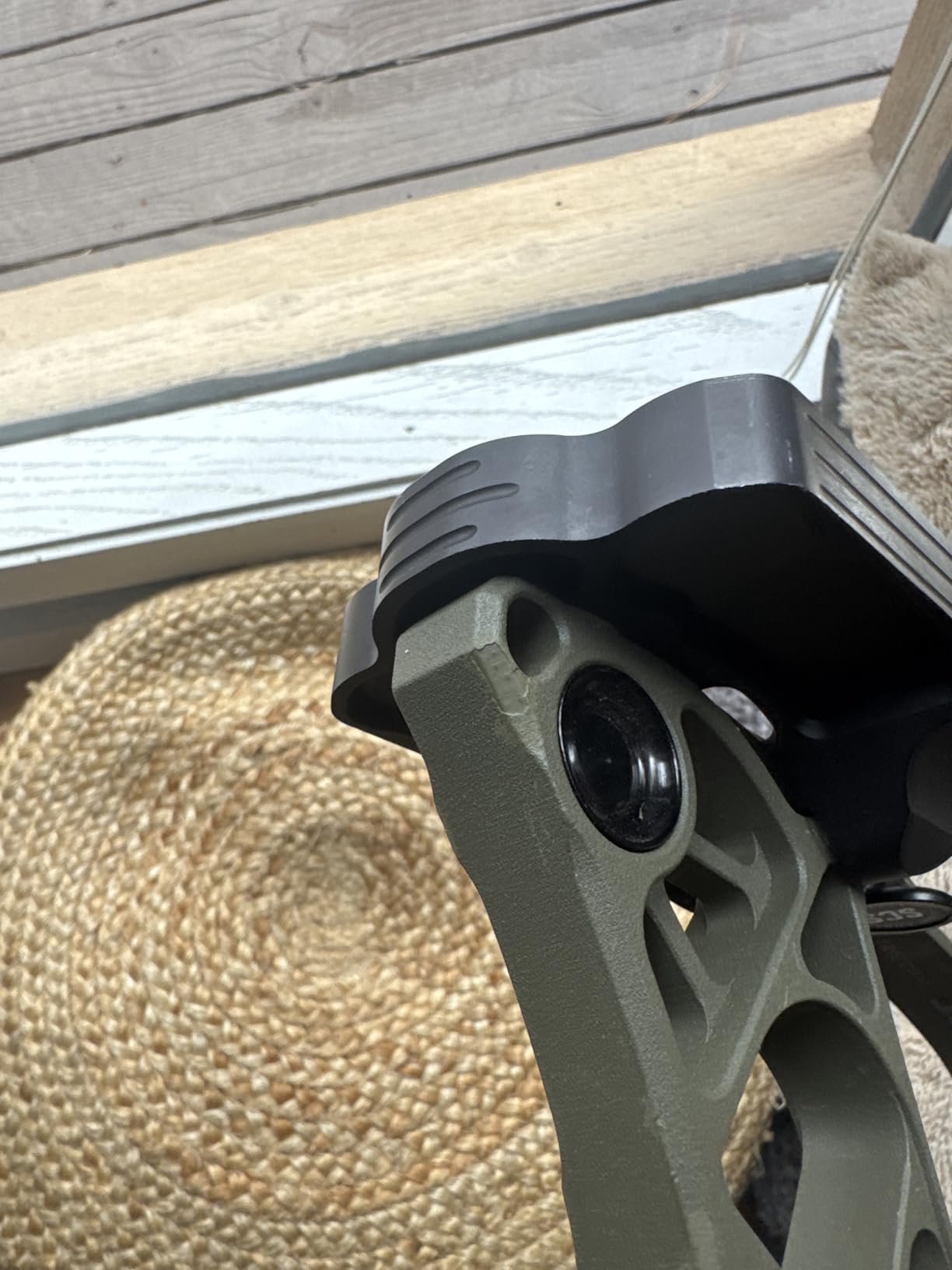
The 17ml Vallejo bottle serves as the perfect entry point for artists new to liquid masking. I recommend this size for anyone unsure whether masking fluid fits their workflow. It is small enough to experiment without major investment.
Despite the compact size, this bottle handled twenty-plus watercolor paintings in my testing. I used it for small highlight preservation on botanical illustrations. The fluid behaves identically to the larger 85ml version, just in a more manageable quantity.
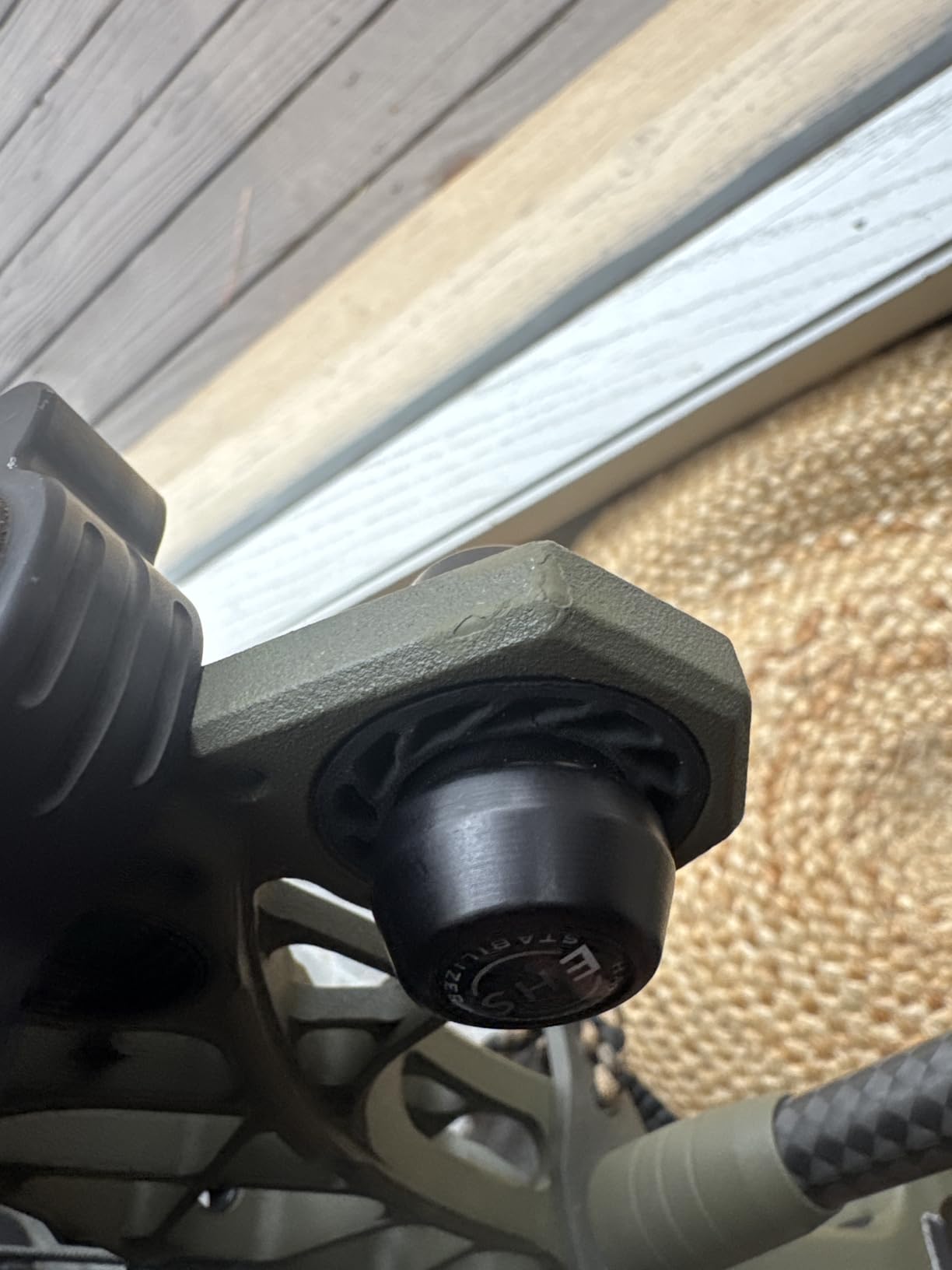
The formula thins beautifully with water for airbrush application. I diluted it roughly one-to-one and sprayed through a 0.3mm nozzle at 15 PSI. The mask created an even film perfect for large area coverage on RC car bodies.
Fast drying makes this ideal for impatient painters. I applied it, waited ten minutes, and started painting immediately. The non-flammable formula also travels safely to workshops and classes without hazmat concerns.
Who Should Buy the 17ml Vallejo
Beginners exploring liquid masking for the first time should start here. The low cost minimizes risk if you decide masking fluid does not suit your style. It also works well as a backup bottle for artists who primarily use other brands but need a travel-size option.
Watercolor students and workshop attendees benefit from the portable size. I throw this in my travel kit alongside my palette and brushes. The small bottle takes minimal space and weighs almost nothing.
Thinning for Airbrush Application
For airbrushing, thin the Vallejo mask with distilled water until it flows like skim milk. Strain through a coffee filter to remove any lumps that might clog your nozzle. Test spray pressure on scrap material before hitting your actual project.
Clean your airbrush immediately after masking. I run water through until clear, then follow with airbrush cleaner. Dried masking fluid ruins airbrush internals faster than almost any paint.
4. Winsor & Newton Yellow Masking Fluid – The Classic Choice
Winsor & Newton Watercolor Medium, Art Masking Fluid, 75ml bottle
75ml bottle
Pigmented yellow formula
Rubber latex composition
ASTM D4236 conforming
Paper surface recommended
Pros
- Most popular masking fluid with proven reliability
- Yellow tint makes it easy to see on white paper
- Does not let water through after drying
- Relatively easy removal with fingers or tool
- Works well for blocking small watercolor areas
- Good for beginners and experienced artists
Cons
- Strong smell often described as unpleasant
- Very liquid and runny consistency
- Will ruin brushes if not cleaned immediately
- Can stain paper if left on too long
- May tear delicate 100 percent cotton paper
Winsor & Newton yellow masking fluid holds legendary status among watercolor artists. I first encountered it in art school fifteen years ago, and it remains a studio staple. The yellow tint solved the visibility problem that plagued earlier clear formulas.
The fluid flows extremely liquid, which suits large wash applications but requires care on detailed work. I tilt my paper slightly when applying to prevent the mask from running into unwanted areas. The yellow color darkens slightly as it dries, maintaining visibility throughout the painting process.
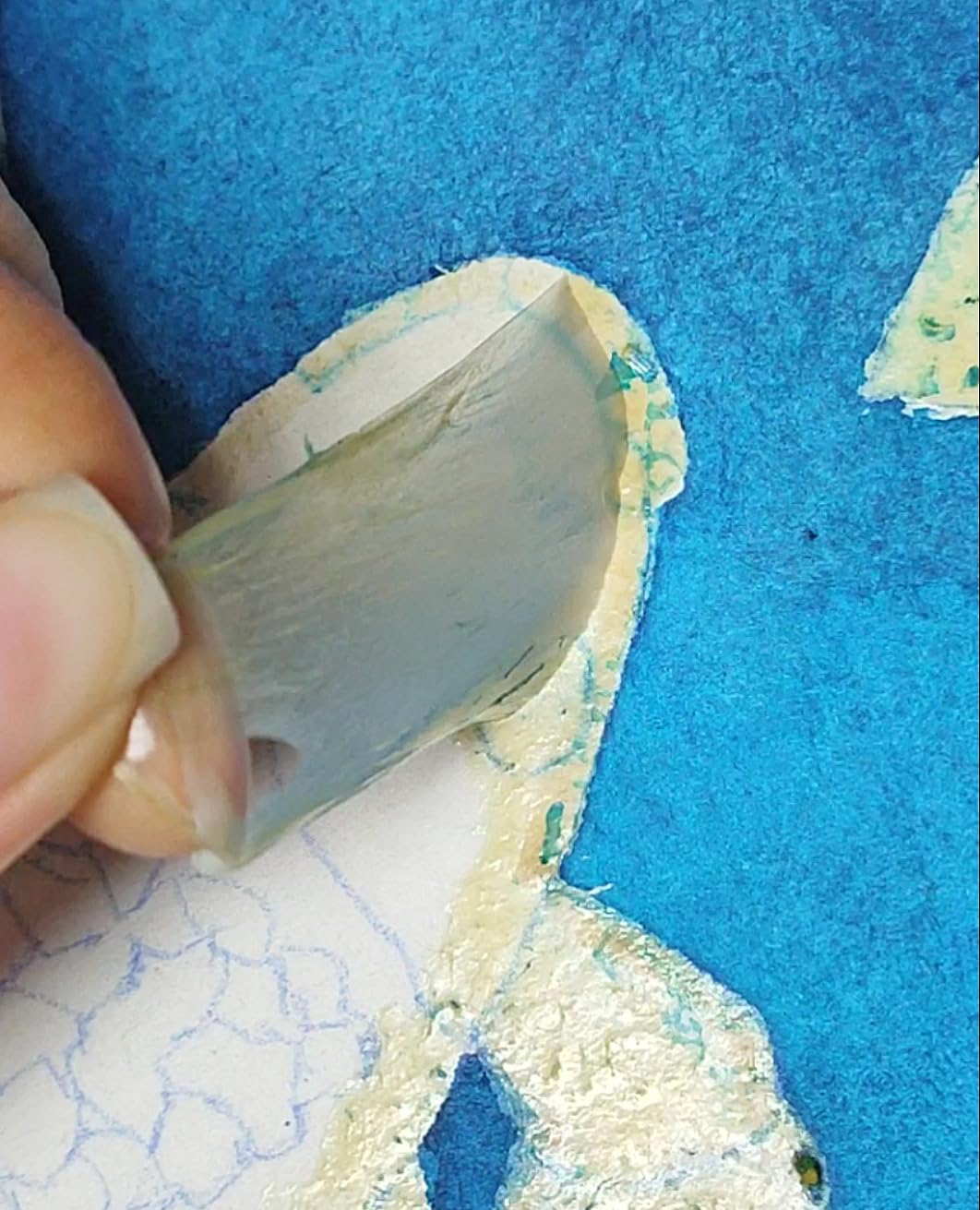
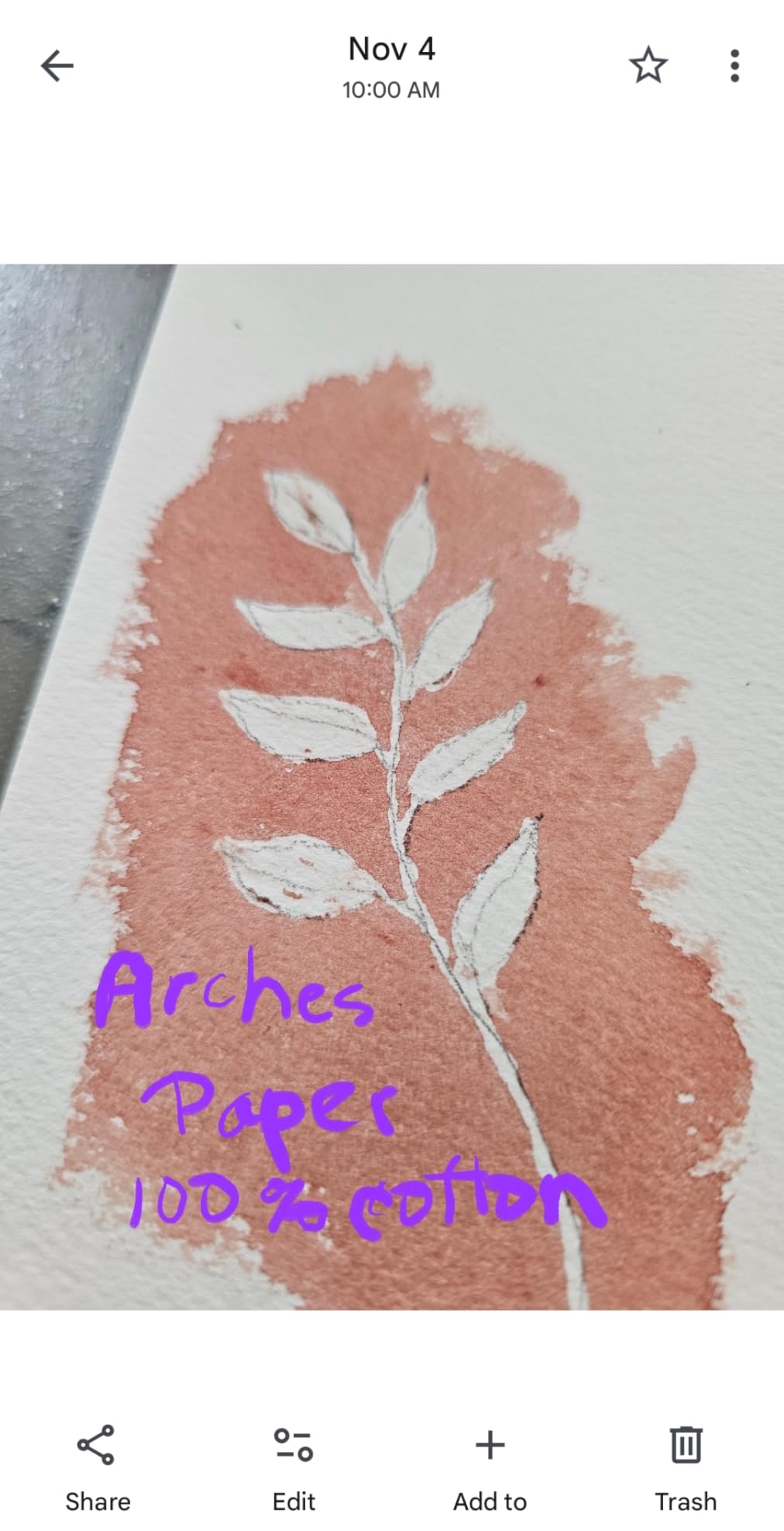
Removal requires patience. I rub with a clean dry finger in circular motions until the mask balls up and releases. On delicate papers like Arches 300lb cold press, I use a rubber cement pickup instead of my finger to reduce fiber disturbance.
The smell hits you immediately upon opening. I describe it as similar to old rubber cement or fish emulsion fertilizer. Ventilation matters with this product. I only use it near an open window despite years of familiarity with the odor.
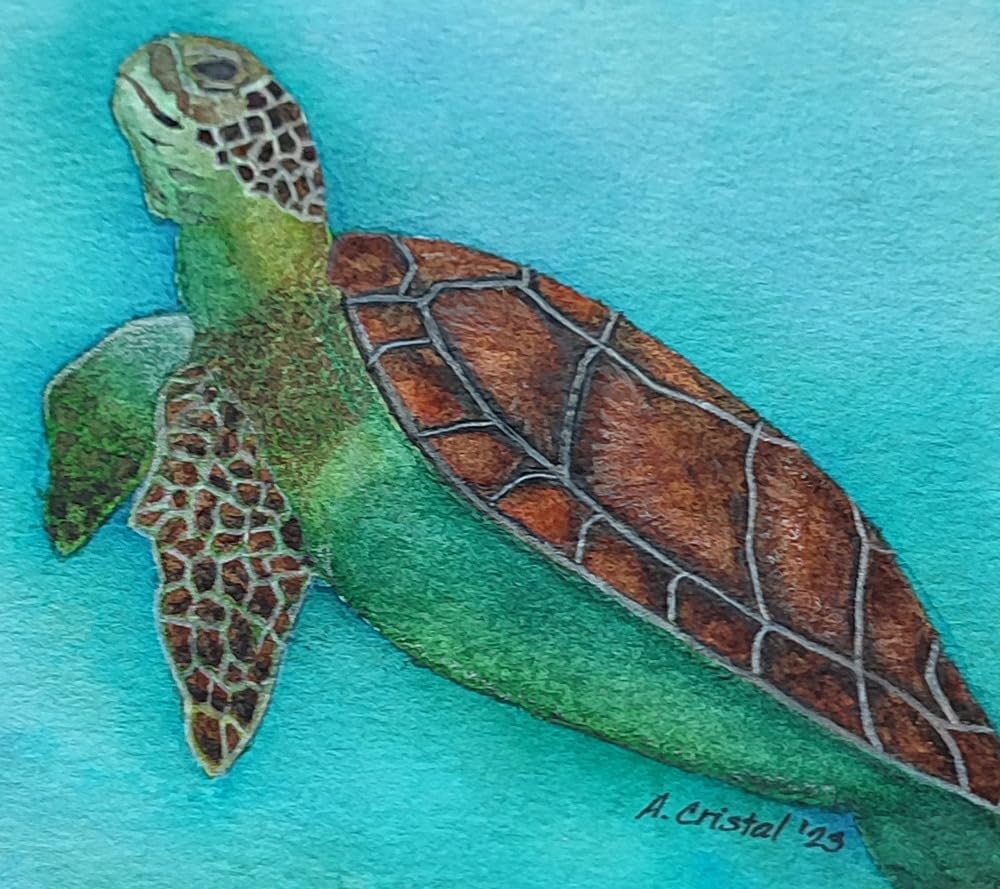
Who Should Buy Winsor & Newton Yellow
Purists and traditional watercolor artists gravitate toward this formula. It behaves exactly as expected with predictable results. If you learned masking with this product, switching away feels risky despite newer options.
The yellow tint particularly helps artists with vision challenges or those working under suboptimal lighting. I paint in the evenings sometimes and appreciate being able to see exactly where I masked without squinting.
Paper Selection for Best Results
Winsor & Newton performs best on hard-sized watercolor papers. Avoid soft or weakly sized papers like some cotton rag varieties. The mask adheres too aggressively to these surfaces and tears fibers during removal.
Test on a corner of new paper brands before committing your full composition. I keep a scrap journal specifically for testing how different masks interact with my various papers. This thirty-second test saves ruined paintings.
5. Winsor & Newton Colourless Masking Fluid – No-Stain Formula
Winsor & Newton Watercolor Medium, Art Masking Fluid, Colourless, 75ml (2.5-oz) bottle
75ml bottle
Colourless non-staining formula
Rubber latex composition
Washable feature
Paper surface recommended
Pros
- Easy to remove from watercolor paper
- Goes on opaque for temporary visibility
- Good thickness and consistency
- A little goes a long way
- Best for ease of use applying and removing
- Easy to rub off into thin colored film
Cons
- Dries totally clear making it hard to see where applied
- Strong smell when applying
- Can be tricky on large projects with many sections
- May tear paper if removed impatiently
The colourless formula addresses the staining concern some artists have with pigmented masks. I use this when painting pieces with extensive white areas where any yellow residue would contaminate the final look.
Visibility challenges require technique adjustments. I work under strong directional light that creates shadows along the wet mask edges. Some artists add a tiny drop of watercolor to tint it temporarily, though this risks altering the formula chemistry.
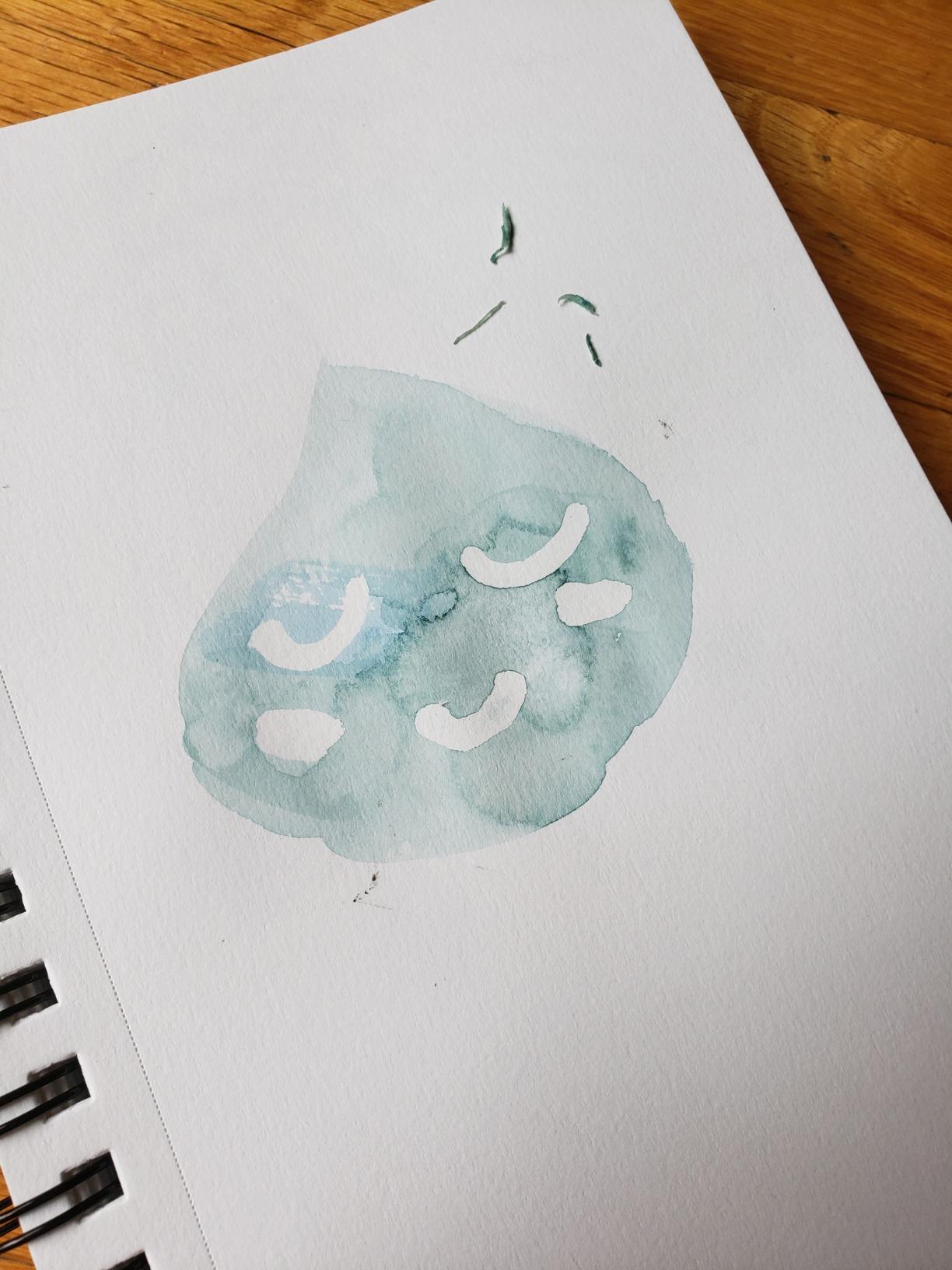
Performance matches the yellow version exactly. Drying time, removal characteristics, and water resistance remain identical. The only difference is the lack of pigment, which matters for artists working on pure white subjects or those worried about potential staining.
I prefer this version for commercial illustration work where clients demand pristine whites. The extra caution about visibility pays off in guaranteed clean results. For personal work, I usually grab the yellow version for easier application.
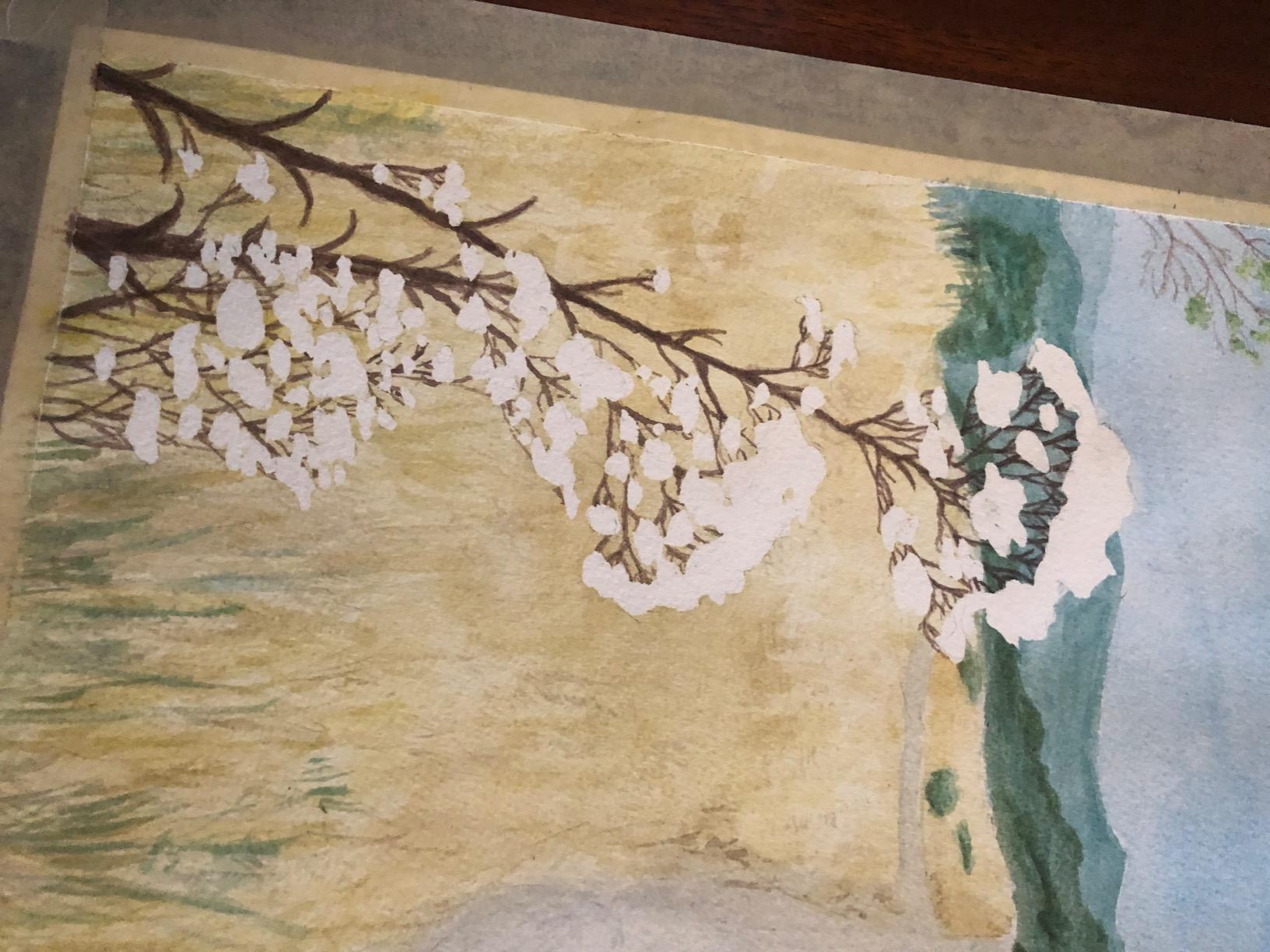
Who Should Buy the Colourless Version
Professional illustrators and commission artists benefit most from the non-staining guarantee. When clients pay premium rates, any hint of discoloration becomes unacceptable. This formula removes that risk entirely.
Artists working on white-on-white compositions or minimalist pieces should also choose this version. The colourless nature ensures absolutely no visual interference with your intended aesthetic.
Techniques for Working with Clear Mask
Apply under a bright desk lamp positioned to create glare on the wet fluid. This makes the liquid visible through reflection rather than color. I also work in small sections rather than trying to mask an entire composition at once.
Mark your masked areas lightly with pencil on the paper border as a reference map. I sketch tiny dots corresponding to masked zones. This cheat sheet helps locate invisible mask edges during removal.
6. Schmincke Liquid Frisket – Ammonia-Free Excellence
Schmincke – Liquid frisket coloured, 100 ml, 50 303055, colourless masking liquid for opaque areas of paintings on watercolour paper, ammonia-free
100ml bottle
Ammonia-free synthetic resin
Colored for visibility
Latex-free formula
1 hour cure time
Pros
- Ammonia-free formula with no unpleasant odor
- Colored formula for easy visibility during application
- Dries quickly to rubbery water-insoluble film
- Removes easily by rubbing with dry finger
- Cleans easily from brushes with soap and water
- Latex-free suitable for those with latex allergies
Cons
- Must not remain on substrate longer than 2 days
- Can become difficult to remove if left on too long
- Not suitable for soft weakly sized papers
- More expensive than some other brands
- Smaller 100ml volume than competitors
Schmincke represents the premium tier of masking fluids. German engineering shows in every aspect from the bottle design to the formula chemistry. I consider this the masking fluid for serious professionals who demand the best.
The ammonia-free composition eliminates the odor problem entirely. My studio smells like nothing during masking sessions now. This matters for artists with chemical sensitivities or those working in shared spaces where strong smells disturb others.
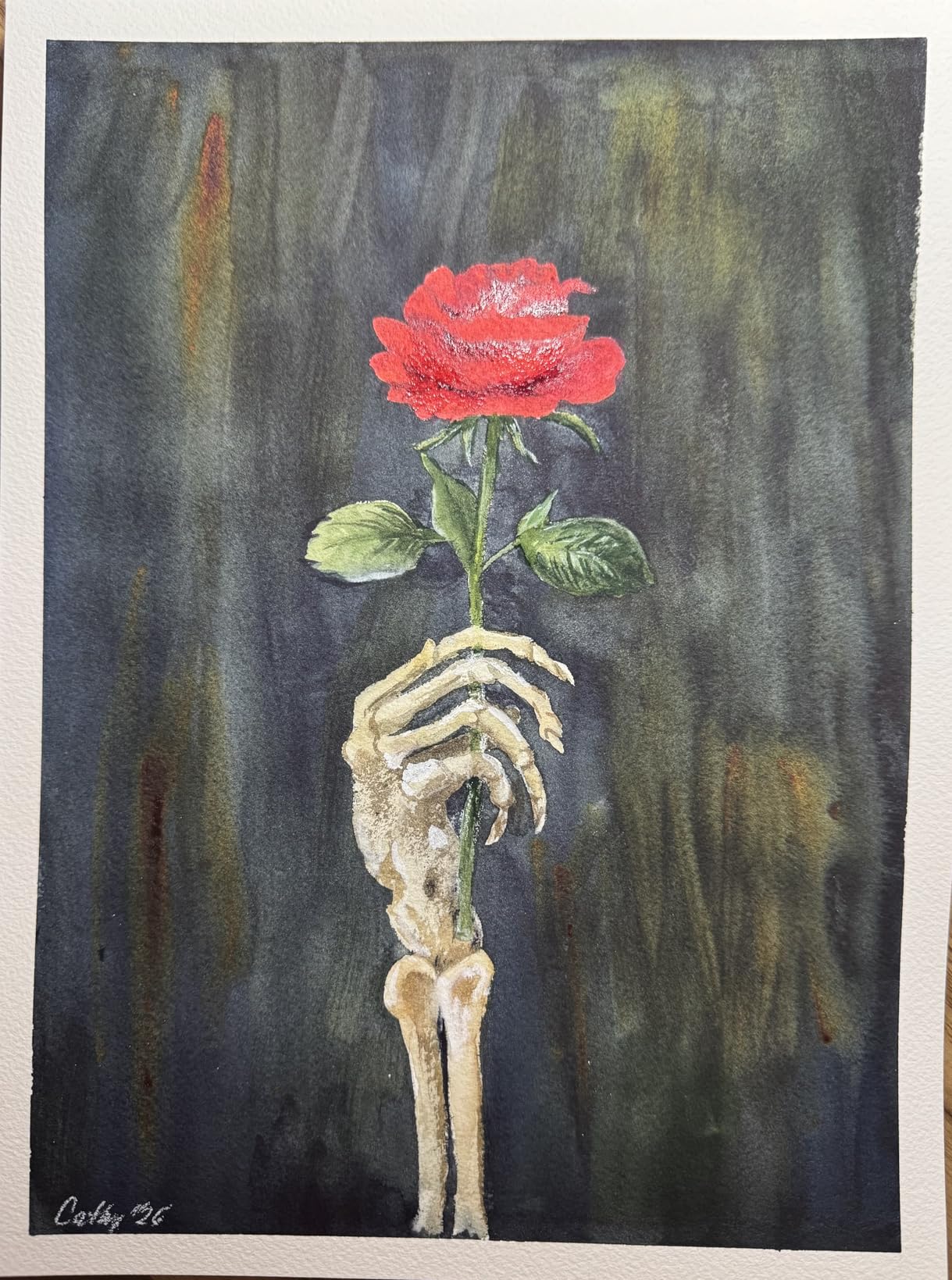
Colored tinting provides excellent visibility without the pigment staining risk of traditional yellow masks. The color reads as slightly blue-green on paper, distinguishing it from both clear and yellow alternatives. I find this hue particularly easy to spot under various lighting conditions.
The latex-free formula serves artists with rubber allergies who otherwise could not use liquid masking products. This opens professional masking techniques to a previously excluded group. The synthetic resin performs identically to natural latex in my testing.
Who Should Buy Schmincke
Professional watercolorists with established practices should invest in Schmincke. The price premium returns value through reliable performance and brush preservation. If masking represents a significant portion of your technique, the cost per use remains reasonable.
Anyone with chemical sensitivities, allergies, or ventilation constraints benefits from the ammonia-free formula. I recommend this to students in my workshops who complain about headaches from traditional masks.
Timing Considerations for Removal
The two-day removal window is absolute. I tested extending this and found the mask bonded permanently to the paper surface after four days. Mark your calendar or set a phone reminder when using Schmincke on multi-day projects.
For works requiring longer masking periods, I switch to the Pebeo or Vallejo options which tolerate extended contact. Schmincke demands planning and discipline but rewards you with perfect results when used correctly.
7. Liquitex Professional Masking Fluid – For Acrylic Artists
Liquitex Professional Effects Medium, 118ml (4-oz), Masking Fluid
118ml bottle
24 hour full cure
Latex-based formula
Acrylic paint compatible
No residue left behind
Pros
- Does not dry too quickly or gum up brushes
- Goes on nicely and dries at good rate
- Stands up well to water in watercolor washes
- Excellent value for money
- Works great for acrylic pouring
- Can be used on epoxy resin with finger application
Cons
- Can be difficult to remove at times
- White color makes it hard to see when applying
- Can tear paper if removed with too much force
Liquitex built its reputation on acrylic mediums, and their masking fluid serves acrylic painters particularly well. I use this when creating hard edges in abstract acrylic pieces or protecting areas during pours.
The slower drying time compared to watercolor masks allows for manipulation and texture creation. I drag combs and tools through wet Liquitex mask to create patterns that resist paint application. This technique produces fascinating effects impossible with faster-drying alternatives.
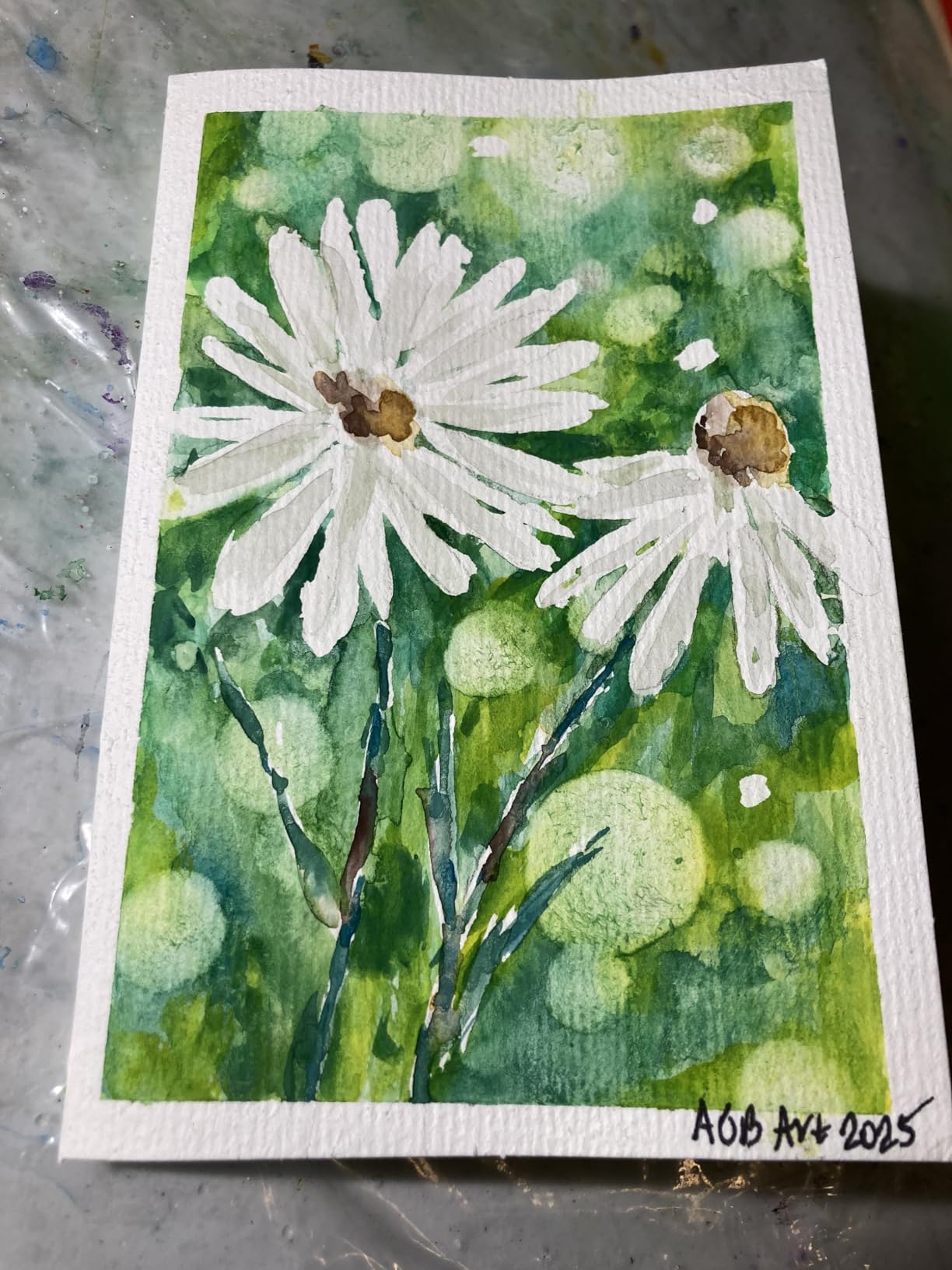
Watercolor artists can certainly use Liquitex, though the twenty-four hour cure time requires patience. I apply it before bed and paint the next morning. The extended cure creates a tougher film that withstands aggressive scrubbing and glazing techniques.
The colorless nature demands the same visibility workarounds as other clear masks. I apply under strong light and work methodically in small sections to avoid losing track of coverage.
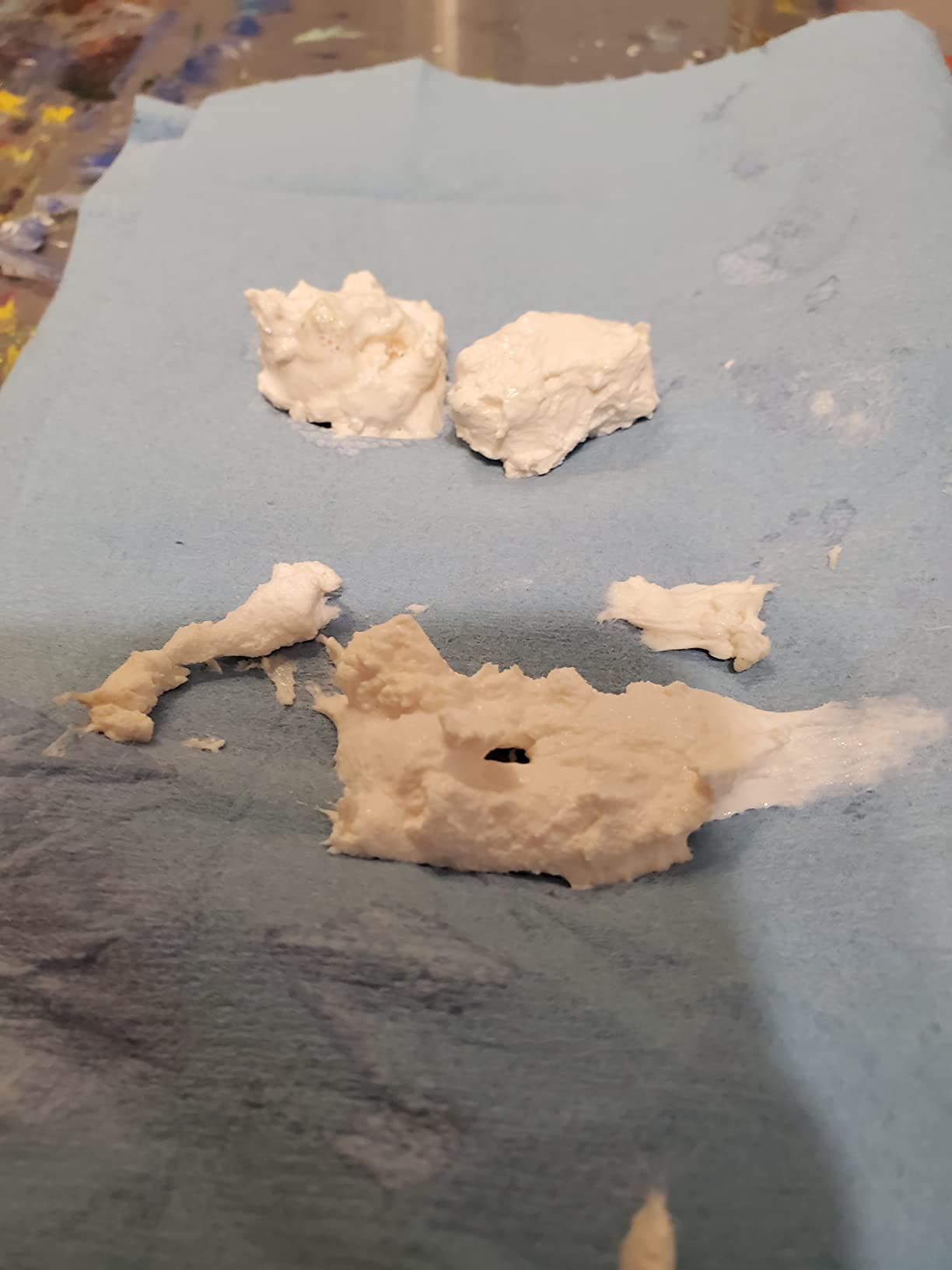
Who Should Buy Liquitex
Acrylic painters dominate the user base for this product. The formula chemistry aligns with acrylic paint behavior. If you work primarily in acrylics, this masking fluid integrates seamlessly with your existing materials and techniques.
Mixed media artists working across watercolor and acrylic appreciate the versatility. One bottle handles both media without compromise. I keep this in my mixed media kit for its flexibility.
Acrylic Pouring Applications
For acrylic pours, apply Liquitex mask to areas you want protected from the flow. Let it cure fully before pouring. The mask withstands the weight and movement of poured acrylic without lifting or shifting.
Remove the mask after the pour dries completely, usually twenty-four to forty-eight hours. The protected areas emerge pristine beneath the dimensional paint layer. This technique creates fascinating relief effects in poured work.
8. Grumbacher Miskit Liquid Frisket – High Visibility Orange
Grumbacher Miskit Liquid Watercolor Frisket, 35ml/1.2 oz
35ml jar
Fluorescent orange color
Natural rubber latex
ASTM D4236 conforming
Non-toxic formula
Pros
- Bright orange color makes it highly visible on paper
- Washes out of pens and brushes with soap and water
- Dries quickly
- Peels off easily when removed properly
- Does not stain paper
- No odor
- Works on various paper qualities
Cons
- Contains natural rubber latex allergy warning
- Can adhere strongly to some papers and pull up fibers
- Requires practice for proper removal technique
- Must shake thoroughly to distribute orange tint
- Should not be left on too long
- More expensive per ml than some alternatives
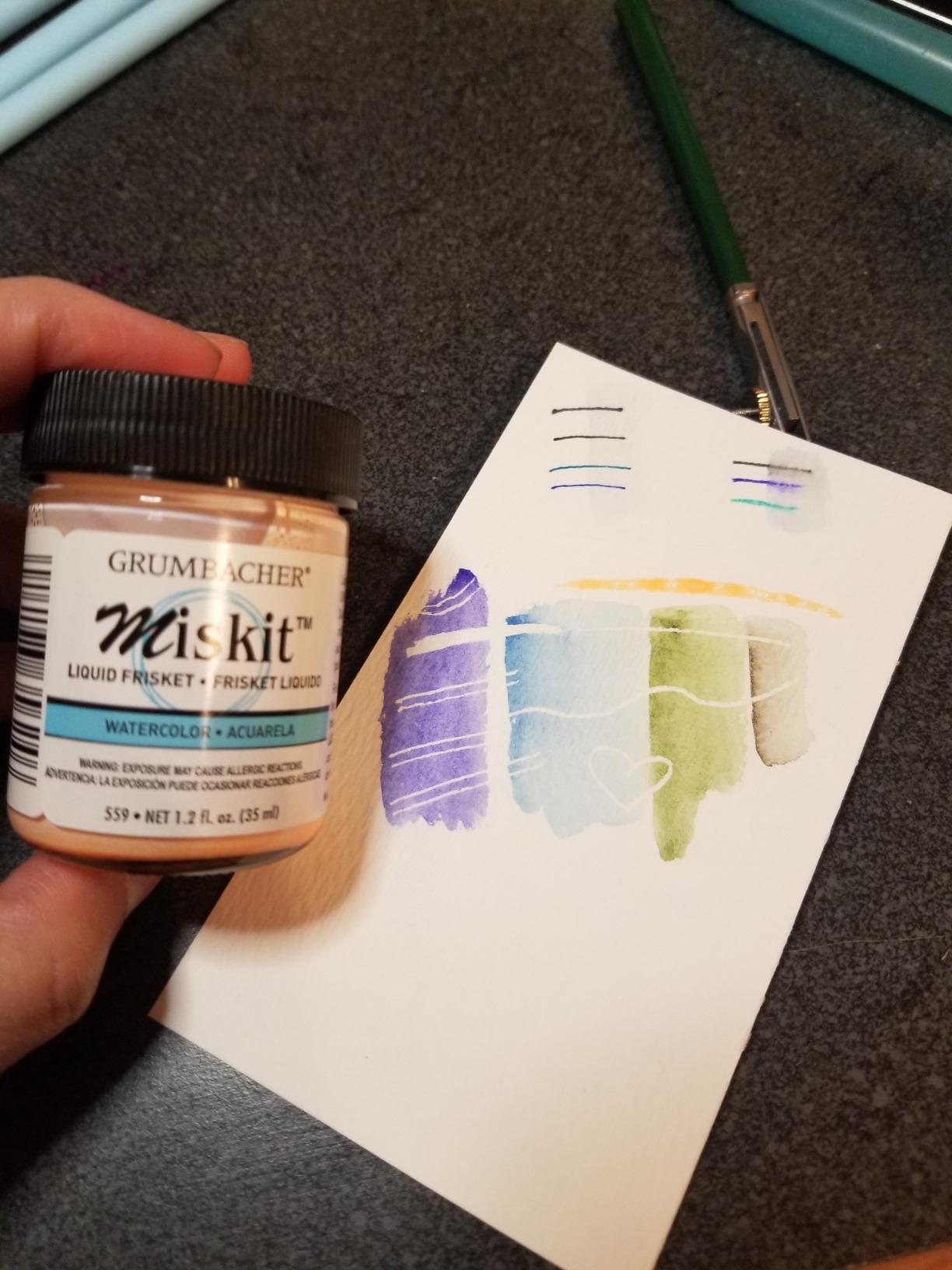
Grumbacher Miskit distinguishes itself with fluorescent orange tinting impossible to miss. I recommend this to every artist who struggles with locating their masked areas. The color remains vivid from application through removal.
Despite the bold appearance, the orange pigment does not stain paper or affect paint color. I tested this extensively on various papers and never detected color transfer. The bright hue exists solely for your convenience during the masking process.
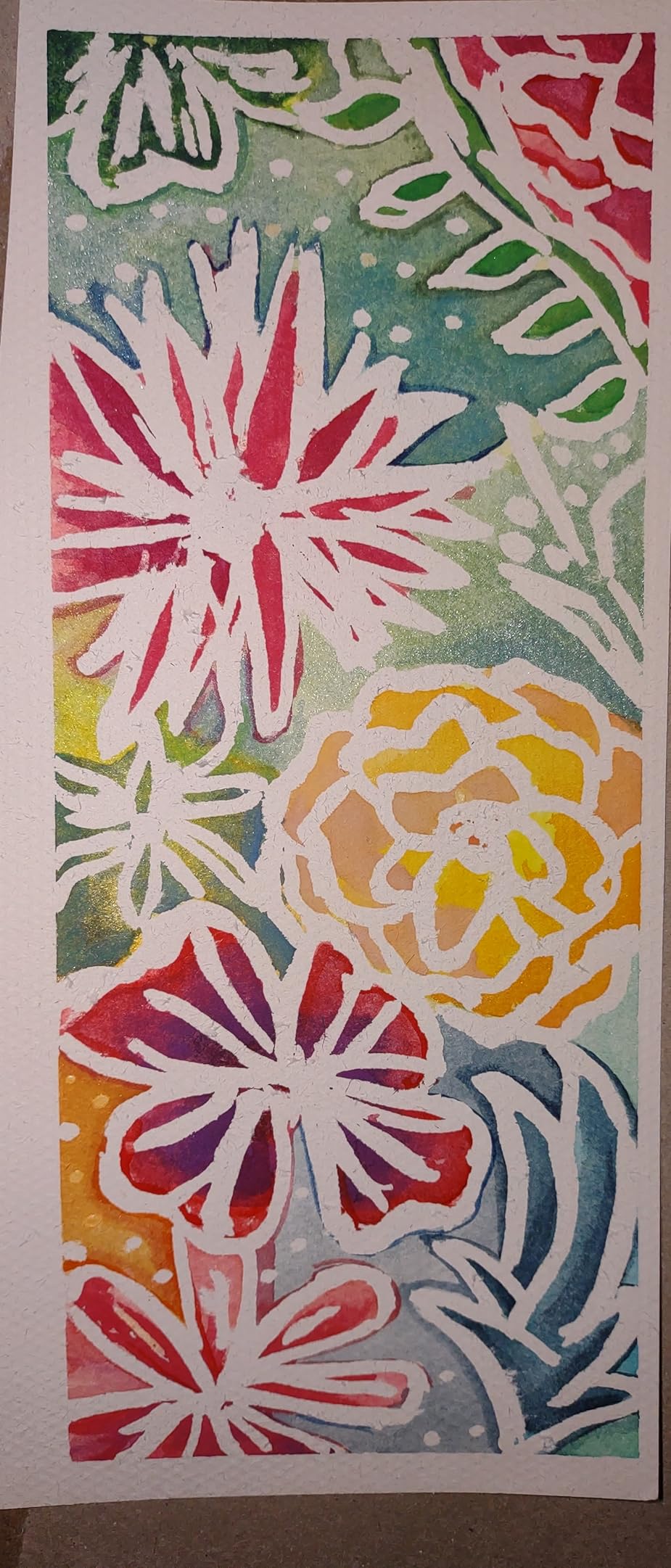
The non-toxic formula contains no ammonia, making it safer for classroom environments. I demonstrate this to students without ventilation concerns. The lack of odor also pleases artists sensitive to chemical smells.
Removal requires proper timing and technique. I wait until paint is completely dry, then use a rubber cement pickup or clean finger to lift edges. Slow steady pulling removes the mask without paper damage. Rushing causes tears and fiber lifting.
Who Should Buy Grumbacher Miskit
Artists with vision challenges or those working in dim studios benefit enormously from the orange visibility. I paint in a basement studio with limited natural light, and this mask saves me from missed spots and accidental painting over masked areas.
Teachers working with students new to masking should consider this option. The visibility helps students learn proper application technique by making their mistakes obvious. I use this in my beginner watercolor classes specifically for this educational advantage.
Shake Before Every Use
The orange pigment settles quickly in the bottle. I shake vigorously for thirty seconds before opening. Without proper shaking, the first applications emerge nearly clear while the bottle bottom becomes sludge.
I store the jar upside down between uses to keep the pigment distributed. This trick minimizes separation issues and ensures consistent color in every application.
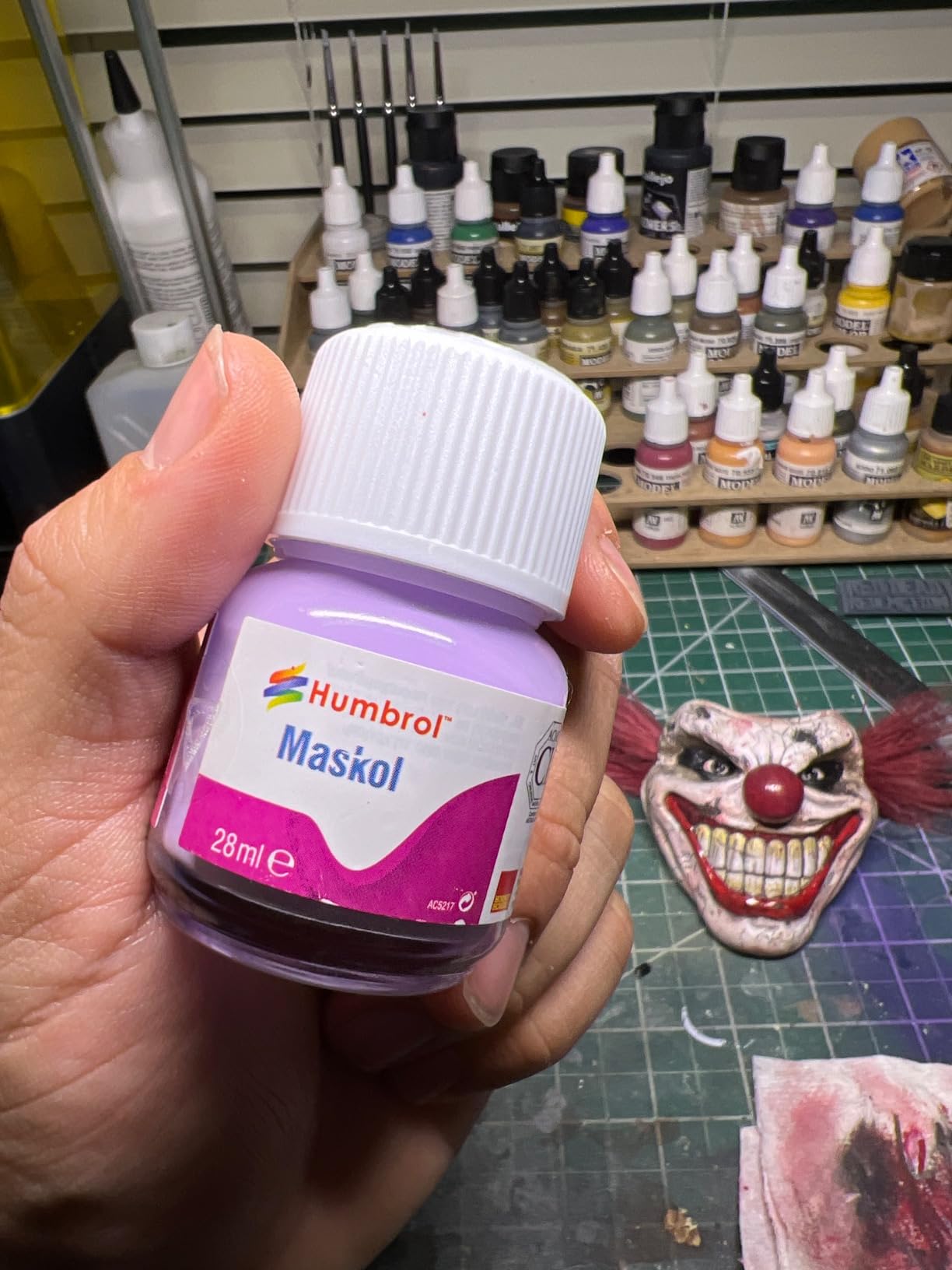
9. Humbrol Maskol – Scale Modeler Classic
Humbrol AC5217 Maskol – 28ml Bottle
28ml bottle
Purple color
0.6 square meter coverage
Rubber solution formula
Plastic surface recommended
Pros
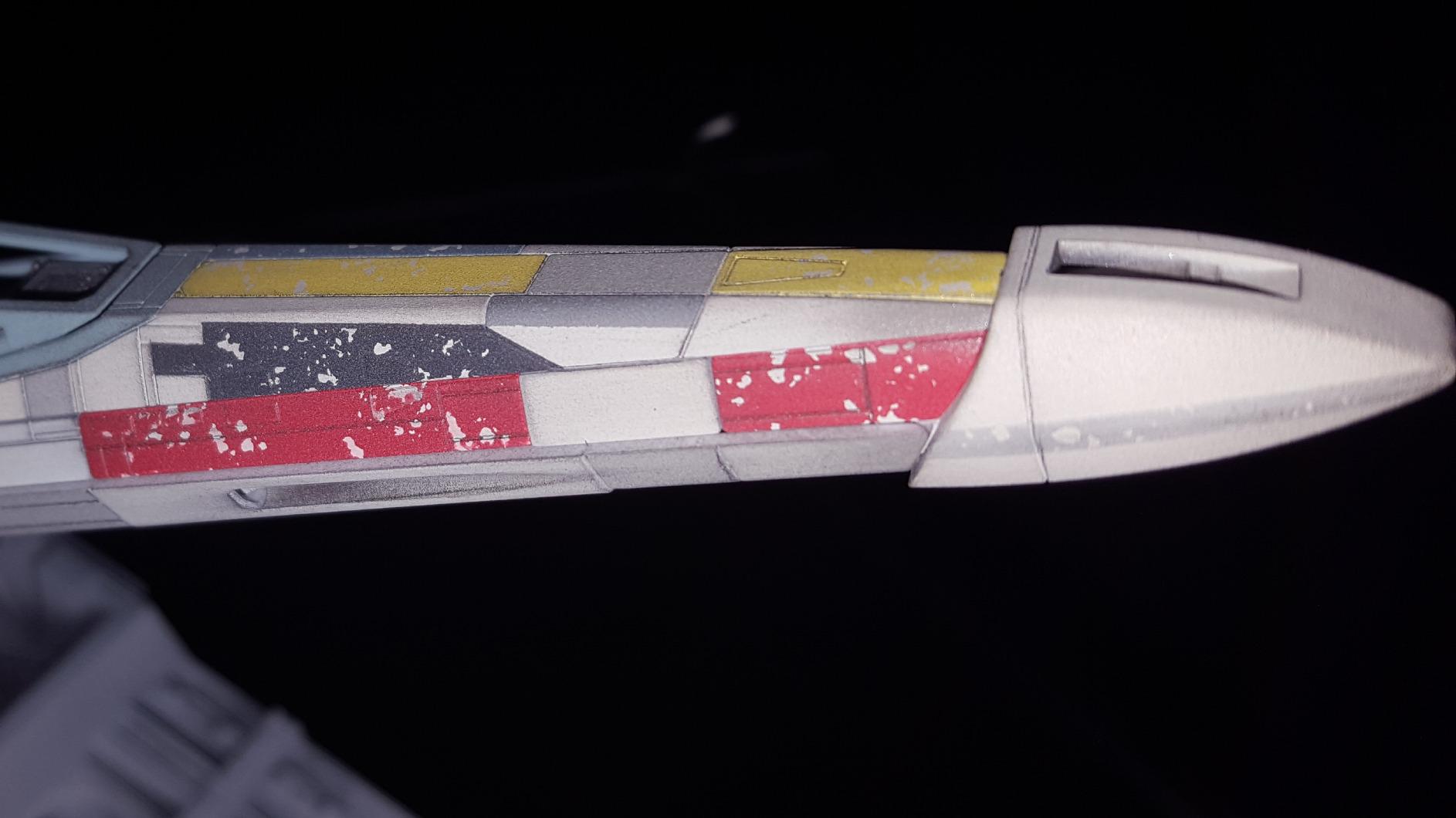
- Excellent for chipping effects between paint layers
- No clear coat needed before applying unlike other brands
- Dries quickly in 15 minutes
- Easy to apply and remove
- Works well for masking wheels and plastic models
- Seals masking tape effectively
Cons
- Has a strong smell
- Slow dry time reported by some users
- Requires practice to master application technique
- Instructions not in English on bottle label
Humbrol Maskol carries decades of history in the scale modeling world. British modelers have used this product since the 1970s for aircraft canopies and vehicle windows. I discovered it through IPMS club recommendations and remain impressed by its specific formulation for plastic models.
The purple color provides good visibility against most model plastic colors. I can see exactly where I applied it on gray, white, or olive drab surfaces. The color disappears after drying but remains slightly visible as a texture change.
Coverage is modest but sufficient for typical model builds. The 0.6 square meter rating translates to dozens of 1/48 scale aircraft canopies or several 1/35 scale vehicle windshields. I buy two bottles when starting large armor projects with many periscopes and vision ports.
The smell divides users. Some tolerate it fine while others find it offensive. I place Humbrol in the moderate odor category, stronger than ammonia-free options but less intense than Winsor & Newton. Ventilation helps but is not strictly necessary for short sessions.
Who Should Buy Humbrol Maskol
Dedicated scale modelers should keep Maskol in their supply stash. It works specifically well on the plastics common in kit manufacturing. The formula chemistry accounts for polystyrene and ABS compatibility that general art masking fluids ignore.
Modelers creating chipping and wear effects appreciate Maskol’s predictable lifting characteristics. I apply it between base coat and weathering, then remove selectively to create realistic paint chips. The mask releases cleanly without pulling underlying paint.
Sealing Tape Edges
Beyond full masking, Humbrol excels at sealing tape edges. I brush a thin line along masking tape borders to prevent paint creep. The liquid fills microscopic gaps between tape and surface that airbrushed paint would otherwise penetrate.
This technique requires minimal product but dramatically improves masking results. I use more Maskol for edge sealing than for full-area masking. The bottle lasts longer when applied this way.
10. Daler Rowney Art Masking Fluid – British Heritage Quality
Daler Rowney Art Masking Fluid 75 ml, White, 2.54 Fl Oz (Pack of 1)
75ml bottle
White masking formula
Fine-tip applicator included
UK brand heritage
Washable feature
Pros
- Large 75ml bottle lasts a long time
- Preserves highlights and white areas effectively
- Fine-tip applicator for precise control
- Easy to peel off without damaging paint layers
- Compatible with various watercolor papers and paints
- Affordable option from established UK brand founded 1783
Cons
- Tends to dry out quickly in bottle
- Strong odor
- Can tear paper if not removed carefully
- Packaging could be better to prevent drying
Daler Rowney represents British art supply heritage stretching back over two centuries. Their masking fluid delivers solid performance at a reasonable price point. I discovered this brand through European artist friends who grew up with it in school.
The included fine-tip applicator attaches to the bottle for precise line work. I use this for painting window frames, fence lines, and other architectural details requiring straight edges. The tip quality exceeds what most artists achieve with brushes.
White coloration provides moderate visibility on cream and off-white papers. I struggle to see it on bright white surfaces but appreciate the lack of staining risk. Working under angled light helps locate the mask edges.
Who Should Buy Daler Rowney
Artists seeking value from an established heritage brand should consider this option. The 75ml size and included applicator represent good value. If you appreciate supporting companies with long artistic histories, Daler Rowney fits your values.
The fine-tip applicator particularly appeals to artists doing detailed line work. Botanical illustrators and architectural painters benefit from the precise application possible with the dedicated tip. I keep a bottle specifically for this application method.
Preventing Bottle Dry-Out
The bottle design allows air entry that dries the contents over time. I transfer mine to a smaller airtight container after opening. Store the original bottle upside down with the cap tightly sealed between uses.
Adding a few drops of distilled water extends the workable life if the fluid thickens. I stir thoroughly and test on scrap paper before using restored fluid on important work. Prevention through proper storage beats restoration attempts.
11. Daniel Smith Artist Masking Fluid – Precision Application Kit
DANIEL SMITH 1oz Bottle with 5 Applicator Tips, Artist Masking Fluid, 284075001 , White
1oz bottle with 5 tips
Dries to transparent caramel
Chip resistant formula
Paper surface recommended
USA made product
Pros
- Includes five fine-point applicator tips
- Dries to transparent caramel color for visibility
- Excellent coverage and easy flowing application
- Dries fast
- Easy to remove with proper technique
- Does not leak through
- Made in USA
Cons
- Can bubble horribly making precision difficult
- May stain paper yellow when removed
- Can tear paper when removing
- Some bottles arrive with dried gelled liquid
- Tips may clog over time
- Leaves residue that prevents paint sticking reported by some
Daniel Smith built its reputation on handmade watercolor paints, and their masking fluid extends that quality commitment. The included applicator tips provide options for every line weight from hair-thin to bold strokes. I appreciate having choices without hunting for separate tools.
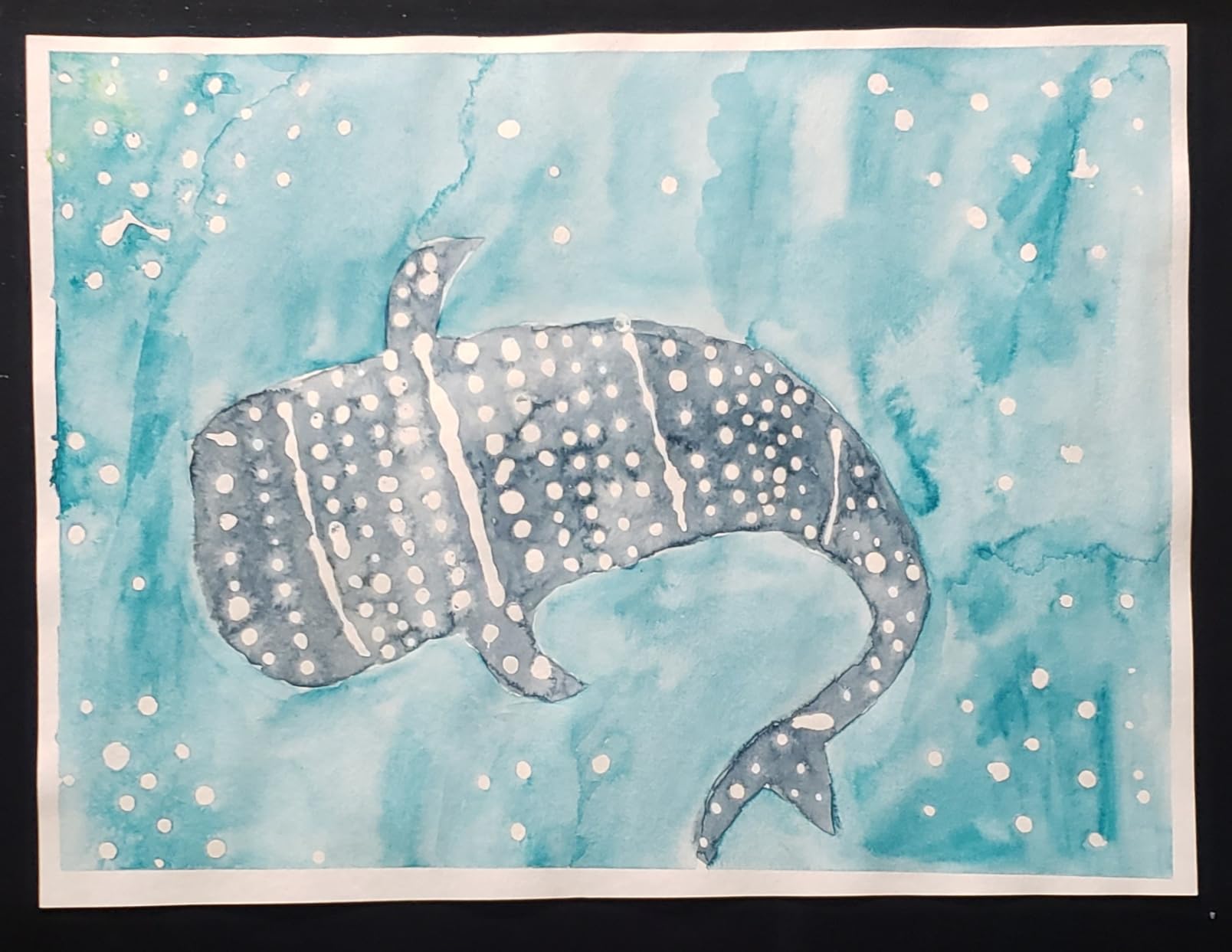
The caramel color when dry offers better visibility than clear masks while avoiding the staining risk of yellow pigments. I find this middle ground ideal for my work. The color reads warm and natural against white paper without screaming for attention.
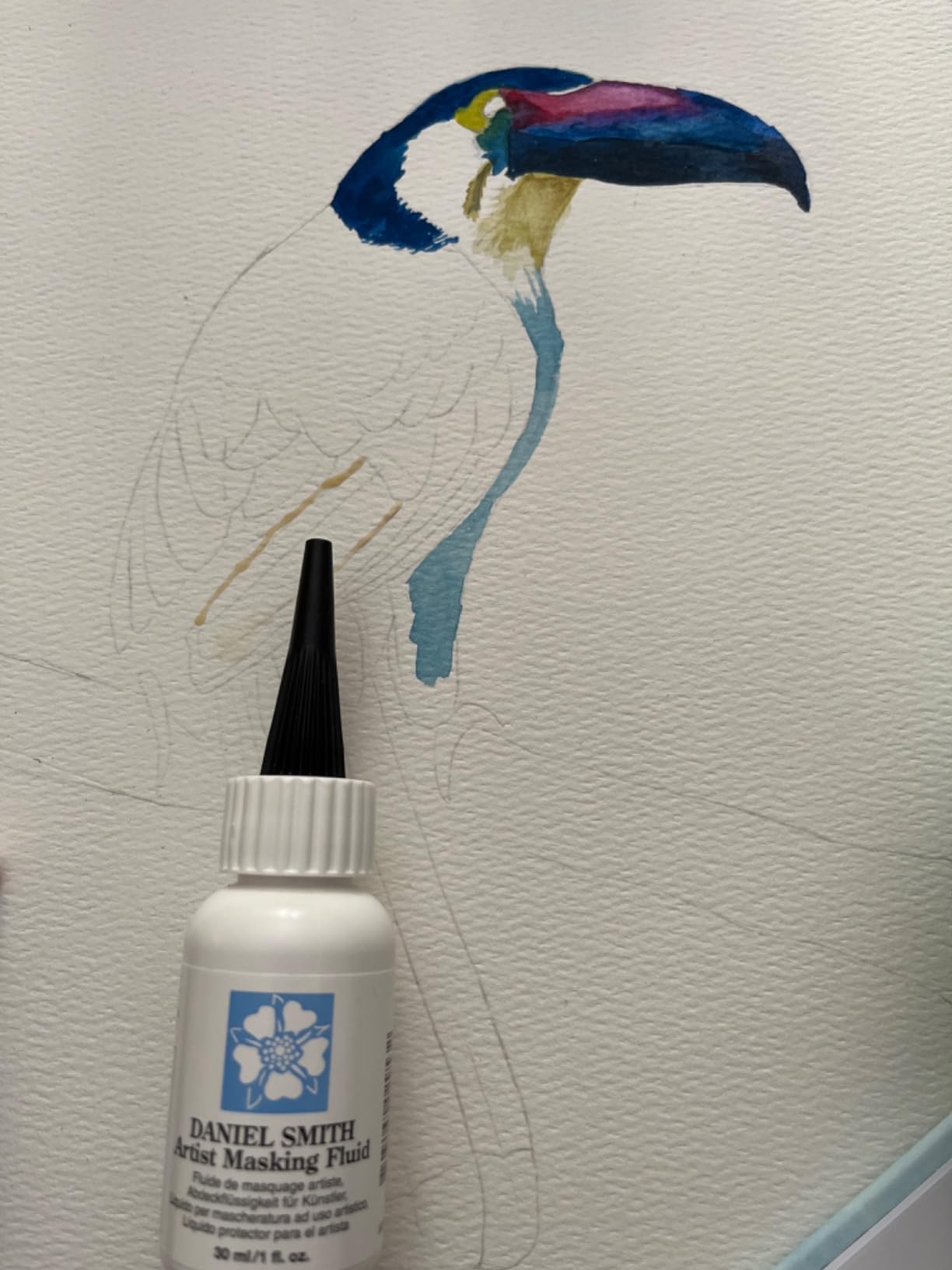
Application requires technique to avoid bubbling. I learned to let the fluid flow from the tip rather than forcing it with pressure. Squeezing the bottle hard creates bubbles that transfer to your paper and create imperfect mask edges.
Some users report residue issues affecting paint adhesion. I experienced this once when I removed the mask too soon before the paint fully cured. Waiting an extra day solved the problem entirely. Patience prevents this issue.
Who Should Buy Daniel Smith
Artists who already use Daniel Smith paints should consider matching their masking fluid. The products are formulated to work together. If you love their paints, the masking fluid maintains consistent quality.
The five-tip selection appeals to artists wanting precision without investing in separate ruling pens or specialized tools. Everything needed arrives in one package. I recommend this to students building their first serious watercolor kit.
Managing the Applicator Tips
The included tips clog without immediate cleaning. I keep a cup of water nearby and drop used tips in immediately after application. The wire system helps but does not prevent all clogs. Aggressive cleaning with a thin wire restores blocked tips.
I label my tips by size to maintain organization. Daniel Smith does not mark them clearly, so I use a fine permanent marker to indicate line weight. This saves time during complex masking sessions when I switch between tip sizes frequently.
12. Fineline Masking Fluid Pen – Ultimate Precision Tool
Fineline Masking Fluid Pen 20 Gauge W/Masking Fluid, 1.25 Ounces
1.25oz pen bottle
20 gauge 0.5mm tip
Light blue tinted
Non-clogging cap system
Made in USA
Pros
- Unique cap and wire system prevents clogging and drying
- Precision 20 gauge 0.5mm tip for fine details
- Tinted with light blue for visibility
- Refillable container design
- Excellent for thin lines and dots
- Easiest to remove masking fluid according to reviews
- Made in USA
Cons
- Needle can pull out of cap design flaw
- Requires good vision and steady hands to close properly
- Not suitable for larger areas will create puddles that tear paper
- Some bottles arrive with gelled dried liquid
- Can blob and bubble if squeezed too hard
Fineline created something unique with this masking pen. The stainless steel needle tip allows precise application impossible with brush methods. I use this for the finest details in my work, including individual eyelashes on portrait subjects and rigging lines on ship models.
The non-clogging cap design actually works as advertised. A thin wire inserts through the needle when capped, keeping the passage clear. I have left my Fineline pen unused for three weeks and found it flowed perfectly on return. No other masking product survives this treatment.
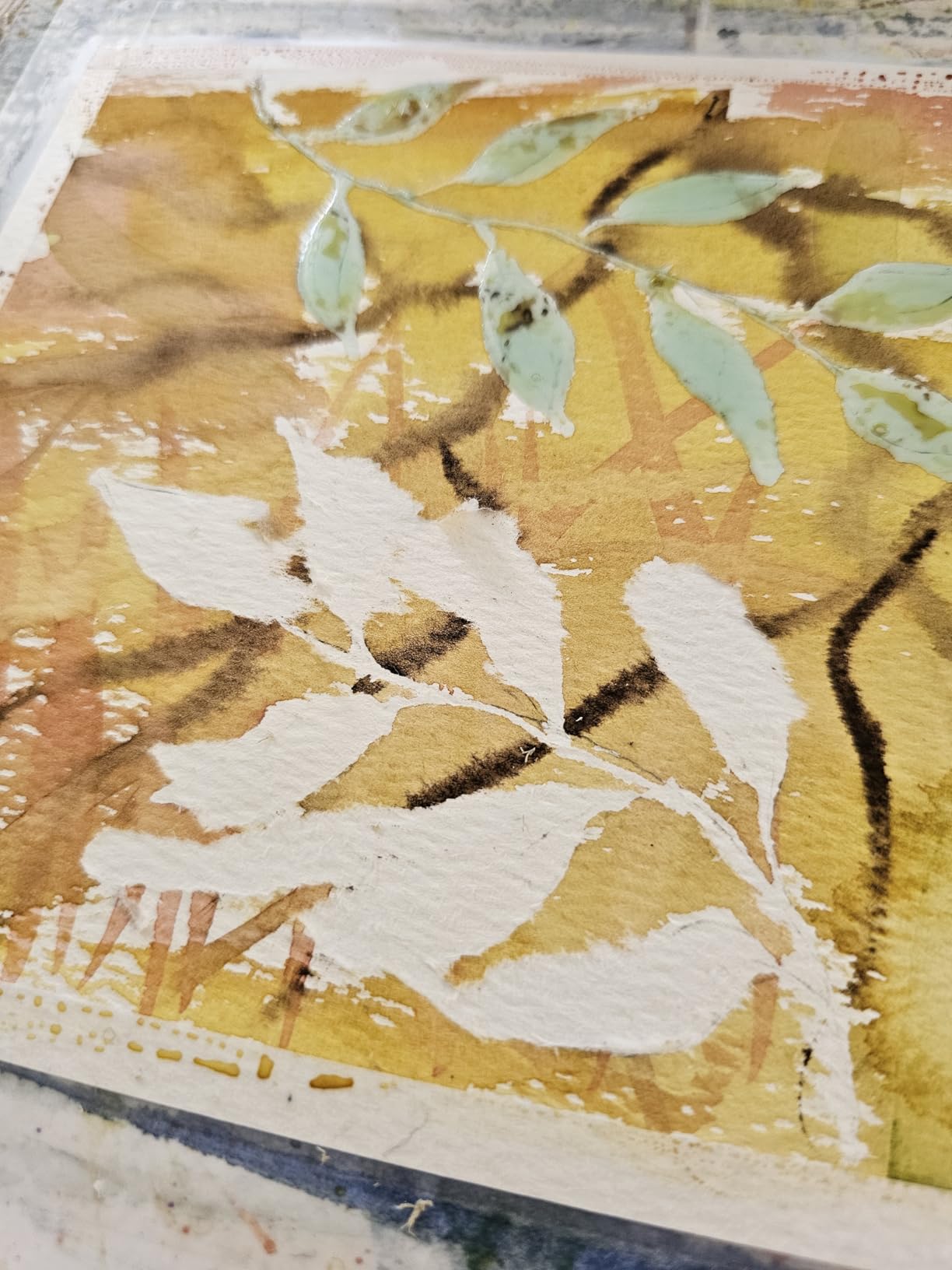
Light blue tinting provides excellent visibility during application. I can see exactly where the fluid lands even on white surfaces. The color fades slightly as it dries but remains perceptible throughout the masking process.
The 0.5mm tip creates lines narrower than most masking tape widths. I achieve details impossible through any other masking method. This precision comes with a tradeoff: the pen works poorly for large areas. Filling broad spaces causes puddling and uneven drying.
Who Should Buy Fineline Pen
Artists specializing in fine detail work need this tool. Botanical illustrators, miniature painters, and portrait artists benefit from the precision possible. I consider this a specialist tool rather than a general masking solution.
The pen particularly suits artists with steady hands and good vision. Closing the cap requires aligning the wire with the needle opening, demanding dexterity. I struggle with this when tired and must focus to cap it properly.
Technique for Fine Line Work
Hold the pen perpendicular to the surface for consistent line width. Angling creates uneven deposits that affect masking quality. I brace my hand against the table edge for stability during detailed work.
Touch the tip to the surface and draw smoothly without excessive pressure. Let the fluid flow naturally rather than forcing it. Squeezing creates blobs that ruin fine lines. Practice on scrap paper until the flow feels natural.
How to Choose the Best Liquid Masking Products?
Selecting the right masking fluid requires understanding your specific needs. Consider these factors before purchasing to ensure you get a product that matches your workflow and materials.
Formula Type and Chemical Composition
Latex-based formulas dominate the market for good reason. Natural rubber latex creates a flexible, removable film that peels cleanly from most surfaces. However, latex allergies affect some artists, requiring synthetic resin alternatives like Schmincke.
Ammonia content represents the most important chemical consideration. Ammonia acts as a preservative in many masking fluids but damages acrylic paints and poses health concerns. I avoid ammonia-containing products for all acrylic work and prefer ammonia-free options even for watercolor when possible.
Drying Time and Working Properties
Drying time ranges from ten minutes to twenty-four hours depending on the product. Fast-drying formulas like Vallejo allow quick workflow progression. Slow-cure options like Liquitex create tougher films but demand patience.
Consider your working style. I am impatient and prefer faster options for most work. However, when creating complex multi-layer pieces, I appreciate the durability of slower-curing masks that withstand aggressive techniques.
Visibility During Application
Clear masking fluids require technique and lighting adjustments to see during application. Tinted options in yellow, orange, blue, or purple make coverage obvious but carry slight staining risks on delicate papers.
My recommendation: beginners should start with tinted options for visibility. Experienced artists can work with clear formulas using proper lighting. When absolute white preservation matters, choose colourless products and accept the visibility challenges.
Surface Compatibility and Removal Method
Not all masking fluids work on all surfaces. Paper requires gentler formulas than plastic or glass. Hard-sized watercolor papers tolerate most products, while soft or handmade papers need careful selection to prevent fiber damage.
Removal methods vary by product and surface. Finger rubbing works on sturdy papers but damages delicate ones. Rubber cement pickups provide safer removal. Some products release with tweezers while others require specific tools. If you are also interested in other modeling supplies, check out our guide to the best die-cast model trucks for collectors.
Safety Considerations
Ammonia-based masking fluids require ventilation. The chemical smell causes headaches and respiratory irritation in enclosed spaces. I use these only near open windows or with air filtration.
Latex allergies affect approximately one percent of the general population. If you experience skin irritation or breathing difficulties when using rubber-based products, switch to latex-free alternatives immediately. Schmincke offers the best latex-free performance I have tested.
DIY Alternatives and Budget Options
Plain white glue diluted with water serves as an emergency masking substitute. Mix roughly one part water to two parts glue. Apply with a brush and let dry completely. Removal requires soaking and gentle scrubbing rather than peeling.
Rubber cement thinned with naphtha works for some applications but poses significant safety and compatibility concerns. I avoid this due to chemical hazards and potential paint damage. The small savings do not justify the risks for most artists.
Frequently Asked Questions
What is the best masking fluid brand?
Pebeo and Vallejo rank as the best masking fluid brands for most artists. Pebeo offers premium performance with excellent visibility and easy removal. Vallejo provides the best value with a rubbery texture that peels cleanly. Winsor & Newton remains the classic choice for traditional watercolorists, while Schmincke excels for those needing ammonia-free formulas.
Is liquid masking any good?
Liquid masking works exceptionally well for protecting detailed areas that tape cannot mask effectively. It conforms to complex curves, preserves fine details, and removes cleanly when used correctly. The technique requires practice but rewards artists with possibilities impossible through tape masking alone. Most professional watercolor artists and scale modelers consider liquid masking essential.
What is the best liquid masking for windows?
For model window masking, Vallejo Liquid Mask and Humbrol Maskol perform best. Both adhere well to plastic surfaces and remove without damaging underlying paint. Pebeo Easy Peel also works excellently on glass and clear plastic. Apply thin coats and remove carefully by lifting edges with tweezers or a toothpick to avoid scratching transparent surfaces.
What masking tape do professionals use?
Professional artists typically combine tape and liquid masking rather than choosing one. For tape, they prefer low-tack options like FrogTape or specialized artist tapes that release without damaging paper. For liquid masking, professionals favor Pebeo, Schmincke, or Winsor & Newton depending on their specific needs and chemical sensitivity requirements.
How long does liquid mask take to dry?
Drying times vary by product from 10 minutes to 24 hours. Fast-drying formulas like Vallejo dry in 10-15 minutes for thin applications. Standard options like Winsor & Newton require 30 minutes to 1 hour. Professional-grade Liquitex needs a full 24 hours for complete curing. Always wait until the mask feels completely dry to the touch before painting over it.
Final Thoughts on the Best Liquid Masking Products for 2026
After months of testing across multiple media and projects, Pebeo Easy Peel stands out as my top recommendation for most artists. The combination of visibility, easy removal, and generous volume justifies the price for serious painters.
Vallejo 85ml offers the best value for scale modelers and miniature painters who mask regularly. The rubbery texture peels more reliably than competitors, and the ammonia-free formula keeps your workspace pleasant. Beginners should start with the 17ml Vallejo to test the technique before investing in larger quantities.
Remember that technique matters as much as product selection. Practice on scrap material before attempting important work. Clean your tools immediately after use. Remove masking fluid within the recommended timeframes. Master these basics and any quality product from this list will serve you well.
Choose based on your specific needs: visibility requirements, surface compatibility, chemical sensitivities, and budget constraints. The best liquid masking product is the one that fits your workflow and disappears perfectly when your work is complete.