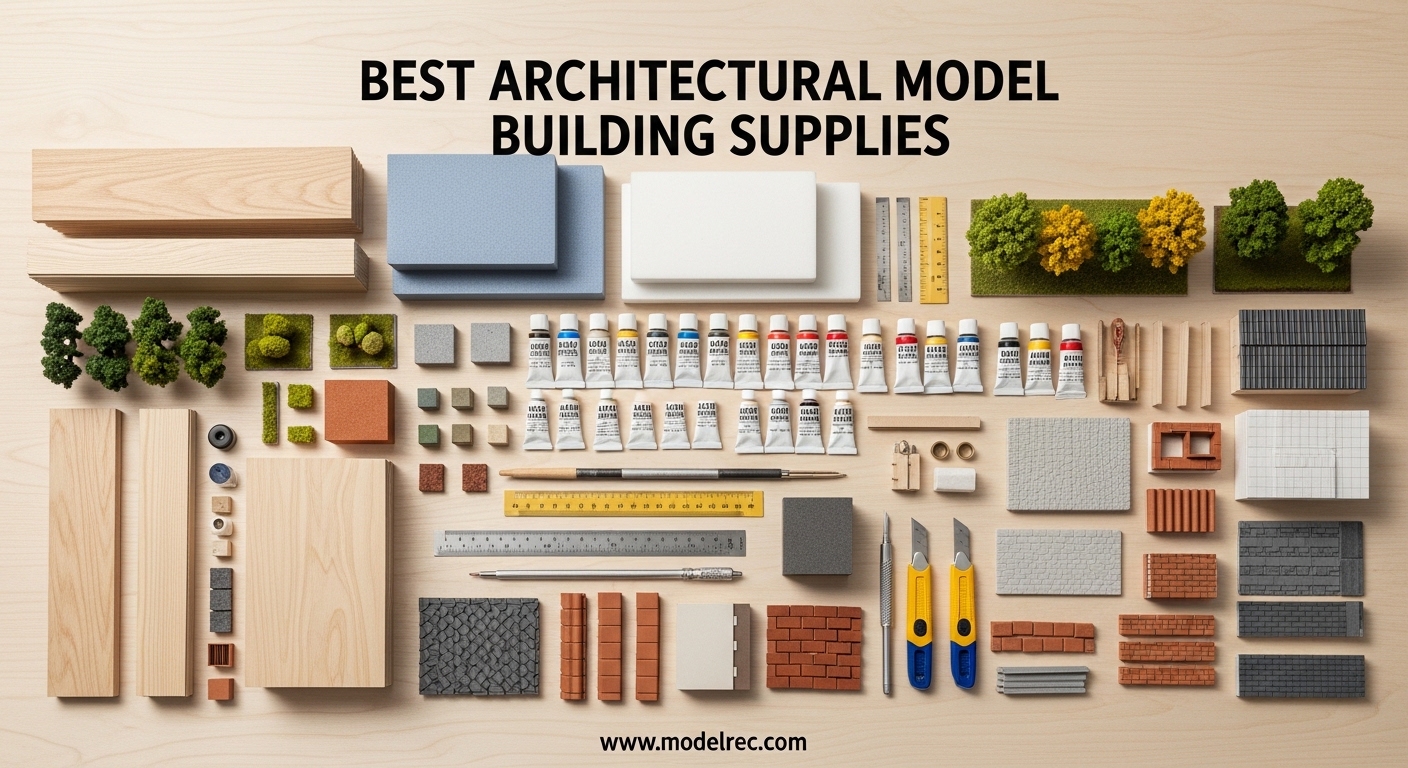
Building an architectural model is one of the most satisfying parts of the design process. Whether you are an architecture student assembling your first study model or a seasoned professional crafting a presentation piece for a client, having the right architectural model building supplies makes all the difference. I have spent years building models for studio projects, competitions, and client presentations, and I have learned that the gap between a frustrating afternoon and a productive one usually comes down to the quality of your tools and materials.
In this guide, our team has tested and compared 15 essential products across every category you need: cutting tools, wood materials, adhesives, foam boards, scale rulers, drafting instruments, templates, landscape details, and roofing accessories. We looked at everything from precision model building tools to bulk materials, evaluating each product for build quality, ease of use, and overall value. Every recommendation here is based on real hands-on experience and verified customer feedback.
By the end, you will know exactly which supplies are worth your money and which ones to skip. We cover budget-friendly picks for students alongside professional-grade options, so whatever your skill level or project scope, you will find the right fit. Let us get into the best architectural model building supplies for 2026.
Table of Contents
Top 3 Picks for Architectural Model Building Supplies


15 Best Architectural Model Building Supplies in 2026
| Product | Specifications | Action |
|---|---|---|
| X-ACTO Compression Basic Knife Set |
|
Check Latest Price |
| Fiskars Detail Craft Knife |
|
Check Latest Price |
 Spilay 16 Pcs Hobby Tool Kit Spilay 16 Pcs Hobby Tool Kit |
|
Check Latest Price |
| DIYDEC 6 Pack Basswood Sheets |
|
Check Latest Price |
 Riakrum 72-Pack Basswood Sheets Riakrum 72-Pack Basswood Sheets |
|
Check Latest Price |
 Rena Chris Architectural Scale Ruler Rena Chris Architectural Scale Ruler |
|
Check Latest Price |
 NOKKO Architectural Scale Ruler Set NOKKO Architectural Scale Ruler Set |
|
Check Latest Price |
 BEACON 3-in-1 Advanced Craft Glue BEACON 3-in-1 Advanced Craft Glue |
|
Check Latest Price |
 Aleene’s All Purpose Tacky Glue Aleene’s All Purpose Tacky Glue |
|
Check Latest Price |
 Navy Penguin Foam Board 12-Pack Navy Penguin Foam Board 12-Pack |
|
Check Latest Price |
 Silverlake Craft Foam Boards 6-Pack Silverlake Craft Foam Boards 6-Pack |
|
Check Latest Price |
 Nicpro 21PCS Professional Drafting Tools Nicpro 21PCS Professional Drafting Tools |
|
Check Latest Price |
 Warmtree 126 Pcs Static Grass Tufts Warmtree 126 Pcs Static Grass Tufts |
|
Check Latest Price |
 Sooez Architectural Templates Set Sooez Architectural Templates Set |
|
Check Latest Price |
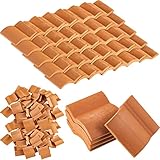 Charniol 100 Pcs Miniature Roof Tiles Charniol 100 Pcs Miniature Roof Tiles |
|
Check Latest Price |
1. X-ACTO Compression Basic Knife Set – Precision Cutting for Every Project
X-ACTO Compression Basic Knife Set, Includes 3 Knives, 13 Blades, Soft Carry Case, 17 Count – Crafting, Art Projects, Cutting Tools
3 X-ACTO Knives (#1,#2,#5)
13 Replacement Blades
Nylon Soft Carry Case
Stainless Steel Blades
Pros
- Precision and control for detailed cuts
- Quality X-ACTO brand consistency
- Great blade variety for different tasks
- Zippered case with magnetic holders
- Lightweight at 0.25 pounds
Cons
- Now made in China instead of USA
- Case has some wasted space
I have used X-ACTO knives since my first architecture studio, and this compression knife set remains my go-to for almost every model project. The set includes three knife handles in sizes #1, #2, and #5, which means you have the right tool whether you are making delicate score cuts on museum board or carving through thicker basswood sheets. The #1 knife handles the fine detail work, the #2 is your everyday workhorse, and the #5 tackles heavier materials with confidence.
Having 13 replacement blades in one package is a real advantage. Forum users consistently mention that fresh blades are non-negotiable for clean cuts, and this set keeps you stocked for weeks of studio work. The blades swap out easily with the twist-lock mechanism, and I have never had one slip during use.
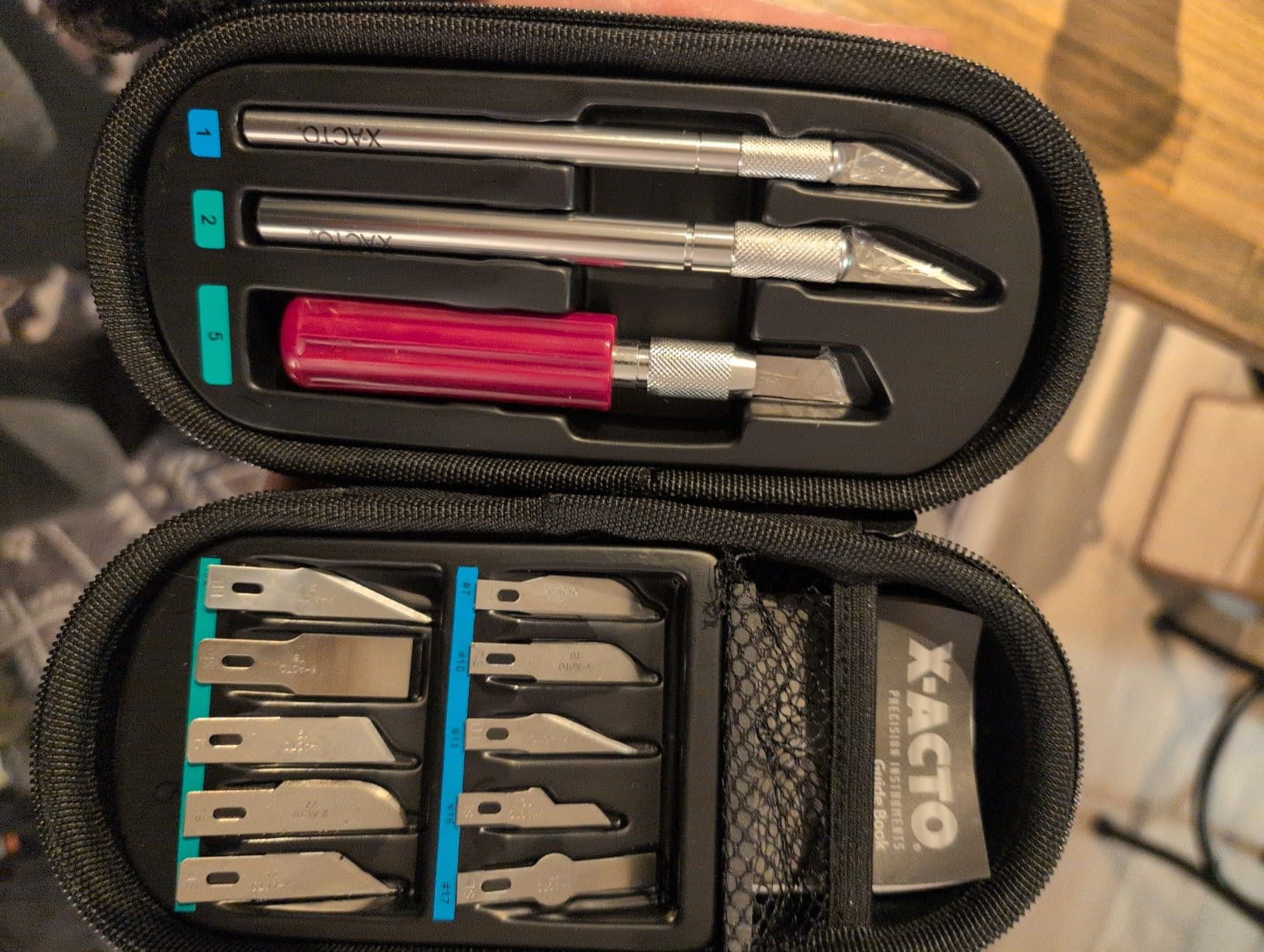
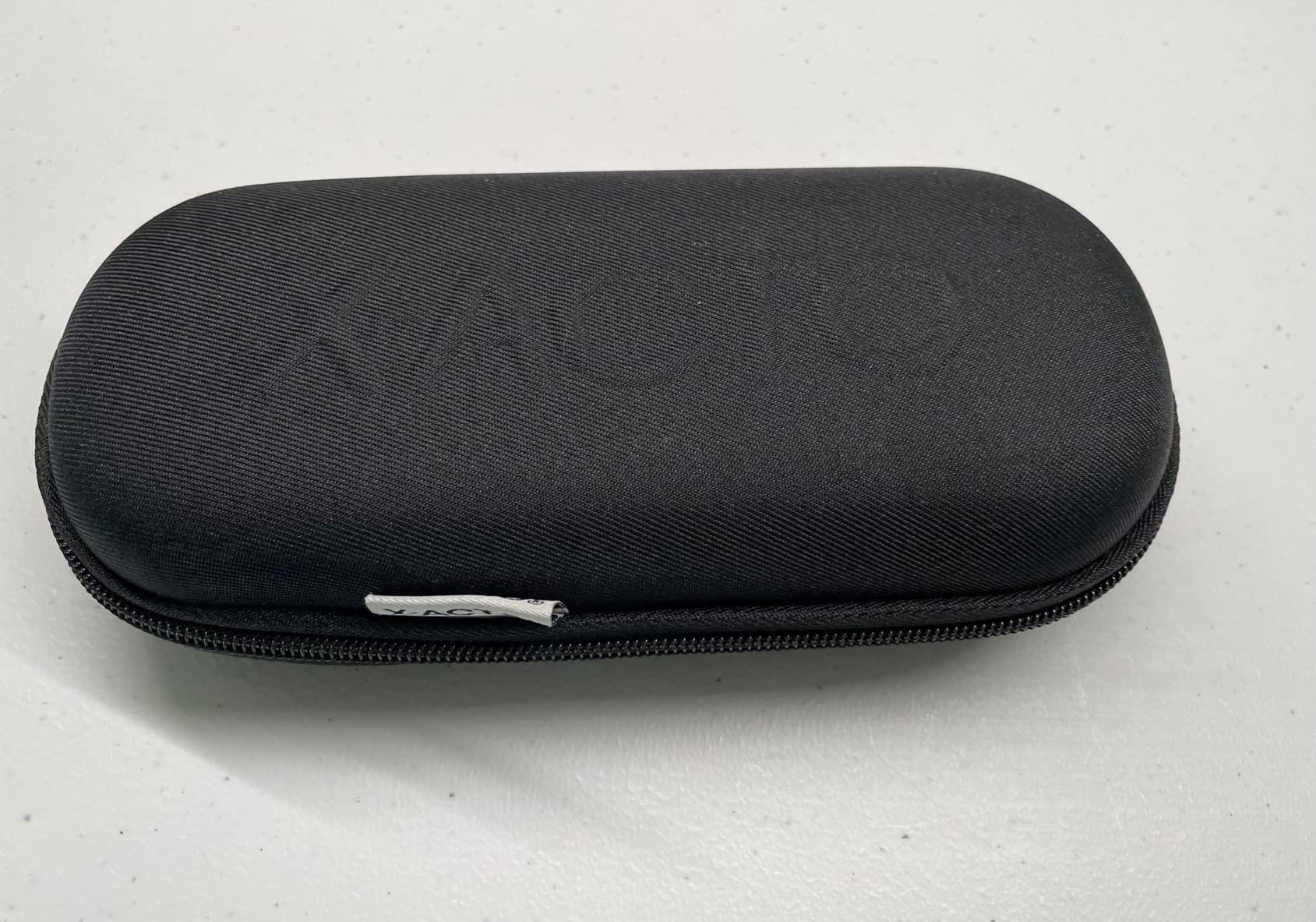
The nylon compression case is a nice addition. It keeps everything organized with magnetic blade holders that prevent your extra blades from rattling around loose in your bag. I toss this kit into my backpack every semester and the case has held up without any issues. The magnetic slots make it easy to grab the blade you need without fumbling.
On the downside, some long-time users have noted that X-ACTO shifted manufacturing to China in recent years. The quality is still solid for most architectural work, but if you are doing extremely fine surgical-level cuts, you might notice a slight difference compared to older USA-made versions. The case is also a bit larger than the contents really need, but that is a minor complaint.
Who Should Buy This Knife Set
This set is ideal for architecture students and professionals who need a reliable, versatile cutting setup. If you work with a mix of materials like foam core, basswood, illustration board, and chipboard on a regular basis, having all three knife sizes in one organized package saves time and frustration. It is also a great starter kit if you are just getting into model making and want quality precision cutting tools from day one.
Who Should Look Elsewhere
If you only need one knife for occasional light cutting, this set might be more than you need. A single Fiskars or X-ACTO #1 knife would serve you just fine for simple foam board projects. Similarly, if you are doing production-level laser cutting work, your knife needs will be minimal and this set would sit largely unused.
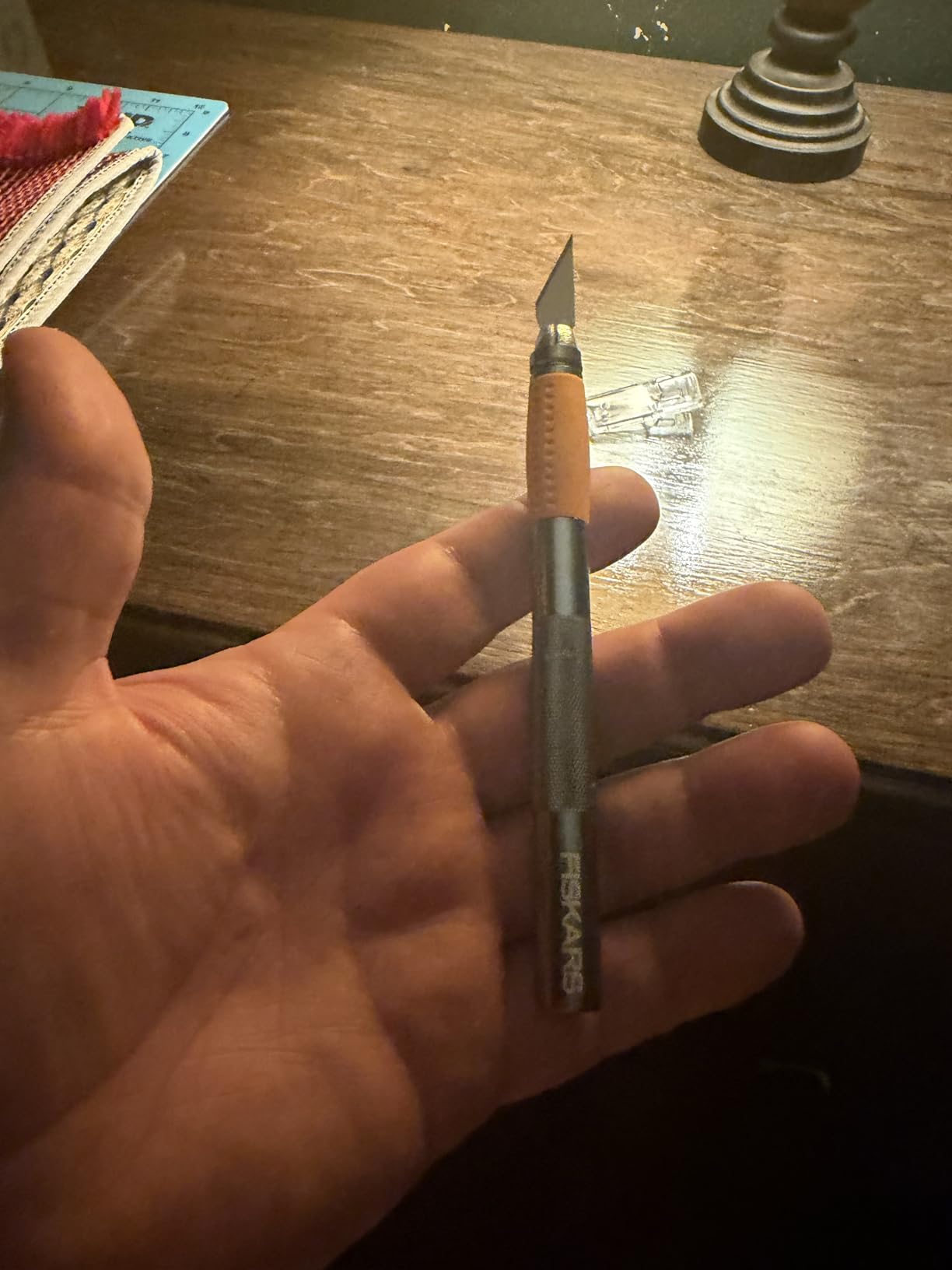
2. Fiskars Detail Craft Knife – Affordable Precision for Daily Use
Fiskars 6″ Detail Craft Knife, Exacto Hobby Utility Knife, Durable Aluminum
Aluminum Body Handle
Stainless Steel Blade
SoftGrip Touchpoints
Lifetime Warranty
6.21 Inches Long
Pros
- Razor sharp out of the package
- Comfortable SoftGrip touchpoints
- Durable aluminum body
- Full lifetime warranty
- Compatible with standard blades
Cons
- Blade can loosen over time
- Cap is slightly too short
The Fiskars Detail Craft Knife is the knife I reach for when I need one reliable cutter without spending much. At just a few dollars, it delivers a surprisingly solid cutting experience that rivals more expensive options. The aluminum body gives it a satisfying weight in the hand, and the SoftGrip touchpoints on the handle make long cutting sessions more comfortable than you would expect at this price point.
I have used this knife extensively on foam core board, illustration board, and light basswood sheets. The stainless steel blade arrives razor sharp and cuts through paper and thin board with clean, precise edges. It is compatible with standard #10, #11, #16, and #17 blades, so finding replacements is never a problem. The full lifetime warranty is a nice safety net that speaks to Fiskars’ confidence in their build quality.
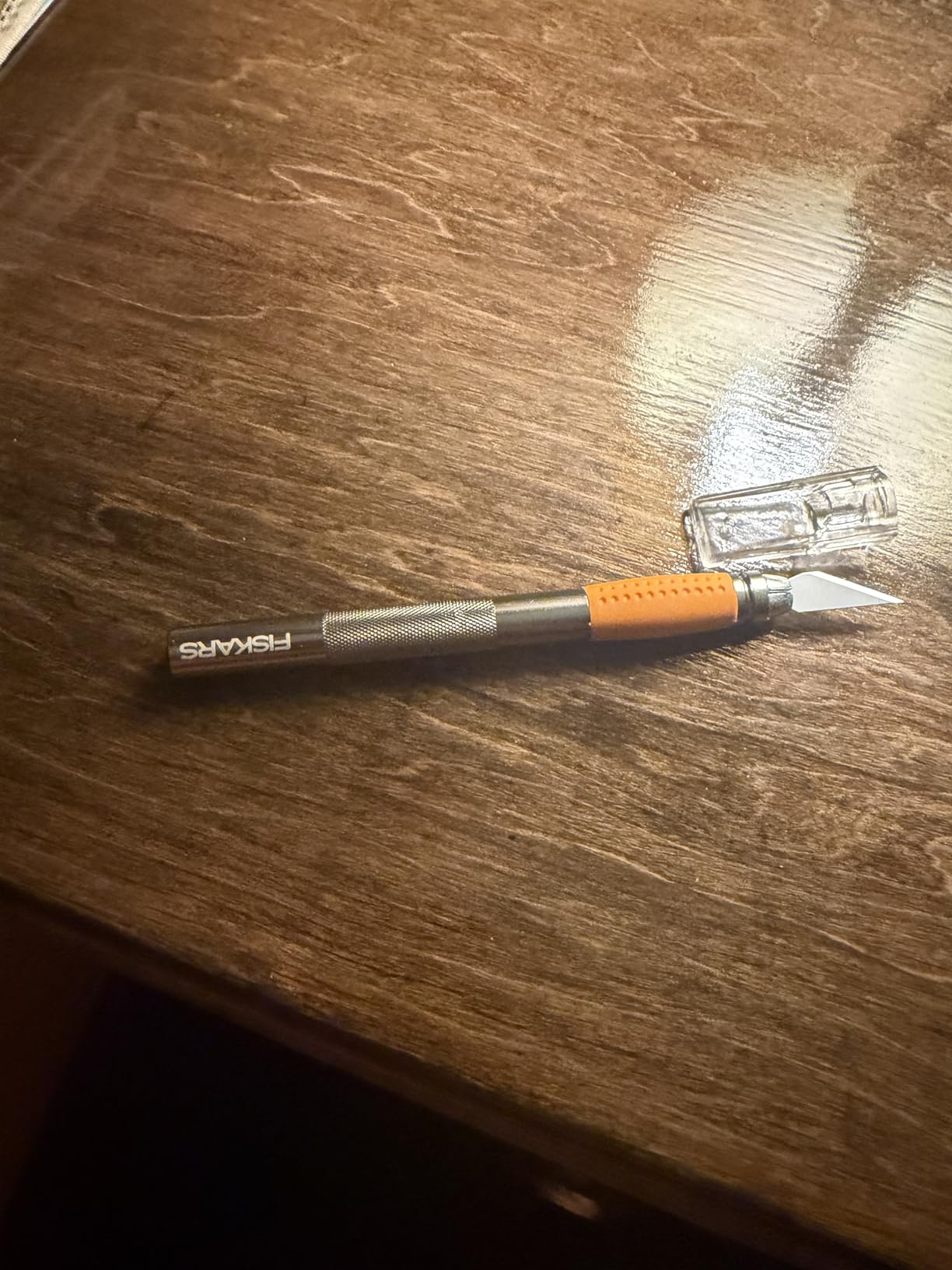
The main issue I have encountered is that the blade can loosen after extended use. During a long model-building session, I found myself tightening the collet every 30 minutes or so. It is not a dealbreaker, but it can interrupt your workflow if you are deep in a cutting groove. A small drop of thread-lock would solve this permanently.
The protective cap is another small letdown. It is slightly too short, which means the very tip of the blade can poke through if you are not careful when capping it. I recommend storing this knife in a dedicated slot in your tool kit rather than loose in a bag.
Best Use Cases for This Knife
This knife shines for students on a budget who need one dependable cutting tool for foam board, card stock, and light wood cutting. It is also excellent as a backup knife to keep in a second location, like your home desk or a field kit. The lifetime warranty means you can rely on it for years.
When to Choose Something Else
If you are working on detailed, multi-material models that require different blade sizes, the X-ACTO three-knife set gives you more versatility. And if you need a knife that can handle heavy cutting through thick materials like plywood or dense foam, a heavier-duty option would be more appropriate.
3. Spilay 16 Pcs Hobby Building Model Tool Kit – All-in-One Starter Set
Spilay 16 Pcs Hobby Building Model DIY Tool Kit for Dollhouse Miniature
16-Piece Tool Kit
Stainless Steel Tools
Plastic Storage Box
Anti-Static, Anti-Acid
Multicolor
Pros
- Comprehensive kit for miniature building
- High strength stainless steel
- Works for beginners and advanced users
- Convenient storage box
- Great value for 16 tools
Cons
- Some tools may dull quickly
- Smaller scale than some expected
The Spilay 16-piece tool kit is the kind of set I wish I had when I started architecture school. Instead of buying individual tools one by one, this kit gives you everything in a single organized package. It includes tweezers, files, pliers, a craft knife, and various other hand tools that cover most of the tasks you encounter when building architectural models at small scales.
All the tools are made from stainless steel with anti-skid, anti-static, and anti-acid properties. In practice, this means they resist corrosion from glue and paint exposure, which is a real benefit when you are working with adhesives like tacky glue and white glue that can leave residue. The plastic storage box keeps everything sorted, which matters more than you might think when your desk is covered in materials.
I tested the pliers and tweezers on small wire pieces for a structural model, and they performed well for the price. The files handled basswood edges nicely, smoothing out rough cuts from a utility knife. The kit is clearly designed with miniature and dollhouse builders in mind, but most of the tools translate well to architectural model work.
The main limitation is that some of the tools will dull with heavy, repeated use. If you are building models every day for a professional practice, you might want to upgrade individual pieces over time. But for students and hobbyists, this kit covers the essentials at a fraction of what buying each tool separately would cost. Paired with good model cutting tools, you have a capable setup.
Who This Kit Serves Best
Architecture students building their first toolkit will get the most value here. It covers 80 percent of what you need for concept models and study models without requiring separate purchases. Hobbyists working on miniature buildings and dioramas will also find it perfectly suited to their needs.
Limitations to Consider
Professional model makers doing high-volume or precision work may find these tools too lightweight for daily use. The knife included is basic, and you will likely want to pair this kit with a dedicated X-ACTO or Fiskars for serious cutting. Also, the smaller scale of the tools means they are less suited for larger presentation models.
4. DIYDEC 6 Pack Basswood Sheets – Smooth, Laser-Cut Ready Wood
6 Pack Basswood Sheets 12 x 12 x 1/16 Inch Thin Wood Sheets for Crafts
6 Basswood Sheets
12x12 Inch Size
1/16 Inch (1.5mm) Thick
Natural Solid Wood
Finely Polished
Pros
- Consistent quality with minimal knots
- Perfectly flat with no warping
- Cuts smoothly on laser cutters
- Easy to cut with craft knife
- Does not splinter when cutting
Cons
- Some sheets may be slightly warped
- Outer layers may shed during cutting
Basswood is the backbone material for most architectural models, and the DIYDEC 6-pack has become one of my staple materials for studio work. These 12-by-12 inch sheets at 1/16 inch thickness hit the sweet spot between being easy to cut by hand and sturdy enough to hold structural shapes. I have used them for everything from wall assemblies to roof panels to detailed facade studies.
What sets these sheets apart is the consistency of the wood grain and the quality of the finishing. The surfaces are finely polished and smooth, which means your cuts come out cleaner and your glue bonds are stronger. I have run these through a laser cutter on multiple occasions, and they cut cleanly with minimal scorching, producing crisp edges that need very little sanding.
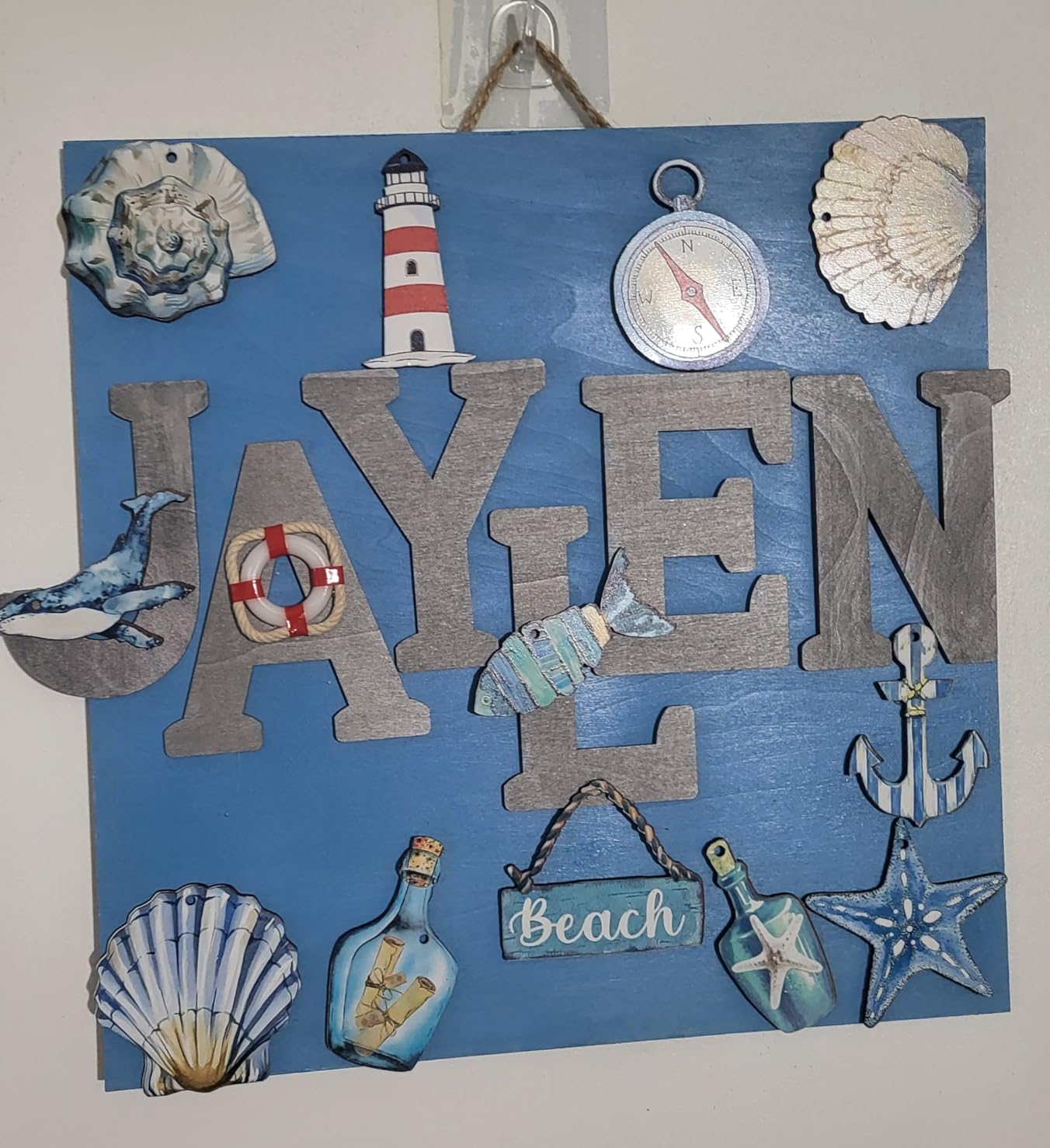
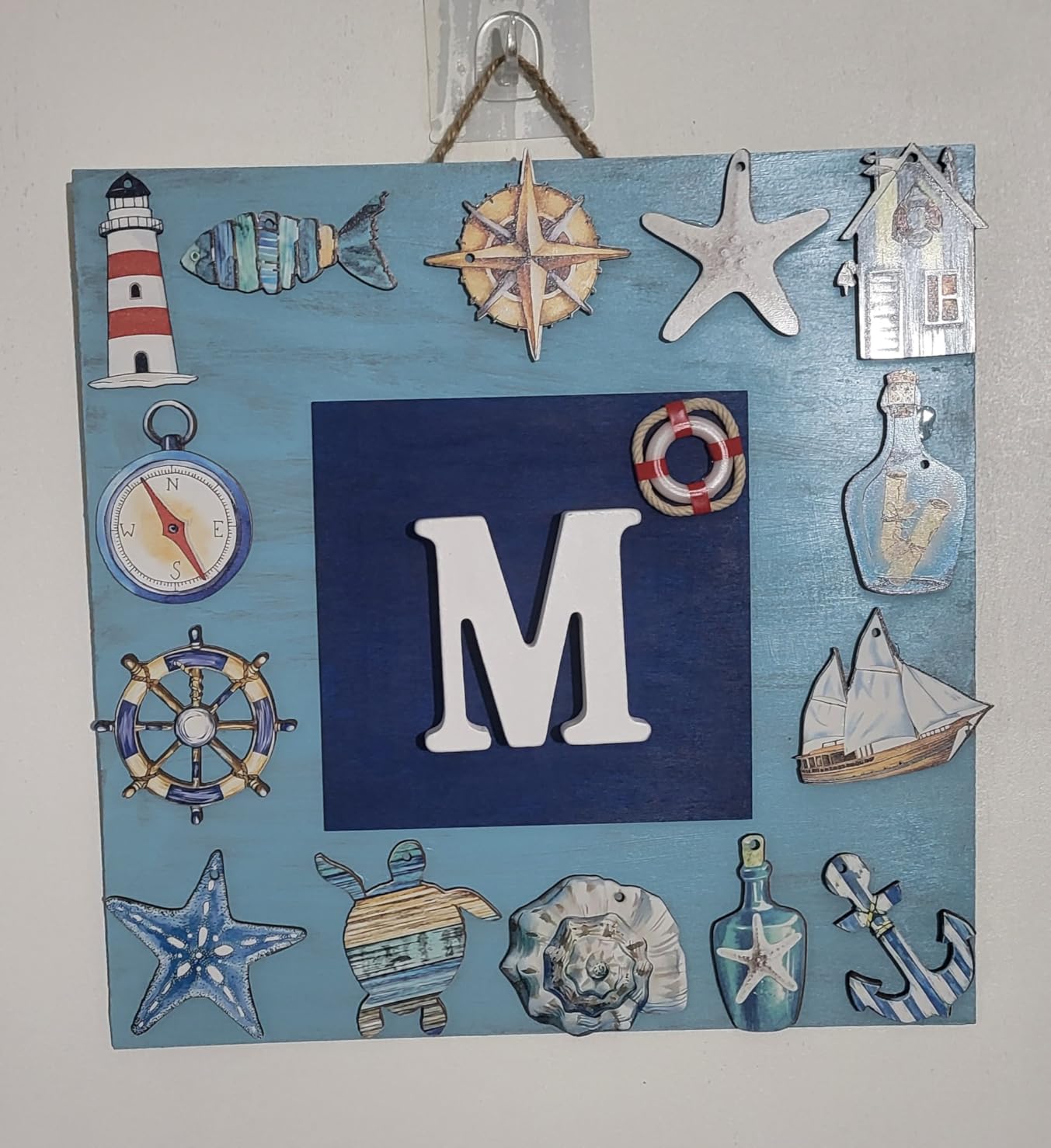
The natural wood grain gives models an authentic, professional appearance. For presentation models, you can leave the wood bare for a clean minimalist look, or stain and paint it to match specific materials. The sheets accept water-based paint, acrylic, and wood stain equally well, making them versatile for both conceptual and final models.
I did notice occasional slight warping in a few sheets from one batch, which is common with basswood. Storing them flat under a heavy book for a day or two usually resolves this. The outer layers can also shed slightly during cutting on some machines, but this is a minor issue that does not affect the structural quality of your finished model.
Best Applications for These Sheets
These basswood sheets are perfect for conceptual models, facade studies, and presentation pieces that need a professional wood finish. The 1/16 inch thickness is ideal for wall planes, floor plates, and small structural elements. Architecture students will find this thickness manageable with a craft knife, which means you do not need access to a laser cutter to use them effectively.
When to Choose a Different Thickness
If you are building heavy structural models or need something that can bear more load, the 1/8 inch Riakrum sheets in our next review are a better choice. And if you need massive quantities for a large project or production run, buying in bulk will save you money per sheet.
5. Riakrum 72-Pack Basswood Sheets – Bulk Supply for Serious Builders
Riakrum Basswood Sheets Plywood Board Unfinished Wood Boards for Crafts for DIY Laser Projects Architectural Mini House Building Hobby Model Making(12 x 18 x 1/8 Inch,72)
72 Basswood Sheets
12x18 Inch Size
1/8 Inch (3mm) Thick
Fine Uniform Grain
Sanded Smooth
Pros
- Cuts well on laser cutters
- Accurate measured thickness
- Minimal warping
- Light brown uniform color
- Bulk pricing saves money
Cons
- Recent quality drop with seams
- Thickness variance up to 0.58mm
- Some sheets have inconsistent grain
The Riakrum 72-pack is the choice when you need serious volume. With 72 sheets of 12-by-18 inch basswood at 1/8 inch thickness, this pack is designed for architecture studios, maker spaces, or anyone running a laser cutting business. I have seen entire classes of architecture students share one bulk order like this, and the per-sheet cost works out to be significantly cheaper than buying smaller packs individually.
The 1/8 inch thickness gives you more structural rigidity than the thinner DIYDEC sheets, which makes these better for load-bearing model components, thick wall assemblies, and models that need to survive handling during presentations and transport. The fine, uniform grain texture sands well and takes paint evenly across the surface.
During testing, the laser cutting performance was solid. Sheets cut cleanly with consistent results, and the measured thickness of 2.9mm was close enough to the stated 3mm that most projects will not notice the difference. The light brown color is consistent across the batch, which matters when you want a uniform finish on a large model.
The main concern is that some recent batches have shown quality variation. A few users reported seams and grooves in some sheets, and the thickness can vary by up to 0.58mm between pieces. If you are doing precision joinery or interlocking parts, this variance could cause fit issues. For general model building, though, most of the sheets perform perfectly well.
When Bulk Makes Sense
This 72-pack is the right call for architecture studios, university maker spaces, or professionals who build models regularly. If you are running through basswood sheets weekly, the bulk pricing more than justifies the upfront cost. The 1/8 inch thickness is also ideal for models that need to be durable enough for client presentations and exhibition display.
When to Buy Smaller Packs
If you are a student working on one or two projects per semester, 72 sheets is overkill. The DIYDEC 6-pack or a similar smaller set will serve you better and cost much less upfront. Also, if your work demands extremely tight dimensional tolerance, the thickness variance in this bulk pack might frustrate you.
6. Rena Chris Architectural Scale Ruler – Precise Measurements Every Time
Rena Chris Architectural Scale Ruler: 12″ Imperial Aluminum Alloy Metal Architecture Measuring Tools, Engineering Drafting Construction Drawing Blueprints Triangular Architect Scaling Rulers 12 Inches
12 Inch Triangular Scale
6 Different Scales
Aluminum Construction
Laser-Etched Markings
3.2 Ounces
Pros
- Solid aluminum build with clean markings
- Laser-etched scales never fade
- Triangular shape balanced in hand
- Color coded for easy selection
- Great price for quality
Cons
- Metal edges feel firm during long sessions
- Slick surface can slide on glossy paper
Scale rulers are one of those tools you do not think much about until you use a bad one. The Rena Chris architectural scale ruler is the opposite of bad. This 12-inch triangular aluminum ruler gives you six different scales across three sides, covering the most common architectural scales you will encounter in studio work and professional practice.
The laser-etched markings are the standout feature. Unlike printed or painted markings that wear off over time, these etched scales stay readable for years. I have had mine for two years of regular use, and every graduation is still as crisp as the day I unboxed it. The aluminum body has a satisfying weight that keeps the ruler steady while you draw, though it can slide on glossy blueprint paper if you are not careful.
The triangular shape is practical because it naturally prevents the ruler from rolling off your desk. Three faces, each with two scales, give you quick access without flipping the ruler around constantly. The color coding on each face helps you find the right scale at a glance, which speeds up your workflow during tight deadlines.
At just 3.2 ounces, it is light enough to carry in a pencil case or drawing tube without adding bulk. This is the kind of tool that architecture students often overlook until they realize their cheap plastic ruler is giving them inaccurate measurements. Making the switch to this aluminum scale ruler is a small investment with a big payoff in precision.
Why This Ruler Belongs in Your Kit
Every architecture student and professional needs a reliable scale ruler, and this one delivers professional-grade accuracy at a very accessible price. If you are measuring floor plans, drawing scaled elevations, or checking component dimensions during model assembly, the precision of the laser-etched markings ensures your measurements are trustworthy.
What It Does Not Cover
This ruler covers architectural scales but not engineering scales. If you need both, the NOKKO set in our next review includes both types in one package. Also, if you work primarily with metric scales, you will want to verify that this ruler includes the metric scales you need before purchasing.
7. NOKKO Architectural Scale Ruler Set – Complete Drafting Measurement Kit
Architectural Scale Ruler and Engineering Scale Ruler Set, 12-Inch, 3-Piece
Architect Scale Ruler
Engineer Scale Ruler
12 Inch Stainless Steel Ruler
Aluminum Construction
3-Piece Set
Pros
- Clear and easy to read markings
- Aluminum that does not chip like plastic
- Complete 3-piece drafting set
- High contrast white graduations
- Well presented and boxed
Cons
- Metal corners can be sharp
- Corners may tear plans if not careful
The NOKKO scale ruler set is the complete package for anyone who needs both architectural and engineering scales. This three-piece set includes an architect scale ruler, an engineer scale ruler, and a 12-inch stainless steel straight ruler. Having all three in one box means you are covered whether you are reading architectural blueprints, civil engineering plans, or making general measurements.
The black anodized aluminum construction looks professional and feels durable. The white laser-etched graduations provide high contrast that is easy to read even in low studio lighting at 2 AM before a deadline. Unlike plastic rulers that can chip, crack, or have their printed markings wear off, these aluminum rulers are built to last through years of studio abuse.
I appreciate that the set comes properly boxed, which makes it a great gift for an architecture student or a nice upgrade for yourself. The stainless steel straight ruler is a thoughtful inclusion because it handles general measuring tasks and doubles as a straight edge for cutting with a craft knife.
The one thing to watch out for is the metal corners. Because the aluminum is not rounded off, the corners can be sharp enough to tear paper or vellum if you slide the ruler carelessly. I rounded mine slightly with a fine file, which took two minutes and completely solved the issue. Once you do that, this set is essentially perfect.
Who Benefits Most From This Set
This set is perfect for architecture and engineering students who work with both types of scaled drawings. It is also ideal for professionals who want a matching set of high-quality rulers rather than a mismatched collection accumulated over time. The gift-worthy packaging makes it a great graduation or studio-warming present.
When a Single Ruler Is Enough
If you only work with architectural scales and never touch engineering drawings, the Rena Chris single ruler is simpler and costs less. The NOKKO set shines when you need both scale types or want the bonus straight ruler for general studio work.
8. BEACON 3-in-1 Advanced Craft Glue – Crystal Clear Multi-Surface Adhesive
BEACON 3-in-1 Advanced Craft Glue – Fast-Drying, Crystal Clear Adhesive for Wood, Ceramics, Fabrics, and More, 4-Ounce
3-in-1 Craft Glue
Crystal Clear Drying
4-Ounce Bottle
Waterproof
Acid Free Formula
Pros
- Strong adhesion on multiple surfaces
- Easy to control glue amount
- Does not dampen or warp paper
- Thick but spreadable consistency
- Dries clear with no yellowing
Cons
- Slight odor during use
- Container must stay upright to prevent leaks
Adhesive choice can make or break an architectural model, and the BEACON 3-in-1 Advanced Craft Glue has become one of my favorite glues for studio work. The formula bonds wood, paper, fabric, cork, plastic, and ceramics, which covers nearly every material you would use in an architectural model. It dries crystal clear in about one hour and reaches full cure in 24 hours.
What I appreciate most about this glue is that it does not introduce moisture that warps paper or thin board materials. If you have ever had a foam core wall panel warp while the glue was drying, you know how frustrating that can be. The BEACON formula maintains a thick consistency that stays where you put it, so it does not soak through and ruin visible surfaces.
The no-run formula is particularly useful when you are assembling vertical elements. You can apply glue to a wall edge, press it into position, and it stays put without dripping down onto your baseboard. For model makers who use syringes for precision application, as many forum users recommend, this glue works well in that setup because of its viscosity.
There is a slight odor that some users find annoying, so working in a ventilated area is wise. The container also needs to stay upright when not in use because the cap is not completely leak-proof. These are minor inconveniences compared to the performance you get.
Best Projects for This Glue
This glue excels at assembling multi-material models where you need a clear, clean bond. Use it for attaching basswood frames to foam board walls, gluing paper facades, or bonding mixed-media presentation models. The acid-free formula means it will not degrade your materials over time, which is important for models that need to last.
Situations to Use a Different Adhesive
If you need an instant grab that holds immediately without any drying time, Aleene’s Tacky Glue in our next review has a thicker, tackier formula. For very small, delicate joints that need precision placement, a cyanoacrylate super glue with a fine tip applicator would be more appropriate.
9. Aleene’s All Purpose Tacky Glue – The Classic Thick-Formula Adhesive
Aleene’s All Purpose Tacky Glue, 8-Ounce, Clear (15599)
Original Tacky Glue
8-Ounce Bottle
Dries Clear and Flexible
Non-Toxic
Water Resistant
Pros
- Thick formula grabs on contact
- Strong reliable bond on many surfaces
- Dries clear and flexible
- No yellowing over time
- Non-toxic and cleans up with water
Cons
- Longer dry time than instant glues
- Bottle hard to squeeze when nearly empty
Aleene’s Tacky Glue is a studio staple that has earned its reputation through decades of reliable performance. The thick, tacky consistency means it grabs materials on contact, which is incredibly helpful when you are holding pieces in position and cannot afford to wait for glue to set. I keep a bottle on my desk at all times because it works on virtually every model material I use.
The 8-ounce bottle is generous and lasts through many projects. On paper, card, wood, fabric, and even metal and ceramic surfaces, this glue forms a strong, flexible bond that holds up over time. The non-toxic formula is a bonus for students working in shared studio spaces with limited ventilation. Clean-up is simple with soap and water if you catch spills before the glue cures.
Experienced model makers on forums frequently recommend loading tacky glue into a syringe for precise application, and I can confirm this works beautifully with Aleene’s. The syringe gives you pinpoint control over exactly where the glue goes, which is essential when you are assembling delicate joints on a detailed scale model. A small machinist square combined with this application method produces professional results.
The main drawback is the longer dry time compared to instant adhesives. While Aleene’s starts to grab quickly, reaching full strength takes significantly longer than a cyanoacrylate glue. The bottle can also become hard to squeeze when the glue level gets low, so I usually transfer the last portion to a smaller container or syringe.
Why This Glue Is a Studio Essential
Every architectural model builder needs a reliable general-purpose adhesive, and Aleene’s Tacky Glue is the gold standard. The combination of instant grab, clear drying, and multi-surface compatibility makes it the one glue you want if you can only choose one. It is especially popular among miniature and dollhouse builders for its precision capabilities.
When You Need Something Different
If your project involves clear acrylic or transparent materials, a dedicated plastic cement or solvent weld will create invisible seams that Aleene’s cannot match. And for projects that need immediate handling strength, a fast-setting epoxy or super glue would be more practical than waiting for this thicker formula to cure.
10. Navy Penguin Foam Board 12-Pack – Clean, Rigid Presentation Material
Foam Board 12 x 16 x 3/16″(5mm), Foam Core Board Sheets, White Poster Board
12 Foam Core Boards
12x16 Inch Size
3/16 Inch (5mm) Thick
Acid Free
Double Sided White
Pros
- Excellent protective packaging
- No bends or corner damage
- Sturdy but lightweight
- Cuts cleanly and accepts paint well
- Acid free for lasting models
Cons
- Heavier than some foam boards
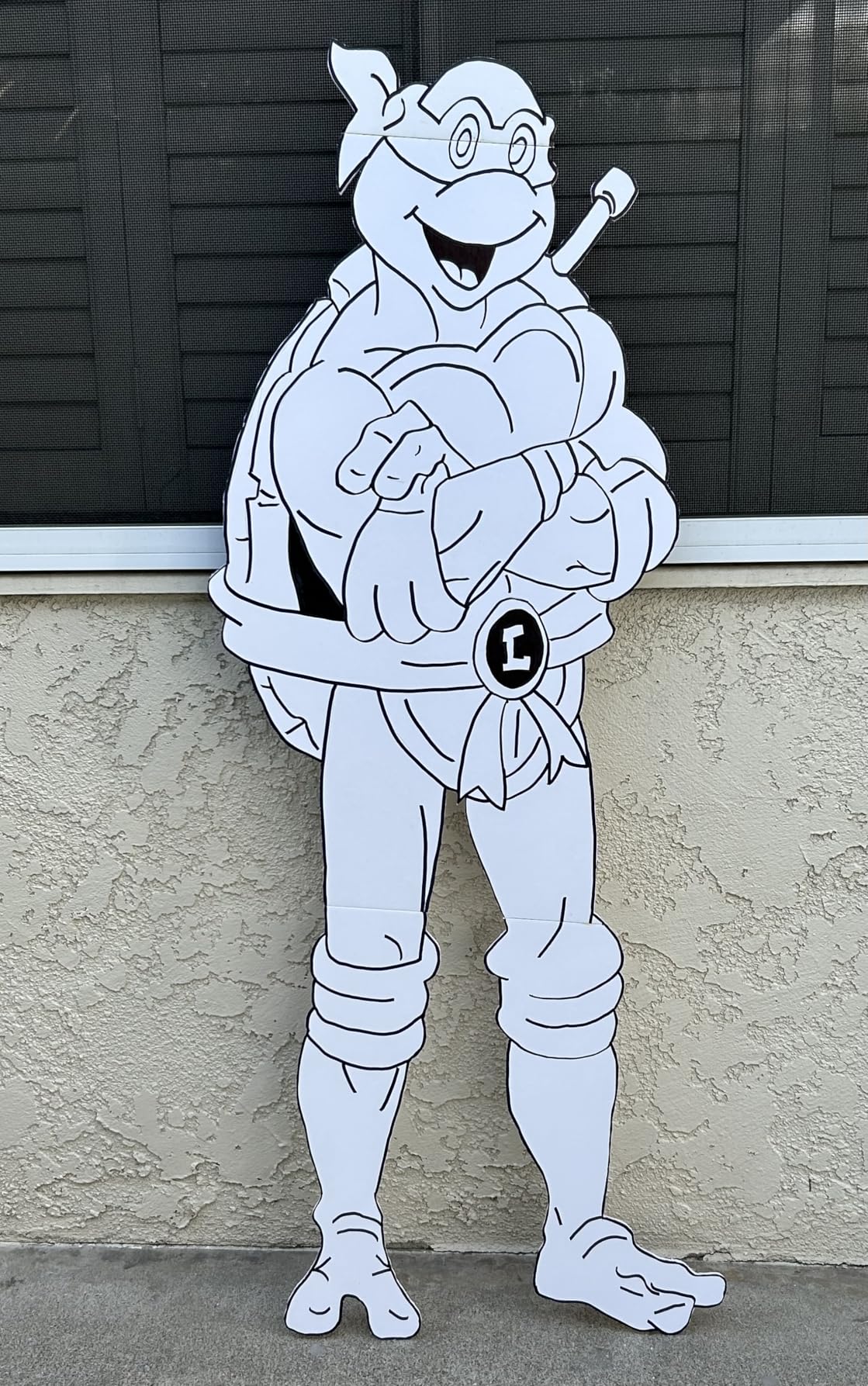
Foam core board is the workhorse material of architectural model building, and the Navy Penguin 12-pack delivers consistent quality at a reasonable price. These 12-by-16 inch boards at 3/16 inch thickness are rigid enough for structural wall panels and lightweight enough for multi-story models. The acid-free polystyrene core means your models will not degrade or yellow over time.
What impressed me first was the packaging. Every board arrived flat and undamaged with pristine corners. If you have ever received a foam board pack where half the corners were crushed in shipping, you know how important this is. The double-sided white finish gives you a clean surface on both sides, which is useful when you are building models that will be viewed from multiple angles.
Cutting performance is solid with a sharp craft knife. A single pass scores the surface cleanly, and a second pass with light pressure cuts through completely. The foam core does not compress or crumble during cutting when you use a fresh blade. I have also tested these boards with acrylic paint and spray adhesive, and both adhere well without warping the surface.
The only downside is that these boards are slightly heavier than some ultra-lightweight foam boards on the market. For most architectural models, this is not an issue, but if you are building radio-controlled models or anything that needs to minimize weight, you might prefer a lighter option.
Ideal Uses for This Foam Board
These boards are perfect for conceptual models, study models, and quick iteration work where you need to build and modify rapidly. The 3/16 inch thickness provides enough rigidity for free-standing walls and structural elements without additional support. They are also great for mounting presentation boards and creating display backdrops.
Consider Alternatives If
If you need thicker foam for terrain modeling or landscape contours, the Silverlake 1/2 inch foam boards in our next review offer significantly more depth for shaping and carving. And if you need very large sheets for a big site model, you might want to look for larger format options or join multiple boards with careful seam work.
11. Silverlake Craft Foam Boards – High-Density EPS for Terrain and Detail
Silverlake 11x17x0.5 Craft Foam Boards for Styrofoam Sheet Projects (6-Pack)
6 High-Density EPS Sheets
11x17x0.5 Inch
Professional Grade
Sandable and Paintable
Hot-Wire Compatible
Pros
- Professional-grade hard foam sheets
- Dense rigid material for precision
- Sandable and paintable surface
- Lightweight yet sturdy
- Cuts cleanly with hot-wire knife
Cons
- Some pieces arrive dented
- Irregular surface on some boards
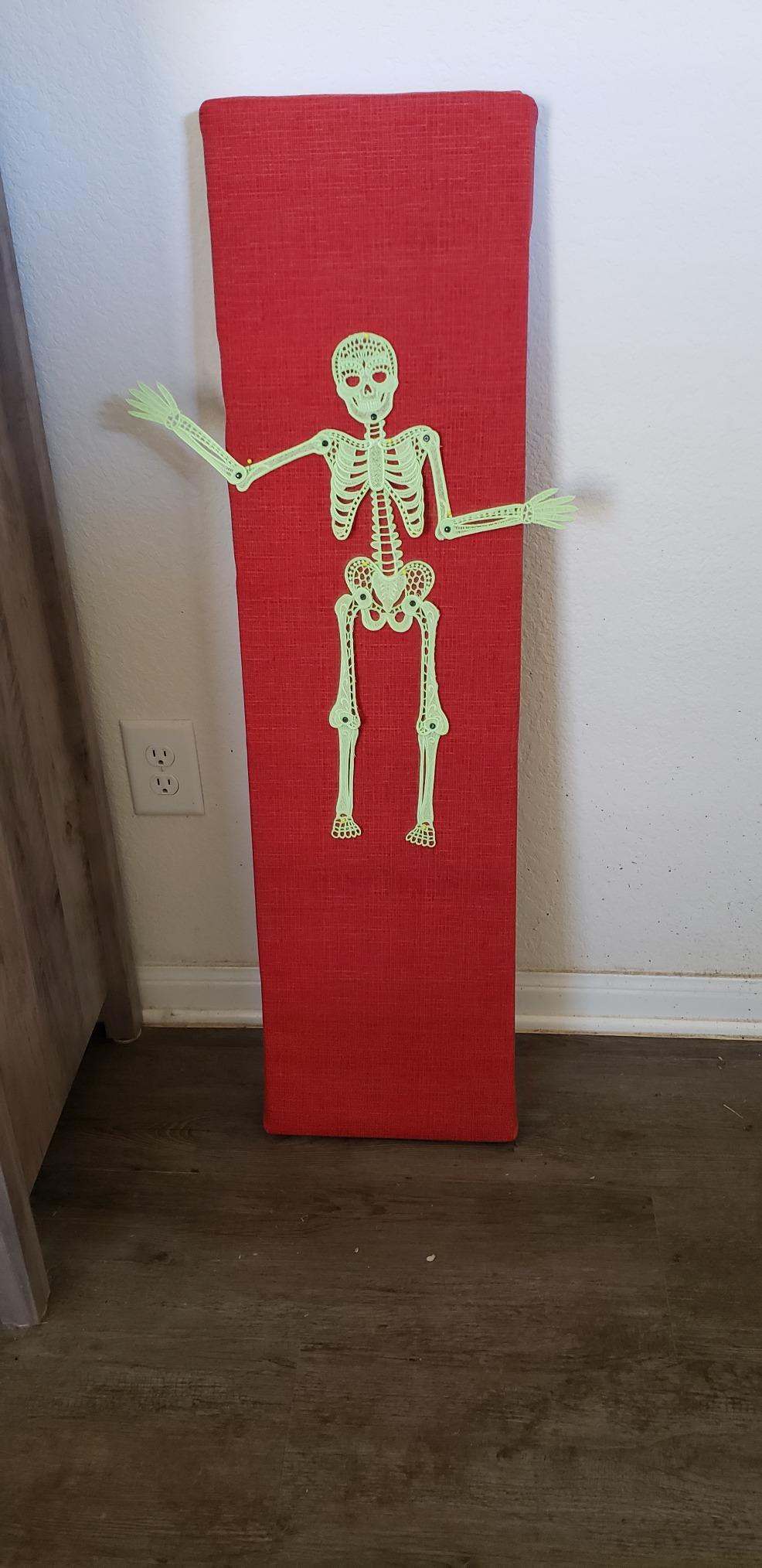
The Silverlake EPS foam boards are a different animal from standard foam core. These are high-density expanded polystyrene sheets at 1/2 inch thickness, which makes them ideal for terrain modeling, topographic site models, and landscape features. The density is firm enough to hold detail when carved and sanded, yet still lightweight enough for large-scale models.
I have used these boards to create site contour models by stacking and carving layers. The foam sands smoothly with fine-grit sandpaper, and you can create realistic terrain shapes with basic hand tools. Water-based paint and sealant adhere well without dissolving the foam underneath, which is a common problem with lower-density polystyrene products.
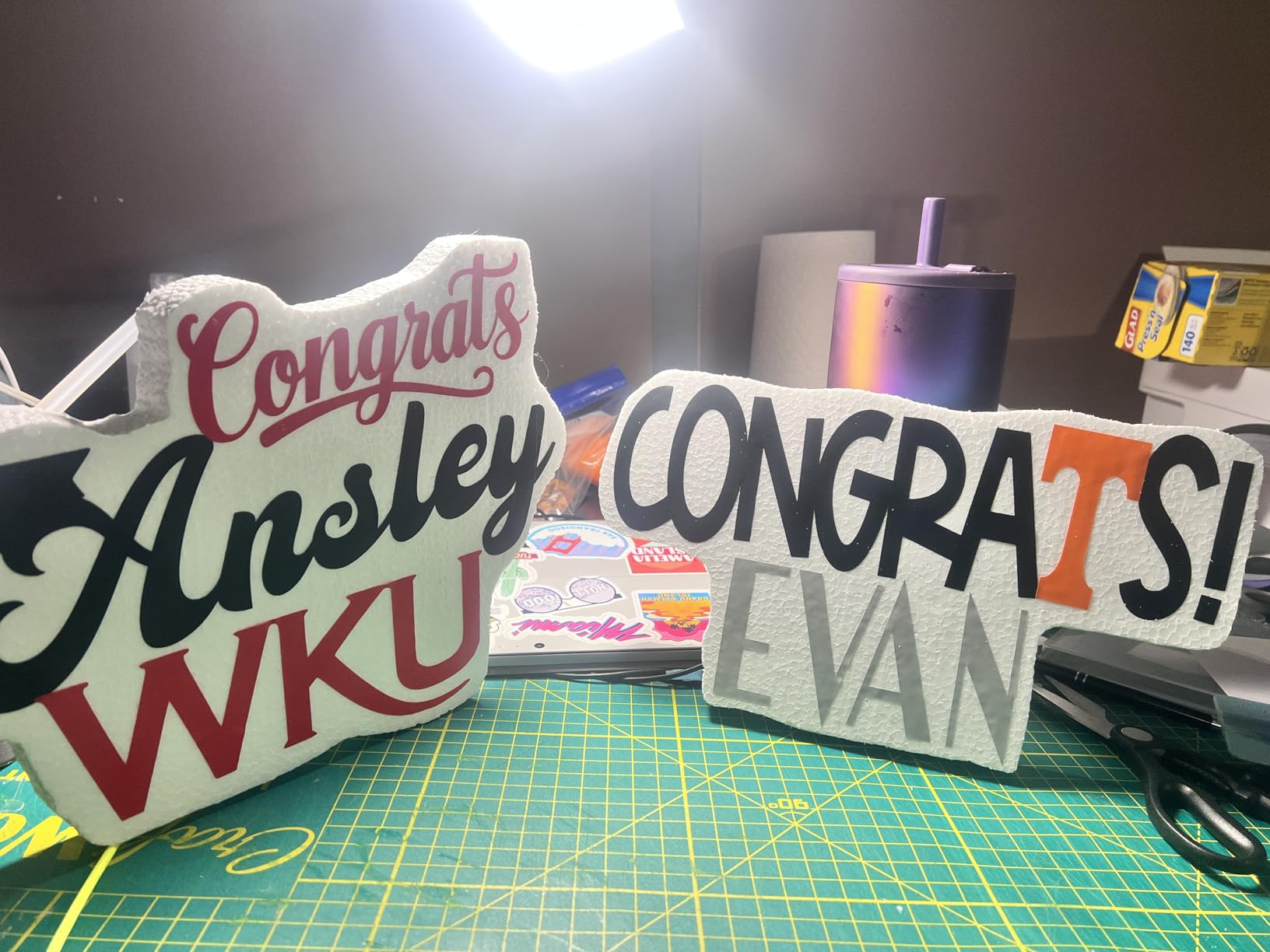
For architecture students working on site analysis and landscape design models, these boards are invaluable. They cut cleanly with a hot-wire cutter, producing smooth edges that are impossible to achieve with a blade on foam this thick. The 11-by-17 inch size is generous for most site model needs, and the six-sheet pack gives you enough material for layered topography.
The primary concern is that some sheets arrive with dents or surface irregularities. This is partly a packaging issue and partly a material property of EPS. If you need perfectly smooth, flat surfaces, you may need to sand the faces before starting your project. For terrain work where the surface is going to be carved anyway, this is not a problem.
When to Choose This Over Foam Core
Pick these EPS boards whenever you need to create three-dimensional terrain, topography, or landscape features. They are also excellent for models that require carved or shaped surfaces rather than flat planes. If your project involves site modeling, these boards are more appropriate than flat foam core.
When Standard Foam Core Works Better
For wall panels, floor plates, and flat structural elements, standard 3/16 inch foam core boards like the Navy Penguin pack are easier to cut and assemble. The Silverlake boards are too thick for most architectural wall applications and are better reserved for terrain and landscape work where their thickness is an advantage.
12. Nicpro 21PCS Professional Drafting Tools – Complete Drawing and Design Kit
Nicpro 21PCS Professional Drafting Tools & Geometry Set with Case
21-Piece Drafting Set
5 Reusable Templates
Metal Compass and Protractor
2 Mechanical Pencils
Carrying Case
Pros
- Comprehensive 21-piece set
- Thick durable templates
- Quality compass and pens
- Organized carrying case
- Good value for professional tools
Cons
- Plastic case can break during shipping
- Some templates may have rough edges
The Nicpro 21-piece drafting set is a serious toolkit for architects and designers who work with hand drawings alongside their physical models. This set includes five reusable drafting templates scaled at 1/4 inch equals 1 foot, a metal compass, a protractor, two mechanical pencils with lead refills, triangles, a scale ruler, an erasing shield, and a dusting brush. Everything fits into a zippered carrying case with a built-in stand.
The templates are the highlight of this set. Unlike the flimsy templates you find at hobby stores, these are thick and rigid enough to hold their shape while you trace. The furniture, plumbing, and architectural shape stencils are directly useful for planning model layouts before you start cutting materials. I use them to draft floor plans at scale and then reference those plans during model assembly.
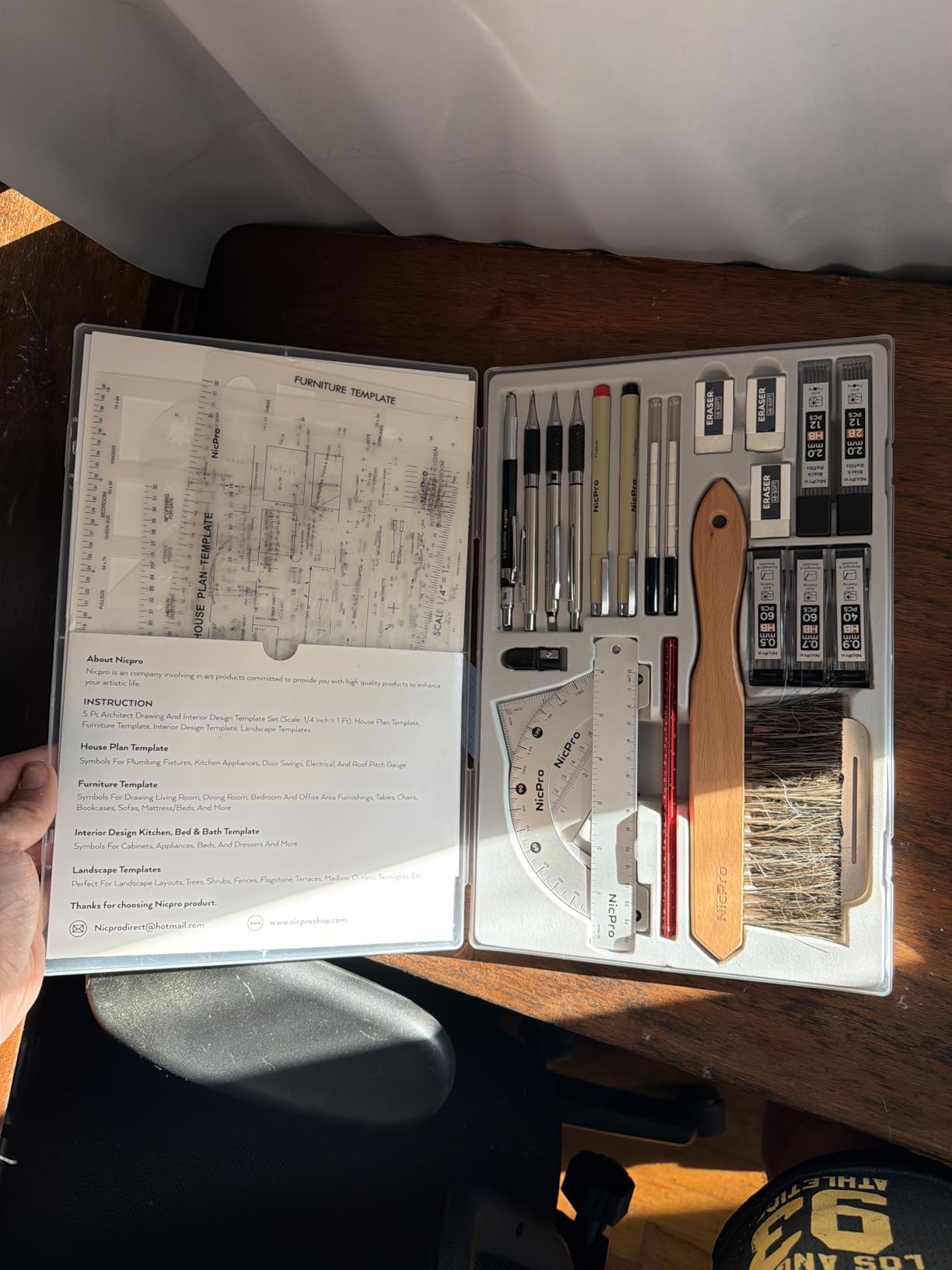
The metal compass produces clean arcs and circles, which is essential for drawing curved architectural elements. The two mechanical pencils at 0.5mm and 0.7mm give you fine and medium line widths. Combined with the included triangles and scale ruler, you have everything needed for measured architectural drawings without buying individual components.
The carrying case does its job of keeping 21 pieces organized, but some users report that the plastic hinges or clasps can break during shipping. The case on my review unit arrived intact, but I would handle it with reasonable care. The quality of the tools inside is what you are really paying for, and on that front, the set delivers.
Who Needs This Drafting Kit
Architecture students who need to produce hand-drawn plans alongside their models will get the most value. The templates, compass, and scale ruler are useful both for drawing and for transferring measurements to model materials. Professional architects who prefer hand sketching during early design phases will also find this kit comprehensive and well-organized.
When to Skip This Kit
If you do all your drafting digitally in CAD or BIM software and only need tools for model building, this set might include more drawing instruments than you need. In that case, buying a standalone scale ruler and a few templates individually would be more efficient and cost-effective.
13. Warmtree 126 Pcs Static Grass Tufts – Realistic Landscape Detailing
Warmtree 126 Pcs Static Grass Tufts, Diorama Supplies for Scene Accessories
126 Grass Tuft Pieces
0.2 Inch Tall, 0.5 Inch Wide
Pre-Applied Adhesive
Resin and Sponge Material
Green and Dry Yellow Colors
Pros
- Realistic miniature plants
- Pre-applied adhesive backing
- 126 pieces offer great variety
- Perfect for train layouts and dioramas
- Vibrant well-formed tufts
Cons
- Pieces may be too small for some scales
- Adhesive backing can stick to wrong surfaces
Landscaping is what separates a good architectural model from a great one, and the Warmtree static grass tufts make adding vegetation incredibly easy. This 126-piece set includes grass tufts in green and dry yellow tones, each approximately 0.2 inches tall and 0.5 inches wide. The pre-applied adhesive backing means you peel and stick them directly onto your model surface without additional glue.
I used these tufts on a site model for a residential project, and the effect was immediately impressive. The static grass stands upright realistically, and the mix of green and yellow tones allows you to create natural-looking variation across your landscape. The tufts are made from resin and sponge material that holds its shape well over time.

The pre-applied adhesive is a genuine time-saver. On previous projects, I spent hours carefully applying tacky glue and then placing individual grass pieces with tweezers. With these tufts, you simply peel off the backing and press them into position. The adhesive holds firmly on foam board, basswood, and painted surfaces.
The main thing to consider is scale. At roughly 0.5 inches wide, these tufts work best at scales from 1:100 to 1:200, where they represent bushes, hedges, or tall grass. At larger scales like 1:50, they might look too small for trees but could work as ground cover. At very small scales, they could appear too large relative to the buildings.

Best Uses in Architectural Models
These tufts are ideal for site models, landscape plans, and any architectural model that includes outdoor spaces. They work well for representing lawns, hedges, garden areas, and parks. Combined with the Silverlake terrain boards, you can create convincing site models with realistic vegetation that elevate the overall presentation quality.
Scale Considerations Before Buying
Check your model scale before purchasing. For 1:100 to 1:200 scale models, these tufts are perfectly sized for bushes and tall grass. For 1:500 or smaller urban models, you might want shorter static grass fibers instead. And for detailed garden models at 1:50 or larger, consider larger tree and shrub accessories that match the bigger scale.
14. Sooez Architectural Templates Set – Interior Design and House Plan Stencils
Sooez Architectural Templates, House Plan Template, Interior Design Template, Furniture Template, Drawing Template Kit, Drafting Tools and Supplies, Template Architecture Kit, Set of 3, Yellow
3 Template Set
1/4 Inch = 1 Ft Scale
House Plan Template
Furniture Template
Kitchen Bath Template
Pros
- Premium quality flexible plastic
- Complete 3-template set
- Transparent for easy tracing
- Affordable with good shape variety
- Specific architectural scale
Cons
- Plastic could be thicker
- May slide during use
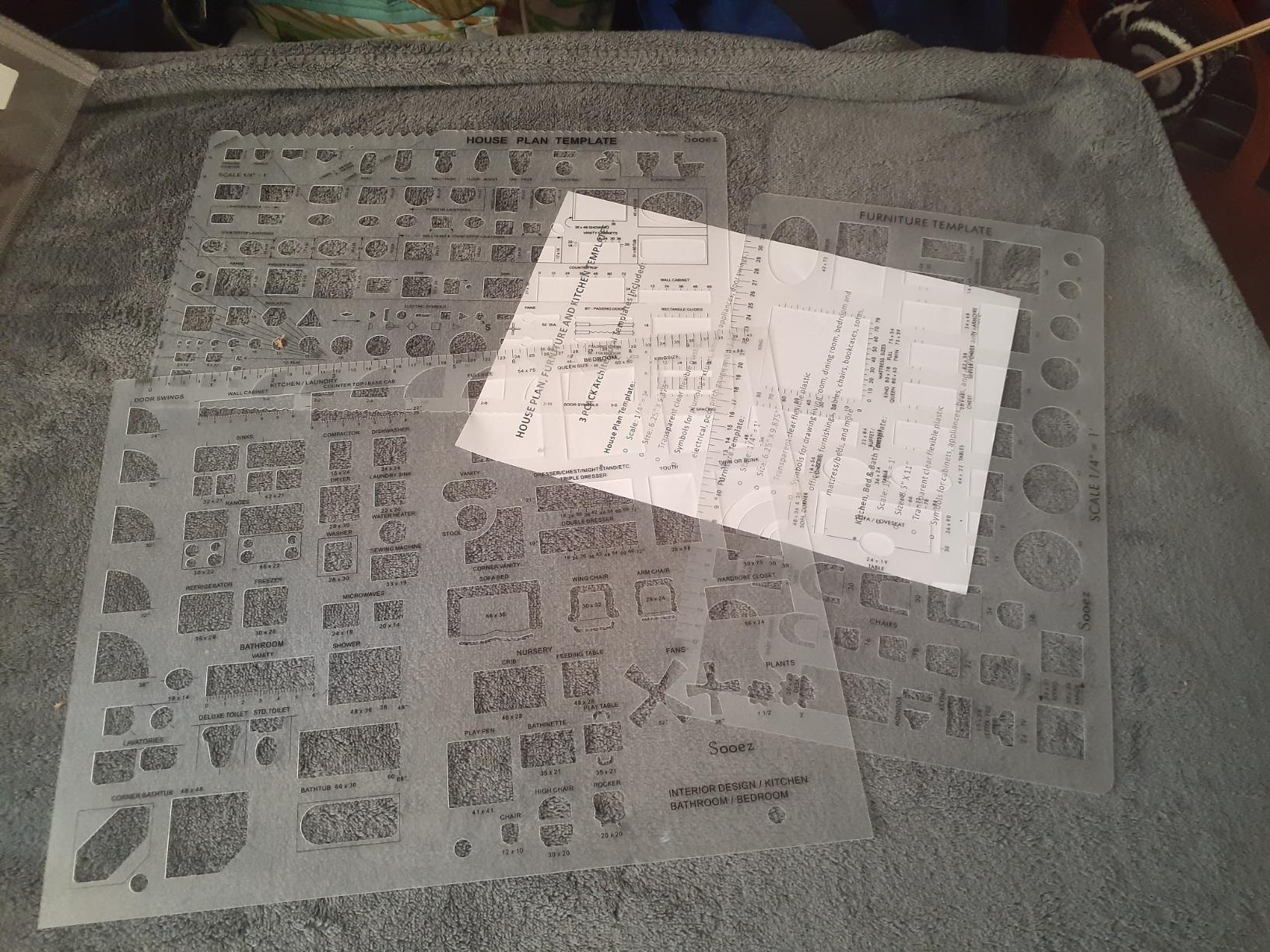
The Sooez architectural template set gives you three scaled stencils for house planning, furniture layout, and kitchen and bath design. All three templates use the standard architectural scale of 1/4 inch equals 1 foot, which means the shapes you trace are directly proportional to real-world dimensions. This is invaluable when you are planning model layouts and need to ensure your furniture and fixtures are correctly sized.
The house plan template includes shapes for appliances, doors, plumbing fixtures, stairs, and roof pitch indicators. The furniture template covers living room, dining room, bedroom, and office pieces. The kitchen and bath template provides cabinets, countertops, beds, dressers, and bathroom fixtures. Together, they cover most interior elements you would include in an architectural model.
The transparent plastic allows you to see your drawing underneath while tracing, which makes alignment much easier than opaque templates. The flexibility of the plastic is a plus because it conforms slightly to uneven surfaces, but it can also cause the template to shift if you press too hard while tracing. Using a piece of masking tape to hold it in place solves this completely.
At this price point, the value is outstanding. You get three templates that would cost significantly more if purchased individually from a drafting supply store. The shapes are well-designed and include both standard architectural symbols and unique furniture silhouettes that help clients visualize the final space.
How These Templates Help Model Builders
These templates are useful at the planning stage of model building. You can draft a scaled floor plan using the templates, then use that plan as a cutting guide for your model materials. They help ensure your model furniture and room layouts are proportionally accurate, which clients notice immediately during presentations.
When These Might Not Be Necessary
If you do all your planning in CAD software and print scaled plans directly, these templates may be redundant for you. They are most useful for designers who sketch by hand or students learning spatial planning. If you only need one specific template rather than the full set, buying it individually might also make more sense.
15. Charniol 100 Pcs Miniature Roof Tiles – Authentic Clay Roofing at 1:12 Scale
Charniol 100 Pcs Miniature Roof Tile 1:12 Scale Mini Clay Tiles Model Building Set Miniature Dollhouse Shingle Fake Model Landscape Accessories for DIY Kitchen Garden Roofing
100 Miniature Clay Tiles
1:12 Scale
Red Clay Material
Each Tile 2x1.7 cm
Paintable Surface
Pros
- Beautiful authentic-looking tiles
- Perfect 1:12 scale for model buildings
- Quality clay is sturdy and durable
- Can be painted different colors
- Great for detailed roofing
Cons
- Fragile during shipping
- Packaging needs better protection
The Charniol miniature roof tiles add an unmatched level of realism to architectural models that include building structures. These 100 pieces of 1:12 scale clay tiles each measure approximately 2 by 1.7 centimeters, sized perfectly for dollhouses, miniature buildings, and detailed architectural models. The red clay material looks authentically like real roofing tiles in miniature form.
I used these tiles on a residential model for a design review, and the reaction from reviewers was immediate. The texture and color of the clay tiles brought the model to life in a way that paper or foam board roofing never could. You can arrange them in overlapping rows just like real tiles, creating realistic shadow lines and surface texture.
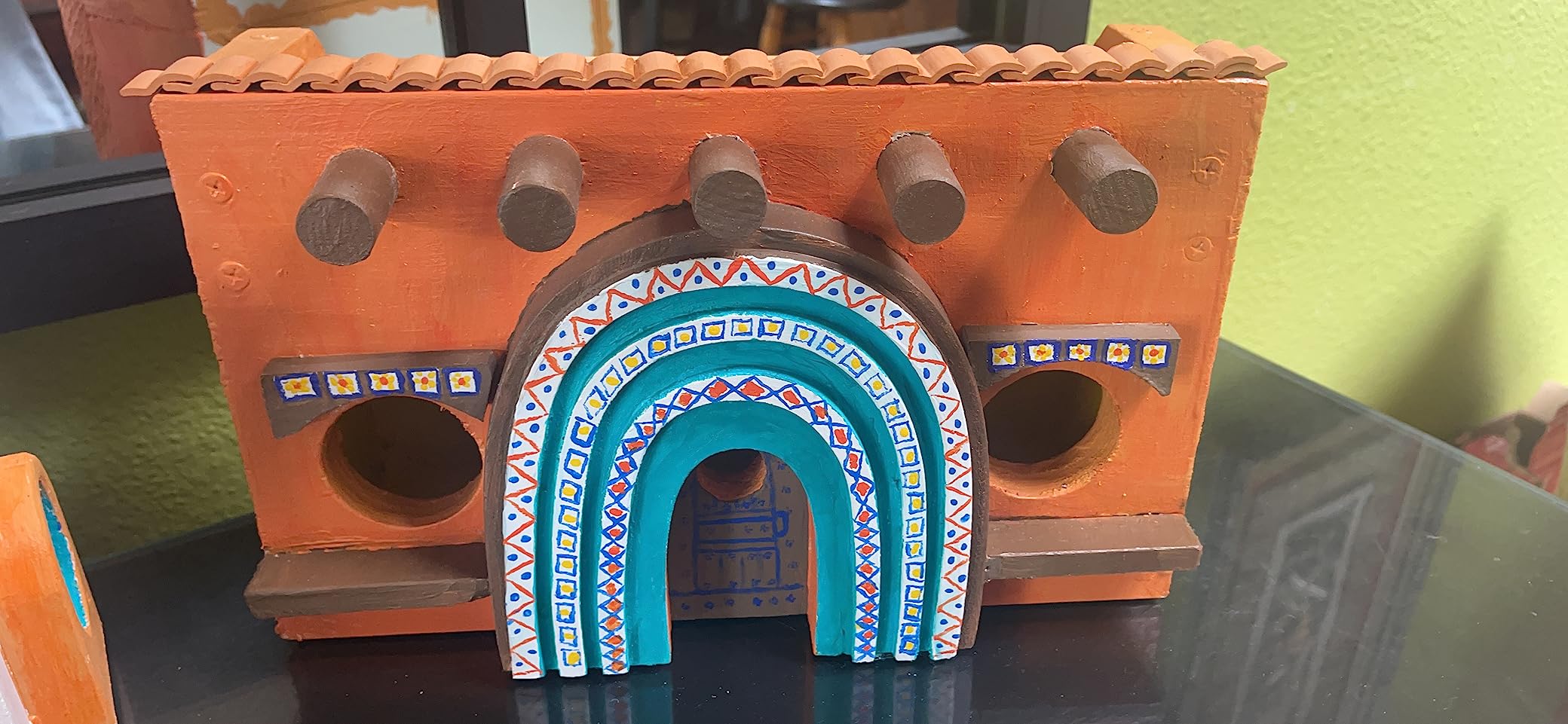
The tiles are paintable with crayons, oil paint, watercolor, and colored pencils. This means you can customize them to match terracotta, slate, weathered, or any other roofing style your design calls for. I painted a batch in a muted brown-gray to simulate aged slate roofing, and the results were convincing even at close viewing distances.
The main concern is fragility during shipping. The clay material can crack if the package is handled roughly, and several users have reported receiving chipped or broken tiles. If you order these, check the package immediately and request replacements if damage occurs. Proper bubble wrap packaging would solve this issue entirely, but some batches ship without adequate protection. These tiles pair beautifully with architectural model kits for detailed building projects.

When These Tiles Elevate Your Model
These tiles are worth using whenever your model includes visible roofing that will be closely examined. Presentation models, competition entries, and exhibition pieces all benefit from the authentic texture and color of real clay tiles. They are also great for heritage building models and restoration proposals where material authenticity matters.
When to Use Simpler Roofing Solutions
For study models and quick concept iterations, spending time on individual tile placement is not practical. In those cases, a sheet of textured card or painted basswood provides a faster roofing solution. These tiles are best reserved for final presentation models where the level of detail will be appreciated and scrutinized.
How to Choose the Right Architectural Model Building Supplies?
Selecting the right supplies depends on your project type, skill level, and budget. After years of building models, I have developed a framework that helps me choose materials and tools efficiently. Whether you are a student assembling your first kit or a professional upgrading your studio, these guidelines will help you make smart purchasing decisions.
Start With Your Model Purpose
The type of model you are building determines your material needs. Concept models and study models prioritize speed and affordability, so foam core board, chipboard, and basic craft knives are sufficient. Presentation models demand higher-quality materials like basswood, museum board, and precise cutting tools. Exhibition pieces may require specialty items like clay roof tiles, static grass, and custom-milled components. Identify your model purpose first, then select materials accordingly.
Essential Tools Every Model Builder Needs
Regardless of your project type, certain tools are non-negotiable. A quality precision knife or knife set is the foundation of every model builder’s toolkit. A self-healing cutting mat protects your work surface and extends blade life. A metal straight edge or scale ruler ensures accurate cuts and measurements. Good lighting, sharp blades, and reliable adhesive round out the essentials. Forum users consistently emphasize that fresh blades and quality adhesives are where you should never cut corners.
Material Selection by Category
Paper and board materials like foam core, illustration board, and museum board are best for quick studies and wall planes. Wood materials like basswood and balsa are ideal for structural elements, frames, and detailed facades. Foam blocks like the Silverlake EPS sheets work for terrain, topography, and landscape features. Transparent materials like acetate and plexiglass handle glazing and window elements. Each category has budget and premium options, and the products in our list cover both tiers.
Scale Selection Tips
Choosing the right scale affects everything from material thickness to tool selection. Common architectural model scales include 1:500 for urban context, 1:200 for site models, 1:100 for building massing, 1:50 for detailed plans, and 1:20 or larger for detail and section models. At smaller scales like 1:500, foam board and card are sufficient. At 1:50 and larger, you need basswood, precision tools, and detailed accessories like the roof tiles and grass tufts in our list.
Budget vs Premium: Where to Invest
Students often ask where to spend their limited budget. My advice is to invest in tools that last and save on consumable materials. A quality aluminum scale ruler like the Rena Chris will serve you for years, while cheap plastic rulers need constant replacement. Good cutting tools like the X-ACTO set or Fiskars knife improve every project you work on. On the other hand, materials like foam board and basswood can be sourced at whatever price point fits your budget without dramatically affecting your model quality. For model finishing supplies, mid-range products usually perform well enough for student work.
Building Your Kit Gradually
You do not need to buy everything at once. Start with a good knife, a scale ruler, and basic materials. Add adhesives, templates, and specialty items as your projects require them. The Spilay 16-piece tool kit is a smart way to jumpstart your collection without overspending. Over time, you will discover which tools you reach for most often and can upgrade those specific items to professional-grade versions.
FAQs
What materials are used for architectural models?
The most common architectural model materials include foam core board for walls and quick studies, basswood sheets for structural elements and facades, illustration board and museum board for presentation-quality surfaces, EPS foam for terrain and topography, balsa wood for lightweight frames, and chipboard for study models. Transparent materials like acetate and plexiglass handle windows and glazing. Specialty items like clay tiles, static grass, and wire are used for finishing details.
What tools do you need to build architectural models?
The essential tools for architectural model building are a precision craft knife like an X-ACTO or Fiskars, a self-healing cutting mat, a metal straight edge or scale ruler, tweezers for small pieces, and quality adhesive like tacky glue. Additional useful tools include a miter box for angled cuts, machinist squares for right angles, a sanding block, small clamps, and a syringe for precise glue application. A comprehensive tool kit like the Spilay 16-piece set covers most of these needs in one package.
What is the best board for architectural models?
Foam core board is the best all-around choice for most architectural models because it is lightweight, rigid, easy to cut, and affordable. For presentation models, basswood sheets offer a professional wood finish with better durability. Museum board and illustration board provide smoother surfaces for high-quality finishes. For terrain and landscape models, high-density EPS foam boards like the Silverlake sheets offer the thickness needed for carving and shaping topographic features.
What paper do architects use for models?
Architects use several types of paper and board for models. Tracing paper is used for quick overlays and concept sketches. Kraft paper works for rough massing models. Museum board, which is 100 percent cotton rag, is preferred for presentation models because of its smooth, bright surface. Chipboard is popular for study models because it is inexpensive and cuts cleanly. Foam core board, which has a foam center sandwiched between paper layers, is the most widely used material in architecture studios for both study and presentation models.
What is the best adhesive for architectural models?
The best adhesive depends on your materials. For paper and foam board, Aleene’s Tacky Glue provides strong bonds with its thick, grabby formula. For multi-material projects combining wood, paper, and plastic, BEACON 3-in-1 Craft Glue offers versatile crystal-clear adhesion. For instant bonds on small joints, cyanoacrylate super glue with a fine tip applicator works well. For transparent materials, plastic cement or solvent weld creates invisible seams. Most architecture studios keep both a tacky glue and a clear craft glue on hand to cover different needs.
Final Thoughts on the Best Architectural Model Building Supplies
Finding the right architectural model building supplies does not have to be complicated. Our team tested 15 products across every essential category, and the results are clear. For cutting tools, the X-ACTO Compression Knife Set delivers the best overall precision and versatility. For wood materials, the DIYDEC Basswood Sheets offer excellent quality at a student-friendly price. And for adhesives, Aleene’s Tacky Glue remains the studio standard that every model builder should have on hand.
The best approach is to start with a core kit that includes a quality knife, scale ruler, adhesive, and your primary building material, whether that is foam board, basswood, or both. From there, add specialty items like templates, landscape tufts, and miniature tiles as your projects demand them. Building your collection gradually keeps costs manageable while ensuring you always have the right tool for the job.
Whether you are a first-year architecture student or an experienced professional, investing in quality architectural model building supplies pays off in every model you create. The products in this guide have been vetted through real studio experience and thousands of customer reviews, so you can buy with confidence knowing that each recommendation has earned its place. Here is to building better models in 2026.