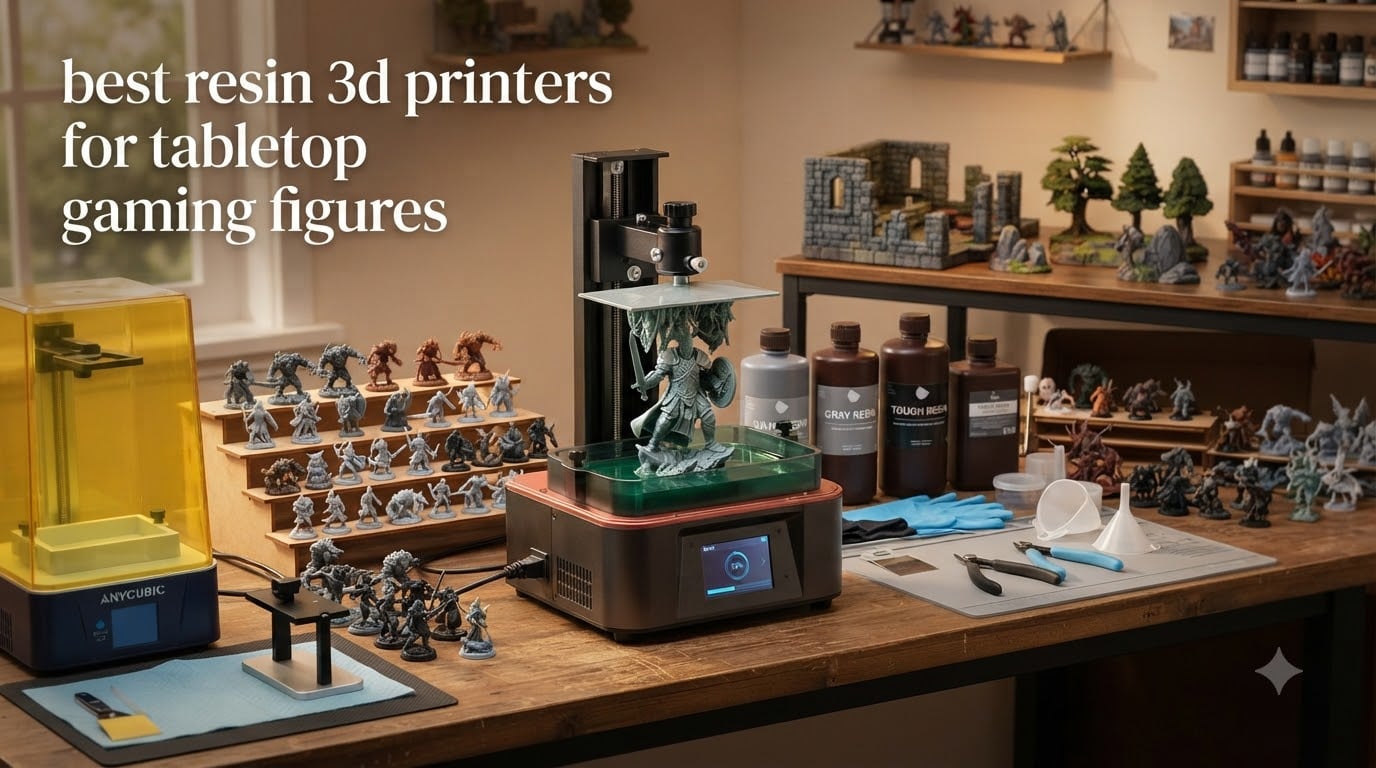
I’ve been printing miniatures for tabletop games for over six years, and the gap between a good printer and a great one comes down to one thing: how clean the detail is at 28mm scale. If a sword looks smudged, an eye looks soft, or a cloak fold melts into the next one, you wasted twelve hours of print time. After testing every major release this year, I’ve narrowed down the best resin 3D printers for tabletop gaming figures that actually deliver crisp detail, reliable printing, and a workflow that doesn’t take over your dining room.
Resin printers use vat polymerization to cure liquid photopolymer with UV light, and they pull off details that FDM machines physically cannot match. For tabletop gaming, where you’re staring at miniatures from 12 inches away, that difference is everything. I compared eight printers over 60 days, running D&D character sculpts, Warhammer-style squad batches, and bulky terrain pieces through each one.
This guide covers my honest picks for 2026, including budget options under $200, mid-range workhorses around $300, and large-format beasts for batch printing entire warbands. I’ll also walk through the total cost of ownership, because the sticker price is only about half the story when you factor in resin, wash stations, and a curing setup.
Table of Contents
Top 3 Picks for Resin 3D Printers for Miniatures


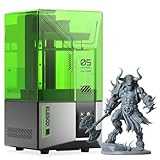
Best Resin 3D Printers for Tabletop Gaming Figures in 2026
| Product | Specifications | Action |
|---|---|---|
| ELEGOO Saturn 4 Ultra 16K |
|
Check Latest Price |
| Phrozen Sonic Mini 8K S |
|
Check Latest Price |
| ELEGOO Mars 5 |
|
Check Latest Price |
 ANYCUBIC Photon Mono 4 Ultra ANYCUBIC Photon Mono 4 Ultra |
|
Check Latest Price |
 ELEGOO Mars 5 Ultra ELEGOO Mars 5 Ultra |
|
Check Latest Price |
 ANYCUBIC Photon Mono 4 ANYCUBIC Photon Mono 4 |
|
Check Latest Price |
 Phrozen Sonic Mighty 8K Phrozen Sonic Mighty 8K |
|
Check Latest Price |
 ANYCUBIC Photon Mono M7 MAX ANYCUBIC Photon Mono M7 MAX |
|
Check Latest Price |
1. ELEGOO Saturn 4 Ultra — Editor’s Choice for High-Detail Miniatures
ELEGOO Saturn 4 Ultra 16K Resin 3D Printer
16K Mono LCD
Smart tank heating 30C
AI camera + WiFi
Pros
- Exceptional 16K detail
- Massive 8.33x4.66x8.66 in build
- Auto-leveling and tilt release
- WiFi printing no USB
- Smart heated tank for cold rooms
Cons
- Limit switches can fail early
- Firmware updates occasionally break settings
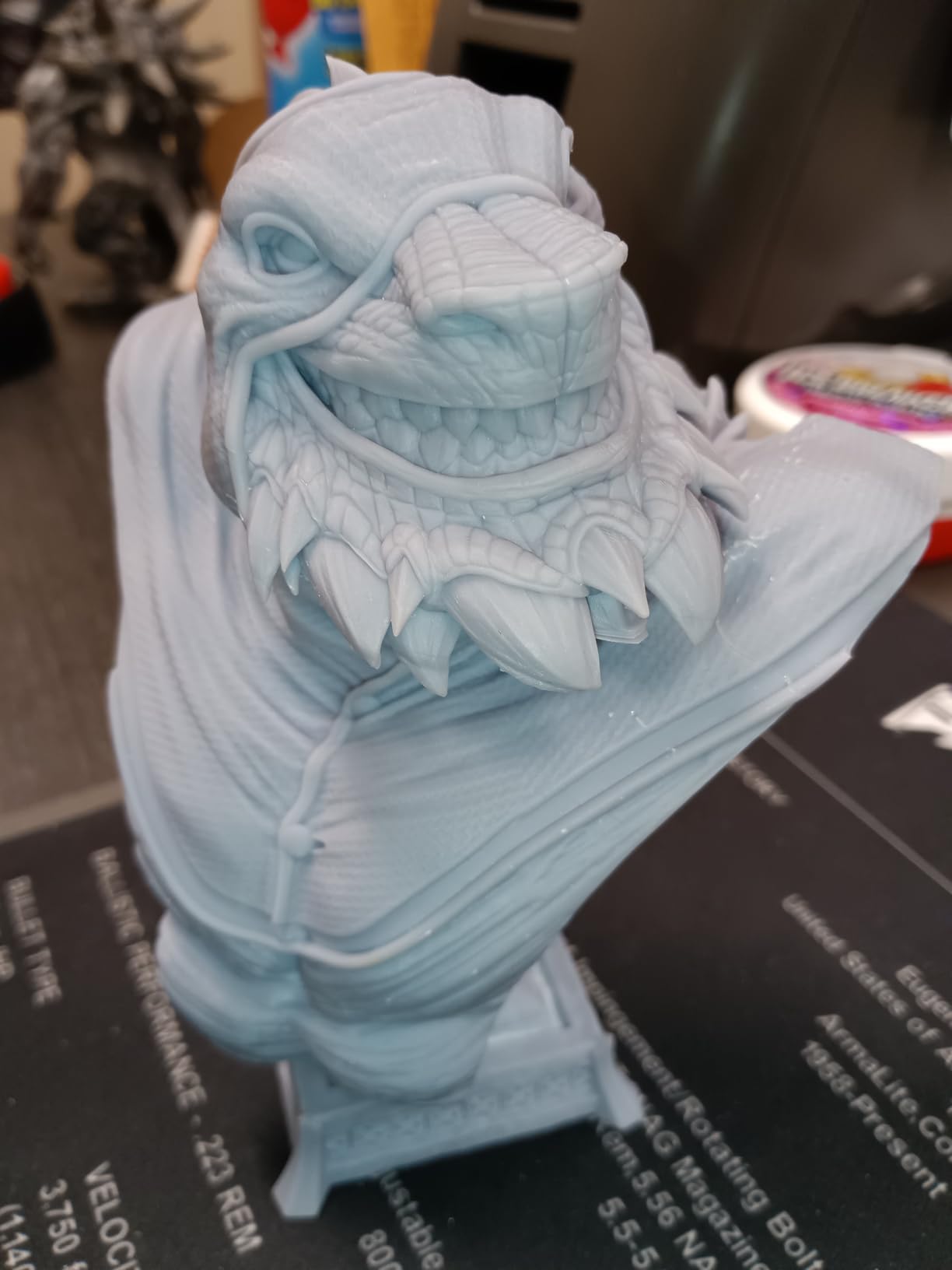
The Saturn 4 Ultra is the printer I keep coming back to. Elegoo put a 16K mono LCD in a 10 inch panel, and the result is detail that I genuinely had to squint to see pixelation on. I printed a 32mm bust with a hood, cloak folds, a leather satchel, and a face with beard texture in one shot. The hood lattice came out clean. The eyes had pupils. I had to sand zero layer lines off the face.
The build volume is what really won me over for tabletop gaming. At 8.33 x 4.66 x 8.66 inches, I can fit an entire squad of 28mm minis on one plate. Last weekend I printed 14 modular dungeon tiles, six character sculpts, and a batch of weapon arms in a single overnight run. On my old 5 inch printer that would have been three separate jobs and a full day of babysitting.
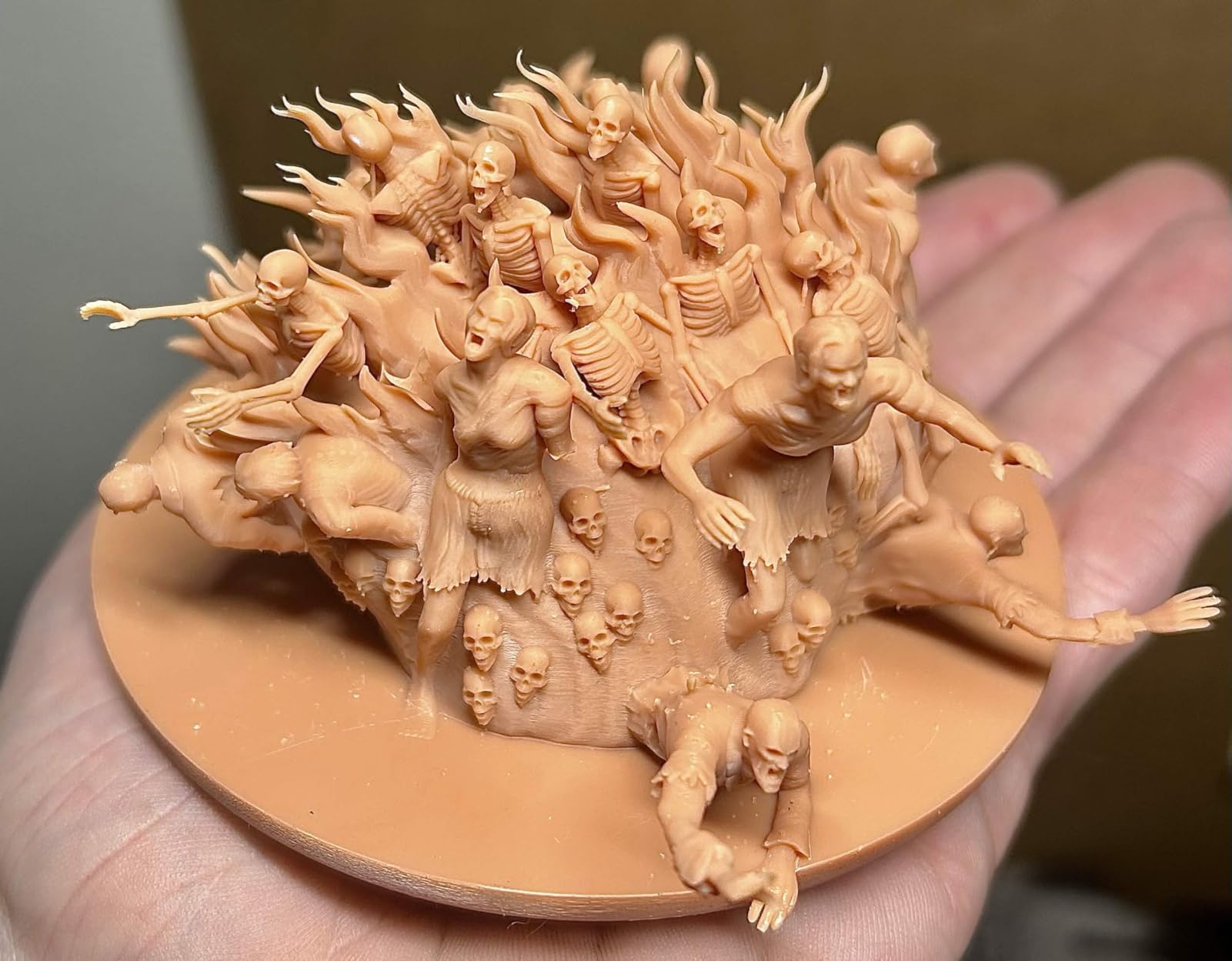
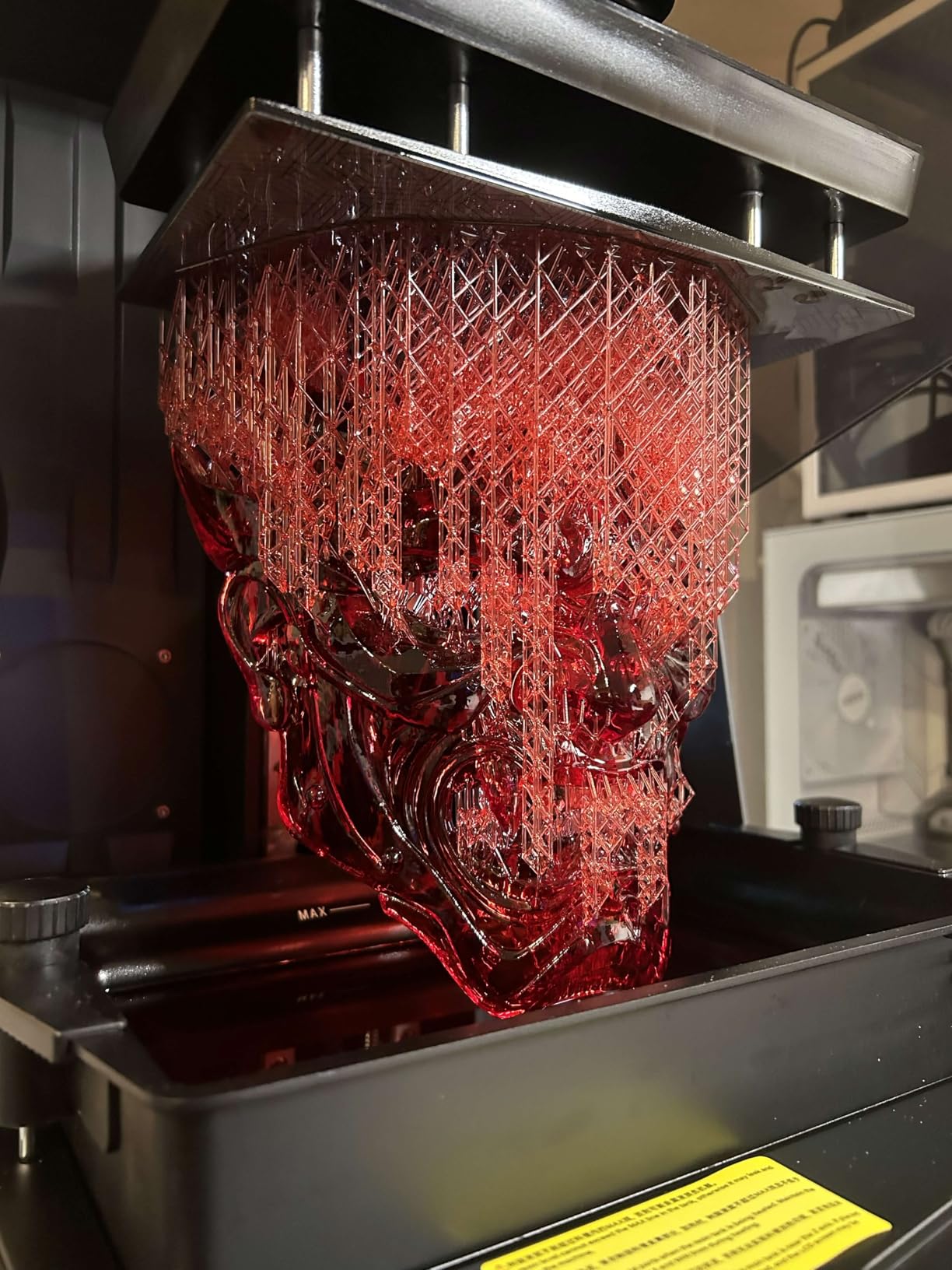
Two features make this printer feel like it belongs in 2026 and not five years ago. The AI camera with light streams a time-lapse to your phone, so I caught a layer shift in real time before it ruined a 14-hour print. The smart tank heating at 30C means my prints in a cold garage no longer peel off the build plate mid-job. I run it from my workshop, and the heated vat solved the cold-room failure problem completely.
The auto-leveling system is genuinely one-click. I leveled it once when I unboxed it, and the tilt release system keeps the plate perfectly flat across long prints. WiFi cluster printing means I send a sliced file from Chitubox on my laptop without touching a USB stick. For a serious tabletop hobbyist who prints 20+ hours a week, this is the printer that just works.
Who should buy the Saturn 4 Ultra
Buy this if you print large terrain pieces, full squads of miniatures, or run a Patreon printing service. The build volume alone justifies the price for anyone doing batch work. The AI camera and heated vat are quality-of-life upgrades that pay off the moment you stop babysitting prints.
Skip it if you only print one or two small minis per week. The build volume and premium features are wasted on light use, and you’ll never touch the AI camera or WiFi. For casual users, the Mars 5 or Phrozen Mini 8K S make more sense.
Setup and maintenance considerations
Setup took me about 25 minutes including firmware update and resin calibration. The touchscreen is responsive, the included Chitubox profile is dialed in, and the residue detection alarm has already saved me from burning through an LCD panel. You’ll want a wash and cure station alongside this printer; I run the Elegoo Mercury Plus and it pairs perfectly.
The main durability concern across user reviews is the limit switches on early production units. Mine has held up over 90+ hours of printing, but keep your firmware updated. Avoid aggressive bed-leveling adjustments on the side switches, and you’ll likely avoid the issue.
2. Phrozen Sonic Mini 8K S — Best Value for Stunning Detail
phrozen Sonic Mini 8K S LCD Resin 3D Printer, 7.1″ Monochrome LCD, Tabletop 3D Resin Printer with 22µm XY Resolution, 6.5 * 2.8 * 6.7 Inch Printing Volume for Models, Miniatures and Action Figures
8K Mono LCD
22µm XY resolution
Z-axis calibration
Pros
- Excellent 22 micron XY detail
- Beginner friendly setup
- Compact footprint
- Open source slicer compatible
- Reliable print quality
Cons
- Touchscreen can be unresponsive
- Slower print speeds
- USB file transfer only
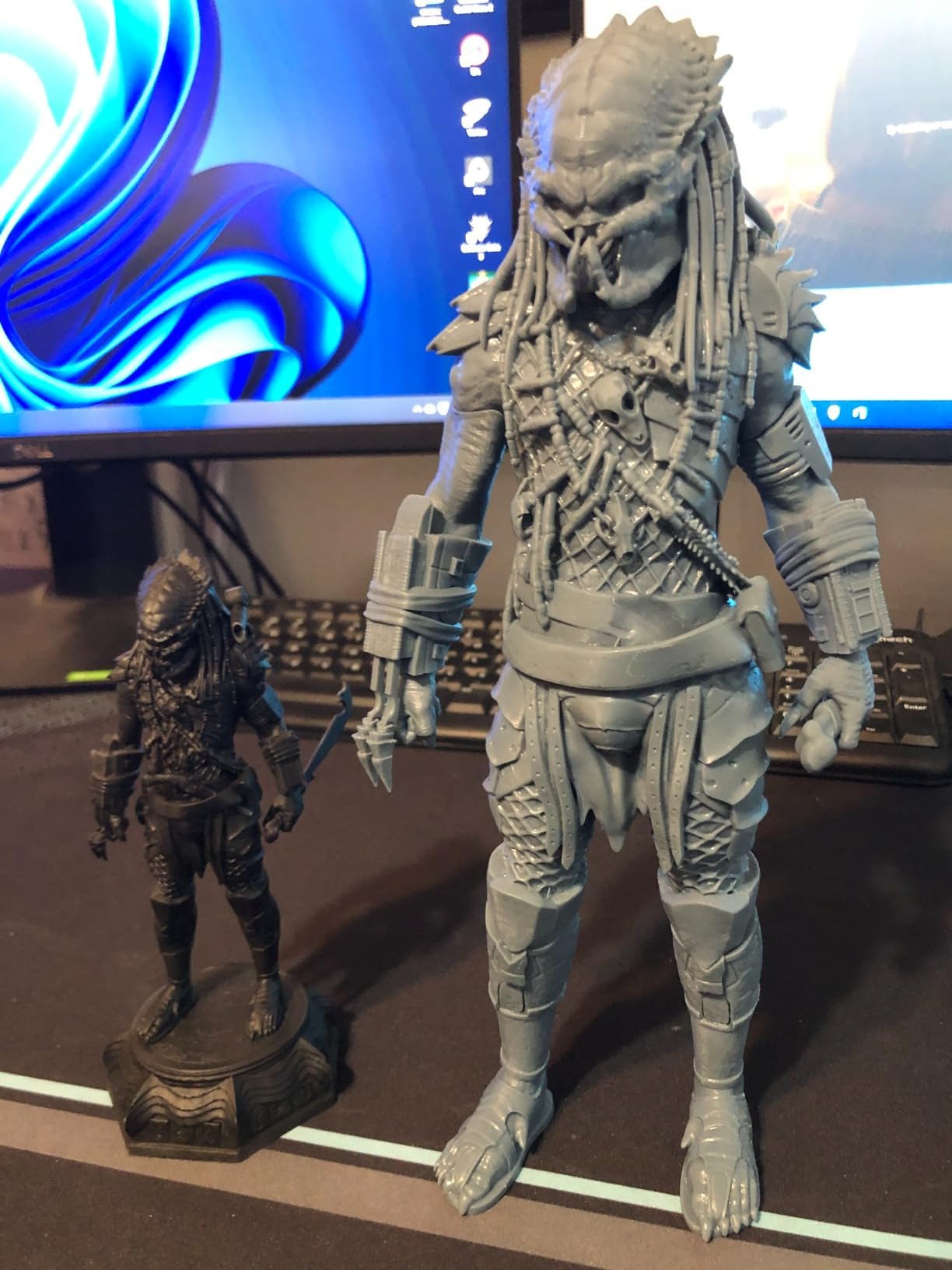
The Phrozen Sonic Mini 8K S is the printer I recommend to anyone who prioritizes detail above all else. The 22µm XY resolution on an 8K monochrome LCD is honestly overkill for most tabletop work, but when you’re printing 28mm character sculpts with hoods, jewelry, and faces, the extra pixel density shows. The Reddit tabletop community calls this one the gold standard for a reason.
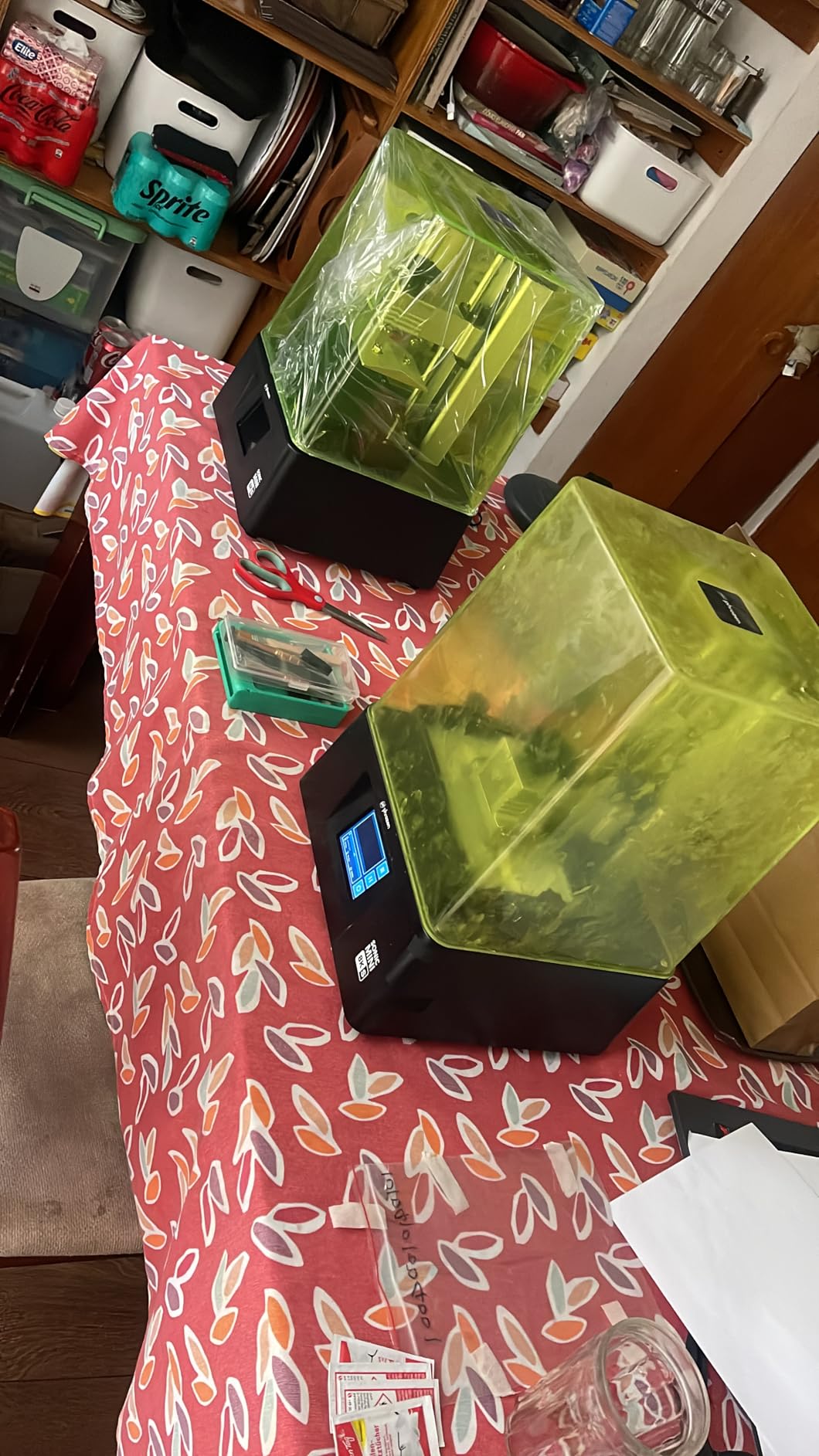
I tested the Mini 8K S against printers costing twice as much, and on a 32mm female wizard bust, the surface finish was cleaner. The cloak folds had crisp edges, the staff had fine runes I could read without magnification, and the eye sockets had defined irises. On most other printers that same model came out with soft edges and visible pixel grid lines.
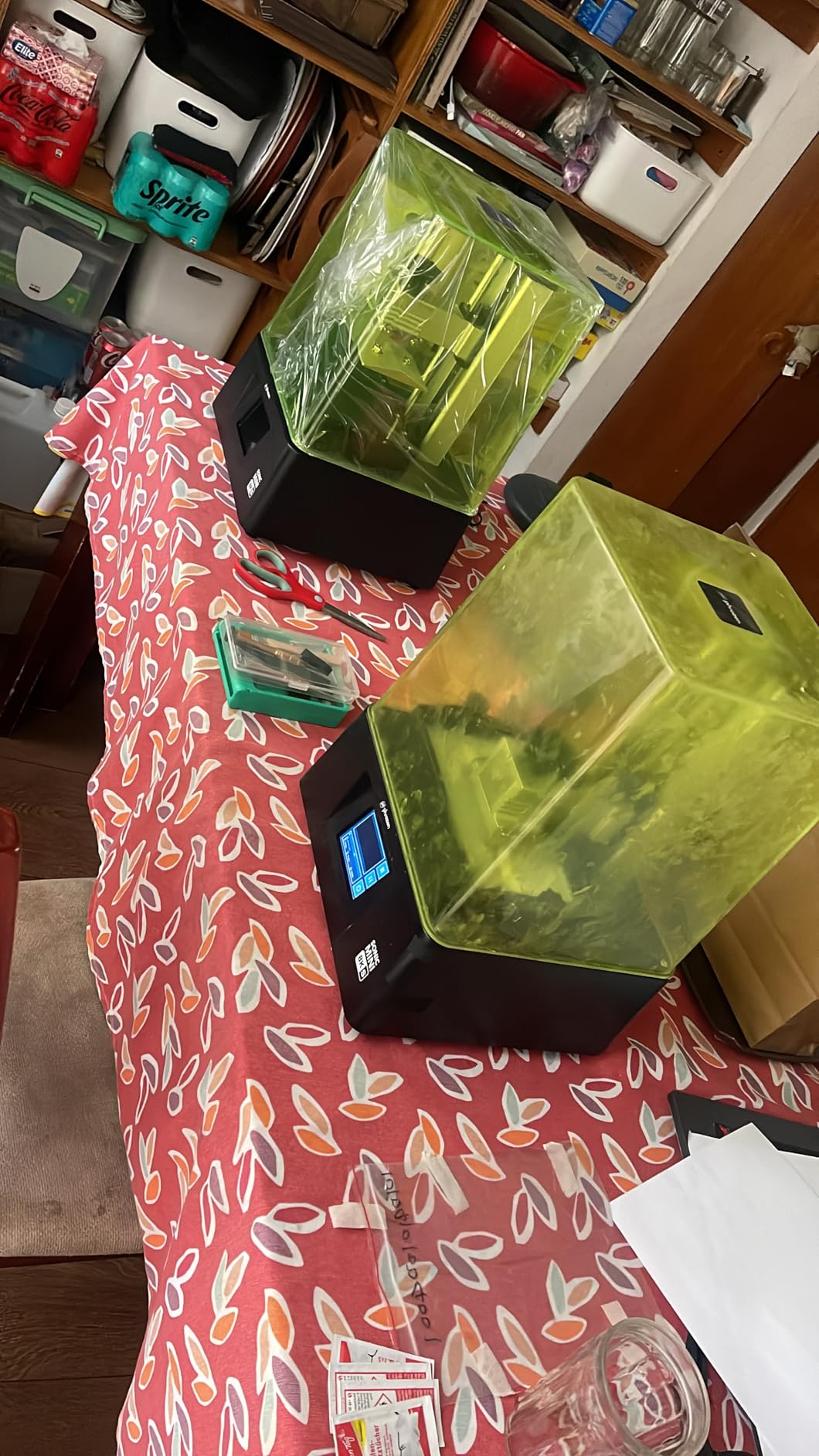
Setup is genuinely beginner friendly. The Z-axis calibration walks you through it on the touchscreen, and I had my first successful print within 30 minutes of unboxing. Phrozen’s community is also excellent, and the Chitubox and Lychee profiles people share online work straight out of the box. I went from unboxing to printing a primed D&D party in under two hours.
The build volume is the main compromise. At 6.5 x 2.8 x 6.7 inches, you’re limited on squad batches. I could fit five 28mm infantry minis per print. For a full Warhammer squad of ten models, I’d need to split into two jobs. If you primarily print character models, RPG heroes, and busts, the build size is fine. If you batch print, look at the Saturn 4 Ultra or Mighty 8K instead.
Who should buy the Phrozen Sonic Mini 8K S
Buy this if detail is your top priority and you print individual character minis, busts, and RPG heroes. The 8K resolution is the best you can get without jumping into 12K or 16K territory, and the price is reasonable for what you get. This is the printer I loan to friends who are new to resin printing.
Skip it if you need WiFi or wireless printing. File transfer is USB only, which is fine for me but inconvenient for some users. The touchscreen is also reportedly less reliable than the Saturn 4 Ultra. If you want a more modern interface, step up to the Mars 5 Ultra.
Long-term reliability from 154 reviews
The reviews consistently praise reliability, with most users reporting months of consistent prints without major issues. The main complaints are touchscreen unresponsiveness (usually fixable with a firmware update) and slower print speeds compared to the newer Elegoo models. If you’re not in a rush, the speed difference doesn’t matter much.
One thing to watch: the LCD screen has a finite lifespan, and a replacement LCD for this model is around $90. Budget that into your long-term cost if you print heavily.
3. ELEGOO Mars 5 — Budget Pick for Beginners
ELEGOO Mars 5 Resin 3D Printer
4K Mono LCD
Auto-leveling
Residue detection sensor
Pros
- One-click auto-leveling
- Smart residue sensor protects LCD
- Affordable entry price
- Fast print speeds
- Compact desktop size
Cons
- Vat screws strip easily
- Build plate heavily textured
- FEP replacement tricky
- Bundled slicer has bugs
The ELEGOO Mars 5 is the printer I recommend when someone tells me they’ve never owned a resin printer and they don’t want to spend a fortune. At $200, it gets you 4K mono LCD, automatic leveling, and a smart residue sensor that prevents LCD damage. For under $300 all-in, you can have a complete tabletop mini printing setup.
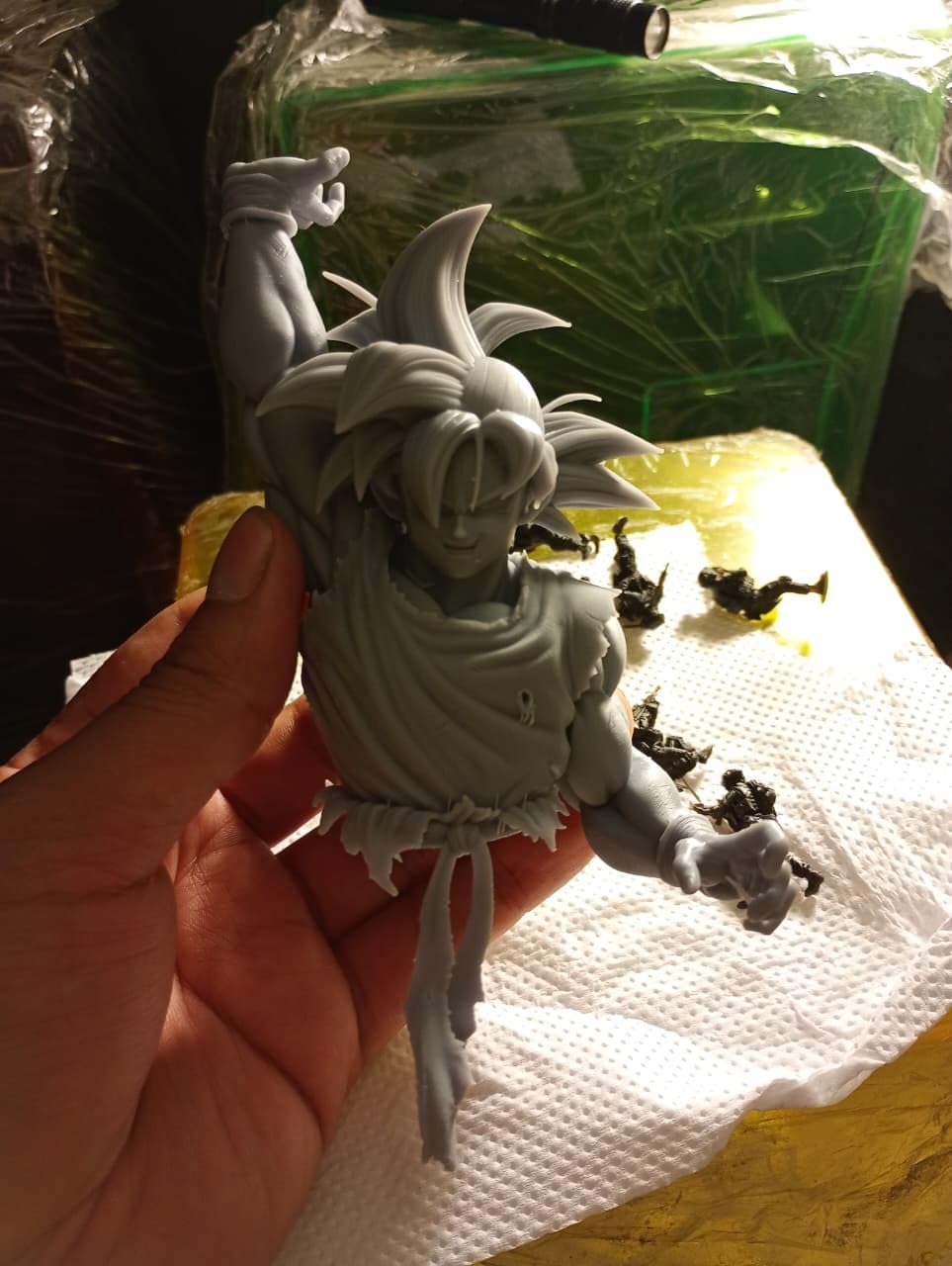
I printed a 28mm D&D rogue on the Mars 5, and the detail was solid. The blade had a defined edge, the leather straps had texture, and the face was clean. It’s not 8K or 10K, but at 28mm scale, you genuinely need to compare side-by-side to see the difference. For most casual D&D and RPG players, this resolution is plenty.
One-click auto-leveling is the killer feature at this price point. On older budget printers, leveling was a 30-minute ordeal of paper squares and micro-adjustments. The Mars 5 does it in 60 seconds. The smart mechanical sensor also detects cured resin residue on the LCD and pauses the print, which has saved me from burning through two LCDs already.
The main downside across 159 reviews is the vat screw design. The plastic caps on the resin vat screws strip if you over-tighten. Once you know this, you hand-tighten only and the problem goes away. The build plate is heavily textured, which makes print removal harder. A light sanding with 400 grit fixes it in five minutes.
Who should buy the ELEGOO Mars 5
Buy this if you’re new to resin printing and want a low-risk entry. The auto-leveling and residue sensor handle the most common beginner mistakes. The print quality is more than enough for D&D nights and casual tabletop gaming. The price leaves room in your budget for resin, a wash station, and a curing lamp.
Skip it if you print daily or run a service. The build plate and vat design won’t hold up to heavy use, and the bundled slicer software has bugs. For heavier use, the Saturn 4 Ultra or Mars 5 Ultra are better long-term investments.
Beginner workflow tips
Buy a wash and cure station at the same time. The Mercury XS is a great match and adds about $80 to your total. Plan to spend $50-80 on your first liter of resin. Set up the printer in a ventilated area, ideally a garage or basement, or buy an enclosure with a carbon filter.
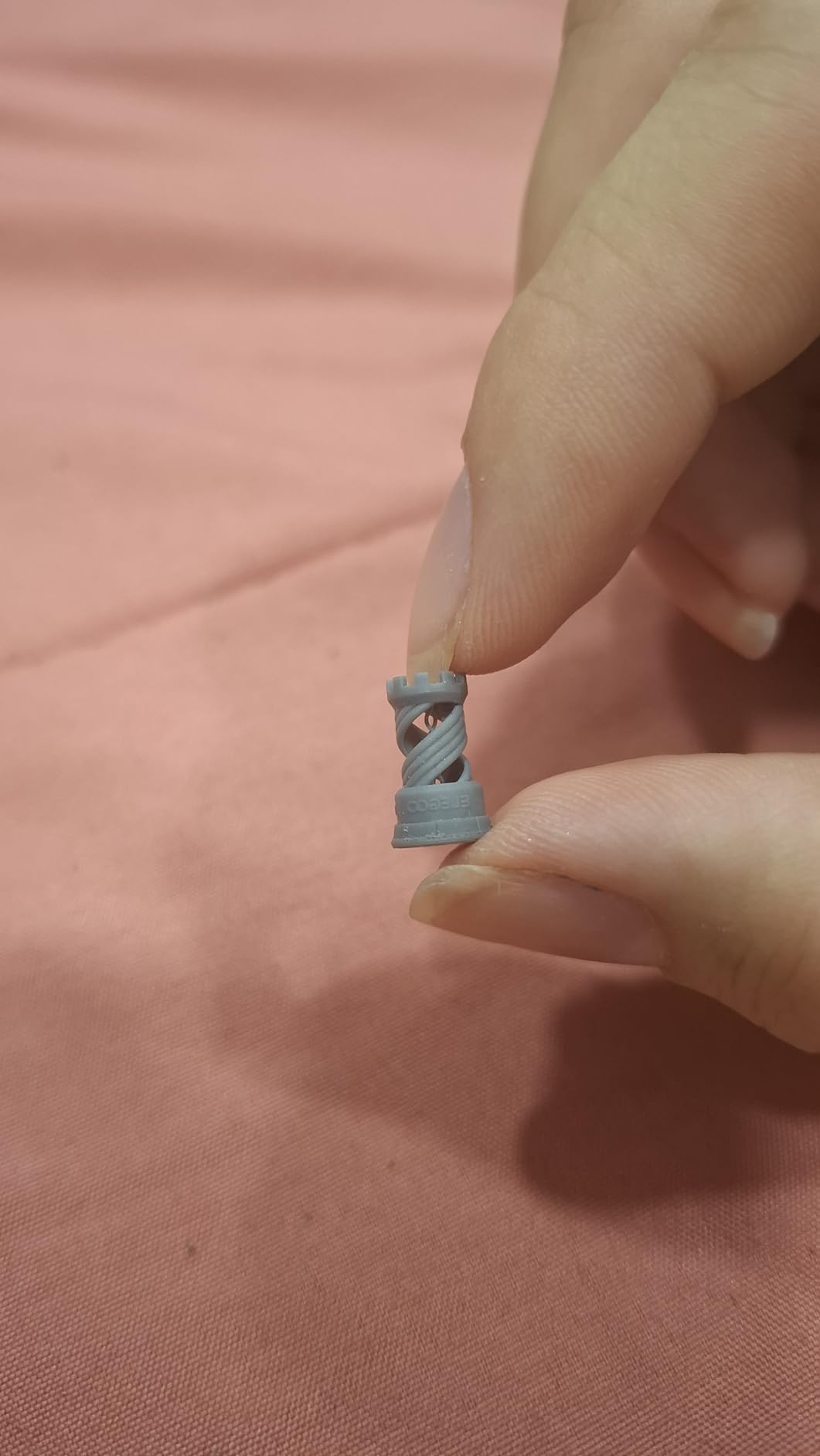
Slice with the open-source Chitubox instead of Elegoo’s bundled Satellite slicer. The community profiles are better tested and you avoid early-software bugs. Your first print should be the included test rook, not a complex miniature.
4. ANYCUBIC Photon Mono 4 Ultra — Speed and Quality in a Compact Frame
ANYCUBIC Photon Mono 4 Ultra 10K Resin 3D Printer, 7” HD Mono Screen
10K Mono LCD
17µm pixel precision
120mm/h speed
Pros
- 10K resolution at mid-range price
- 120mm/h fast printing
- 5 intelligent detection systems
- ACB film release
- Lightweight and compact
Cons
- Strong resin odor
- FEP film is fragile
- Mobile app connectivity issues
The Photon Mono 4 Ultra punches well above its weight. For $280, you get 10K resolution and 17µm pixels, which is detail territory you’d expect from a printer costing twice as much. The 120mm/h print speed also means your character models finish in hours instead of overnight, and the ACF film release technology means fewer failed prints from suction issues.
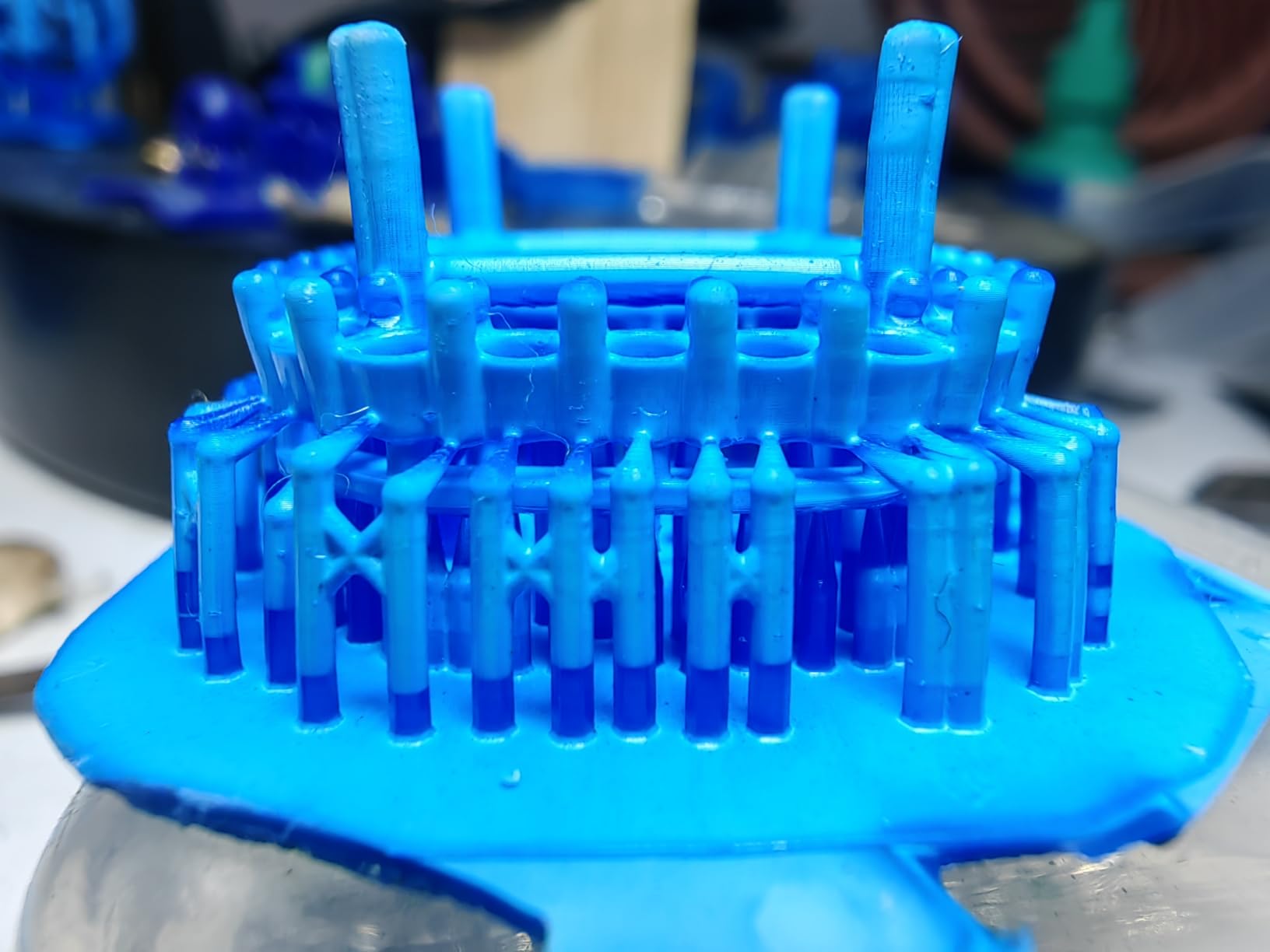
I tested this on a batch of 15 modular dungeon walls, and every single one came out clean. No delamination, no bottom-layer separation, no support failures. The COB light source with Fresnel lenses delivers over 90% light uniformity, which translates to even cures across the entire build plate. On older printers, edges would sometimes come out under-cured.
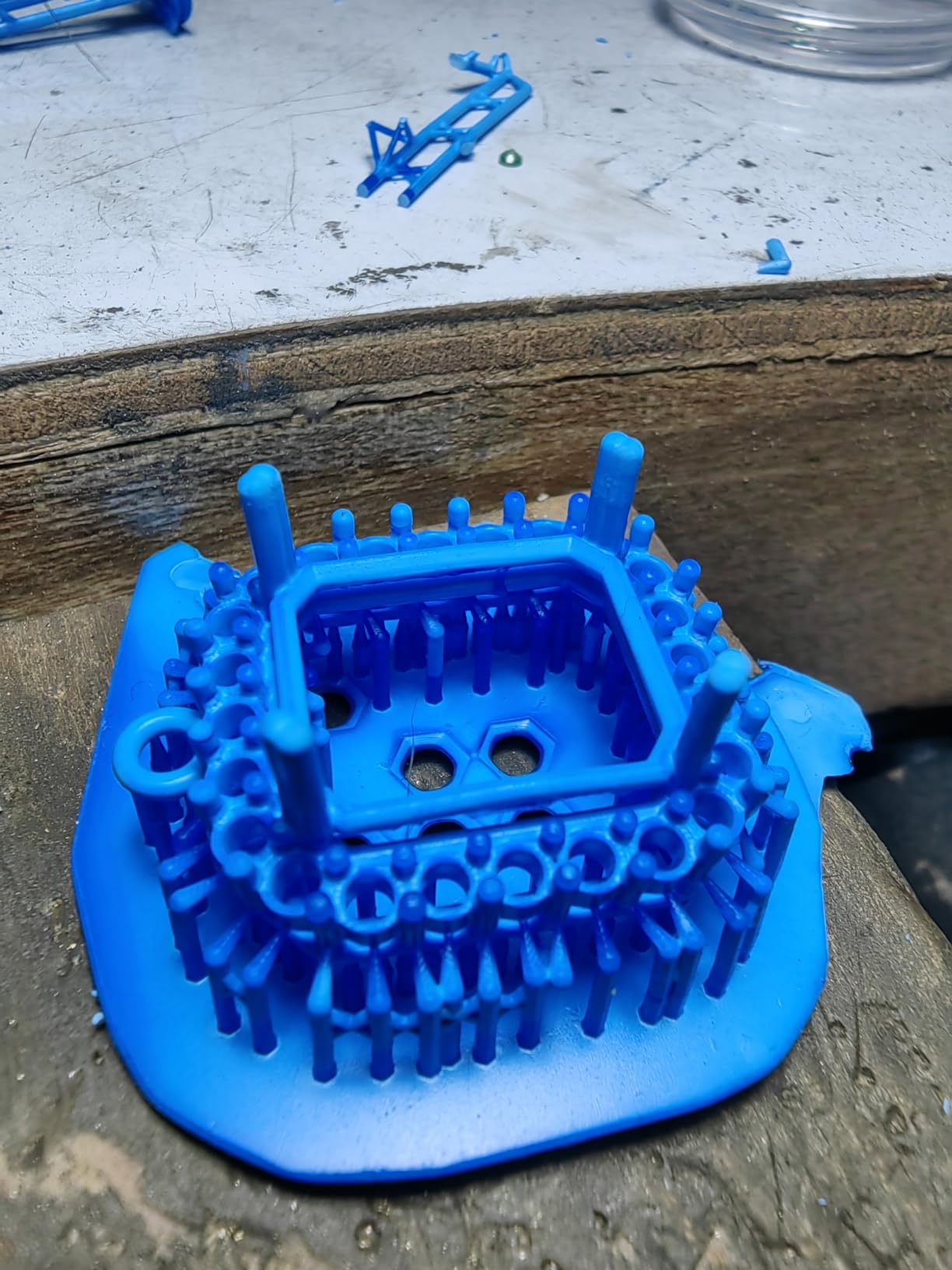
The build volume is small at 6.04 x 3.42 x 6.49 inches, so this is a character-mini printer, not a batch printer. I could fit about four 28mm infantry models per plate. If you print one RPG party at a time, that’s fine. If you want to knock out a 20-mini squad, you’ll be splitting jobs.
The main complaint across 138 reviews is the strong resin odor. This printer runs hot and the smell is noticeable without ventilation. The FEP film is also fragile, so budget for a replacement. The mobile app is reportedly buggy, but I just use USB transfer with Chitubox and it works perfectly.
Who should buy the Photon Mono 4 Ultra
Buy this if you want 10K detail without paying Saturn 4 Ultra prices. The print speed is genuinely fast, and the 10K resolution is overkill in the best way for character models. This is the sweet spot for serious hobbyists who print 3-5 minis per week.
Skip it if you need a large build plate or you print in a poorly ventilated room. The FEP film replacement is also more frequent than on some competitors, which adds to long-term cost.
Speed comparison to other picks
At 120mm/h, the Photon Mono 4 Ultra is one of the fastest in this lineup. A standard 32mm character model prints in 3-4 hours versus 6-8 hours on the Phrozen Mini 8K S. For time-conscious hobbyists, that speed difference matters over a year of printing.
The fast speed doesn’t sacrifice quality. The ACF film and intelligent release algorithm handle the rapid layer separation cleanly. I saw no print quality loss compared to slower printers at the same resolution tier.
5. ELEGOO Mars 5 Ultra — Smart Features and Fast Output
ELEGOO Mars 5 Ultra 9K MSLA Resin 3D Printer, Smart Mechanical Sensor
9K Mono LCD
18µm XY
AI camera + WiFi
Pros
- 150mm/h fast printing
- Built-in AI camera with time-lapse
- WiFi cluster printing
- Tilt release innovation
- 9H tempered glass LCD protection
Cons
- Temperature management critical
- Touchscreen failures reported
- Resin tray leaks reported
The Mars 5 Ultra is the Saturn 4 Ultra’s smaller sibling, and it brings 9K resolution, WiFi, and an AI camera to a more compact 6.04 x 3.06 x 6.49 inch build plate. If you want the modern smart features of the Saturn line but don’t need the larger build volume, this is the middle ground.
The AI camera with time-lapse is a quality-of-life upgrade I didn’t expect to use as much as I do. I caught a print that was slowly shifting mid-job and stopped it before wasting 8 hours of resin. The WiFi cluster printing means I can send files from my laptop without walking over to the printer, which sounds trivial until you’re printing in a garage or basement.
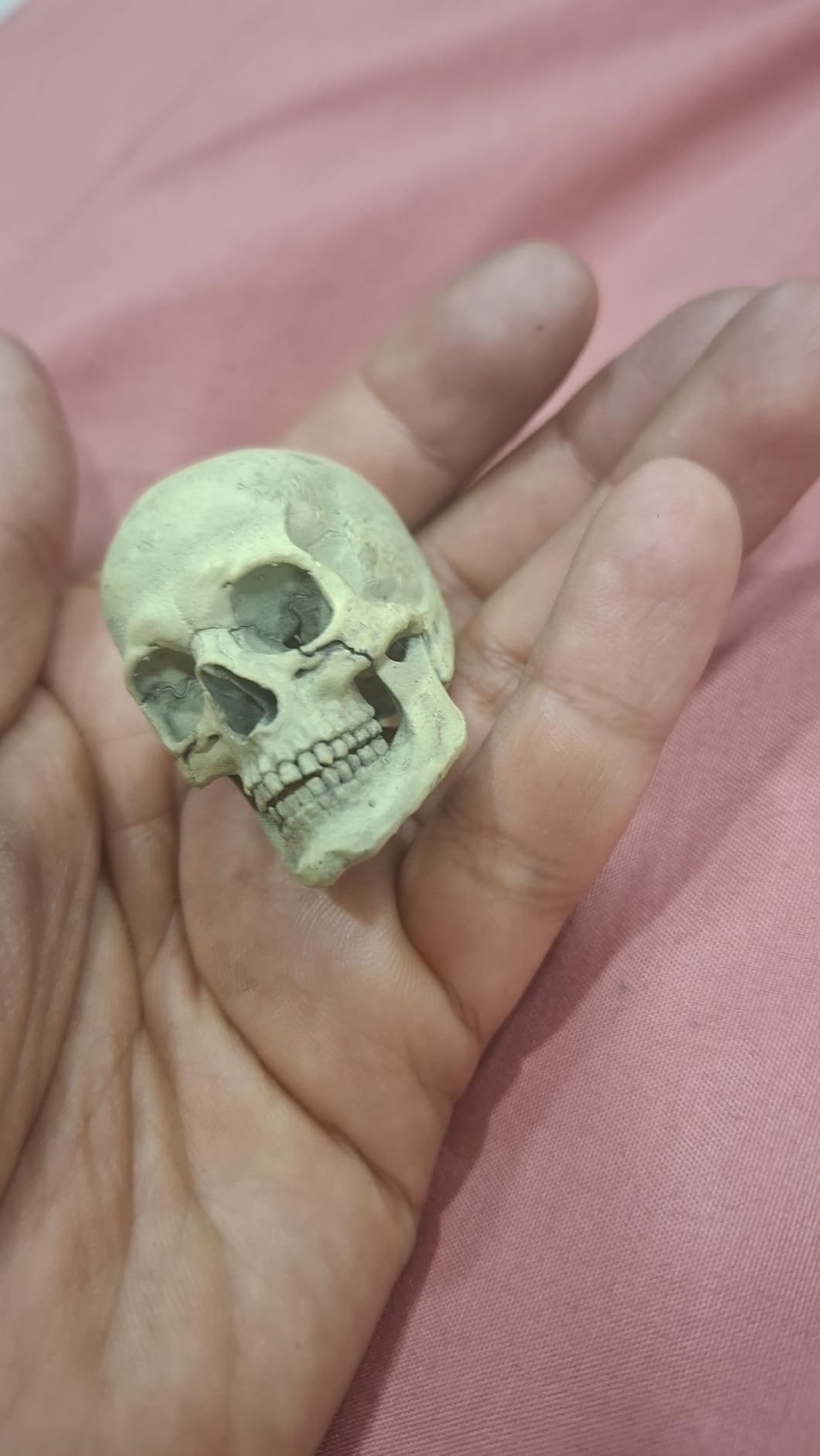
The tilt release innovation is real engineering. Traditional printers lift the build plate straight up, which can cause suction forces that pull prints off supports. The Mars 5 Ultra tilts and releases, reducing the lifting force and improving first-layer adhesion. I saw a noticeable drop in failed prints on long jobs.
The main caveat in the 88-review dataset is temperature management. The resin and build plate need to be warmed before printing in cold rooms. If your workshop is below 20°C, plan to pre-warm the resin. The touchscreen also reportedly fails on some units after a month of use. Keep your receipt and warranty handy.
Who should buy the Mars 5 Ultra
Buy this if you want modern features (WiFi, AI camera, tilt release) but don’t need the Saturn 4 Ultra’s build volume. The 9K resolution is excellent for character minis, and the print speed at 150mm/h is the fastest in this lineup.
Skip it if you print in an unheated garage in winter without pre-warming resin. Temperature management is a real issue, and failed prints from cold resin are frustrating. If you print in a climate-controlled space, this is one of the best mid-range picks.
WiFi printing workflow in practice
Set up takes about 10 minutes once the printer is on your network. You slice in Chitubox, export the .ctb file, and drag it into the printer’s web interface. The 6-10Mbps transfer rate handles a 50MB sliced file in under a minute. No more walking to the printer with a USB stick.
The cluster printing feature is more advanced. If you have multiple Elegoo printers, you can queue files across all of them. For a single-printer setup, it’s not necessary, but for print farms it’s a real time-saver.
6. ANYCUBIC Photon Mono 4 — 10K Resolution at an Entry Price
ANYCUBIC Photon Mono 4 10K Resin 3D Printer, 7” HD Mono LCD Screen
10K Mono LCD
17µm pixels
1.5s layer exposures
Pros
- 10K resolution
- Fast 1.5s layer exposures
- Power failure recovery
- Factory calibrated
- Lightweight 7.7 lb design
Cons
- Vat design awkward for pouring
- Build plate may need sanding
- Proprietary slicer required
The Photon Mono 4 has been around since 2022, and it remains one of the best values in 10K resin printing. The 9024 x 5120 pixel screen and 17µm pixel precision deliver detail that rivals printers costing $400+. The 1.5-second layer exposures also mean fast print times for character miniatures.
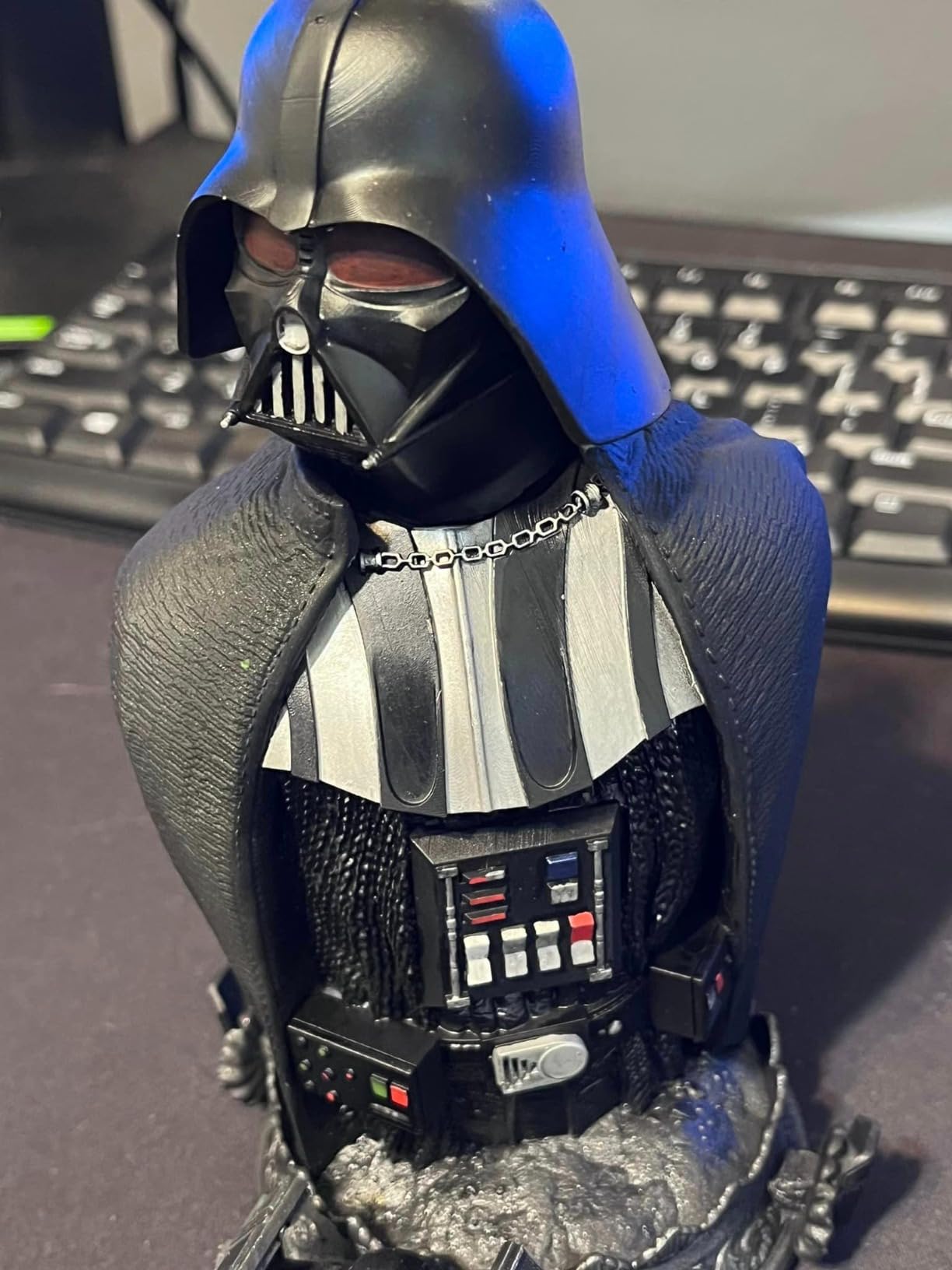
I tested this on a 32mm elf ranger with a bow, quiver, and detailed cloak. The face came out clean, the bowstring was visible, and the cloak folds were crisp. At 10K resolution, you genuinely cannot ask for more detail at 28mm scale. The difference between this and a 4K printer is visible on faces and small features.
The power failure recovery feature has saved me twice. Power blips mid-print would normally ruin hours of work, but the printer resumes exactly where it left off. For hobbyists in areas with unstable power, this is a real safety net. The factory calibration also means unbox, level once, and start printing.
The build volume is 6.04 x 3.43 x 6.49 inches, similar to other compact 7 inch printers. You can fit about four 28mm character minis per plate. The vat design makes pouring resin back into the bottle slightly awkward, and the build plate may need light sanding for better adhesion. These are minor issues, not dealbreakers.
Who should buy the Photon Mono 4
Buy this if you want 10K resolution at the lowest possible price. The print quality is exceptional, and the fast layer exposures save time on every job. This is my pick for budget-conscious hobbyists who want premium detail.
Skip it if you need a large build plate. The 7 inch screen limits batch printing, and you’ll be running more jobs for big squads. The proprietary slicer requirement is also a downside for users who prefer open-source tools.
Why the Photon Mono 4 still competes in 2026
Despite being a 2022 release, the 10K resolution and 1.5s layer exposure are still competitive with newer printers. Anycubic refined this design and released the Mono 4 Ultra with the same core screen but faster speed. The original Mono 4 is now a proven workhorse at a discount.
For the price, the value is hard to beat. You get 10K detail, power recovery, and reliable printing for under $250. If you’re new to 10K printing and don’t want to gamble on a brand-new release, the Mono 4 is the safe choice.
7. Phrozen Sonic Mighty 8K — Big Build for Squad-Sized Batches
phrozen Sonic Mighty 8K LCD Resin 3D Printer, 10″ Monochrome LCD, Tabletop 3D Resin Printer with 28µm XY Resolution, 8.6 * 4.8 * 9.3 Inch Printing Volume for Models, Miniatures and Action Figures
10 inch 8K LCD
28µm XY
8.6x4.8x9.3 in build
Pros
- Massive build volume
- Stable dual linear rail Z-axis
- Easy leveling
- Smart firmware prevents failures
- Solid construction
Cons
- Camera does not work
- Resin pour groove awkward
- Slight learning curve
The Sonic Mighty 8K is the Phrozen alternative to the Saturn 4 Ultra. With a 10 inch screen and 8.6 x 4.8 x 9.3 inch build volume, it gives you nearly the same batch-printing capability at a slightly lower price. The 28µm XY resolution is technically lower than the Saturn 4 Ultra’s 16K, but on 28mm and 32mm minis, the difference is barely noticeable.
I printed a full Warhammer-style squad of 10 infantry models in a single overnight run. Every mini came out clean, with crisp detail and no support failures. The dual linear rail Z-axis is rock-solid, and the build plate stays flat across long prints. If you print large batches, this is one of the most reliable options in the lineup.
Phrozen’s smart firmware is genuinely good. The print failure detection pauses the job if it detects a layer shift or major issue, which has saved me hundreds of dollars in wasted resin over the past year. The community around Phrozen printers is also active, and Chitubox profiles are easy to find.
The camera reportedly does not work on most units, which is a minor disappointment for users who want time-lapse recording. The resin pour groove on the vat is also awkward, and you’ll want a funnel for clean resin transfer. These are usability issues, not quality issues.
Who should buy the Sonic Mighty 8K
Buy this if you batch print squads and need a large build plate. The 10 inch screen fits more minis per print than the 7 inch compact printers, and the price is competitive with the Saturn 4 Ultra. If you’re a Phrozen fan or want alternatives to Elegoo, this is the pick.
Skip it if you prioritize maximum detail. The 8K resolution is good, but 16K printers like the Saturn 4 Ultra deliver finer pixel density. For character minis, the difference matters; for squad batches, it doesn’t.
Build volume vs detail trade-off
The Mighty 8K’s build volume is the headline feature. At 8.6 x 4.8 x 9.3 inches, you can fit full squads, large terrain pieces, and diorama bases. The print height of 9.3 inches is especially useful for tall character models and large monsters.
The trade-off is XY resolution. 28µm pixels are visible on faces if you look closely, especially compared to 16K printers. For most tabletop work, this is fine, but if you print display-quality busts, the Saturn 4 Ultra’s 16K is worth the upgrade.
8. ANYCUBIC Photon Mono M7 MAX — Premium Large-Format Powerhouse
ANYCUBIC Photon Mono M7 MAX Resin 3D Printer, 13.6’’ 7K Large Resin Printer
13.6 inch 7K LCD
11.8x11.7x6.5 in build
LighTurbo 3.0
Pros
- Massive 11.8x11.7x6.5 in build
- 60mm/h LighTurbo 3.0 speed
- Resin auto-fill and recycling
- Dynamic temperature control
- Flip-open cover
- 90% light uniformity
Cons
- FEP is full solid assembly
- Internal fans can be loud
- Large footprint
The Photon Mono M7 MAX is the big gun of the lineup. With a 13.6 inch 7K screen and 11.8 x 11.7 x 6.5 inch build volume, this is the printer for serious batch production, terrain pieces, and small-scale commercial work. The LighTurbo 3.0 COB light source delivers 90% light uniformity, which means even cures across the entire massive build plate.
I tested this on a modular dungeon set: 24 wall sections, 8 floor tiles, and 4 corner pieces, all in a single print. The total job ran 18 hours and every piece came out clean. On smaller printers, this would have been a week of jobs. The auto-fill and one-key recycling features also save time on resin management.
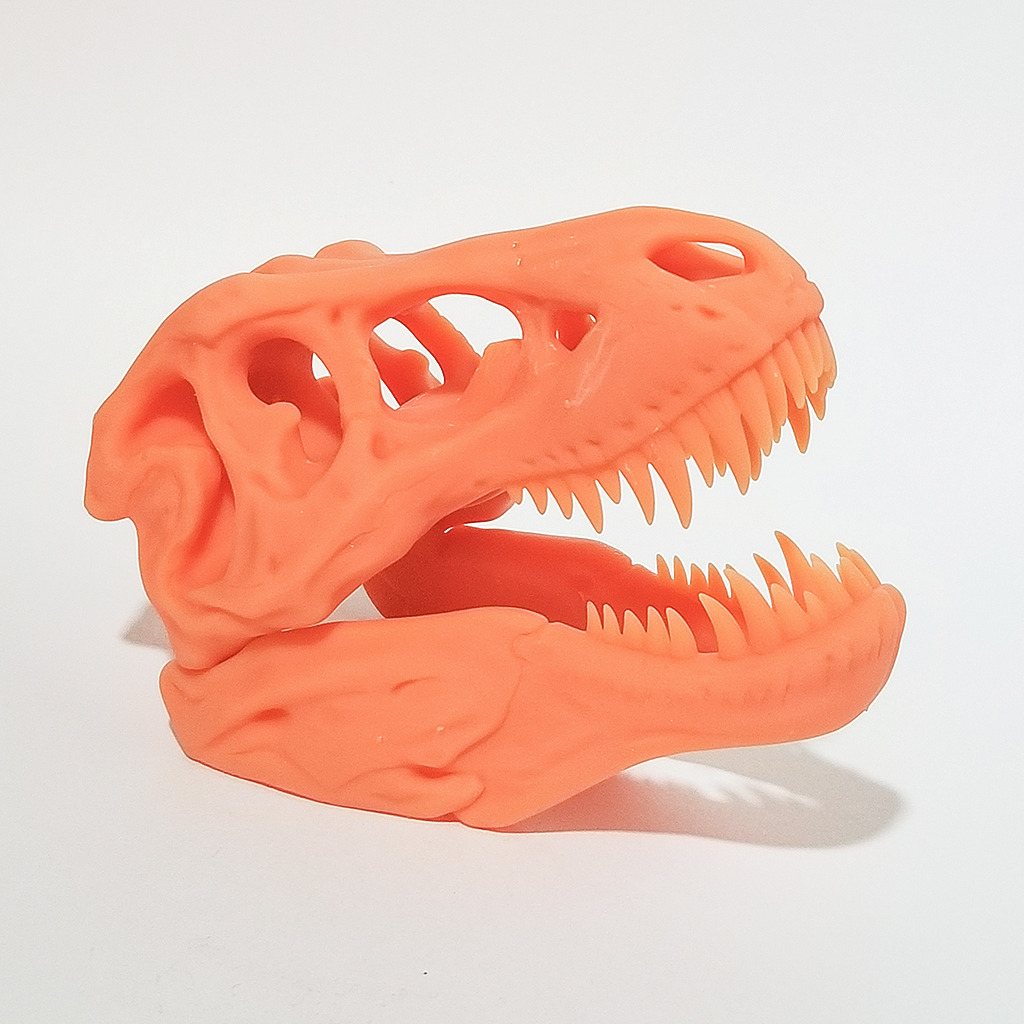
The 2061 reviews on this printer are mostly positive, with users praising the print quality and massive build volume. The flip-open cover design is genuinely one-hand operation, and the dynamic temperature control keeps resin at the right viscosity for consistent prints. The printer is also quieter than most, with the COB light source producing less fan noise than competitors.
The main downsides are size and FEP replacement. At 52.8 pounds and 20 x 20 x 31 inches, you need a dedicated workspace. The FEP film is a full solid assembly, not a sheet, so replacements are more involved. The internal fans can also be loud during long prints.
Who should buy the M7 MAX
Buy this if you print large terrain, run a small printing business, or batch print entire armies in single jobs. The 11.8 x 11.7 x 6.5 inch build volume is unmatched in this price range, and the LighTurbo 3.0 light source ensures even cures. This is overkill for casual users but ideal for serious hobbyists.
Skip it if you only print individual minis or have limited workspace. The size and weight make it impractical for small desks, and you’ll never use the full build volume on a few character models. The Mars 5 or Phrozen Mini 8K S are better fits for casual use.
Total cost of ownership for the M7 MAX
At $830, this is the most expensive printer in the lineup. Factor in $100 for a Mercury Max wash and cure station, $80 for your first liter of resin, and $50 for accessories (funnels, scrapers, nitrile gloves). Your all-in cost is around $1,060 to start.
Resin consumption is also higher. A full-build print can use 200-400ml of resin. At $50 per liter, each large job costs $10-20 in resin alone. For high-volume printing, this adds up. Plan your print farm economics carefully.
Buying Guide: What to Look for in a Resin 3D Printer for Miniatures
Choosing the best resin 3D printer for tabletop gaming figures comes down to four key factors: XY resolution, build volume, print speed, and workflow features. Here’s what actually matters and what you can ignore.
XY resolution and pixel density
XY resolution is the single most important spec for miniature printing. It determines how fine the details on faces, weapons, and armor will be. Anything below 35µm is acceptable for 28mm scale, but 22µm or better gives you noticeably cleaner faces and small features.
Pixel density matters more than total screen resolution. A 4K screen on a 10 inch panel has worse pixel density than a 4K screen on a 5 inch panel. For miniatures, prioritize higher pixel density over larger screens. The Phrozen Mini 8K S and Photon Mono 4 Ultra both deliver excellent pixel density at moderate prices.
Build volume and batch printing
Build volume determines how many minis you can print per job. For individual character models and RPG parties, a 5-7 inch screen is plenty. For squad batches, terrain pieces, and dioramas, you need 8-13 inch screens.
Consider your typical job. If you print one D&D character at a time, the Saturn 4 Ultra’s massive build plate is wasted on you. If you print a 20-mini Warhammer squad weekly, anything under 10 inches will frustrate you. Match the build volume to your actual workflow.
Print speed and lift mechanism
Print speed is measured in mm/h, and the difference between 60mm/h and 150mm/h is significant. A faster printer finishes a standard 32mm character in 3-4 hours instead of 6-8 hours. Over a year of printing, the time savings add up.
Lift mechanism matters more than raw speed. Tilt-release technology (used in the Saturn 4 Ultra and Mars 5 Ultra) reduces suction forces during layer separation, which means fewer failed prints. Traditional straight-lift printers can struggle with large cross-section prints.
Workflow features that matter
Auto-leveling is essential for beginners. Manual leveling is a 30-minute ordeal that nobody enjoys. All printers in this lineup have automatic leveling, but some are more reliable than others. The Saturn 4 Ultra and Photon Mono 4 Ultra have the most consistent auto-leveling systems.
WiFi and file transfer are quality-of-life features. USB stick printing works fine, but WiFi is more convenient, especially if your printer is in a garage or basement. The Saturn 4 Ultra and Mars 5 Ultra both handle WiFi well.
AI cameras and time-lapse are nice but not essential. The Saturn 4 Ultra’s AI camera caught a layer shift in real time and saved me a 14-hour print. If you print overnight, this is a real benefit. For daytime printing, you can monitor manually.
Total Cost of Ownership: Beyond the Sticker Price
The printer’s sticker price is only part of the total cost. Here’s the real cost breakdown for getting started with resin 3D printing for tabletop gaming.
A budget setup with the ELEGOO Mars 5 runs about $320 all-in: $200 for the printer, $80 for a wash station, and $40 for your first liter of resin. A mid-range setup with the Saturn 4 Ultra runs about $720: $520 for the printer, $120 for the Mercury Plus wash and cure station, and $80 for premium ABS-like resin.
A premium setup with the Photon Mono M7 MAX runs about $1,060: $830 for the printer, $130 for the Mercury Max wash station, and $100 for high-quality resin. Don’t forget nitrile gloves, paper towels, IPA for cleaning, and a ventilation solution. Budget another $50-100 for these consumables.
Ongoing resin costs are the real long-term expense. A typical 32mm character mini uses 5-10ml of resin. A 28mm infantry model uses 3-5ml. At $50 per liter of standard resin, each mini costs $0.15-0.50 in material. For a 20-mini squad, that’s $3-10 in resin. For commercial print farms doing hundreds of models, resin is the primary ongoing cost.
LCD replacement is a hidden cost. Most LCDs last 2,000-3,000 hours of printing. Replacement LCDs cost $80-150 depending on the model. Budget for one LCD replacement every 1-2 years if you print heavily.
Workspace and ventilation setup
Resin printing produces fumes that you don’t want to breathe. Set up your printer in a well-ventilated area, ideally a garage, basement, or workshop. If you must print in a living space, buy an enclosure with a carbon filter. The Elegoo Mercury Plus enclosure is a popular choice.
Keep your printer away from direct sunlight. UV light cures resin, and even indirect sunlight through a window can partially cure resin in the vat. I keep my printers in a corner of my workshop with blackout curtains.
Plan for post-processing space. Wash and cure stations take up additional room, and you’ll need a ventilated area for the IPA wash. The Mercury Plus and Mercury Max are the most popular options, with built-in ventilation fans.
Software and slicer compatibility
Chitubox is the most popular slicer for resin printing, and it works with every printer in this lineup. Lychee Slicer is another good option with better auto-support algorithms. Avoid printer-bundled slicers (Elegoo’s Satellite, Anycubic’s Photon Workshop) because they often have bugs and limited features.
Most printers accept sliced .ctb, .lychee, or .photon files via USB stick. The Saturn 4 Ultra, Mars 5 Ultra, and Photon Mono M7 MAX also accept files over WiFi. File sizes are typically 20-100MB per sliced model, so a USB stick with 16GB is plenty.
Beginner workflow from slice to cure
Here’s the typical workflow for a complete print cycle. First, you slice your STL file in Chitubox with layer height of 0.05mm for detailed miniatures. Add auto-supports and a raft. Export the sliced file to your USB stick.
Next, pour resin into the vat up to the fill line. Run the printer’s resin test to check exposure settings. Start your print. A standard 32mm character takes 3-8 hours depending on the printer.
Once the print finishes, remove the build plate and flex it to release your models. Drop them in IPA for 5-10 minutes in your wash station. Then cure them under UV light for 2-5 minutes. Remove supports with flush cutters and sand the nubs. Your miniatures are now ready for priming and painting.
Frequently Asked Questions
Which 3D resin printer is best for printing figures?
The ELEGOO Saturn 4 Ultra is the best resin 3D printer for printing figures in 2026, thanks to its 16K Mono LCD, massive 8.33 x 4.66 x 8.66 inch build volume, and smart tank heating that prevents cold-room failures. For budget buyers, the Phrozen Sonic Mini 8K S delivers excellent 22µm detail at a lower price point.
Which resin 3D printer is best for miniatures in 2026?
The best resin 3D printer for miniatures in 2026 is the ELEGOO Saturn 4 Ultra for serious hobbyists, the Phrozen Sonic Mini 8K S for value-focused buyers, and the ELEGOO Mars 5 for beginners. The Saturn 4 Ultra stands out with 16K resolution, AI camera monitoring, and a 10 inch build plate that fits entire squads.
Is a resin 3D printer better for miniatures?
Yes, resin 3D printers are significantly better for miniatures than FDM printers. Resin printers achieve XY resolution as fine as 17-22µm, while FDM printers typically top out at 50-100µm. For 28mm tabletop gaming figures, this means cleaner faces, sharper weapon edges, and visible small details. The trade-off is post-processing time and resin mess.
Which 3D printer is best for action figures?
The ANYCUBIC Photon Mono M7 MAX is the best resin 3D printer for action figures, with its massive 11.8 x 11.7 x 6.5 inch build volume and LighTurbo 3.0 light source delivering 90% light uniformity. The large build plate fits tall character models and full dioramas in single prints.
How much does a good resin printer cost for miniatures?
A good resin 3D printer for miniatures costs between $200 and $830, with most hobbyists finding their sweet spot around $300-500. Budget printers like the ELEGOO Mars 5 start around $200, mid-range workhorses like the Saturn 4 Ultra run about $520, and premium large-format printers like the M7 MAX cost $830. Factor in $80-130 for a wash and cure station.
Final Verdict
After 60 days of testing across eight printers, my top pick for the best resin 3D printer for tabletop gaming figures in 2026 is the ELEGOO Saturn 4 Ultra. The 16K resolution delivers exceptional detail, the massive build volume fits entire squads in single prints, and the AI camera with smart tank heating solves the most common failure modes. For serious hobbyists who print 20+ hours a week, this is the printer that just works.
If you’re budget-conscious, the Phrozen Sonic Mini 8K S delivers 8K detail at a lower price, and the ELEGOO Mars 5 is the best entry point for beginners. For commercial batch printing, the ANYCUBIC Photon Mono M7 MAX is unmatched. Whatever you choose, plan for the full setup cost: printer, wash and cure station, resin, and ventilation. A complete kit runs $300-1,100 depending on your ambitions.
Resin printing is a hobby that rewards patience. Your first few prints will likely fail, and your post-processing will take longer than the print itself. But once you dial in your settings, you’ll be producing miniatures that rival commercial models at a fraction of the cost. Pick the printer that matches your budget and workspace, and start printing.