
Our pick for the best Amazon Prime Big Deal Days gaming laptop deals under $1000 is the Acer Nitro 5 AN515-54, and the reason is plain: it holds the highest rating and the deepest review history of the ten machines here, and every part of it can be upgraded. The ASUS TUF Dash 15 is the one to watch if you want a high-refresh panel in a body you can actually carry, while the Acer Nitro V 15 wins on raw graphics. Prime Big Deal Days runs October 6-7, 2026, and most offers need a Prime membership.
Table of Contents
Our Top 3 Picks for Best Amazon Prime Big Deal Days Gaming Laptop Deals Under $1000
These are the three worth putting in a watchlist before the sale opens. Each one leads the list for a different reason, and none of them needs a second purchase to make it usable out of the box.
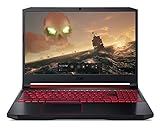
Acer Nitro 5 AN515-54
- Highest rating and review count in the group
- Two M.2 slots and a free RAM slot
- Bright 15.6 inch IPS 1080p panel
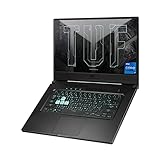
ASUS TUF Dash 15
- 144Hz adaptive-sync IPS display
- 4.4 lb and 0.8 inch thin
- RTX 3050 Ti with ray tracing and DLSS

Acer Nitro V 15
- RTX 4050 with 6GB VRAM and DLSS 3,144Hz IPS display with thin bezels
- DDR5 in two SODIMM slots
Best Amazon Prime Big Deal Days Gaming Laptop Deals Under $1000 Compared
The same four fields for every machine, so you can scan down a column instead of reading ten paragraphs. The button on each row shows the current price, which moves through the event.
| Product | Specifications | Action |
|---|---|---|
| Acer Nitro 5 AN515-54 |
|
Check Deal Price |
| ASUS TUF Dash 15 |
|
Check Deal Price |
| Acer Nitro V 15 |
|
Check Deal Price |
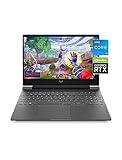 HP Victus 15 HP Victus 15 |
|
Check Deal Price |
 Lenovo IdeaPad Gaming 3i Lenovo IdeaPad Gaming 3i |
|
Check Deal Price |
 MSI GF63 Thin 15 MSI GF63 Thin 15 |
|
Check Deal Price |
 Lenovo LOQ Essential Lenovo LOQ Essential |
|
Check Deal Price |
 MSI Thin A15 MSI Thin A15 |
|
Check Deal Price |
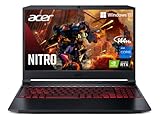 Acer Nitro 5 AN515-57 Acer Nitro 5 AN515-57 |
|
Check Deal Price |
 HP Victus 15 RTX 4050 HP Victus 15 RTX 4050 |
|
Check Deal Price |
How We Chose
We compared the specs that decide how a budget gaming laptop feels day to day: graphics chip and its memory, processor, memory configuration, storage slots, refresh rate, colour coverage, weight and battery. We also read what owners say in their Amazon reviews, and weighted each rating by the number of reviews behind it. Specs and review data were checked on October 2026.
1. Acer Nitro 5 AN515-54: Editor’s Choice
Acer Nitro 5 AN515-54
GPU: GTX 1650 4GB
CPU: i5-9300H
RAM: 8GB DDR4
Storage: 256GB
Display: 15.6 inch 60Hz IPS
Pros
- Twin-fan Cool Boost cooling keeps thermals manageable
- Two M.2 slots plus an open drive bay and a free RAM slot
- Full port set with HDMI and Gigabit Ethernet
- Bright IPS 1080p panel for the tier
- Fast boot and smooth everyday multitasking
Cons
- 8GB of DDR4 is thin for modern games
- 256GB fills quickly with a game library
- Weak built-in speakers and a poor webcam
The one to buy if you want the most proven machine in the bracket. Nothing else here has 5400-odd reviews behind it, and that matters when you are spending this much on something with moving parts that run hot.
The upgrade story is the real argument. It has two M.2 connectors with one open, a full spare drive bay waiting for a 2.5 inch drive, and a single RAM slot you can fill with a 16GB stick to sit alongside the 8GB that comes in the box. That takes it from a school laptop to a machine that will hold its own in a modern title, and the cost of that first upgrade is the only real money you need to plan for.
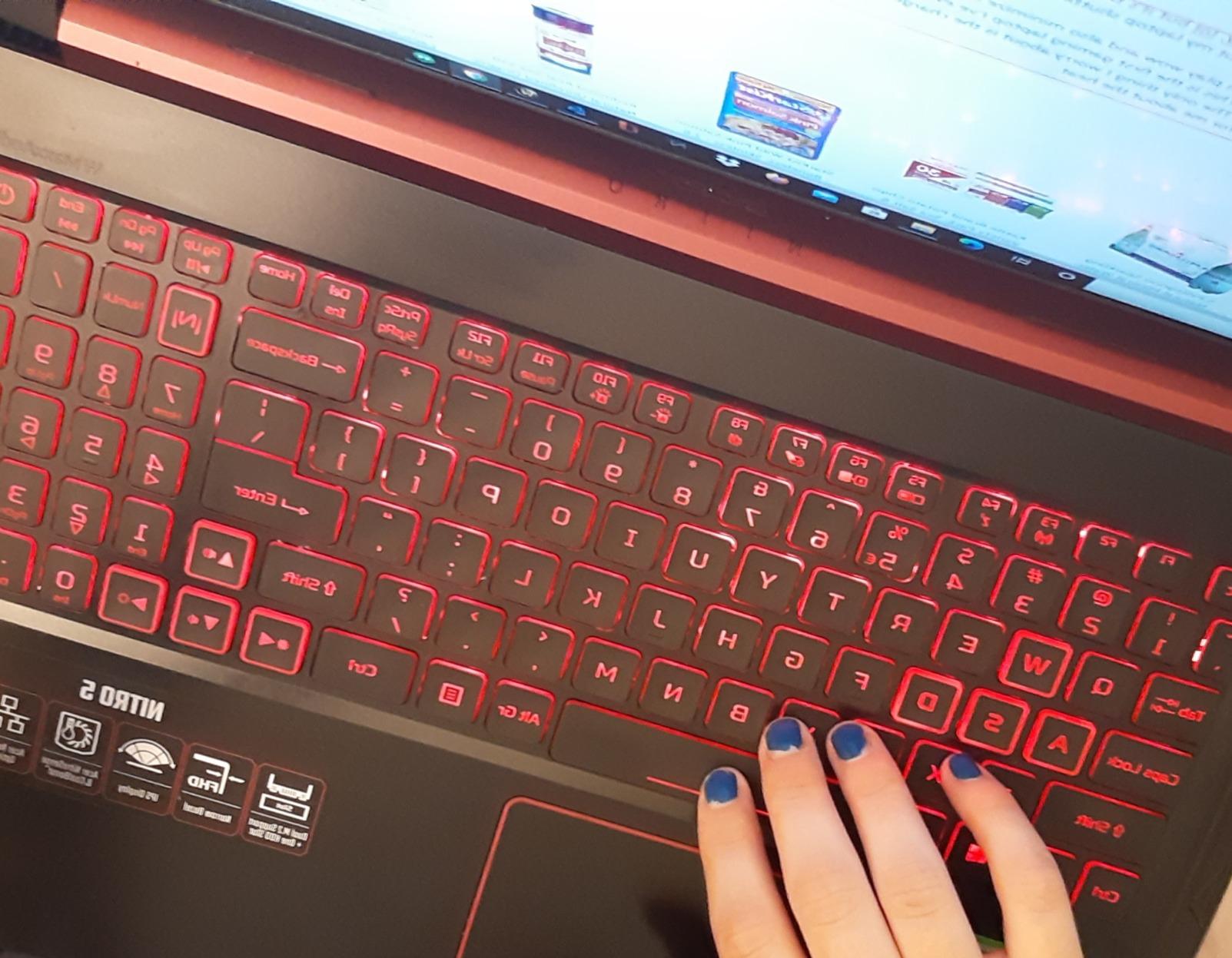
Owners keep pointing at the same things: the twin-fan Cool Boost setup keeps chassis temperatures manageable during long sessions, and the 15.6 inch IPS panel is bright and colour-accurate for a machine at this level. It also has the most complete port selection here, with HDMI, Gigabit Ethernet and four USB sockets.
- Weight of 5.1 lb, thick enough to have room for cooling
- 54Wh battery with around 8 hours stated for light work
- NitroSense software for fan and temperature control
- One-year international warranty
Skip it if the graphics chip is the problem. The GTX 1650 carries 4GB and no ray tracing or DLSS, so it plays older and competitive titles happily but will not keep pace with the RTX 4050 in the Acer Nitro V 15 on anything demanding. Compare that machine first if you mostly want new games at 1080p high settings.
2. ASUS TUF Dash 15: Best for High Refresh
ASUS TUF Dash 15
GPU: RTX 3050 Ti 4GB
CPU: i7-11370H
RAM: 8GB DDR4
Storage: 512GB
Display: 15.6 inch 144Hz IPS
Pros
- 4.4 lb and 0.8 inch thin
- 144Hz adaptive-sync IPS display
- Thunderbolt 4 port
- 76Wh battery with 16.6 hours stated
- RTX 3050 Ti brings ray tracing and DLSS
Cons
- 8GB of RAM as configured
- 2021 platform with an 11th-gen processor
- 4GB of VRAM caps texture quality
Buy this one if your gaming happens in two places: a desk and a lecture hall. At 4.4 lb and 0.8 inches thick, it is the only machine here you would genuinely put in a bag every day, and the 144Hz adaptive-sync panel means competitive shooters feel right rather than merely playable.
The RTX 3050 Ti runs at 60W and lifts to 75W with Dynamic Boost 2.0, which is more headroom than a plain RTX 3050 gives you. It also has the largest battery in this group at 76Wh, with 16.6 hours stated for light tasks, so untethered work between sessions is a realistic plan rather than an optimistic one.
Good to know: it carries two memory slots and can go to 24GB, so the 8GB it comes with is a starting point rather than a ceiling. The display runs adaptive sync, which matters more than most buyers expect on a fast panel in a game with no frame cap.
- Thunderbolt 4, unusual at this level
- Four USB ports plus HDMI and 3.5mm audio
- Memory in two slots for an easy dual-channel upgrade
The trade-off owners report is thermal headroom. A chassis this thin has less room for sustained load than a chunkier machine, so long sessions settle into fan noise sooner than the Acer Nitro 5 does. If you want raw graphics instead of portability, look at the Acer Nitro V 15, and if you want the lightest body with 16GB already fitted, the MSI GF63 Thin 15 is the alternative.
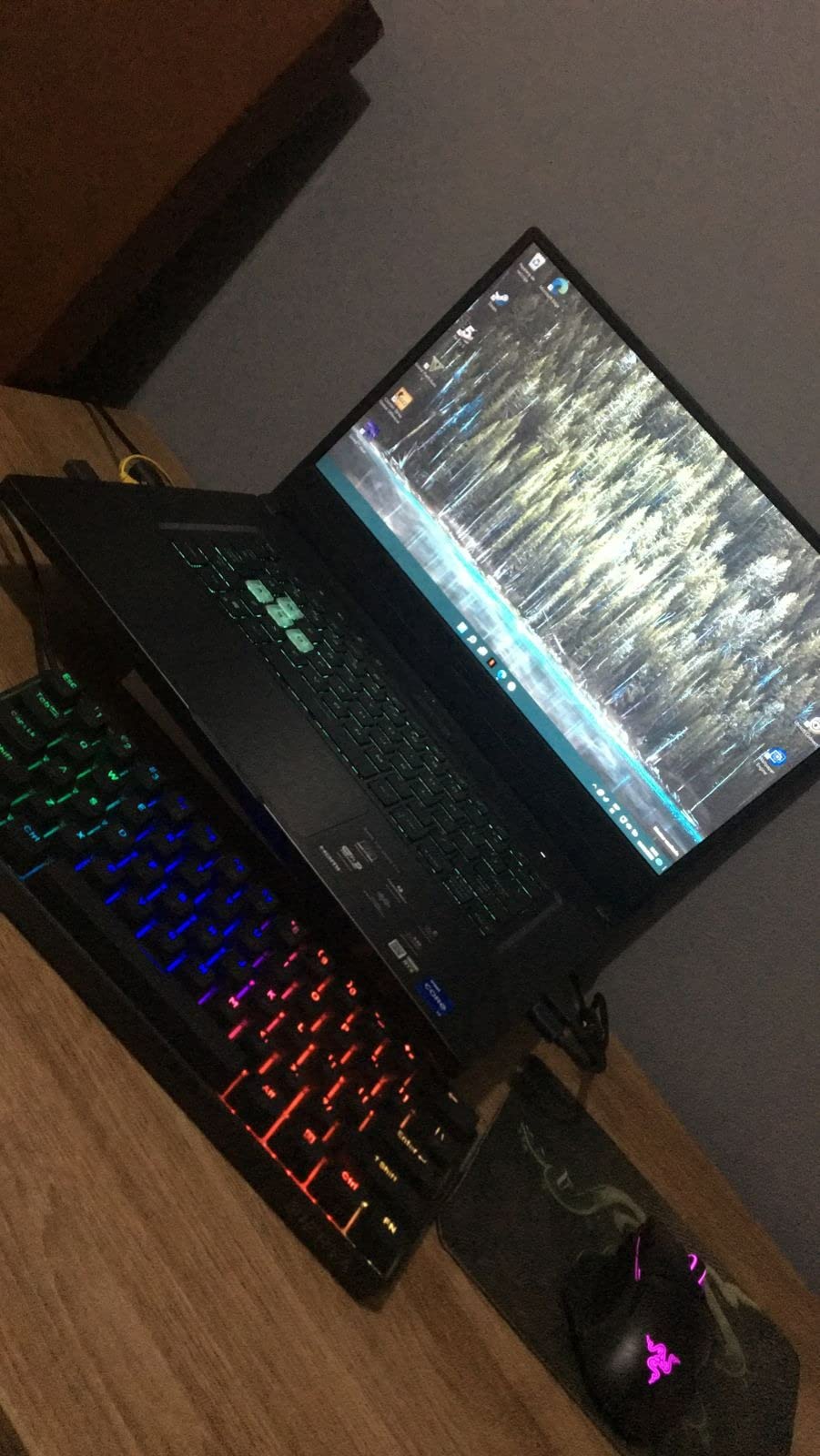
3. Acer Nitro V 15: Best for AAA Graphics
Acer Nitro V 15
GPU: RTX 4050 6GB
CPU: i5-13420H
RAM: 8GB DDR5
Storage: 512GB
Display: 15.6 inch 144Hz IPS
Pros
- RTX 4050 with DLSS 3 and 194 AI TOPS
- 144Hz IPS display with thin bezels
- DDR5 in two SODIMM slots
- Two M.2 slots plus Thunderbolt 4
- NitroSense fan and thermal control
Cons
- 8GB of DDR5 is thin for a 144Hz build
- Battery life stated at about 3 hours
- Functional trackpad and chassis
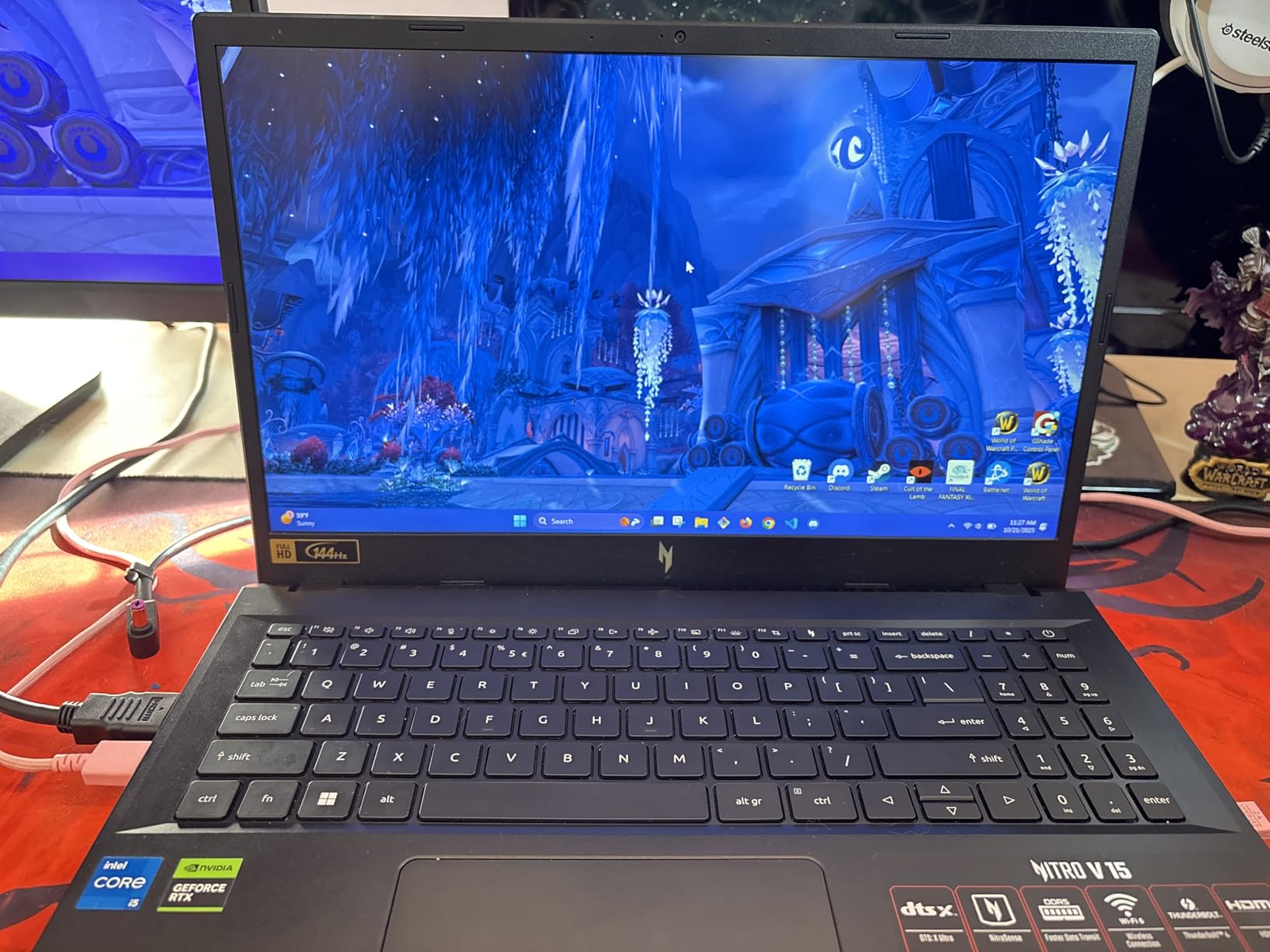
This is the pick for anyone whose library leans on recent big titles. The RTX 4050 brings 6GB of GDDR6, 194 AI TOPS and DLSS 3, and 6GB of video memory is the difference between a texture setting you can leave alone and one you have to argue with.
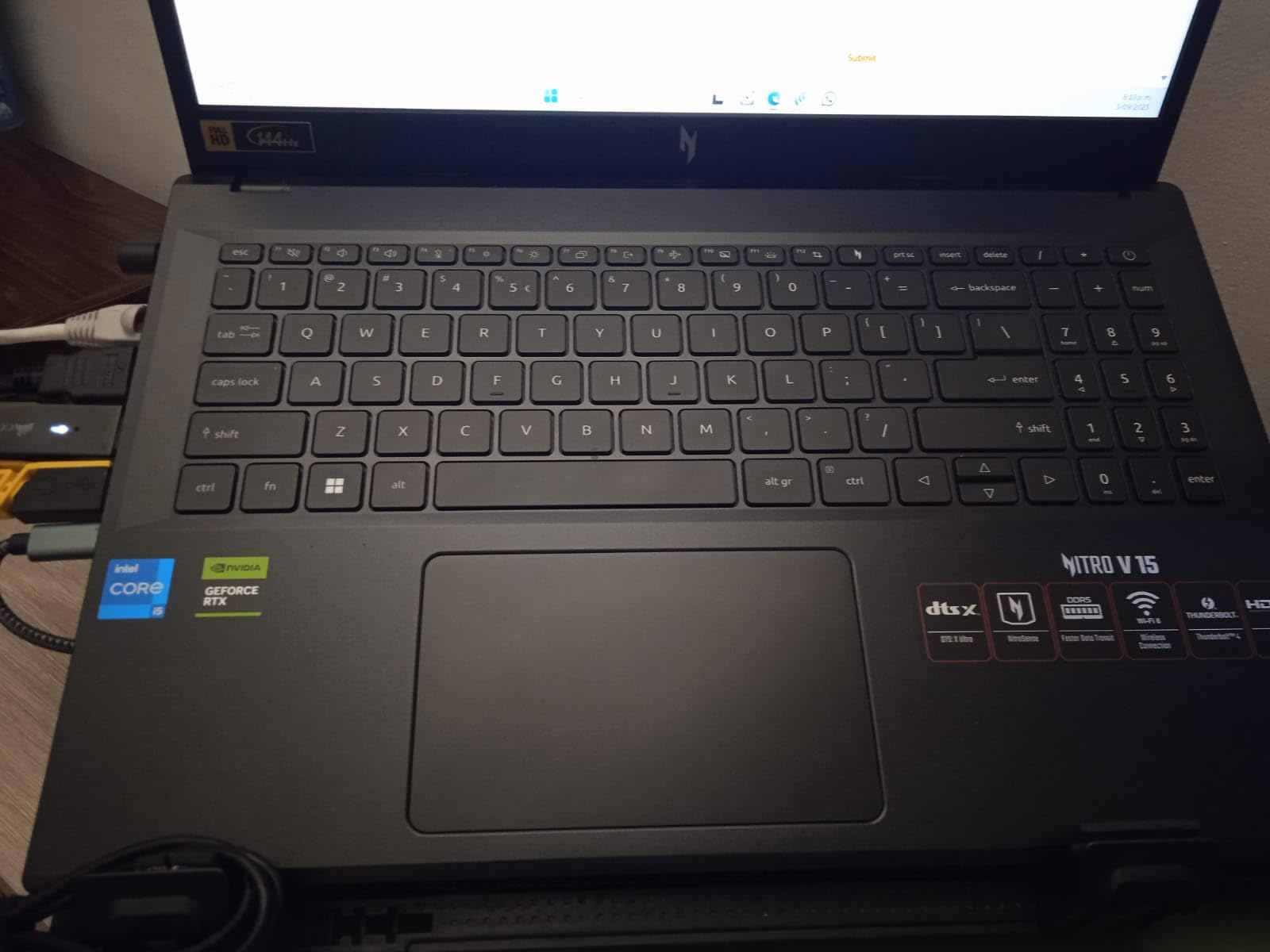
Underneath it sits a 13th-generation Core i5-13420H with 8 threads, dual fans and an effective exhaust that NitroSense lets you tune, plus two M.2 connectors for storage and two SODIMM slots for memory. The 15.6 inch IPS panel runs at 144Hz with an 82.64% screen-to-body ratio, so the bezels stay out of the way of the action.
- Thunderbolt 4 for power, data and video output
- Wi-Fi 6 and Gigabit Ethernet
- 512GB PCIe Gen 4 drive as standard
- 4.7 lb, thinner and lighter than the older Nitro 5
Compared with the ASUS TUF Dash 15: same idea of a 144Hz gaming panel, but this one has the newer graphics stack and the faster memory generation, while the TUF is lighter and lasts far longer away from a charger. The honest catch is the 57Wh battery, with around 3 hours stated. That is the shortest in the group and owners raise it often, so treat this as a desk machine.
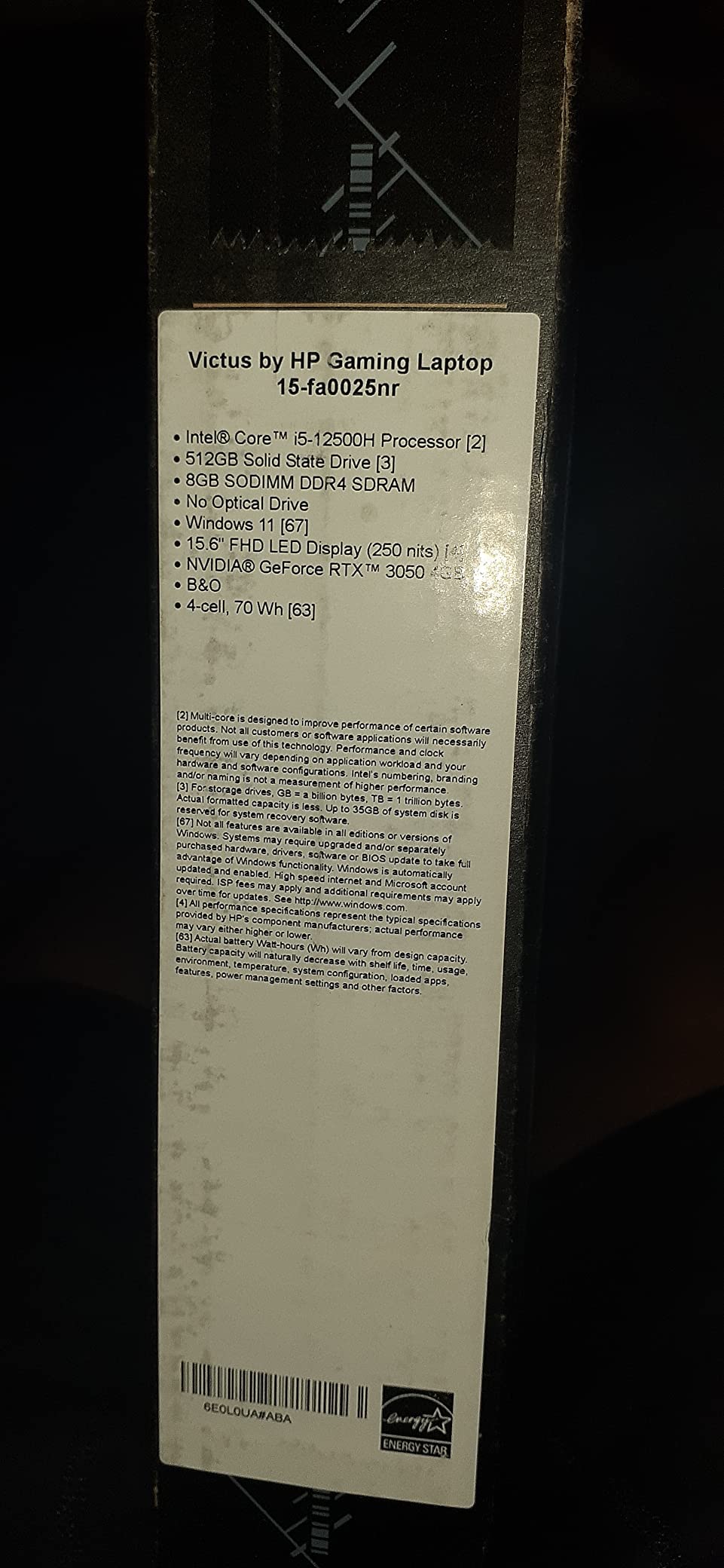
4. HP Victus 15: Budget Pick
HP Victus 15
GPU: RTX 3050
CPU: i5-12500H
RAM: 8GB DDR4
Storage: 512GB
Display: 15.6 inch 60Hz IPS
Pros
- Lowest entry point in this group
- 512GB SSD as standard
- Full-size backlit keyboard with numeric keypad
- Solid build and HP dual-fan thermal design
- Bright wide-angle FHD IPS panel
Cons
- 8GB of RAM is the minimum viable config
- Standard-refresh glossy panel on this SKU
- Older 2022 platform
The cheapest way into a discrete RTX card, and the compromise is visible in the spec sheet. A dedicated RTX 3050 with 512GB of storage and a 12th-generation Core i5-12500H is a genuinely capable base, and HP’s enhanced dual-fan thermal design keeps it from cooking itself during a long evening.
It also has the best typing layout in the group for the money. The full-size mica silver keyboard is backlit and carries a numeric keypad, which is the reason a lot of buyers pick this machine over a thinner competitor with a cramped row of keys.
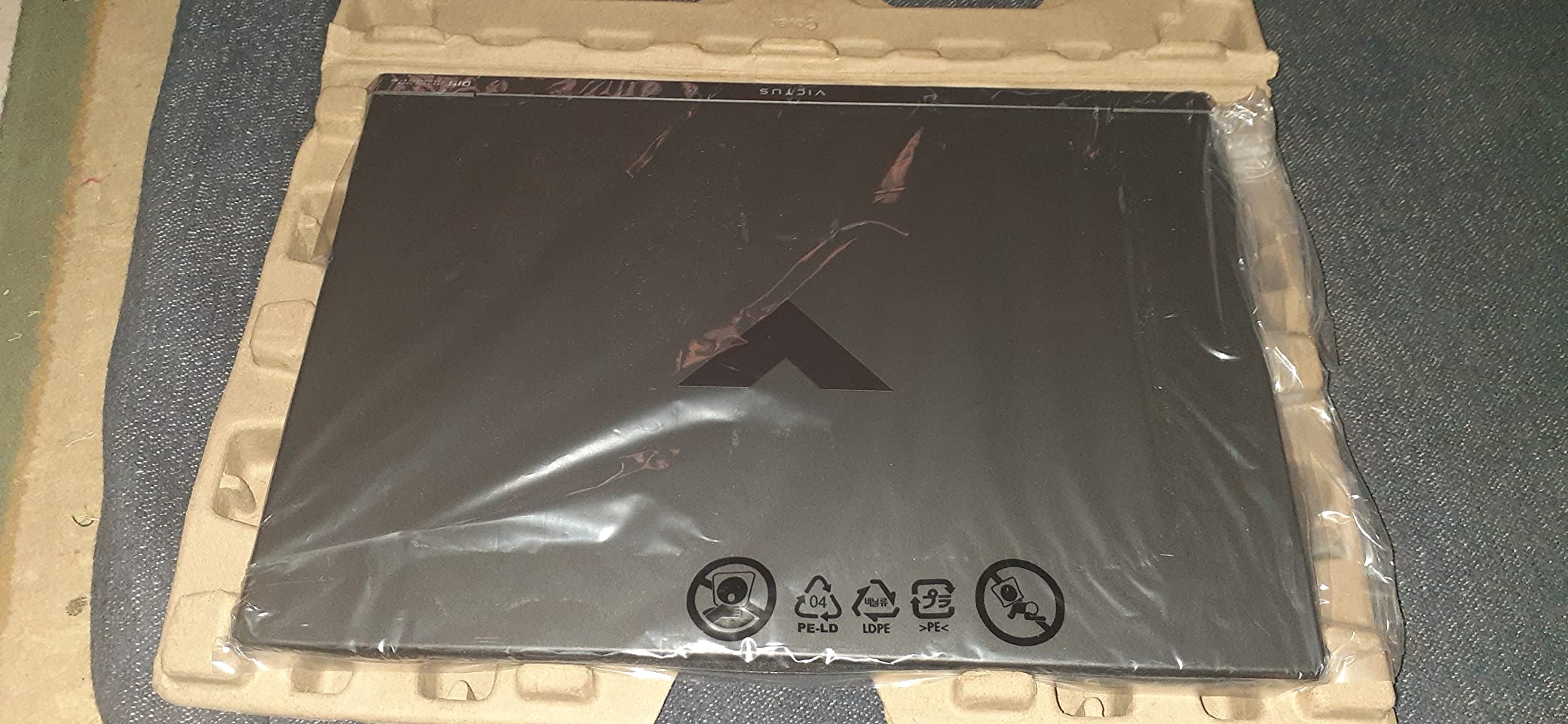
Good to know: the glossy 15.6 inch IPS screen is a standard-refresh panel, and this configuration has no high-frequency option. That is where the money was saved, along with the memory: 8GB is the minimum viable config and the first upgrade most owners make.
Owners rate the build quality well above what the entry point suggests, and the 4.3-star average sits on 375 reviews. The 8GB of memory is the universal first request in those reviews, and the Acer Nitro 5 AN515-54 is the better route if you are comfortable opening the back panel, since it gives you a free slot and a spare drive bay instead of a single stick.
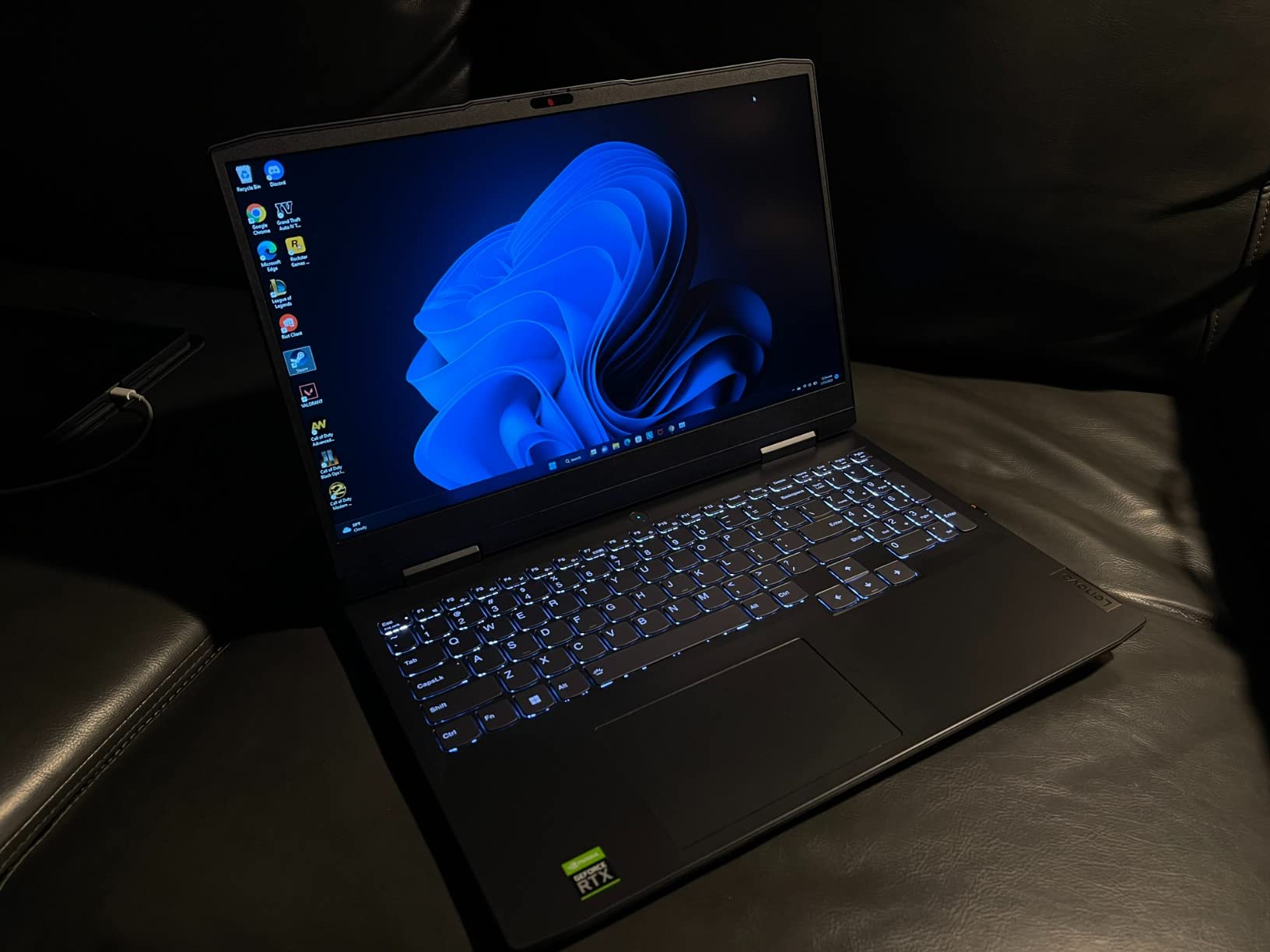
5. Lenovo IdeaPad Gaming 3i: Best for CPU Power
Lenovo IdeaPad Gaming 3i
GPU: RTX 3050 Ti 4GB
CPU: i7-12700H
RAM: 8GB DDR4
Storage: 512GB
Display: 15.6 inch 120Hz IPS
Pros
- i7-12700H with 24MB of cache
- Easy RAM upgrade with a high ceiling
- Free 2280 slot alongside the 2242 drive
- 120Hz anti-glare display
- 15 percent cooling improvement and rapid charge
Cons
- Single 8GB DDR4 stick as standard
- Weak battery life under graphics load
- Mediocre speakers and colour accuracy
Most of the field pairs a capable graphics chip with a mid-range processor. This one breaks that pattern, with a Core i7-12700H carrying 24MB of cache and 14 cores of headroom, which is more than any other laptop here needs for gaming alone.
That surplus matters if the machine also does other work: a browser with thirty tabs open, a video call, a Discord voice channel and a game running at the same time. The RTX 3050 Ti handles the graphics, and the processor does the multitasking behind it without the stutter you get from a dual-core budget chip in a similar body.
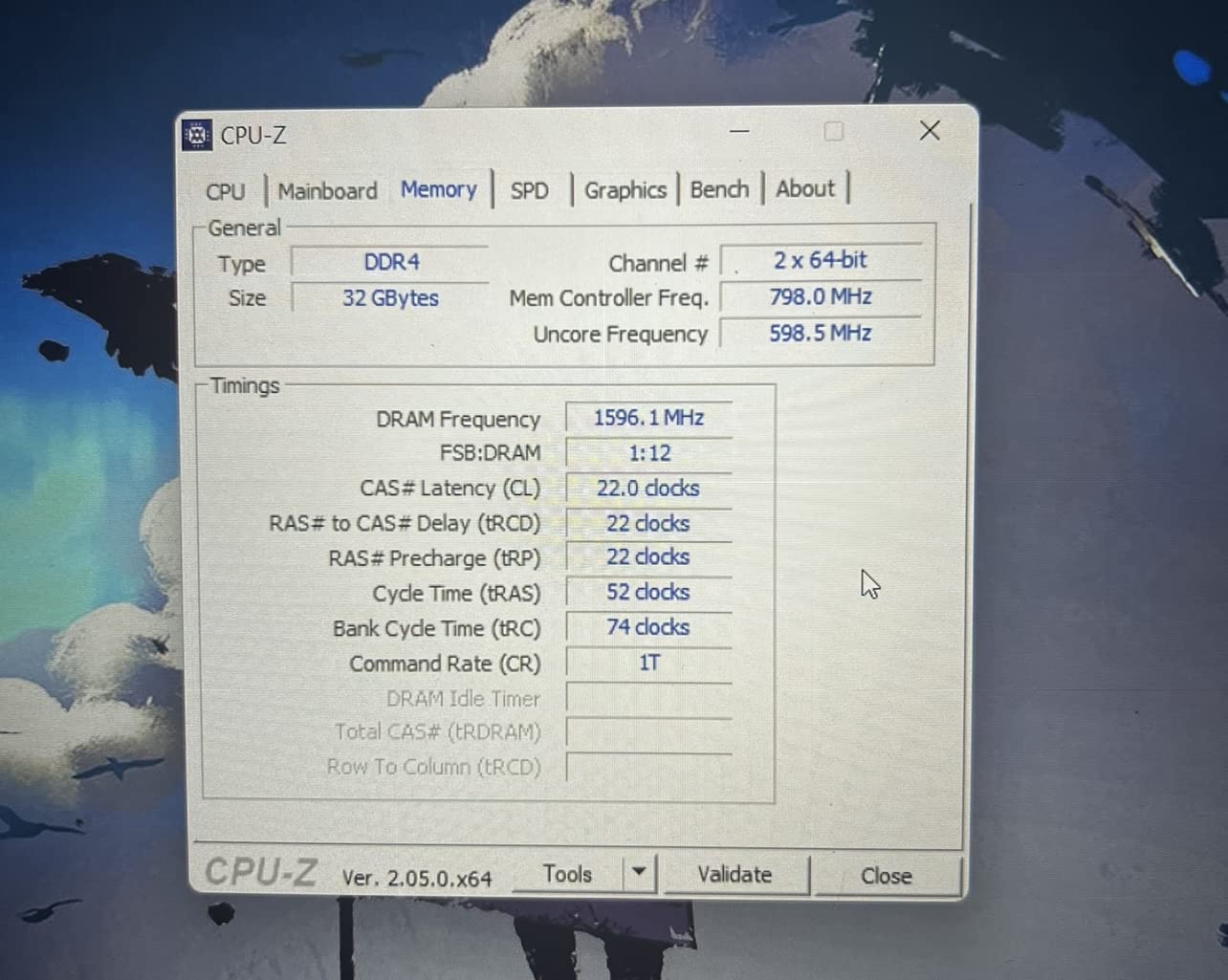
Storage is unusually flexible. The 512GB drive sits in a small 2242 slot, and a full-size 2280 slot is open for a second drive straight away, so adding capacity does not mean replacing what came in the box. Owners also report running 32GB of memory without trouble despite the listed ceiling, which makes this the easiest memory upgrade in the group.
- 120Hz anti-glare IPS panel that survives a bright room
- White-backlit gaming keyboard with a number pad
- Lenovo Vantage for power, thermal and hybrid-mode control
- 45Wh battery with 40 percent added in 15 minutes
Two things to know before you commit. The 8GB it comes with is a single stick, so memory runs in one channel until you add a second. And the second M.2 slot runs warm without its own thermal pad, a detail worth knowing if you plan to load it with a second drive. Neither stops you, and neither is a reason to skip an upgrade path this generous.
6. MSI GF63 Thin 15: Best for 16GB as Standard
MSI GF63 Thin 15
GPU: RTX 3050
CPU: i5-11400H
RAM: 16GB DDR4
Storage: 512GB
Display: 15.6 inch 144Hz LCD
Pros
- 16GB of RAM included as standard
- 144Hz FHD display
- 512GB NVMe SSD with a discrete RTX 3050
- 4.1 lb chassis that stays portable
Cons
- Single memory slot with a 16GB listed ceiling
- 41Wh battery is small
- 11th-gen processor is an older platform
If you do not want to open the machine on day one, this is the easiest pick in the list. Sixteen gigabytes of DDR4 memory is already fitted, where most competitors in the group ship with a single 8GB stick that costs you time and money to sort out.
You also get a 144Hz 1080p display, which removes the refresh-rate compromise that the HP Victus 15 makes. The combination of a fast screen, a discrete RTX 3050 and 16GB of memory is unusual below the four-figure mark, and it is the reason this configuration keeps drawing attention despite a small review pool.
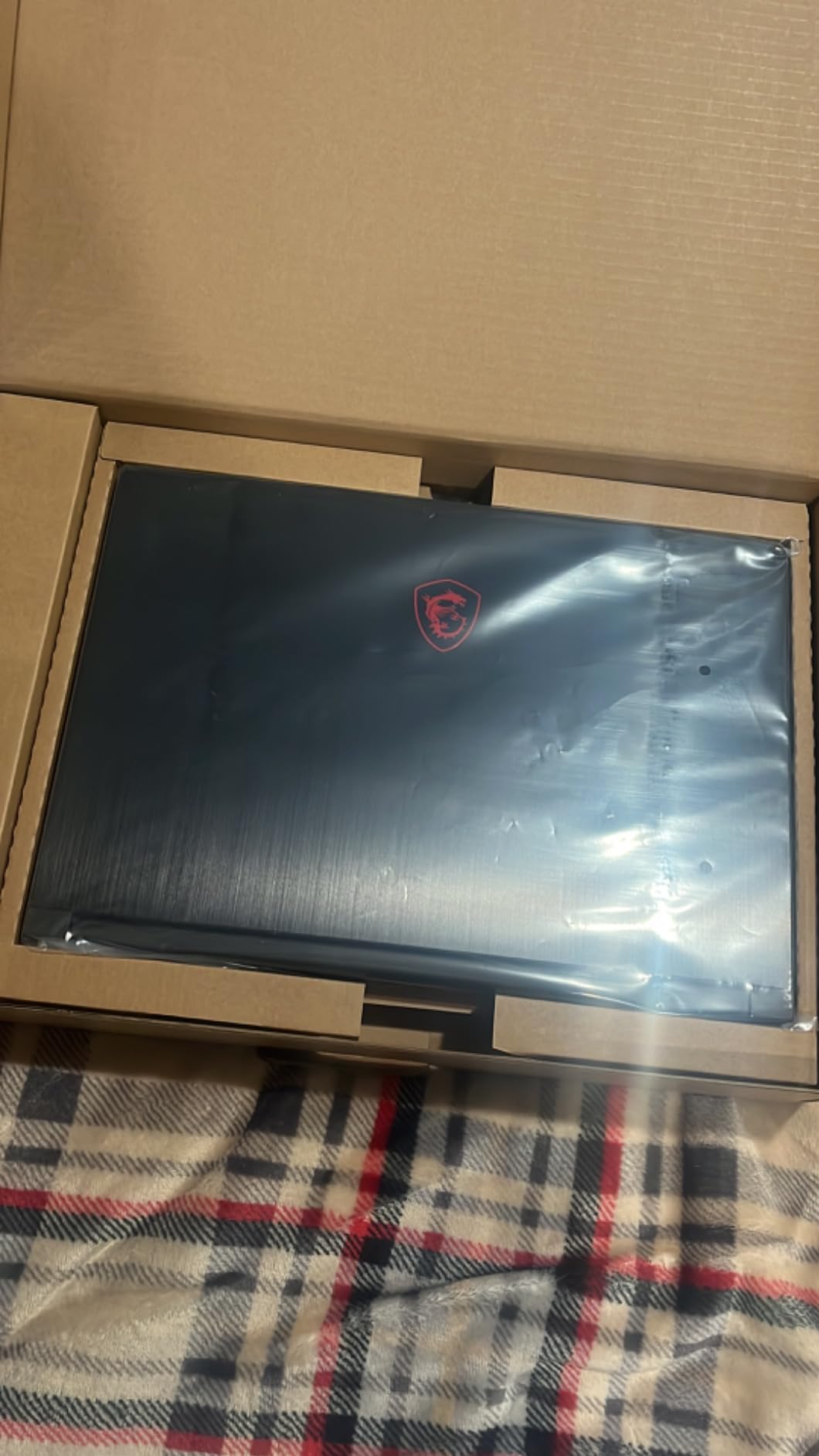
Compared with the MSI Thin A15: two machines from the same brand with the same GPU, and the choice comes down to memory generation. This one gives you 16GB of DDR4 in a 4.1 lb body with a 144Hz panel; the Thin A15 gives you 16GB of DDR5 across two slots and a much higher ceiling, in a slightly heavier chassis.
- 13-inch-class footprint at 4.1 lb and 0.85 inch thick
- HDMI plus four USB ports
- Backlit QWERTY keyboard
- 41Wh battery with around 4 hours stated
Owners rate it 4.4 stars, but the pool is small at 93 reviews, so treat the long-term track record as shorter than the Acer Nitro 5’s. The one memory slot and a listed 16GB ceiling is the limitation to plan around, and the 41Wh battery is the smallest here, so keep a charger in the bag.
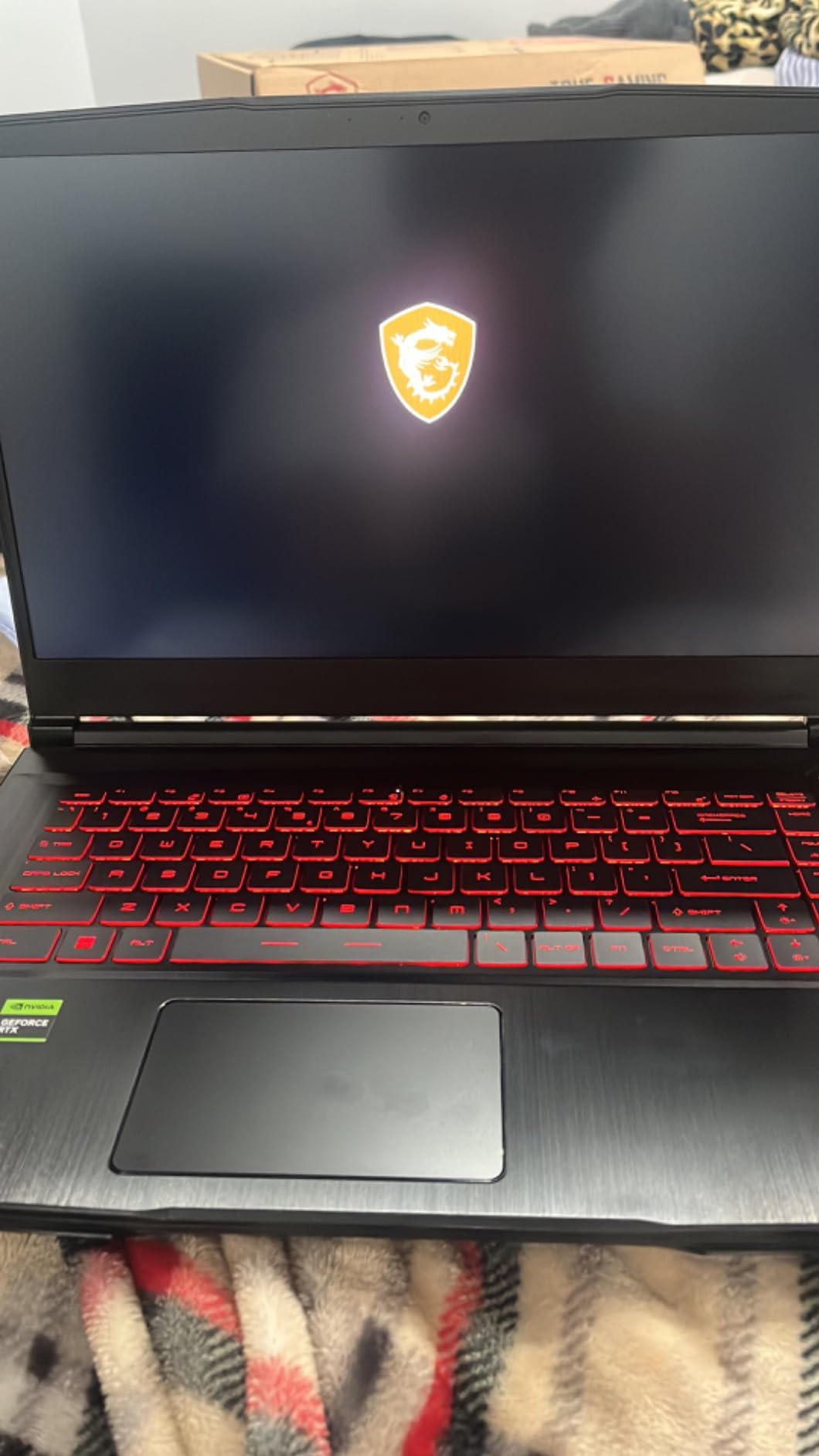
7. Lenovo LOQ Essential: Best for Students
Lenovo LOQ Essential
GPU: RTX 4050
CPU: i5-12450HX
RAM: 8GB DDR5
Storage: 512GB
Display: 15.6 inch 144Hz IPS
Pros
- RTX 4050 with DLSS 3,144Hz panel at 300 nits and 100% sRGB
- 4.2 lb and spill-resistant build
- Three months of PC Game Pass included
- Fingerprint reader and rapid charging
Cons
- Single 8GB stick with reported instability when a second is added
- One shared 100mm fan runs loud and warm
- Storage limited to the small 2242 form factor
One machine has to do coursework, presentations and an evening of play, and this is the pick built for that split. The display is the standout: 144Hz, 300 nits and full 100% sRGB coverage, which is a better screen than most of the group manages and the one specification that matters for anything you are meant to look at for hours.
It is also light at 4.2 lb and 0.9 inches thick, the keyboard has 1.3mm of key travel, and the chassis is spill resistant with a fingerprint reader. Three months of PC Game Pass come bundled, which covers more than a few games if you have never subscribed.
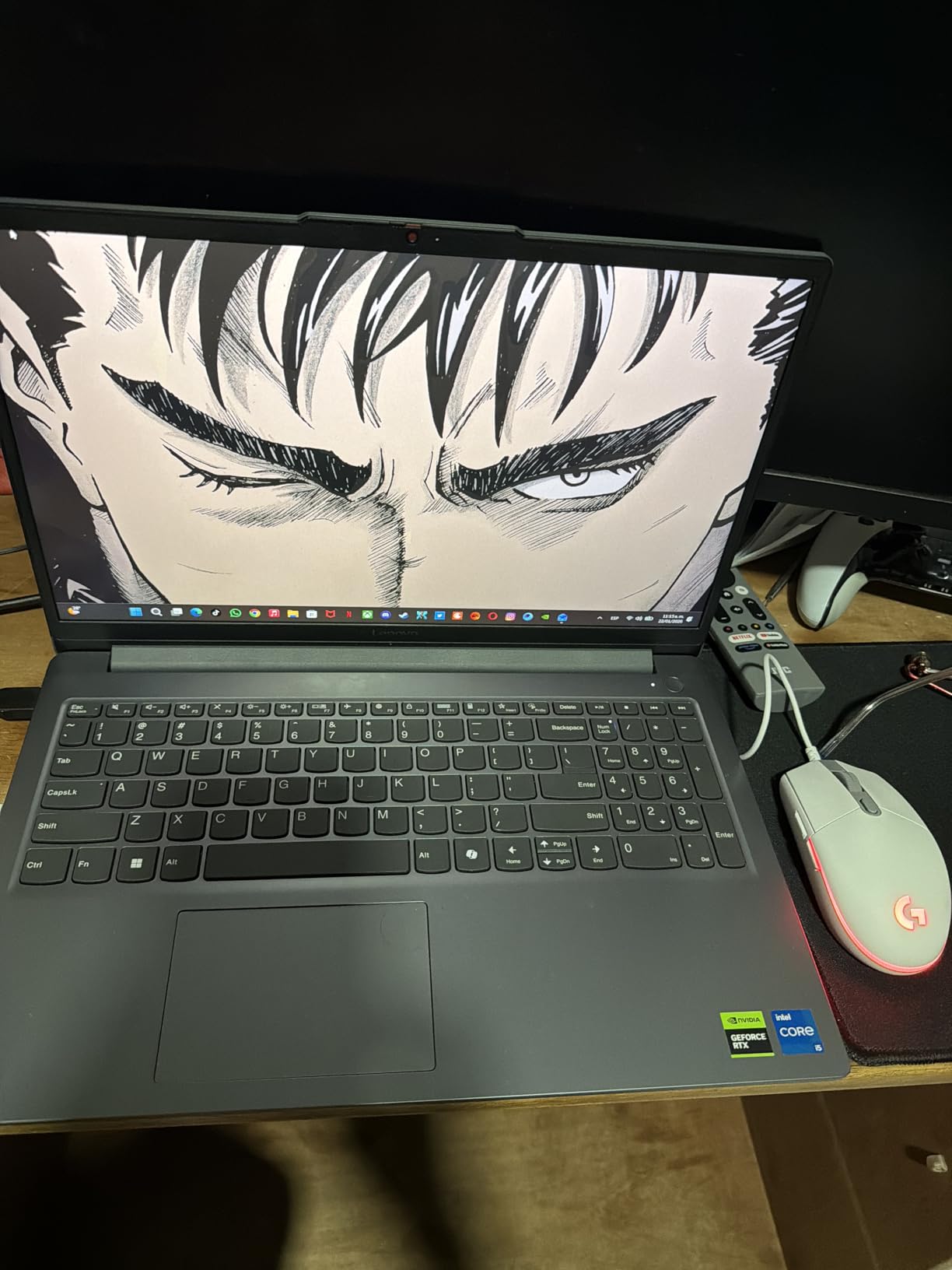
The RTX 4050 on Ada Lovelace with DLSS 3 gives it more graphics headroom than the RTX 3050 machines at the same level, and the 57.5Wh battery is quoted at around 6 hours of light use, enough for a full day of classes away from a socket.
Owners rate it 4.1, the lowest average in this group, and the complaints are specific rather than general. The single 8GB DDR5 stick is the weak point, with some buyers reporting instability after adding a second module. Cooling is one shared 100mm fan rather than a dual arrangement, so it runs loud under load. And the storage takes only the short 2242 form factor, which several buyers wish they had known before buying a second drive. The USB-C port also carries data only and will not drive an external monitor, so plan on HDMI or a dock for a regular desk setup.
8. MSI Thin A15: Best for DDR5 Upgrades
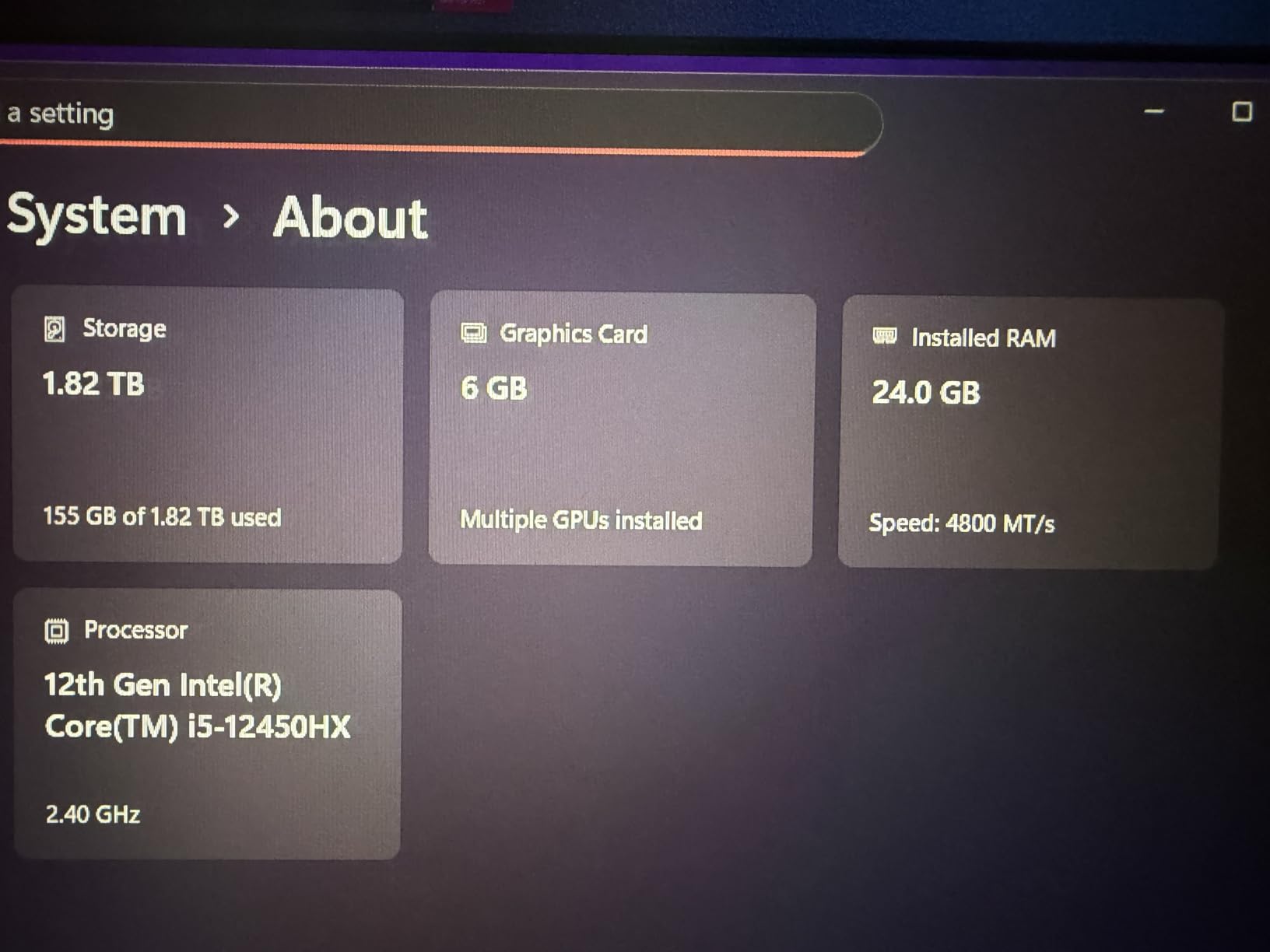
MSI Thin A15
GPU: RTX 3050 4GB
CPU: Ryzen 5 7535HS
RAM: 16GB DDR5
Storage: 512GB
Display: 15.6 inch 144Hz LCD
Pros
- 16GB of DDR5 fitted as standard
- Two memory slots and up to 64GB supported
- 144Hz FHD display
- Wi-Fi 6E and Bluetooth 5.3
- Dual-fan Cooler Boost thermal design
Cons
- Only 4GB of VRAM on the RTX 3050
- 512GB fills quickly with a game library
- Some reports of loud fans and high idle heat
Memory is the one component you cannot change later on a soldered laptop, so the ceiling matters more than the fitted amount. This is the only machine in the group that pairs 16GB of DDR5 with two slots and support for up to 64GB, which means the machine you buy today can still be a capable one four years from now.
The Ryzen 5-7535HS boosts to 4.55GHz with 16MB of L3 cache, and the 15.6 inch 144Hz glossy panel keeps motion crisp. Connectivity is the most modern in the group: Wi-Fi 6E, Bluetooth 5.3, Gigabit Ethernet, HDMI and USB-C.
Compared with the MSI GF63 Thin 15, the two are the closest pair in the list: both 144Hz, both 16GB, both RTX 3050. Take this one if you want the faster memory type and the upgrade headroom, and the GF63 if you would rather carry less weight and already know 16GB is enough for you.
- Dual-fan Cooler Boost design for longer sessions
- Face recognition and HD audio
- Supports up to two external monitors
- One-year manufacturer limited warranty
The rating is 4.1 from 59 reviews, the smallest pool here, and the spread is wider than on most. Owners like the memory and the screen. The recurring criticisms are 4GB of VRAM on the RTX 3050, a 512GB drive that fills quickly, and a note that some shipped units run their memory at 4800MHz rather than the 5200MHz the listing claims. It is also listed at 6.5 lb, noticeably heavier than the other MSI.
9. Acer Nitro 5 AN515-57: Best for Storage Expansion
Acer Nitro 5 AN515-57
GPU: RTX 3050 Ti 4GB
CPU: i7-11800H
RAM: 8GB DDR4
Storage: 512GB
Display: 15.6 inch 144Hz IPS
Pros
- 8-core i7-11800H
- Two memory slots and two M.2 slots plus a 2.5 inch bay
- 144Hz IPS display
- Killer DoubleShot Pro networking
- CoolBoost and NitroSense controls
Cons
- 8GB of DDR4 as configured
- Older 11th-gen platform
- 4GB of VRAM on the RTX 3050 Ti
Where our Editor’s Choice gives you one open M.2 slot and a drive bay, this Nitro 5 gives you the same freedom with a considerably stronger processor underneath. The i7-11800H runs 8 cores across 16 threads, which is a lot of headroom for streaming, editing or a heavy multitask load alongside games.
Expandability is the headline: two memory slots to 32GB, two PCIe M.2 connectors, and an open 2.5 inch bay still unfilled. Few laptops at this level leave all three available, and it is the reason a buyer who wants to grow a machine over three or four years should look here first.
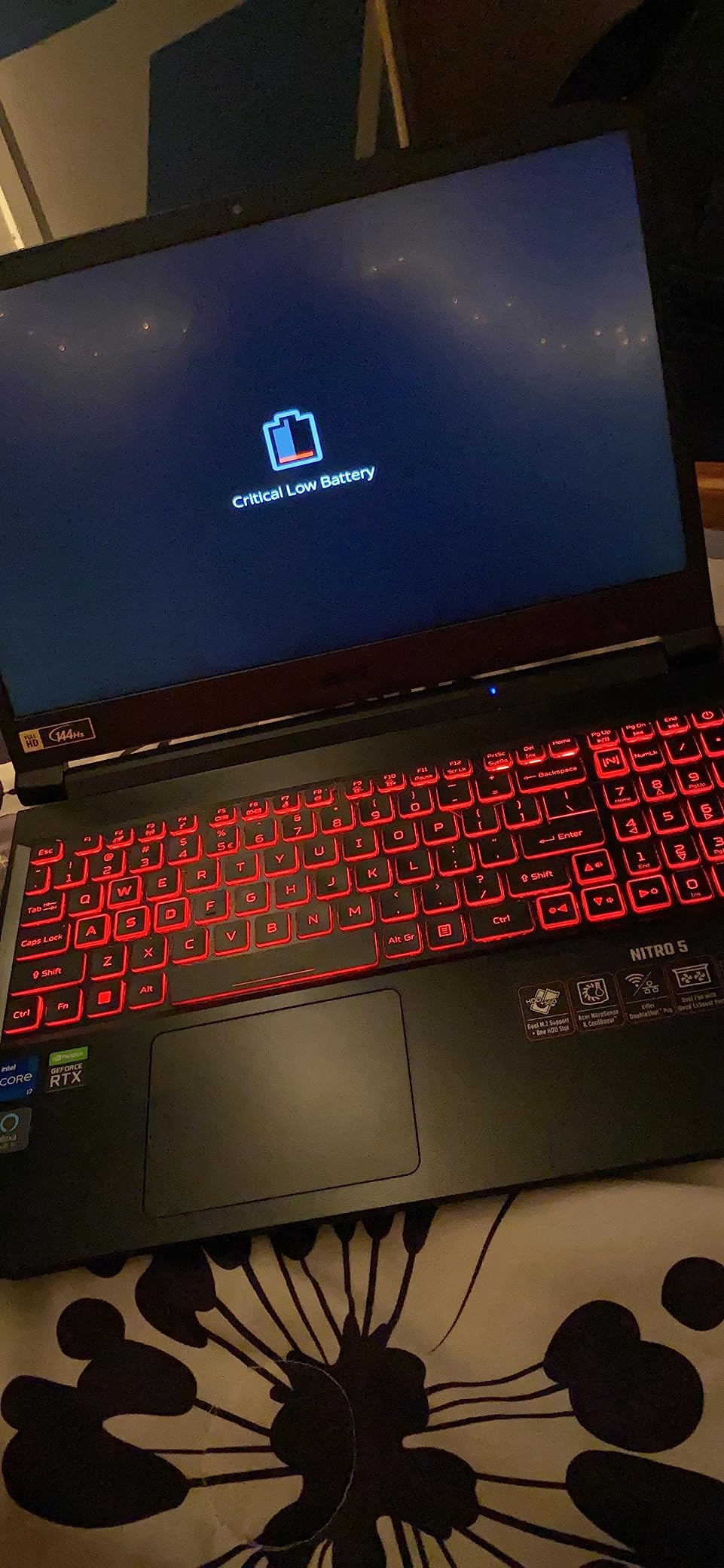
The RTX 3050 Ti adds ray tracing cores and Tensor Cores, so DLSS is available in a way it is not on a plain RTX 3050, and the 15.6 inch IPS panel runs at 144Hz with an 80% screen-to-body ratio. Killer DoubleShot Pro networking lets the Wi-Fi and Ethernet connections run together with traffic prioritised between them.
Thermals are handled by CoolBoost, which the manufacturer rates at a 25% overall improvement, with NitroSense on a dedicated keyboard button for temperature, fan speed and power state. Owners generally like the control available, and the 4.3-star average comes from just over 1000 reviews.
The catch is that 8GB of DDR4 and 4GB of VRAM on the RTX 3050 Ti both ask for an upgrade, and the older 11th-generation platform will age sooner than the 13th-generation parts in the Nitro V 15. Budget for the memory straight away.
10. HP Victus 15 RTX 4050: Best for Battery Life
HP Victus 15 RTX 4050
GPU: RTX 4050 6GB
CPU: i5-13420H
RAM: 16GB DDR4
Storage: 512GB
Display: 15.6 inch 144Hz IPS
Pros
- RTX 4050 6GB with 16GB of RAM already fitted
- 70Wh battery
- Up to 6 hours stated
- 13th-gen i5 with 8 cores
- HDMI 2.1 and USB-C power-off charging
Cons
- 250-nit 45% NTSC panel is dim and washed out
- Custom-configured build with bundled accessories
- Only 30 reviews so far
This is the only machine here that puts an RTX 4050 with 6GB of video memory together with 16GB of RAM already installed, and it does it with a large 70Wh battery, one of the two biggest here. The 70Wh pack is quoted at up to 6 hours, which changes what a day of gaming between classes can look like.
The 13th-generation Core i5-13420H has 8 cores and 12 threads and boosts to 4.6GHz, and the 15.6 inch IPS panel runs at 144Hz with a thin bezel. Connectivity is current: MediaTek Wi-Fi 6, Bluetooth 5.3, Gigabit LAN, HDMI 2.1 and a USB-C port that can charge the machine while it is switched on.
Two details to read carefully before buying. The panel is 250 nits at 45% NTSC, so it is dimmer and less saturated than the 300 nit 100% sRGB screen on the Lenovo LOQ Essential, and it will look washed out in a bright room. And this is a custom-configured build rather than a standard shelf model, with added storage and a bundled 32GB USB drive in the box.
The memory is upgradable to 64GB, the full-size backlit keyboard carries a numeric keypad, and a 720p camera with an integrated microphone sits above the screen.
Compared with the Acer Nitro V 15: the same RTX 4050 and the same 144Hz refresh rate, but this machine arrives with twice the memory and a far bigger battery, while the Nitro V 15 has the better display, dual fans and two M.2 slots. With 30 reviews behind it, the Victus has the shortest history here, so weigh the battery and the ready memory against that.
How to Choose Gaming Laptops During Prime Big Deal Days
The specifications decide whether a machine stays good for three years or gets replaced at the first launch. Here is what actually matters at this budget, in the order we would check it.
GPU Performance and Game Settings
Start with the graphics chip, because it is the hardest part to change later. An RTX 4050 with 6GB of VRAM is the tier to aim for in this bracket: DLSS 3 gives you the frame rate to sit at 1080p high settings in most new titles without turning everything down. The RTX 3050 Ti sits a step below with 4GB, which is fine for competitive shooters and older games, and the GTX 1650 on our Editor’s Choice is an entry card with no upscaling support.
For competitive play specifically, the GPU is rarely the bottleneck, so any of the three will do and a faster screen matters more. If your library leans towards competitive shooters and battle royales, our gaming laptops for Fortnite guide sets out what refresh rate and memory do to frame times.
Processor, Memory and Storage
Treat 16GB of memory as the floor and 32GB as comfortable. Watch for how it is fitted, because a single 8GB stick runs in single-channel mode and that costs frame rates in games that lean on CPU and memory bandwidth. Two slots with 8GB each is better than one slot with 16GB, and a machine with one empty slot is the cheapest path to 16GB later.
On storage, a 512GB drive is enough for a handful of modern titles and nothing more, so a second M.2 slot or an open drive bay is worth paying for. Check the form factor too, because some laptops only accept short 2242 drives. If you also edit video, our picks on budget laptops for video editing go into the processor side of this in more detail.
Display, Refresh Rate and Colour
Aim for 144Hz at 1080p. Below 120Hz the difference is obvious in anything competitive, and a 60Hz panel caps how much of a capable GPU you can actually see. Colour coverage is the specification most listings hide, so read for 100% sRGB rather than a resolution number, and check brightness if you plan to game anywhere other than a dim bedroom.
Panel quality is also what stops you outgrowing the laptop. Once the machine is good enough for class, documents and photo work as well as games, a washed-out 45% NTSC screen becomes the part you notice. If you would rather spend on a better panel than a faster chip, our laptops under $1500 roundup covers the next step up.
Cooling, Noise and Battery Life
Thin laptops sound fast and then slow down, so the cooling arrangement is worth reading. Dual fans with separate exhausts handle long sessions better than a single fan shared between the processor and graphics, and software control such as NitroSense or Cooler Boost gives you something to do when a game does not hit its target frame rate.
Battery capacity decides how portable the machine really is. Anything around 55Wh and above will carry a working day; the 41Wh pack in the MSI GF63 Thin 15 will not. And if you play on a desk with a monitor rather than on the built-in panel, our gaming monitors with USB-C guide covers the displays that suit these ports.
How to Shop Gaming Laptop Deals During the Sale
Model numbers in this category repeat across years, so read the full code on the listing. AN515-54, ANV15-51 and TUF516PE are different machines with similar names, and the one to the left of the dash tells you which generation you are being sold. Check the memory count and slot number rather than the total, the storage form factor, whether the drive is the short 2242 type, and whether the panel is matte or glossy. Then read who sells and ships the unit: a custom-configured build arrives with different contents than a standard shelf model. Most offers during this event need a Prime membership, and prices move through it.
- Confirm the exact model code, not just the marketing name
- Check memory count, slot number and whether the sticks are matched
- Verify the storage form factor before planning a second drive
- Read the seller and shipper, and whether the box includes added accessories
- Confirm the panel is the refresh rate and colour you expect
- Recheck the configuration on the detail page before you pay
Frequently Asked Questions
When does Amazon Prime Big Deal Days run and do I need a Prime membership?
Prime Big Deal Days runs October 6-7, 2026. It is Amazon’s October event, and most of the laptop offers during it need a Prime membership, although a free trial counts. The laptops here are the models worth watching rather than confirmed discounts, since pricing moves hour by hour through the event.
What is the best gaming laptop for a thousand-dollar budget?
Our pick is the Acer Nitro 5 AN515-54. It holds the highest rating in the group and the deepest pool of owner reviews, and it leaves a free RAM slot, an extra M.2 connector and an open drive bay for later upgrades. The trade-off is an older platform and a GTX 1650 rather than a current RTX card, so check the Acer Nitro V 15 if new games are the priority.
Which is the most budget-friendly gaming laptop in this list?
The HP Victus 15 is the lowest entry point here, pairing a dedicated RTX 3050 with a 512GB SSD and a full-size backlit keyboard with a numeric keypad. The 8GB of memory and the standard-refresh glossy screen are where the cost was saved, so plan a memory upgrade as your first job with this one.
Is 16GB or 32GB of RAM better in a budget gaming laptop?
Sixteen gigabytes is the sensible floor at this price and 32GB is comfortable, provided the slots allow it. Several machines here ship with a single 8GB stick, which also runs memory in single-channel mode and costs frame rates. Prefer two matched 8GB sticks over one 16GB stick, and check the slot count before you buy.
What should I buy from the best Amazon Prime Big Deal Days gaming laptop deals under $1000?
The Acer Nitro 5 AN515-54 is the one to watch most, with the ASUS TUF Dash 15 as the portable option and the Acer Nitro V 15 as the graphics pick. If you would rather avoid an upgrade on day one, choose a machine that already includes 16GB of memory instead of planning around a single 8GB stick.
Final Verdict: Best Amazon Prime Big Deal Days Gaming Laptop Deals Under $1000
Buy the Acer Nitro 5 AN515-54 if you want the safest overall choice: the highest rating here, the deepest review history, and free RAM, storage and drive upgrades on a machine that will still be fine in three years. Buy the Acer Nitro V 15 instead if you play recent big titles and want an RTX 4050 with DLSS 3 on a 144Hz panel, accepting the short battery. For a student carrying one machine everywhere, the Lenovo LOQ Essential gives you the best screen in the group at 100% sRGB and 300 nits. If you refuse to open a laptop on day one, take the MSI GF63 Thin 15 or the MSI Thin A15, both of which arrive with 16GB, and prefer the A15 for its memory headroom. The budget-friendly alternative to all of them is the HP Victus 15, the cheapest way into a discrete RTX card with a numeric keypad. Watch these during the sale, confirm the exact model code on the listing page, and use the button on each entry to see where the price sits right now.