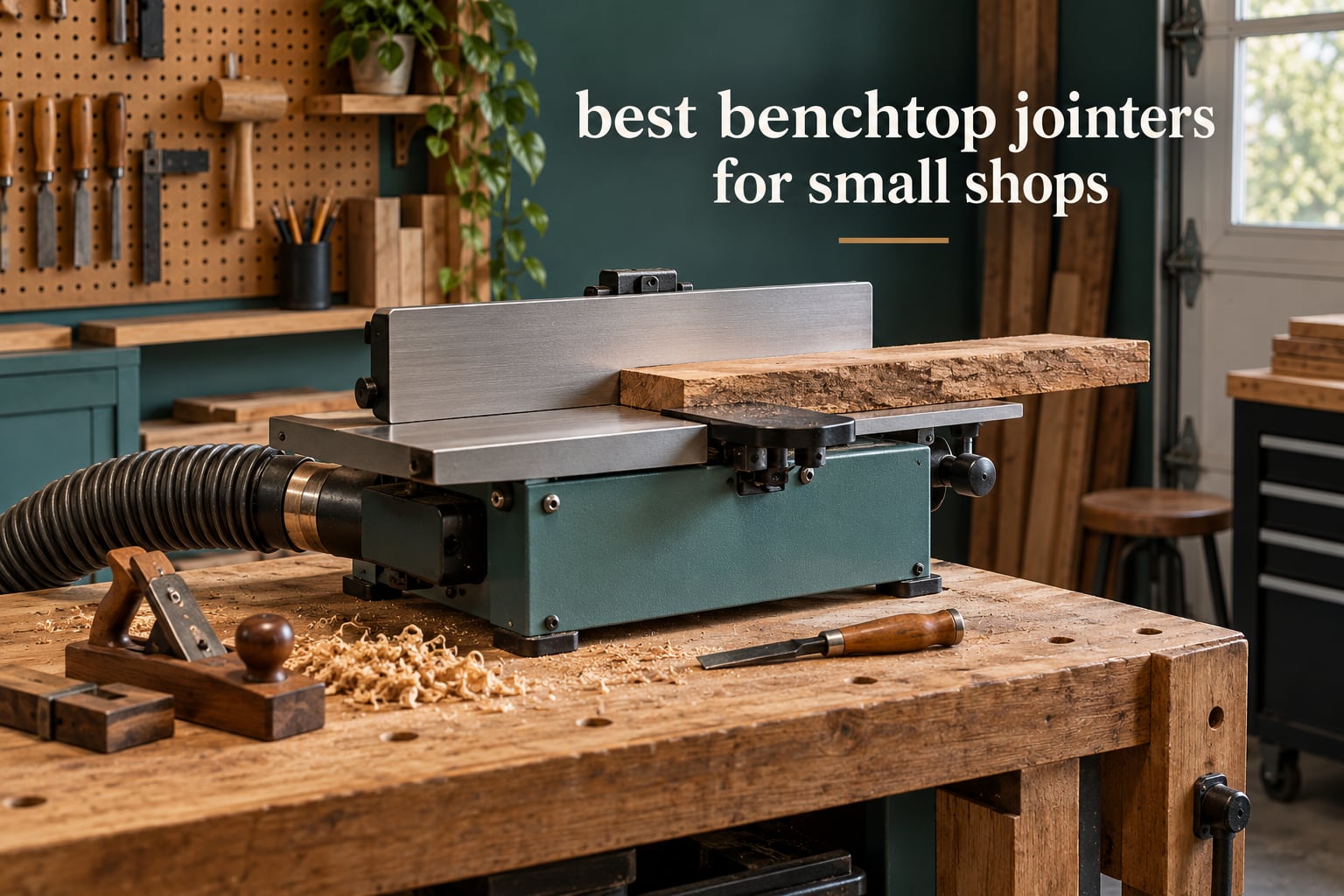
A benchtop jointer is the machine that flattens one face and squares one edge of a rough board so every other tool in the shop has a true reference to work from. For a small shop, that is the whole argument: a 6-inch or 8-inch benchtop unit handles roughly 90 percent of the lumber most hobbyists and one-person shops ever run through it, and it does it on a bench instead of a 200-pound-plus floor stand. Our pick for the best benchtop jointers for small shops is the WEN JT630H, with the WEN JT833H as the best 8-inch width option and the Wahuda 50160CC-WHD as the best cast-iron build in the group.
What separates a good benchtop jointer from a disappointing one is rarely the motor. It is the cutterhead, the fence, and whether the infeed and outfeed tables arrive coplanar. We read through more than 2,300 owner reviews across the ten machines below, and the same three complaints kept surfacing: fences that drift out of square after adjustment, tables that need hours of gib work before the first cut, and straight-knife heads that tear out figured hardwood.
This roundup is written for a garage, a basement corner, or a one-car shop where floor space is the scarce resource. Every machine here fits on a sturdy bench, runs on standard household current, and can be carried by one person or two. We cover width, cutterhead type, bed length, fence behaviour, dust collection, and the honest drawbacks of each, then finish with the noise and board-length limits that owners care about most.
Table of Contents
Top 3 Best Benchtop Jointers for Small Shops in October

WEN JT630H 6-Inch Spiral Jointer
- 12 staggered HSS blades
- 30 by 6 inch table
- 0 to 1/8 inch per pass
- 36.8 lb

WEN JT833H 8-Inch Spiral Jointer
- 16 staggered HSS blades
- 33 by 8 inch table to 51 inches
- Dual dust ports
- 45 degree fence

Wahuda 50160CC-WHD 6-Inch Jointer
- 4-sided carbide inserts
- Cast iron tables
- 12000 RPM fixed
- 56.2 lb
The JT630H leads because it pairs the largest owner base in this group with a 12-blade spiral head, which keeps finish quality high without the noise of a two-knife straight head. The JT833H solves the width ceiling that trips up a lot of 6-inch owners, with a 33 by 8 inch table that extends to 51 inches. The Wahuda wins the cast-iron category outright, and its maker is still servicing older Cutech warranties, which is worth knowing.
Quick Comparison All 10 Benchtop Jointers in 2026
| Product | Specifications | Action |
|---|---|---|
| WEN JT630H 6-Inch Spiral Benchtop Jointer |
|
Check Latest Price |
 CRAFTSMAN CMEW020 Benchtop Jointer CRAFTSMAN CMEW020 Benchtop Jointer |
|
Check Latest Price |
| Wahuda 50160CC-WHD 6-Inch Benchtop Jointer |
|
Check Latest Price |
| WEN JT833H 8-Inch Spiral Benchtop Jointer |
|
Check Latest Price |
| WEN JT3062 6-Inch 2-Blade Benchtop Jointer |
|
Check Latest Price |
 Cutech 40180HI 8-Inch Spiral Cutterhead Jointer Cutech 40180HI 8-Inch Spiral Cutterhead Jointer |
|
Check Latest Price |
 Cutech 40160HB 6-Inch Spiral Benchtop Jointer Cutech 40160HB 6-Inch Spiral Benchtop Jointer |
|
Check Latest Price |
 JET JJ-6HHBT 6-Inch Helical Benchtop Jointer JET JJ-6HHBT 6-Inch Helical Benchtop Jointer |
|
Check Latest Price |
 WOODSTARTER 6-Inch Benchtop Jointer WOODSTARTER 6-Inch Benchtop Jointer |
|
Check Latest Price |
 VEVOR 6-Inch Benchtop Jointer VEVOR 6-Inch Benchtop Jointer |
|
Check Latest Price |
Should You Buy a Benchtop Jointer?
Buy one if you work with rough lumber or S4S boards in a shop where a floor jointer will not fit. A benchtop jointer flattens and squares stock on a short bed, which is exactly what a 6- or 8-inch machine handles best. Skip it if you only glue up pre-surfaced boards, because you are paying for a reference surface you already have.
The practical test is board width and length. If your lumber is mostly 4 to 6 inches wide and under about 4 feet long, any machine in this roundup will serve you well. If you routinely joint 10-inch table tops or full-length boards, you are asking a short benchtop bed to do a floor machine’s job, and you will be disappointed.
1. WEN JT630H 6-Inch Spiral Benchtop Jointer – Best Overall for Small Shops
WEN JT630H 10-Amp 6-Inch Spiral Benchtop Jointer
10 amp motor
12 staggered HSS spiral blades
30 by 6 inch table
0.13 inch depth
36.8 lb
Pros
- Holds light shavings on maple and purpleheart with minimal tear-out
- Quick setup with tables near level out of the box
- Spiral head finish without the noise of straight knives
- Compact enough to shelf under a bench
Cons
- Fence takes work to square and can drift out of square
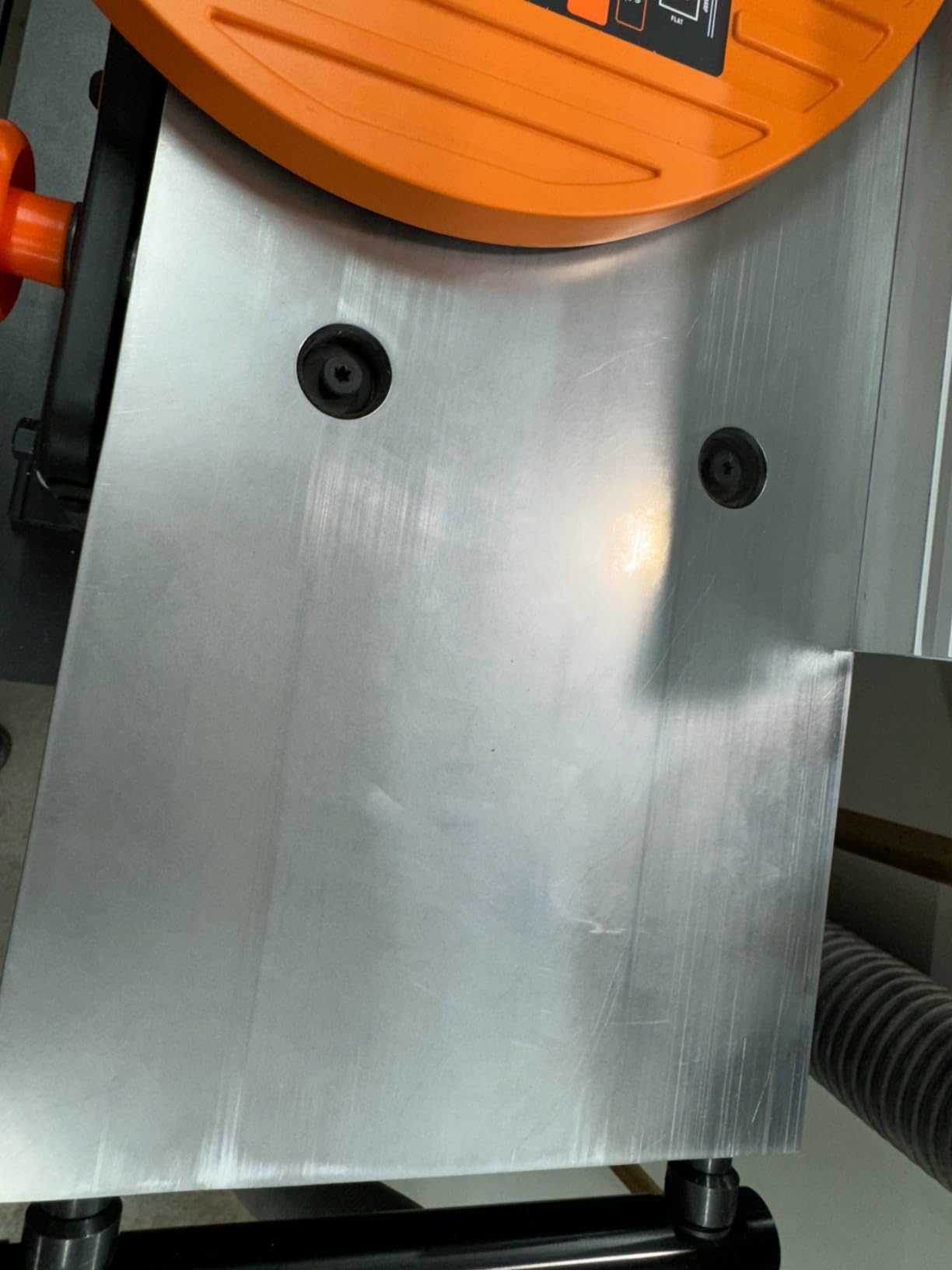
- Aluminum tables mark and burnish with use
- Dust port is small for standard shop vac hoses
- Light duty for thick heavy stock
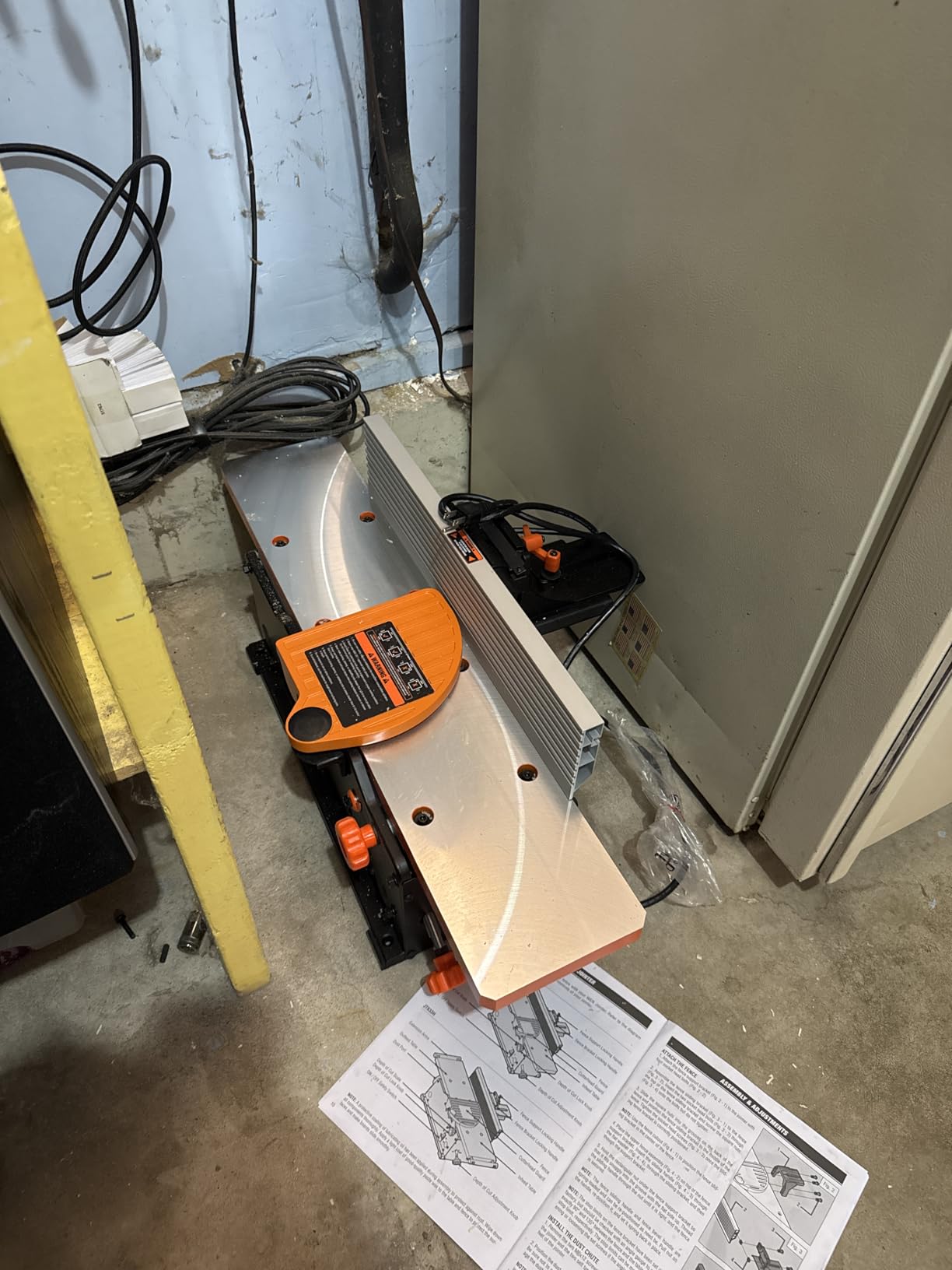
The WEN JT630H has been the machine our team kept reaching for when a board needed a reference face quickly. It weighs 36.8 pounds, measures 30 by 6 inches on the table, and carries a 12-blade staggered HSS spiral cutterhead. That head is the reason it finishes maple and purpleheart with barely a shaving left behind, and it is why the machine sounds like a shop vacuum rather than a table saw.
Setup was the pleasant surprise. Owners consistently report the infeed and outfeed tables arriving near level, needing only a small corner adjustment before the first pass. The onboard depth-of-cut scale reads clearly, and the two included push blocks feel like an afterthought you will be glad to have.
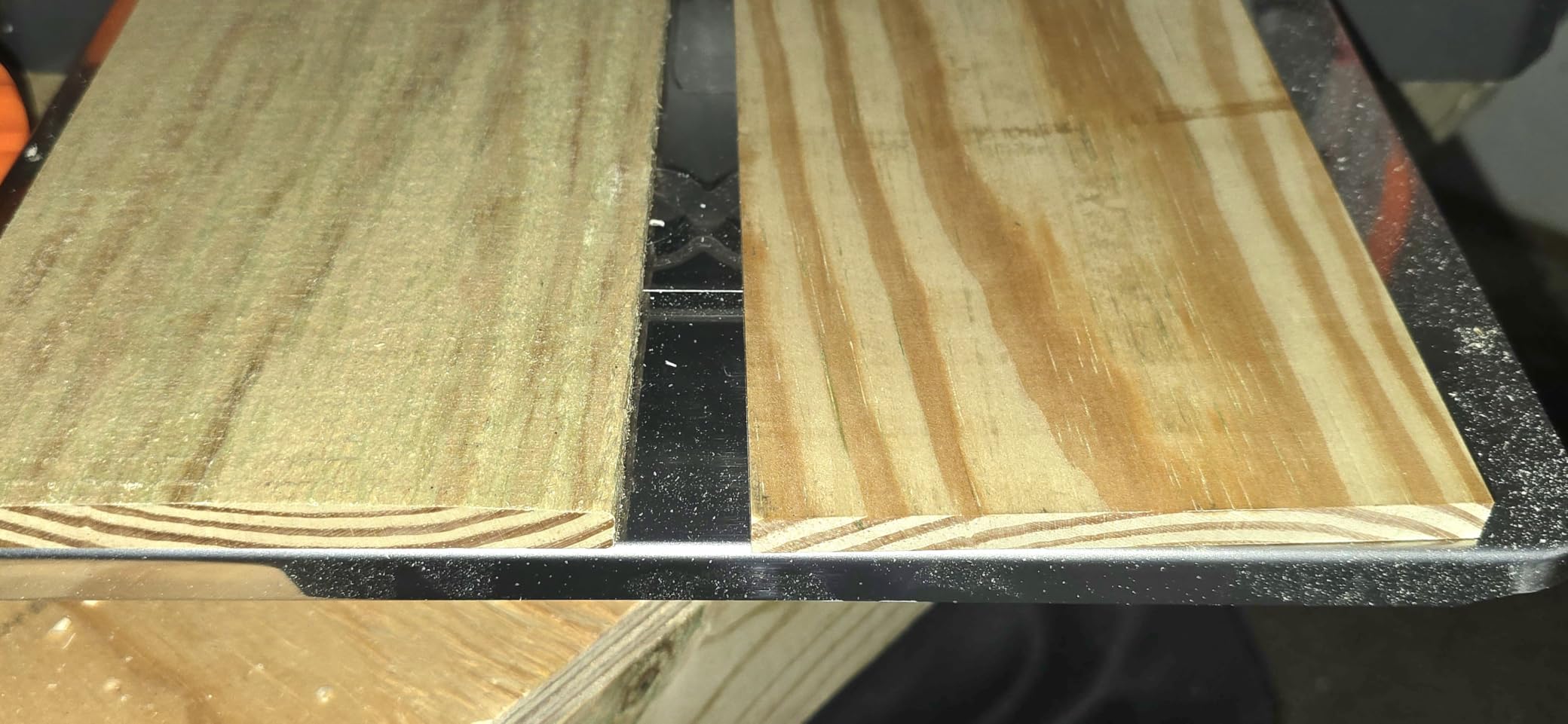
The machine measures 30 inches long by 12.5 inches wide by 17.5 inches tall, so it needs a bench with real mass under it. That 30 by 6 inch table is the practical limit: a board longer than roughly 4 to 5 feet starts to overhang enough that support becomes your problem rather than the machine’s.
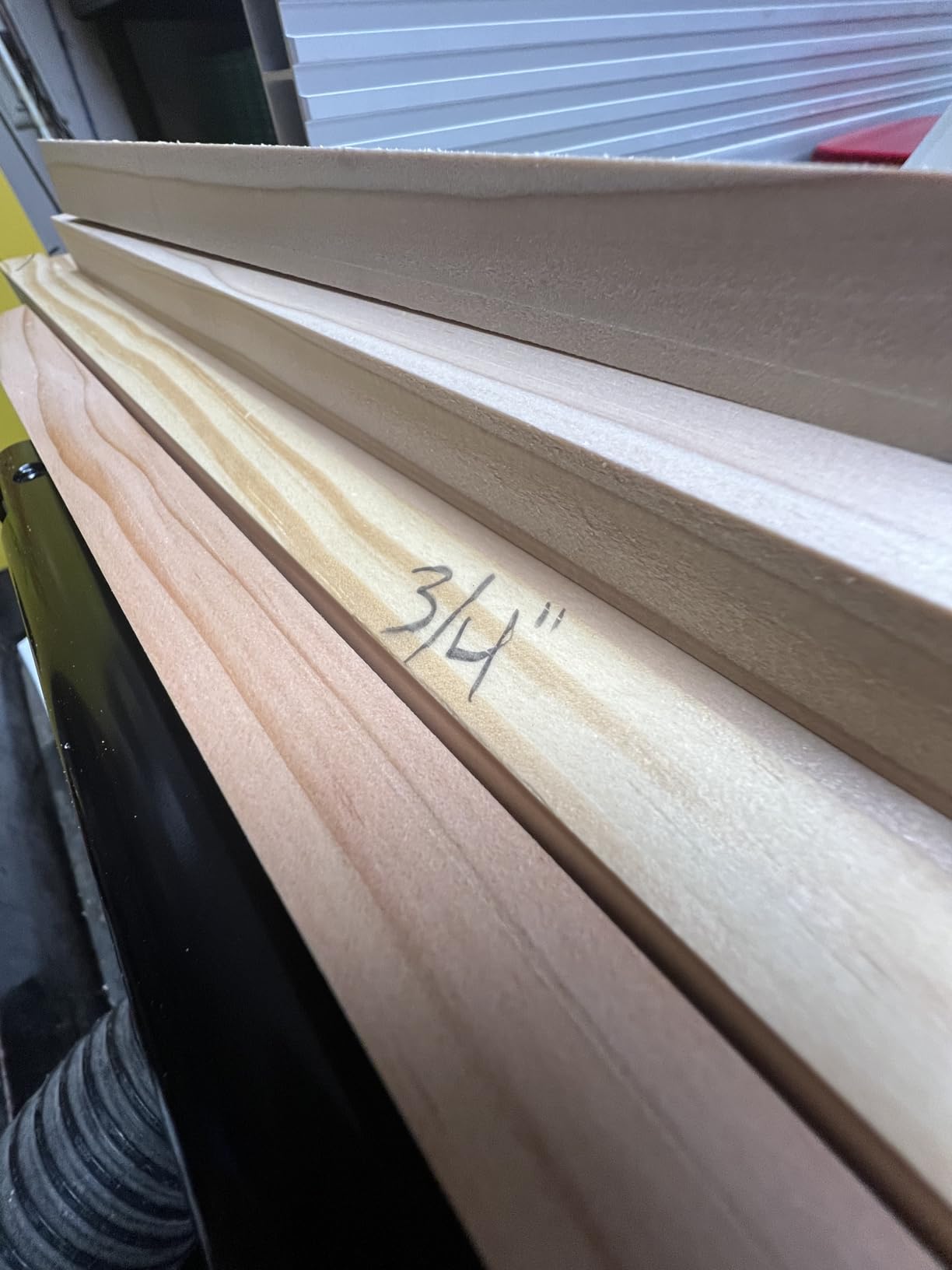
The fence is the weak link and owners say so plainly. It takes work to square, and it can walk out of square after an adjustment, which means checking it with a machinist square every time you change the angle. The aluminum tables also pick up marks and burnished patches faster than cast iron, so plan on waxing them to keep glue-ups from grabbing.
Why the 12-Blade Spiral Head Earns the Top Spot
With 12 staggered blades at an effective 22,000 cuts per minute, the head takes light shavings rather than one heavy bite. That is why owners report minimal tear-out on hardwoods that make straight-knife machines struggle, and why the motor does not bog down on figured stock.
The 2-1/2 inch dust port is the one upgrade we would make first. It handles a shop vac hose with an adapter, but it collects fine dust less efficiently than a 4-inch port into a proper extractor.
Where the Fence and Tables Let You Down
The 19-3/4 by 4-1/4 inch fence tilts to 45 degrees, which covers most crosscut and bevel work. Its problem is repeatability, not range: adjust the angle and re-check it against a square before you trust the cut.
For a shop jointing boxes, shelves, cutting boards, and hardwood boards up to about 5 inches wide, this is the most complete package in the group. The light duty is real, but small shops rarely exceed it.
2. CRAFTSMAN CMEW020 Benchtop Jointer – Best for Boxes and Cutting Boards
CRAFTSMAN Benchtop Jointer, Up to 22,000 cuts per Minute, 10 Amp, Corded (CMEW020)
10 amp motor
Variable 6000 to 11000 RPM
Two-knife head
4-1/4 inch cutting width
Pros
- Variable speed handles softwood and hardwood well
- Light enough to move between jobs easily
- Setup quick with coplanar tables out of the box
- Quiet for a two-knife straight head
- Good fit for cutting boards and small boxes
Cons
- Only 4-1/4 inch cutting width is narrow for face work
- Short infeed and outfeed tables limit board length
- Blade guard can contact the knives under light pressure
- Some owners report motor failures over time
The CMEW020 is built for a specific job: small parts. With a 4-1/4 inch cutting width and a two-knife cutterhead using a jackscrew leveling arrangement, it squares edges on cutting boards, box sides, and drawer parts better than anything else at this size. The variable speed range of 6,000 to 11,000 RPM lets you slow down for figured hardwoods and speed up for pine.
Owners consistently praise two things: how quiet it is for a two-knife machine, and that the infeed and outfeed tables arrived set and coplanar. That second point matters more than it sounds, because table alignment is the single biggest source of frustration with budget benchtop jointers.
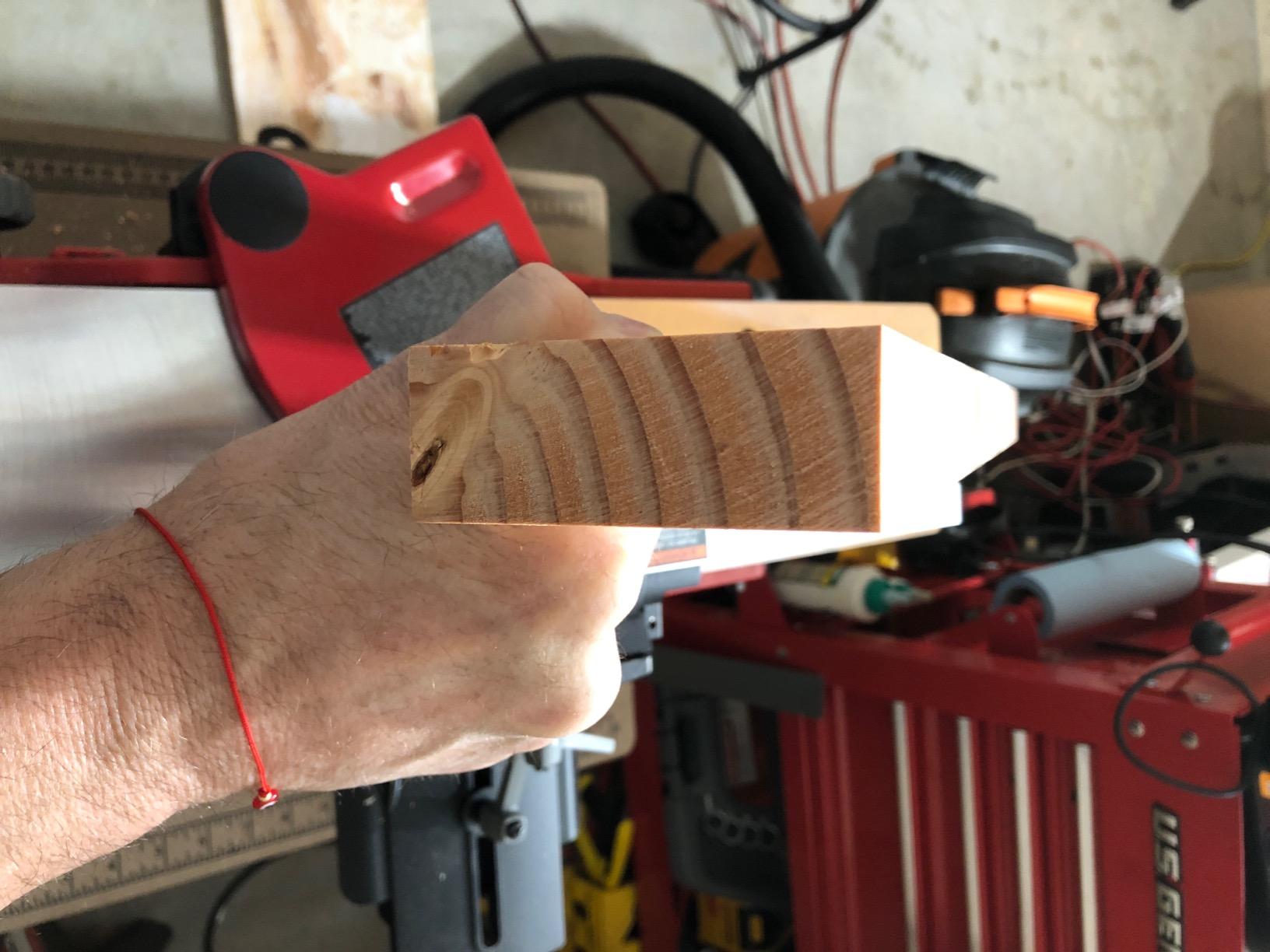
The catch is width. At 4-1/4 inches, this machine cannot face a board wider than a narrow cutting board without treating it in two passes at different heights. If you joint shelves or cabinet sides, that limitation will frustrate you faster than any fence issue.
Table length is the second constraint. The boards here are short, so anything much longer than 3 feet becomes awkward. Weight is not listed by the manufacturer, but owners describe it as light enough to carry between benches on their own.
Variable Speed on a 4-1/4 Inch Bed
The speed dial is the feature that separates this from other small straight-knife benchtop machines. Running 6,000 RPM on cherry or walnut visibly reduces chatter, and owners report that the motor does not strain at the low end of the range.
The center-mounted 4-1/4 inch fence supports the workpiece through the whole cut, which is what makes accurate edge jointing possible at this width. It is a sensible design choice for a machine built around small parts.
The Width Ceiling You Should Know About
Judge this jointer on your actual project list. If the list is cutting boards, small boxes, drawer parts, and trim, the width is an advantage because it keeps the footprint tiny. If the list includes shelves or panels, move up to a 6-inch machine.
A small number of owners report motor failures after a period of use, and the blade guard can make contact with the knives under light pressure. Both are worth checking on day one rather than at the first frustrating cut.
3. Wahuda 50160CC-WHD 6-Inch Jointer – Best Cast Iron Build at This Weight
Wahuda Tools Jointer – 6-inch Benchtop Wood Jointer, Spiral Cutterhead Portable Jointer w/Cast Iron Tables & 4-Sided Carbide Tips & 10amp motor, Woodworking Tools for All Wood Types (50160CC-WHD)
10 amp 120V motor
Spiral carbide cutterhead
Cast iron tables
56.2 lb
Fence tilts 90 to 135 degrees
Pros
- Cast iron tables outclass the aluminum tables on most rivals
- Carbide spiral head cuts quiet and glue-ready surfaces
- No snipe and the head resists bogging down
- Responsive customer support
- Heavy and stable on a wheeled cabinet
Cons
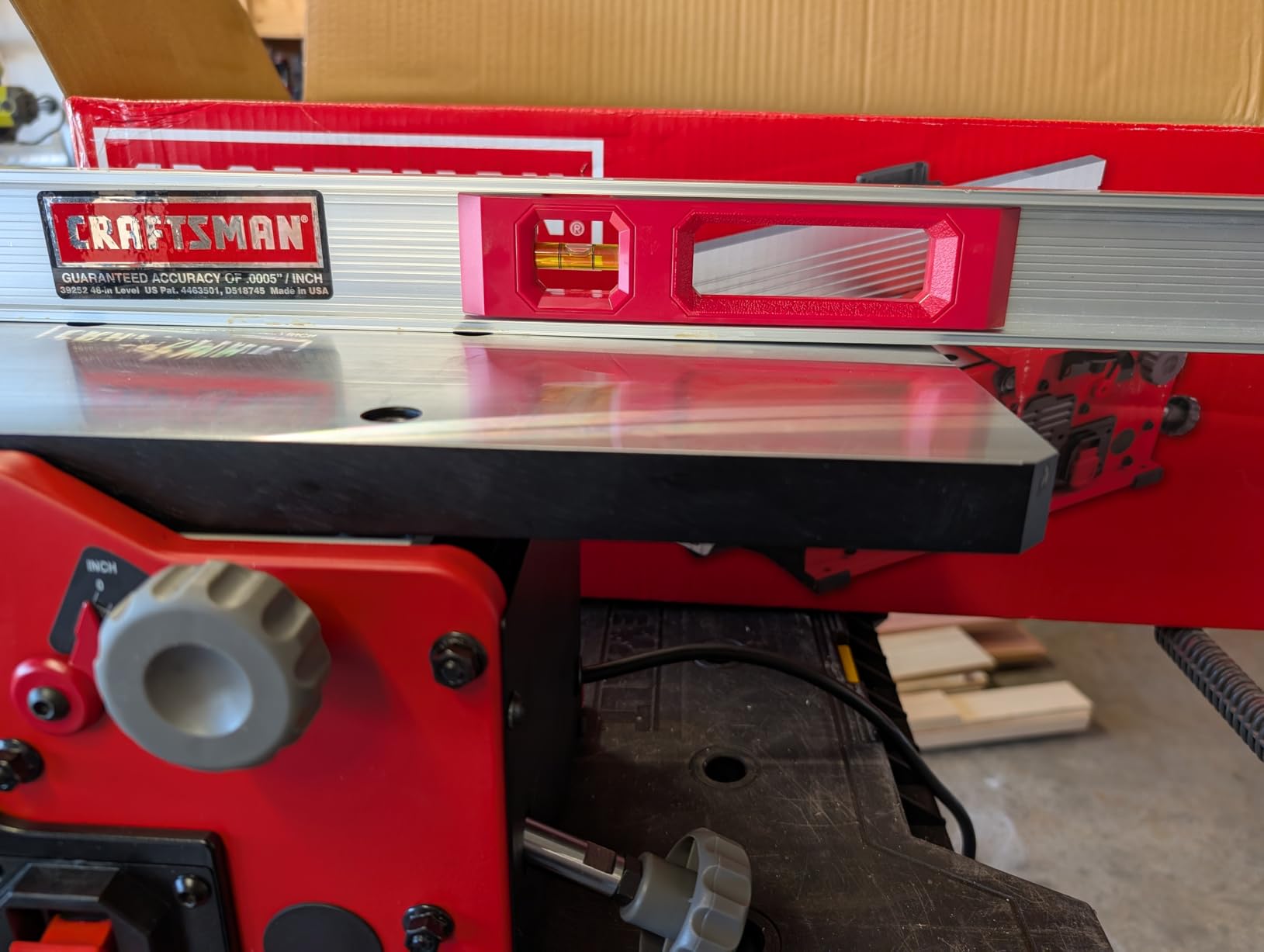
- Tables typically arrive out of level and need hours of adjustment
- Fence handles are hard plastic and can strip
- Aluminum fence surface needs frequent waxing
- Table length is limiting on long boards
- Occasional reports of chipped caster tables
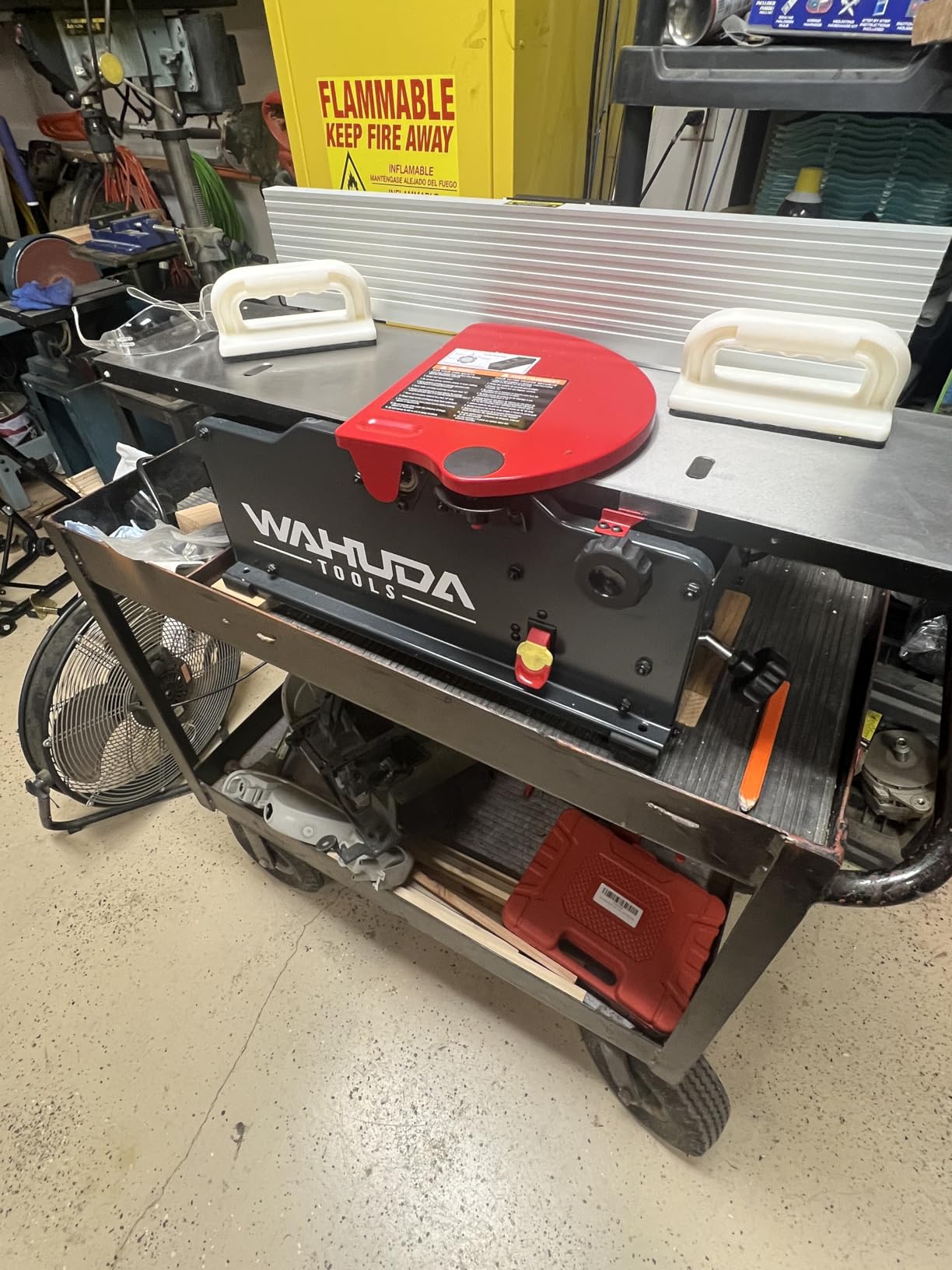
Most benchtop jointers ship with aluminum or cast aluminum tables. The Wahuda 50160CC-WHD ships with adjustable, expandable cast iron tables, and that single decision changes how the machine handles heavy stock. It weighs 56.2 pounds and measures 34 by 14 by 13 inches, which is a serious bench requirement.
The cutterhead is a spiral design with 4-sided carbide inserts running at a fixed 12,000 RPM on a 120V motor. Owners report no snipe, a head that does not bog down the way straight-knife heads do, and surfaces that come off glue-ready. The fence tilts from 90 to 135 degrees with positive stops.
The reason to know about this brand before you buy is service. Wahuda still services Cutech warranties, and owners dealing with an issue describe the support as outstanding and quick to respond. If you already own a Cutech machine, that continuity matters.
Budget an afternoon. The dominant theme in owner reports is that the infeed and outfeed tables arrive out of level and take hours of iterative adjustment to bring coplanar. Buyers who put in that time report very good results afterward. Buyers who expected a plug-and-play benchtop tool tend to be disappointed.
Cast Iron Tables Change the Cut
Cast iron tables do not flex under a wide board, which matters when you are flattening rough lumber with cupped edges. They also do not scratch and burnish the way aluminum surfaces do, so glue-ups slide cleanly across the table for years.
The tradeoff is mass and machining. At 56.2 pounds, this is a two-person lift onto a proper base. Many owners run it on a wheeled cabinet, which is the right call if the machine lives in one corner.
Budget a Setup Afternoon Before You Buy
Wax the aluminum fence surface frequently to reduce friction, and treat the plastic fence handles gently, since owners report they can strip when overtightened. Both are small habits that protect the machine.
Table length limits comfortable work on long boards, especially in the 6-inch configuration, and a few owners report chipped caster tables or a stripped bed adjustment screw over time. If your lumber runs past about 4 feet, this is not the machine.
4. WEN JT833H 8-Inch Spiral Jointer – Best 8-Inch Width With Extendable Tables
WEN JT833H 10-Amp 8-Inch Spiral Benchtop Jointer with Extendable Table
10 amp motor
16 staggered HSS spiral blades
33 by 8 inch table extending to 51 inches
Dual dust ports
Pros
- 16-blade spiral head gives a fine finish with less tear-out
- Extendable arms add real capacity for wider and longer material
- Dual 2-1/2 and 4 inch dust ports fit most collectors
- 10 amp motor handles typical small-shop hardwoods
- Strong value in the 8-inch class
Cons
- Cast aluminum table surface marks with use
- Fence shares the WEN adjustment quirks
- Still a short-bed machine
- Weight and dimensions not listed
If owners of 6-inch machines keep telling you it is far too limiting, this is the answer. The JT833H cuts an 8-inch width and carries a 33 by 8 inch table with support arms that extend to 51 inches, which is the largest usable surface in this roundup short of a floor machine. For a shop jointing chair parts, small tabletops, or cabinet stock, that width removes the most common benchtop complaint outright.
The cutterhead is a 16-blade staggered HSS spiral, two blades more than the 6-inch JT630H, and it produces a similarly fine finish with less tear-out. Removal per pass runs 0 to 1/8 inch, and the fence is the same 19-3/4 by 4-1/4 inch unit that tilts to 45 degrees.
One detail stands out for small shops: dual 2-1/2 inch and 4 inch dust ports. Fitting a collector is the difference between a machine you use and a machine you sweep around, and this one accepts common hose without an adapter.
Ratings sit slightly below the 6-inch WEN, and the reasons match: fence squaring and aluminum table marking. The fence carries the same adjustment quirks as the smaller model, so check it against a machinist square after every angle change.
Extendable Support Arms Solve the Length Complaint
Short beds are the top owner complaint about benchtop jointers, and the arms here push usable support from 33 inches out to 51 inches. That covers most furniture parts without the board overhanging into open air, which is what causes both snipe and wobble.
Even so, it remains a short-bed benchtop machine. Boards approaching 6 feet or longer will still feel awkward, and no amount of arm extension changes that.
Dual Dust Ports, Same Fence Quirks
Accepting both a 2-1/2 inch and a 4 inch port means you can start with a shop vac and upgrade to a cyclone or extractor later without buying anything. For a small shop with limited budget, that flexibility is worth more than it first appears.
The cast aluminum table surface marks with use rather than lasting like true cast iron. Wax it on a regular schedule and it stays serviceable for years.
5. WEN JT3062 6-Inch Two-Blade Jointer – Best Value Straight-Knife Machine
WEN JT3062 10-Amp 6-Inch 2-Blade Benchtop Jointer, Black
10 amp motor
22000 cuts per minute
Two HSS knives
30 by 6-3/16 inch table
Two-year warranty
Pros
- Clean tear-out-free cuts in hardwood for a straight-knife head
- Spot-on out of the box with minimal setup
- Quiet enough for a two-knife machine
- Dust port works well with a collector
- Onboard depth scale and two push blocks included
Cons
- Straight two-knife head tears out more than a spiral head
- Plastic adjustment knobs feel cheap
- Aluminum tables mark over time
- Table length limits jointing past about 4 to 5 feet
The JT3062 is the straight-knife option for shops that want simple mechanics and a low fuss factor. Its 10 amp motor delivers up to 22,000 cuts per minute, removing 0 to 1/8 inch in a single pass. At 4.7 stars across more than 200 reviews, it holds the highest average rating of the group.
Owners report it arriving spot-on with minimal setup, cutting quietly for a two-knife machine, and never bogging the motor down. The onboard depth scale and included push blocks make it approachable for a first jointer.
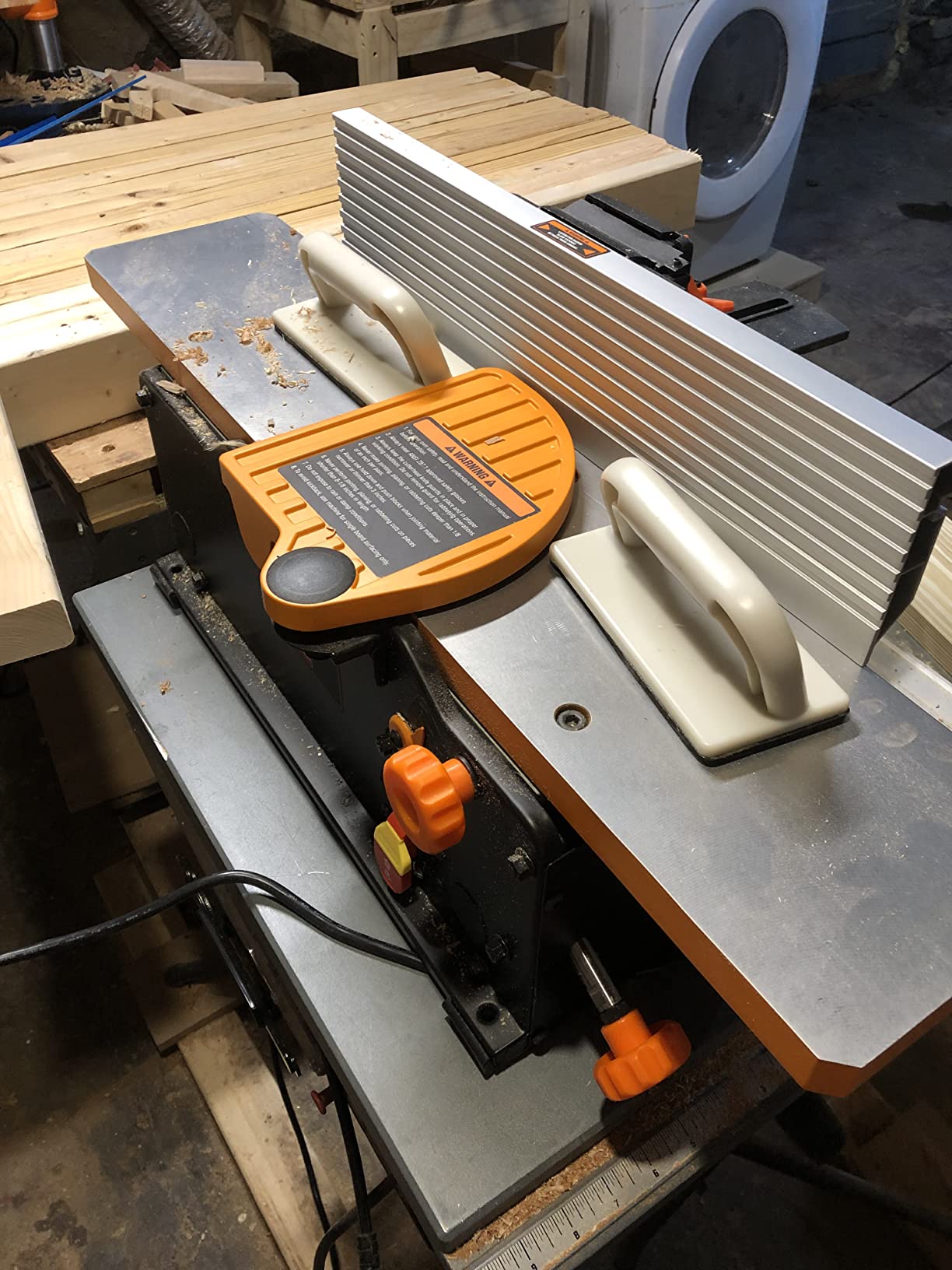
The honest limitation is finish quality on figured wood. Two straight knives cut with a distinct chopping action rather than the shearing action of a spiral head, so owners who move to solid hardwood with heavy figure notice tear-out at the edges of the pass.
The plastic adjustment knobs are the other common gripe. They work, they just feel thin compared with the machined handles on heavier machines.
22,000 Cuts per Minute in a Small Footprint
That figure comes from the 10 amp motor driving a two-knife head, and it translates into a finish that owners describe as tear-out-free in ordinary hardwood. For pine, poplar, and construction lumber, it is more than adequate.
The 30 by 6-3/16 inch table is a good size for the class, and the dust port works well with a collector according to owners.
Straight Knives Trade Finish for Noise
Sharpenability is the quiet advantage here. Straight HSS knives are cheap to remove, easy to sharpen on a grinder, and a beginner can service them without special tooling. A spiral carbide head is quieter and holds an edge longer, but replaces with money instead of sharpening time.
Table length limits comfortable jointing beyond roughly 4 to 5 feet, and the aluminum tables mark over time. Choose this machine when simplicity and setup speed matter more than finish on figured wood.
6. Cutech 40180HI 8-Inch Spiral Jointer – Best Factory-Aligned Tables
Cutech 40180HI 8-Inch Spiral Cutterhead Benchtop Jointer with Cast Iron Tables, 16 TC Inserts, Extra Long 24″ Aluminum Fence, Additional 7-3/8″ Fence Brackets, and a 10-amp Motor
1200 watt 120V motor
16 two-sided carbide inserts
Cast iron tables
24 inch fence
82.8 lb
Pros
- Cast iron tables arrive factory calibrated and coplanar
- Heavy 82.8 lb build stays put during cuts
- Two-sided inserts rotate fast when a tip chips
- 24 inch fence with brackets holds true 90 degrees once tuned
- Good support from the manufacturer
Cons
- 12000 RPM universal motor is loud at idle
- Fence alignment mechanism is crude for a heavy machine
- Heavy size limits portability
- Manufacturer setup guidance is thin
The 40180HI removes the setup problem that dominates owner reviews of other benchtop jointers. Its cast iron infeed and outfeed tables arrive factory calibrated and coplanar, so there is no hours-long gib adjustment before the first cut. If you want an 8-inch jointer that works out of the box, this is the one in this group.
It is also the heaviest at 82.8 pounds, measuring 34 by 19.75 by 13.25 inches. That mass is not a flaw: owners report the machine does not shift during a cut, which is exactly what you want from cast iron tables carrying rough hardwood.
The cutterhead carries 6 rows of staggered two-sided tungsten carbide inserts, 16 in total. Because the inserts are two-sided, rotating a chipped tip takes seconds rather than a full removal, and the low amp draw leaves headroom on the 1200 watt motor.
The 24 inch aluminum fence comes with enhancement brackets at both ends and quick stops at 90 and 135 degrees. Owners report it holds a true 90 degrees once tuned, which is the fence reaction we want to see from a heavier machine.
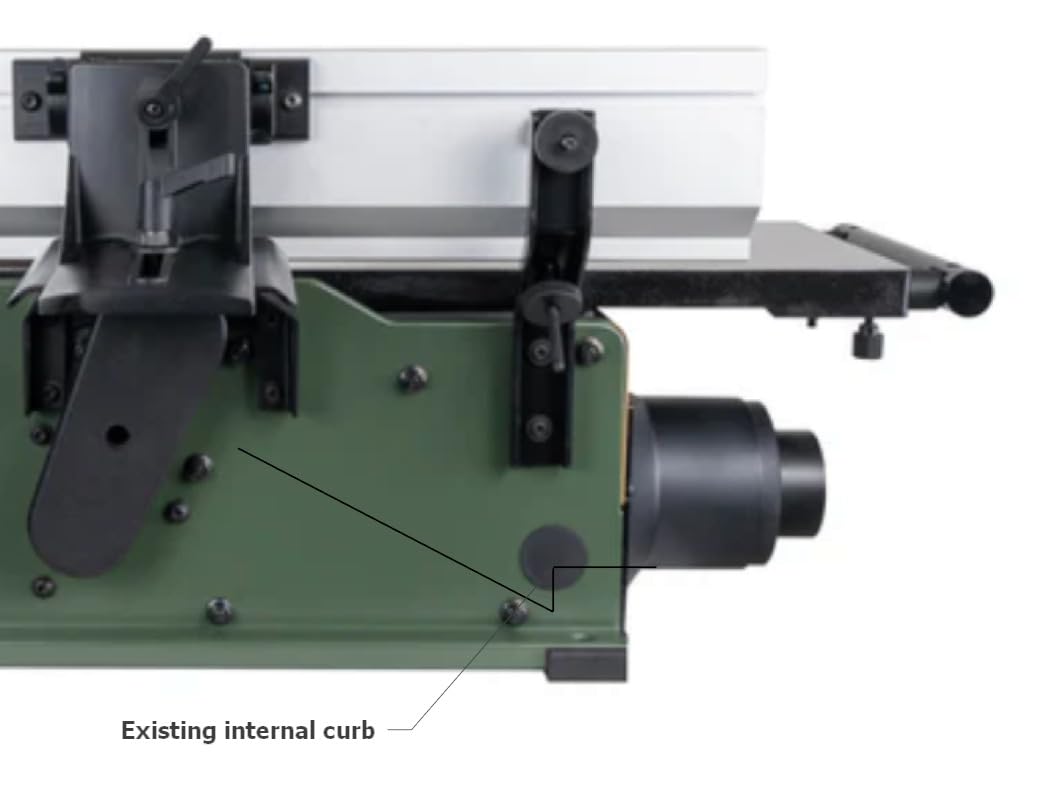
Zero Table Leveling Out of the Box
Factory calibration is the quiet advantage here. If you have ever spent a Saturday gibbing a budget jointer, the difference here is immediate and removes the largest source of early frustration.
An additional guide post handles elevation control, and a support rod system handles heavy workpieces, so wide stock has somewhere to go besides the air.
82 Pounds and a Loud Universal Motor
The 12,000 RPM universal motor is loud at idle, and owners report that hearing protection is not optional. That is a genuine drawback in a shared-wall or basement shop where a spiral machine would be noticeably calmer.
The fence alignment mechanism is relatively crude for a machine of this weight, and the 82.8 pound size limits portability to what two people can manage. Plan the bench height before this one arrives.
7. Cutech 40160HB 6-Inch Spiral Jointer – Best Coated Tables for a Garage Bench
Cutech 40160HB 6-Inch Spiral Cutterhead Benchtop Jointer with teflon-Coated Aluminum Tables, 12 TC Inserts, 19-5/8” Aluminum Fence, and a 10-amp Motor (Rifle Green, 6 inch)
10 amp motor
6-row spiral carbide head
Teflon-coated aluminum tables
44.2 lb
19-5/8 inch fence
Pros
- Highest-rated machine in this roundup
- Teflon-coated tables resist scratching far better than bare aluminum
- Two-sided inserts rotate quickly for a fresh edge
- Compact 6-inch footprint suits small shops and beginners
- Spiral head keeps noise and tear-out low
Cons
- Coated aluminum is still less rigid than cast iron
- Fence requires careful adjustment to hold 90 degrees
- Shorter table length limits long material
- Small review base of 59 ratings
At 4.8 stars, the 40160HB is the highest-rated machine we tracked, and the reason is specific: the 6H Teflon coating on the aluminum table surface. Bare aluminum benchtop tables pick up scratches and burnished patches within months in a working shop. This coating resists that, which means fewer marks on glue-up panels and less time spent worrying about the table.
The cutterhead is a 6-row spiral arrangement of two-sided carbide inserts, and the 19-5/8 inch aluminum fence has quick stops at 90 and 135 degrees. At 44.2 pounds and 30 by 18 by 14 inches, it is one of the more manageable benchtop machines to install.
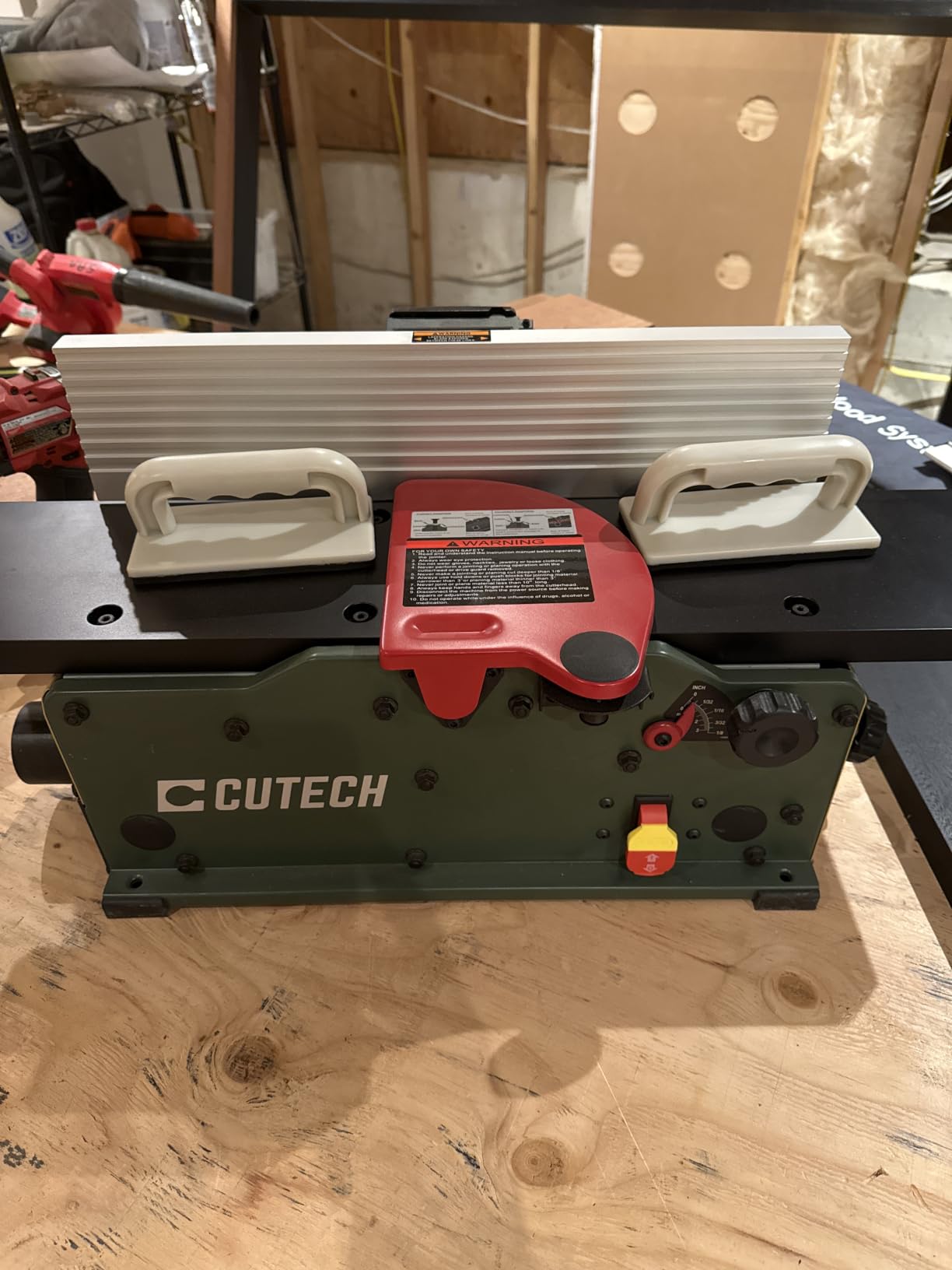
What we would temper is the review base. With 59 ratings, this listing has a thinner long-term history than the WEN models, and warranty and support depth often track install base. Judge the finish rating as a promise rather than a track record.
The fence still requires careful adjustment to hold 90 degrees, which is common across this category and worth accepting rather than expecting to avoid.
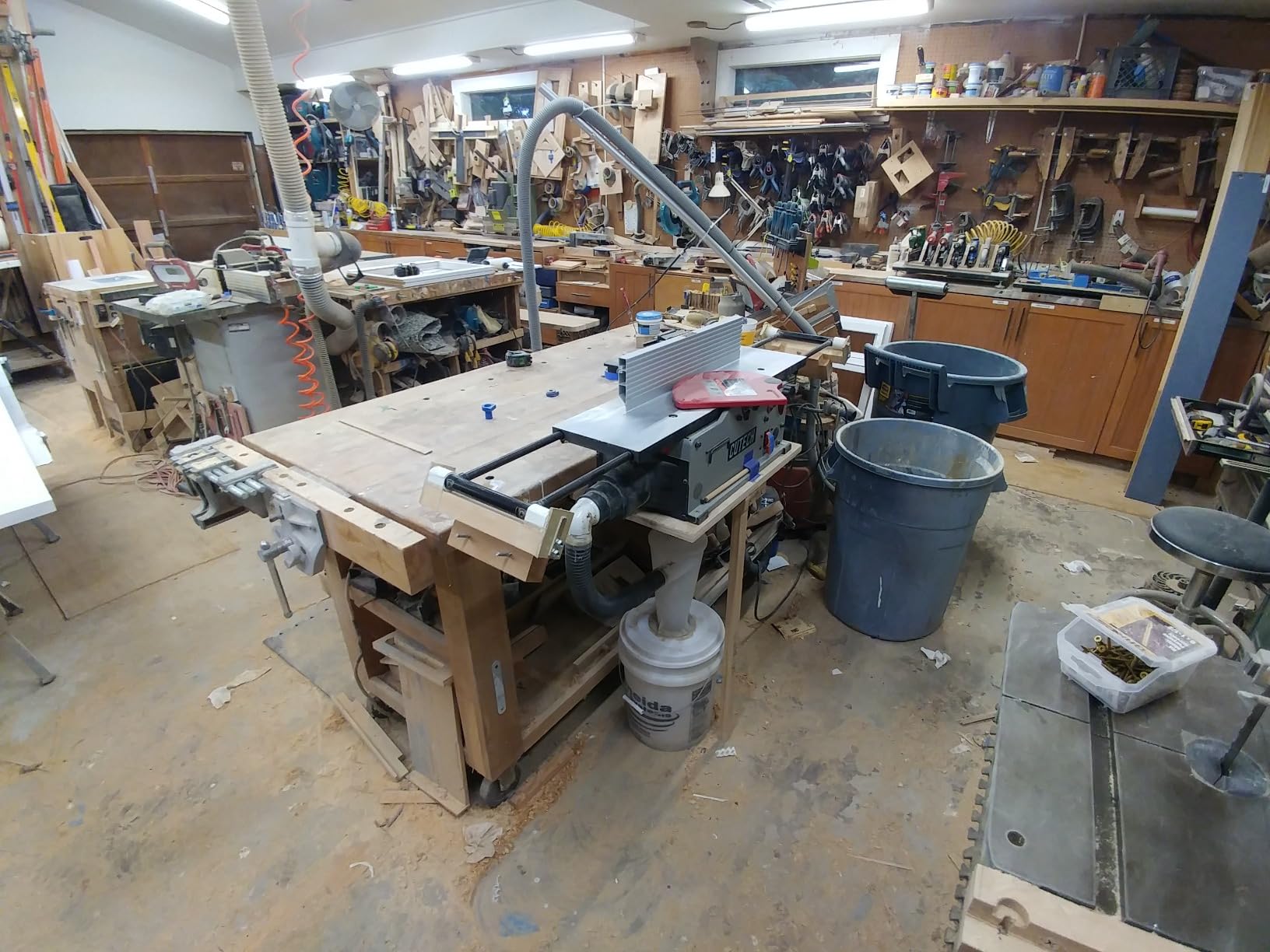
Teflon-Coated Tables Survive Garage Bench Life
A garage bench sees grit, sawdust, and metal offcuts. A coated table shrugs off more of that than bare aluminum, and the depth-of-cut pointer with a clear scale helps you set consistent passes, which matters more than it sounds for glue-ups.
The coating is not structural. Under a very wide board the table still deflects more than cast iron would, so this is not the machine for heavy rough-sawn slabs.
The Smallest Review Base in the Group
Owners describe this as an approachable step up for beginners who want a spiral head without moving up in size. The trade is that 59 ratings tell you far less about year-five reliability than 1,000 do about year one.
Shorter table length limits long material. If your lumber routinely runs past 4 feet, look at an 8-inch model with extendable supports instead.
8. JET JJ-6HHBT Helical Benchtop Jointer – Best for Heavy Hardwood Work
JET 6-Inch Benchtop Jointer, Helical Cutterhead, 1 HP, 115V 1Ph (JJ-6HHBT)
1 HP 15 amp motor
14 indexable carbide blades
Cast iron tables and fence
10000 RPM
71 lb
Pros
- True helical head with 14 indexable carbide blades for consistent cuts
- Heavy-duty cast iron tables and fence hold alignment
- 1 HP 15 amp motor has real hardwood headroom
- Internal blower clears chips from motor and cutterhead
- Fence locks at plus or minus 45 degrees with a removable safety key
Cons
- Heavier and bulkier than every other machine here
- Costs considerably more than aluminum-table rivals
- Only 35 reviews means limited field history
- 10000 RPM is lower than some competitors
Everything else in this roundup is a 10 amp machine with two knives or a dozen. The JET JJ-6HHBT is a 1 HP, 15 amp machine with a true helical cutterhead carrying 14 indexable four-sided carbide blades at 10,000 RPM, plus heavy-duty cast iron tables and a cast iron fence. Owners describe it as feeling closer to a compact floor model than a benchtop toy, and for hardwood work they are right.
The internal blower motor moves dust and chips away from both the motor and the cutterhead, which reduces the dust that settles into bearings and around the drive. The fence locks in both directions at plus or minus 45 degrees, and the front toggle switch uses a removable safety key.
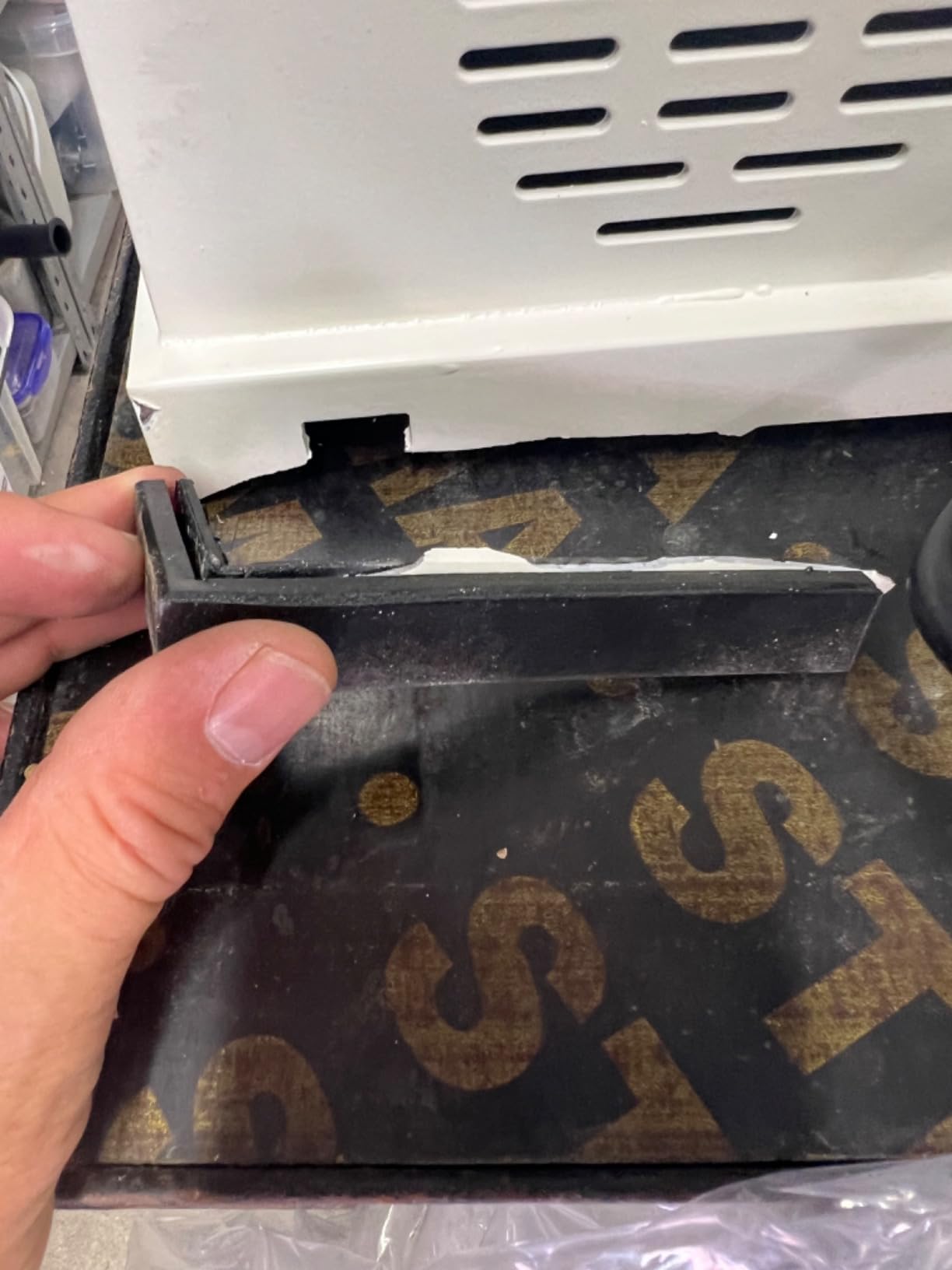
It measures 32.75 by 15 by 11.5 inches and weighs 71 pounds, so this is a benchtop machine only in the sense that it does not need a floor stand. It also carries a 5-year manufacturer warranty, dropping to 2 years for commercial or industrial use, which is the longest coverage in the group.
The rating of 4.2 is the lowest average here, but the sample is small at 35 reviews. Read it as a newer listing with fewer opinions rather than a proven problem.
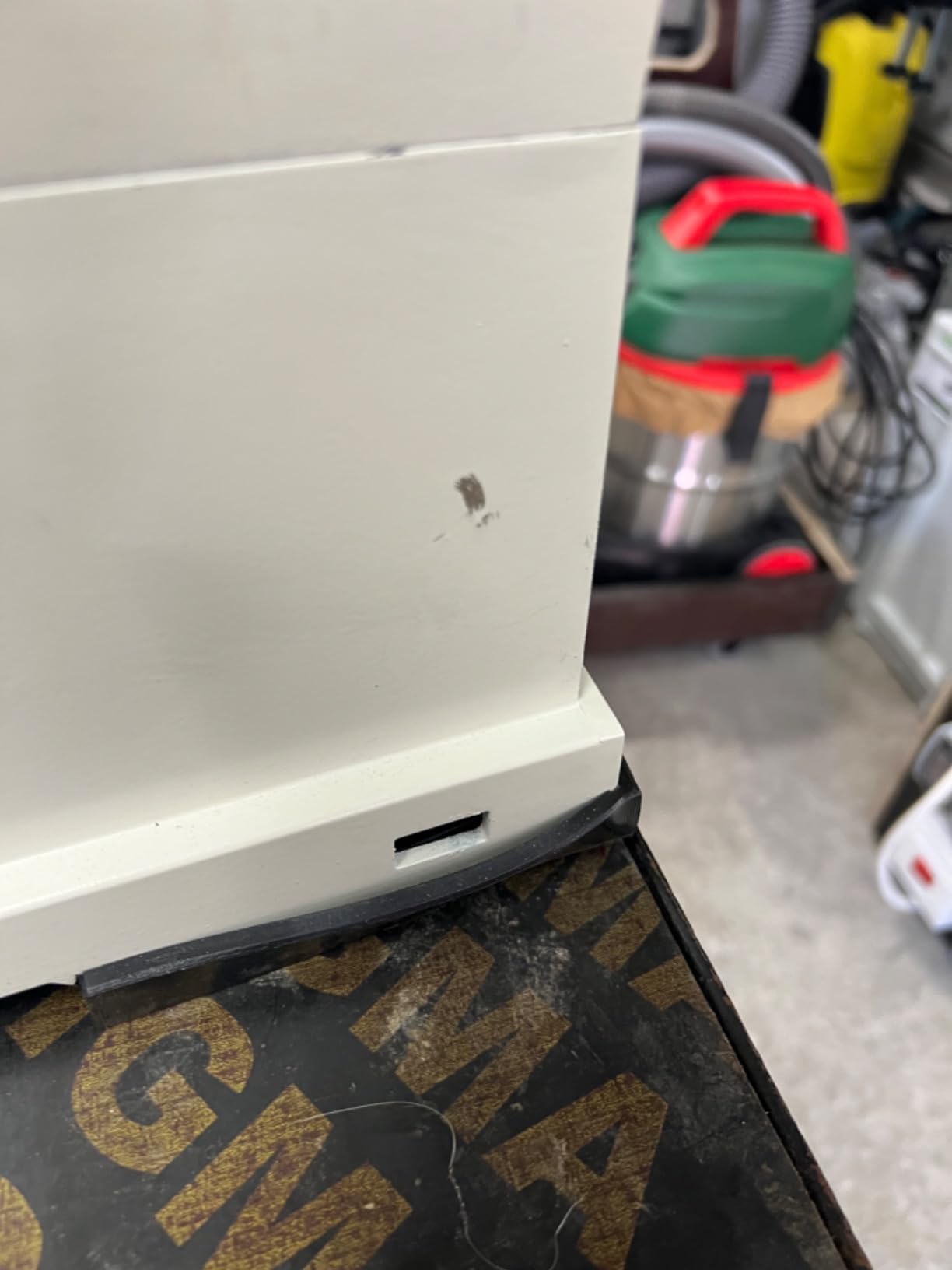
One Horsepower and a Real Helical Head
The power difference is not academic. A 15 amp motor pulling a helical head through 8-quarter inch hardwood passes has headroom that 10 amp machines do not, and that headroom shows up as fewer stalls and a more consistent surface.
Indexable four-sided carbide blades mean a chipped edge becomes a rotation rather than a sharpening session, and the helical geometry cuts quietly with minimal snipe.
The Premium Price and 71-Pound Bulk
Owners cite cost and bulk as the two recurring critiques. This is the heaviest machine in the roundup apart from the Cutech 40180HI, and it needs a bench built to hold it.
The 10,000 RPM head speed is lower than the WEN straight-knife machines, which matters less because the helical geometry does more of the work per revolution. If your shop cannot spare the bench space or the budget, a 10 amp spiral machine gets you most of the way.
9. WOODSTARTER 6-Inch Benchtop Jointer – Best Lightweight Starter Machine
WOODSTARTER 6-Inch Benchtop Jointer with 15 Amp Motor, 12000 RPM Cutting Speed, Adjustable Fence 90–135°, Up to 1/8″ Depth, HSS Blades, Table Jointer To for Woodworking DIY
15 amp motor
12000 RPM
6 inch cutting width
21 lb
Dual HSS blades
Pros
- Rated 15 amps at an entry price point
- Light and compact for a bench or small workshop
- Fence tilts from 90 to 135 degrees
- Dual HSS knives are simple to sharpen and replace
- Installation guide aimed at first-time users
Cons
- Only a 1-year manufacturer warranty
- Light build means less rigidity than cast machines
- Straight HSS knives tear out more than spiral or helical heads
- Fence and table are aluminum
When weight is the deciding factor, this is the machine. At 21 pounds it is one of the few jointers in this roundup a single person can lift onto a bench without help, which matters in a basement or an apartment workshop where you move the tool to make room for something else.
It also lists a 15 amp motor, which is unusually high for an entry-level benchtop jointer, running up to 12,000 RPM with a 6-inch cutting width and up to 1/8 inch depth of cut. The fence tilts from 90 to 135 degrees, and the machine ships with dual HSS knives and an installation guide written for first-time users.
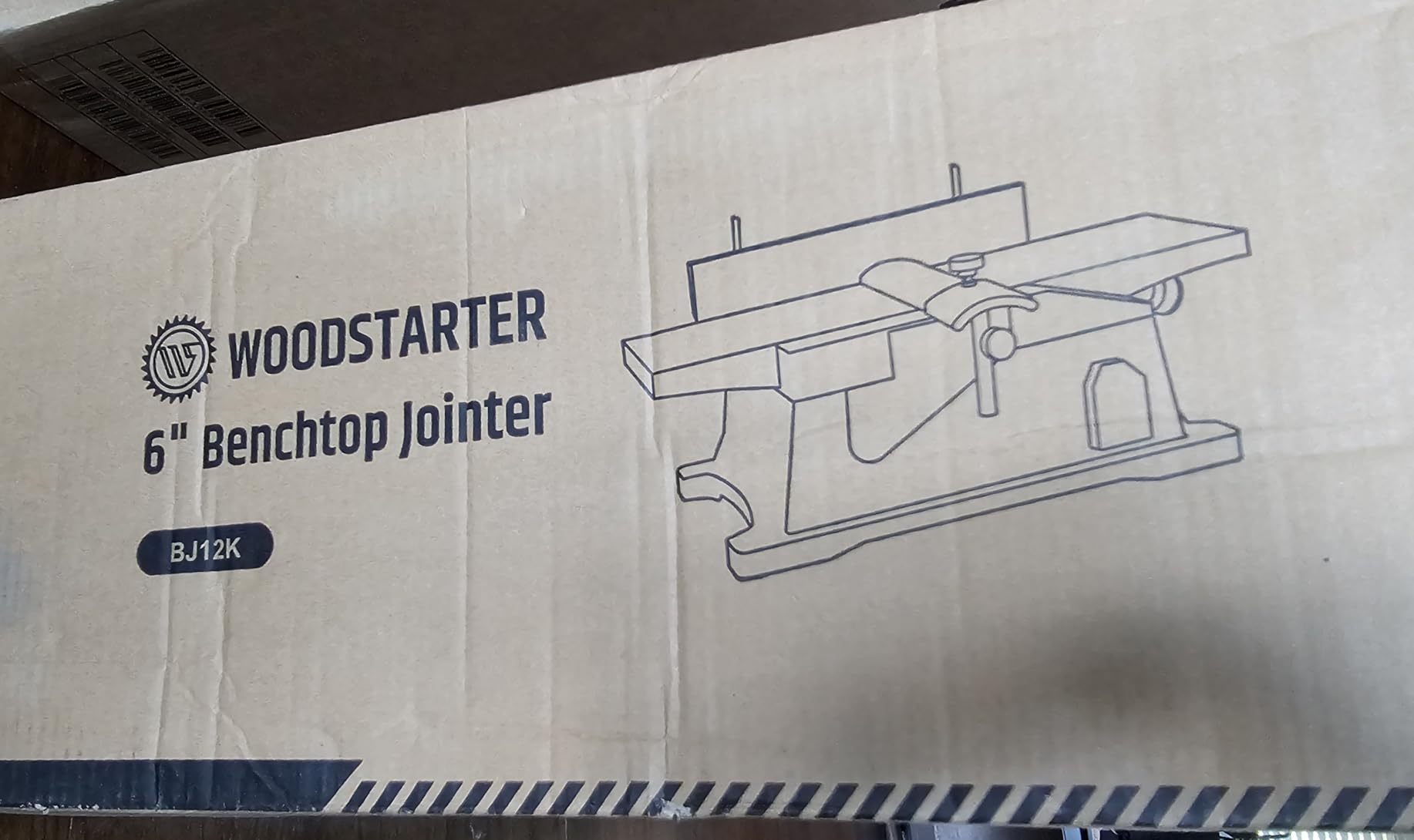
Owners frame it as an inexpensive starter machine that works as advertised for hobby-level work. That framing is fair. The straight HSS knives are straightforward to sharpen and replace, which makes this a low-commitment way to learn the craft of jointing.
The trade-offs come with the weight. A light aluminum and nylon build has less rigidity than a cast iron machine, so under heavy loads you will feel more vibration, and the straight knives tear out more readily on figured hardwood.
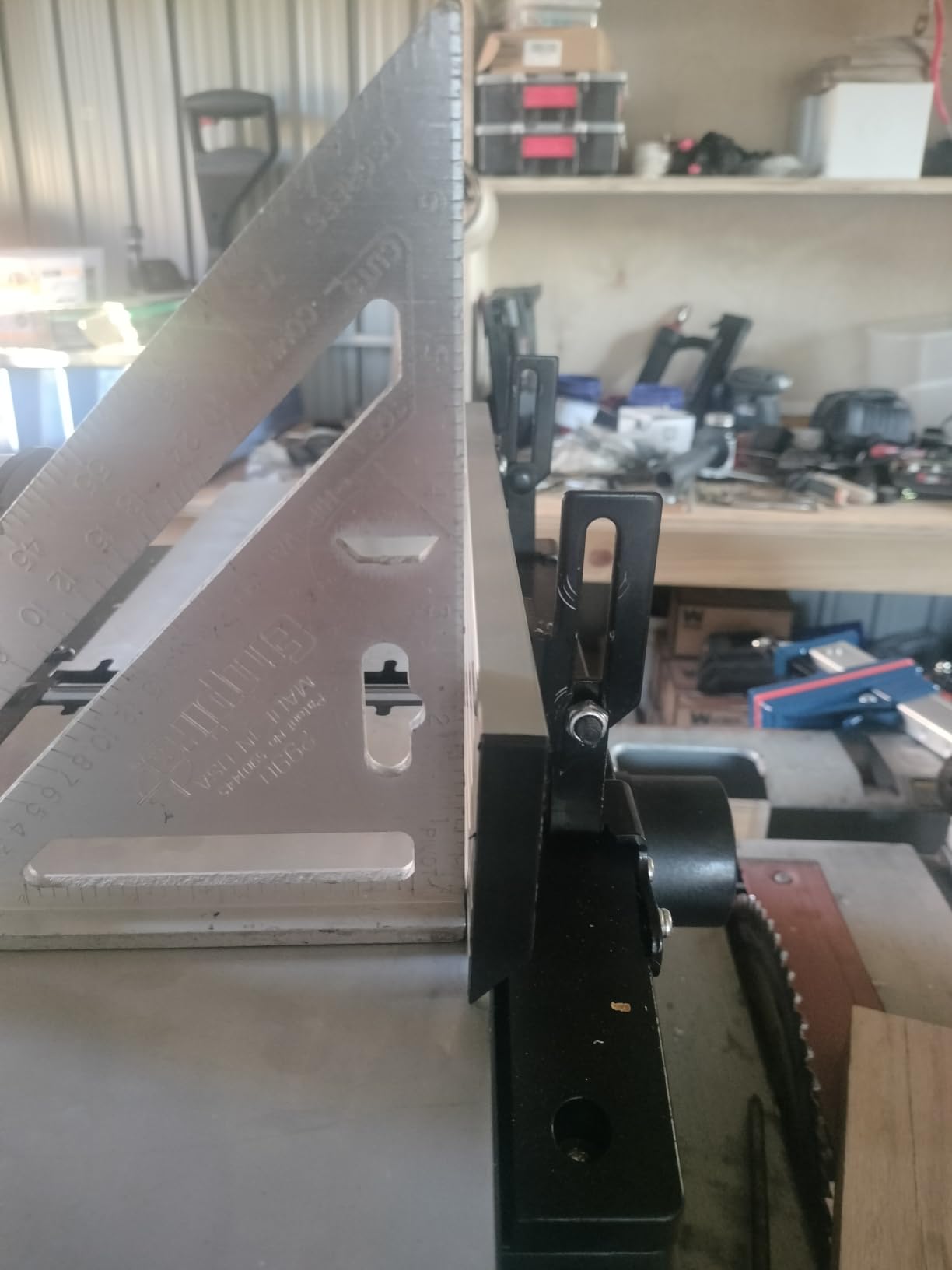
A 21-Pound Jointer Two People Can Move
The machine measures 22.91 by 12.99 by 11.54 inches, which is small enough to occupy a corner of a normal workbench without reorganizing the whole surface. That footprint is genuinely useful in a one-car shop.
Rated 15 amps on paper does not guarantee hardwood performance, since the motor is also light. Treat the paper rating as a spec and the owner reports as the reality.
One-Year Warranty and Aluminum Rigidity
A 1-year manufacturer warranty is the shortest in this group, and for a first machine that is a reasonable trade for the low entry point. If you keep it past the warranty period, plan on owning spare HSS knives as a matter of course.
Straight knives are more prone to tear-out than spiral or helical heads, so take lighter passes and expect to work through figure in two or three steps. Twenty-one reviews is a thin history, so treat the long-term picture as still forming.
10. VEVOR 6-Inch Benchtop Jointer – Best for the Tightest Bench
VEVOR Benchtop Jointer, 6 in, 2 HP 12000 RPM Bench Top Wood Jointer, with Straight Cutterhead, 2 HSS Blades, 6 x 23 in Cast Aluminum Table, Up to 1/8 in Depth, Adjustable Fence, for Woodworking DIY
2 HP motor
12000 RPM
6 by 23 inch cast aluminum table
21.2 lb
Two HSS blades
Pros
- 2 HP motor is unusually strong for this tier
- Compact 6 by 23 inch footprint suits a small studio
- Several owners report low noise
- Easy to assemble for a first jointer
- Depth and angle cover the usual 0 to 1/8 inch range
Cons
- Blade guard can contact the cutters and was modified by multiple owners
- Body is largely plastic with a flimsy aluminum table and fence
- Fence is low and cannot support taller material like a 2x6
- Fence mounting often needs custom fabrication
- Thin manufacturer setup guidance
The VEVOR is the smallest table in the roundup at 6 by 23 inches, and it weighs 21.2 pounds. If your bench space is the binding constraint rather than your lumber, that footprint is the whole argument. The table measures 22.83 by 12.99 by 11.81 inches overall, which fits on a shelf-height bench without a dedicated cabinet.
Specs look generous on paper: a 2 HP motor at up to 12,000 RPM, a 2-blade straight HSS cutterhead, and 0 to 1/8 inch depth and angle adjustment. Owners report the motor as the standout, with several citing low noise for a straight-knife machine.
Now the honest part. Multiple owners report that the blade guard makes contact with the cutters and had to be removed or modified. That is a setup step the manufacturer does not clearly document, and it puts your hands closer to a spinning cutterhead than they should be.
The body is largely plastic, with an aluminum table and fence that feel thin. The fence is low enough that it cannot support taller material such as a 2×6, and owners report that adding fence support required custom fabrication.
A 2 HP Motor in a 23-Inch Table
The motor is genuinely over-specified relative to the machine size, which means it will not be the limiting factor on typical small-shop stock. Depth and angle adjustments cover the standard range, and assembly is reported as straightforward for a first jointer.
The dust port connects to various vacuum cleaners, with the collector not included, so budget for that separately if you want a clean bench.
The Fence and Blade Guard Are Real Limits
A low fence that cannot support a 2×6 is not a minor issue for anyone building boxes or small cabinets, and the plastic body does nothing to add rigidity. If you work with dimensional lumber rather than narrow hardwood boards, look elsewhere.
Setup guidance from the manufacturer is thin, and 19 reviews is a small base. This machine suits a very small bench and light work; it is the compromise pick, not a destination.
How We Picked the Best Benchtop Jointers for Small Shops
A good jointer is one that establishes a flat face and a square edge, which is the reference every other machine in your shop assumes. A jointer cannot replace a planer for thickness, and a planer cannot replace a jointer for the face and edge. If you are still deciding on a thickness planer, our picks for benchtop milling machines cover that side of the shop, and our roundup of benchtop hobby lathes covers turning.
We scored these ten machines on five things: setup out of the box, finish quality across common hardwoods, fence repeatability, footprint and weight for a small shop, and the quality of owner reports after real use. Ratings and review counts came directly from the product data, and we leaned heavily on the complaint patterns that repeat across thousands of reviews rather than on isolated remarks.
6 Inch vs 8 Inch: Which Width Do You Actually Need
Measure your widest common board before you shop. Most 1x material in a hobby or one-person shop measures 5 or 6 inches, which a 6-inch jointer handles in a single pass. The moment you start working with 2x stock, wider panels, or glued-up blanks, the 8-inch bed stops you from tearing off an edge in two passes at different heights.
Owners of 6-inch machines describe them as far too limiting once they begin building furniture-scale parts. Owners of 8-inch machines describe the width as the feature that ended a long-running frustration. The middle ground is a 4-1/4 inch machine like the CMEW020, which is a deliberate choice for small parts rather than a compromise.
Straight Knives, Spiral Knives, or Carbide Inserts
Straight knives are the cheapest to own and the easiest to sharpen. Two blades on a 10 amp motor can reach 22,000 cuts per minute, which sounds impressive, but the cutting action is a chop, and figured hardwood will show tear-out at the trailing edge of the pass.
Spiral heads stagger many small blades or inserts around the drum, so only a few are in the wood at any moment. That produces a shearing cut, far less tear-out, and noticeably less noise. Carbide spiral inserts hold an edge far longer than HSS and rotate on two or four sides when a tip chips, which turns a sharpening session into a 30-second adjustment.
The trade is noise versus serviceability, and it is not close. Straight-knife machines are louder and need occasional sharpening. Spiral and helical machines are quieter and cost more up front, then cost less in maintenance. In an apartment or shared-wall shop, that quietness is often the deciding factor.
Bed Length and Extendable Supports
This is the most underrated spec in the category. A 30-inch table means a 4-foot board overhangs heavily on the outfeed side, and any wobble there becomes snipe on the back of the board. Extendable support arms, like the ones on the WEN JT833H that reach 51 inches, are the single most valuable feature for someone working on furniture parts.
Rule of thumb from owner experience: stay under twice your table length for comfortable work, and expect anything past about 4 feet on a 30-inch bed to be an exercise in frustration. On a benchtop jointer, boards over 6 feet belong on a floor machine.
Fence Accuracy and Max Depth of Cut
Fence drift is the most common owner complaint across this entire category, on machines at every price level. Buy a cheap machinist square and check the fence after every angle adjustment, especially on the machines with plastic handles and aluminum fences.
Maximum depth of cut is usually 1/8 inch across this class, and you should treat that as a ceiling rather than a target. Taking three passes at 1/32 inch produces a better surface and is far safer on figured wood than one aggressive pass.
Motor, Amps, and Dust Collection
Most benchtop jointers here run on 10 amps at 120V, which is fine for stock up to about 1 inch thick. If you routinely joint 8-quarter hardwood, the 15 amp machines in this group have noticeably more headroom.
On dust, a 2-1/2 inch port works with a shop vac through an adapter, while a 4 inch port connects to a proper extractor. If you have the choice, take the larger port, because a jointer generates a surprising volume of fine dust and a small port chokes quickly. The WEN JT833H with dual ports lets you start small and upgrade later.
Benchtop, Jointer-Planer Combo, or Floor Model
Choose a jointer-planer combo if you have one bench space for both jobs and want thickness planing without a second machine. Choose a standalone benchtop jointer if you already have a planer or buy S4S lumber. Choose a floor model when your lumber runs long, your projects reach furniture scale, or you are cutting on a regular basis.
Several owners describe a natural upgrade path, starting on a small benchtop machine and moving up as projects scale. That is a reasonable way to buy a jointer, and it means you should not overspend on your first one.
What Owners Report After Living With These Machines
Owner language matters more here than in almost any tool category, because the failures are quiet ones. A straight-knife machine that is slightly out of square will still produce a board that looks fine at arm’s length, and you will not notice until the glue-up comes apart.
On forums.woodnet.net, a poster running a Cutech 8-inch spiral-head benchtop jointer in a small garage shop reports zero complaints and specifically calls the machine quiet, which is the most repeated positive sentiment for helical heads anywhere. On lumberjocks.com, owners converge on 8-inch benchtop as the sweet spot, calling a model with extendable supports a solid choice for a home shop and calling 6-inch far too limiting.
On garagejournal.com, an owner used a Delta benchtop jointer as a portable for on-site work and praised the sharp blades, square fence, and correct feed rate. On reddit.com/r/BeginnerWoodWorking, one commenter warns that jointing anything over 4 feet on a benchtop jointer can be an exercise in frustration, because they just are not meant for large material.
The recurring complaints across threads are the same ones we saw in the review data: fences that need re-squaring after adjustment, tables out of spec on arrival, quality control variance where only some machines in a model run arrive misaligned, and missing setup tools. If you buy any of these, set aside the first afternoon for tuning before you blame the machine.
Safety Habits That Keep the Cutterhead Honest
Feed Direction and Push Blocks
Always feed boards from the infeed table to the outfeed table, with the cutterhead between them. Feed against the rotation of the head, which means the stock should be moving in the same direction the blades cut downward into it. Reversing direction is the fastest way to produce a kickback.
Use the push blocks that come with the machine, keep both hands on them, and never reach over or around the cutterhead. Keep the blade guard in place and adjusted to the stock thickness, which matters on machines where owners report removing it.
Minimum and Maximum Stock Limits
The minimum practical length is roughly the table length. Shorter than that and you have nothing to hold the ends while the board passes over the blades. The practical maximum on a 30-inch benchtop bed is about 4 to 5 feet, and longer boards belong on a floor model.
Keep the depth of cut at 1/8 inch or less, take multiple light passes, and use hearing protection. A spiral head is quieter, but quieter is not silent, and every machine in this roundup turns a cast iron table over hardwood at 12,000 RPM or faster.
Frequently Asked Questions
Should I buy a benchtop jointer?
Buy one if you work with rough lumber or S4S boards in a shop where a floor jointer will not fit. A benchtop jointer flattens one face and squares one edge on a short bed, which is what most hobby and one-person shops need. Skip it if you only glue up pre-surfaced boards.
What is the best budget jointer for a small shop?
The WEN JT630H is our best budget pick for most small shops, because a 12-blade spiral cutterhead produces a glue-ready surface with minimal tear-out at an entry price. For the tightest bench, the VEVOR 6-Inch is smaller and lighter, and for weight-sensitive shops the WOODSTARTER comes in around 21 pounds.
What is the best 8 inch jointer for small shops?
The WEN JT833H takes the 8-inch width with a 33 by 8 inch table whose support arms extend to 51 inches, plus dual 2-1/2 and 4 inch dust ports. For cast iron tables and factory alignment instead of extendable arms, the Cutech 40180HI is the alternative, at the cost of 82.8 pounds.
Are benchtop jointers worth it?
Yes, if you cut rough lumber regularly. You save the premium you would pay for pre-surfaced S4S stock, you avoid boards going out of flat as they acclimate to your shop, and you get the flat reference surfaces your table saw, planer, and clamps all depend on. A 6-inch machine handles about 90 percent of small-shop lumber.
Do you really need an 8 inch jointer?
Only if your lumber is wider than 6 inches on a regular basis. Most 1x stock measures 5 or 6 inches, which a 6-inch bed handles in one pass. Move to 8 inches when you start working with 2x stock, wide panels, or glued-up blanks that cannot be ripped in two passes at matching heights.
Final Verdict on the Best Benchtop Jointers for Small Shops in 2026
The best benchtop jointers for small shops come down to width and cutterhead, in that order. Pick the narrowest bed your widest common board requires, then pick a spiral or helical head unless your budget forces a straight-knife choice. For most shops that combination is the WEN JT630H at 6 inches or the WEN JT833H at 8 inches, and we rate the JT630H as our top pick for finish quality and owner history.
Reserve the cast-iron options, the Wahuda and the Cutech 40180HI, for shops that joint heavy rough hardwood and can accept the weight and the setup time. If your shop is quiet-sensitive, the spiral and helical machines are the ones to shortlist.
Whichever you pick, budget an afternoon for tuning before your first real cut, keep a machinist square on the bench, and stay under 1/8 inch of depth per pass. If you want a wider comparison of compact jointer options, our benchtop jointer roundup covers the category from more angles, and for lighting a bench properly, benchtop magnifying lamps are worth the outlet space.