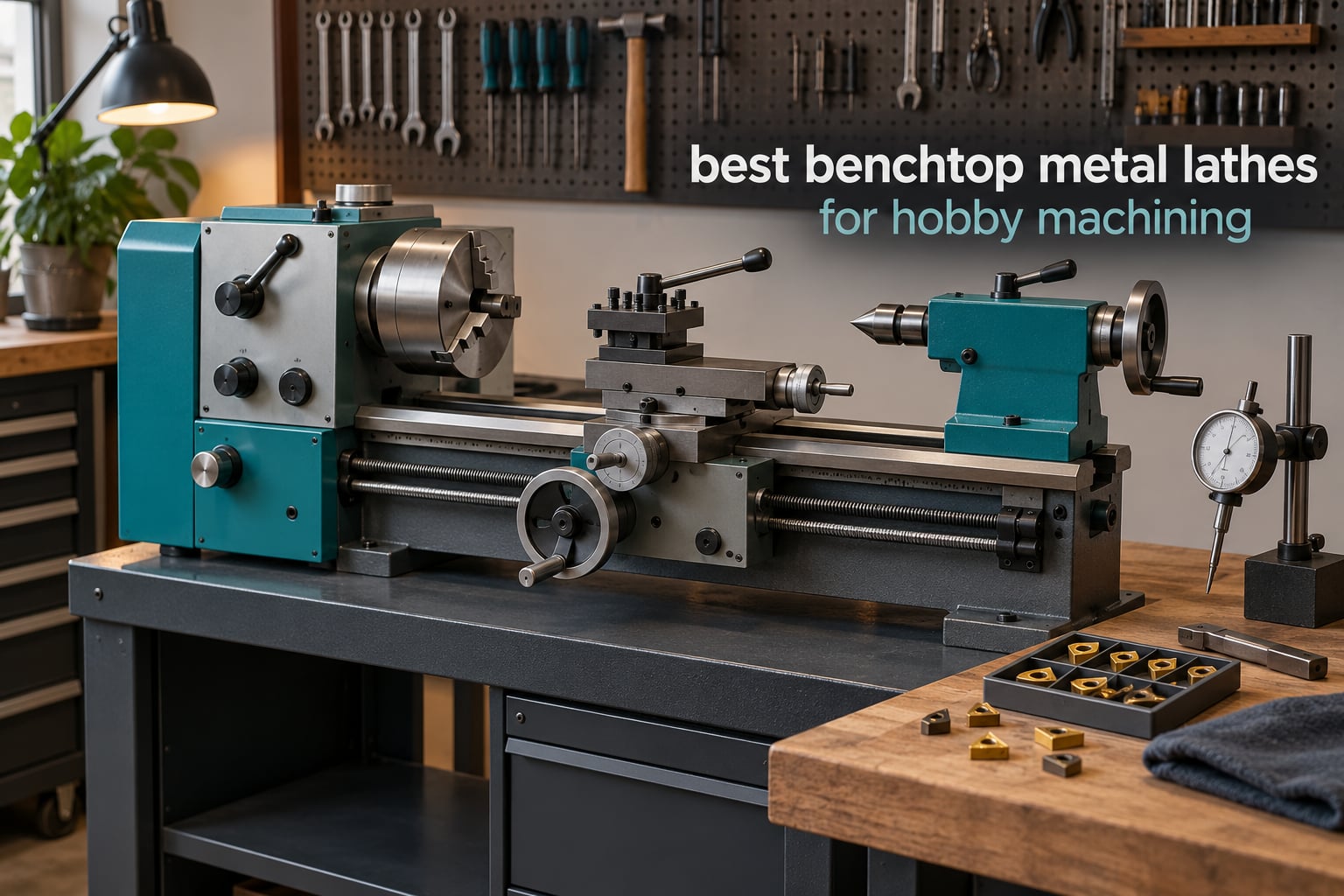
A benchtop metal lathe is a small, self-contained machine that lives on a stand in a garage or basement shop, giving you the ability to face, turn, drill, part off and thread small parts in aluminum, brass, mild steel and plastics without sending work out to a machine shop. This guide covers the best benchtop metal lathes for hobby machining currently on the market, with named models, real spec values and the honest limitations owners report after living with them.
I spent weeks reading through the customer review data on ten of these machines, side by side, spec by spec, because the difference between a good benchtop lathe and a frustrating one is rarely on the box. It shows up in whether the cross slide is smooth, whether the change gears are metal or nylon, and whether the machine arrives with the tailstock already aligned.
The audience is specific: first-time hobby machinists learning metal turning, model engineers who need tiny precise fittings, gunsmiths, bench jewelers, restorers rebuilding missing hardware, and small-shop machinists who need a second machine that fits on a bench. If that is you, keep reading. If you are already turning steel and your projects are growing past a 7 inch swing, you may be over-constraining yourself, and I will say so later in the guide.
Two honest warnings before the picks. First, out-of-box quality control in this class varies far more than the spec sheets suggest, and importers differ as much as the machines do. Second, every one of these lathes needs some fettling before it cuts metal properly. Budget a weekend for setup, not two hours.
If you are still narrowing the field, our guides on benchtop hobby lathes and mini lathes for hobby machinists cover the woodturning and sub-metal ends of the market.
Table of Contents
Top 3 Best Benchtop Metal Lathes for Hobby Machining in October

VEVOR 7×14 Metal Lathe
- 50-2500 RPM variable speed
- 550W motor
- Metal change gears
- 4 inch 3-jaw chuck


INTSUPERMAI 8×16 Lathe
- Gearless inch and metric switching
- 1100W brushless motor
- 3-jaw and 4-jaw chucks
- 179 pounds
All 10 Benchtop Metal Lathes at a Glance in 2026
| Product | Specifications | Action |
|---|---|---|
| VEVOR 7×14 Metal Lathe |
|
Check Latest Price |
| VEVOR 8×14 Mini Metal Lathe |
|
Check Latest Price |
 Erie Tools 7×14 Lathe Erie Tools 7×14 Lathe |
|
Check Latest Price |
 VEVOR 8.3×29.5 Metal Lathe VEVOR 8.3×29.5 Metal Lathe |
|
Check Latest Price |
 Shop Fox M1015 Shop Fox M1015 |
|
Check Latest Price |
 Proxxon FD 150/E Proxxon FD 150/E |
|
Check Latest Price |
 WEN ML712 WEN ML712 |
|
Check Latest Price |
| INTSUPERMAI 8×16 |
|
Check Latest Price |
 CREWORKS 9×30 CREWORKS 9×30 |
|
Check Latest Price |
 TECHTONGDA 8×16 TECHTONGDA 8×16 |
|
Check Latest Price |
1. VEVOR 7×14 Metal Lathe – the most reviewed benchtop lathe in the class
VEVOR 7″x14″ Metal Lathe, Upgraded Digital Display, 550W
7.09 inch swing
13.78 inch centers
550W motor
50-2500 RPM
Metal gears
Pros
- Most reviewed lathe in this class at 294 ratings
- Digital display shows live spindle speed
- Metal change gears instead of nylon
- Four-way quick change tool post fitted
- LED work light and emergency stop included
Cons
- Owners report real setup and adjustment work after delivery
- Some reviews flag inconsistent quality control
- 103 pounds needs a proper stand
This is the machine most hobby machinists meet first, and the one I would put in front of someone buying their first metal lathe. It has been available since 2021, which means a large body of owners have already documented exactly what it does well and where it falls down. That 294-review pool is worth more than any spec sheet.
Under the cover you get a 550W motor, a 50-2500 RPM variable speed range, metal change gears rather than the nylon gearing that ruins cheaper machines, and a four-way quick change tool post. The 4 inch 3-jaw chuck is a sensible size for a 7 inch swing machine and will hold short steel stubs without complaint.
The honest headline is that this machine needs tuning. Owners consistently describe a first session spent adjusting the cross slide, aligning the tailstock and cleaning machining oil off everything before it behaved itself. That is normal for this class, and it is also the single biggest reason people quit a hobby lathe in month two.
For a first metal lathe, or a second machine for a shop that already owns something heavy, the combination of 294 reviews, metal gears and a serviceable size makes this the pick I would put in front of a beginner. Buy it if you want to learn on something with a proven support history. Skip it if you plan to turn long lengths of round bar, because 13.78 inch centers run out quickly.
What the 294 reviews actually say
Ratings across the full review set sit at a 4.0, which for this category is a decent result. Praise concentrates on the digital display for speed monitoring, the metal gears, and value for money. The critical reviews focus on arrival condition and the amount of adjustment needed before the first cut.
That pattern is the defining story of imported benchtop lathes. On The Hobby-Machinist forum, a member with a year of ownership on a 7×14 describes a machine that needed a fair bit more work than the best examples, while still being enjoyable to use for years once fettled. That is the honest expectation for this pick.
Setup work to expect before the first cut
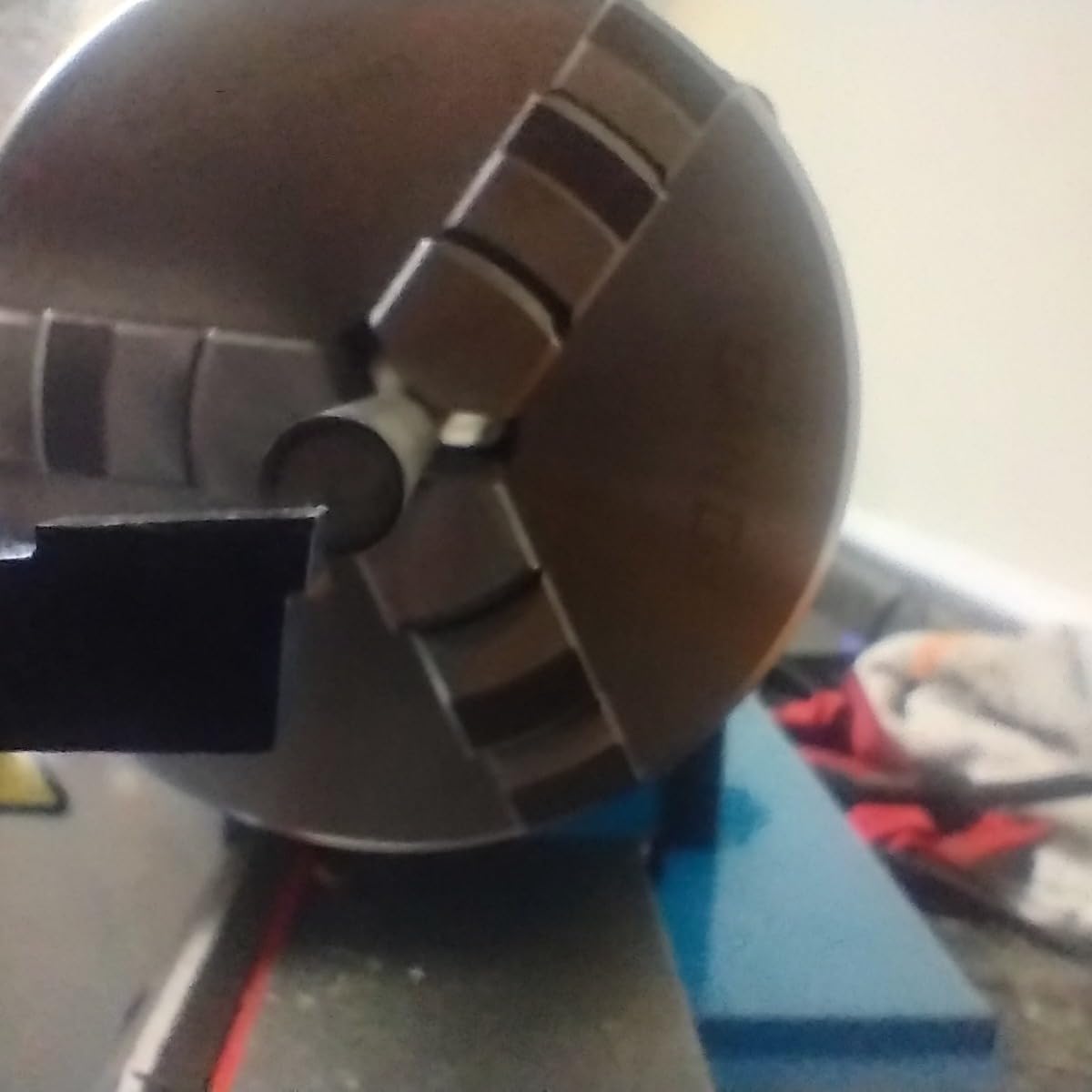
Plan on cleaning every way, checking the spindle for runout with a dial test indicator, and adjusting the cross slide gib until there is no perceptible slop. Lube the lead screw and the slideways before anything else, and check that the chuck runs true by mounting a known-good part and measuring it with calipers.
Budget a full day for a careful fettling session and you will have a machine that behaves. Budget two hours and you will be back on these review pages six months from now wondering what went wrong. Our metal lathe roundup covers the setup tools you will want on the bench.
2. VEVOR 8×14 Mini Metal Lathe – more swing for the money
VEVOR Mini Metal Lathe 8″x14″ Compact Lathe Machine 2250 PRM Variable Speed
8.3 inch swing
14 inch centers
650W motor
50-2250 RPM
Metal gears
Pros
- 8.3 inch swing gives noticeably more working diameter
- Metal gears with direct drive to the spindle
- MT2 tailstock taper is a standard fitting
- Oil gun and nine cutters in the box
- Cast iron construction throughout
Cons
- Power feed cannot be disengaged and has no neutral
- Carriage power feed knob sits behind the gear cover
- No carriage lock and a tailstock knob with slop
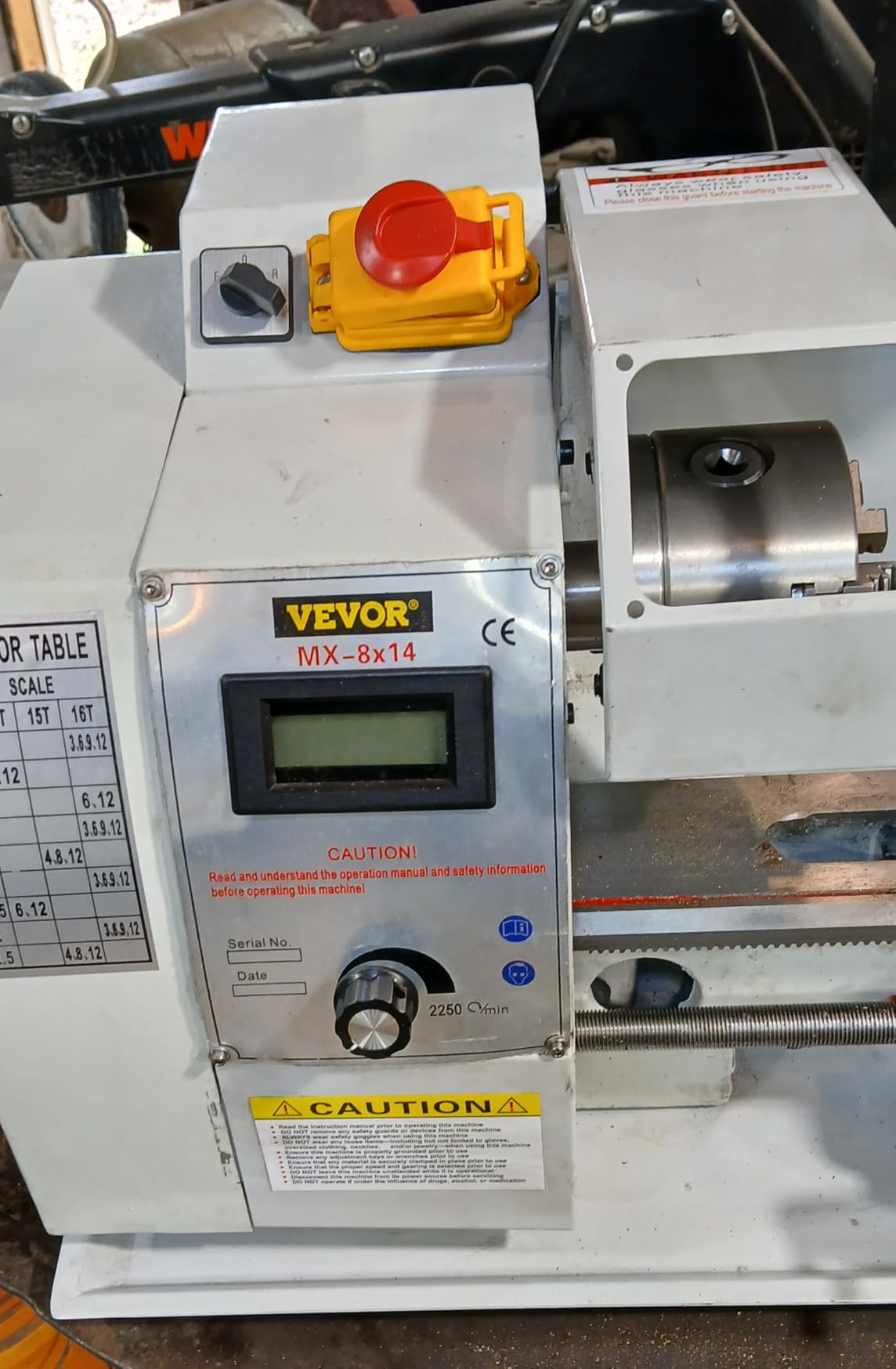
This is the step up in swing that experienced hobbyists keep recommending, and the reason is bed width. A 7 inch class machine typically sits on a bed around 3 inches wide, which is why 8 inch swing machines with a wider casting are worth stepping up to. The swing over bed here measures 8.3 inches against the 7.09 inches of the model above, and the extra mass is what stops a cut chattering when you push into steel.
The threading hardware is proper: metal change gears, a forward and reverse function, and an MT2 tailstock taper, which means tailstock centers and drill chucks from the usual suppliers fit without adapters. The spindle bore of 0.8 inch is small, so long round bar through the chuck is limited, but that is rarely the limiting factor on a benchtop machine.
Now the part that matters most for safety. The power feed on this machine cannot be switched off, and there is no neutral position on the selector. Combined with the fact that the carriage power feed knob is not reachable without removing the gear cover, that is a design decision you should understand before you own one, not after. Owners also report a noisy carriage rack and pinion and a tailstock knob with slop.
My view: this is the best value in the roundup if you understand the feed arrangement and are willing to retrofit a proper quick change tool post and carbide tooling. Owners report it can machine steel once those upgrades are in. Skip it if you want a machine you can put into neutral without thinking about it.
Where the 8 inch class beats the 7 inch class
Two concrete gains. The first is diameter. At 8.3 inches of swing you can turn a 5 inch component that simply will not fit over the headstock of a 7 inch machine, and that alone opens up model engineering and prop-making work that the smaller class cannot touch.
The second is rigidity, and it comes from bed width and mass rather than headline swing. A wider bed resists the cutting force that twists a narrow one. If you plan to take finishing passes in mild steel rather than only roughing aluminum, this is where the money goes.
Which upgrades this machine actually needs
Two, in this order. Fit a quick change tool post so you can swap carbide inserts in seconds instead of hunting for a hex key with the spindle running. Then buy carbide tooling, because the high speed steel cutters supplied in the box are not happy on steel.
After that, a dial test indicator with a magnetic base for checking runout, and a steady rest for long thin pieces. Owners report poor parts support for this model, so add a spare chuck key and a spare chuck jaw set to the order while you are at it.
3. Erie Tools 7×14 Lathe – the box that arrives complete
Erie Tools 7 x 14 Precision Bench Top Mini Metal Milling Lathe Variable Speed 2500 RPM & Digital Readout with 5 pc. Cutter Kit
7 inch swing
14 inch centers
2500 RPM max
12-52 TPI
4 inch chuck
Pros
- Arrives in a wooden crate that protects the castings
- 4 inch chuck is larger than most in the class
- Five piece carbide cutter kit included
- Digital readout and forward and reverse threading
- Eleven feed rate gears cover 12-52 TPI
Cons
- Plastic headstock gears are a known failure point
- Motor driver board failures reported by owners
- Gib set screws strip easily and need replacing
Packaging is the thing most owners single out about this machine. The wooden crate rather than a cardboard box and foam sleeve matters more than it sounds, because cast iron headstock housings and a bent gib are the most common arrival damage in this class, and a crate survives a drop that a box does not.
The specification sheet is the most complete in the group. Variable speed to 2500 RPM, forward and reverse for cutting reverse threads, a 4 inch 3-jaw chuck, a five piece carbide tipped cutter kit, a digital readout, and eleven feed rate gears giving a 12-52 TPI thread range. Belt drive primary is also a design that experienced machinists prefer, because it absorbs shock loads rather than transmitting them into the gears.
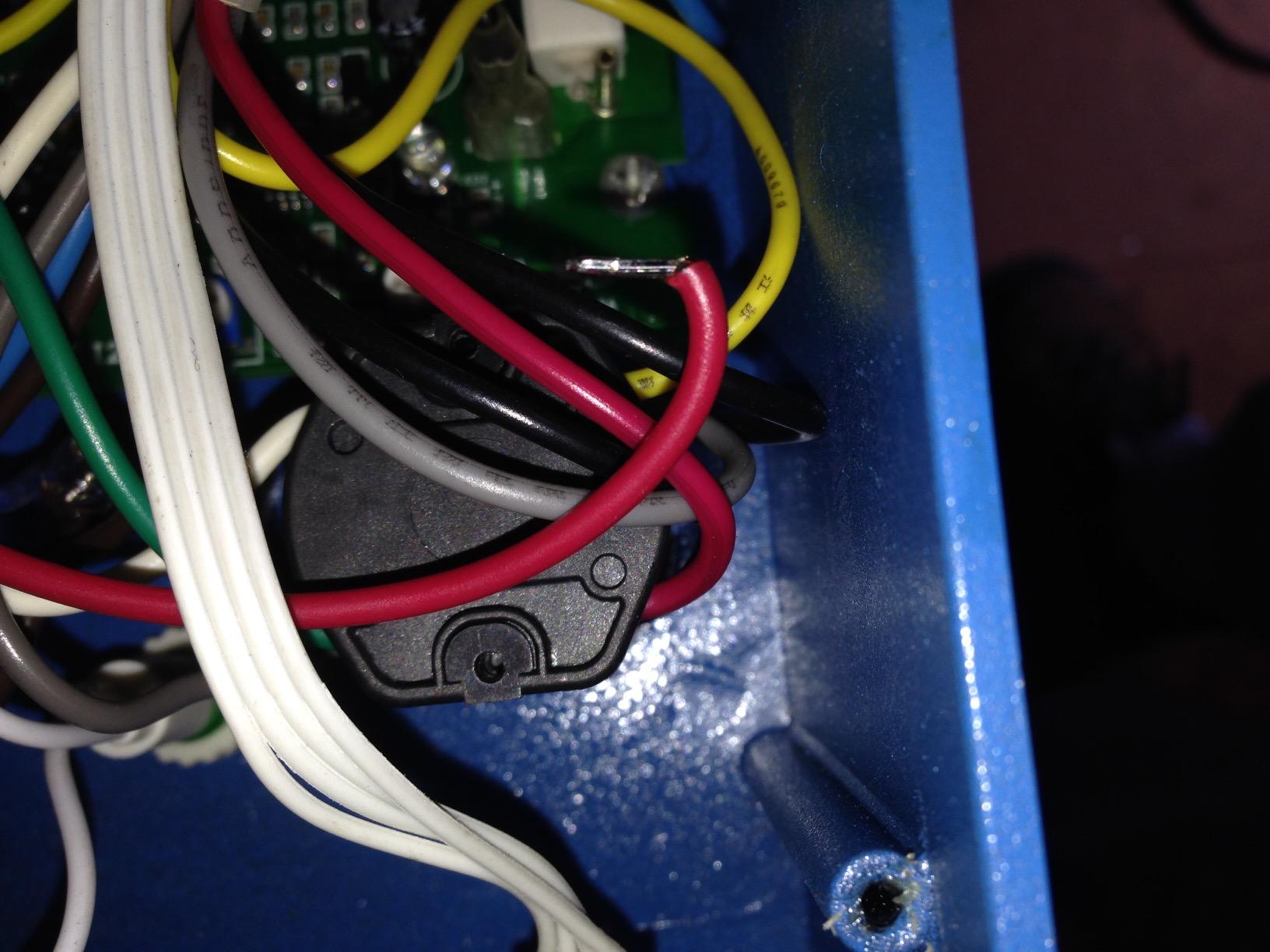
And here is the problem. The headstock has plastic gears, and they are the documented failure point. Owners report motor driver board failures as well, and gib set screws that strip during the first adjustment session. Third party metal gear upgrade kits exist for this machine, and if you buy it, plan on fitting one before you cut anything hard.
The warranty story is worth weighing too. Service from the seller is praised, but a claim means sending a machine weighing over 100 pounds back, which is impractical enough that many buyers simply do without. Buy this one if you want the most complete box and can do the gear upgrade. Skip it if you want to thread heavy material out of the crate.
What 12-52 TPI actually gets you
That range covers the common imperial threads you meet in restoration work: 20 TPI, 16 TPI, 14 TPI, 11.5 TPI. It is a genuinely useful spread for common work. It does not cover fine watch threads or most metric pitches.
If your project list is full of screws and threaded repair parts rather than model engineering fittings, this thread range alone may justify the pick. Pair it with a 5 piece carbide cutter kit and you have usable tooling from day one rather than a shopping list of gaps.
Where the gear and board risks sit
Plastic headstock gears fail under sustained metal threading, not under general turning. If your work is aluminum, brass and occasional mild steel, the plastic gears will probably outlast your interest in the hobby. If you intend to cut threads in steel regularly, order the metal gear kit and set aside an evening for the swap.
The motor driver board is a different matter, since it is an electronic part with no cheap substitute. Keep the machine on a dedicated circuit, and treat an unresponsive speed control as a reason to stop rather than to keep poking at it.
4. VEVOR 8.3×29.5 Metal Lathe – for long workpieces
VEVOR Metal Lathe, 8.3” x 29.5′ Benchtop Metal Lathe 0-2500 RPM Continuously Variable Speed 750W Brushless Motor Metal Gears with LCD Display Metal Lathe Machine
8.3 inch swing
29.5 inch centers
750W brushless
50-2500 RPM
HT200 cast iron
Pros
- Turns long work between centers
- 750W brushless motor needs no brush changes
- Two speed ranges plus 24 thread pitches
- Thread dial indicator and felt way wipers fitted
- 197 pounds of HT200 cast iron
Cons
- No mechanical locks on the carriage
- cross slide or compound
- Compound slide degree scale is missing
- Jerky slide movement out of the crate
- Underpowered for steel beyond light cuts
Center distance is the number that separates this machine from every other 7 and 8 inch machine here. At 29.5 inches between centers with a 750 mm span, you can turn long shafts, spindles and handrail blanks between centers without stopping to reposition the work. For a shop doing restoration or small production runs, that is worth more than a wider swing.
The drive is a 750W brushless motor, which means no carbon brushes to replace and a flatter torque curve at low speed. Threading coverage is unusually good for this class: 14 metric pitches from 0.3-3 mm and 10 imperial from 10-44 TPI, with a thread dial indicator on the apron. Felt wipers along the bed ways keep oil and swarf from migrating onto the slideways.
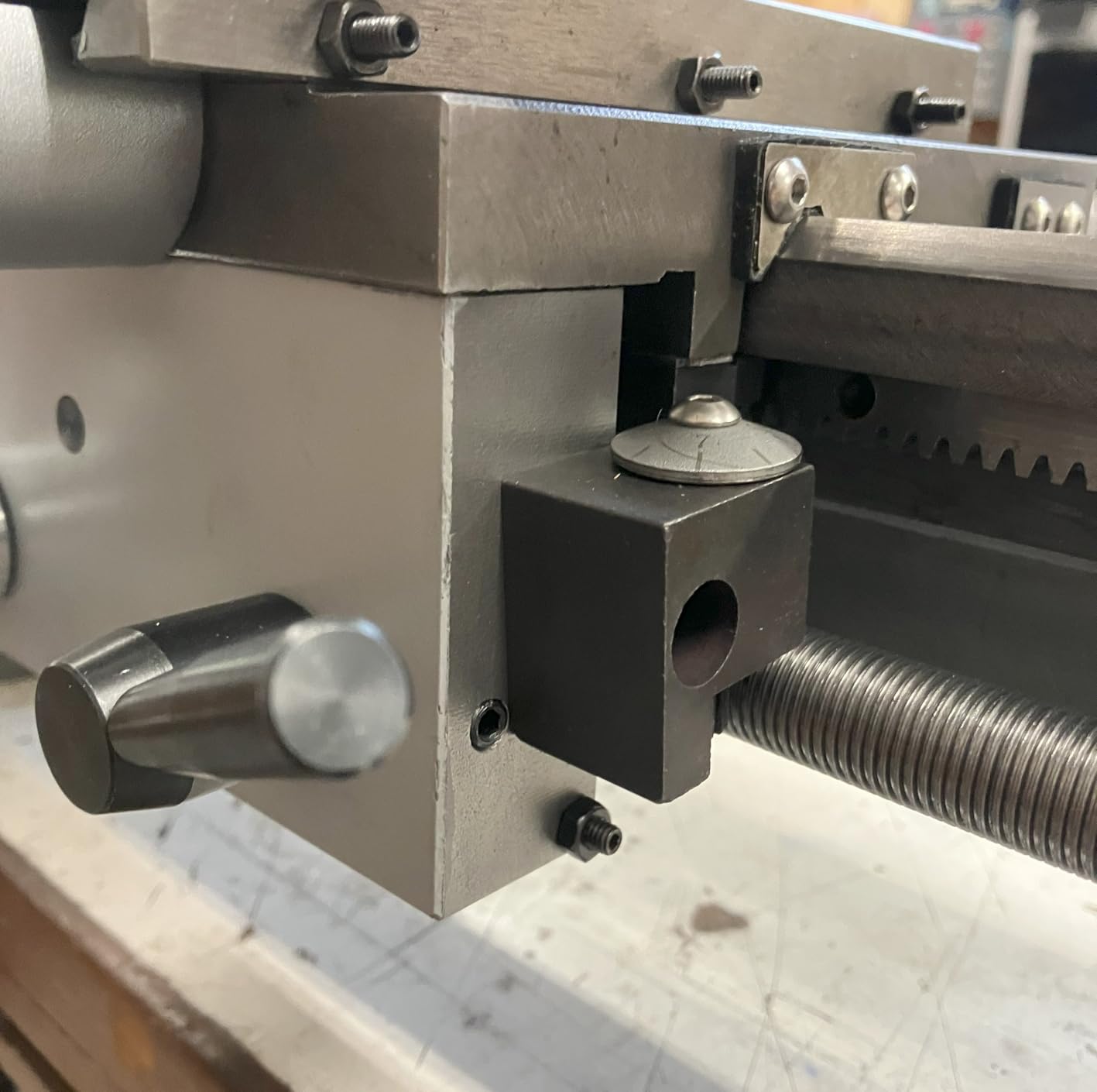
The compromises are consistent with the price class. There are no mechanical axis locks on the carriage, cross slide or compound, so you hold a lever or retighten by hand. Owners report stiff, jerky slide movement straight out of the crate and chatter in anything beyond light cuts, which suggests the 750W motor is at its limit with steel. The missing compound degree scale is a small irritation, not a dealbreaker.
A few owners also report control board failures, and parts support is described as effectively nonexistent. Buy this if long workpieces are your actual project and you are comfortable doing careful fettling. Skip it if you mostly turn short parts and want a machine that feels finished from day one.
Why center distance changes the project list
At 6 by 10 inches, a workpiece over 10 inches long will not fit between centers, so turning a 12 inch shaft means a workaround: either turning it in two operations with a steady rest, or mounting it in a chuck and hanging it out past the tailstock, which is uncomfortable and inaccurate. On a 29.5 inch center-distance machine the same shaft goes between centers in one pass with a live center in the tailstock and the steady rest doing its job.
That single difference decides which jobs land on your machine and which get sent elsewhere. It is also why the machine weighs 197 pounds rather than 103, since the bed and cabinet have to carry and resist that length.
Threading coverage and what to have ready
Twenty-four pitches across both systems is more thread coverage than any other machine here, and the thread dial indicator makes the whole set usable rather than theoretical. Get a set of threading tools matched to the pitches, plus a ground thread tool blank in high speed steel so you can grind a form for anything odd.
Because there are no mechanical locks, add a small machinist parallel or a block of shim stock to park the cross slide at a repeatable height. It is a five minute habit that prevents most of the frustration new owners report with this machine.
5. Shop Fox M1015 – a 71 pound lathe for a small bench
Shop Fox 6 in. x 10 in. Mini Metal Lathe M1015
6 inch swing
10 inch centers
71 pounds
DC brushed motor
Belt drive
Pros
- Only 71 pounds so one person can move it
- 6 by 10 inch envelope suits a very small bench
- Steady rest and milling slide available as upgrades
- Can turn steel once it is set up properly
- A recognised brand with a parts catalogue
Cons
- Owners report specs that do not match the machine
- Spindle and dovetail gibs arrive rough or bent
- No compound cross slide included
- Plastic gearbox casing and a brush drive
This is the machine for someone whose real constraint is space rather than budget. At 71 pounds and 6 by 10 inches, it lifts onto a bench with one hand, carries up stairs and moves out of the way when you need the table for something else. The availability of a steady rest and a milling vertical slide as separate upgrades also means you can grow into milling work later.
What you accept is capacity. Six inches of swing and 10 inches between centers suits jewelry-scale components, small fittings and light gun work, and it will handle steel with a proper setup. It will not handle anything you would put on a steady rest over a long span.
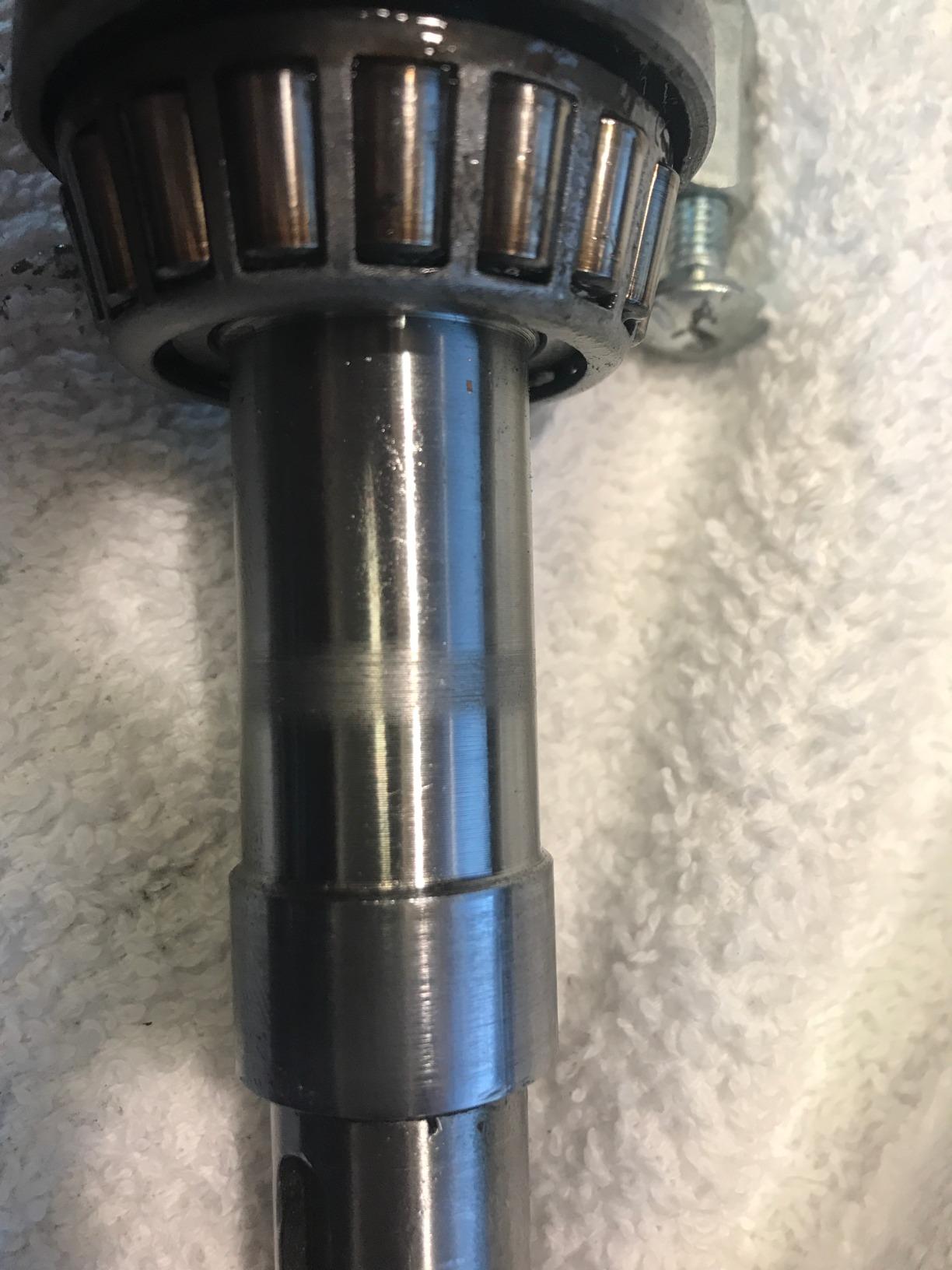
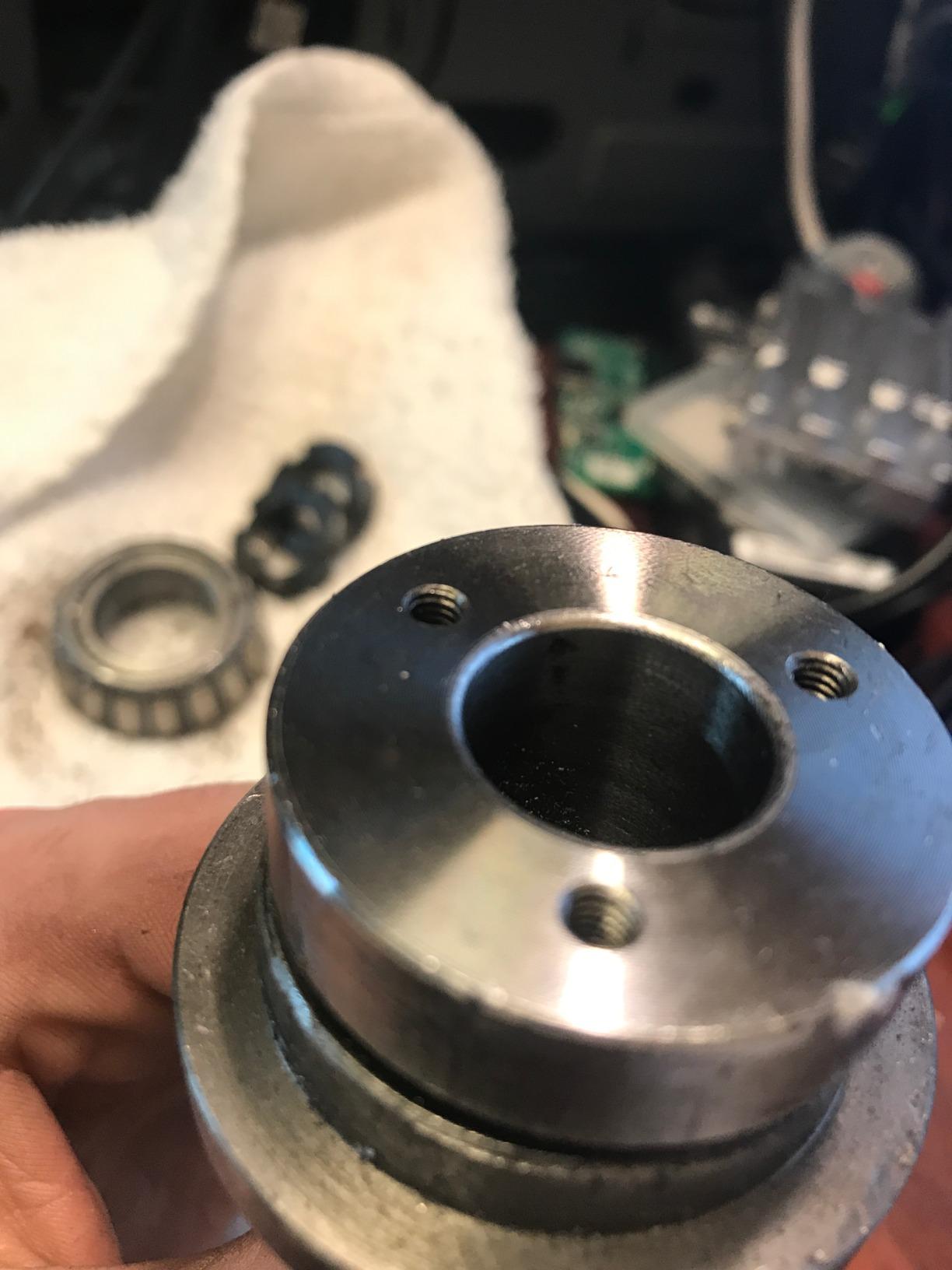
The reviews are the story here, and they are not flattering. Multiple owners report that the specification does not match the machine: swing smaller than stated, lead screw not the advertised thread, metric rather than imperial fasteners, and a spindle bore reduced by the shaft that came fitted. Others report a bent spindle from the factory, dovetail gibs machined with gaps of a hundredth of an inch or more, and a plastic gearbox casing on a brushed DC motor.
The awkward part of this pick is the gap between what you asked for and what arrives. A set of published specs that the machine does not match is a different problem from a machine that needs adjustment, and it is one you cannot fettle out. Buy it for portability and brand familiarity. Skip it if you want a machine that arrives matching its own listing.
What a 6 by 10 inch envelope can and cannot do
It can turn small diameter parts, drill, part off, face and thread short lengths. For bench jeweler work, model engineering and small gun components, that covers a lot. The small swing also means light cuts, which suits delicate materials and reduces the load on a modest motor.
It cannot turn long shafts, and it has no compound cross slide fitted, so taper turning is limited to what the cross slide alone can manage. The milling slide upgrade is what converts it into a small combo machine, and that is genuinely useful for a hobbyist who wants one footprint doing two jobs.
How to inspect this one on arrival
Before you power it up, check spindle runout with a dial test indicator against a known-good part and confirm the lead screw thread with a thread pitch gauge. Check the dovetail gibs for slop with a feeler gauge and adjust them before your first cut rather than after your first bad part.
Owners report a drive belt that failed after around five months, so keep the model number and a spare belt on the bench from day one. If you are comfortable with a project that needs real fixing, that is fine. If you want a machine that works immediately, look at the 7×14 class instead.
6. Proxxon FD 150/E – German build for jewelry scale work
Proxxon Precision Lathe FD 150/E – 34150
Made in Germany
12.67 pounds
ER11 collets
M16 chuck thread
2-year warranty
Pros
- Made in Germany with a two year warranty
- 12.67 pounds and quiet vibration free running
- Carbide tooling works on harder stock
- ER11 collet system plus M16 chuck thread
- Compact enough for a desk or small bench
Cons
- Proprietary chuck
- collets and tailstock fittings are costly
- Too small and light for general metalworking
- Three jaw chuck can loosen during a cut
- Underpowered on ferrous work
This machine is not a mini metal lathe in the usual sense and pretending otherwise would help nobody. The Proxxon FD 150/E weighs 12.67 pounds, runs quietly with almost no vibration, and uses a collet system rather than a conventional chuck as the primary workholding method. It is a precision instrument for small non-ferrous work, and it is the one pick in this roundup listed as built in Germany.
That build quality shows in the running. Owners talk about smooth, quiet, vibration-free operation, and about carbide tooling performing well even on harder steel than a machine this size would normally face. The two year warranty from Proxxon is among the longest stated here, and the accessory system is a real catalog rather than a handful of fitments.
The compromises are size and fittings. ER11 collets, an M16 chuck thread and an MK0 short tailstock taper all mean you buy Proxxon accessories rather than standard tooling. Owners report the three jaw chuck tending to come loose during operation, which is a known behaviour with lightweight chucks on small spindles.
Buy it if you make jewelry, watch parts or very small model engineering components and you value finish quality over capacity. Our Proxxon hobby lathe guide covers the rest of the range. Skip it if you want to turn general metalworking parts, because the envelope and the proprietary fittings fight you.
Collet workholding versus a chuck
A collet grips concentrically by definition, which is exactly what you want for small precision turning and why jewelers gravitate to this style of machine. A chuck grips by friction across three jaws, which is more forgiving of irregular blanks but never quite as concentric under load.
The practical trade is tooling cost. Collet chucks and collets are cheap and widely available for the ER11 system, but the tailstock fittings and any three jaw chuck for this spindle are Proxxon items. Plan the accessory budget before you commit, not after.
Where this machine genuinely outperforms the imports
Finish. A rigid, heavy-in-its-own-way, low-vibration headstock with a small spindle produces a surface you can polish with very little hand work, and the quiet running makes it practical in a room where a full size lathe would not be. On jewelry brass and aluminium, that difference is visible immediately.
Consistency is the second one. Rather than a spread of quality across a production run, this is a machine that performs the same way every time. For someone making a matched set of parts, that predictability matters more than capacity.
7. WEN ML712 – standard tapers and a real warranty
WEN 7-by 12-Inch Benchtop Metal Lathe, Variable Speed, Two Direction (ML712)
7 inch swing
12 inch centers
100-2500 RPM
MT3 and MT2 tapers
2-year warranty
Pros
- Standard MT3 spindle and MT2 tailstock tapers
- Threading dial covers 18 sizes from 12-52 TPI
- Two variable speed ranges up to 2500 RPM
- Adjustable auto feed plus manual operation
- Two year warranty from a US brand
Cons
- Only 11 reviews so little long term data
- 5/16 inch tool post restricts tooling choices
- Four amp motor may struggle on steel
For a first metal lathe, the boring detail that causes the most pain is taper standards. This machine runs an MT3 spindle taper and an MT2 tailstock taper, which are the sizes every dead centre, drill chuck, live centre and steady rest accessory in the hobby market is built around. You will spend a lifetime finding tooling that fits, and starting with standard tapers removes an entire category of frustration.
Threading is well served by an 18 size dial covering 12-52 TPI, with a threading dial indicator on the apron so you can engage a cut without guessing. Two variable speed ranges take you from 100 to 2500 RPM, forward and reverse covers reverse threads, and the auto feed is adjustable so you can slow it for threading work.
What you do not have is a long track record. This design entered the market a few years back, and eleven reviews is not enough history to judge five year reliability. The 4 amp motor and a 5/16 inch tool post that limits which tooling fits are the two spec points to weigh before you commit.
Buy it if parts and warranty support from a US brand matter to you more than raw capacity. Skip it if your work is steel heavy, where the motor capacity is the limiting factor rather than the taper standards.
Why MT3 and MT2 tapers matter more than features
Taper is the interface between the machine and every accessory you will ever buy. MT2 and MT3 are the two standards the entire hobby accessory market is built on, which means live centres, tailstock centres, drill chucks, steady rests and follower rests all fit without adapters or hunting for the right part.
Several machines in this class use proprietary or undersized tapers, and owners end up hunting for a specific fitting at a premium. When two otherwise similar machines are the same price, the one with standard tapers saves you real money and a lot of searching.
Reading a young model with a thin review history
Eleven reviews at 3.7 is not a verdict, it is a sample. What the sample does suggest is a normal, well specified machine with no dramatic failure pattern yet, which is more than can be said for some machines with hundreds of reviews.
Because the history is thin, buy it with a plan to run it in rather than on. Learn aluminum and brass first, keep the feeds conservative, and log what you learn. A two year warranty gives you a window to find the weak points while support is still live.
8. INTSUPERMAI 8×16 – inch and metric without gear changes
INTSUPERMAI Mini Metal Lathe 8″×16″ Inch/Metric Benchtop Lathe Electronic Gearless Auto Change of Metric/Inch Hobby DIY Metal Wood Plastic Lathe 1100W with 4 Jaw/3 Jaw Chuck 110V
8.27 inch swing
15.75 inch centers
1100W brushless
3.94 inch bed
Electronic gearless switching
Pros
- Electronic inch and metric switching from the panel
- 1100W brushless motor with two speed ranges
- Both a 3-jaw and 4-jaw chuck in the box
- 179 pounds on a 3.94 inch wide cast iron bed
- Reciprocating turning and threading capability
Cons
- Only 13 reviews behind the 4.9 rating
- New brand with an unproven parts supply
- Electronic controls are a potential failure point
- Premium asking for an imported machine
The idea here is the one experienced machinists have wanted for years. On a conventional lathe, switching between inch and metric threads means removing a cover and exchanging change gears by hand, in the dark, with a specific number of teeth on each. This machine replaces that with a panel selection, and the electronic gearless switching is the reason the rating is 4.9.
The rest of the specification backs it up. A 1100W brushless motor puts it at the top of the power range in this roundup, the 3.94 inch wide bed gives it real rigidity, and the speed range of 50-2500 RPM across two ranges covers both fine finishing and roughing. The reciprocal turning function is a genuinely useful addition for bars and long components.
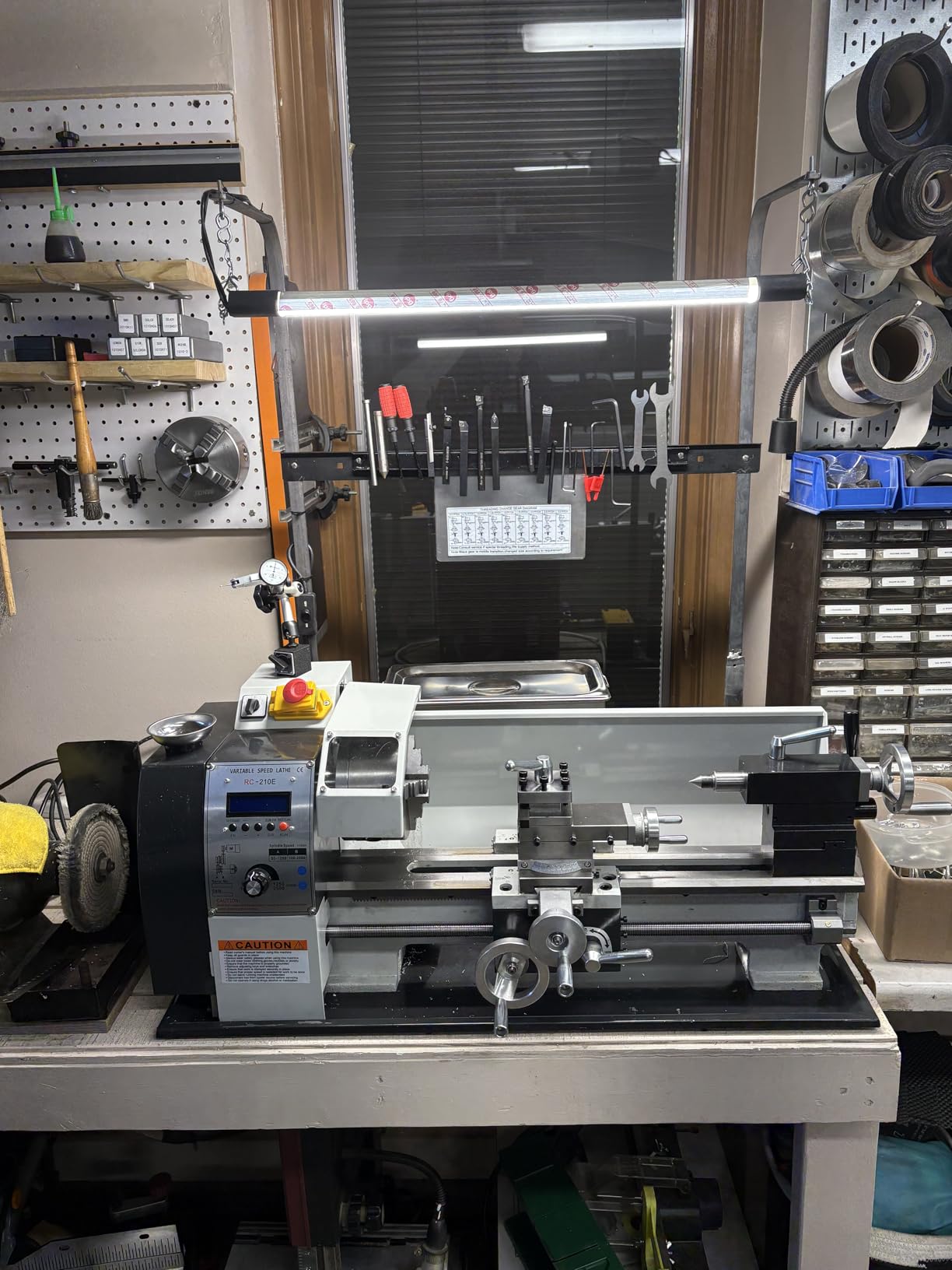
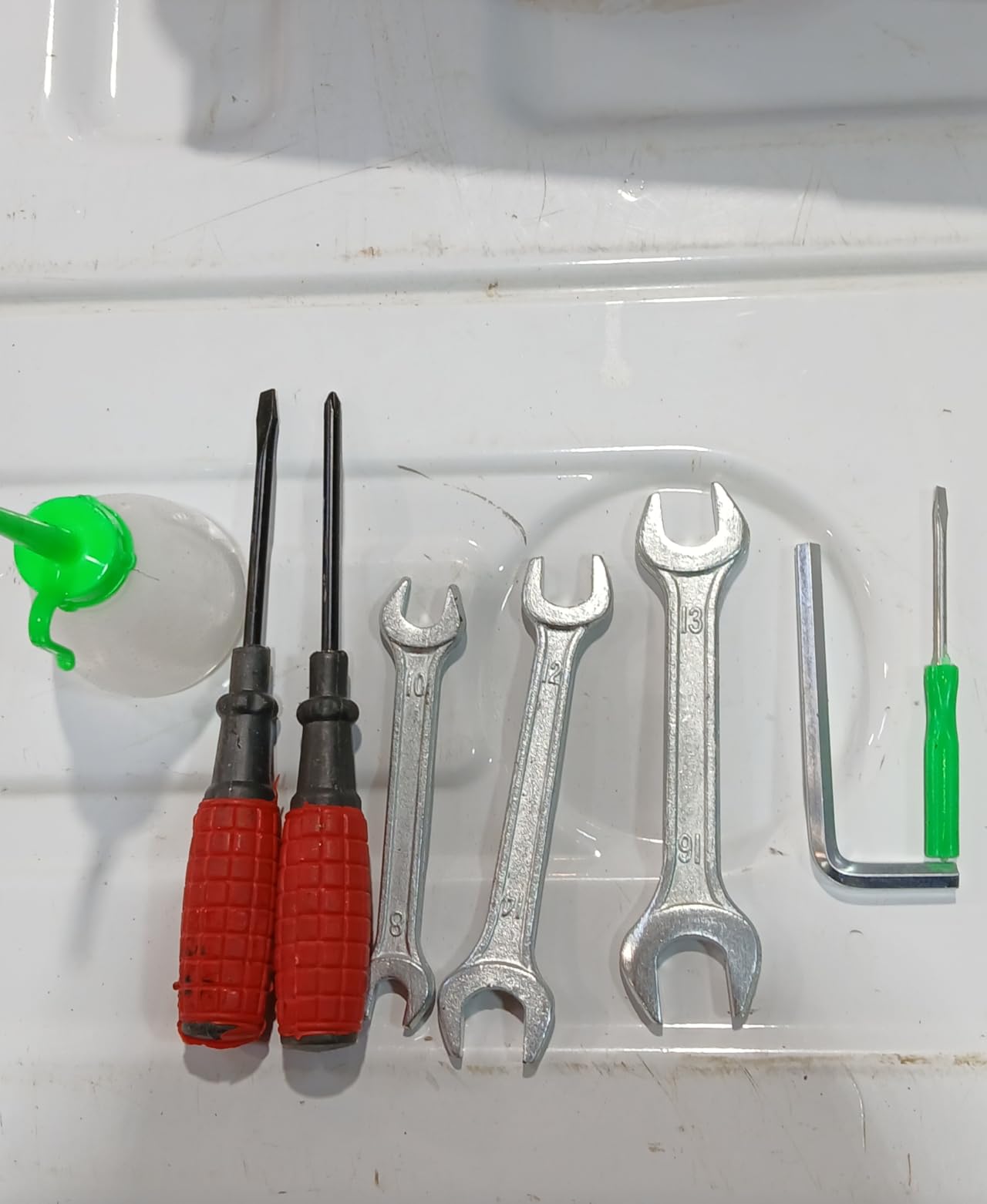
The box is unusually well equipped. You get both a 3-jaw and a 4-jaw independent chuck, an oil pan, an oil can, spanners, hex keys, spare chuck jaws and a chuck spanner. Having a 4-jaw included saves a real purchase later, since it is the first accessory most people add for anything that needs to be held off centre.
The honest caveat is the sample size. Thirteen reviews, all clustering at the top of the scale, is what a new product looks like before the first year of failures arrives. The brand is new, the parts supply is unproven, and electronic control is by definition a failure point on a machine that otherwise has no electronics to fail. Buy it if gearless switching matters to your work and you are comfortable being an early adopter. Skip it if you need a parts guarantee in five years.
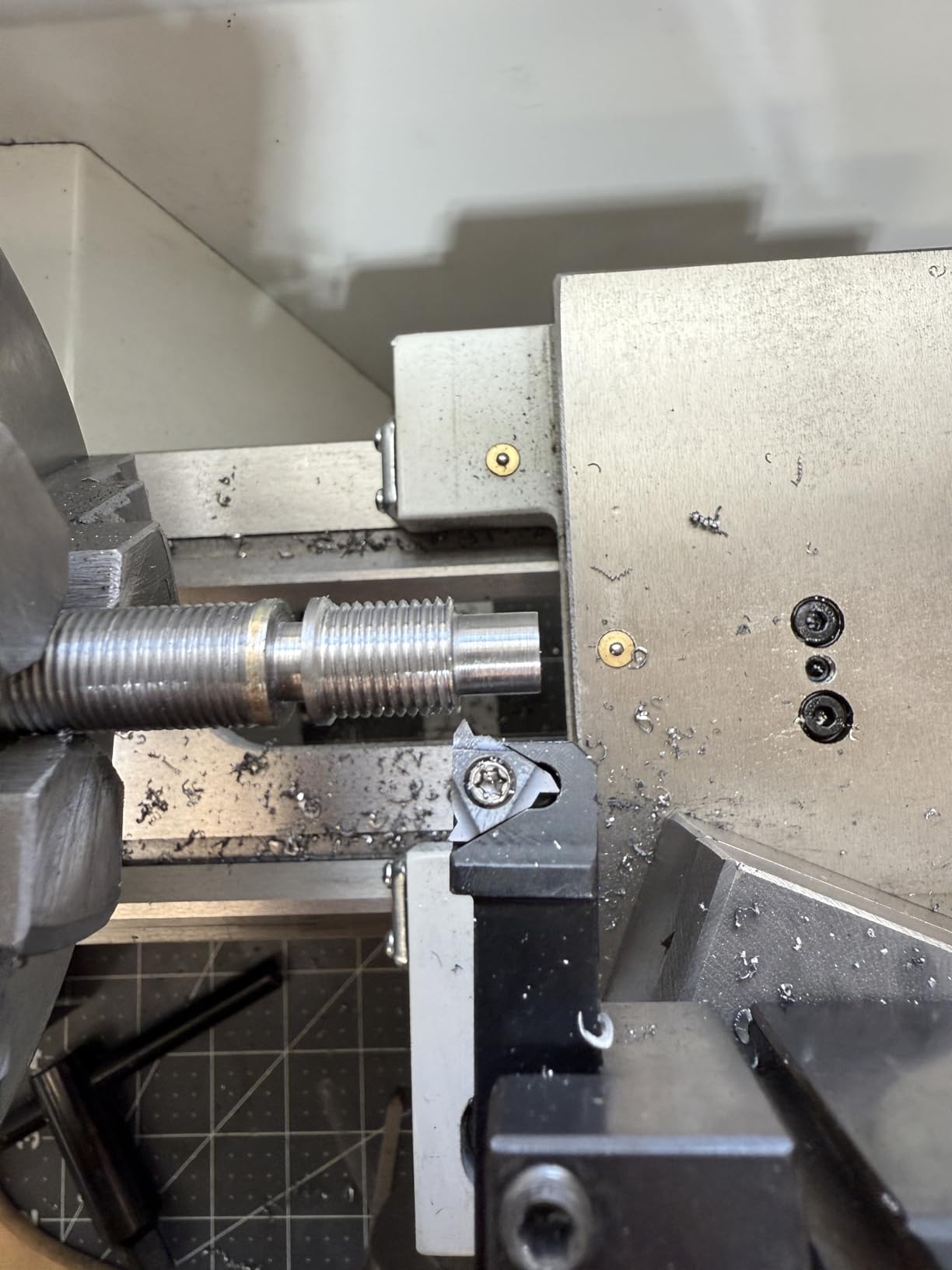
What gearless inch and metric switching saves you
On a conventional machine, a change of thread system is a five minute job involving covers, keys and a gear chart. Do it wrong and you have changed a pitch you did not intend, which turns a threading job into scrap. Eliminating that step removes an entire category of beginner error.
It also makes metric and imperial work in the same session practical. For restoration and model engineering, where the parts you rebuild came from more than one country, switching systems between projects is normal rather than exceptional, and doing it from a panel is the difference between frictionless and annoying.
Judging a new brand with a very high rating
A 4.9 across thirteen reviews tells you the early units are well made and well packed. It tells you almost nothing about the third year, which is when motors, control boards and castings start to matter. The honest reading is that this machine has an excellent first impression and no history yet.
So hedge. Keep the machine on a dedicated circuit, photograph the wiring diagram on day one so a future repair is possible, and confirm before you buy that a spare control panel is obtainable. If the answer is unclear, that uncertainty is part of what you are paying for the gearless system.
9. CREWORKS 9×30 – a 1.5 inch spindle bore and long centers
CREWORKS Mini Metal Lathe 9″ x 30″ Benchtop Metal Lathe with 3 Jaw Chuck and 3000rpm Max. Spindle Speed, 1100W Metalworking Machine with LCD Display, Metal Lathe Machine for Threading Turning Drilling
1.5 inch spindle bore
8.7 inch swing
27 inch centers
1100W
3000 RPM max
Pros
- 1.5 inch spindle bore allows through-chuck work
- 8.7 inch swing and 27 inch measured centers
- 1100W motor with a 0-3000 RPM range
- 5 inch three jaw chuck is unusually large
- 198 pounds of cast iron construction
Cons
- Advertised 30 inch centers measured closer to 27 inches
- Electronics failed within a year for some owners with no parts
- Needs stoning and cleaning before first use
- Tailstock alignment needs correcting
A 1.5 inch spindle bore is the number that earns this machine its place. A larger bore means you can feed long round bar straight through the chuck without a tailstock center in the way, which opens the door to turning long bars in one piece. Paired with a 5 inch 3-jaw chuck and roughly 27 inches between centers, this is a genuinely large machine for a bench.
The 1100W motor, 0-3000 RPM range, 4-way tool post and 198 pounds of cast iron give it real capability, and owners report responsive service in at least one case, with a damaged tailstock replaced quickly.
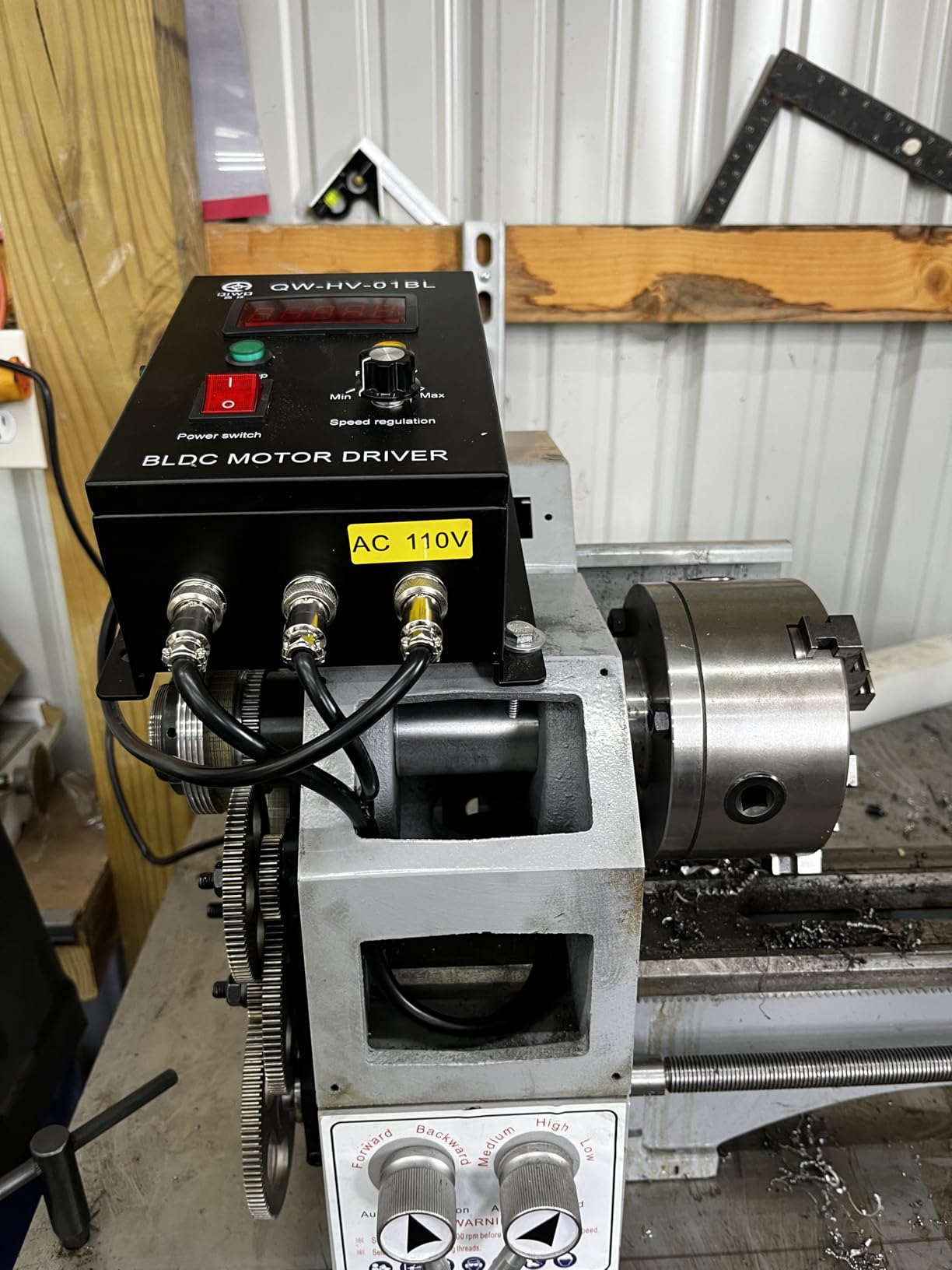
Now the list of problems, which is long. The advertised 30 inch center distance measured closer to 27 inches on the machines owners received. The finish needs stoning and cleaning across the whole machine before use. The cross slide needs drilling, milling and tapping before an AXA quick change post will fit. Tailstock alignment needs correcting.
The most serious item is electronics. Owners report the control board burning out within about a year with no replacement parts available, and others report being unable to reach customer support at all. With only eight reviews behind it, the picture is thin and mostly negative on reliability. Buy it if you genuinely need the bore and the length. Skip it if you need the machine to still work in three years without a fight.
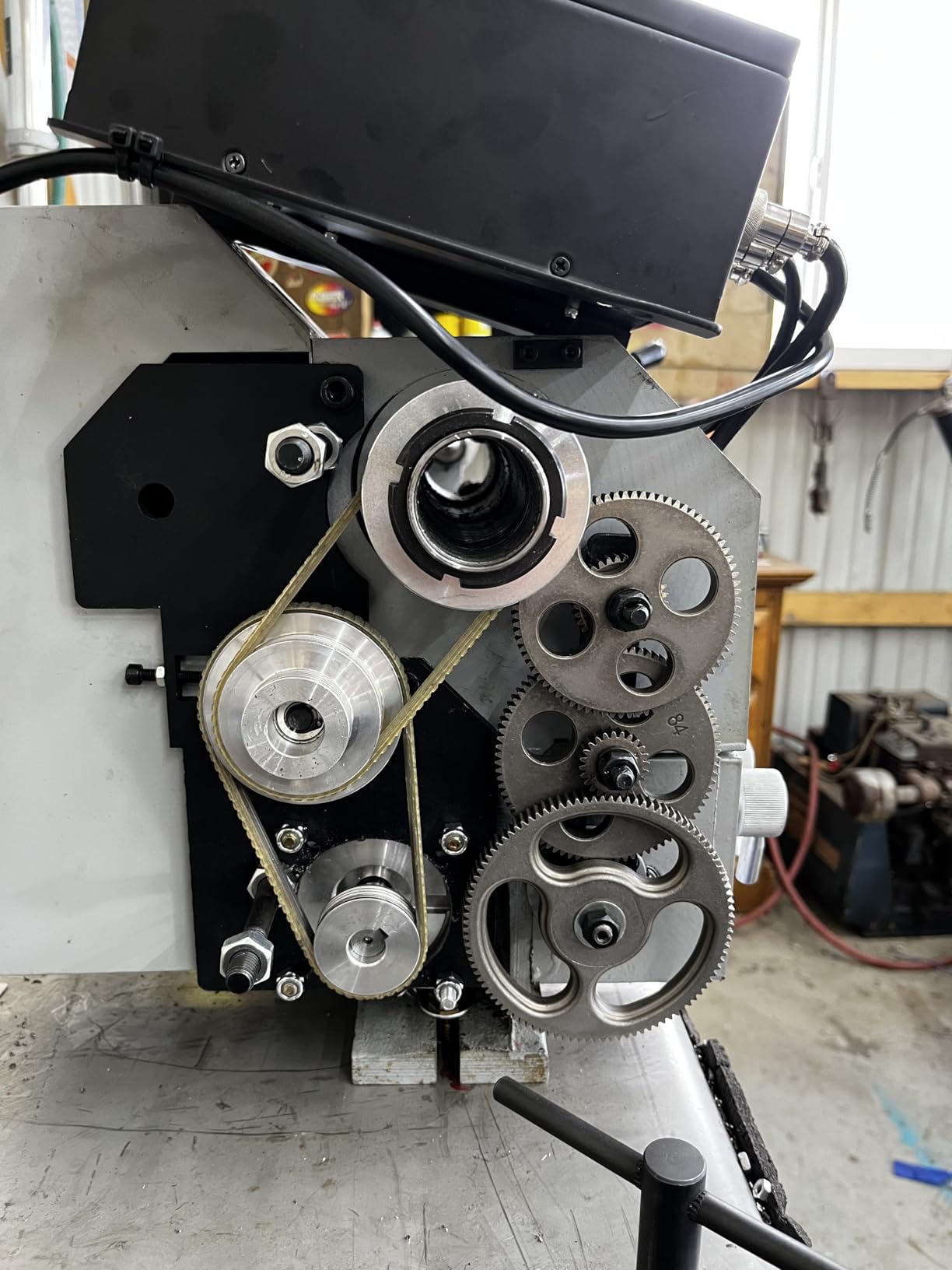
What a 1.5 inch bore changes in practice
With a smaller bore, bar stock stops at the chuck face and you either use a tailstock center in the piece or cut it in sections. With a large bore, you feed the bar straight through, support it with a follower rest, and turn the full length without repositioning. That is the difference between a production setup and a bench setup.
The 5 inch chuck matters for the same reason. It grips thicker bar and larger blanks without the jaw span becoming the limiting factor, and it takes bigger cuts within the machine’s capability when the work calls for it.
How much fettling this machine actually needs
Owners are explicit that this machine needs more than any other here. Expect to stone the ways, clean every casting, correct the tailstock alignment, and machine the cross slide to accept a quick change tool post. Add a dedicated inspection of the wiring and a plan B for when the control board fails.
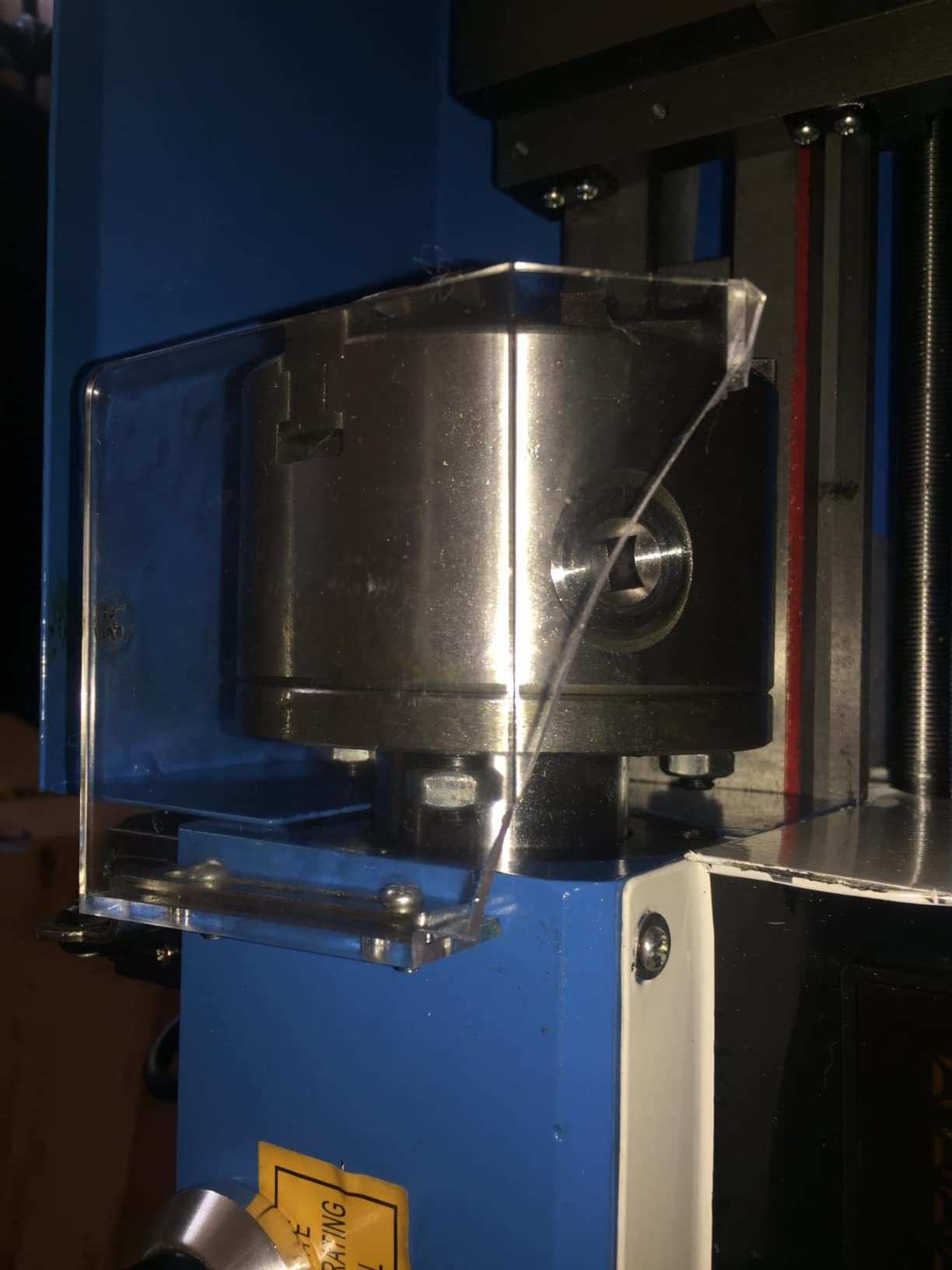
The 3000 RPM top speed also needs respect. Check chuck balance before running at high speed with an off-centre part mounted, and treat the transparent chuck guard as a guard rather than decoration. Machine shop safety starts with assuming the guard works only if you fit it correctly.
10. TECHTONGDA 8×16 – accuracy and a brushless spindle
TECHTONGDA Metal Lathe 8X16″ Precision Bench Lathe Inch Thread 900W Brushless Motor Turning Machine DIY Mini Lathe
8 inch swing
16 inch centers
900W brushless
50-2500 RPM
5 inch chuck
Pros
- 900W brushless motor with all metal gears
- Precision taper roller bearing spindle
- One owner measured chuck runout at 0.0005 inch
- Quiet running and multiple length variants
- Seller offers a lifetime warranty on the tool holder and slide
Cons
- Inch threading only with no metric option
- Lead screw drive gear post parts reported breaking
- Some machines arrive with chuck balance issues
- Only 17 reviews for long term judgement
This is the pick that rewards the most careful buyer. Some machines of this model arrive already well tuned, with owners reporting chuck runout measured at 0.0005 inch and quiet, smooth operation from a 900W brushless motor feeding a taper roller bearing spindle. That combination is unusual in this class. The next strongest accuracy figure in this roundup comes from a much larger machine.
All metal gears, infinitely variable 50-2500 RPM, an emergency stop and overload protection, a 5 inch chuck, and forward and reverse. It also comes in 8×23, 8×31 and 8×39 variants, so you are not locked into a short bed if your projects grow. The seller is reported as responsive and offers a lifetime warranty on the tool holder and slide.
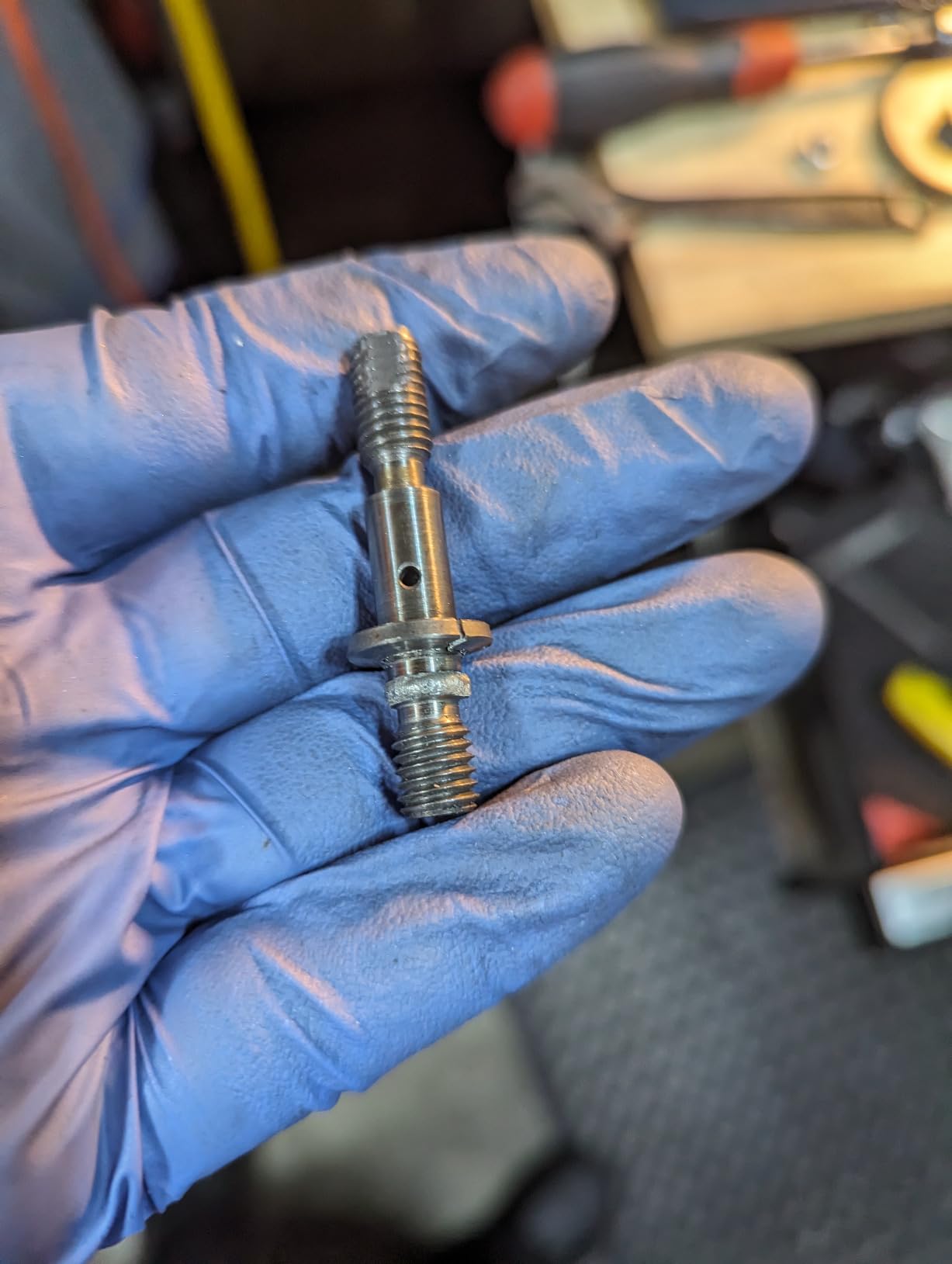
The trade-off runs the other way too. Some machines from this model arrive with parts that break within hours of use, particularly the gear post on the lead screw drive, and some owners report chuck balance problems that cause vibration at speed. Thread cutting is inch only, with no metric option, which limits it for anyone who needs both systems.
With 17 reviews, the sample is too small to average out these unit-to-unit differences. The way to buy this machine is to order it, then check runout and inspect the lead screw drive before the first cut. If it is a good unit, you have one of the most accurate machines in the hobby class. Skip it if you need metric threading or a predictable supply of small parts.
Why spindle bearings matter more than motor power
A taper roller bearing spindle holds radial and axial rigidity as it warms up, which is what determines whether a finished part comes off concentric. Runout of 0.0005 inch, as one owner measured on this machine, is a meaningful number when you are turning a part to fit rather than to look right.
It also explains the quietness. A plain bearing running on a cast iron headstock transmits vibration, and you hear it in the finish and in your ears. Buy this if you care about surface finish on small parts more than you care about threading in both systems.
Handling the unit-to-unit variation
Given the spread in reports, the sensible approach is to accept that this machine is a kit of quality and inspect it. Check chuck runout with a dial test indicator, turn the lead screw by hand through its full travel listening for roughness, and verify the gear post on the lead screw drive is properly seated before applying power.
If you want the same size class with a different set of tradeoffs, the INTSUPERMAI 8×16 above covers both thread systems in a wider bed, and the 8.3×29.5 VEVOR covers far more length. Our Sherline hobby lathe guide is worth a look if you want a brand with a much longer production history than any machine here.
How to Choose a Benchtop Metal Lathe
Swing over bed is the maximum diameter of a workpiece the machine can turn, and it is the first number in a size like 7×14. Distance between centers is the maximum length of work between the headstock and tailstock centers, and it is the second number. Everything else follows from those two figures and how much mass sits under them.
Pick the size for your project list, not your ambition. A 7 inch swing handles jewelry work, small fittings and most restoration hardware. An 8 to 9 inch swing handles larger components, longer shafts and thicker bar. A Hobby-Machinist member with a year of ownership recommends stepping up to 8 inch swing machines specifically because the bed is around 4 inches wide rather than the usual 3, and that extra width adds meaningful rigidity.
Weight and bed rigidity beat horsepower. A heavier lathe resists the cutting force that twists a light one. On the Practical Machinist forum the argument is repeated bluntly: comparing a sub-500 pound lathe to hunting for a 5 pound dog. The same thread makes the point that the benchtop constraint itself is the problem, and that a 12×30 class machine with real mass is often the better buy even though it needs a cabinet on leveling feet and casters to move.
Electronic variable speed is close to mandatory. EVS lets you change RPM instantly instead of swapping belts. It is what makes a light finishing pass and a roughing cut on the same machine practical, and it is also what lets you slow down safely while a tool is in the cut.
Metal change gears, not plastic. This is the single most reliable predictor of how a machine ages. Plastic headstock gears survive aluminum and brass work and fail under repeated metal threading. If you intend to cut threads, do not compromise here.
Standard tapers save real money. MT2 at the tailstock and MT3 at the spindle are the sizes the whole hobby accessory market is built around. A proprietary fitting means paying a premium for every live centre, chuck and steady rest you buy for the next decade.
Check spindle runout, not marketing claims. Runout is how much the spindle wobbles as it rotates, and it lands directly on your surface finish and concentricity. Budget for a dial test indicator with a magnetic base, then check any machine you consider before committing.
Do not forget the cross slide and compound. A machine without a compound cross slide limits you to straight turning. A quick change tool post is worth buying separately if one is not included, and gib adjustment on the carriage, cross slide and compound is a skill you will use repeatedly.
Decide what each tier can realistically cut. Machines with 500-650W motors are happy in aluminium and brass and handle light work in mild steel. Stepping up to 900-1100W opens up more steel work before the motor bogs. Titanium is a different conversation entirely and belongs on a bigger, heavier machine.
Buy the brand with a five year parts plan. The benchmark advice from experienced machinists is simple: pick a name old enough that parts will still exist in five years. That is a genuine advantage over a new brand with an excellent first impression and no history.
What Actually Needs Fixing on a New Mini Lathe
None of these machines arrives ready to cut metal. This section is the part of the buying process nobody sells you, and skipping it is the reason so many hobby machinists abandon a lathe in the first two months.
Start by cleaning everything. Machining oil, packing grease and swarf protection compound belong on the machine at the factory. Wipe every way, every gear and the whole bed before you power anything up, and check the machine is sitting level on its stand first, because a lathe out of level will never cut concentric.
Then check runout with a dial test indicator. Mount a part in the chuck, touch the indicator to the face, and rotate the spindle by hand. If the needle moves, no amount of careful turning will produce a concentric part until that is sorted. Own the tooling early, because it changes what you do next.
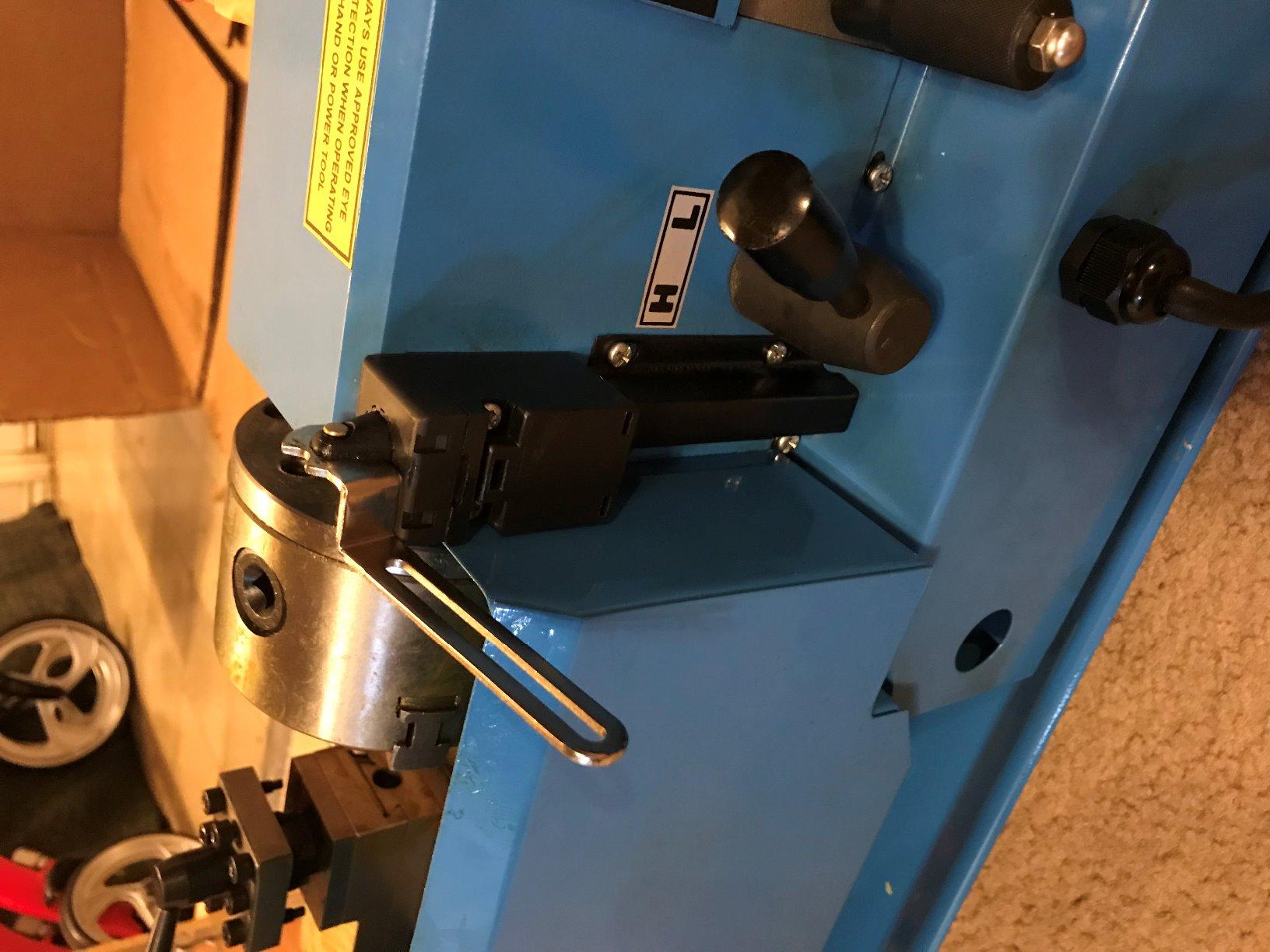
Next comes gib adjustment on the carriage, cross slide and compound. Each has a set of tapered strips that take up play. Adjust until you feel resistance with no lost motion, then lock the screws and re-check after a few minutes of use. Owner accounts of stripped gib set screws are common, so tighten firmly but do not overtighten.
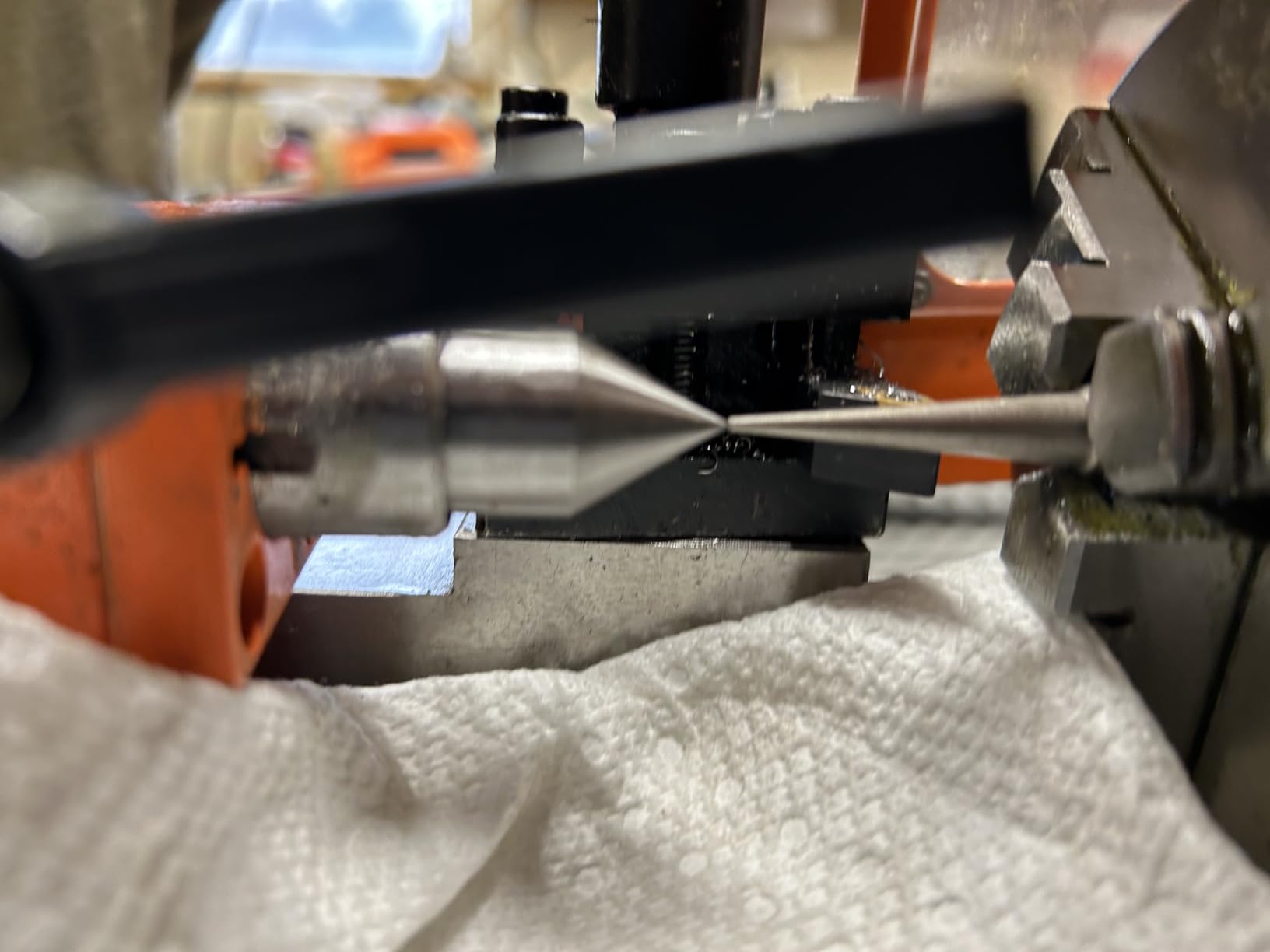
Align the tailstock next. Loosen the tailstock, sight down the bed from the headstock, and slide it until the quill lines up with the spindle centreline. This is the difference between a part that runs true between centers and one that tapers, and it takes five minutes on a new machine.
Finally, lubricate deliberately. The lead screw, the slideways and the change gear train each want their own lubricant, applied according to the manual. A dry lead screw wears fast, and a worn lead screw means threads that vary in pitch halfway along a cut.
Forum accounts make the same point from a different angle. A Hobby-Machinist member describes out-of-box 7 inch machines as lacking rigidity, lacking precise quality control and fitting, and lacking a decent work envelope, with the worst examples being little more than scrap. Choose your importer carefully, because some buy quality control rejects straight off the production line. And expect to regret the decision at regular points in the process, because everyone does, including the people who love their machines.
Once fettled, these are capable machines. A beginner running a positive insert such as a CCGT at around 1100 RPM gets good results on silver steel, 7210M and 4140, according to machinists on Reddit, which tells you the machines can cut real steel once they are set up properly.
Frequently Asked Questions
What is a good bench top lathe for metal?
A good benchtop metal lathe for metal needs a cast iron bed, electronic variable speed, metal change gears and standard MT2 and MT3 tapers. In this roundup the VEVOR 7×14 is the safest first buy because 294 owners have documented its behaviour, while the VEVOR 8×14 offers more swing for heavier work. Expect to spend a full day fettling any machine in this class before the first cut.
What is the best lathe for a beginner?
For a beginner, prioritise standard tapers, metal change gears and a machine light enough to move, in that order. The VEVOR 7×14 suits most first-time owners because its 294 reviews make the arrival quality predictable and the manual is well covered. Choose a machine with a threading dial if you plan to cut threads, and set aside a weekend for setup before your first project.
Are Vevor mini lathes any good?
VEVOR mini lathes are the most reviewed machines in this class and are good value for money, but owners consistently report setup and adjustment work on arrival. The 7×14 model has the largest review base at 294 ratings, while the larger 8.3×29.5 model adds center distance at the cost of jerky slides and no axis locks. The recurring weakness across the range is parts and customer service support.
What is the best mini metal lathe for the money?
The VEVOR 8×14 mini metal lathe offers the most capability per unit of outlay in this roundup, with an 8.3 inch swing, metal gears and a standard MT2 tailstock taper. Its main drawback is that the power feed cannot be disengaged, so understand that before buying. For the lowest outlay with the largest review base, the VEVOR 7×14 remains the reference point for most beginners.
What is a good mini lathe for metal work?
A good mini lathe for metal work needs at least a 500W motor, metal change gears and a rigid cast iron bed. The VEVOR 7×14 and 8×14 both meet that bar for aluminium, brass and light mild steel work. For serious steel cutting step up to an 1100W brushless machine such as the INTSUPERMAI 8×16, which also has a wide 3.94 inch cast iron bed.
What company makes the best lathes?
Much of the hobby mini lathe market comes from a small number of Chinese manufacturers, and the same basic machine is sold under many storefront names including VEVOR, Erie Tools and several others. That is why the same model number can differ between sellers. Brands with a long production history and a US service base, such as WEN and Proxxon in this roundup, are worth considering when parts availability matters.
Conclusion: The Benchtop Metal Lathe Worth Your Bench
If you are buying your first metal lathe and want the least risk, the VEVOR 7×14 is the pick. Its 294 documented owners, metal gears, a digital display and standard tooling interfaces make it the least surprising machine in the class. If you want more swing and more rigidity, step up to the VEVOR 8×14 and understand its power feed arrangement first.
If you turn long workpieces, the VEVOR 8.3×29.5 and the CREWORKS 9×30 are the only two here that answer that need, and the CREWORKS carries real reliability risk. If you make jewelry, the Proxxon FD 150/E is in a different league for finish quality. If you thread in both imperial and metric, the INTSUPERMAI 8×16 removes the gear changes entirely, at the cost of being an early adopter.
Whatever you choose, budget a day for fettling and a modest tooling kit, and think honestly about whether a benchtop is the right constraint at all. The best benchtop metal lathes for hobby machining are excellent machines once they are set up, and the owner who enjoys that setup is the one who still has a lathe in five years.