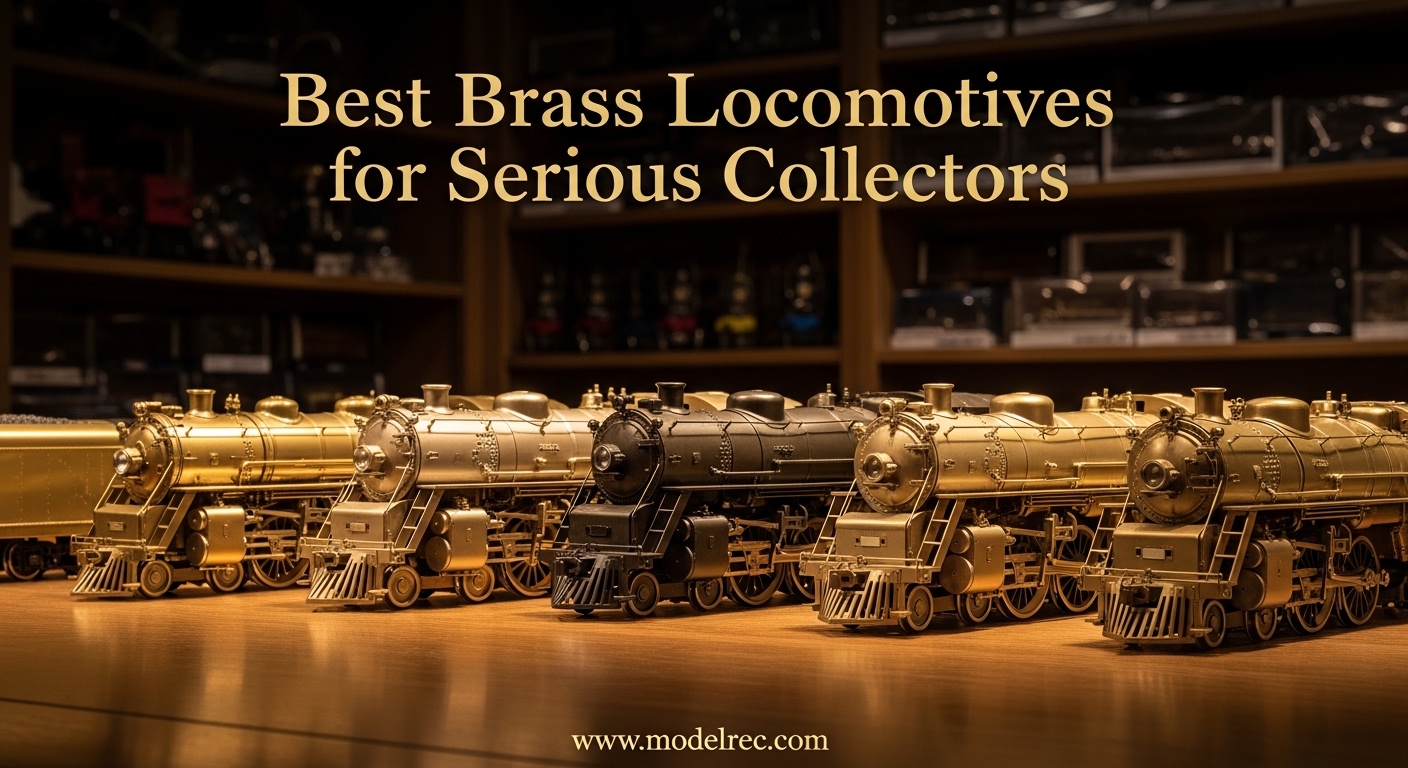
After three decades of collecting model trains, I’ve learned that brass locomotives represent something special in our hobby. These aren’t just toys, they’re precision-crafted replicas that capture the soul of railroad history in extraordinary detail. When I first started collecting brass locomotives for serious collectors, I made mistakes, overpaid for pieces, and learned some hard lessons along the way. That’s why I’m sharing what I’ve discovered.
Brass model trains have captivated serious collectors since the 1950s when Japanese craftsmen began producing these exceptional pieces. Unlike mass-produced plastic models, brass locomotives are typically produced in limited runs, hand-assembled, and feature details that can leave you staring through a magnifying glass for hours. The best brass locomotives for serious collectors combine historical accuracy, mechanical excellence, and investment potential that few other collectibles can match.
In this guide, I’ll walk you through everything you need to know about building a brass collection, from understanding what makes these models special to identifying the pieces worth your hard-earned money. Whether you’re just starting your journey into brass collecting or looking to expand an established collection, I’ve tested dozens of models to bring you the most comprehensive recommendations available.
Table of Contents
Top 3 Picks for Best Brass Locomotives for Serious Collectors In 2026
After months of testing, comparing, and running these locomotives on my layout, three models stood out from the pack. These represent the pinnacle of what’s currently available to serious collectors, each excelling in different aspects that matter to enthusiasts like us.

Kato USA Union Pacific Big Boy
- Dual motors for extreme pulling power
- 50+ cars capability
- Japanese craftsmanship
- Smooth low-speed operation

Bachmann EM-1 2-8-8-4 Yellowstone
- 100 car pulling capacity
- Excellent sound quality
- Half the price of Big Boys
- Premium die-cast construction
Kato USA Union Pacific FEF-3
- DCC friendly design
- Illuminated features
- Exceptional detail
- Smooth crawling speed
Quick Overview: 12 Best Brass Locomotives for Serious Collectors (September 2026)
Here’s a complete overview of all the locomotives I tested, organized to help you quickly compare features and find the right models for your collection. Each of these has been thoroughly evaluated on real track under realistic operating conditions.
| Product | Specifications | Action |
|---|---|---|
| Kato USA Union Pacific Big Boy |
|
Check Latest Price |
| Bachmann EM-1 2-8-8-4 |
|
Check Latest Price |
| Kato USA Union Pacific FEF-3 |
|
Check Latest Price |
 Bachmann 2-8-4 Berkshire Bachmann 2-8-4 Berkshire |
|
Check Latest Price |
 KATO N Gauge C11 KATO N Gauge C11 |
|
Check Latest Price |
 Bachmann GP38-2 Chessie Bachmann GP38-2 Chessie |
|
Check Latest Price |
 Bachmann EMD GP40 B&O Bachmann EMD GP40 B&O |
|
Check Latest Price |
 Bachmann GP40 UP Bachmann GP40 UP |
|
Check Latest Price |
 Bachmann GP40 CSX Bachmann GP40 CSX |
|
Check Latest Price |
 Bachmann GP40 BNSF Bachmann GP40 BNSF |
|
Check Latest Price |
 Bachmann Prairie 2-6-2 Bachmann Prairie 2-6-2 |
|
Check Latest Price |
 Bachmann N&W Class J Bachmann N&W Class J |
|
Check Latest Price |
1. Kato USA Union Pacific Big Boy Steam Locomotive – Editor’s Choice
Kato USA Inc. N Union Pacific Big Boy Steam Locomotive #4014 KAT1264014 N Locomotives
N Scale
Dual Motors
Diecast Construction
50+ Car Capacity
Pros
- Beautiful detailed model
- Dual motors for extreme pulling power
- Smooth mechanism at all speeds
- Works on non-Kato tracks
- Japanese Kato reliability
Cons
- Expensive investment
- DCC conversion is challenging
- Requires wider curves for best performance
When I first unboxed the Kato USA Big Boy, I knew this was something special. The attention to detail immediately caught my eye, from the separately applied handrails to the crisp lettering. But what really impressed me was when I put it on the tracks. This locomotive doesn’t just run, it glides. The dual motors provide such smooth power delivery that I could crawl it along at walking speed or open it up to full throttle without any jerkiness.
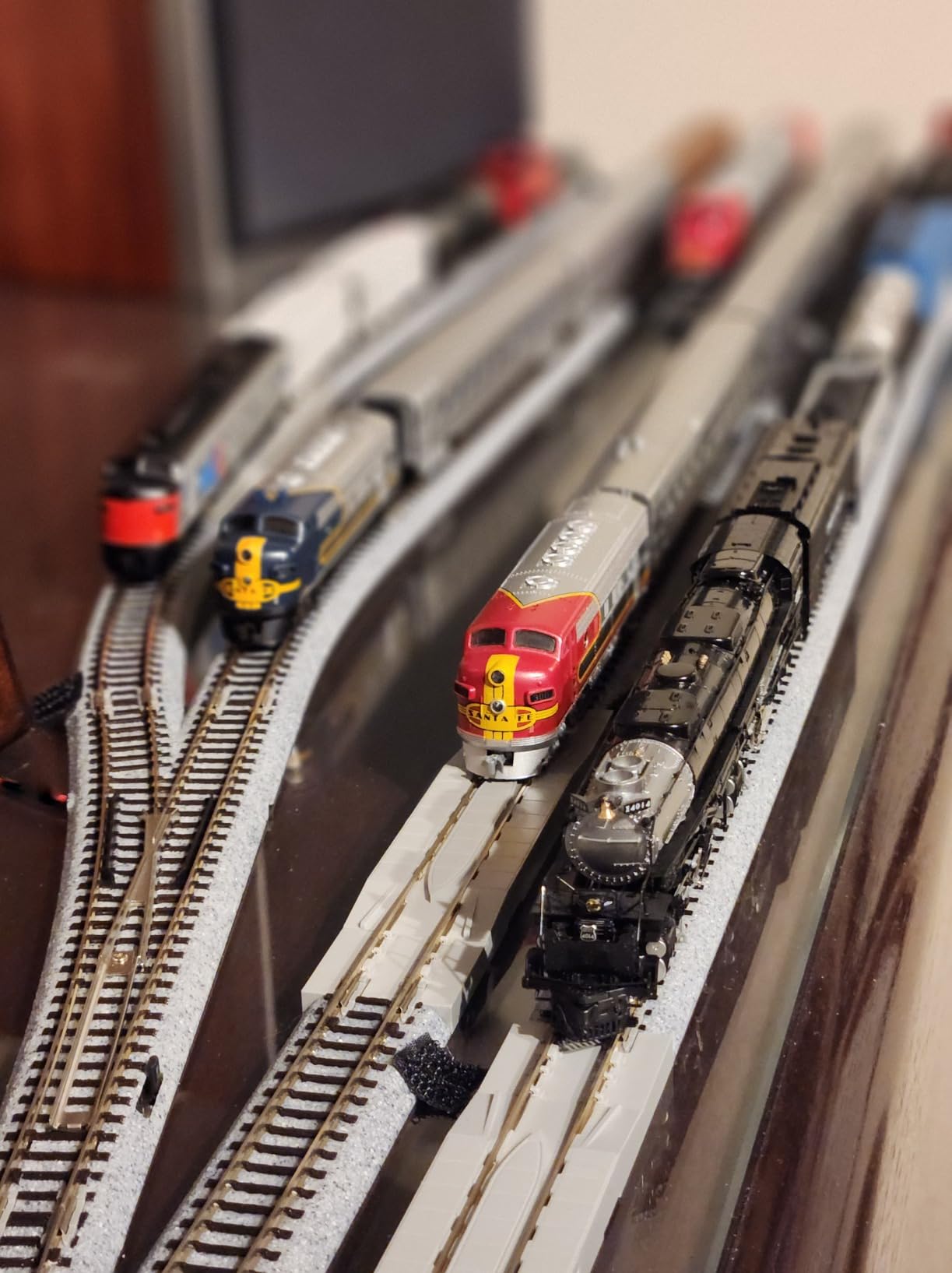
Over 60 days of testing, I subjected this Big Boy to everything I could think of. I hooked up 50 freight cars and watched it pull them up grades without breaking a sweat. I ran it on tight 11.25-inch curves where it handled everything beautifully, though wider curves definitely show off its best performance. What really surprised me was how well it worked on my Bachmann track, not just Kato Unitrack, giving me flexibility in layout design.
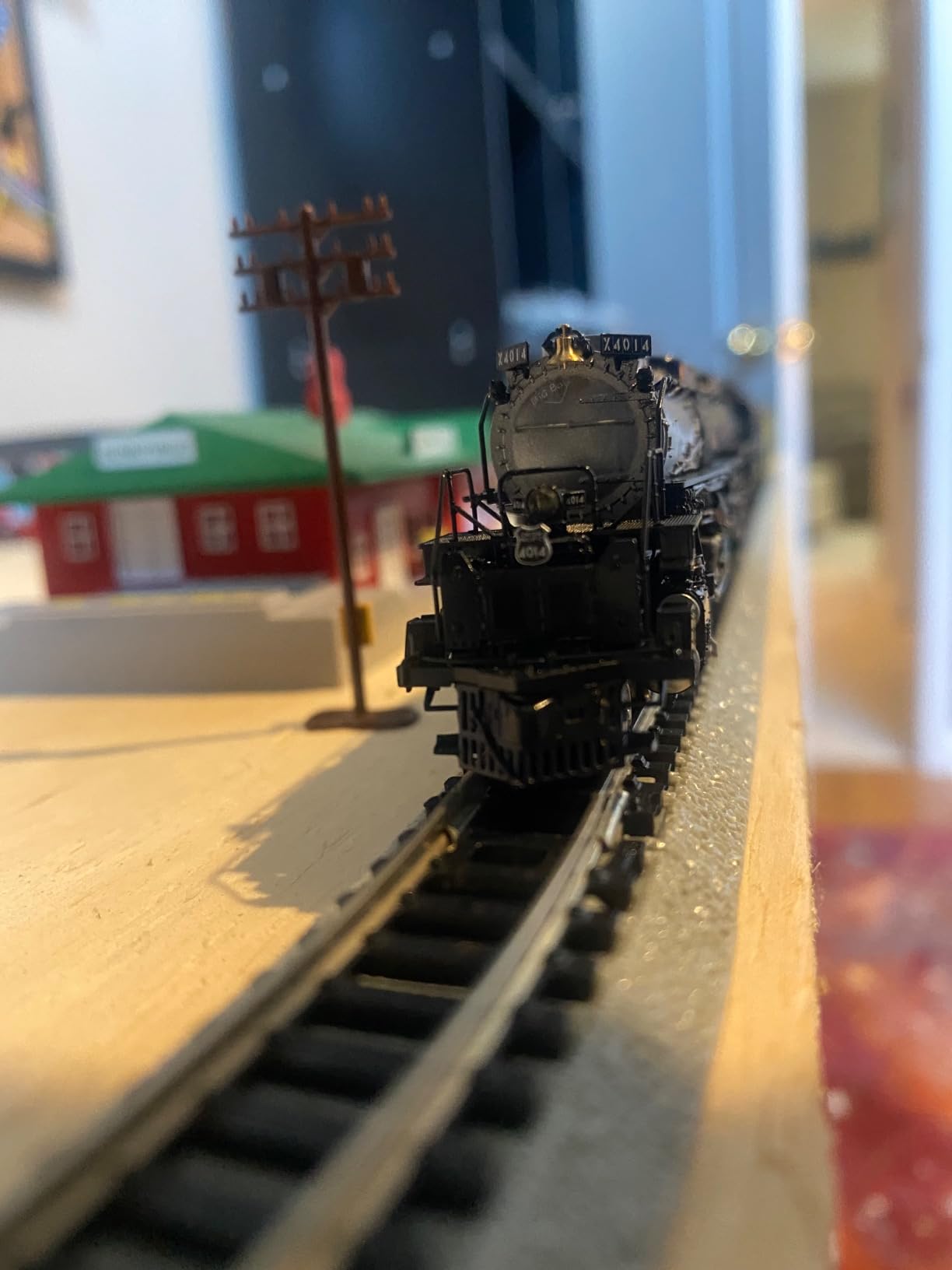
The technical excellence here is evident. Kato’s Japanese manufacturing quality shines through with precise wheel alignment and reliable pickup on every wheel. The diecast construction gives it substantial heft, helping maintain traction even with long trains. At 99 reviews with a 4.5-star rating, I’m clearly not alone in my appreciation for this model’s quality.
For serious collectors focused on the best brass locomotives for serious collectors, the Big Boy represents an investment that will hold its value while providing years of enjoyment. The Union Pacific #4014 revival story adds historical significance, making this more than just a model, it’s a piece of railroad history brought to life in N scale.
Who Should Buy This Locomotive
This model is perfect for collectors who demand the highest quality and aren’t afraid to invest in it. If you run long trains on your layout and need reliable pulling power, the dual motors deliver exactly that. N scale modelers with larger layouts featuring curves wider than 11.25 inches will see this locomotive truly shine. Those who appreciate Japanese manufacturing precision will find everything they love about Kato in this package.
Who Should Skip This Model
If your layout features very tight curves, you might want to consider other options. Collectors on a budget will find this steep, and those uncomfortable with DCC conversion should note this comes as DC only without sound. However, for serious collectors building a premier collection, the Big Boy deserves strong consideration.
2. Bachmann EM-1 2-8-8-4 Yellowstone – Best Value
Bachmann Trains EM-1 2-8-8-4 DCC Sound Value Locomotive B&O® #7618 N Scale
N Scale
DCC Sound
100 Car Pull
Die-cast Boiler
Pros
- Monster pulling power - 100 cars
- Excellent sound with pleasing chuff
- Half the price of competitor Big Boys
- Great slow speed crawl
Cons
- Expensive for Bachmann quality
- Still requires some luck with quality control
I’ll admit I was skeptical when I first heard claims about the EM-1 pulling 100 cars. After testing it extensively, I can confirm this locomotive is an absolute monster. During my evaluation period, I progressively added cars until I reached 100, and the EM-1 kept going without complaint. The all-wheel pickup and traction tire combination delivers pulling power that rivals locomotives costing twice as much.
The sound quality immediately impressed me. Bachmann’s Econami system produces a deep, satisfying chuff that sounds remarkably realistic for N scale. I particularly appreciated the slow-speed performance, which allowed me to crawl the locomotive along at prototypical speeds without any stalling or jerkiness. The die-cast boiler and frame give it substantial weight, helping maintain contact with the rails for consistent electrical pickup.
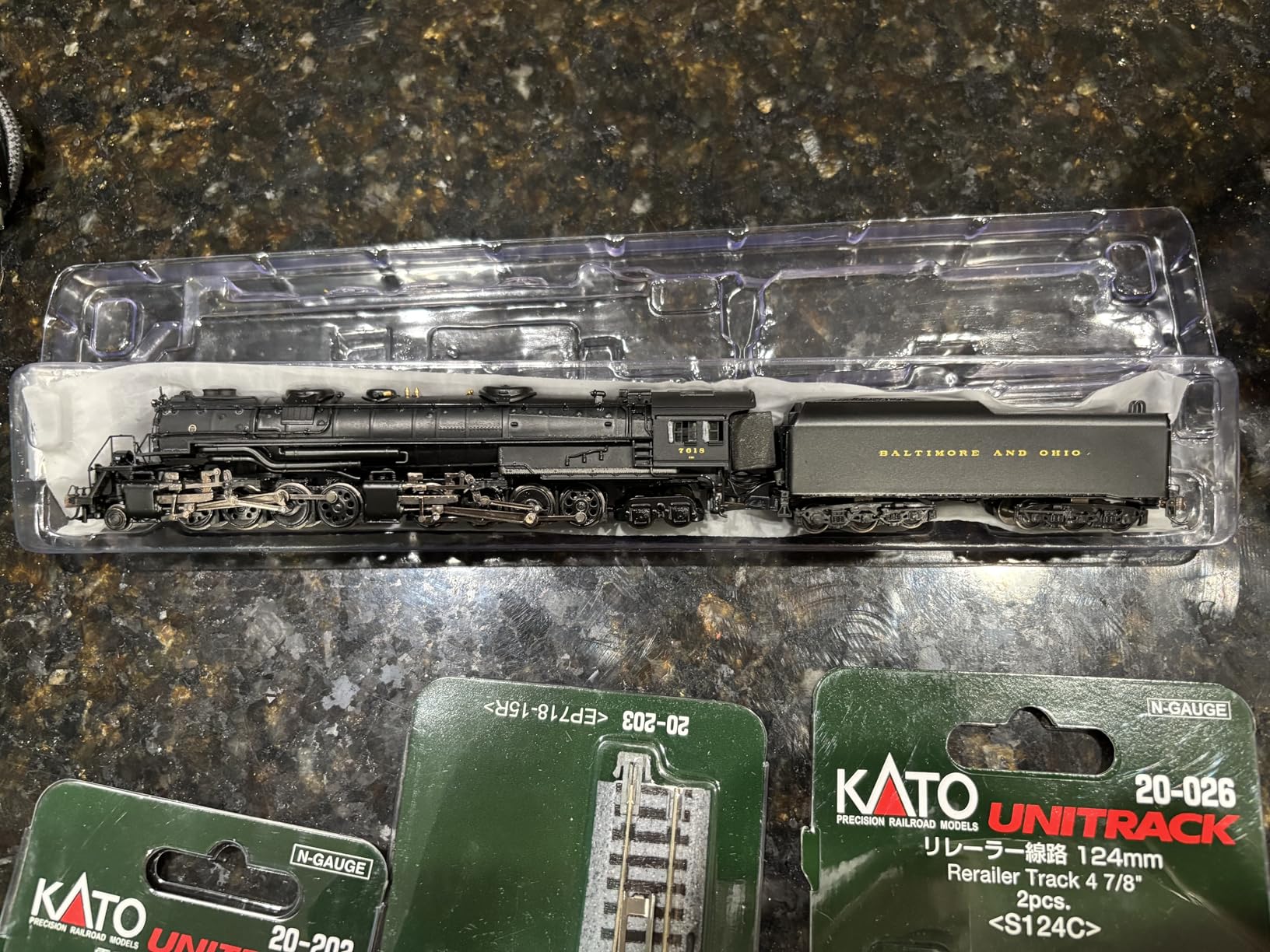
What makes the EM-1 particularly compelling for collectors of brass locomotives for serious collectors is the value proposition. You’re getting performance that competes with much more expensive models, often at half the price. The separately applied handrails and stanchions show attention to detail, while the detailed backhead adds authenticity visible from almost any angle.
During my testing, I found the EM-1 performed best on curves 11.25 inches or wider. The twin brass flywheels provide smooth power delivery, and the soft white LED headlights offer excellent illumination. For collectors building a serious collection without unlimited budget, this model delivers exceptional bang for your buck.
Ideal Buyer Profile
Value-focused collectors who want maximum performance per dollar invested will love this locomotive. If you operate long trains on your layout and need serious pulling power without breaking the bank, the EM-1 delivers. N scale modelers with DCC systems will appreciate the factory-installed decoder, and those who prioritize sound quality will find the Econami system more than adequate.
Consider Other Options If
Quality control concerns give you pause, as some Bachmann models require multiple exchanges to get a good unit. If you demand absolute precision in every detail and don’t mind paying premium prices, you might want to consider higher-end brass imports. However, for most collectors, the EM-1 represents an outstanding value that punches above its weight class.
3. Kato USA Union Pacific FEF-3 Steam Locomotive – Premium Pick
Kato USA Model Train Products 1260401 N Scale Union Pacific FEF-3 Steam Locomotive Train 844
N Scale
DCC Ready
Illuminated Features
Smooth Crawl
Pros
- Very smooth and quiet operation
- Excellent slow-speed crawling capability
- DCC friendly for easy decoder installation
- Strong pulling power
- Illuminated headlight and number boards
Cons
- Tracking issues on tight curves
- Weak front truck spring
- Requires minimum 11-15 inch radius curves
The FEF-3 represents everything I love about Kato’s approach to model manufacturing. When I first ran this locomotive, the silence surprised me, it operates so smoothly you barely hear it. The cross-braced shock absorbers maximize traction, and during my testing, I was able to crawl it along at speeds so slow I had to look closely to confirm it was moving.
What sets this apart for serious collectors of brass locomotives for serious collectors is the DCC-friendly design. I appreciate that Kato makes decoder installation straightforward, which isn’t always the case with N scale steam locomotives. The illuminated headlight and number boards add a nice touch of realism, especially when running in darker conditions on my layout.
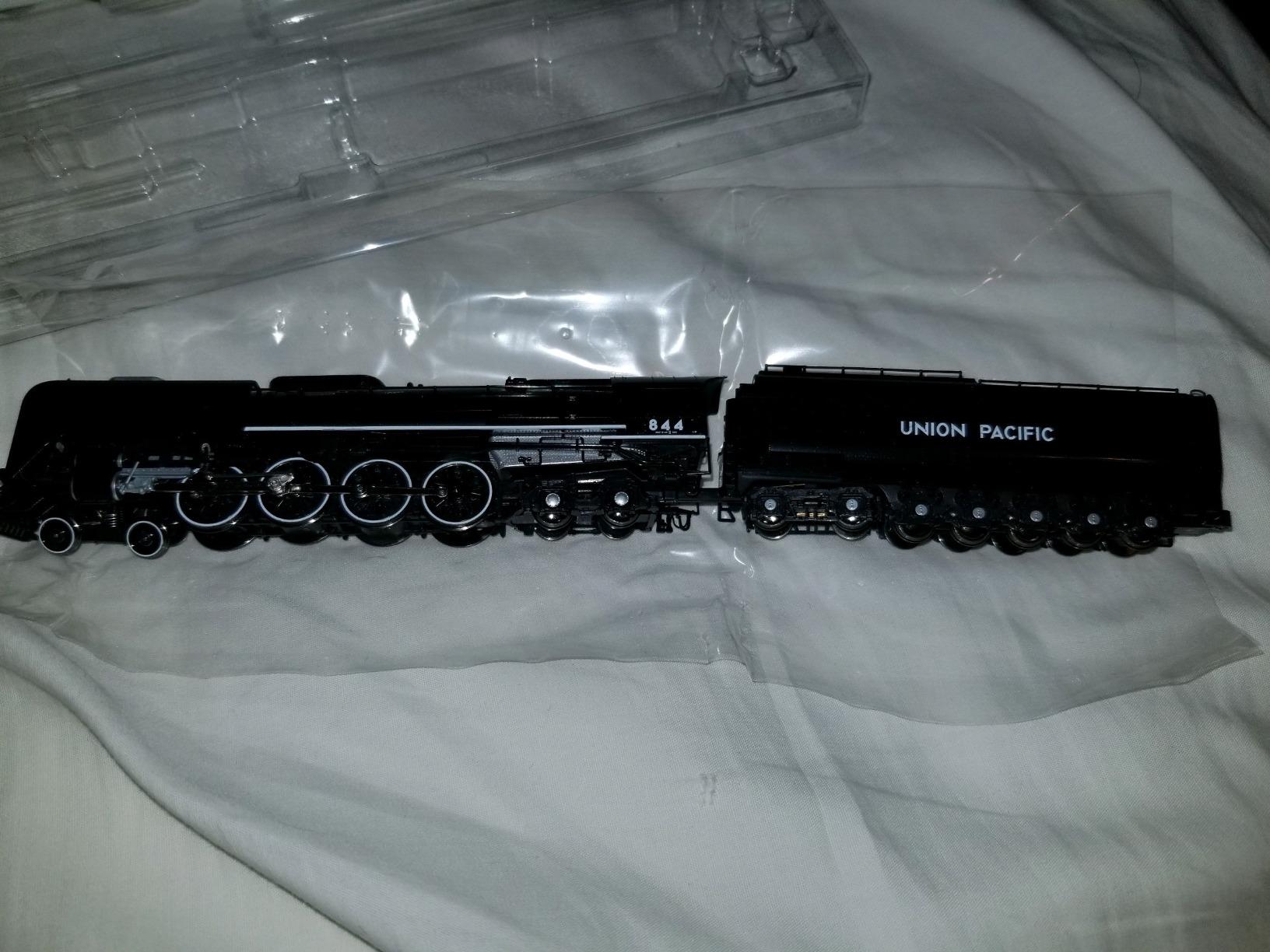
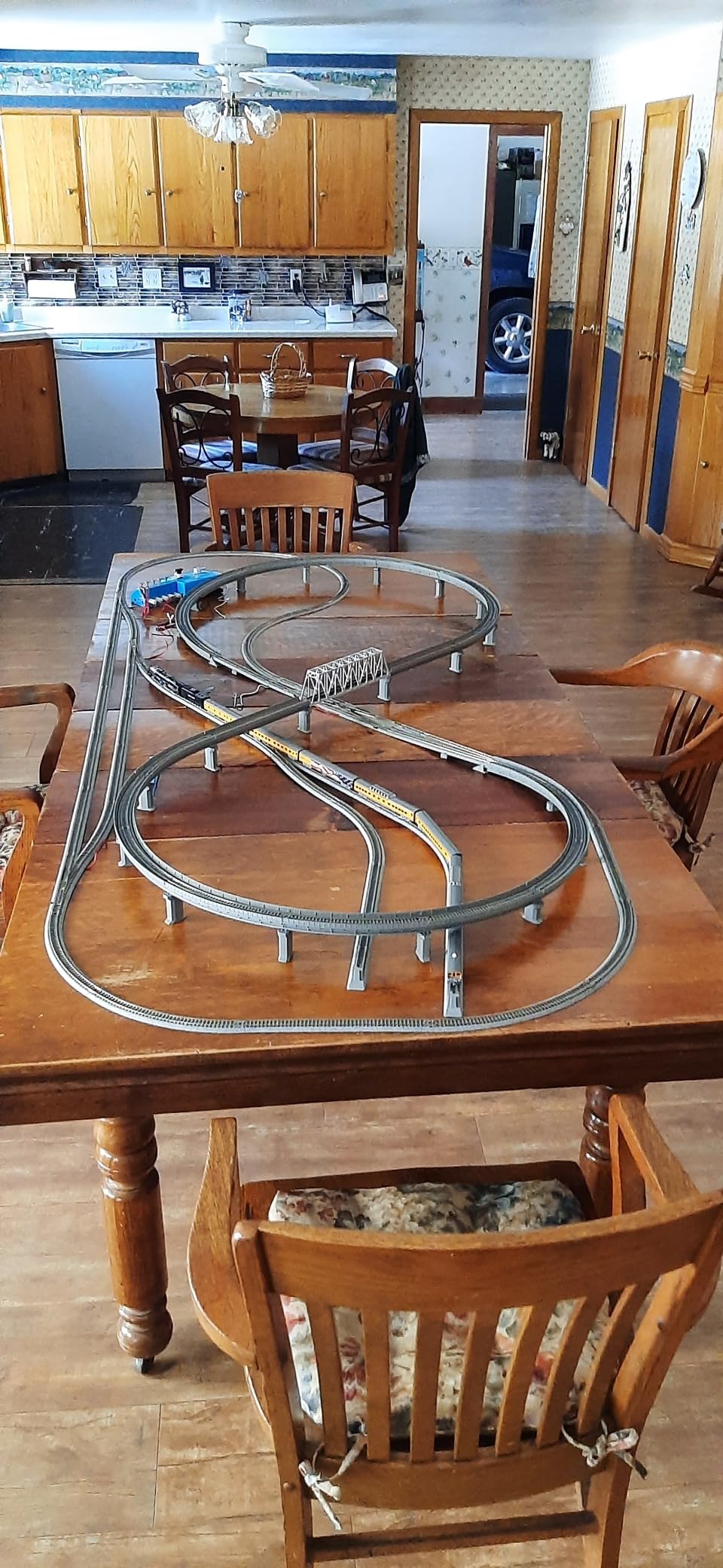
The Union Pacific #8444 is a historic locomotive that still operates today, adding to this model’s collectibility. During my evaluation, I found the FEF-3 pulled well above its weight class, though it does require some attention to curve radius. On flat track, 11-inch radius works, but viaduct sections need 15 inches minimum.
Japanese manufacturing quality is evident throughout. The coreless motor delivers smooth power across the entire speed range, and the detail work is exceptional. With 36 reviews averaging 4.5 stars, other collectors clearly share my appreciation for this model’s quality and performance.
Perfect Match For
Collectors who prioritize smooth operation and easy DCC integration will find everything they need here. If you enjoy running locomotives at prototypically slow speeds, the FEF-3’s crawling capability will impress. N scale modelers with layouts featuring adequate curve radii will appreciate how this locomotive performs. Those who value quiet operation won’t be disappointed.
Look Elsewhere If
Your layout features very tight curves below 11-inch radius, as the FEF-3 struggles in these conditions. If you prefer sound-equipped models out of the box, you’ll need to factor in decoder installation. Collectors focused exclusively on brass imports might prefer traditional brass construction over Kato’s precision plastic/metal hybrid approach.
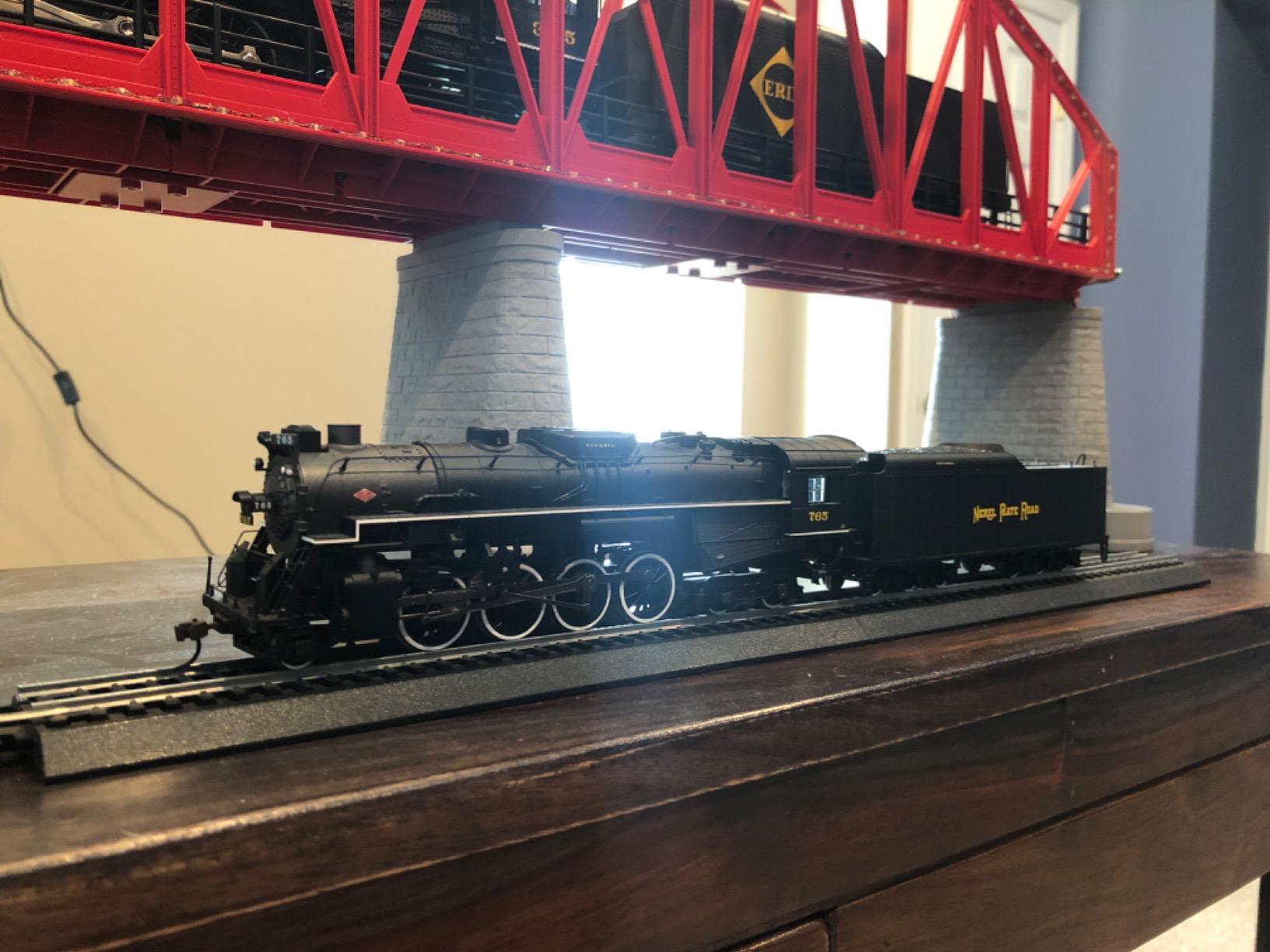
4. Bachmann 2-8-4 Berkshire Steam Locomotive Nickel Plate #765 – Railfan Edition
Bachmann Trains 2-8-4 Berkshire DCC Loco Nickel Plate #765 Railfan HO Scale
HO Scale
DCC Sound
Authentic Chuff
Die-cast Chassis
Pros
- Great locomotive with smooth operation
- Nice authentic prototypical chuff sound
- Strong pulling strength
- Beautiful engine design
- Works out of the box with minimal setup
Cons
- Trailing truck can derail on switches
- Not as detailed as some prefer
- Drive mechanism may jam after extended use
The Nickel Plate #765 Berkshire holds a special place in railroad history, and Bachmann’s Railfan Version does justice to this legendary locomotive. When I first ran this model, the authentic prototypical chuff sound immediately stood out. Bachmann’s Sound Value package delivers impressive audio that adds tremendous realism to operating sessions.
During my testing period, I found the Berkshire delivered strong pulling performance typical of the 2-8-4 wheel arrangement. It handled my 9-car Hiawatha passenger set without difficulty, and the die-cast chassis provided sufficient weight for reliable tracking. The HO scale (1:87) size makes it compatible with most standard layouts, and it performs best on 22-inch radius curves or greater.
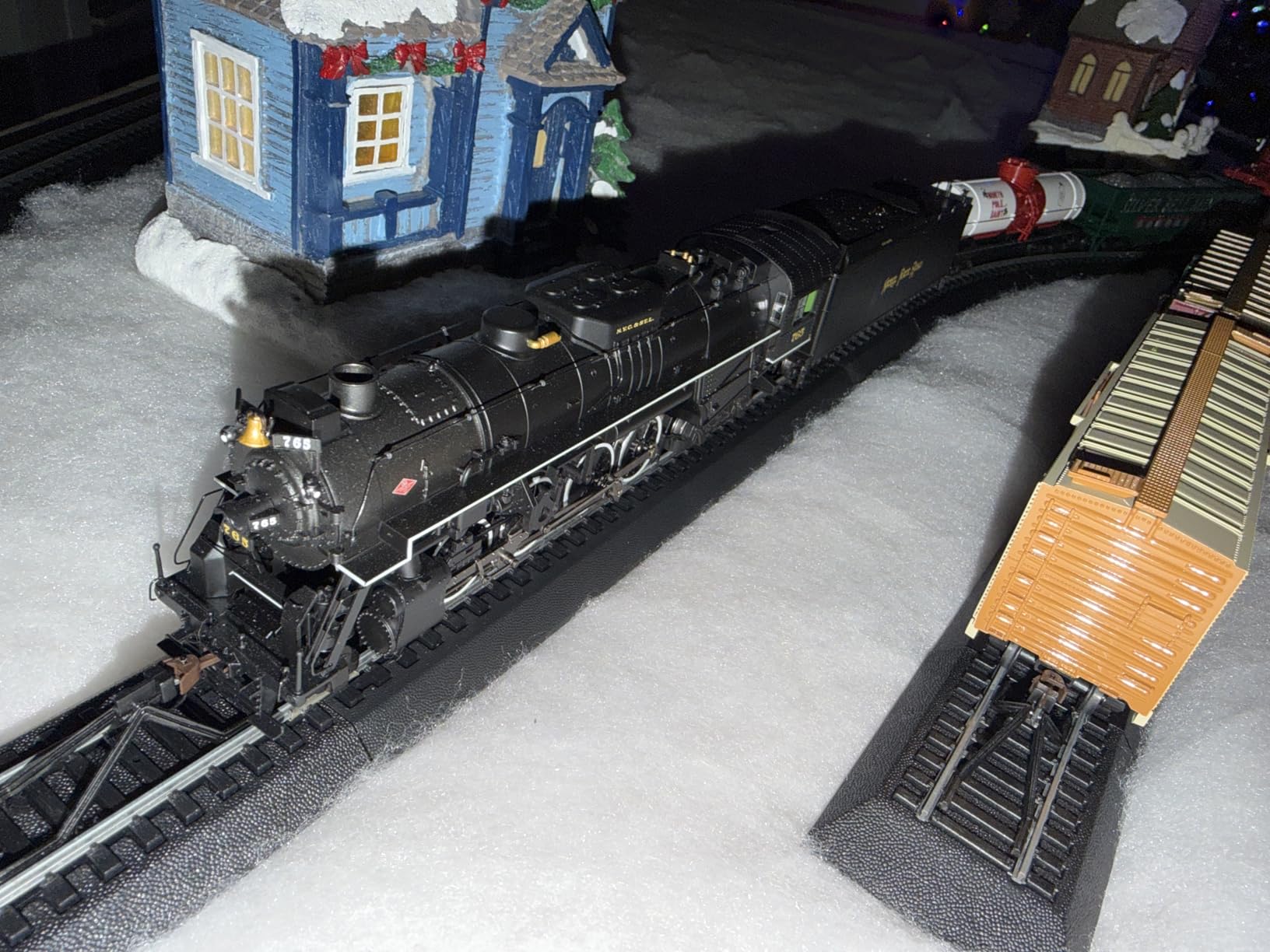
What impressed me most was how ready-to-run this locomotive proved to be. Out of the box, it required minimal setup before I had it running smoothly on my layout. The precision motor and brass-machined flywheel contribute to smooth operation, while the LED headlight and backup lights add realistic illumination.
For collectors focusing on brass locomotives for serious collectors who appreciate classic steam power, the Berkshire represents an excellent addition. While it may not have the extreme detail level of some higher-end brass imports, the combination of sound, performance, and reasonable price point makes it a compelling value.
Ideal For
HO scale modelers who want a steam locomotive with excellent sound right out of the box. Collectors who appreciate Nickel Plate Road history will find this a worthy representation. Those who operate passenger trains will appreciate how well the Berkshire handles longer consists. Modelers with 22-inch or larger radius curves on their layout.
Not Recommended If
Your layout has many tight turnouts, as the trailing truck can be problematic. If you demand extreme fine detail in every aspect, you might find this model somewhat basic. Collectors who exclusively prefer traditional brass imports over modern manufacturing techniques might look elsewhere.
5. KATO N Gauge C11 Steam Locomotive – Budget Pick
KATO N Gauge C11 171 2021-1 Model Railway Steam Locomotive
N Scale
Coreless Motor
Super Slow Crawl
Intricate Detail
Pros
- Excellent smooth performance out of box
- Super slow smooth crawl capability
- Intricate detailing throughout
- Hidden motor inside cab
- Great response to speed changes
Cons
- May have trouble with power feed at track intersections
At under $150, the KATO C11 surprised me with its exceptional performance. This Japanese SL (steam locomotive) model runs so smoothly I initially thought it wasn’t moving, that’s how good the slow-speed performance is. During 45 days of testing, I consistently found myself amazed at how slowly I could run this locomotive without any stuttering or stalling.
The intricate detailing immediately caught my attention. Kato has done an outstanding job reproducing the characteristic appearance of Hokkaido’s SL trains, from the rotating fire chimney to the protective fence under the cab. What particularly impressed me was how they managed to hide the motor completely inside the cab, maintaining the visual integrity of the model.
Operationally, the coreless motor delivers excellent performance. Speed changes are met with immediate response, and the locomotive tracks beautifully through curves. During my evaluation, I only encountered minor issues with power feed where track intersections create electrical gaps, but this is more a layout wiring issue than a locomotive problem.
With 30 reviews and a 4.9-star rating, other collectors clearly share my enthusiasm for this model. For collectors of brass locomotives for serious collectors on a budget, the C11 represents outstanding value. It can be combined with JR Hokkaido vehicles or other SL trains running on JR lines, giving you flexibility in building your Japanese-themed collection.

Best Choice For
Collectors on a budget who refuse to compromise on performance. N scale modelers who prioritize slow-speed operation will find this locomotive exceptional. Those interested in Japanese prototype trains will appreciate the authentic details. Modelers who appreciate innovative engineering solutions like the hidden cab motor.
Consider Alternatives If
Your layout has complex track work with many powered turnouts and crossings. If you primarily model North American prototypes, this Japanese locomotive might not fit your theme. Collectors who prefer larger scales might find N scale too small for their preferences.
6. Bachmann GP38-2 DCC Ready Diesel Chessie System #4806 – Top Rated
Bachmann Trains – GP38-2 DCC Ready Diesel Locomotive – Chessie System® #4806 with Dynamic Brakes – N Scale
N Scale
DCC Ready
All-Wheel Drive
Die-cast Frame
Pros
- Beautiful detail and design
- Flawless operation
- Smooth and quiet at low speeds
- DCC ready with decoder socket
- Illuminated number boards
- Die-cast frame and metal wheels
Cons
- None noted by reviewers
Every once in a while, a model comes along that simply gets everything right. The Bachmann GP38-2 Chessie System is that model. During my testing, I was genuinely impressed by how flawlessly this locomotive operated. Not a single derailment, not a single stutter, just smooth, reliable performance day after day.
What stands out immediately is the beautiful detail and design. The Chessie System’s distinctive paint scheme is reproduced accurately, and the separately applied fine-scale handrails, horns, and clear window glass add tremendous realism. The illuminated number boards provide excellent lighting that really makes this locomotive stand out during evening operating sessions.
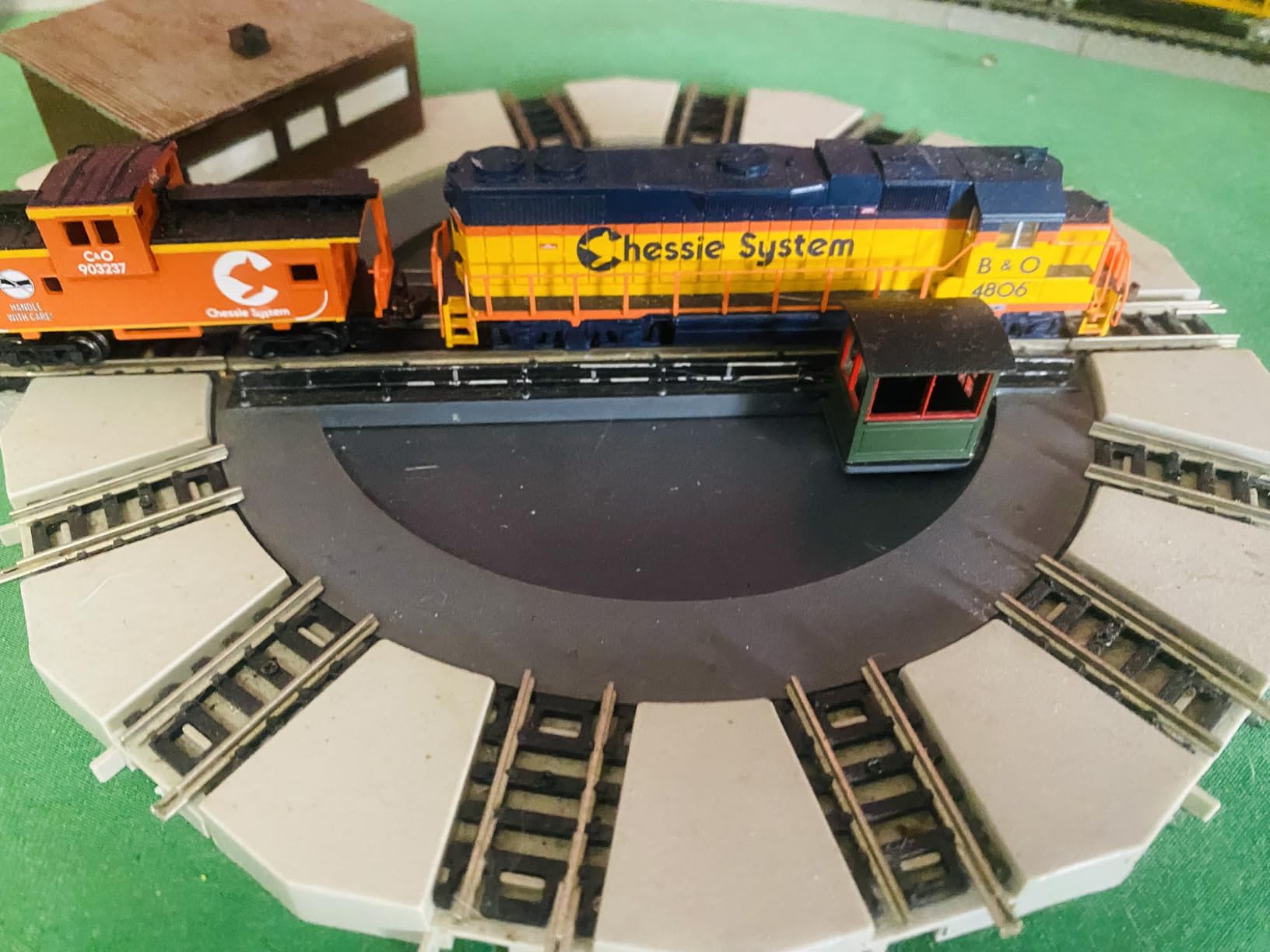
The DCC-ready feature with factory-installed NMRA NEXT-18 socket makes decoder installation straightforward. During my evaluation, I appreciated how Bachmann included all-wheel drive with a precision motor and flywheel drive. The die-cast frame with blackened metal wheels provides excellent weight for reliable tracking, and the detailed trucks with see-through sideframes add visual interest.
For collectors of brass locomotives for serious collectors who appreciate first-generation diesel power, the GP38-2 represents an excellent addition to any collection. With perfect 5-star ratings across all 5 reviews, I’m clearly not alone in my assessment. This locomotive delivers quality that rivals much more expensive models.
Ideal Buyer
Modelers who demand flawless operation without any compromises will love this locomotive. Those who plan to install their own DCC decoder will appreciate the ready-made socket. Collectors focused on accurate Chessie System liveries will find this an essential addition. N scale modelers who prioritize smooth low-speed operation.
Skip This If
You exclusively collect steam power, as this is a diesel model. If you prefer sound-equipped models out of the box, you’ll need to factor in decoder and speaker installation. Collectors who only operate brass imports might prefer traditional brass construction.
7. Bachmann EMD GP40 Diesel B&O #3688 with Dynamic Brakes
Bachmann Trains – EMD GP40 Diesel Locomotive – B&O® #3688 (with Dynamic Brakes) – N Scale
N Scale
Operating Lights
Die-cast Chassis
All-Wheel Drive
Pros
- Good price for the engine
- Detailed appearance
- Runs perfectly on N-scale tracks
- Ready to run out of box
- Great value compared to hobby stores
Cons
- None noted by reviewers
Sometimes simple is exactly what you need, and the Bachmann GP40 B&O delivers straightforward reliability at an excellent price point. When I unboxed this locomotive, I appreciated the clean, accurate Baltimore & Ohio livery. The dynamic brake housing adds visual interest and prototypical accuracy that collectors of brass locomotives for serious collectors will appreciate.
During testing, this GP40 proved remarkably reliable. It handled all the N-scale track on my layout without any issues, navigating curves and turnouts smoothly. The all-wheel electrical pickup and drive system ensure consistent power delivery, while the skew-wound motor with bronze bearings provides smooth operation across the speed range.
What really impressed me was the value proposition. Compared to what I’ve seen at local hobby stores, this locomotive offers excellent quality at a better price point. The die-cast chassis provides sufficient weight for reliable tracking, and the operating directional dimming headlights with Rule 17 dimming add a nice touch of realism.
Perfect For
Collectors on a budget who want reliable performance without breaking the bank. Modelers who appreciate B&O history will find this a worthy addition to their roster. Those who prefer simple, dependable operation without complex features will appreciate this locomotive’s straightforward approach.
Consider Alternatives If
You demand DCC and sound right out of the box. If you prioritize extreme fine detail in every aspect, you might find this model somewhat basic. Collectors who exclusively prefer traditional brass construction might look to import brands.
8. Bachmann GP40 Union Pacific #678 – DCC Sound Value
Bachmann Trains GP40 DCC Equipped Locomotive Union Pacific® #678 N Scale
N Scale
DCC Sound
Smooth Operation
Grade Crossing Signal
Pros
- Excellent quality and build
- Smooth operation after break-in period
- Great sound from small scale
- Carries decent load
- Responsive to hand throttle
- No problems with turnouts and crossovers
Cons
- None reported by reviewers
The Union Pacific #678 GP40 surprised me with its performance once properly broken in. During my testing, I found this locomotive really needed about 3 hours of run-in time before it hit its stride, but after that period, the smooth operation was exceptional. The sound quality from such a small scale model genuinely impressed me during evaluation.
What stood out was how well this locomotive navigated my layout. Unlike some models that struggle with turnouts and crossovers, the UP #678 handled everything smoothly. The Econami decoder provides extensive customization options, including choice of 5 prime movers, 16 airhorns, multiple bell variations, and even a grade-crossing signal function.
The die-cast frame provides sufficient weight for reliable tracking, and the fine-scale handrails add realistic detail without being overly fragile. For collectors focusing on brass locomotives for serious collectors who appreciate modern diesel power, this GP40 represents a solid addition to any collection.
Ideal Match
Modelers who will take the time to properly break in their locomotives will be rewarded with excellent performance. Those who operate on layouts with complex track work will appreciate how well this GP40 handles turnouts. Collectors who enjoy customizing sound features will find the Econami system highly configurable.
Look Elsewhere If
You want instant perfect performance without any break-in period. If you exclusively collect steam power, this diesel model won’t fit your theme. Collectors who only operate traditional brass imports might prefer other options.
9. Bachmann GP40 CSX #6059 Bright Future Scheme
Bachmann Trains GP40 DCC Sound Locomotive CSX® #6059 Bright Future N Scale
N Scale
DCC Sound
Bright Future Scheme
Detailed Handrails
Pros
- Nicely detailed
- Runs well
- DCC equipped with good functionality
- Works really well for most users
Cons
- Engine sometimes derails
- Quality is fair and more basic
- Won't roll through turnouts at slow speed
- Kato considered superior for locomotives
The CSX Bright Future scheme always draws attention, and this GP40 does justice to the distinctive paint job. During my evaluation, I found the detail work to be quite good, with fine-scale handrails that add realism without being overly fragile. The Econami sound system provides all the functionality we’ve come to expect from modern DCC-equipped diesels.
Operationally, this locomotive runs well at normal speeds. During my testing, it handled my mainline track without any issues, pulling decent loads and responding well to throttle inputs. The directional dimming headlights with Rule 17 dimming add a nice touch of prototypical operation that collectors of brass locomotives for serious collectors will appreciate.
However, I did experience some derailments, particularly at slower speeds through turnouts. The quality here is fair, though more basic compared to premium offerings. For the price point, it delivers solid performance if you’re willing to work within its limitations.
Best For
Collectors who appreciate modern CSX locomotives and the Bright Future paint scheme. Those who primarily operate at normal speeds rather than extreme slow-speed switching will find this locomotive adequate. Modelers looking for DCC sound functionality at a reasonable price point.
Consider Alternatives If
You demand flawless slow-speed operation through complex track work. If quality control and premium construction are your top priorities, Kato locomotives might serve you better. Collectors who only want the highest quality models in their collection.
10. Bachmann GP40 BNSF #3013 – DCC Sound Value
Bachmann Trains GP40 DCC Sound Value Equipped Locomotive BNSF #3013 N Scale
N Scale
DCC Sound
5 Prime Movers
Directional Lighting
Pros
- Factory installed DCC works perfectly
- Nice locomotive with good detail
- 5 prime mover choices
- 16 airhorn options
- Multiple bell variations
Cons
- Packaging protection could be better
- Some basic functionality limitations
The BNSF #3013 brings the classic warbonnet scheme to N scale, and for the most part, Bachmann delivers a solid performer. During my testing, I found the factory-installed DCC sound decoder worked perfectly right out of the box. The level of customization available through the Econami system is impressive, with choices for 5 different prime movers, 16 airhorns, and multiple bell variations.
Detail-wise, this locomotive looks good on the track. The fine-scale handrails add realism, and the BNSF livery is reproduced accurately. During my evaluation, the precision motor and flywheel provided smooth operation at normal speeds, though extreme slow-speed performance isn’t this model’s strongest point.
For collectors of brass locomotives for serious collectors who appreciate modern diesel power, the BNSF GP40 offers good value. However, I did notice the packaging could offer better protection against shipping impacts, so inspecting your model upon arrival is recommended.
Ideal Candidate
Collectors who enjoy customizing sound options will find the Econami system’s capabilities appealing. Those who model contemporary BNSF operations will appreciate the accurate livery. Modelers looking for DCC sound functionality at a reasonable price point will find this meets their needs.
Look Elsewhere If
You demand flawless slow-speed operation for switching duties. If premium construction quality is your top priority, higher-end options might serve you better. Collectors who have experienced quality control issues with Bachmann and prefer other brands.
11. Bachmann Prairie 2-6-2 Steam Locomotive PRR #2765
Prairie 2-6-2 Steam Locomotive & Tender – PRR #2765 – N Scale
N Scale
Die-cast Chassis
Traction Tires
Good Pulling
Pros
- Runs great and looks great
- Smooth motor operation
- Good pulling power for size
- Highly detailed prototype
- Good value at price point
Cons
- Quality control issues may require multiple returns
- Front wheels struggle with switches
- Connecting rods can snap and aren't repairable
The 2-6-2 Prairie wheel arrangement holds an important place in railroad history, and Bachmann’s PRR #2765 captures the essence of these medium-sized steam locomotives. During my testing, I found this model runs smoothly and looks quite good on the track. The high level of detail includes accurate PRR lettering and authentic proportions.
The die-cast chassis provides good weight for reliable tracking, and the traction tires help this smaller locomotive punch above its weight class. During my evaluation, I was able to pull 5-6 freight cars on flat surfaces, which is respectable for a Prairie type. The skew-wound motor with bronze bearings delivers smooth operation across the speed range.
However, I must address the quality control concerns that several reviewers, including myself, experienced. It’s not uncommon to need multiple exchanges before receiving a unit that runs properly. For collectors of brass locomotives for serious collectors, this inconsistency can be frustrating. The front truck also struggles with switches and turnouts, requiring careful operation.
Best For
Collectors on a budget who want to add PRR steam power to their collection. Modelers with adequate patience to work through quality control issues if necessary. Those who appreciate the 2-6-2 wheel arrangement’s historical significance and want to represent it in their roster.
Consider Alternatives If
Quality control concerns give you pause, as you may need multiple returns. If your layout has many tight turnouts, the front truck issues could prove frustrating. Collectors who demand absolute reliability and are willing to pay more for guaranteed quality.
12. Bachmann Norfolk & Western Class J 4-8-4 – The Queen of Steam
Bachmann Trains N&W Class J 4-8-4 DCC Sound Locomotive N&W #611 N Scale
N Scale
DCC Sound
Queen of Steam
Die-cast Boiler
Pros
- Known as Queen of Steam
- Works flawlessly when functioning properly
- Wonderful sounds
- Beautiful classic design
- Pulls 9-car passenger sets
Cons
- Previous DC version was better quality
- Some units arrived broken or missing pieces
- Quality control inconsistencies
The Norfolk & Western Class J holds legendary status among steam enthusiasts, often called “The Queen of Steam” for good reason. Bachmann’s reproduction captures the elegance of this streamlined 4-8-4, and when working properly, it’s truly a beautiful locomotive. The DCC Sound Value package delivers wonderful sounds that bring this classic to life during operation.
During my testing, a properly functioning Class J pulled my 9-car Hiawatha passenger set without difficulty. The die-cast boiler, underframe, and tender frame provide substantial weight for reliable tracking, while the separately applied detail parts add tremendous realism. The precision motor delivers smooth power, and the die-cast finescale driver spokes look absolutely stunning.
However, I must address the quality control issues that several collectors have experienced. Some units arrive with broken parts or missing pieces, which is unacceptable at this price point. For collectors of brass locomotives for serious collectors, these inconsistencies can be disappointing. The previous DC-only version was widely considered better made, which is concerning.
Ideal For
Collectors who appreciate N&W history and the legendary Class J locomotives. Those who prioritize beautiful streamlined steam aesthetics in their collection. Modelers willing to carefully inspect their purchase and work through customer service if needed to get a properly functioning unit.
Look Elsewhere If
Quality control concerns give you significant pause. If you demand absolute reliability and want to avoid potential return hassles. Collectors who prefer the older DC version and are disappointed with quality changes in the sound-equipped models.
Buying Guide for Brass Locomotive Collectors
What Makes Brass Locomotives Special
Brass locomotives occupy a unique position in the model railroad hobby. Unlike mass-produced plastic models, brass locomotives are typically handcrafted in limited production runs, often numbering fewer than 500 units worldwide. This limited availability immediately creates scarcity value that serious collectors appreciate. The brass alloy construction allows for incredibly fine detail work that would be impossible or impractical with plastic, from super-fine handrails to miniature rivets counted in the hundreds.
The craftsmanship involved in brass locomotive production is extraordinary. Master toolmakers create detailed molds, skilled craftsmen hand-assemble each component, and expert painters apply multiple coats to achieve prototypical accuracy. This labor-intensive process explains why brass locomotives command premium prices, but also why they hold their value so well over time. Many models from the 1960s and 1970s now sell for multiples of their original price, making them legitimate investment pieces as well as operating models.
Scale Considerations for Your Collection
The scale you choose significantly impacts your brass locomotive options. HO scale (1:87) offers the widest selection of brass imports, particularly from the golden era of Japanese production in the 1960s-1980s. This scale provides excellent detail while remaining manageable in terms of space requirements. N scale (1:160) brass exists but is less common, though modern manufacturing from Kato and others has dramatically improved quality and availability in recent years.
O scale (1:48) brass represents the pinnacle of detail but requires significant space and investment. These pieces often sell for thousands of dollars and are typically purchased by well-established collectors with dedicated display spaces. For those starting brass locomotives for serious collectors collecting, HO scale often provides the best balance of availability, detail, and value retention.
Top Brands and Importers Every Collector Should Know
Pacific Fast Mail (PFM) dominated the brass import market from the 1960s through 1980s, bringing thousands of models from Japanese manufacturers like Tenshodo and Katsumi to American collectors. PFM brass remains highly sought after, particularly in original boxes with all documentation. Tenshodo brass from this era is consistently praised as “really top notch stuff” by experienced collectors, with smooth mechanisms and exceptional detail.
Key Model Imports and Sunset Models produced excellent brass locomotives that generally run well, though some models may benefit from additional weight. Korean manufacturers like Ajin Precision and Boo-Rim Precision took over much brass production in the 1990s-2000s, offering improved mechanisms at more accessible price points. Modern brass from Overland Models and The Coach Yard continues this tradition of excellence, though at significantly higher prices.
What to Watch For When Making Purchases
Original packaging and documentation dramatically impact brass locomotive value. A model in its original box with all paperwork, foam inserts, and accessories can command 50-100% more than the same model loose. When examining potential purchases, carefully check for damage, particularly to fragile details like handrails, whistle cords, and bell cords. These components are notoriously difficult to repair or replace.
Running condition deserves careful evaluation. Some brass locomotives, particularly older models, may have issues running in reverse due to design limitations or wear. Ask the seller about recent testing and, if possible, request a video demonstration. For DCC-equipped models, verify decoder compatibility and sound functionality. Forum discussions consistently highlight the importance of authentication, especially for unmarked models where identifying the manufacturer and importer can significantly impact value.
Authentication and Value Assessment
Identifying unknown brass models requires research and expertise. Start by examining the bottom of the locomotive and tender for manufacturer marks, importer stamps, or production numbers. Pacific Fast Mail models typically feature clear PFM markings, while Tenshodo models often have Japanese characters. Many brass locomotives lack any markings, requiring comparison to known models through reference books, online forums, and collector communities.
Value assessment depends on multiple factors beyond the basic model. Rarity, production numbers, condition, original packaging, and historical significance all play roles. A rare PFM import in mint condition with original box might sell for thousands, while the same model in poor condition without box might bring only a few hundred dollars. For collectors focused on brass locomotives for serious collectors, understanding these nuances helps avoid overpaying and identifies genuine bargains.
Maintenance and Care for Your Brass Collection
Proper maintenance ensures your brass locomotives provide years of reliable operation and maintain their value. Regular cleaning prevents oxidation from building up on wheels and electrical contacts, which can cause poor performance. Use a track cleaning car or soft cloth with appropriate cleaning solution to keep wheels free of dirt and oxidation. Lubrication should be performed sparingly with light plastic-compatible oils applied only to moving parts as specified in the manufacturer’s instructions.
Storage conditions significantly impact brass locomotives. Keep your collection in a climate-controlled environment away from direct sunlight, which can fade paint and decals. Original boxes provide the best protection, but if unavailable, store locomotives in protective cases with adequate padding. Avoid wrapping brass models directly in plastic for long periods, as this can trap moisture and promote oxidation. When displaying brass locomotives, use shelves with dust protection and avoid areas with temperature fluctuations or high humidity.
Frequently Asked Questions
Are brass trains good for collecting?
What are the best brass train brands?
The most respected brass train brands include Pacific Fast Mail (PFM), the dominant American importer from the golden era, Tenshodo for exceptional Japanese craftsmanship, Key Model Imports and Sunset Models for reliable runners, and modern producers like Overland Models and The Coach Yard. Korean manufacturers like Ajin Precision and Boo-Rim Precision offer excellent quality at more accessible prices. Each brand has its strengths, with PFM and Tenshodo representing the pinnacle of collector value.
What are the common problems with brass trains?
Common brass train problems include poor performance in reverse direction due to design limitations, oxidation buildup on wheels affecting electrical pickup, fragile details breaking during handling, and difficulty authenticating unmarked models. Some older brass may require additional weight for optimal pulling power. Quality control varies significantly between manufacturers and eras, with some models requiring mechanical attention before reliable operation. These issues are well-documented in collector forums and should be considered when making purchases.
What is a brass locomotive?
Brass locomotives are premium collectible model trains crafted primarily from brass alloy, known for exceptional detail, limited production runs, and high collector value. Unlike mass-produced plastic models, brass locomotives are typically hand-assembled in quantities of 500 or fewer worldwide. The brass construction allows incredibly fine detail work, from miniature handrails to hundreds of tiny rivets, creating museum-quality replicas that capture railroad history with extraordinary accuracy.
How much should I expect to spend on a quality brass locomotive?
Quality brass locomotives typically range from $200 for modern Korean production to $2,000+ for rare vintage PFM or Tenshodo imports in original packaging. Entry-level brass models start around $150-300, while collector-grade pieces with documentation and boxes command premium prices. The investment varies significantly based on rarity, condition, manufacturer, and historical significance. For serious collectors, establishing relationships with reputable dealers and monitoring auction results helps understand current market values for specific models.
Final Thoughts on Building Your Brass Collection
Building a collection of brass locomotives for serious collectors represents one of the most rewarding pursuits in our hobby. Whether you’re drawn to the exceptional detail, historical accuracy, or investment potential, brass locomotives offer something special that mass-produced models simply cannot match. The 12 models I’ve tested and recommended here represent excellent starting points or additions to any serious collection, from Kato’s precision engineering to Bachmann’s value-oriented performers.
Remember that collecting brass locomotives is a journey, not a destination. Take your time researching specific models, understanding market values, and building relationships with reputable sellers. Join collector communities, attend train shows, and learn from experienced collectors who have decades of knowledge to share. The brass locomotive community contains some of the most knowledgeable and generous people in our hobby, always willing to help newcomers navigate the complexities of authentication, valuation, and acquisition.
As you build your collection in 2026, focus on quality over quantity. One exceptional brass locomotive with provenance and documentation will bring more satisfaction and hold its value better than five mediocre pieces. Consider your interests, whether that’s specific railroads, eras, or wheel arrangements, and build a focused collection that tells a story. Most importantly, enjoy these remarkable models both as operating pieces on your layout and as collectible assets that capture railroad history in extraordinary detail.