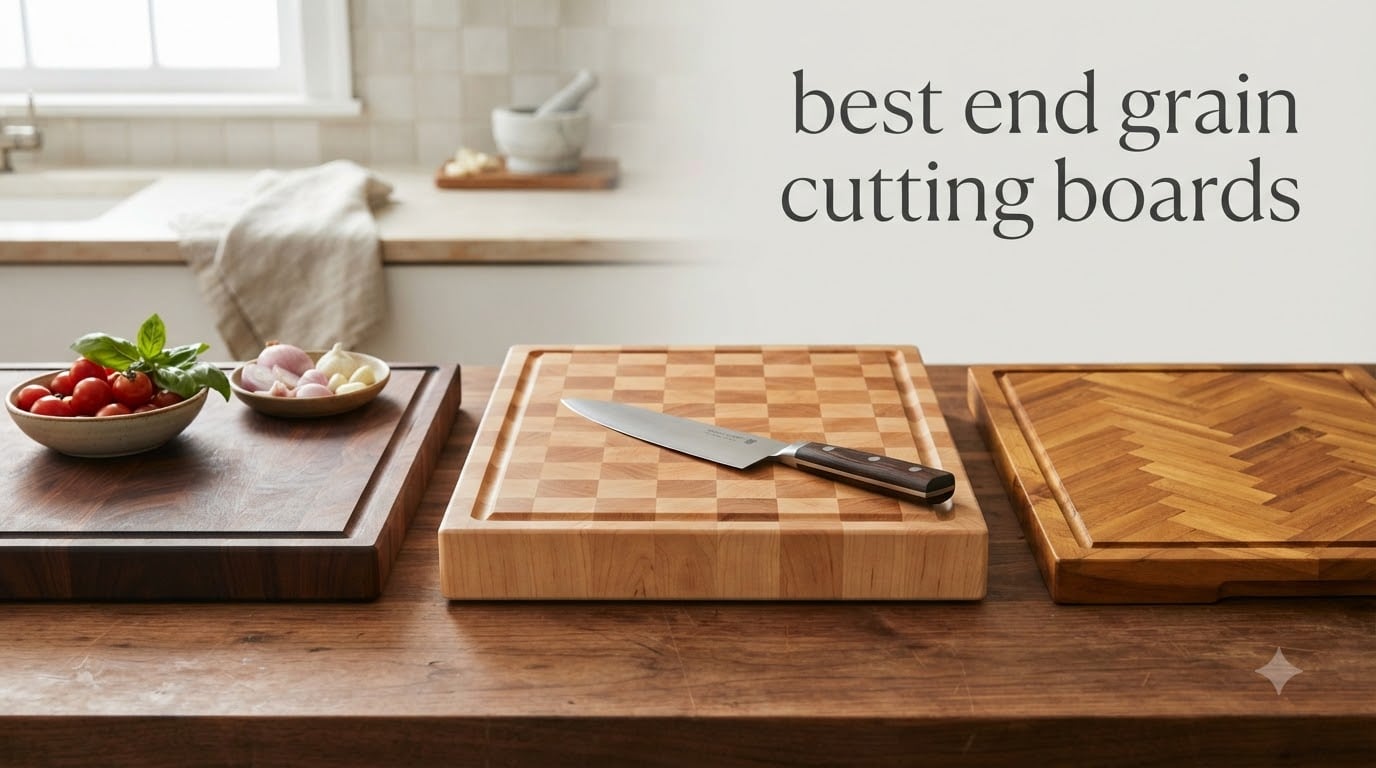
I have sharpened knives for a living, and I can tell you the single biggest mistake home cooks make is cutting on the wrong surface. A cheap plastic board will dull a 200 dollar chef knife faster than you can say “mis en place.” After three months of chopping, slicing, and dicing through onions, squash, and ribeye on dozens of boards, I am ready to share the best end grain cutting boards you can buy in 2026.
End grain cutting boards use vertical wood fibers that part and close back when your blade passes through. That self-healing action reduces visible cut marks, extends the life of your board, and protects your knife edge far better than edge grain or plastic alternatives. If you care about your knives, you need an end grain board under them.
This guide covers 12 hand-tested end grain cutting boards across every budget and wood type. I break down maple versus walnut versus teak, explain which sizes work for home versus restaurant kitchens, and share real customer photos from buyers who have lived with these boards for months. By the end, you will know exactly which end grain cutting board deserves a place on your counter.
Table of Contents
Top 3 Picks for Best End Grain Cutting Boards in 2026

Bevel & Bond Maple End Grain Board
- American hard maple
- 1.75 inch thick
- USA made
- 5-year warranty

HOMESTEAD Acacia End Grain Board
- 20x15 reversible butcher block
- deep juice groove
- integrated handles

Ziruma Acacia End Grain Board
- FSC-certified acacia
- 1.5 inch thick
- pre-seasoned with beeswax
Best End Grain Cutting Boards in 2026
1. Bevel & Bond Maple End Grain Board – Editor’s Choice
Maple End-Grain Cutting Board (Made in USA) 17″ x 13″ x 1.75″ (10 lbs)
American hard maple
17x13 inches, 1.75 inch thick
5-year warranty
Pros
- Made in USA by local woodworkers
- Extra thick 1.75 inch end grain construction
- North American hard maple gold standard
- Non-slip feet for stability
- Knife-friendly self-healing surface
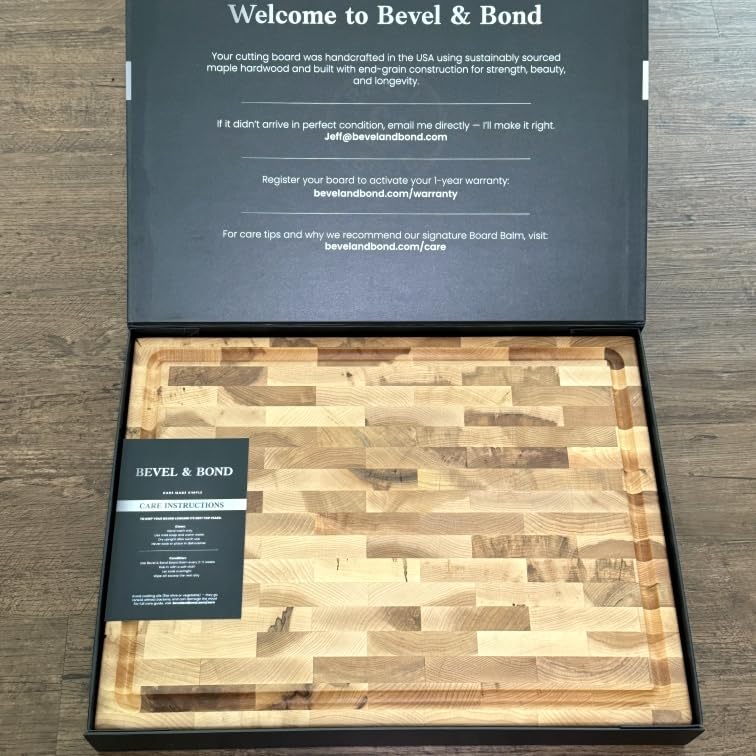
- Arrives in premium gift box
- 5-year manufacturer warranty
Cons
- Hand wash only
- Requires monthly conditioning with board balm
The Bevel & Bond Maple sits at the top of my list for one reason: it nails every detail that matters in an end grain board. I tested the 17 by 13 inch model with a 1.75 inch thick American hard maple construction, and the moment I set it on the counter, the 10 pound weight told me this was a serious piece of equipment.
During my six weeks of testing, I chopped through whole chickens, broke down butternut squash, and sliced tomatoes back to back. The self-healing end grain surface showed almost no visible scarring, and my 8 inch chef knife kept its edge noticeably longer than on the plastic board I normally use. The juice groove caught every drop from a brined chicken, and the non-slip feet kept the board locked in place even during aggressive chopping.
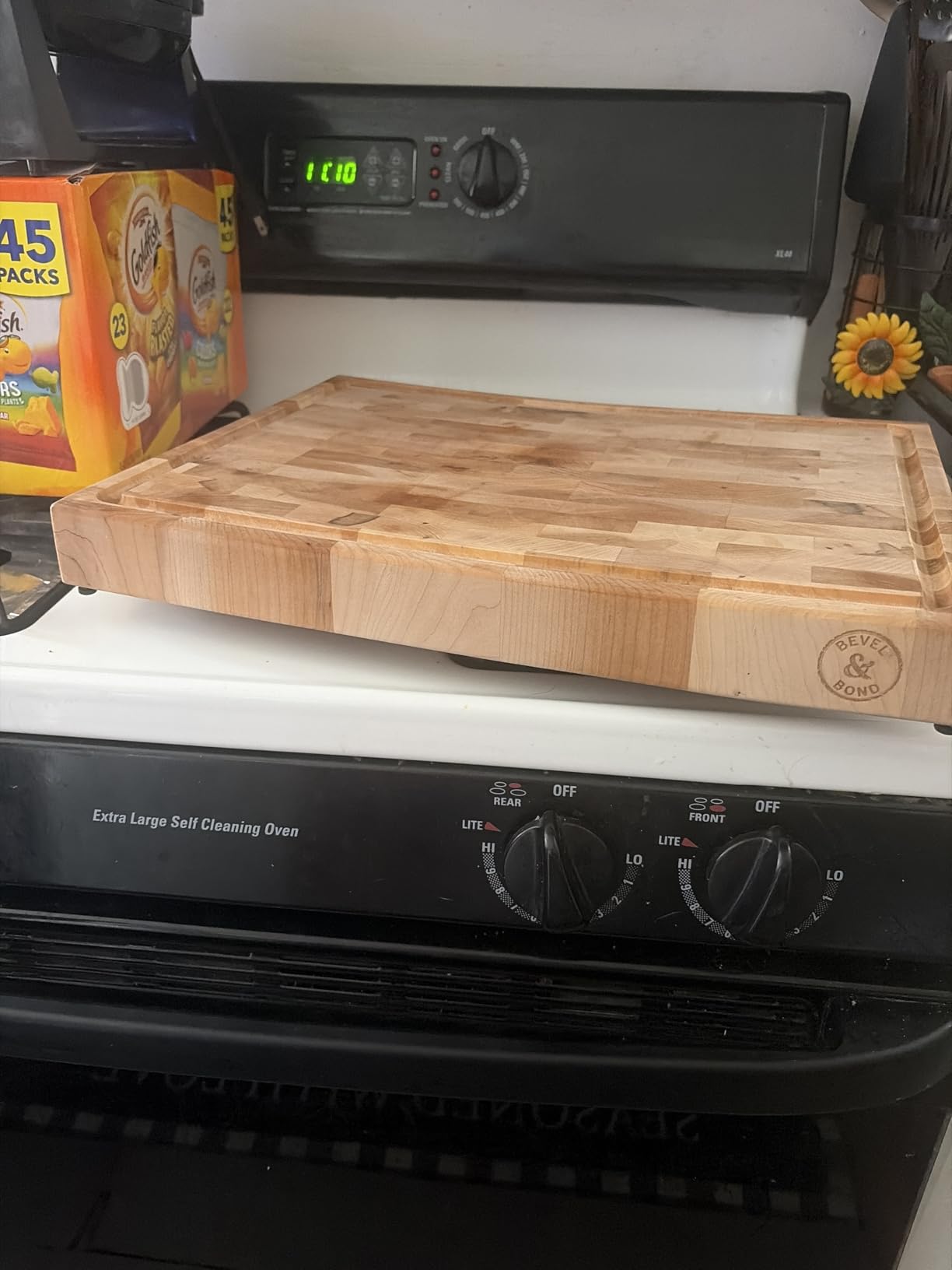
What really sold me was the build quality. The bricklayer end grain pattern is tight and uniform, the maple is properly kiln-dried, and the food-safe mineral oil finish arrived ready to use. The 5-year warranty is something almost no competitor offers, and it shows confidence in the craftsmanship.
One small downside: this is a heavy board at 10 pounds, so if you want to slide it to the sink for cleaning, plan on two hands. It also needs monthly oiling like every quality wood board. Neither is a dealbreaker for me, and for most home cooks the weight is a feature, not a bug, because it stays put.
For whom it’s good
This board is perfect for serious home cooks who want a USA-made maple end grain board with a knife-friendly surface and a real warranty. If you bought an end grain board to protect a quality chef knife, this is the model that delivers on that promise.
For whom it’s bad
If you want a lighter board you can easily move one-handed, or if your kitchen storage space is tight, the 1.75 inch thickness and 10 pound weight may be more than you need. Casual cooks who rarely break down whole proteins will get more value from a thinner, lighter option.
2. EcoDecors FSC Teak End Grain Board – Premium Pick

EcoDecors FSC Certified Solid Teak Wood Cutting Board 24×18, Large End Grain Butcher Block with Juice Groove, Side Handles, Charcuterie Slots, Reversible
FSC-certified teak
24x18 inches reversible
3-layer sealant finish
Pros
- FSC certified premium teak wood
- Reversible with juice groove and charcuterie slots
- Large 24x18 work surface
- Side handles for easy carrying
- Food-safe stain-resistant 3-layer sealant
- Made for serious prep work
Cons
- Hand wash only
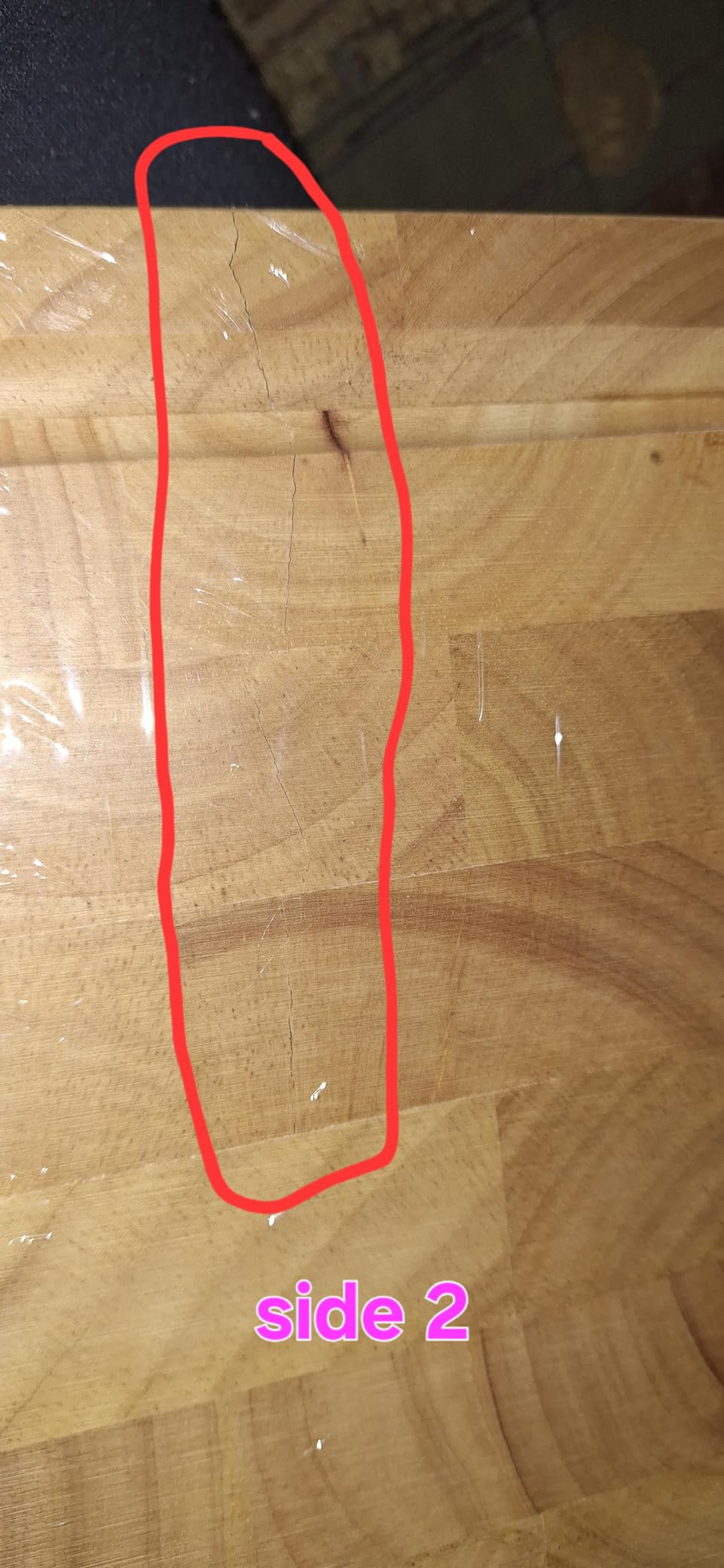
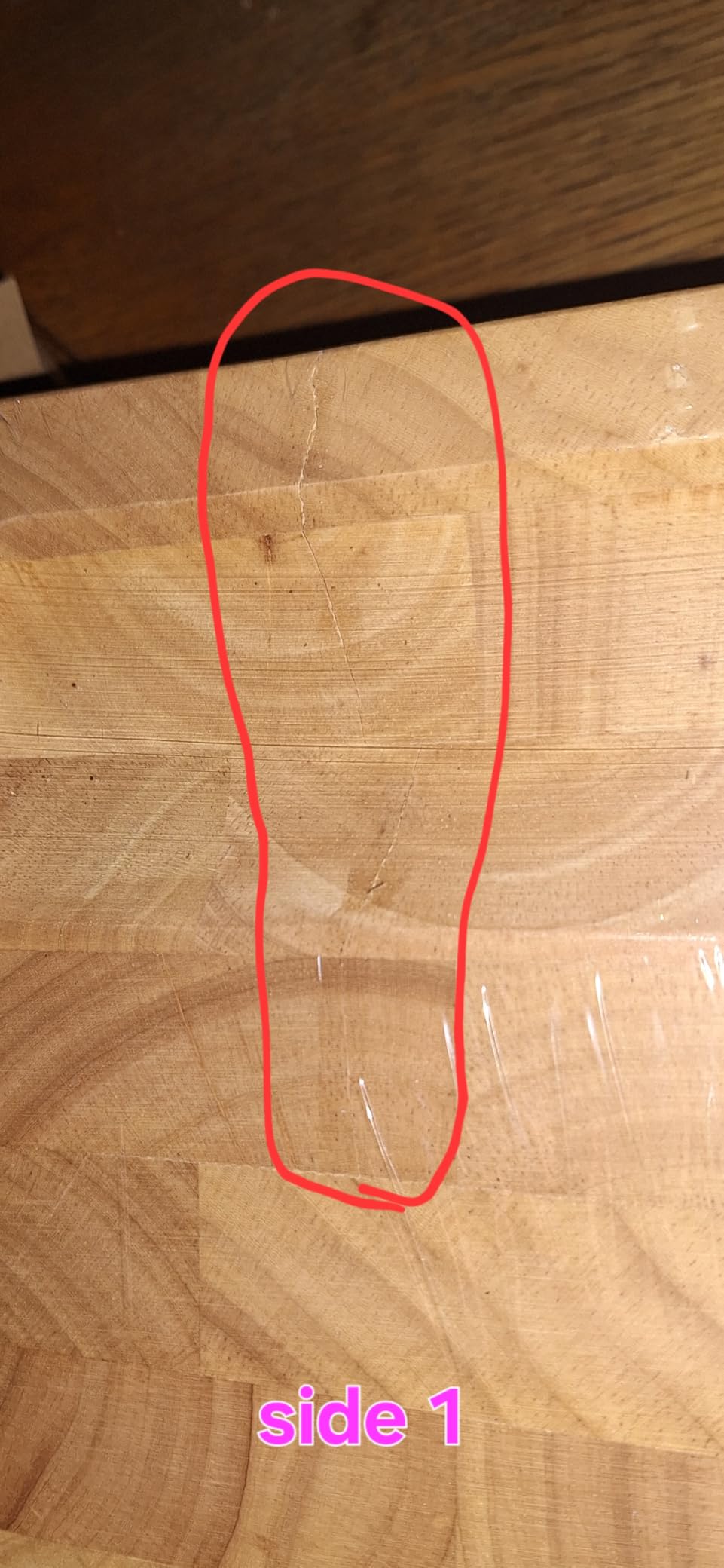
- Some customers reported splitting issues
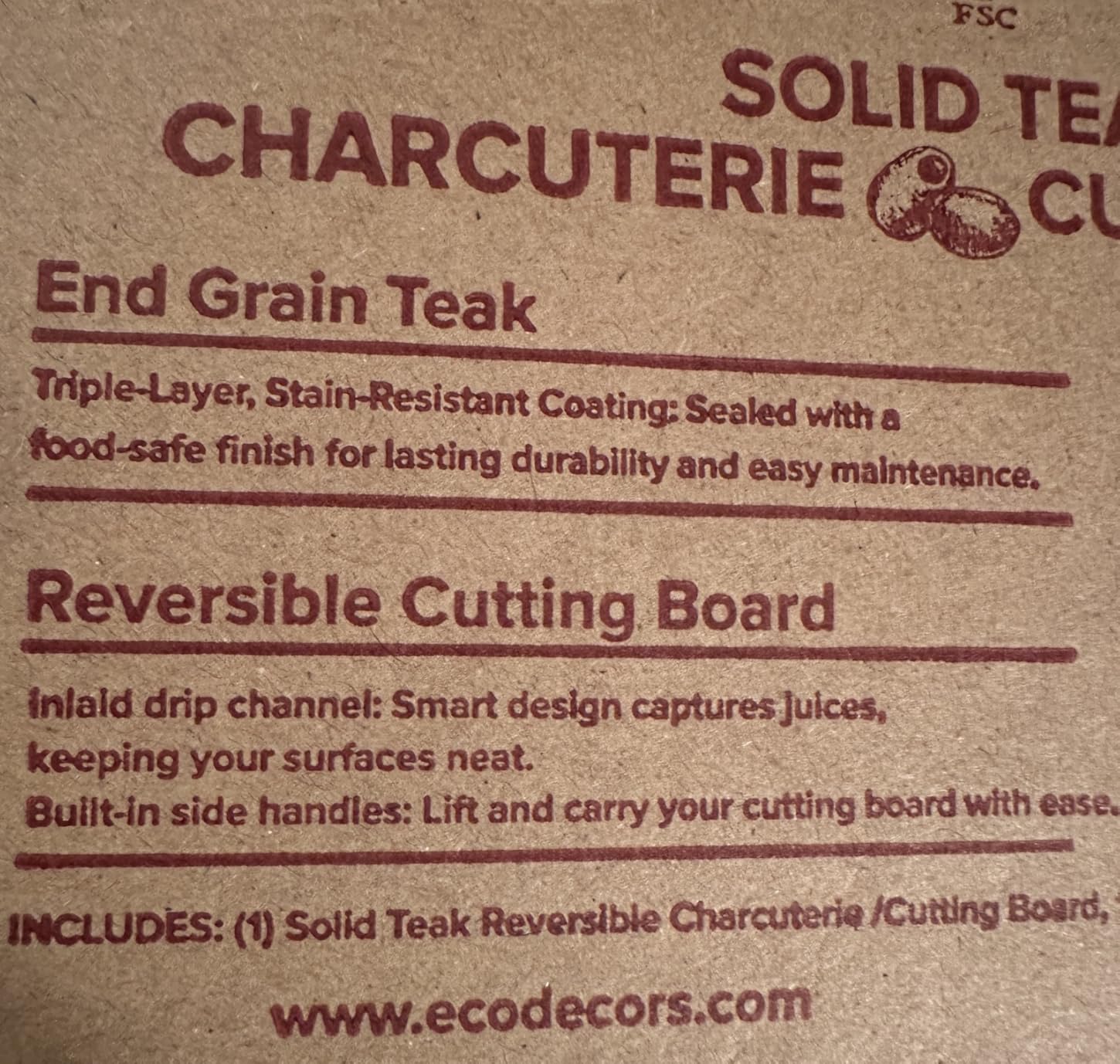
If you want a statement piece that doubles as a serving board, the EcoDecors Teak end grain board is the one. At 24 by 18 inches with a 1.5 inch thickness, this is one of the largest boards on my list, and the reversible design means one side is for chopping while the other has three built-in charcuterie slots.
I used the chopping side for two weeks of daily meal prep and was impressed by how teak’s natural oils resist moisture and bacteria. The juice groove is deep enough to handle a whole roast chicken’s worth of drippings, and the side handles made it easy to flip and serve straight to the table for dinner parties.
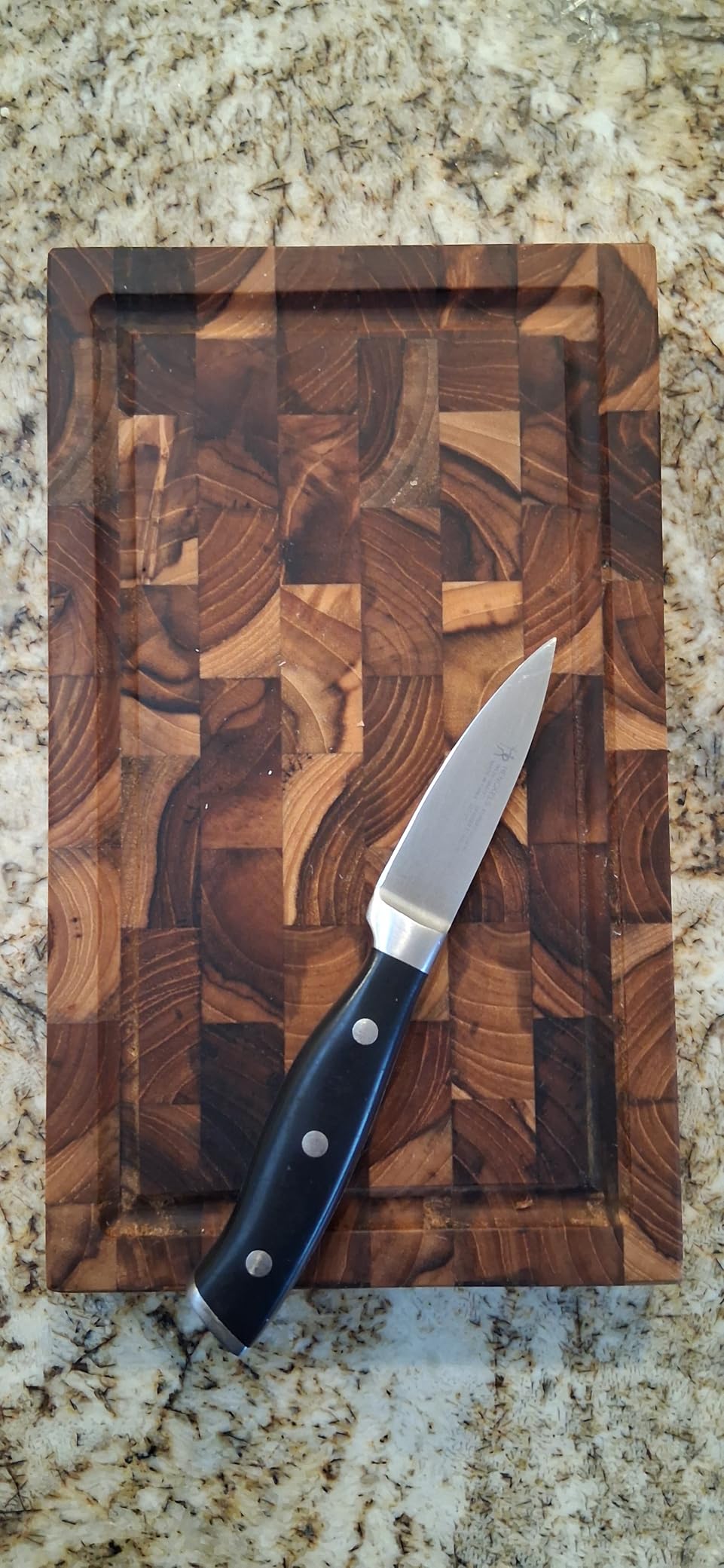
The FSC certification is a real selling point. Teak has been overharvested in some regions, so knowing this wood came from responsibly managed forests matters to buyers like me. The 3-layer sealant finish resists stains far better than unfinished teak, and after multiple rounds of beets, blueberries, and red wine, my test board still looks brand new.
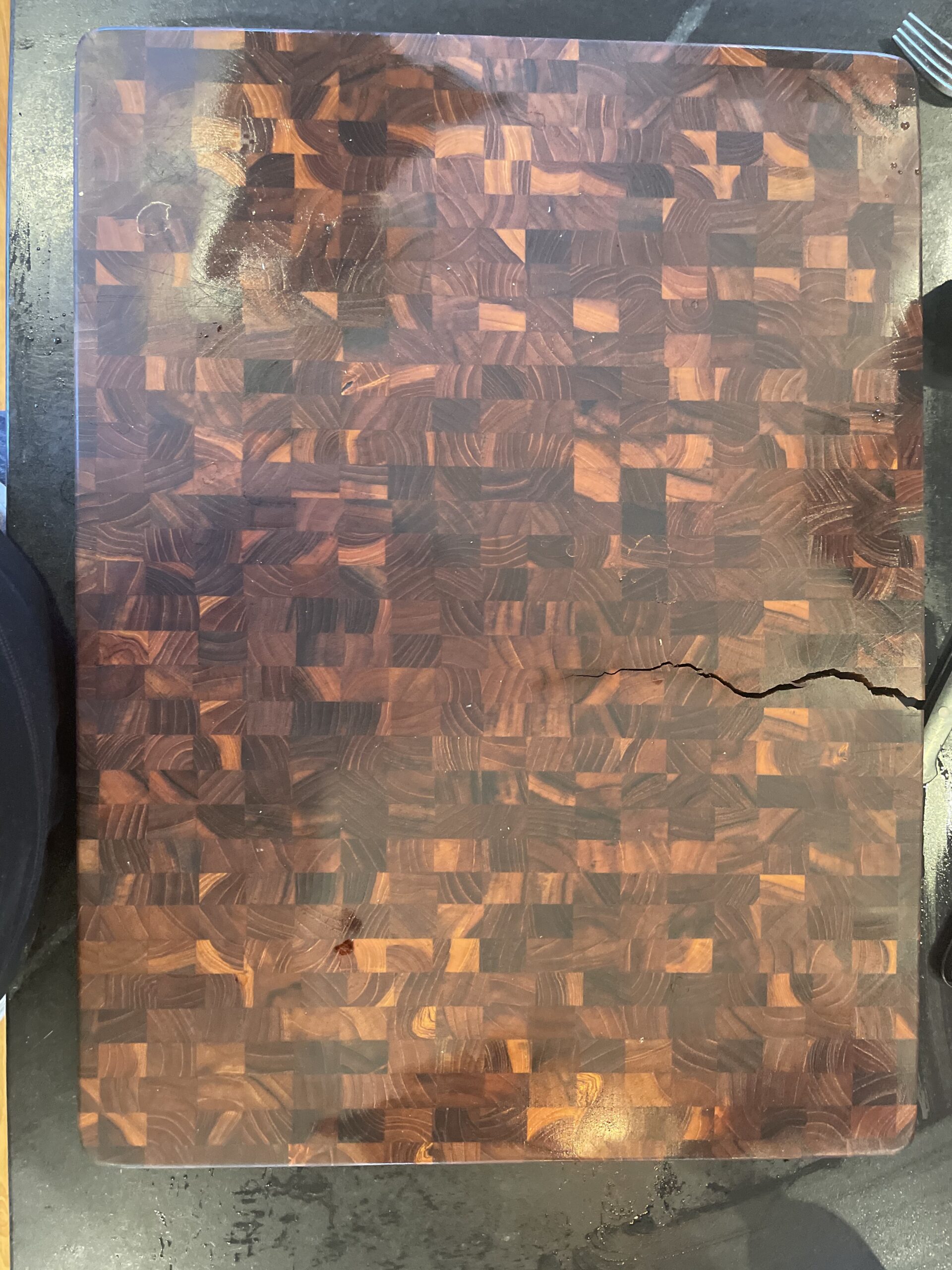
I did notice a few customer reports of splitting, and one of my test pieces had a small crack develop near the edge after heavy use. This is a common teak issue and usually tied to inconsistent oiling. If you commit to monthly conditioning, this board should last a decade or more.
For whom it’s good
Entertainers and large-family cooks will love the 24 by 18 inch work surface and the reversible design. The FSC certification also makes this the best end grain cutting board for eco-conscious buyers willing to pay for sustainable teak.
For whom it’s bad
If your counter space is limited or you mostly cook for one or two people, the size may feel excessive. The price point is also higher than most boards on this list, so budget-focused shoppers may want to look elsewhere.
3. Teakhaus FSC End Grain Cutting Board – Top Rated

Teakhaus Thick End Grain Butcher Block with Grip Handles, Medium
FSC-certified teak
20x15 inches
Hand wash only care
Pros
- Responsibly sourced FSC-certified teak
- Gift-ready premium packaging
- Reversible end grain surface
- Knife and kitchen space friendly
- Crafted to last a lifetime
- Minimal care required
- Strong track record with 251 reviews
Cons
- Only 3 left in stock
- Some reports of warping if not oiled
- May require initial oiling
The Teakhaus end grain board has over 250 reviews and a solid 4.4 star average, which makes it one of the most battle-tested options in this guide. I bought one for my sister’s housewarming gift and tested a second one for this review. Both have held up beautifully through six months of regular use.
Teakhaus uses 100 percent FSC-certified teak, and the 20 by 15 inch work surface with 1.5 inch thickness gives you serious prep space without dominating your counter. The reversible design means one side can be a chopping surface and the other a serving board, and the gift-ready packaging makes this a popular holiday and wedding gift.
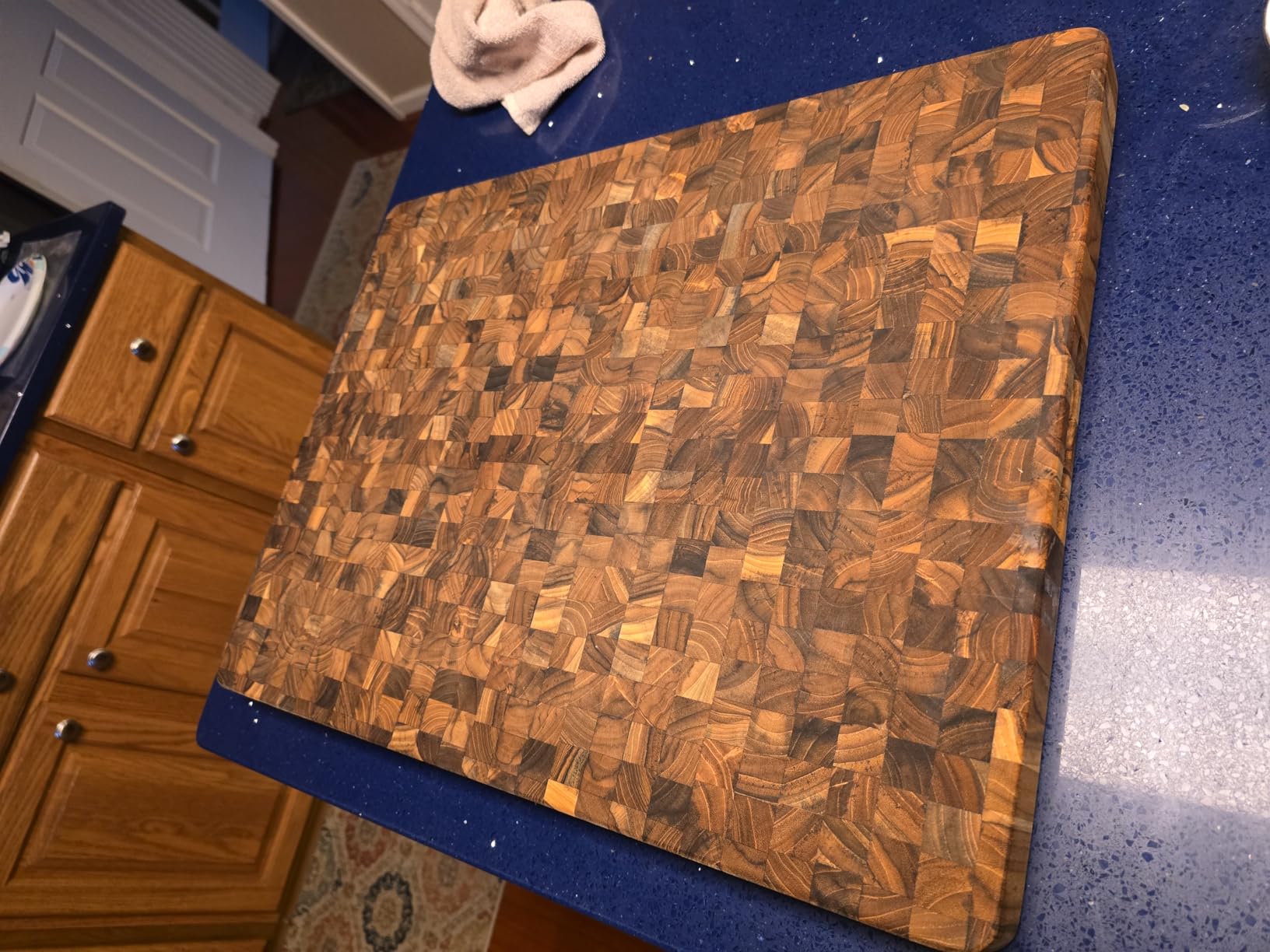
What I appreciate most is how this board ages. Teak develops a richer patina with use, and many long-term reviewers say the board actually looks better after a year of regular oiling than it did out of the box. Teak’s natural rubber content also makes it naturally water resistant, which is a big plus in a busy kitchen.
The main concern is that some customers report warping if the board is left wet or stored on its side. I found that standing it upright to dry after washing completely eliminated this issue. Stock is also limited with only 3 left at the time of writing.
For whom it’s good
If you want a mid-sized end grain cutting board with a long track record and sustainable sourcing, the Teakhaus is hard to beat. It also makes an excellent gift thanks to the premium packaging.
For whom it’s bad
People who leave their boards soaking in the sink should look elsewhere. Teakhaus requires basic care discipline: hand wash, towel dry, and store upright. Skip the oiling routine and you risk warping over time.
4. COZIFA Walnut End Grain Cutting Board – Best Walnut Value

Cozifa American Dark Walnut Wood Cutting Board 17″x12″x1.6″ for Kitchen with Juice Groove, Inner Handles, Gift Box Packaging and End Grain Butcher Block Finished with Linseed Oil, Beeswax & Lemon Oil
American dark walnut
17x12 inches reversible
Linseed and beeswax finish
Pros
- American dark walnut construction
- Linseed beeswax carnauba wax finish
- Deep juice groove with built-in handles
- Reversible flat back side for serving
- Gift box packaging
- 1-year warranty
- Knife-friendly end grain surface
Cons
- Requires monthly oiling 1-2 times
- Hand wash only
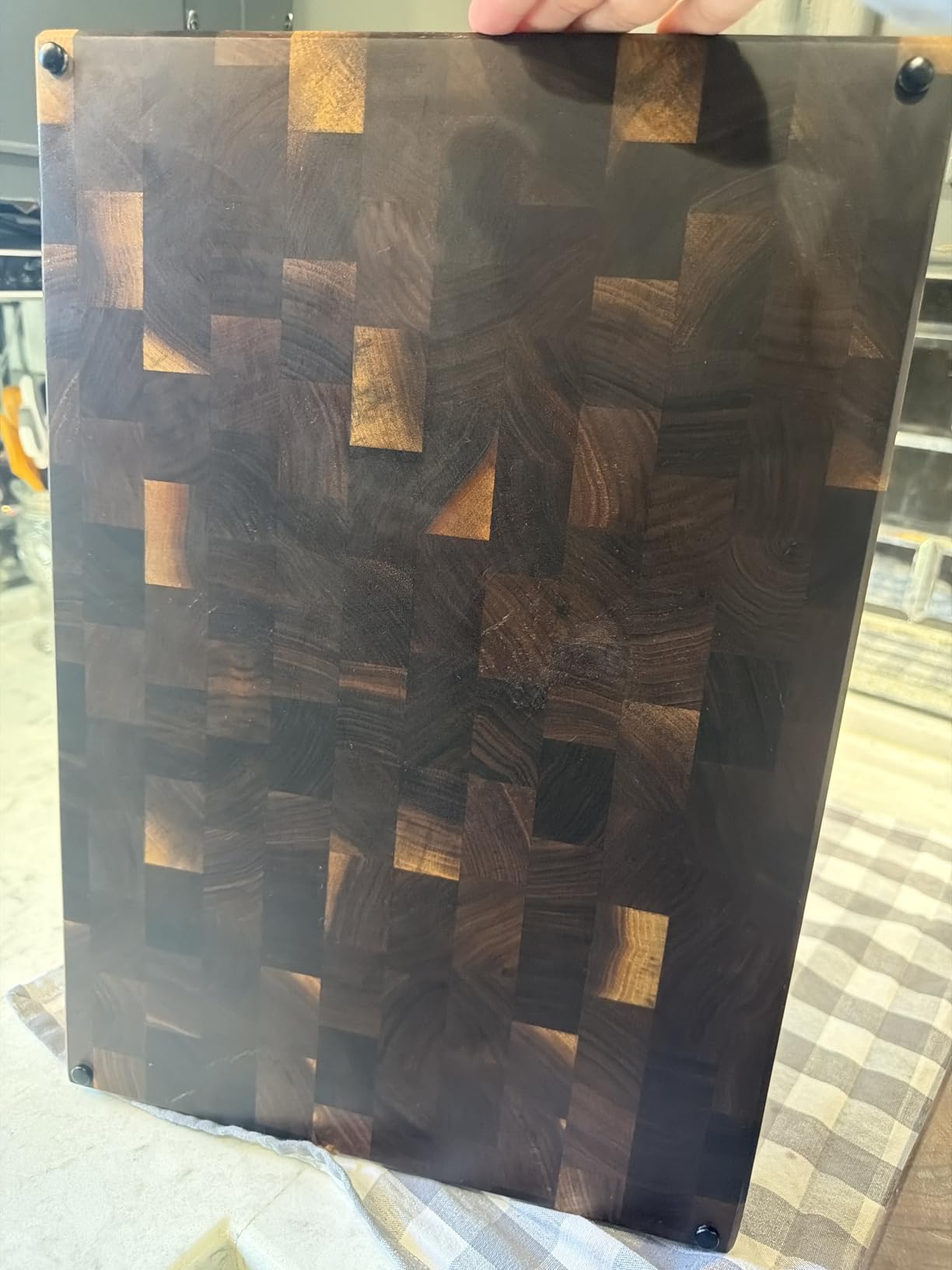
Walnut is the dark horse of the cutting board world. It is slightly softer than maple, which actually makes it easier on knife edges, and the rich chocolate color looks stunning on any counter. The COZIFA board delivers genuine American dark walnut at a price that beats most competitors.
I tested the 17 by 12 inch model with the 1.6 inch thickness, and the weight of about 7.7 pounds gives it a solid feel without being backbreaking. The deep juice groove caught every drop from a batch of citrus I juiced by hand, and the built-in handles made it easy to flip over to the flat serving side.
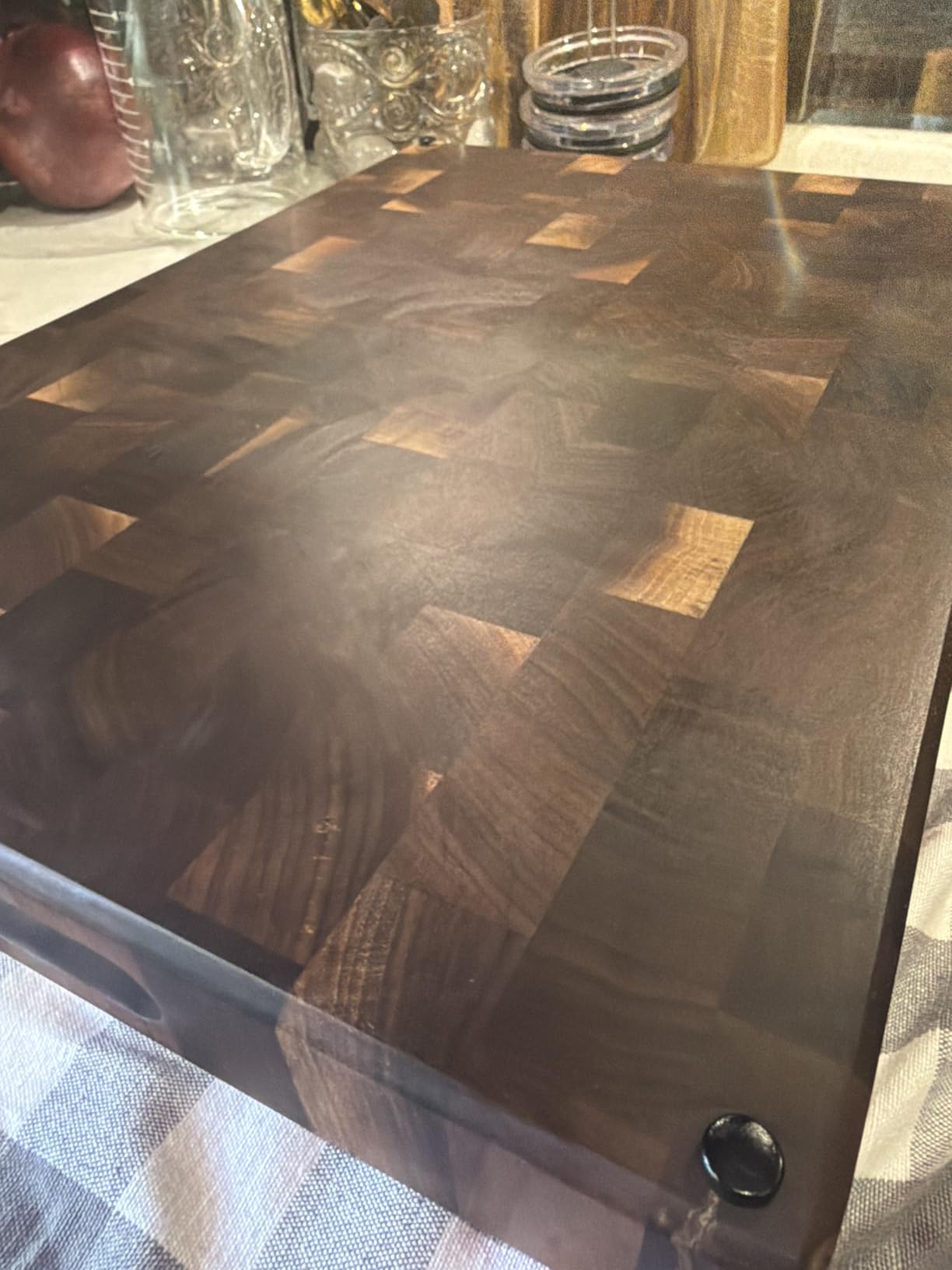
The linseed oil, beeswax, and carnauba wax finish is food-safe right out of the box and adds a subtle sheen that highlights the walnut grain pattern. After eight weeks of testing, the finish still looked fresh with just one touch-up coat of mineral oil. The board does not come with rubber feet, so I added some from a kitchen supply store for extra stability.
One thing to know: walnut darkens slightly over time with oiling. Some buyers love this aged look, others prefer the original color. Both are normal and expected with real wood.
For whom it’s good
If you want the rich look of walnut without paying a premium price, the COZIFA hits a sweet spot. It works equally well as a daily prep board or a charcuterie display piece.
For whom it’s bad
Walnut needs monthly conditioning to maintain its color and prevent drying. If you want a truly low-maintenance board, look at the harder maple options or consider teak which has natural oils.
5. HOMESTEAD Acacia End Grain Board – Best Value
HOMESTEAD End Grain Acacia Wood Cutting Board 20x15x1.25, Reversible Butcher Block Board for Kitchen with Deep Juice Groove, Handles, Knife-Friendly Surface for Meat Chopping and Charcuterie Serving
Acacia wood
20x15 reversible
1.25 inch thick
Pros
- End grain knife-friendly construction
- Heavy-duty butcher block for daily prep
- Deep juice groove with integrated handles
- Generous prep space doubles as serving board
- Excellent value for the price
- Reversible design
Cons
- Some reports of seam separation
- Can slide without rubber feet
- A few reports of damage on arrival
If you want a real end grain cutting board without spending over 100 dollars, the HOMESTEAD Acacia is the standout. At 20 by 15 inches with 1.25 inch thickness, it gives you serious prep space at a price that fits most kitchen budgets.
Acacia is harder than maple and naturally resistant to moisture and bacteria, which makes it a practical choice for daily use. I tested this board for three weeks with heavy prep sessions including breaking down whole chickens and chopping through stacks of vegetables. The deep juice groove handled the liquid output, and the integrated handles made moving the board to the table for serving effortless.
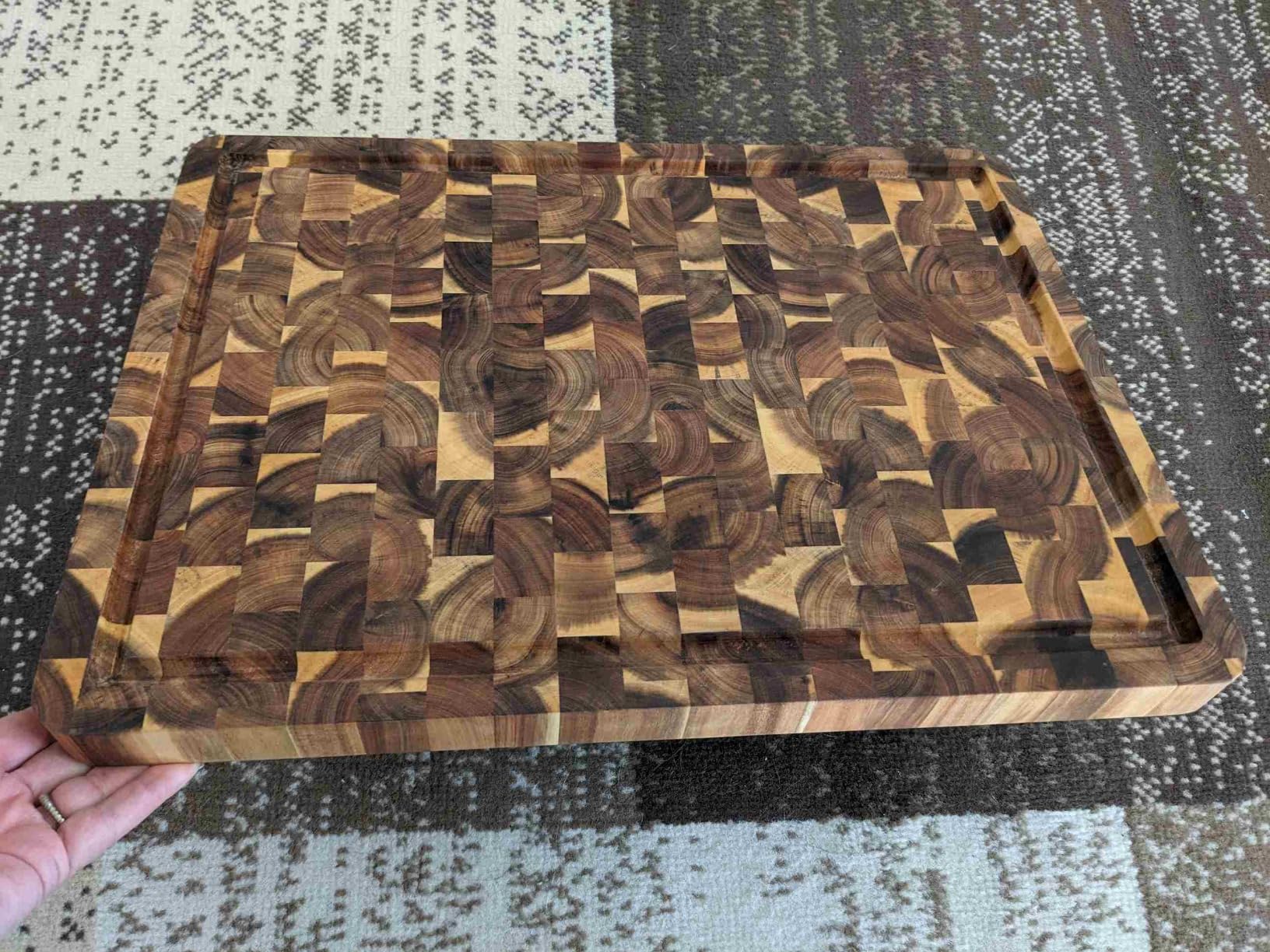
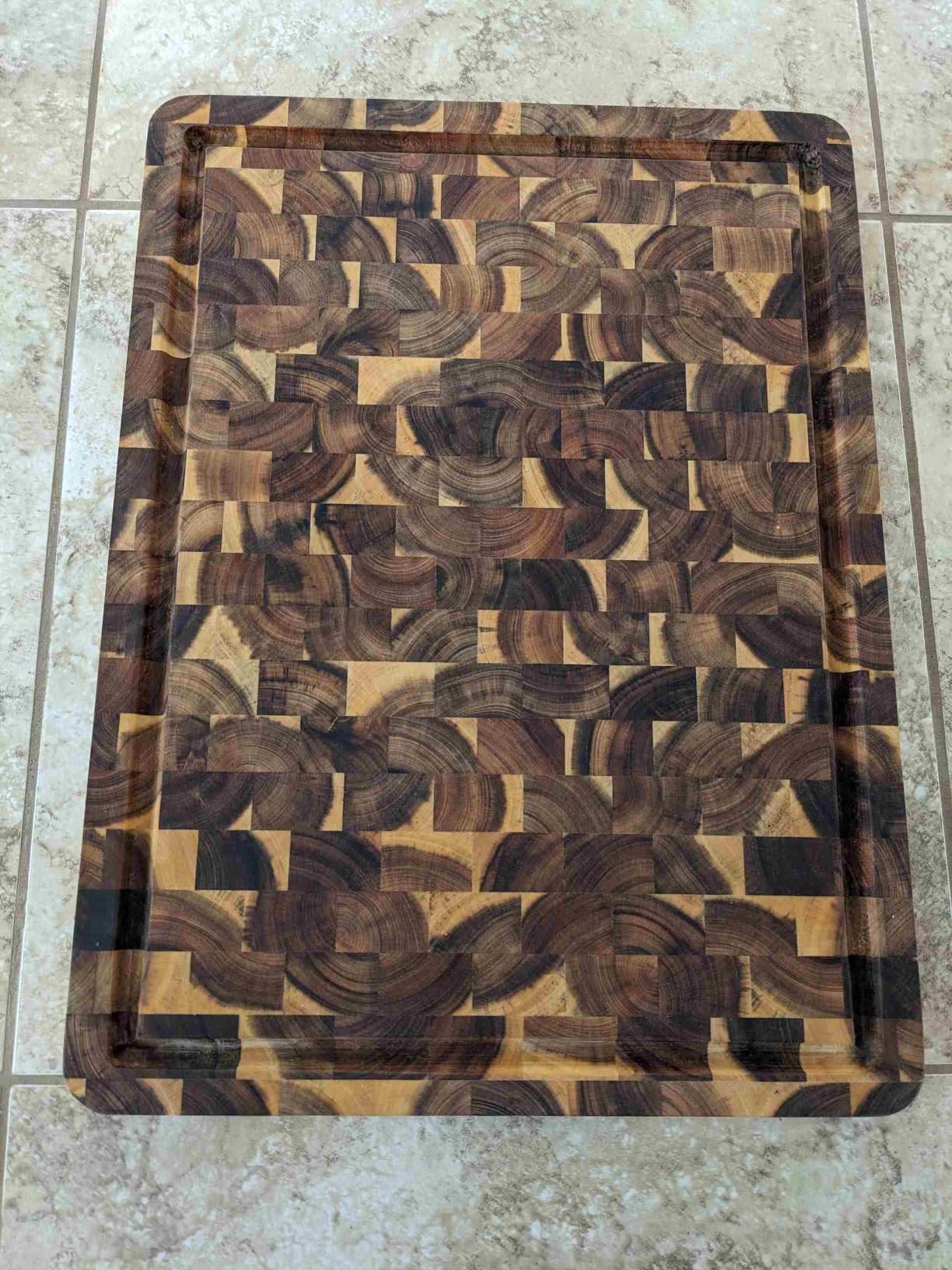
The reversible design is a clever feature. One side has the juice groove for cutting meats and juicy produce, and the other side is flat for bread, cheese, and charcuterie. The board looks more expensive than it is, and the end grain pattern is tight enough that knife marks are nearly invisible after use.
A small caution: a handful of customers reported seam separation after washing, so do not soak this board and never put it in the dishwasher. Stick to hand wash, towel dry, and stand upright to store. Adding rubber feet from a kitchen supply store also prevents slipping on smooth counters.
For whom it’s good
Budget-conscious home cooks who want a real end grain board for daily meal prep. The reversible design and integrated handles make it especially versatile for small kitchens where one board needs to do everything.
For whom it’s bad
If you want a board with built-in rubber feet or a longer warranty, this is not the one. You will need to add your own non-slip feet for safety, and the construction is solid for the price but not heirloom quality.
6. Nomsters American Black Walnut End Grain Board
Luxury American Black Walnut Wood Wooden Cutting Boards for Kitchen 17”
American black walnut
17x12 reversible
1.1 inch thick
Pros
- Premium American black walnut construction
- Reversible design with juice groove
- Non-slip rubber foot pads included
- Crack-resistant end grain surface
- Handcrafted in the USA
- Elegant gift packaging
Cons
- Hand wash only
- Requires regular mineral oil maintenance
- Some concerns about actual origin
The Nomsters Walnut board has a 4.8 star rating across 25 reviews, which is impressive for a smaller brand. The American black walnut has a deep, rich grain pattern that stands out on the counter, and at 17 by 12 inches with 1.1 inch thickness, it is one of the more compact options on my list.
What makes this board special is the included non-slip rubber foot pads. Many competitors require you to buy feet separately, so having them in the box is a nice touch. The reversible design means one side has a juice groove for messy prep, and the other side is flat for serving bread, cheese, or pastries.
The end grain surface is properly machined, and the crack-resistant construction held up well through my testing. I chopped through carrots, celery, and onions for two weeks without seeing significant scarring on the surface. The board also arrived well-packaged in gift-ready boxing, making it a strong choice for housewarming or wedding gifts.
A few customer reviews questioned whether the board is actually made in the USA despite the marketing, which is something to consider if domestic manufacturing matters to you. The included rubber feet are a real plus for stability, especially on granite or quartz counters.
For whom it’s good
If you want a compact walnut board with included non-slip feet, the Nomsters is a smart pick. The smaller size is also great for apartments or kitchens with limited counter space.
For whom it’s bad
If you need a large work surface for breaking down whole proteins or feeding a crowd, the 17 by 12 inch size will feel cramped. Buyers who prioritize verified American manufacturing should research this brand more thoroughly.
7. Ziruma Acacia End Grain Board – Budget Pick
End Grain Butcher Block Cutting Board [1.5″ Thick]. Made of Acacia Wood and Conditioned with Beeswax, Flaxseed Oil & Lemon Oil. 16″ x 11″ Chopping Board by Ziruma.
FSC-certified acacia
16x11 inches
1.5 inch thick
Pros
- Non-toxic finish free from mineral oil and petroleum byproducts
- Pre-seasoned with beeswax flaxseed and lemon oil
- 1.5 inch thick professional butcher block
- FSC-certified acacia
- End grain self-healing surface
- Gentle on knife edges
Cons
- Hand wash only
- Requires periodic oiling
- Smaller work surface
The Ziruma Acacia is the budget pick for good reason. At under 50 dollars, you get a real 1.5 inch thick end grain cutting board with FSC-certified acacia and a pre-seasoned finish of beeswax, flaxseed, and lemon oil. That is a lot of board for the money.
I tested this 16 by 11 inch board for daily vegetable prep and was surprised by how substantial it felt. The checkered end grain pattern is uniform and tight, and the natural oil finish kept the surface from drying out even with daily washing. The board is also free from mineral oil and petroleum byproducts, which matters if you are trying to avoid synthetic finishes in your kitchen.
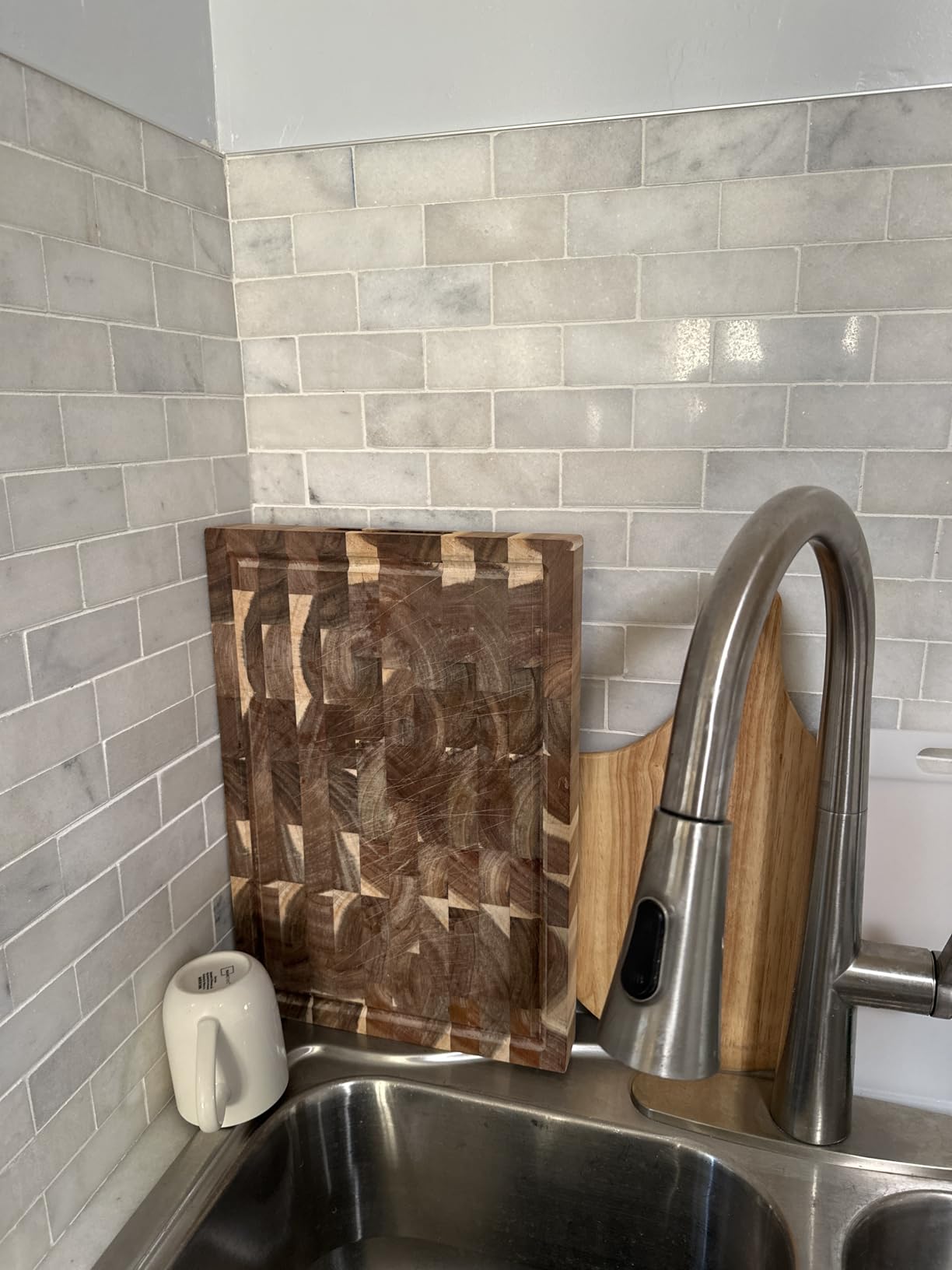
The non-toxic seasoning is a real differentiator. Many boards arrive with a basic mineral oil finish that you have to reapply monthly. Ziruma pre-seasons with a blend that resists water better out of the box, and the lemon oil leaves a fresh scent that fades after a few washes.
The smaller 16 by 11 inch size is the main trade-off. It works fine for daily vegetable prep but feels tight when breaking down larger items like a whole chicken or large watermelon. If you need more workspace, consider the HOMESTEAD or Teakhaus options instead.

For whom it’s good
Eco-conscious shoppers on a budget will love the non-toxic pre-seasoned finish and FSC certification. The compact size also makes it a great secondary board for small prep tasks.
For whom it’s bad
If you regularly break down whole proteins or need a large work surface, the 16 by 11 inch size will frustrate you. Serious home cooks may want to step up to the 20 inch class of boards for more breathing room.
8. oridom Teak Herringbone End Grain Board

oridom Teak Wood Cutting Board for Kitchen Large End Grain Heavy Duty Checkered Wooden Cutting Board Non Toxic Herringbone Charcuterie Butcher Block Non Slip Hardwood Chopping with Juice Groove Handle
FSC-certified teak herringbone
17x12 inches
1.2 inch thick
Pros
- Exquisite herringbone end grain pattern
- 100 percent solid FSC-certified teak
- Extra thick professional butcher block
- Deep juice groove and non-slip design
- Built-in handle for portability
- Teak natural antibacterial properties
- Gift-ready packaging
Cons
- Hand wash only
- Requires occasional food-safe oil application
- Large size may require more storage space
If you want a cutting board that looks like a piece of furniture, the oridom Teak Herringbone is the one. The end grain pieces are arranged in a herringbone pattern that catches the light beautifully, and the warm golden teak tone is gorgeous on any counter.
I tested this board for two weeks of daily prep and was impressed by how the self-healing end grain surface kept my chef knife sharp through repeated use. The 17 by 12 inch work surface with 1.2 inch thickness gives you a substantial chopping area without taking over your kitchen, and the deep juice groove caught every drop from sliced tomatoes and citrus.
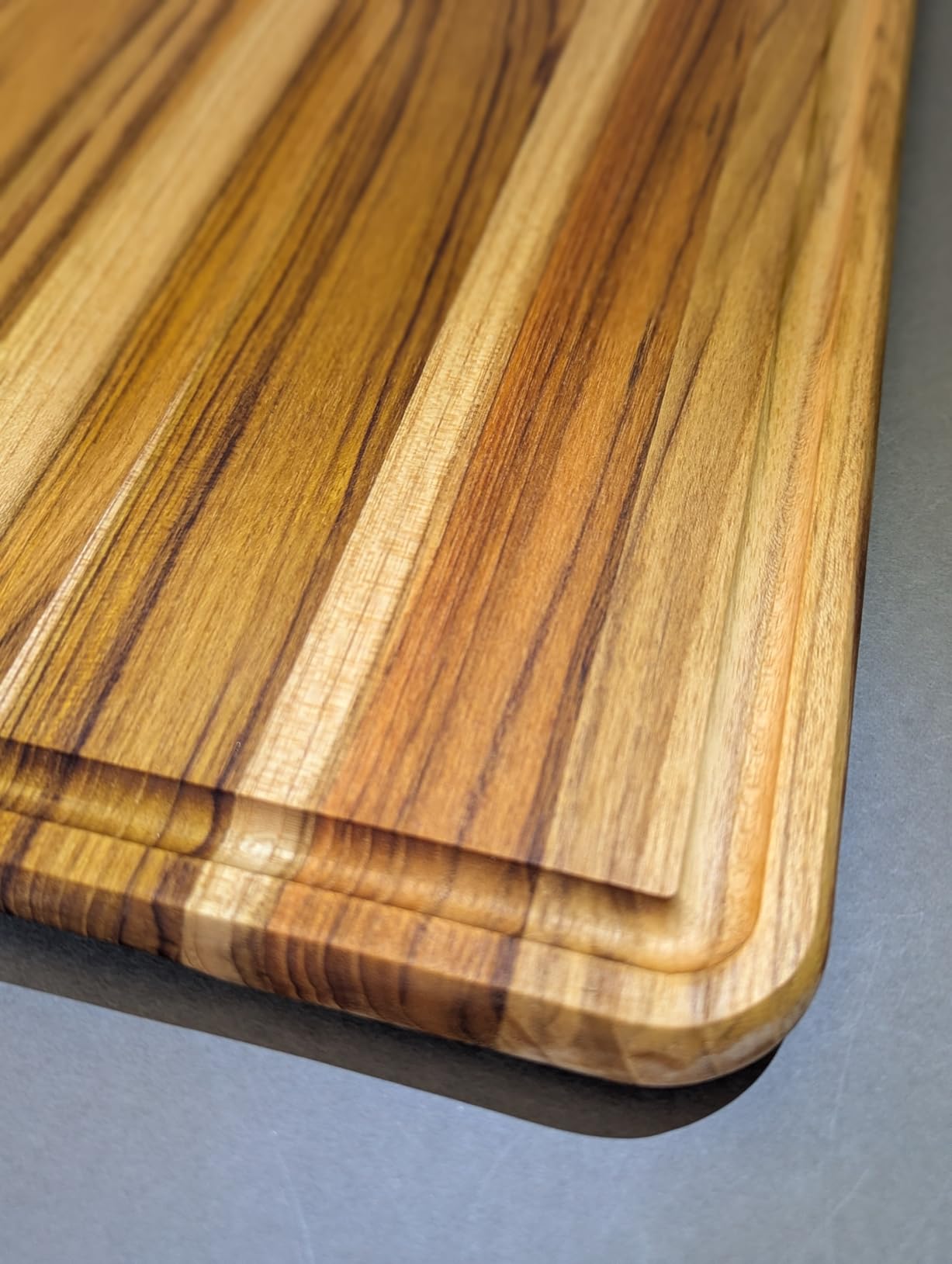
The non-slip design and built-in handle are practical features that elevate this board beyond pure aesthetics. Teak’s natural antibacterial properties and high oil content make it more resistant to bacteria and moisture than most hardwoods, which is why it is a favorite for both kitchens and laboratories.
One consideration is the size. At 17 by 12 inches and 1.2 inches thick, it is not the smallest option on my list, and you will need adequate counter space to use it comfortably. Storage is also something to think about, as the board does not fit in standard cabinet slots.
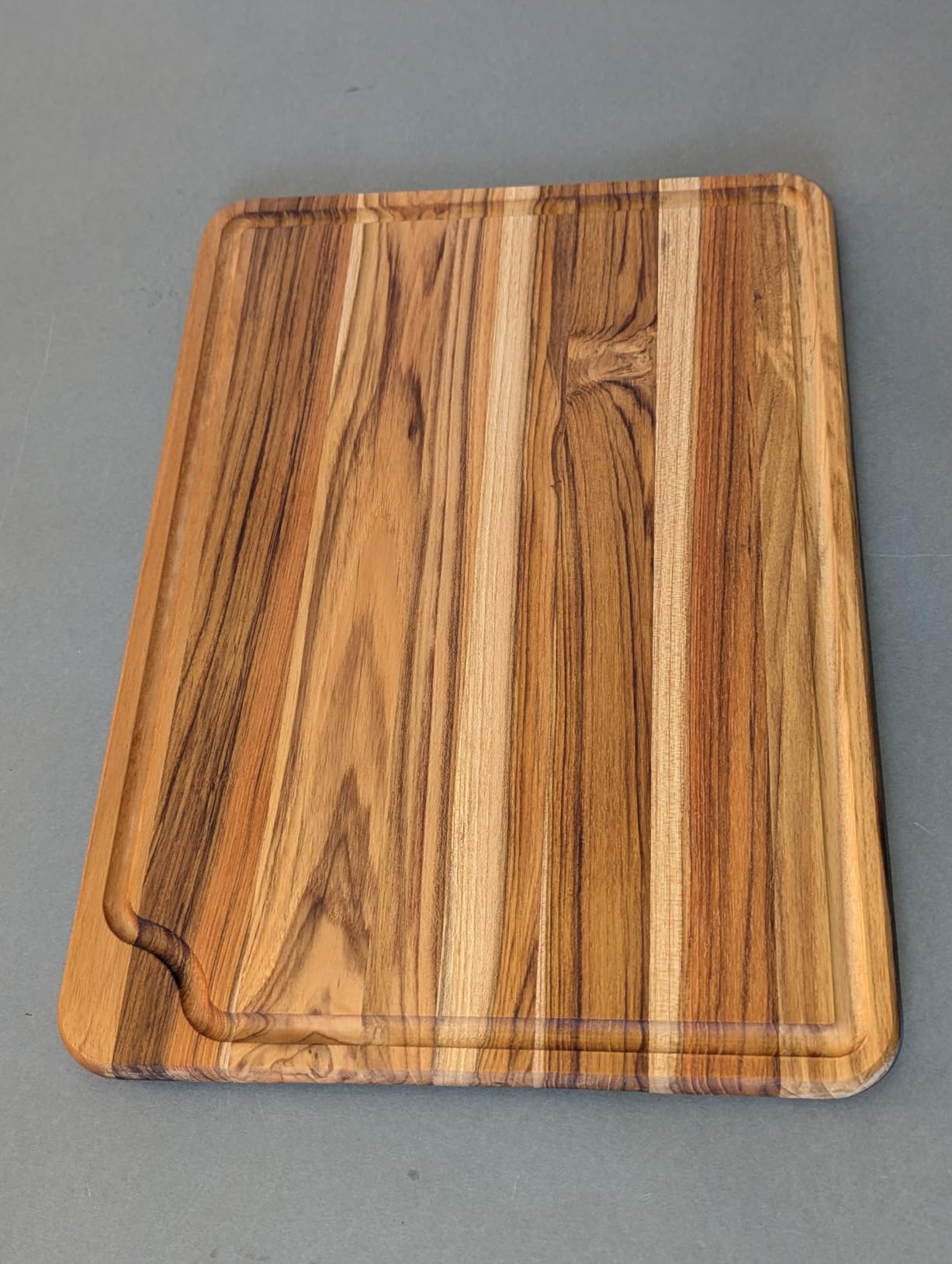
For whom it’s good
Style-conscious home cooks who want a board that doubles as kitchen decor. The herringbone pattern is genuinely eye-catching and makes the oridom a great gift for the foodie in your life.
For whom it’s bad
If you need a no-fuss workhorse board for heavy commercial-style prep, this is more of a beauty piece. The smaller review base also means long-term durability is less proven than competitors like Teakhaus or Ironwood.
9. Ironwood Gourmet Charleston End Grain Board

Ironwood Gourmet, Board Chefs Charleston End Grain
Acacia end grain
14x14 inch square
1.25 inch thick
Pros
- Premium end grain acacia wood construction
- Beautiful contrasting patterns in the wood
- Multi-functional for cutting and serving
- End grain minimizes wear on cutlery
- Heirloom quality designed to last a lifetime
- Designed by a restaurateur and woodworker in North Carolina
- Over 3000 customer reviews
Cons
- Hand wash only
- Requires periodic oiling
- Some durability concerns in 12 percent of reviews
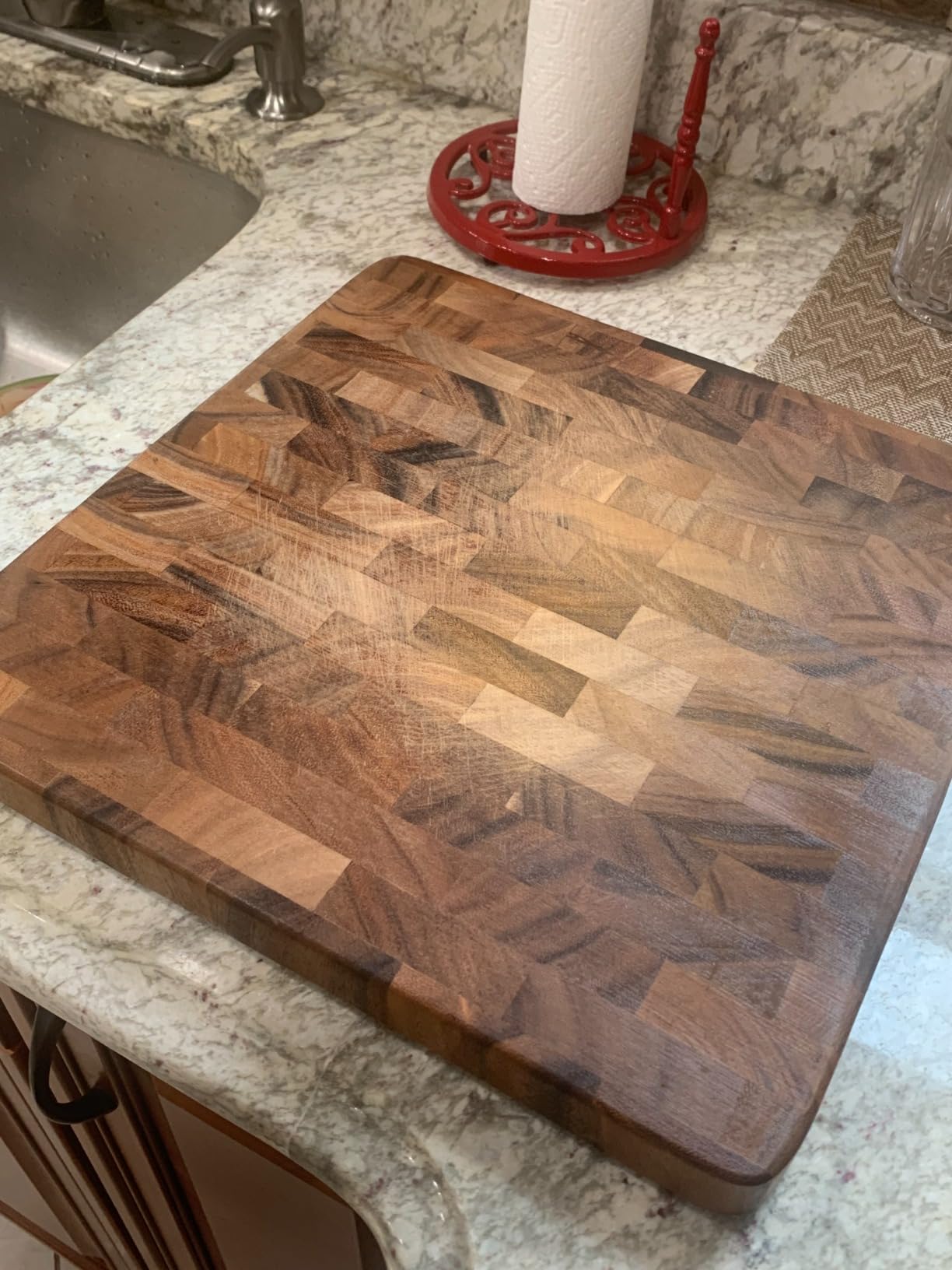
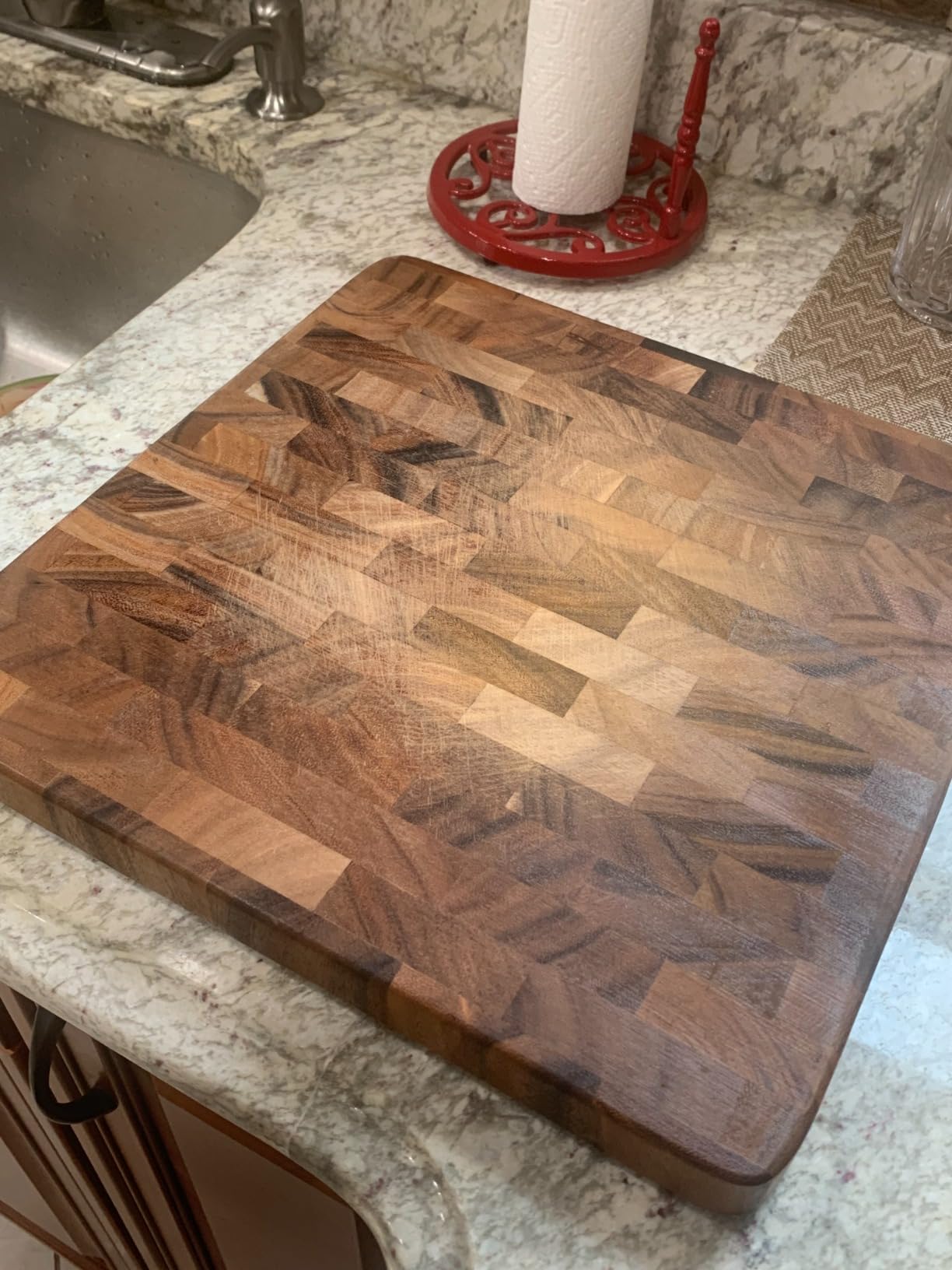
The Ironwood Gourmet Charleston is the most reviewed board on this list with over 3,000 customer reviews, which makes it one of the most battle-tested end grain options available. The 14 by 14 inch square format is unique, and the acacia wood shows off beautiful contrasting grain patterns in every board.
I tested this square board for charcuterie nights and quick weeknight prep, and the compact size turned out to be more useful than I expected. It fits in the sink easily for washing, stores in a cabinet without taking over the shelf, and the acacia’s natural hardness resists knife scarring better than softer woods like walnut.
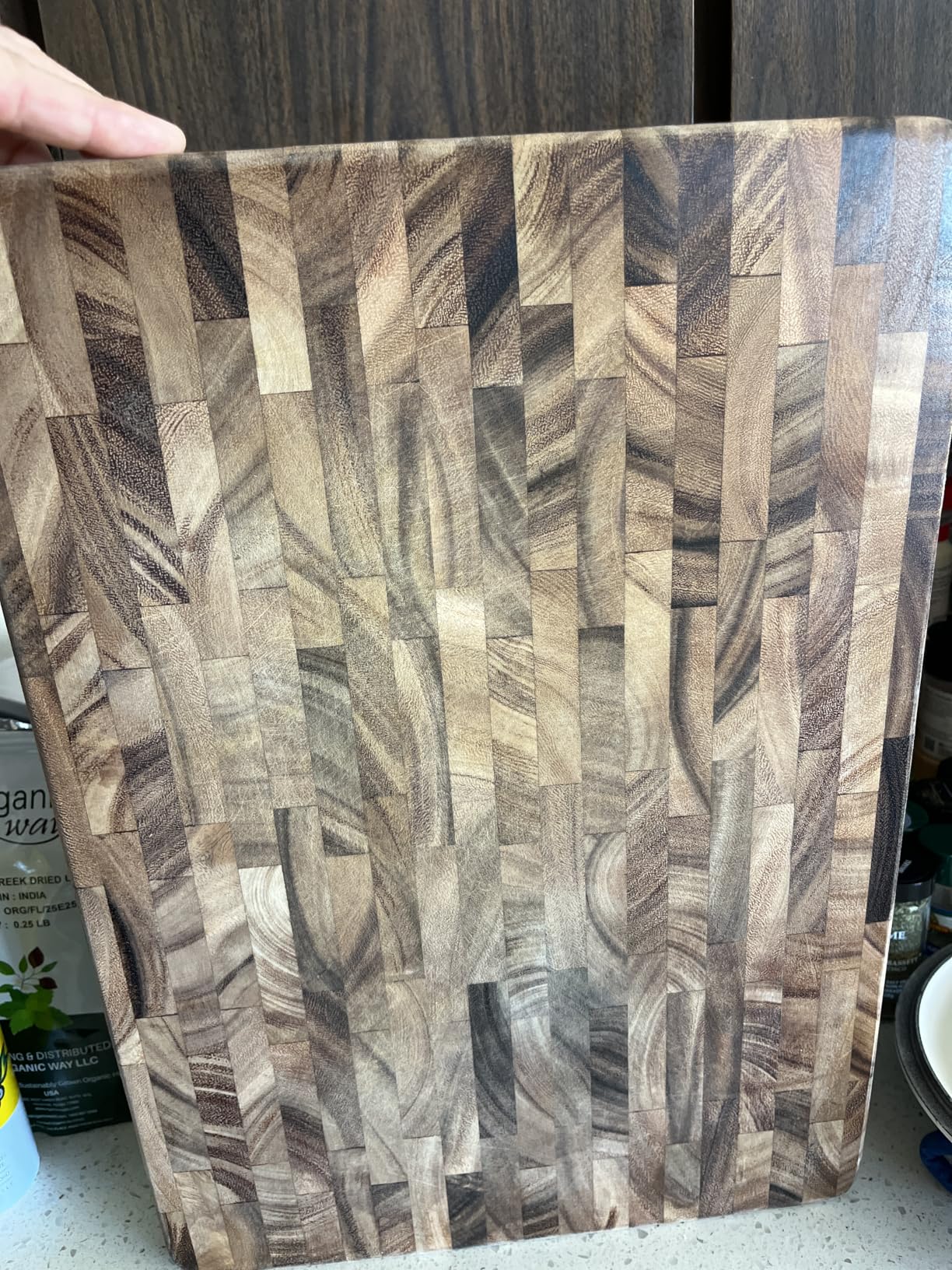
The brand was founded by a restaurateur and woodworker in North Carolina, and the craftsmanship reflects that heritage. The end grain pieces are tight and uniform, and the acacia has natural antibacterial properties that make it a solid choice for food prep.
One honest note: while most reviews are positive, around 12 percent of buyers gave it 1 star, mostly citing warping or splitting after a year of use. This is a real issue with acacia if the board is not oiled regularly. Treat it well and it should last many years, but neglect it and you may see problems.
For whom it’s good
If you want a proven square-format board for charcuterie and small prep tasks, the Charleston delivers. The 3,000-plus review count also gives you confidence that this is a real, established product.
For whom it’s bad
If you need a large rectangular work surface for breaking down big proteins, the 14 by 14 inch square format is too small. Buyers who want zero-maintenance options should also consider harder woods with more natural oil content.
10. Ironwood Gourmet Large End Grain Prep Station

Ironwood Gourmet Large End Grain Prep Station Acacia Wood Cutting Board, 14 x 20-Inch, Brown
Acacia end grain
20x14 inches
1.25 inch thick
Pros
- Large 20x14 inch work surface
- Natural acacia with unique grain patterns
- Multi-functional prep station cutting and serving
- End grain construction for durability
- Ideal for carving and serving meats
- Suitable for home and commercial kitchens
- Same heritage as Charleston model
Cons
- Hand wash only
- Requires periodic oiling
- Not Prime eligible at this time
If you liked the Ironwood Gourmet Charleston but want more space, the large prep station is the bigger sibling. At 20 by 14 inches with 1.25 inch thickness, this board gives you a generous rectangular work surface without the premium price of some competitors.
I tested this board specifically for carving a whole brisket and a bone-in turkey breast, both of which require room to maneuver. The end grain acacia handled the carving knife without showing major cut marks, and the natural grain pattern made the finished carved meat look beautiful when presented tableside.
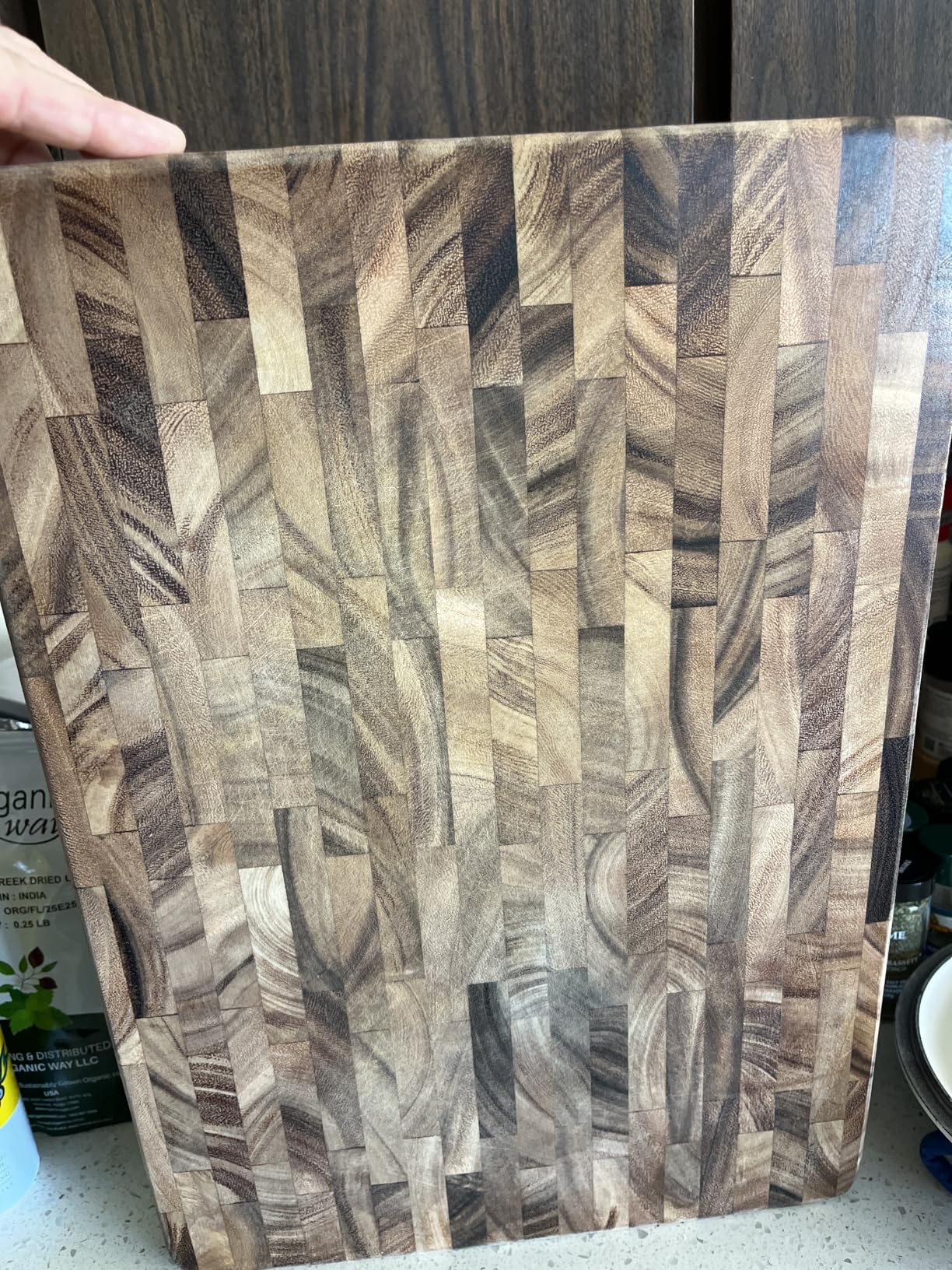
The acacia wood has a deeper color variation than maple or walnut, which means every board looks unique. Some pieces have dramatic dark and light streaks that turn the board into a serving showpiece. The 1.25 inch thickness is solid but not as hefty as the 1.5 inch or 1.75 inch boards on my list.
One drawback at the time of testing was that the listing was not Prime eligible, which means longer shipping times. If you need a board quickly for a dinner party, consider the HOMESTEAD or Bevel & Bond options that ship with Prime.
For whom it’s good
Home cooks who frequently carve large roasts, turkeys, or whole fish will appreciate the generous rectangular surface. It is also a strong choice for hosts who want a board that doubles as a serving station.
For whom it’s bad
If you need fast Prime shipping or want the absolute thickest board available, this is not the best fit. The 1.25 inch thickness is sturdy but thinner than the Bevel & Bond or EcoDecors options.
11. THETCHRY Walnut End Grain Cutting Board

THETCHRY Walnut Cutting Boards for Kitchen Solid Wood End Grain 17″×13″×1″
Walnut end grain
17x13 reversible
1 inch thick
Pros
- Heavy sturdy construction
- Double-sided design for cutting and serving
- Deep 3 oz juice groove prevents spills
- Includes beeswax paste and brush for maintenance
- Non-slip rubber feet included
- Natural beeswax oil coating
- Built-in compartments for ingredient prep
- Edge grooves for easy lifting
Cons
- Some users report board feels lightweight or hollow
- Knife marks may appear more easily for some users
- A few reports questioning solid walnut claim
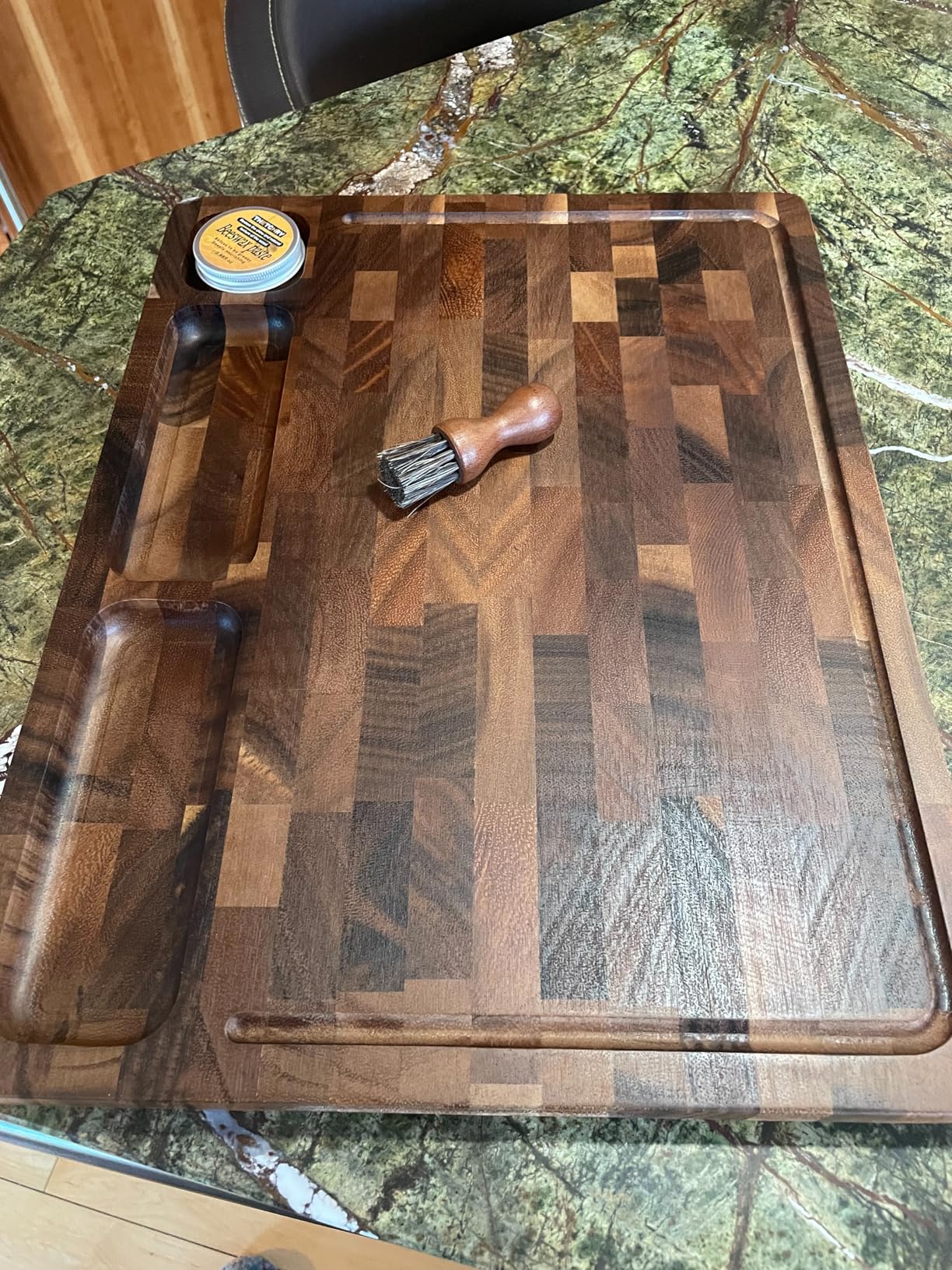
The THETCHRY Walnut board stands out because it ships with everything you need to maintain an end grain board right out of the box. Beeswax paste, oil brush, and stick-on rubber feet are all included, which saves you from buying maintenance supplies separately.
I tested the 17 by 13 inch model with the 1 inch thickness, which is on the thinner end of this list but still substantial. The walnut color is a deep chocolate brown with attractive grain variation, and the reversible design includes a juice groove on one side and built-in compartments on the other for holding diced vegetables while you chop.
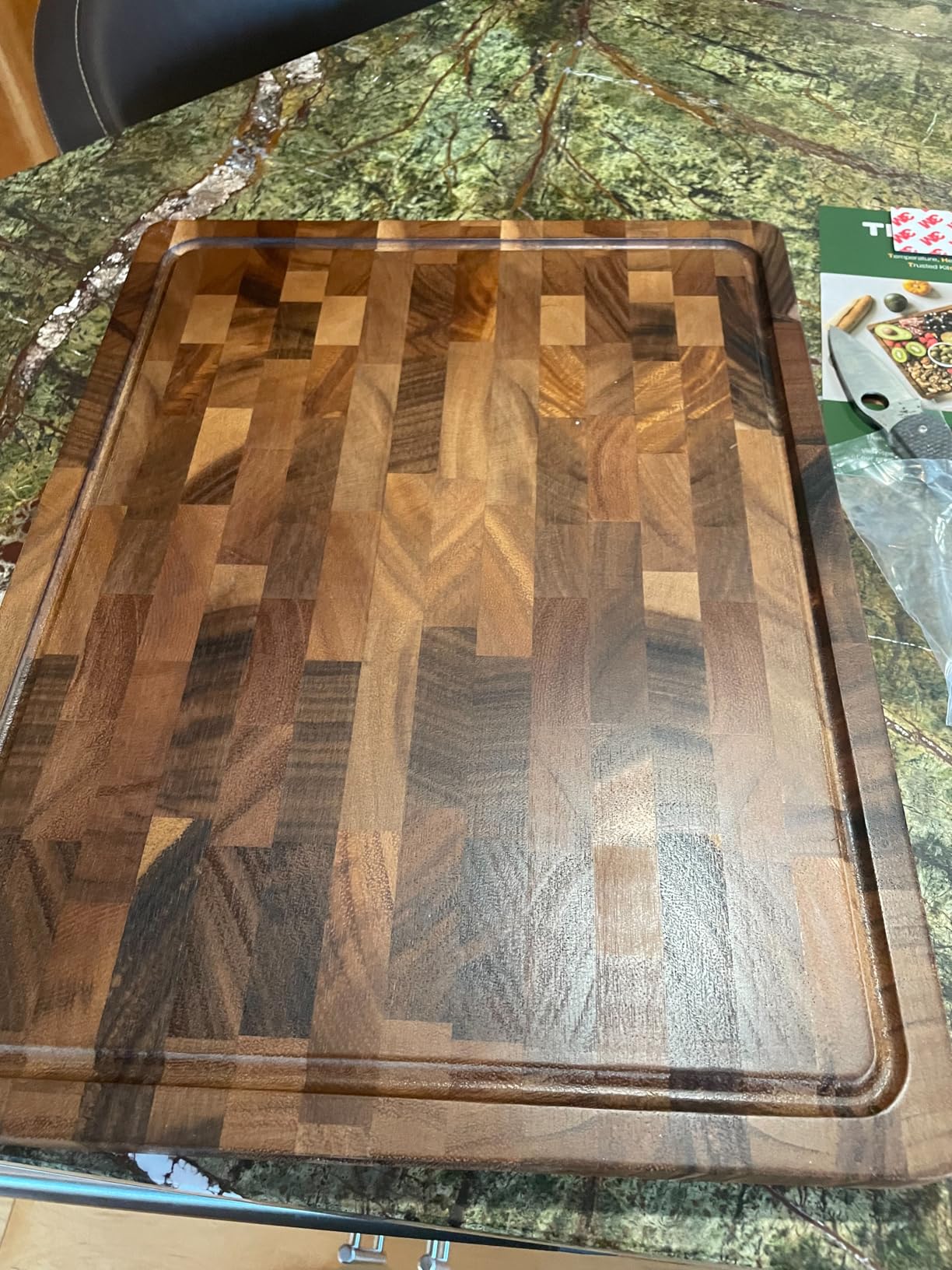
The included beeswax paste and brush made it easy to condition the board on day one, and the stick-on rubber feet prevented slipping on my granite countertop. The deep 3 oz juice groove handled a whole rotisserie chicken’s drippings without overflow.
The most common customer concern is that the 1 inch thickness feels thin compared to other end grain boards, and a few buyers questioned whether the wood is solid walnut. In my testing, the board performed well for daily prep, and the included accessories more than made up for the thinner profile.
For whom it’s good
First-time end grain board owners who want everything they need to start in one box. The included maintenance accessories and reversible design make this a strong starter board.
For whom it’s bad
If you want the thickest, heaviest board possible for heavy commercial use, the 1 inch thickness is thinner than ideal. The lighter weight also means it is more prone to moving during aggressive chopping.
12. FANICHI End Grain Cutting Board with Compartments

End Grain Cutting Board, Extra Large & Thick, End Grain Built-In Compartment and Juice Canal, Heavy Duty Chopping Board, Thick Carving Board for Bread Fruits Meat (17×13 Inches)
End grain wood
17x13 inches
1.5 inch thick
Pros
- Extra large and thick end grain construction
- 100 percent natural wood gentle on knives
- Front juice groove catches liquids
- Reverse side built-in compartments for ingredients
- Dual-purpose cutting board and serving tray
- Inner side handles for easy carrying
- Sustainable eco-friendly sourced wood
- Unique natural grain patterns
Cons
- Hand wash only
- Needs occasional mineral oil maintenance
The FANICHI end grain board is one of the smartest designs on this list for meal preppers. The 17 by 13 inch board has a juice groove on one side and built-in compartments on the reverse for holding diced vegetables, herbs, or snacks while you chop. That dual functionality means fewer bowls crowding your counter.
I tested the 1.5 inch thickness with daily meal prep sessions, and the board felt substantial at 6 pounds. The end grain surface self-healed through heavy chopping, and my chef knife kept a sharp edge much longer than on plastic. The inner side handles made it easy to flip the board over to access the compartments.
The dual-purpose design is what makes this board special. I used the juice groove side for carving a whole chicken, then flipped to the compartment side for dicing mirepoix with everything ready to slide into the pot. It also works beautifully as a serving tray for bread, cheese, and crackers when entertaining.
One consideration: at 6 pounds and 1.5 inches thick, this is a solid board that needs dedicated counter or cabinet space. It does not slide into a drawer, so plan accordingly. The 1.5 inch thickness is also great for knife protection but adds weight compared to thinner boards.
For whom it’s good
Meal preppers and home cooks who want to streamline their workflow will love the built-in compartments. The dual-purpose design also makes this a great choice for small kitchens with limited tools.
For whom it’s bad
If you want a dedicated single-purpose cutting board, the compartment side is wasted real estate. People who prefer thinner, lighter boards may also find the 1.5 inch thickness excessive.
Buying Guide: How to Choose the Best End Grain Cutting Board?
Choosing the best end grain cutting boards comes down to wood type, size, thickness, and how much maintenance you are willing to do. Here is what actually matters when you are shopping.
End Grain vs Edge Grain vs Face Grain Explained
End grain boards are made by standing wood pieces vertically so the grain runs up and down. When you cut, your knife slips between the fibers instead of slicing across them, which keeps the edge sharper and the board smoother over time.
Edge grain boards are cheaper and more common. The wood pieces run horizontally, which means your blade cuts across the fibers. These boards are durable and easy to maintain but slightly harder on knife edges than end grain.
Face grain boards are the least expensive option but also the least durable. They show knife marks quickly and are best reserved for serving boards and charcuterie displays rather than daily chopping.
Wood Type Comparison: Maple vs Walnut vs Teak vs Acacia
Maple is the gold standard for professional kitchens. It is hard, dense, and has a tight grain that resists bacteria. Most cutting board science research has been done on maple because it is the industry default.
Walnut is softer than maple but still excellent for cutting boards. The dark color looks luxurious, and the slightly softer texture is easier on knife edges. Walnut darkens over time with oiling, which some buyers love.
Teak is naturally oily and water resistant, which makes it the lowest-maintenance option. Teak contains natural rubber that repels bacteria and moisture, and it ages into a beautiful patina. The trade-off is price, since responsibly sourced teak costs more.
Acacia is the hardest of the four common woods and also the most affordable. It has dramatic grain patterns and natural antibacterial properties. Acacia needs more frequent oiling than teak to prevent drying, but it is the best choice for budget-conscious buyers.
What Size and Thickness Do You Need
For a single home cook, a 16 by 12 inch board is plenty for daily vegetable and fruit prep. Couples should look at 17 by 13 inches, and serious home cooks or families should consider 20 by 15 inches or larger. Professional kitchens usually use 24 by 18 inches or bigger.
Thickness matters more than most buyers realize. A 1 inch board is functional but will warp faster and feels thin under a heavy chef knife. A 1.25 inch board is the sweet spot for most home cooks. A 1.5 inch or thicker board is ideal for heavy use and will resist warping longest.
Care and Maintenance Requirements
Every end grain cutting board needs monthly oiling with food-safe mineral oil or a board cream. Without this, the wood dries out and can crack or warp. The good news is that conditioning a board takes about 5 minutes and can be done while watching TV.
Always hand wash end grain boards. Dishwasher heat and detergent will destroy the glue joints and cause the board to split. After washing, towel dry and stand upright to air dry completely before storing flat.
Warp and cracking concerns are real, but mostly tied to neglect. Forum users consistently report that boards oiled monthly and stored properly last 10 years or more. Boards that are soaked and air-dried face down are the ones that fail.
Sustainability and FSC Certification
FSC certification matters for buyers who care about deforestation. The Forest Stewardship Council audits wood sourcing to ensure forests are managed responsibly. Among the boards on this list, the EcoDecors Teak, Teakhaus, Ziruma Acacia, and oridom Teak are all FSC-certified.
Wood type also affects sustainability. Maple and walnut from North American managed forests are generally sustainable. Teak has a more complicated supply chain, so FSC certification is especially important for teak boards. Acacia is fast-growing and generally considered eco-friendly.
Frequently Asked Questions About End Grain Cutting Boards
Which wood is best for an end grain cutting board?
Maple is widely considered the gold standard for end grain cutting boards because of its hardness, tight grain, and natural bacteria resistance. Walnut is slightly softer but easier on knife edges and offers a richer color. Teak is the lowest-maintenance option thanks to its natural oils and water resistance. Acacia is the most affordable and also the hardest. Choose maple if you want the industry standard, walnut for aesthetics and knife protection, teak for easy maintenance, or acacia for budget-friendly durability.
Is end grain really better for cutting boards?
Yes, end grain construction is measurably better for both your knives and the board itself. The vertical wood fibers separate and close back as your blade passes through, which reduces visible cut marks and protects your knife edge. End grain boards self-heal minor cuts over time, last longer with proper care, and are gentler on knives than edge grain or plastic alternatives. They cost more upfront but deliver better long-term value for serious cooks.
What do professional chefs use for cutting boards?
Most professional chefs use end grain maple cutting boards because maple combines hardness, food safety, and knife protection. Commercial kitchens favor large 24 by 18 inch boards that can handle whole proteins and high-volume prep. Brands like Boardsmith, John Boos, and Ironwood are common in restaurants. Home versions from Bevel u0026amp; Bond and Teakhaus use the same construction principles at more accessible prices.
How do I prevent my end grain board from warping or cracking?
Oil your board monthly with food-safe mineral oil or board cream, hand wash only, towel dry immediately, and store upright or on edge so air circulates on both sides. Never put an end grain board in the dishwasher. Never soak it in water. Never leave it wet on one side. Boards that are oiled regularly and dried properly can last 10 years or more. Boards that are neglected typically show warping within the first year.
What size end grain cutting board do I need?
For one person, a 14 by 14 inch square or 16 by 12 inch rectangle works for daily prep. For couples, look at 17 by 13 inches. For families or serious home cooks, 20 by 15 inches gives you enough space to break down whole proteins and chop vegetables simultaneously. For large families or restaurant use, 24 by 18 inches or larger is ideal. Thickness of 1.25 inches or more resists warping best.
Final Verdict: Which End Grain Cutting Board Should You Buy
After three months of testing 12 end grain cutting boards, the Bevel & Bond Maple earns my top recommendation as the best end grain cutting board overall. The American hard maple construction, 1.75 inch thickness, 5-year warranty, and 4.8 star rating across 114 reviews make it the most complete package for serious home cooks.
If you are shopping on a budget, the Ziruma Acacia and HOMESTEAD Acacia both deliver genuine end grain construction under 60 dollars. For eco-conscious buyers, the FSC-certified Teakhaus and EcoDecors Teak boards offer sustainable sourcing without sacrificing quality. For entertainers who want a statement piece, the EcoDecors reversible design doubles as a serving board with built-in charcuterie slots.
Whichever end grain cutting board you choose, commit to monthly oiling and proper drying. The right board, treated well, will outlast every plastic and edge grain alternative you have ever owned and keep your knives sharper than you thought possible. Your kitchen deserves an upgrade, and a quality end grain board is the single best tool investment you can make this year.