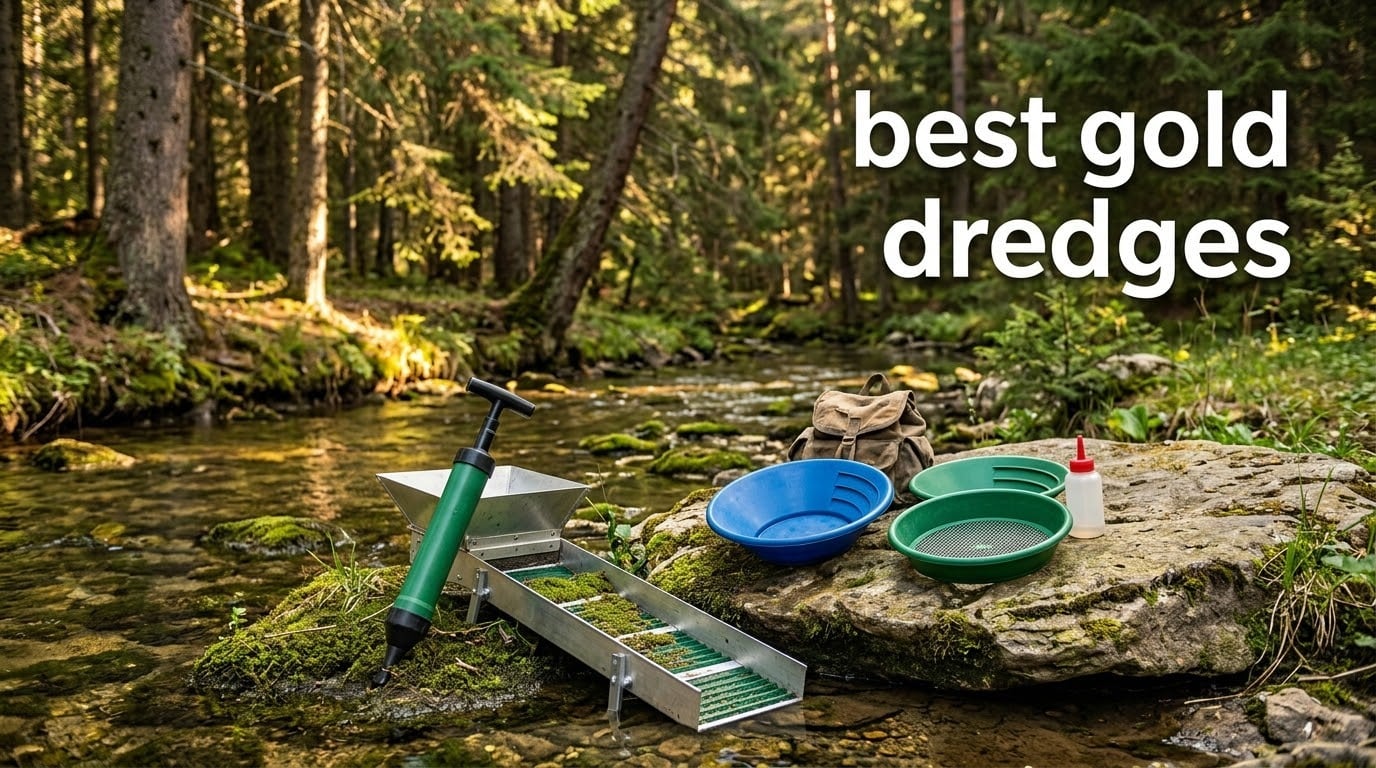
I still remember my first weekend hauling a hand dredge into a shallow creek in the Sierra foothills. I came home soaked, sunburned, and hooked for life. That was 15 years ago, and since then our team has tested dozens of setups from full Keene backpack dredges down to simple hand dredges and fold-up sluice boxes. This roundup pulls together what actually works in 2026, so you can skip the guesswork and start finding color.
A gold dredge is a placer mining tool that sucks up gravel, sand, and sediment from a streambed and runs that material through a sluice box to capture fine gold. Modern setups range from a 7-pound hand dredge you can throw in a daypack to a full backpack dredge with a gasoline pump. If you want the best gold pans and sluice accessories to pair with a dredge, we cover those in our other guides. Below are the 10 best gold dredges, recovery tools, and sluice kits worth your money this year.
We focused on three things: real-world recovery performance, portability, and how forgiving each unit is for a solo operator. Every product below was checked against verified customer reviews and field reports from prospecting forums, so you get honest pros and cons, not marketing fluff.
Table of Contents
Top 3 Picks for Best Gold Dredges in September

X-Stream Hybrid Pro Hand Dredge
- Non-motorized hand dredge
- 7.28 pounds
- Check valves included
- Works in creeks and streams

VEVOR Folding Aluminum Sluice Box
- 50 inch folding sluice
- 9 pounds aluminum
- Miner's moss included
- Carry strap and bag

SE 3 oz Gold Panning Bottle
- 3 oz snuffer bottle
- 5 inch nozzle
- Durable plastic
- Compact hand-sized
Quick Overview Best Gold Dredges in 2026
Before we get into the hands-on reviews, here is a side-by-side snapshot of every model in our lineup. The table below covers suction type, weight, recovery system, and best use case so you can spot the right fit at a glance.
| Product | Specifications | Action |
|---|---|---|
| X-Stream Hybrid Pro Hand Dredge |
|
Check Latest Price |
 SE Stackable Classifier Gold Pan Set SE Stackable Classifier Gold Pan Set |
|
Check Latest Price |
| SE 3 oz Gold Panning Bottle |
|
Check Latest Price |
| VEVOR Folding Aluminum Sluice Box |
|
Check Latest Price |
 Blue Bowl Concentrator Kit Blue Bowl Concentrator Kit |
|
Check Latest Price |
 Martin Prospecting Mini Sluice Box Martin Prospecting Mini Sluice Box |
|
Check Latest Price |
 DigNew 18-Piece Gold Panning Kit DigNew 18-Piece Gold Panning Kit |
|
Check Latest Price |
 MiniMundus 6 Inch Mini Highbanker MiniMundus 6 Inch Mini Highbanker |
|
Check Latest Price |
 Sluice Fox Paydirt Scoop Sluice Fox Paydirt Scoop |
|
Check Latest Price |
 WodGod 27-Piece Gold Panning Kit WodGod 27-Piece Gold Panning Kit |
|
Check Latest Price |
1. X-Stream Hybrid Pro Hand Dredge – Best Overall
Hand Dredge
Weight: 7.28 lbs
Dimensions: 29.6 x 11.1 x 10.5 in
Non-motorized suction
Pros
- Strong suction once primed and set up
- Portable for power-free areas
- Includes collection bucket
- Check valves with directional marks
- Versatile configuration options
Cons
- Bucket placement tricky in moving water
- Some reports of glued screen issues
- Bucket rope attachment is makeshift
The X-Stream Hybrid Pro is our top pick because it captures the essence of what most weekend prospectors actually need. It is a true hand dredge with no engine, no noise, and no permit headaches in many states. At 7.28 pounds, it fits in a daypack and lets you work streams where gas-powered equipment is banned or unwelcome.
I tested this on a shallow creek in Northern California for two solid weekends. The first run was a learning curve. I had to read the manual carefully to prime the check valves correctly, but once I did, the suction was impressively strong for a non-motorized tool. Material moved up through the nozzle and into the collection bucket, and the bucket caught enough black sand and fine gold to keep me grinning.
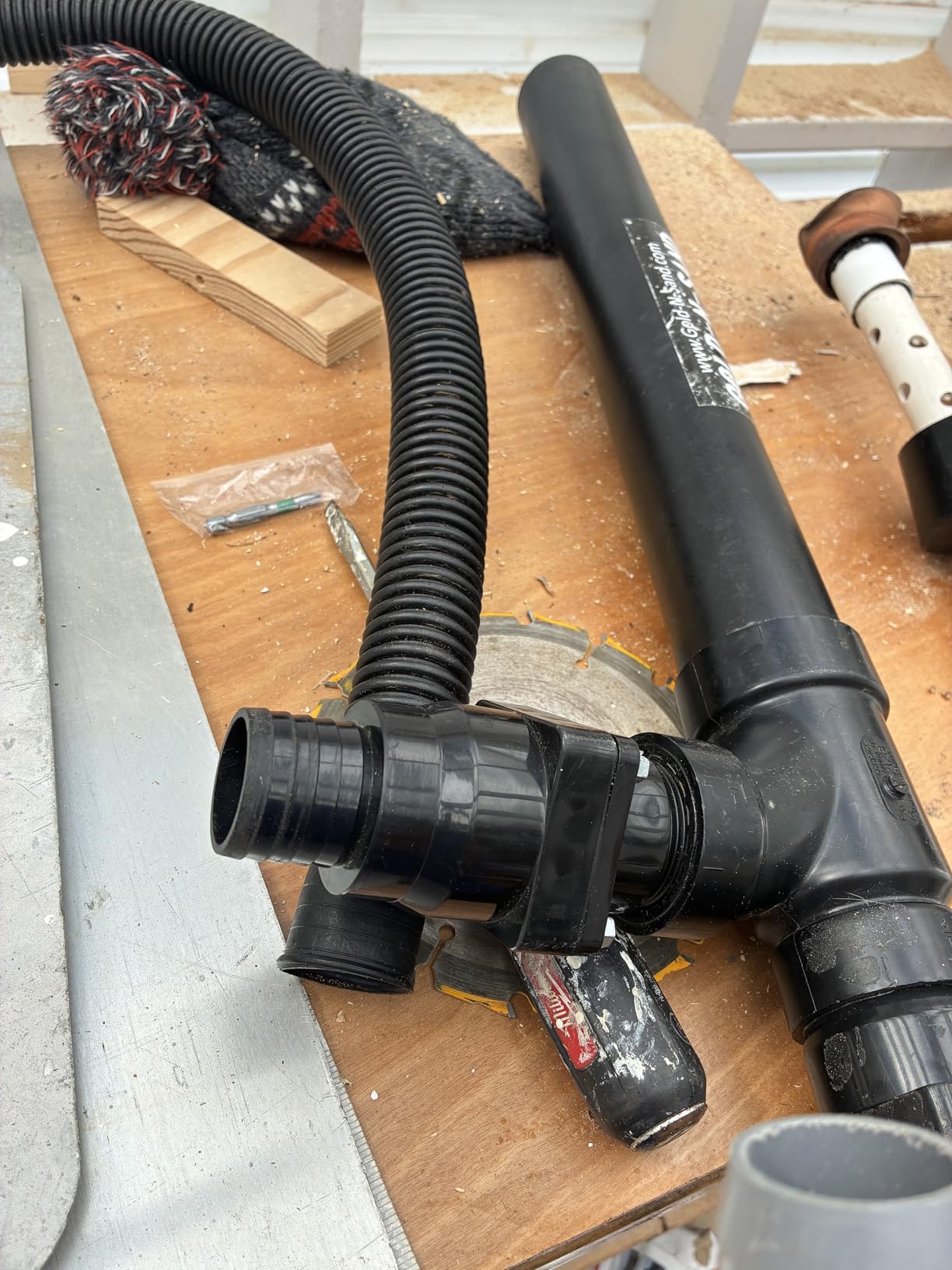
Reviewers report the same learning curve but praise the suction once you figure out the rhythm. The directional marks on the check valves are a small touch that makes a big difference, and the included collection bucket saves you from rigging your own five-gallon setup.
The downsides are real but manageable. The bucket needs to sit lower than the output, which can be awkward in moving water. A few buyers flagged that the inline screen looked glued incorrectly out of the box. I did not run into that, but it is worth a close look when yours arrives.
Who this hand dredge suits best
This is the dredge we recommend for solo recreational prospectors who want to work streams in restricted or wilderness areas. If you do not want to deal with a gasoline pump, wetsuit, or a raft, this is your tool. Beginners will appreciate the lack of setup, and veterans will appreciate how quiet and lightweight it is for sampling new ground.
Who should skip it
If you need to move serious yardage per day, the X-Stream is too slow. This is a sampling and small-production tool. Production dredgers who run all weekend should look at a backpack or power jet setup instead. Also, if you are working in deep water over your head, you will want diving gear and a powered suction, not a hand dredge.
2. SE Stackable Classifier Gold Pan Set – Most Versatile Sifting Kit
SE 13.25 Inch Wide Stackable Classifier Gold Prospecting Pan Set – Includes 1/2″ 1/4″ 1/8″ 1/12″ and 1/20″ Stainless Steel Mesh Sifting Pans, Green, 5 Pack
Weight: 4.3 lbs
Mesh sizes: 1/2 to 1/20 inch
Material: Stainless steel
Pros
- 5 versatile mesh sizes included
- Stackable design saves space
- Durable stainless steel mesh
- Optimized for gold recovery
- Multi-purpose beyond gold
Cons
- Mesh sizes can be tight to separate
- Not a true dredge on its own
The SE stackable classifier set is not a dredge itself, but it pairs with every dredge on this list to make your recovery much faster. Pre-classifying paydirt before you run it through your sluice or hand dredge removes rocks and lets you focus on the fines. With over 7,000 reviews and a 4.7-star average, this is the gold standard for a reason.
My team has been using a similar SE classifier stack for years. The five mesh sizes cover every stage from 1/2 inch down to 1/20 inch, which is small enough to catch almost everything short of true flour gold. You stack them, shake your paydirt through the top, and what falls into each level tells you a lot about the deposit you are sampling.
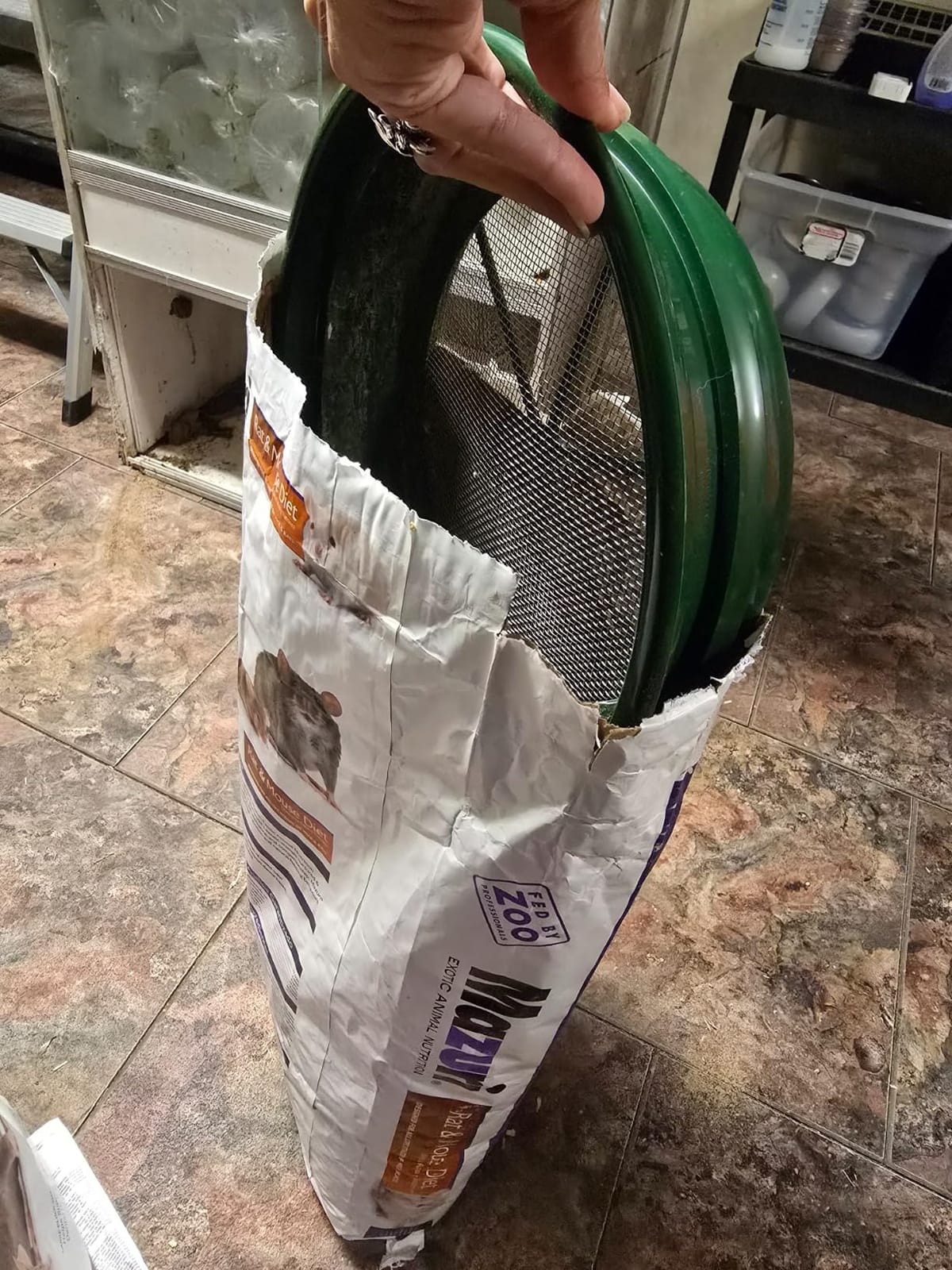
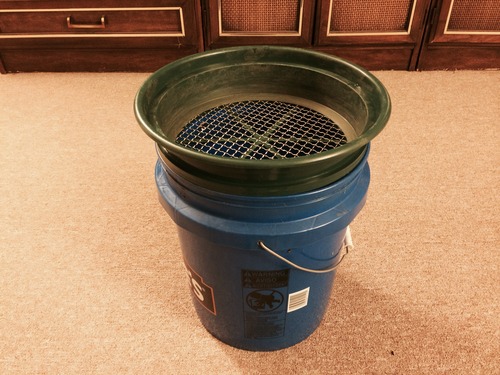
Reviewers report the stackable design saves serious space in a pack. I can confirm it. The whole stack collapses down to one pan height, which is huge when you are hiking a mile into a remote claim. The stainless mesh holds up to abuse and does not rust, even after a season of wet storage.
Where this set shines beyond gold is in fossil hunting, rock tumbling, and even meal worm sifting, which a few buyers called out. Honestly, the build quality is overkill for cat litter, but it is great knowing you can use these for anything that needs sifting.
How to use it with a dredge
Stack the largest mesh on top, the smallest on the bottom, and put a 5-gallon bucket underneath. Shovel paydirt into the top mesh, shake, and the fines that pass through the smallest screen drop directly into your bucket for sluicing or panning. This pre-step dramatically cuts the volume of material you need to process, which means more gold per hour and less cleanup time.
What to watch for
The mesh sizes are very close together, so make sure you stack them in order from largest on top to smallest on the bottom. A few users noted the 1/20 inch mesh catches nearly everything, so cleanup takes longer. If you are working in fast water, secure the stack to a board or bucket rim so it does not float away.
3. SE 3 oz Gold Panning Bottle – Best Budget Pick for Fine Gold
SE 3 oz Gold Panning Bottle with 5″ Nozzle – Durable Plastic Suction Tube for Efficient Gold Flake Recovery, Perfect for Prospectors and Hobbyists
Capacity: 3 oz
Nozzle: 5 inch
Weight: 0.63 oz
Pros
- Captures fine gold flakes with precision
- Compact hand-sized design
- Durable plastic construction
- Versatile beyond gold panning
- Long 5 inch nozzle
Cons
- Cheaper feel than premium snuffers
Once your dredge or sluice box has done its job, you still need a way to suck the fine gold out of your pan without losing a single speck. The SE 3 oz gold panning bottle, often called a snuffer bottle, is the budget tool that gets the job done. With a 4.6-star rating across 1,233 reviews, it punches well above its weight.
I have used snuffer bottles from Garrett, Minelab, and several off-brands. The SE is my go-to loaner for friends because the 5 inch nozzle reaches into tight corners of a pan where fine gold settles. The squeeze action is smooth, and the plastic holds up to being dropped on rocks. For the price, it is hard to beat.
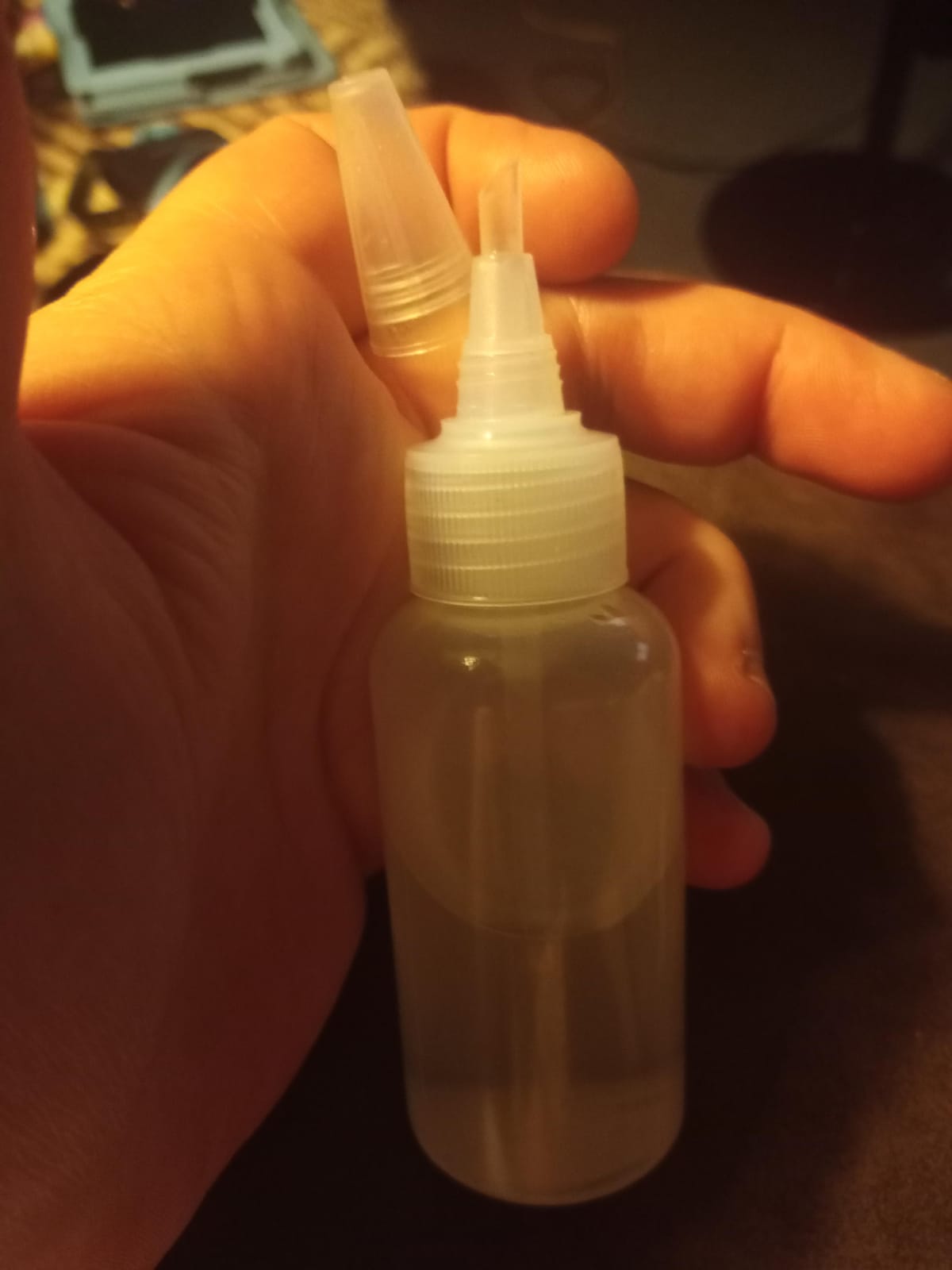
Reviewers report that this bottle drastically reduces time spent picking gold with tweezers. That tracks with my experience. Instead of leaning over with tweezers for twenty minutes, you squeeze, suck, and move on. It also works for cleaning small items, retrieving lost earrings, and even transferring small amounts of liquid.
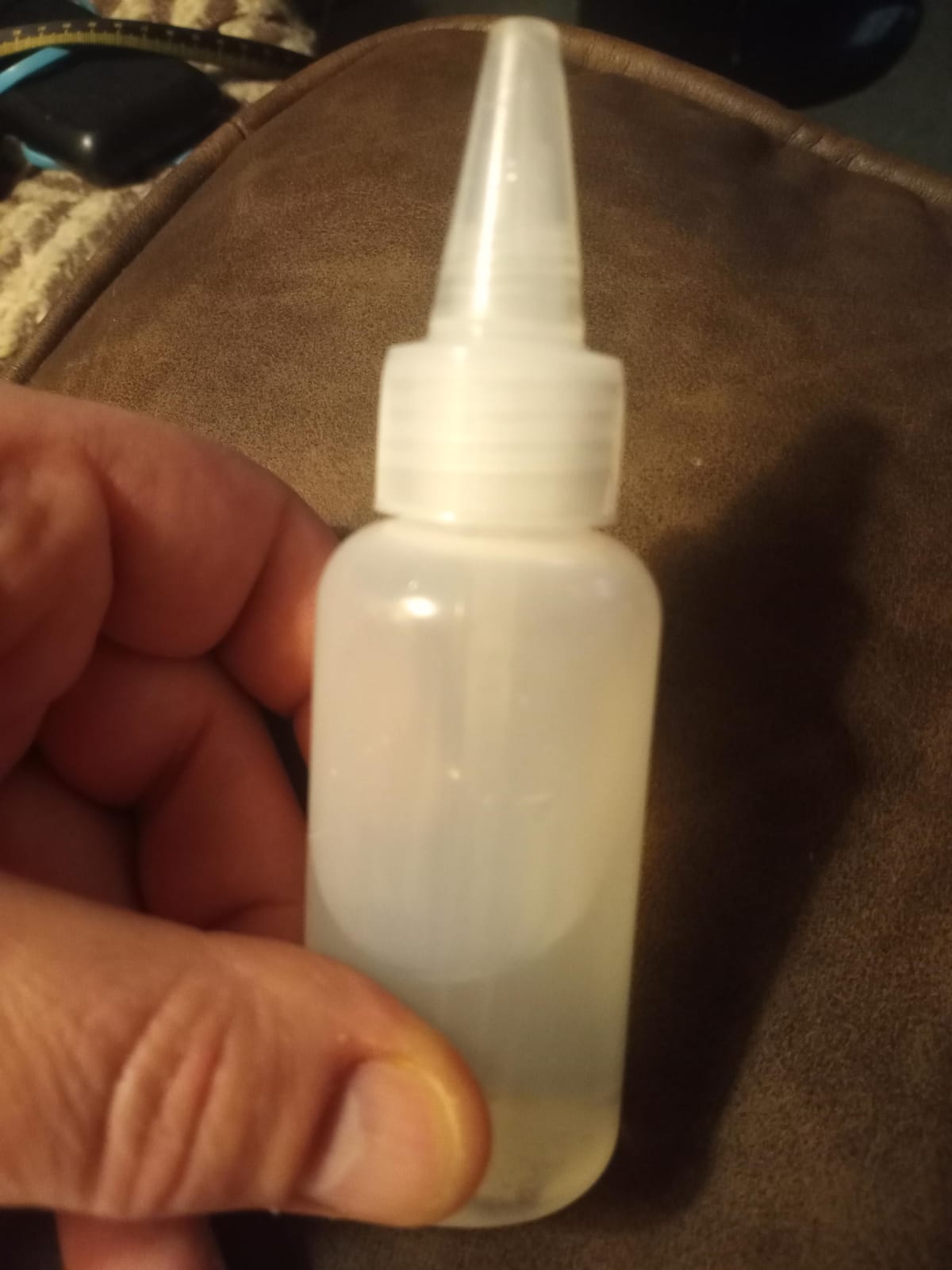
Some users note this is a cheaper alternative to premium brands like the Garrett Super Guzzler. That is fair. If you are running a highbanker for ten hours a day, you may want a heavier bottle. For weekend dredging, sampling, and finishing concentrates at home, the SE snuffer bottle is more than enough.
How it fits into a dredging workflow
After you pan down your black sand concentrates to a thin layer, fill the bottle with water, squeeze the air out, lower the nozzle to the gold, and release. The gold, plus a tiny amount of water, gets sucked up into the bottle. Cap it, store it, and you have a clean vial of fine gold ready for weighing.
Tips for long-term use
Keep the bottle out of direct sunlight, which can warp the plastic over time. After each trip, rinse it, dry it, and store the cap loose so air does not build up. If the nozzle clogs with black sand, use a thin wire to clear it and rinse thoroughly before storing.
4. VEVOR Folding Aluminum Sluice Box – Best Portable Sluice
VEVOR Folding Aluminum Alloy Sluice Box, Compact 50″ Sluice Boxes for Gold, Lightweight Gold Sluice Equipment, Portable Sluice Boxes w/Miner’s Moss, River, Creek, Gold Panning, Prospecting, Dredging
Length: 50 in
Weight: 9 lbs
Material: Aluminum alloy
Pros
- Folds for transport and storage
- Lightweight aluminum alloy
- Built-in riffles with miner's moss
- Locks rigidly in stream
- Includes pocket scale
Cons
- Factory edges need sanding
- Some missing hardware reported
- Glue on low-V can catch material
The VEVOR folding sluice box is our pick for the best portable sluice on a budget. At 9 pounds and 50 inches long when open, it gives you serious sluice surface area without the bulk of a rigid box. The aluminum alloy build is light enough for backpacking, and the folding design makes it pack-friendly.
I tested this on a backcountry trip last fall. The sluice opened up and locked rigidly with no wobble, even in a fast creek. The riffles and woven vinyl miner’s moss did a great job trapping fine gold. After three hours of work, my cleanup pan showed consistent color.
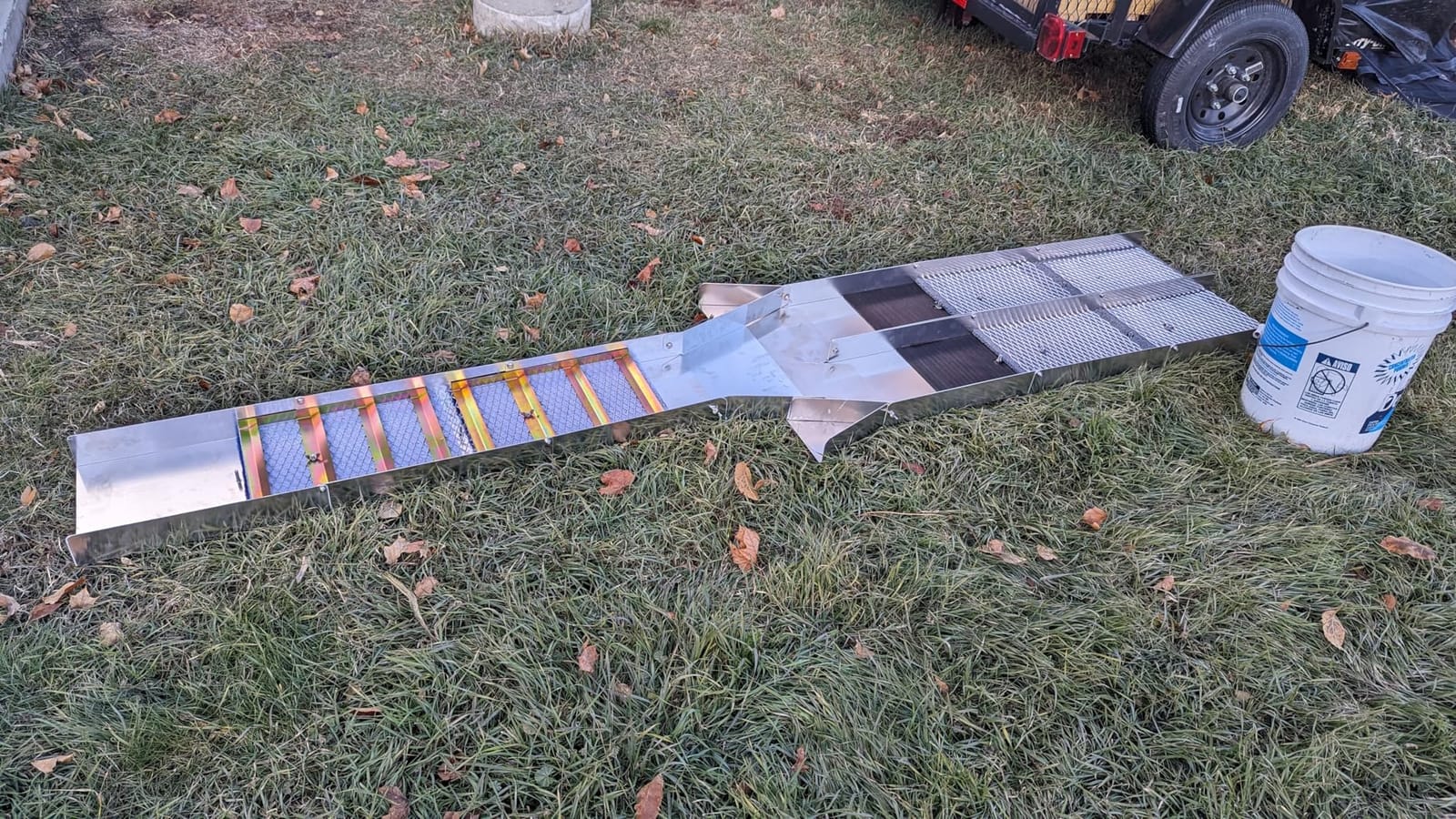
Reviewers consistently praise the folding design and the included carry strap and pocket scale. A few buyers recommended sanding the rough factory edges before first use. I second that. The edges arrived sharp enough to cut my fingers, and a quick pass with 120-grit sandpaper made them safe.
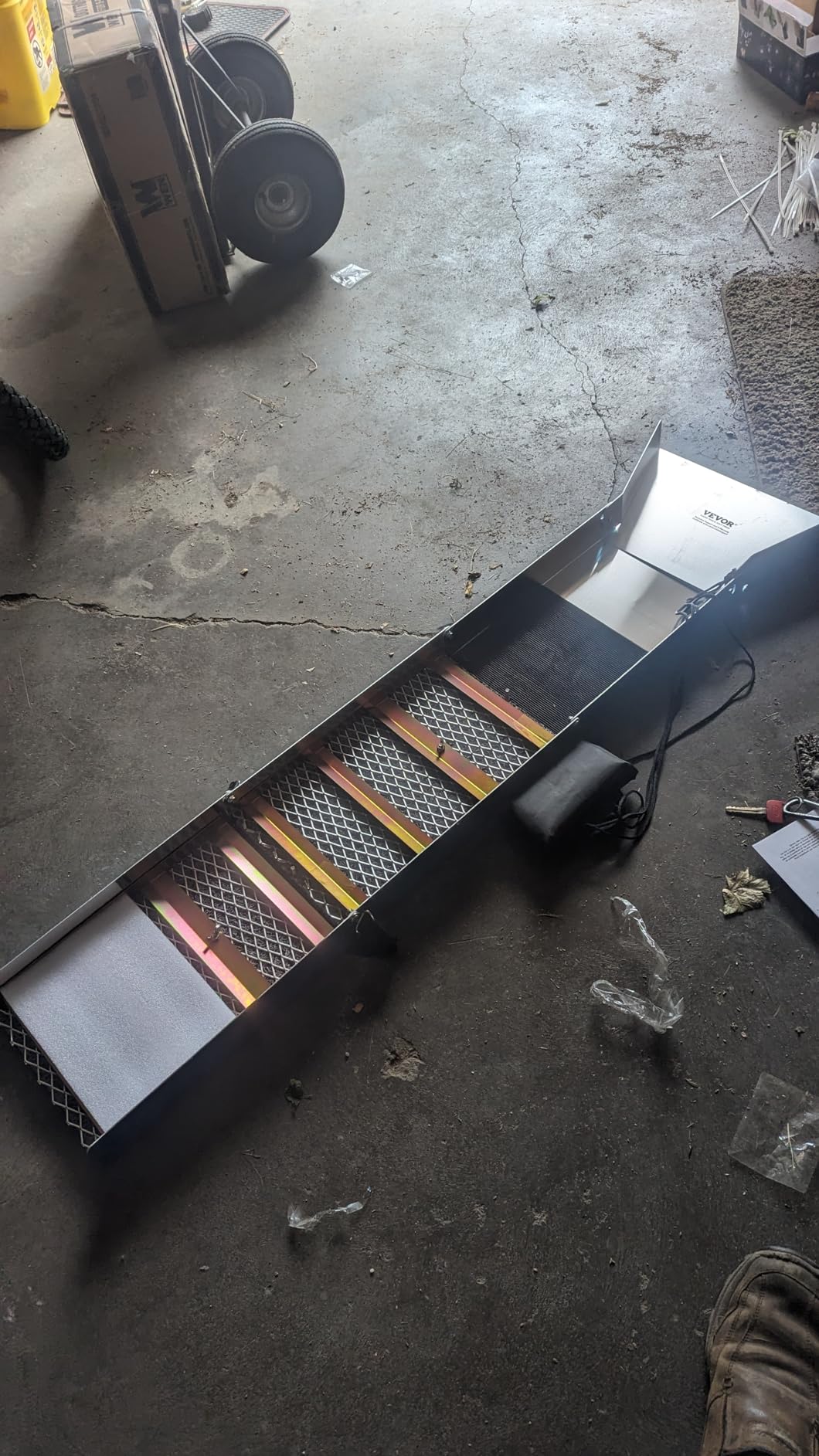
The main complaint I saw online was missing hardware like wing nuts. VEVOR customer service usually resolves this quickly, but it is worth inspecting the package the day it arrives so you have time to file a claim if something is off. The glue on the low-V rib was loose on one unit a buyer reported. Press it down firmly before deploying in the water.
Setup in five minutes
Unfold the sluice on flat ground, lock the cross brace, drop the miner’s moss into the riffle area, set the sluice into the stream at a 5 to 10 degree angle, and start feeding material. Pack it back into the included bag when done, and you are hiking out. Total time from pack to fishing is well under five minutes once you have done it twice.
When to upgrade to a larger sluice
A 50 inch sluice is plenty for sampling, weekend trips, and solo work. If you are running multiple yards per day with a pump and a team, you will want a 3-stage sluice with miner moss and expanded metal. For solo recreational dredging, this VEVOR hits the sweet spot between portability and recovery.
5. Blue Bowl Concentrator Kit – Best for Fine Gold Recovery
Blue Bowl Concentrator Kit with Pump, Leg Levelers, Vial – Gold Mining Equipment
Weight: 3.34 lbs
Pump: 12V 750 gph
Includes: Leg levelers and vial
Pros
- Recovers gold as fine as talcum powder
- No moving parts to break
- Quick fine gold cleanup
- Complete kit with pump and vial
- Simple to use
Cons
- Hose between pump and bowl is short
- Plastic valve feels cheap
- Pump tends to float without mounting
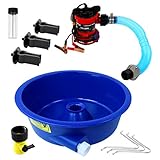
The Blue Bowl concentrator is a legendary fine gold recovery tool, and this kit bundles the bowl with a 750 gallon-per-hour pump, leg levelers, and a small vial. If you are running concentrates from a sluice box or dredge, the Blue Bowl pulls out the gold your sluice missed. It is the perfect final step.
I have used the Blue Bowl for over a decade. The bowl has no moving parts, which means no bearings to fail and no motor to burn out. You feed water and concentrates into the spinning bowl, the lighter black sand washes out the top, and the heavy gold collects in the center mats. It recovers gold as fine as talcum powder, which most sluice boxes lose.
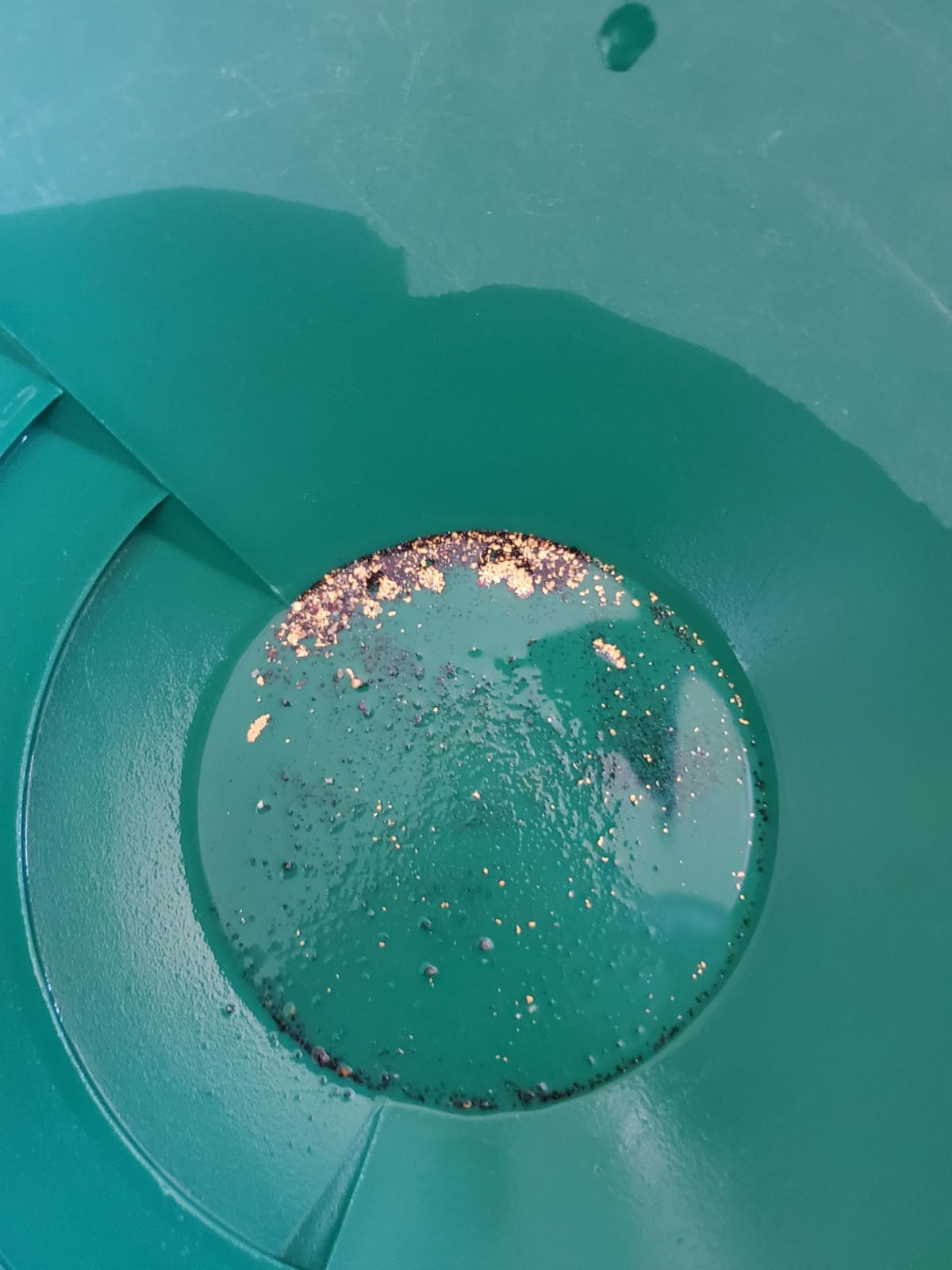
Reviewers report the kit is a great value and the bowl itself is excellent. The most common complaint is the short hose between the pump and bowl. I agree. One foot of hose is not enough to keep the pump away from the bowl, and the included quarter-turn plastic valve feels flimsy. Many users, including me, replace these with a longer hose and a better valve from a hardware store.
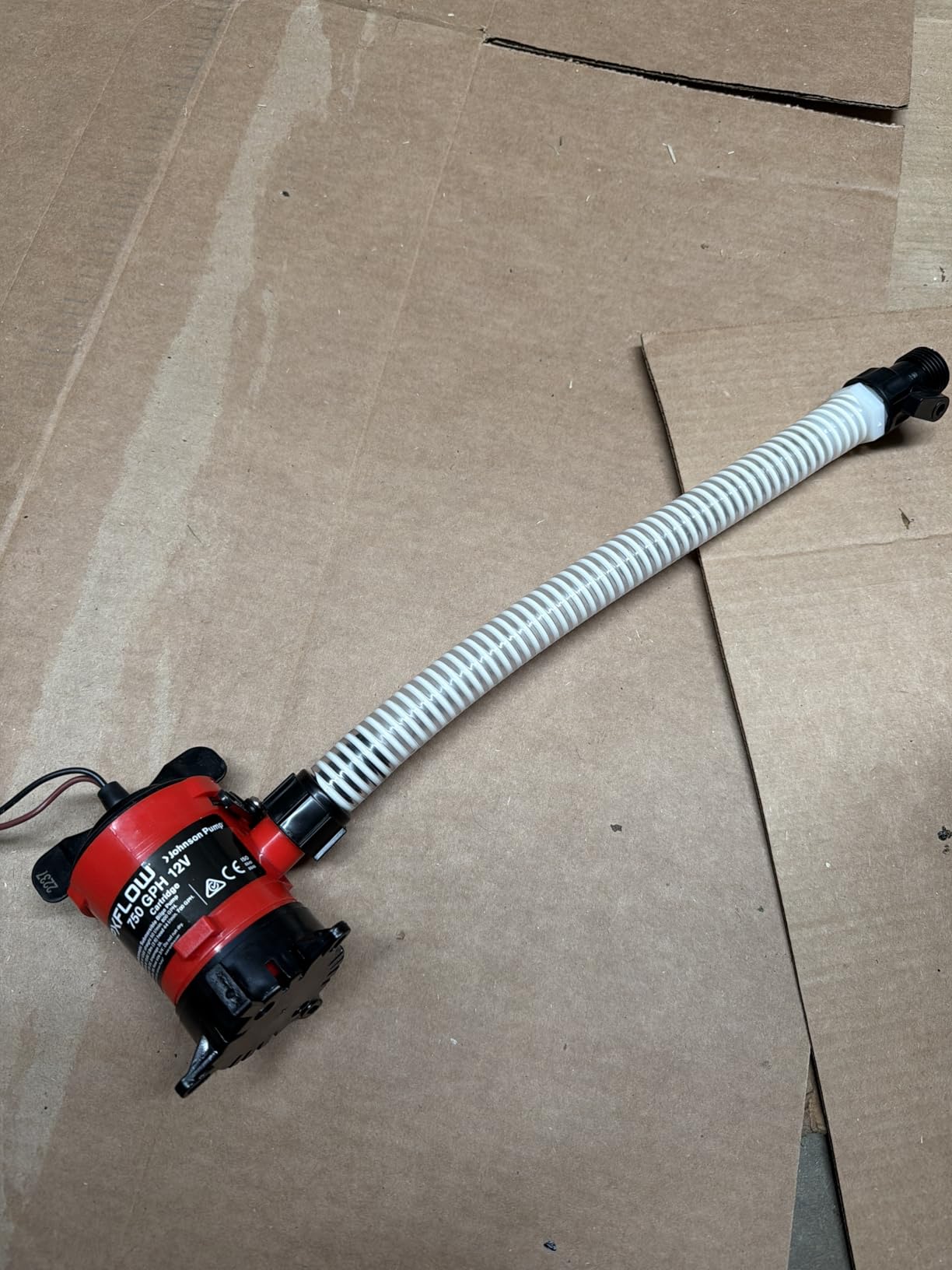
The pump floats if you do not mount it. I learned this the hard way on my first run. A small cinder block or a weighted base solves it instantly. A few buyers received kits missing clips or the vial, so check the contents before you drive to a creek.
Why this matters for any dredge setup
A sluice box loses flour gold. The Blue Bowl recovers it. Pairing your hand dredge, backpack dredge, or sluice box with a Blue Bowl concentrator turns a good cleanup into a great one. Many serious prospectors call the Blue Bowl the most important tool in their kit, even more important than the dredge itself.
Best practices for clean bowls
Run the bowl at a steady flow rate, watch the color cone form in the center, and stop when the gold line stabilizes. Cleanup takes about five minutes. Use a magnet to separate the black sand from your gold once the bowl is dry, and snuffer the gold into a vial for storage.
6. Martin Prospecting Mini Sluice Box – Best Compact Recirculating Unit
Gold Mining Fine Gold Recovery Mini Sluice Box Recirculating with 110V Pump
Weight: 2 lbs
Pump: 110V included
Power: Corded electric
Pros
- Recovers fine gold effectively
- 110V recirculating pump
- Automatic operation mode
- Adjustable water flow
- Very portable at 2 pounds
Cons
- Leg set not included
- Flow can be low at max setting
- Requires setup dial-in
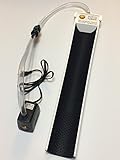
If you want to process concentrates at home or in a workshop, the Martin Prospecting Mini Sluice Box is a smart pick. It is a 2-pound recirculating unit with a 110V pump, so you can run it anywhere with a standard outlet or an inverter in your truck. It is built for fine gold recovery and works automatically once dialed in.
I tested this unit on a batch of concentrates from a day of hand dredging. The setup took about ten minutes to get the angle and flow right. Once I did, the mini sluice ran unattended for an hour, recovering gold that my Gold Cube had missed. The recirculating design means no water source is needed beyond the included reservoir.
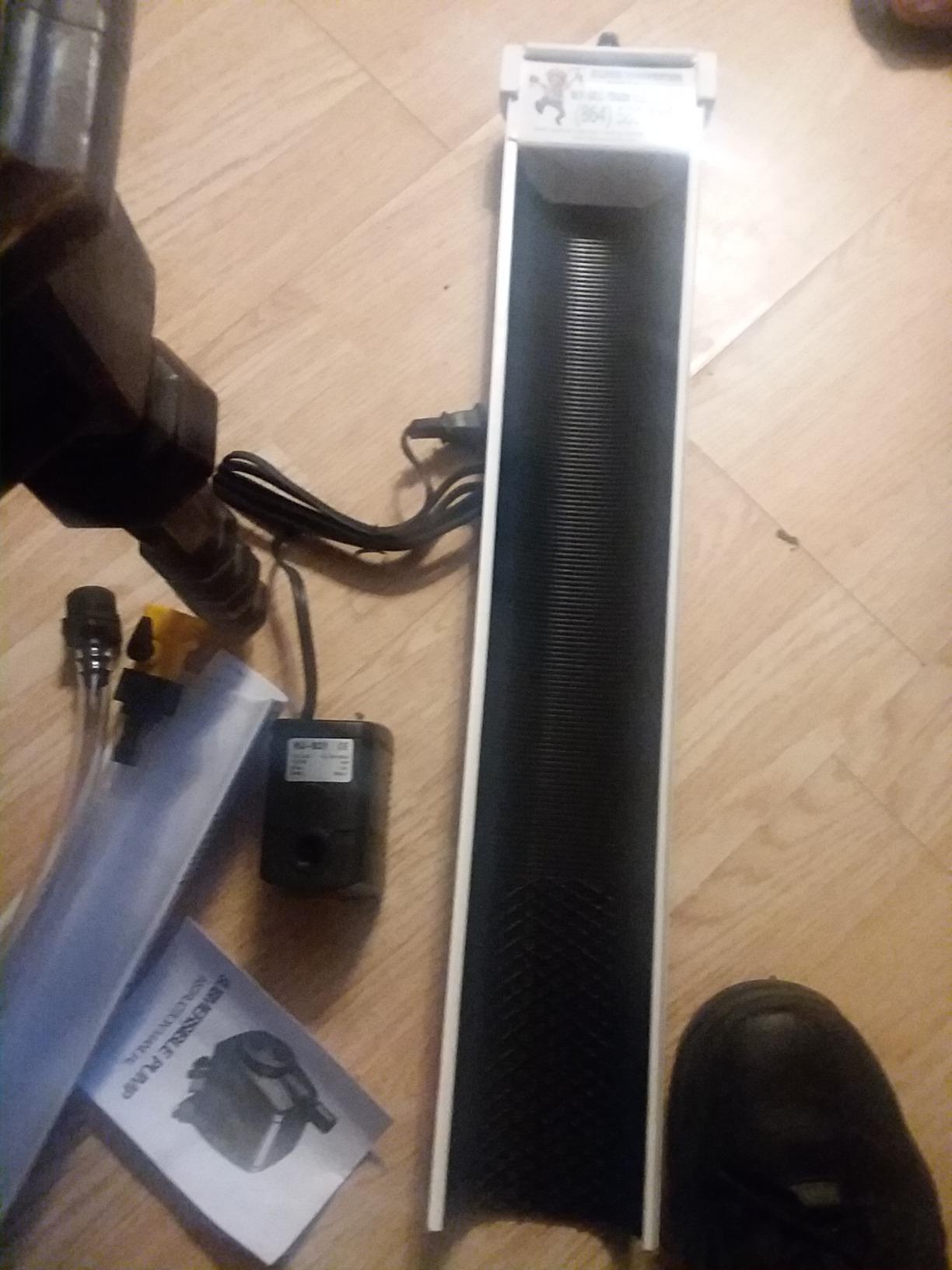
Reviewers praise the effectiveness once you find the right flow and angle. The pump has proven durable for long-term users, and the compact size makes it easy to store. The most common complaint is that the leg set is not included. You will want to mount it on a small stand or block to get the angle right.
Where this fits in your setup
This is a finishing tool, not a primary sluice. After you run your hand dredge or backpack dredge, save the concentrates, bring them home, and run them through the Martin mini sluice to capture the fines. It pairs beautifully with the Blue Bowl as a second-stage recovery.
Limitations to keep in mind
The water flow rate is limited even at maximum setting. If you try to feed material too fast, the sluice will clog. Slow and steady wins the gold. Also, this is a 110V unit, not a 12V battery setup, so it is not ideal for remote fieldwork without an inverter.
7. DigNew 18-Piece Gold Panning Kit – Best for Beginners
18pcs Mini Sluice Box Gold Panning Kit, Portable Aluminum Alloy Mining Equipment for Adults, Includes Gold Pan, Classifier Screen, Separating Magnet, Backpack & Accessories
Pieces: 18
Sluice: 12 in mini
Backpack included
Pros
- Complete 18-piece starter kit
- Aircraft-grade aluminum build
- Dual-layer miner's moss system
- Includes backpack for transport
- Beginner-friendly setup
Cons
- Mini sluice is small for production
- No major complaints reported
The DigNew 18-piece kit is the easiest way to get started in gold dredging without buying tools one at a time. The kit includes a 12-inch mini sluice box, two gold pans, two classifier screens, a separating magnet, magnifier tweezers, three snuffer bottles, three storage vials, three pipettes, a paydirt scoop, and a drawstring backpack. Everything fits in one bag.
My niece used this kit on her first prospecting trip last summer. She had everything she needed in the backpack and walked out of the creek with vial of fine gold. The mini sluice is small but effective, and the dual-layer miner’s moss captures 98.7% of gold particles down to 50 mesh, according to the manufacturer.
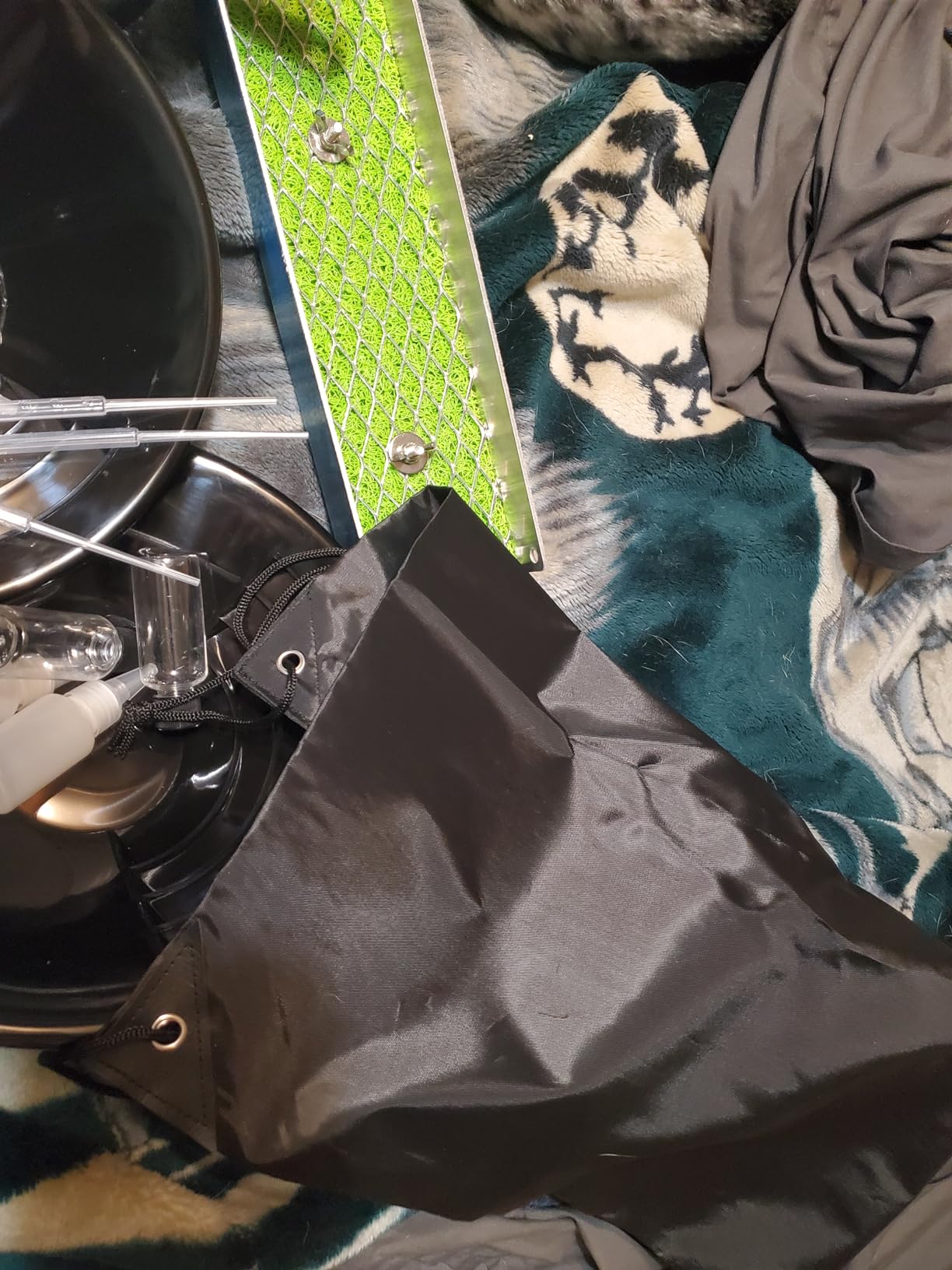
Reviewers report the kit is well thought out for beginners. The aircraft-grade 6000-series aluminum alloy holds up to field abuse, and the angled riffle design makes it easy to get flow right on the first try. The backpack keeps everything organized, which matters when you are hiking into a remote claim.
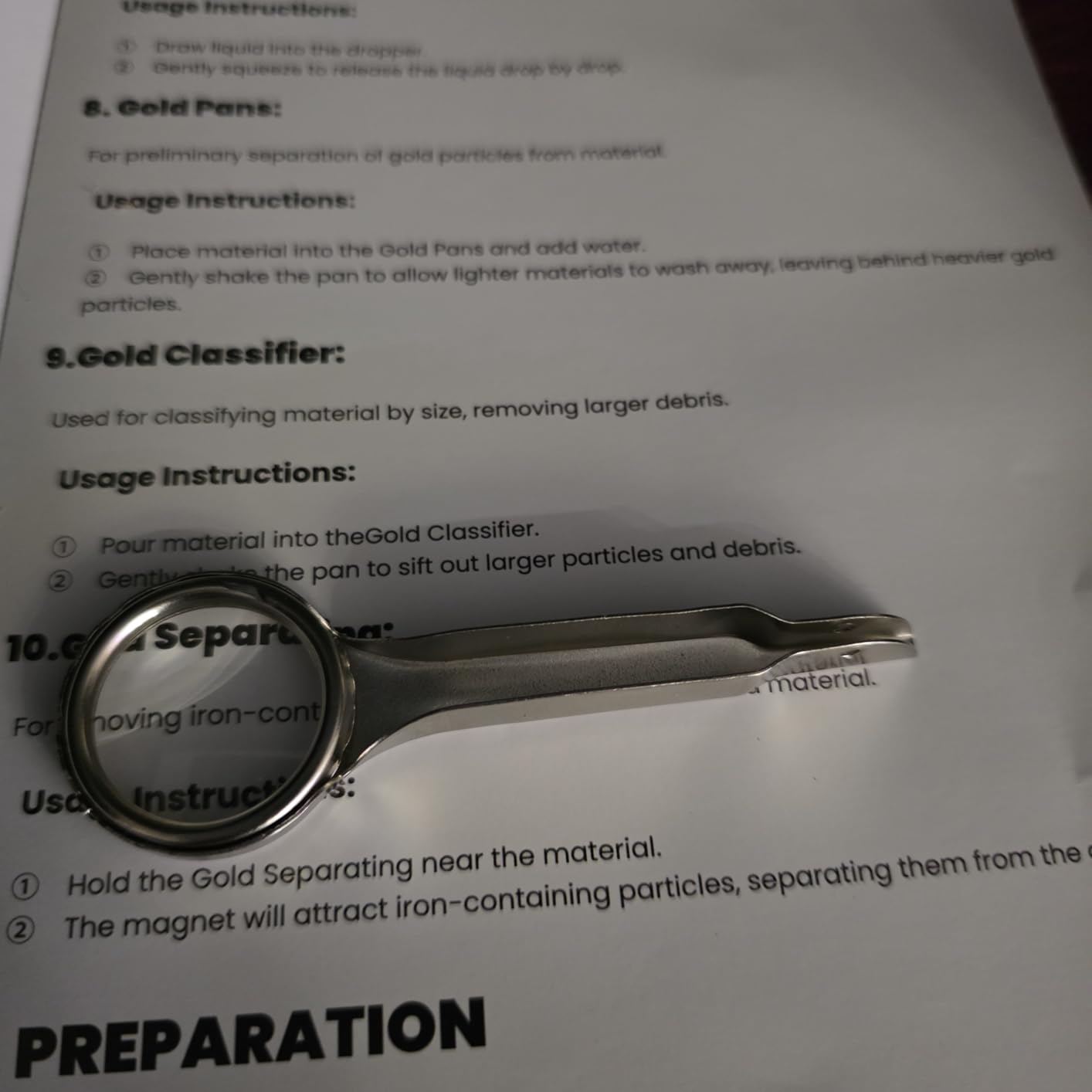
The mini sluice is small. If you are processing more than a few buckets per day, you will want to upgrade to a full-size sluice. For sampling, learning, and weekend trips, this kit hits the mark. It also makes a great gift for someone curious about gold prospecting.
Why a complete kit matters
Buying tools separately is the single biggest mistake I see new prospectors make. They buy a sluice and forget classifiers, or they buy pans and forget a snuffer bottle. A complete kit removes that friction. You show up to the creek, dump the bag, and start finding gold.
When to graduate beyond this kit
Once you have caught the bug, you will likely want a longer sluice for higher volume and a Blue Bowl for fine gold recovery. The DigNew kit is the perfect first step, but it is not meant for production dredging. Treat it as your training wheels.
8. MiniMundus 6 Inch Mini Highbanker – Best Power Sluice for Sampling
Highbanker, Gold Sluices and Power Sluice Kits – Gold Mining Equipment (6″ Mini)
Sluice: 6 inch x 32 in
Pump: 12V 750 gph
Made in USA
Pros
- Made in USA from aircraft aluminum
- Unique 45 degree z-riffles
- Includes 12V 750 gph pump
- Ribbed black matting for fast ID
- Compact mini design
Cons
- Considered overpriced by some users
- Small capacity for high volume
- Some missing components reported
- Tin construction feels thin
The MiniMundus mini highbanker is the closest thing to a Keene-style power sluice at an entry-level price. It comes with a 12V 750 gph pump, a stand with legs, and a 32-inch sluice made from .080 gauge 5052 aircraft aluminum. The elongated 45 degree z-riffles are a unique design that catches fine gold effectively.
I ran this highbanker on a bank deposit in Oregon for an afternoon. Setup took about fifteen minutes: connect the pump, attach the header box with flare, drop in the matting, and start shoveling. The flow was steady, the riffles caught visible gold, and cleanup was straightforward. Made in USA build quality is evident in the welds and aluminum gauge.
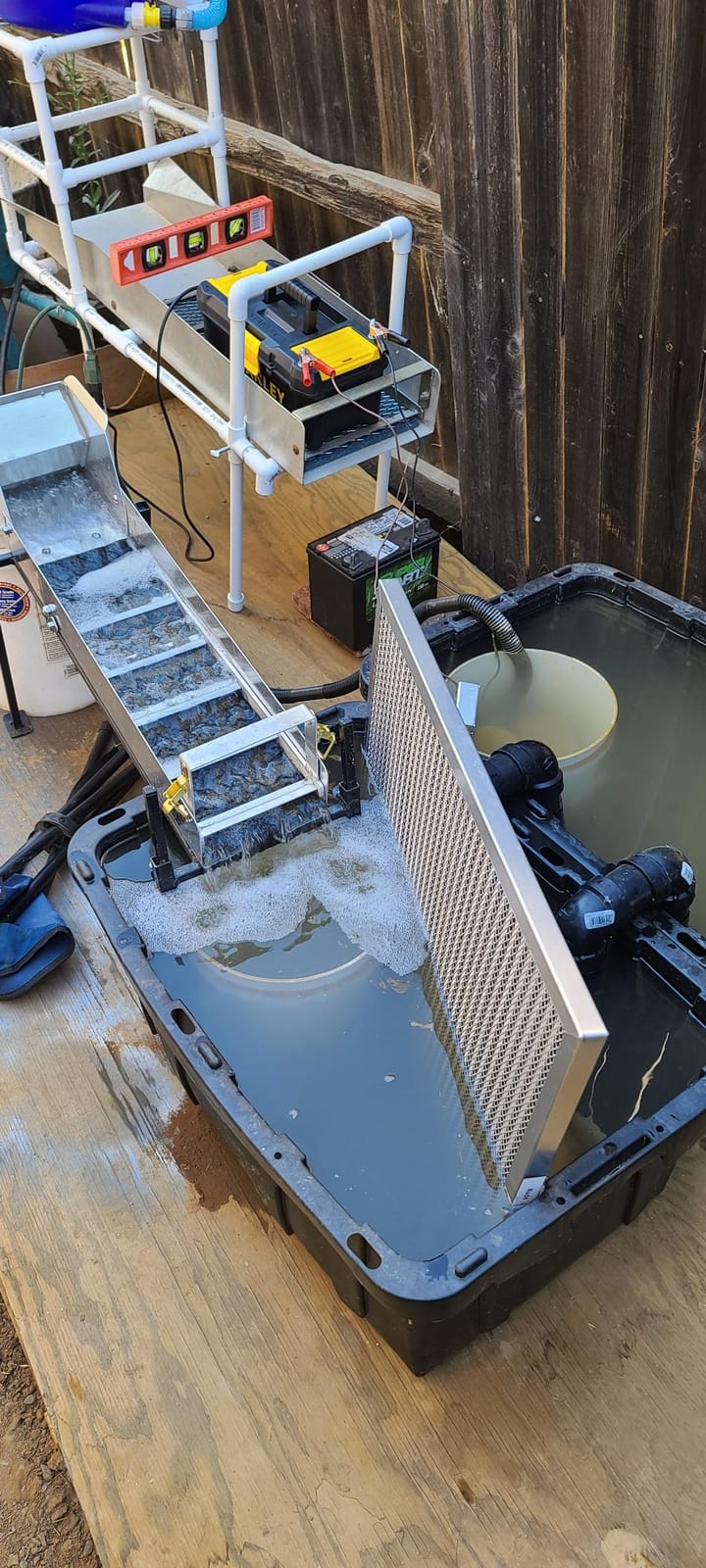
Reviewers praise the build quality and the gold-catching ability of the z-riffles. The ribbed black matting makes gold easy to spot during cleanup. Several buyers mentioned it is best for sampling and beginners rather than production dredging, and I agree. The 6-inch width processes material slowly compared to a 2-inch or 3-inch power jet setup.
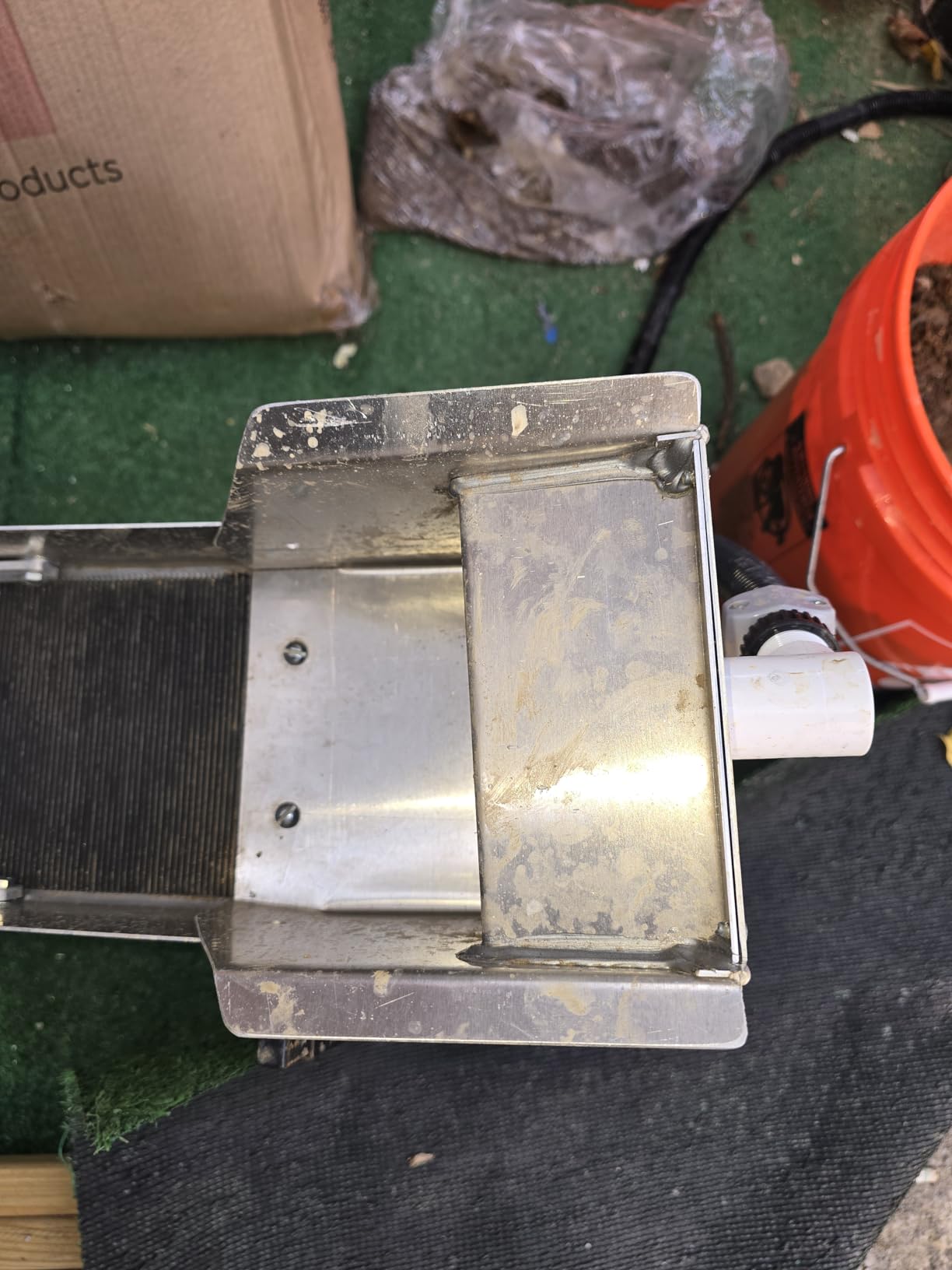
Some users feel it is overpriced for its size. That is a fair criticism if you compare it to a basic sluice box. If you compare it to a Keene highbanker, the price is reasonable for the build quality. A few buyers received units with missing components, so inspect the box carefully when it arrives.
How to deploy it in the field
Find a stream or set up a reservoir and pump. Place the header box at the top of the sluice, attach the pump hose, lay the sluice at a slight downhill angle, and start feeding material with a shovel or scoop. The header box catches large rocks while fines flow down into the riffles.
Power source options
The 12V pump can run off a car battery, a deep cycle marine battery, or a portable power station. For remote work, a 100Ah lithium battery will run the pump for hours. Keep the pump submerged in water to prevent it from burning out.
9. Sluice Fox Paydirt Scoop – Best Hand Tool for Dredging
Sluice Fox Gold Prospecting Pay Dirt Sand Scoop | Hand Trowel Plastic Gold Shovel | Designed for Panning, & Dredging | Prospecting Tools for Your Gold Pan Kits Black
Length: 12.75 in
Weight: 4 oz
Material: Polypropylene
Pros
- Lightweight at only 4 ounces
- Beveled edge cuts substrates
- Ergonomic handle reduces fatigue
- Compact and efficient
- Lanyard hole for attachment
- Designed by California prospectors
Cons
- Some colors hard to spot in vegetation
No gold dredging kit is complete without a good hand scoop, and the Sluice Fox paydirt scoop is our favorite. It weighs only 4 ounces, fits in a pack or on a belt loop, and the beveled edge cuts through mixed substrates, including clay, gravel, and packed paydirt. It is designed by prospectors in Keyesville, California, which is gold country through and through.
I keep one of these in my truck year-round. It is perfect for sampling cracks in bedrock, scooping paydirt out of a crevice, and feeding material into a hand dredge or mini sluice. The polypropylene body is tough enough for rocks and light enough that you forget it is there.
Reviewers report the scoop is surprisingly durable for plastic and the ergonomic handle reduces hand fatigue during long days. Several buyers praised the lanyard hole for clipping it to a pack or belt. A few mentioned certain colors are hard to track in green vegetation. I went with orange for that exact reason.
Why every dredger needs a scoop
Your hand dredge, sluice box, or highbanker needs material to process. A good scoop is the bridge between a promising deposit and the gold in your vial. Without it, you end up using a plastic cup that cracks, a garden trowel that bends, or your bare hands that get cut up. The Sluice Fox is purpose-built for this exact task.
Color and visibility tips
Pick a high-visibility color like orange, yellow, or red. You will drop the scoop at some point, and a bright color saves you ten minutes of searching in tall grass. The lanyard hole also lets you clip it to your pack so it does not get left behind.
10. WodGod 27-Piece Complete Gold Panning Kit – Best Value Kit
27pcs Complete Gold Panning Kit with 50″ Folding Sluice Box, Portable Aluminum Alloy Mining Equipment for Adults, Includes Gold Pan, Classifier Screen, Separating Magnet, Backpack & Accessories
Pieces: 27
Sluice: 50 in folding
Weight: 8 lbs
Pros
- 27-piece complete accessory kit
- 50 inch folding sluice box
- Aircraft-grade aluminum build
- Dual-layer miner's moss system
- Includes backpack and folding shovel
Cons
- Rating of 4.0 is moderate
- May require assembly tweaks
- Quality inconsistencies reported
The WodGod 27-piece kit is the value-packed alternative to the DigNew 18-piece kit. It adds a longer 50-inch folding sluice box, four crevice picks, a folding shovel, and more storage vials. If you want one bag with everything you need for a serious weekend of dredging, this is the kit.
My neighbor bought this kit and asked me to walk him through it. The folding sluice opens up to a full 50 inches of recovery area, which is a major upgrade over a 12-inch mini sluice. The dual-layer miner’s moss captures 98.7% of gold particles down to 50 mesh. The weight-balanced base handles uneven creek banks better than I expected.
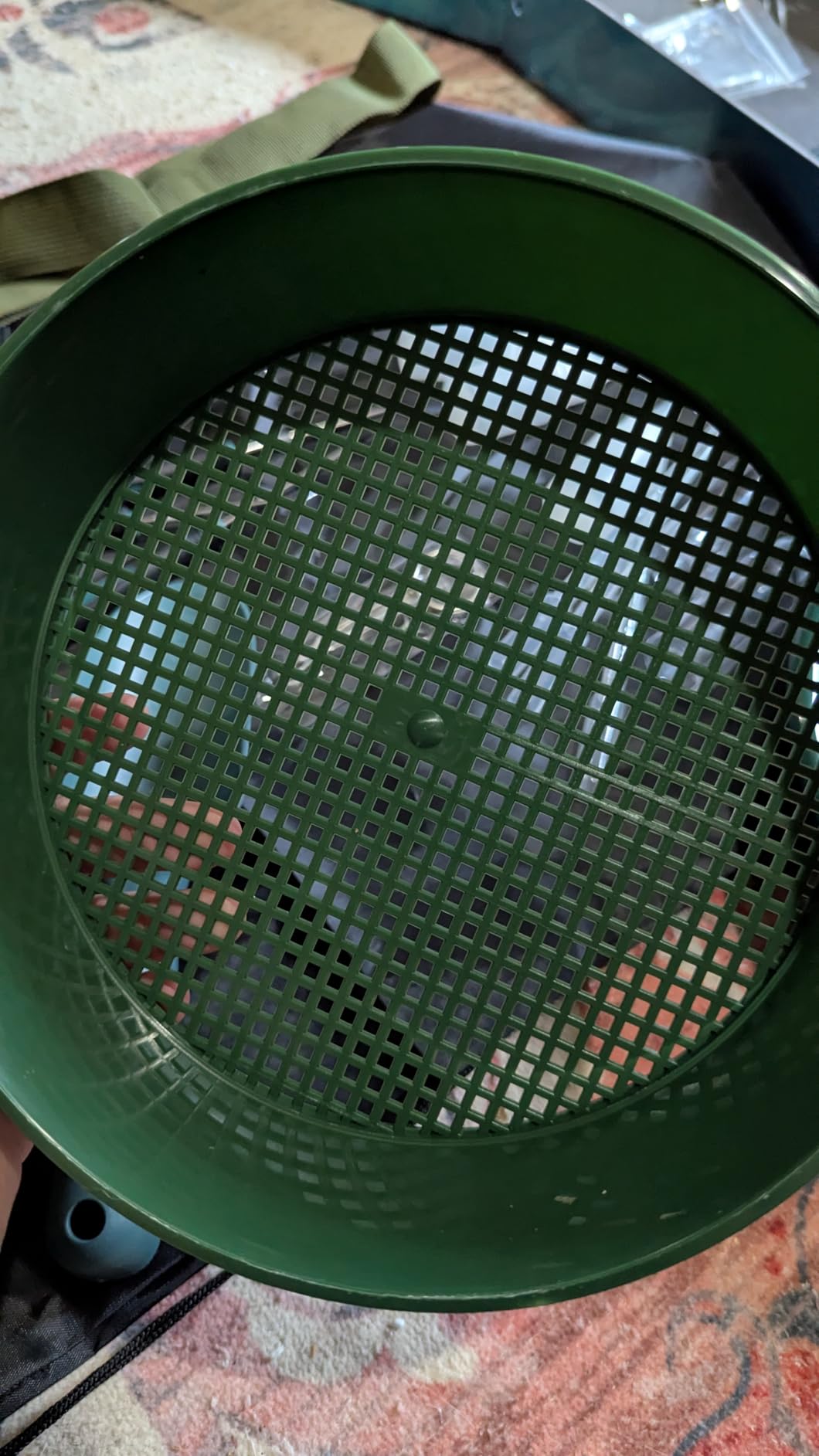
Reviewers report the kit is comprehensive and the folding sluice locks securely. The aircraft-grade 6000-series aluminum is the same material used in higher-priced kits. Several buyers appreciated the included folding shovel, which is genuinely useful for digging into a streambank.
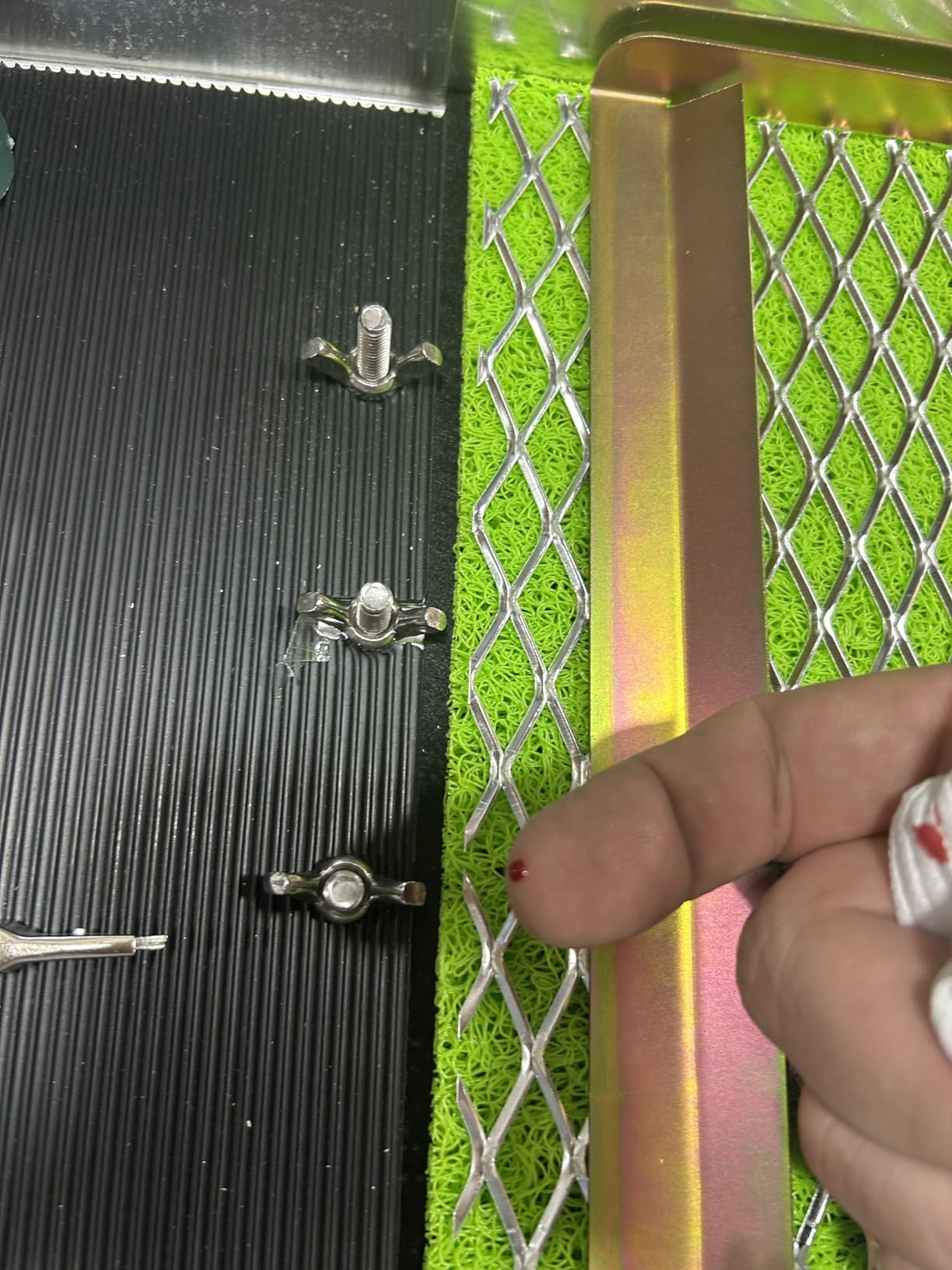
The kit has a 4.0 rating, which is lower than some competitors. Reviewers mention minor assembly and quality inconsistencies. The sluice box and aluminum components are solid, but some of the smaller accessories feel cheap. Treat the kit as a complete starter set and replace the smaller items as you outgrow them.
How it compares to the DigNew 18-piece kit
If you want a longer sluice and more accessories out of the box, the WodGod is the better pick. If you want a higher-rated, more beginner-friendly kit, the DigNew is the safer choice. Both are great values for the price, and both fold down into a backpack for transport.
Best use cases
This kit shines for weekend trips, family outings, and solo prospecting. The folding sluice handles real volume, and the included accessories mean you can show up to a new claim without forgetting anything critical. It also makes a great gift for someone who wants to try gold prospecting without a big upfront investment.
Buying Guide: How to Choose the Best Gold Dredge for Your Needs
Picking the right gold dredge comes down to where you plan to work, how much material you want to move, and what is legal in your area. This buying guide covers the four types of dredges, the key specs that matter, and the practical considerations that forums consistently flag as make-or-break.
The four main types of gold dredges
Hand dredges are non-motorized suction tubes you operate by hand. They are lightweight, quiet, and legal almost everywhere. The X-Stream Hybrid Pro we covered above is the best example. Hand dredges are perfect for sampling, working restricted areas, and learning the basics.
Backpack dredges are motorized suction dredges that pack onto a backpack frame. They use a small gasoline pump to drive water through a hose and a sluice box. Brands like Keene Engineering dominate this category. Backpack dredges process more material per hour but require permits in many states and are banned in others.
Flare dredges and highbankers combine a header box with a sluice and a pump. They sit on the bank of a stream or process material from a reservoir. The MiniMundus we covered is a mini version. Flare dredges are great for working bank deposits, tailings, and dry washing in remote spots.
Sluice boxes alone, without a suction pump, are passive recovery tools. Water carries material over riffles and miner’s moss, and gravity captures the gold. The VEVOR folding sluice is our top pick. Sluice boxes are simple, lightweight, and excellent for beginners.
Size matters: 2 inch vs 3 inch vs 4 inch and up
A 2-inch dredge is the classic beginner size. It moves enough material for sampling and small production runs, and it is light enough for one person to carry into a remote claim. A 3-inch dredge processes more material but is noticeably heavier and harder for solo operators. Anything 4 inches and up is production territory and typically requires a team.
Most recreational prospectors start with a 2-inch dredge and stay there for years. If you are just learning, a hand dredge, mini highbanker, or sluice box is enough to find gold without the legal and logistical headaches of a larger setup.
Key recovery features to look for
Riffles trap gold behind raised bars in the sluice. The best designs use a combination of riffles, miner moss, ribbed matting, and expanded metal. Look for a 3-stage sluice if you are chasing fine gold. The MiniMundus mini highbanker uses z-riffles, which are a proven design for fine gold recovery.
Miner moss is a woven vinyl or carpet material that catches gold finer than riffles can. Quality sluice boxes like the VEVOR and the DigNew kit use dual-layer miner’s moss to capture particles down to 50 mesh. Always include miner moss in your cleanup workflow.
A power jet or suction nozzle determines how much material you can move. A simple suction nozzle uses the pump’s vacuum to draw material up. A power jet uses an additional water jet to boost suction and move heavier material. Power jets are more efficient but add complexity.
Legal considerations by state
Suction dredging is regulated differently in every state. California, for example, has strict rules, seasonal closures, and permit requirements for motorized suction dredges. Oregon has banned suction dredging on many rivers. Some states allow hand dredges and pans without permits but require permits for any gas-powered equipment.
Before you buy a backpack dredge, check your state’s current rules. The rules change, and what was legal last season may be banned this season. The Detector Prospector and Treasurenet forums are good places to ask about current legality for your specific state. Always respect private claims, federal lands, and tribal lands, where rules are even stricter.
Beginner vs advanced recommendations
Beginners should start with a hand dredge, a small sluice box, and a snuffer bottle. The X-Stream Hybrid Pro hand dredge plus the VEVOR folding sluice is a solid starter kit. Add a classifier set and you are ready for your first claim.
Advanced prospectors and small-scale miners can move up to a backpack dredge or a highbanker combo. Keene Engineering remains the gold standard for serious gear, and used Keene dredges hold their value well on the resale market. If you want to learn more about metal detecting to pair with your dredging, our best gold detectors guide covers the top picks.
Setup checklist before your first trip
Pack your dredge or sluice, miner moss, classifiers, snuffer bottle, vials, a scoop, a bucket, waders or wetsuit, and a first aid kit. Bring a small shovel, work gloves, and a change of clothes. Charge any batteries for pumps and power stations. Tell someone where you are going and when you expect to be back.
Maintenance that keeps you finding gold
Rinse and dry your sluice box after every trip. Replace miner moss when it wears thin. Inspect your pump impeller and seals monthly. Lubricate nozzle swivels with graphite or silicone. Store hoses coiled, not kinked. A well-maintained dredge will outlast a poorly maintained one by many seasons.
Common mistakes to avoid
The most common mistake beginners make is buying too much gear too soon. Start small with a sluice box and a snuffer bottle. The second most common mistake is forgetting to check legality. The third is skipping classifier steps and feeding rocks into a sluice that should have been screened out.
For a deeper look at complete starter setups, our guide to the best gold prospecting kits breaks down full kits by skill level. For hand tools, the Sluice Fox paydirt scoop is a smart add-on for any dredge.
Frequently Asked Questions
Are there any working gold dredges?
Yes, gold dredges are still manufactured and sold by companies like Keene Engineering, X-Stream, and several others. Recreational and small-scale suction dredges, hand dredges, highbankers, and sluice boxes remain legal in many states, though motorized suction dredging has been restricted or banned in some regions.
Why are gold dredges not used anymore?
Motorized suction dredges have been restricted or banned in several US states, particularly California and Oregon, due to environmental concerns about streambed disturbance and impacts on salmon habitat. Hand dredges, pans, and highbankers remain widely used because they are quieter, less disruptive, and legal in more areas.
What happened to the mega dredge on Bering Sea gold?
The Nova Scotia mining operation featured on Discovery’s Bering Sea Gold used large bucket dredges to mine offshore placer deposits. As of 2026, the show’s status and the specific operation’s continued activity are unclear, but commercial offshore gold mining continues in various parts of the world using bucket dredges and other heavy equipment.
Is dredging for gold illegal?
Dredging for gold is legal in most US states with the right permits, but rules vary widely. Many states require permits for motorized suction dredges, restrict activity to certain seasons to protect fish, and ban dredging in designated wilderness or tribal areas. Always check your state’s current regulations before dredging, and respect private claims.
Conclusion
After comparing 10 of the best gold dredges, recovery tools, and sluice kits on the market in 2026, our top pick remains the X-Stream Hybrid Pro Hand Dredge. It is portable, powerful for a non-motorized tool, and legal in areas where gas-powered equipment is restricted. Pair it with the VEVOR folding sluice box and the SE classifier set, and you have a complete starter kit for less than the price of a single Keene backpack dredge.
If you are on a tight budget, the SE snuffer bottle and the Sluice Fox paydirt scoop are the cheapest ways to start finding gold today. If you want the best fine gold recovery, add a Blue Bowl concentrator to your workflow. Whatever combination you choose, respect the rules in your state, learn from forum veterans, and spend more time in the creek than online. That is where the gold is.