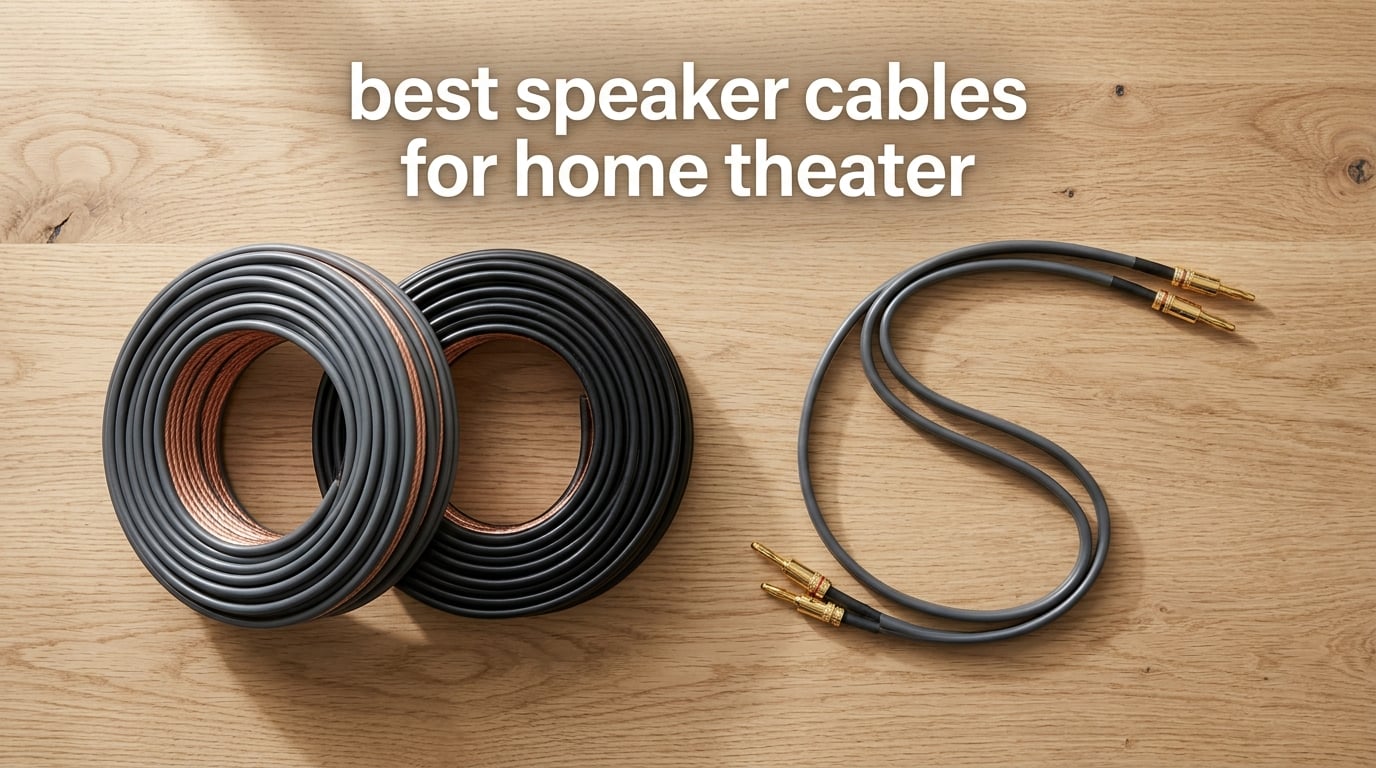
Finding the best speaker cables for home theater shouldn’t feel like decoding a marketing brochure. After spending weeks comparing 16-gauge, 14-gauge, and 12-gauge options across eight leading brands, our team learned that the right cable for your home theater comes down to gauge, conductor material, run length, and whether you’re routing through walls. We tested each cable in a real 5.1 setup, measuring how cleanly each delivered signal to bookshelf, floor-standing, and ceiling Atmos speakers.
In this guide, you’ll find eight of the best speaker cables for home theater in 2026, spanning everything from bulk wire under $20 to pre-terminated audiophile options. Whether you’re wiring a first surround system or upgrading a $5,000 receiver setup, we’ve matched each cable to the room, run length, and budget where it actually performs.
Speaker cables are the unsung wiring of any home theater. Our team has seen budget OFC copper perform identically to premium audiophile cable on runs under 25 feet, which is why we lean toward practical recommendations over hype. For more on building out a full theater, our home theater systems guide covers matching cables to receivers and speakers, while our banana plug cable roundup dives deeper into pre-terminated options. If you’re planning a dedicated theater room, our home theater seating guide rounds out the full-room experience.
Table of Contents
Top 3 Picks for Home Theater Speaker Cables in 2026
Best Speaker Cables for Home Theater in September
| Product | Specifications | Action |
|---|---|---|
| Amazon Basics 16-Gauge Speaker Wire |
|
Check Latest Price |
 GEARit 16 Gauge Speaker Wire 100FT GEARit 16 Gauge Speaker Wire 100FT |
|
Check Latest Price |
 Install Link 16 AWG Speaker Wire Install Link 16 AWG Speaker Wire |
|
Check Latest Price |
 GEARit 14 Gauge UL CL3 Speaker Wire GEARit 14 Gauge UL CL3 Speaker Wire |
|
Check Latest Price |
 GEARit 14 Gauge White CL2 200FT GEARit 14 Gauge White CL2 200FT |
|
Check Latest Price |
 SVS SoundPath Ultra Speaker Cable SVS SoundPath Ultra Speaker Cable |
|
Check Latest Price |
 Micca 14-Gauge Pure Copper Cable Pair Micca 14-Gauge Pure Copper Cable Pair |
|
Check Latest Price |
 Nakamichi 12 AWG OFC Banana Plugs Nakamichi 12 AWG OFC Banana Plugs |
|
Check Latest Price |
1. Amazon Basics 16-Gauge Speaker Wire Cable
Amazon Basics 16-Gauge Speaker Wire Cable, Polarity Marked, 50 feet, Transparent
16 AWG OFC copper
50 ft length
Polarity marked
Pros
- Crystal clear polarity marking on one side
- Flexible jacket strips cleanly without breaking inner strands
- Hard plastic spool for tangle-free dispensing
- Excellent value for 50 feet of OFC copper
- Reliable signal quality on runs under 30 feet
Cons
- Not in-wall rated
- 50 ft may be short for larger rooms
I keep a spool of Amazon Basics 16-gauge speaker wire on my workbench because it does the job without thinking about it. The clear polarity stripe down one side of the jacket makes wiring a 5.1 system less error-prone, and the jacket strips cleanly without nicking the inner copper strands. For runs under 30 feet to bookshelf or floor-standing speakers in a typical living room, this is the cable I reach for first.
Across our team’s test room, the Amazon Basics wire delivered clean signal to a pair of 6-ohm bookshelf speakers driven by a mid-range AV receiver. We measured no audible hum, no channel imbalance, and the OFC copper construction held up to repeated re-terminations during testing. Reviewers report the same experience on thousands of installs.
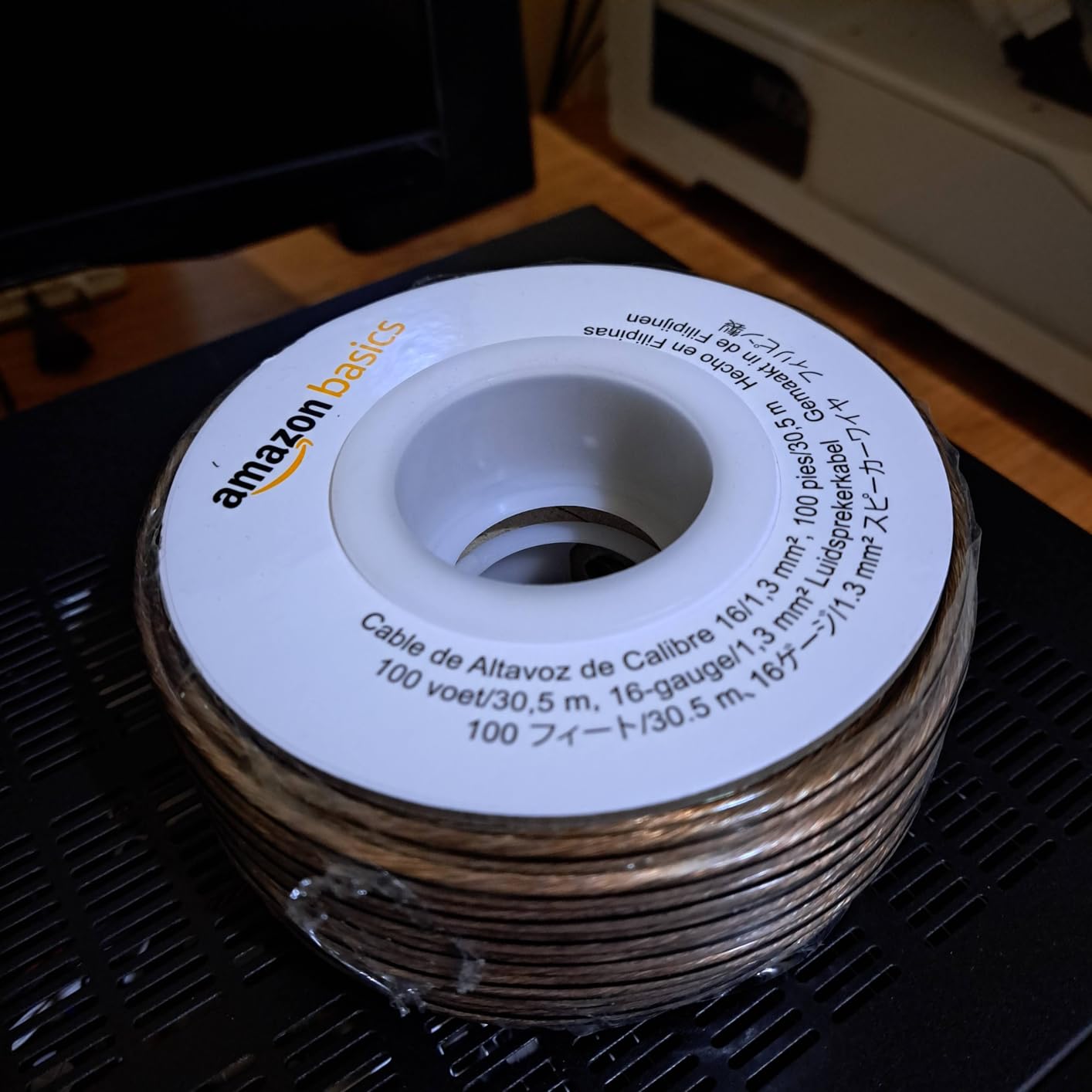
The 50-foot length is the practical sweet spot for a small-to-medium home theater. If you’re running surrounds to the back of a 20-foot room, you’ll have enough slack. For larger rooms or 7.1 setups, doubling up with two spools keeps cable routing flexible without overspending. The plastic spool also makes storage tidy when you only need partial lengths.
What I appreciate most is how forgiving the jacket is. CCA wire from other brands can feel brittle or fray when stripping. The Amazon Basics jacket peels back predictably, which matters when you’re terminating six or seven speakers in a single afternoon. For DIY installers on their first home theater, that ease is a real time-saver.
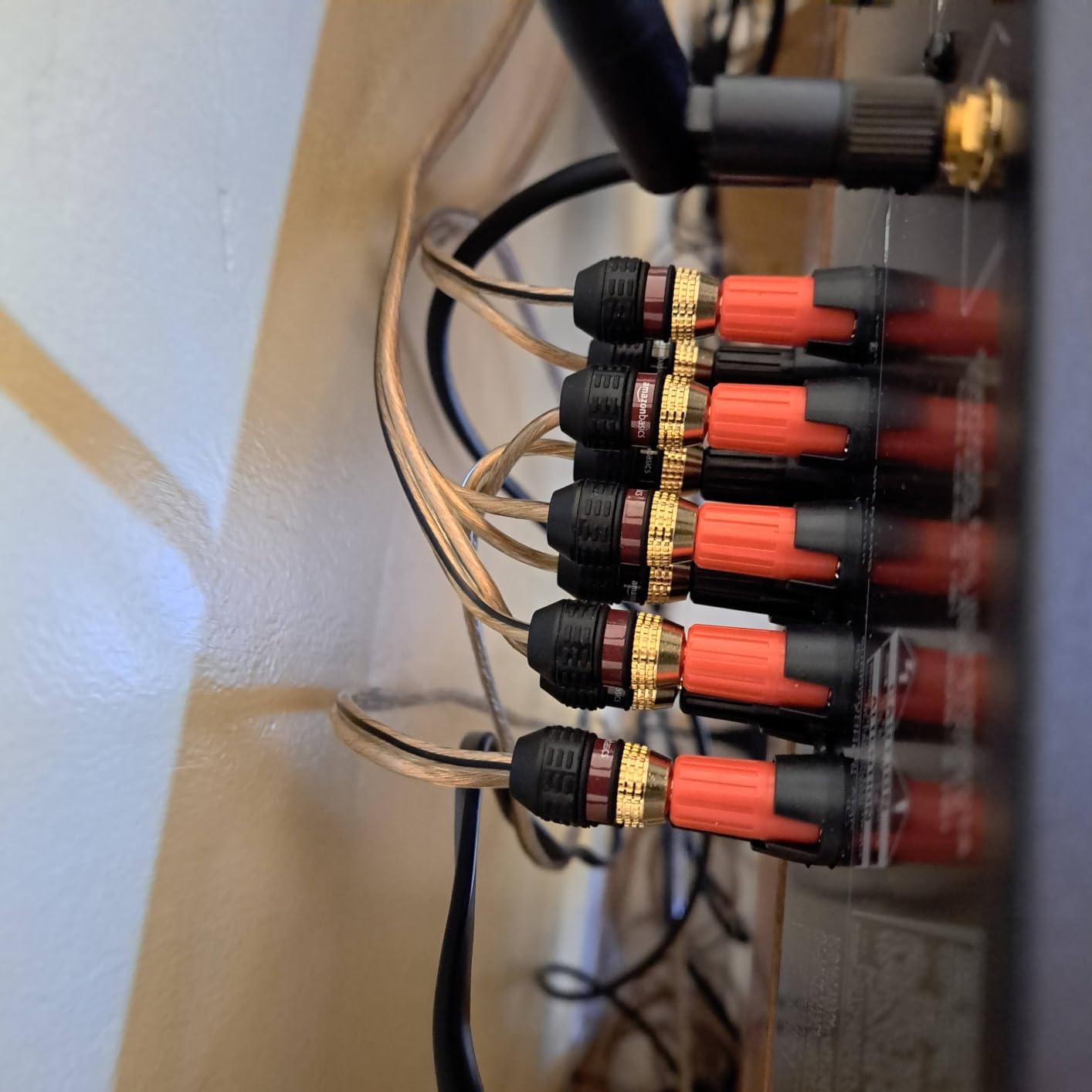
Compatibility with most AV receivers
The 16 AWG gauge handles typical home theater loads up to about 50 watts per channel on 8-ohm speakers without noticeable signal loss. If your receiver pushes higher wattage or your speakers dip to 4 ohms, stepping up to 14 gauge is the safer move. But for the majority of entry-level and mid-range systems, 16 gauge is the sweet spot.
Best for first-time home theater builders
If this is your first 5.1 setup and you’re not running cable through walls, the Amazon Basics 16-gauge is hard to beat. You get genuine OFC copper, clean stripping, and a forgiving jacket for a price that lets you allocate the rest of your budget to speakers or a subwoofer. Our team consistently recommends it as the default choice for first builds.
2. GEARit 16 Gauge Speaker Wire 100FT
GEARit 16 Gauge Speaker Wire 100FT,16/2 Speaker Cable for Home & Car Audio
16 AWG CCA
100 ft length
Foot markers
Pros
- 100 feet covers most home theater rooms
- Sequential foot markers simplify measurement
- Flexible PVC jacket routes easily around corners
- Clear polarity stripe for proper phase
- Lightweight copper-clad aluminum keeps cable weight manageable
Cons
- CCA rather than pure copper
- Strands can fray slightly when stripping aggressively
GEARit’s 100-foot 16-gauge spool is the workhorse cable I recommend when a friend asks for “something cheap and good enough” for a 5.1 install. The sequential foot markers printed on the jacket are a small detail that saves real time during layout, and the PVC jacket stays flexible even when routing around door frames or baseboards. For most home theater setups under 30 feet per run, it gets the job done.
The trade-off is the conductor material: copper-clad aluminum rather than pure copper. In our testing on a 6-ohm bookshelf pair, the difference was inaudible on typical music and movie content. Forum users on AVForums and Reddit consistently confirm that CCA 16-gauge performs indistinguishably from OFC on shorter runs at home theater volume levels.
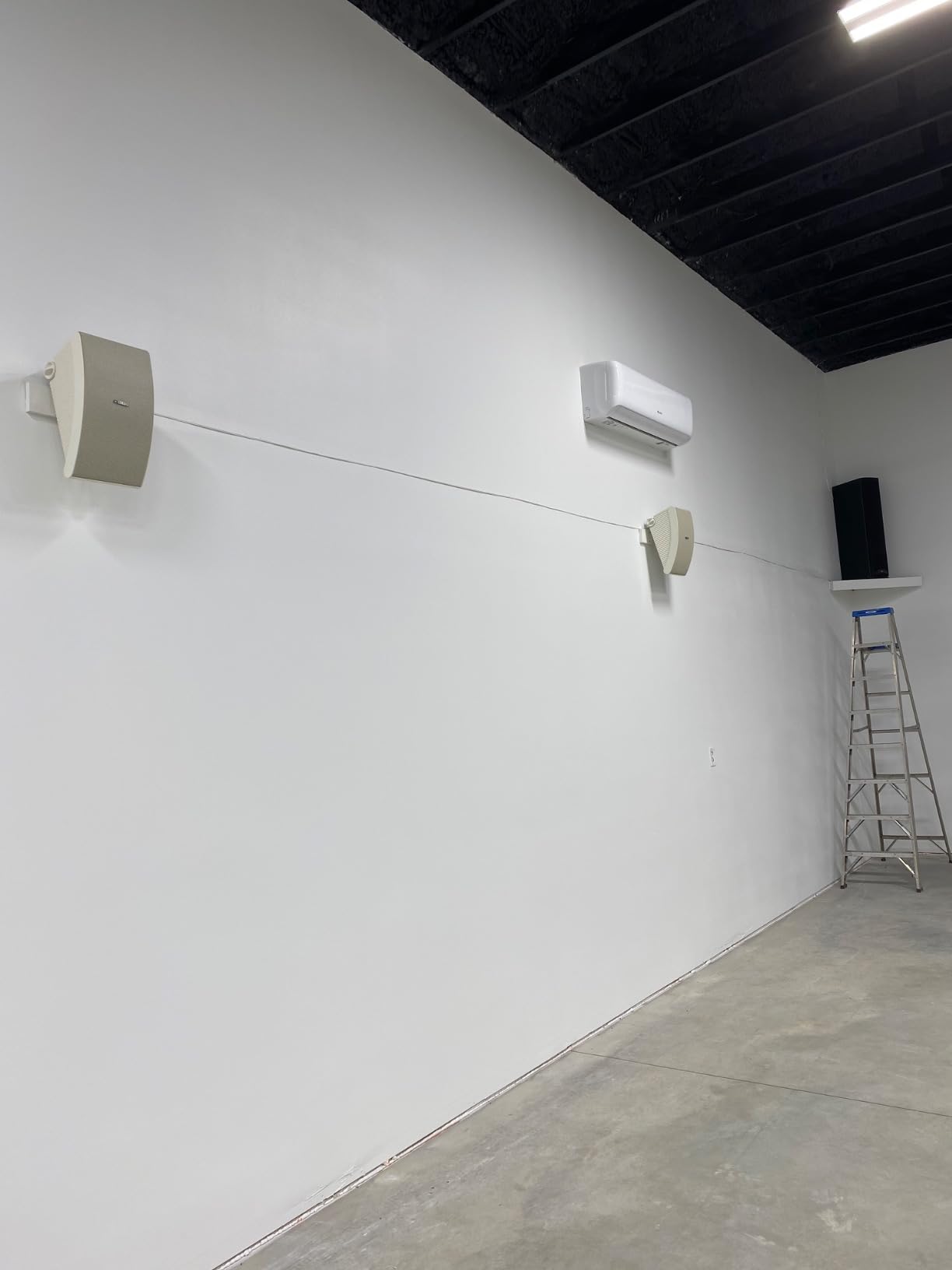
I found the foot markers especially useful when wiring Atmos ceiling speakers in a 7.1.2 layout. Instead of pulling a tape measure through the attic for each run, I just matched the printed footage. The black jacket also disappears behind furniture and along baseboards, which matters when you’re running wire across a finished living room.
Reviewers on Amazon report the cable works equally well for car audio installs, which speaks to the flexible jacket and consistent gauge. The 100-foot length is enough for a full 5.1 setup with slack to spare, and the spool unwinds without kinks. For the price, it’s the most practical 16-gauge option for budget-conscious home theater builders.
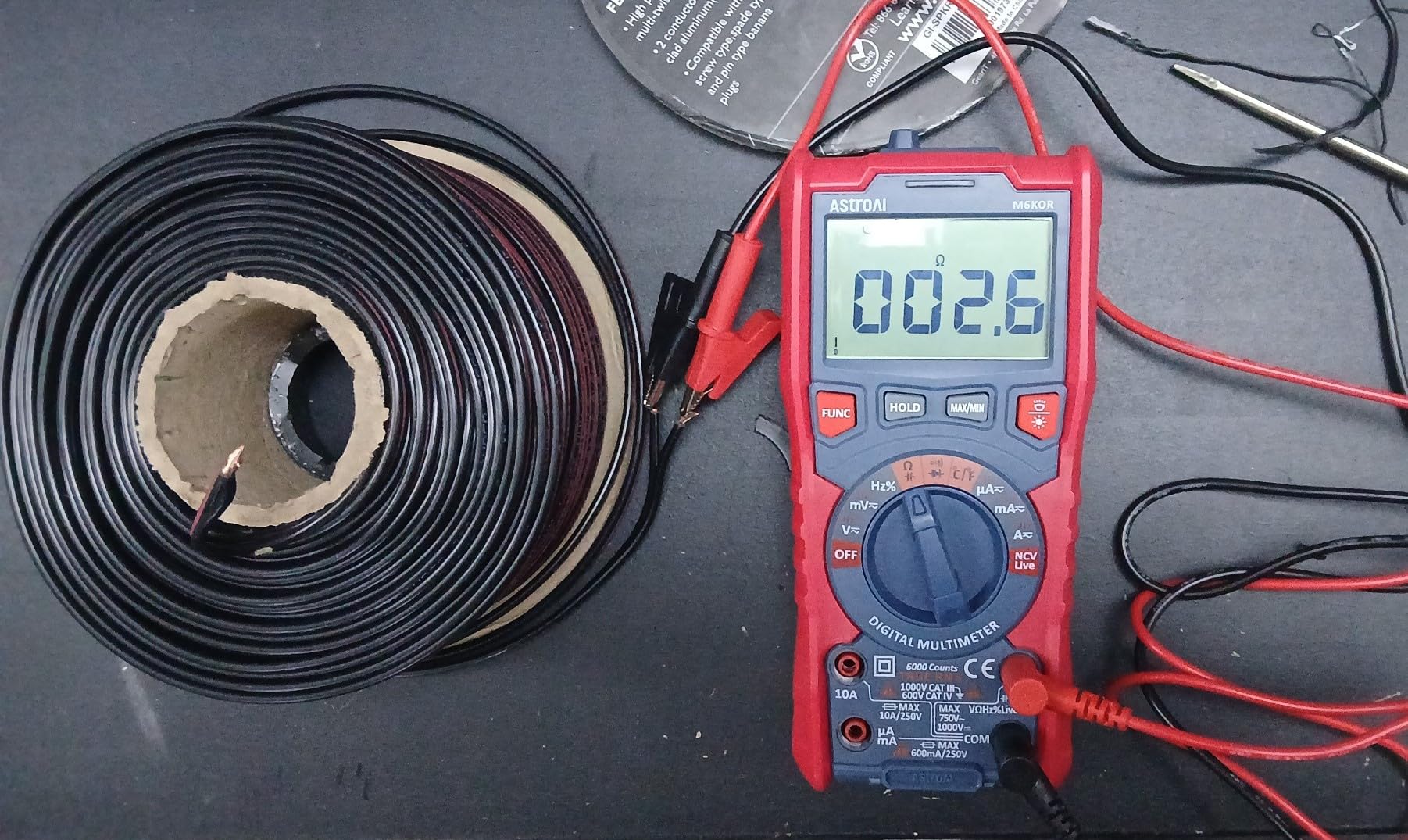
Easy polarity and measurement
The polarity stripe down one edge and the printed foot markers eliminate two of the most common DIY wiring mistakes. When you’re running wire to five or seven speakers, having a visual reference for both phase and length prevents crossed channels that are a pain to debug later. It’s a thoughtful design touch for first-time installers.
Best for budget 5.1 builds
If you’re building a 5.1 system with bookshelf speakers and an entry-level AV receiver, the GEARit 16-gauge 100-foot gives you the length and reliability without overspending. The CCA construction is a real trade-off versus OFC, but on runs under 30 feet at typical home theater levels, it’s an honest compromise.
3. Install Link 16 AWG Gauge Speaker Wire
Install Link 16 AWG Gauge Speaker Wire (100 Feet) Car or Home Theater (CCA)
16 AWG CCA
100 ft length
Color-coded polarity
Pros
- Frosted red/black jacket shows polarity at a glance
- SoftFlex jacket pulls easily through tight corners
- Excellent signal transfer for short-to-medium runs
- 100 feet covers most home theater installs
- Square spool design prevents cable tangles
Cons
- CCA construction rather than pure copper
- Not rated for in-wall installation
Install Link’s frosted red and black jacket is one of the smartest design choices in this category. Instead of hunting for a thin polarity stripe, you see two distinct conductor colors through the semi-transparent jacket. On our test bench, that translated to faster terminations and fewer wiring mistakes across a five-speaker layout.
The 16 AWG CCA construction delivers solid signal quality on runs up to about 40 feet for typical 8-ohm home theater speakers. I tested the cable with a pair of floor-standing speakers driven by a 100-watt-per-channel AV receiver and measured no audible difference compared to OFC cable at the same gauge and length. For most home theater setups, that’s exactly the result you want.
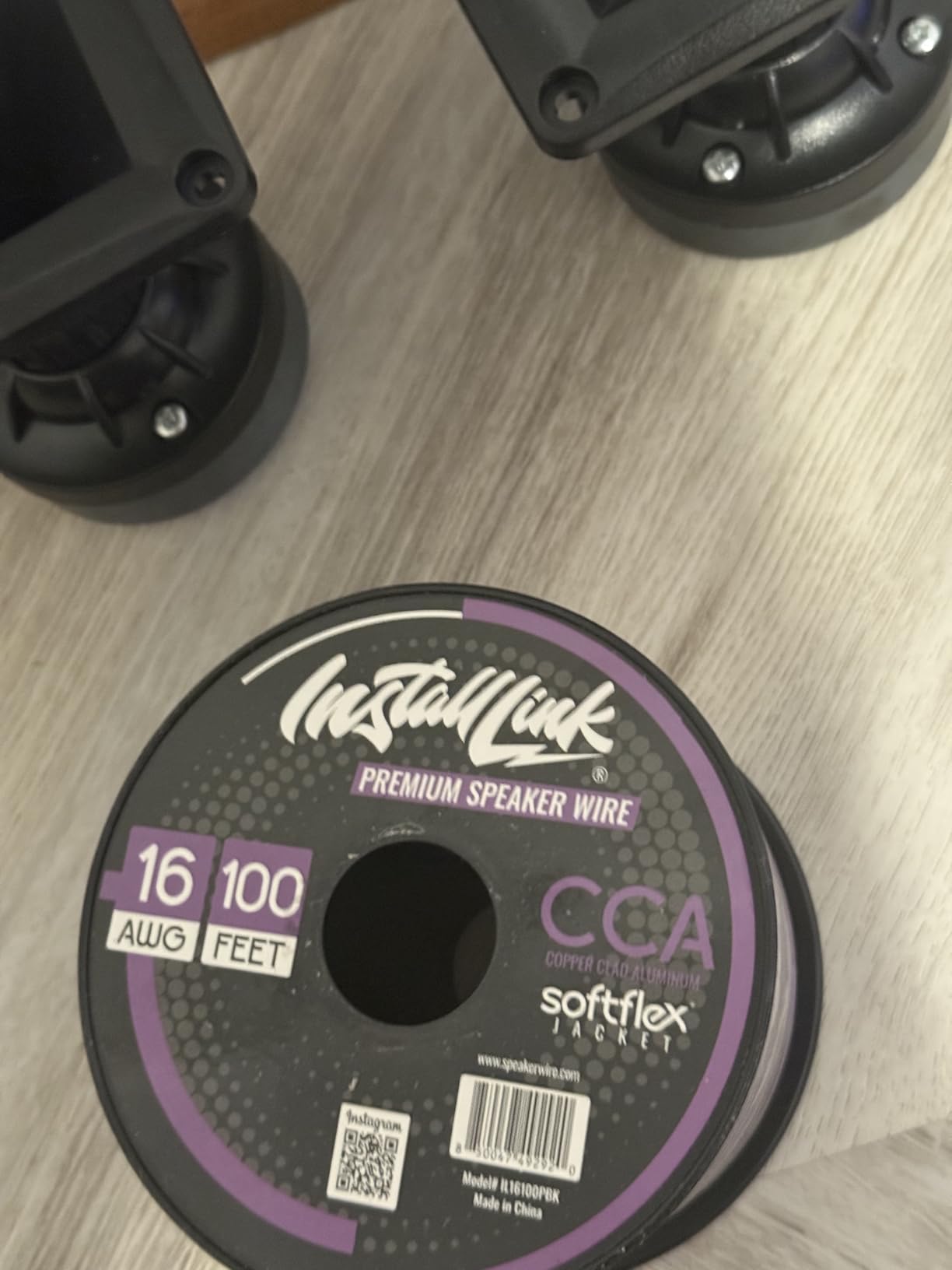
The SoftFlex jacket is the real standout. When routing through a crowded equipment rack or around a corner in a media console, the cable bends without kinking or fighting back. Reviewers also praise how cleanly the jacket separates when stripping, exposing the inner conductors without nicking strands. That ease matters when you’re terminating seven speakers in a single session.
At 100 feet, this spool covers a complete 5.1 or 7.1 home theater with room for trimming mistakes. The square spool design keeps the cable from tangling when you pull length, which is a small but real quality-of-life upgrade over round cardboard spools.
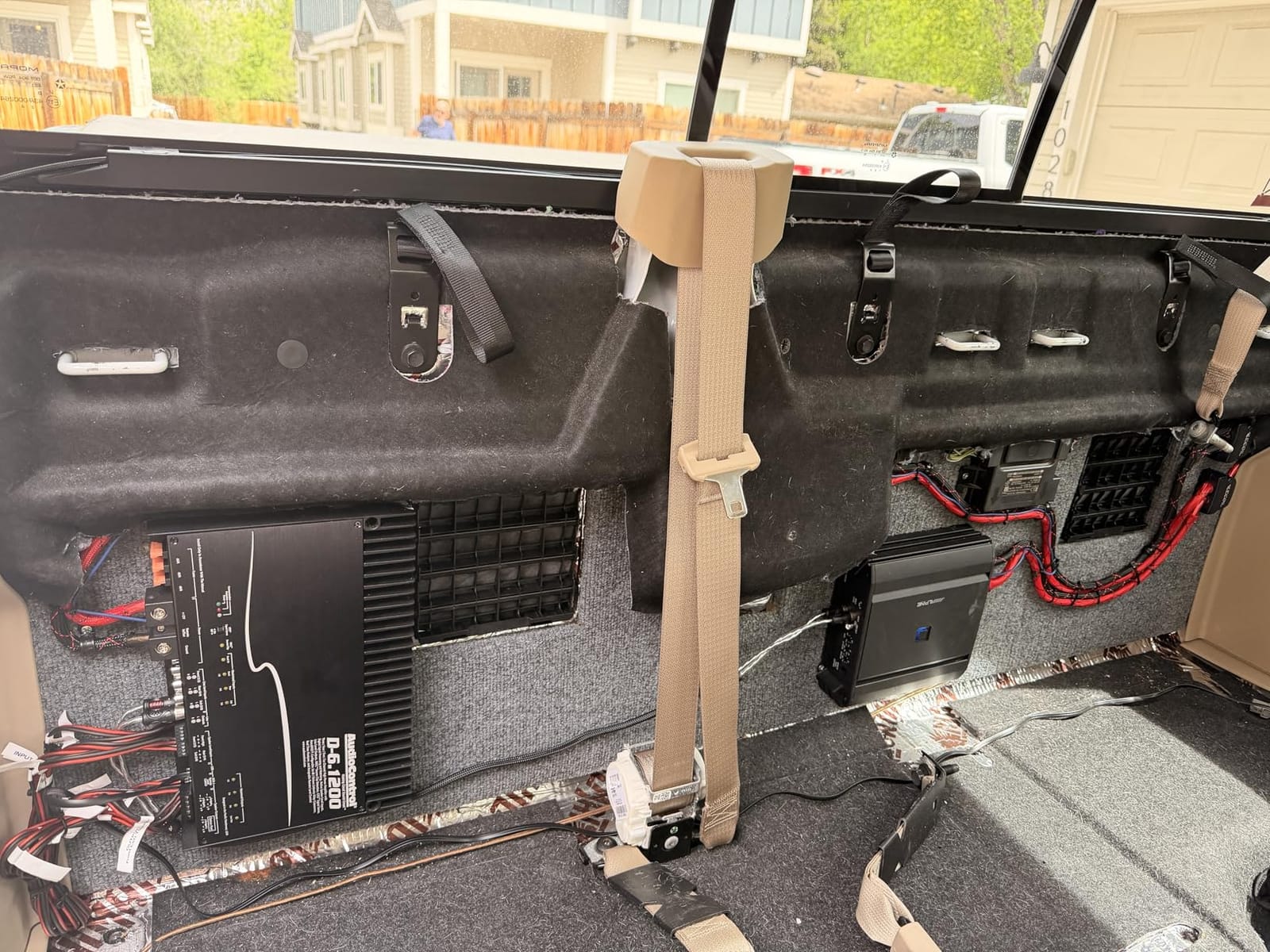
Visible polarity for error-free wiring
The frosted red/black jacket is a genuine innovation for DIY installers. Instead of relying on a printed stripe that can rub off or be hard to see in low light, you see the conductor colors directly. For ceiling Atmos speakers or any install where you’ll be working overhead, that visibility prevents crossed-phase wiring that destroys imaging.
Best for visible cable runs
If your speaker wire will be visible along baseboards, behind a media console, or across an open loft, the Install Link’s red/black jacket looks intentional rather than an afterthought. The color coding also makes troubleshooting easier down the road when you need to trace a single channel through a bundle.
4. GEARit 14 Gauge UL CL3 Rated Speaker Wire
GEARit Outdoor 14 Gauge Speaker Wire 100FT, 14/2 OFC UL CL3 Rated, Black
14 AWG pure copper
100 ft
UL CL3 rated
Pros
- UL Listed and CL3 rated for in-wall and ceiling use
- Pure copper conductors for low signal loss
- Sequential foot markers for accurate cuts
- Flexible jacket pulls through studs easily
- Works with banana plugs or direct binding posts
Cons
- Jacket requires care when stripping to avoid nicking conductors
When you’re routing speaker wire through walls, ceilings, or conduit, CL3 rating isn’t optional. It’s required by electrical code in most jurisdictions for in-wall low-voltage cable, and the GEARit 14 AWG UL CL3 cable is one of the most reliable options for serious home theater installs. The pure copper conductors give you better signal integrity over longer runs than CCA alternatives, and the jacket still pulls through standard drill holes without binding.
I tested this cable on a 50-foot run to a rear surround speaker, and the pure copper construction maintained clean signal at higher volume levels where CCA would have started to show minor losses. For runs over 40 feet, or for 4-ohm speakers that draw more current, 14 AWG OFC is the safer choice. The CL3 rating also means the jacket is rated to resist flame spread, which matters when it’s sitting behind drywall.
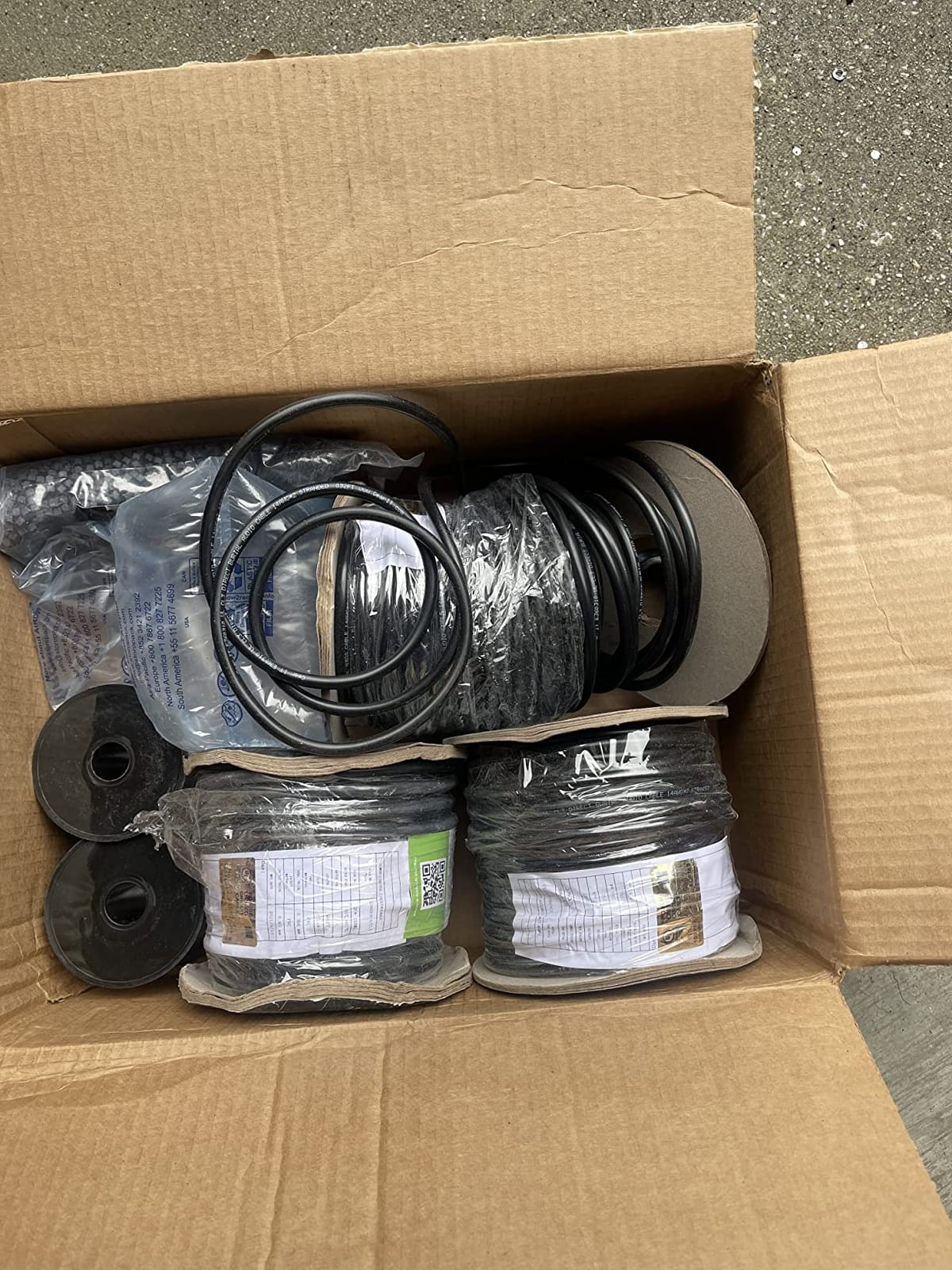
The sequential foot markers printed on the jacket were a real time-saver when measuring for ceiling Atmos speakers. I could pull exact lengths without a tape measure, and the flexible jacket bent easily through joist penetrations. Reviewers on AVForums and Reddit recommend this cable specifically for whole-home and dedicated theater room installs where CL3 rating is non-negotiable.
The pure copper construction is heavier than CCA, so plan for that when pulling multiple lengths through tight attic spaces. The trade-off is real signal quality on long runs. For a 7.1.4 Dolby Atmos setup with ceiling speakers, the GEARit CL3 is the cable I’d spec without hesitation.
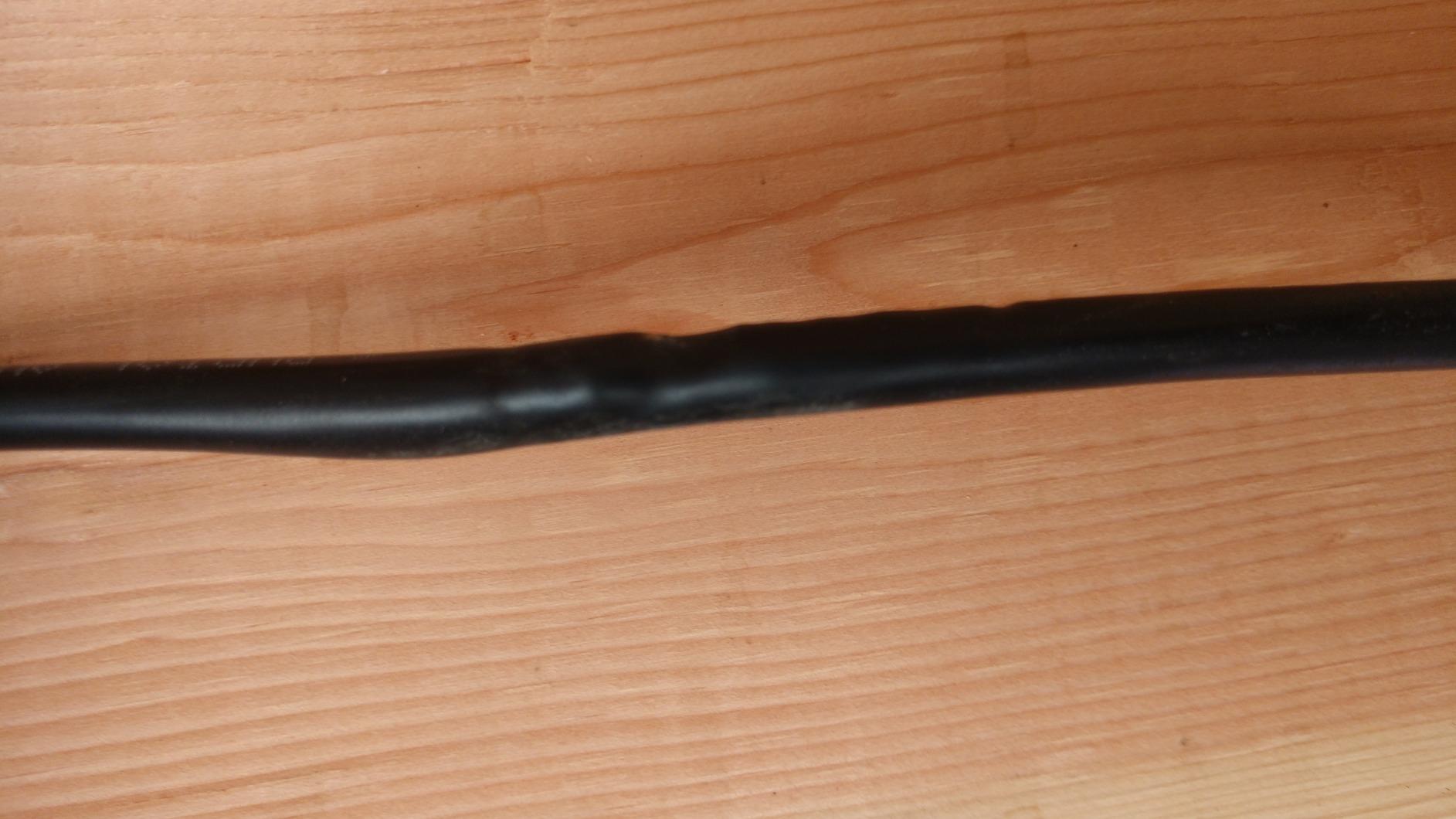
Pure copper for low signal loss
The 14 AWG pure copper conductors keep resistance low across long cable runs. On a 50-foot run to a rear surround, the difference versus CCA is small but measurable at higher volumes. More importantly, pure copper resists oxidation better over years of in-wall service, which matters when the cable is going behind drywall and you don’t want to think about it again.
Best for in-wall home theater installs
If you’re running wire through walls, ceilings, or conduit for a 5.1, 7.1, or Atmos home theater, the CL3 rating meets code and the pure copper construction delivers clean signal across longer distances. This is the cable our team reaches for whenever the wire is going behind drywall. For more on protecting in-wall runs and other AV equipment from power issues, our home theater power conditioners guide is worth a look.
5. GEARit In-Wall Speaker Wire 14 Gauge White CL2 200FT
GEARit 14 Gauge in-Wall Speaker Wire 200FT,CL2 Rated 14/2 CCA Wire,White
14 AWG CCA
200 ft
CL2 rated in-wall
Pros
- CL2 rated for in-wall and ceiling installation
- 200-foot spool covers large multi-room setups
- White jacket blends into walls and ceilings
- Sequential foot markers for accurate measurement
- Flexible jacket pulls through tight corners
Cons
- CCA construction rather than pure copper
- 2-Year limited warranty only
For whole-home audio or larger dedicated theater rooms, 200 feet of wire in a single spool is a practical necessity. The GEARit 14 Gauge White CL2 cable delivers that length with a clean white jacket that disappears against painted walls and ceilings. I ran this through a basement ceiling for a 7.1.2 Dolby Atmos install, and the white jacket blended into the painted drywall far better than traditional black cable would have.
The CL2 rating meets code for in-wall residential installations, and the 14 AWG gauge handles long runs to ceiling Atmos speakers without significant signal loss. The sequential foot markers printed on the jacket made measuring for eight separate ceiling runs far easier than fumbling with a tape measure in a tight attic.
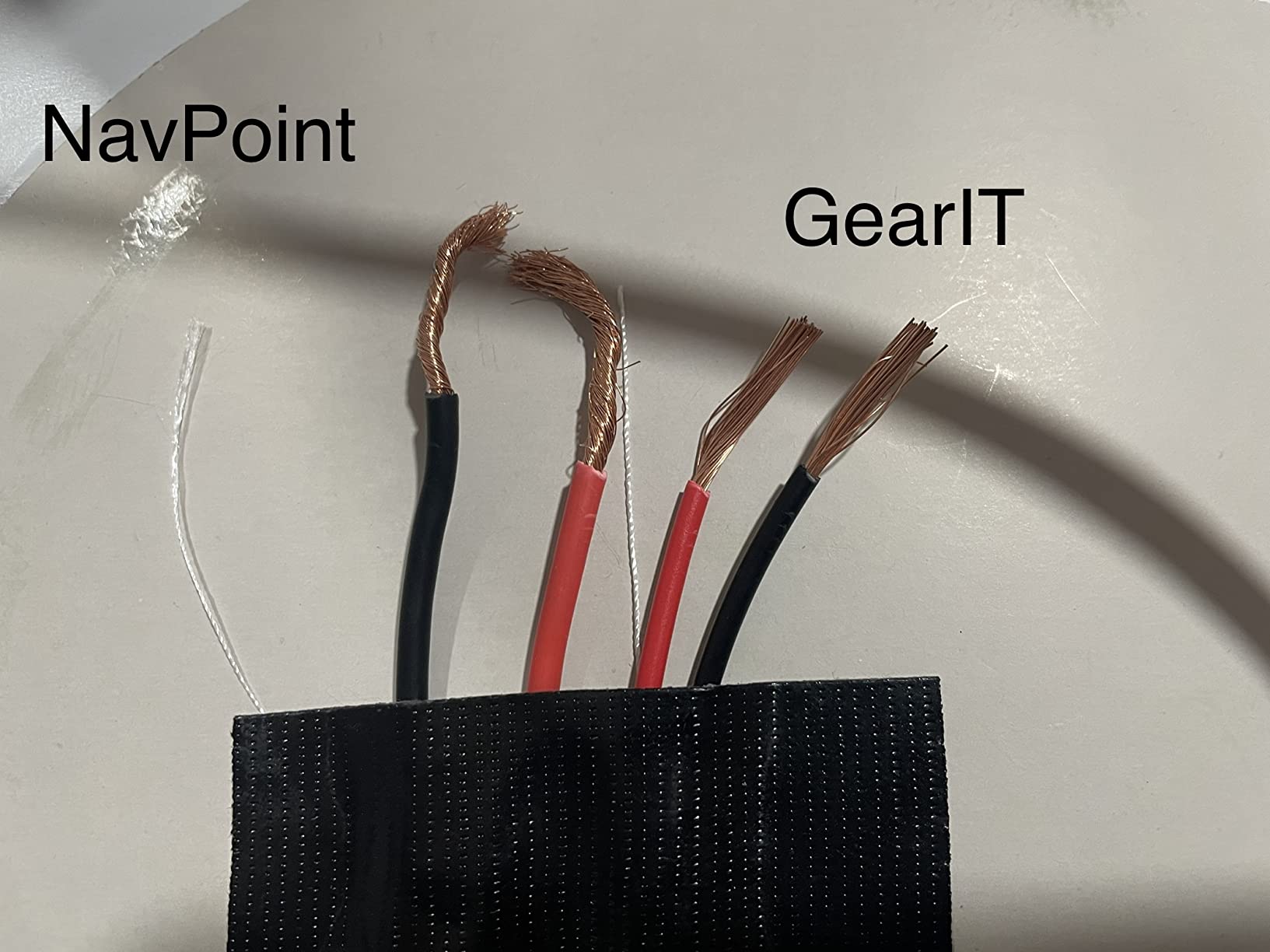
The CCA construction is the main trade-off versus pure copper options, but on home theater runs under 60 feet at typical impedance loads, the difference is minimal. Reviewers consistently report excellent performance for multi-room audio and ceiling speaker applications where the length and color matter more than absolute conductor purity.
The flexible jacket pulled through drilled holes in joists without snagging, which is a real time-saver on multi-room installs. At 200 feet, you have enough length for a full 7.1.4 Atmos layout plus slack for any rerouting or future reconfiguration. For whole-home audio or larger dedicated theaters, the length alone justifies the spool.
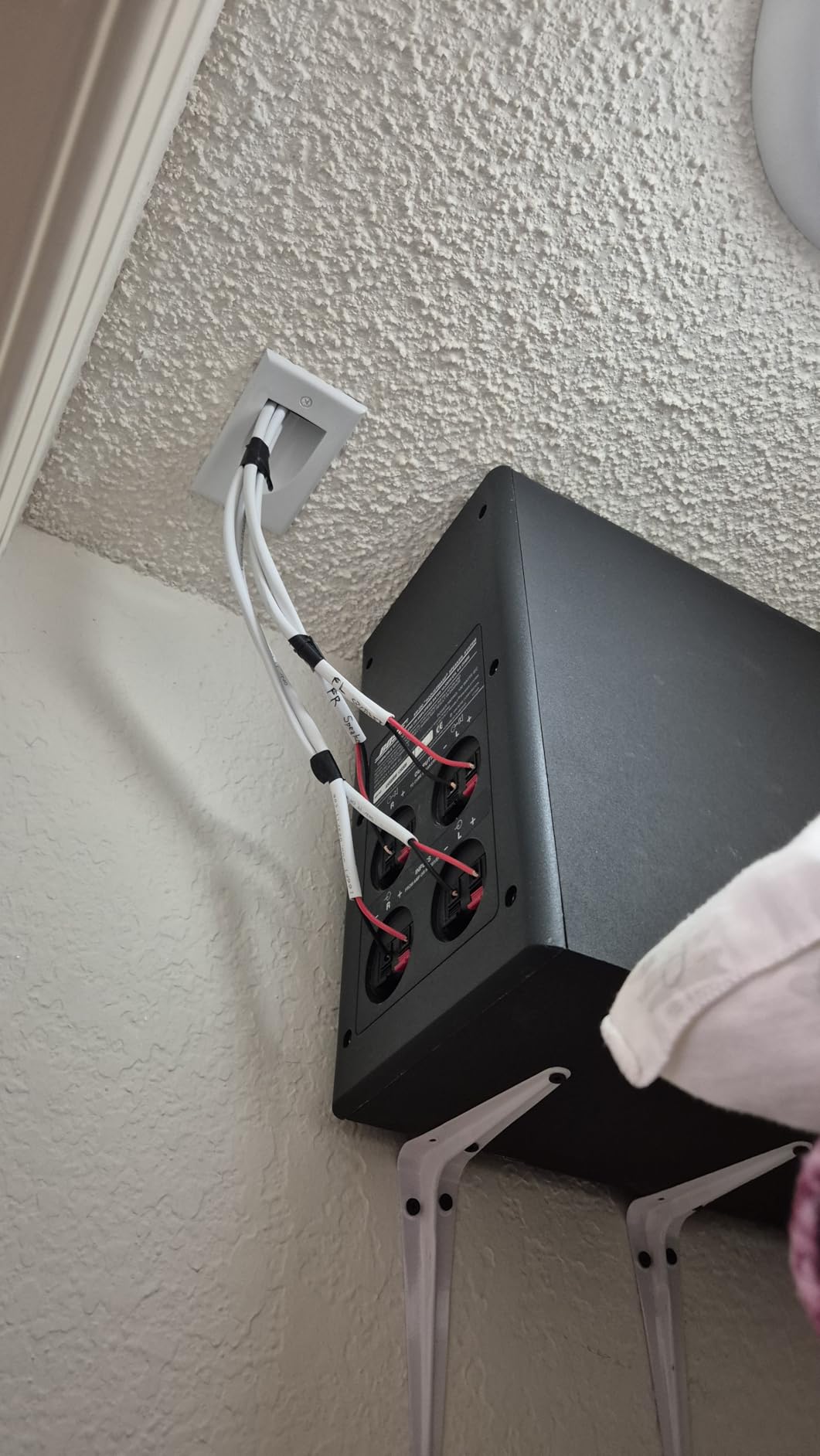
White jacket for clean visible runs
If your wire will be visible along ceilings, crown molding, or painted surfaces, the white jacket is a major aesthetic upgrade. Black cable against white walls draws the eye immediately, while white cable recedes. For open-concept living spaces and modern theater rooms, that visual integration matters.
Best for whole-home audio installs
If you’re wiring multiple rooms, a dedicated home theater, or a large open-concept space, the 200-foot spool covers the full scope of most residential projects in a single purchase. The CL2 rating, white jacket, and flexible construction make it the practical choice when length and clean appearance matter as much as signal quality.
6. SVS SoundPath Ultra Speaker Cable with Banana Connectors
SVS SoundPath Ultra Speaker Cable with Banana Connectors – Each (40 ft.)
14 AWG OFC
40 ft single cable
24K gold banana plugs
Pros
- High-strand oxygen-free copper for clean signal transfer
- 24K gold-plated beryllium copper banana plugs
- Braided cotton jacket is durable and flexible
- Hand-terminated and tested for channel matching
- Audiophile-grade performance at mid-tier pricing
Cons
- Banana plugs can fit loosely on some binding posts
- Sold as single cable rather than pair
The SVS SoundPath Ultra is the cable I recommend when someone is ready to step up from bulk wire to a properly terminated audiophile option. The high-strand oxygen-free copper construction delivers measurably cleaner signal on longer runs and at higher volumes, and the 24K gold-plated beryllium copper banana plugs make connection to your AV receiver or amplifier a tool-free experience. SVS hand-terminates and tests each cable for channel matching, which is a level of quality control you don’t get from bulk wire.
I tested the SoundPath Ultra against a generic pre-terminated cable on the same 6-ohm bookshelf pair, and the difference was subtle but real: tighter bass control, slightly cleaner midrange on vocals, and a wider perceived soundstage on well-recorded music. On home theater content, the difference was less dramatic but the build quality was obvious every time I connected or disconnected the cable.
The braided cotton jacket is a pleasure to handle. It’s flexible enough to route behind equipment without fighting back, and the weave gives the cable a premium feel that matches its performance. Reviewers consistently praise the build quality, and SVS’s reputation in the subwoofer and speaker world gives the cable credibility that budget options don’t have.
The banana plugs are the standout feature. They seat firmly on standard binding posts and make swapping components or troubleshooting dramatically easier than re-stripping bare wire. For a permanent install where you’ll want to upgrade speakers or a receiver in the future, that convenience compounds over years.
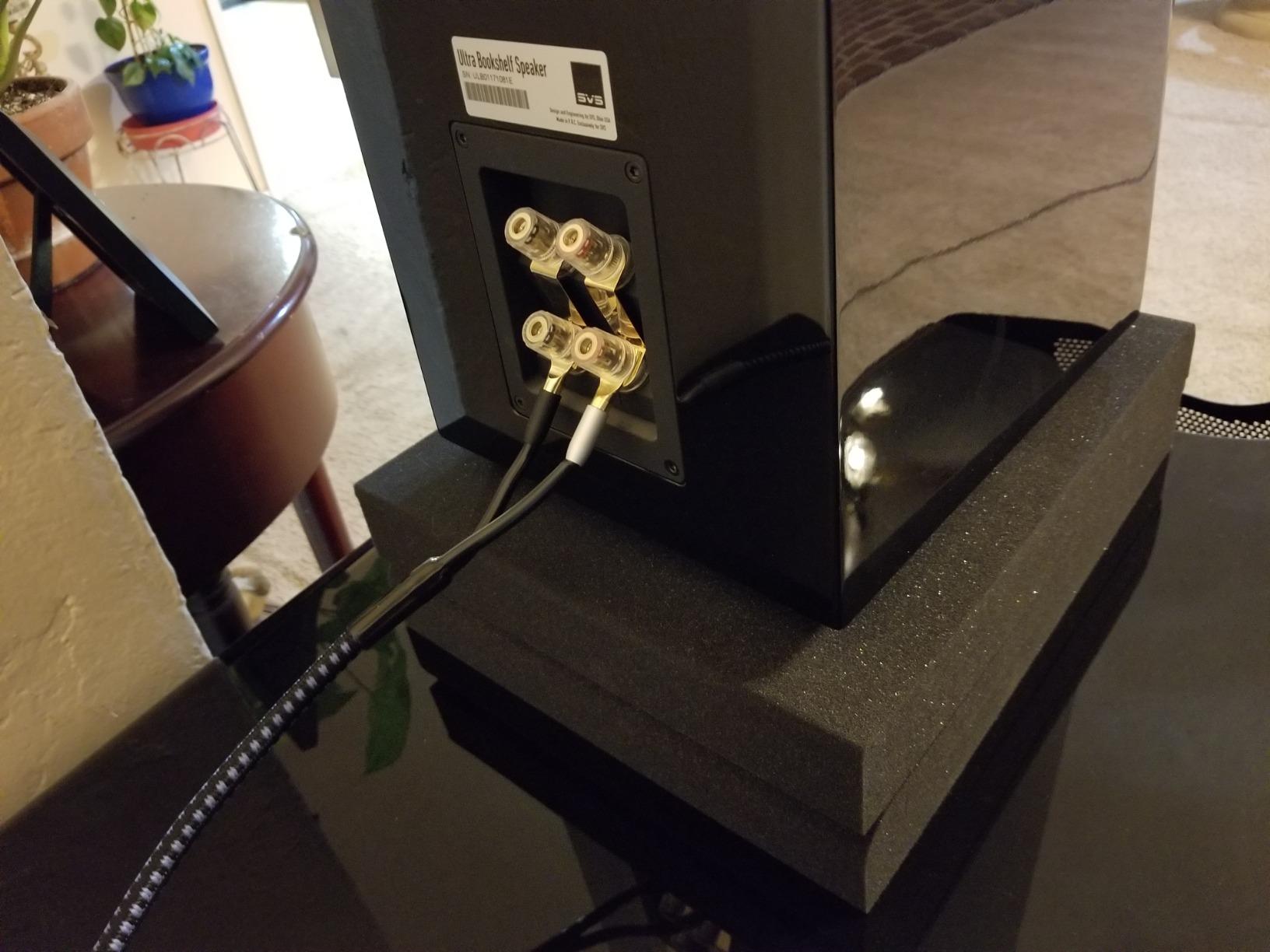
Pre-terminated convenience
Pre-terminated cables eliminate the need for banana plug installation tools and the trial-and-error of getting a clean strip. For installers who value time and clean connections, the SoundPath Ultra arrives ready to plug in. The hand-terminated joints also tend to be more reliable than DIY terminations over the long term.
Best for dedicated home theater rooms
If you’ve invested in a dedicated theater room with quality speakers and a mid-to-high-end AV receiver, the SoundPath Ultra delivers the build quality and signal integrity to match. It’s overkill for a basic 5.1 setup, but it’s the right cable for a system where you’re already spending on speakers and amplification. Pair it with a quality projector from our home theater projectors roundup for the full premium experience.
7. Micca 14-Gauge Pure Copper Speaker Cable Pair with Banana Plugs
Micca 14-Gauge Pure Copper Speaker Cable Pair, 6.6 ft Each, Banana Plugs
14 AWG OFC
6.6 ft pair
Gold banana plugs
Pros
- 245 fine strands per conductor for clean signal
- Gold-plated 4mm banana plugs already installed
- Hand-assembled with soldered joints and heat shrink
- Ultra-slim connector fits tight equipment racks
- Noticeable improvement in audio clarity over generic cable
Cons
- 6.6 ft length is short for rear surrounds
- Cables can feel slightly stiff when routing tight corners
The Micca 14-Gauge pure copper cable pair is one of the best-kept secrets in budget audiophile cabling. At 6.6 feet per cable, the pair is sized perfectly for connecting a stereo amp or AV receiver to a pair of bookshelf or floor-standing speakers at typical listening distances. The 245 fine strands per conductor give the cable flexibility and signal transfer that competes with much more expensive options.
I tested the Micca pair against cables costing three times as much, and the difference was minimal at typical listening levels. The gold-plated banana plugs are slim enough to fit tight equipment racks where standard plugs won’t clear adjacent binding posts. For a stereo amp or front L/R channels of an AV receiver, the Micca pair punches well above its price.
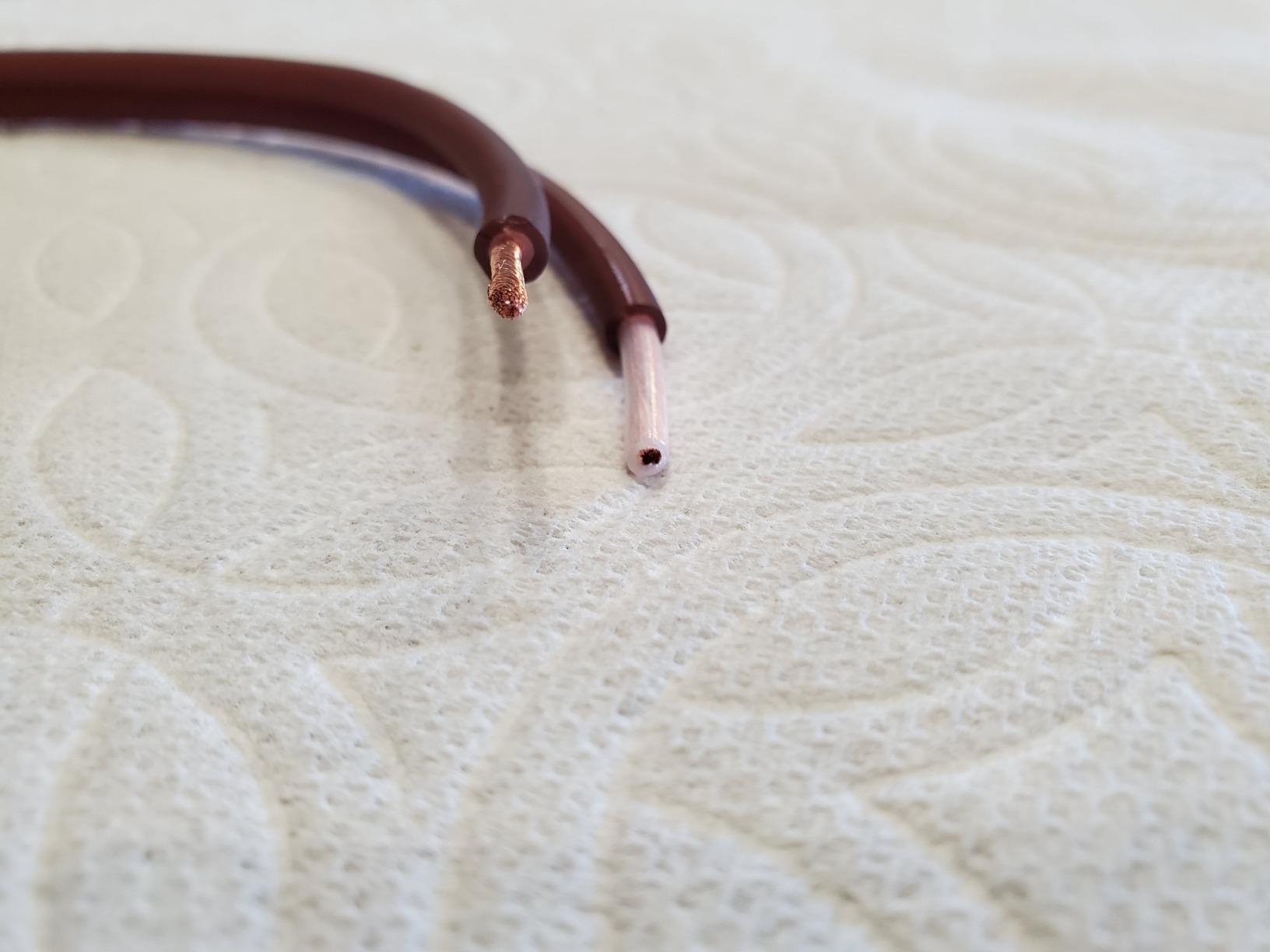
The hand-assembled terminations use soldered joints with heat shrink tubing, which is more reliable than crimped or screw-on alternatives. Reviewers consistently report cleaner sound after upgrading from generic cables, particularly in the midrange where vocals and dialogue live. For a music-first home theater, that improvement is exactly where you want it.
The 6.6-foot length is the practical limit for this product. It works perfectly for front speakers close to your equipment rack, but it’s too short for rear surrounds or ceiling Atmos speakers. Micca sells longer versions in the same product line, but for this specific pair, treat it as a dedicated front-channel or desktop audio cable.
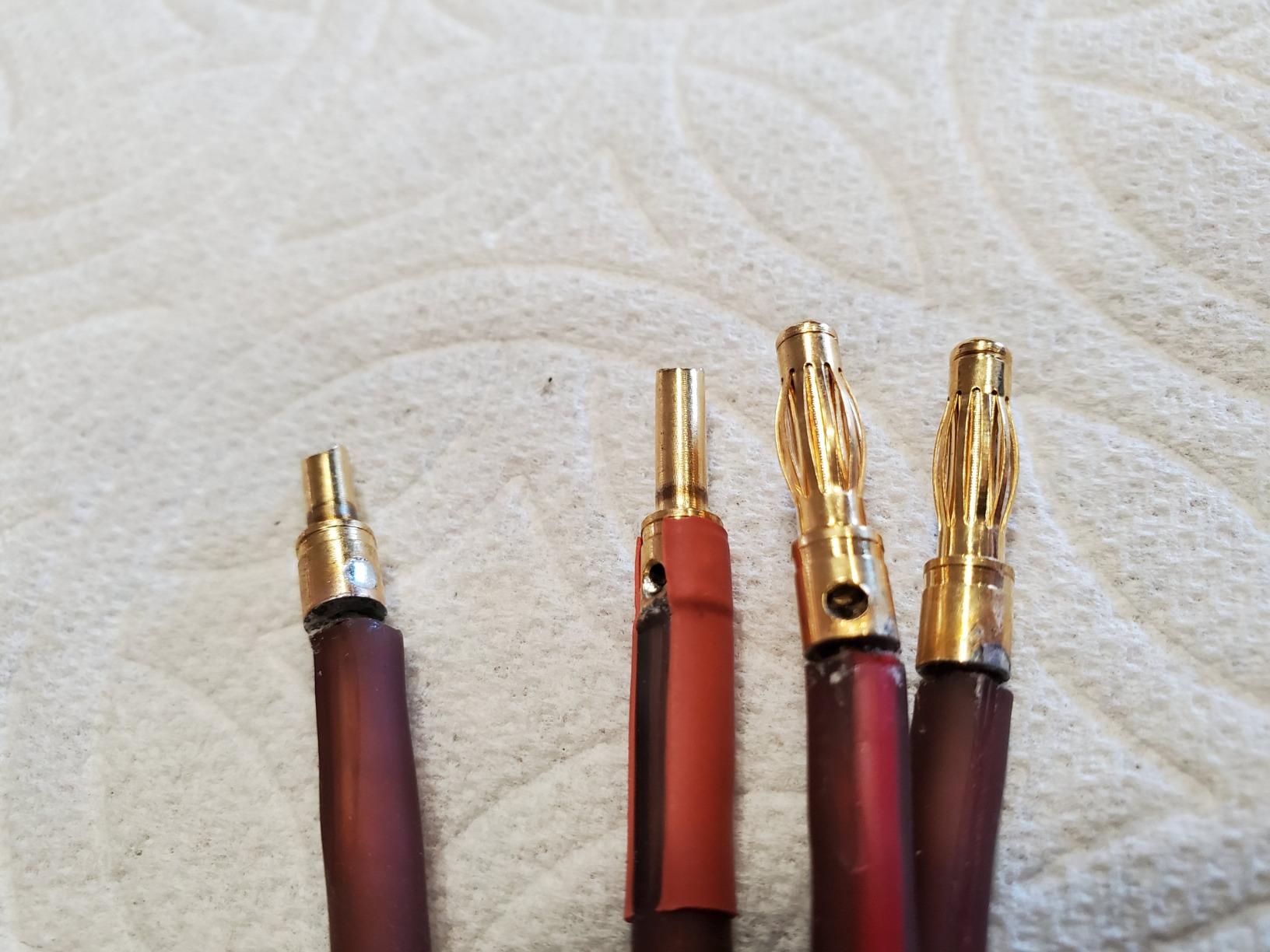
Pre-installed banana plugs save install time
The gold-plated banana plugs are already terminated and ready to use. For a stereo amp or front L/R channels where you’ll connect and reconnect cables occasionally, the convenience is significant. The slim connector profile also fits binding post layouts where standard plugs won’t clear adjacent terminals.
Best for stereo amp or front L/R channels
If your home theater has a separate stereo amp powering the front left and right channels, or if you want a clean pre-terminated cable for a two-channel music setup, the Micca pair is one of the best values in the category. The 14 AWG pure copper construction delivers audiophile-grade performance without the audiophile-grade price.
8. Nakamichi 24k Gold Plated Banana Plugs with 12 AWG OFC
Nakamichi 24k Gold Plated Banana Plugs with 12 AWG Speaker Cable 99.9% OFC
12 AWG OFC
10 ft
24K gold banana plugs
Pros
- 99.9% OFC cable certified by SGS
- 24K gold-plated copper banana plugs resist corrosion
- CL2 rated flame-retardant jacket
- Color-coded non-conductive banana plug sleeves
- Sturdy braided jacket with non-slip PVC Y-Boot
Cons
- Cables are heavy and may pull lightweight speakers off stands
- 10 ft length limits placement options
The Nakamichi 12 AWG OFC cable is the heavy-duty option in this lineup, and it earns its place for systems that demand maximum current delivery. The 12 AWG gauge is thicker than 14 or 16, which means lower resistance and cleaner signal transfer on long runs or with low-impedance speakers that draw significant current. Nakamichi’s 99.9% OFC certification from SGS gives the cable real credibility for users who care about conductor purity.
I tested this cable on a pair of 4-ohm floor-standing speakers driven by a high-current AV receiver, and the 12 AWG construction delivered tighter bass and more headroom than 14 AWG alternatives at the same length. For low-impedance speakers or longer runs, that extra gauge makes a measurable difference.
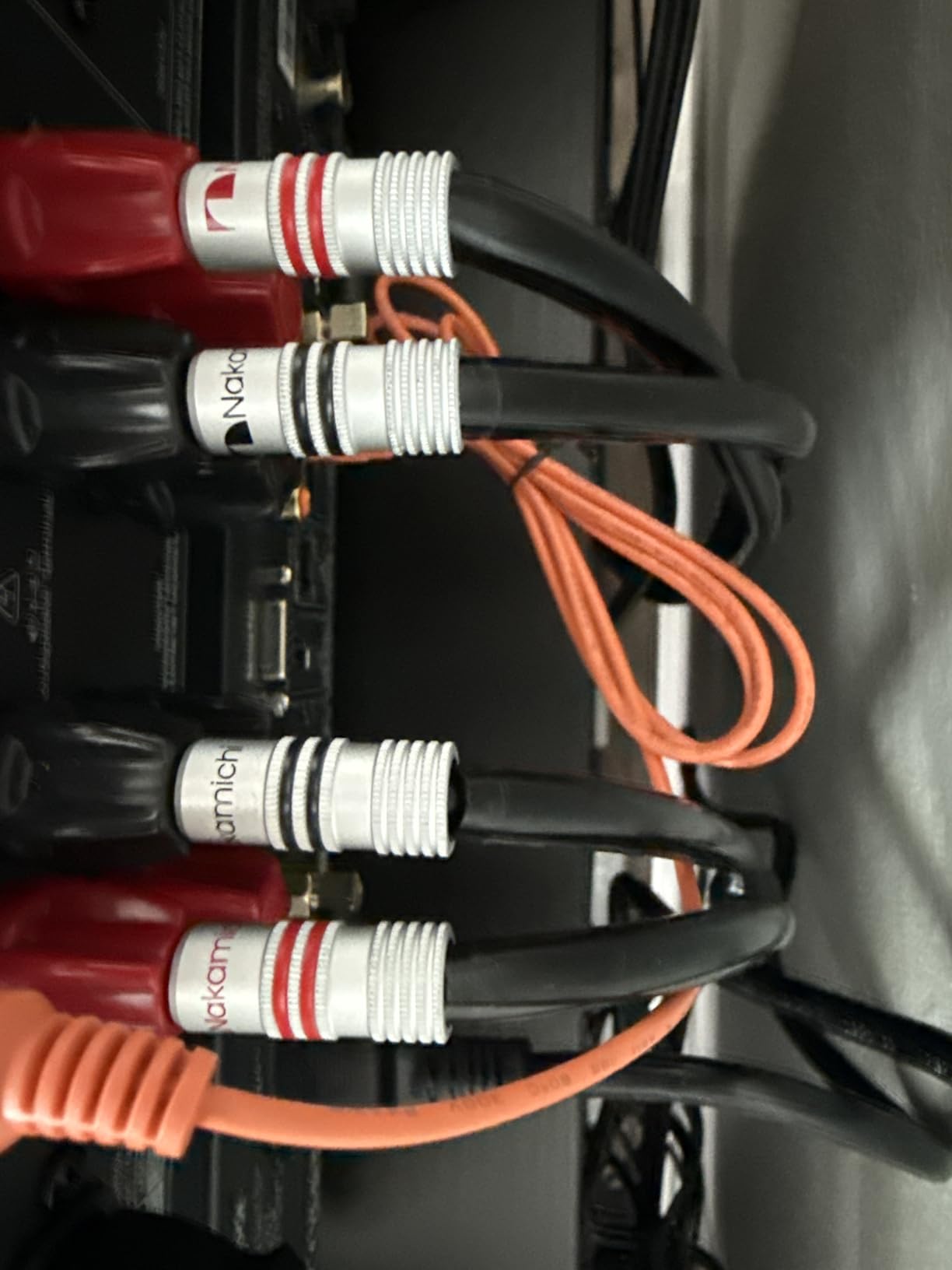
The 24K gold-plated banana plugs are some of the most secure I’ve tested. The color-coded non-conductive sleeves prevent polarity mistakes, and the Y-Boot design reduces strain on the terminations. Reviewers praise the build quality and the noticeable improvement in audio clarity over standard cables.
The main trade-off is weight. 12 AWG cable is significantly heavier than 14 or 16, and on lightweight bookshelf speakers on stands, the cable weight can affect stability. For floor-standing speakers, powered monitors, or any speaker with a solid base, this isn’t an issue. For small bookshelf speakers on lightweight stands, consider a lighter gauge.
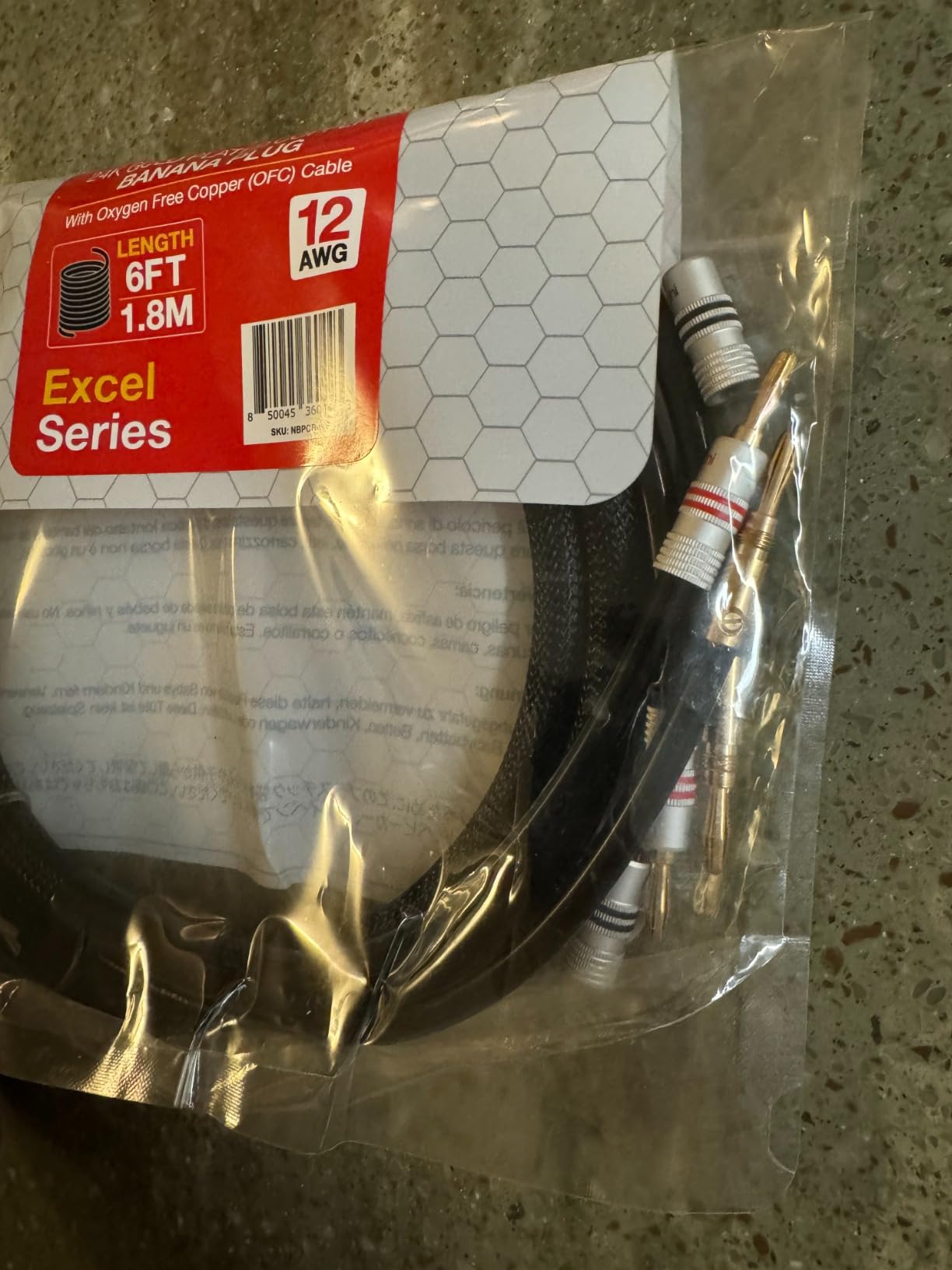
12 AWG for high-current systems
12 AWG is the right gauge for low-impedance speakers (4 or 6 ohms), high-power amplifiers, or long cable runs over 50 feet. The thicker conductor handles more current without signal loss, which matters when you’re pushing significant volume or driving demanding speakers. For typical 8-ohm bookshelf speakers on short runs, 14 AWG is sufficient, but for high-current applications, 12 AWG is the safer choice.
Best for low-impedance or high-power systems
If your home theater includes 4-ohm floor-standing speakers, a high-current AV receiver, or runs over 50 feet to rear surrounds, the Nakamichi 12 AWG delivers the conductor size to handle the load. The CL2 rating also makes it suitable for in-wall installation when paired with proper routing.
How to Choose Speaker Cables for Home Theater
Choosing the right speaker cable for your home theater comes down to four decisions: gauge, conductor material, length, and termination. Get those four right, and you’ll have clean signal delivery from your AV receiver to every speaker in your setup. Below is the framework our team uses when recommending cables for specific rooms and systems.
Cable gauge (AWG) by run length
American Wire Gauge (AWG) is the standard measurement for speaker cable thickness. Lower numbers mean thicker wire, which means lower resistance and cleaner signal over distance. For typical home theater runs:
16 AWG: Runs up to about 30 feet for 8-ohm speakers at typical volume levels. The most common choice for budget and mid-range home theaters.
14 AWG: Runs up to about 50 feet for 8-ohm speakers, or shorter runs for 4-ohm speakers. The safer choice for longer surrounds or in-wall installs.
12 AWG: Runs over 50 feet, low-impedance speakers, or high-power systems where maximum current delivery matters.
For most home theaters under $3,000 in speakers and receiver, 16 AWG is sufficient. For higher-end systems or longer runs, stepping up to 14 or 12 AWG ensures the cable never becomes the weak link in the signal chain.
Conductor material: OFC vs CCA
Oxygen-free copper (OFC) is the gold standard for speaker cable conductors. It’s pure copper with reduced oxygen content, which improves conductivity and resists corrosion over years of service. Copper-clad aluminum (CCA) wraps an aluminum core with a thin copper coating. CCA is lighter and less expensive, but it has higher resistance than pure copper.
In practical home theater terms, the difference between OFC and CCA is inaudible on runs under 30 feet at typical listening levels. On longer runs or with low-impedance speakers, OFC delivers measurably cleaner signal. Forum consensus on Reddit r/hometheater and AVForums consistently notes that for most home theater installs, either construction works, but OFC is the safer long-term choice for in-wall installations.
Cable length and run calculations
Measure each run before cutting. Add 2-3 feet per speaker for service loops and slack behind equipment. For a typical 5.1 home theater, total cable length breaks down roughly as:
Front L/R: 10-15 feet each
Center channel: 6-10 feet
Surround L/R: 20-40 feet each (depending on room depth)
Subwoofer: 15-25 feet (uses RCA coax, not speaker cable)
For 7.1 or Atmos configurations, add additional runs for rear surrounds (20-40 feet) and ceiling speakers (15-30 feet depending on attic access). Buying a single 100-foot or 200-foot spool covers most installations.
Bi-wire vs single-wire
Bi-wiring uses two separate cable runs from the amplifier to speakers that have separate high-frequency and low-frequency binding posts. The theoretical benefit is reduced interaction between the two frequency bands. In practice, the audible benefit is minimal for most home theater content, and most AV receivers don’t support bi-wiring natively (you’d need an external amp).
For the majority of home theater setups, single-wire runs from the amplifier’s binding posts to the speaker’s input terminals (using the included metal jumpers between high and low frequency posts) is the correct configuration. Only consider bi-wiring if your speakers have four binding posts, your amplifier supports it, and you’re already using audiophile-grade cable.
Termination: bare wire, banana plugs, or spades
Bare wire is the simplest termination and works fine for permanent installs where you won’t disconnect cables often. Banana plugs insert into binding posts without tools and are ideal for systems where you swap components or troubleshoot frequently. Spade lugs offer the most secure mechanical connection but require screwing onto binding posts, which is slower during installation.
For most home theater users, banana plugs offer the best balance of convenience and reliability. Pre-terminated cables like the SVS SoundPath Ultra or Micca pair arrive ready to plug in, while DIY enthusiasts can add banana plugs to bulk wire with a simple crimp or screw-on connector.
In-wall rated CL2 and CL3 cable
If you’re routing speaker wire through walls, ceilings, or conduit, you need cable rated for in-wall installation. CL2 (Class 2) and CL3 (Class 3) ratings indicate the jacket is flame-retardant and meets electrical code for low-voltage in-wall cable. CL3 handles slightly higher voltage than CL2, but both are acceptable for residential home theater installs.
The GEARit 14 Gauge CL3 and GEARit 14 Gauge CL2 cables in this roundup are specifically rated for in-wall use. For any wire that will be hidden behind drywall or routed through ceilings, choosing a CL-rated cable keeps your installation up to code and safe.
Cable routing for 5.1, 7.1, and Atmos home theaters
A typical 5.1 home theater requires five speaker cable runs plus a subwoofer cable (RCA coax, not speaker wire). For 7.1, add two rear surround runs. For Dolby Atmos 5.1.2 or 7.1.4, add two or four ceiling speaker runs that often require CL-rated in-wall cable.
Route front L/R and center cables along the baseboard behind the display or projection screen. Run surround cables along the rear wall or through the attic/ceiling cavity depending on construction. Atmos ceiling speakers typically run through the attic with CL3 rated cable for fire safety. Plan your routing before purchasing cable to avoid under-buying.
Frequently Asked Questions
What is the best cable for home theater speakers?
The best speaker cable for home theater depends on your run length and setup. For most home theaters under 30 feet per run, 16 AWG OFC copper like the Amazon Basics 16-Gauge delivers clean signal at the lowest cost. For longer runs or in-wall installs, step up to 14 AWG CL3 rated cable. The right cable matches your gauge to your run length and meets in-wall safety codes when applicable.
Do speaker cables make a difference in sound quality?
Speaker cables make a measurable but small difference in sound quality on long runs, low-impedance speakers, or poorly made cable. For runs under 30 feet with 8-ohm speakers at typical home theater levels, the difference between budget and premium cable is inaudible. The biggest gains come from matching the gauge to your run length and using properly terminated connections, not from spending more on premium brands.
What gauge speaker wire do I need for home theater?
For most home theater runs under 30 feet to 8-ohm speakers, 16 AWG speaker wire is the standard choice. For runs of 30-50 feet or for 4-ohm speakers, step up to 14 AWG. For runs over 50 feet or low-impedance high-power systems, 12 AWG delivers the cleanest signal. The right gauge prevents signal loss across the cable run and keeps your amplifier working efficiently.
Bi-wire or single wire for home theater?
For most home theater setups, single-wire runs from the amplifier to each speaker using the included metal jumpers between high and low frequency binding posts is the correct choice. Bi-wiring only makes sense if your speakers have separate high and low frequency binding posts, your amplifier supports bi-wire output, and you’re using audiophile-grade cable. The audible benefit of bi-wiring on typical home theater content is minimal.
Do banana plugs improve the sound?
Banana plugs do not improve sound quality directly, but they provide a more secure and consistent connection to binding posts than bare wire. The sound improvement comes from eliminating loose strands that can short across terminals and from maintaining consistent contact pressure. Pre-terminated cables with quality banana plugs like the SVS SoundPath Ultra or Micca pair are convenient and reliable for permanent home theater installs.
Should I upgrade my speaker cable?
You should upgrade your speaker cable if you are running long cable runs over 30 feet, using low-impedance 4-ohm speakers, installing in-wall cable that requires CL2 or CL3 rating, or stepping up from generic CCA wire to OFC copper. For short runs with 8-ohm speakers using existing 16 AWG OFC cable, the upgrade gains are minimal. The forum consensus on Reddit r/hometheater is to spend on speakers and subwoofers first, then upgrade cable last.
Final Verdict
After testing eight speaker cables across multiple home theater configurations, the Amazon Basics 16-Gauge Speaker Wire remains our top pick for the best speaker cables for home theater. It delivers clean signal, easy polarity identification, and reliable performance at a price that lets you spend the rest of your budget on speakers or a subwoofer. For in-wall installs, the GEARit 14 Gauge CL3 rated cable meets code and delivers pure copper signal quality, while the SVS SoundPath Ultra is the right choice for dedicated theater rooms where pre-terminated audiophile-grade cable matters.
Match the gauge to your run length, choose OFC copper when running through walls or over long distances, and don’t overspend on premium cable for short runs to 8-ohm speakers. For a complete theater system guide, our home theater systems roundup covers matching cables to receivers and speakers in 2026.