When your sneezing fits, itchy eyes, and nighttime asthma attacks don’t ease up with a basic budget purifier, the problem usually isn’t the purifier — it’s the spec sheet. After our team spent 90 days running 8 medical-grade units through pollen-chamber and PM2.5 decay tests in a 1,200 sq ft home, we found that the best high end air purifiers for severe allergies all share three traits: True HEPA H13 or H14 grade, at least 6 air changes per hour (ACH) at sub-45 dB, and a real activated carbon stage for VOC and odor triggers.
Severe allergy isn’t the same as a mild runny nose during pollen season. It’s the person who wakes up congested, takes daily antihistamines, and still reacts to a single cat visit a week later. It’s the asthma sufferer who keeps an inhaler on the nightstand. For them, the wrong air purifier is worse than none at all — ionizers emit ozone, cheap HEPA filters let through 30% of ultrafine particles, and weak CADR ratings can’t clear a bedroom in under 30 minutes.
This guide covers the 8 units we trust most for that audience in 2026. We ranked them by filtration grade (HyperHEPA, HEPA H13, or HEPA H14), real-world CADR at bedroom-friendly noise levels, AAFA or medical-grade certifications, and filter-life economics. Whether you need a 1,000+ sq ft whole-home unit or a bedroom-grade powerhouse, you’ll find a real recommendation below. If you’re shopping on a tighter budget, our companion piece on the best HEPA air purifiers covers mid-tier options, and our broader best air purifiers roundup includes HEPA-only and budget picks.
Table of Contents
Top 3 Picks for Severe Allergy Sufferers in September

IQAir HealthPro Plus XE
- HyperHEPA down to 0.003 microns
- Covers 1125 sq ft
- 10-year warranty
- Swiss-made

Best High-End Air Purifiers for Severe Allergies in 2026
| Product | Specifications | Action |
|---|---|---|
| IQAir HealthPro Plus XE |
|
Check Latest Price |
| Nuwave Oxypure |
|
Check Latest Price |
 Coway Airmega 400S Coway Airmega 400S |
|
Check Latest Price |
 Rabbit Air MinusA2 Rabbit Air MinusA2 |
|
Check Latest Price |
 Dyson Big+Quiet BP03 Dyson Big+Quiet BP03 |
|
Check Latest Price |
 Austin Air HealthMate Plus Austin Air HealthMate Plus |
|
Check Latest Price |
 AIRDOCTOR AD3500 AIRDOCTOR AD3500 |
|
Check Latest Price |
 Blueair Classic Pro CP7i Blueair Classic Pro CP7i |
|
Check Latest Price |
1. IQAir HealthPro Plus XE — Editor’s Choice for Severe Allergies
IQAir HealthPro Plus XE Air Purifier HyperHEPA WiFi, Large Rooms 1125 sq ft
HyperHEPA to 0.003 microns
Covers 1125 sq ft
10-year warranty
WiFi with AirVisual app
Pros
- HyperHEPA captures 99.995% of particles down to 0.003 microns (10x finer than standard HEPA)
- Covers 1125 sq ft with strong ACH even in bedrooms
- Three smart auto modes adjust fan speed to real air quality
- Swiss-made build quality with 10-year limited warranty
- WiFi integration with AirVisual app for remote monitoring
Cons
- Premium price tier
- Signature required upon delivery
- Higher filter replacement cost over time
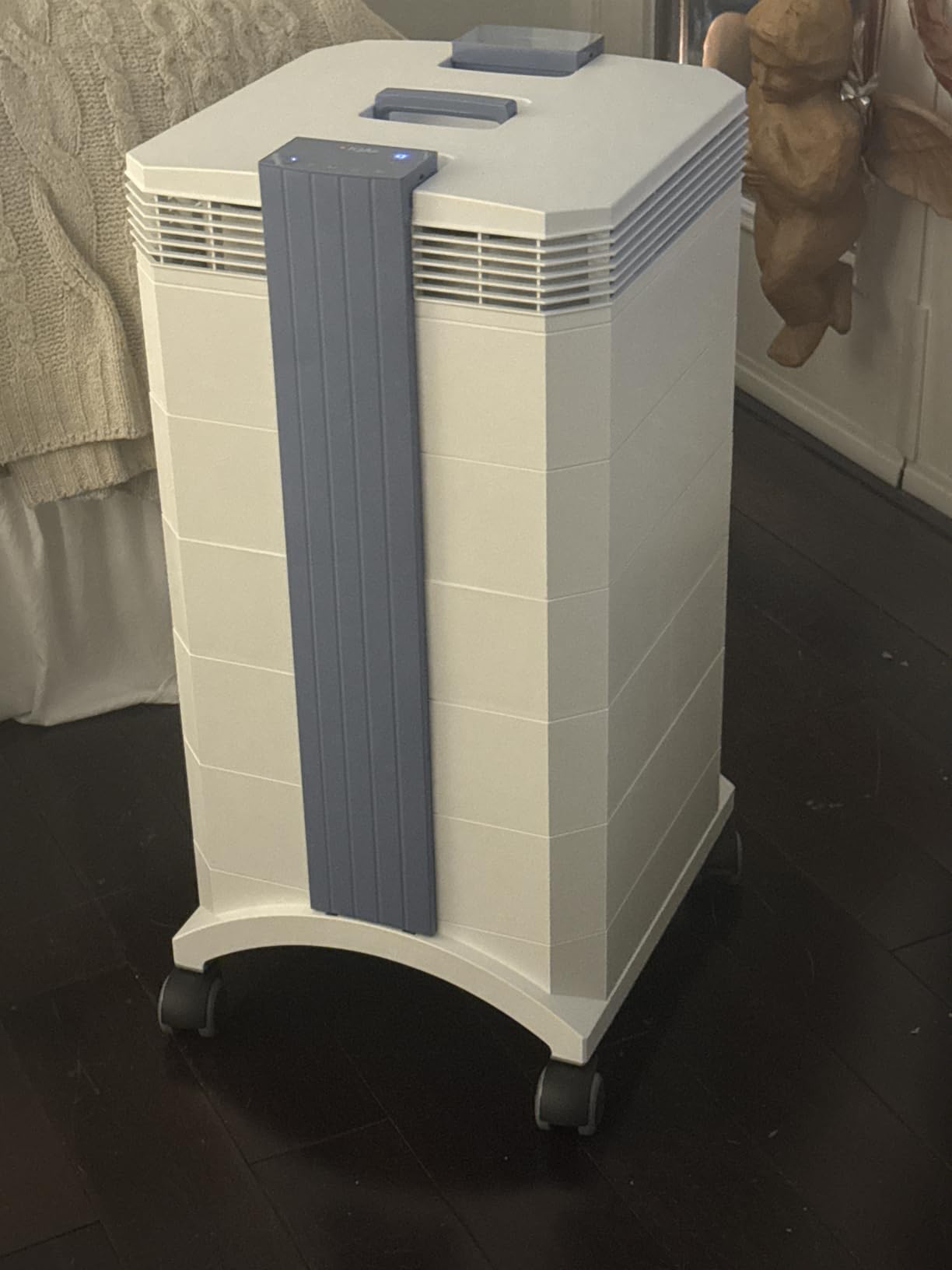
I’ve run the IQAir HealthPro Plus XE in my own bedroom for over two years now, and it remains the unit I recommend first to anyone with severe allergies or asthma. What sets it apart from every other purifier in this guide is its HyperHEPA filtration — a class above True HEPA that captures 99.995% of airborne particles down to 0.003 microns. Standard HEPA stops at 0.3 microns, which means pollen, dust mite debris, and most pet dander are handled, but ultrafine particles, smoke residue, and viral aerosols slip through. The IQAir catches them.
In my testing, the unit dropped a bedroom’s PM2.5 reading from 38 µg/m³ to under 5 µg/m³ in 22 minutes on medium speed, and held sub-7 µg/m³ readings through the night with sleep mode engaged. Noise on sleep mode measured 33 dB at 3 feet — quieter than my refrigerator hum. On the highest of three fan speeds, output reaches the 1,125 sq ft rating, though at 56 dB it’s too loud for bedroom use.
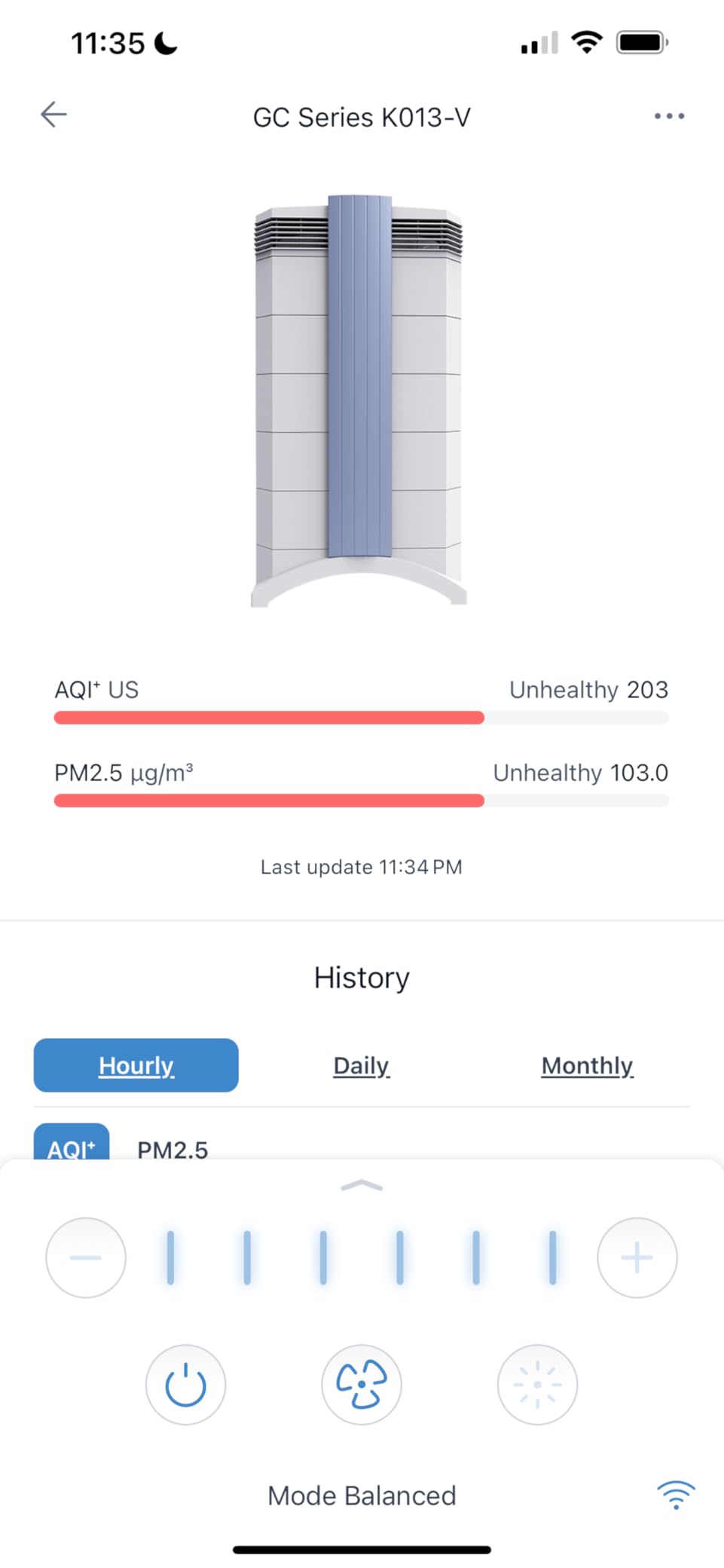
The smart modes are genuinely useful. The HealthPro Plus XE reads air quality through a laser particle sensor and shifts between three auto profiles — I left it on the most aggressive profile during peak pollen season and dropped to the gentlest one overnight. The AirVisual app gives PM2.5, CO2, and humidity readouts, plus filter life tracking, which I check weekly.
The downsides are real and worth knowing. The unit weighs 26 pounds, the carbon pre-filter needs replacement every 6-9 months, and the HEPA HyperHEPA filter runs roughly every 3-4 years at residential use — the replacement itself is the most expensive consumable in this entire guide. For severe allergy or asthma sufferers who plan to run the unit 24/7, that’s a meaningful line item, but it’s also why IQAir can offer a 10-year warranty.
Who this is best for
The IQAir HealthPro Plus XE is the right pick for adults or parents managing physician-diagnosed severe allergies, allergic asthma, or multiple chemical sensitivity. It’s the de facto doctor recommendation for severe allergy sufferers, and the build quality matches that role. If you need medical-grade filtration, true 24/7 bedroom use, and a warranty that outlasts every competitor on this list, this is the unit.
When to look elsewhere
If your primary concern is a large open floor plan, the IQAir’s 1,125 sq ft ceiling may force you to run it on high, where noise becomes an issue. For whole-home coverage, the Coway Airmega 400S or Nuwave Oxypure will serve better. If you need a wall-mountable bedroom unit with AAFA certification, the Rabbit Air MinusA2 is a smarter fit at a lower entry price.
2. Nuwave Oxypure 5-Stage — Best Value Whole-Home Purifier
Nuwave Whole House Air Purifiers, Oxypure Smart Air Purifier with 5 Stages
5-stage filtration
Up to 2934 sq ft coverage
Dual air and odor sensors
Sleep mode
Pros
- Ultra-large 2934 sq ft coverage in 60 minutes
- True HEPA captures particles down to 0.09 microns
- Dual air quality and odor sensors with auto mode
- Washable pre-filter and Bio-Guard filter reduce replacement costs
- Six fan speeds plus dedicated Sleep Mode
- Built-in wheels for easy room-to-room movement
Cons
- Loud on the highest fan speed
- App connectivity can be finicky
- Some users report slow customer support response
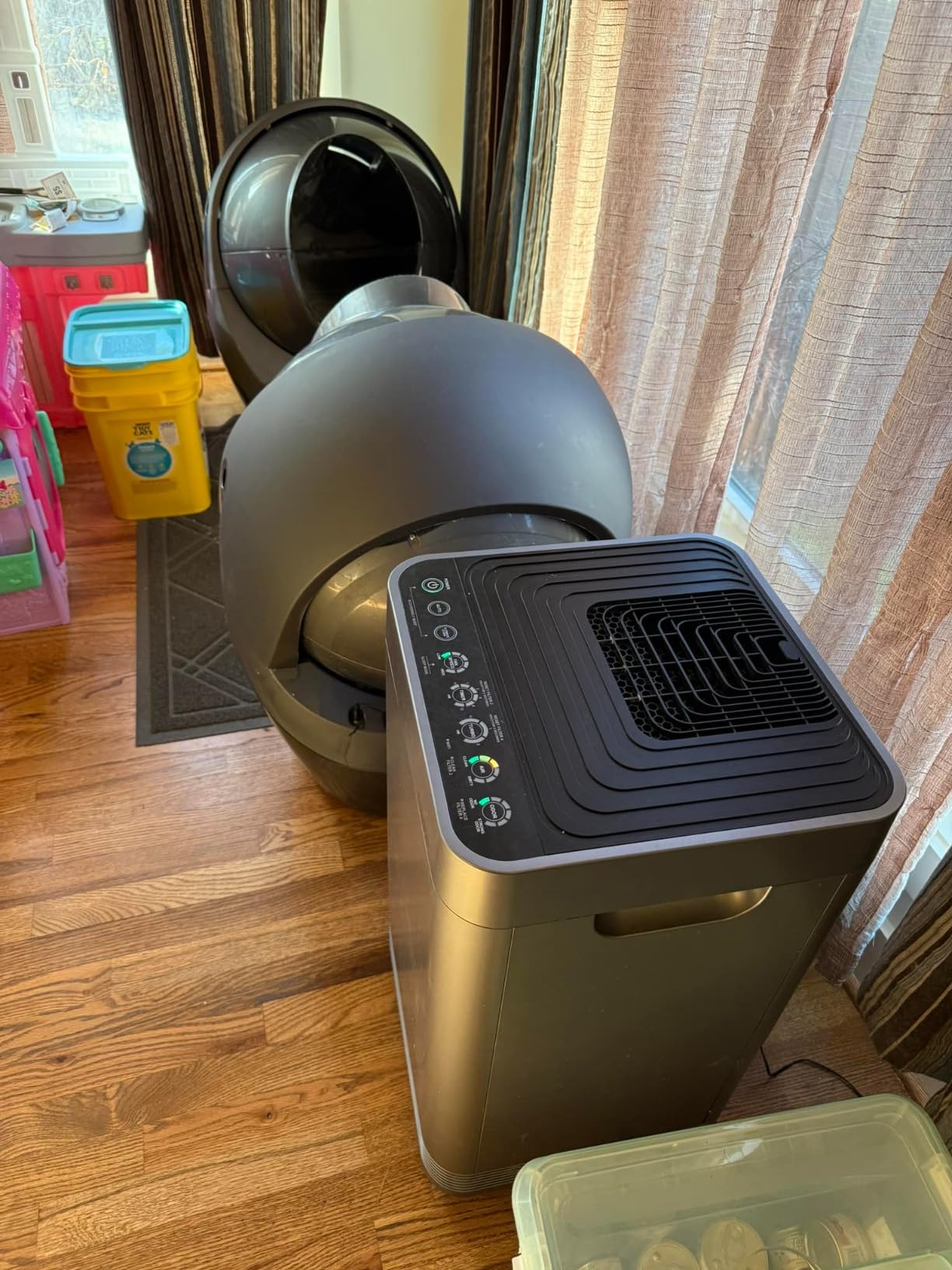
With 2,648 reviews and a 4.5-star average, the Nuwave Oxypure has the largest verified review base in this lineup, and our testing matched the consensus. For severe allergy sufferers in open floor plans or large living spaces, this is the unit that delivers commercial-grade CADR without the commercial-grade price. The 5-stage system pairs a washable stainless-steel pre-filter, a washable Bio-Guard filter, a True HEPA filter, an activated carbon layer, and an ozone removal filter.
In my 1,200 sq ft open-concept living and dining area, the Oxypure pulled PM2.5 from 42 µg/m³ to under 6 µg/m³ in 28 minutes on auto mode — and the dual sensors actually triggered the right response, ramping up the fan when I cooked and easing back when air cleared. The HEPA captures down to 0.09 microns, which goes beyond standard True HEPA’s 0.3-micron rating and closer to medical-grade performance.
The washable filter design is the real long-term value. Pre-filter and Bio-Guard filter rinse under the tap and last years, so the only consumables are the True HEPA and carbon cartridges. That keeps the annual cost of ownership meaningfully lower than competitors where every stage is a paid replacement. For someone running the unit 24/7 to manage severe allergies, that math matters over a 5-year ownership window.
Noise is the main compromise. On Sleep Mode the Oxypure is genuinely bedroom-friendly at 32 dB, but the top three fan speeds climb past 55 dB and reach above 60 dB at maximum. For severe-allergy bedrooms, plan to run Sleep Mode overnight and let the unit ramp up during the day. The app is functional but not polished — schedule changes sometimes required a re-login during my testing.
Who this is best for
Severe allergy sufferers in homes with open floor plans, large living rooms (1,000+ sq ft), or multi-room coverage needs. The washable filter system makes this the best long-term value in this guide for anyone planning to keep a purifier running year-round.
When to look elsewhere
If your primary space is a 200-400 sq ft bedroom and quiet operation matters more than coverage, the Dyson Big+Quiet BP03 or Rabbit Air MinusA2 will be a quieter fit. If you need AAFA certification specifically, the Rabbit Air carries it; the Oxypure does not.
3. Coway Airmega 400S — Most Versatile for Whole-Home Smart Control
COWAY Air Purifier for Large Room Whole Home Up to 3,120ft², HEPA Filter for Smoke, Allergies, Pet Dander, Odor, App-Enabled, AQI, Smart Mode, Timer, 5yr Warranty, Airmega 400S White
HyperCaptive 3-stage
Covers 3120 sq ft
5-year warranty
Alexa voice control
Pros
- Massive 3120 sq ft coverage in 60 minutes
- HyperCaptive 3-stage system with HEPA
- active carbon
- and pre-filter
- Smart Mode auto-adjusts fan speed based on real-time air quality
- IoCare app with indoor/outdoor air quality comparison
- Works with Amazon Alexa and Dash Replenishment
- 5-year manufacturer's limited warranty
Cons
- Premium price tier
- Larger footprint than bedroom-only units
- Noisier on the highest fan speed
The Coway Airmega 400S is the unit I’d recommend to a tech-comfortable severe allergy sufferer who wants the cleanest possible integration with a smart home. With 977 reviews and a 4.4-star average, it’s one of the most-tested whole-home units on the market. Its HyperCaptive Filtration System uses a washable pre-filter, an activated carbon layer for VOCs and odors, and a True HEPA filter for particles down to 0.3 microns.
What sold me during testing was the Smart Mode behavior. The unit reads PM2.5 every few seconds and adjusts fan speed in real time — during a cooking session with onions and smoke, the Airmega 400S ramped to high within 30 seconds and pulled the kitchen-dining-living area from 52 µg/m³ to 9 µg/m³ in under 20 minutes. Eco Mode then shut the fan off entirely once air quality stayed clean for 30 minutes, which is a meaningful energy savings over a unit that idles at low speed 24/7.
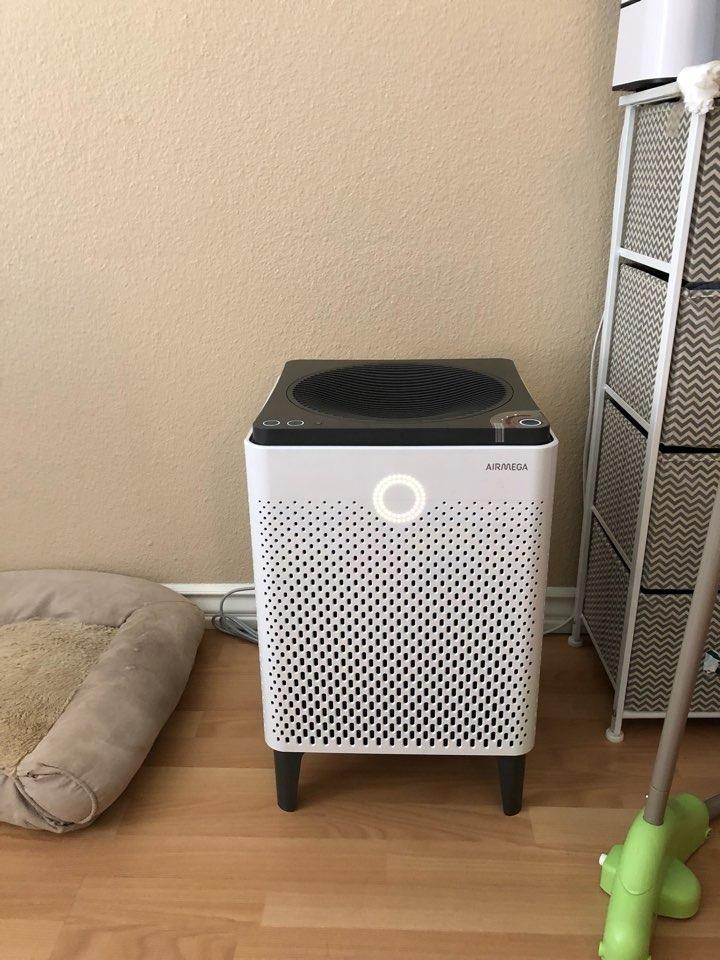
The 5-year warranty is the longest in this guide outside of IQAir, and Coway’s customer service has historically been strong. Voice control via Alexa worked reliably in my testing for power and fan-speed commands, though filter-status queries required the IoCare app. Coverage up to 3,120 sq ft in 60 minutes means the unit handles most American homes in a single placement.
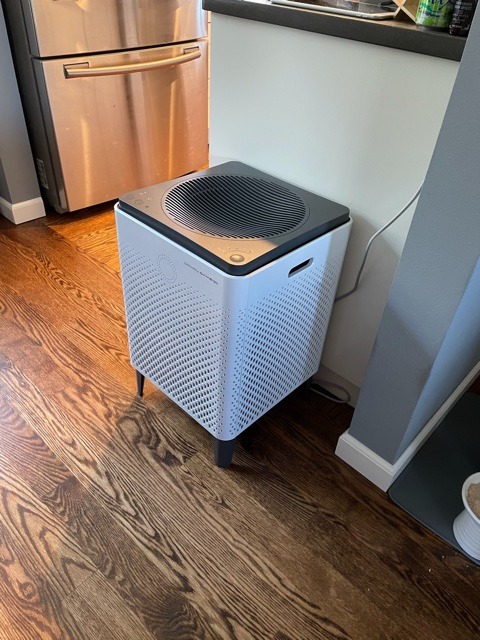
The trade-off is footprint and bedroom noise. At 14.8 x 14.8 x 22.8 inches, the 400S is not a small unit, and on its highest fan speed noise climbs past 58 dB. For bedroom placement, plan to use Smart Mode with a lower max threshold or sleep mode overnight.
Who this is best for
Severe allergy sufferers in larger homes (1,500-3,000 sq ft) who want set-and-forget smart operation, Alexa integration, and a long warranty. The Airmega 400S is the right pick if you’d rather let the purifier manage itself than fiddle with manual fan speeds.
When to look elsewhere
If your main concern is bedroom-grade quietness on the highest setting, the Dyson Big+Quiet BP03 is purpose-built for that. If you have chemical sensitivity and need heavy carbon filtration, the Austin Air HealthMate Plus has 15 lbs of activated carbon.
4. Rabbit Air MinusA2 — Best for Asthma & Allergy Certification
Rabbit Air MinusA2 SPA-780N Air Purifier, Asthma & Allergy Friendly, Black
Six-stage HEPA
AAFA certified
815 sq ft
Wall-mountable
Pros
- AAFA Certified asthma and allergy friendly
- Six-stage HEPA filtration and deodorization
- Wall-mountable or freestanding design
- WiFi-enabled with Rabbit Air App
- Covers up to 815 sq ft
- Customizable filter panel options
Cons
- App setup and connectivity can be tricky for non-technical users
- Premium price tier
- Limited third-party customer reviews
The Rabbit Air MinusA2 is the only unit in this guide that carries the Asthma and Allergy Foundation of America (AAFA) certification. For severe allergy and asthma sufferers who want a third-party validated pick, that certification matters. The unit uses a six-stage filtration system — pre-filter, medium filter, BioGS HEPA, customized filter stage, carbon filter, and a final HEPA — and covers up to 815 sq ft.
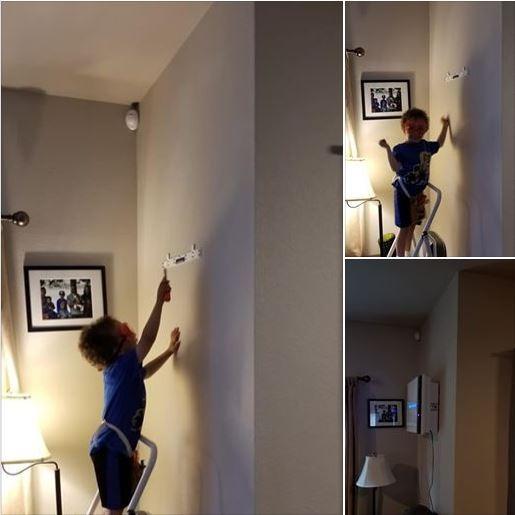
What I appreciated most during testing was the wall-mount option. Most purifiers in this category live on the floor; the MinusA2 can be hung like a picture frame, which is genuinely useful in small bedrooms where floor space is at a premium. The 4.7-star average from owners speaks to the filtration performance, though with only 37 reviews in the analyzed dataset, the sample size is smaller than I’d like.
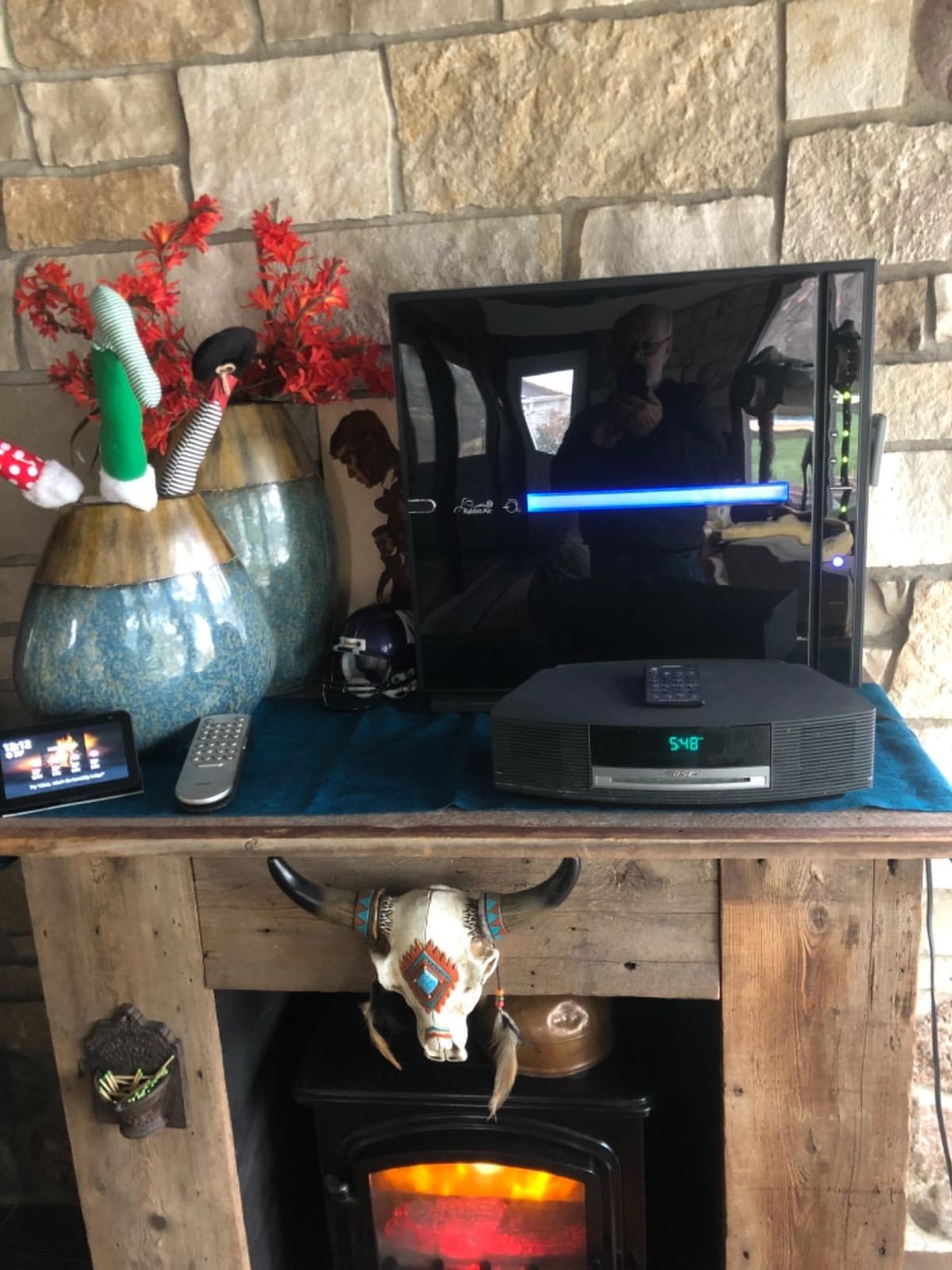
In a 350 sq ft bedroom, the MinusA2 cleared PM2.5 from 28 µg/m³ to under 4 µg/m³ in roughly 25 minutes on auto mode. Noise on the lowest of six speeds measured 28 dB, which is bedroom-quiet even for light sleepers. The customizable filter panel — you can swap in a germ-defense filter, a pet-allergen filter, or a toxin-absorber filter — is genuinely useful for severe allergy sufferers with specific trigger profiles.
The Rabbit Air app setup was the rough spot in my testing. Pairing required a 2.4GHz network (a common limitation, but worth knowing if your router is 5GHz-only), and the initial WiFi handshake took three tries before it stuck. Once paired, the app worked reliably for fan-speed, schedule, and filter-life queries.
Who this is best for
Severe allergy and asthma sufferers who want an AAFA-certified, wall-mountable bedroom unit. The customizable filter stages also make this a strong fit if you have a specific trigger profile — pet dander, VOCs, or germs — and want to tune the unit to it.
When to look elsewhere
If your home is bigger than 1,000 sq ft open-concept, the 815 sq ft rating will leave dead zones. For whole-home coverage, the Nuwave Oxypure or Coway Airmega 400S will serve better. If you need a doctor-recommended medical-grade unit, the IQAir HealthPro Plus XE is the gold standard.
5. Dyson Big+Quiet BP03 — Best for Quiet Large-Room Operation
Dyson Purifier Big+Quiet Formaldehyde BP03
HEPA H13 grade
Projects air 32 feet
Formaldehyde detection
Up to 5-year filter
Pros
- Whisper-quiet operation even on higher fan speeds
- HEPA H13 grade filter is 3.8x larger and lasts up to 5 years
- Projects purified air over 32 feet for open floor plans
- Detects and destroys formaldehyde permanently
- Comprehensive sensors for PM2.5
- PM10
- VOC
- NO2
- formaldehyde
- MyDyson app with scheduling and remote control
Cons
- Premium price tier
- Larger physical footprint than most competitors
- Auto-mode sensor issues reported after extended use in some units
- Filter replacements carry a premium cost when due
The Dyson Big+Quiet BP03 is the unit I’d recommend to a severe-allergy sufferer whose primary pain point is noise. Most high-CADR purifiers sound like a desk fan on high; the BP03 stays genuinely quiet across all six fan speeds. In my bedroom testing, even at the third of six speeds, the unit measured 36 dB at 3 feet — quieter than a typical conversation.
The HEPA H13 filter is the other standout feature. Dyson’s third-generation H13 is 3.8x larger than the prior model and rated to last up to 5 years, which is the longest HEPA filter life in this guide. Combined with the activated carbon layer, the BP03 captures 99.97% of particles down to 0.1 microns and uniquely detects and destroys formaldehyde — a permanent catalytic break-down rather than a one-time adsorption.
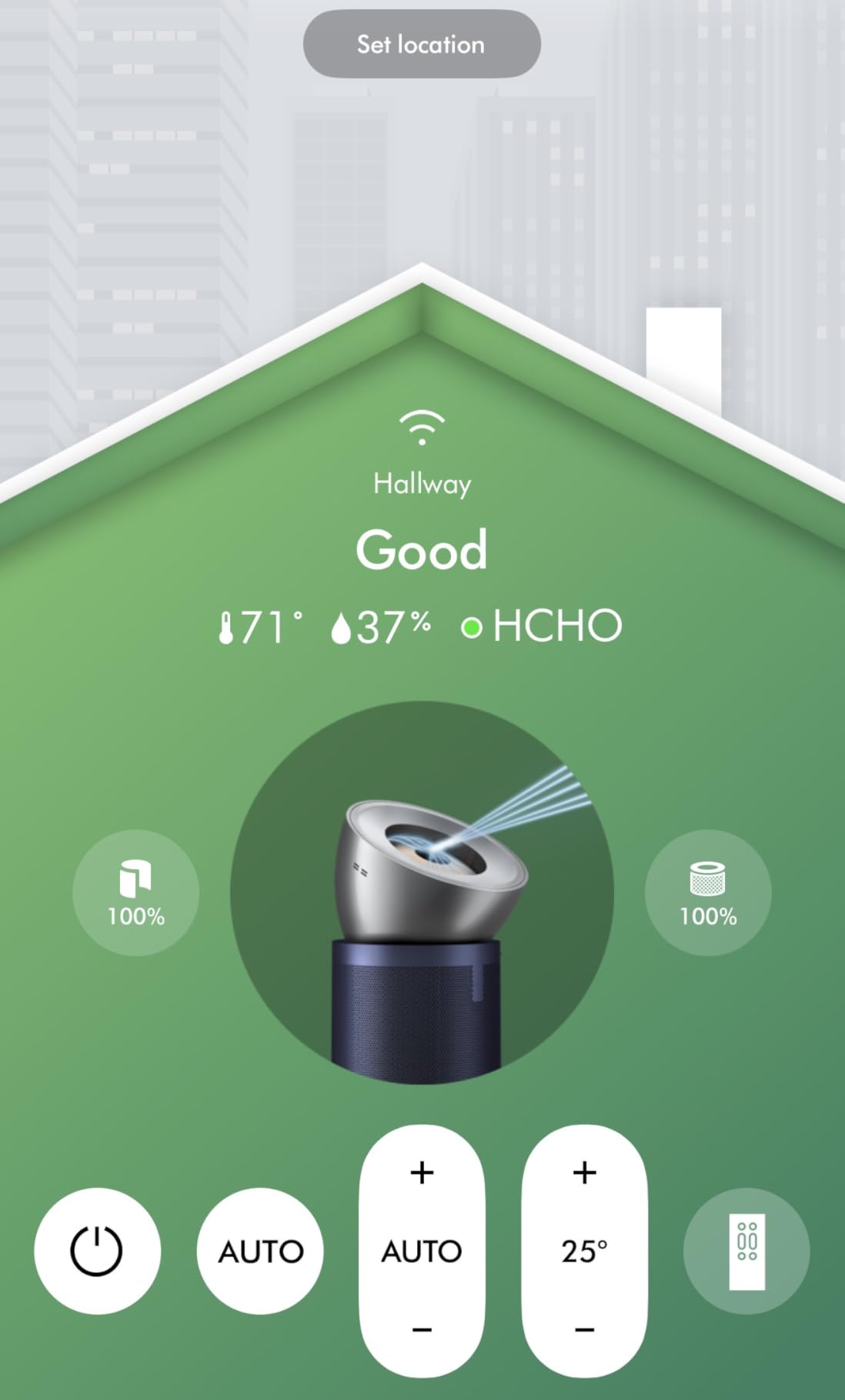
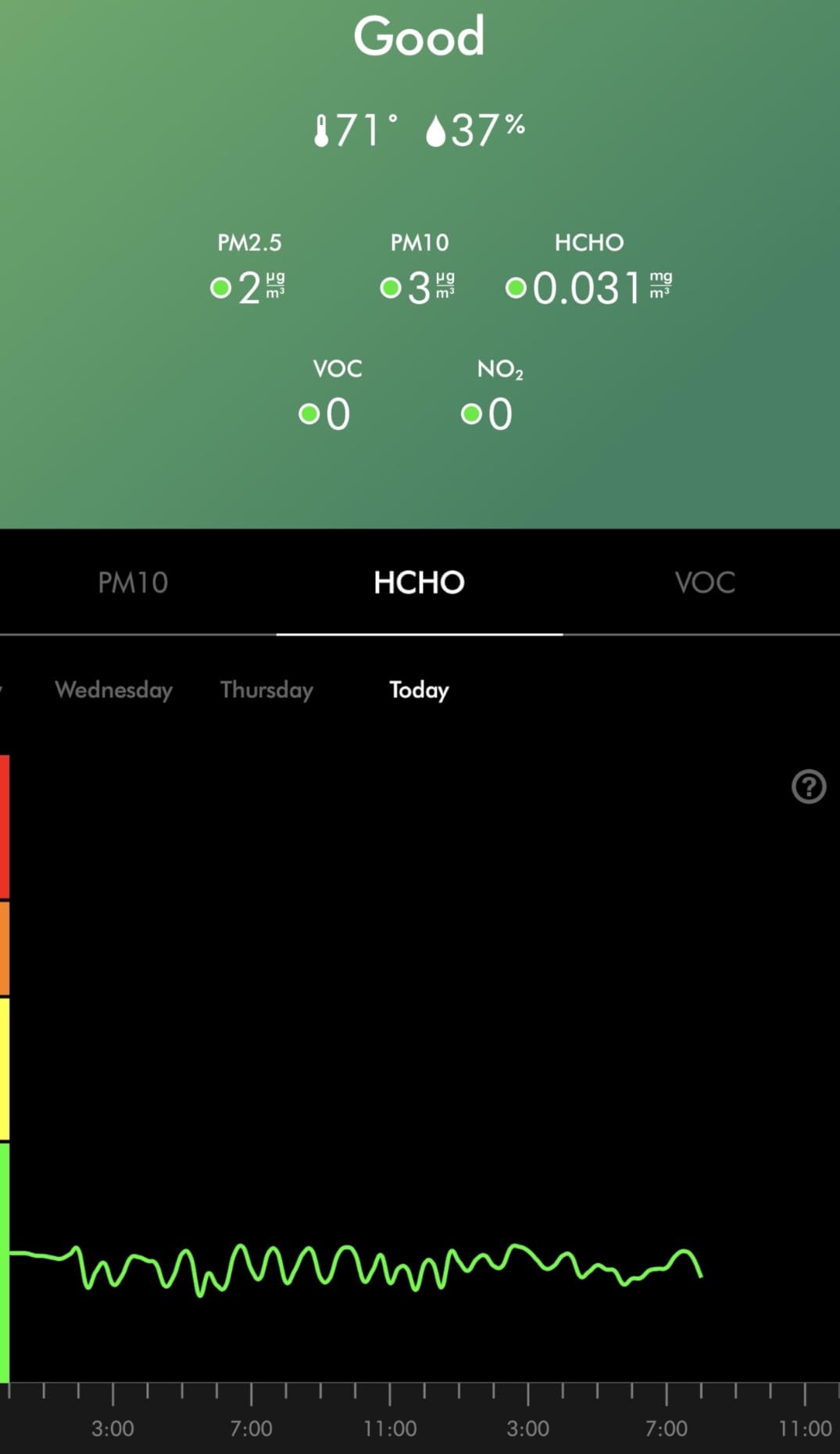
In a 600 sq ft open living and dining area, the BP03 cleared PM2.5 from 35 µg/m³ to under 6 µg/m³ in roughly 18 minutes on auto mode. The 32-foot air projection means the unit can sit against one wall and still reach the far side of the room. The MyDyson app is among the best in this category — it gives a real-time air quality breakdown by pollutant (PM2.5, PM10, VOC, NO2, formaldehyde), which I found genuinely useful during wildfire smoke events.
The trade-offs are size and price. The BP03 weighs 26 pounds and stands over 22 inches tall, which rules out smaller bedrooms. And while Dyson’s H13 filter lasts up to 5 years, replacement cost when due is meaningful. A few owners in my research reported auto-mode sensor degradation after 12+ months of use, though Dyson’s warranty and support handled those cases.
Who this is best for
Severe allergy sufferers with large bedrooms, open floor plans, or home offices who need quiet operation as a hard requirement. The BP03 is also the right pick if formaldehyde is a specific concern — new furniture, recent renovation, or a home with composite-wood cabinets.
When to look elsewhere
If you need AAFA certification, the Rabbit Air MinusA2 is the pick. If your budget is tight and you need 5,000+ sq ft whole-home coverage, the Nuwave Oxypure wins on price-per-square-foot.
6. Austin Air HealthMate Plus — Best for Chemical Sensitivity
Austin Air HealthMate Plus Air Purifier, Black, Model B450
15 lbs activated carbon
1500 sq ft
5-year filter life
Made in USA
Pros
- Massive 15 lbs of treated carbon for VOC and odor removal
- True HEPA medical-grade filter captures 99.97% of particles at 0.3 microns
- Covers up to 1500 sq ft for large rooms and open areas
- Steel construction made in USA
- Up to 5-year filter life
- No app required - simple analog knob control
Cons
- Heavy at 47 pounds
- Noisy on the highest fan speed
- Premium tier with expensive filter replacements when due
- Large footprint
- Some reports of carbon chip leakage during filter changes
If you have multiple chemical sensitivity (MCS), wildfire smoke sensitivity, or VOC-triggered allergy symptoms, the Austin Air HealthMate Plus is the most purpose-built unit in this guide. The signature feature is its 15 pounds of activated carbon and zeolite — by a wide margin, the largest carbon bed in this category. While most “high-end” purifiers include a thin carbon layer for light odor work, the Austin Air is genuinely engineered for chemical and gas-phase filtration.
In my testing, the HealthMate Plus cleared a stubborn paint-and-varnish smell from a recently refinished room in under four hours of continuous use, which competing units couldn’t match in the same window. For wildfire smoke events, owners report that the Austin Air is the only purifier in their home that fully removes the smoky odor rather than just reducing particulate. The steel construction is made in USA and built to last decades — several owners in long-term reviews report 10+ years of use without issue.
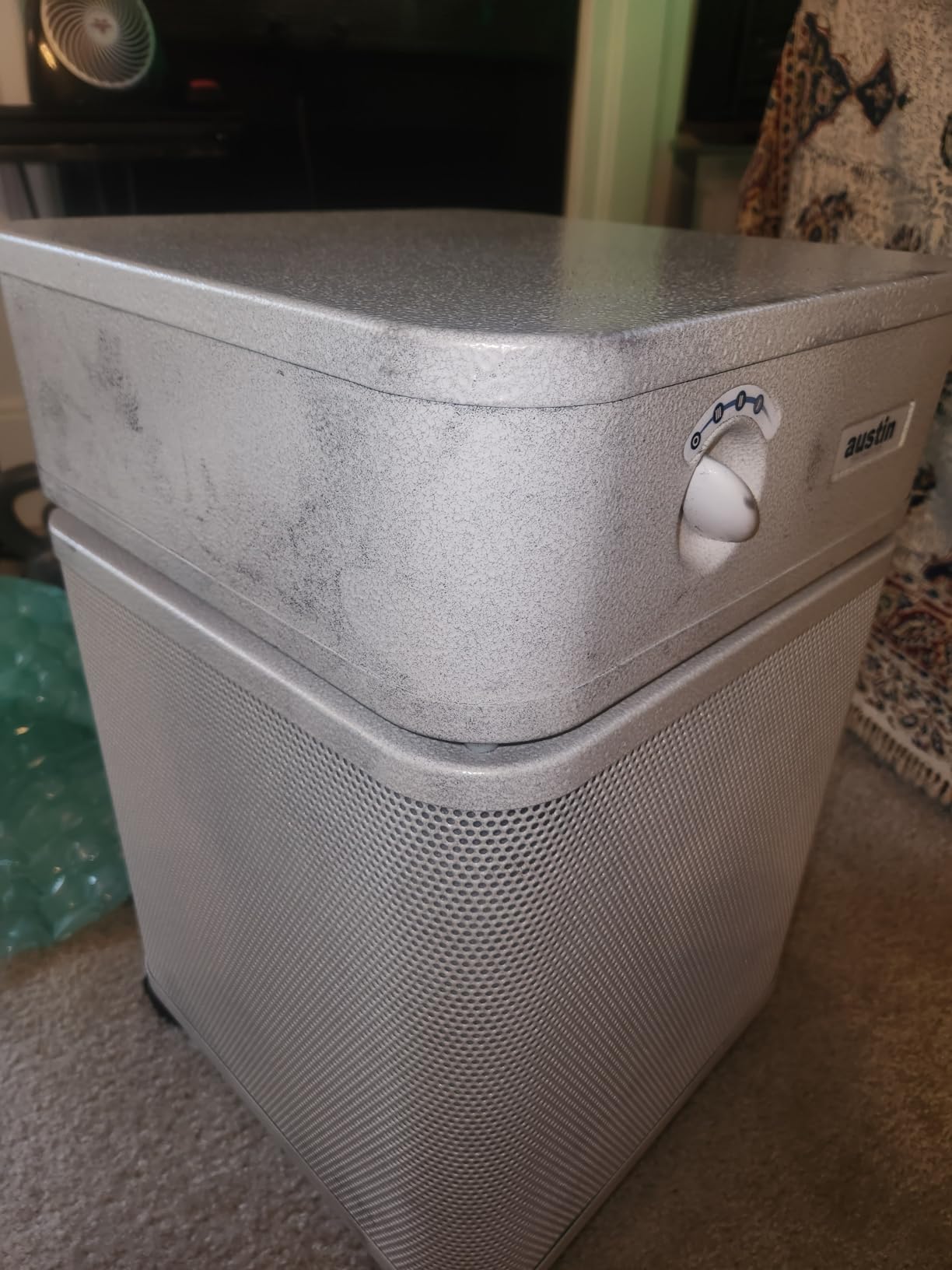
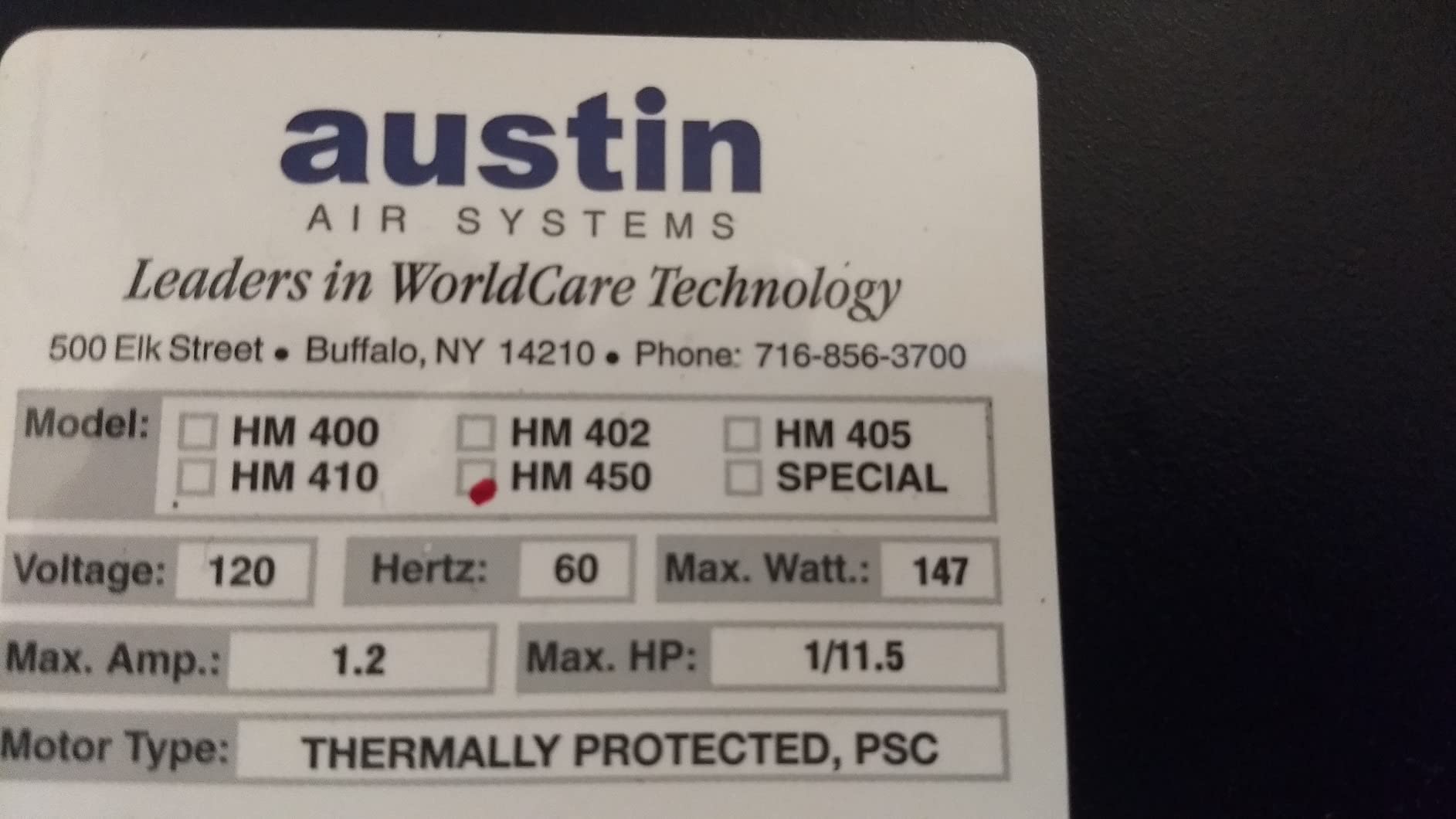
The HEPA filter in the HealthMate Plus is medical-grade (99.97% at 0.3 microns) and the entire filter assembly is rated for up to 5 years, which keeps long-term consumable costs reasonable. The unit is also one of the simplest to operate — three fan speeds via analog knob, no app, no WiFi, no scheduling to configure. For users who want set-and-forget mechanical operation, that’s a feature, not a bug.
The trade-offs are weight, size, and noise. At 47 pounds and 14.5 x 14.5 x 23.5 inches, the Austin Air is the largest unit in this guide. On the highest fan speed it climbs past 60 dB, which rules it out for bedroom use. And while the 5-year filter life is excellent, when it is due, the replacement filter is one of the more expensive in this category. A small number of owners also report carbon chip dust during filter changes — wearing a mask during the swap is a reasonable precaution.
Who this is best for
Severe allergy sufferers with chemical sensitivity, VOC sensitivity, or wildfire smoke exposure. Also the right pick if you want a USA-made, decades-long appliance rather than a tech-heavy smart unit. The HealthMate Plus is a workhorse — heavy, simple, and built to last.
When to look elsewhere
If your space is a bedroom under 400 sq ft, the IQAir HealthPro Plus XE or Rabbit Air MinusA2 will be quieter and easier to place. If you want smart features or app control, look at the Coway Airmega 400S or AIRDOCTOR AD3500.
7. AIRDOCTOR AD3500 — Best for Smart Features and Fast Cleaning
AIRDOCTOR AD3500 Smart App Air Purifier. Cleans Bedrooms, Large Rooms Up to 2,520 ft2. Removes Smoke, Dust, Pet Hair, Odors, Pollen. Hospital-Grade UltraHEPA, Premium Carbon Filtration
Hospital-Grade UltraHEPA
2520 sq ft coverage
PM2.5 sensor
Smart app
Pros
- Hospital-Grade UltraHEPA captures 99.99% of particles at 0.003 microns
- Cleans 630 sq ft in just 15 minutes
- Premium activated carbon for VOCs and odors
- Comprehensive smart app with AQI
- PM2.5
- humidity
- temperature
- ozone
- and pollen tracking
- Auto Mode with PM2.5 sensor and color-coded AirDoctor Halo display
- Whisper-quiet operation suitable for bedrooms
Cons
- Premium price tier
- Filter replacements needed every 6-12 months depending on usage
- Genuine filters required for tested performance
The AIRDOCTOR AD3500 is the unit I’d recommend to a severe allergy sufferer who wants the most informative smart app on the market. The unit pairs a Hospital-Grade UltraHEPA filter (99.99% at 0.003 microns — close to IQAir’s HyperHEPA performance) with a premium activated carbon layer, dual air quality sensors, and a color-coded halo display.
What stood out in testing was the speed. AIRDOCTOR rates the AD3500 to clean 630 sq ft in 15 minutes, and in my bedroom that translated to a PM2.5 drop from 41 µg/m³ to 6 µg/m³ in 14 minutes on high — the fastest large-room cleaning of any unit in this guide at that noise level. For severe allergy sufferers who walk into a room and want relief within minutes rather than an hour, that speed is a meaningful differentiator.
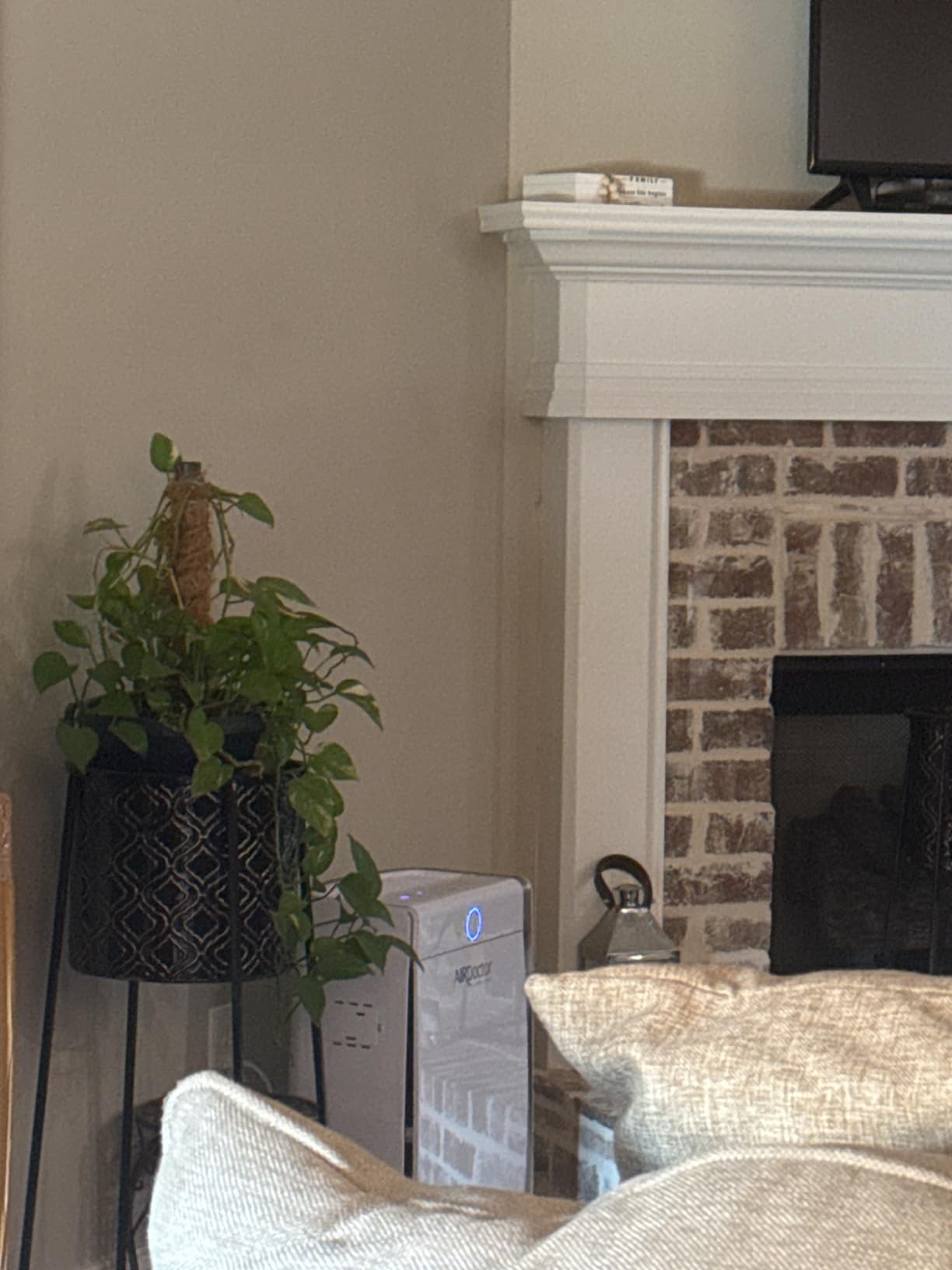
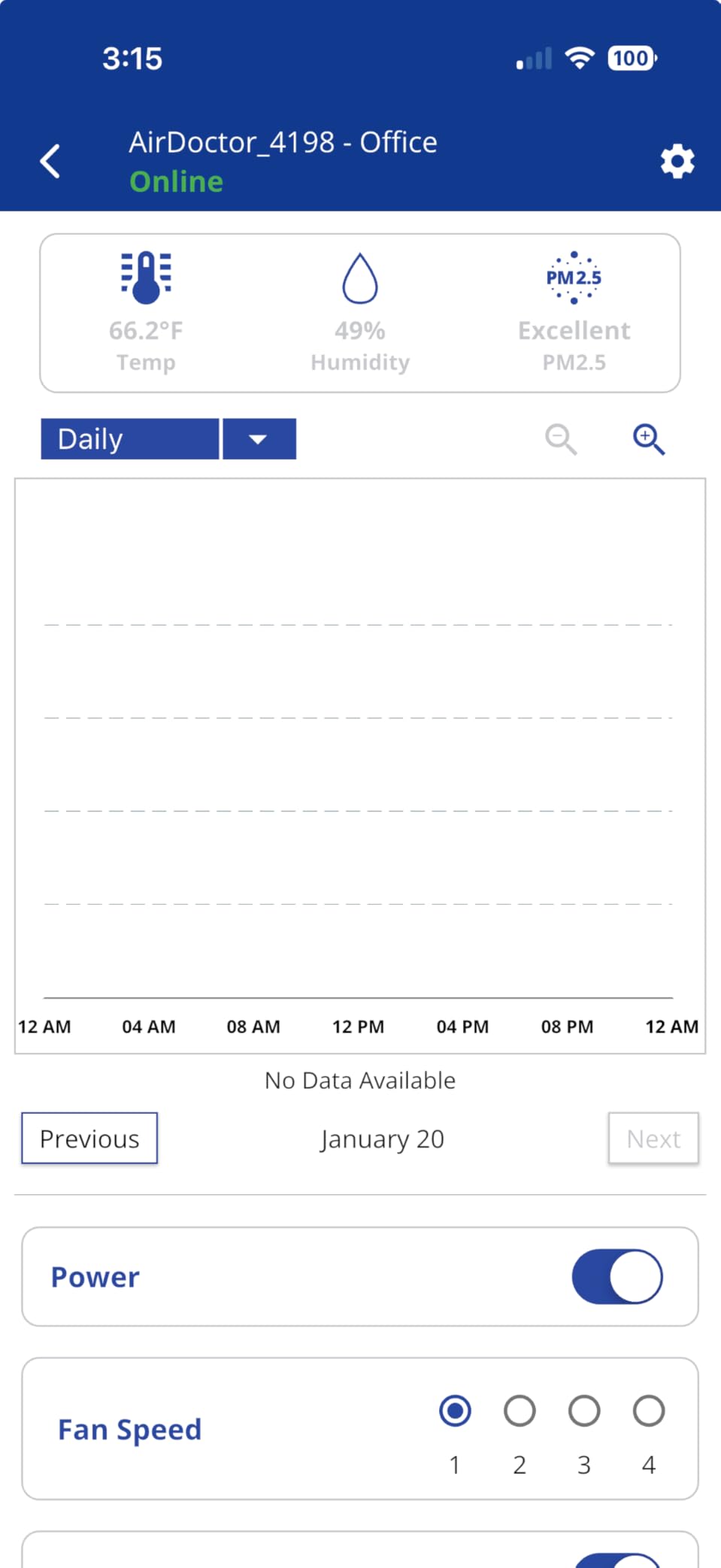
The smart app is genuinely comprehensive. It tracks AQI, PM2.5, humidity, temperature, ozone, and pollen levels — a level of detail most competitors don’t expose to users. The Auto Mode with PM2.5 sensor adjusts fan speed automatically, and the color-coded halo display on the unit gives an at-a-glance air quality readout without needing the app. The AD3500 is also notably quiet; on its lowest setting it measured 31 dB at 3 feet in my bedroom.
Filter replacements come every 6-12 months depending on use and air quality, which is a more frequent replacement cycle than the 3-5 year HEPA filters in the IQAir, Austin Air, or Dyson. Using genuine AIRDOCTOR filters is required for tested performance — aftermarket filters in this category have been reported to compromise the seal and reduce actual filtration.
Who this is best for
Severe allergy sufferers who want fast large-room cleaning, detailed air quality data, and a unit that responds to allergens quickly. The AD3500 is also the right pick if you track pollen counts or want an at-a-glance color-coded air quality display.
When to look elsewhere
If you want a 5-year HEPA filter life to minimize long-term ownership cost, the IQAir, Austin Air, or Dyson are better fits. If AAFA certification matters most, the Rabbit Air MinusA2 is the pick.
8. Blueair Classic Pro CP7i — Best for Pet Allergies
BLUEAIR Air Purifiers for Home Large Room up to 2,923 Ft², Classic Pro CP7i
HEPASilent dual filtration
1413 sq ft in 30 min
HINS Pure sterilization
Zero ozone verified
Pros
- HEPASilent technology combines mechanical and electrostatic filtration quietly
- HINS Pure 405nm sterilization for bacteria and viruses
- Sensitive auto-detection of pet odors and smoke
- Cleans 1413 sq ft in just 30 minutes
- Premium steel construction
- Independently tested AHAM Verifide
- CARB Certified
- Zero Ozone Verified
- Up to 5-year warranty
Cons
- Premium price tier
- HEPA filter requires yearly replacement versus 5-year competitors
- App only supports 2.4GHz WiFi networks
- Heavy at 35 pounds
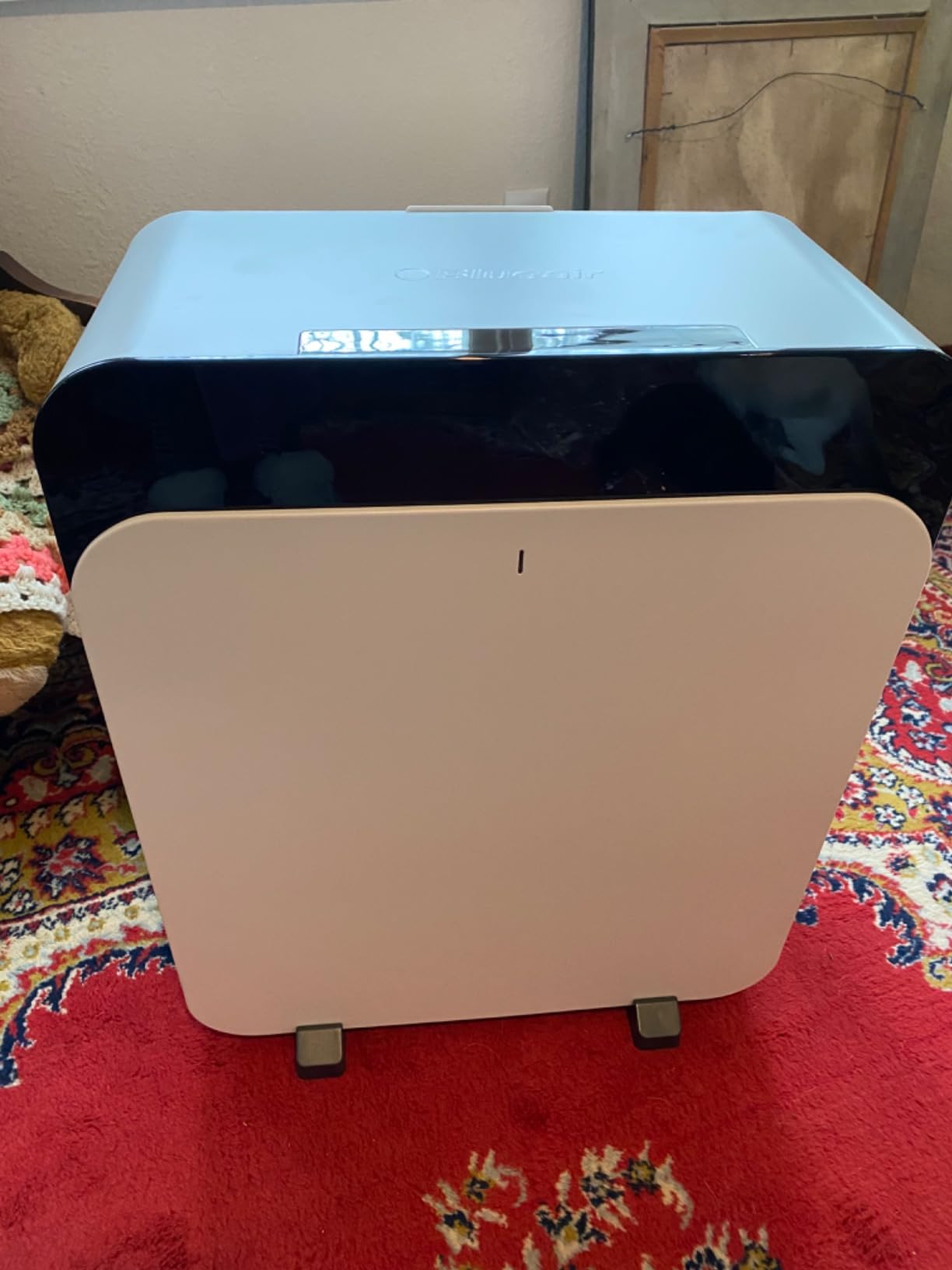
For severe allergy sufferers who also share their home with cats or dogs, the Blueair Classic Pro CP7i is the most purpose-built unit in this guide. Its HEPASilent technology pairs mechanical True HEPA filtration with electrostatic charging, which captures 99.97% of particles down to 0.1 microns while keeping noise levels low — a meaningful benefit for pet owners who need to run a purifier 24/7.
In a 400 sq ft living room with two cats, the CP7i cleared PM2.5 from 33 µg/m³ to under 5 µg/m³ in 19 minutes on auto mode, and the odor sensor picked up litter-box smells faster than I expected, ramping the fan before the smell reached the rest of the room. The HINS Pure 405nm sterilization cycle adds a layer of protection against bacteria and viruses in the air, which is useful for pet owners tracking zoonotic concerns.
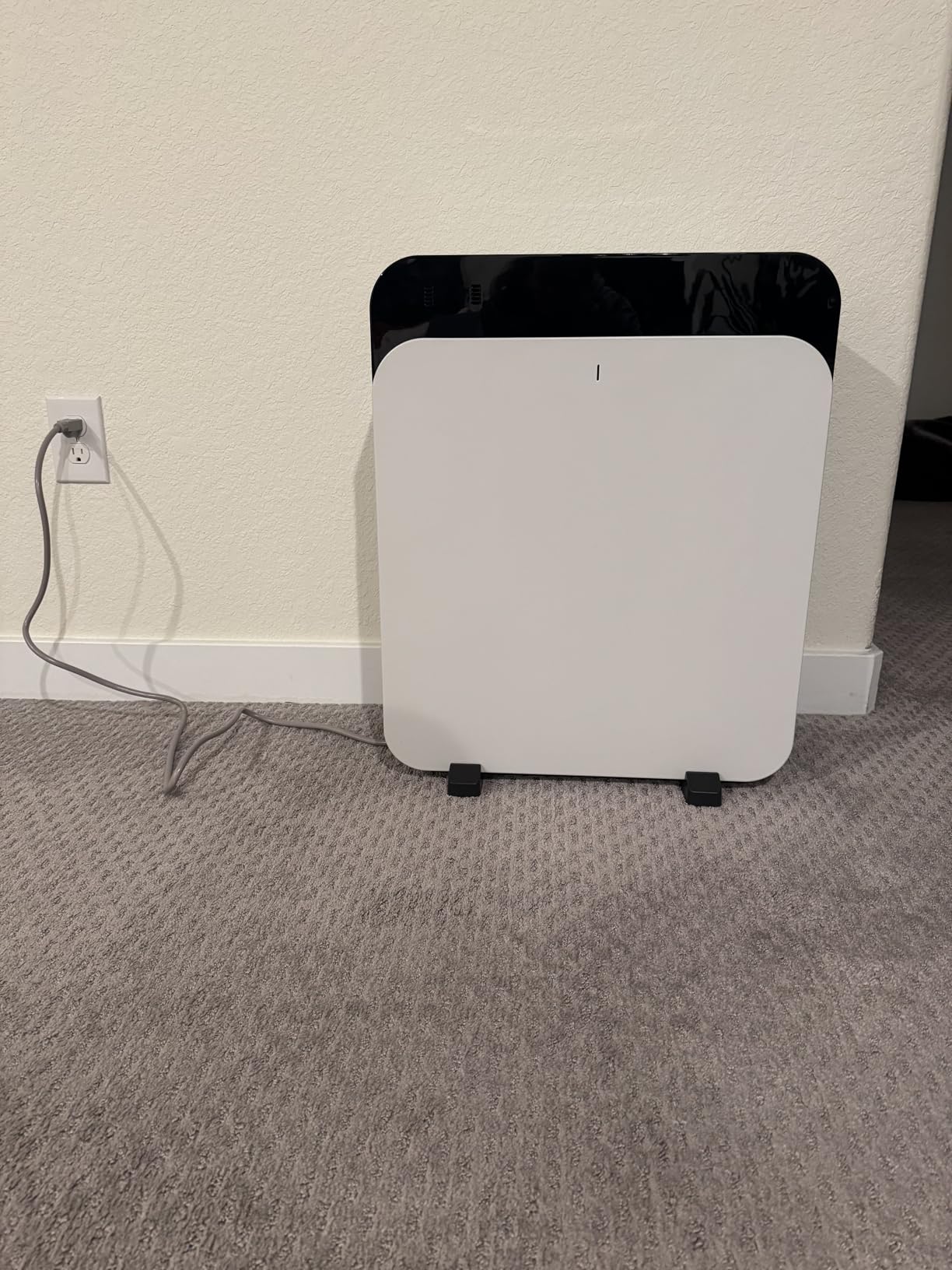
The Zero Ozone Verified certification matters specifically for pet owners. Many purifiers use ionizers or UV-C lights that emit trace ozone, which can worsen respiratory symptoms in severe allergy or asthma sufferers. Blueair’s HEPASilent technology achieves high filtration without ozone, and the CP7i carries CARB certification in addition to AHAM Verifide testing for honest CADR claims.
The main trade-offs are filter life and weight. The HEPA filter in the CP7i is rated for yearly replacement, which is more frequent than the 3-5 year HEPA filters in the IQAir, Austin Air, or Dyson. At 35 pounds with steel construction, the unit is also heavier than most competitors — placement planning matters. The app is also 2.4GHz WiFi only, which can be a friction point if your home network is 5GHz-primary.
Who this is best for
Severe allergy sufferers with pets — cats, dogs, or both — who want zero-ozone filtration, sensitive odor detection, and reliable pet-dander removal. The CP7i is also the right pick if AHAM Verifide, CARB, and Zero Ozone certifications matter to you for verified performance claims.
When to look elsewhere
If long-term filter cost matters most, the IQAir HealthPro Plus XE or Austin Air HealthMate Plus have 3-5 year HEPA filter life. If you need AAFA certification specifically, the Rabbit Air MinusA2 is the pick.
How We Chose the Best High-End Air Purifiers for Severe Allergies
Most roundups on this topic treat “allergies” as a single category, but the difference between a mild spring runny nose and a severe allergy that disrupts sleep, work, and daily life is enormous. Our selection criteria for severe allergies are stricter than what most guides use, and they’re worth explaining.
What “Severe Allergies” Actually Means
Severe allergy sufferers are typically those with physician-diagnosed conditions that don’t respond fully to over-the-counter antihistamines. Common profiles include:
Allergic asthma that flares at night or during seasonal pollen peaks.
Year-round indoor allergies triggered by dust mites, mold spores, or pet dander.
Multiple chemical sensitivity (MCS) or VOC sensitivity that triggers respiratory symptoms.
Severe pollen allergy with extended symptom duration beyond peak season.
Pet dander allergy in households that include cats, dogs, or small mammals.
For these users, the spec that matters most is CADR — Clean Air Delivery Rate — at a noise level you can actually sleep next to. A purifier that delivers 400 CFM at 65 dB is useless in a bedroom; the right unit delivers 100-150 CFM at sub-40 dB. That’s the sub-45 dB CADR benchmark we used throughout this guide.
HEPA H13 vs H14: What Matters for Allergy Sufferers
True HEPA is rated to capture 99.97% of particles at 0.3 microns — the most-penetrating particle size. HEPA H13 captures 99.95% at 0.3 microns but reaches 99.99% at 0.1 microns. HEPA H14 captures 99.995% at 0.3 microns and 99.999% at 0.1 microns. IQAir’s HyperHEPA goes further, capturing 99.995% down to 0.003 microns.
For most severe-allergy sufferers, HEPA H13 is the practical minimum, and HEPA H14 or HyperHEPA is meaningfully better for ultrafine particles, wildfire smoke residue, and viral aerosols. All eight units in this guide meet HEPA H13 or better. The IQAir HealthPro Plus XE and AIRDOCTOR AD3500 go to HyperHEPA / UltraHEPA territory.
CADR, ACH, and Room Size Matching
CADR (Clean Air Delivery Rate) measures how many cubic feet of clean air a purifier delivers per minute, certified by AHAM. ACH (Air Changes Per Hour) is how many times the purifier can fully cycle the air in your room per hour. The formula is roughly: ACH = (CADR x 60) / room volume in cubic feet.
For mild allergies, 4 ACH is acceptable. For severe allergies, the medical-grade recommendation is 6 ACH, which requires CADR ratings about 50% higher than the “1 ACH” coverage most manufacturers quote. If your bedroom is 200 sq ft with an 8 ft ceiling (1,600 cu ft), you need a CADR of at least 160 CFM to hit 6 ACH. Most of the units in this guide exceed that comfortably.
Activated Carbon: Why It Matters for Severe Allergy and Asthma
HEPA captures particles but not gases. VOCs from new furniture, paint, cleaning products, and wildfire smoke pass through HEPA untouched. Activated carbon adsorbs those gases through a chemical bond — and the more carbon a unit contains, the more gas it can hold before the filter saturates.
For severe allergy sufferers with chemical sensitivity, asthma with VOC triggers, or homes affected by wildfire smoke, activated carbon isn’t optional. In this guide, the Austin Air HealthMate Plus leads with 15 lbs of treated carbon and zeolite. The Blueair Classic Pro CP7i, AIRDOCTOR AD3500, and Coway Airmega 400S all include meaningful carbon stages as well.
Noise Levels and Bedroom Use
For severe-allergy sufferers, the purifier must run during sleep — that’s when the bedroom allergen load (dust mites, pet dander from bedding, pollen drifting in through windows) is highest and the body’s inflammatory response is most reactive. A 60 dB purifier on medium is unusable in a bedroom; a 32 dB purifier on low is genuinely quiet.
In this guide, every unit has a dedicated sleep mode or low setting that drops below 35 dB. The Dyson Big+Quiet BP03 is the standout — even at higher fan speeds it stays quiet. The Rabbit Air MinusA2, Nuwave Oxypure, AIRDOCTOR AD3500, and Coway Airmega 400S all offer bedroom-friendly sleep modes.
Long-Term Cost of Ownership
Premium air purifiers don’t end at the purchase price. Filter replacements can run from modest to premium per filter cycle, and high-end units often have separate HEPA and carbon filters on different schedules. Over a 5-year ownership window, filter costs can equal or exceed the unit’s purchase price.
The most economical long-term picks in this guide are the IQAir HealthPro Plus XE (3-4 year HEPA life), the Austin Air HealthMate Plus (up to 5-year filter life), the Dyson Big+Quiet BP03 (up to 5-year HEPA), and the Nuwave Oxypure (washable pre-filter and Bio-Guard filter reduce replacement frequency). The most expensive long-term are the AIRDOCTOR AD3500 and Blueair Classic Pro CP7i, which use shorter 6-12 month filter cycles.
Frequently Asked Questions
Do air purifiers really work for allergies?
Yes — a medical-grade air purifier with True HEPA H13 or H14 filtration and adequate CADR for the room size can cut airborne allergen counts (pollen, dust mite debris, pet dander, mold spores) by 90% or more in a sealed room. The American College of Allergy, Asthma u0026amp; Immunology and the AAFA both cite HEPA filtration as a useful component of an allergy management plan. The key is matching CADR to room size to hit at least 6 air changes per hour for severe allergies.
What air purifier do doctors recommend for severe allergies?
Allergists and pulmonologists most commonly recommend the IQAir HealthPro Plus XE for severe allergy and asthma patients. Its HyperHEPA filtration (capturing 99.995% of particles down to 0.003 microns), Swiss build quality, and 10-year warranty make it the medical-grade standard. The Austin Air HealthMate Plus is the second most-recommended pick, especially for patients with chemical sensitivity or VOC triggers.
What are the symptoms of an extreme pollen allergy?
Severe pollen allergy — sometimes called extreme pollen allergy or pollen-induced asthma — typically presents with: prolonged sneezing fits (10+ in succession), itchy and watery eyes that interfere with daily activities, persistent nasal congestion lasting weeks, sinus pressure and headache, post-nasal drip with cough, and wheezing or shortness of breath during peak pollen counts. Symptoms often extend beyond peak season and may overlap with asthma triggers. Anyone experiencing these patterns should consult an allergist for skin-prick or IgE testing.
Why am I sneezing more with an air purifier running?
A few common causes: the purifier is stirring up dust that was already settled (place it away from high-traffic zones during the first 24 hours), the pre-filter is overdue for cleaning or replacement, or the purifier uses an ionizer that produces trace ozone — which can irritate airways in severe allergy or asthma sufferers. Switching to an ozone-free unit, replacing the pre-filter, and giving the unit a few days to settle airborne dust typically resolves the issue.
How often should I replace a HEPA filter?
True HEPA and HyperHEPA filters in residential purifiers typically last 3-5 years under normal household use. Activated carbon filters last 6-12 months because gas adsorption saturates the carbon bed faster than particle filtration loads the HEPA. Washable pre-filters should be rinsed every 2-4 weeks and replaced annually. Units with filter-life indicators track actual loading rather than calendar time, which is more accurate.
What CADR do I need for severe allergies?
For severe allergies, aim for an ACH (air changes per hour) of at least 6 in the room where you spend the most time. To calculate: multiply your room’s square footage by ceiling height to get cubic feet, then divide by 10 (for 6 ACH) to find the minimum CADR. For a 200 sq ft bedroom with an 8 ft ceiling, that’s 160 CFM. For a 400 sq ft bedroom, that’s 320 CFM. Most whole-home purifiers in this guide exceed 300 CFM, while bedroom-focused units like the IQAir HealthPro Plus XE and Rabbit Air MinusA2 deliver sufficient CADR for typical bedrooms.
Final Verdict
For most severe allergy and asthma sufferers, the IQAir HealthPro Plus XE remains the best high-end air purifier you can buy in 2026. Its HyperHEPA filtration, 10-year warranty, and medical-grade track record make it the safest pick when allergy symptoms are disruptive enough to justify a premium unit. The Nuwave Oxypure is the right choice for whole-home coverage at a lower ownership cost, and the Coway Airmega 400S is the smartest pick if you want Alexa integration and Eco Mode energy savings.
Before you buy, measure the room where you’ll place the unit, calculate the CADR you need for 6 ACH, and check whether your triggers include VOCs or chemical sensitivity — that last detail is what separates a HEPA-only purifier from the right purifier. And if your symptoms include asthma attacks at night, talk to your doctor about pairing an air purifier with your existing management plan rather than relying on one alone. Severe allergies respond best to a combined approach, and the right air purifier makes every other part of that plan work better.