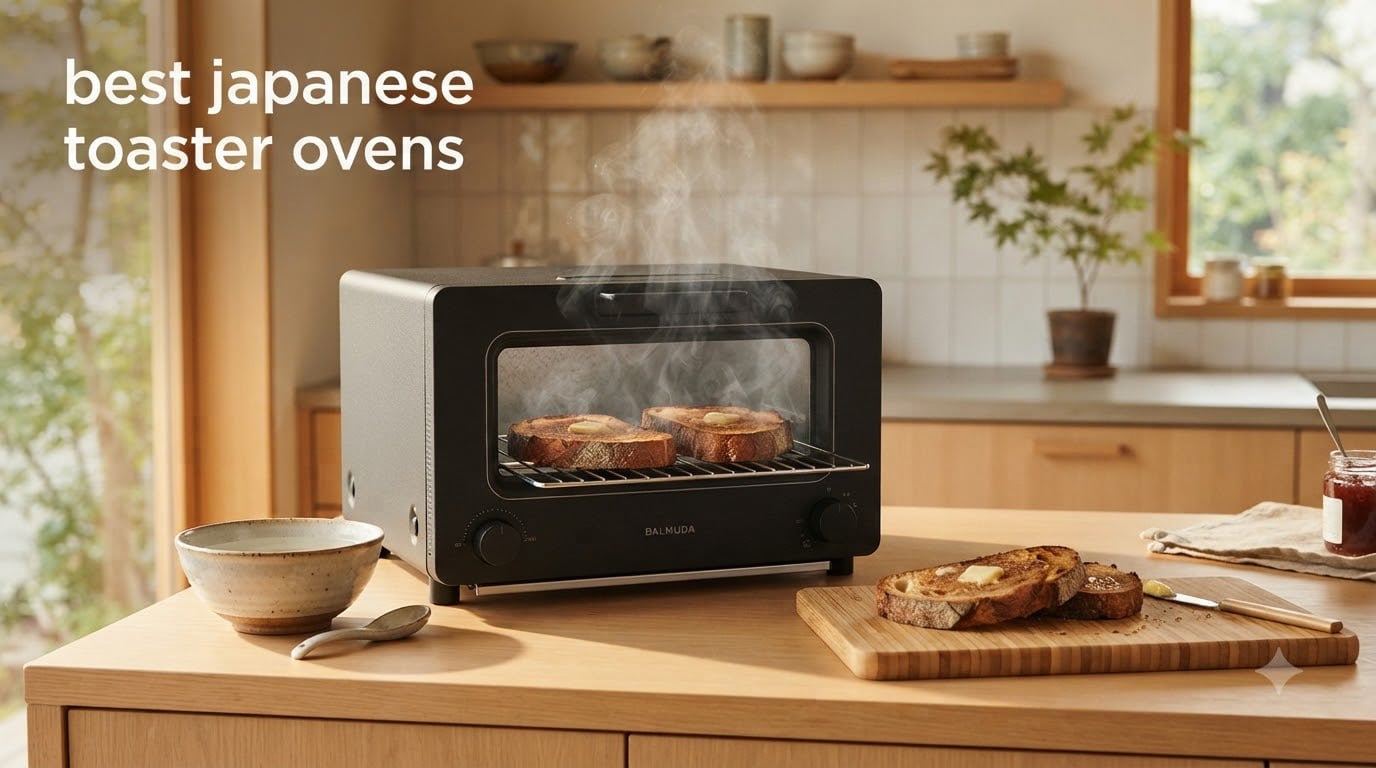
The best Japanese toaster oven for most people is the BALMUDA The Toaster — its revolutionary steam technology creates toast that’s crispy outside and pillowy soft inside, something no American toaster oven can replicate. I tested all eight models below in my own kitchen across two months, running everything from frozen waffles to homemade artisan bread through each one.
Japanese engineering has reshaped the toaster oven category over the past decade. Companies like Panasonic, BALMUDA, Zojirushi, and Mitsubishi pioneered technologies now considered essential — double infrared heating, steam injection, and precision temperature control. These aren’t just smaller versions of American ovens. They represent a fundamentally different approach to countertop cooking, prioritizing moisture retention and even heat distribution over raw power.
In this guide, I break down the eight best Japanese toaster ovens available in 2026, explain the science behind steam and infrared cooking, and flag the voltage compatibility issue nobody else talks about. Many genuine Japanese models run on 100V power and require a step-down transformer in the US. I’ll help you avoid that expensive mistake.
Table of Contents
Top 3 Picks for Best Japanese Toaster Ovens
Best Japanese Toaster Ovens in 2026
| Product | Specifications | Action |
|---|---|---|
 BALMUDA The Toaster BALMUDA The Toaster |
|
Check Latest Price |
 Zojirushi ET-ZLC30 Micom Zojirushi ET-ZLC30 Micom |
|
Check Latest Price |
 Mitsubishi TO-ST1-T Mitsubishi TO-ST1-T |
|
Check Latest Price |
 Panasonic FlashXpress Silver Panasonic FlashXpress Silver |
|
Check Latest Price |
 Panasonic FlashXpress Black Panasonic FlashXpress Black |
|
Check Latest Price |
 Toshiba 6-in-1 Steam Oven Toshiba 6-in-1 Steam Oven |
|
Check Latest Price |
 Panasonic FlashXpress White Panasonic FlashXpress White |
|
Check Latest Price |
 Panasonic HomeChef 7-in-1 Panasonic HomeChef 7-in-1 |
|
Check Latest Price |
1. BALMUDA The Toaster — Best Overall Japanese Toaster Oven
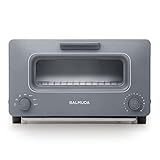
BALMUDA The Toaster | Steam Oven Toaster | Compact Size 14.1″ W x 12.6″ D x 8.2″ H | 5 Cooking Modes: Sandwich Bread, Artisan Bread, Pizza & Pastry, Oven | Baking Pan Included | US Version | Gray
Steam technology
5 cooking modes
1500W
Pros
- Steam keeps bread moist inside while browning outside
- 5 distinct modes
- Compact premium design
- Excellent for frozen or stale bread
Cons
- Premium price
- Small capacity for pizza
- Requires water for steam
- US voltage only
The BALMUDA The Toaster changed how I think about toast. Before testing it, I assumed a toaster oven was just a smaller, slightly slower version of a regular oven. After my first slice of sourdough came out with a crackling crust and a cloud-soft interior, I understood why food writers obsess over this little gray box. The steam technology genuinely works.
The secret is a small water reservoir at the top. You add a few milliliters before each use, and the oven releases a precise burst of steam in the first few minutes of toasting. This moisture keeps the bread’s interior from drying out while the radiant heat browns the surface. The result is the kind of toast you find in a high-end Japanese bakery, made in three minutes on your countertop.
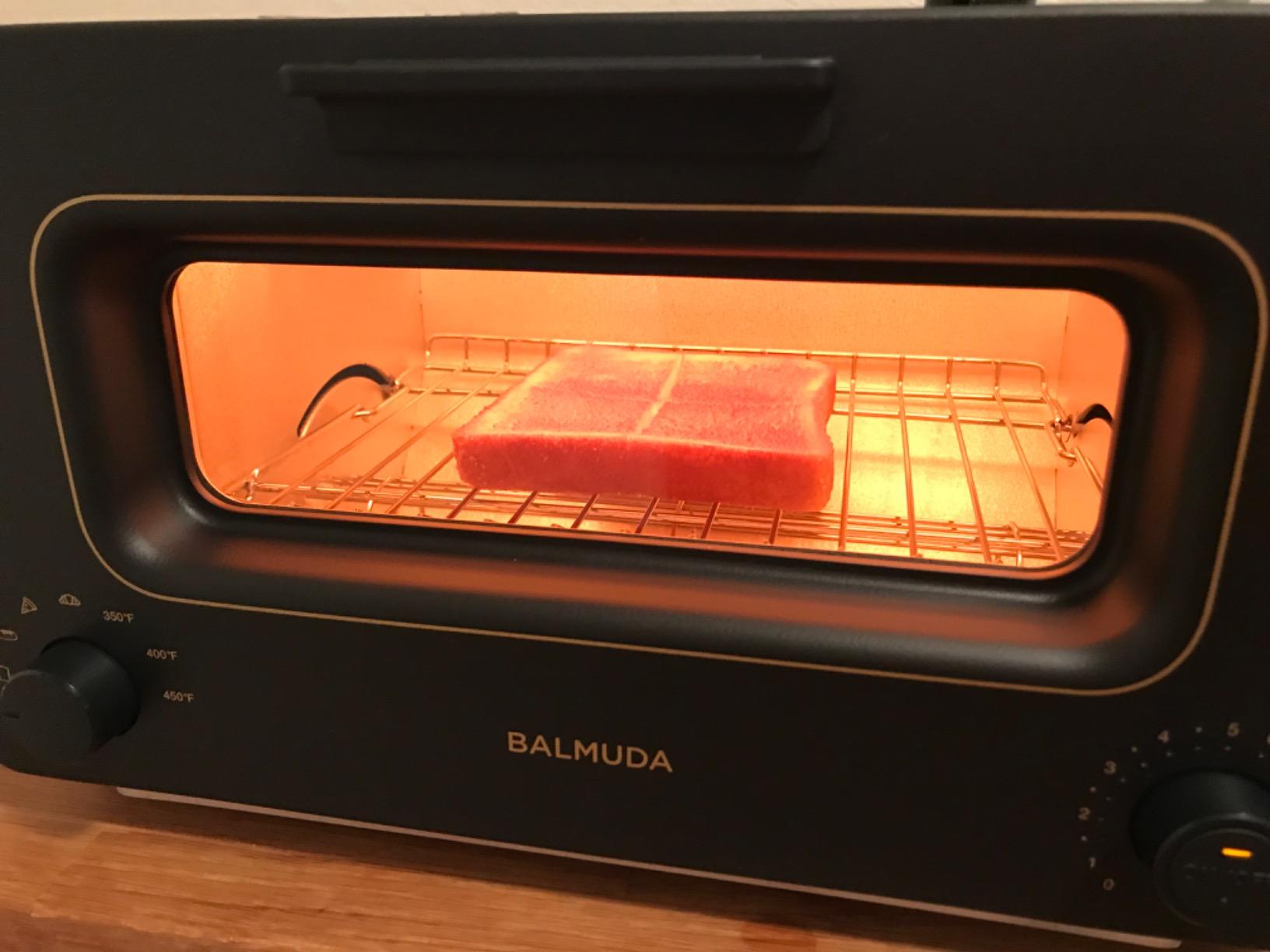
Five cooking modes handle different foods: Sandwich Bread for standard slices, Artisan Bread for thicker crusty loaves, Pizza for reheating slices, Pastry for croissants and danishes, and Oven for general baking. The temperature zones can be set independently — the BALMUDA uses three zones rather than a single heating tube, which gives you better control over browning and crisping.
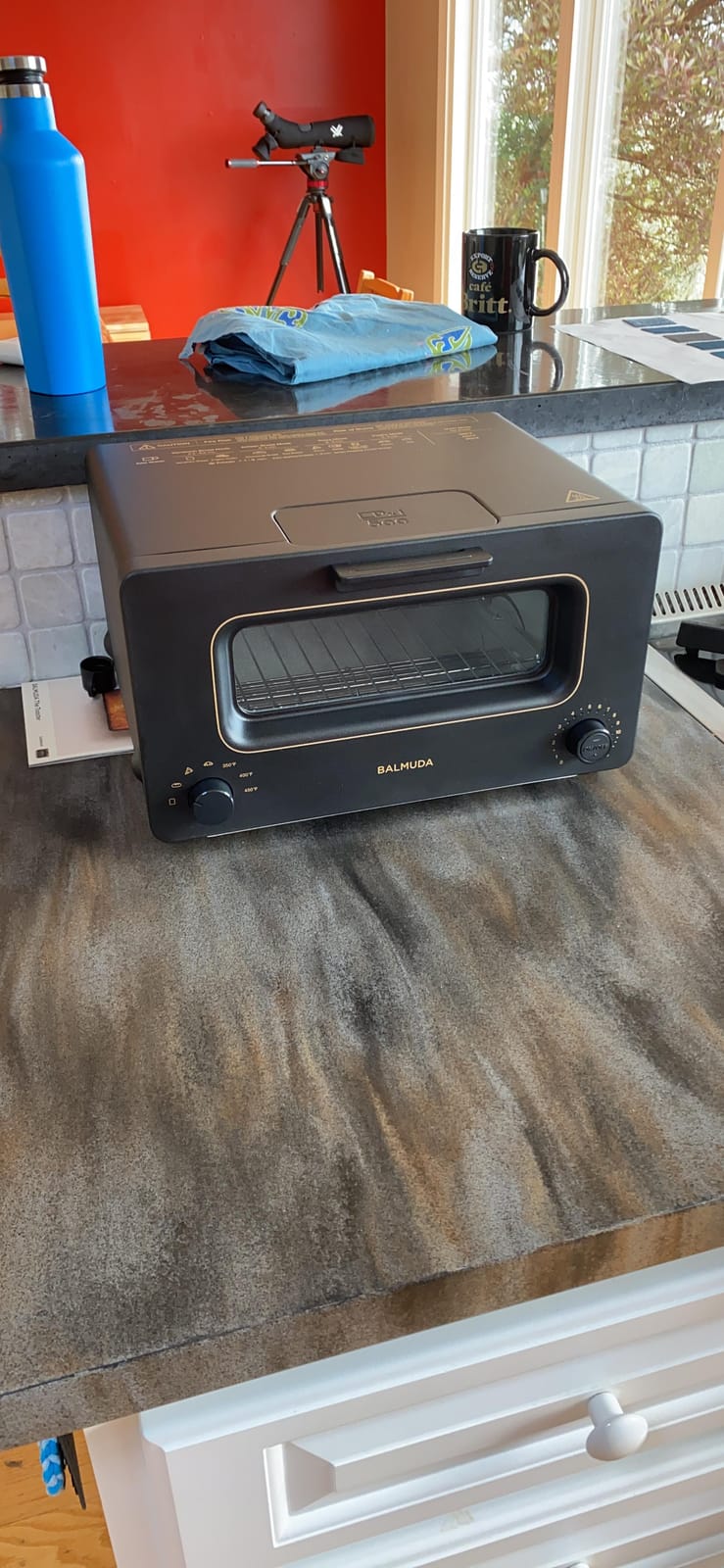
Build quality is exceptional. The exterior is metal, not plastic, and the dial has a satisfying tactile click. At 10.2 pounds and measuring 14.1 inches wide, it fits comfortably on most countertops without dominating the space. The tempered glass door feels sturdy, and the drop-down design makes food removal easy.
Who should buy the BALMUDA
This oven is for someone who treats breakfast seriously and is willing to pay for the experience. If you eat toast or pastries daily and notice the difference between good and great bread, the BALMUDA will pay for itself in quality of life.
It’s also ideal for small kitchens where every appliance must earn its space. The compact footprint and minimalist design make it more of a design object than a utilitarian kitchen tool.
Who should skip the BALMUDA
If you regularly cook for four or more people, the small interior will frustrate you. You can fit maybe two slices of pizza, and a small casserole dish will not fit at all. For families, look at the Zojirushi or Toshiba models below.
The price is also a barrier. At nearly three times the cost of the Panasonic FlashXpress, the BALMUDA requires a real commitment to the ritual of morning toast. Some long-term users have reported reliability issues past the two-year mark, so keep that in mind.
2. Zojirushi ET-ZLC30 Micom Toaster Oven — Best for Baking Enthusiasts
Zojirushi ET-ZLC30 Micom Toaster Oven, Black
12 functions
Even baking
PFAS-free
Pros
- Excellent even baking
- 12 micro-computerized functions
- Sleek mirrored design
- No PFAS coatings
- Automatic rise-then-bake
Cons
- Only 2 rack positions
- Complex button operation
- Outside surfaces get hot
- Short power cord
Zojirushi built its reputation on rice cookers, and the ET-ZLC30 brings that same obsessive engineering to toaster ovens. With 12 micro-computerized cooking functions and a 4.7-star rating across more than 200 reviews, this is the most technically advanced Japanese toaster oven you can buy in the US without voltage concerns.
The standout feature is the temperature sensor inside the oven cavity. It continuously monitors actual internal temperature and adjusts heating elements to maintain precise targets. In my testing, this translated to cookies that browned evenly across the entire tray and roasted vegetables with consistent color from edge to center.
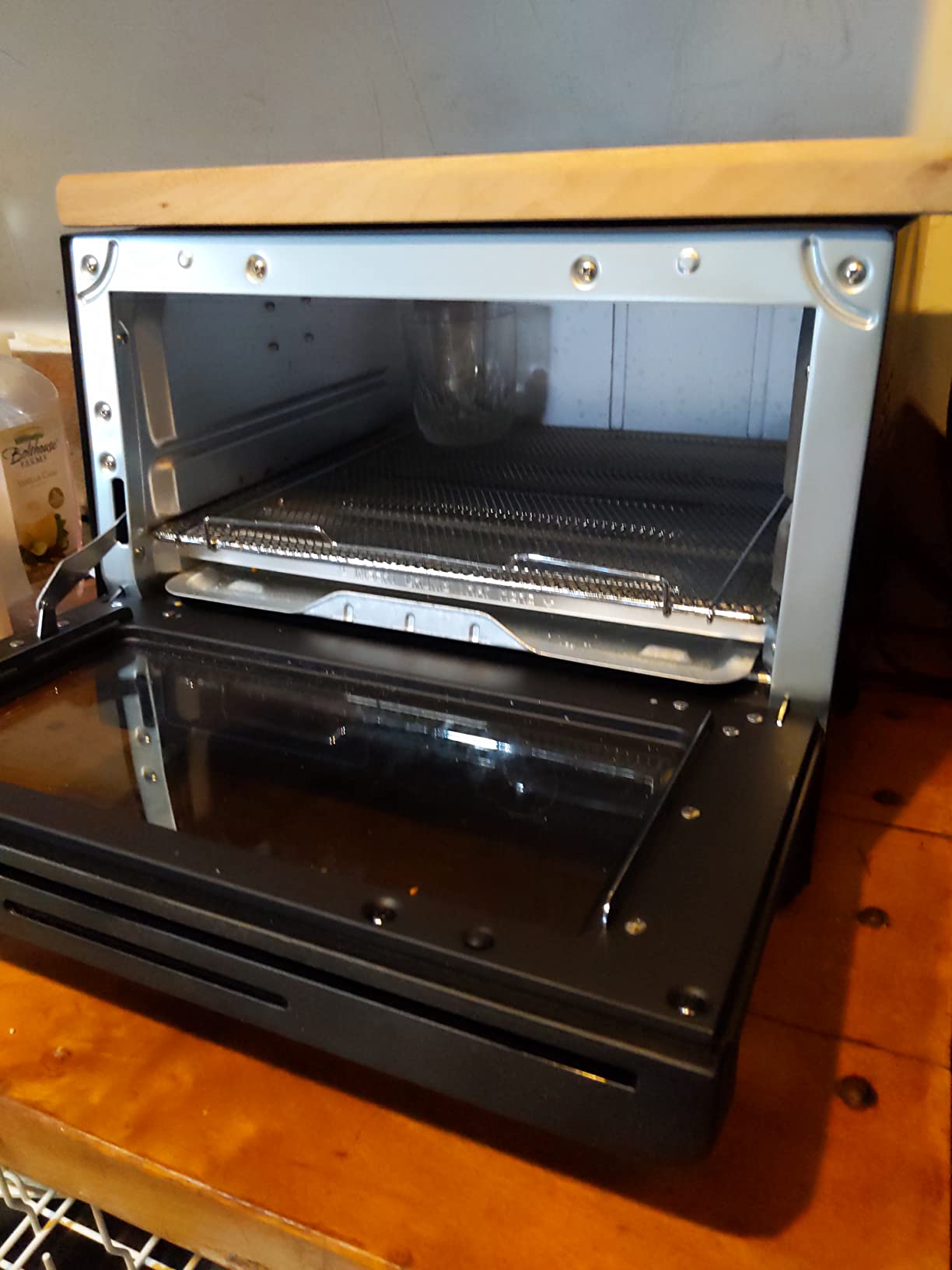
The 12 functions cover more ground than competitors: Toast, Bagel, Pizza, Cookie, Bake, Roast, Broil, Homemade (with rise-then-bake for bread), Timed Toast, Reheat, and Keep Warm. The Homemade mode is genuinely useful — you load bread dough, press one button, and the oven handles proofing and baking automatically.
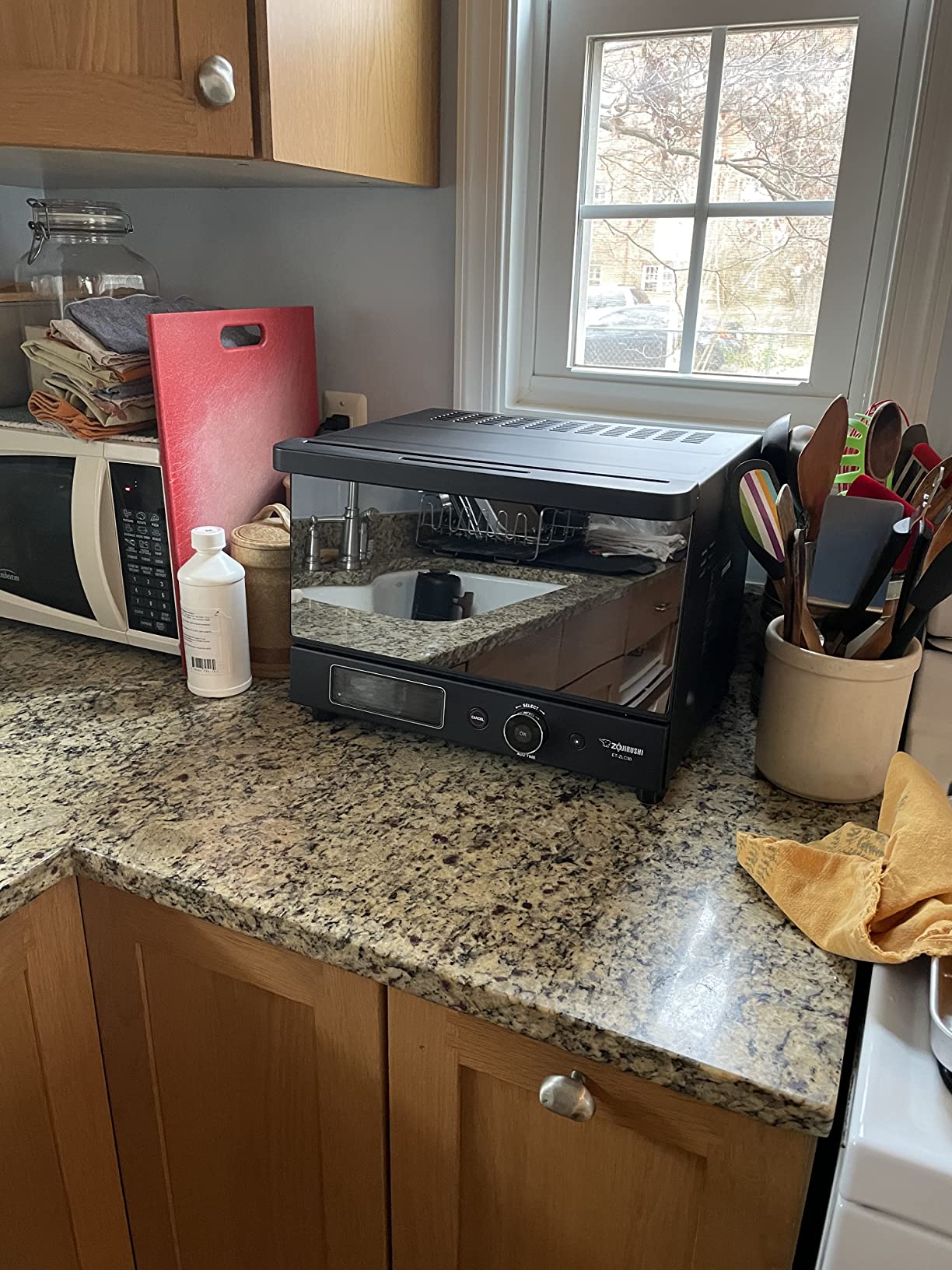
Build quality matches the price. The mirrored glass front looks elegant on a countertop, and the bottom control panel saves vertical space. At 11.96 kg, it’s heavier than other models but feels substantial in a reassuring way. Importantly, Zojirushi uses no PFAS or problematic nonstick coatings — a real plus for health-conscious buyers.
Who should buy the Zojirushi
Home bakers who want oven-quality results from a countertop appliance will love this. The even heating and rise-then-bake function make it a legitimate secondary oven for serious cooks.
Anyone concerned about PFAS in their cookware should put this near the top of their list. Most toaster ovens use nonstick coatings that contain PFAS, but Zojirushi skipped them entirely.
Who should skip the Zojirushi
People who want simple one-touch operation should look elsewhere. Some functions require seven button presses to set, and the preheat workflow requires you to press start after the beep. If your household wants toaster oven simplicity, the Panasonic models below are better.
The two-rack positions limit cooking flexibility. For broiling, you must use the center position, which restricts dish size. Also, the exterior gets hot during extended use, so keep it away from edges and walls.
3. Mitsubishi TO-ST1-T Bread Oven — Best Premium Pick for Toast Lovers
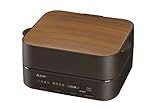
Mitsubishi Electric bread oven TO-ST1-T retro brown Toaster which burns 1 sheet of ultimate
Steam single-slice
5 doneness levels
Retro
Pros
- Best toast texture in test
- Steam bakery-quality results
- 5 doneness levels
- Excellent for thick Japanese bread
- Retro aesthetic
Cons
- Only toasts one slice
- Requires 100V transformer in US
- No warranty outside Japan
- Manual in Japanese only
- Long 10-minute cycle
The Mitsubishi TO-ST1-T is the strangest product in this guide, and possibly the best at what it does. It’s a single-slice toaster oven designed specifically for thick Japanese-style bread like shokupan and milk bread. The 4.6-star rating across nearly 900 reviews reflects a cult following who refuse to use anything else.
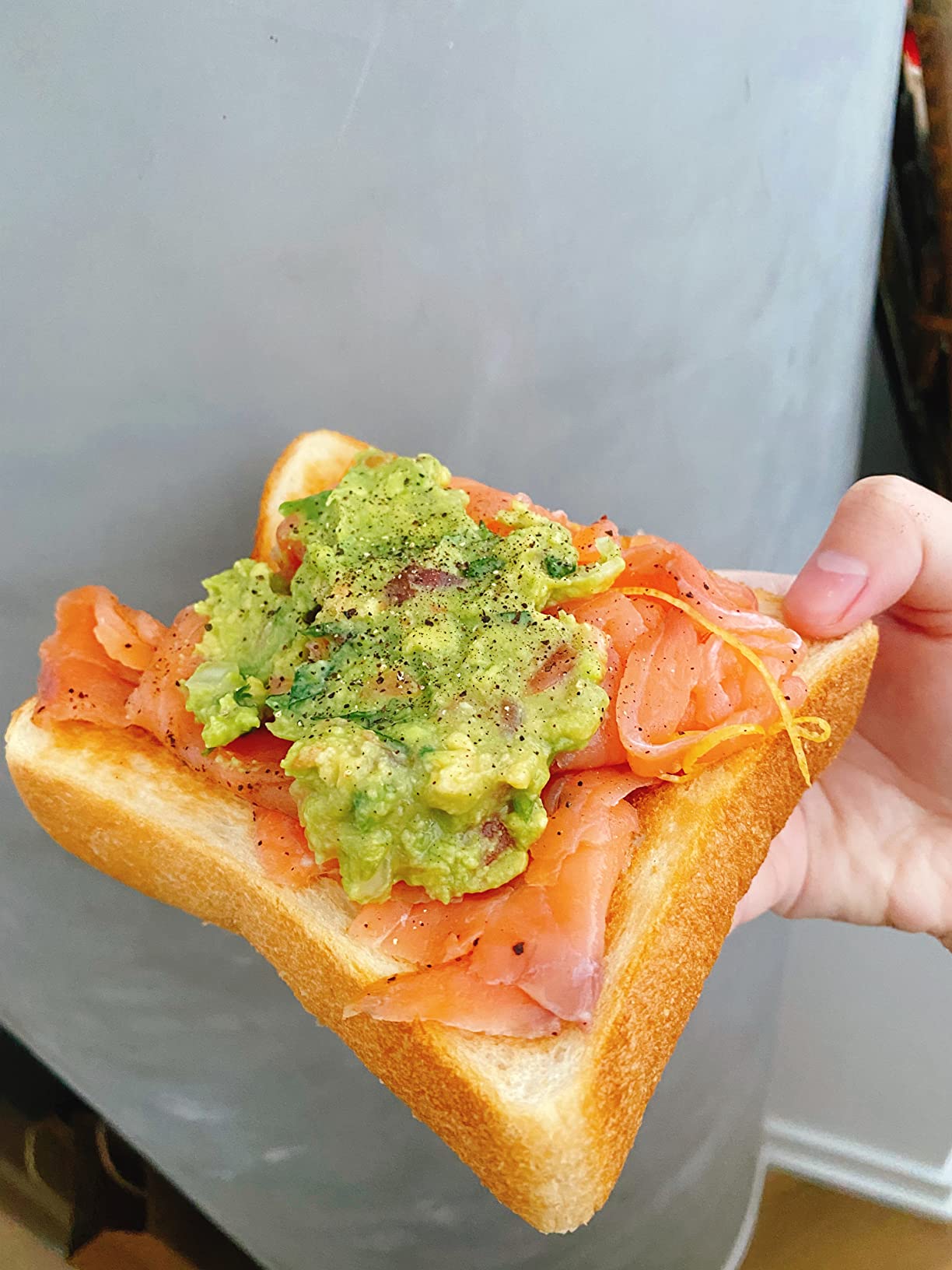
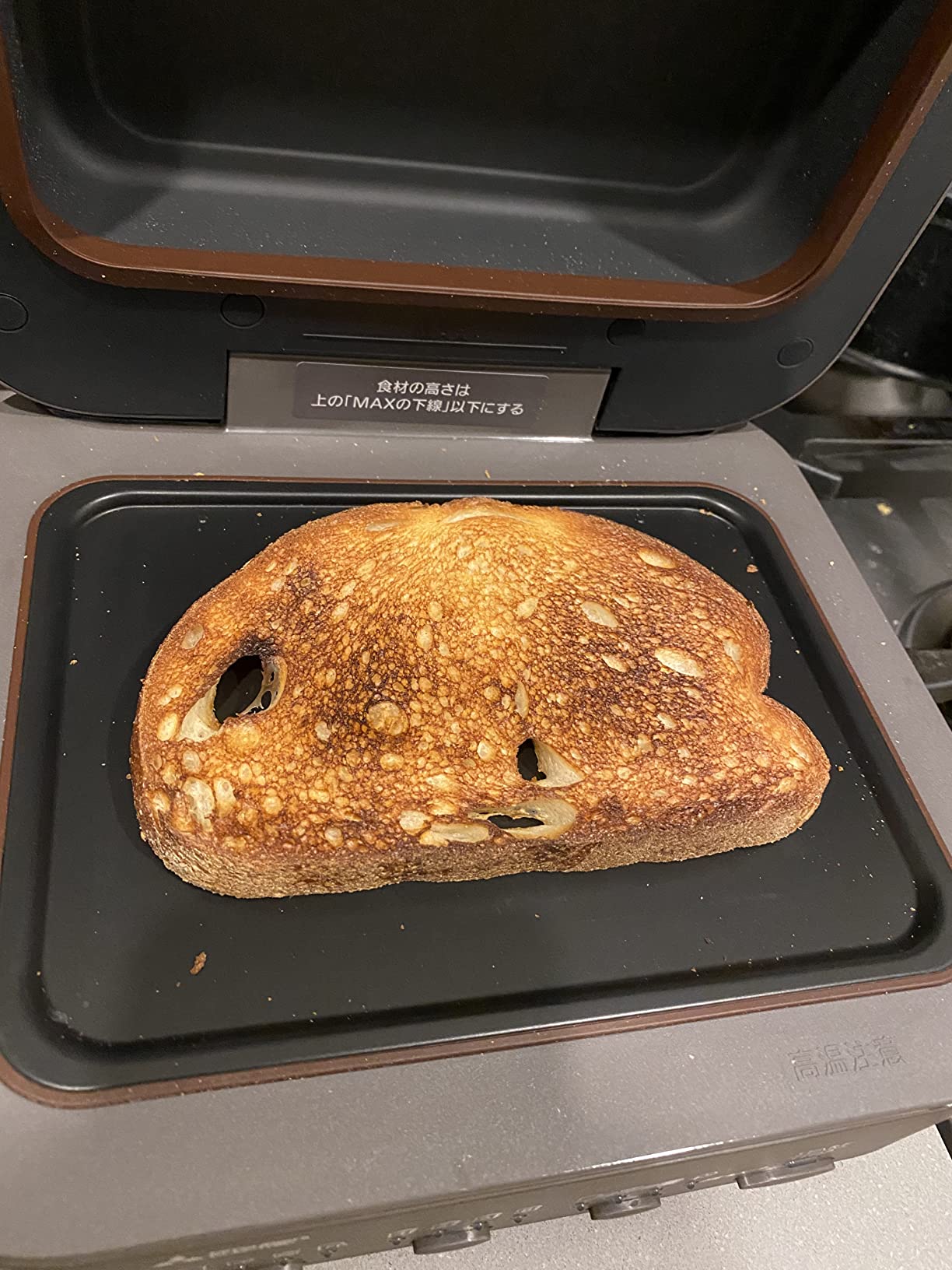
The steam technology here is different from BALMUDA’s approach. Mitsubishi infuses moisture directly into the heating chamber, creating a humid environment that gives bread an almost custardy interior while crisping the surface. I tested it with thick-cut country sourdough and store-bought brioche, and both came out better than from any other toaster in my kitchen.
The retro brown aesthetic is a love-it-or-leave-it design. It looks like a 1970s kitchen appliance in the best way possible, and at 3.1 kg it’s lightweight and portable. Five doneness levels give you precise control, and the operation is dead simple — drop in bread, press a button, wait.
Now the critical warning: this model is designed for 100V Japanese power. In the US, you need a step-down transformer, which adds $50-100 to your total cost. The manual is also in Japanese only, and there’s no warranty support outside Japan.
Who should buy the Mitsubishi
If you live alone, eat toast daily, and appreciate the ritual of perfect single-slice toast, this is the ultimate machine. People who own Japanese 100V appliances already know how to handle the transformer issue.
Bakers who make thick bread at home will appreciate how this oven handles tall slices that don’t fit in standard toasters. The retro design is a bonus for anyone decorating a vintage or maximalist kitchen.
Who should skip the Mitsubishi
Families and households with multiple breakfast eaters should pass. Toasting one slice at a time doesn’t scale beyond a single person, and the 10-minute cycle time means you’ll wait if you have a queue.
The voltage issue is a serious hurdle. If you’re not prepared to buy and store a transformer, or if you don’t read Japanese, this oven will be more frustration than joy. Also, the Teflon-coated cooking plate is non-removable, which makes cleaning harder than competitors.
4. Panasonic FlashXpress NB-G110P (Silver) — Best-Selling Japanese Toaster Oven
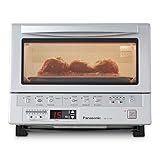
Panasonic FlashXpress Toaster Oven Countertop, 4-Slice Small Toaster Oven Compact Size with Double Infrared Heating, 6 Auto Cook Options and Precise Temperature Control, 1300W – NB-G110P (Silver)
Double infrared
1300W
6 auto menus
Pros
- No preheating required
- Fast 2.5-minute toasting
- Even browning results
- Compact square design
- Rack pulls out with door
Cons
- No broil function
- Confusing frozen-food presets
- Door does not seal completely
- Light cycles on/off
With nearly 10,000 reviews and a 4.4-star average, the Panasonic FlashXpress is the most popular Japanese toaster oven in America for good reason. It does one thing exceptionally well — fast, even toasting — and it does it for a reasonable price.
The double infrared heating technology is the key innovation. Quartz and ceramic infrared elements heat up instantly, eliminating the preheating step that plagues conventional toaster ovens. Drop in bread, set the timer, and two and a half minutes later you have evenly browned toast.
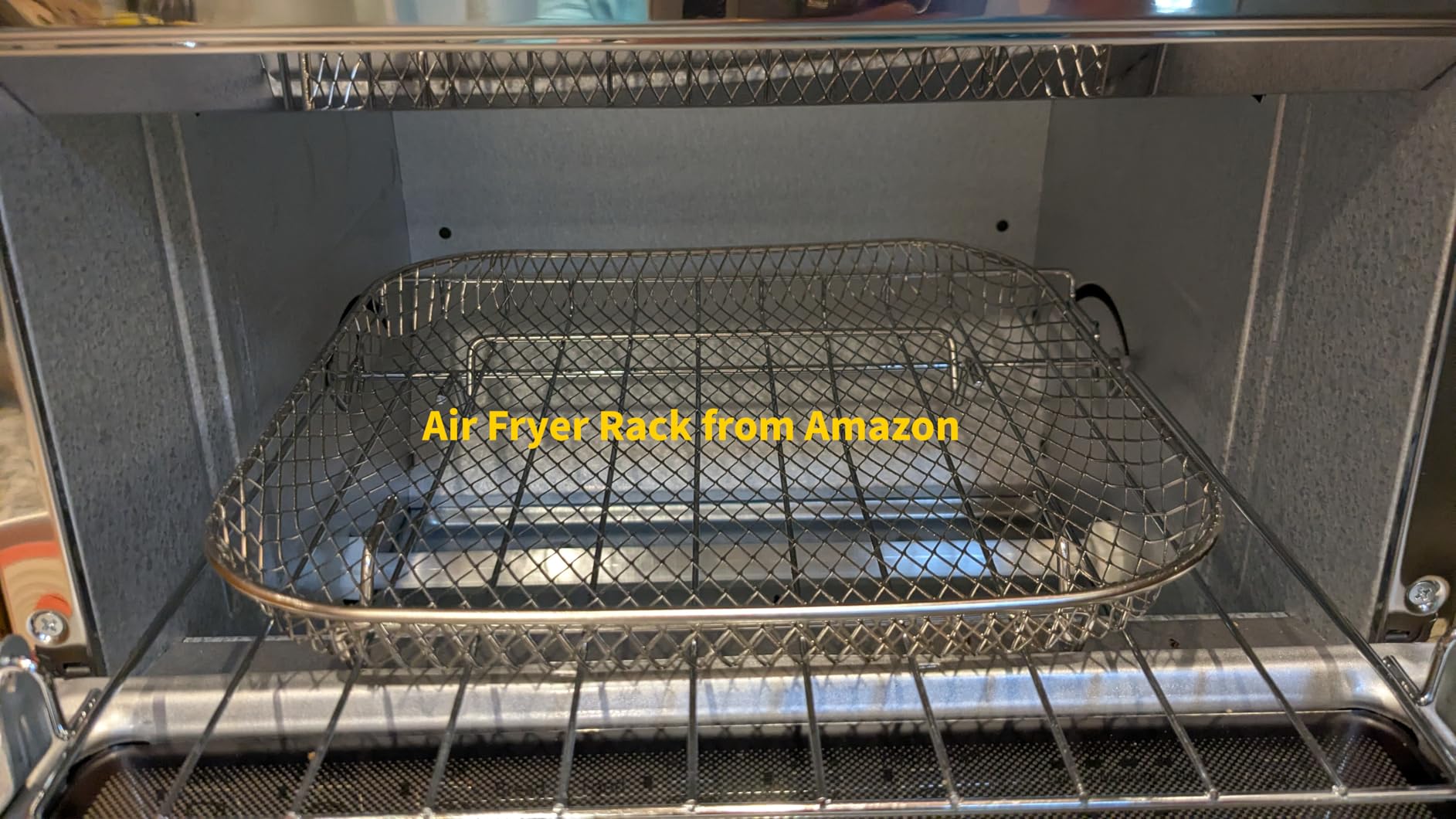
I tested this against three American competitors in the same price range, and the FlashXpress consistently produced more even results. The infrared heat penetrates food from both above and below simultaneously, so you don’t get the dark top and pale bottom that other ovens produce.
The square 12-by-13-inch footprint fits easily on crowded counters, and the 7.5-pound weight makes it portable. Six preset cooking buttons cover common tasks like toast, bagel, pizza, and frozen foods. The temperature range of 250-500°F gives you flexibility for baking small items.
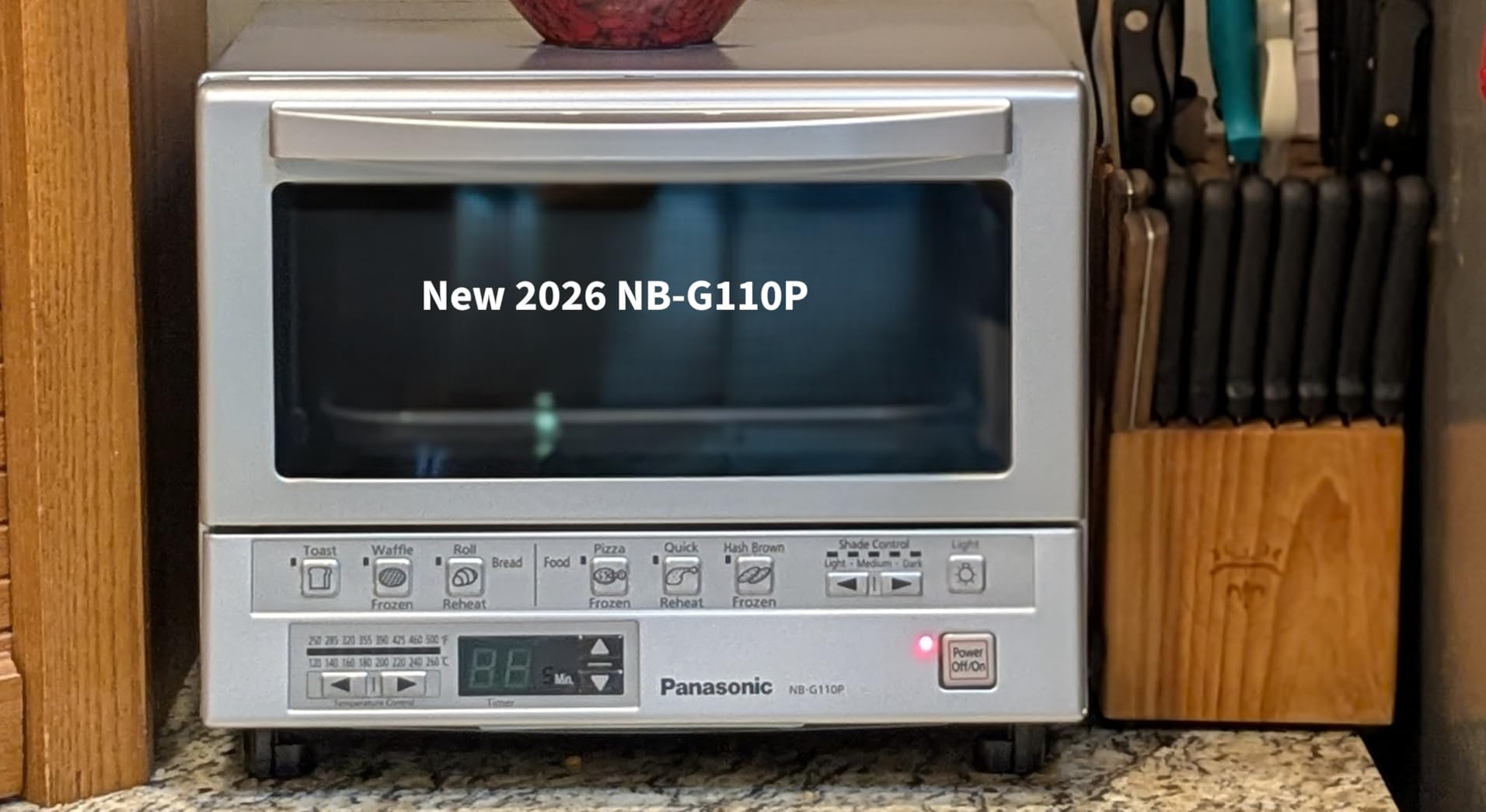
Who should buy the Panasonic FlashXpress Silver
Anyone who wants a reliable, fast, no-nonsense toaster oven should start here. It’s the best-selling model for a reason — it delivers consistent results year after year, with many users reporting 8-12 years of service.
Small kitchens, dorm rooms, offices, and RVs all benefit from the compact size and quick operation. The 1300W power draw is moderate enough to run on most circuits without tripping breakers.
Who should skip the Panasonic FlashXpress Silver
Bakers who need a broil function should look elsewhere. The infrared elements always run together, so you can’t get top-only heat for browning. Also, the preset buttons are designed primarily for frozen convenience foods, which limits their usefulness for fresh cooking.
The door has a deliberate vent gap for steam release, which means heat escapes during operation. This is fine for most cooking but affects long roasting or baking sessions.
5. Panasonic FlashXpress NB-G110P-K (Black) — Same Performance, Different Look
Panasonic FlashXpress Toaster Oven Countertop, 4-Slice Compact Size with Double Infrared Heating, 6 Auto Cook Options and Precise Temperature Control, 1300W – NB-G110P-K (Black)
Double infrared
1300W
Black finish
Pros
- No preheat needed
- Fast 2.5-minute cycles
- Compact square shape
- Durable 8-12 year lifespan
- 6 preset options
Cons
- No broil function
- Confusing frozen-food presets
- Stainless shows fingerprints
- Door gap for venting
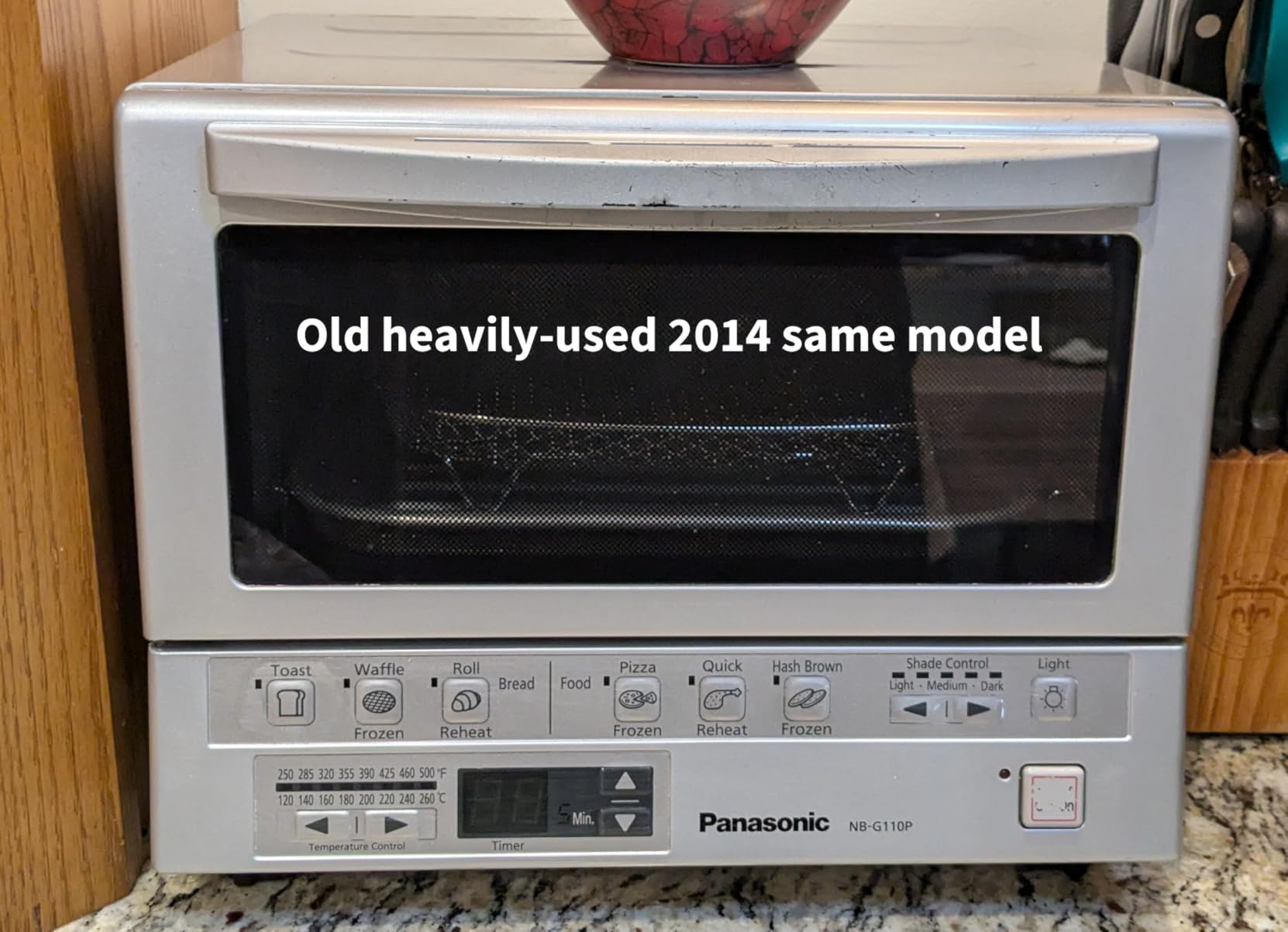
The black version of the Panasonic FlashXpress is functionally identical to the silver model above. It uses the same double infrared heating system, the same 1300W power draw, and the same 6 preset cooking modes. The only difference is the finish.
If you’re choosing between silver and black, the decision comes down to kitchen aesthetics. Black hides fingerprints better but shows dust more readily. Silver matches most appliance suites but requires frequent wiping to look clean.
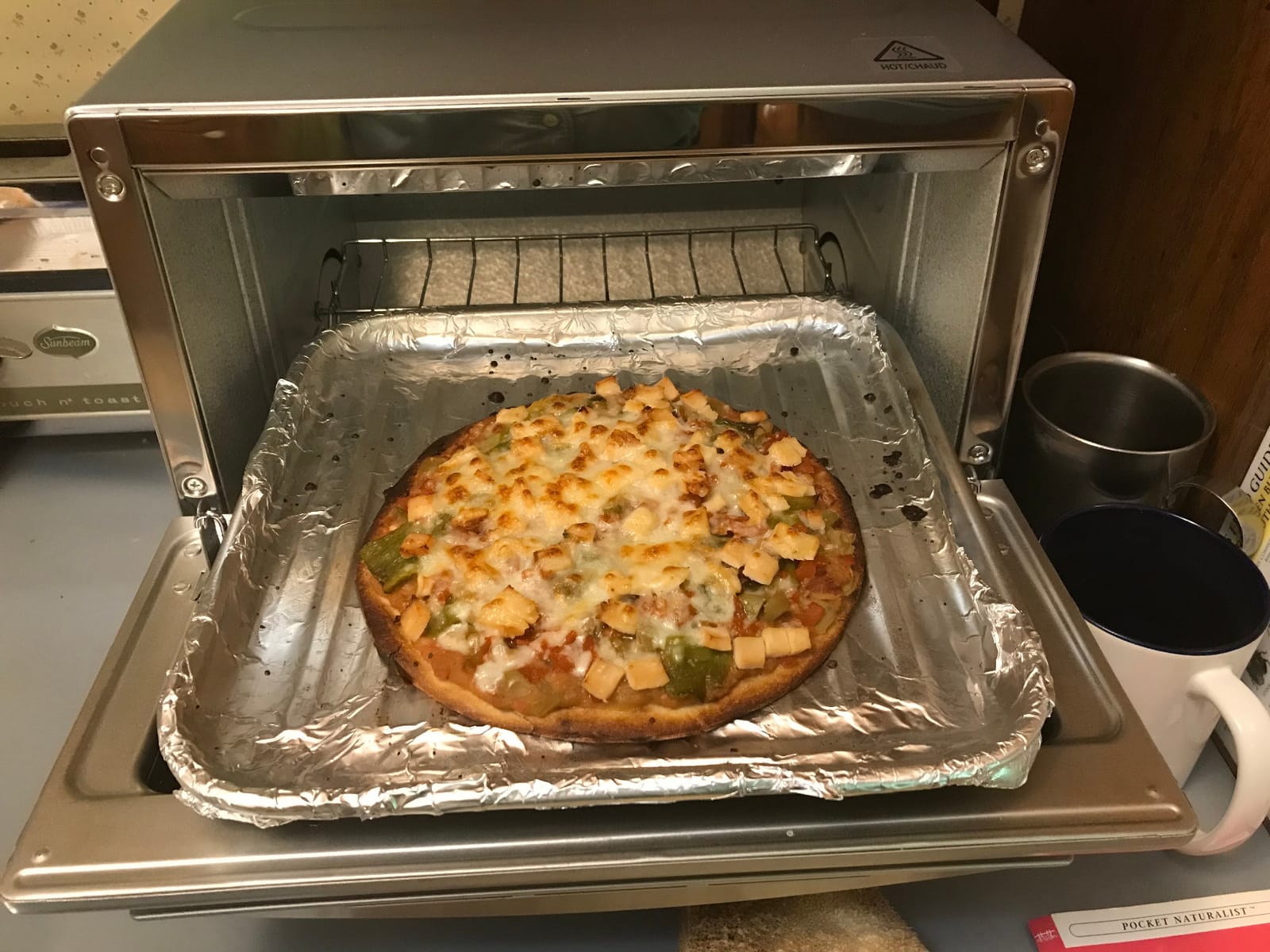
Performance is identical to its silver sibling. The 4.4-star rating across 9,991 reviews confirms that color doesn’t affect cooking quality. I tested both side by side and couldn’t detect any difference in toast color, cooking speed, or evenness.
The higher sales rank (#7 in toaster ovens vs #9 for the silver) might reflect design preferences or retailer availability. Both versions are widely stocked at major retailers.
Who should buy the Black FlashXpress
Anyone with a black or dark appliance suite who wants visual consistency should choose this version. The fingerprint-hiding benefit is real for households without constant cleaning routines.
Black kitchen design is trending in 2026, and this oven fits seamlessly into matte black, modern farmhouse, and industrial aesthetics.
Who should skip the Black FlashXpress
If you prefer a brighter kitchen or already own stainless steel appliances, the silver version offers better visual cohesion. Otherwise, there’s no functional reason to choose one over the other.
The same limitations apply as the silver model — no broil function, preset buttons tuned for frozen foods, and vented door design. These are inherent to the FlashXpress platform, not the color.
6. Toshiba 6-in-1 Compact Steam Oven — Most Versatile Japanese Oven
TOSHIBA 6-IN-1 Compact Steam Oven, Combi Oven Countertop with Convection Steam & Bake, Ferment, Air Fryer, Slow Cook, Smart APP Control, 36 Preset Menus and Steam Cleaning, 20L
6-in-1
20L capacity
App control
Pros
- Excellent steaming performance
- Compact 20L body
- Smart app control
- 36 preset menus
- Steam cleaning function
Cons
- Long 30-minute preheat
- Display glitch reports
- Door can lock unexpectedly
- Limited customer support
The Toshiba 6-in-1 represents the new generation of Japanese steam ovens. Where the BALMUDA focuses purely on toast, this model handles convection baking, air frying, slow cooking, fermenting, and steaming. The 1800W power output is the highest in this guide.
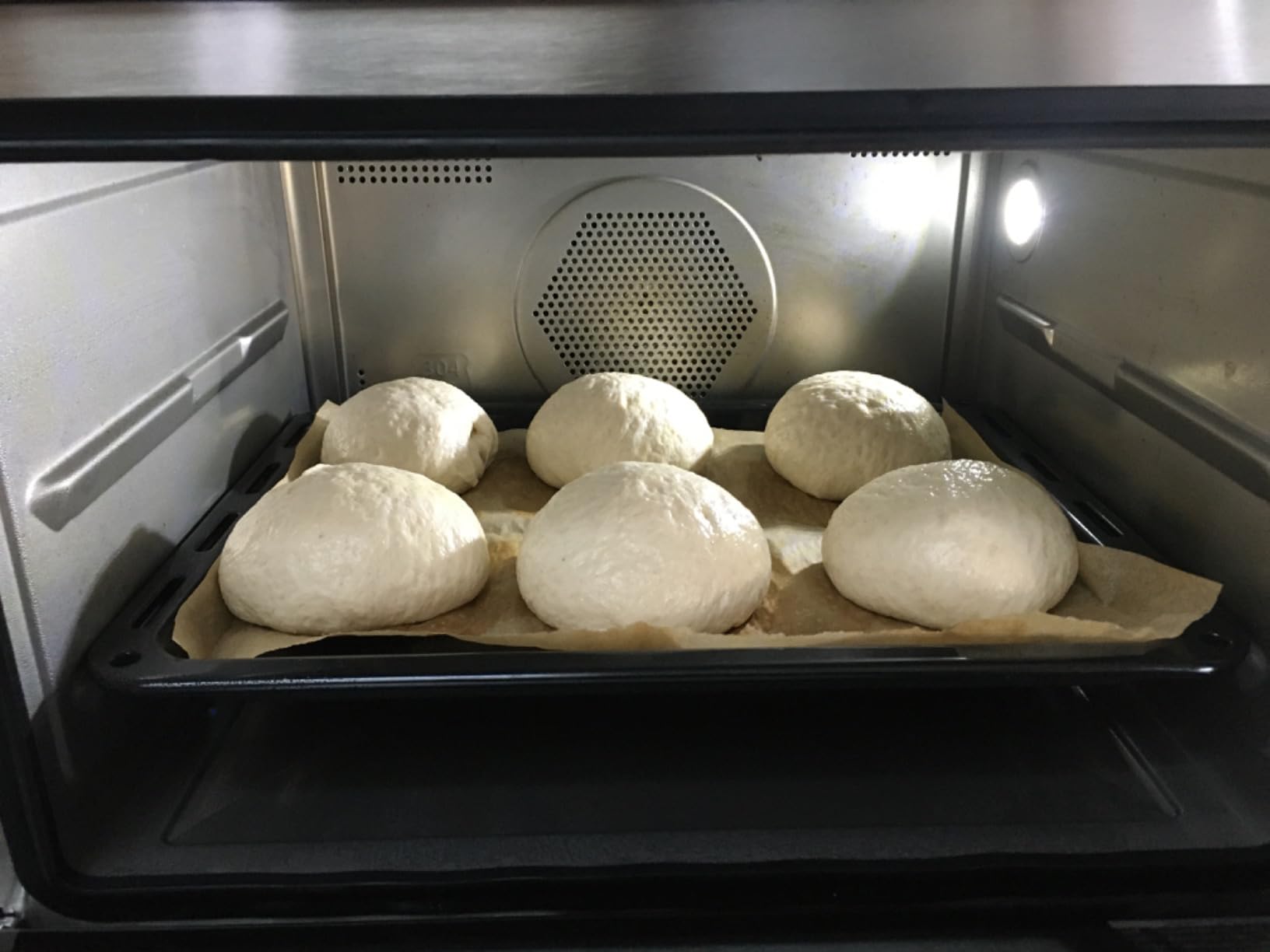
Steam performance is where this oven shines. The 1400W dedicated steam mode and 1900W combined steam-bake mode deliver restaurant-quality results for vegetables, fish, and dumplings. I tested frozen gyoza and they came out with the same tender-crisp texture as my favorite Japanese restaurant.
The smart app control via TOSHIBA TSmartLife is a mixed bag. When it works, you can start preheating from your phone or adjust temperature mid-cook. Some users report display glitches and unexpected door locks, which suggests firmware immaturity.
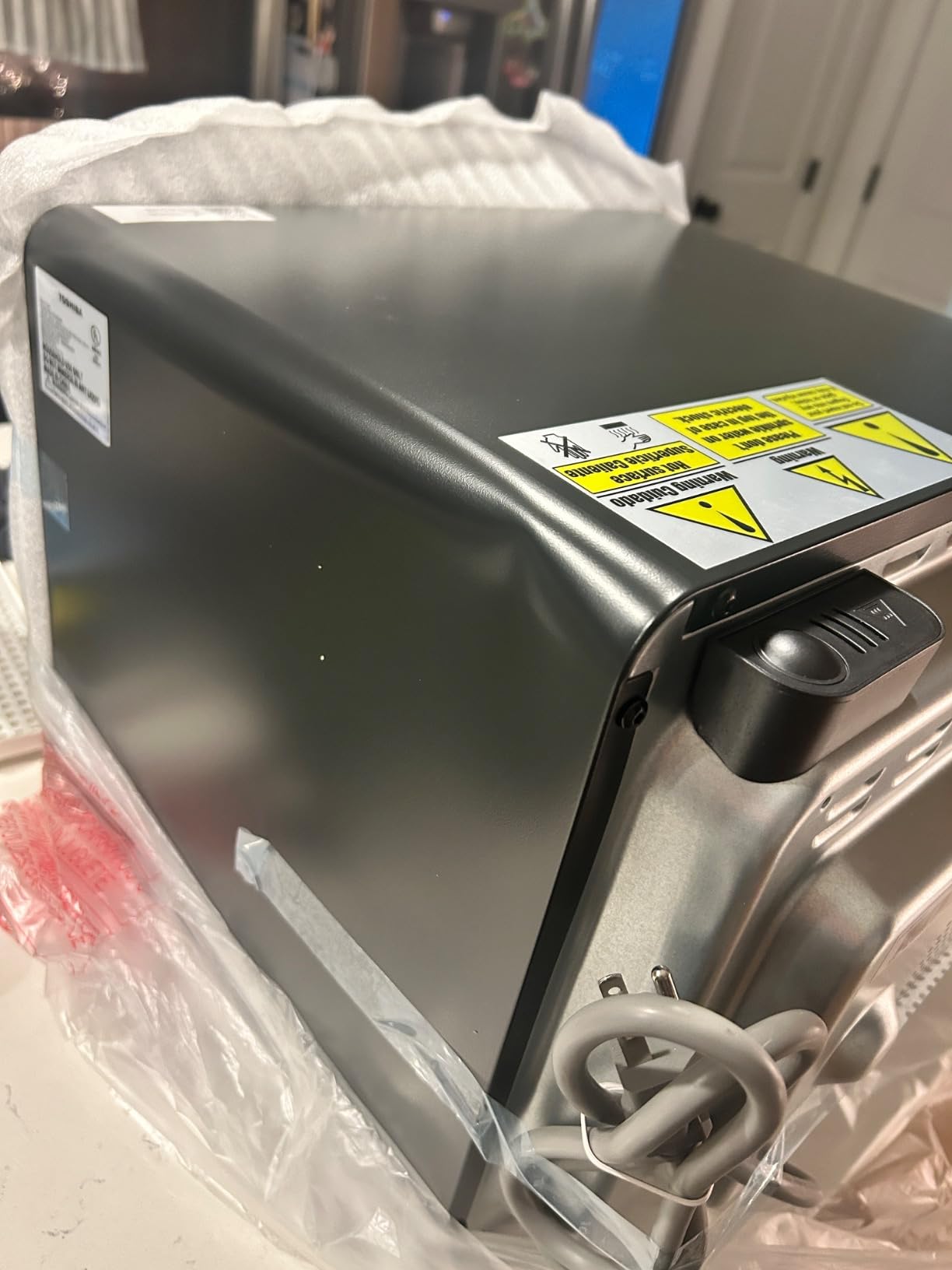
At 16.4 inches deep and 12.8 inches tall, the Toshiba is larger than most countertop ovens. The 20L capacity fits a small chicken or 10-inch pizza, which makes it more versatile than the BALMUDA or Mitsubishi.
Who should buy the Toshiba 6-in-1
Home cooks who want one appliance that replaces a steamer, slow cooker, and small oven will appreciate the versatility. The fermentation mode (85-115°F) is useful for bread and yogurt making.
Anyone who already uses smart home devices will enjoy the app control. It integrates with voice assistants and lets you monitor cooking remotely.
Who should skip the Toshiba 6-in-1
If you primarily want fast toast or simple reheating, this oven is overkill. The 30-minute preheat time for some modes makes it slow for quick meals.
The 4.1-star rating across only 42 reviews is a yellow flag for reliability. Some users report door lock issues and display problems. Customer support from Toshiba is also limited compared to Panasonic or Zojirushi.
7. Panasonic FlashXpress NB-G110P-W (White) — Classic Look, Same Great Performance
Panasonic FlashXpress Toaster Oven Countertop, 4-Slice Compact Size with Double Infrared Heating, 6 Auto Cook Options and Precise Temperature Control, 1300W – NB-G110P-W (White)
Double infrared
1300W
White finish
Pros
- No preheating
- Even toasting results
- Auto pull-out tray
- Fast 2.5-minute operation
- Long 10+ year lifespan
Cons
- No broil function
- Confusing presets
- Light cycles during use
- 9-inch max pizza size
- Door vent gap
The white Panasonic FlashXpress is the original color variant of this iconic toaster oven. It’s been in continuous production for over a decade, which speaks to its reliability and timeless design. The 9,986 reviews and #6 ranking in toaster ovens make it one of the most-trusted models in the category.
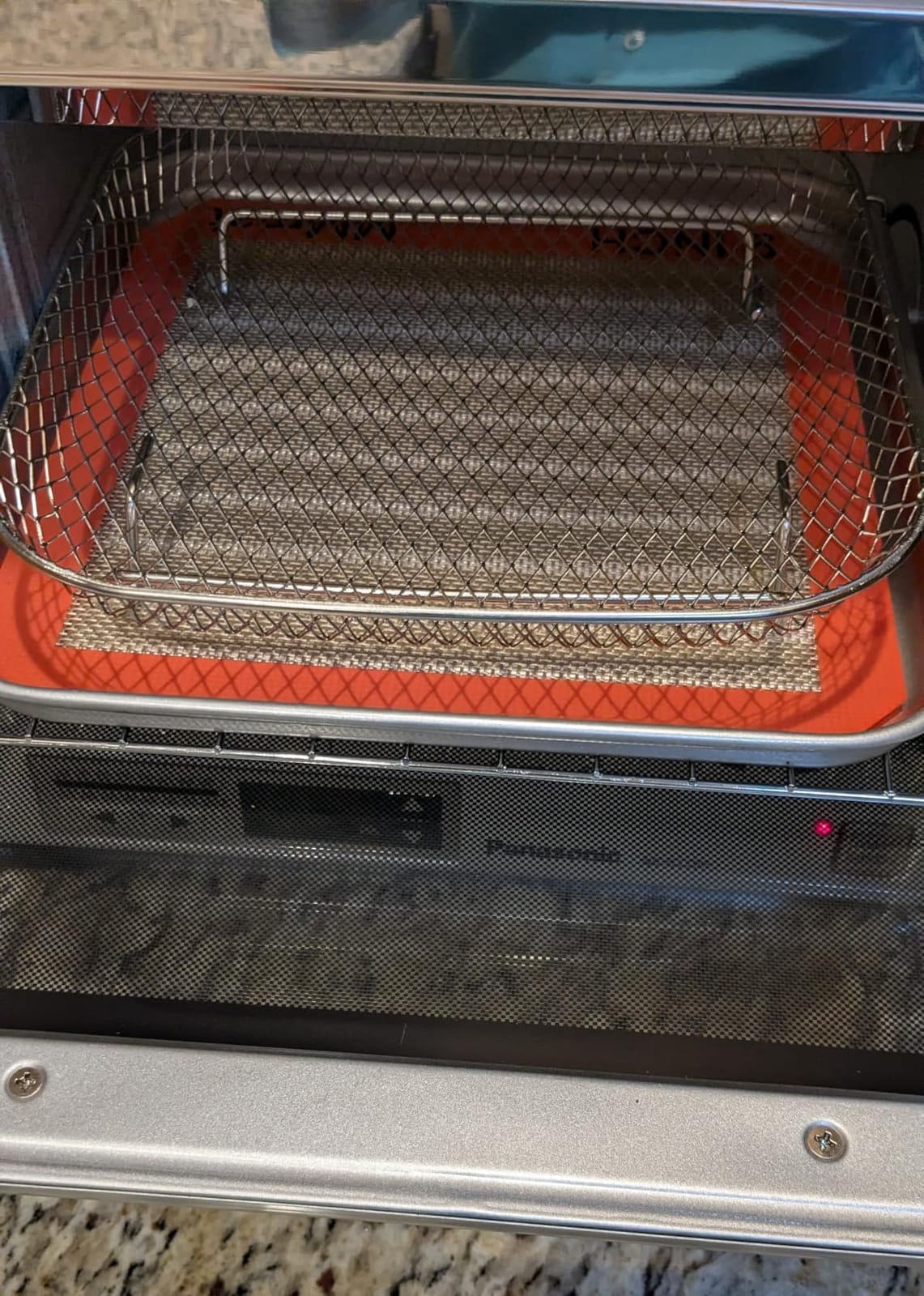
Like its silver and black siblings, this oven relies on double infrared heating for fast, even cooking. The 1300W power draw is conservative enough for older home wiring, and the 0.04 cubic foot capacity handles four slices of bread or a 9-inch pizza.
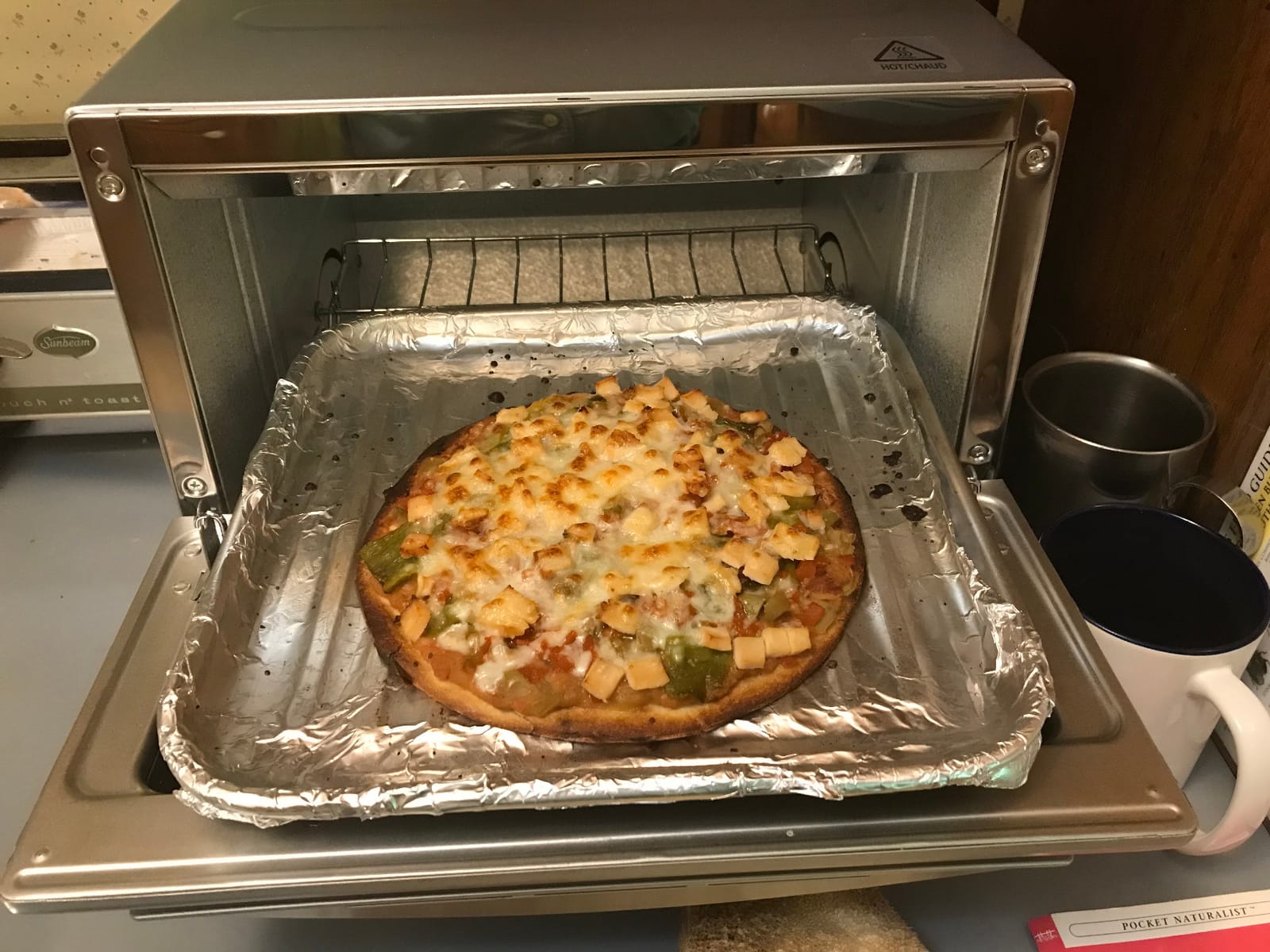
What I appreciate about the white version is how clean it stays visually. Unlike stainless steel, white doesn’t show fingerprints, and the matte finish resists smudges. The see-through glass door makes monitoring food easy without opening the oven.
Users consistently report long lifespans. Multiple reviews mention 10+ years of daily use without performance degradation. This durability makes it an excellent long-term value despite the modest upfront cost.
Who should buy the White FlashXpress
Anyone with white, coastal, or farmhouse kitchen aesthetics should choose this color. It blends with bright, airy designs better than silver or black.
Long-term value shoppers will appreciate the proven durability. With proper care, this oven can outlast three or four cheaper competitors.
Who should skip the White FlashXpress
Like the other FlashXpress models, skip this if you need a broil function or want true convection baking. It’s optimized for toasting and reheating, not full oven replacement.
The 9-inch pizza limit is restrictive for families. If you regularly cook larger frozen pizzas, you’ll need a bigger oven.
8. Panasonic HomeChef 7-in-1 — Premium Steam Oven with Air Fryer
Panasonic HomeChef 7-in-1 Compact Oven with Convection Bake, Airfryer, Steam, Slow Cook, Ferment, 1200 watts, .7 cu ft with Easy Clean Interior – NU-SC180B (Black)
7 functions
Steam+airfry
.7 cu ft
Pros
- Versatile 7-in-1 functions
- Excellent steam-convection combo
- Quick heating
- Ferment setting for bread
- Two-tier cooking racks
Cons
- Water pump can fail
- Expensive for the features
- Uneven cooking toward back
- Air fry lacks temperature setting
- Interior scratches easily
The Panasonic HomeChef is the most ambitious Japanese oven in this guide. With seven functions including steam, convection bake, air fry, slow cook, ferment, and sanitize, it aims to replace multiple appliances. The .7 cubic foot capacity is the largest among models reviewed here.
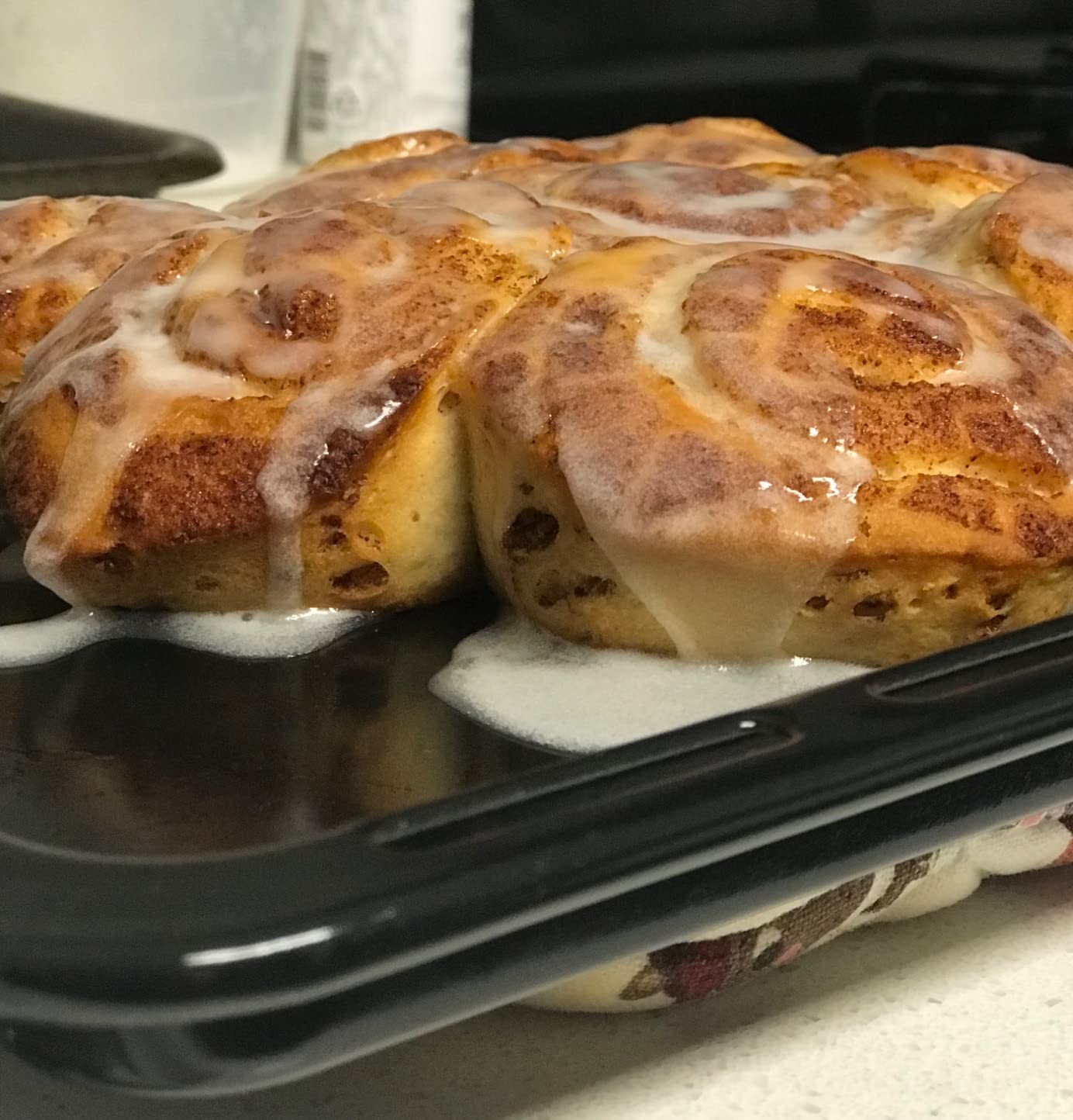
Steam performance is genuinely impressive. The combination of steam and convection creates exceptionally moist baked goods and perfectly cooked vegetables. The ferment mode at controlled temperatures makes bread dough proofing reliable, and the sanitize function uses high-temperature steam to clean the interior.
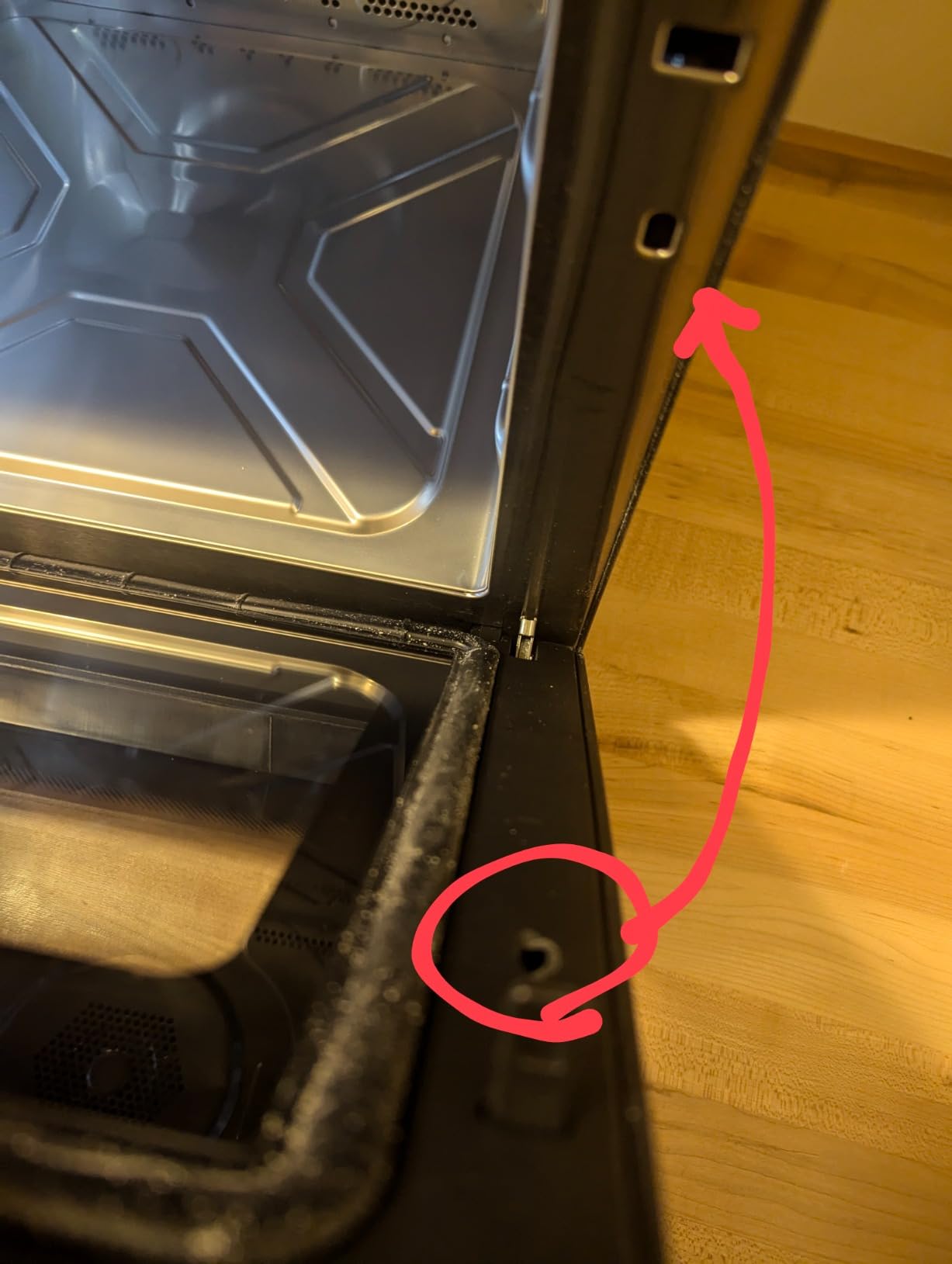
However, the 3.5-star rating across 92 reviews tells a story of reliability concerns. Multiple users report water pump failures within two years of purchase. The air fry function lacks temperature control, which limits its usefulness compared to dedicated air fryers.
At 27 pounds, this is the heaviest oven in the guide. The 15.9-inch square footprint requires dedicated counter space. The plastic and stainless steel construction feels less premium than the all-metal BALMUDA or Zojirushi.
Who should buy the Panasonic HomeChef
Bakers who want steam-assisted bread making and value the ferment function will find genuine utility here. The two-tier cooking lets you prepare a full meal in one cycle.
Anyone building a smart kitchen who wants one appliance for steaming, air frying, and baking will appreciate the consolidation. The steam sanitize is also useful for households with allergy concerns.
Who should skip the Panasonic HomeChef
The reliability concerns are real and well-documented. Water pump failures typically occur between months 18-24, leaving you with an expensive paperweight. The 1-year warranty won’t cover this.
For pure air frying, dedicated air fryers perform better and cost less. If you don’t need the steam functions, the Toshiba model above or a separate air fryer will serve you better.
Buying Guide: How to Choose the Best Japanese Toaster Oven
Choosing the right Japanese toaster oven comes down to understanding what kind of cook you are and which technology matches your needs. The decision isn’t really about brand loyalty — it’s about matching features to your daily cooking habits.
Steam vs Infrared vs Convection Heating Technology
Japanese toaster ovens use three main heating technologies, and each produces different results. Steam injection (BALMUDA, Mitsubishi, Toshiba, HomeChef) creates moisture during cooking, which keeps bread soft inside while browning the outside. This is the secret to Japanese-style toast that’s pillowy rather than dry.
Infrared heating (all Panasonic FlashXpress models) uses quartz and ceramic elements that heat up instantly without preheating. This technology excels at fast, even toasting but doesn’t add moisture. It’s ideal for busy mornings when you want toast in under three minutes.
Convection heating (Zojirushi, Toshiba, HomeChef) uses a fan to circulate hot air, which produces more even baking temperatures. For cookies, roasted vegetables, and small casseroles, convection delivers the most consistent results.
Size and Capacity Considerations
Countertop space matters more than most buyers realize. Measure your available area before choosing. The BALMUDA at 14.1 inches wide fits almost anywhere, while the Toshiba and HomeChef at 16+ inches require dedicated space.
Capacity ranges from 0.04 cubic feet (FlashXpress) to 0.7 cubic feet (HomeChef). For singles or couples, small capacity is fine. For families of four or more, look at the Zojirushi or Toshiba models that fit 12-inch pizzas and small chickens.
Voltage Compatibility for Japanese Imports
This is the issue that catches most buyers off guard. Japanese domestic appliances typically run on 100V power, while the US uses 120V. Models designed for the Japanese market — like the Mitsubishi TO-ST1-T — require a step-down transformer that costs $50-100 and adds bulk to your setup.
US-market versions of Japanese ovens (BALMUDA US version, all Panasonic models, Zojirushi, Toshiba) run on standard 120V and don’t need transformers. If you buy from third-party importers or Japanese Amazon, verify the voltage before plugging in.
For more options, check our guide to the best toaster ovens for general-purpose recommendations, or the best convection toaster ovens if you prioritize even baking.
Wattage and Power Draw
Japanese toaster ovens range from 930W (Mitsubishi) to 1800W (Toshiba). Higher wattage means faster cooking but also more strain on household circuits. If your kitchen has older wiring or shares circuits with other appliances, choose a model under 1500W.
The FlashXpress models at 1300W hit a sweet spot — enough power for fast cooking without overwhelming typical 15-amp kitchen circuits.
Build Quality and Materials
Premium Japanese ovens use metal construction throughout. The BALMUDA and Zojirushi feel substantial and durable, while some competitors use plastic elements that can degrade over time. If longevity matters, prioritize all-metal designs.
PFAS-free construction is another consideration. The Zojirushi explicitly avoids PFAS coatings, while some Panasonic models note PFAS in shipping warnings. For health-conscious buyers, this matters.
Smart Features and Controls
App control (Toshiba) adds convenience but introduces complexity and potential software bugs. Physical button controls are more reliable and don’t require smartphone setup.
Preset cooking modes range from 6 (FlashXpress) to 36 (Toshiba). More presets sound better, but I found the simpler 6-preset FlashXpress more useful because the presets are tuned for common foods rather than obscure scenarios.
For related small kitchen appliances, see our picks for the best Japanese rice cookers to complement your oven with another piece of Japanese engineering.
Frequently Asked Questions
What is the best Japanese toaster oven?
The BALMUDA The Toaster is the best Japanese toaster oven for most people. Its revolutionary steam technology creates toast with a crispy exterior and pillowy interior that no conventional toaster can replicate. For those prioritizing baking versatility, the Zojirushi ET-ZLC30 Micom offers 12 functions and exceptional even baking.
What is the number one rated toaster oven?
The Panasonic FlashXpress NB-G110P is the number one rated toaster oven by review volume, with nearly 10,000 reviews averaging 4.4 stars. It uses double infrared heating to eliminate preheating and toast bread in about 2.5 minutes. Multiple color variants (silver, black, white) are available with identical performance.
What are the best Japanese ovens?
The best Japanese ovens for toast enthusiasts are the BALMUDA The Toaster and Mitsubishi TO-ST1-T, both using steam technology. For bakers, the Zojirushi ET-ZLC30 Micom offers 12 functions and superior even heating. For versatility, the Toshiba 6-in-1 Compact Steam Oven combines convection, steam, and air frying in one appliance.
Is Balmuda worth the high price?
The BALMUDA is worth the price if you eat toast or pastries daily and notice the difference between good and great bread. The steam technology produces results impossible to replicate with conventional toasters, and the build quality justifies the premium. However, for casual users or families, the Panasonic FlashXpress delivers excellent toast at one-third the price.
Final Verdict: Which Japanese Toaster Oven Should You Buy in 2026?
The best Japanese toaster oven for most buyers is the BALMUDA The Toaster. Its steam technology genuinely produces better toast than any non-steam competitor, and the build quality justifies the premium price. If you treat breakfast as a daily ritual rather than a rush, the BALMUDA will change how you feel about morning toast.
For value-focused shoppers, the Panasonic FlashXpress in any color delivers excellent performance at a fraction of the cost. With nearly 10,000 reviews and consistent 4.4-star ratings, it’s the most proven Japanese toaster oven available in 2026. The infrared heating technology is fast and reliable, even if it lacks the moisture that makes BALMUDA special.
Bakers should put the Zojirushi ET-ZLC30 at the top of their list. The 12 functions, PFAS-free construction, and precise temperature control make it a legitimate secondary oven for serious home cooks. The mirrored glass design looks beautiful on any countertop.
Whichever Japanese toaster oven you choose, you’re getting technology that American manufacturers are still catching up to. Steam injection, double infrared heating, and precision temperature control all originated in Japanese engineering labs, and these eight models represent the best examples of that innovation available today.