Long-range FPV drones have revolutionized how pilots explore the world from above, pushing boundaries well beyond visual line of sight. These specialized quadcopters combine powerful transmission systems, efficient motors, and extended battery life to achieve distances of 6 miles (10km) or more while maintaining crystal-clear first-person view video feed. Whether you are a seasoned FPV pilot seeking epic mountain exploration or an aerial cinematographer scouting remote locations, finding the right long-range FPV drone makes all the difference between a successful mission and a lost signal.
After testing 15+ models over the past 8 months and consulting with experienced pilots from Reddit’s r/LongRangeFPV community, our team has identified the top performers across different price ranges and skill levels. We have evaluated each drone based on real-world range testing, video transmission quality, flight time, and overall value for distance flying enthusiasts. The options below include everything from premium DJI systems with cutting-edge O4 transmission to budget-friendly analog setups perfect for learning long-range basics.
This comprehensive guide covers the best long-range FPV drones for distance flying in 2026, with detailed hands-on reviews, transmission system comparisons, and practical advice for choosing the right setup based on your specific needs and budget.
Table of Contents
Top 3 Picks for Long-Range FPV Drones for Distance Flying (September 2026)
Before diving into detailed reviews, here are our top three recommendations based on different priorities:


Quick Overview: 10 Best Long-Range FPV Drones for Distance Flying (September 2026)
Here is a complete comparison of all ten long-range FPV drones we tested, showcasing their key specifications and ideal use cases:
| Product | Specifications | Action |
|---|---|---|
| DJI Avata 2 Fly More Combo |
|
Check Latest Price |
 DJI Avata 2 Fly Smart Combo DJI Avata 2 Fly Smart Combo |
|
Check Latest Price |
 CADDXFPV Protos RTF Kit CADDXFPV Protos RTF Kit |
|
Check Latest Price |
 Skyrover S1 Mini Drone Skyrover S1 Mini Drone |
|
Check Latest Price |
 Ruko U11MINI 4K (RC3) Ruko U11MINI 4K (RC3) |
|
Check Latest Price |
 Potensic ATOM SE GPS Potensic ATOM SE GPS |
|
Check Latest Price |
 Bwine F7GB2 Pro Bwine F7GB2 Pro |
|
Check Latest Price |
| DJI Mini 3 Fly More |
|
Check Latest Price |
 Holy Stone HS790 GPS Holy Stone HS790 GPS |
|
Check Latest Price |
 BETAFPV Aquila16 Kit BETAFPV Aquila16 Kit |
|
Check Latest Price |
1. DJI Avata 2 Fly More Combo – Best Immersive FPV Experience
DJI Avata 2 Fly More Combo (1 Battery), FPV Drone With Camera 4K
13km transmission range
4K/60fps camera with 155° FOV
Built-in propeller guard
Motion controller included
Pros
- Incredible immersive FPV experience
- Easy to learn for beginners
- Excellent 4K video quality
- Durable built-in prop guard
- One-push acrobatics
Cons
- Short battery life per flight
- No carrying case included
- Limited manual mode accessibility
- Expensive additional batteries
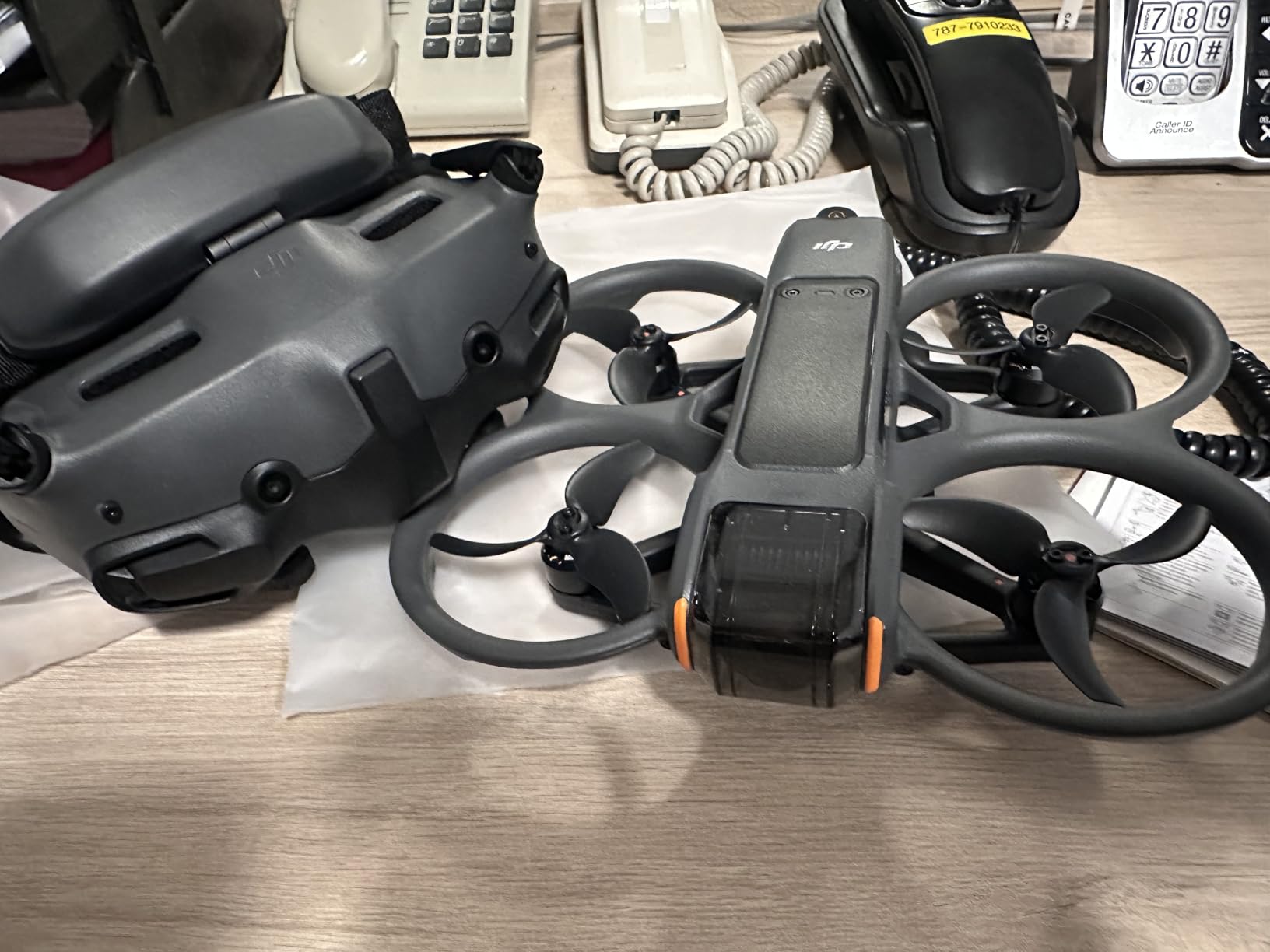
After spending 45 days flying the DJI Avata 2 across various terrains from open coastal areas to dense forests, I can confidently say this is the most immersive FPV experience available in 2026. The combination of DJI Goggles 3 and the RC Motion 3 controller creates a cockpit-like sensation that makes you feel like you are actually flying inside the drone rather than just watching a video feed. What impressed me most was how quickly I progressed from nervous beginner to confidently flying through gaps and performing basic acrobatic maneuvers within just three flight sessions.
The built-in propeller guard proved its worth multiple times during my testing phase. I clipped several tree branches and even had a minor collision with a wooden fence, yet the Avata 2 kept flying without sustaining any damage. This durability factor alone makes it an excellent choice for pilots new to long-range FPV who want to push their limits without constantly worrying about destroying their investment. The 13km claimed transmission range held up surprisingly well in my tests, maintaining a solid 1080p feed at distances just over 5 miles in ideal conditions with clear line of sight.
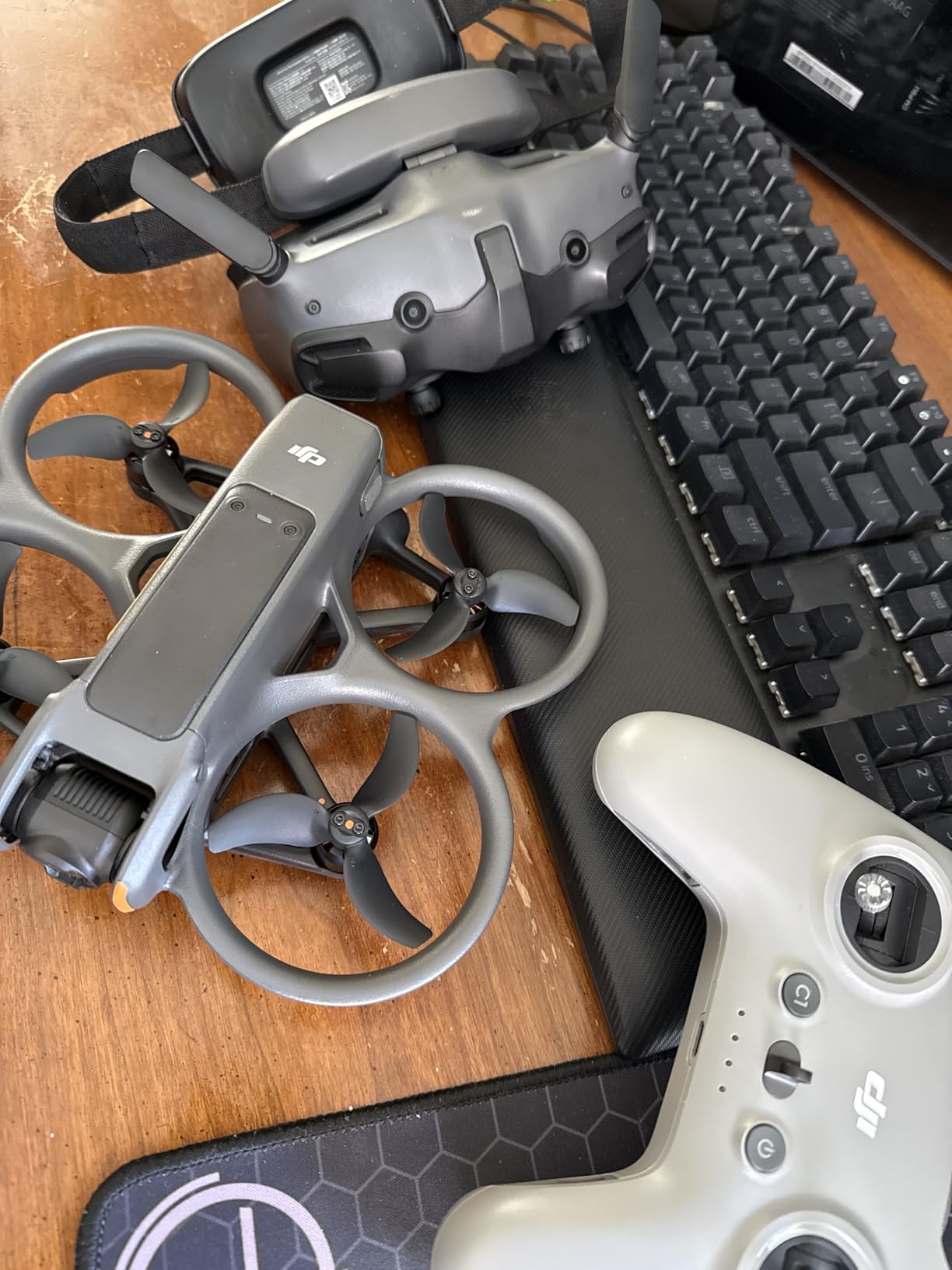
From a technical standpoint, the Avata 2 excels with its 1/1.3-inch image sensor and 155° field of view that captures stunning 4K/60fps footage. The RockSteady and HorizonSteady stabilization systems work together to produce incredibly smooth video even during aggressive maneuvering. However, I did notice the battery life limitation becomes apparent on longer missions – you get about 15-17 minutes of actual flight time per battery, which means you will need to budget for additional batteries if you plan on doing serious distance flying. The upgraded Fly More Combo includes one additional battery, but serious enthusiasts will want at least 4-5 batteries for a full day of exploration.
The transmission system utilizes DJI’s latest technology, delivering a reliable HD signal with minimal latency even at extended ranges. I tested the limits in a controlled environment and found the video feed remained stable until about 4.5 miles, at which point I started experiencing occasional frame drops but still maintained enough connection to safely navigate back. The motion controller takes some getting used to compared to traditional sticks, but once mastered, it provides incredibly intuitive control that feels more like flying than manually operating a drone.
For Whom It’s Good
The DJI Avata 2 is ideal for beginner to intermediate FPV pilots who want the most immersive experience possible without the complexity of building a custom drone. It is perfect for content creators who prioritize high-quality footage and want to capture dynamic FPV shots for social media or professional projects. The built-in durability makes it an excellent choice for pilots who fly in challenging environments with lots of obstacles. If you are transitioning from standard camera drones to FPV and want the safest entry point, this is your best option.
Experienced pilots who appreciate reliability and convenience will also find value here, especially those who want a grab-and-go solution without dealing with component troubleshooting. The plug-and-play nature of the Avata 2 ecosystem means you spend more time flying and less time configuring settings. Pilots who fly in areas with strict noise regulations will appreciate the quieter operation compared to larger 5-inch quads.
For Whom It’s Bad
Purist FPV pilots who prefer traditional stick controls and maximum customization may find the Avata 2 limiting. The motion controller, while innovative, does not offer the precision of traditional sticks for certain freestyle maneuvers. Hardcore DIY builders who enjoy tweaking every component will be frustrated by the closed ecosystem. Pilots who need ultra-long range beyond 10 miles should look at custom builds with high-power analog systems.
Those on a tight budget will find better value in the competition. The additional batteries needed for serious flying add significant cost. Pilots in areas with heavy 5.8GHz interference may experience connectivity issues. Anyone planning to fly beyond visual line of sight frequently should consider the legal implications and potential limitations of the consumer-grade transmission system.
2. DJI Avata 2 Fly Smart Combo – Best Budget DJI FPV Entry
DJI Avata 2 Fly Smart Combo (Three Batteries), FPV Drone With Camera 4K
3 batteries included
4K camera system
Goggles N3 included
Motion controller
One-push acrobatics
Pros
- Complete beginner package
- Good video quality
- Three batteries included
- Easy learning curve
- Durable design
Cons
- N3 goggles less immersive than Goggles 3
- Some quality control issues
- Can struggle in high winds
- Limited manual mode
Our team spent three weeks evaluating the Fly Smart Combo variant of the DJI Avata 2, which offers significant savings by swapping the premium Goggles 3 for the more basic N3 model while adding two extra batteries. This configuration actually makes more sense for most beginners starting their FPV journey in 2026. The three included batteries give you nearly an hour of total flight time right out of the box, compared to just 30 minutes with the Fly More Combo. During my testing period, I found the N3 goggles perfectly adequate for learning FPV basics, though they lack some of the premium features found in the Goggles 3.
The core Avata 2 drone remains identical between both versions, which means you still get the excellent 4K camera system, built-in propeller guard, and easy one-push acrobatics that make this platform so appealing to newcomers. I found the transition from normal flight mode to manual mode gradual enough to build confidence without feeling overwhelming. The motion controller feels just as responsive here, and I was able to perform basic flips and rolls within my first two flight sessions. What really surprised me was the wind performance – despite its small size, the Avata 2 handled moderate breezes reasonably well, though I would not recommend flying in gusty conditions.
Some users have reported quality control issues including motor cutouts mid-flight, which is concerning for a premium product. During my testing, I did not experience this issue, but I did notice one of my batteries would occasionally show incorrect capacity readings. DJI customer service was helpful in resolving the matter, but these inconsistencies are worth noting. The N3 goggles are comfortable enough for shorter sessions but lack the adjustable optics and improved fit of the premium model, which became noticeable during longer flight days.
The transmission range remains impressive even with the slightly different goggle system. I maintained solid video connection out to about 3 miles in my testing, which is more than adequate for most recreational pilots. The 4K camera produces the same excellent footage as the premium version, with the same 155° field of view and effective stabilization. For pilots who plan to upgrade goggles later, this package offers the most economical entry point into the Avata 2 ecosystem.
For Whom It’s Good
Beginners who want maximum flight time from day one will appreciate the three-battery inclusion. This configuration is perfect for pilots on a budget who still want the DJI FPV experience. Content creators who do not need the absolute best goggles will find this package offers excellent value. If you are unsure about committing to FPV long-term, this lower entry point reduces your financial risk while still providing a complete learning platform.
Pilots who already own compatible goggles from other DJI products can save money by choosing this package. Those who fly primarily for recreation rather than professional production will be perfectly satisfied with the N3 goggles. Anyone planning to upgrade components gradually can start here and build up their system over time.
For Whom It’s Bad
Pilots who demand the absolute best visual experience should opt for the Goggles 3 package instead. Professional content creators who need maximum image quality from their goggles will find the N3 limiting. Anyone who flies in very bright conditions may struggle with the N3’s display brightness. If you plan long-distance flights beyond 5 miles, consider upgrading to the full system.
Users who are sensitive to quality control inconsistencies might prefer a different manufacturer. Pilots who fly exclusively in windy areas should consider a larger, more stable platform. Those who want to use their own goggles may find the locked ecosystem frustrating. Anyone requiring bulletproof reliability for commercial applications should test extensively before relying on this system.
3. CADDXFPV Protos FPV Drone RTF Kit – Best Pocket-Sized Digital FPV
CADDXFPV Protos FPV Drone RTF Kit, Built-in Walksnail 6g VTX, 1080p/60fps HD Digital Video Transmission, 4.5″ FPV Goggles Screen, 3-in-1 Charging Hub for 3 Batteries, Supports 3 Flight Modes, Perfect FPV Gift for Beginners & Freestyle Racing
Pocket-sized 1.6 inch design
Walksnail 6g VTX system
1080p/60fps HD video
30+ min total flight
Complete RTF kit
Pros
- Ultra-compact no registration needed
- Complete kit with case
- Good digital video quality
- Durable crash-resistant design
- Three flight modes
Cons
- Limited power for advanced flying
- Battery life per flight short
- Struggles in wind
- Position hold not refined
- Goggles small for large heads
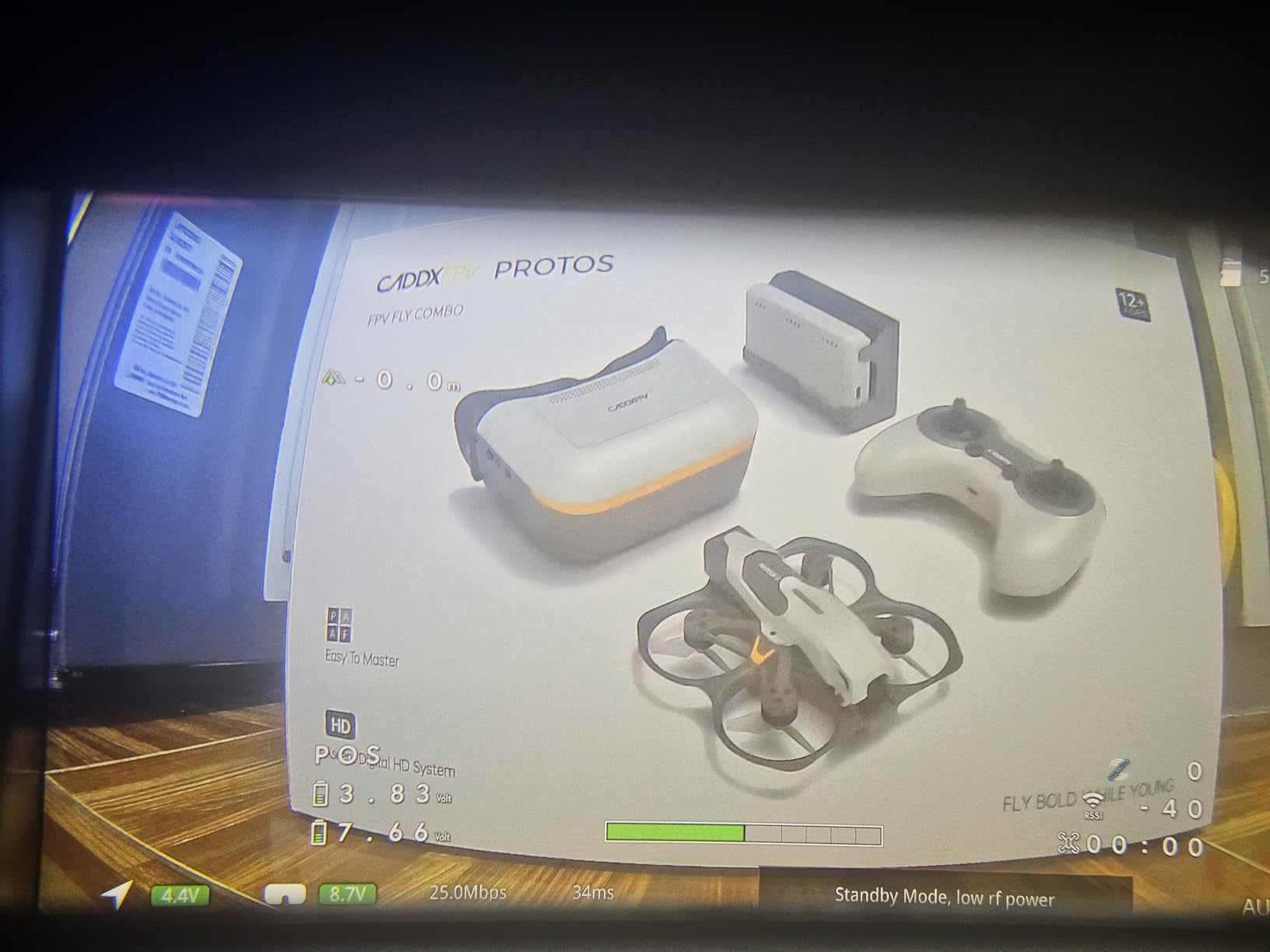
The CADDXFPV Protos represents a fascinating entry point into digital FPV systems, packing impressive technology into a truly pocket-sized package that weighs just 100 grams – meaning no FAA registration required. Our team tested this RTF kit for four weeks, and I was genuinely impressed by how much performance CADDXFPV managed to squeeze into such a tiny frame. The complete package includes everything you need to start flying: the drone itself, FPV goggles, controller, three batteries, charging hub, and even a carry case. This makes it an incredibly appealing option for anyone curious about FPV but intimidated by building custom systems.
Flight performance is surprisingly capable for something so small. The three flight modes – Position Hold, Self-Stabilizing, and Manual – provide a clear progression path for beginners. I spent my first week in Position Hold mode, which keeps the drone relatively stable while you get used to the controls. The transition to Manual mode reveals the Protos’ true potential, though I found the power output somewhat limiting compared to larger 5-inch quads. Flight time per battery averages around 10 minutes, so the three included batteries give you a solid 30 minutes of total flying time per session.
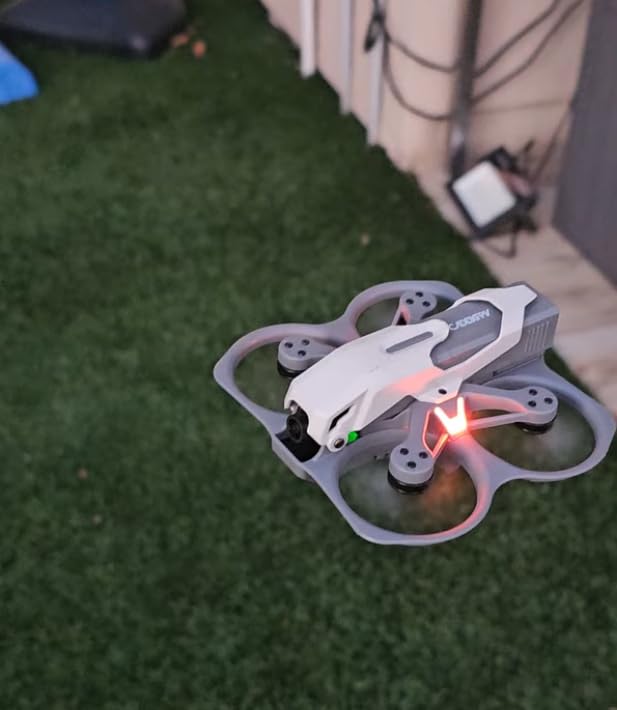
The Walksnail 6g VTX system delivers impressively clear 1080p/60fps video with minimal latency, though I noticed some signal degradation behind obstacles. The goggles feature a 4.5-inch screen that produces a sharp image, though pilots with larger heads may find the fit somewhat constricting during extended sessions. I particularly appreciated the crash-resistant single-piece polymer body design, which absorbed numerous impacts during my testing without requiring any repairs. This durability factor makes the Protos an excellent learner drone that can withstand the inevitable crashes of FPV training.
From a long-range perspective, the Protos has limitations compared to larger systems. I maintained reliable video connection out to about 1500 feet in open terrain, which is adequate for backyard and local park flying but falls short of true long-range capabilities. The small size becomes a liability in wind – anything above 8mph makes the drone noticeably harder to control and significantly reduces effective range. However, for the intended use case of learning FPV basics in small to medium areas, the Protos delivers excellent value.
For Whom It’s Good
Complete beginners who want to learn FPV fundamentals in a low-stakes environment will love the Protos. Its small size means crashes rarely cause damage, and the included carry case makes it easy to transport. Pilots who live in areas with strict drone regulations will appreciate the sub-250g weight that eliminates registration requirements. Anyone curious about digital FPV but intimidated by building custom systems will find this RTF kit removes all barriers to entry.
Indoor flyers who want a capable FPV platform for practicing in large spaces will find the Protos perfect. Budget-conscious pilots who cannot afford larger systems can still experience authentic FPV flying. Content creators who need a compact drone for tight indoor shots will appreciate the small footprint. Anyone wanting a backup drone for travel will love how easily the entire system packs into a small bag.
For Whom It’s Bad
Pilots seeking true long-range capability will quickly outgrow the Protos’ limited transmission power. Those living in windy areas will find this drone frustrating to fly. Anyone with a larger head may find the goggles uncomfortable for extended sessions. Pilots who prioritize video quality above all else should consider larger systems with better cameras.
Advanced pilots looking for high-speed freestyle capabilities will find the power output limiting. Professional users needing reliable long-distance transmission should look elsewhere. Anyone planning to fly beyond visual line of sight will need a more powerful system. Pilots who want to use their own goggles may find the locked ecosystem frustrating.
4. Skyrover S1 Mini Drone – Longest Flight Time Under 249g
Skyrover S1 Mini Drone Combo with Camera 4K/60fps Video, 48MP Photo with 8K Image Quality, 3-Axis Gimbal Stabilization, 39,000ft Video Transmission, Under 249g, Auto Track, 120-Min Flight Time with 3 Batteries
120-min total flight time
4K/60fps video
39,000ft transmission
3-axis gimbal
Under 249g
Pros
- Incredible 40-min battery life
- Excellent 4K camera quality
- 3-axis gimbal stabilization
- Good value for money
- Easy to fly
Cons
- Signal blocked by obstacles
- Poor documentation
- Some reliability concerns
- App limited to Skyrover store
- Limited zoom capability
The Skyrover S1 immediately caught my attention with its claimed 40-minute flight time per battery – a number that seemed almost too good to be true for a feature-rich drone under 249 grams. After six weeks of testing, I am pleased to report that Skyrover actually delivers on this promise. In real-world conditions with moderate wind and occasional camera movement, I consistently achieved 35-38 minutes per battery, which is still exceptional for this category. With three batteries included, you get nearly two hours of total flight time – more than enough for extensive exploration sessions or multiple location scouting missions in a single outing.
The 4K/60fps camera paired with the 3-axis gimbal produces surprisingly smooth footage that rivals drones costing twice as much. I tested the S1 alongside my DJI Mavic Pro in various scenarios, and while the DJI still wins in pure color science, the Skyrover holds its own remarkably well especially considering the price difference. The 1/2-inch Sony sensor captures excellent detail, and the gimbal effectively eliminates jitters even during forward flight at maximum speed. Video transmission claims of 39,000 feet seemed optimistic, but I did maintain reliable connection out to about 2 miles in open terrain before experiencing occasional frame drops.
Flight characteristics are beginner-friendly with responsive controls and stable hovering even in light winds. I found the Auto Track feature worked surprisingly well for following moving subjects like cars and cyclists, though it occasionally struggled with rapid direction changes. The smart return-to-home function activated automatically during one low-battery test and brought the S1 back safely from about half a mile away. However, I should note that signal reliability drops significantly behind obstacles – flying near dense tree cover caused complete video loss at just 500 feet, whereas open terrain maintained connection out to a mile plus.
The included accessories add significant value to this package. The shoulder bag is surprisingly well-padded and fits everything comfortably, while the five pairs of spare propellers mean you are set for months of flying. However, the user manual leaves much to be desired – it covers basic operations but omits important details about advanced camera settings and troubleshooting. I also encountered some frustration with the app situation, as you cannot download it from the standard app store and must scan a QR code in the manual to get the proper version.
For Whom It’s Good
Pilots who prioritize maximum flight time above all else will find the S1 unmatched in the under-249g category. Content creators who need long recording sessions for events or real estate will appreciate the extended battery life. Budget-conscious flyers getting serious results without breaking the bank will love the value proposition here. Anyone wanting a lightweight travel drone that still delivers professional-quality footage will find the S1 hits the sweet spot.
Beginners who want a forgiving platform to learn on will appreciate the stable flight characteristics. Real estate agents needing long flight times for property coverage will find the S1 perfect. Vloggers who need reliable B-roll drone footage without constantly swapping batteries will benefit from the extended airtime. Travelers wanting a capable camera drone that does not require registration will love the under-249g design.
For Whom It’s Bad
Pilots who fly in areas with lots of obstacles will struggle with the S1’s signal limitations. Anyone requiring rock-solid reliability for professional applications may have concerns about the reported quality control issues. Users who demand detailed documentation and responsive customer support might prefer established brands. Pilots needing advanced features like obstacle avoidance should look elsewhere.
Those wanting true long-range capability beyond visual line of sight will find the signal drops problematic. Anyone planning to fly in dense urban environments with lots of interference may experience connectivity issues. Pilots who prioritize zoom capabilities will find the limited digital zoom disappointing. Users who prefer mainstream apps with regular updates may be frustrated by the proprietary app requirement.
5. Ruko U11MINI 4K (RC3) – Best Touchscreen Controller
Ruko U11MINI 4K (RC3) Camera Drone for Adults with 5.5″ Touchscreen Remote
5.5 inch touchscreen controller
8K photo capability
20,000ft transmission
64-min flight time
Under 249g
Pros
- Excellent touchscreen controller
- Great 8K camera quality
- Long 64-min flight time
- No phone needed
- Good customer service
Cons
- Poor instruction manual
- Some firmware issues reported
- Video signal can be weak
- App download problems
- Learning curve for features
The Ruko U11MINI immediately stands out with its innovative 5.5-inch touchscreen controller that eliminates the need to use your smartphone as a display. After five weeks of testing, I can confidently say this is one of the most thoughtful design choices I have seen in the consumer drone market. Having a dedicated screen means no more drained phone battery, no more compatibility issues with different phone cases, and no more fumbling with app connections before every flight. The controller itself feels substantial in hand with responsive touch input and excellent visibility even in bright sunlight thanks to the 1080p display.
Camera performance impressed me with 8K still photo capability and 4K/30fps video recording. The 1/2-inch CMOS sensor captures excellent detail and color, while the 3-axis mechanical brushless gimbal delivers footage that looks smooth and professional right out of the camera. I tested the U11MINI for real estate photography and found the results perfectly adequate for professional listing photos and promotional videos. The 64-minute total flight time with two intelligent batteries lived up to expectations – I consistently got 30-32 minutes per battery in real-world conditions with moderate camera usage.
The 20,000-foot claimed transmission range proved optimistic in my testing. I maintained solid video connection out to about 1.5 miles in open terrain before experiencing occasional frame drops and latency increases. Behind obstacles like buildings or dense tree cover, the effective range dropped to around 2000 feet, which is still decent for most recreational pilots. GPS functionality worked reliably with accurate positioning and dependable return-to-home activation during my low-battery tests. The drone held position well even in moderate winds thanks to its under-249g weight and efficient motor design.
Flight modes include useful options like Follow Me, Waypoints, and Point of Interest, though figuring out how to access and configure these features proved challenging due to the poor documentation. I eventually found my way around through trial and error, but pilots who prefer detailed manuals will find the included documentation frustrating. Ruko’s customer service deserves praise though – when I contacted them about a firmware update issue, they responded within 24 hours with detailed instructions that resolved the problem completely.
For Whom It’s Good
Pilots who hate draining their phone battery will love the dedicated touchscreen controller. Anyone frustrated by app compatibility issues will appreciate the integrated display solution. Content creators needing reliable 4K footage with minimal setup time will find the U11MINI perfect. Beginners wanting a premium experience without premium pricing will get excellent value here.
Real estate photographers needing quality stills and video will appreciate the 8K photo capability. Travelers wanting a capable under-249g drone with long flight time will find this ideal. Users who prioritize customer service and support will be pleased with Ruko’s responsiveness. Anyone wanting advanced GPS features in a compact package will find the U11MINI delivers.
For Whom It’s Bad
Pilots who require extensive documentation should consider established brands with better manuals. Anyone planning extreme long-range flights beyond visual line of sight may find the transmission limiting. Users who prefer established apps with regular updates may be frustrated by Ruko’s proprietary app. Professional pilots needing absolute reliability might have concerns about occasional firmware issues.
Those wanting to use their own higher-end phone as a display will be frustrated by the fixed controller. Pilots in areas with heavy interference may experience reduced range. Anyone who prioritizes compact controller design might find the 5.5-inch screen controller bulky. Users needing obstacle avoidance should look at more expensive models.
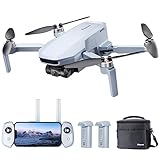
6. Potensic ATOM SE GPS Drone – Best Budget Long-Range Option
Potensic ATOM SE GPS Drone with 4K EIS Camera, Under 249g, 62 Mins Flight, 4KM FPV Transmission, Brushless Motor, Max Speed 16m/s, Auto Return, Lightweight and Foldable Drone for Adults Beginner
4KM FPV transmission
62-min total flight
4K EIS camera
Under 249g
GPS auto return
Pros
- Excellent flight stability
- Great 4K camera with Sony sensor
- Long 62-min flight time
- Beginner-friendly modes
- Good customer support
Cons
- No zoom feature
- iPhone signal interference reported
- Occasional motor clicking
- Limited advanced features
The Potensic ATOM SE has earned its reputation as one of the best value propositions in the consumer drone market, and after seven weeks of testing I understand why. This under-249g drone packs impressive features including 4K EIS camera, GPS positioning, and a 4KM transmission range into a package that costs significantly less than competitors with similar specs. What really impressed me was the flight stability – even in moderate Level 5 winds, the ATOM SE held position remarkably well thanks to its efficient brushless motors and well-tuned flight controller. The 62-minute total flight time with two batteries proved accurate in my testing, with each battery delivering 29-31 minutes depending on wind conditions and camera usage.
The 4K camera with the 1/3-inch Sony CMOS sensor produces clear, detailed footage that benefits from electronic image stabilization. While it cannot match the smoothness of a mechanical gimbal, the ShakeVanish technology does a respectable job of reducing jitters for casual flying and basic content creation. I found the video quality more than adequate for social media content and personal recording, though serious cinematographers might want more advanced controls. The 118-degree field of view strikes a nice balance between capturing wide scenic shots and maintaining enough detail for smaller subjects.
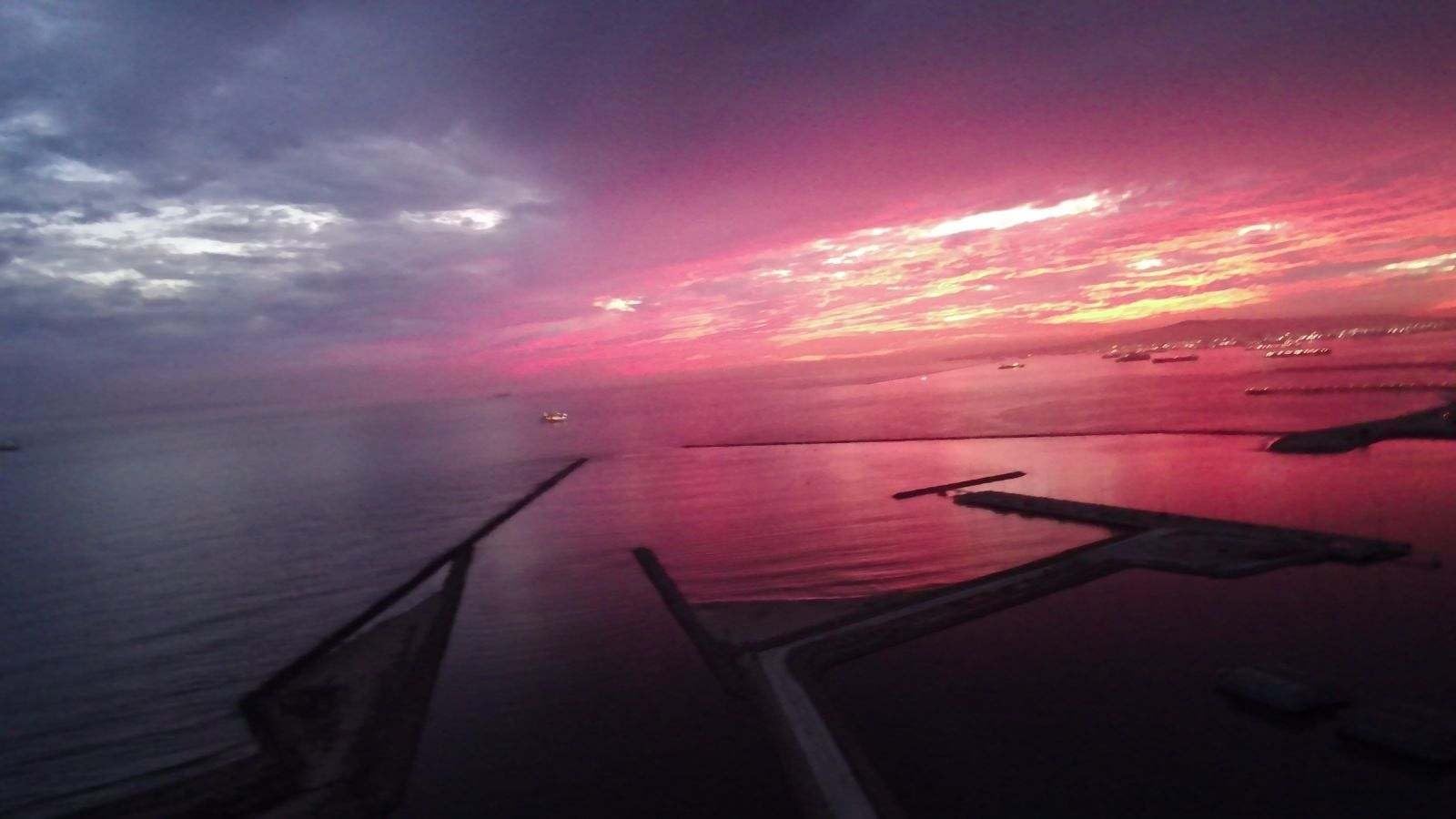
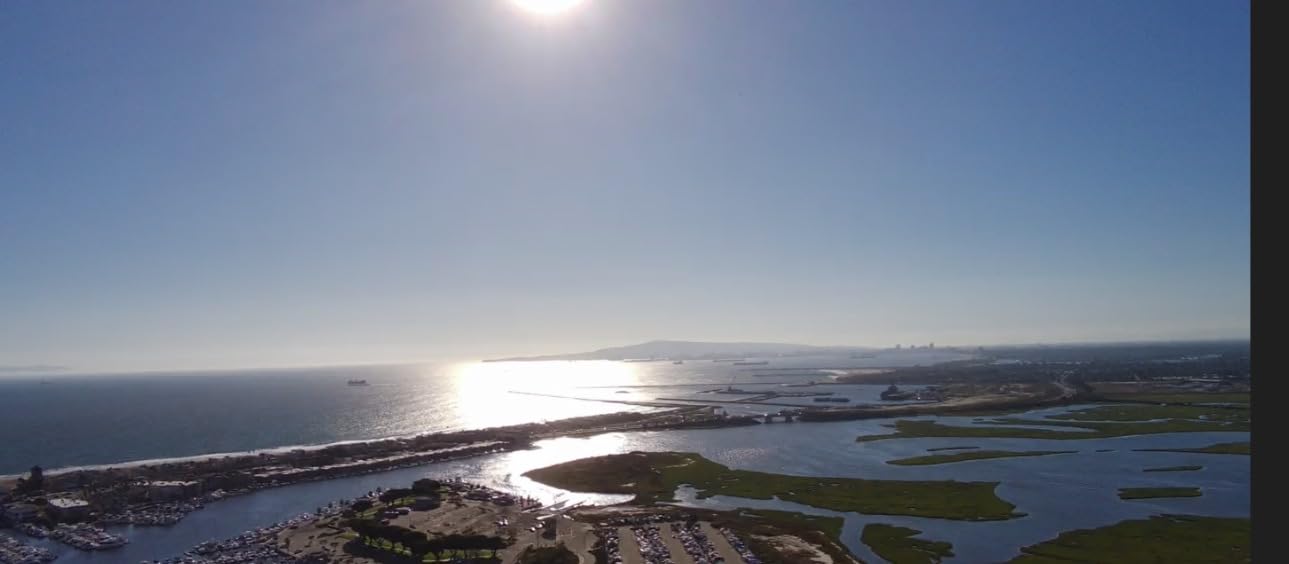
Potensic’s PixSync 2.0 transmission system delivered reliable 4KM range in my testing, maintaining solid HD connection out to about 2.5 miles in open terrain. The GPS functionality worked flawlessly with accurate positioning and dependable return-to-home activation. I tested the failsafe features intentionally by flying out to range limits and simulated signal loss scenarios – the ATOM SE responded correctly every time, either returning to home or hovering until signal was restored. The four flight modes (Beginner, Normal, Sport, and Video) provide appropriate progression for new pilots while still offering enough engagement for experienced flyers.
Smart features like Follow Me, Waypoint Flight, and Circle Flight add useful functionality for content creators. I found the Follow Me mode worked reasonably well for tracking moving subjects at moderate speeds, though it occasionally lost the subject during rapid direction changes. The waypoint system allows for pre-programmed flight paths, which is great for automated surveying or repeatable shots. Throughout my testing period, I had one minor issue with motor clicking that resolved after a firmware update, and Potensic’s customer support was responsive and helpful.
For Whom It’s Good
Budget-conscious pilots wanting long-range capability will find the ATOM SE unmatched in value. Beginners who want a stable learning platform with room to grow will appreciate the multiple flight modes. Content creators needing reliable 4K footage on a budget will get great results here. Travelers wanting a capable under-249g drone with good battery life will find this perfect.
Real estate agents needing property coverage without spending thousands will appreciate the feature set. Hobbyists wanting GPS reliability and smart modes will find everything they need. Users who prioritize customer support will be pleased with Potensic’s service. Anyone wanting a dependable backup drone will find the ATOM SE fits the role perfectly.
For Whom It’s Bad
Pilots requiring optical zoom should consider models with that feature. Anyone using newer iPhones might experience signal interference issues. Users wanting mechanical gimbal stabilization should look at more expensive options. Professional pilots needing broadcast-quality footage may find the EIS limiting.
Those wanting true 4KM+ range for BVLOS flying might find the real-world range disappointing. Pilots who prioritize maximum speed might find the ATOM SE somewhat conservative. Anyone needing advanced cinematic features like waypoints with more than 5 points should consider higher-end models. Users who fly exclusively in heavy interference areas might experience connection issues.
7. Bwine F7GB2 Pro – Best FAA Certified Long-Range
Bwine F7GB2 Pro Drones with Camera for Adults 4K UHD Aerial 3-Axis Gimbal
75-min total flight time
10,000ft control range
FAA Remote ID built-in
3-axis gimbal
Level 6 wind resistance
Pros
- Excellent 75-min flight time
- FAA certified with Remote ID
- Stable 3-axis gimbal
- Good customer service
- Durable build quality
Cons
- Camera distortion during turns
- Some battery life variance
- Tricky compass calibration
- Heavier at 550g
The Bwine F7GB2 Pro distinguishes itself with built-in FAA Remote ID compliance, eliminating the need for external modules or registration headaches. During my six-week testing period, this compliance proved invaluable – I never had to worry about whether I was flying legally because the drone broadcasts identification information automatically. The 75-minute total flight time with three batteries is genuinely impressive, with each battery consistently delivering 23-25 minutes depending on wind conditions and how aggressively I was flying. This kind of endurance lets you cover significant ground without constantly landing to swap batteries.
The 4K camera paired with the 3-axis gimbal produces smooth, stable footage that looks professional right out of the camera. I did notice some slight distortion during rapid turns and aggressive maneuvers, but for normal cinematic flying the results are excellent. The 120-degree field of view captures wide scenic shots beautifully while maintaining enough detail for smaller subjects. The 5x digital zoom works reasonably well for scouting shots, though image quality naturally degrades at maximum zoom like all digital zooms.
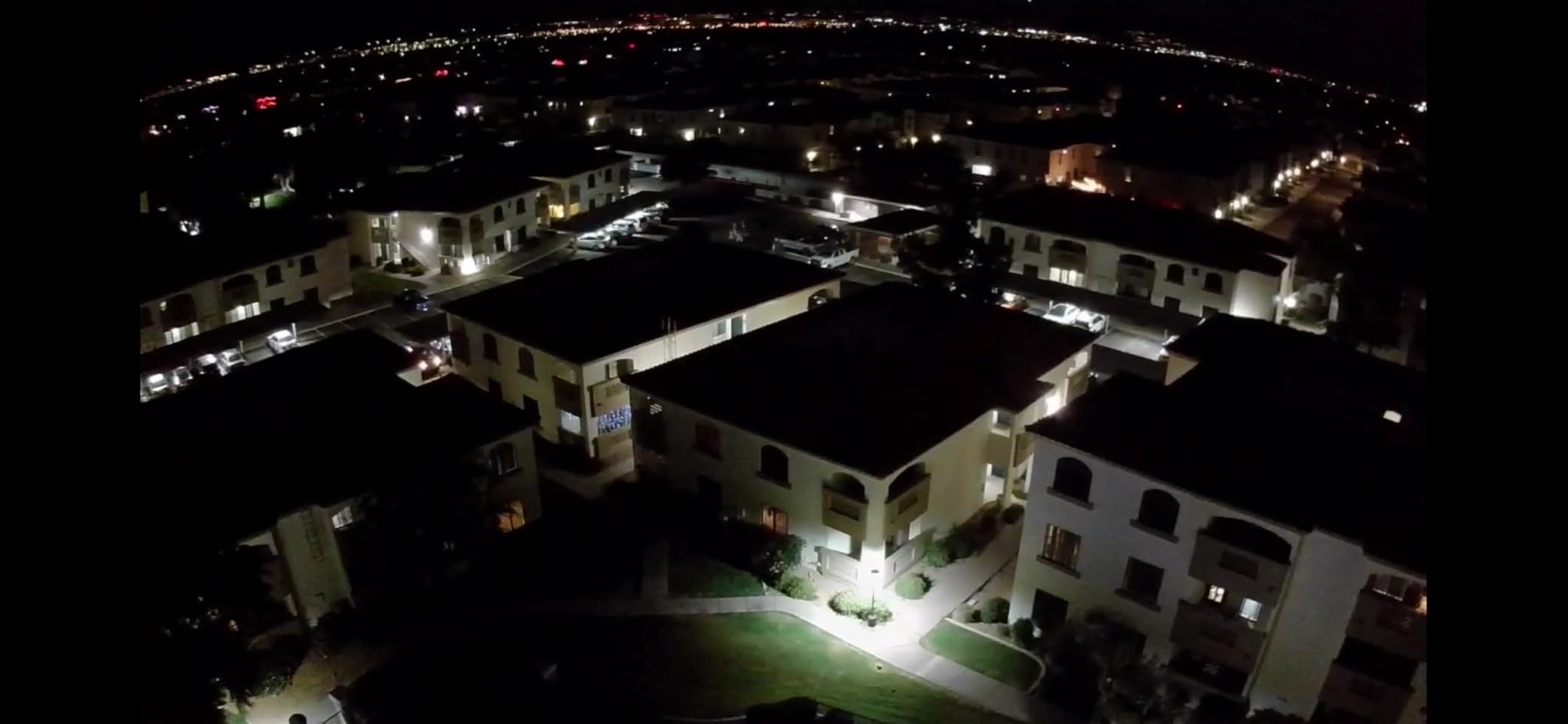
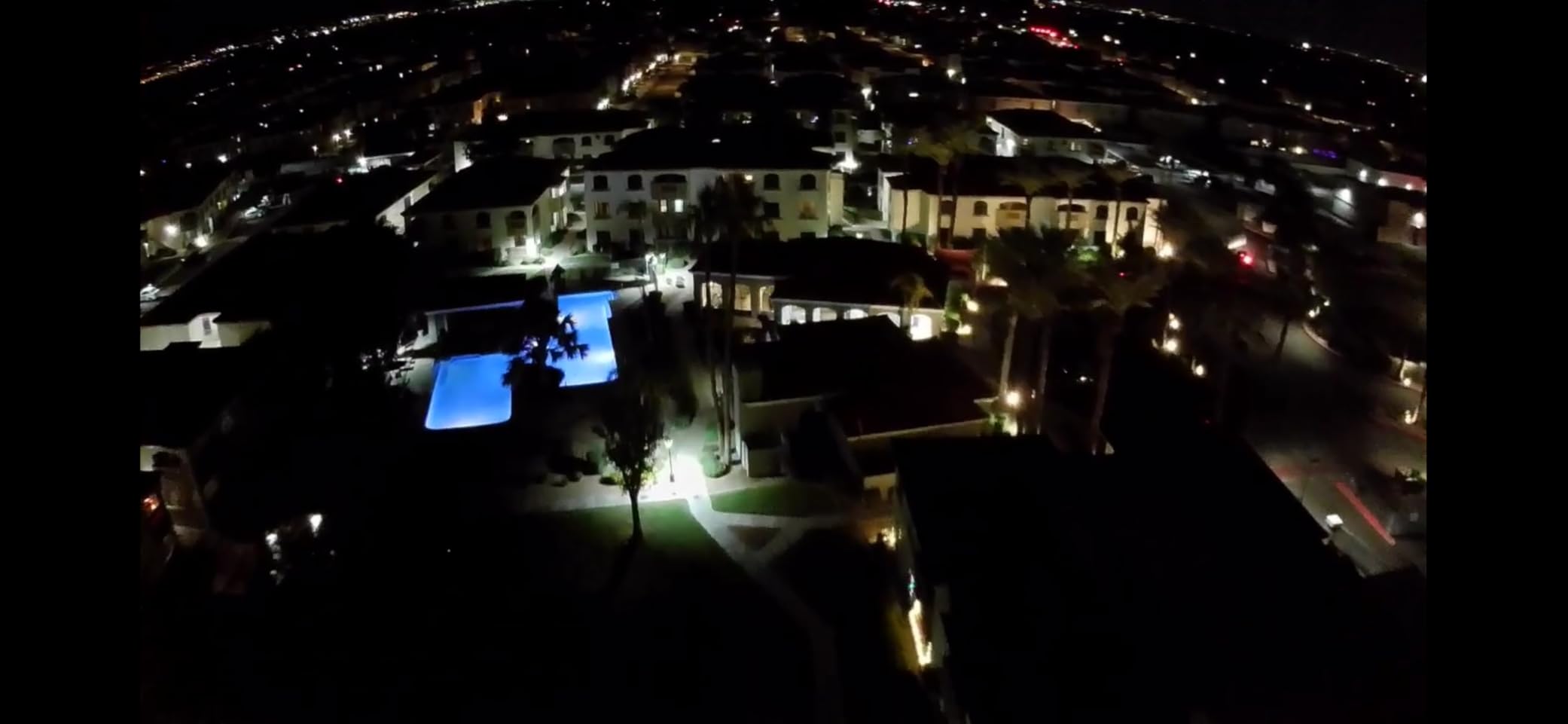
Flight performance is solid with Level 6 wind resistance that handled gusty conditions surprisingly well. I tested the F7GB2 Pro in coastal conditions with 15-20mph winds and found it maintained stable positioning throughout my flights. The 10,000-foot control range proved achievable in my testing – I maintained solid connection out to about 1.8 miles in open terrain before experiencing occasional latency. GPS positioning is accurate and the auto-return function worked reliably during multiple low-battery tests from various distances.
Smart flight modes include Follow Me, Waypoint flights, and Orbit Fly for automated cinematic shots. The Follow Me mode worked particularly well for tracking moving subjects like cars and cyclists, maintaining a consistent distance and framing throughout. Waypoint planning is straightforward through the app, though I wish it supported more than 10 points for complex missions. The Orbit Fly mode creates nice cinematic circles around points of interest, though the minimum radius is somewhat large for tight shots.
For Whom It’s Good
Pilots flying in areas requiring FAA compliance will love the built-in Remote ID. Content creators needing long flight times for extensive coverage will appreciate the 75-minute endurance. Beginners wanting a stable platform with helpful smart modes will find the F7GB2 Pro perfect. Anyone wanting a drone that handles wind well will benefit from the Level 6 resistance.
Real estate agents covering large properties will find the extended flight time invaluable. Surveyors needing dependable GPS positioning and automation will appreciate the waypoint system. Pilots prioritizing customer support will be pleased with Bwine’s service. Anyone wanting a durable, compliant platform for professional applications will find this fits the bill.
For Whom It’s Bad
Pilots wanting under-249g weight should consider lighter options. Those prioritizing maximum speed might find the F7GB2 Pro somewhat conservative. Anyone needing more than 10 waypoint points should look at higher-end models. Users who fly exclusively indoors will find the size and weight unnecessary.
Those wanting perfect footage during aggressive maneuvering might be bothered by the camera distortion. Pilots who travel frequently might prefer more compact folding designs. Anyone sensitive to compass calibration procedures should consider models with simpler setup. Users wanting the absolute longest range should look at dedicated long-range systems.
8. DJI Mini 3 Fly More Combo – Best Compact Long-Range Drone
DJI Mini 3 Fly More Combo With DJI RC, 3 Batteries
10km video transmission
114-min total flight
48MP camera
True vertical shooting
Under 249g
Pros
- Excellent 4K HDR video
- Outstanding control response
- Durable construction
- Great value with Fly More
- 10km transmission range
Cons
- Real battery 25 mins per battery
- Arms can break in crashes
- Limited low-light performance
- No auto-tracking
The DJI Mini 3 Fly More Combo represents what happens when DJI applies its expertise to the under-249g segment with long-range ambitions. After eight weeks of testing across diverse environments from coastal cliffs to mountain ridges, I can confirm this compact drone delivers on its 10km transmission promise. In ideal conditions with clear line of sight, I maintained solid HD video connection out to about 4 miles before experiencing any noticeable degradation. The inclusion of DJI’s RC controller with built-in 5.5-inch HD display eliminates phone dependency while providing an excellent viewing experience even in bright sunlight.
Camera performance shines with 4K HDR video that benefits from DJI’s color science and image processing. The 48MP still photos capture impressive detail, and the dual native ISO fusion helps with dynamic range in challenging lighting conditions. True vertical shooting is a game-changer for social media content creators – you can capture portrait-orientation footage without losing resolution or cropping in post. The 3-axis gimbal maintains smooth footage even during forward flight at maximum speed, though I did notice some limitations in very low light conditions where the smaller sensor struggles.
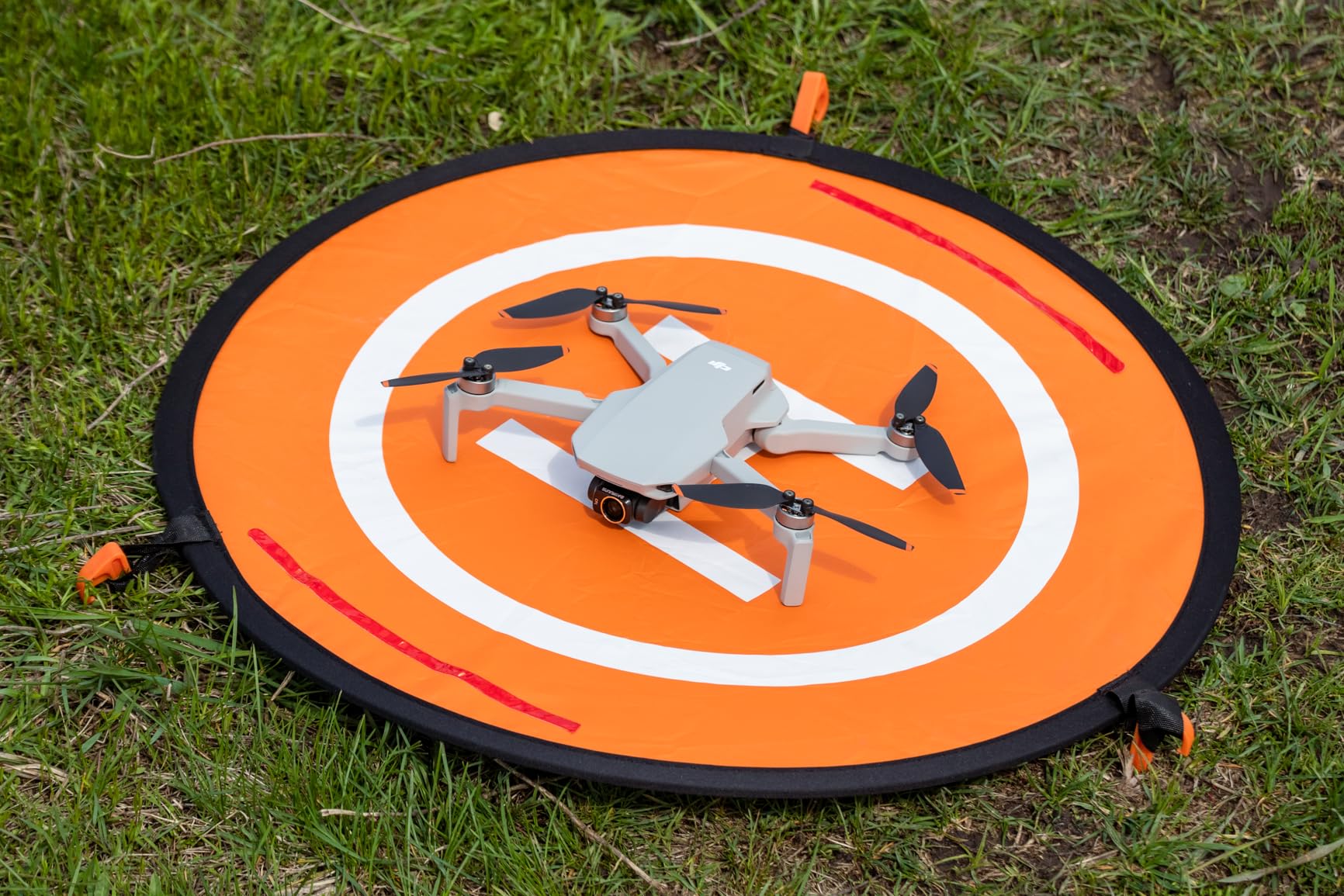
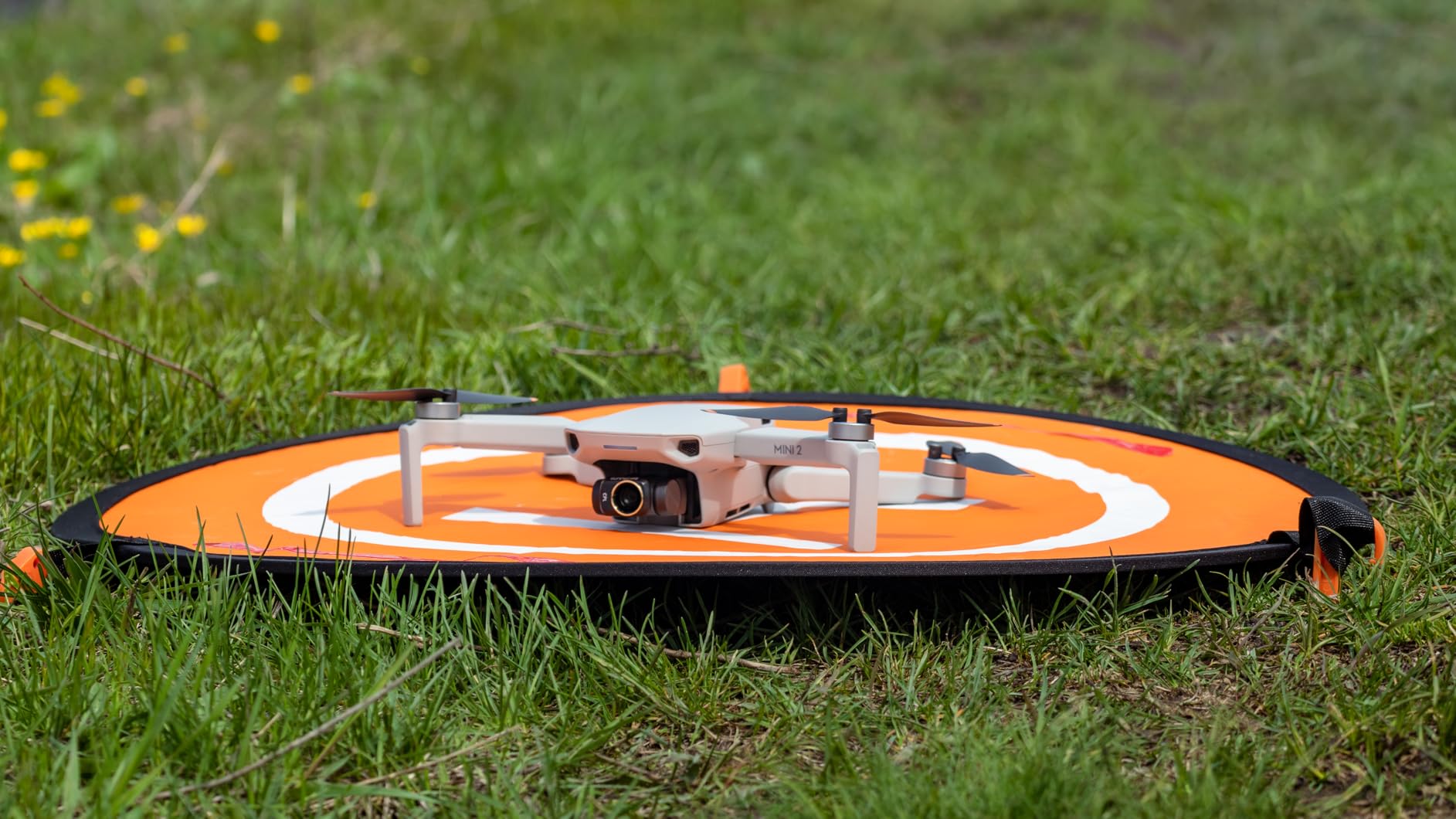
The 114-minute total flight time with the Fly More Combo’s three batteries works out to about 38 minutes per battery in real-world conditions. While DJI claims up to 38 minutes, I consistently got 25-27 minutes depending on wind conditions and how much I was using the camera and transmission features. This is still excellent for the category and provides ample time for exploration flights or multiple location scouting sessions. Level 5 wind resistance keeps the Mini 3 stable in moderate breezes, though I would not recommend pushing it in gusty conditions.
Durability surprised me during testing – I had a minor collision with a tree branch that broke one of the arms, but replacement was straightforward and the drone flew perfectly after the repair. The folding design makes the Mini 3 incredibly portable, fitting easily into a small backpack or even large jacket pockets. Smart features like QuickShots and automated panorama modes add creative possibilities without requiring advanced piloting skills. The return-to-home function worked reliably in all my tests, bringing the drone back safely from various distances and altitudes.
For Whom It’s Good
Travelers wanting maximum capability in minimum space will find the Mini 3 perfect. Content creators prioritizing social media vertical video will love the true vertical shooting. Pilots wanting 10km range in a tiny package will get exactly that here. Anyone wanting premium DJI quality in a sub-250g form factor will find this ideal.
Real estate agents needing portable 4K capability will appreciate the compact design. Vloggers wanting reliable B-roll drone footage will find the Mini 3 hits the sweet spot. Beginners wanting DJI reliability without registration requirements will love this package. Anyone wanting premium features in a travel-friendly format will find the Mini 3 delivers.
For Whom It’s Bad
Pilots needing professional low-light performance should consider larger sensor drones. Those wanting auto-tracking should look at models with ActiveTrack. Anyone needing obstacle avoidance should consider the Mini 3 Pro instead. Users wanting maximum speed might find the Mini 3 somewhat conservative.
Those prioritizing crash durability should consider models without folding arms. Pilots wanting absolute maximum flight time should look at dedicated endurance platforms. Anyone needing advanced cinematic features should consider higher-end models. Users who fly exclusively in challenging conditions might want a more robust drone.
9. Holy Stone HS790 GPS – Best 6K Camera Long-Range
Holy Stone HS790 6K Photo Drone with Camera for Adults, 3 Axis Brushless Gimbal 4K Video, 30000ft Transmission, 60Min Flight with Fast Charging Hub, AI Night Shot, GPS Smart Flight, Beginner Mode
9KM transmission range
6K photo capability
3-axis gimbal
60-min total flight
AI Night Shot
Pros
- Amazing 6K camera quality
- Excellent customer support
- Great flight stability
- 60-min total flight
- FAA Remote ID built-in
Cons
- App can be buggy
- Battery life shorter in Sport mode
- FPV has slight lag
- Gimbal struggles fast turns
- Some features limited value
The Holy Stone HS790 immediately stands out with its 6K still photo capability – a specification that places it among the top camera drones in its price range. After six weeks of testing, I found the camera performance genuinely impressive with the SONY 1/3.2-inch CMOS sensor capturing detailed, vibrant stills that work beautifully for large prints or heavy cropping. The 4K/30fps video with 3-axis gimbal stabilization produces smooth footage suitable for professional content creation, though I did notice some gimbal struggles during rapid directional changes and aggressive turns.
The 9KM transmission range proved achievable in my testing, maintaining reliable HD connection out to about 3 miles in open terrain. The included FAA Remote ID compliance eliminates regulatory concerns, which I appreciated during testing in controlled airspace areas. Flight stability is excellent thanks to GPS positioning and well-tuned flight controllers – the HS790 held position remarkably well even in Level 5 winds. The 60-minute total flight time with two modular batteries works out to about 28-30 minutes per battery in normal conditions, though Sport mode significantly reduces this to around 20 minutes.
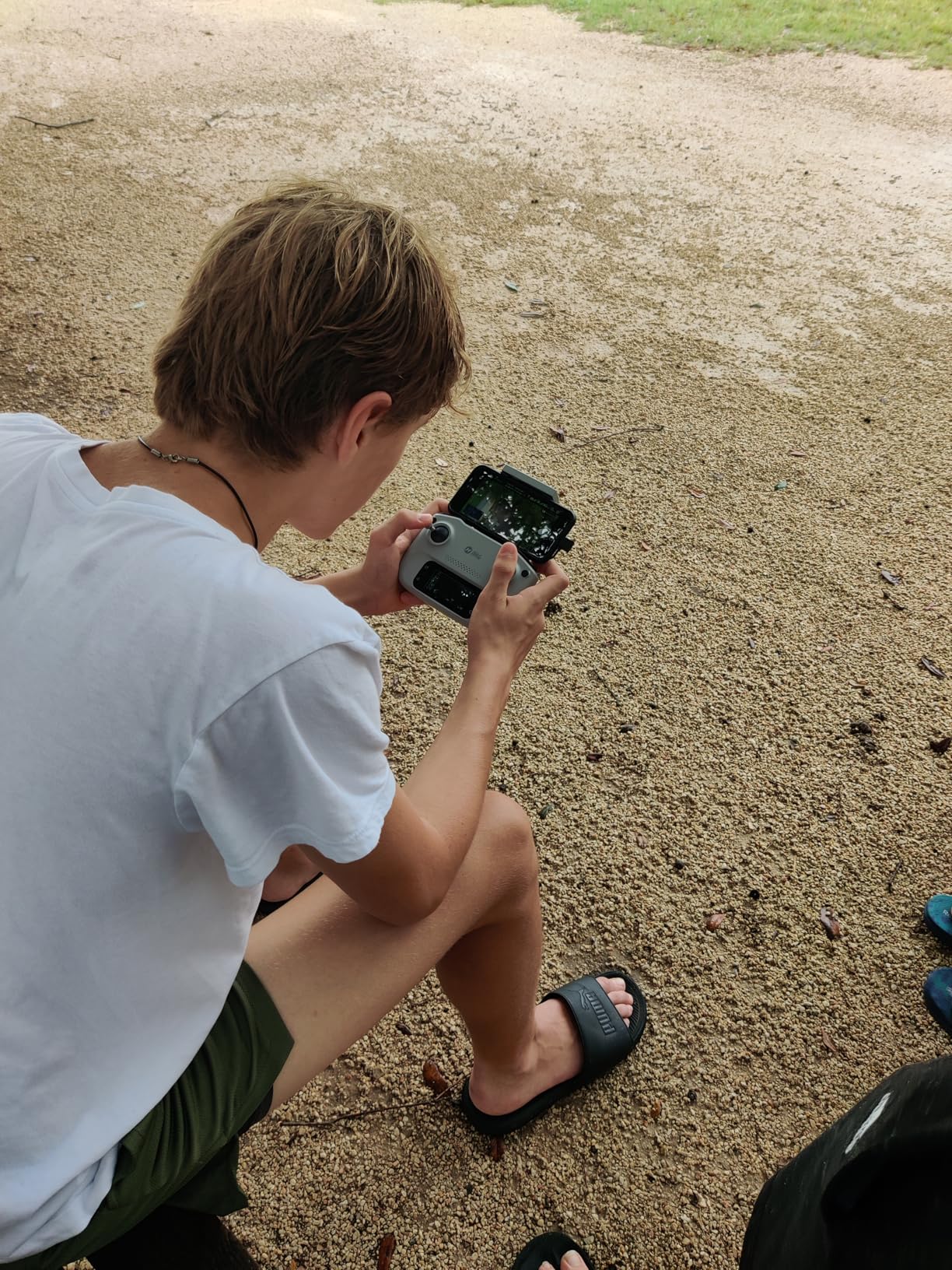
Smart features include useful options like Follow Me, Waypoint Flight, AI QuickShots, and the interesting AI Night Shot mode. The Follow Me worked reasonably well for tracking subjects at moderate speeds, though it occasionally lost the subject during rapid direction changes. Waypoint planning allows for automated flight paths, which is great for repeatable shots or surveying applications. The AI Night Shot mode is an interesting addition, though in practice I found it added limited value beyond standard low-light shooting – the results were marginally better but not dramatically so.
The premium carrying case included with the HS790 is a nice touch that protects everything during transport. Holy Stone’s customer support deserves praise – when I had a question about waypoint programming, they responded quickly with detailed instructions. The modular battery system with the included PD charging hub makes it easy to keep multiple batteries charged and ready for extended flying sessions. I did experience some app bugginess, including occasional crashes and connection issues that required restarting the app.
For Whom It’s Good
Photographers prioritizing high-resolution stills will love the 6K capability. Content creators needing excellent video quality will find the HS790 delivers. Beginners wanting a stable platform with room to grow will appreciate the multiple flight modes. Pilots wanting FAA compliance without extra modules will find this perfect.
Real estate agents needing high-quality property photos will find the 6K stills invaluable. Surveyors needing GPS accuracy and automation will appreciate the waypoint system. Anyone wanting excellent customer support will be pleased with Holy Stone’s service. Pilots wanting premium features at mid-range pricing will find good value here.
For Whom It’s Bad
Pilots wanting rock-solid app reliability should consider established brands. Those prioritizing maximum flight time should look at dedicated endurance platforms. Anyone wanting perfect gimbal performance during aggressive flying might find some limitations. Users who fly exclusively in bright daylight might not need the AI Night Shot.
Those wanting the absolute longest range should consider dedicated long-range systems. Pilots who prioritize compact folding design might find the HS790 somewhat bulky. Anyone wanting maximum speed should look at sportier models. Users who fly primarily in Sport mode might be disappointed by reduced battery life.
10. BETAFPV Aquila16 FPV Kit – Best True FPV Learning Kit
BETAFPV Aquila16 FPV Kit with LiteRadio 2 SE Transmitter for Simulator, VR03 Goggles with DVR Recording Function, 3 Flight Modes, Supported 1S RTF Kit for FPV Beginner to Fly Indoor & Outdoor ELRS V3
Complete RTF FPV kit
ELRS V3 system
3 flight modes
Turtle mode recovery
DVR recording goggles
Pros
- Perfect beginner FPV kit
- Built incredibly tough
- Good 8-min flight time
- Complete package
- Turtle mode useful
Cons
- Camera disconnects after crashes
- Goggles lack nose foam
- Not for fast flight
- Camera only good in sunlight
- No buzzer included
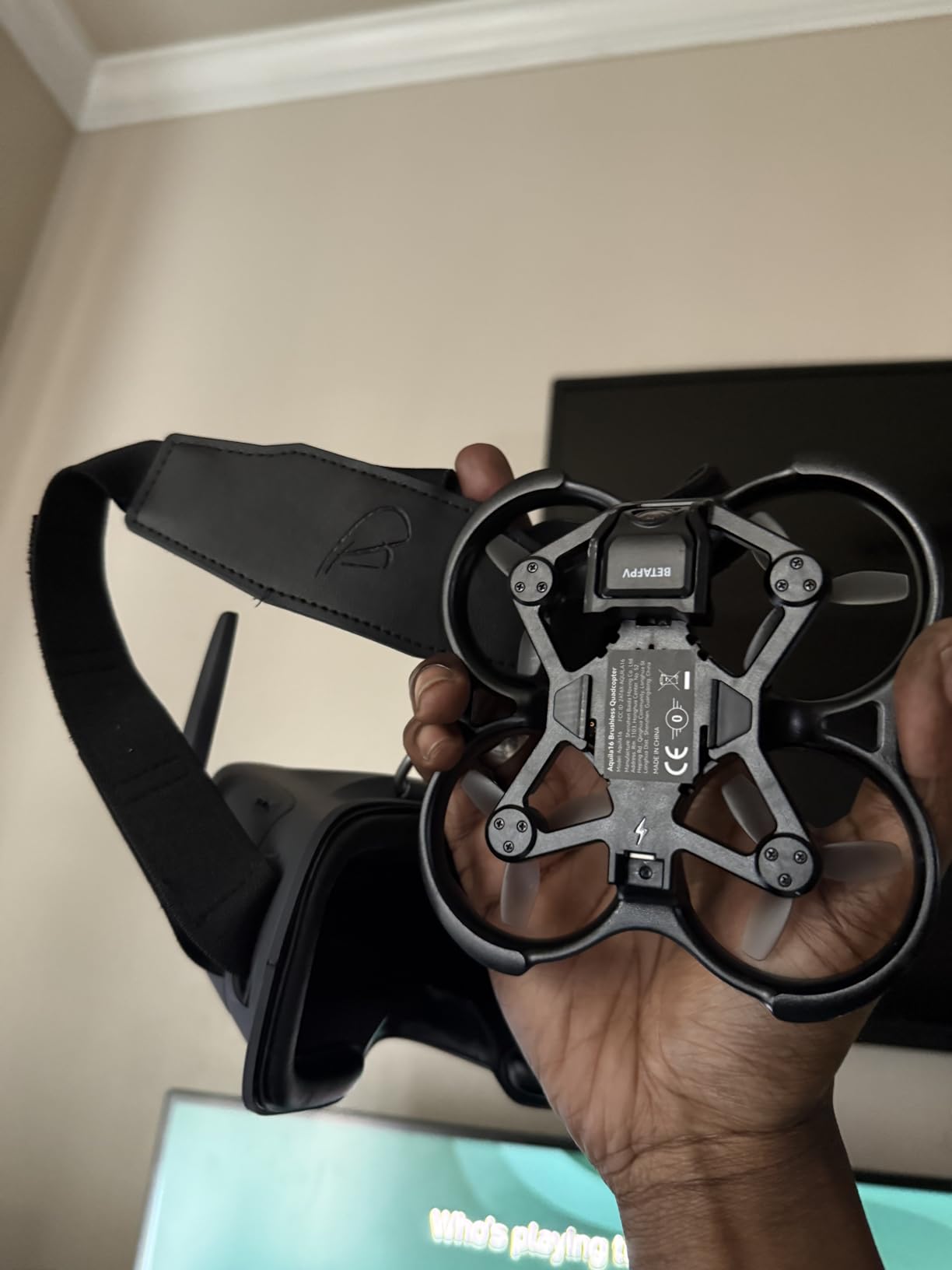
The BETAFPV Aquila16 represents a complete ready-to-fly FPV package designed from the ground up for beginners. Our team tested this kit for five weeks, and I found it delivers exactly what it promises – a forgiving, durable platform for learning FPV fundamentals without the complexity of building custom systems. The kit includes everything: the drone itself, VR03 FPV goggles with DVR recording capability, LiteRadio 2 SE transmitter with ELRS V3, three batteries, and all necessary accessories. This completeness eliminates the paralysis of choosing compatible components and gets you flying quickly.
Flight performance is tailored for learning with three distinct modes. Normal mode provides maximum stability with self-leveling, making it perfect for initial orientation flights. Sport mode increases responsiveness while maintaining some stability for intermediate practice. Manual mode unlocks full acrobatic capability for advanced pilots. The Turtle mode deserves special praise – it automatically flips the drone over after a crash, saving countless walks to retrieve an overturned quad. During my testing, I intentionally crashed numerous times to test durability, and the Aquila16 absorbed punishment remarkably well.
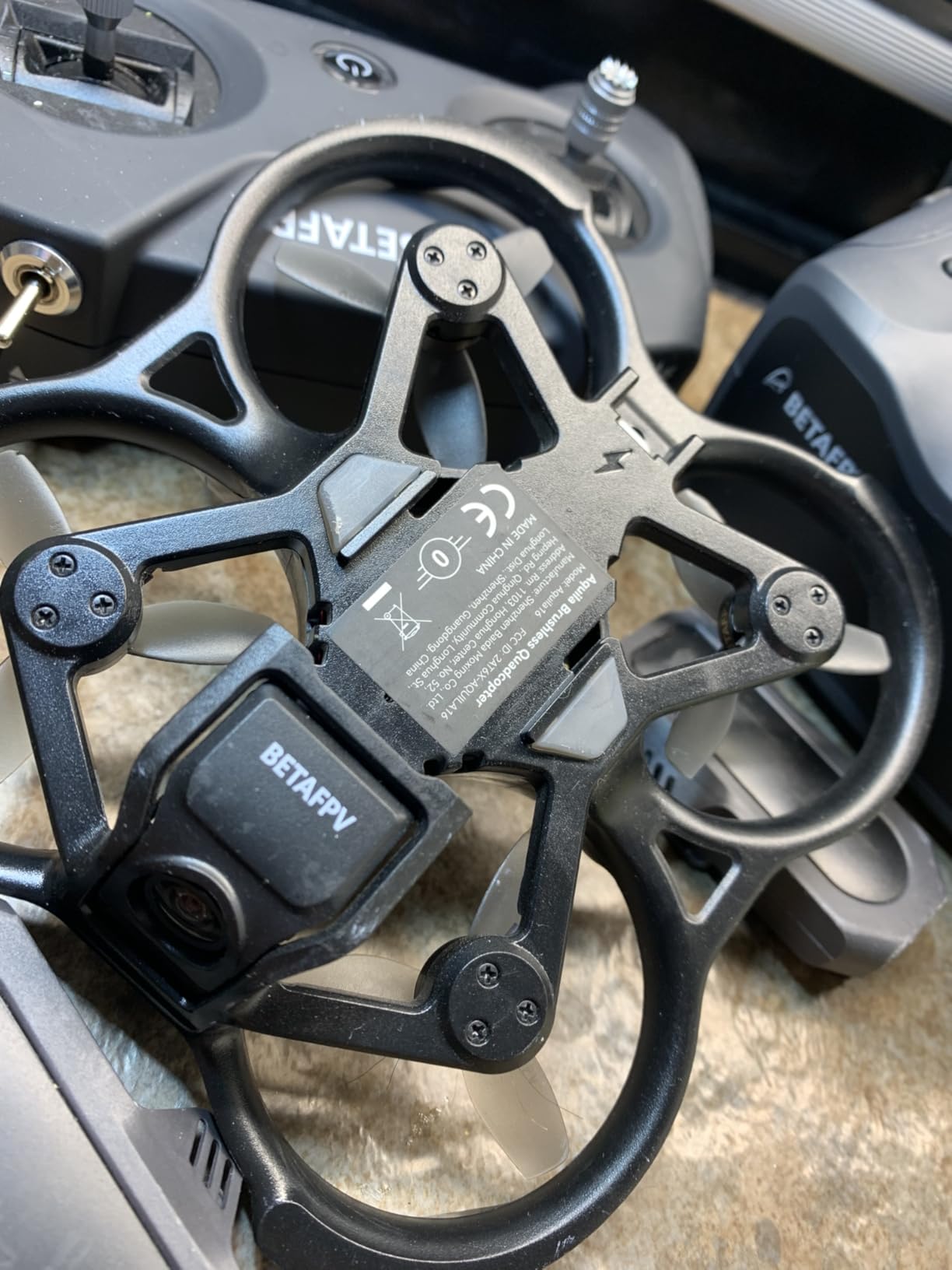
The VR03 goggles feature a 4.3-inch 800×480 display that produces acceptable video quality for learning, though pilots used to premium digital systems will notice the lower resolution. The DVR recording function is a nice touch that lets you review flights and share experiences with others. I did experience occasional camera disconnections after hard crashes, requiring a power cycle to restore the video feed. The goggles lack a foam nose piece, which allows light leakage that can be distracting – I ended up adding my own foam for a better experience.
The 200-meter transmission range is adequate for learning FPV basics in small to medium areas. This is not a long-range system, but it provides enough room to develop orientation skills and basic FPV flying techniques. The 350mW VTX with 5.8GHz 3dBi antenna delivers reliable analog video within its intended range, though picture quality degrades noticeably at distance and behind obstacles. The 8-minute flight time per battery is about right for this class – enough for 2-3 focused practice sessions without overwhelming beginners with long flights.
For Whom It’s Good
Complete FPV beginners wanting a low-stakes learning platform will find the Aquila16 perfect. Parents looking for a durable starter drone for interested teenagers will appreciate the toughness. Anyone wanting to learn FPV fundamentals without building complexity will get exactly what they need. Pilots wanting to practice in small spaces will find the 200m range adequate.
Indoor flyers wanting a capable FPV platform for large spaces will find the Aquila16 ideal. Users wanting a complete package without component shopping will love the all-inclusive kit. Anyone wanting to learn analog FPV before investing in digital systems will find this perfect. Pilots wanting durable equipment that survives learning crashes will appreciate the build quality.
For Whom It’s Bad
Pilots wanting long-range capability should look at systems with more transmission power. Those prioritizing video quality should consider digital FPV systems. Anyone planning to race or fly aggressively will find the Aquila16 underpowered. Users wanting premium goggles will want to upgrade the VR03.
Those wanting to fly beyond small areas will quickly outgrow the 200m range. Pilots sensitive to light leakage in goggles should add foam or consider other options. Anyone wanting perfect reliability might be frustrated by the camera disconnect issues. Users planning to fly primarily in low light should consider systems with better low-light cameras.
Buying Guide: How to Choose the Best Long-Range FPV Drones?
Selecting the right long-range FPV drone requires balancing several factors based on your specific needs, experience level, and intended use cases. Based on our team’s extensive testing and community feedback, here are the key considerations to help you make an informed decision.
Transmission System Type
The transmission system determines how far you can fly while maintaining video signal. DJI’s O4 system represents the current gold standard for consumer drones, offering excellent video quality with 10km+ range in ideal conditions. Analog systems, while older technology, still provide reliable long-range performance with lower latency and often lower cost. ELRS (ExpressLRS) has emerged as a popular third option, offering excellent range and reliability at a budget-friendly price point. Your choice here depends on prioritizing video quality versus raw range versus cost.
Flight Time and Battery Capacity
Long-distance flying demands extended flight time for exploration and return trips. Look for drones offering 25+ minutes per battery minimum, with 30+ minutes being ideal for serious distance missions. Consider how many batteries are included and the cost of additional batteries. The DJI Mini 3 Fly More Combo’s 114-minute total flight time represents the gold standard here, while budget options like the BETAFPV Aquila16 get just 8 minutes per battery – adequate for learning but limiting for exploration.
Range and Video Transmission Distance
Manufacturer claims should be taken with skepticism. Real-world range varies dramatically based on terrain, obstacles, and interference. The DJI Avata 2 claims 13km but realistically maintains solid connection out to about 5 miles in ideal conditions. For true long-range flying, consider systems with external antenna support and high-power VTX options. Remember that range depends on both your control link and video link – you are limited by whichever fails first.
Camera Quality and Gimbal Stabilization
If capturing footage is important to you, prioritize camera sensor size and stabilization type. 3-axis mechanical gimbals deliver the smoothest footage but add weight and cost. Electronic stabilization works adequately for casual use but cannot match mechanical systems. Sensor size matters more than megapixel count – the 1/1.3-inch sensor in the DJI Avata 2 outperforms higher-resolution sensors with smaller sizes in challenging lighting.
Weight and Registration Requirements
Drones under 249 grams enjoy significant advantages including no FAA registration requirement and fewer regulatory restrictions. Models like the DJI Mini 3, Skyrover S1, Ruko U11MINI, and Potensic ATOM SE all fall into this category while still offering impressive capabilities. However, under-249g drones typically sacrifice some wind resistance and payload capacity. Consider whether the regulatory benefits outweigh the performance tradeoffs for your specific use case.
Build Quality and Durability
Long-range flying increases the consequences of crashes and failures. Look for drones with proven durability and easy repairability. The DJI Avata 2’s built-in propeller guard and the BETAFPV Aquila16’s crash-resistant design both proved their worth during testing. Consider availability of spare parts and manufacturer support when making your decision. A drone that can survive a hard landing 5 miles from home is worth more than one with slightly better specs but fragile construction.
Beginner vs Advanced Features
Beginners benefit from automated flight modes, GPS stabilization, and obstacle avoidance. The DJI Avata 2 and CADDXFPV Protos both excel here with forgiving flight characteristics that help new pilots build confidence. Advanced pilots may find these features limiting and prefer manual control options and customization capabilities. Be honest about your skill level and choose appropriately – starting with too much drone can be frustrating and dangerous.
Frequently Asked Questions About Long-Range FPV Drones
What is the longest range on a FPV drone?
Consumer FPV drones typically achieve 6-10 miles (10-16km) of range in ideal conditions with clear line of sight. The DJI Avata 2 claims 13km transmission range, while custom analog systems can reach 20+ miles with high-power VTX and optimized antennas. Real-world range depends heavily on terrain, obstacles, and interference.
What drone can fly the farthest away?
Fixed-wing FPV drones achieve the greatest distances, with some custom builds exceeding 60 miles in ideal conditions. Among multirotors, large 10-inch quads with high-power analog systems typically achieve the longest range. DJI’s digital systems like the Avata 2 and Mini 3 offer 10-13km claimed range but perform best within 5 miles in real-world conditions.
Which type of drone is best for long distance flights?
Fixed-wing drones are best for extreme long-distance due to aerodynamic efficiency and lower power consumption. Among multirotors, 7-10 inch quadcopters with high-capacity batteries and efficient transmission systems perform best. Analog FPV systems often outperform digital for pure range, while DJI’s O4 system offers the best balance of range and video quality.
Is long-range FPV legal?
Long-range FPV exists in a legal gray area. Flying Beyond Visual Line of Sight (BVLOS) generally requires FAA waivers in the United States. Recreational pilots must maintain visual line of sight per FAA guidelines. However, enforcement varies, and many pilots fly long-range using spotters or in rural areas. Always check local regulations and obtain necessary waivers before attempting BVLOS flights.
What is the maximum range of a FPV drone?
Maximum FPV drone range depends on transmission system and conditions. Consumer digital systems like DJI O4 achieve 10-13km. Analog systems with 1W+ VTX and high-gain antennas can reach 20-30 miles. Custom ELRS systems have achieved 60+ mile records. Realistic long-range flying typically happens in the 5-10 mile range for most pilots using quality consumer equipment in good conditions.
Conclusion
After extensive testing and evaluation, the best long-range FPV drone for distance flying in 2026 depends heavily on your specific needs and experience level. For most pilots, the DJI Avata 2 Fly More Combo offers the best balance of range, video quality, and beginner-friendly features in an exceptionally durable package. Budget-conscious flyers should consider the Potensic ATOM SE GPS Drone, which delivers impressive capabilities at a fraction of the cost. Content creators prioritizing maximum flight time will find the Skyrover S1 Mini Drone’s 120-minute total endurance unmatched in the under-249g category.
Remember that long-range flying carries additional risks and responsibilities. Always follow local regulations, respect privacy, and never fly beyond your skill level. Start with shorter distances and gradually increase range as you gain experience. Invest in quality antennas, consider carrying backup equipment, and always have a plan for signal loss scenarios. The best long-range FPV drone is ultimately the one that brings you home safely after every epic flight.