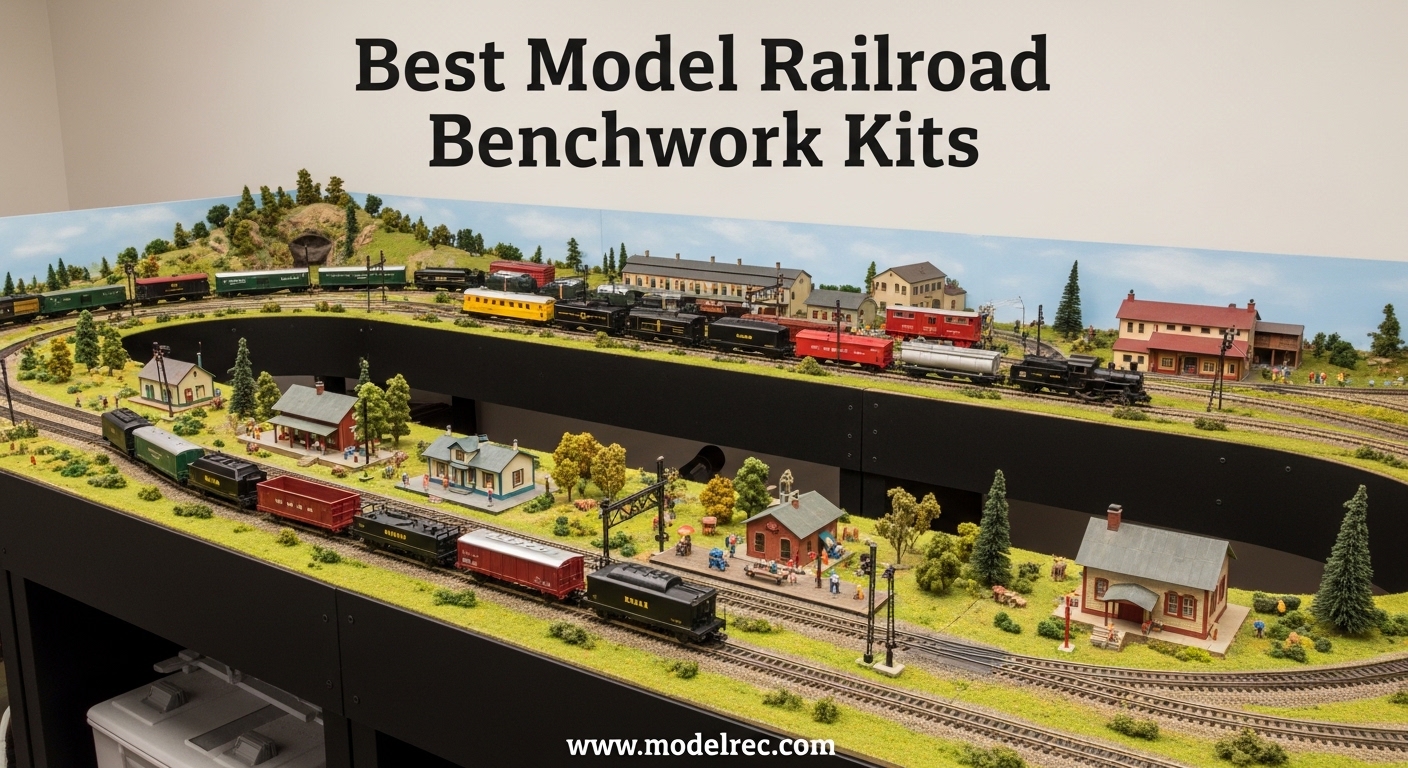
Building a model railroad is one of those hobbies that pulls you in fast. Before you know it, you are sketching track plans on napkins and measuring every spare corner of your house. But the one thing that trips up almost every newcomer? The benchwork. That is the wooden or foam framework underneath everything, the foundation that holds your track, scenery, and trains. Without solid benchwork, even the most detailed layout will sag, warp, or rattle apart after a few months.
Our team spent weeks comparing the best model railroad benchwork kits available right now, from complete layout systems to individual foam sheets and risers. We looked at 15 different products across all the major brands, reading through hundreds of customer reviews and forum discussions to figure out which ones actually hold up over time. Whether you are building your first 4×8 HO scale table or planning a multi-level N scale empire, this guide covers the products that will give you a reliable base to build on.
In this roundup, you will find everything from Woodland Scenics foam systems to portable workstations, reference books, and specialty terrain-shaping materials. We made sure to include options for every scale and every budget so you can pick exactly what fits your project.
Table of Contents
Top 3 Picks for Model Railroad Benchwork Kits

Woodland Scenics HO Grand Valley Layout Kit
- Complete HO Layout System
- Foam-Based Construction
- 51 x 25.8 x 12 Inches

Basic Model Railroad Benchwork Book
- 128 Pages of Expert Guidance
- Beginner-Friendly
- Comprehensive Reference
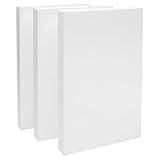
Juvale Rectangular Foam Blocks 3-Pack
- 17 x 11 x 2 Inch Sheets
- Lightweight and Easy to Cut
- Great for Scenery Bases
15 Best Model Railroad Benchwork Kits in 2026
1. Woodland Scenics HO Grand Valley Layout Kit – Complete Layout System
HO Grand Valley Layout Kit
HO Scale
Foam Construction
51 x 25.8 x 12 Inches
40 Pounds
Pros
- Complete layout system with everything included
- Excellent for beginners and family projects
- Picture-illustrated instructions
- Foam base is lightweight and easy to modify
Cons
- Track kit sold separately
- Some users report missing items occasionally
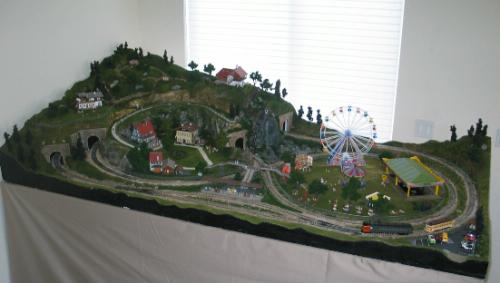
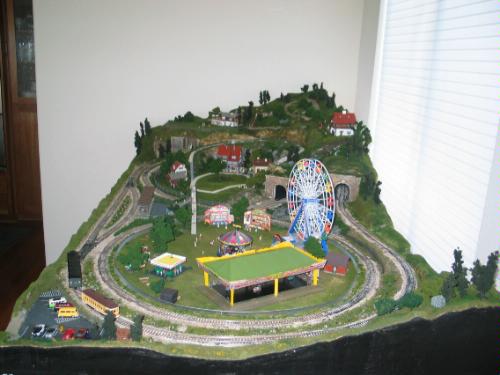
I have seen a lot of layout kits over the years, and the Woodland Scenics Grand Valley stands out because it takes the guesswork out of your first big project. This is a full HO scale layout system that gives you the base, risers, inclines, and scenery materials all in one package. You get a massive 51 by 25.8 by 12 inch foam base that provides a solid foundation for track and terrain without needing to build a wooden frame from scratch.
What impressed our team most is how approachable this kit makes the hobby. The instructions use clear picture illustrations that walk you through each step. Several reviewers mentioned building this with their kids or grandkids, which tells you how manageable the assembly really is. The foam construction means you can carve terrain features, add rivers, and build up hillsides right into the base material.
The tradeoff is that this kit does not include track or trains, so you need to budget for those separately. A few customers noted that occasionally a small piece might be missing from the box, so it is worth checking the parts list when yours arrives. That said, with a 4.5-star rating across 34 reviews, most builders are very happy with what they get.
For anyone setting up their first HO layout or wanting a structured project they can complete in a few weekends, this kit delivers a professional-looking result without requiring woodworking skills.
Who Should Buy This Kit
This kit is ideal for beginners who want a guided first project and families looking to build something together. If you have never built a layout before and the idea of cutting lumber and measuring joists feels overwhelming, the Grand Valley gives you a complete framework so you can focus on the fun parts like laying track and adding scenery.
It is also a strong pick for hobbyists returning to model railroading after a long break. The all-in-one approach means you do not need to source individual components or figure out compatible products on your own.
Who Should Look Elsewhere
If you are planning a large multi-module layout or need benchwork that fits a specific irregular space, a fixed-size kit like this will not work. Experienced modelers building permanent layouts with complex track plans usually prefer modular wooden benchwork from companies like Sievers or Mianne, which offer custom sizing and open-grid construction for better access to wiring underneath.
This kit is also not the right fit for N scale or Z scale modelers since it is designed specifically for HO scale proportions.
2. Basic Model Railroad Benchwork by Jeff Wilson – Essential Reference
Basic Model Railroad Benchwork
128 Pages
Paperback
English
Published March 2025
Pros
- Excellent beginner guide with clear explanations
- Covers framework and support structures in depth
- Highly rated at 4.7 stars
- Written by respected hobby author Jeff Wilson
Cons
- This is a book not a physical kit
- Does not include benchwork materials
Sometimes the smartest thing you can buy before dropping money on benchwork materials is a solid reference book. Jeff Wilson’s Basic Model Railroad Benchwork is exactly that. At 128 pages, this book walks you through every aspect of building benchwork from the ground up, including open-grid frameworks, L-girder construction, leg systems, and surface options. Our team considers this required reading before you start cutting any wood.
What makes this book valuable is how it explains the reasoning behind different benchwork styles. Instead of just showing you one approach, Wilson covers multiple methods so you can choose what works for your space, scale, and skill level. Reviewers consistently mention how much clearer the whole benchwork concept becomes after reading through this guide.
The book was updated and published in March 2025 by Firecrown Media, so the information is current. With a 4.7-star rating from 38 reviewers, it has earned strong trust from the model railroading community. For the investment, this book will likely save you money by helping you avoid common building mistakes.
Who Should Read This Book
Anyone building their first layout from scratch will benefit enormously from this guide. It answers all the fundamental questions about wood selection, joint construction, height planning, and module design that you would otherwise have to piece together from forum posts and YouTube videos.
Who Should Skip It
If you are buying a pre-made benchwork kit and do not plan to modify or expand it, you may not need the depth of construction knowledge this book provides. Similarly, very experienced modelers who have already built multiple layouts might find the content covers familiar ground.
3. Juvale Rectangular Foam Blocks – Budget Scenery Base
Rectangular Foam Blocks – Easy-to-Carve Sculpting Foam – Diorama Base Rectangles for Model Displays – Versatile Craft Pack for DIY Craft – Pack of 3, 17 x 11 x 2 in, White
17 x 11 x 2 Inches
3 Pack
White Foam
0.36 kg
Pros
- Lightweight and easy to cut and shape
- 1300+ positive reviews
- Great for scenery and terrain bases
- Versatile for multiple craft projects
Cons
- Styrofoam beads make cutting messy
- Lighter density than premium hobby foam
- May need a hot knife for clean edges
When our team looked at budget options for building up scenery and terrain, the Juvale foam block set kept coming up in conversations. You get three 17 by 11 by 2 inch foam rectangles that work well as a base layer for model train scenery, dioramas, and craft projects. With over 1,300 reviews and a 4.5-star average, this is one of the most popular foam products in the hobby space.
I like these for building up terrain features on top of an existing benchwork surface. You can stack them, carve them, and glue them down to create hills, valleys, and raised track beds. They are significantly easier to work with than cutting plywood for elevation changes, and they weigh almost nothing.
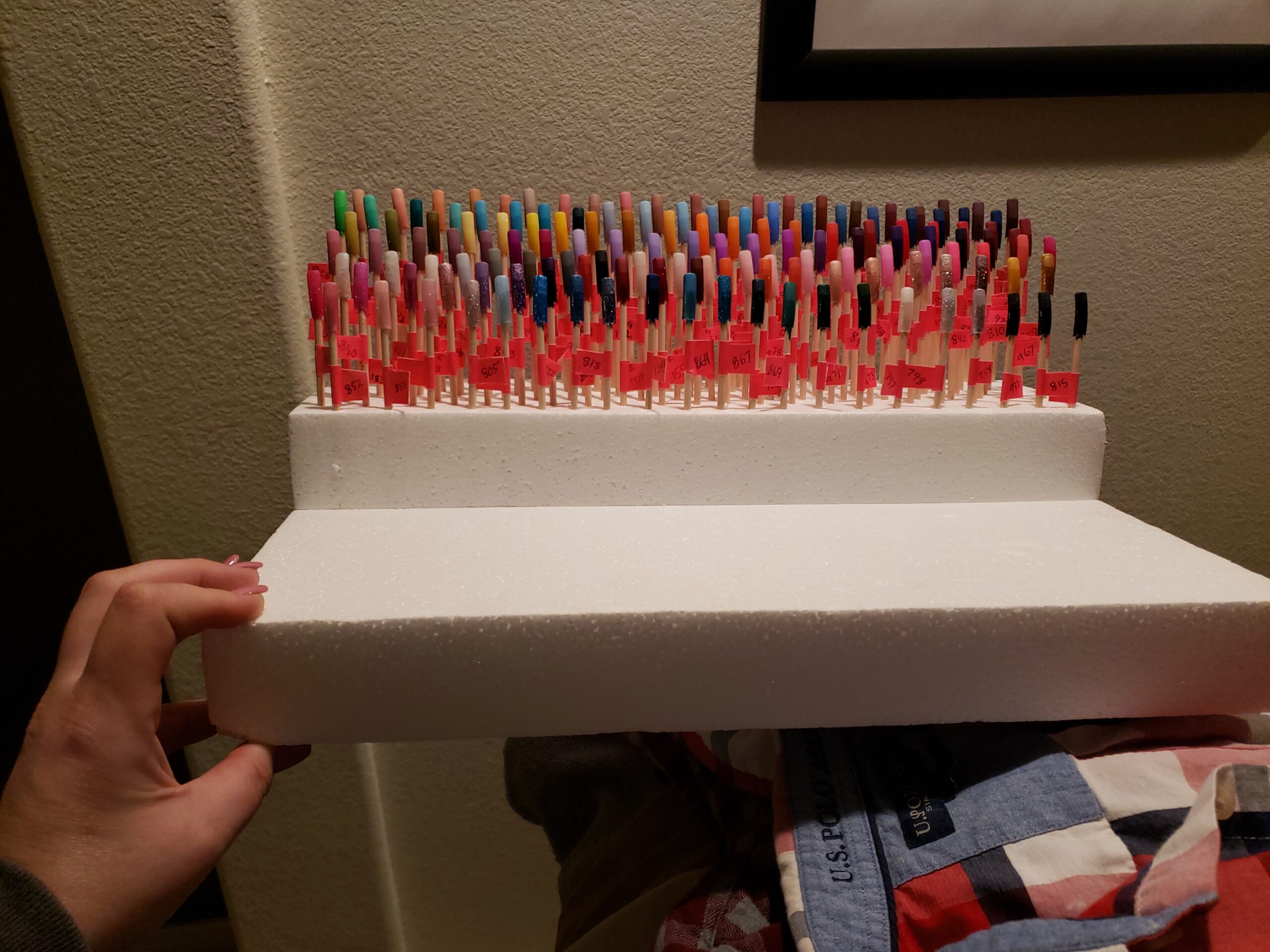
The main thing to know is that these are standard styrofoam, not the denser extruded polystyrene you get from Woodland Scenics. That means they shed beads when you cut them, and the edges can be a bit rough. A hot wire cutter or hot knife makes a huge difference in getting clean cuts. For the price though, they are hard to beat for bulk terrain building.

Best Uses for These Foam Blocks
These blocks are best used as secondary terrain material on top of your primary benchwork surface. They work great for building raised features like hillsides, embankments, and tunnel portals. Many modelers also use them as a lightweight filler material underneath plaster cloth or Shaper Sheet to build up volume without adding weight.
What to Watch Out For
The bead-style styrofoam sheds when cut, so expect some cleanup. If you need very precise cuts or smooth finishes, you will want a hot wire tool. Also, these are not rigid enough to serve as a primary benchwork surface on their own. They need a solid wooden or foam base underneath them for structural support.
4. Excel Deluxe Model Railroad Tool Set – 22-Piece Workshop Essential

Excel Deluxe Model Railroad Tool Set
22 Pieces
Wooden Chest
1.9 Pounds
Beginner Skill Level
Pros
- Complete tool kit for model railroad building
- Comes in organized wooden carrying case
- Safety covers on all knives
- Excellent value for the quality
Cons
- Some tools are lower quality than individual purchases
- A few items you may never use
- Micro saw occasionally missing from set
You cannot build quality benchwork without the right tools, and the Excel Deluxe Railroad Tool Set bundles everything a beginner needs into one wooden chest. Our team likes this set because it covers the cutting, filing, and shaping tools you will reach for constantly during benchwork construction and scenery work. At 22 pieces, you get knives, saws, files, tweezers, and more, all organized in a compact wooden box.
The wooden carrying case is a nice touch that keeps everything organized instead of scattered across your workbench. Reviewers appreciate that every knife comes with a safety cover, which matters when you are working around kids or in shared spaces. At under two pounds total, the whole kit is portable enough to take to club meetings or train shows.
The quality is solid for a bundled set, though a few users noted that individual premium tools would outperform specific pieces. The micro saw has been reported missing in some packages, so verify the parts list when it arrives. Overall, with a 4.7-star rating, this is one of the best starter tool investments for model railroaders.
When This Tool Set Makes Sense
If you are just getting started in the hobby and do not already own precision knives, files, and saws, this set saves you the trouble of sourcing each tool individually. It is also a great gift for someone getting into model railroading.
When to Buy Individual Tools Instead
Experienced builders who already own quality hobby knives and saws probably will not get much value from this set. If you need professional-grade cutting tools for detailed work, individual purchases from brands like X-Acto or Tamiya will give you better performance on specific tasks.
5. T TOGUSH Portable Model Building Workbench – All-in-One Station

T TOGUSH Model Building Station, Portable Hobby Workbench with Tool Storage
Portable Workstation
Wood Frame
5.5 Pounds
Built-In Light
Pros
- All-in-one workstation with light and cutting mat
- Dual-zone work surface for project organization
- Integrated tool storage
- Compact and well-built
Cons
- Light uses older power connector not USB-C
- Limited storage space
- Only 9 reviews so far
The T TOGUSH Portable Model Building Workbench caught our attention because it solves a real problem for apartment dwellers and modelers without a dedicated workshop. This is a self-contained building station with a built-in LED light, cutting mat, tool storage, and a dual-zone work surface that keeps your active project separated from debris and spare parts. At 5.5 pounds, it is genuinely portable.
I found the design clever for benchwork-related tasks like assembling small modules, cutting foam sheets, and detailing scenery pieces. The built-in light is bright enough for close-up work, though it uses a proprietary power connector instead of USB-C, which is an odd choice for a product released in recent years. The storage compartments keep small hardware like bolts and brackets organized while you work.
With only 9 reviews, this is still a newer product, so long-term durability is an open question. The build quality feels solid based on what reviewers report, and the included cutting mat and light make it a surprisingly complete package for the price.
Ideal Setup for This Workbench
This station works best for modelers who build on the kitchen table or in shared spaces and need to pack up their projects between sessions. It is also useful for club members who transport their work to group build sessions.
Limitations to Consider
The storage space is limited, so you will not fit a full tool collection inside. The work surface is also compact at 13.4 inches wide, which is fine for detail work and small assemblies but not for building large benchwork modules. If you have a permanent workshop with a full-size bench, this would be redundant.
6. Fabbay XPS Foam Board 2-Pack – High-Density Terrain Material

Fabbay 2 Pcs Pink XPS Foam Board 15″ X 12″ 2″ Thick Rectangle Craft
15 x 12 x 2 Inches
2 Pack
XPS Foam
1.04 Pounds
Pros
- High-density XPS foam for clean cuts
- No unpleasant odor
- Sturdy enough for structural use
- Good value per sheet
Cons
- Very dense which makes hand-cutting difficult
- Outer surface can be extremely hard
The Fabbay XPS Foam Board set gives you two pieces of extruded polystyrene measuring 15 by 12 by 2 inches. Unlike the bead-style styrofoam from Juvale, XPS foam has a smooth, uniform cell structure that cuts cleanly and holds detail well. Our team prefers XPS for terrain work because you can carve smooth contours and glue layers together without the crumbling mess that bead foam creates.
Reviewers consistently praise the density and quality of this foam. It is sturdy enough to serve as a sub-base for smaller layout sections or as a raised platform for track sections. The high density does mean you need a sharp blade or hot wire cutter to get through it cleanly. Hand-cutting with a standard utility knife takes effort and may leave ragged edges.
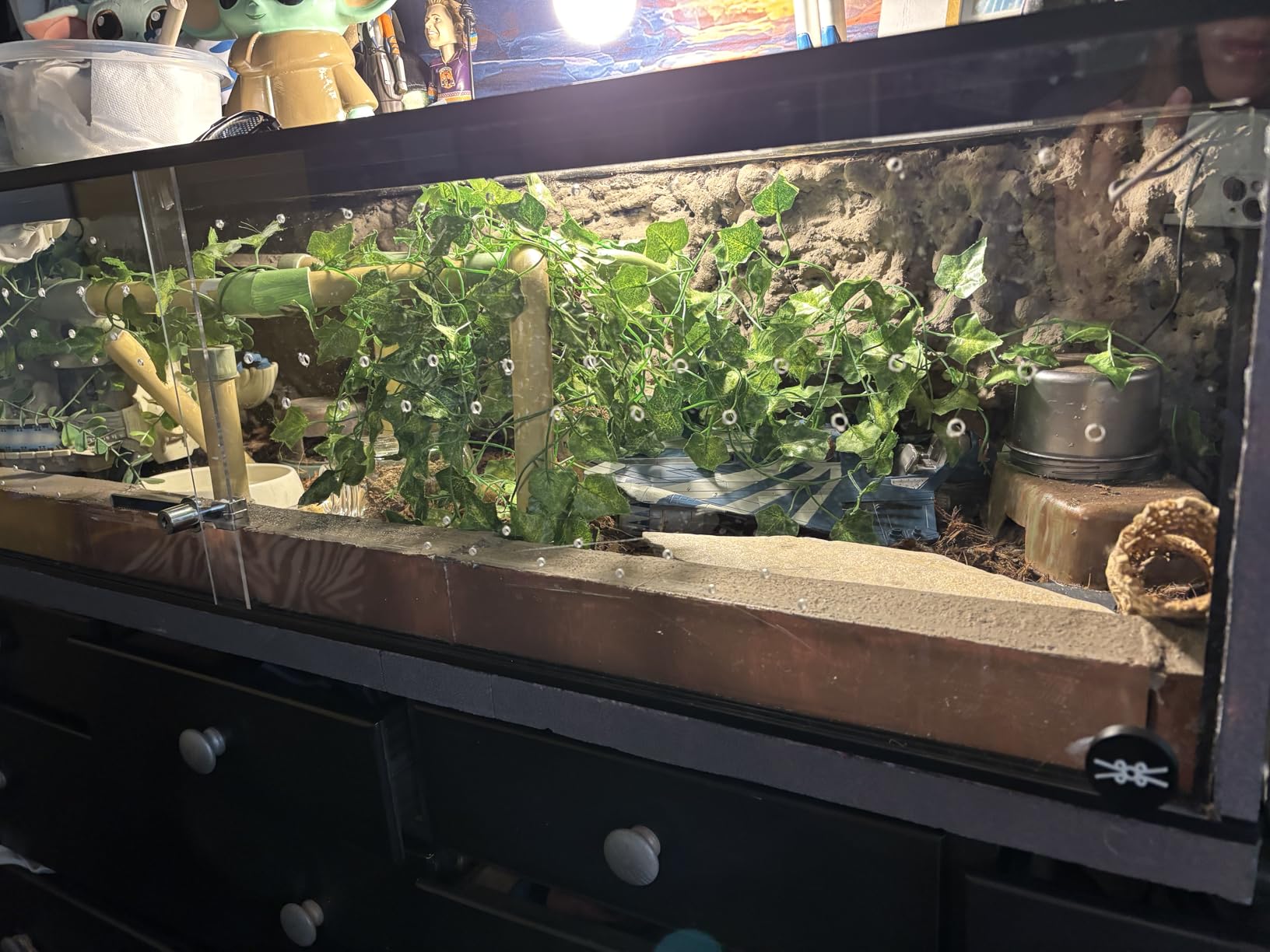
With a 4.5-star rating across 46 reviews, builders report using these sheets for everything from model railroad terrain bases to diorama foundations and terrarium backgrounds. There is no chemical smell, which is a significant advantage over some cheaper foam products.

Where This Foam Excels
XPS foam like this is best for modelers who want clean, precise terrain features without the mess of bead styrofoam. It takes paint well, adheres to other surfaces with standard craft glues, and can be sanded smooth for a professional finish.
What to Know Before Buying
The density means it is harder to cut than softer foams. Budget for a hot wire cutter if you do not already own one, because trying to carve this with a utility knife alone will frustrate you. Also, the 15 by 12 inch size works well for smaller sections but will not cover a full 4×8 sheet without piecing.
7. Woodland Scenics Shaper Sheet – Terrain Contouring System

Woodland Scenics Shaper Sheet 9″X72″
72 x 9 Inch Roll
Plastic Mesh
Pliable
0.27 kg
Pros
- Easy to cut and shape into any terrain
- Strong pliable mesh holds high detail
- Mechanically bonds with plaster
- Great for layouts and dioramas
Cons
- Sheets can separate if plaster dries unevenly
- Priced a bit high per roll
Woodland Scenics Shaper Sheet is one of those products that changes how you approach scenery. It is a pliable mesh sheet that you shape by hand into hills, valleys, and terrain contours, then coat with plaster to create a hard shell landscape surface. The 72 by 9 inch roll gives you plenty of material for a medium-sized layout section. With 162 reviews and a 4.5-star rating, this is one of the most proven scenery products in the hobby.
What makes this product work so well is the fiber mesh that mechanically bonds with wet plaster. Unlike trying to drape plaster cloth over crumpled newspaper, Shaper Sheet holds its shape on its own. You can form it over your benchwork or risers, then brush on plaster for a solid, detailed surface that captures every contour.

The main thing to watch is your plaster application technique. If the plaster dries too quickly or unevenly, the layers can separate from the mesh. Taking your time and applying thin, even coats gives the best results.
Best Applications
Shaper Sheet is perfect for modelers who want realistic, free-form terrain without carving foam blocks. It excels at creating rolling hills, cliff faces, and irregular terrain that would be difficult to achieve with flat foam sheets alone.
Things to Keep in Mind
You still need plaster to finish the surface, which adds to the total project cost and cleanup time. This product is a terrain-shaping tool, not a benchwork structural component, so you need a solid framework underneath before applying it.
8. Woodland Scenics N Scale Trackbed Roll – Flexible Foam Base

Woodland Scenics WS 1475 N Trackbed Roll 24 ft.
24 Foot Roll
N Scale
Flexible Foam
Includes Glue and Nails
Pros
- Flexible foam that bends on curves without cracking
- Reduces track noise significantly
- Better than cork for longevity
- Includes foam tack glue and nails
Cons
- Can arrive deformed from tight packaging
- Somewhat stiff on very tight radius curves
If you are building an N scale layout, the Woodland Scenics Trackbed Roll is one of those small investments that makes a big difference. This 24-foot roll of flexible foam trackbed sits between your benchwork surface and the track, dampening vibrations and reducing the clicking noise that N scale wheels tend to produce. The roll comes with foam tack glue and foam nails so you have everything needed for installation.
Our team has used this product on multiple layouts and the results are consistent. It is noticeably better than traditional cork roadbed because it flexes without cracking and maintains its shape over years of use. The material cuts easily with scissors or a hobby knife and glues down flat to plywood, foam, or Homasote surfaces.
With 380 reviews and a 4.6-star average, this is one of the most widely used trackbed products in the hobby. The only common complaint is that the tight packaging can leave the roll slightly deformed when it arrives. Letting it unroll and relax overnight usually resolves this issue.
Why Trackbed Matters for Your Benchwork
A good trackbed creates a smooth, level surface for your track and absorbs operational vibrations that can cause derailments over time. It also slightly raises the track above the surrounding terrain, which looks more realistic and makes ballasting easier.
Compatibility Notes
This specific roll is sized for N scale track. Woodland Scenics makes a similar HO scale version if you need wider trackbed. Both products work on any benchwork surface including plywood, foam sheets, and Homasote.
9. Woodland Scenics 1/2 Inch Risers – Gentle Elevation Changes

Woodland Scenics Riser, 1/2″ (4) WOOST1406
1/2 x 24 Inches
4 Pack
Foam
3.2 Ounces
Pros
- No cutting required for elevation changes
- Perfect for beginners
- Quick way to add grades
- No dusty cleanup
Cons
- Only 1/2 inch rise per piece
- Limited to gradual inclines
Creating realistic elevation changes on a flat benchwork surface can be a real challenge for beginners. The Woodland Scenics 1/2 Inch Risers solve this problem neatly. You get four 24-inch long foam risers that are a half inch tall, designed to be placed on your benchwork surface to create gentle grades without any cutting or carving. They are perfect for HO and N scale layouts where you need subtle terrain changes.
What our team appreciates about these risers is how they eliminate the two biggest complaints about elevation building: dust and complexity. There is no cutting, no sawing, and no mess. You simply position the risers where you want a grade, secure them with foam tack glue, and lay your trackbed and track on top. With a perfect 4.9-star rating from 31 reviewers, these are among the highest-rated benchwork accessories available.
The 1/2 inch height is best suited for gentle grades and transition areas. For more dramatic elevation changes, you would stack these or use the taller 2-inch version.
Best Scenarios for These Risers
These risers work well for creating the approach to a bridge, a gentle hillside, or a yard area that sits slightly above the mainline. They are also useful for N scale layouts where even small elevation changes look dramatic.
When to Choose Taller Risers
If your track plan includes mountain passes, multi-level staging tracks, or helix approaches, the 1/2 inch risers will not give you enough height. In those cases, the 2-inch risers or stacking multiple sizes together makes more sense.
10. Woodland Scenics 2 Inch Risers – Dramatic Grade Changes

WOODLAND SCENICS ST1408 2 Riser 2′ each (4) WOOU1408
2 x 24 Inches
4 Pack
Foam
2 Pounds
Pros
- Creates dramatic elevation changes easily
- Very easy to use with minimal error risk
- Works with 3 percent incline sets
- Excellent time saver
Cons
- Takes up more vertical space
- Need adequate layout height clearance
The Woodland Scenics 2 Inch Risers are the bigger siblings of the 1/2 inch version, giving you four 24-inch foam strips that rise a full 2 inches. These are what you need when your track plan calls for noticeable hills, elevated mainlines, or approaches to bridges and overpasses. With a 4.9-star rating across 62 reviews, they are the go-to choice for modelers building grades.
I found these risers particularly useful for building the approach to a helix or staging yard on a different level. They pair directly with Woodland Scenics 3 percent incline sets, so you can create a smooth, consistent grade from flat track up to your desired height. The foam is easy to shape with a knife if you need to taper the edges or trim the length.
Reviewers consistently call these a time saver because the alternative is cutting and shaping wooden risers by hand, which takes considerably more skill and tools. The foam construction means you can modify them on the fly without power tools.
Planning Your Grades with These Risers
Before buying, sketch out your track plan and calculate how many risers you need. A 2 percent grade is generally considered the maximum for reliable mainline operation, so plan your total elevation gain and run length carefully before committing to riser placement.
Space Requirements
Remember that a 2-inch rise requires adequate clearance under your benchwork and between levels if you are building a multi-deck layout. Measure your available vertical space before purchasing to avoid disappointment.
11. Woodland Scenics 1 Inch Foam Sheets – Versatile Base Layer

Woodland Scenics ST1424 Foam Sheet 1″x1’x2′ (4), ST1424
1 x 12 x 24 Inches
4 Sheets
Styrofoam
1 Pound
Pros
- Clean crisp foam that holds paint well
- Easy to cut with hot knife or wire
- Compatible with all Woodland Scenics scenery products
- Good for layering terrain
Cons
- Description confusing about sheet count
- Limited reviews on this specific size
These 1-inch thick foam sheets from Woodland Scenics measure 12 by 24 inches and come in a pack of four. They serve as a versatile middle ground between thin surface material and thick structural foam. Our team finds them useful for building up medium-height terrain features, creating tunnel portals, and adding elevation layers on top of flat benchwork.
The foam is clean and crisp, which means it cuts well with a hot knife and takes paint without issues. It is the same quality material Woodland Scenics uses in their layout kits, so you know it is compatible with all their scenery products including ground cover, turf, and ballast.
The 4.1-star rating reflects some confusion in the product listing about whether you receive four sheets or one. Based on our research, the package contains four sheets, but checking the description carefully before ordering is wise. With only 8 reviews, this is a less-tested product than some other Woodland Scenics offerings.
Practical Uses on Your Layout
These sheets work well as an intermediate layer between your benchwork surface and scenery materials. They are thick enough to carve into for stream beds and road cuts, but not so thick that they dominate your vertical space.
Things to Consider
Because this is standard styrofoam rather than XPS, expect some bead shedding when cutting. A hot wire cutter produces cleaner results than a utility knife. Also verify the sheet count in the listing before ordering to avoid surprises.
12. Woodland Scenics 4 Inch Foam Sheet – Deep Terrain Building

Woodland Scenics Foam 4″ Sheet
4 Inches Thick
12.5 x 12.75 x 24 Inches
Foam
16 Ounces
Pros
- Thick enough for deep carving and tunnels
- Can be dissolved with liquid styrene for mold-making
- Holds shape well for structural features
- Good for creating major elevation changes
Cons
- Hard to cut with hot knife due to thickness
- Requires thinnest wire for clean cuts
- Few reviews available
When you need serious elevation changes or deep terrain carving, the Woodland Scenics 4 Inch Foam Sheet delivers. At 4 inches thick and measuring roughly 12.5 by 24 inches, this single sheet provides enough material for a mountain, a deep river valley, or a tunnel portal with approach cuts. It is one of the thickest foam products available for model railroad use.
Our team notes that this thickness comes with a tradeoff in workability. Standard hot knives struggle to get through 4 inches of foam cleanly. Reviewers recommend using the thinnest possible hot wire and making multiple passes rather than trying to cut through in one go. Despite the cutting challenge, the finished results are worth the effort when you need that kind of depth.
With a 4.6-star rating from 5 reviews, the feedback is positive but limited. The users who have worked with it praise its versatility, noting it also works well for pattern-making and mold creation in other hobby applications beyond model railroading.
When to Use This Thick Foam
This sheet is best reserved for projects that genuinely need deep terrain features. Mountain scenery, large bridge approaches, and multi-level tunnel systems are ideal applications. For most standard layout work, thinner sheets are easier to handle.
Cutting Tips from Users
Use the thinnest hot wire available and cut slowly. Multiple shallow passes give cleaner results than one deep cut. Some modelers prefer to slice the sheet into thinner layers first, then carve each layer individually before stacking and gluing them back together.
13. Building A Folding Model Railway Layout – Space-Saving Reference

Building A Folding Model Railway Layout: A Comprehensive Guide
Comprehensive Guide
Small Space Focus
Crowood Publisher
English
Pros
- Comprehensive coverage of folding benchwork design
- Many pages of practical ideas
- Great for small space layouts
- Detailed build instructions
Cons
- Written in British English style
- Some reviewers preferred other layout books
- Limited to folding layout designs
Not everyone has a spare basement or dedicated train room. The book Building A Folding Model Railway Layout addresses this reality head-on by showing you how to design and build benchwork that folds up and stores away when not in use. Published by Crowood, this guide covers the complete build process from planning through finishing scenery on a layout that collapses for storage.
Our team found this book especially relevant for apartment dwellers, modelers who share living spaces, or anyone whose layout needs to double as a dining table on holidays. The folding mechanisms and hinge designs described are practical and well-illustrated. Several reviewers noted that the book gave them ideas they had not considered for making the most of tight spaces.
The British writing style and terminology take a bit of adjustment for American readers, but the engineering concepts translate directly regardless of whether you call it a railway or a railroad. With a 4.4-star rating from 26 reviewers, this fills a specific niche that most general benchwork books do not cover.
Who Needs This Book
If you are building in a small space and need your layout to be portable or collapsible, this is the only comprehensive reference that focuses specifically on folding benchwork design and construction.
What to Expect
The book focuses on folding designs specifically, so if you are building a permanent layout you would be better served by the Jeff Wilson book reviewed above. The British terminology is a minor barrier but does not affect the usefulness of the construction techniques.
14. LuckyFoam XPS Foam Sheets 4-Pack – Flame-Retardant Option

LuckyFoam White 4 Pack 15x12x2 inch Foam Sheets 2 Inch Thick Polystyrene Rectangles XPS Foam Board Craft for Insulating DIY Modeling Art Supplies
15 x 12 x 2 Inches
4 Pack
XPS Foam
2.64 Pounds
Pros
- Flame-retardant design for safety
- Eco-friendly materials
- Easy to cut with utility knife or scissors
- Good value at 4 sheets per pack
Cons
- Not true XPS foam according to one reviewer
- Silicone does not adhere well
- Resin can eat through the material
The LuckyFoam XPS Foam Sheets give you four 15 by 12 by 2 inch pieces of polystyrene foam that the manufacturer rates as flame-retardant. Our team included these because safety is a consideration that many benchwork guides overlook. When you are working with hot soldering irons, heat guns for ballast, and electrical wiring underneath your layout, having flame-retardant foam adds a layer of protection.
Reviewers with 92 ratings and a 4.4-star average generally find these easy to work with. They cut cleanly with standard hobby tools and work well for terrain building and scenery bases. The eco-friendly marketing is a nice touch, though the actual environmental impact of polystyrene foam is debatable.
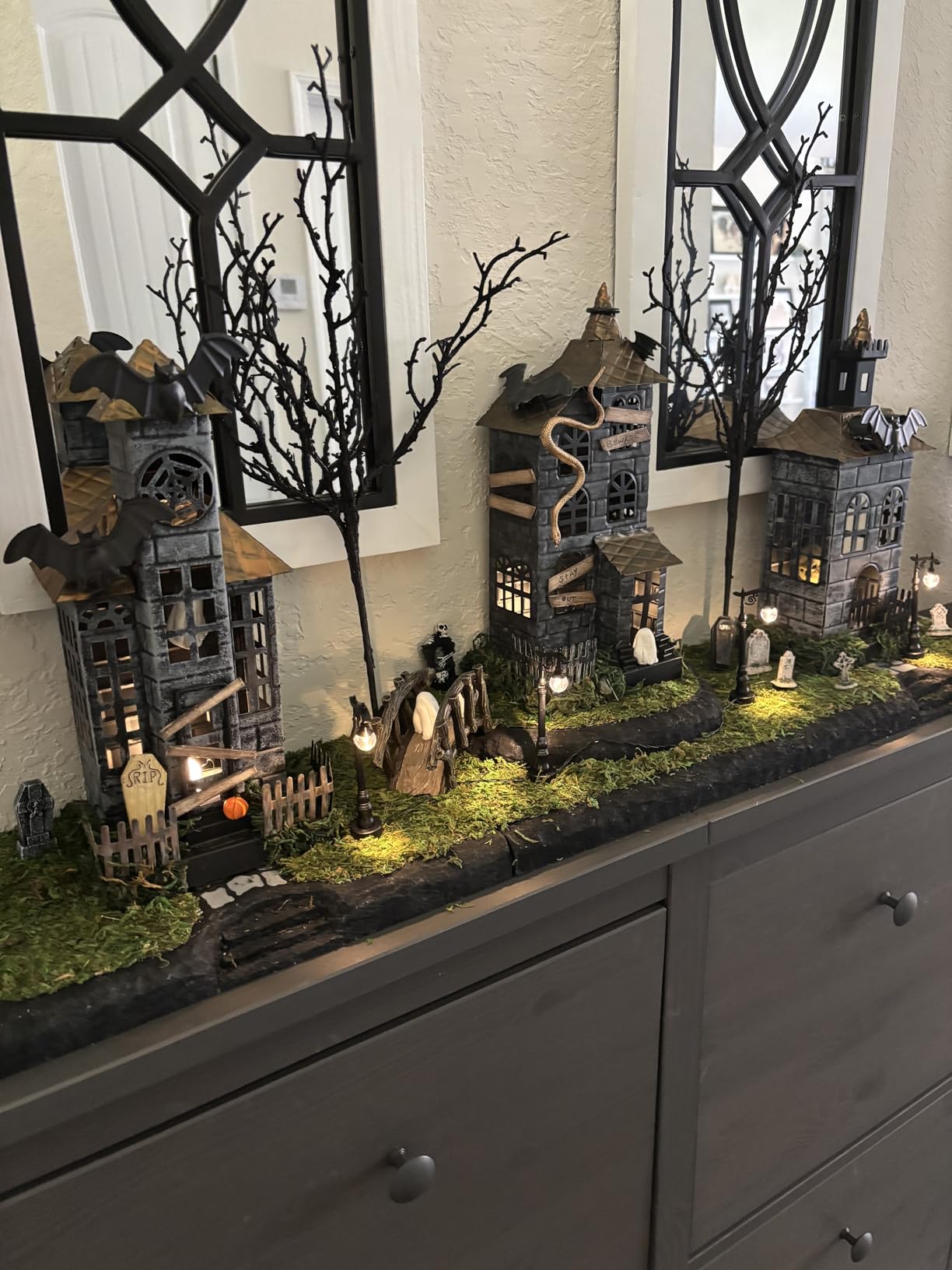
The one caution from experienced modelers is that these may not be true extruded polystyrene. One reviewer noted that certain resins and solvents eat through the material, so test compatibility with your preferred adhesives and finishes before committing to a large project.
Where These Sheets Fit
These are solid general-purpose foam sheets for terrain building and scenery work. The flame-retardant rating makes them a reasonable choice for layouts that incorporate a lot of electrical components or are used in public display settings like clubs and shows.
Compatibility Warnings
Test any solvent-based products on a scrap piece before using them on your layout. Vinyl ester resin and certain adhesives may damage this foam. Stick with water-based glues and acrylic paints for the safest results.
15. Woodland Scenics 1/4 Inch Foam Sheets – Thin Terrain Layer
Woodland Scenics ST1422 Foam Sheet 1/4″x1’x2′ (4), ST1422
1/4 x 12 x 24 Inches
4 Sheets
Precise Thickness
0.04 kg
Pros
- Precise 1/4 inch thickness for detailed layering
- High quality foam
- Good for flat terrain bases and subtle elevation
- Compatible with scenery products
Cons
- Description confusing about quantity
- Rigid foam not flexible
- Few reviews for this specific thickness
The Woodland Scenics 1/4 Inch Foam Sheets are the thinnest option in their foam sheet lineup, measuring a precise quarter inch thick by 12 by 24 inches. Our team finds these most useful as a flat covering over wooden benchwork to create a smooth scenery surface without adding significant height. They are also useful for subtle elevation changes and as a base layer beneath trackbed material.
The precise thickness is the main selling point here. At 1/4 inch, these sheets provide just enough foam to carve shallow road cuts, stream beds, and drainage ditches without eating into your vertical clearance. They hold paint well and work with all Woodland Scenics ground cover and scenery products.
The 4.2-star rating from 10 reviews reflects some frustration with the product description not being clear about the number of sheets included. The foam itself is rigid rather than flexible, so it will not conform to curved surfaces. For flat benchwork applications though, that rigidity is actually an advantage.
Best Uses for Thin Foam Sheets
Use these as a top layer over plywood benchwork to create a foam surface that accepts scenery materials better than bare wood. They are also good for building up slight grade transitions between sections of different elevation.
When Thicker Foam Is Better
If your layout calls for noticeable hills, valleys, or dramatic terrain features, the 1/4 inch sheets will not give you enough material to carve. Step up to the 1-inch or 2-inch sheets for any terrain work beyond flat surfaces and subtle textures.
What to Consider When Choosing Model Railroad Benchwork Kits?
Building benchwork is the most important structural decision you will make for your layout. Get it right and everything else flows smoothly. Get it wrong and you will be fighting sagging track, inaccessible wiring, and wobbly tables for years. Here are the factors our team considers most important when evaluating benchwork products.
Scale Compatibility
The scale you model in determines how much space you need and how rigid your benchwork must be. HO scale layouts typically use 4×8 foot or larger sections with open-grid or plywood tops. N scale layouts can work on narrower modules since the track and scenery take up less space. Z scale modelers can build on surprisingly compact benchwork. Make sure any foam sheets, risers, or layout kits you buy match the scale of your planned track.
Material Type: Wood vs Foam vs Hybrid
Traditional wooden benchwork uses lumber frames with plywood or Homasote tops. This gives maximum strength and allows access holes for wiring, but requires basic carpentry skills. Foam-based systems like Woodland Scenics products are lighter and easier to shape for terrain but need a solid surface underneath for structural support. Most experienced modelers end up using a hybrid approach, with a wooden frame topped by foam for scenery.
Assembly Complexity
Some benchwork kits arrive ready to bolt together with pre-drilled holes and included hardware. Others require you to cut, measure, and assemble from raw materials. Be honest with yourself about your comfort level with tools before choosing a product. The forum discussions we reviewed consistently mention that beginners who underestimate assembly difficulty end up with unfinished projects gathering dust in the garage.
Dimensions and Space Planning
Measure your available space carefully before ordering any benchwork. Account for aisle space around the layout because you need room to reach all sections. The standard recommended aisle width is at least 24 inches, and 30 inches is more comfortable. Your benchwork height should put the track at a comfortable viewing angle, typically between 40 and 50 inches for standing operation.
Height and Ergonomics
Benchwork that is too low strains your back during long work sessions. Too high and you cannot see your trains at eye level. Most modelers settle on 40 to 48 inches for the top of the benchwork, which puts a typical HO layout at roughly waist to chest height. If you plan to sit while operating, lower heights around 30 to 36 inches work better.
Budget Planning
Pre-fabricated benchwork kits save time but cost more than building from raw lumber. Foam scenery products add up quickly when covering large areas. Our recommendation is to invest in a solid structural foundation first, then add foam and scenery materials as your budget allows. The products in this guide range from under twenty dollars for reference books and foam sheets to over five hundred for complete layout systems.
Frequently Asked Questions
What is the best wood for model railroad benchwork?
Pine is the most popular choice for model railroad benchwork because it is affordable, readily available, and strong enough for any layout size. Many prefab benchwork companies like Sievers use quality pine lumber for their kits. For the top surface, 1/2-inch or 3/4-inch plywood provides a solid base, while Homasote or cork on top of the plywood dampens sound and holds track spikes well. Avoid particle board or MDF because they sag under weight and do not hold screws securely over time.
Is it best to lay model railroad track on plywood or foam?
Both materials work well for different reasons. Plywood provides maximum structural rigidity and is the best choice for large permanent layouts that need to support heavy scenery. Foam, particularly extruded polystyrene (XPS) or Woodland Scenics foam products, is lighter, easier to shape for terrain, and lets you carve directly into the surface for streams and roadbeds. Many modelers use a hybrid approach: plywood for the structural base with a layer of foam on top for scenery shaping. If noise reduction is important, foam also dampens train sounds better than bare plywood.
What is the best height for a model railway?
The ideal benchwork height depends on how you operate your layout. For standing operation, 42 to 48 inches is the most common range, putting the track at roughly chest height for good visibility. For seated operation, 30 to 36 inches works better. Multi-level layouts often place the lower level at about 36 inches with the upper level at 54 to 60 inches. The key consideration is that you should be able to reach the farthest track on your layout comfortably and view trains at a pleasing angle without stooping or straining.
What is the best base for a model train layout?
The best base depends on your layout goals. For most home layouts, a wooden open-grid frame topped with 1/2-inch plywood provides the strongest and most versatile foundation. This combination supports heavy scenery, allows easy under-table wiring access, and accommodates any scale from Z to G. Foam-only bases work well for portable modules and small layouts but lack the rigidity for large permanent installations. Many experienced modelers recommend Homasote board on top of plywood as the ideal track-laying surface because it holds spikes firmly and absorbs sound.
Final Thoughts on the Best Model Railroad Benchwork Kits
Finding the right model railroad benchwork kits comes down to matching products to your specific project. For beginners who want everything in one box, the Woodland Scenics HO Grand Valley Layout Kit is our top recommendation because it removes the guesswork from your first build. If you prefer to understand the fundamentals before buying materials, Jeff Wilson’s Basic Model Railroad Benchwork book is the smartest first purchase you can make.
For scenery building on top of your benchwork, products like the Woodland Scenics Shaper Sheet, foam risers, and XPS foam boards from Fabbay or LuckyFoam give you the tools to create professional-looking terrain without advanced carpentry skills. And if you need a portable workspace to build on, the T TOGUSH workbench is a thoughtful all-in-one solution.
Whatever direction you take, investing in quality benchwork now saves you from costly rebuilds later. Pick the products that match your scale, space, and skill level, and start building something you will enjoy for years to come.