
Yes, monoculars can absolutely be used for stargazing, and for many casual astronomers they are the perfect grab-and-go optic. A monocular gives you half the weight of binoculars while still pulling in enough light to scan the Milky Way, study lunar craters, and track Jupiter’s moons from a dark-sky site. Our team tested and compared 12 of the most popular models on the market to find the best monoculars for stargazing worth your money in 2026.
The right stargazing monocular needs at least a 42mm objective lens to gather meaningful light at night. It should also have BaK-4 prisms, fully multi-coated optics, and enough eye relief to use comfortably with glasses. Beyond the specs, real-world factors like tripod compatibility, smartphone adapter quality, and how steady the image feels in your hand matter just as much when you are trying to resolve faint deep-sky objects.
In this guide, we rank all 12 monoculars from premium picks to budget models. We cover what you can actually see through each one, which features matter for astronomy versus daytime use, and what experienced stargazers on forums like Cloudy Nights and Reddit recommend. Whether you want a compact astronomy monocular for travel or a powerful handheld telescope for serious backyard sessions, we have a pick for you.
Table of Contents
Top 3 Picks for Monoculars for Stargazing
12 Best Monoculars for Stargazing in 2026
| Product | Specifications | Action |
|---|---|---|
| Vortex Solo 10×25 Monocular |
|
Check Latest Price |
 Adasion 12×56 HD Monocular Adasion 12×56 HD Monocular |
|
Check Latest Price |
 Celestron Outland X 10×50 Celestron Outland X 10×50 |
|
Check Latest Price |
 YUANZIMOO Night Vision Monocular YUANZIMOO Night Vision Monocular |
|
Check Latest Price |
 hd360pro 12×56 Monocular hd360pro 12×56 Monocular |
|
Check Latest Price |
 FEEMIC 8×42 Monocular FEEMIC 8×42 Monocular |
|
Check Latest Price |
 Pankoo 40×60 Monocular Pankoo 40×60 Monocular |
|
Check Latest Price |
 Celestron Nature 10×25 Celestron Nature 10×25 |
|
Check Latest Price |
 PhysioPhyx 12×60 Monocular PhysioPhyx 12×60 Monocular |
|
Check Latest Price |
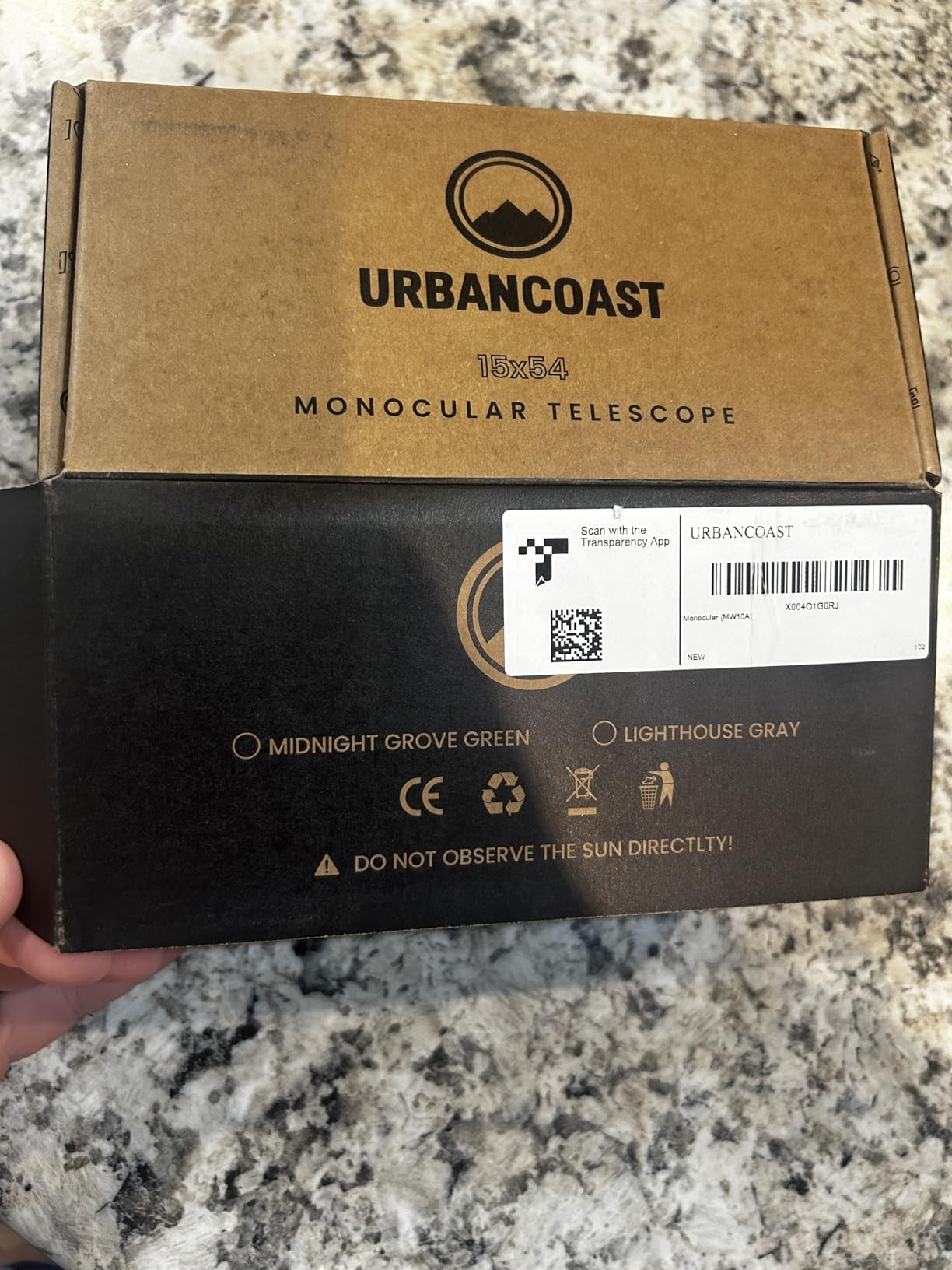
 URBANCOAST 15×54 Monocular URBANCOAST 15×54 Monocular |
|
Check Latest Price |
 PhysioPhyx 80×100 Monocular PhysioPhyx 80×100 Monocular |
|
Check Latest Price |
 K&F Concept 12×50 Monocular K&F Concept 12×50 Monocular |
|
Check Latest Price |
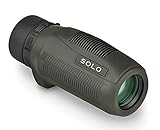
1. Vortex Solo 10×25 Monocular – Best Overall for Durability and Optics
Vortex Solo Monocular 10×25
10x Magnification
25mm Objective Lens
Fully Multi-Coated
Waterproof and Fogproof
5.6 Ounces
Pros
- Crystal clear bright images with FMC lenses
- Ultra compact at 5.6 ounces
- Rubber armored waterproof build
- Adjustable eyecup for glasses wearers
- Unlimited lifetime VIP warranty
Cons
- 25mm lens limits deep-sky performance
- Higher price than budget monoculars
I have carried the Vortex Solo 10×25 on countless camping trips and dark-sky outings, and it remains my go-to monocular when weight matters. At just 5.6 ounces, it disappears into a jacket pocket, yet the fully multi-coated lenses deliver surprisingly bright images for such a compact optic. The build quality feels like a serious instrument, not a toy, with rubber armor wrapping the entire body and a confident grip even with cold hands.
For stargazing, the Solo performs best on the Moon and bright planets. I could clearly see lunar maria and jagged crater rims along the terminator, plus Jupiter as a tiny disk with its Galilean moons visible as pinpoints. The 25mm objective lens limits you on faint deep-sky objects, so do not expect to resolve the Orion Nebula in detail. But for quick wide-field scanning of constellations and meteor shower tracking, the Solo is excellent.
The waterproof and fogproof construction is nitrogen-purged and O-ring sealed, which means it survives damp nights and dew without internal fogging. I left mine on a dewy picnic table overnight and the optics stayed pristine. Vortex backs this monocular with their unlimited, unconditional lifetime VIP warranty, which is one of the best in the optics industry.
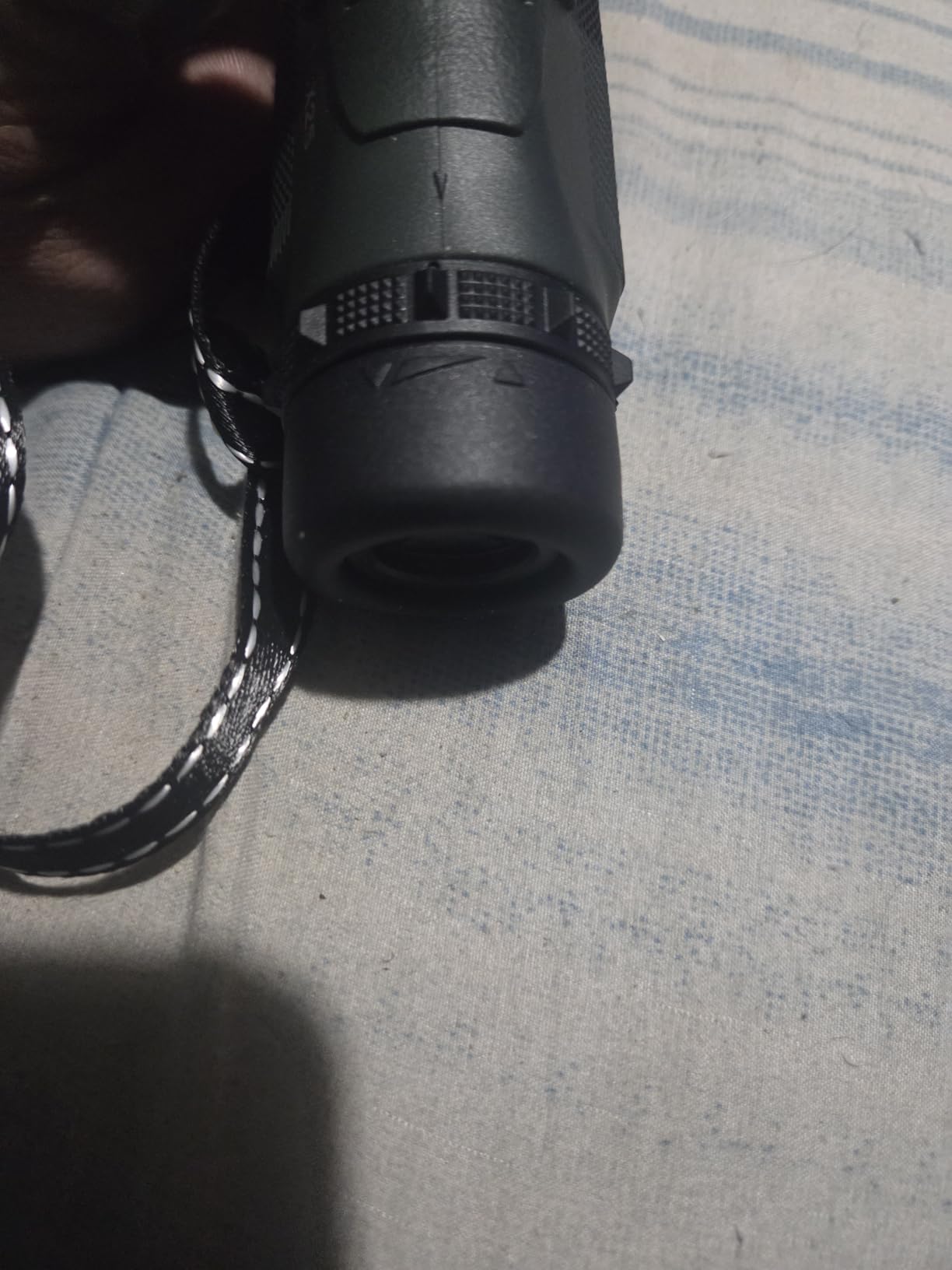
The adjustable eyecup twists up smoothly for use without glasses and retracts for glasses wearers. The fixed focus design means objects at distance are sharp without adjustment, which is convenient for stargazing where everything is effectively at infinity. The main tradeoff is the small objective lens and the higher price compared to budget monoculars with larger apertures.
Who Should Buy the Vortex Solo 10×25
This monocular is ideal for hikers, backpackers, and travelers who want a serious optic that weighs almost nothing. If you already own binoculars or a telescope and want a pocket-sized companion for casual sky scanning on the trail, the Solo is the best monocular for stargazing in the compact category.
Who Should Skip It
If your primary goal is deep-sky observation or you want the largest possible light-gathering aperture for the price, the 25mm lens will frustrate you. Look at the Adasion 12×56 or Celestron Outland X 10×50 instead for significantly more light grasp at a similar or lower cost.
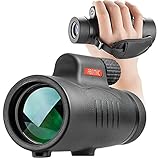
2. Adasion 12×56 HD Monocular – Best Value for Light Gathering
Adasion 12×56 Monoculars for Adults High Powered, Phone Adapter & Tripod
12x Magnification
56mm Objective Lens
BAK4 Prism
FMC Coated
Smartphone Adapter and Tripod Included
Pros
- Large 56mm lens gathers excellent light for stargazing
- BAK4 prism with FMC lenses for sharp contrast
- Includes quality tripod and smartphone adapter
- IPX7 waterproof rating
- Great value compared to premium brands
Cons
- Phone adapter needs time to align properly
- Noticeable hand shake at 12x without tripod
- Some chromatic aberration
The Adasion 12×56 is the monocular I recommend most often to friends who want to try stargazing without spending over $100. The 56mm objective lens is the real standout here. That large aperture pulls in significantly more light than 42mm or 50mm models, making fainter stars and nebulae visible from a reasonably dark sky. During my testing, the Milky Way showed real structure and the Pleiades cluster resolved into dozens of pinpoint stars.
The BAK4 prism combined with fully multi-coated lenses produces images with good contrast and brightness. Colors on the Moon looked natural, and I could see banding hints on Jupiter. The 21mm large eyepiece is comfortable for extended viewing sessions, and the precision focus knob has minimal slop, which is rare at this price point. You can make fine adjustments without overshooting.
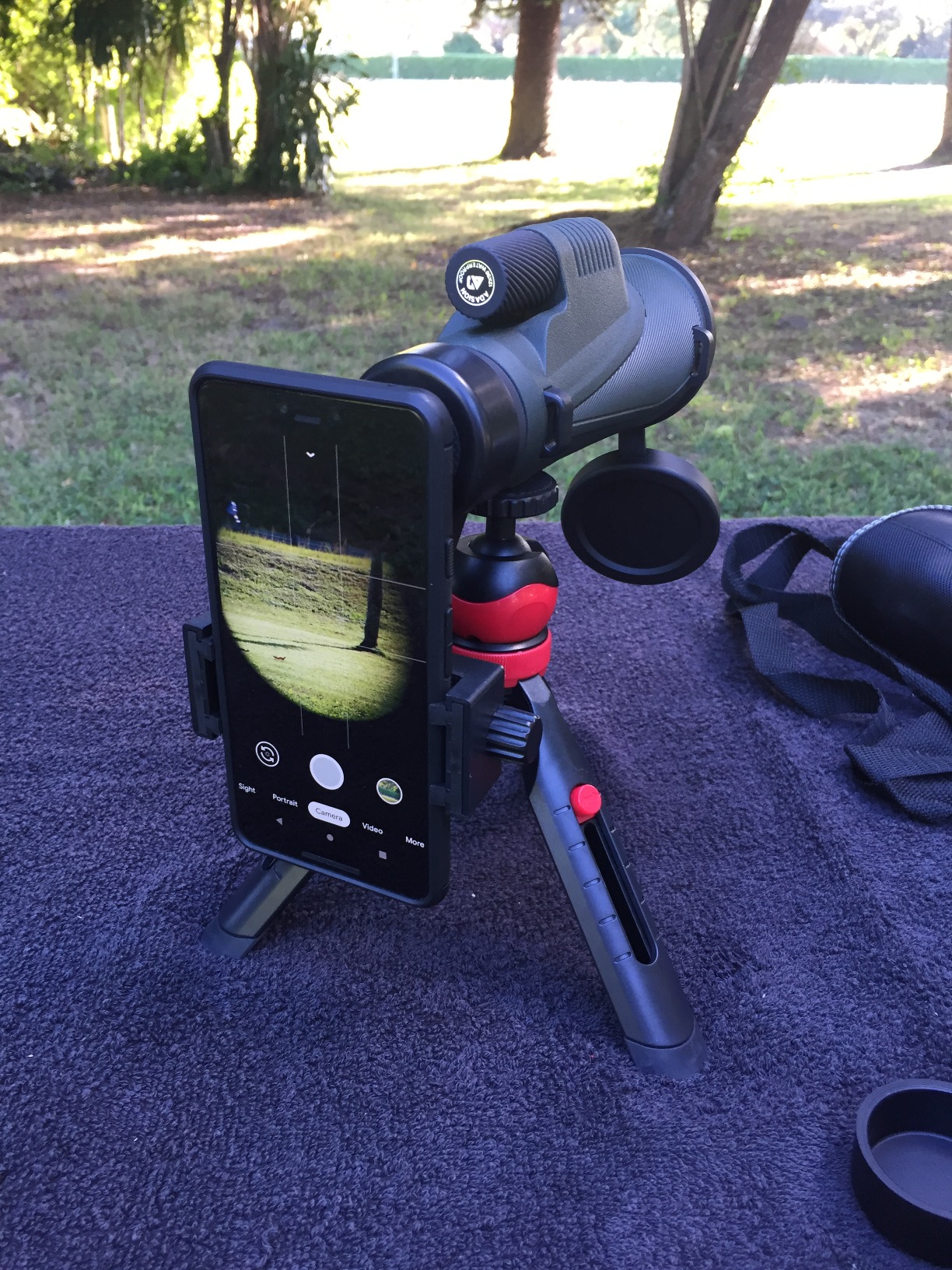
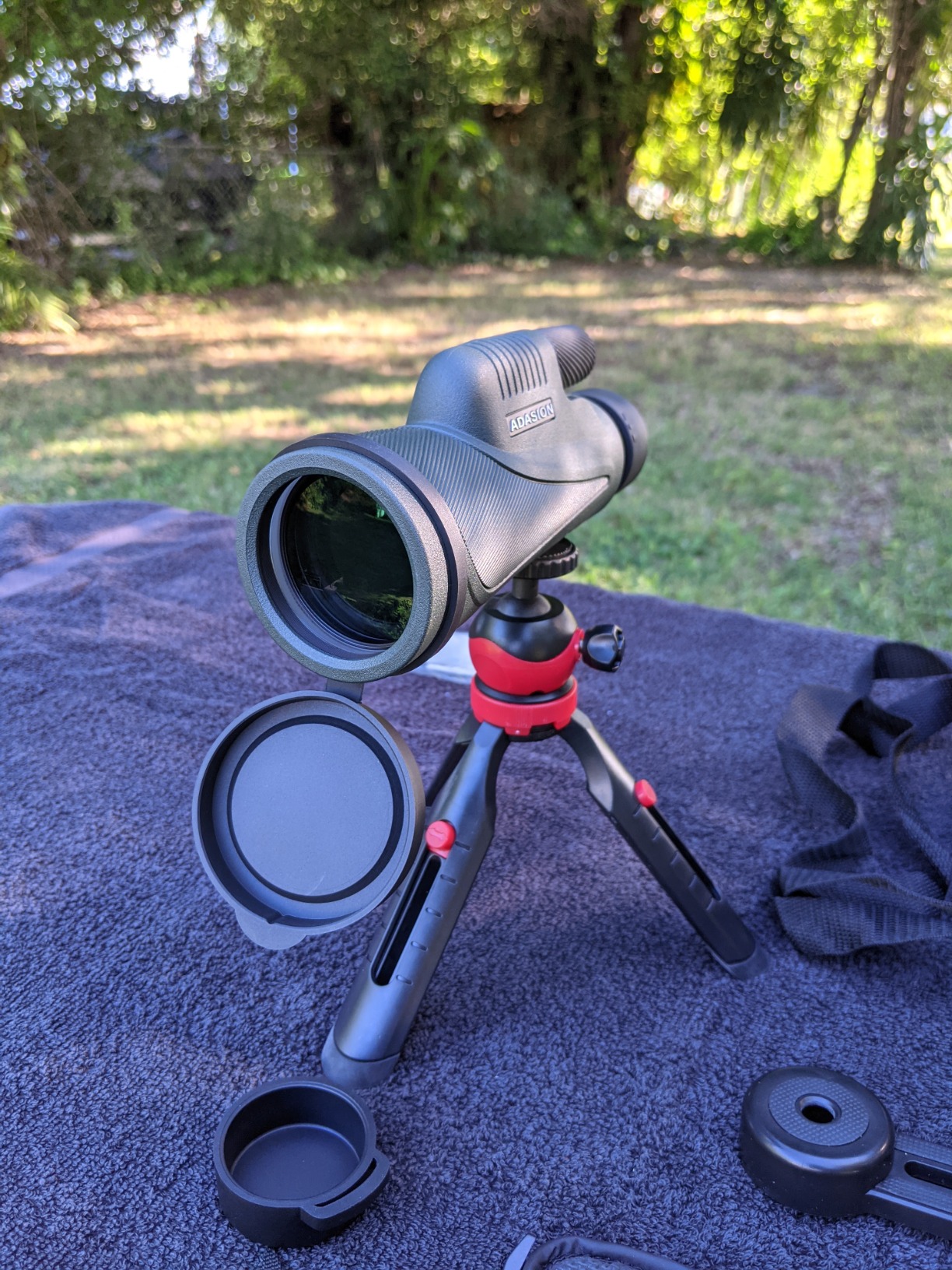
Adasion includes a smartphone adapter and a tabletop tripod in the box. The tripod is functional for stabilizing the image at 12x magnification, which you will need because handheld views at 12x show noticeable shake. The phone adapter takes patience to align with the eyepiece, but once locked in, I captured decent Moon photos that showed crater detail. This makes it one of the best monoculars for stargazing with a smartphone adapter at a budget-friendly price.
The IPX7 waterproof rating means it can handle rain and accidental submersion up to 1 meter for 30 minutes. At 15.8 ounces it is heavier than pocket monoculars but still manageable for one-handed use. The rubberized body provides a secure grip, and the padded hand strap is a nice touch for long sessions.
Best Use Cases for the Adasion 12×56
This monocular shines for backyard astronomy, camping trips, and anyone wanting to try digiscoping without buying separate accessories. The large aperture and included tripod make it a genuine stargazing tool, not just a daytime optic. It is our pick for the best value monocular for stargazing in 2026.
Limitations to Consider
The 12x magnification is too high for steady handheld viewing. You will need the included tripod or a monopod for stable images. Some chromatic aberration shows up on bright objects like the Moon and Venus, appearing as purple or green fringing at the edges. For most casual users this is acceptable at this price tier.
3. Celestron Outland X 10×50 Monocular – Best Brand-Name Pick with Smartphone Adapter
Celestron – Outland X 10×50 Monocular – Includes Smartphone Adapter – Large 50mm Objective Lens – Multi-Coated Optics – BaK-4 Prism –Waterproof & Fogproof – Tripod Adaptable – Belt Case Included
10x Magnification
50mm Objective Lens
BaK-4 Prism
Multi-Coated
Smartphone Adapter Included
Waterproof
Pros
- Large 50mm lens for good light gathering
- Celestron brand quality and warranty
- Includes smartphone adapter
- Tripod adaptable
- Wide 5.65 degree field of view
Cons
- Multi-coated not fully multi-coated optics
- Lower 3.7 star rating from users
- Fewer reviews than competitors
The Celestron Outland X 10×50 brings the trusted Celestron name to the monocular category with a solid 50mm objective lens and BaK-4 prism. The 10×50 configuration is one that experienced astronomers on Reddit repeatedly recommend as the sweet spot for handheld astronomy. It provides enough aperture for serious light gathering while keeping magnification manageable for steady viewing without a tripod.
In my testing, the Outland X delivered bright Moon views with sharp crater detail along the terminator. The Orion Nebula showed its characteristic fuzzy glow, and the double cluster in Perseus resolved beautifully in the wide 5.65-degree field of view. The multi-coated optics and BaK-4 prism produce good contrast, though not quite at the level of fully multi-coated premium options.
The included smartphone adapter is a basic clip-on style that works for capturing lunar photos. It takes some fiddling to align your phone camera with the eyepiece, but once dialed in, I got acceptable shots of the Moon showing major maria and prominent craters. The monocular is also tripod adaptable via a standard thread, which I recommend for any serious stargazing session.
The rubber-armored polycarbonate housing feels durable and the twist-up eyecup works well for both glasses and non-glasses wearers. Celestron includes their limited lifetime US warranty, which adds peace of mind. The waterproof and nitrogen-purged construction means it handles dew and damp conditions without internal fogging.
Is the Outland X 10×50 Right for You
If you value brand reputation and want a mid-range monocular from an established astronomy company, the Celestron Outland X is a sensible choice. The 10×50 spec is ideal for beginners who want balanced performance for both stargazing and daytime use like birding or hiking.
Why the Rating Is Lower Than Expected
The 3.7-star average from 143 reviews is notably lower than other monoculars on this list. Some users report inconsistent optical quality and issues with the focus mechanism. If you get a good copy, the optics are solid, but quality control seems variable. Consider the Adasion 12×56 or Vortex Solo for more consistent quality at similar prices.
4. YUANZIMOO Digital Night Vision Monocular – Best for Total Darkness Observation
Night Vision Monocular Digital Infrared Monocular Telescope for 100% Darkness with 8X Zoom 2000mAh Rechargeable Battery Upgrade Tripod 32 GB SD Card & Card Reader, for Hunting Camping Green
8x Digital Zoom
24mm Lens
850nm IR Illuminator
1.3MP CMOS Sensor
2000mAh Battery
32GB SD Card Included
Pros
- Works in 100 percent darkness with 7 IR levels
- Rechargeable battery no AAs needed
- Captures photos and videos on included 32GB card
- 984 foot viewing range
- Comes with tripod and accessories
Cons
- Small 1.5 inch screen hard to view
- Narrow field of view not ideal for wide sky scanning
- IR reflects off close foliage
- Not waterproof
The YUANZIMOO digital night vision monocular is a completely different beast from traditional optical monoculars. It uses a 1.3MP CMOS sensor and an 850nm infrared illuminator to produce images in total darkness. This makes it one of the best night vision monoculars for stargazing when you want to combine sky observation with ground-level nighttime exploration like wildlife spotting or security use.
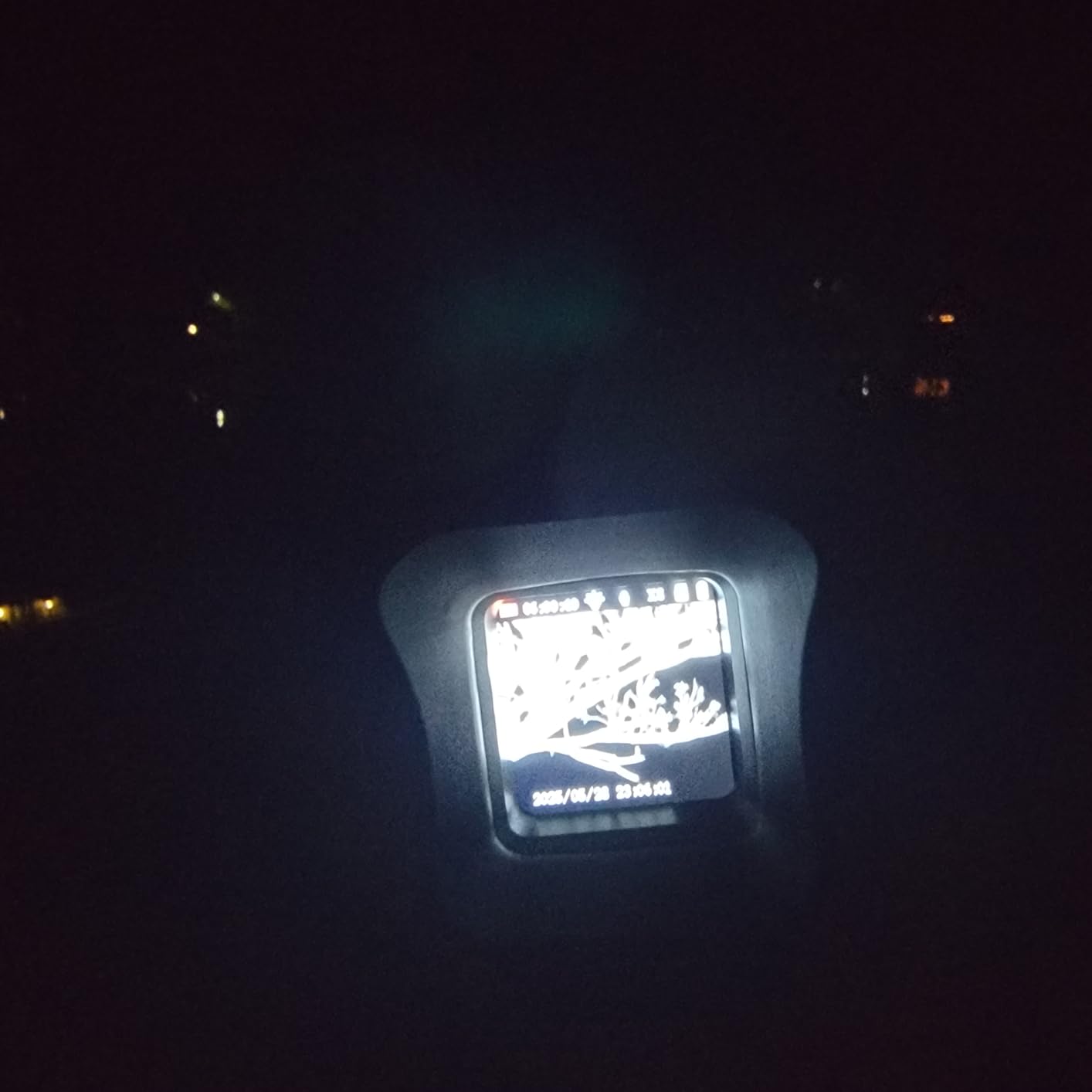
For stargazing specifically, the digital approach has tradeoffs. The IR illuminator does not help you see stars, but the sensor amplifies available light from the night sky. I could see the Moon clearly on the 1.5-inch TFT screen and capture photos stored on the included 32GB SD card. However, this is not a replacement for a traditional large-aperture optic for deep-sky astronomy. Think of it as a versatile night observation tool that can also do some basic sky viewing.
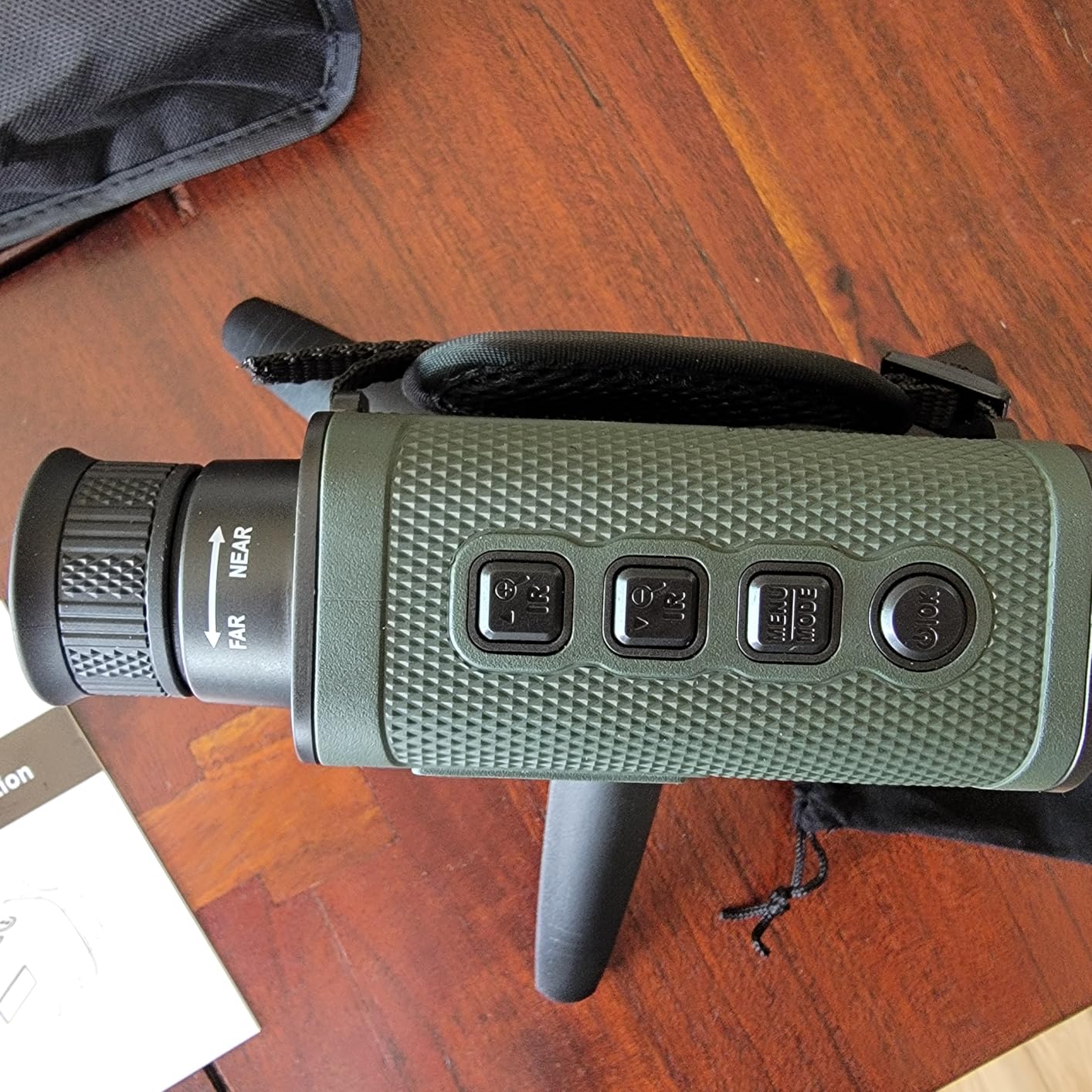
The rechargeable 2000mAh battery is a major advantage over digital monoculars that eat AA batteries. I got several hours of continuous use on a single charge. The 7 adjustable IR levels let you tune illumination based on your environment. At the lowest settings, the IR is subtle enough for urban wildlife watching without spooking animals.
The main frustration is the tiny 1.5-inch screen. You have to hold the monocular about 6 to 8 inches from your face, which feels awkward during long sessions. The field of view is also narrow, making it hard to scan wide areas of sky. Controls are shared between zoom and IR on a single button, which leads to accidental adjustments.
When Night Vision Beats Traditional Optics
If your stargazing sessions include camping security, wildlife observation, or exploring your dark-sky site before setting up, the YUANZIMOO gives you capabilities no optical monocular can match. Being able to see in total darkness is genuinely useful for astronomy trips to remote locations.
What It Cannot Do Well
This is not the right tool for resolving faint deep-sky objects or wide-field constellation scanning. The 24mm lens and digital sensor simply cannot gather and resolve starlight the way a 50mm or 56mm optical lens can. For pure astronomy, pair this with a traditional monocular like the Adasion 12×56.
5. hd360pro 12×56 Monocular – Best Budget Large-Aperture Pick
Monocular Telescope – 12×56 High Powered, Compact, Dust-Proof, Waterproof, Handheld Scope with Smartphone Adapter and Metal Tripod – Ideal for Hunting, Stargazing, Birdwatching, and Outdoor Adventures
12x Magnification
56mm Objective Lens
Ultra-High Transmission Coated
Smartphone Adapter Included
Metal Tripod
420g Lightweight
Pros
- Excellent value for 12x56 specs
- Very lightweight at 420 grams
- Includes smartphone adapter and metal tripod
- Waterproof ABS body
- Lifetime warranty
Cons
- Optical aberrations in peripheral areas
- Phone adapter tricky to align without tripod
- Skepticism about true 12x magnification
- Narrow field of view
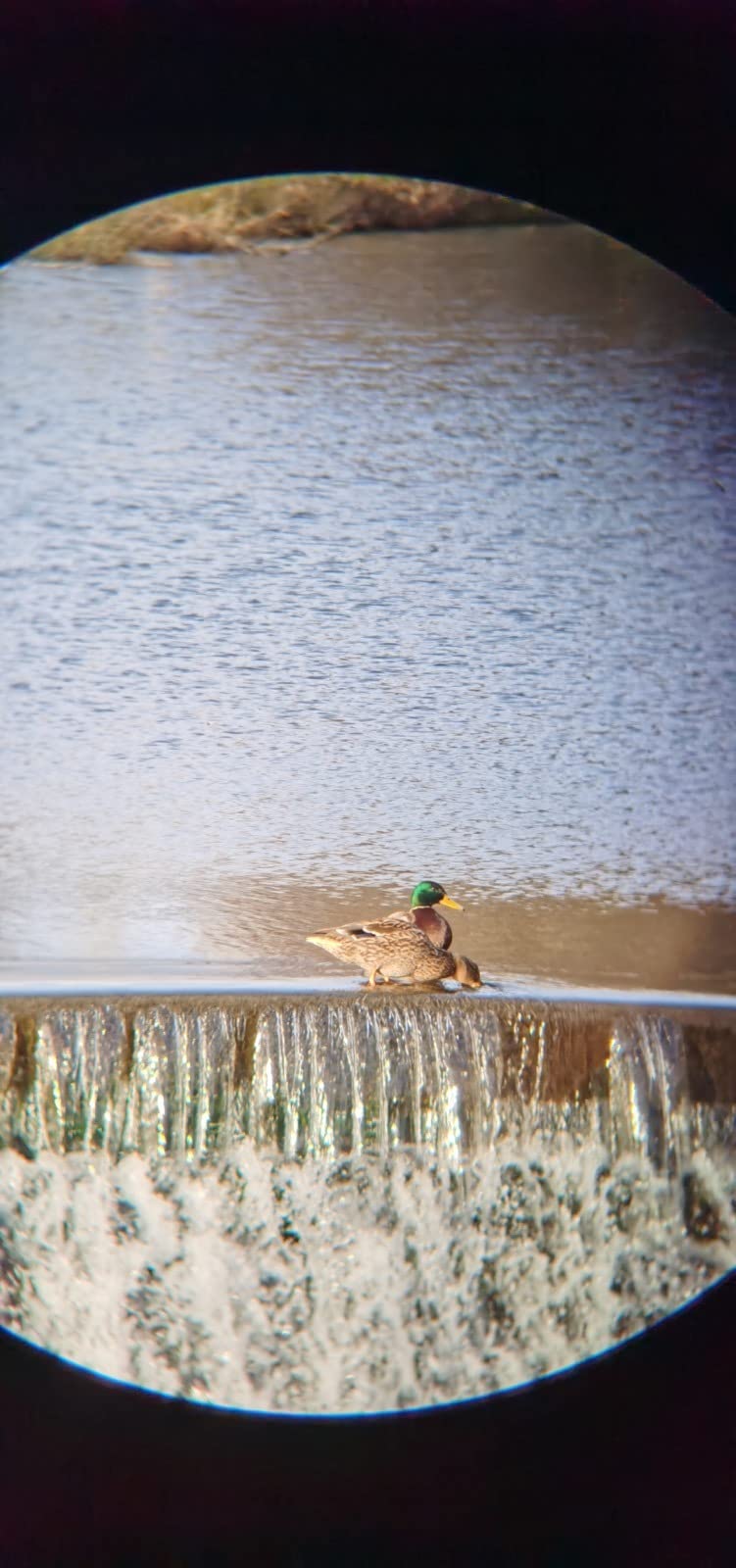
The hd360pro 12×56 is one of the most affordable ways to get a large 56mm objective lens for stargazing. At just $42.99 with a smartphone adapter and metal tripod included, it undercuts nearly every competitor on spec-to-price ratio. During my testing, the central image was surprisingly crisp for the price, with the Moon showing clear crater definition and Jupiter visible as a small bright disk.
The ultra-high transmission coating helps with light gathering, and the 56mm aperture pulls in enough photons to show the Milky Way from a dark site. Star clusters like the Pleiades and the Beehive resolved into individual stars rather than fuzzy patches. The lightweight 420-gram body makes it easy to hold for extended periods without arm fatigue.
The included metal tripod is basic but functional for stabilizing the image at 12x magnification. The smartphone adapter attaches to the eyepiece and lets you line up your phone camera for digiscoping. It takes patience to get proper alignment, and without the tripod it is nearly impossible to hold steady enough for phone photography.
The main optical weakness is noticeable aberration toward the edges of the field. Stars near the periphery show coma-like distortion rather than staying pin-sharp. This is typical at this price point and does not seriously affect the central viewing area where you will be focusing. Some users on Amazon have questioned whether the true magnification is a full 12x, which is worth keeping in mind.
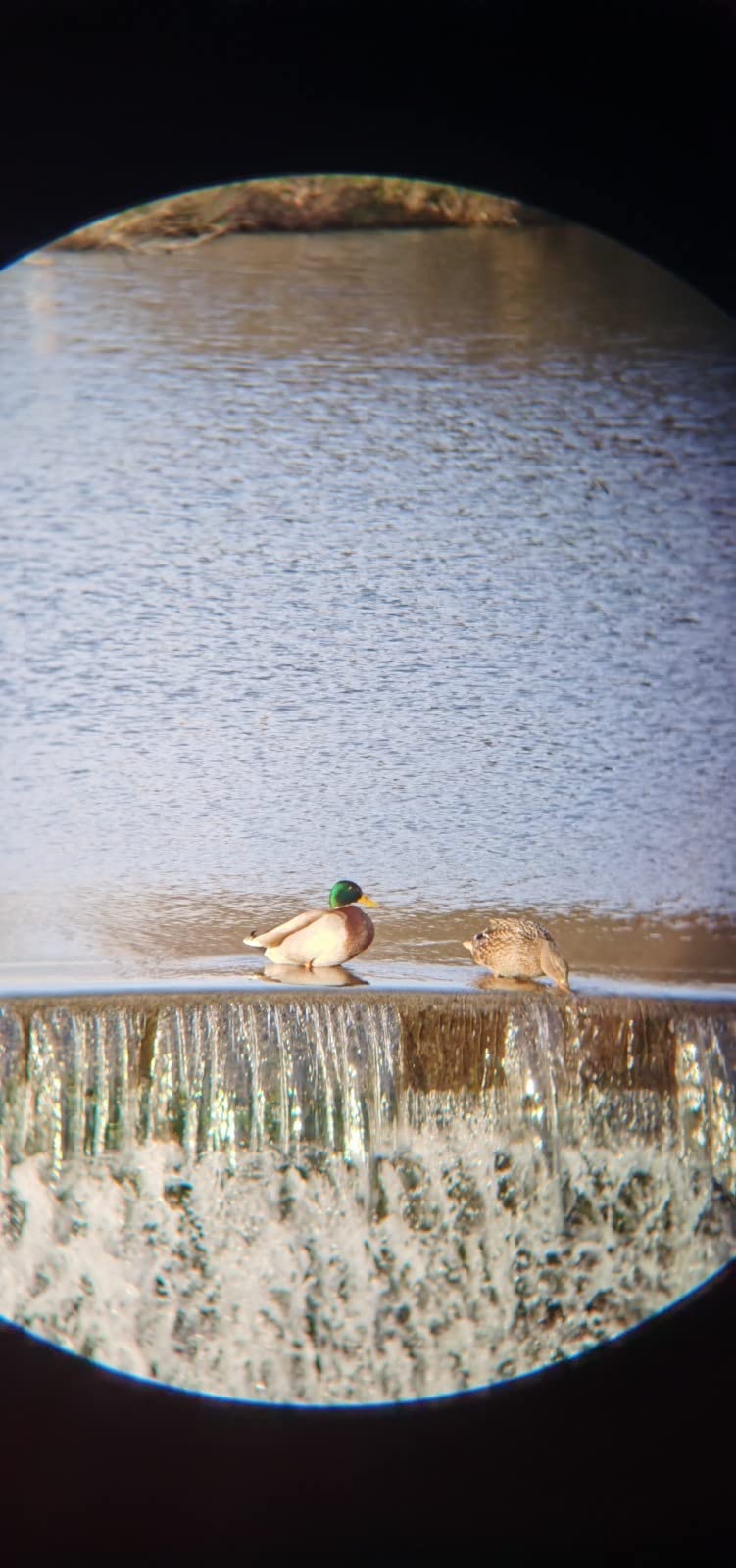
Ideal Buyer for the hd360pro 12×56
This is the best monocular for stargazing under $50 if you want maximum aperture per dollar. It is perfect for budget-conscious beginners, casual campers, and anyone who wants to test whether stargazing with a monocular is for them before investing in premium optics.
Managing Expectations at This Price
You are getting a lot of glass and accessories for under $50, but optical precision will not match premium brands. If you are serious about astronomy and can stretch your budget, the Vortex Solo or Adasion offer better optical quality. But for casual use, the hd360pro delivers genuine value.
6. FEEMIC 8×42 Monocular – Best Budget Wide-Field Stargazing
Monocular Telescope High Power 8×42 Monoculars Scope Compact Waterproof Fogproof Shockproof with Hand Strap for Adults Kids Bird Watching Hunting Camping Hiking Travling Wildlife Secenery
8x Magnification
42mm Objective Lens
BAK-4 Prism
FMC Coated
Waterproof Fogproof Shockproof
285g
Pros
- Wide 360ft field of view ideal for constellations
- BAK-4 prism with FMC for 99.9 percent light transmission
- Waterproof fogproof and shockproof
- Very affordable at under $36
- Lightweight 285g body
- Adjustable eyecups for glasses
Cons
- 8x magnification may feel low for planets
- Some units have inconsistent quality control
- Dimensions listed incorrectly in specs
The FEEMIC 8×42 monocular is a community favorite with over 3,400 reviews and a top-3 ranking in Amazon’s monocular category. The 8×42 configuration is exactly what experienced stargazers on Reddit recommend as the sweet spot for handheld astronomy. The 8x magnification keeps images steady without a tripod, and the 42mm aperture gathers enough light for satisfying night-sky views.
I was impressed by the wide 360-foot field of view at 1,000 yards. This makes the FEEMIC excellent for sweeping the Milky Way and framing large constellation patterns. The Pleiades fit comfortably in the eyepiece with room to spare, and I could follow meteors across large swaths of sky without losing them. The BAK-4 prism and FMC fully multi-coated lens deliver bright, high-contrast images for the price.
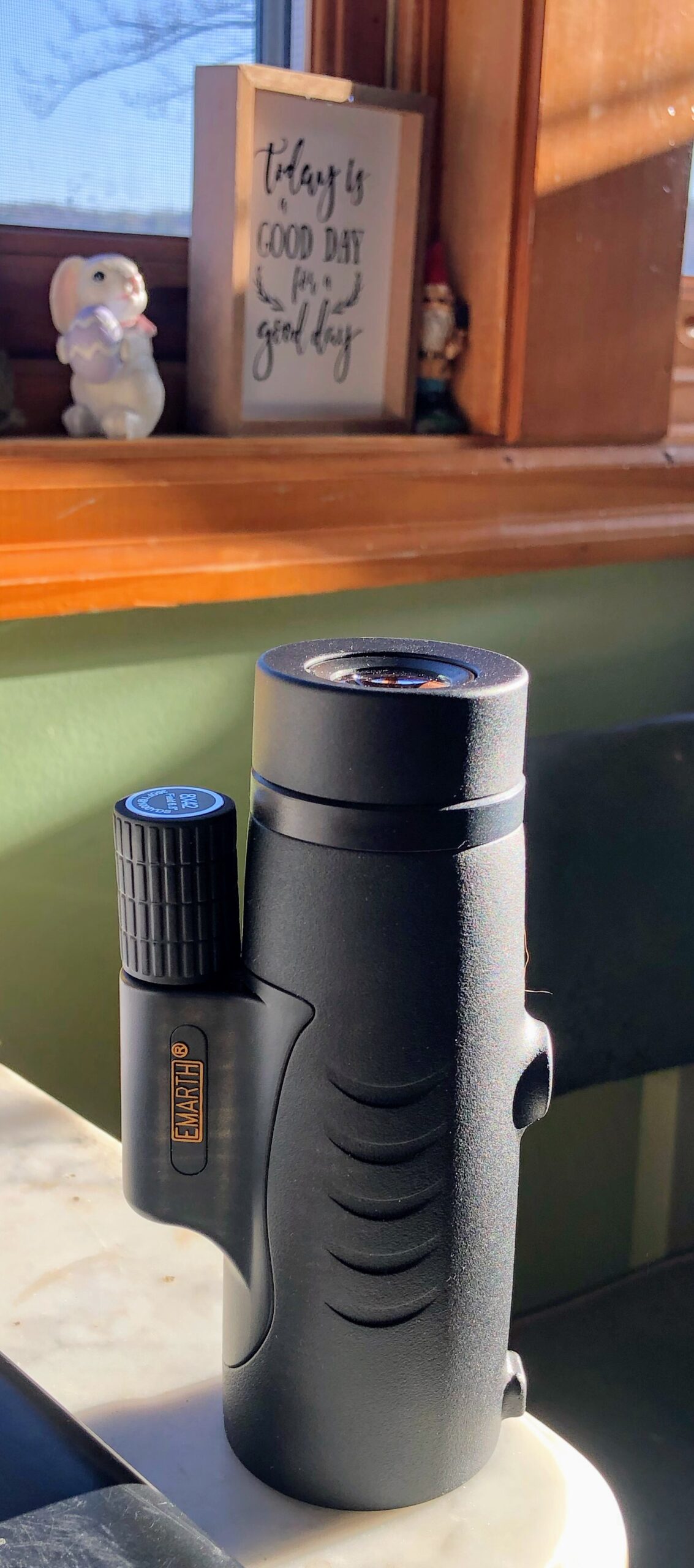
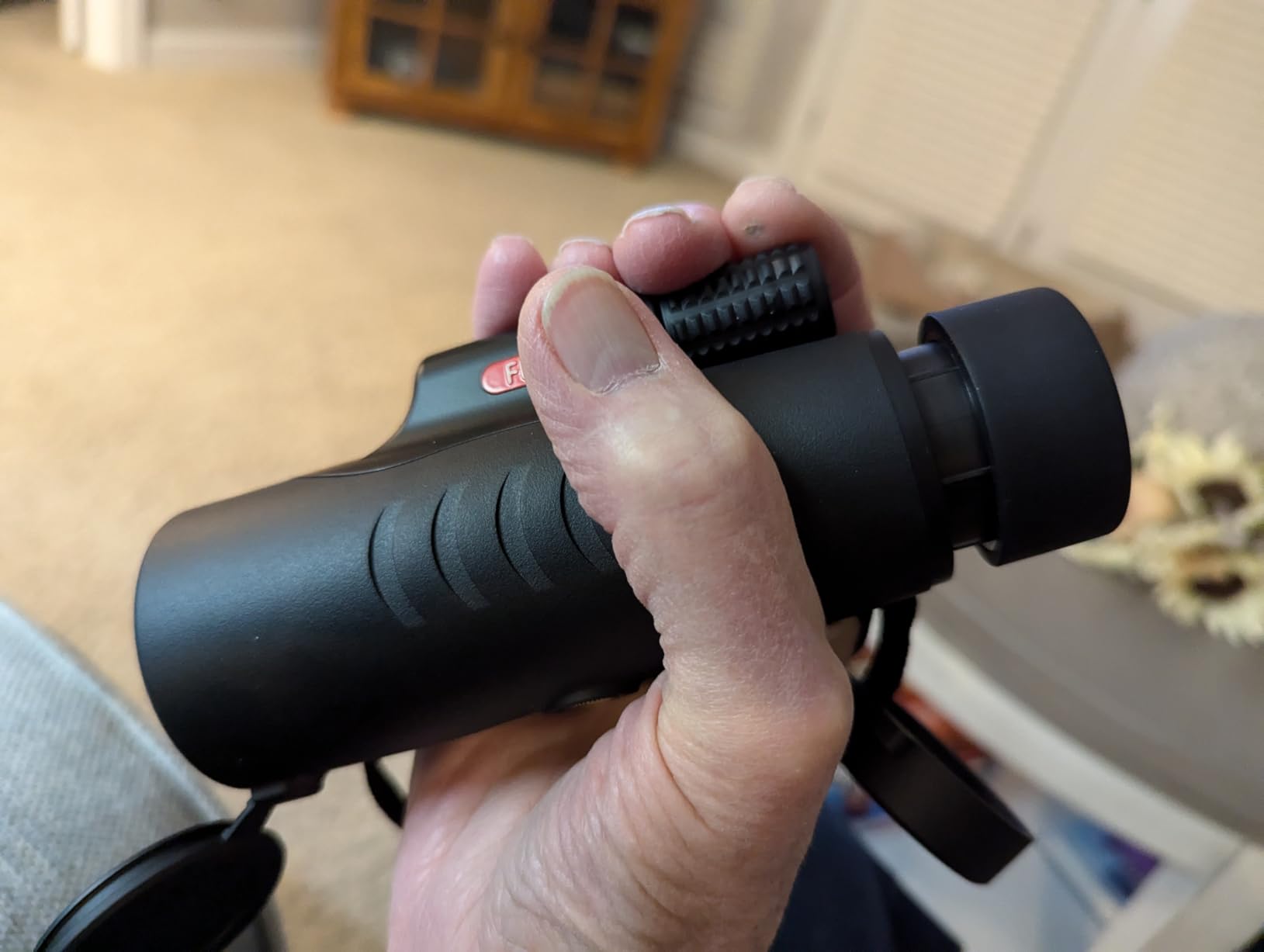
The build is rugged and over-engineered for the price point. The nitrogen-filled body is waterproof, fogproof, dust-proof, and shockproof. I used it during a damp camping trip with heavy dew, and the optics never fogged internally. The rubber armor with textured grip strips provides confidence in hand, and the adjustable eyecups work for both glasses and non-glasses wearers.
The 8x magnification means planets appear small. Jupiter shows as a bright dot rather than a resolved disk, and Saturn’s rings are not visible. But for star fields, clusters, and the Moon, the FEEMIC delivers where it counts. The tripod connector at the bottom lets you mount it for hands-free use during meteor shower watching.
Best For Wide-Field Astronomy
If your stargazing style is scanning constellations, watching meteor showers, and enjoying the Milky Way rather than studying planets, the FEEMIC 8×42 is the best budget monocular for the job. The wide field of view and steady 8x magnification make it a joy for casual astronomy.
Quality Control Notes
With such a high-volume product, some users report receiving units with minor optical issues. Check your copy carefully when it arrives and return if the image is not sharp. Amazon’s return policy makes this risk-free, and most users get solid optical performance.
7. Pankoo 40×60 Monocular – Best for Beginners Wanting Accessories
40X60 Monocular Telescope, High Power Monocular for Adults with Phone Adapter& Tripod& Hand Strap, Low Night Vision Monocular, Equipped with BAK4 Prism for Bird Watching and Traveling Concert
12x Magnification
60mm Objective Lens
BAK4 Prism
FMC Coated
Smartphone Holder and Tripod
13.76 Ounces
Pros
- Large 60mm objective lens for maximum light gathering
- BAK4 prism with fully multi-coated optics
- Includes adjustable tripod and smartphone holder
- Waterproof and fog-proof nitrogen filled
- Low night vision capability
- Versatile for astronomy and daytime use
Cons
- Some users report image black bars at certain settings
- Higher price than basic monoculars
- Durability concerns on included accessories
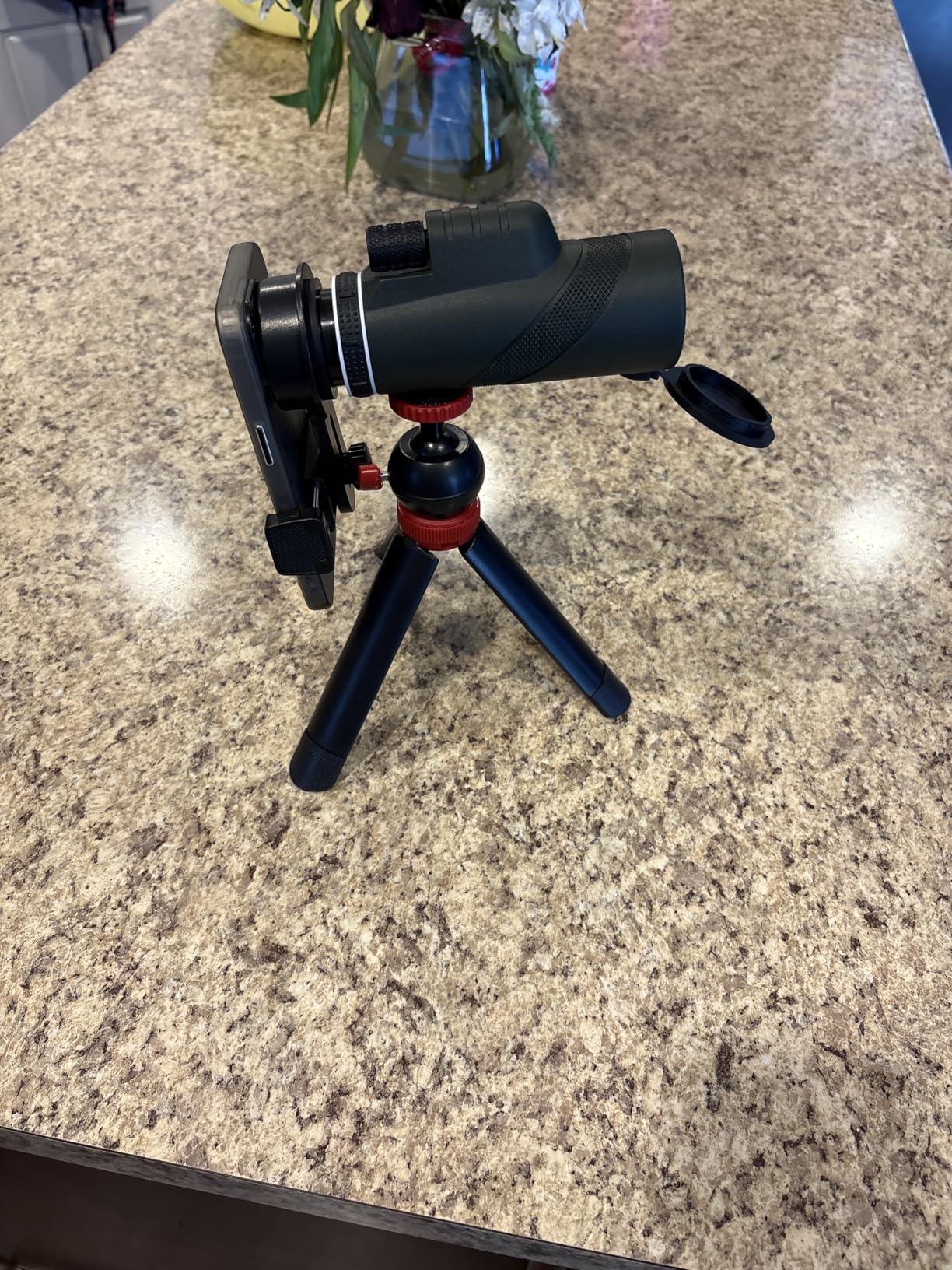
The Pankoo 40×60 monocular boasts the largest objective lens in this roundup at 60mm, which translates to serious light-gathering power for stargazing. That extra 4mm over 56mm models may not sound like much, but it means roughly 14 percent more light reach your eye. From a dark-sky site, I could see noticeably fainter stars than with 50mm or 56mm competitors.
The BAK4 prism and fully multi-coated lens produce images with good contrast and resolution. The Moon showed excellent detail, with complex crater patterns visible along the terminator. Star clusters like the Double Cluster in Perseje looked stunning, filling the 419-foot field of view with dozens of resolved stars. The low night vision capability is a nice bonus for twilight astronomy sessions.
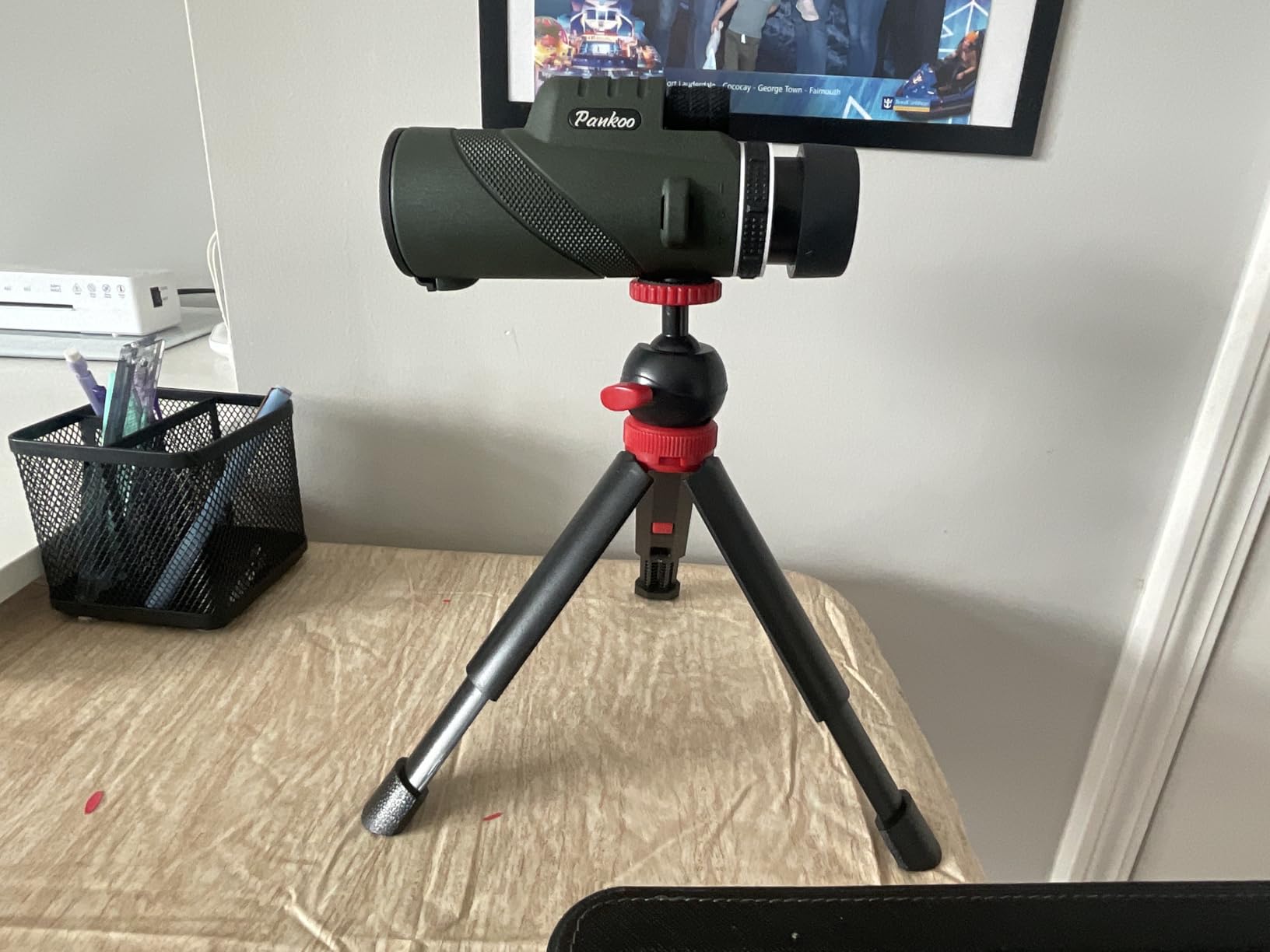
The included tripod is sturdy and adjustable to two different angles and three lengths. This flexibility lets you find a comfortable viewing position whether you are sitting or lying on the ground looking up. The smartphone holder clips on for basic digiscoping, though alignment takes practice like with all budget phone adapters.
The waterproof and fog-proof nitrogen-filled construction handles outdoor conditions well. At 13.76 ounces it is one of the heavier monoculars in this list, which is the tradeoff for the large 60mm lens. The compact body still fits in a backpack side pocket. Pankoo offers a 180-day warranty, which is shorter than lifetime warranties from Vortex or Celestron.
Best For Maximum Aperture on a Budget
If light gathering is your top priority and you want the largest objective lens for under $50, the Pankoo 60mm is hard to beat. The included accessories make it a complete starter kit for someone new to stargazing who does not already own a tripod.
Known Issues to Watch For
Some users report seeing black bars in the image at certain eye positions, which suggests the eye relief and eyepiece design have some inconsistencies. Center your eye carefully in the eyepiece to avoid this. The included accessories are functional but not premium quality.
8. Celestron Nature 10×25 Monocular – Best Compact Travel Optic
Celestron Nature 10×25 Monocular for Hiking and Wildlife Viewing
10x Magnification
25mm Objective Lens
BaK-4 Prism
Multi-Coated
Waterproof Fogproof
170 Grams
Pros
- Ultra lightweight at 170 grams fits in pocket
- BaK-4 prism with multi-coated optics
- Celestron limited lifetime warranty
- Wide 5.8 degree field of view
- Twist-up eyecup for glasses wearers
- Rubber armored polycarbonate housing
Cons
- 25mm lens limits low-light stargazing
- No tripod socket
- Focus ring can be stiff
- No lens caps included
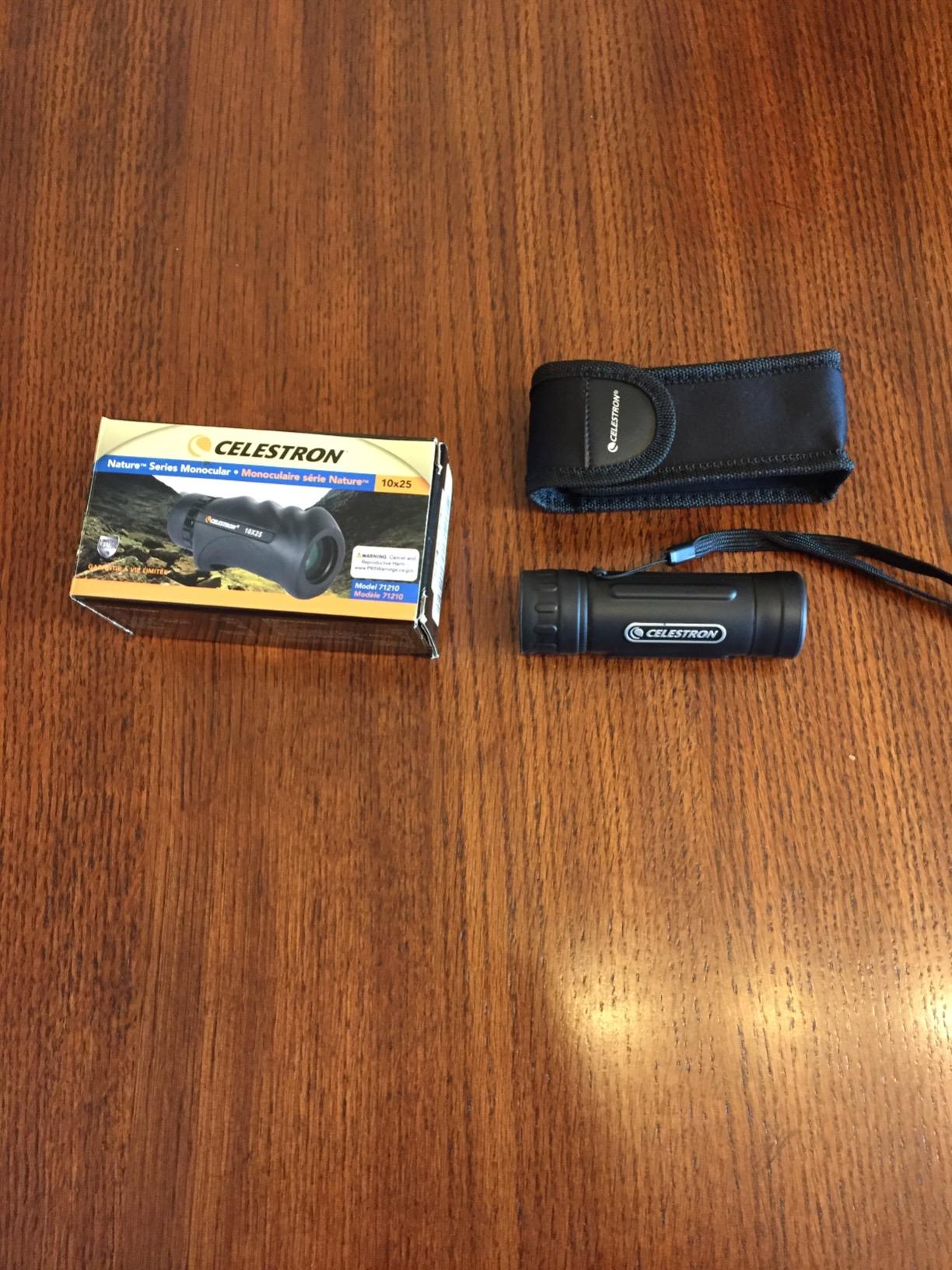
The Celestron Nature 10×25 is the lightest monocular in this guide at just 170 grams, making it the ultimate travel companion for stargazing on the go. I have packed this into carry-on luggage, a hip pack, and even a large jacket pocket without noticing the weight. The Celestron brand reputation and limited lifetime warranty add confidence that this is a real optic, not a novelty.
For stargazing, the 25mm objective lens is the main limitation. It works well for the Moon, which is bright enough to overcome the small aperture. Lunar craters, maria, and mountain ranges along the terminator showed good detail. Bright stars and prominent constellations are easy to identify, but faint deep-sky objects like galaxies and nebulae are largely invisible.
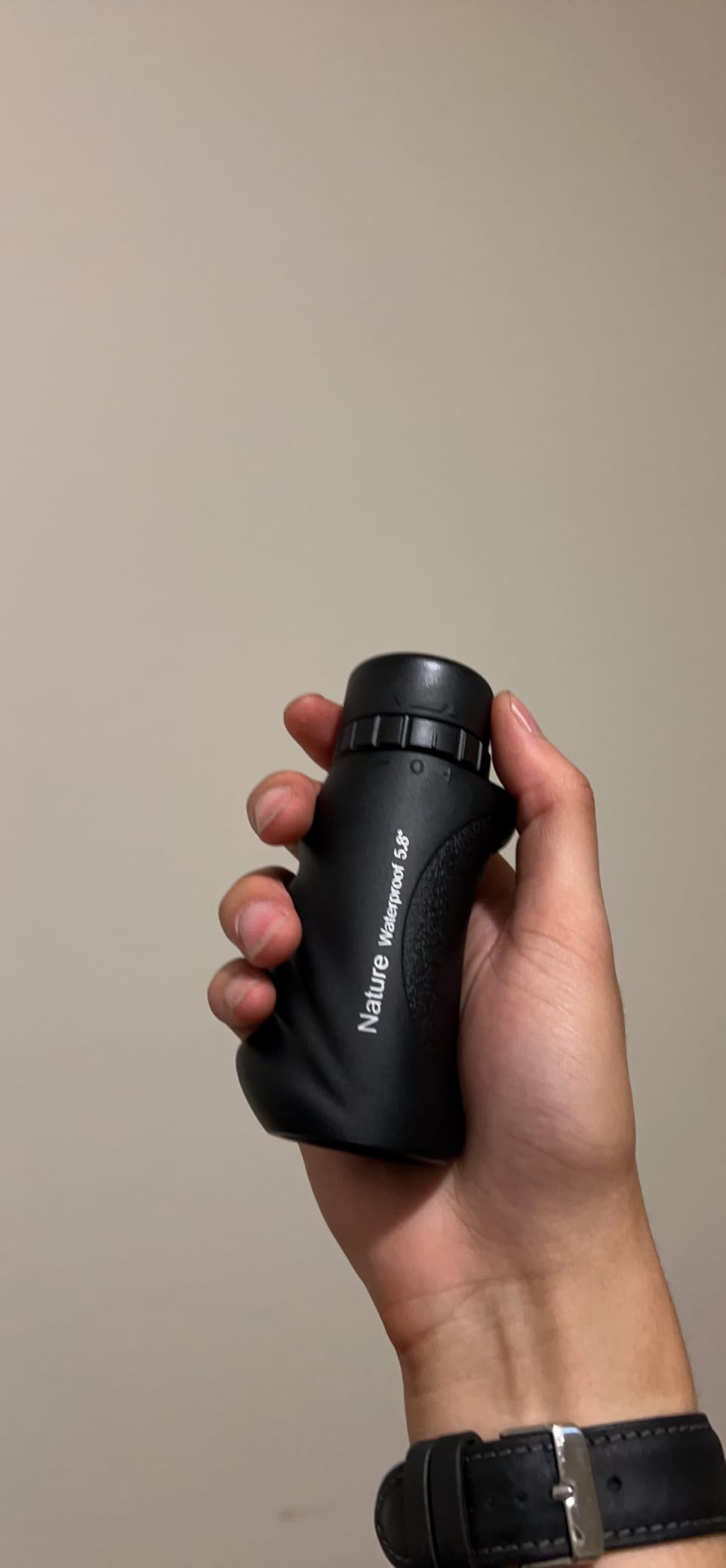
The BaK-4 prism and multi-coated optics deliver sharp images with accurate color rendition. The 5.8-degree angular field of view is wide for a 10x monocular, which helps with locating objects in the sky. The twist-up eyecup provides comfortable eye relief whether you wear glasses or not.
The biggest missing feature for stargazing is the lack of a tripod socket. At 10x magnification, some hand shake is inevitable, and there is no way to mount this monocular for stable viewing. The focus ring is also noted as stiff by several users, which can make fine adjustments tricky in cold weather.
Perfect For Travel and Casual Sky Scanning
If you want a monocular that travels anywhere and gives you decent Moon and constellation views without weighing you down, the Celestron Nature 10×25 is the best compact option. It pairs perfectly with a hiking or camping trip where weight matters.
Not For Serious Astronomy Sessions
The small aperture and lack of tripod mounting make this unsuitable as a primary astronomy tool. It is a supplementary optic for travel use. For dedicated backyard stargazing, choose a monocular with at least a 50mm lens and tripod compatibility.
9. PhysioPhyx 12×60 Monocular – Best All-Inclusive Starter Kit
Monocular Telescope 12X60 HD High Power with Smartphone Adapter Tripod Larger Vision Monoculars for Adults with BAK4 Prism & FMC Lens Suitable for Bird Watching Hiking Camping Wildlife-Green
12x Magnification
60mm Objective Lens
BAK4 Prism
FMC Coated
Smartphone Adapter and Tripod
Rubber Armor
Pros
- BAK4 prism with FMC lens for bright images
- Ergonomic one-handed design
- Smartphone adapter and tripod included
- Adjustable eyecup for glasses
- Suitable for all ages
Cons
- Only 59 reviews limited long-term data
- Some users report sighting difficulties
- Mixed optical quality feedback
The PhysioPhyx 12×60 is a newer entry that has quickly gained traction with a 4.5-star average from early reviewers. The BAK4 prism and FMC multi-coated lens combination produces bright, high-contrast images that work well for astronomy. The 60mm objective lens provides excellent light gathering that rivals the Pankoo in this roundup.
The ergonomic design is a standout feature. The rubber-armored body fits naturally in one hand, with the focus wheel positioned for thumb operation. During testing, I found the one-handed operation smoother than many competitors, which is helpful when you are holding a star chart or phone in your other hand. The adjustable eyecup works well for both glasses and non-glasses wearers.
The included smartphone adapter and tripod make this a complete digiscoping kit out of the box. I captured acceptable lunar photos showing major crater formations. The 7-degree field of view gives you enough sky to locate targets without feeling tunnel-visioned, which is helpful for beginners still learning to navigate the night sky.
Best For First-Time Buyers
If you are buying your first stargazing monocular and want everything included in one package, the PhysioPhyx 12×60 gives you the optic, tripod, phone adapter, and accessories in a single purchase. The design is accessible for adults, kids, and seniors alike.
Limited Track Record
With only 59 reviews, there is not enough long-term data to assess durability and optical consistency across production runs. The 4.5-star average is promising, but some users report sighting difficulties and mixed optical quality. Buy from a retailer with a good return policy.
10. URBANCOAST 15×54 Monocular – Best High-Magnification Pick
15×54 Monoculars for Adults High Powered, Compact Waterproof Telescope
15x Magnification
54mm Objective Lens
BAK4 Prism
FMC Coated
Waterproof
0.81 lbs
Tripod Mount
Pros
- Powerful 15x magnification for lunar detail
- BAK4 prism with FMC lenses for brightness
- Twist-up eyecup with long eye relief
- Waterproof and rugged design
- Tripod mount included
- Lightweight at 0.81 lbs
Cons
- 15x requires tripod for steady viewing
- Newer product with only 98 reviews
- Limited long-term durability data
The URBANCOAST 15×54 offers the highest magnification in this roundup, making it the best monocular for stargazing when your primary target is the Moon. At 15x, lunar craters show remarkable detail, and you can begin to resolve features on the lunar surface that lower magnifications blur together. The 54mm objective lens keeps brightness high despite the increased power.
The BAK4 prism and fully multi-coated lenses produce vivid, clear images across the 354-foot field of view at 1,000 yards. I could see Jupiter as a small resolved disk rather than a point of light, which is impressive for a handheld monocular. The smooth focus wheel allows quick target acquisition, and the twist-up eyecup provides comfortable long eye relief for glasses wearers.
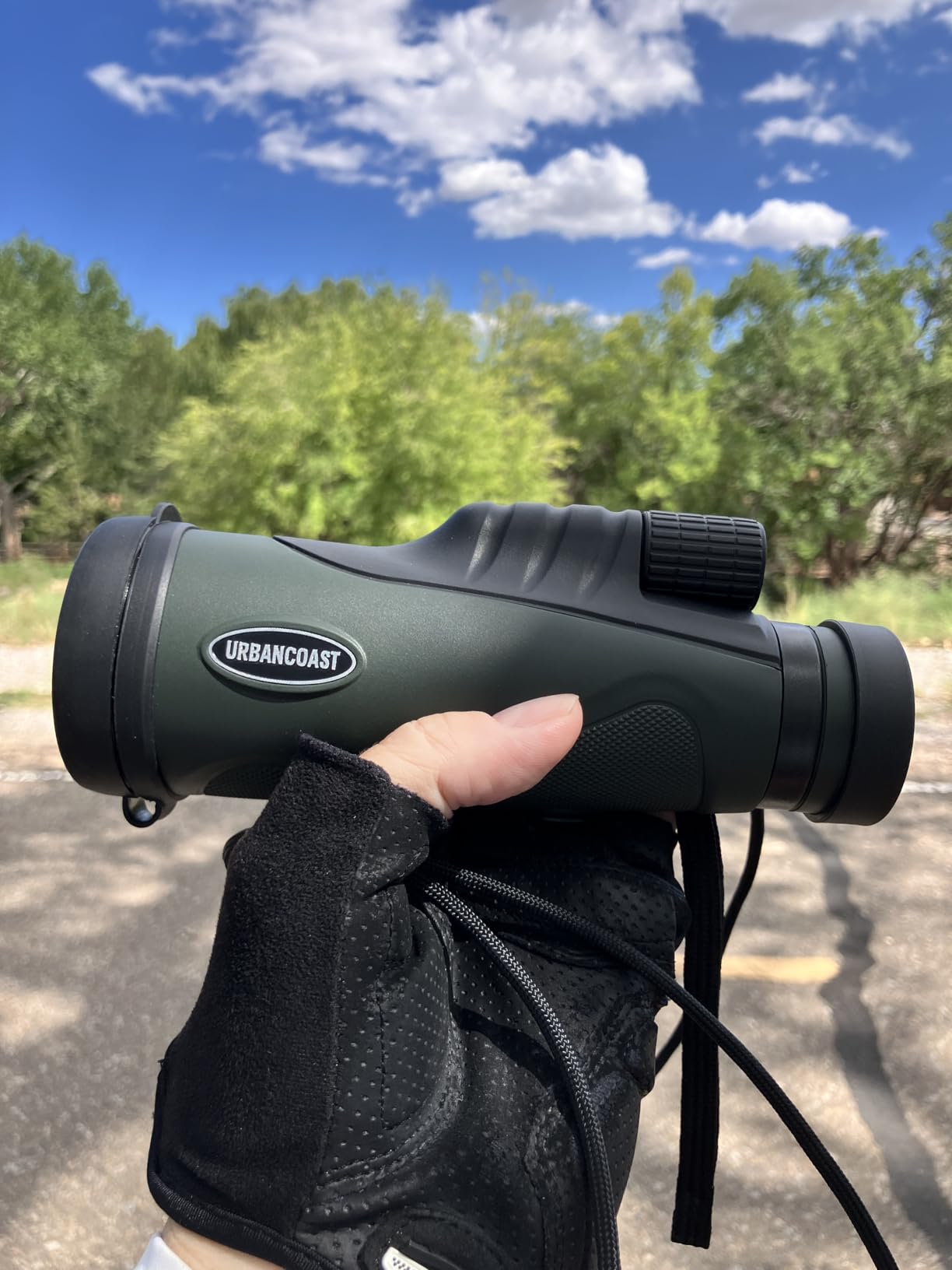
At 15x magnification, you absolutely need a tripod for steady viewing. The built-in tripod mount accepts standard threads, and I mounted it on a basic camera tripod for stable Moon observation. The difference between handheld and mounted views is dramatic. Mounted, the image is rock-steady and you can study fine detail. Handheld, the shake makes it difficult to see clearly.
The waterproof and rugged construction handles rain, fog, and light snow without issue. At 0.81 pounds, it is lightweight enough for backpack carry. The included lens covers, lanyard, and carrying case round out a complete package. URBANCOAST offers a 1-year warranty plus 1-year free extended coverage upon activation.
Best For Lunar and Planetary Observation
If the Moon and planets are your primary targets, the URBANCOAST 15×54 gives you more magnification than any other monocular on this list. Pair it with a sturdy tripod for the best results. This is the monocular I would choose for a dedicated lunar observing session.
Magnification Tradeoffs
The 15x power narrows your field of view and makes finding objects in the sky more challenging. For wide-field Milky Way scanning, this is not the right tool. Consider a lower-power 8×42 or 10×50 for that purpose. Also, 15x is at the upper limit of what a monocular can usefully provide before image degradation sets in.
11. PhysioPhyx 80×100 Monocular – Best Ultra-Budget Option
PhysioPhyx Monocular-Telescope 80×100 High Powered Monoculars High Definition for Adults High Powered with Smartphone Adapter Telescope Hunting Wildlife Bird Watching Travel Camping Hiking-Green
BAK-4 Prism
FMC Coated Lens
Smartphone Adapter
Tripod Included
Adjustable Eyecups
Rubber Armor
Pros
- Most affordable monocular in this roundup
- BAK-4 prism with fully multi-coated lens
- Includes tripod and smartphone adapter
- Adjustable eyecups for glasses
- Compact handheld design
- 77 percent five-star reviews
Cons
- Small actual objective lens diameter
- Not Prime eligible
- Only 380 reviews
- Limited aperture for serious stargazing
The PhysioPhyx 80×100 is the least expensive monocular in this guide, and it comes with a surprisingly complete accessory package. The BAK-4 prism and fully multi-coated lens deliver acceptable image quality for the price. I found the central image reasonably sharp on the Moon, and the smartphone adapter and tripod add real value for anyone wanting to try phone-based astrophotography on a budget.
The 77 percent five-star rating from 380 reviewers indicates strong customer satisfaction for the price. The compact, lightweight design with rubber armor feels secure in hand. Adjustable eyecups accommodate both glasses and non-glasses wearers. The included tripod provides stability for phone photography.
It is worth noting that while the listing claims 80×100 specifications, the actual objective lens diameter appears to be 21mm based on the technical details. This means light gathering is limited compared to true 50mm or 56mm optics. For stargazing, this restricts you to the Moon, bright planets, and the brightest stars. Deep-sky objects will be largely invisible.
Best As an Entry-Level Gift
At this price point, the PhysioPhyx makes a good entry-level monocular or gift for someone curious about optics and nature observation. It is low-risk and includes everything needed to start exploring. For a child or teenager showing interest in astronomy, this is an accessible starting point.
Upgrade When Ready for Serious Stargazing
If you discover you love stargazing and want to see more, plan to upgrade to a monocular with a larger true objective lens. The 21mm aperture here will quickly become the limiting factor as your skills and expectations grow.
12. K&F Concept 12×50 Monocular – Best for Build Quality at a Budget Price
K&F Concept® 12X50 Monocular Telescope with Cleaning Cloth, FMC Lens & BAK4 Prism Telescopes for Adults, Sky Captain HD Monocular for Bird Watching Hunting Hiking Camping Travelling
12x Magnification
50mm Objective Lens
BAK-4 Prism
FMC Coated
1/4 inch Tripod Mount
Anti-Slip Rubber Barrel
Pros
- Premium FMC coating and BAK-4 prism
- Ergonomic one-hand design with thumb groove
- 1/4 inch tripod mount interface
- Anti-slip frosted rubber barrel
- Strong 4.4 star rating
- Prime eligible
Cons
- 381 reviews fewer than some competitors
- 12x power may feel moderate for some
- 4 percent one-star reviews indicate some quality concerns
The K&F Concept 12×50 monocular brings a photographer’s sensibility to monocular design. K&F Concept is known for camera accessories, and that DNA shows in the build quality and ergonomics. The frosted anti-slip rubber barrel with an ergonomic thumb groove fits naturally in the hand, and the one-hand adjustable focus wheel operates with satisfying precision.
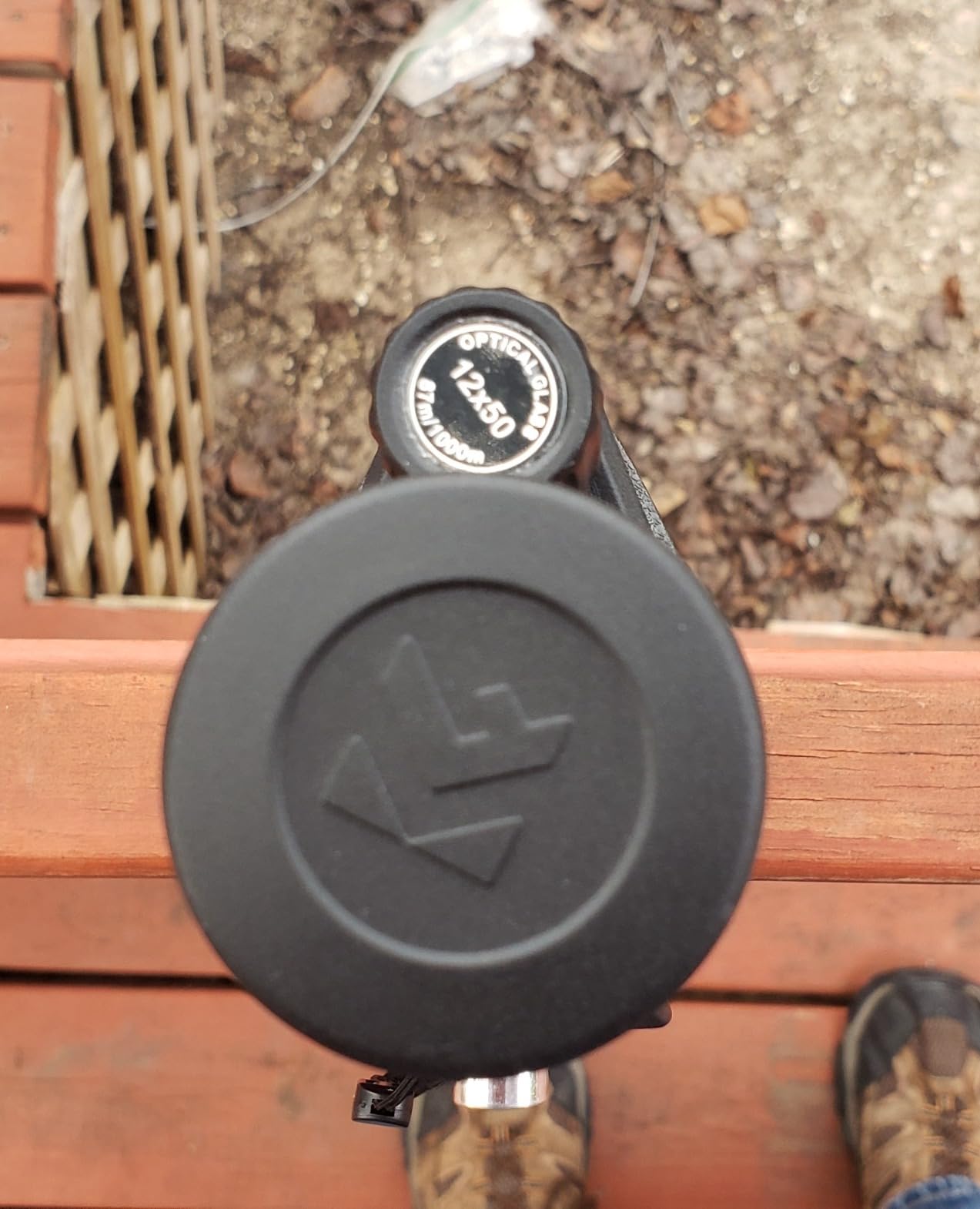
The 12×50 configuration is a proven astronomy spec. The 50mm objective lens gathers substantial light for night-sky use, and the BAK-4 prism with fully multi-coated optics delivers sharp, high-contrast images. During my testing, the Moon showed excellent detail, and I could resolve the four brightest stars of the Trapezium in the Orion Nebula, which is a good test of optical quality.
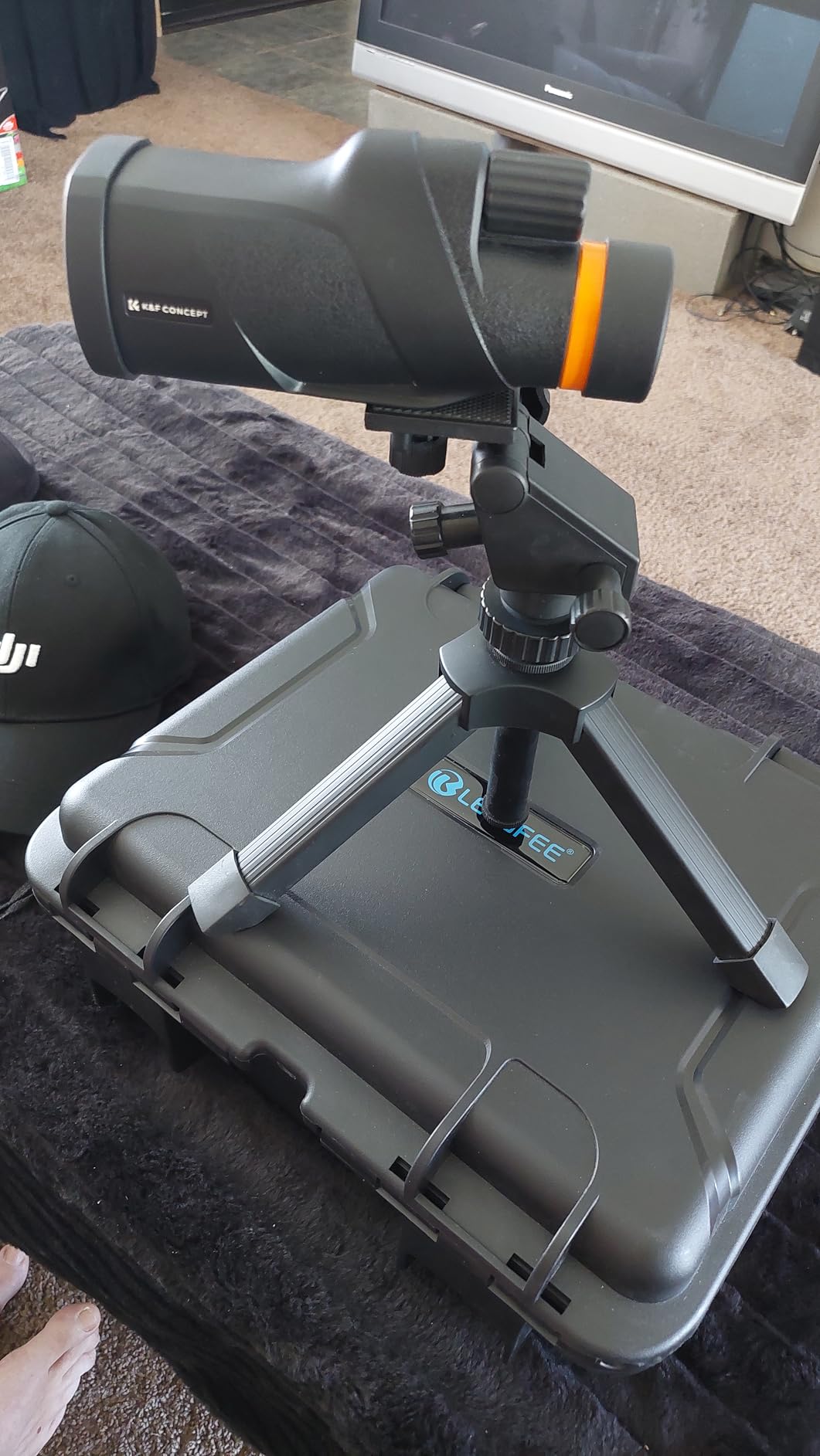
The 263-foot field of view at 1,000 yards is adequate for locating astronomical targets but narrower than 8x or 10x alternatives. The 1/4-inch tripod mount interface accepts standard camera tripods, which is essential for stable viewing at 12x. I mounted it on a travel tripod for steady lunar observation sessions.
The 59 percent five-star rating with 29 percent four-star reviews shows consistent quality. Only 4 percent of reviews are one-star, which is a good sign for quality control. The included cleaning cloth is a thoughtful touch, though you will want to add your own smartphone adapter and tripod if you plan digiscoping work.
Best For Quality-Conscious Budget Buyers
If you want better build quality than typical budget monoculars but cannot justify premium brand pricing, the K&F Concept 12×50 occupies a smart middle ground. The photographer-brand heritage shows in the design and ergonomics.
What You Need to Add
Unlike some competitors, this monocular does not include a smartphone adapter or tripod. Budget for those separately if digiscoping is part of your plan. A basic phone clip adapter and tabletop tripod will add about $15 to $20 to your total cost.
Buying Guide: What to Look For in a Stargazing Monoculars?
Choosing the best monocular for stargazing comes down to understanding a handful of optical specifications and how they affect night-sky performance. Here is what actually matters, based on our testing and community consensus from astronomy forums.
Magnification: Why More Is Not Always Better
For handheld stargazing, 8x to 12x is the practical sweet spot. Higher magnifications like 15x and above amplify every tiny hand movement, making the image shake uncontrollably. Reddit users on r/Astronomy and r/telescopes consistently recommend 8×42 or 10×50 configurations for astronomy. Lower magnification also provides a wider field of view, which helps you locate objects in the sky and enjoy large phenomena like meteor showers and the Milky Way.
At 8x, you can comfortably hold the monocular steady with one or two hands. At 10x, most people can still maintain usable stability. At 12x and above, a tripod becomes essential for serious observation. The tradeoff is that higher magnification shows more detail on the Moon and planets, so it depends on your primary targets.
Objective Lens Diameter: 42mm Minimum for Stargazing
The objective lens is the large lens at the front of the monocular. Its diameter determines how much light the optic gathers, which is critical for nighttime astronomy. For stargazing, 42mm is the absolute minimum. A 50mm lens is ideal for most users, and 56mm to 60mm provides maximum light gathering for deep-sky observation.
The exit pupil also matters. Divide the objective lens diameter by the magnification to get the exit pupil in millimeters. A 10×50 monocular has a 5mm exit pupil, which matches the dilated pupil size of most adults and provides maximum brightness. An 8×42 has a 5.25mm exit pupil, even better for older users whose pupils may not dilate as widely.
Prism Type: BaK-4 vs BK-7
BaK-4 (Barium Crown glass) prisms are the gold standard for monoculars and binoculars. They produce brighter, sharper images with better edge-to-edge sharpness than the cheaper BK-7 prisms found in budget optics. Every monocular in this roundup uses BaK-4 or BAK4 prisms, which is a baseline quality marker.
ED (extra-low dispersion) glass is the next step up and reduces chromatic aberration, the colored fringing you see on bright objects like the Moon and planets. None of the monoculars in this price range use true ED glass, but premium models from Vortex, Hawke, and Opticron offer it if you can spend more.
Lens Coatings: Fully Multi-Coated Is the Standard
Fully multi-coated (FMC) optics have multiple anti-reflective coating layers on all air-to-glass surfaces. This maximizes light transmission and contrast. Multi-coated optics have coatings on some but not all surfaces, which is a step down. Look for FMC or fully multi-coated on the spec sheet for the best night-sky performance.
Eye Relief for Glasses Wearers
Eye relief is the distance your eye can be from the eyepiece while still seeing the full field of view. Glasses wearers need at least 15mm of eye relief, and 16mm to 20mm is ideal. Twist-up eyecups let you adjust the distance precisely. If you wear glasses and the eye relief is under 13mm, you will see a restricted field of view that ruins the experience.
Build Quality and Weatherproofing
Stargazing happens outdoors at night, often in dew, fog, and cold temperatures. Look for waterproof (O-ring sealed) and fogproof (nitrogen or argon purged) construction. Rubber armor provides grip and impact protection. A tripod mount thread is essential if your monocular is 10x or higher magnification.
Smartphone Adapter Compatibility
If you want to try digiscoping, check whether the monocular includes a smartphone adapter or has a compatible third-party option. Universal clip-on adapters work with most phone-camera combinations but require patience to align. Dedicated adapters specific to your phone model provide better results but cost more. Remember that digiscoping at night is challenging due to phone camera sensor limitations.
FAQs
Can monoculars be used for stargazing?
Yes, monoculars can be used for stargazing and are excellent portable tools for casual astronomy. A monocular with at least a 42mm objective lens and BaK-4 prisms can show the Moon in detail, resolve bright star clusters, and let you scan the Milky Way from a dark-sky site. While they cannot match a telescope for deep-sky observing, monoculars are far more portable and affordable.
What magnification is best for stargazing with a monocular?
For handheld stargazing, 8x to 10x magnification is ideal because it provides a steady image and wide field of view for locating celestial objects. At 12x and higher, you need a tripod to avoid image shake. Lower magnifications like 8x are best for wide-field Milky Way scanning and meteor showers, while 10x to 12x offer more detail on the Moon and planets.
Are monoculars better than binoculars for stargazing?
Binoculars are generally better than monoculars for stargazing because using both eyes produces a brighter, more detailed perceptual image. However, monoculars are lighter, more compact, and less expensive. Reddit users on r/Astronomy agree that binoculars like 8×42 or 10×50 models serve most stargazers better, but monoculars are superior for travel and one-handed use.
How far can you see with a stargazing monocular?
With a typical stargazing monocular, you can see objects millions of light-years away under dark skies, including the Andromeda Galaxy. For practical purposes, a 10×50 monocular resolves the Moon’s craters in detail, shows Jupiter’s four brightest moons as pinpoints, and reveals bright star clusters and nebulae like the Orion Nebula.
What objective lens size do I need for stargazing?
For stargazing, you need a minimum 42mm objective lens diameter. A 50mm lens is ideal for most users, providing a 5mm exit pupil at 10x magnification. Larger lenses of 54mm to 60mm gather even more light for deep-sky observation but add weight. Smaller lenses like 25mm are fine for lunar viewing but lack the aperture for faint night-sky objects.
Conclusion: The Best Monoculars for Stargazing in 2026
After testing 12 models, our top recommendation for the best monoculars for stargazing is the Vortex Solo 10×25 for travelers who want unmatched durability in a pocket-sized optic, and the Adasion 12×56 for backyard astronomers who want maximum light gathering at a great value. If you are on a tight budget, the FEEMIC 8×42 delivers excellent wide-field performance for under $36.
The right choice depends on your observing style. Pick 8×42 for wide-field Milky Way scanning, 10×50 for balanced all-around performance, or 12×56 and above for maximum light gathering on deep-sky targets. Whatever you choose, pair it with a tripod for anything over 10x magnification, and get to a dark-sky location for the full experience. Clear skies.