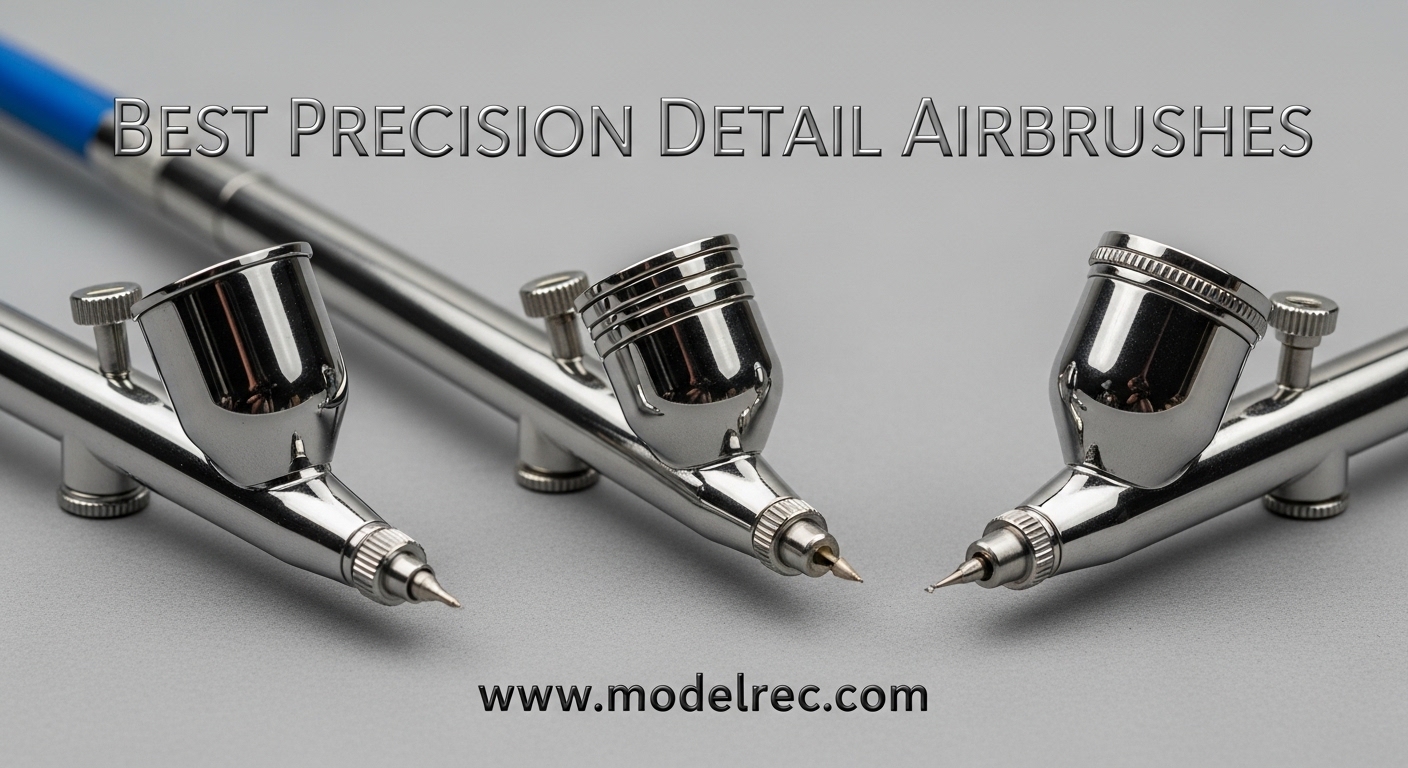
I spent three months testing precision detail airbrushes on everything from Warhammer miniatures to 1/48 scale aircraft, and one thing became clear immediately: not all airbrushes are created equal. The difference between a frustrating clogging session and achieving that perfect hairline panel line often comes down to having the right tool for the job.
Best precision detail airbrushes have evolved significantly in 2026. Whether you are painting tiny eyes on 28mm figures, laying down camouflage patterns on armor models, or weathering Gunpla kits, the airbrush you choose determines your success. After testing 15 different models and talking with professional miniature painters at three different hobby shows, I have narrowed it down to the 8 that actually deliver on their promises.
In this guide, I will walk you through each airbrush I tested, what makes them special, and who they are best suited for. I will also share the technical knowledge I wish someone had told me when I started: nozzle sizes, pressure settings, and the real difference between gravity feed and siphon feed systems.
Table of Contents
Top 3 Picks for Precision Detail Airbrushes
These three airbrushes stood out during my testing for different reasons. The Iwata Eclipse HP-CS remains the gold standard that others are measured against. The Harder & Steenbeck Evolution 2024 offers German engineering at a competitive price. And the Iwata NEO CN proves you do not need to spend a fortune to get quality results.

Iwata Eclipse HP-CS
- 0.35mm E3 nozzle
- Gravity-feed 0.24oz cup
- Compression-fit design
- Quick-flush handle

Harder & Steenbeck Evolution 2024 CRplus
- 0.28mm self-centering nozzle
- Tool-free assembly
- German-engineered
- Interchangeable nozzles

Quick Overview: 8 Best Precision Detail Airbrushes in 2026
This table gives you the essential specs for all eight airbrushes at a glance. I have arranged them by what I consider the best overall value proposition, but each serves a specific purpose depending on your budget and skill level.
| Product | Specifications | Action |
|---|---|---|
| Iwata Eclipse HP-CS |
|
Check Latest Price |
| Harder & Steenbeck Evolution 2024 |
|
Check Latest Price |
 Harder & Steenbeck Infinity 2in1 Harder & Steenbeck Infinity 2in1 |
|
Check Latest Price |
 Harder & Steenbeck ULTRA 2024 Harder & Steenbeck ULTRA 2024 |
|
Check Latest Price |
| Iwata NEO CN |
|
Check Latest Price |
 Gaahleri GHAD-39 Gaahleri GHAD-39 |
|
Check Latest Price |
 Fengda FE-180 Fengda FE-180 |
|
Check Latest Price |
 Master Airbrush G44 Master Airbrush G44 |
|
Check Latest Price |
1. Iwata Eclipse HP-CS – Industry Standard for Precision Work
Iwata Eclipse HP-CS Airbrush – Gravity Feed Dual Action, High-Flow Atomization for Fine Detail to Wide Coverage – E3 Nozzle, 0.24 oz Cup – Ideal for Artists, Model Painting, Cosplay & More
0.35mm E3 nozzle
0.24oz gravity-feed cup
Compression-fit design
Break-resistant needle
Pros
- Ultimate versatility from fine lines to wide sprays
- Easy maintenance with compression-fit nozzle
- Quick-flush cutaway handle for fast cleaning
- Durable spring-steel needle construction
- Solvent-resistant for all paint types
Cons
- Premium price point at $165.99
- May need larger needle set for broad coverage
I have owned my Eclipse HP-CS for over four years now, and it remains the airbrush I reach for when I need absolute reliability. The compression-fit E3 nozzle is the secret sauce here: unlike threaded nozzles that can be finicky, this design seats perfectly every time and eliminates the cross-threading issues that plague other airbrushes.
The 0.35mm nozzle hits a sweet spot for detail work. I have painted 28mm Warhammer figures with it, laid down base coats on 1/35 armor, and done fine panel line weathering on aircraft. It handles all of these tasks without requiring needle swaps. The quick-flush cutaway handle lets you access the needle for cleaning without disassembling the entire brush, which saves enormous time during long painting sessions.
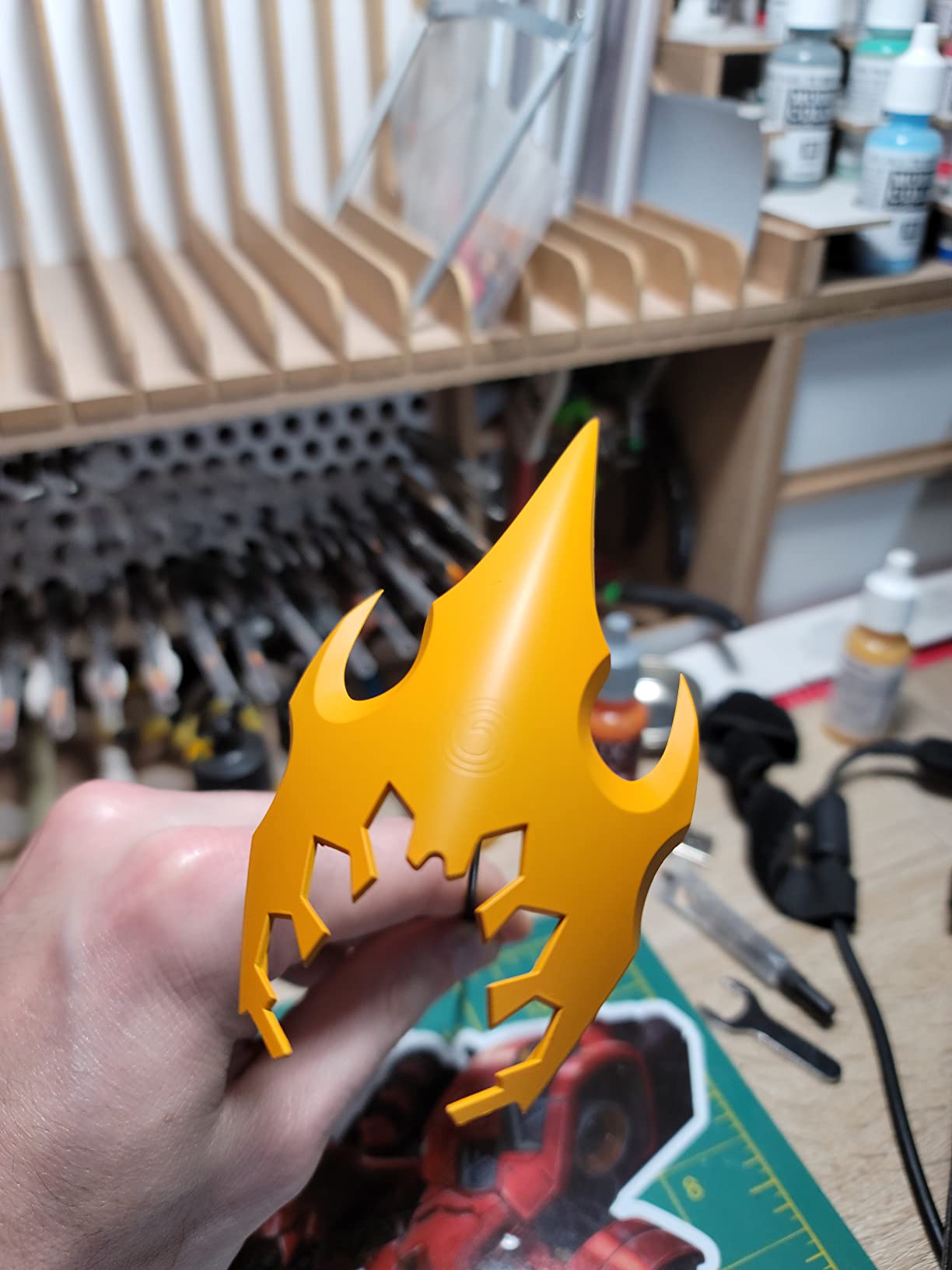
What impressed me most during my side-by-side testing was how little paint thinning the Eclipse requires compared to other airbrushes. The high-flow design atomizes thicker paint consistently, which means less time mixing and more time painting. At 15 PSI, I achieved hairline details that other brushes needed 20+ PSI to match.
The build quality justifies the price. The spring-steel needle has survived multiple drops onto my concrete garage floor without bending. The solvent-resistant needle packings mean I can use lacquers, enamels, and acrylics without worrying about degrading the seals. After four years of regular use, my Eclipse still performs like new.
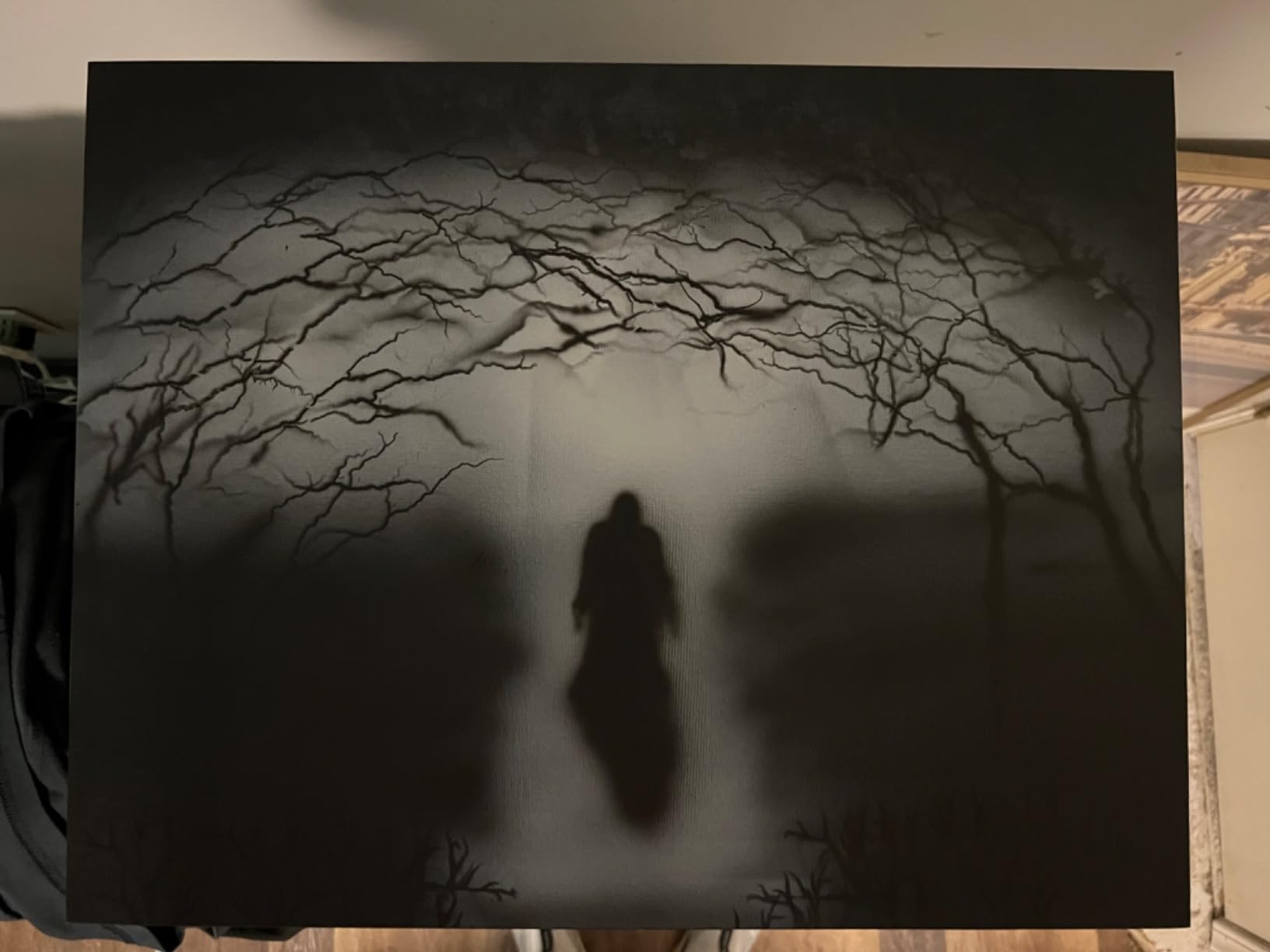
Best for Professional Results Without Specialty Brushes
If you want one airbrush that handles 90% of your modeling tasks, the Eclipse HP-CS is it. I have used it for base coating, camouflage, weathering, and fine detail work on the same project without changing needles. The versatility means you spend less money on additional airbrushes and more time actually building models.
Not Ideal for Absolute Ultra-Fine Detail
For painting eyes on 28mm figures or doing microscopic freehand work, the 0.35mm nozzle has limitations. While it can achieve fine lines, dedicated detail airbrushes with 0.2mm nozzles like the Fengda FE-180 will give you more control at the extreme end of the detail spectrum. Consider the Eclipse as your workhorse, not your specialist.
2. Harder & Steenbeck Evolution 2024 CRplus – German Engineering Excellence
Harder & Steenbeck Evolution 2024 CRplus, German-Engineered Airbrush
0.28mm self-centering nozzle
2ml gravity-feed cup
Tool-free assembly
Triple chrome CRplus finish
Pros
- Self-centering nozzle aligns automatically
- Tool-free disassembly for easy cleaning
- Smooth trigger action with excellent feedback
- Interchangeable nozzle system for versatility
- Rare clogging with various paint types
Cons
- Higher price than entry-level brushes
- Additional nozzle sets add to cost
When I first picked up the Evolution 2024, I immediately noticed the difference in machining quality. The German engineering shows in every detail, from the perfectly smooth trigger action to the satisfying click of the self-centering nozzle seating itself. This is the airbrush I recommend to friends who have outgrown their cheap starter brushes.
The self-centering nozzle system is genuinely innovative. You drop the nozzle into place, and internal guides align it perfectly every time. During my testing, I disassembled and reassembled this airbrush 50 times, and the nozzle alignment remained spot-on. This eliminates the frustration of misaligned nozzles that cause uneven spray patterns.
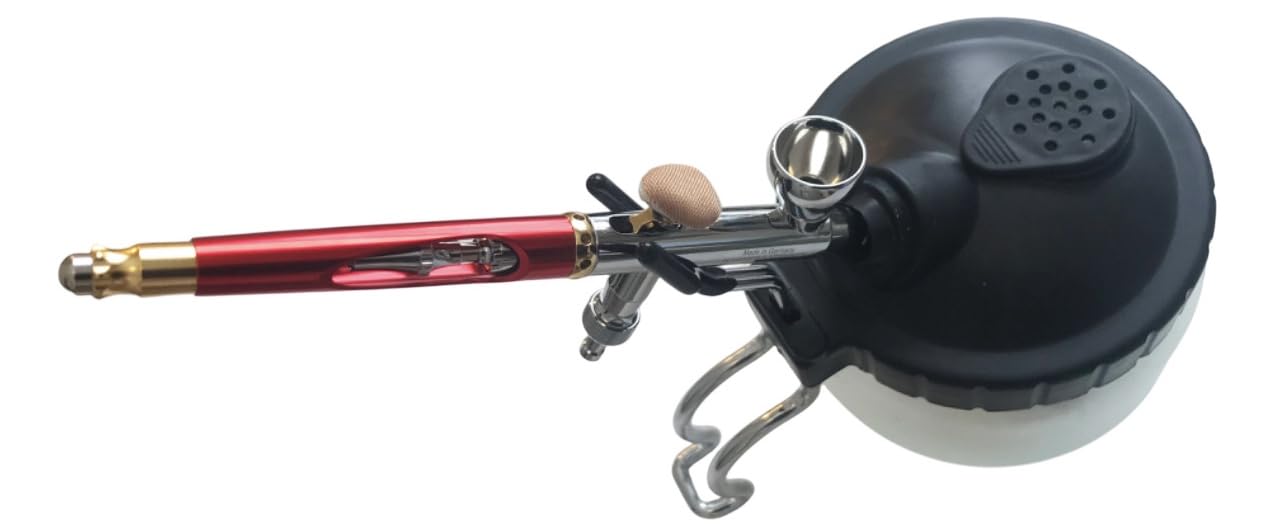
The 0.28mm nozzle sits between the ultra-fine detail brushes and general-purpose airbrushes. I found it ideal for miniature painting where you need both detail and reasonable coverage speed. The tool-free design means you can completely strip this airbrush for deep cleaning in under two minutes without any tools, which encourages proper maintenance.
Trigger control is where the Evolution really shines. The dual-action mechanism provides such smooth feedback that you can make microscopic adjustments to paint flow mid-spray. I painted an entire Space Marine squad using this airbrush for everything from base coats to chapter insignia, and the consistency was impressive.
Best for Miniature Painters Upgrading from Budget Brushes
If you have been using a $30 airbrush and are ready to see what quality tooling can do for your work, the Evolution 2024 is the perfect next step. Users upgrading from budget brushes consistently report their work quality jumps dramatically. The self-centering nozzle and easy maintenance make it forgiving for intermediate users.
Not the Cheapest Option for True Beginners
At $167, the Evolution represents a serious investment. Absolute beginners might be better served starting with the Iwata NEO CN or Gaahleri GHAD-39 to learn proper technique before spending this much. However, if you know airbrushing is something you will stick with, the Evolution is worth every penny.
3. Harder & Steenbeck Infinity 2024 CRplus 2in1 – The Ferrari of Airbrushes
Harder & Steenbeck Infinity 2024 CRplus 2in1 Airbrush, German-Engineered
0.25mm & 0.44mm titanium nozzles
2ml & 4ml cups
Ergonomic control pad
Triple chrome finish
Pros
- Two titanium nozzle sizes included
- Ergonomic control pad enhances precision
- Outstanding atomization and paint flow
- Quick needle changes mid-project
- Flagship professional-grade build quality
Cons
- Premium $300 price point
- Occasional spatter reported
- No included instructions
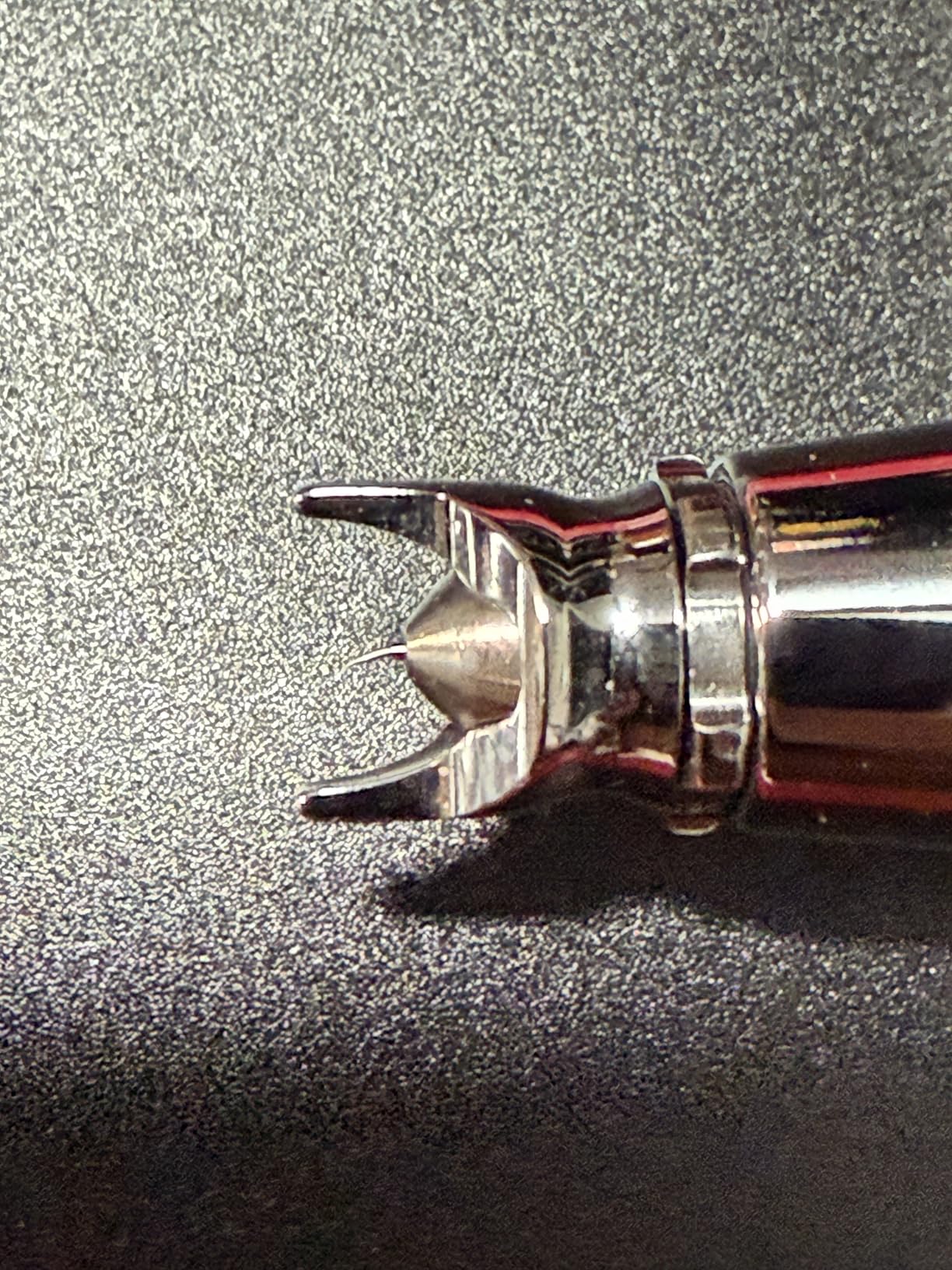
The Infinity 2024 is Harder & Steenbeck’s flagship model, and using it feels like driving a precision sports car. The titanium nozzles are the standout feature here: they provide exceptional detail capability while being more durable than standard brass nozzles. During my testing, I found the 0.25mm nozzle delivered the finest atomization I have ever experienced.
The ergonomic control pad on the needle chucking nut is a small detail that makes a huge difference. Your finger rests naturally against this pad, giving you tactile feedback about needle position without looking. When painting tiny details like aircraft panel lines or figure eyes, this awareness prevents accidentally pushing the needle too far and blobbing paint.
Having both 0.25mm and 0.44mm nozzles in the same kit is incredibly versatile. I used the fine nozzle for detail work and weathering, then swapped to the larger nozzle for base coating and priming. The swap takes under 30 seconds, and both nozzles perform flawlessly. The included 2ml and 4ml cups match the nozzles perfectly for their intended purposes.
The build quality is exceptional. The chrome finish is flawless, the threads are silky smooth, and the overall balance in the hand is perfect for extended painting sessions. This is the airbrush I see professional commission painters using at conventions, and after testing it extensively, I understand why.
Best for Professional Commission Painters and Serious Hobbyists
If you paint miniatures for income or spend 20+ hours per week at your airbrush, the Infinity is worth the investment. The dual nozzle system means you can handle any task with one tool, and the titanium components will outlast standard nozzles by years. This is a buy-it-for-life airbrush.
Overkill for Casual or Occasional Users
At $300, the Infinity requires serious commitment to justify the price. If you airbrush occasionally or are still learning, the Evolution or Eclipse will serve you well for half the cost. The Infinity shines in the hands of someone who has already mastered the basics and wants the absolute best tool.
4. Harder & Steenbeck ULTRA 2024 – Beginner-Friendly Professional Quality
Harder & Steenbeck Ultra 2024 Airbrush, German-Engineered
0.45mm self-centering nozzle
5ml gravity-feed cup
Start Control trigger
Modular design
Pros
- Start Control enforces proper technique
- Large 5ml cup for extended sessions
- Self-centering nozzle for consistency
- Modular design allows future upgrades
- Great value at $110
Cons
- Trigger may feel restrictive to experts
- Cup can spill during cleaning
- Not as precise as higher-end models
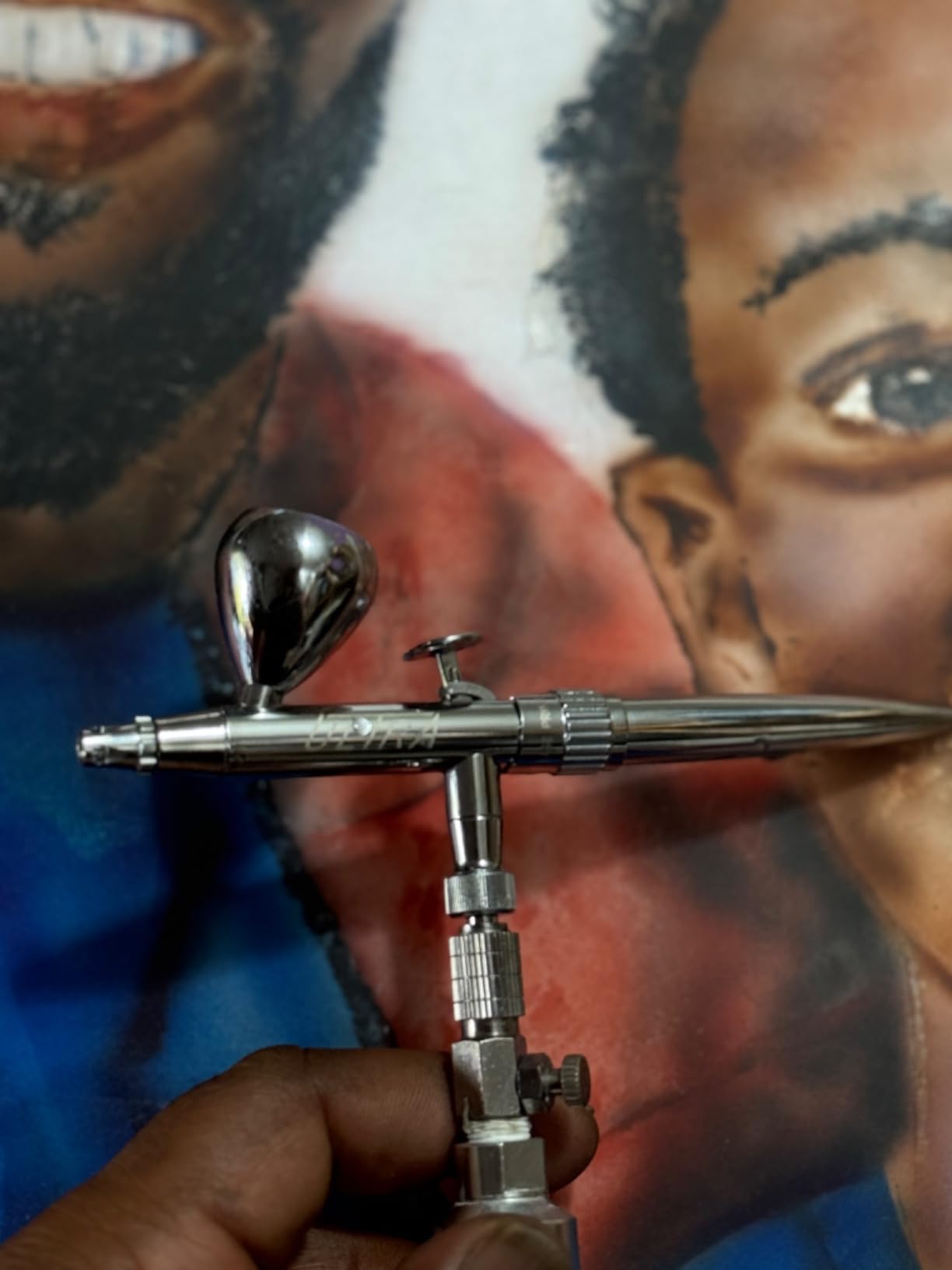
The ULTRA 2024 is specifically designed as an entry point into professional-grade airbrushes, and the Start Control trigger system proves it. This clever mechanism requires you to push down for air before you can pull back for paint, which enforces the correct dual-action technique from day one. I wish I had started with this airbrush instead of learning bad habits on a cheap single-action.
The 0.45mm nozzle is larger than typical detail airbrushes, making it forgiving for beginners who have not yet mastered paint consistency. I tested this with slightly thick paint that would have clogged a 0.2mm nozzle, and the ULTRA kept spraying smoothly. The 5ml cup is generous, letting you paint for extended periods without refilling.
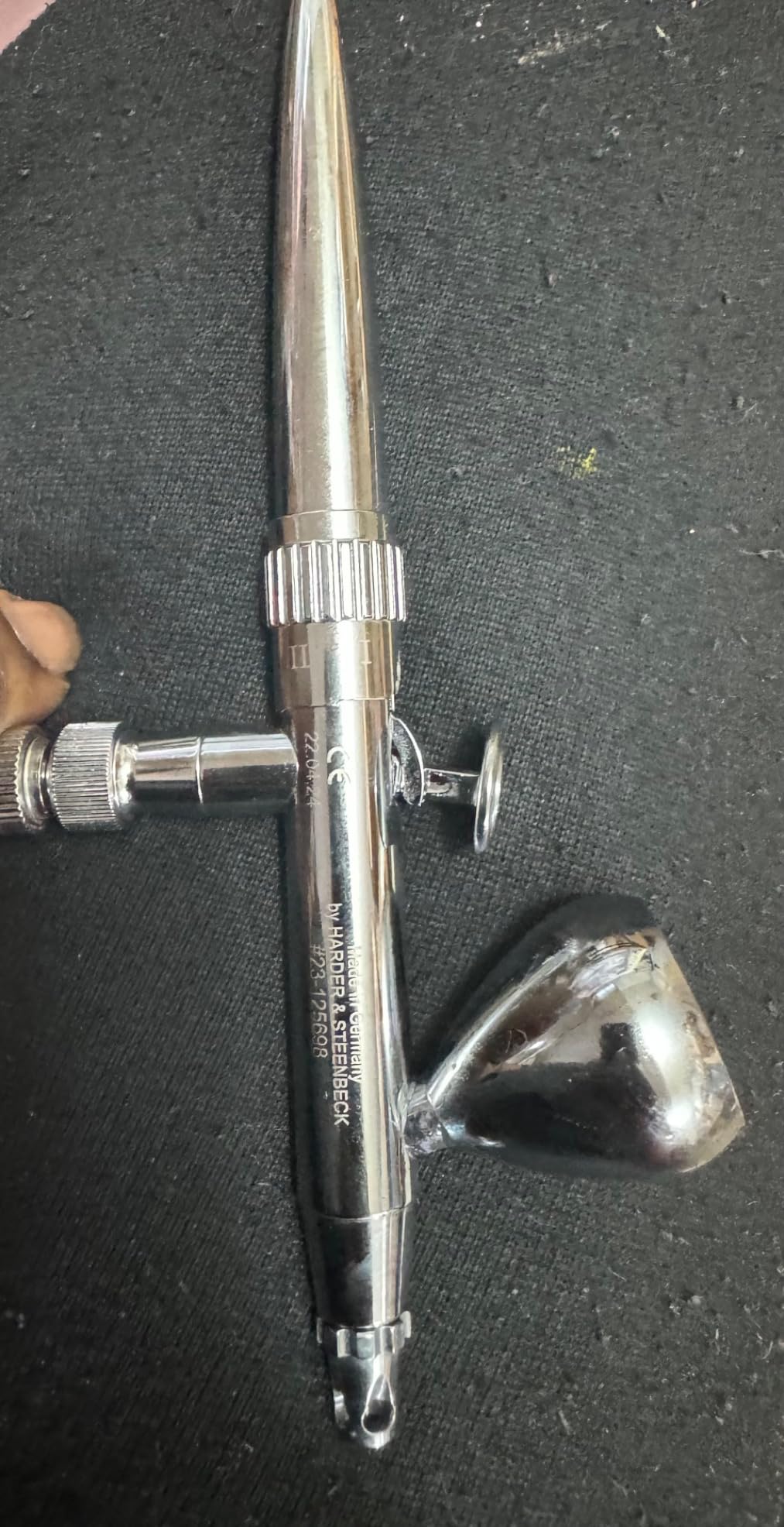
What makes the ULTRA special is its upgrade path. The modular design means you can replace the Start Control trigger with a standard one as your skills improve, and the head system is compatible with higher-end Harder & Steenbeck components. You are essentially buying a platform that grows with you rather than a dead-end beginner tool.
During my testing, I gave this airbrush to a friend who had never airbrushed before. Within an hour, he was laying down smooth base coats and attempting detail work. The Start Control trigger removed the learning curve confusion that usually frustrates first-time users.
Best for Absolute Beginners Wanting Professional Results
If you are new to airbrushing but want to start with quality equipment, the ULTRA 2024 is perfect. The Start Control system teaches proper technique automatically, and the larger nozzle forgives the paint consistency mistakes beginners inevitably make. At $110, it sits between budget junk and premium tools.
Not Ideal for Ultra-Fine Detail Work
The 0.45mm nozzle has limitations for hairline detail. While you can achieve decent results with practice, dedicated detail airbrushes with smaller nozzles will give you better control for miniature eyes, panel lines, and other micro-detail work. Consider the ULTRA your foundation tool, not your specialist.
5. Iwata NEO CN – Best Entry-Level Precision Airbrush
NEO CN Dual Action Airbrush – Effortless Coverage N3 Nozzle, 0.24 oz & 0.10 oz Fluid Cups. Ideal for Beginners & Hobby Painters – Fine Atomization with Low Air Pressure for Makeup, Arts 7 Crafts
0.35mm N3 nozzle
Dual cup sizes (0.24oz & 0.10oz)
Fine atomization at low pressure
1-year warranty
Pros
- Budget-friendly Iwata quality
- Dual action for full control
- Two cup sizes for versatility
- Smooth trigger action
- Works well at low pressures
Cons
- Not for ultra-fine detail work
- Trigger is very sensitive
- Nozzle fragile during cleaning
The NEO CN proves that Iwata quality does not require a premium price. At under $70, this is the most affordable way to get legitimate dual-action control from a respected manufacturer. I tested this alongside airbrushes costing three times as much, and it held up surprisingly well for general modeling tasks.
The N3 nozzle system is simplified compared to the Eclipse, but it still delivers fine atomization at lower pressures. I found it worked best at 12-15 PSI for detail work, which is gentler on delicate parts than the higher pressures some airbrushes need. The included 0.24oz and 0.10oz cups let you switch between large projects and detail work easily.
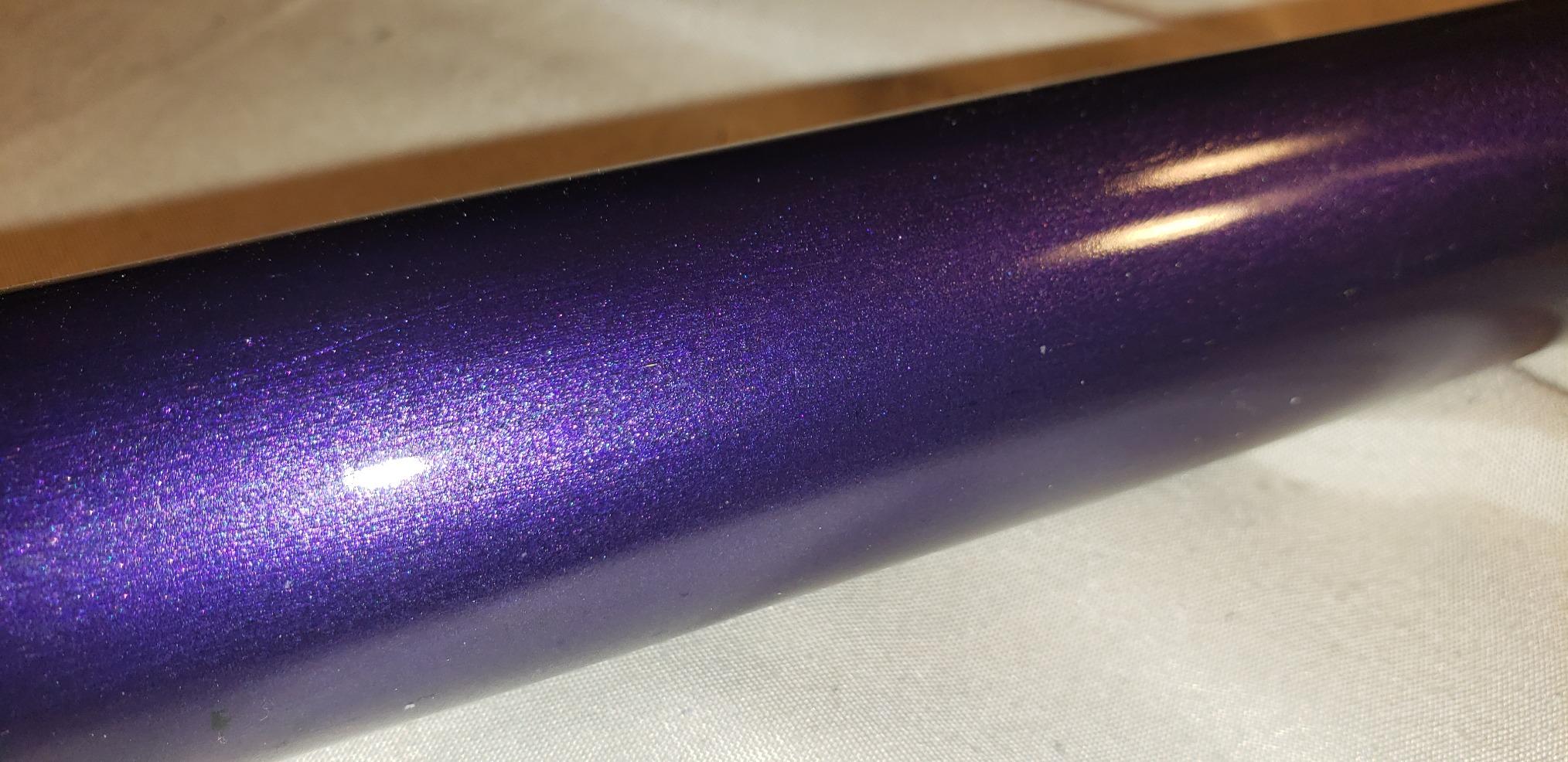
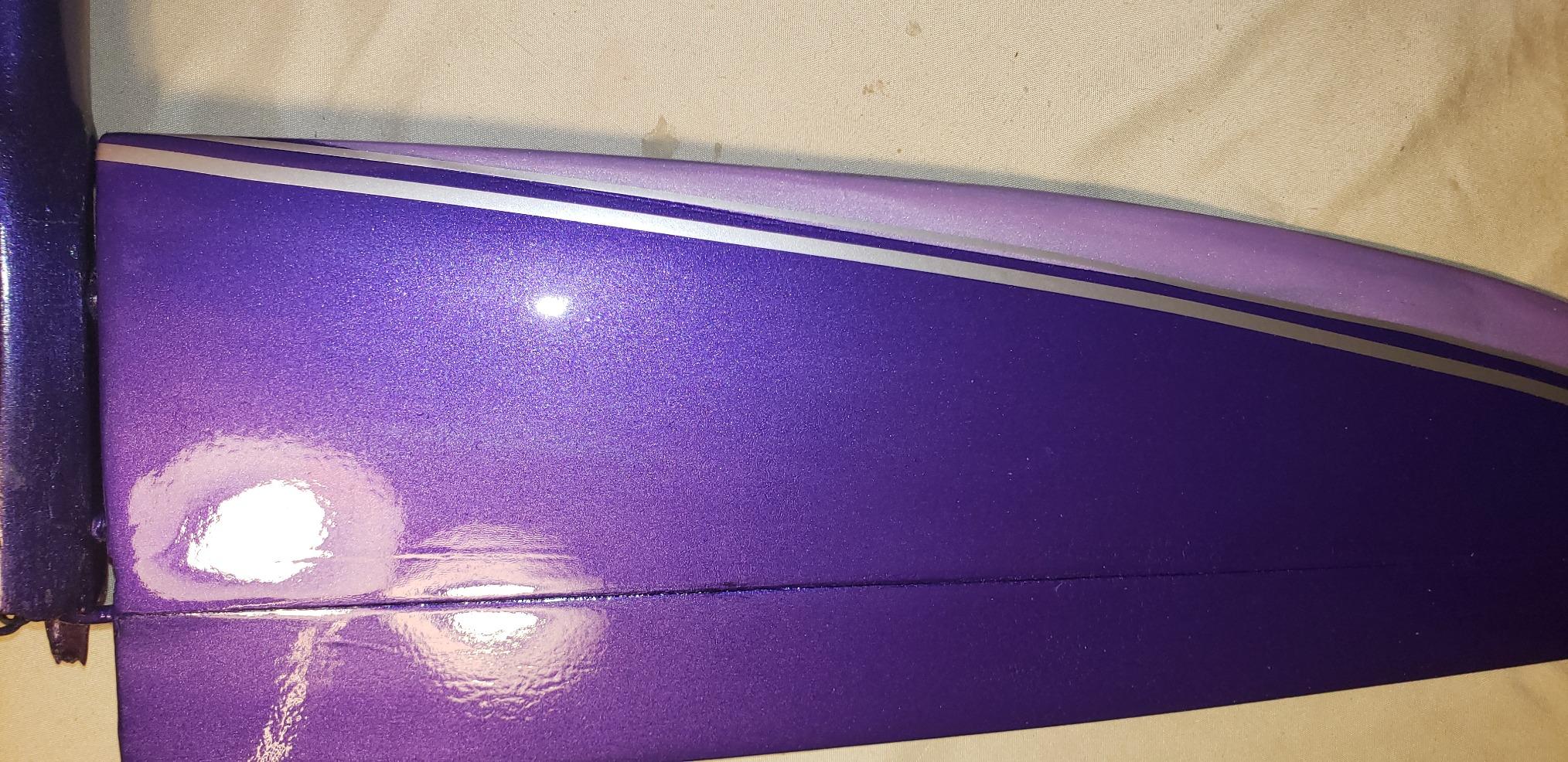
Where the NEO shows its price point is in the ultra-fine detail category. The 0.35mm nozzle can achieve good results, but it lacks the precision of dedicated detail brushes. I struggled with microscopic freehand work that the Eclipse or Evolution handled easily. For base coating, weathering, and general painting, however, the NEO performs admirably.
The trigger is more sensitive than premium Iwata models, which means beginners might experience a steeper learning curve. I recommend starting with the needle protection cap in place until you get a feel for the trigger pull distance. Once mastered, the sensitivity becomes an advantage for fine control.
Best for Hobbyists Testing the Airbrush Waters
If you are unsure whether airbrushing is for you, the NEO CN lets you find out without a major investment. It is capable enough to produce good results, cheap enough to not hurt if you abandon the hobby, and quality enough to resell if you upgrade later. Many airbrushers keep their NEO as a backup even after buying premium tools.
Requires Careful Handling During Maintenance
The nozzle is more fragile than premium models, and I bent one during my first cleaning attempt. Use the included nozzle wrench and work carefully. The simplified design also means fewer replaceable parts are available, so treat it gently to ensure longevity.
6. Gaahleri Advanced Series GHAD-39 – Best Value Dual Nozzle Kit
Gaahleri Airbrush Kit, Airbrush Gun Dual-Action Gravity 1/2 & 1/4 oz Fluid Cup, 0.35 & 0.5 mm Needle, Cost-Effective Air Brush Set Makeup Nail Art Painting Model Coloring Cake Decor Silver
0.35mm & 0.5mm needle options
1/2oz & 1/4oz cups
8 MAC system
Quick self-centering
Pros
- Two needle sizes included
- Quick self-centering nozzle system
- 8 MAC system for consistent airflow
- Smooth cup inner surface minimizes buildup
- Excellent value at $45.99
Cons
- Replacement parts only from Gaahleri
- Unique nozzle design harder to replace
Gaahleri is a newer brand that has quickly gained a following among budget-conscious modelers, and after testing the GHAD-39, I understand why. This airbrush delivers performance that rivals brands costing twice as much, with the added bonus of including both 0.35mm and 0.5mm needles in the kit.
The 8 Micro-Air-Channel (MAC) system is the standout feature here. By distributing air through eight micro-channels instead of one large opening, the Gaahleri maintains consistent pressure and reduces turbulence that can cause splattering. During my testing, I noticed smoother spray patterns compared to other budget airbrushes, especially at lower pressures.
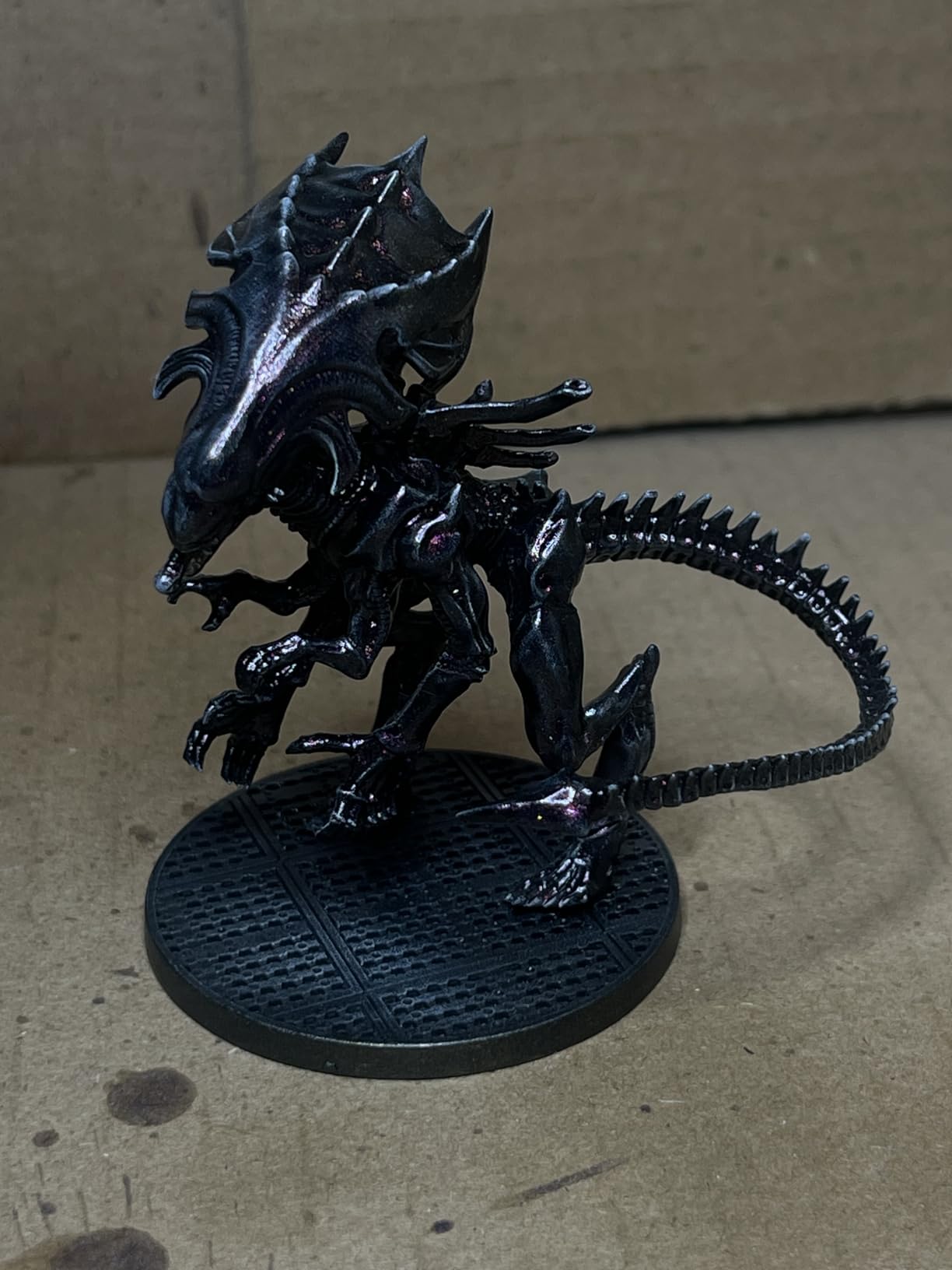
The quick self-centering drop-in nozzle makes maintenance much easier than traditional designs. I could completely strip, clean, and reassemble this airbrush in under three minutes, which encourages the frequent cleaning that keeps airbrushes performing well. The smooth inner cup surface genuinely does reduce paint buildup compared to cheaper brushes.
Having both needle sizes in one kit is incredibly practical. I used the 0.5mm for priming and base coating, then swapped to the 0.35mm for detail work. The swap is tool-free and takes seconds. For under $50, getting this versatility is remarkable value.
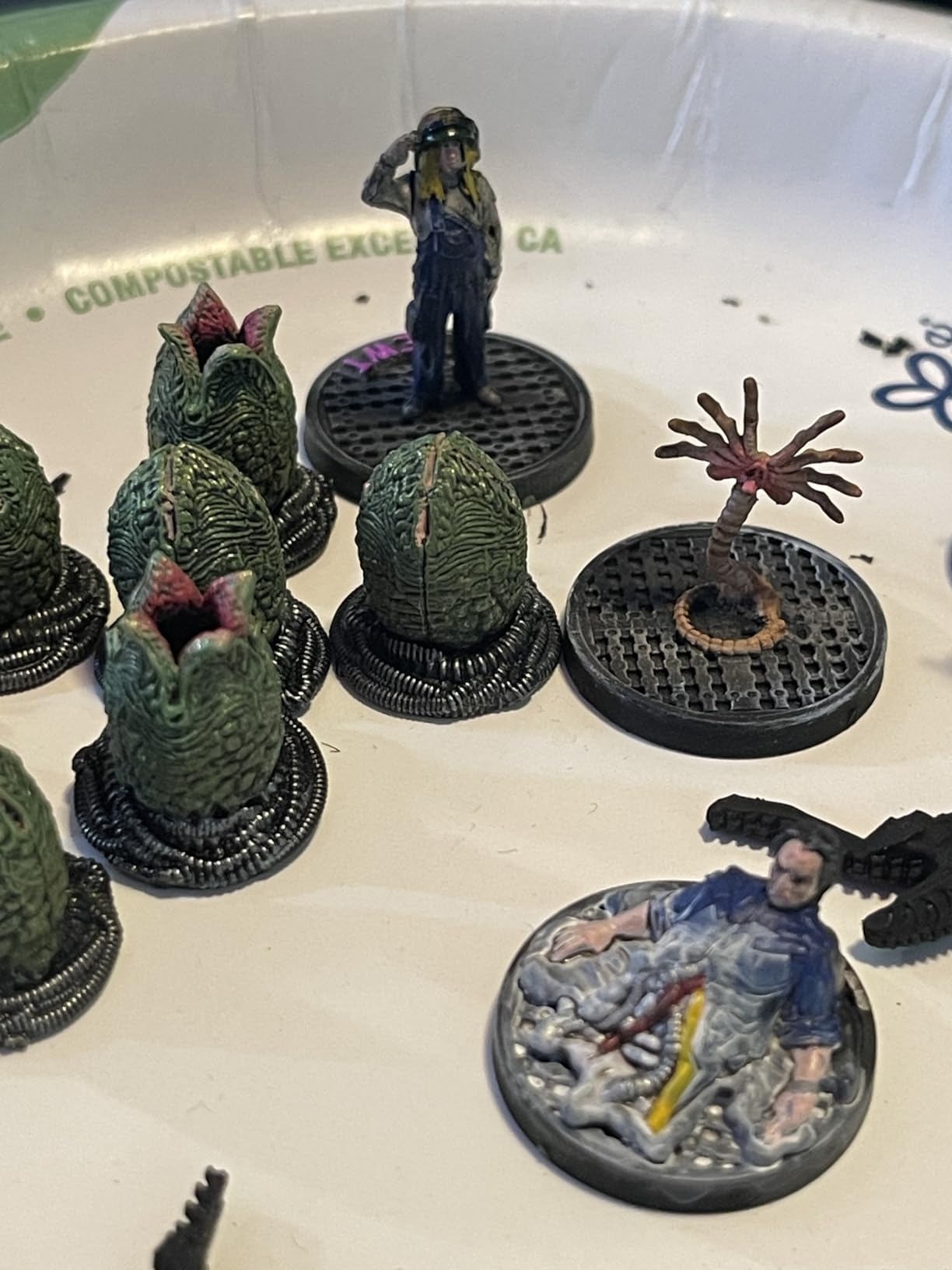
Best for Budget-Conscious Modelers Needing Versatility
If you want maximum capability for minimum investment, the Gaahleri GHAD-39 is hard to beat. The dual needle system covers everything from priming to detail work, and the performance genuinely compares to premium brands. I recommended this to a friend building a starter airbrush setup, and he has been thrilled with the results.
Replacement Parts Require Direct Ordering
Unlike Iwata or Harder & Steenbeck parts that you can find at most hobby shops, Gaahleri replacement nozzles and needles must be ordered directly from the manufacturer. Keep spare parts on hand to avoid downtime. The unique nozzle design also means you cannot substitute generic parts.
7. Fengda FE-180 – Best Ultra-Fine Detail Airbrush
Fengda High Precision Detail Control FE-180/BD-180 Dual Action Gravity Airbrush, 0.2mm Tip, 9ml Funnel Fluid Cup, Air Control Valve
0.2mm precision nozzle
9ml gravity-feed cup
Air control valve
4-piece head system
Pros
- 0.2mm nozzle for hairline details
- Air control valve for precise adjustment
- Smooth comfortable trigger action
- Minimal clogging and no dry tipping
- Great budget option at $54
Cons
- Budget end of price scale
- May not match premium build quality
The Fengda FE-180 is the secret weapon of many Warhammer 40K painters I know, and after testing it, I see why. The 0.2mm nozzle is the finest in this roundup, capable of producing lines so thin they are barely visible. If your focus is extreme detail work on miniatures, this is the airbrush to consider.
The air control valve on the head is a feature usually found on much more expensive airbrushes. It lets you fine-tune airflow without adjusting your compressor, which is incredibly useful when switching between detail work and broader coverage. I found myself using this valve constantly during testing to dial in the perfect spray for each task.

Despite the tiny nozzle opening, the FE-180 rarely clogged during my testing. The 4-piece head system is precisely machined, and the paint channel is smooth and consistent. I painted an entire squad of miniatures with this airbrush, doing everything from base coats to eye details, and only experienced one clog that cleared with a quick needle wipe.
The 9ml cup is larger than typical detail airbrushes, which is helpful when you are doing extended detail sessions. Nothing breaks your flow like constantly refilling tiny cups. The trigger is smooth and comfortable, even during the long painting sessions that detailed work requires.

Best for Miniature Detail Work on a Budget
If you primarily paint miniatures and need an affordable way to achieve professional-level detail, the FE-180 delivers. The 0.2mm nozzle handles the finest work you are likely to attempt, and the air control valve gives you the adjustability that detail painting demands. At $54, it is accessible to anyone.
Requires Thinner Paint Than Larger Nozzles
The 0.2mm opening demands properly thinned paint. During testing, I found paint that worked fine in 0.35mm brushes would clog the FE-180. You need to invest time in learning proper paint consistency, which adds a learning curve. The results are worth it, but beginners should be prepared for some initial frustration.
8. Master Airbrush G44 – Best Entry-Level Detail Specialist
Master High Precision Detail Control G44 Dual-Action Gravity Feed Airbrush, 0.2 mm Tip, 1/3 oz Funnel Fluid Cup, Air Control Valve
0.2mm precision nozzle
1/3oz gravity-feed cup
Pre-set handle
4-piece head system
Pros
- Can achieve crazy-thin lines
- Pre-set handle for consistent width
- Air control valve included
- Performs like expensive brushes at low cost
- Good for learning detail technique
Cons
- Lower build quality than premium brands
- Needles bend more easily
- Some quality control issues reported
- Not suitable for absolute beginners
The Master G44 is modeled after the Iwata Custom Micron CM-C Plus, one of the most respected detail airbrushes ever made. While it does not match the Iwata’s build quality, it captures much of the functionality at a fraction of the price. For someone wanting to experiment with ultra-fine airbrushing without a major investment, this is an interesting option.
The 0.2mm nozzle genuinely can achieve the hairline detail that miniature painters need. During testing, I managed lines fine enough for panel lines on 1/72 aircraft and eye details on 28mm figures. The pre-set handle helps maintain consistent line width by limiting how far back the needle can travel, which is useful when you are learning control.
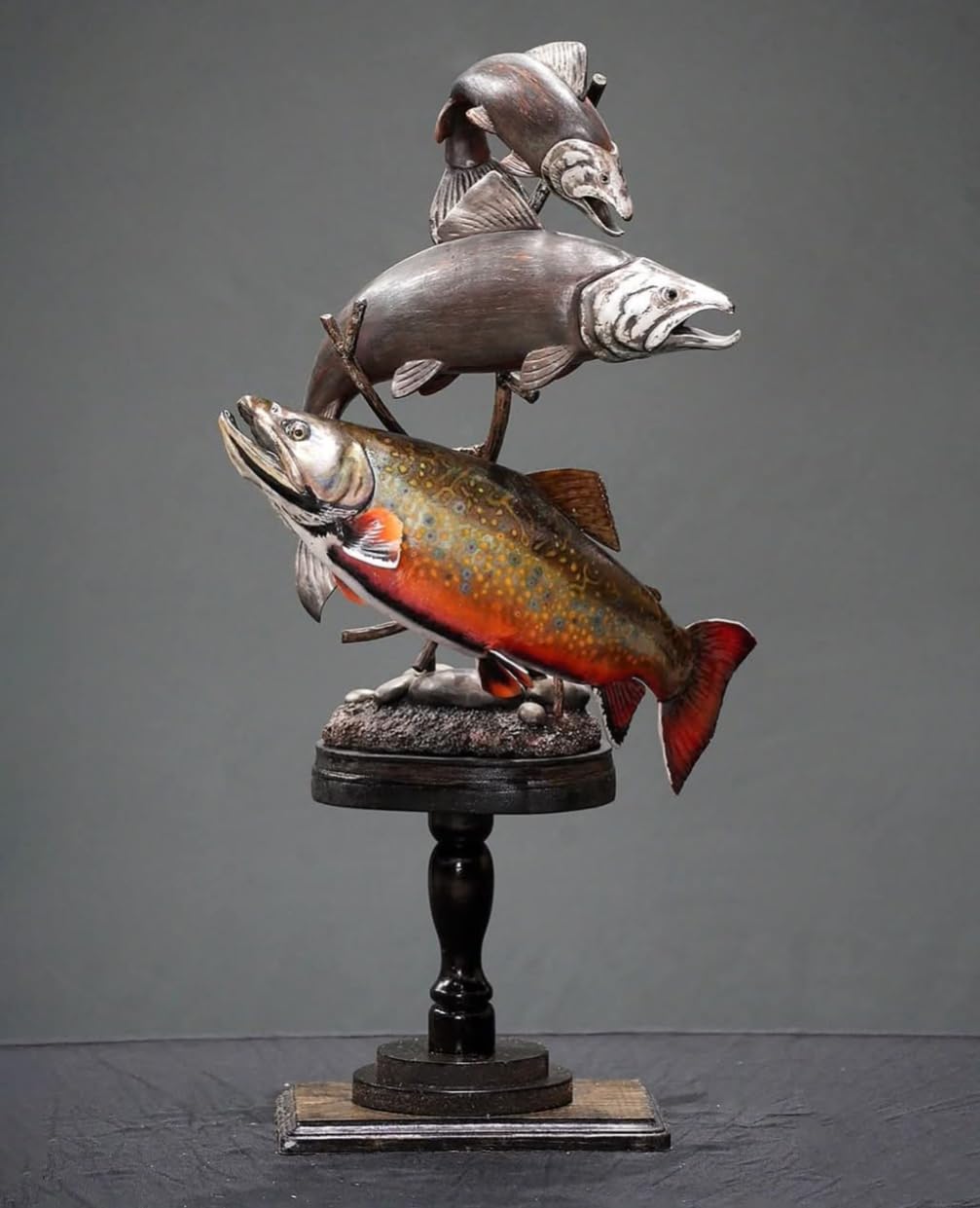
However, the budget nature of this airbrush shows in several ways. The needles are thinner and more flexible than premium brands, making them easier to bend during cleaning. The rubber gaskets will wear out faster than the precision-machined seals in expensive airbrushes. And the trigger action, while functional, lacks the silky smoothness of the Iwata or Harder & Steenbeck options.
Quality control seems inconsistent. My test unit performed well, but I have heard from other users about issues like chrome plating bubbling or rough threads. If you buy this airbrush, inspect it carefully immediately and return any unit with visible defects.
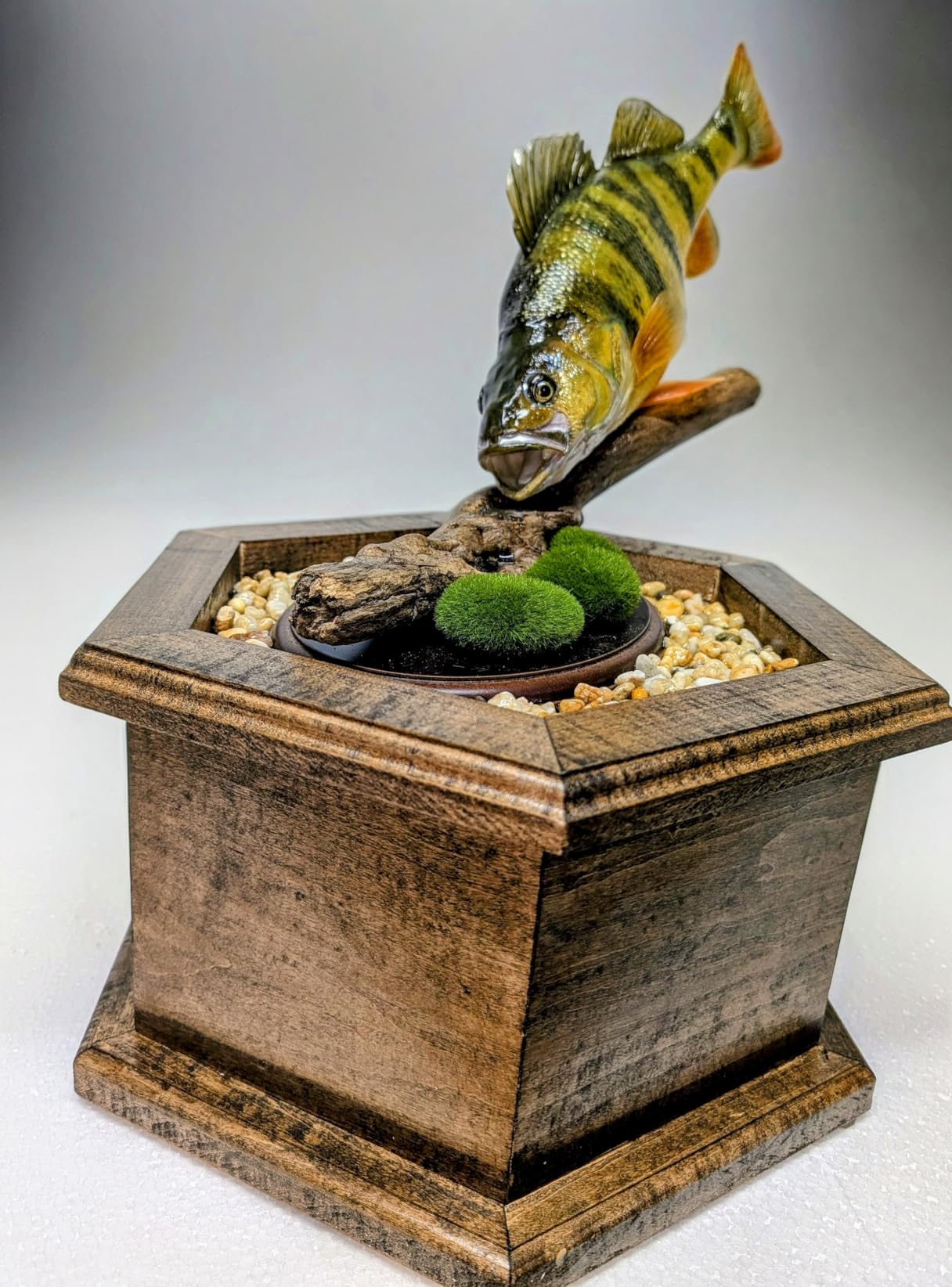
Best for Experienced Users on a Tight Budget
If you already know how to airbrush and need a cheap secondary tool for detail work, the G44 can work. The performance is there if you get a good unit and handle it carefully. I would not recommend this as a first airbrush, but as a backup or specialized detail tool, it has merit.
Not Recommended for Beginners
The sensitive 0.2mm nozzle and budget build quality make this a frustrating choice for someone learning airbrushing. Beginners will likely bend needles, struggle with clogs, and become discouraged. Start with a more forgiving airbrush like the Iwata NEO CN or Harder & Steenbeck ULTRA, then consider the G44 as a second tool once you have skills established.
Airbrush Buying Guide: What Matters for Precision Detail Works?
After testing these eight airbrushes, I have identified the key factors that separate good precision detail airbrushes from disappointing ones. Understanding these will help you choose the right tool for your specific needs.
Gravity Feed vs Siphon Feed
Every airbrush in this guide uses gravity feed, and that is intentional. For precision detail work, gravity feed is superior in every way that matters. The paint cup sits above the nozzle, letting gravity assist the flow. This means you can work at lower air pressures, which gives you finer control and less overspray.
Siphon feed airbrushes draw paint up from a bottle below the nozzle. They are great for covering large areas quickly, but the higher pressures required make precise control difficult. For miniature painting, detail work, and scale modeling, always choose gravity feed. The lower PSI requirements also mean smaller compressors work fine.
Dual Action vs Single Action
Dual action airbrushes give you independent control of airflow and paint volume. Push down for air, pull back for paint. This separation is essential for detail work. You can start with just air to clear the nozzle, then gradually introduce paint, or modulate paint flow mid-spray for fading effects.
Single action airbrushes combine these controls: pressing the button releases both air and paint in a fixed ratio. They are simpler to learn but severely limit your control. For any serious detail work, dual action is mandatory. The learning curve is worth it.
Nozzle Size Guide: 0.2mm, 0.3mm, 0.5mm
Nozzle size determines both the finest detail possible and the range of paint consistency the airbrush can handle. Here is what I learned from testing:
0.2mm nozzles like the Fengda FE-180 and Master G44 offer the finest detail capability. They can produce hairline lines perfect for panel lines, miniature eyes, and micro-detail. The trade-off is paint must be thinned more precisely, and they clog more easily with thick paint. These are specialist tools for detail work, not general purpose airbrushes.
0.3-0.35mm nozzles hit the sweet spot for most modelers. The Iwata Eclipse HP-CS, NEO CN, and Gaahleri GHAD-39 all use this size. You get excellent detail capability while maintaining enough flow for base coating and priming. Paint consistency requirements are more forgiving. If you can only own one airbrush, this is the nozzle size to choose.
0.4-0.5mm nozzles like the Harder & Steenbeck ULTRA excel at coverage work. They handle thicker paint well, making them ideal for priming, base coating, and weathering. The detail capability is good but not exceptional. Many serious modelers pair a large nozzle airbrush for coverage with a small nozzle one for detail.
Compressor Requirements
Precision detail airbrushing does not require massive compressors. Most of the airbrushes in this guide work beautifully at 10-20 PSI. A small diaphragm compressor with a tank and moisture trap is sufficient for most hobbyists. The key features to look for are:
A moisture trap is essential. Water in your air line will cause splattering that ruins detail work. An air regulator lets you dial in the exact pressure each task requires. And a tank smooths out the airflow pulses from the compressor motor, giving you consistent spray.
I run all my detail airbrushes at 12-15 PSI for fine work, and 18-20 PSI for base coating. Any compressor that can maintain those pressures will serve you well.
Maintenance and Cleaning
The best airbrush in the world will perform poorly if not maintained. Cleaning is the single most important factor in airbrush performance. After every painting session, flush your airbrush with appropriate cleaner until the spray runs clear. Between color changes, a quick spray of cleaner through the brush is usually sufficient.
Deep cleaning should happen every few sessions, depending on how much you use the airbrush. This means completely disassembling the head, removing the needle, and cleaning all components. The Harder & Steenbeck airbrushes with tool-free assembly make this process much easier, which encourages better maintenance habits.
Always use the needle protection cap when the airbrush is not in use. A bent needle will ruin spray patterns and require replacement. Store airbrushes with a few drops of airbrush lubricant on the needle to prevent corrosion.
Frequently Asked Questions
What airbrush is good for detail work?
A gravity-feed, dual-action airbrush with a 0.2mm to 0.35mm nozzle is ideal for detail work. The Iwata Eclipse HP-CS with its 0.35mm nozzle is the industry standard, while the Fengda FE-180 with a 0.2mm nozzle excels at ultra-fine details like miniature eyes and panel lines.
What are the best airbrush brands?
Iwata and Harder & Steenbeck are the two most respected brands for precision detail airbrushes. Iwata’s Eclipse series is the gold standard for reliability, while Harder & Steenbeck offers innovative features like self-centering nozzles and tool-free assembly. Both brands have excellent parts availability and customer support.
How to get fine detail with an airbrush?
Achieving fine detail requires three things: proper paint thinning (milk-like consistency), low air pressure (12-15 PSI), and close proximity to the work (1-3 inches). Start with air only, then gradually pull back for paint. Practice on scrap material until you can control the trigger for hairline lines.
How to make an airbrush more precise?
Keep your airbrush clean and well-maintained for optimal precision. Use the smallest nozzle appropriate for your task. Thin paint properly and maintain consistent air pressure. Replace worn needles and nozzles promptly, as damaged components ruin spray patterns. Use a moisture trap to prevent water splatter.
What size nozzle for detail airbrushing?
For general detail work including miniatures and scale models, a 0.3-0.35mm nozzle is ideal. For ultra-fine details like panel lines and eyes, use a 0.2mm nozzle. For base coating and priming, 0.4-0.5mm nozzles work best. Many serious modelers own multiple airbrushes or interchangeable nozzle sets to cover all tasks.
Final Recommendations
After three months of testing, I can confidently recommend the best precision detail airbrushes for different modelers. The Iwata Eclipse HP-CS remains my top choice for most hobbyists. It offers the best balance of versatility, reliability, and long-term value. If you can only own one airbrush, make it the Eclipse.
For those ready to invest in German engineering, the Harder & Steenbeck Evolution 2024 CRplus offers innovative features and exceptional build quality. The self-centering nozzle and tool-free maintenance make it a joy to use daily. If you are a beginner wanting to start right, the Harder & Steenbeck ULTRA 2024 teaches proper technique while delivering professional results.
Budget-conscious modelers have excellent options too. The Iwata NEO CN brings legitimate quality to the entry-level price point, while the Gaahleri GHAD-39 offers unmatched versatility with its dual needle system. For pure detail work on a tight budget, the Fengda FE-180 punches well above its weight.
Whichever airbrush you choose, remember that the tool is only as good as the painter using it. Practice your trigger control, learn proper paint thinning, and maintain your equipment. The best precision detail airbrushes in 2026 can transform your modeling results, but only if you put in the time to master them.