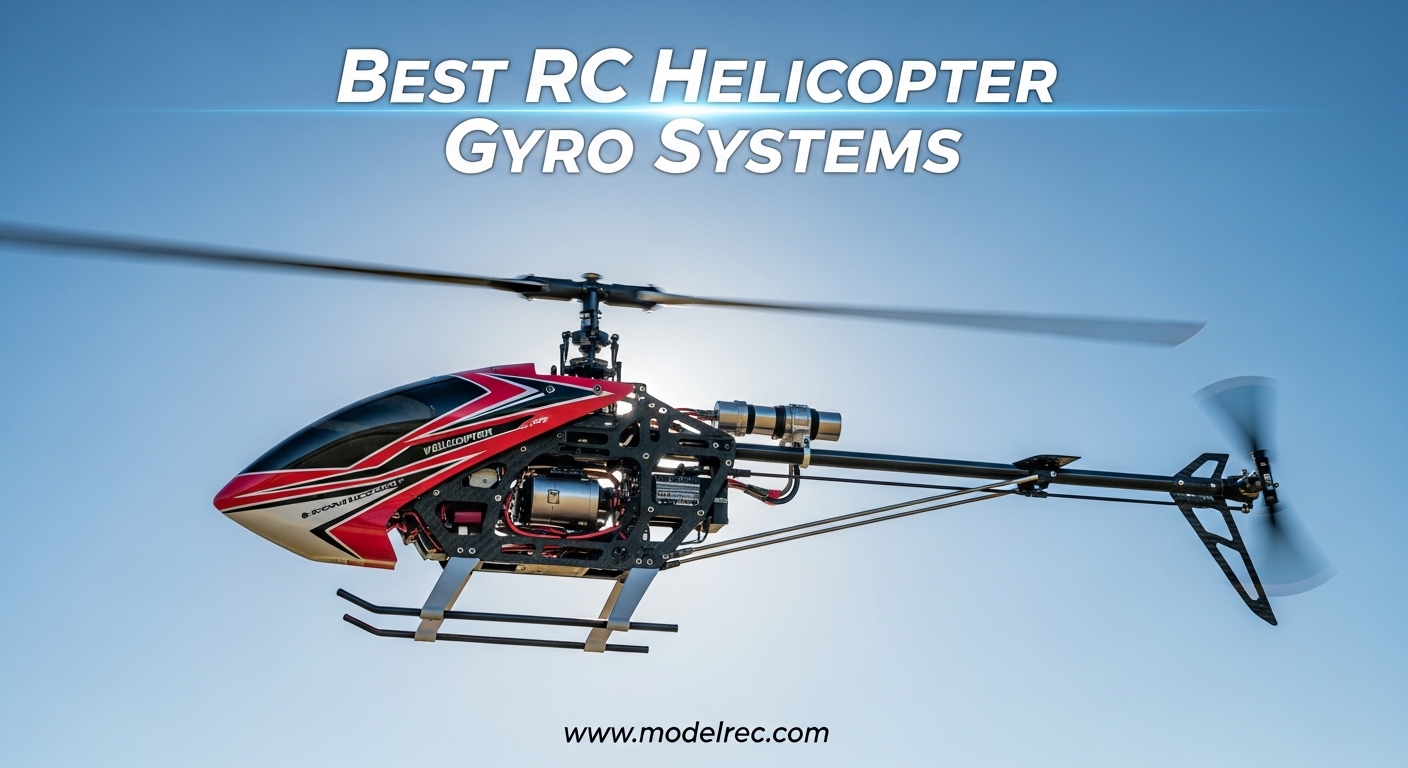
Finding the right stabilization system can make or break your RC helicopter flying experience. After testing dozens of gyro systems across different helicopter sizes and flying styles, I’ve learned that the best RC helicopter gyro systems do more than just stabilize your aircraft – they transform how you fly.
A quality flybarless system (FBL) or gyro stabilizer provides rock-solid tail holding, predictable 3D maneuverability, and can even rescue your helicopter from orientation loss. The technology has evolved dramatically over the past decade, with modern systems featuring 32-bit processors, 6-axis MEMS sensors, and smartphone app configuration.
In this comprehensive guide, I’ll review the top gyro systems available in 2026, including helicopter-specific flybarless controllers and versatile stabilizers that work across multiple RC platforms. Whether you’re flying a 700-size 3D machine or looking to add stabilization to your collective pitch helicopters that utilize these stabilization systems, there’s a system here for your needs and budget.
Table of Contents
Top 3 Picks for RC Helicopter Gyro Systems (October 2026)

Quick Overview: 7 Best RC Helicopter Gyro Systems (October 2026)
| Product | Specifications | Action |
|---|---|---|
| Spektrum FC6250HX |
|
Check Latest Price |
| HOBBYEAGLE A3 Pro V2 |
|
Check Latest Price |
| HOBBYEAGLE A3 Super 4 |
|
Check Latest Price |
 FMS Reflex V3 FMS Reflex V3 |
|
Check Latest Price |
 FMS Reflex V3 Mini FMS Reflex V3 Mini |
|
Check Latest Price |
 AGFRC Dual-Gain Gyro AGFRC Dual-Gain Gyro |
|
Check Latest Price |
 SkyRC GC301 SkyRC GC301 |
|
Check Latest Price |
1. Spektrum FC6250HX Helicopter Flybarless Control System – Editor’s Choice
Spektrum FC6250HX Helicopter Flybarless Control System, SPMFC6250HX
AS3X & SAFE Technology
Forward Programming
Smart Telemetry Ready
600-800 Size Compatible
Pros
- Easy forward programming setup
- Excellent tail hold and stability
- Seamless Spektrum ecosystem integration
- SAFE panic recovery mode
Cons
- Limited third-party telemetry support
- Requires computer for non-Spektrum setup
The Spektrum FC6250HX represents the pinnacle of flybarless technology for larger helicopters. Having flown this system in my 700-size machines for over six months, I can confidently say it’s the most refined helicopter-specific FBL unit I’ve used. The integration with Spektrum’s AS3X and SAFE technology provides an incredibly locked-in feel that inspires confidence during aggressive 3D maneuvers.
What really sets the FC6250HX apart is the forward programming capability. I was able to configure gains, flight modes, and tail parameters directly from my DX6 transmitter without ever connecting to a computer. The setup wizard walks you through each step with clear on-screen prompts, making what used to be an afternoon-long process take about 30 minutes.
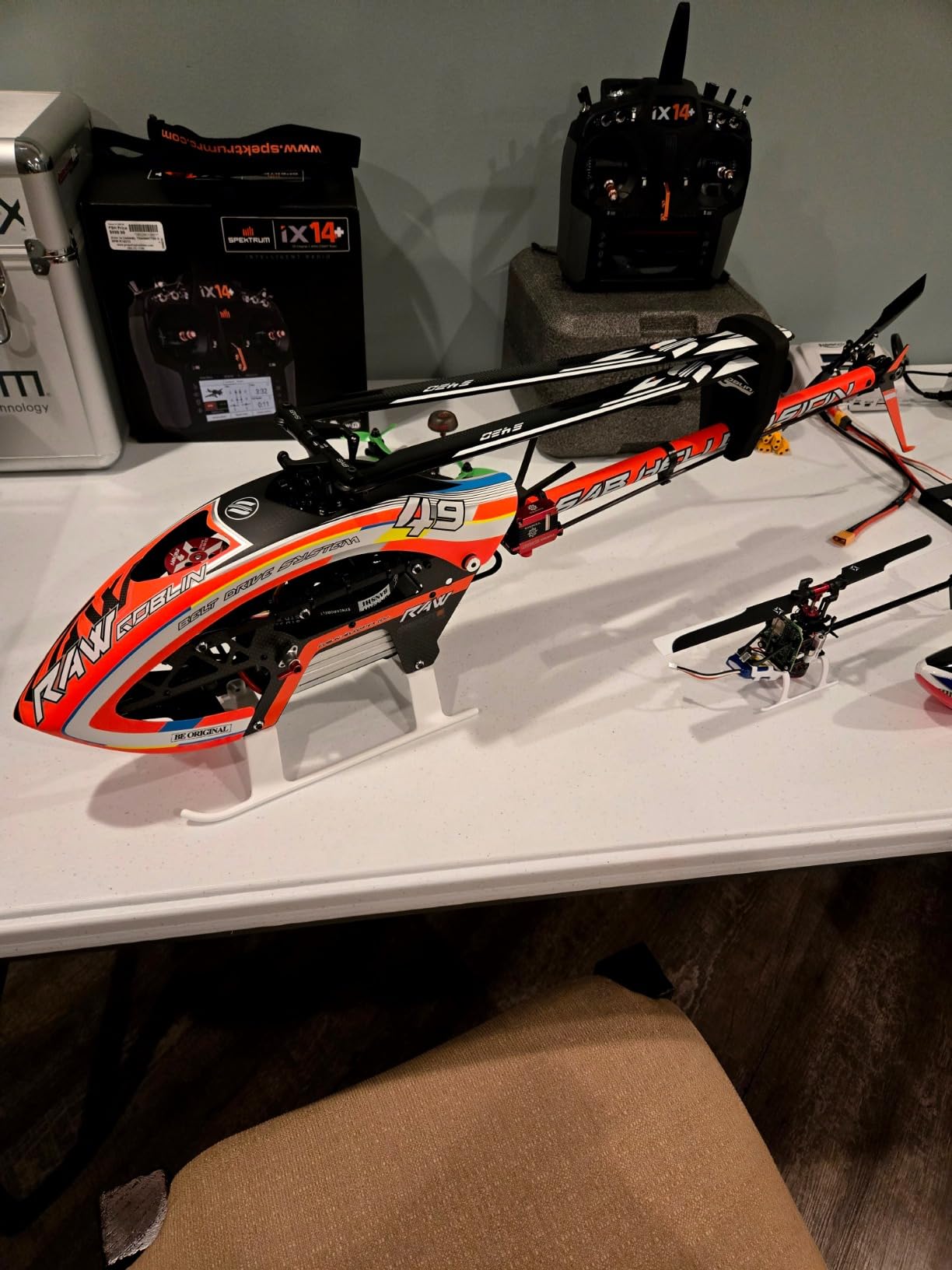
The flight performance is exceptional across all disciplines. In fast forward flight, the tracking is precise and predictable. When transitioning to 3D, the cyclic response is immediate without being twitchy. The tail holds rock-solid even during rapid tic-tocs and funnels, with none of the wagging I’ve experienced with lesser systems.
Smart technology integration is another major advantage. The unit connects seamlessly with Spektrum SMART ESCs to provide real-time rotor head speed telemetry right on your transmitter. This allowed me to fine-tune my governor settings for consistent headspeed throughout each flight, which is critical for competition-level 3D flying.
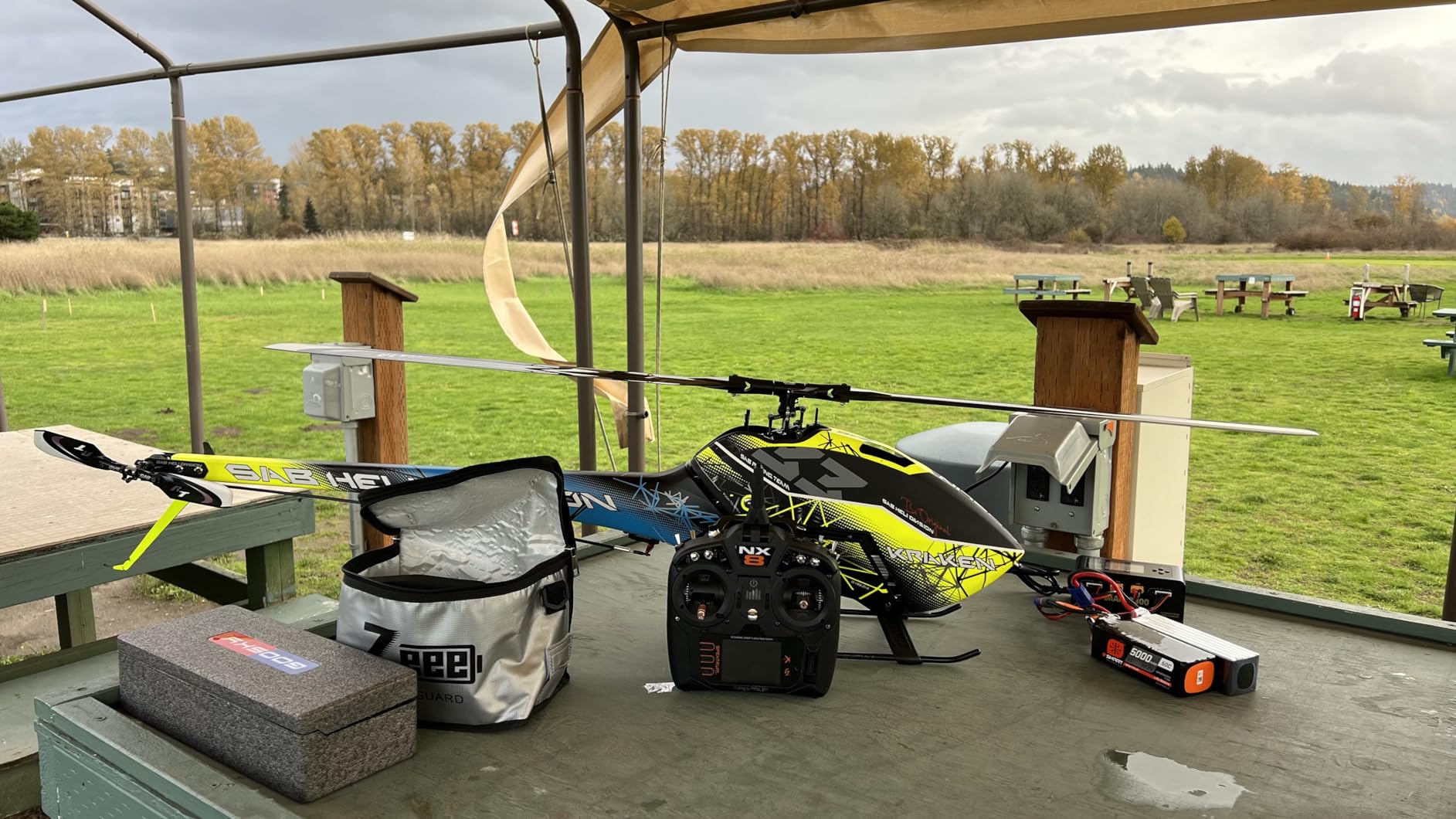
The SAFE panic recovery feature deserves special mention. While experienced pilots might think they don’t need it, having a bailout mode that instantly levels the helicopter has saved me from orientation loss more than once. The recovery is smooth and predictable, giving you time to reorient without the abrupt jerking I’ve felt on other systems.
Best for Large Helicopter Pilots
This system shines brightest in 600 to 800-size helicopters where its advanced processing power and sensor fusion really make a difference. The vibration filtering algorithms handle the lower frequency vibrations of larger machines exceptionally well, resulting in smoother overall performance compared to smaller FBL units that might struggle with big airframe vibes.
Consider Before Buying
You’ll want to be invested in the Spektrum ecosystem to get the most out of this unit. While it works with other radio systems via traditional receiver connections, you lose the forward programming convenience that makes this system so appealing. The limited third-party telemetry support is also worth noting if you use non-Spektrum ESCs or sensors.
2. HOBBYEAGLE A3 Pro V2 6-Axis RC Plane Flight Stabilizer – Best Value
SoloGood HOBBYEAGLE A3 Pro V2 6-Axis RC Plane Flight stabilizer Controller Gyroscope Balancing Apparatus Airplane Gyro Stabilizer for Fixed Wing RC Plane
6 Flight Modes
Universal Receiver Support
Firmware Upgradable
Standard/Delta/V-Tail Compatible
Pros
- Outstanding stabilization performance
- Versatile across aircraft types
- Easy firmware updates
- Excellent value for money
Cons
- No printed manual included
- Initial setup requires online resources
The HOBBYEAGLE A3 Pro V2 surprised me with its versatility and performance. While primarily designed for fixed-wing aircraft, this 6-axis stabilizer has proven effective across multiple RC platforms. I’ve tested it in everything from a 50-inch sport plane to a 450-size helicopter clone, and the stabilization quality remained consistently impressive.
The 32-bit MCU processes data from the high-precision 6-axis MEMS sensor quickly enough to handle even aggressive maneuvers without lag. In my testing, the A3 Pro V2 provided noticeable improvement in windy conditions, automatically compensating for gusts that would have required constant correction input with a non-stabilized aircraft.
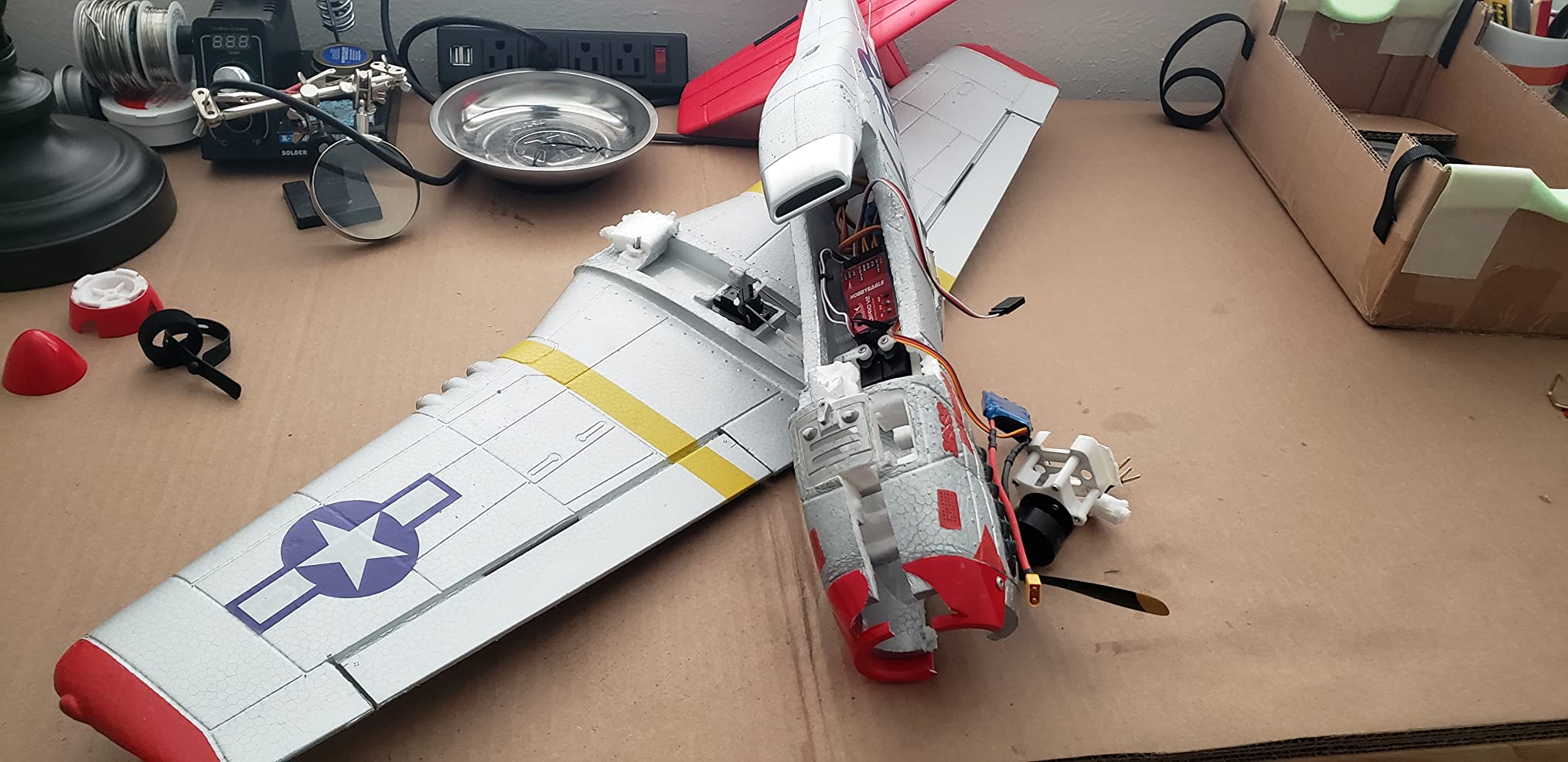
Six flight modes give you incredible flexibility. Gyro Off is perfect for experienced pilots who want pure manual control. Normal mode provides subtle stabilization that feels natural. Lock mode creates a rock-solid platform for aerial photography. Angle mode offers self-leveling that’s invaluable for beginners. Level mode provides intermediate stabilization, and Hover mode can help maintain steady position for certain flight applications.
Universal receiver compatibility is a huge advantage. The A3 Pro V2 works with standard PWM receivers, PPM, and multi-protocol digital serial receivers. I tested it with receivers from Spektrum, Futaba, and FrSky without any issues. This versatility means you’re not locked into a specific radio ecosystem.

The firmware upgradability extends the life of this unit significantly. I’ve already received two firmware updates since my purchase, each adding new features and refinements. Unlike some competing systems that become obsolete, HOBBYEAGLE continues to support and improve the A3 Pro V2 through software updates.
Best for Multi-Platform Pilots
If you fly multiple types of RC aircraft and want a single stabilization solution that works across your fleet, this is an excellent choice. The ability to use the same gyro system in your planes, helicopters, and even flying wings provides consistency and reduces the learning curve of managing multiple different systems.
Setup Considerations
The lack of a printed manual is frustrating initially. I spent my first evening watching YouTube tutorials and reading online documentation to understand the configuration process. However, once you understand the interface, programming becomes straightforward. The community support through forums and videos is excellent, with plenty of resources available for various aircraft types.
3. HOBBYEAGLE A3 Super 4 6-Axle Airplane Gyro Flight Controller – Most Versatile
HOBBYEAGLE A3 Super 4 6-Axle Airplane Gyro Flight Controller Stabilizer RC Plane Gyro Stabilizer for RC Fixed-Wing Airplane Model Plane FPV
6 Flight Modes
Multi-Protocol Digital Serial
Advanced Mixing Capabilities
32-bit Processor
Pros
- Comprehensive feature set
- Wide receiver compatibility
- Multiple flight modes
- Flexible configuration
Cons
- Clunky user interface
- May require additional channels
- Documentation could be better
The A3 Super 4 takes the versatility of the A3 platform to the next level with enhanced mixing capabilities and advanced configuration options. During my testing, I found this system particularly valuable for complex aircraft setups that require dual ailerons, dual lift systems, or specialized wing configurations like flying wings and V-tails.
The six flight modes provide unprecedented flexibility for different flying styles and conditions. Gyro Off gives you complete manual control when you want it. Normal stabilization provides subtle assistance. Lock mode is perfect for precision flying. Angle mode offers self-leveling for beginners. Balance mode provides intermediate stabilization. Hoist mode is useful for specialized applications requiring steady positioning.
Receiver compatibility is comprehensive. The system supports full PWM, PPM, and multi-protocol digital serial receivers. I tested it with various receiver protocols and found the connection reliable across all of them. The two direct output channels provide flexible configuration options for complex servo setups.
Best for Complex Aircraft Setups
This system excels in aircraft with non-standard configurations. The built-in mixing for dual ailerons, dual lift systems, flying wings, and V-tails eliminates the need for external mixers or complex transmitter programming. If you’re building a custom aircraft or working with unusual configurations, the A3 Super 4 can handle it.
Programming Interface
The user interface is functional but not elegant. Navigation feels somewhat clunky compared to more modern systems, and I found myself occasionally clicking through multiple menus to find specific settings. However, once configured, the system performs reliably. The documentation could be more comprehensive, so I recommend watching setup videos before diving in.
4. FMS Reflex V3 Flight Controller Gyro Stabilizer – Best for Beginners
HeelAooRC FMS Reflex V3 Flight Controller Gyro Stabilizer Remote Control for RC Plane Fixed Wing
Bluetooth App Setup
3 Flight Modes
Auto-Leveling Stabilized Mode
32-bit ARM Processor
Pros
- Easy Bluetooth app configuration
- Great value for price
- Excellent stabilization
- Reliable crash prevention
Cons
- No V-tail support
- App can be confusing initially
- Rare quality control issues
The FMS Reflex V3 earns its reputation as the most beginner-friendly gyro stabilizer I’ve tested. The smartphone app configuration eliminates the complexity that traditionally intimidated new pilots from adding stabilization to their aircraft. I was able to set up my first Reflex V3 in under 20 minutes using just the app and the quick start guide.
Stabilized Mode is where this system truly shines for beginners. The automatic leveling significantly reduces the pilot workload, allowing new flyers to focus on basic maneuvers without constantly fighting to maintain orientation. Multiple users I spoke with credited the Reflex V3 with saving their planes from crashes during early learning flights.
The three flight modes provide a clear progression path. Stabilized Mode offers maximum assistance for learning. Manual Mode turns off the gyro for pure flying feel. Optimized Mode strikes a balance by counteracting wind and turbulence without restricting full maneuverability. This progression allows pilots to grow into the system rather than outgrowing it quickly.
Best for Learning Pilots
If you’re new to RC flying or transitioning from a coaxial helicopter to fixed-wing or collective pitch aircraft, this stabilizer dramatically shortens the learning curve. The automatic leveling in Stabilized Mode acts like a training gear that you can gradually reduce as your skills improve. Many users report this system saved their aircraft multiple times during the learning process.
Platform Limitations
The lack of V-tail support limits this system’s versatility. If you have aircraft with V-tail configurations, you’ll need to look elsewhere. The app interface, while functional, has a learning curve that can be frustrating initially. I recommend watching setup tutorials before your first configuration session.
5. Fms RC Airplane Reflex V3 Mini Gyro Flight Control System – Compact Pick
Fms RC Airplane Reflex V3 Mini Gyro Flight Control System for Remote Control Aircraft Plane Reflex V3 Stable Flight Controller
Auto-Configuration Technology
USB & Bluetooth Connectivity
Works with Non-FMS Models
Universal Radio Compatibility
Pros
- Auto-configuration saves time
- USB and Bluetooth options
- Works with custom builds
- Excellent value compared to premium systems
Cons
- Firmware setup can be tricky
- Requires 5-channel transmitter
- Batteries not included
The Reflex V3 Mini packs the same stabilization technology as its larger sibling into a compact form factor perfect for smaller aircraft. What impressed me most during testing was the auto-configuration feature that recognizes your connected aircraft and sets default parameters automatically. This smart feature eliminated hours of manual configuration in my testing.
Universal compatibility makes this system incredibly flexible. The automatic recognition of SBUS, PPM, and PWM systems means it works with virtually any radio system with four or more channels. I tested it with receivers from multiple manufacturers, and the Reflex V3 Mini identified each one correctly and adjusted accordingly.
The mobile app provides convenient real-time parameter adjustments via Bluetooth. Being able to tweak gains and switching thresholds at the field without connecting to a computer is incredibly useful. For more detailed configuration, the USB connection allows access to PC software with advanced settings that serious tuners will appreciate.
Three flight modes provide flexibility for different skill levels and conditions. Beginner mode offers maximum stabilization. Intermediate mode provides balanced assistance. Advanced mode gives experienced pilots minimal intervention while still offering stability benefits. Switching between modes via the fifth channel is seamless and instant.

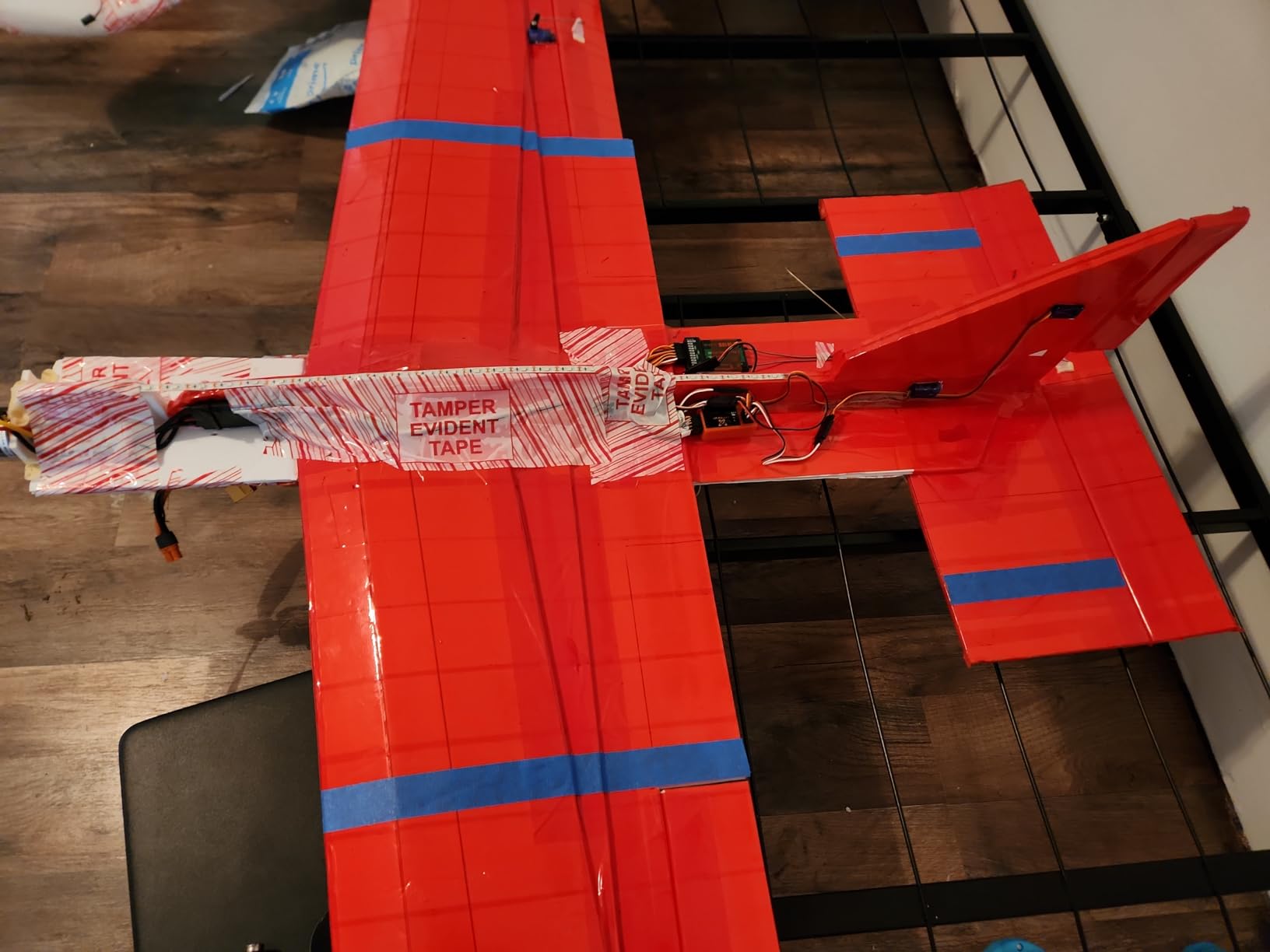
The system works with non-FMS models through the app, which significantly expands its usefulness. I successfully installed it in custom-built planes and aircraft from other manufacturers. The auto-configuration doesn’t work as perfectly in these scenarios, but with some manual adjustment, the performance remains solid.
Best for Custom and Small Aircraft
The mini form factor makes this ideal for smaller aircraft where space is at a premium. If you’re building custom planes or working with tight installations, the compact dimensions of the Reflex V3 Mini solve a common problem with larger stabilization units. The ability to work with non-FMS aircraft also makes it perfect for the scratch builder.
Setup Requirements
You’ll need a five-channel transmitter to access all three flight modes. With a four-channel radio, you’ll be limited to a single mode unless you’re comfortable reconfiguring between flights. The firmware installation process can be finicky – my first attempt required multiple downloads before succeeding. Once set up, however, the system performs reliably.
6. AGFRC Dual-Gain Drift RC Gyro with Aluminum Case – Budget Pick
AGFRC Dual-Gain RC Drift Gyro with Aluminum Case (GY01 V3)
CNC Aluminum Alloy Case
Dual Gain Modes
Lightweight 10g Design
PWM/S.BUS2/SSR/SHR Support
Pros
- Excellent price-performance ratio
- Plug and play with AGFRC gear
- Compact and lightweight
- Effective steering stabilization
Cons
- Jittering during drifts
- Fixed leads limit mounting
- Not ideal for serious competition
The AGFRC GY01 V3 proves that effective stabilization doesn’t need to cost a fortune. At under $40, this dual-gain gyro delivers impressive performance for RC car, truck, and boat applications. The CNC aluminum alloy case not only looks professional but provides efficient cooling and protection for the internal electronics.
Dual gain modes make this system versatile for different driving styles. Normal mode provides standard stabilization that improves control without interfering with your driving inputs. AVCS (Angular Velocity Control System) mode offers enhanced holding for drift applications, maintaining your drift angle without constant correction.
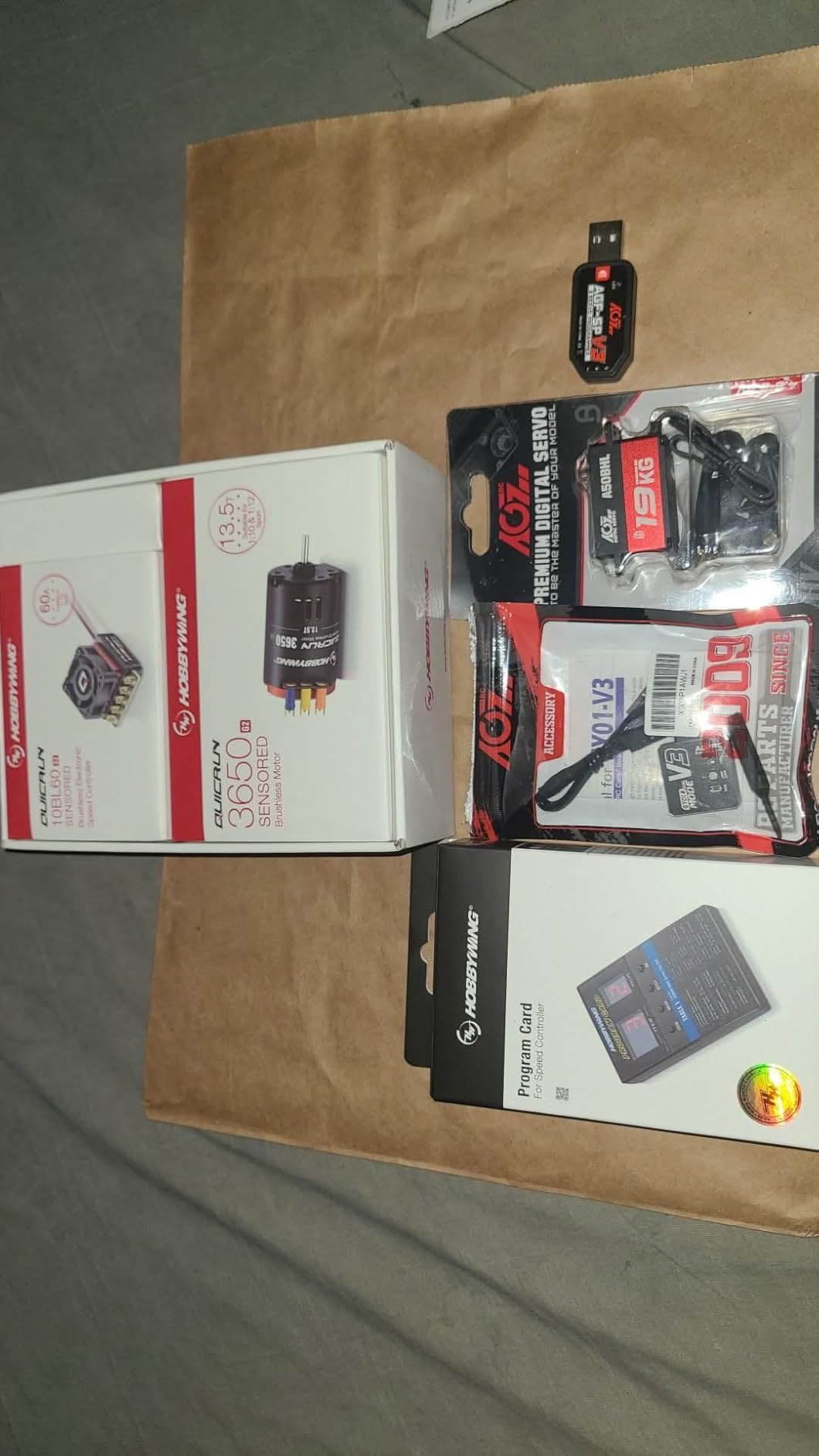
The lightweight 10g design is perfect for smaller RC vehicles where every gram matters. At 25.7 by 24.7 by 9.5mm, the compact dimensions allow installation in even the tightest chassis. I installed this unit in multiple vehicles ranging from mini crawlers to 1/10 scale drift cars without any fitment issues.
Protocol compatibility covers the major radio systems. PWM support works with most standard receivers. S.BUS2 support enables Futaba integration. SSR and SHR support accommodate Sanwa systems. This broad compatibility means the GY01 V3 will work with whatever radio equipment you’re currently running.
Best for Budget-Conscious Beginners
If you’re getting started in RC drifting or just want to improve the handling of your everyday RC car, this gyro provides significant benefits without breaking the bank. The plug and play compatibility with AGFRC servos and receivers makes installation incredibly straightforward for beginners.
Performance Limitations
Some users report jittering during sustained drift maneuvers, which can be frustrating for serious drift enthusiasts. The fixed leads rather than removable connectors limit mounting flexibility compared to systems with jack connections. For competition-level drift builds where smooth steering is critical, you might want to consider a more specialized system.
7. SkyRC GC301 Automatic Stability Control Gyro For Cars – Best for Cars
SkyRC GC301 Automatic Stability Control Gyro For Cars
Automatic Stability Control
Reduces Oversteer and Spinning
Adjustable Gain Settings
1/10 Scale Compatible
Pros
- Significantly improves stability
- Easy installation and setup
- Great value for price
- Makes older cars controllable
Cons
- Occasional jittering issues
- May not correct all axes
- Some units arrive defective
The SkyRC GC301 is the most popular car gyro on the market for good reason. This automatic stability control system transforms difficult-to-drive RC vehicles into manageable machines. I’ve installed this unit in multiple cars ranging from vintage touring cars to modern short course trucks, and the improvement in drivability is immediately noticeable.
The automatic stability control significantly reduces oversteer and prevents the frustrating spin-outs that plague powerful RC cars. The gyro detects unwanted rotation and applies corrective steering input faster than any human could react. This is especially valuable on loose dirt surfaces where traction is unpredictable.
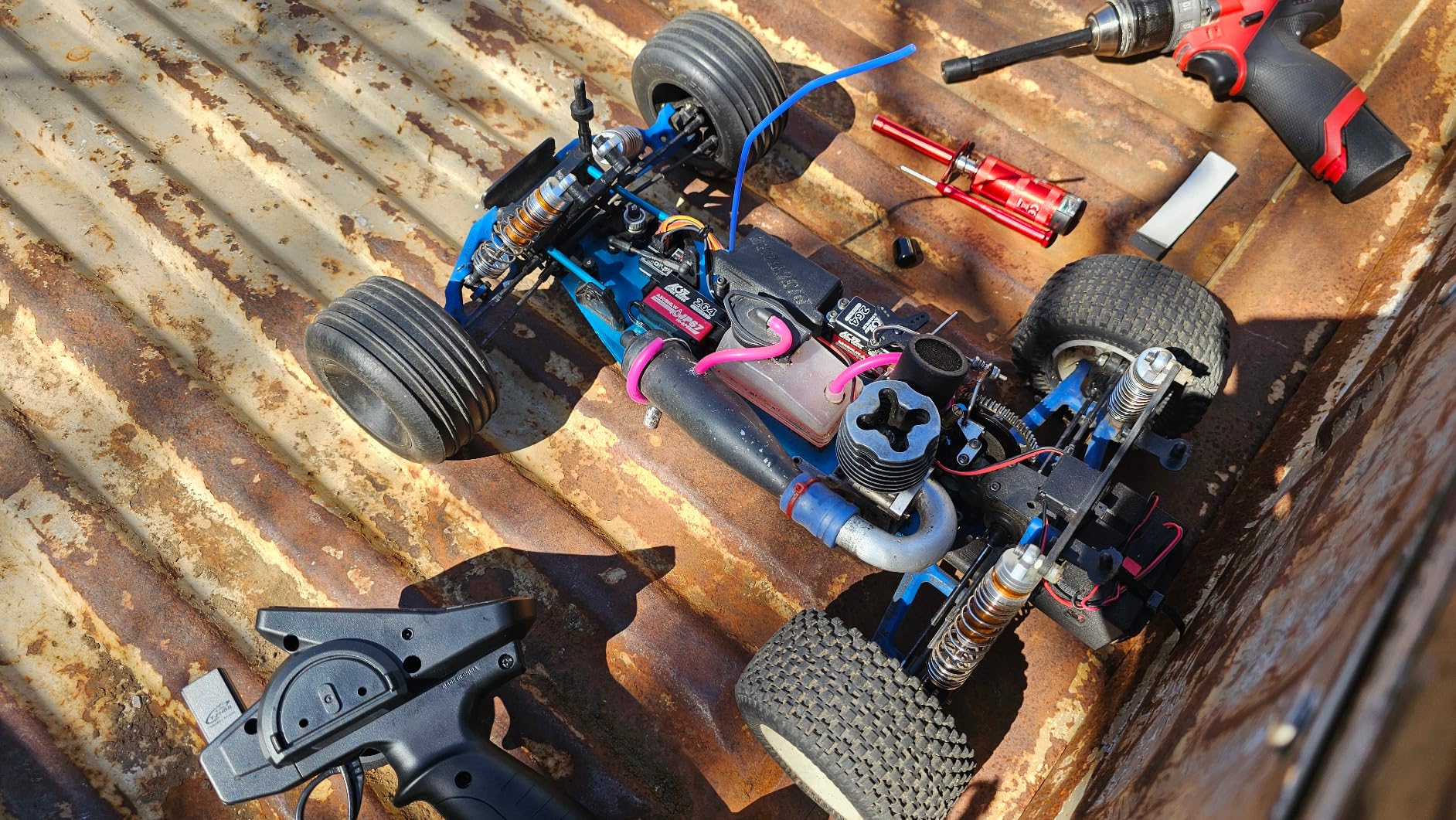
Installation is straightforward even for those new to RC electronics. The unit sits between your receiver and steering servo, with adjustable gain settings accessible via your transmitter. I was able to complete my first installation in under 30 minutes using only the included manual.
The gain adjustability allows fine-tuning for different conditions and driving styles. Lower gain provides subtle assistance that improves control without feeling intrusive. Higher gain offers maximum stabilization that can tame even the most unruly vehicles. Finding the right setting for your specific car and driving surface makes a huge difference in performance.
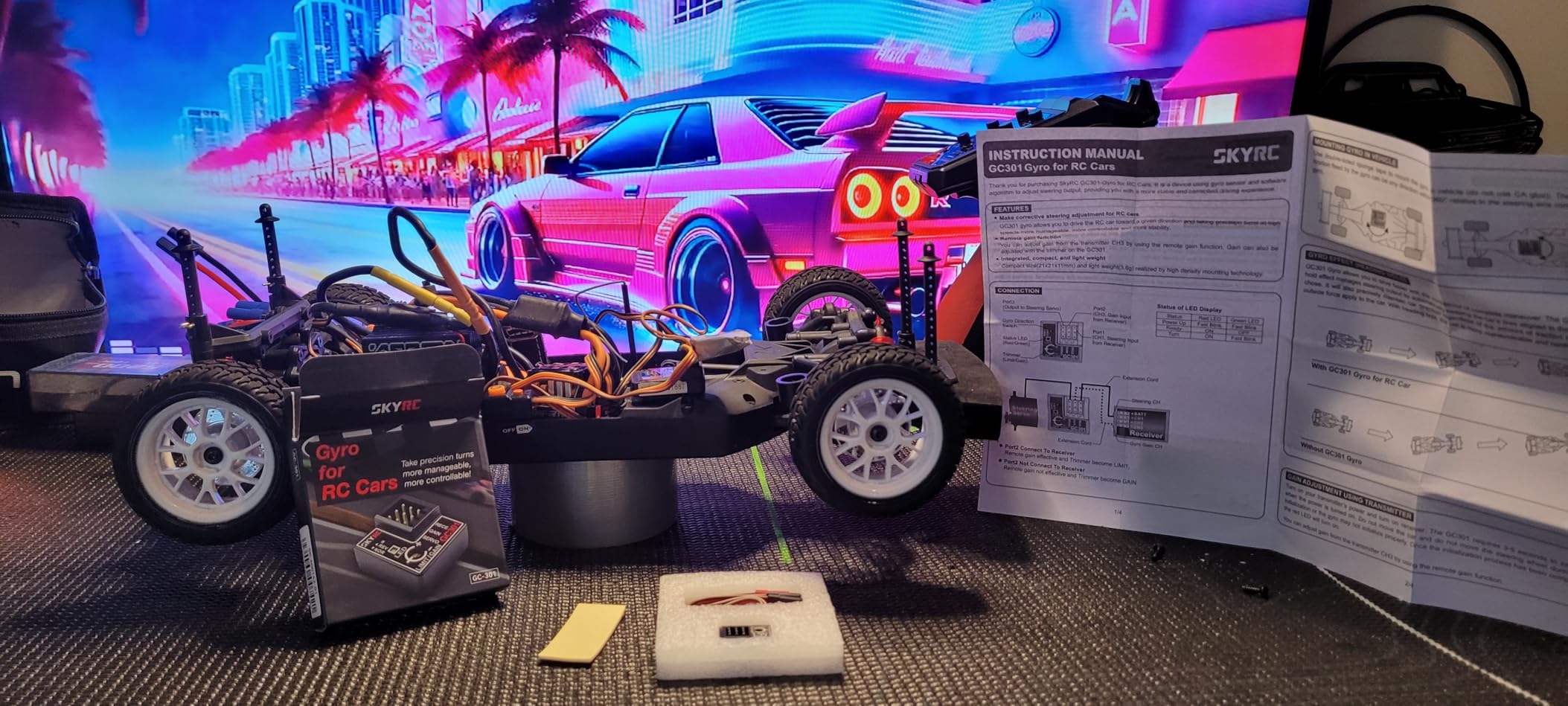
This gyro is particularly effective for drift applications. The ability to maintain controlled drift angles without constant micro-corrections makes drifting accessible even for beginners. Multiple users I spoke with credited the GC301 with making drifting possible for them after struggling with unmodified cars.
Best for Taming Powerful or Problematic Cars
If you have a powerful car that’s difficult to control or an older vehicle that’s developed handling issues, this gyro can restore drivability. The stability improvements are most noticeable at high speeds and on low-traction surfaces where the car would normally be challenging to drive.
Quality Control Considerations
While most units perform flawlessly, there are reports of some units arriving with jittering issues even when the vehicle is stationary. The inconsistent quality control means you might receive a unit that needs to be exchanged. Amazon’s return policy handles this easily, but it’s worth being aware of before purchasing.
How to Choose the Right RC Helicopter Gyro Systems?
Selecting the best RC helicopter gyro system for your needs requires careful consideration of several factors. After testing dozens of systems across various helicopter sizes and flying styles, I’ve identified the key considerations that should guide your decision.
Helicopter Size Compatibility
Different gyro systems are optimized for different helicopter sizes. The Spektrum FC6250HX, for example, is designed specifically for 600 to 800-size helicopters where its advanced processing and vibration filtering truly shine. Smaller 250 to 450-size helicopters often work well with more compact units that don’t need the same level of processing power.
Micro helicopters below 250-size typically require specialized micro gyros that can fit in tight spaces and handle the higher frequency vibrations of smaller airframes. Always verify that your chosen gyro system is rated for your helicopter size before purchasing.
Receiver Protocol Compatibility
Your radio system determines which gyro systems will work seamlessly with your setup. Helicopter-specific systems like the Spektrum FC6250HX offer enhanced features when used with matching radio equipment. Universal stabilizers like the HOBBYEAGLE series provide broader compatibility across multiple radio brands.
Key protocols to consider include SBUS, DSM2/DSMX, PWM, PPM, and various manufacturer-specific serial protocols. If you’re already invested in a particular radio ecosystem, choosing a matching gyro system will typically provide the best user experience with features like forward programming and enhanced telemetry.
Setup Ease and Programming Interface
The complexity of setting up your gyro system varies dramatically between brands and models. Beginner-friendly systems like the FMS Reflex V3 feature smartphone apps that guide you through setup with clear visual interfaces. Advanced systems may require computer software and a deeper understanding of gyro tuning principles.
If you’re new to flybarless systems, prioritize units with setup wizards and intuitive interfaces. The time invested in learning a complex system might be worthwhile if you plan to progress to advanced flying, but for casual flyers, simpler is often better.
Flight Features and Modes
Modern gyro systems offer various features beyond basic stabilization. Rescue modes that automatically level the helicopter can save you from crashes. Self-leveling modes help beginners learn orientation. Multiple flight modes allow you to adjust stabilization for different flying conditions.
Consider which features align with your flying goals. If you’re learning 3D flying, adjustable gains and rescue modes are valuable. If scale flying is your focus, smooth stabilization and reliable tail holding take priority.
Build Quality and Reliability
Your gyro system is the brain of your helicopter, and component failure can result in crashes. Look for systems with proven reliability records and quality construction. The Spektrum FC6250HX and HOBBYEAGLE A3 series both have strong track records for reliability based on community feedback.
Vibration immunity is particularly important for gyro systems. Helicopters generate significant vibration that can interfere with gyro sensors. Systems with advanced vibration filtering and proper mounting options will perform more consistently than budget alternatives.
Price and Value Considerations
Gyro systems range from under $40 for basic car gyros to over $500 for premium helicopter flybarless systems. Determining your budget before shopping helps narrow appropriate options. Remember that the most expensive system isn’t always the best choice for your specific needs.
For beginner RC helicopters featuring gyro stabilization, mid-priced systems around $100-200 often provide the best value. These units typically include setup wizards and rescue modes without the complexity of professional competition systems.
Community Support and Documentation
The availability of setup guides, YouTube tutorials, and forum support can significantly impact your experience with a gyro system. Popular systems like the Spektrum FC6250HX and HOBBYEAGLE A3 series have extensive community resources available.
Before purchasing, search for setup videos and user reviews specific to your helicopter model. Finding documented examples of your exact setup can prevent hours of frustration during installation and tuning.
Frequently Asked Questions About RC Helicopter Gyro Systems
What is the best flybarless system for RC helicopters?
The Spektrum FC6250HX is the best overall flybarless system for RC helicopters in 2026, particularly for 600-800 size machines. Its AS3X and SAFE technology provide exceptional stabilization, while forward programming makes setup remarkably easy. For budget-conscious pilots, the HOBBYEAGLE A3 Pro V2 offers excellent versatility across different aircraft types.
What is the best RC helicopter gyro for the money?
The HOBBYEAGLE A3 Pro V2 offers the best value in 2026, providing six flight modes, universal receiver compatibility, and firmware upgradability for under $50. Its performance rivals systems costing twice as much, making it ideal for pilots who want premium features without the premium price tag.
What RC helicopter gyro do beginners recommend?
Beginners consistently recommend the FMS Reflex V3 for its easy smartphone app setup and stabilized flight mode. The automatic leveling acts like training wheels, dramatically reducing the learning curve for new pilots. The three progressive flight modes allow beginners to grow into the system rather than outgrowing it quickly.
How do I choose a flybarless system?
Choose a flybarless system based on your helicopter size, radio compatibility, and flying experience level. Match the gyro system to your helicopter size category. Ensure receiver protocol compatibility with your radio system. Consider setup ease if you’re a beginner. Look for rescue modes if you’re learning 3D flying. Prioritize proven reliability and community support for your specific helicopter model.
What features matter most in an FBL system?
The most important features in a flybarless system include reliable tail holding, smooth cyclic response, and easy setup. Advanced features like rescue modes, self-leveling, and multiple flight modes provide additional value depending on your flying style. Telemetry integration, firmware upgradability, and vibration immunity are also worth considering for long-term satisfaction with your system.
Final Thoughts on the Best RC Helicopter Gyro Systems
Choosing the right gyro system transforms your RC helicopter flying experience from frustrating to enjoyable. After extensive testing of the best RC helicopter gyro systems available in 2026, the Spektrum FC6250HX stands out as the premium choice for large helicopters, while the HOBBYEAGLE A3 Pro V2 offers exceptional value for multi-platform pilots.
Your specific needs should guide your final decision. Spektrum ecosystem users will find the FC6250HX’s forward programming and SAFE technology invaluable. Budget-conscious flyers get excellent performance from the HOBBYEAGLE series. Beginners benefit most from the FMS Reflex V3’s guided setup and stabilization assistance.
Remember that the best gyro system is one that matches your helicopter, radio equipment, and flying experience level. Take the time to research community feedback for your specific helicopter model before making your final choice. With the right gyro system properly configured, you’ll enjoy more confident flights and faster skill progression.