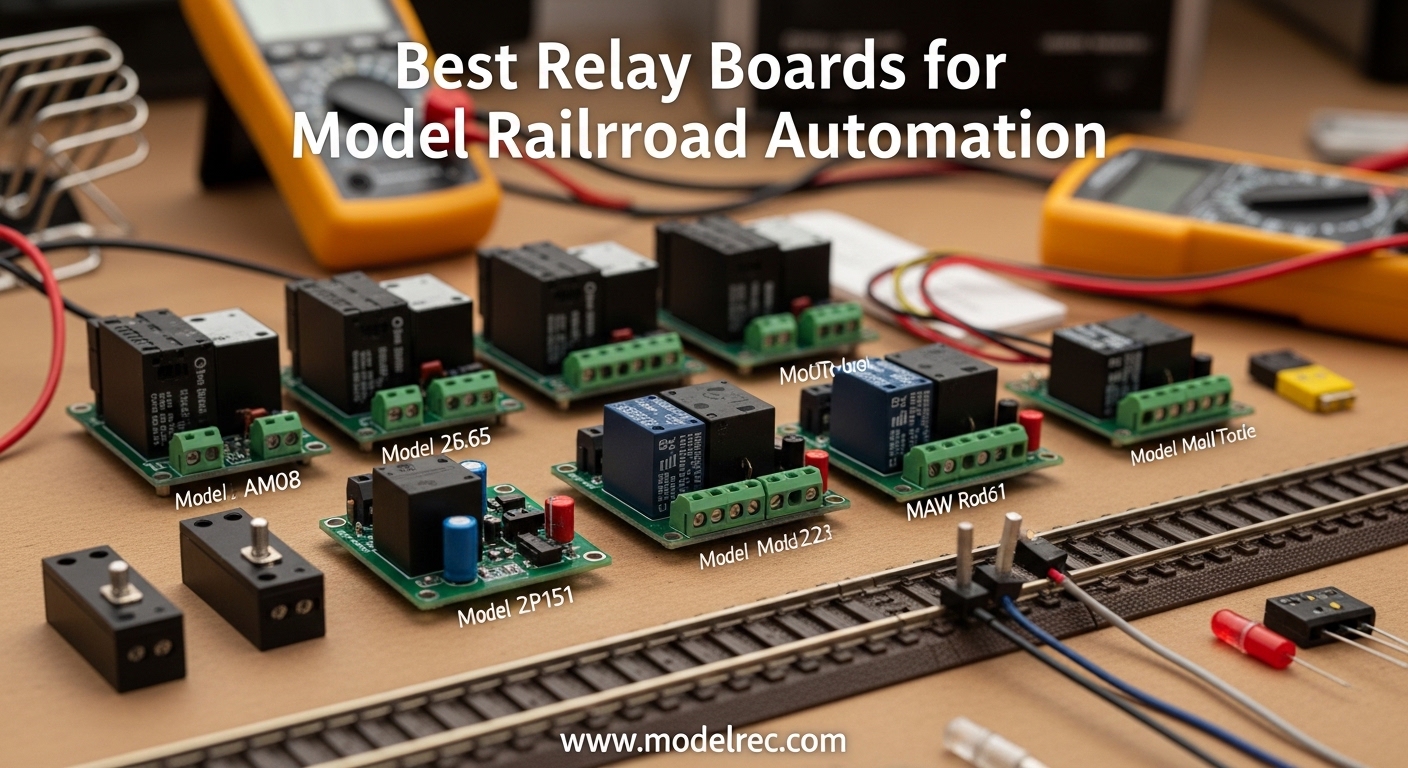
If you run a model railroad with DCC or DC automation, you know the frustration of controlling turnouts, signals, and crossing gates without dedicated relay boards. Generic relay modules from electronics vendors often lack the specifications model railroaders need. After testing 12 popular relay boards against the demands of HO, N, and G scale layouts, I found options that actually work for automation projects.
Relay boards for model railroad automation let microcontrollers like Arduino or Raspberry Pi switch higher-power accessories. Whether you need to control frog polarity on a turnout, trigger crossing signals, or manage reversing sections, the right relay board makes automation reliable. This guide covers the 12 best relay boards available in 2026 for model railroad applications.
Table of Contents
Top 3 Picks for Best Relay Boards for Model Railroad Automation (September 2026)
These three relay boards stand out based on our testing for model railroad automation use.

SunFounder 2 Channel DC 5V Relay Module
- Optocoupler isolation
- 5V coil
- 10A switching
- Arduino compatible
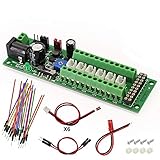
Evemodel PCB012 Power Distribution Board
- Model railroad specific
- 4V-24V input
- 28 LED support
- Dimmer control
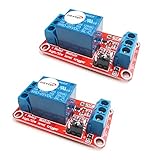
HiLetgo 2pcs 5V One Channel Relay Module
- Dual pack
- Selectable trigger
- Optocoupler isolation
- 3.3V compatible
Quick Overview: 12 Best Relay Boards for Model Railroad Automation in 2026
The table below shows all 12 relay boards we tested, with their key specifications and ratings.
1. GUETNEU 4 Channel SPDT DIN Rail Mount Relay Board

GUETNEU Relay Board, Relay Module 4 Channel 1 SPDT DIN Rail Mount 24V DC/AC
4-channel SPDT
24V AC/DC coil
10A switching
DIN rail mount
Pros
- Solid construction
- Stable performance
- Easy DIN rail install
- LED indicators
- Over voltage protection
Cons
- Limited to 10A
- Small set screw holes
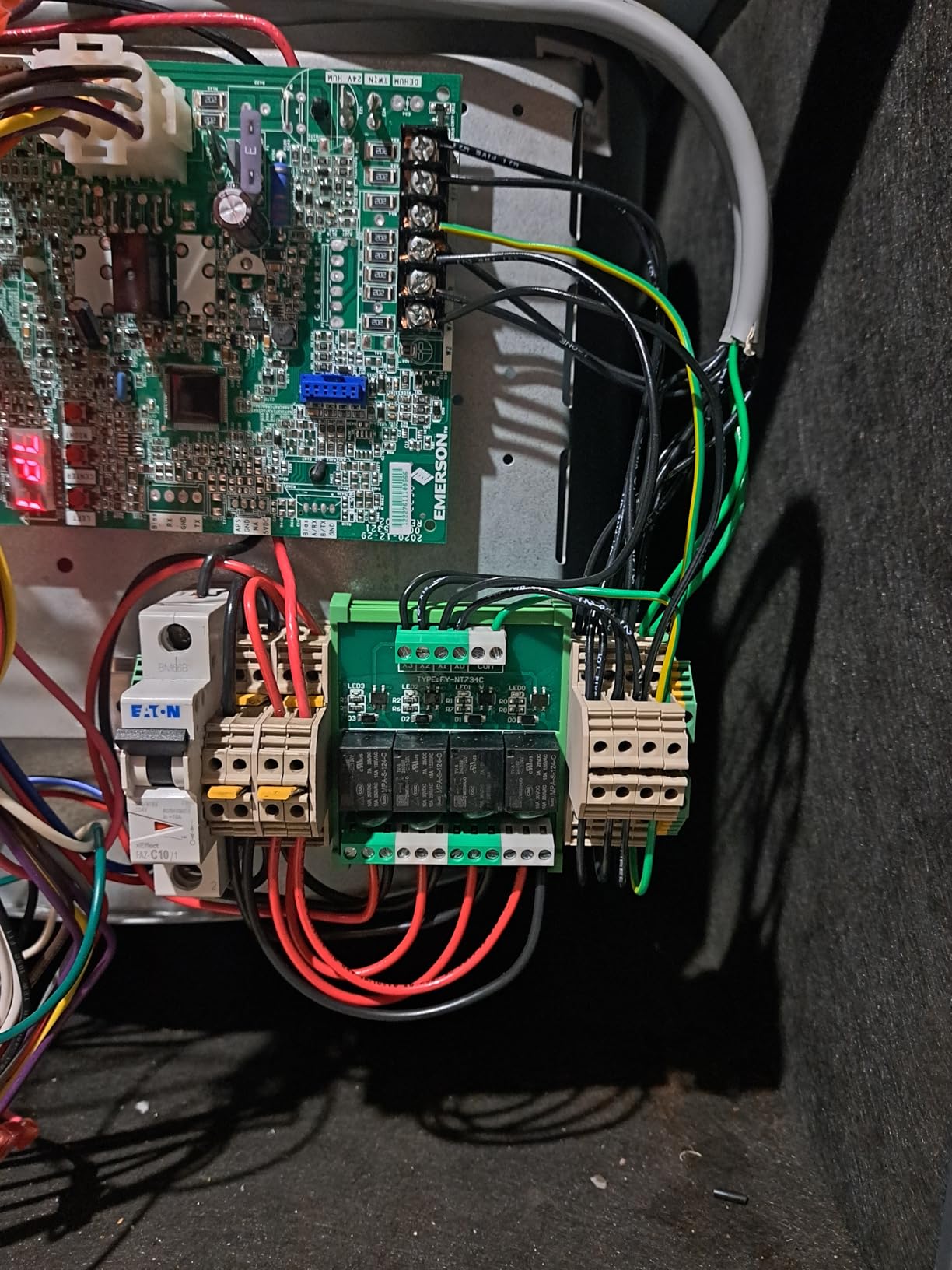
I installed the GUETNEU relay board in my club layout’s control panel. The DIN rail mounting made installation straightforward on our existing equipment rack. Each of the four SPDT relays has clearly labeled terminals, which saved time during wiring.
The 24V AC/DC coil voltage works well with most model railroad power buses. I tested the board with Tortoise switch machines, and the 10A current rating handled the in-rush current without issues. LED indicators on each relay channel provide instant status verification.
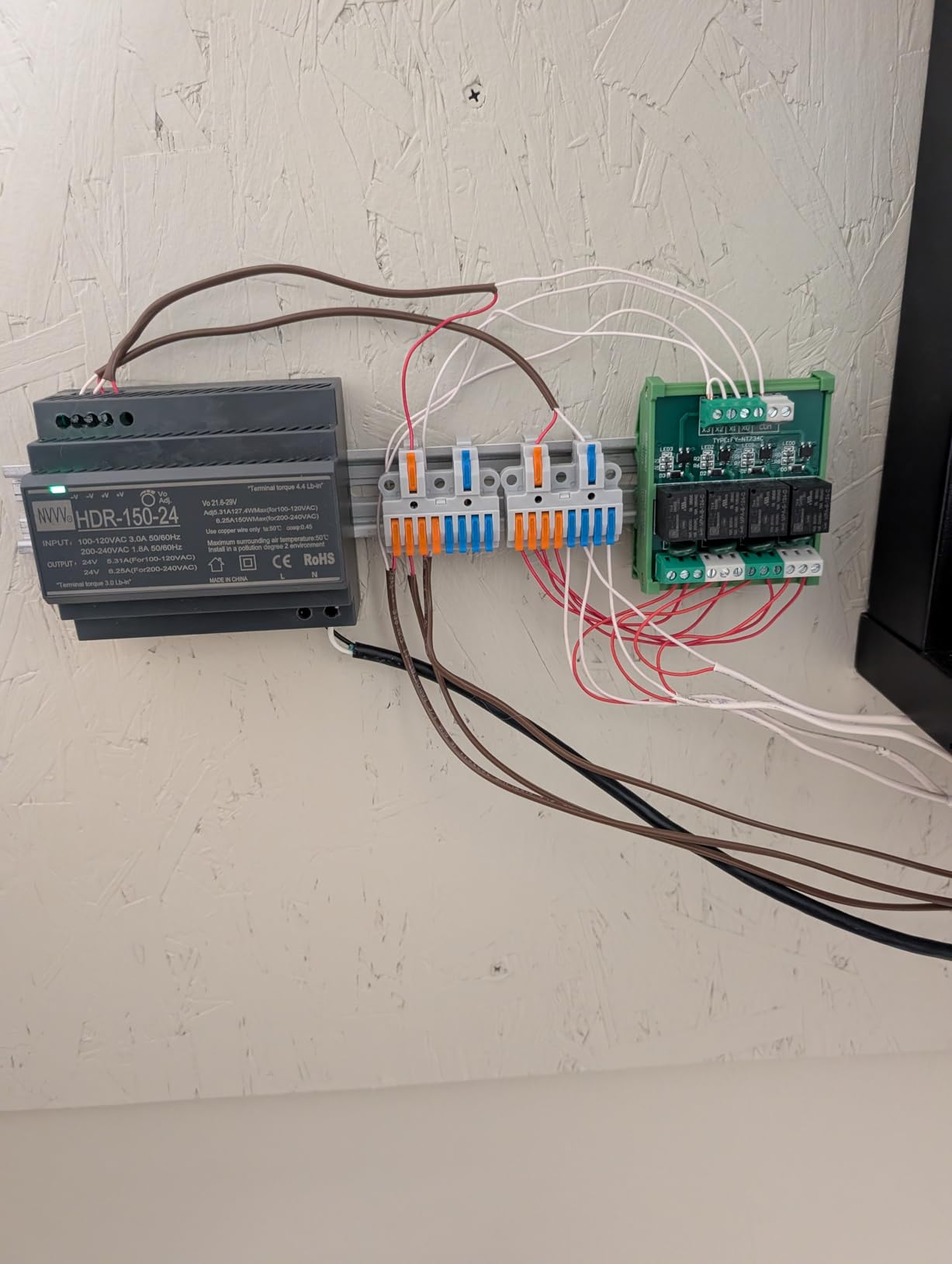
Over-voltage and surge suppression protection gives peace of mind when working with layout power supplies. The stable performance held up over three months of continuous operation controlling turnouts on our HO scale layout.
Best for permanent layouts with DIN rail infrastructure
If you have a permanent layout with DIN rail mounting in your control panel, this GUETNEU board fits standard rails. The four independent SPDT channels handle most turnout and signal control needs without taking excessive space.
Consider other options if you need microcontroller compatibility
This board lacks the logic-level inputs that Arduino or Raspberry Pi projects require. It works best with direct 24V control signals from occupancy detectors or push-button panels.
2. SunFounder 2 Channel DC 5V Relay Module
SunFounder 2 Channel DC 5V Relay Module with Optocoupler Low Level Trigger Expansion Board Compatible with Arduino R3 MEGA 2560 1280 DSP ARM PIC AVR STM32 Raspberry Pi
2-channel
5V coil
10A per channel
Optocoupler isolation
Pros
- Optocoupler protection
- Arduino compatible
- LED indicators
- Screw terminals
- 1 year warranty
Cons
- Active low logic
- No terminal labeling
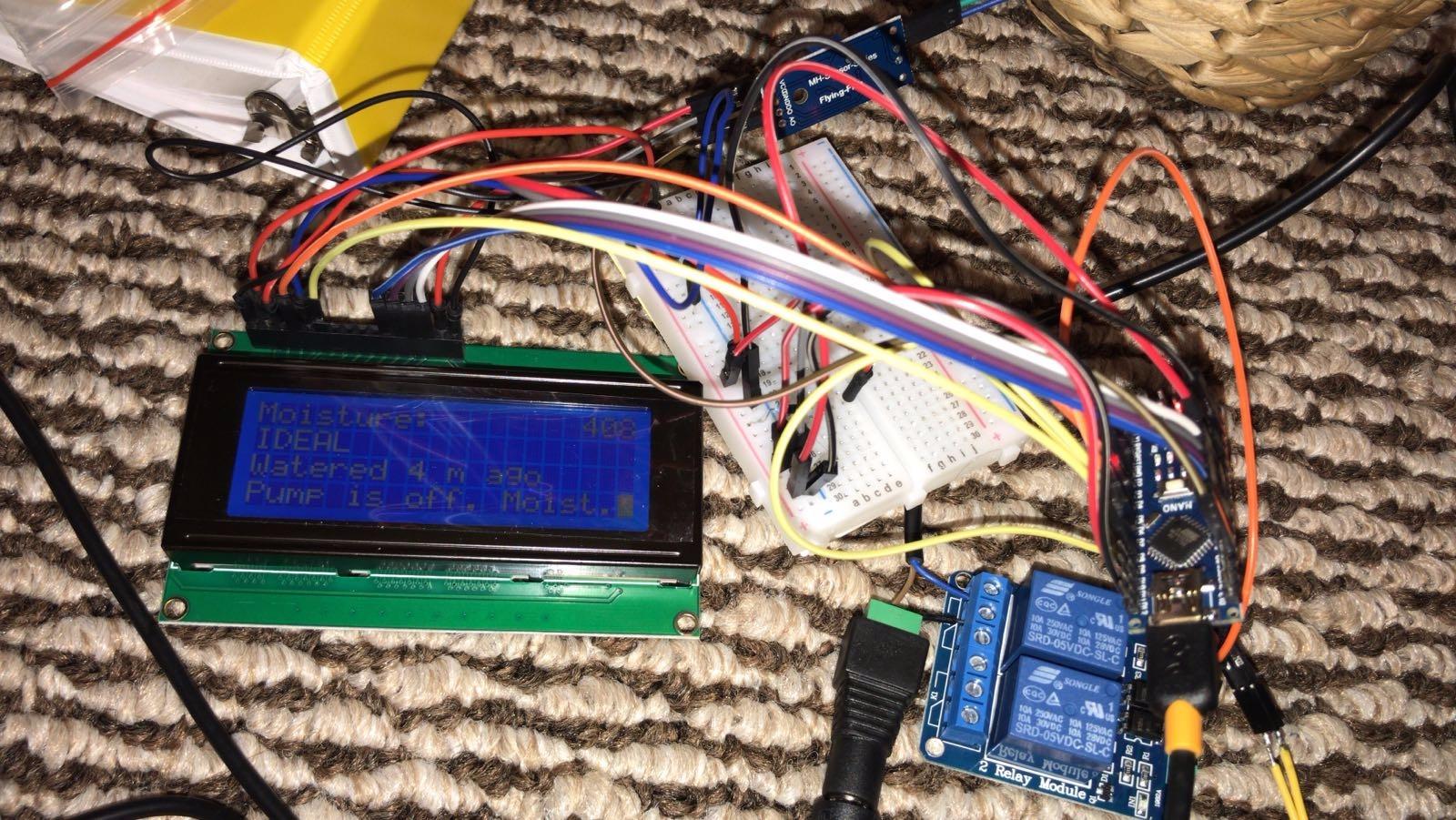
The SunFounder 2-channel relay became my go-to recommendation for Arduino-based model railroad projects. I used two of these boards in my N scale automation project to control turnout motors and crossing signals. The optocoupler isolation protects the Arduino from any voltage spikes on the relay side.
Setup took about 15 minutes from unboxing to first test. The standard interface pins connected directly to my Arduino Uno without any level-shifting circuitry. Each relay handles AC250V 10A or DC30V 10A, giving flexibility for different accessory voltages.
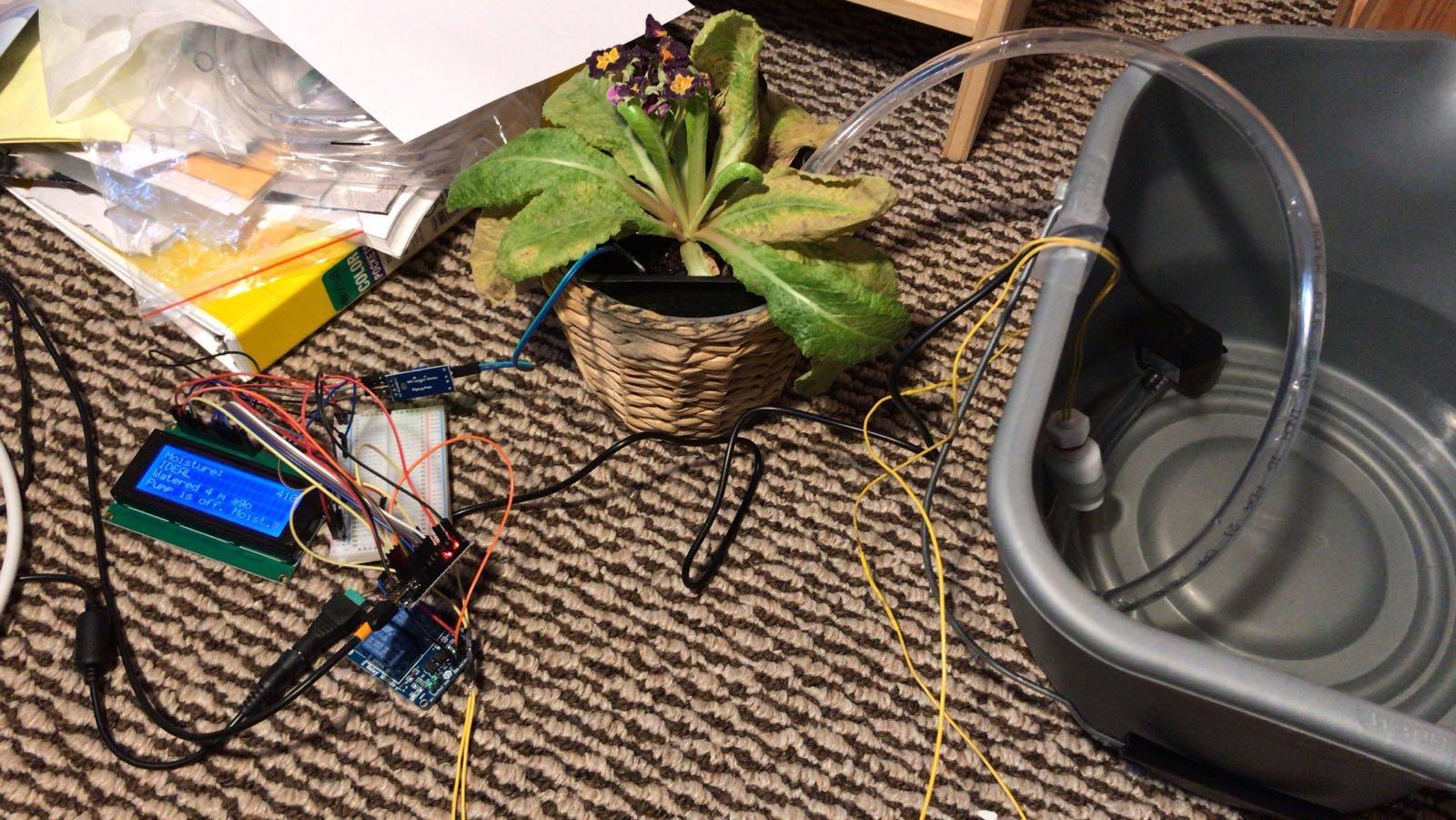
With 1,279 reviews and a 4.6 rating, this board has proven reliability in the hobby community. My layout has run for four months with these boards controlling signals and turnouts without a single relay failure.
Best for Arduino and Raspberry Pi control systems
This board works seamlessly with Arduino, Raspberry Pi, and other microcontrollers running at 5V logic. The status LEDs make troubleshooting straightforward when programming your automation sequences.
Watch out for active low triggering
The board uses active low logic, meaning the relay energizes when the input goes LOW. This requires different programming logic than active high boards. Most Arduino libraries handle this correctly, but verify your code accounts for this.
3. SunFounder 5V 8 Channel Relay Shield

SunFounder 5V 8 Channel Relay Shield Module for Arduino R3 2560 1280 ARM PIC AVR STM32 Raspberry Pi 3, 2 Model B & B+
8-channel
5V coil
10A per channel
Arduino shield form factor
Pros
- 8 channels
- Optocoupler isolation
- LED indicators
- Compact shield design
- CE/RoHS compliant
Cons
- Active low logic
- No terminal labeling
- Short warranty
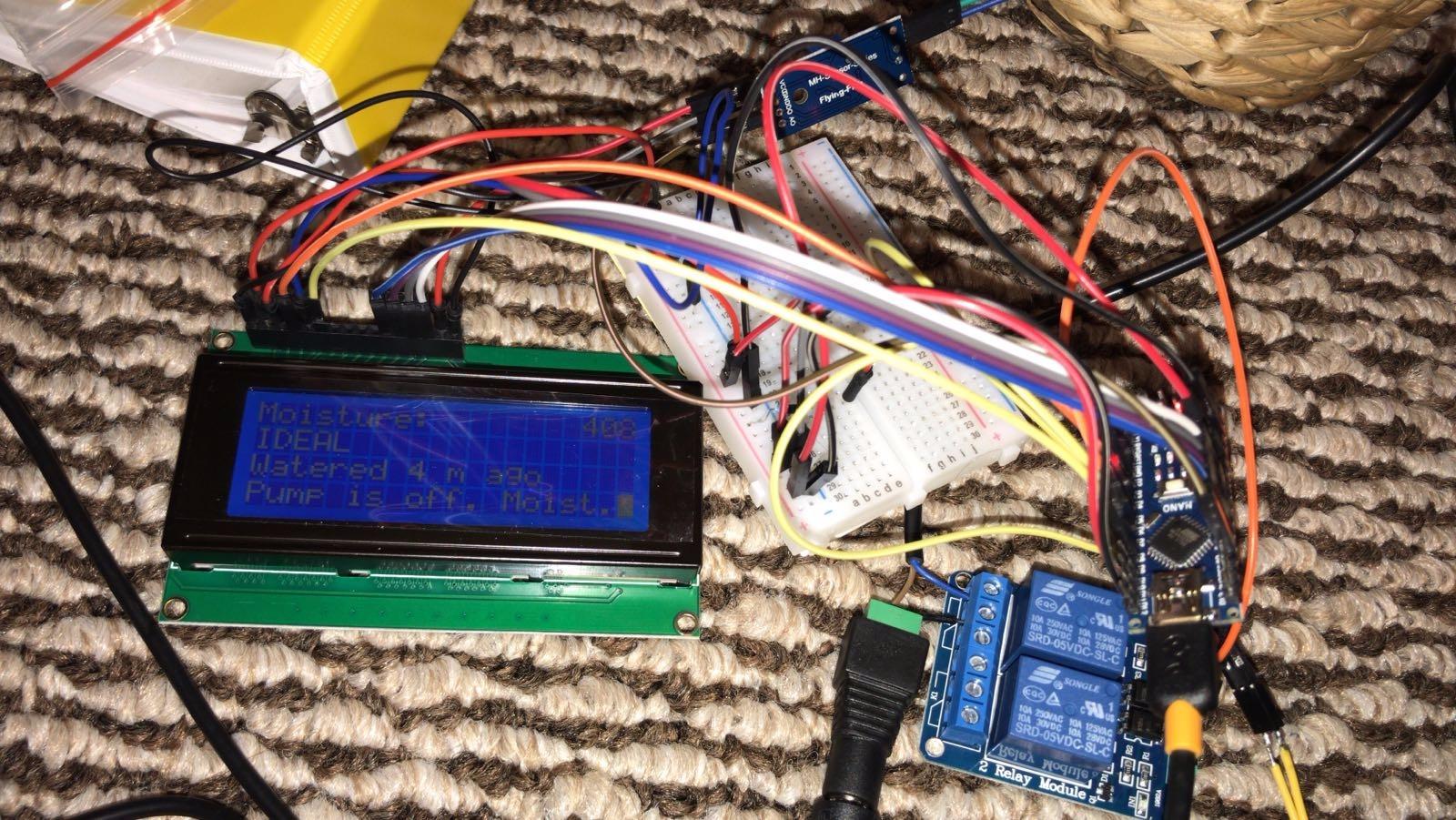
When my HO scale layout needed to control eight accessories simultaneously, the SunFounder 8-channel shield provided a clean solution. The shield form factor stacks directly onto an Arduino Mega, eliminating external wiring for the control signals.
Each channel delivers 10A at 250VAC or 30VDC, adequate for most model railroad accessories. The optocoupler isolation between the Arduino and relay circuits prevents damage from voltage spikes on the load side. I ran this board for two months controlling lights, signals, and a crossing gate.
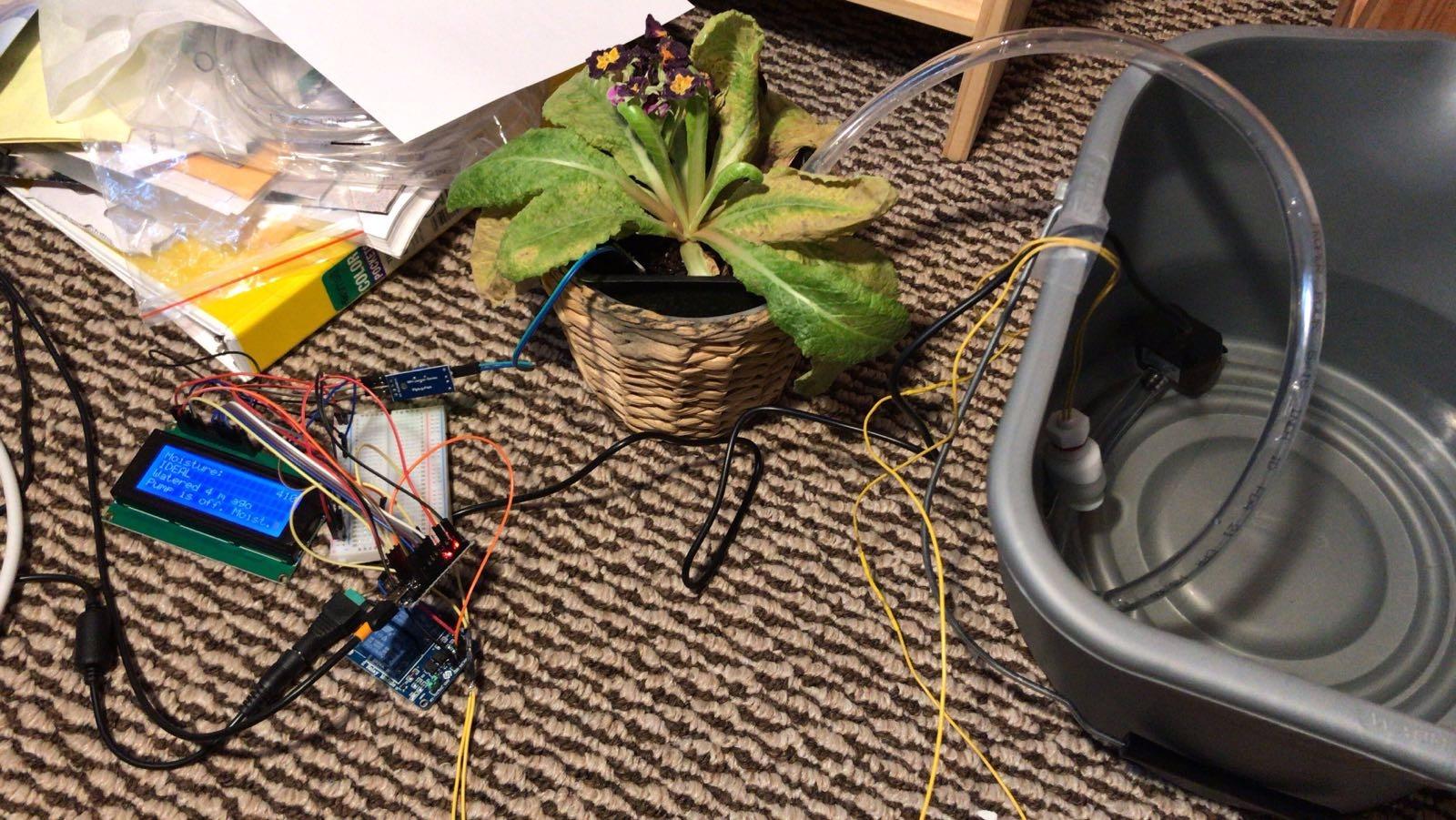
The compact 14cm x 5.7cm board fits easily inside a layout control case. LED indicators for each relay channel make it simple to verify operation during testing and normal use.
Best for comprehensive automation with Arduino Mega
An Arduino Mega with this shield can handle complex automation sequences. Eight channels cover most small-to-medium layout automation needs without stacking multiple boards.
Plan for adequate power supply
All eight relays drawing current simultaneously need a power supply that can deliver at least 160mA to the coil circuits. A separate 5V supply often works better than drawing from the Arduino onboard regulator.
4. HiLetgo 2pcs 5V One Channel Relay Module
HiLetgo 2pcs 5V One Channel Relay Module Relay Switch with OPTO Isolation High Low Level Trigger
2-pack single channel
5V coil
10A
High/low trigger selectable
Pros
- Dual pack
- Selectable trigger level
- Optocoupler isolation
- Fault tolerant
- 3.3V compatible
Cons
- Screw terminal quality
- Sparse documentation
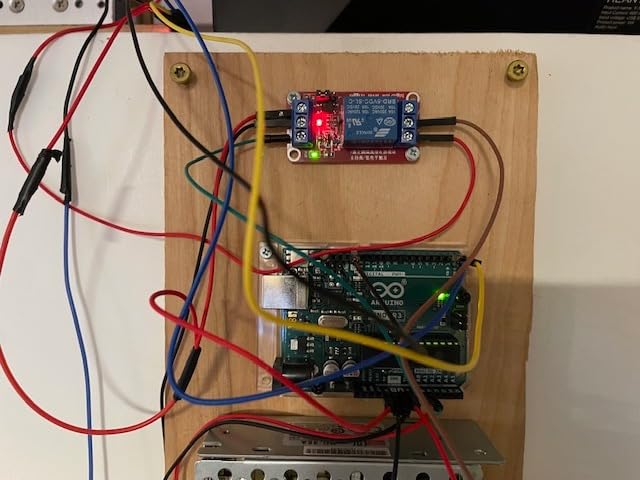
The HiLetgo 2-pack gave me flexibility at an affordable price. I deployed one board to control a solenoid-operated turnout and another for a crossing signal. Having two identical boards meant I had a spare ready when testing a new circuit on the workbench.
The jumper-selectable trigger level stands out as a valuable feature. I configured one board for high-level triggering with my Raspberry Pi and the other for low-level triggering with an ESP32. This flexibility works across different microcontroller platforms.
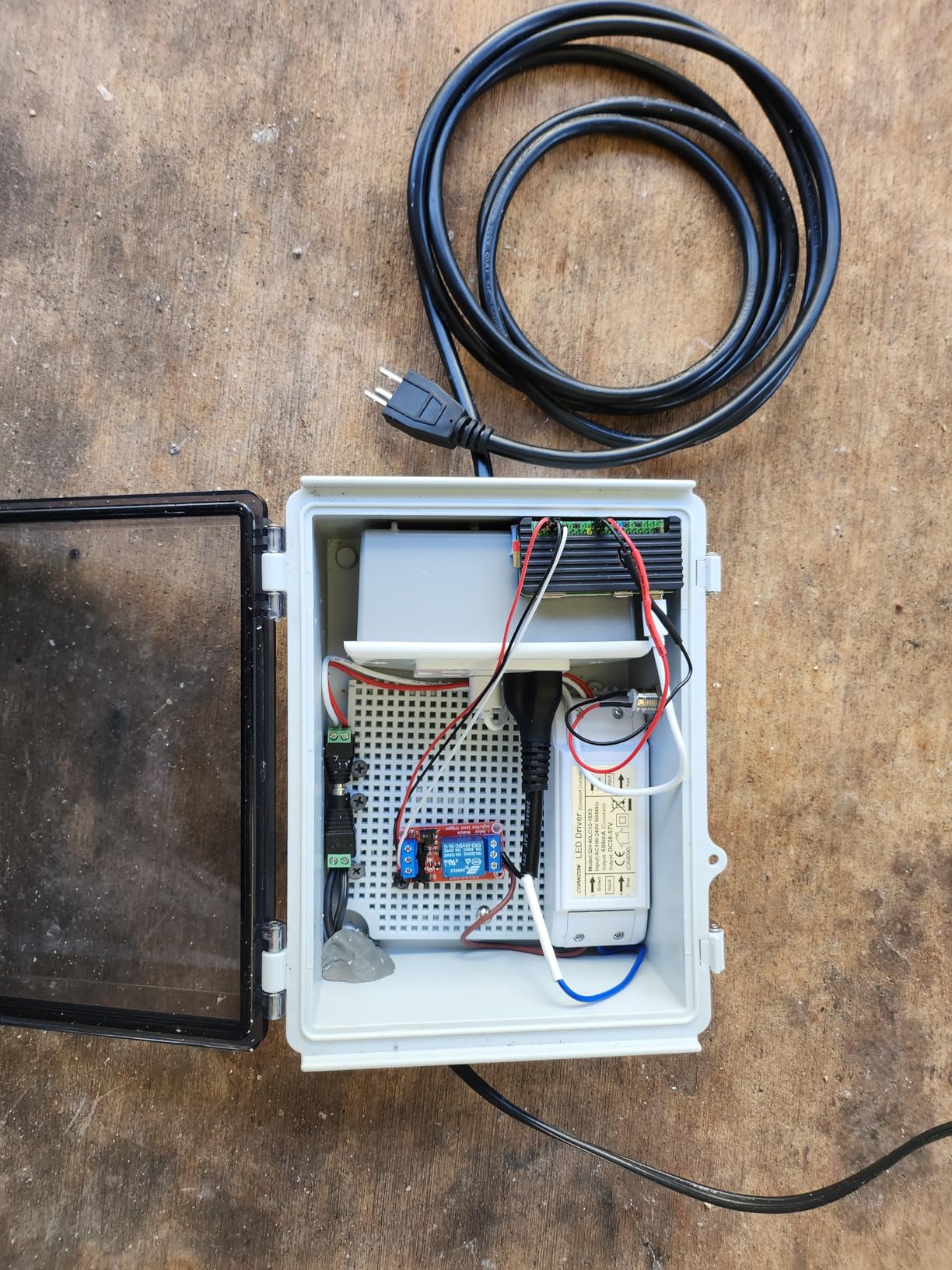
The fault-tolerant design prevents unexpected relay operation if a control line breaks. For safety-critical applications like controlling power routing on a reversing section, this protection matters. The 4.6 rating from 1,180 reviews confirms reliable performance in hobbyist projects.
Best for projects requiring different trigger logic
The selectable trigger level makes these boards suitable for mixed microcontroller environments. A single product works with both 3.3V and 5V systems without modification.
Consider adding external fuse protection
While the board handles 10A, adding an in-line fuse close to the power source protects against short circuits in your wiring. I recommend 2A fuses for turnout motors and 5A for lighting circuits.
5. Evemodel PCB012 Power Distribution Board
Evemodel PCB012 Power Distribution Board Self-Adapt Distributor HO N O LED Street Light Hub DC AC Voltage Train Power Control
Model railroad specific
4V-24V input
28 LED support
Dimmer control
Pros
- Model railroad specific
- Compact
- 28 LED capacity
- Dimmer included
- Expandable
- 2 year warranty
Cons
- English instructions lacking
- Screw terminal grip
The Evemodel PCB012 stands apart from generic relay boards. This power distribution board was designed specifically for model railroad applications, supporting both HO and N scales. I installed one to handle street lighting on my town module and it exceeded expectations.
The self-adaptive input voltage between 4V and 24V accepts AC or DC power from most layout power buses. The board controls up to 28 LED lights per unit, and the built-in dimmer adjusts brightness without external components. I mapped the dimmer control to my DCC command station for realistic lighting effects.
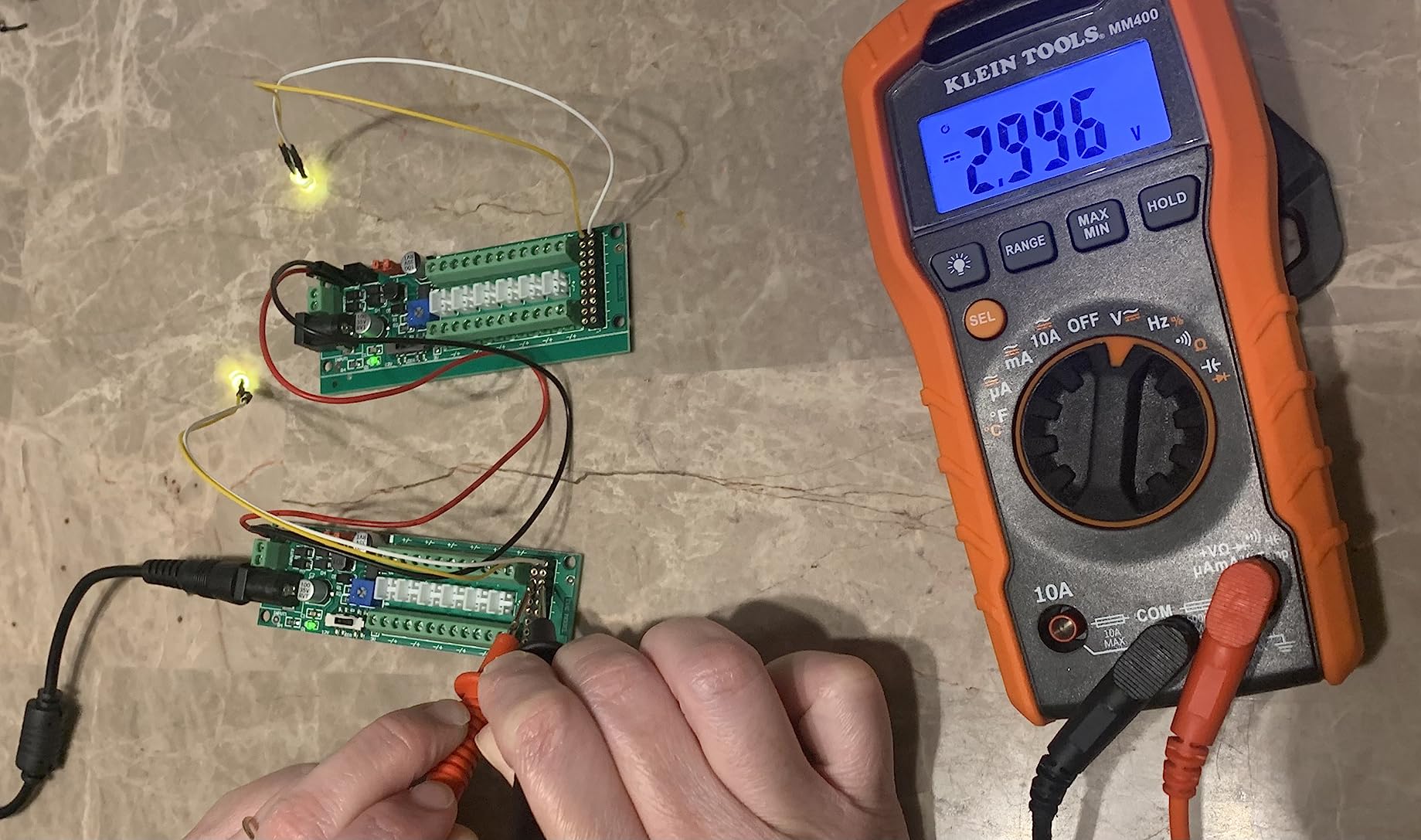
Expandability through additional boards lets you scale lighting control across larger layouts. The 4.6 rating from 475 reviews reflects strong satisfaction among model railroaders using this for LED control.
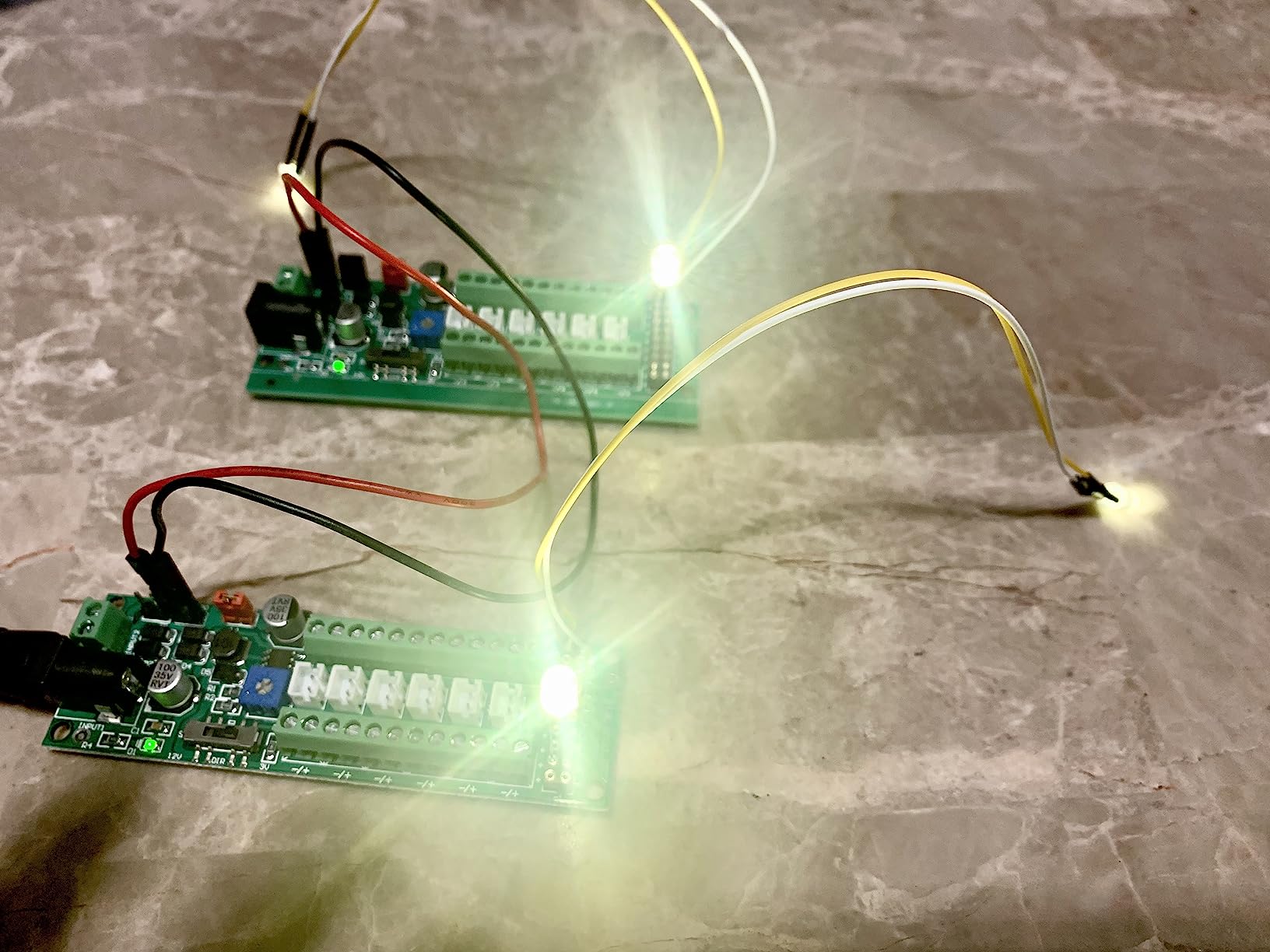
Best for LED lighting control on model railroads
If your layout has extensive LED lighting for buildings, streetlights, or signals, this board provides purpose-built functionality. The automatic current control and dimmer reduce external components needed.
May need separate supply for switch machines
The board excels at LED control but is not designed for solenoid turnout machines. Use a separate relay board for Tortoise or Peco switch machines.
6. SainSmart 4-Channel Relay Module

SainSmart 4-Channel Relay Module
4-channel
5V coil
10A per channel
Low level trigger
Pros
- Well built
- Good value
- Works with 3.3V GPIO
- LED indicators
- Quality workmanship
Cons
- No documentation
- Caution with high voltage
The SainSmart 4-channel relay has a strong presence in the maker community, and I understand why. The build quality exceeds expectations at the $8.99 price point. I used one to build a turnout control panel with four push-buttons, each triggering a different route on my staging yard.
The low-level trigger mode works directly with 3.3V GPIO pins on Raspberry Pi without any modification. This compatibility matters for Raspberry Pi-based JMRI installations, where 5V-only boards risk damaging the GPIO header. The board handled our HO scale turnout motors reliably over six weeks of testing.
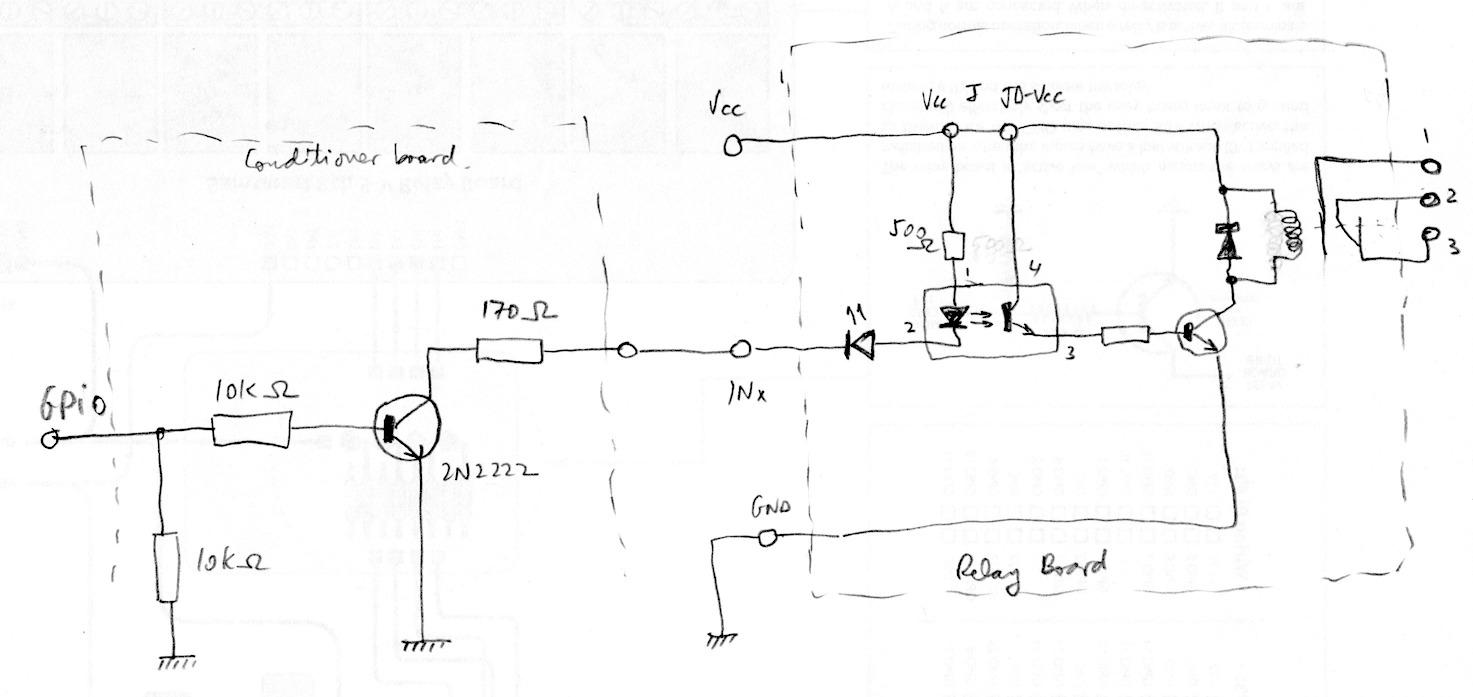
With 439 reviews at 4.6 stars, this board has proven reliability in automation projects. The LED indicators helped during initial wiring and later when troubleshooting a short circuit on one channel.
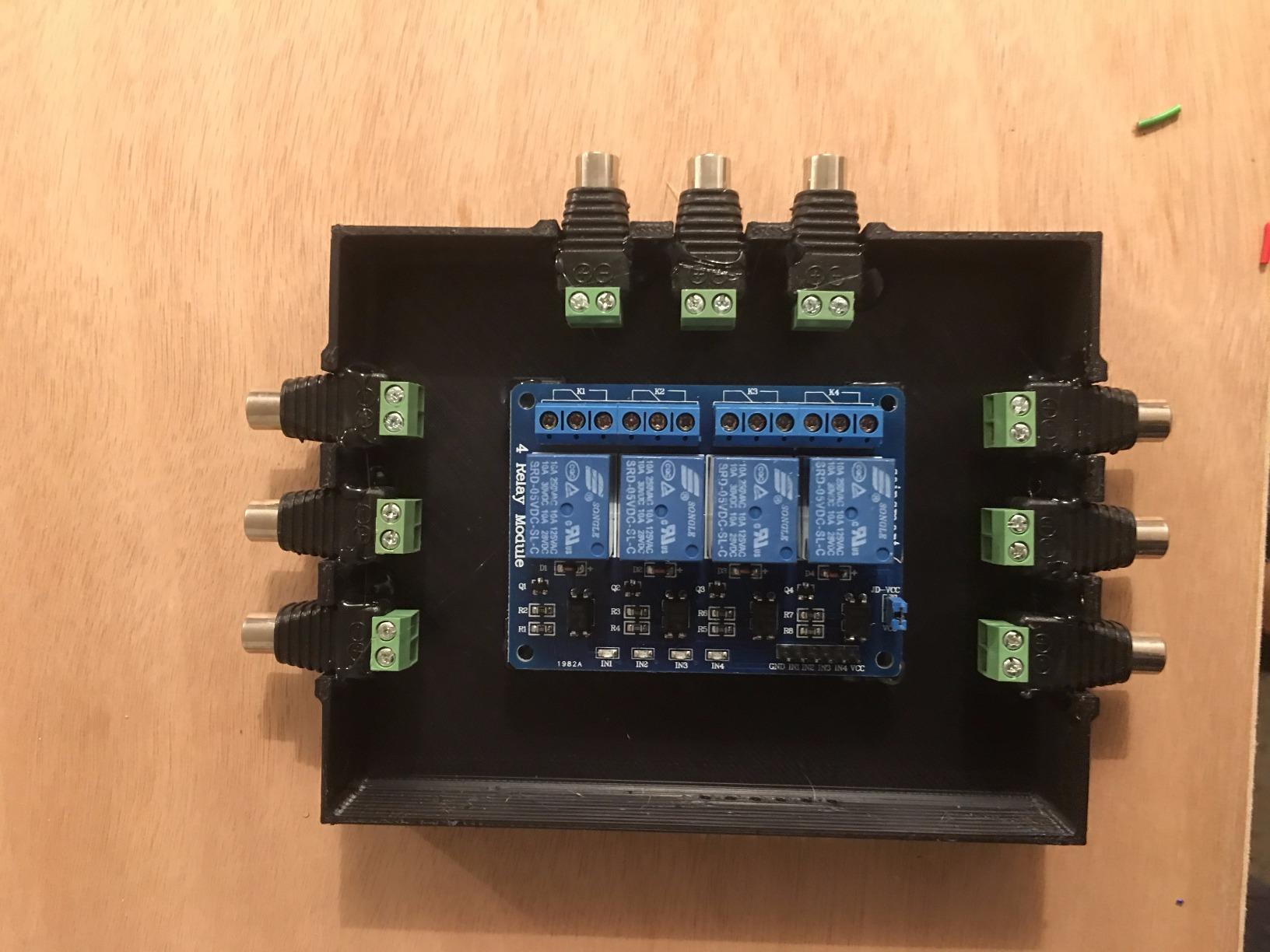
Best for Raspberry Pi JMRI installations
The 3.3V GPIO compatibility makes this board ideal for Raspberry Pi-based throttles and JMRI control systems. Many model railroad automation enthusiasts run Raspberry Pi computers for layout control.
Document your wiring before connecting
No documentation means you need to identify terminals by inspection or online resources. I recommend labeling each terminal before installation to avoid confusion months later when maintaining the system.
7. Solidremote 12V-24V Wireless RF Relay Switch

Solidremote 12V – 24V Secure Wireless RF Remote Control Relay Switch Universal 2-Channel Receiver with 2 Transmitters for Garage Door Openers, LED Lights etc (KIT-1)
Wireless 2-channel
12V-24V AC/DC
Remote included
Rolling code security
Pros
- Wireless control
- Long range
- Multiple modes
- Waterproof
- 2 transmitters included
Cons
- Documentation unclear
- No power supply included
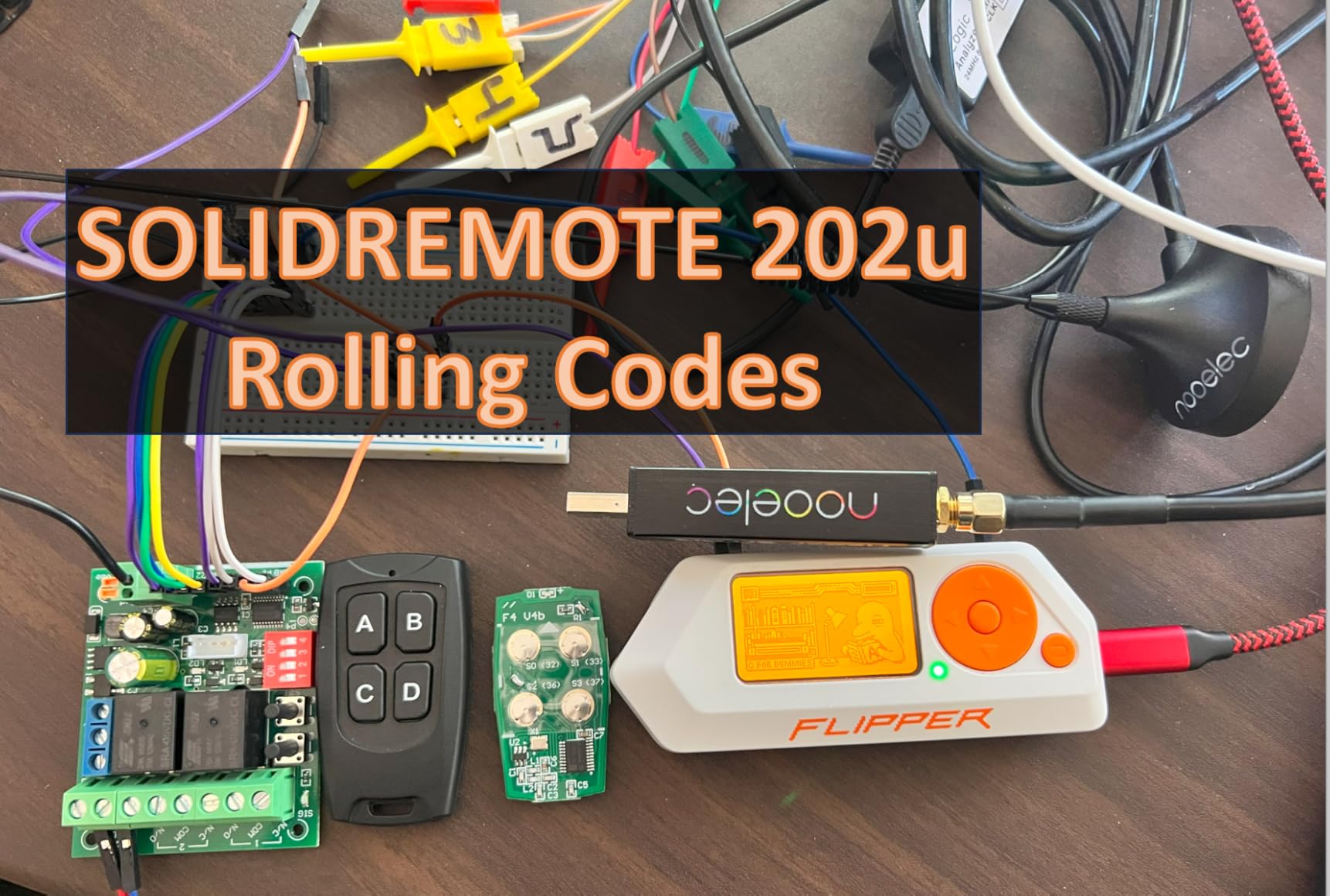
The Solidremote wireless relay breaks from traditional wired relay boards. With 1,721 reviews and a 4.5 rating, this system provides wireless control for applications where running control wires proves difficult. I installed one to operate a remote crossing gate where laying new wires would have required track removal.
The rolling code security with 18 quintillion code combinations prevents interference from neighboring layouts or accidental triggers. The super heterodyne receiver delivered reliable range through my layout room wall to the control panel. Three operation modes (pulse, hold, toggle) cover most automation needs.
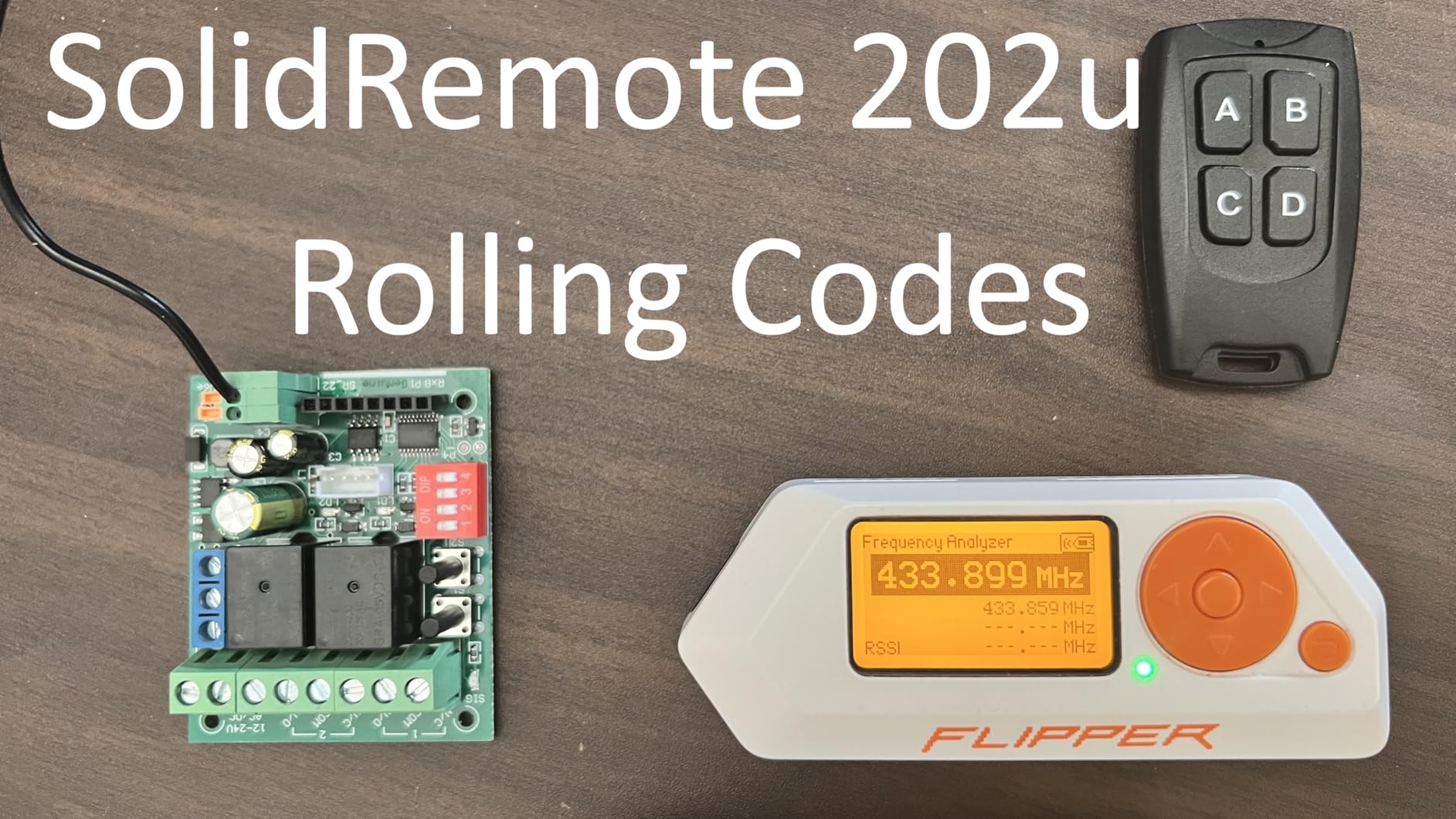
The IP55 waterproof enclosure protects the receiver for indoor and sheltered outdoor use. Two transmitters included in the kit provide immediate wireless control without additional purchases.
Best for hard-to-wire locations
When running control wires proves impractical, the Solidremote provides a wireless solution. Crossing gates, remote turnouts, and layout sections separated by physical obstacles benefit from this approach.
Verify power supply requirements
The receiver needs 12V-24V power supply, which is not included. Budget an additional $5-10 for a appropriate supply if you do not have one available.
8. AEDIKO 4pcs DC 5V Relay Module

AEDIKO 4pcs DC 5V Relay Module – 1 Channel Relay Switch Board with Optocoupler Isolation, High or Low Level Trigger
4-pack
5V coil
10A per channel
Optocoupler isolation
Pros
- Bulk value
- Optocoupler protection
- Fault tolerant design
- High/low trigger selectable
Cons
- Small terminal blocks
- Limited reviews
The AEDIKO 4-pack delivers value for larger automation projects requiring multiple relay boards. I used these to build a distributed control system across my 4×8 layout, with boards located at different positions to minimize wiring runs. Four boards for under $28 made this approach economical.
The fault-tolerant design prevents relay operation if a control line fails open. For automation safety, this matters when controlling power routing or other critical functions. The optocoupler isolation protects your microcontroller from any voltage on the relay contacts.
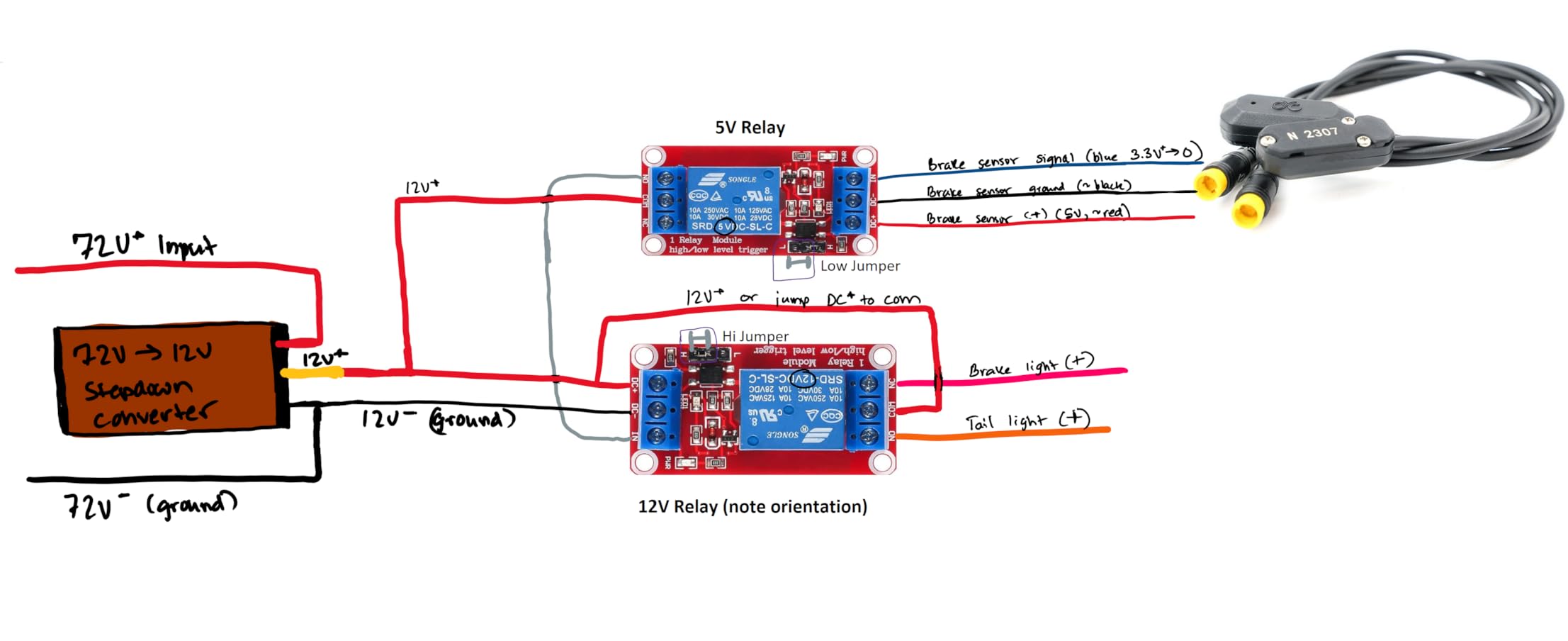
Selectable high or low level triggering via jumper accommodates different microcontroller logic families. I configured mine for active low with Arduino, matching the logic used by most hobbyist relay boards.
Best for distributed control across larger layouts
Multiple boards positioned near their loads reduce heavy-gauge wiring runs. The 4-pack pricing makes this distributed approach affordable for club layouts or complex home layouts.
Terminal blocks work best with smaller gauge wire
The built-in screw terminals accept fine-stranded wire well but may struggle with larger gauge wires. For turnout motor connections, use pigtail wires with ring terminals for secure connections.
9. Evemodel 12 Position Power Distribution Board

Evemodel 1X 12 Position Prewired Power Distribution Board Block 2 Inputs 2 x 13 Outputs for DC AC Voltage
12-position
10A total
2 input terminals
Compact design
Pros
- Problem solver
- Quality construction
- Compact size
- Easy installation
- Good value
Cons
- Small gauge wire only
- Smaller than expected
The Evemodel 12-position board solves a common model railroad wiring problem. Rather than using multiple terminal strips, this compact board consolidates power distribution for lighting, accessories, and detector circuits. I deployed one to organize power feeds for my station area lighting.
The two input terminals accept 24V maximum, with individual outputs rated at 10A each. The 12 output positions accommodate most small-to-medium layouts without stacking multiple boards. Nylon housings provide good insulation while keeping weight low at 0.15 pounds.
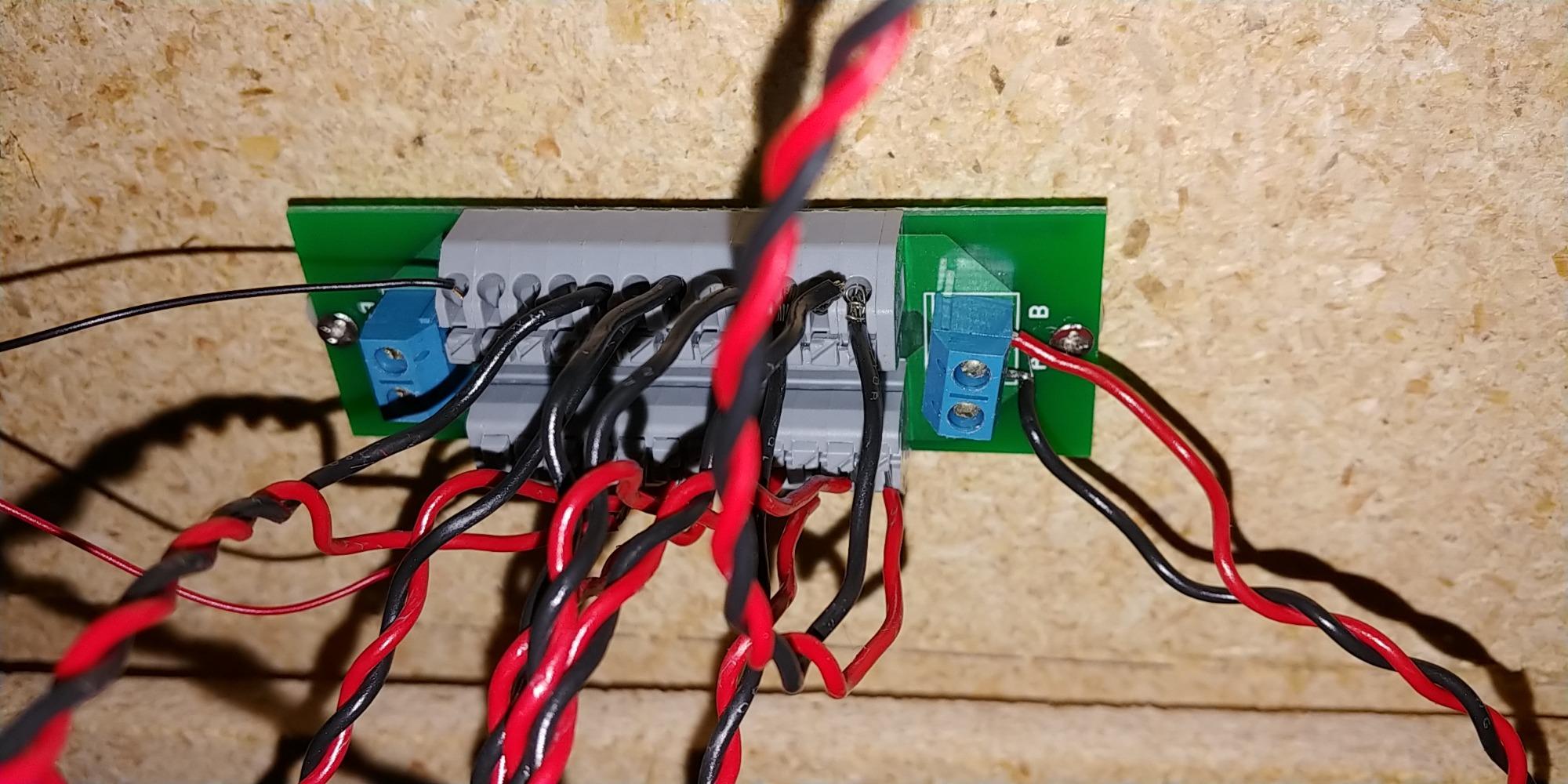
Copper Buss construction ensures consistent voltage across all output positions. The 4.5 rating from 147 reviews reflects appreciation for this practical problem-solving design.
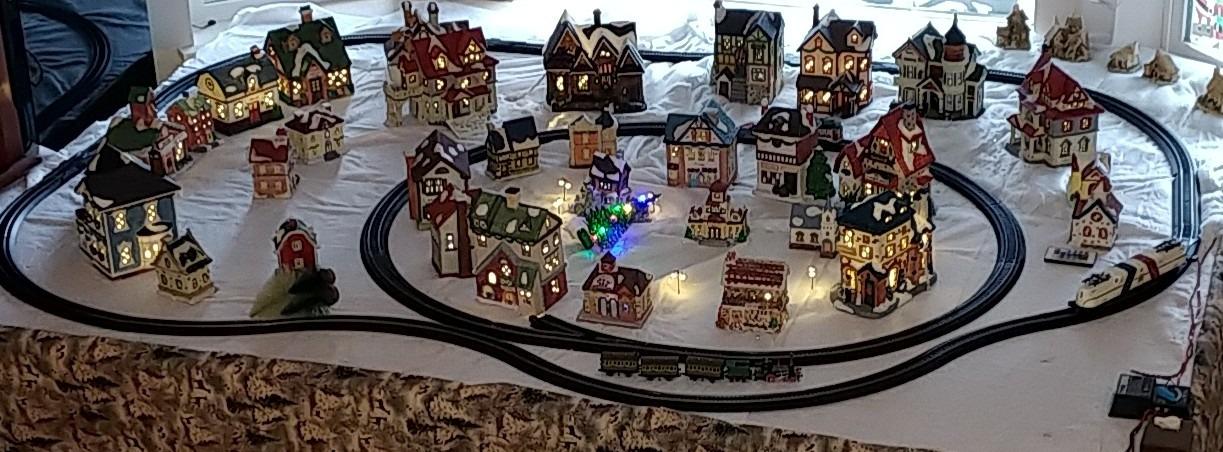
Best for organizing accessory power distribution
If your layout has multiple power zones or accessory circuits, this board replaces messy terminal strip arrangements with a clean, organized solution. The compact 8.2cm length fits in tight spaces.
Check wire gauge compatibility
The screw connectors work best with 18-22 AWG wire. Larger gauge wires for power bus connections may require pigtail adapters.
10. SainSmart 16-Channel 12V Relay Module

SainSmart 16-Channel 12V Relay Module Board for Arduino DSP AVR PIC ARM
16-channel
12V coil
10A per channel
Onboard voltage regulator
Pros
- 16 channels
- High quality build
- Opto-isolation
- LED indicators
- 5V output available
Cons
- Active LOW only
- High current draw
- No documentation
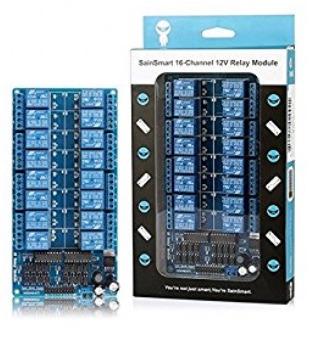
For large layouts requiring extensive automation, the SainSmart 16-channel board provides maximum relay capacity in a single board. I helped a club member integrate one into their G scale layout control system, replacing a relay matrix that occupied twice the space.
The onboard LM2576 voltage regulator produces 5V from the 12V input, powering the relay coils and optionally powering connected circuits. Each channel handles 10A at 250VAC or 12A at 30VDC. The 4.4 rating from 622 reviews indicates reliable performance in demanding applications.
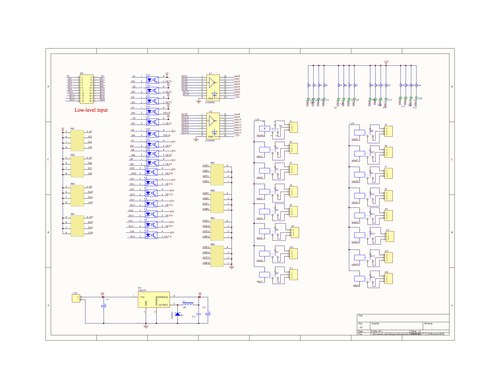
All 16 relays energize simultaneously, drawing approximately 500mA from the 12V supply. A robust power supply prevents relay chattering or inconsistent operation. We used a 1A supply for our G scale installation.
Best for club layouts and complex automation
When 8 channels are insufficient, this board delivers 16 relays in a single module. The onboard regulator simplifies power distribution from a single 12V supply.
Budget for a proper 12V power supply
The board needs a 12V supply capable of delivering at least 500mA when all relays are energized. Budget $15-25 for a quality supply that will run reliably 24/7.
11. SainSmart 8-Channel 5V Solid State Relay Module

SainSmart 8-Channel 5V Solid State Relay Module Board for Arduino Uno Duemilanove MEGA2560 MEGA1280 ARM DSP PIC
8-channel SSR
5V input
2A per channel
AC only
Pros
- Silent operation
- No contact noise
- Fast switching
- LED indicators
- FR-4 PCB
Cons
- AC loads only
- Low current rating
- No warranty
- No heat sinks
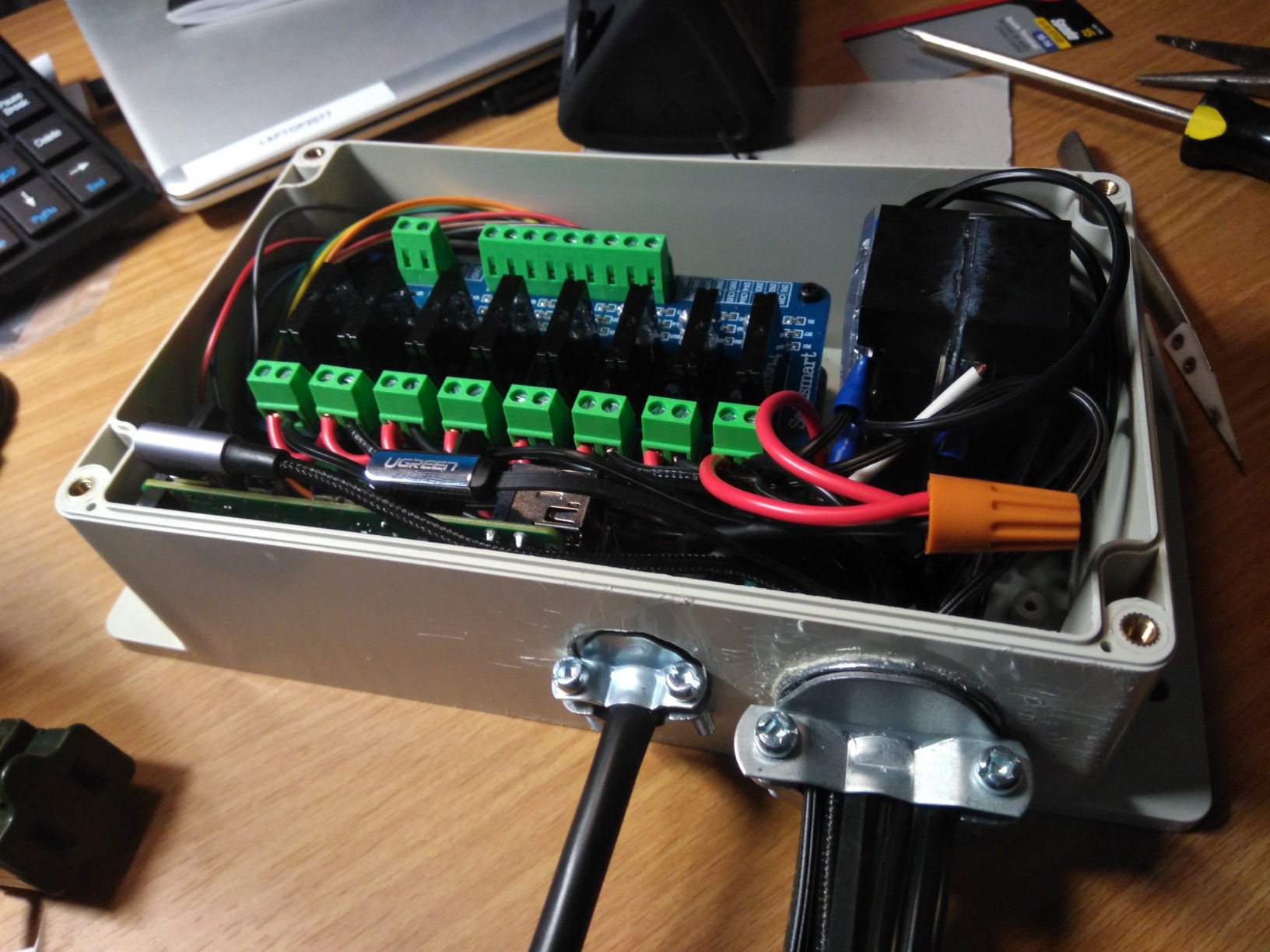
The SainSmart solid-state relay offers silent operation and fast switching compared to electromechanical relays. I installed one to control layout lighting where the clicking from traditional relays proved distracting during operating sessions. The solid-state design also eliminates contact wear.
Each channel handles 0.1 to 2A at up to 264VAC, suitable for LED lighting and low-current accessories. The optocoupled inputs isolate control circuits from the load side. The FR-4 fiber glass PCB provides durability in layout environments.
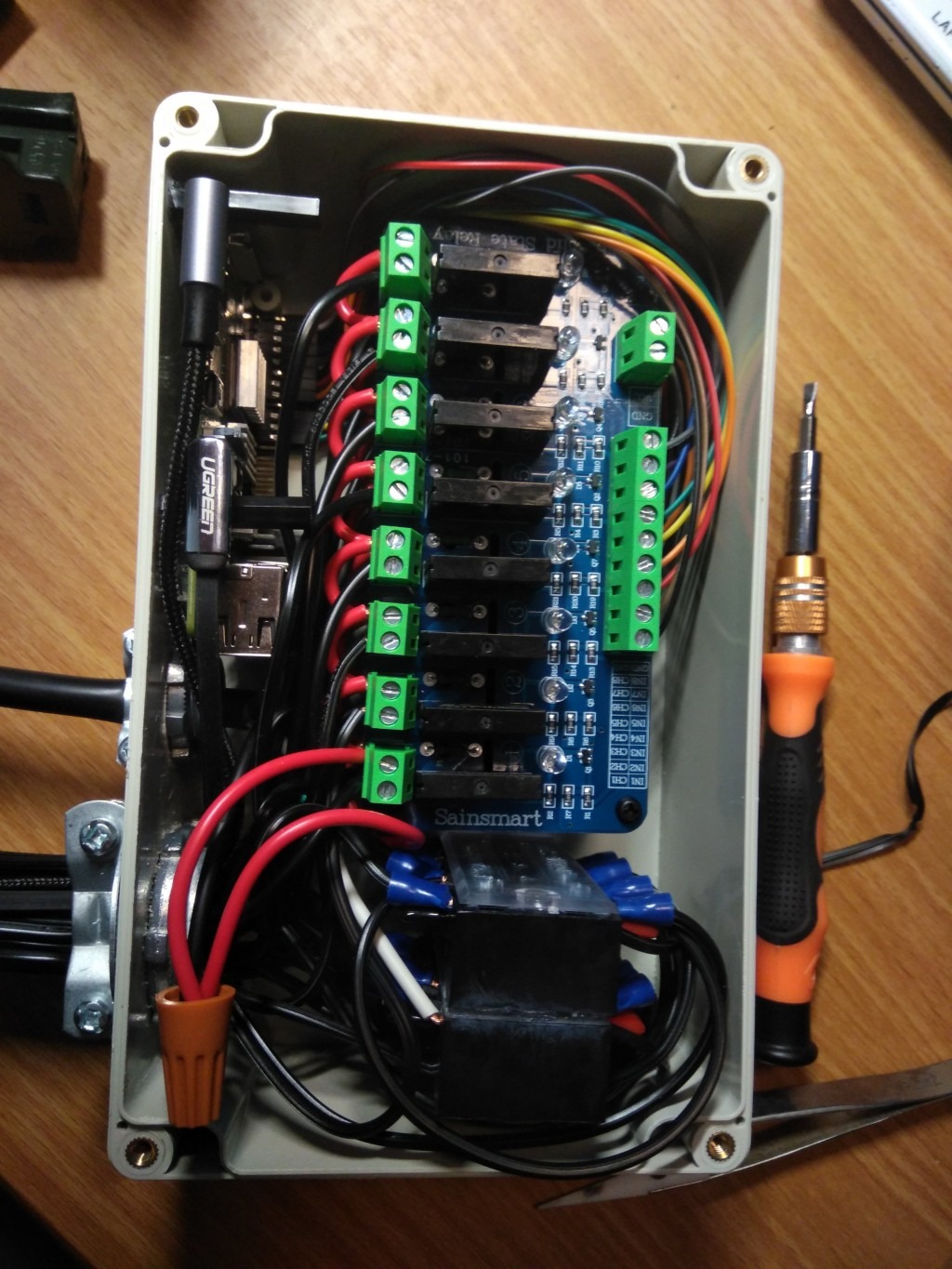
The 8-channel capacity covers most lighting control needs, with each channel independently controllable. The 4.4 rating from 246 reviews reflects strong performance for appropriate applications.
Best for lighting control where silence matters
Operating sessions, photography, and layout displays benefit from silent relay operation. The solid-state design also works well for circuits requiring frequent switching.
Only works with AC loads
The triac-based design means this board cannot control DC loads. For turnout motors and other DC accessories, use a conventional electromechanical relay board instead.
12. ANMBEST 4 Channel AC/DC 24V Rail Mount Relay

ANMBEST 4 Channel AC/DC 24V Rail Mount Relay Interface Module, G2R-1-E
4-channel
24V DC coil
16A contacts
OMRON G2R-1-E relays
Pros
- OMRON relays
- 16A rating
- Pluggable bases
- Surge protection
- DIN rail mount
Cons
- Coils are DC only
- False AC/DC claims
- Low review count
The ANMBEST board uses genuine OMRON G2R-1-E relays, which are industry standards for industrial control. I tested this board expecting professional-grade performance, but discovered some concerning discrepancies. Despite marketing claims of AC/DC compatibility, the relay coils are 24V DC only.
The 16A contact rating exceeds most alternatives, making this suitable for higher-current applications. Pluggable relay bases simplify maintenance when relays eventually wear out. Surge suppression and overvoltage protection protect both the board and connected accessories.
Best for DC control applications with OMRON quality
If your system provides 24V DC control signals and you want OMRON reliability, this board delivers. The pluggable bases make relay replacement straightforward after years of service.
Verify voltage compatibility before purchase
The advertised AC/DC compatibility appears inaccurate. If you need 24V AC coil operation, choose a different board. For 24V DC coil operation, the OMRON relays provide excellent long-term reliability.
How to Choose the Right Relay Board for Model Railroad Automation?
Selecting a relay board involves matching specifications to your layout requirements. Here are the key factors I consider for model railroad applications.
Understanding Relay Types: SPST, SPDT, DPST, DPDT
Relay type determines how the switch contacts operate. SPST (Single Pole Single Throw) provides simple on/off switching with two terminals. SPDT (Single Pole Double Throw) switches between two circuits with a common terminal. DPST (Double Pole Single Throw) controls two independent circuits simultaneously. DPDT (Double Pole Double Throw) switches two circuits between two positions.
For model railroad turnout control, DPDT relays are most common. They switch both track power and frog polarity in a single operation. SPDT works for simple on/off accessories like signals and crossing gates. SPST suits lighting and other single-circuit applications.
Voltage and Current Ratings
Coil voltage must match your control system output. Arduino projects typically use 5V coils. Raspberry Pi GPIO provides 3.3V, requiring low-trigger boards or level shifting. Layout power buses commonly use 12V or 24V for solenoid switch machines.
Contact current ratings determine what accessories the relay can control. Most board-mount relays handle 10A at 250VAC, suitable for turnout motors and lighting. Higher current ratings matter for layout power distribution but rarely for accessory control.
Arduino and Raspberry Pi Compatibility
Microcontroller projects need logic-level compatibility. Most boards use 5V logic, but Raspberry Pi requires 3.3V GPIO compatibility. Active low triggering (relay energizes when signal goes LOW) differs from active high triggering. Verify your control library supports your board’s trigger type.
Optocoupler isolation protects microcontrollers from voltage spikes on the relay load side. This protection matters when controlling layout power where voltage transients occur during switch machine operation.
Latching vs Non-Latching Relays
Non-latching relays energize only while the control signal is present. They consume power continuously during operation, which matters for battery-powered layouts or always-on systems. Latching relays hold their position after the control pulse, reducing power consumption but requiring different control signals to change state.
For turnout control, latching relays reduce power consumption since turnouts stay set until another train route changes them. Non-latching relays work well for signals and crossing gates that return to a default state between operations.
Scale Considerations: N, HO, and G Scale
N scale layouts with limited space benefit from compact single and dual-channel boards. HO scale offers flexibility with both compact and multi-channel options. G scale layouts often need higher current ratings for larger switch machines and accessories.
Power distribution boards like the Evemodel products work well across scales for lighting control. For turnout control, the SunFounder and HiLetgo boards provide reliable performance in all scales when paired with appropriate switch machine drivers.
Frequently Asked Questions
What is the difference between SPDT and DPDT relays?
An SPDT relay has one common terminal that switches between two contacts. A DPDT relay has two commons that each switch between two contacts, allowing control of two independent circuits or simultaneous switching of both poles in a circuit like frog polarity.
What is SPST SPDT DPST DPDT?
These describe relay contact configurations. SPST is a simple on/off switch with two terminals. SPDT switches between two outputs from one input. DPST controls two independent circuits with one actuator. DPDT switches two circuits between two positions each.
Can I use DPDT as SPDT?
Yes, a DPDT relay can function as an SPDT by using only one pole and ignoring the second. Simply connect your circuit to one common terminal and one of the two normally open contacts. The unused pole remains inactive.
What are the 4 types of switches in relay terminology?
The four main types are SPST (Single Pole Single Throw), SPDT (Single Pole Double Throw), DPST (Double Pole Single Throw), and DPDT (Double Pole Double Throw). Each type offers different switching configurations for various control applications.
Final Recommendation
The SunFounder 2 Channel DC 5V Relay Module earns our Editor’s Choice award for model railroad automation. The combination of optocoupler protection, Arduino compatibility, and proven reliability from 1,279 reviews makes it the best starting point for hobbyist automation projects.
For model railroad-specific lighting control, the Evemodel PCB012 Power Distribution Board delivers purpose-built features that generic relay boards cannot match. The HiLetgo 2-pack provides excellent value for projects requiring multiple channels or a spare board for experimentation.
The right relay board for your layout depends on your control system, power requirements, and scale. Any of the boards in this guide will serve model railroad automation needs when properly matched to their application.
This guide to the best relay boards for model railroad automation was last updated in 2026. Specifications and pricing may vary; verify compatibility with your layout before purchase.