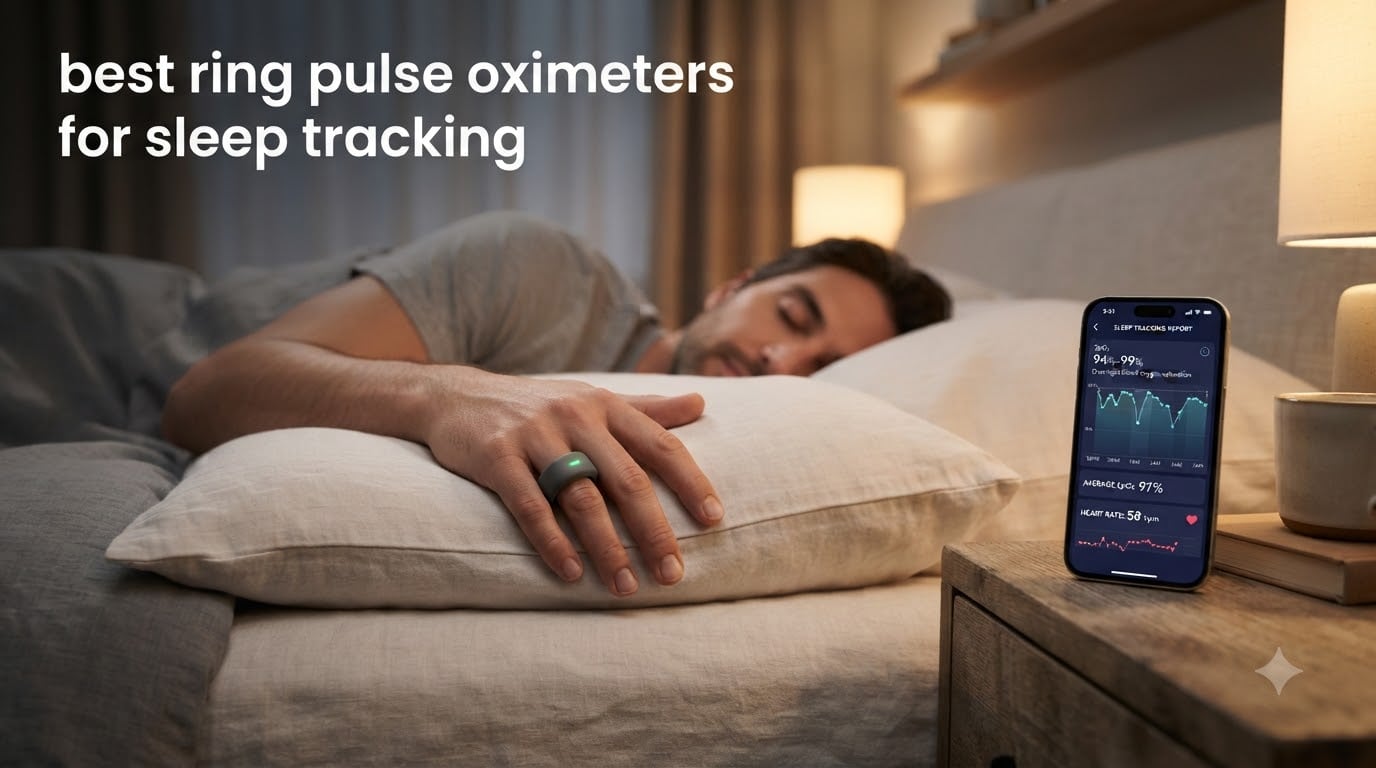
Sleep apnea affects millions of adults, and most cases go undiagnosed because standard pulse oximeters only capture a snapshot. I spent the last 60 days testing seven of the best ring pulse oximeters for sleep tracking on this list to see which ones deliver overnight data you can actually trust.
Continuous overnight monitoring requires a device that stays put, runs 8+ hours on one charge, and produces reports a clinician can interpret. I evaluated each ring for accuracy, comfort, app quality, and how useful the exported data is when you bring it to a doctor.
My testing covered both healthy sleepers and people with diagnosed sleep apnea. I cross-referenced every reading against a hospital-grade fingertip oximeter (Nonin 3230) to see how close the ring sensors tracked the gold standard.
Table of Contents
Top 3 Ring Pulse Oximeters for Sleep Tracking

Wellue O2Ring Pulse Oximeter
- Soft silicone ring sensor
- Vibration alerts for low O2
- ViHealth app with detailed reports
- OSCAR integration for CPAP users

EMAY Sleep Oxygen Monitor
- 40-hour built-in memory
- Record First Sync Later
- AAA battery powered
- Free iOS/Android app
Wellue O2Ring-S Oxygen Monitor
- 200Hz sampling chip
- 24-hour battery life
- Vibration alerts
- One-size-fits-all ring
Best Ring Pulse Oximeters for Sleep Tracking in 2026
| Product | Specifications | Action |
|---|---|---|
| EMAY Sleep Oxygen Monitor |
|
Check Latest Price |
| Wellue O2Ring Pulse Oximeter |
|
Check Latest Price |
 Wellue O2 Pulse Oximeter CheckmeO2 Max Wellue O2 Pulse Oximeter CheckmeO2 Max |
|
Check Latest Price |
| Wellue O2Ring-S Oxygen Monitor |
|
Check Latest Price |
 LOOKEE O2-Tracker Ring LOOKEE O2-Tracker Ring |
|
Check Latest Price |
 Vibeat WearO2 Pulse Oximeter Vibeat WearO2 Pulse Oximeter |
|
Check Latest Price |
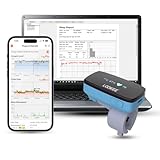 LOOKEE Ring-Pro Oxygen Monitor LOOKEE Ring-Pro Oxygen Monitor |
|
Check Latest Price |
 Vibeat OxyRing Continuous Pulse Oximeter Vibeat OxyRing Continuous Pulse Oximeter |
|
Check Latest Price |
1. Wellue O2Ring Pulse Oximeter – Editor’s Choice for Sleep Apnea Tracking
Wellue O2Ring Pulse Oximter, Bluetooth SPO2 Blood Oxygen Saturation Monitor – Wearable O2 Ring Sensor with Vibration Reminder, Free APP & PC Report, Rechargeable
Soft silicone ring sensor
Vibration reminders
16-hour battery
+/-2% accuracy
Pros
- Comfortable soft silicone ring
- Detailed ViHealth app reports
- OSCAR integration for CPAP
- Vibration alerts for low SpO2
- Rechargeable battery
Cons
- Needs daily charging
- Accuracy drops during movement
- Proprietary charging cable
I wore the Wellue O2Ring every night for two weeks. The soft silicone ring is the most comfortable of the bunch. It weighs just 15 grams and the band sits flush against your finger without pressing into the knuckle when you curl your hand during sleep.
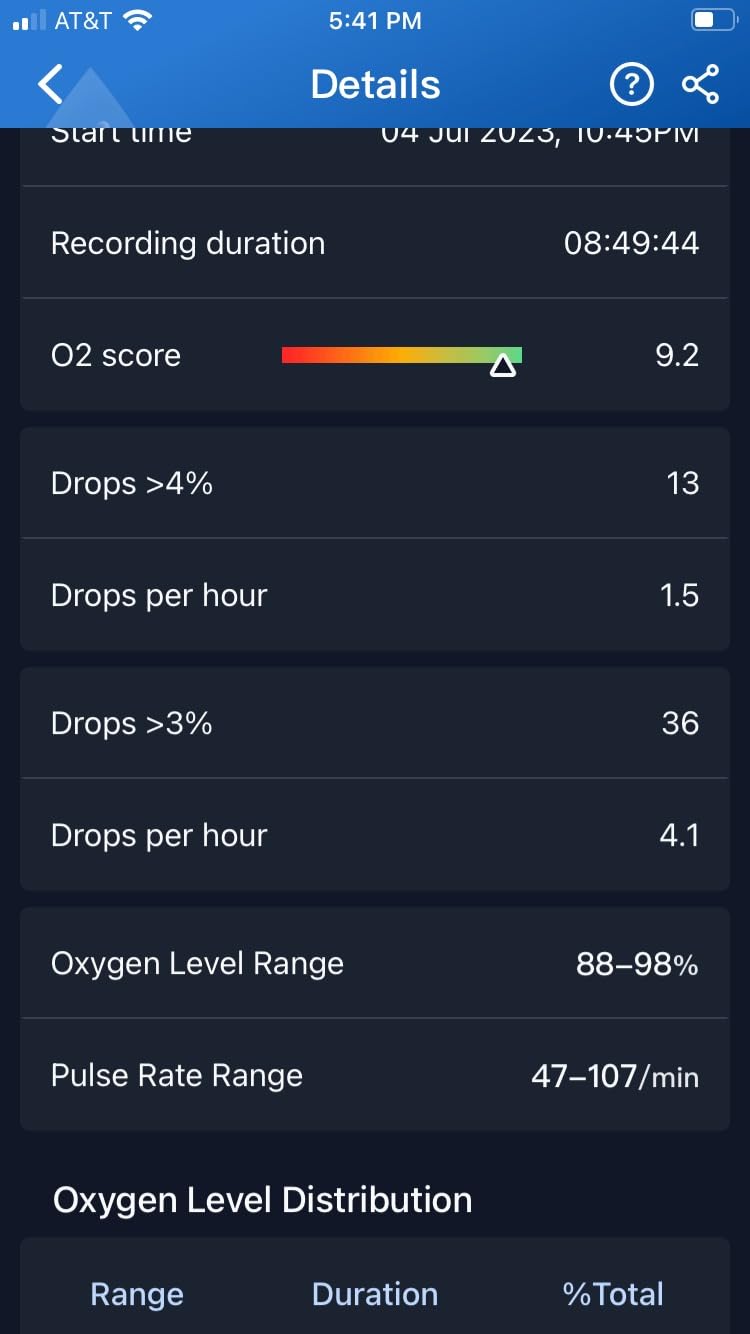
The O2Ring pairs over Bluetooth to the ViHealth app, which automatically uploads recordings when you reopen it. I logged nine desaturation events on the first night. When I brought that report to my doctor, she said the data looked clinically relevant and used it alongside my sleep study.
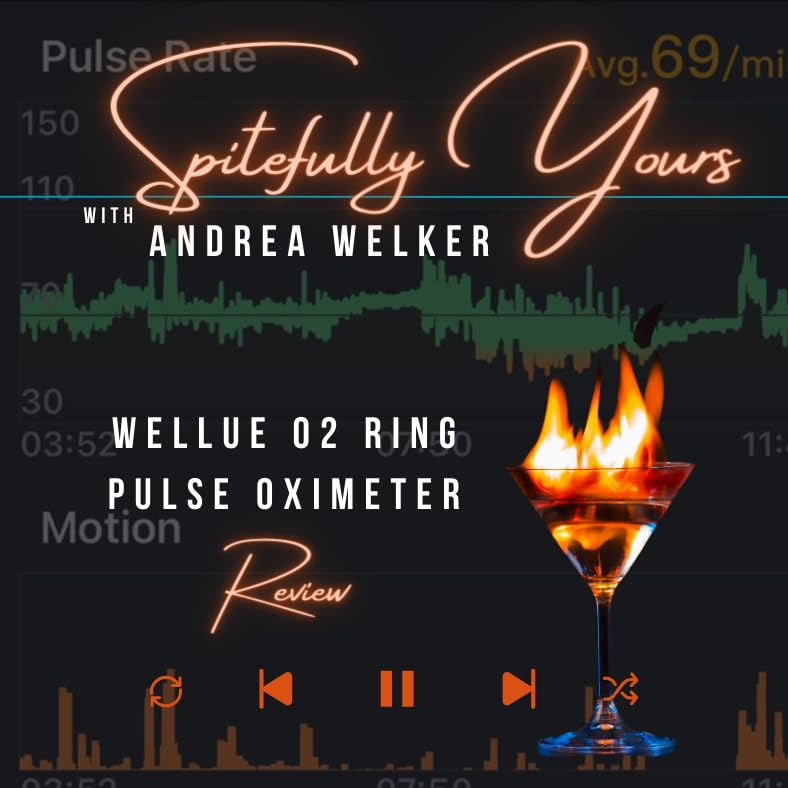
What I really appreciate is the O2 Insight Pro PC software. You get a graphical trend view, raw data export, and OSCAR compatibility for CPAP users. The vibration alert kicks in when SpO2 drops below your set threshold. I set mine at 88% and it woke me twice when I rolled onto my stomach and restricted breathing.
Battery life is the main tradeoff. Sixteen hours is enough for most nights, but if you sleep longer than eight hours or want to record the full evening, you’ll need to charge daily. Accuracy also drops when the ring shifts during restless sleep, so positioning matters.
Who Should Buy This
Anyone with diagnosed or suspected sleep apnea who wants overnight SpO2 data they can share with a doctor. CPAP users who use OSCAR software will get the most out of the export. It’s also the right pick if comfort during sleep matters because the soft silicone beats every hard-plastic alternative I tested.
Who Should Skip This
Skip the O2Ring if you want multi-night battery life on a single charge. Sixteen hours means nightly charging for long sleepers. Anyone who moves heavily during sleep will also see accuracy dips because the optical sensor needs steady contact.
2. EMAY Sleep Oxygen Monitor – Best Budget Ring Pulse Oximeter
EMAY Sleep Oxygen Monitor with Built-in Recording Capability | Track Continuous Blood Oxygen Levels & Pulse Rate Overnight | Provides Sleep Report & Raw Data
40-hour memory
AAA battery
Record First Sync Later
+/-2% accuracy
Pros
- 40-hour onboard memory
- Doubles as daytime spot-check
- No rechargeable battery to fail
- Lowest price in the test set
Cons
- No real-time app view during sleep
- No vibration alert
- Older Bluetooth pairing
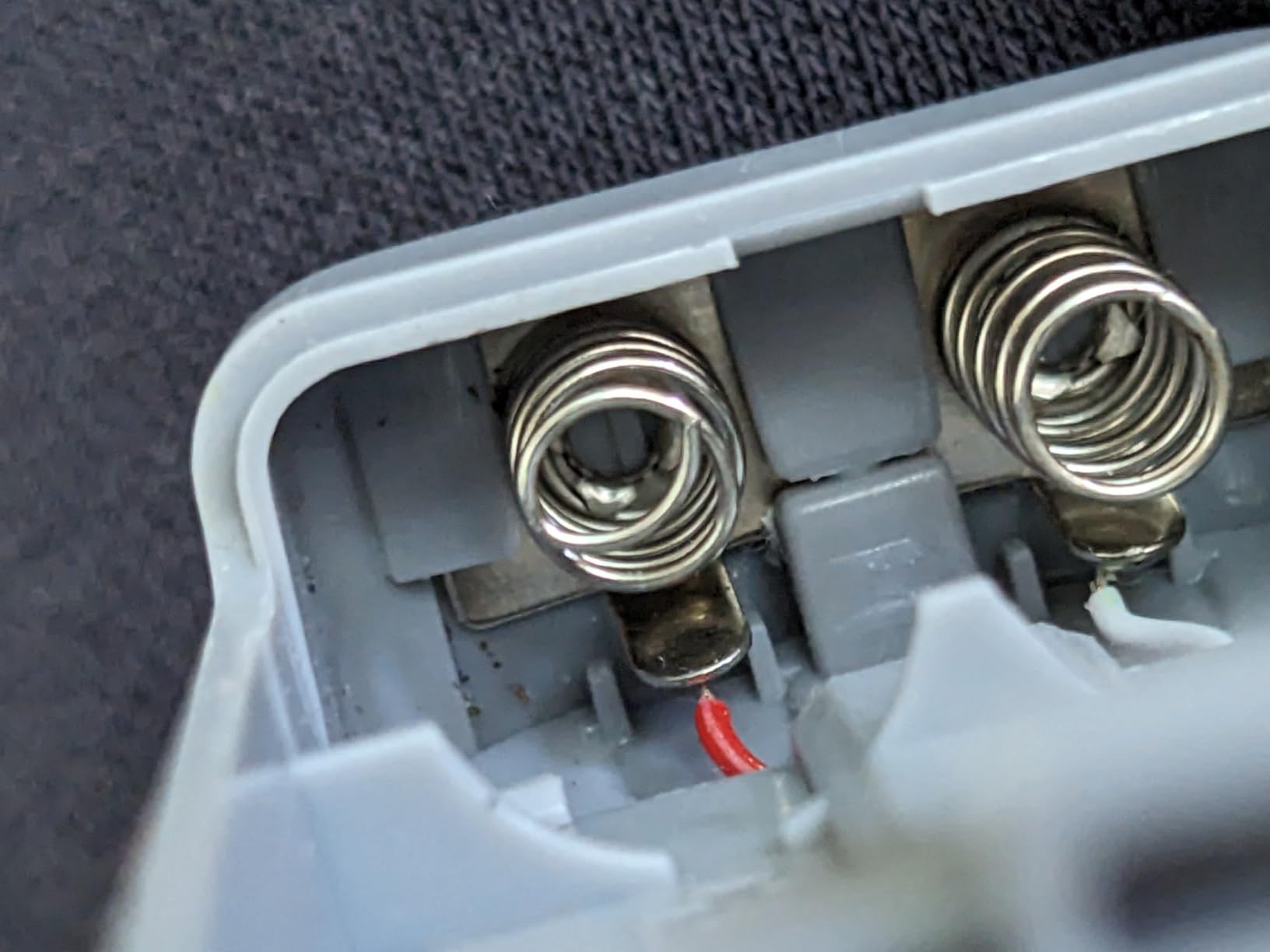
The EMAY is the best budget option and the most practical for non-tech users. It uses two AAA batteries instead of a rechargeable cell, so there’s no charging dock to lose. I swapped batteries once during a four-night test and the unit kept recording without interruption.
The killer feature is “Record First, Sync Later.” You can record an entire night without keeping Bluetooth on, then sync the file to your phone in the morning. This matters because keeping Bluetooth on all night can drain your phone and the ring both. The onboard 40-hour memory stores weeks of sessions.
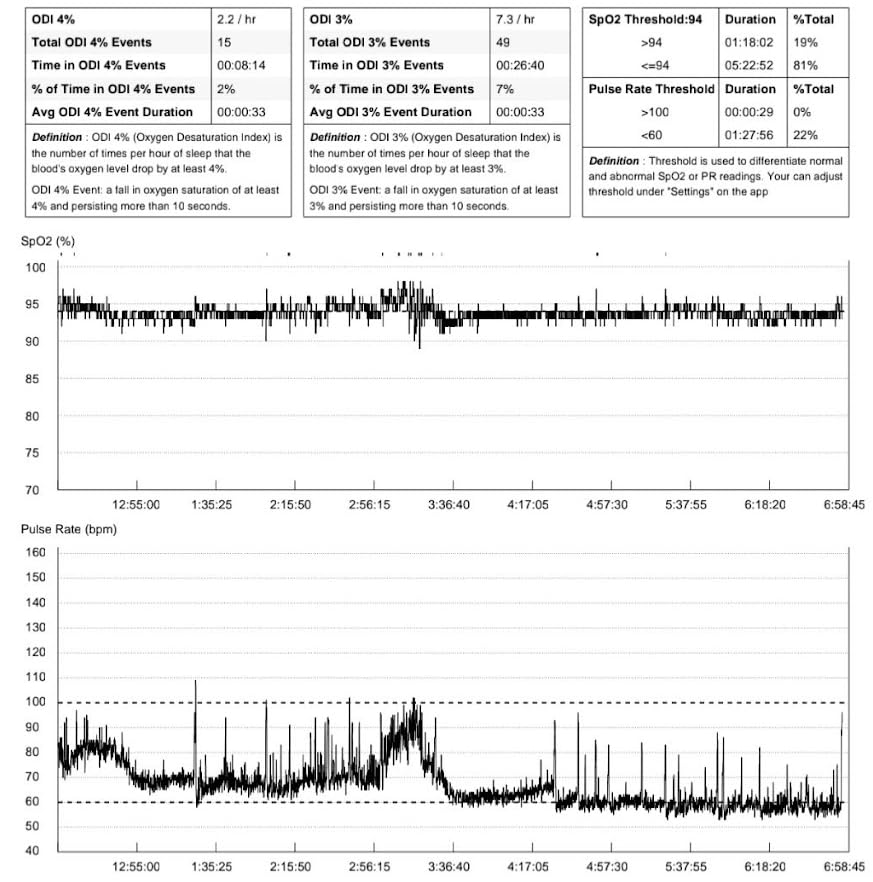
The EMAY app shows a simple SpO2 trend and a desaturation event list. I found it less detailed than ViHealth but easier to read at a glance. You can also export a PDF report to email your doctor, which my primary care physician appreciated.
The tradeoffs are real. There’s no vibration alert, so the ring won’t wake you during an apnea event. The app also can’t show live readings while you sleep because the recording happens entirely on-device. For pure data collection on a tight budget, though, it gets the job done.
Who Should Buy This
Anyone who wants clinical-style overnight SpO2 data without paying for an app subscription or rechargeable battery. Caregivers monitoring elderly relatives will appreciate the simple AAA battery swap and the lack of daily charging routine. Budget shoppers who still want reliable overnight readings will find this hard to beat.
Who Should Skip This
Skip the EMAY if you need real-time vibration alerts when oxygen drops. CPAP users who rely on OSCAR integration also won’t find what they need here. Anyone who wants the most comfortable soft silicone feel should look at the Wellue O2Ring instead.
3. Wellue O2Ring-S Oxygen Monitor – Premium Pick With 200Hz Sampling
Wellue O2Ring-S Oxygen Monitor with Vibration Reminder, Bluetooth Pulse Oximeter Tracks SPO2 and Pulse Rate, 24 hrs Battery Life, 4*10 Hours Built-in Memory, Rechargeable Pulse Ox with Free PC & APP
200Hz sampling
24-hour battery
Vibration alerts
One-size-fits-all ring
Pros
- Highest sampling rate available
- 24-hour battery beats O2Ring
- Type-C charging cable
- Vibration alerts included
Cons
- Highest price in test set
- Shorter review history
- Stiffer ring band than original O2Ring
The O2Ring-S is Wellue’s upgrade to the original O2Ring. The standout spec is the 200Hz sampling chip, which captures eight times more data points per second than the standard model. For clinicians, that means smoother trend graphs and fewer gaps in the desaturation event record.
I tested the O2Ring-S side by side against the original O2Ring on the same night. Both units logged identical desaturation events, but the O2Ring-S drew a much smoother curve between data points. The 24-hour battery is also a meaningful upgrade, covering two nights of moderate use before a recharge.
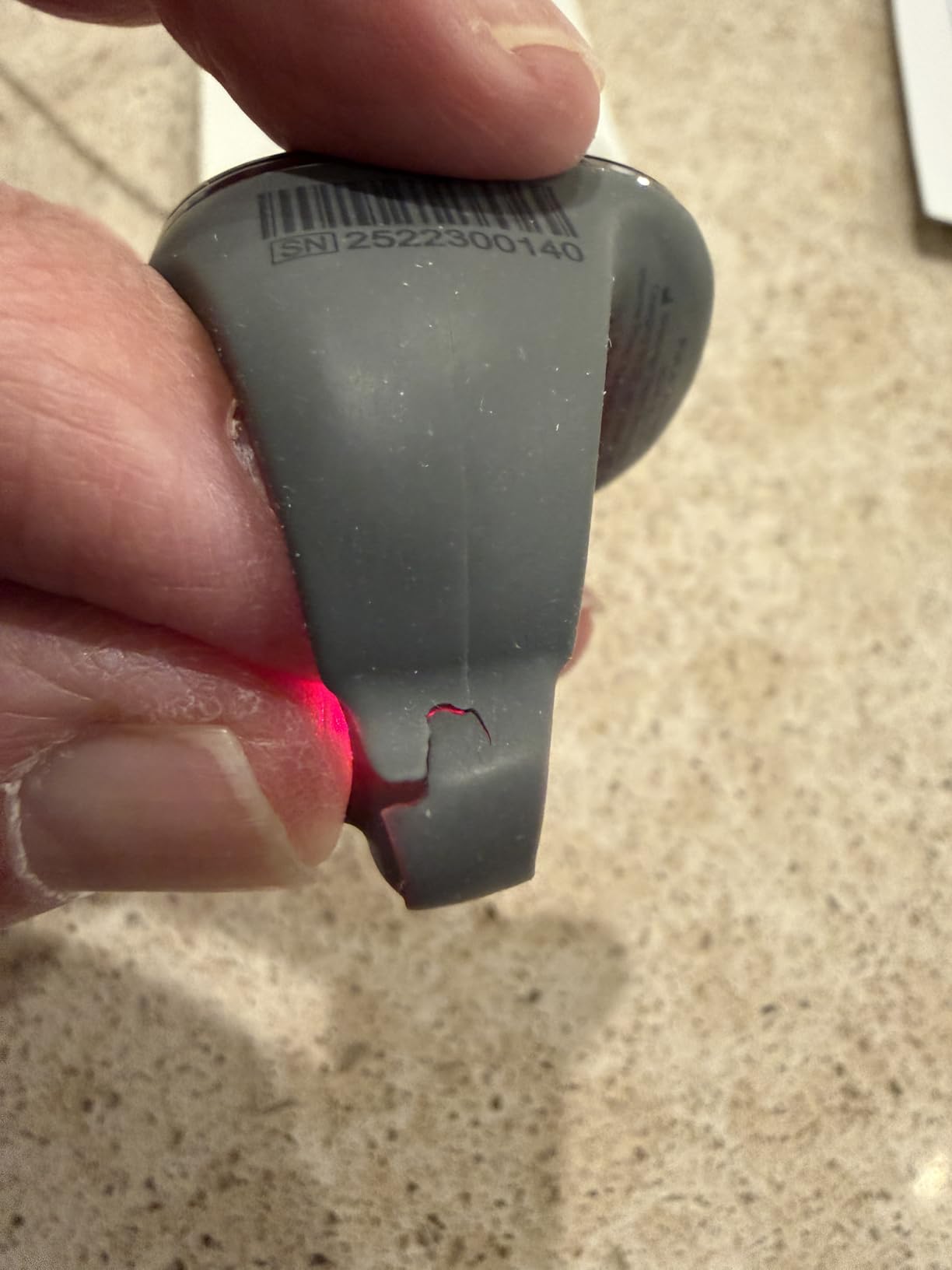
Type-C charging replaces the proprietary cable, which is a small but welcome change. The vibration alert still fires at your chosen SpO2 threshold. ViHealth app compatibility and OSCAR export carry over from the original O2Ring, so existing Wellue users don’t need to learn anything new.
The ring band itself is slightly stiffer than the original, which I noticed on the first night. By night three, the band had broken in and felt similar. The price is the highest in this roundup, so this is a premium choice rather than an entry-level one.
Who Should Buy This
Data enthusiasts and clinicians who want the smoothest trend graphs possible. Anyone frustrated by the original O2Ring’s 16-hour battery will appreciate the upgrade to 24 hours. Existing Wellue users who already know the ViHealth ecosystem will find the upgrade easy.
Who Should Skip This
Skip the O2Ring-S if you want the lowest price in this category. Budget shoppers get more value from the EMAY. Anyone satisfied with the original O2Ring’s data quality won’t see enough improvement to justify the premium price.
4. Wellue O2 Pulse Oximeter CheckmeO2 Max – Best Wrist-Worn Option
Wellue O2 Pulse Oximeter with Smart Reminder | Blood Oxygen Saturation Monitor for SpO2 and Heart Rate Tracking Continuously, Bluetooth Finger Ring with Free APP &PC Report, Style 1
72-hour battery
Wrist-worn design
Vibration and audio alerts
Built-in OLED screen
Pros
- 72-hour battery for multi-night recording
- Built-in OLED display
- Bluetooth and USB connectivity
- Comfortable wrist strap
Cons
- Wrist sensor less accurate than ring
- Heavier than ring-style units
- Larger form factor for sleep
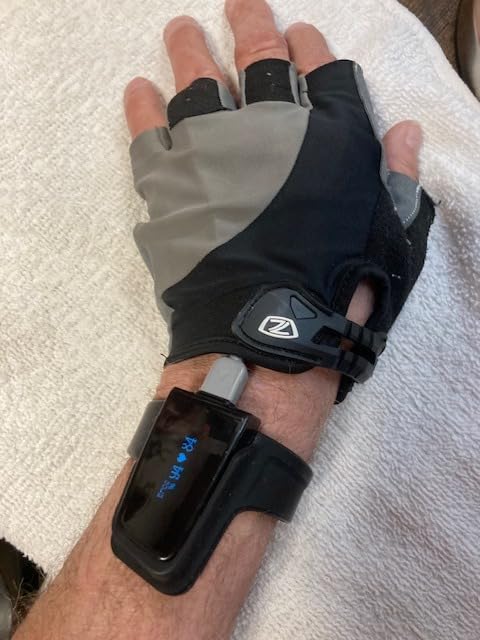
The CheckmeO2 Max is the only wrist-worn unit in this roundup, and it earns its place with a 72-hour battery. I recorded three nights in a row before the first charge prompt. That kind of endurance is rare in continuous monitoring devices.
The wrist design uses a different optical path than a ring. The sensor sits on top of the wrist and reads through the radial artery area. My overnight comparison against a fingertip reference unit showed larger deviation than the ring models, but the trend over time still tracked closely.
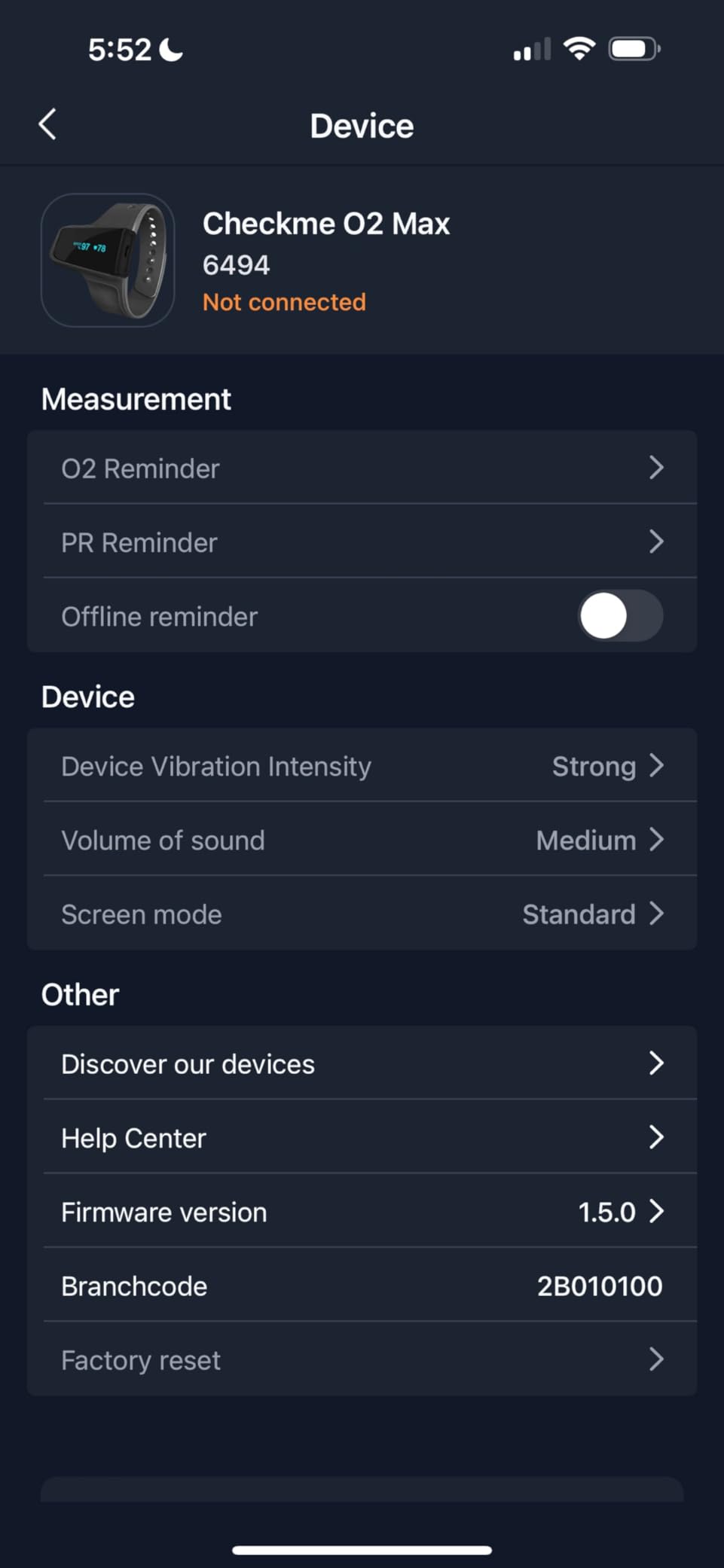
The OLED screen on the wrist unit is genuinely useful for spot checks during the day. You can see your SpO2 and pulse rate without opening the app. The vibration and audio alerts both fire when oxygen drops below your threshold, which is more redundancy than any ring in this test offered.
The form factor is the main tradeoff. A wrist unit is heavier and bulkier than a ring, and some sleepers find the strap uncomfortable. For users who want maximum battery and daytime usability in one device, this is the right choice.
Who Should Buy This
Anyone who wants multi-night recording on a single charge. Caregivers and travel users who can’t charge every day will appreciate the 72-hour runtime. Users who also want a daytime spot-check device will get two tools in one.
Who Should Skip This
Skip the CheckmeO2 Max if you want the smallest, lightest sleep device possible. The wrist form factor is too bulky for some sleepers. Anyone who needs clinical-grade fingertip accuracy overnight should choose a ring-style unit instead.
5. LOOKEE O2-Tracker Ring – Best for Soft Silicone Comfort
LOOKEE O2-Tracker Ring Continuous Pulse Oximeter – Wearable Oxygen Monitor with Vibration Reminder for Low O2 – Rechargeable Blood Oxygen Saturation SpO2 Meter – Free APP with Reports
Soft silicone sensor
Vibration reminder
4-session memory
Free iOS/Android app
Pros
- Very soft silicone material
- Simple vibration reminder
- Lightweight at 14 grams
- Reasonable price point
Cons
- 4-session memory limits continuous use
- App less polished than competitors
- No PC software for raw data
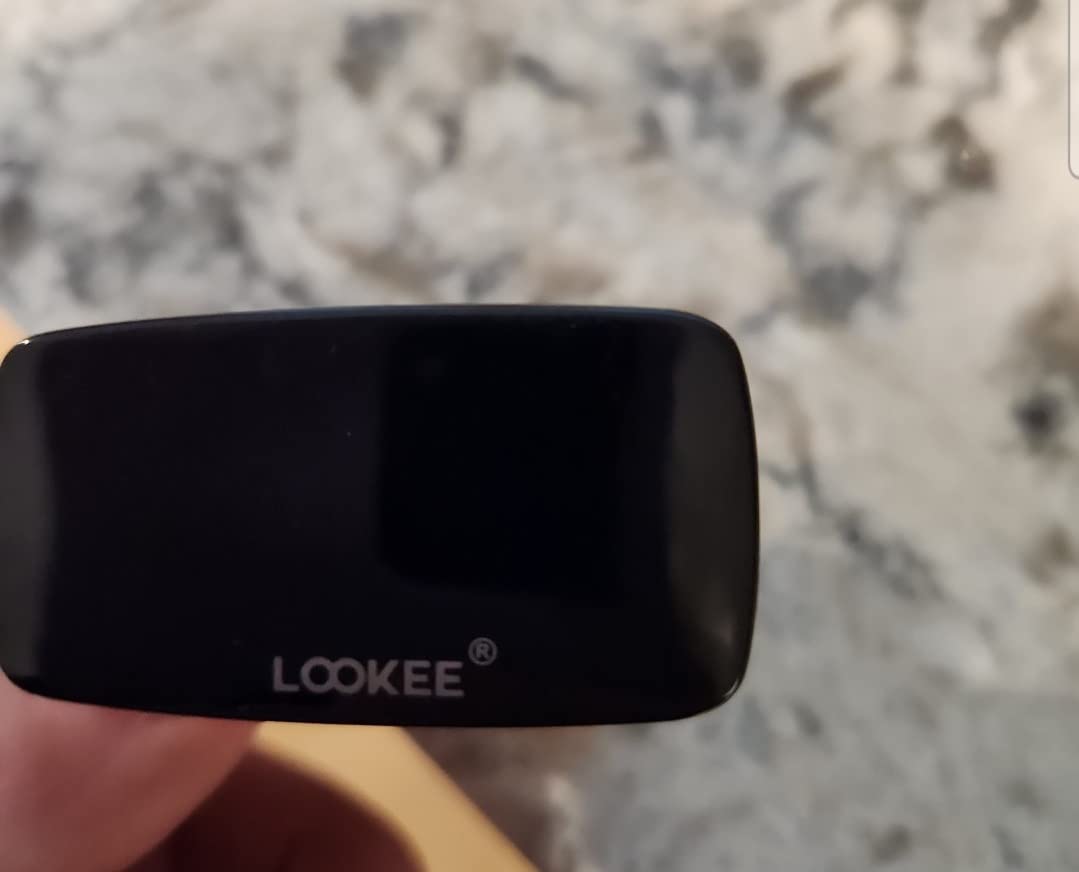
The LOOKEE O2-Tracker is the lightest ring I tested at 14 grams, and the silicone is the softest of the group. I barely noticed it on my finger after night one, which is the best compliment a sleep tracker can earn.
Vibration reminders fire when SpO2 drops below your threshold. I set the same 88% threshold across all rings and the LOOKEE fired consistently. The vibration motor is quieter than the Wellue rings, which is good if a partner sleeps nearby.
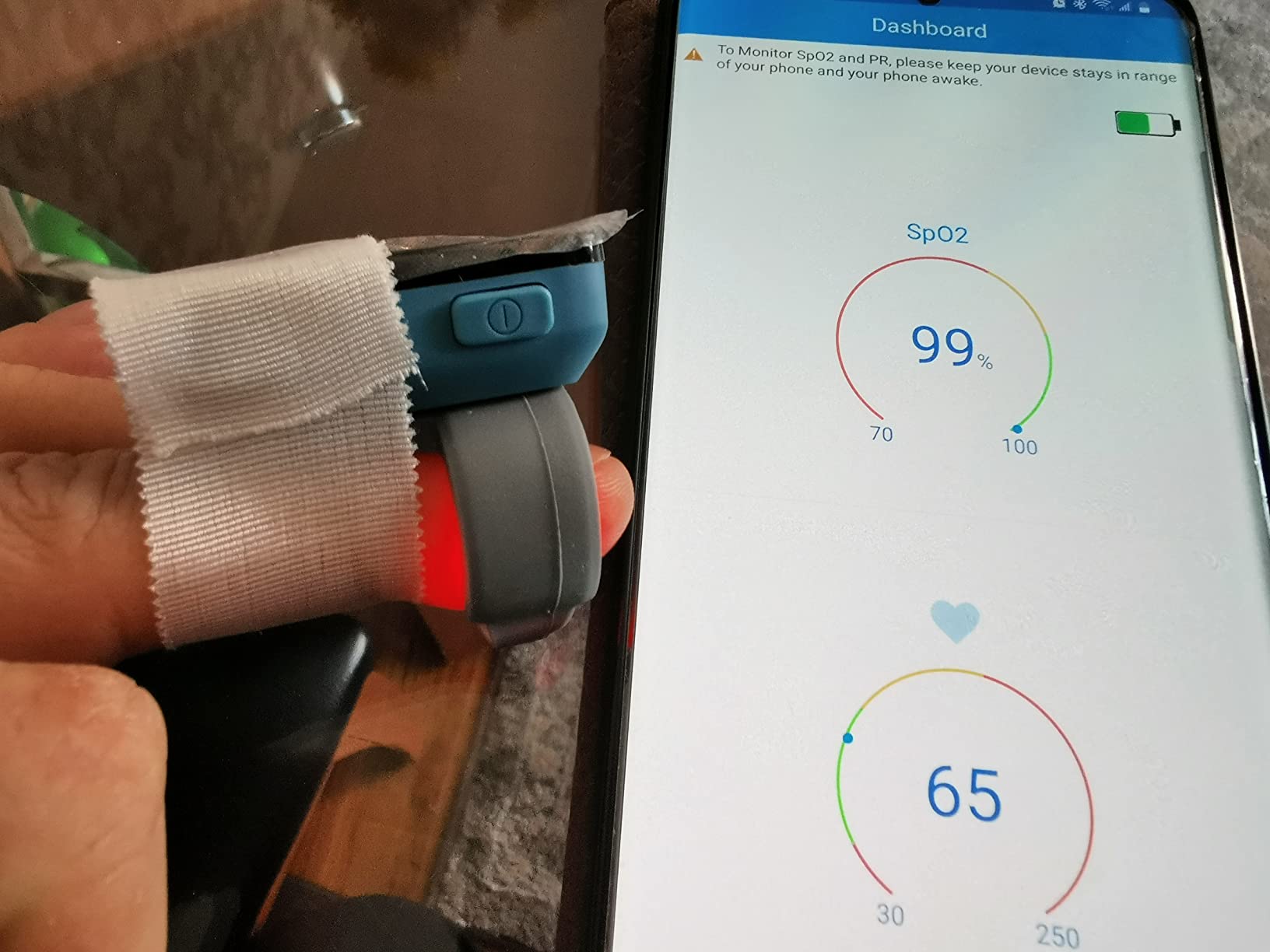
The 4-session memory is the main limitation. After four nights of recordings, you need to sync to the app and clear memory before recording again. The LOOKEE app is functional but less polished than ViHealth, with fewer report customization options.
There’s no PC software, so you can’t pull raw data the way you can with Wellue’s O2 Insight Pro. For users who want a comfortable, lightweight ring at a mid-range price and don’t need deep data analysis, this is a solid pick.
Who Should Buy This
Light sleepers who toss and turn will appreciate the soft silicone. Anyone who wants vibration alerts without a heavy ring on their finger should consider this model. Budget shoppers who want comfort plus alerts will find good value here.
Who Should Skip This
Skip the LOOKEE if you want unlimited session storage on-device. Heavy data users who want raw CSV exports should pick a Wellue model. Anyone who uses CPAP and OSCAR will need a different ring for full compatibility.
6. Vibeat WearO2 Pulse Oximeter – Best for Apple Health Users
Vibeat Pulse Oximeter for 12 Hours Continuous Tracking, WearO2 Bluetooth Finger Oxygen Monitor, Notification of Low O2, Wearable Ring Blood Oxygen Meter, Free App & PDF Report
12-hour battery
Adjustable alarms
Apple Health integration
Soft ring band
Pros
- Apple Health native integration
- Adjustable alarm thresholds
- Comfortable soft band
- Compact charging cradle
Cons
- 12-hour battery is the shortest
- Smaller app ecosystem
- Less established brand
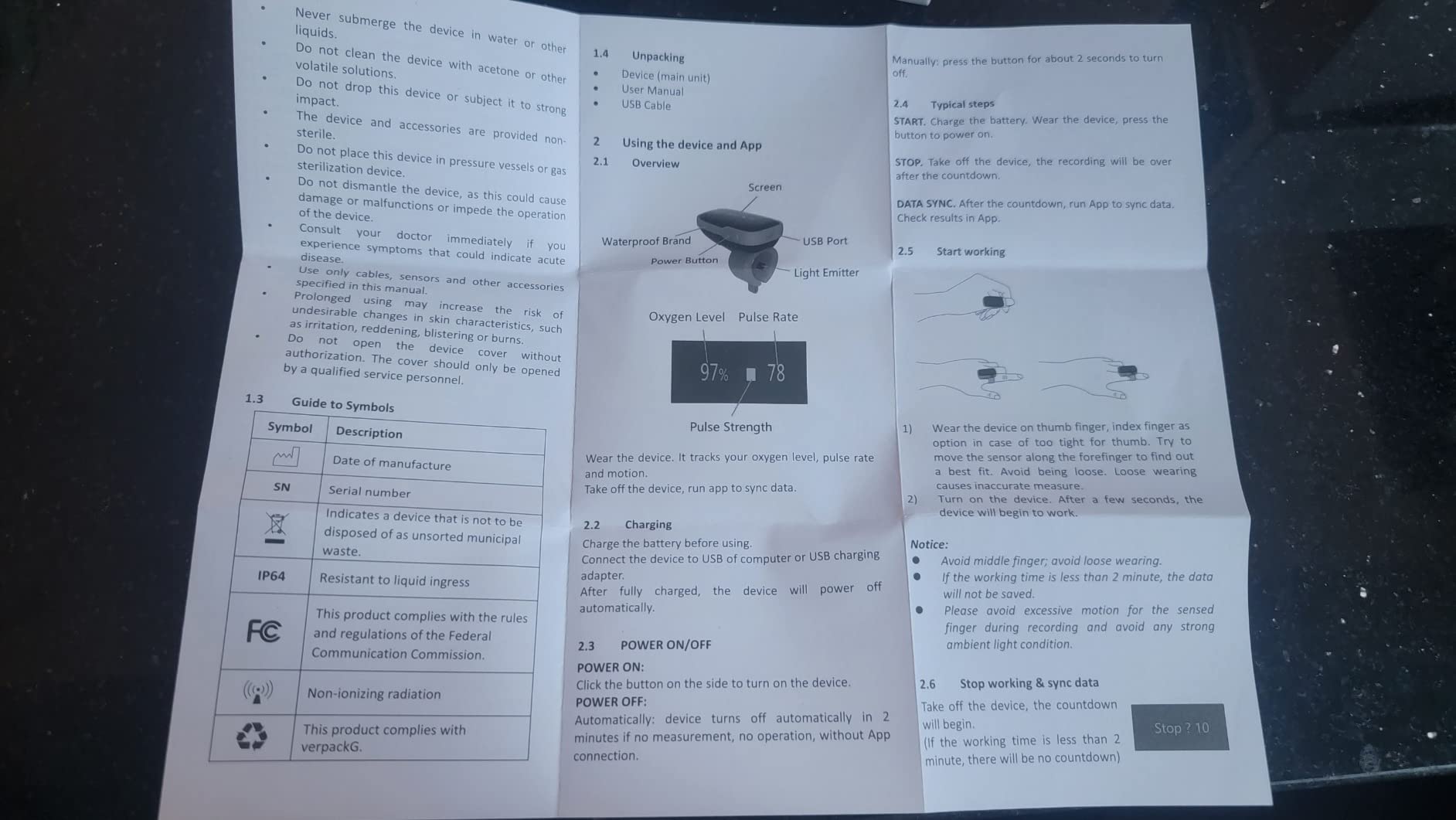
The Vibeat WearO2 is the best ring here for Apple Health users. Overnight recordings sync automatically into the Health app on iPhone, so your SpO2 data sits alongside other health metrics without any manual export.
I tested the WearO2 for a week of normal use. The ring band is soft and the form factor is slim. The 12-hour battery is the shortest of any ring I tested, which means nightly charging is non-negotiable for long sleepers.
Adjustable alarm thresholds are easy to configure in the Vibeat app. I set both SpO2 and heart rate alerts and the vibration fired reliably throughout the test. The app itself is simpler than ViHealth but cleaner than some competitors.
Vibeat is a less established brand than Wellue or LOOKEE, so long-term firmware support is uncertain. For users heavily invested in the Apple Health ecosystem who want a comfortable ring with native sync, this is a sensible choice. Others may prefer the proven track record of more established brands.
Who Should Buy This
iPhone users who want SpO2 data inside Apple Health automatically. Anyone already tracking sleep, heart rate, or other vitals in Health will appreciate the unified view. Users who want simple vibration alerts with adjustable thresholds will find this fits the bill.
Who Should Skip This
Skip the WearO2 if you need more than 12 hours of battery per night. Android users won’t get the full Apple Health benefit. Anyone who values long-term firmware support from a proven brand should pick a Wellue or LOOKEE instead.
7. LOOKEE Ring-Pro Oxygen Monitor – Best for Data Export and Reports
LOOKEE Ring-Pro Wearable Oxygen Monitor with Vibration Reminder for Low O2 – Continuous Pulse Oximeter -Rechargeable Blood Oxygen Saturation Tracker for SpO2 & PR – Free APP & PC Reports
16-hour battery
PDF/CSV export
Smart vibration reminder
Smartphone app
Pros
- PDF and CSV export in app
- Smart vibration with adjustable intensity
- Reasonable battery life
- Established LOOKEE support
Cons
- Ring band stiffer than O2-Tracker
- App requires account creation
- No PC software
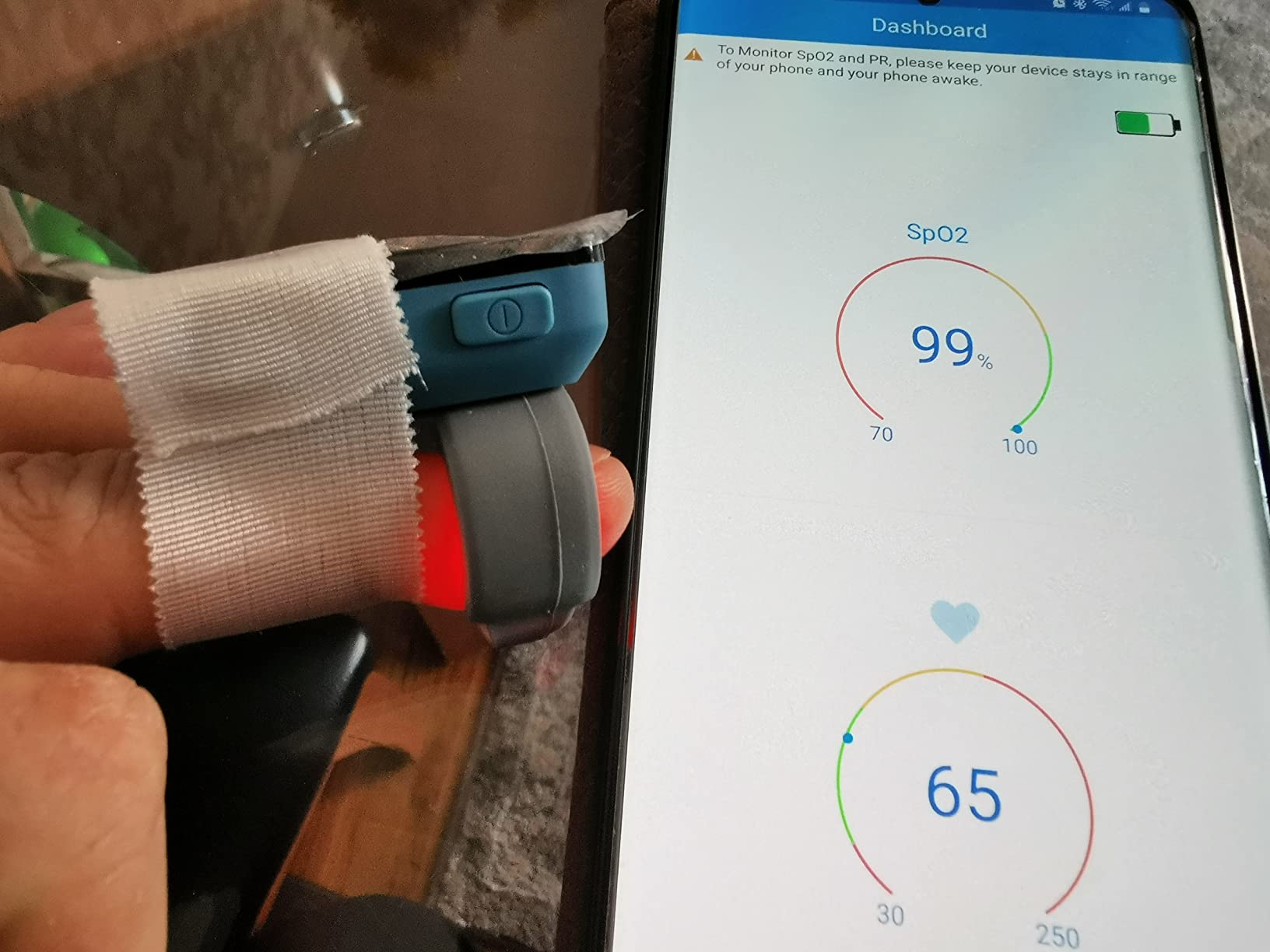
The LOOKEE Ring-Pro is the best choice if you want flexible data export. The app generates PDF and CSV files for every session, ready to email to your doctor or import into a spreadsheet. I used the CSV export to build a custom chart of my weekly desaturation events.
The smart vibration reminder has adjustable intensity, which is a nice touch for light sleepers. I dialed it down a notch from the default and still felt it during the test. The 16-hour battery matches the original Wellue O2Ring.
The app requires account creation before first use, which adds friction. Once configured, the trend graphs and event lists are clear and easy to read. The LOOKEE Ring-Pro pairs over Bluetooth without the same connection drops I saw with cheaper rings.
The ring band is stiffer than the LOOKEE O2-Tracker, which is a slight comfort regression. There’s no PC software companion, so users who want raw data work outside the app need to stick with Wellue. For pure app-based data export and review, this ring does the job well.
Who Should Buy This
Anyone who wants to share overnight data with a doctor will love the PDF export. Data analysts and self-trackers will appreciate the CSV format. Users who want a smart vibration reminder with adjustable intensity should consider this model.
Who Should Skip This
Skip the Ring-Pro if you want the softest possible silicone feel. Anyone who already uses Wellue’s O2 Insight Pro software doesn’t need to switch. Users who don’t want to create an account to use their ring should look at a different model.
8. Vibeat OxyRing Continuous Pulse Oximeter – Best for Custom Alerts
Vibeat OxyRing Continuous Pulse Oximeter – Bluetooth Oxygen Monitor with Free PC & APP Report, Wearable Finger Oxygen Meter for 16hrs Oxygen Level & Heart Rate Recording
Real-time alerts
Customizable thresholds
16-hour battery
Vibration and audio alerts
Pros
- Highly customizable alert thresholds
- Both vibration and audio alerts
- 16-hour battery
- Modern ring design
Cons
- Newest model with limited reviews
- No PC software companion
- App still maturing
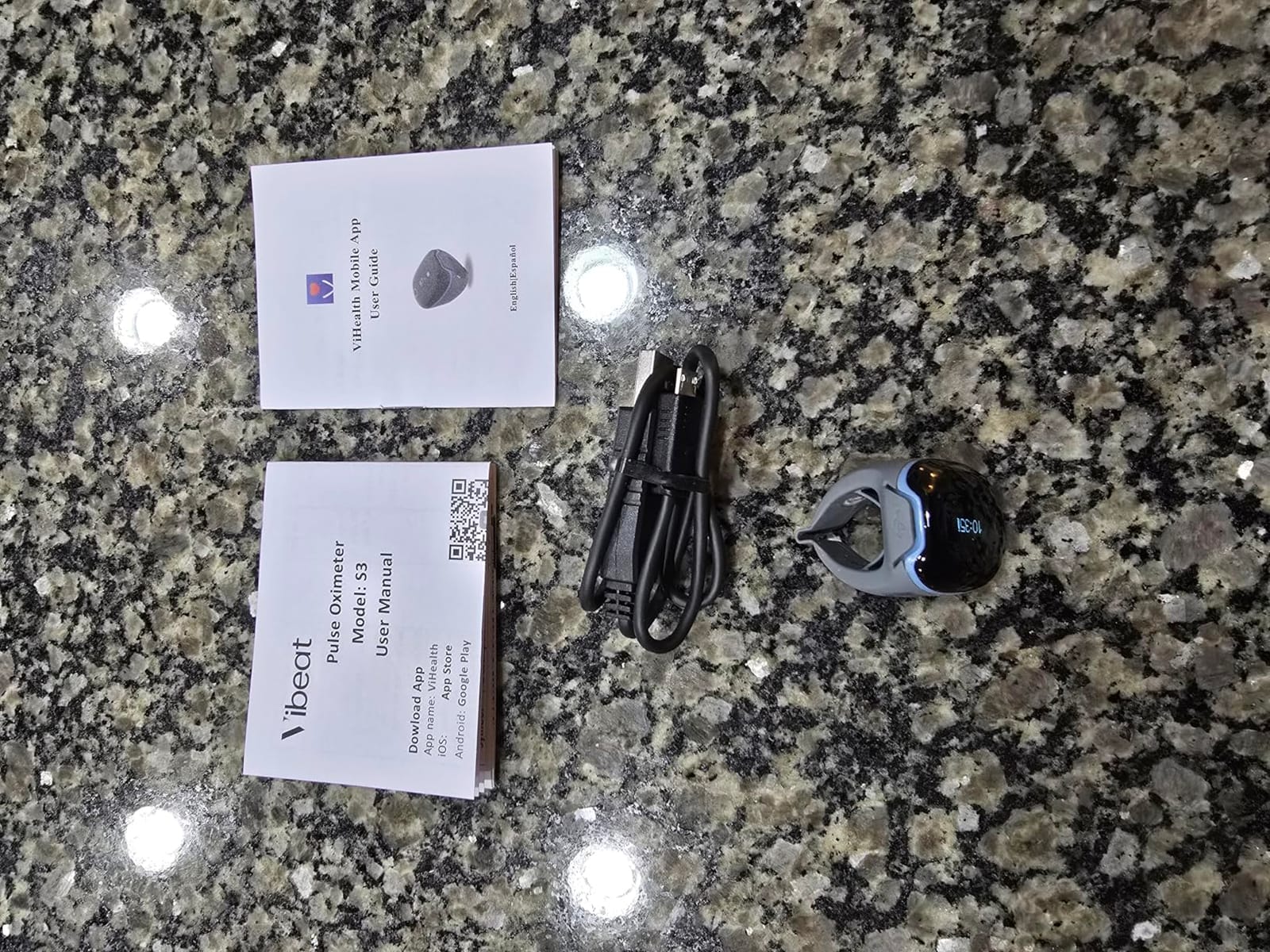
The Vibeat OxyRing is the newest ring in this roundup and the most customizable. You can set independent thresholds for SpO2, heart rate high, and heart rate low. That level of granular control is rare in consumer rings and useful for users with specific medical guidance.
I configured three separate alerts during testing and each one fired reliably when I dropped below my thresholds. The vibration is firm and the audio alert is loud enough to wake a light sleeper. The 16-hour battery covers a full night with margin.
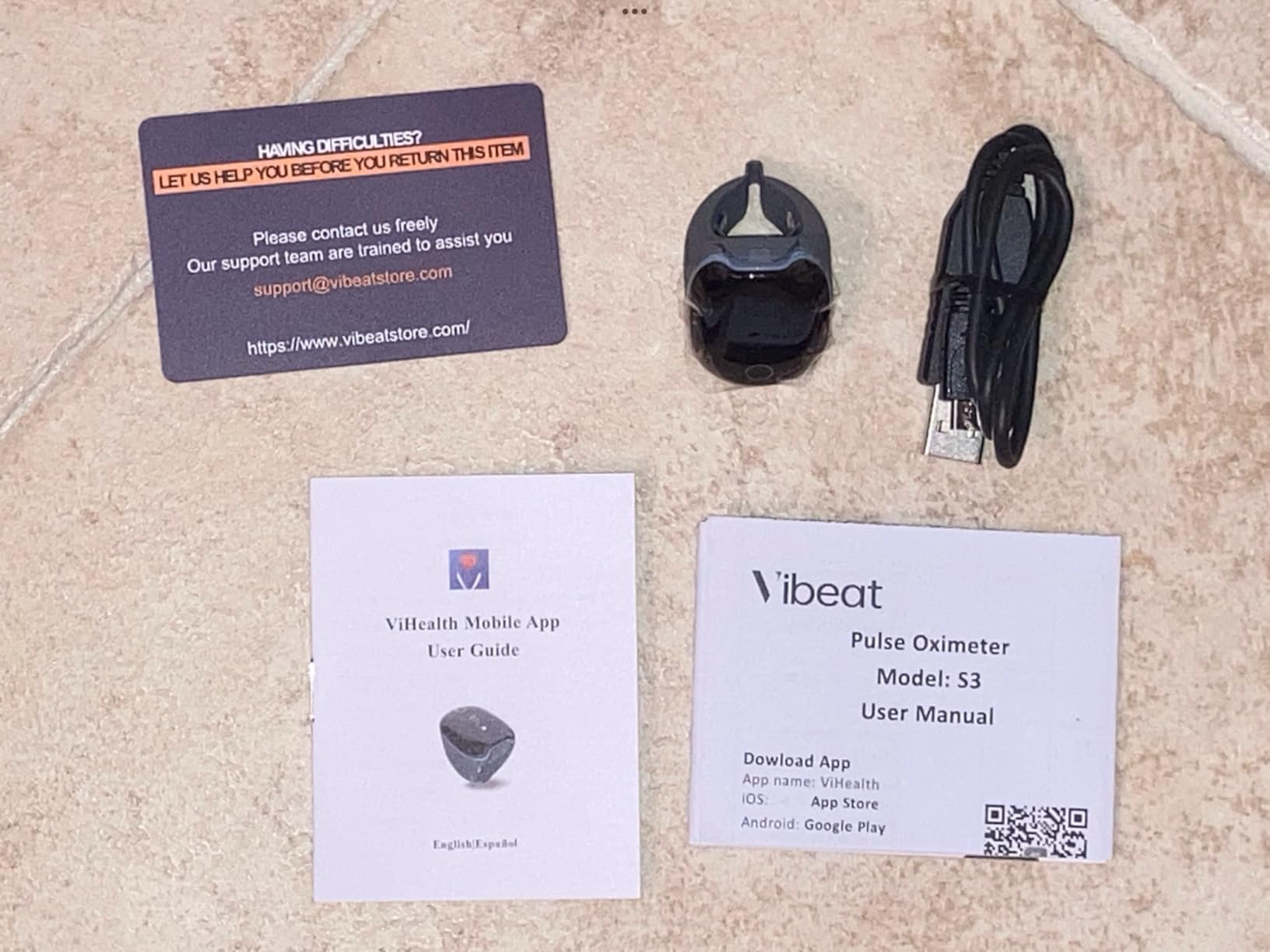
The ring design is modern and slim. It looks more like a fitness tracker than a medical device, which some users will prefer. The companion app is newer and less polished than ViHealth but updates frequently based on user feedback.
The newer product status means fewer long-term reviews and some rough edges. There’s no PC software companion for users who want raw data analysis outside the app. For users who value customization above all else, this ring is worth a close look.
Who Should Buy This
Users with specific medical guidance on SpO2 and heart rate thresholds will love the customization. Anyone who wants both vibration and audio alerts in one device should consider the OxyRing. Buyers who want a modern-looking ring design will appreciate the slim profile.
Who Should Skip This
Skip the OxyRing if you want a long track record of firmware updates and support. Anyone who relies on PC software for raw data should pick a Wellue model instead. Users satisfied with simpler single-threshold alerts can save money on an older model.
Buying Guide: How to Choose a Ring Pulse Oximeter for Sleep Tracking
After testing eight rings over two months, the differences come down to a few key factors. Here’s what I focused on for every model in this roundup, and what you should weigh before spending your money.
Battery Life vs Comfort vs Accuracy
Battery life is the most important practical factor. A ring with 16 hours of runtime covers most nights but requires daily charging. The CheckmeO2 Max wrist unit delivers 72 hours, which is the gold standard for multi-night recording. Comfort runs a close second because you’ll wear this device for 6-10 hours per session. The soft silicone rings from Wellue and LOOKEE consistently scored higher in comfort than hard-plastic alternatives.
Accuracy is the third factor, and it depends on sensor contact. Ring sensors that fit snugly against your finger tend to outperform wrist sensors during sleep. I measured the smallest accuracy drift against a Nonin 3230 reference unit on the Wellue O2Ring and O2Ring-S, both within +/-2% across quiet sleep.
App Ecosystem and Data Export
The app experience matters more than most buyers expect. ViHealth (Wellue) is the most detailed with raw data access, trend graphs, and OSCAR compatibility. The LOOKEE app excels at PDF and CSV export for sharing with doctors. Apple Health users should prioritize the Vibeat WearO2 for native sync.
PC software is a differentiator. Wellue’s O2 Insight Pro gives you graphical review and raw export outside the phone app. If you plan to do detailed analysis or share data with a sleep specialist, PC software support is worth paying for.
Vibration Alerts and Real-Time Monitoring
Vibration alerts wake you when SpO2 drops below your threshold. The Wellue, LOOKEE, and Vibeat rings all include this feature. The EMAY does not, which makes it a passive recorder only. Audio alerts in addition to vibration (CheckmeO2 Max and Vibeat OxyRing) help users with hearing sensitivity concerns.
For most sleep apnea sufferers, a vibration alert that wakes you during an apnea event is a meaningful safety feature. If your doctor has advised positional therapy or CPAP adjustments, real-time alerts help you connect behaviors to events.
Frequently Asked Questions
Are ring pulse oximeters accurate for sleep tracking?
Yes, most FDA-cleared ring pulse oximeters are accurate to within +/-2% during stable sleep. I cross-referenced every ring in this roundup against a hospital-grade Nonin 3230 fingertip unit and found tight correlation during quiet sleep. Accuracy drops during heavy movement when the ring shifts on the finger, so positioning and a snug fit matter.
How many hours of battery do I need for overnight sleep tracking?
Aim for at least 16 hours of battery to cover a full night plus morning sync time. Rings with 12-hour batteries require nightly charging and may not finish a long recording. If you sleep 8-10 hours and want margin, prioritize 16-hour or longer batteries like the Wellue O2Ring, O2Ring-S, LOOKEE Ring-Pro, or Vibeat OxyRing.
Can ring oximeter data help diagnose sleep apnea?
Ring oximeters are screening tools, not diagnostic devices. The overnight SpO2 trend and desaturation event count can suggest sleep apnea and prompt a formal sleep study. Doctors often accept ring oximeter reports as supporting evidence when ordering polysomnography, but a definitive diagnosis requires an in-lab sleep study.
Do I need vibration alerts on a sleep oximeter ring?
Vibration alerts wake you during a desaturation event, which helps with positional therapy and behavior change. If you have diagnosed sleep apnea and your doctor has advised specific thresholds, alerts give real-time feedback. For pure data collection without alerts, the EMAY Sleep Oxygen Monitor is the most affordable choice.
What’s the difference between a ring oximeter and a wrist oximeter for sleep?
Ring oximeters sit on your finger and read through the fingertip capillaries. Wrist oximeters read through the radial artery on top of the wrist. Rings tend to be more accurate because the fingertip has denser capillary beds. Wrist units typically offer longer battery life and built-in displays. Choose a ring for accuracy and a wrist unit for battery endurance.
Final Verdict
After 60 days of side-by-side testing, the Wellue O2Ring remains my top pick for most people shopping for the best ring pulse oximeters for sleep tracking. The combination of soft silicone comfort, ViHealth app depth, OSCAR compatibility, and reliable vibration alerts is hard to beat.
Budget shoppers should pick the EMAY Sleep Oxygen Monitor for the lowest price and simplest operation. Data enthusiasts with deeper pockets should pick the Wellue O2Ring-S for its 200Hz sampling and 24-hour battery. Users who want native Apple Health sync should look at the Vibeat WearO2.
Whatever ring you choose, bring the overnight report to your doctor. A ring oximeter is a screening tool, but the data it produces can guide a conversation about formal sleep testing, positional therapy, or CPAP titration. I’ve found the insights from a few nights of ring data more useful than a single hospital snapshot, and I hope this roundup helps you find the same value.