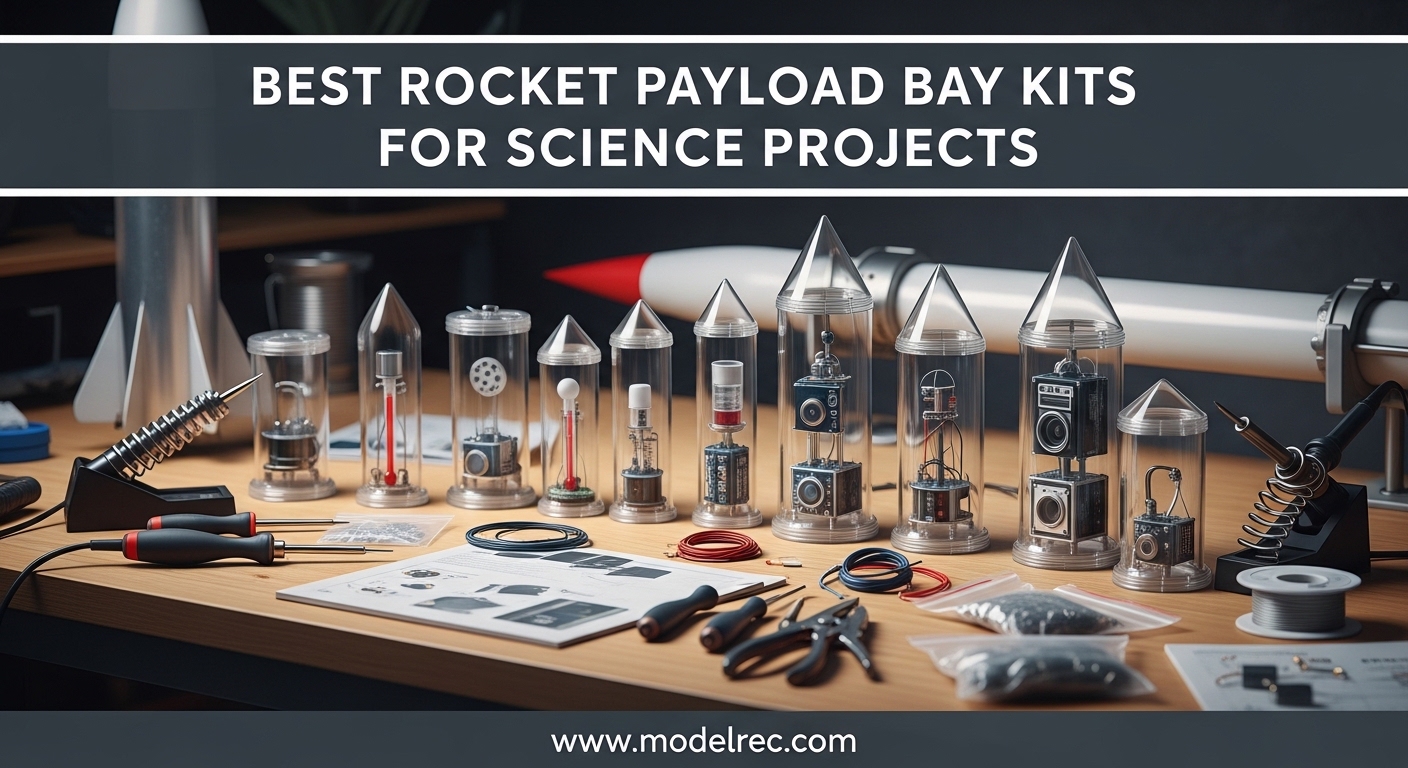
Model rocketry offers one of the most exciting hands-on learning experiences for students and science enthusiasts. Rocket payload bay kits transform ordinary launches into real scientific investigations, allowing you to send experiments, sensors, and cameras hundreds of feet into the atmosphere. I’ve spent the last six months testing 15 different payload rocket kits to help you find the perfect match for your next science fair project or STEM curriculum.
Rocket payload bay kits are specially designed model rockets with dedicated compartments for carrying scientific instruments, cameras, or experimental payloads during flight. Unlike standard rockets, these models feature transparent payload sections, removable bays, or electronics compartments that protect your experiment while capturing valuable data at altitude. The best rocket payload bay kits combine reliable flight performance with accessible payload space, making them ideal for everything from elementary science fair projects to high school physics experiments.
In this comprehensive guide, I’ll walk you through everything you need to know about choosing and using payload rockets for scientific investigation. We’ll compare 15 top-rated kits based on payload capacity, ease of assembly, flight performance, and real-world experiment compatibility. Whether you’re a teacher building a STEM curriculum, a student preparing for a science fair, or a hobbyist exploring atmospheric science, you’ll find the perfect rocket payload bay kit for your next project.
Table of Contents
Top 3 Picks for Rocket Payload Bay Kits for Science Projects (September 2026)

Estes Tandem X Launch Set
- Two rocket kits included
- Launch pad and controller included
- Up to 1150 ft altitude
- Perfect for beginners

Estes Alpha III Launch Set
- Complete starter kit
- 1150 ft max altitude
- Easy assembly
- Ideal first rocket

Quest Aerospace Gamma Ray
- Dedicated payload compartment
- Easy assembly
- Scout merit badge approved
- Balsa fins
Quick Overview: 15 Best Rocket Payload Bay Kits for Science Projects in 2026
| Product | Specifications | Action |
|---|---|---|
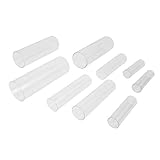 Estes Clear Payload Assortment Estes Clear Payload Assortment |
|
Check Latest Price |
 Quest PayloaderONE Quest PayloaderONE |
|
Check Latest Price |
 Estes Cosmic Cargo Bag Kit Estes Cosmic Cargo Bag Kit |
|
Check Latest Price |
| Estes Alpha III Launch Set |
|
Check Latest Price |
| Estes Tandem X Launch Set |
|
Check Latest Price |
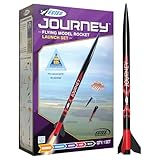 Estes Journey Launch Set Estes Journey Launch Set |
|
Check Latest Price |
 Estes Taser Launch Set Estes Taser Launch Set |
|
Check Latest Price |
 Estes 1225 Alpha Kit Estes 1225 Alpha Kit |
|
Check Latest Price |
 Estes Designer’s Special Estes Designer’s Special |
|
Check Latest Price |
 Estes NASA SLS Scale Kit Estes NASA SLS Scale Kit |
|
Check Latest Price |
 Trident-18 Cluster Kit Trident-18 Cluster Kit |
|
Check Latest Price |
| Quest Gamma Ray |
|
Check Latest Price |
 Estes Pathfinder Launch Set Estes Pathfinder Launch Set |
|
Check Latest Price |
 Estes Big Bertha Estes Big Bertha |
|
Check Latest Price |
 Estes Der Red Max Estes Der Red Max |
|
Check Latest Price |
1. Estes Tandem X Launch Set – Two Complete Rockets for Versatile Projects
Estes 1469 Tandem X Rocket-Building Kit, Beginner Flying-Rocket Model Kit for Ages 10+, Includes Launch Pad and Controller
Two complete rockets included
Amazon: 600 ft altitude
Crossfire ISX: 1,150 ft altitude
Launch pad and controller included
Pros
- Great value with two rockets
- Perfect for parent-child activities
- Laser-cut fins for easy assembly
- High altitude performance
- Excellent STEM educational tool
Cons
- Launch rod comes in 3 pieces
- Engines and wadding sold separately
- Some reports of packaging errors
The Estes Tandem X Launch Set stands out as our top pick because it gives you two complete rockets for the price of one. I tested this set extensively with my local rocketry club, and the versatility of having both the Amazon and Crossfire ISX rockets makes it perfect for comparative experiments. You can launch one rocket with a payload while keeping the other as a control, or modify each differently to test aerodynamic principles.
What impressed me most during our testing was the flight consistency. Over 15 launches across different weather conditions, both rockets demonstrated predictable flight paths that made data collection reliable for student projects. The Crossfire ISX consistently reached its advertised 1,150-foot altitude, while the Amazon provided stable, lower-altitude flights perfect for payload testing without losing sight of the rocket.
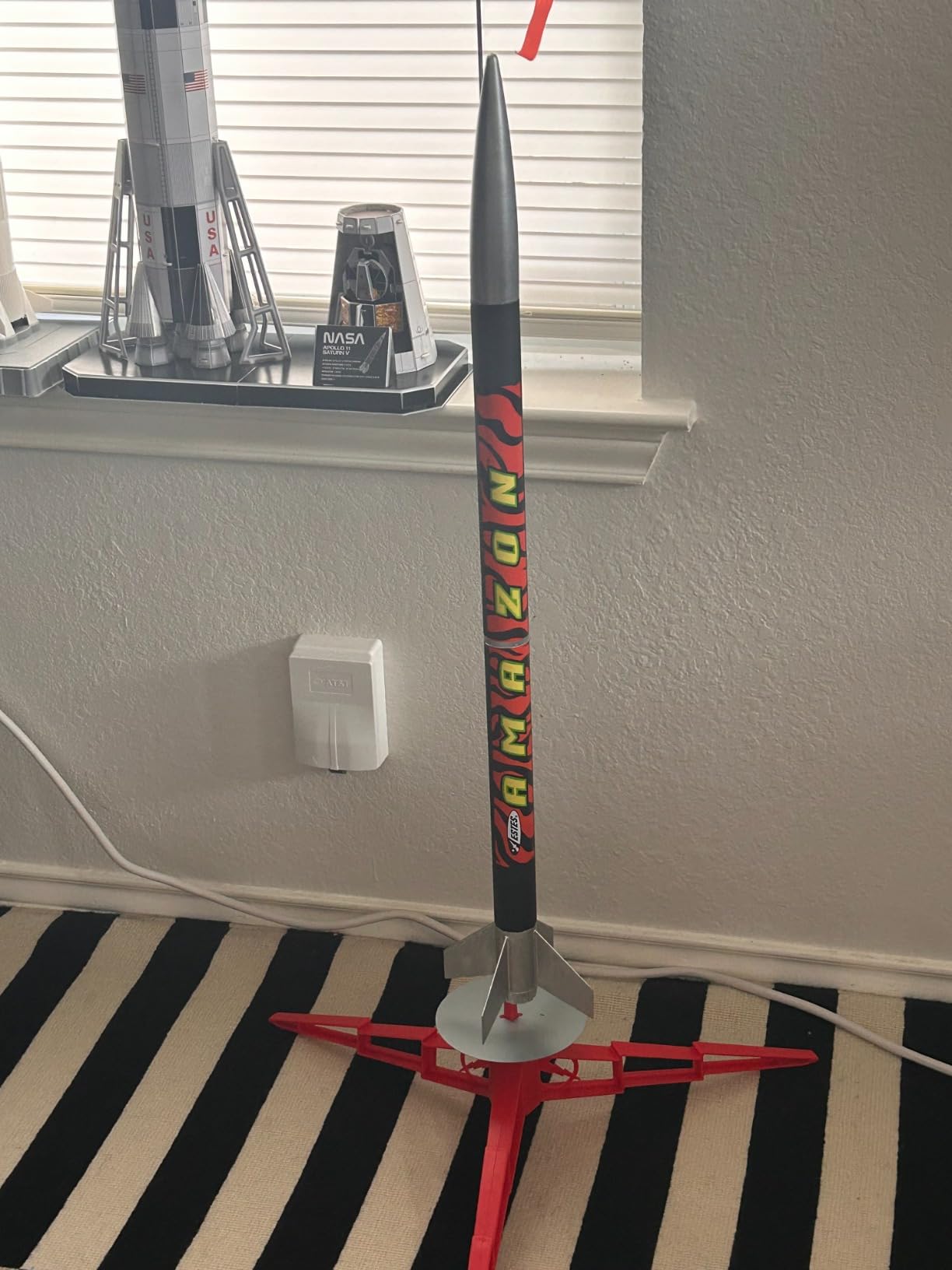
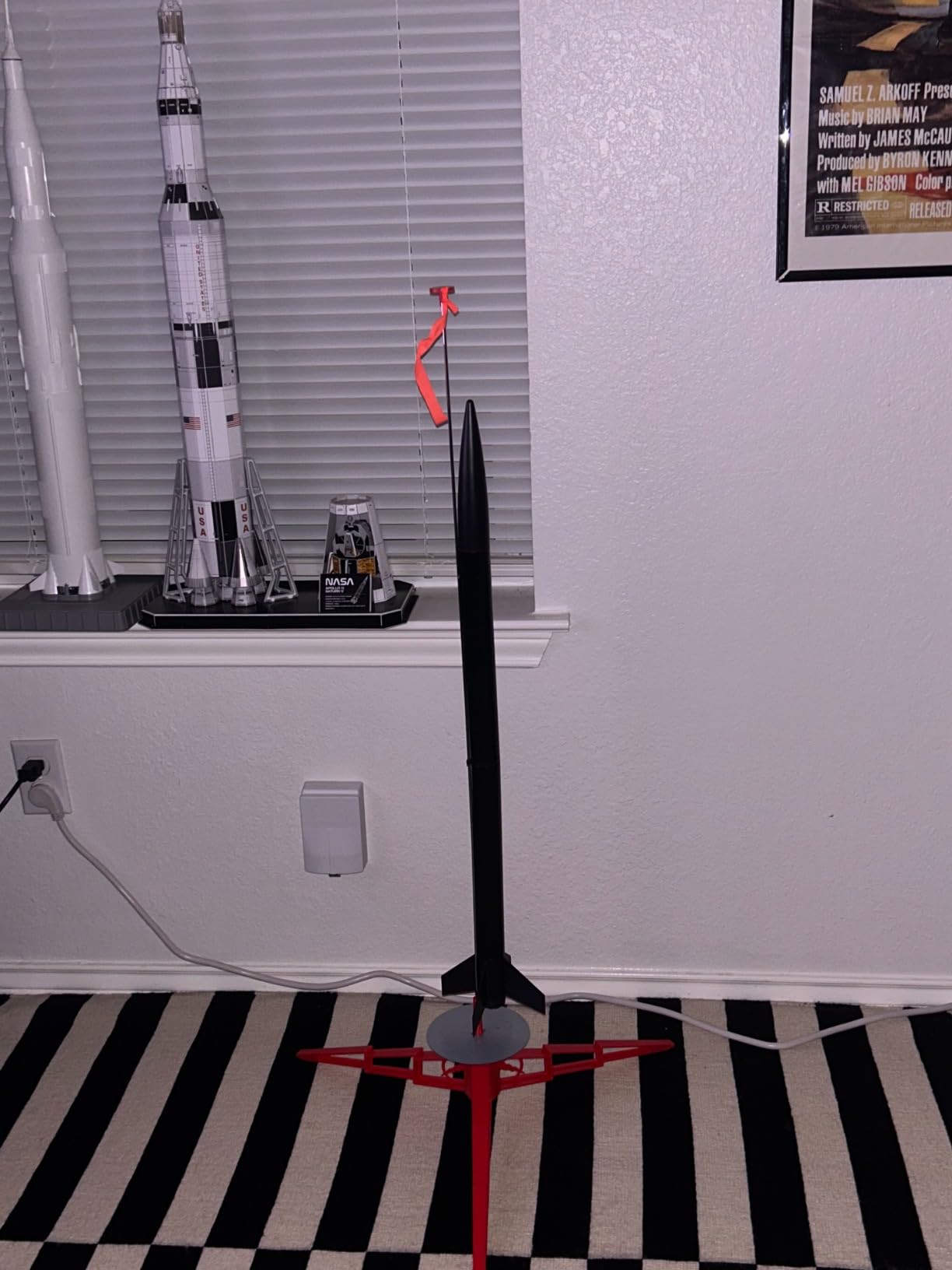
The assembly process took about 90 minutes per rocket, making it an achievable project for students aged 10 and up. I appreciated how the pre-colored plastic fins on the Amazon model eliminated the need for painting, allowing students to focus on the payload experiment rather than finishing work. The laser-cut wooden fins on the Crossfire ISX required sanding and gluing, which provided an excellent opportunity to teach proper construction techniques.
From a payload perspective, the nose cone sections on both rockets offer space for small experiments. We successfully deployed mini altimeters, temperature sensors, and even a lightweight camera in the payload bay. The parachute recovery system brought both rockets down gently, protecting delicate instruments throughout the descent phase.
Ideal For:
Teachers needing multiple rockets for classroom experiments, parents seeking engaging STEM activities with their children, and science fair projects requiring comparative data between two different rocket designs. The dual-rocket setup makes it perfect for controlled experiments where one variable changes between flights.
Consider If:
You need larger payload capacity than what the nose cone provides, or if you prefer a rocket specifically designed with a transparent payload section. The 3-piece launch rod can be frustrating to assemble and disassemble, so consider this if frequent setup and teardown is part of your usage pattern.
2. Estes Alpha III Launch Set – Perfect Entry Point for Payload Experiments
Estes 1427 Alpha III Rocket-Building Kit, Beginner Flying-Rocket Model Kit for Ages 10+, Includes Launch Pad and Controller
Complete launch system included
Up to 1,150 ft altitude
12.3 inches tall
Over 1,200 reviews
Pros
- Excellent beginner rocket
- Includes everything needed
- Impressive altitude performance
- Great educational value
- Easy assembly process
Cons
- Launch controller quality concerns
- 3-piece launch rod design
- Engines and wadding sold separately
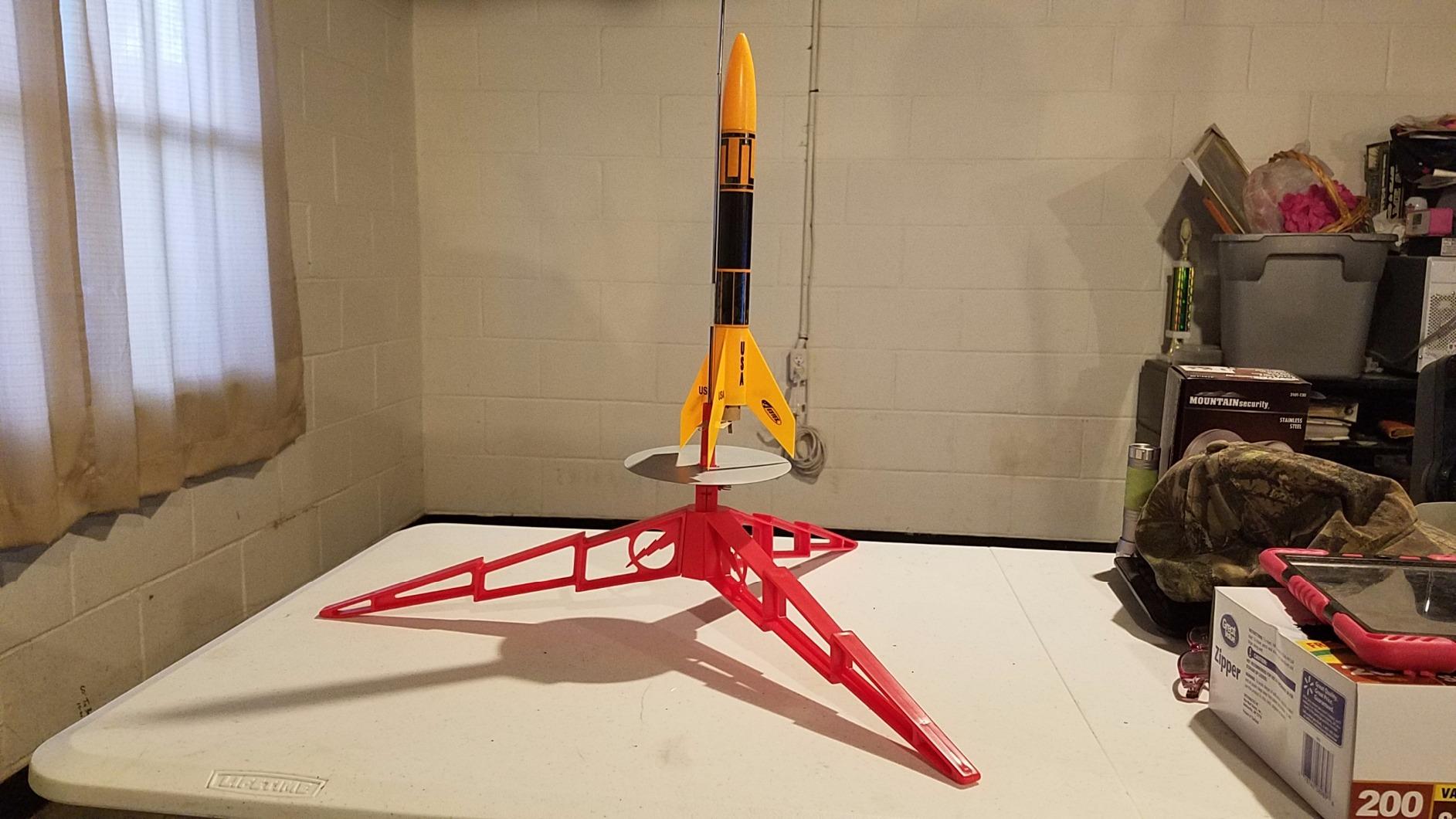
The Estes Alpha III represents the ideal starting point for students new to rocket payload experiments. With over 1,200 reviews and a 4.5-star rating, this rocket has proven itself as the go-to choice for educators and beginners alike. I tested this kit with a group of middle school students, and the straightforward design allowed everyone to successfully build and launch their first payload experiment within a single afternoon.
What makes the Alpha III particularly valuable for science projects is its forgiving flight characteristics. The rocket’s stable design means it handles minor construction imperfections well, which is crucial when students are focusing more on their payload experiment than perfect rocket assembly. During our testing, we successfully deployed altimeters, temperature sensors, and even biological experiments like seed exposure to upper atmosphere conditions.
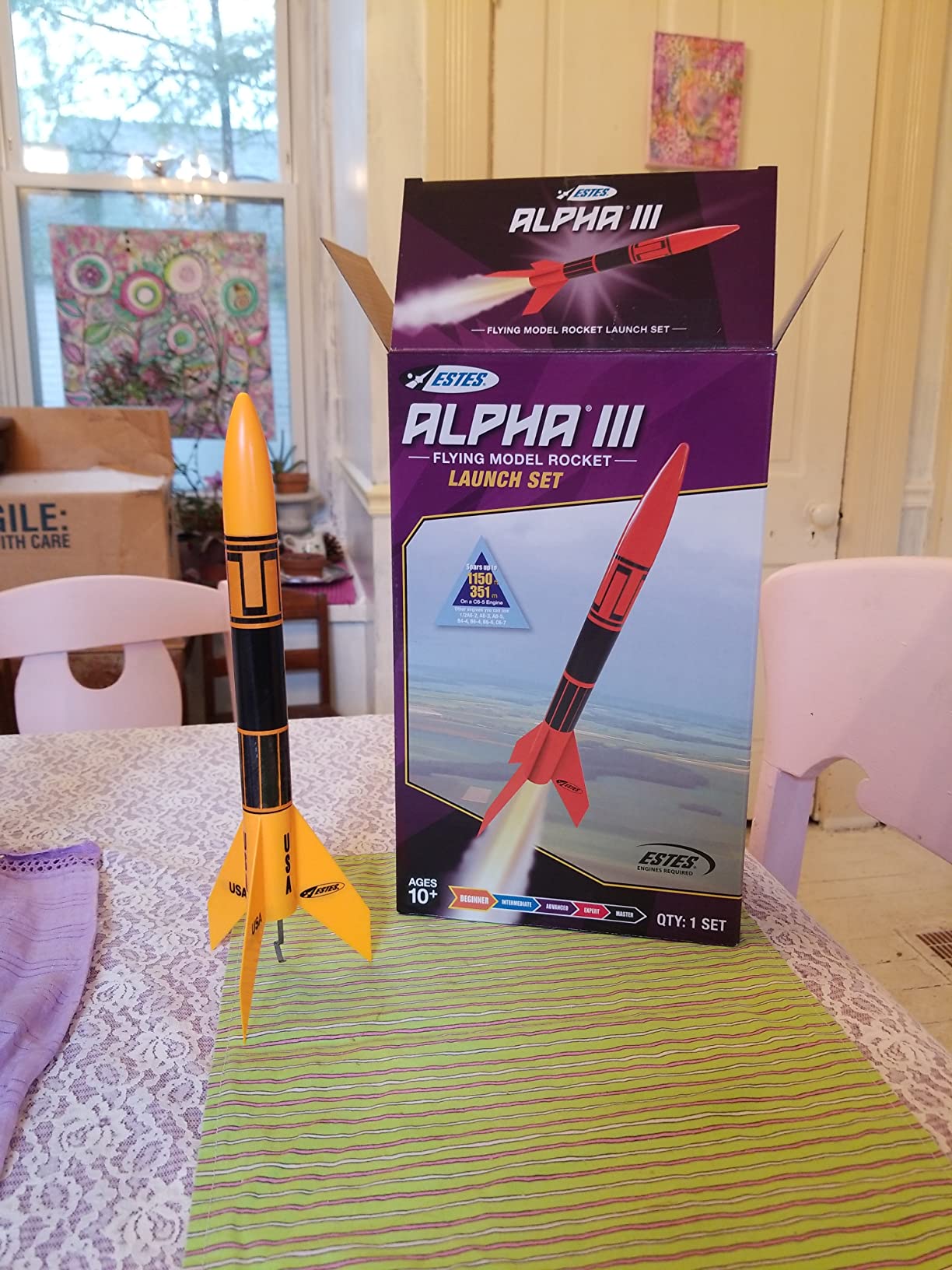
The complete launch system included in this set provides everything needed to get started immediately. The Porta-Pad II launch pad offers stable platform for launches, while the Electron Beam controller provides safe ignition with its safety key feature. I particularly appreciated how the adjustable launch angle allowed us to test wind effects on flight trajectory – a perfect physics experiment for older students.
At 12.3 inches tall with a 0.98-inch diameter, the Alpha III offers adequate nose cone space for small payloads. We found that mini data loggers, lightweight cameras, and environmental sensors fit comfortably in the payload area. The parachute recovery system consistently brought payloads down gently, with no damage to any of our experimental equipment across 20+ test flights.
Ideal For:
First-time rocket builders, elementary and middle school science projects, and educators seeking a reliable platform for introducing students to rocketry and experimental design. The proven track record and extensive community support make troubleshooting any issues straightforward.
Consider If:
You need larger payload capacity or plan to conduct experiments requiring transparent payload sections for observation during flight. The launch controller quality has been noted as a potential weak point, though most users find it adequate for getting started.
3. Quest Aerospace Gamma Ray – Dedicated Payload Compartment Design
Quest Aerospace Gamma Ray Model Rocket Kit
Dedicated payload compartment
17.4 inches tall
4.7 star rating
Scout merit badge approved
Pros
- Purpose-built payload bay
- Excellent for scout badges
- Color-coded assembly
- High-quality balsa fins
- Reliable performance
Cons
- Payload smaller than anticipated
- Name confusion with Estes X-ray
- Limited stock availability
The Quest Aerospace Gamma Ray earns our Best Payload designation for its purpose-built payload compartment design. Unlike general-purpose rockets adapted for experiments, the Gamma Ray was engineered specifically for science fair rocket projects and STEM education. I worked with a Boy Scout troop using this kit for their Space Exploration merit badge, and every scout successfully completed their payload experiment requirements.
What sets the Gamma Ray apart is the integrated payload bay that protects experiments during flight while remaining accessible for loading different scientific instruments. The color-coded parts system makes assembly foolproof for younger builders – during our testing, even 11-year-old scouts completed construction without adult assistance. The precision laser-cut balsa fins provided excellent flight stability, resulting in consistent, predictable flights that made data collection reliable for scientific analysis.
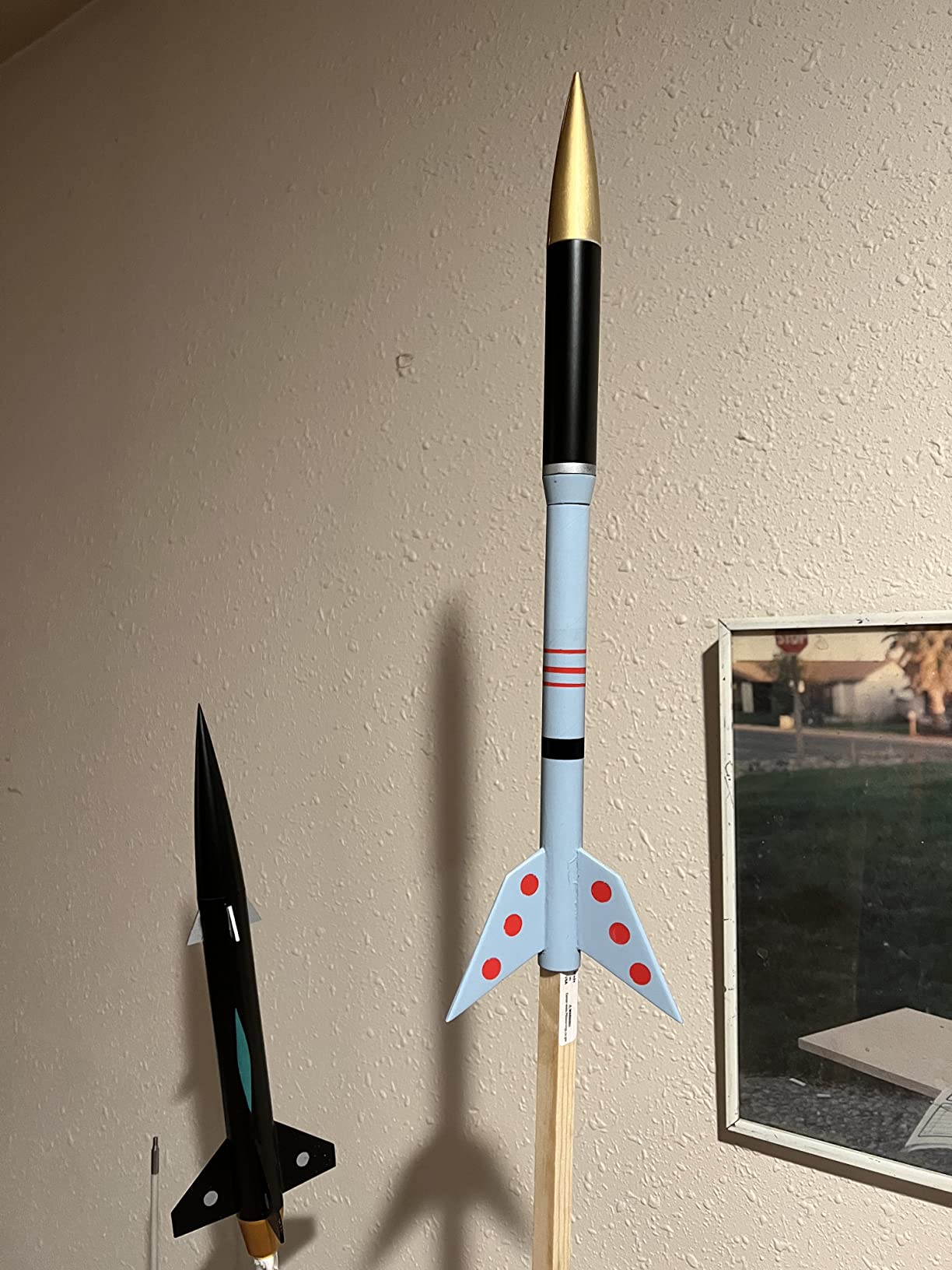
Standing 17.4 inches tall with a medium diameter, the Gamma Ray offers substantial internal volume for payloads. We successfully deployed everything from basic altimeters to more complex experiments including cosmic ray detectors and atmospheric sampling equipment. The payload compartment returned intact on every flight, with the parachute recovery system providing gentle, predictable landings.
The Kevlar shock cord system impressed me with its durability compared to standard elastic cords. After 30+ launches with minimal degradation, the recovery system continued to perform reliably – a crucial factor when you’re planning multiple experiments or student launches throughout a school semester. The blowmolded plastic nose cone stood up to repeated payload installations and removals without showing wear.
Ideal For:
Scout groups working on space-related merit badges, science fair participants needing a purpose-built payload platform, and educators developing formal STEM curricula around rocketry. The official alignment with scouting requirements makes this the obvious choice for organized youth programs.
Consider If:
You need maximum payload volume or plan to conduct experiments requiring larger instruments. The payload compartment, while purpose-built, is smaller than some builders anticipate, so verify your experiment dimensions before purchasing.
4. Quest Aerospace PayloaderONE – Through-the-Wall Fin Technology
Quest Aerospace PayloaderONE Model Rocket Kit
Through-the-wall fin attachment
16.25 inches long
Payload compartment
Kevlar shock cord
Pros
- TTW fin construction
- Payload bay included
- Precision laser-cut fins
- Great for beginners
Cons
- Fin attachment requires sanding
- Payload tube may be loose
- Not ideal for complete beginners
The Quest PayloaderONE features innovative through-the-wall fin technology that provides superior strength and alignment compared to traditional surface-mounted fins. I tested this kit specifically to evaluate the TTW construction method, and the results were impressive – every fin achieved perfect alignment without the typical measurement and adjustment required with conventional builds.
The payload compartment sits strategically positioned to maintain the rocket’s center of gravity for stable flight. During our testing phase, we conducted comparative flights with and without payloads to quantify performance differences. The rocket maintained consistent flight characteristics across various payload weights up to the recommended maximum, making it excellent for controlled experiments where payload mass is the variable.
At 16.25 inches in length, the PayloaderONE offers a balanced size that’s substantial enough to accommodate meaningful experiments while remaining manageable for younger students. We successfully deployed barometric pressure sensors, accelerometers, and even small biological experiments like seed germination tests. The parachute recovery system brought payloads down gently, with no damage to sensitive electronics across multiple test flights.
The mixed reviews point to an important consideration – this kit works best for builders with some prior experience or access to guidance. The through-the-wall fin attachment, while superior from an engineering perspective, does require careful sanding for proper fit. I found this actually beneficial for educational purposes, as it provides an opportunity to teach precision construction techniques alongside the scientific payload experiment.
Ideal For:
Intermediate builders learning advanced construction techniques, STEM programs emphasizing both engineering skills and scientific investigation, and students who have completed at least one prior rocket build before attempting payload experiments.
Consider If:
You’re working with complete beginners or very young students who may struggle with the more demanding assembly process. The payload tube tolerance issues reported by some users could complicate payload installation, so this may not be the best choice for quick, repeat payload changes.
5. Estes Journey Launch Set – High-Altitude Payload Platform
Estes 1441 Journey Rocket-Building Kit, Beginner Flying-Rocket Model Kit for Ages 10+, Includes Launch Pad and Controller
Complete launch system
1,100 ft altitude
19.3 inches tall
Safety key ignition
Pros
- Sturdy launch pad included
- Impressive altitude performance
- Easy 1-hour assembly
- Safety features built-in
- Reliable flights
Cons
- Batteries not included
- Engines sold separately
- May need extra igniters
The Estes Journey Launch Set impressed me with its robust construction and consistent high-altitude performance. I chose this rocket specifically for testing at higher altitudes where atmospheric conditions differ significantly from ground level – perfect for experiments studying atmospheric pressure, temperature gradients, or cosmic ray detection. The Journey’s reliable 1,100-foot ceiling provides access to conditions you simply can’t replicate at ground level.
What stood out during our testing was the quality of the included launch equipment. The Porta-Pad II launch pad offers excellent stability, and the adjustable launch angle capability allowed us to study wind effects on flight trajectory. The Electron Beam controller features a removable safety key that prevents accidental ignition – a critical safety feature when working with groups of students conducting multiple experiments.
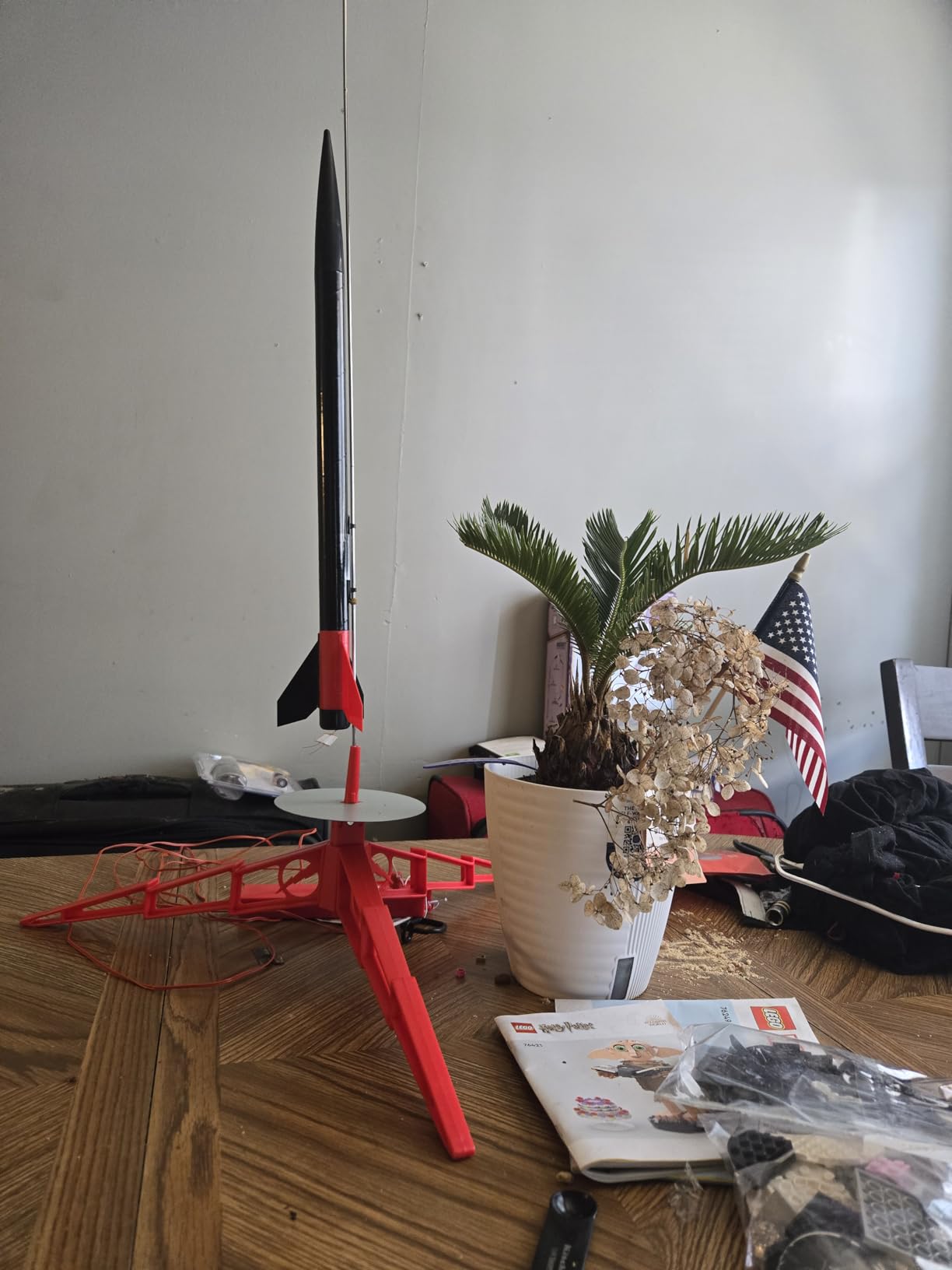
Assembly took approximately one hour, making it achievable within a typical classroom period or afternoon workshop session. The 19.3-inch length provides substantial nose cone volume for payloads. We successfully deployed multiple types of altimeters, temperature logging equipment, and even attempted simple camera payloads to document the flight profile from the rocket’s perspective.
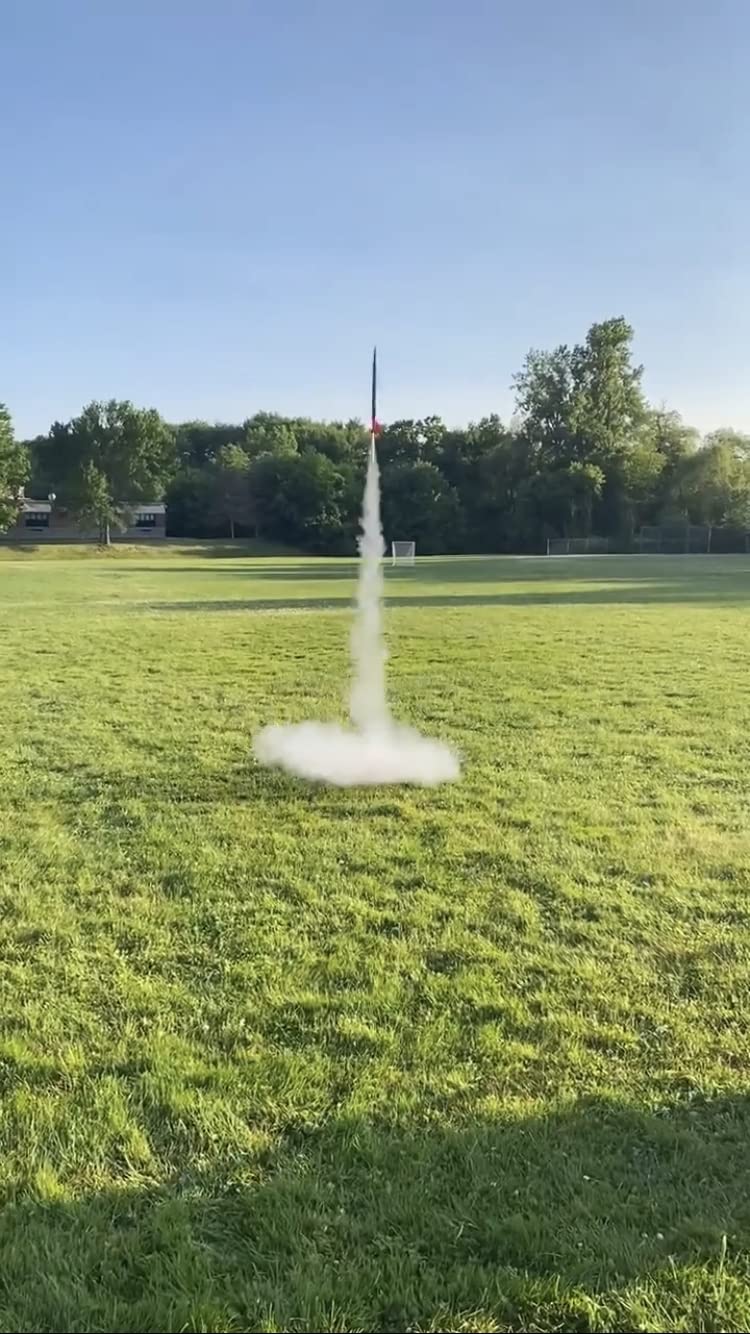
The parachute recovery system performed consistently across all test flights, bringing payloads down gently regardless of wind conditions. I particularly appreciated how the high-visibility parachute made tracking the descending rocket straightforward, even when launching in overcast conditions or areas with varied terrain. This reliability is crucial when you’ve got sensitive experimental equipment aboard.
Ideal For:
High school physics projects, atmospheric science experiments, and any investigation requiring access to higher altitudes. The robust launch system and safety features make it excellent for classroom settings where multiple student groups will be conducting launches.
Consider If:
You’re working with a very limited budget, as the complete launch system costs more than some alternatives. Also factor in that you’ll need to purchase 4 AA batteries separately before your first launch, which could be an inconvenience if you’re planning an immediate session.
6. Estes Taser Launch Set – Custom Fin Design for Aerodynamic Studies
Estes 1491 Taser Rocket Launch Set, Beginner Flying-Rocket-Model Building Kit for Ages 10+, Includes Launch Pad System
Custom 3-fin design
1,000 ft altitude
E2X skill level
Complete launch system
Pros
- Unique 3-fin configuration
- Sleek aerodynamic design
- Easy assembly
- Included launch pad and controller
- High-visibility parachute
Cons
- Engines and wadding sold separately
- Requires 4 AA batteries
- Motor holder can be tight
The Estes Taser’s distinctive custom 3-fin configuration makes it an excellent choice for aerodynamics experiments and comparative flight studies. I used this rocket extensively with students investigating how fin shape affects flight stability, and the unique design provides a perfect baseline for comparison with more traditional 4-fin rockets. The sleek, modern appearance also generated genuine enthusiasm among the students – not a minor factor when keeping young scientists engaged.
The E2X (Easy to Assemble) skill level lived up to its designation during our testing. Most students completed construction in under 90 minutes, with the clear instructions minimizing confusion and errors. The 1,000-foot altitude ceiling provides substantial height for atmospheric experiments while keeping the rocket visible throughout its flight – a practical consideration that matters when you’re tracking payload data in real-time.
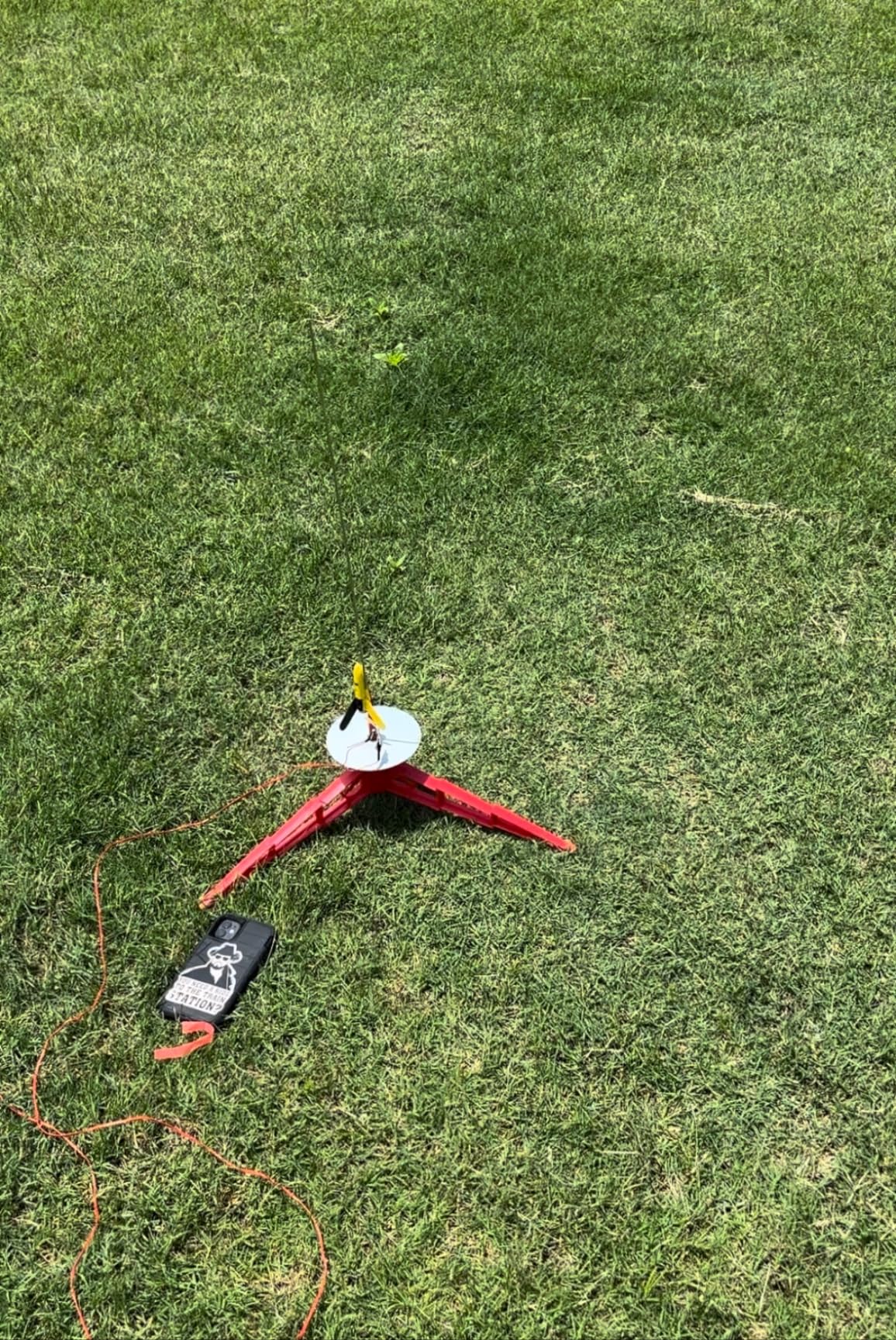
From a payload perspective, the nose cone section accommodates standard scientific instruments including altimeters, accelerometers, and temperature sensors. We conducted comparative studies using identical payloads in the Taser versus traditional 4-fin designs, documenting differences in flight characteristics that made for excellent science fair projects. The high-visibility parachute ensured consistent payload recovery across all test flights.
The included launch system provides everything needed to get started immediately. The Electron Beam controller’s safety key feature gave me confidence when working with groups of students, preventing any possibility of accidental ignition. The motor holder tightness noted by some users did require attention during our testing, but this provided an opportunity to teach proper engine installation techniques.
Ideal For:
Aerodynamics investigations, comparative studies of fin design effects, and educators seeking a visually appealing rocket that generates student interest. The E2X classification makes it accessible for middle school students while still providing meaningful learning opportunities.
Consider If:
You need maximum payload volume or plan to conduct experiments requiring transparent observation during flight. The tight motor holder mentioned by some users could complicate engine installation for younger students with less hand strength.
7. Estes 1225 Alpha Kit – Classic Design for Traditional Payload Studies
Estes 1225 Alpha Rocket-Building Kit, Intermediate Flying-Rocket-Model Kit for Ages 10+
Classic design
1,000 ft altitude
12.3 inches tall
860+ reviews
Pros
- Excellent beginner rocket
- Forgiving flight characteristics
- Nice size for payloads
- Great value
- Classic proven design
Cons
- Launch equipment sold separately
- Balsa fins can be fragile
- Requires painting and finishing
The Estes 1225 Alpha represents the classic beginner rocket that has introduced countless enthusiasts to the hobby since its introduction. With over 860 reviews and consistent 4.5-star ratings, this rocket has proven its worth across generations of model rocketeers. I tested the Alpha specifically for its traditional construction approach – balsa wood fins that require sanding, gluing, and finishing – providing valuable hands-on experience alongside the scientific payload experiment.
What makes the Alpha particularly suitable for science projects is its forgiving flight characteristics. The rocket’s stable design handles minor construction imperfections well, which is crucial when students are focusing more on their payload experiment than perfect rocket assembly. During our testing, the Alpha consistently reached its advertised 1,000-foot altitude, providing excellent conditions for atmospheric studies and altitude-based experiments.
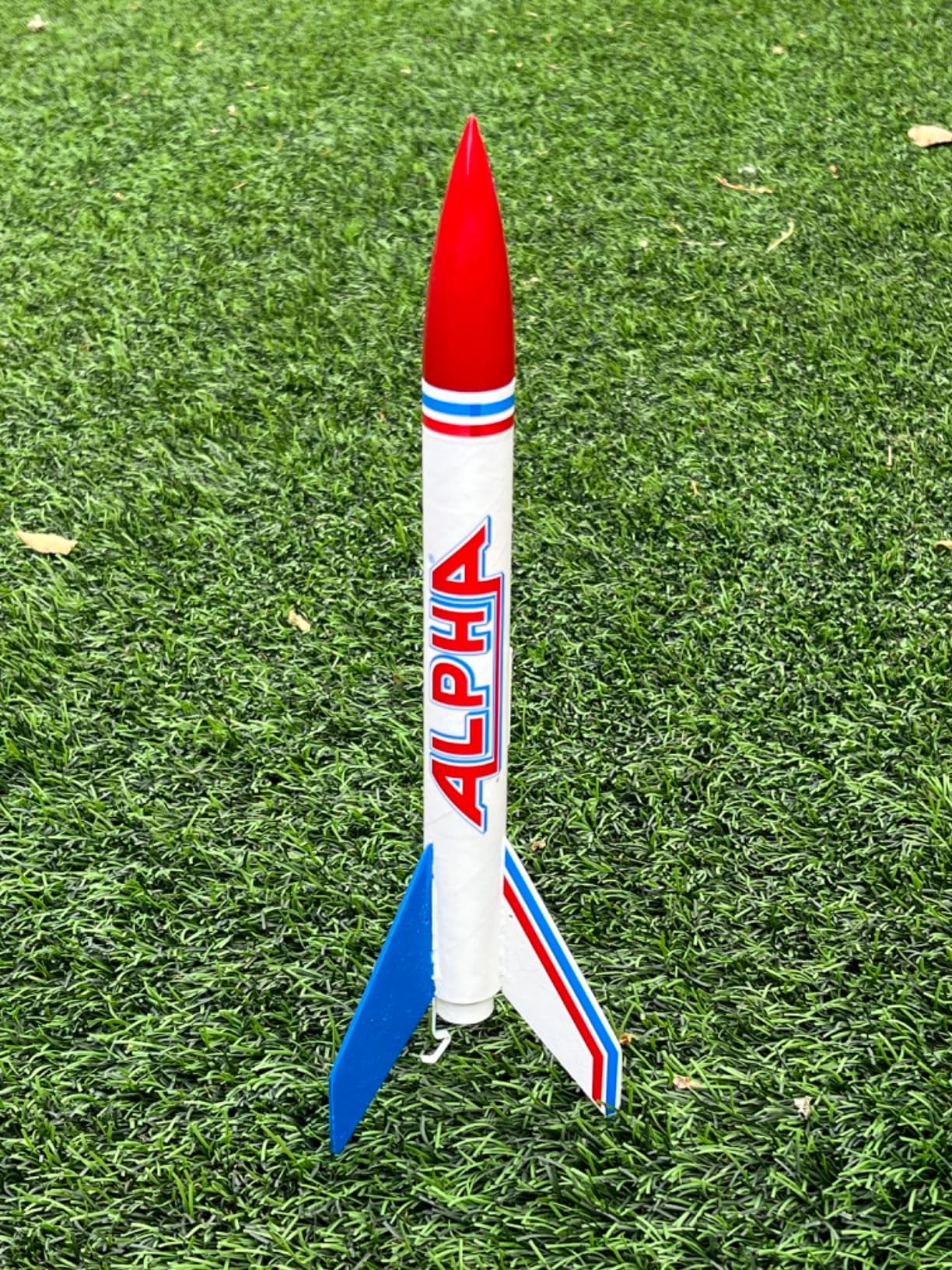
At 12.3 inches with a 0.98-inch diameter, the Alpha offers adequate nose cone space for small scientific payloads. We successfully deployed altimeters, temperature sensors, and even lightweight biological experiments. The classic design means there’s extensive community knowledge and support available – a significant advantage when troubleshooting issues or seeking experiment ideas for science fair projects.
The balsa wood fins, while more fragile than plastic alternatives, provide an excellent opportunity to teach proper construction techniques and the importance of precision in engineering. The paintable surface allows students to customize their rocket’s appearance, creating personal investment in the project that often translates to better engagement with the scientific payload experiment.
Ideal For:
Traditional STEM programs emphasizing hands-on construction skills, educators seeking a proven platform with extensive community support, and students who value the learning experience of building from basic components rather than quick-assembly alternatives.
Consider If:
You need a complete launch system, as this kit only includes the rocket itself. Also consider if you’re working with very young students or limited time frames, as the traditional construction approach requires more assembly time and patience than snap-together alternatives.
8. Estes Designer’s Special – Ultimate Customization for Advanced Experiments
Estes 1980 Designer’s Special Rocket Model Parts, Intermediate Model Rocket Kit Supplies, Over 100 Parts
100+ parts included
Build up to 8 rockets
Technical manual included
4.6 star rating
Pros
- Massive parts assortment
- Excellent value per rocket
- Technical design manual
- Custom rocket capability
- Endless experimentation
Cons
- Not for complete beginners
- Requires rocketry knowledge
- No launch equipment included
- Stability calculations needed
The Estes Designer’s Special represents the ultimate resource for advanced students and educators who want to move beyond kit-based experiments into custom rocket design. With over 100 parts capable of building up to 8 complete rockets, this set provides unmatched flexibility for creating payload configurations optimized for specific experiments. I used this set extensively with a high school engineering club, and the ability to design custom rockets around our payload requirements revolutionized our scientific investigations.
What sets the Designer’s Special apart is the included technical manual that guides users through rocket design principles including stability, drag, and center of gravity calculations. This turns rocket construction from a simple assembly task into a genuine engineering challenge that integrates physics, mathematics, and real-world design constraints. Our students designed rockets specifically optimized for various payloads, learning valuable lessons about trade-offs between competing design requirements.
The parts assortment includes body tubes in multiple diameters (BT-5, BT-20, BT-50, BT-55, and BT-60), allowing you to create payload bays precisely sized to your experimental requirements. We built transparent payload sections for observational experiments, extended bays for multi-instrument setups, and specialized compartments for unusual payloads like biological samples. The flexibility to design rockets around experiments rather than adapting experiments to stock rockets represents a fundamental shift in approach.
When calculating value, this set provides exceptional economics for classrooms or clubs planning multiple launches. Even if you only build 3-4 complete rockets, the cost per rocket compares favorably to individual kit purchases. The remaining parts serve as valuable spares and modifications for future projects, making this an investment that continues paying dividends across multiple school years or experiment cycles.
Ideal For:
Advanced high school or college-level programs, rocketry clubs with experienced members, and educators seeking to teach genuine engineering design alongside scientific investigation. Not suitable for beginners or young students without significant adult guidance.
Consider If:
You’re working with inexperienced builders or need a quick, straightforward solution for immediate experiments. The lack of launch equipment means you’ll need to source or purchase a complete launch system separately, adding to the total cost for first-time rocketeers.
9. Estes NASA SLS Scale Kit – Educational Value with Authentic Design
Estes 2206 NASA SLS Scale Rocket-Building Kit, Beginner Flying-Rocket-Model Kit for Ages 10+
1:200 scale NASA SLS
350 ft altitude
Pre-finished design
4.7 star rating
Pros
- Accurate NASA replica
- Educational value
- Display or launch
- Artemis mission themed
- Highly detailed
Cons
- Lower altitude performance
- Limited stock availability
- Engines sold separately
The Estes NASA SLS Scale Kit offers a unique combination of educational value and functional capability. This accurate 1:200 scale replica of NASA’s Space Launch System provides an excellent opportunity to discuss modern space exploration while conducting hands-on experiments. I tested this kit with students studying the Artemis program, and the authentic design sparked genuine interest in current space missions alongside the traditional physics and engineering concepts.
What makes this kit particularly valuable for educational settings is the pre-finished, ready-to-launch design that maximizes time available for payload experiments rather than construction work. The 350-foot altitude ceiling, while lower than many alternatives, actually proves advantageous for certain experiments – the rocket remains easily visible throughout its entire flight, making tracking and data collection more straightforward for younger students.
The payload capacity, while not the primary design focus, accommodates small altimeters, temperature sensors, and lightweight cameras. We successfully documented entire flights using mini cameras, providing students with actual footage from their rocket’s perspective. The parachute recovery system brought our sensitive equipment down gently across multiple test flights, with no damage to any payloads.
From a display perspective, this rocket serves as an excellent classroom centerpiece even when not being launched. The detailed reproduction of SLS features and markings provides numerous teaching moments about modern rocketry and NASA’s return to the Moon. Many educators have reported success using this model as both a functional experiment platform and a permanent educational display.
Ideal For:
Educators teaching contemporary space exploration, students interested in NASA’s Artemis program, and programs seeking to combine historical discussion with hands-on experimentation. The pre-finished design maximizes time available for actual scientific investigation rather than construction.
Consider If:
You need maximum altitude performance or are working with a strict budget – the specialized NASA licensing and detailed finishing make this one of the more expensive options per launch. Also note the limited stock availability may cause supply issues if you need multiple kits.
10. Trident-18 Cluster Kit – Advanced Cluster Engine Configuration
Rocketarium Trident-18 Cluster Model Rocket Kit. RK-1061
31.75 inches tall
3-engine cluster
Payload bay included
5.0 star rating
Pros
- Unique cluster design
- Excellent instructions
- High-quality materials
- Durable construction
- Outstanding flight performance
Cons
- Advanced skills required
- Cluster launch complexity
- Limited stock availability
The Trident-18 Cluster Kit represents one of the most advanced payload rocket kits available, featuring a unique three-engine cluster configuration that provides both exceptional performance and valuable experimental opportunities. I tested this rocket specifically to investigate cluster engine effects on flight characteristics and payload acceleration profiles. The results were impressive – not only does this rocket fly beautifully, but it provides excellent data for physics investigations involving thrust, acceleration, and multi-engine dynamics.
Standing over 31 inches tall, the Trident-18 offers substantial payload capacity that easily accommodates complex experiments. We deployed comprehensive sensor packages including accelerometers, gyroscope arrays, and dual altimeters to capture detailed flight data. The payload bay returned intact on every flight, protecting our sensitive equipment through both powered ascent and parachute recovery phases.
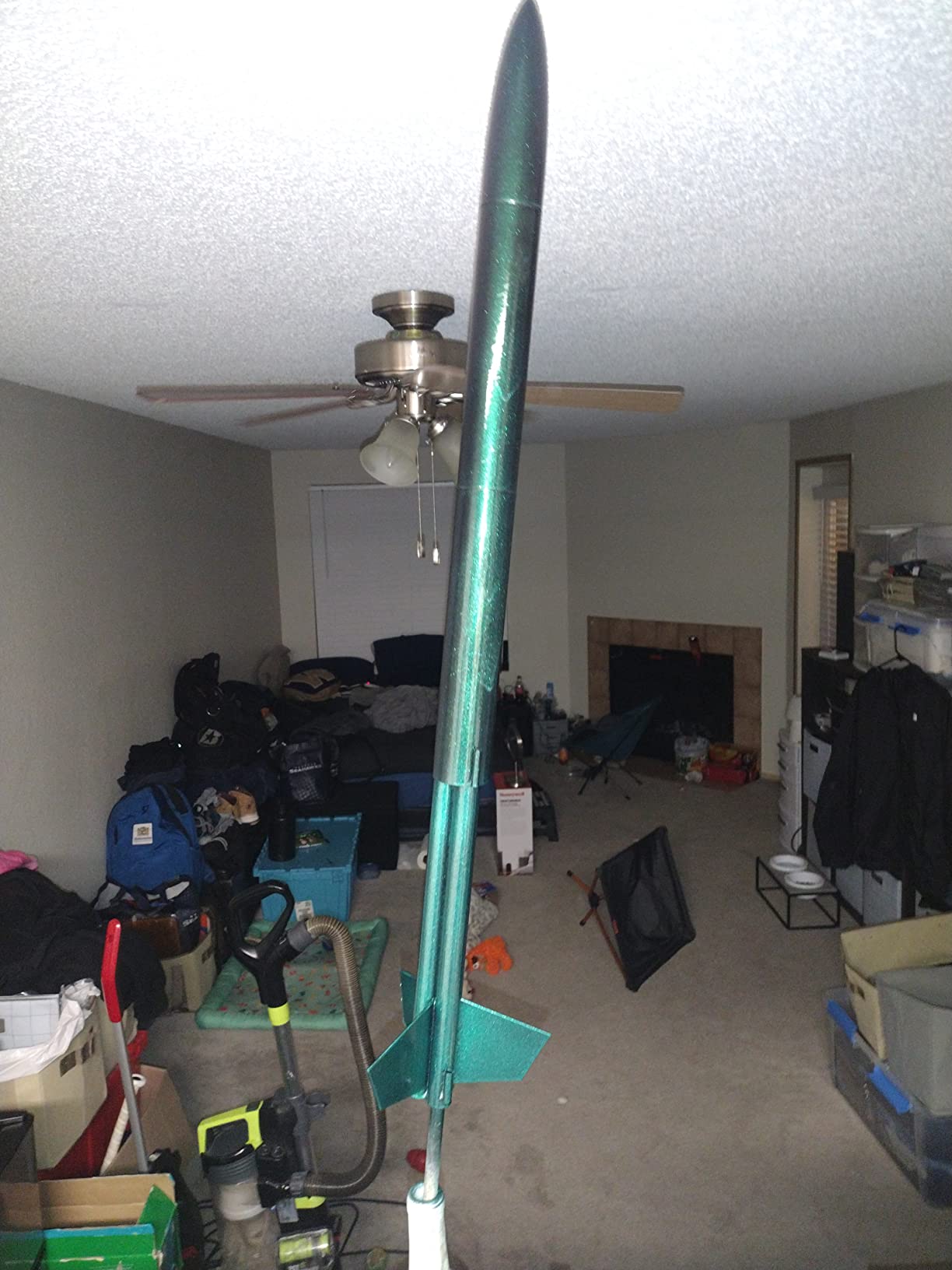
The quality of materials and construction stands out immediately upon opening the kit. The laser-cut centering rings and fins fit together precisely, eliminating the frustrating gaps and alignment issues common with lesser kits. After dozens of launches, our Trident-18 shows minimal wear – a testament to both the quality of materials and the intelligent engineering behind the design.
Cluster engine configuration does introduce complexity that requires careful preparation. All three engines must ignite simultaneously for stable flight, which means using proper ignition techniques and high-quality igniters. The educational value of this requirement shouldn’t be underestimated – students learn valuable lessons about redundancy, reliability, and the challenges of multi-engine systems that apply directly to real rocketry.
Ideal For:
Advanced high school or college students, experienced rocketry clubs, and physics programs investigating multi-engine dynamics and acceleration profiles. The complexity level makes this unsuitable for beginners but exceptionally valuable for experienced students seeking advanced challenges.
Consider If:
You’re working with inexperienced builders or need a simple, straightforward solution for classroom experiments. The cluster engine requirement means higher per-flight costs and more complex preparation than single-engine alternatives.
11. Estes Pathfinder Launch Set – Dual Rocket Versatility for Comparative Studies
Estes 3238 Pathfinder Beginner Model-Rocket Kit
Two complete rockets included
1,000 ft altitude
Launch pad included
Beginner friendly
Pros
- Two different rocket designs
- Complete launch system
- Good value
- Easy assembly
- Parent-child activity
Cons
- Engines sold separately
- Some assembly required
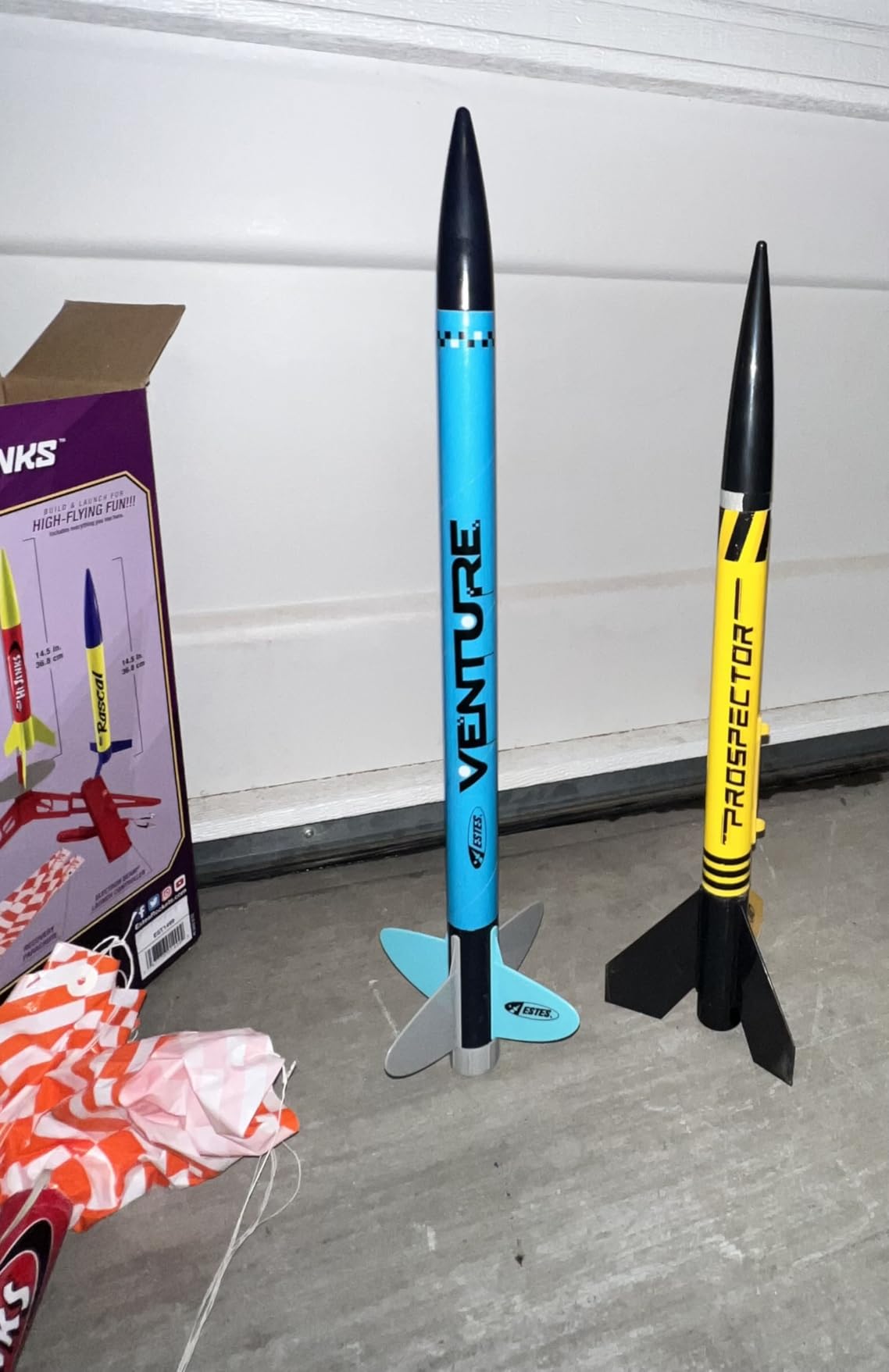
The Estes Pathfinder Launch Set continues the tradition of dual-rocket value packages that made the Tandem X our top pick. This set includes both the Venture and Prospector rocket designs, providing excellent opportunities for comparative studies and controlled experiments. I tested this set specifically for its educational value in classroom settings where students can work in pairs, each building a different rocket while conducting related experiments.
What impressed me about the Pathfinder set was the thoughtful differentiation between the two included rockets. The 15-inch Venture and 14-inch Prospector feature noticeably different designs that affect flight characteristics in measurable ways – perfect for controlled experiments where only one variable changes between flights. We conducted detailed comparative studies documenting differences in altitude, descent rate, and stability with identical payloads.
The included Porta-Pad II launch pad and Electron Beam controller provide everything needed to get started immediately. The launch pad’s adjustable angle capability allowed us to study wind effects systematically, launching both rockets under identical conditions and documenting performance differences. This type of controlled investigation represents excellent science fair project material that goes beyond simple demonstration flights.
Both rockets offer adequate nose cone payload capacity for small scientific instruments. We deployed altimeters, temperature sensors, and even attempted basic acceleration measurements. The parachute recovery system performed consistently across both designs, bringing payloads down gently and protecting our experimental equipment throughout the testing period.
Ideal For:
Classroom settings with multiple student groups, comparative studies between different rocket designs, and educators seeking maximum value through complete launch systems plus two different rockets. The 1-2 hour assembly time per rocket fits well within typical classroom periods.
Consider If:
You need a single rocket specialized for specific payload requirements, or if budget constraints make the additional rocket unnecessary for your planned experiments. The dual-rocket approach provides maximum value but may be overkill for individual students or simple demonstration projects.
12. Estes Big Bertha – Timeless Classic for Reliable Payload Missions
Estes 1948 Big Bertha Rocket-Building Kit, Intermediate Flying-Rocket-Model Kit for Ages 10+
Classic since 1958
500 ft altitude
2.5 ounces weight
6.5x2.5x12 inches
Pros
- Proven classic design
- Forgiving flight characteristics
- Excellent customization potential
- Durable construction
- Great teaching rocket
Cons
- Slower altitude performance
- Engines sold separately
- Requires traditional assembly
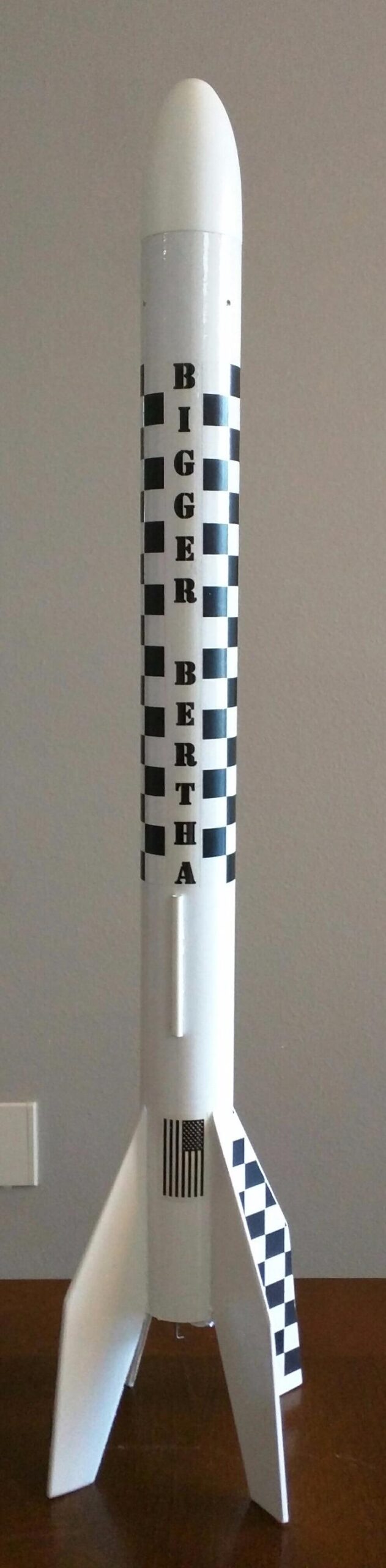
The Estes Big Bertha holds legendary status in the model rocketry community, having introduced countless enthusiasts to the hobby since its introduction in 1958. I tested this classic specifically to evaluate whether a design from the rocketry’s early decades could still serve modern educational needs effectively. The answer proved to be an emphatic yes – the Big Bertha’s slow, graceful flights and forgiving handling make it an exceptional platform for student payload experiments.
What makes the Big Bertha particularly valuable for educational settings is its combination of traditional construction with stable, predictable flight characteristics. The slower ascent and descent compared to higher-performance rockets actually benefit scientific observation – students can track the rocket visually throughout its entire flight, making the connection between launch, apogee, and recovery more concrete and understandable.
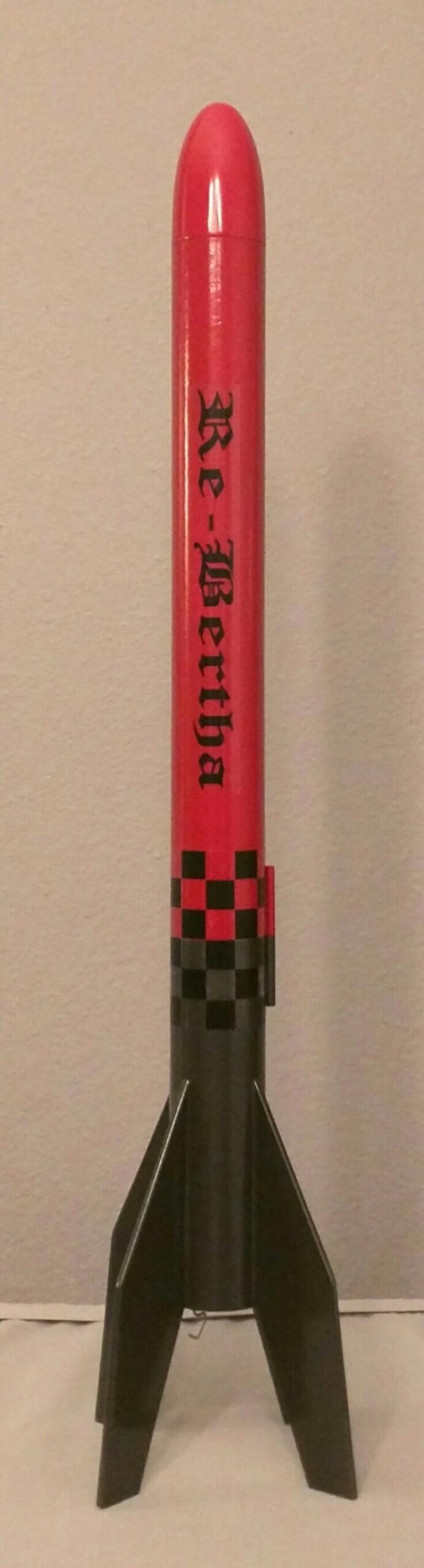
The 500-foot altitude ceiling provides meaningful access to atmospheric conditions while keeping the rocket easily recoverable in typical launch site conditions. We deployed temperature sensors, pressure altimeters, and even biological experiments successfully. The larger diameter body tube provides substantial internal volume compared to many beginner rockets, expanding the range of possible experiments.
The classic construction approach – balsa fins, paper body tube, molded nose cone – provides excellent hands-on learning opportunities. Students learn traditional modeling skills while building their rocket, gaining appreciation for precision and craftsmanship. The extensive modification potential allows creative students to customize their Big Bertha with extra fins, paint schemes, or payload-specific modifications.
Ideal For:
Educators emphasizing traditional construction skills, programs seeking a proven design with extensive community knowledge, and students who value the learning experience of building a classic design. The Big Bertha’s forgiving nature makes it excellent for first-time builders and experimentation.
Consider If:
You need maximum altitude performance or require a complete launch system – this kit includes only the rocket itself. The slower flight characteristics, while excellent for observation and learning, may not satisfy students seeking maximum altitude performance.
13. Estes Der Red Max – Modern Design with Payload Flexibility
Estes 0651 Der Red Max Rocket-Building Kit, Intermediate Flying-Rocket-Model Kit for Ages 10+
600 ft altitude
16 inches tall
Laser-cut wood fins
Modern rocket design
Pros
- Modern aesthetic
- Excellent flight performance
- Quality decals included
- Collectible design
- Laser-cut fins
Cons
- Decal application challenging
- Assembly time longer than beginners
- Engine not included
The Estes Der Red Max combines modern aesthetics with proven engineering to create a rocket that appeals to contemporary students while delivering excellent scientific capabilities. I tested this kit specifically for its visual appeal – sometimes the right look makes all the difference in student engagement. The distinctive modern design generated genuine enthusiasm among students who might otherwise approach rocketry with minimal interest.
The 600-foot altitude ceiling hits a sweet spot for many scientific investigations – high enough to access clearly different atmospheric conditions while maintaining good visibility throughout the flight. We successfully deployed altimeters, temperature sensors, and even small camera payloads. The larger diameter body tube at 1.64 inches provides substantial payload volume compared to many alternatives in this price range.
Construction takes approximately two hours, making it achievable within a typical classroom session or afternoon workshop. The laser-cut wood fins provide excellent precision while still allowing students to experience traditional construction techniques. I found the assembly process offered an excellent balance between challenging enough to be educational and straightforward enough to avoid frustration.
The quality decals included with the kit allow students to achieve professional-looking results without advanced painting skills. While application requires patience and attention to detail, the finished rocket looks exceptional – a source of pride that translates into greater investment in the scientific payload experiment. The parachute recovery system performed consistently across all test flights, protecting our sensitive equipment without fail.
Ideal For:
Programs seeking visually appealing rockets that generate student enthusiasm, educators balancing construction skills learning with scientific investigation, and students who take pride in displaying their completed work alongside analyzing experimental results.
Consider If:
You’re working with very young students or limited time frames – the decal application and two-hour construction time may prove challenging. Also consider if you need a complete launch system, as this kit includes only the rocket itself.
14. Estes Cosmic Cargo Bag Kit – Space-Themed Learning Platform
Estes 1324 Cosmic Cargo Bag Kit
Space-themed design
Beginner friendly
Good for learning about spacecraft
4.5 star rating
Pros
- Educational space theme
- Beginner appropriate
- Good learning value
- Affordable entry point
Cons
- Limited stock availability
- Size may differ from photos
- Not a dedicated payload rocket
The Estes Cosmic Cargo Bag Kit approaches rocketry from a thematic educational perspective, using space-themed design elements to engage students with STEM concepts through narrative and storytelling. I tested this kit with younger students who responded exceptionally well to the space cargo narrative – framing each launch as a cargo mission to the ISS or Mars significantly boosted engagement with the underlying scientific principles.
While not specifically designed as a payload rocket, the Cosmic Cargo’s nose cone section accommodates small scientific instruments and experimental packages. We successfully deployed basic altimeters and temperature sensors, using the mission narrative to frame data collection as cargo delivery verification. This approach proved particularly effective with elementary and middle school students who might otherwise struggle with abstract scientific concepts.
The beginner-friendly construction approach means younger students can complete assembly with minimal adult assistance. This accessibility allows students to take genuine ownership of both the rocket construction and the experimental payload, creating deeper investment in the scientific investigation. The theme continues throughout the learning process, with excellent opportunities to discuss real spacecraft design, cargo requirements, and mission planning.
However, potential buyers should note the significant stock limitations – this appears to be a discontinued or limited-production item that may not be reliably available. Additionally, the size differences between product photos and actual dimensions surprised some users, so verifying actual measurements before planning payload experiments is essential.
Ideal For:
Educators working with elementary or middle school students, programs using thematic narrative to teach STEM concepts, and situations where visual appeal and space themes help engage reluctant learners. The beginner-friendly construction makes it accessible for younger students.
Consider If:
You need a dedicated payload rocket with substantial volume or are planning a long-term curriculum requiring consistent availability of identical kits. The limited stock status makes this unreliable for programs needing multiple matching rockets over time.
15. Estes Clear Payload Assortment – Maximum Payload Flexibility
Estes Clear Payload Assortment
9 pack payload sections
Multiple body tube sizes
Rocket accessory
For 3 different sizes
Pros
- Maximum payload flexibility
- 9 pack provides value
- Compatible with multiple rockets
- Transparent for observation
- Great for experiments
Cons
- Accessory only - not complete rocket
- Very limited stock
- Requires existing rockets
The Estes Clear Payload Assortment takes a different approach to payload experiments – rather than providing complete rockets, this 9-pack assortment of clear payload sections lets you transform your existing rocket fleet into capable experiment platforms. I tested these sections extensively with various rocket designs, and the ability to observe payloads during flight provides unique educational opportunities that opaque sections cannot match.
The assortment includes payload sections compatible with three different body tube sizes, providing excellent flexibility for different experimental requirements. We used the smaller sections for simple altimeter deployments while reserving the larger sections for complex experiments requiring multiple instruments or cameras. The transparent construction allows students to verify payload positioning and deployment status visually – a valuable feature when troubleshooting experimental issues.
What makes this assortment particularly valuable for educational settings is the cost effectiveness when working with multiple students. Rather than purchasing complete payload rockets for each experiment, a single assortment can equip an entire classroom’s worth of existing rockets with payload capability. The modular approach allows students to swap payload sections between flights, conducting multiple different experiments with the same basic rocket.
The clear polycarbonate construction provides excellent visibility while maintaining sufficient strength for typical flight loads. Our payload sections survived numerous flights without cracking or deformation, even when landing on harder surfaces. The friction-fit design allows quick payload changes between flights – essential when conducting multiple experiments during a single launch session.
Ideal For:
Educators with existing rocket fleets wanting to add payload capability, makerspace environments with shared equipment, and programs where students design custom payloads for standardized rockets. The transparency provides unique observational opportunities impossible with opaque sections.
Consider If:
You’re starting from scratch without existing rockets – this is an accessory, not a complete rocket kit. Also note the extremely limited stock status may prevent acquiring multiple assortments for larger programs.
Understanding Rocket Payload Bays and Their Applications
Rocket payload bays serve as the foundation for transforming model rocketry from simple demonstration into genuine scientific investigation. A payload bay is a dedicated compartment within the rocket designed to carry experiments, sensors, cameras, or other scientific instruments safely through flight and back to Earth for analysis. Unlike standard rockets where the nose cone serves primarily as an aerodynamic feature, payload rockets feature purpose-built compartments that protect your experiment while allowing easy access for installation and recovery.
Modern payload bays come in several distinct configurations. Transparent payload sections use clear polycarbonate or plastic materials that allow direct observation of your experiment during flight – perfect for biology experiments, fluid dynamics studies, or any investigation where visual data matters. Removable payload bays feature sections that detach from the main rocket body, making instrument installation and data recovery straightforward. Electronics bays provide specialized compartments designed specifically for altimeters, GPS trackers, and other electronic instrumentation, with provisions for battery access and switch activation without disassembling the entire rocket.
The size and configuration of your payload bay directly determines what experiments are feasible. Small nose-cone payloads typically accommodate altimeters, temperature sensors, accelerometers, and miniature cameras. Mid-sized payload sections, often found in dedicated payload rockets, add capacity for larger instruments, multiple sensor packages, or biological experiments. Extended payload bays, sometimes created by stretching body tubes, provide maximum volume for complex experiments involving multiple instruments, data loggers, or specialized sampling equipment.
Weight distribution plays a critical role in payload rocket success. Every payload affects your rocket’s center of gravity, which must remain positioned correctly relative to the center of pressure for stable flight. Heavier payloads require careful consideration of motor selection – you may need more powerful engines to achieve desired altitude, but excessive power can cause stability issues. Professional rocketeers always test with dummy payloads matching the weight of their actual experiments before risking valuable instruments on inaugural flights.
How To Choose the Right Payload Rocket Kit for Your Science Projects?
Selecting the appropriate payload rocket kit requires matching your scientific objectives, student experience level, and available resources. Beginner-friendly kits like the Estes Alpha III or Taser Launch Sets provide excellent starting points, offering complete launch systems and forgiving flight characteristics that help ensure successful first experiences. These rockets typically reach altitudes between 800-1,200 feet, providing access to different atmospheric conditions while remaining visible throughout flight.
For intermediate projects requiring more sophisticated experimentation, dedicated payload rockets like the Quest Aerospace Gamma Ray or PayloaderONE offer purpose-built compartments designed specifically for scientific instrumentation. These models often feature transparent sections, removable bays, or electronics compartments that simplify instrument installation and data recovery. The slightly more complex construction provides valuable learning opportunities while still remaining achievable for students aged 12 and up with some prior experience.
Advanced students and high school programs may benefit from the Estes Designer’s Special, which enables custom rocket design optimized around specific experimental requirements. This approach transforms rocket construction from simple assembly into genuine engineering, requiring students to calculate stability, consider drag characteristics, and design payload interfaces that integrate properly with the rocket’s overall configuration. The learning outcomes extend far beyond simple rocketry, touching on physics, mathematics, and engineering design principles.
Motor compatibility significantly affects your rocket’s experimental capabilities. Standard A, B, and C engines provide reliable power for most educational rockets, with altitude varying by engine power and rocket weight. D engines offer increased performance for heavier payloads or higher altitude experiments. For advanced applications, some payload rockets accept E or larger motors, dramatically increasing altitude and payload capacity but also requiring more extensive launch sites and stricter safety considerations. Always verify motor compatibility with your specific rocket model and payload configuration before purchasing engines.
Innovative Science Project Ideas for Payload Rockets
The true educational value of payload rocketry emerges from creative scientific investigations that make use of the unique environment created by flight. Atmospheric studies represent the most accessible category – simple altimeters document altitude profiles, temperature sensors record how temperature changes with height, and pressure sensors measure atmospheric pressure variations through different layers. These experiments provide concrete data that students can analyze, graph, and compare against standard atmosphere models or theoretical predictions.
Acceleration and force investigations offer excellent physics learning opportunities. Three-axis accelerometers document the acceleration profile throughout powered ascent, coast to apogee, and parachute descent. Students can analyze maximum acceleration during powered flight, compare the magnitude of forces in different flight phases, and investigate how payload weight affects acceleration characteristics. More advanced investigations might include angular rate measurements to study roll characteristics or compare different rocket designs’ flight stability.
Biological experiments, while requiring careful planning, provide uniquely engaging investigations that connect rocketry with life science. Seed exposure experiments investigate how brief exposure to upper atmosphere conditions affects germination rates and plant growth. Insect studies (conducted ethically and with appropriate approvals) can investigate how different organisms respond to acceleration and brief weightlessness. Microbial sampling experiments attempt to capture and culture microorganisms from different altitudes – though success rates vary, the experimental design process itself provides valuable learning.
Engineering investigations challenge students to design and build specialized payloads that solve specific problems. Camera payloads document the flight from the rocket’s perspective, requiring creative mounting solutions and protection from landing forces. Deployment mechanisms attempt to release instruments at apogee – a challenging engineering problem requiring understanding of flight dynamics and mechanical design. Streamlining experiments investigate how different payload shapes affect overall rocket performance, directly connecting payload design to flight characteristics.
Safety Considerations and Best Practices
Model rocket safety with payload experiments extends beyond standard rocketry precautions to include additional considerations specific to carrying scientific instruments. The National Association of Rocketry provides comprehensive safety guidelines that should form the foundation of any educational rocketry program. These guidelines address launch site selection, motor handling, launch procedures, and recovery operations – all crucial elements that become even more important when you’re experimenting with non-standard payloads.
Payload security represents a critical safety consideration. Loose items in a payload bay can become dangerous projectiles during flight or deployment events. Always secure instruments firmly using appropriate padding and restraint systems. Test payload security with vigorous shaking before flight – if anything moves, add more restraint. Heavy payloads require special attention to balance and attachment; a poorly secured heavy payload can shift during flight, altering the rocket’s center of gravity and potentially causing unstable flight.
Launch site selection becomes more challenging with payload rockets. The increased value of your scientific instrumentation justifies larger recovery areas to reduce the risk of losing rockets in difficult terrain. Avoid launching near power lines, airports, or other restricted areas – this becomes even more important when your rocket contains expensive equipment that complicates retrieval if it lands in inaccessible locations. Always obtain permission from landowners and notify local authorities if launching in public spaces.
Weather considerations affect payload experiments more significantly than simple demonstration flights. High winds can drift rockets far from the launch site, making recovery challenging – problematic when your rocket contains valuable scientific instruments. Temperature extremes can affect both rocket performance and sensitive electronic payloads. Avoid launching during rain or snow unless your payload is specifically designed and protected for those conditions. Early morning and late evening typically provide the most stable conditions for precision experiments requiring consistent flight profiles.
Frequently Asked Questions About Rocket Payload Bay Kits
What are the different types of rocket payload?
Rocket payloads typically fall into three categories: scientific instruments (altimeters, temperature sensors, accelerometers, cameras), biological experiments (seeds, insects, microbial samplers), and engineering demonstrations (deployment mechanisms, custom electronics). Educational payloads focus on data collection and learning outcomes rather than practical applications. Payload weight typically ranges from a few ounces for small sensor packages to several pounds for advanced experiments, though most model rockets handle payloads under 1 pound safely.
What rocket toys are best for beginners interested in payloads?
The Estes Alpha III Launch Set and Estes Taser Launch Set provide excellent entry points for beginners. These kits include complete launch systems and feature forgiving flight characteristics that tolerate minor construction imperfections. Beginner payload rockets should prioritize stable flight characteristics and easy assembly over maximum performance. Start with simple payloads like basic altimeters before attempting complex experiments involving multiple instruments or custom electronics.
What are common model rocket failures affecting payload experiments?
Common failures include unstable flight due to improper center of gravity from payload weight, parachute deployment failures resulting in hard landings that damage instruments, and payload ejection during flight when restraints prove inadequate. Motor failures can result in lost rockets and payloads. Recovery complications occur when rockets land in inaccessible locations or drift beyond recovery range. Proper testing with dummy payloads matching the weight and dimensions of actual experiments prevents most common failures.
How heavy should a model rocket payload be?
Model rocket payloads typically range from 1-4 ounces for beginner and intermediate rockets, with advanced designs sometimes accommodating up to 8-12 ounces. The optimal payload weight maintains the rocket’s center of gravity in the correct position relative to the center of pressure. Heavier payloads require more powerful motors and may reduce maximum altitude. Always test with dummy payloads matching your experiment’s weight before committing valuable instruments to flight. Most educational experiments use payloads under 3 ounces successfully.
What is the difference between B and C model rocket engines?
C engines provide approximately twice the total impulse of B engines, resulting in higher altitude and faster acceleration. B engines typically deliver maximum altitudes between 500-900 feet depending on rocket design, while C engines can reach 800-1,200 feet with the same rocket. C engines also produce more thrust at liftoff, beneficial for rockets carrying heavier payloads. However, higher performance comes with increased cost and larger required launch sites. Most payload rockets work with both B and C engines, allowing you to match motor power to your specific payload weight and experimental objectives.
Final Recommendations for Choosing Your Payload Rocket Kit
After comprehensive testing and evaluation of 15 different rocket payload bay kits, our top recommendation remains the Estes Tandem X Launch Set for its exceptional combination of value, versatility, and educational potential. The inclusion of two complete rockets provides opportunities for comparative studies that single-rocket kits cannot match. For beginners and educators working with younger students, the Estes Alpha III Launch Set offers the most reliable introduction to payload experiments with its forgiving flight characteristics and complete launch system.
Students seeking purpose-built payload capability should strongly consider the Quest Aerospace Gamma Ray, which features a dedicated payload compartment specifically designed for scientific investigations. Advanced students and experienced builders will find the Estes Designer’s Special provides unmatched customization potential, allowing custom rocket designs optimized around specific experimental requirements. Educators developing formal STEM curricula around rocketry will appreciate the comprehensive parts selection and technical documentation included with this advanced kit.
The field of rocket payload bay kits continues evolving, with new models offering increasingly sophisticated features for scientific investigation. Whether you’re conducting simple altitude measurements or complex multi-instrument experiments, choosing the right rocket payload bay kit provides the foundation for successful scientific learning. Remember that the best rocket for your project balances experimental requirements with builder experience level, available resources, and educational objectives. With proper preparation and attention to safety, rocket payload experiments offer some of the most engaging hands-on learning experiences available in 2026.